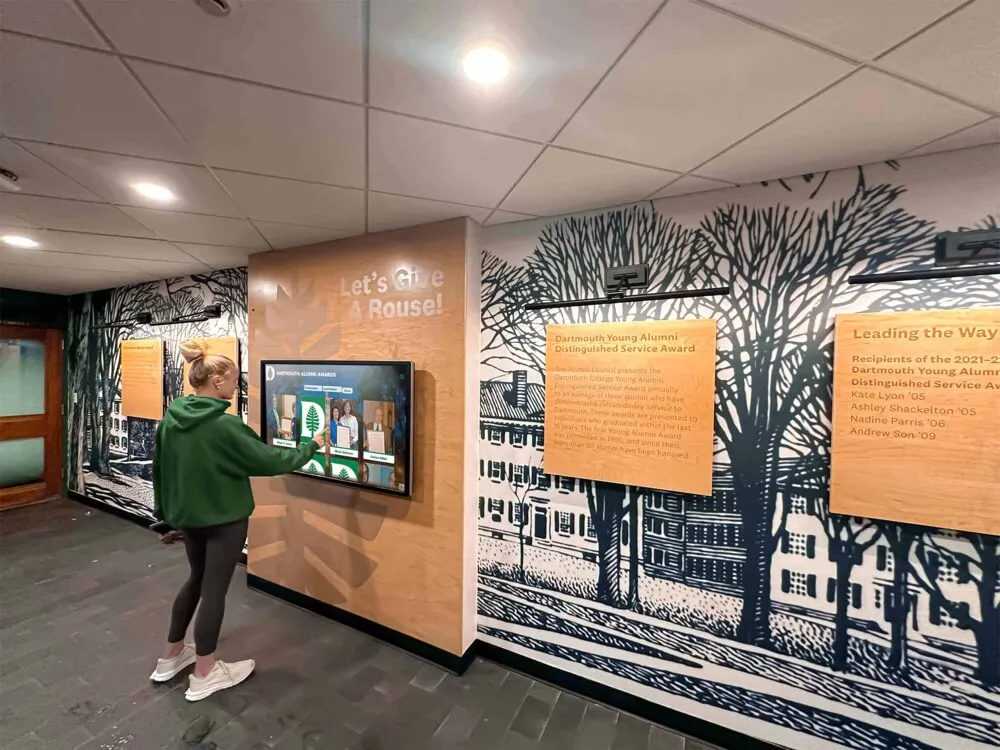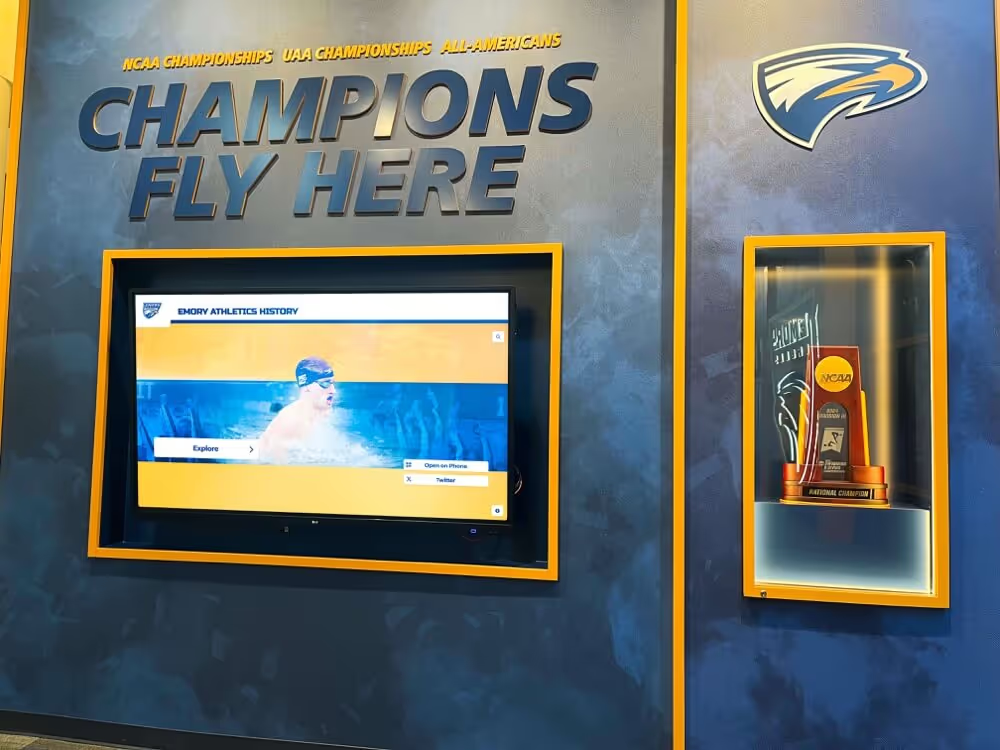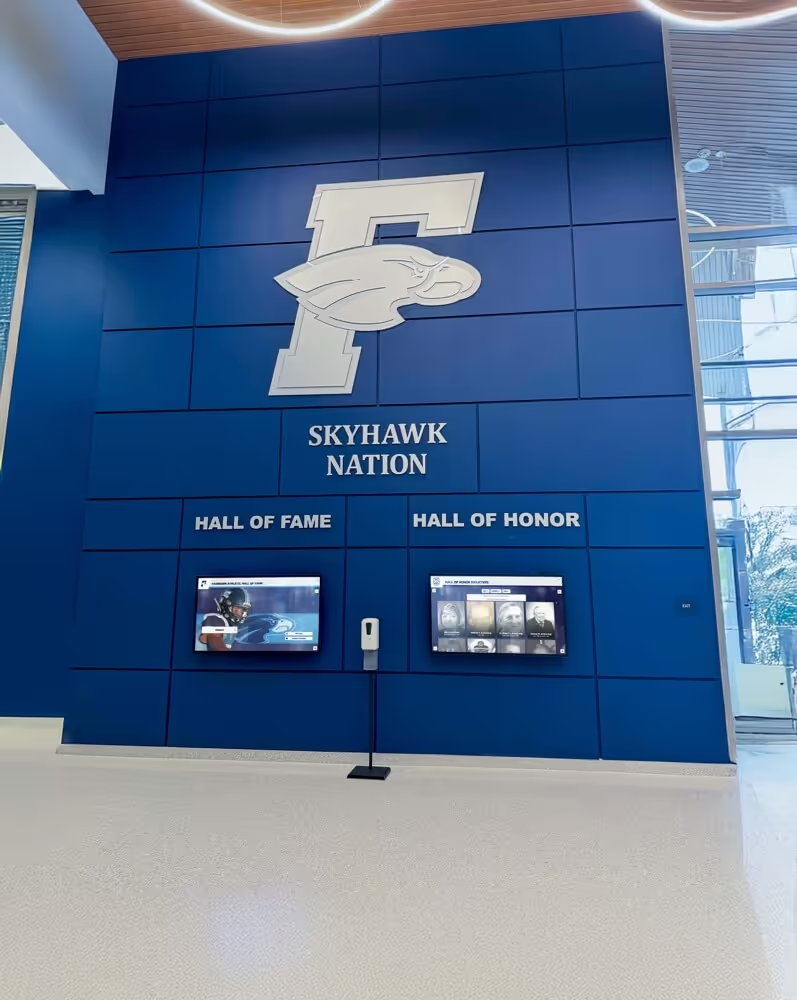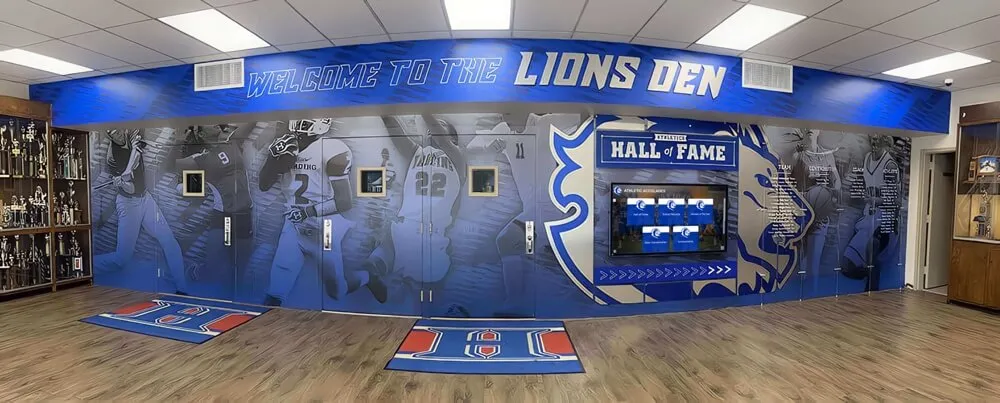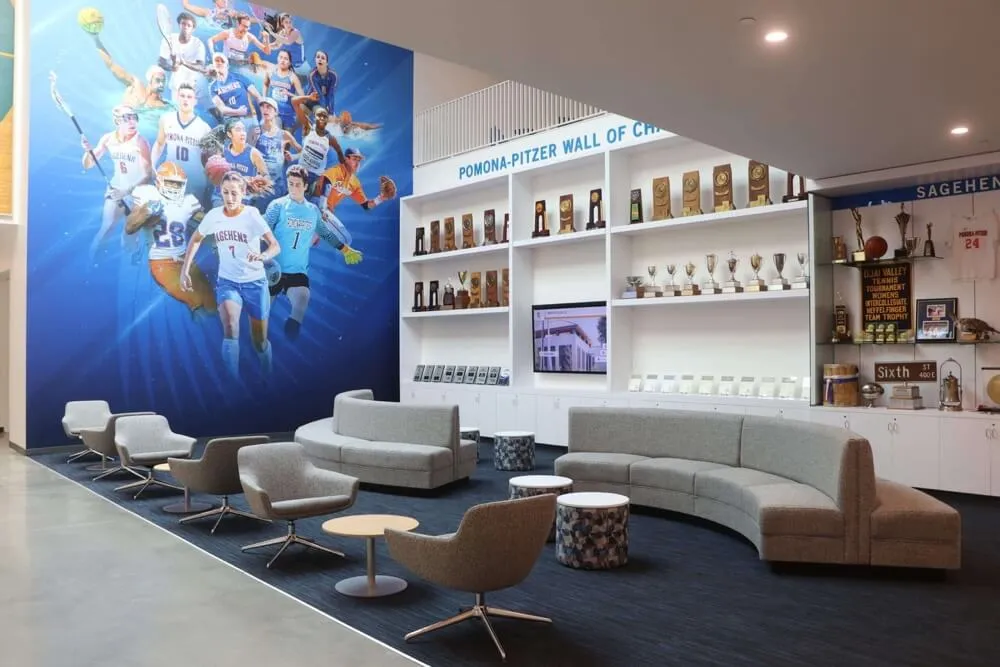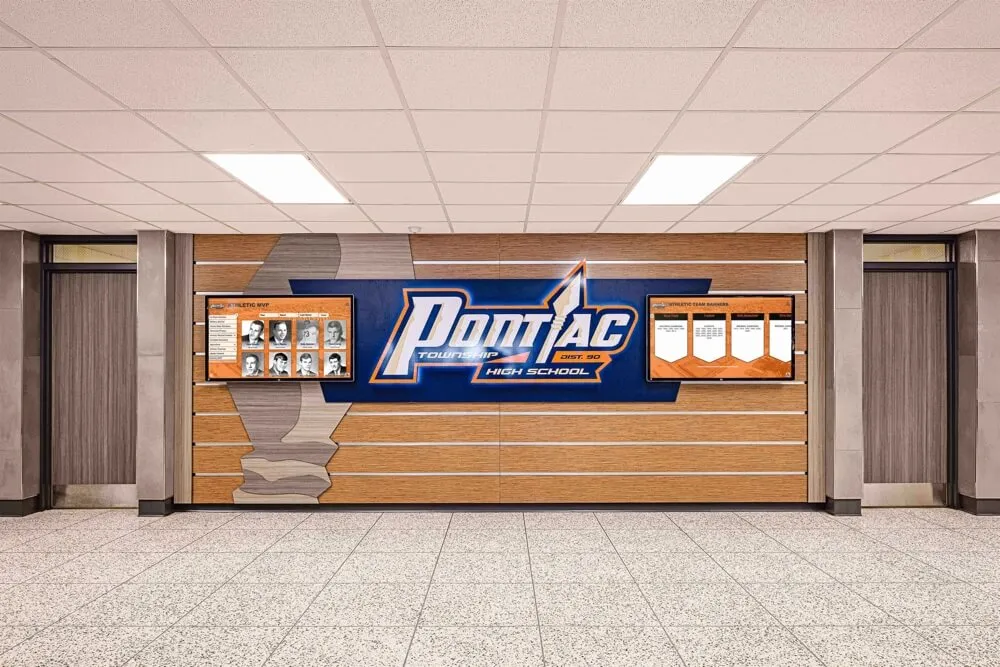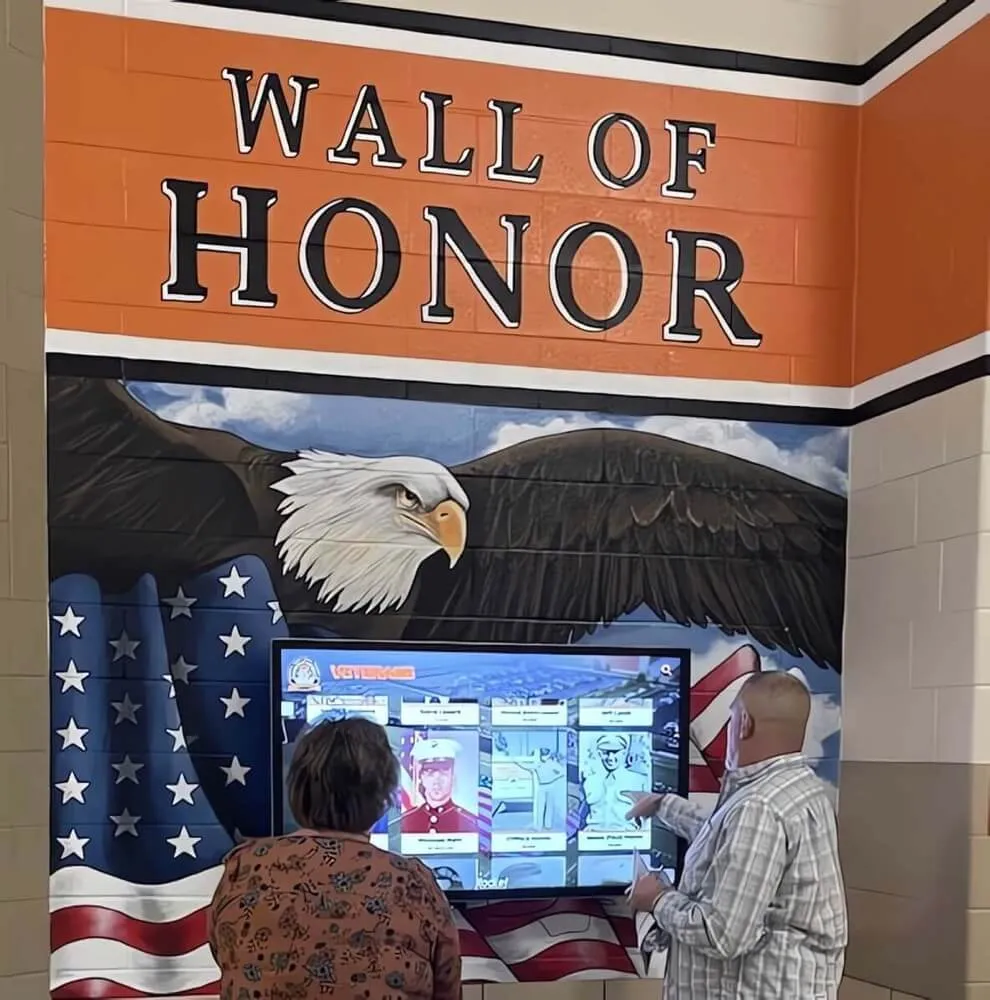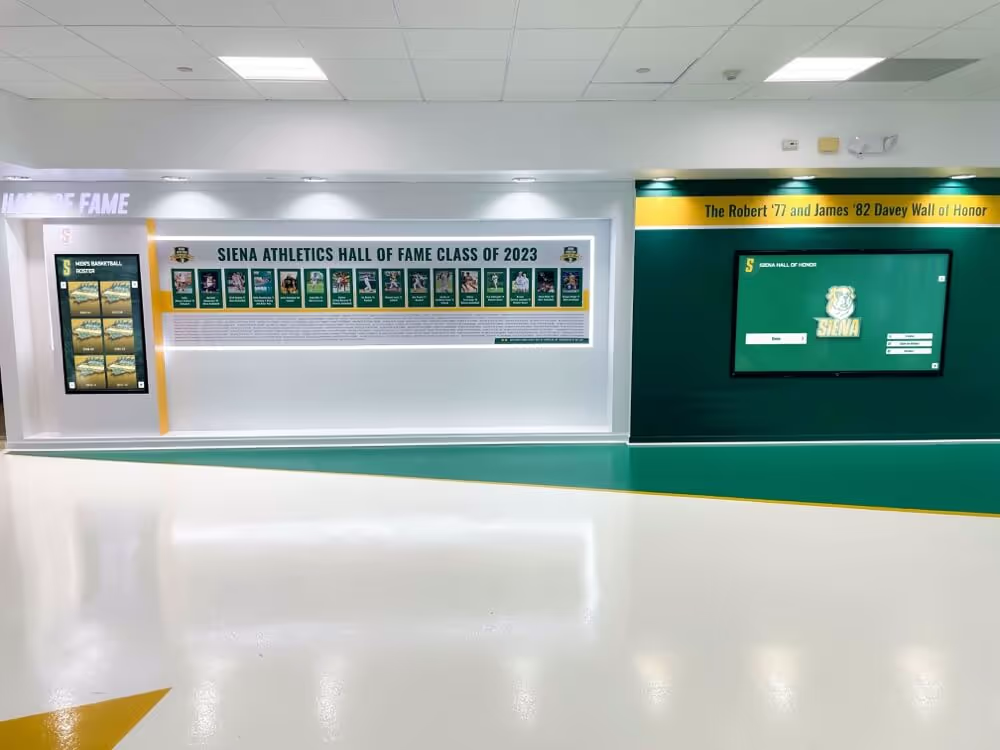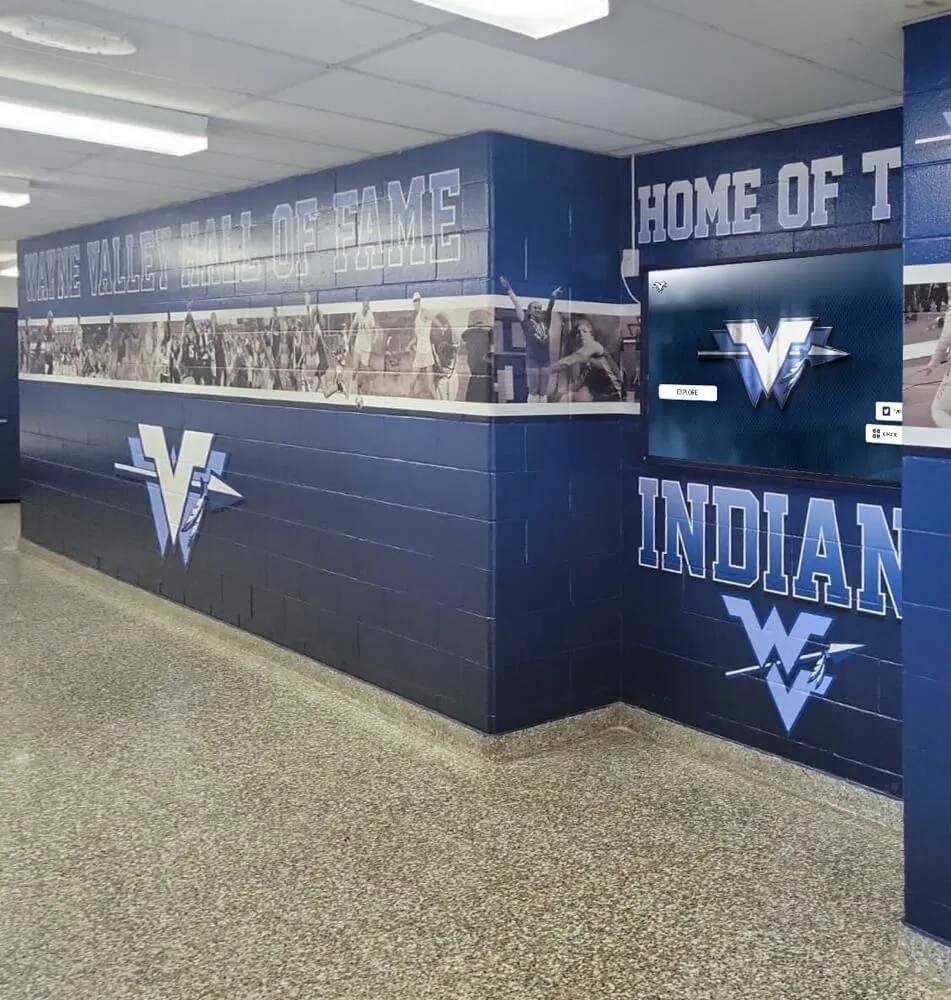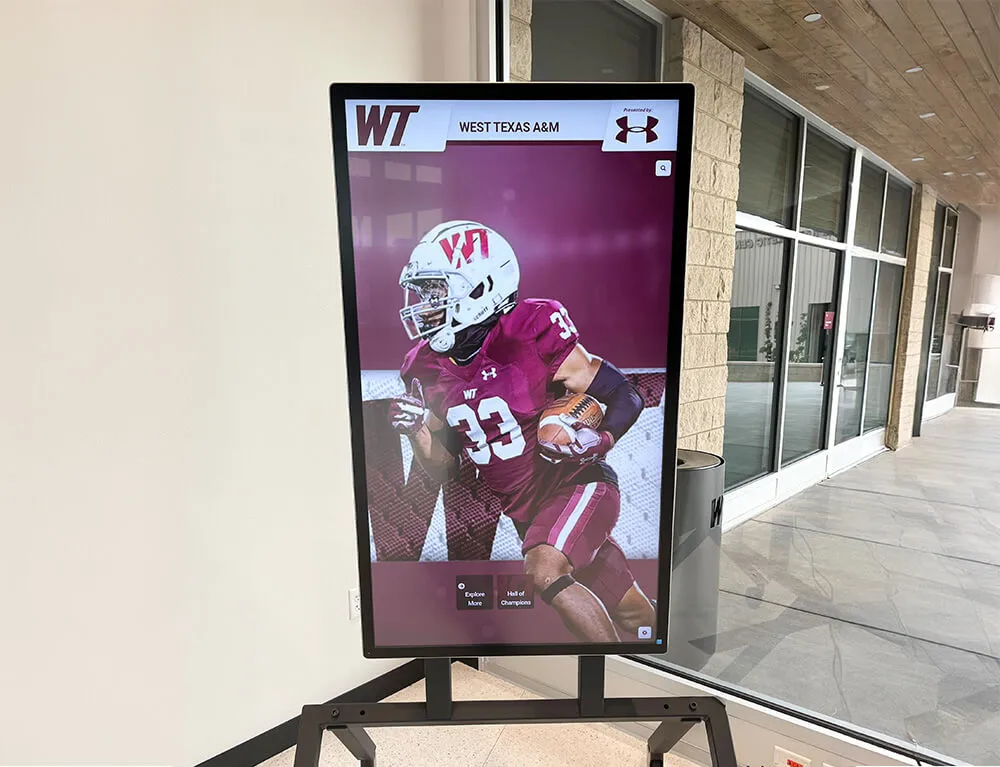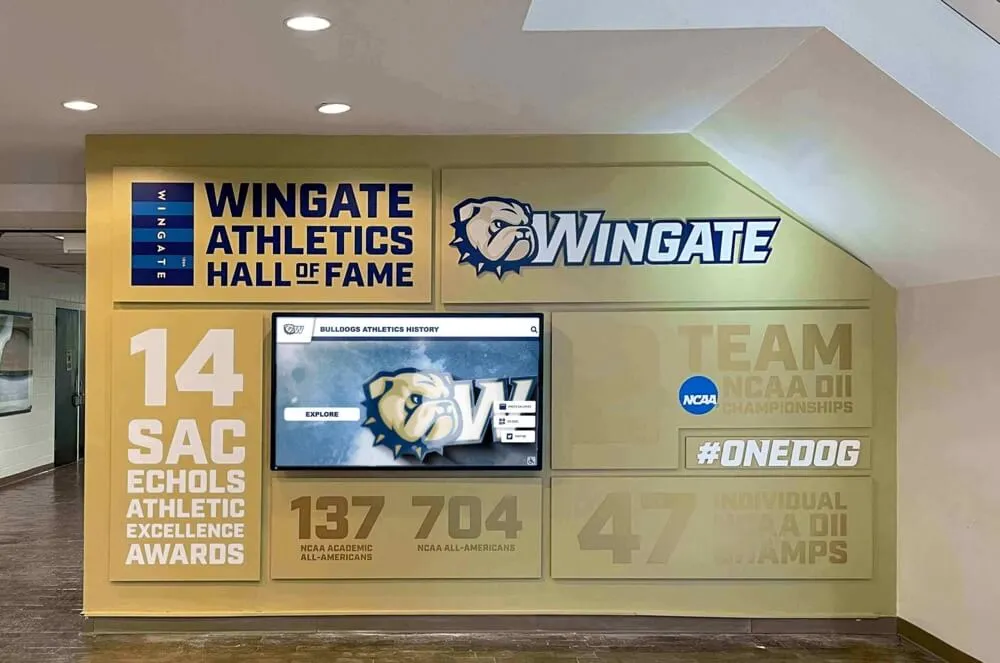




Booster clubs serve as financial lifelines for athletic programs, providing essential funding for equipment, facility improvements, travel expenses, and program enhancements that school budgets cannot accommodate. These volunteer organizations raise hundreds of thousands of dollars annually through membership drives, fundraising events, sponsorships, and generous individual donations from parents, alumni, local businesses, and community supporters who believe deeply in youth athletics. Yet despite this critical financial contribution and the countless volunteer hours invested, many booster clubs struggle to acknowledge donors appropriately through recognition systems that honor every contributor meaningfully while inspiring continued generosity.
Traditional donor recognition approaches—engraved plaques on limited wall space, printed sponsor banners in gymnasiums, or basic donor lists in game programs—impose significant limitations preventing comprehensive acknowledgment. Physical space fills quickly as supporter bases expand over seasons. Per-donor recognition costs of $150-$400 for plaques accumulate unpredictably. Update timelines require weeks or months through vendor coordination. Static displays become outdated rapidly without ongoing maintenance investment. These constraints force difficult decisions about which donors receive visible appreciation, often excluding faithful annual contributors who give $100-$500 consistently while focusing recognition exclusively on major sponsors providing $5,000+ donations.
Why Booster Clubs Need Modern Donor Recognition Solutions
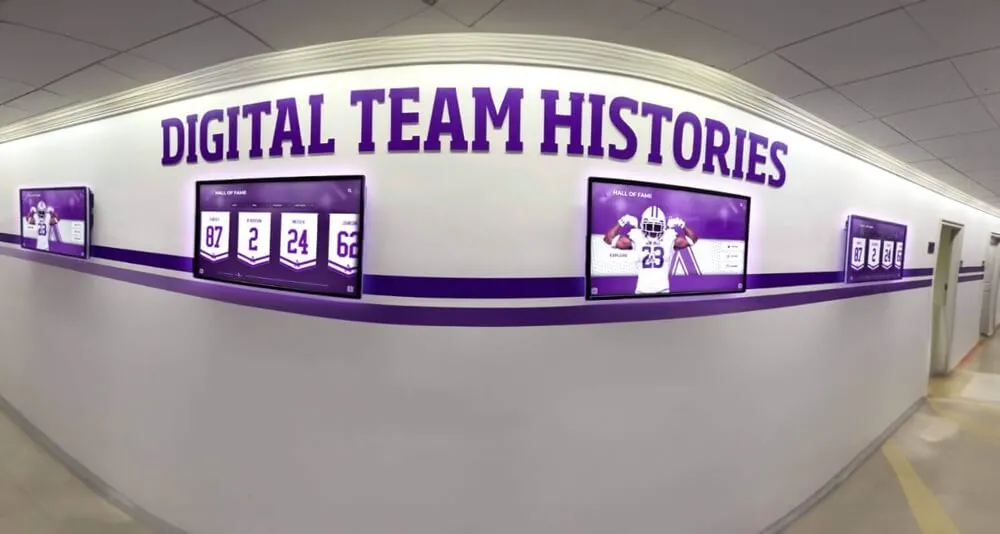
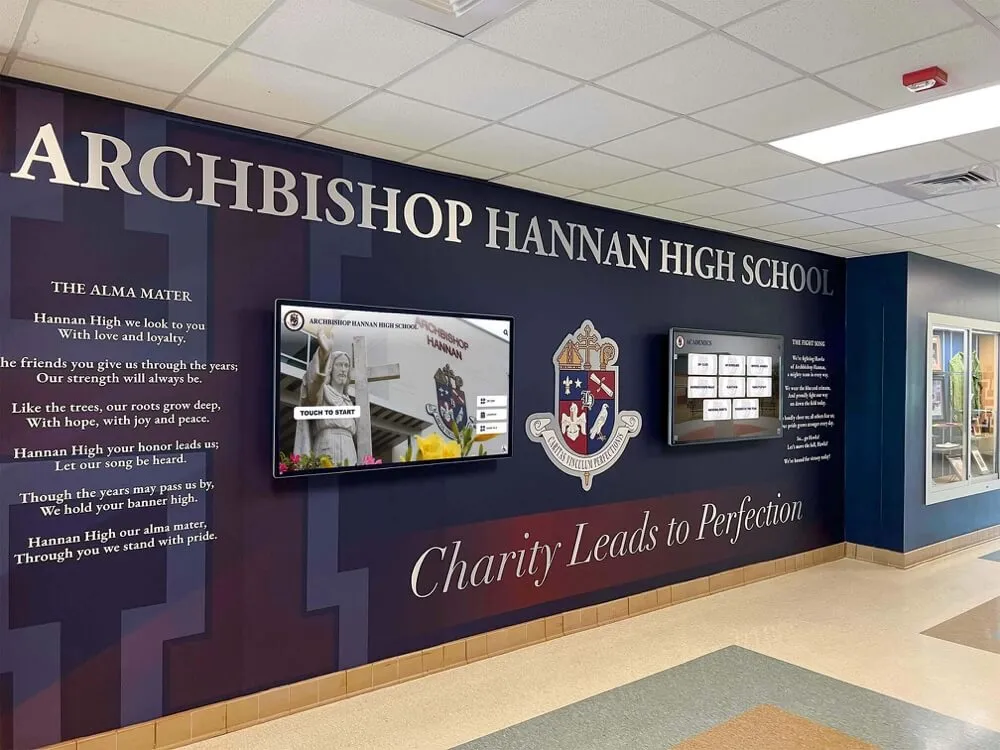
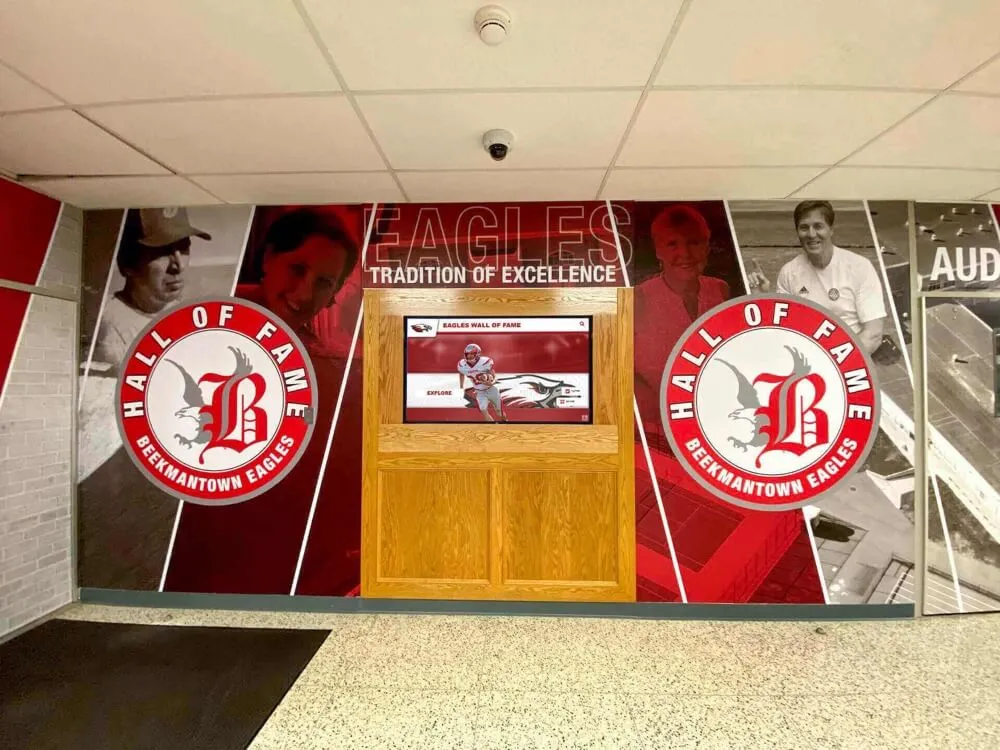
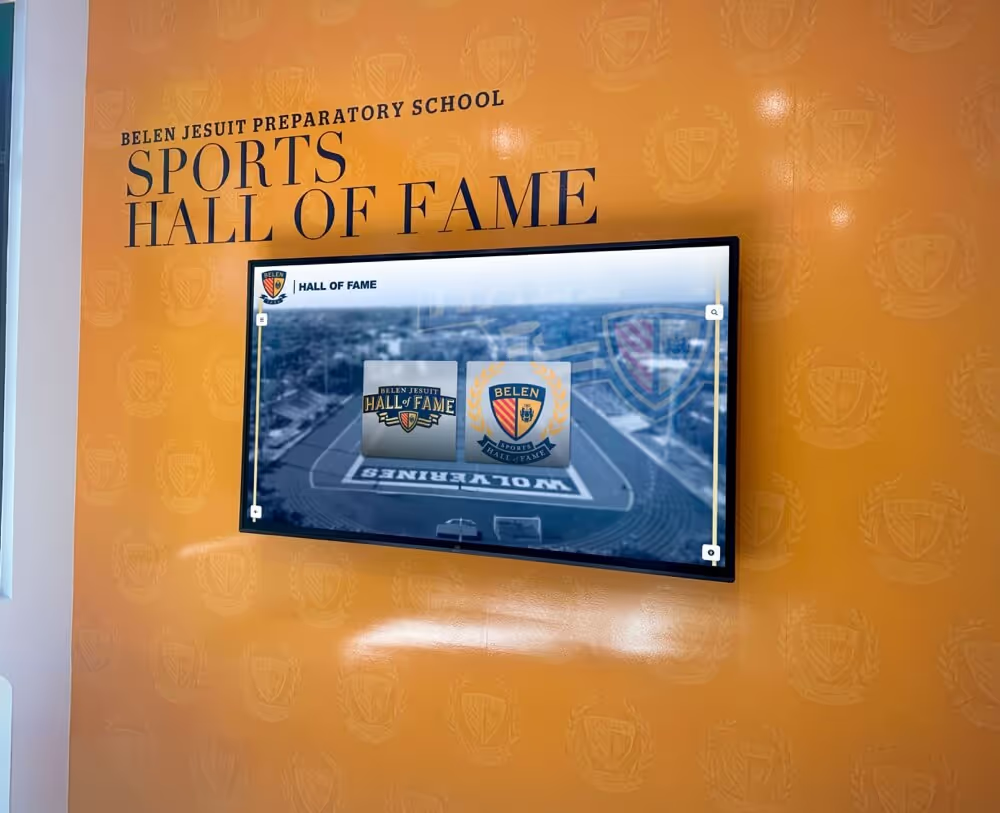
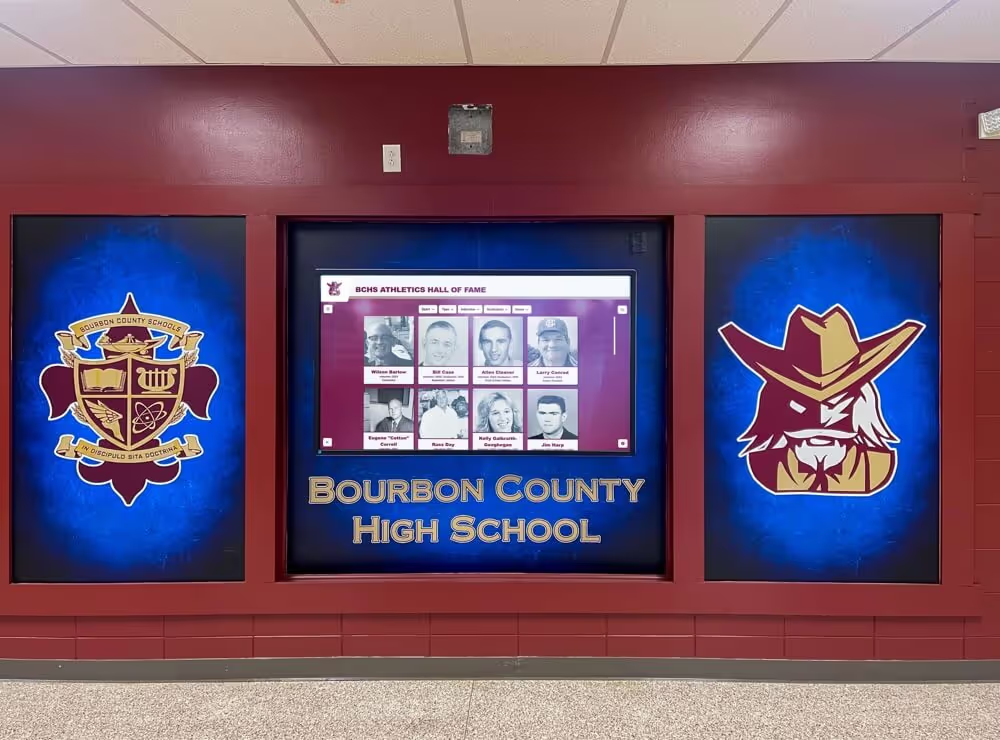
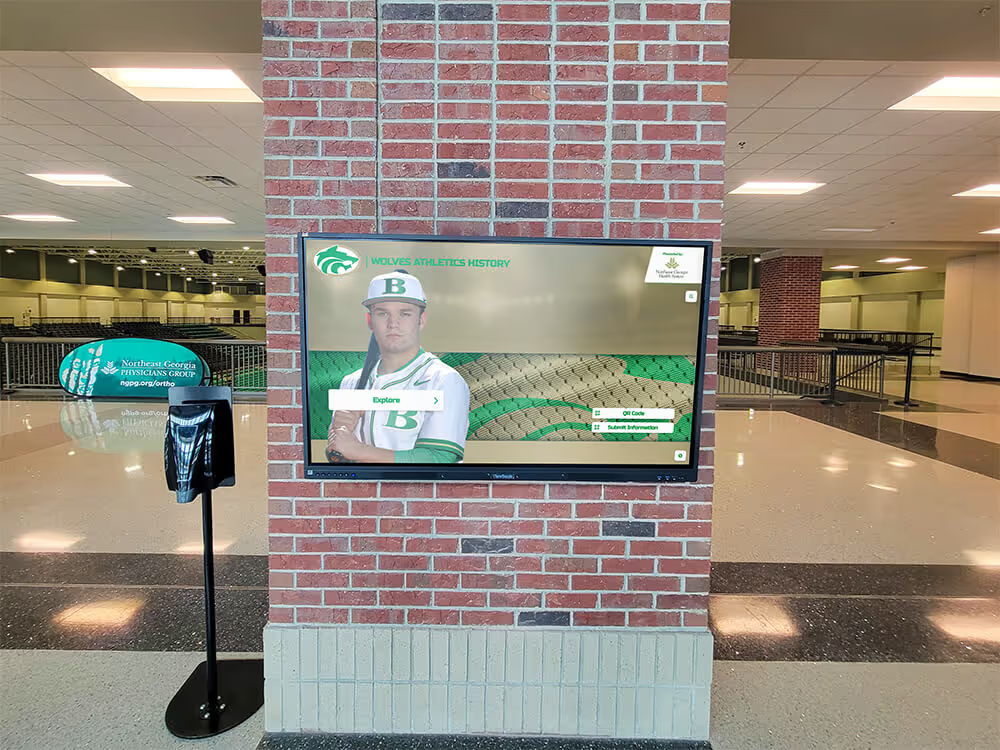
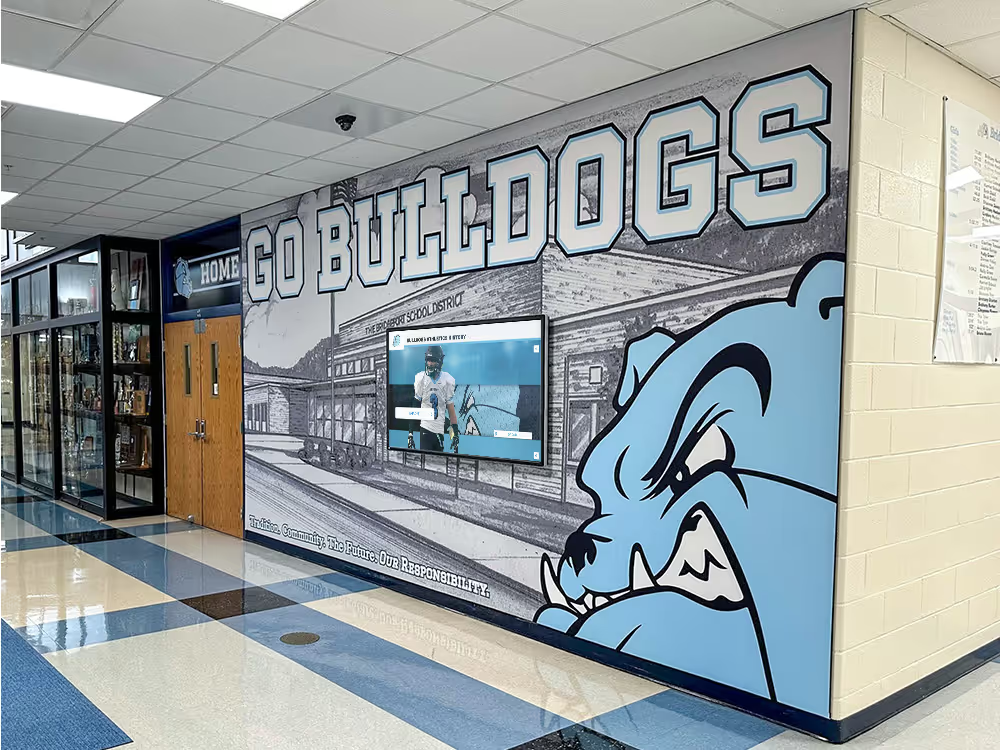
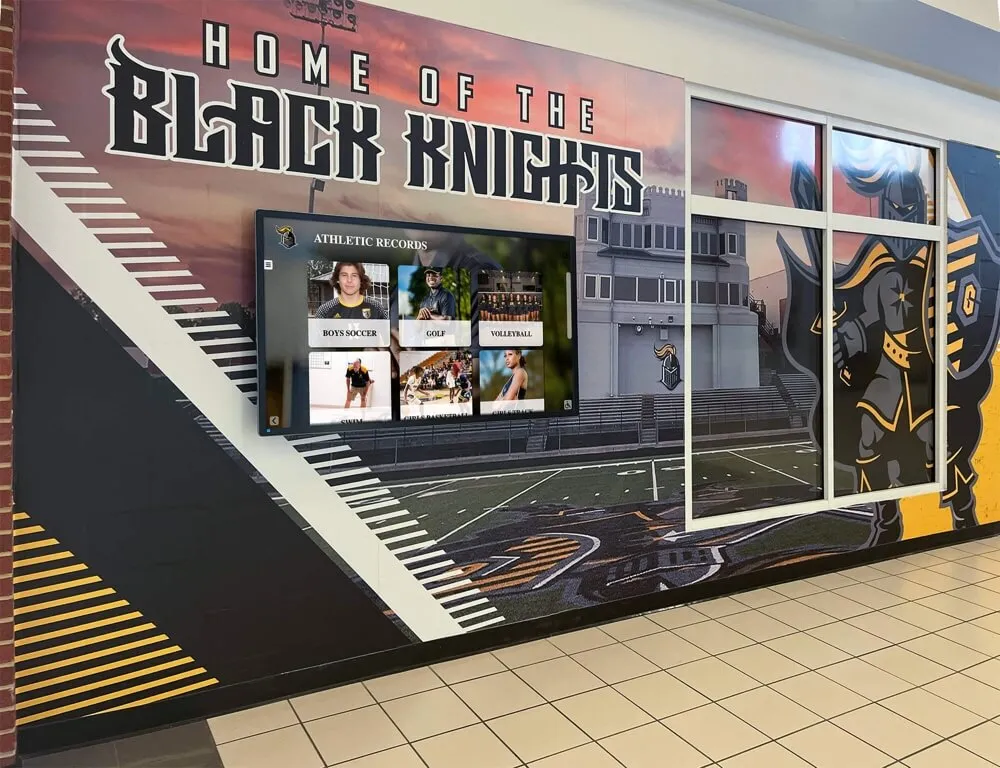
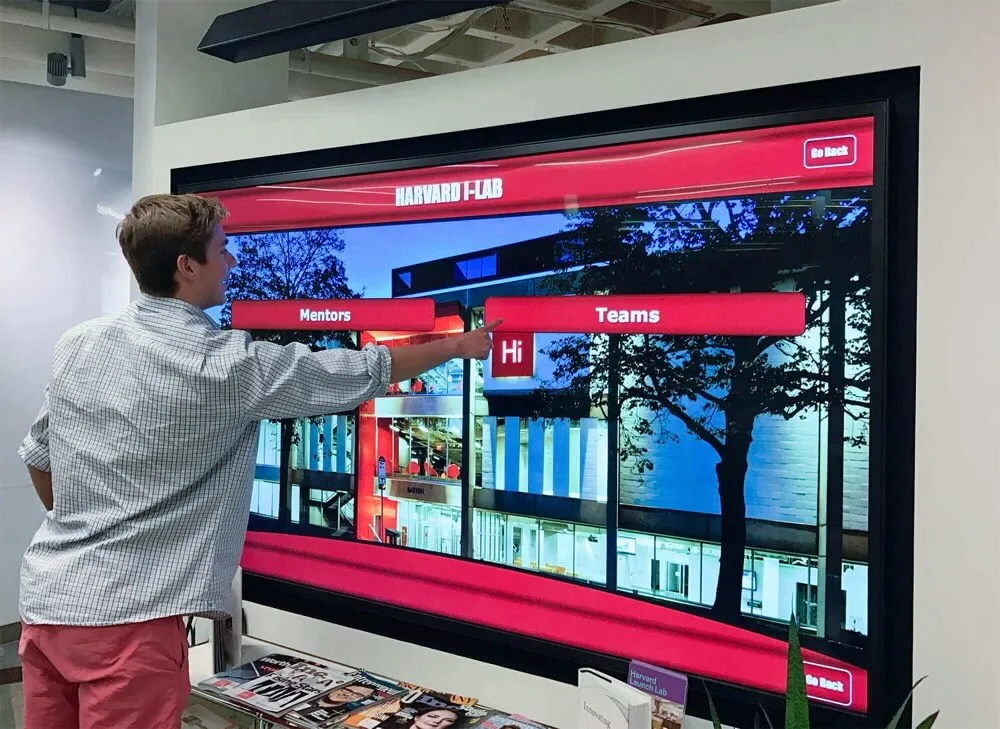
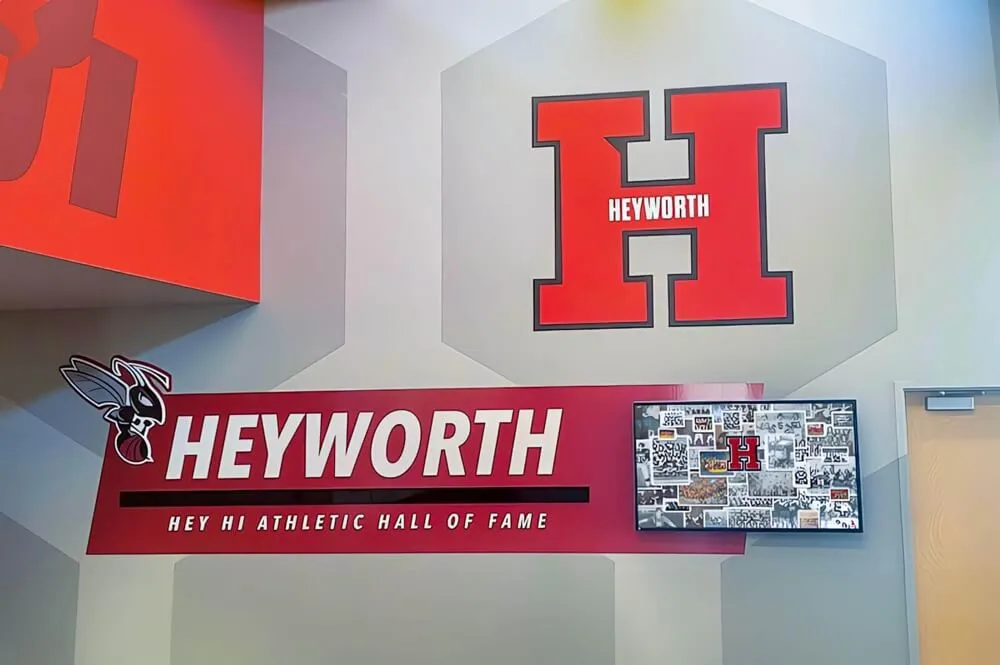
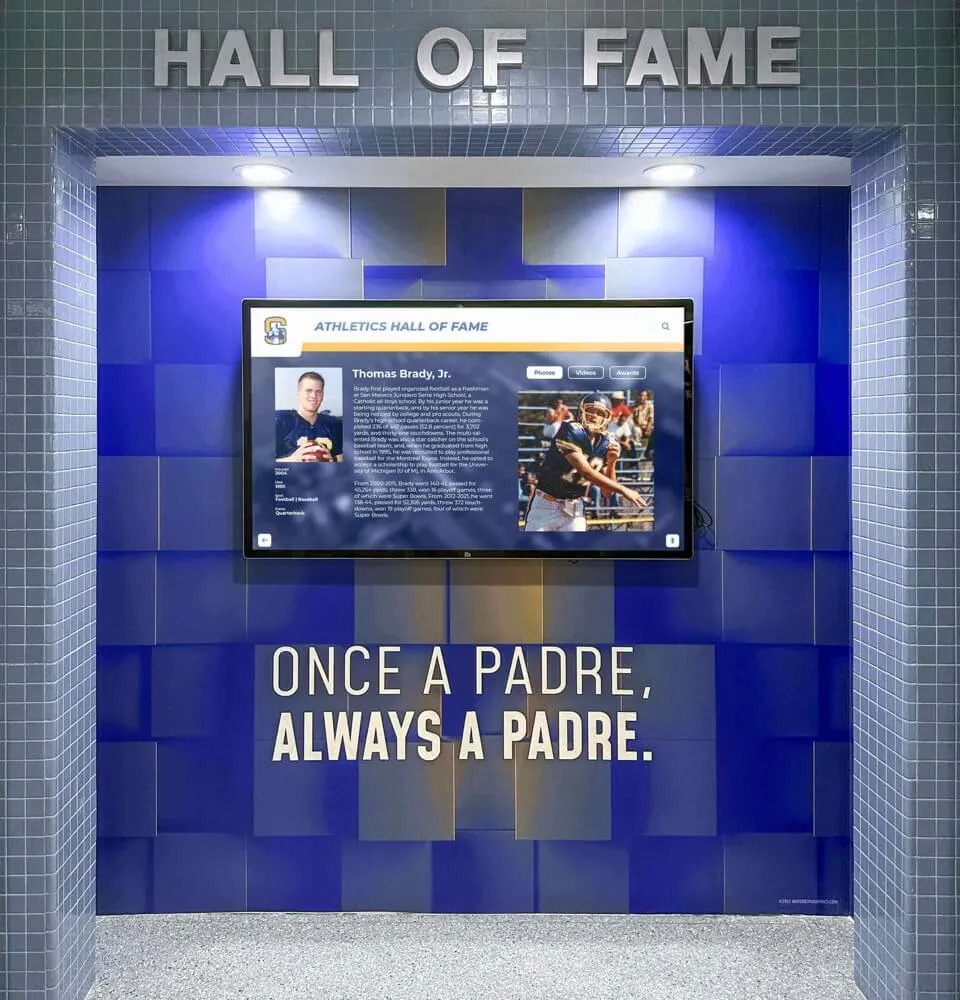
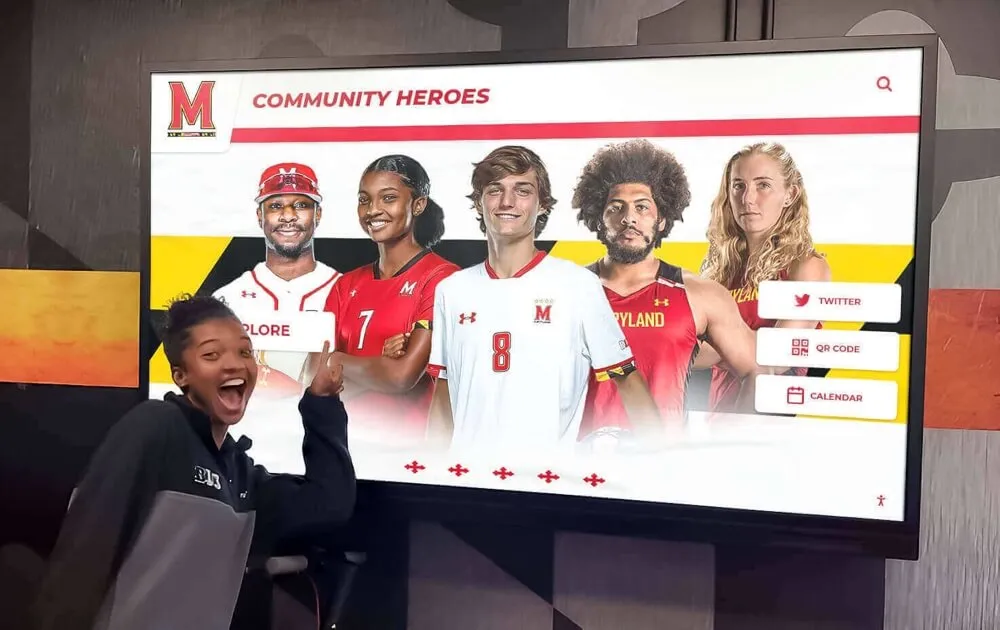
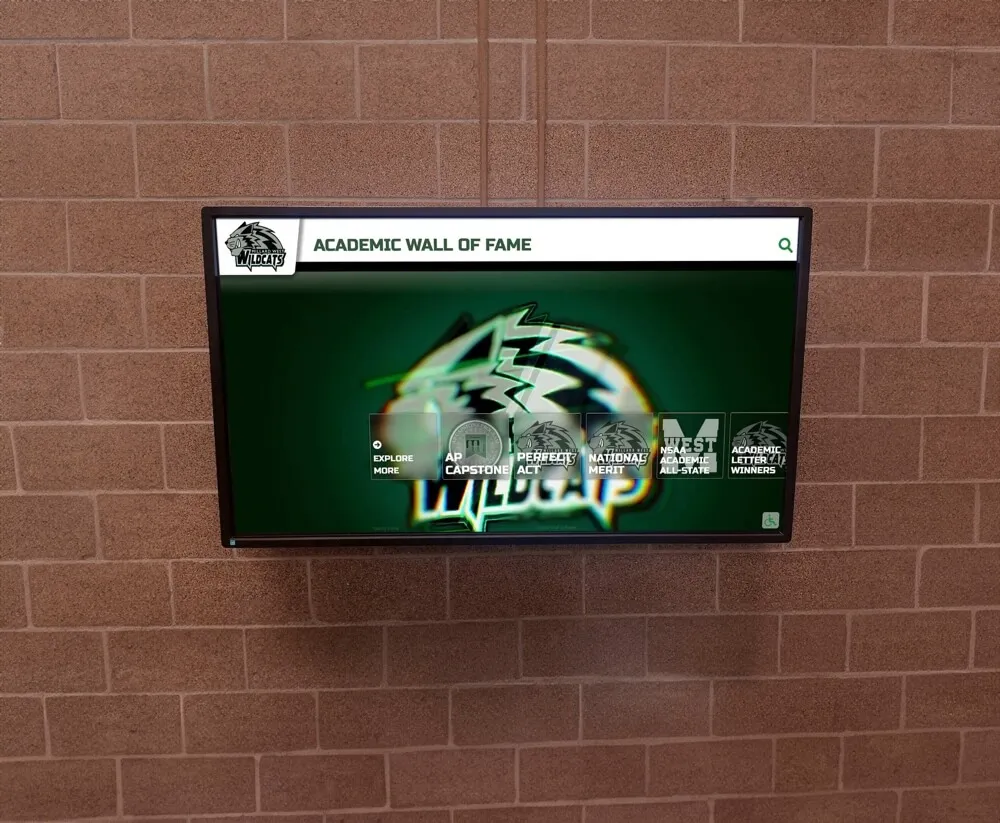
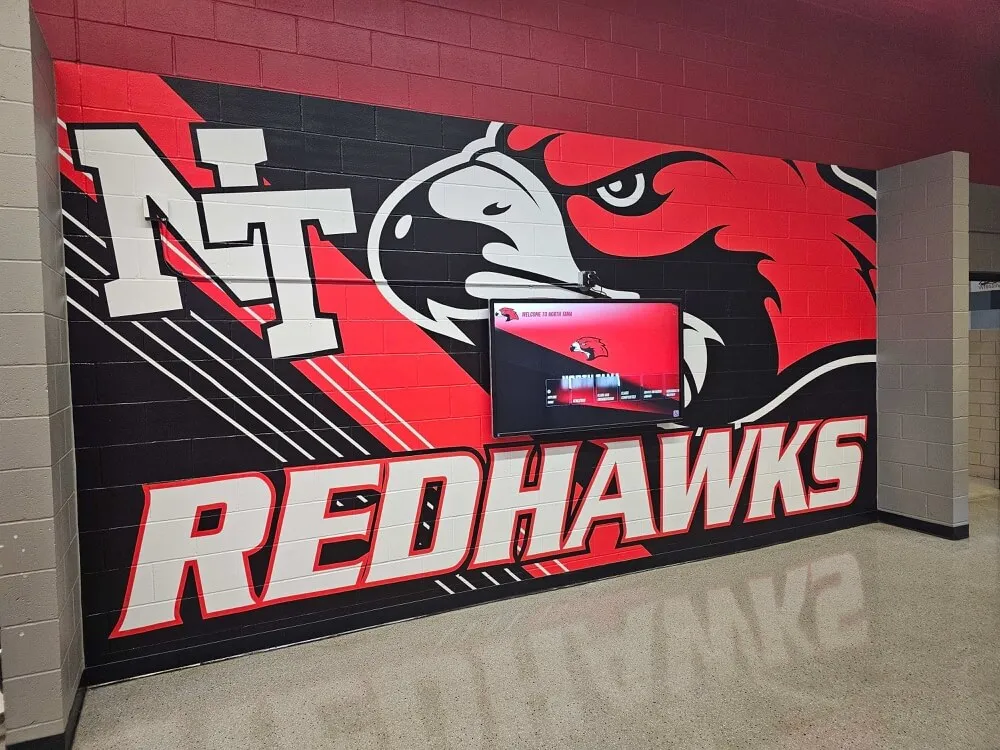
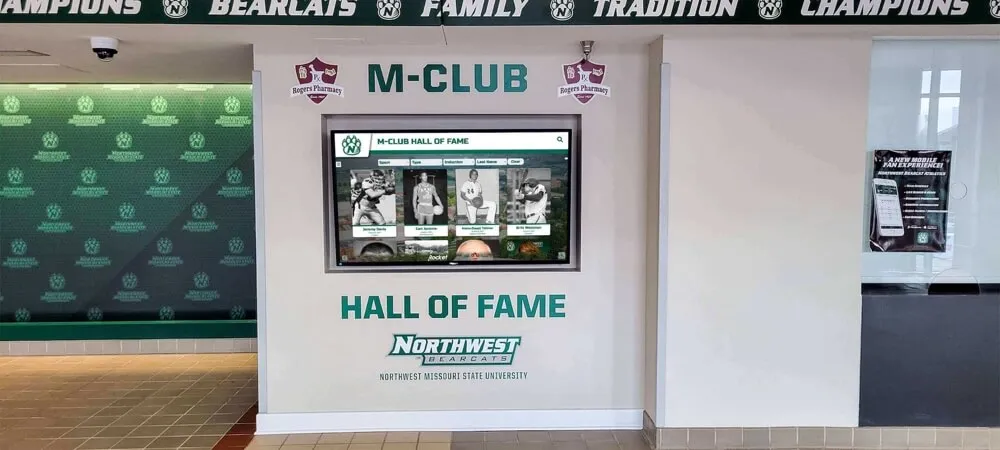
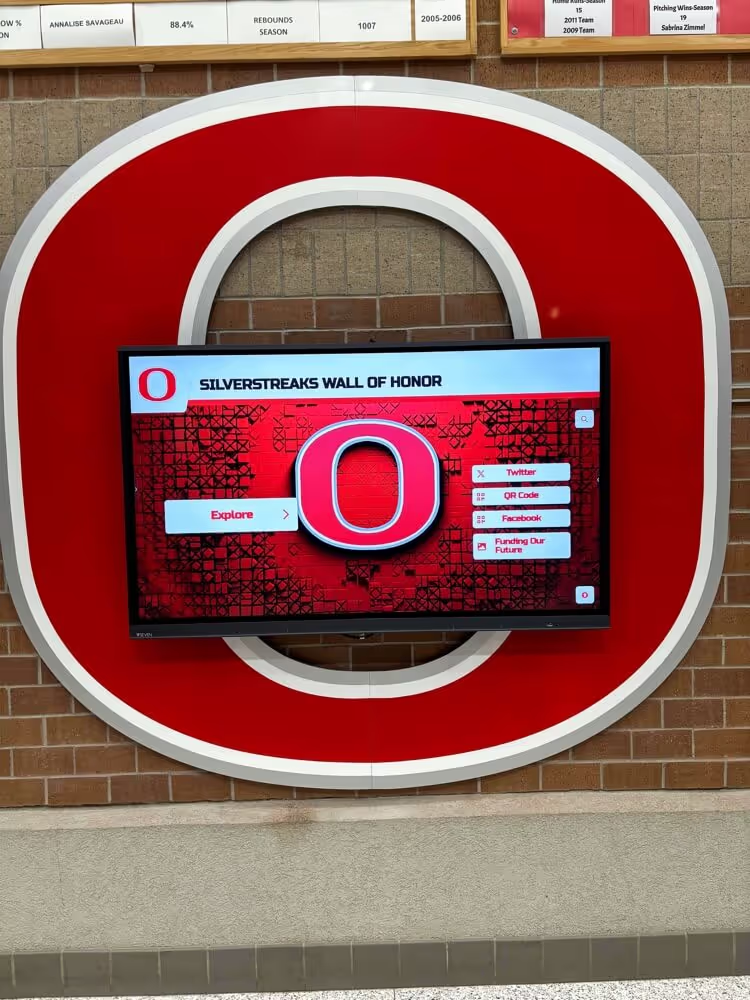
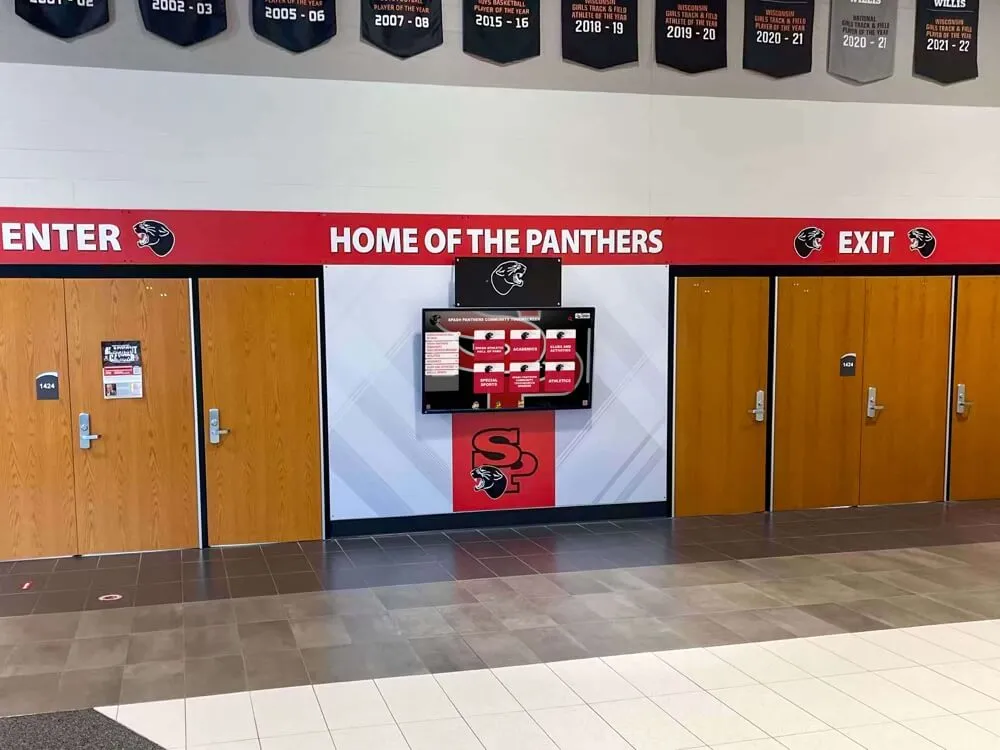
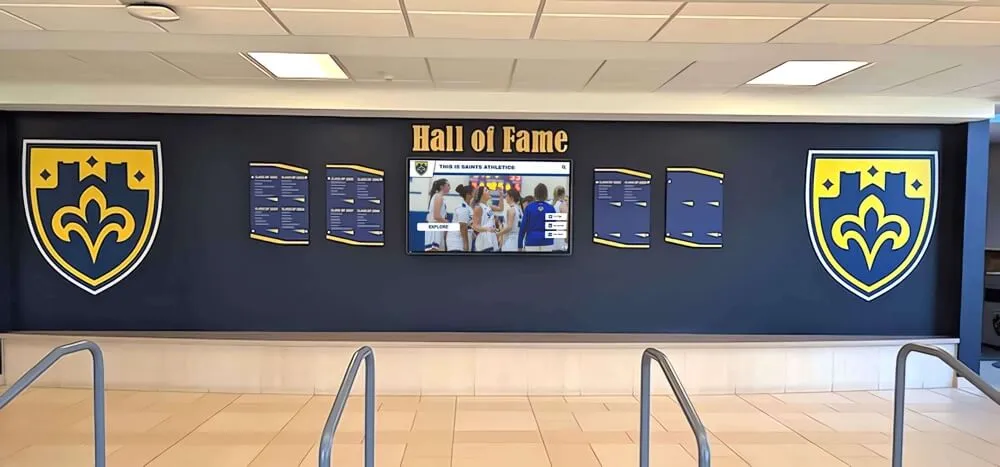
Comprehensive donor recognition directly impacts booster club fundraising success and long-term financial sustainability. Organizations implementing meaningful acknowledgment systems report 35-45% higher donor retention rates, 20-30% increased average gift sizes, and broader community participation as recognition visibility inspires new supporters. Digital recognition displays address every limitation of traditional approaches while providing capabilities impossible with physical plaques including unlimited donor capacity, immediate recognition updates, rich multimedia storytelling, powerful search and discovery tools, and comprehensive engagement analytics. Solutions like Rocket Alumni Solutions enable booster clubs to create professional recognition programs celebrating every supporter appropriately while strengthening fundraising outcomes through authentic visible appreciation that inspires sustained community generosity.
Understanding Booster Club Donor Recognition Challenges
Booster organizations face unique fundraising dynamics requiring specialized recognition approaches that differ substantially from institutional advancement programs at schools, universities, or established nonprofits with dedicated development staff and sophisticated donor management infrastructure.
Volunteer-Led Operations and Limited Resources
Most booster clubs operate entirely through volunteer leadership juggling recognition responsibilities alongside demanding fundraising events, membership coordination, program support logistics, and personal full-time careers and family obligations:
Time Constraints: Volunteer boards typically meet monthly with limited capacity for complex recognition administration requiring vendor coordination, design decisions, installation scheduling, and ongoing content maintenance. Traditional plaque-based systems demand hours of volunteer time processing each new donor addition through ordering, approval, installation coordination, and public announcement ceremonies.
Budget Limitations: Booster club operating budgets prioritize direct program support over administrative infrastructure. Spending $5,000-$15,000+ on recognition systems feels difficult to justify when those same dollars could purchase equipment, fund tournament travel, or upgrade facilities directly benefiting athletes. Yet inadequate recognition ultimately undermines fundraising effectiveness, creating false economy as poor acknowledgment reduces retention and discourages larger gifts that would far exceed recognition investment costs.
Technical Expertise Gaps: Volunteer organizations rarely include members with specialized technical skills in database management, web development, or digital content creation. Recognition solutions requiring these capabilities create unsustainable dependencies on specific individuals whose eventual departure leaves systems unmaintainable by successor volunteers lacking similar technical backgrounds.
Turnover and Institutional Memory Loss: Booster leadership rotates regularly as children graduate, families relocate, or volunteers experience burnout after years of intensive service. This turnover frequently results in lost donor records, forgotten recognition commitments, and inconsistent acknowledgment practices as incoming volunteers discover incomplete documentation and unclear historical policies around recognition thresholds, donor classifications, and acknowledgment approaches.
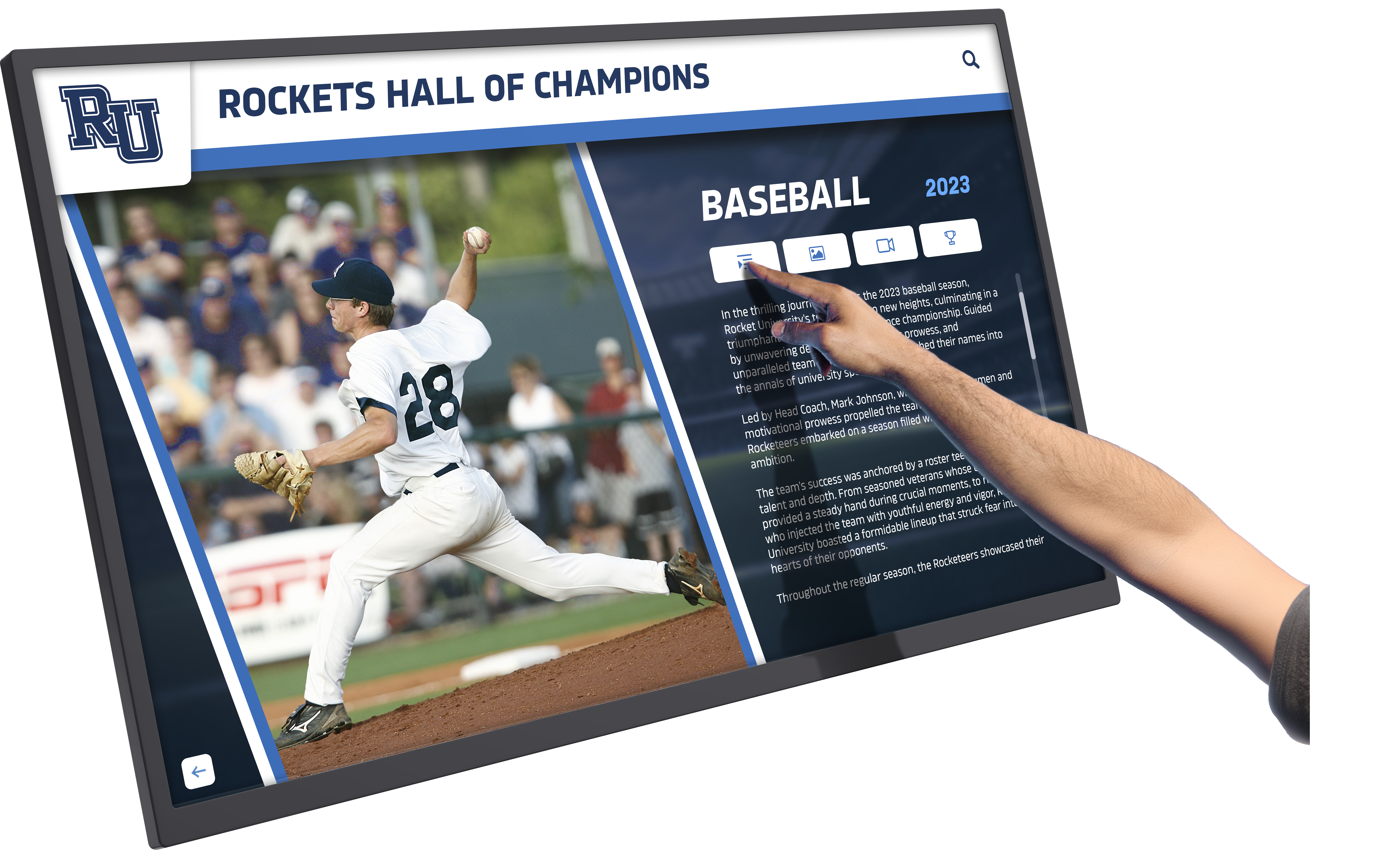
Diverse Donor Base Requiring Flexible Recognition
Booster clubs cultivate support from remarkably diverse constituencies spanning different motivations, capacity levels, and recognition preferences requiring adaptable acknowledgment systems:
Individual Parent Donors: Current parents represent core booster membership providing annual contributions ranging from basic $50-$100 memberships through major $5,000+ sponsorships funding specific initiatives. These donors give primarily from emotional connection to their children’s athletic experiences, expecting visible appreciation demonstrating that booster leadership values their support appropriately.
Alumni and Former Parents: Past supporters often maintain giving relationships long after their children graduate when booster clubs cultivate ongoing engagement through meaningful recognition keeping them connected to programs they helped build. These donors respond particularly well to historical context showing their earlier contributions within multi-year program development narratives demonstrating lasting impact of previous generosity.
Local Business Sponsors: Community businesses support youth athletics through sponsorships ranging from $500 equipment donations through $10,000+ facility naming opportunities. These donors expect professional recognition providing marketing exposure and positive community association while demonstrating corporate citizenship supporting local youth development initiatives.
Grandparents and Extended Family: Grandparents, aunts, uncles, and other relatives frequently contribute to booster clubs supporting family athletes. These donors appreciate recognition acknowledging their connection to specific student-athletes while celebrating broader program success their support enables.
Community Members Without Direct Athlete Connections: Some supporters give simply from community pride and belief in youth athletics’ developmental value regardless of personal family participation. These donors require recognition explaining program impact and community benefit their generosity creates beyond immediate athlete families.
This diversity necessitates flexible recognition accommodating different giving levels, motivations, and preferences around public visibility while maintaining authentic appreciation across all contribution types from equipment donations through cash gifts, volunteer service through corporate sponsorships, and one-time contributions through sustained multi-year support.
Competition for Attention and Fundraising Fatigue
Modern booster clubs operate within increasingly crowded fundraising environments where supporters face constant solicitation from multiple athletic programs, school initiatives, community organizations, religious institutions, and countless other worthy causes competing for limited discretionary giving capacity:
Multiple Athletic Booster Requests: Parents with children participating in different sports receive separate solicitations from football, basketball, baseball, soccer, volleyball, and additional sport-specific booster organizations throughout the year. This fragmentation creates coordination challenges and donor fatigue as families attempt balancing support across multiple programs without financial overextension.
School-Wide Fundraising Competition: Beyond athletic boosters, schools conduct annual fund campaigns, capital projects, classroom enhancement initiatives, performing arts programs, and academic enrichment fundraising creating perception that families face endless giving requests from overlapping organizations within single institutions.
Community Fundraising Saturation: Youth sports clubs, travel teams, Scouts, church groups, community foundations, and countless other organizations simultaneously solicit the same potential supporters through overlapping networks of coaches, teachers, neighbors, and colleagues, generating legitimate donor fatigue and gift prioritization challenges.
Economic Pressures and Competing Priorities: Inflation, rising living costs, college savings pressures, and household budget constraints force families to make difficult choices about discretionary giving. Booster clubs compete not just against other charitable causes but against family vacation plans, home improvement projects, and general financial security concerns that sometimes overwhelm philanthropic impulses regardless of program quality or worthy mission.
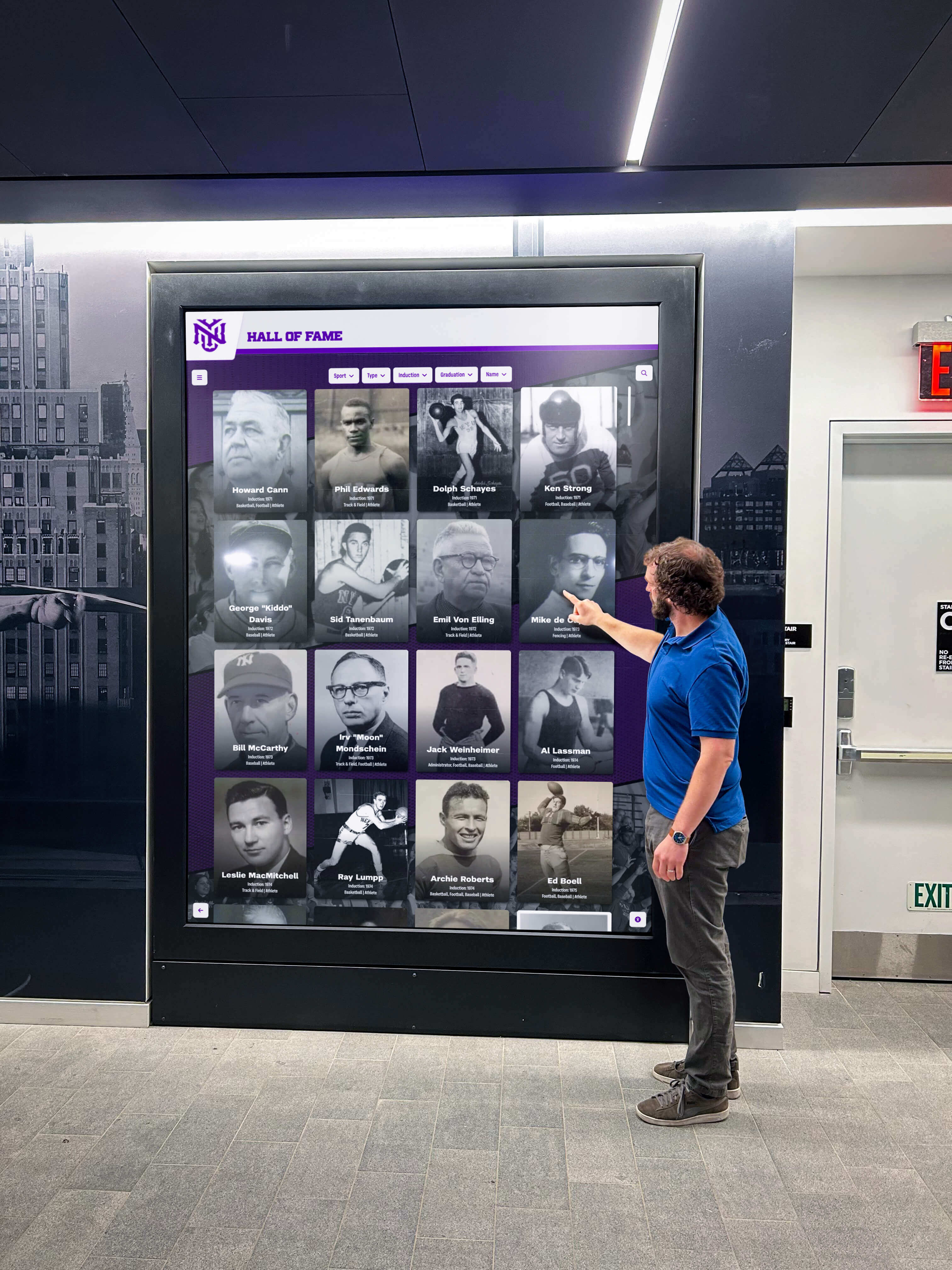
Comprehensive nonprofit donor recognition strategies help organizations stand out in crowded giving environments by demonstrating authentic appreciation that strengthens donor relationships and inspires sustained generosity even amid competing solicitations and financial pressures.
Demonstrating Transparency and Accountability
Community supporters increasingly expect organizations receiving their contributions to demonstrate clear accountability through transparent communication about how donated dollars translate into tangible program benefits and athlete outcomes:
Budget Visibility: Donors want to understand where their money goes specifically—what percentage supports direct program needs versus administrative overhead, how much funds equipment versus travel versus facility improvements, and whether booster spending aligns with stated fundraising priorities and program needs they were told donations would address.
Impact Documentation: Modern donors expect to see tangible evidence that their contributions create meaningful differences in athlete experiences, competitive success, facility quality, or program accessibility rather than simply disappearing into general operating budgets without visible connection to specific outcomes or improvements they helped fund.
Financial Stewardship Evidence: Booster clubs face occasional skepticism about volunteer financial management competency, vendor selection processes, spending authorization controls, and proper accounting practices. Transparent recognition systems demonstrating professional organizational operations help build confidence that donations receive appropriate stewardship deserving of continued trust and generous support.
Equity and Inclusion Considerations: Supporters want assurance that booster funding benefits all program participants equitably regardless of family financial capacity, rather than creating problematic tiered access where only athletes from wealthy families receive premium equipment, training, or opportunities while teammates from modest backgrounds face inferior resources creating competitive disadvantages and participation barriers contradicting youth sports’ developmental mission.
Recognition systems that explicitly connect donor generosity to specific program improvements, quantifiable athlete benefits, and equitable access initiatives help booster clubs build confidence and inspire continued giving by demonstrating clear accountability and transparent stewardship of community resources.
Strategic Benefits of Digital Recognition Displays for Booster Clubs
Modern digital recognition technology addresses traditional acknowledgment limitations while delivering measurable fundraising outcomes that justify infrastructure investments through improved retention, increased gift sizes, and expanded donor base cultivation:
Unlimited Recognition Capacity Honoring Every Contributor
Traditional physical recognition systems force difficult exclusion decisions when wall space fills completely after 5-10 years of donor accumulation, creating problematic situations where long-time faithful supporters providing consistent annual gifts no longer receive visible acknowledgment despite continued generosity simply due to arbitrary space limitations unrelated to contribution significance or organizational gratitude:
Comprehensive Donor Inclusion: Digital displays accommodate unlimited supporters from first-time $25 donors through major $25,000+ benefactors without capacity constraints or per-donor addition costs. This enables booster clubs to recognize every contributor appropriately regardless of giving level, creating inclusive programs celebrating all forms of support from modest family memberships through transformational sponsorships funding major facilities or equipment investments.
Multi-Year Historical Recognition: Clubs can acknowledge cumulative giving over decades rather than restricting recognition to single-year contributions, honoring sustained relationships with supporters who have given consistently for 10-20+ years as their children progressed through programs. This historical context celebrates loyalty and inspires similar long-term commitment from newer donors seeing examples of sustained community support.
Diverse Recognition Categories: Beyond financial contributions, digital systems enable acknowledgment of volunteer service through countless coordination hours, in-kind donations providing needed equipment or services, organizational leadership through board service, fundraising event support, and other valuable non-monetary contributions deserving visible appreciation demonstrating that booster clubs value multiple forms of support beyond cash gifts alone.
Scalable Program Growth: As booster clubs successfully expand supporter bases through effective cultivation, digital recognition accommodates growth seamlessly without requiring expensive system expansions, additional hardware purchases, or revised acknowledgment policies forcing higher recognition thresholds excluding faithful smaller donors whose cumulative contributions represent substantial program support despite individual gift sizes below major benefactor levels.
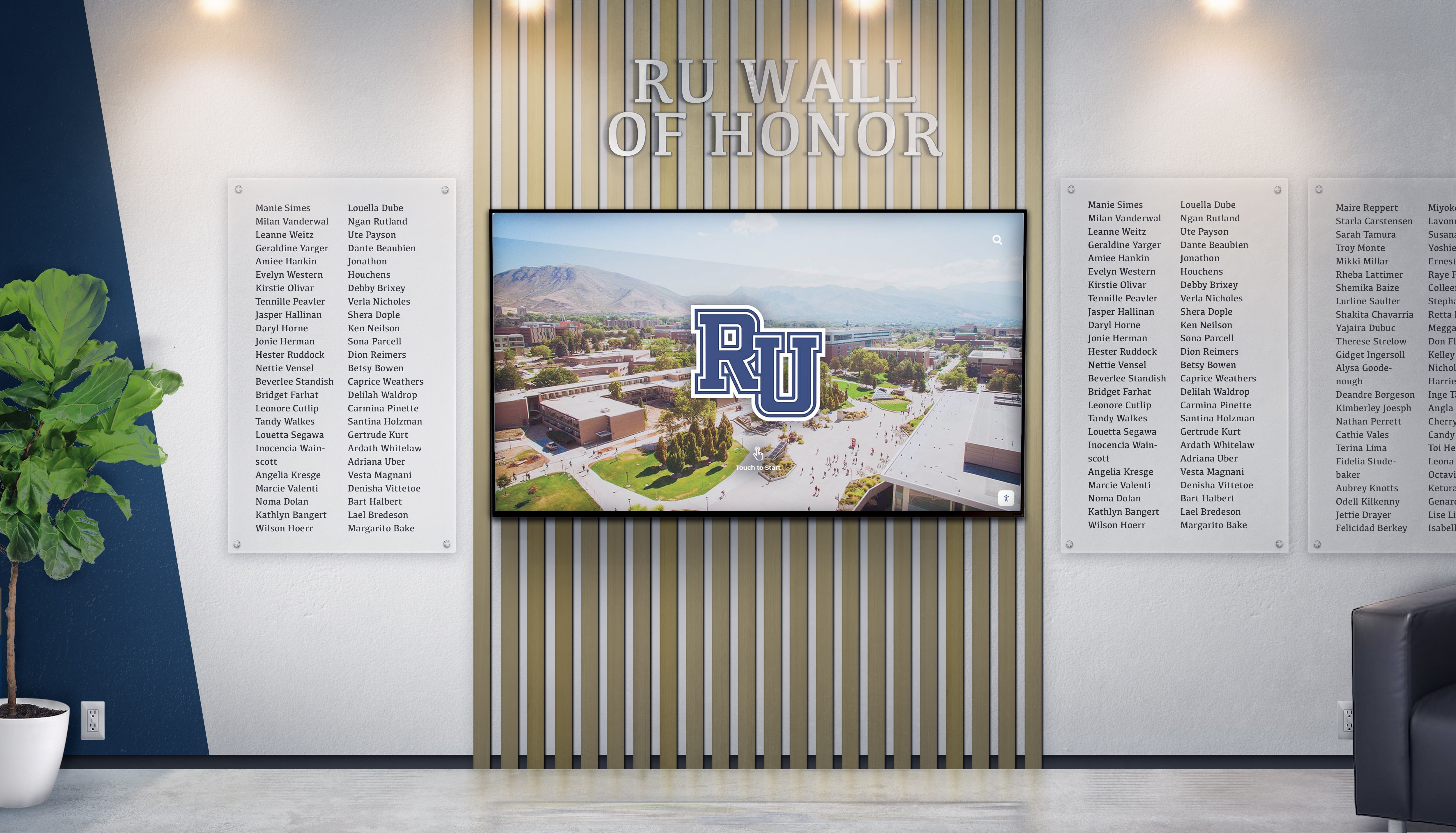
This unlimited capacity proves particularly valuable for booster clubs pursuing aggressive fundraising growth, as recognition systems transform from program constraints requiring donor exclusion into enablers supporting ambitious goals through comprehensive acknowledgment celebrating expanded community participation and growing support levels.
Immediate Recognition Updates Strengthening Donor Relationships
Fundraising research consistently demonstrates that acknowledgment timing profoundly influences donor satisfaction, retention probability, and subsequent giving decisions. Supporters experiencing prompt meaningful recognition feel genuinely valued during periods when giving motivation peaks and emotional connection remains strongest, while acknowledgment delays allow initial enthusiasm to fade before appreciation arrives creating intended relational impact:
Same-Day Recognition Capability: Digital platforms enable booster clubs to add new donor profiles within hours or days after contributions arrive rather than waiting weeks or months for physical plaque production and installation. Volunteer administrators access cloud-based content management systems from home computers or smartphones, enter donor information through simple web forms, publish profiles immediately making recognition visible at facility displays, and send personalized notifications informing contributors that their generosity now receives public appreciation they can share proudly with family members and friends through social media or personal communications.
Campaign Momentum Creation: Real-time recognition during active fundraising campaigns creates visible momentum as potential donors witness growing participation through daily updates showcasing new contributions. This social proof normalizes giving and inspires undecided prospects to contribute before campaigns conclude, knowing their support will receive immediate acknowledgment rather than delayed recognition diminishing motivational impact and social sharing opportunities.
Event-Based Recognition: Booster clubs can update displays immediately following fundraising galas, golf tournaments, or community events, acknowledging new sponsors and major contributors while attendees remain on-site and celebrations continue. This immediate visibility generates excitement and positive reinforcement strengthening emotional connection during peak engagement moments when ongoing relationship building creates greatest impact.
Responsive Stewardship Excellence: Quick recognition updates demonstrate operational competency and genuine appreciation authenticity that translate into general confidence in booster club professionalism, financial management, and relationship stewardship. Donors experiencing prompt appropriate acknowledgment develop stronger trust in organizational leadership capacity to manage resources responsibly and honor commitments reliably across all operational dimensions beyond recognition alone.
This immediacy particularly benefits volunteer-led booster clubs lacking full-time advancement staff, as simple cloud-based systems enable any authorized board member to publish recognition updates quickly without technical expertise, vendor coordination, or facilities department scheduling creating frustrating delays that diminish acknowledgment impact and donor satisfaction.
Rich Multimedia Storytelling Creating Emotional Connection
Traditional plaques restrict donor recognition to minimal text due to physical space and per-character engraving cost constraints—typically donor names, contribution amounts or giving levels, and occasionally brief 10-15 word dedication messages. This limitation prevents meaningful storytelling about why supporters give generously, what their contributions accomplish tangibly across program dimensions, how booster funding translates into specific athlete benefits and competitive advantages, or personal motivations and connections driving sustained community generosity:
Comprehensive Donor Profiles: Digital recognition enables detailed biographical content including family athletic connections explaining which children, grandchildren, or relatives donors support through booster membership; personal reflections describing why youth athletics matter to them and what values or experiences motivate continued giving; professional backgrounds and community involvement demonstrating civic commitment beyond athletics alone; and historical program connections for alumni supporters or former parents maintaining relationships long after their children graduated, showing sustained loyalty deserving special acknowledgment and gratitude.
Impact Documentation and Program Storytelling: Recognition content explicitly connects donor generosity to tangible outcomes through before-and-after facility improvement photos showing transformations booster funding enabled, equipment showcases displaying gear purchased through contributed dollars, athlete testimonials thanking supporters for training opportunities and competitive experiences that donations made possible, championship celebrations documenting success partially attributable to superior resources booster funding provided, and program growth statistics showing expanding participation, improved competitive performance, or enhanced athlete development that community generosity supports directly.
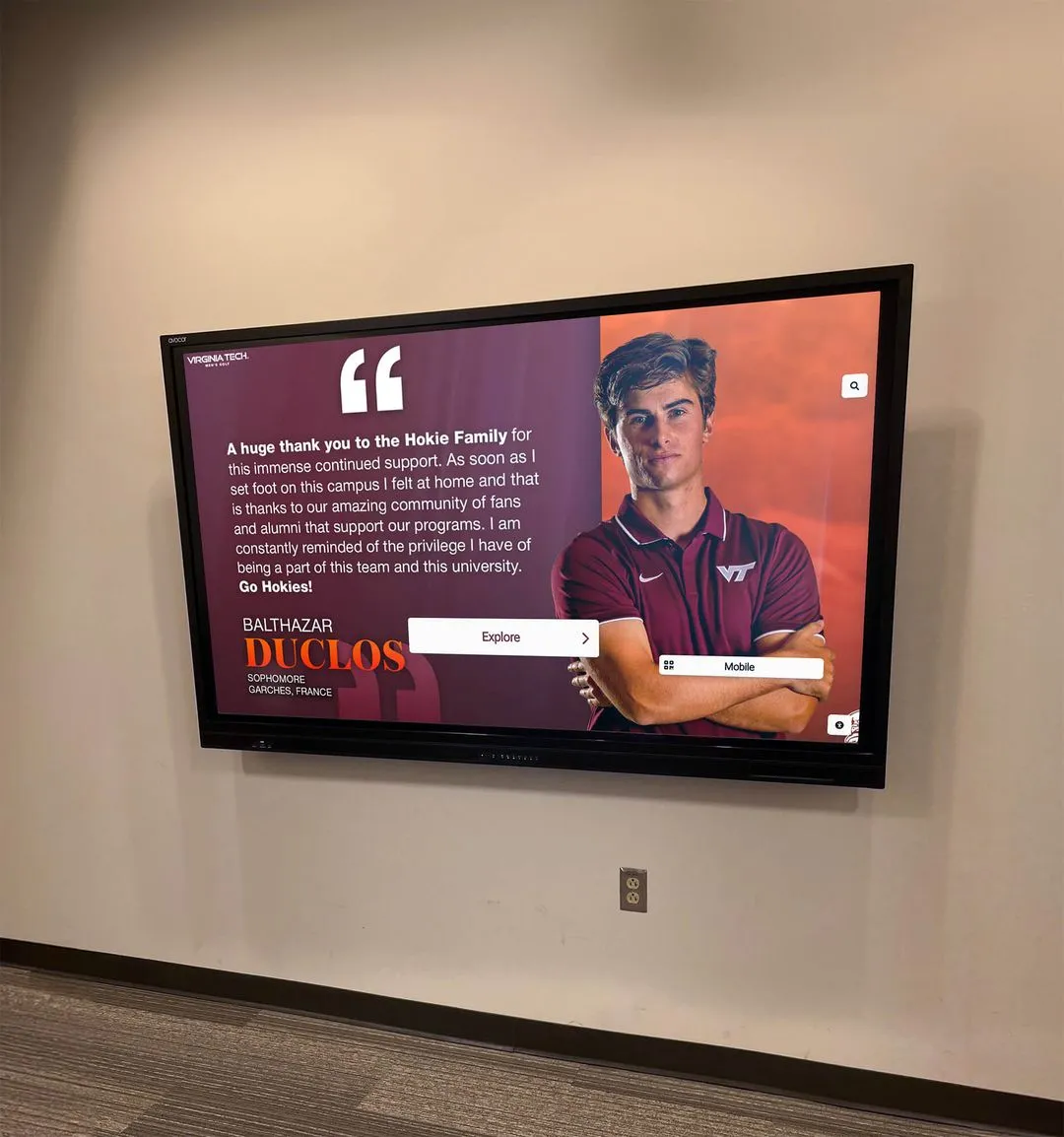
Photo and Video Integration: High-resolution images capture donors during recognition events, facility dedications, or program celebrations demonstrating active engagement with organizations they support. Video testimonials from donors explaining giving motivations create authentic emotional connection impossible through text alone while serving as powerful social proof inspiring prospective supporters. Team photos, action shots, and program highlights contextualize donor contributions within broader athletic excellence and community building their support enables.
Sponsor Logo and Marketing Content: Business sponsors receive professional recognition including company logos, marketing descriptions, contact information, and direct links to sponsor websites providing marketing value justifying sponsorship investments while acknowledging corporate community citizenship supporting youth development. This professional presentation encourages continued sponsorship renewals and larger commitment levels as businesses recognize tangible marketing benefits complementing philanthropic motivations.
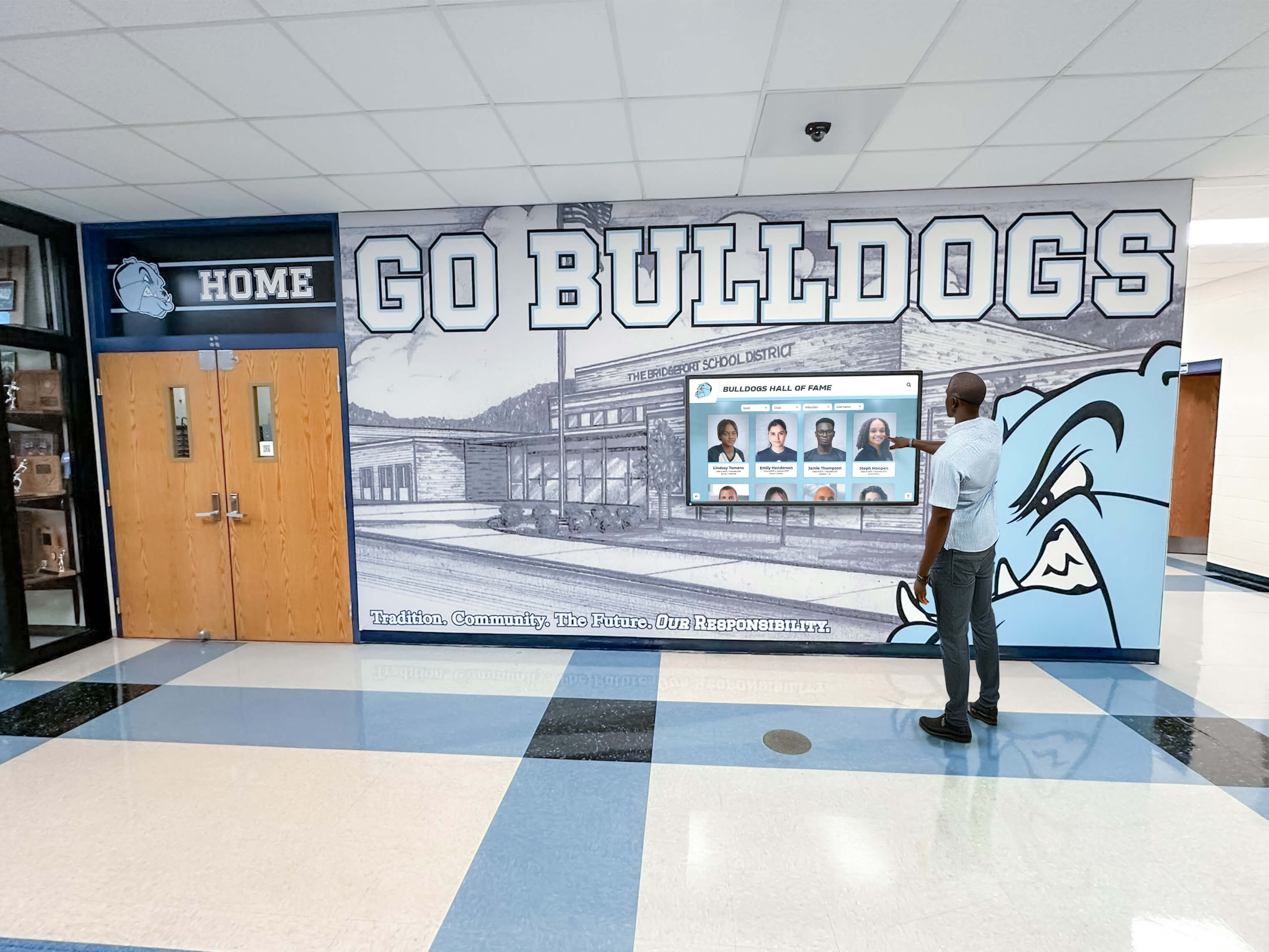
Organizations implementing comprehensive multimedia storytelling within donor recognition discover that detailed profiles generate substantially higher engagement, create stronger emotional connections, and inspire larger subsequent contributions as supporters see themselves celebrated meaningfully rather than reduced to simple name listings acknowledging financial transactions without appreciation depth or personal context.
Powerful Discovery Tools and Enhanced Community Engagement
Static physical donor walls present information in fixed organizational structures typically sorted alphabetically or by giving level tiers. While these arrangements serve basic acknowledgment adequately, they offer minimal discovery capabilities limiting how community members engage meaningfully with recognition content beyond passive scanning:
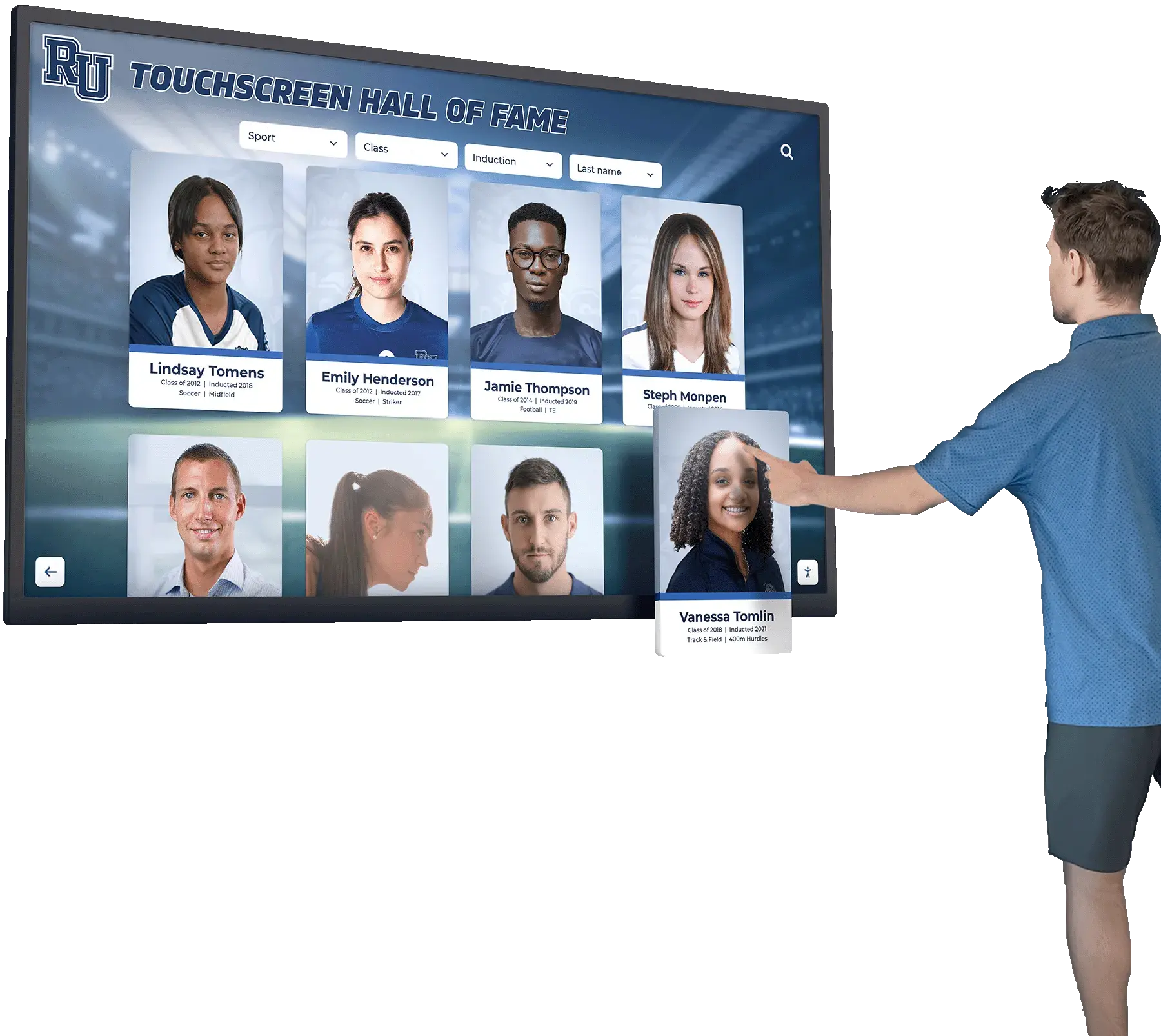
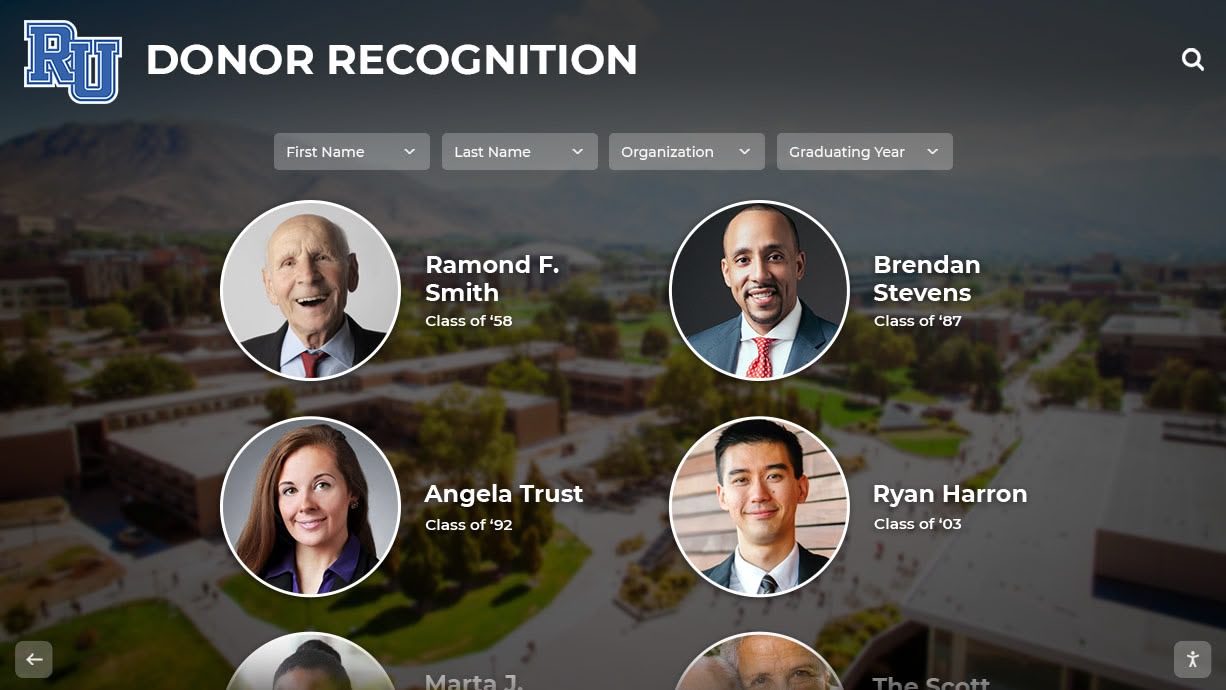
Intuitive Search Functionality: Visitors can locate specific donors instantly using full-text name search with partial spelling acceptance, find family connections through household searches showing multiple contributors from single families, discover classmates through graduation year filtering for alumni booster supporters, identify local businesses through geographic or industry category searches helping community members recognize corporate neighbors supporting athletics, or explore giving levels to see peer donors contributing at similar amounts creating social comparison and aspirational motivation.
Flexible Browsing and Filtering: Recognition displays enable diverse discovery pathways through giving level hierarchies organized from foundational memberships through leadership sponsorships, chronological views showing donor acquisition over years demonstrating fundraising growth patterns, program or team-specific categories when booster clubs support multiple sports allowing parents to see who funds their children’s specific teams, volunteer service recognition separated from financial contributions acknowledging diverse forms of support, and business versus individual donor segmentation helping users explore different supporter constituencies.
Extended Session Times and Deeper Exploration: Interactive discovery features generate significantly longer engagement averaging 3-5 minutes as community members actively explore multiple donor profiles rather than briefly scanning static alphabetical lists during 20-30 second passive viewing. This extended interaction time creates stronger recognition program impact and increased likelihood that visitors will discuss displays with family members, share discoveries on social media, or consider their own giving decisions after witnessing comprehensive community support visualized compellingly.
Social Sharing and Viral Reach: Recognized donors can photograph their acknowledgment screens, share content across personal social media networks, and introduce organizational missions to hundreds of potential new supporters who trust peer recommendations more than institutional marketing. This organic advocacy extends recognition program reach far beyond facility visitors to geographically dispersed audiences including relocated alumni, extended family networks, professional colleagues, and broader community connections creating awareness and cultivation opportunities impossible with location-restricted physical displays.
Implementing athletic donor recognition systems with enhanced discovery capabilities transforms passive acknowledgment into active community engagement building stronger relationships, generating broader awareness, and inspiring increased participation through compelling interactive experiences celebrating collective generosity supporting youth athletics.
Comprehensive Analytics Revealing Program Effectiveness
Modern recognition systems generate valuable engagement data informing strategic decisions about content optimization, promotional strategies, and fundraising approaches based on actual donor and community behavior patterns rather than hypothetical assumptions:
Interaction Tracking and Engagement Metrics: Analytics reveal total recognition display usage measuring overall community engagement, unique visitor counts showing how many distinct individuals explore content versus total session numbers, average exploration duration indicating whether visitors briefly scan or deeply engage multiple profiles, most-viewed donor profiles identifying inspiring role models and particularly effective storytelling approaches worthy of replication, popular search terms revealing discovery interests and potential content gaps, and time-based patterns showing peak engagement periods informing optimal promotional timing and featured content scheduling.
Donor Behavior Insights: Data analysis connects recognition engagement to giving patterns helping booster clubs understand whether recognized donors contribute more frequently, give at higher average levels, renew memberships more reliably, or recruit additional supporters more effectively compared to unrecognized contributors. These insights justify recognition investments through documented fundraising outcomes demonstrating measurable return on acknowledgment program spending.
Content Performance Optimization: Tracking which donor profiles, impact stories, or multimedia elements generate highest engagement enables continuous improvement as booster clubs enhance content quality, replicate successful storytelling approaches, and optimize presentation formats based on demonstrated community preferences rather than subjective opinions about what might resonate effectively.
Geographic and Demographic Analysis: Understanding who engages with recognition displays through geographic usage data, access timing patterns, or content preferences helps booster clubs tailor cultivation strategies, plan event scheduling, and develop targeted messaging appropriate for specific supporter constituencies ranging from local business sponsors through distant alumni maintaining program connections.
Organizations using analytics strategically for continuous program enhancement report 20-35% improved recognition effectiveness over 2-3 year periods as systematic optimization based on actual behavior patterns strengthens content quality, improves discovery pathways, and aligns features with demonstrated audience preferences maximizing acknowledgment impact and fundraising outcomes.
Essential Recognition Features Booster Clubs Need
Successful donor recognition display implementations incorporate specific capabilities ensuring systems serve booster club needs effectively while remaining manageable for volunteer administrators lacking technical expertise or dedicated advancement staff supporting recognition operations:
User-Friendly Content Management for Volunteers
Recognition program sustainability depends on simple administration enabling busy volunteers to maintain current accurate donor information without overwhelming complexity or time requirements creating unsustainable operational burdens:
Web-Based Administration Without Software Installation: Volunteer administrators access content management through standard web browsers from any internet-connected device including home computers, smartphones, or tablets. This eliminates specialized software requirements, dedicated workstation configuration, or facility access necessities enabling recognition updates from convenient locations during available time rather than requiring specific technical environments or on-site facility presence.
Simple Form-Based Data Entry: Adding new donors requires only basic information entry through guided web forms prompting for standard fields like donor names, giving levels, contact information, biographical content, and photo uploads. Intuitive interfaces guide volunteers through systematic content collection without technical knowledge requirements or training investment beyond brief initial orientation.
Bulk Import Capabilities for Initial Setup: When launching new recognition programs acknowledging historical donors, systems should enable efficient bulk profile creation through spreadsheet imports or database connections accelerating initial content development that would otherwise require hundreds of individual manual entries overwhelming volunteer capacity and delaying program launches indefinitely.
Preview and Quality Control Tools: Before publishing new donor profiles publicly, administrators can preview exactly how content will appear on displays, review for factual accuracy or typographical errors, and ensure appropriate presentation quality preventing embarrassing mistakes or inconsistent formatting that diminish recognition program professionalism and donor perception of organizational competency.
Permission Controls and Access Management: Systems should enable appropriate authorization levels allowing board presidents or fundraising chairs to publish donor recognition while restricting broader editing access preventing unauthorized content modifications, accidental deletions, or inappropriate changes to donor information requiring careful governance and privacy protection.
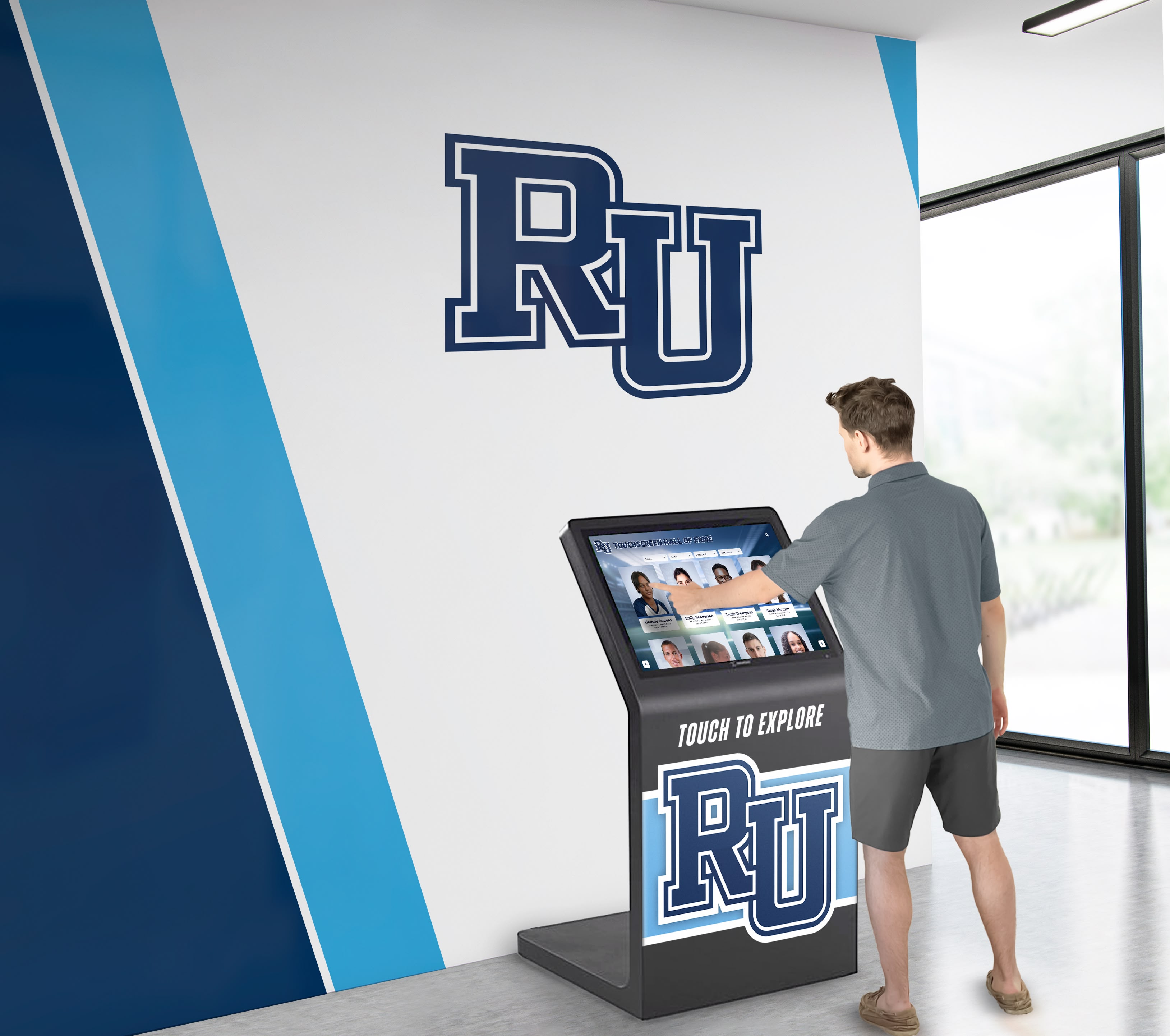
Purpose-built platforms designed specifically for volunteer organizations prioritize user experience simplicity over technical sophistication, recognizing that sustainable recognition programs require administration processes appropriate for busy parents managing booster operations alongside full-time careers and family responsibilities rather than professional advancement staff with specialized expertise and dedicated work time.
Flexible Recognition Tier Configuration
Booster clubs structure giving programs differently based on local community capacity, program funding needs, and organizational traditions requiring adaptable recognition systems accommodating diverse approaches:
Customizable Giving Level Hierarchies: Systems should support flexible tier structures from basic memberships through transformational sponsorships with appropriate naming conventions reflecting local culture and fundraising strategy. Common booster club recognition levels include:
- Platinum Partners: $10,000+ (major facility naming, equipment suites, or program endowment contributions)
- Gold Sponsors: $5,000-$9,999 (significant program support funding seasonal needs or specific initiatives)
- Silver Supporters: $2,500-$4,999 (elevated annual giving demonstrating strong program commitment)
- Bronze Members: $1,000-$2,499 (leadership annual support above basic membership levels)
- Team Members: $500-$999 (family membership supporting program operations)
- Program Friends: $100-$499 (entry-level annual giving welcoming all supporter participation)
- All Contributors: Recognition for every donor regardless of capacity
Special Recognition Categories Beyond Financial Giving: Comprehensive acknowledgment systems enable separate categories honoring volunteer leadership through board service and organizational governance, fundraising event coordination requiring countless planning and execution hours, in-kind donations providing needed equipment, services, or expertise, decade-plus sustained support from faithful long-term donors maintaining relationships across multiple athlete children or even generations, and founding members who established booster organizations decades earlier creating institutional foundations enabling current program success.
Sponsor-Specific Recognition Features: Business sponsors often require distinct acknowledgment including professional company logo display, comprehensive marketing descriptions, website links providing digital traffic value, contact information for customer outreach, and promotional content explaining products, services, or corporate missions alongside philanthropic community citizenship demonstrated through youth athletics support.
Lifetime Giving and Multi-Year Cumulative Recognition: Beyond annual contributions, systems should accommodate cumulative lifetime giving calculations acknowledging supporters who have donated consistently over 10-20+ years, reaching substantial total contribution levels deserving special recognition despite individual annual gifts remaining moderate. This honors relationship longevity and sustained commitment rather than solely celebrating single large transactions.
Mobile Accessibility and Virtual Recognition Extensions
Modern supporters expect digital access enabling engagement from anywhere through smartphones, tablets, or computers rather than requiring physical facility visits for recognition viewing:
Responsive Web Portals: Online donor directories accessible from any internet-connected device enable remote exploration of complete recognition content. Parents traveling for away competitions, alumni living in distant cities, grandparents unable to attend games regularly, and prospective supporters researching programs before contributing can view comprehensive donor acknowledgment demonstrating community support breadth and organizational professionalism.
Social Media Integration: Recognized donors can easily share acknowledgment screenshots across Facebook, Instagram, Twitter, or other platforms broadcasting their program support across personal networks introducing booster missions and fundraising needs to hundreds of potential new supporters trusting peer recommendations more than organizational marketing messages lacking personal authenticity.
QR Code Connections: Physical facility signage can include QR codes that visitors scan with smartphones to immediately access comprehensive online donor directories, enabling convenient exploration during games, tournaments, or facility tours without requiring dedicated touchscreen hardware installations at every recognition location.
Email Campaign Integration: Booster clubs can feature individual donor spotlights in regular communications driving traffic to comprehensive online recognition profiles while celebrating specific supporters publicly. This regular promotion keeps recognition visible and maintains donor engagement between major fundraising campaigns or annual membership drives.
Organizations providing both physical touchscreen displays in high-traffic facility locations and robust virtual recognition access through web portals experience 30-50% higher total engagement as multiple access channels serve diverse audience preferences and life circumstances while maximizing program reach across entire donor communities.
Professional Visual Design and Brand Consistency
Recognition quality directly reflects booster club professionalism standards and respect for donor generosity warranting appropriate acknowledgment befitting contribution significance:
Custom Branding Integration: Displays should incorporate school colors, team logos, mascots, and visual identity elements maintaining consistency with broader athletic department aesthetics and institutional branding guidelines. This professional presentation demonstrates organizational competency and attention to quality details building donor confidence in overall program management and stewardship capabilities.
High-Resolution Display Quality: Commercial-grade touchscreens with minimum 4K resolution ensure crisp photo reproduction and readable text at close viewing distances. Professional hardware quality prevents embarrassing pixelation, color inaccuracy, or screen clarity problems that diminish recognition impact and communicate poor organizational standards inconsistent with soliciting major financial support.
Template-Based Design for Consistency: Pre-designed professional templates maintain visual quality across hundreds of individual donor profiles without requiring custom design work for each addition. Consistent presentation ensures all recognition—from modest $100 memberships through $25,000 sponsorships—receives polished acknowledgment befitting donor respect regardless of contribution magnitude.
Accessibility Compliance: Recognition should meet WCAG standards ensuring usability for visitors with visual impairments, motor limitations, or cognitive differences through appropriate text sizing, color contrast ratios, touchscreen target dimensions, and alternative content access methods serving diverse community demographics and abilities.
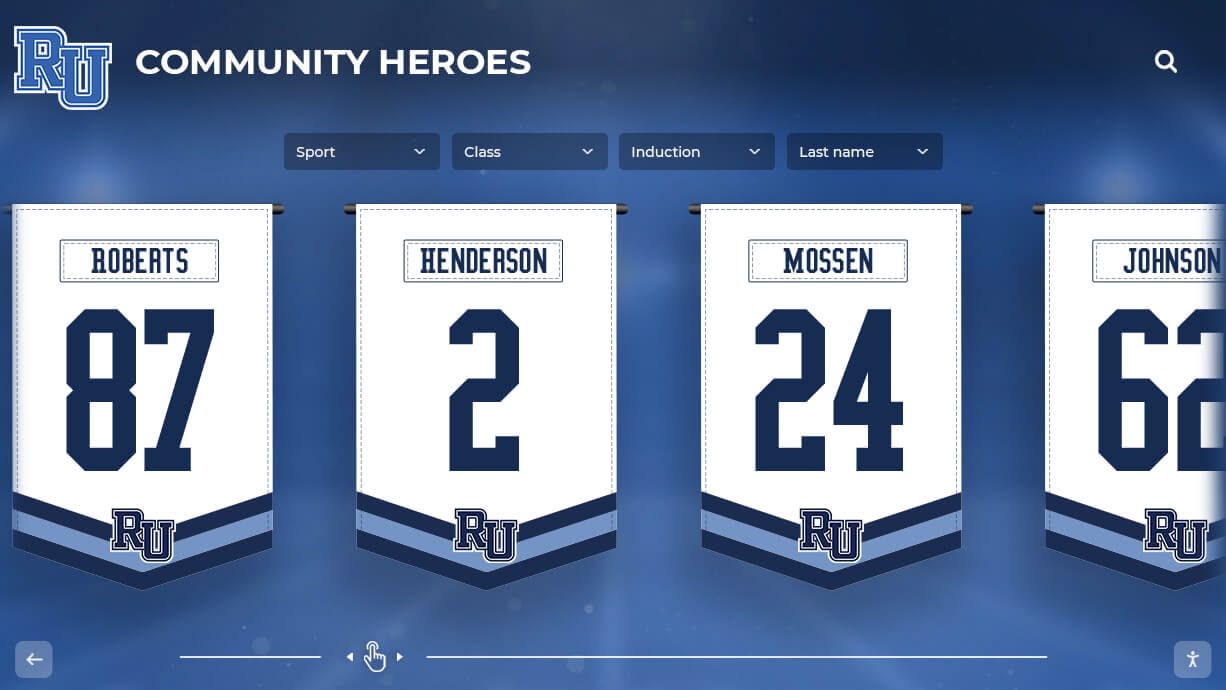
Professional presentation quality demonstrates that booster clubs take donor recognition seriously as strategic fundraising infrastructure deserving appropriate investment rather than treating acknowledgment as administrative afterthought or optional program enhancement implemented only when convenient or inexpensive.
Implementation Roadmap for Booster Club Recognition Programs
Successful donor recognition display programs result from systematic planning addressing technology selection, content development, stakeholder engagement, and sustainable ongoing management ensuring acknowledgment systems serve organizations effectively across years of program evolution and leadership transitions:
Phase 1: Strategic Planning and Needs Assessment (Weeks 1-4)
Begin by understanding current recognition limitations, defining program objectives, and establishing realistic implementation parameters appropriate for volunteer organization capacity and resources:
Current State Analysis: Document existing recognition approaches including what methods currently acknowledge donors, how many supporters receive visible appreciation versus no public recognition, stakeholder satisfaction with current systems gathered through informal board discussions and donor feedback, available facility space for new display installations, existing technology infrastructure including network connectivity and power availability, and budget parameters from current operating reserves, planned fundraising allocations, or potential donor sponsorships positioning recognition infrastructure itself as naming opportunity.
Objective Definition and Success Metrics: Establish clear goals including primary purposes like donor retention improvement, increased giving levels, broader community participation, or enhanced program visibility; target audiences spanning current major donors, prospective sponsors, program alumni, or general community supporters; specific success metrics for program evaluation including retention rate improvements, average gift size increases, new donor acquisition counts, or engagement analytics targets; and timeline requirements related to major fundraising campaigns, facility dedications, or seasonal transitions influencing implementation urgency.
Technology Research and Vendor Evaluation: Assess donor recognition solutions against weighted criteria including ease of use for non-technical volunteers, total cost of ownership over realistic 8-10 year planning horizons, vendor track record serving similar volunteer organizations, scalability supporting recognition program growth, integration capabilities with existing donor databases or spreadsheet records, and ongoing vendor commitment demonstrated through regular platform updates and responsive technical support.
When evaluating options, booster clubs should prioritize solutions designed specifically for educational and athletic contexts rather than generic digital signage systems lacking donor management features, recognition-optimized interfaces, or appropriate content templates serving acknowledgment purposes effectively.
Phase 2: Content Strategy and Recognition Policy Development (Weeks 5-8)
Clear recognition standards and systematic content collection processes ensure program credibility, perceived fairness, and sustainable administration appropriate for volunteer capacity:
Recognition Criteria Establishment: Create transparent policies for acknowledgment inclusion including minimum gift thresholds for different recognition tiers based on local community capacity and program funding needs, cumulative lifetime giving calculations versus single-year recognition approaches, volunteer service and in-kind donation acknowledgment alongside financial contributions, business sponsor requirements and appropriate marketing content parameters, and anonymous donor accommodation for supporters preferring private acknowledgment over public visibility.
Content Collection Workflows: Plan systematic processes for gathering donor information including database queries or spreadsheet exports extracting giving histories and contact information from existing records, personalized outreach requesting expanded biographical narratives and personal photos through email campaigns or phone conversations with major donors, volunteer interviews and service documentation for non-financial contribution recognition, impact documentation connecting specific gifts to tangible program improvements and athlete benefits, and thorough privacy review confirming explicit donor consent for public acknowledgment and specific biographical detail publication.
Phased Development for Sustainability: Rather than attempting immediate comprehensive historical documentation creating overwhelming workload, strategic phasing enables manageable progress through launching initial displays featuring current-year donors and major recent contributors, systematically expanding recognition backward through organizational history as volunteer capacity allows, establishing continuous processes for adding new donors within 1-2 weeks as contributions arrive, and creating periodic featured content rotation highlighting specific giving societies or historical donor cohorts maintaining fresh displays encouraging repeat engagement.
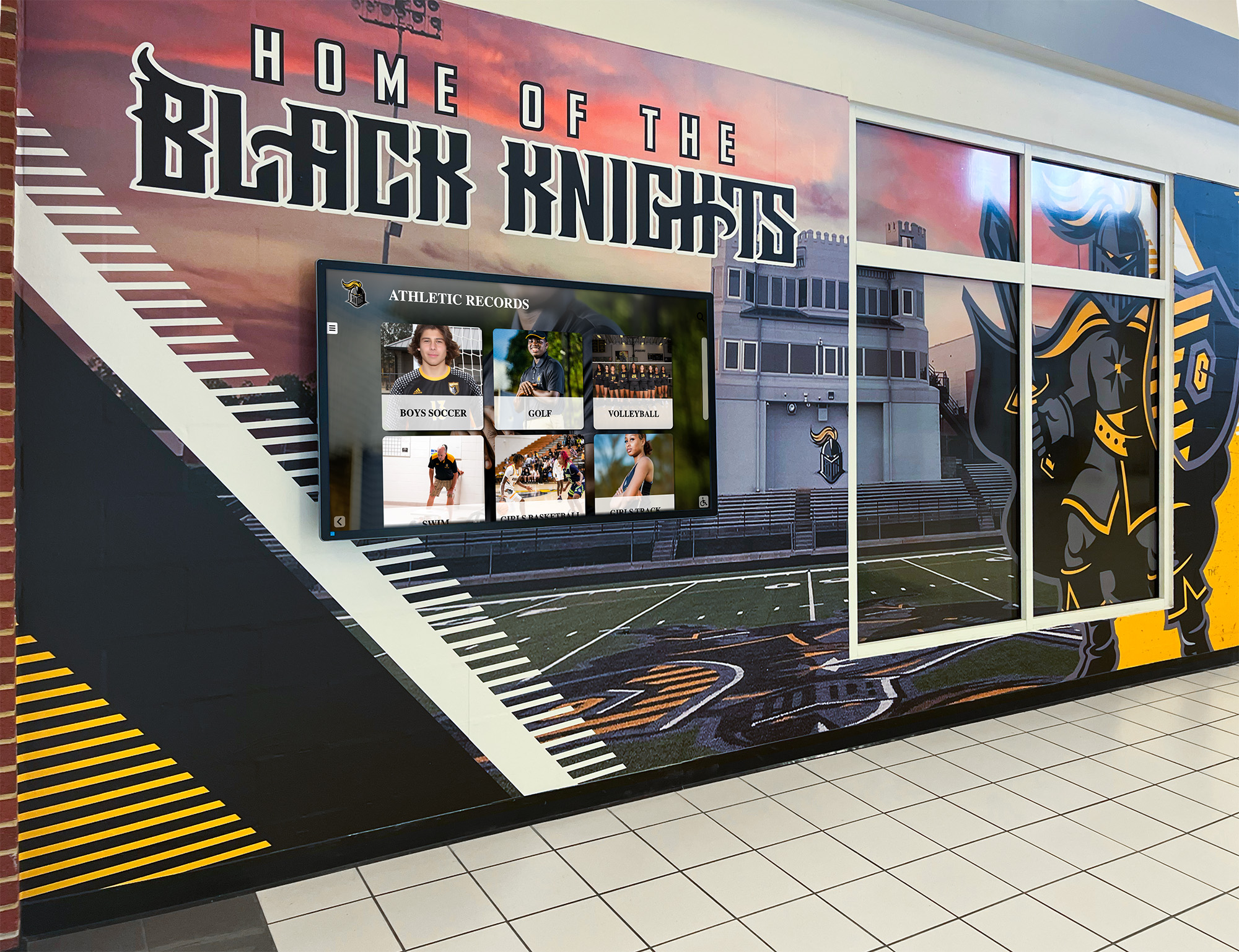
Implementing proven school fundraising recognition strategies helps booster clubs establish recognition programs that honor supporters meaningfully while maintaining sustainable administration appropriate for volunteer-led operations.
Phase 3: Installation and Technical Implementation (Weeks 9-14)
Execute physical installation and technology configuration ensuring reliable operation and sustainable management processes:
Physical Placement Strategy: Location selection dramatically affects visibility and community engagement including high-traffic areas like main gymnasium entrances maximizing donor exposure, athletic facility lobbies where supporters gather before and after competitions, fieldhouse common areas serving multiple sports and teams, booster club hospitality rooms where major donors socialize during events, and concession stand areas where hundreds of community members congregate weekly during competitive seasons.
Environmental considerations include appropriate ambient lighting preventing screen glare, reliable electrical power and network connectivity, comfortable viewing distances for individual exploration, accessible positioning meeting ADA requirements, and aesthetic integration with existing facility design and athletic branding creating cohesive visual experiences.
Hardware Installation and System Configuration: Professional implementation ensures long-term reliability through secure display mounting preventing theft or accidental damage, network connectivity configuration for cloud platform access, content system testing verifying all features function correctly, user acceptance testing with board members and key volunteers, and comprehensive administrator training on content management processes and basic troubleshooting preventing external vendor dependency for simple operational issues.
Content Migration and Launch Preparation: Load initial donor content through bulk profile import using existing database records or spreadsheet files, photo collection and optimization for web display, biographical content development following organizational templates, comprehensive quality assurance reviewing factual accuracy and presentation polish, soft launch testing with limited audiences providing feedback before full community rollout, and promotional material preparation including facility signage, launch event invitations, and communications announcing new recognition capabilities.
Phase 4: Launch, Promotion, and Sustained Engagement (Week 15+)
Systematic launches generate awareness, establish positive engagement patterns, and create sustained momentum for ongoing program success:
Public Launch Event: Grand opening ceremonies generate excitement through formal unveiling with school administrators and recognized donors, inaugural featured donor spotlights creating emotional connection, interactive demonstration sessions encouraging hands-on exploration, media engagement for publicity coverage in local newspapers and community publications, and celebratory framing connecting recognition to program mission and community gratitude rather than technological novelty alone.
Ongoing Promotional Strategies: Recognition requires sustained attention including regular communications highlighting newly recognized donors through booster newsletters and email updates, social media featuring individual donor profiles creating shareable content, integration with game day programs and event announcements ensuring visitors discover recognition capabilities, seasonal promotion during homecoming, senior nights, or championship celebrations when attendance and community engagement peak, and periodic content refreshes maintaining currency through featured donor rotation and recognition milestone celebrations.
Continuous Improvement Processes: Establish routines for systematic enhancement through quarterly analytics review revealing engagement trends and content performance, seasonal content additions maintaining currency and featuring campaign priorities, annual stakeholder surveys assessing donor satisfaction and gathering enhancement suggestions, and iterative feature improvements based on actual usage patterns and documented community feedback rather than hypothetical assumptions.
Overcoming Common Implementation Obstacles
Booster clubs encounter predictable challenges when launching or managing donor recognition programs that tested approaches address effectively through strategic planning and systematic problem-solving:
Limited Budget and Competing Program Funding Priorities
Volunteer organizations often struggle justifying recognition spending when competing needs include athlete equipment, facility improvements, coaching supplements, and direct program support creating tangible athletic benefits:
Solution Approaches: Develop multi-year investment strategies deploying core single-display systems with planned expansion as budgets allow, pursue creative funding through recognition infrastructure sponsorships positioning displays themselves as naming opportunities generating $5,000-$15,000+ gifts funding complete implementations, conduct comprehensive cost analysis demonstrating that digital systems achieve cost parity with cumulative traditional plaque expenses over 8-12 year horizons while providing vastly superior functionality, leverage volunteer technical skills when available for installation assistance reducing professional labor costs, and select platforms prioritizing user-friendliness minimizing ongoing vendor service dependencies driving unpredictable variable expenses.
Organizations discover that recognition investments deliver measurable fundraising returns through improved retention and increased gift sizes that far exceed infrastructure costs within 2-3 years while providing ongoing benefits across decades of program operation.
Incomplete Donor Records and Historical Documentation Gaps
Many booster clubs discover incomplete giving records complicating comprehensive historical recognition efforts:
Solution Approaches: Conduct systematic archive research checking old newsletters, event programs, and facility plaques documenting historical donors, launch community outreach requesting information from long-time supporters and program alumni, transparently acknowledge documentation gaps while inviting community assistance filling them through crowdsourcing initiatives, implement phased recognition beginning with well-documented recent donors while expanding historically as research progresses, and establish comprehensive record-keeping procedures preventing future documentation gaps through systematic gift tracking and biographical information collection.
Starting recognition programs doesn’t require perfect historical completeness—launching with current donors demonstrates commitment while building momentum for gradual historical expansion as volunteer research uncovers additional information meriting acknowledgment.
Volunteer Leadership Transitions and Institutional Memory Loss
Board turnover frequently results in lost recognition knowledge, forgotten donor commitments, and inconsistent acknowledgment practices:
Solution Approaches: Maintain comprehensive recognition policy documentation clearly specifying acknowledgment criteria, content standards, approval processes, and operational procedures guiding successor volunteers, select cloud-based systems preventing data loss when specific volunteers depart since content resides securely in vendor-managed platforms rather than local computers or physical files, establish transition protocols requiring outgoing leadership to train successors and transfer system access, administrative credentials, and institutional knowledge, and build recognition program sustainability into annual operating plans ensuring adequate volunteer capacity and budget allocation regardless of specific individuals serving leadership roles.
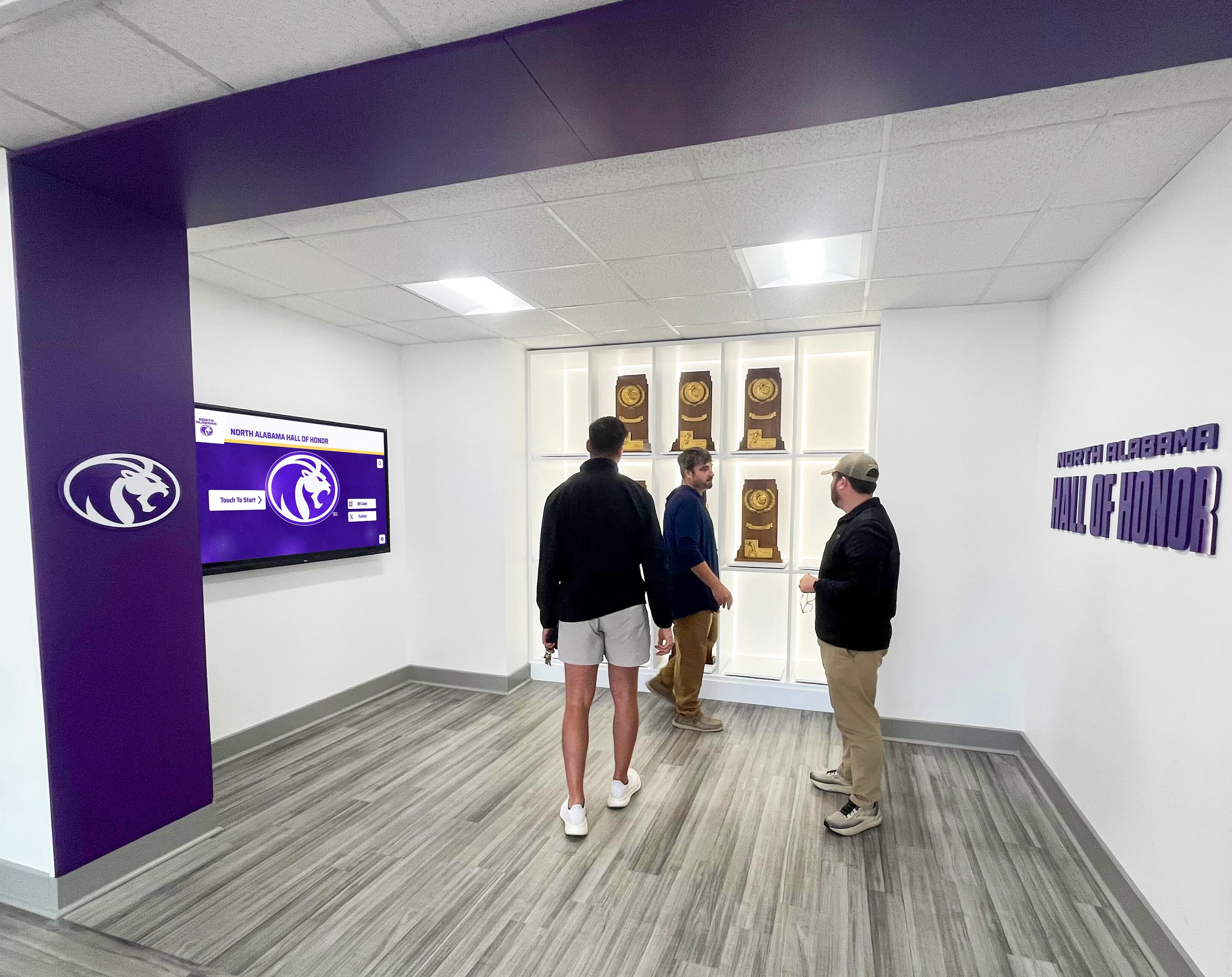
Purpose-built recognition platforms designed for volunteer organizations prioritize intuitive operation and comprehensive documentation enabling smooth leadership transitions without requiring extensive technical knowledge transfer or operational continuity dependencies on specific individuals.
Privacy Concerns and Donor Recognition Preferences
Balancing public acknowledgment benefits with appropriate respect for individual preferences around visibility requires thoughtful policy development:
Solution Approaches: Always ask explicitly about recognition preferences before assuming donors want public acknowledgment, offer privacy options at all giving levels including major sponsorships where public visibility assumptions often prove incorrect, respect anonymity completely protecting donor identity as specifically requested, provide alternative private recognition through exclusive appreciation events, personalized leadership communications, and one-on-one relationship cultivation for supporters preferring private acknowledgment, document preferences carefully in donor records ensuring future leadership honors commitments, and never suggest that public recognition represents requirement or expectation diminishing gift value without visibility agreement.
Flexible systems accommodating diverse preferences build stronger relationships than rigid approaches forcing all donors into uniform acknowledgment structures ignoring individual comfort levels with public visibility and personal information sharing.
Cost Analysis and Fundraising Return on Investment
Understanding complete financial implications helps booster clubs make informed recognition decisions comparing initial investments against long-term operational costs and measurable fundraising outcomes:
Total Investment Requirements
Comprehensive donor recognition display programs typically require $12,000-$35,000 initial investment depending on display quantity, size specifications, and content development scope:
Hardware Components ($6,000-$18,000): Commercial-grade 43-65 inch touchscreen displays ($2,500-$6,000 each), secure mounting systems with cable management ($400-$1,200 per display), and professional installation labor ($1,200-$3,000 depending on location complexity).
Software Platform and Setup ($2,500-$9,000): Initial platform licensing or first-year subscription ($1,500-$5,000), system configuration and branding customization ($800-$3,000), and comprehensive administrator training programs ($400-$1,000).
Content Development ($1,500-$5,000): Initial donor research and biographical content writing ($800-$2,500), photo collection and optimization ($400-$1,500), and quality assurance review processes ($300-$1,000).
Many booster clubs fund implementations through recognition infrastructure sponsorships positioning displays themselves as naming opportunities, capital campaign allocations when active fundraising initiatives include facility improvements, or multi-year operational budget commitments spreading costs across fiscal years.
Ongoing Annual Operating Costs
Sustainable recognition programs require $2,500-$6,000 annual investment for software licensing, technical support, and content updates:
Software and Support ($1,800-$4,500): Annual platform subscription fees covering hosting, updates, and feature enhancements ($1,300-$3,500) and responsive technical support access ($500-$1,000).
Content Management ($400-$1,200): Volunteer time for routine donor additions and updates (typically 1-3 hours monthly) and periodic content refreshes maintaining currency.
Hardware Maintenance ($300-$800): Occasional display cleaning, network connectivity monitoring, and eventual component replacement after 8-12 years continuous operation.
Measurable Fundraising Return on Investment
Strategic recognition investments deliver quantifiable returns through improved donor behavior and fundraising outcomes:
Retention Improvement: Organizations implementing comprehensive recognition report 15-25% higher donor retention rates compared to minimal acknowledgment approaches. For booster clubs with 200 donors averaging $500 annually, a 20% retention improvement retains 40 additional donors generating $100,000 additional revenue over five years—substantially exceeding recognition system costs while strengthening long-term giving pipelines.
Gift Size Growth: Properly recognized donors contribute 20-30% larger subsequent gifts according to fundraising research. For clubs securing 20 major sponsorships annually averaging $3,000, a 25% average increase generates $15,000 additional annual revenue justifying recognition investments within single fiscal years while compounding benefits over decades.
Expanded Donor Base: Visible recognition creates social proof inspiring broader community participation. Booster clubs implementing professional displays often experience 25-40% new donor growth during initial 2-3 years as recognition visibility normalizes giving and reduces participation barriers for prospective supporters previously unaware of program funding needs or hesitant to contribute without understanding how donations receive appropriate acknowledgment.
When evaluating recognition as fundraising infrastructure rather than administrative expense, most booster clubs discover that measurable retention improvements, gift size increases, and expanded participation deliver returns vastly exceeding initial investments within 2-4 years while providing ongoing benefits sustaining programs financially across decades.
Conclusion: Building Sustainable Booster Club Support Through Meaningful Recognition
Donor recognition represents far more than administrative acknowledgment obligation—it constitutes strategic fundraising infrastructure directly influencing retention, gift sizes, and community participation breadth that determines whether booster clubs generate sufficient resources supporting athletic programs effectively or struggle perpetually with funding inadequacy limiting program quality and competitive opportunities. Organizations implementing comprehensive meaningful recognition discover measurable outcomes including dramatically improved donor retention rates with 35-45% higher continuation compared to minimally acknowledged supporters, substantially increased average gift sizes with properly recognized donors contributing 20-30% larger subsequent gifts, broader community participation inspired by visible social proof normalizing generous support, enhanced fundraising credibility through demonstrated appreciation authenticity and transparent accountability, and sustained volunteer engagement as recognition systems reduce administrative burdens while celebrating community generosity that makes volunteer efforts possible and impactful.
The most successful booster club recognition programs share essential characteristics including unlimited capacity accommodating every supporter regardless of contribution size, immediate update capabilities enabling timely acknowledgment strengthening relationships when motivation peaks, rich multimedia storytelling creating emotional connection through comprehensive biographical content and impact documentation, user-friendly management appropriate for busy volunteers lacking technical expertise or dedicated administrative time, professional visual design communicating organizational competency and donor respect, and flexible recognition structures accommodating diverse giving types from financial contributions through volunteer service, in-kind donations, and sustained multi-year support deserving special acknowledgment.
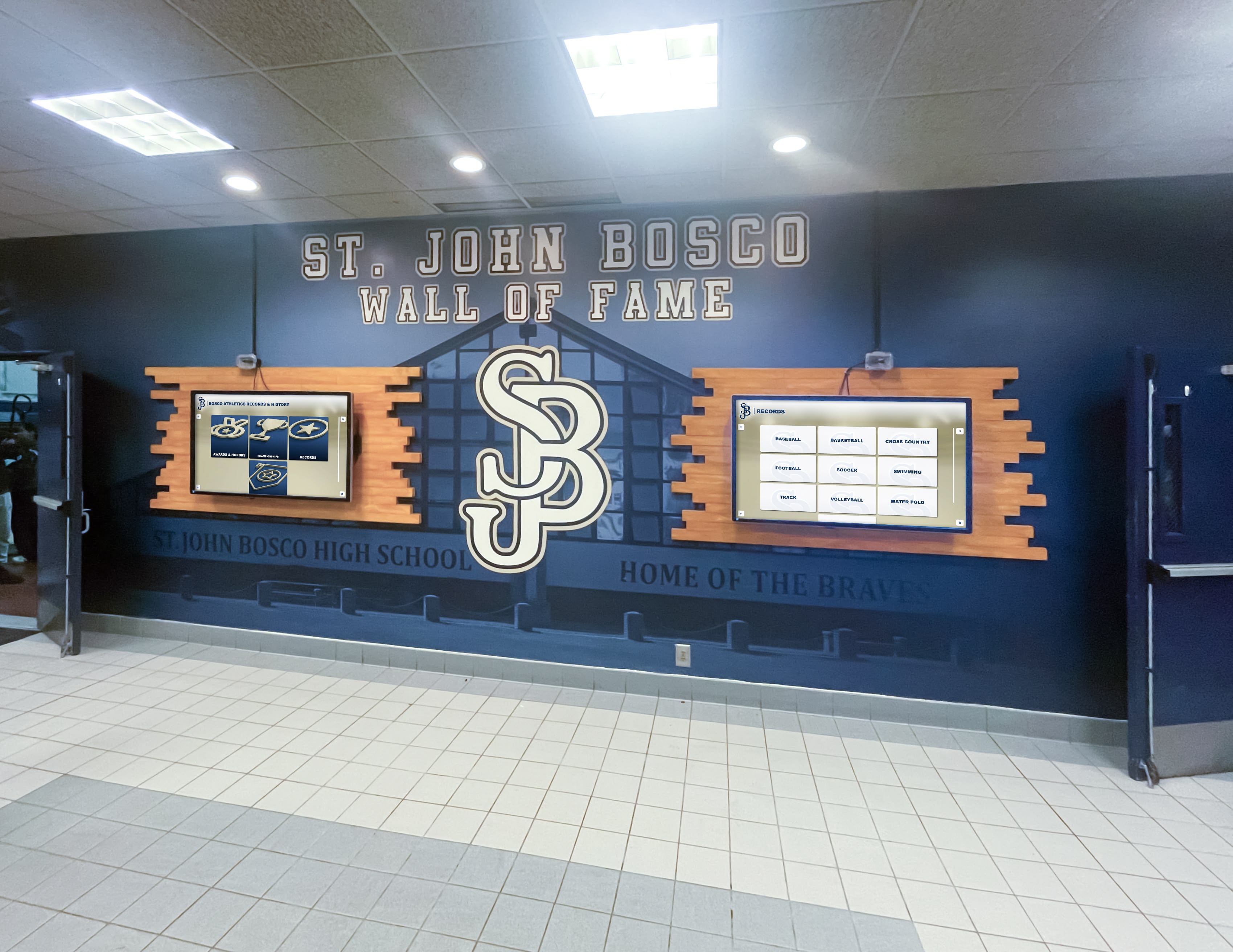
For booster clubs beginning new recognition programs or modernizing existing systems limited by space constraints, update delays, or minimal information capacity, purpose-built platforms like Rocket Alumni Solutions provide comprehensive solutions designed specifically for volunteer-led athletic organizations. These systems combine professional presentation quality befitting community generosity, intuitive content management enabling non-technical volunteers to maintain current information sustainably, powerful engagement features serving diverse discovery preferences, reliable vendor support ensuring recognition serves fundraising objectives across leadership transitions, and proven track records supporting youth athletics programs, booster clubs, and community organizations advancing missions through strengthened donor relationships and sustainable philanthropic support.
Strategic donor recognition displays transform acknowledgment from perfunctory obligation into powerful fundraising tool celebrating community generosity authentically while building collective culture sustaining youth athletics financially across generations. Every generous supporter deserves recognition honoring their contributions appropriately regardless of gift size. Every booster club deserves comprehensive recognition capabilities celebrating philanthropy without space limitations, prohibitive costs, or administrative complexity preventing volunteers from maintaining sustainable programs serving donors faithfully and organizational missions effectively.
Ready to create donor recognition that celebrates every supporter while improving retention, increasing gifts, and building lasting community relationships funding athletic excellence? Book a demo to explore how comprehensive digital recognition platforms address every limitation of traditional approaches while providing capabilities serving booster club fundraising objectives effectively across years of volunteer leadership transitions, program growth, and evolving community engagement priorities.