



Writing donor acknowledgement letters represents one of the most critical yet often rushed tasks in nonprofit fundraising and school advancement. Every contribution—whether $25 or $25,000—deserves thoughtful recognition that makes supporters feel valued while reinforcing their decision to give. Research consistently shows that donors who receive prompt, personalized acknowledgement letters give 39% more frequently and contribute significantly larger gifts over their lifetime compared to those who receive generic or delayed responses.
Yet many organizations struggle with acknowledgement letter creation. Development staff face overwhelming donor volumes during campaigns, volunteers lack templates reflecting organizational voice, and leadership underestimates how dramatically acknowledgement quality affects donor retention. The difference between a perfunctory receipt and a compelling thank you letter often determines whether first-time donors become lifelong supporters or disappear after single gifts.
Why Donor Acknowledgement Letters Matter
Effective donor acknowledgement letters serve multiple essential purposes beyond legal requirements. They provide immediate gratitude when donor motivation peaks, document contributions for tax purposes, reinforce the impact donors enable through their generosity, strengthen emotional connections between supporters and organizational missions, and establish foundations for continued relationship cultivation. Organizations that prioritize acknowledgement excellence report donor retention rates 25-30% higher than those treating acknowledgement as administrative obligation rather than strategic opportunity.
Understanding Donor Acknowledgement Letter Requirements
Before exploring specific templates and examples, understanding the fundamental requirements ensures your acknowledgement letters satisfy both legal obligations and relationship-building objectives.
Legal and Tax Compliance Essentials
The IRS establishes specific requirements for charitable contribution acknowledgements affecting both organizations and donors. For donations of $250 or more, organizations must provide written acknowledgement containing:
Required Elements:
- Organization’s legal name and contact information
- Donation amount (or detailed description for non-cash gifts)
- Date of contribution
- Statement that no goods or services were provided in exchange (or description and value of any benefits received)
- Language confirming the organization’s tax-exempt status under IRS Section 501(c)(3)
Organizations must provide acknowledgement letters by the earlier of the date donors file tax returns or the April 15 deadline. While the IRS doesn’t require acknowledgement for gifts under $250, providing consistent thank you communication for all donation levels represents fundraising best practice.
Non-Cash Contribution Specifics: For in-kind donations, acknowledgement letters must describe donated items without assigning specific monetary values—donors bear responsibility for valuation. For gifts exceeding $5,000, additional Form 8283 requirements apply.
Timing Considerations for Maximum Impact
Acknowledgement timing dramatically affects donor perception and relationship strength. Research on donor psychology reveals that prompt acknowledgement generates substantially higher satisfaction and retention compared to delayed responses.
Best Practice Timelines:
- Within 48 hours: Ideal timeframe demonstrating genuine appreciation and organizational efficiency
- Within 1 week: Acceptable for most donors when operations prevent faster response
- Within 30 days: Minimum acceptable standard; delays beyond this damage donor relationships
- Same-day: Increasingly expected for online donations where automation enables instant acknowledgement
Organizations implementing 48-hour acknowledgement standards report that donors perceive these institutions as more professional, grateful, and effective compared to those with delayed responses—perceptions that directly influence future giving decisions.
Personalization vs. Efficiency Balance
Development offices face constant tension between personalization depth and operational capacity. While completely customized letters create strongest donor connections, volume constraints often prevent individual crafting for every contribution.
Strategic Personalization Approaches:
- Segment donors by gift size, applying different personalization levels to major versus annual fund contributions
- Use variable data tools merging personalized fields into template frameworks
- Assign major gifts to individual staff members for customized acknowledgement
- Implement tiered approaches providing basic acknowledgement immediately with enhanced follow-up for significant donors
- Leverage technology enabling personal touches at scale
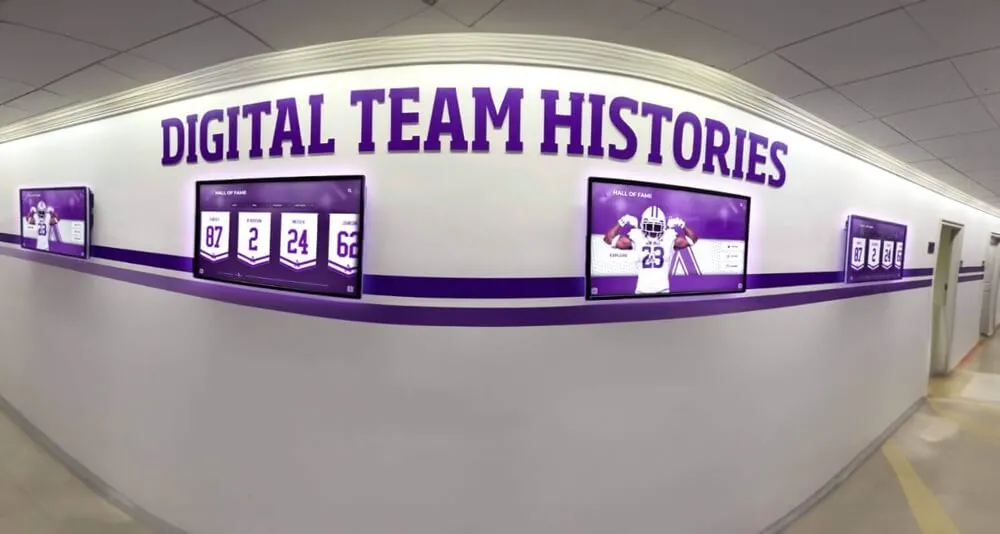
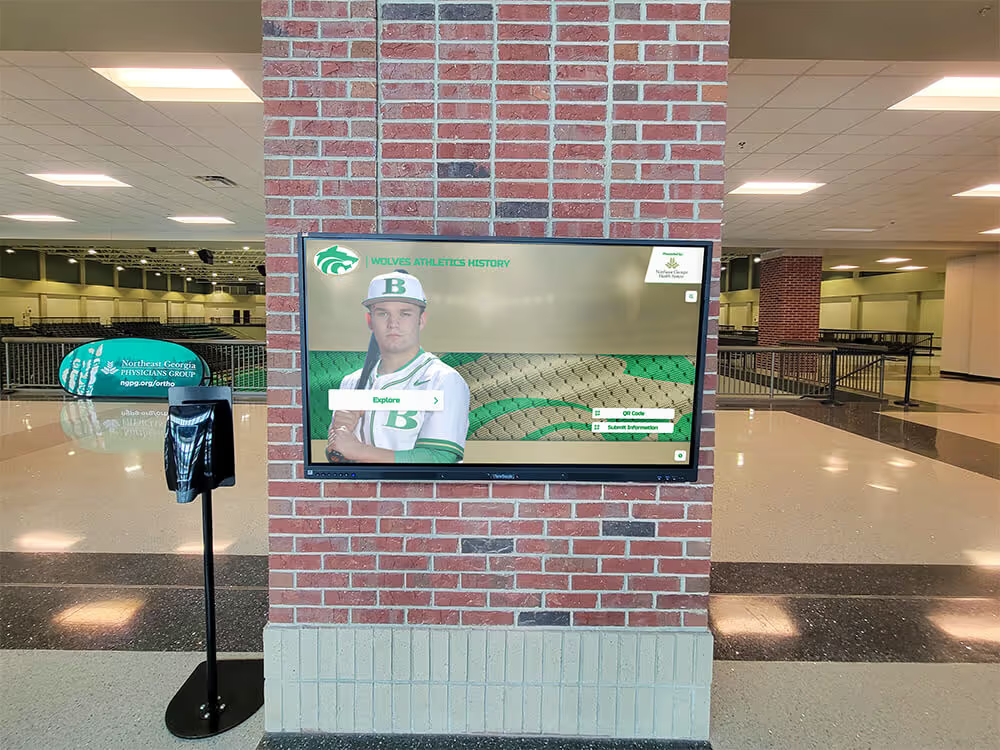
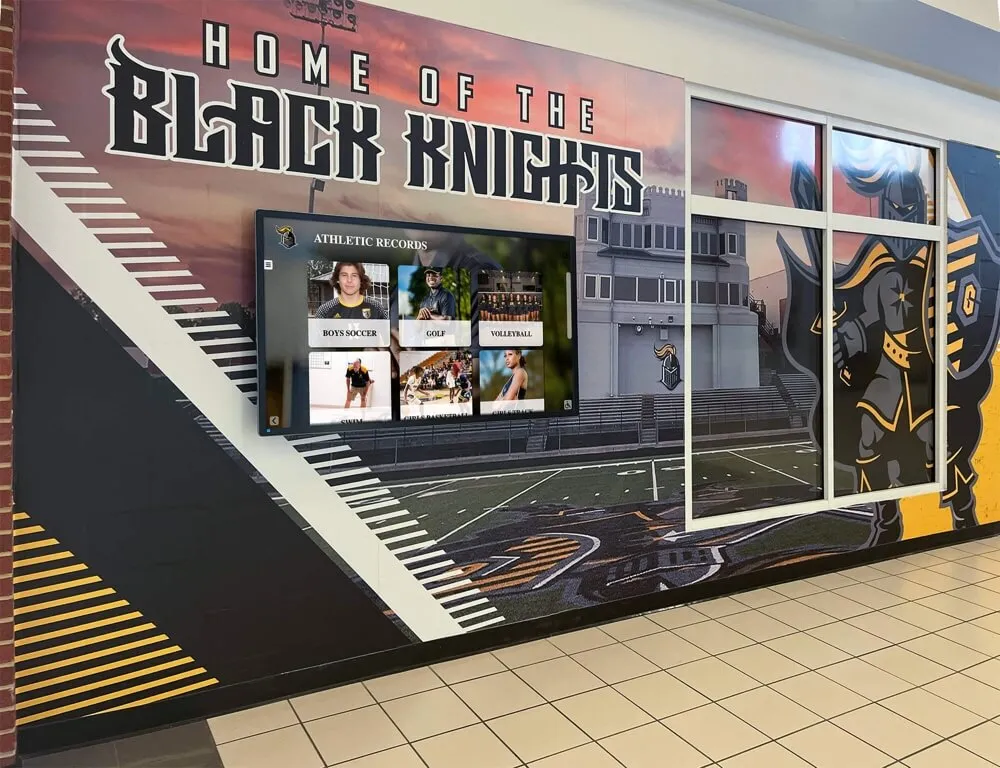
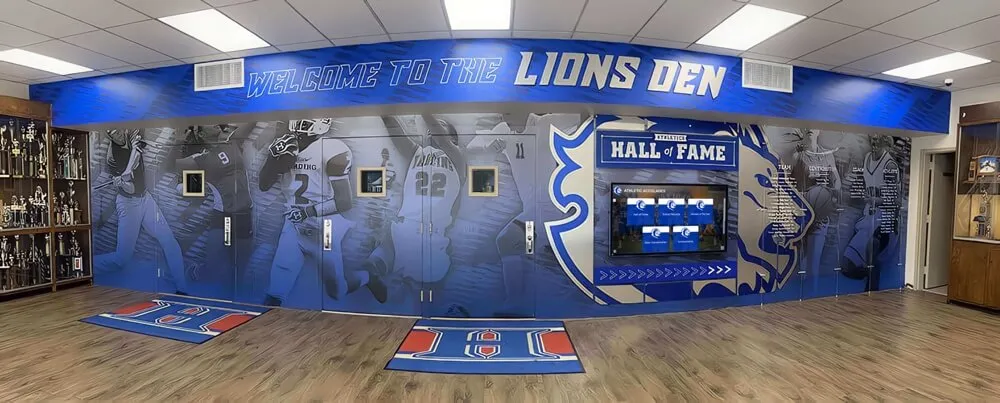
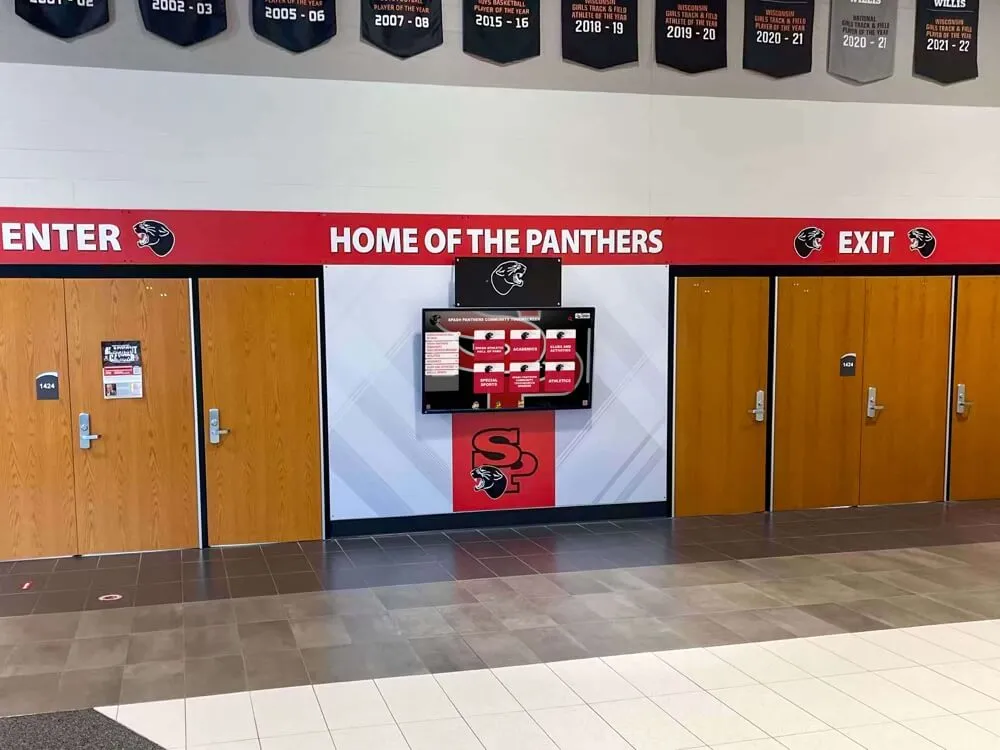
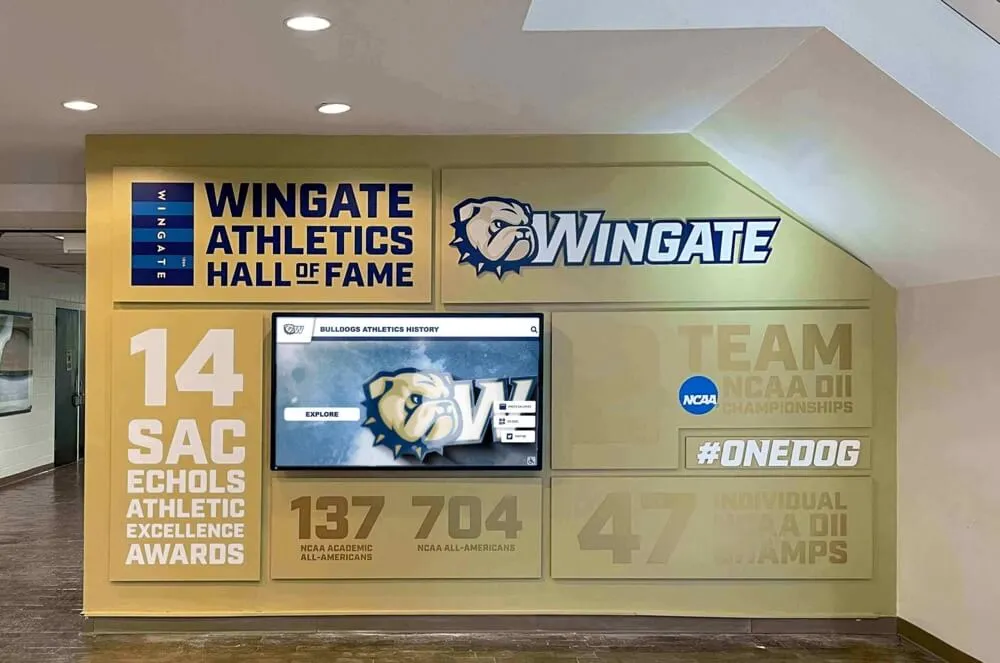
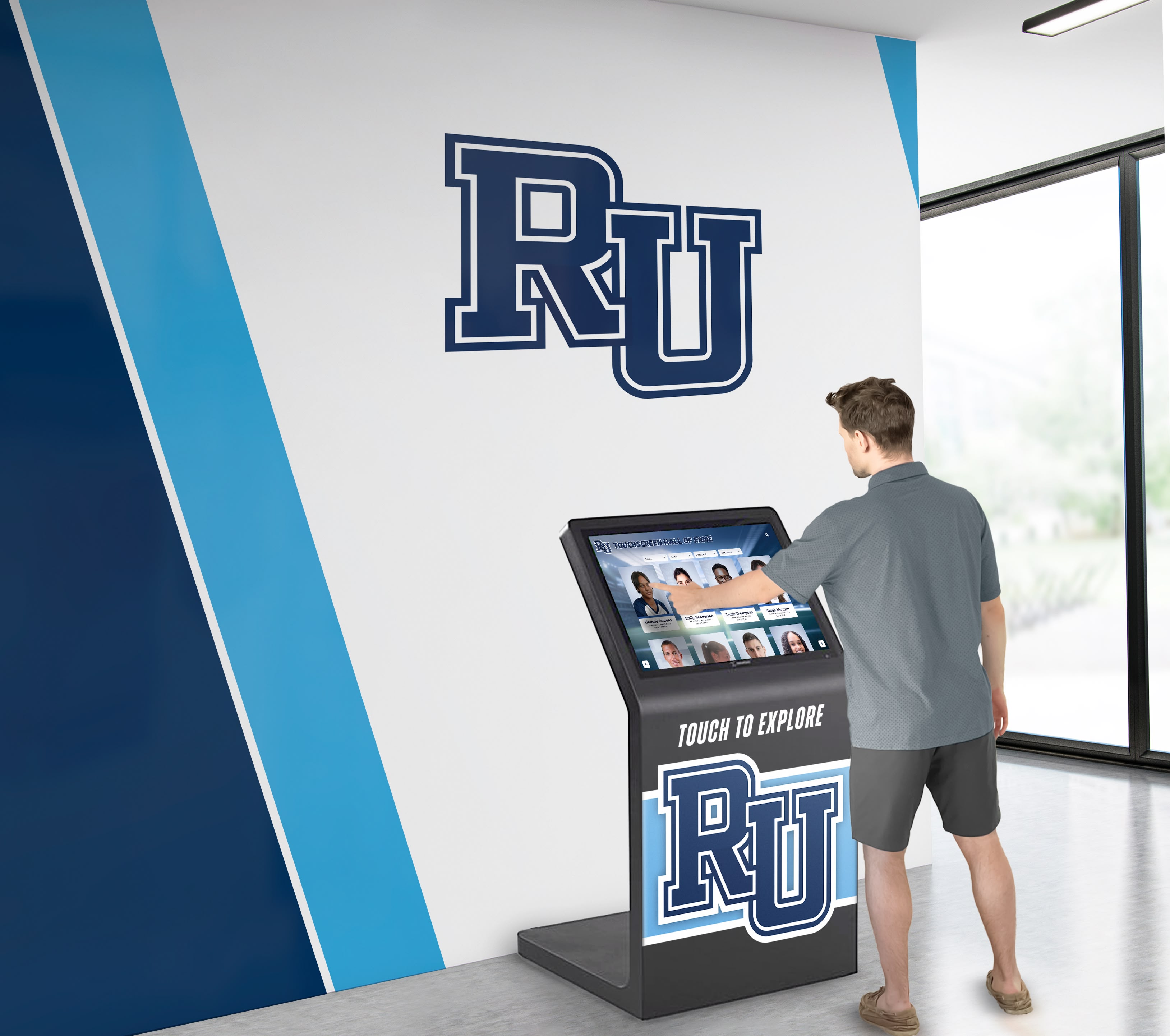
The key lies in making every donor feel individually appreciated regardless of gift size, even when operational realities require template-based approaches for sustainability. Programs like digital donor recognition displays complement written acknowledgement by providing ongoing visible appreciation that letters alone cannot achieve.
Essential Components of Effective Donor Acknowledgement Letters
Exceptional acknowledgement letters share specific elements ensuring they satisfy legal requirements while building genuine donor relationships.
Opening Gratitude and Donor Recognition
Begin immediately with authentic appreciation, specifically mentioning the donor by name and acknowledging their particular contribution.
Effective Opening Examples:
- “Dear Ms. Johnson, Thank you for your generous gift of $500 to our Annual Scholarship Fund. Your support directly enables deserving students to pursue their educational dreams.”
- “Dear Thompson Family, We are deeply grateful for your extraordinary commitment of $10,000 to renovate our athletic facilities. Your leadership gift inspires our entire community.”
Avoid generic openings like “Dear Donor” or “Thank you for your recent contribution.” These impersonal starts immediately signal that acknowledgement represents obligation rather than genuine appreciation.
Specific Gift Information and Tax Documentation
Clearly state contribution details satisfying IRS requirements while reinforcing donor decisions:
Gift Documentation Language:
- “Your gift of $1,000, received on March 15, 2026, will be directed to our Science Lab Equipment Fund as you specified.”
- “We gratefully acknowledge your contribution of $250 made on March 10, 2026, for unrestricted general operating support.”
Tax Compliance Statements:
- “No goods or services were provided in exchange for your contribution. Please retain this letter for your tax records.”
- “You received a recognition plaque valued at $50 in appreciation for your gift. The tax-deductible portion of your $1,000 contribution is $950.”
Impact Storytelling and Mission Connection
The most compelling acknowledgement letters explicitly connect donor gifts to tangible outcomes, helping supporters understand precisely how their generosity creates meaningful change.
Impact Connection Examples:
- “Your scholarship donation will provide books, supplies, and tuition support for two students this academic year. These students excel academically but face financial barriers that your generosity helps overcome.”
- “Your contribution to our new auditorium renovation will create inspiring performance spaces where hundreds of students will discover their artistic talents for decades to come.”
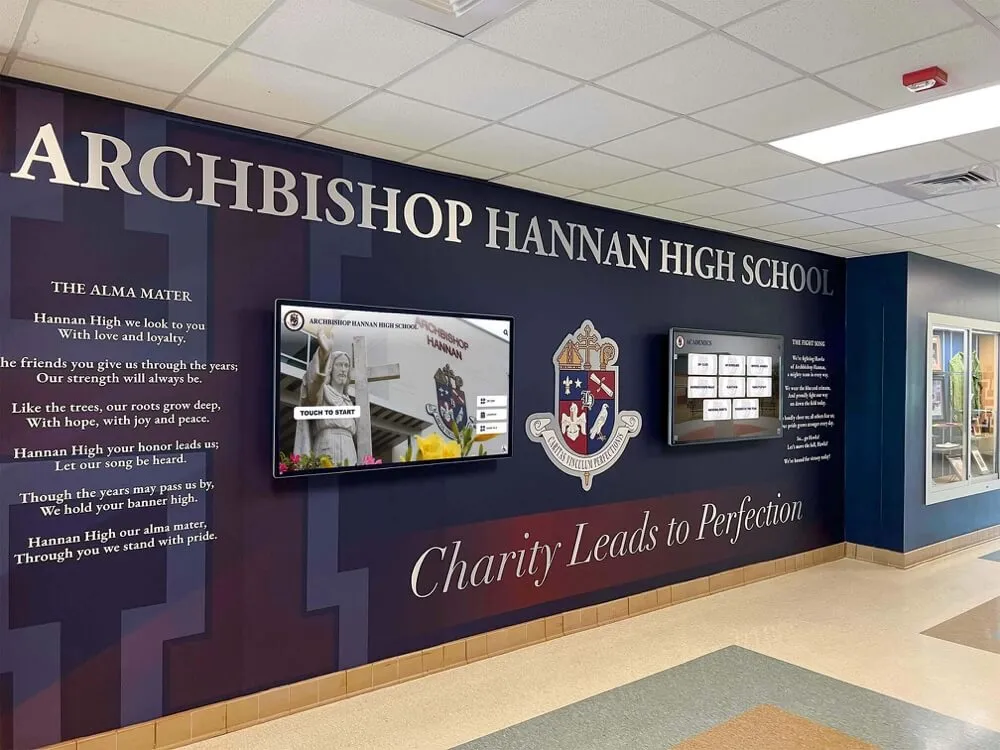
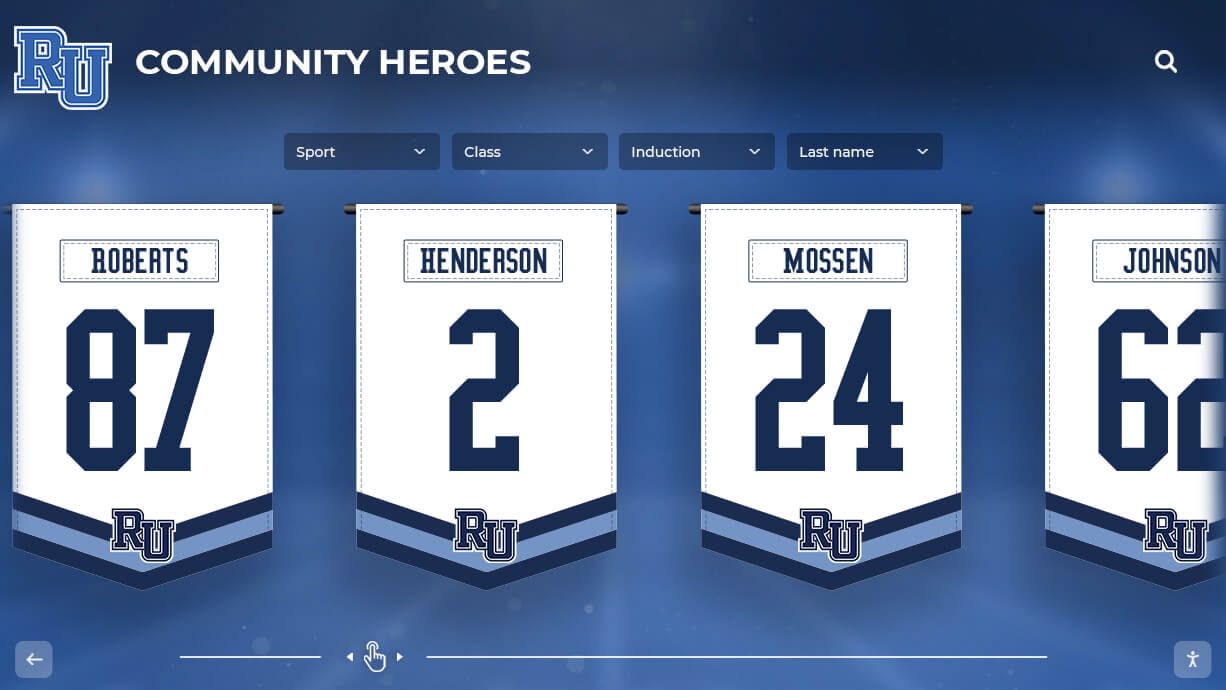
This impact demonstration transforms transactional acknowledgement into meaningful stewardship showing donors their contributions genuinely matter. Organizations implementing comprehensive recognition approaches like digital displays celebrating achievements provide ongoing visibility reinforcing impact messaging from acknowledgement letters.
Future Engagement Invitation
Close letters by expressing hope for continued relationships while providing next engagement opportunities:
Closing Examples:
- “We look forward to sharing updates throughout the year showing exactly how your generosity supports our students. Please join us for our spring recognition reception on May 15.”
- “Your partnership means everything to our mission. We would love to arrange a facility tour showing you the improvements your gift makes possible.”
Donor Acknowledgement Letter Sample Templates
These customizable templates provide starting frameworks for various donor types, contribution levels, and organizational contexts.
Template 1: General Annual Fund Gift
[Organization Letterhead]

[Date]

[Donor Name]
[Donor Address]
[City, State ZIP]

Dear [Donor First Name],

Thank you for your generous gift of $[Amount] to [Organization Name]'s [Specific Fund/Program Name], received on [Date]. Your support makes a meaningful difference in [brief impact description].

[Specific impact paragraph connecting their gift to tangible outcomes—2-3 sentences showing exactly what their contribution accomplishes]

[Organization Name] is a 501(c)(3) tax-exempt organization. Our federal tax identification number is [EIN]. No goods or services were provided in exchange for your contribution, so the full amount of your gift is tax-deductible to the extent allowed by law.

Your partnership strengthens everything we do. We are grateful to have you as part of our community of supporters making [mission accomplishment] possible.

With sincere appreciation,

[Signature]
[Name]
[Title]

[Organization Name]
[Contact Information]
Template 2: Major Gift Acknowledgement
[Organization Letterhead]

[Date]

[Donor Name]
[Donor Address]
[City, State ZIP]

Dear [Donor Name],

On behalf of [Organization Name]'s entire community, I want to express our profound gratitude for your extraordinary gift of $[Amount] to [Specific Project/Initiative]. Your leadership-level commitment, received on [Date], demonstrates remarkable vision and generosity that will impact [beneficiaries] for years to come.

[Detailed 2-3 paragraph section explaining specific outcomes the gift enables, including:
- Precise programs or initiatives funded
- Number of people served or impacted
- Long-term significance and legacy
- How this gift fits within broader organizational goals]

Your investment arrives at a pivotal moment for our organization. [Brief context about current institutional priorities and how this gift advances strategic objectives]

[Organization Name] is a 501(c)(3) tax-exempt organization (EIN: [Number]). No goods or services were provided in exchange for your contribution, so the full amount is tax-deductible as allowed by law.

I would welcome the opportunity to meet personally to discuss your philanthropic interests and share detailed updates on how your generosity creates transformational change. My assistant will contact you soon to schedule a convenient time.

Thank you again for your exceptional support and partnership.

With deepest gratitude,

[Signature]
[Executive Director/President Name]
[Title]

P.S. We are planning a special recognition event on [Date] celebrating major donors like you who make our mission possible. Please watch for your invitation.
Template 3: First-Time Donor Welcome
[Organization Letterhead]

[Date]

[Donor Name]
[Donor Address]
[City, State ZIP]

Dear [Donor First Name],

Welcome to the [Organization Name] family! We are thrilled to acknowledge your first gift of $[Amount], received on [Date], supporting [Specific Purpose].

As a first-time donor, you join a community of [Number] supporters who believe in [mission/cause]. Your decision to invest in our work means everything to us, and we want you to feel confident that your generosity creates real impact.

[2-3 paragraphs explaining:
- What drew them to support your cause
- Specific outcomes their gift enables
- Introduction to your community and programs
- What they can expect as a supporter (updates, events, communications)]

[Organization Name] is a 501(c)(3) tax-exempt organization (EIN: [Number]). No goods or services were provided in exchange for your contribution, making your full gift tax-deductible.

We look forward to keeping you connected with our work and sharing the difference your support makes. You will receive [describe communication plan—quarterly newsletters, impact reports, event invitations, etc.].

Thank you for choosing to support [Organization Name]. We are honored by your trust and partnership.

Warmly,

[Signature]
[Name]
[Title]
Template 4: In-Kind Donation Acknowledgement
[Organization Letterhead]

[Date]

[Donor Name]
[Donor Address]
[City, State ZIP]

Dear [Donor Name],

Thank you for your generous in-kind donation to [Organization Name], received on [Date]. We gratefully acknowledge your contribution of:

[Detailed description of donated items, including:
- Specific items donated
- Condition of items
- Quantity of each item type
- How items will be used in organizational programs]

Your thoughtful donation directly supports [specific program/initiative]. [Description of exactly how these items will be utilized and who will benefit—2-3 sentences showing tangible impact]

[Organization Name] is a 501(c)(3) tax-exempt organization (EIN: [Number]). No goods or services were provided in exchange for your contribution. As required by IRS regulations, we provide this description of your donated items but cannot assign specific monetary values. Please consult with your tax advisor regarding valuation for tax-deduction purposes.

We are grateful for your generosity and commitment to [mission]. Thank you for supporting our work in such a meaningful way.

Sincerely,

[Signature]
[Name]
[Title]

Template 5: Memorial or Tribute Gift
[Organization Letterhead]

[Date]

[Donor Name]
[Donor Address]
[City, State ZIP]

Dear [Donor Name],

Thank you for your thoughtful gift of $[Amount] made in memory of [Deceased Name], received on [Date]. Your tribute honors [his/her/their] life in a meaningful way while supporting the important work of [Organization Name].

We have sent an acknowledgement to the family at the address you provided, informing them of your generous gift without mentioning the specific amount. We understand this is a difficult time, and we are honored that you chose to commemorate [Deceased Name]'s memory through support of [cause/program].

[Brief paragraph connecting the gift to organizational mission and explaining how this memorial contribution creates lasting impact in the honoree's name]

[Organization Name] is a 501(c)(3) tax-exempt organization (EIN: [Number]). No goods or services were provided in exchange for your contribution, so the full amount is tax-deductible.

Thank you for remembering [Organization Name] during this challenging time and for honoring [Deceased Name]'s legacy through your generosity.

With sympathy and gratitude,

[Signature]
[Name]
[Title]
Template 6: Recurring/Monthly Donor Acknowledgement
[Organization Letterhead]

[Date]

[Donor Name]
[Donor Address]
[City, State ZIP]

Dear [Donor First Name],

Thank you for establishing your recurring monthly gift of $[Amount] to [Organization Name]. Your commitment to sustained support, beginning on [Date], provides the reliable funding that powers our most important programs.

Monthly donors like you represent the foundation of our work. Your predictable support enables us to:
- [Specific program capability enabled by reliable funding]
- [Planning advantages from sustained support]
- [Long-term impact made possible by commitment]

[Paragraph explaining the cumulative impact of their giving—how monthly $X becomes annual $Y and supports specific outcomes]

Each month, we will send you a simple email confirmation of your gift processing. At year-end, you will receive a comprehensive tax statement summarizing your total annual contributions to [Organization Name], a 501(c)(3) tax-exempt organization (EIN: [Number]).

You can adjust or cancel your recurring gift at any time by [providing specific instructions]. We are grateful for your partnership and hope you'll continue supporting our mission for years to come.

Thank you for your extraordinary commitment to [cause/mission].

With deep appreciation,

[Signature]
[Name]
[Title]
Best Practices for Donor Acknowledgement Letter Success
Beyond templates, strategic approaches ensure acknowledgement letters build strong donor relationships while maintaining operational efficiency.
Segmentation Strategies for Appropriate Personalization
Not all donors require identical acknowledgement approaches. Strategic segmentation enables appropriate personalization levels matching gift significance and donor relationships.
Effective Segmentation Models:
- By gift size: Major gifts ($10,000+) receive executive-signed custom letters; leadership gifts ($1,000-$9,999) receive program officer letters; annual fund gifts receive personalized template acknowledgements
- By donor history: First-time donors receive special welcome communications; recurring donors receive different messaging than one-time contributors; lapsed donors returning after absence receive re-engagement focused acknowledgement
- By giving purpose: Restricted gifts receive detailed impact reporting specific to designated programs; unrestricted donations receive broader mission messaging
- By relationship depth: Board members and volunteers receive different acknowledgement than distant donors; scholarship recipients’ families receive unique messaging
This strategic differentiation ensures limited personalization resources focus where relationship impact proves greatest while maintaining appropriate recognition across all donor segments.
Avoiding Common Acknowledgement Letter Mistakes
Even well-intentioned organizations make predictable errors that diminish acknowledgement effectiveness.
Common Pitfalls to Avoid:
Generic Language: Using identical wording for every donor creates impersonal experiences. Even simple variable insertions mentioning specific gift amounts, designated purposes, or donor names dramatically improve perceived personalization.
Delayed Sending: Weeks-long delays between gift receipt and acknowledgement damage donor perception and relationships. Implement systems ensuring 48-hour acknowledgement as standard practice.
Excessive Solicitation: Following thank you letters immediately with new fundraising appeals signals that organizations value donors primarily as funding sources rather than partners. Maintain “no-ask zones” around acknowledgement communications.
Unclear Tax Documentation: Ambiguous language about goods/services received or missing required elements creates confusion and potential compliance problems. Use clear, explicit statements satisfying IRS requirements.
Focusing on Organization Instead of Donor: Letters emphasizing organizational needs rather than donor impact and appreciation feel transactional. Center acknowledgement on donor generosity and outcomes their gifts enable.
Neglecting Proofreading: Spelling errors, wrong names, or incorrect amounts undermine professionalism and suggest carelessness. Implement quality control ensuring accuracy before mailing.
Organizations working to strengthen overall recognition programs complement written acknowledgement with solutions like interactive digital displays providing ongoing visible appreciation.
Technology Solutions for Acknowledgement Efficiency
Modern fundraising platforms provide tools dramatically improving acknowledgement quality while reducing staff workload.
Donor Management System Integration:
- Automatic acknowledgement letter generation triggered by gift processing
- Variable data personalization merging donor information into templates
- Workflow routing major gifts to appropriate staff for customized handling
- Digital signature capabilities enabling executive acknowledgement without physical signing
- Email acknowledgement for donors preferring electronic communication
Acknowledgement Automation Best Practices:
- Use technology for efficiency without losing authentic voice and personalization
- Maintain human review for major gifts regardless of automation capabilities
- Test automated acknowledgements thoroughly before implementing at scale
- Provide donors communication preference options (email vs. mail)
- Monitor acknowledgement timing metrics ensuring prompt delivery
Strategic technology implementation enables organizations to provide excellent acknowledgement experiences for all donors while focusing limited staff time on relationship-building activities with greatest impact potential.
Special Acknowledgement Scenarios and Considerations
Certain donation types require specialized acknowledgement approaches addressing unique circumstances or requirements.
Planned Gifts and Bequest Commitments
Donors including organizations in estate plans deserve special recognition acknowledging their extraordinary long-term commitment.
Planned Gift Acknowledgement Elements:
- Thank donors for bequest intentions without treating as completed gifts
- Provide immediate recognition for legacy society membership
- Avoid assigning specific monetary values to uncompleted planned gifts
- Explain how planned gifts support long-term organizational sustainability
- Invite donors to share gift intentions to enable appropriate recognition and planning
- Maintain confidential handling for donors preferring privacy about estate planning
Organizations implementing comprehensive recognition programs often create special legacy society displays celebrating planned gift commitments separately from completed contributions.

Corporate and Foundation Grants
Institutional funders require acknowledgement addressing organizational decision-making processes rather than individual motivations.
Corporate/Foundation Acknowledgement Approaches:
- Address letters to appropriate contact persons while recognizing institutional entity
- Reference grant application or proposal specifics showing attentive stewardship
- Provide detailed reporting timelines and deliverables as outlined in grant agreements
- Highlight partnership language rather than charitable donation framing
- Include specific outcome metrics and evaluation approaches
- Acknowledge program officers and foundation staff facilitating grants
Matching Gifts and Employer Contributions
When employers match employee donations, acknowledge both the employee who initiated giving and the corporation providing matching funds.
Matching Gift Recognition Strategy:
- Send immediate acknowledgement to employee donor for their personal contribution
- Send separate acknowledgement to corporation for matching gift once processed
- Thank employee donor again when match comes through, recognizing their initiative
- In employee acknowledgement, mention organizational matching gift program benefits
- Track matching gift completion rates to identify improvement opportunities
Anonymous Donations
Some donors prefer privacy while maintaining philanthropic support. Respect anonymity completely while providing appropriate private acknowledgement.
Anonymous Gift Handling:
- Never publicly acknowledge anonymous donors or reveal identities
- Provide private acknowledgement letters and tax documentation to donor addresses
- Exclude from public donor lists, recognition walls, or publications
- Offer alternative private recognition through exclusive communications or private meetings
- Ensure donor database coding prevents accidental public disclosure
- Respect anonymity preferences even internally beyond development staff with need-to-know
Complementing Written Acknowledgement with Comprehensive Recognition
While acknowledgement letters provide essential immediate gratitude, comprehensive donor recognition programs incorporate multiple touchpoints strengthening relationships over time.
Multi-Channel Recognition Strategies
Effective stewardship extends beyond single acknowledgement letters to create ongoing appreciation demonstrating sustained gratitude.
Recognition Touchpoint Mix:
- Immediate written acknowledgement: Initial thank you letter within 48 hours
- Executive follow-up: Phone calls or personal notes from leadership for major gifts
- Impact reporting: Regular updates showing specifically how gifts create outcomes
- Recognition events: Annual celebrations honoring donor communities
- Public acknowledgement: Appropriate donor recognition in publications, websites, or physical displays
- Stewardship activities: Facility tours, program demonstrations, or beneficiary meetings
Research indicates that donors receiving 5-7 meaningful touchpoints annually demonstrate retention rates 40% higher than those receiving only transactional acknowledgement.
Physical and Digital Recognition Displays
Organizations increasingly complement written acknowledgement with visible recognition creating lasting appreciation and inspiring additional giving.
Recognition Display Benefits:
- Provide ongoing visibility between written communications
- Create social proof inspiring prospective donors
- Enable easy discovery of donor communities
- Demonstrate institutional commitment to honoring generosity
- Offer unlimited capacity as donor communities grow
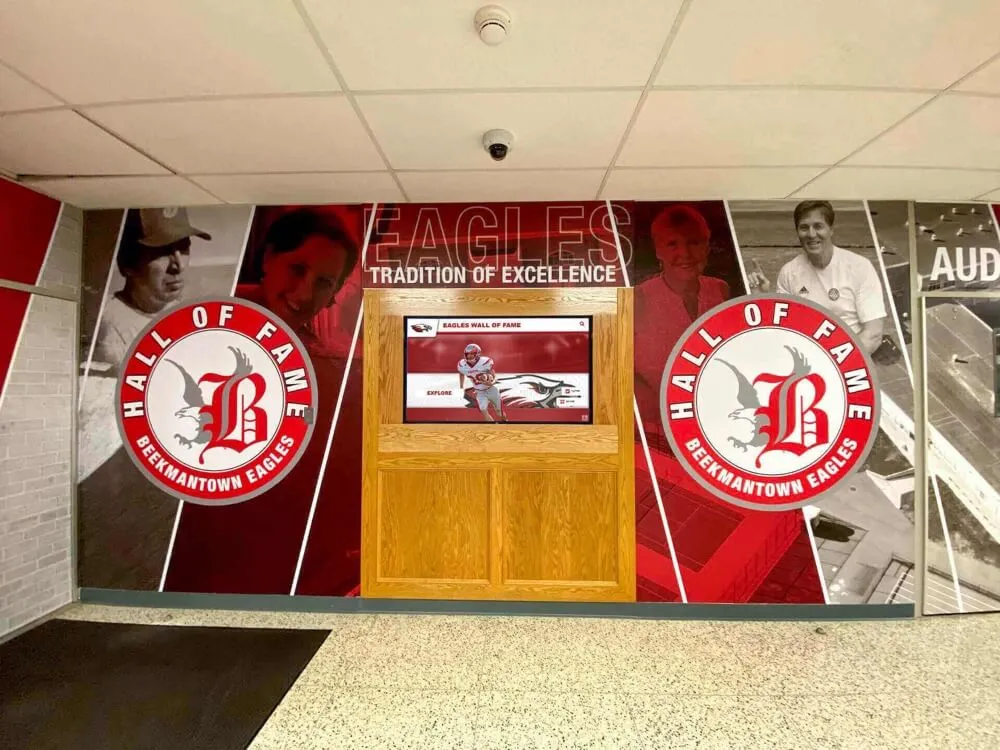
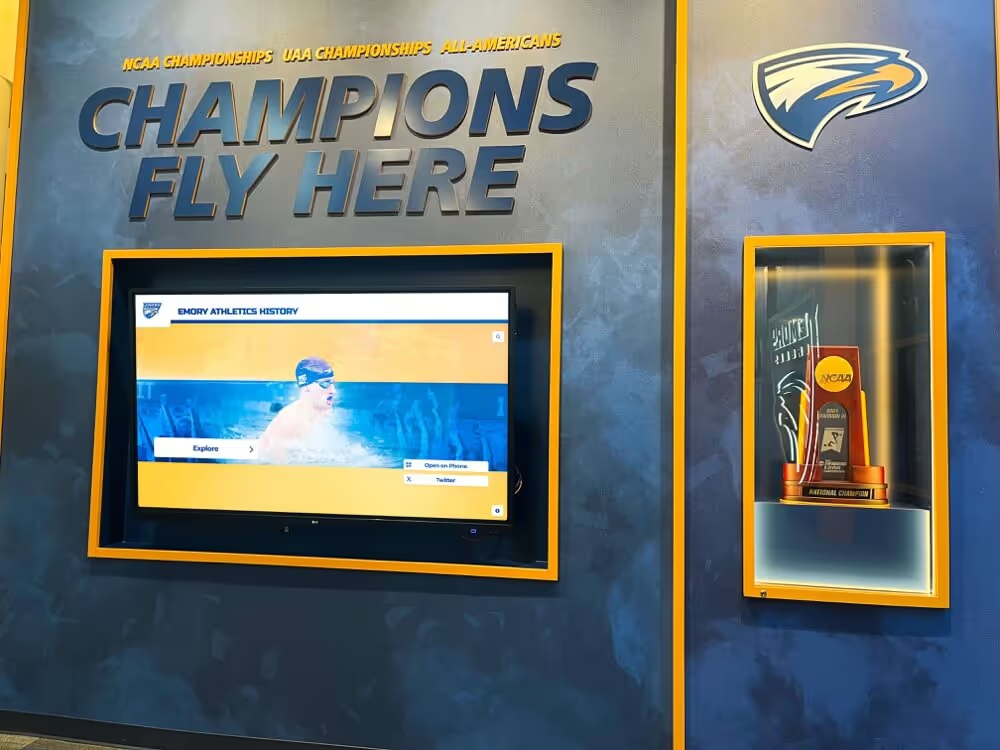
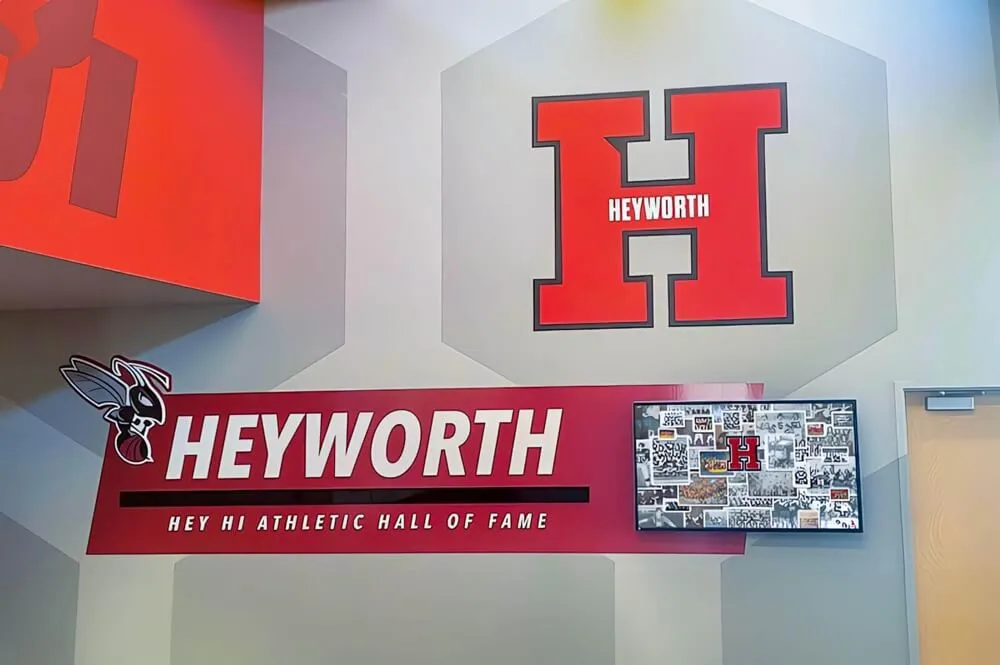
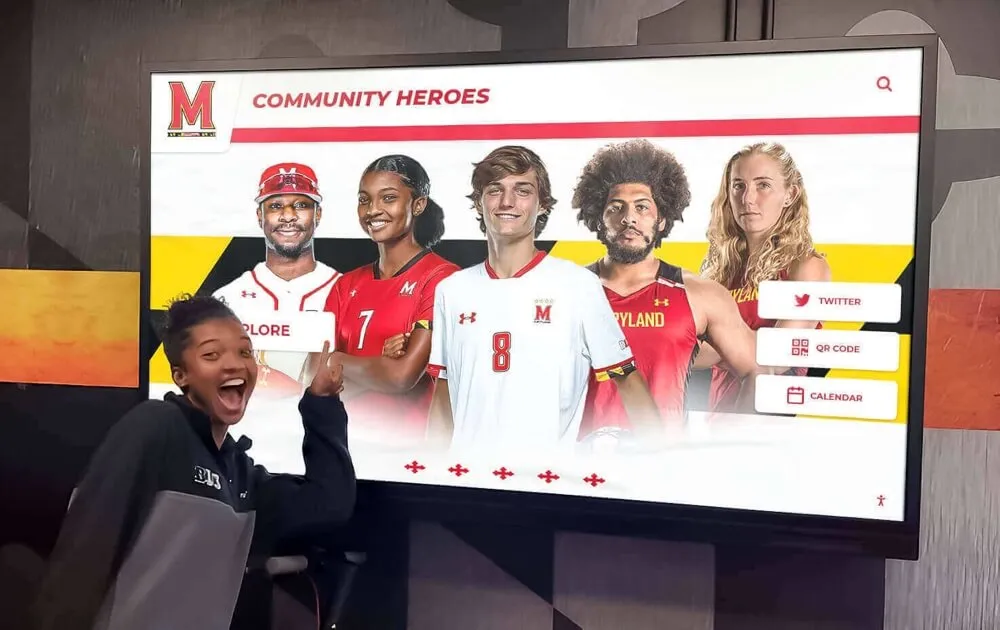
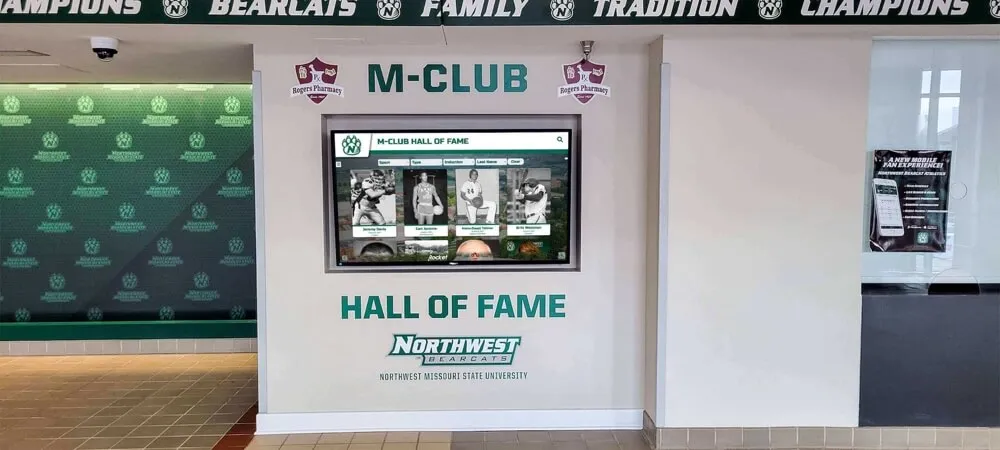
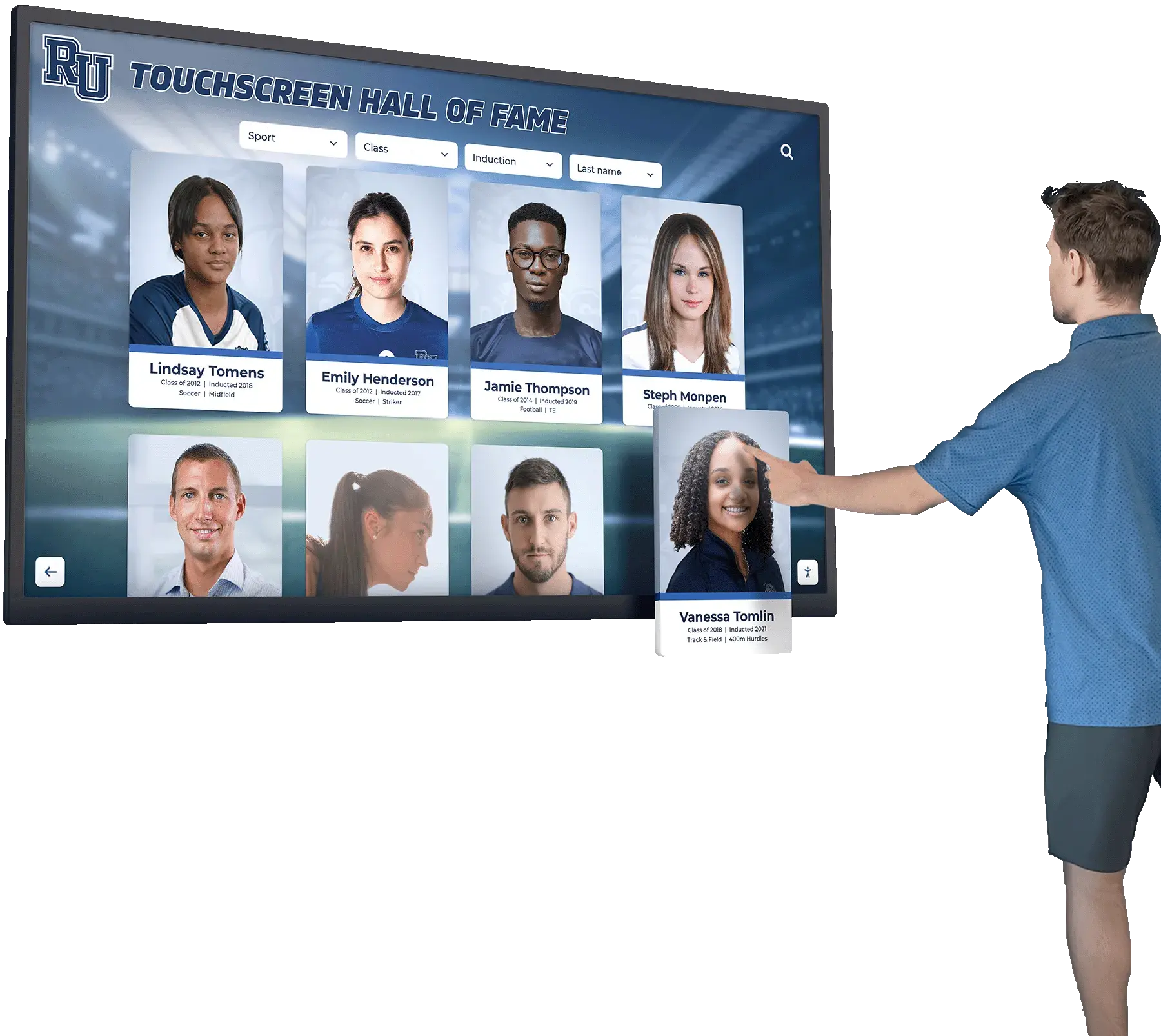
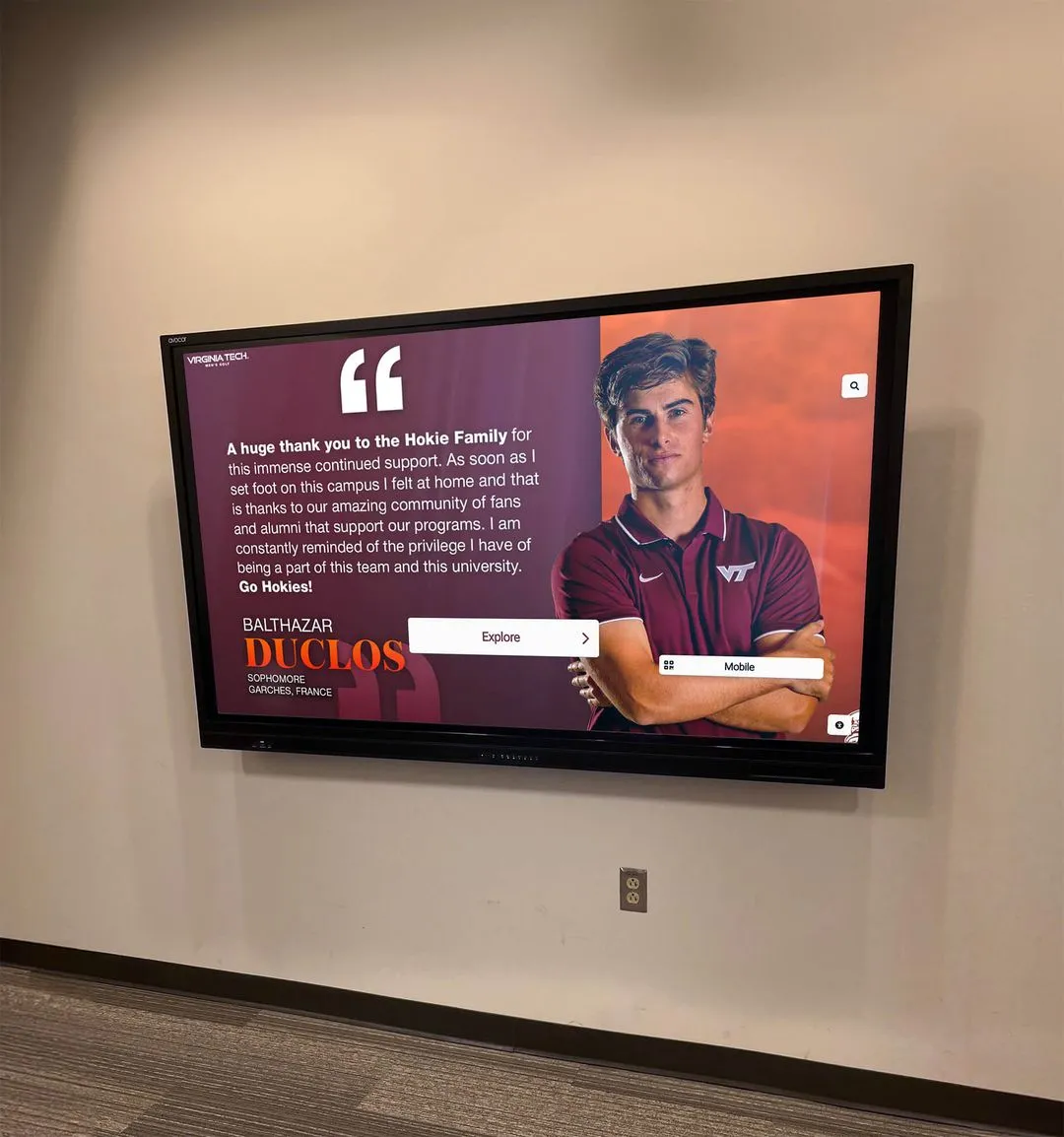
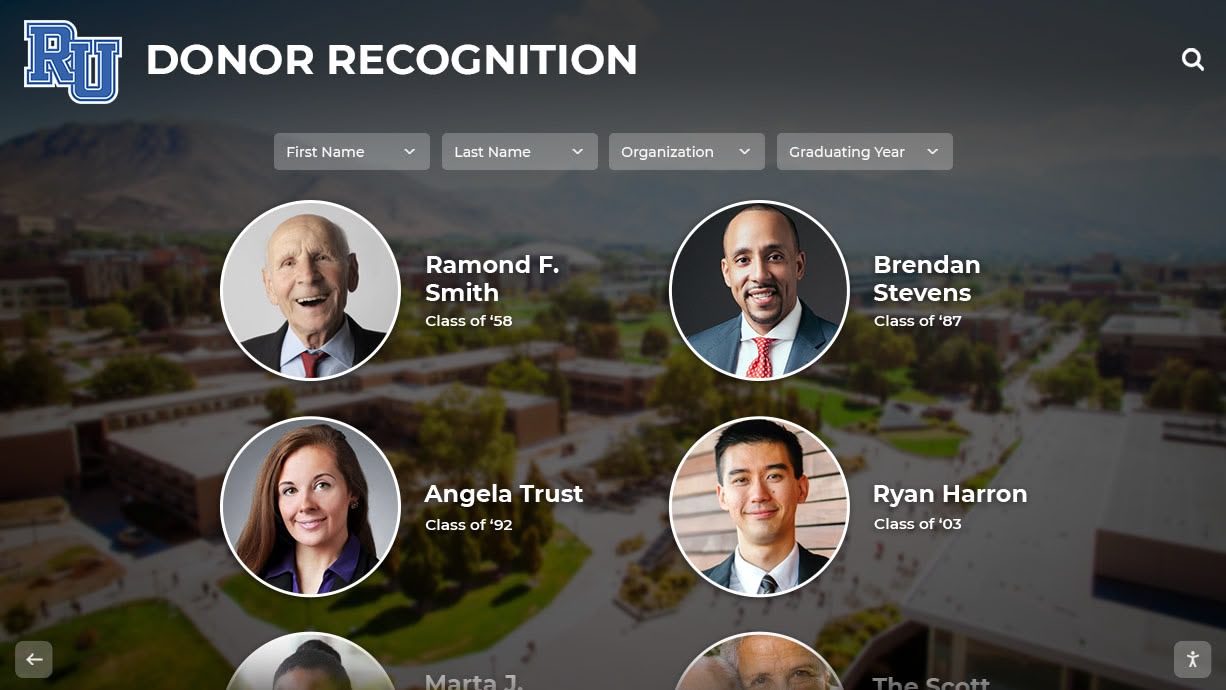
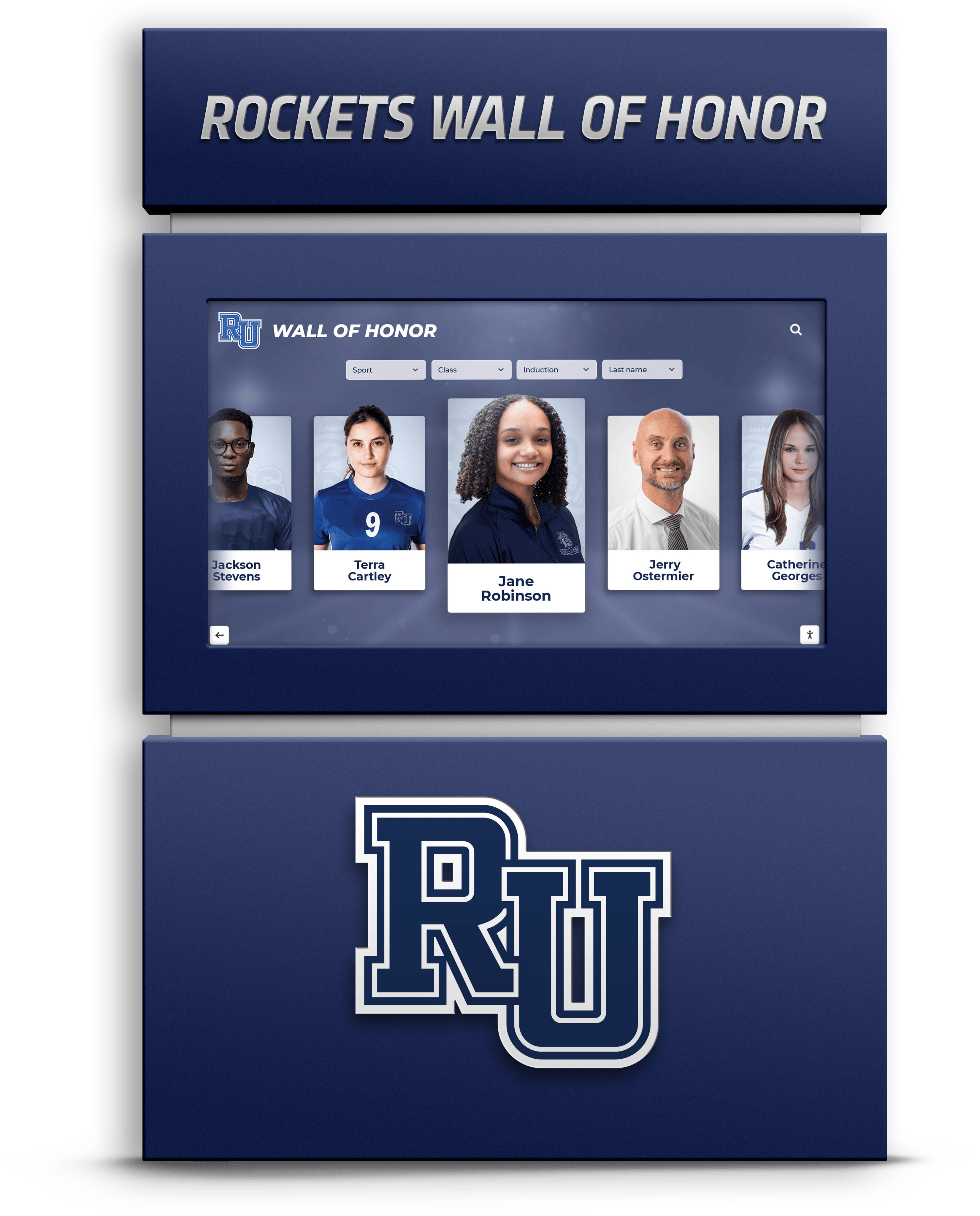
Modern solutions like digital recognition walls address space limitations of traditional plaques while providing rich storytelling capabilities that simple name listings cannot achieve. These systems complement acknowledgement letters by providing continuous appreciation long after initial gifts.
Organizations implementing comprehensive approaches report that visible recognition combined with excellent written acknowledgement produces donor retention improvements exceeding either strategy independently—the synergy between immediate written gratitude and ongoing visible appreciation creates compound relationship-strengthening effects.
Building Donor Stewardship Beyond Acknowledgement
Acknowledgement represents the beginning rather than conclusion of donor stewardship. Strategic organizations develop systematic cultivation frameworks maintaining donor engagement between gifts.
Ongoing Stewardship Framework:
- Quarterly impact newsletters showing program progress
- Annual donor recognition events celebrating philanthropic community
- Exclusive donor communications providing insider perspectives
- Volunteer opportunities connecting donors directly with mission
- Facility naming opportunities for transformational gifts
- Recognition in annual reports and digital platforms
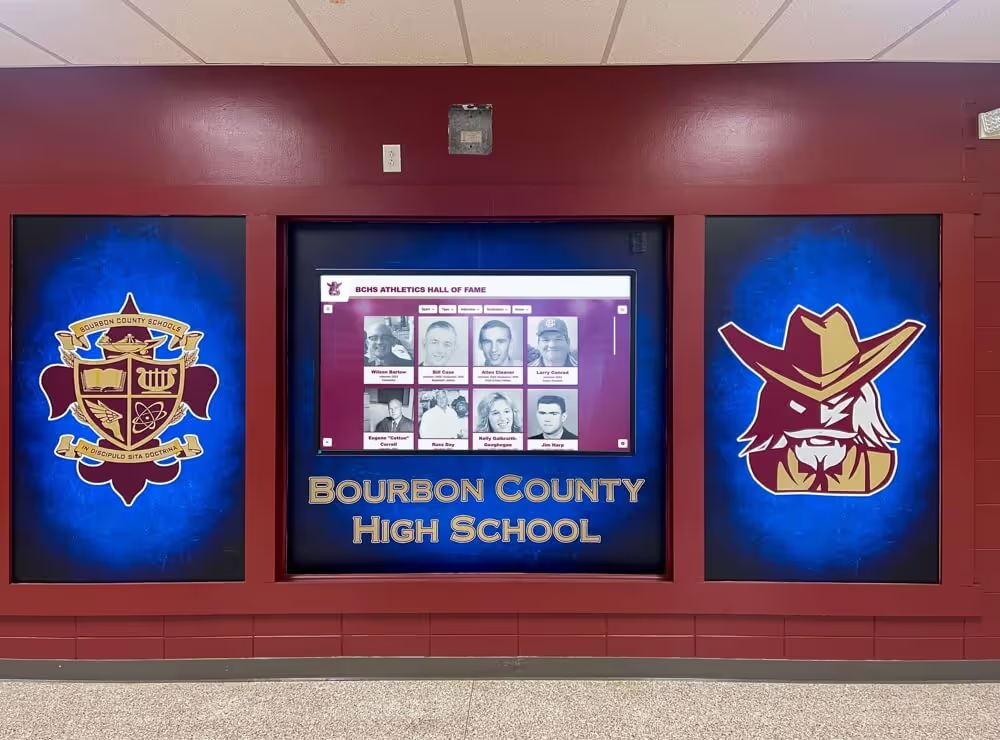
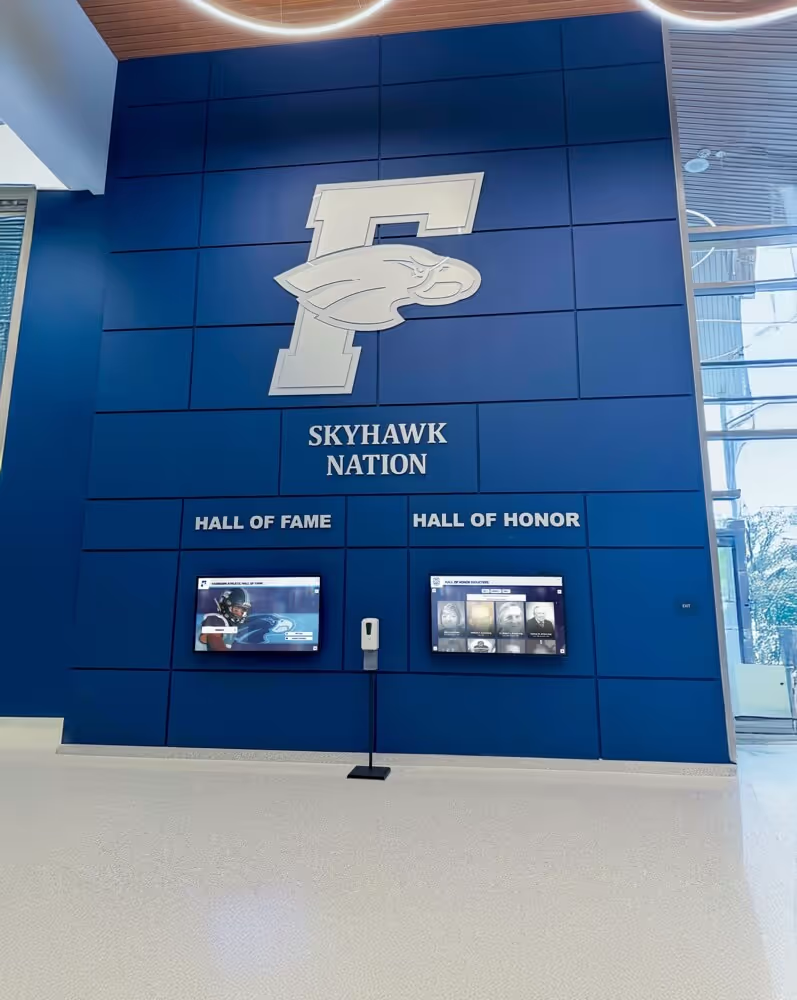
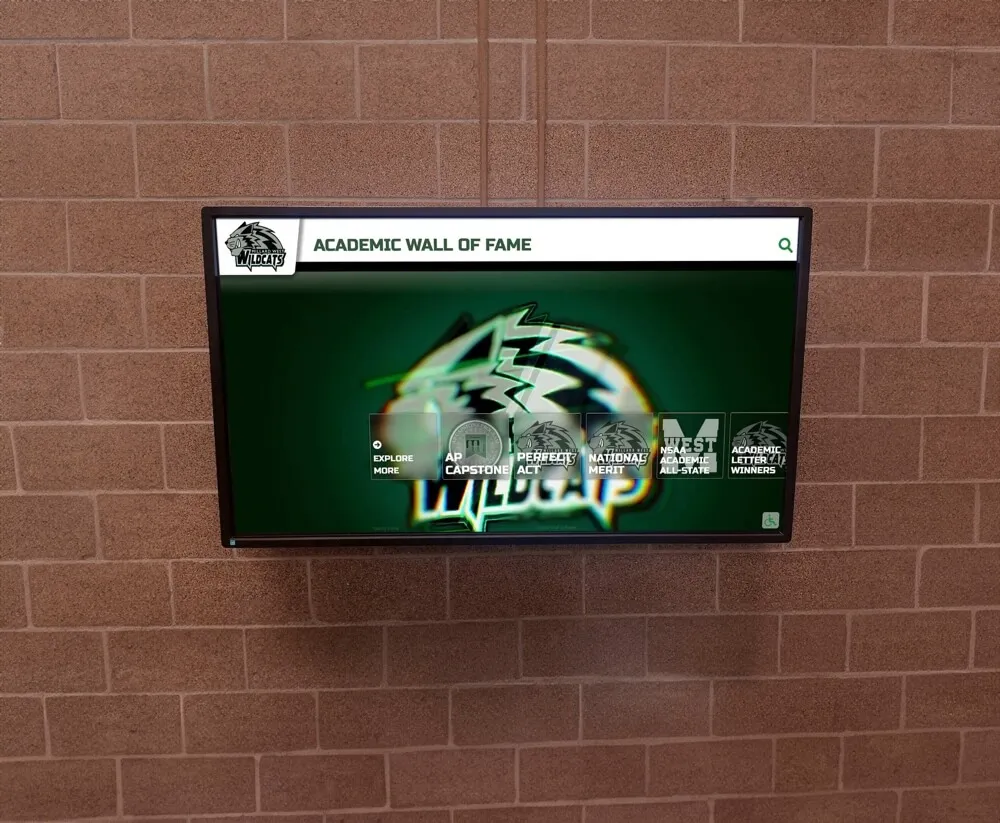
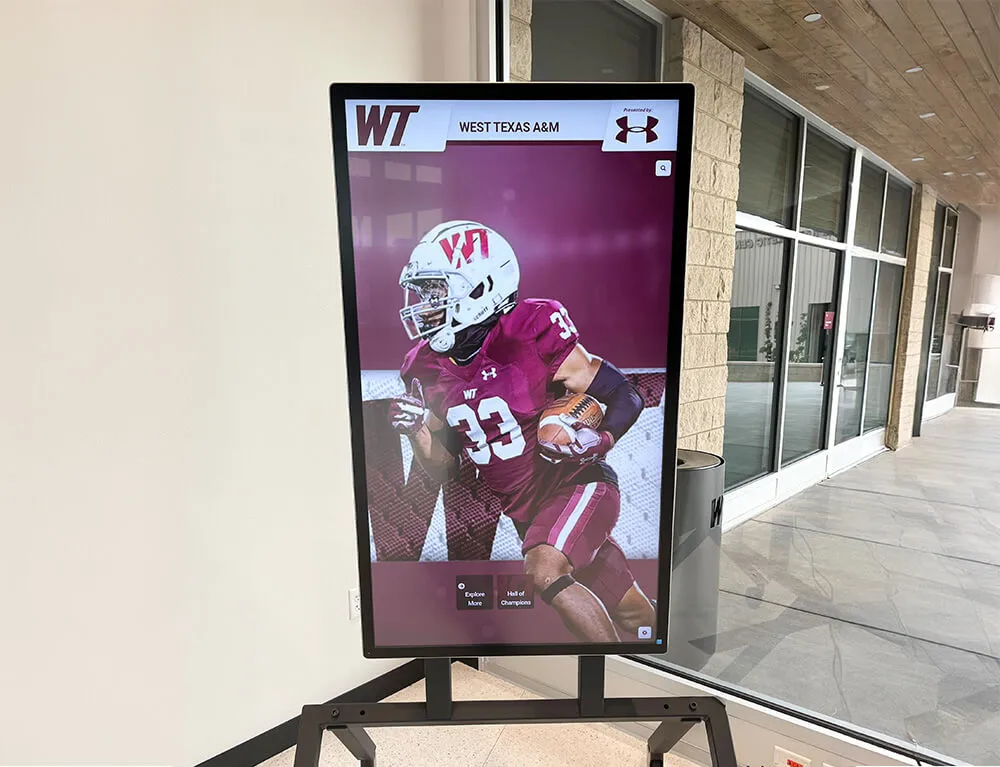
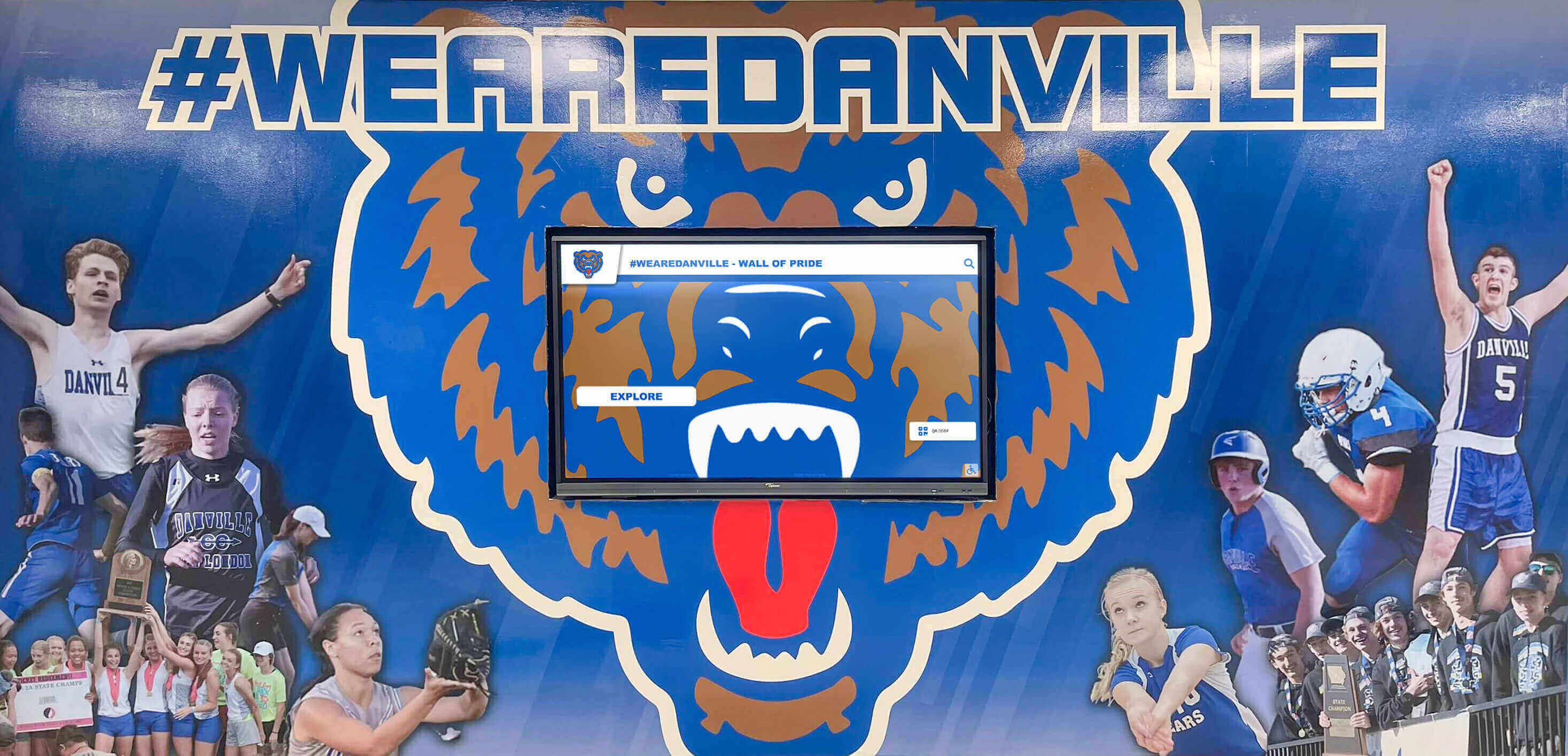
Institutions prioritizing comprehensive recognition often leverage solutions like digital hall of fame systems that provide ongoing donor engagement between traditional communication touchpoints, strengthening relationships through continuous visibility and accessible information sharing.
Measuring Acknowledgement Effectiveness and Program Improvement
Data-informed management ensures acknowledgement practices continuously improve based on donor response and retention patterns rather than assumptions about effectiveness.
Key Performance Indicators for Acknowledgement Programs
Track specific metrics revealing acknowledgement quality and relationship impact:
Essential Metrics:
- Acknowledgement speed: Average time from gift receipt to acknowledgement letter mailing
- First-time donor retention: Percentage returning for second gifts (industry average: 20-25%)
- Overall donor retention: Year-over-year donor continuation rates (strong performance: 60%+)
- Donor feedback: Satisfaction surveys and qualitative response to acknowledgement
- Acknowledgement accuracy: Error rates in donor names, amounts, or information
- Multi-year giving patterns: Donor progression through giving levels over time
Regular monitoring identifies opportunities for improvement while demonstrating acknowledgement program value to organizational leadership.
Testing and Optimization Approaches
Systematic testing reveals which acknowledgement approaches generate strongest donor response and retention.
A/B Testing Opportunities:
- Test acknowledgement timing (24-hour vs. 48-hour vs. one-week response)
- Compare template variations with different messaging emphasis
- Evaluate impact storytelling approaches (statistical vs. narrative)
- Test letter length and format preferences
- Compare email vs. mail acknowledgement retention rates
- Evaluate personalization level effects on different donor segments
Even simple tests—sending half of first-time donors enhanced welcome letters while others receive standard acknowledgement—reveal valuable insights about which approaches justify additional resource investment.
Conclusion: Building Donor Relationships Through Excellent Acknowledgement
Effective donor acknowledgement letters represent far more than administrative compliance or polite thank you notes. Strategic acknowledgement strengthens donor relationships, reinforces giving decisions, demonstrates organizational professionalism and gratitude, satisfies legal requirements while building emotional connections, inspires continued and increased future support, and establishes foundations for lifelong philanthropic partnerships.
The most successful fundraising programs recognize that acknowledgement quality directly impacts financial sustainability. Organizations investing in prompt, personalized, impact-focused acknowledgement experience dramatically higher donor retention—often 25-40% improvements compared to institutions treating acknowledgement as mere obligation. When typical donor acquisition costs reach 5-10 times retention investment, acknowledgement excellence represents among the highest-return activities development programs can prioritize.
For schools, nonprofits, and institutions building fundraising capacity, acknowledgement letter templates provide starting frameworks ensuring consistent quality while enabling appropriate customization. However, templates alone prove insufficient without systematic processes ensuring prompt sending, personalization reflecting donor relationships, impact storytelling demonstrating contribution value, and integration within comprehensive stewardship frameworks maintaining donor engagement over time.
Beyond written acknowledgement, comprehensive recognition programs incorporating multiple touchpoints—thank you letters, recognition events, impact reporting, visible displays, and ongoing communication—create compound relationship-strengthening effects exceeding any single tactic independently. Modern recognition solutions like interactive donor walls complement written stewardship by providing continuous appreciation and accessible donor community celebration.
Every donor deserves timely, meaningful acknowledgement reflecting the significance of their generosity to organizational mission. Whether acknowledging first-time $25 gifts or cultivating major donor relationships through sophisticated stewardship, acknowledgement quality communicates organizational values about gratitude, professionalism, and supporter respect—characteristics directly influencing whether donors continue supporting causes they believe in or redirect philanthropy to institutions demonstrating greater appreciation.
Ready to complement your acknowledgement letters with comprehensive donor recognition that provides ongoing visibility and appreciation? Discover how Rocket Alumni Solutions creates digital recognition displays celebrating donor communities without space limitations, enabling schools and nonprofits to honor generosity through both excellent written stewardship and lasting visible appreciation that strengthens fundraising programs for years to come.
This guide provides general donor acknowledgement letter guidance as of March 2026. Organizations should consult legal counsel regarding specific IRS compliance requirements and applicable tax regulations. Acknowledgement practices should align with organizational policies and donor communication preferences.