



Your diploma represents years of dedication, countless study sessions, and significant financial investment. Whether it’s a high school diploma, bachelor’s degree, master’s degree, or professional certification, this document symbolizes a major life achievement that deserves proper recognition. Yet many diplomas remain rolled in closets, tucked in drawers, or stored in boxes—hidden away rather than displayed with the pride they deserve.
Displaying your diploma serves multiple purposes beyond simple decoration. In professional settings, visible credentials build client confidence and establish expertise. In educational institutions, diploma displays inspire current students by showcasing alumni success. At home, framed degrees remind us of our capabilities during challenging times and serve as tangible proof of our commitment to personal growth.
Why Diploma Displays Matter
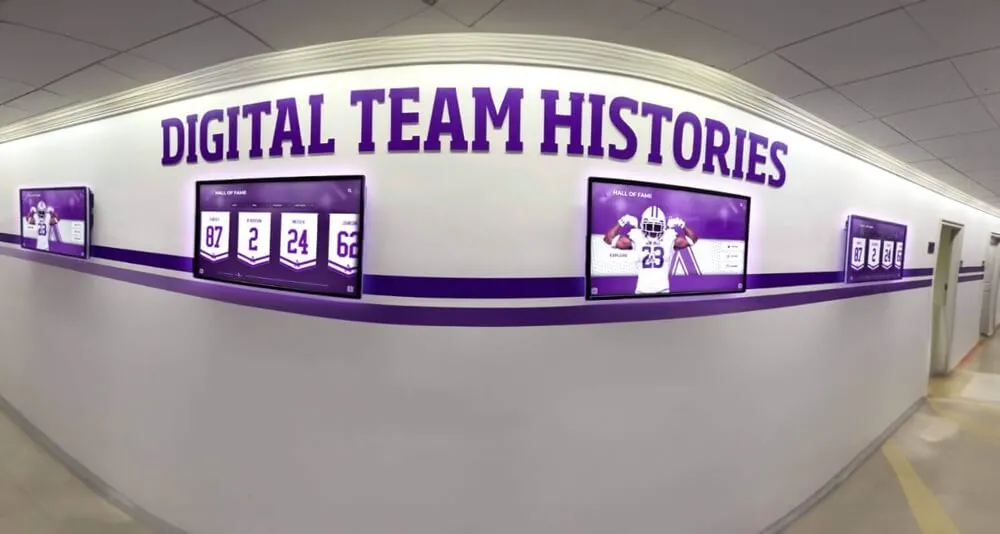
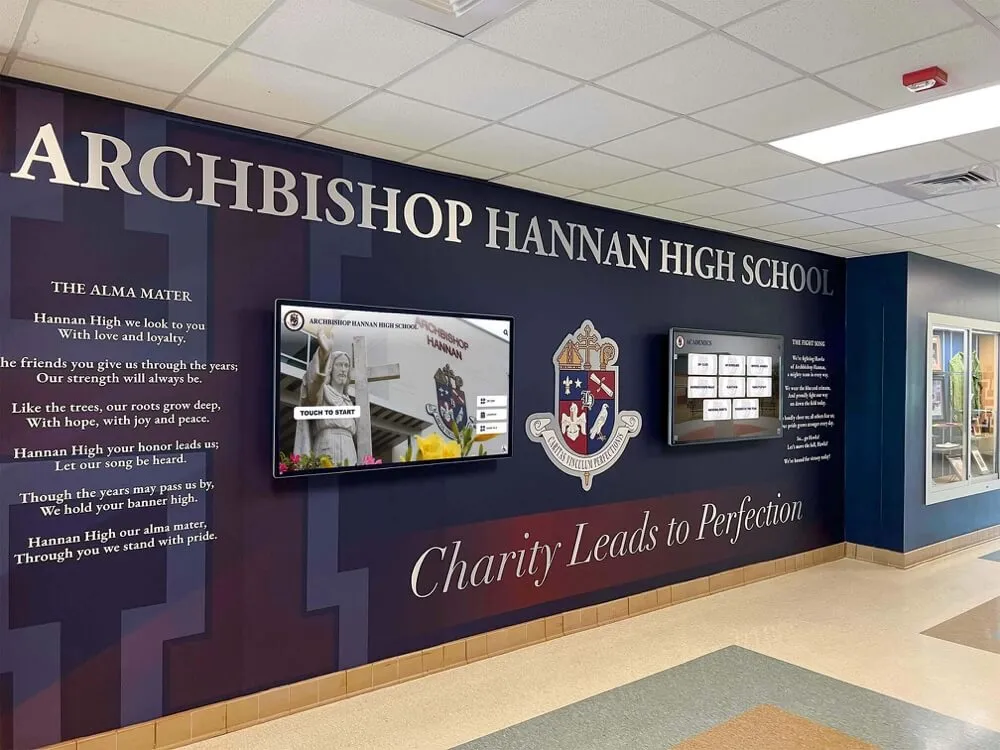
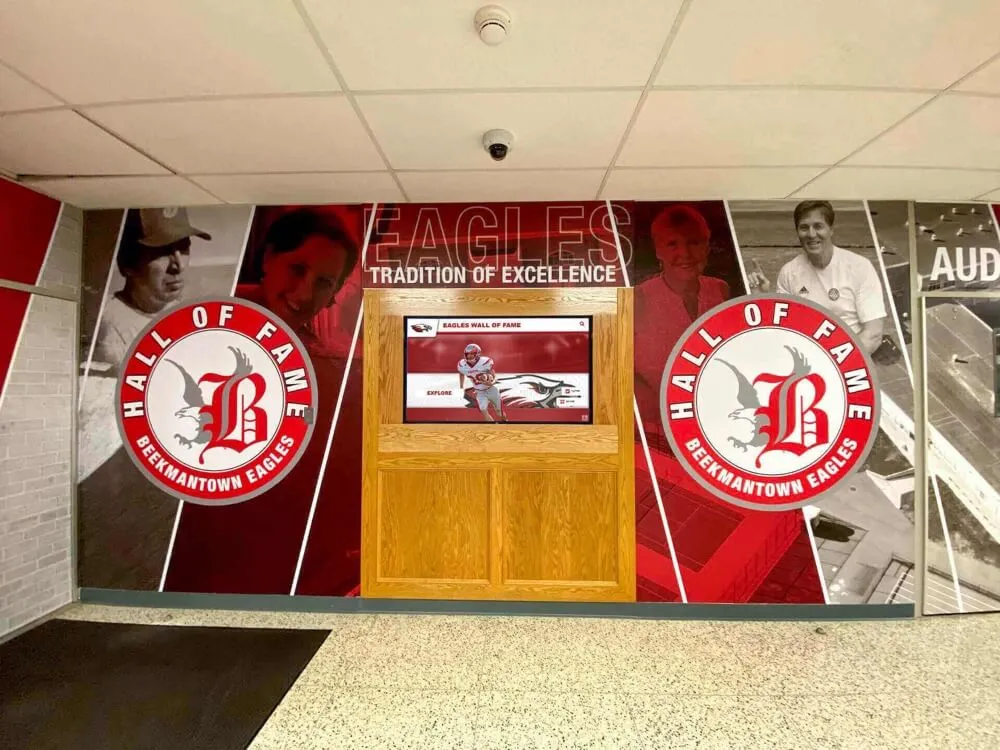
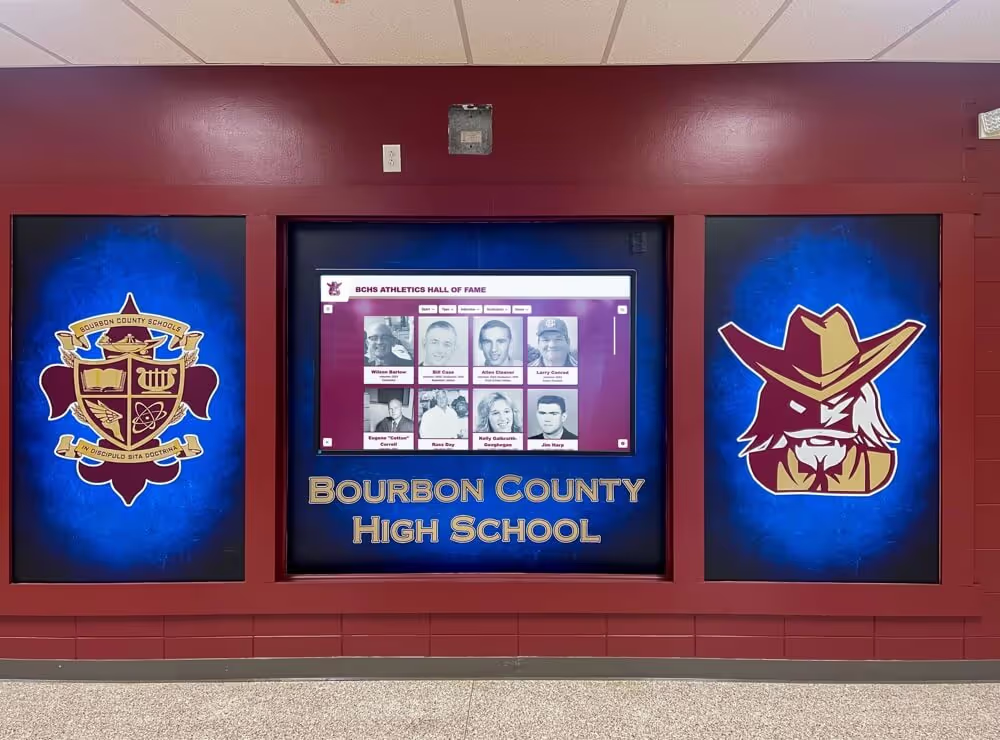
Academic credentials deserve recognition that matches the effort required to earn them. Traditional diploma frames offer timeless elegance for individual displays, while modern digital recognition systems enable schools and organizations to showcase hundreds of academic achievements through interactive touchscreen displays that celebrate comprehensive educational excellence. Whether displaying a single diploma at home or recognizing entire graduating classes institutionally, thoughtful presentation transforms paper certificates into powerful symbols of achievement that inspire continued excellence.
Traditional Diploma Display Ideas for Personal Spaces
Traditional framing approaches remain popular for good reason—they provide classic, professional presentation suitable for home offices, professional practices, and personal spaces where individual credentials deserve prominence.
Classic Single Diploma Frames
The most straightforward approach involves selecting a quality frame matching your diploma size and decor preferences. Standard diploma sizes include 8.5" x 11" for high school diplomas and some certificates, 11" x 14" for most bachelor’s and master’s degrees, and 14" x 17" for doctoral degrees and some professional certifications.
Quality frames feature acid-free matting preventing yellowing over time, UV-protective glass shielding documents from sunlight damage, solid wood or metal construction ensuring durability, and proper backing boards maintaining document flatness. These protective elements preserve diploma integrity for decades while maintaining professional appearance.

Frame styles range from traditional wood tones in mahogany, cherry, and walnut to contemporary metal finishes in black, silver, and gold. Selecting frames complementing your existing decor creates cohesive visual presentation. Professional offices often benefit from matching frames for multiple diplomas, creating unified credential walls demonstrating extensive education and ongoing professional development.
Custom matting adds visual interest while drawing attention to diplomas. Double matting—using two mat layers in complementary colors—creates depth and dimension. School colors work particularly well for academic diplomas, connecting framed credentials to institutional pride and alumni identity.
Multi-Diploma Display Arrangements
Professionals with multiple degrees face decisions about display arrangement and visual organization. Several effective approaches exist for showcasing multiple diplomas professionally.
Symmetrical Grid Arrangements: Organizing diplomas in structured grids creates clean, organized appearance suitable for formal offices and professional settings. Matching frames in identical sizes maintain visual consistency even when diplomas vary in dimension through proportional matting. Common grid patterns include two diplomas side-by-side horizontally, three or four diplomas in rectangular grids, or larger collections in gallery-style walls.
Chronological Timeline Displays: Arranging diplomas chronologically from earliest to most recent tells your educational story visually. This approach works particularly well when diplomas represent progressive achievement—bachelor’s to master’s to doctorate, or foundational certifications advancing to specialized credentials. Timeline arrangements help viewers understand educational progression and career development paths.
Hierarchical Arrangements: Displaying primary degrees prominently with supporting certifications smaller or positioned peripherally creates visual hierarchy emphasizing most significant credentials. A physician might display their medical degree centrally with board certifications arranged around it. An attorney might feature their JD diploma prominently with state bar certificates positioned adjacently.
Proper spacing matters for multi-diploma displays. Frame edges should align horizontally or vertically for clean appearance, spacing between frames should remain consistent throughout arrangements, and sufficient wall space should separate diploma groupings from other decor elements, allowing credentials to stand independently rather than competing with surrounding artwork.
Shadow Box Diploma Displays
Shadow boxes offer three-dimensional display incorporating diplomas alongside related memorabilia creating comprehensive achievement showcases. These deeper frames accommodate thickness beyond standard flat certificates.
Effective shadow box combinations include diplomas with graduation tassels in school colors, honor cords representing academic achievements, graduation photographs capturing ceremony moments, honor society pins or academic medals, and small plaques recognizing special achievements or honors.
Shadow boxes work particularly well for bachelor’s and master’s degrees where graduation memories remain fresh and meaningful. The dimensional display creates visual interest while telling more complete stories about educational experiences beyond simple credential presentation.
When designing shadow box displays, ensure diploma remains the focal point. Supporting elements should enhance rather than overwhelm the primary document. Professional shadow box assembly or custom framing ensures proper mounting preventing damage to diplomas or memorabilia over time.

Professional Office Diploma Display Guidelines
Professional practices—medical offices, law firms, accounting practices, counseling centers—follow specific conventions for diploma displays that build client confidence while maintaining appropriate professional boundaries.
Medical and Healthcare Settings
Healthcare professionals display credentials prominently in patient-visible areas demonstrating qualifications and building trust. Medical diplomas, state medical licenses, board certifications, and specialty training certificates typically appear in office consultation rooms, waiting area walls, or behind reception desks where patients naturally observe them while waiting.
Medical professionals often organize credentials by category rather than chronologically: medical school diplomas and degrees first, followed by residency and fellowship certificates, then board certifications and state licensures, and finally continuing education certificates or specialty recognitions.
The extensive certification requirements in healthcare create potential for overwhelming credential walls. Maintaining clean, organized presentation prevents displays from appearing cluttered or ostentatious. Some practitioners dedicate single walls specifically to professional credentials while keeping other office areas focused on patient comfort and medical practice functionality.
Legal Professional Displays
Attorneys display law degrees, bar admissions, and professional certifications in offices and conference rooms where clients meet. Legal credential displays typically emphasize law school diplomas, state bar admission certificates, federal court admission certificates, and specialized legal certifications.
Law offices often incorporate institutional prestige into displays by emphasizing prestigious law schools or notable honors. Latin honors (cum laude, magna cum laude, summa cum laude) might appear in custom matting, and law review participation or Order of the Coif membership warrants recognition alongside primary degrees.
Conference room displays serve distinct purposes from private office arrangements. Conference rooms benefit from more extensive credential walls showcasing firm-wide expertise across multiple attorneys, while individual offices typically limit displays to that attorney’s personal credentials and selected achievements most relevant to their practice areas.
Educational and Academic Settings
Faculty members in educational institutions display credentials in offices where students, colleagues, and academic visitors observe them. Academic diploma displays serve pedagogical purposes—demonstrating educational pathways, inspiring student achievement, and establishing professorial expertise in subject areas.
Professors often include diplomas for bachelor’s, master’s, and doctoral degrees showing complete educational progression. This transparency about educational journeys helps students understand realistic academic paths and required commitments for advanced degrees.
Academic offices also appropriately display teaching awards, research recognitions, fellowship appointments, and professional association honors beyond traditional degree diplomas. These additional recognitions demonstrate ongoing scholarly engagement and teaching excellence valuable for student advisees considering coursework or research opportunities.
Creative Diploma Display Ideas for Modern Spaces
Contemporary design preferences inspire creative approaches to diploma display moving beyond traditional framing while maintaining document protection and professional presentation.
Gallery Wall Integration
Integrating diplomas into broader gallery walls mixing credentials with family photographs, artwork, and meaningful memorabilia creates personal spaces reflecting complete life narratives rather than focusing exclusively on professional credentials.
Successful gallery walls balance diploma formality with surrounding elements through cohesive framing maintaining color palette consistency, varied frame sizes creating visual interest without chaos, and spacing creating breathing room between disparate elements. Diplomas might anchor gallery arrangements with supporting elements arranged around them, or integrate as equal elements within larger personal history displays.
This approach works particularly well in home offices, personal libraries, or creative workspace environments where professional credentials benefit from humanizing context demonstrating well-rounded lives beyond pure academic achievement.
Floating Frame Displays
Modern floating frames create illusion that diplomas suspend in space, using clear acrylic mounting and concealed wall brackets to eliminate visible frame edges. This minimalist approach suits contemporary spaces emphasizing clean lines and uncluttered aesthetics.
Floating displays work best with high-quality diploma printing and pristine document condition since entire certificate remains visible without matting concealing edges or imperfections. The contemporary presentation style appeals to younger professionals preferring modern decor over traditional wood-frame aesthetics.
Backlit Display Cases
Backlit diploma displays use LED lighting creating subtle glow highlighting credentials dramatically. Professional-grade backlit frames designed specifically for diplomas provide even illumination preventing hotspots while protecting documents from heat damage associated with traditional lighting.
Backlit displays work particularly well in modern offices, contemporary homes, or any space where credentials deserve attention-grabbing presentation. The dramatic lighting creates focal points drawing eyes naturally to achievements while maintaining sophisticated rather than gaudy appearance.
Digital Diploma Display Options
Digital displays offer entirely new approaches to credential showcasing, particularly valuable for institutions recognizing multiple graduates or organizations celebrating employee educational achievements collectively.
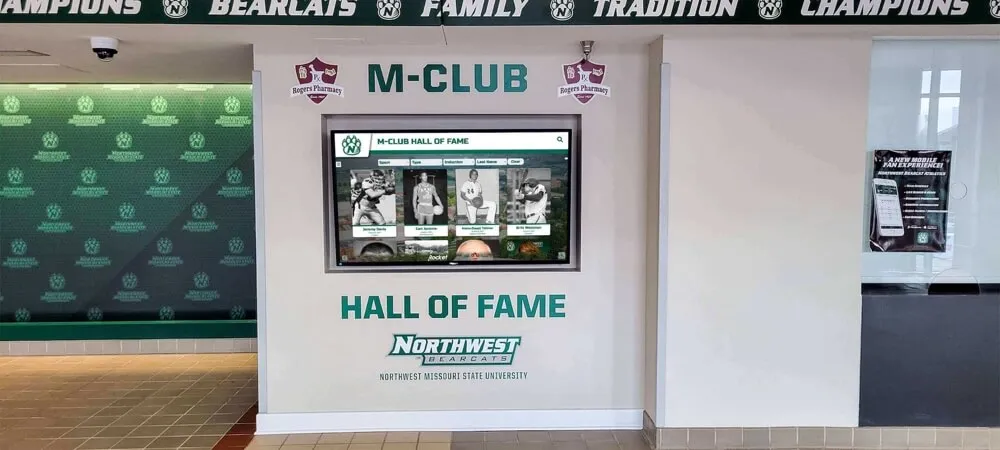
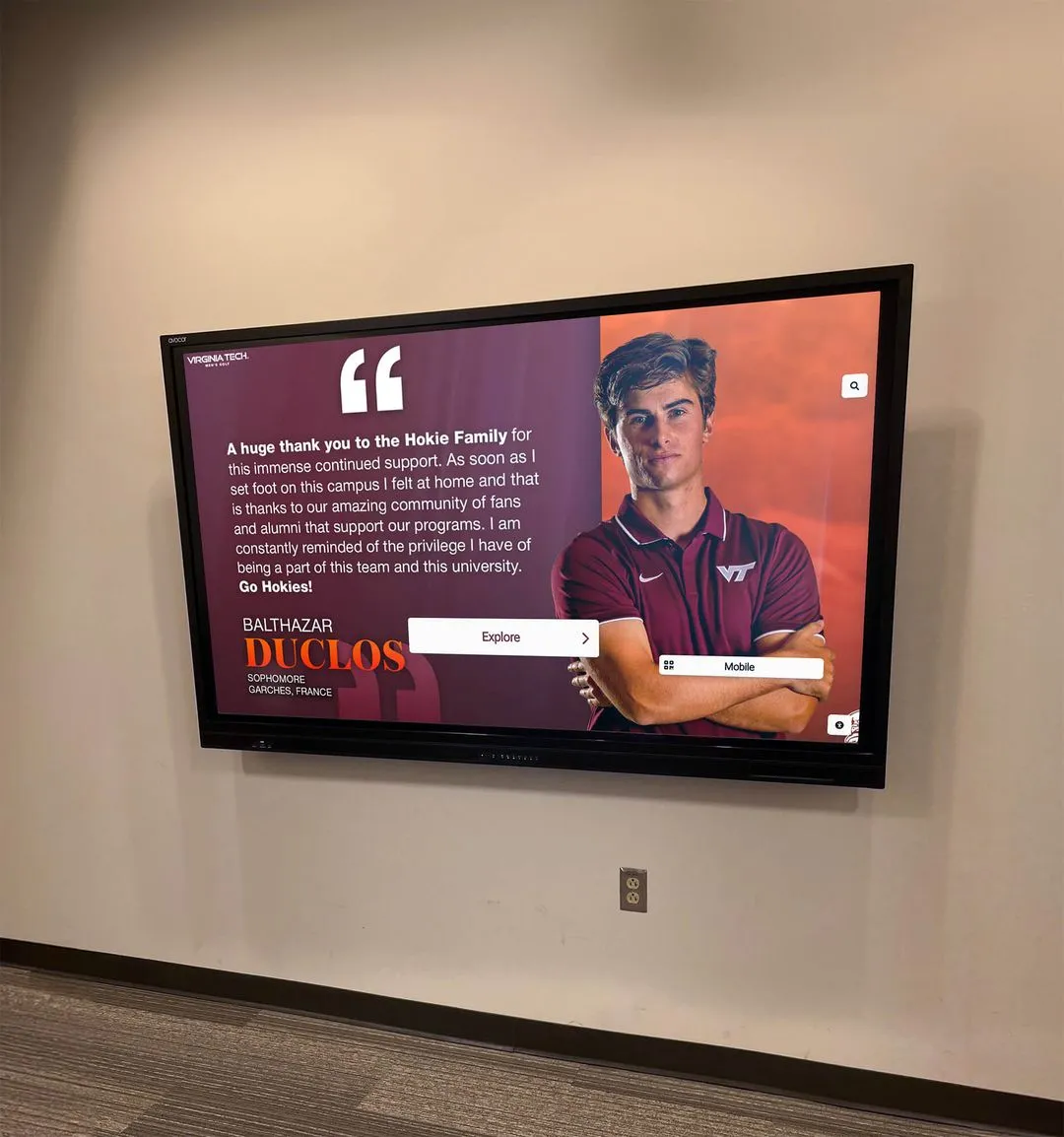
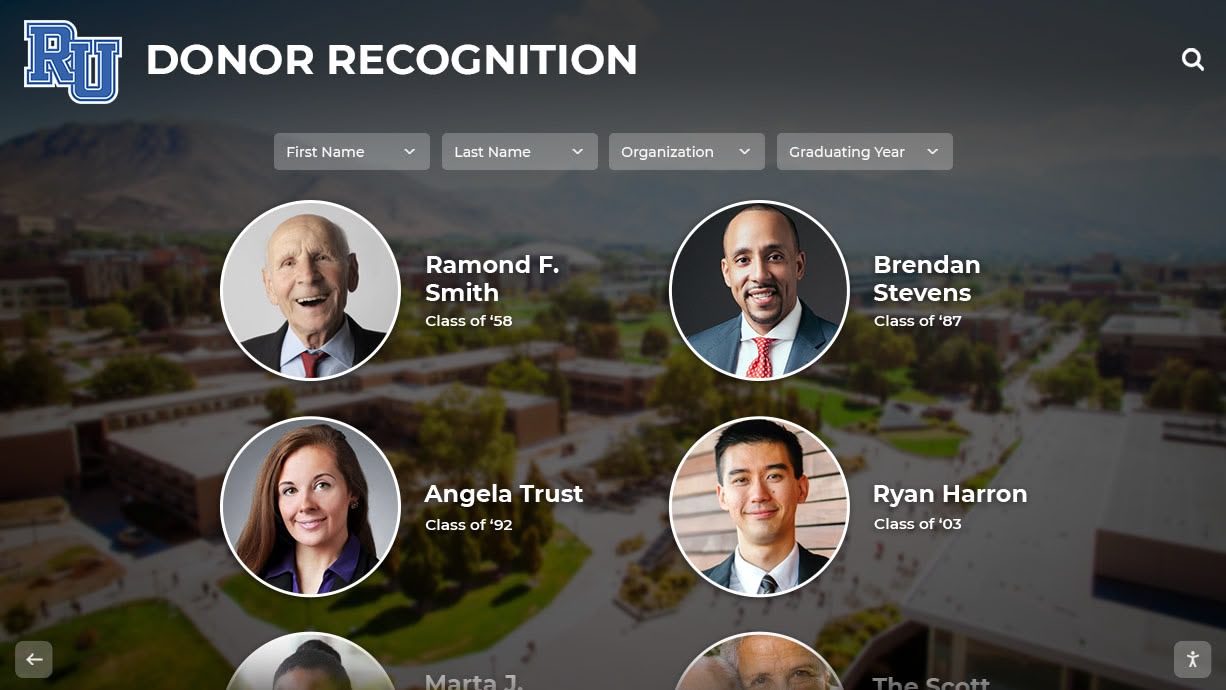
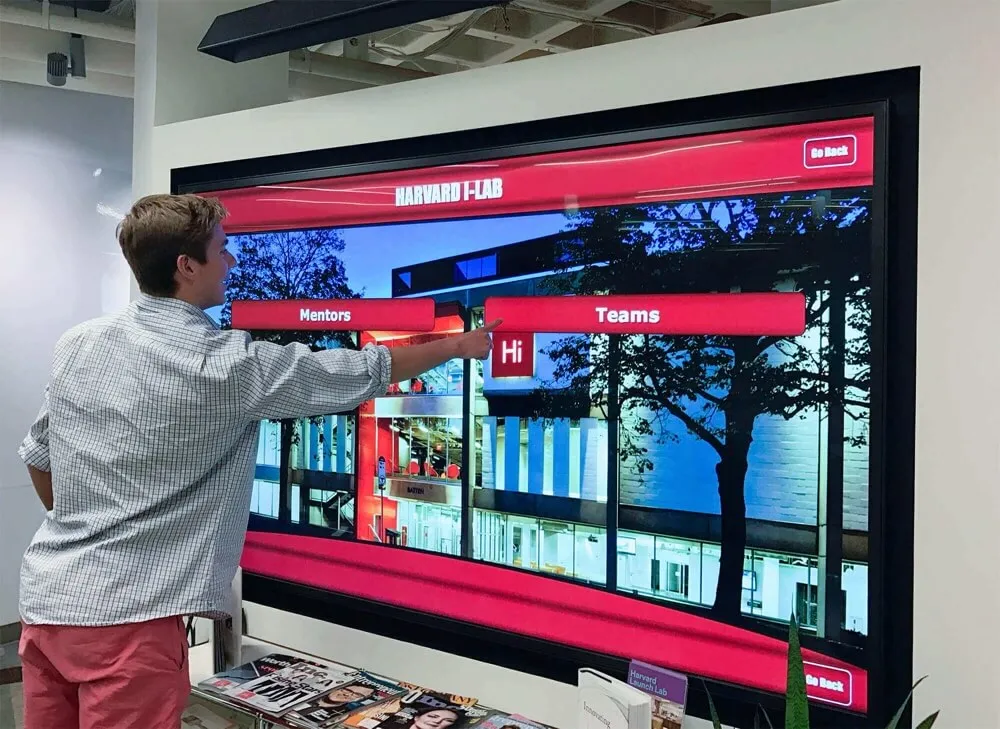

Digital diploma displays can showcase rotating digital images of diplomas from multiple graduates, incorporate photographs alongside credential scans, include brief biographical information about achievers, and enable interactive exploration through touchscreen interfaces allowing viewers to search for specific individuals or filter by graduation year, degree type, or field of study.
Academic recognition programs increasingly incorporate digital displays providing unlimited capacity for recognition without physical space constraints limiting how many achievements receive visibility.
Institutional Diploma Display Solutions
Schools, universities, professional organizations, and corporations recognize academic achievements at organizational scale requiring different approaches than individual diploma displays.
School and University Recognition Walls
Educational institutions display graduate diplomas, honor society inductees, scholarship recipients, and academic achievement winners through dedicated recognition spaces celebrating student excellence. Traditional approaches use physical plaques mounted on walls, engraved nameplates in trophy cases, or printed honor rolls in hallways.
These traditional methods face significant limitations: physical space constraints limiting how many students receive recognition, update difficulties requiring facilities staff involvement for each new achievement, permanence challenges when displays become outdated but removal feels disrespectful to past honorees, and limited engagement as static displays generate brief glances rather than meaningful interaction.
Modern schools increasingly implement digital recognition systems addressing these limitations through unlimited digital capacity accommodating every worthy achievement, instant updates adding new recognitions immediately without facilities delays, searchable interfaces enabling families to find specific students easily, and multimedia content including student photographs, achievement details, and graduation plans.

Alumni Achievement Recognition
Universities celebrate alumni educational advancement through recognition displays showcasing graduates who earned additional degrees beyond initial undergraduate credentials. Medical school acceptances, law school graduations, doctoral degree completions, and prestigious graduate program admissions all represent institutional success worthy of recognition.
Alumni diploma recognition serves multiple purposes: inspiring current students by demonstrating realistic achievement pathways, strengthening alumni engagement by acknowledging continued excellence, building institutional reputation through association with graduate school prestige, and creating recruitment advantages when prospective students observe successful alumni outcomes.
Digital platforms excel at alumni diploma recognition by maintaining accessibility as graduates move away from campus geographically, enabling alumni to share recognitions through social networks amplifying institutional visibility, supporting ongoing updates as alumni earn additional credentials throughout careers, and connecting current students with alumni through mentorship program integration.
Resources about academic achievement walls provide frameworks for comprehensive recognition program development.
Professional Organization Credential Displays
Professional associations recognize member certifications, continuing education completions, and advanced credentials through organizational display systems. Medical associations showcase board-certified members, bar associations recognize specialized legal certifications, and accounting organizations highlight CPAs with additional specialized credentials.
These displays serve member recruitment by demonstrating professional development commitment, validate organizational credibility through member credential quality, and create member value by providing public recognition for achievement. Digital recognition systems enable professional organizations to maintain current member directories with credential verification, provide members shareable digital badges proving certification status, and automatically update recognition when members earn additional credentials.
Corporate Educational Achievement Recognition
Forward-thinking employers recognize employee educational advancement through corporate recognition programs celebrating degree completions, professional certification achievements, and continuing education participation. These programs strengthen employee engagement by valuing education, support retention by acknowledging investment in professional development, and enhance organizational capability by encouraging skill development.
Corporate diploma recognition might appear in office lobby displays showcasing employee achievements, internal communications highlighting recent degree completions, or digital platforms accessible to entire workforces. Some organizations provide tuition reimbursement alongside public recognition, creating comprehensive support for employee educational goals.
Diploma Preservation Best Practices
Proper preservation protects diplomas from deterioration ensuring they remain pristine for decades. Whether displaying diplomas or storing them, following preservation best practices maintains document integrity.
Document Protection Fundamentals
Diplomas face several deterioration threats that proper protection prevents:
Light Damage: Both sunlight and artificial lighting cause fading and discoloration over time. UV-protective glass or acrylic blocks harmful ultraviolet rays preventing light-related damage. Positioning diploma displays away from direct sunlight provides additional protection.
Humidity and Temperature: Excessive humidity promotes mold growth and paper deterioration. Temperature fluctuations cause expansion and contraction damaging document structure. Diplomas should remain in climate-controlled environments avoiding basements, attics, and areas with significant temperature swings.
Acid Degradation: Non-archival materials release acids causing yellowing and brittleness over time. Acid-free matting, backing boards, and mounting materials prevent acid migration to diplomas. Conservation-grade materials cost more initially but provide superior long-term protection.
Physical Damage: Improper handling tears, creases, or stains diplomas. Always handle diplomas by edges with clean hands, support entire document when moving to prevent folding, and avoid using adhesives or tape touching diploma surfaces.
Professional Framing Considerations
Professional framers provide expertise ensuring diploma preservation while creating attractive displays. When selecting framing services, confirm they use conservation-grade materials appropriate for important documents, understand proper mounting techniques avoiding damage, offer UV-protective glazing options, and provide detailed care instructions for long-term maintenance.
Quality framing represents worthwhile investment for significant diplomas. A professionally framed diploma remains pristine for generations, while budget framing with non-archival materials may require replacement within years when deterioration becomes visible.
Digital Diploma Preservation
Creating high-quality digital copies provides backup documentation if physical diplomas become damaged or lost. Digital preservation also enables sharing credentials electronically when needed for applications, verifications, or professional networking.
Scanning diplomas properly requires high resolution (minimum 600 DPI) capturing fine details, color accuracy preserving school colors and seal details, and proper file formats (PDF or TIFF for archival quality). Store digital copies securely using multiple backup locations preventing loss from single device failure, cloud storage providing off-site backup protection, and organized file naming enabling quick location when needed.
Some institutions now issue digital diplomas alongside physical certificates, providing cryptographically verified credentials shareable electronically with instant authenticity verification. These digital credentials complement rather than replace traditional diplomas, offering convenience while maintaining ceremonial significance of physical documents.
Budget-Friendly Diploma Display Ideas
Quality diploma displays needn’t cost hundreds of dollars. Budget-conscious options provide attractive presentation while maintaining document protection and professional appearance.
Affordable Frame Options
Retail frame stores and online suppliers offer ready-made diploma frames starting around $20-$40 for basic models with standard glass and simple matting. While these lack premium materials of custom framing, they provide acceptable presentation for secondary diplomas, older degrees, or temporary displays.
Upgrading to UV-protective glass even in budget frames substantially improves preservation. Many frame shops offer this upgrade for $20-$40 additional—worthwhile investment extending diploma lifespan significantly. Standard glass provides zero UV protection, while UV-protective glazing blocks 99% of harmful rays.
Large retailers including Michaels, Hobby Lobby, and Target regularly discount diploma frames 40-60% during back-to-school seasons and graduation periods. Timing purchases around these sales yields quality frames at budget prices. Online retailers like Amazon often offer competitive pricing with customer reviews helping identify quality options.
DIY Diploma Display Projects
Crafty individuals can create attractive custom displays for minimal investment. DIY projects include purchasing standard frames and adding custom matting in school colors, creating gallery wall arrangements mixing diplomas with meaningful photographs, designing shadow boxes incorporating graduation memorabilia, or building floating shelves displaying diplomas alongside books and meaningful objects.
Craft stores provide materials and often offer framing workshops teaching basic skills. With modest time investment and careful work, DIY framers achieve custom results at fraction of professional framing costs. However, ensure DIY approaches use archival materials preventing long-term diploma damage.
Free and Low-Cost Alternatives
For temporary display or extremely tight budgets, simple approaches include using diploma covers provided at graduation temporarily, propping diplomas on bookshelves or mantles against backing support, or storing diplomas in archival-quality document sleeves until framing budgets allow proper display.
While these approaches lack permanence and visual impact of proper framing, they keep diplomas accessible and protected better than leaving them rolled or folded in drawers or closets where they risk damage.
Digital Recognition Systems for Educational Institutions
Schools and universities seeking comprehensive academic achievement recognition increasingly turn to digital display systems providing capabilities far beyond traditional plaques and printed honor rolls.
Interactive Touchscreen Recognition Displays
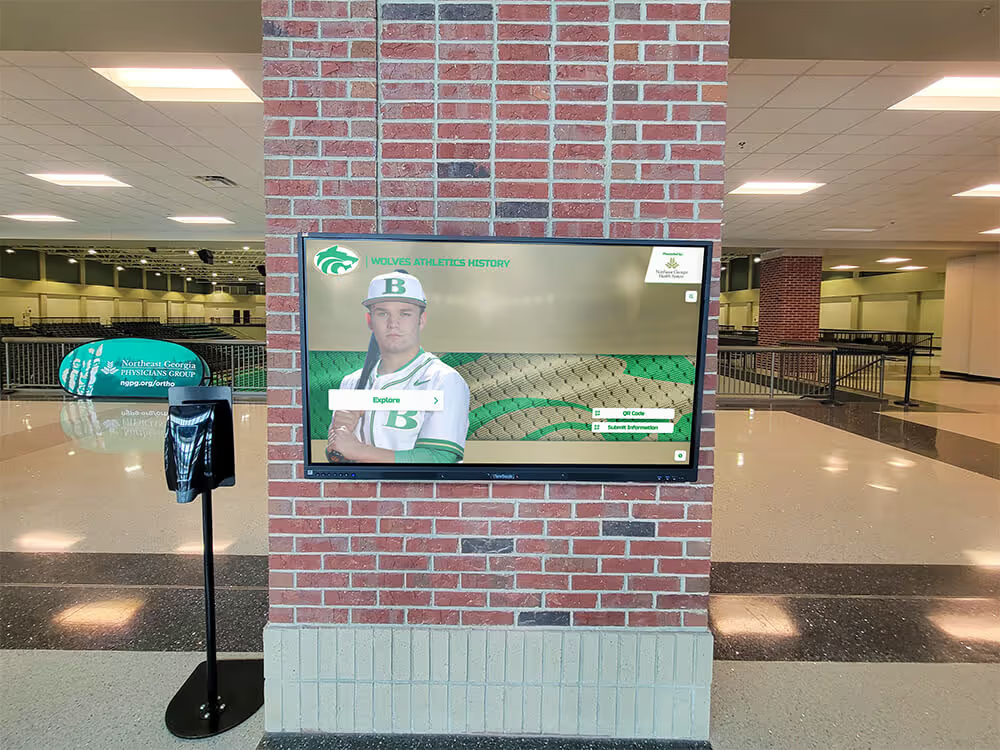
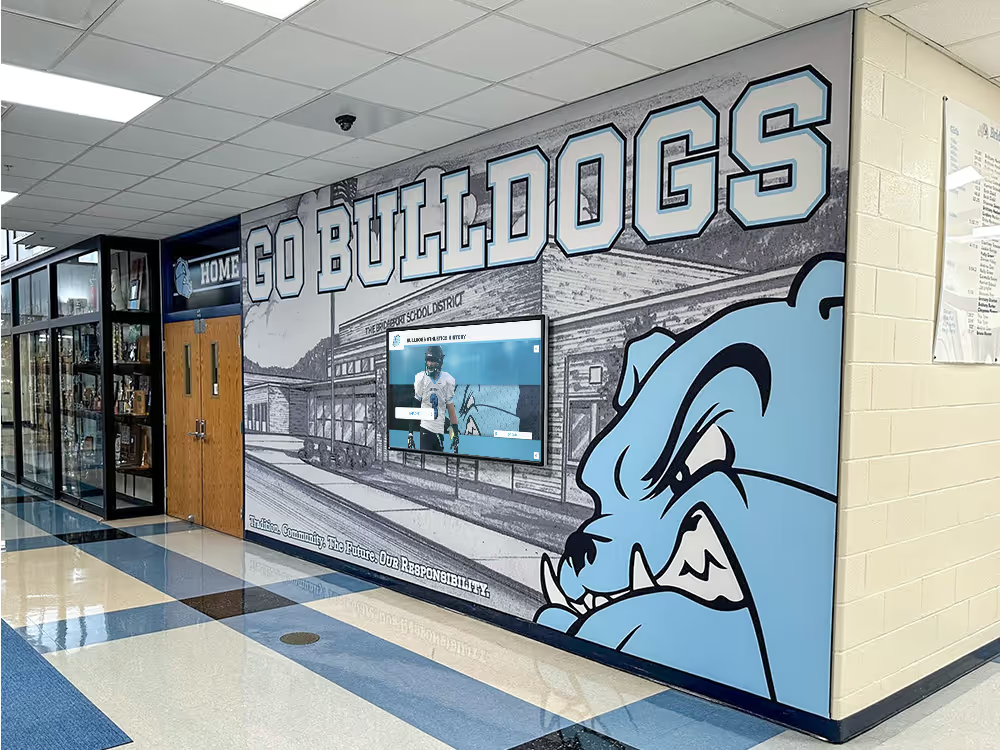
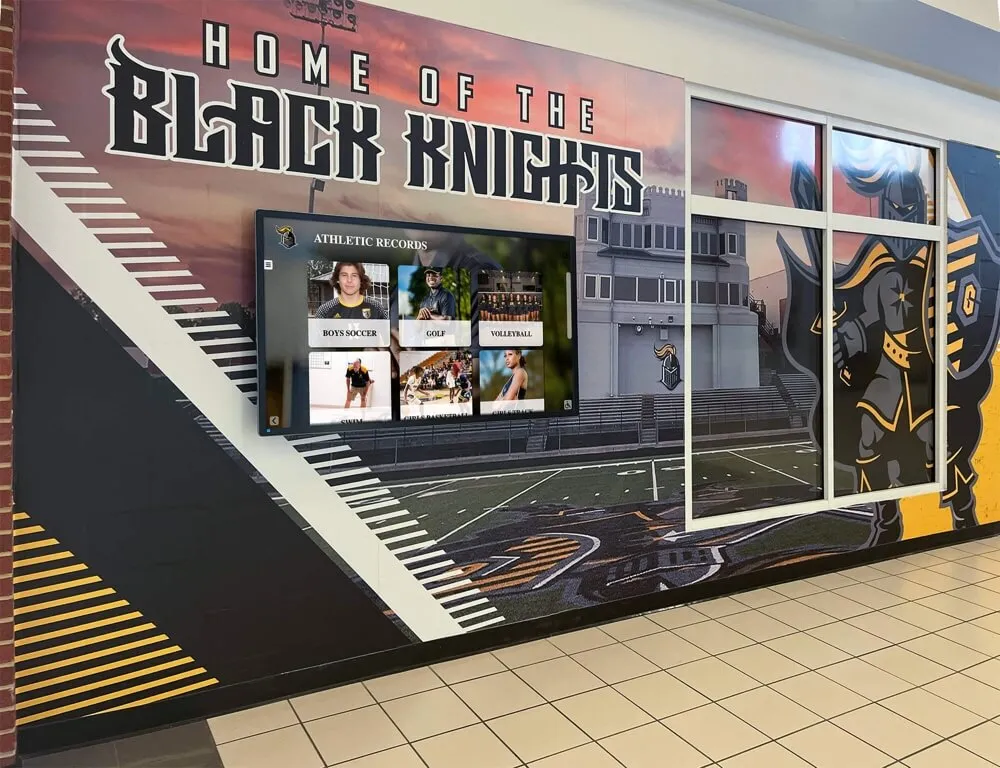
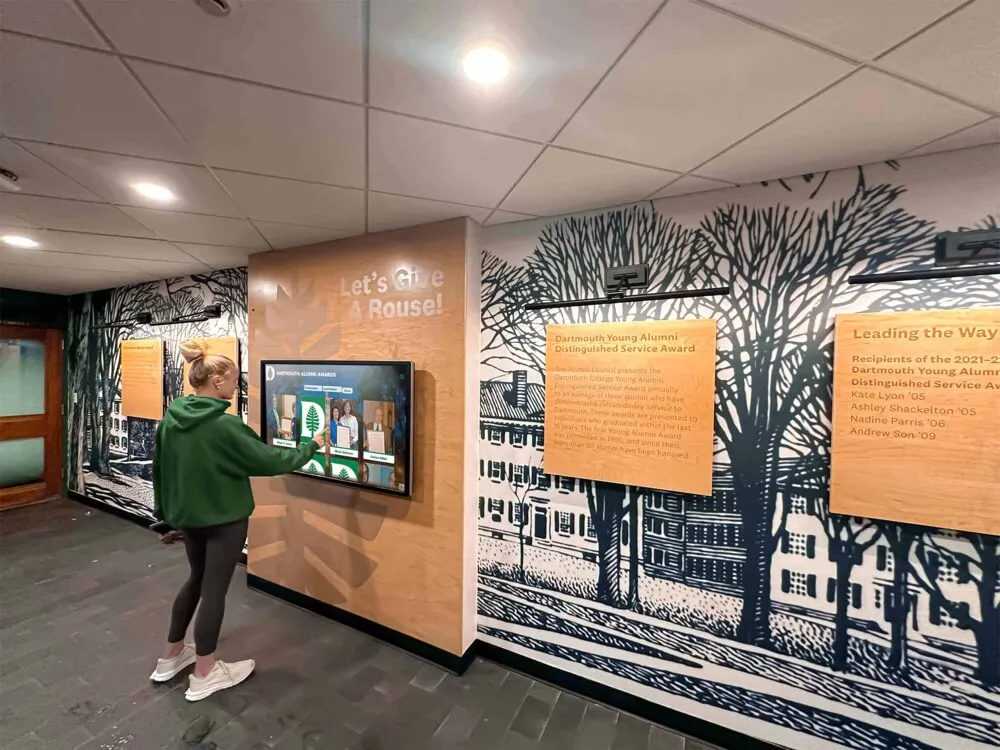
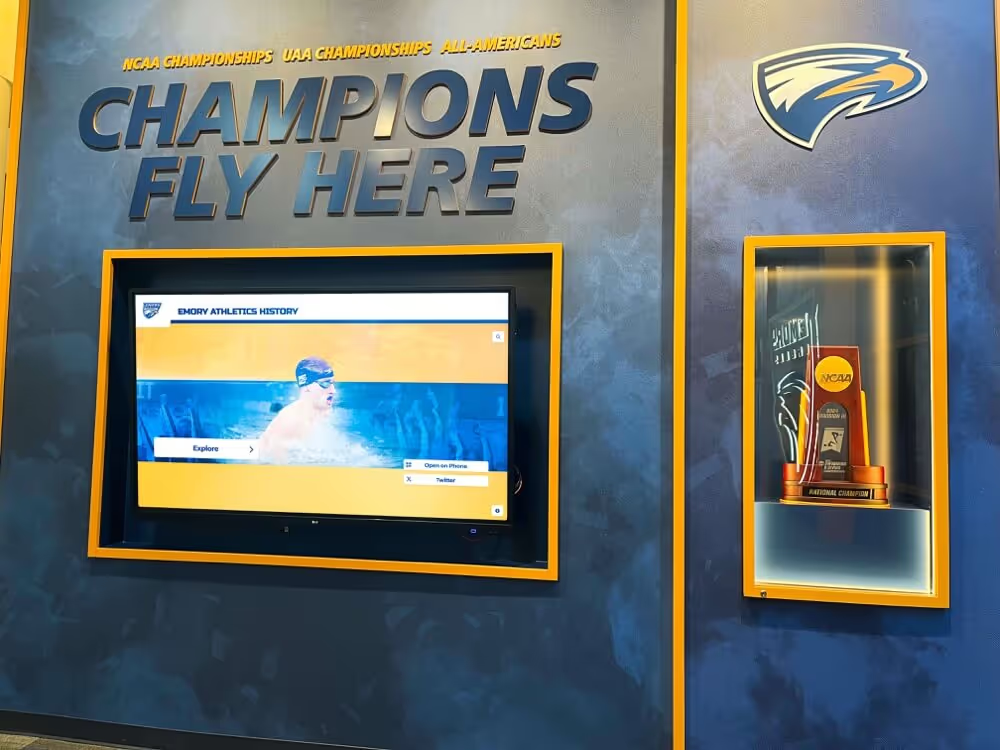
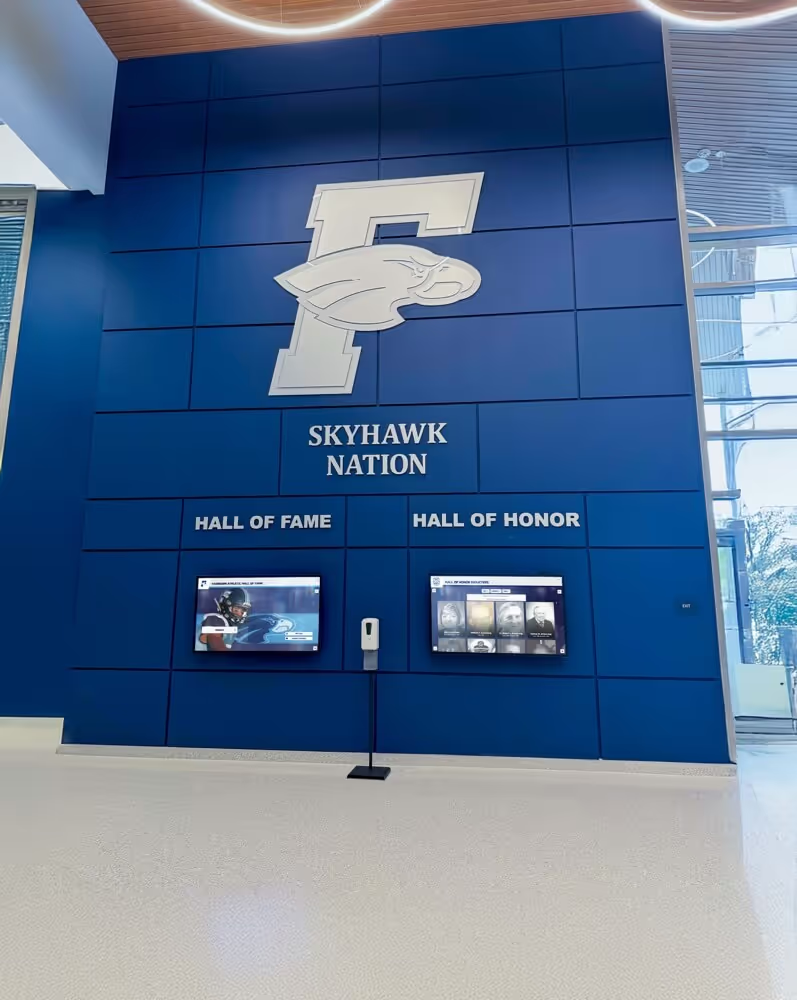
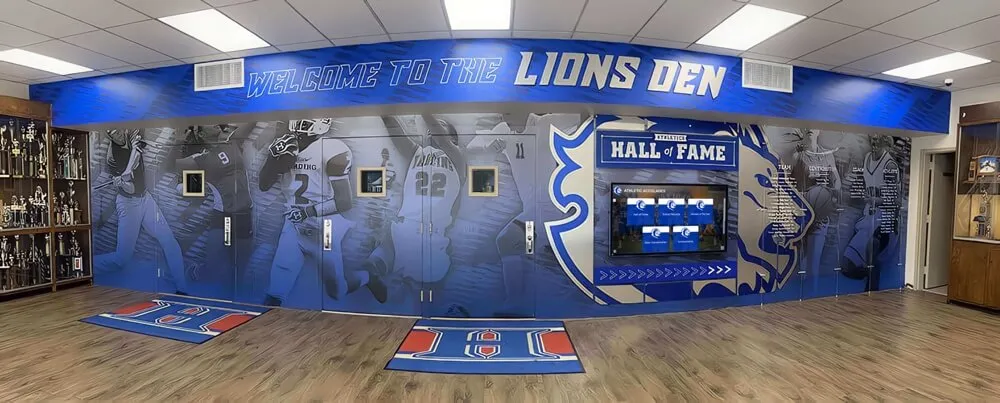
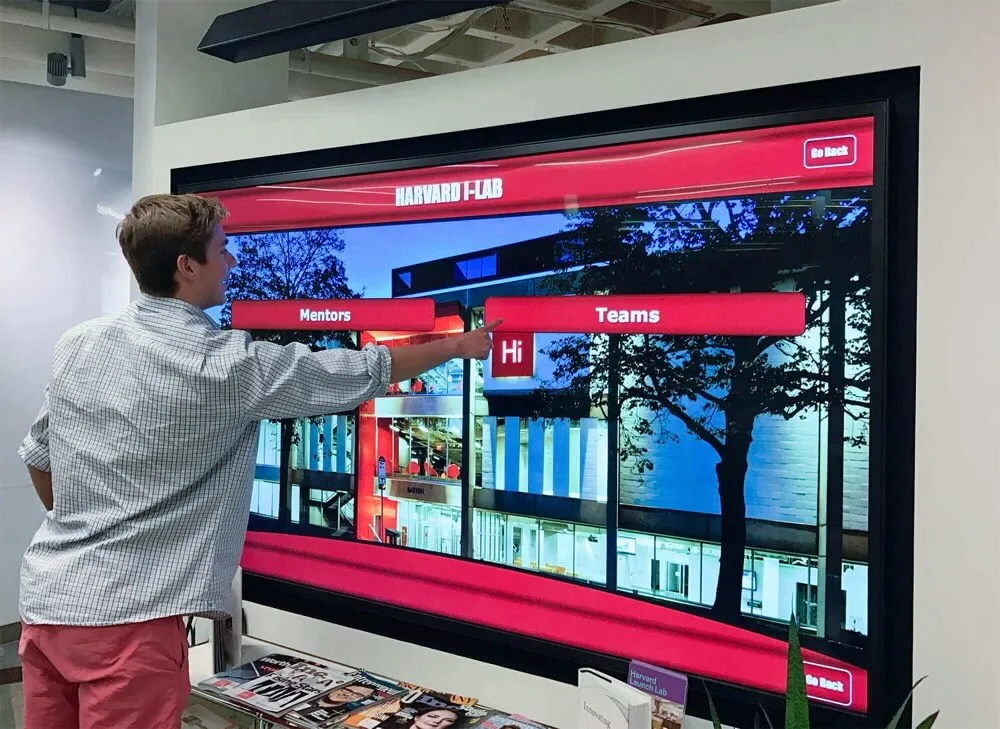
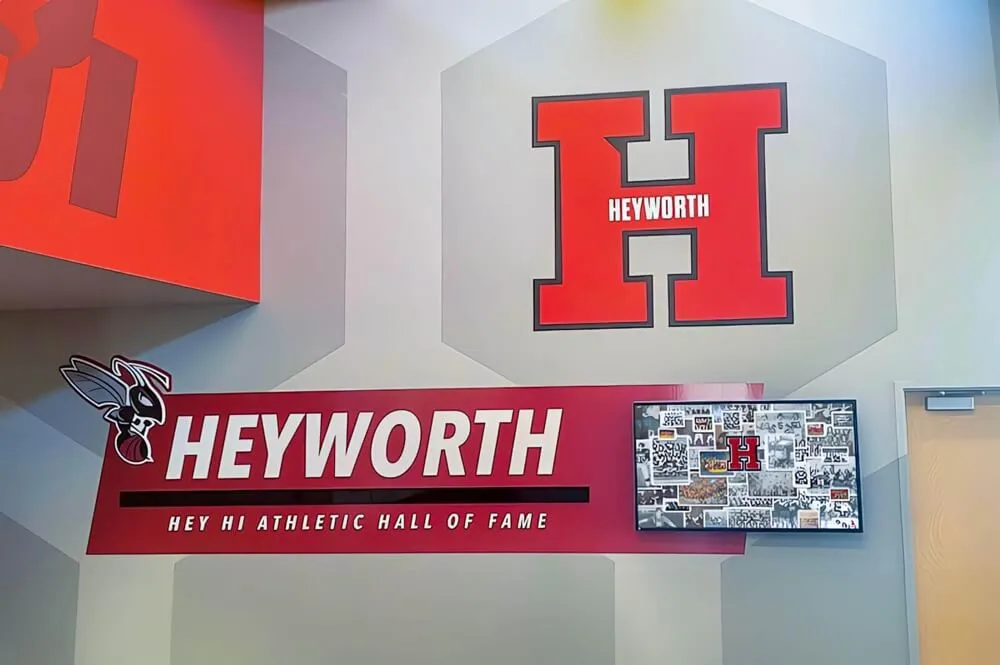
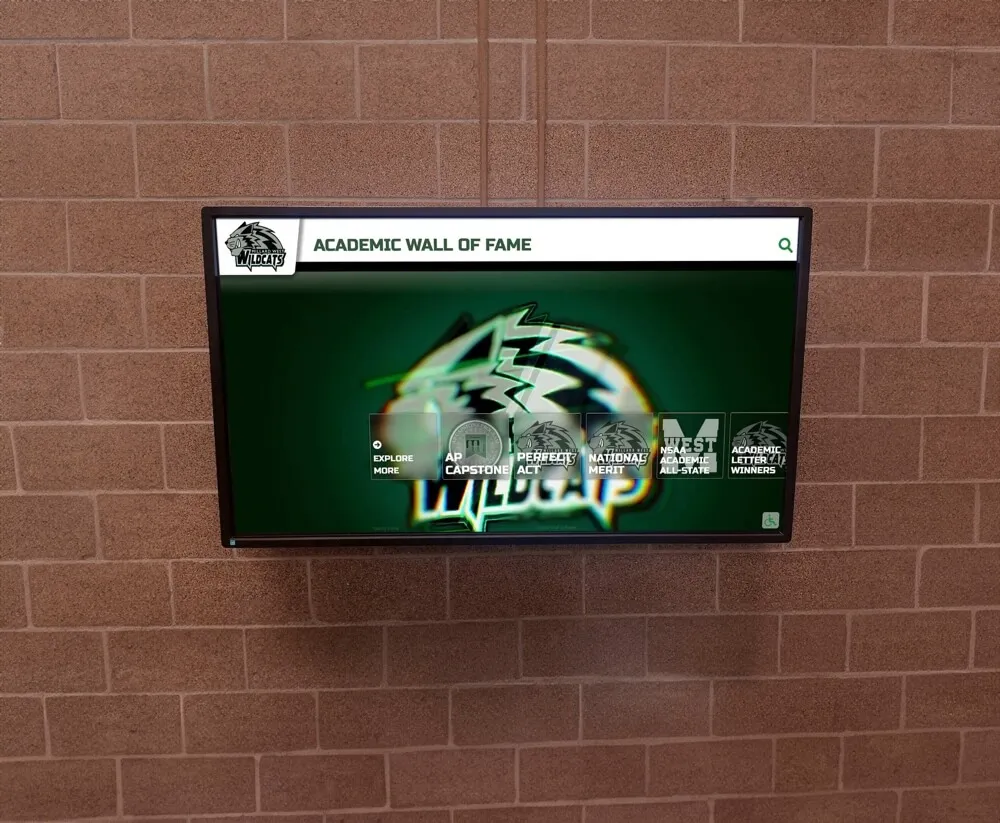
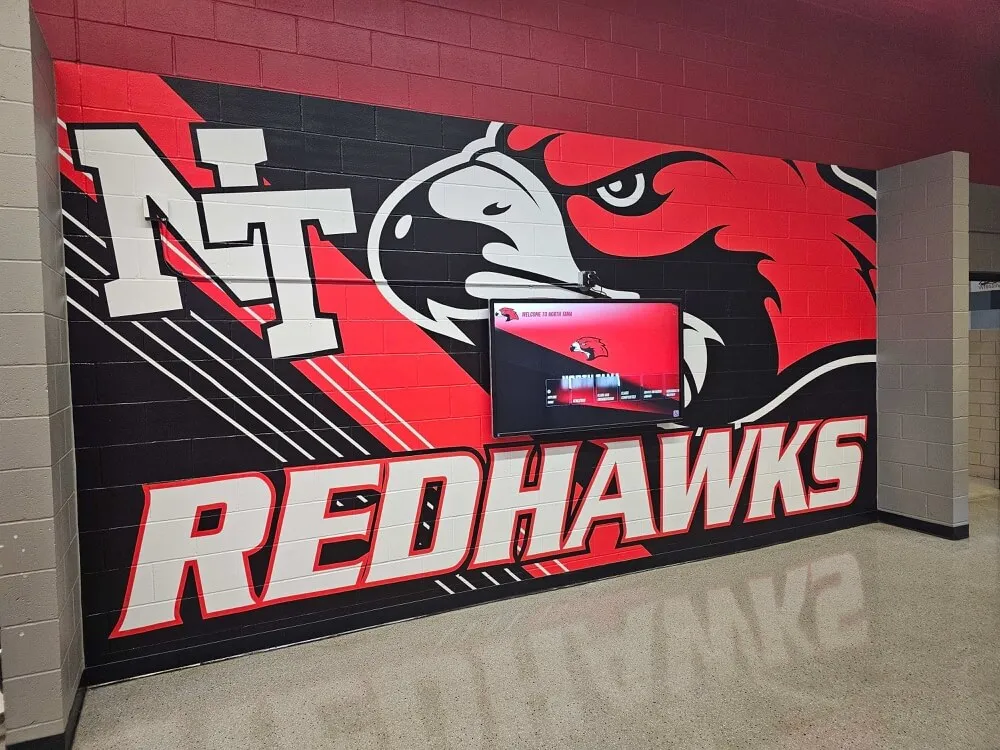
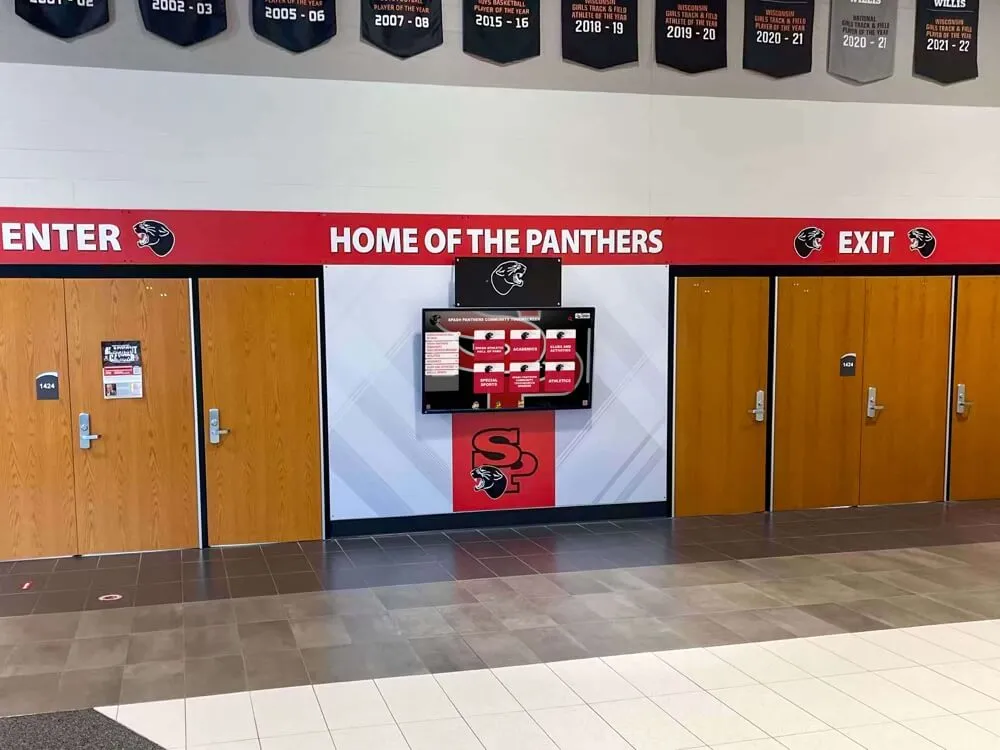
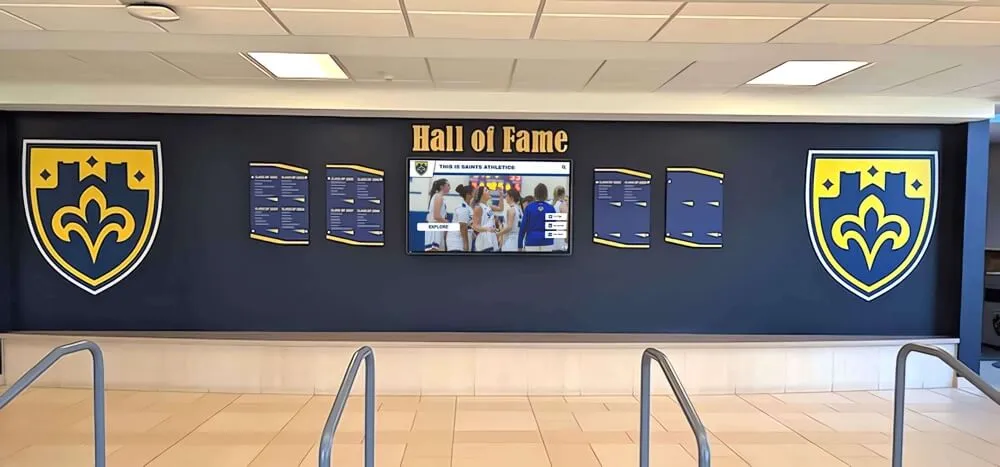
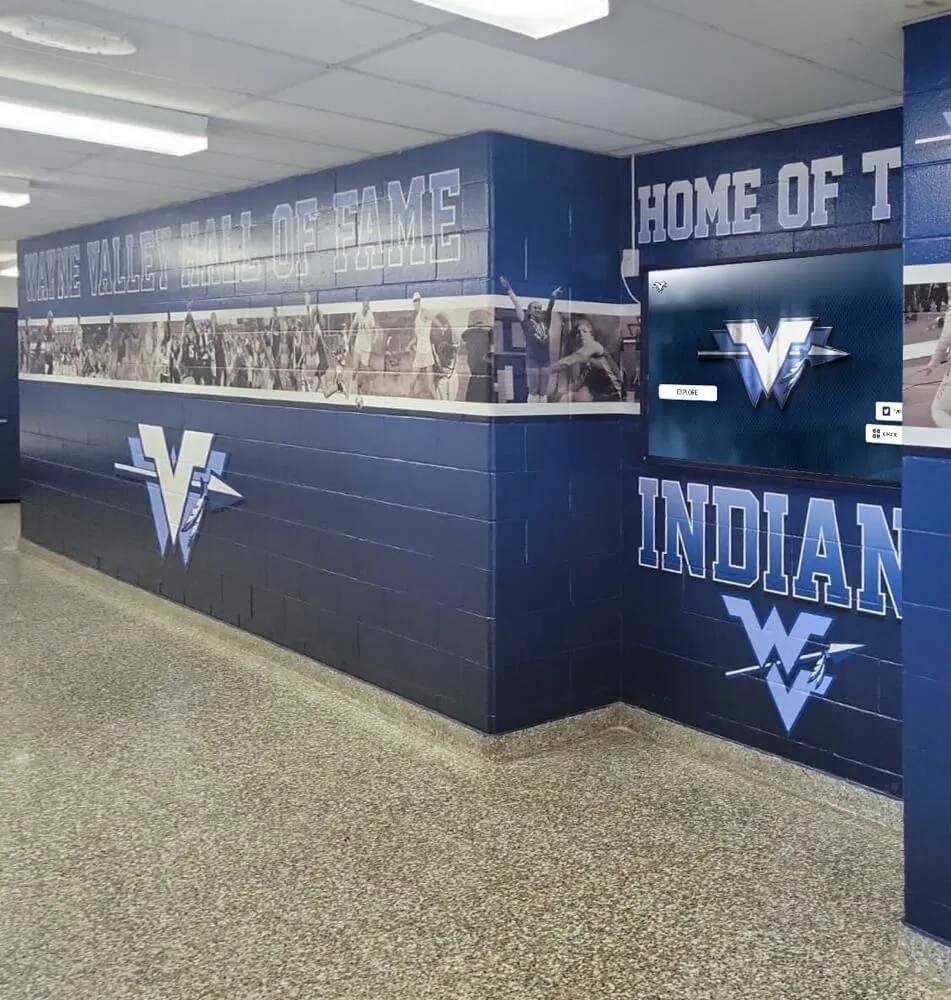
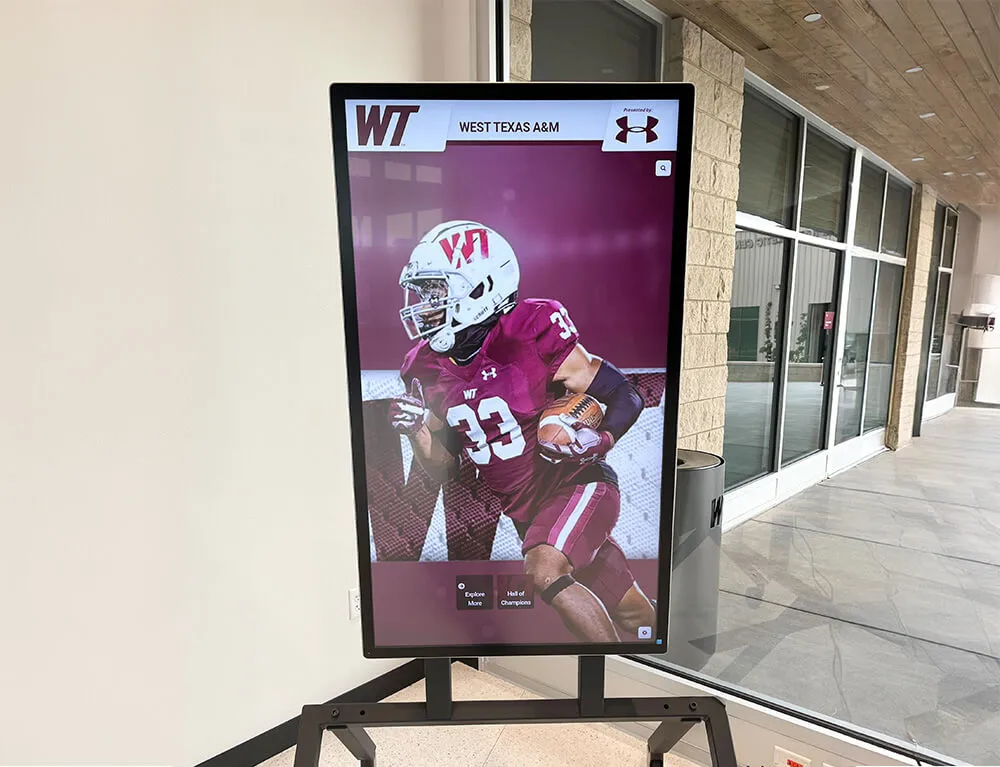
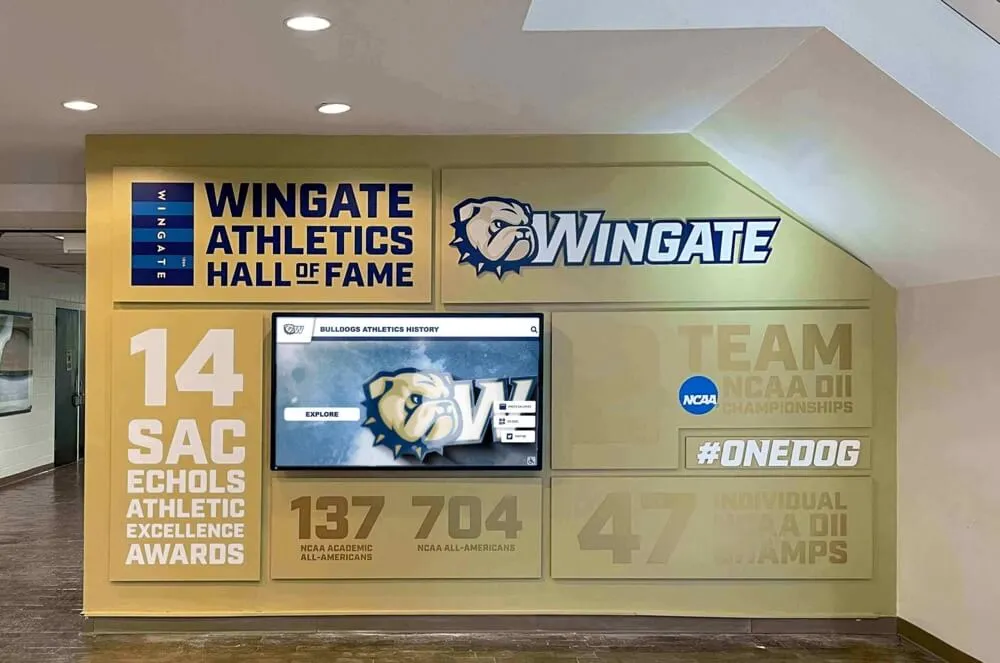
Interactive touchscreen displays transform how educational institutions recognize academic achievement by creating engaging, explorable recognition experiences. Rather than static lists limiting recognition to available physical space, digital systems showcase unlimited students through searchable databases, detailed achievement profiles, and multimedia content.
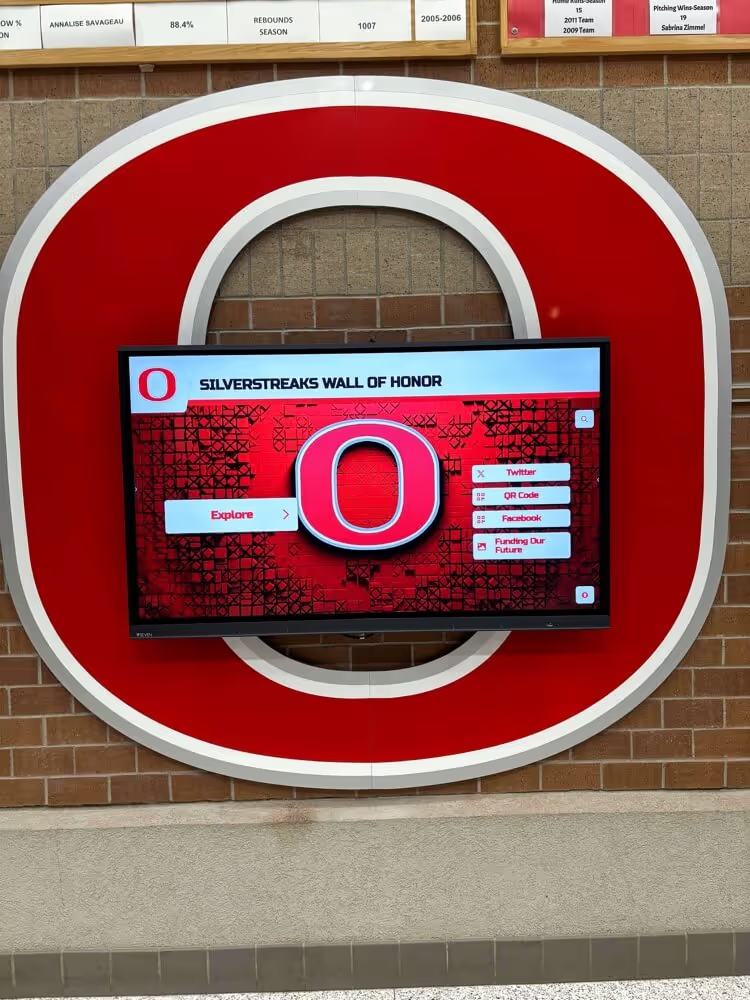
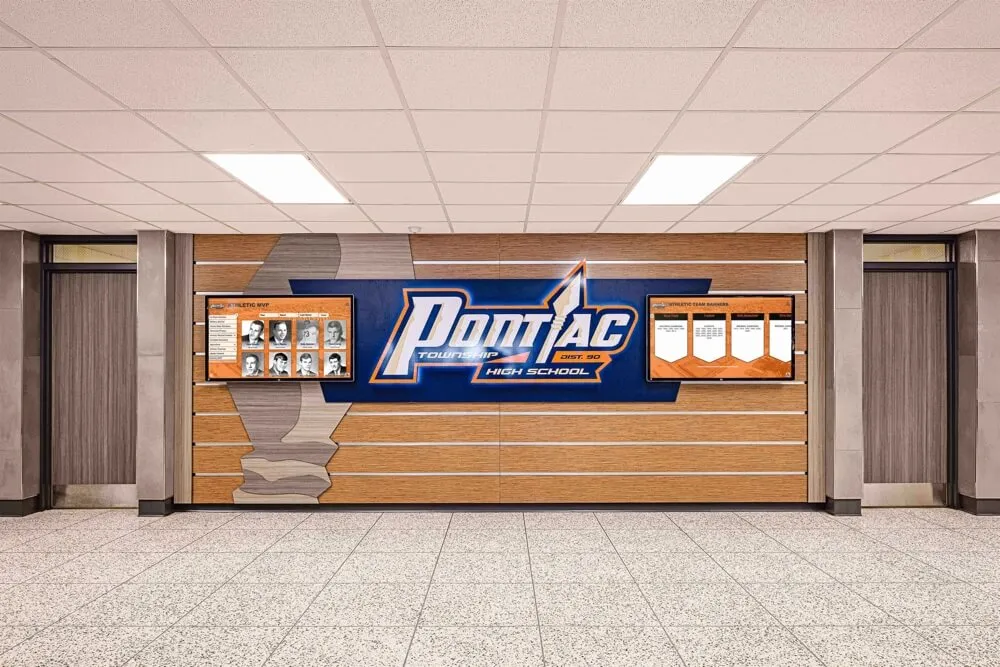
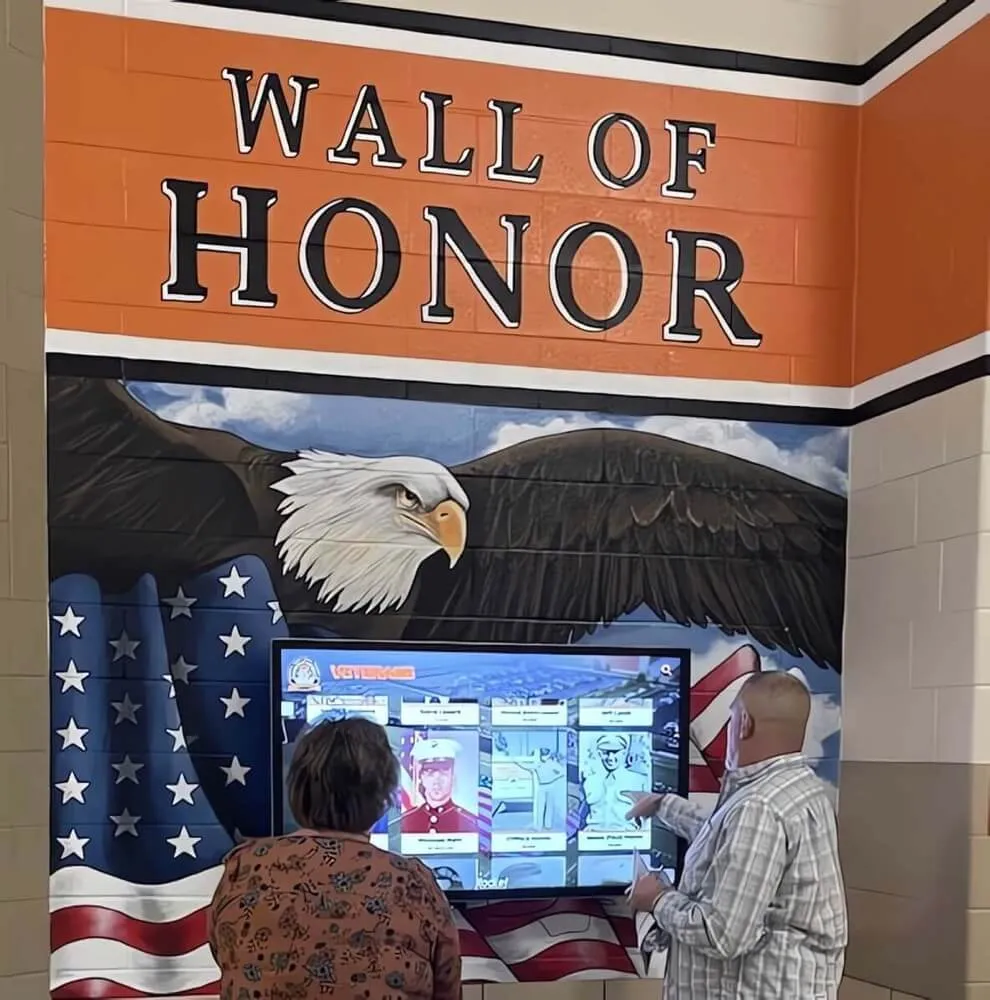
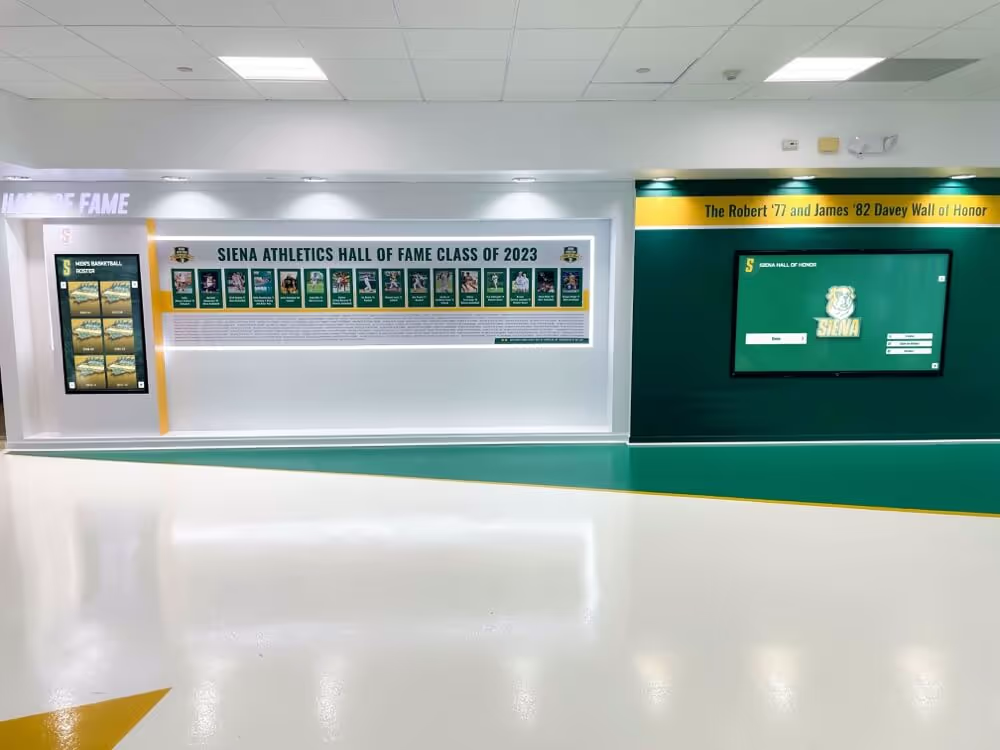
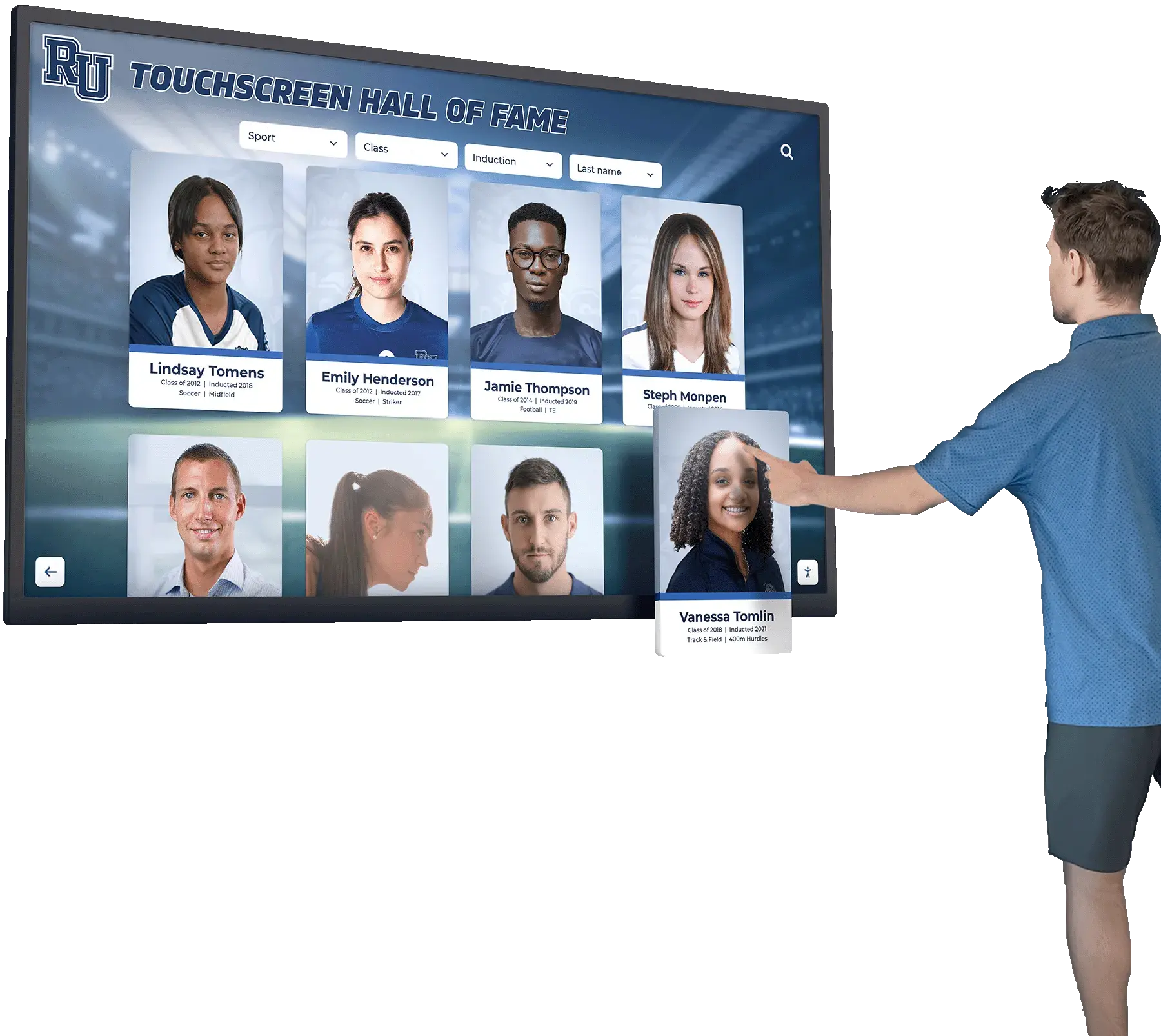
These systems typically feature large-format touchscreen displays (43" to 75") positioned prominently in school entrances, libraries, academic buildings, or other high-traffic areas. Content management software enables administrators to add new recognition immediately without facilities involvement or physical production delays. Students, families, and visitors explore achievements through intuitive touch interfaces enabling searching by name, graduation year, achievement type, or academic program.
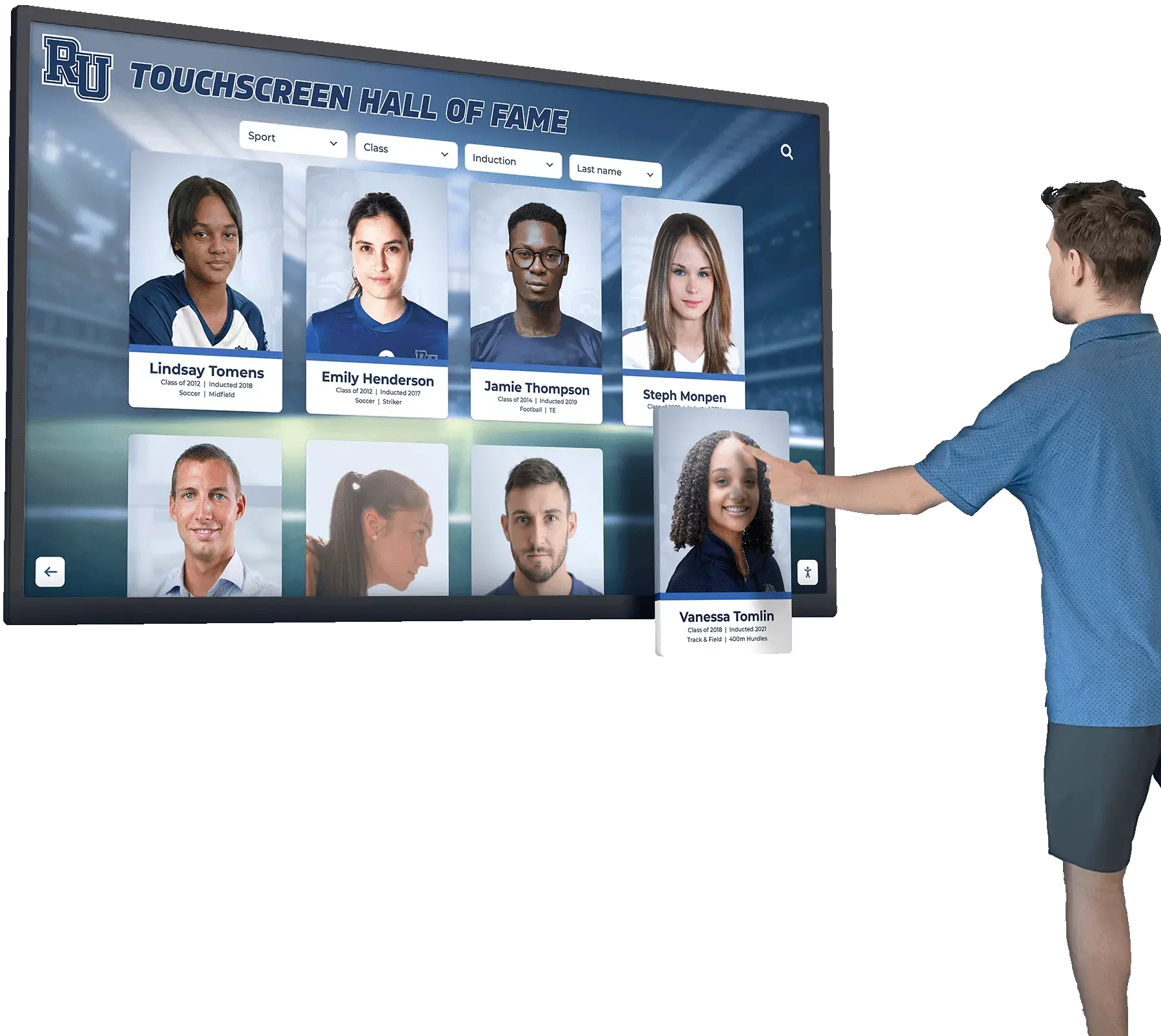
Comprehensive academic profiles include student photographs personalizing recognition, achievement descriptions specifying honors and accomplishments, GPA or academic statistics when privacy considerations allow, scholarship information celebrating financial achievements, college acceptances demonstrating institutional success, and graduation year for alumni connection and historical context.
Solutions like Rocket Alumni Solutions provide purpose-built platforms designed specifically for educational recognition, eliminating the need to adapt generic digital signage for specialized academic achievement showcasing. These systems include pre-designed templates for common recognition types, automatic social media integration enabling content sharing, analytics tracking which achievements generate most interest, and comprehensive support ensuring successful implementation.
Educational institutions implementing digital recognition displays report substantially higher student engagement compared to traditional static displays, improved family satisfaction through enhanced recognition visibility, easier recognition management requiring less staff time, and stronger school culture celebrating academic excellence prominently.
Web-Based Achievement Galleries
Complementing physical displays, web-based recognition extends visibility globally rather than limiting recognition to on-campus visitors. Online achievement galleries enable families anywhere to explore student recognition, alumni to reconnect with classmates and achievements from their years, prospective students and families to research school academic culture, and scholarship committees or college admissions offices to verify achievements.
Effective web galleries incorporate responsive design functioning on desktops, tablets, and smartphones, powerful search enabling filtering by multiple criteria, social sharing allowing students to distribute recognition through personal networks, and permanent accessibility ensuring recognition remains online indefinitely rather than disappearing annually.
Web-based recognition proves particularly valuable for schools serving geographically diverse populations including military families, international students, or residential programs drawing students from multiple regions. Digital accessibility enables all families to celebrate achievements regardless of geographic proximity to campus.
Comprehensive Recognition Program Benefits
Educational institutions investing in comprehensive digital recognition systems realize multiple benefits beyond simple achievement acknowledgment:
Student Motivation: Visible recognition of academic excellence motivates students to pursue achievements knowing their efforts receive public acknowledgment. Students who observe peers recognized for academic accomplishments increase their own achievement-seeking behaviors.
Family Engagement: Recognition visibility enables families to share student achievements with extended relatives, community members, and social networks. This amplification strengthens family connections with schools while providing organic marketing as families share institutional accomplishments broadly.
Alumni Connection: Graduates maintain stronger ties to institutions that permanently recognize their achievements. Digital systems ensure alumni can access their recognition indefinitely, strengthening lifelong institutional relationships and potentially supporting future fundraising efforts.
Institutional Reputation: Comprehensive academic recognition demonstrates institutional commitment to educational excellence. Prospective families researching schools observe achievement celebration culture, influencing enrollment decisions positively for academically focused institutions.
Equity and Inclusion: Digital systems with unlimited capacity enable recognition of all deserving students across diverse achievement types rather than space constraints forcing selective recognition that might inadvertently underrepresent certain student populations or achievement categories.
Modern Approaches to Graduation Recognition
Graduation represents culmination of educational journeys deserving special recognition approaches beyond standard diploma framing.
Senior Recognition Displays
High schools and universities create special recognition for graduating classes through comprehensive senior displays celebrating collective and individual achievements. These displays might include senior class composite photographs, individual senior profiles with graduation plans, cumulative achievement statistics for entire class, scholarship totals demonstrating financial success, and college acceptance lists showing future educational paths.
Senior class awards and recognition displays create permanent records of graduating classes while celebrating achievements collectively. Digital systems maintain these records indefinitely, enabling future reunion classes to revisit their graduation year recognition and alumni to discover current student achievements.
Valedictorian and Honor Graduate Recognition
Top academic performers deserve special recognition acknowledging exceptional achievement. Valedictorians, salutatorians, summa cum laude graduates, and honor society inductees represent institutional excellence worthy of prominent display.
Historical recognition of top graduates creates inspiring precedents for current students while building institutional academic legacy. Some schools maintain chronological displays of all valedictorians throughout school history, demonstrating decades of academic excellence and enabling alumni recognition spanning generations.
Digital platforms make comprehensive historical recognition practical by eliminating space constraints preventing complete historical displays. Schools can showcase every valedictorian since founding without requiring wall space that physical plaques would demand.

National Merit Scholars and Prestigious Recognitions
Earning National Merit Scholarship recognition, National Honor Society induction, or other prestigious academic designations represents significant achievement warranting special acknowledgment. These recognitions indicate not just institutional success but national-level academic excellence placing students among top performers country-wide.
Schools benefit from highlighting these prestigious achievements as they reflect positively on institutional academic quality and college preparatory effectiveness. Prospective families evaluate schools partially based on National Merit Scholar production and similar indicators of academic rigor and success.
Resources about National Merit Scholar recognition provide implementation frameworks for comprehensive programs.
Specialized Diploma Display Considerations
Different credential types sometimes require unique display approaches reflecting their distinct characteristics and significance.
Honorary Degrees and Special Recognitions
Honorary doctorates and distinguished service awards presented by institutions carry special significance beyond traditional academic degrees. These recognitions warrant prominent display demonstrating community respect and professional achievement recognition by academic institutions.
Honorary degree recipients often display these credentials separately from earned degrees, using distinct framing or placement acknowledging different nature of honorary versus earned credentials. The distinction shows respect for traditional academic degree completion while honoring recognition significance.
International Diplomas and Multilingual Credentials
Diplomas from international institutions may include text in multiple languages, use different sizing standards, or incorporate unique cultural design elements. Displaying international credentials may require custom framing accommodating non-standard sizes, preservation considerations for unfamiliar paper types, and potentially translation plaques explaining credential significance to viewers unfamiliar with international educational systems.
Historical and Vintage Diplomas
Older diplomas—whether personal family heirlooms or institutional historical documents—require special preservation consideration. Vintage diplomas may use fragile paper deteriorating with age, include decorative elements requiring conservation expertise, feature handwritten text susceptible to fading, or show existing damage requiring restoration before display.
Professional conservators provide expertise for valuable historical diplomas ensuring preservation approaches don’t inadvertently cause additional damage. For family heirlooms or institutionally significant historical diplomas, conservation investment protects irreplaceable documents while enabling safe display.
Balancing Professionalism and Personal Style
Diploma displays should reflect personal style while maintaining professional credibility appropriate for their display contexts. Finding this balance enables authentic self-expression without undermining credential seriousness.
Home Office Considerations
Home offices blend professional functionality with personal comfort. Diploma displays in home offices can incorporate more personality than corporate settings while maintaining sufficient professionalism for video conferences and client meetings.
Creative approaches appropriate for home offices include integrating diplomas with personal artwork and family photographs, using bold frame colors reflecting personality rather than strictly professional neutrals, incorporating motivational quotes alongside credentials, and displaying academic achievements near related professional accomplishments creating complete career narrative walls.
Video conference backgrounds deserve special consideration in remote work era. Ensure diplomas visible during video calls remain legible without dominating frames, avoid distracting elements competing for attention, and maintain professional appearance appropriate for client and colleague visibility.
Professional Practice Balance
Professional offices serving clients require more conservative approaches maintaining appropriate boundaries. While personality shouldn’t disappear entirely, client-facing spaces benefit from traditional professional presentation focused on credential significance rather than personal style expression.
Conservative professional approaches include uniform frame styles across all credentials, traditional color palettes in woods or professional metals, minimal decorative elements letting credentials speak for themselves, and strategic positioning placing diplomas prominently without overwhelming office design.
Educational Environment Authenticity
Faculty and administrator diploma displays in educational settings should authentically represent academic journeys while remaining accessible and inspiring rather than intimidating to students. Transparency about educational paths helps students understand realistic timelines and requirements for advanced degrees.
Educational displays might include brief narratives about educational experiences, photographs from graduation ceremonies humanizing achievements, acknowledgment of educational challenges overcome, and connections showing how education relates to current teaching or research focus.
Transform Academic Achievement Recognition
Diplomas, degrees, and academic credentials represent significant accomplishments deserving recognition matching their importance. Whether displaying individual degrees in professional offices or celebrating comprehensive academic achievement across entire educational institutions, thoughtful presentation transforms paper certificates into powerful symbols of dedication, capability, and excellence.
Traditional framing approaches provide timeless, elegant presentation for individual diplomas in professional and personal spaces. Quality materials preserve diplomas for generations while creating displays commanding respect and building professional credibility. Creative contemporary approaches adapt traditional framing to modern aesthetics through minimalist floating frames, dramatic backlighting, or integrated gallery walls blending credentials with personal histories.
Educational institutions increasingly recognize that traditional physical plaques and printed honor rolls inadequately celebrate the breadth of student academic achievement. Space constraints, update difficulties, and limited engagement plague traditional approaches. Modern digital recognition systems eliminate these limitations through unlimited capacity honoring every achievement, instant updates maintaining current recognition, engaging interactive interfaces transforming static displays into explorable experiences, and comprehensive web accessibility extending recognition globally.
Solutions like Rocket Alumni Solutions provide purpose-built recognition platforms designed specifically for educational institutions. These comprehensive systems combine engaging touchscreen displays creating high-visibility campus recognition spaces, intuitive content management enabling non-technical staff to maintain current recognition, searchable web galleries extending visibility beyond campus visitors, proven frameworks helping institutions build recognition cultures, and ongoing support ensuring successful implementation and sustained program success.
Your diplomas and your students’ academic achievements represent remarkable dedication worthy of prominent recognition. Whether framing personal credentials for professional display or implementing institutional recognition programs celebrating educational excellence comprehensively, proper recognition transforms academic accomplishments into visible inspiration that motivates continued learning, honors past achievement, and builds communities valuing educational excellence.
Academic achievement matters. Recognition demonstrates that we value intellectual growth, honor the discipline required for educational success, and believe that scholarly accomplishments deserve celebration comparable to athletic victories or artistic achievements. From individual diploma frames preserving personal credentials to comprehensive digital recognition systems celebrating institutional academic excellence, proper display ensures achievements receive the honor they deserve—permanently, prominently, and proudly.
Ready to transform how your institution recognizes academic achievement? Explore comprehensive recognition solutions designed specifically for schools and universities, providing everything needed to honor student excellence through engaging displays that inspire current students, celebrate graduating classes, and preserve institutional academic legacy for generations to come.