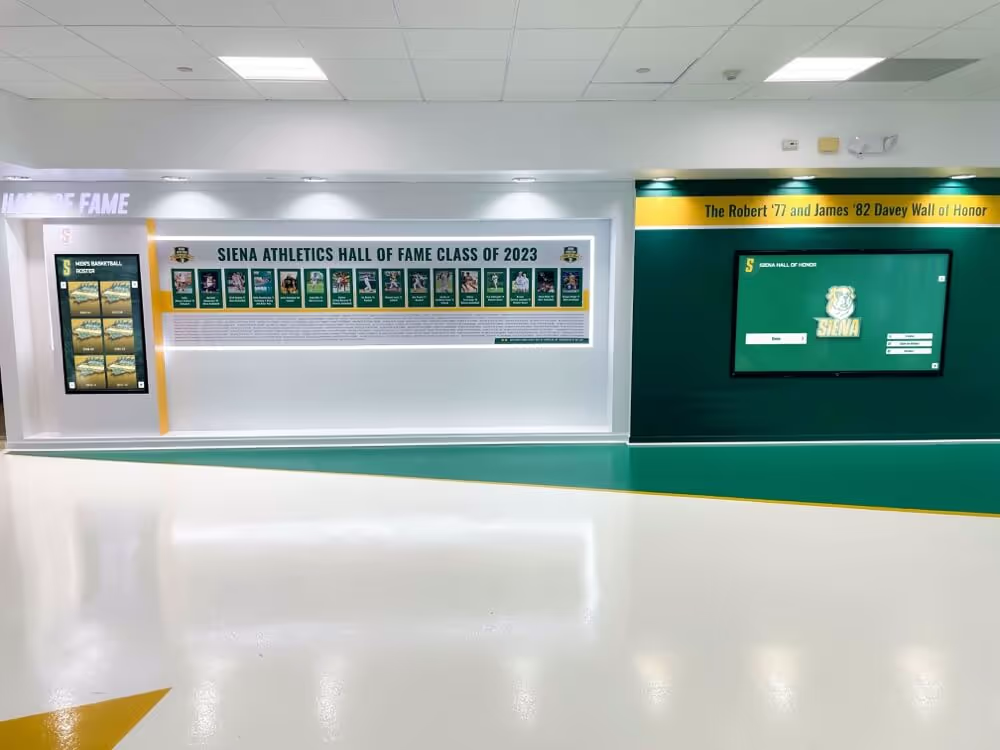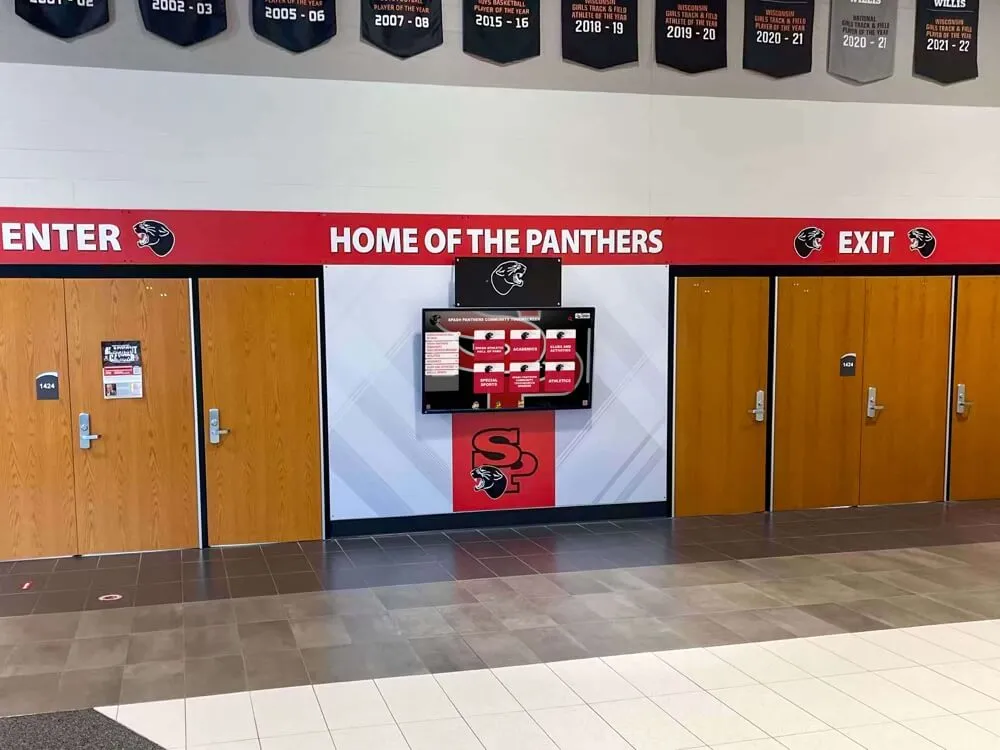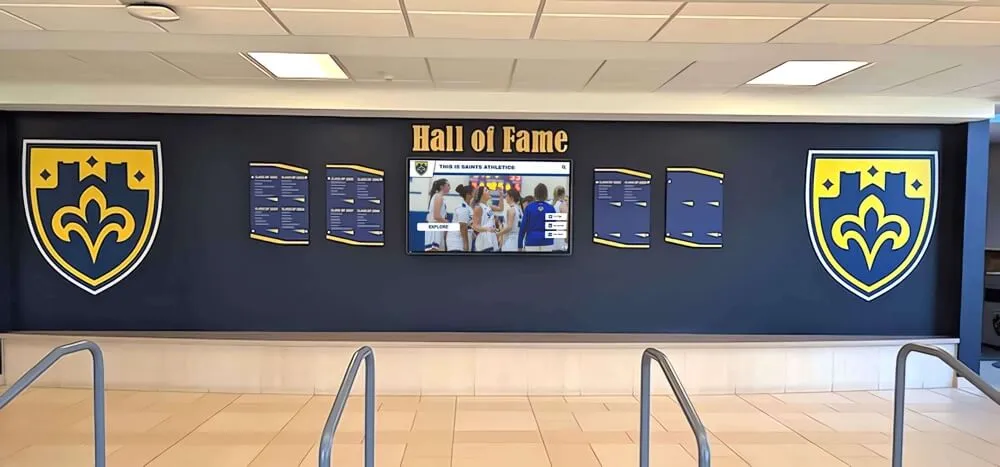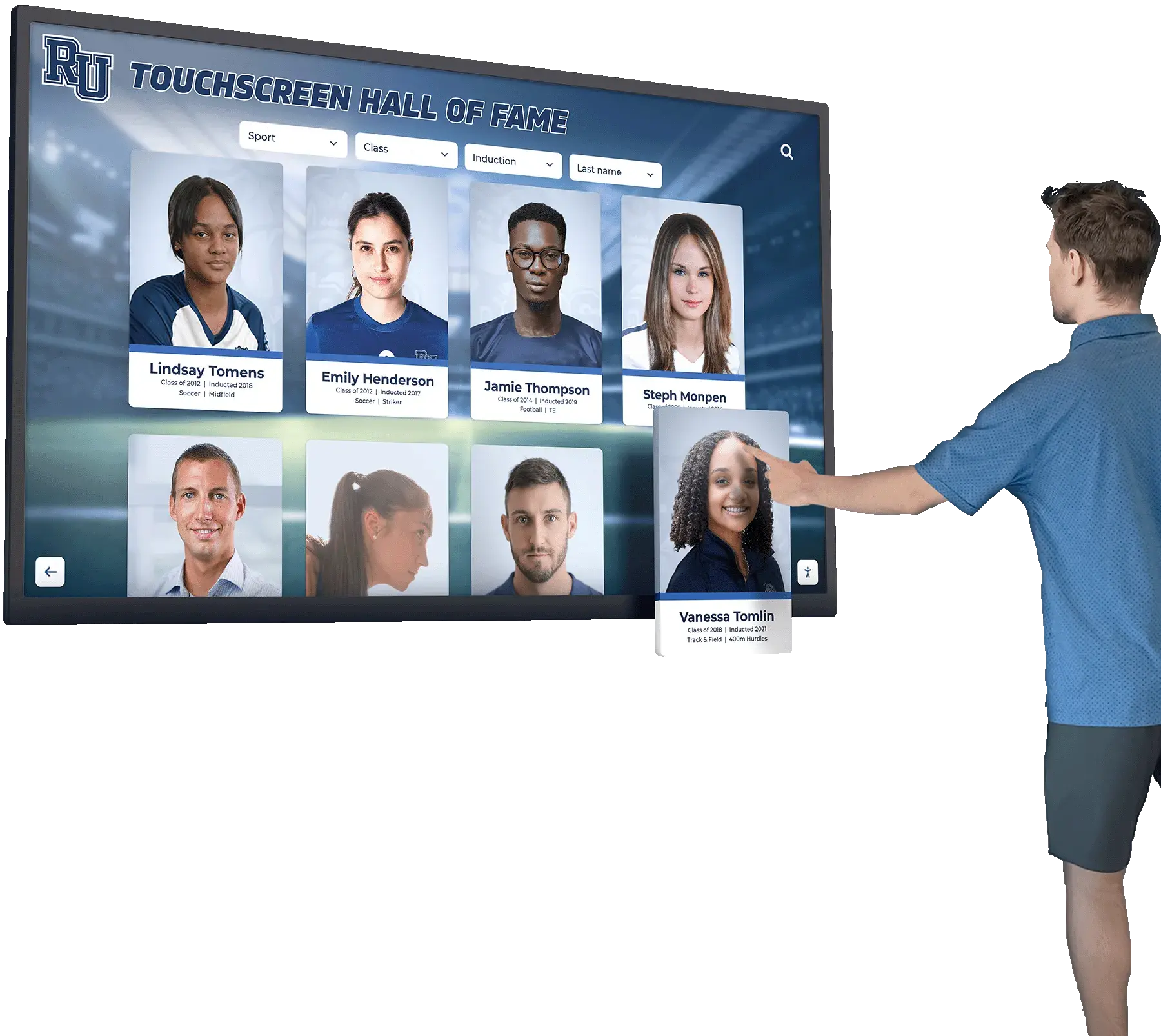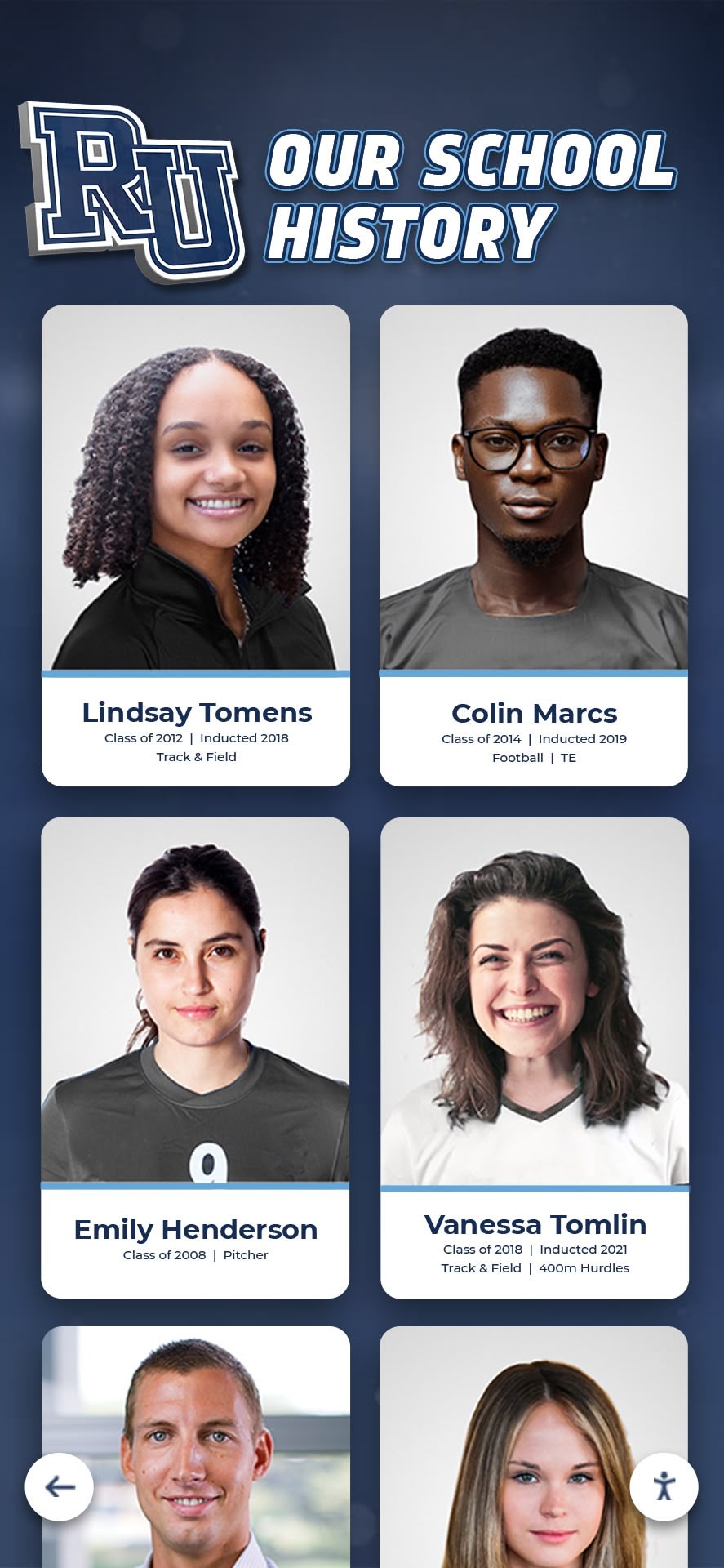




Schools and organizations sitting on decades of yearbooks face a persistent challenge. These books contain irreplaceable photos and memories of alumni, athletes, and distinguished community members who deserve recognition—yet displaying these materials traditionally requires either keeping precious yearbooks in circulation where they deteriorate from handling, or leaving them stored away where nobody sees them. Physical yearbook pages yellow, bindings crack, photos fade, and handling accelerates damage to already fragile materials.
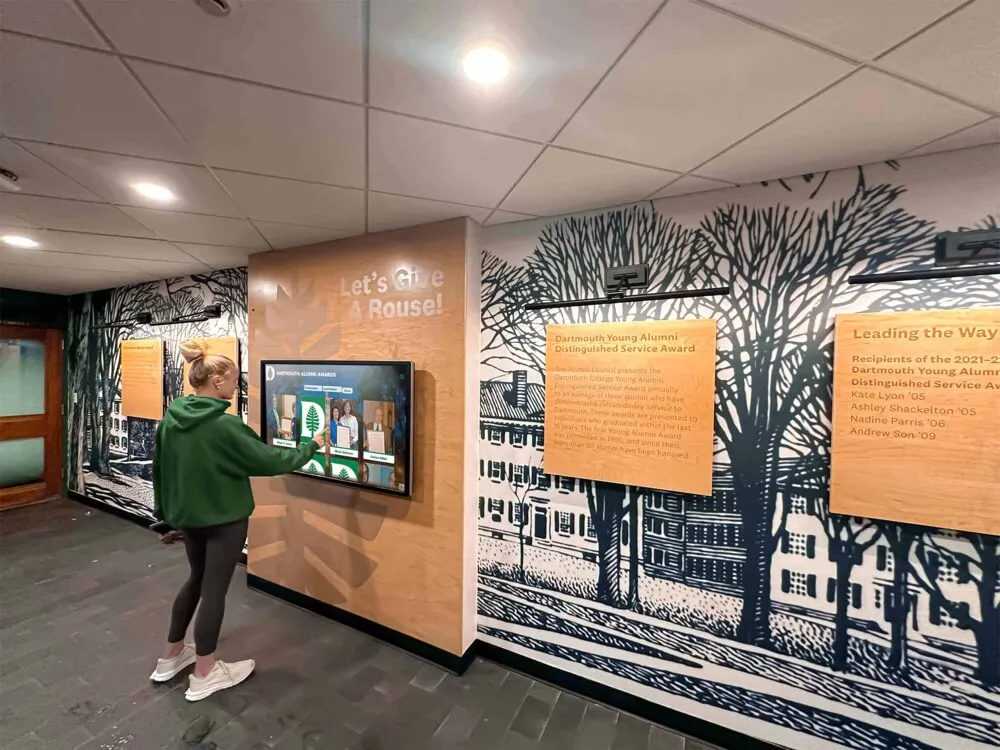
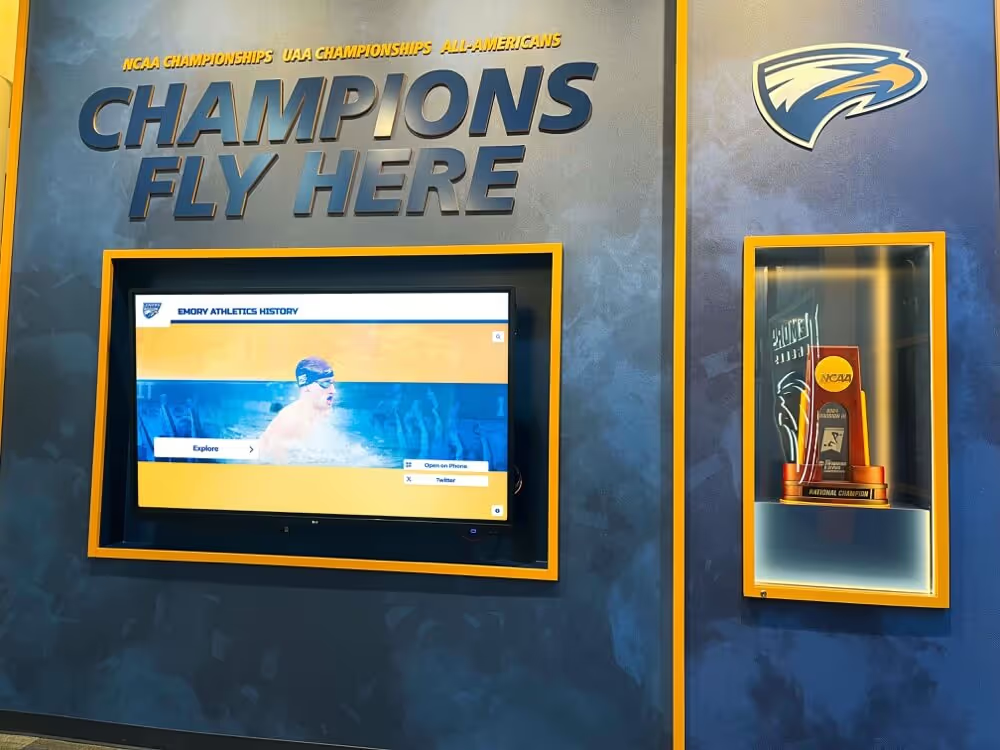
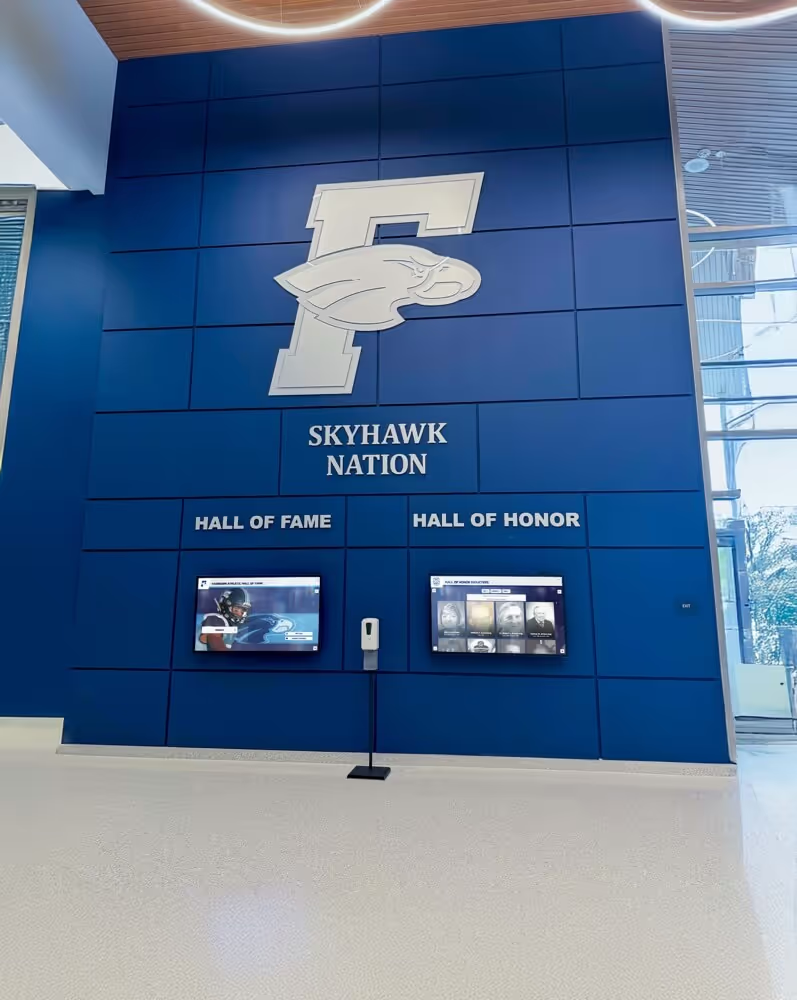
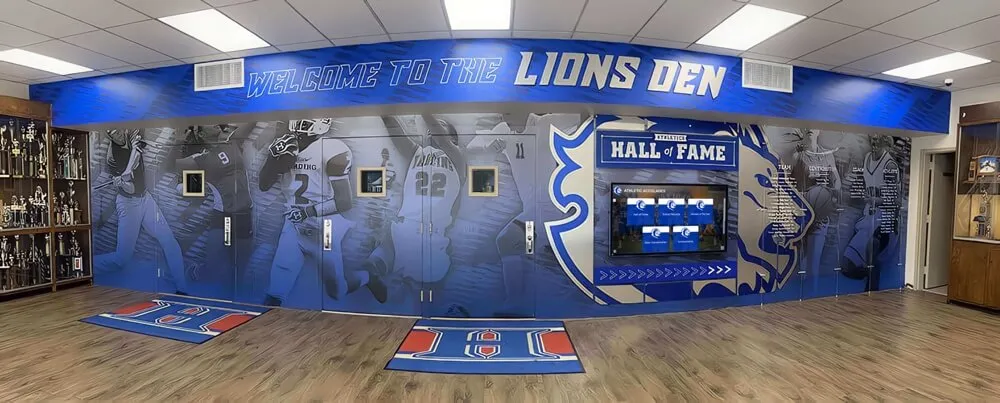
Modern digital recognition displays offer a solution by showcasing yearbook photos and historical content without requiring access to physical books. Students, visitors, and alumni can explore decades of institutional history through interactive touchscreens in lobbies and hallways while original yearbooks remain safely preserved. The challenge becomes extracting photos and content from aging yearbooks without causing additional damage during the digitization process itself.
Proper yearbook digitization requires understanding non-destructive scanning methods, handling protocols that protect fragile bindings, workflow organization for large collections, photo extraction and enhancement techniques, and integration strategies connecting digitized content with modern recognition displays. Schools implementing careful digitization processes preserve irreplaceable heritage while creating engaging digital experiences that make historical content accessible in ways physical yearbooks never could.
Why Digitize Yearbooks for Recognition Displays
Physical yearbooks face constant threats. Handling wears bindings and damages pages. Environmental factors cause deterioration regardless of storage conditions. Most critically, yearbooks stored for preservation provide zero value to communities who cannot access them. Digitization enables schools to honor distinguished individuals through modern hall of fame displays while keeping original books safely stored. Digital recognition platforms like Rocket Alumni Solutions transform static yearbook photos into searchable, interactive displays that engage current students and returning alumni with institutional heritage spanning decades.
Understanding Non-Destructive Digitization Methods
The fundamental requirement for yearbook preservation remains avoiding additional damage during the scanning process. Different digitization approaches present varying risk levels to aging books.
Flatbed Scanning Limitations and Risks
Standard flatbed scanners create significant risks for bound books. Opening books fully flat to reach scanner glass stresses bindings beyond safe limits. Pressing books firmly against glass to eliminate shadows damages spines and cracks adhesive. Repeated openings required for scanning multiple pages accelerate binding failure on already fragile older yearbooks.
Flatbed scanners work acceptably for recent yearbooks with strong bindings and flexible spines, but pose unacceptable risks for books older than 20-30 years where materials have become brittle. Schools attempting flatbed scanning on vintage yearbooks frequently discover damaged bindings, separated pages, and cracked covers resulting from the process meant to preserve them.
Overhead Book Scanners for Safe Digitization
Specialized overhead book scanners solve the binding stress problem by capturing pages from above rather than requiring books to lay flat. These professional scanners position books in V-shaped cradles supporting spines at natural opening angles, use overhead cameras capturing both pages simultaneously, eliminate pressure on bindings through gravity-based page holding, and incorporate lighting systems preventing shadows without physical contact.
The V-cradle design proves particularly valuable for fragile books because it respects natural page curves rather than forcing flat positioning. Pages rest at comfortable angles supported by shaped platforms, reducing spine stress to minimal levels comparable to careful manual reading.
Professional-grade overhead scanners range from $2,000 for basic models to $15,000+ for high-end systems with automatic page turning and dual cameras. For schools digitizing extensive yearbook collections, this investment protects irreplaceable materials while enabling efficient high-volume scanning. Smaller institutions often choose professional digitization services rather than purchasing equipment used infrequently after initial collection digitization completes.
Professional Digitization Services
Commercial digitization services specialize in handling fragile historical materials safely. These vendors provide pickup and secure transport of yearbook collections, climate-controlled processing facilities protecting materials, trained technicians experienced with fragile books, specialized equipment minimizing handling stress, and insured return of original materials.
Service costs typically range from $0.50 to $2.00 per page depending on quality level, enhancement options, metadata creation, and project size. A typical yearbook containing 200 pages costs $100-$400 for professional digitization—reasonable considering equipment investment and time requirements for in-house processing.
Professional services particularly benefit schools with extensive collections, very old or fragile materials, limited internal technical capacity, and concerns about insurance and liability for handling irreplaceable items. Organizations choosing professional digitization should verify vendor experience with yearbook materials specifically, as book handling protocols differ from loose document scanning.
Smartphone and Camera-Based Digitization
Budget-conscious institutions sometimes consider smartphone or digital camera photography as lower-cost alternatives. While not matching scanner quality, careful camera-based digitization provides acceptable results for display purposes when professional options prove cost-prohibitive.
Camera-based approaches require consistent lighting eliminating shadows and glare, stable mounting keeping camera perpendicular to pages, sufficient resolution for readable text and clear faces, and systematic organization preventing missed or duplicate pages. Dedicated book stands or copy stands with adjustable phone mounts enable consistent positioning and lighting across hundreds of captures.
Modern smartphones capture sufficient resolution (12+ megapixels) for most recognition display applications where photos appear at moderate sizes rather than extreme enlargements. The process proves slower than professional scanning but enables projects to proceed when budget constraints prevent other options. Many digital history archive preservation programs started with camera-based digitization before expanding to professional equipment as collections and usage grew.
Handling Protocols Protecting Fragile Yearbooks
Regardless of scanning method chosen, proper handling during digitization prevents preventable damage to irreplaceable materials.
Creating Appropriate Work Environments
Designate dedicated workspace for digitization with clean, flat surfaces clear of debris and spills, consistent temperature and humidity levels, adequate lighting for visual inspection, and restricted access preventing disturbance during delicate handling. Never scan yearbooks on surfaces where food or drinks might cause spills. Avoid environments with temperature extremes or high humidity accelerating deterioration.
Wearing clean cotton gloves when handling very old or fragile materials prevents oil transfer from skin to pages, though some conservators note gloves can reduce tactile sensitivity increasing risk of tears or rough handling. For most school yearbook collections in reasonable condition, clean dry hands prove sufficient with frequent washing preventing oil transfer while maintaining handling control.
Safe Opening and Page Turning Techniques
Open yearbooks slowly to natural stopping points rather than forcing covers flat. Support both sides of open books with foam wedges or padded cradles preventing spine stress. Turn pages by lifting corners gently rather than dragging fingers across surfaces. Never lick fingers for grip—moisture damages paper fibers and transfers bacteria. Use small tools like microspatulas for separating stuck pages rather than pulling with fingers.
Inspect each page before scanning for loose items like newspaper clippings, photos, or notes inserted between pages. Remove and document these separately rather than scanning them within book pages where they might fall and become lost or damaged.
Establishing Scanning Sequences and Documentation
Process yearbooks systematically to prevent missed pages or confusion about completion status. Recommended sequences start with cover documentation including front, back, and spine, followed by inside front cover and preliminary pages like title and dedication, systematic page-by-page scanning of main content, inside back cover and end materials, and finally photo documentation of overall book condition.
Maintain scanning logs documenting each book processed including year, completion date, any damage noted, special handling requirements, and storage location of original after scanning. This documentation proves invaluable when questions arise about source materials or when updating digital archives with enhanced scans.
Organizing and Processing Digitized Content
Raw scanned images require organization and processing before integration into recognition displays.
File Naming and Organization Systems
Implement consistent file naming preventing confusion as collections grow to thousands of images. Effective naming conventions include year identifier, page number with leading zeros for proper sorting, and optional content descriptors for key pages. For example: Yearbook_1985_p042_varsity_basketball.jpg immediately identifies source and content.
Organize files in hierarchical folder structures by decade or year groupings to make specific content quickly locatable. Avoid deeply nested folder structures becoming difficult to navigate. Two to three levels typically suffice: top level by decade, second level by year, third level by content type if needed.
Image Enhancement and Correction
Raw scans typically require enhancement improving usability for display purposes. Common improvements include rotation correction ensuring proper orientation, cropping removing unnecessary borders and equipment edges, color and contrast adjustment compensating for fading or yellowing, straightening correcting skewed captures, and dust and scratch removal addressing scanning artifacts.
Most image editing software provides batch processing capabilities enabling corrections across hundreds of images simultaneously rather than requiring individual file editing. Establish enhancement standards early and apply consistently across entire collections for professional results. The sophisticated digital archive preservation methods used by institutions ensure consistent quality across large historical collections.
Photo Extraction and Individual Cropping
Hall of fame displays typically showcase individual portraits rather than full yearbook pages. Extract individual photos from composite pages through careful cropping maintaining sufficient resolution for clear display at target sizes. Standard recognition displays show portraits at 300-500 pixel width, requiring source images of at least 600-1000 pixels for quality results after cropping and processing.
Document source page locations for each extracted photo enabling verification or higher-resolution re-extraction if needed later. Many schools discover initial digitization efforts captured insufficient resolution for all desired uses, requiring re-scanning specific content. Maintaining source location documentation enables targeted re-scanning rather than processing entire books again.
Metadata Creation and Tagging
Searchable digital archives require comprehensive metadata enabling discovery. Essential metadata fields include full names with graduation year, activity or sport affiliations, achievement details when visible, and page source references. Advanced systems add custom fields like jersey numbers, positions played, or awards received depending on recognition focus areas.
Manual metadata entry proves labor-intensive but remains necessary for fully searchable systems. Consider distributing tagging work across staff, volunteers, or students rather than burdening single individuals. Some schools successfully engage retired alumni as volunteer taggers who enjoy reminiscing while contributing valuable institutional knowledge about people and context in historical photos.
Integrating Digitized Yearbook Content into Recognition Displays
Once yearbook content exists in digital form, modern recognition platforms showcase it effectively throughout facilities.
Digital Hall of Fame Display Options
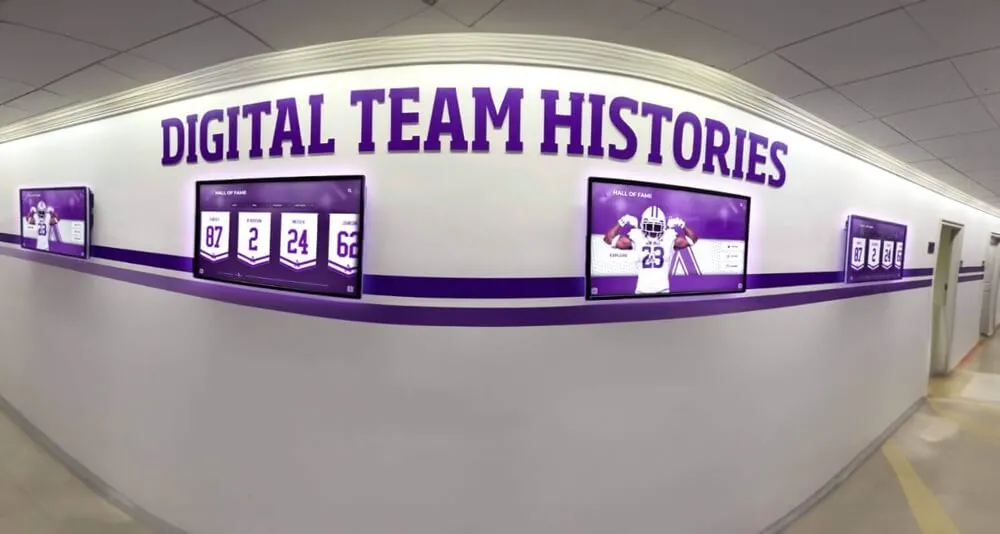
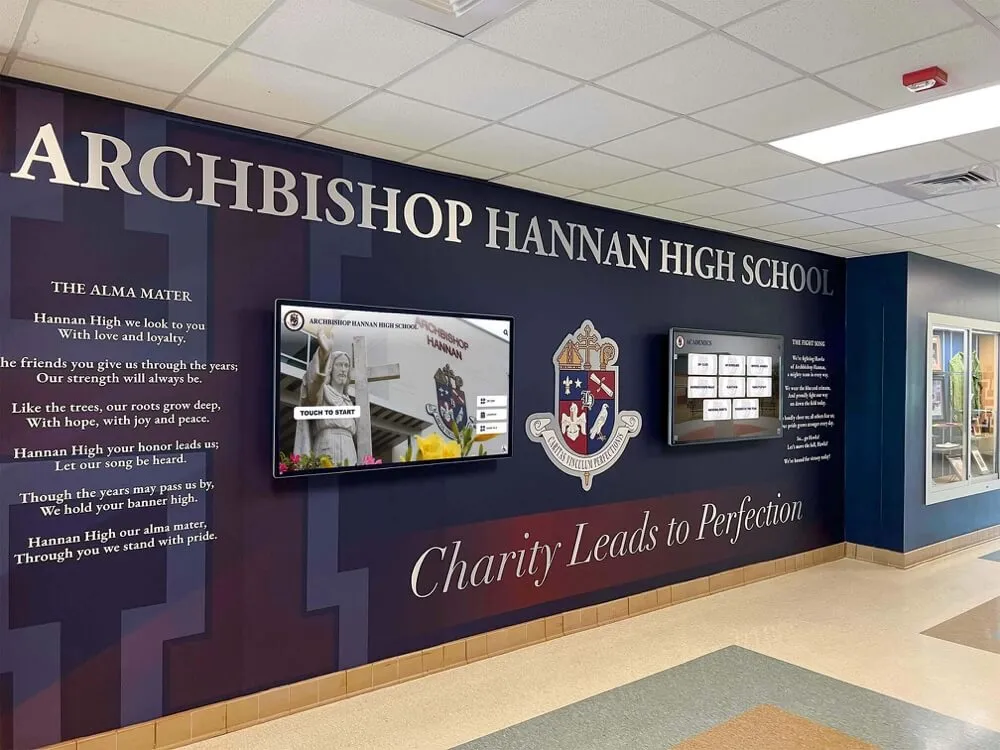
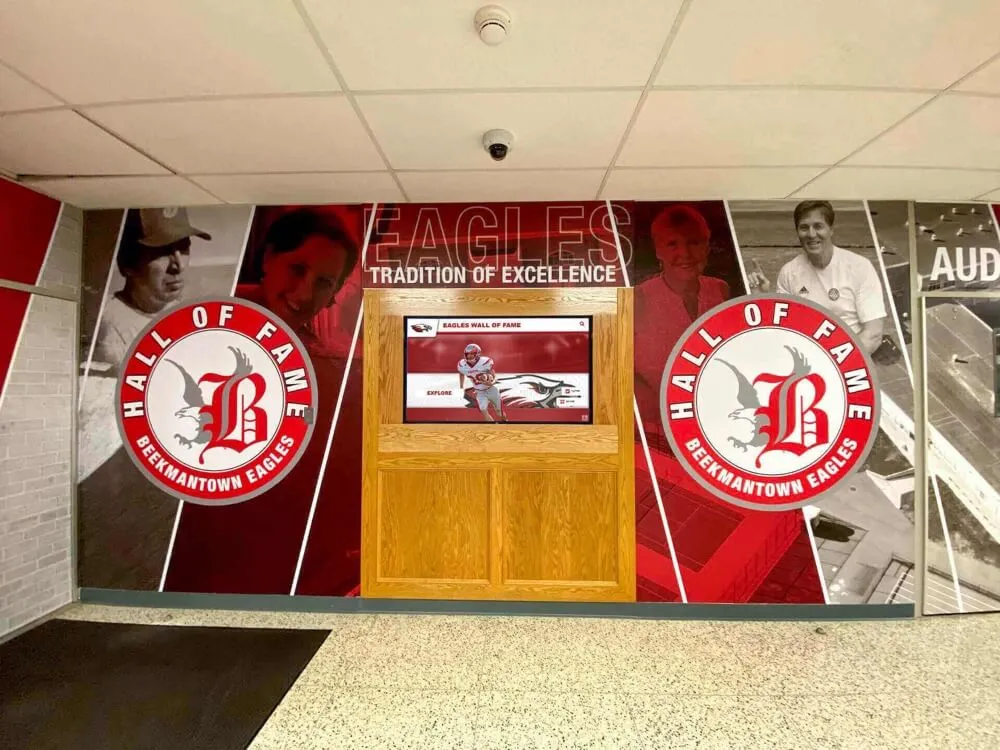
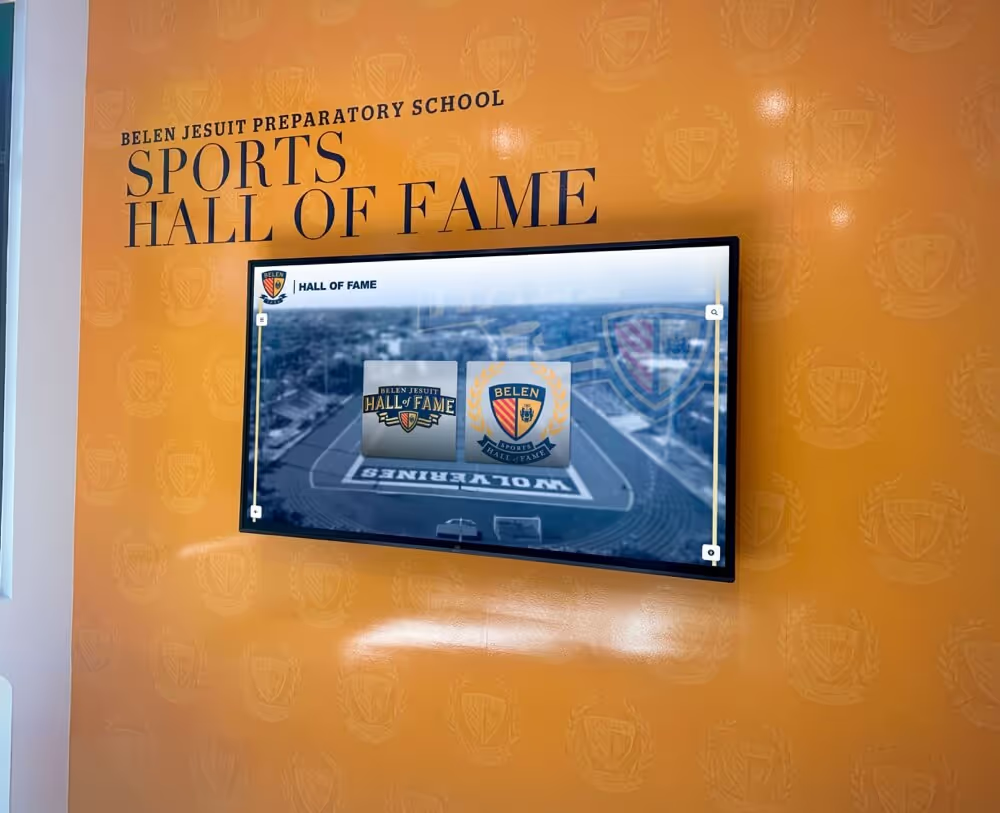
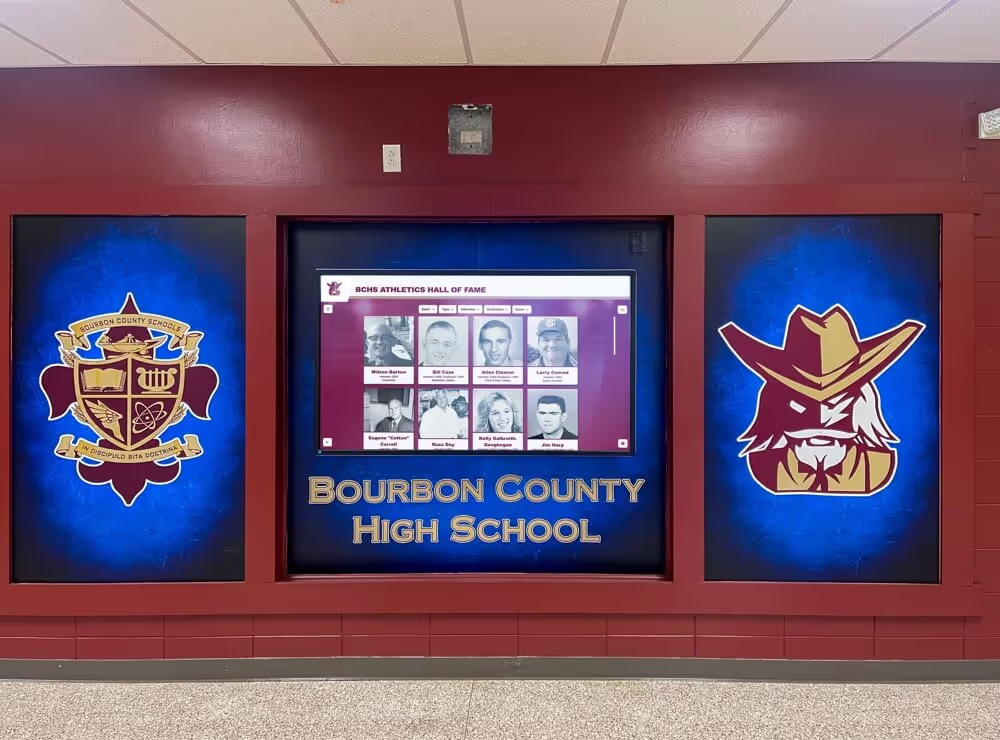
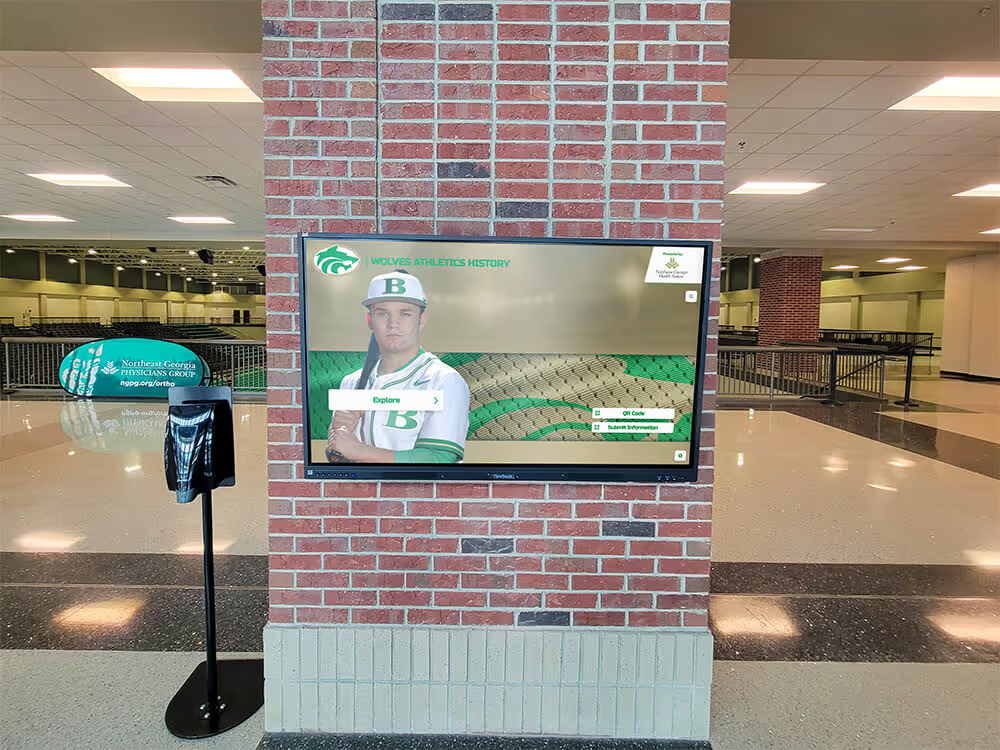
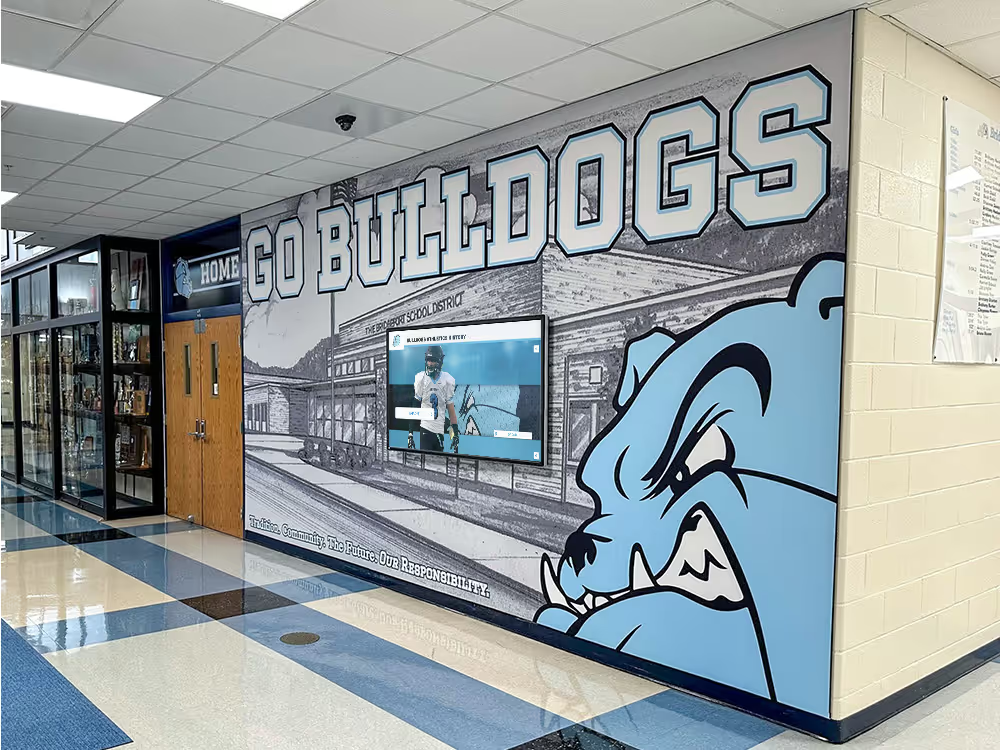
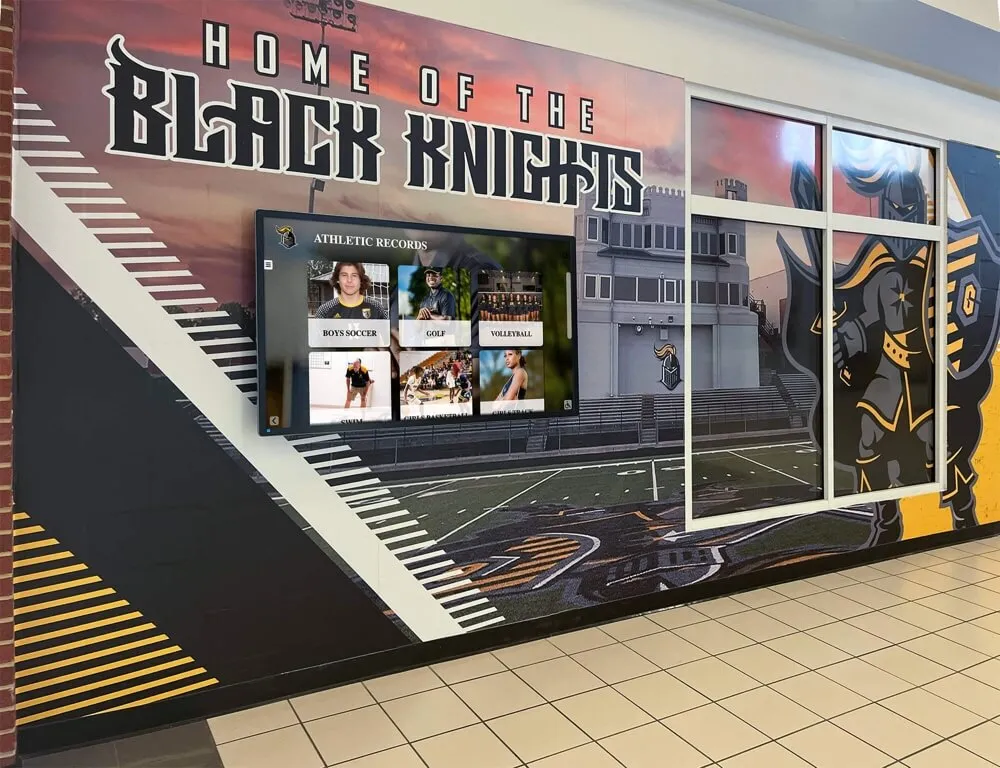
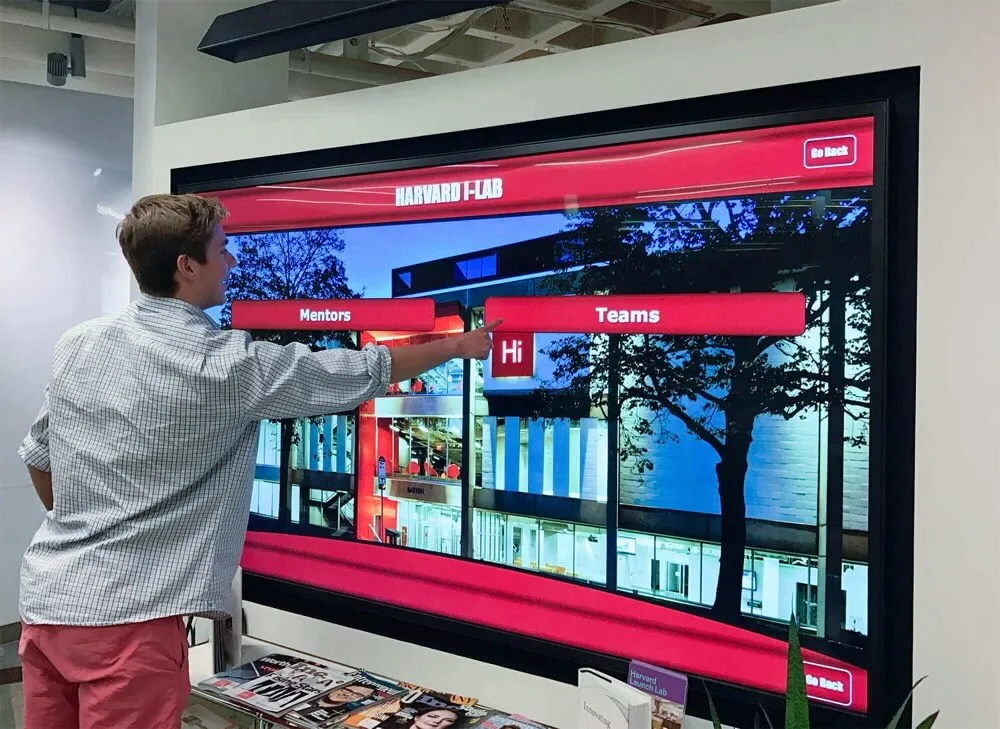
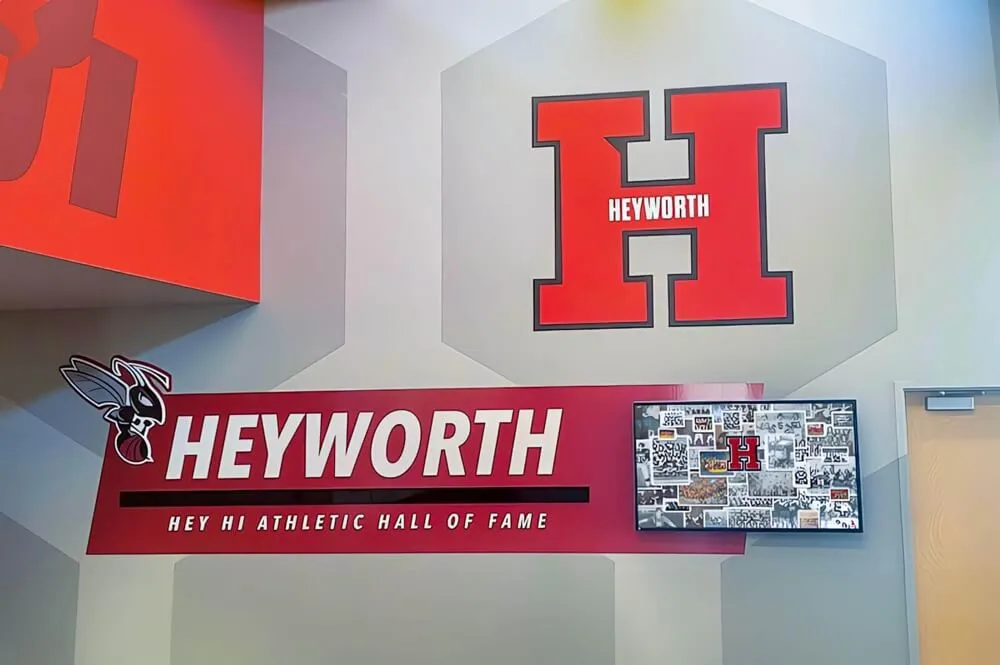
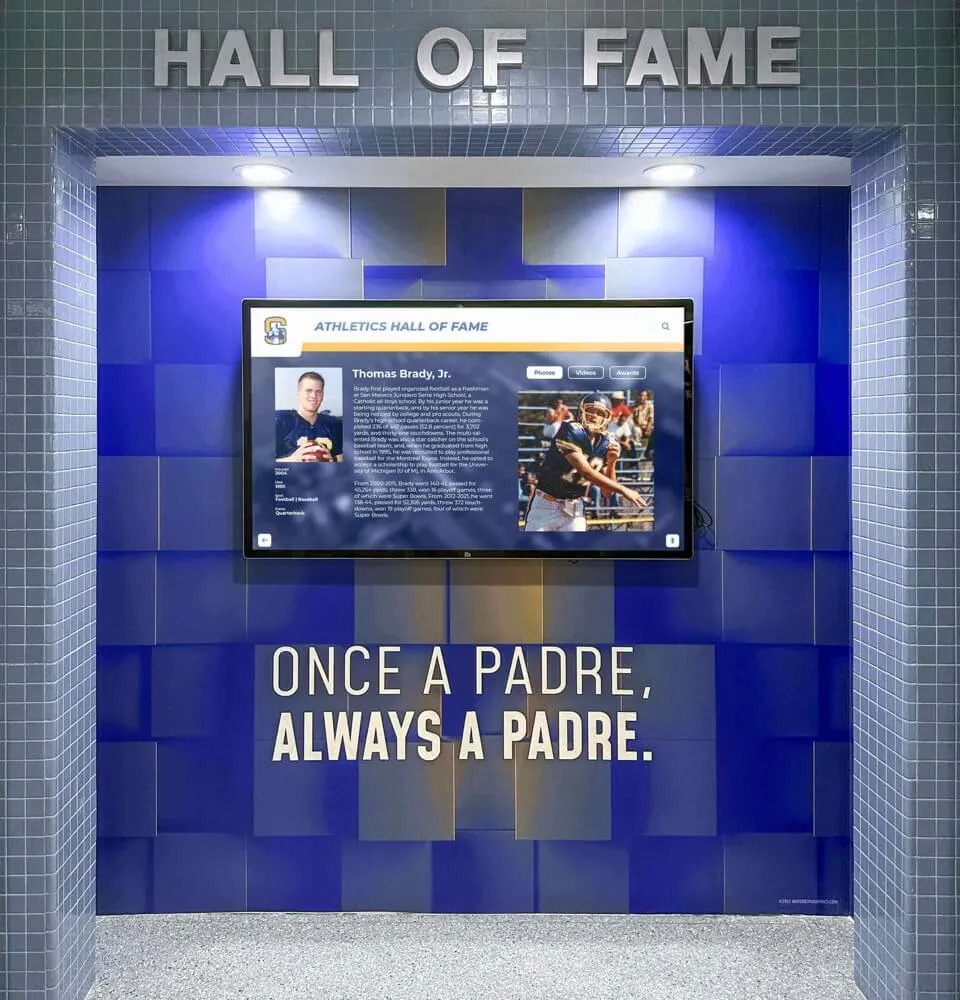
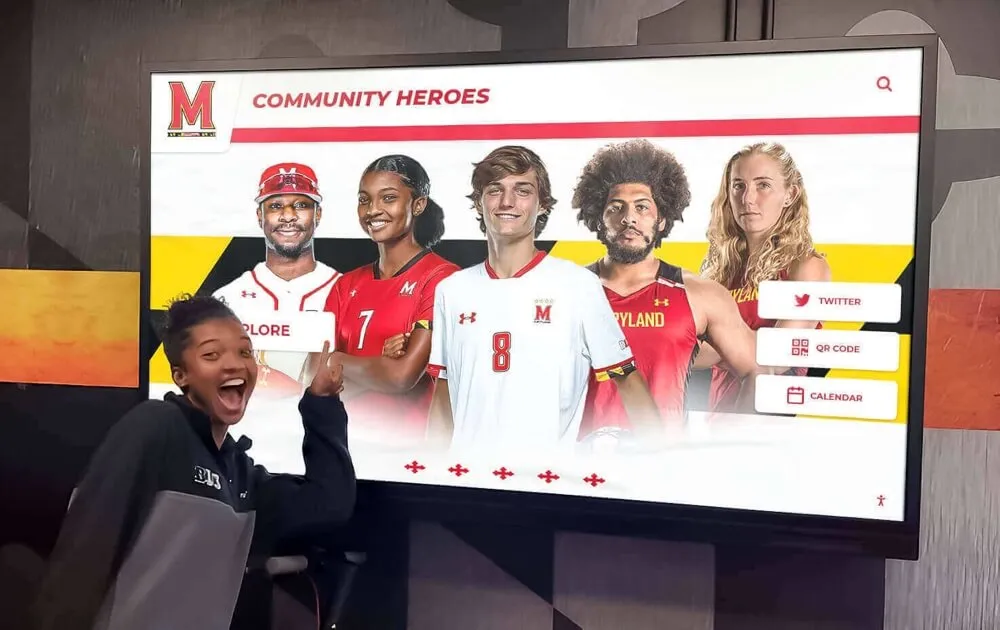
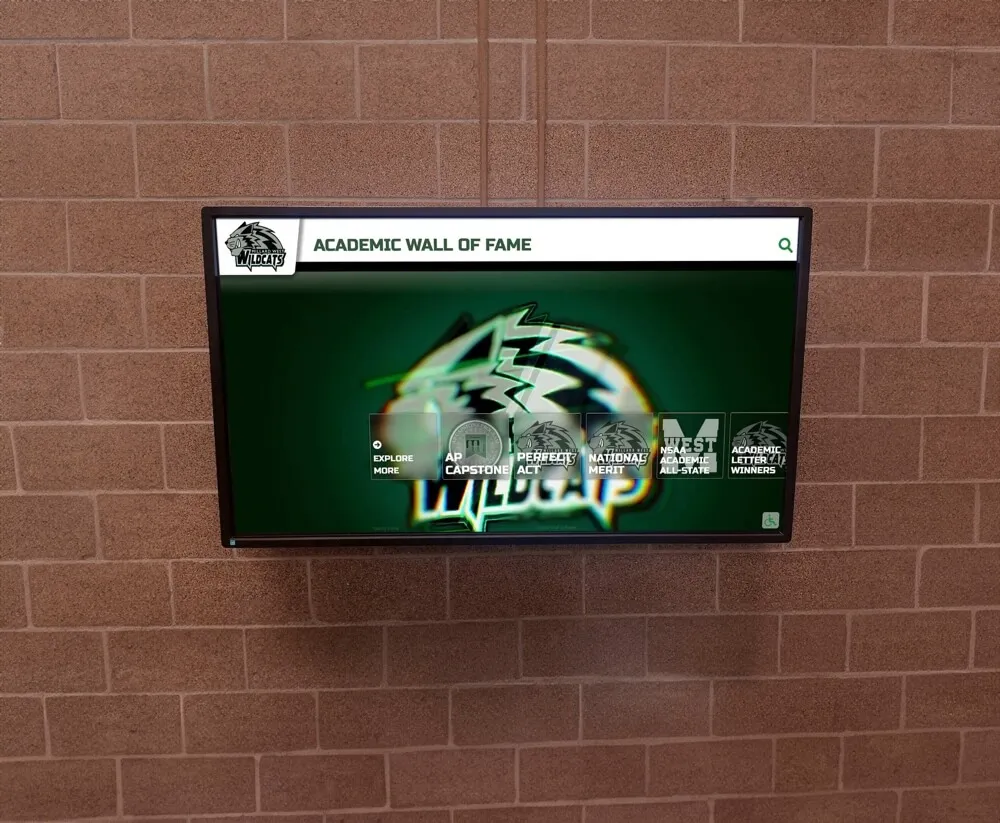
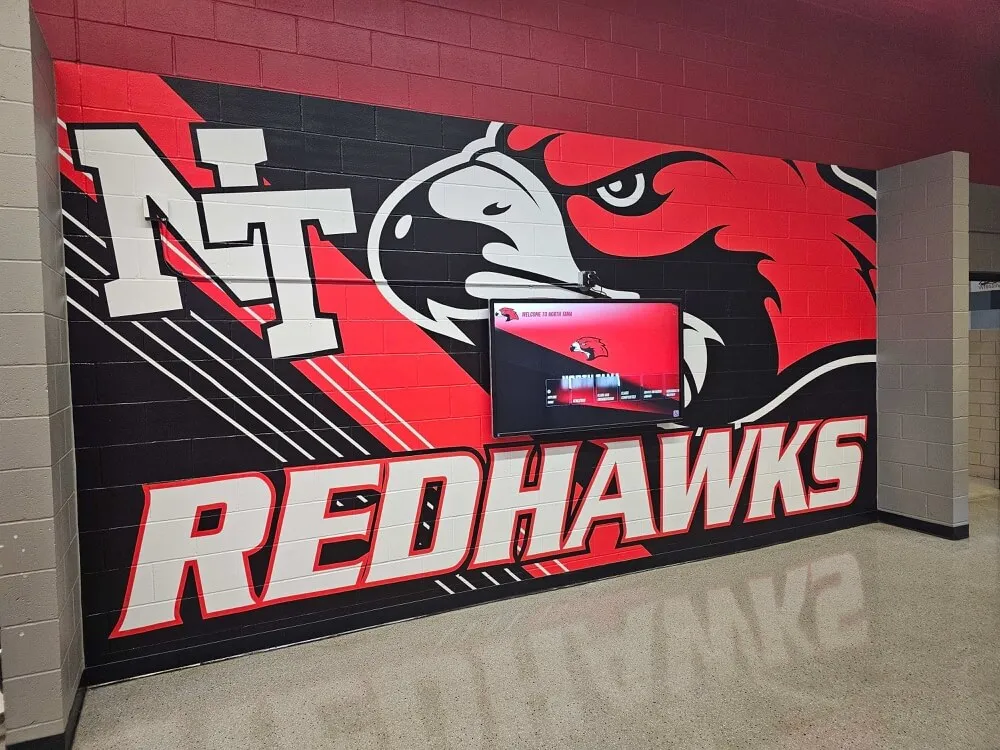
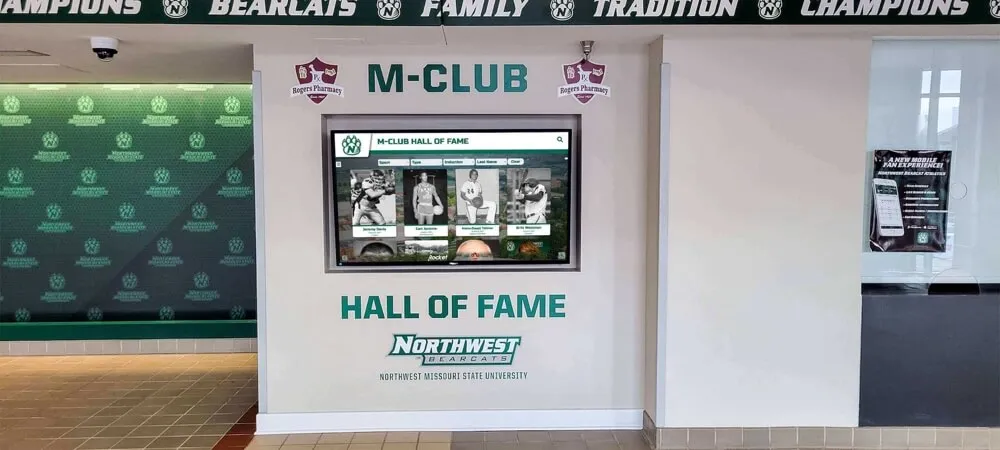
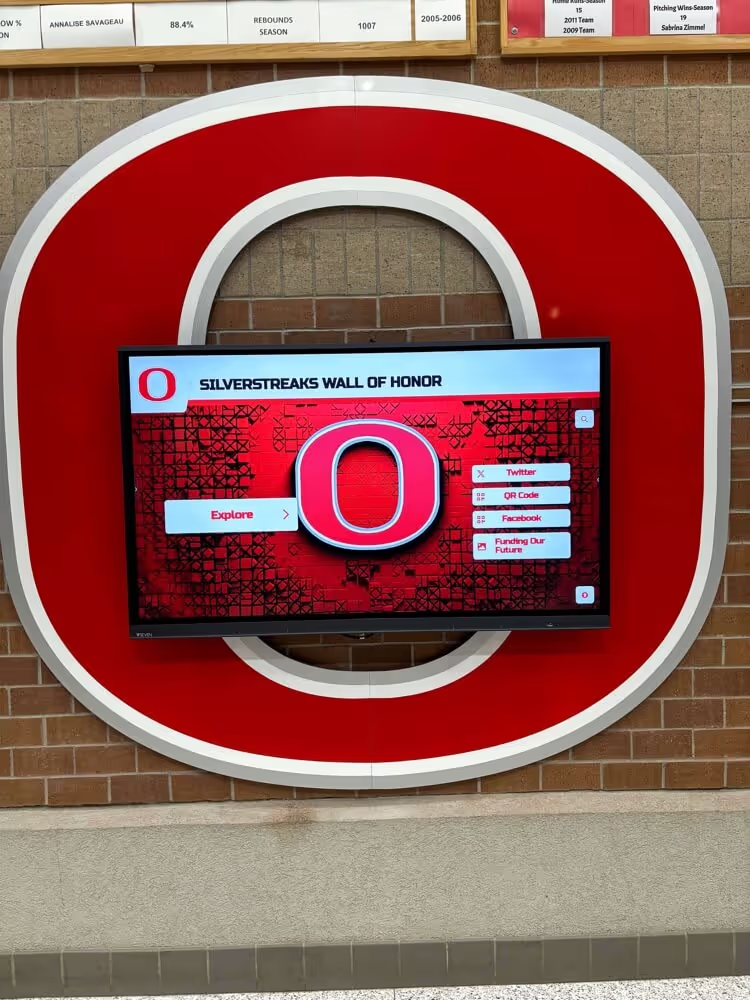
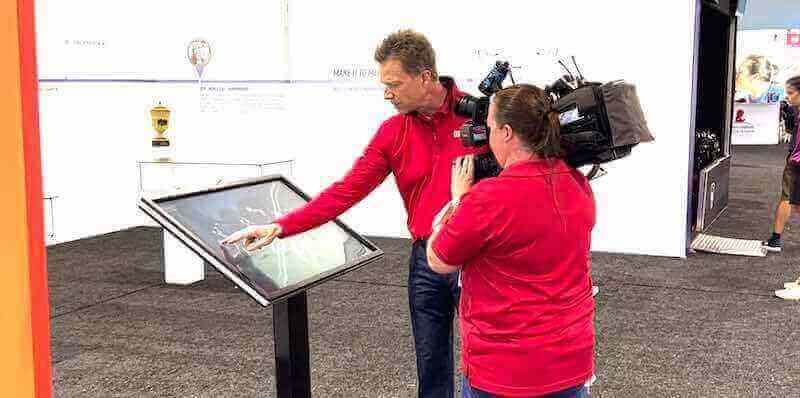
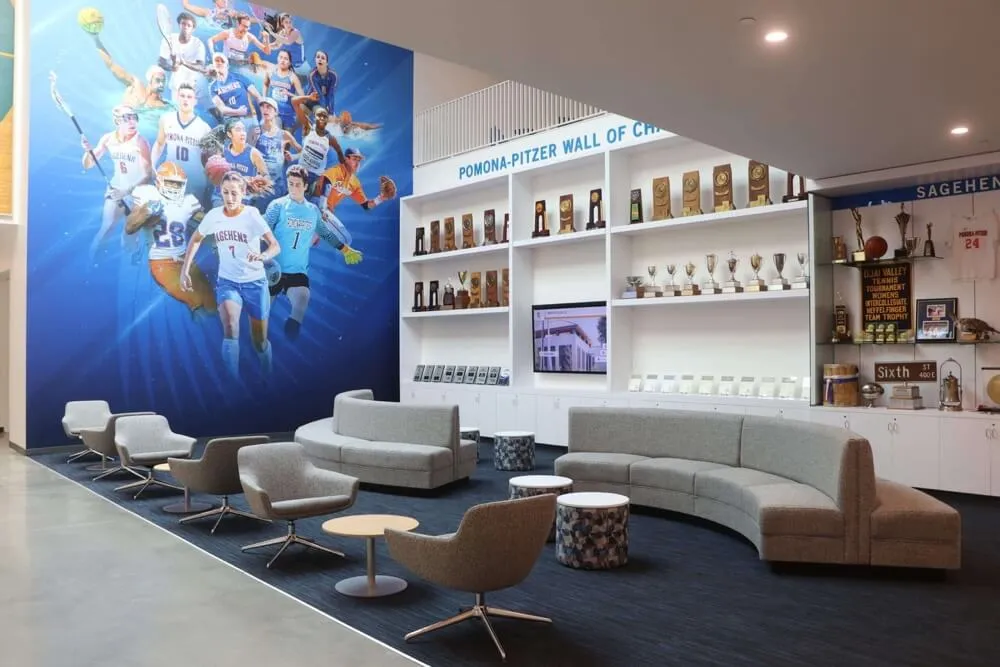
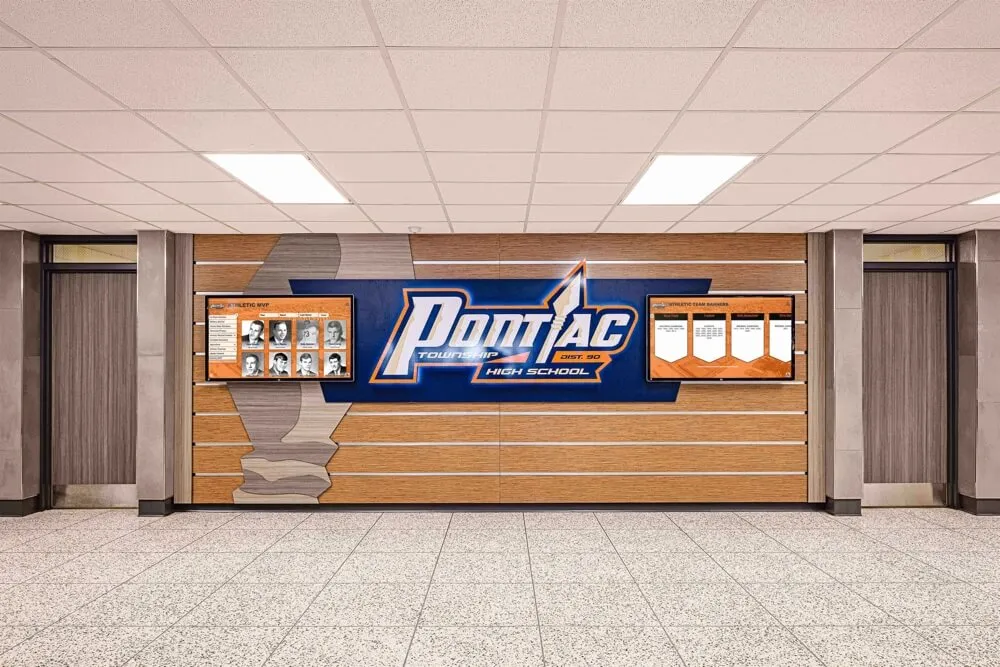
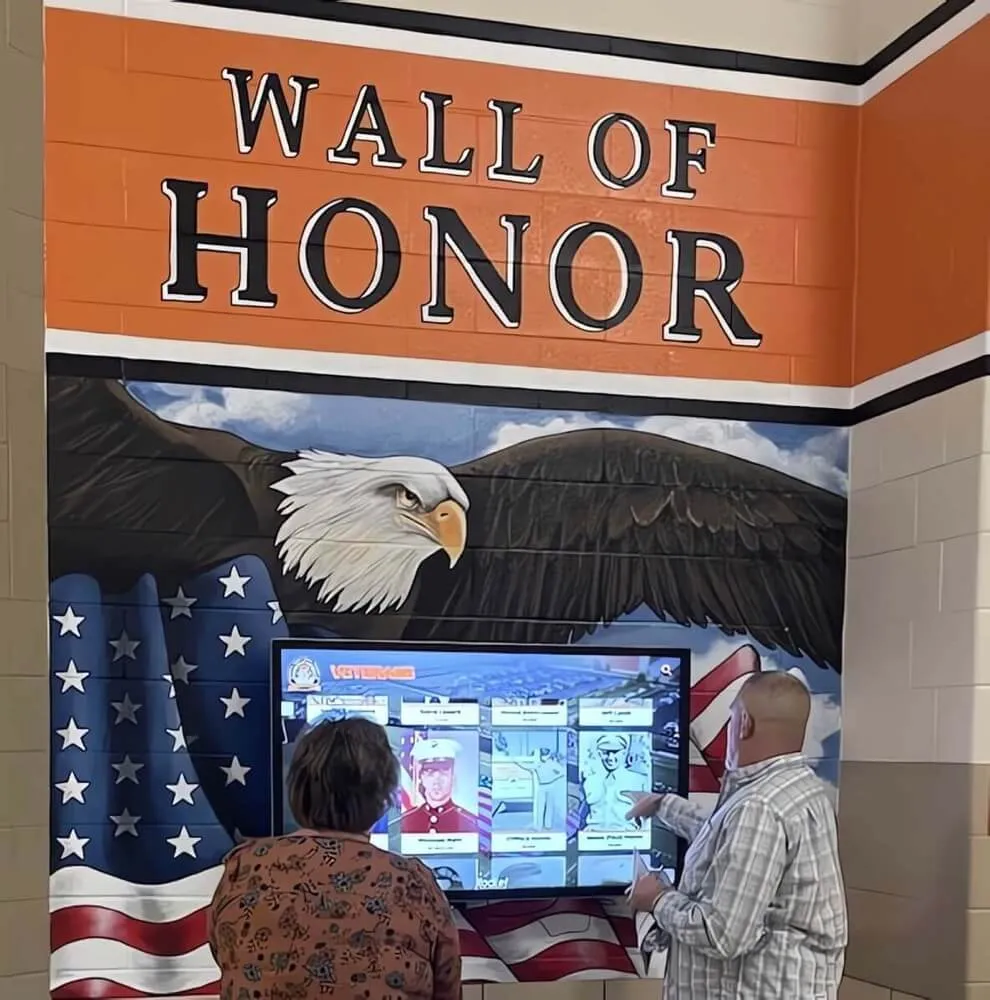
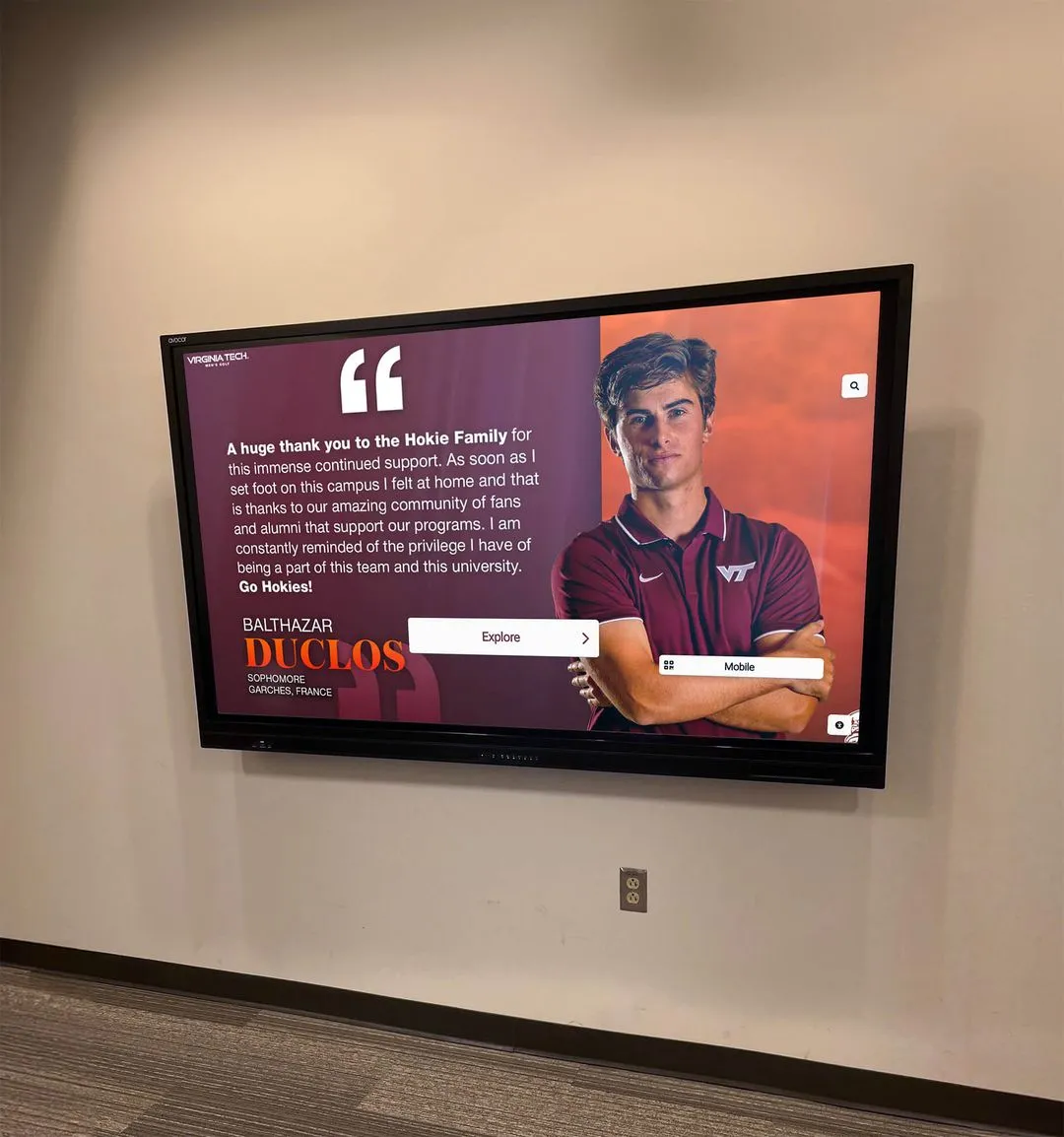
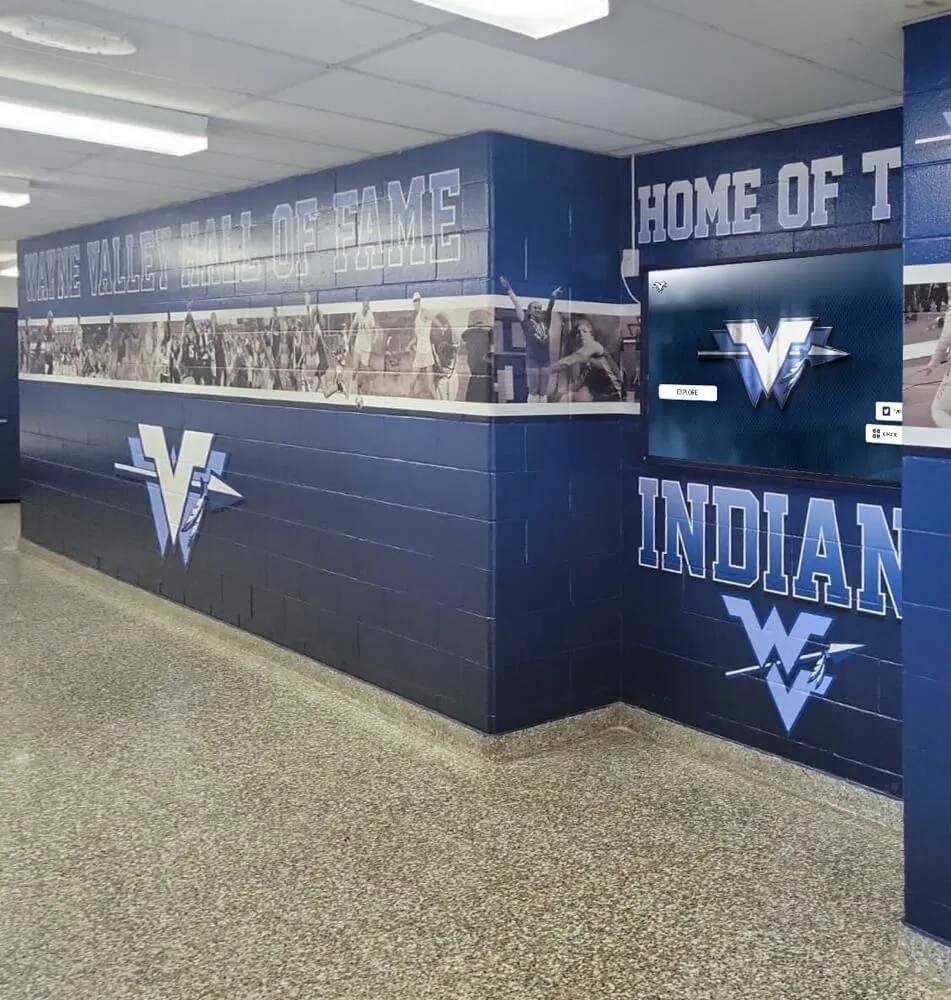
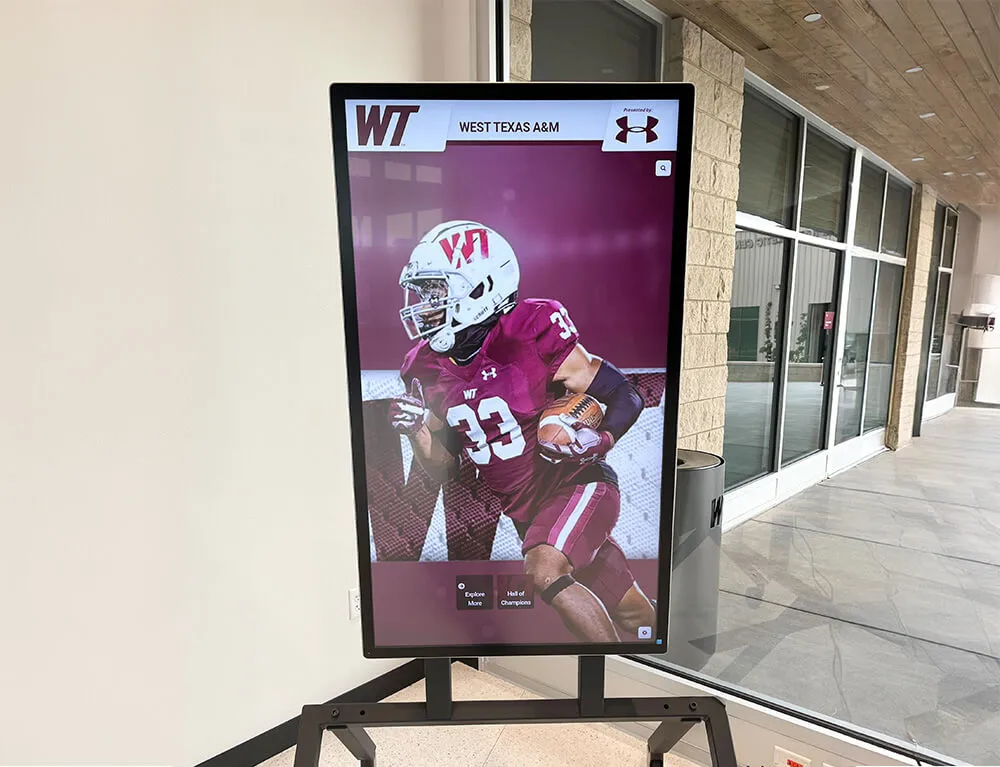
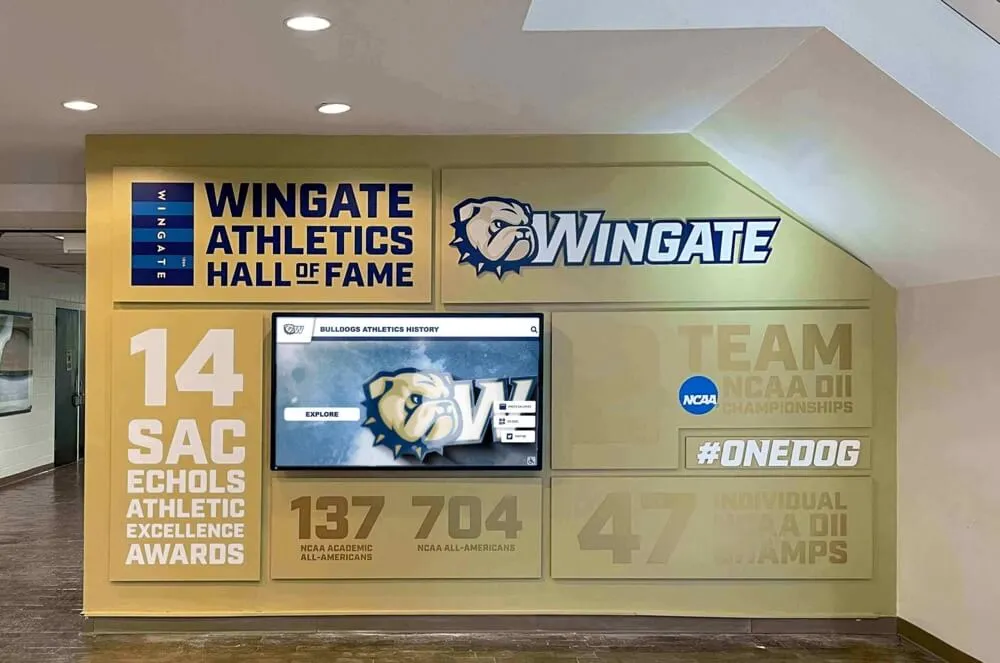
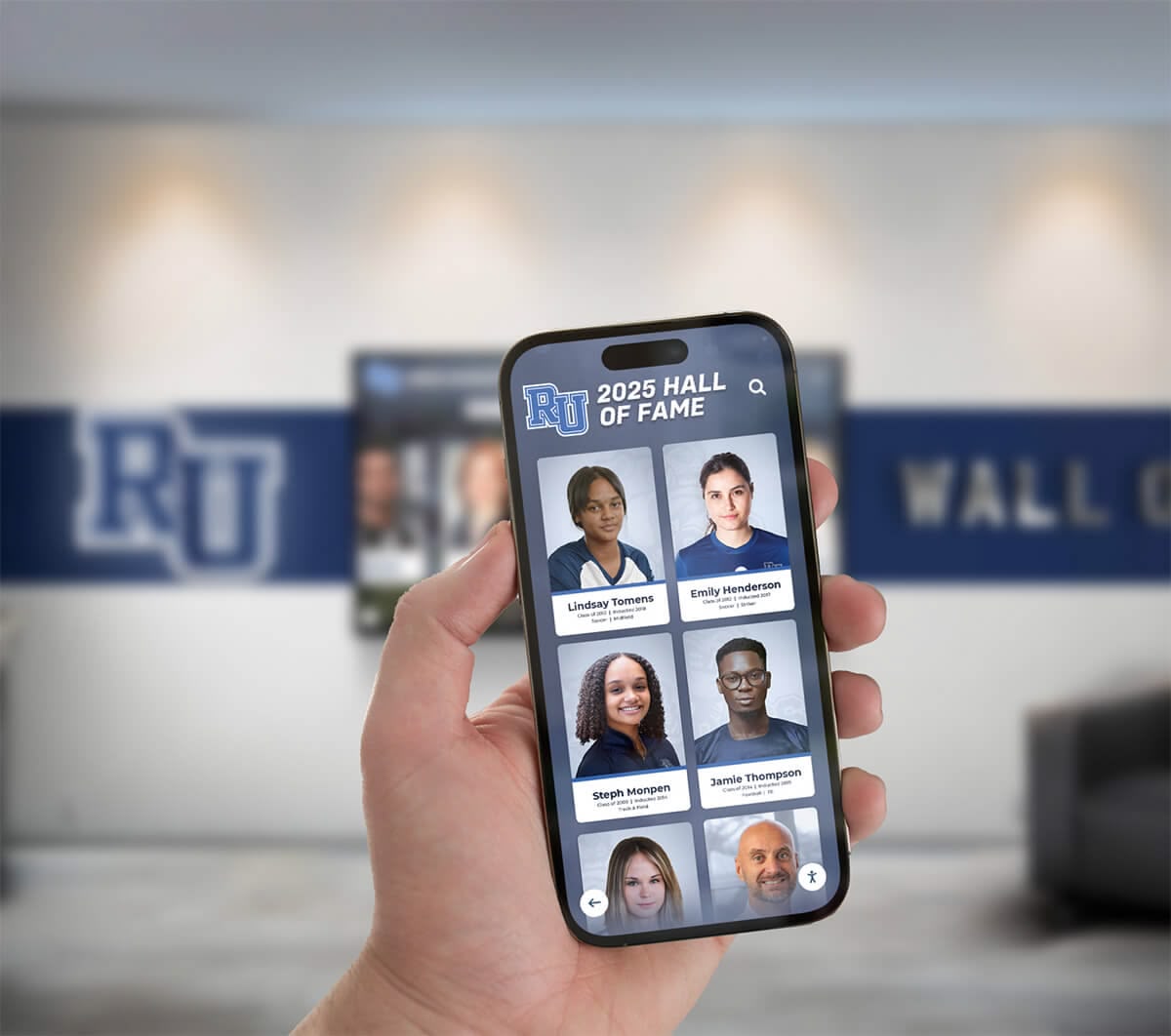
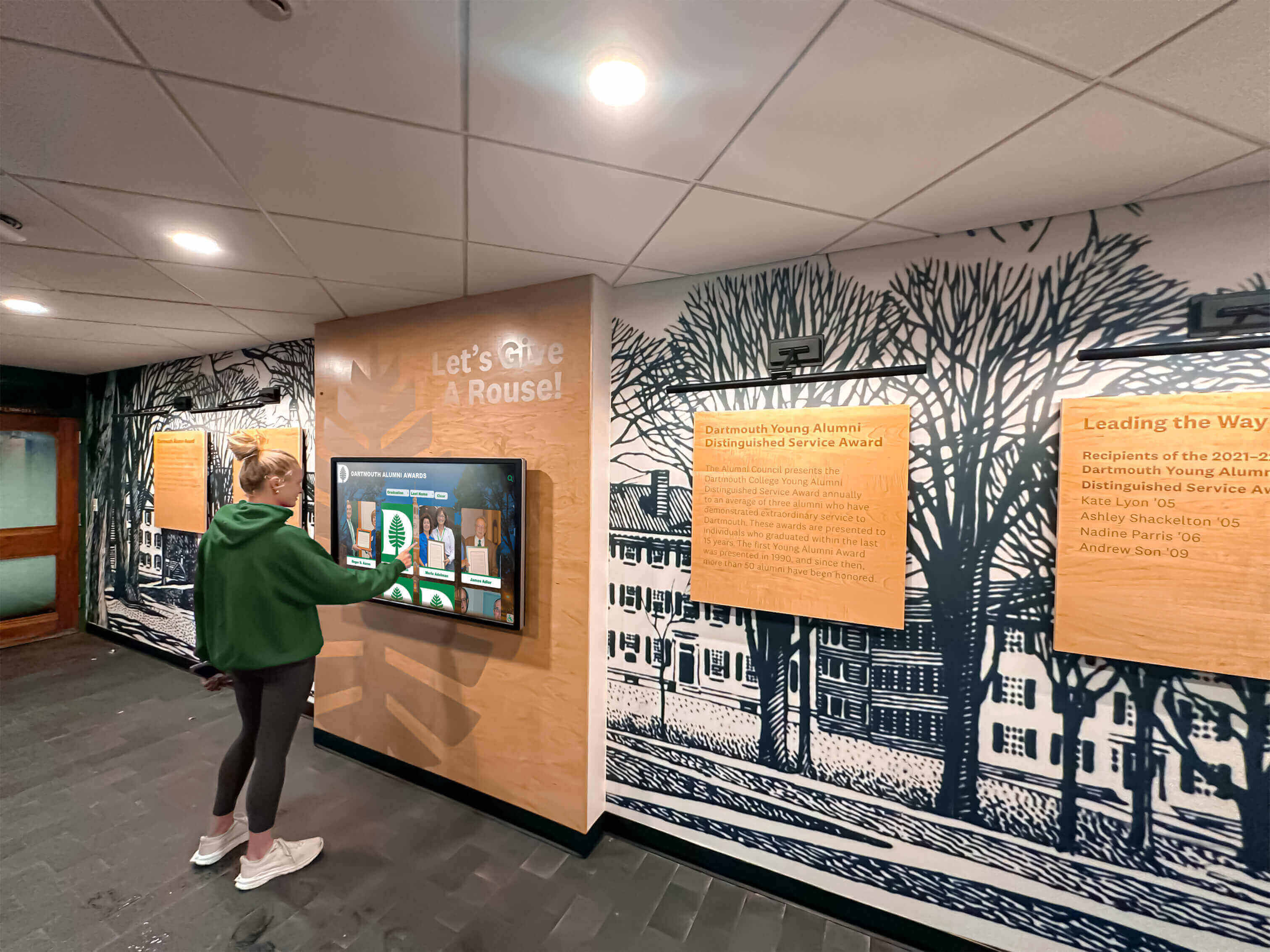
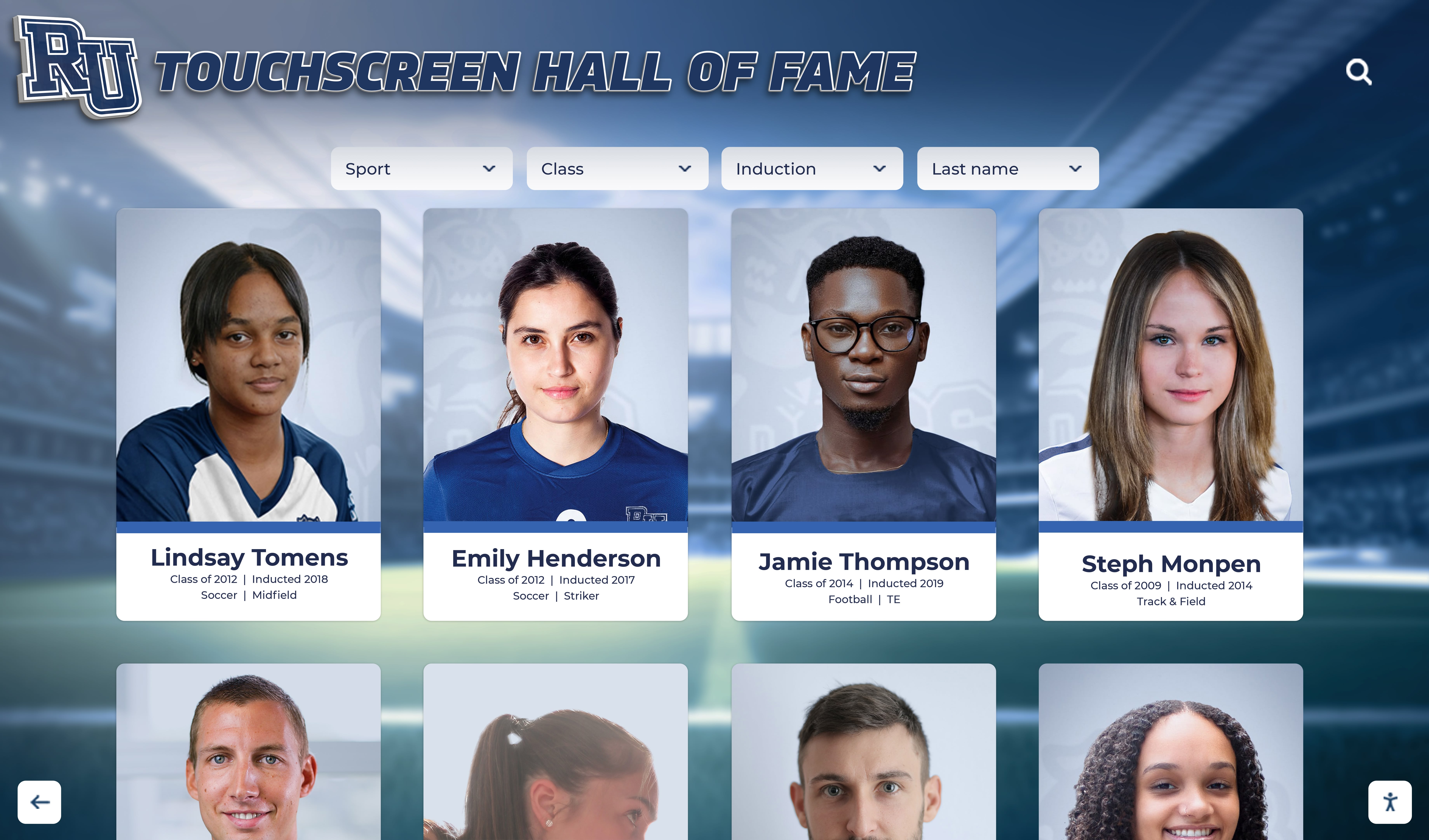
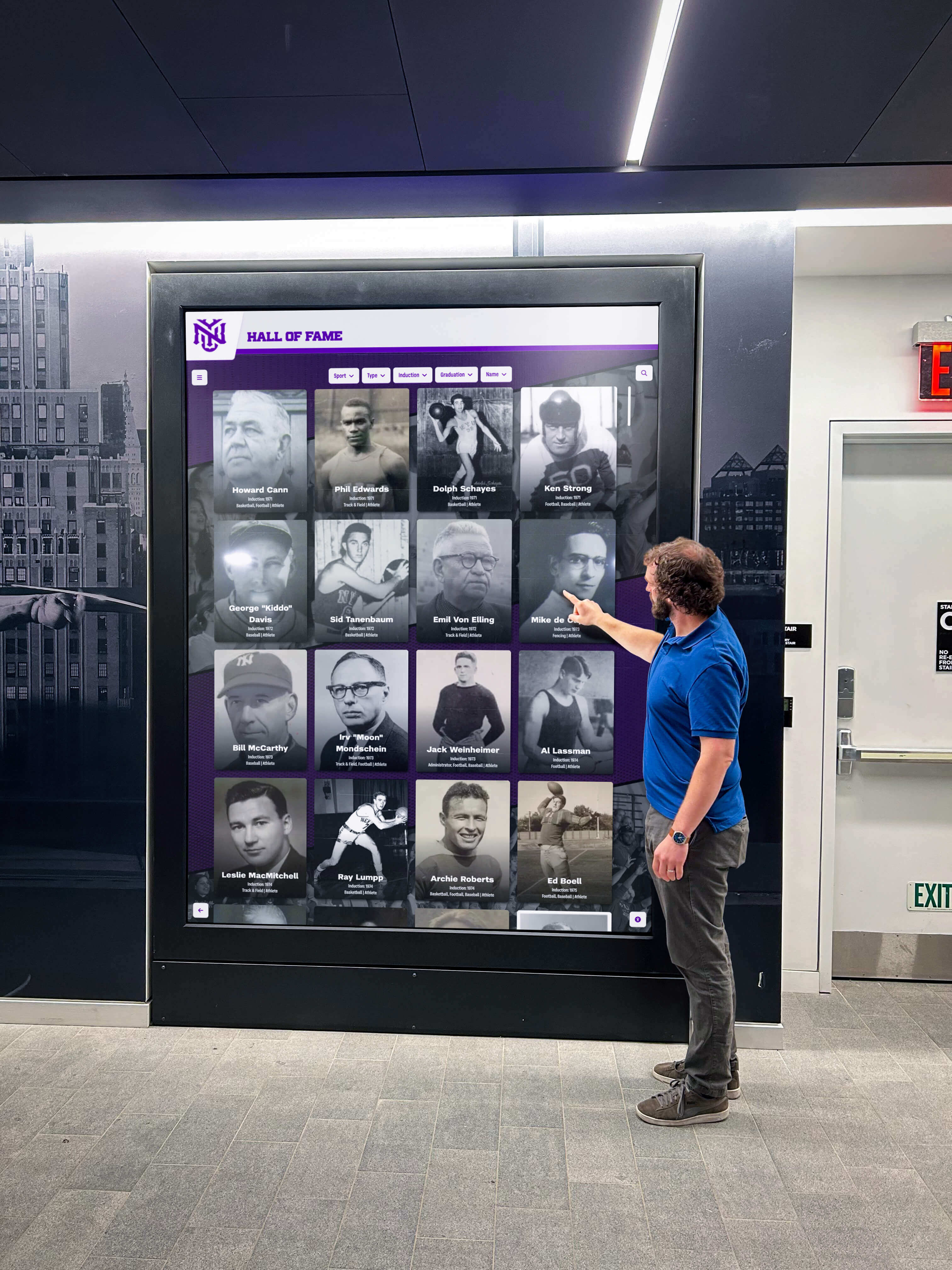
Recognition displays take various forms depending on space, budget, and use cases. Interactive touchscreen kiosks enable user-driven exploration through decades of yearbook content by person name, year, sport, or activity. Wall-mounted displays present rotating slideshows of historical photos in high-traffic areas. Hybrid systems combine static displays with adjacent touchscreens providing interactive access to complete digital archives. Web-based platforms extend access beyond physical facilities enabling worldwide alumni to explore digital yearbooks and recognition content.
Schools implementing comprehensive recognition programs often deploy multiple display types serving different purposes and locations. Touchscreen kiosks in main lobbies create centerpiece recognition experiences. Wall displays in athletic facilities showcase sport-specific achievements. Web platforms engage alumni communities. This multi-channel approach maximizes investment value by serving diverse audiences through appropriate formats. Many institutions have discovered that interactive touchscreen kiosks provide engagement levels far exceeding traditional static displays.
Creating Engaging Content Presentations
Simply displaying scanned yearbook pages proves less engaging than thoughtfully designed presentations highlighting individuals and achievements. Effective approaches include individual portrait galleries arranged by decade or achievement type, timeline presentations showing institutional evolution, comparison displays contrasting historical and current facilities or teams, achievement highlight reels featuring championship moments, and themed collections around specific events or traditions.
Interactive displays enable user-driven exploration impossible with physical yearbooks. Users search names discovering all yearbook appearances throughout school careers. They browse specific years exploring classmates and memories. They filter by sport or activity finding relevant recognition content. This interactivity transforms yearbook content from static archives into dynamic exploration experiences engaging users far longer than traditional displays.
Combining Historical and Current Recognition
The most engaging recognition displays integrate historical yearbook content with current achievements creating continuity connecting generations. Display designs placing historical state champions alongside current record holders show tradition spanning decades. Alumni profiles next to current student features demonstrate ongoing institutional excellence. Timeline presentations extending from founding through present emphasize accumulated achievement.
This historical-current integration proves particularly valuable for building institutional pride among current students who see themselves as part of continuing stories rather than isolated present moments. Recognition becomes about multi-generational excellence rather than only recent accomplishments. Schools implementing comprehensive digital recognition programs discover this continuity strengthens community identity and engagement.
Platform Selection for Sustainable Management
Successful recognition displays require ongoing content management as new achievements accumulate and additional historical content gets digitized. Platform selection should prioritize intuitive content management systems enabling staff without technical expertise to update displays, cloud-based access allowing updates from any location, unlimited storage capacity accommodating growing collections, flexible display templates supporting diverse content types, and mobile responsiveness enabling access across devices.
Rocket Alumni Solutions provides comprehensive platforms specifically designed for educational recognition needs. The system supports unlimited digitized yearbook content, enables intuitive organization by person, year, sport, and achievement, creates engaging interactive presentations through touchscreens and web displays, and allows straightforward content updates without requiring technical expertise. Schools appreciate the flexibility supporting phased implementation—starting with priority yearbook content and systematically expanding as digitization efforts continue.
Benefits of Digital Recognition Versus Physical Yearbook Display
Digital recognition displays provide substantial advantages over attempting to showcase physical yearbooks directly.
Preservation While Providing Access
The fundamental benefit remains solving the preservation-versus-access dilemma. Physical yearbooks displayed openly experience accelerated deterioration from handling, light exposure, temperature fluctuations, and environmental contaminants. Keeping yearbooks stored protects materials but eliminates community access. Digital displays enable unlimited simultaneous access to yearbook content while original books remain safely preserved in climate-controlled storage experiencing no handling wear.
Many schools maintain physical yearbook reference sets for occasional consultation while directing routine access to digital versions protecting originals from unnecessary handling. This hybrid approach balances preservation priorities with practical access needs.
Space Efficiency and Scalability
Physical yearbook displays consume substantial space. A school’s 50-year yearbook collection requires approximately 30-40 linear feet of shelving if displayed accessibly. Growing collections require expanding physical display space—always at premium in school facilities. Digital displays consolidate unlimited content into minimal footprints. Single touchscreen kiosks provide access to complete multi-decade collections occupying less than two square feet of floor space.
This space efficiency proves particularly valuable in renovated or space-constrained facilities where physical display expansion proves impossible. Digital approaches eliminate physical limitations enabling recognition of all deserving individuals rather than forcing selective display due to space constraints. Comprehensive donor recognition wall programs demonstrate how digital displays provide unlimited recognition capacity in minimal physical space.
Enhanced Searchability and Discovery
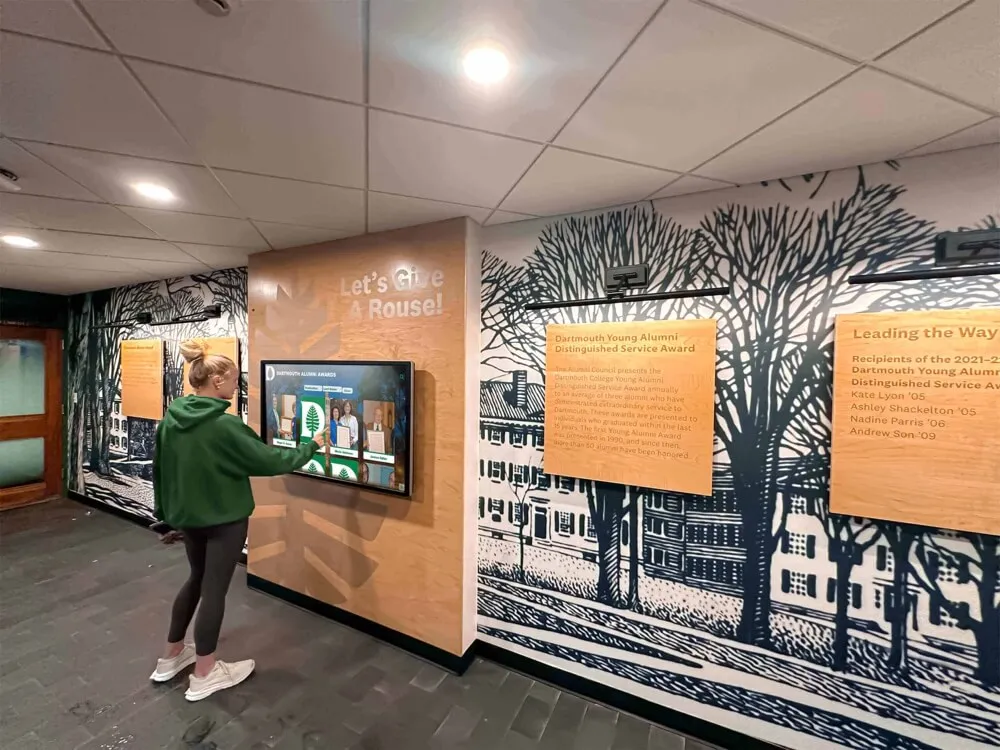
Physical yearbooks require users to know which specific year to examine. Finding a particular person across multiple years necessitates examining numerous books page by page—time-consuming research deterring casual exploration. Digital searchable archives enable instant discovery through simple name searches returning all appearances across decades of yearbooks, sport or activity filtering showing relevant content, graduation year browsing, and keyword searches finding specific teams or events.
This searchability transforms yearbook archives from difficult-to-navigate historical records into easily explored recognition resources. Alumni instantly find their own appearances and those of friends. Researchers quickly locate information about specific teams or events. Current students discover role models in their activities by exploring historical achievers.
Dynamic Content Updates and Corrections
Physical yearbook displays present static content unchangeable after publication. Errors remain permanently visible. Missing information cannot be added. Digital displays enable ongoing enhancement as new information emerges. Schools add newly discovered photos supplementing original yearbook content, correct identified errors in names or details, enhance entries with context and achievements, and supplement with multimedia including video interviews with distinguished alumni.
This living archive quality proves valuable as communities contribute knowledge and memories enriching basic yearbook digitization. Systems supporting user submissions create collaborative heritage preservation where alumni add context, correct errors, and contribute photos and memories beyond original yearbook content.
Multi-Location and Remote Access
Physical yearbooks exist in one location accessible only to people physically present. Digital platforms extend access through web portals enabling worldwide alumni to explore yearbooks and recognition content, mobile apps allowing access from smartphones and tablets, multiple simultaneous users without requiring additional yearbook copies, and integration across facilities through networked displays showing consistent content.
Schools with geographically dispersed alumni discover web-based yearbook access drives engagement far exceeding physical archive usage. Alumni living hundreds or thousands of miles from campus regularly explore digital yearbooks reconnecting with institutional memories. This remote access proves particularly valuable for fundraising and alumni relations efforts reaching distributed communities.
Overcoming Common Yearbook Digitization Challenges
Schools implementing yearbook digitization projects frequently encounter predictable obstacles requiring proactive management.
Missing or Incomplete Yearbook Collections
Many schools discover gaps in yearbook archives when beginning digitization. Years lost due to poor storage, natural disasters, or simple misplacement create frustrating holes in historical records. Address collection gaps through community outreach requesting loaner books for scanning, alumni appeals often successfully locating missing years, interconnected library borrowing from other institutions with duplicate copies, and historical society partnerships leveraging their archives.
Even single copies enable digitization since scanning proves non-destructive allowing return after processing. Many schools successfully filled collection gaps through appeals generating enthusiastic alumni donations of yearbooks collecting dust in attics or basements. Community members appreciate contributing to heritage preservation benefiting everyone.
Extremely Fragile or Damaged Books
Some older yearbooks reach such deteriorated states that even careful scanning risks additional damage. Very brittle pages crumble when turned. Separated bindings risk page loss. Severe water damage causes page adhesion. Extremely fragile materials require specialized handling beyond typical digitization protocols.
Options for severely damaged yearbooks include professional conservation before scanning stabilizing materials, page-by-page disassembly with professional rebinding after scanning, higher-cost professional services equipped for fragile materials, or acceptance that some materials prove too damaged for safe digitization. Honest assessment prevents causing irreversible damage through misguided preservation attempts on materials requiring expert conservation.
Copyright and Permission Considerations
Yearbooks created by commercial companies retain copyrights limiting reproduction rights. Most schools assume reasonable educational fair use for digitizing their own yearbooks for non-commercial heritage preservation and internal display purposes. However, schools planning public web access or commercial applications should review copyright status and consider seeking permissions where appropriate.
Generally, digitizing yearbooks for password-protected alumni access or internal recognition displays presents minimal copyright risk under educational fair use. Broad public web publishing without restrictions raises more substantial copyright questions meriting legal review. Most commercial yearbook companies prove amenable to reasonable educational use when contacted directly about specific digitization projects.
Resource Constraints and Project Sustainability
Comprehensive yearbook digitization requires substantial time investment often exceeding initial estimates. Schools beginning ambitious projects sometimes discover workload unsustainable with available staff time. Address resource constraints through phased approaches prioritizing high-value content, volunteer engagement distributing work beyond staff, student involvement through internships or class projects, outsourcing portions to professional services, and automation leveraging batch processing wherever possible.
Starting with manageable pilot projects proves wiser than attempting complete collection digitization overwhelming available resources. Success with initial phases builds momentum and justifies additional resource allocation for continued expansion.
Successful Yearbook Digitization Project Planning
Systematic planning increases digitization project success while preventing common pitfalls.
Phase 1: Assessment and Planning
Begin projects with thorough assessment establishing project scope and objectives, collection inventory identifying available materials, condition evaluation determining handling requirements, cost estimation including equipment, services, and labor, and timeline development establishing realistic milestones. This planning phase typically spans 2-4 weeks for most school collections.
Resist pressure to rush planning stages. Time invested in thorough preparation prevents costly mid-project corrections and ensures realistic resource allocation and timeline expectations.
Phase 2: Equipment Selection or Service Contracting
Based on assessment results, decide between in-house digitization or professional services. For in-house approaches, evaluate equipment options including overhead scanners, quality digital cameras with copy stands, or specialized book scanners. For professional services, request detailed quotes from multiple vendors, verify insurance and handling protocols, and confirm turnaround timeframes.
Equipment purchases prove cost-effective only when digitizing extensive collections justifying initial investment. Single-use projects typically prove more economical through service providers spreading equipment costs across many clients.
Phase 3: Digitization Execution
Implement systematic scanning workflows processing collections methodically through material preparation and inspection, consistent capture maintaining quality standards, immediate quality checking before returning books to storage, organized file management preventing confusion, and progress tracking ensuring complete coverage.
Establish realistic daily or weekly processing targets preventing burnout while maintaining steady progress. Most schools find 2-4 yearbooks per day represents sustainable pace for in-house efforts including scanning, quality checking, and file organization.
Phase 4: Enhancement and Organization
Process raw scans through batch enhancement workflows, systematic file naming and organization, photo extraction and cropping for display use, and metadata creation enabling searchability. This processing often consumes time equal to or exceeding scanning itself, yet proves essential for creating usable archives rather than disorganized image collections.
Consider distributing enhancement work across multiple people to prevent overwhelming single staff members. Many schools successfully train student workers or volunteers for routine enhancement tasks under appropriate supervision.
Phase 5: Integration and Launch
Complete projects by importing content into recognition display platforms, creating engaging presentations and navigation, testing functionality and user experience, training staff on content management, and promotional launches ensuring communities know archives exist.
Treat yearbook archive launches as significant institutional milestones deserving celebration and publicity. Recognition platform implementations should emphasize accessibility and engagement rather than simply completing technical processes. The careful planning that goes into comprehensive digital history preservation programs ensures maximum value from digitization investments.
Making Yearbook Heritage Accessible Through Digital Recognition
Every school yearbook preserves unique community moments—championship celebrations, academic achievements, performing arts milestones, and the faces of thousands who built institutional foundations. Yet most yearbooks sit in storage providing zero value to communities who created them. Physical deterioration constantly threatens these irreplaceable materials even as careful storage prevents access defeating preservation purposes.
Proper yearbook digitization solves this preservation-versus-access challenge by capturing content through non-destructive methods protecting original materials while creating engaging digital archives accessible through modern recognition displays. Students exploring interactive touchscreens discover decades of institutional heritage. Alumni access yearbooks from anywhere through web platforms. Communities celebrate continuing traditions spanning generations. Original yearbooks remain safely preserved experiencing no handling wear.
Essential Elements of Successful Yearbook Digitization:
- Implement non-destructive scanning methods protecting fragile materials
- Establish careful handling protocols preventing damage during processing
- Create systematic organization enabling efficient management of large collections
- Develop comprehensive metadata making content searchable and discoverable
- Select recognition platforms supporting engaging presentation and ongoing updates
- Plan phased implementation preventing resource overwhelm
- Engage communities through volunteer participation and promotional launches
- Integrate historical content with current recognition creating generational continuity
- Maintain archives through ongoing enhancement and expansion
- Use digital access across multiple channels to maximize investment value
Schools and organizations face choices about yearbook preservation approaches. Some attempt displaying physical yearbooks directly—exposing irreplaceable materials to accelerated deterioration while consuming substantial space. Others store yearbooks safely—protecting materials while eliminating community access and engagement value. Digital recognition displays provide the best solution by enabling unlimited access while original materials remain safely preserved indefinitely.
Purpose-built recognition platforms transform digitized yearbook content into engaging community experiences far exceeding what physical yearbooks alone achieve. Interactive touchscreens enable searching decades of content instantly. Web platforms extend access to worldwide alumni communities. Dynamic presentations connect historical and current achievements. Unlimited digital storage eliminates space constraints forcing selective recognition.
Digitizing yearbook collections and integrating content into modern recognition displays represents commitment to honoring past comprehensively, celebrating present authentically, and ensuring future generations can explore and learn from institutional heritage spanning decades. This preservation work matters profoundly—it protects irreplaceable community memory, builds connection across generations, and ensures no achievement remains forgotten regardless of how many years pass.
Ready to transform your yearbook collection into an engaging digital hall of fame display while keeping original books safely preserved? Book a demo to explore how comprehensive recognition platforms make yearbook digitization simple while creating recognition experiences that engage entire communities.