



History used to live exclusively in dusty textbooks, static museum displays, and aging photographs tucked away in archives. Students struggled to connect with distant events and figures that felt abstract and irrelevant to their modern lives. Museums watched attendance decline as younger generations sought more engaging experiences. Schools found historical materials deteriorating in storage, inaccessible to those who might benefit from them most.
The digital revolution has fundamentally transformed how we experience and engage with history. Modern technology provides tools that make the past tangible, interactive, and deeply personal—transforming passive observation into active exploration. From augmented reality bringing extinct species back to life in museums to interactive touchscreen displays preserving athletic records and institutional heritage, digital tools create connections between past and present that traditional methods simply cannot match.
Why Digital Tools Matter for Historical Engagement
Today's learners and visitors expect interactive, personalized experiences that accommodate different learning styles and levels of interest. Digital tools meet these expectations while solving practical problems—deteriorating physical materials, limited space for recognition displays, difficulty updating information, and accessibility barriers preventing some audiences from engaging with historical content. Solutions like Rocket Alumni Solutions provide specialized platforms designed specifically for schools and institutions to preserve history through interactive digital displays, making decades of achievement accessible to current and future generations through intuitive touchscreen interfaces and online portals.
Understanding Digital Historical Engagement
Before exploring specific tools and technologies, institutions need to understand how digital approaches fundamentally change historical presentation and engagement compared to traditional methods.
The Evolution from Static to Interactive
Traditional historical displays followed one-way communication models—institutions presented information, visitors passively consumed it, and interaction was impossible. Physical limitations constrained what could be shown, with finite space dictating tough choices about what achievements or stories deserved recognition. Updates required physical modification involving printing, engraving, or vinyl application. And accessibility depended entirely on physical presence at specific locations during operating hours.
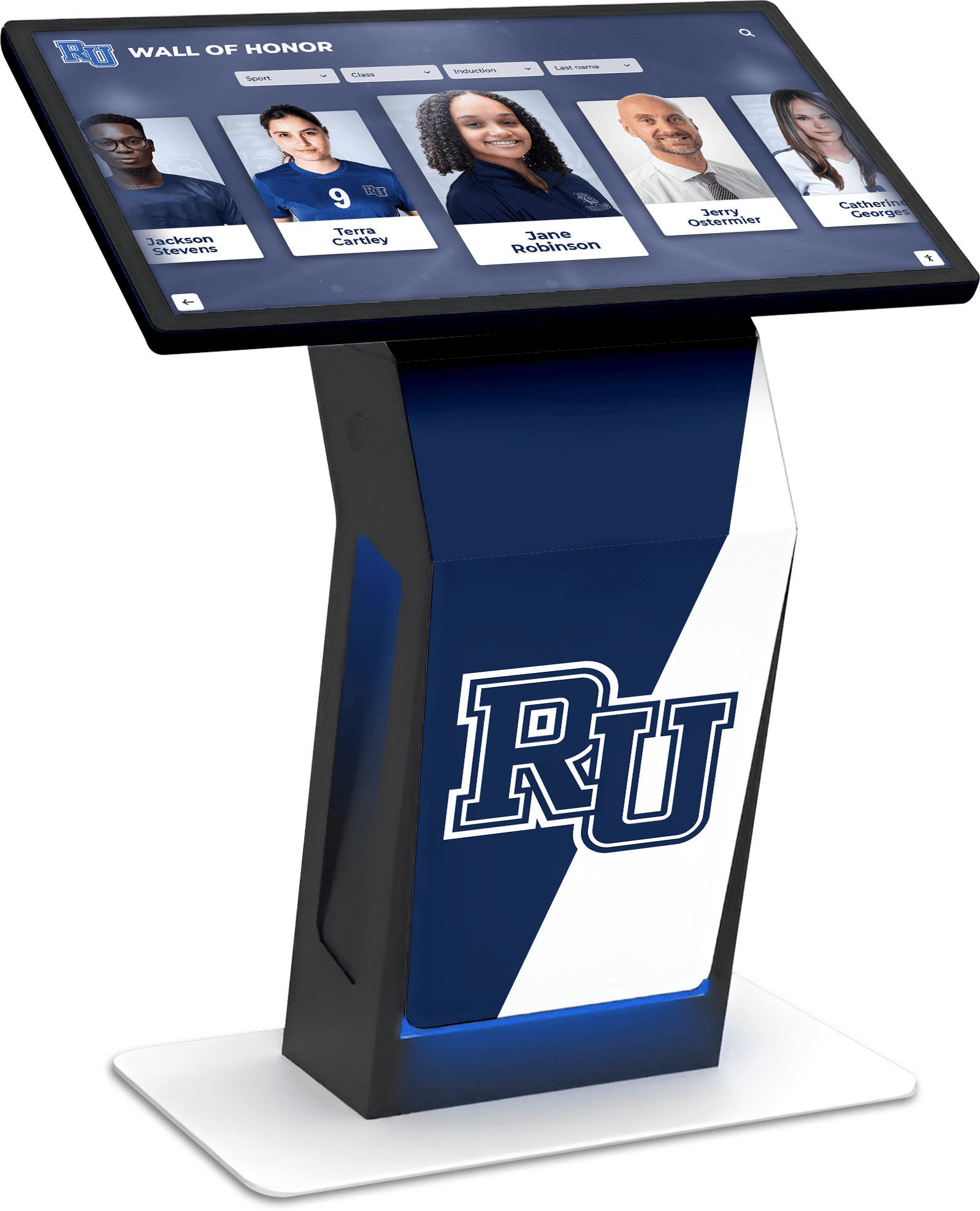
Digital tools transform these limitations into opportunities. Interactive displays allow visitors to explore content at their own pace, choosing topics of personal interest and diving as deep as they desire. Virtually unlimited capacity means comprehensive recognition rather than selective highlights—every achievement, every individual, and every moment can be preserved and made accessible. Instant updates ensure information remains current without physical modification costs or delays. And online access extends engagement far beyond those who can physically visit, reaching alumni, families, and researchers worldwide.
Multiple Modalities Supporting Diverse Learners
Educational research consistently demonstrates that people learn differently—some through visual information, others through audio narration, still others through hands-on interaction. Traditional displays typically emphasize a single modality, limiting their effectiveness for many visitors.
Digital historical tools support multimodal learning naturally. Interactive touchscreen displays combine high-resolution images with text descriptions, video content, and audio narration—all accessible through intuitive touch interfaces. Visitors with visual impairments can access audio descriptions. Those who process information better through reading can focus on text. Visual learners can explore photograph galleries. And kinesthetic learners benefit from physically interacting with touchscreen interfaces.
This inclusive approach ensures historical content reaches broader audiences more effectively than single-mode traditional displays ever could.
Core Digital Technologies Transforming Historical Presentation
Several key technologies drive the transformation of historical engagement, each bringing unique capabilities and benefits to institutions preserving their heritage.
Interactive Touchscreen Displays and Kiosks
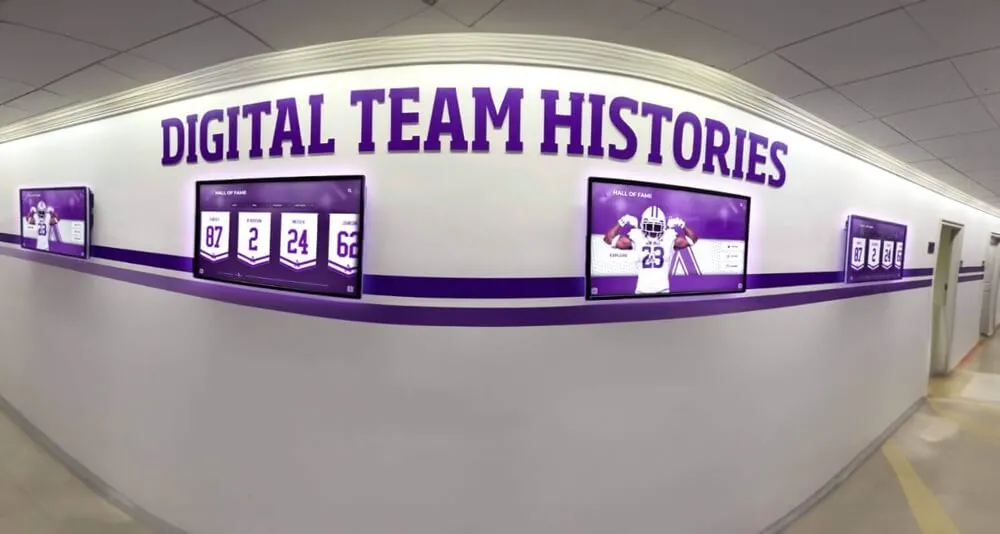
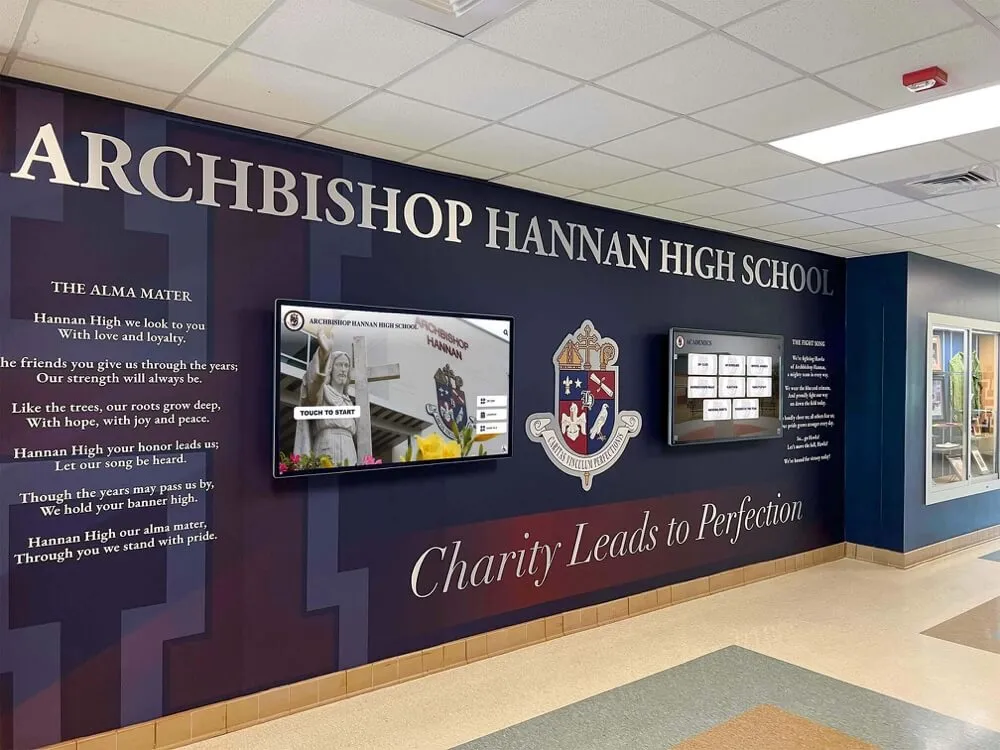
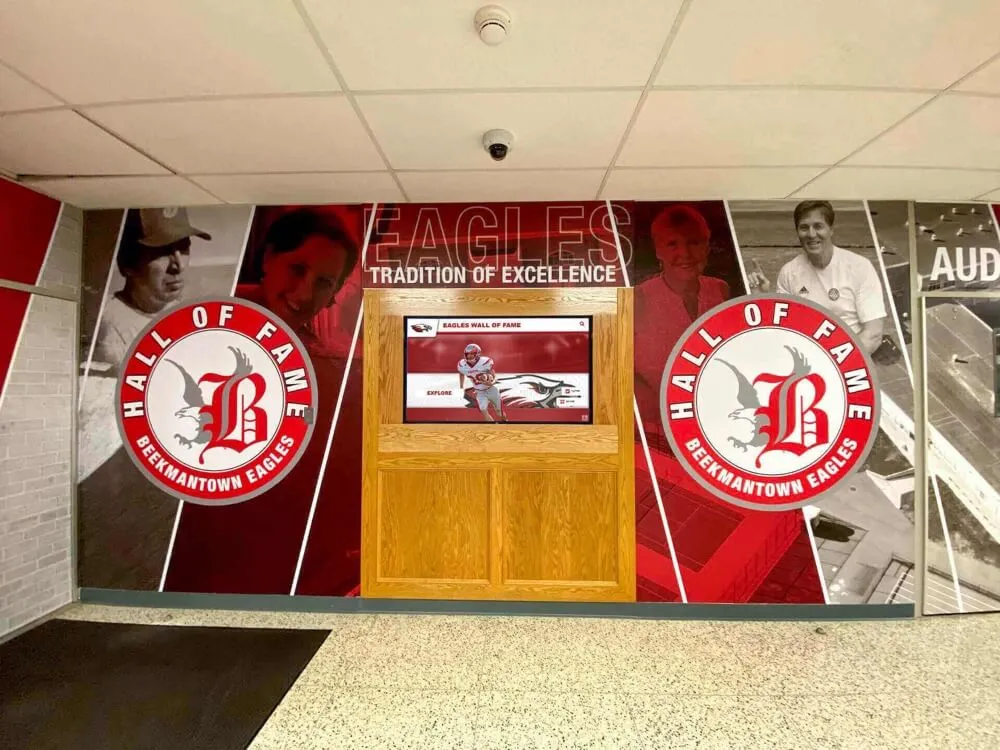
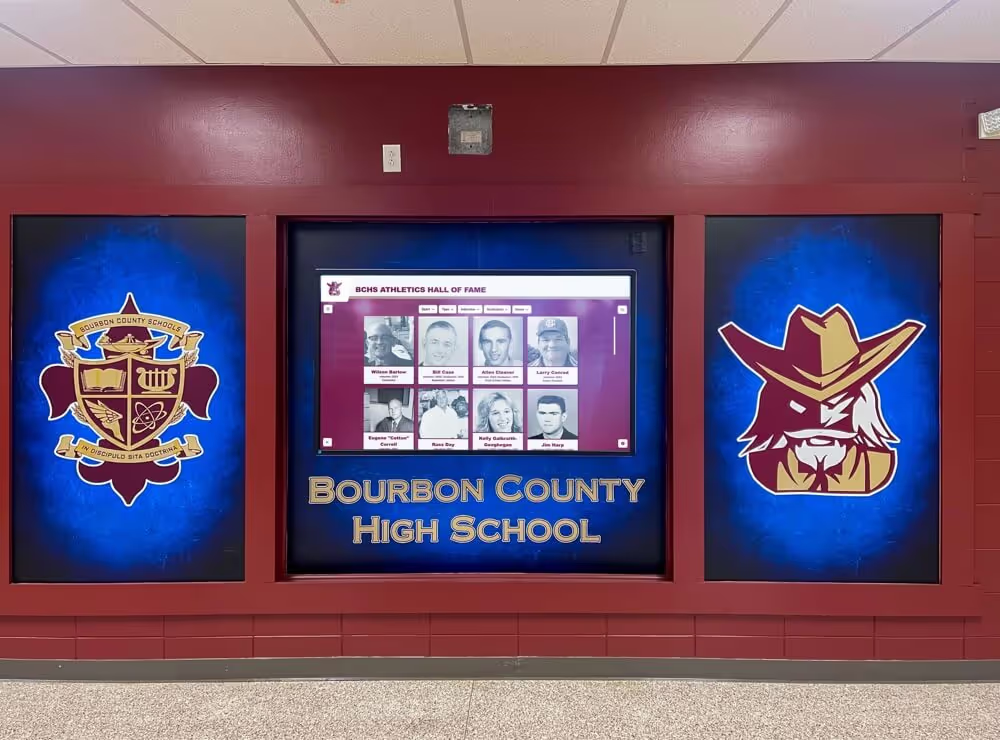
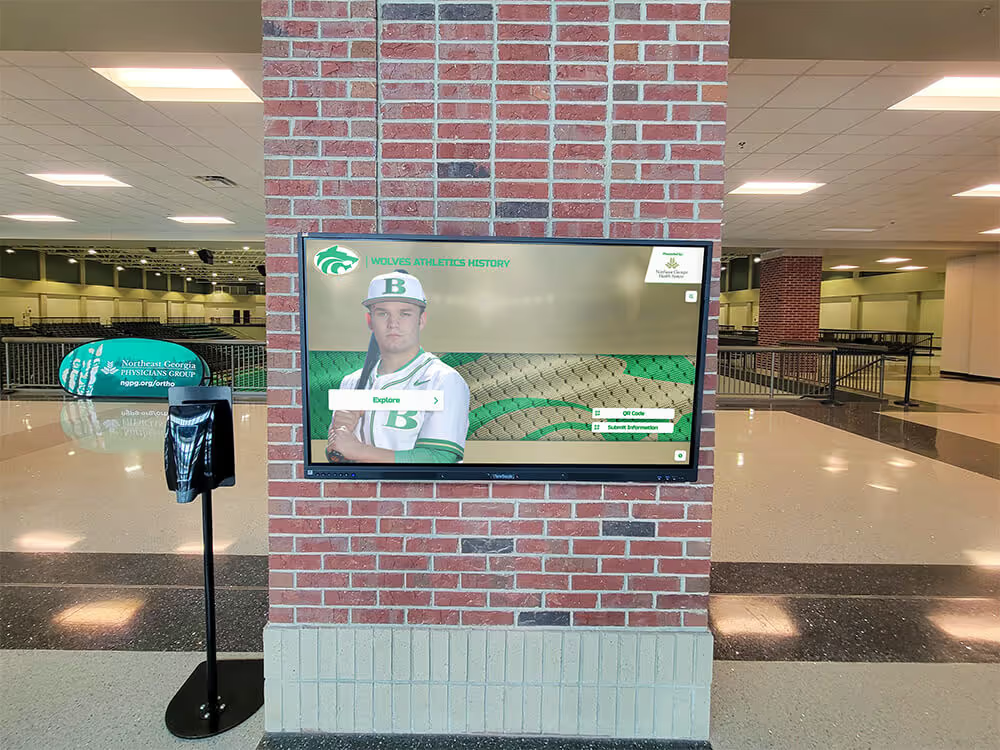
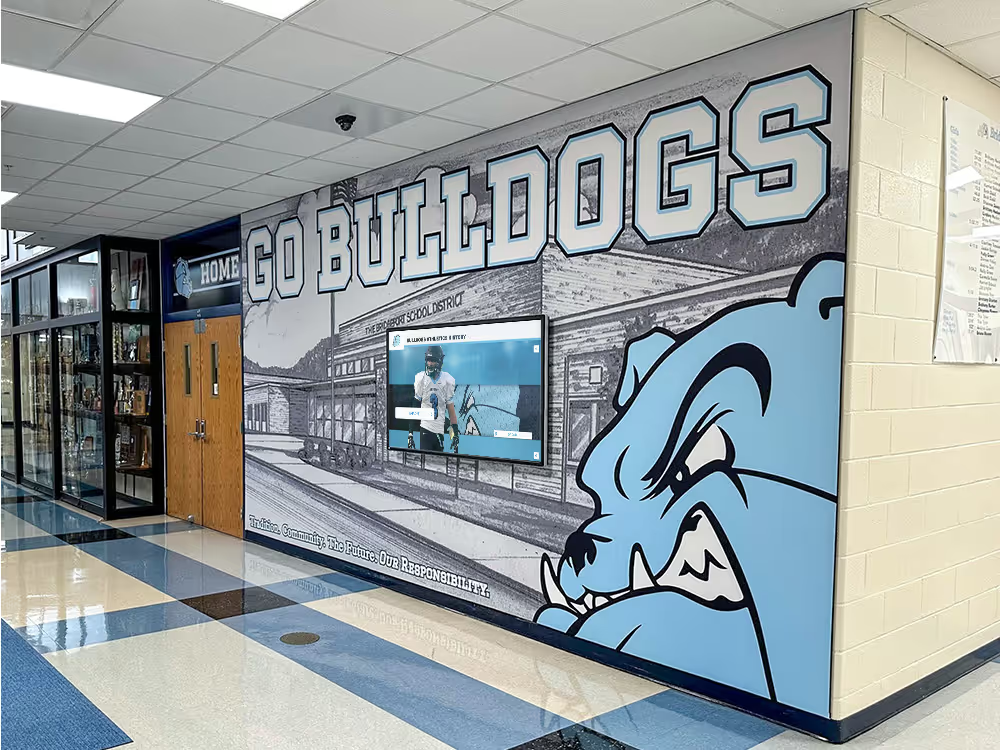
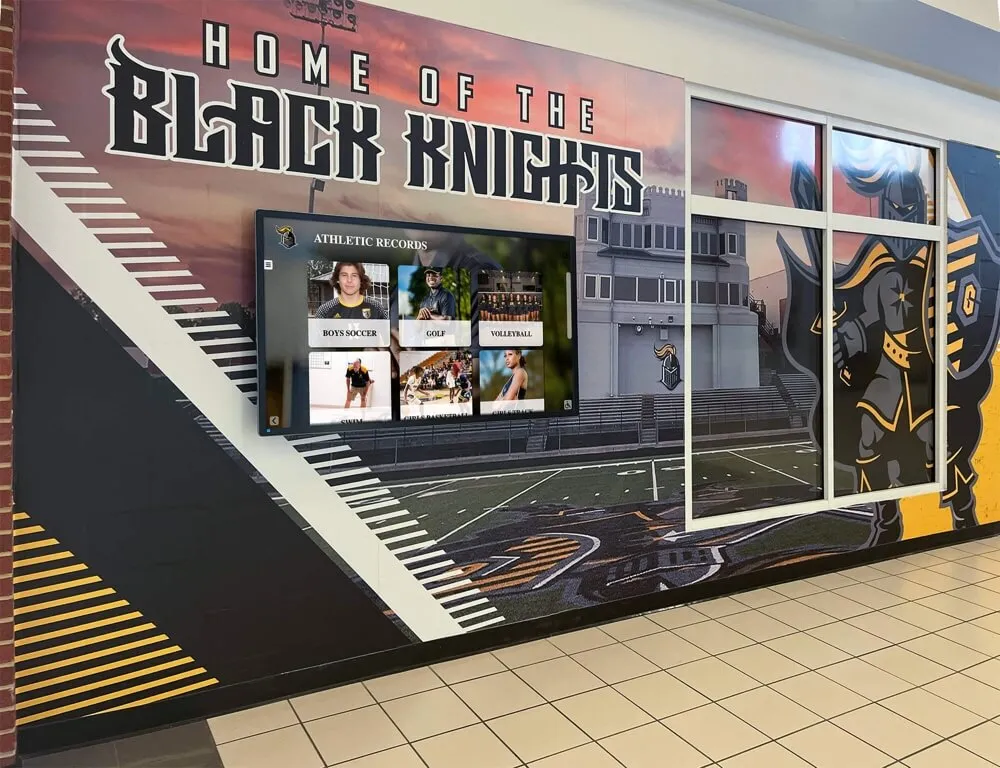
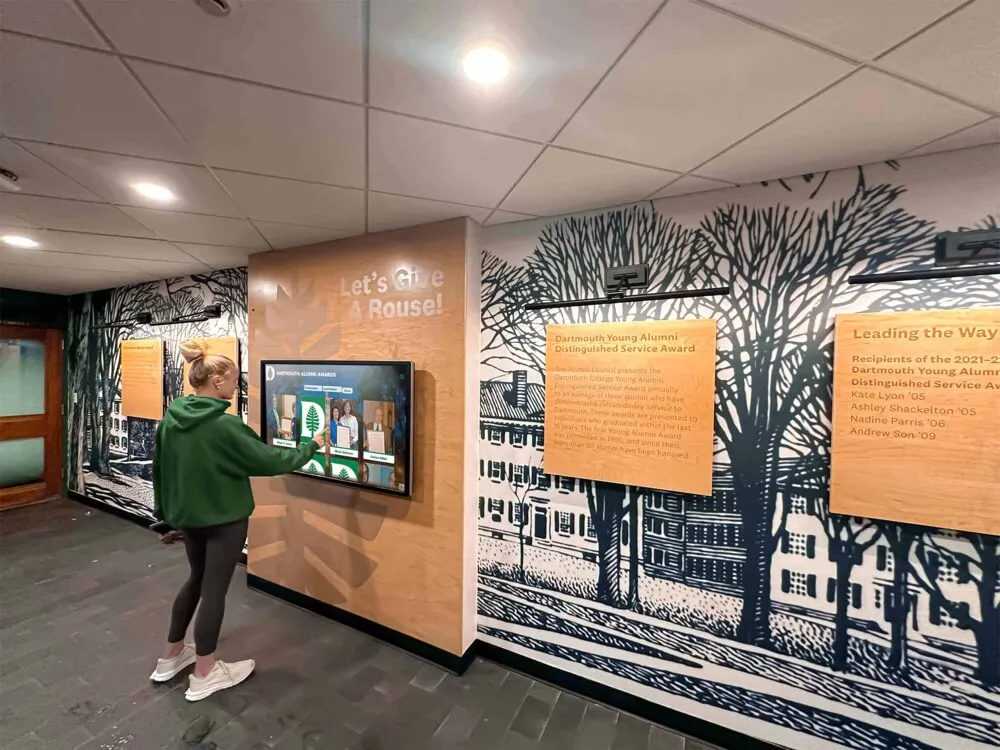
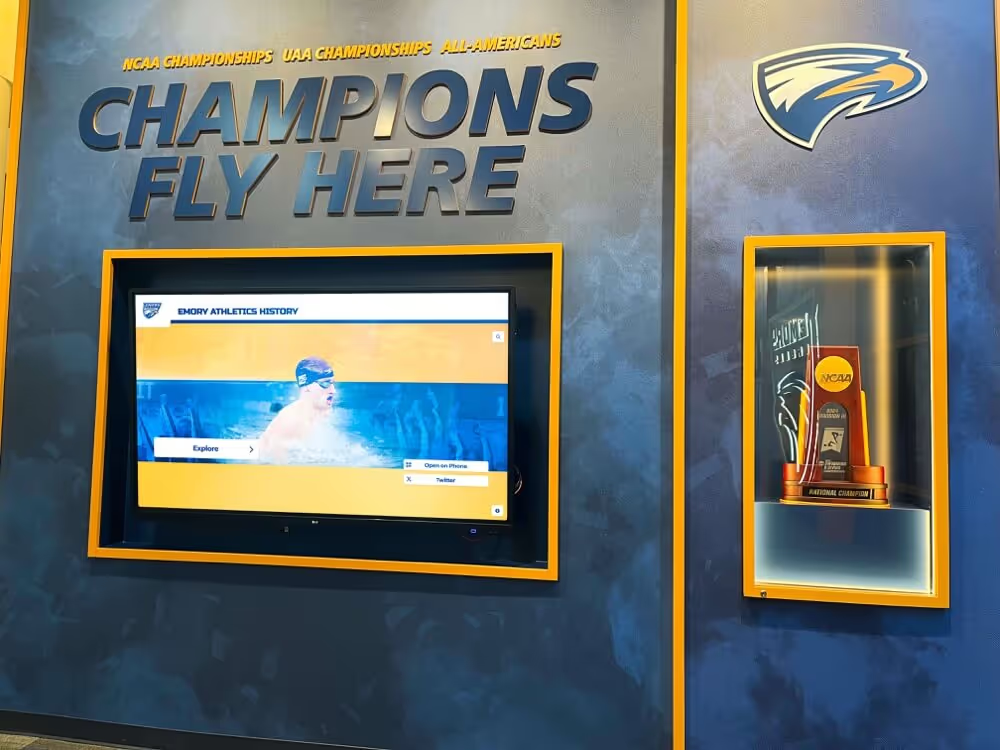
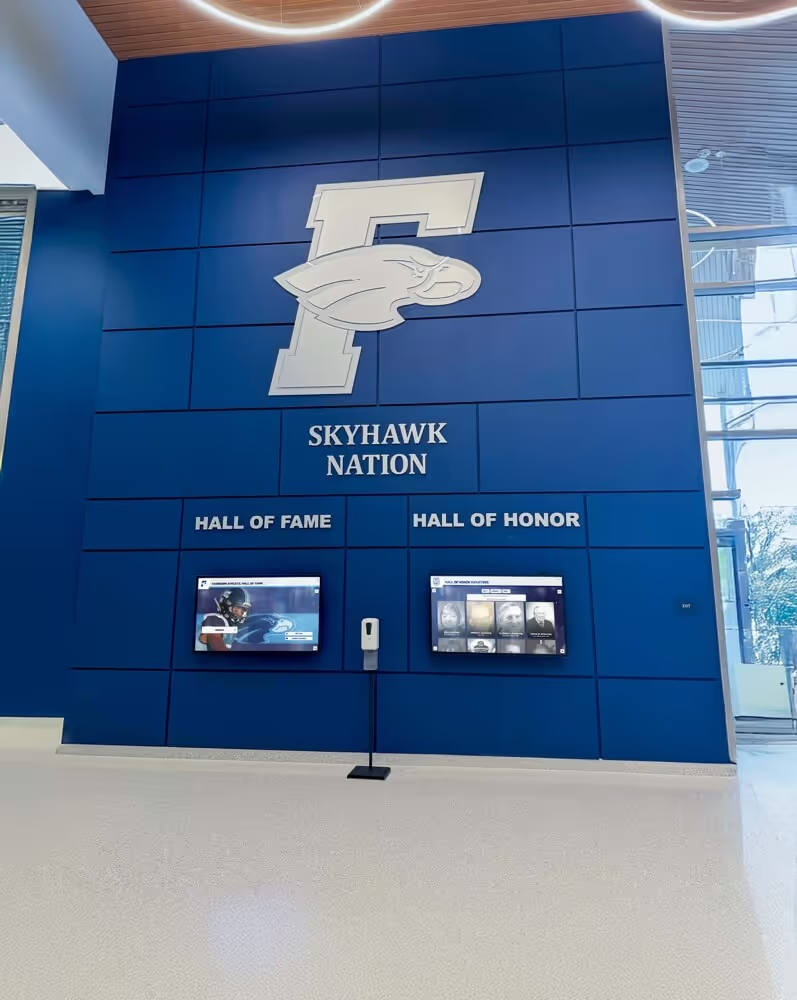
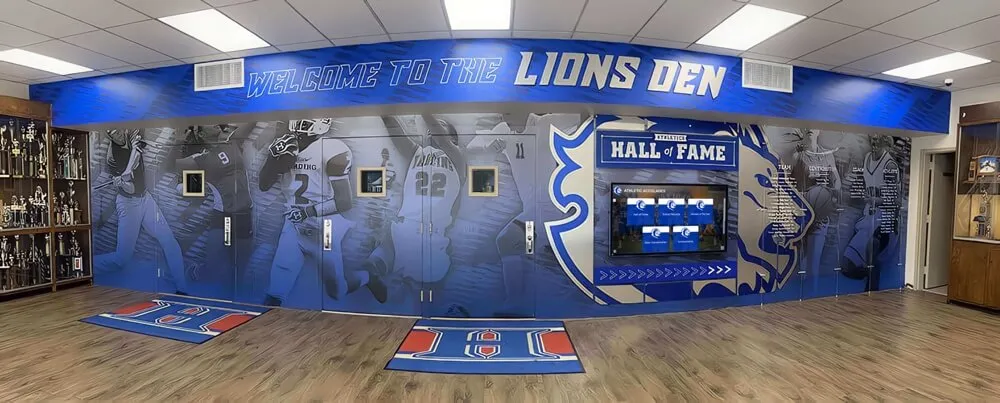
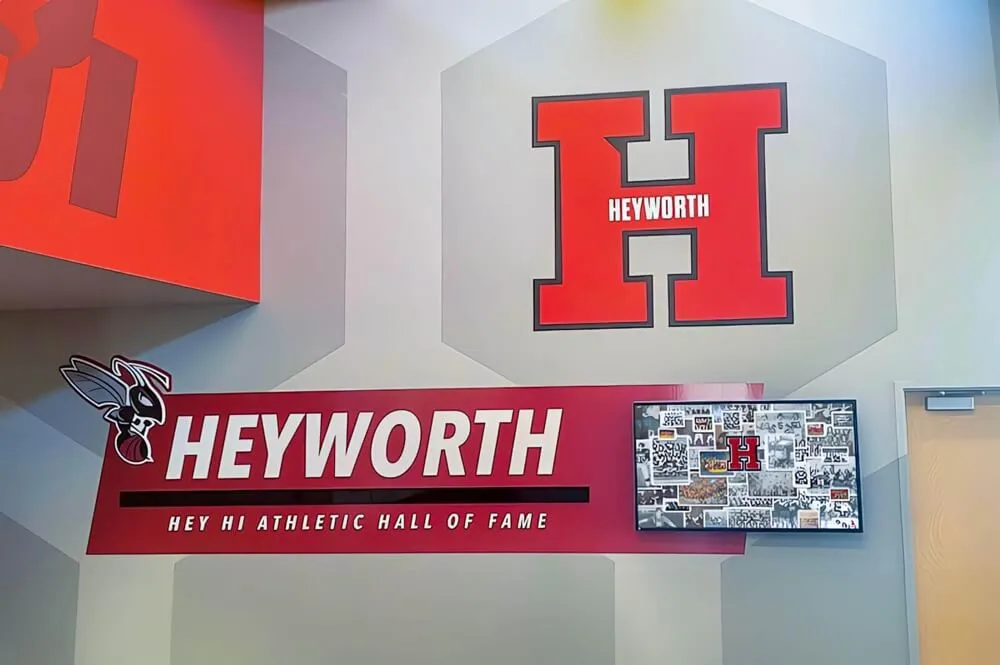
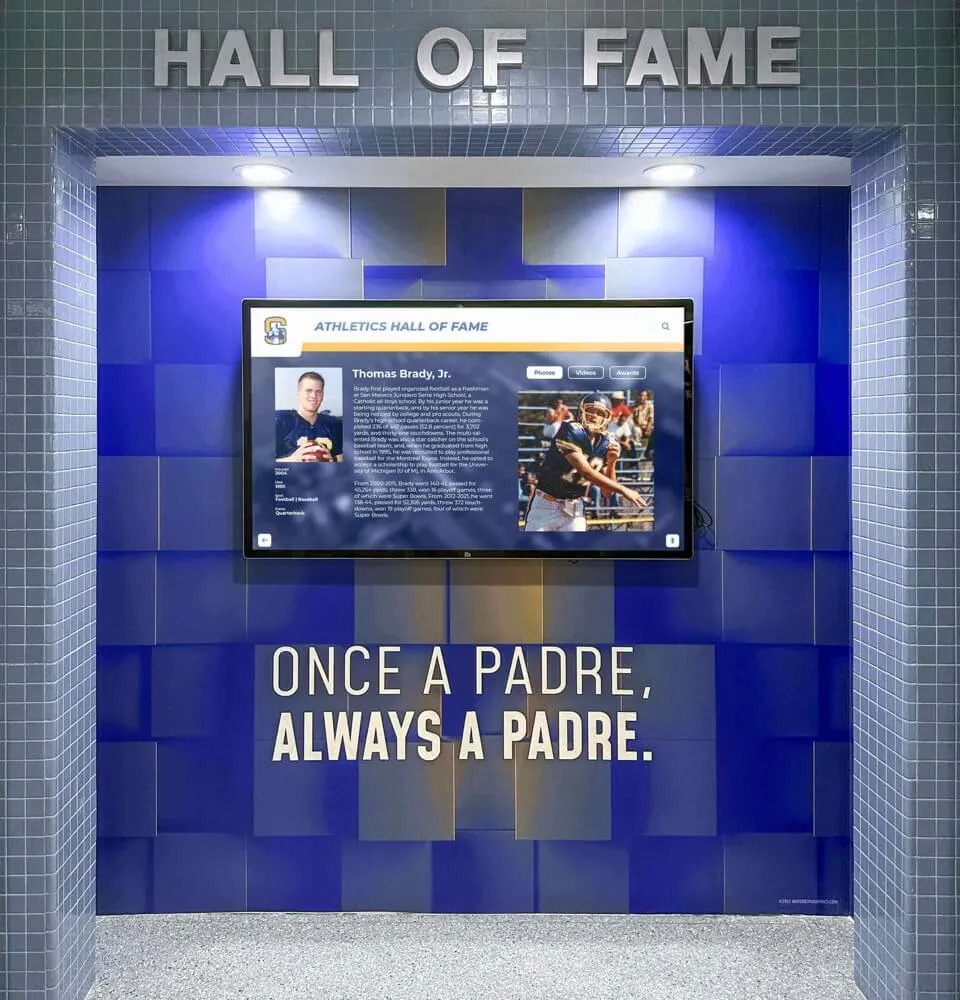
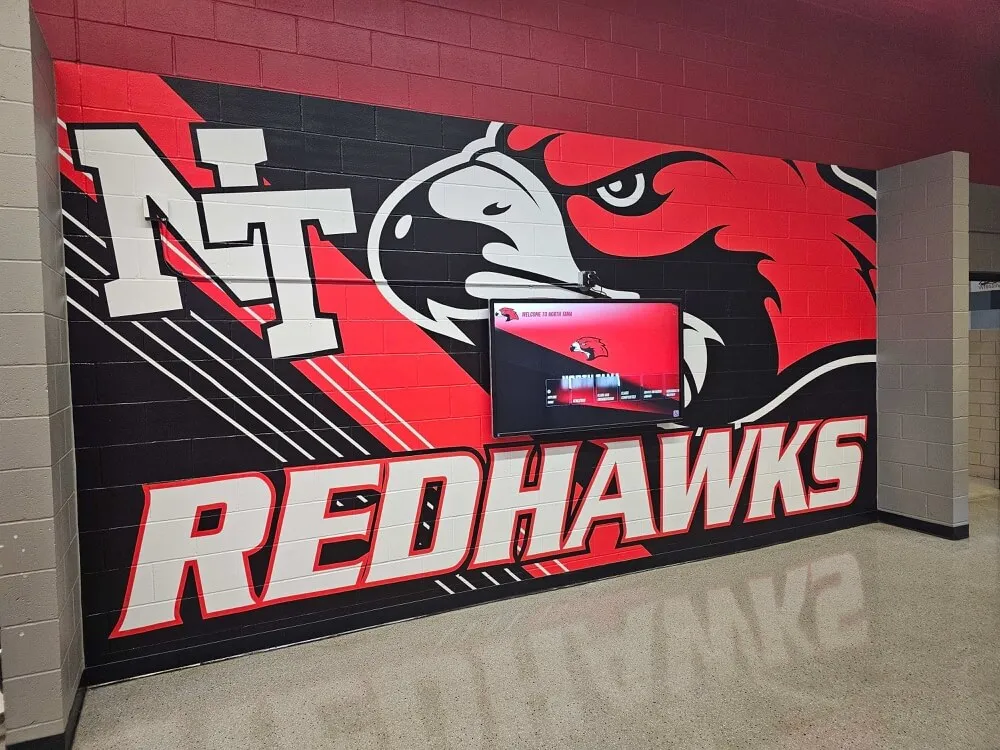
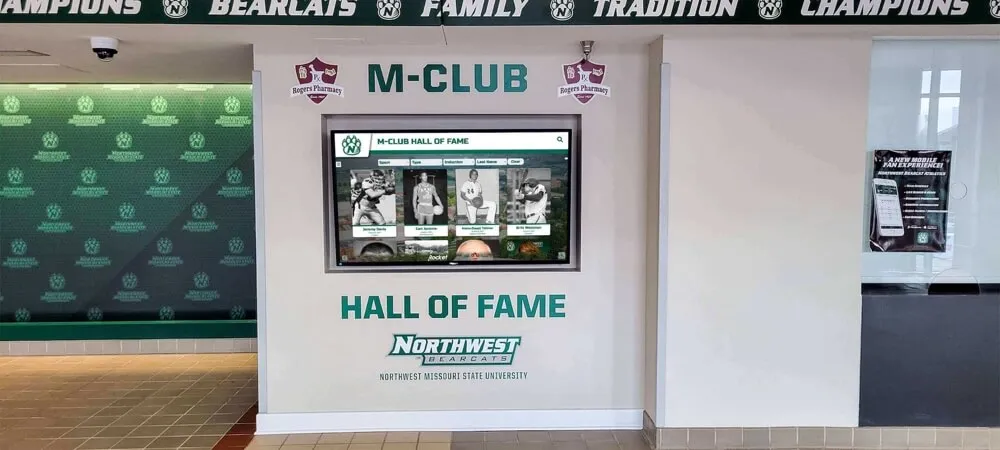
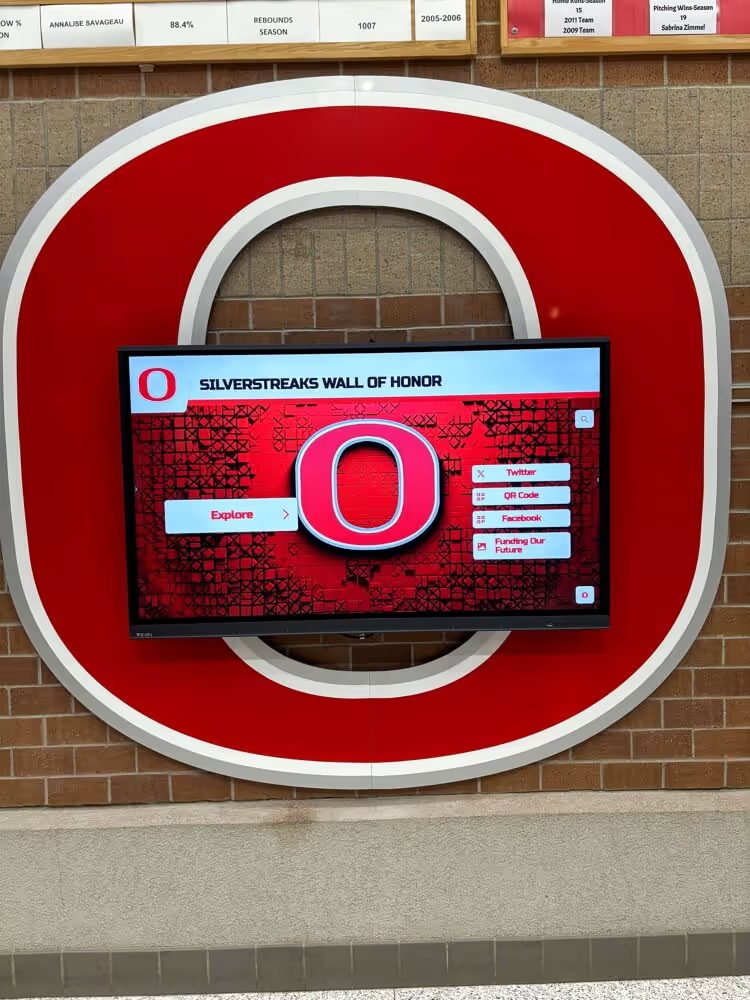
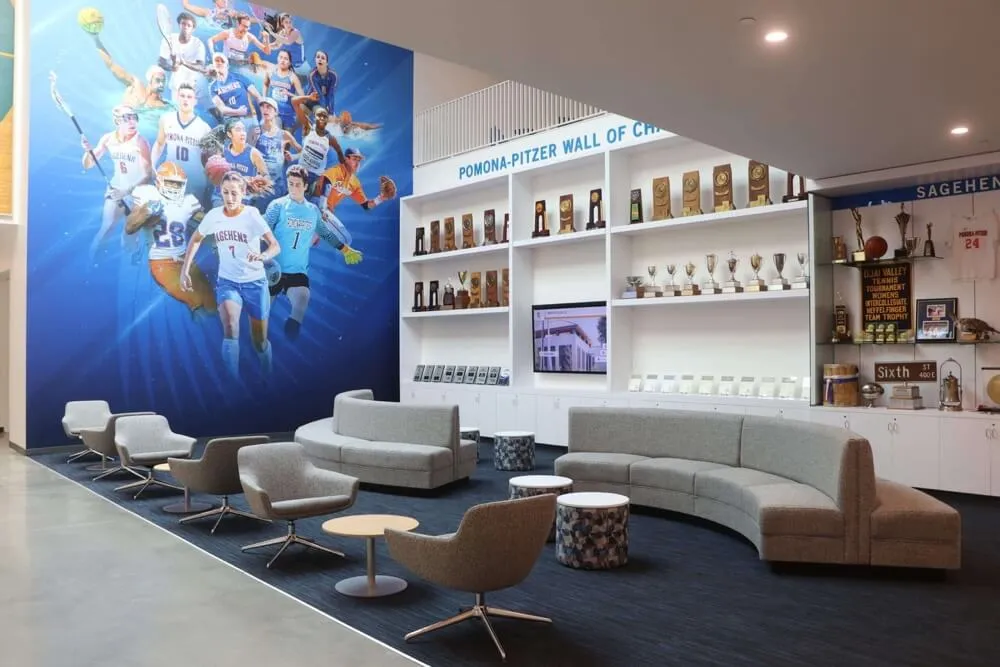
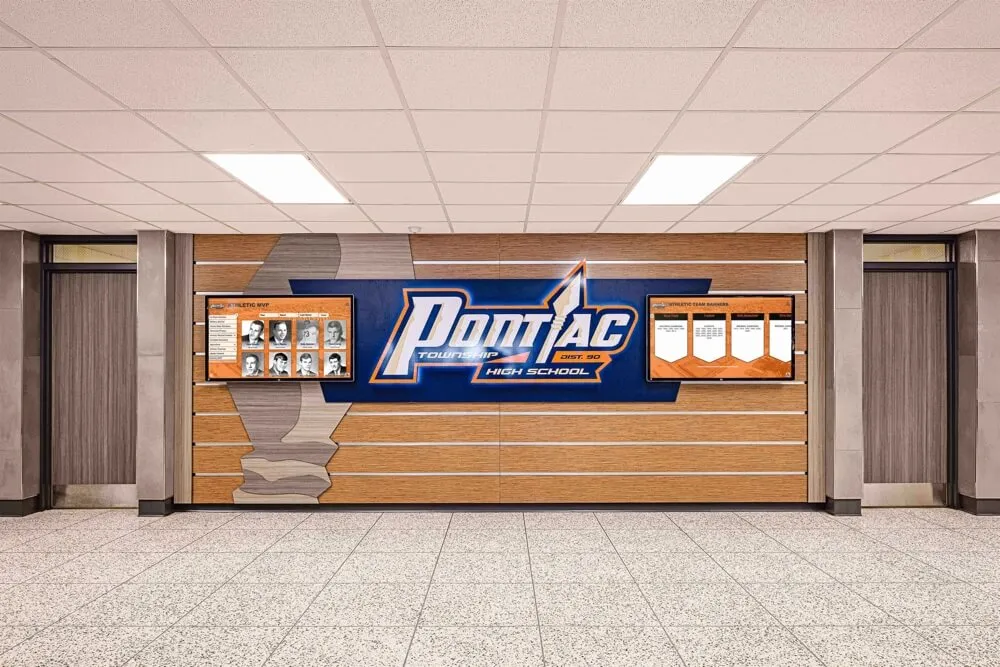
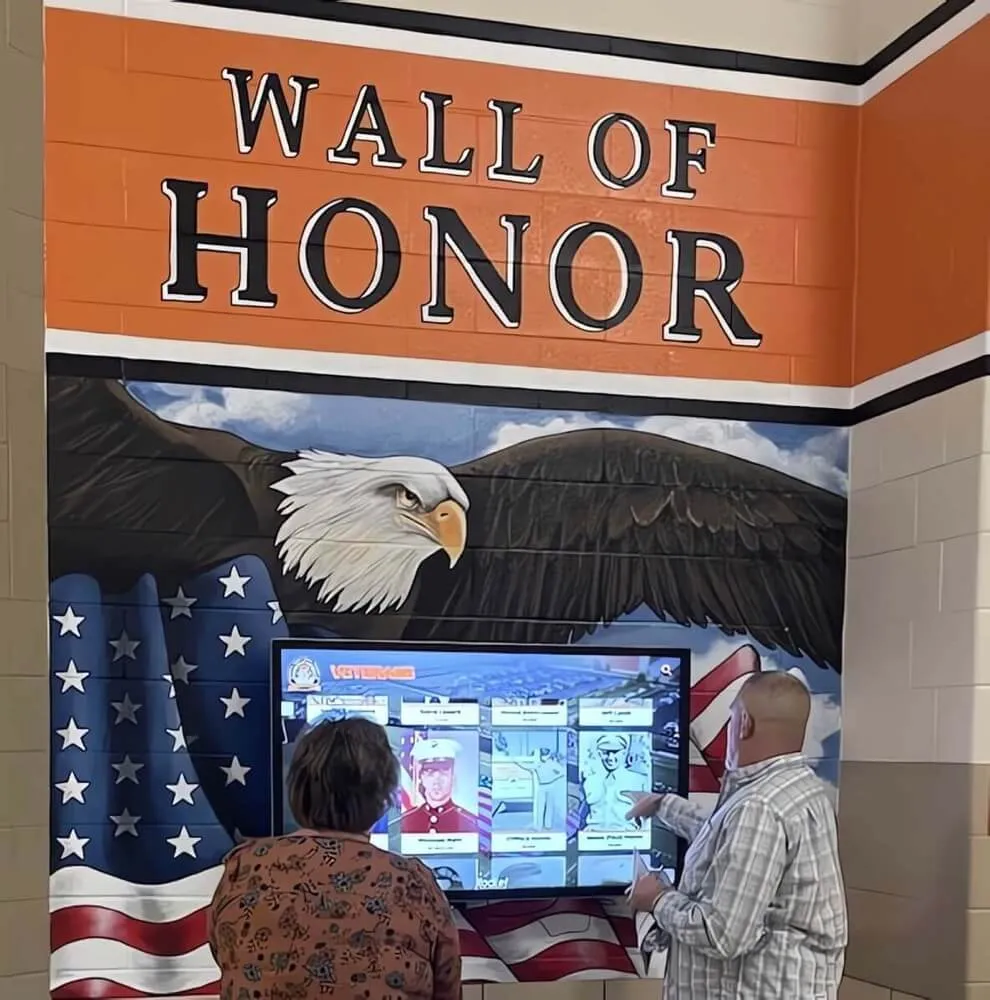
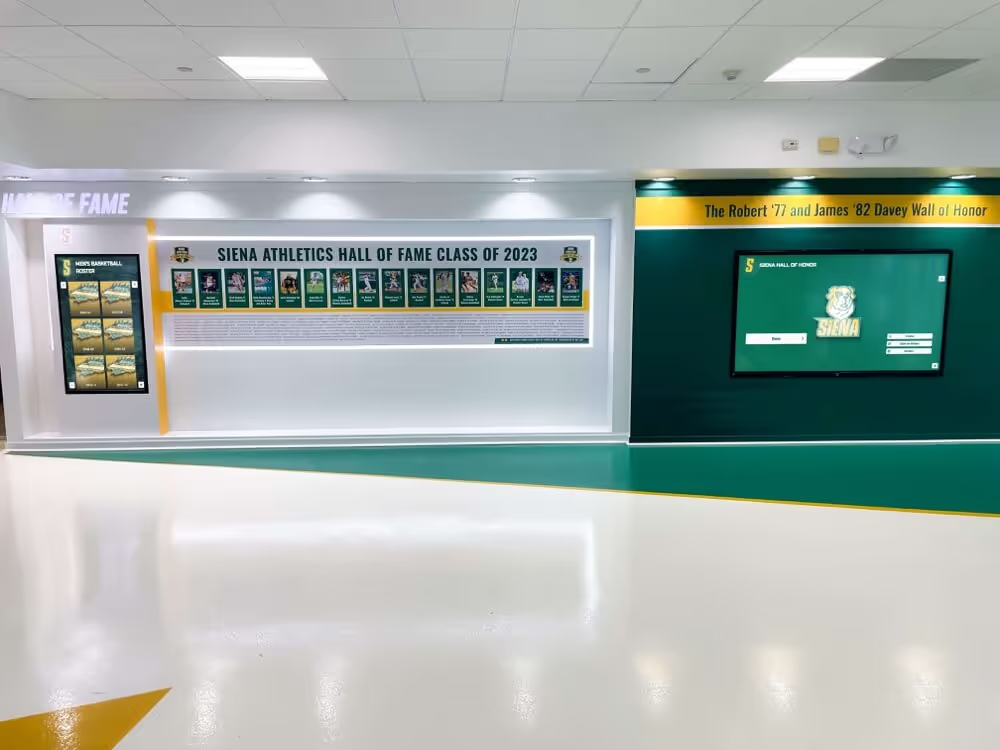
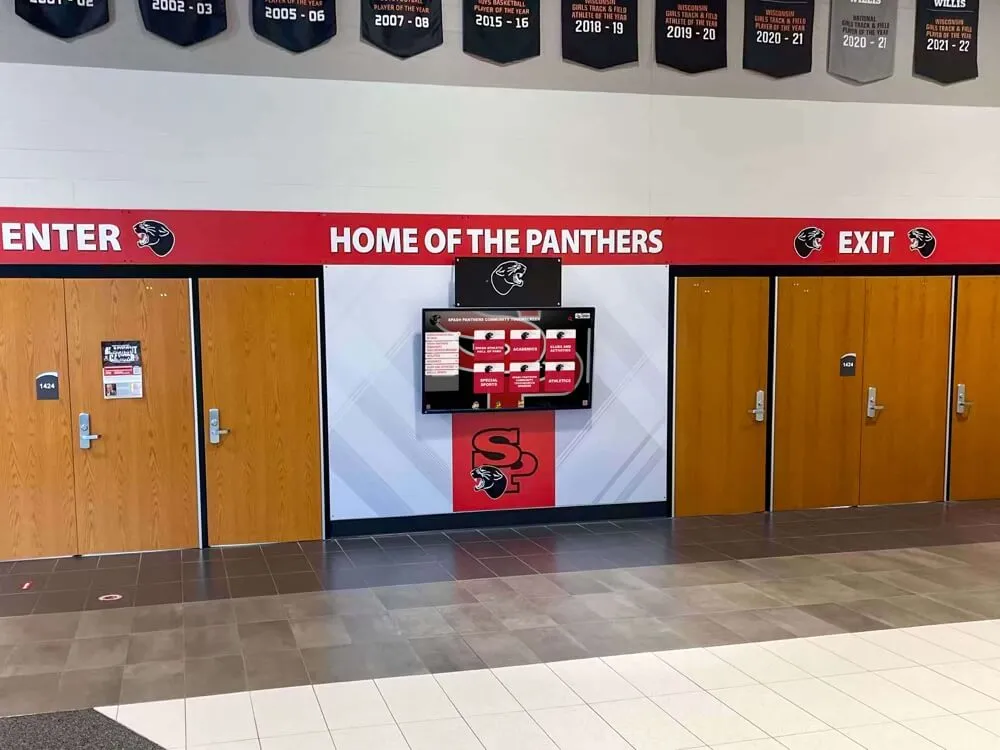
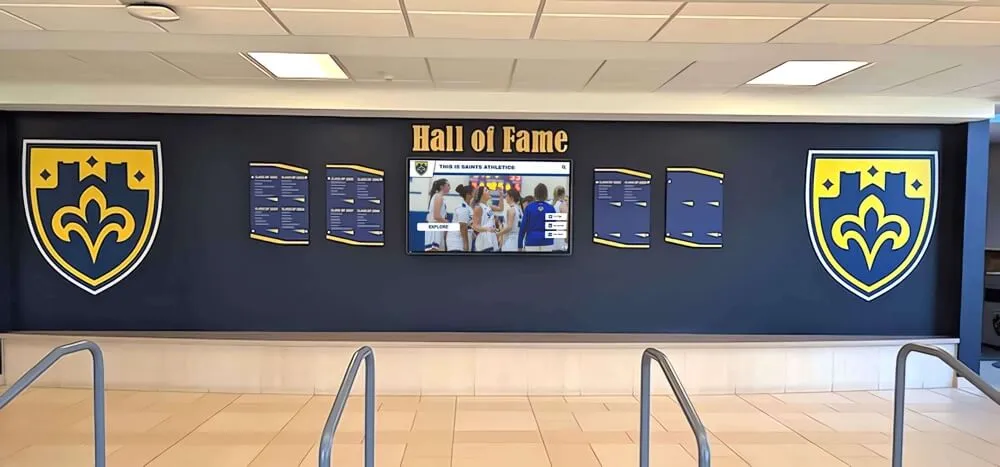
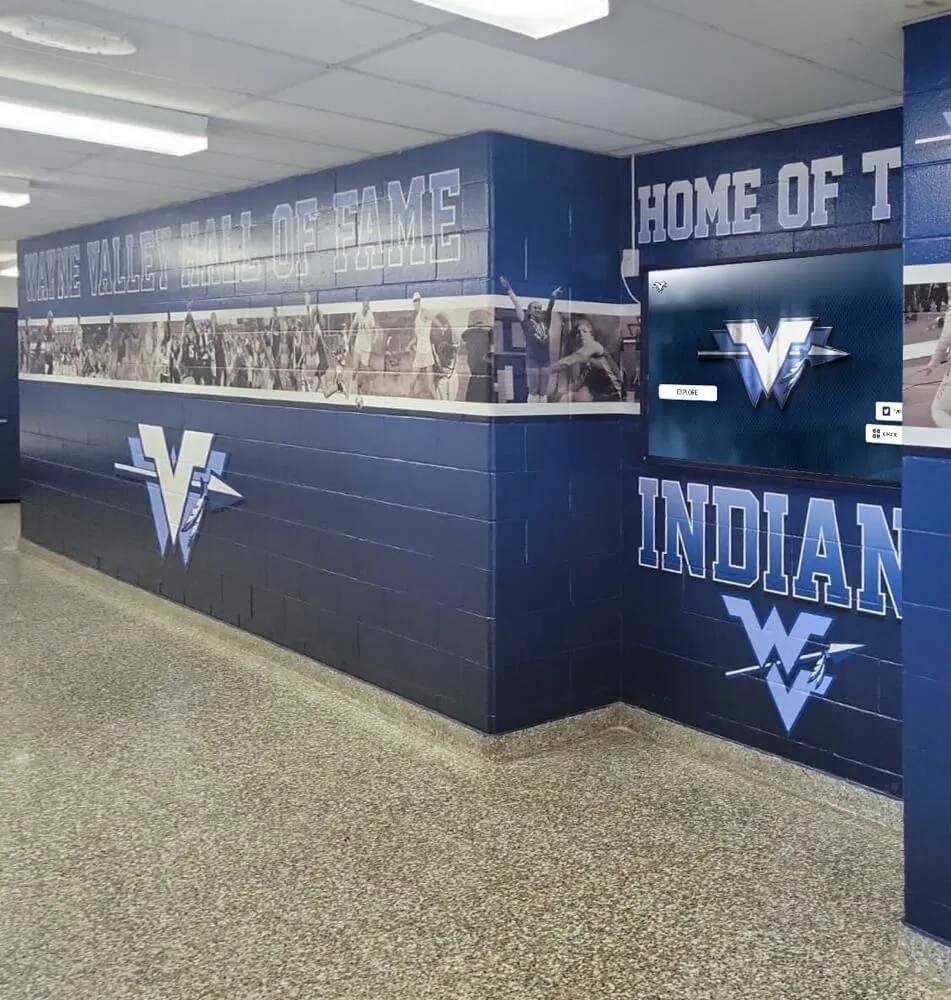
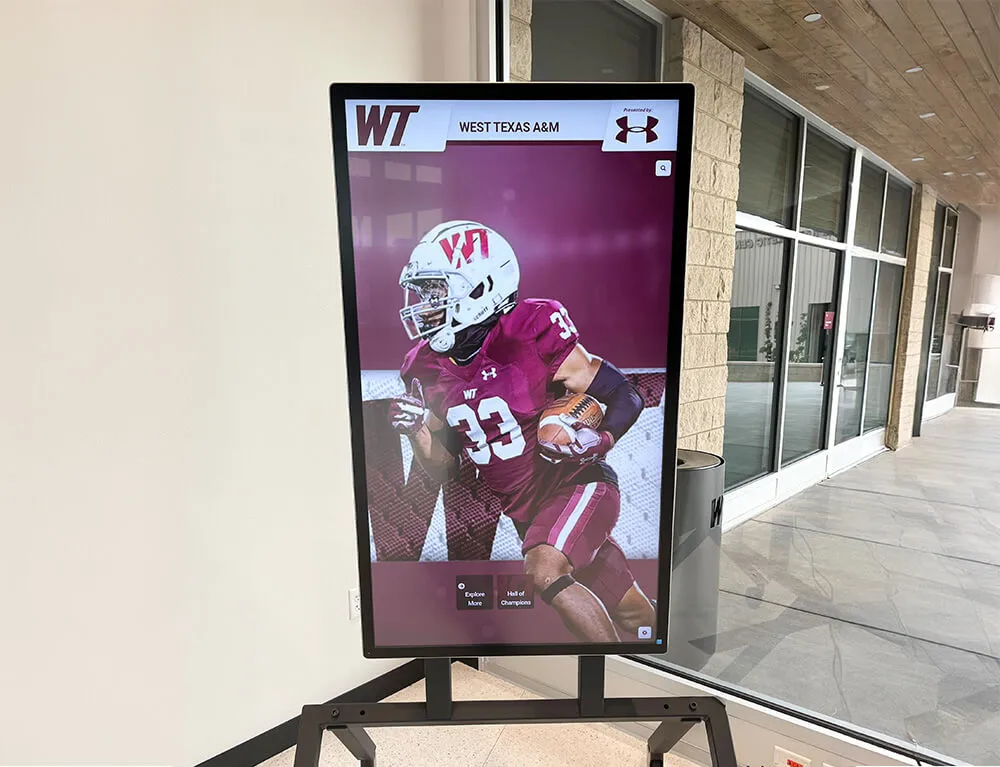
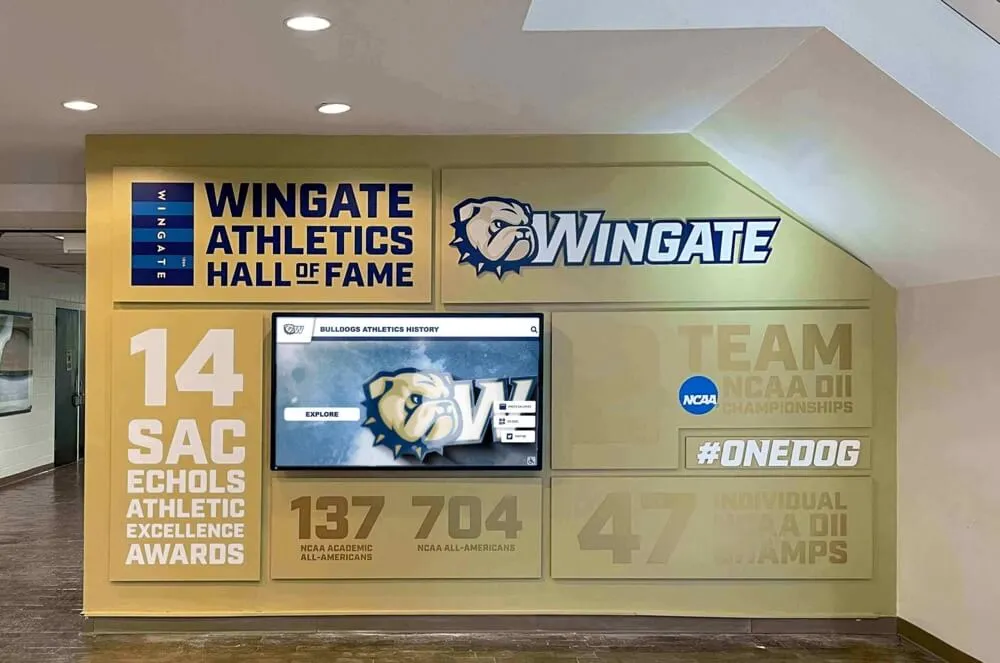
Physical touchscreen displays represent perhaps the most impactful technology for historical preservation in schools, athletic departments, museums, and community institutions. These sophisticated systems replace or supplement traditional walls of plaques, trophy cases, and static displays with dynamic, searchable, and infinitely expandable digital interfaces.
Comprehensive Record Preservation: Athletic programs using digital record board systems can preserve complete historical data across all sports, including varsity and JV teams, individual and team records, championship seasons, and distinguished alumni achievements. Unlike traditional boards with limited physical space requiring difficult choices about what to display, digital systems accommodate unlimited content organized through intuitive navigation and powerful search functions.

Engaging Multimedia Content: Modern touchscreen displays support rich multimedia that brings historical content to life far more effectively than static text and photos. High-resolution imagery showcasing historical moments, video highlights of championship performances, audio interviews with distinguished alumni and longtime community members, interactive timelines showing program evolution across decades, and statistical visualizations making numerical data meaningful all combine to create compelling experiences that engage diverse audiences.
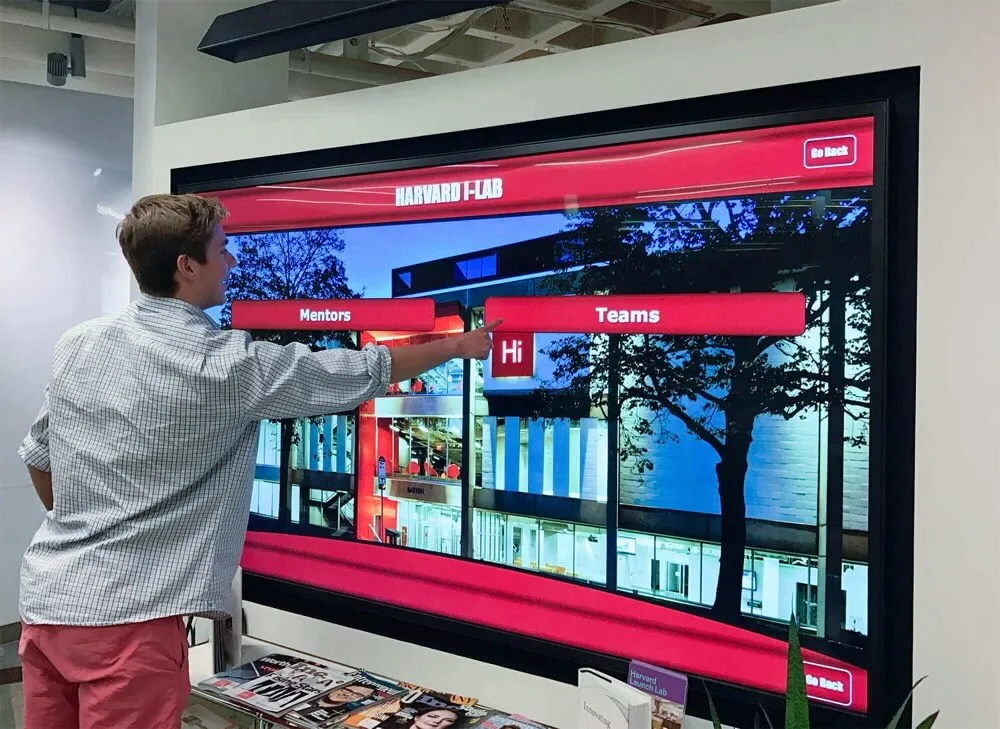
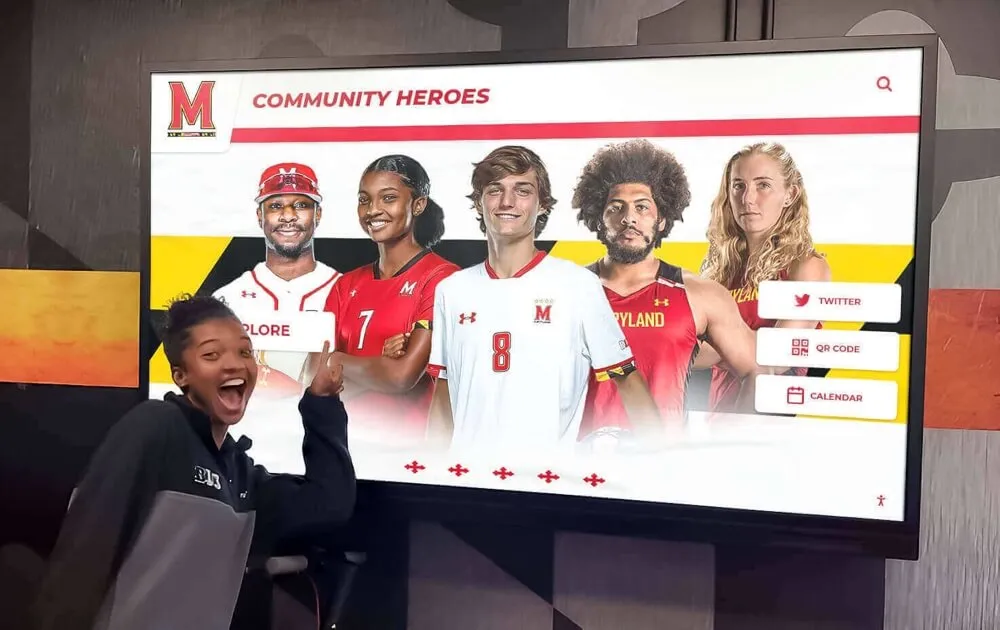
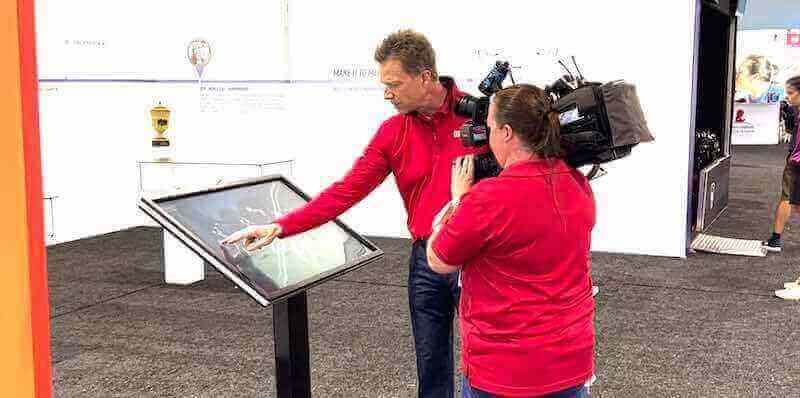
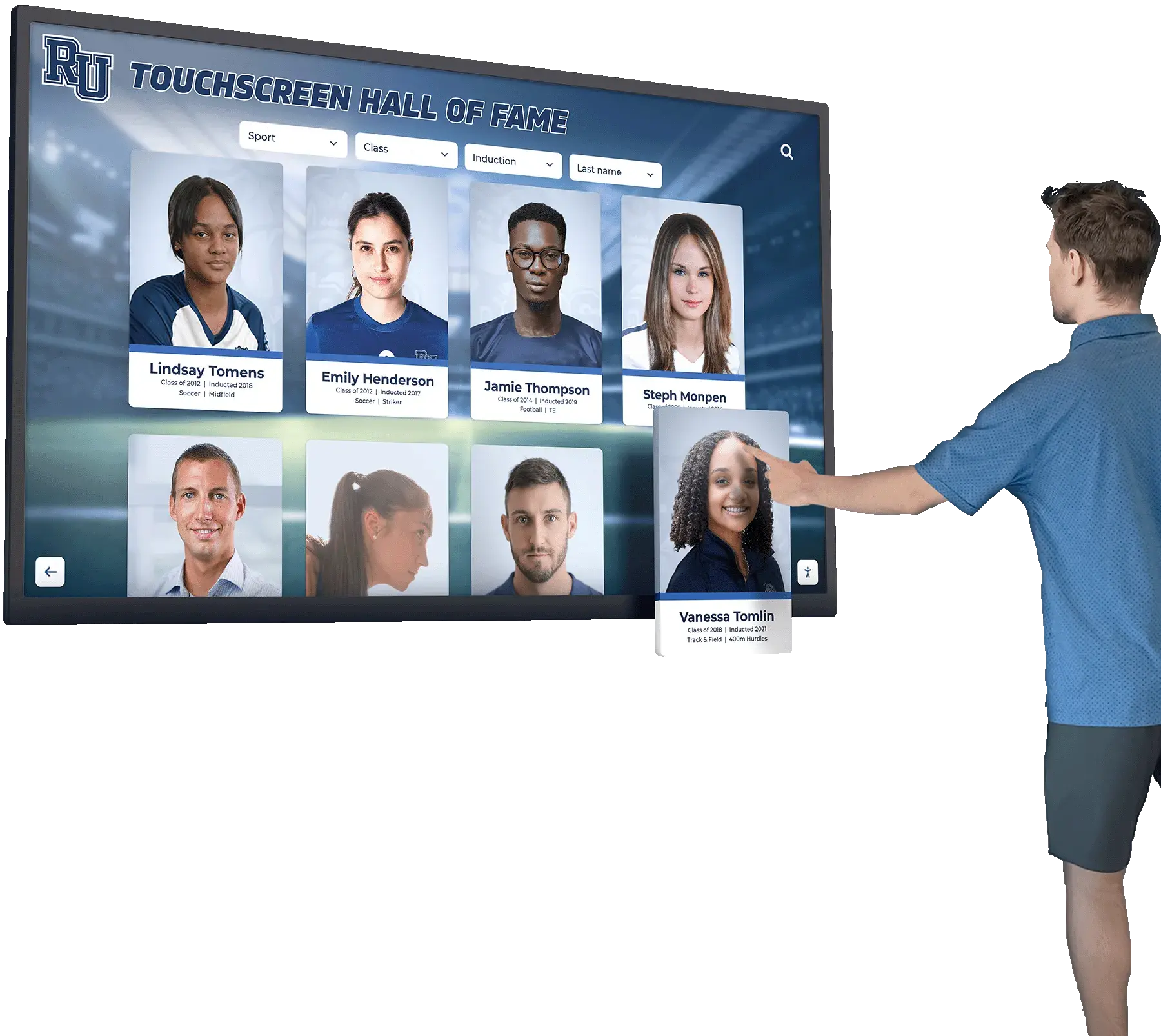
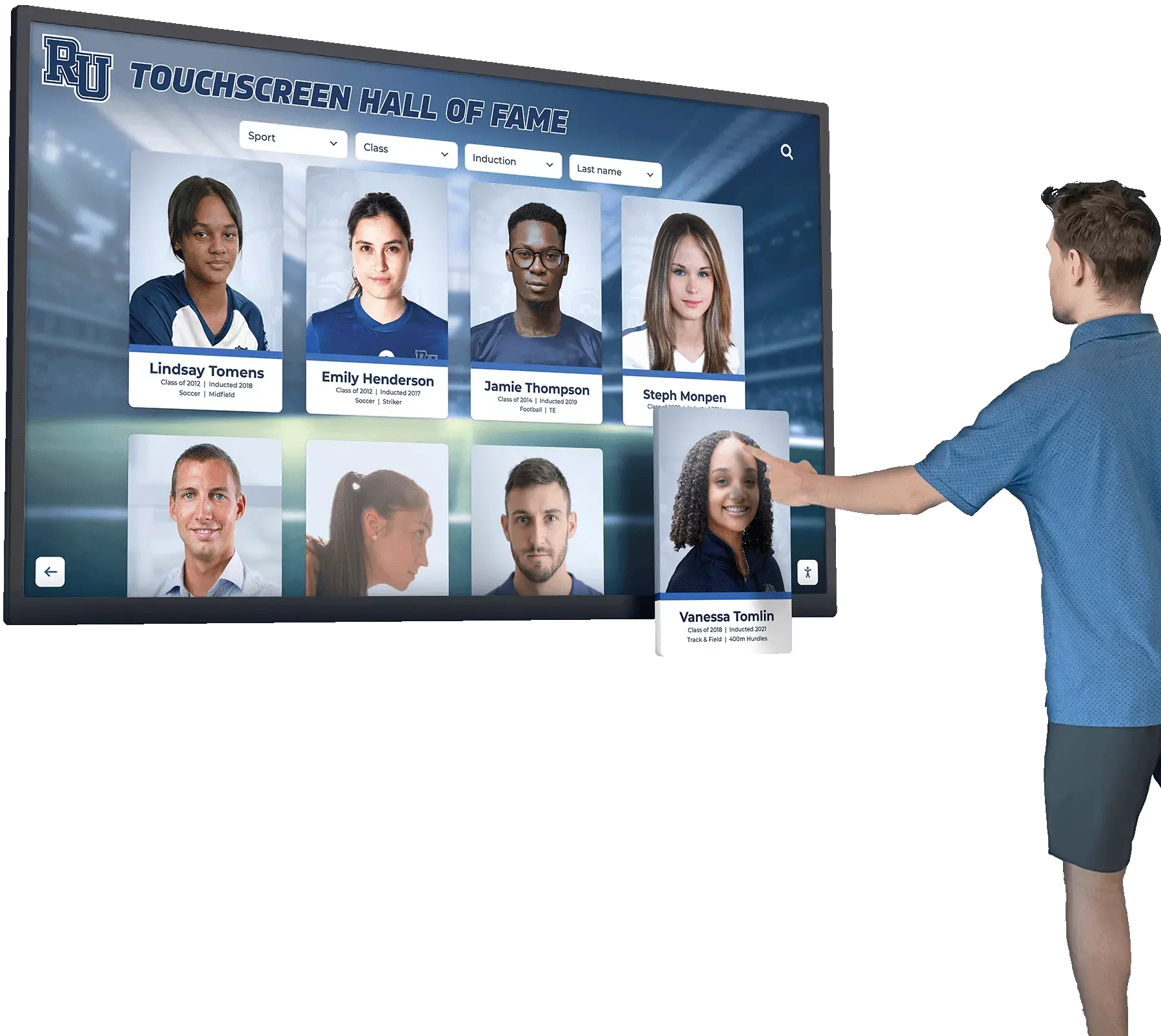
Intuitive Self-Guided Exploration: Well-designed digital displays allow visitors to explore history at their own pace without staff assistance. Athletic facilities might feature interfaces allowing visitors to browse by sport, search for specific athletes, filter by decade or achievement type, compare records across eras, and share discoveries via QR codes that unlock full profiles on personal devices. This self-service approach accommodates varying levels of interest—casual browsers can quickly scan highlights while dedicated fans dive deep into comprehensive statistics and stories.
Instant Updates and Maintenance: Perhaps the most practical advantage of digital displays involves update simplicity. When records fall or new achievements occur, content managers can update displays remotely through cloud-based content management systems—no vinyl printing, no engraving, no physical modification required. This ease encourages keeping information current rather than allowing displays to become outdated because updates feel too difficult or expensive.
Schools implementing touchscreen software solutions report dramatic reductions in update time and cost compared to traditional recognition boards, with changes taking minutes instead of weeks and costing essentially nothing beyond regular subscription fees.
Virtual Tours and 360-Degree Experiences
Virtual tour technology extends historical engagement beyond those who can physically visit locations, creating immersive experiences accessible from anywhere worldwide.
Museum Virtual Tours: Major cultural institutions increasingly offer comprehensive virtual tours allowing remote exploration of collections. Google Arts & Culture, for example, provides thousands of digitized artworks, 3D models of famous buildings and sculptures, and 360-degree virtual walkabouts through world-renowned museums. These resources serve educational purposes—teachers can virtually visit museums as classroom activities, researchers can examine artifacts remotely, and lifelong learners worldwide can explore cultural heritage regardless of geographic or economic barriers.
Campus Historical Tours: Educational institutions create virtual tours showcasing campus history and evolution. Prospective students and their families can explore historic buildings, view archived photographs showing campus transformation across decades, learn about distinguished alumni and their contributions, discover institutional traditions and their origins, and understand how current programs build upon historical foundations. These virtual experiences support recruitment while celebrating heritage.
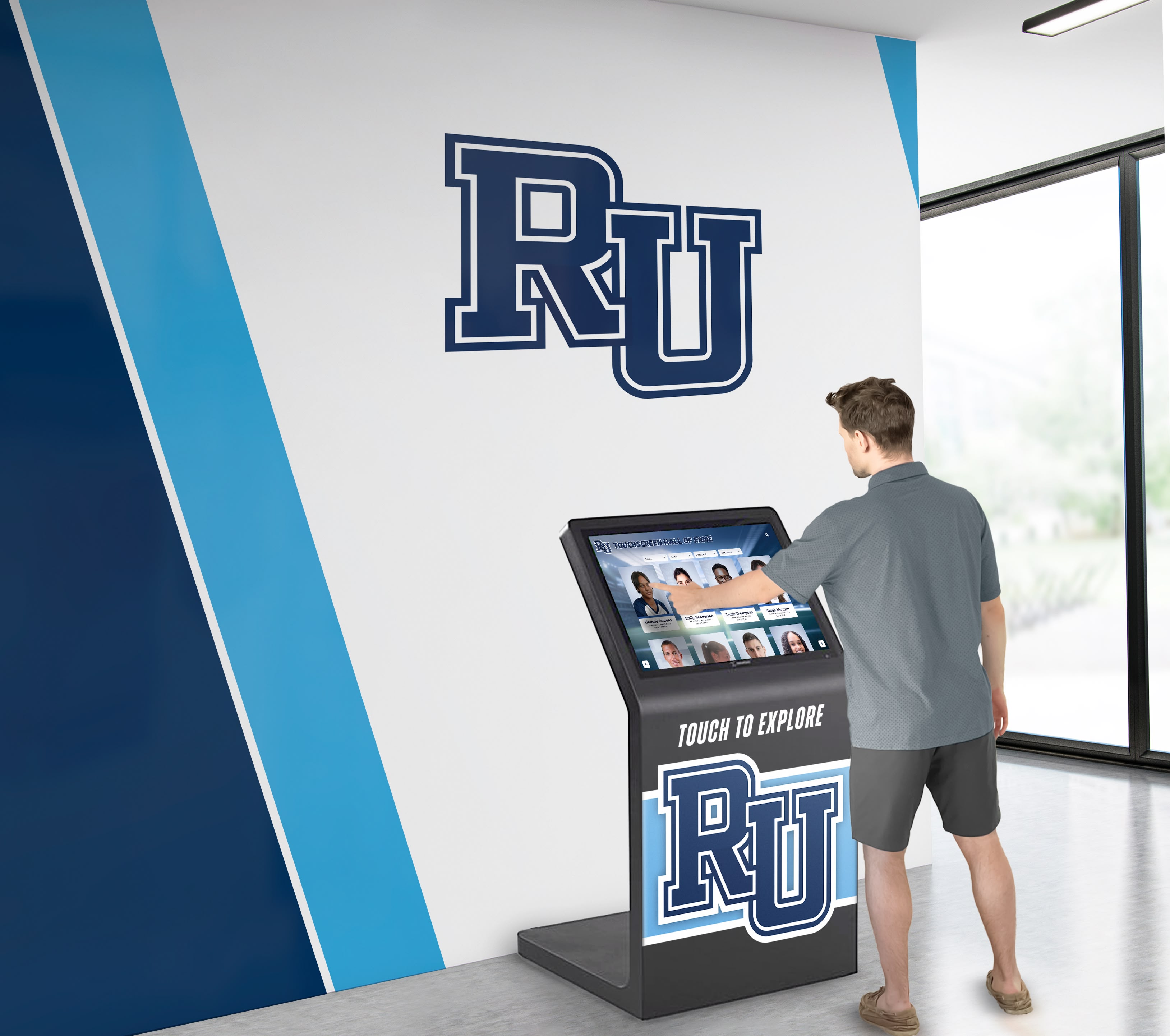
Accessibility and Preservation: Virtual tours serve dual purposes—increasing access while preserving fragile spaces and materials. Historic sites experiencing conservation concerns can limit physical visitors while offering unlimited virtual access. Archived materials too delicate for regular handling become fully accessible through high-resolution digital reproductions. And individuals with mobility limitations preventing physical visits can fully experience locations through comprehensive virtual alternatives.
Augmented Reality and Mixed Reality
Augmented reality (AR) overlays digital content onto physical environments, creating hybrid experiences that enhance real-world spaces with additional layers of information and interactivity.
Bringing Extinct or Distant Subjects to Life: Museums employ AR to dramatic effect in natural history contexts. The National Museum of Natural History in Paris created an AR experience bringing extinct species back to life—visitors viewing dinosaur skeletons through AR-enabled devices see the creatures with flesh and movement, roaring and walking across gallery floors. This transformation from static bones to living creatures creates memorable experiences impossible with traditional displays alone.
Contextual Information Layers: AR applications allow visitors to point devices at exhibits, artifacts, or locations and receive contextual information overlays. Historical battlefield tours might show troop positions and movements overlaid on current landscapes. Campus tours could display historical photographs of locations showing how they appeared in previous decades. Athletic facilities might feature AR experiences showing championship game highlights overlaid on current fields or courts where the victories occurred.
Educational Scavenger Hunts: Interactive displays in schools and museums can incorporate AR-enhanced scavenger hunts encouraging exploration. Students might search for AR markers throughout buildings, each unlocking historical content related to that specific location—creating active learning experiences that build knowledge through discovery rather than passive presentation.
Digital Archives and Searchable Databases
Comprehensive digital archives transform scattered historical materials into organized, searchable resources accessible to broad audiences.
Digitized Yearbook Collections: Schools implementing yearbook digitization programs create invaluable resources for alumni, researchers, and current students. Complete yearbook collections spanning decades become instantly searchable—alumni can find their own photos and relive school experiences, current students researching institutional history can quickly locate relevant imagery and information, and advancement offices can identify distinguished graduates for recognition and cultivation purposes. The process of digitizing old yearbooks preserves deteriorating physical books while making content accessible to anyone, anywhere.
Photograph and Document Archives: Beyond yearbooks, institutions accumulate thousands of photographs, programs, newspaper clippings, letters, and documents across decades. Digital asset management systems designed for schools organize these scattered materials into comprehensive archives with consistent metadata, searchable tags and descriptions, controlled access balancing public availability with privacy protection, automated backup preventing catastrophic loss, and intuitive interfaces requiring no specialized technical knowledge.
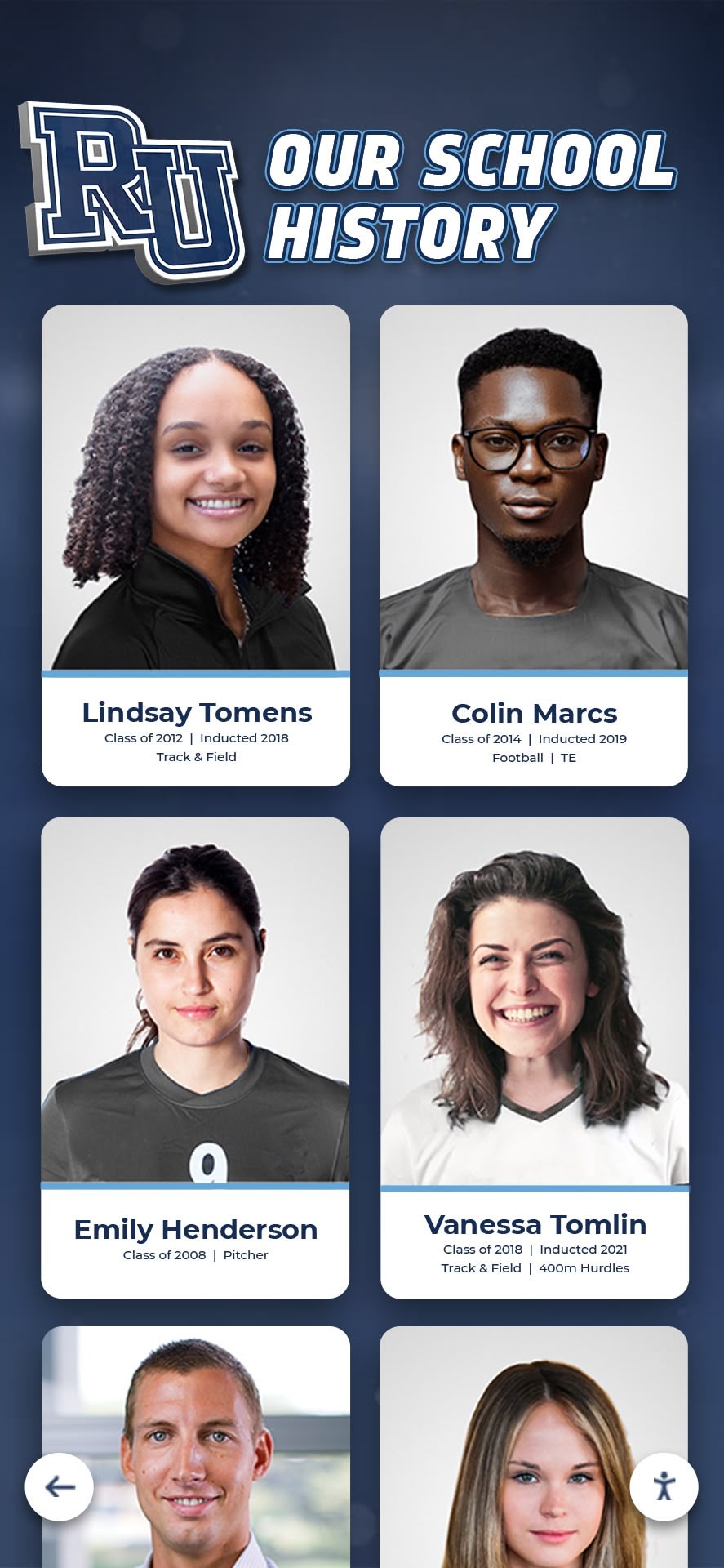
Oral History Preservation: Digital tools make oral history programs practical and sustainable. High-quality audio and video recordings of interviews with longtime community members, distinguished alumni, and institutional leaders capture firsthand memories and perspectives impossible to reconstruct from documents alone. Professional transcription services create searchable text from recordings, while cloud storage ensures permanent preservation regardless of physical media degradation.
Mobile Applications and QR Code Integration
Mobile technology extends historical engagement beyond fixed displays, allowing visitors to carry content with them and explore at their convenience.
Self-Guided Audio Tours: Modern audio tour applications let visitors explore museums and historical sites at their own pace using personal devices. These systems provide narrated content automatically triggered by location through geofencing technology, multiple language options increasing accessibility for diverse audiences, optional text transcripts supporting hearing-impaired visitors, and the ability to revisit content later or share with others. Self-guided tours reduce staffing requirements while improving visitor experiences through flexibility and personalization.
QR Code Content Unlocking: QR codes placed strategically throughout facilities provide instant access to extended content. Athletic digital record boards might display summary information on physical screens with QR codes allowing visitors to unlock complete athlete profiles, performance videos, team photographs, and statistical breakdowns on their personal devices. This hybrid approach balances prominent public displays with detailed content accessible to those wanting deeper engagement.
Alumni Engagement Applications: Purpose-built mobile applications connect alumni with institutional history from anywhere. Features might include searchable yearbook access, distinguished alumni directories, historical timeline browsers, athletic records and hall of fame content, reunion planning and registration, and giving opportunities with real-time impact tracking. These applications keep graduates emotionally connected to their schools long after physical visits become infrequent.
Implementing Digital Historical Tools: Strategic Considerations
Successfully implementing digital historical tools requires thoughtful planning addressing content, technology, users, and sustainability.
Content Development and Curation
Digital platforms succeed or fail based on content quality and comprehensiveness. Institutions must systematically develop historical materials rather than rushing to launch with incomplete or low-quality information.
Historical Research and Verification: Comprehensive historical preservation begins with thorough research. Athletic programs documenting records need to review official statistics, consult coaching records and scorebooks, cross-reference newspaper archives and programs, interview longtime coaches and athletes for context, and verify disputed or uncertain information through multiple sources. This research phase takes time but creates foundations for credible historical presentations.
Multimedia Asset Collection: Rich digital experiences require diverse content types beyond basic text and statistics. Institutions should prioritize high-resolution photography of historical moments, current photos of distinguished individuals, and digitized archival images; video content including performance highlights, interview footage, and historical film or video; audio recordings of oral histories and narrated content; and documents such as newspaper clippings, programs, and correspondence providing context.
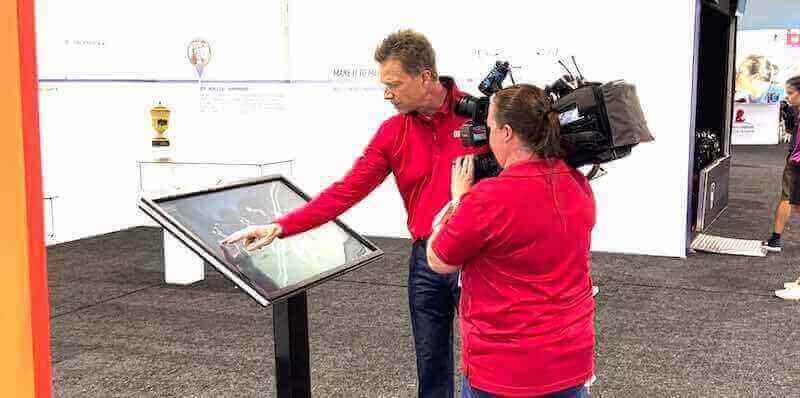
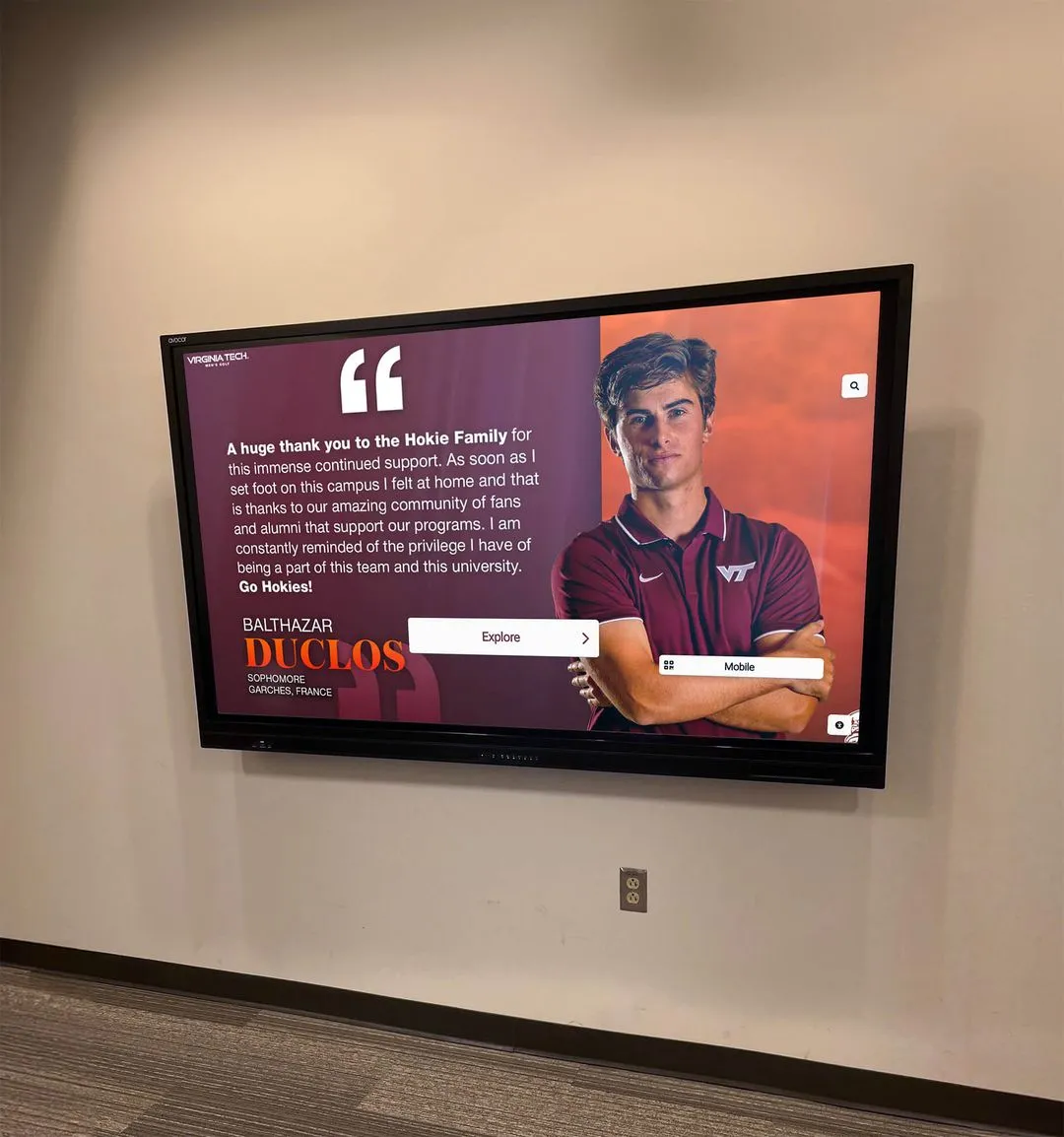
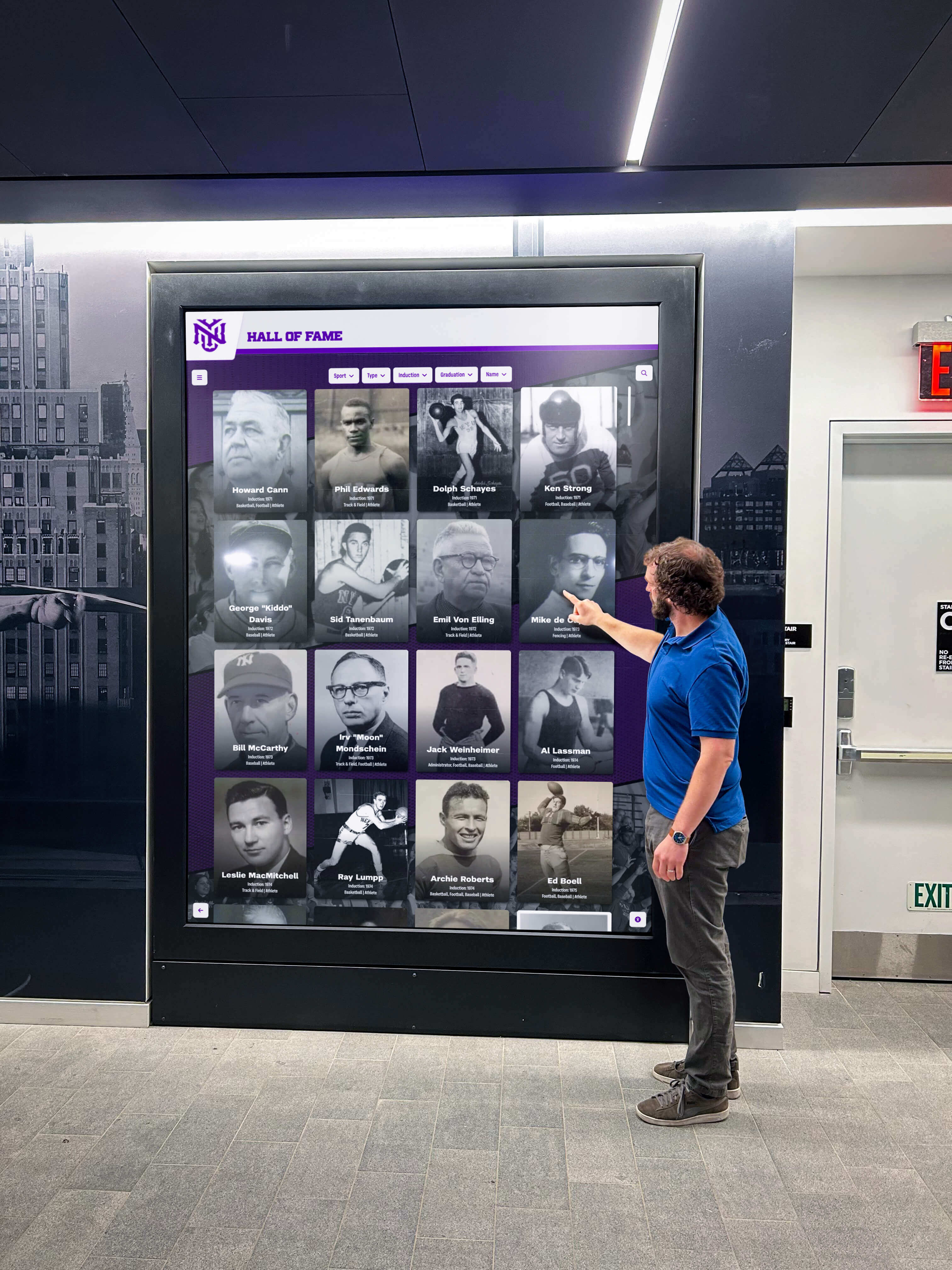
Storytelling and Narrative Development: Raw data and statistics become meaningful through contextualization and storytelling. Digital hall of fame displays that engage audiences most effectively go beyond listing records to explain the circumstances surrounding achievements, provide biographical context about individuals, connect historical events to broader institutional narratives, include personal voices through quotes and interviews, and highlight relationships between past achievement and current programs.
Technology Selection and Integration
Choosing appropriate technology platforms determines long-term success and sustainability of digital historical initiatives.
Purpose-Built vs. Generic Solutions: Institutions face fundamental choices between generic technology adapted for historical presentation and purpose-built platforms designed specifically for educational recognition and heritage preservation. Generic digital signage software provides flexibility but requires significant customization and technical expertise. Purpose-built solutions like those from Rocket Alumni Solutions offer templates optimized for common use cases, intuitive content management requiring minimal training, specialized features like athletic statistics and automatic record ranking, and vendor expertise understanding specific institutional needs and challenges.
Content Management Capabilities: Sustainable digital history programs require user-friendly content management systems allowing non-technical staff to maintain and update information. Essential capabilities include intuitive web-based interfaces accessible from any device, template-driven content creation minimizing design decisions, bulk import and export for efficient initial setup, granular user permissions supporting multiple content contributors, and workflow tools for content review and approval before publication.
Hardware Considerations: Physical touchscreen displays require careful hardware selection balancing cost, durability, and capability. Commercial-grade displays engineered for continuous operation, proper sizing considering viewing distance and content complexity, appropriate brightness for ambient lighting conditions, responsive touch technology supporting intuitive interaction, and reliable mounting systems ensuring safety and security all contribute to successful installations. Schools should review guidance on touchscreen display selection before making hardware investments.
User Experience and Accessibility
Digital historical tools must accommodate diverse users with varying technical comfort levels, accessibility needs, and engagement preferences.
Intuitive Interface Design: The most feature-rich systems fail if users find them confusing or difficult to navigate. Effective digital historical interfaces feature clear visual hierarchy guiding attention, consistent navigation patterns reducing learning curve, prominent search functionality for goal-directed visitors, multiple browsing pathways supporting different exploration approaches, and minimal text on navigation screens preventing overwhelming density.
Accessibility Standards Compliance: Digital historical presentations must serve audiences with disabilities as effectively as able-bodied visitors. This requires keyboard navigation alternatives to touch interfaces, screen reader compatibility for visually impaired users, sufficient color contrast meeting WCAG standards, text alternatives for images and visual content, and closed captions or transcripts for audio and video. Purpose-built digital recognition systems often include accessibility features by default, while generic platforms may require significant customization achieving compliance.
Multi-Generational Appeal: Historical displays serve audiences ranging from children to elderly visitors, with dramatically different technical comfort levels. Successful implementations provide obvious starting points for unfamiliar users, forgiving interfaces allowing easy recovery from mistakes, help features or instructions available without overwhelming initial impressions, content organized by complexity level, and alternative access methods including web portals for those preferring familiar computers or smartphones to public touchscreens.
Practical Applications Across Different Institutional Contexts
Digital historical tools adapt to various institutional types and specific preservation needs, with implementation approaches varying by context.
Athletic Programs and Sports Recognition
Athletic departments represent one of the most active adopters of digital historical tools, driven by the volume of records to track and the engagement value of comprehensive recognition.
Comprehensive Record Tracking: Traditional physical record boards face severe space constraints limiting what can be displayed. Digital systems solve this by tracking unlimited records across all sports, preserving both individual and team achievements, maintaining complete historical depth rather than just current record holders, documenting JV and freshman programs alongside varsity, and creating recognition opportunities for non-competitive athletics including intramurals and recreational programs. This comprehensiveness ensures every athlete’s achievement receives appropriate recognition.
Real-Time Updates and Automatic Ranking: Modern digital record board software can integrate directly with timing systems and statistics platforms, automatically updating displays when records fall. Automatic ranking orders performances by quality, handles tie-breaking consistently, updates related categories automatically, and maintains historical context showing how current performances compare across decades. This automation dramatically reduces administrative burden while ensuring accuracy and currency.
Alumni Engagement and Giving: Digital athletic recognition strengthens alumni relationships by preserving their achievements permanently rather than removing them when new records fall. Online access allows graduates to show their families where they appear in school history, creates emotional connections supporting reunion attendance and engagement, provides advancement offices with cultivation tools for major gift discussions, and demonstrates institutional commitment to honoring all contributions regardless of how much time has passed.
Academic Excellence and Student Achievement
While athletic achievement receives significant recognition attention, academic excellence deserves equal celebration through digital historical tools.
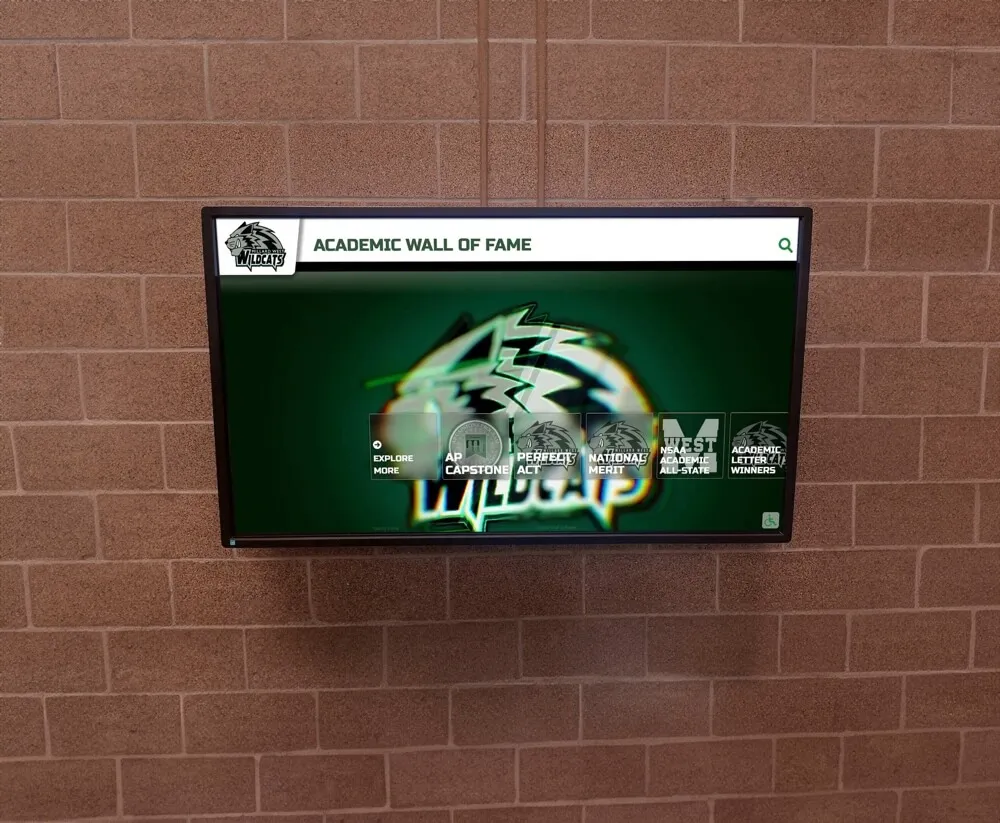
Honor Roll and Academic Achievement: Digital displays showcasing academic recognition can highlight honor roll students across all grade levels, track academic awards and scholarships, recognize perfect attendance and citizenship honors, celebrate National Merit Scholars and AP achievement, and feature distinguished graduates and their post-secondary accomplishments. These systems create parity between athletic and academic recognition, reinforcing that intellectual achievement matters equally.
Specialized Program Recognition: Schools with signature academic programs—STEM initiatives, arts academies, career technical education—can use digital displays to showcase student projects and competitions, document program history and evolution, recognize teaching excellence and innovation, feature alumni working in related fields, and provide recruitment information for prospective students. This comprehensive recognition builds pride while marketing specialized programs.
Scholarship and College Commitment: Digital recognition displays can celebrate college commitments and scholarship achievements, creating positive peer influence and demonstrating that academic success leads to tangible opportunities. Schools might feature senior college decision displays, scholarship award totals and recipients, competitive program acceptances, and distinguished university admissions—all inspiring younger students while honoring senior accomplishments.
Museums and Cultural Institutions
Museums employ digital tools to enhance visitor experiences, preserve collections, and extend access beyond physical facilities.
Interactive Exhibits and Deeper Engagement: Traditional museum exhibits provide fixed information through labels and placards. Digital enhancements allow visitors to access detailed object histories, view items from multiple angles or in simulated use, explore connections to other collection items, and access expert commentary and interpretations. This layered information architecture serves casual visitors with basic information while accommodating researchers seeking comprehensive detail.
Virtual Collections and Remote Access: Digital museum platforms extend access beyond physical visitors, making collections available to researchers worldwide, supporting educational uses by schools unable to arrange visits, preserving fragile items while providing detailed examination opportunities, and building awareness among potential future visitors. Virtual access democratizes culture, making world-class collections available regardless of geographic or economic barriers.
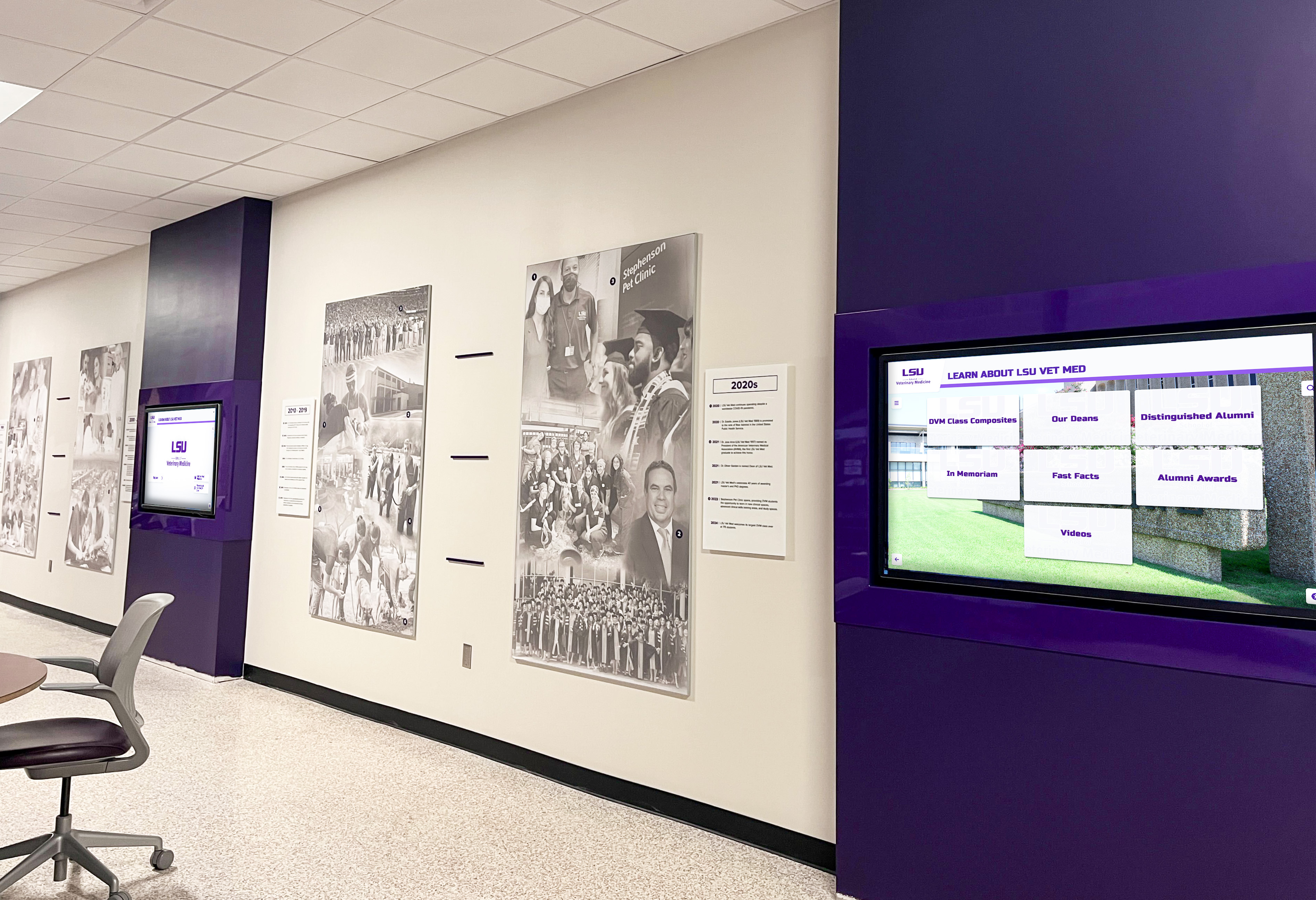
Educational Programming and K-12 Engagement: Digital tools strengthen museum relationships with schools through virtual field trips allowing classroom participation, standards-aligned lesson plans with digital resources, interactive activities and games reinforcing learning, and teacher professional development using collection materials. These educational programs build future audiences while serving important public education missions.
Alumni Associations and Institutional Advancement
Alumni offices increasingly rely on digital historical tools for engagement, cultivation, and fundraising purposes.
Digital Alumni Halls of Fame: Comprehensive digital hall of fame platforms allow institutions to recognize unlimited numbers of distinguished alumni across diverse categories including professional achievement, community service, athletic excellence, artistic accomplishment, and philanthropic support. Digital formats accommodate rich profiles with biographical information, career highlights and accomplishments, connection to institutional experiences, and current contact information for networking purposes.
Where Are They Now Features: Alumni spotlight programs showcase graduate success stories across various fields and professions, demonstrate diverse career pathways open to current students, maintain graduate engagement through featured recognition, and provide advancement offices with cultivation opportunities. Alumni spotlight displays combine current achievements with nostalgic school-era photos and memories, creating emotional connections supporting ongoing engagement.
Donor Recognition and Stewardship: Digital donor recognition solves perpetual challenges with traditional plaques and walls—limited space forcing minimums that exclude modest donors, difficulty updating when giving levels change, and static presentations failing to tell compelling stories. Digital systems recognize donors at all levels with appropriate prominence, update automatically as giving changes, tell stories about gift impact and institutional priorities, and integrate with fundraising databases for accuracy.
Measuring Success and Continuous Improvement
Institutions investing in digital historical tools should assess effectiveness and continuously improve implementations based on data and feedback.
Quantitative Engagement Metrics
Digital systems provide engagement data impossible to collect with traditional static displays. Key metrics include total user sessions and unique visitors, average session duration and content views per visit, search queries revealing what interests visitors most, popular content identification guiding future development priorities, geographic data showing where online visitors originate, and device type information informing technical optimization decisions.
Analytics from digital recognition systems often reveal surprising patterns—content administrators assume certain achievements or individuals will generate most interest, but actual data frequently contradicts these assumptions. Continuous monitoring ensures content development aligns with genuine audience interests rather than assumptions.
Qualitative Feedback and User Experience
Numbers tell important stories, but experiential feedback reveals impacts that metrics alone miss. Institutions should systematically collect visitor testimonials and reactions, alumni feedback about recognition and accessibility, staff observations about how various audiences engage, technical issues or usability problems encountered, and content suggestions for gaps or improvements. Multiple feedback channels—survey tools, comment cards, direct email, and social media monitoring—capture diverse perspectives.
Strategic Outcome Assessment
Digital historical tools should advance broader institutional priorities beyond preservation alone. Assessment might examine recruitment impacts when prospective families respond to heritage emphasis, retention benefits when students develop stronger connections through historical engagement, alumni participation increases in programs and giving, donor cultivation and major gift discussions leveraging historical content, and community relations enhancement through accessible institutional history.
Success requires viewing digital history projects not as isolated IT initiatives but as strategic institutional investments supporting mission-critical objectives across admissions, retention, advancement, and community engagement.
Getting Started: Implementation Roadmap
Institutions ready to implement digital historical tools benefit from phased approaches preventing overwhelming scope while ensuring sustainable long-term success.
Phase 1: Discovery and Planning (Months 1-3) - Conduct comprehensive needs assessment identifying preservation priorities, stakeholder input sessions gathering diverse perspectives, content inventory determining what materials already exist, technical infrastructure evaluation assessing display locations and connectivity, and budget development including hardware, software, content development, and ongoing maintenance costs.
Phase 2: Foundation Building (Months 4-6) - Select technology platforms based on needs and budget, begin systematic content development starting with highest priorities, train core staff on content management systems, install hardware in key locations if pursuing physical displays, and establish content standards ensuring consistency across all materials.
Phase 3: Pilot Launch (Months 7-9) - Deploy limited-scope initial implementation, conduct thorough testing identifying technical and content issues, gather intensive feedback from early users, refine based on lessons learned, and document procedures for sustainable operation.
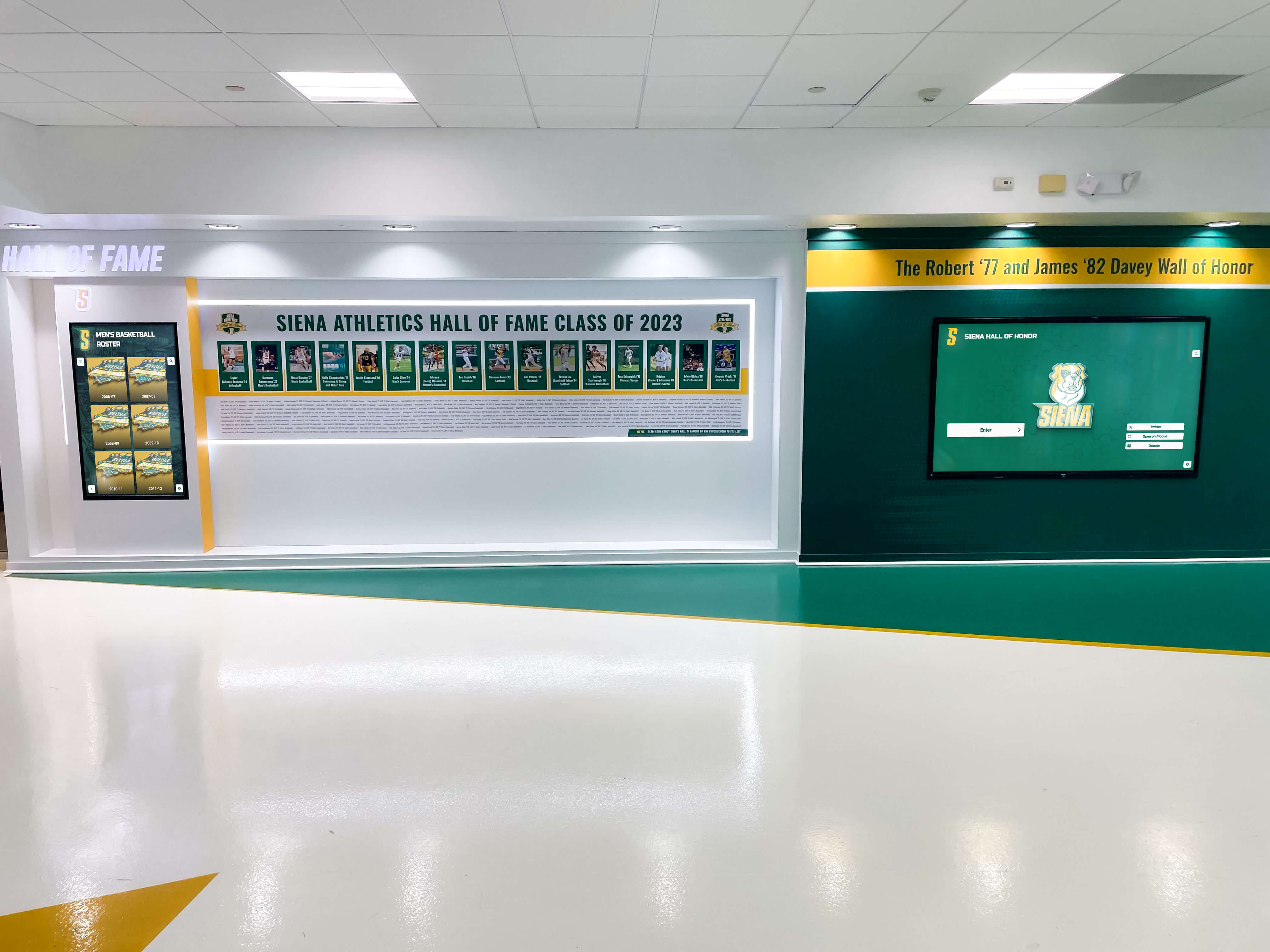
Phase 4: Full Deployment (Months 10-12) - Expand content to comprehensive coverage, launch additional display locations or online portals, promote through communications campaigns, integrate with related initiatives like reunions or giving programs, establish regular update schedules, and implement performance monitoring.
Ongoing: Optimization and Growth (Year 2+) - Regularly add new content keeping displays fresh, optimize based on analytics and feedback, expand features and capabilities over time, secure sustainable funding for long-term operation, and share success stories encouraging continued investment.
Conclusion: Making History Accessible and Engaging
The question is no longer whether digital tools can effectively present history—countless institutions demonstrate their effectiveness daily. The relevant questions are which tools best serve specific institutional needs, how to implement them successfully, and what sustainable practices ensure long-term value.
Digital historical tools—from interactive touchscreen displays and virtual tours to augmented reality experiences and comprehensive archives—transform passive historical preservation into active engagement. They solve practical problems including space limitations, update difficulties, and accessibility barriers while creating richer, more personal experiences connecting audiences with institutional heritage. When schools preserve athletic records through digital record board systems, they honor every achievement regardless of how many years pass. When museums offer virtual tours, they serve global audiences unable to visit physically. When alumni offices create digital recognition platforms, they strengthen emotional bonds supporting lifelong engagement.
Success requires understanding that technology alone does not create engagement—thoughtfully curated content, intuitive user experiences, and commitment to continuous improvement transform hardware and software into meaningful tools strengthening communities through shared history. Institutions beginning digital historical initiatives should focus on clear objectives aligned with broader missions, sustainable approaches matching available resources, user-centered design accommodating diverse audiences, content quality over technology features, and long-term planning ensuring implementations remain valuable across years and decades.
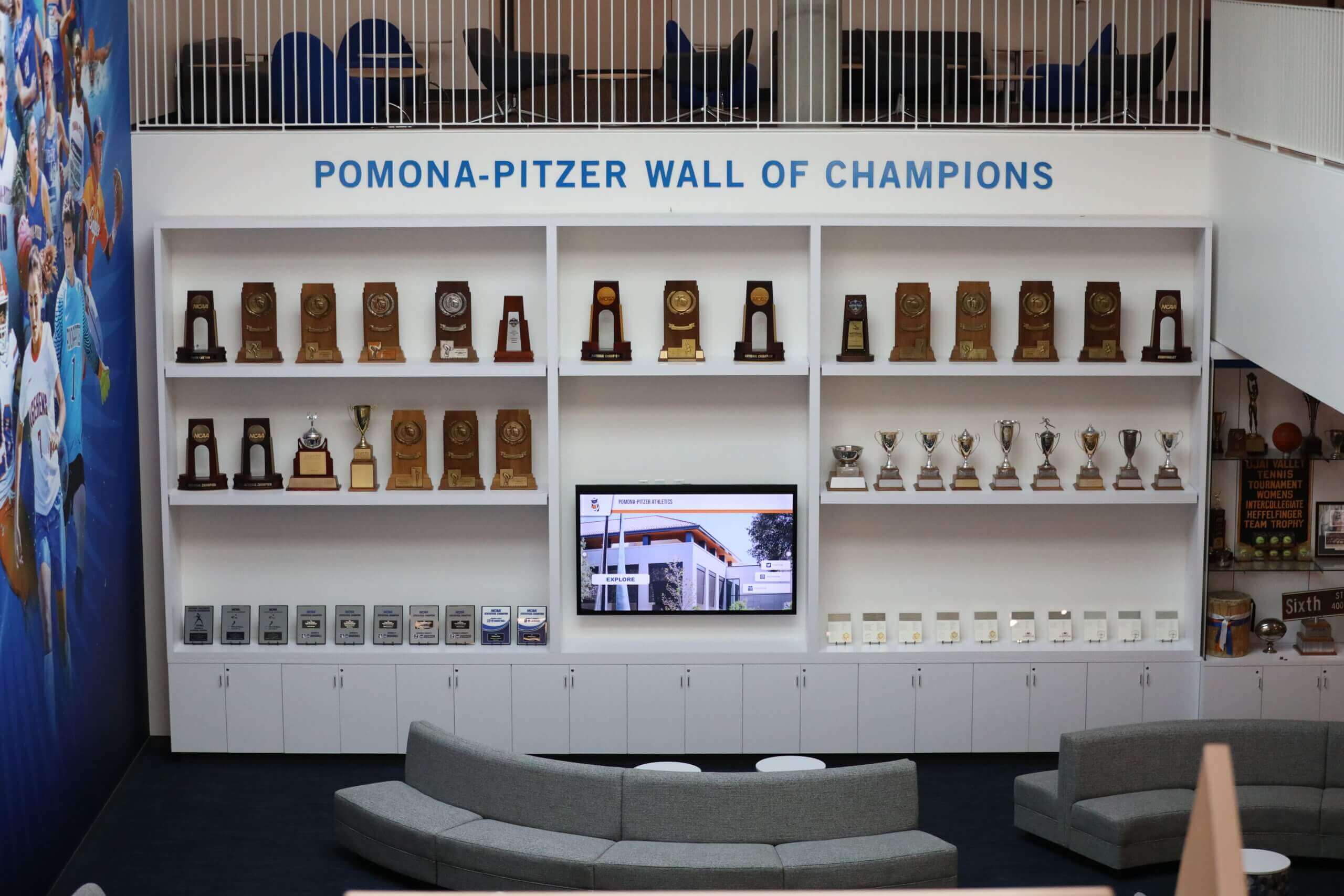
Every institution possesses history worth preserving comprehensively and presenting engagingly. Every achievement deserves recognition rather than storage room obscurity. Every community member should be able to explore institutional heritage regardless of physical location or accessibility needs. Digital tools make this vision practical and affordable in ways impossible just years ago.
Start your digital historical preservation journey today through comprehensive touchscreen display systems, systematic archival programs, and engaging presentations that connect past achievement with present community and future aspirations. Your institutional story deserves to be told comprehensively, preserved permanently, and shared broadly—modern digital tools finally make this comprehensive celebration possible for organizations of all sizes and types.
Sources
The information in this article is based on current research and industry trends in museum technology and digital learning:
- 7 Digital Tools That Help Bring History to Life | Edutopia
- 8 Top Technology Trends for Museums in 2026 | STQRY
- Virtual Museum Maker: Crafting Immersive Digital Experiences | Wonderful Museums
- How emerging tech is enhancing the museum experience | blooloop
- Museums for Digital Learning | Institute of Museum and Library Services