



Digital signage has evolved far beyond simple announcement boards and advertising screens. Today’s most effective displays create engaging experiences that celebrate achievements, guide visitors, share stories, and build community connections in ways static signs never could.
The difference between forgettable digital displays and transformative installations comes down to creative implementation. Organizations that leverage digital signage strategically—showcasing authentic achievements, telling compelling stories, and creating interactive experiences—generate engagement levels that justify investment many times over. Those treating digital signs as electronic bulletin boards miss opportunities to strengthen culture, recognize excellence, and connect meaningfully with their communities.
This guide showcases creative digital signage examples across schools, universities, nonprofit organizations, athletic facilities, and corporate environments. You’ll discover specific applications transforming how institutions communicate, recognize accomplishment, and engage audiences through strategically deployed digital displays.
Interactive Recognition Displays: Celebrating Achievement Without Space Limits
Traditional recognition faces inevitable space constraints. Trophy cases fill within years. Wall plaques exhaust available space. Physical limitations force difficult decisions about which achievements deserve visible recognition and which must be stored where they provide zero inspirational value.
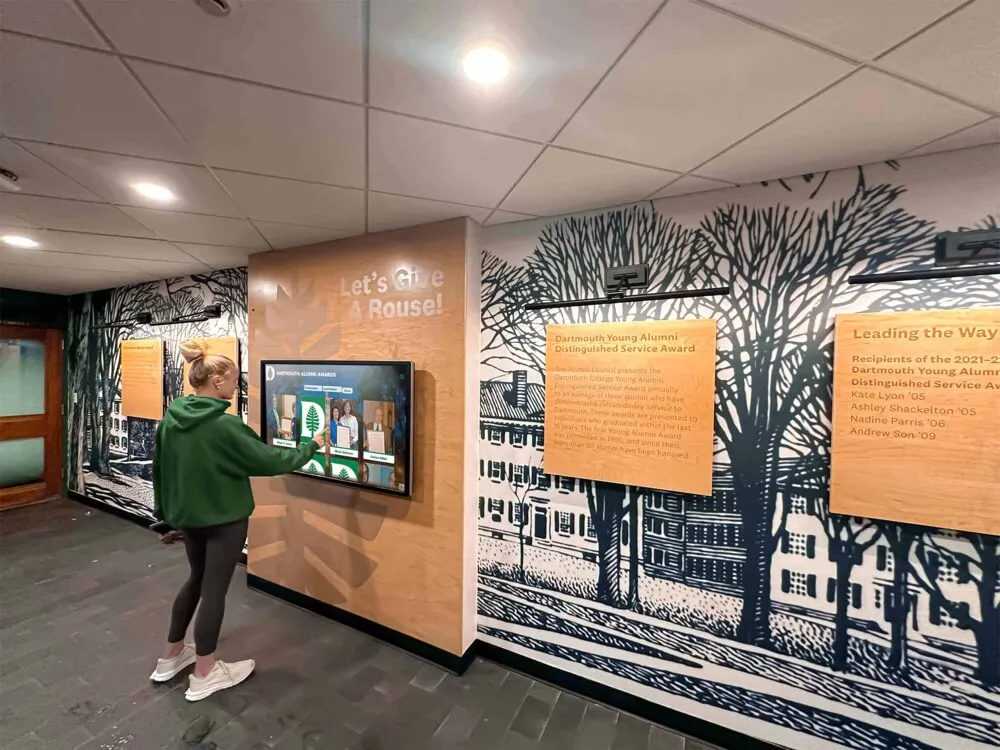
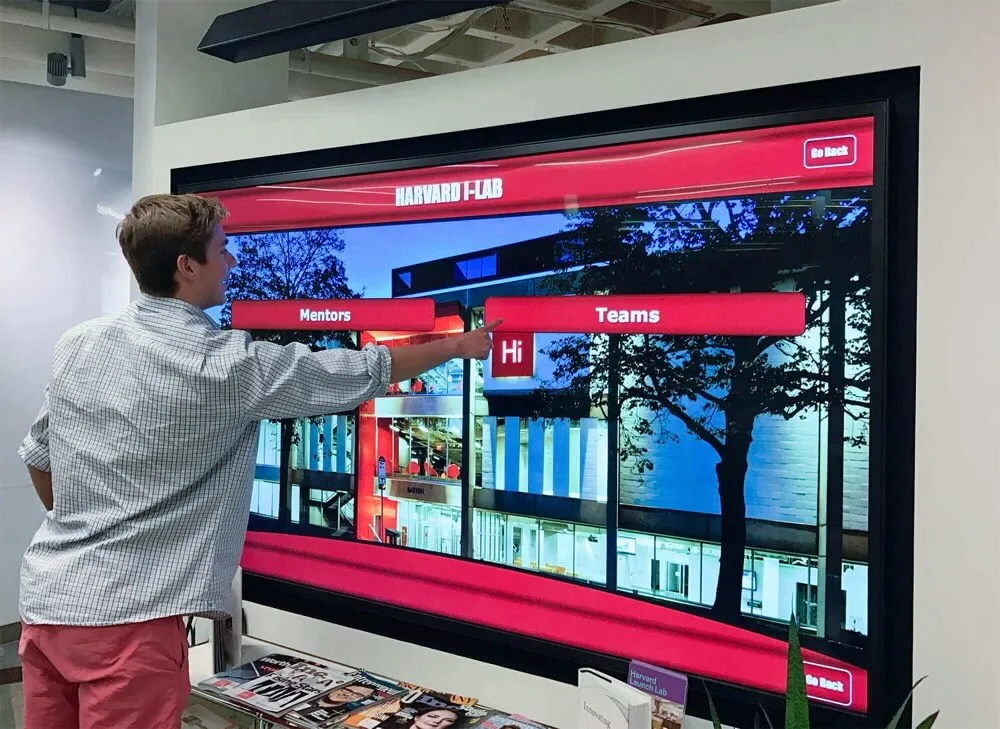
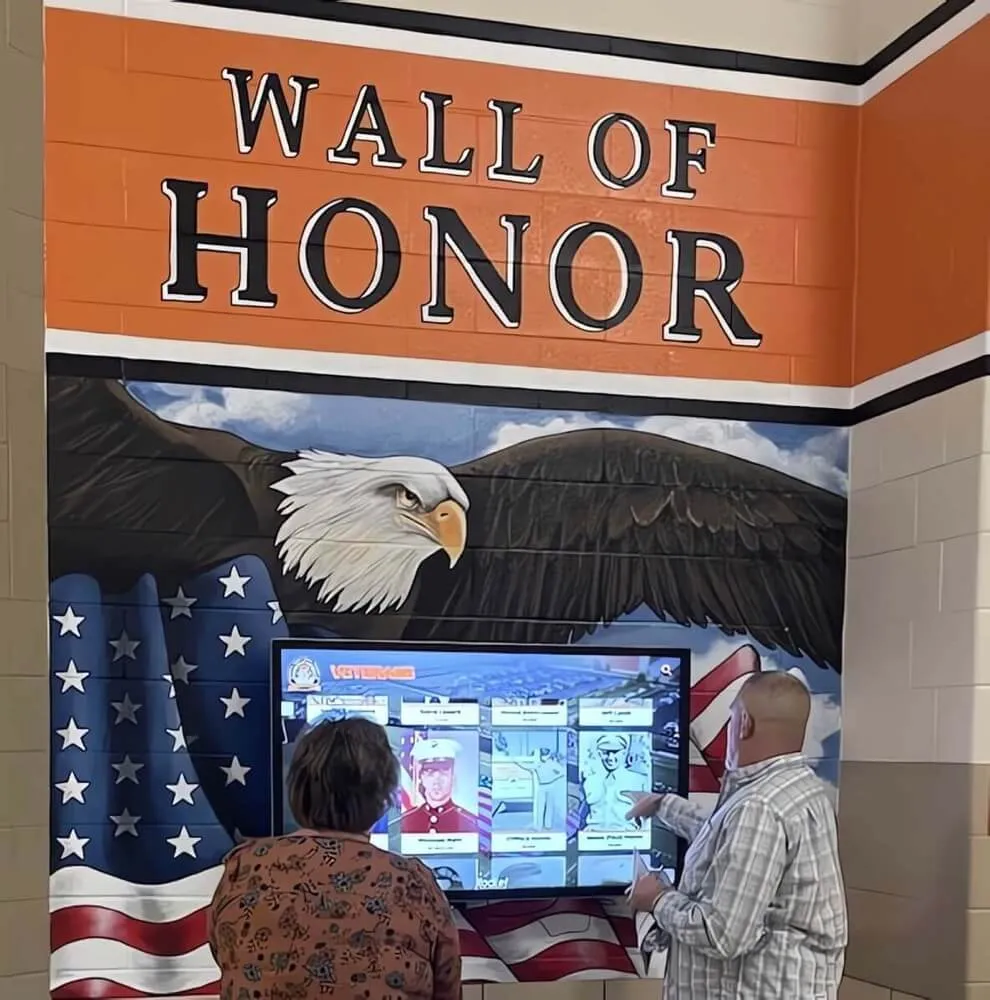
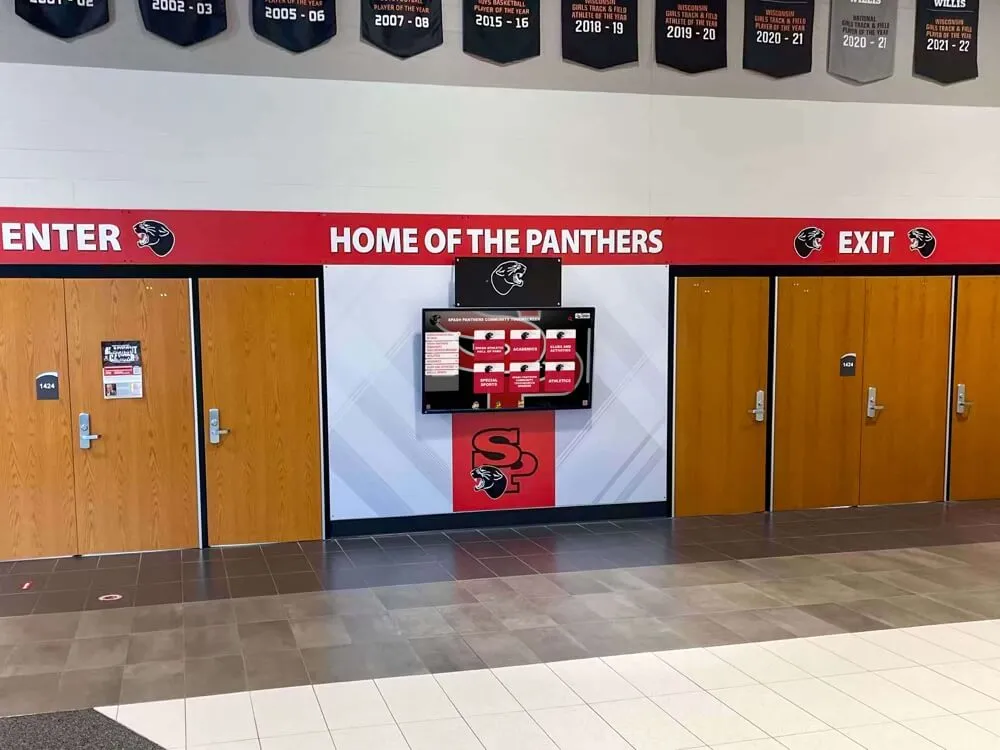
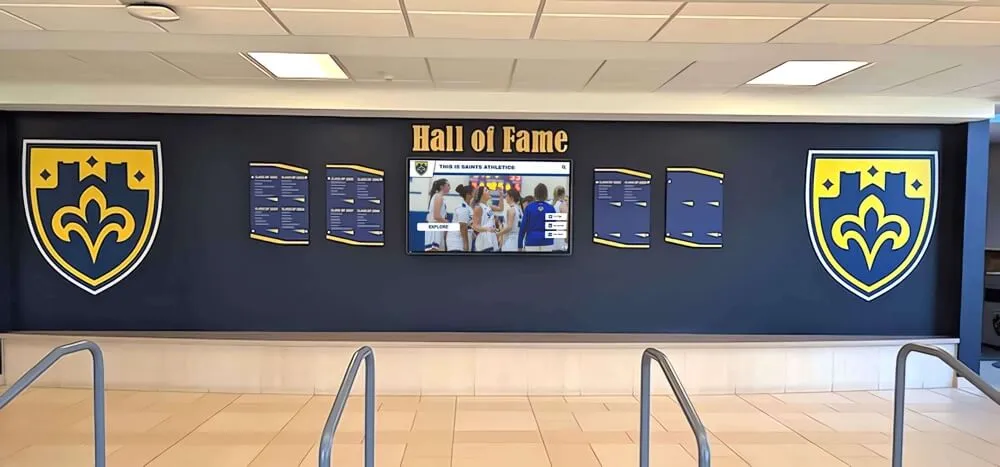
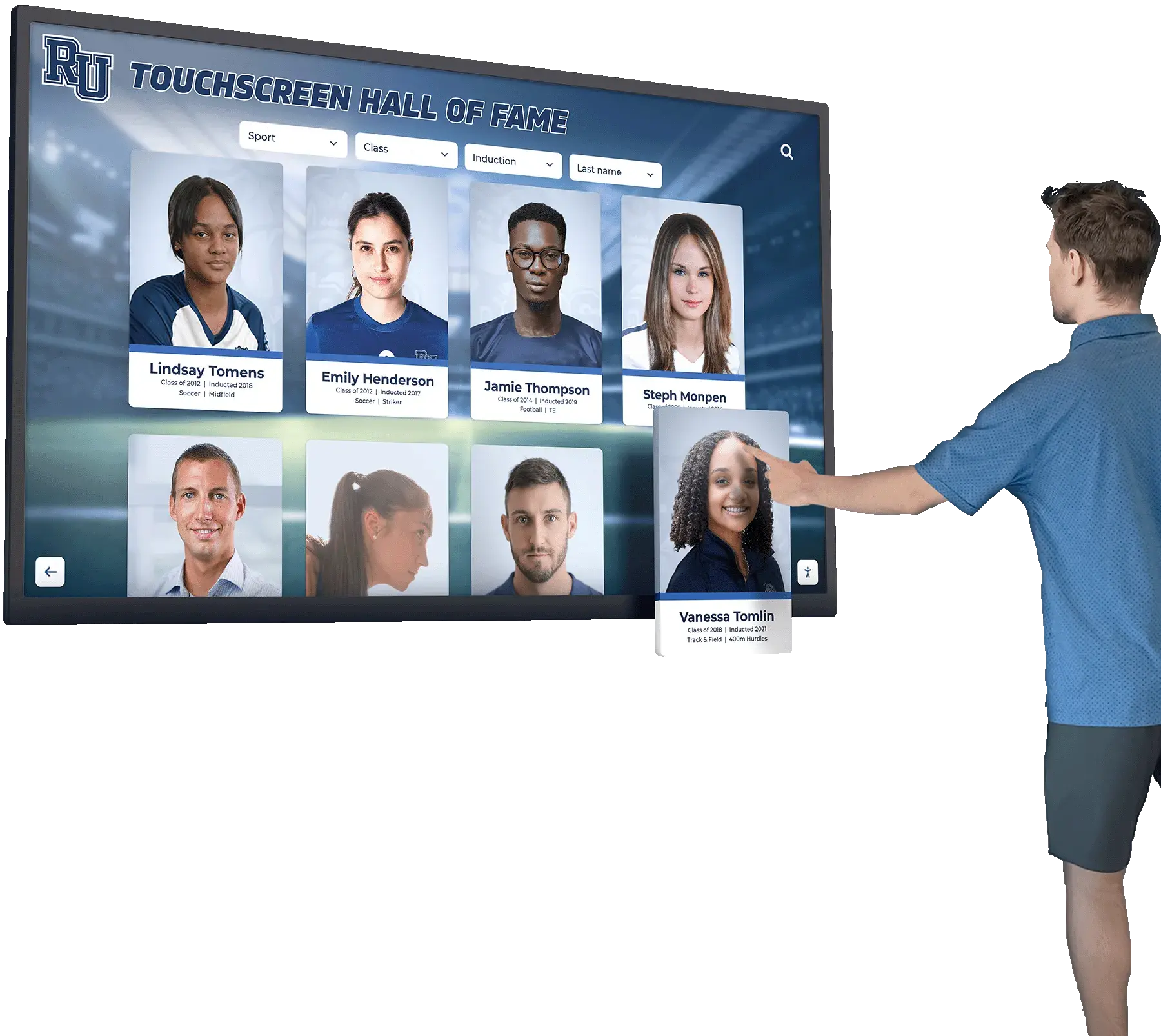
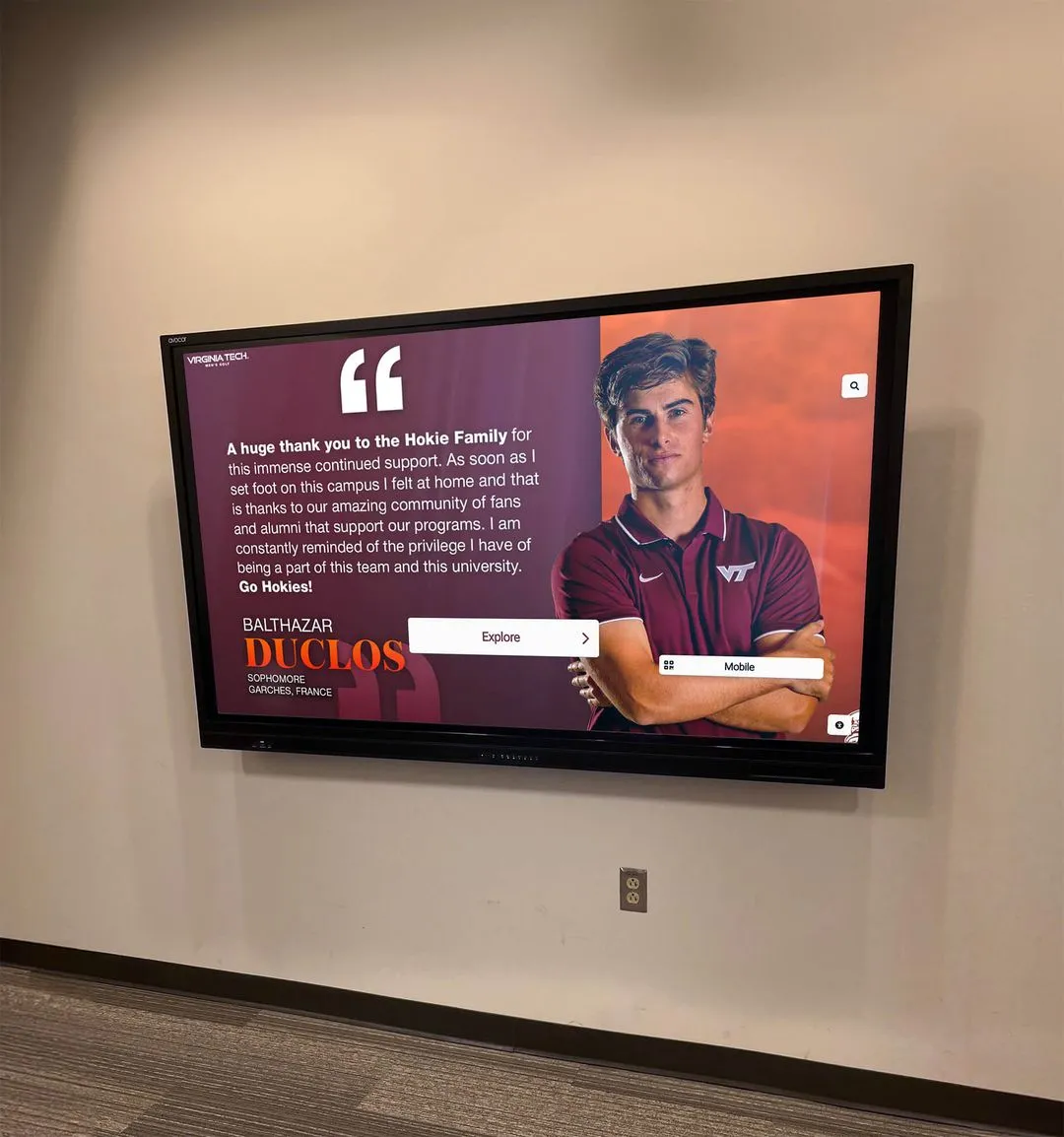
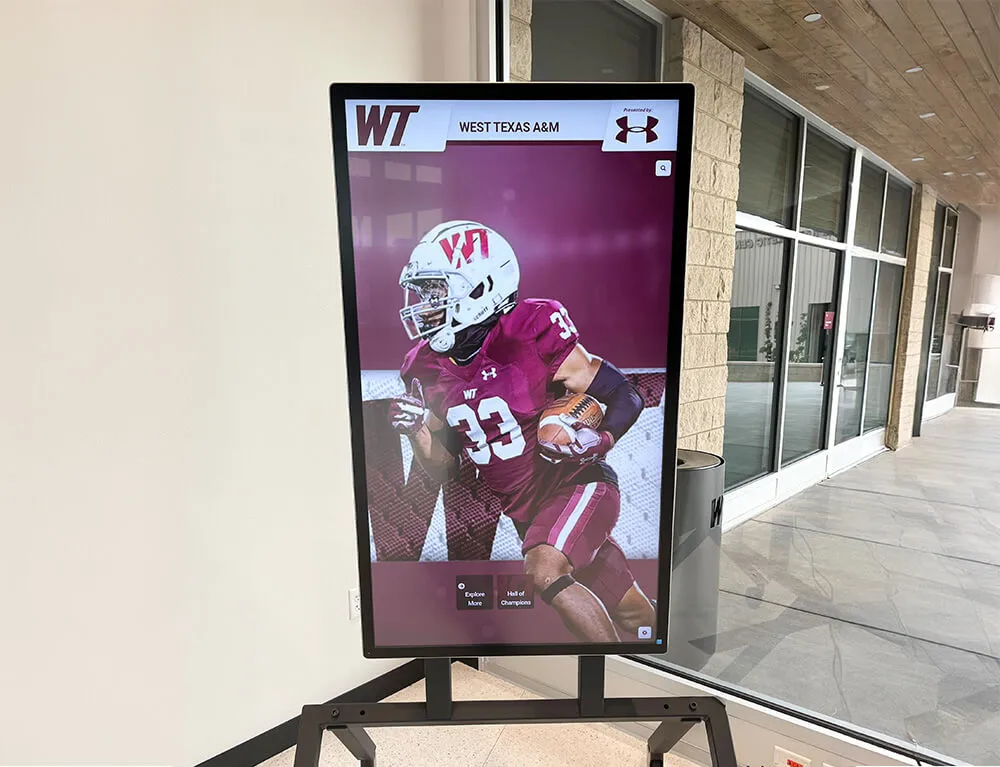
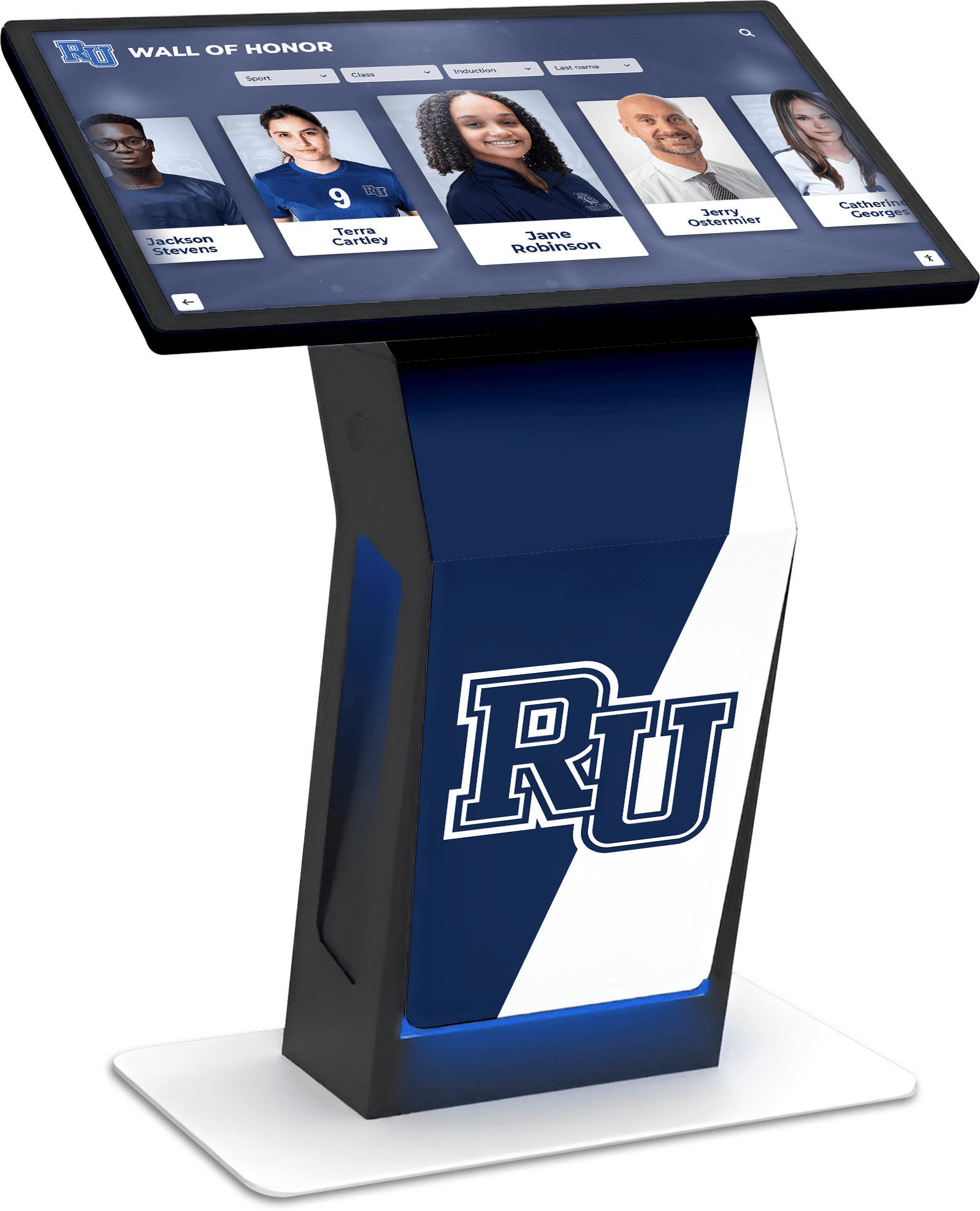
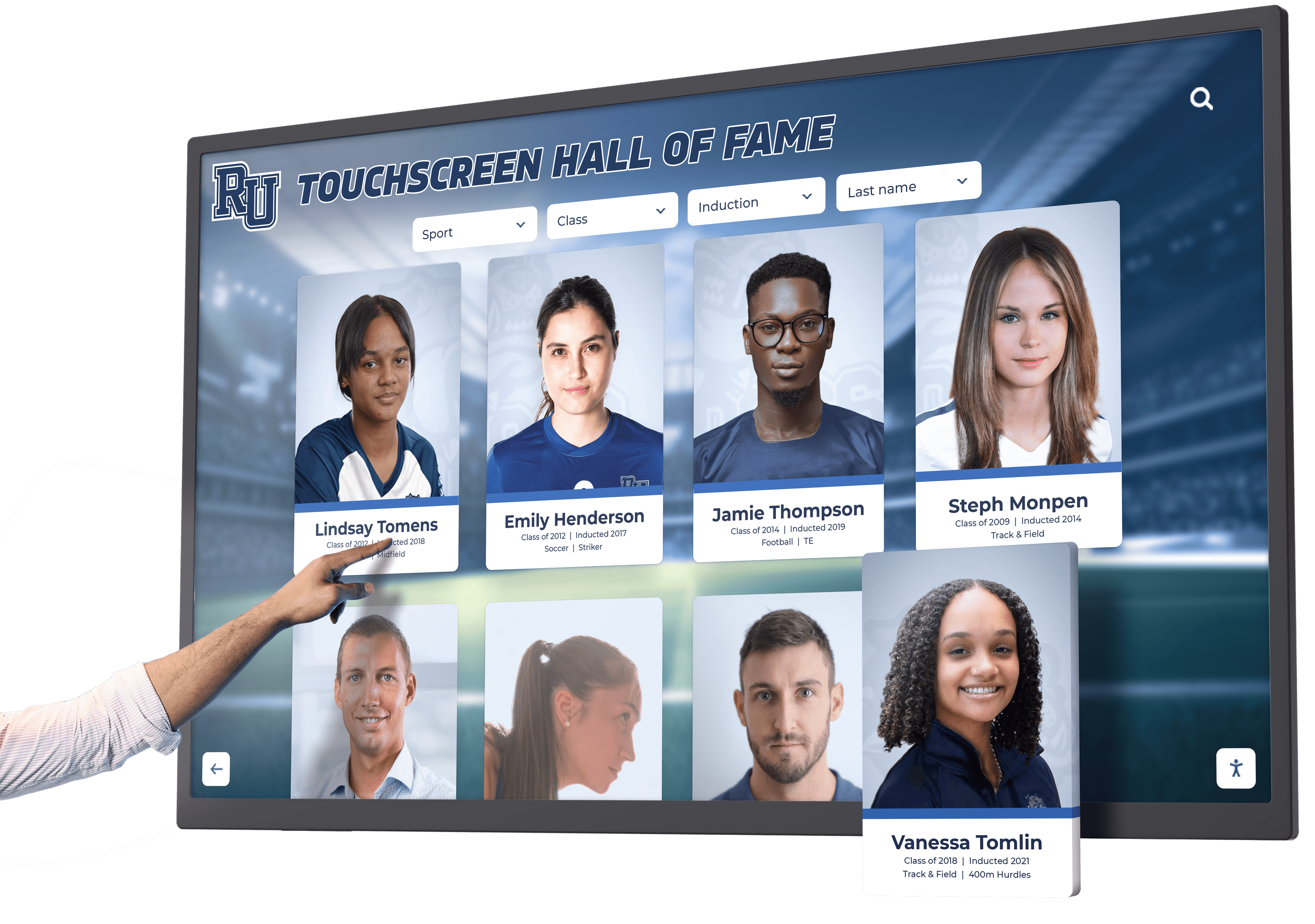
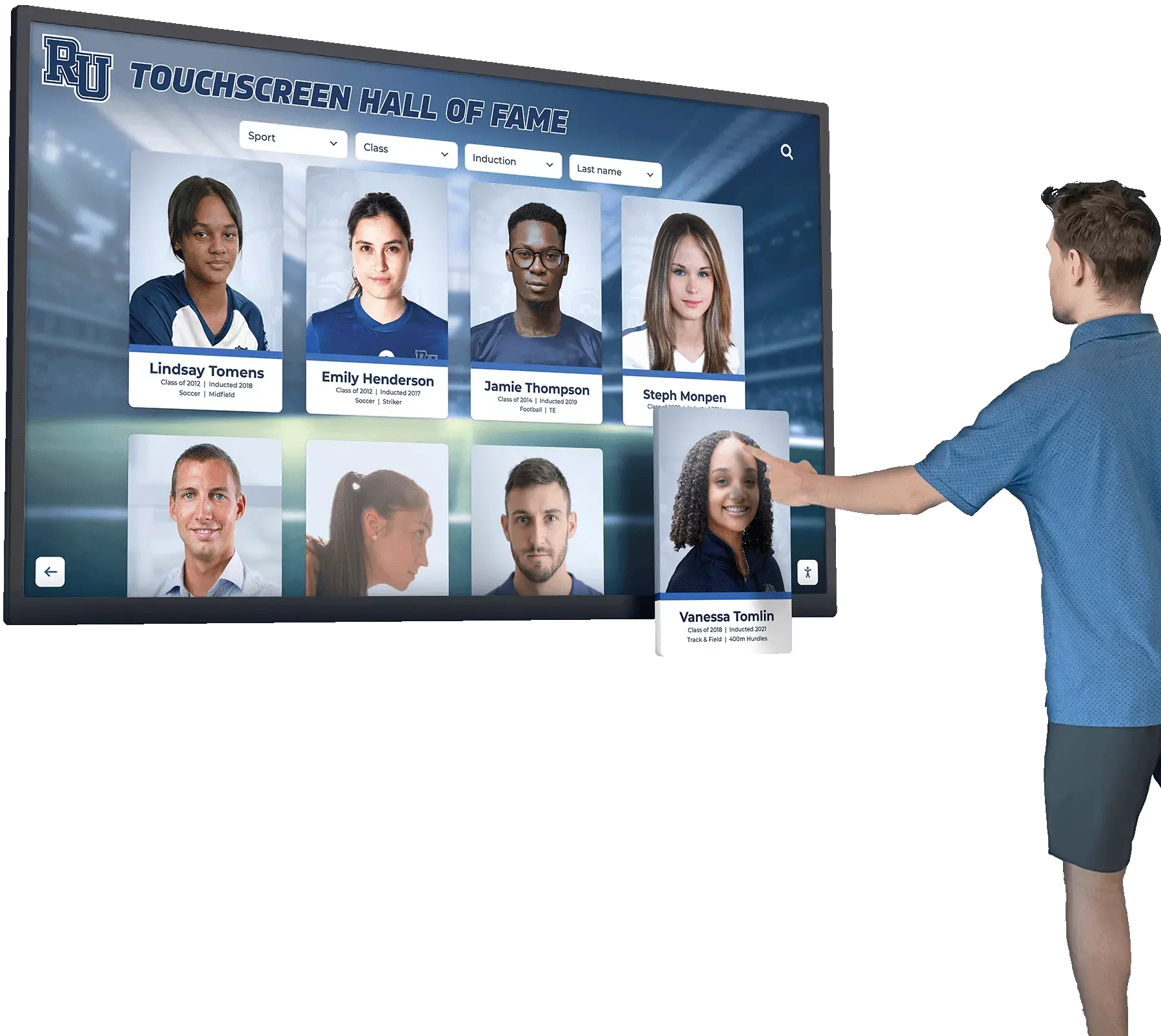
Interactive digital recognition displays eliminate these constraints entirely. A single 55-inch touchscreen can showcase comprehensive profiles for thousands of individuals—content requiring dozens of physical displays to present traditionally.
Athletic Hall of Fame Displays
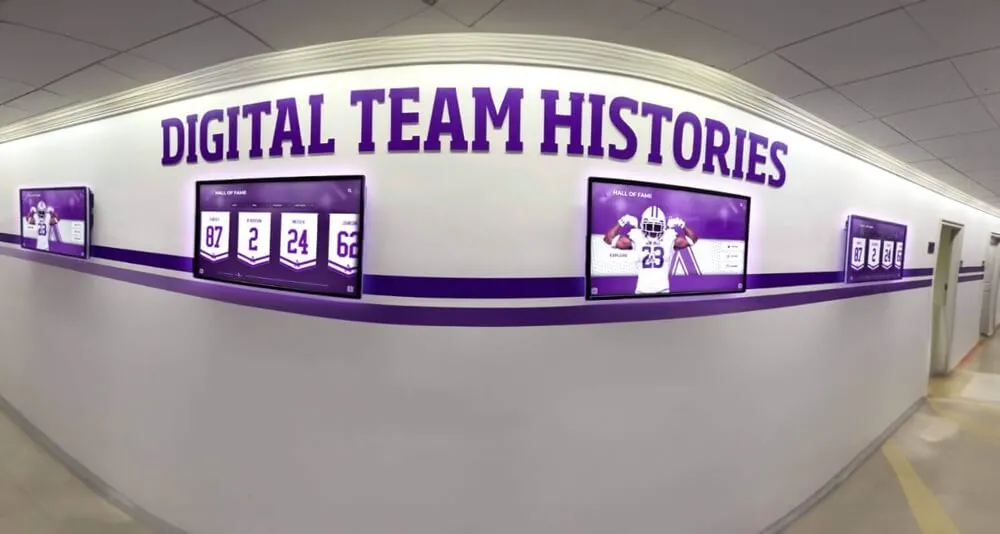
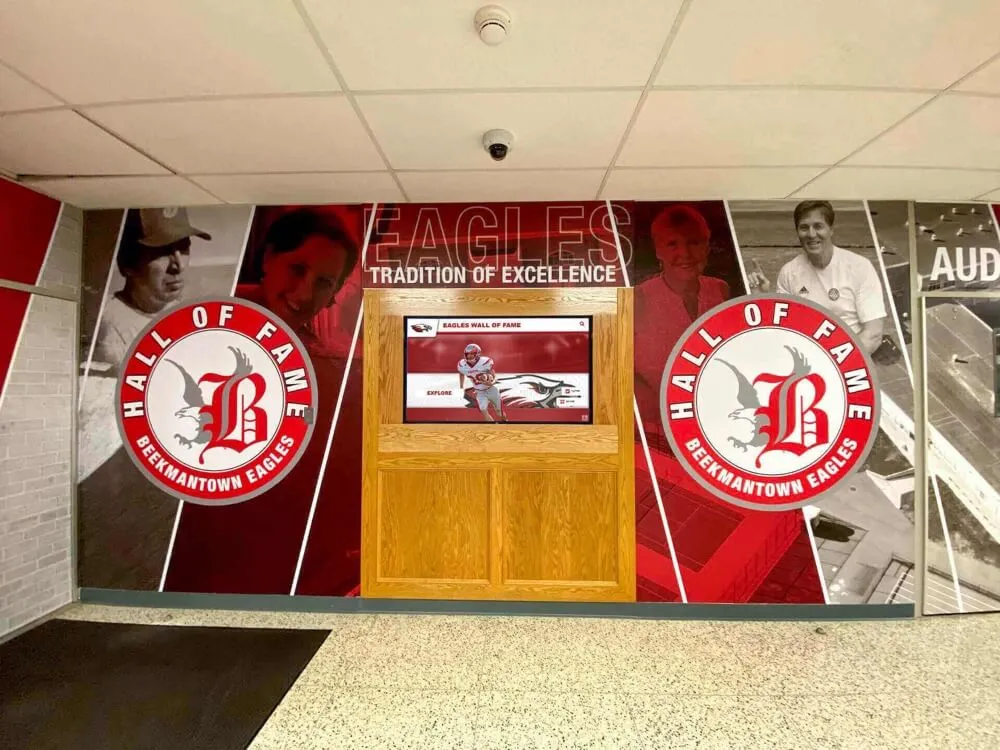
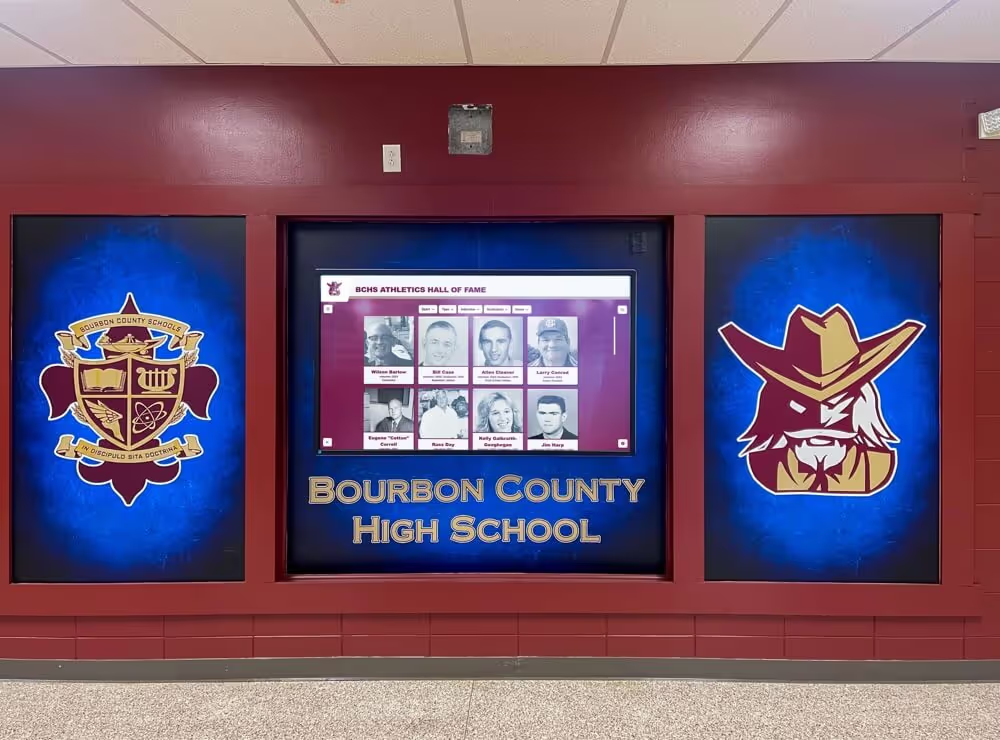
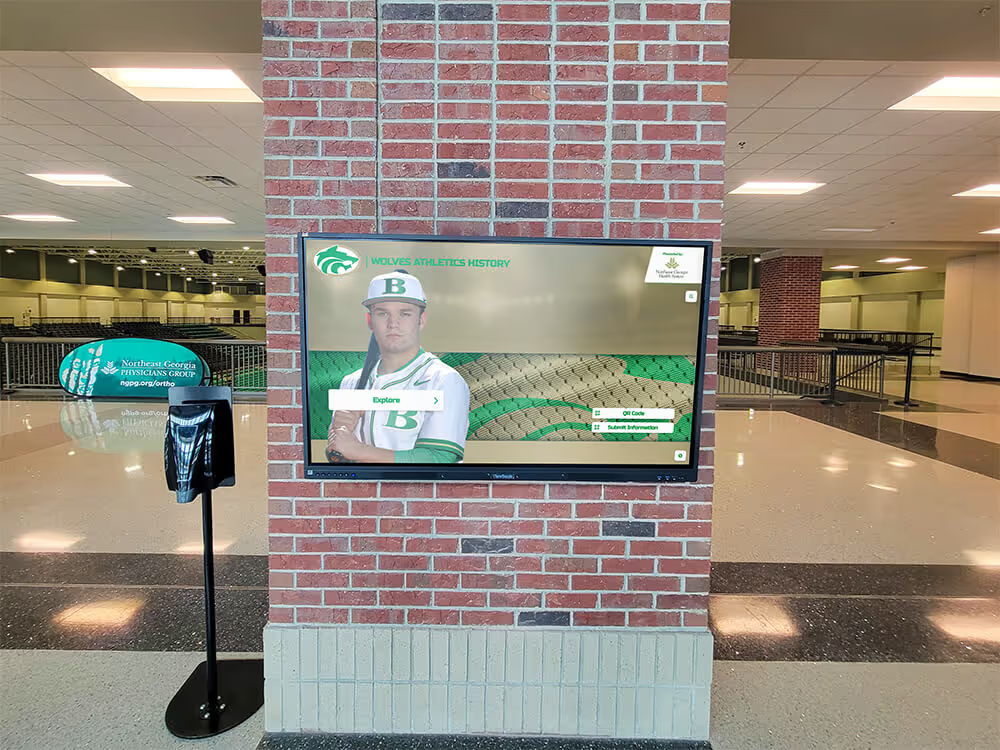
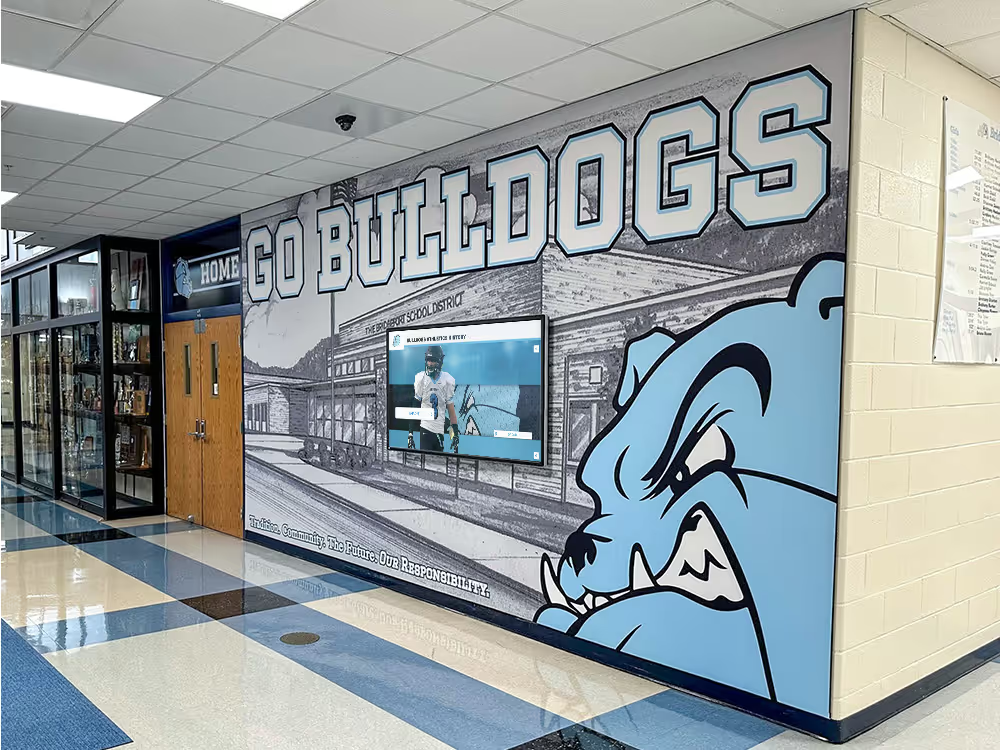
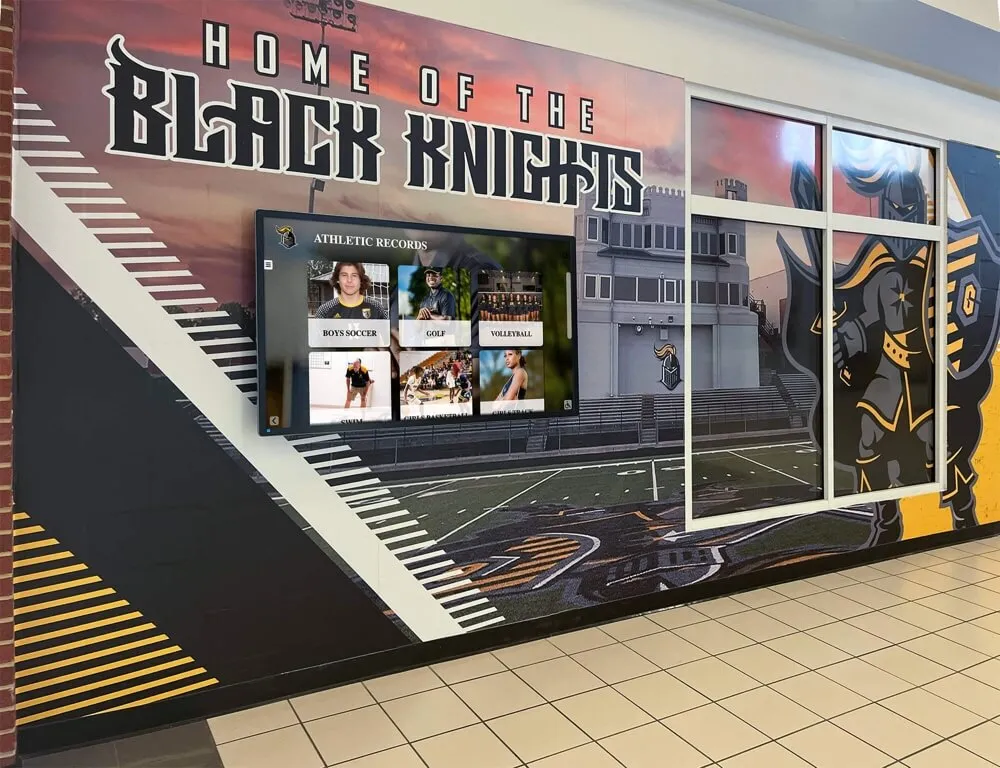
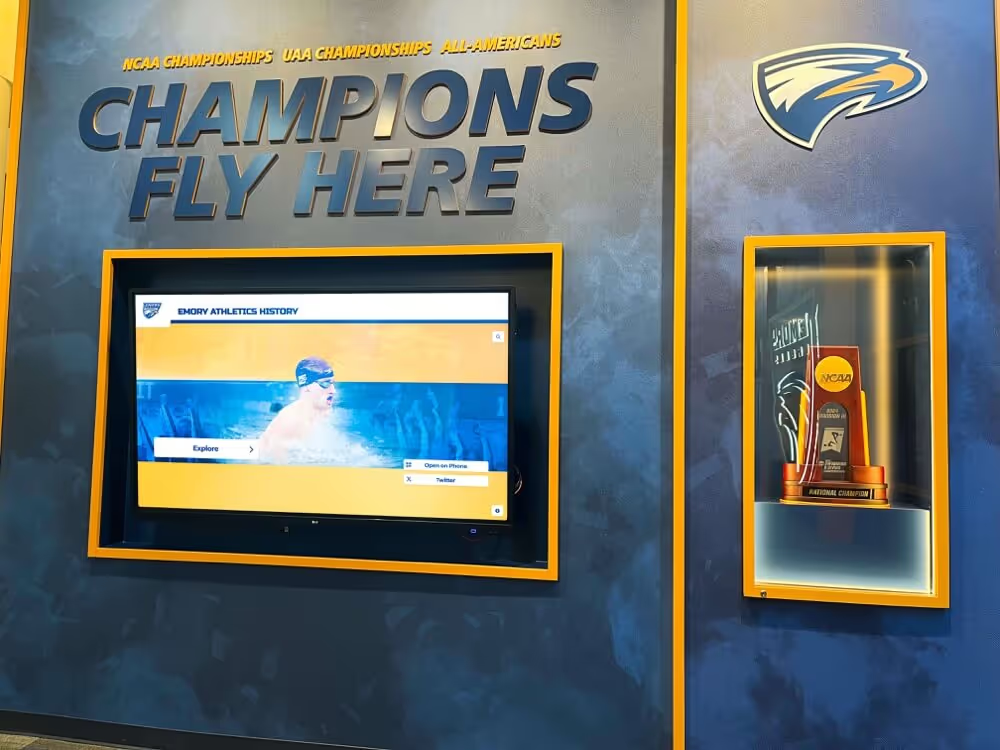
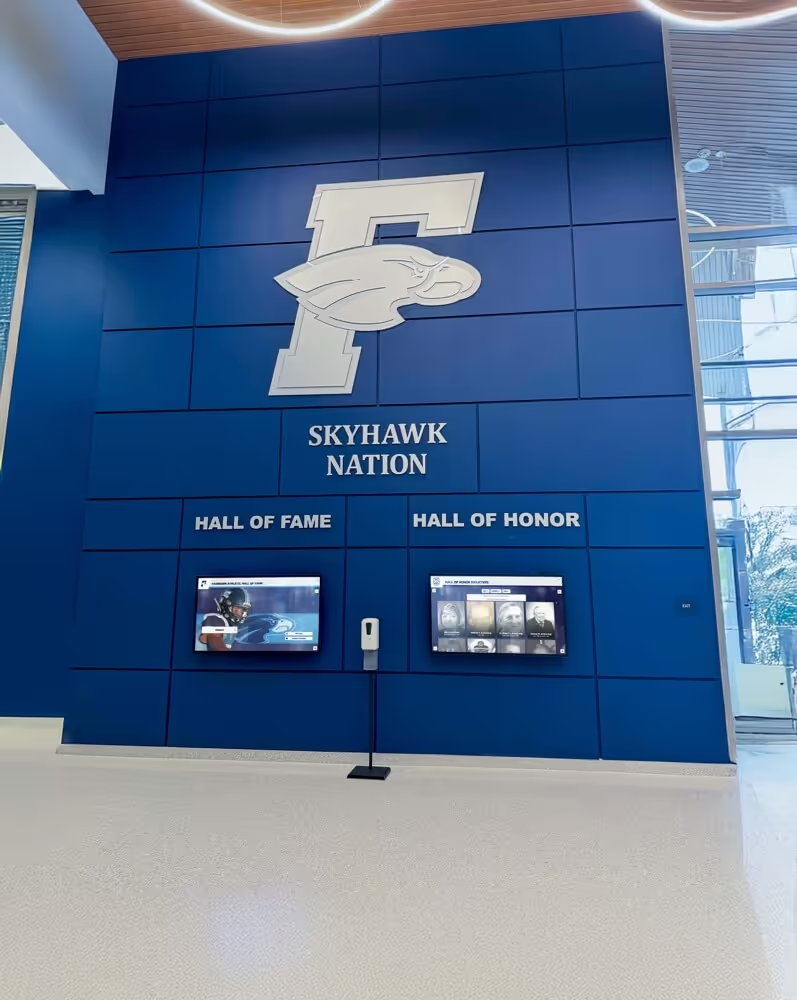
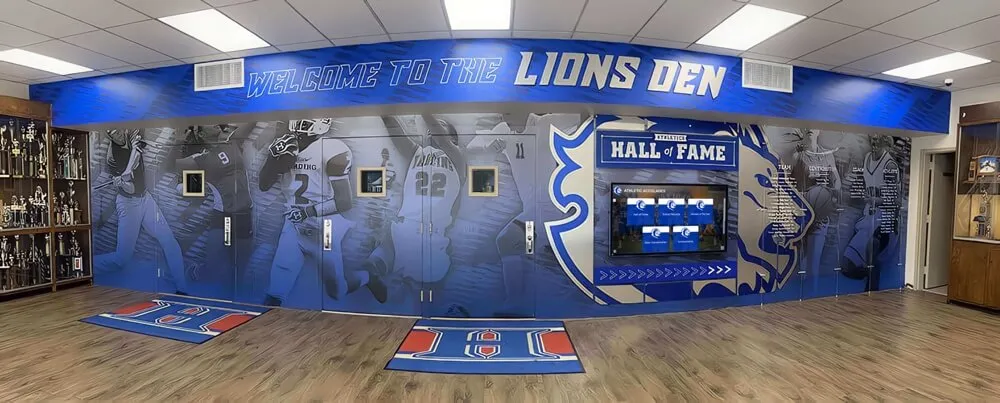
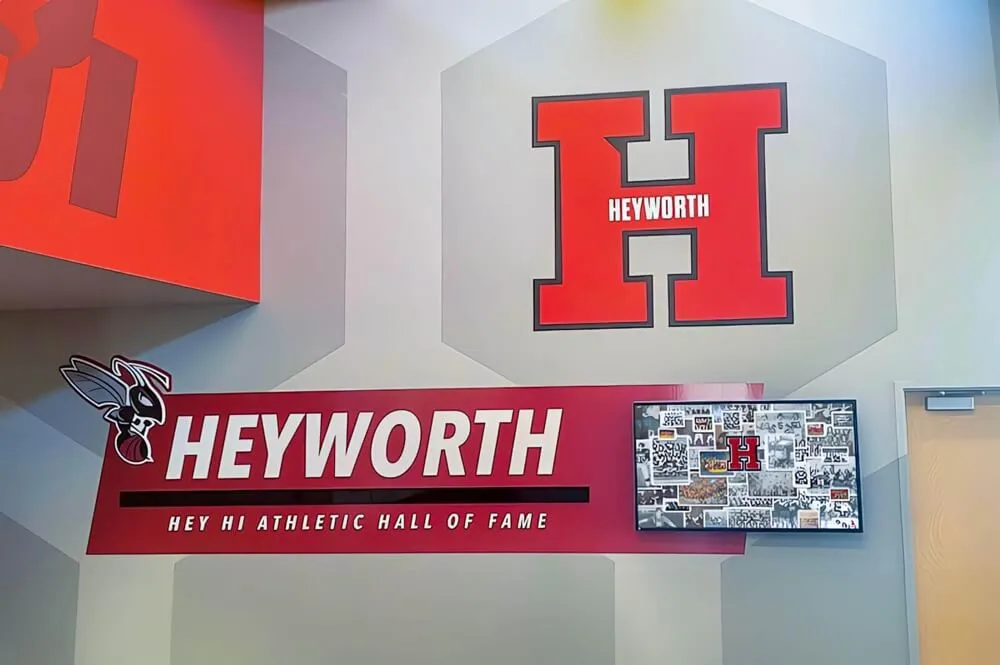
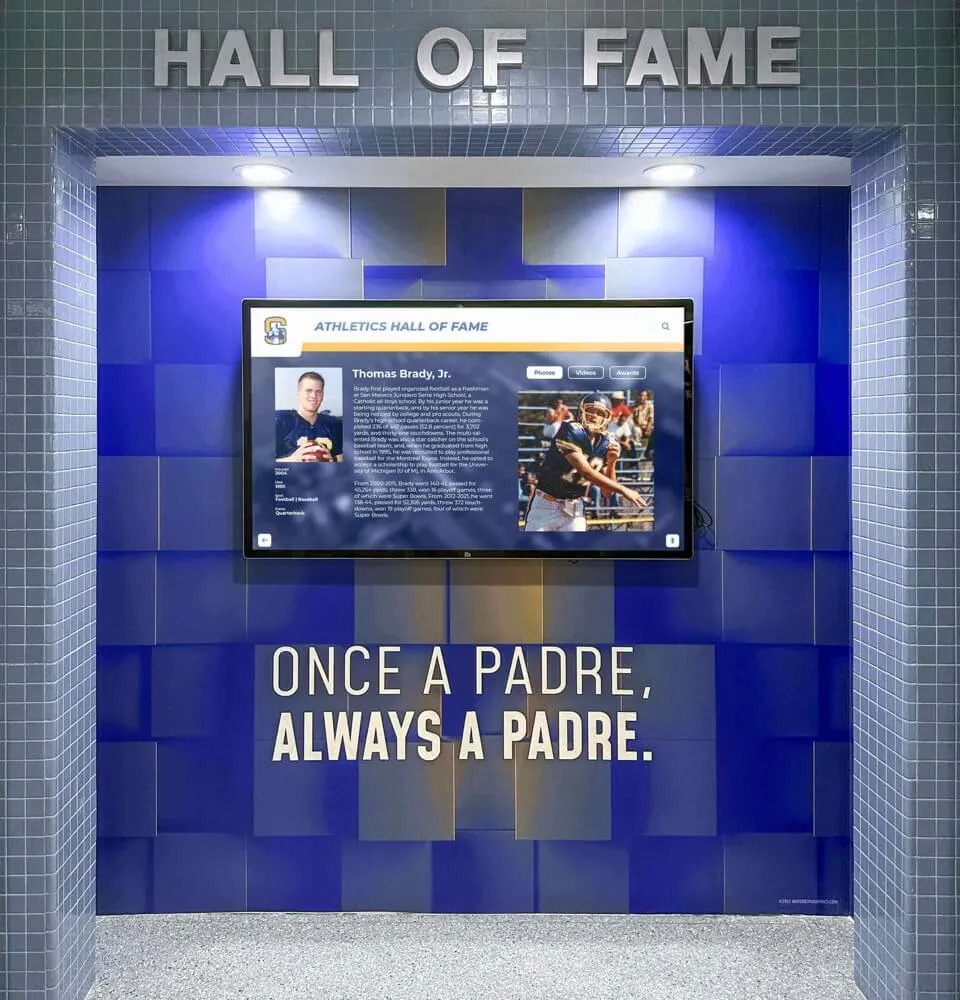
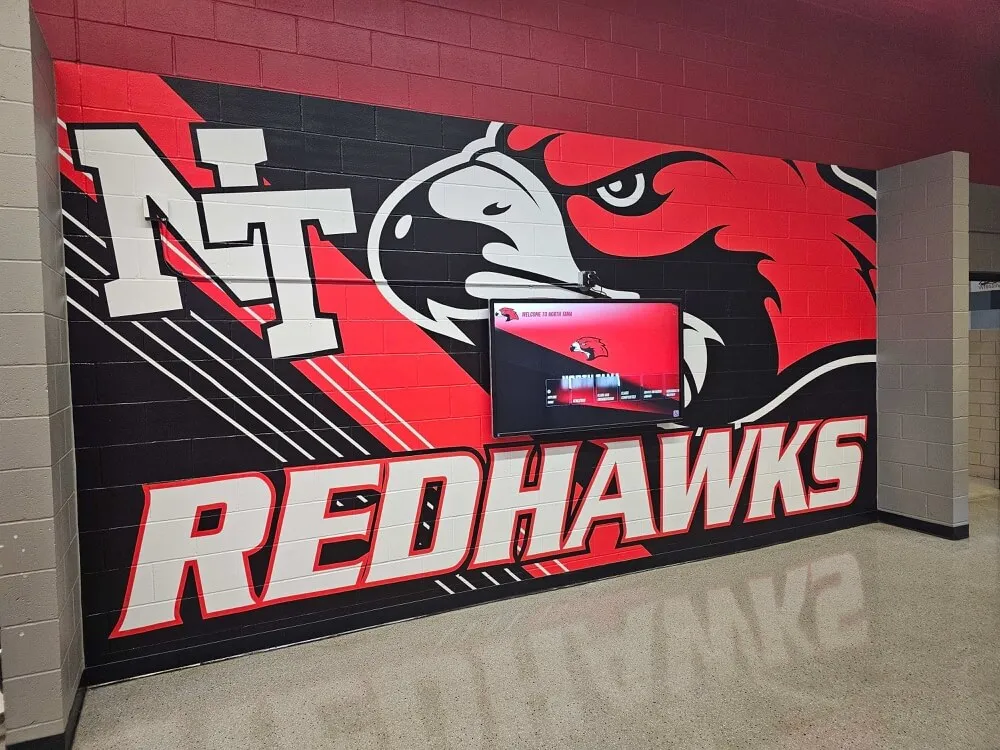
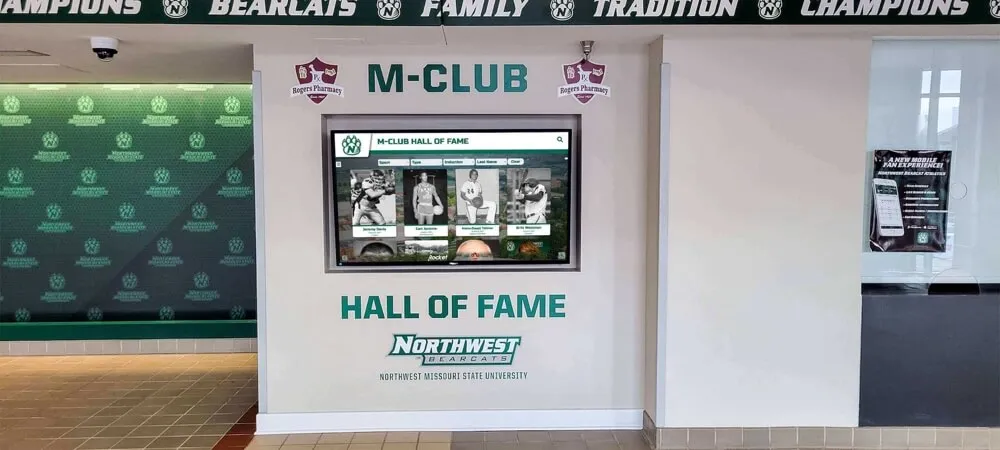
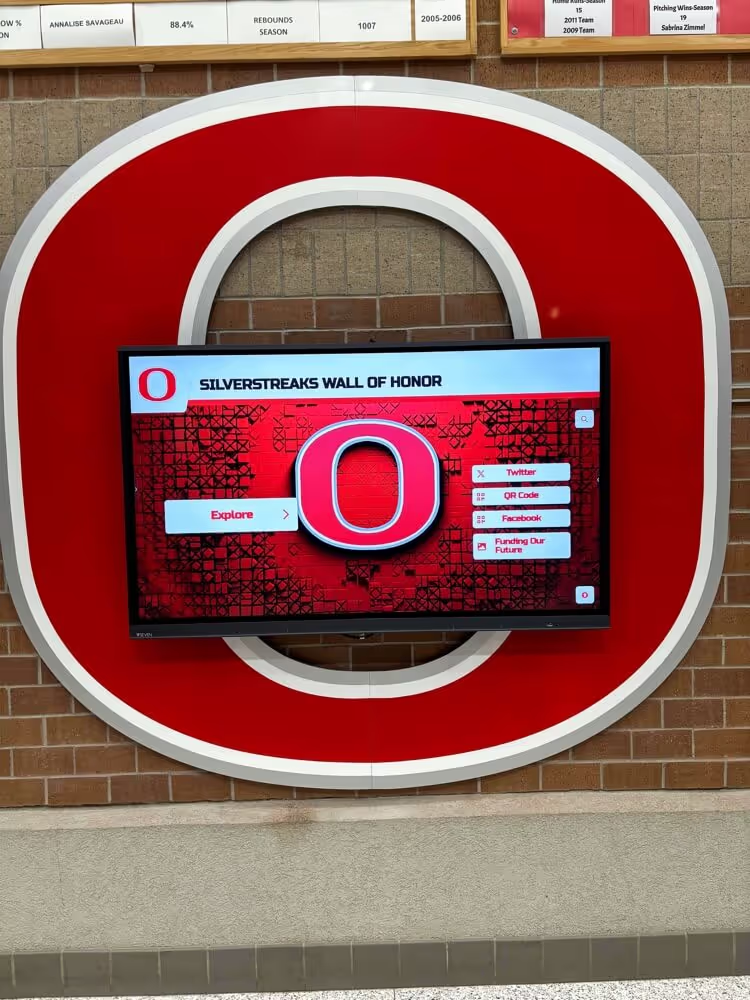
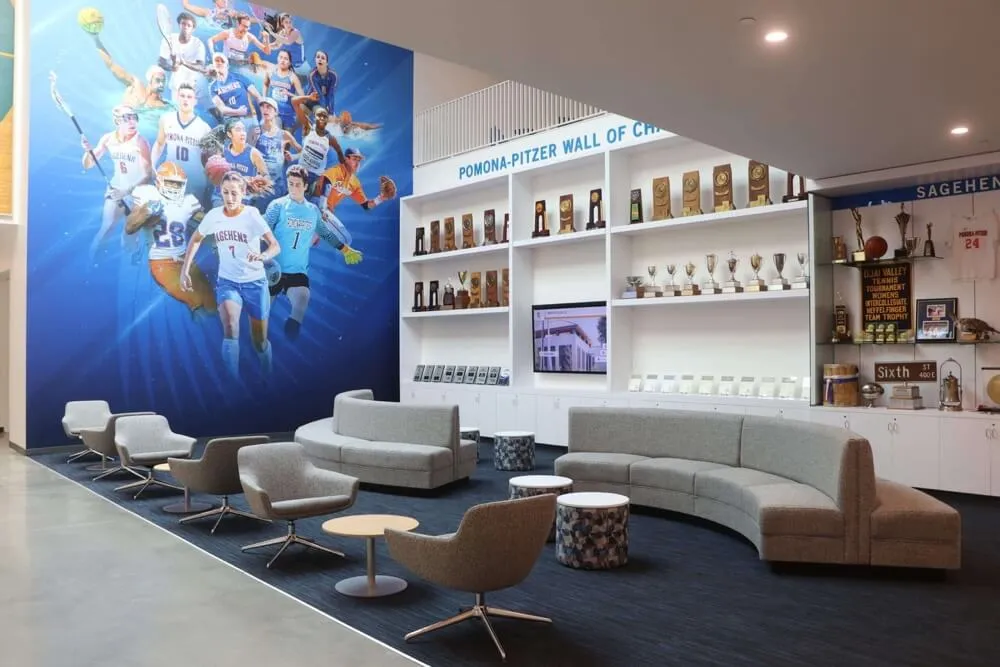
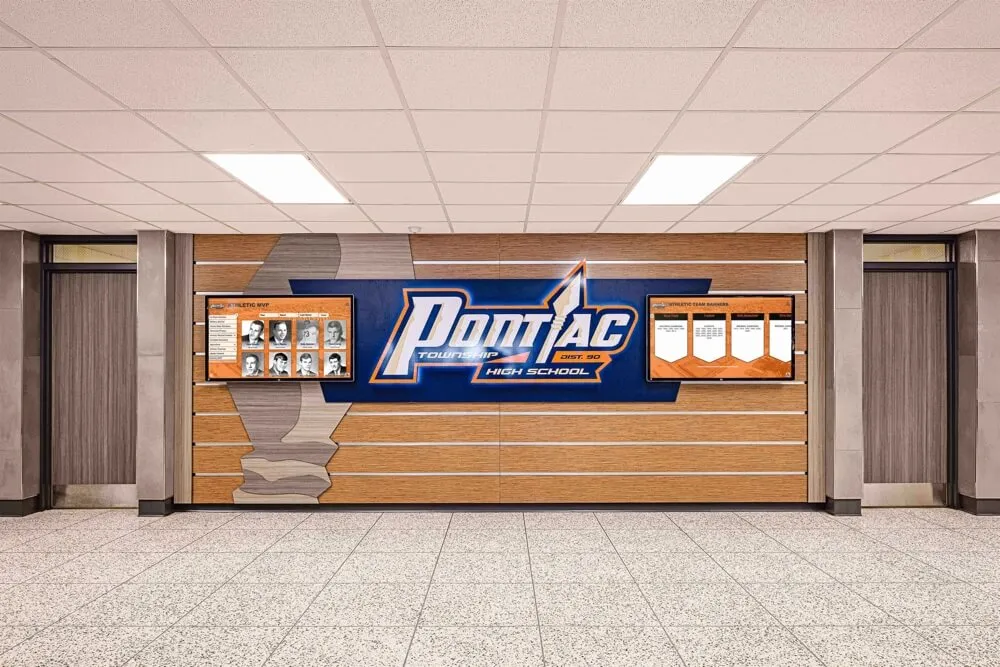
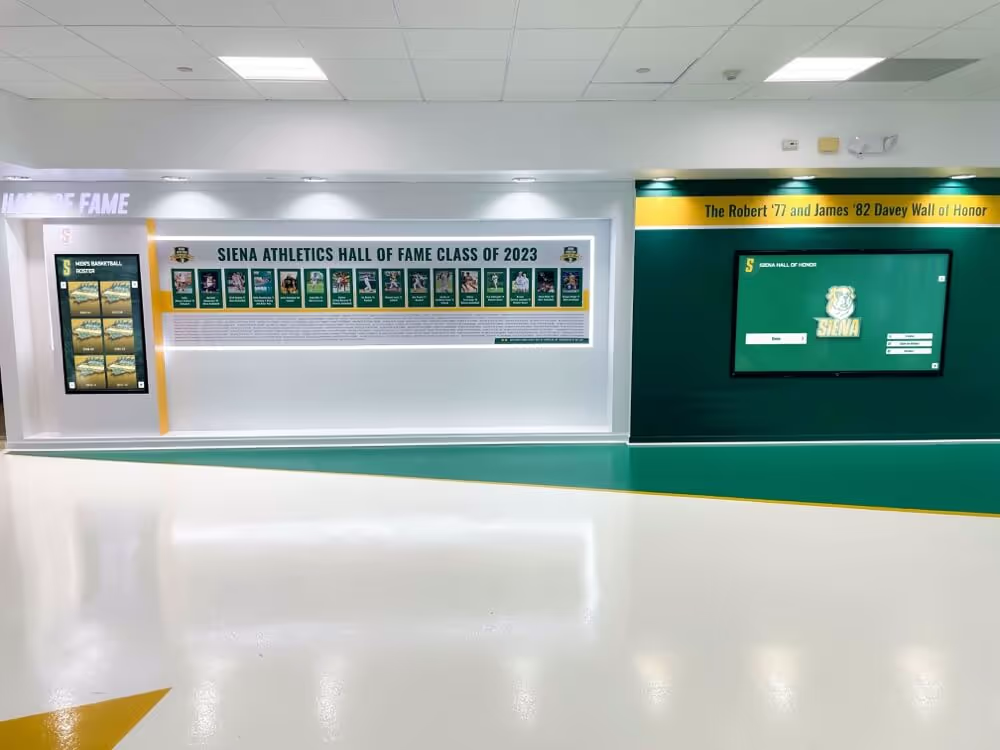
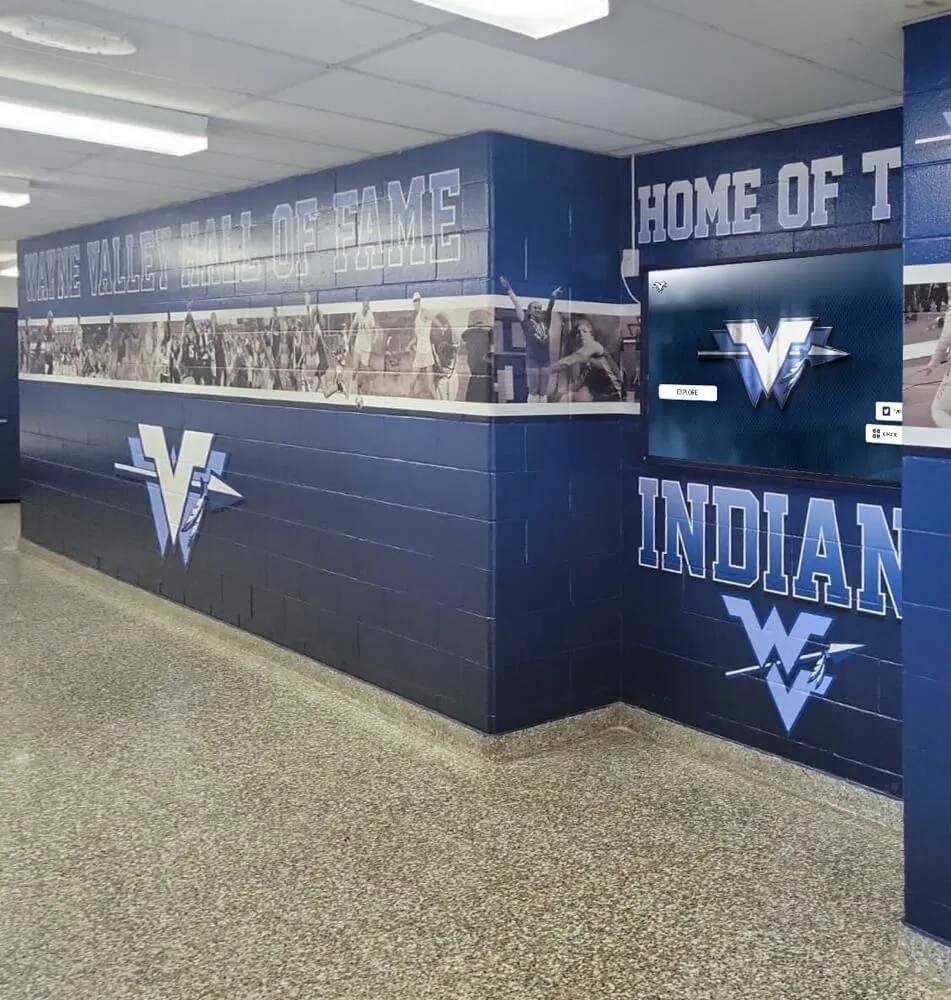
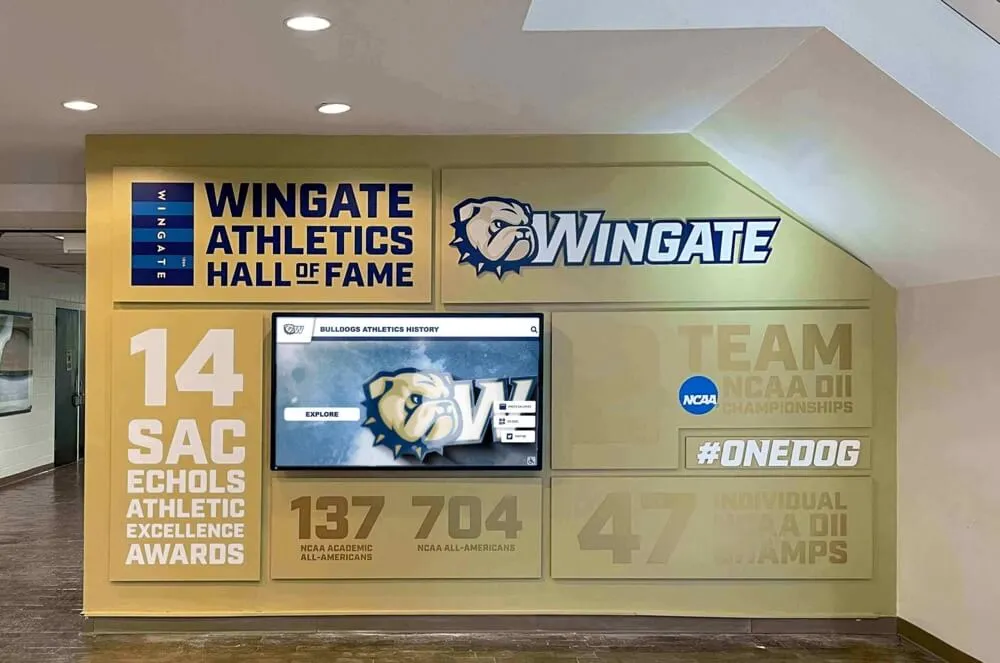
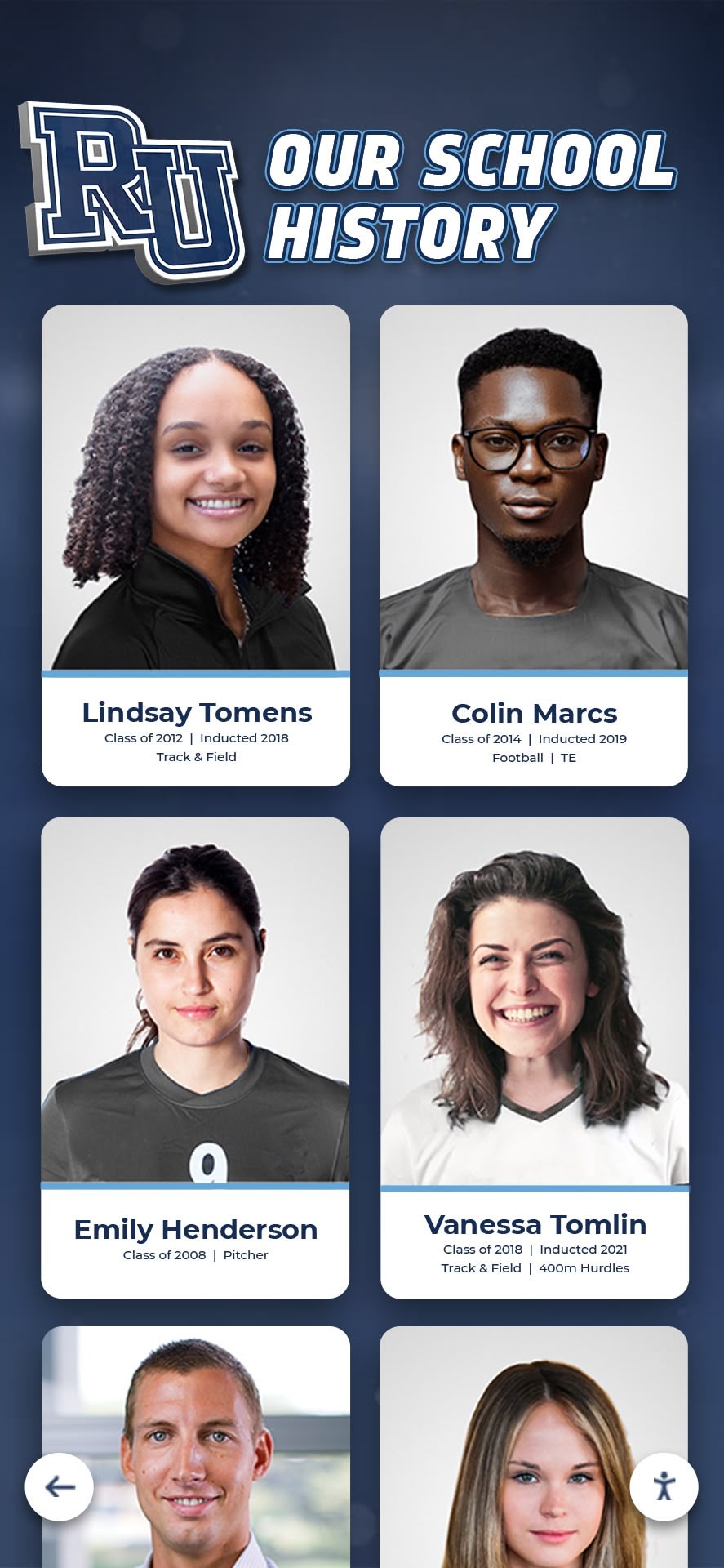
High school and college athletic programs implement interactive digital recognition systems that transform how they honor athletic excellence. Rather than limiting recognition to recent championship teams, comprehensive digital platforms preserve complete program histories.
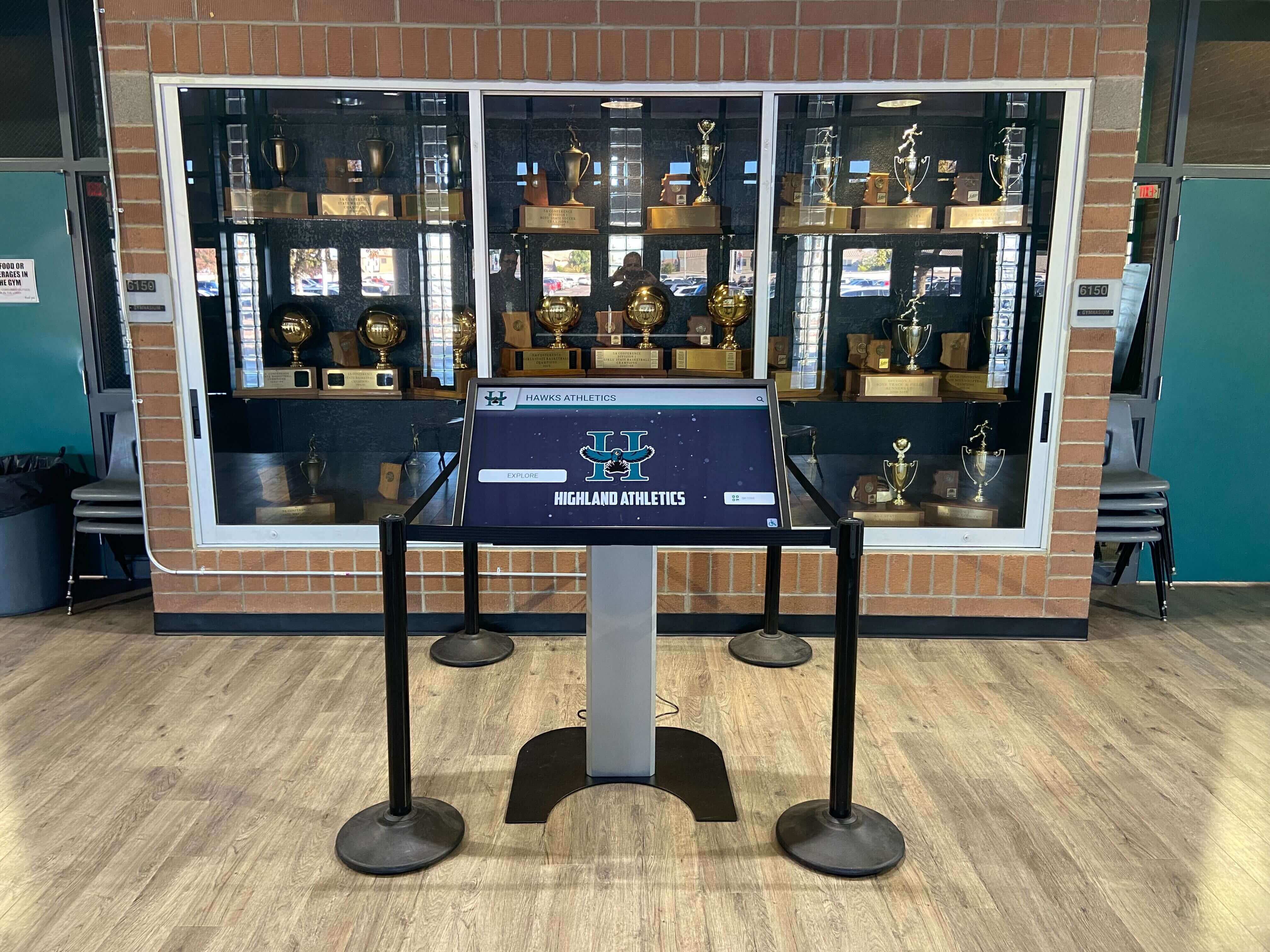
Content Examples for Athletic Recognition:
- Complete all-time record books across all sports and categories
- Championship team rosters with individual player profiles
- Season statistics automatically ranked and updated
- Video highlights from memorable games and tournaments
- Historical program milestones and coaching records
- Individual achievement spotlights for record holders
- Photo galleries documenting program evolution across decades
Athletic directors using solutions like Rocket Alumni Solutions add new content instantly when records fall or championships are won. This immediacy celebrates excellence while excitement remains high and community attention focuses on achievement.
Current athletes explore their potential place in program history. Alumni visiting campus reconnect with teammates and discover where records they set decades ago now rank. Recruits evaluating programs see comprehensive tradition and excellence rather than selective highlights fitting limited physical space.
Academic Achievement Recognition
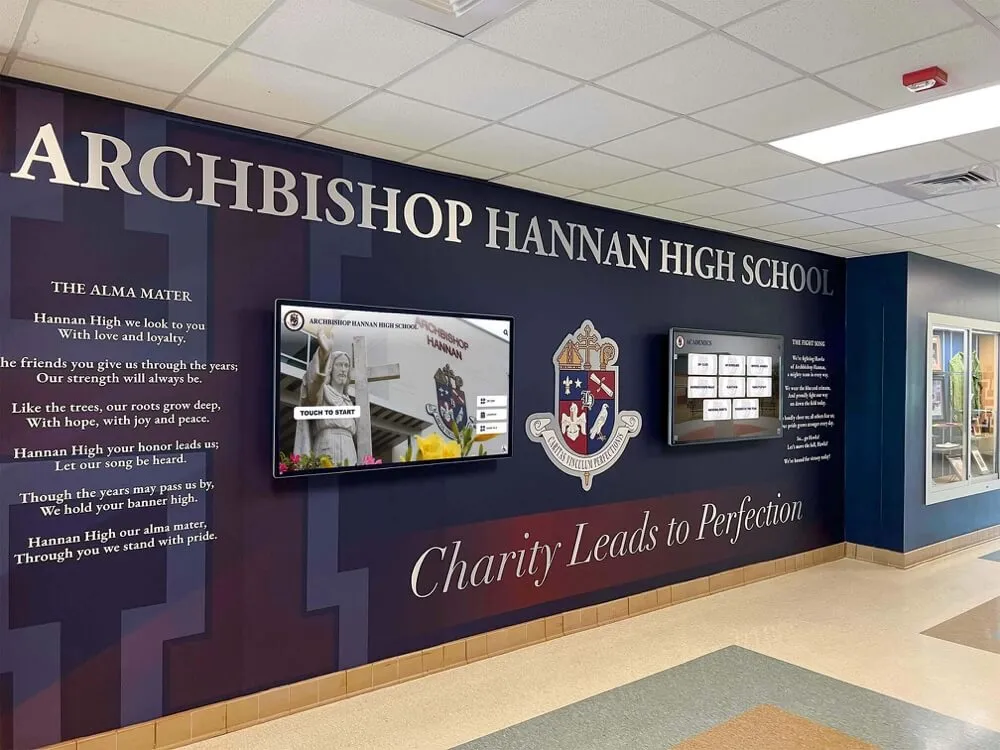
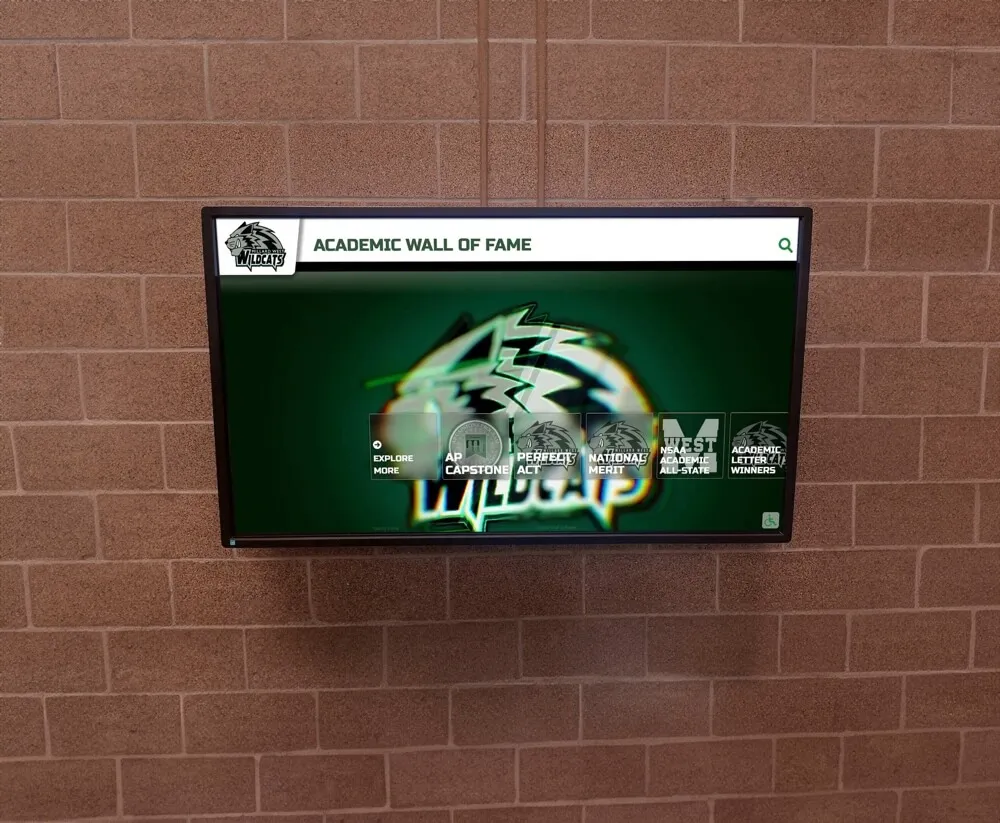
Schools implementing digital academic recognition move beyond simple honor roll lists toward comprehensive celebration of intellectual accomplishment. Interactive displays showcase depth of achievement impossible with limited bulletin board space.
Academic Recognition Content Examples:
- Semester and annual honor roll with searchable student profiles
- Academic All-Americans and scholar-athletes
- Perfect ACT/SAT scores and National Merit Scholars
- AP Scholar distinctions and advanced course completion
- Science fair winners and STEM competition achievements
- Academic competition results (debate, Quiz Bowl, math leagues)
- College acceptances and scholarship awards
- Career and technical education certifications
- Distinguished graduate profiles and success stories
Academic recognition carries equal importance to athletic celebration. Digital displays honor intellectual excellence with the same prominence athletes receive, reinforcing that all forms of achievement deserve celebration.
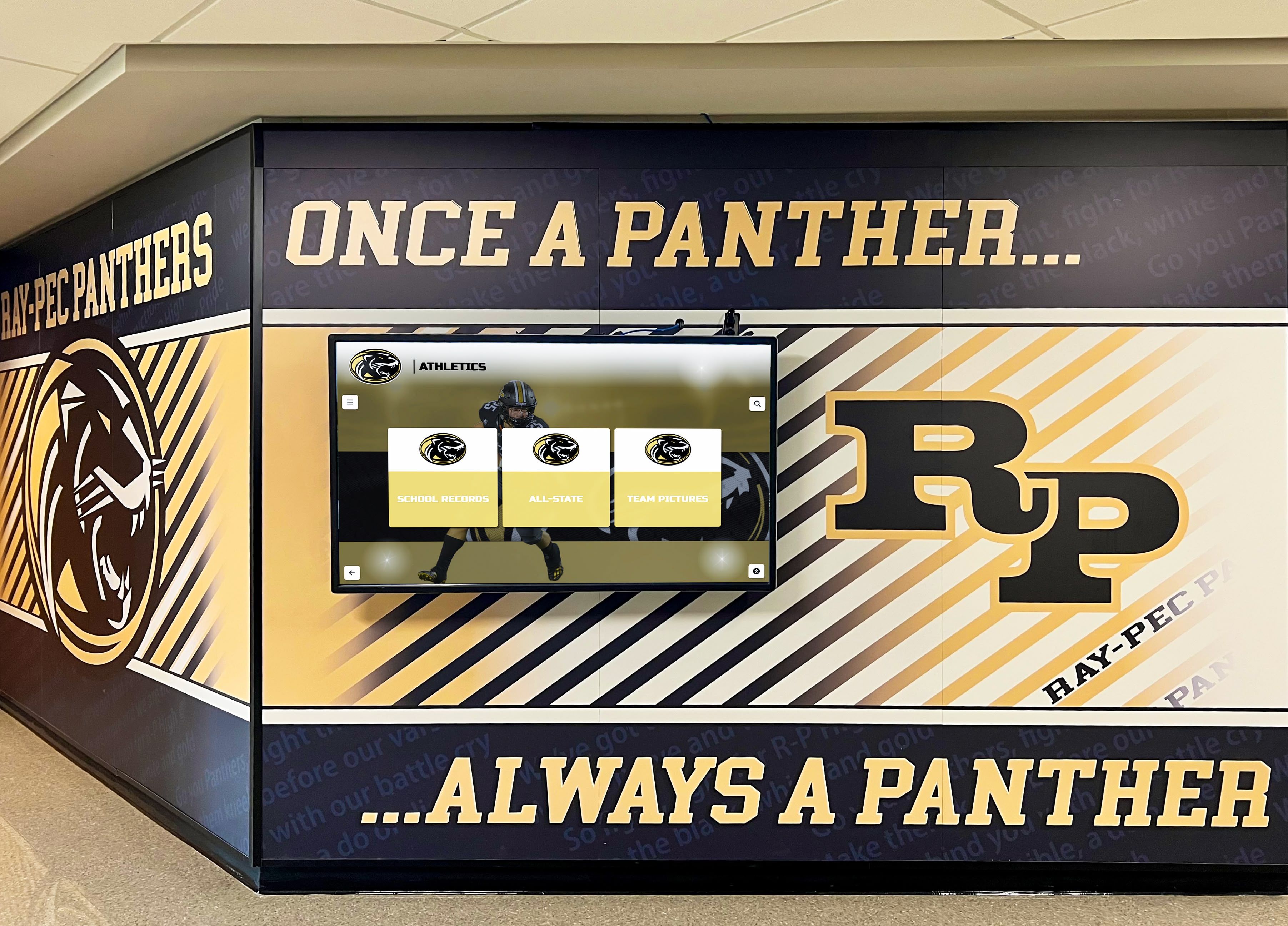
Arts and Activities Showcases
Beyond athletics and academics, comprehensive recognition honors diverse talents through drama, music, visual arts, service organizations, and extracurricular leadership. Digital displays provide platforms celebrating achievements often overlooked in traditional recognition limited to sports.
Arts and Activities Recognition Examples:
- Drama production cast and crew with performance highlights
- Concert and marching band competition results
- All-state musicians and regional honors
- Student artwork galleries from competitions and exhibitions
- Service organization leaders and community impact projects
- Student government representatives and initiatives
- Club and organization rosters with accomplishments
- Leadership conference participants and recognitions
Organizations implementing comprehensive recognition report increased participation in activities receiving visible celebration. When students see achievements honored prominently, engagement strengthens and program prestige grows.
Donor Recognition Walls: Inspiring Philanthropy Through Visibility
Nonprofit organizations, educational institutions, and cultural facilities depend on donor support for capital campaigns, program funding, and operational sustainability. Digital donor walls transform recognition from static name lists into engaging showcases honoring generosity while inspiring future giving.
Capital Campaign Recognition
Major capital campaigns—new buildings, facility renovations, endowment initiatives—generate significant contributions deserving prominent ongoing recognition. Digital donor walls provide perpetual visibility celebrating major gifts while accommodating campaign additions without physical reconstruction.
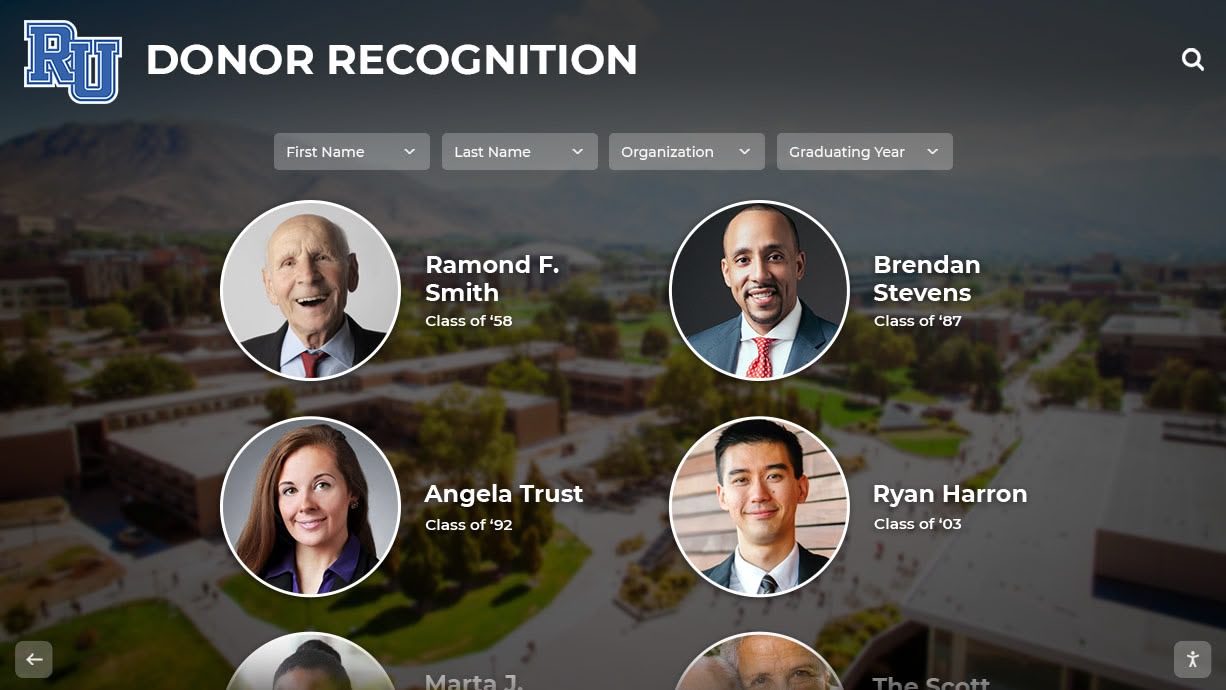
Capital Campaign Digital Recognition Features:
- Giving level categories with donor names and profiles
- Campaign progress thermometers visualizing fundraising goals
- Naming opportunity recognition for facilities and spaces
- Multi-generational family giving histories
- Corporate and foundation sponsor acknowledgment
- Impact stories showing how donations transform programs
- Interactive timelines chronicling campaign milestones
- Photo galleries documenting construction or program development
Organizations update campaign progress instantly as new gifts arrive. This real-time recognition thanks donors immediately while demonstrating momentum that encourages additional contributions from prospects observing campaign success.
Annual Fund and Giving Society Recognition
Beyond major campaigns, annual fund contributions and giving society memberships provide crucial operational support deserving ongoing appreciation. Digital recognition platforms make annual updates effortless while providing permanent visibility that static plaques cannot match cost-effectively.
Annual Giving Recognition Elements:
- Giving society rosters organized by contribution level
- Consecutive years giving streaks and loyalty recognition
- Annual fund leadership circle members
- Memorial and tribute gift acknowledgments
- Volunteer recognition alongside financial contributions
- Legacy society members who included organization in estate plans
- Young alumni giving program participants
- Corporate matching gift acknowledgments
Digital systems accommodate roster changes annually without physical plaque replacement costs. Adding new donors, updating giving levels, and honoring multi-year commitments takes minutes rather than requiring expensive physical updates.
Wayfinding and Campus Navigation Displays
Large facilities—college campuses, hospital complexes, corporate campuses, conference centers—benefit dramatically from interactive wayfinding displays that help visitors navigate confidently. Digital wayfinding surpasses static directories through interactivity and real-time updates.
Interactive Campus Maps
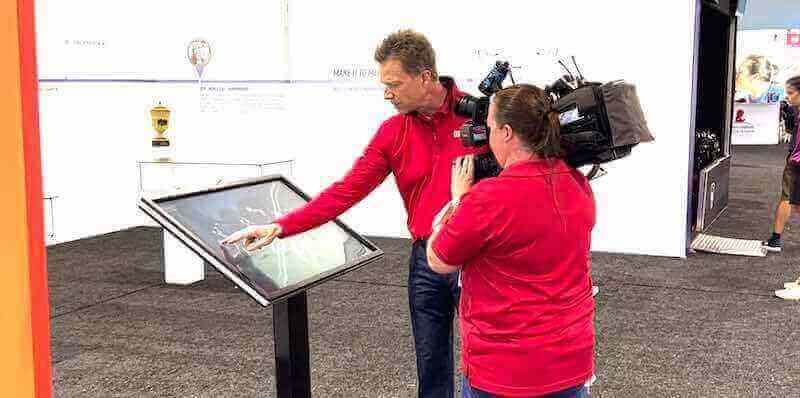
Universities and large school campuses deploy interactive wayfinding kiosks at building entrances, parking areas, and high-traffic locations. Visitors search for buildings, offices, classrooms, or amenities and receive clear directions customized to their current location.
Interactive Wayfinding Features:
- Searchable building and office directories
- Optimized routing between current location and destination
- Accessibility routes showing elevator locations and ramp access
- Parking information with availability status
- Event locations with time-sensitive directions
- Emergency assembly points and safety information
- Transit connections and shuttle stop locations
- Restroom and amenity locations (ATMs, cafeterias, bookstores)
Real-time updates accommodate temporary closures, construction detours, or special event routing changes instantly without reprinting maps or replacing static signs. Visitors always receive current, accurate navigation information.
Event-Specific Wayfinding
During special events—graduation ceremonies, athletic competitions, conferences, reunions—wayfinding needs intensify. Digital displays adapt content to event-specific requirements, guiding increased visitor volumes efficiently.
Event Wayfinding Applications:
- Graduation ceremony seating charts and parking assignments
- Athletic event directions to specific venues and sections
- Conference attendee directions to breakout session locations
- Campus tour routes highlighting key facilities for prospective students
- Reunion event schedules with venue locations
- Parent weekend activity locations and timing
- Homecoming traditions and event locations
After events conclude, displays automatically revert to standard campus navigation content without manual intervention. This scheduling automation simplifies operations while ensuring displays always show relevant information.
Real-Time Information and Communication Displays
Beyond recognition and wayfinding, digital signage excels at distributing timely information that changes frequently. Organizations leverage displays for announcements, schedules, alerts, and data visualization requiring constant updates.
Daily Operations and Announcements
Schools and organizations use lobby and hallway displays for daily operational communication that keeps everyone informed without paper announcements or email overload.
Daily Information Display Examples:
- Morning announcements and daily bulletins
- Class period schedules and bell times (especially modified schedules)
- Lunch menu offerings and daily specials
- Club meeting schedules and locations
- Athletic practice schedules and changes
- Transportation notifications and bus delays
- Weather updates and outdoor activity decisions
- Lost and found notifications
- Upcoming deadline reminders (forms, payments, registrations)
- Special event countdowns and reminders
Content updates take seconds through cloud-based management systems accessible from any device. Administrative assistants post announcements instantly without technical expertise or IT department involvement.
Emergency Communication and Safety
Digital signage networks serve critical roles during emergencies by distributing urgent information simultaneously across entire facilities. Integration with emergency alert systems ensures instant communication during critical situations.
Emergency Communication Capabilities:
- Severe weather alerts and shelter-in-place instructions
- Lockdown notifications with safety procedures
- Evacuation routes and assembly point directions
- All-clear notifications after emergency situations resolve
- Public health announcements during illness outbreaks
- Facility closure notifications
- Traffic or transportation emergency updates
- Emergency contact information display
Organizations program displays to interrupt regular content automatically when emergency alerts activate, ensuring critical information reaches everyone immediately regardless of current display content.
Student Life and Engagement Displays
College campuses and large high schools use digital displays throughout student spaces to build community, celebrate involvement, and promote engagement opportunities that strengthen campus culture.
Student Activity Promotions
Student centers, residence halls, and dining facilities feature displays promoting upcoming activities, events, and organizations. Dynamic promotion creates awareness driving participation beyond what flyers and emails achieve alone.
Student Engagement Content Examples:
- Upcoming events calendar with details and registration
- Club and organization recruitment information
- Talent show and performance promotions
- Intramural sports schedules and standings
- Campus activities fair information
- Leadership opportunity announcements
- Volunteer project promotions and impact stories
- Student government initiatives and voting information
- Campus recreation facility hours and programs
- Social events and traditions
Engagement increases when promotion reaches students in spaces they frequent daily. Displays in dining halls, student unions, and residence hall lobbies capture attention during natural gathering times when students are receptive to activity information.
Social Media Integration
Forward-thinking institutions integrate social media feeds into digital displays, showcasing authentic student experiences and user-generated content that reflects campus culture genuinely.
Social Media Display Applications:
- Instagram feeds showing campus life photos with approved hashtags
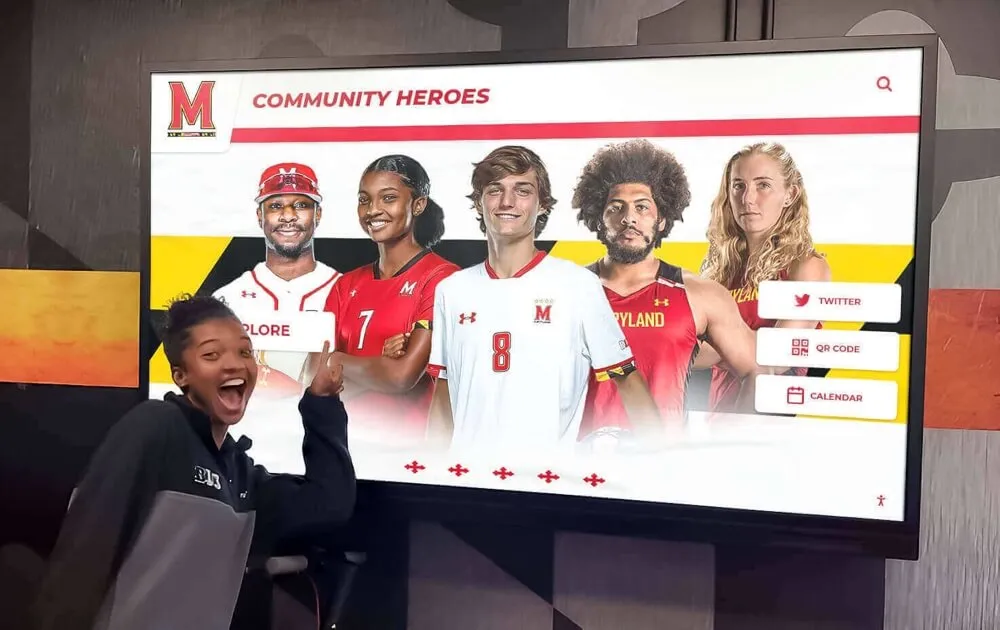
- Twitter feeds from official accounts and campus news
- Student blog highlights and featured stories
- Event photo galleries uploaded in real-time
- Student accomplishment announcements shared socially
- Alumni updates and where-are-they-now features
- Campus traditions documentation and throwback content
- Student-created video spotlights and documentaries
Social integration creates reciprocal engagement. Students see their content featured on displays, encouraging additional social sharing. Displays become more dynamic and authentic by showcasing real student voices and experiences rather than institutional messaging alone.
Historical Archive and Institutional Memory Displays
Organizations with rich histories leverage digital displays to preserve and share institutional memory that might otherwise remain inaccessible in storage or archives. Interactive historical content strengthens connections between past and present.
Timeline and Evolution Showcases
Interactive timelines document organizational evolution, major milestones, and transformative moments that shaped institutional identity. Digital formats accommodate comprehensive detail impossible with physical timeline displays constrained by wall space.
Historical Timeline Content:
- Founding history and original mission
- Facility construction and expansion chronology
- Leadership succession and influential administrators
- Significant program launches and achievements
- Historical photos documenting campus evolution
- Notable alumni accomplishment timelines
- Institutional response to historical events
- Consolidated school histories when multiple schools merged
- Anniversary celebrations and milestone commemorations
Visitors explore specific eras of interest rather than viewing predetermined content. Alumni search for their graduation year and discover campus context during their time. Prospective families understand institutional longevity and tradition through historical depth.
Archive Digitization and Access
Historical archives—yearbooks, newspapers, programs, photographs, documents—provide incredible institutional value but remain largely inaccessible when stored physically. Digital displays bring archives to public attention while preserving originals.
Archive Display Applications:
- Digitized yearbook browsing by year and class
- Historical newspaper and publication archives
- Athletic program archives from past decades
- Theater playbill and performance history collections
- Academic history and curriculum evolution
- Architectural drawing and campus planning documents
- Historical correspondence and document collections
- Photo archives organized by decade, subject, or event
- Oral history recordings from alumni and retirees
Digitization extends archive accessibility beyond institutional boundaries. Alumni worldwide browse historical content remotely. Researchers access materials without handling fragile originals. Current students discover institutional heritage reinforcing tradition and pride.
Corporate and Business Environment Displays
Beyond educational and nonprofit applications, businesses leverage digital signage for employee engagement, visitor experiences, and operational communication across corporate environments.
Employee Recognition and Culture
Organizations building strong workplace cultures implement recognition programs honoring employee achievements, celebrating milestones, and reinforcing values through visible acknowledgment.
Workplace Recognition Content:
- Employee of the month profiles and accomplishments
- Service anniversary recognition for tenure milestones
- Team achievement celebrations and project completions
- Sales performance leaderboards and goal tracking
- Safety milestone achievements and incident-free days
- Innovation award winners and patent recipients
- Training completion and professional development
- Volunteer activity and community service participation
- Retirement celebrations and career retrospectives
Recognition visibility strengthens culture by demonstrating organizational values through authentic celebration. Employees see accomplishments honored publicly, reinforcing behaviors and achievements organizations value most.
Visitor Experiences and Brand Storytelling
Corporate lobbies, showrooms, and reception areas deploy digital displays that educate visitors about company history, products, values, and achievements while projecting professional image.
Corporate Visitor Experience Content:
- Company history timelines and milestone achievements
- Product showcase and innovation highlights
- Customer success stories and testimonials
- Manufacturing or service process visualizations
- Sustainability initiatives and environmental commitments
- Community investment and philanthropic programs
- Leadership team introductions and company structure
- Global footprint maps showing locations and reach
- Awards and industry recognition displays
Interactive content engages visitors during wait times while subtly communicating brand strengths, values, and differentiators. Thoughtful displays create memorable impressions distinguishing organizations from competitors with generic lobby environments.
Implementation Best Practices for Effective Digital Signage
Having creative content ideas means nothing if implementation creates bottlenecks preventing sustainable content management. Successful digital signage deployments follow systematic approaches balancing ambition with operational reality.
Content Strategy Development
Before hardware procurement, define clear content strategy answering fundamental questions: What primary purposes will displays serve? Who owns content creation and management? How frequently will content update? What approval workflows ensure quality?
Organizations should balance evergreen content (historical information, permanent recognition) with dynamic content (daily announcements, current events) so displays provide value even during periods without new content. Planning content mix prevents displays from going stale when temporary information expires.
Sustainable Management Processes
The most common digital signage failure mode: enthusiastic launch followed by gradual content stagnation as initial excitement fades and busy staff lack time maintaining displays. Preventing this requires systematic processes making updates manageable within existing workflows.
Operational Sustainability Strategies:
- Distributed content ownership with clear responsibilities
- Cloud-based management enabling updates from anywhere
- Mobile-friendly interfaces allowing smartphone content updates
- Bulk upload tools for efficient roster and record management
- Template-based approaches accelerating professional content creation
- Scheduled publishing automating future content releases
- Calendar-based content rotation preventing manual seasonal updates
- Analytics identifying popular content informing future strategy
Solutions like Rocket Alumni Solutions design workflows specifically for busy athletic directors, activities coordinators, and administrators lacking technical expertise. Intuitive interfaces and pre-built templates make professional content creation accessible to non-technical staff.
Hardware Selection and Placement
Display effectiveness depends heavily on appropriate hardware selection and strategic placement. Displays must be visible, accessible, and sized appropriately for viewing distances and traffic patterns.
Hardware Considerations:
- Commercial-grade displays rated for continuous operation
- Appropriate screen sizes for typical viewing distances
- Touchscreen capabilities when interactive exploration is primary purpose
- Adequate computing power for smooth content delivery
- Network connectivity supporting cloud-based content updates
- Secure mounting or kiosk enclosures preventing tampering
- Accessible height and angle accommodating wheelchair users
- Environmental factors (sunlight glare, temperature extremes, weather exposure)
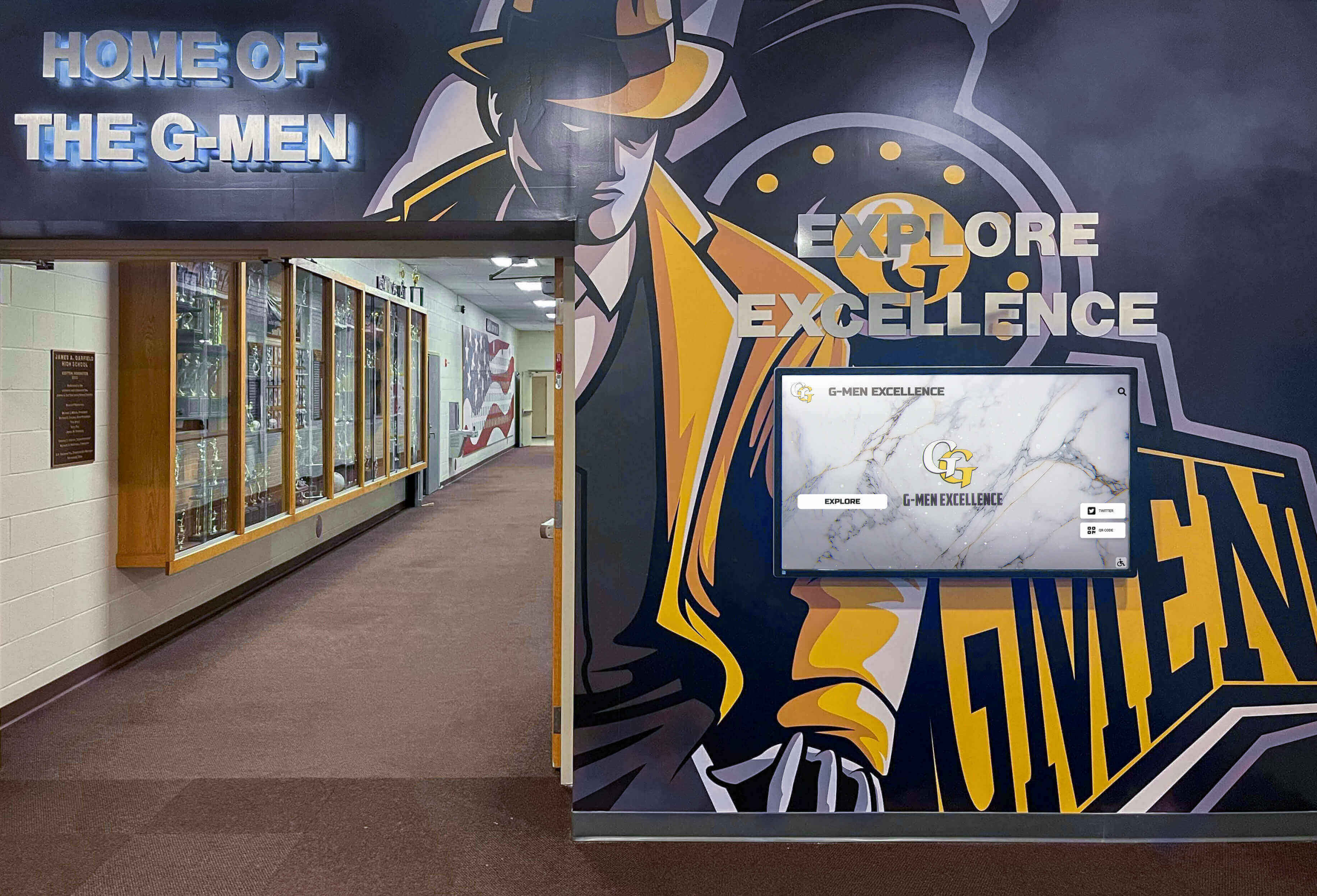
Strategic placement in high-traffic locations—building entrances, cafeterias, athletic facilities, administrative areas—maximizes visibility and engagement. Displays in low-traffic areas receive limited attention regardless of content quality.
Accessibility and Inclusion
Digital displays must serve all community members regardless of abilities. Accessibility features ensure inclusive experiences while meeting legal compliance requirements.
Accessibility Requirements:
- Text sizes readable from typical viewing distances
- High contrast ratios ensuring readability for visual impairments
- Touchscreen targets large enough for motor skill variations
- Screen reader compatibility for audio content access
- Keyboard navigation alternatives to touch interaction
- Closed captioning for video content
- Multiple language support for diverse communities
- Accessible mounting heights for wheelchair users
Organizations implementing comprehensive accessibility from launch avoid expensive remediation later while demonstrating inclusive values through design choices.
Measuring Digital Signage Impact and ROI
Effective digital signage generates measurable impacts beyond impressions or viewing time. Organizations tracking meaningful metrics demonstrate return on investment justifying continued investment and expansion.
Engagement Metrics
Interactive displays provide analytics revealing how audiences engage with content. Understanding viewing patterns, popular content, and interaction duration informs content strategy improvements.
Engagement Analytics to Track:
- Total interactions and sessions over time periods
- Average session duration and exploration depth
- Most viewed content and popular search terms
- Content completion rates for videos or multi-page profiles
- Time-of-day and day-of-week usage patterns
- New versus returning visitor patterns
- QR code scans connecting physical displays to mobile devices
- Social sharing frequency from display content
Organizations observe which content categories generate greatest engagement and adjust content mix accordingly. If athletic content dominates interaction while academic recognition receives minimal views, strategies address imbalance through promotion or content enhancement.
Advancement and Development Outcomes
Institutions using digital displays for donor recognition and alumni engagement track advancement metrics demonstrating recognition’s fundraising impact.
Advancement Metrics to Monitor:
- Donor retention rates comparing recognized versus non-recognized contributors
- Upgrade rates among donors receiving prominent recognition
- Legacy society enrollment rates after digital recognition implementation
- Capital campaign progress acceleration correlating with recognition visibility
- Volunteer recruitment success after recognition program enhancements
- Event attendance among recognized alumni groups
- Social media engagement from recognized individuals
- Website traffic from QR codes on recognition displays
Data demonstrating recognition’s advancement impact justifies investment while identifying opportunities for recognition strategy refinement maximizing philanthropic results.
Cultural and Perception Changes
While harder to quantify, institutional culture and community perception shifts represent digital signage’s most valuable outcomes. Periodic surveys and qualitative assessment reveal these broader impacts.
Cultural Impact Indicators:
- Student pride and school spirit measurements
- Parent satisfaction with communication and engagement
- Alumni connection strength and engagement willingness
- Community perception of institutional excellence
- Prospective family impressions during campus visits
- Employee satisfaction with recognition and communication
- Program participation rates in recognized activities
- Retention rates among students and employees
Organizations conducting pre-implementation baseline surveys and post-implementation follow-up studies document cultural transformation attributable to comprehensive recognition and communication improvements.
The Future of Digital Signage in Educational and Organizational Contexts
Digital signage technology continues evolving with emerging capabilities enhancing both technical performance and user experiences. Organizations planning implementations should consider future directions shaping next-generation systems.
Artificial Intelligence and Personalization
AI capabilities enable increasingly sophisticated features including natural language search understanding conversational queries, personalized content recommendations adapting to individual interests, automated content tagging and organization, and predictive analytics forecasting content performance.
These capabilities make systems more intuitive and powerful. Visitors conduct natural language searches (“Show me championship basketball teams from the 1980s”) rather than navigating structured menus. Systems learn from interaction patterns to surface personally relevant content proactively.
Extended Reality Integration
Emerging augmented and virtual reality technologies create opportunities for enhanced storytelling and immersive experiences extending beyond traditional 2D displays.
Extended Reality Applications:
- AR overlays adding digital information to physical spaces viewed through smartphones
- Virtual tours navigating campus or facility spaces remotely
- 3D object visualization for historical artifacts or architectural models
- Immersive video experiences placing viewers in historical moments
- Virtual reality museum exhibitions accessible remotely
While current implementations focus primarily on touchscreen and traditional displays, forward-thinking organizations consider how future technology might enhance experiences as capabilities mature and costs decrease.
Sustainability and Efficiency Improvements
Technology maturation drives improved efficiency reducing environmental impact and operational costs. Modern displays consume less power while delivering better performance. Cloud infrastructure scales efficiently without dedicated on-premise servers consuming energy.
Organizations prioritizing sustainability should evaluate energy consumption, expected operational lifespan, recyclability of components, and operational efficiency when selecting systems and vendors.
Moving Forward with Digital Signage Implementation
The digital signage examples showcased demonstrate technology’s potential for transforming how organizations communicate, recognize achievement, and engage communities. Success requires moving beyond viewing digital displays as electronic bulletin boards toward recognizing them as strategic tools strengthening culture, preserving history, and building connections.
Organizations seeing greatest impact approach digital signage systematically—defining clear purposes, planning sustainable content strategies, selecting appropriate hardware and software, and measuring meaningful outcomes. Purpose-built platforms designed specifically for recognition, engagement, and community building deliver superior value compared to generic digital signage tools adapted to applications they weren’t designed to serve.
Whether implementing athletic recognition systems celebrating every achievement, donor recognition walls inspiring philanthropy, campus wayfinding improving visitor experiences, or historical archives preserving institutional memory, the right digital signage creates experiences impossible with traditional static approaches.
Ready to Transform Your Recognition and Engagement?
Discover how purpose-built digital signage solutions create engaging experiences that celebrate achievement, honor tradition, and strengthen community connections.
Digital signage represents strategic investment in institutional identity, culture, and community engagement. When implemented thoughtfully with appropriate technology and sustainable processes, these systems deliver value exponentially exceeding costs through recognition that inspires, communication that informs, and experiences that strengthen connections across entire communities.