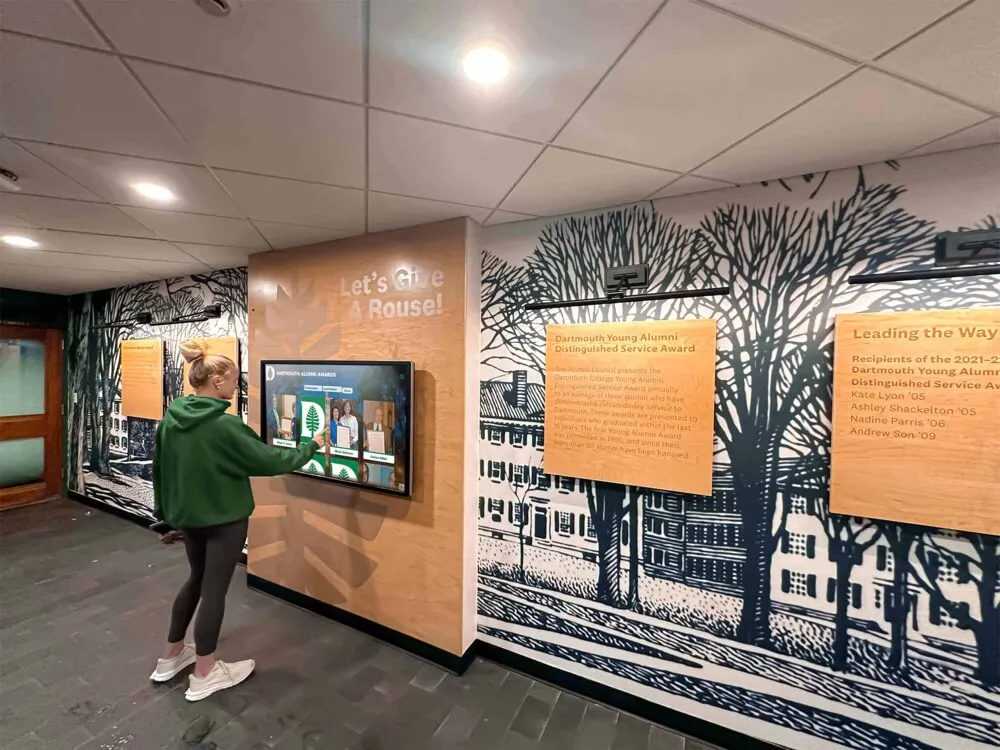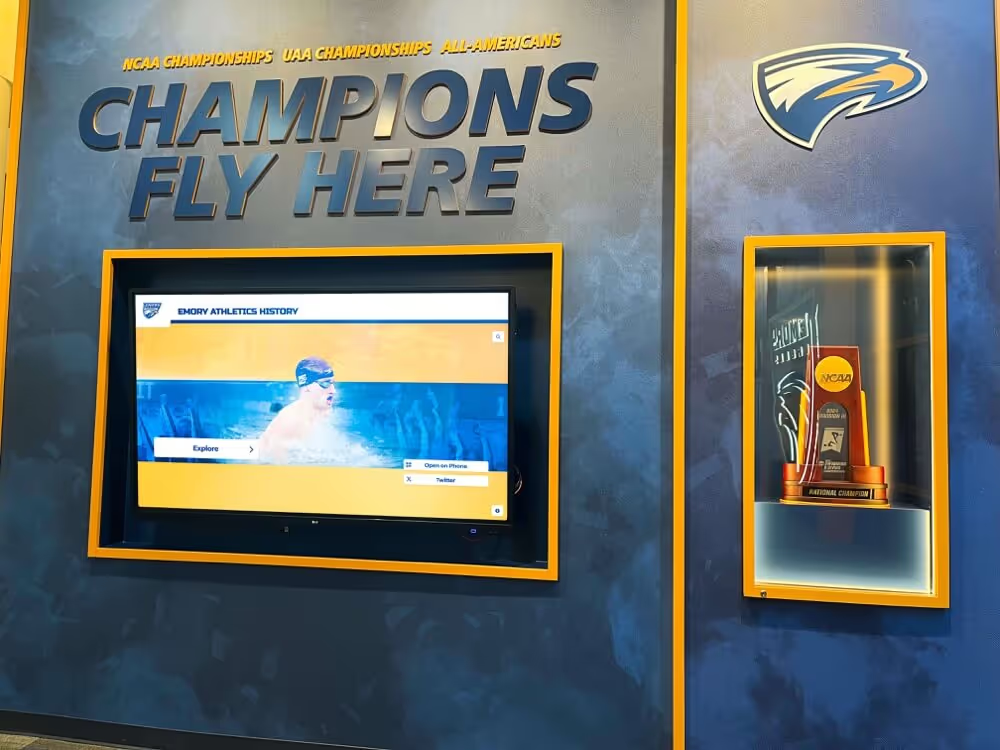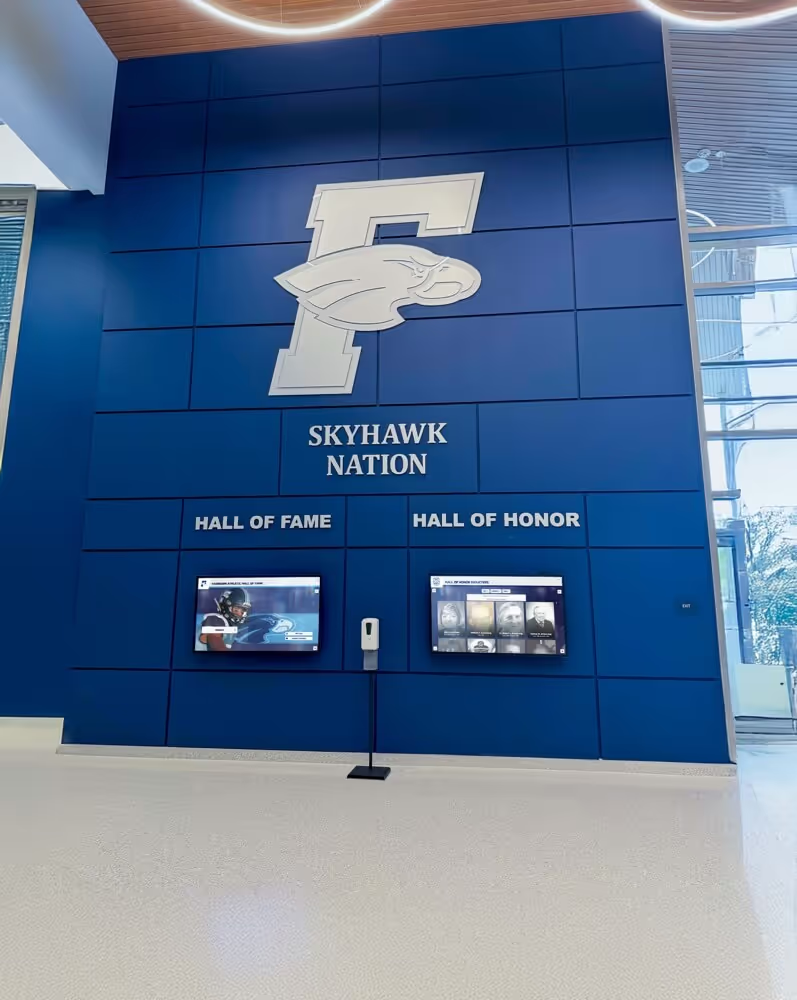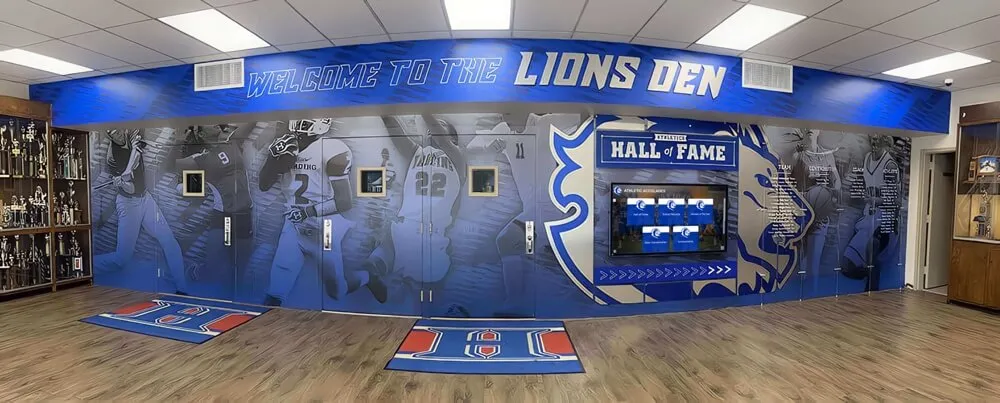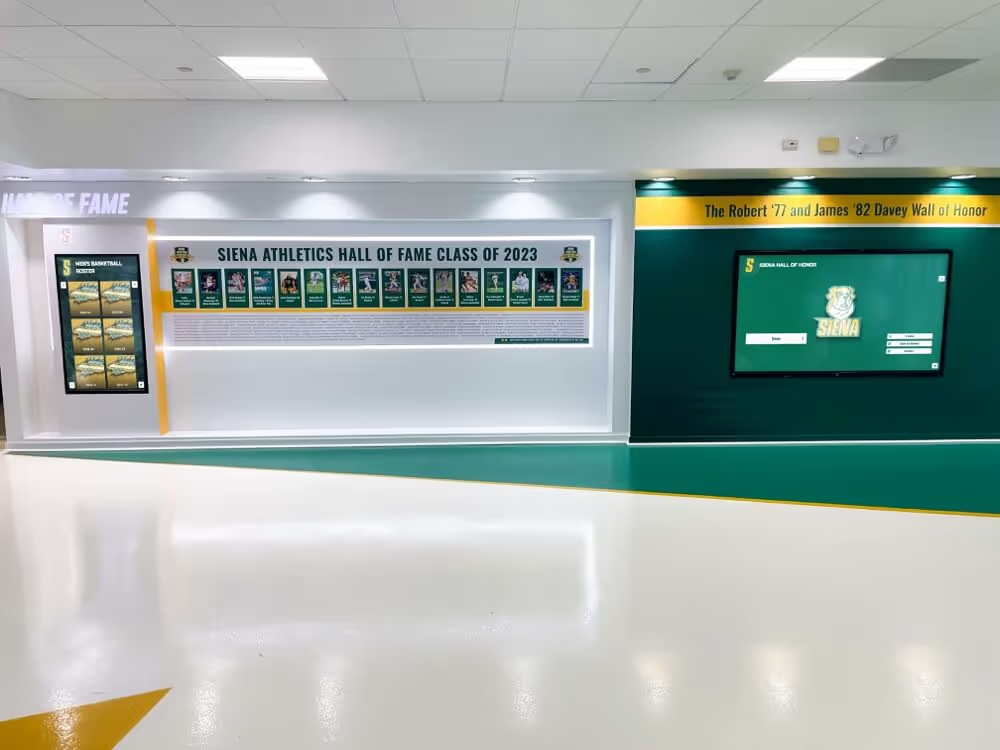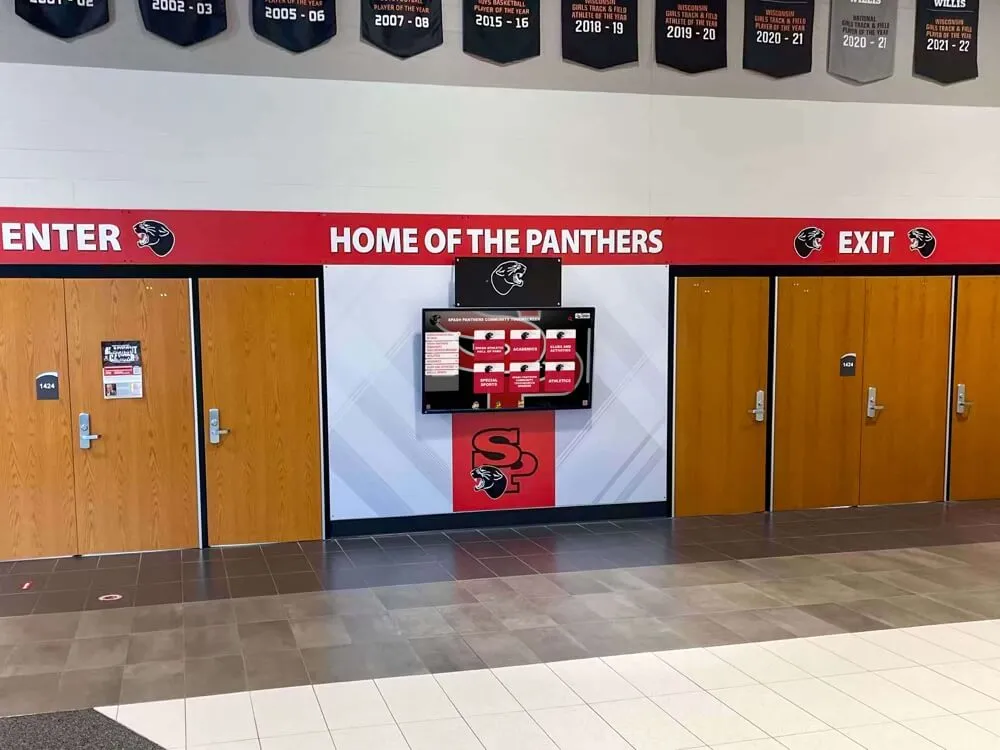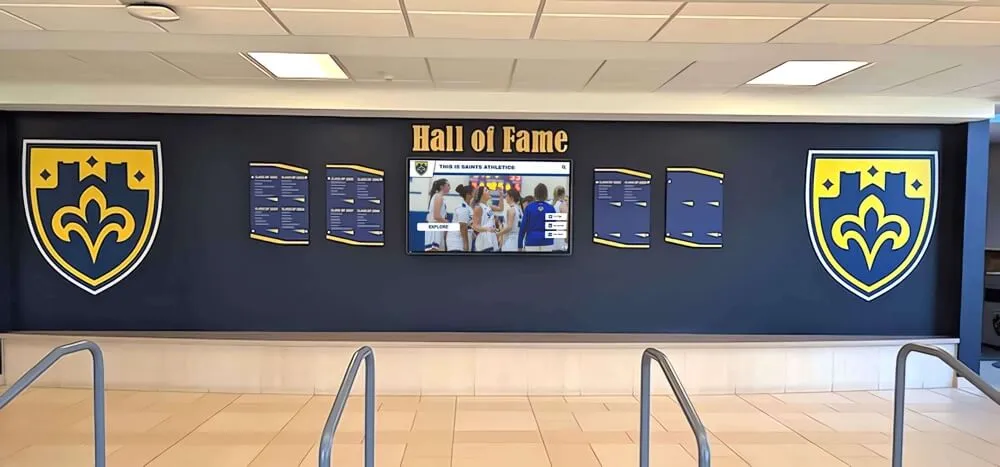




High school class officers represent the student voice in their schools—organizing events, advocating for their classmates, leading initiatives, and developing leadership skills that will serve them throughout their lives. Yet despite the substantial time commitment and meaningful contributions these students make, many schools struggle to recognize class officers appropriately beyond brief yearbook mentions or temporary bulletin board displays that disappear shortly after graduation.
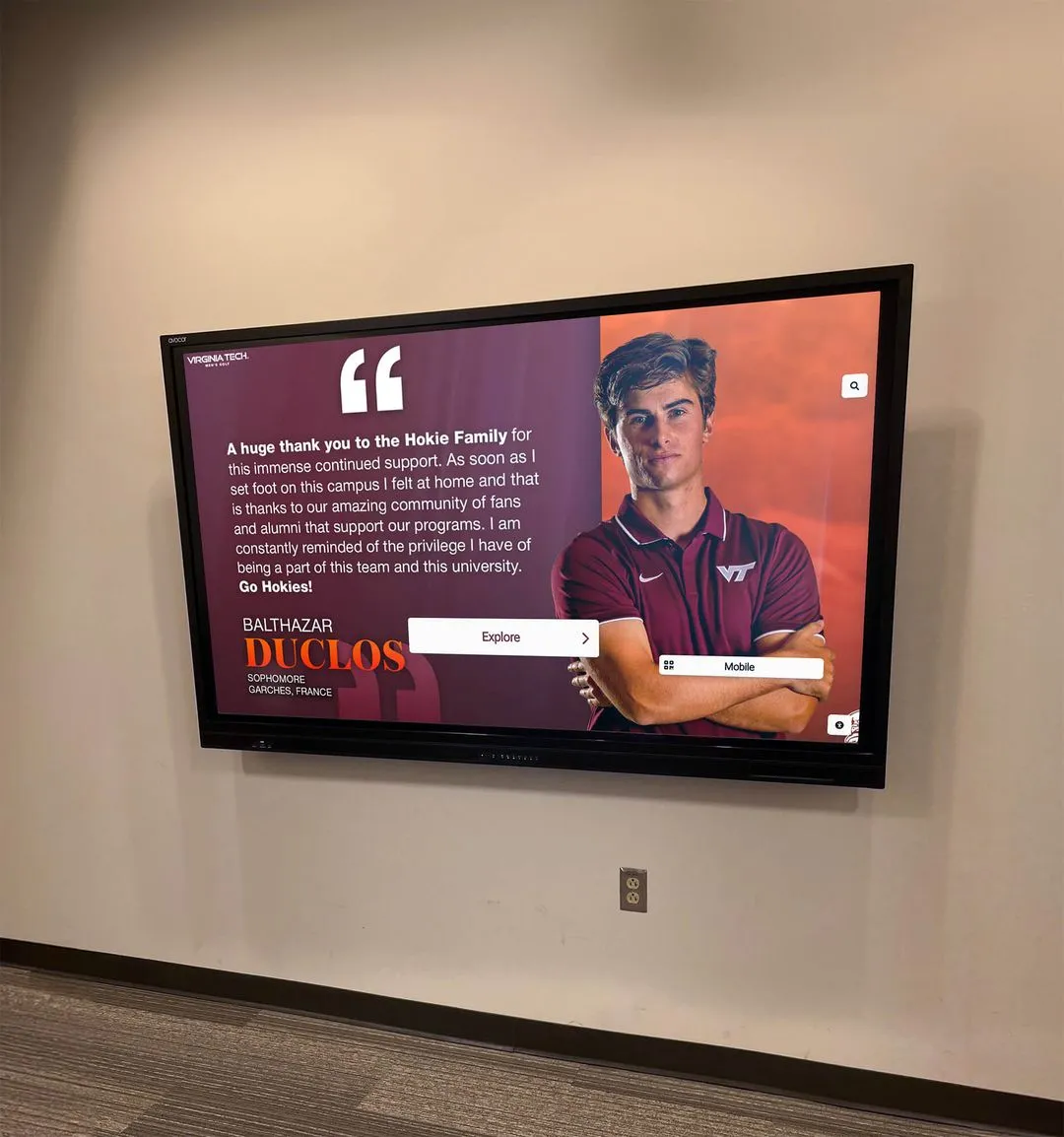
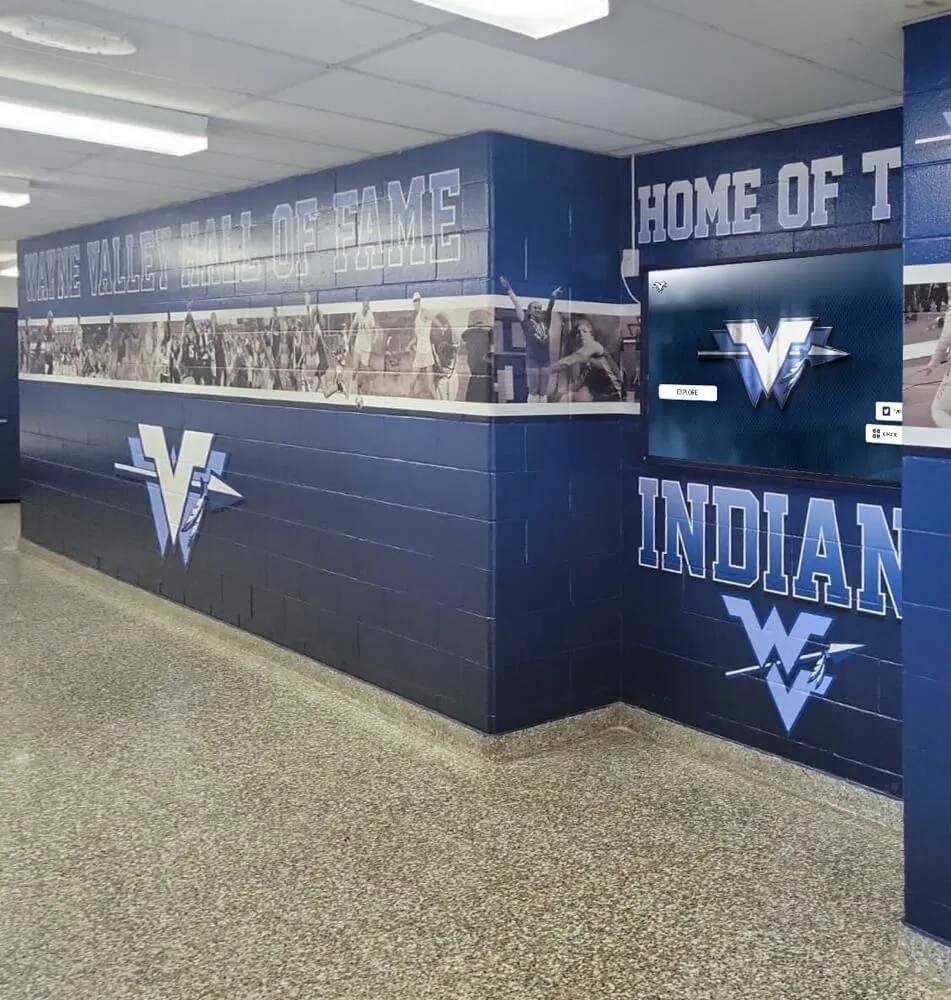
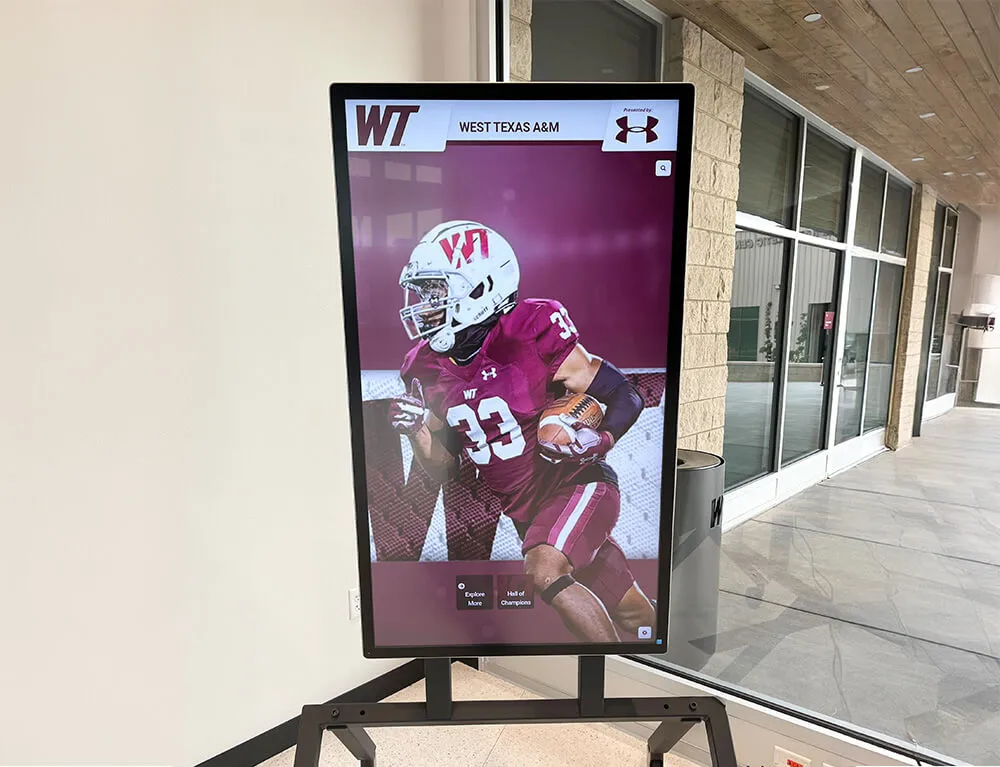
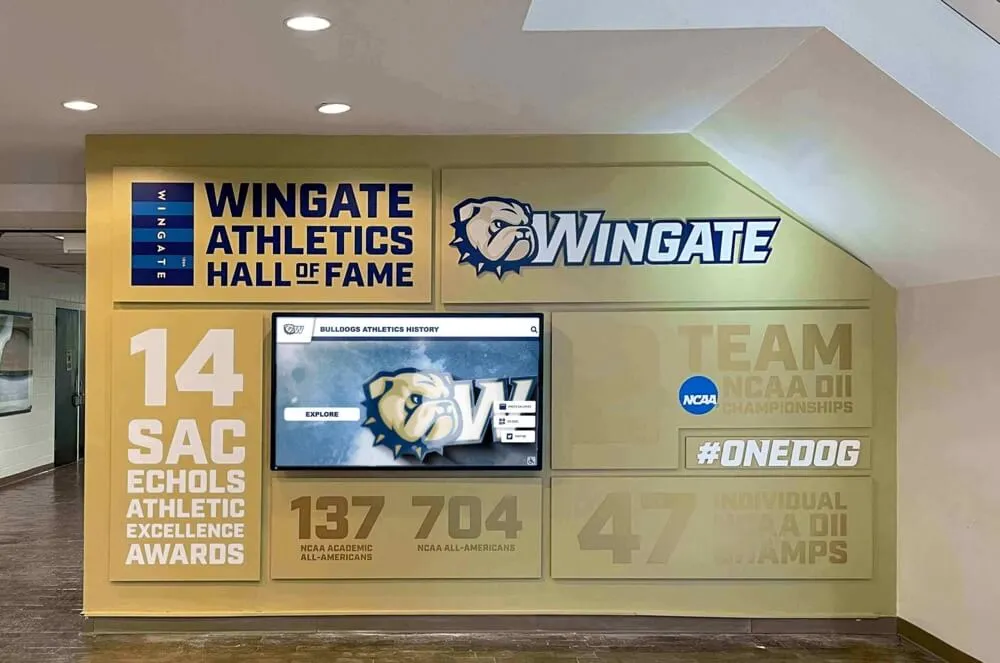
Digital showcases transform how schools celebrate class officers by creating permanent, engaging recognition that honors current student leaders while preserving institutional memory of all past officers across decades. Modern digital recognition systems enable schools to showcase unlimited class officers with comprehensive profiles including photos, biographical information, accomplishments, and leadership initiatives—ensuring that student leadership receives the prominence and permanence it deserves while inspiring future students to step forward and serve their classes and schools.
The Power of Recognizing Class Officers
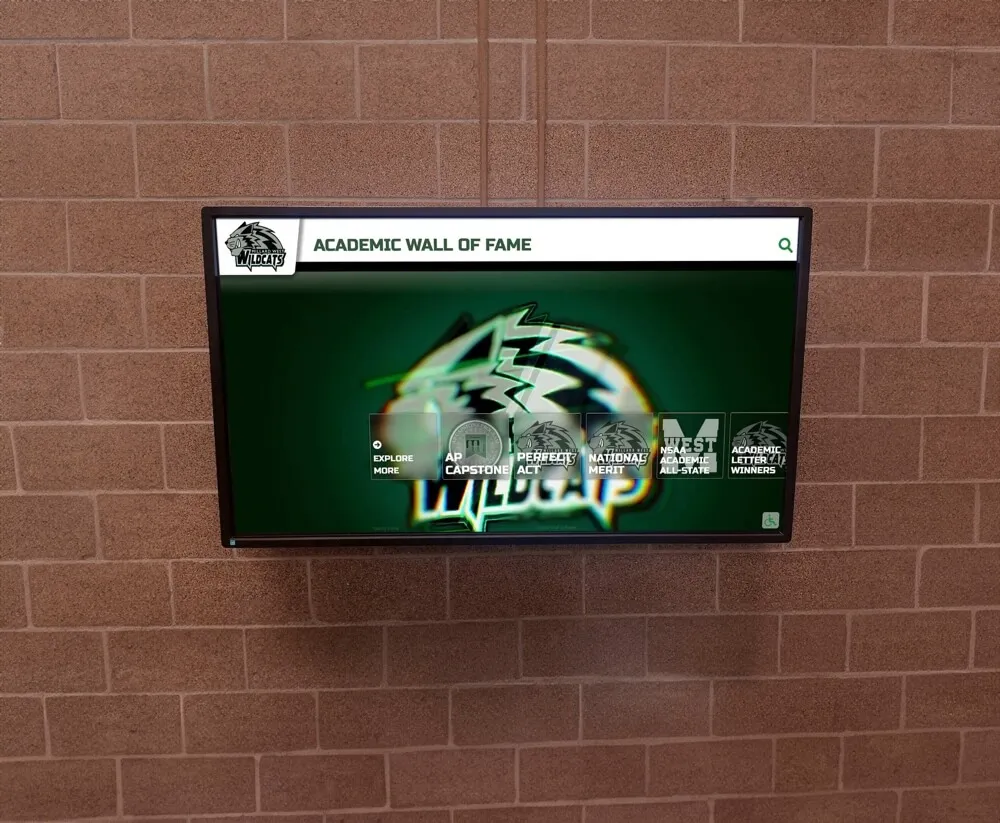
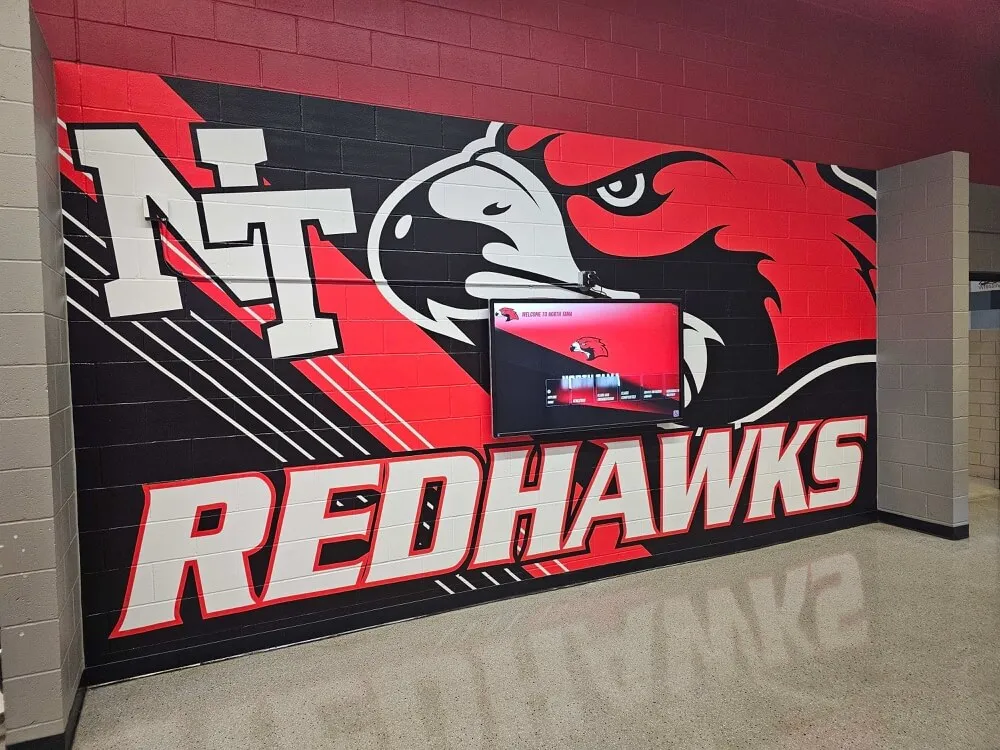
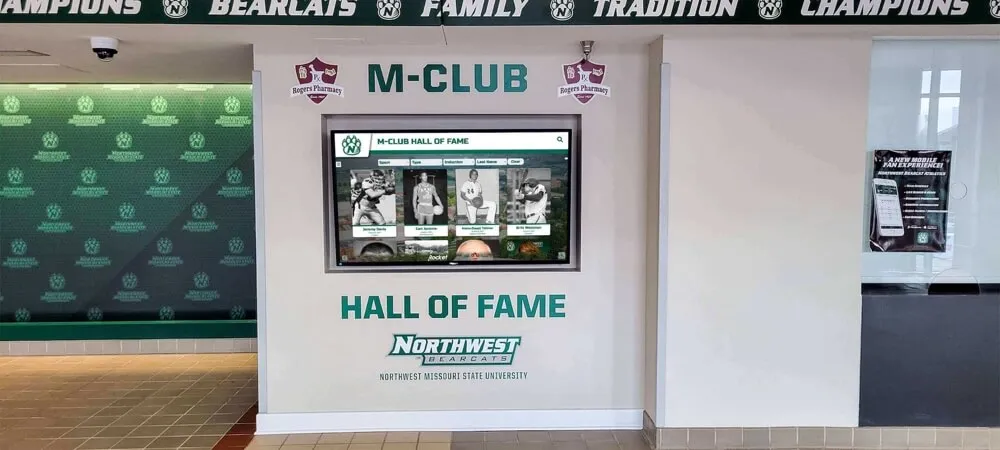
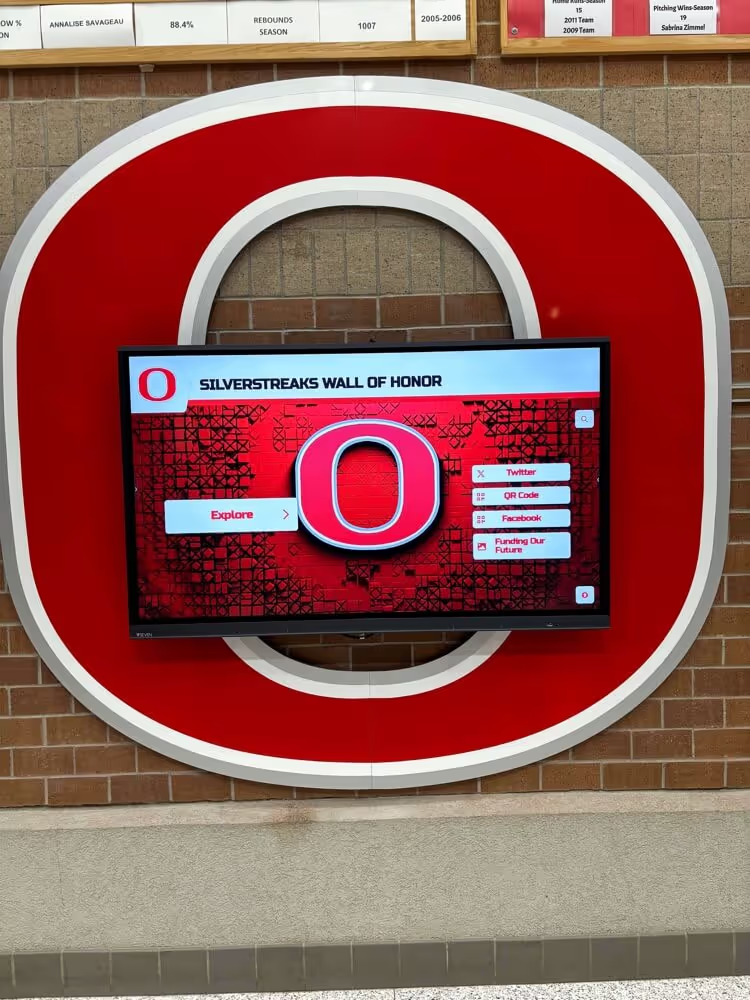
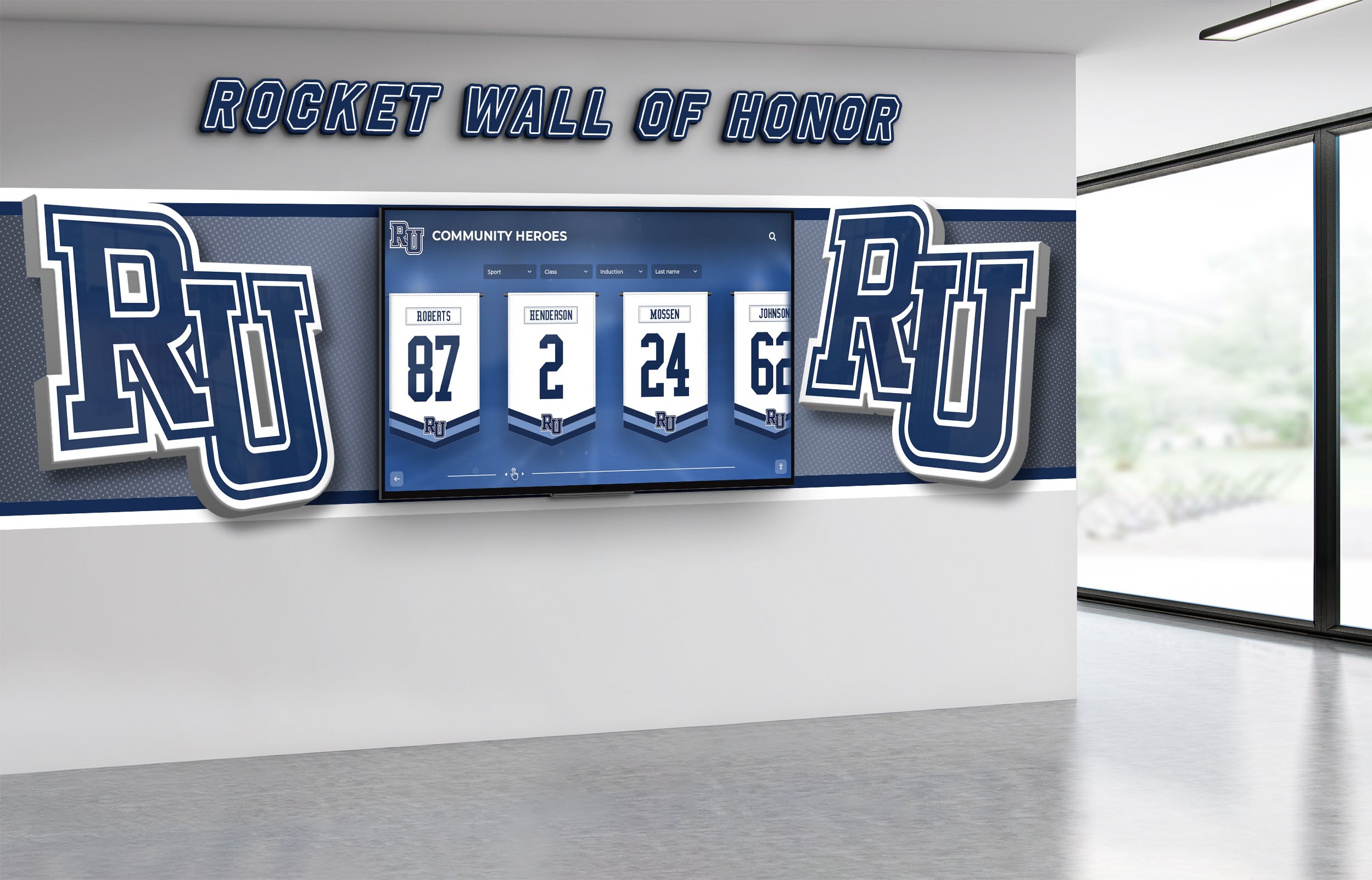
Class officer positions—president, vice president, secretary, treasurer, and other leadership roles—provide students with invaluable opportunities to develop leadership competencies, organizational skills, public speaking abilities, and collaborative decision-making experience. Schools implementing comprehensive digital showcases for class officers communicate that student leadership deserves recognition equal to athletic championships or academic honors while creating visible inspiration encouraging broader student participation in governance and service. Digital recognition solutions like Rocket Alumni Solutions provide schools with flexible, expandable platforms that showcase unlimited class officers with rich multimedia content, easy updates, and engaging interactive experiences that traditional plaques and bulletin boards cannot match.
Understanding Class Officer Roles and Recognition Needs
Before implementing recognition strategies, understanding the diverse class officer roles and their contributions provides essential context for creating effective showcases celebrating student leadership comprehensively.
The Traditional Class Officer Structure
Most high schools organize class officers through grade-level student government with elected positions serving each class—freshman, sophomore, junior, and senior. Traditional class officer structures typically include:
Class President: The primary representative and spokesperson for each class, presiding over class meetings, coordinating with school administration, representing the class at school events, and providing overall leadership for class initiatives and activities. Class presidents carry substantial responsibility and visibility, making them natural focal points for recognition showcases.
Class Vice President: The second-in-command who supports the president, assumes leadership when the president is unavailable, manages specific projects or committees, and provides continuity when presidents graduate or transition from their roles. Vice presidents develop leadership capacity while learning to balance support responsibilities with independent initiative.
Class Secretary: Responsible for maintaining official records of meetings, managing communications with class members, coordinating information distribution, and documenting class activities and decisions. Secretaries develop organizational and communication skills essential for professional success across all career fields.
Class Treasurer: Manages class finances including fundraising proceeds, activity budgets, expense tracking, and financial reporting to advisors and administration. Treasurers gain practical experience with budgeting, accounting, financial transparency, and fiscal responsibility valuable throughout their lives.
Additional Leadership Positions
Beyond the four traditional officer positions, many schools have expanded class leadership structures to provide more students with meaningful service opportunities:
Class Representatives or Senators: Additional elected positions representing class perspectives in broader student government or school committees, typically involving 2-4 students per class who advocate for classmate interests and facilitate communication between class leadership and the student body.
Committee Chairs: Students leading specific initiatives like spirit week, fundraising campaigns, community service projects, social events, or special activities. Committee chairs develop project management and team leadership skills through focused responsibility.
Class Historians or Social Media Coordinators: Students responsible for documenting class activities through photography, maintaining class social media accounts, creating memory books or digital archives, and preserving class history for reunions and institutional memory.
Special Event Coordinators: Students managing major class-specific events like prom, homecoming activities, senior week, graduation celebrations, and class gift initiatives. Event coordinators gain experience with logistics, vendor management, budgeting, and large-scale planning.
This expanded leadership structure provides more students with meaningful service opportunities while distributing responsibilities that might otherwise overwhelm four officers attempting to manage all class activities independently.
Multi-Year Leadership Development
Many students serve in class officer positions across multiple years, providing valuable continuity and progressive leadership development. Recognition systems should accommodate:
Progressive Leadership Trajectories: Students who start as representatives or committee chairs and advance to traditional officer positions, demonstrating growth and increasing responsibility over their high school careers.
Multi-Year Officer Service: Students serving in the same position across multiple years (such as class president for sophomore, junior, and senior years) or rotating through different positions, building comprehensive governance experience.
Cross-Grade Leadership: Students serving simultaneously in class officer roles and school-wide student government, demonstrating exceptional commitment and leadership capacity serving both class and broader school community.
Digital showcases particularly excel at documenting these multi-year leadership trajectories through comprehensive profiles showing all positions held across high school careers rather than fragmentary single-year snapshots that traditional recognition methods typically provide.
Benefits of Digital Showcases for Class Officer Recognition
Schools implementing digital showcases for class officers discover numerous advantages over traditional recognition methods that rely on physical plaques, yearbook pages, or temporary bulletin board displays.
Permanent Recognition Surviving Graduation
Traditional recognition disappears shortly after students graduate. Yearbook pages document only the single year published. Bulletin boards are dismantled at year’s end. Even permanent plaques have limited space, eventually requiring earlier class officers to be removed when facilities fill with decades of subsequent leaders.
Digital showcases eliminate this impermanence entirely. Every class officer across your school’s entire history can receive equal recognition with comprehensive profiles that remain permanently accessible regardless of how many years have passed since their service. This permanent preservation honors all student leaders equally while creating institutional memory demonstrating continuous traditions of student governance and leadership development.
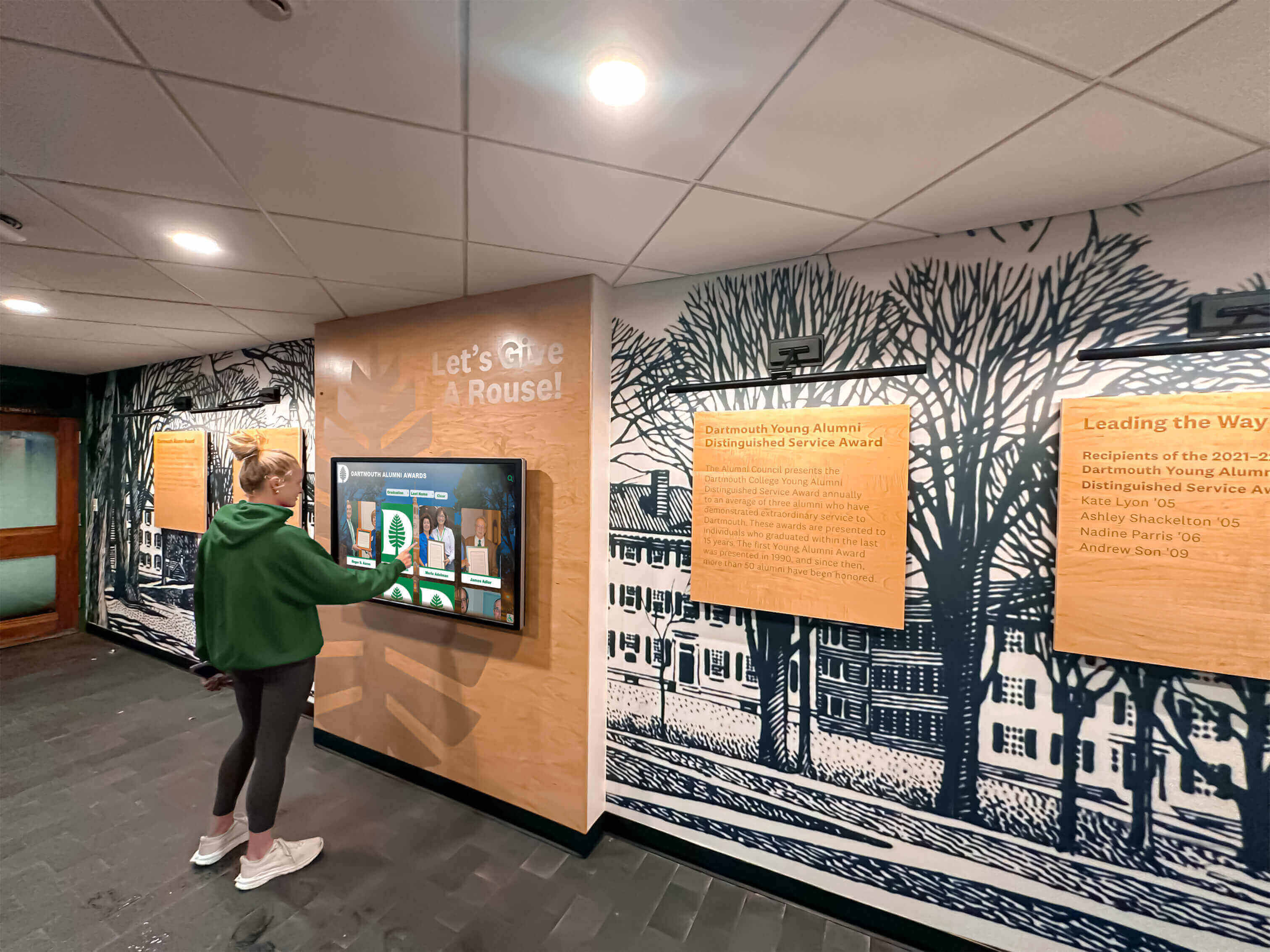
Alumni returning for reunions can search for themselves and their classmates, exploring comprehensive information about their class officer service with photos, accomplishments, and context about events and initiatives they led decades earlier. These connections strengthen alumni engagement while teaching current students that class officer service creates lasting legacies extending far beyond single school years.
Unlimited Capacity for Comprehensive Recognition
Physical recognition faces inherent space constraints. Trophy cases fill. Wall space is limited. Bulletin boards accommodate only current year information. These limitations force uncomfortable prioritization decisions about who receives recognition and how much detail can be provided for each officer.
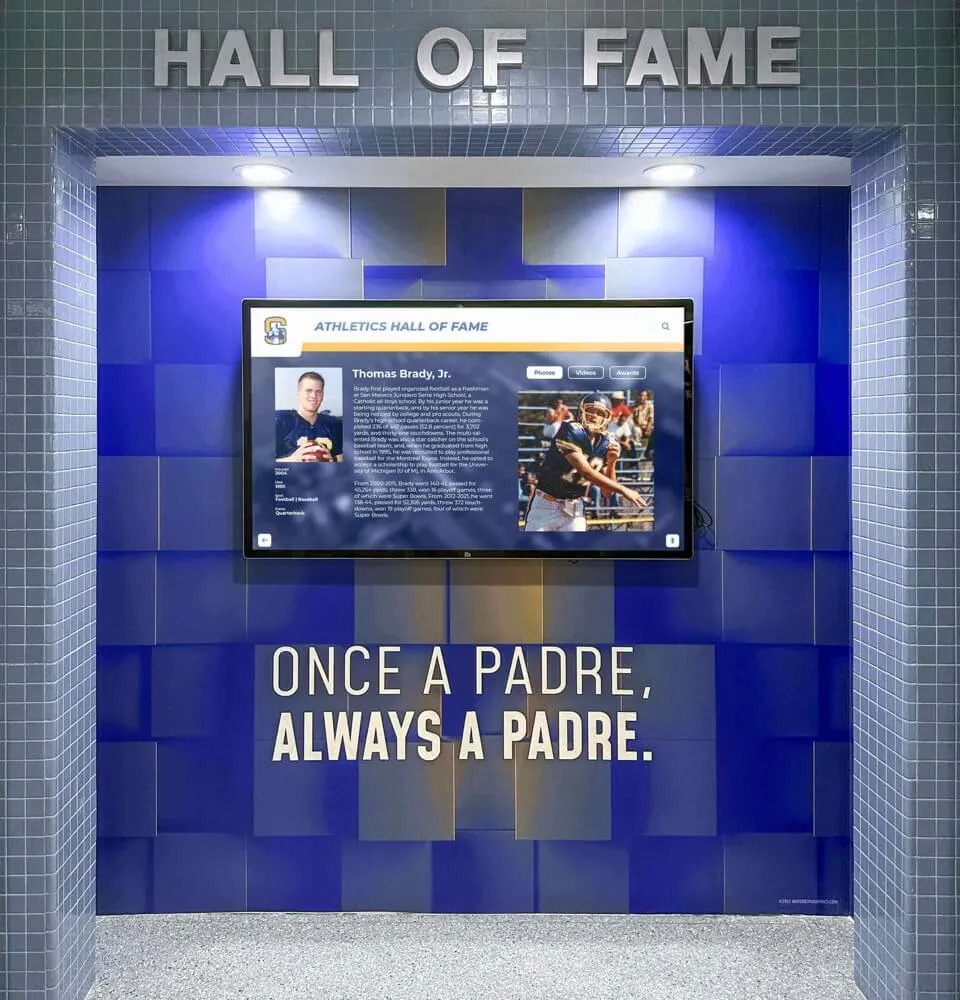
Digital platforms provide essentially unlimited capacity. Schools can recognize unlimited class officers across unlimited years with unlimited detail including professional photographs and biographical information, comprehensive descriptions of accomplishments and initiatives, multimedia content like video messages or event documentation, links to related achievements such as athletic awards or academic honors, and historical context about the class and school during their service years.
This comprehensive recognition transforms brief name-and-title listings into engaging profiles celebrating complete individuals and their meaningful contributions. Students exploring these profiles gain inspiration and concrete understanding of what class officer service involves, accomplishes, and requires—motivating them to consider pursuing leadership roles themselves.
Engaging Interactive Exploration
Static plaques provide passive information consumption with minimal engagement. Viewers glance briefly without meaningful interaction, learning little beyond basic names and years. This limited engagement reduces recognition effectiveness while missing opportunities for inspiration and connection.
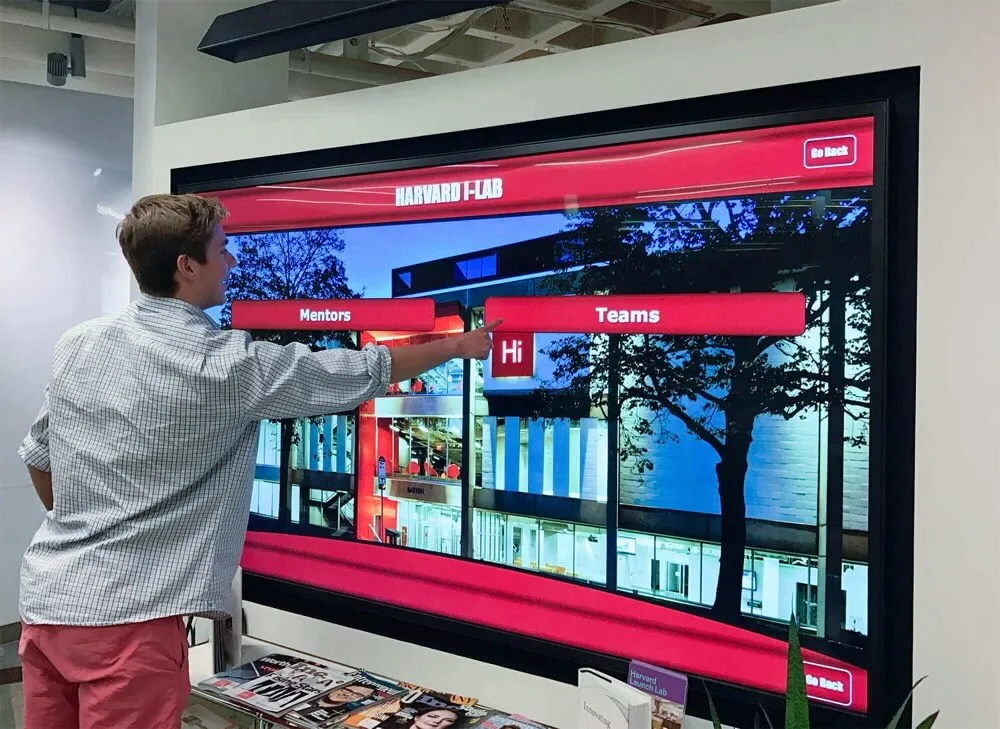
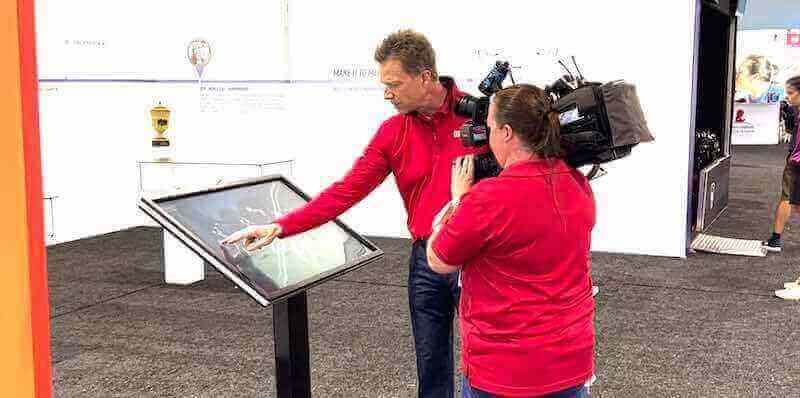
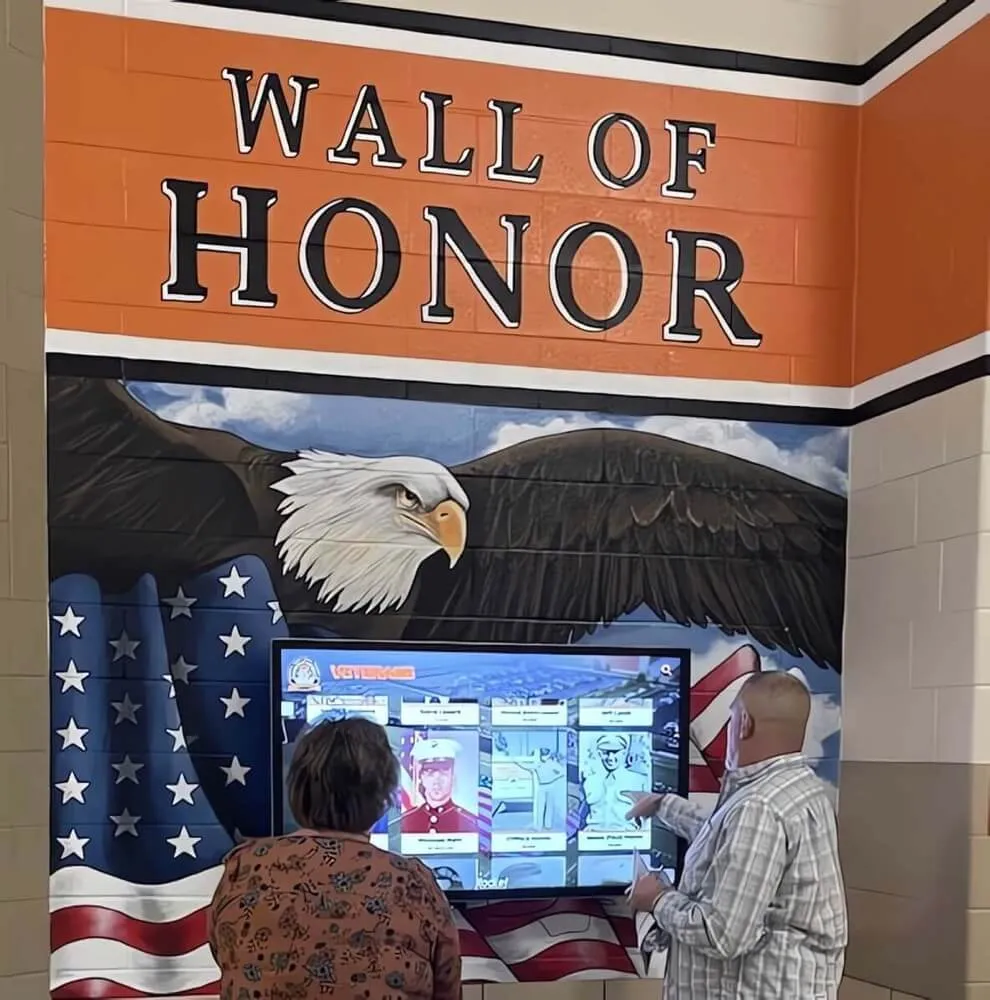
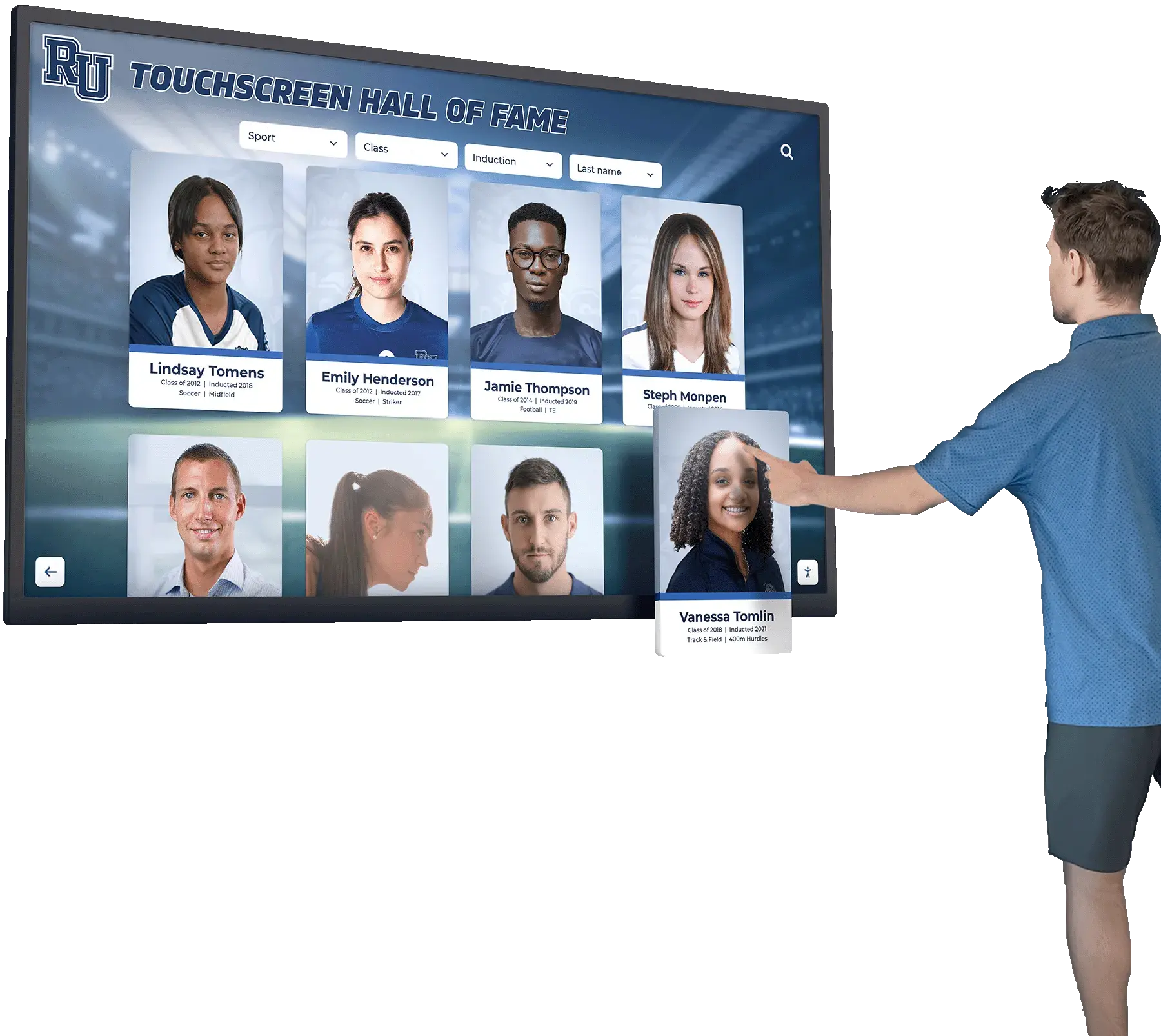
Interactive touchscreen showcases create engaging experiences encouraging extended exploration. Students can search for specific classes or graduation years, filter by officer position to explore past presidents or treasurers, browse chronologically discovering how class leadership evolved across decades, explore related content such as school history or other student achievements, and save or share profiles of interest to their personal networks.
This interactivity transforms recognition from brief glances into 3-5 minute engagement sessions where viewers develop genuine understanding of and connection with class officer traditions, inspiring them to pursue leadership opportunities themselves.
Resources on creating interactive student recognition displays demonstrate how engaging touchscreen experiences strengthen student motivation while celebrating diverse forms of achievement beyond athletics alone.
Real-Time Updates Throughout School Years
Traditional recognition requires design, production, and installation processes creating frustrating delays between when officers are elected and when recognition appears publicly. Physical plaques might not arrive until months after elections. Bulletin boards require manual updating. Yearbooks only document end-of-year information, missing ongoing accomplishments.
Digital showcases enable immediate recognition updates. Schools can publish officer profiles within days of elections with professional photos taken at swearing-in ceremonies, update accomplishment information throughout the year as initiatives complete, add multimedia content like videos from major events or fundraisers, revise information when leadership changes occur mid-year, and feature dynamic content promoting upcoming class events or activities.
This immediacy ensures recognition remains consistently current and relevant rather than representing outdated historical snapshots with significant delays between officer service and public acknowledgment.
Web Accessibility Extending Recognition Reach
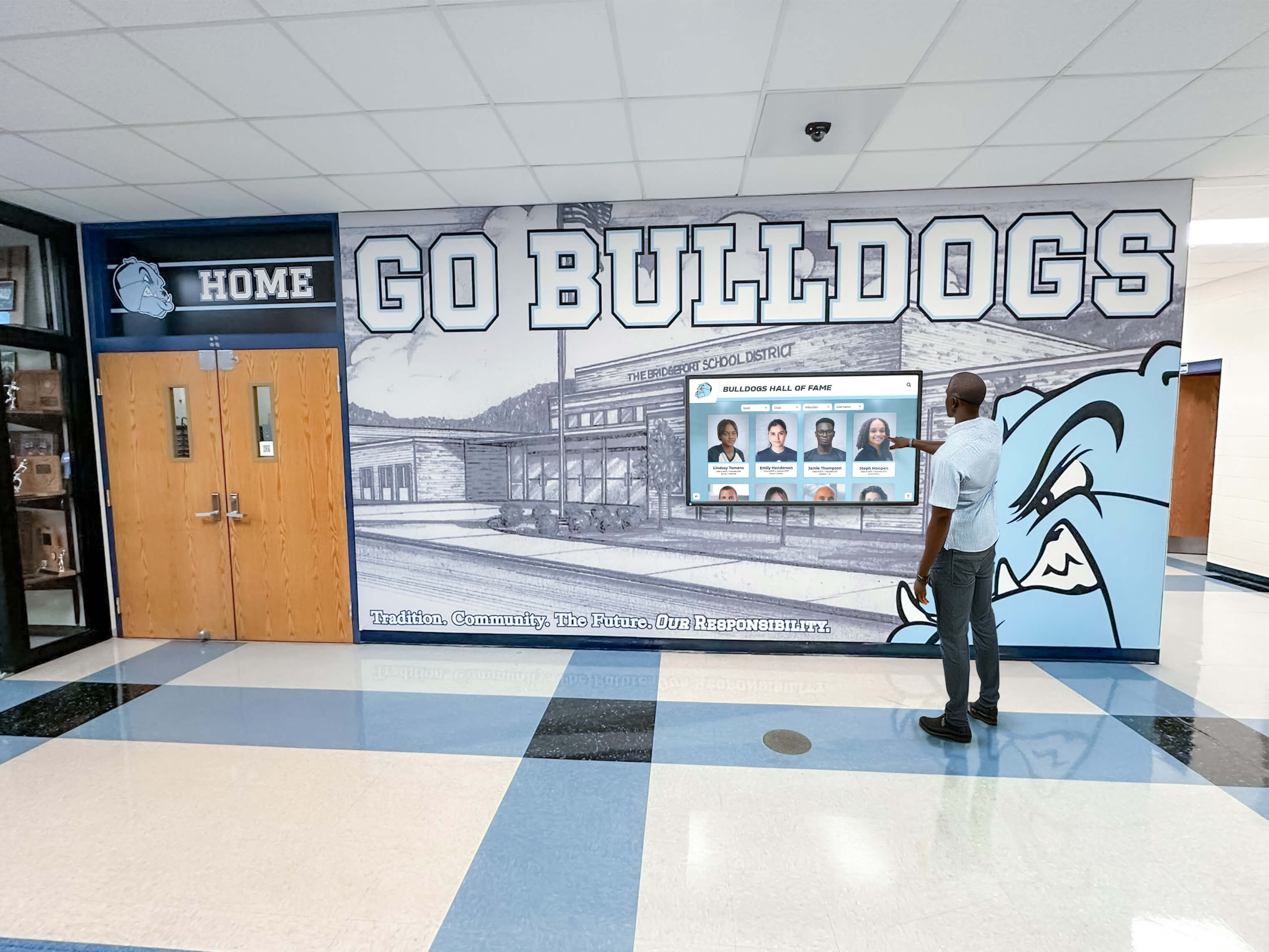
Physical recognition serves only those present in school facilities. Digital showcases extend globally through web accessibility, enabling families anywhere to view their students’ leadership recognition, alumni across the country or world to rediscover their class officer profiles, prospective students researching school culture to evaluate leadership opportunities, media seeking information for community interest stories, and college admissions officers validating leadership claims in applications.
This extended reach amplifies recognition impact exponentially while serving multiple institutional objectives simultaneously. Digital showcases become recruitment tools demonstrating vibrant student leadership culture, alumni engagement mechanisms connecting graduates with their schools decades after graduation, and public relations assets showcasing student achievement to broader communities.
Cost-Effective Long-Term Investment
While digital showcases require initial investment higher than single-year bulletin boards, comprehensive cost analysis reveals significant long-term value compared to traditional recognition approaches accumulating costs annually:
Traditional recognition expenses include annual yearbook production costs for officer pages ($500-$1,500 per year), bulletin board materials requiring regular replacement ($200-$400 annually), periodic plaque updates or additions ($300-$800 every few years), printing and materials for officer profiles and communications ($150-$300 annually), and staff time for manual updates and maintenance throughout years.
Digital showcase investment includes initial hardware and installation ($4,000-$12,000 one-time), annual software licensing ($1,200-$3,000 depending on features), content development for comprehensive launch ($1,000-$3,000 one-time), and minimal ongoing content management within existing staff responsibilities. Over 5-10 year periods, digital solutions often cost less than traditional approaches while providing dramatically superior recognition quality, permanence, and engagement.
Essential Content Components for Class Officer Showcases
Effective digital showcases include specific content elements maximizing recognition impact while serving diverse audience needs and creating engaging exploration experiences.
Current Officer Profiles and Leadership Information
The foundation of any class officer showcase features comprehensive profiles of all current officers across all grade levels. Essential profile elements include:
Professional Photography: High-quality portrait photographs with consistent backgrounds, lighting, and composition creating polished presentation reflecting the importance of leadership positions. Many schools leverage existing relationships with senior portrait photographers or athletic team photographers, ensuring professional quality without significant additional investment.
Biographical Information: Full names, grade levels, specific officer positions, and brief personal backgrounds helping community members connect with officers as individuals beyond merely holding titles. Biographical information might include interests, activities, aspirations, and personal statements about leadership goals.
Position Responsibilities: Clear explanations of what each officer position entails, responsibilities they manage, and how they serve their classmates. This educational content helps younger students understand specific roles while clarifying how to engage with class leadership on various issues or initiatives.
Leadership Goals and Priorities: Personal statements from officers about their goals for their class, priorities they hope to address, initiatives they plan to lead, and how classmates can participate or provide input. This goal-oriented content creates accountability while communicating that class officers exist to serve rather than merely hold prestigious positions.
Contact Information: Appropriate methods for classmates to connect with officers—school email addresses, office hours, or meeting schedules—enabling functional communication rather than purely ceremonial recognition.
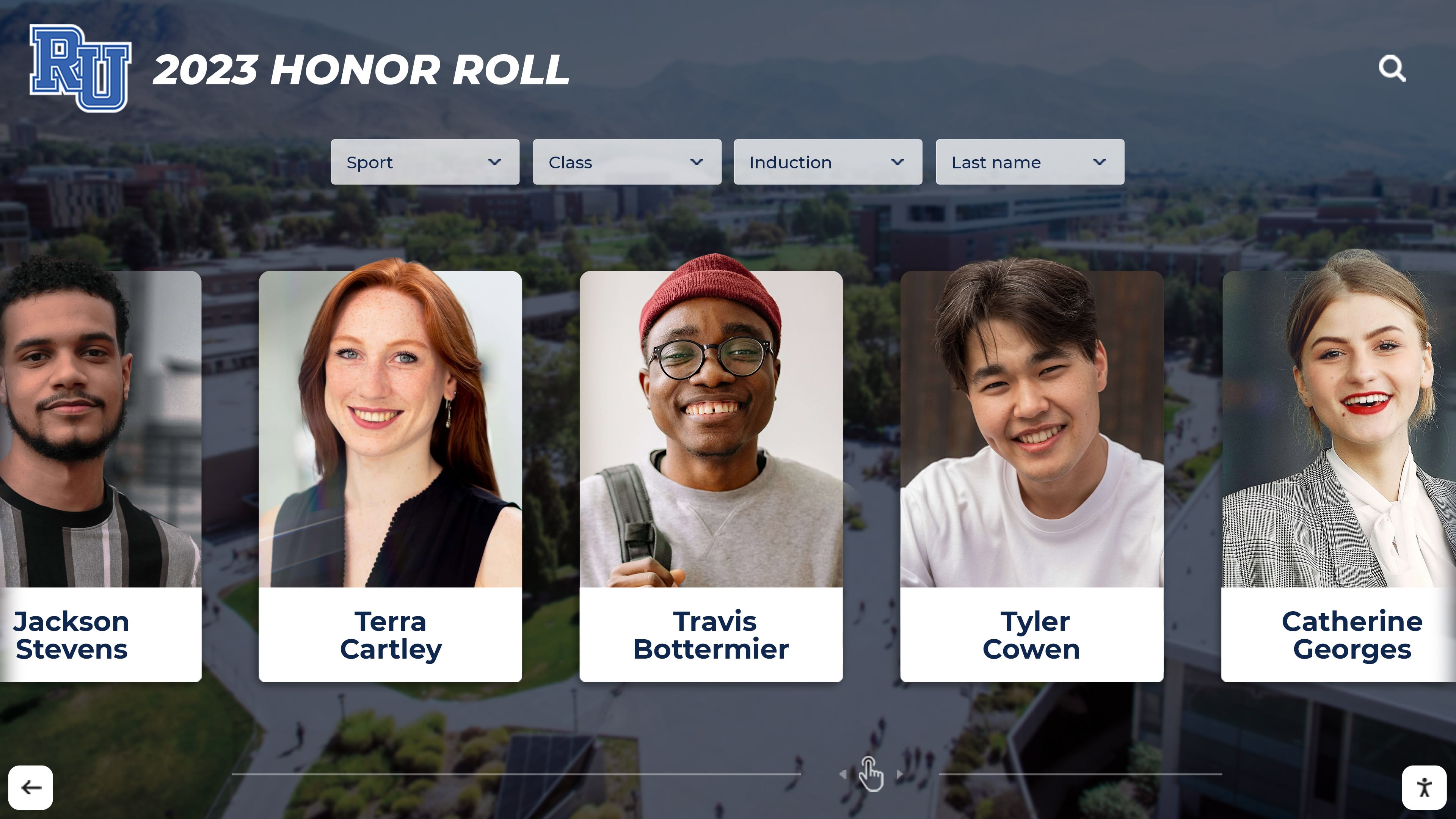
Accomplishment Documentation and Initiative Highlights
Beyond identifying current officers, effective showcases document what class leadership actually accomplishes, demonstrating tangible value and impact:
Major Events and Activities: Documentation of signature class events like prom, homecoming activities, spirit weeks, fundraisers, community service projects, and special celebrations. Event documentation might include photos, videos, attendance figures, funds raised, or impact achieved.
Fundraising Achievements: Detailed information about fundraising campaigns including total funds raised, methodologies employed, how funds were allocated, and ultimate purposes served. Financial transparency demonstrates fiscal responsibility while teaching practical budgeting and resource management lessons.
Advocacy and Policy Influence: Examples of when class officers successfully advocated for student needs, influenced school policies, improved school culture or facilities, or represented student perspectives to administration and school boards. Advocacy documentation demonstrates that student voice matters institutionally.
Community Service Impact: Documentation of service projects organized or led by class officers including organizations served, volunteer hours contributed, resources donated, and community impact achieved. Service documentation connects class leadership with broader civic responsibility and community contribution.
Special Recognitions and Awards: Any awards, recognitions, or special acknowledgments class officers or their classes received for leadership excellence, innovative initiatives, or exemplary service. External validation strengthens officer prestige while motivating continued excellence.
This accomplishment documentation transforms recognition from ceremonial title-listing into compelling evidence of meaningful student contributions strengthening school culture and community. When younger students explore these accomplishments, they gain concrete understanding of leadership potential and impact, motivating them to pursue similar service opportunities.
Schools implementing comprehensive recognition across multiple achievement domains can explore frameworks from resources like academic recognition programs that balance celebrating diverse student excellence while maintaining appropriate recognition for each achievement type.
Historical Archives Preserving Institutional Memory
Beyond current year recognition, comprehensive showcases include searchable historical archives documenting every class officer throughout school history. Historical content should feature:
Complete Officer Rosters by Class and Year: Searchable databases enabling exploration by graduation year, specific officer positions, or individual names. This comprehensive documentation ensures no class officer is forgotten regardless of how many decades have passed since their service.
Historical Context and Evolution: Information about how class officer structures evolved over time, significant historical events or initiatives, changes in responsibilities or organizational models, and connections to broader school history and development.
Photographic Archives: Historical photographs from class events, leadership activities, elections, and officer portraits across decades. Digitized yearbook photos, event documentation, and archived images create visual connections with school history while enabling alumni to rediscover themselves and classmates.
Notable Alumni Spotlights: Profiles of particularly accomplished alumni who served as class officers, demonstrating long-term trajectories and how high school leadership developed into professional success and continued community contribution. These spotlights inspire current students while demonstrating that class officer service often indicates broader leadership potential.
Era-Specific Stories and Memories: Narratives about significant class officer achievements, memorable events, challenges overcome, or traditions established by past leaders. These stories create engaging content while preserving institutional memory that might otherwise be lost as staff retire and graduates age.
Historical archives particularly resonate during alumni reunion events when graduates can search their class years, explore comprehensive information about their officer service, and share memories with classmates and current students. These intergenerational connections strengthen alumni engagement while teaching current students that class officer service creates enduring legacies.
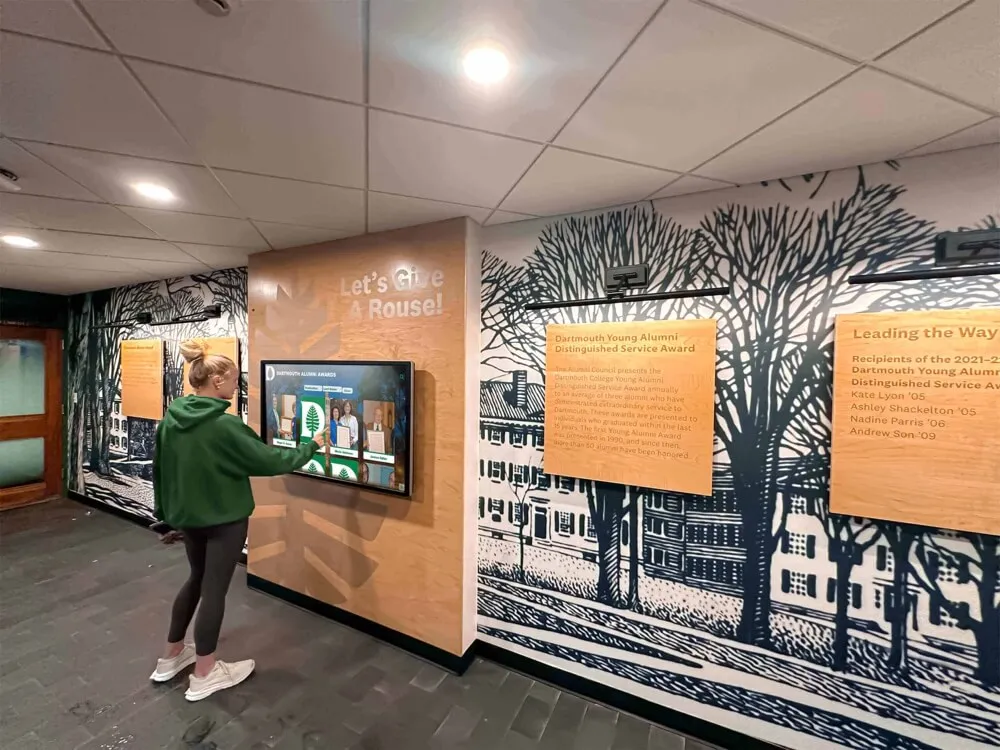
Leadership Development Resources and Opportunities
Beyond retrospective recognition, forward-looking showcases include content promoting leadership development and future participation:
How to Run for Class Officer: Clear information about nomination and election processes, eligibility requirements, campaign guidelines, voting procedures, and timelines. Demystifying these processes encourages broader participation particularly among students without family history of school governance involvement.
Leadership Skill Development: Information about leadership training opportunities, workshops, conferences, mentorship programs, or resources available to students interested in developing governance and leadership competencies. This developmental focus positions class officer service as learning opportunity rather than merely prestigious title.
Testimonials from Current and Past Officers: First-person perspectives about class officer experiences including challenges faced, skills developed, memorable moments, and advice for students considering leadership roles. Authentic student voices provide more compelling motivation than adult-written promotional content.
Connection with Broader Leadership Opportunities: Information about how class officer experience connects with other leadership pathways including school-wide student government, committee participation, community youth councils, regional student leadership organizations, and post-secondary leadership opportunities. This broader context helps students understand how class officer service fits within comprehensive leadership development.
Upcoming Elections and Participation Opportunities: Dynamic content promoting upcoming elections, candidate information during campaign periods, voting reminders, and other timely information encouraging active participation in student governance. This promotional content ensures showcases serve ongoing community needs rather than purely historical documentation.
Implementation Strategies for Creating Effective Class Officer Showcases
Schools ready to implement digital showcases for class officers benefit from systematic approaches ensuring successful deployment, community engagement, and sustained value over time.
Technology Selection and Display Placement
Digital showcase technology ranges from basic screens displaying rotating content to sophisticated interactive touchscreen systems enabling user-controlled exploration. Technology selection depends on several key factors:
Budget Available: Basic digital signage displays (32"-55") cost $800-$2,500 plus content management software, providing affordable entry points suitable for static content displays. Interactive touchscreen systems (42"-65") typically cost $4,000-$12,000 plus software, providing engaging exploration of comprehensive content with search, filtering, and multimedia capabilities. Schools should select technology matching both budget realities and recognition goals.
Desired Interactivity Level: Simple displays showing rotating officer profiles suit basic recognition needs. Interactive systems enabling search, filtering, historical exploration, and multimedia content create substantially higher engagement particularly for showcasing decades of historical class officers alongside current leaders.
Space Characteristics: Available wall space, mounting options, power and network access, lighting conditions, and traffic patterns influence appropriate display sizes and types. Prime locations with high student traffic warrant more sophisticated displays maximizing investment value.
Technical Support Capacity: Cloud-based systems minimize ongoing technical demands through centralized content management and remote support. Schools should confirm vendor support models before purchase, ensuring adequate assistance for installation, training, troubleshooting, and platform evolution.
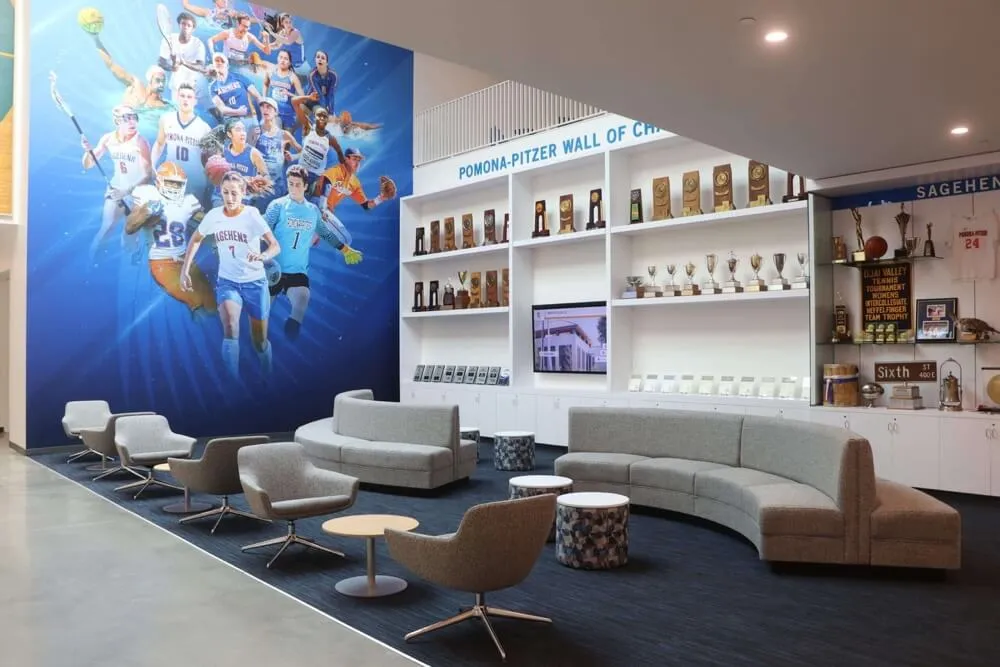
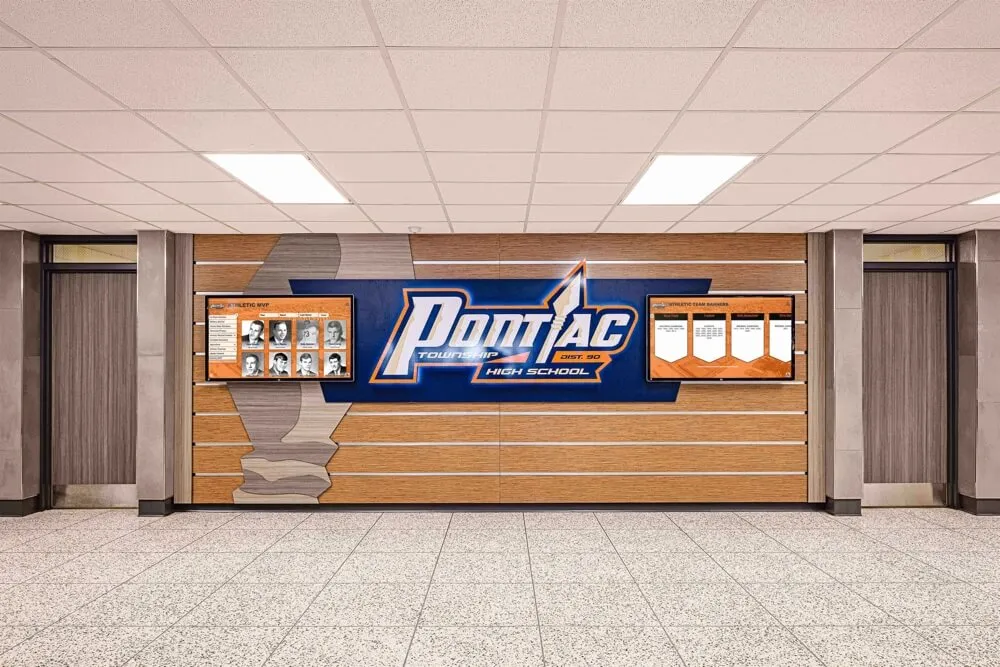
Strategic placement proves equally important as technology selection. Optimal locations include main entrance lobbies where all students and visitors pass daily, student commons or cafeterias where students gather between classes and during lunch, administrative office areas where families frequently interact with school staff, and dedicated student government spaces like council rooms or leadership corridors. Prominent placement communicates institutional priority while ensuring maximum visibility and community engagement.
Resources on strategic display placement provide detailed guidance for maximizing recognition impact through thoughtful location selection and environmental integration.
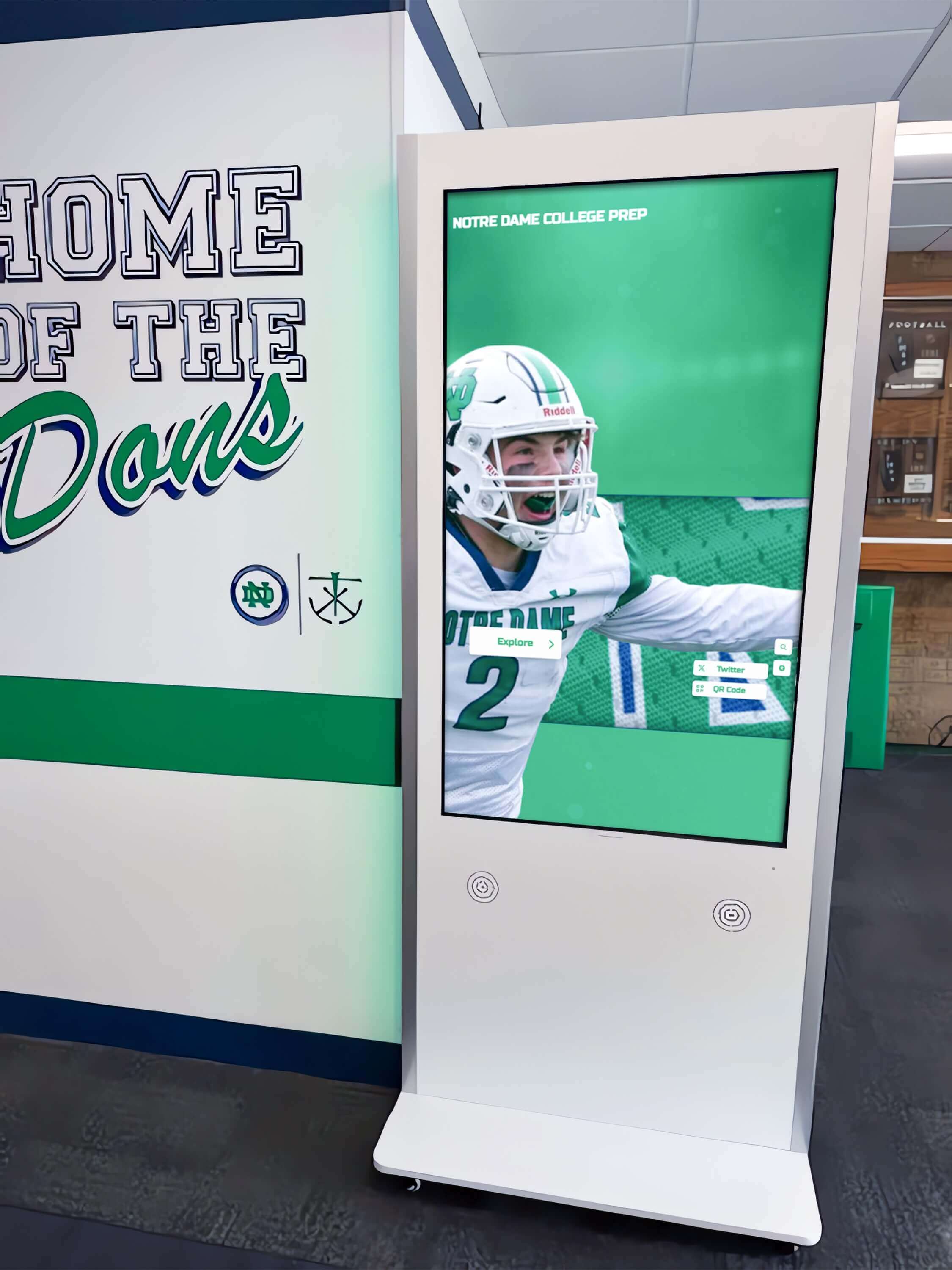
Content Development and Historical Research
High-quality content determines showcase effectiveness regardless of technology sophistication. Comprehensive content development requires systematic effort across multiple areas:
Current Officer Content: Professional photography sessions for all officers, collection of biographical information and personal statements, documentation of leadership goals and initiatives, compilation of accomplishment information and impact data, and creation of multimedia content like video introductions when desired. Schools typically coordinate photography with existing processes like senior portraits or team photos, leveraging established relationships and workflows.
Historical Archive Development: Research through yearbooks identifying past class officers, digitization of historical photographs through scanning or digital photography, compilation of historical context about school and class histories, outreach to alumni seeking additional photographs and information, and content creation organizing historical information into engaging, searchable profiles. Historical development represents substantial initial investment often underestimated during planning, but subsequent years require only annual additions making ongoing maintenance manageable.
Organizational and Educational Content: Creation of materials explaining class officer structures and responsibilities, development of leadership development resources and participation information, compilation of testimonials from current and past officers, documentation of election and governance processes, and coordination with broader student government information and initiatives.
Dynamic Promotional Content: Regular updates featuring upcoming class events and activities, announcement of election dates and candidate information, celebration of recent accomplishments and initiatives, promotion of leadership development opportunities, and coordination with school calendars and annual rhythms.
Schools should establish clear content standards including consistent photography approaches with uniform backgrounds and lighting, professional quality suitable for prominent display without pixelation, accessible language appropriate for diverse audiences, regular update schedules ensuring information remains current, and archival quality enabling long-term preservation without degradation.
Platform Selection and Content Management
Digital showcases require software platforms managing content creation, organization, presentation, and updates. Platform considerations include:
Ease of Content Management: Intuitive interfaces requiring minimal technical expertise enable broader participation in content updates while reducing reliance on IT staff for routine maintenance. Cloud-based systems providing access from any device facilitate content management without physical access to display hardware.
Template Availability: Pre-designed templates specifically for student recognition ensure consistent professional presentation without requiring graphic design expertise. Quality templates adapted for educational contexts deliver superior results compared to generic business-oriented digital signage systems.
Search and Discovery Features: Robust search functionality enabling exploration by graduation year, officer position, name, or other criteria proves essential for historical archives. Advanced filtering and browsing capabilities create engaging exploration experiences particularly for alumni seeking themselves and classmates.
Multimedia Support: Platforms should accommodate diverse content types including photographs, biographical text, video content, document attachments, and external links providing comprehensive recognition options beyond text and static images alone.
Analytics and Usage Tracking: Engagement metrics revealing how often displays are accessed, which content receives most attention, search patterns, and session durations provide valuable insights for continuous improvement and impact documentation. Usage data also demonstrates return on investment for budget discussions and planning.
Ongoing Platform Development: Vendors committed to continuous platform improvement ensure displays remain current as technology evolves and user expectations advance. Established platforms with regular feature additions deliver greater long-term value than static systems requiring replacement when obsolescence inevitably arrives.
Purpose-built educational recognition platforms like Rocket Alumni Solutions provide significant advantages over generic digital signage systems through specialized templates designed for student profiles, intuitive content management requiring no technical expertise, searchable databases optimized for historical archive exploration, and ongoing platform development ensuring continued functionality and feature enhancement matching evolving educational needs.
Integration with Broader Recognition Programs
Class officer showcases achieve maximum impact when integrated with comprehensive school recognition programs celebrating diverse student achievement rather than existing as isolated initiatives. Integration strategies include:
Consistent Technology Across Recognition Types: Using similar display technology and platforms for athletic recognition, academic honors, artistic achievement, and leadership creates unified aesthetic and user experience while reducing administrative burden through shared content management systems and processes.
Cross-Linking Related Content: Connecting class officer profiles with other achievements like athletic awards, academic honors, or artistic recognition demonstrates that many students excel across multiple domains. Cross-linking enriches profiles while encouraging exploration of diverse content.
Coordinated Display Placement: Creating recognition corridors or zones featuring multiple displays celebrating different achievement types ensures all students see potential pathways to institutional recognition beyond single narrow domains. This spatial integration communicates that schools value diverse excellence equitably.
Unified Recognition Philosophy: Developing clear institutional approaches to student recognition ensuring consistent quality, prominence, and sophistication across all achievement types rather than privileging particular domains. This equity proves particularly important for students whose primary strengths lie in leadership rather than athletics or traditional academic metrics.
Integrated recognition programs strengthen school culture by celebrating complete students and diverse contributions while maintaining sustainable recognition approaches through shared systems and coordinated management. Resources on creating comprehensive student recognition systems demonstrate frameworks for balanced recognition celebrating multiple achievement types effectively.
Creative Applications and Advanced Features
Schools fully leveraging digital showcase potential explore creative applications and advanced features extending beyond basic class officer recognition.
Election Campaign Integration
During election periods, showcases can feature comprehensive candidate information creating informed democratic participation:
Candidate Profiles: Photos, biographical information, platform statements, and video introductions from all candidates enable voters to make informed decisions based on substantive information rather than popularity or name recognition alone. Comprehensive candidate information elevates electoral discourse while teaching campaign communication skills.
Debate and Forum Documentation: Video recordings of candidate debates, forum transcripts, Q&A sessions, and other campaign events preserve democratic processes while enabling students who missed live events to review candidate positions before voting.
Voting Information and Results: Clear information about voting dates, locations, procedures, and eligibility requirements encourages participation while ensuring transparency. Real-time or near-real-time election results displayed on showcases creates excitement and engagement around democratic processes.
Election integration teaches practical civics lessons about campaigns, democratic participation, and governance while elevating class officer elections from popularity contests to meaningful leadership selection processes.
Class Officer Alumni Networks
Showcases can connect current class officers with alumni who held similar positions, creating mentorship opportunities and historical continuity:
Alumni Career Spotlights: Profiles showing current careers and accomplishments of past class officers demonstrate long-term trajectories and leadership development extending beyond high school. These spotlights inspire current students while demonstrating that class officer service often indicates broader leadership potential.
Video Messages from Alumni: Short video messages from accomplished alumni sharing advice, reflections on their officer experiences, or encouragement for current leaders create meaningful intergenerational connections. Alumni perspectives provide more compelling motivation than adult-written promotional content.
Virtual or In-Person Networking: Coordination of networking events, mentorship programs, or informal connections between current officers and alumni creates valuable developmental relationships supporting student leadership growth. Digital showcases facilitate these connections by identifying alumni willing to engage and providing contact coordination.
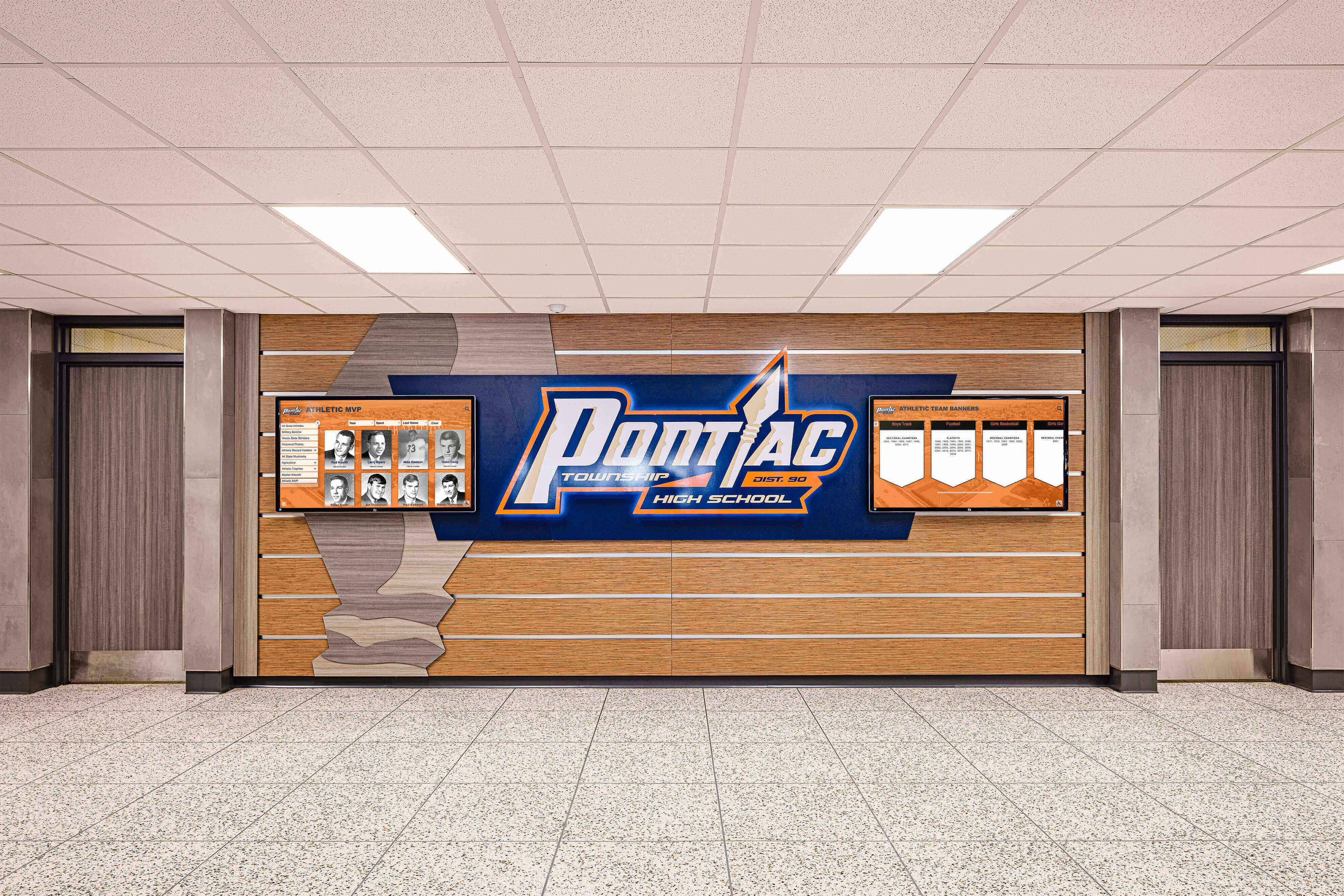
Multi-Class Coordination and School-Wide Governance
For schools with both class-level officers and school-wide student government, showcases can feature coordinated content demonstrating governance structure:
Organizational Charts: Visual representations showing how class officers relate to school-wide student government, explaining coordination mechanisms, demonstrating how student voice flows through multiple governance levels, and clarifying respective responsibilities and authorities.
Cross-Class Initiatives: Documentation of initiatives requiring coordination across multiple classes like school-wide fundraisers, spirit weeks, community service campaigns, or policy advocacy demonstrates collaborative leadership and collective impact.
Leadership Pipeline Visualization: Content showing how students progress from class representatives to class officers to school-wide leadership positions creates clear developmental pathways encouraging early engagement with governance structures.
Comprehensive governance documentation helps students understand complex organizational structures while demonstrating that effective leadership often requires collaboration across multiple teams and levels.
Social Media Integration and Extended Reach
Digital showcases need not remain confined to physical school locations. Strategic social media integration extends recognition reach:
Profile Sharing: Enabling easy sharing of officer profiles to personal social media accounts extends recognition reach to families and broader communities while giving officers tangible acknowledgment they can include in college applications and professional portfolios.
Accomplishment Celebrations: Regular social media posts celebrating class officer accomplishments, event successes, or initiative completions amplifies recognition impact while demonstrating institutional pride in student leadership.
Behind-the-Scenes Content: Photos and videos showing class officers working, planning events, meeting with administration, or serving their classmates humanizes leadership while educating communities about substantive work class officers perform beyond holding prestigious titles.
Alumni Engagement: Social media campaigns reconnecting past class officers with current leaders, soliciting historical photos and memories, or celebrating milestone reunions leverages digital showcases to strengthen alumni engagement and institutional connection.
Social media integration particularly benefits alumni engagement and prospective family recruitment by demonstrating vibrant student leadership culture visible beyond physical campus visits. Resources on leveraging digital recognition for recruitment provide strategies for maximizing recognition impact beyond current student populations.
Measuring Impact and Ensuring Sustained Value
Strategic schools assess class officer showcase effectiveness systematically, using evidence to guide continuous improvement and justify ongoing investment.
Key Performance Indicators
Useful impact metrics include:
Student Government Participation: Track candidate numbers for class officer elections across years, assessing whether visible recognition correlates with increased leadership interest. Growing candidate pools suggest recognition effectively motivates participation.
Community Awareness: Conduct surveys measuring student and family understanding of class officer roles, responsibilities, and current leadership composition. Improved awareness indicates showcase effectiveness at community education objectives.
Display Engagement Analytics: For touchscreen systems, track interaction frequency, session duration, search patterns, and popular content revealing what users find most engaging and valuable. Usage data informs content development while documenting community interest.
Alumni Engagement: Monitor alumni interactions during reunions and visits, tracking how many graduates explore historical archives and report positive experiences. Strong alumni engagement validates historical content investment while supporting broader advancement objectives.
Social Media Reach: When showcase content is shared socially, track reach, engagement, and sentiment revealing recognition impact beyond physical campus. Positive social response indicates community pride and enthusiasm.
Officer Satisfaction: Survey class officers about whether they feel appropriately recognized, whether showcases accurately represent their service, and whether recognition motivated their leadership pursuit. Officer perspectives provide valuable insight into recognition effectiveness and improvement opportunities.
Tracking these metrics over time reveals whether showcases achieve intended purposes while providing evidence supporting continued investment during budget discussions and strategic planning.
Continuous Content Improvement
Regular content audits ensure showcases remain current, accurate, and engaging:
Quarterly Reviews: Verify all current officer information remains accurate, confirm upcoming events and announcements stay relevant, assess whether accomplishment documentation stays updated throughout the year, evaluate photo quality and consistency, and identify content gaps or improvement opportunities. Regular reviews prevent showcases from becoming outdated or neglected.
Annual Planning Cycles: Establish predictable annual rhythms for photography sessions, biographical information collection, historical research additions, and comprehensive content updates. Systematic annual cycles embed showcase maintenance into institutional practices surviving staff transitions and competing priorities.
Stakeholder Feedback: Actively solicit input from students, families, faculty, and alumni about showcase content, usability, and value. Systematic feedback provides insights beyond anecdotal impressions while enabling improvements based on actual user experience and needs.
Benchmarking and Best Practices: Connect with other schools implementing similar recognition programs, share effective approaches, learn from their experiences, and adopt proven strategies. Educational communities benefit from collaborative learning and shared innovation.
Addressing Common Implementation Challenges
Schools implementing digital showcases for class officers frequently encounter predictable challenges requiring proactive management.
Budget Constraints and Funding Strategies
Initial investment in digital showcases can seem substantial, particularly for schools facing budget limitations. However, multiple funding strategies make implementation accessible:
Phased Implementation: Start with single display for current officers only, gradually adding historical content and additional displays as budget permits. Phased approaches deliver immediate value while building toward comprehensive long-term solutions.
PTSA and Booster Support: Parent organizations often enthusiastically support student recognition initiatives, providing funding through fundraising campaigns, direct donations, or grant applications to education foundations.
Alumni Giving Campaigns: Past class officers often contribute to recognition programs preserving their legacies and inspiring future leaders. Targeted alumni campaigns can generate substantial funding particularly when comprehensive historical content demonstrates institutional commitment to honoring all past officers.
Corporate Sponsorships: Local businesses may provide funding in exchange for appropriate acknowledgment, particularly when showcases are positioned in high-visibility locations with significant community traffic.
Reallocation from Traditional Methods: Redirecting funds currently spent on yearbook production, bulletin board materials, and physical plaques toward digital solutions often reveals available budget without requiring new funding sources.
When viewed as multi-year investments serving unlimited students across decades rather than single-year expenses, digital showcases often prove cost-effective compared to traditional recognition approaches accumulating costs annually without building permanent value.
Privacy Considerations
Displaying student names, photos, and information requires thoughtful privacy policies:
Parent/Guardian Permission: Obtain clear consent for student information display through enrollment processes or specific recognition program opt-in procedures. Most families enthusiastically support leadership recognition, making privacy concerns manageable through clear policies and consent procedures.
Opt-Out Procedures: Provide straightforward processes for families preferring privacy to decline participation or request information removal. Respecting privacy preferences builds trust while enabling recognition for the overwhelming majority who welcome celebration.
Appropriate Information Boundaries: Limit displayed information to names, roles, school-related activities, and appropriate biographical content. Avoid sensitive information like addresses, phone numbers, or personal details unrelated to leadership service.
Removal Flexibility: Digital systems enable immediate content removal or modification if circumstances change—students transferring schools, families requesting removal, or other situations requiring quick adjustment. This flexibility provides privacy advantages over permanent physical plaques.
Technical Support and Long-Term Sustainability
Digital technology requires ongoing technical support and content management that some schools fear will overwhelm existing resources. However, modern cloud-based systems minimize technical demands:
Minimal Technical Infrastructure: Cloud-based platforms eliminate on-site servers and complex network requirements, needing only internet connectivity and power. Most schools possess adequate technical infrastructure without additional investment.
Vendor Support: Quality platforms provide comprehensive technical support including installation assistance, training for content managers, remote troubleshooting, and ongoing platform updates managed centrally without school IT involvement.
Simple Content Management: Intuitive interfaces designed for educational administrators without technical backgrounds enable content updates without specialized expertise. User-friendly systems ensure content management remains manageable within existing staff responsibilities.
Hardware Reliability: Quality commercial displays operate 50,000+ hours (6-7 years of continuous daily use) before requiring replacement. Routine maintenance involves occasional screen cleaning—well within typical facility management capabilities.
Sustainability depends less on technology than on organizational commitment. Clear assignment of content management responsibility to specific individuals with sufficient time allocated, simple update procedures requiring minimal training, annual cycles and reminders ensuring timely updates at predictable intervals, and documentation enabling continuity through staff transitions create sustainable recognition programs maintaining value across years and decades.
Best Practices for Maximum Impact
Schools achieving greatest success with class officer showcases follow common best practices ensuring maximum community benefit and recognition effectiveness.
Launch with Comprehensive Content
Initial showcase launch creates critical first impressions determining community engagement. Schools should invest in comprehensive content development before launch including professional photography of all current officers, complete historical archives for at least 5-10 previous years, well-designed organizational charts and explanatory content, documented accomplishments and initiatives from current and recent years, and polished multimedia content including videos when applicable. Launching with rich, professional content demonstrates institutional commitment while creating engagement patterns continuing throughout subsequent years.
Create Ceremonial Launch Events
Physical display installation represents opportunity for ceremonial events generating awareness and enthusiasm. Launch events might include ribbon-cutting ceremonies with class officers and administrative leaders, demonstration sessions teaching students how to explore interactive features, media coverage generating broader community awareness, social media campaigns building anticipation, and integration with larger school events like homecoming or assemblies. Ceremonial launches signal importance while ensuring communities know new recognition resources exist.
Integrate into School Traditions
Maximum impact occurs when showcases integrate into existing school traditions and regular events rather than existing as isolated features. Integration strategies include featuring class officers at back-to-school nights and open houses, highlighting accomplishments during assemblies and recognition events, incorporating historical content into alumni reunion programs, using campaign content during elections, and promoting initiatives through dynamic display content. This integration makes showcases living resources serving ongoing needs rather than static monuments occasionally viewed without regular engagement.
Document and Share Success
Systematically collect evidence including student participation data showing increased election participation, stakeholder testimonials about display impact, engagement analytics from touchscreen interaction tracking, media coverage indicators, and program recognition or awards. This evidence demonstrates return on investment while providing compelling material for sharing success with school boards, parent associations, and broader education communities. Success documentation also motivates continued content development and display enhancement as schools see concrete evidence that showcases strengthen student government participation, alumni engagement, and school culture.
Conclusion: Celebrating Leadership That Strengthens Communities
Class officers dedicate substantial time beyond instructional hours to serve their classmates, organize events, advocate for student needs, and develop leadership competencies serving them throughout their lives. These student leaders deserve recognition reflecting the significance of their contributions—not brief yearbook mentions disappearing within months but permanent, prominent celebration inspiring future leaders while honoring all who serve their schools through student government.
Digital showcases transform class officer recognition by creating engaging, accessible, expandable platforms celebrating unlimited leaders with comprehensive profiles, rich multimedia content, and permanent preservation surviving long after graduation. These systems ensure recognition matches the importance of student leadership while creating institutional memory demonstrating continuous traditions of student voice and governance development.
The most effective class officer showcases share common characteristics: they feature current officers with comprehensive, engaging profiles celebrating both positions held and initiatives accomplished; they preserve complete institutional history through searchable archives honoring all past leaders regardless of how many decades have passed since their service; they integrate into school culture through prominent placement and event coordination; they leverage technology enabling interactivity, multimedia content, and easy updates; and they connect leadership recognition with broader school values around service, voice, and community contribution.
For schools ready to implement or enhance class officer recognition programs, digital recognition solutions provide engaging, professional, sustainable platforms that strengthen school culture while preserving institutional history and motivating future student leaders to step forward and serve. Your class officers invest significant time and energy improving school communities while developing leadership competencies preparing them for college, career, and civic engagement—they deserve celebration and permanent recognition reflecting the importance of their service and inspiring every student walking your hallways to consider how they too might lead and serve their communities.
Book a demo to explore how Rocket Alumni Solutions can help your school create comprehensive digital showcases celebrating class officers, preserving institutional history, and inspiring future student leaders through modern recognition platforms designed specifically for educational excellence.