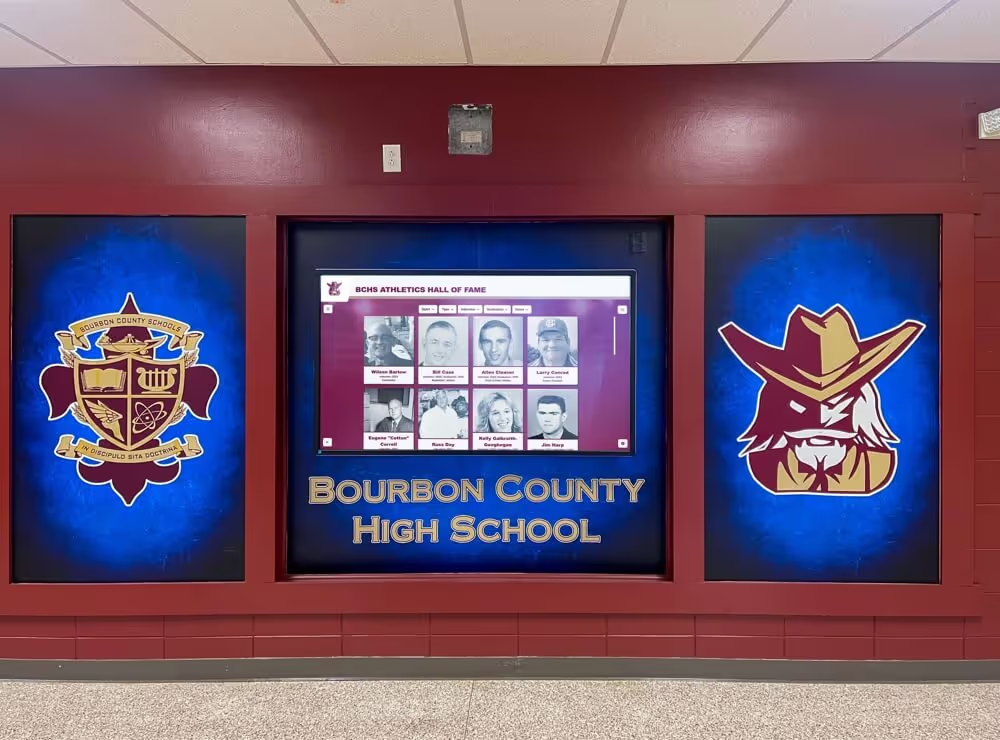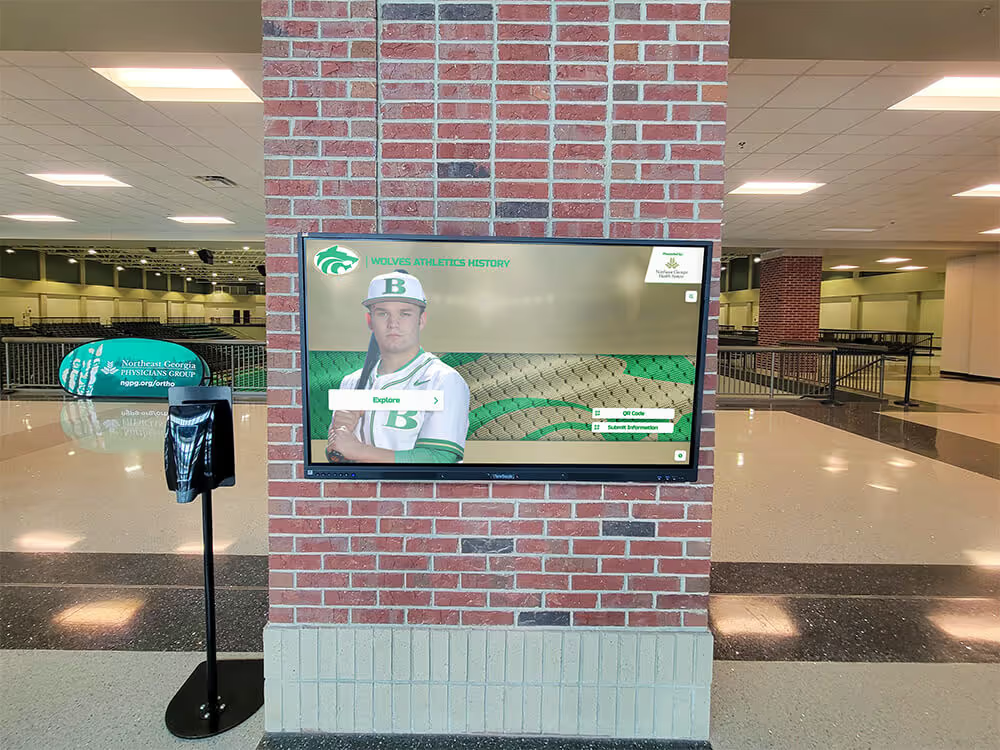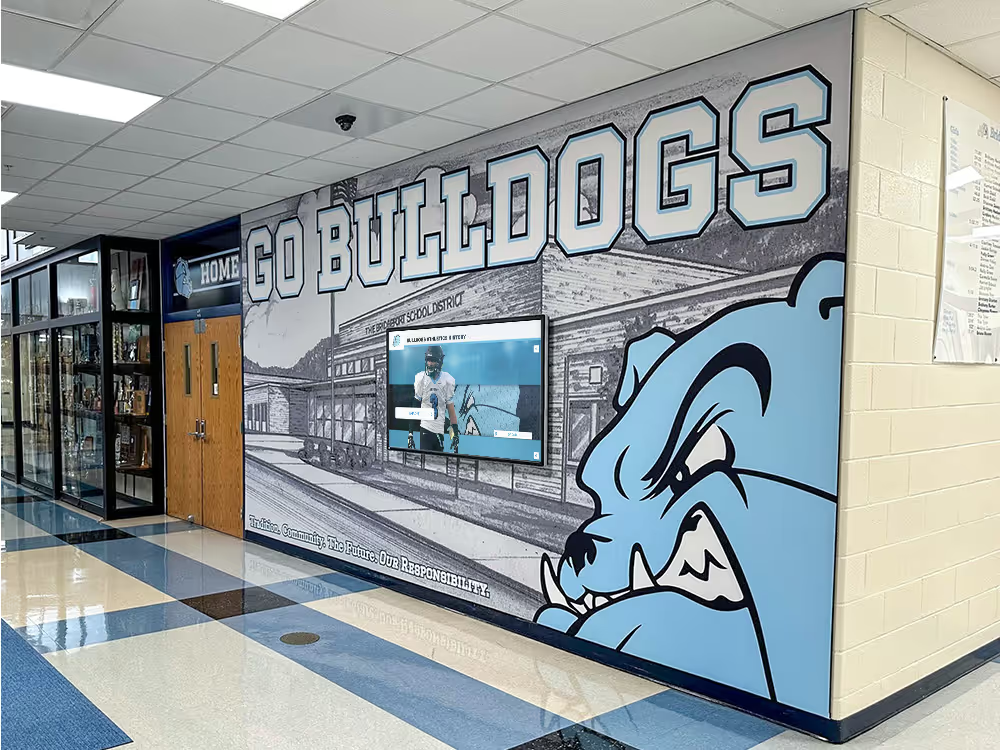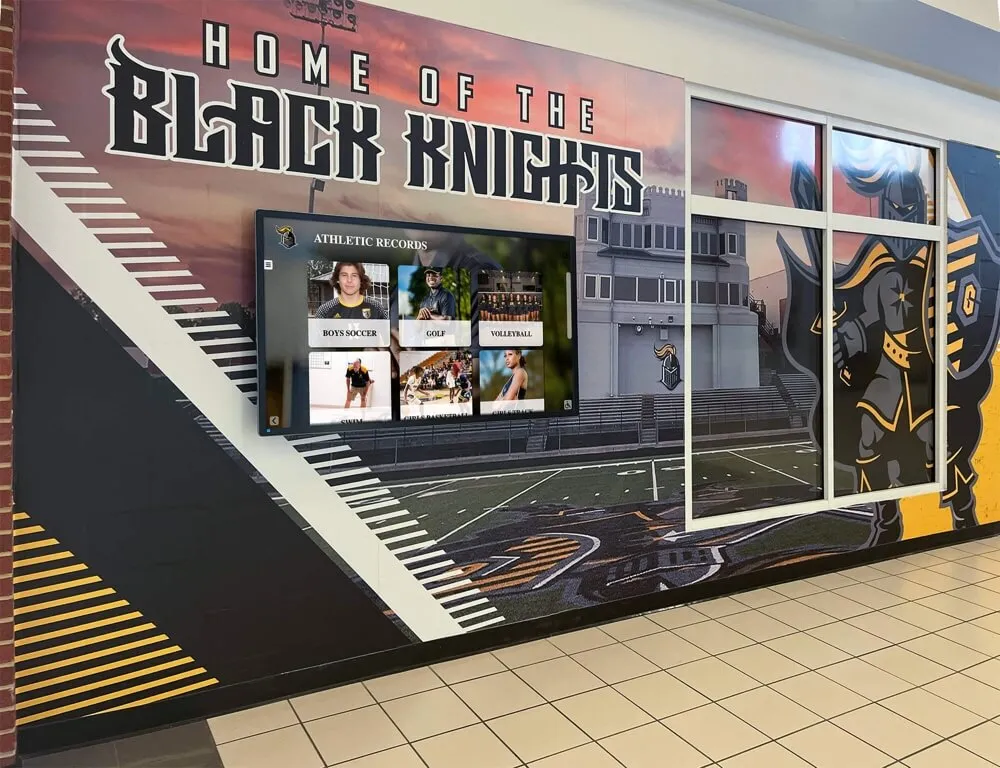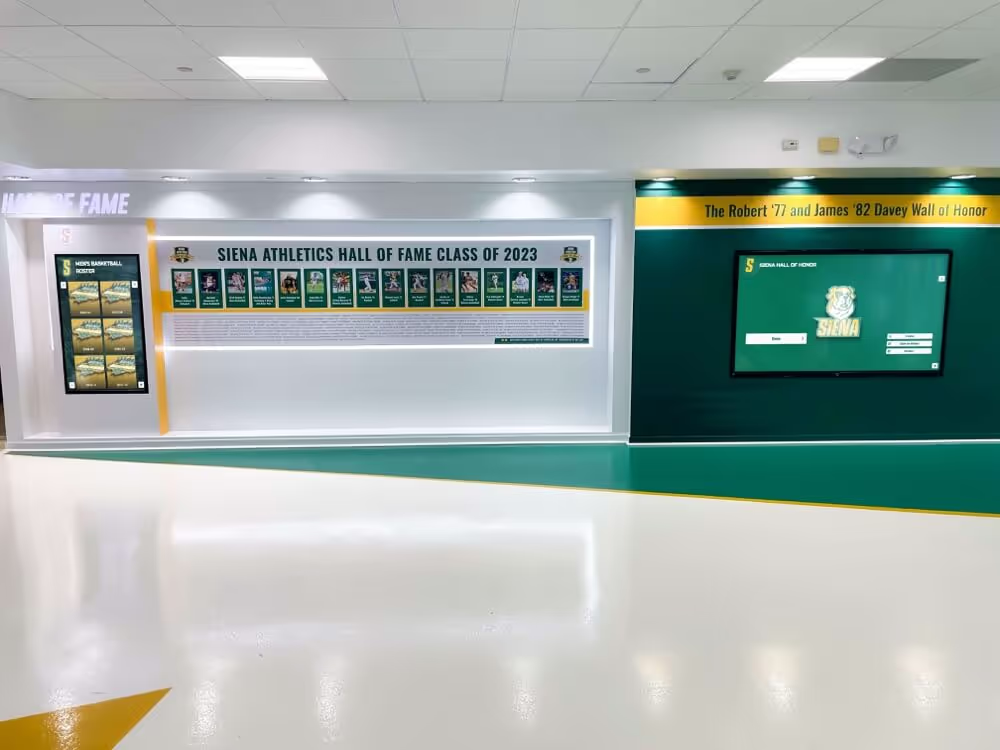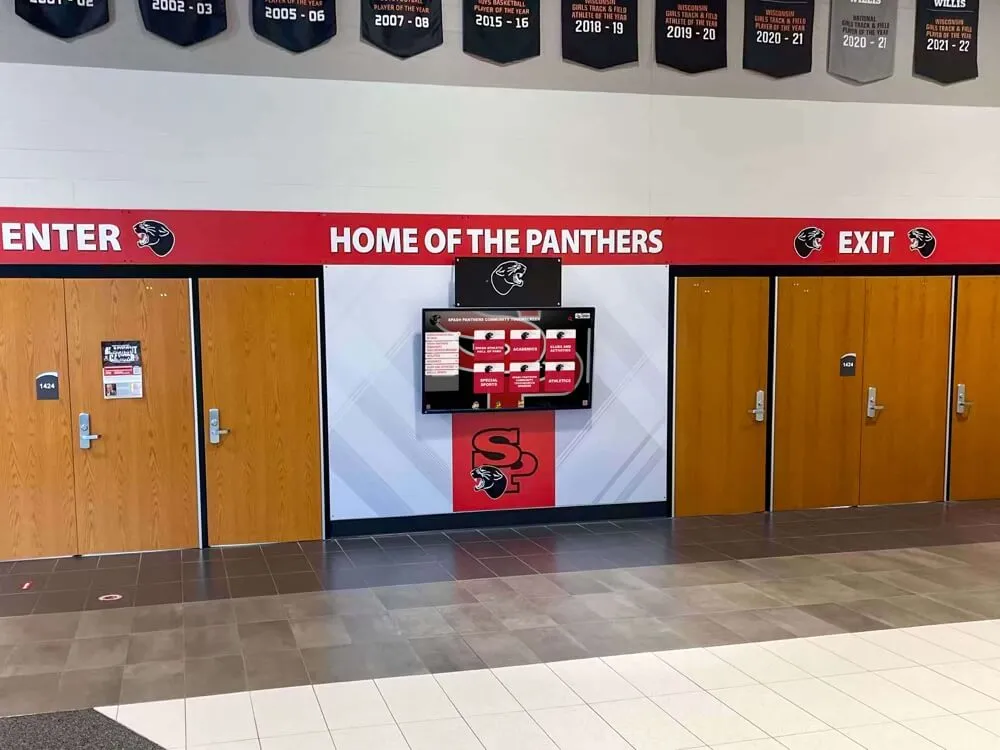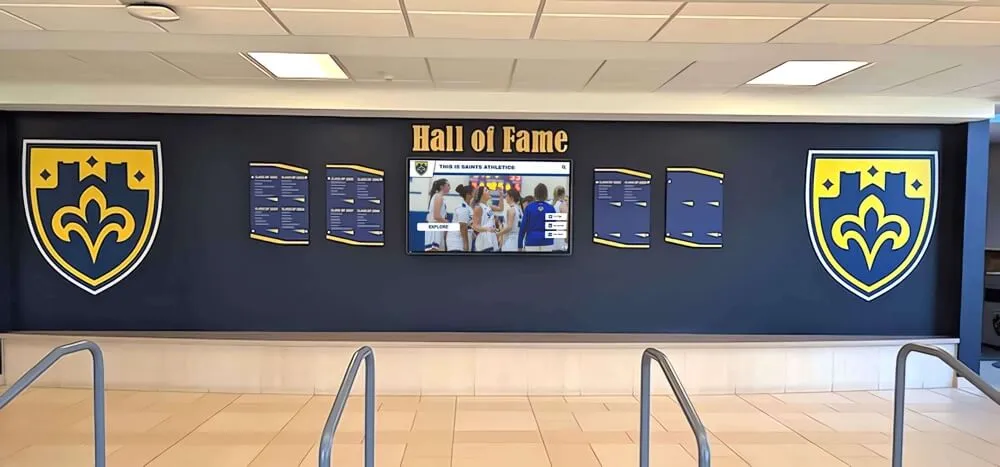




Athletic directors and campus administrators face a persistent challenge: maintaining student, alumni, and visitor engagement in an era when attention scatters across endless digital channels. Traditional recognition displays—static plaques, outdated trophy cases, forgotten bulletin boards—fail to capture interest or communicate institutional identity effectively. Meanwhile, achievements pile up in storage boxes, historical records gather dust in filing cabinets, and compelling campus stories remain invisible to the communities that should celebrate them.
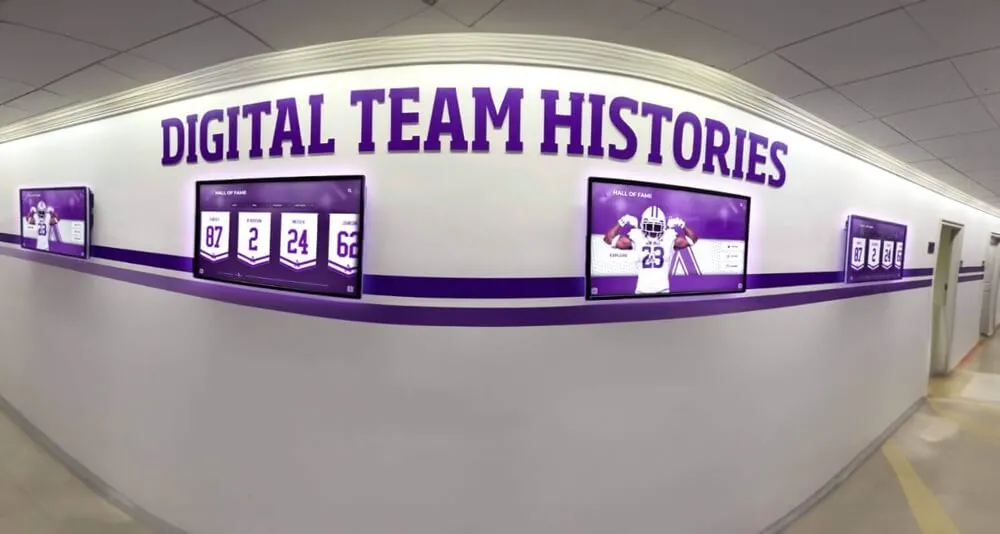
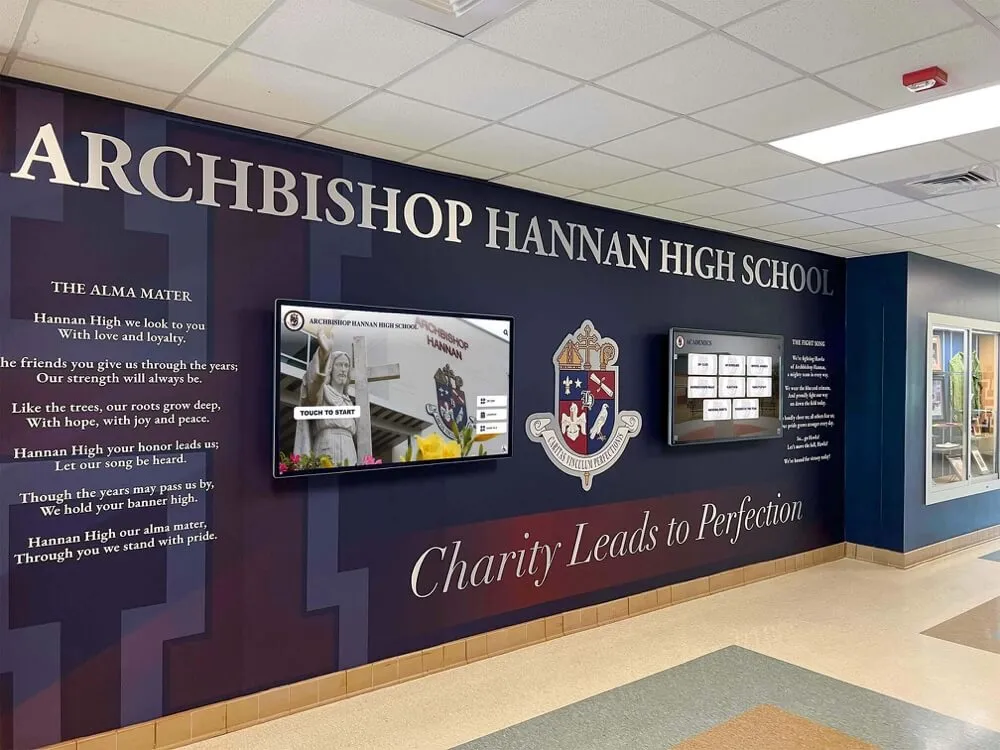
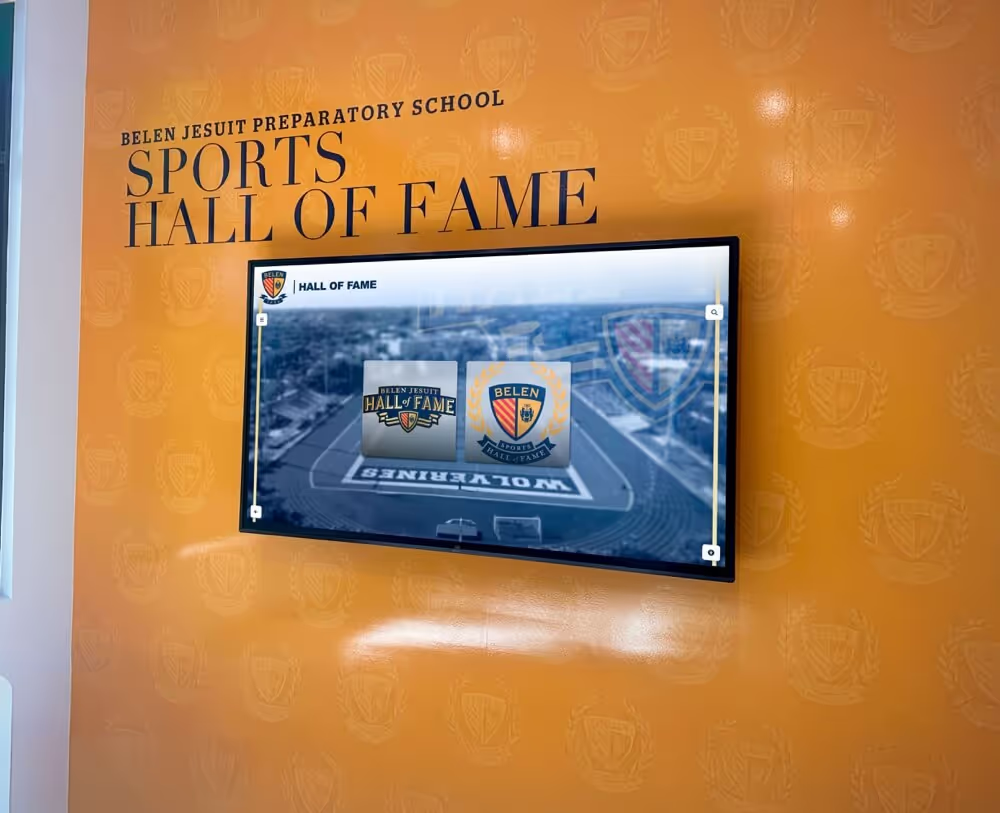
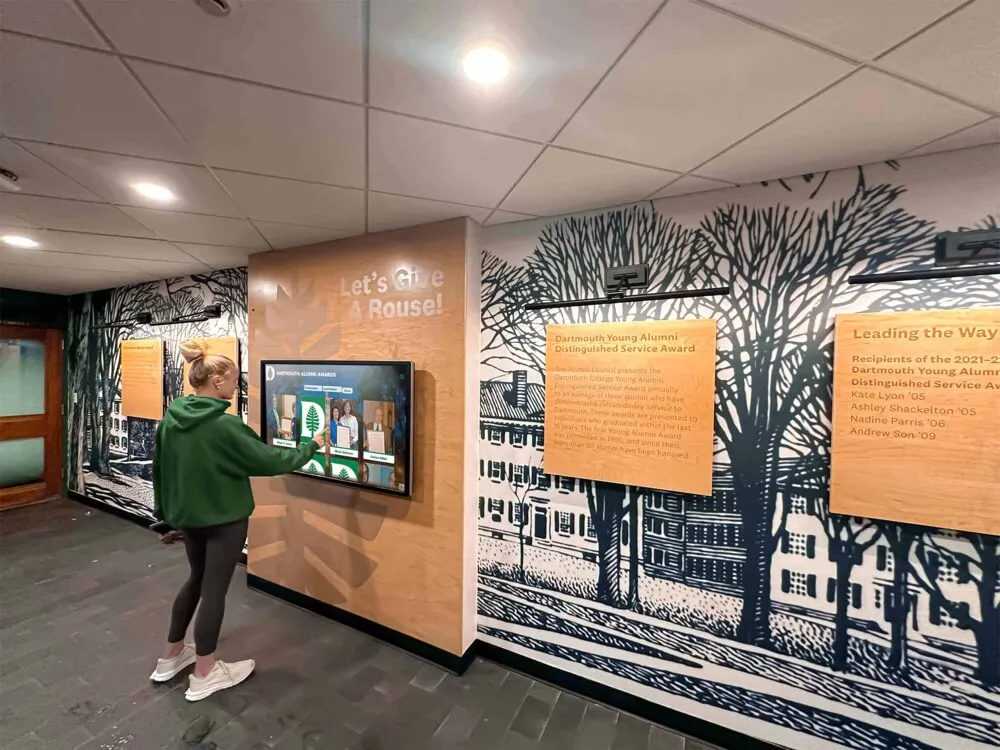
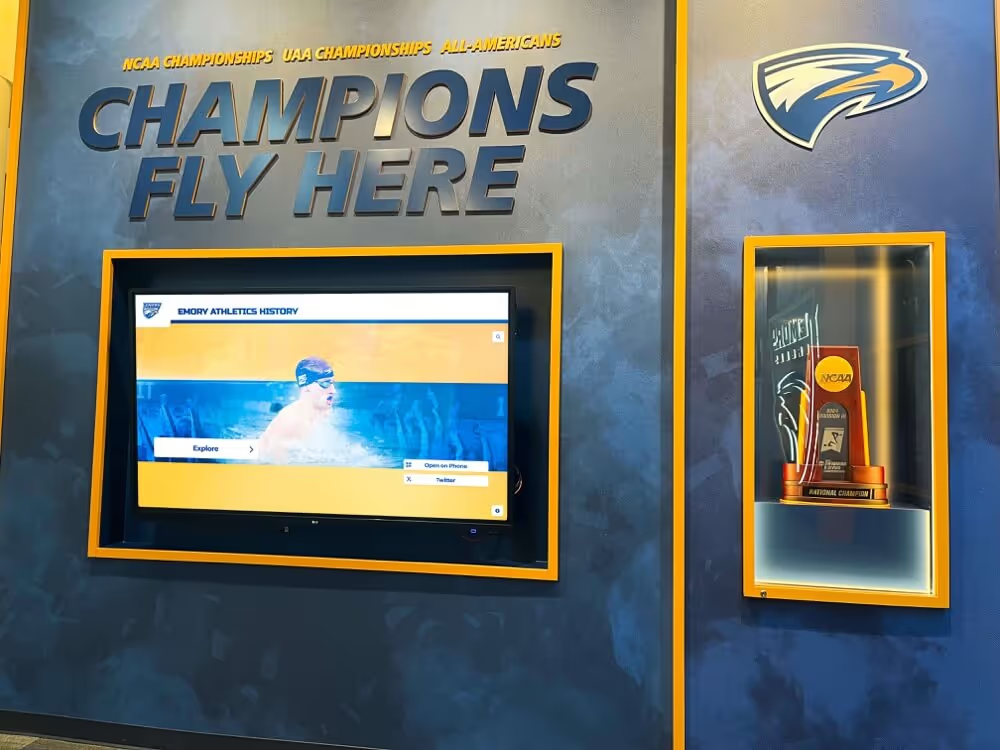
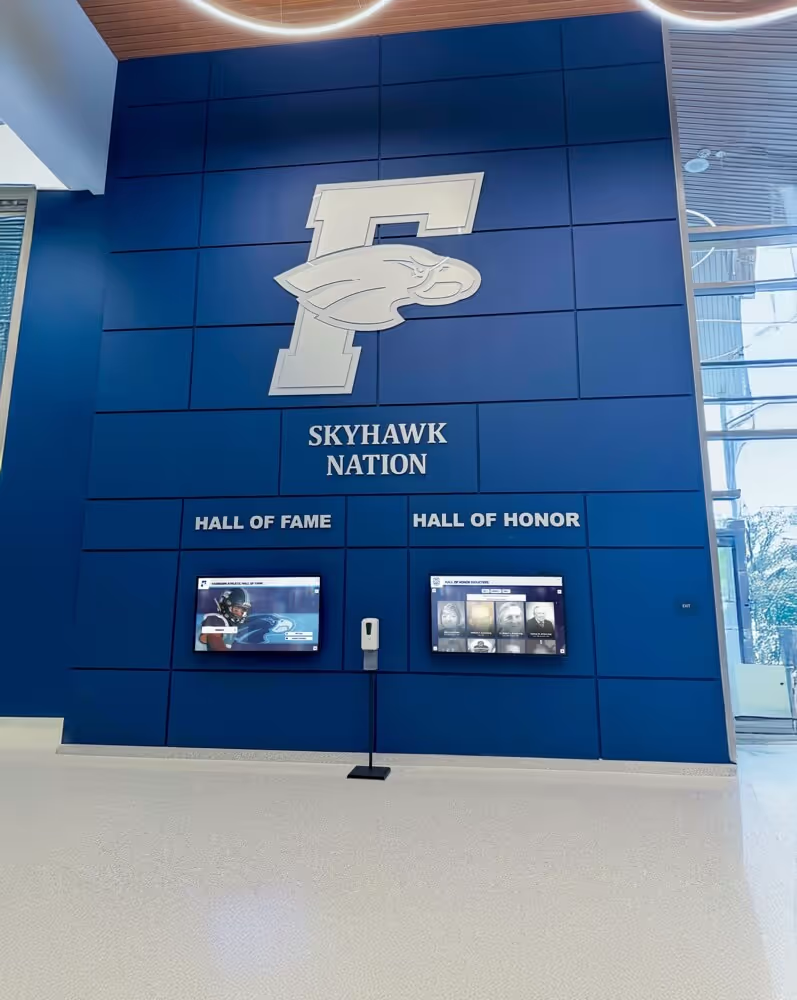
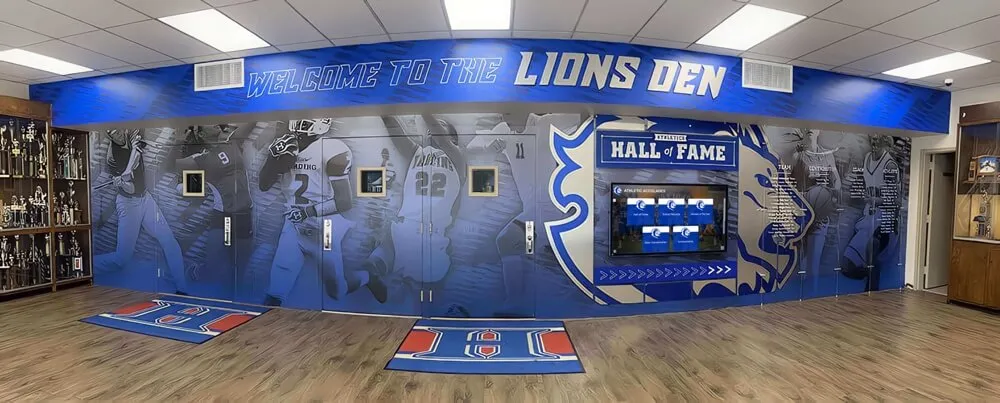
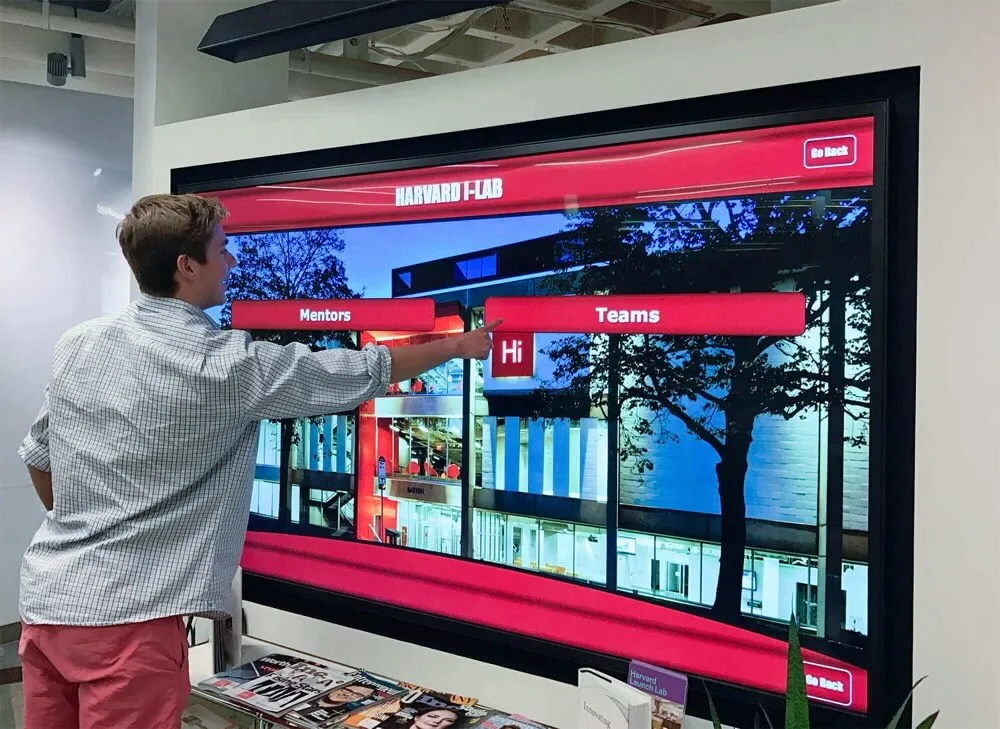
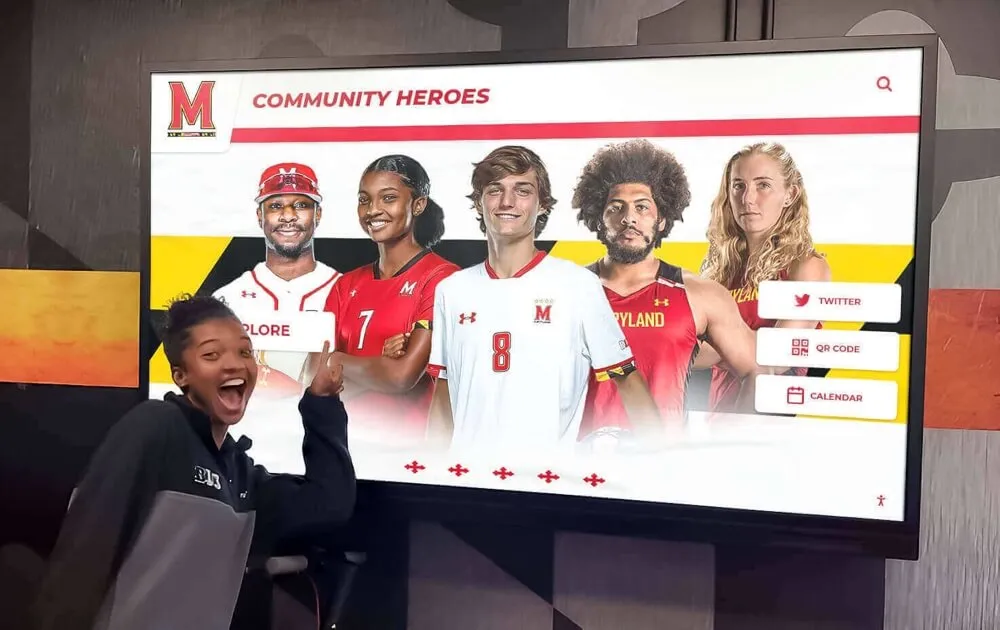
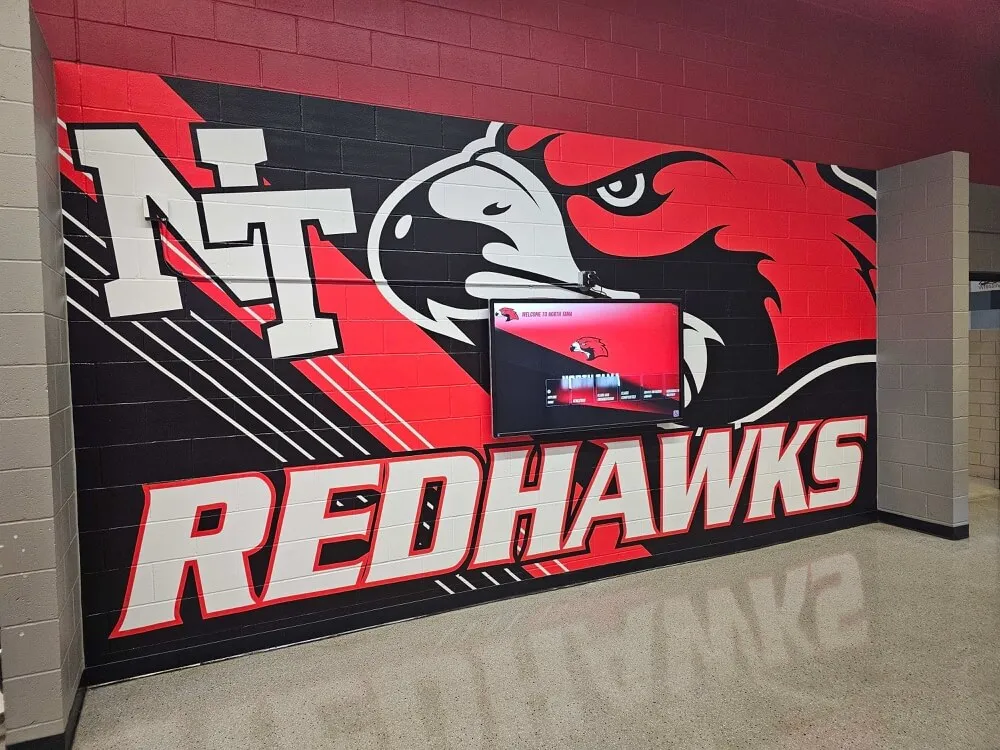
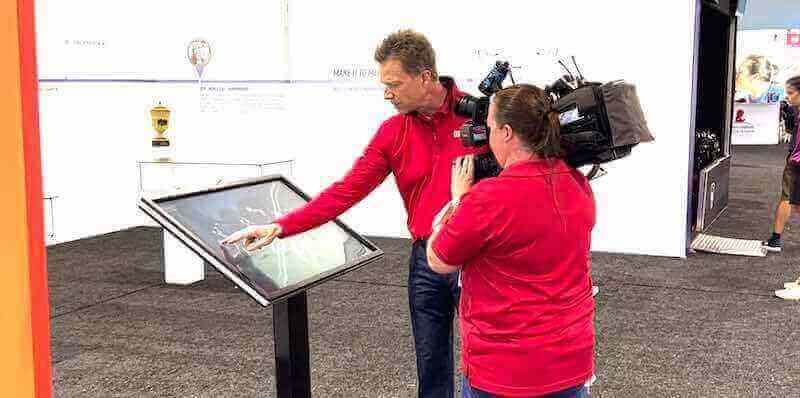
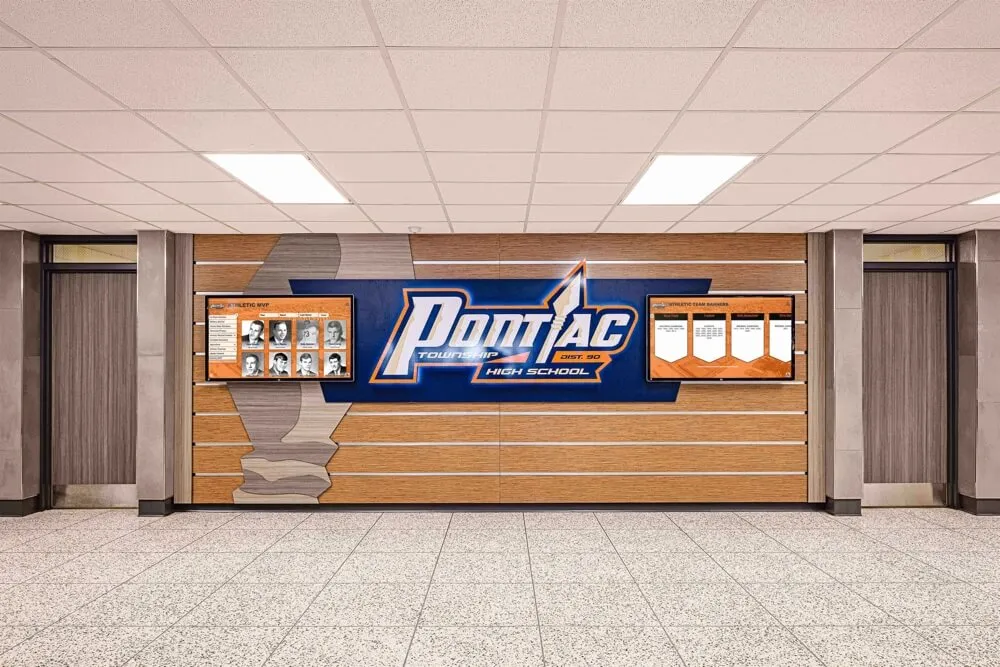
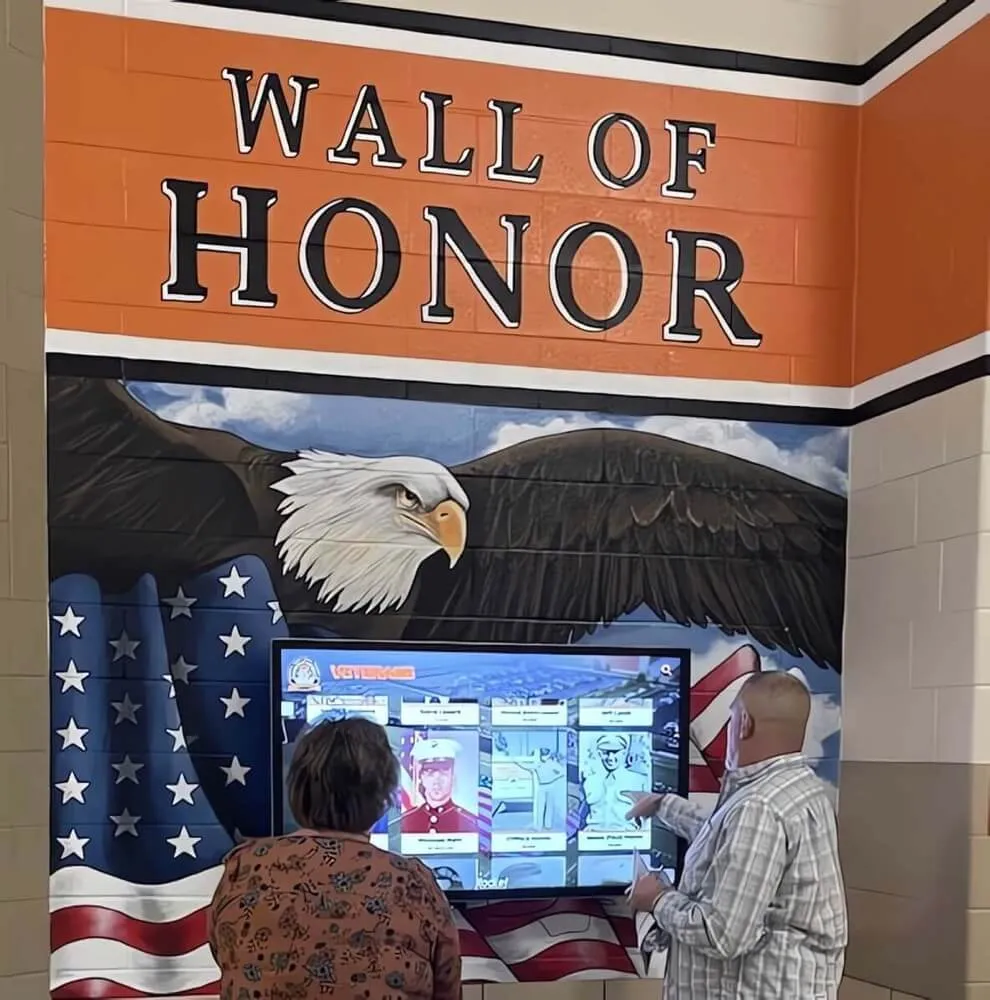
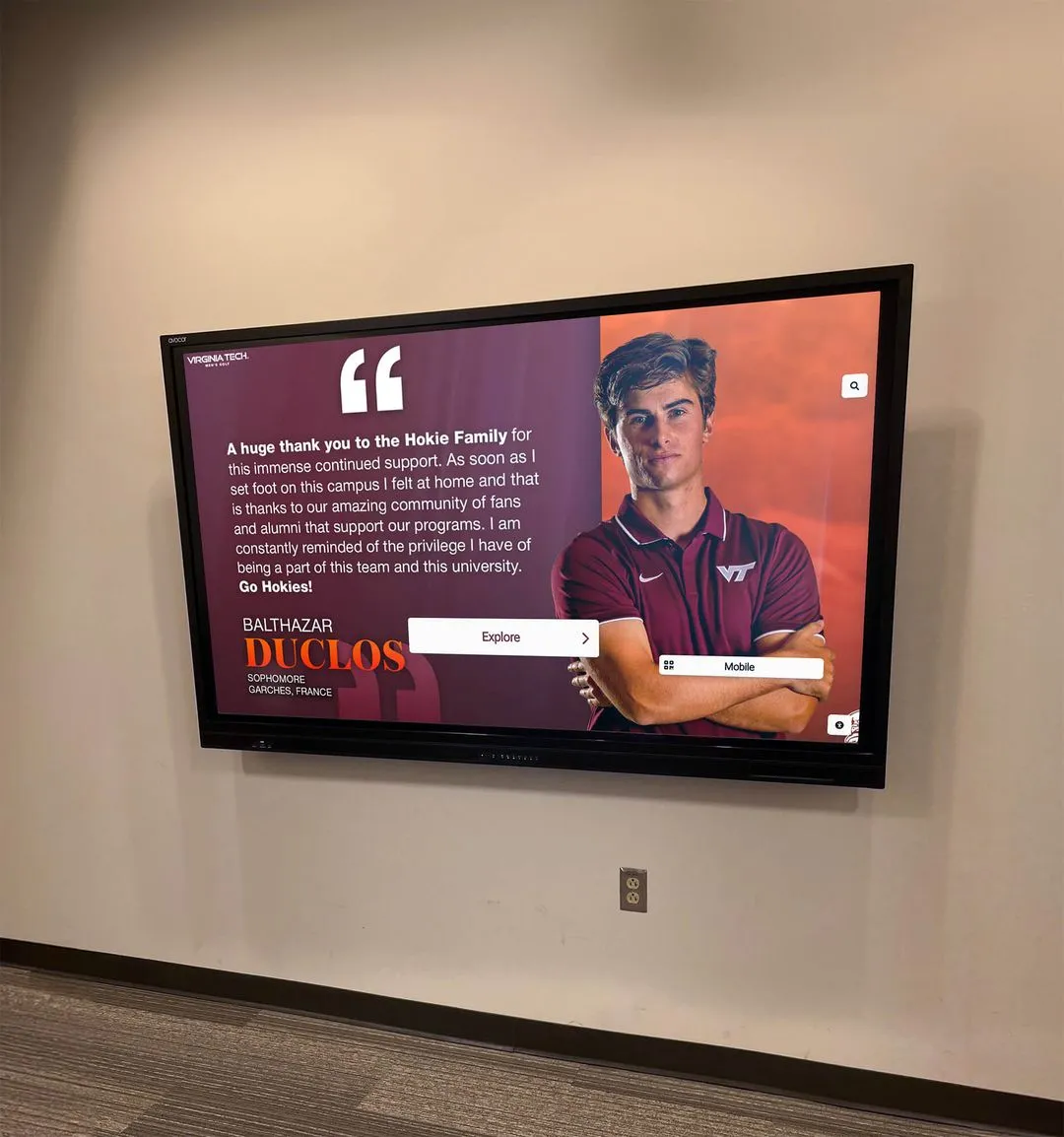
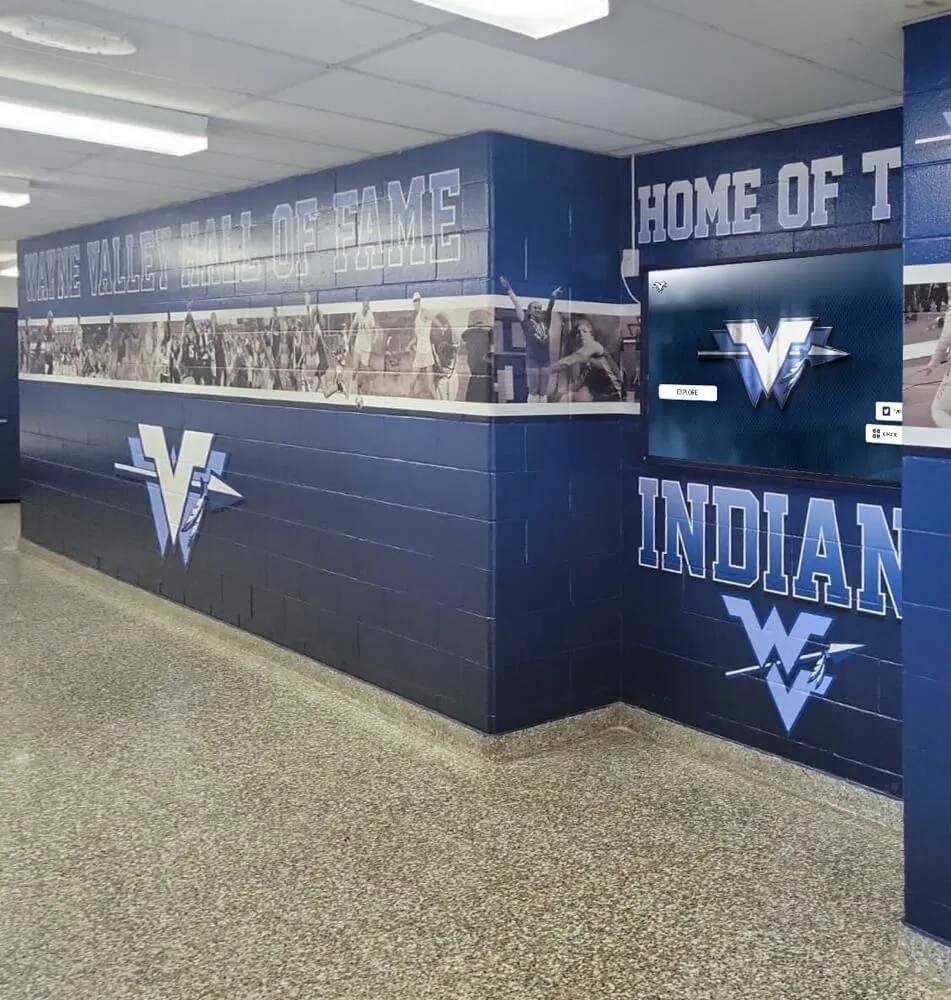
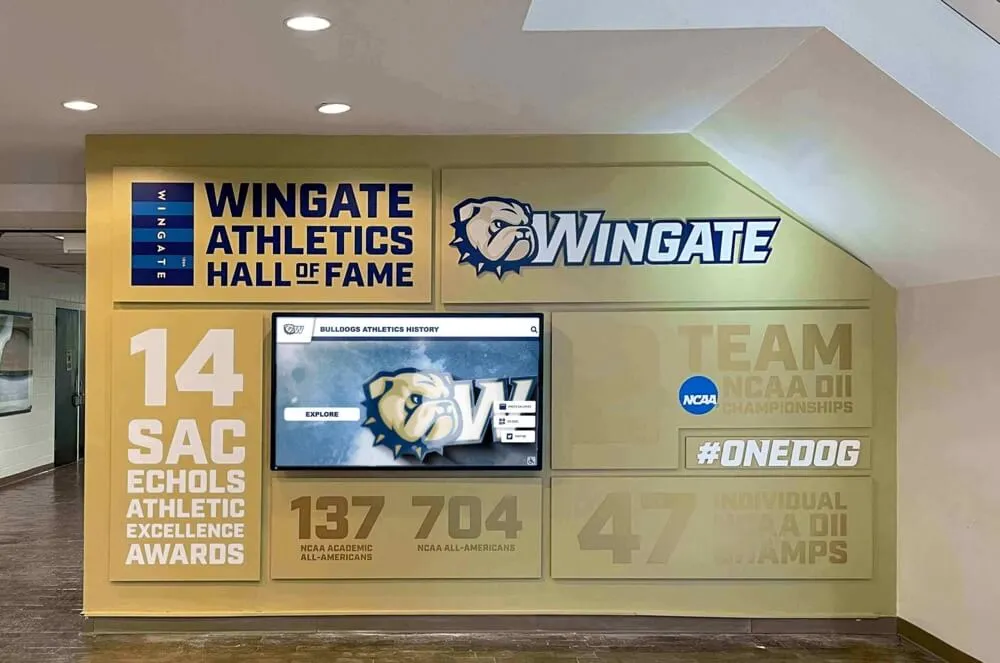
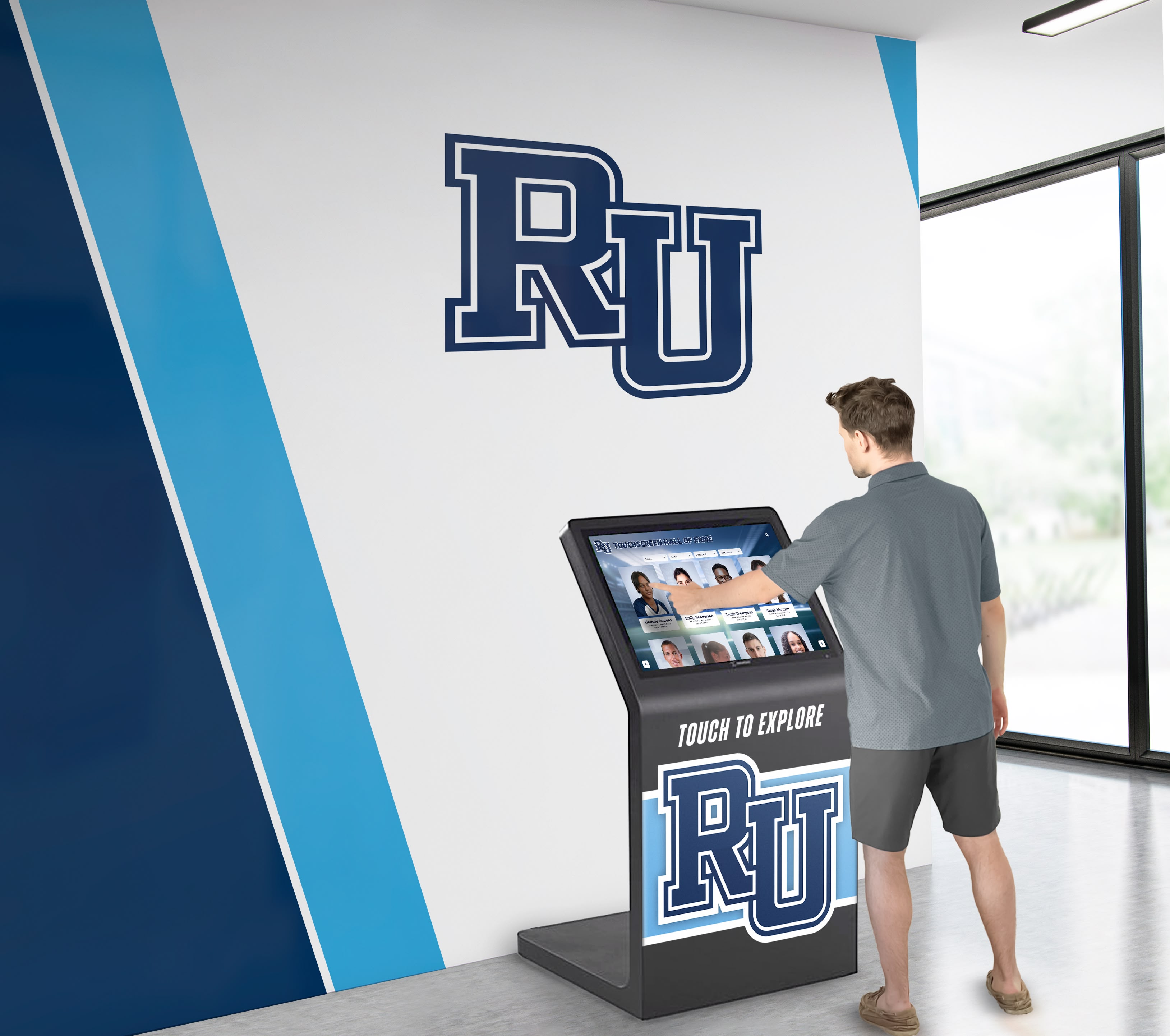
Digital record boards solve this engagement gap by transforming passive displays into interactive experiences that invite exploration, celebrate achievement comprehensively, and create meaningful connections between current community members and institutional legacy. A single touchscreen display can engage visitors for minutes rather than seconds, showcase thousands of achievements instead of dozens, and update instantly as new records fall or honors accumulate—all while occupying the same wall space as a traditional plaque.
This guide presents 20 specific, tested strategies for using digital record boards to strengthen campus engagement across athletics, academics, alumni relations, and community building. Each approach addresses real engagement challenges while creating recognition experiences that inspire current students, reconnect alumni, and position your institution as forward-thinking and student-centered.
Why Digital Record Boards Drive Campus Engagement
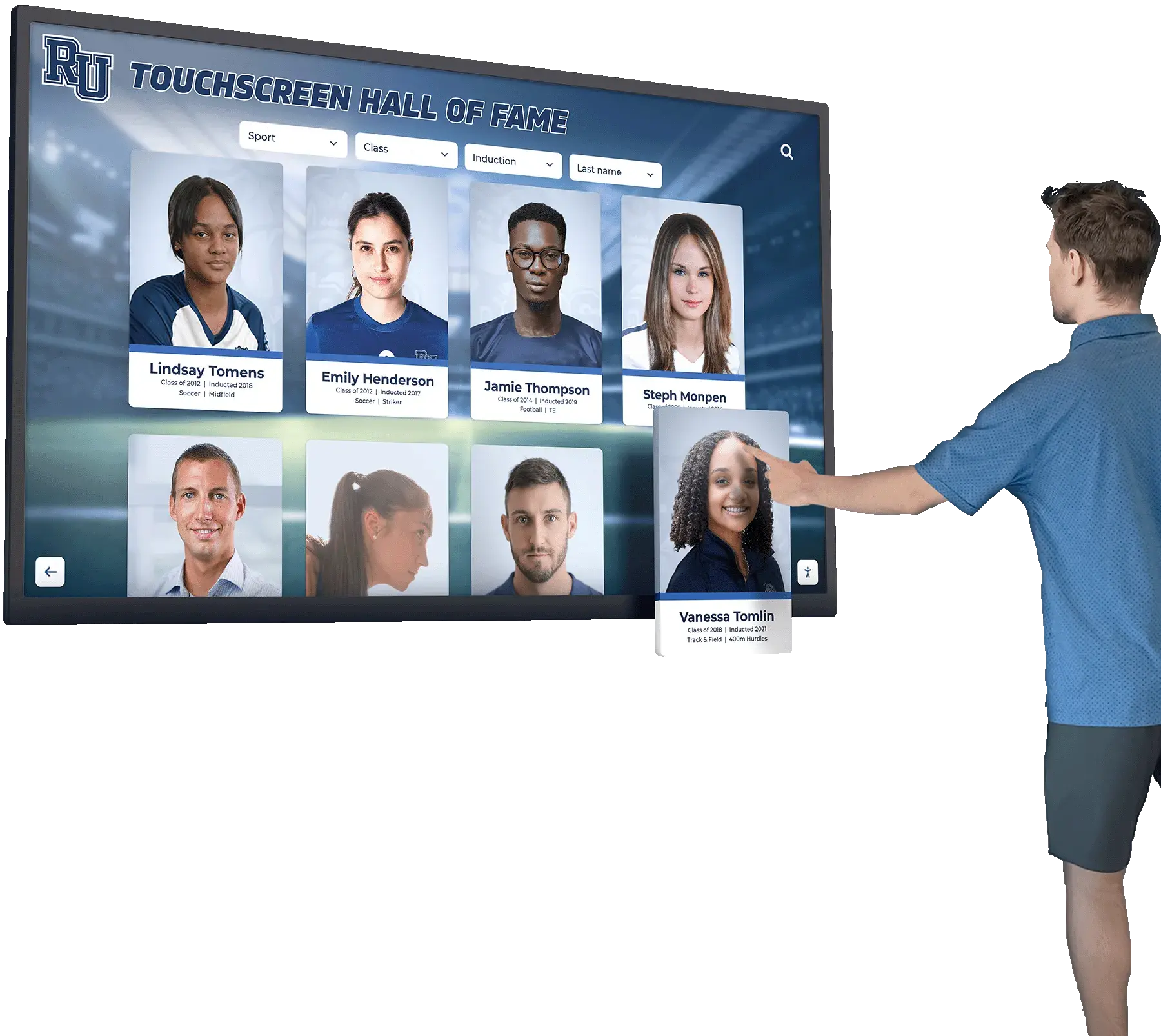
Digital record boards succeed where traditional displays fail because they eliminate the forced choice between comprehensive recognition and physical space constraints. Interactive displays accommodate unlimited achievements, enable personalized exploration through search and filtering, update instantly without manual labor, and create shareable moments extending recognition beyond campus boundaries. When schools implement solutions like Rocket Alumni Solutions, engagement metrics typically show 5-10x longer viewing times compared to static displays, with visitors exploring multiple profiles rather than glancing at nearest plaques before moving on.
1. All-Time Athletic Record Leaderboards with Auto-Ranking
The most direct application of digital record boards transforms how programs celebrate athletic excellence. Rather than limiting recognition to current record holders only, comprehensive leaderboards display top 10, 25, or even 100 performances across every track event, swimming stroke, basketball stat category, or cross country time in program history.
Auto-ranking functionality updates these leaderboards automatically when new performances occur. When a sophomore posts the seventh-fastest 800-meter time in school history, the system instantly adds their achievement and reranks the complete list. This immediate recognition captures current athletes’ attention while preserving historical context showing how today’s performances compare to decades of program excellence.
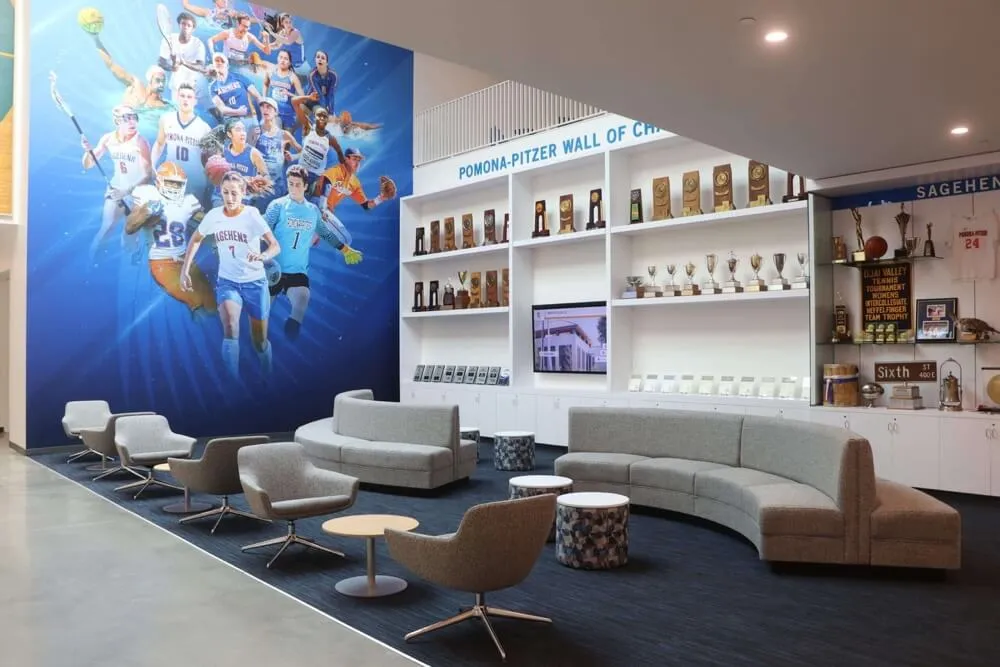
Traditional vinyl record boards force impossible decisions—remove a 1987 record holder to add a 2026 performer, or leave the board unchanged and fail to recognize current achievement. Digital systems eliminate this constraint entirely, displaying complete historical rankings that grow rather than replace as programs evolve.
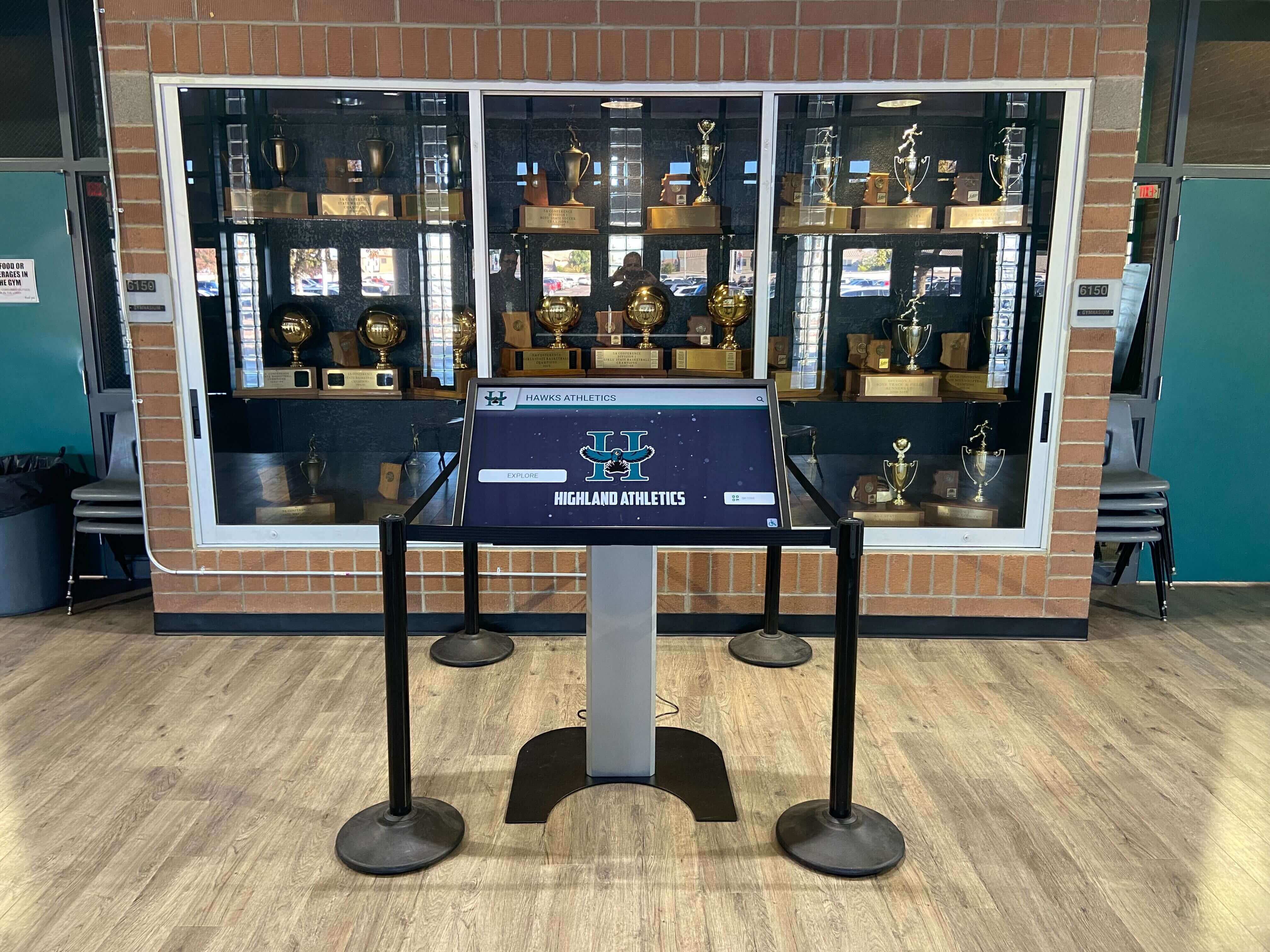
Schools implementing comprehensive digital record boards report that athletes regularly check displays to see where performances rank historically, creating natural motivation without coaching intervention.
2. Academic Achievement Recognition Beyond Honor Roll
While athletic record boards enjoy established recognition in most schools, academic excellence often receives less visible celebration. Digital displays correct this imbalance by displaying academic achievements with the same prominence athletics receives.
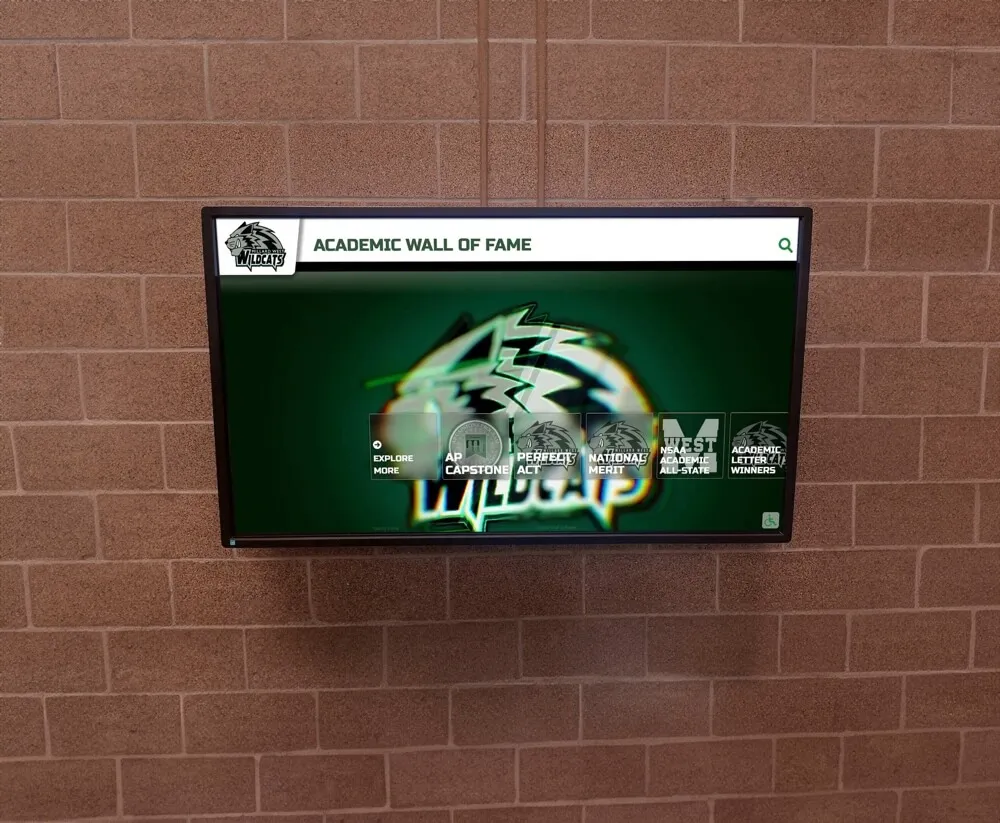
Create searchable databases of National Merit Scholars, AP Scholars, perfect ACT or SAT scorers, valedictorians and salutatorians across decades, academic competition winners, research publication authors, and students earning college scholarships. Add rich content including academic profiles, college destinations, areas of study, and post-graduation accomplishments for alumni willing to share updates.
This comprehensive academic recognition serves multiple engagement purposes. Current students see that intellectual achievement receives equal celebration to athletic performance. Parents appreciate institutions that value diverse excellence. College counselors reference displays when discussing institutional culture with prospective families. Alumni reconnect with classmates through searchable historical databases.
3. Multi-Sport Athlete Spotlights
Students competing across multiple sports deserve special recognition for commitment breadth that single-sport participation doesn’t require. Digital record boards make identifying and celebrating these multi-sport athletes straightforward through database relationships that traditional displays cannot support.
Create dedicated sections highlighting three-sport athletes, four-sport athletes, or students who lettered across different seasons throughout high school careers. Include photos from each sport, statistics across different activities, quotes about balancing multiple commitments, and recognition of the time management and dedication multi-sport participation demands.
These spotlights engage athlete families directly while communicating institutional values around well-rounded development rather than single-sport specialization. They also provide content that remains relevant across seasons—fall sport families engaging with displays during winter because multi-sport profiles connect to current teams.
4. Alumni Career Journey Profiles
One of the most compelling campus engagement strategies connects current students with alumni career paths, showing how institutional experiences translate to professional success. Digital record boards enable alumni spotlight programs that traditional displays cannot accommodate due to volume and update requirements.
Develop searchable alumni profiles including graduation years, activities and sports during school years, college destinations, career fields and current positions, and advice for current students in similar interest areas. Add video messages from alumni willing to record brief reflections on how school experiences shaped career trajectories.
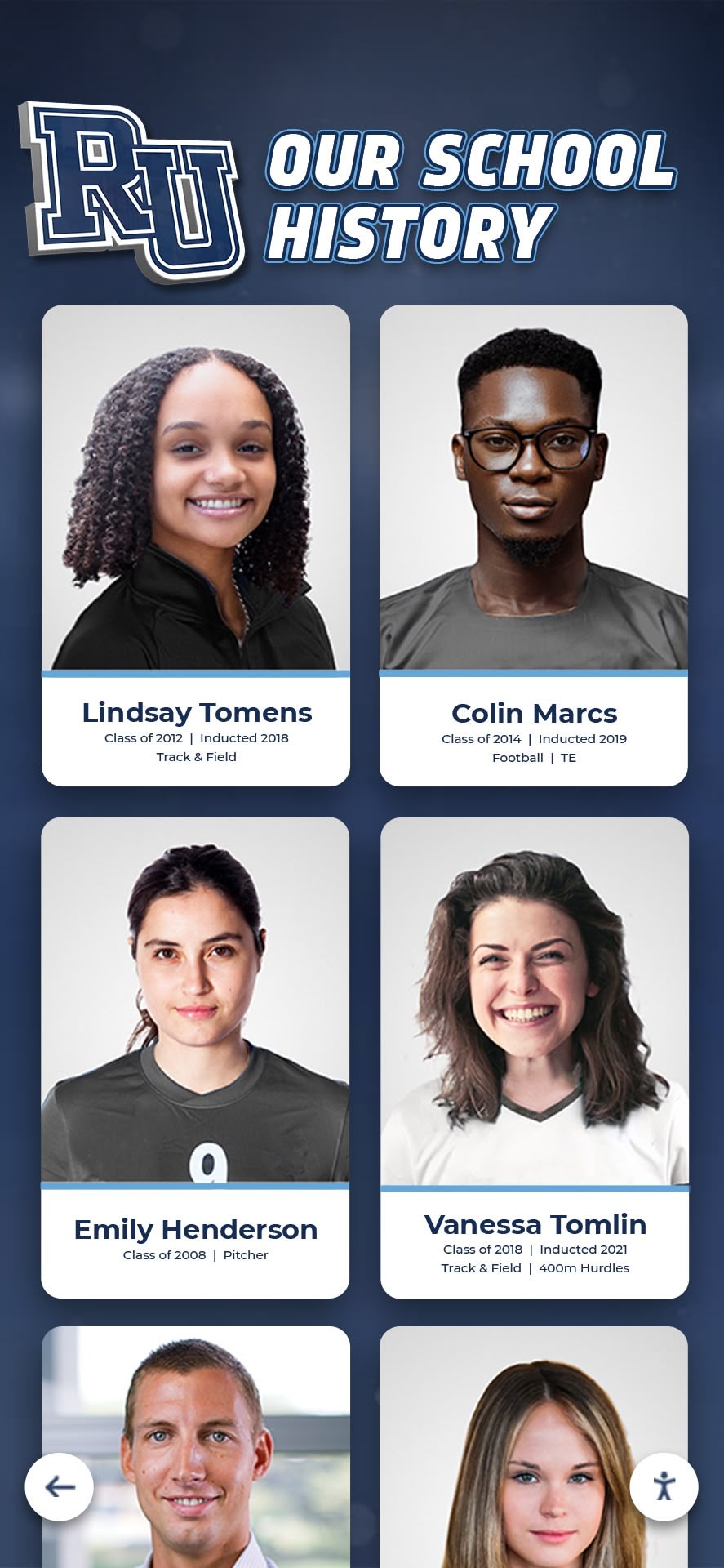
Update these profiles regularly as alumni advance careers or change fields, creating current content that gives community members reasons to return repeatedly rather than viewing once and assuming content remains static indefinitely. Partner with alumni engagement programs to collect profiles during reunion events or through online submission portals.
5. Season Highlight Reels and Championship Memories
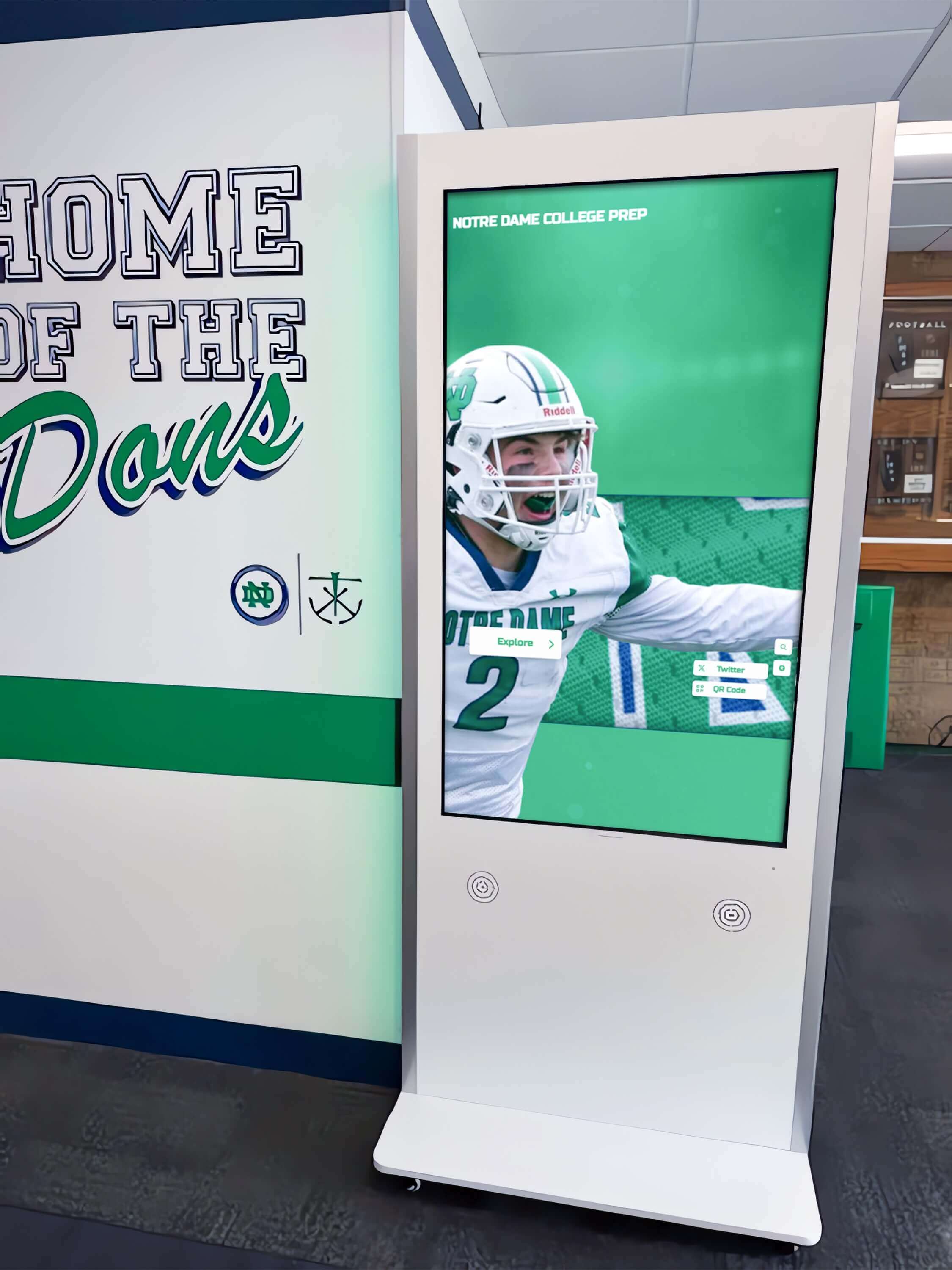
Athletic seasons produce memorable moments that traditional trophy cases cannot preserve effectively—championship game highlights, record-breaking performances captured on video, dramatic comeback victories, or emotional senior night celebrations. Digital displays solve this limitation through embedded video content that brings achievements to life beyond static photos and text.
Create season summary pages for each team including championship photos and videos, statistical leaders and their accomplishments, coaching quotes about team character, and links to individual player profiles for roster members. Organize content by year and sport, enabling alumni to explore their seasons decades later while current families review recent achievements.
This video integration creates engagement opportunities that static displays cannot match. Visitors stop and watch 30-second highlight clips. Parents share videos on social media extending recognition reach. Alumni reconnect emotionally with formative experiences rather than simply reading years and scores.
6. Facility Dedication and Donor Recognition
Capital campaigns for new facilities, field renovations, or equipment upgrades depend on donor generosity that deserves lasting recognition. Digital record boards provide sophisticated donor acknowledgment that traditional plaques cannot match in flexibility, detail, or update capability.
Create searchable donor databases organized by giving levels, recognition societies, naming opportunities, and campaign categories. Include donor photos, family information for legacy gifts, quotes about giving motivations, and descriptions of specific projects their support enabled. Add historical context showing facility evolution across decades as successive donor generations invest in program excellence.
This digital approach solves a persistent donor recognition challenge: updating displays when supporters increase giving levels or new donors join established recognition tiers. Traditional engraved plaques require costly replacement. Digital systems update instantly through content management interfaces, ensuring recognition accuracy without ongoing fabrication costs.
Schools implementing comprehensive donor recognition displays report that interactive formats increase donor engagement during events and campus visits while demonstrating stewardship that encourages continued support.
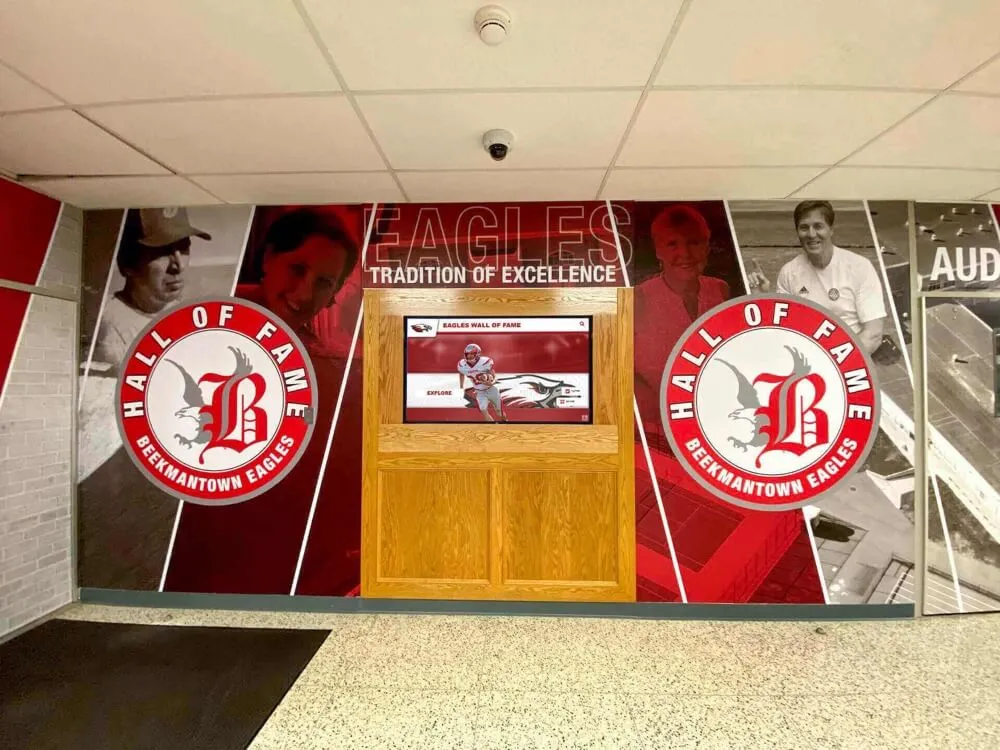
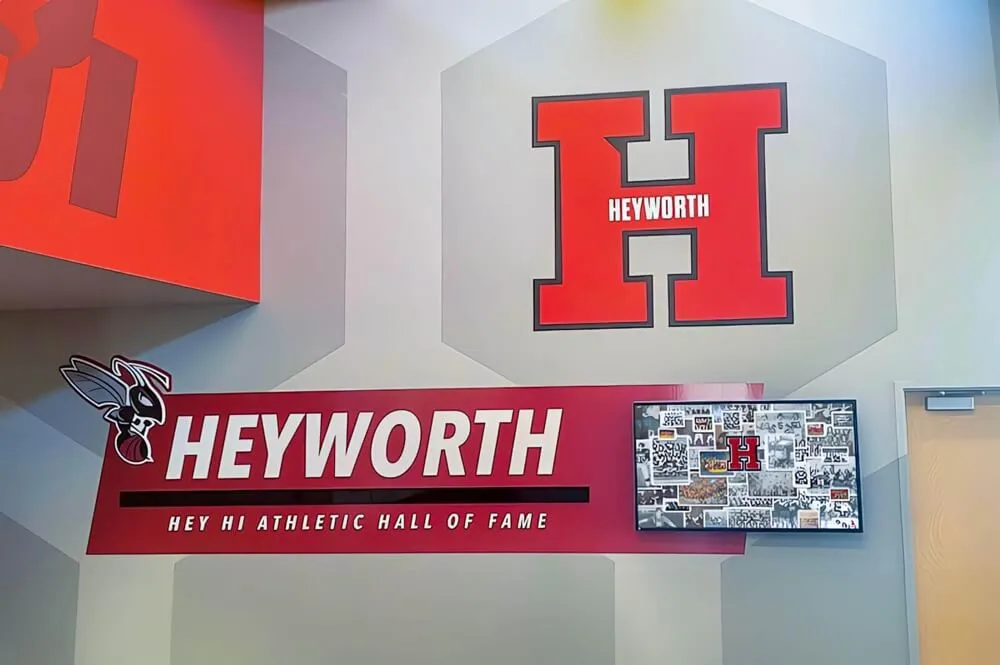
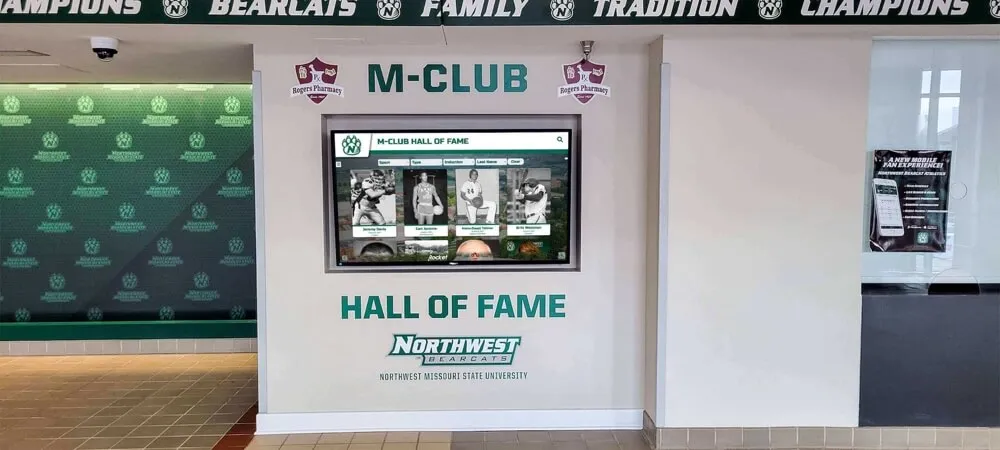
7. Hall of Fame Inductee Celebrations
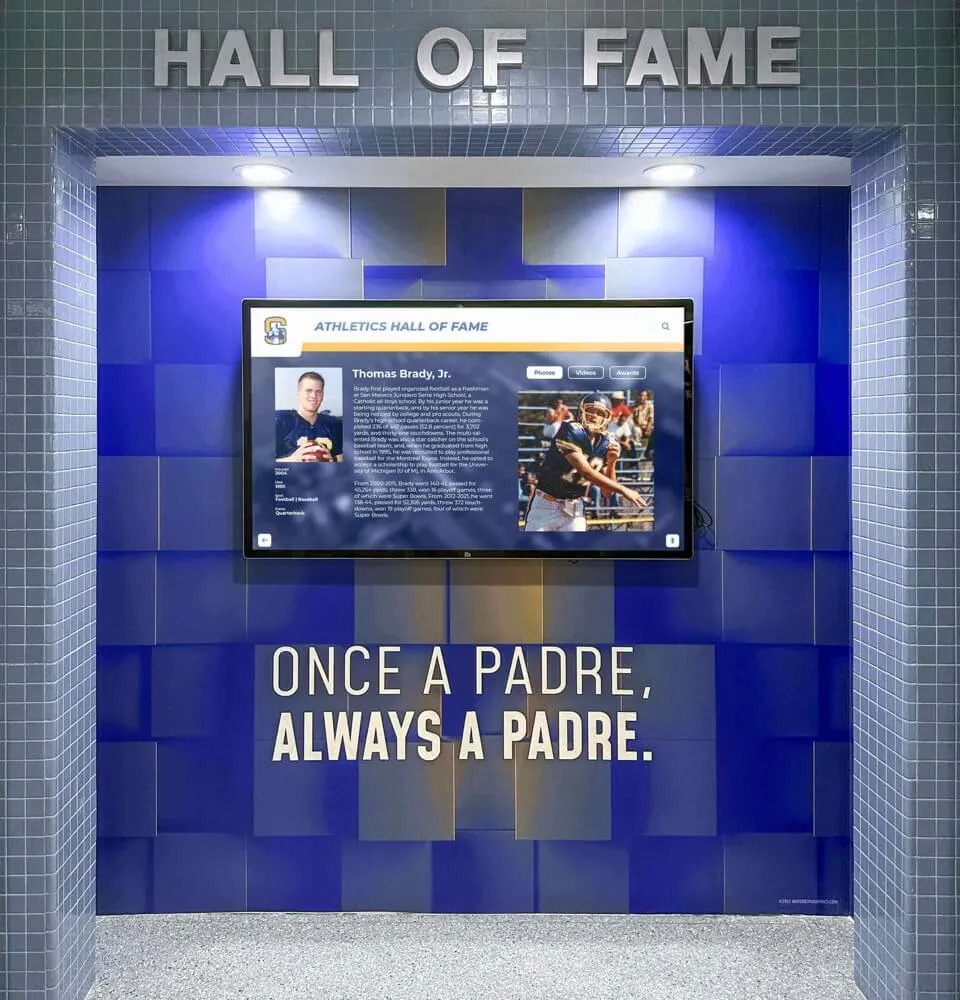
Annual hall of fame inductions honor distinguished alumni who exemplify program excellence, but traditional induction plaques limit content to names, years, and minimal accomplishments. Digital displays transform inductee recognition into comprehensive storytelling that captures career significance and personal impact.
Develop detailed inductee profiles including high school achievements and statistics, college athletic or academic careers, professional accomplishments in sports or other fields, community service and leadership roles, induction ceremony videos and speeches, and personal reflections on formative school experiences. Organize profiles by induction year while maintaining searchability across decades of honorees.
This comprehensive approach engages multiple constituencies simultaneously. Current students learn about program traditions and standards of excellence. Alumni reconnect with former teammates or classmates through searchable databases. Families visiting campus explore inductee content discovering institutional heritage. Detailed hall of fame selection criteria and displays communicate the significance of this recognition tier.
8. Team Championship Timelines
Programs with rich championship traditions deserve recognition formats that communicate sustained excellence across decades. Digital record boards enable interactive timeline presentations impossible with traditional trophy displays.
Create sport-specific championship timelines showing conference titles, state appearances, state championships, and national recognition across complete program histories. Include team photos, roster lists linking to individual player profiles, season records and statistical leaders, and memorable game highlights or championship match summaries. Add coaching trees showing staff evolution and the leaders who built program traditions.
These timelines engage community members across interest areas. Alumni locate their championship seasons and reconnect with teammates. Current families explore recent success. Prospective families evaluating programs assess competitive excellence and institutional commitment to athletics.
9. Student Life and Club Achievement Archives
Campus engagement extends far beyond athletics and academics into clubs, activities, performing arts, and student leadership. Digital record boards provide these often-overlooked programs with recognition equality they rarely receive in traditional display hierarchies.
Showcase debate team competition results and tournament champions, theatre production archives with cast photos and performance videos, robotics team achievements and competition placements, student government leadership across decades, service organization community impact metrics, and fine arts recognition including all-state musicians or juried art competition winners.
This comprehensive recognition communicates institutional values that extend beyond conventional achievement categories. Students in diverse activities see that their commitments receive equal visibility. Parents appreciate well-rounded institutional culture. Administrators demonstrate authentic support for comprehensive student development rather than athletic-only focus.
10. Academic Department History and Distinguished Faculty
While student achievement typically dominates recognition displays, institutional heritage includes faculty contributions that shape educational excellence across generations. Digital platforms enable faculty recognition that traditional formats rarely accommodate.
Create department history timelines showing curriculum evolution, facility improvements, and program milestones. Develop faculty profiles for distinguished educators including years of service, courses taught, student impact stories, professional accomplishments and publications, and retirement tributes or memorial recognitions. Add student testimonials about influential teaching that shaped career directions or intellectual development.
This faculty recognition serves engagement purposes beyond simple acknowledgment. It demonstrates institutional stability and teaching quality to prospective families. It honors educators whose daily work rarely receives public celebration. It preserves institutional memory as experienced faculty retire and new teachers join communities.
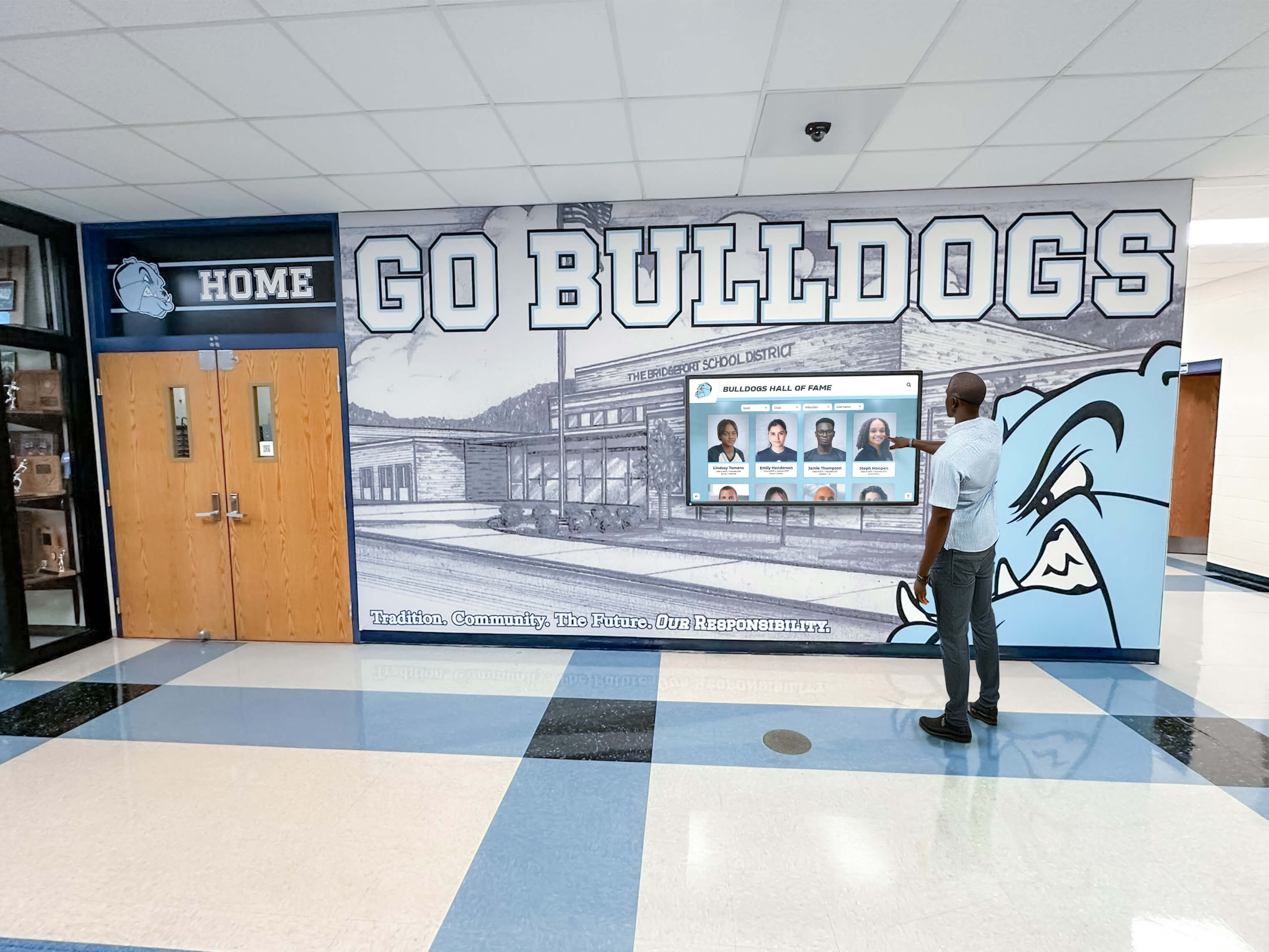
11. School History and Heritage Timelines
Every institution has unique heritage worth preserving and sharing with current community members who may know little about historical foundations. Digital record boards transform static history into interactive exploration that engages diverse audiences.
Build comprehensive timelines featuring founding dates and original mission, building construction and campus expansion, enrollment growth and demographic evolution, leadership transitions including heads of school or principals, mascot and tradition origins, significant anniversaries and celebrations, and historical photos showing campus transformation across decades.
Make content searchable by decade, topic category, or historical event type, enabling targeted exploration rather than requiring complete timeline review. Add primary source documents like original mission statements, architectural plans, or founding documents that historical archives contain but rarely share publicly.
This historical content engages alumni maintaining connections across distance and time. It orients new families to institutional identity and values. It provides educators with teaching resources about community heritage. Comprehensive school historical timeline displays become reference resources rather than decorative installations.
12. College Signing Day and Commitment Showcases
Celebrating students earning college athletic opportunities or academic scholarships demonstrates program success while motivating younger students pursuing similar goals. Digital displays enable comprehensive commitment recognition impossible with traditional signing day photo boards.
Create searchable databases of college commitments including student names and graduation years, college destinations and scholarship types, sports or academic programs, commitment photos and signing ceremony videos, and student quotes about college selection processes. Organize content by year, sport, college, or scholarship type enabling various exploration approaches.
Update displays immediately as commitments occur rather than waiting for annual signing day events, maintaining current content that stays relevant throughout recruitment cycles. Include Division I, II, III, and NAIA commitments along with academic scholarship recognition, communicating that various college paths deserve celebration beyond high-profile Division I athletics.
13. Weight Room and Training Records
Strength and conditioning programs track detailed performance data across exercises, body measurements, and athletic testing protocols. This rich dataset typically exists in spreadsheets coaches reference but athletes rarely see comprehensively. Digital record boards transform training data into visible motivation.
Display all-time records across bench press, squat, power clean, vertical jump, shuttle times, and sport-specific performance metrics. Create position-specific leaderboards showing how current athletes compare to historical performers in similar roles. Add progress tracking showing individual improvement across seasons or training cycles.
This weight room recognition serves multiple engagement purposes. Athletes compete informally for record board placement, driving training intensity without coaching pressure. Parents see that strength development receives systematic attention. Coaches reference displays when discussing training protocols with recruits and families.
Programs implementing comprehensive athletic recognition systems report that visible training records increase weight room engagement and training consistency.
14. Perfect Attendance and Academic Consistency Recognition
While athletic and academic peak achievement receives natural recognition, consistent effort and daily commitment deserve acknowledgment that traditional systems rarely provide at scale. Digital platforms enable recognition programs that honor reliability and dedication.
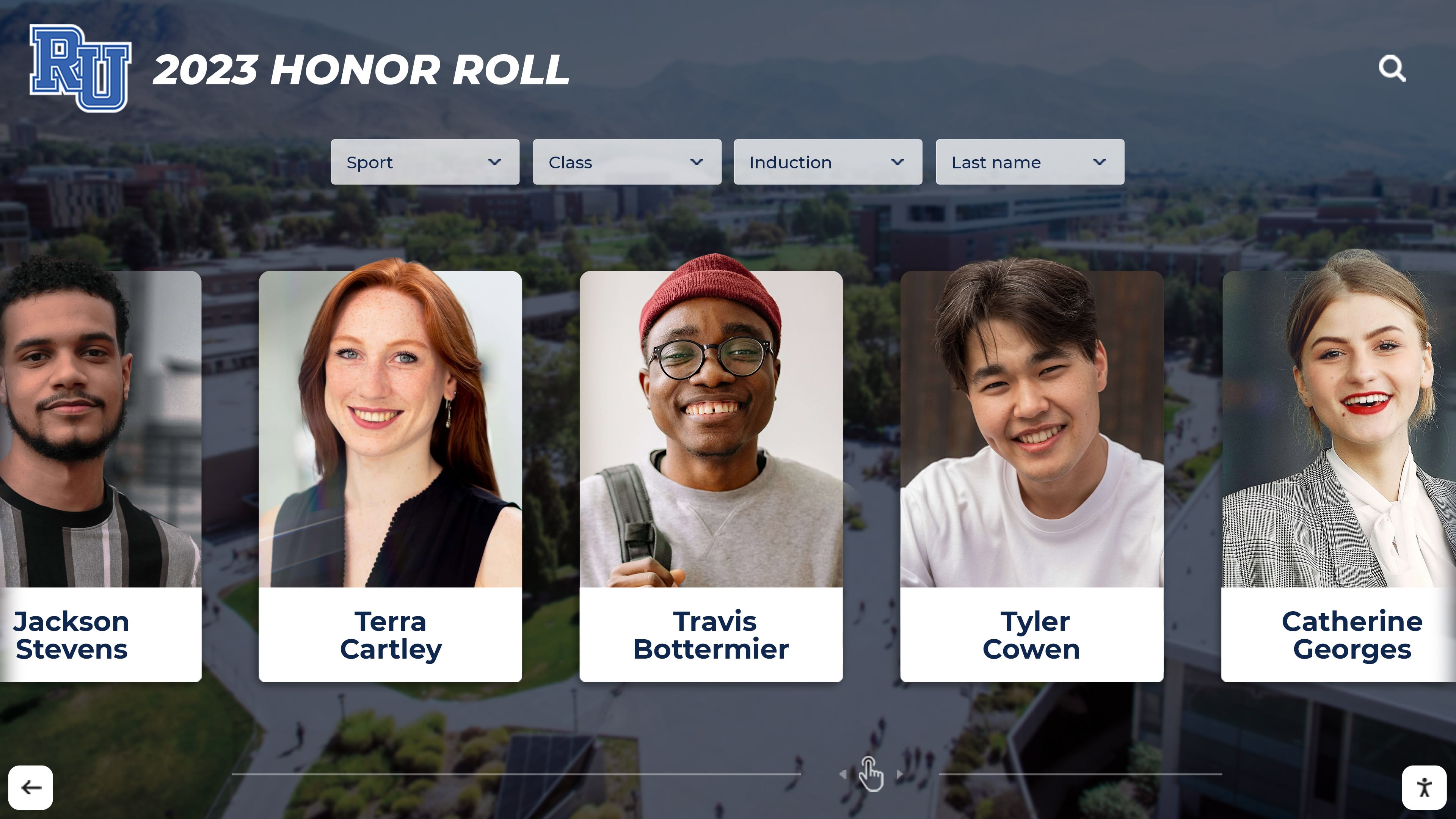
Showcase students with perfect attendance across years, consecutive honor roll recognition across terms or years, participation across all four high school years in specific activities, and community service hour leaders or milestone achievers. Include student photos, quotes about commitment habits, and recognition from teachers or coaches about reliability impact.
This consistency recognition engages students who may never win championships or achieve valedictorian status but demonstrate daily habits that predict long-term success. It communicates institutional values around persistence and reliability. It provides parents with positive feedback about behaviors they encourage at home.
15. Community Partnership and Local History Connections
Schools exist within broader community contexts that share histories, traditions, and mutual investment. Digital record boards can strengthen these community connections through content that extends beyond internal institutional focus.
Create sections highlighting local business sponsorships and support, community members who attended the school across generations, civic leaders and elected officials who graduated from the institution, historical connections to community founding or development, and collaborative programs or partnerships with local organizations.
Include content searchable by graduation decade enabling community members to explore their years and reconnect with classmates or neighbors. Add historical photos showing campus relationships with surrounding communities across institutional evolution.
This community-focused content positions schools as civic anchors rather than isolated institutions. It strengthens relationships with local supporters who fund programs through taxes or donations. It creates engagement opportunities for community members beyond current student families.
16. Performing Arts Production Archives
Theatre programs, musical ensembles, and performing arts groups create memorable productions that deserve preservation beyond yearbook photos and program playbills. Digital displays enable rich performing arts archives that traditional formats cannot accommodate.
Develop production histories for each musical or play including cast and crew lists with searchable names, performance photos and video highlights, director notes about production choices, student testimonials about participation experiences, and awards or competition recognition productions earned. Organize chronologically while maintaining searchability across decades of performances.
Add ensemble rosters for marching bands, concert bands, choirs, and orchestras across years, with concert programs, competition results, and distinguished all-state or honor ensemble selections. Include instrumental or vocal recordings when available, bringing musical heritage to life beyond static photos.
This performing arts recognition engages students in programs that traditional athletic-focused displays overlook. It demonstrates institutional commitment to comprehensive excellence. It provides alumni with nostalgia triggers that rekindle formative high school experiences and strengthen institutional bonds.
17. Senior Class Legacy Content
Each graduating class represents a cohort that shares experiences, memories, and institutional impact. Digital record boards enable class-specific content that celebrates collective identity beyond individual achievements.
Create class pages for each graduation year including composite photos or individual senior portraits, class statistics (size, demographics, college destinations), notable achievements or records that class members set, senior superlatives or class awards, and senior gift information or class projects. Add quotes from class presidents or memorable moments from graduation ceremonies.
Enable alumni to submit updates adding post-graduation accomplishments, reunion photos, or class member news that keeps content current across decades. Create reunion recognition showing which classes have returned for milestone gatherings and what attendance looked like.
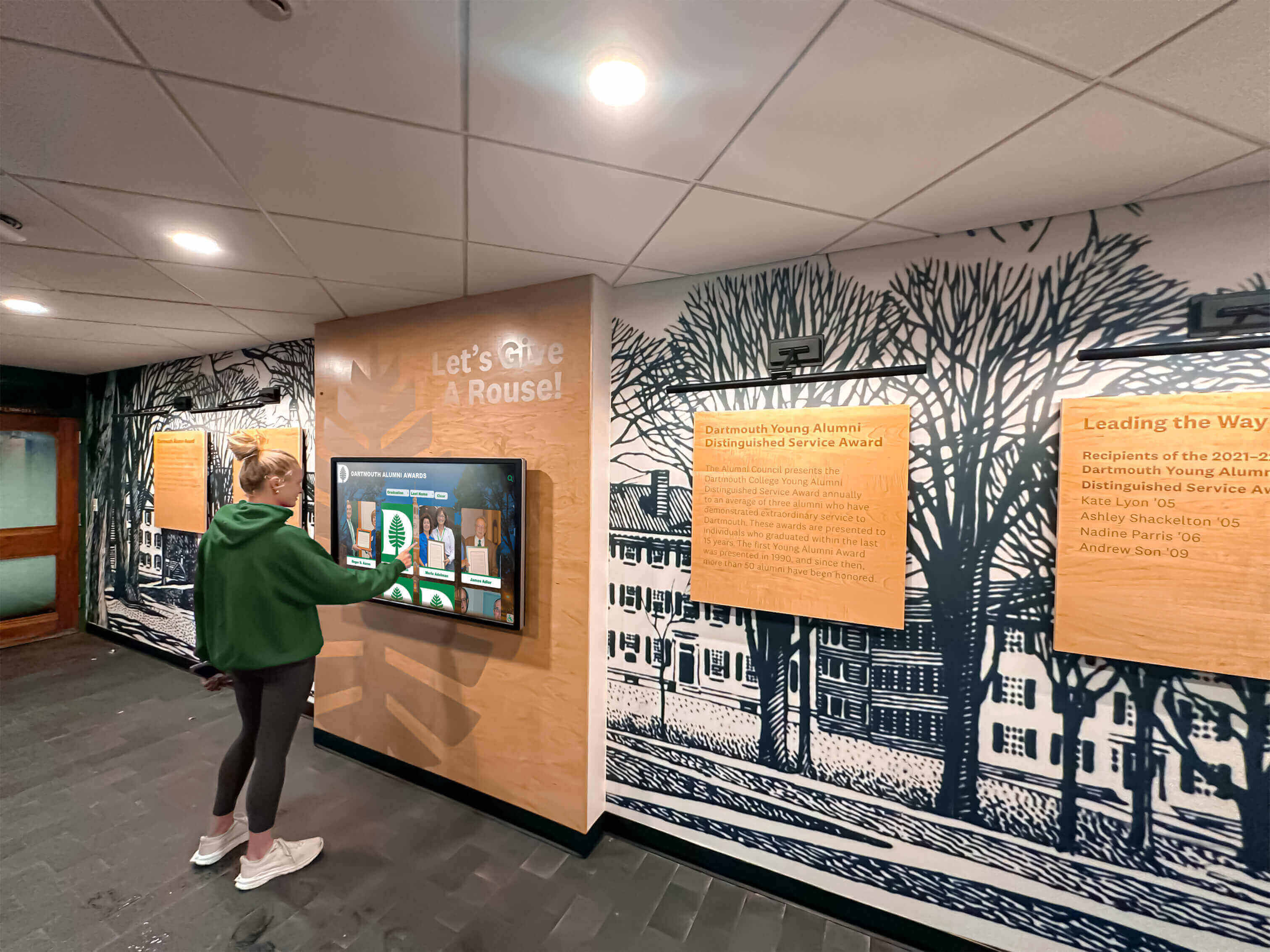
This class-based organization creates engagement opportunities around shared identity. Alumni explore not just their individual profiles but their class context. Reunion planning committees reference displays when encouraging attendance. Current students see institutional continuity across generations.
18. Distinguished Alumni Professional Networks
Alumni represent powerful professional networks that current students can access for mentorship, internships, or career guidance. Digital displays can facilitate these connections through alumni profiles organized by career field rather than simply graduation year.
Create searchable databases organized by professional industry including healthcare, law, education, business, technology, engineering, military service, public service, arts and entertainment, and athletics. Within each field, showcase alumni accomplishments, current positions, companies or organizations, and willingness to connect with current students pursuing similar paths.
Add connection mechanisms through QR codes linking to professional profiles, email contact options for alumni who volunteer as mentors, or invitation to alumni networking events where students can meet professionals in interest areas.
This professional network presentation transforms alumni recognition from historical acknowledgment to current resource that serves students actively planning futures. It demonstrates tangible value in school connections extending beyond graduation. It engages alumni by positioning them as mentors rather than simply honored graduates.
19. Special Recognition and Milestone Celebrations
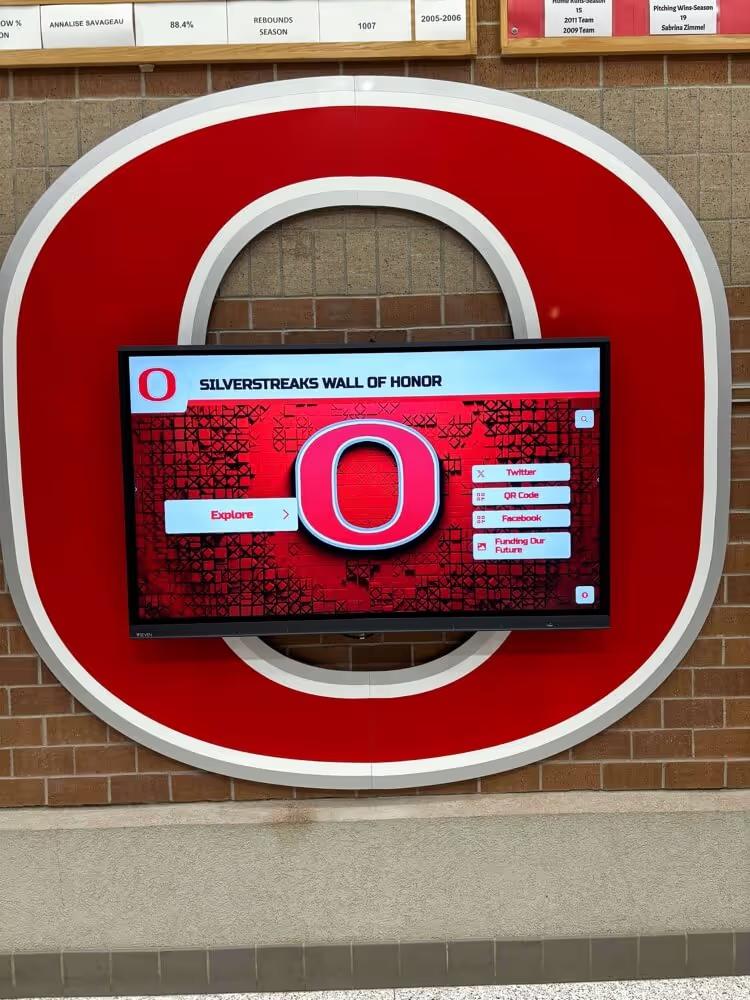
Throughout each year, schools celebrate special recognitions that deserve visibility beyond brief announcements—National Merit Scholars, athletic All-Americans, state competition champions, service hour milestones, or unique individual achievements. Digital displays provide current recognition that traditional annual updates cannot maintain.
Create rotating spotlight sections featuring recent special achievements with student photos, accomplishment details, and recognition context explaining significance for audiences unfamiliar with specific honors. Update this content regularly throughout the year as recognitions occur, maintaining fresh content that gives community members reasons to check displays repeatedly.
Archive this spotlight content in searchable databases organized by recognition type and year, preserving achievements beyond their featured rotation periods. This approach balances timely recognition for current achievements with historical preservation for comprehensive institutional records.
20. Interactive Games, Quizzes, and Engagement Triggers
Beyond passive content presentation, digital record boards can include interactive elements that transform casual viewing into active participation. These engagement features increase viewing time and create memorable experiences that static displays cannot provide.
Develop historical trivia challenges testing knowledge about institutional records, famous alumni, championship years, or program milestones. Create “Where Are They Now?” alumni matching games connecting graduation photos to current professional headshots. Build record prediction features asking visitors to estimate all-time top performances before revealing actual leaders.
Add photo galleries enabling visitors to browse decades of team photos, facility evolution, or event celebrations at their own pace. Include QR codes enabling smartphone access to extended content, video archives, or social sharing features that spread recognition beyond physical display locations.
These interactive elements particularly engage younger visitors accustomed to digital participation rather than passive viewing. They create social experiences as groups play trivia together or debate answers. They increase average viewing time from seconds to minutes as participation extends engagement beyond quick glances.
Implementation Strategy for Maximum Campus Engagement
Installing digital record boards represents the technical step. Maximizing campus engagement requires strategic implementation addressing content development, community promotion, and ongoing maintenance that keeps displays current and relevant.
Start with High-Interest Content
Launch with content areas that naturally attract attention—current athletic season achievements, recent academic honors, or notable alumni that community members recognize immediately. Build momentum through these high-engagement areas before expanding to comprehensive historical content that requires more extensive development work.
This phased approach creates visible success that builds administrative support and community awareness while avoiding delays associated with attempting complete content coverage before launch.
Promote Display Locations and Capabilities
Community members cannot engage with displays they don’t know exist. Develop promotion strategies including announcement events celebrating display launches, social media campaigns featuring content and encouraging campus visits, orientation programs introducing new students and families to recognition resources, and alumni communications highlighting how displays preserve legacy and enable virtual visits through QR codes.
Many schools integrate QR codes throughout facilities directing smartphone users to explore recognition content remotely, extending engagement beyond physical display locations and enabling convenient sharing across social networks.
Establish Sustainable Update Processes
Initial content development represents one-time effort. Sustaining engagement requires regular updates adding new achievements, rotating spotlight content, and incorporating community submissions that keep displays current and comprehensive.
Identify specific staff members responsible for content updates with clear protocols for how frequently different content types refresh. Assign athletic records to coaching staff or athletic directors. Delegate academic recognition to counselors or administrators. Task alumni relations professionals with gathering and publishing alumni updates.
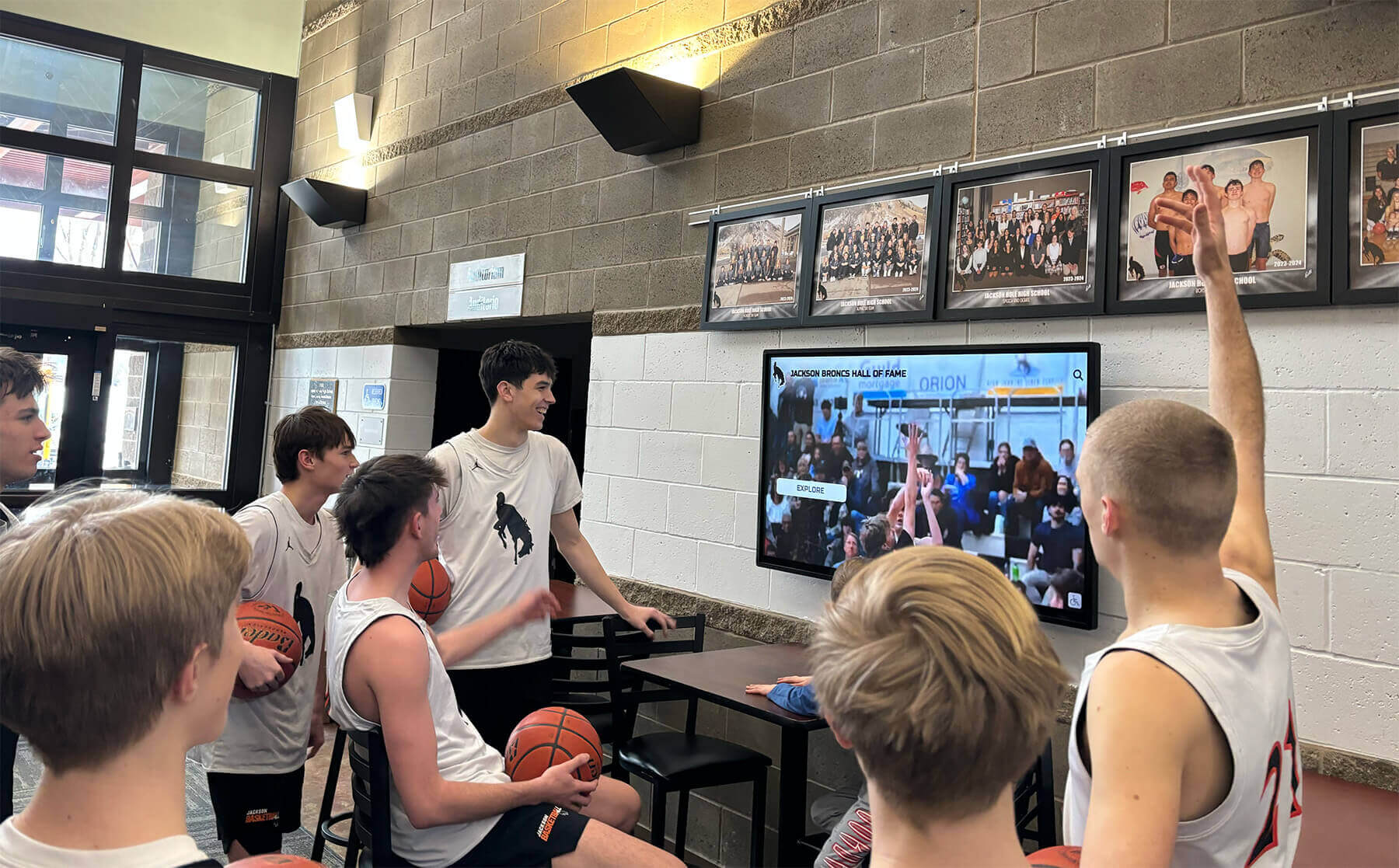
Digital record board platforms like Rocket Alumni Solutions simplify these updates through web-based content management requiring no technical expertise, enabling confident updates by the staff members closest to relevant information rather than creating IT bottlenecks that delay recognition.
Measure Engagement and Iterate
Modern digital displays track usage metrics including view counts, average viewing time, most-accessed content, and search query patterns. Review these metrics regularly to understand what content resonates most strongly with your community.
Double down on high-engagement content types. Investigate why certain areas receive minimal interaction—is content unclear, difficult to access, or simply less interesting than anticipated? Use engagement data to guide content development priorities rather than assumptions about what should work.
Connect Physical Displays to Digital Extension
Physical displays serve on-campus audiences effectively but limit recognition to visitors who reach specific hallway or lobby locations. Extend engagement by connecting displays to mobile-accessible content that alumni, families, and community members can explore remotely.
Implement QR codes linking to online profile databases accessible from smartphones anywhere. Create social sharing features enabling proud students or parents to distribute achievements across networks. Develop mobile apps or responsive websites providing full display content in formats adapted for smaller screens.
This digital extension multiplies engagement reach from hundreds of weekly campus visitors to thousands of remote community members who maintain connections despite geographic distance.
Technical Considerations for Campus Installations
Successful digital record board implementations require attention to technical factors that affect reliability, user experience, and long-term operational costs.
Display Placement and Visibility
Location determines engagement potential. Prioritize high-traffic areas including main entrance lobbies capturing all visitors immediately upon arrival, athletic facility corridors serving athletes daily and families during events, cafeterias and common areas where students gather during free periods, and administrative areas frequented by alumni, donors, and prospective families.
Assess viewing angles, ambient lighting conditions, and accessibility ensuring displays work effectively in actual installation environments rather than ideal showroom conditions. Consider Americans with Disabilities Act requirements for reach ranges, visual contrast, and interaction height enabling all community members to engage with content.
Network Infrastructure and Connectivity
Cloud-based record board platforms require reliable network connectivity for content updates and smooth performance. Assess existing network infrastructure in planned display locations, ensuring adequate bandwidth, minimal latency, and backup connectivity options preventing display downtime when network issues occur.
Work with IT departments early in planning processes to address network requirements, security protocols, and firewall configurations that could affect cloud platform access or content delivery performance.
Content Management Accessibility
The staff members managing recognition content—athletic directors, activities coordinators, alumni relations professionals—typically work from various locations including offices, homes, or even remote work arrangements. Select platforms providing web-based content management accessible from any device anywhere rather than systems requiring physical display access or specialized software installation.
This accessibility enables timely updates regardless of where responsible staff work, preventing delays associated with needing to be on campus or accessing specific computers to modify content.
Hardware Reliability and Support
Commercial-grade displays designed for continuous operation cost more than consumer televisions but deliver reliability necessary for public installations. Budget for quality hardware that operates 12-16 hours daily without failures rather than cheaper options requiring frequent replacement.
Establish support relationships with hardware vendors or installation partners capable of prompt service when issues occur. Display downtime damages engagement and creates negative impressions about institutional technology competence.
Programs researching digital signage and interactive display options should evaluate total cost of ownership across expected 10-15 year operational lifespans rather than focusing exclusively on initial acquisition costs.
Measuring Campus Engagement Success
Digital record board implementations should improve measurable engagement metrics. Track these indicators to assess program success and justify continued investment.
Quantitative Engagement Metrics
Modern displays provide usage analytics including total interactions per day or week, average viewing time per session, content searches performed, and most frequently accessed profiles or sections. Compare these metrics across display locations, content types, and time periods to identify patterns and opportunities.
Set engagement targets based on traffic patterns and community size. A display averaging 50 daily interactions with three-minute average viewing time delivers significantly more engagement than traditional static displays receiving quick glances from passing community members.
Qualitative Community Feedback
Supplement usage analytics with qualitative feedback through surveys asking students, alumni, and families about display awareness and usage, informal conversations during campus events about content people discovered, social media monitoring for content sharing or display mentions, and direct outreach to user groups like athletic teams or academic departments.
This qualitative feedback reveals engagement dimensions that analytics miss—emotional connections people feel when discovering historical content, pride parents express when children appear on displays, or motivation athletes describe from seeing records within reach.
Alumni Relations and Advancement Metrics
For institutions with advancement operations, assess whether digital recognition affects donor engagement, alumni event attendance, alumni database updates as people share current information after seeing outdated profiles, and prospective family feedback during admission processes.
Strong recognition programs strengthen all these advancement metrics by demonstrating institutional values around honoring achievement and preserving legacy—compelling messages for alumni relationships and fundraising initiatives.
Common Implementation Challenges and Solutions
Schools implementing digital record boards typically encounter predictable challenges. Anticipating these obstacles enables advance planning rather than reactive problem-solving.
Content Development Time Requirements
Challenge: Building comprehensive historical content takes more time than anticipated, potentially delaying launches or resulting in incomplete initial displays.
Solution: Launch with high-interest current content and expand historical coverage systematically. Feature recent athletic seasons, current academic honors, and living alumni before tackling decades of archival research. Communicate this phased approach so community understands displays will grow rather than expecting complete coverage immediately.
Maintaining Content Currency
Challenge: Initial launch generates enthusiasm, but updates slow as staff attention shifts to other priorities, creating outdated displays that damage engagement.
Solution: Establish clear update protocols assigning specific staff members responsibility for content areas with defined refresh schedules. Select platforms with simplified content management enabling confident updates by non-technical staff rather than systems creating IT bottlenecks. Build update time into job descriptions recognizing that recognition management requires ongoing effort.
Balancing Comprehensiveness with Usability
Challenge: Attempting to recognize everything can create overwhelming displays where visitors struggle to find personally relevant content.
Solution: Implement powerful search and filtering enabling targeted content discovery. Organize content into clear categories by sport, activity, year, or achievement type. Feature rotating spotlight content highlighting specific areas while maintaining searchable access to comprehensive databases. Design navigation that balances exploration and direct access.
Budget Constraints and Cost Justification
Challenge: Quality digital record board implementations require budget allocation that competes with other institutional priorities.
Solution: Frame recognition displays as long-term investments serving multiple institutional goals—student engagement and motivation, alumni relations and fundraising advancement, campus culture and tradition preservation, and prospective family recruitment messaging. Calculate total cost of ownership across 10-15 year operational lifespans showing favorable comparison to traditional displays requiring regular updates, replacements, and limited capacity. Explore flexible subscription and pricing options accommodating different budget scenarios.
Key Takeaways for Campus Engagement Success
Digital record boards strengthen campus engagement when implementations focus on genuine community needs rather than technology for its own sake:
Prioritize comprehensive recognition over selective limitation. Display unlimited achievements rather than forcing choices about who deserves visibility. This inclusion communicates that all contributions matter, strengthening engagement across diverse student populations.
Enable personalized discovery through search and organization. Let visitors find personally relevant content quickly rather than forcing sequential viewing of unrelated information. This personalization increases engagement time and satisfaction.
Maintain content currency through simplified management. Select platforms enabling regular updates by non-technical staff rather than systems creating update barriers. Fresh content gives community members reasons to return repeatedly.
Connect physical displays to digital extension. Use QR codes and mobile optimization to extend recognition beyond campus boundaries, engaging alumni and families who cannot visit regularly.
Measure engagement systematically and iterate. Track usage metrics and gather qualitative feedback to understand what content resonates. Refine displays based on evidence rather than assumptions.
Digital record boards transform campus engagement by eliminating the space constraints and update limitations that restrict traditional recognition. When schools implement interactive displays strategically across these 20 application areas, they create recognition experiences that inspire current students, reconnect alumni, honor achievement comprehensively, and strengthen institutional culture around excellence and tradition.
The question isn’t whether digital recognition delivers engagement value—evidence from hundreds of implementations confirms significant impact. The question is which strategies best serve your specific community needs, priorities, and operational realities.
Ready to explore how digital record boards can strengthen campus engagement while honoring every achievement without space limitations? Book a demo with Rocket Alumni Solutions to discover purpose-built platforms specifically designed for schools and organizations seeking to celebrate accomplishment comprehensively while creating experiences that serve entire communities.