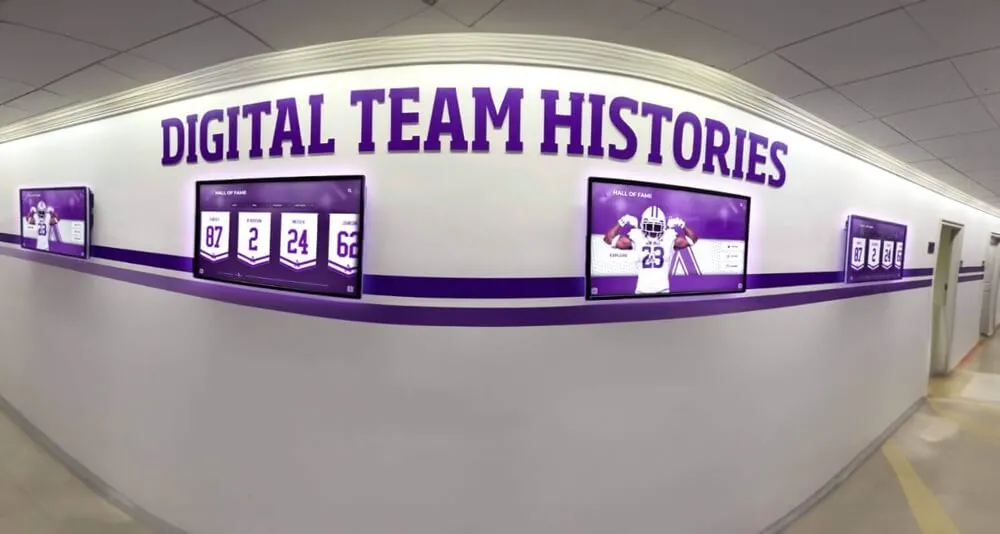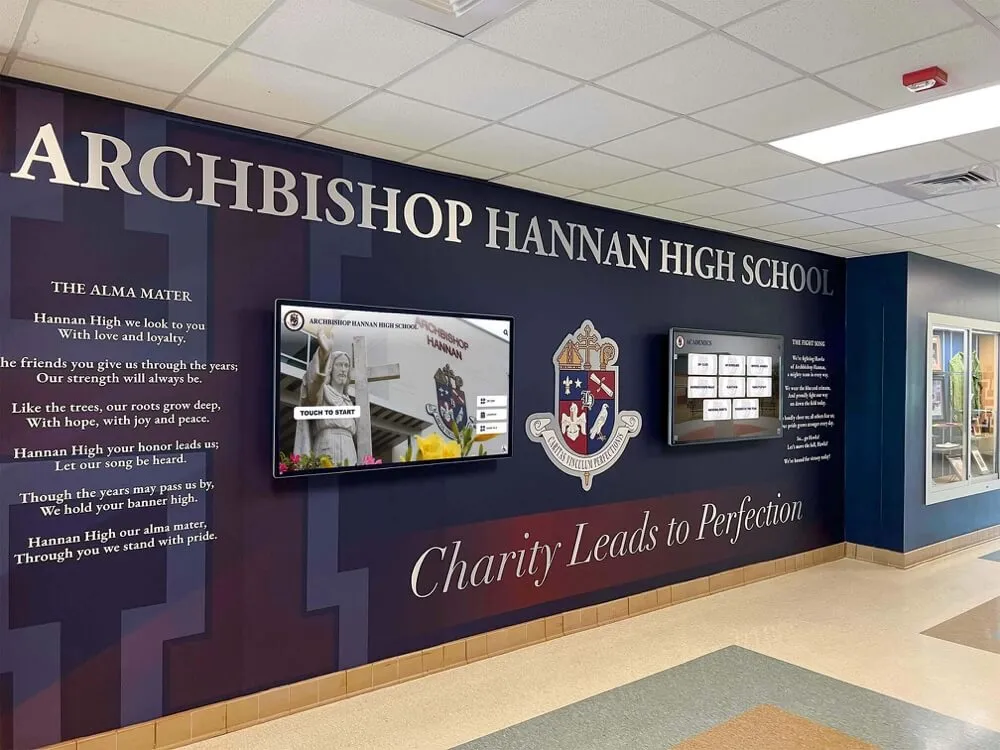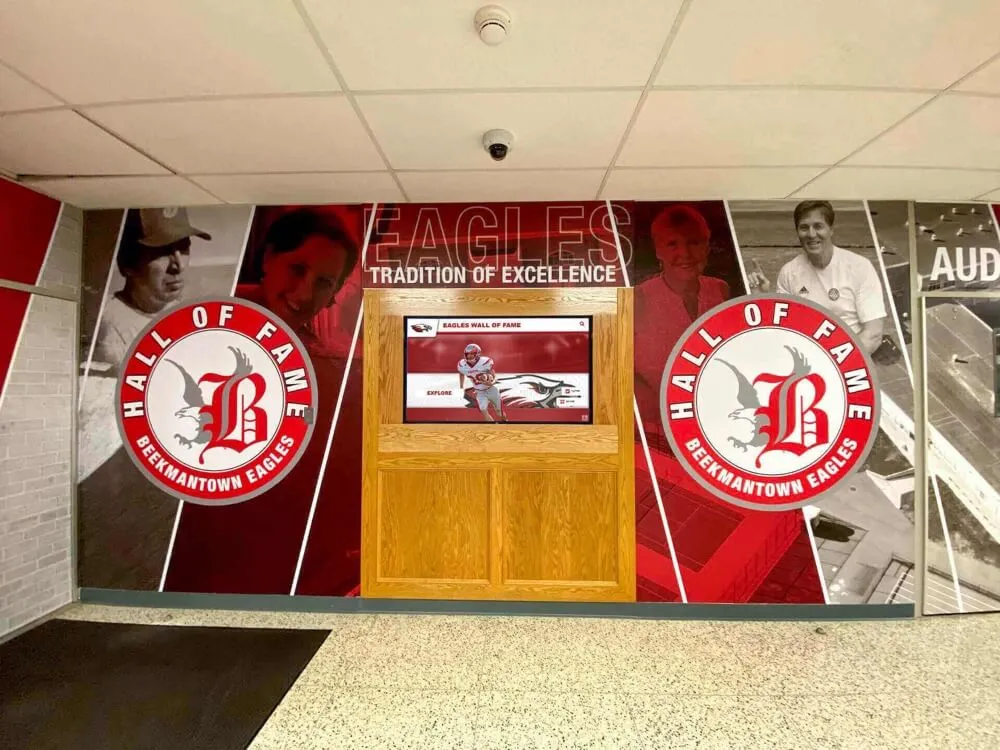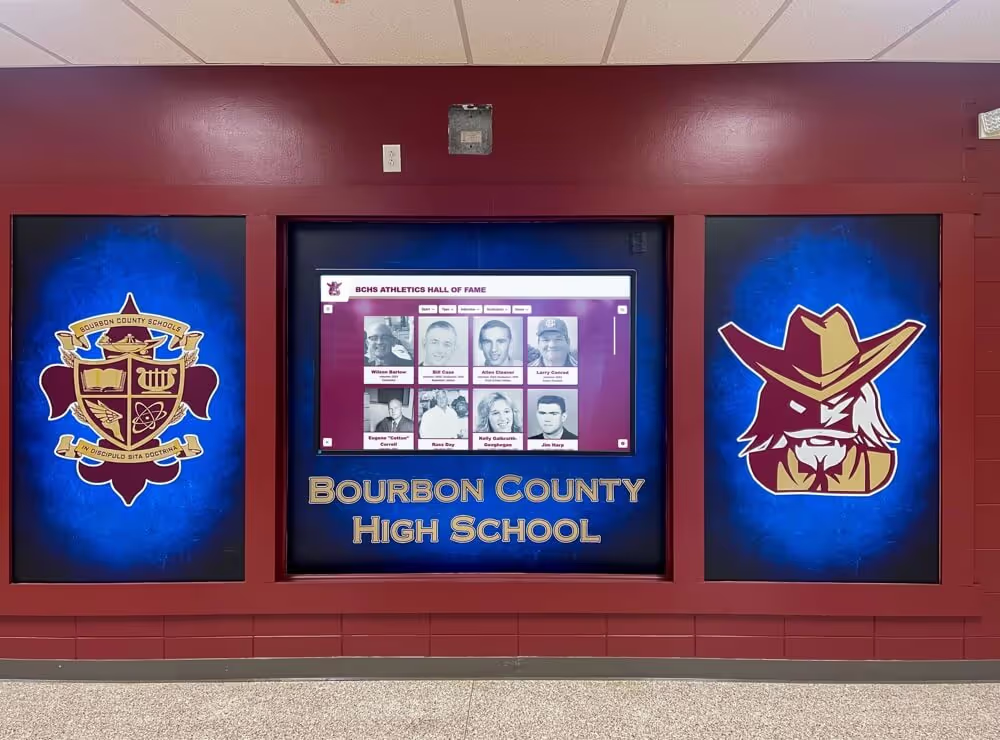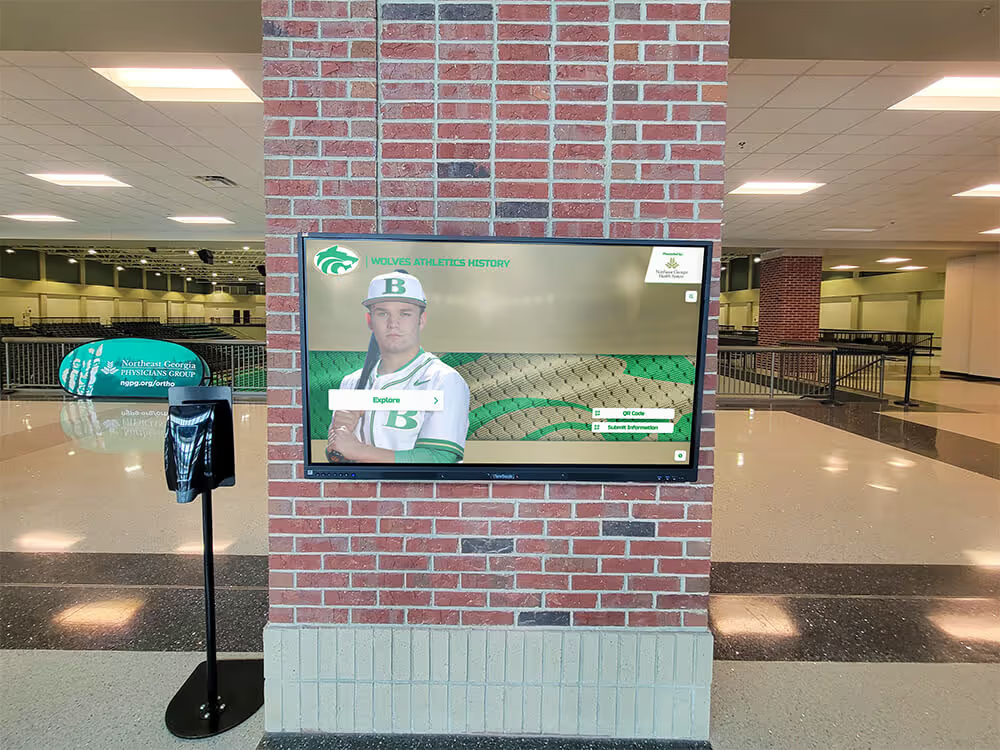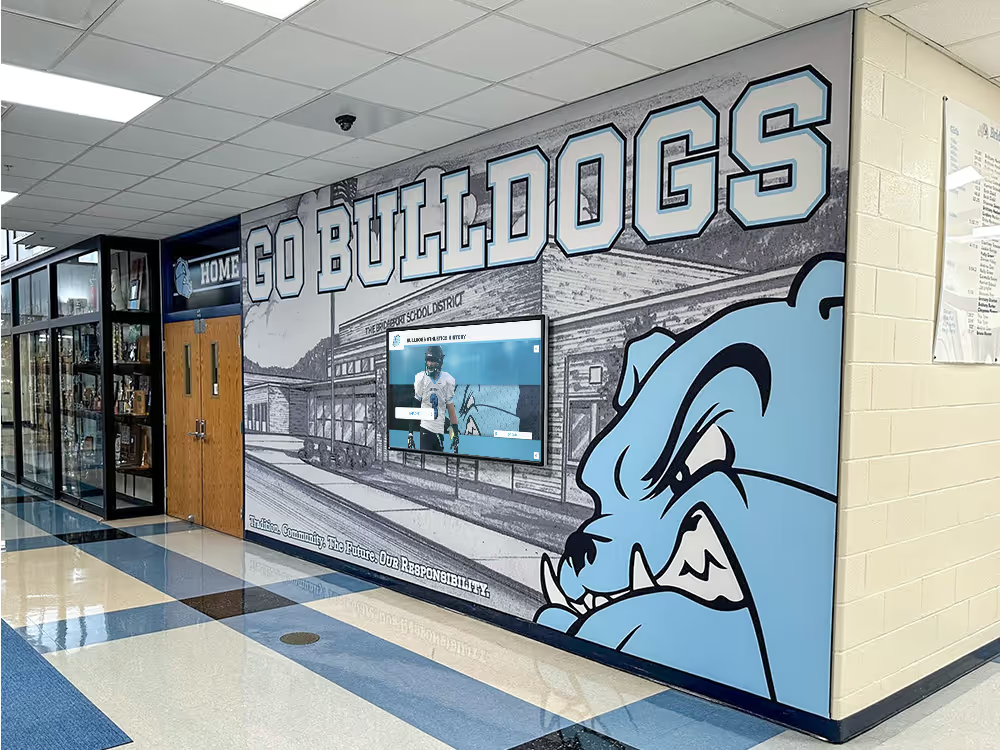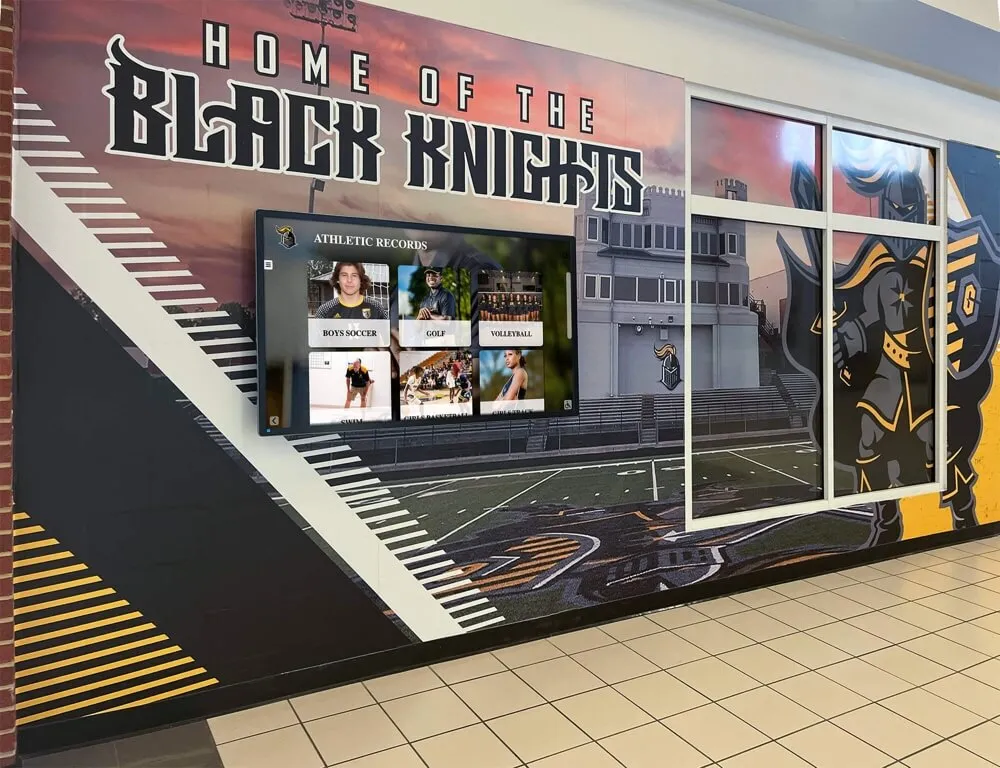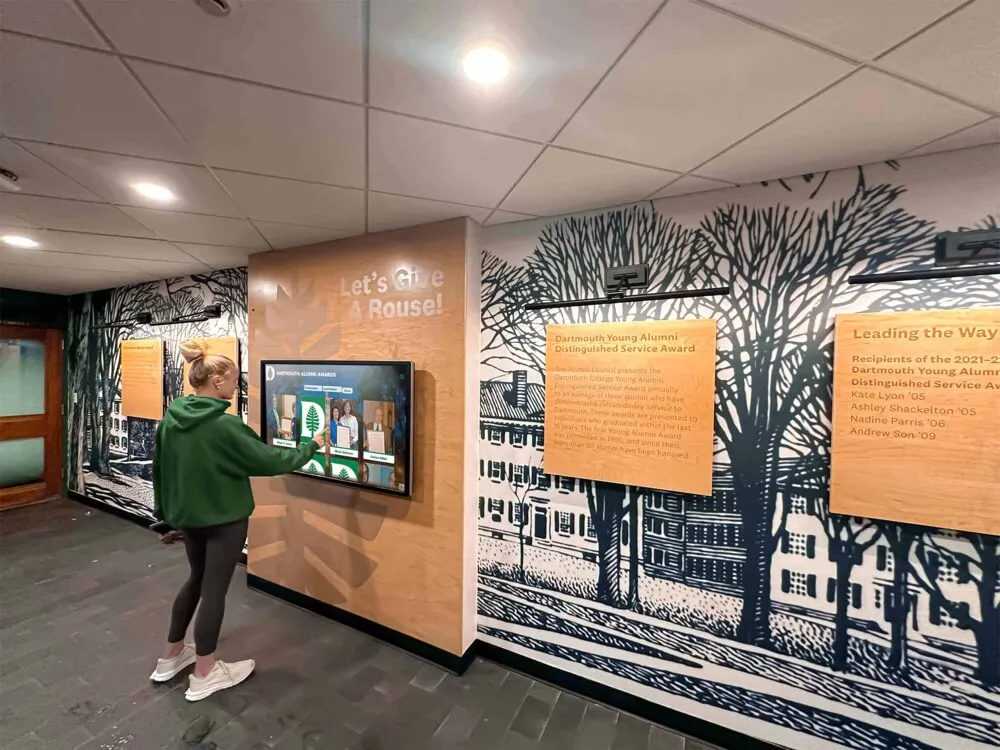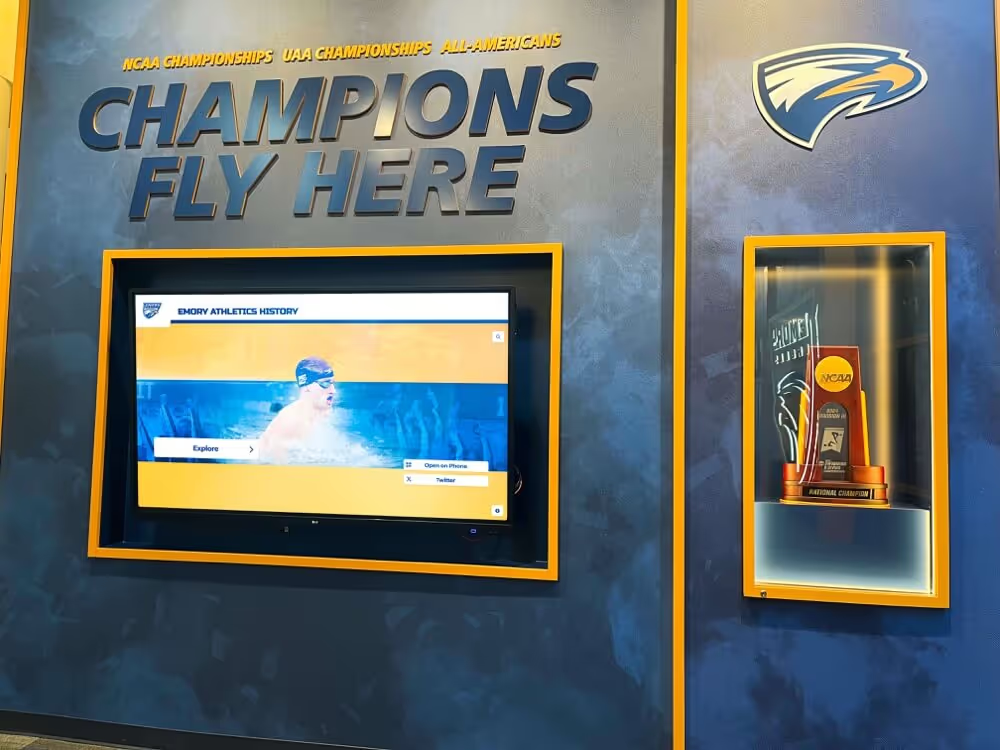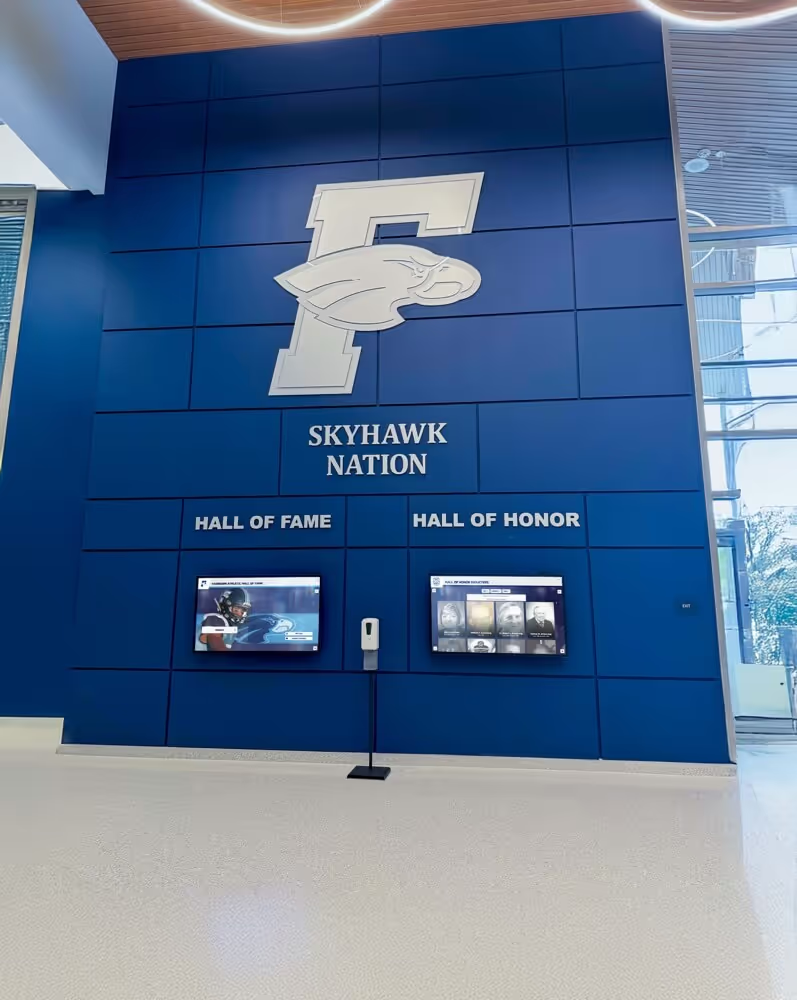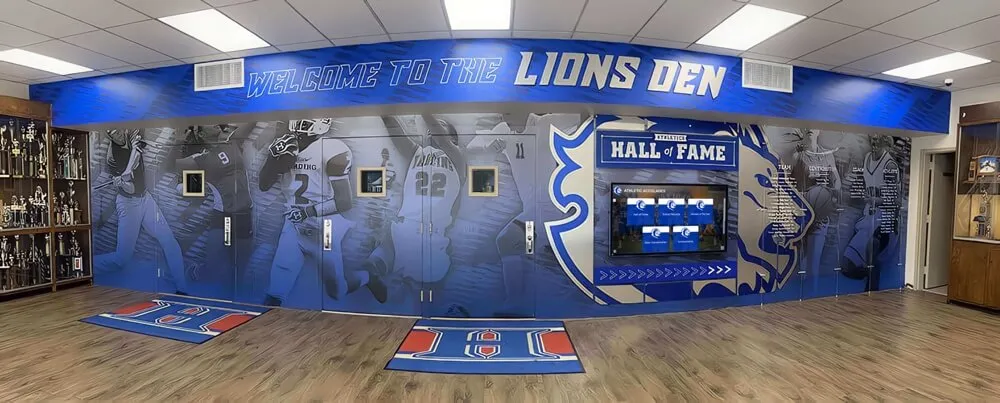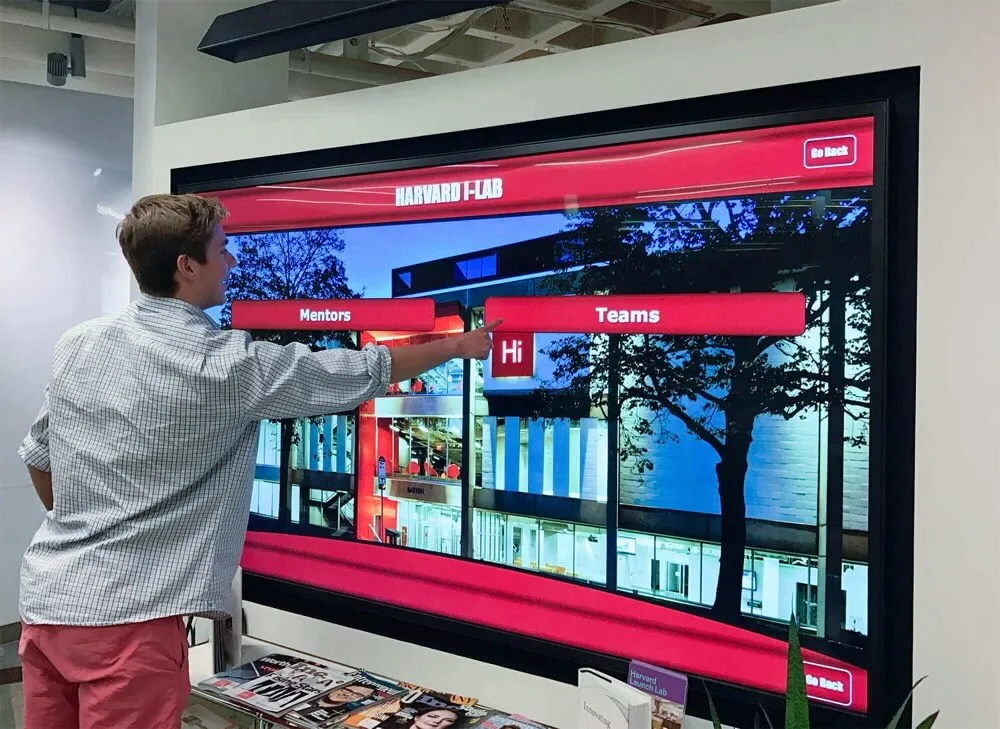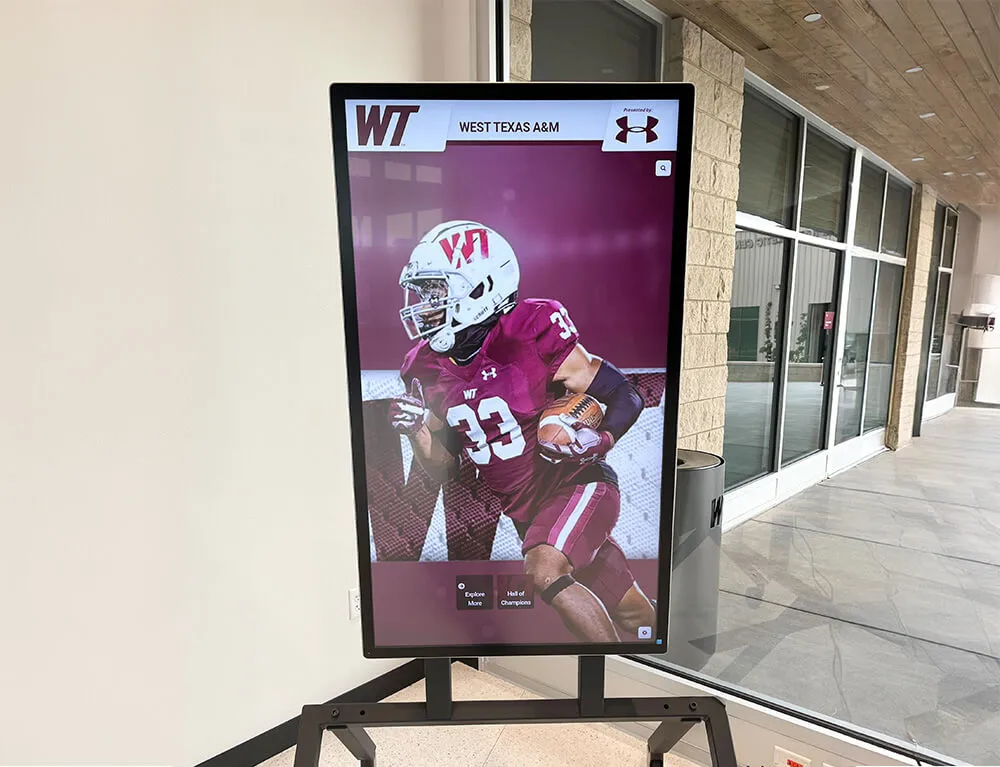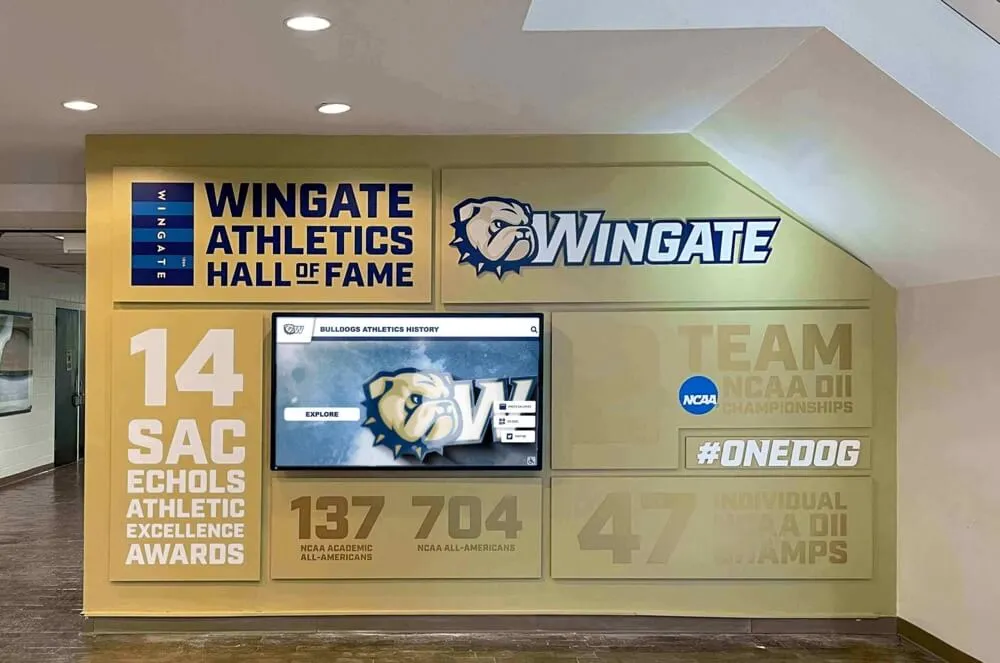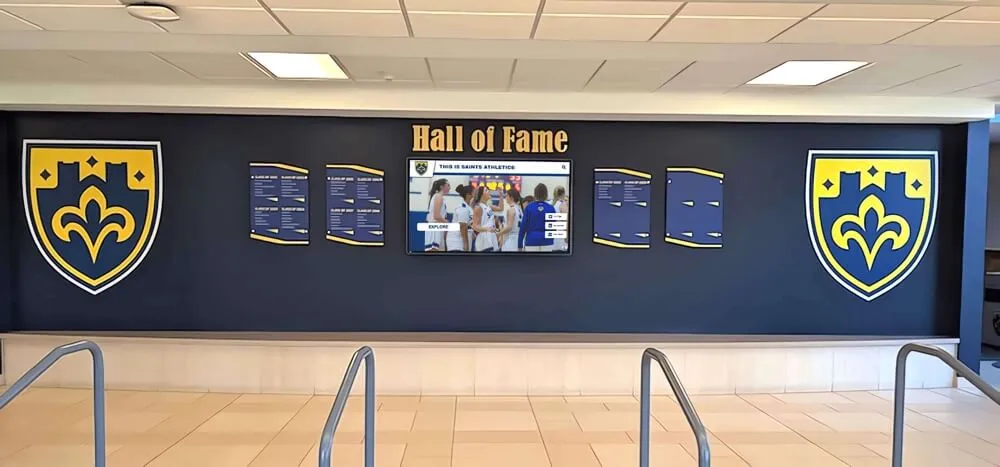




School renovation projects represent transformative moments when facilities evolve to meet modern educational needs—updated classrooms equipped with current technology, renovated athletic spaces supporting student wellness, expanded libraries creating collaborative learning environments, and modernized cafeterias fostering community connections. These capital improvements require substantial philanthropic investment from alumni, parents, community partners, and local businesses whose generosity makes renovations possible. Yet many schools struggle to recognize these critical donors appropriately, defaulting to static plaques that fill limited wall space while providing minimal information about contributors or the impact their gifts enabled.
Traditional donor recognition in renovation projects faces fundamental limitations: physical space on newly constructed walls fills quickly as campaigns progress, production and installation timelines delay acknowledgment for months after donors commit gifts, rigid formats prevent storytelling about donor motivations or renovation impact, future additions require expensive modifications to supposedly “permanent” displays, and recognition remains invisible to anyone not physically visiting the renovated facility. These shortcomings mean renovation donors—supporters making some of their largest gifts to institutions—often receive acknowledgment that fails to honor their generosity appropriately or inspire others to join capital campaigns.
Why Digital Recognition Walls Transform School Renovation Donor Acknowledgment
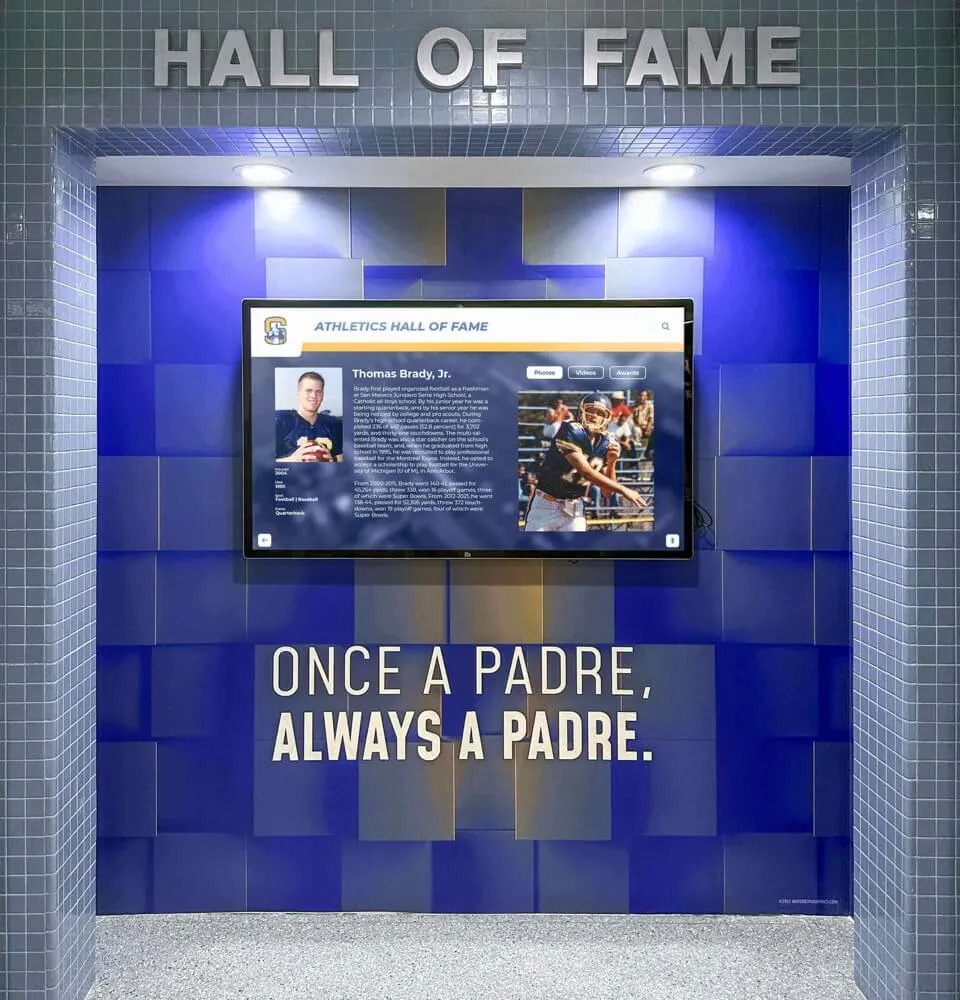
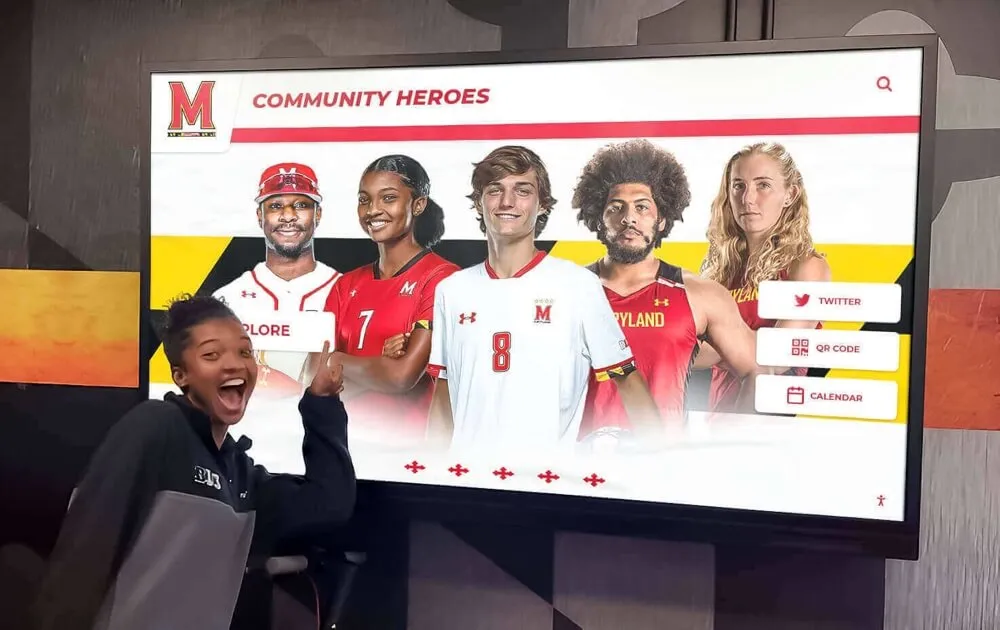
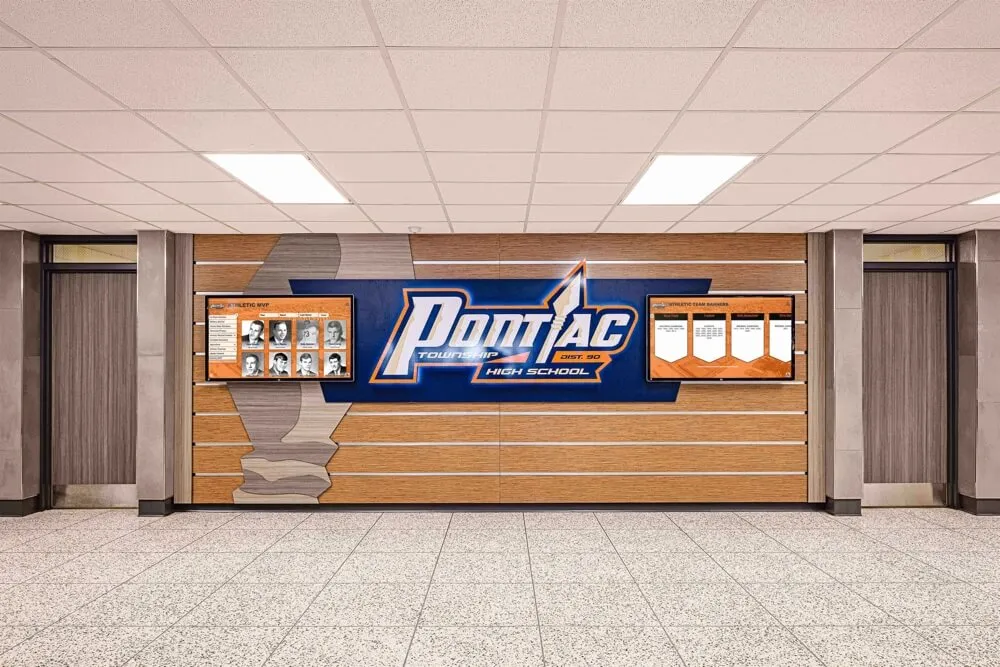
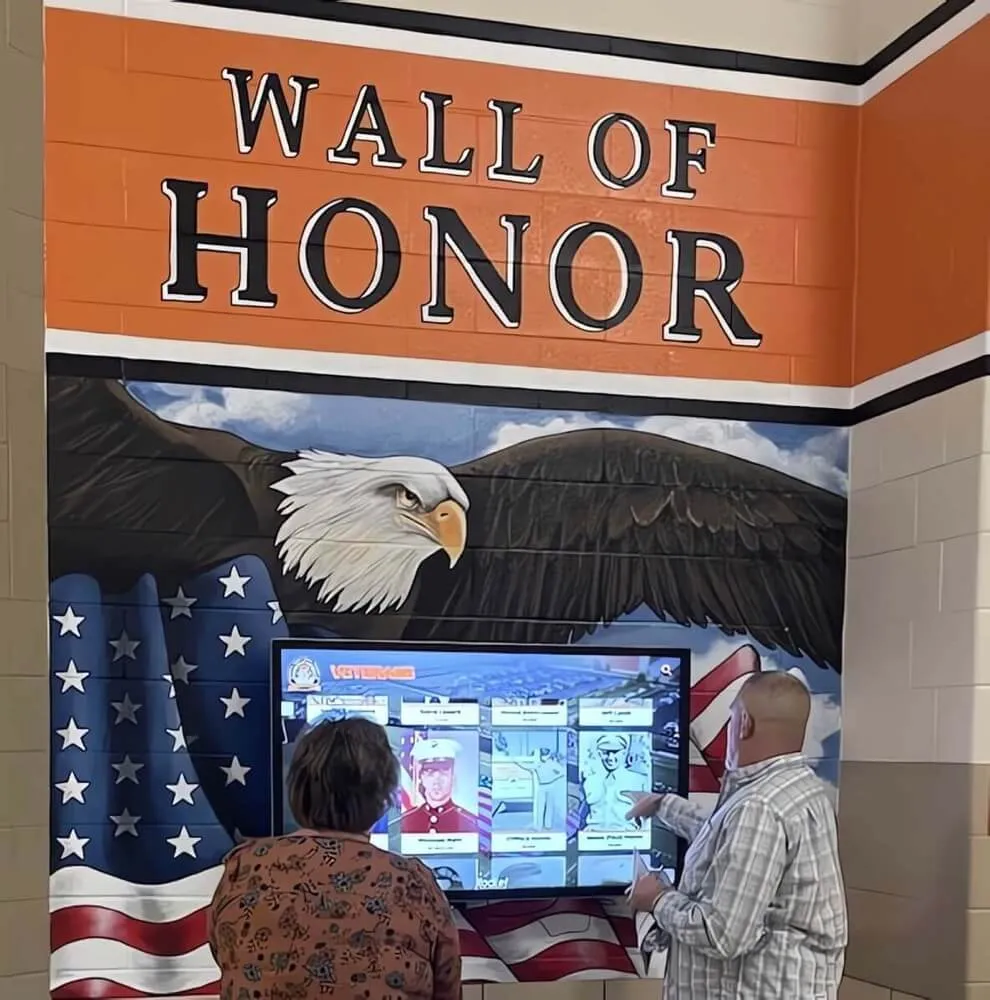
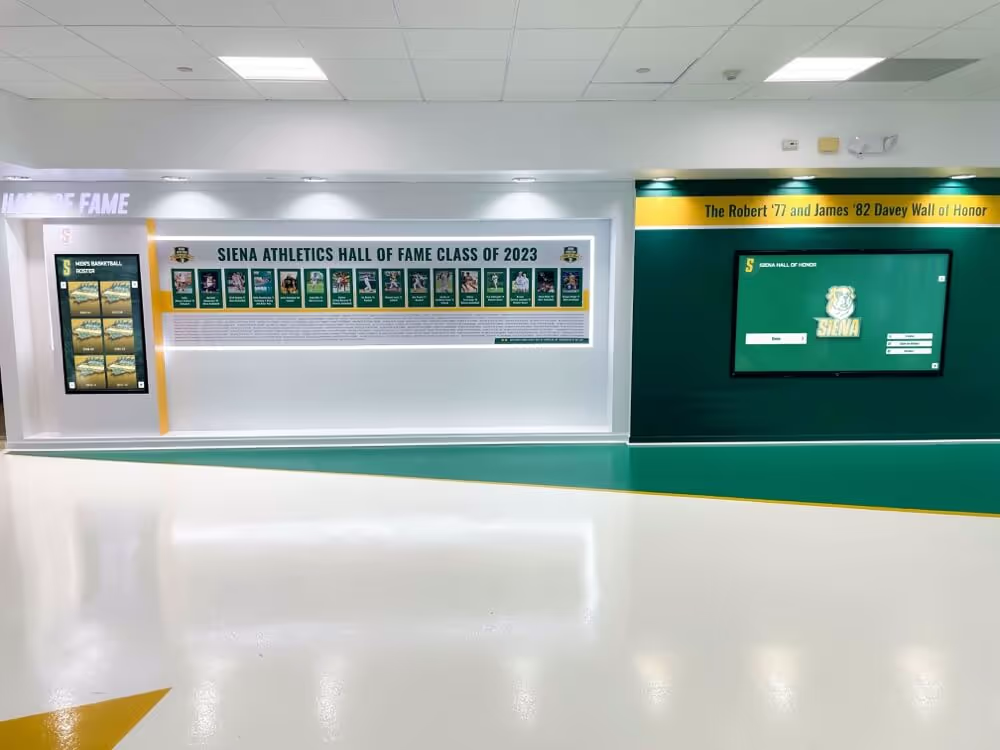
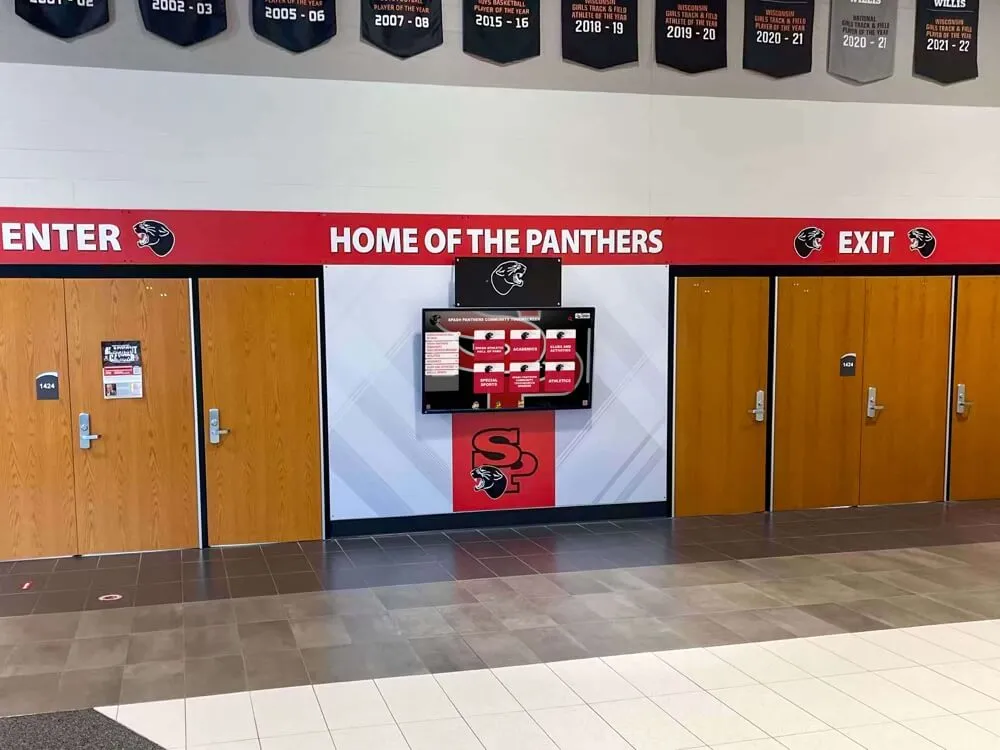
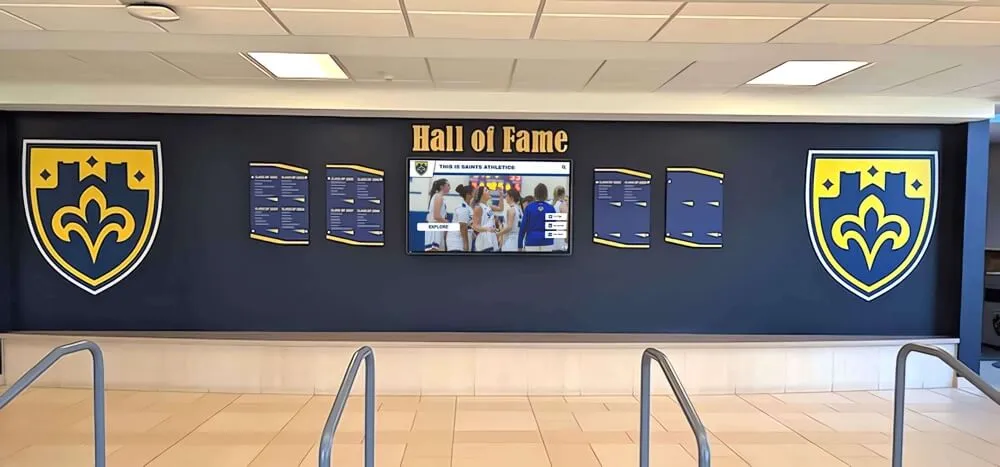
Modern digital recognition walls specifically designed for school renovation projects solve every limitation of traditional approaches while adding capabilities impossible with physical plaques. These systems provide unlimited recognition capacity accommodating every campaign donor without space constraints, instant updates adding new contributors within minutes of gift commitments, rich multimedia profiles telling complete donor stories and renovation impact, remote content management requiring no physical access to displays, and perpetual flexibility enabling recognition to evolve as renovations complete and facilities grow. Solutions like Rocket Alumni Solutions provide purpose-built platforms that auto-rank donors by giving level while maintaining ADA compliance and generating engagement analytics that traditional displays cannot match.
Understanding School Renovation Capital Campaigns and Donor Recognition Needs
Before implementing recognition systems, advancement teams benefit from understanding what makes renovation capital campaigns distinct from annual giving and why these projects create unique donor acknowledgment requirements and opportunities.
The Scale and Scope of School Renovation Projects
School renovation campaigns typically represent the largest fundraising initiatives institutions undertake between comprehensive capital campaigns. These focused efforts raise substantial funds—often $5 million to $50 million depending on institution size and project scope—to address specific facility needs that operating budgets cannot accommodate.
Common Renovation Campaign Objectives: Projects might include athletic facility upgrades with new weight rooms, locker facilities, and training spaces; academic building renovations modernizing classrooms with technology infrastructure; performing arts center construction or theater renovations; library expansions creating collaborative study environments; cafeteria and commons area improvements; science lab updates with specialized equipment and safety features; and accessibility improvements ensuring ADA compliance throughout facilities.
Unlike annual giving where donors contribute modest amounts supporting general operations, renovation campaigns require substantial major gifts concentrated during compressed timeframes. Campaign committees actively cultivate leadership gifts from $100,000+ while simultaneously engaging broad donor bases through naming opportunities at multiple investment levels—from $50,000 spaces down to $1,000 memorial bricks or recognition tiles.
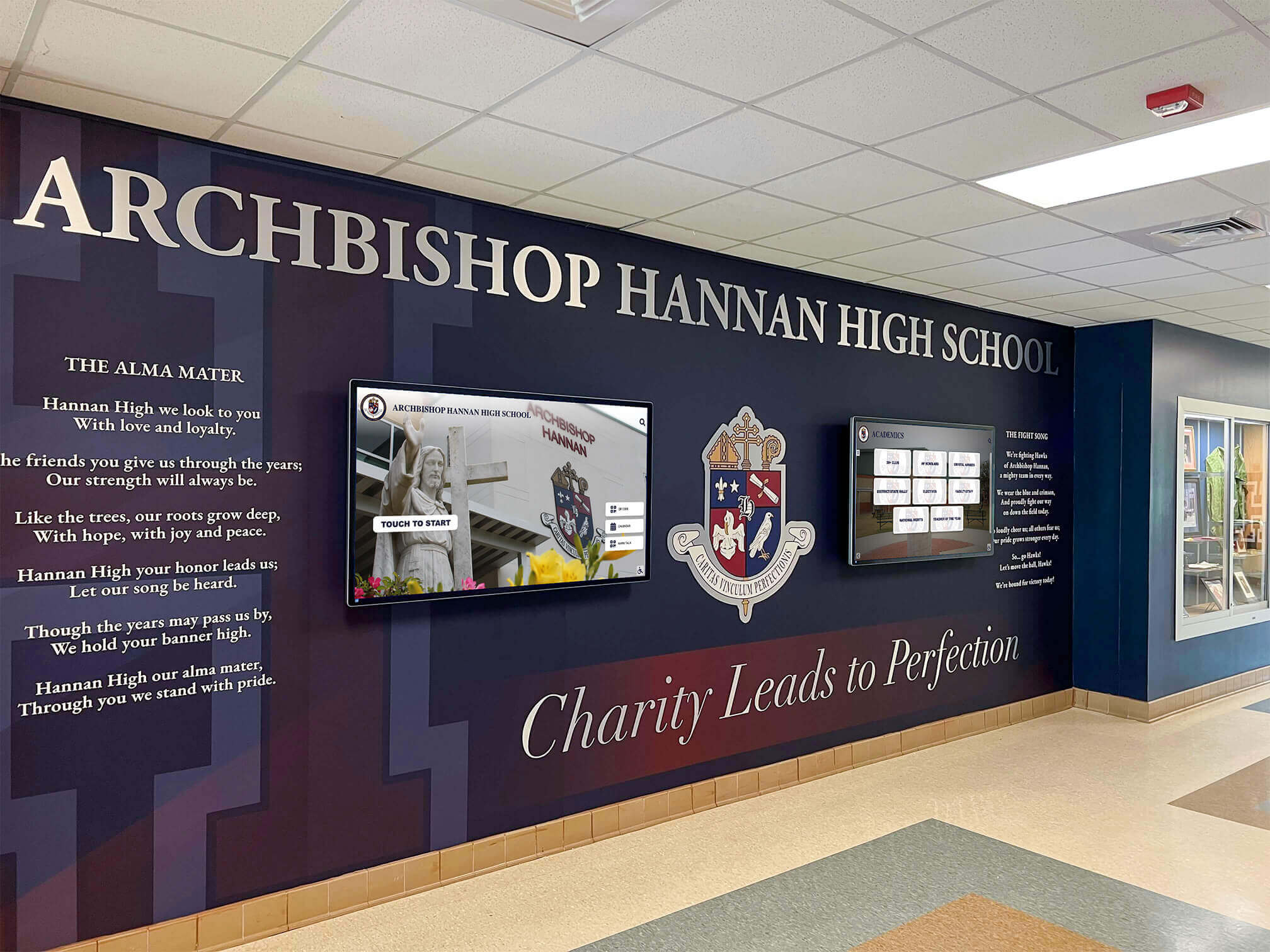
Naming Opportunities and Recognition Hierarchies
Strategic renovation campaigns establish comprehensive naming opportunity structures that acknowledge contributions at appropriate levels while maximizing fundraising potential across diverse donor capacity.
Facility-Level Naming ($1,000,000+): Complete building naming rights or major wing designations recognizing transformational gifts. Space-Level Naming ($100,000-$500,000): Individual rooms, gymnasiums, auditoriums, or specialized spaces bearing donor names. Feature Naming ($25,000-$99,999): Specific areas like lobbies, courtyards, classrooms, or specialized equipment. Component Recognition ($5,000-$24,999): Seats, lockers, scoreboards, or other discrete elements. Commemorative Recognition ($1,000-$4,999): Bricks, tiles, or wall panels in high-traffic areas. General Recognition (Under $1,000): All contributors acknowledged appropriately regardless of capacity.
This hierarchical structure creates entry points for supporters across all financial capacities while clearly differentiating major gift commitments deserving elevated acknowledgment. Digital recognition systems excel at representing these tiers through visual distinction, enhanced content for higher giving levels, and intuitive filtering enabling visitors to explore specific recognition categories.
The Critical Timing Challenge: Recognition During Active Campaigns
One of the most significant challenges renovation campaigns face involves recognizing early donors while projects remain under construction and facilities incomplete. Traditional approaches required waiting until building completion before installing permanent recognition, meaning initial campaign leaders who committed first and often largest gifts experienced longest delays between giving and public acknowledgment.
This timing misalignment creates problems: early donor momentum fades when recognition delays for months or years, campaign urgency diminishes without visible acknowledgment inspiring peer giving, donor cultivation for second gifts becomes difficult when initial contributions remain unrecognized, and psychological research shows recognition impact peaks immediately following gift commitments, not years later after construction completes.
Digital donor recognition displays solve this timing challenge completely. Schools can implement recognition systems during active campaigns—even before construction begins—immediately acknowledging early donors while continuously adding contributors as gifts arrive. This real-time recognition maintains campaign momentum while honoring generous supporters when their giving decisions remain fresh and motivating influence peaks.
Balancing Physical and Digital Recognition in Renovated Spaces
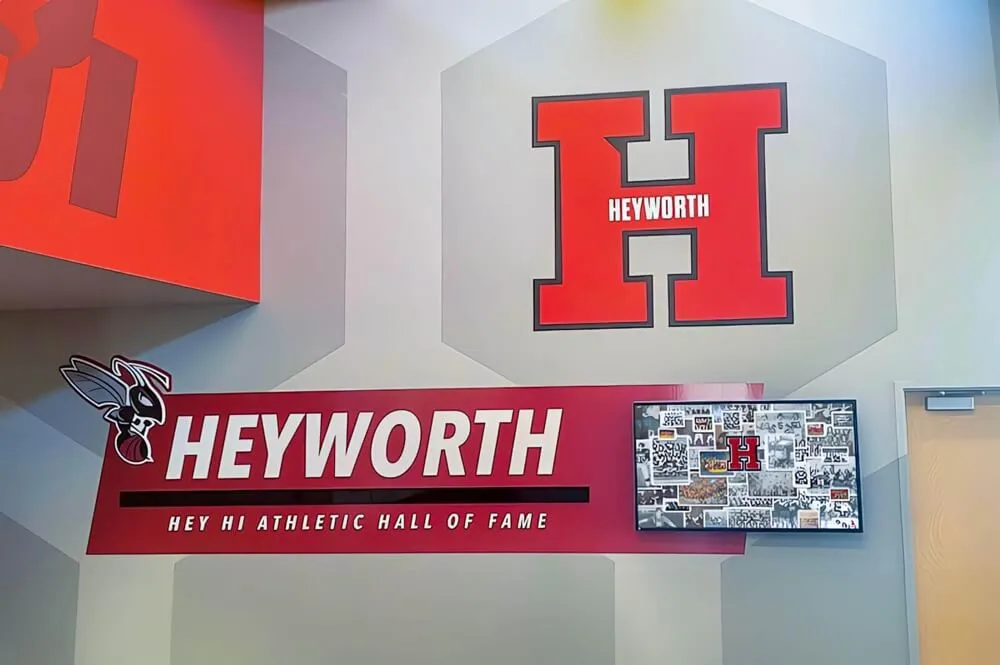
Many renovation projects appropriately include traditional physical recognition elements integrated into architectural designs—engraved donor walls, named plaques on doors or spaces, commemorative bricks in courtyards, or etched glass featuring contributor names. These permanent installations provide symbolic gravitas and tangible connections between donors and physical spaces their gifts created.
Digital recognition complements rather than replaces these traditional elements by addressing their inherent limitations. While named classroom plaques acknowledge the single major donor who funded that space, digital systems can recognize every campaign contributor including those at levels not warranting individual room naming. Physical recognition documents who contributed; digital platforms tell why they gave, what their gifts accomplished, and stories behind their institutional connections.
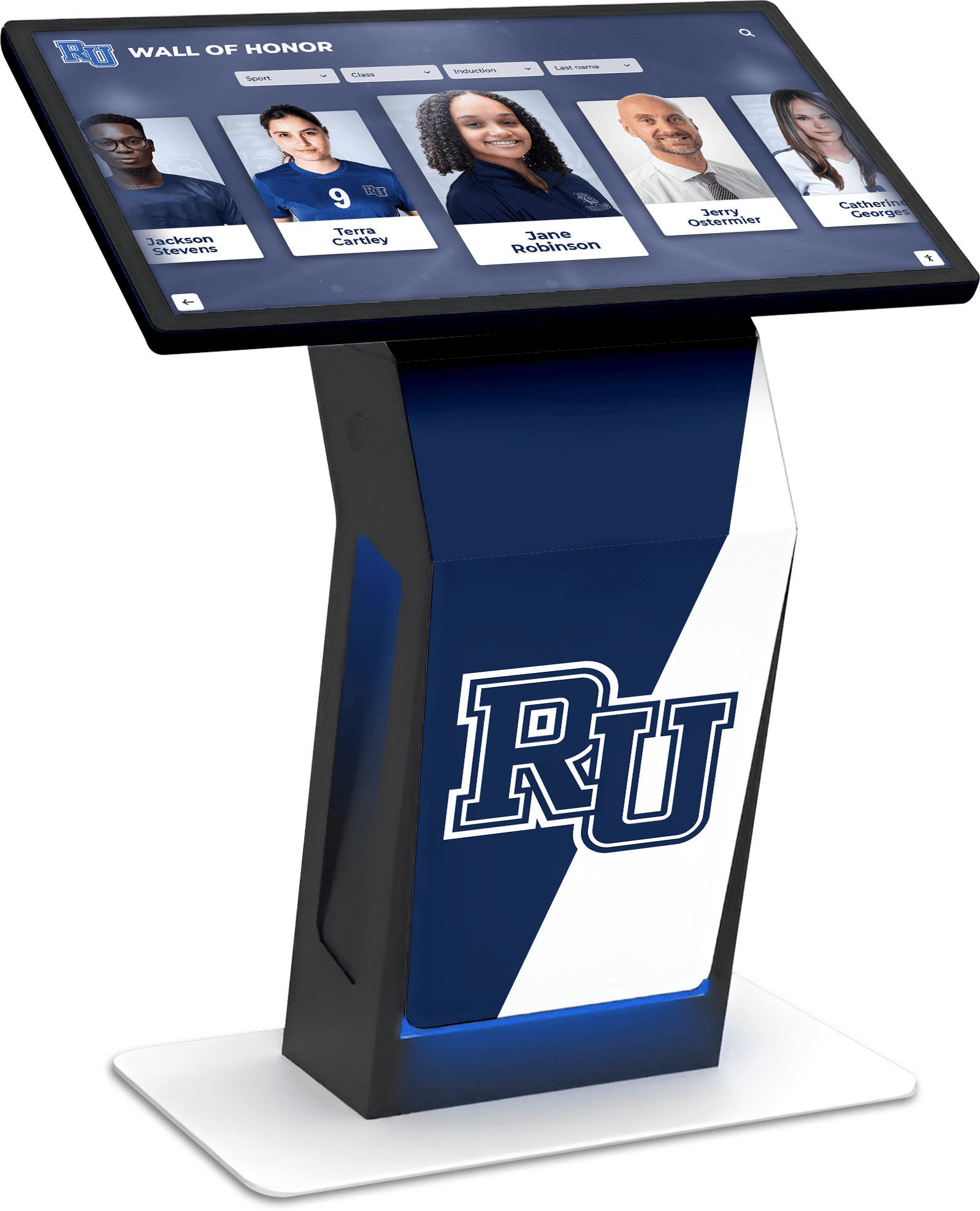
Strategic hybrid approaches maximize recognition effectiveness through maintaining signature physical recognition for highest-tier donors and named spaces, implementing comprehensive digital recognition walls providing unlimited capacity for complete donor rosters, adding QR codes on physical elements linking to expanded digital profiles, and ensuring web accessibility allowing remote stakeholders to explore recognition regardless of physical campus access.
This balanced strategy honors institutional traditions and architectural integration while solving capacity, timing, and storytelling limitations that physical-only approaches cannot overcome.
Purpose-Built Features: What Digital Recognition Walls Offer Renovation Campaigns
Effective digital donor recognition for school renovations requires specific capabilities addressing the unique characteristics of capital campaign fundraising and facility improvement contexts.
Unlimited Recognition Capacity Without Space Constraints
The most transformative advantage digital recognition provides is complete freedom from physical space limitations that plague traditional donor walls. Renovation projects often generate hundreds of contributors across all giving levels—a successful $20 million campaign might engage 500-1,000+ individual donors, families, and organizations whose combined generosity makes projects possible.
Attempting to recognize this volume through traditional plaques creates impossible demands: at typical sizing, individual donor plaques require 50-100 square feet of wall space per 100 donors recognized, costs $200-$500 per engraved plaque plus installation labor, and consumes premium lobby or entrance areas that architects designed for aesthetics and circulation rather than donor listings.
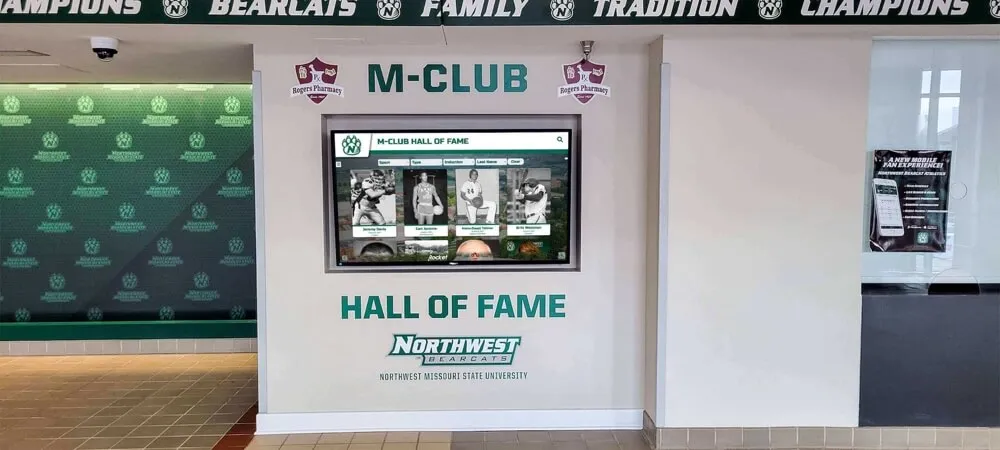
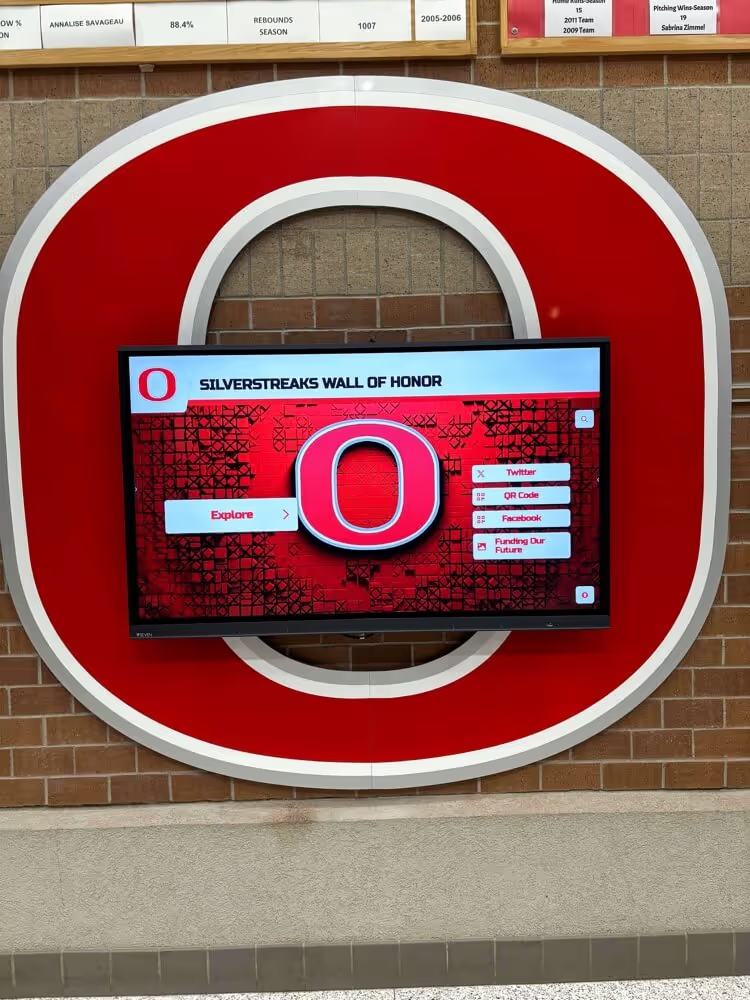
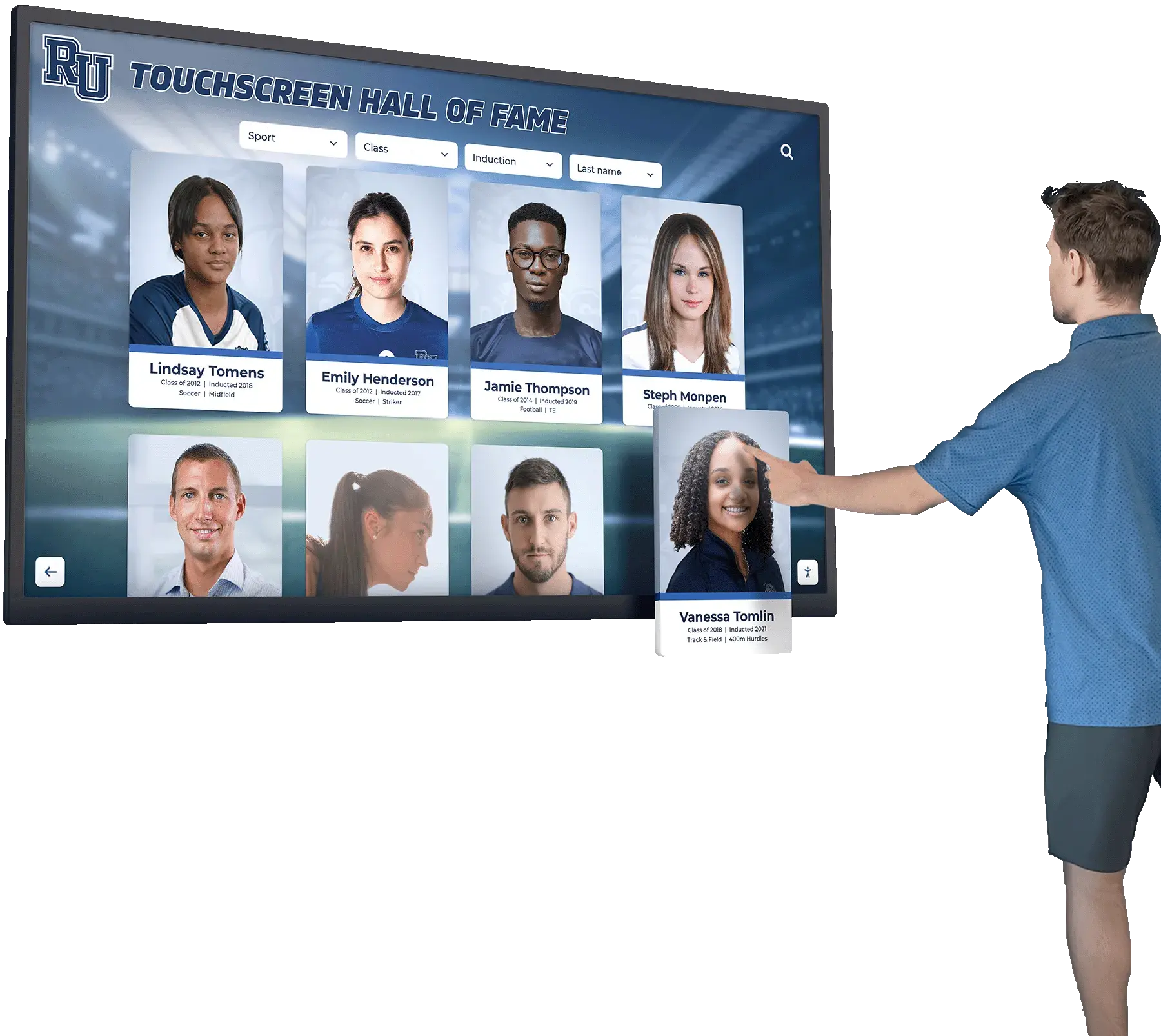
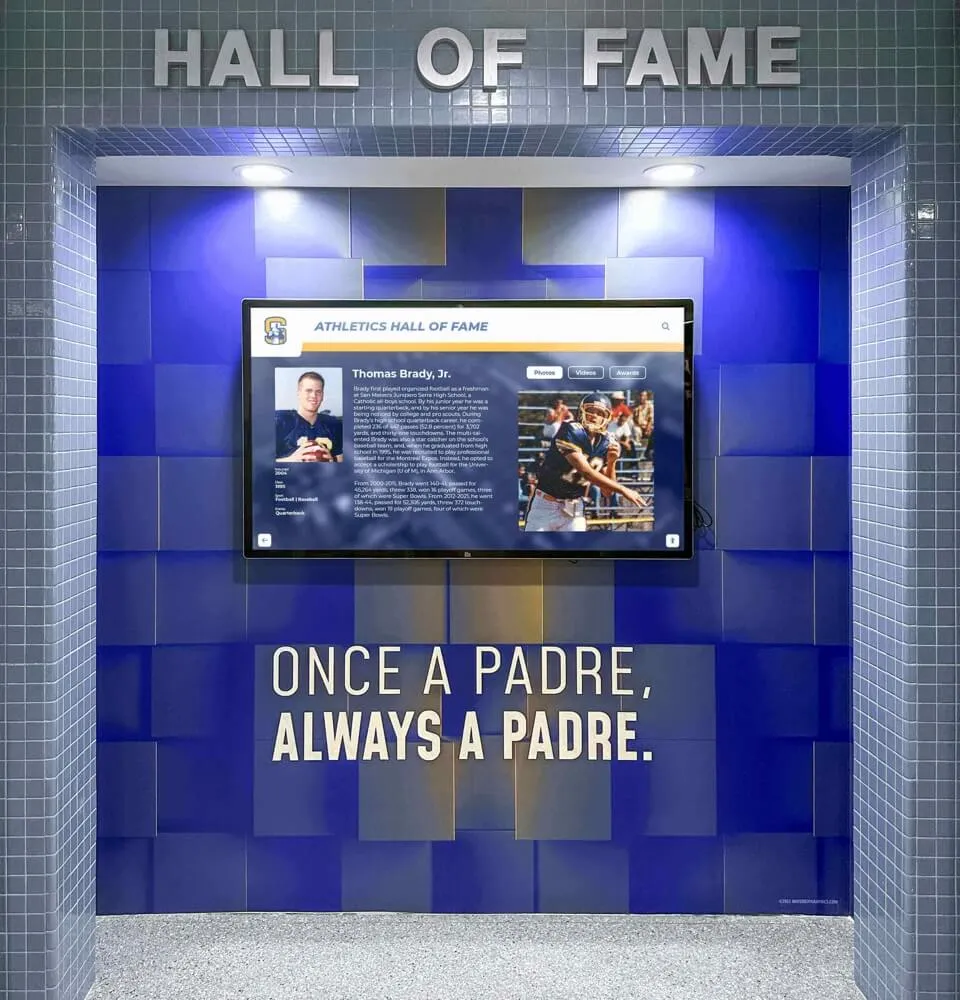
Digital recognition eliminates these constraints entirely. A single 55-inch touchscreen can showcase comprehensive profiles for thousands of donors—content requiring hundreds of traditional wall plaques to present. This unlimited capacity enables complete recognition that honors every contributor from $100 annual donors through $1,000,000+ leadership gifts without forcing exclusions or minimizing acknowledgment for supporters who don’t reach arbitrary thresholds.
For renovation campaigns specifically, unlimited capacity means schools can commit to recognizing all contributors—not just major gift donors—creating inclusive acknowledgment that encourages participation across entire communities rather than positioning giving as exclusive to wealthy families.
Auto-Ranking Maintains Recognition Hierarchy Automatically
Capital campaigns involve complex giving level structures, cumulative gift tracking, multi-year pledges, and evolving donor standings as contributors make multiple commitments over campaign timelines. Managing these dynamics through static displays requires constant manual intervention, expensive plaque reordering, and physical reinstallation creating visible “patches” undermining display professionalism.
Purpose-built digital record boards include auto-ranking functionality that automatically organizes donors by giving level, campaign progress, or recognition tier without requiring manual sorting each time new gifts arrive. When donors advance from supporter recognition to patron society levels through additional commitments, auto-ranking instantly reflects updated status across all display instances.
Automatic Organization Capabilities: Systems sort donors by cumulative campaign giving totals, categorize contributors into appropriate giving societies or recognition tiers, maintain chronological records showing when gifts were committed, separate recognition by gift purpose when campaigns include multiple funding priorities, and handle complex scenarios like corporate matching, family foundation giving, or planned gift commitments requiring special acknowledgment approaches.
This automation eliminates administrative burden while ensuring visitors always encounter accurately organized, current information reflecting real-time campaign status rather than outdated displays awaiting next update cycles.
Rich Multimedia Storytelling Beyond Name Listings
Traditional donor plaques communicate minimal information—typically just names, possibly giving levels, and occasionally dates or brief dedications. This limited format fails to convey the personal connections, motivations, and impact that make renovation campaigns meaningful to communities.
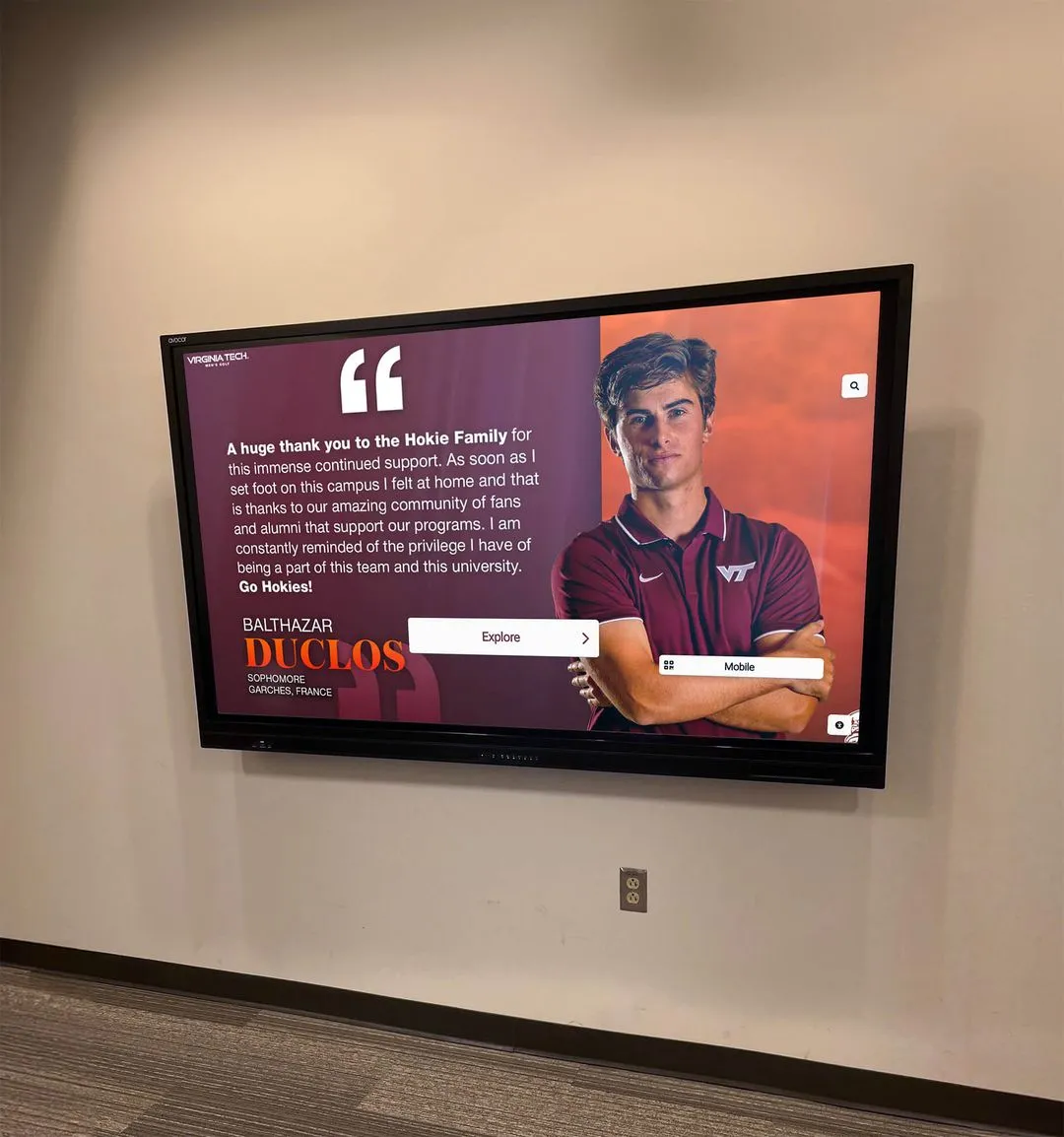
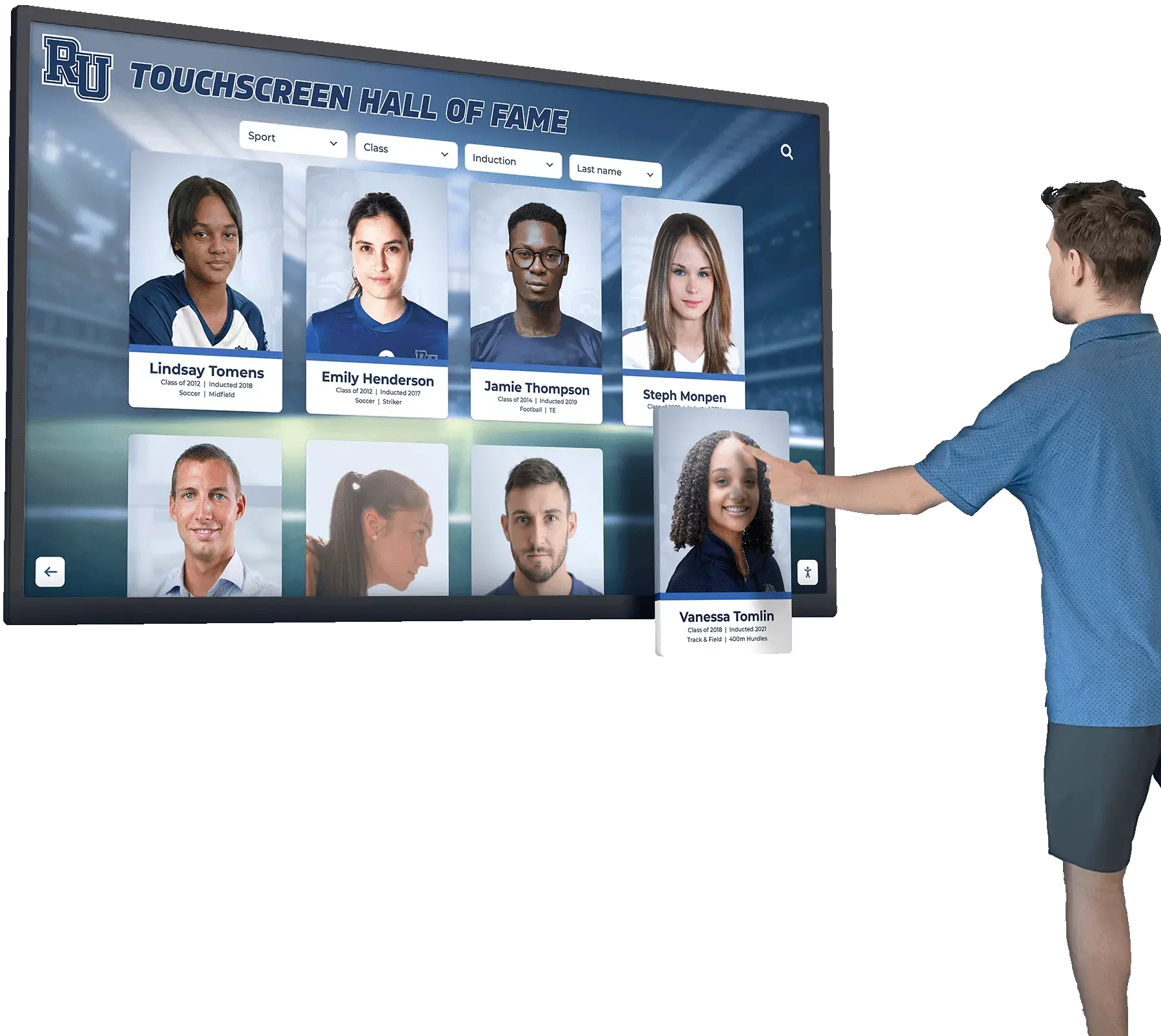
Digital platforms enable comprehensive donor storytelling that brings recognition to life through multiple content dimensions. Effective renovation donor profiles include high-resolution photographs of contributors, complete biographical details including graduation years or community affiliations, personal reflections on why donors chose to support renovation projects, specific spaces or campaign priorities their gifts funded, impact documentation showing tangible outcomes their contributions enabled, messages to current students or future generations, professional accomplishments and career highlights demonstrating community leadership, and connections to named spaces when applicable (photos of dedicated rooms with donor stories).
This storytelling depth transforms recognition from transactional acknowledgment into meaningful engagement that honors donors appropriately while inspiring others to consider similar support. When prospective donors can explore not just names but complete narratives about why community members invest in facilities, these authentic testimonials provide powerful cultivation tools that generic thank-you plaques cannot match.
Multimedia capabilities extend storytelling further through video testimonials from donors discussing renovation importance, time-lapse construction photography documenting renovation progress, virtual tours of completed spaces showing donors the improvements their gifts created, student testimonials about how renovated facilities enhance learning experiences, and before-and-after visualizations demonstrating transformation that philanthropic support enabled.
Real-Time Campaign Progress Tracking and Transparency
Modern donors increasingly expect transparency demonstrating how capital campaigns progress toward goals and what tangible improvements their contributions create. Digital recognition systems address this expectation through integrated campaign tracking features that traditional displays cannot provide.
Campaign Dashboard Capabilities: Display overall campaign goals and current progress percentages, break down funding by specific priorities (athletic facilities, academic spaces, accessibility improvements), show how many donors contributed at each giving level, document completed phases and remaining renovation priorities, and update automatically as new gifts arrive maintaining current relevance.
This transparency serves multiple strategic purposes. For active campaigns, visible progress creates urgency by demonstrating momentum while highlighting remaining needs that require donor support. Real-time updates enable recognition systems to double as campaign progress boards during fundraising phases, eliminating need for separate tracking displays and consolidating information in unified interfaces.
Post-campaign, transparent documentation demonstrates stewardship and accountability by showing exactly how community generosity translated into facility improvements. When donors see comprehensive records proving their investments delivered promised outcomes, this verification builds confidence for future giving requests while demonstrating institutional integrity around fund management.
Remote Content Management Enables Immediate Recognition
Capital campaigns progress rapidly with gifts arriving daily during peak periods. Traditional recognition requiring physical plaque fabrication and installation means weeks or months pass between gift commitments and public acknowledgment—critical timing when recognition impact and donor motivation peak immediately following giving decisions.
Digital record boards include intuitive cloud-based content management systems enabling authorized advancement staff to add new donors, update campaign progress, upload photos and impact documentation, publish recognition immediately without waiting for vendor schedules, and manage complete displays from any internet-connected device without requiring physical access to screens or technical expertise.
When a donor commits a significant renovation gift during Tuesday’s campaign meeting, advancement staff can photograph the donor, gather biographical details, draft impact statements, and publish recognition profiles to displays by Wednesday morning—less than 24 hours after gift commitments when donors feel greatest connection to decisions and most appreciate immediate acknowledgment. This rapid turnaround creates timely celebration while maintaining campaign momentum that months-long plaque production timelines undermine.
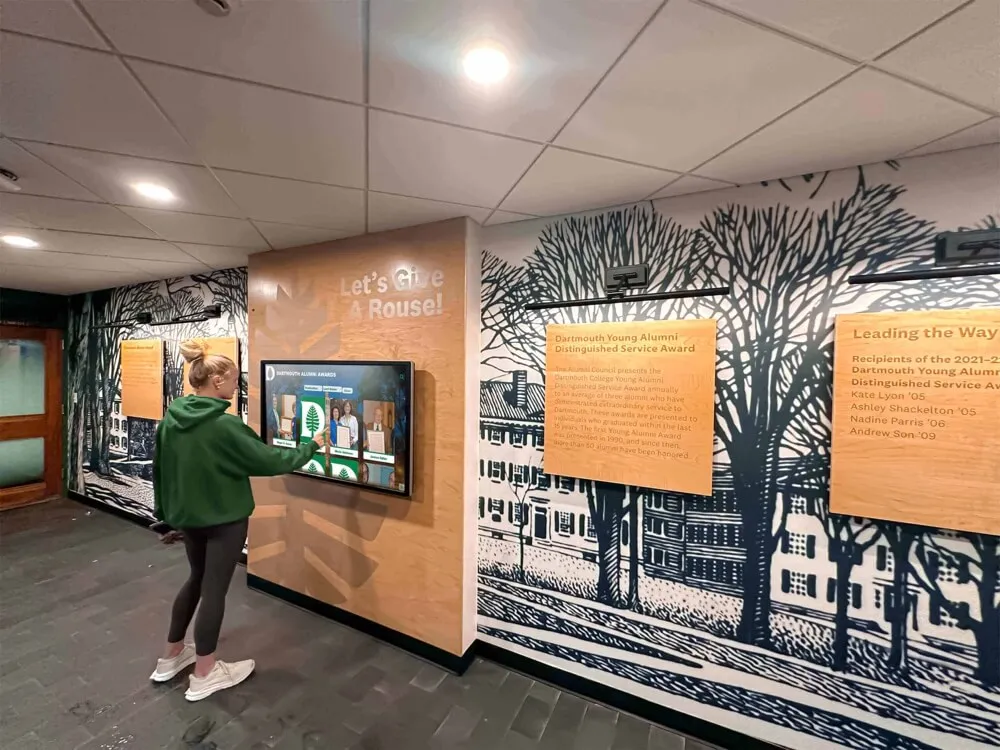
User-friendly content management means schools don’t need technical staff, vendor dependencies, or significant training to maintain comprehensive recognition. Development directors, advancement coordinators, or administrative professionals with basic computer skills can manage complete systems independently through intuitive interfaces designed specifically for non-technical users in educational institutions.
Strategic Implementation: Planning Digital Recognition for Renovation Campaigns
Whether implementing recognition systems during active campaigns or planning ahead for future renovation projects, systematic approaches ensure displays achieve maximum impact while establishing sustainable long-term operations.
Phase 1: Defining Recognition Strategy and Campaign Integration
Begin by clarifying exactly how recognition systems will support campaign objectives and what donor acknowledgment commitments campaign leadership has already established.
Campaign Recognition Commitments Inventory: Document existing naming opportunity structures and giving level thresholds, identify any recognition commitments already made to early donors, understand physical recognition elements included in architectural plans (room plaques, building naming, commemorative features), clarify campaign timeline and phases affecting recognition rollout, and establish budget allocated for recognition within overall campaign costs.
Strategic Recognition Objectives: Beyond basic donor acknowledgment, define specific goals recognition should achieve such as maintaining campaign momentum through visible progress demonstrations, inspiring peer giving by showcasing early donor leadership, providing cultivation tools for major gift prospects, creating stewardship content demonstrating impact and accountability, and establishing recognition infrastructure serving institution long-term beyond immediate campaign.
Technology and Format Decisions: Determine whether recognition will be exclusively digital, exclusively traditional, or strategic hybrid combining both approaches. For digital implementation, establish how many display locations renovation creates or enhances, screen specifications appropriate for spaces and viewing distances, budget parameters for hardware, software, and content development, and timeline for recognition system launch relative to campaign phases and construction completion.
Many successful campaigns implement digital recognition early—even before construction begins—using displays in existing buildings to acknowledge donors immediately while creating campaign progress tracking that maintains momentum until renovations complete.
Phase 2: Developing Comprehensive Donor Content
Recognition quality depends fundamentally on content depth, accuracy, and storytelling effectiveness. Strategic content development ensures every contributor receives appropriate acknowledgment while creating engagement that inspires broader participation.
Donor Information Collection Systems: Establish systematic processes for gathering comprehensive details from all contributors including biographical questionnaires sent with gift acknowledgments, optional donor photography sessions for willing contributors, impact statement templates connecting gifts to specific improvements, testimonial requests about renovation importance and giving motivations, and quality assurance reviews ensuring accuracy before publication.
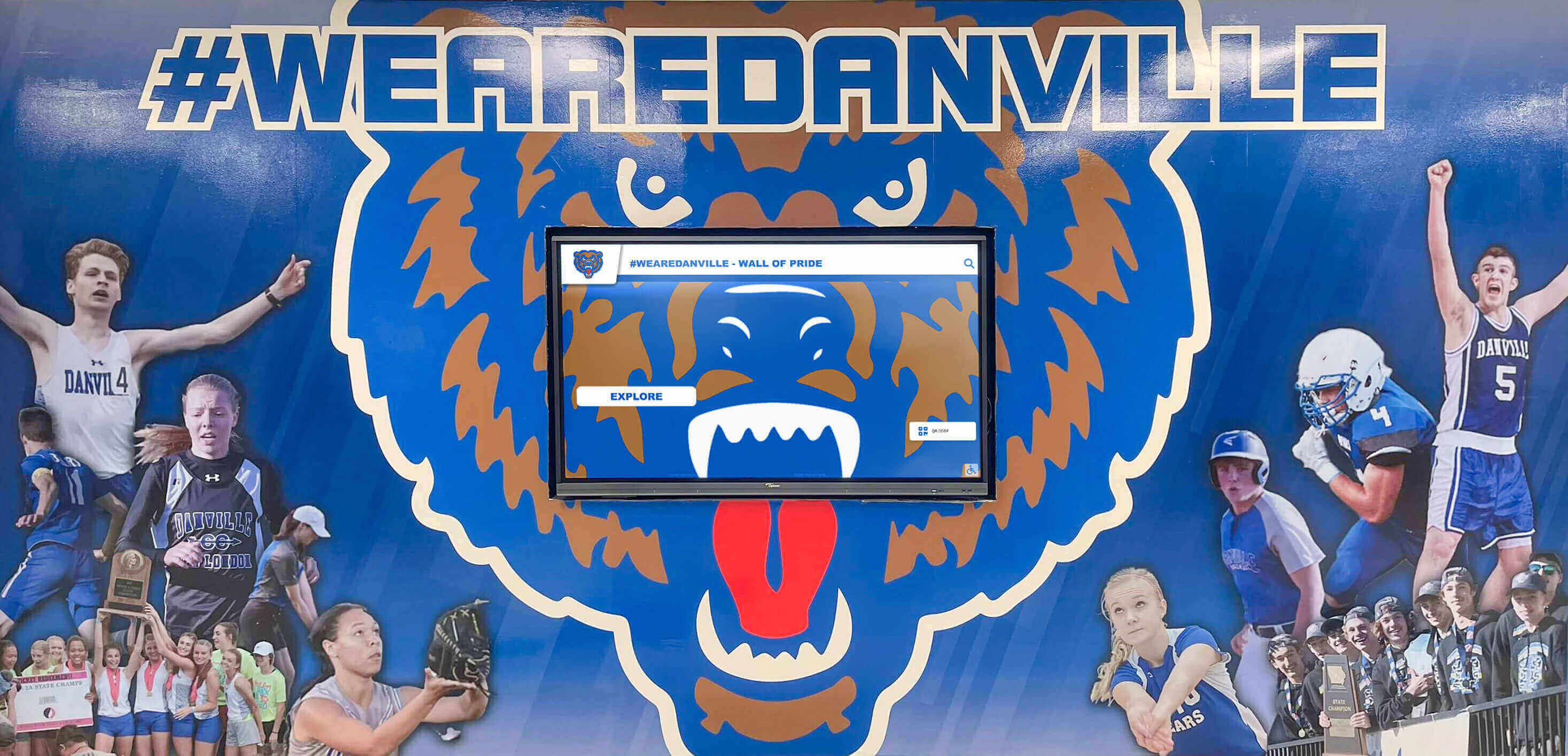
Content Development Priorities: Rather than attempting complete donor documentation before launch, strategic phasing enables manageable progress through starting with leadership donors whose major gifts warrant most comprehensive profiles, systematically expanding through giving level tiers as campaign progresses, establishing continuous workflows adding new donors as gifts arrive, and planning post-campaign enhancement phases enriching basic profiles with additional content over time.
Storytelling Excellence: The most compelling recognition moves far beyond name listings to authentic narratives connecting donors, institutions, and communities. Effective content includes why donors chose to support specific renovation priorities, how renovated facilities honor institutional values or beloved community members, what improved spaces enable that outdated facilities prevented, connections between donors’ institutional experiences and their giving motivations, and tangible impact their contributions create for current and future students.
Guidance on donor recognition best practices provides frameworks for creating content that genuinely honors generosity while serving advancement objectives through authentic storytelling rather than formulaic templates.
Phase 3: Optimal Display Placement and Physical Integration
Location determines recognition visibility and engagement success. Strategic placement ensures displays reach intended audiences—donors, prospective contributors, students, families, and community members—rather than occupying low-traffic areas where impact remains minimal.
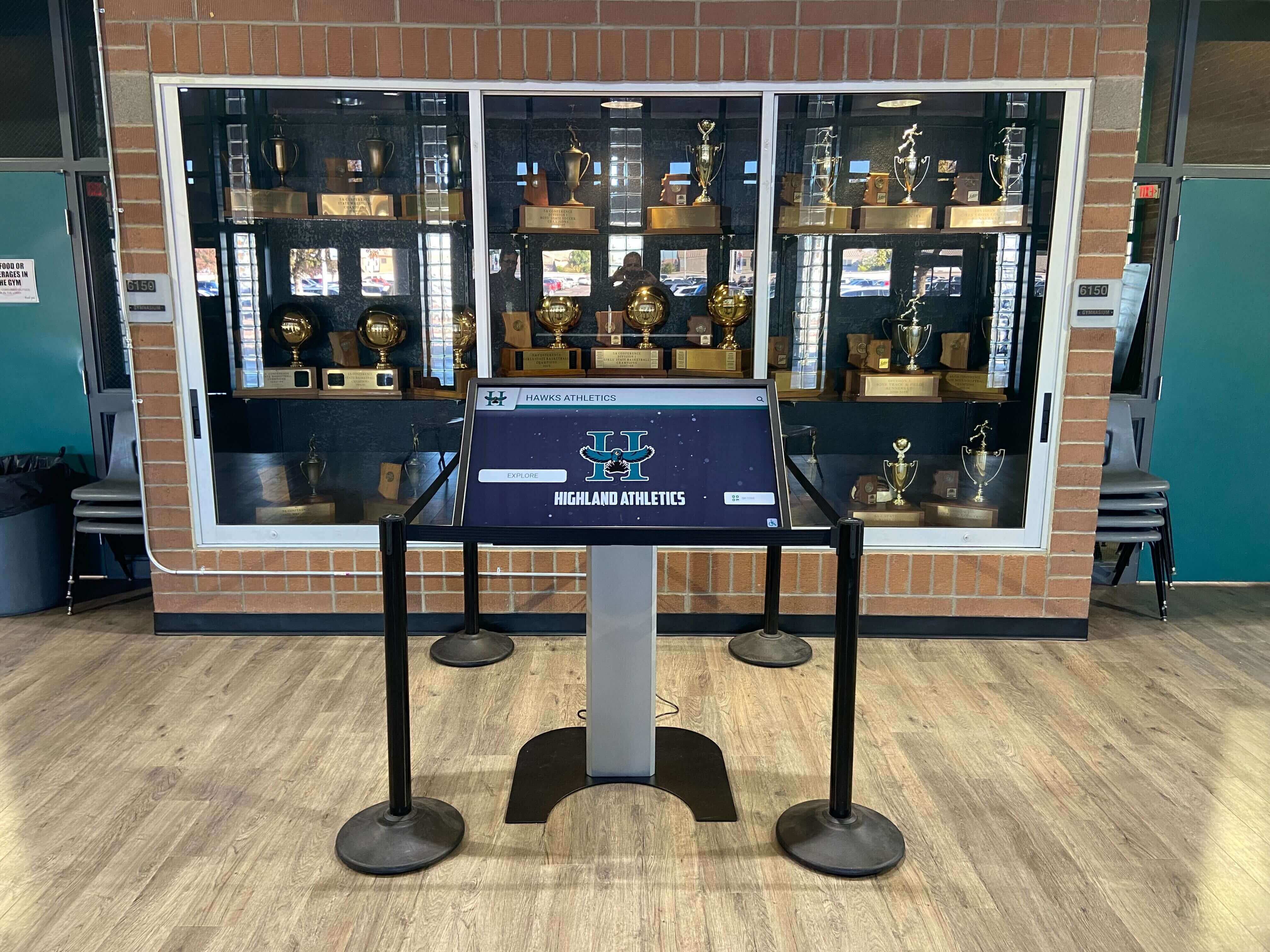
High-Visibility Location Priorities: Optimal placements for renovation donor recognition include primary building entrances where all visitors naturally pass, main lobbies or commons areas serving as central gathering spaces, outside principal development offices where donors visit for meetings, athletic facility entrances during events attracting alumni and families, and cafeteria or student center locations reaching students daily.
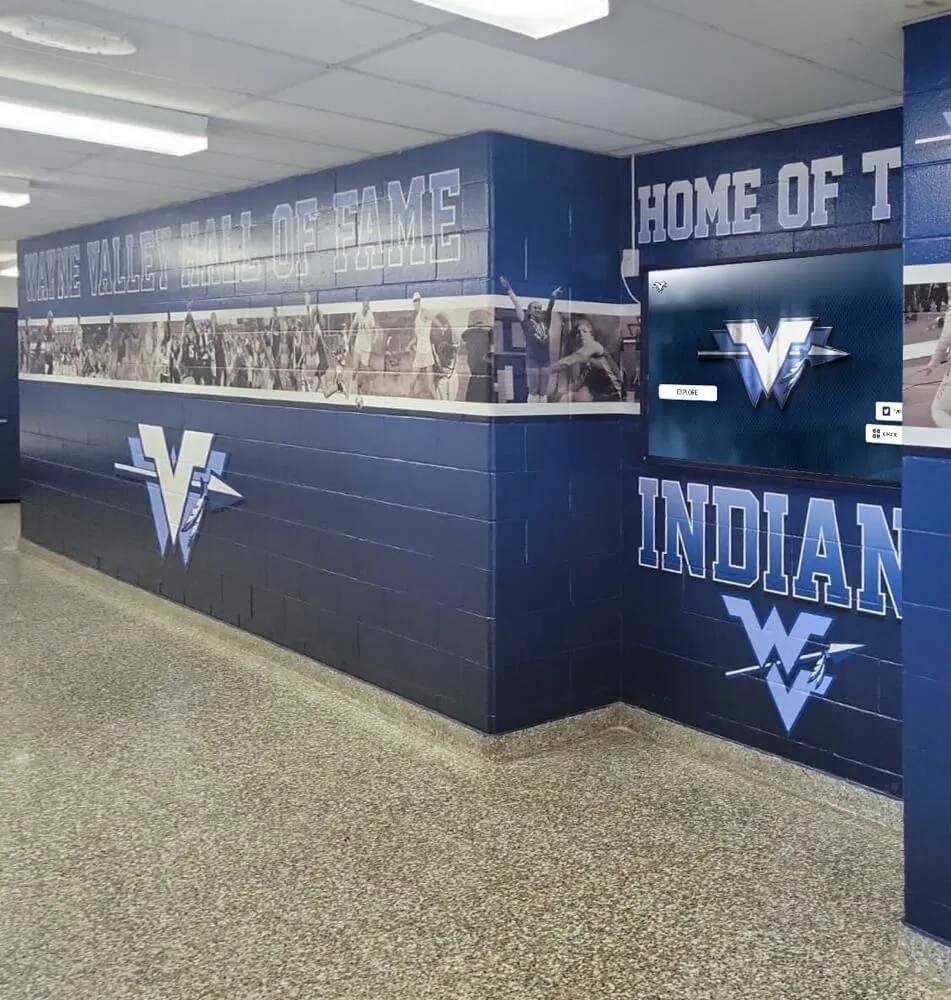
For renovation projects specifically, recognition displays work particularly well in newly constructed or renovated spaces themselves, creating direct spatial connections between donors and improvements their gifts funded. When supporters see their recognition in the actual gym they helped renovate or library they supported upgrading, these tangible connections reinforce giving impacts more powerfully than abstract acknowledgment in unrelated areas.
Physical Integration Considerations: Work with architects and contractors to ensure appropriate planning for power and network connectivity to planned display locations, optimal mounting positions considering sightlines, circulation patterns, and viewing distances, lighting preventing screen glare while maintaining display visibility, accessible positioning meeting ADA requirements, and secure installation protecting valuable equipment from damage or theft.
For renovation campaigns including new construction, coordinate recognition planning early in design phases when integrating displays adds minimal cost compared to post-construction retrofitting requiring expensive modifications.
Phase 4: Launch Strategy and Campaign Promotion
Systematic launches generate awareness, establish engagement patterns, and maximize recognition program contributions to overall campaign success.
Soft Launch During Active Campaigns: For displays implemented before renovation completion, soft launches enable testing while beginning recognition immediately through inviting early donors to view their acknowledgment and provide feedback, demonstrating recognition systems during donor cultivation meetings, using displays as visual centerpieces during campaign events and fundraising gatherings, and generating social media content showing donor reactions to recognition.
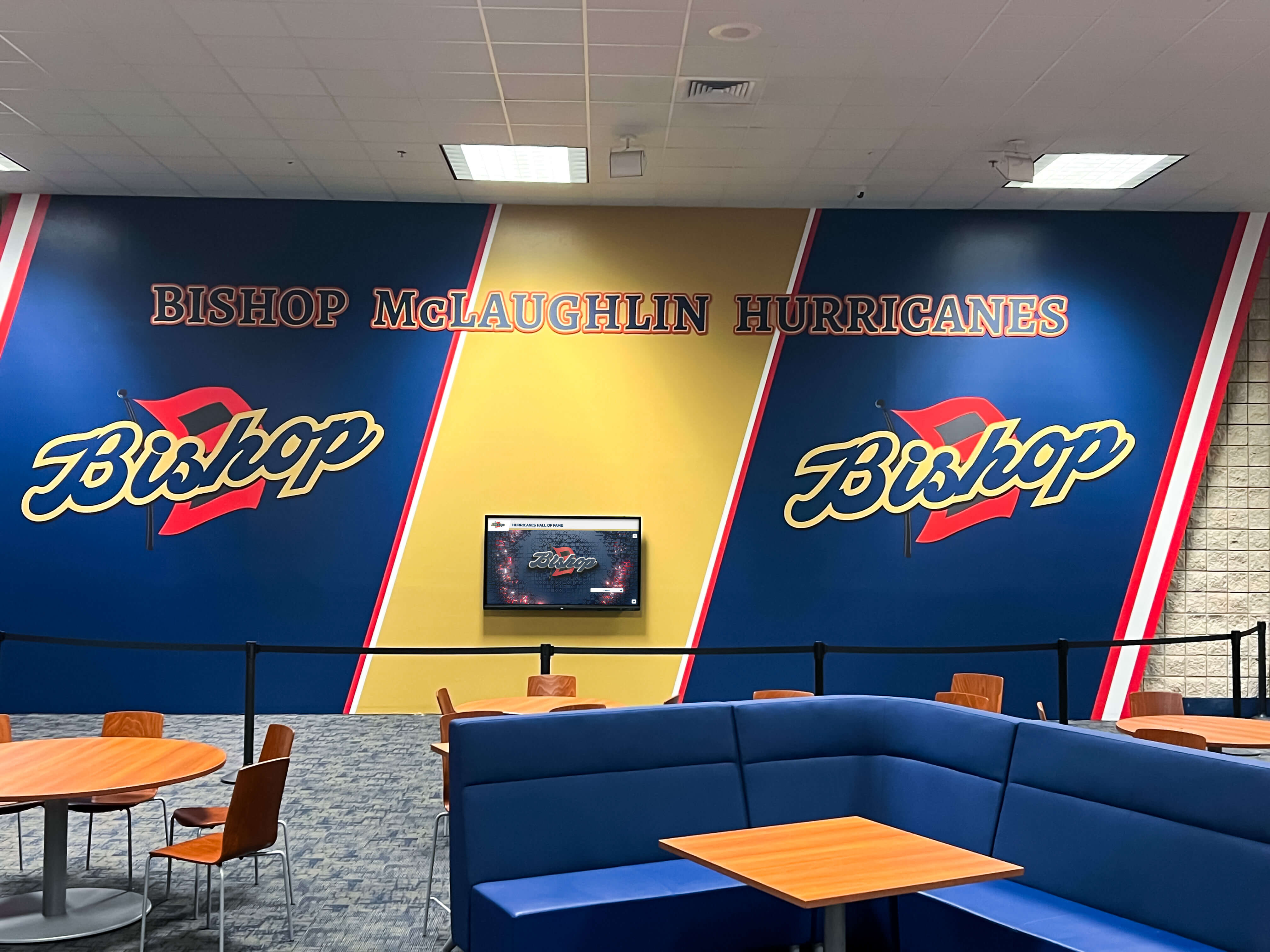
This approach transforms recognition systems into active campaign tools rather than post-campaign documentation, enabling displays to drive fundraising momentum rather than merely acknowledging completed gifts.
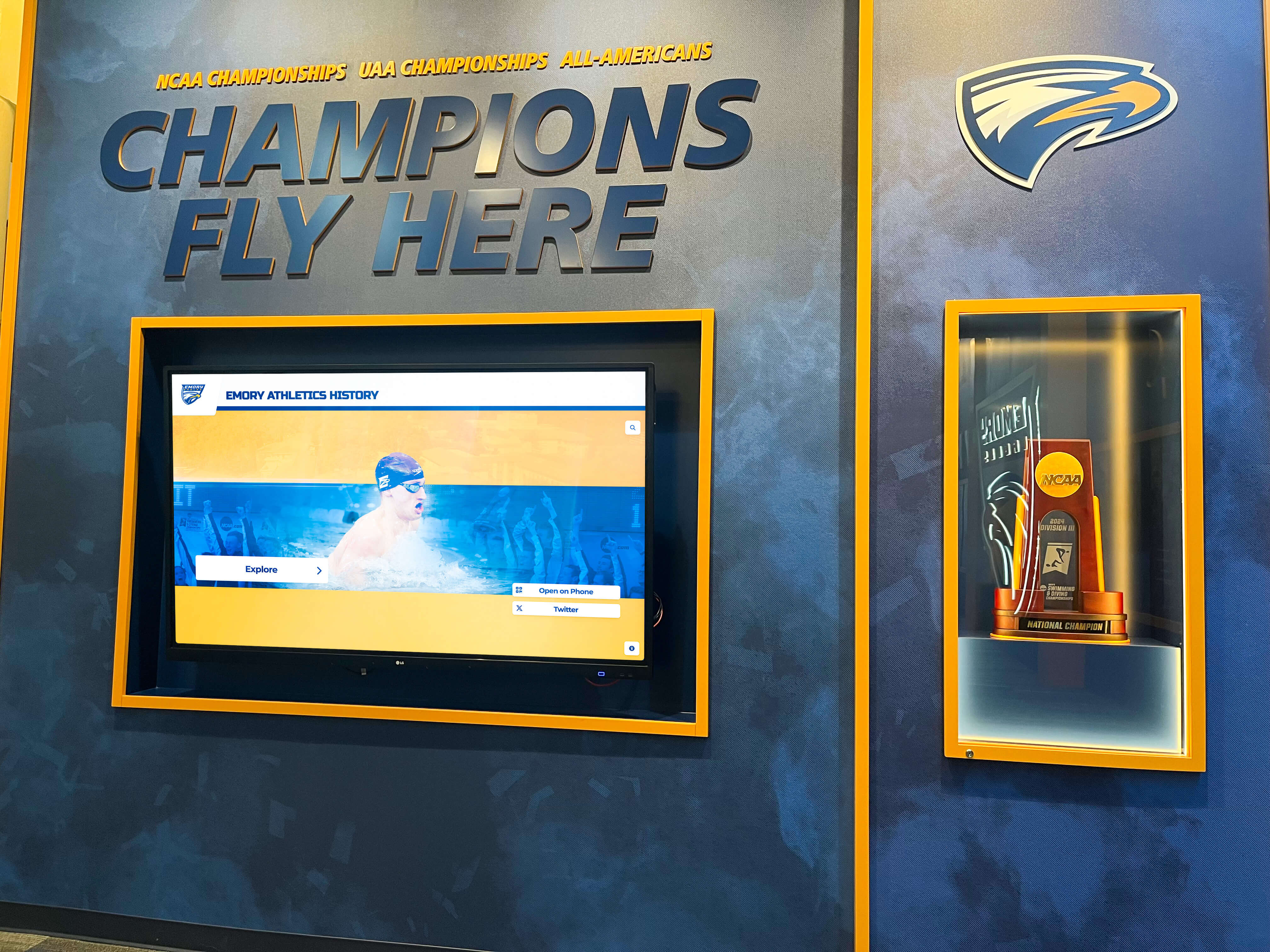
Grand Unveiling at Renovation Completion: Formal recognition launches coinciding with facility ribbon-cuttings create celebratory moments honoring all contributors through dedication ceremonies with institutional leadership and campaign chairs, guided tours showcasing renovations and donor recognition together, media engagement generating publicity for campaign success and community generosity, and social celebration bringing donors together while publicly affirming philanthropic culture.
Ongoing Promotion and Integration: Recognition requires sustained visibility beyond initial launches including regular communications highlighting newly recognized donors and campaign progress, social media featuring individual contributor profiles and renovation milestones, integration with campus tours and prospective family visits, event-based promotion during reunions, open houses, or athletic contests, and continuing donor stewardship connecting recognition to broader relationship cultivation strategies.
Maximizing Recognition Impact: Advanced Features and Creative Applications
Beyond basic donor listing, sophisticated digital recognition systems enable innovative applications that multiply campaign effectiveness and community engagement.
Interactive Virtual Tours Connecting Donors to Completed Spaces
One of the most compelling features digital platforms enable involves connecting donor recognition directly to visual documentation of renovated facilities. Interactive tours allow visitors to explore before-and-after comparisons showing transformation that philanthropy funded, navigate through completed spaces understanding specific improvements, see donors recognized adjacent to photos of spaces their gifts created, and understand comprehensive renovation scope beyond areas they physically visit.
This visual connection transforms abstract dollar amounts into tangible outcomes. When donors see side-by-side images of outdated weight rooms and modern training facilities, they understand precisely what their $50,000 equipment gift accomplished—making philanthropic impact concrete rather than theoretical.
For renovation campaigns involving multiple facility improvements, virtual tours create comprehensive documentation that individual space visits cannot provide. Supporters interested in athletic facilities can explore those areas deeply while also discovering academic or accessibility improvements their gifts enabled across complete projects.
Student and Community Testimonials About Renovation Impact
The most powerful donor recognition extends beyond acknowledgment to authentic impact documentation showing how improved facilities enhance educational experiences. Digital systems excel at presenting student testimonials describing differences renovations make through video messages from students about how modern science labs enhance learning, athletic testimonials explaining training improvements, performing arts students discussing technical theater upgrades, and faculty perspectives on pedagogical possibilities new classrooms enable.
These authentic voices transform donor recognition from institutional acknowledgment into community gratitude—demonstrating that gifts created meaningful improvements appreciated by real students whose lives improved through philanthropic investment. When prospective donors encounter these testimonials during cultivation, personal stories from beneficiaries often prove more compelling than development office presentations.
Donor Stories and Giving Motivation Spotlights
Beyond acknowledging who contributed, compelling recognition explores why donors chose to invest in renovations. Featured donor spotlights create rotating content highlighting individual contributors and their personal connections to institutions or renovation priorities.
Effective Spotlight Elements: Personal background and institutional connections (alumni, parents, community leaders), specific renovation priorities they supported and why those mattered, memories or experiences that motivated giving decisions, hopes for how improvements benefit current and future students, and philanthropic philosophies about community investment and institutional support.
These narrative features transform donors from names into relatable community members whose generosity reflects authentic institutional connections. When other potential donors encounter these authentic stories, peer modeling often inspires giving more effectively than traditional campaign solicitations.
Recognition Society Showcases and Giving Level Benefits
Capital campaigns typically establish recognition societies acknowledging donors at elevated giving levels—founder’s circles, leadership societies, benefactor clubs, or campaign-specific designations. Digital platforms provide ideal venues for showcasing these societies through dedicated content areas highlighting society membership criteria and benefits, complete member directories with enhanced profiles, exclusive society event information and photo galleries, testimonials from members about giving experiences, and cumulative impact documentation showing collective outcomes that society giving enabled.
Society showcases serve dual purposes: they honor current members appropriately while demonstrating value propositions that encourage others to reach elevated giving levels during campaigns or through subsequent contributions.
Planned Giving and Legacy Recognition Integration
Many renovation campaigns include components encouraging planned giving or legacy commitments—bequests, charitable remainder trusts, life insurance designations, or other deferred gift vehicles that support institutional futures. Digital recognition accommodates current acknowledgment for future gifts that traditional approaches struggle to represent appropriately.
Legacy society sections provide meaningful current recognition to donors who’ve included schools in estate plans, educate broader communities about planned giving opportunities many never considered, demonstrate that legacy gifts represent normal community behavior rather than rare exceptions, and honor transformational gifts that continue institutional impact across generations.
For renovation campaigns specifically, legacy recognition creates pathways for supporters who wish to support facilities but cannot make large current commitments—enabling participation through estate provisions that acknowledge intention and cultivate relationships even before ultimate gift realization.
Addressing Common Concerns and Implementation Challenges
Schools planning digital recognition for renovation campaigns encounter predictable questions and obstacles that proven approaches address effectively.
Budget Considerations and ROI Analysis
Financial constraints affect most schools, making investment decisions require careful analysis demonstrating value relative to alternatives and long-term returns justifying upfront costs.
Total Cost Comparison: Digital recognition systems typically require higher initial investment than traditional plaques—approximately $10,000-$25,000 for commercial-grade hardware, professional installation, and purpose-built software compared to $5,000-$15,000 for basic traditional donor walls. However, long-term cost analysis favors digital approaches due to elimination of per-donor plaque costs ($200-$500 each with installation), ability to serve unlimited donors without capacity expansion, prevention of expensive wall modifications when adding future donors, and multi-purpose functionality supporting donor recognition, campaign tracking, alumni engagement, and institutional storytelling through single platforms.
Return on Investment: Research on donor behavior consistently shows recognized donors demonstrate 30-45% higher retention rates and 20-30% larger subsequent gifts compared to unrecognized peers. These improvements mean effective recognition systems typically generate $3-$7 in incremental giving for every dollar invested over five-year periods—making recognition among highest-return advancement expenditures schools can make.
Many campaigns fund recognition systems through donor sponsorships, positioning displays themselves as naming opportunities while ensuring recognition infrastructure receives appropriate resources without competing with renovation facility funding priorities.
Technology Concerns and User-Friendliness
Some stakeholders worry that digital systems require technical expertise, create maintenance burdens, or intimidate less tech-comfortable community members who might struggle with interactive displays.
Reality of Modern Platforms: Purpose-built digital recognition systems designed specifically for educational institutions prioritize user-friendliness across all dimensions through intuitive touch interfaces requiring no instruction for visitors, content management requiring only basic computer skills from advancement staff, automatic software updates maintaining security without technical intervention, reliable commercial-grade hardware rated for decades of operation, and comprehensive vendor support addressing occasional technical questions or issues.
Most schools discover that student, family, and alumni audiences adapt immediately to interactive displays—comfort with smartphones and tablets translates directly to recognition touchscreen interaction. Rather than creating barriers, well-designed digital systems often increase engagement compared to static displays because interactive exploration feels natural to contemporary users.
Privacy and Donor Preference Management
While most donors appreciate public recognition, some prefer anonymity or limited acknowledgment for various personal reasons requiring respectful accommodation.
Privacy Best Practices: Always request recognition preferences when accepting gifts rather than assuming donors want public acknowledgment, offer complete anonymity options at all giving levels including major gifts and naming opportunities, provide graduated privacy settings (name only, name with giving level, full profile with photo), respect preferences absolutely while offering alternative private recognition through exclusive events or personalized stewardship, and never suggest that public recognition represents requirement or that privacy preferences disappoint institutional expectations.
Digital systems handle privacy elegantly by accommodating anonymous donors through campaign totals without identifying specific contributors, presenting aggregated giving level data while respecting individual privacy, and allowing donors to modify recognition preferences over time as circumstances or comfort levels change.
Sustainability and Long-Term Content Management
Recognition programs require ongoing attention maintaining accuracy, adding new content, and ensuring displays remain engaging across decades following initial implementations.
Sustainable Operations: Establish manageable ongoing management through designating specific staff responsible for recognition updates (typically advancement or communications professionals), creating standardized workflows for adding new donors and gathering content, scheduling periodic content refreshes enhancing historical profiles with updated information, planning annual featured content rotations maintaining display freshness, and leveraging analytics identifying popular content and areas needing improvement.
Most schools discover ongoing management requires minimal time investment—typically 2-4 hours monthly once systems launch—because cloud-based platforms enable efficient remote content updates without technical complications or vendor dependencies that make traditional recognition modifications expensive and time-consuming.
Integration With Comprehensive School Recognition Programs
The most effective digital recognition implementations extend beyond single-purpose donor acknowledgment to comprehensive platforms serving multiple institutional recognition needs through unified systems.
Combining Donor Recognition With Athletic and Academic Honors
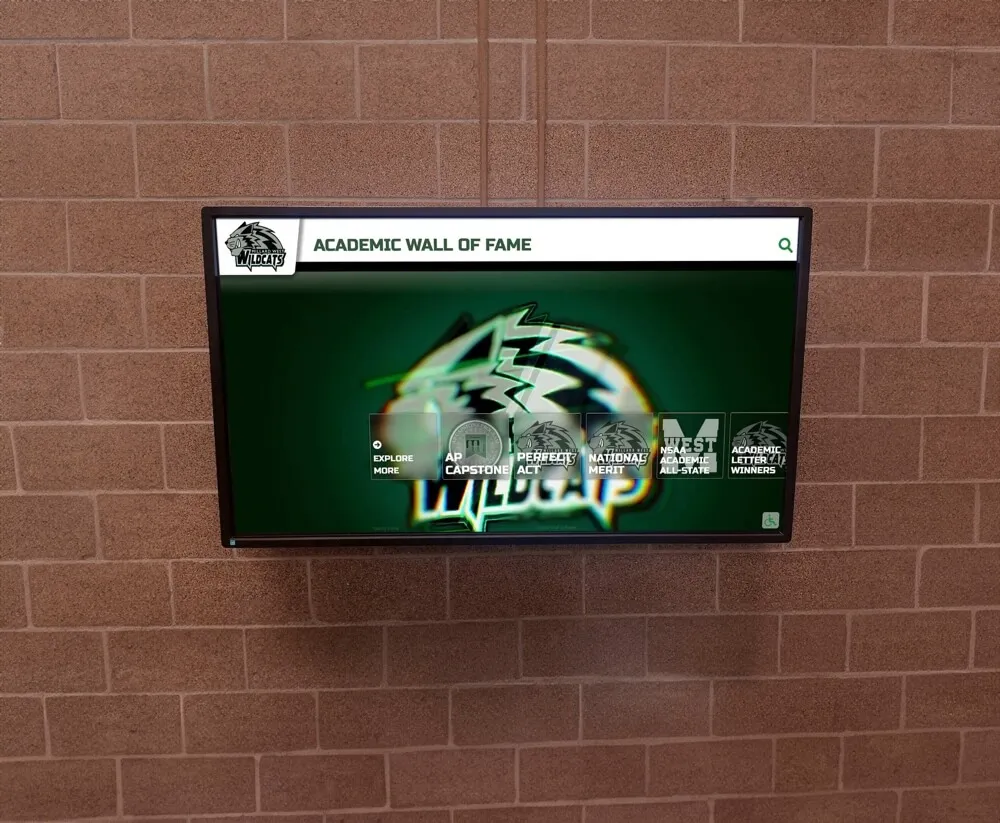
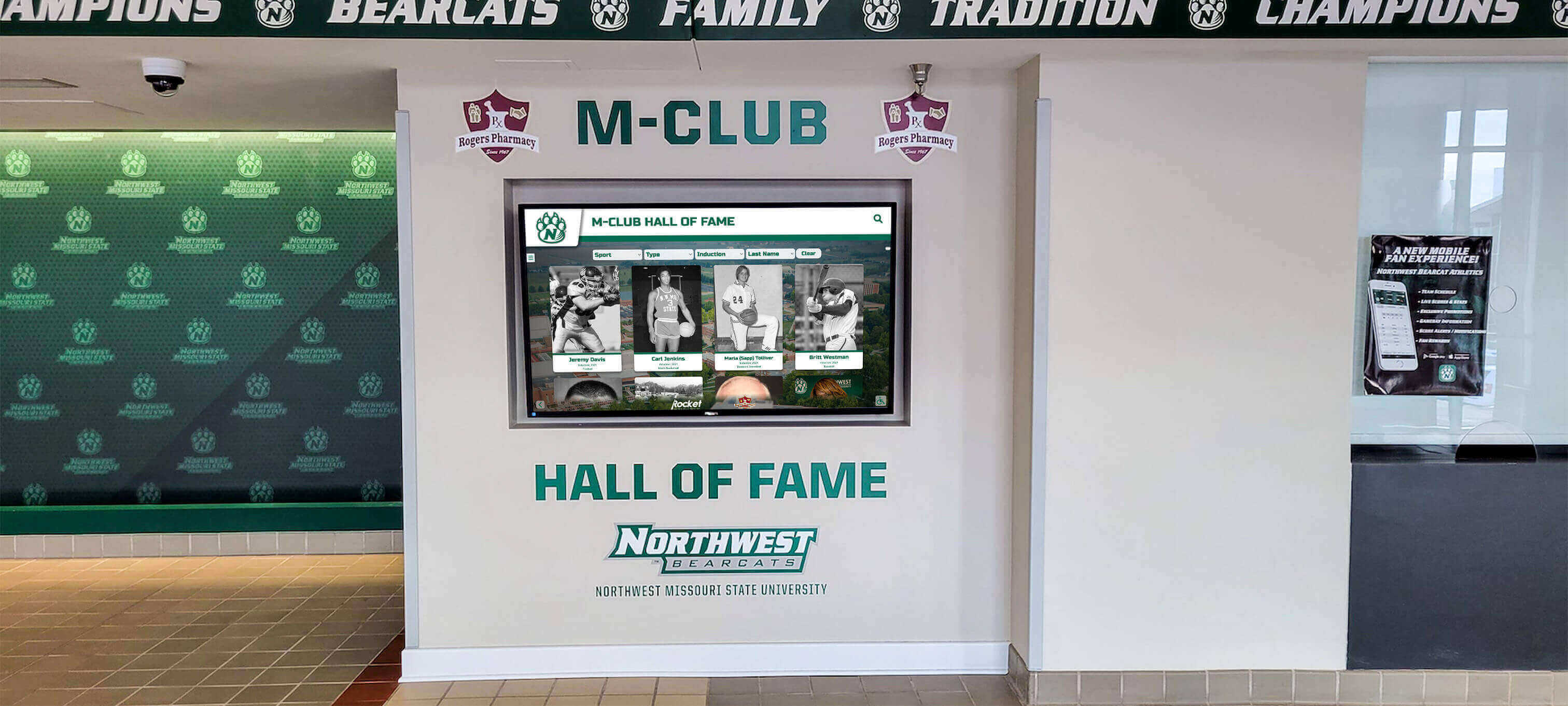
Many schools discover digital platforms initially implemented for renovation donor recognition ultimately serve broader purposes including athletic achievement documentation through record boards, championship celebrations, and athlete profiles; academic excellence recognition including honor roll, scholarship recipients, and academic competition results; alumni engagement featuring notable graduates, career achievements, and continuing institutional connections; and historical documentation preserving institutional heritage, traditions, and milestone moments.
This multi-purpose functionality means recognition investments serve numerous stakeholder groups simultaneously—donors, student-athletes, scholars, alumni, and entire communities—dramatically increasing platform value and return on investment compared to single-purpose displays.
Creating Unified Community Recognition Ecosystems
Forward-thinking institutions implement recognition not as isolated initiatives but as integrated ecosystems connecting multiple recognition categories through unified search enabling discovery across all achievement types, consistent visual design creating cohesive institutional identity, coordinated content development establishing quality standards across categories, and strategic physical placement positioning displays where they serve maximum audiences.
When students, families, and visitors encounter comprehensive recognition platforms celebrating excellence across all dimensions—philanthropic generosity, athletic achievement, academic accomplishment, and alumni success—these unified systems communicate powerful messages about institutional values and community culture that fragmented recognition cannot match.
Explore how schools create comprehensive digital recognition programs integrating donor acknowledgment with broader celebration of community excellence across all achievement dimensions.
Looking Ahead: Future Directions in Renovation Donor Recognition
Recognition technology continues evolving with emerging capabilities promising enhanced engagement and expanded applications for renovation campaigns and ongoing donor stewardship.
Mobile Integration and Remote Access
Contemporary recognition increasingly extends beyond physical campus displays to mobile-accessible platforms enabling remote exploration. Mobile companion apps provide recognition access from anywhere globally, interactive maps connecting digital recognition to physical campus navigation, augmented reality overlaying donor information onto physical spaces through smartphone cameras, and social sharing capabilities enabling donors to broadcast recognition across personal networks.
This accessibility proves particularly valuable for renovation campaigns involving geographically dispersed alumni who contributed remotely but cannot visit campus regularly to see physical improvements their gifts created or recognition honoring their generosity.
Advanced Analytics Demonstrating Recognition ROI
Sophisticated analytics capabilities emerging in digital recognition platforms provide advancement professionals with concrete data demonstrating program effectiveness through donor engagement tracking showing how often recognized donors interact with displays, correlation analysis exploring relationships between recognition engagement and subsequent giving patterns, content performance metrics identifying which profile elements generate greatest interest, and A/B testing capabilities enabling optimization based on measured user preferences.
These capabilities transform recognition from subjective institutional traditions into measurable advancement tools with documented returns justifying continued investment and refinement.
AI-Powered Content Enhancement and Personalization
Artificial intelligence integration will enable sophisticated recognition features improving both content development and visitor experiences including automated content suggestions based on public records and databases, intelligent profile recommendations matching visitor interests to relevant donors, natural language search supporting conversational exploration, and personalized experiences adapting to individual user preferences and returning visitor patterns.
These advances promise to make comprehensive recognition more efficient to maintain while delivering increasingly engaging experiences that adapt intelligently to diverse audience needs and interests.
Creating Lasting Legacy: Digital Recognition as Strategic Investment
School renovation projects represent transformational investments in facilities that serve educational missions for decades. The donors whose generosity makes these improvements possible deserve recognition that honors their contributions appropriately while inspiring continued giving and strengthening institutional advancement programs across generations.
Digital recognition walls specifically designed for school renovation donors solve every limitation of traditional approaches while adding capabilities impossible with physical-only systems. Unlimited capacity ensures every contributor receives appropriate acknowledgment without space constraints forcing exclusions, auto-ranking maintains proper organization as campaigns progress without manual intervention, rich multimedia storytelling brings donor generosity and renovation impact to life through compelling narratives, real-time updates enable immediate recognition maintaining campaign momentum, and perpetual flexibility allows recognition to evolve as institutions grow and donor relationships deepen.
For schools planning renovation campaigns or currently raising funds for facility improvements, purpose-built digital recognition platforms like Rocket Alumni Solutions provide comprehensive solutions addressing every donor acknowledgment challenge. These systems combine intuitive content management requiring no technical expertise, professional presentation templates ensuring quality consistency, powerful discovery tools helping visitors find personally relevant content, engagement analytics demonstrating program effectiveness, and reliable vendor support ensuring recognition achieves objectives without overwhelming school resources.
Beyond immediate campaign acknowledgment purposes, effective digital donor recognition creates lasting benefits including dramatically improved donor retention through meaningful appreciation, enhanced major gift cultivation with compelling recognition demonstrations, inspiration for current students through visible community support models, strengthened fundraising transparency demonstrating tangible gift impacts, celebration of philanthropic culture normalizing generous community investment, and establishment of recognition infrastructure serving institutions across decades without capacity limitations or prohibitive ongoing costs.
Every generous renovation donor deserves recognition honoring their vision and investment appropriately. Every school deserves modern tools celebrating capital campaign success while engaging contemporary audiences effectively. Digital recognition walls make these aspirations achievable for educational institutions committed to stewardship excellence while building lasting donor relationships supporting institutional missions across generations.
Ready to implement a digital recognition wall that celebrates renovation donors while strengthening your advancement program? Book a demo to explore how auto-ranking digital record boards create engaging experiences honoring every campaign contributor without space constraints, update delays, or complex technology management that traditional recognition cannot overcome.