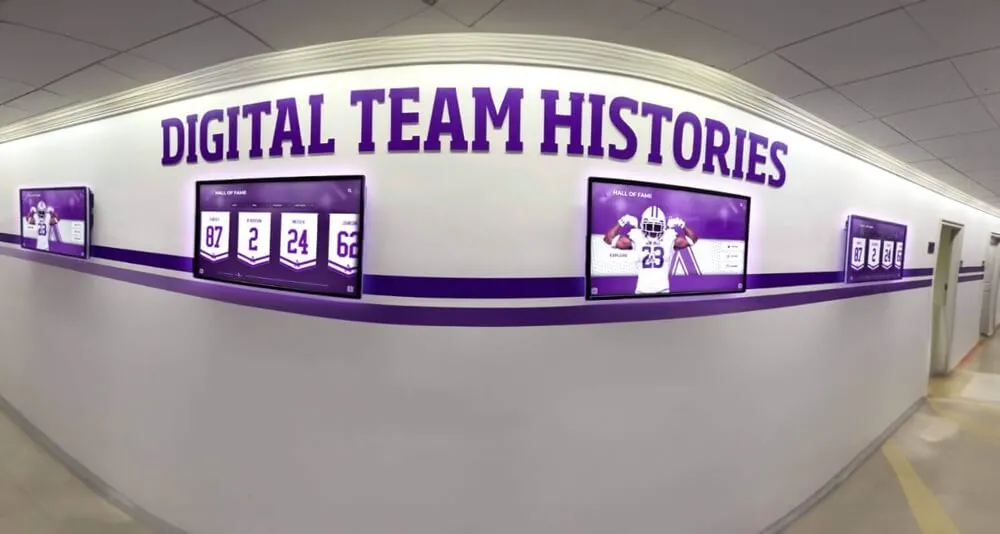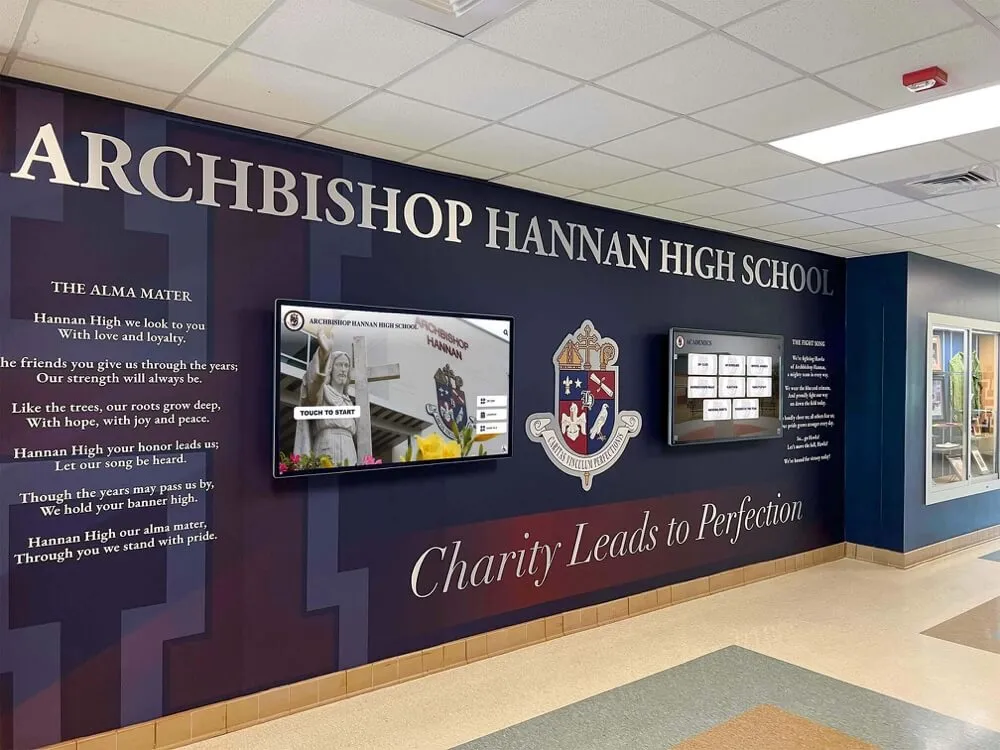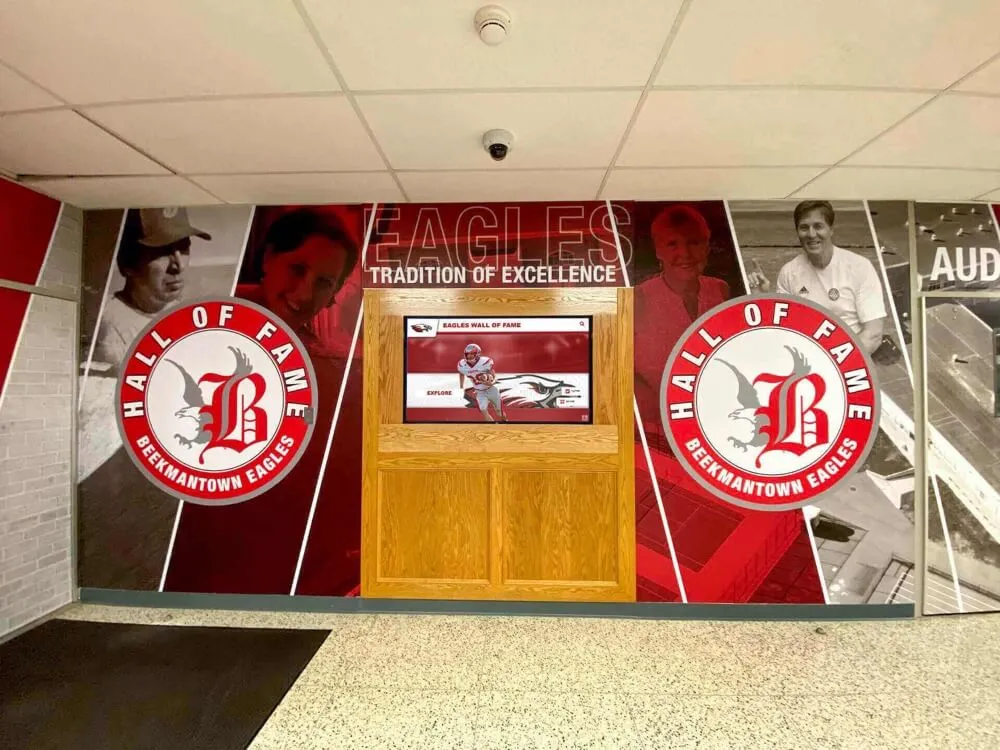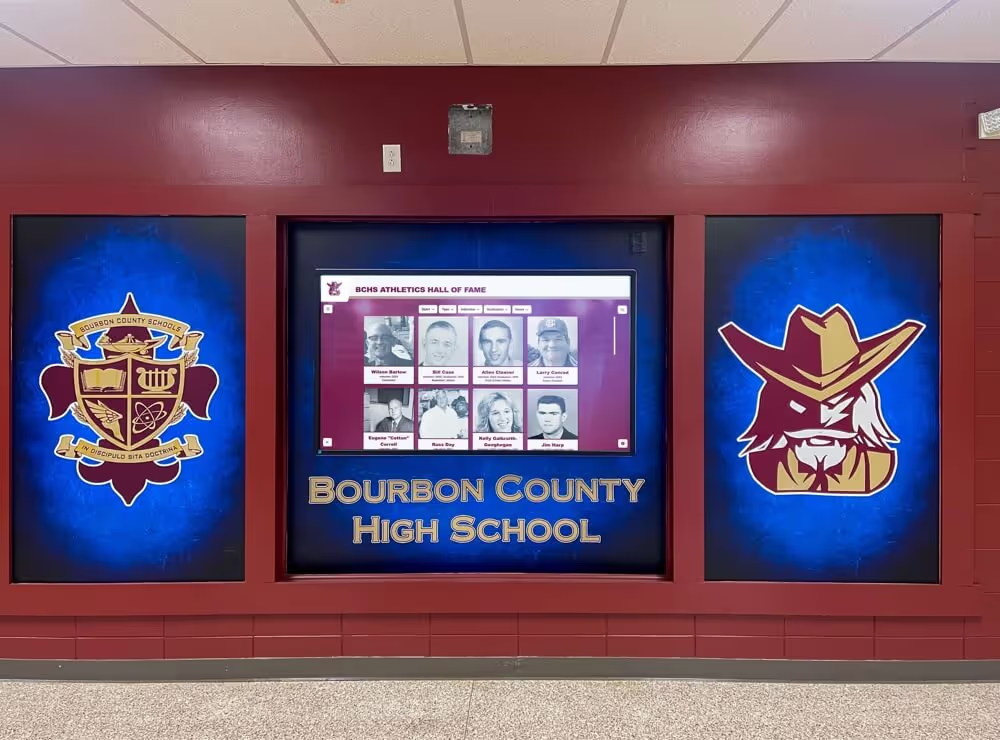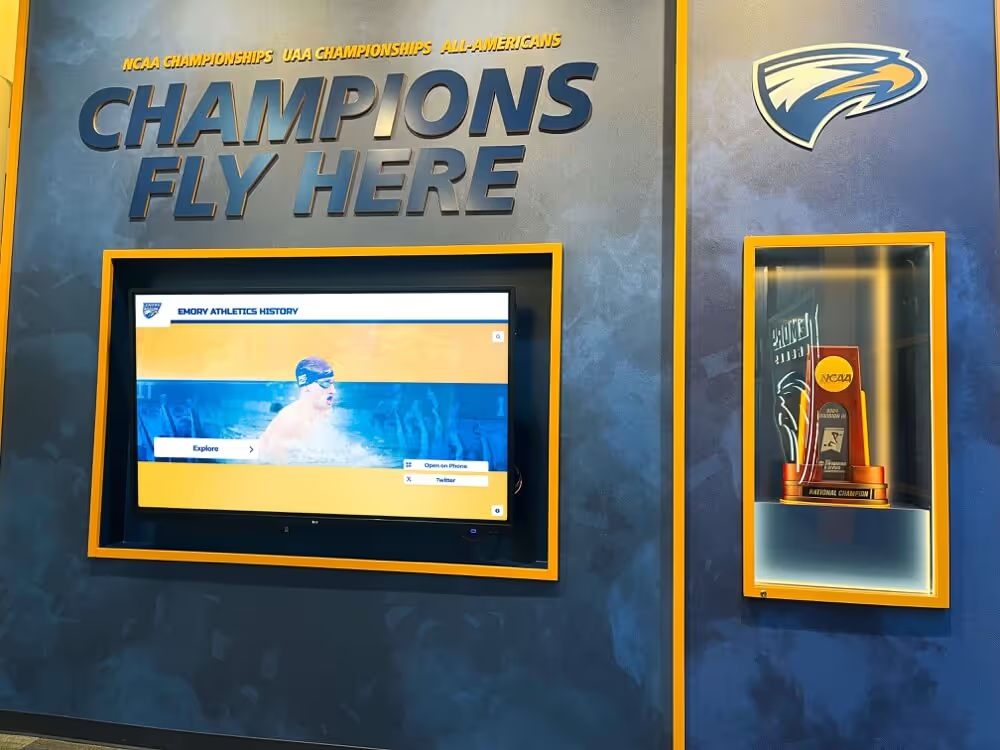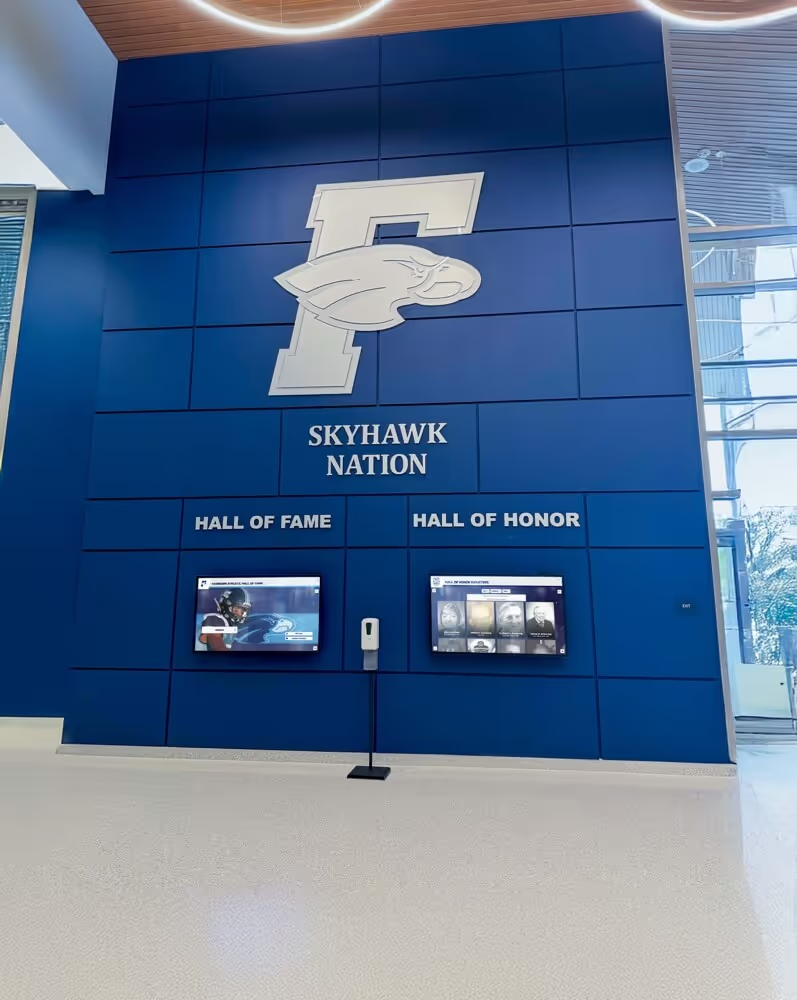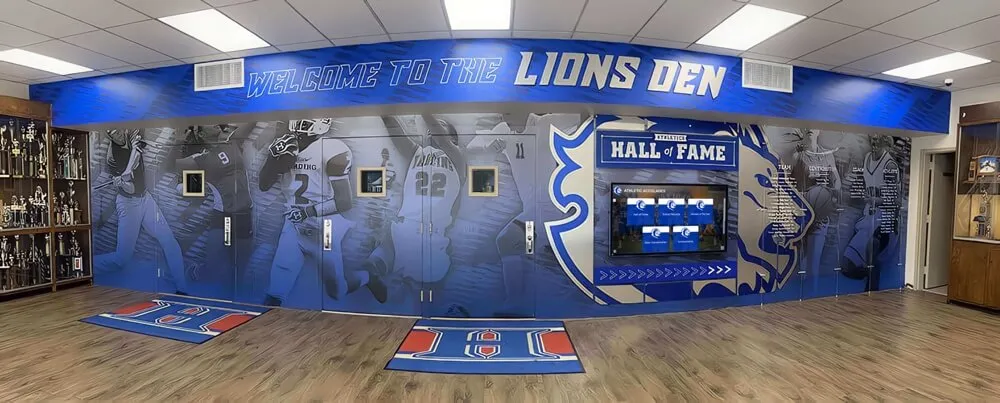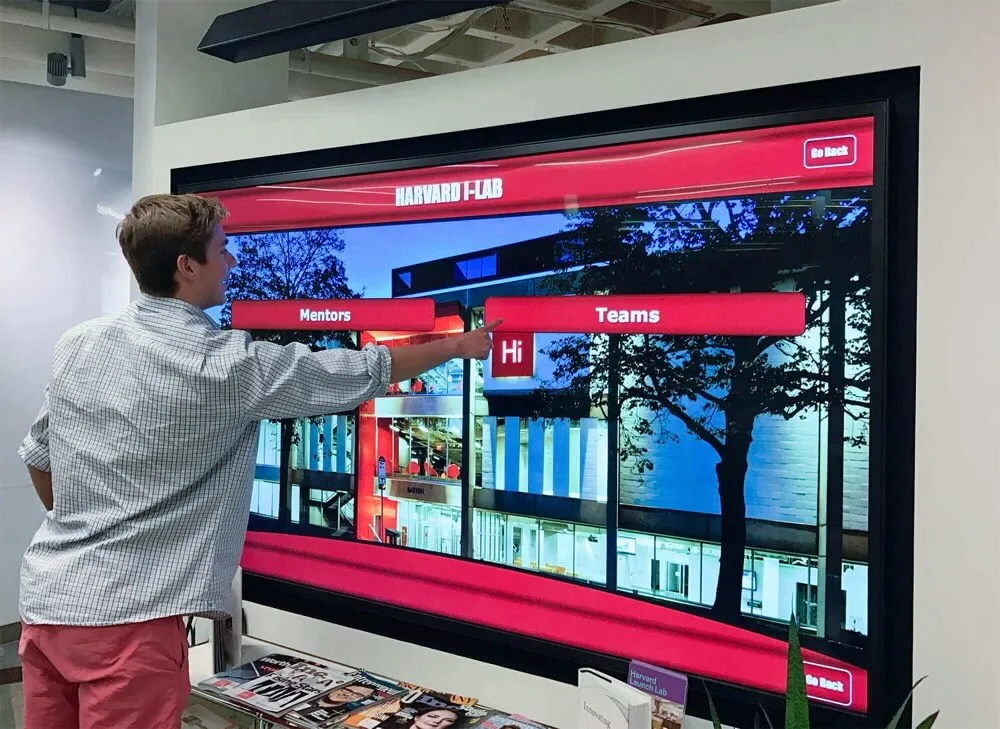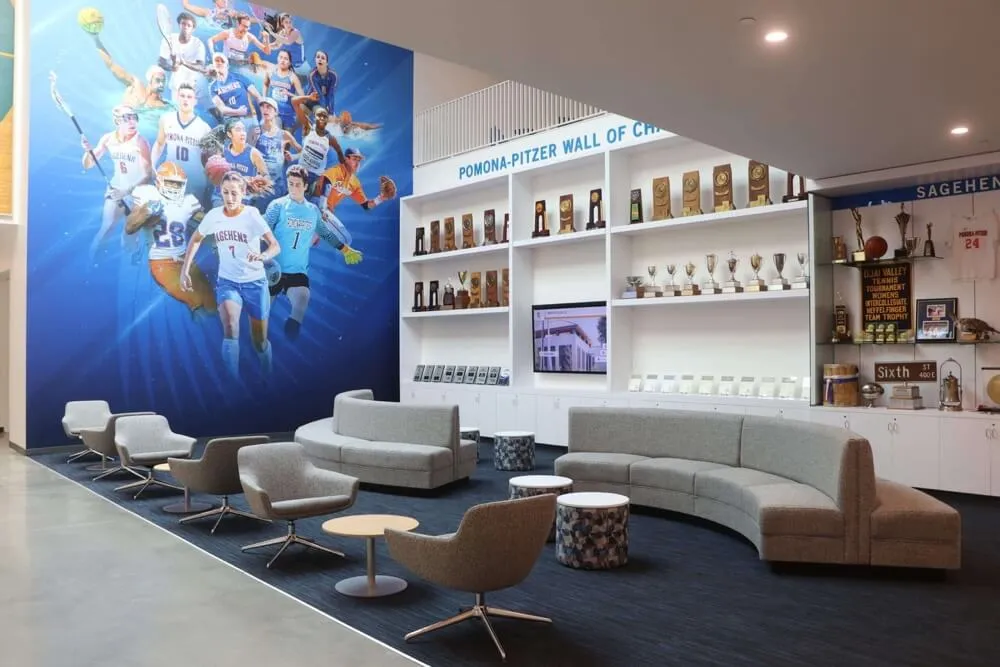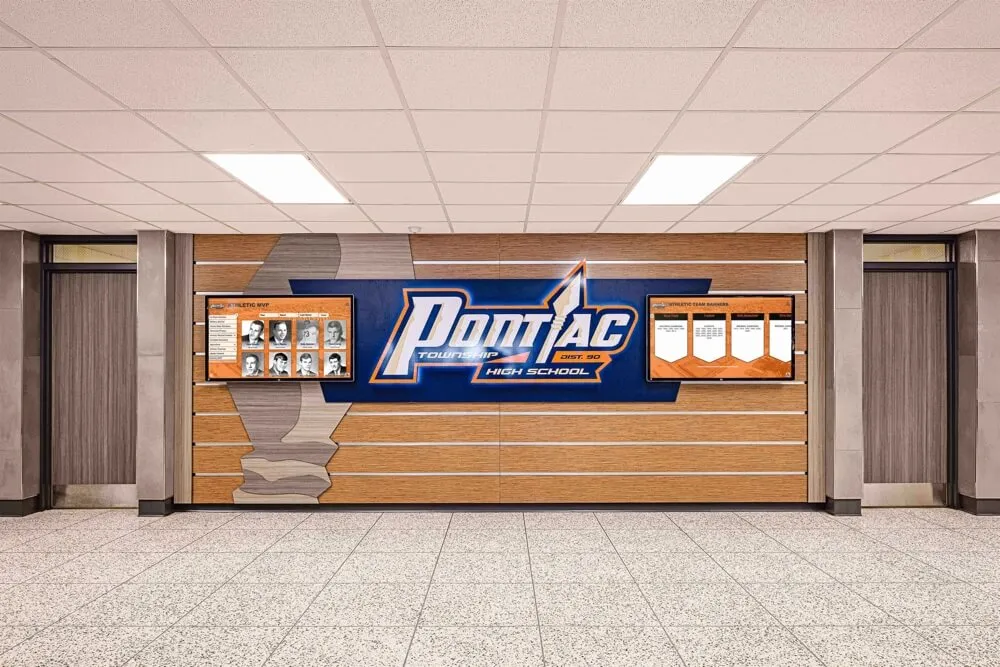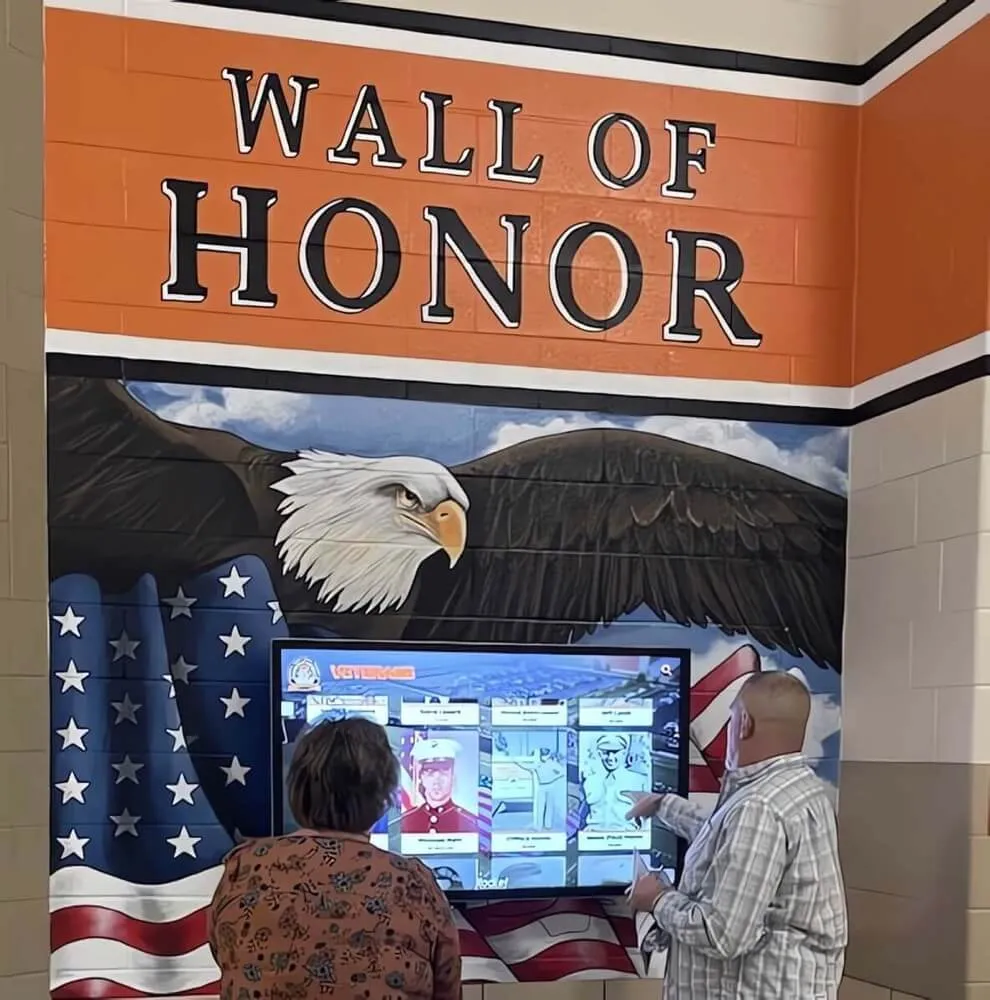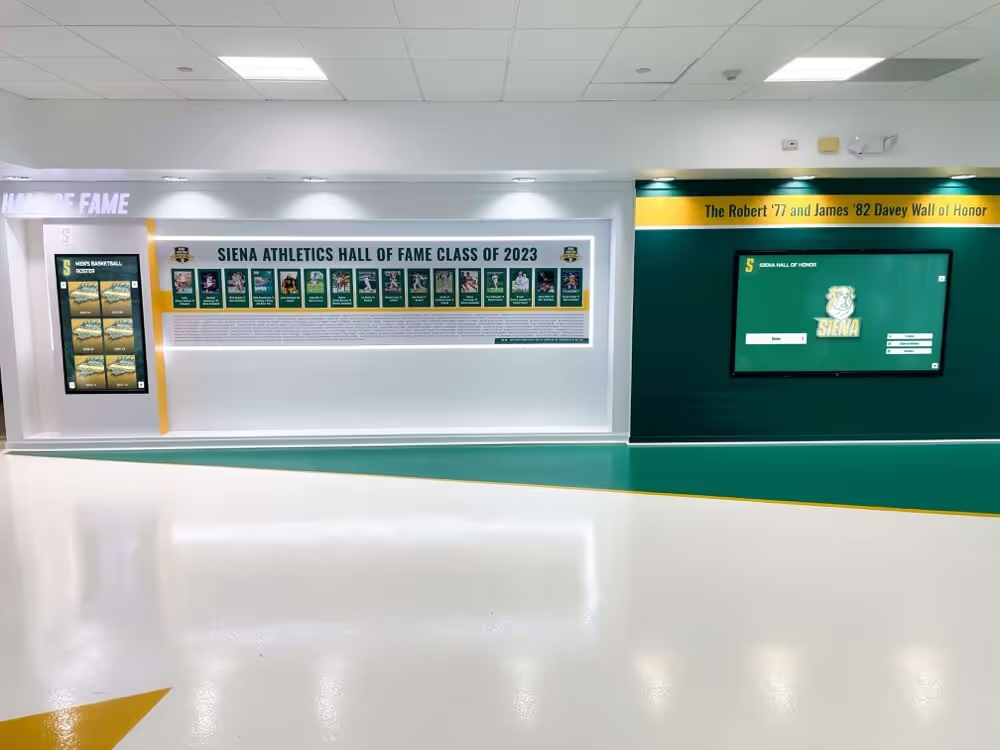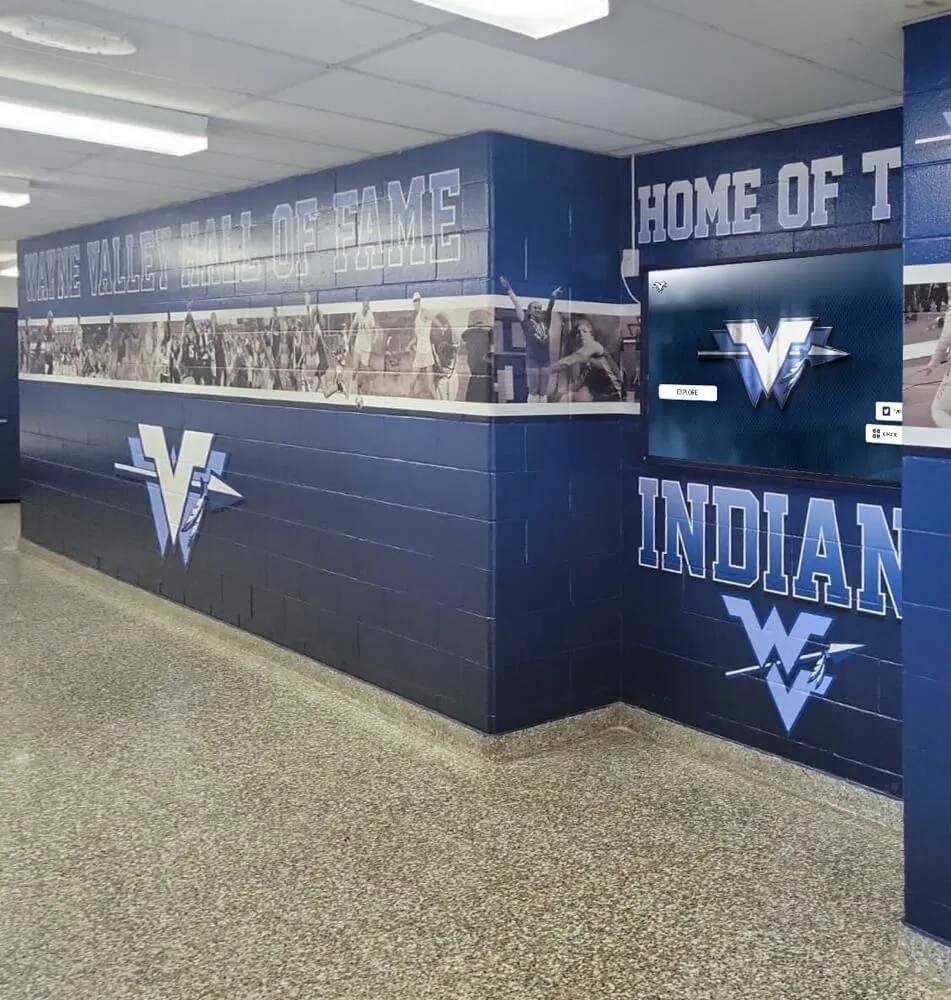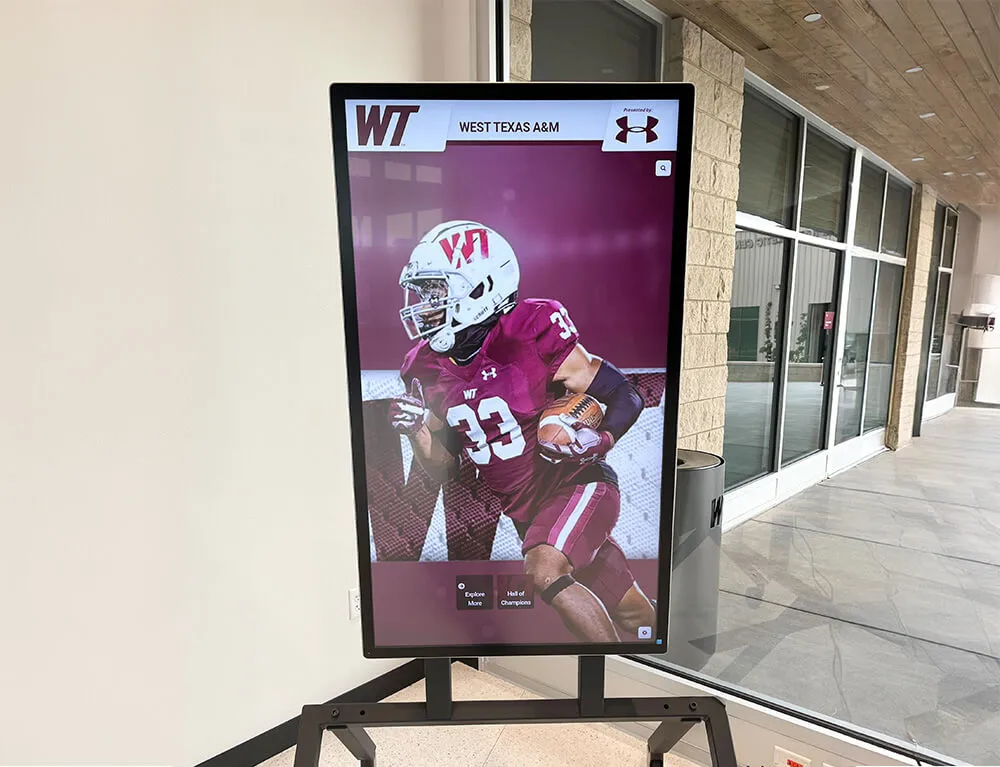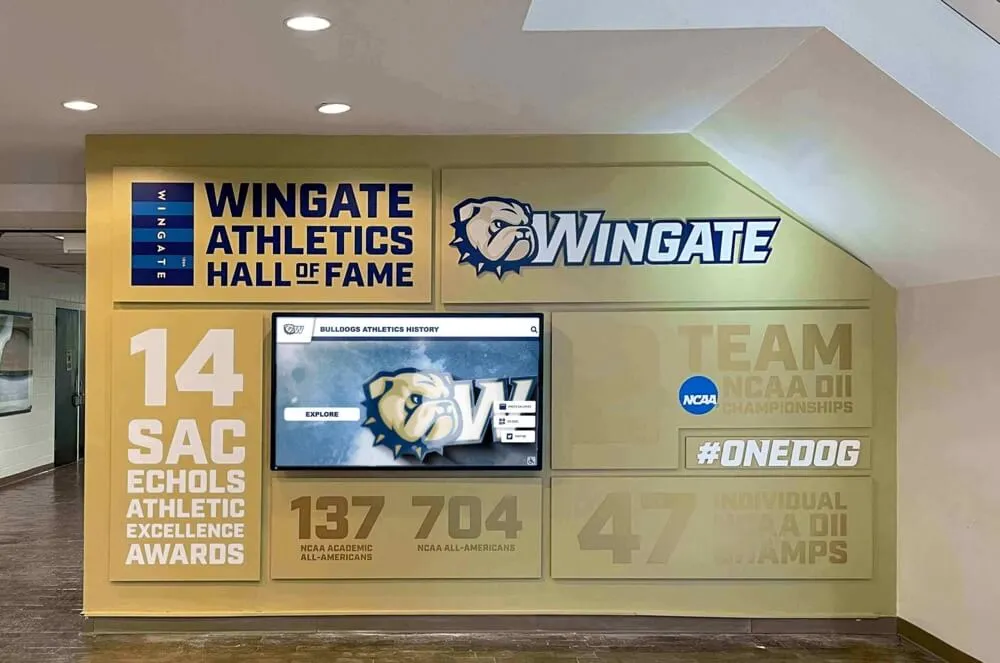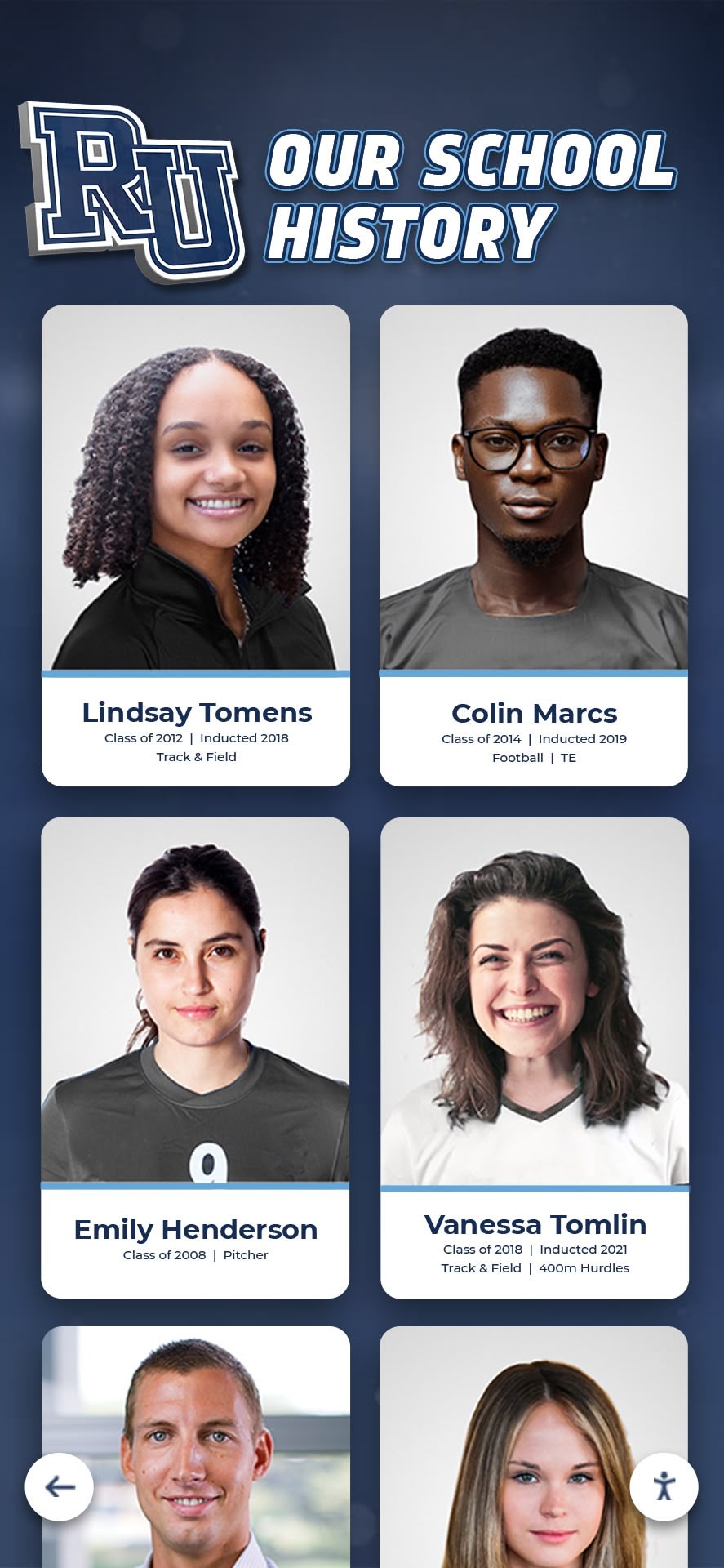




Walk into nearly any established high school or university, and you’ll find decades of class composites lining the hallways—framed grids of senior portraits organized by year, creating visual timelines of graduating classes stretching back generations. These treasured displays connect current students to institutional history while providing alumni touchstones when they return for reunions or campus visits. Yet administrators face growing frustration with physical composite limitations: wall space fills completely after just 15-20 years, recurring framing costs consume tight budgets, static displays gather dust without engaging technology-savvy visitors, and stored composites become invisible to the alumni they’re meant to honor.
Educational institutions nationwide are discovering that digital interactive class composite displays solve these persistent challenges while enhancing everything schools value about this cherished tradition. Touchscreen systems enable instant access to complete institutional photo archives organized by year, searchable by name, enhanced with biographical details, and accessible from anywhere through web and mobile platforms—all while occupying just a fraction of the physical space required by traditional framed displays.
Why Digital Interactive Class Composites Transform Recognition
Digital interactive class composite displays address the fundamental limitations of traditional flip-through displays and static framed composites. They provide unlimited capacity showing every graduating class throughout complete school history, eliminate ongoing printing and framing expenses after initial investment, enable powerful search functionality locating any graduate instantly, and create engaging interactive experiences matching how contemporary audiences expect to consume content. Modern solutions like those from Rocket Alumni Solutions combine professional presentation quality with intuitive navigation, comprehensive searchability, and remote accessibility ensuring every graduating class receives permanent, accessible recognition worthy of their educational achievement.
Understanding Traditional Class Composite Display Challenges
Before exploring digital solutions, understanding why schools seek alternatives to traditional approaches provides essential context about what drives this transformation beyond simple technology adoption.
The Physical Space Crisis
Every graduating class adds another composite requiring premium wall space, but available hallway locations remain finite. A typical high school founded in the 1970s exhausted available display space years ago, forcing impossible choices: remove older composites to storage where alumni cannot access them, crowd frames together creating cluttered unprofessional appearances, or rotate displays periodically denying continuous visibility to all classes. None of these compromises satisfies stakeholders who expect permanent recognition honoring graduating class contributions to institutional history.
Long-established institutions celebrating 75th or 100th anniversaries face particularly acute space challenges. Displaying complete institutional history using traditional framed composites would require hundreds of linear feet of wall space that simply doesn’t exist in facilities designed without anticipating cumulative recognition needs spanning entire organizational lifespans. Schools looking to celebrate milestone anniversaries often discover that digital archives and historical timelines provide more comprehensive solutions for showcasing complete institutional history.
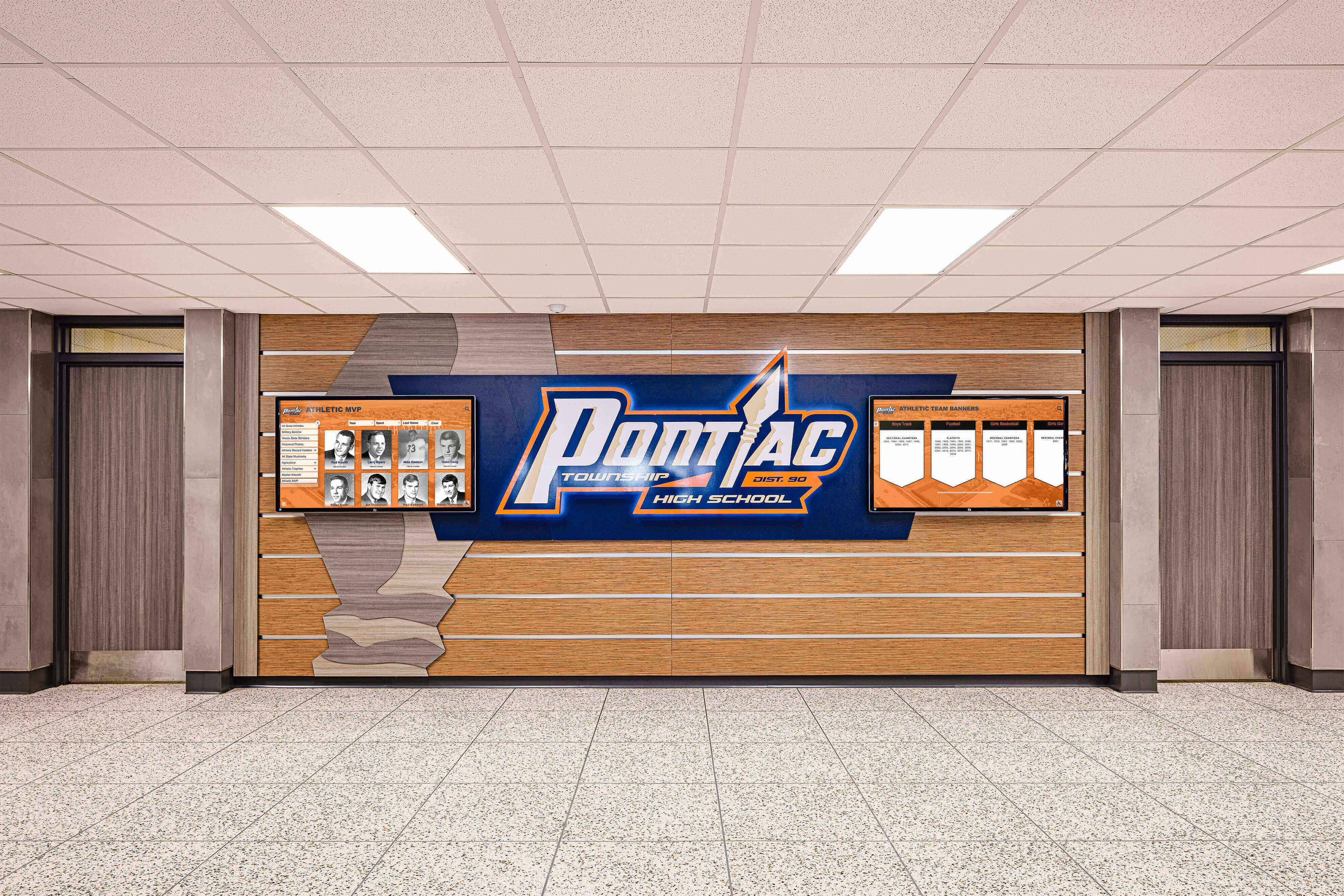
Escalating Costs Without Additional Value
Traditional composite production requires substantial annual investment across multiple expense categories: professional photography sessions ($2,500-$5,000), composite design and layout services ($300-$800), large-format printing on archival materials ($400-$1,200), custom framing and protective glazing ($200-$600), and professional mounting ($150-$400). Total annual costs typically reach $3,500-$7,000 for medium-sized schools.
Over just ten years, schools invest $35,000-$70,000 producing essentially identical products serving the same documentation purpose without building cumulative value the way digital infrastructure investments do. Over twenty years—a realistic planning horizon—costs reach $70,000-$140,000 before accounting for frame repairs, glass replacement, remounting after renovations, or reprinting when environmental exposure causes fading.
Budget-conscious administrators balancing competing demands from athletics, academics, special programs, technology infrastructure, and facilities maintenance find these recurring expenses increasingly difficult to justify when stakeholders question whether alternative approaches could serve identical recognition purposes more efficiently while providing capabilities traditional methods fundamentally cannot offer.
Physical Deterioration and Inconsistent Presentation
Physical materials inevitably deteriorate regardless of protection quality or maintenance care. UV light exposure gradually fades photographs despite protective glazing. Environmental humidity affects print substrates causing warping and discoloration. Temperature fluctuations stress materials through expansion-contraction cycles. Dust accumulation requires regular cleaning, but maintenance introduces handling risks and potential chemical damage. Frame materials themselves degrade—wood warps, finishes deteriorate, metal corrodes, mounting hardware fails.
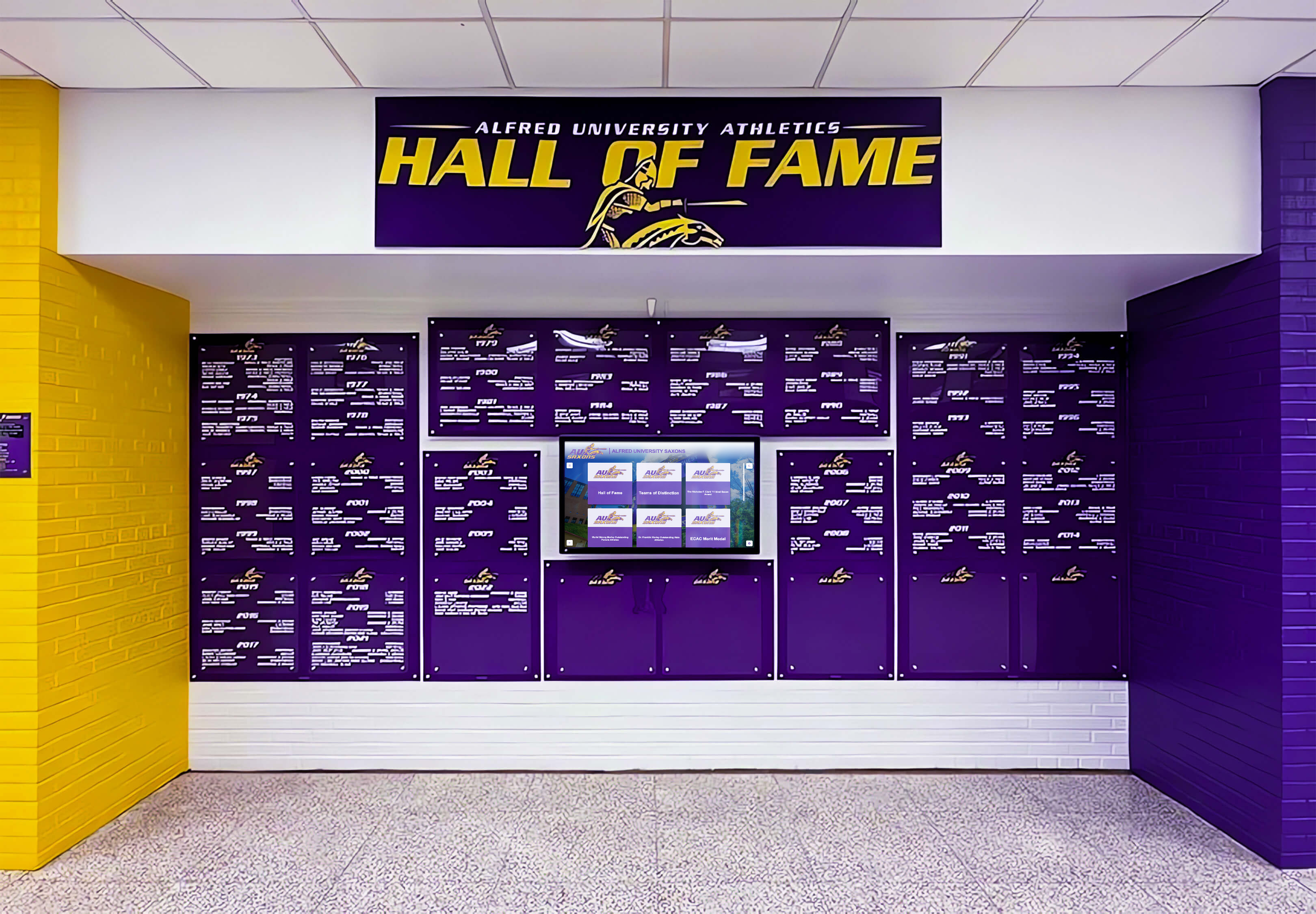
Schools discover that composites from 20-30 years ago appear significantly degraded compared to recent prints despite identical original production quality. This creates visual inconsistency where older graduating classes appear less important simply because their composites have aged poorly through no intentional neglect—a recognition paradox where maintaining traditions longer actually diminishes historical classes’ apparent value relative to recent ones.
Limited Engagement with Static Displays
Traditional composites offer only passive viewing experiences failing to engage contemporary students who grew up with smartphones and interactive technology throughout their lives. Students walk past framed composites during passing periods, glancing briefly to locate themselves or friends before moving on—average interaction time measures just 15-30 seconds.
Alumni visit during reunions seeking their composites, gather for photos beside them, then move on to other activities. Meaningful engagement largely ends there. They cannot search for specific classmates whose locations they’ve forgotten, cannot access information about where classmates went after graduation, and cannot share discoveries with extended families unable to attend events physically.
Static displays provide no contextual information beyond names, faces, and graduation years. No search capability exists in large collections spanning decades—finding specific individuals requires knowing approximate graduation years and manually browsing appropriate composites. Geographic limitations confine access to those who can physically visit campuses. No integration exists between composites and other school recognition programs showing athletic achievements, academic honors, or leadership positions that reveal fuller pictures of what classmates accomplished during and after their educational journeys. Schools implementing comprehensive academic recognition programs discover that connecting class composites with achievement displays creates more meaningful student engagement.
Digital Interactive Class Composite Display Solutions
Modern digital approaches address every major limitation confronting traditional methods while preserving everything schools value about class composite traditions. These solutions combine professional photography with interactive technology creating recognition programs that honor tradition while embracing innovation.
System Components and Architecture
Digital interactive class composite displays integrate several coordinated elements creating comprehensive recognition platforms:
Professional Digital Photography: High-resolution senior portraits captured during traditional photo days maintain professional quality while existing in digital format enabling unlimited applications. Images display on screens, print on demand when physical copies serve specific purposes, or integrate into searchable databases without quality degradation regardless of reproduction frequency.
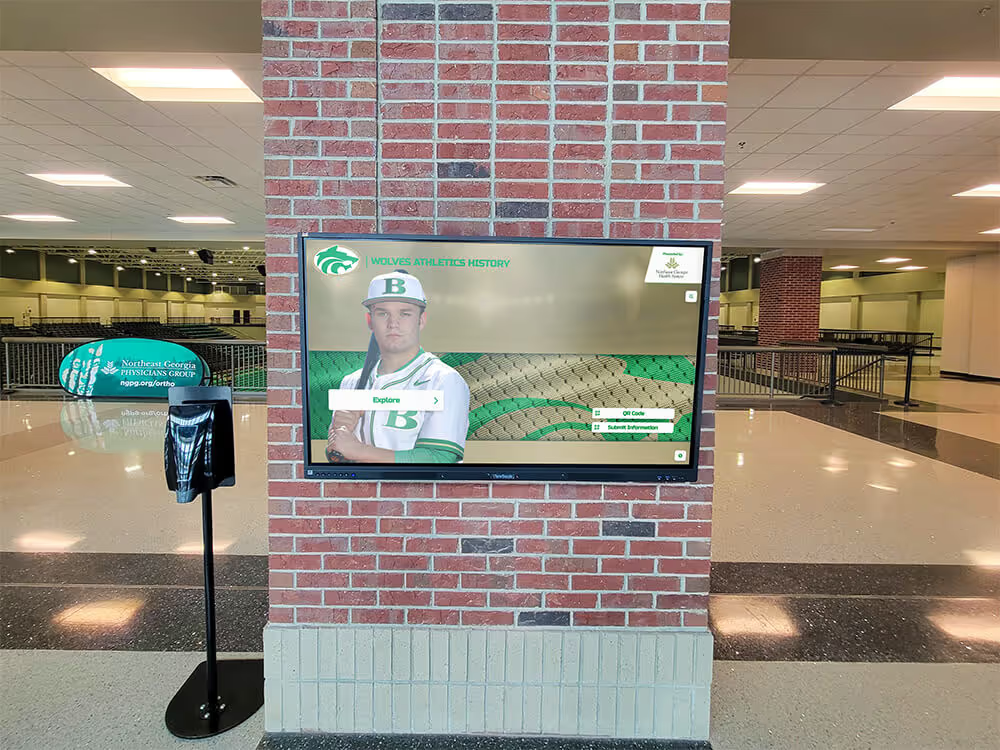
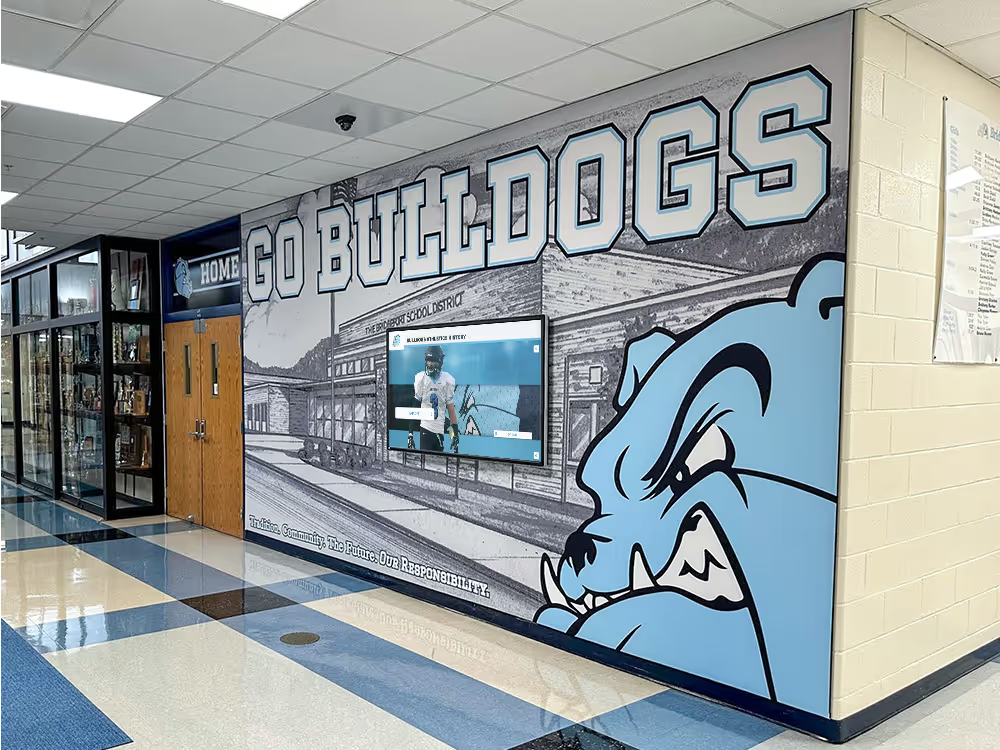
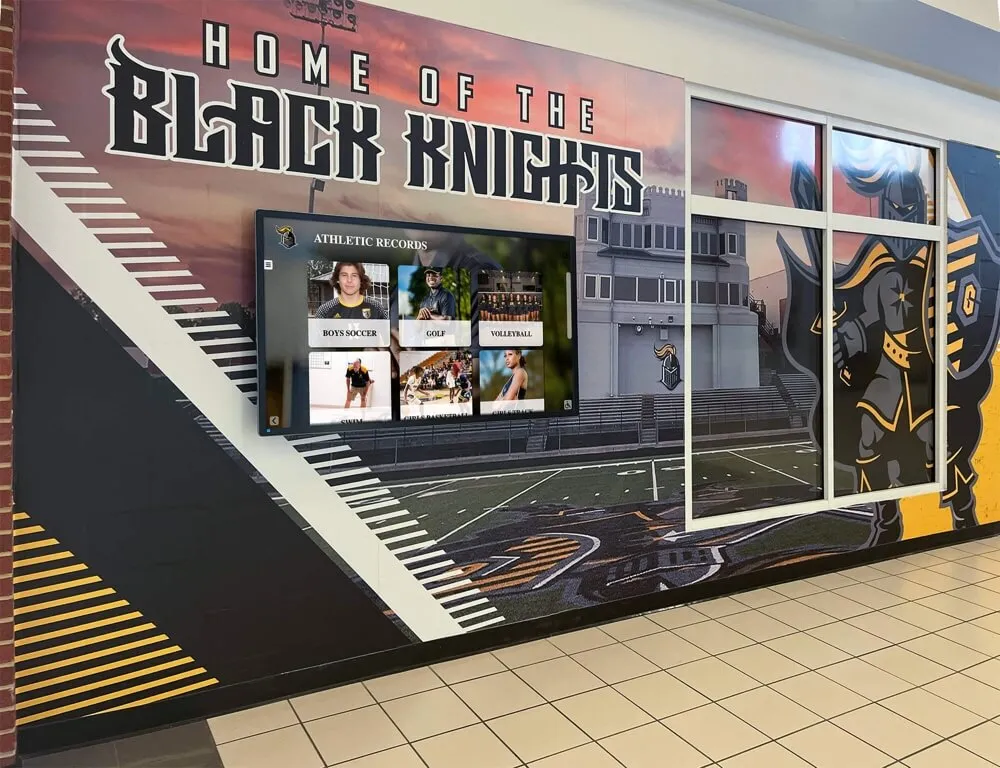
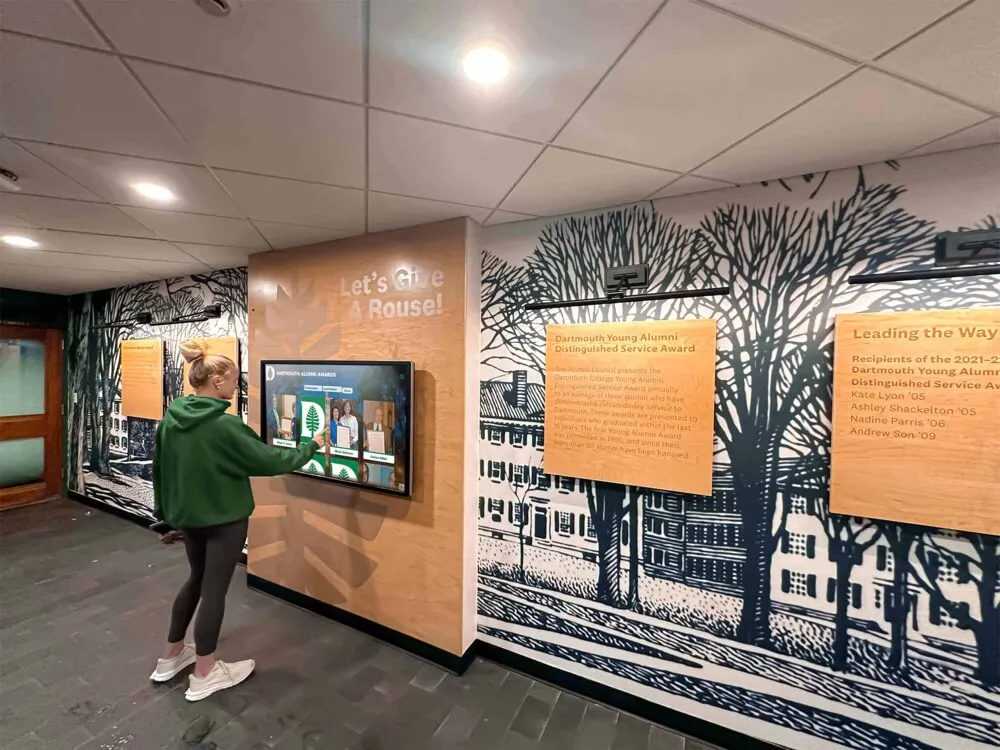
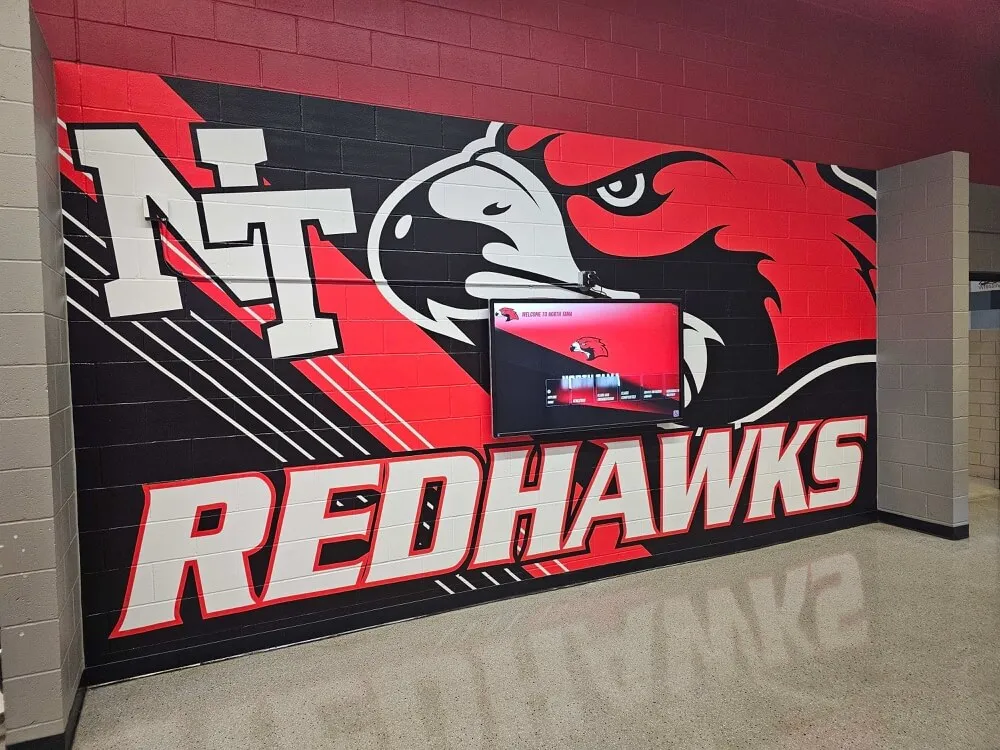
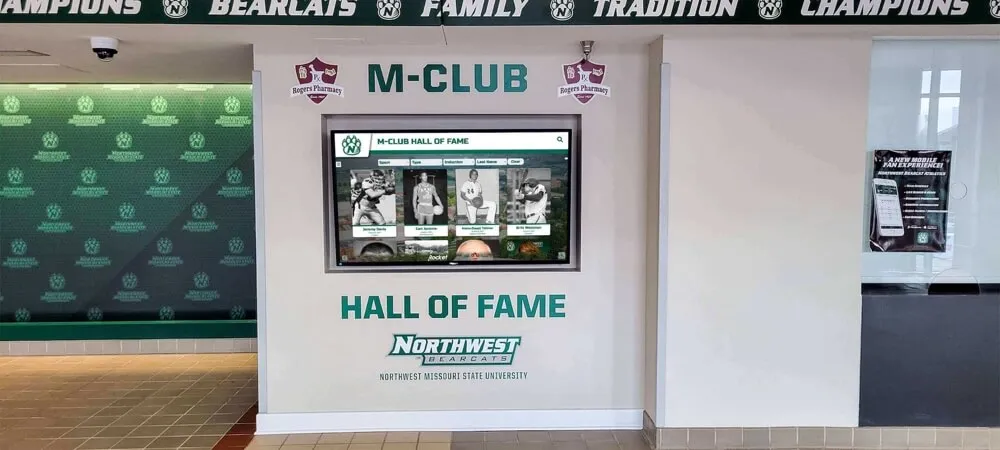
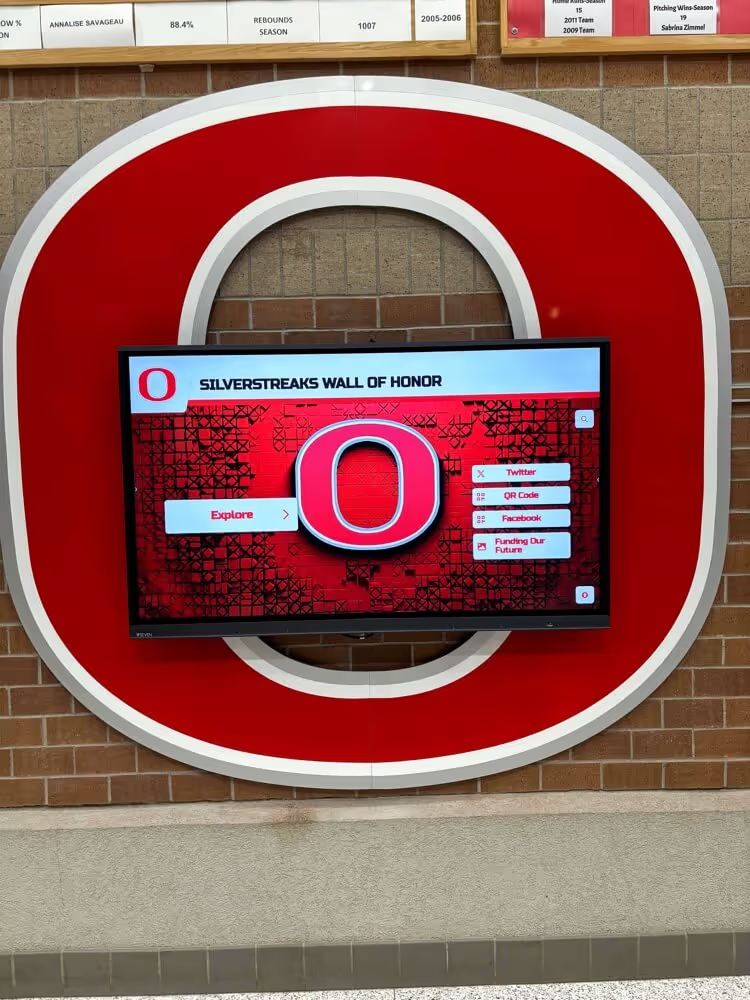
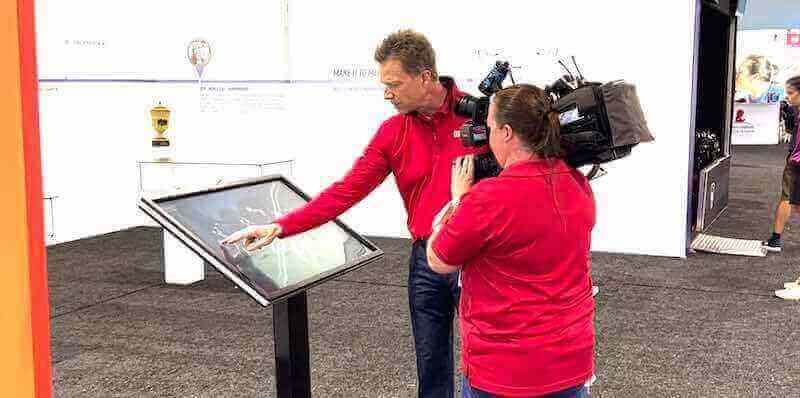
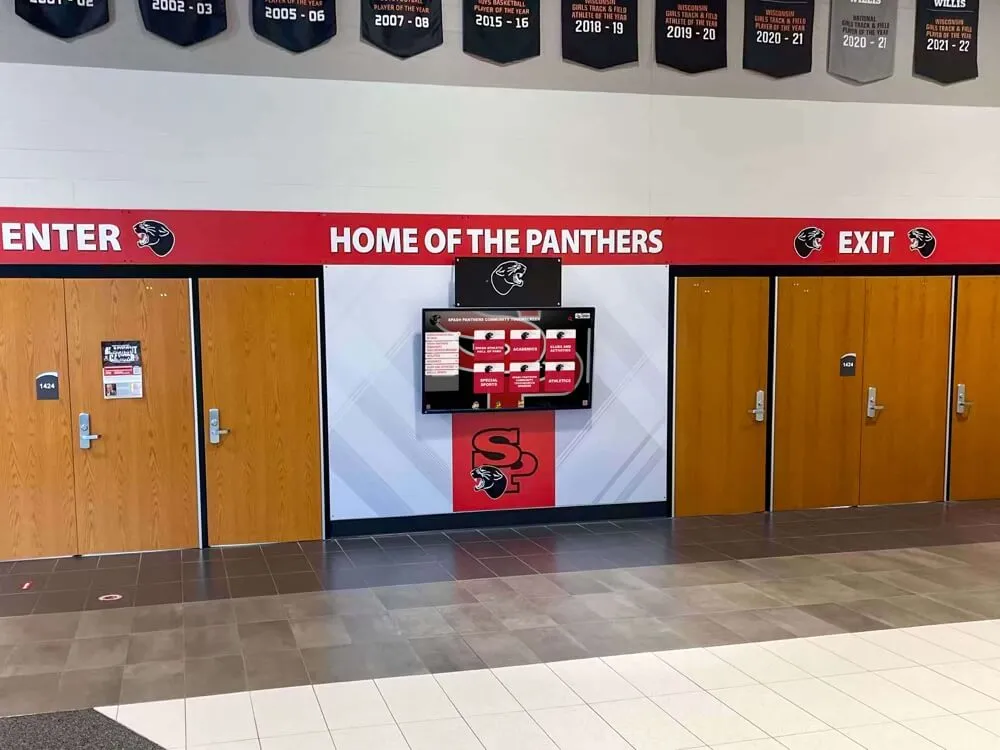
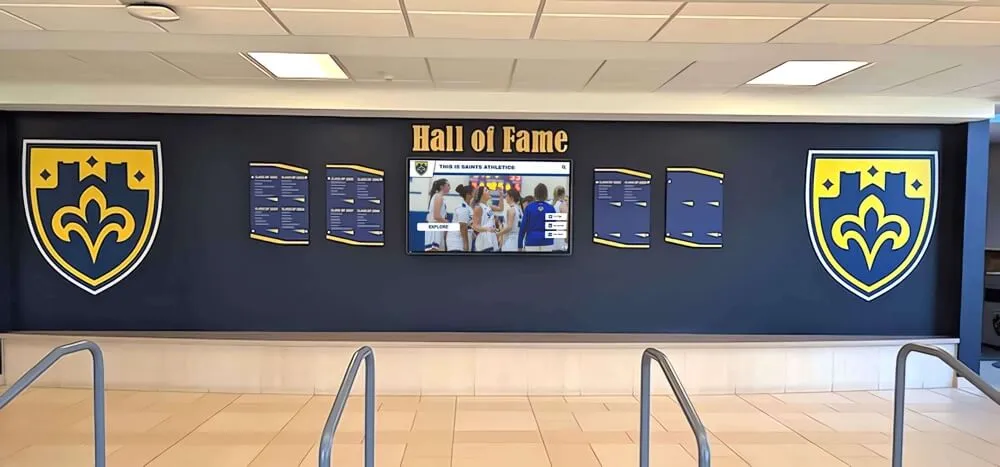
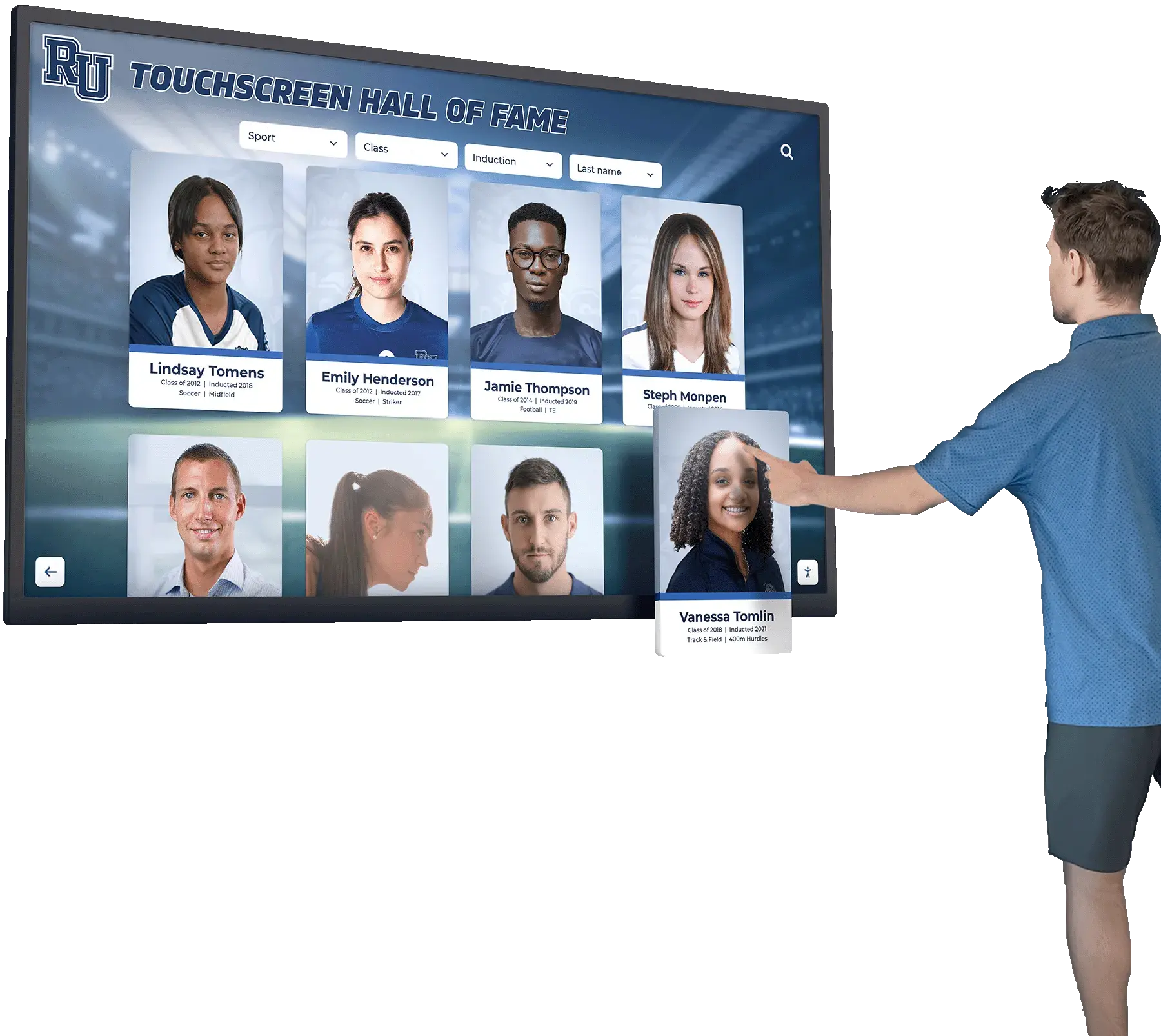
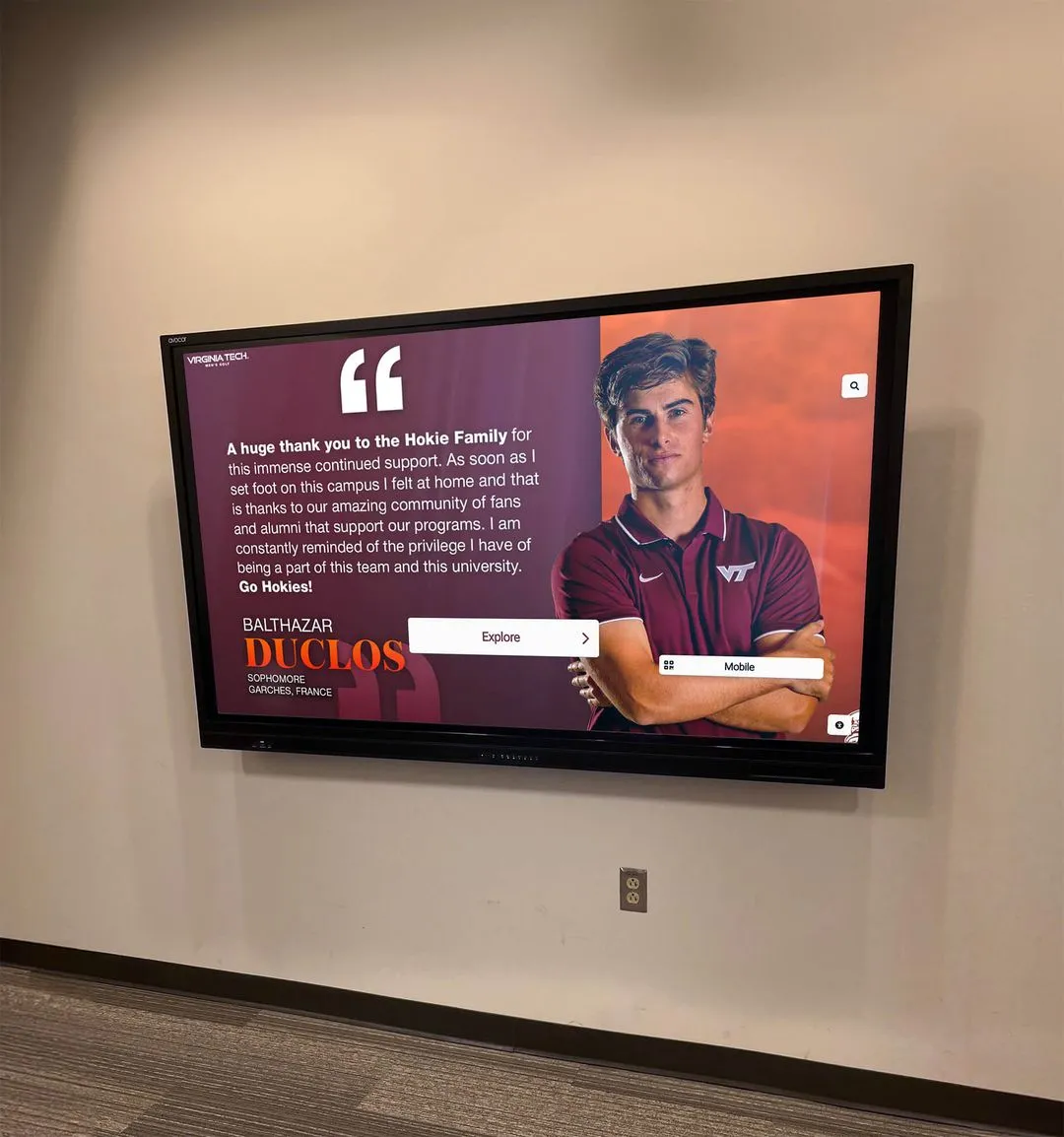
Interactive Touchscreen Hardware: Commercial-grade displays installed in high-traffic locations enable active exploration through intuitive touch interfaces. Students and visitors engage directly with content through natural gestures—swiping between years, tapping portraits for details, searching by name—rather than passively viewing unchanging prints from fixed distances. Purpose-built kiosks combine displays with attractive enclosures reinforcing school branding while protecting equipment.
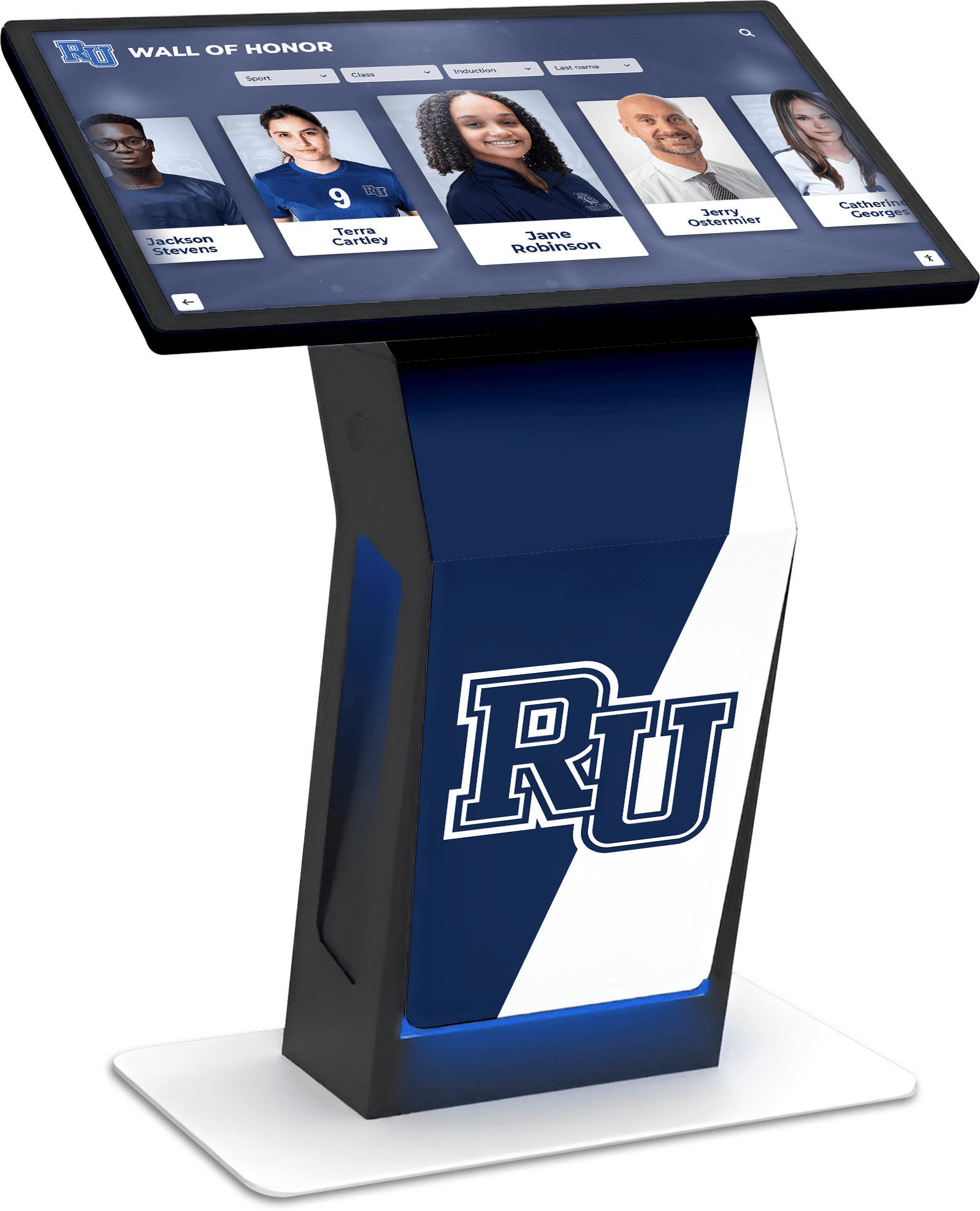
Cloud-Based Content Management: Web platforms organize all class photographs, manage composite layouts, enable administrative updates, and support simultaneous display across multiple locations. Staff members update content easily through intuitive interfaces without requiring technical expertise or IT department intervention for routine maintenance tasks.
Comprehensive Database Architecture: Powerful systems preserve all student images with searchable metadata enabling instant location of specific individuals, classes, or timeframes. Finding any graduate from any year becomes instantaneous rather than requiring physical searches through storage rooms or manual browsing across decades of hallway displays.
Multi-Platform Accessibility: Content displays on physical touchscreens, web browsers on any device, and mobile phones, extending recognition beyond those who physically visit facilities. This accessibility ensures all alumni, families, and community members can explore class composites regardless of geographic location or physical mobility limitations that might prevent campus visits.
Year-by-Year Navigation Matching Traditional Expectations
Digital systems maintain familiar year-by-year navigation that alumni expect from traditional composite displays. The opening interface presents decades chronologically—1960s, 1970s, 1980s—enabling users to browse eras matching their interests. Selecting a decade reveals individual years presented as visual thumbnails showing representative class photos.
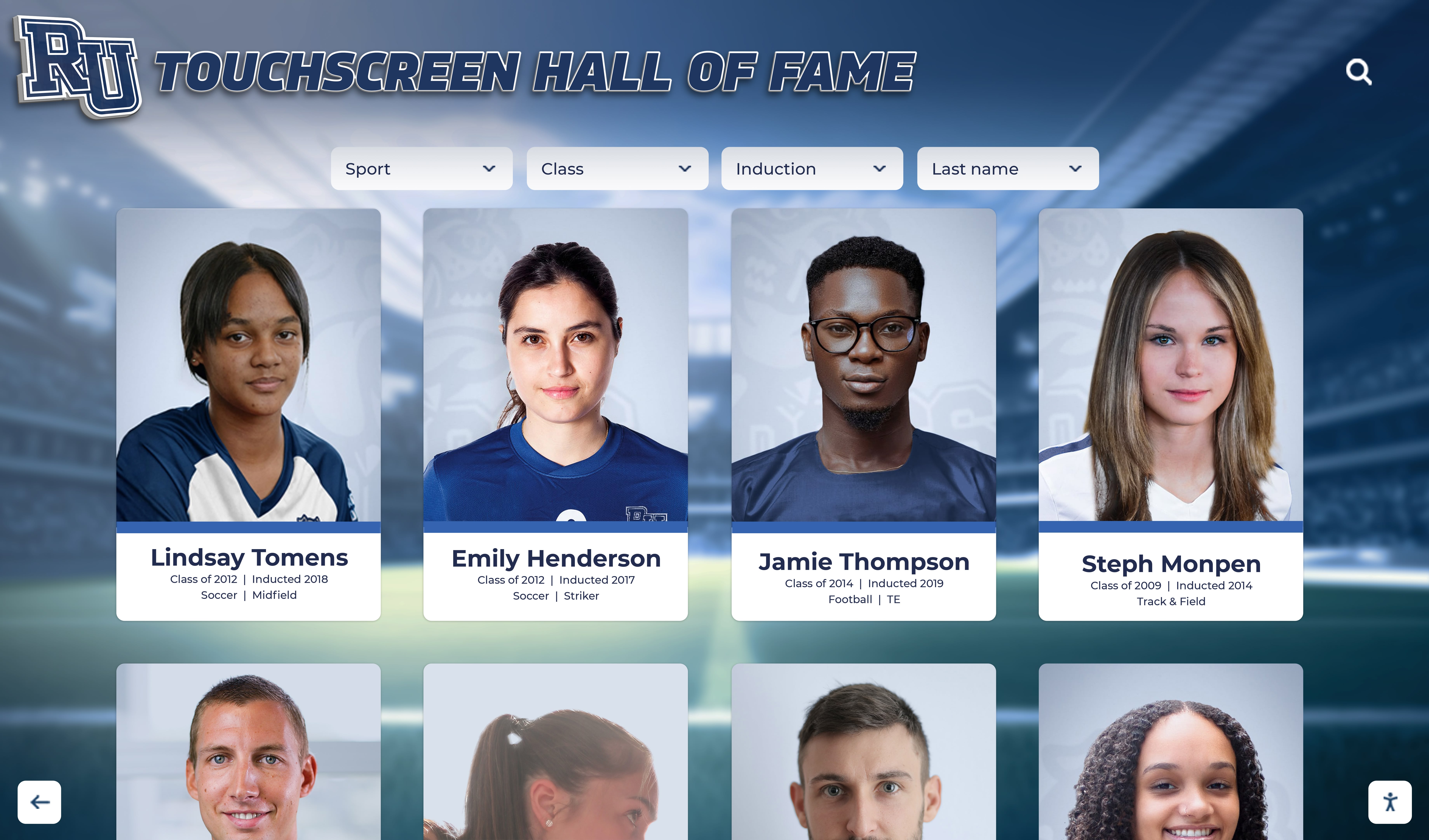
This navigation pattern feels immediately familiar to anyone who has browsed traditional physical composites, reducing learning curves and ensuring that even visitors unfamiliar with interactive technology can successfully locate specific graduating classes. The digital approach maintains the chronological browsing experience while adding instant search capabilities for users who want direct access to specific individuals without manual browsing.
Within each class year, individual portraits appear in grid layouts resembling traditional printed composites, maintaining visual continuity with familiar formats. Users can view complete class overviews showing all graduates simultaneously or tap individual portraits to access detailed profiles with biographical information, post-graduation updates, and connections to other recognition programs.
Powerful Search Eliminating Manual Browsing
The most transformative capability digital systems provide is comprehensive search functionality instantly locating any graduate from any year throughout complete institutional history. Alumni uncertain about exact graduation years simply enter names, and the system returns matching results across decades—capability impossible with physical displays requiring manual browsing through storage rooms or hallway walls.
Search extends beyond simple name matching. Advanced systems enable filtering by activities, sports participation, honors received, current geographic location when “where are they now” data gets collected, professional fields, or family connections identifying all relatives who attended the same institution. These capabilities transform class composites from static documentation into dynamic exploration tools revealing connections and patterns invisible in traditional presentations.
Reunion planning committees use search functionality to identify all class members systematically, ensuring comprehensive invitation lists. Current students search for older siblings, parents, or family friends who attended the same schools, discovering personal connections to institutional history that build stronger school identity. Researchers investigating historical questions access complete demographic data spanning entire institutional lifespans rather than relying on incomplete archives.
Enhanced Profiles Beyond Photography Alone
Digital platforms enable far richer individual profiles than name-and-photograph alone, creating meaningful context bringing class members to life beyond simple visual documentation.

Foundational profile elements include full names with nicknames or preferred names students want displayed, high-quality professional portrait photographs meeting consistent quality standards, graduation years and specific dates, and academic programs or diploma types if schools offer multiple tracks.
Enhanced content adds activities and clubs participated in during school years, academic honors including honor roll membership or special awards, leadership roles such as student government positions or team captain responsibilities, memorable quotes or senior statements students want preserved, and post-graduation plans including college commitments or career intentions documented at graduation.
Advanced alumni information progressively enriches profiles over time: current cities of residence enabling geographic networking, professional occupations and career fields, notable accomplishments or recognition received post-graduation, family information including children who become legacy students attending the same schools, alumni association involvement and reunion attendance history, and contact preferences for relationship maintenance and reunion planning.
This progressive information richness transforms static graduation snapshots into evolving narratives documenting complete life journeys. While basic profiles provide essential identification, enhanced content creates engagement building emotional connections and institutional pride extending far beyond simple recognition of graduation completion.
Comprehensive Benefits for Schools and Communities
Institutions implementing digital interactive class composite displays discover advantages spanning administrative efficiency, cost savings, engagement improvements, and entirely new recognition capabilities impossible with traditional methods.
Unlimited Capacity Across Complete Institutional History
A single 55-inch touchscreen showcases detailed professional-quality views of hundreds of class composites—content requiring 100+ linear feet of premium hallway space using traditional framed prints. Schools finally display complete graduating class collections spanning entire institutional histories rather than making impossible choices about which classes deserve limited wall space while others get relegated to storage.
This unlimited capacity fundamentally transforms recognition equity. Every graduating class throughout complete school history receives equal treatment regardless of when students attended. The Class of 1965 appears as prominently and accessibly as the Class of 2026, creating equitable recognition honoring all alumni equally rather than privileging recent classes simply because they fit available physical space.
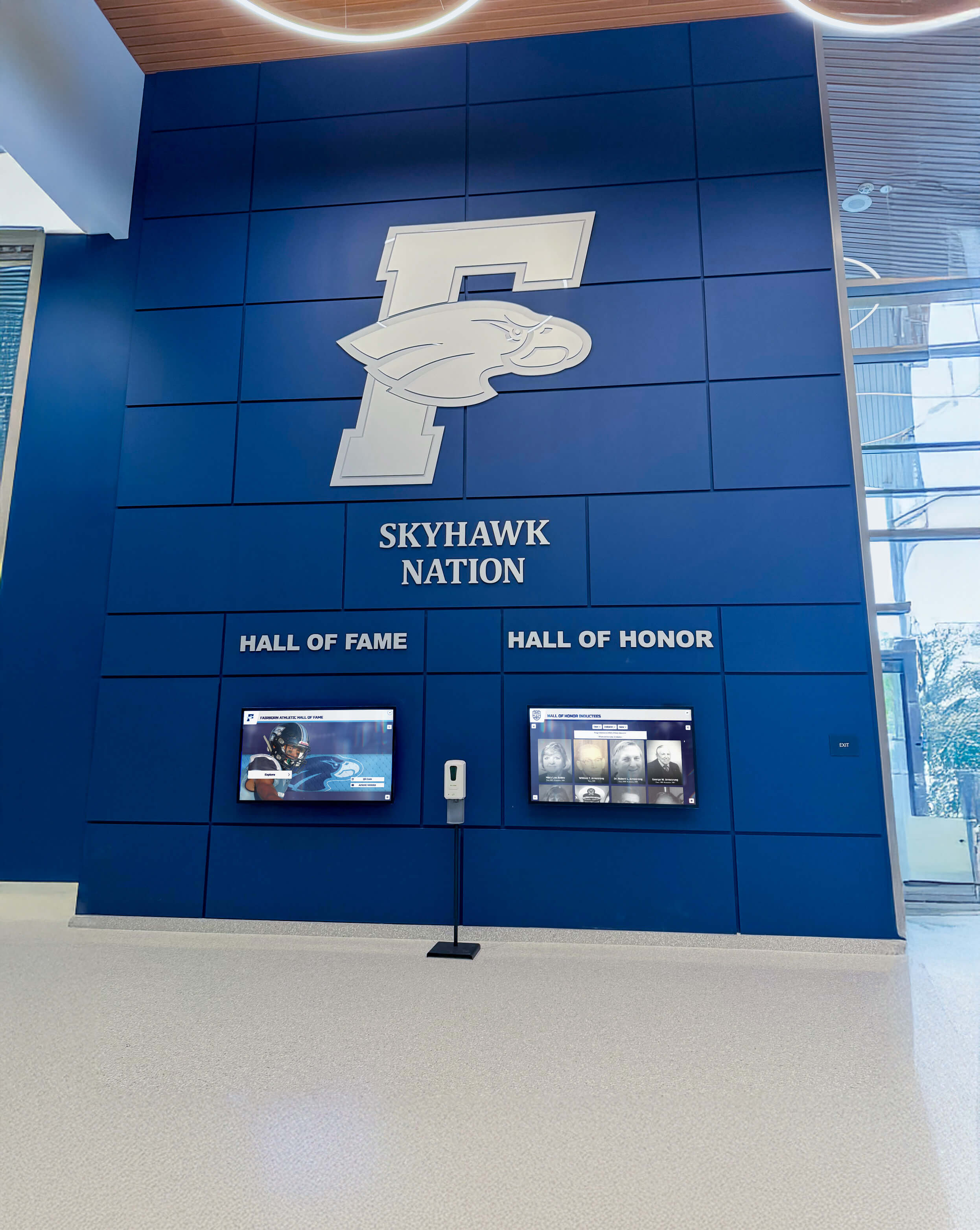
Comprehensive capacity also enables powerful browsing functionality across complete timelines. Users view every graduating class chronologically, compare class sizes and demographics across decades, identify family connections where multiple generations attended the same institution, and explore institutional evolution through visual documentation spanning entire organizational lifespans. Solutions like digital school history displays and comprehensive yearbook archives provide this unlimited capacity addressing fundamental space limitations.
Dramatic Long-Term Cost Advantages
While digital systems require meaningful upfront investment, total cost of ownership over realistic 10-20 year evaluation periods proves substantially lower than traditional approaches once you calculate cumulative recurring expenses physical composites demand.
Digital system investment: $8,500-$18,500 including commercial-grade touchscreen with mounting, recognition software licensing, professional installation including electrical and network infrastructure, and initial content digitization. Annual operating costs: $700-$1,900 including software maintenance, display upkeep, and content management.
15-year total cost of ownership: $19,000-$47,000 for comprehensive digital systems serving schools with graduating classes of 50-150 seniors annually.
Compare this to traditional composite costs of $3,500-$5,000 annually multiplied by 15 years = $52,500-$75,000, not including frame repairs, remounting expenses, or reprinting faded composites. Digital systems achieve break-even within 3-5 years, then deliver ongoing savings plus dramatically superior capabilities traditional approaches cannot match regardless of investment levels.
Enhanced Engagement Through Interactive Experiences
Interactive digital displays create engagement opportunities fundamentally impossible with static physical prints. Average interaction time with digital composites runs 4-7 minutes compared to 15-30 seconds for traditional displays—a 10-20x increase. This dramatic improvement stems from active exploration versus passive viewing—users aren’t simply glancing at unchanging images but actively searching, discovering, and exploring comprehensive information.
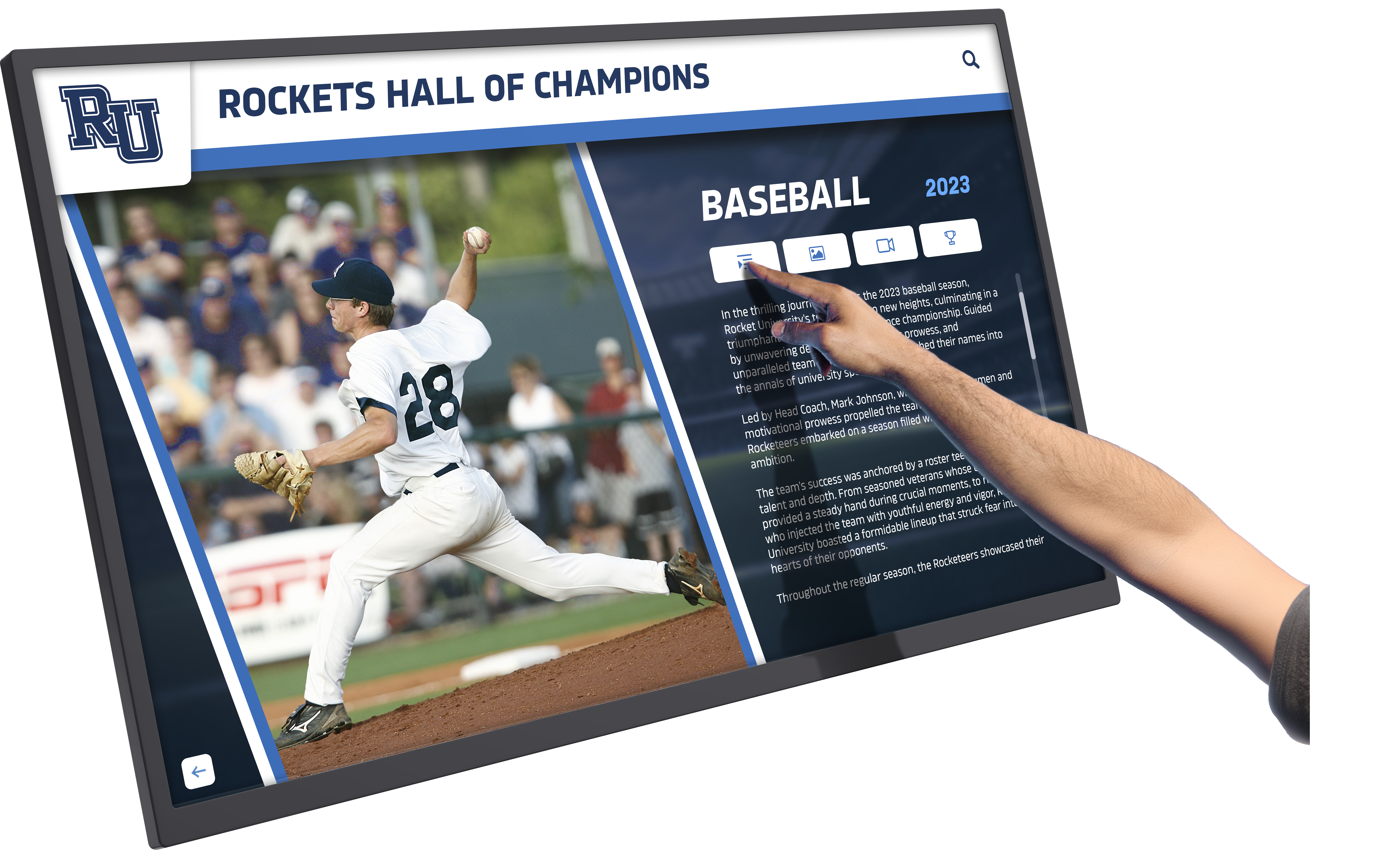
Current students search for older siblings, parents, cousins, or family friends who attended the same schools, discovering personal connections to institutional history. This relevance builds stronger school identity compared to viewing anonymous faces without personal significance. Students explore how their relatives appeared during school years, comparing across generations.
Alumni visiting during reunions don’t just locate their own classes—they explore adjacent years finding friends from other grades, teachers who also appeared, and siblings separated by multiple years. Alumni report spending 20-30 minutes exploring digital displays during reunion visits compared to 2-3 minutes with traditional composites.
Prospective families touring schools during admission processes explore composite history understanding community demographics, institutional longevity, and cultural evolution across decades. Digital composites become recruitment tools demonstrating institutional stability and tradition beyond simple marketing presentations.
Remote Accessibility Expanding Recognition Reach
Geographic limitations no longer confine class composite access to those who can physically visit campuses. Web and mobile platforms enable alumni anywhere worldwide to explore composites, share discoveries with families who never attended these institutions, and maintain connections to graduating class communities regardless of distance.
This remote accessibility dramatically expands engagement reach. Alumni living across countries or continents access the same comprehensive content available on physical campus displays. Family members unable to attend reunion events explore composites independently. Researchers investigating historical questions access complete archives without coordinating physical visits to institutional facilities.
Social media integration enables easy sharing of discovered composites, generating organic school promotion when alumni post throwback photos to Facebook or Instagram. This social amplification extends recognition visibility far beyond direct system users while creating positive institutional publicity through authentic personal sharing rather than formal marketing campaigns. Schools focused on strengthening alumni engagement find that accessible digital composites become powerful relationship-building tools.
Seamless Integration with Comprehensive Recognition
Digital class composite systems work most powerfully when integrated within broader student recognition strategies rather than existing as isolated standalone solutions. Student photographs captured for class composites connect directly to athlete profiles in digital trophy cases and athletic halls of fame, creating comprehensive individual records showing both academic identity and athletic achievement.
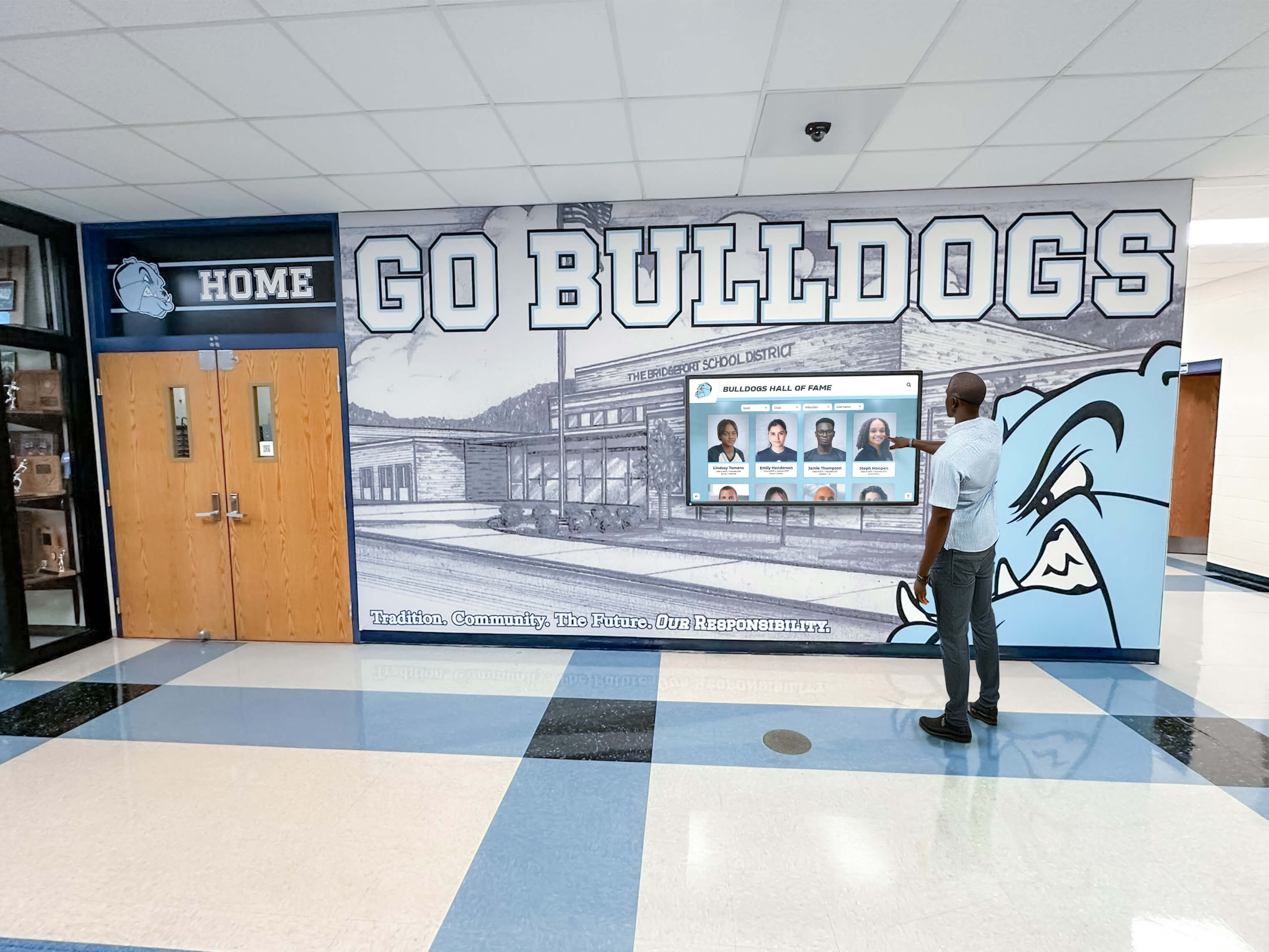
Links to honor roll displays and academic recognition programs add context about graduates’ educational accomplishments beyond simple class membership. Digital systems show which composite members earned valedictorian honors, received scholarships, achieved perfect attendance, or participated in honor societies—information impossible to convey through physical grid layouts limited to faces and names. Schools celebrating reunion milestones find digital composites become centerpieces for alumni reconnection events.
Alumni hall of fame entries naturally incorporate senior portraits from graduation years, showing honorees as they appeared during school years while contemporary information documents post-graduation accomplishments. This temporal connection helps current students understand that today’s distinguished alumni were once students just like them, making achievement feel more attainable.
Implementation Strategies for Successful Deployment
Schools implement digital interactive class composite displays through various approaches depending on budget constraints, timeline pressures, existing resources, strategic objectives, and stakeholder preferences requiring accommodation during change management processes.
Complete Digital Transformation
Some schools fully transition from physical to digital composites, eliminating traditional printing entirely except for special requests. Annual photo day continues identically with professional photographers capturing high-quality portraits, but images feed directly into digital systems for immediate display rather than going to printers for physical reproduction.
This approach maximizes cost savings by eliminating all recurring printing and framing expenses annually. After initial digital infrastructure investment, per-class marginal costs drop to essentially zero beyond photographer fees schools already paid with traditional approaches. Complete digital transformation works particularly well for:
- Schools with severe space constraints where no additional wall space exists
- Budget-conscious institutions seeking maximum cost efficiency
- New schools establishing traditions from scratch without legacy physical expectations
- Institutions embracing comprehensive digital transformation across operations
- Schools with strong technology-savvy leadership championing innovation
Hybrid Physical-Digital Approaches
Many schools prefer hybrid models maintaining some physical composites while supplementing with digital capabilities solving space, accessibility, and engagement limitations traditional methods alone cannot address.
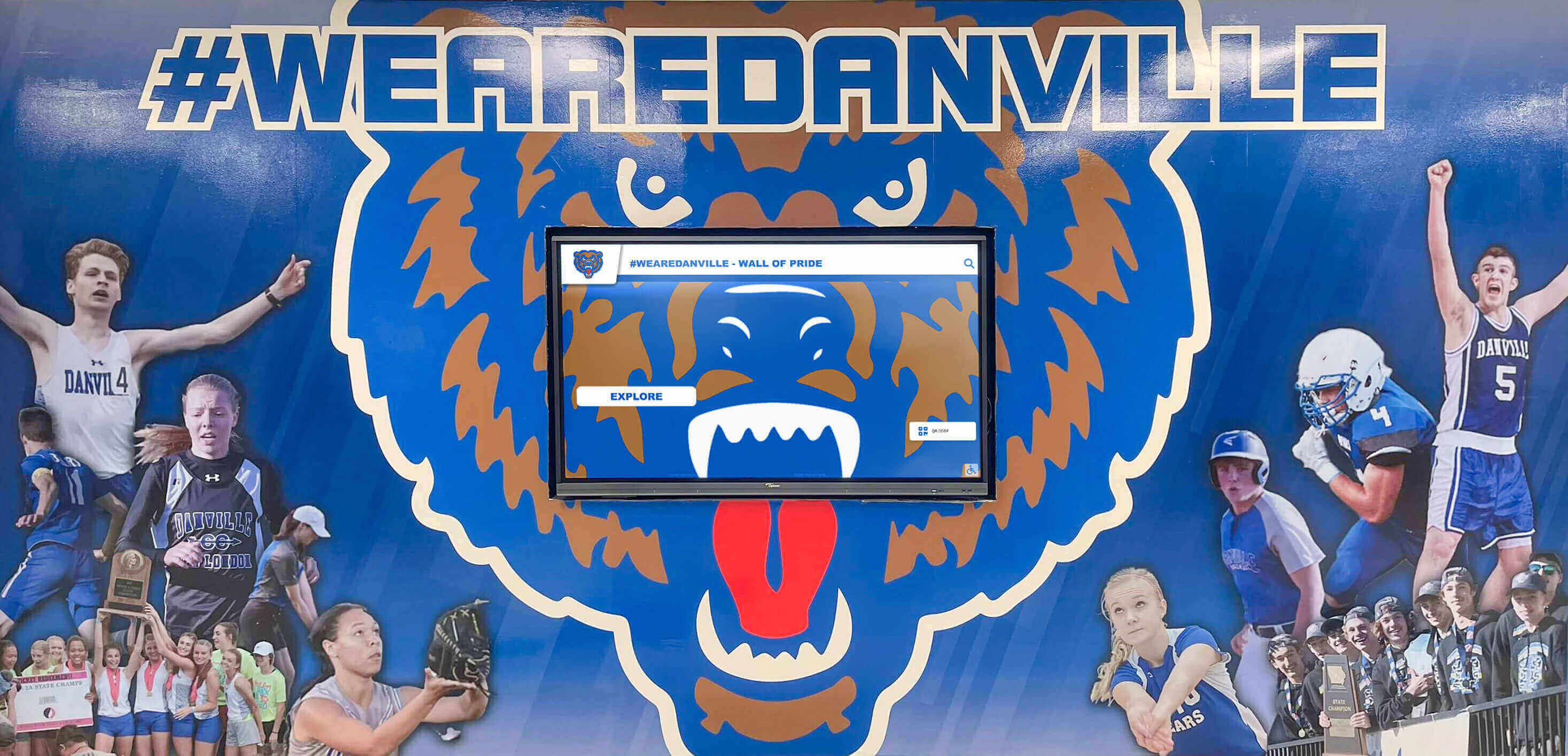
Current graduating class composites get printed and framed traditionally, maintaining familiar physical presence satisfying stakeholders valuing tangible recognition. However, adjacent interactive touchscreens provide complete access to all historical composites plus enhanced features physical prints cannot offer—search capabilities, biographical information, alumni updates, and connections to other recognition programs.
This model satisfies diverse stakeholder preferences during transition periods. Traditionalists see preferences honored through continued printing for recent classes. Technology advocates appreciate modern capabilities addressing historical limitations. Hybrid approaches work particularly well for:
- Schools with strong attachment to traditional physical composites
- Institutions managing stakeholder change resistance through gradual transition
- Communities where some physical recognition maintains ceremonial importance
- Schools wanting maximum flexibility serving diverse preferences simultaneously
- Situations where current senior class families purchased composites expecting physical display
Phased Implementation Over Multiple Years
Budget-constrained schools often implement digital composites through phased approaches spreading costs across multiple fiscal years while building capabilities systematically toward comprehensive eventual systems.
Example Phased Timeline:
Year 1 ($3,000-$6,000): Digitize existing historical composites through high-quality scanning, establish cloud-based digital archives with proper organization, implement web-based remote viewing accessible to alumni anywhere.
Year 2 ($8,000-$12,000): Install first physical touchscreen display in highest-traffic location, integrate recent graduating classes with enhanced biographical content, establish efficient annual workflows for adding new classes digitally.
Year 3 ($5,000-$10,000): Expand to additional display locations in library or athletics facilities, integrate composites with other recognition programs like athletics and academics, implement advanced features like alumni directories and reunion planning tools.
This phased approach enables schools to start experiencing benefits immediately with manageable initial investments while spreading total costs across multiple budget cycles. Early success with initial phases often generates enthusiasm facilitating approval for subsequent expansion as stakeholders see concrete value.
Creating Compelling Interactive Content
Technology platforms provide infrastructure, but compelling content creates meaningful experiences honoring students while engaging diverse audiences effectively. Thoughtful content development transforms digital class composites from simple photo galleries into powerful recognition and community-building tools.
Comprehensive Profile Development
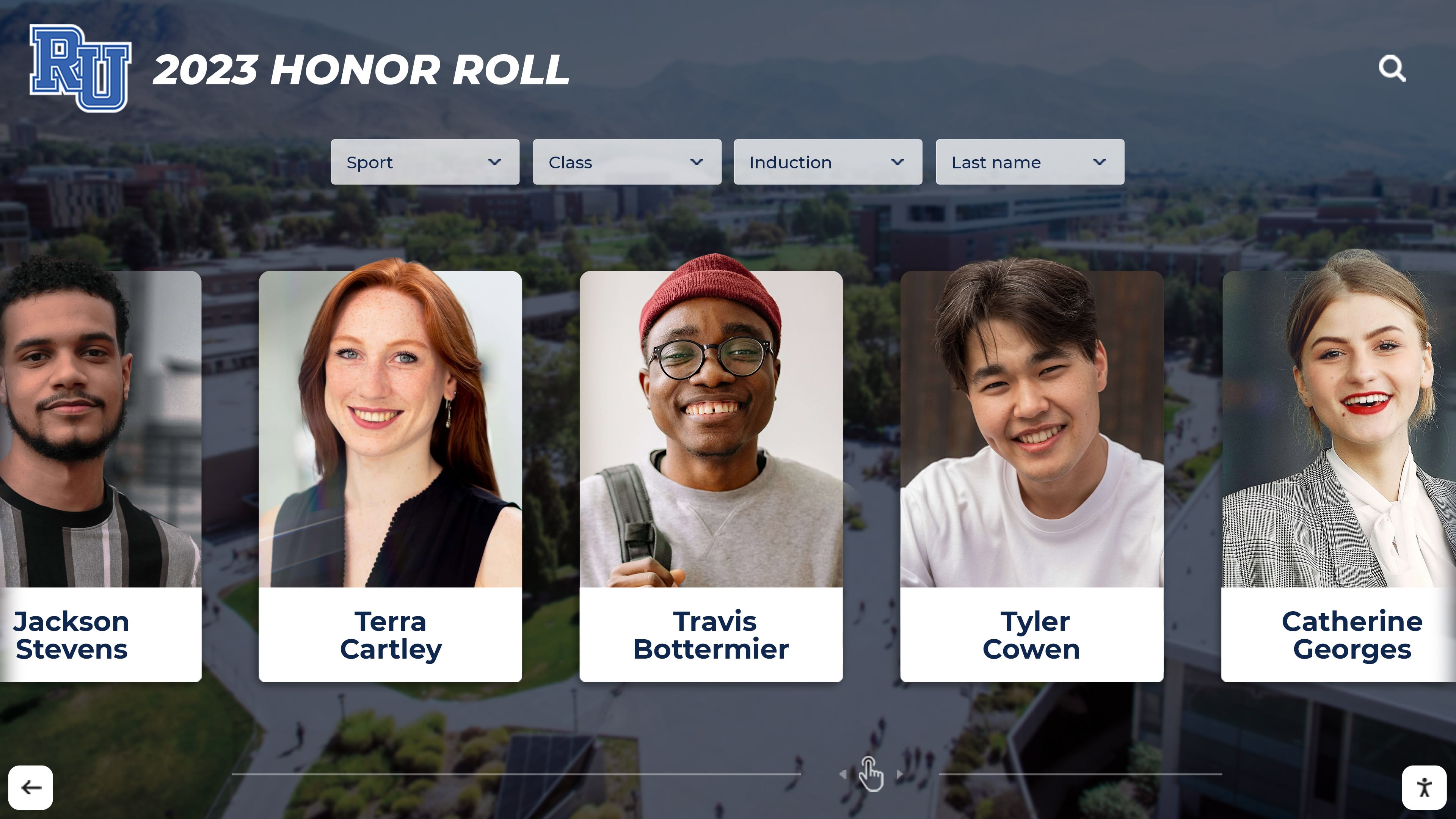
Start with foundational elements including full names with preferred nicknames, high-quality professional portraits, graduation years and dates, and academic programs or diploma types. Enhance profiles by adding activities and clubs participated in, academic honors and special awards, leadership roles and responsibilities, memorable quotes or personal statements, and post-graduation plans documented at graduation time.
Progressive enrichment adds alumni information over time: current cities of residence, professional occupations and career fields, notable post-graduation accomplishments, family information including legacy students, and alumni involvement history. This progressive richness transforms static snapshots into evolving narratives documenting complete life journeys.
Class-Level Historical Context
Beyond individual profiles, showcase class-specific content providing historical and cultural context making each graduating class unique and interesting. Include total class size and gender distribution, academic achievement statistics, post-graduation destination breakdowns, and special program participation rates.
Add historical context through major school events and milestones from that academic year, faculty and staff who served that graduating class, school traditions and customs from that era, broader community or world events providing historical framework, and athletic championships, arts performances, or service projects from that graduation year.
This contextual information helps current students understand institutional evolution while giving alumni opportunities to reminisce about their specific shared experiences. Class composites become time capsules documenting not just faces but complete educational experiences within specific historical moments. Educational institutions focused on preserving and displaying school history find that contextual storytelling transforms simple photo galleries into compelling institutional narratives.
Professional Implementation Best Practices
Successful implementations follow systematic planning processes ensuring smooth deployment, strong stakeholder buy-in, efficient execution, and sustained utilization delivering ongoing value.
Assessment and Vision Development
Begin by thoroughly understanding current situations and defining clear objectives: inventory all existing physical composites documenting years, conditions, locations, and storage situations; calculate current annual costs for photography, printing, framing, and maintenance; identify space limitations and future capacity constraints; document stakeholder concerns from administrators, faculty, students, and alumni; define primary objectives—cost savings, space efficiency, engagement enhancement, or alumni relations; and establish success criteria enabling objective evaluation.
Clear assessment and vision provide essential foundation for all subsequent planning. Schools with undefined objectives often make technology choices misaligned with actual needs, leading to underutilization and disappointment.
Stakeholder Engagement and Buy-In
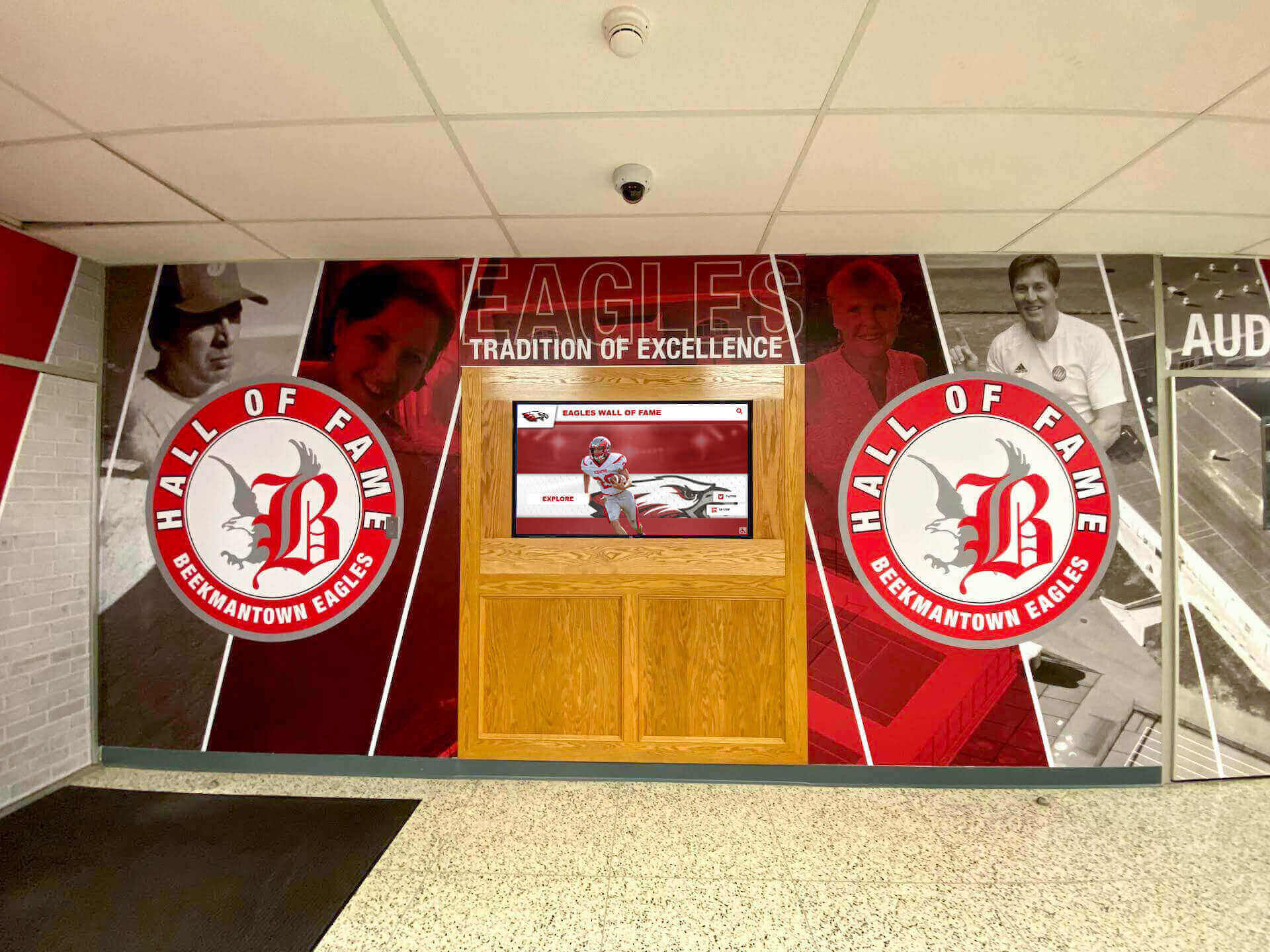
Form planning committees including representatives from school administration providing budget approval, technology coordinators ensuring network readiness, alumni association understanding connection priorities, current students providing contemporary perspective, parent representatives reflecting family preferences, faculty managing content, and facilities handling installation and maintenance.
Inclusive approaches create stakeholder investment in success while identifying potential resistance early enough for proactive mitigation. People support what they help create.
Content Preparation and Quality Standards
Prepare comprehensive digital content through systematic approaches: professional scanning of existing composites at 300+ DPI resolution, careful handling of fragile older materials preventing damage, systematic file organization with consistent naming conventions, metadata extraction identifying years and notable information, image enhancement correcting fading where appropriate, and quality control verifying accurate complete digitization.
Extract student names through OCR technology or manual entry, add biographical information from yearbooks or alumni databases when available, establish data quality standards ensuring consistent presentation, and maintain appropriate privacy standards protecting sensitive information.
Professional Installation and Launch
Ensure professional installation for reliable long-term operation: verify adequate electrical power and network connectivity at installation locations, ensure proper wall mounting appropriate to construction types, complete professional installation preventing amateur mistakes, configure software including branding customization and content loading, test all functionality thoroughly before public launch, and train relevant staff on content management and troubleshooting.
Plan strategic launch timing during high-visibility events like homecoming, alumni weekend, or graduation ceremonies. Create formal unveiling ceremonies generating excitement and awareness. Develop promotional campaigns through newsletters, social media, and school communications.
Measuring Success and Demonstrating Value
Understanding how communities engage with digital class composite displays enables continuous improvement while providing compelling data demonstrating program value to administrators and stakeholders.
Quantitative Engagement Metrics
Modern platforms provide comprehensive analytics revealing detailed usage patterns: total interactions and unique visitors over time periods, average session duration revealing depth of engagement, most-viewed graduating classes revealing particular interest patterns, popular search terms showing what users seek most frequently, device type breakdown between physical displays and web/mobile access, and geographic data showing whether remote alumni actually use web accessibility.

These metrics inform content strategy, hardware placement decisions, and ongoing investment priorities ensuring continuous optimization toward maximum community value.
Qualitative Value Assessment
Beyond quantitative metrics, qualitative feedback reveals perceived value and emotional impact: student focus groups discussing how composites affect school connection, alumni surveys assessing whether systems enhance institutional relationships, staff interviews revealing content management experiences, parent feedback understanding family engagement value, visitor observations during campus tours and recruitment events, and social media mentions indicating community conversation.
Combining quantitative analytics with qualitative feedback creates comprehensive understanding of program effectiveness informing strategic decisions about ongoing investment, expansion, and enhancement priorities.
Conclusion: Modern Solutions for Timeless Traditions
Digital interactive class composite displays represent strategic investments in institutional memory, student recognition, alumni engagement, and community connection delivering measurable returns across multiple dimensions while solving practical challenges that have frustrated schools for decades.
Class composite photography traditions need not disappear in the digital age—modern technology enhances them by addressing space limitations, reducing long-term costs, enabling unprecedented accessibility, creating engaging interactive experiences, and connecting graduating class recognition to broader institutional storytelling impossible with physical prints alone.
Every graduating class deserves recognition honoring their contribution to institutional history. Every graduate should be able to reconnect with class communities regardless of geographic distance or physical mobility limitations. Every family deserves opportunities to celebrate students’ educational journeys and maintain connections to schools that shaped their lives.
Digital interactive class composite displays make comprehensive, engaging, accessible, and sustainable class recognition possible for schools committed to honoring graduating classes as visibly and permanently as those classes deserve. When tradition combines with innovation, recognition becomes more powerful rather than diminished—preserving everything valuable about cherished customs while adding capabilities serving contemporary needs and expectations.
Ready to transform how your school showcases class photos and connects with alumni? Explore how Rocket Alumni Solutions delivers comprehensive digital interactive class composite display platforms designed specifically for educational institutions seeking meaningful improvements in alumni engagement, institutional memory preservation, and community connection through purpose-built solutions honoring every graduating class equally across entire school history.