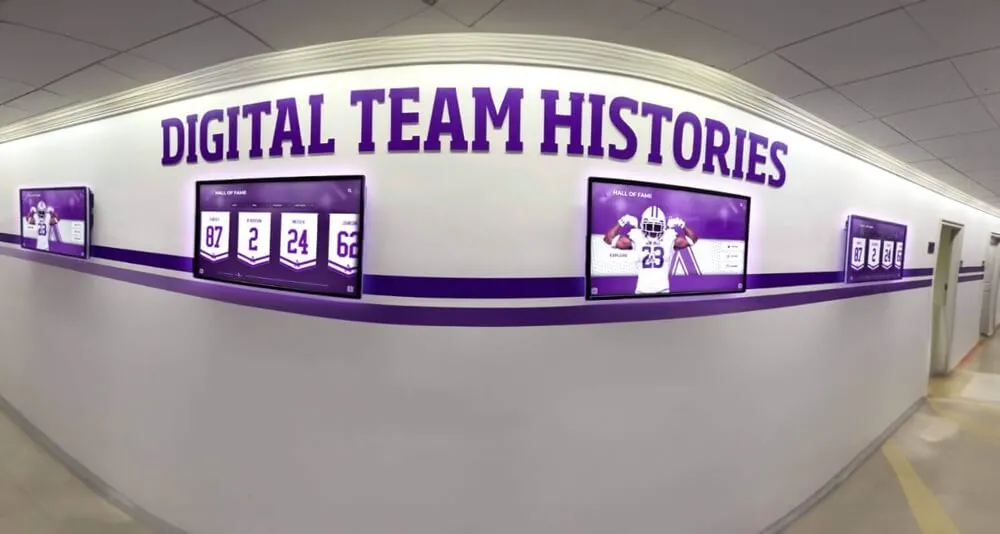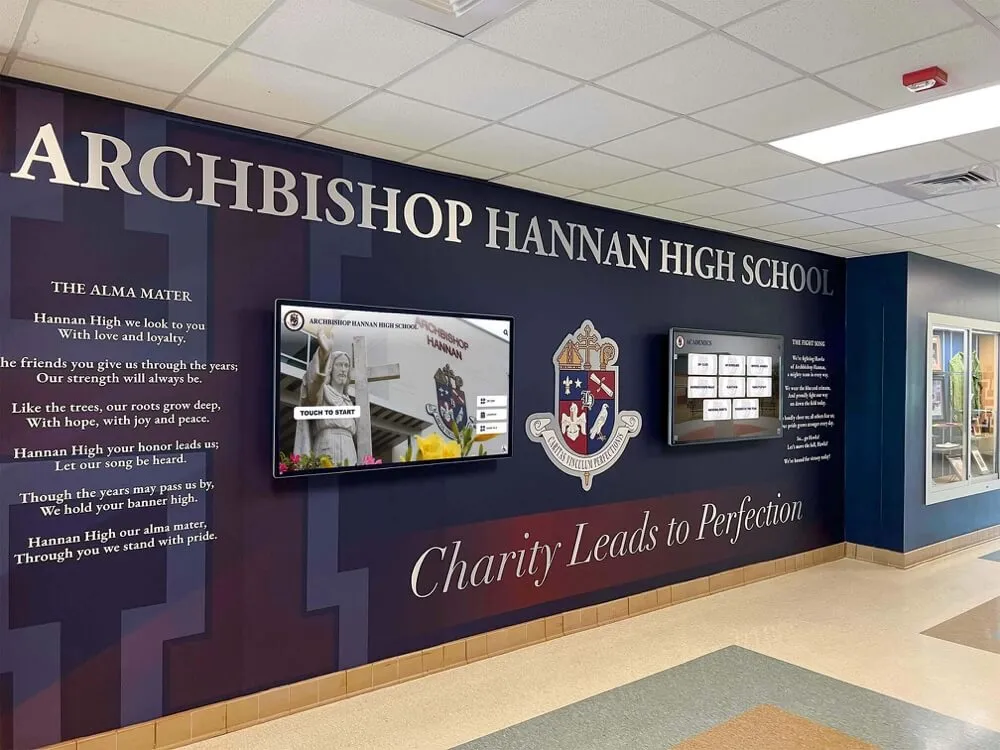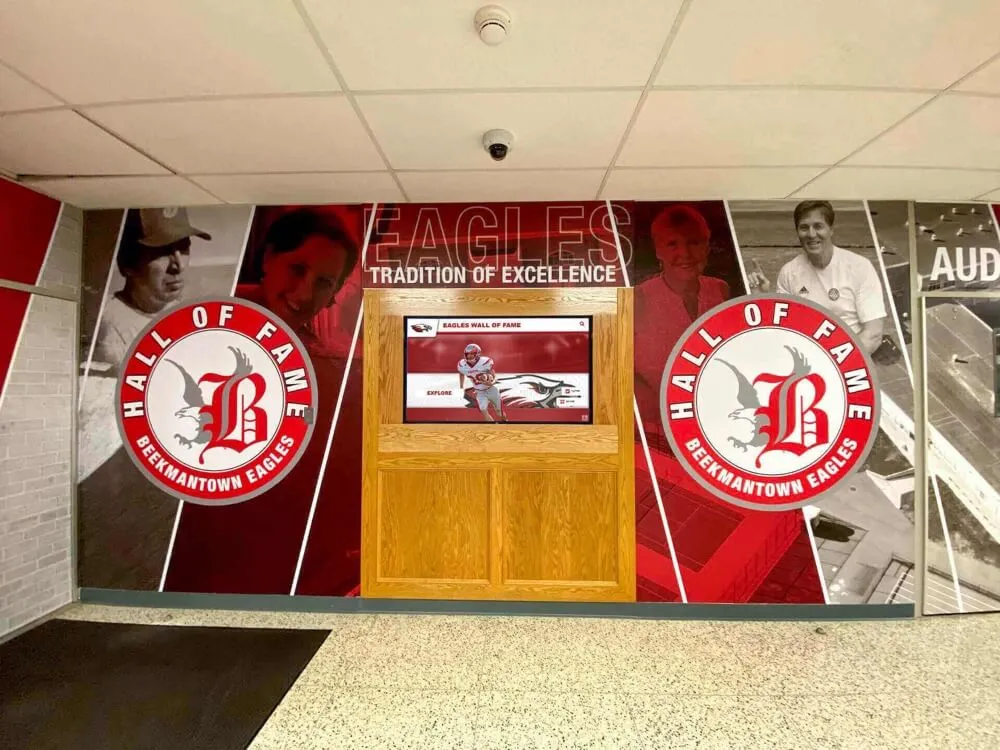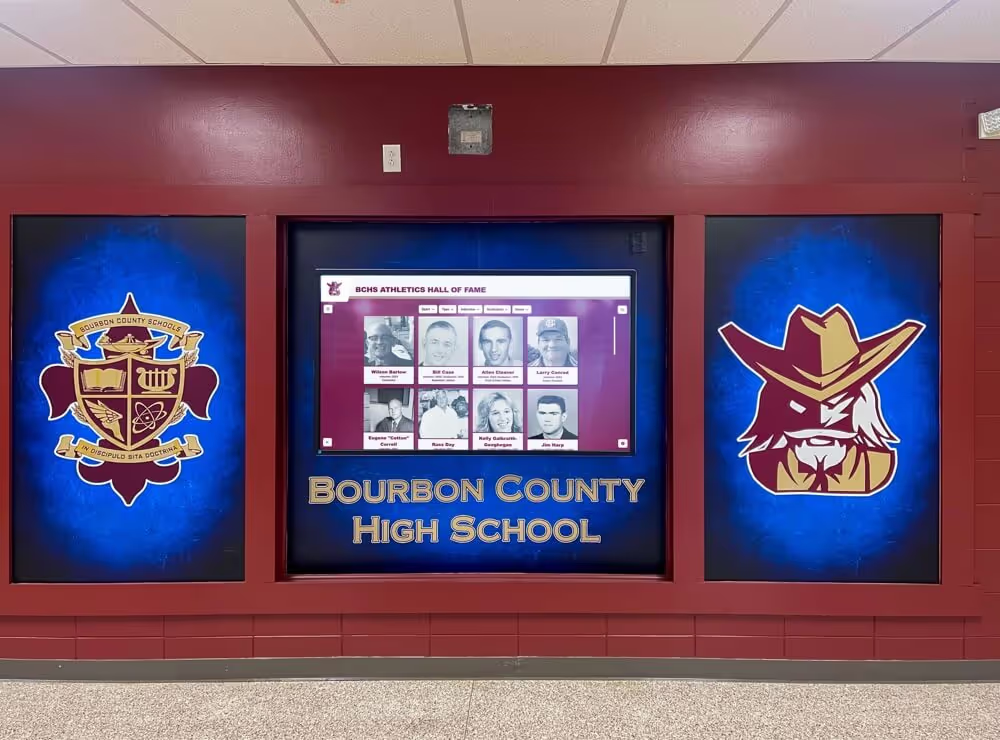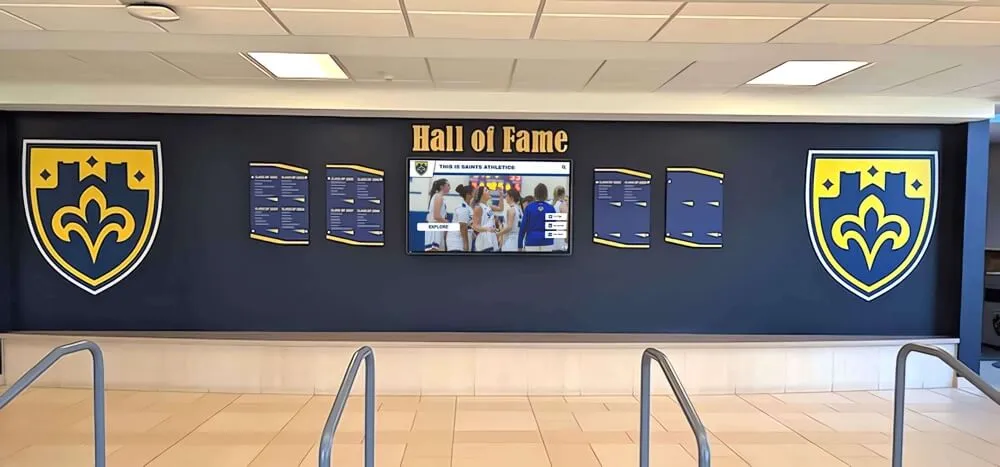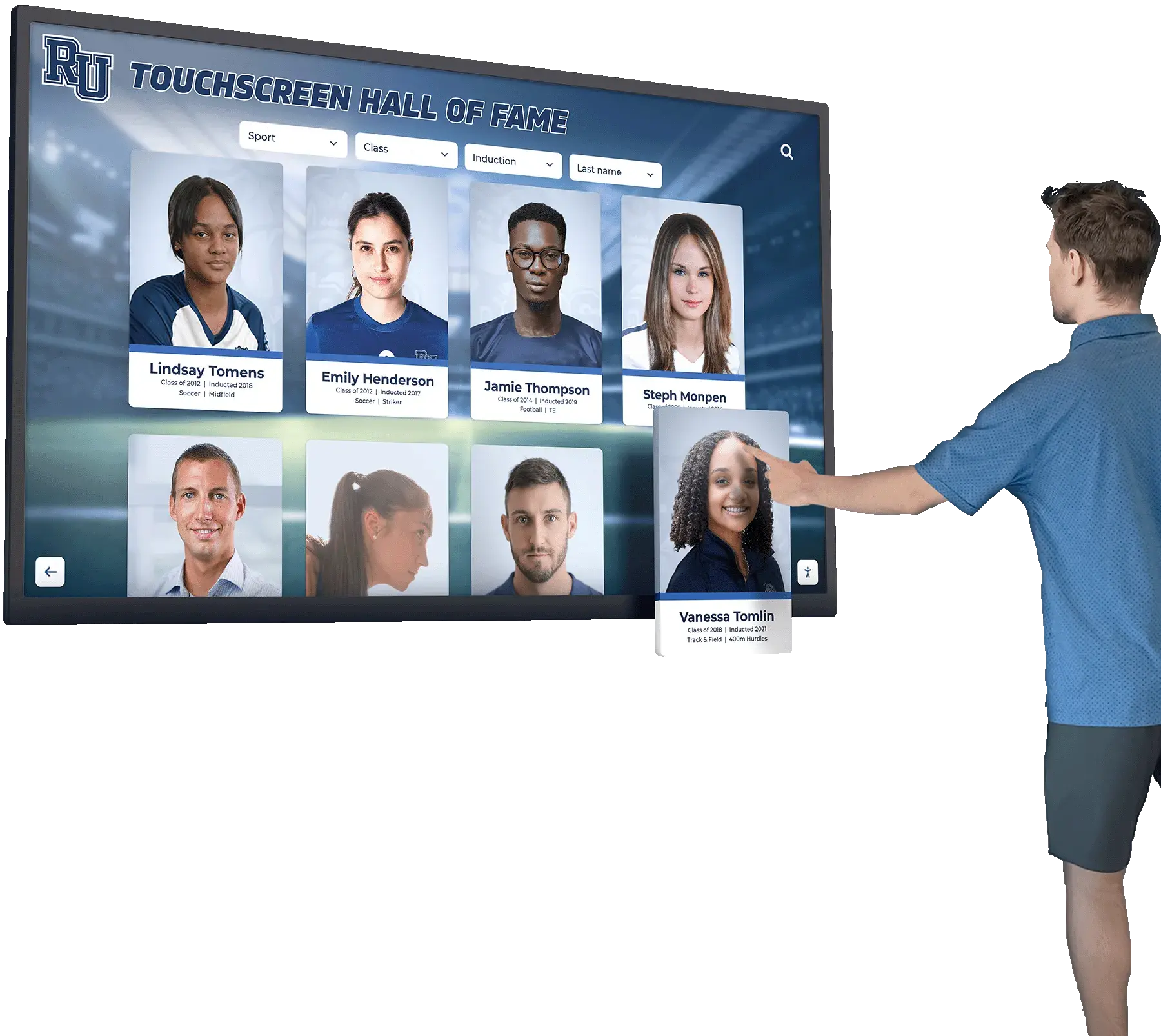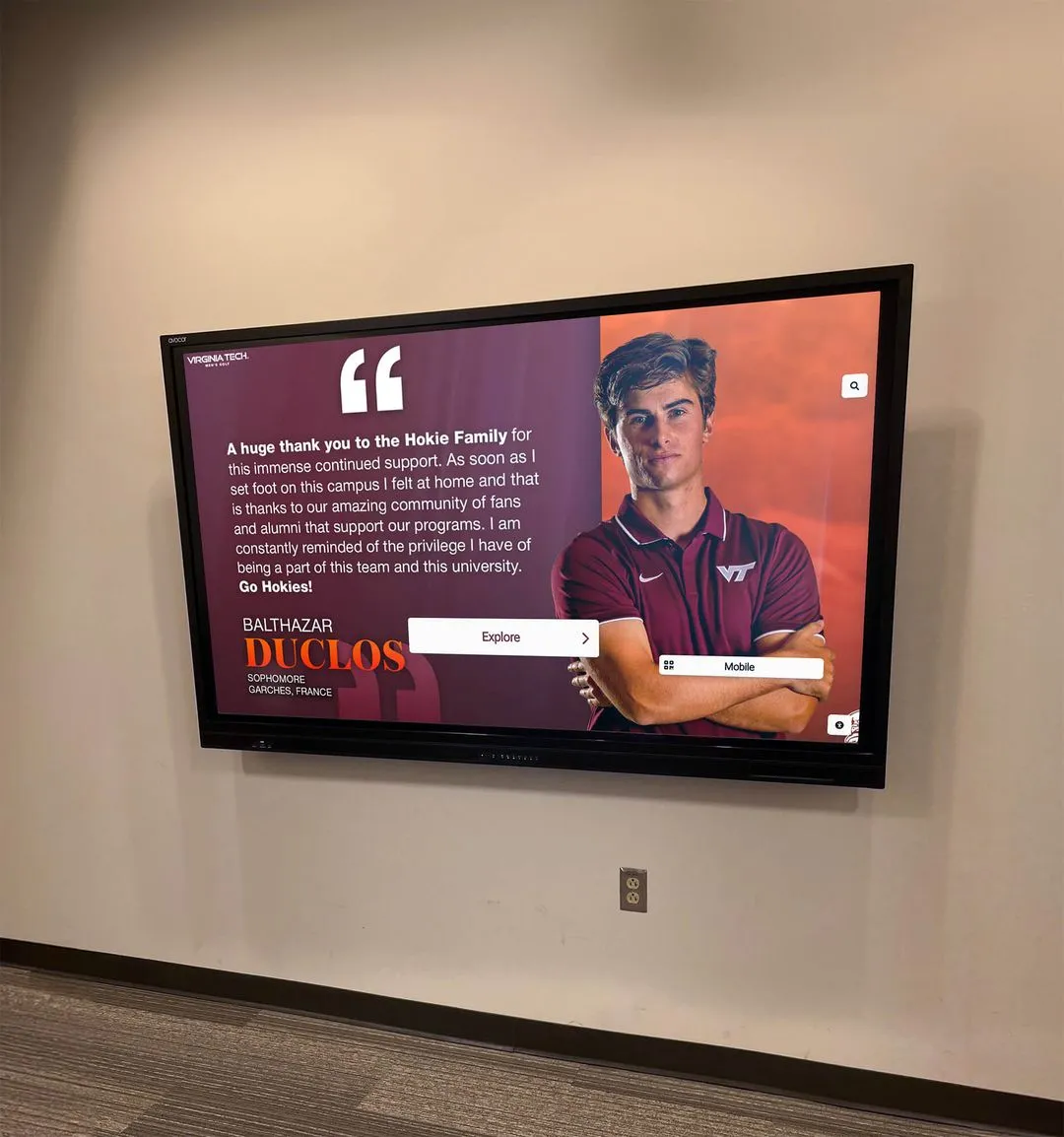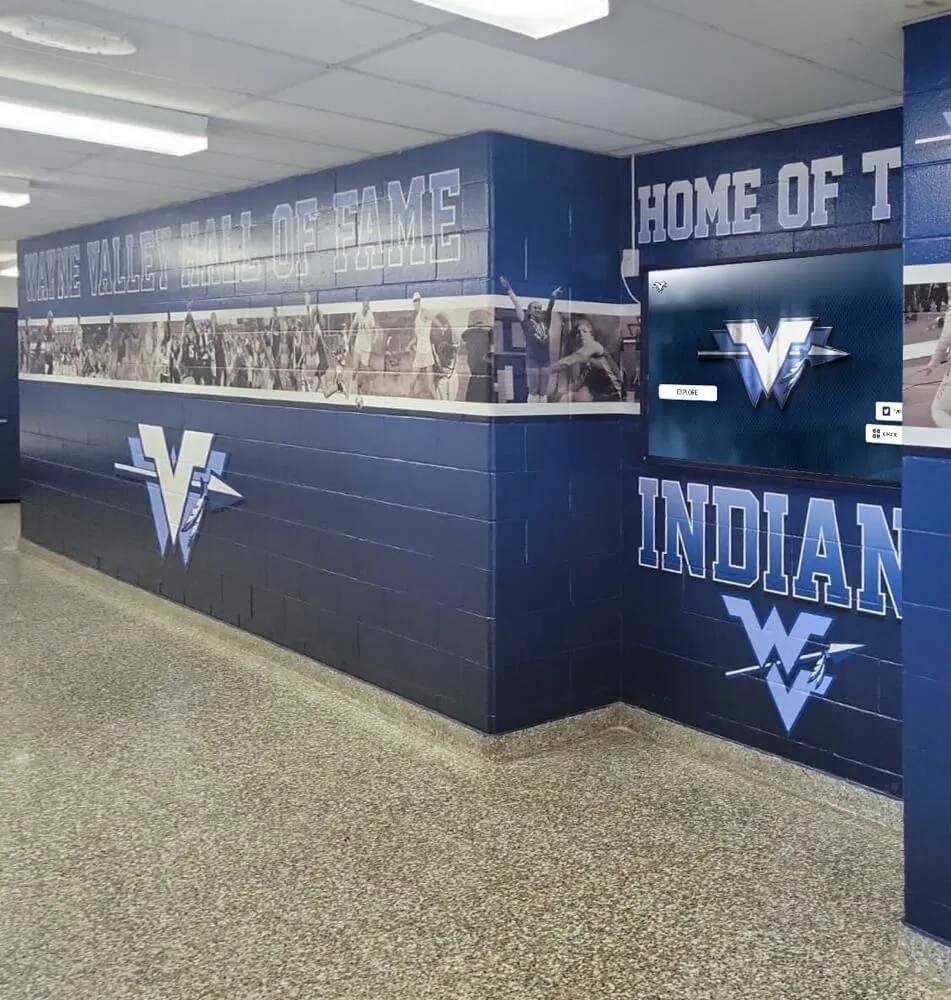




Schools shopping for digital recognition platforms often face what appears to be a binary choice: accept rigid templates that guarantee consistency but stifle creativity, or pursue complete customization that enables unique design but risks fragmenting the experience over time. This false dichotomy causes decision paralysis as administrators weigh immediate creative control against long-term maintainability, brand coherence, and technical reliability.
The reality is more nuanced. Modern recognition platforms like Rocket Alumni Solutions demonstrate that design consistency and creative freedom are not opposing forces but complementary capabilities when supported by appropriate technical architecture and governance frameworks.
This article examines how structured flexibility—the ability to create truly custom layouts within a governed design system—delivers the creative outcomes schools want without the technical debt, fragmentation, and maintenance burden that bespoke systems typically create.
The Traditional Design Trade-Off
Conventional wisdom suggests schools must choose between locked-down templates that limit expression or custom-built systems that enable creativity but fragment over time as different administrators add content without coordination. Neither option satisfies schools seeking both professional consistency and the freedom to create distinctive recognition experiences that reflect their unique identity and needs.
This perceived trade-off stems from how most platforms handle customization: either they don't support it (forcing template conformity), or they provide low-level access that enables any change without guardrails (enabling fragmentation). The missing option is governed flexibility—systems that support custom outcomes while maintaining structural consistency through design constraints that prevent common failure modes.
How Rocket Expands Your Design Library Instead of Locking You In
Many recognition platforms market “templates” as complete solutions. These templates serve initial needs adequately but create frustration when schools require layouts not included in the standard library. At this juncture, conventional platforms offer two unsatisfying paths: force-fit existing templates by compromising the vision, or purchase expensive custom development services as one-time projects.
Rocket takes a fundamentally different approach to this challenge.
Custom Requests Become Shared Assets
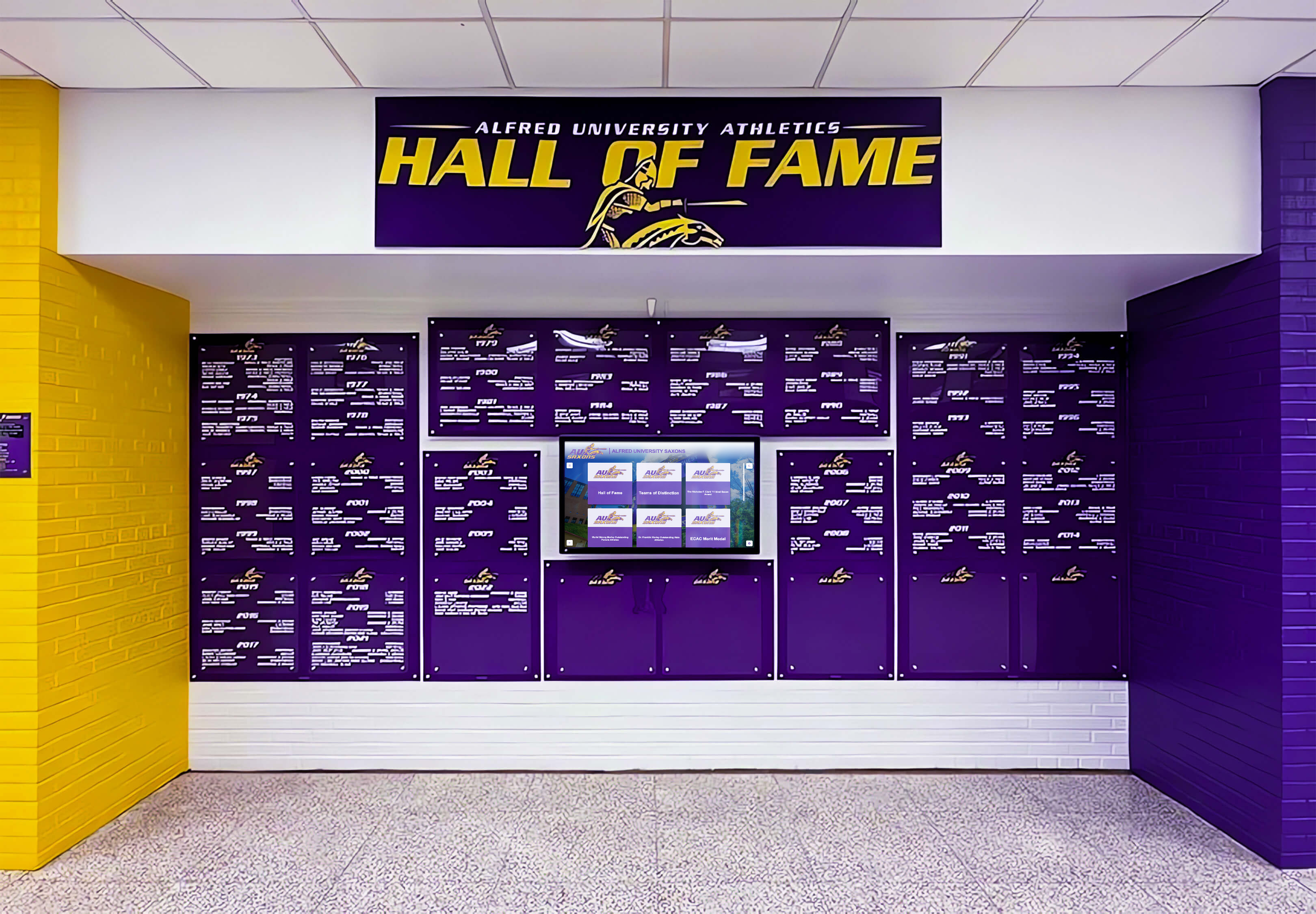
When a school identifies a recognition need that existing templates don’t address well—perhaps displaying dual-sport athletes, showcasing decade-by-decade program evolution, or highlighting community partnership achievements—Rocket frequently builds requested layouts as platform enhancements available to all customers at no additional charge.
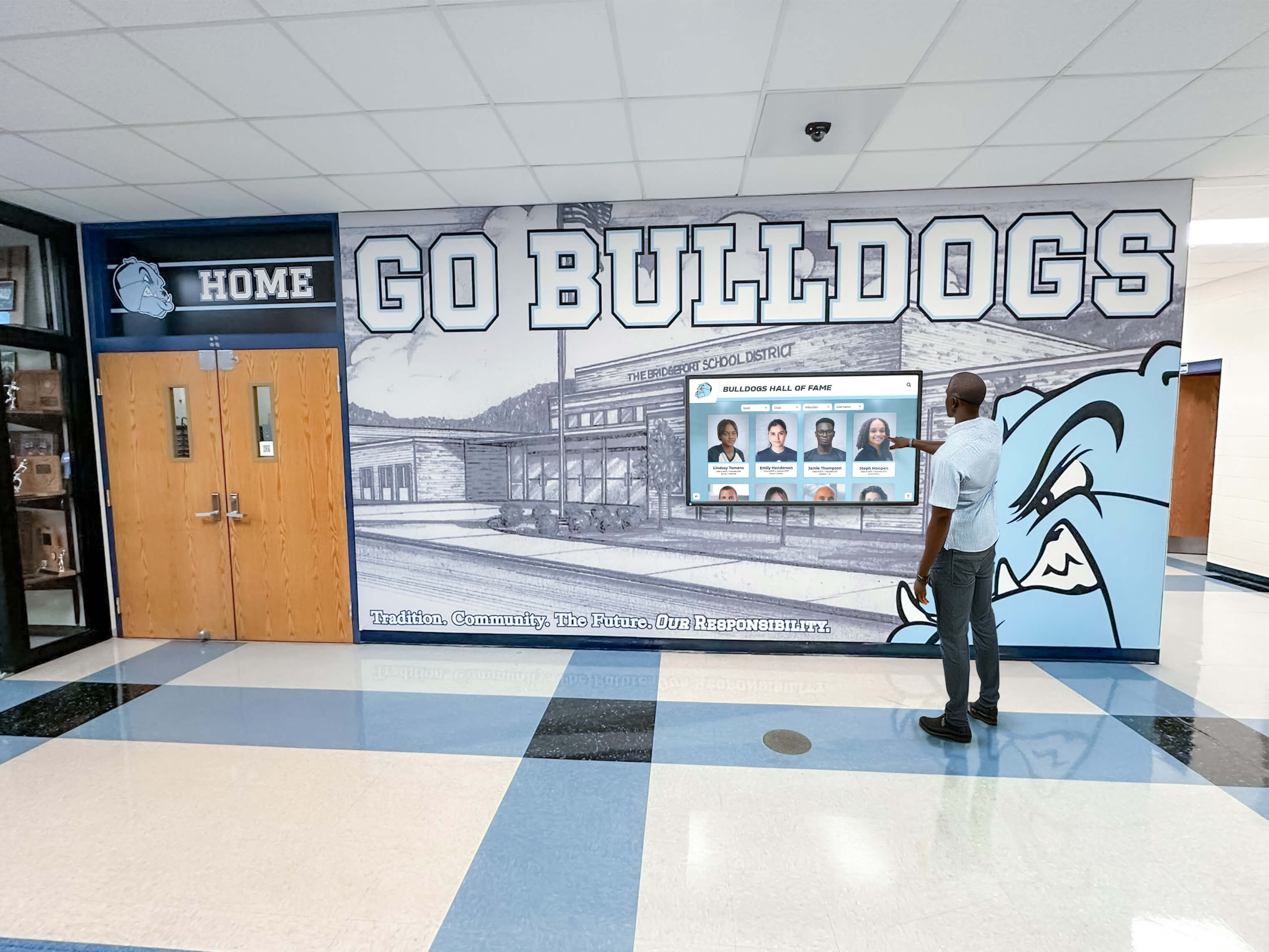
This approach transforms isolated custom requests into collective capability expansion. A high school requesting a better way to display multi-generational family achievement might receive a custom “Legacy Families” layout built specifically for that use case. Once built and tested, that layout becomes a standard option available to every Rocket customer facing similar recognition challenges.
The result: schools get genuinely unique implementations without paying the full cost of bespoke development, and the shared layout library continuously expands to address real-world recognition scenarios that emerge across thousands of installations.
Speed Matters: Custom Development in Days, Not Months
Traditional custom development operates on project timelines measured in months. Requirements gathering, design reviews, development sprints, testing cycles, and deployment processes stretch even simple customization requests across quarters.
Rocket’s approach compresses these timelines dramatically because custom layouts represent variations on proven platform components rather than from-scratch development. A new layout leverages existing data structures, interaction patterns, styling systems, and quality assurance processes already validated across the platform.
Schools regularly receive custom layouts within a week of submitting detailed requests. This speed enables design iteration—if the first version needs refinement, adjustments happen quickly rather than requiring lengthy rework cycles. The result is that creative requests feel more like ordering from an expanding menu than commissioning one-off custom development.
Custom Doesn’t Mean Brittle: Platform Guarantees Persist
The deepest concern with custom development is not the initial cost or timeline but the ongoing technical debt. Bespoke components built outside standard frameworks often lack the reliability, compatibility, and future-proofing that platform features receive automatically through vendor maintenance.
This creates a problematic dynamic: custom features initially enable the flexibility schools want but gradually become maintenance burdens, compatibility headaches, and technical liabilities as the base platform evolves while custom code stagnates.
First-Class Component Status
When Rocket builds a custom layout, the result is not a hack bolted onto the platform or a one-off exception requiring special handling. Custom layouts receive first-class component status, meaning they’re built using the same architecture, patterns, and tooling as every other platform feature.
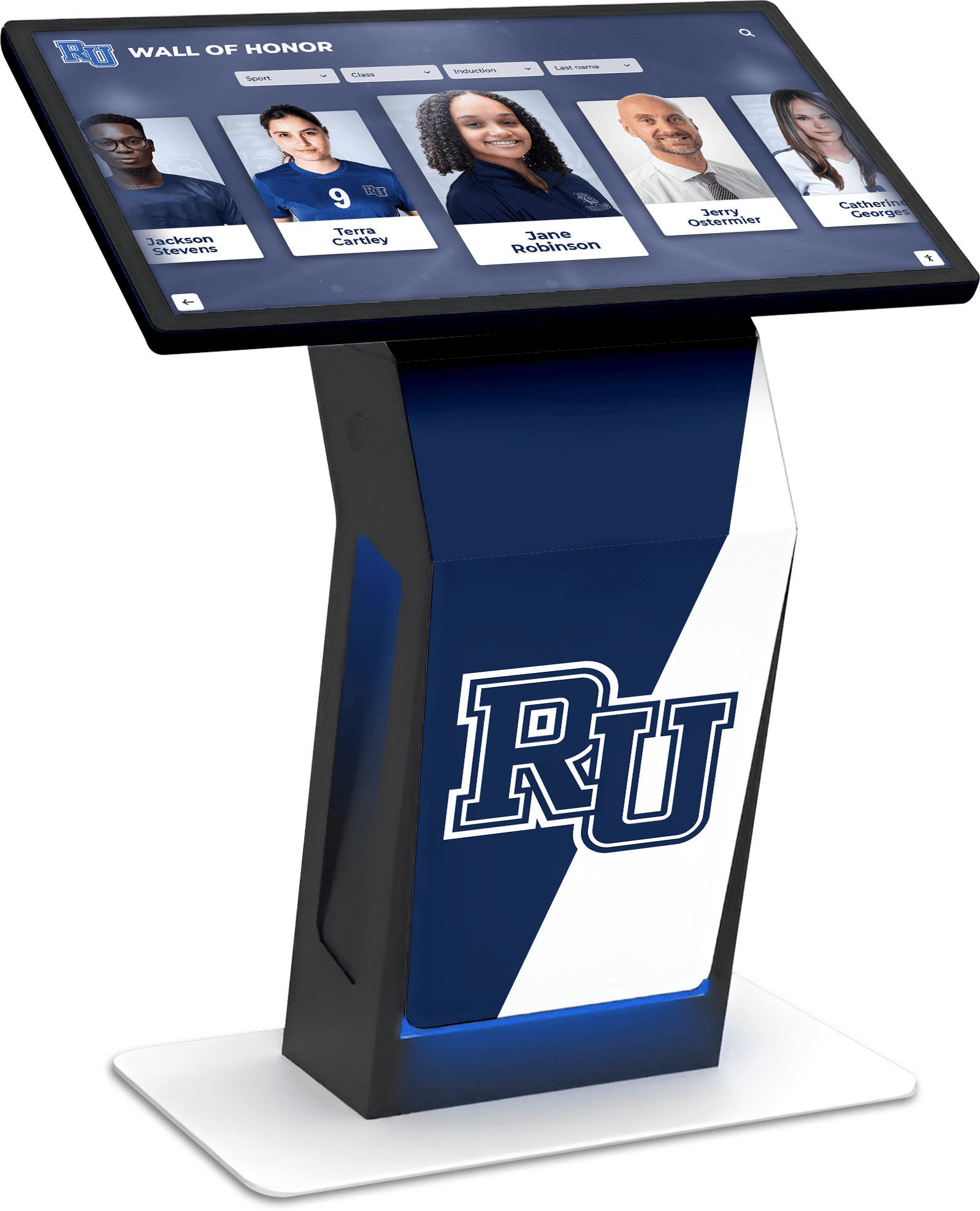
This architectural decision ensures that custom layouts inherit all platform guarantees automatically:
Responsive design across screen sizes: Custom layouts adapt seamlessly from smartphone displays to 75-inch touchscreens using the same responsive frameworks that power standard templates. Schools don’t accept compromised mobile experiences or desktop-only functionality as the price of customization.
ADA and accessibility alignment: All layouts, whether standard templates or custom requests, receive identical accessibility treatment. Screen reader compatibility, keyboard navigation, color contrast compliance, and adjustable text sizing work consistently regardless of layout complexity or customization level.
Consistent interaction patterns: Custom layouts use the same touch targets, swipe behaviors, button designs, and navigation metaphors as standard templates. Users moving between different sections of a recognition display encounter familiar interaction models even when viewing custom content types.
Feature compatibility: Custom layouts work with all platform capabilities including search functionality, content filtering, analytics tracking, QR code generation, and social sharing. Customization doesn’t create isolated silos that break when users try to search content or access features.
Automatic platform updates: When Rocket releases platform enhancements—performance improvements, security patches, new interaction models, or capability expansions—custom layouts receive these updates automatically. Schools don’t face choices between staying on outdated platform versions to preserve custom features or upgrading and breaking custom functionality.
Testing and Quality Assurance
Custom layouts undergo the same rigorous testing as standard platform features before reaching production environments. This includes responsive behavior verification across device types, interaction testing across browsers and operating systems, accessibility audits ensuring compliance, performance benchmarking confirming acceptable load times, and compatibility validation with existing content and features.
Schools implementing custom layouts receive the same technical reliability they’d expect from standard templates, removing the common concern that customization introduces instability or creates fragile systems requiring constant attention.
Preventing Fragmentation Through Design Governance
Creative freedom without constraints enables genuine customization but also permits the gradual degradation that happens when multiple administrators make independent design choices over time. Six months after launch, well-intentioned content additions can create visual chaos as inconsistent typography, conflicting color choices, misaligned spacing, and incompatible style decisions accumulate without coordination.
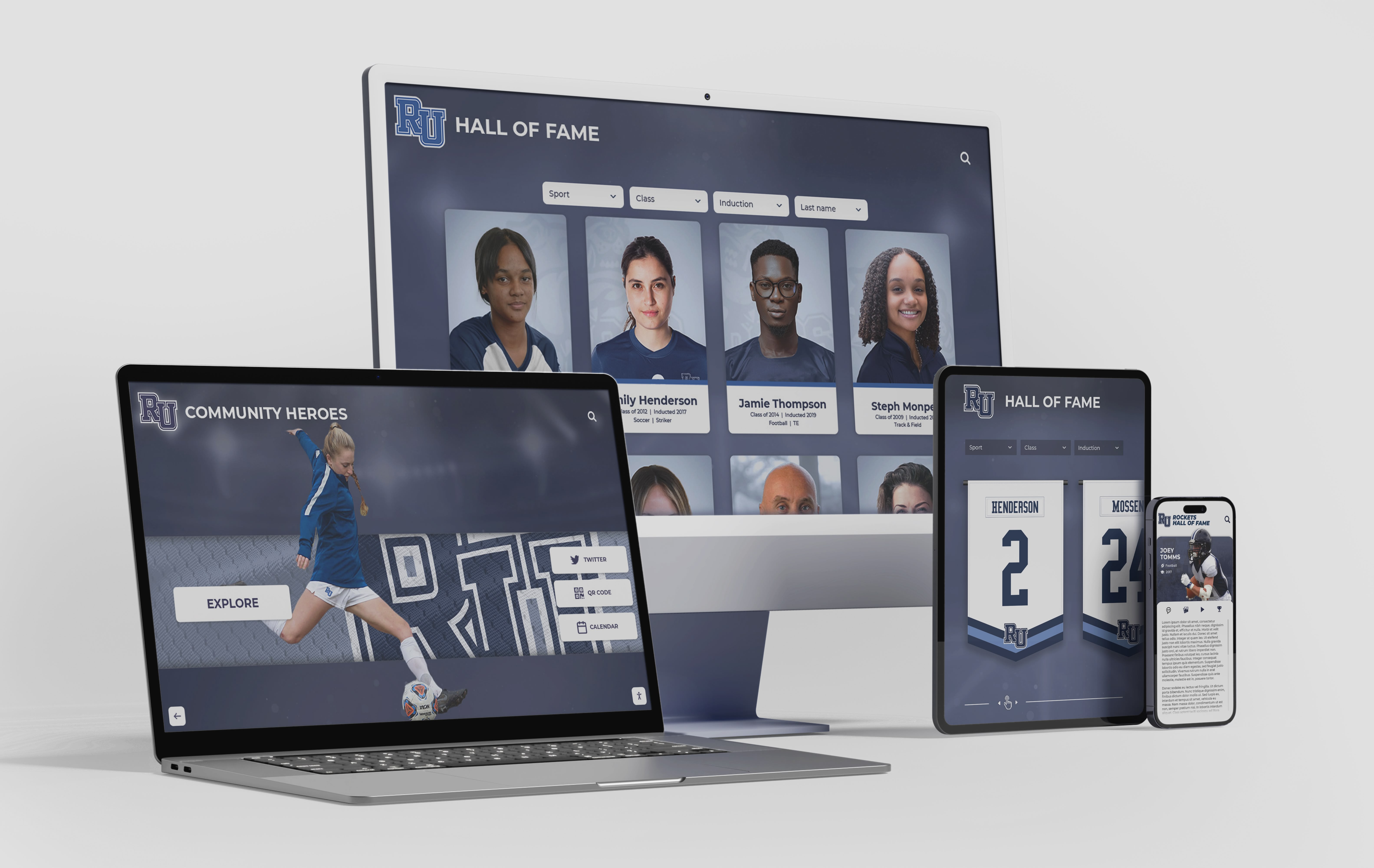
Rocket prevents this common failure mode through design system governance that maintains coherence even as content and customization expand.
What the Design System Enforces
Rocket’s design system establishes structural consistency across all layouts through enforced constraints in several critical areas:
Typography hierarchy: Heading sizes, font weights, line heights, and text hierarchy remain consistent across all content types and layouts. Custom layouts can emphasize different information but cannot arbitrarily change how headings, body text, and captions render relative to each other. This creates visual continuity even when viewing radically different content categories.
Spacing and rhythm: Margin, padding, and whitespace follow consistent mathematical relationships derived from baseline grids. Custom layouts arrange elements differently but maintain predictable spatial relationships preventing the cramped or unbalanced compositions that often result from unconstrained customization.
Navigation logic: While custom layouts can organize navigation to fit specific content models, they maintain consistent patterns for how users move between sections, return to previous screens, and access supplementary information. This prevents confusion when users transition from standard template areas to custom sections.
Component behavior: Interactive elements—buttons, cards, carousels, modals, search interfaces—behave consistently regardless of which layout employs them. Custom compositions rearrange components but don’t alter fundamental interaction models users learn once and apply throughout the system.
Color systems: Brand color usage follows defined roles—primary actions, secondary information, backgrounds, text, highlights—rather than arbitrary application. Custom layouts work within the same color system standard templates use, maintaining brand coherence without requiring identical visual appearance.
Design by System, Not Committee
The phrase “design by committee” typically describes processes where consensus-seeking produces bland, lowest-common-denominator results satisfying no one while avoiding offense. Rocket’s governance model differs fundamentally: it’s design by system where constraints enable rather than constrain creativity.
Architects designing buildings follow structural engineering constraints without feeling artistically limited—these constraints prevent collapse while enabling diverse creative expressions. Similarly, Rocket’s design system constraints prevent visual fragmentation and technical breakage while enabling diverse creative implementations.
This approach delivers what schools actually want: the freedom to create distinctive recognition experiences that reflect their unique identity, matched with the confidence that these experiences won’t fragment, become inconsistent, or degrade into visual chaos as content expands and staff change over time.
AI-Assisted Quality Control Catches Common Failures
Even with design system governance, determined administrators can make poor choices if systems permit them. Well-intentioned content updates can introduce problematic design decisions: photos with insufficient contrast, color combinations that fail accessibility standards, dense layouts that overwhelm rather than inform, cropping that awkwardly cuts faces or important details, and text sizing that makes information unreadable on certain devices.
Traditional platforms either permit these failures (trusting administrators to notice and correct them) or restrict capabilities so severely that mistakes become impossible (also preventing legitimate creative choices).
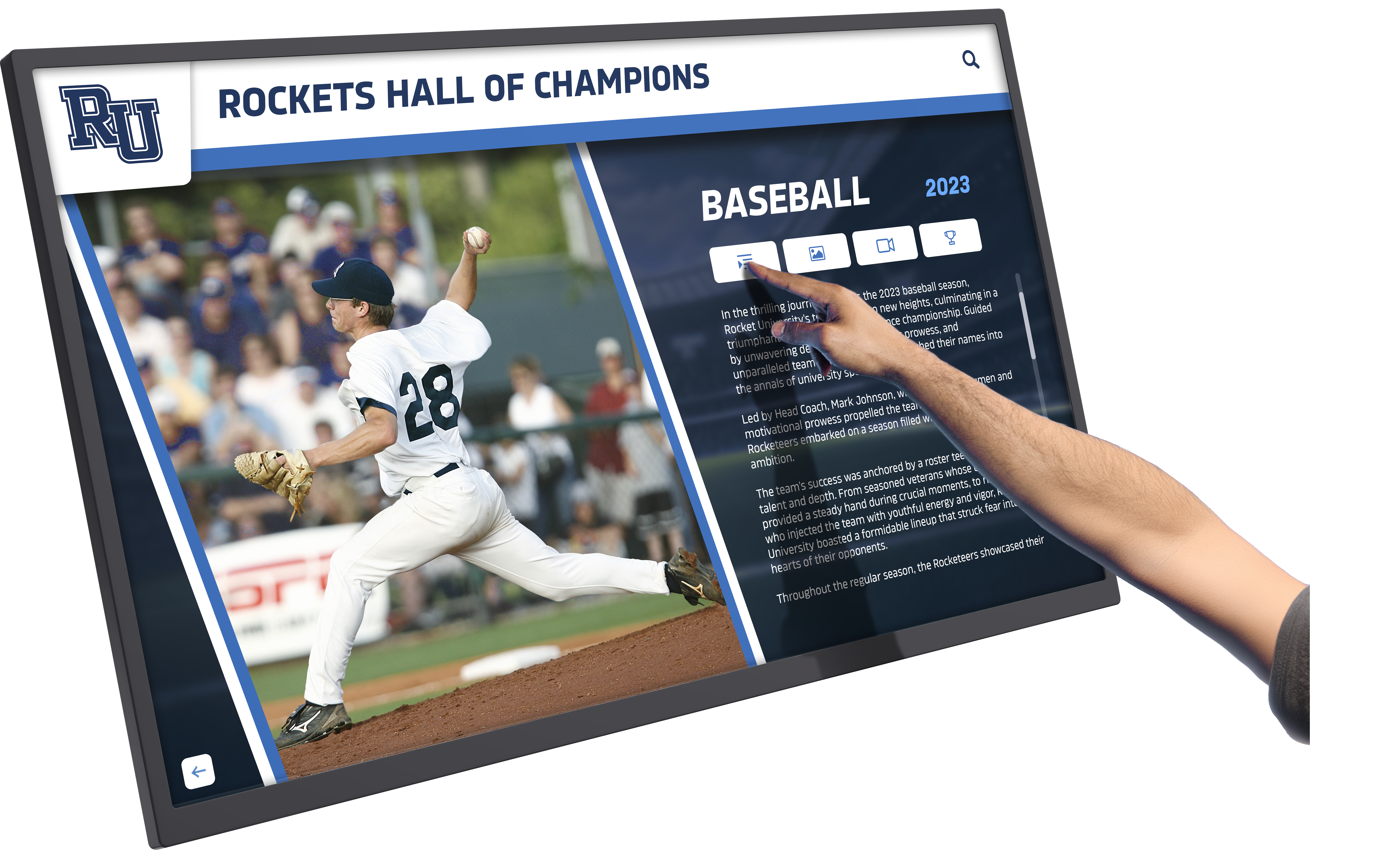
Rocket implements a middle path: AI-assisted quality checks that identify likely problems before content goes live while explaining issues so administrators learn to avoid them proactively.
What AI Design Agents Monitor
Rocket’s AI quality systems examine content submissions for common failure modes that fast-moving administrators might miss:
Color contrast and accessibility: AI evaluates text-on-background combinations against WCAG accessibility guidelines, flagging combinations that create reading difficulties for users with vision impairments. Rather than silently permitting inaccessible color choices, the system suggests adjustments that maintain design intent while meeting accessibility requirements.
Visual density and information hierarchy: Machine learning models trained on professional design assess whether layouts present information clearly or overwhelm viewers with excessive density. When administrators add too many elements to a single view, AI suggests reorganization approaches that preserve the desired information while improving readability.
Image quality and cropping: Computer vision analyzes uploaded photos for technical quality issues (resolution, compression artifacts, lighting problems) and composition concerns (awkward cropping, key elements cut off, distracting backgrounds). Early detection prevents poor-quality imagery from reaching public displays.
Typography and spacing problems: AI identifies text that’s too small for comfortable reading, headings that lack sufficient distinction from body text, crowded layouts with inadequate whitespace, and alignment inconsistencies that create amateurish appearances. Catching these issues before publication maintains professional presentation quality consistently.
Brand consistency: Machine learning models familiar with each school’s brand standards identify departures from established visual identity—off-brand color usage, inconsistent logo treatment, typography that conflicts with brand guidelines. This detection prevents the gradual brand drift that happens when multiple administrators contribute content without close coordination.
Learning System That Improves Over Time
AI quality agents don’t just flag problems—they explain them in terms administrators understand, suggest concrete fixes, and learn from administrator responses. When an administrator overrides a suggestion, the system notes the context and adjusts future recommendations accordingly.
This creates an educational loop where administrators gain design literacy over time, gradually internalizing quality standards and making progressively better choices without needing AI intervention. The system shifts from preventing bad choices to teaching good ones, enabling truly autonomous content management while maintaining quality.
For schools exploring touchscreen display implementations, this quality control approach ensures that content maintains professional standards even when managed by staff with varying design experience.
The Real Choice: Build Your Freedom or Borrow Rocket’s
The fundamental trade-off schools face isn’t between consistency and customization—it’s between building and maintaining custom capability internally or leveraging shared platform capability that delivers similar outcomes without the full burden.
What Building Your Own Freedom Requires
Schools pursuing 100% bespoke creative control through custom-built recognition systems take on comprehensive technical responsibilities:
Responsive implementation across devices: Ensuring content displays correctly on smartphones, tablets, desktop browsers, and large touchscreens requires expertise in responsive design, cross-browser compatibility testing, and touch interface optimization. Small design choices can break experiences on certain devices if not implemented carefully.
Accessibility compliance maintenance: ADA compliance isn’t a one-time checkbox but an ongoing requirement as content changes and platform capabilities expand. Screen reader compatibility, keyboard navigation, color contrast, and alternative content descriptions all need continuous attention as recognition content evolves.
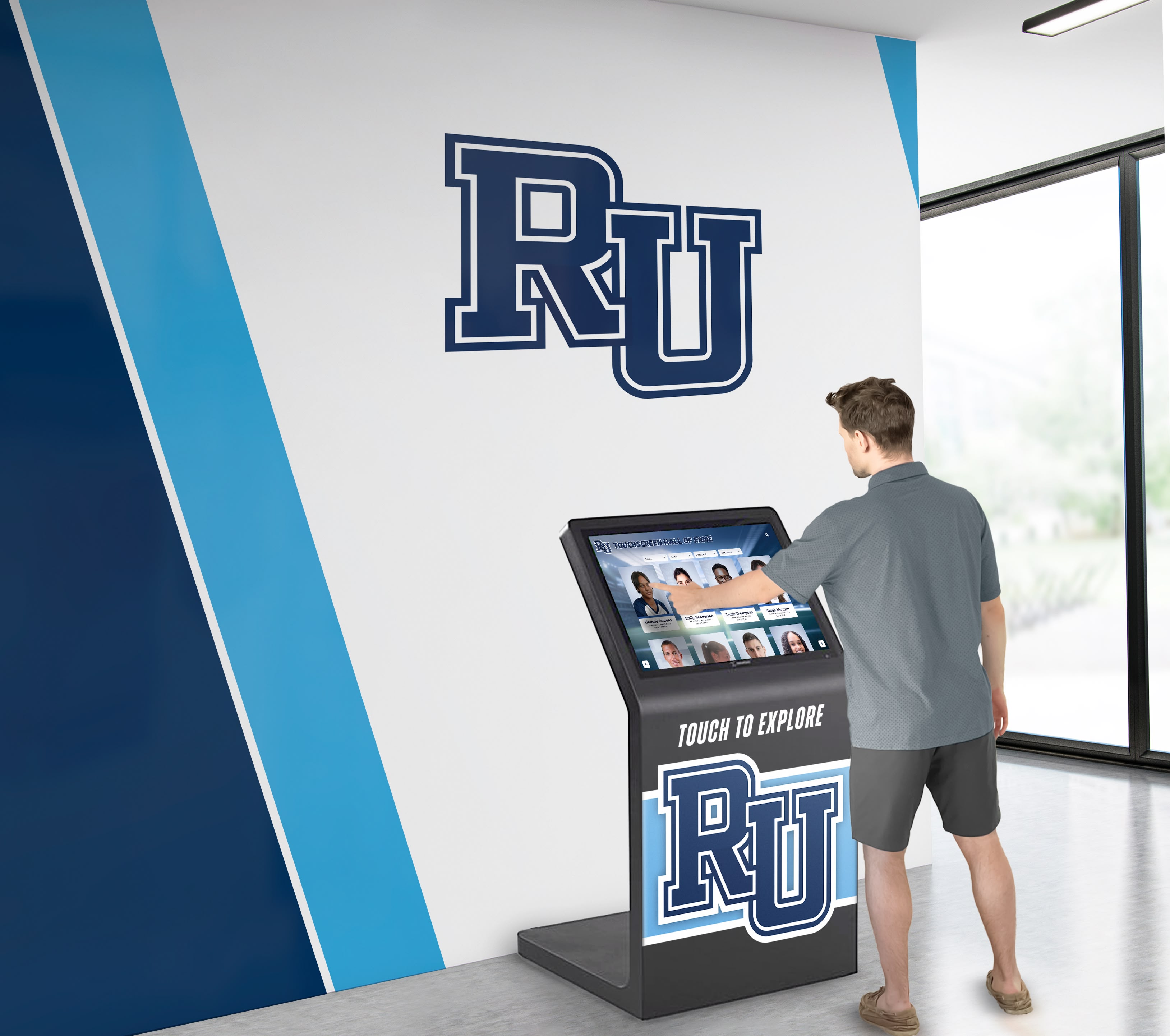
Feature parity over time: As user expectations evolve, recognition systems need new capabilities—better search, video integration, social sharing, analytics, QR code connections. Custom-built systems require ongoing development investment to keep pace with evolving expectations that platform vendors deliver automatically through regular updates.
Ongoing quality assurance: Every content addition needs verification across devices, browsers, and accessibility tools to ensure it doesn’t introduce problems. This QA burden scales with content volume and system complexity.
Brand drift prevention: Without systematic governance, custom systems experience gradual visual fragmentation as different administrators make independent choices. Preventing this drift requires active design oversight that many schools cannot provide consistently.
The cumulative burden of these responsibilities explains why custom-built recognition systems frequently start with enthusiasm but gradually become maintenance headaches, outdated technical liabilities, or abandoned projects replaced by platform solutions that schools should have chosen initially.
The Platform-Grade Reliability Bargain
Rocket offers a different proposition: achieve custom outcomes through request-driven platform expansion rather than self-built bespoke systems. This approach delivers the creative flexibility schools want—the ability to create unique layouts and distinctive recognition experiences—without requiring schools to own and maintain the technical infrastructure supporting those capabilities.
When Rocket builds a custom layout at your request:
- You get unique creative outcomes specifically designed for your recognition needs
- The layout inherits platform-grade reliability, responsiveness, accessibility, and feature compatibility automatically
- Future platform improvements and security updates apply to your custom implementation without requiring action
- Other schools benefit from expanded platform capability, distributing development cost across the customer base
- You avoid technical debt, maintenance burden, and the risk of systems becoming outdated or broken over time
This represents a better economic bargain for most schools: custom outcomes with shared infrastructure costs, platform reliability with creative flexibility, and unique implementation without unique technical burden.
Schools implementing digital hall of fame systems frequently discover that platform-based customization delivers 90% of the creative outcomes they’d achieve through fully custom development at 30% of the total cost and maintenance burden.
Counter Statement: Templates as Quality Framework, Not Creative Ceiling
The critique that Rocket uses “templates” misunderstands what modern template systems actually provide. These are not static, inflexible forms that lock all customers into identical presentations. Rather, they represent quality frameworks—pre-built, tested, accessible, responsive components that schools can compose, extend, and customize to create distinctive recognition experiences.
This architecture delivers three critical advantages simultaneously:
Speed: Schools implement sophisticated recognition displays in weeks rather than months because foundational components already exist, are tested, and work reliably. Customization happens through composition and extension rather than from-scratch development.
Reliability: Templates represent battle-tested code validated across thousands of installations and diverse use cases. Schools benefit from cumulative quality assurance spanning the entire customer base rather than debugging unique implementations in isolation.
Flexibility: When template capabilities prove insufficient for specific use cases, Rocket builds custom layouts that become first-class platform components available to all customers. This transforms individual custom needs into collective capability expansion.
The design system and AI quality controls prevent fragmentation not by limiting creativity but by establishing structural consistency that enables diverse creative expression without risking visual chaos, accessibility failures, or technical debt.
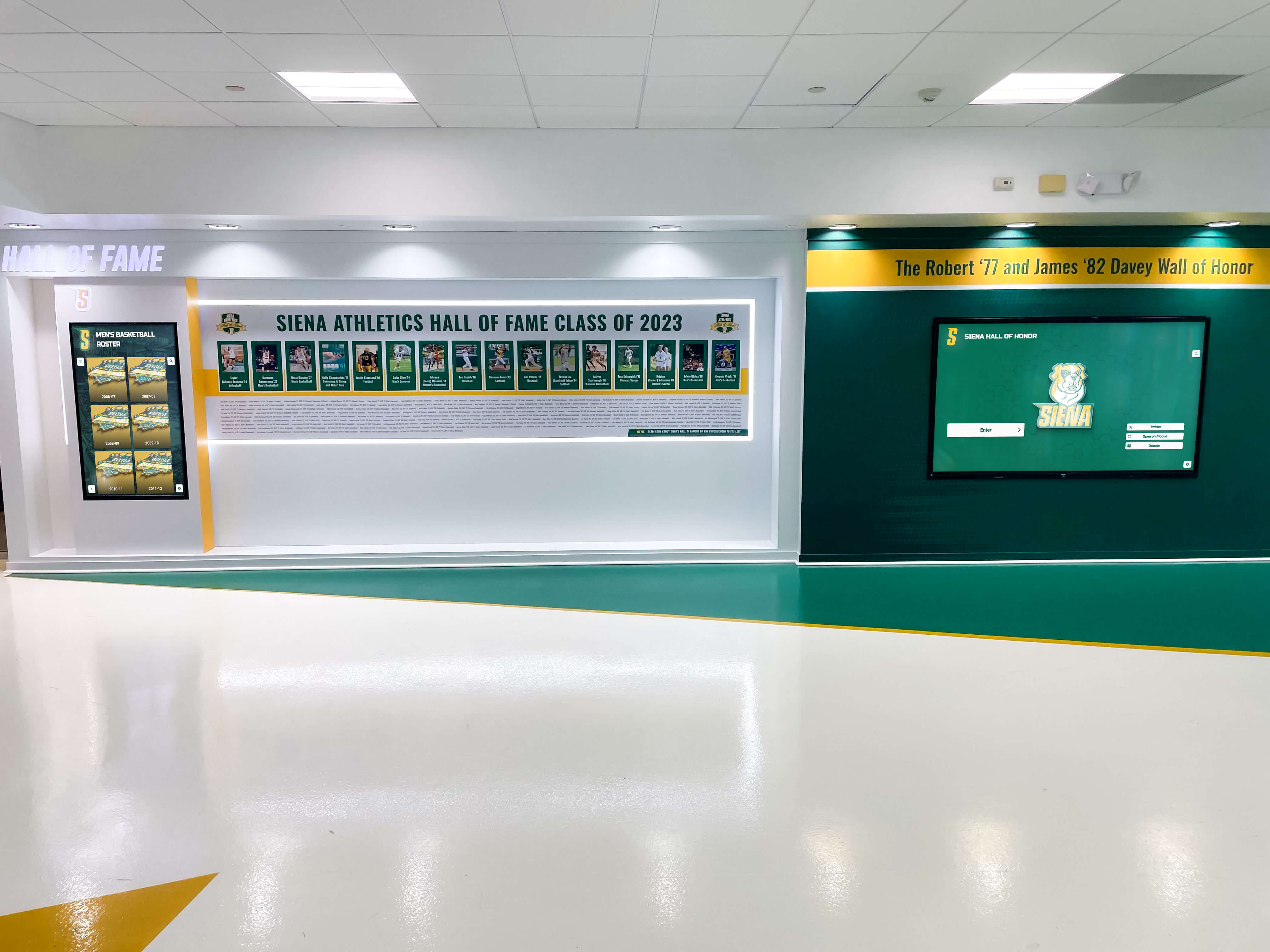
Schools implementing Rocket recognize they’re not accepting creative limitations in exchange for maintenance simplicity. They’re accessing expandable creative capability backed by platform infrastructure that makes those capabilities reliable, accessible, responsive, and sustainable over time.
Real-World Implementation: Balancing Consistency and Creativity
Understanding how schools actually use Rocket’s design flexibility reveals patterns that demonstrate the practical value of governed customization.
Starting with Standard Templates
Most schools begin implementation using standard templates that address common recognition needs: team rosters and championships, individual achievement profiles, historical timeline displays, donor recognition boards, and alumni spotlight features. These templates provide immediate value, require minimal customization, and demonstrate platform capability quickly.
Starting with standard templates serves several strategic purposes:
Rapid time-to-value: Schools get recognition systems operational quickly rather than waiting for custom development. This builds stakeholder confidence and generates enthusiasm that supports expansion.
Learning platform patterns: Using standard templates teaches administrators how the platform works—content management workflows, navigation patterns, design system constraints—before pursuing customization that requires deeper platform understanding.
Identifying genuine custom needs: Actual usage reveals which recognition scenarios truly need custom layouts versus which scenarios reflect incomplete understanding of existing template capabilities. Many initial custom requests prove solvable through creative use of standard templates once administrators gain platform familiarity.
Strategic Customization Based on Distinctive Needs
After establishing baseline recognition coverage using standard templates, schools identify distinctive needs warranting custom development:
Unique program structures: A school with an unusual athletic league structure, specialized academic programs, or distinctive community partnership models might need layouts that standard templates don’t address well. These scenarios represent legitimate customization opportunities where investment delivers meaningful differentiation.
Historical presentation requirements: Schools with rich histories sometimes require custom timeline or archive layouts that present decades of achievement more effectively than generic historical templates allow. Preservation of institutional heritage justifies customization investment.
Brand expression priorities: When institutional brand identity requires specific visual treatments that standard templates approximate but don’t fully capture, custom layouts enable authentic brand expression while maintaining platform technical benefits.
Stakeholder engagement features: Some schools identify specific engagement opportunities—perhaps highlighting multi-generational family involvement, showcasing career progression from student to alumnus, or connecting campus facilities to the people they honor—that require custom interaction models not included in standard templates.
These strategic customizations deliver meaningful value because they address genuine distinctiveness rather than merely preferring different visual arrangements of essentially identical content.
Governance Preventing Fragmentation
The design system and AI quality controls work in practice by preventing the common descent into visual chaos that happens with unrestricted customization:
Maintaining typography consistency: Even as schools add custom layouts, standard sections, and diverse content types, text hierarchy remains consistent. Headings look like headings regardless of context. Body text maintains comfortable readability. Visual rhythm persists across the entire system.
Preserving navigation logic: Users moving between custom layouts, standard templates, and different content categories encounter familiar navigation patterns. This consistency reduces cognitive load and prevents the frustration common in systems where each section implements different interaction models.
Ensuring accessibility across all content: Custom layouts receive the same accessibility treatment as standard templates, meaning screen reader users, keyboard-only navigators, and people with vision impairments experience consistent access regardless of whether they’re viewing standard or custom content.
Preventing brand drift over time: As multiple administrators add content across months and years, AI quality checks and design system constraints prevent the gradual divergence that makes recognition displays look amateurish or fragmented despite starting with professional implementations.
For schools implementing athletic recognition displays, this governance ensures that rapid content updates during competition seasons maintain professional quality without requiring design review of every addition.
Common Objections and Realistic Responses
Schools evaluating recognition platforms frequently raise concerns about template-based approaches and platform constraints. Addressing these objections directly clarifies how Rocket’s model works in practice.
“We need complete creative control for our unique brand”
This objection typically stems from past experiences with rigid systems that offered limited customization. Rocket’s approach differs: custom layouts are available for distinctive needs, design systems constrain structure while enabling diverse visual expression, and AI quality controls prevent common mistakes without restricting creative choices.
Most schools discover that 80-90% of their recognition needs map well to existing templates, leaving genuine custom requirements focused on truly distinctive scenarios. This balance delivers creative outcomes efficiently without recreating entire platform capability from scratch.
“Our brand guidelines are very specific and templates won’t match”
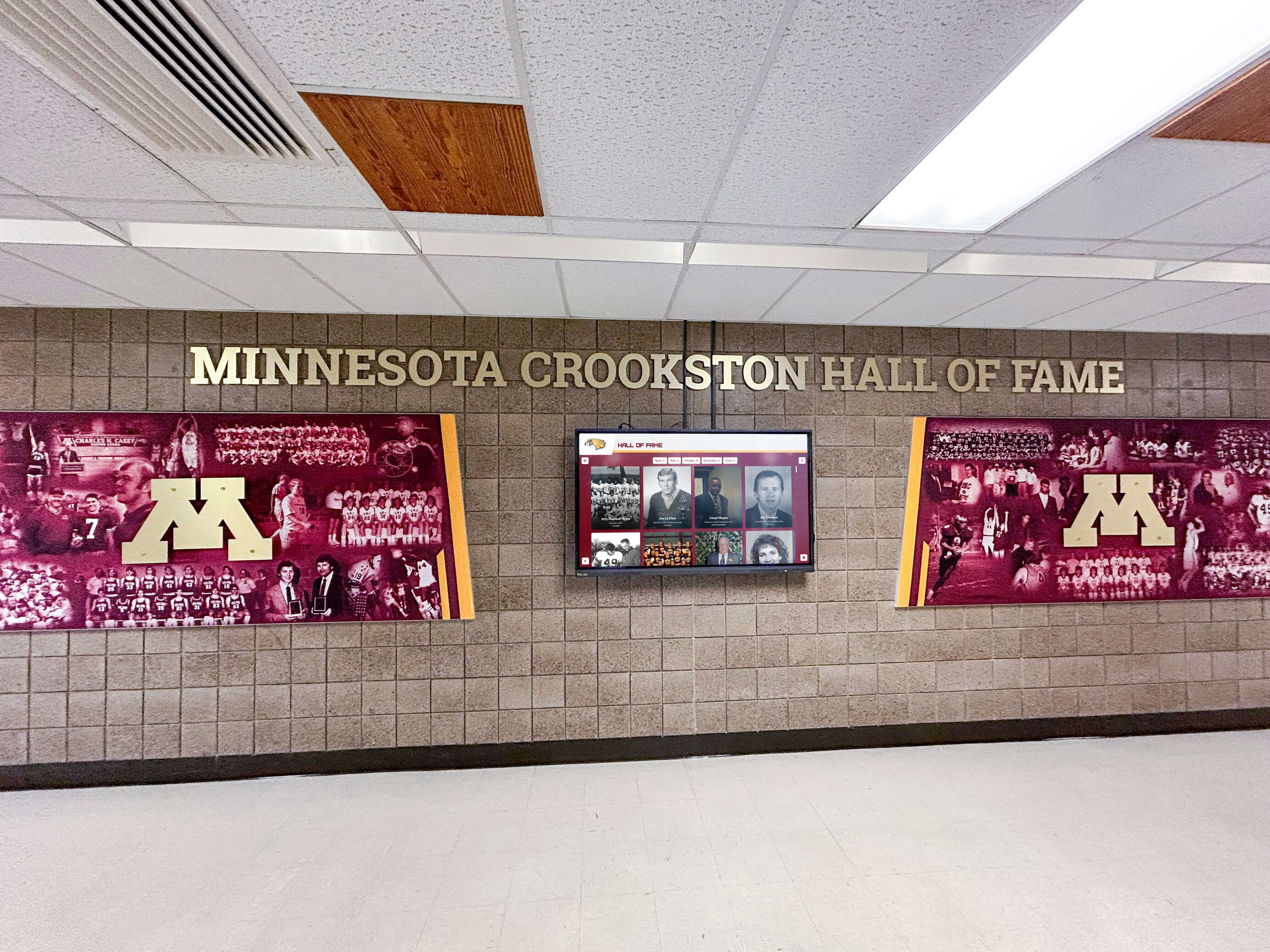
Rocket’s design system accommodates diverse brand expressions through parameterized styling—institutional colors, typography, logo treatment, and visual motifs customize throughout the system while maintaining structural consistency. Custom layouts can implement brand-specific treatments that standard templates don’t capture.
Schools with rigorous brand standards successfully implement Rocket by treating the platform’s design system as structural constraints (like engineering requirements in architecture) that enable rather than prevent authentic brand expression.
“We want to build exactly what we envision, not adapt to someone else’s framework”
This perspective understands the appeal of complete control but underestimates the total cost and ongoing burden of maintaining custom systems over time. Schools choosing this path accept responsibility for:
- Responsive implementation ensuring quality across all devices
- Accessibility compliance and ongoing maintenance
- Feature development keeping pace with user expectations
- Security updates and platform maintenance
- Quality assurance preventing visual and functional degradation
- Technical debt management as systems age
Most schools lack the sustained resources and expertise to manage these responsibilities well over multi-year timeframes. Platform approaches deliver 90% of the creative outcomes schools envision at a fraction of the total cost and effort.
“Templates feel generic and won’t differentiate our school”
Modern template systems differ fundamentally from 1990s website builders where everyone’s site looked identical. Rocket’s templates represent compositional frameworks—not finished designs but proven components schools arrange, extend, and customize to create distinctive implementations.
Two schools using identical template libraries create dramatically different recognition experiences through brand application, content strategy, layout selection, custom component requests, and creative composition of standard elements. The template library enables rather than constrains differentiation by providing reliable building blocks schools don’t need to create from scratch.
Making the Right Choice for Your School
Evaluating recognition platforms requires understanding your actual needs versus perceived requirements, realistic assessment of internal technical capacity, and honest consideration of total cost over multi-year operational lifecycles.
Questions That Clarify Requirements
What makes our recognition needs truly unique? Separate genuine distinctiveness from preference for different visual arrangements of common content. Most schools discover their core recognition needs closely match peer institutions even when institutional identity differs significantly.
Who will maintain this system three years from now? If the answer involves specific individuals, consider what happens when those people leave. Platform approaches reduce institutional risk by making maintenance accessible to future staff regardless of technical background.
What’s our realistic capacity for ongoing platform development? Honestly assess whether your school can sustain the technical expertise required to maintain custom-built recognition systems as expectations evolve, security threats emerge, and technology changes over time.
How important is creative differentiation versus operational sustainability? Both matter, but schools often overweight initial creative vision and underweight long-term maintenance burden in platform selection decisions.
Platform Benefits for Most Schools
For the majority of K-12 schools, colleges, and universities, platform-based approaches like Rocket deliver optimal combinations of creative capability, operational sustainability, and total value:
Proven reliability: Battle-tested technology validated across thousands of installations eliminates the debugging and troubleshooting that plague custom implementations.
Ongoing innovation: Platform vendors deliver continuous improvements—new features, enhanced capabilities, security updates—automatically rather than requiring ongoing custom development investment.
Risk reduction: Platform approaches reduce institutional risk by enabling future staff to maintain systems confidently regardless of technical background or platform implementation history.
Expandable creativity: Custom layout requests enable genuine creative differentiation when needed while avoiding unnecessary reinvention of common capabilities that platforms already provide reliably.
Total cost advantage: Platform licensing and customization requests typically cost 50-70% less over five-year periods than maintaining equivalent custom-built systems while delivering superior reliability and feature completeness.
For schools exploring various touchscreen display solutions, platform-based approaches consistently demonstrate better long-term value and sustainability than fully custom alternatives.
Implementation Patterns That Work
Schools achieving optimal outcomes with Rocket’s design flexibility follow recognizable patterns that balance speed, risk management, and creative investment appropriately.
Phase 1: Foundation with Standard Templates
Begin implementation using standard templates that address 80% of recognition needs quickly. This establishes baseline capability, demonstrates value, builds administrator confidence, and generates stakeholder enthusiasm supporting future expansion.
Focus initial efforts on content quality—comprehensive historical research, high-quality photography, detailed achievement documentation—rather than customization. Excellent content in standard templates delivers more value than mediocre content in custom layouts.
Phase 2: Identify Genuine Custom Needs
After establishing foundation coverage, actual usage reveals which recognition scenarios genuinely benefit from custom layouts versus which scenarios reflect incomplete understanding of existing template capabilities.
Document specific custom requirements thoroughly:
- What recognition scenario does this address?
- Why do existing templates prove inadequate?
- What distinctive outcome justifies custom development investment?
- How many other schools might face similar needs?
Detailed requirements enable Rocket to build custom layouts that address underlying needs rather than simply implementing surface-level visual preferences.
Phase 3: Strategic Custom Development
Request custom layouts for scenarios where genuine distinctiveness justifies investment. Remember that custom layouts built for your needs become available to all Rocket customers, distributing development value across the entire customer base.
Prioritize custom requests that enable recognition scenarios impossible with standard templates rather than merely preferring different visual arrangements of content standard templates already handle well.
Phase 4: Continuous Quality Management
Leverage AI quality controls and design system governance to maintain consistency as content expands. Use AI feedback as educational input helping administrators develop design literacy over time.
Review analytics regularly to understand which recognition content engages community members most effectively, informing both content strategy and decisions about where custom development might enhance engagement further.
For guidance on creating comprehensive digital recognition programs, this phased approach balances rapid implementation with strategic customization investment.
Looking Forward: Design Evolution Within Governance
Recognition systems aren’t static implementations but evolving platforms that should improve continuously as usage patterns emerge, stakeholder expectations evolve, and new capabilities become possible. Rocket’s architecture supports this evolution while preventing the fragmentation that typically accompanies change.
Platform Development Based on Usage Patterns
As Rocket collects analytics across thousands of installations, usage patterns reveal which recognition scenarios engage communities most effectively and which layouts prove most successful for specific content types. This intelligence drives platform development priorities, ensuring that template expansions and new capabilities address proven needs rather than hypothetical requirements.
Schools benefit from this collective intelligence automatically through platform updates delivering new templates, improved interaction models, and enhanced capabilities informed by what actually works across diverse institutional contexts.
Community-Driven Template Library Growth
When Rocket builds custom layouts addressing specific school needs, those layouts join the standard template library available to all customers facing similar recognition challenges. This transforms the platform into a continuously expanding toolkit where each custom request potentially benefits the entire customer community.
Over time, this dynamic creates comprehensive template libraries addressing recognition scenarios schools didn’t initially anticipate but discover through actual usage and stakeholder feedback.
Design System Evolution Maintaining Consistency
As recognition display technology evolves—new interaction models, improved accessibility capabilities, enhanced performance optimizations—Rocket’s design system evolves while maintaining the structural consistency that prevents fragmentation.
Schools implementing recognition systems today benefit from continuous improvement without the risk that platform evolution breaks custom implementations or forces choices between staying current and preserving customization investments.
Conclusion: Quality Framework Enabling Creative Freedom
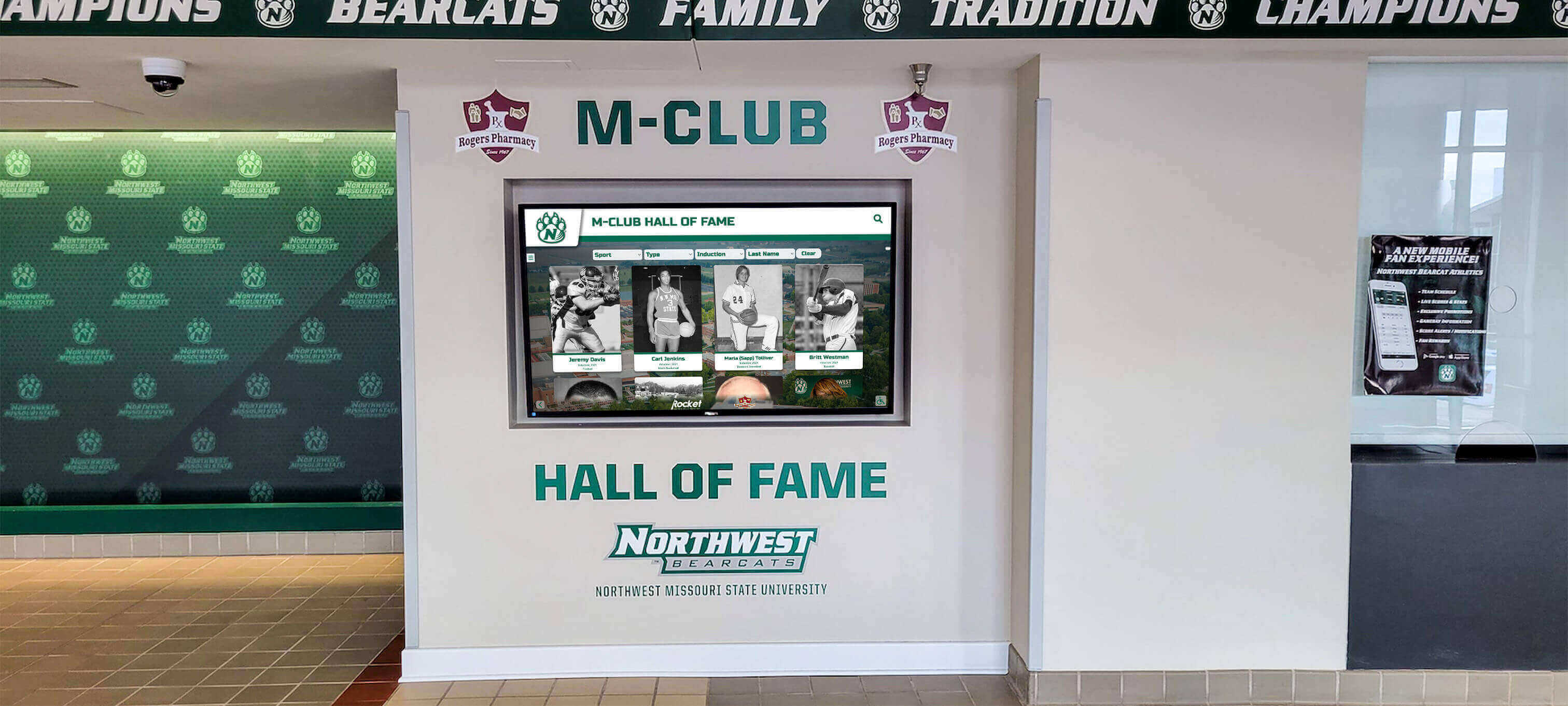
The apparent trade-off between design consistency and creative freedom dissolves when platforms implement appropriate governance architectures. Rocket’s approach demonstrates that templates represent quality frameworks rather than creative ceilings—proven, reliable, accessible components schools compose and extend to create distinctive recognition experiences.
Custom layouts developed at school request become first-class platform features available to all customers, distributing development value across the community while enabling genuine creative differentiation when schools face distinctive recognition challenges.
Design system governance and AI quality controls prevent visual fragmentation not by limiting creativity but by establishing structural constraints that enable diverse creative expression without risking the technical debt, maintenance burden, and gradual degradation that plague unconstrained custom implementations.
Schools gain authentic creative freedom—the ability to create recognition experiences reflecting their unique identity and needs—backed by platform-grade reliability ensuring those implementations remain responsive, accessible, feature-compatible, and sustainable over time.
The real choice isn’t between consistency and creativity. It’s between building and maintaining custom capability internally or leveraging shared platform capability that delivers similar creative outcomes without requiring schools to own the full technical burden supporting those capabilities.
For most schools, platform-based customization within governed design systems delivers optimal combinations of creative flexibility, operational sustainability, professional quality, and long-term value that fully custom approaches promise but rarely deliver at comparable total cost.
Experience Governed Creative Freedom
Discover how Rocket Alumni Solutions balances design consistency with creative flexibility. See how custom layouts inherit platform guarantees while AI quality controls prevent fragmentation.
Book a DemoRecognition technology should enable rather than constrain creative expression. When platforms provide quality frameworks, support strategic customization, and maintain structural consistency through design governance, schools achieve the creative freedom they want with the operational sustainability they need—no trade-offs required.