



When a generous donor funds a new athletic facility, a family memorial honors a loved one’s legacy, or a capital campaign culminates in facility transformation, the dedication ceremony represents far more than ribbon-cutting formality. These carefully orchestrated events acknowledge significant contributions, permanently connect supporters with spaces their generosity created, inspire future philanthropy through visible appreciation, and create meaningful moments families cherish for generations.
Yet many organizations approach dedication planning reactively—scrambling to coordinate logistics weeks before construction completion, struggling to balance donor preferences with institutional protocols, and missing opportunities to maximize recognition impact while honoring contributors appropriately. Thoughtful dedication ceremony planning ensures these milestone events reflect the significance of gifts they celebrate while creating lasting recognition infrastructure that continues honoring supporters long after ceremonial speeches conclude.
Why Dedication Ceremonies Matter Beyond the Event Itself
Strategic dedication ceremony planning serves multiple critical purposes simultaneously: it provides appropriate public acknowledgment to donors whose extraordinary generosity enabled facility creation, establishes permanent recognition infrastructure ensuring ongoing appreciation, creates powerful cultivation tools inspiring prospective supporters, demonstrates organizational values around gratitude and stewardship excellence, and generates meaningful family moments connecting personal legacies to institutional missions. Modern recognition solutions like Rocket Alumni Solutions provide purpose-built platforms specifically designed for comprehensive dedication recognition, combining permanent digital tributes with flexible storytelling capabilities that traditional plaques alone cannot achieve.
Understanding Dedication Ceremonies: Purpose and Significance
Dedication ceremonies represent formal events marking the official opening, naming, or commemoration of physical spaces—including buildings, athletic facilities, academic wings, performance halls, memorial gardens, equipment installations, or renovated areas—typically in recognition of significant philanthropic support or to honor individuals whose contributions shaped institutional character and mission advancement.
These events serve fundraising and stewardship functions extending well beyond single-day celebrations. Properly executed dedications validate major gift decisions for current donors, inspire prospective supporters considering significant commitments, demonstrate stewardship excellence attracting future philanthropy, create lasting family connections to organizational missions, generate media coverage amplifying recognition reach, and establish permanent acknowledgment infrastructure honoring generosity for decades.
Organizations approach dedications with varying levels of formality depending on gift magnitude, donor preferences, and institutional culture. Major facility namings warranting significant investment might include 100+ attendees with formal programs, distinguished speakers, facility tours, reception elements, and media coverage. More intimate memorial dedications honoring individual legacies often feature smaller family-centered gatherings emphasizing personal tributes and meaningful storytelling rather than institutional formality.
Regardless of scale, successful dedications share common elements: they honor supporters appropriately and authentically, provide suitable publicity reflecting gift significance, create memorable experiences for donors and families, establish permanent recognition visible to facility users, and align ceremonies with institutional values and community expectations.
Types of Dedication Ceremonies
Building and Facility Dedications: The most visible dedication category involves naming entire buildings, athletic complexes, academic wings, or major facilities following transformative gifts enabling construction or comprehensive renovation. These ceremonies typically feature the highest formality levels, extensive planning timelines, significant attendance, and substantial permanent recognition including building signage, lobby tributes, and comprehensive digital displays documenting donor impact.
Schools and universities commonly host building dedications for new athletic training centers, academic buildings, performing arts facilities, student centers, residence halls, or library expansions made possible through major donor commitments or successful capital campaigns. Athletic programs particularly benefit from donor-funded facility improvements that elevate program quality while creating outstanding recognition opportunities.
Memorial Dedications: Organizations honor deceased supporters, beloved faculty members, distinguished alumni, or community figures through memorial dedications establishing lasting tributes that celebrate lives and legacies while serving institutional missions. Memorial spaces might include gardens, scholarship funds, named classrooms, athletic awards, performance halls, or endowed chairs created by families seeking meaningful ways to celebrate loved ones’ values and community connections.
Memorial dedications typically emphasize personal storytelling, family involvement, and emotional resonance over institutional formality. Families appreciate ceremonies reflecting their loved one’s character, interests, and impact while creating permanent recognition ensuring names and contributions endure beyond individual lifetimes.
Space and Room Dedications: Beyond entire buildings, many gifts support naming opportunities for specific spaces including classrooms, laboratories, athletic training rooms, locker facilities, conference rooms, study areas, performance stages, or specialized equipment installations. These focused dedications provide accessible major gift entry points while offering appropriate recognition scaled to contribution levels.
Room dedications work particularly well when aligned with donor interests—former athletes naming weight rooms, retired faculty supporting departmental spaces, or alumni families honoring specific programs that shaped educational experiences. Digital recognition systems allow organizations to create comprehensive displays showcasing multiple dedicated spaces throughout facilities while providing detailed information about each contributor’s story and motivations.
Equipment and Technology Dedications: Significant gifts supporting specialized equipment, technology installations, or facility enhancements sometimes warrant dedicated recognition events. Organizations might host ceremonies acknowledging donors funding video boards, timing systems, recording studios, laboratory equipment, interactive displays, or athletic training technologies transforming program capabilities.
While perhaps less formal than building dedications, equipment recognition events provide excellent cultivation opportunities demonstrating donor impact tangibly while showing how specific contributions enhance daily operations and user experiences.
Essential Dedication Ceremony Planning Elements
Successful dedication ceremonies require comprehensive planning addressing logistics, donor relations, program development, permanent recognition, and meaningful experience creation that honors supporters appropriately while serving institutional advancement objectives.
Timeline and Planning Process
Begin dedication planning immediately following major gift commitment rather than waiting until construction nears completion. Comprehensive planning timelines spanning 6-12 months ensure adequate time for donor consultation, logistics coordination, permanent recognition fabrication, program development, invitation processing, and contingency management without last-minute scrambling creating stress and compromise.
12-6 Months Before Ceremony:
- Establish planning committee including advancement, facilities, communications, and donor relations representatives
- Consult donors extensively regarding preferences for ceremony scale, formality, attendee composition, and personal involvement
- Determine appropriate event date considering construction timelines, donor availability, institutional calendars, and seasonal factors
- Develop preliminary budget accounting for reception costs, recognition installation, program materials, media coverage, and contingencies
- Identify permanent recognition approach and begin design processes requiring extended fabrication timelines
- Secure distinguished speakers, institutional leadership participation, and honored guest commitments

6-3 Months Before Ceremony:
- Finalize guest list balancing donor preferences with institutional relationships and space constraints
- Design and produce invitations reflecting event formality and organizational branding standards
- Coordinate facility completion timeline with construction teams ensuring adequate access for ceremony hosting
- Develop detailed program outline including speaking order, recognition elements, facility tours, and reception logistics
- Order permanent recognition elements including signage, plaques, or digital display installations
- Brief speakers on appropriate messaging, time constraints, and donor background information
- Arrange media coverage including photographers, videographers, and institutional communications support
3-1 Months Before Ceremony:
- Mail invitations with RSVP mechanisms tracking attendance for catering and space planning
- Confirm all speaker commitments, prepare remarks, and conduct program run-throughs
- Coordinate reception details including catering, equipment rentals, setup timelines, and vendor management
- Install permanent recognition elements ensuring completion well before ceremony date
- Prepare facility for hosting including cleaning, signage installation, tour route planning, and accessibility verification
- Develop contingency plans for weather (outdoor events), technology failures, or attendance variations
Week of Ceremony:
- Confirm final attendance counts and adjust reception quantities accordingly
- Conduct site walk-throughs with all participants verifying logistics, timing, and coordination details
- Prepare program materials, signage, name badges, and recognition elements for distribution
- Brief all staff, volunteers, and support personnel on roles, timing, and protocols
- Test audio-visual equipment, microphones, and any technology demonstrations planned
- Arrange backup plans for outdoor events including tent rentals or indoor alternatives
Donor Consultation and Involvement
The most successful dedication ceremonies result from extensive donor consultation ensuring events reflect contributor preferences, honor families appropriately, and create experiences donors genuinely value rather than imposing institutional templates regardless of individual circumstances.
Schedule initial planning conversations shortly after gift commitments, exploring donor preferences regarding ceremony scale, preferred attendee composition, desired formality levels, personal participation comfort, and family involvement priorities. Some donors enthusiastically embrace public celebration and speaking opportunities, while others strongly prefer intimate gatherings emphasizing family connections over institutional publicity.
Honor donor preferences even when they differ from standard institutional approaches. Organizations that impose rigid dedication formats regardless of contributor wishes create frustrating experiences undermining the goodwill major gifts should generate, while flexible approaches respecting individual preferences strengthen relationships inspiring continued generosity.
Particularly for memorial dedications, extensive family consultation ensures ceremonies appropriately reflect loved ones’ characters, values, and legacies. Families appreciate opportunities to share stories informing speaker remarks, suggest program elements honoring specific interests or achievements, recommend attendee inclusions, and participate meaningfully in ceremonies celebrating lives they knew intimately.
Program Development and Speaking Elements
Dedication ceremony programs balance appropriate formality with engaging content that honors donors meaningfully while maintaining reasonable duration and audience engagement. The most effective programs typically span 20-45 minutes of formal remarks followed by facility tours, reception opportunities, and informal interaction time.
Essential Program Components:
Welcome and Context Setting: An institutional leader—president, head of school, executive director, or board chair—opens ceremonies with welcome remarks establishing context about the facility’s purpose, the transformative impact donor generosity enables, and the significance this dedication holds for organizational mission advancement.
Donor Recognition and Appreciation: The program centerpiece involves formal acknowledgment of donors whose generosity made facility creation possible. Recognition approaches vary based on gift structure and donor preferences—some ceremonies feature donors speaking personally about philanthropic motivations, while others involve institutional leaders delivering tributes honoring supporters who prefer not speaking publicly.
For memorial dedications, family representatives often deliver personal tributes sharing stories illuminating their loved one’s character, values, community impact, and connections to organizational missions. These personal narratives create emotional resonance and meaningful context that formal institutional remarks alone cannot achieve.
Impact Demonstration and Facility Purpose: Effective programs articulate specifically how dedicated spaces advance institutional missions—the student-athletes who will train in new facilities, academic programs enabled by expanded laboratories, community members served through enhanced performance venues, or research breakthroughs facilitated by specialized equipment. This impact demonstration validates donor investment while inspiring prospective supporters witnessing tangible outcomes philanthropy produces.
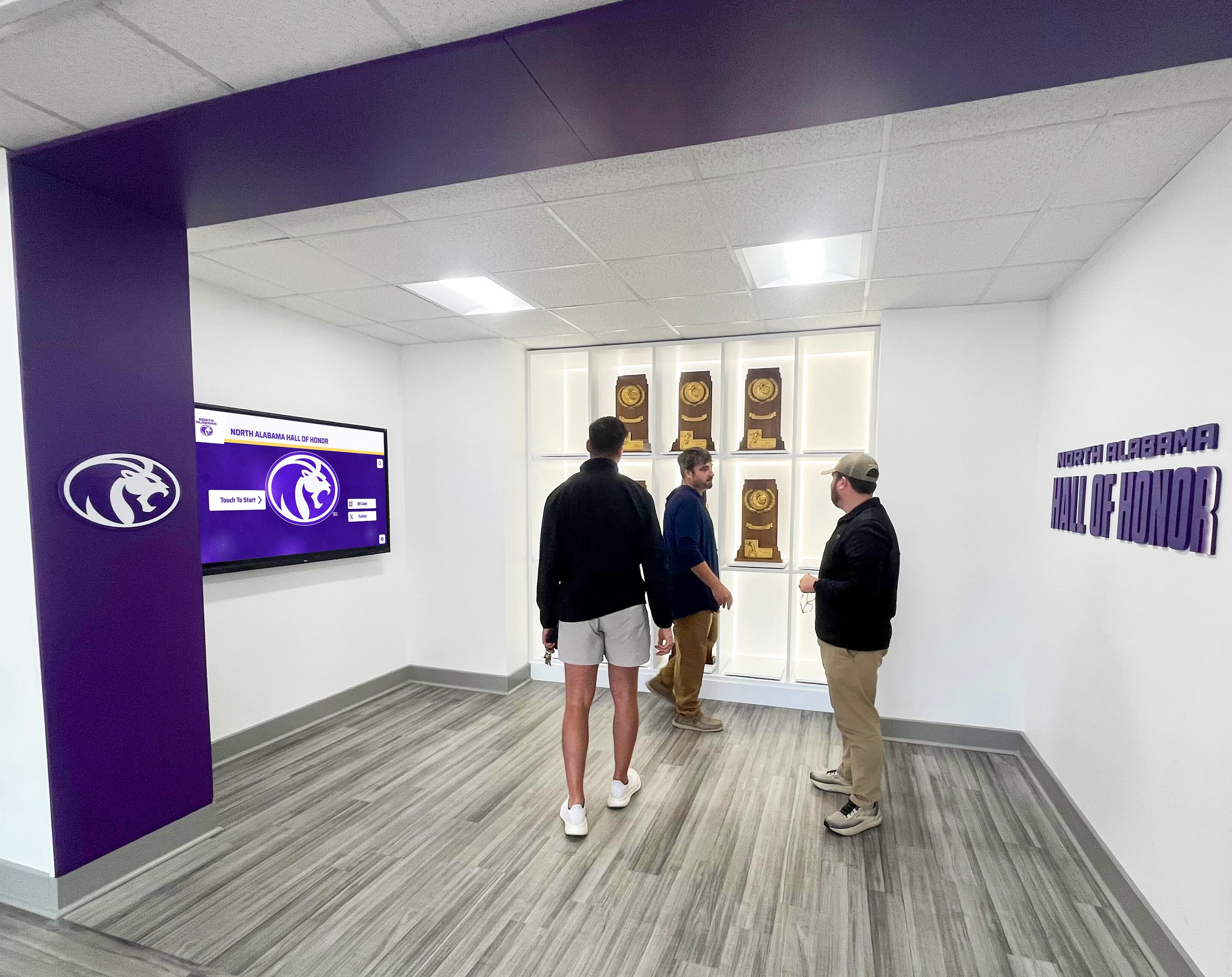
Permanent Recognition Presentation: Dedications typically include formal unveiling or presentation of permanent recognition elements including building signage, memorial plaques, donor walls, or digital recognition displays. This ceremonial moment provides visual culmination to formal programs while creating photographic opportunities families treasure.
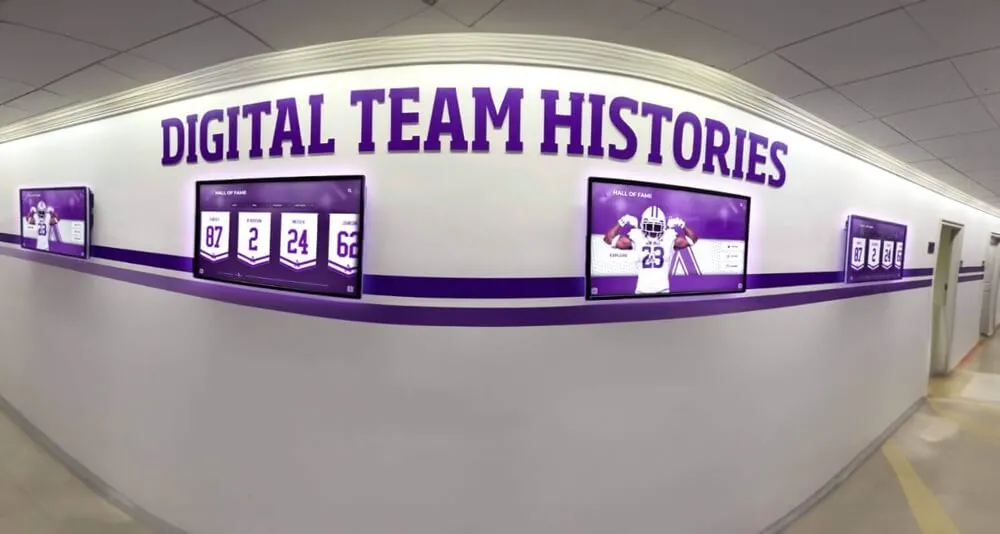
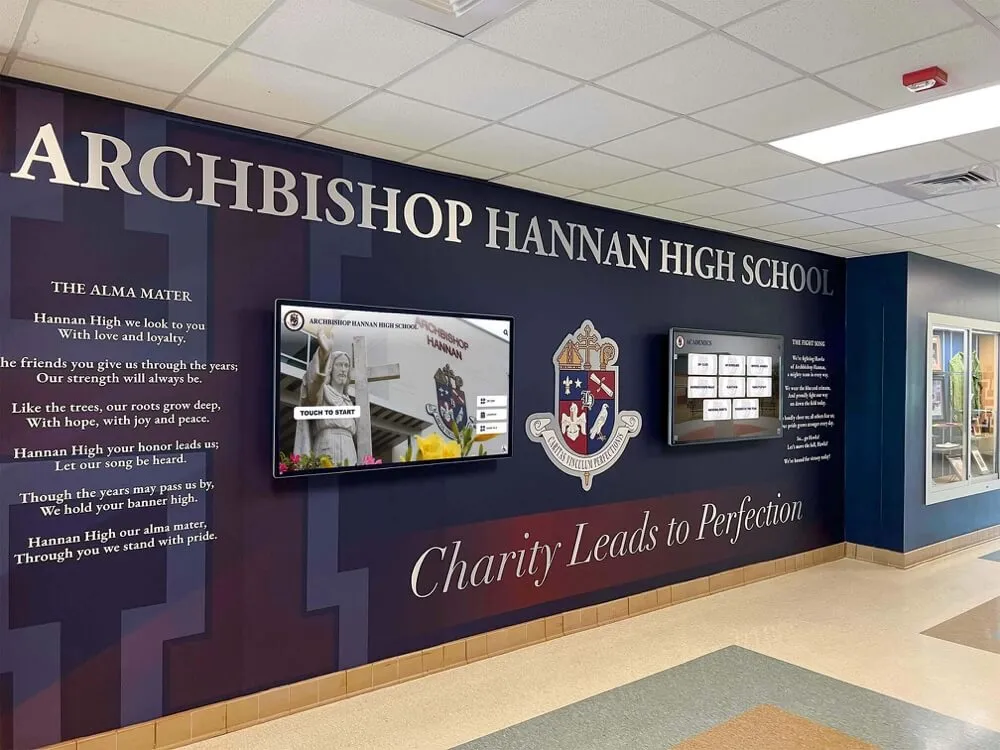
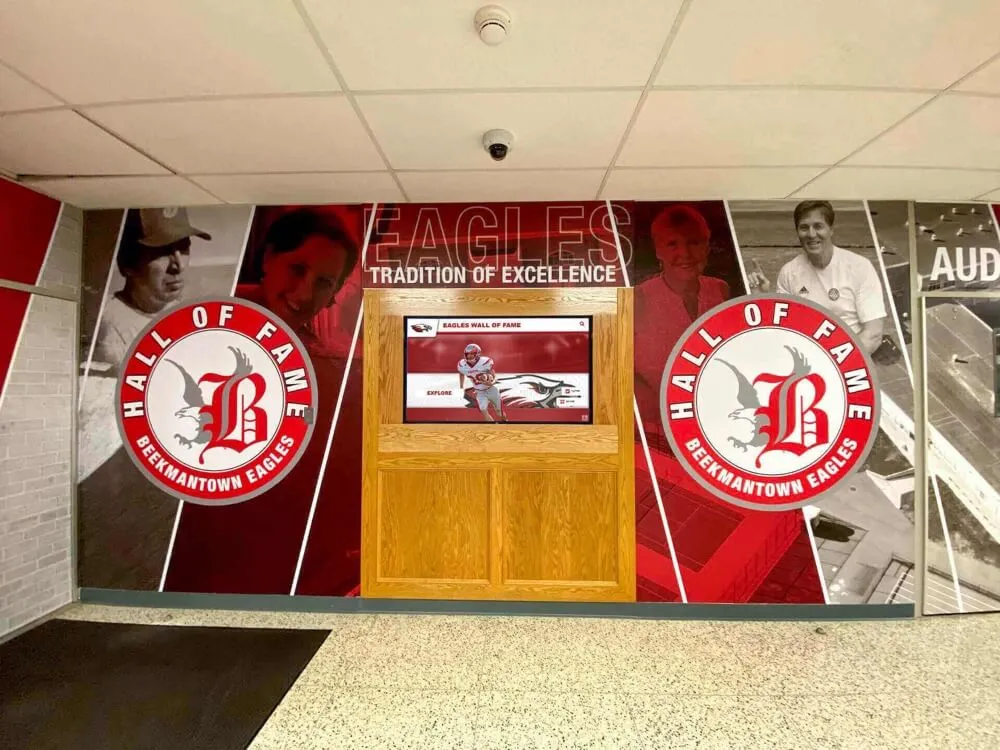
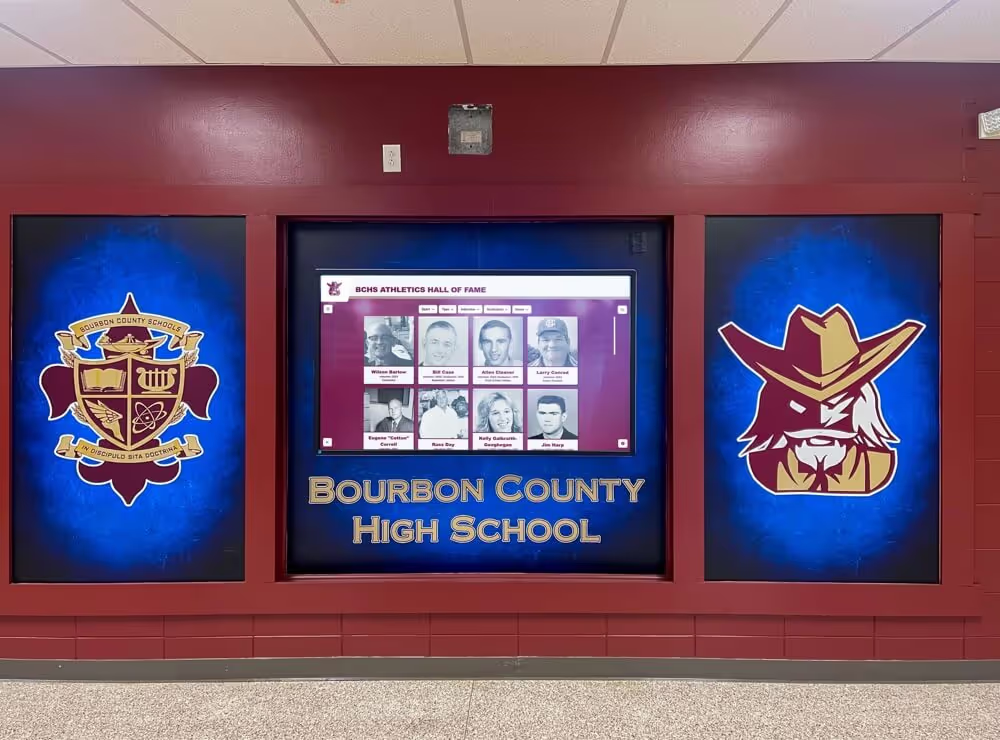
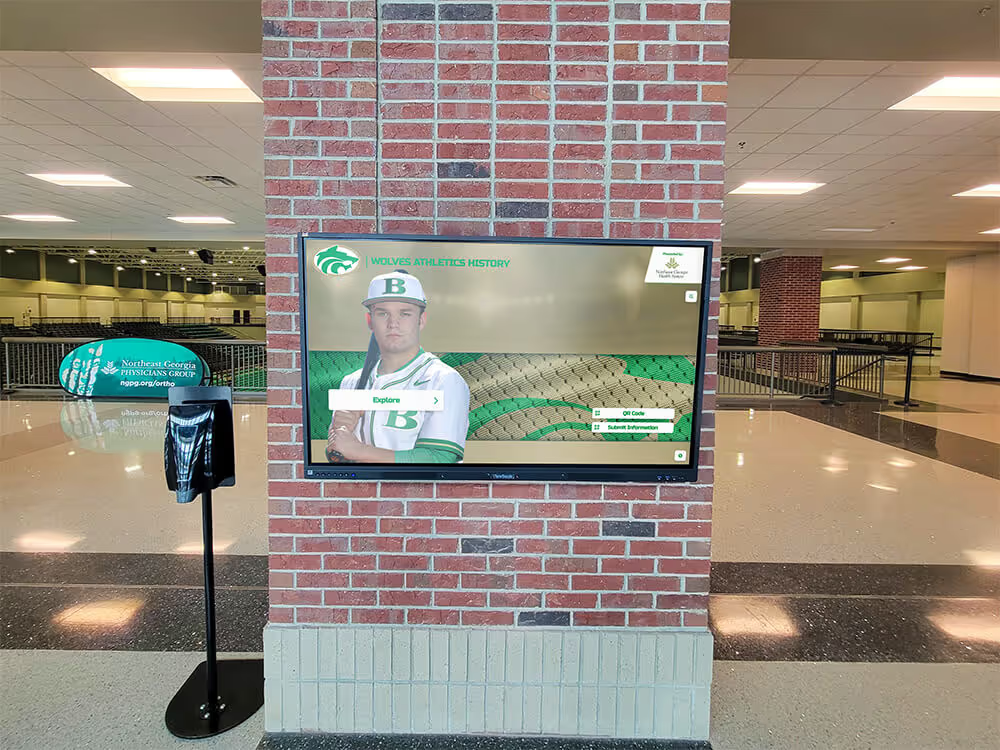
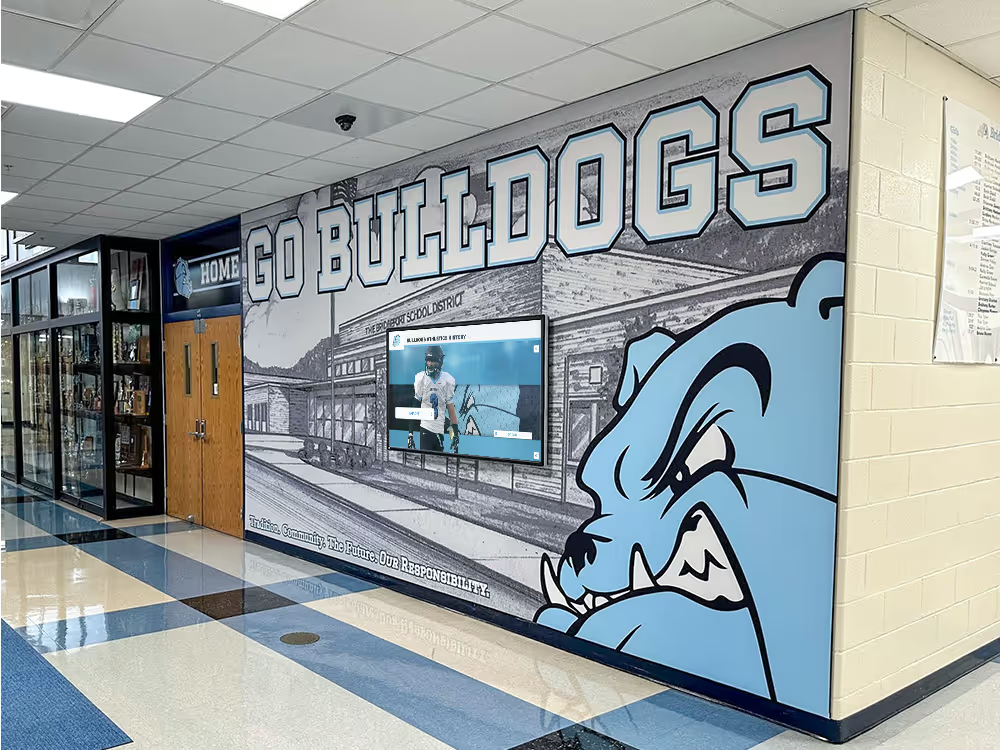
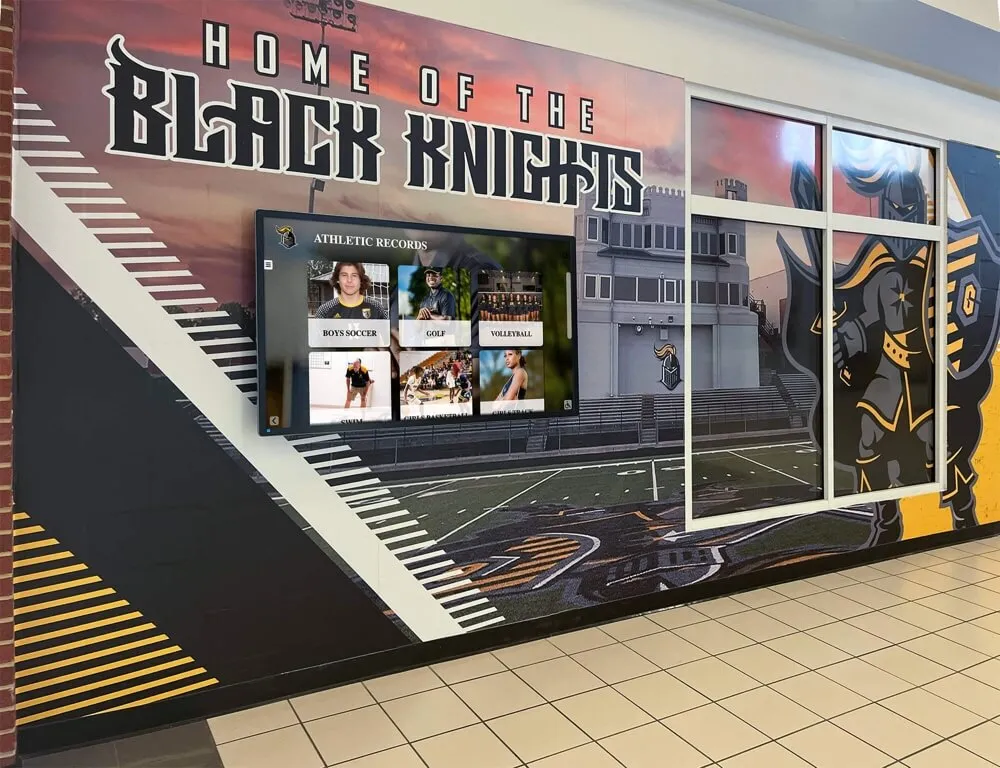
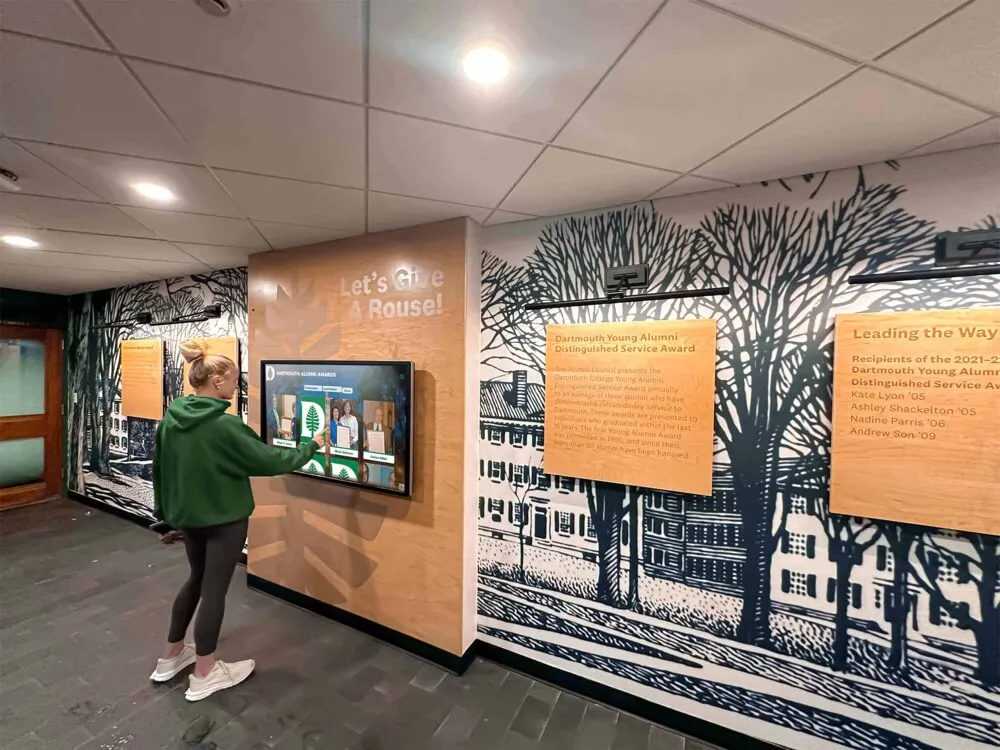
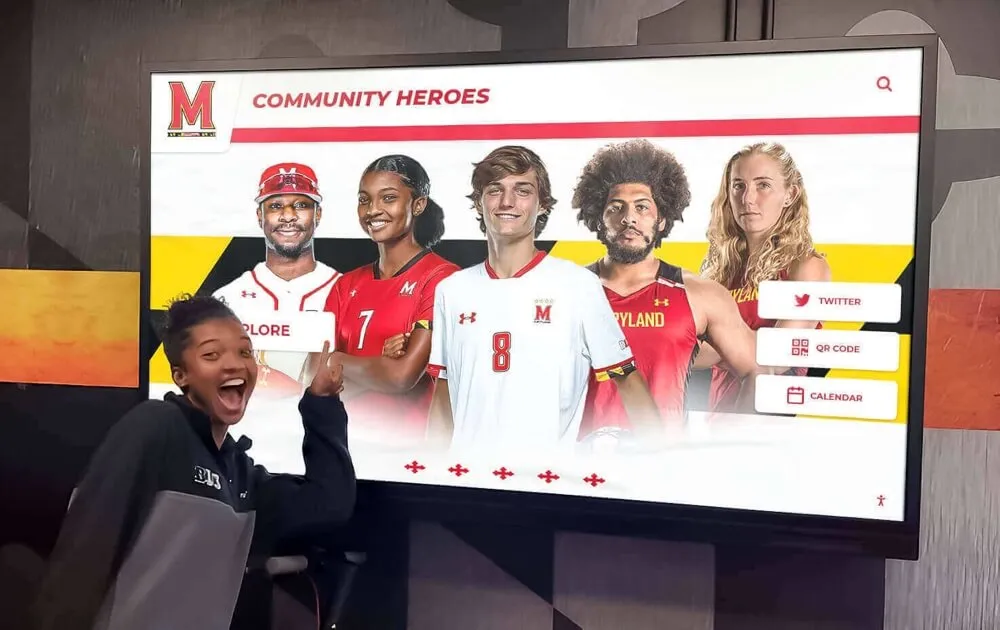
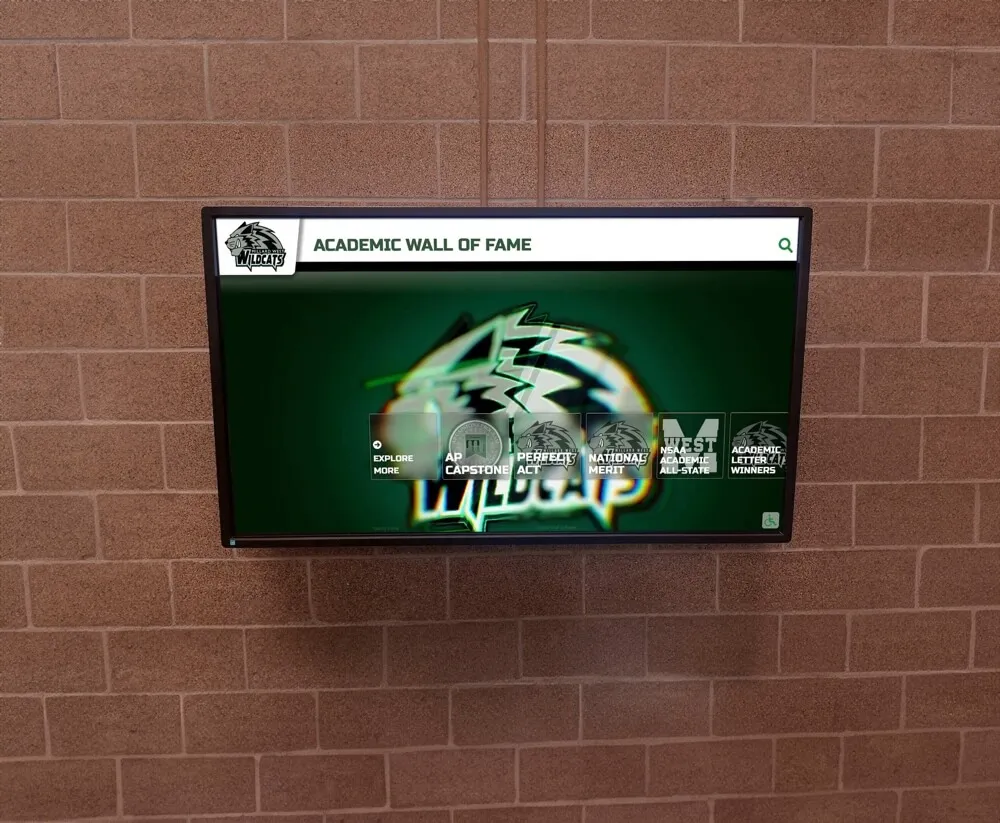
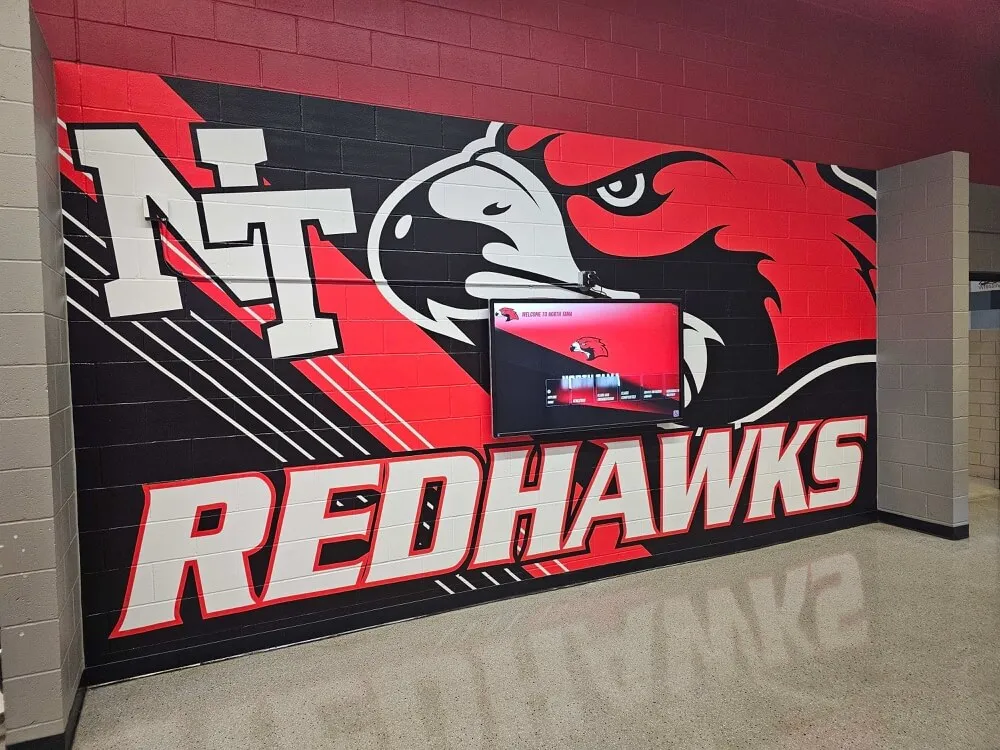
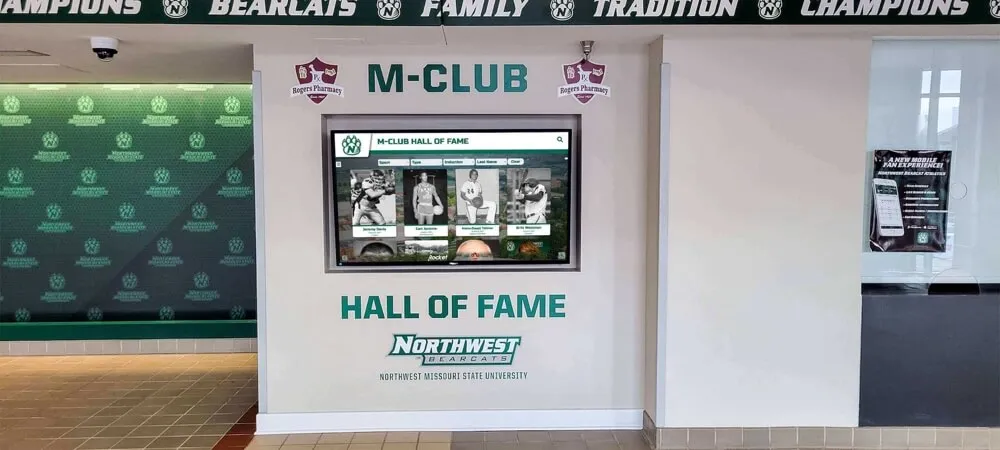
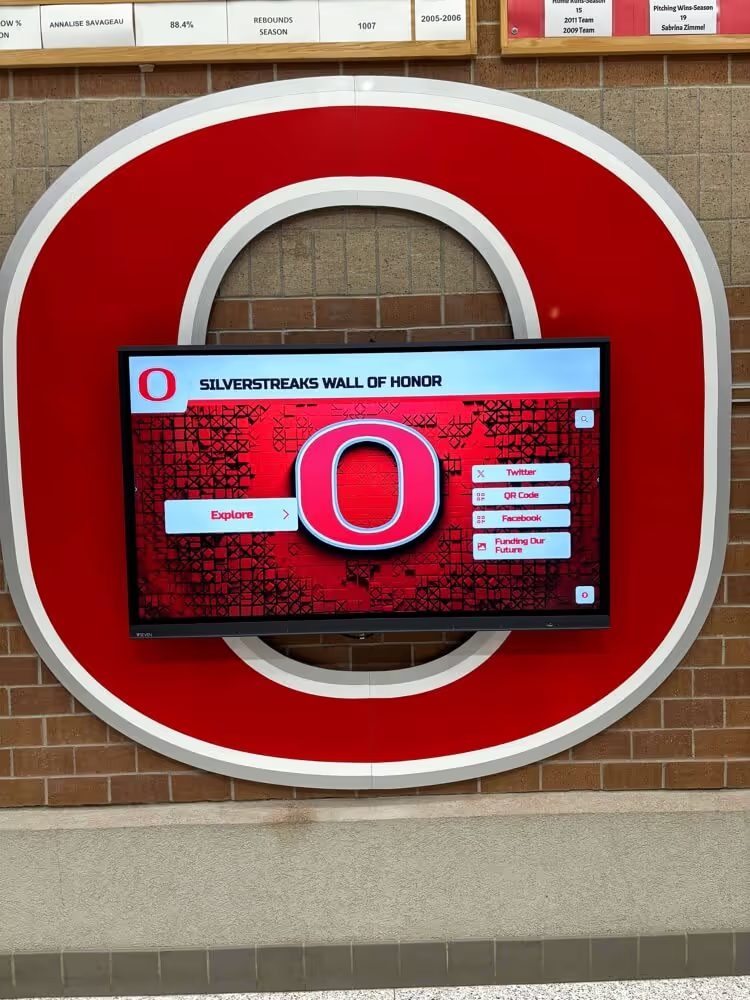
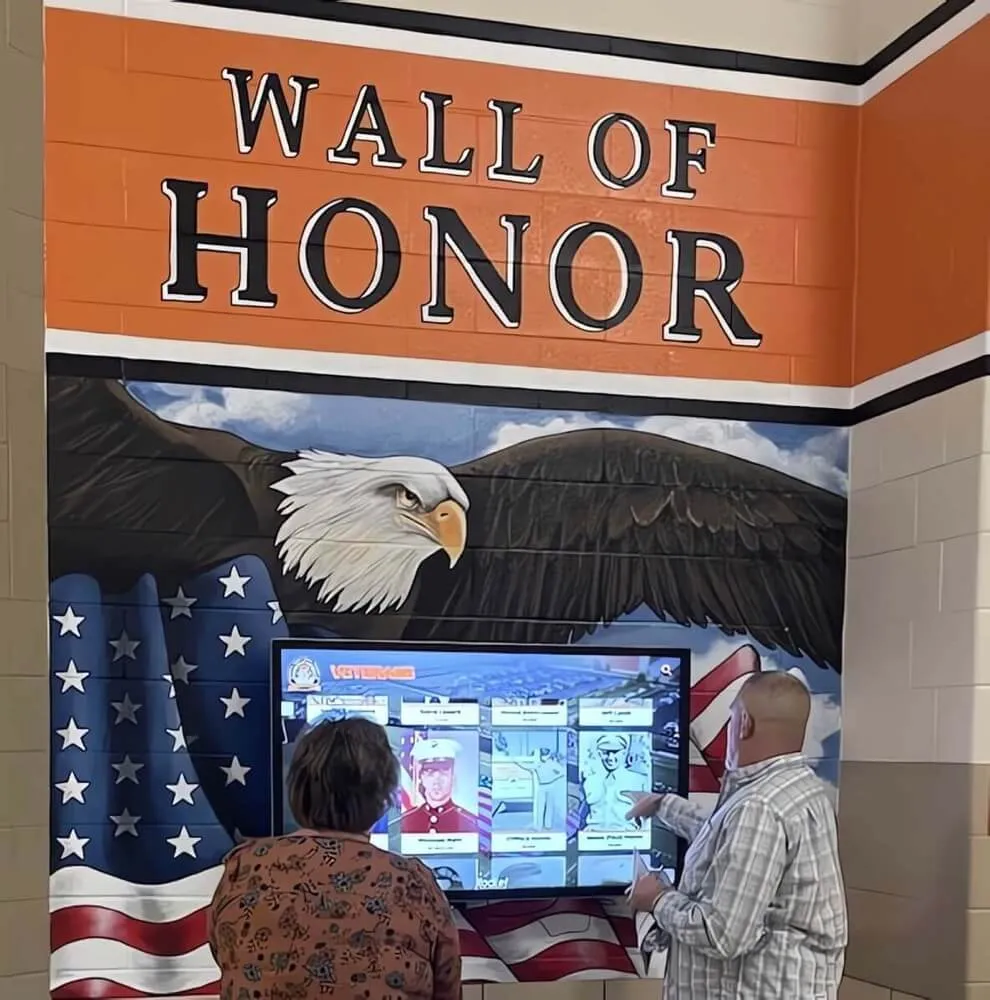
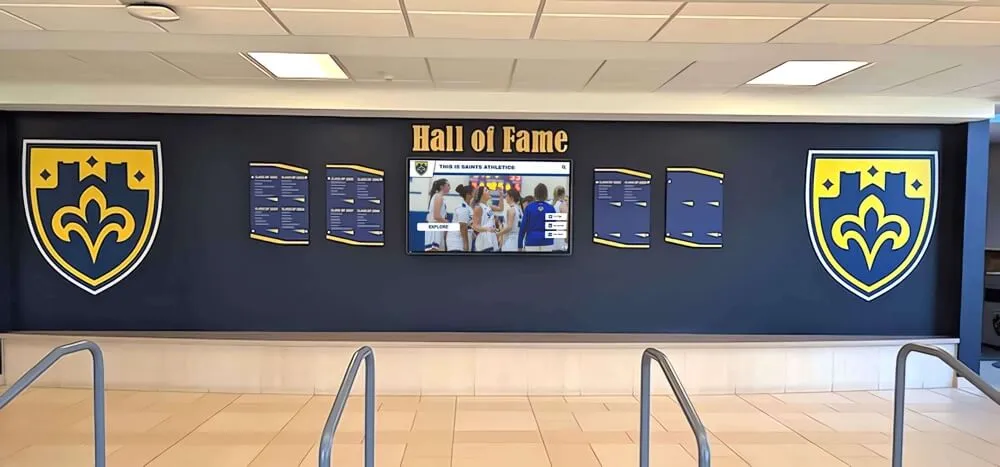
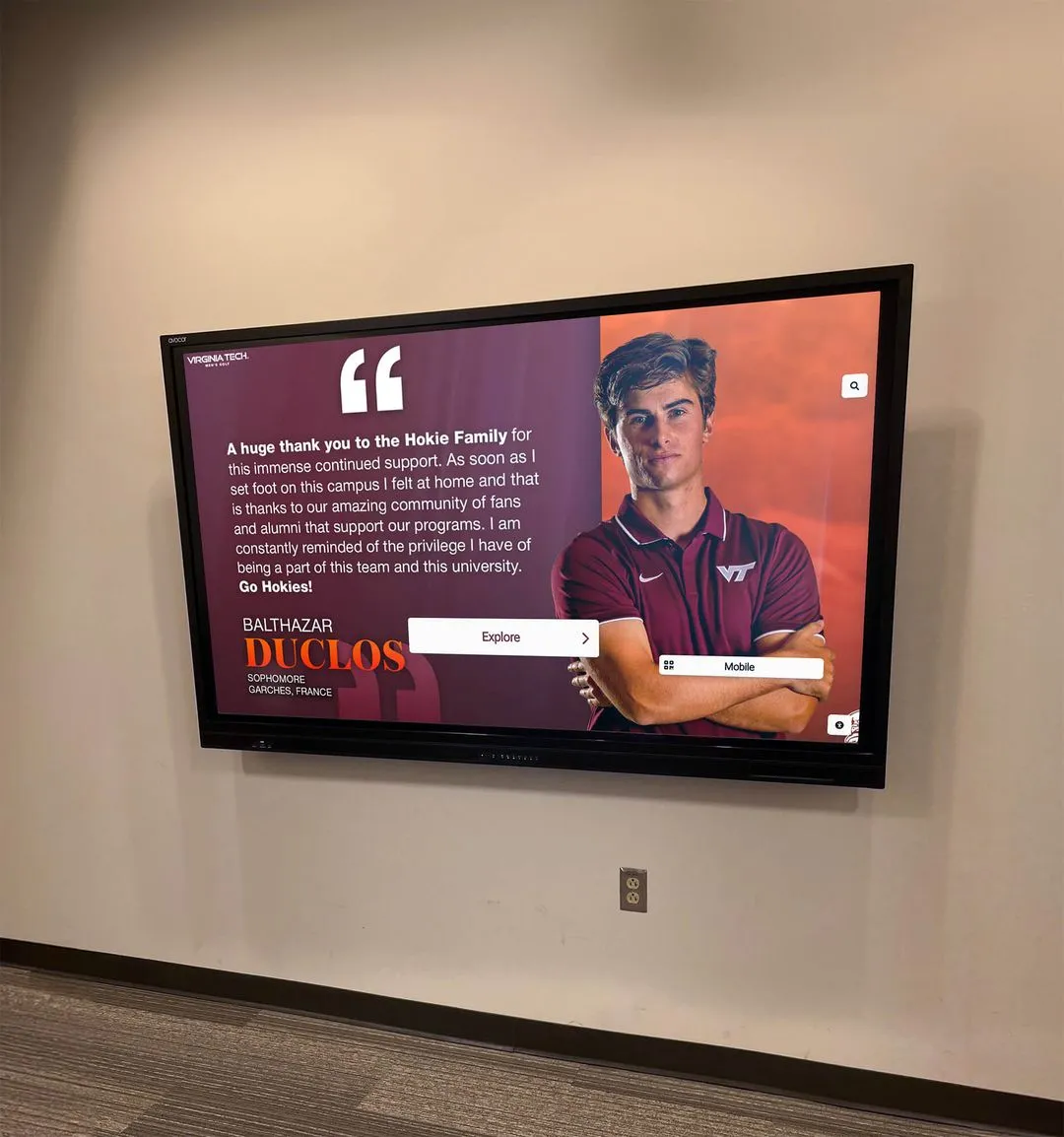
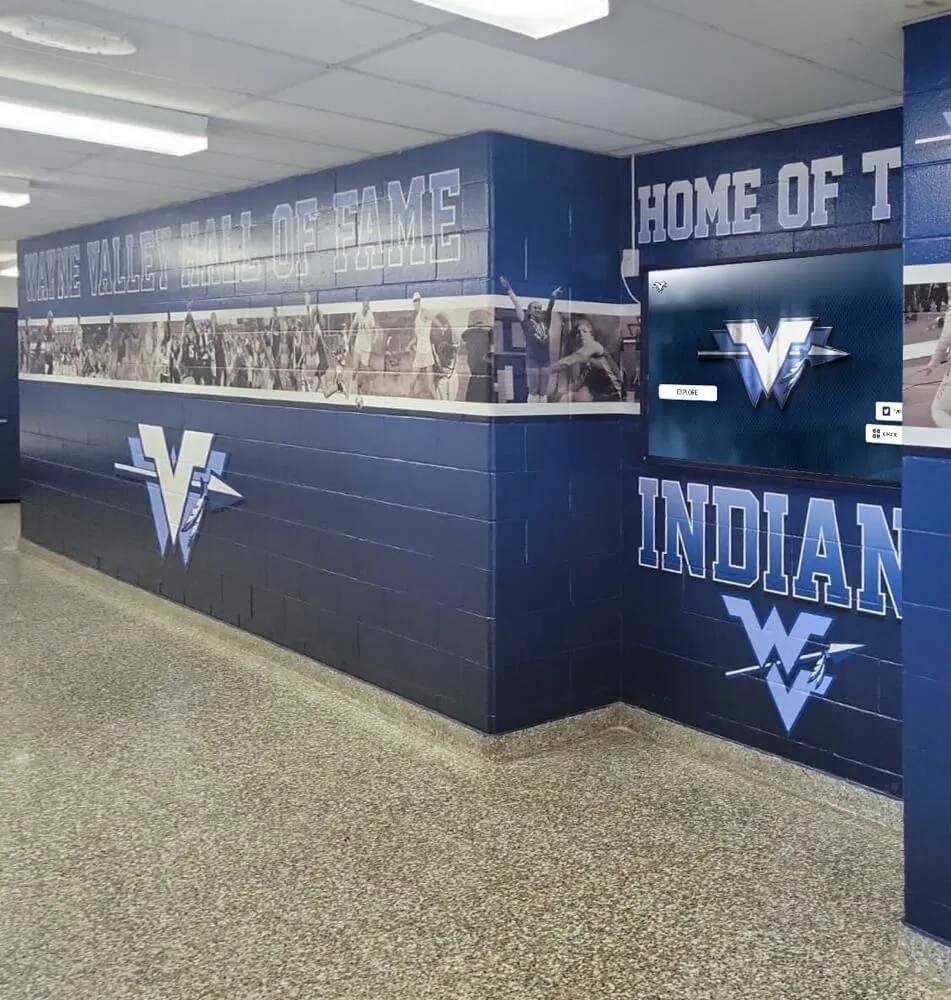
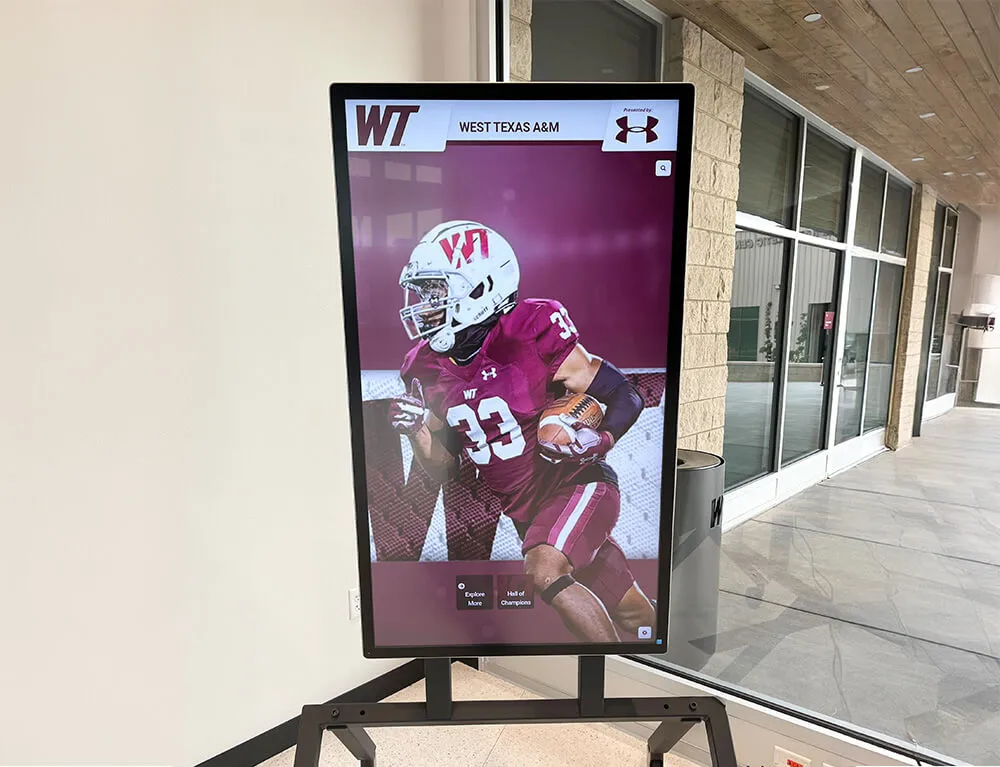
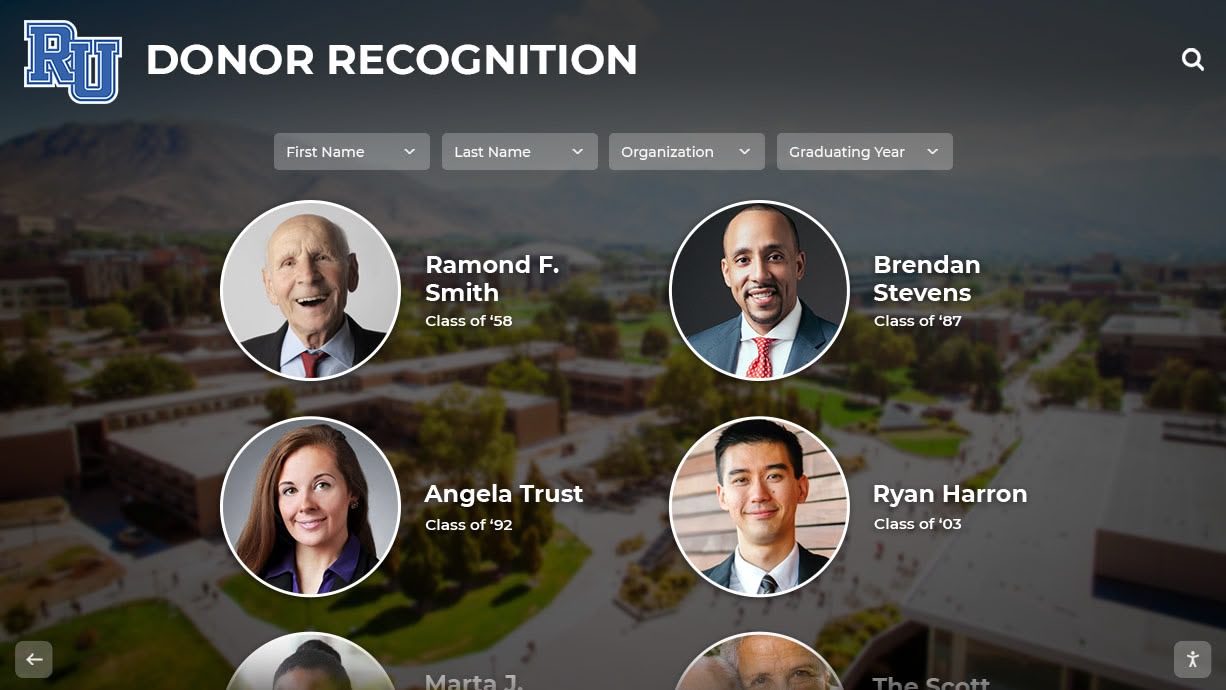
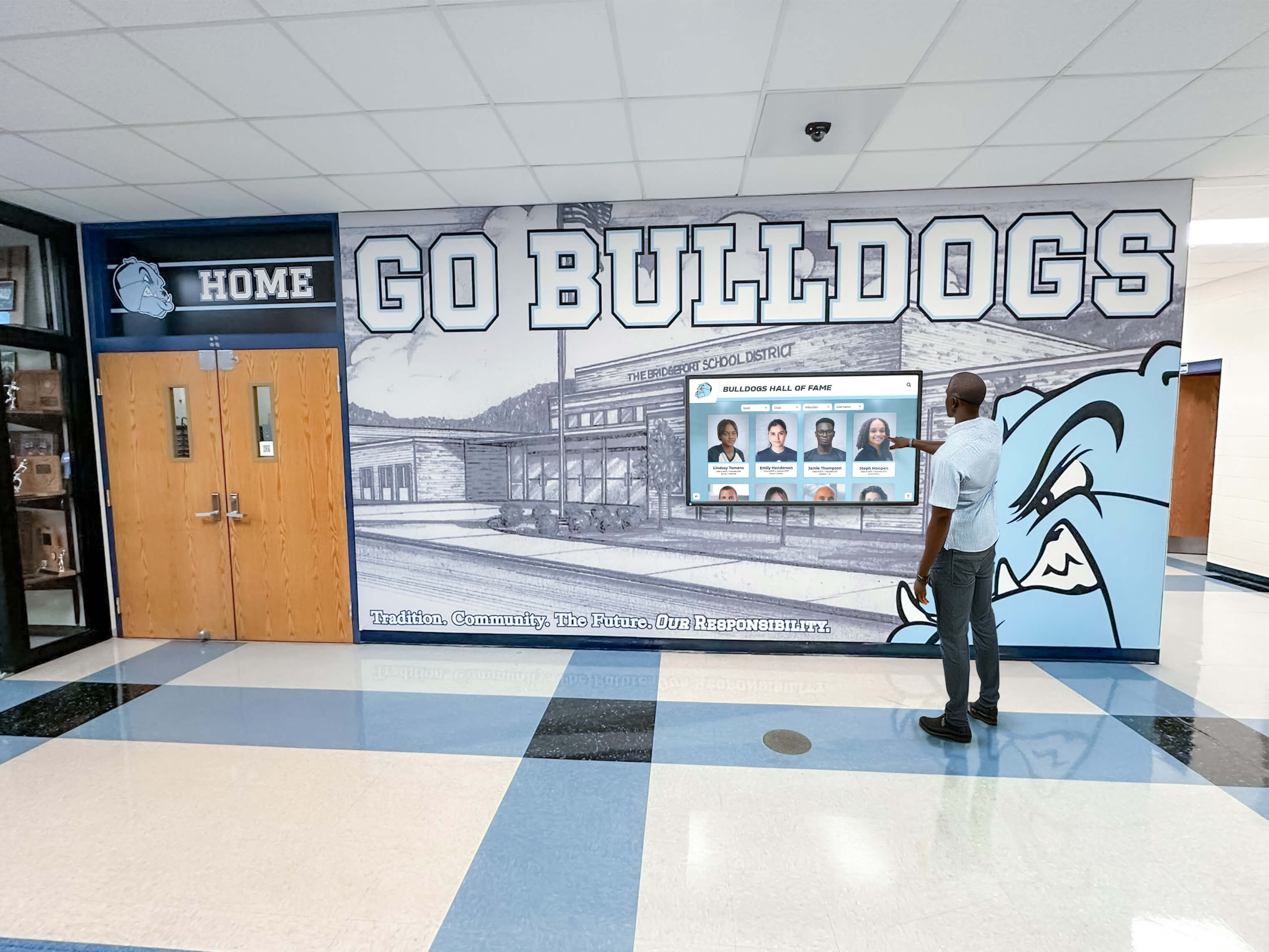
Modern digital recognition displays offer particular advantages during dedications, allowing organizations to showcase comprehensive donor profiles featuring photos, impact stories, family histories, and multimedia content impossible with traditional plaques alone. Interactive systems let dedication attendees explore recognition content immediately following unveiling, creating engagement opportunities and demonstrating platform capabilities inspiring future supporters.
Closing and Transition to Reception: Brief closing remarks thank attendees, invite guests to facility tours or receptions, and reinforce appreciation for the community support making transformative facility improvements possible.
Permanent Recognition Installation
While ceremony logistics matter significantly, the permanent recognition infrastructure installed represents the dedication’s most enduring element—continuing to honor donors daily long after ceremonial events conclude and creating cultivation tools inspiring future supporters for decades.
Traditional Physical Recognition Options:
Building dedications typically include exterior signage permanently identifying facility names, often featuring bronze or stone materials aligned with architectural aesthetics. Interior spaces might incorporate engraved plaques near entrances, etched glass panels, donor walls listing contributors by giving levels, or memorial tributes featuring biographical information and photographic elements.
Physical recognition provides tangible permanence many donors and families value deeply, creating visible tributes requiring no technology infrastructure while aligning with century-old institutional traditions around philanthropic acknowledgment.
However, physical-only approaches impose significant limitations including finite space capacity as donor bases grow over time, high per-donor costs often exceeding $300-$500 for quality materials and professional installation, update inflexibility requiring fabrication delays when adding new contributors, minimal information capacity beyond names and dates, and geographic restriction exclusively to physical facility visitors.
Digital Interactive Recognition Systems:
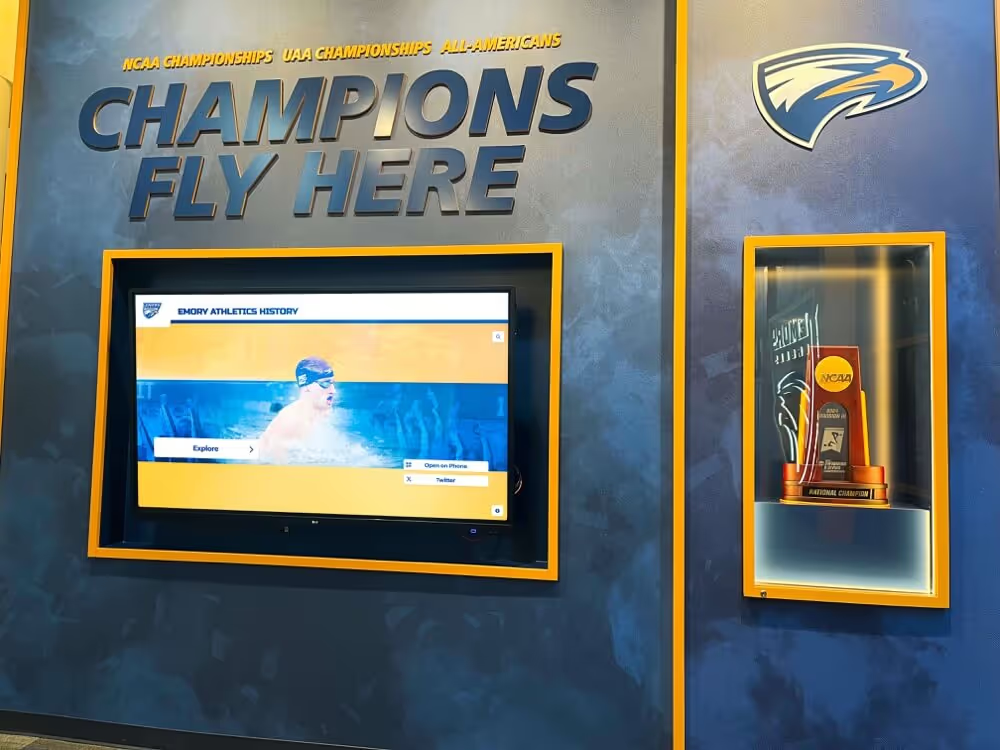
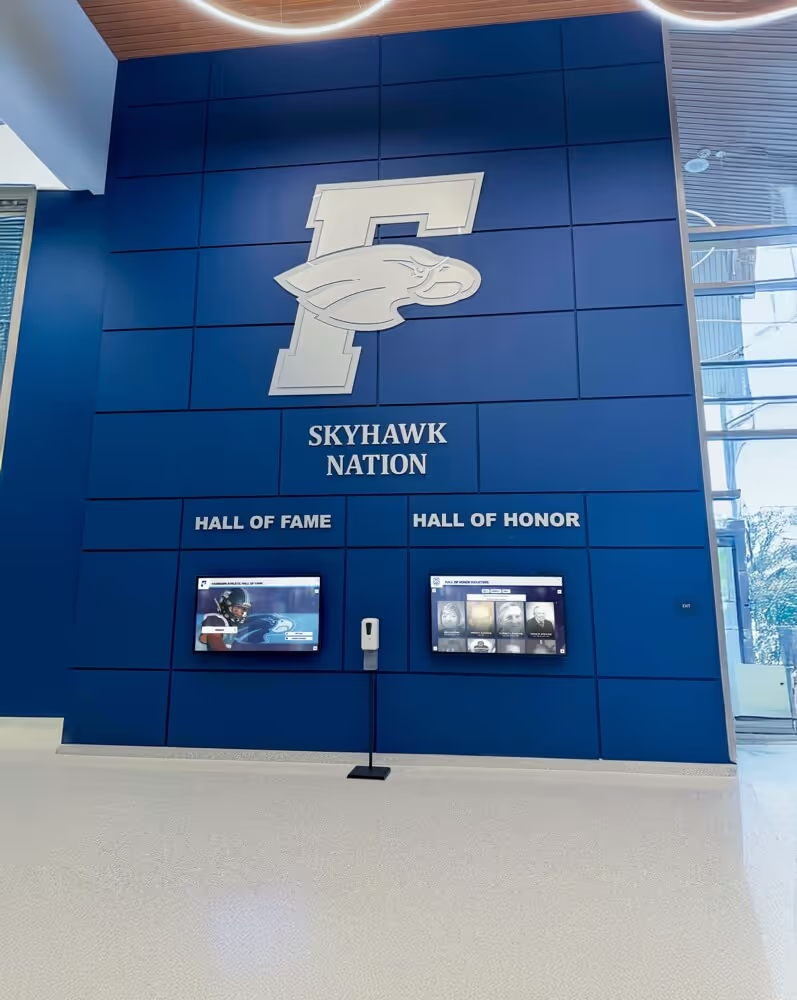
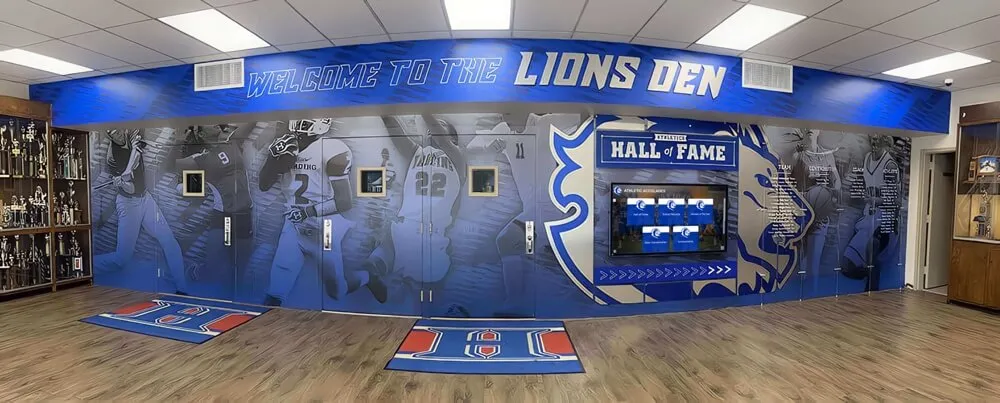
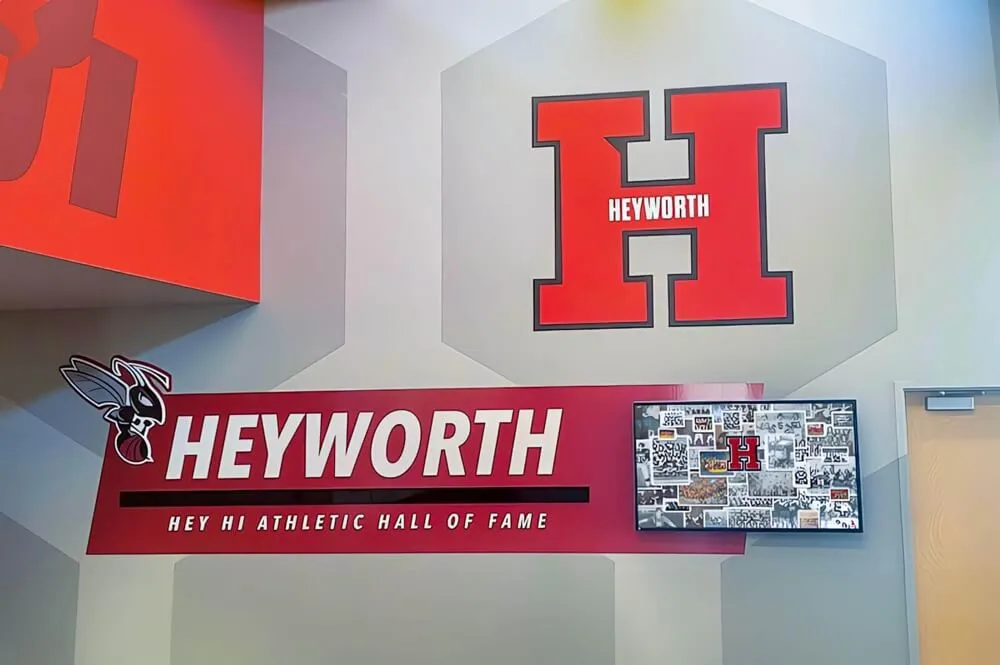
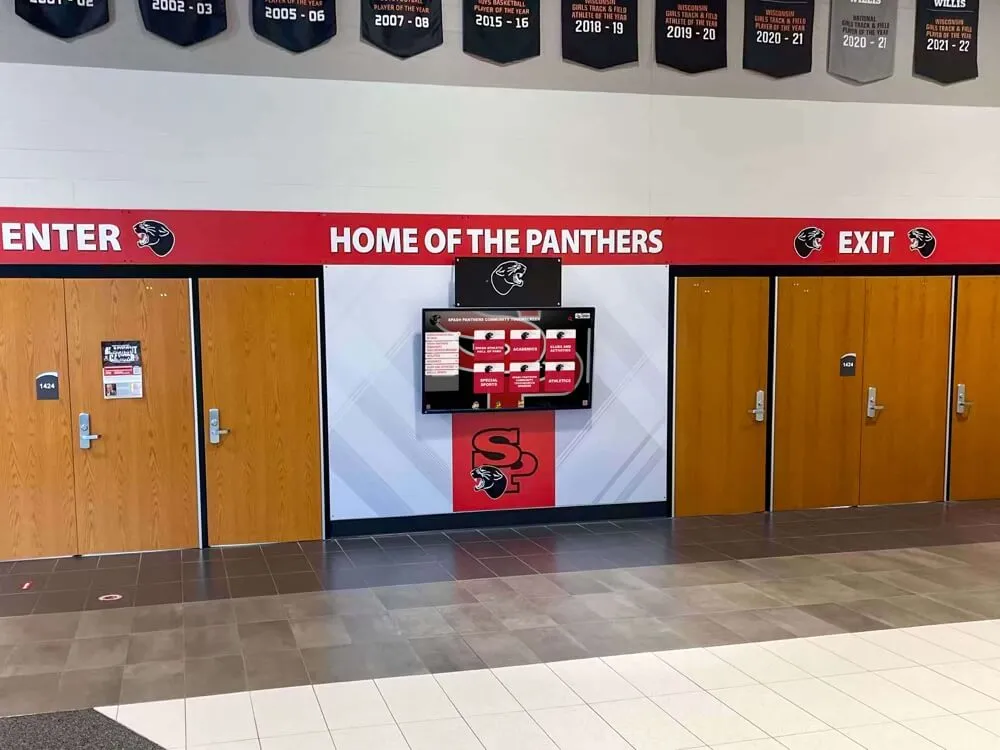
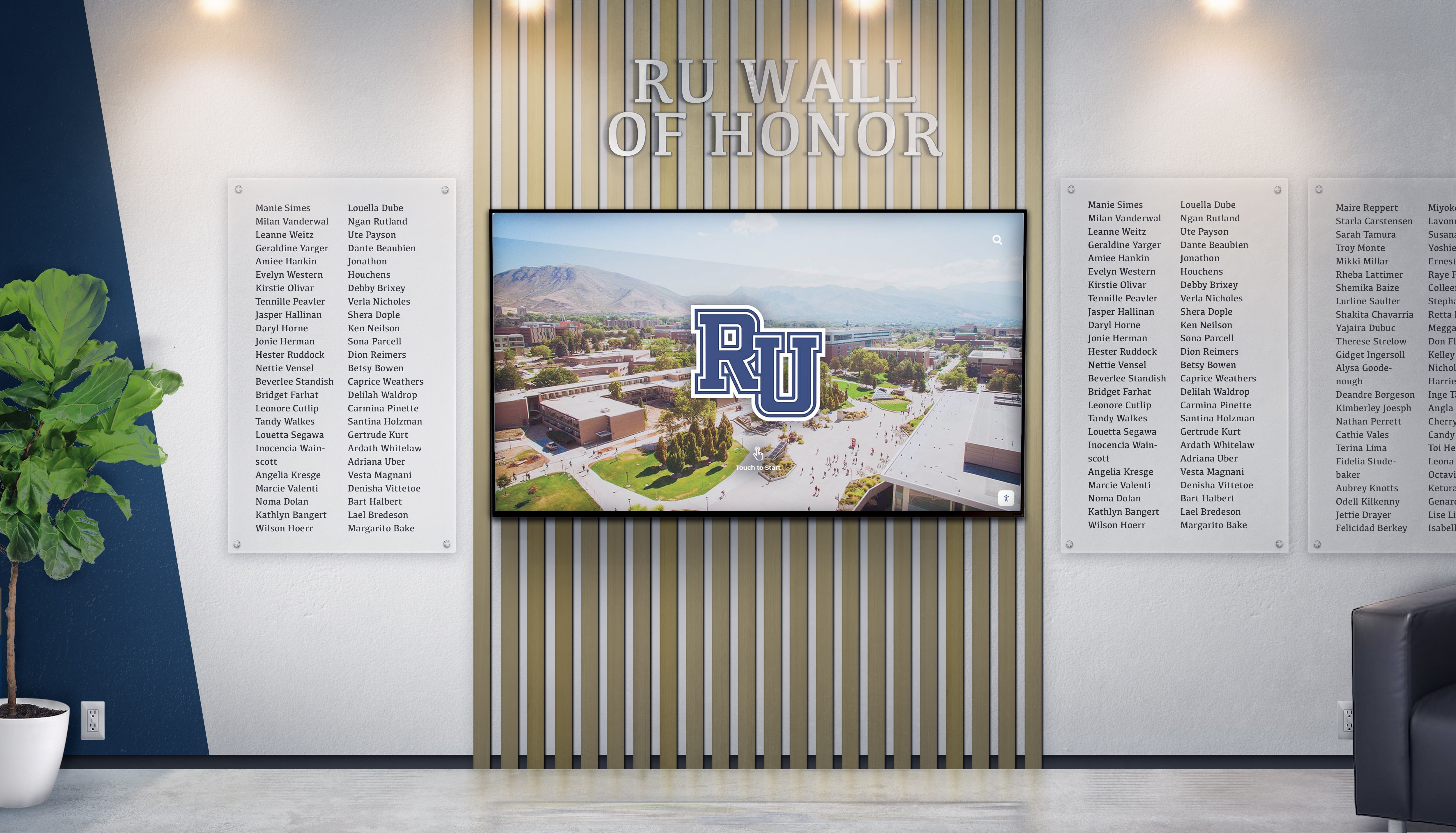
Modern dedication planning increasingly incorporates comprehensive digital recognition addressing every limitation traditional approaches impose while adding capabilities impossible with physical-only systems. Digital donor walls transform how organizations honor facility supporters by providing unlimited recognition capacity, instant content updates, rich multimedia storytelling, powerful search functionality, remote accessibility, and flexible categorization supporting complex giving scenarios.
For dedication ceremonies, digital systems offer compelling advantages including comprehensive profile capabilities featuring high-resolution photos, video testimonials, detailed impact documentation, and family histories celebrating donor legacies thoroughly. Interactive displays allow ceremony attendees to explore recognition content immediately following unveiling, creating memorable experiences while demonstrating platform sophistication. Recognition content remains fresh through featured donor rotation, impact story updates, and seasonal customization maintaining engagement across years.
Organizations successfully implementing interactive touchscreen displays for dedication recognition report that supporters appreciate technology-enabled storytelling capabilities, families value the ability to share digital recognition with distant relatives unable to attend ceremonies, and advancement teams leverage interactive platforms during donor cultivation conversations demonstrating how future gifts would be acknowledged appropriately.

Hybrid Recognition Approaches:
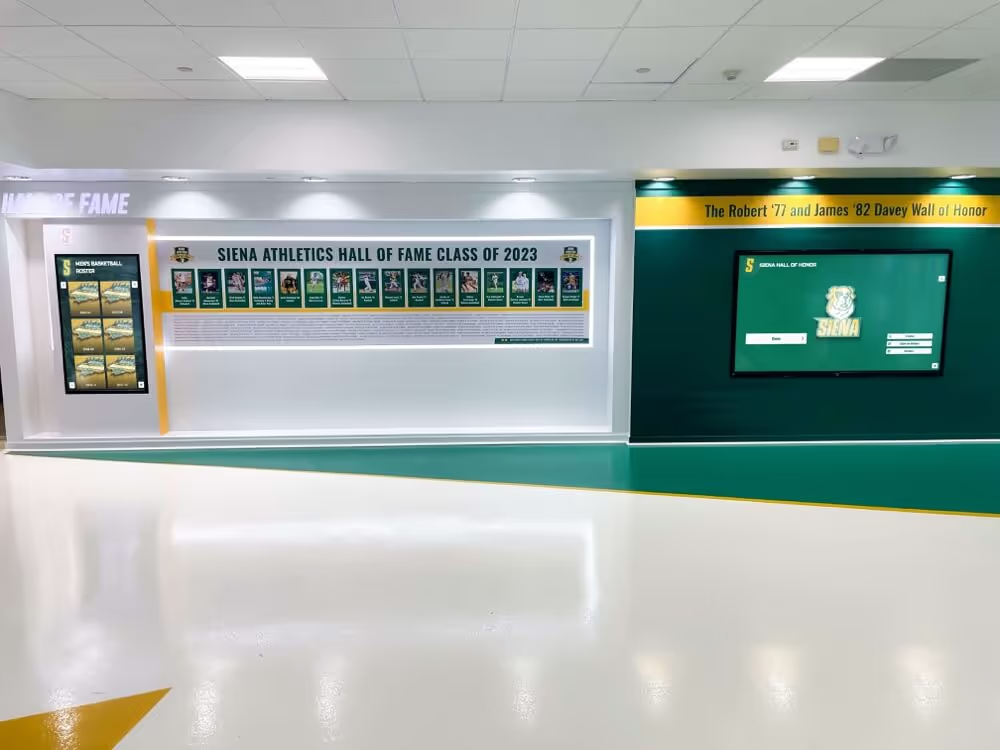
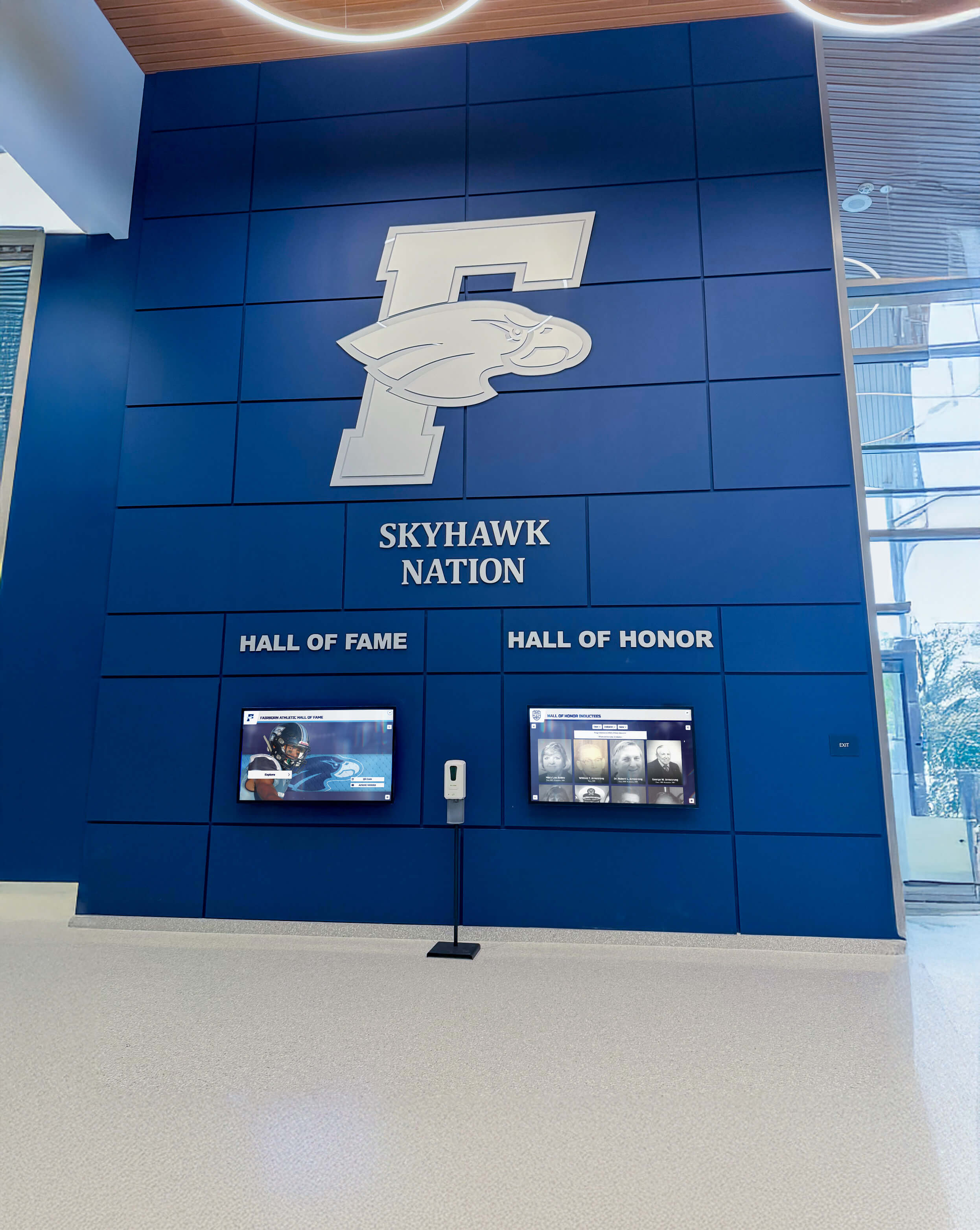
Many successful dedications strategically combine selective traditional physical elements with comprehensive digital systems, balancing symbolic permanence with practical functionality serving diverse stakeholder preferences. Hybrid approaches might feature exterior building signage and prominent lobby plaques honoring primary donors alongside interactive digital displays providing comprehensive recognition for all supporters at every giving level.
This balanced strategy satisfies traditionalist stakeholders valuing physical permanence while providing flexible digital infrastructure accommodating unlimited future donors without space constraints or costly physical expansions.
Reception and Hospitality Considerations
Dedication ceremony hospitality reflects event formality, institutional culture, donor preferences, budget parameters, and guest composition. Reception approaches range from elegant seated luncheons or dinners for major building dedications to simple refreshment receptions following more intimate memorial ceremonies.
Reception Planning Considerations:
Alignment with Event Formality: Reception sophistication should match overall ceremony tone and donor expectations. Major facility namings following transformational gifts often warrant substantial receptions with plated meals, formal service, and extensive program elements, while smaller room dedications might feature light refreshments and informal gathering opportunities.
Facility Tour Integration: Dedications for new or renovated spaces naturally incorporate facility tours allowing donors and guests to experience firsthand the spaces their generosity created. Plan tour logistics carefully considering group sizes, accessibility requirements, tour guide preparation, and time allocation ensuring adequate exploration without excessive duration.
Donor Preference Consultation: Some donors prefer intimate gatherings emphasizing meaningful relationships over large-scale events, while others appreciate extensive celebration including broader community participation. Honor stated preferences rather than imposing institutional templates regardless of individual circumstances.
Budget Management: Reception costs can quickly escalate beyond reasonable parameters if not managed carefully. Establish clear budget guidelines early in planning processes, exploring cost-effective approaches including campus dining services, volunteer support, or simplified formats maintaining appropriate hospitality without unnecessary extravagance.
Photographic Documentation: Arrange professional photography capturing ceremony highlights, donor recognition moments, facility features, and attendee interactions. These images serve multiple purposes including immediate family distribution, media coverage, advancement communications, and historical documentation preserving dedication memories.
Dedication Ceremony Best Practices and Strategic Approaches
Organizations hosting numerous successful dedications over time develop refined approaches maximizing recognition impact while creating meaningful experiences honoring supporters appropriately and inspiring continued generosity.
Balancing Donor Privacy with Recognition Impact
Some donors genuinely prefer minimal public acknowledgment despite significant gift magnitude, creating tension between stewardship best practices emphasizing visible appreciation and individual preferences for discretion or anonymity. Navigate these situations by respecting stated preferences while exploring recognition approaches donors might accept.
Offer multiple recognition visibility levels allowing donors to select comfort levels ranging from comprehensive public celebration to limited family-focused ceremonies to completely private acknowledgment. Some contributors comfortable with permanent facility recognition prefer avoiding public speaking or extensive media coverage, while others willing to accept building naming specifically request ceremony minimization.
For truly anonymous donors, focus recognition on gift impact rather than donor identity—celebrating the transformative facility improvements generosity enabled while honoring contributor wishes for personal privacy. Even when donor names remain undisclosed publicly, private stewardship approaches should provide appropriate appreciation through personalized communications, exclusive facility access, or intimate gatherings acknowledging extraordinary generosity respectfully.
Creating Meaningful Memorial Dedications
Memorial dedications honoring deceased supporters, beloved community members, or distinguished alumni require particular sensitivity balancing family grief with celebration of lives and legacies. The most effective memorial ceremonies emphasize personal storytelling, authentic tribute, and meaningful connection between loved ones’ values and organizational missions.
Consult families extensively regarding appropriate ceremony tone, desired formality levels, family participation preferences, and storytelling approaches honoring loved ones’ characters and community contributions. Some families appreciate formal institutional ceremonies providing public acknowledgment of significant lives, while others prefer intimate gatherings emphasizing personal memories and family connections.
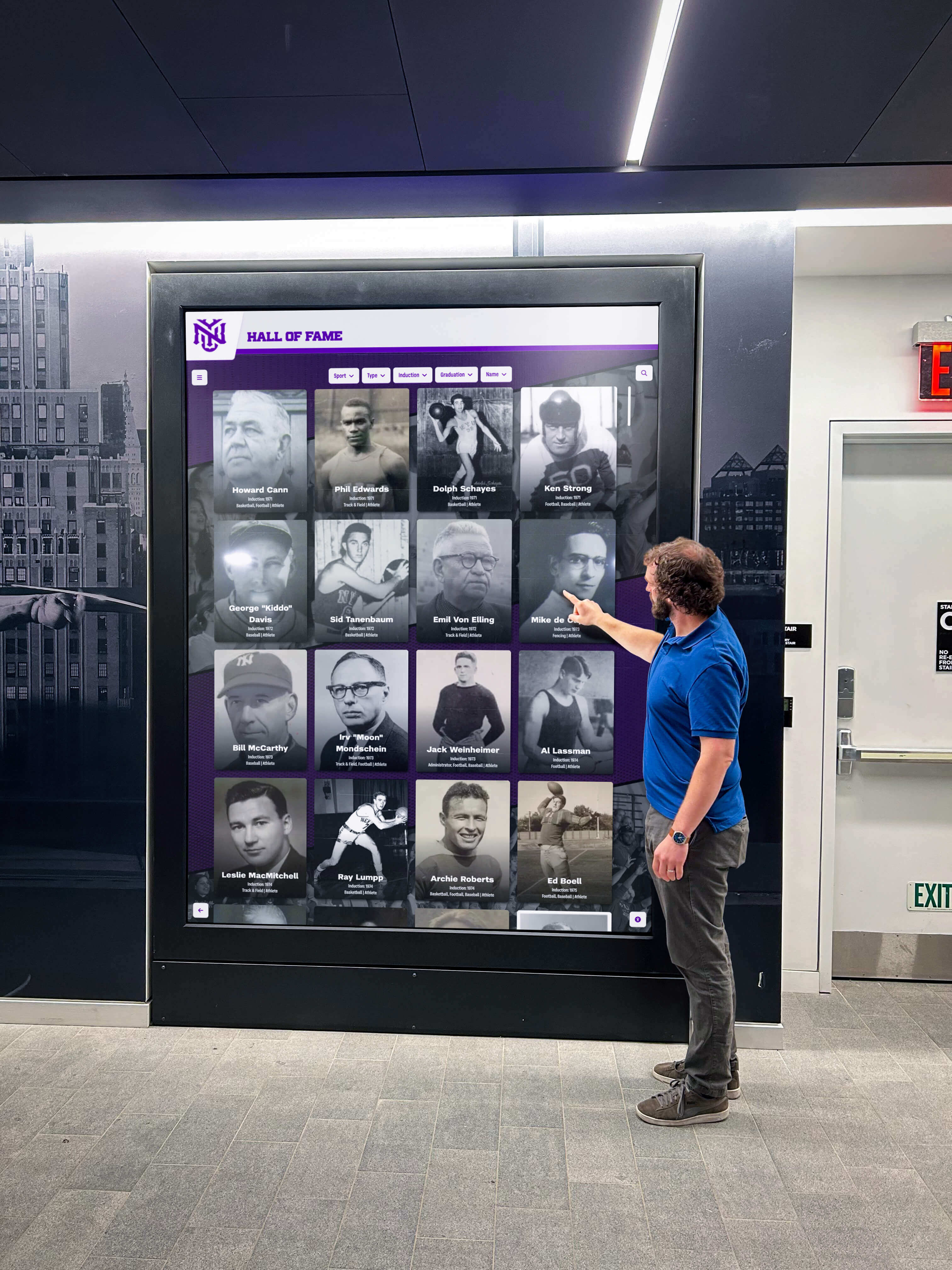
Incorporate personal elements reflecting individual interests, achievements, or values—perhaps displaying favorite quotes, sharing biographical narratives, featuring meaningful music, or highlighting specific causes or communities deceased supporters championed. Digital recognition systems excel at memorial applications through comprehensive biography capabilities, photo galleries documenting lives and relationships, video tributes featuring family reflections, and connection to ongoing impact through named scholarships or programs.
Memorial dedications often attract diverse attendees including family members, close friends, former colleagues, students or athletes influenced by deceased mentors, and community members whose lives intersected meaningfully. Consider this broad constituency when planning ceremony tone, program content, and reception approaches ensuring appropriate experiences for varied relationships and grief stages.
Organizations implementing retiring principal celebrations or memorial recognitions find that thoughtful planning honoring individual legacies creates powerful community moments while establishing permanent tributes celebrating contributions that shaped institutional character.
Leveraging Dedications for Future Fundraising
While dedication ceremonies primarily honor current donors appropriately, these events simultaneously serve strategic advancement purposes by inspiring prospective supporters, demonstrating stewardship excellence, and showcasing organizational mission impact attracting future philanthropy.
Invite prospective major donors to dedication ceremonies providing firsthand observation of how organizations recognize transformative generosity. Witnessing comprehensive acknowledgment approaches, permanent recognition quality, and genuine appreciation expressed creates powerful impressions influencing gift decisions among those considering significant commitments.
Dedication ceremonies generate compelling advancement communications content including professional photography, impact documentation, donor testimonials, and community celebration narratives. Leverage this material across institutional communications, annual reports, campaign updates, social media platforms, and donor cultivation conversations extending recognition reach well beyond ceremony attendees while demonstrating transparent stewardship inspiring confidence.
Document dedication events thoroughly through video recording, photographic archives, program materials preservation, and media coverage collection. This documentation serves historical purposes while providing valuable content for digital recognition displays featuring dedication ceremony footage, before-and-after facility transformations, and donor impact storytelling.
Managing Multiple Donor Recognition Scenarios
Complex gift scenarios involving multiple donors, corporate partnerships, family foundations, or memorial commitments alongside new construction require careful navigation ensuring appropriate acknowledgment for all contributors while maintaining ceremony focus and program coherence.
For facilities funded through diverse giving portfolios including one primary naming donor plus numerous supporting contributors, dedicate ceremony focus primarily to lead benefactors while incorporating recognition elements honoring all supporters. Digital recognition systems particularly excel in these scenarios by providing comprehensive acknowledgment for contributors at every level through interactive displays visitors explore beyond brief ceremony programs.
Campaign-funded facilities supported by hundreds of donors across multiple giving levels might feature dedication ceremonies emphasizing collective community achievement rather than individual donor spotlight. These celebrations acknowledge campaign leadership while recognizing the broad philanthropic participation making transformative improvements possible.
Corporate partnership dedications require careful attention to appropriate business recognition balancing institutional gratitude with avoiding excessive commercialization. Establish clear guidelines regarding corporate logo usage, signage prominence, and program acknowledgment ensuring appropriate appreciation while maintaining educational environment standards.
Common Dedication Ceremony Challenges and Solutions
Even well-planned dedications encounter challenges requiring adaptive problem-solving and contingency management ensuring successful outcomes despite complications.
Construction Delay Management
Facility construction frequently experiences delays extending timelines beyond original completion projections, creating tension between maintaining scheduled dedication dates and postponing ceremonies until spaces achieve full functionality. Address this common challenge through flexible initial planning and transparent communication with all stakeholders.
When establishing dedication dates, build generous buffer periods accounting for likely construction delays rather than scheduling immediately upon projected completion. Organizations frequently underestimate the time required for punch list completion, inspections, occupancy permits, furnishing installation, and facility commissioning—factors regularly adding weeks or months to anticipated timelines.
If significant delays emerge requiring date changes after invitation distribution, communicate transparently with all invitees explaining circumstances while offering rescheduled options. Most supporters understand construction complexity and appreciate honest communication over forced ceremonies in incomplete facilities undermining celebration quality.
Consider hosting soft dedications or preview events for donors when construction substantially completes even if final details remain incomplete, followed by larger public celebrations after full commissioning. This approach provides timely donor recognition while allowing more comprehensive community participation when facilities achieve full operational status.
Weather Contingency Planning for Outdoor Events
Outdoor dedication ceremonies for new athletic fields, memorial gardens, building exteriors, or campus green spaces create meaningful connection between recognition and physical locations but introduce weather-related uncertainty requiring comprehensive contingency planning.
Develop detailed alternative plans for all outdoor ceremonies including identified indoor backup locations, tent rental arrangements providing weather protection while maintaining outdoor venue connections, or flexible scheduling allowing postponement if conditions become truly unsuitable. Communicate contingency approaches clearly in invitations so attendees understand decision-making processes and potential adjustments.
Monitor weather forecasts closely during the week preceding ceremonies, making final venue decisions early enough to communicate changes reliably while avoiding premature switches based on uncertain long-range predictions. Establish decision timelines and clear authority regarding who makes final calls balancing various considerations.
For ceremonies proceeding outdoors despite less-than-ideal conditions, ensure adequate attendee comfort through tent coverage, portable heating or cooling equipment, weather-appropriate seating arrangements, and shortened program durations minimizing exposure during uncomfortable conditions.
Balancing Institutional Protocol with Donor Preferences
Conflicts sometimes emerge between established institutional dedication protocols and individual donor preferences regarding ceremony format, program content, attendee composition, or recognition approaches. Navigate these tensions by prioritizing relationship preservation and donor satisfaction while maintaining essential institutional values.
When donor preferences conflict with standard procedures but pose no fundamental problems, defer to contributor wishes recognizing that rigid adherence to institutional templates matters less than creating meaningful experiences honoring supporters whose generosity makes organizational advancement possible. The goodwill generated through flexibility typically outweighs any value in maintaining ceremonial consistency across all dedications.
However, when donor requests conflict with core institutional values, legal requirements, or community standards, address concerns diplomatically through transparent conversation explaining constraints while exploring acceptable alternatives honoring supporters within appropriate parameters. Most donors respond positively to honest dialogue and collaborative problem-solving rather than inflexible policy citation.
For particularly complex scenarios involving unusual requests or unprecedented situations, convene planning committees including advancement leadership, legal counsel, institutional communications, and appropriate stakeholders ensuring comprehensive consideration and coordinated responses that protect relationships while maintaining organizational integrity.
Managing Family Dynamics in Memorial Dedications
Memorial dedications honoring deceased supporters sometimes involve complex family dynamics including multiple generations with varying preferences, divorced or blended families requiring sensitivity, or disagreements about appropriate ceremony approaches. Handle these delicate situations with exceptional care, transparent communication, and inclusive processes honoring all family perspectives.
Identify primary family contacts early in planning processes, ideally individuals serving as estate executors or memorial fund administrators with clear authority representing broader family wishes. When family structures involve multiple branches or generations, consider inclusive consultation processes ensuring all significant stakeholders have input opportunities while maintaining manageable decision-making.
For families experiencing active conflict or disagreement, sometimes the most appropriate approach involves delayed dedication timing allowing grief processing and family coordination before proceeding with public ceremonies. Patience and flexibility often prevent uncomfortable situations while ultimately enabling more meaningful celebrations when family dynamics stabilize.
In cases where family consensus proves impossible despite good-faith efforts, institutional leadership must ultimately make final determinations balancing various perspectives, honoring deceased supporters’ known preferences when determinable, and proceeding with approaches serving organizational missions while respecting all family members reasonably.
Technology-Enhanced Dedication Recognition
Modern dedication planning increasingly leverages technology not only for permanent recognition infrastructure but also for ceremony enhancement, attendee engagement, and extended impact beyond single-day events.
Interactive Recognition Display Integration
Digital recognition systems provide exceptional dedication ceremony focal points through interactive display unveiling, live donor profile demonstrations, and immediate attendee exploration capabilities creating memorable technology experiences while showcasing long-term recognition infrastructure.
Plan dedication programs around ceremonial recognition display unveiling—perhaps covering screens during initial remarks then revealing comprehensive donor tributes as program centerpieces. This theatrical element creates visual impact while providing natural transitions between formal acknowledgment and interactive exploration phases.
During ceremonies, demonstrate interactive platform capabilities by navigating to honored donor profiles, showing search functionality, displaying multimedia content including photos or video testimonials, and highlighting features supporting ongoing recognition and impact documentation. These live demonstrations help attendees understand recognition sophistication while creating confidence that permanent tributes appropriately honor significant generosity.
Following formal program conclusion, encourage ceremony attendees to explore recognition displays personally, searching for their own names if they contributed to campaigns, discovering other supporters they know personally, or learning about facility impact through integrated storytelling content. This hands-on interaction creates memorable dedication experiences while generating enthusiasm for recognition approaches supporting future fundraising.
Virtual Participation and Remote Access
Particularly for supporters unable to attend dedications in person—due to geographic distance, health limitations, scheduling conflicts, or travel constraints—virtual participation technologies expand ceremony reach while ensuring all interested parties can witness recognition moments regardless of physical location.
Live streaming dedication ceremonies through institutional websites, social media platforms, or dedicated video conferencing tools allows distant family members, remote donors, alumni networks, and broader communities to participate meaningfully even when in-person attendance proves impossible. For memorial dedications particularly, virtual options enable elderly relatives, distant family branches, or health-limited friends to witness tributes honoring loved ones despite inability to travel.
Record all dedication ceremonies comprehensively, making video archives available through institutional websites, donor recognition platforms, or digital display integration. Permanent video access ensures those unable to participate live can still experience ceremonies fully while creating historical documentation preserving dedication moments for future generations.
Digital recognition platforms supporting web integration allow remote supporters to explore comprehensive donor tributes, facility impact documentation, and dedication content from anywhere worldwide at any time—extending recognition far beyond physical facility visitors to global audiences including international alumni, distant family members, and prospective supporters researching institutional stewardship approaches.
Social Media Integration and Extended Reach
Dedication ceremonies generate compelling content ideally suited for social media amplification extending recognition reach far beyond ceremony attendees while showcasing organizational gratitude and stewardship excellence to broad audiences.
Develop comprehensive social media strategies around major dedications including pre-event promotion building anticipation, live coverage during ceremonies featuring key moments and quotable remarks, post-event galleries showcasing photos and highlights, and donor spotlight features celebrating contributors through platform-specific content.
Encourage ceremony attendees—particularly donors, families, and institutional leadership—to share their own photos, reflections, and experiences through personal social media accounts using dedicated event hashtags. This organic sharing introduces organizational missions to hundreds or thousands of potential new supporters through trusted peer networks far more effectively than institutional marketing alone.
Create dedication-specific content optimized for various platforms—short video clips for Instagram and TikTok highlighting ceremony highlights, professional photo galleries for Facebook showcasing facility features and donor recognition, LinkedIn posts emphasizing philanthropic leadership and community impact, and comprehensive blog articles documenting full dedication stories with detailed backgrounds.
Organizations implementing digital signage solutions frequently repurpose dedication ceremony content across multiple display locations, extending recognition visibility throughout campuses while celebrating donor generosity with diverse audiences over extended periods.
Post-Ceremony Stewardship and Ongoing Recognition
While dedication ceremonies represent significant recognition milestones, the most effective stewardship approaches view these events as beginning points for ongoing donor relationships rather than culminating endpoints.
Immediate Post-Ceremony Follow-Up
Within days following dedication ceremonies, send personalized thank-you communications to all attendees—particularly honored donors and families—expressing appreciation for participation and reiterating the transformative impact their generosity continues enabling. Include professional ceremony photos featuring donors prominently, video clips capturing key dedication moments, or links to comprehensive photo galleries documenting full events.
For donors who traveled significant distances or made exceptional efforts attending, consider additional personal recognition through handwritten notes from institutional leadership, small meaningful gifts commemorating occasions, or private follow-up conversations expressing genuine gratitude beyond formulaic acknowledgment.
Distribute dedication ceremony media coverage to donors including news articles, broadcast segments, or social media highlights demonstrating public recognition reach and community celebration of their generosity. Supporters appreciate seeing broader impact of dedication events beyond their immediate ceremony experiences.
Facility Impact Documentation and Updates
The most meaningful ongoing stewardship following dedications involves regularly sharing specific impact documentation showing exactly how dedicated facilities serve missions, benefit constituents, and advance organizational purposes through donor-funded improvements.
Develop systematic approaches for capturing facility impact stories including student-athlete testimonials about training center experiences, academic achievement data from renovated learning spaces, performance statistics from upgraded athletic facilities, or community member reflections about memorial garden significance. Share these impact narratives through periodic donor communications, digital recognition platform updates, annual stewardship reports, or invitation to special facility events.
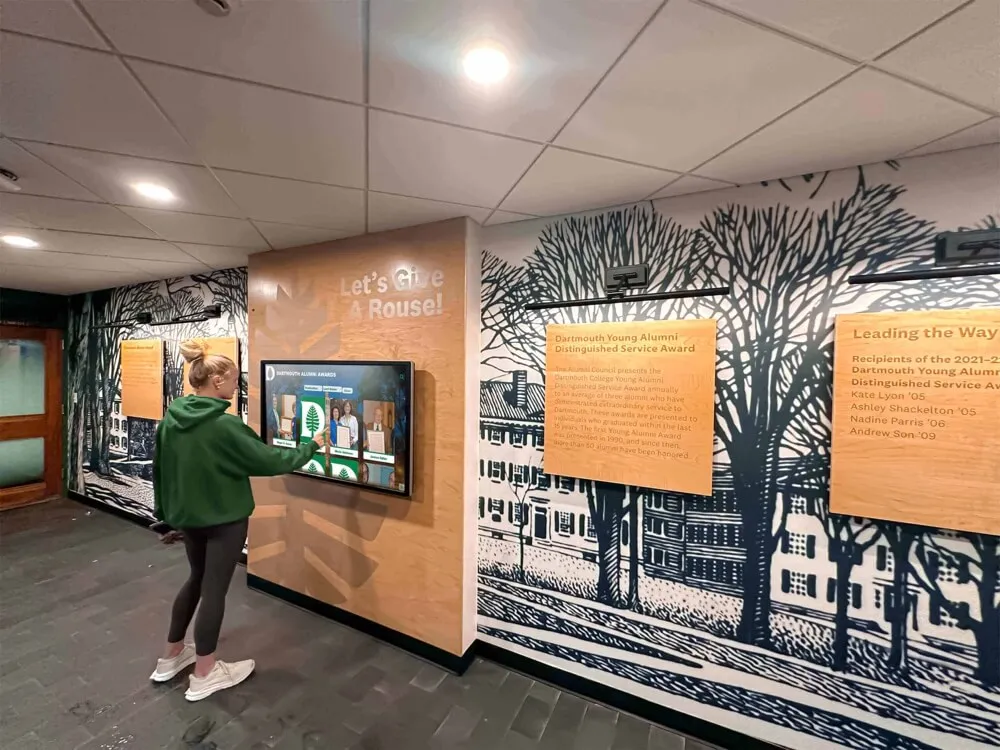
For memorial dedications particularly, families deeply appreciate ongoing communication demonstrating how spaces honoring loved ones continue serving meaningful purposes—perhaps sharing scholarship recipient achievements enabled through memorial funds, student reflections about studying in memorial classrooms, or athletic accomplishments by teams training in dedicated facilities.
Digital recognition systems supporting content updates allow advancement teams to refresh dedicated donor profiles periodically with new impact documentation, current photos showing facility usage, achievement statistics demonstrating space effectiveness, or testimonials from beneficiaries whose experiences improved through donor generosity. This dynamic content maintains recognition relevance while providing ongoing appreciation far exceeding static plaques never evolving beyond installation dates.
Leveraging Dedicated Spaces for Ongoing Cultivation
Dedicated facilities provide exceptional settings for ongoing donor cultivation activities including private tours for prospective supporters, exclusive donor appreciation events, alumni gatherings, or special performances showcasing spaces philanthropic investments created.
When conducting tours for prospective major donors, prominently feature existing dedication recognition demonstrating how organizations honor transformative generosity appropriately and permanently. Walking prospects through facilities showcasing comprehensive donor acknowledgment—particularly interactive digital displays allowing personalized exploration—creates tangible understanding of recognition benefits accompanying significant commitments while demonstrating stewardship excellence inspiring confidence.
Host periodic appreciation events within dedicated facilities specifically for donors who funded spaces, creating opportunities for supporters to see their investments utilized actively while reinforcing community connections and organizational gratitude. These exclusive gatherings might include facility performance premieres, athletic event premium viewing experiences, student achievement celebrations, or informal social occasions emphasizing relationship building.
Organizations successfully implementing school open house strategies frequently showcase dedicated facilities and donor recognition during community events, demonstrating stewardship excellence to prospective families while celebrating supporter contributions that enhanced campus environments.
Budget Planning for Dedication Ceremonies
Dedication ceremony costs vary dramatically based on event scale, formality levels, attendee numbers, permanent recognition approaches, and institutional resources. Develop comprehensive budgets early in planning processes ensuring adequate resources for appropriate recognition while maintaining cost-effectiveness and financial stewardship.
Typical Dedication Ceremony Cost Components
Permanent Recognition Installation: Often representing dedication’s largest single expense, permanent recognition costs range from $2,000-$8,000 for quality traditional plaques or building signage to $12,000-$35,000 for comprehensive digital interactive recognition systems depending on display size, feature sophistication, content development requirements, and installation complexity. While digital systems require higher initial investment, they provide unlimited future donor capacity without additional per-name costs that accumulate continuously with traditional approaches.
Reception and Hospitality: Ceremony receptions range from $15-$30 per person for simple refreshment receptions to $75-$150+ per attendee for seated luncheons or dinners with formal service. Attendee numbers dramatically impact total reception costs—intimate 25-person gatherings maintain reasonable budgets even with upscale catering, while 200-person events require substantial hospitality investment regardless of menu simplification.
Program Materials and Printing: Formal dedication programs, invitations, directional signage, name badges, and commemorative materials typically cost $1,500-$5,000 depending on quantity, quality standards, and design sophistication. Digital alternatives including electronic invitations and web-based programs reduce printing costs substantially while providing environmental benefits and easier distribution.
Professional Services: Photography, videography, and live streaming services range from $1,000-$5,000 based on coverage duration, deliverable requirements, and professional experience levels. Consider these expenses worthwhile investments creating permanent documentation while supporting ongoing stewardship, advancement communications, and historical preservation.
Facility Preparation and Equipment: Costs associated with ceremony site preparation including tent rentals for outdoor events ($2,000-$8,000), audio-visual equipment including microphones and speakers ($500-$2,500), seating and staging rentals ($1,000-$4,000), and decorative elements or floral arrangements ($500-$3,000) vary based on existing facility capabilities and desired presentation quality.
Staffing and Support: Event coordination, setup labor, catering service, security presence, parking management, and cleanup typically add $1,500-$6,000 depending on whether organizations utilize internal staff resources, volunteer support, or external event management contractors.
Cost-Effective Dedication Approaches
Organizations managing budget constraints while maintaining appropriate dedication recognition can implement numerous strategies reducing costs without compromising honoring supporter appropriateness.
Leverage existing institutional resources including campus dining services, facilities department support, communications team capabilities, and volunteer networks rather than contracting external vendors for services available internally at reduced costs. Many colleges and universities maintain professional photography staff, event coordination expertise, and catering operations providing dedication support at substantially lower costs than commercial alternatives.
Time dedications strategically around existing institutional events—homecoming weekends, commencement periods, or major athletic competitions—when supporters likely attend campus already, reducing incremental travel requirements while leveraging existing event infrastructure and elevated campus energy.
Consider scaled ceremony approaches matching event scope appropriately to gift magnitude and donor preferences. Not every dedication requires extensive formal programs—sometimes intimate family gatherings with simple refreshments honor supporters more meaningfully than elaborate productions exceeding actual donor preferences or gift scale.
Invest dedication budgets strategically in elements providing lasting value including permanent recognition infrastructure, professional documentation creating ongoing stewardship content, and donor experience quality rather than unnecessary elaboration in temporary decorative elements or excessive hospitality unlikely to enhance fundamental appreciation.
Dedication Ceremony Checklist and Planning Resources
Successful dedication execution requires comprehensive attention to numerous details across extended planning timelines. Use systematic checklists ensuring critical elements receive adequate planning without oversight gaps creating last-minute complications.
12-Month Dedication Planning Timeline
12-9 Months Before:
- ☐ Establish planning committee with clear roles and authority
- ☐ Conduct initial donor consultation regarding preferences and expectations
- ☐ Determine preliminary ceremony date, location, and format
- ☐ Develop initial budget with institutional approval
- ☐ Begin permanent recognition planning and vendor selection
- ☐ Identify potential speakers and secure preliminary commitments
9-6 Months Before:
- ☐ Finalize ceremony date coordinating with construction timeline and donor availability
- ☐ Design and order permanent recognition elements ensuring adequate fabrication time
- ☐ Develop preliminary guest list balancing donor preferences with institutional relationships
- ☐ Create invitation design and coordinate with communications standards
- ☐ Confirm speaker participation and begin remarks development
- ☐ Reserve reception venue and select catering approach
6-3 Months Before:
- ☐ Mail invitations with clear RSVP mechanisms and deadline
- ☐ Finalize ceremony program outline with speaking order and time allocations
- ☐ Coordinate facility completion verification and access arrangements
- ☐ Contract professional photography and videography services
- ☐ Brief all speakers on expectations, time constraints, and donor background
- ☐ Order program materials, signage, and commemorative elements
3-1 Months Before:
- ☐ Track RSVP responses and follow up with key invitees
- ☐ Confirm final attendee count and adjust catering quantities
- ☐ Install permanent recognition elements and conduct quality verification
- ☐ Conduct facility walk-through verifying accessibility, flow, and presentation
- ☐ Develop detailed run-of-show document with minute-by-minute timing
- ☐ Prepare contingency plans for weather, technology failures, or attendance variations
- ☐ Coordinate media coverage including press releases and journalist invitations
Week of Ceremony:
- ☐ Confirm final logistics with all vendors and service providers
- ☐ Conduct full program rehearsal with all participants
- ☐ Prepare attendee materials including programs, name badges, parking passes
- ☐ Complete facility setup including seating, staging, audio-visual equipment
- ☐ Brief all staff and volunteers on roles, timing, and coordination
- ☐ Test all technology including microphones, displays, and streaming equipment
- ☐ Verify weather forecast and activate contingency plans if necessary
Day After Ceremony:
- ☐ Send immediate thank-you communications to donors and key attendees
- ☐ Distribute professional photography to donors and families
- ☐ Share media coverage with all stakeholders
- ☐ Conduct planning debrief identifying successes and improvement opportunities
- ☐ Update donor records with ceremony participation and recognition details
- ☐ Begin developing ongoing stewardship communication plan
Conclusion: Creating Dedication Ceremonies That Honor Legacies Appropriately
Well-planned dedication ceremonies represent far more than ceremonial formality—they create meaningful moments connecting generous supporters to missions their philanthropy advances, establish permanent recognition infrastructure honoring contributions for decades, inspire prospective donors through visible stewardship excellence, and demonstrate organizational values around gratitude and community appreciation.
The most successful dedications balance appropriate donor honor with genuine celebration of transformative facility improvements, combine formal acknowledgment with personal storytelling that resonates emotionally, invest in permanent recognition ensuring ongoing appreciation beyond single events, and leverage ceremonies strategically for cultivation purposes inspiring continued generosity.
Modern dedication planning increasingly incorporates technology-enhanced recognition through interactive digital displays providing unlimited capacity, comprehensive storytelling capabilities, remote accessibility, and dynamic content maintaining relevance across decades—advantages traditional plaques alone cannot achieve.
Whether planning major building dedications following transformational gifts, intimate memorial ceremonies honoring beloved community members, or focused space recognitions celebrating program-specific support, thoughtful ceremony planning ensures these milestone events appropriately honor supporters whose extraordinary generosity enables organizational missions while creating lasting recognition infrastructure that continues celebrating contributions long after ceremonial speeches conclude.
Ready to plan a dedication ceremony featuring comprehensive donor recognition that honors supporters appropriately while inspiring future generosity? Explore how Rocket Alumni Solutions provides purpose-built platforms specifically designed for permanent dedication recognition, combining unlimited digital capacity with compelling multimedia storytelling capabilities that traditional approaches simply cannot match—creating lasting tributes that honor donor legacies for generations.