



Competitive debate and forensics programs represent the intellectual and rhetorical equivalent of varsity athletics—demanding rigorous preparation, strategic thinking, persuasive communication skills, and performance excellence under pressure. Students who excel in debate tournaments demonstrate critical thinking abilities, research proficiency, public speaking confidence, and argumentative sophistication that distinguish them among their peers and serve them throughout academic careers, professional pursuits, and civic engagement.
Yet despite the significance of debate achievement, many schools struggle to recognize competitive forensics excellence with the visibility and permanence that matches the magnitude of these intellectual accomplishments. Debate trophies may gather dust in locked display cases, tournament plaques hang in isolated hallways far from main student traffic, and championship recognition fades quickly from institutional memory. This recognition gap sends unintended messages about which achievements schools truly value—often prioritizing athletic accomplishments while overlooking intellectual competitions that develop skills equally valuable for student futures.
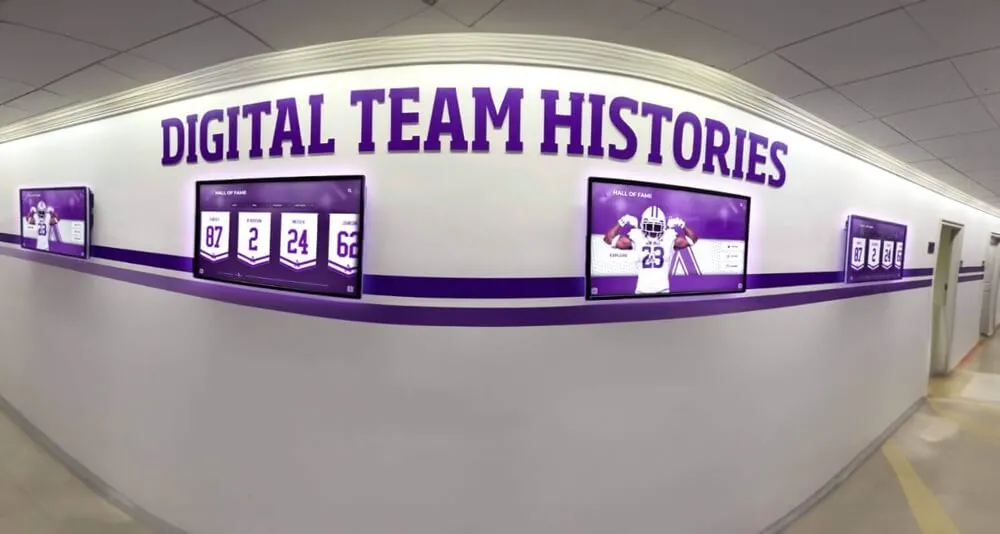
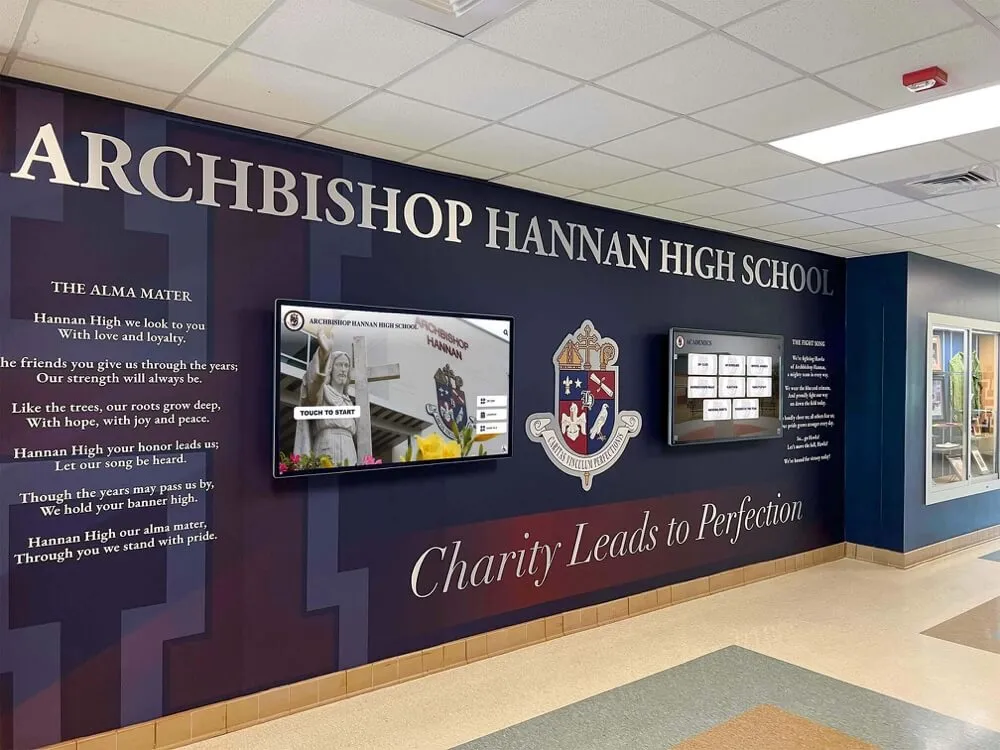
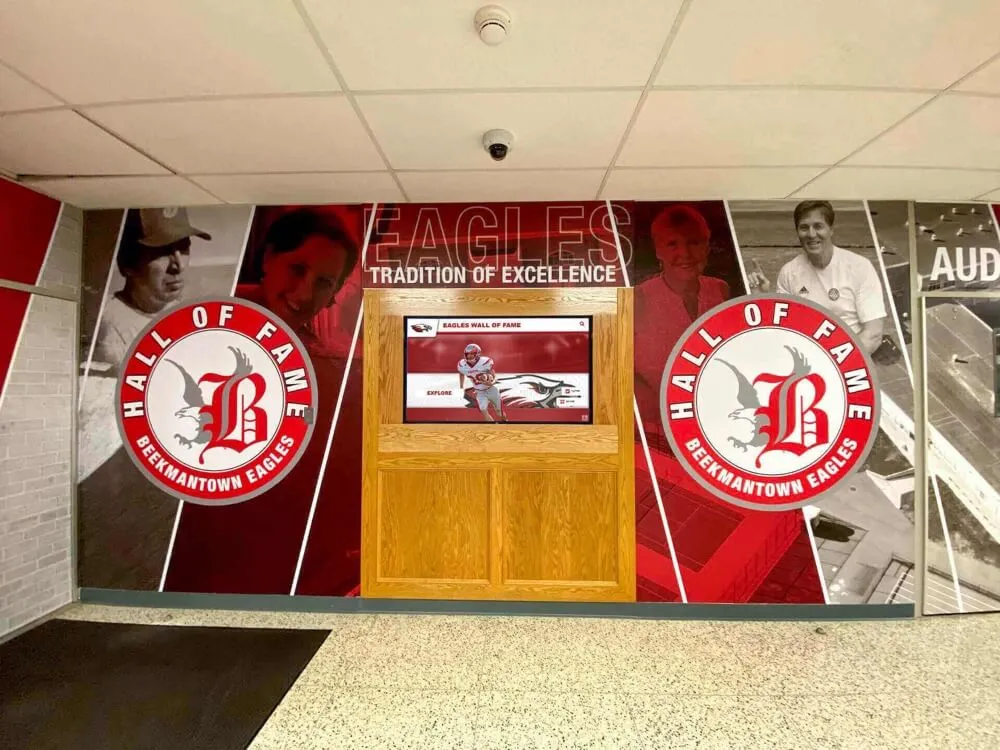
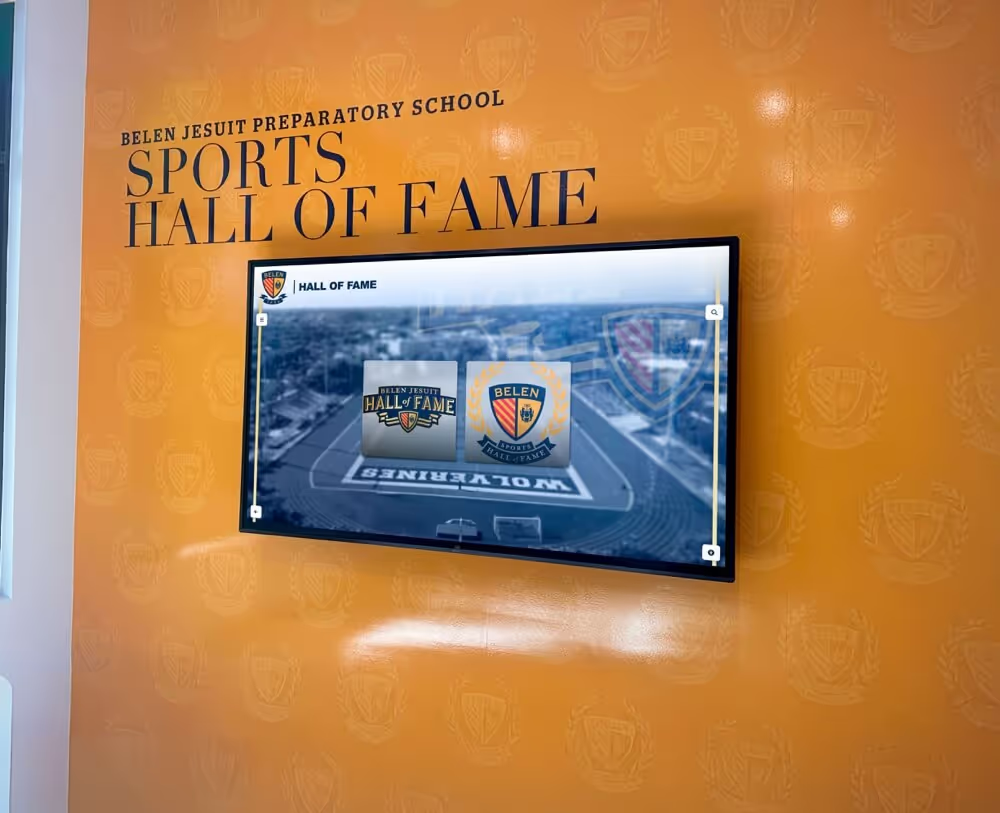
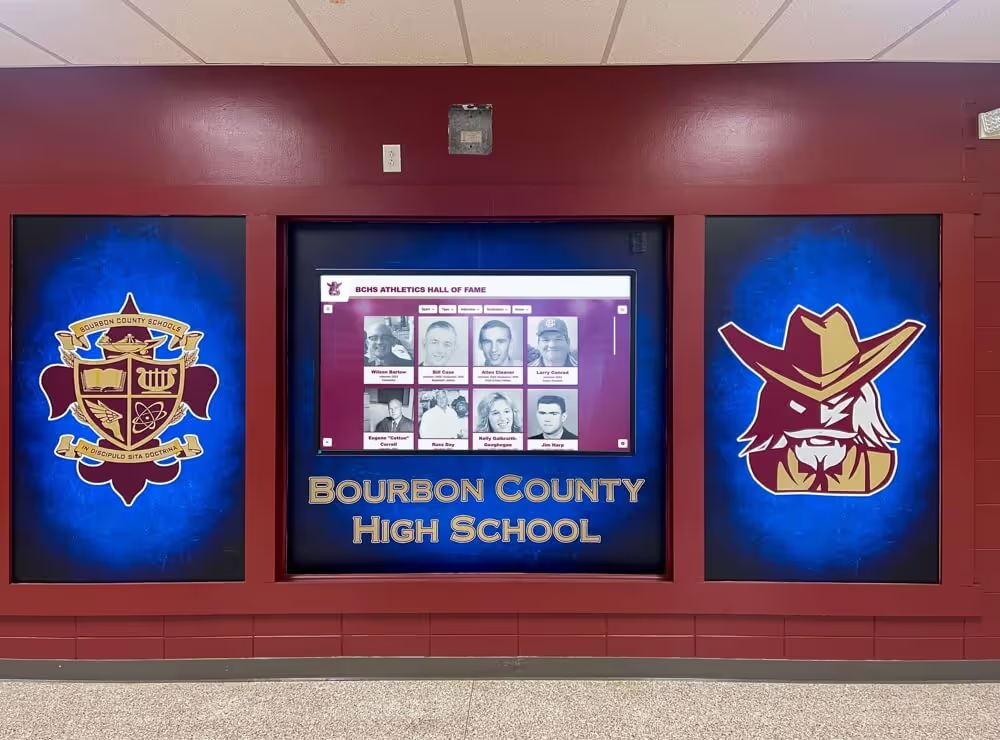
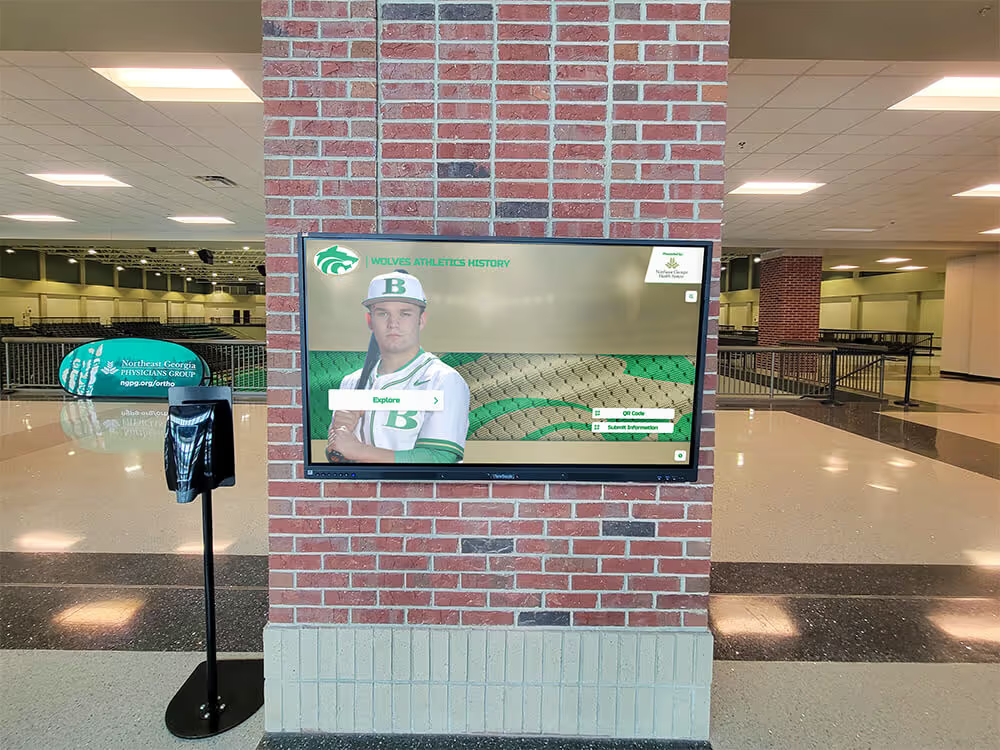
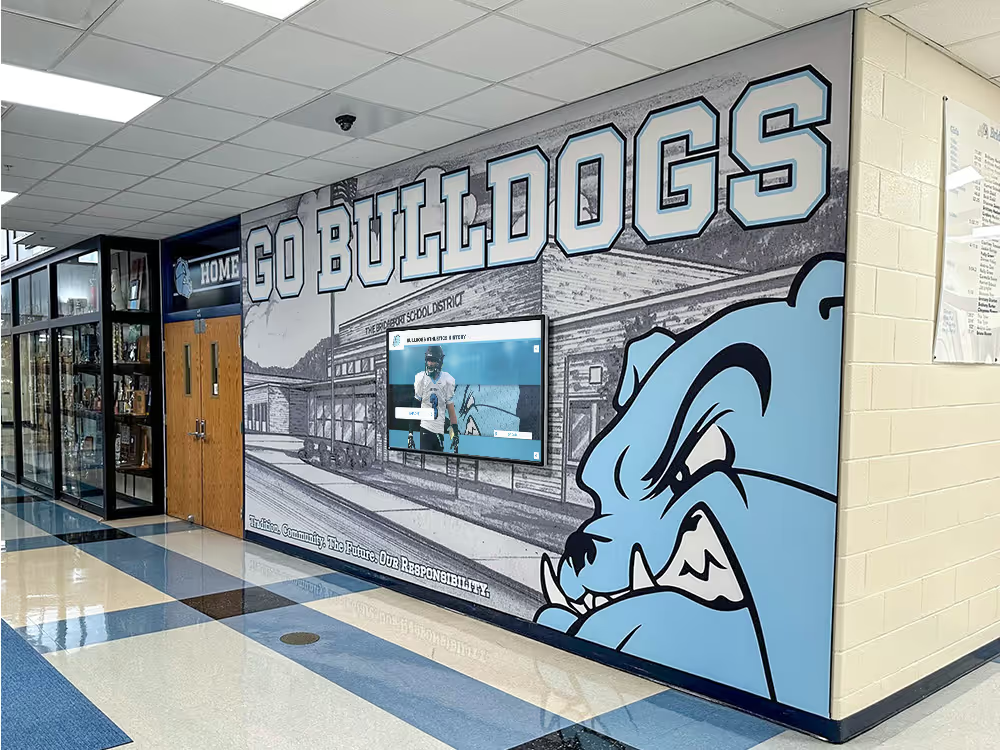
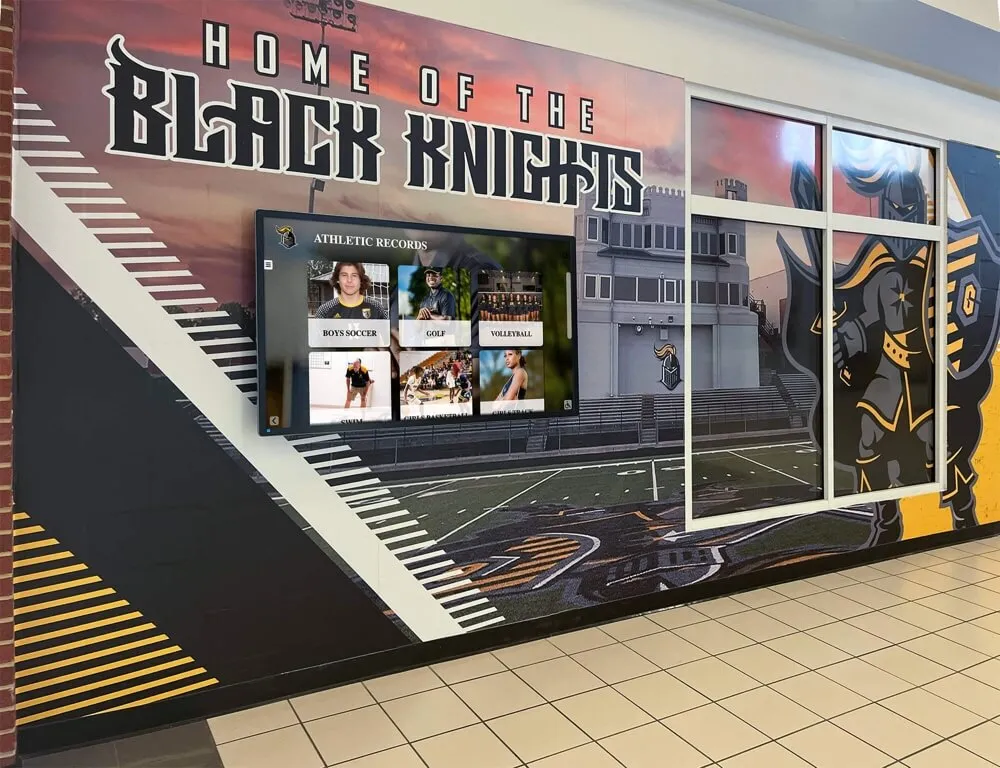
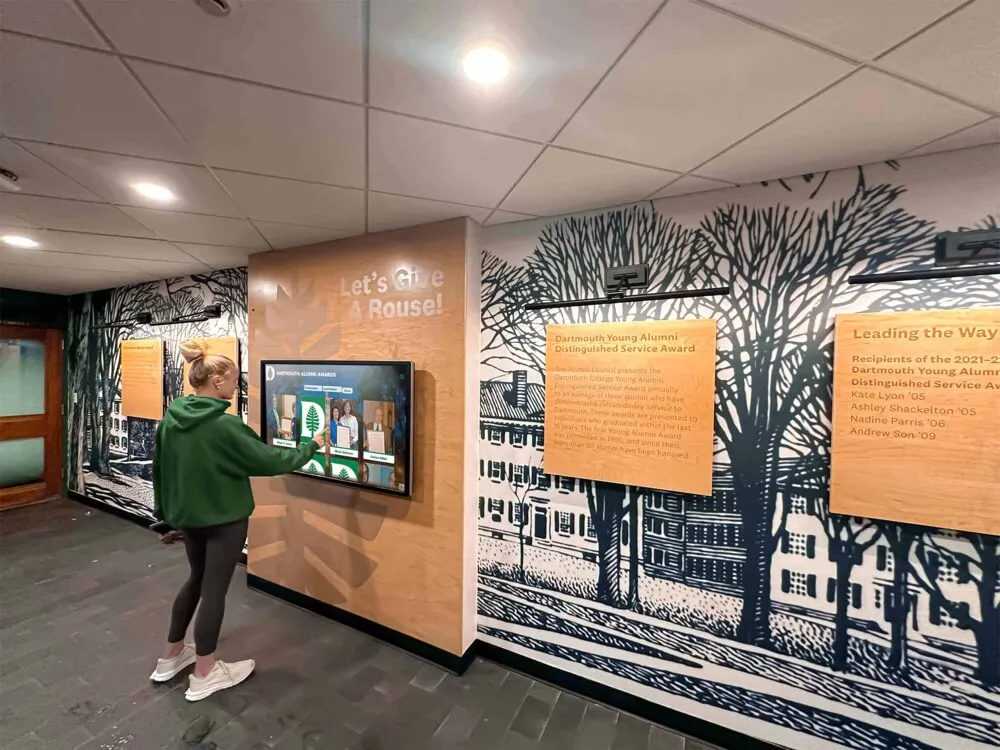
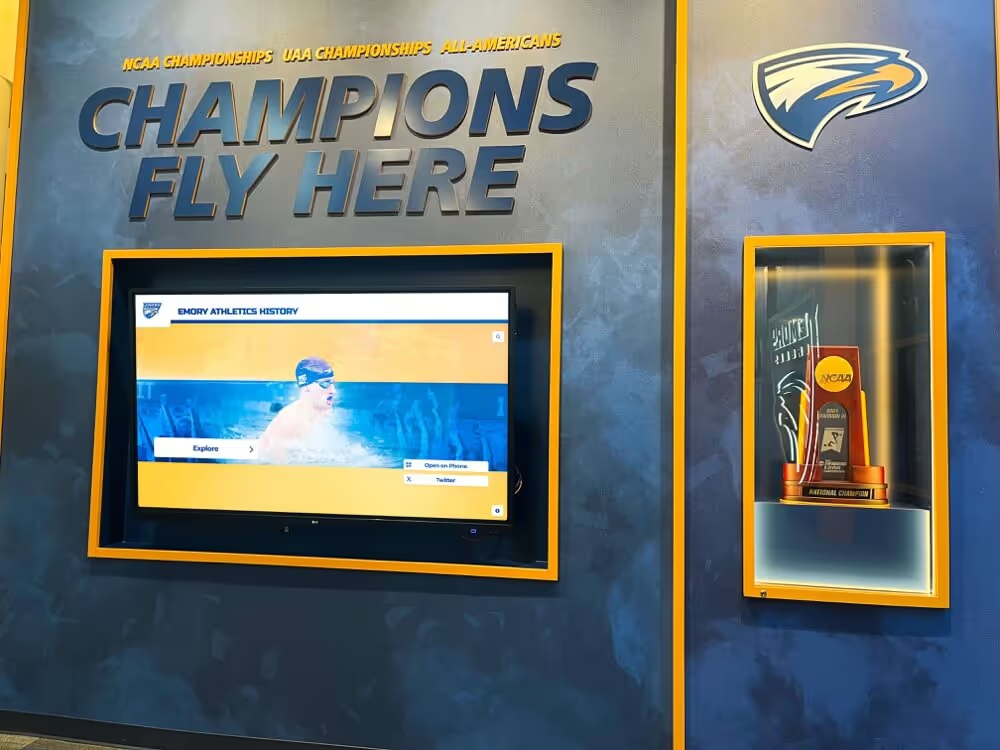
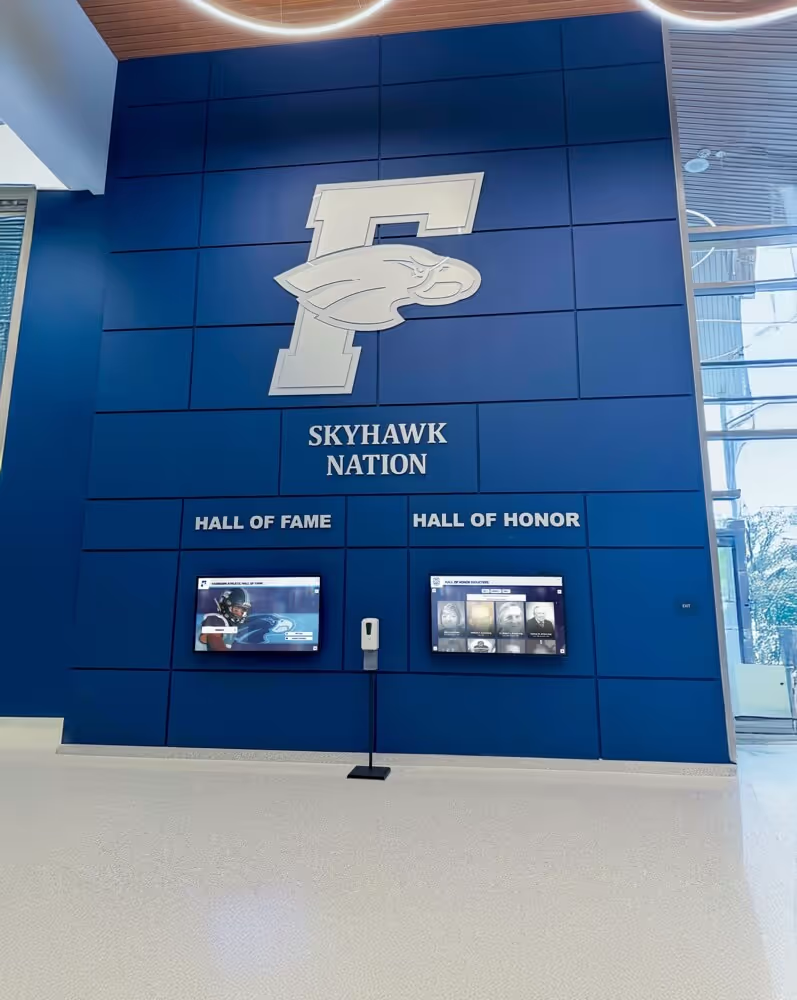
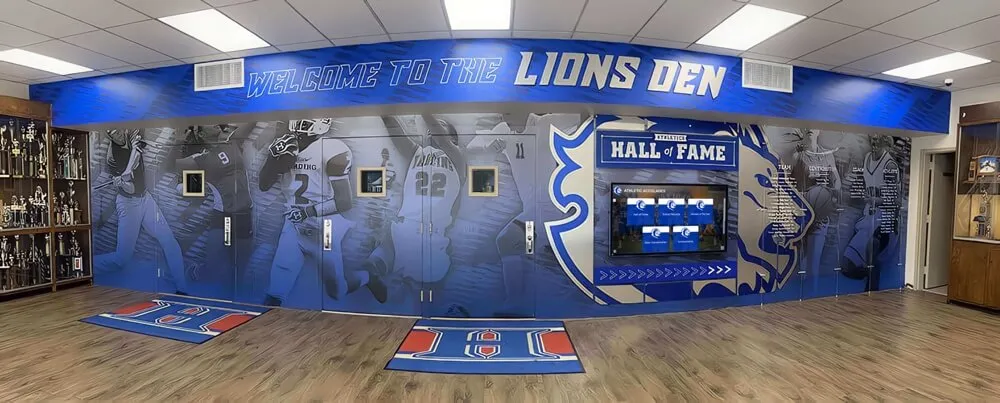
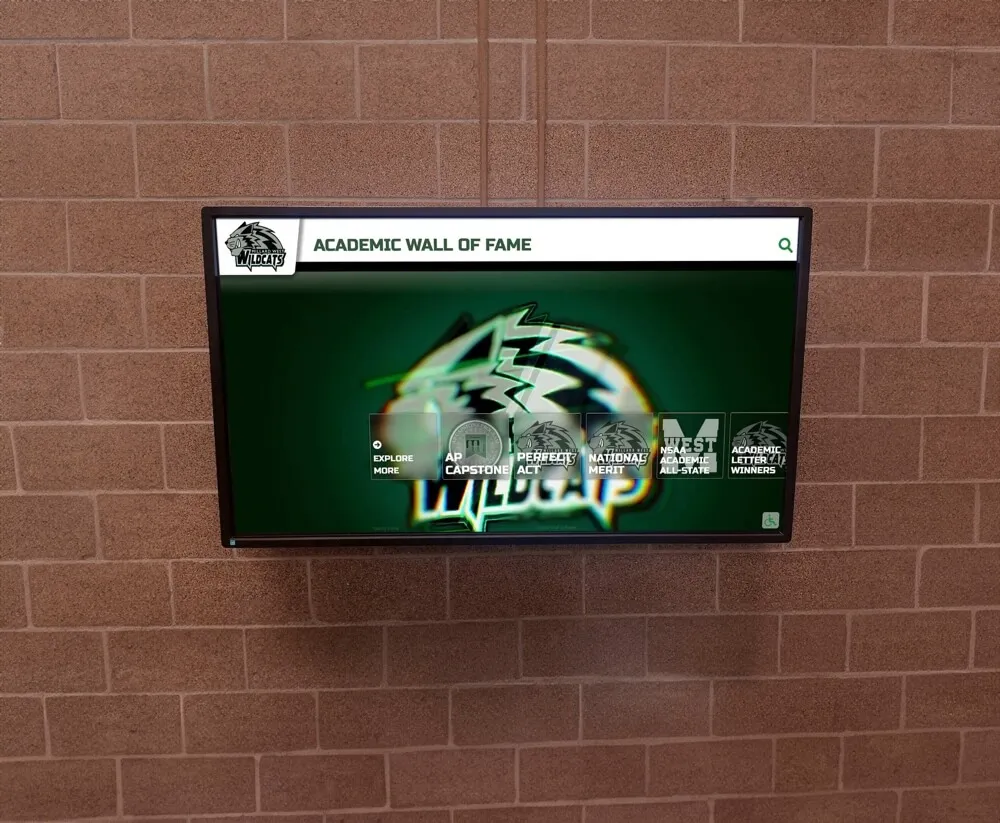
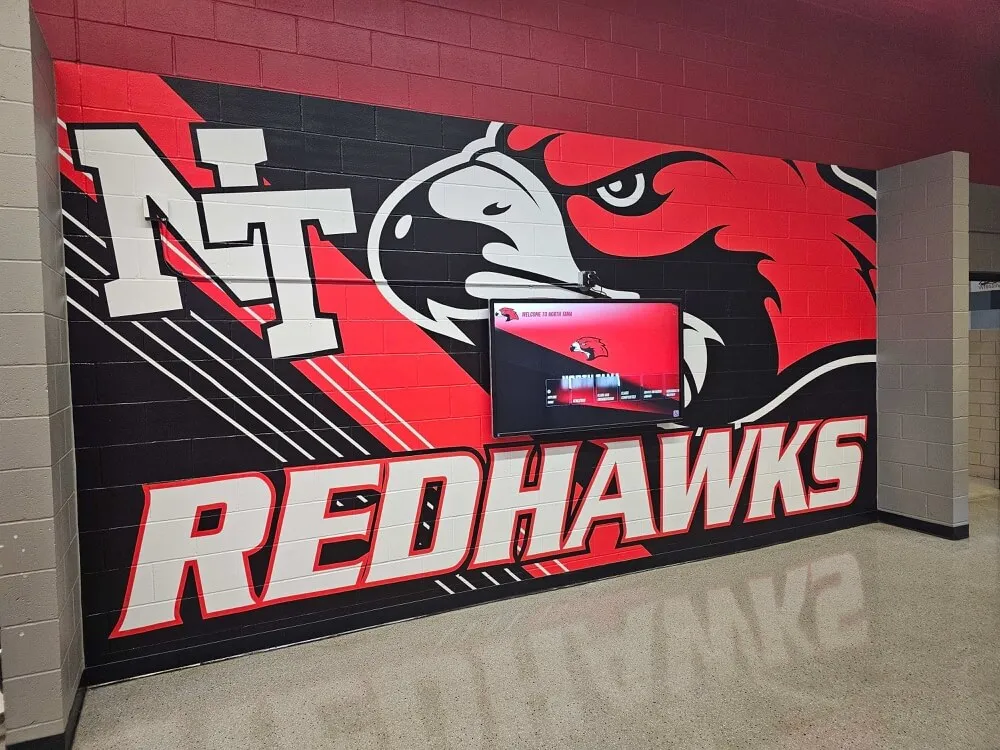
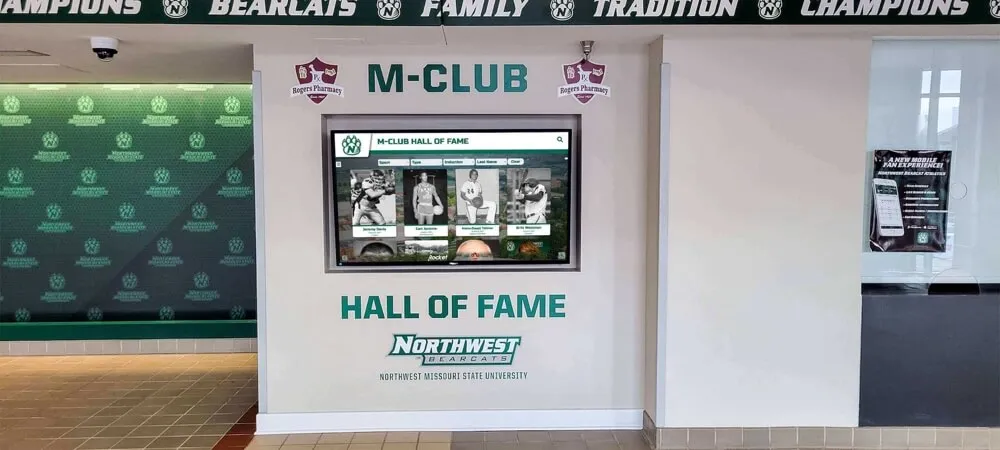
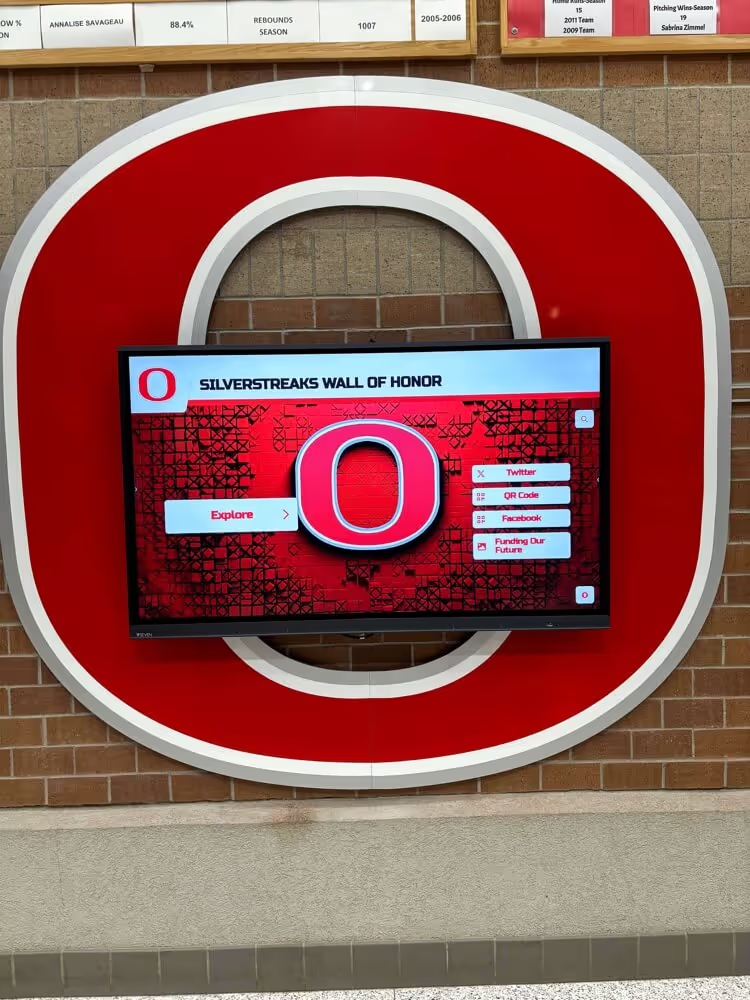
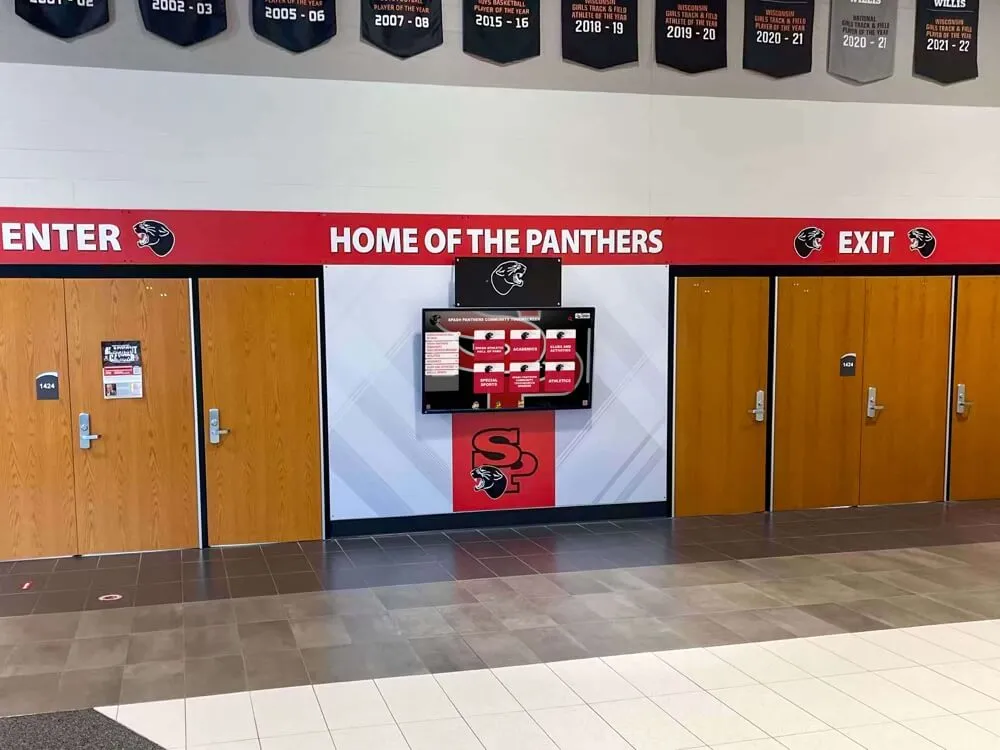
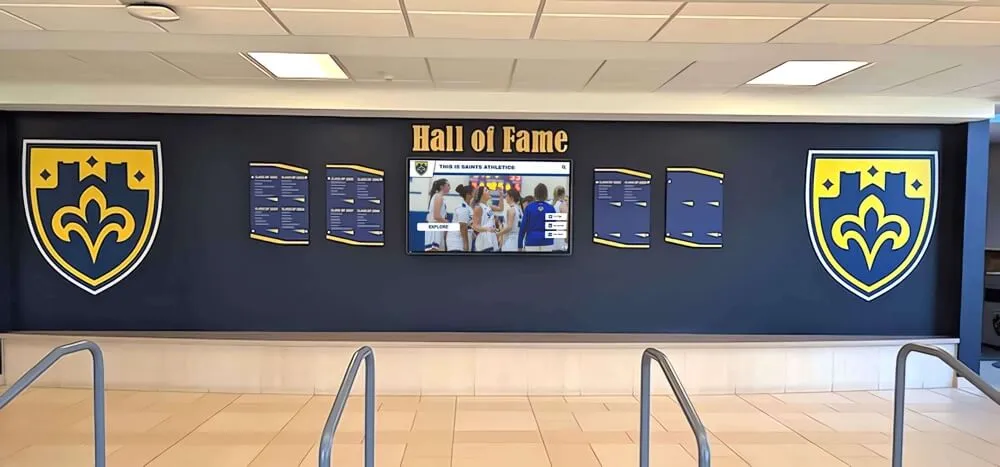
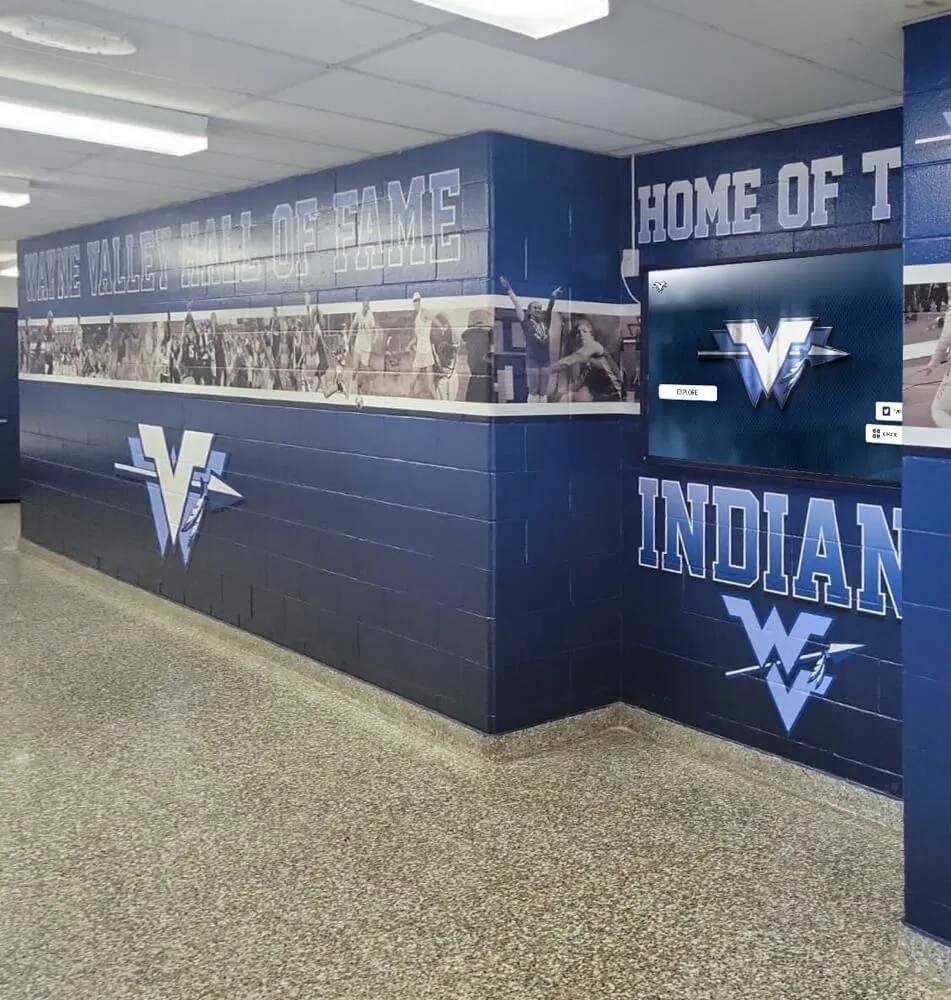
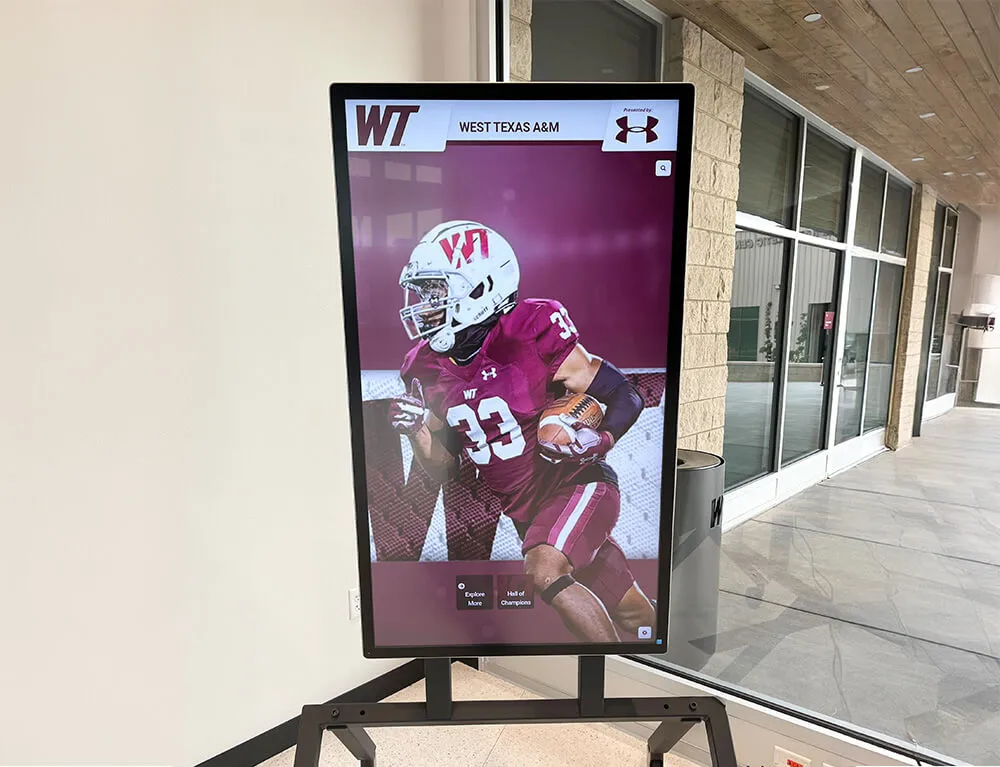
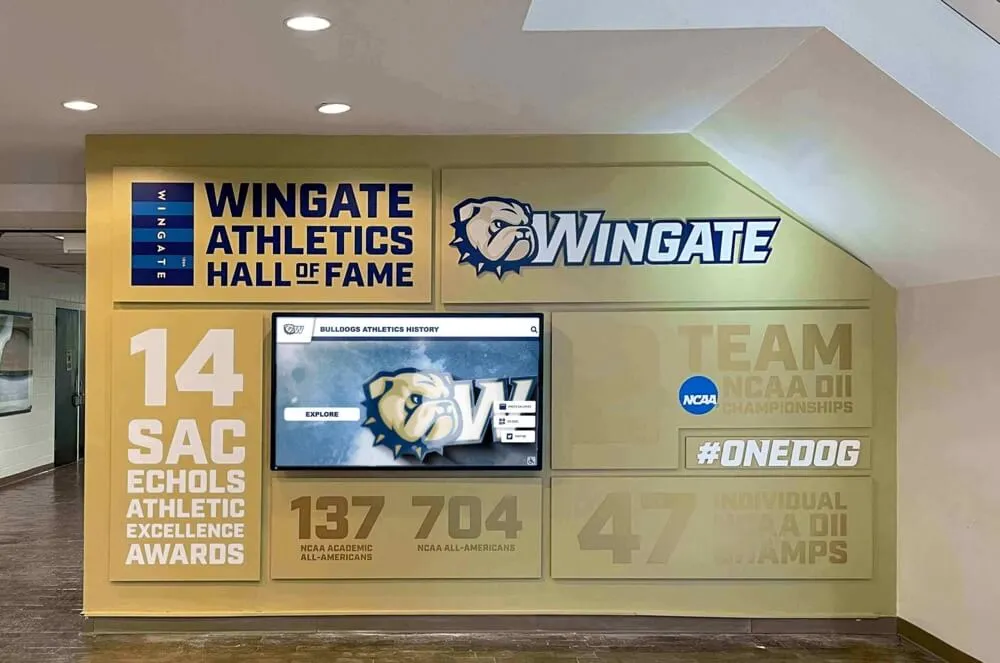
Modern digital recognition displays enable schools to honor debate team achievements with prominence and accessibility that traditional static plaques cannot match. This comprehensive guide explores proven strategies for implementing debate team achievement boards that celebrate individual excellence and team success, inspire future debaters, strengthen forensics programs, and create lasting institutional recognition for students who represent your school at regional, state, and national debate competitions.
Why Debate Team Recognition Matters
Debate and forensics programs develop critical skills that research consistently links to academic success, professional achievement, and civic engagement. According to the National Speech & Debate Association, over 150,000 high school students participate in competitive speech and debate annually, with top programs competing at district, state, and national tournaments where only the most skilled debaters advance. These intellectual athletes deserve recognition that communicates institutional pride in their accomplishments while inspiring younger students to develop similar rhetorical excellence. Digital recognition solutions enable schools to showcase unlimited debate achievements through interactive displays featuring tournament results, debate records, championship histories, and individual competitor profiles—creating permanent recognition accessible to students, families, alumni, and prospective families evaluating program quality.
Understanding Debate and Forensics Achievement
Before implementing effective debate team achievement boards, schools benefit from understanding the diverse forms of competitive debate and forensics excellence that deserve appropriate recognition.
Types of Competitive Debate Formats
Debate encompasses multiple distinct formats, each requiring specialized skills and strategic approaches:
Policy Debate (CX Debate)
Policy debate focuses on detailed examination of policy proposals, typically addressing a year-long national topic. Debaters engage in rapid-fire argumentation, extensive evidence presentation, and complex strategic choices across constructive speeches, cross-examination periods, and rebuttal speeches. Successful policy debaters demonstrate research excellence compiling comprehensive evidence files, analytical thinking evaluating competing policy frameworks, oral communication delivering arguments at exceptional speaking rates, and strategic adaptation responding to opponent arguments.
Policy debate recognition should acknowledge regional and national qualification, championship tournament victories, speaker awards and rankings, partnership accomplishments and records, and debate case innovation or strategic contributions.
Lincoln-Douglas Debate (LD Debate)
Lincoln-Douglas debate emphasizes value-based philosophical argumentation where individual debaters defend opposing sides of resolution questions addressing morality, justice, and ethics. LD debaters construct sophisticated frameworks drawing from philosophy, political theory, and ethical reasoning while engaging opponents through logical analysis and cross-examination. Recognition should highlight individual achievement rather than partnership success, philosophical depth and argumentative sophistication, tournament advancement and elimination rounds reached, speaker points and rankings demonstrating consistent excellence, and state or national qualification representing elite achievement.
Public Forum Debate (PF Debate)
Public Forum debate developed as an accessible format emphasizing clear argumentation designed for lay judge audiences. Teams of two students debate monthly-changing topics addressing contemporary issues through constructive speeches, crossfire questioning, and summary speeches focused on persuasive communication rather than technical debate jargon. Public Forum recognition should celebrate partnership chemistry and collaboration, accessibility and persuasive clarity, breadth of topic knowledge across changing resolutions, tournament consistency and elimination success, and speaker awards recognizing communication excellence.
Congressional Debate
Congressional Debate simulates legislative proceedings where students author legislation, deliver speeches supporting or opposing bills, question colleagues through cross-examination, and engage in parliamentary procedure within mock legislative sessions. Congressional debaters demonstrate legislative writing and bill construction, formal speech delivery and rhetorical eloquence, questioning skills and procedural knowledge, and leadership through presiding officer roles. Recognition should acknowledge chamber victories and session placements, gavel awards for presiding excellence, sponsored legislation that advances through competition, cumulative ranking across multiple sessions, and state or national congressional debate qualification.
Speech Events and Individual Forensics
Beyond debate formats, forensics programs include numerous individual speech events requiring distinct performance skills:
Original Oratory
Students craft and deliver original persuasive or informative speeches addressing significant issues without notes or visual aids. Recognition should honor oratory topics and themes addressed, tournament championships and elimination rounds reached, speaker rankings demonstrating consistent excellence, and state or national qualification representing elite performance.
Interpretation Events
Multiple speech events focus on literature interpretation including Dramatic Interpretation, Humorous Interpretation, Duo Interpretation, Prose, and Poetry performance. These events require memorization, character development, emotional expression, and performance technique. Achievement recognition should specify event category and literature performed, performance style and characterization excellence, tournament victories and finalist placements, and state or national qualification in interpretation events.
Extemporaneous Speaking
Extemporaneous speaking requires students to prepare and deliver speeches on current events topics with minimal preparation time, demonstrating knowledge of contemporary issues, analytical thinking, organizational clarity, and speaking confidence. Recognition should acknowledge current events mastery and preparation discipline, tournament consistency and elimination success, speaker rankings across competitions, and state or national extemporaneous speaking qualification.
Other Forensics Events
Additional recognized forensics events include Impromptu Speaking requiring spontaneous speech composition, Informative Speaking teaching audiences about specific topics, Program Oral Interpretation combining multiple literature selections, and specialized events varying by state and tournament. Comprehensive recognition systems should accommodate all competitive events students pursue, ensuring equitable visibility regardless of event specialization.
Understanding this diversity of debate and speech events enables schools to develop inclusive achievement boards that honor excellence across all competitive categories rather than privileging specific formats or overlooking less familiar event types.
The Case for Prominent Debate Recognition
Debate and forensics achievement deserves prominent institutional recognition for compelling educational and strategic reasons extending beyond simple acknowledgment:
Academic and Professional Skill Development
Competitive debate develops transferable capabilities directly applicable to academic success and professional achievement. Research published in educational journals demonstrates that debate participation correlates with enhanced critical thinking and analytical reasoning, advanced research and information synthesis abilities, persuasive writing and communication skills, public speaking confidence reducing speech anxiety, quick thinking and strategic adaptation under pressure, and collaborative teamwork through partnership debate formats.
These competencies prove essential across academic disciplines, professional careers, and civic participation—making debate achievement recognition particularly valuable for demonstrating institutional commitment to developing well-rounded graduates prepared for diverse future challenges.
Recruiting and Retaining Strong Programs
Visible debate recognition influences program strength through multiple pathways. Prospective families evaluating schools form impressions based on visible evidence of program quality and student success. Comprehensive debate achievement boards demonstrate forensics excellence and competitive tradition that appeals to academically talented students considering where to enroll.
Current debaters feel motivated by recognition celebrating individual accomplishment and team success. When students see tournament victories, elimination rounds, and speaker awards prominently displayed throughout facilities, they understand that intellectual competition receives celebration comparable to athletic achievement—reinforcing program value and motivating continued excellence.
Alumni connections strengthen when comprehensive historical recognition preserves debate achievements across decades. Former debaters visiting campuses and discovering their tournament records, partnership histories, or championship recognition maintained decades later feel valued and maintain emotional connections supporting future engagement and program advocacy.
Demonstrating Balanced Excellence Commitment
Schools that provide debate recognition comparable to athletic displays clearly communicate institutional values celebrating diverse forms of excellence. Balanced recognition demonstrates that intellectual competition, rhetorical skill, and academic achievement receive validation equal to physical performance and athletic success—creating inclusive school cultures where students pursuing varied talents all feel appropriately recognized.
This balanced approach particularly matters for academically focused students who may not participate in traditional athletics but contribute significantly to institutional reputation through debate success, intellectual competition, and academic excellence deserving equivalent celebration.
Resources on academic recognition programs provide frameworks for developing comprehensive systems that celebrate intellectual achievement alongside athletic and artistic accomplishments.
Traditional Debate Team Achievement Board Approaches
Traditional physical displays remain popular in many schools, offering tangible, permanent recognition that communicates lasting honor for debate excellence:
Dedicated Forensics Recognition Areas
Creating distinct recognition spaces specifically for debate and forensics ensures that competitive speech excellence receives visibility and permanence:
Design Considerations for Debate Displays
Effective debate achievement boards typically include debater name and graduation year, debate format or speech event specialty, tournament championships and finalist placements, cumulative win-loss records when tracked, speaker awards and point rankings, partnership accomplishments for team debate formats, state and national qualification years, and significant records or milestone achievements.
Quality displays with consistent professional design reflect the intellectual rigor debate represents. Consider incorporating visual elements that communicate forensics focus—gavels symbolizing Congressional Debate, scales representing argumentation balance, open books suggesting research and knowledge, or quotation marks emphasizing persuasive rhetoric and communication excellence.
Strategic Placement for Maximum Visibility
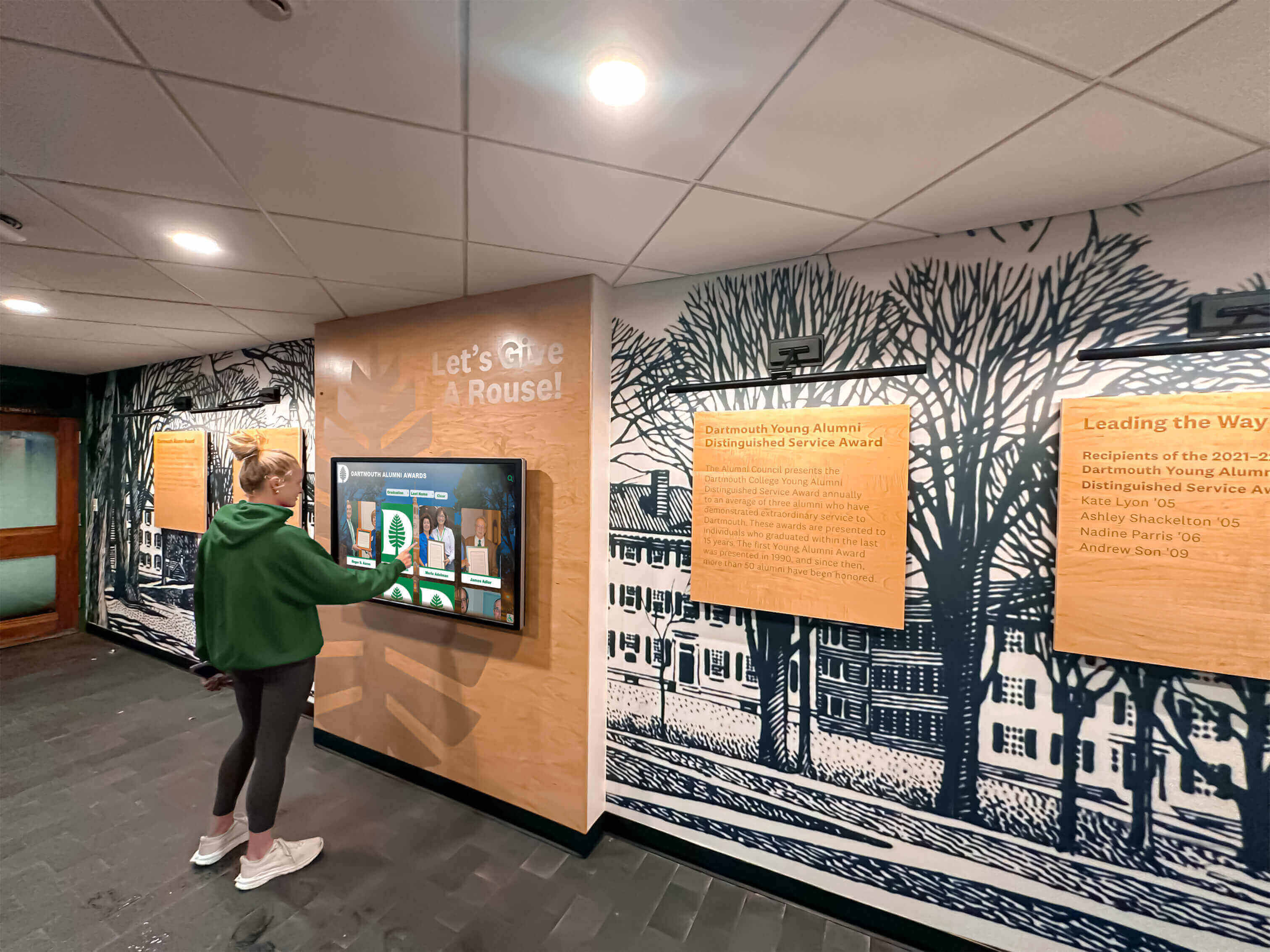
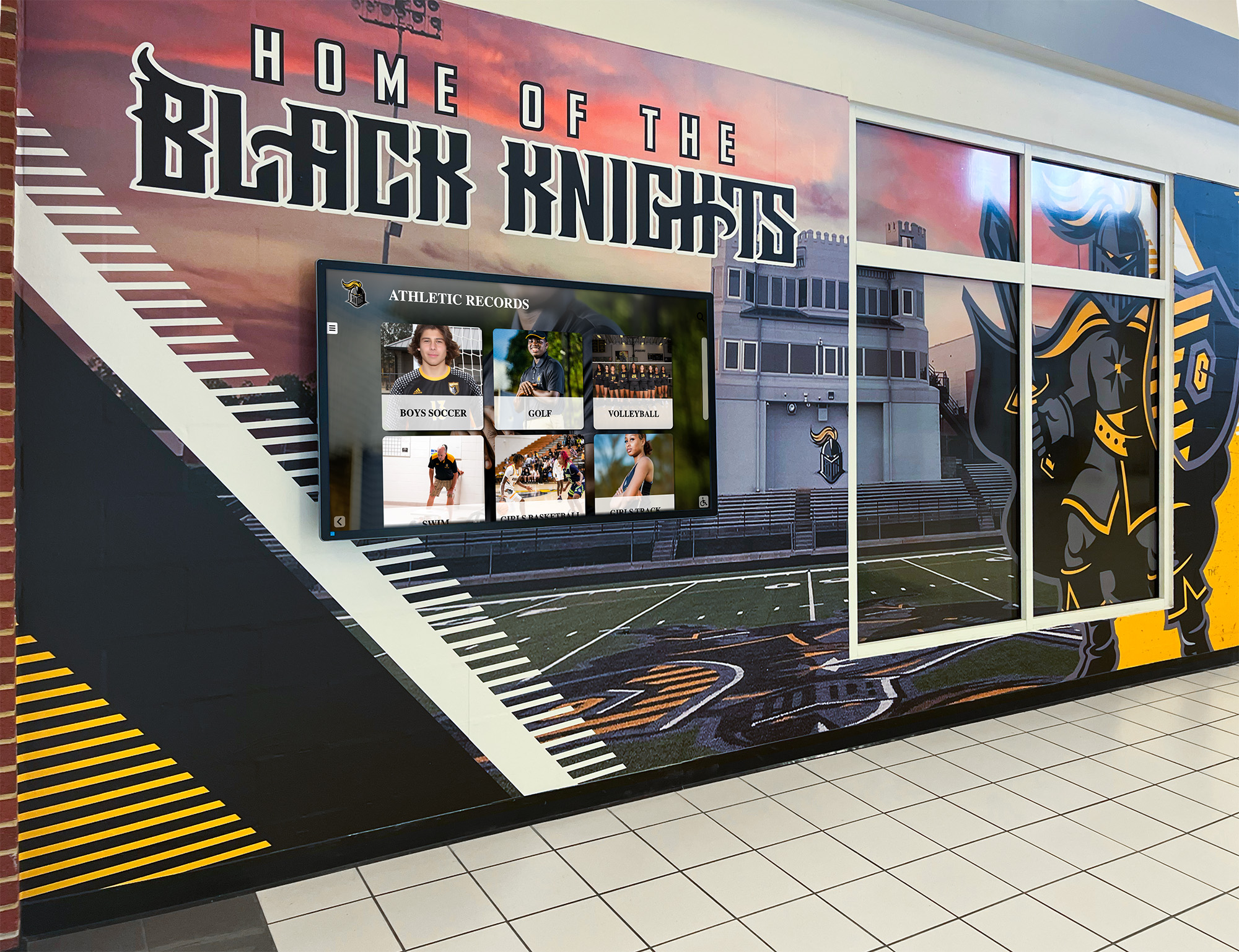
Debate recognition should occupy high-traffic locations ensuring regular visibility rather than isolation in specialized spaces only debate participants frequent. Effective locations include main school entrances where all students, families, and visitors pass daily, academic hallways near English, history, or social studies classrooms, libraries and academic centers where students study and research, auditorium lobbies connecting forensics recognition to performance spaces, and administrative areas prospective families visit during campus tours.
Consider positioning debate recognition adjacent to other academic achievement displays creating comprehensive celebration of intellectual accomplishment across honors programs, scholarly competitions, and academic achievements. This strategic clustering reinforces that schools value intellectual pursuits across varied forms.
Tournament-Specific Recognition Sections
Programs with extensive competitive histories benefit from organized displays grouping related achievements including state championship tournament results by year, national tournament qualification and performance history, invitational tournament championships at prestigious competitions, district and regional qualification tournaments, and specialized tournament traditions unique to program history.
Clear organization helps audiences understand program scope, navigate information efficiently, and appreciate the depth of competitive achievement spanning years or decades of forensics excellence.
Traditional Plaque and Trophy Display Systems
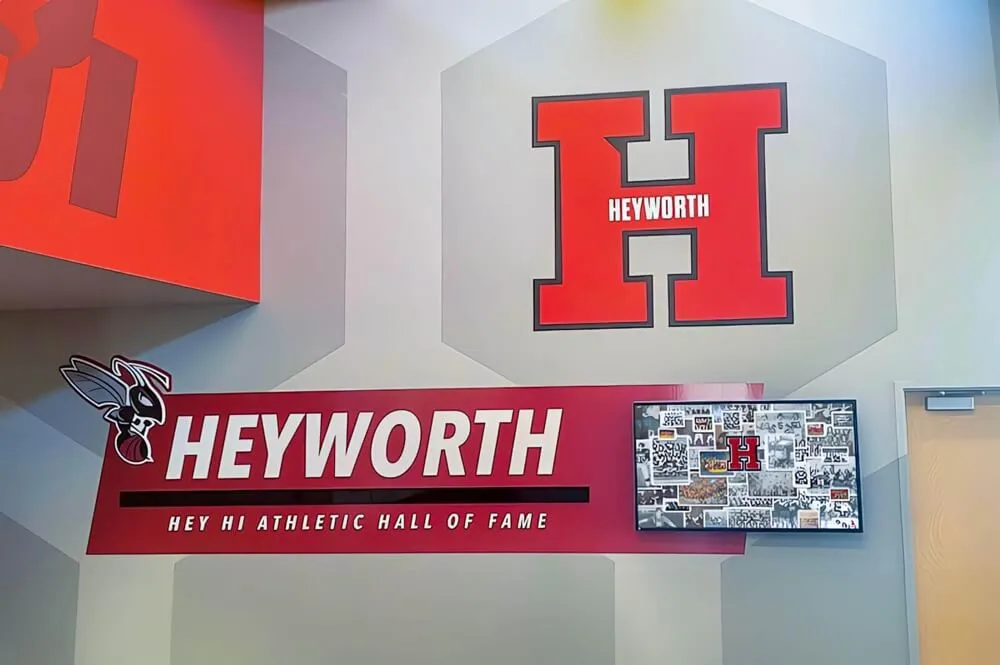
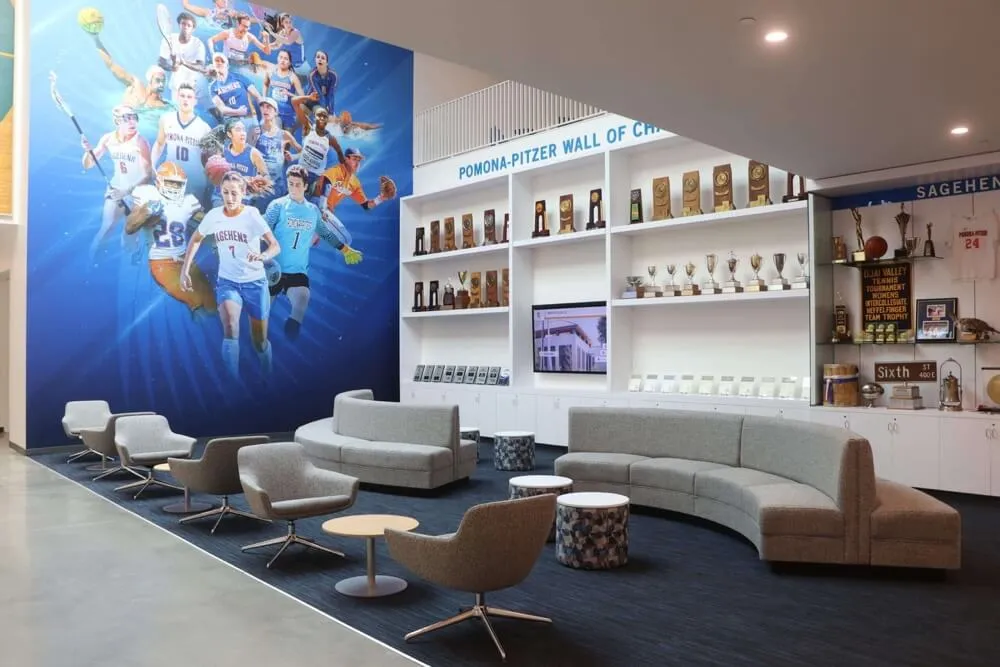
Many schools employ conventional recognition through engraved plaques mounted on walls, perpetual trophy plates adding names annually, display cases housing tournament trophies and awards, framed certificates documenting major accomplishments, and printed honor rolls listing debaters by achievement categories.
These traditional approaches provide tangible physical recognition that debaters and families can photograph, touch, and revisit across years. However, space limitations inevitably constrain how many achievements receive display, forcing difficult prioritization decisions about which accomplishments warrant recognition and which students or years get excluded due to physical capacity constraints.
Modern Digital Debate Achievement Boards
Digital recognition technology provides capabilities that traditional static displays cannot match—offering particular advantages for comprehensive, flexible, and engaging debate team achievement recognition:
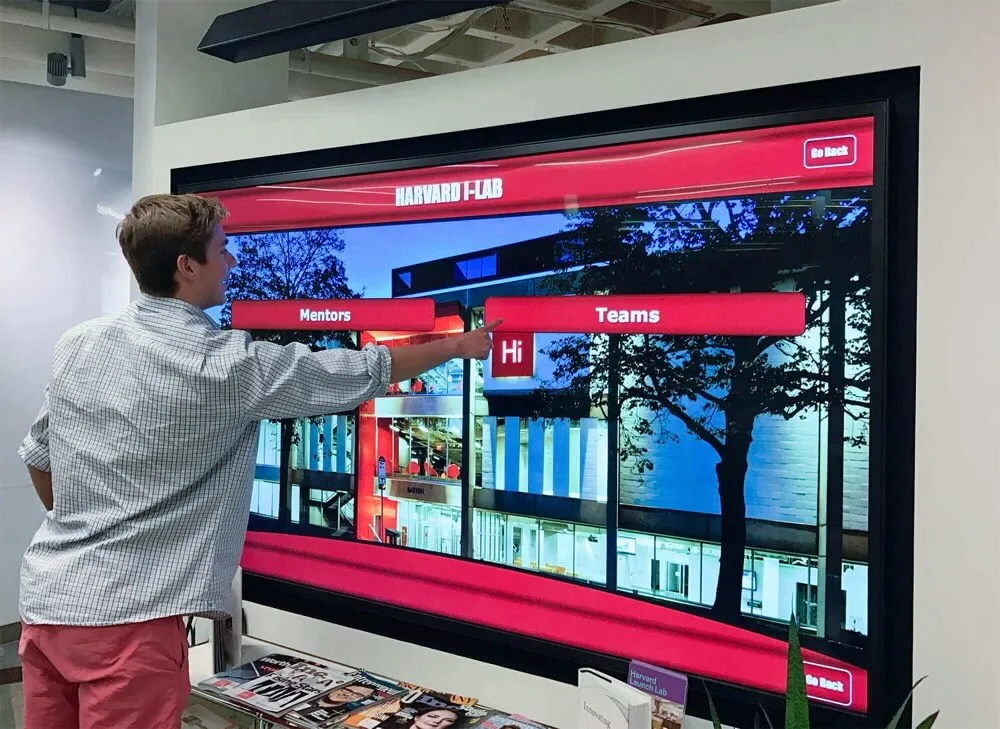
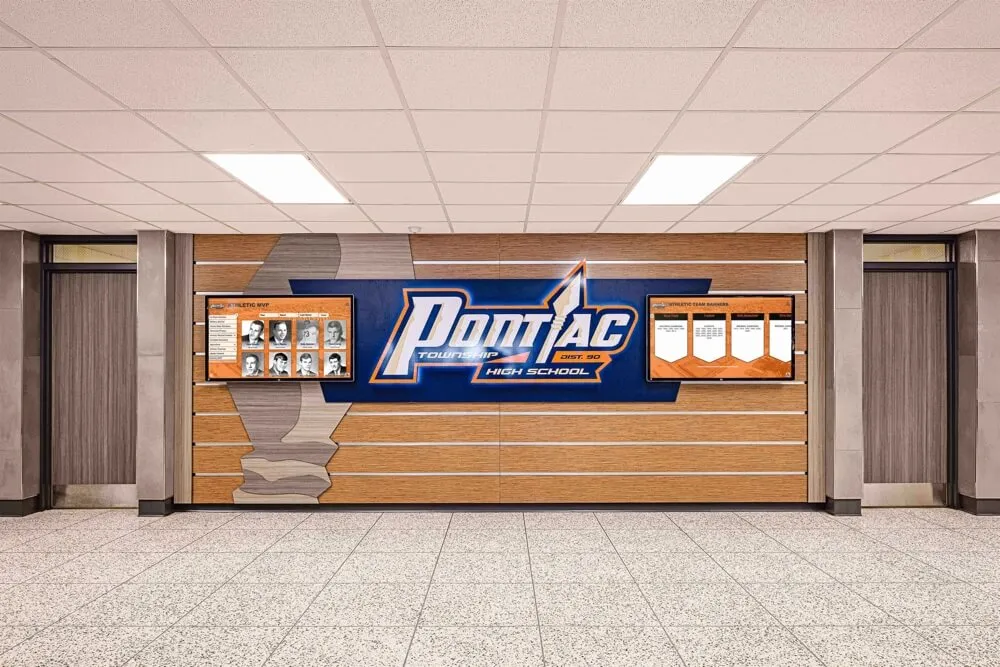
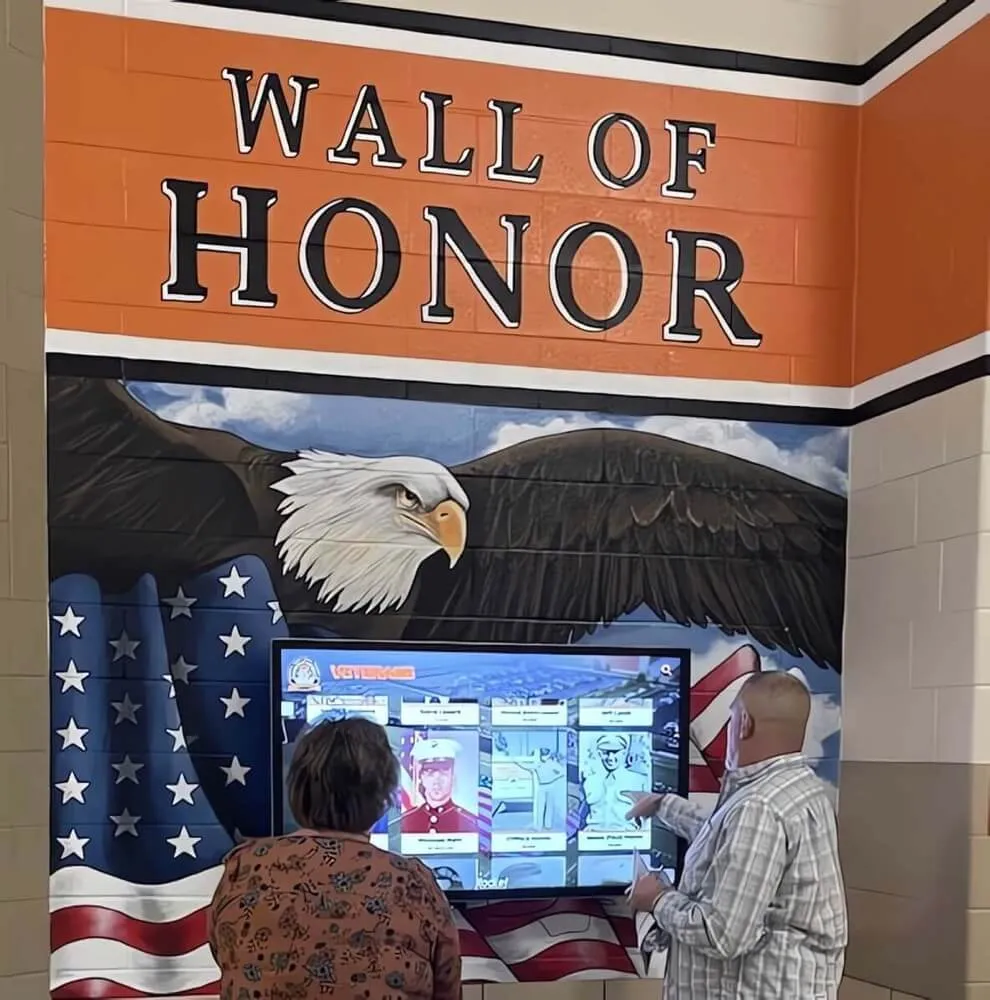
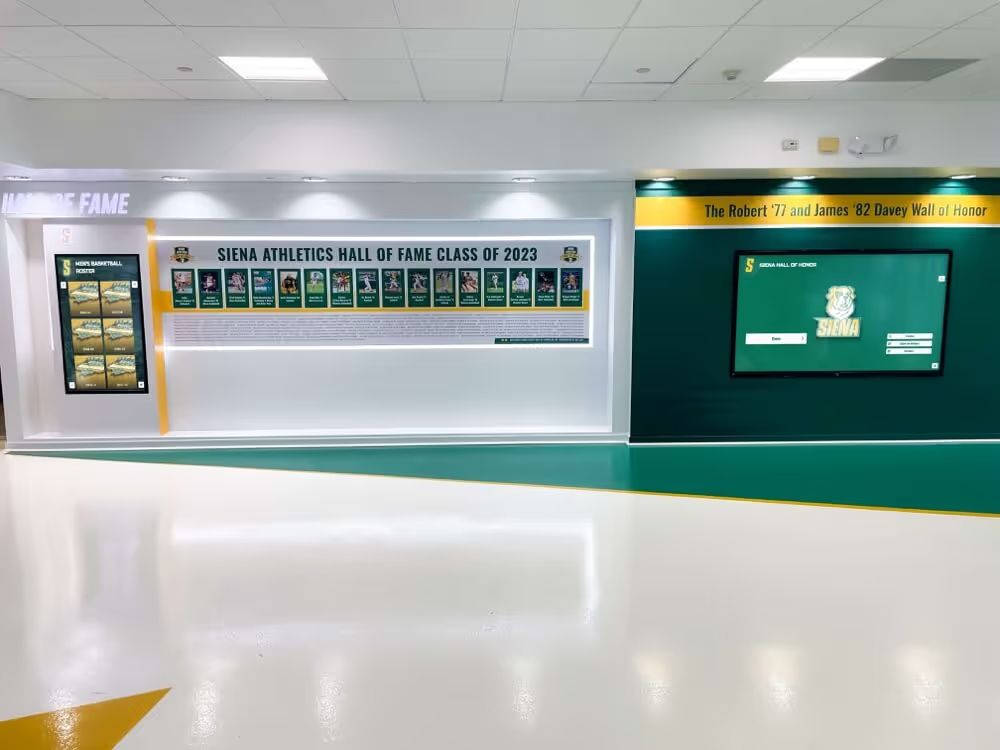
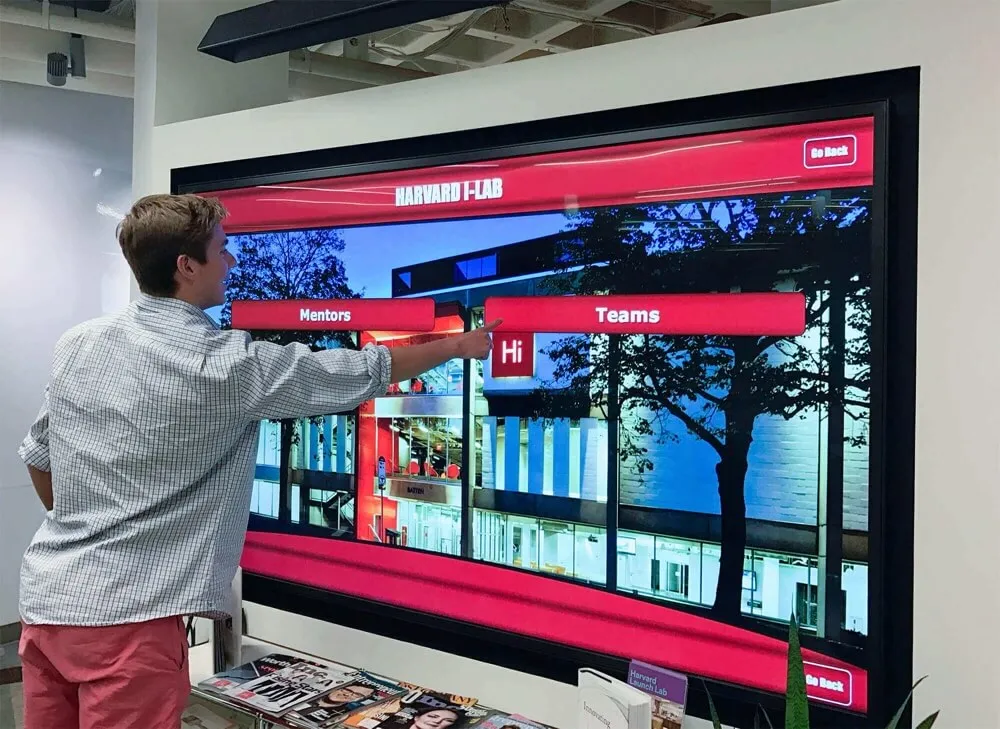
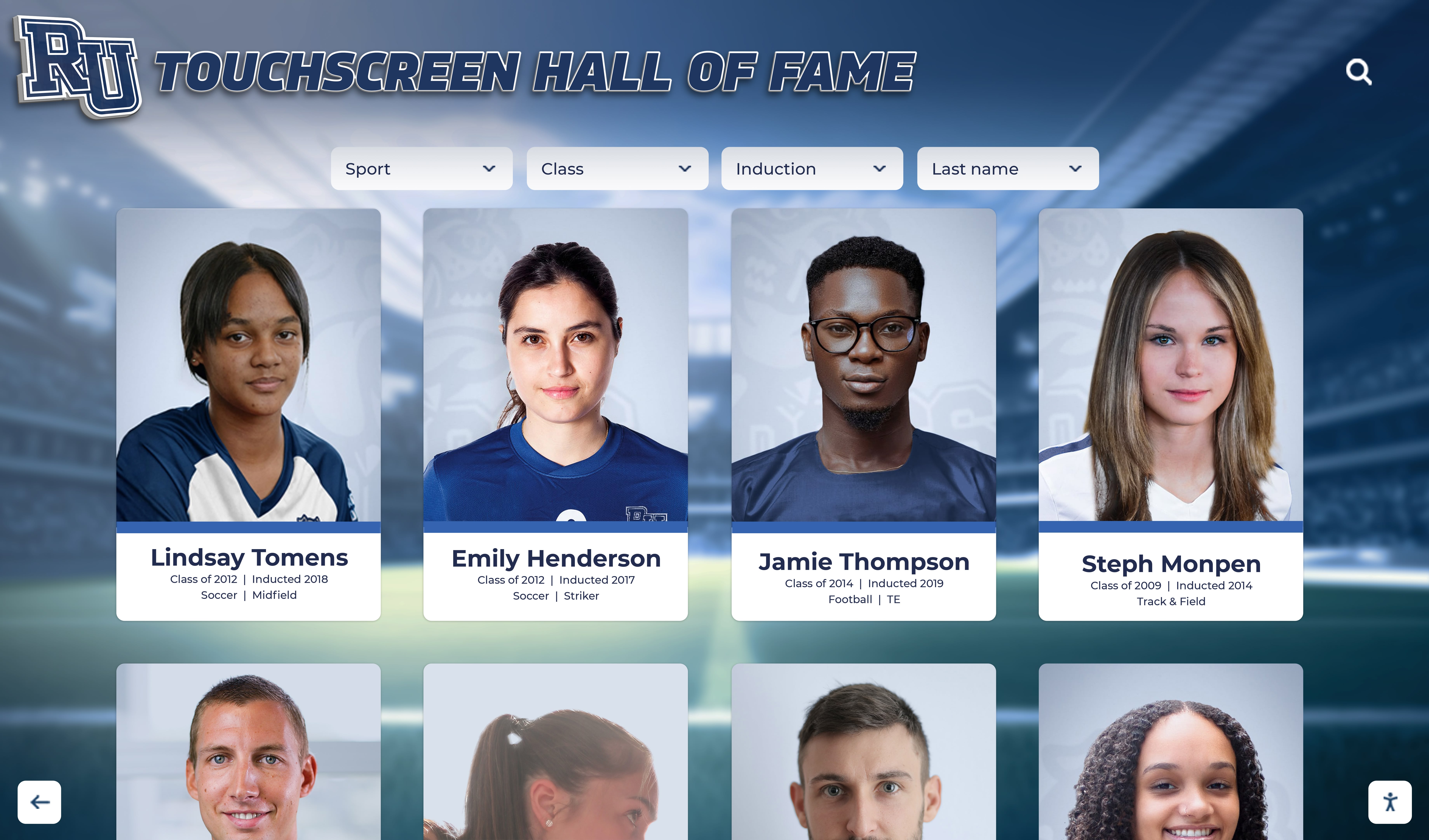
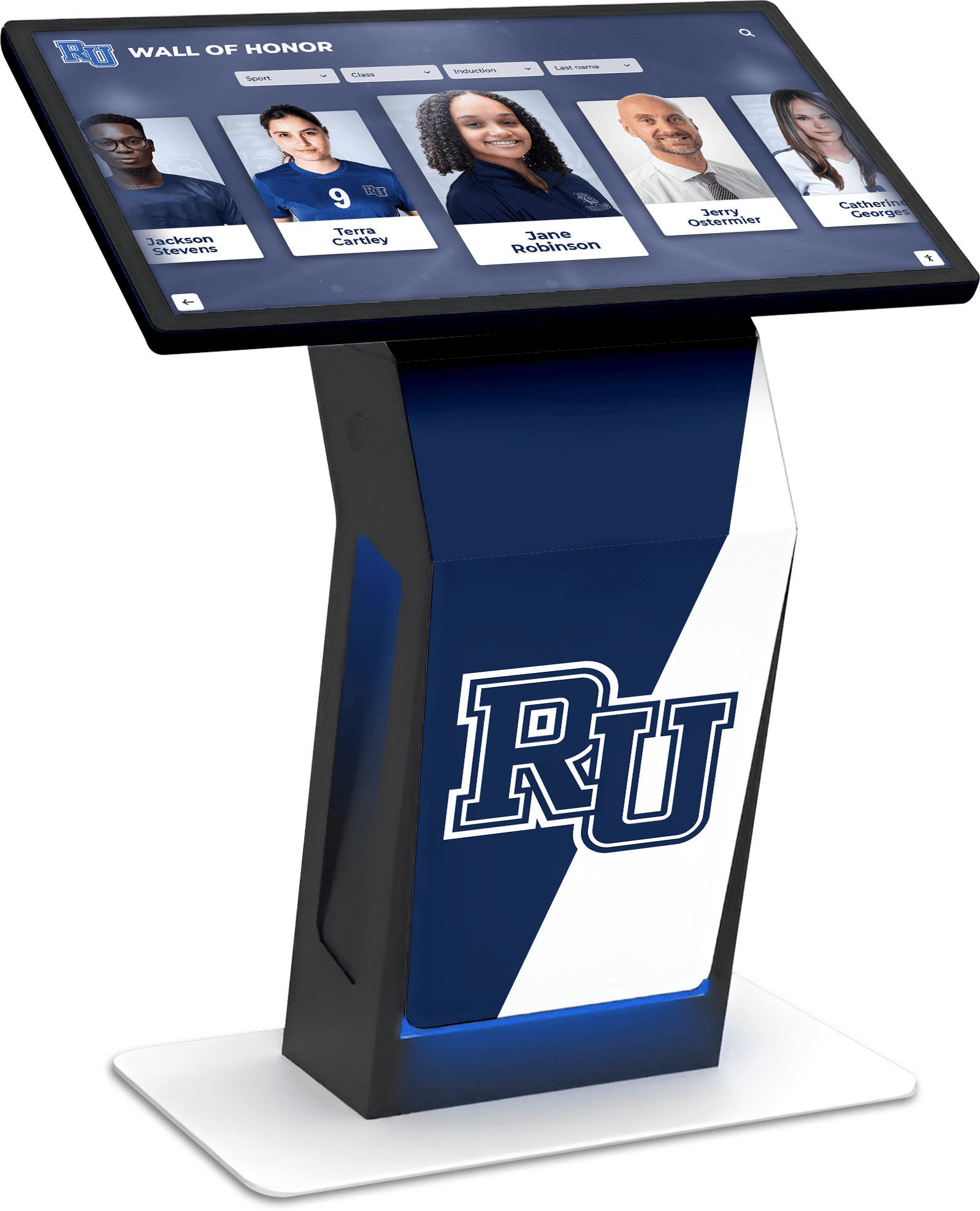
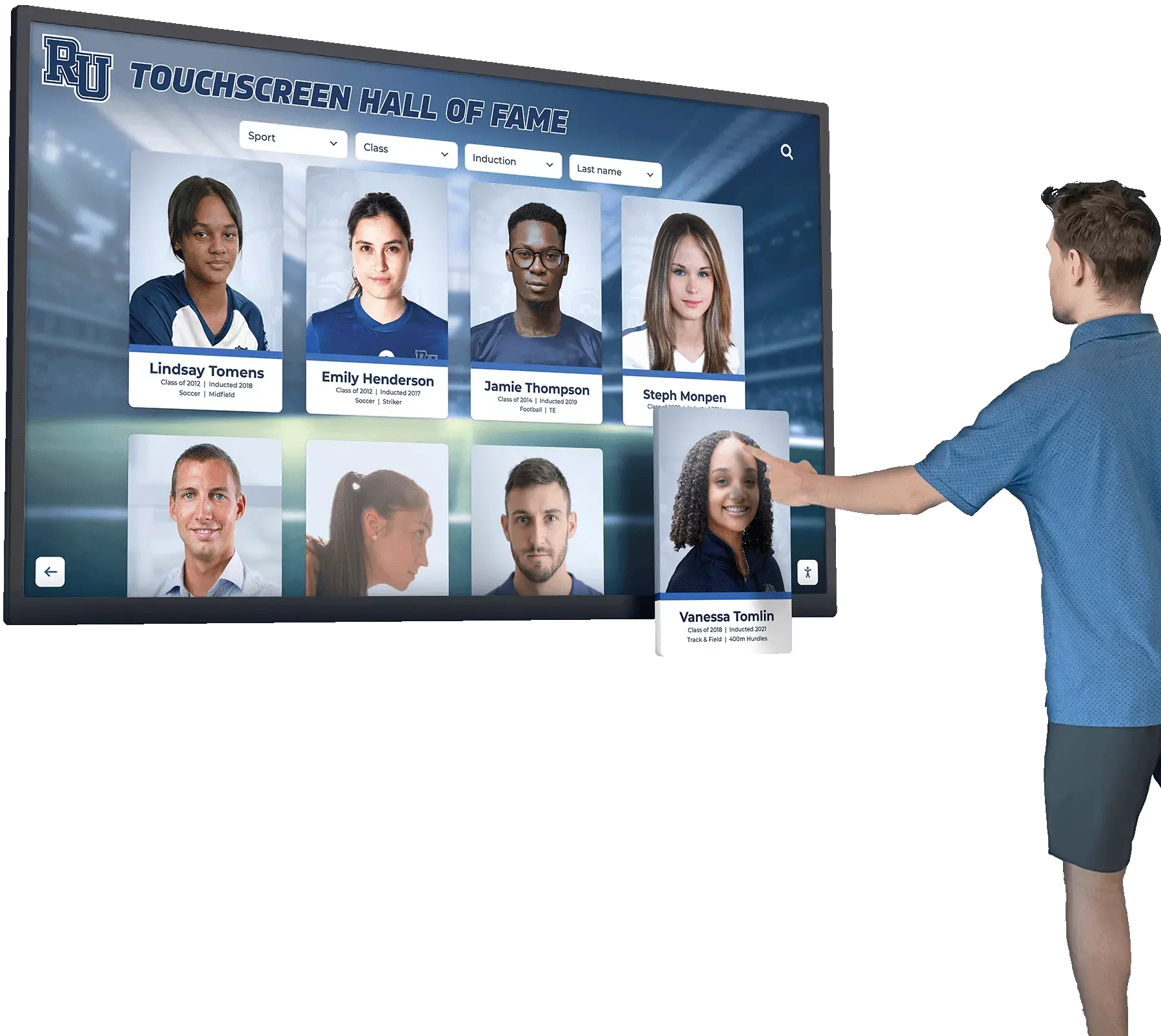
Interactive Touchscreen Displays for Forensics Recognition
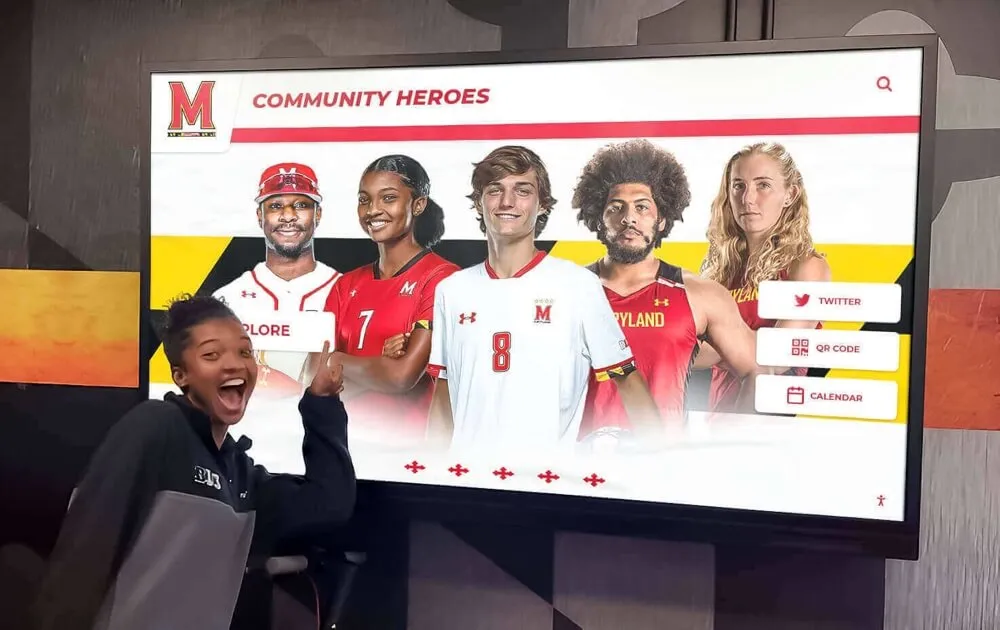
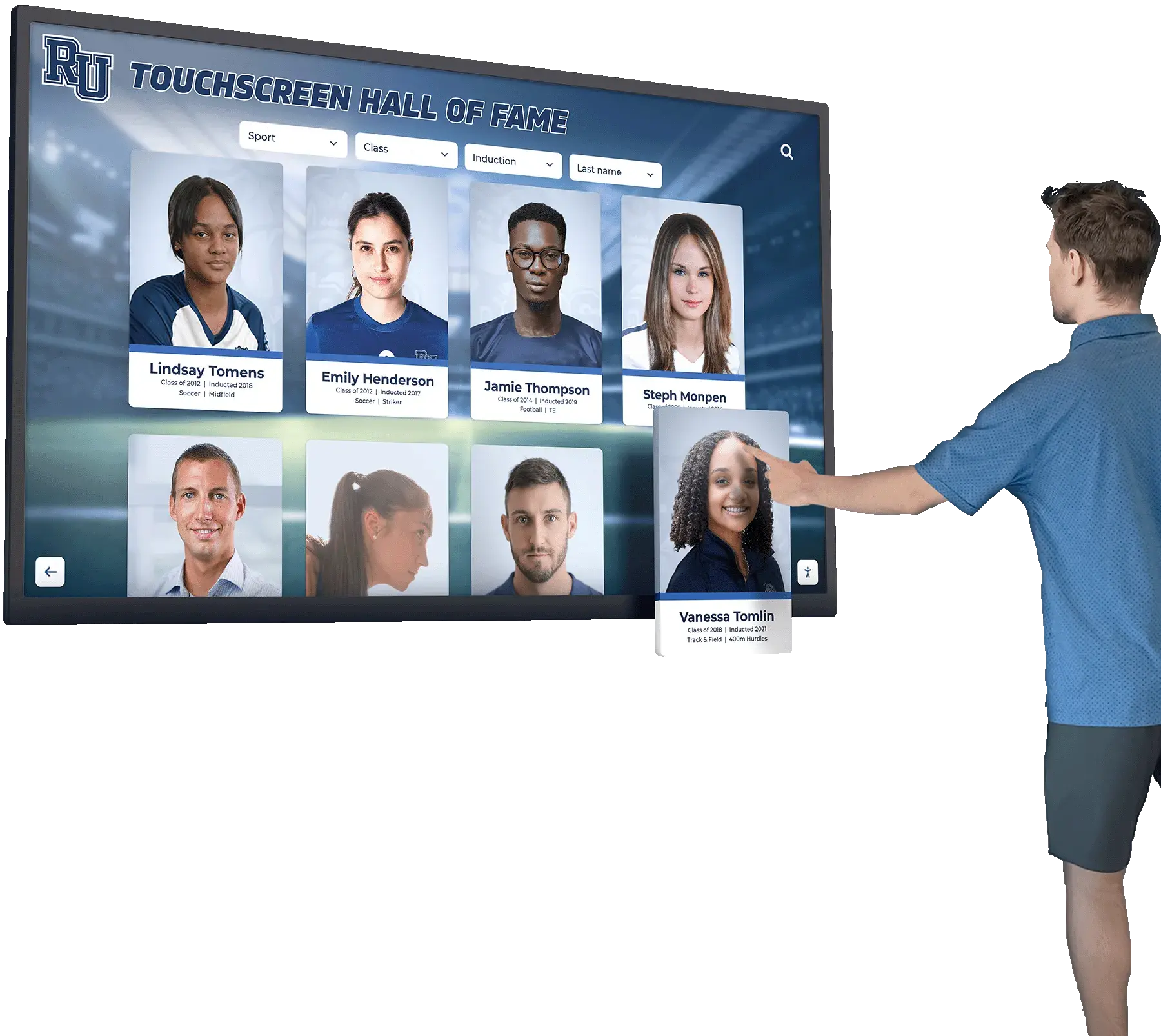
Digital recognition systems using touchscreen technology create dynamic recognition experiences where students, families, alumni, and visitors actively explore debate profiles, tournament histories, and achievement records:
Unlimited Recognition Capacity
The greatest advantage of digital systems is unlimited capacity. Schools with decades of debate tradition can recognize every single debater, tournament result, and championship across program history without space constraints forcing difficult decisions about whose achievements deserve display. Every debater from 1990 receives equal recognition opportunity as those competing today, democratizing honor and ensuring comprehensive historical documentation.
Rich Multimedia Debate Content
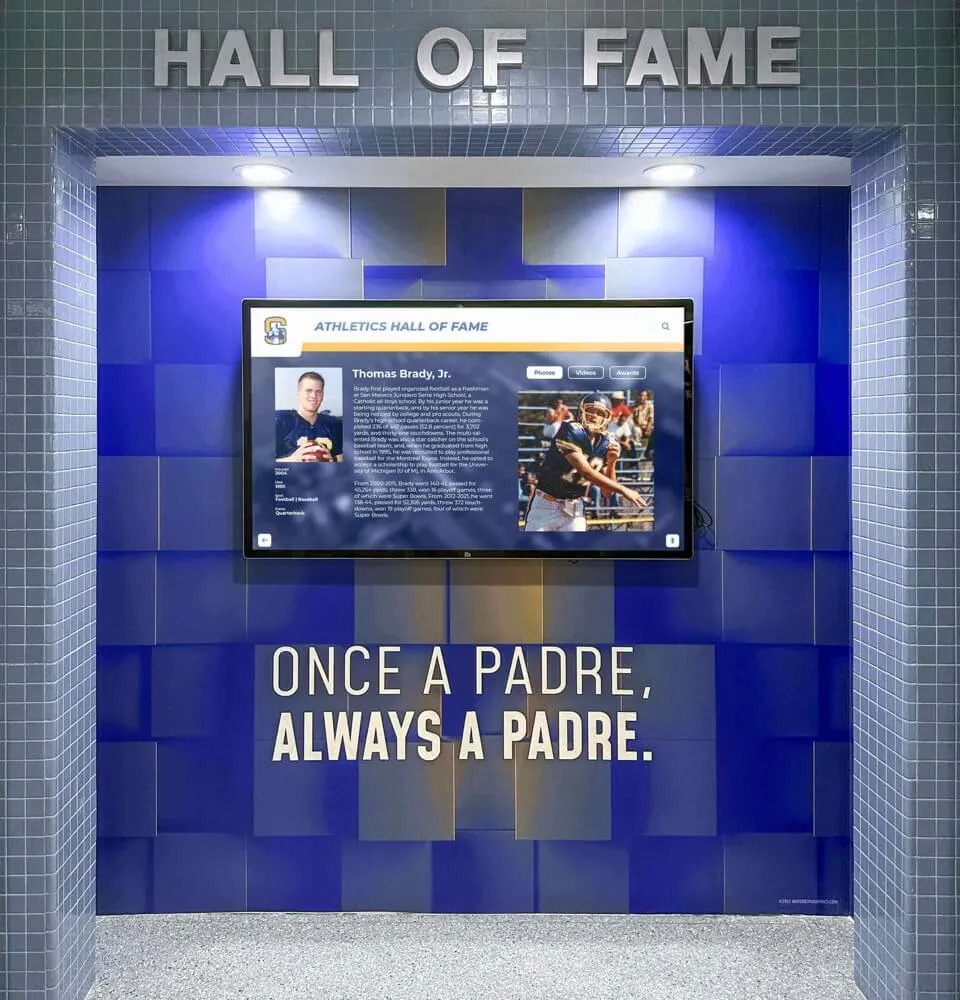
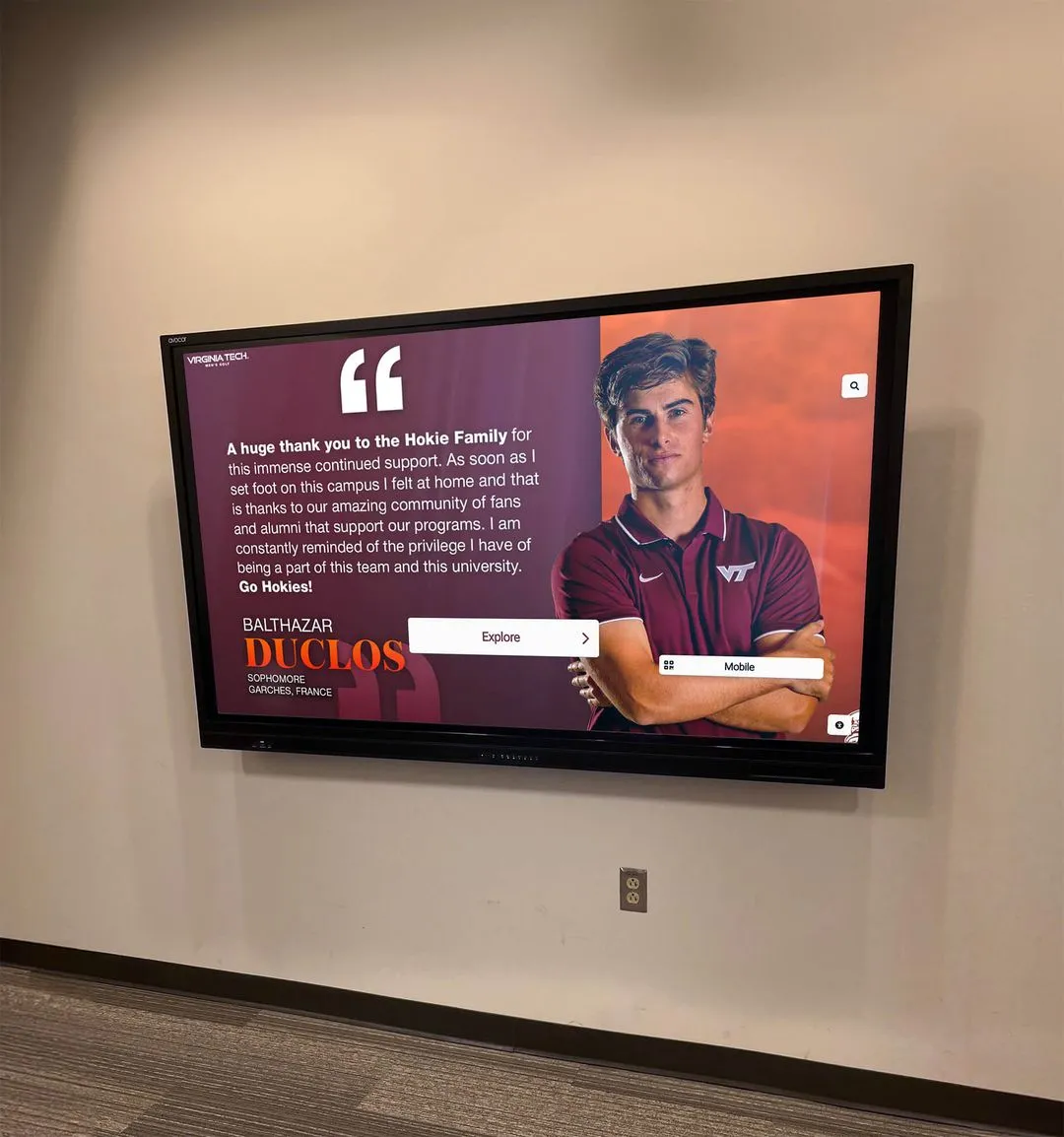
Digital displays support comprehensive debater profiles including high-quality photographs from tournaments and competitions, debate format and event specialization, detailed tournament results and placement histories, cumulative debate records tracking wins and losses, speaker point averages and rankings, partnership information for team debate formats, video recordings of debate rounds or speech performances when available, quotes from debaters about forensics experiences and lessons learned, and college destination information showing continued academic achievement.
These multimedia capabilities create engaging experiences that static plaques cannot approach, particularly for audiences who understand and appreciate the nuances of competitive forensics. Being able to watch excerpts from championship debate rounds or final speech performances adds dimensions to recognition that text alone never achieves.
Immediate Updates for Tournament Recognition
When debaters achieve tournament success, digital systems enable immediate updates without waiting for plaque production, engraving processes, or physical installation. Coaches can photograph debaters, upload tournament results and placement information, and publish recognition within hours of competition completion—creating timely celebration while achievement excitement remains fresh and generating momentum for program visibility.
Searchable Forensics Database Features
Interactive systems allow users to search and filter by debater name, graduation year, debate format or speech event, achievement year or tournament, and partnership combinations for team events, facilitating personalized exploration. A forensics alumnus visiting campus can instantly find their own recognition from decades earlier. Prospective families researching debate programs can explore championship traditions across all competitive formats. Students can discover whether relatives competed in forensics. This accessibility makes recognition more engaging and personally relevant.
Solutions like Rocket Alumni Solutions provide purpose-built platforms designed for comprehensive student recognition including debate achievements, academic honors, and athletic accomplishments in single integrated systems that eliminate siloed recognition and create unified celebration of diverse excellence.
Online Forensics Recognition Platforms
Extending debate recognition beyond physical displays through web-accessible platforms amplifies impact and accessibility for dispersed forensics communities:
Web-Based Debate Recognition Access
Online recognition platforms enable debaters, families, alumni, and forensics educators to access achievement recognition from anywhere. A debater at college can share their high school recognition profile with professors or graduate school applications. Grandparents living across the country can view their grandchild’s tournament success. Forensics researchers can access comprehensive program history easily for alumni engagement or historical documentation projects.
Portfolio Integration for College Applications
Digital recognition platforms can connect with debater portfolios showcasing debate résumés, tournament result documentation, speech recordings, research briefs, and achievement summaries that students use for college applications, scholarship competitions, and honors program admissions. This integration makes recognition functional beyond symbolic acknowledgment—providing practical utility that supports student futures.
Social Media Sharing for Forensics Achievement
Digital platforms typically include social sharing capabilities that extend recognition reach beyond direct viewers. When schools post new debate achievement profiles or tournament results on social media, families share with extended networks, alumni celebrate from afar, and community engagement amplifies around forensics program success. Recognition becomes dynamic and continuously relevant rather than static and isolated.
Permanent Digital Archives Preserving Forensics History
Online systems create permanent searchable archives preserving debate recognition indefinitely. Even if physical facilities change, schools relocate, or coaching staffs transition, digital records remain accessible ensuring no debater’s achievement gets lost to time or institutional transitions. This permanence proves particularly valuable for forensics programs where competitive formats, tournament structures, and organizational affiliations evolve across decades.
Resources on digital recognition display solutions explore technology platforms suitable for comprehensive forensics achievement board implementation.
Creating Comprehensive Debate Achievement Recognition Programs
Effective debate recognition extends beyond simply displaying names and tournament results to creating comprehensive programs that celebrate achievement appropriately while inspiring future forensics excellence:
Defining Recognition Scope and Criteria
Clear frameworks ensure debate recognition remains focused, inclusive, and sustainable:
Achievement Level Thresholds
Determine which accomplishments qualify for debate achievement board recognition. Options include all varsity debate participants regardless of tournament success, debaters reaching elimination rounds at designated competition levels, tournament champions and finalists at specified events, state qualification regardless of placement, state elimination rounds and finalist positions, national tournament qualification demonstrating elite achievement, national tournament elimination rounds and championships, speaker award recipients meeting ranking thresholds, and cumulative record milestones such as 50-win debaters.
More selective criteria focus recognition on highest achievement but may exclude valuable contributors. More inclusive approaches celebrate broader participation but risk diminishing recognition significance if every participant receives equivalent acknowledgment regardless of actual competitive success.
Format and Event Inclusivity
Establish whether all debate formats and speech events receive equal recognition or if certain categories receive prioritized visibility. Comprehensive programs acknowledge all competitive categories equally—Policy Debate, Lincoln-Douglas, Public Forum, Congressional Debate, and all individual speech events—preventing perception that certain formats matter more than others. Clear policies prevent conflicts and ensure all debaters feel valued regardless of competitive specialization.
Historical Recognition and Archive Development
Decide whether to recognize only current competitors or build comprehensive historical archives documenting decades of forensics excellence. Historical recognition creates powerful institutional memory demonstrating sustained program quality, enables alumni to rediscover their own achievements years later, provides longitudinal documentation showing program evolution, and creates inspirational examples of debaters who achieved significant success.
Many schools implement phased approaches beginning with current year recognition, then systematically adding previous years’ achievements during periods when tournament schedules allow focus on historical research. This enables manageable progress without overwhelming coaching staff while building comprehensive archives capturing institutional forensics heritage.
Content Development: Bringing Debate Achievement to Life
Rich content transforms simple acknowledgment into meaningful celebration inspiring school communities:
Essential Debater Profile Elements
Comprehensive debate profiles should include debater name and graduation year providing identification, high-quality photograph creating visual connection, debate format or speech event specialization, years of competitive participation, tournament championships and finalist placements, cumulative win-loss record when tracked, speaker awards and point rankings, partnership accomplishments for team formats, state and national qualification years, and significant records or milestone achievements.
Additional valuable content includes brief statements from debaters about forensics experiences or lessons learned, coach comments highlighting specific strengths or memorable performances, debate résumé summaries listing significant tournaments, research or case innovation contributions, leadership roles within debate programs, and college destination information showing continued academic success.
Tournament Result Documentation
For programs tracking detailed competitive histories, recognition should document tournament names, locations, and dates providing context, specific division or competition level, number of teams or competitors attending, preliminary round performance and records, elimination round advancement and placements, speaker rankings and awards earned, and judge comments or ballots when preserved.
This detailed documentation proves particularly valuable for serious debaters and forensics alumni who remember specific tournaments, memorable debates, or close elimination rounds that shaped their competitive experiences and personal development.
Partnership and Team Dynamic Recognition
For debate formats featuring partnerships (Policy, Public Forum, Duo Interpretation), recognition should honor collaborative achievement through joint profiles acknowledging both partners, partnership records and tournament success, chemistry and collaboration that made partnerships effective, and evolution if partnerships changed across competitive seasons.
Partnership recognition validates that debate success often requires interpersonal collaboration, strategic communication, and mutual respect between partners who function as debate teams competing against similarly paired opponents.
Resources on team recognition and collaborative achievement provide frameworks for celebrating group accomplishments alongside individual excellence.
Implementation Planning for Debate Achievement Boards
Schools ready to launch or enhance debate recognition programs benefit from systematic planning addressing practical implementation considerations:
Assessment and Goal Setting
Current State Analysis
Begin by inventorying existing recognition including all current debate displays and their conditions, available space for new or expanded recognition, historical tournament records and debater information, gaps in recognition coverage such as missing years or events, and stakeholder satisfaction with current recognition approaches.
Program Goal Definition
Clear goals guide implementation decisions and investment priorities. Common debate recognition objectives include addressing imbalance between intellectual and athletic recognition visibility, recruiting stronger debaters by showcasing program excellence, preserving institutional forensics history before memory fades, motivating current debaters through visible acknowledgment, connecting with forensics alumni through comprehensive historical recognition, and communicating to prospective families that schools value academic competition and intellectual achievement.
Different goals suggest different implementation approaches—recruiting-focused recognition emphasizes recent championship success and current program strength, while alumni engagement priorities may require extensive historical research creating comprehensive archives spanning decades.
Budget and Funding Strategies
Traditional Display Investment
Comprehensive traditional debate recognition systems typically require initial investment including design consultation and layout development, engraved plaques or nameplates for debaters, mounting hardware and installation, display lighting when needed, and ongoing costs for new additions as debaters earn recognition. Costs vary significantly based on materials, design complexity, installation requirements, and annual program size affecting how many new recognition pieces get added each year.

Digital System Investment
Digital recognition displays require different investment including hardware such as touchscreen displays and mounting systems, software licensing for recognition platforms, initial content development creating historical profiles, professional installation and network integration, and annual software maintenance and support fees. While digital systems demand higher initial investment, unlimited capacity and easy updates often prove more cost-effective long-term than continuously expanding physical displays—particularly for programs with extensive competitive histories spanning many debaters across decades.
Creative Funding Sources
Schools successfully fund debate recognition programs through forensics booster organizations and parent associations, alumni debater contributions particularly from former program participants, memorial donations honoring deceased debaters or coaches, academic excellence grants from community foundations, corporate sponsorships from businesses valuing communication skills, and phased implementation spreading costs across multiple budget cycles while building programs incrementally.
Many schools discover that forensics alumni enthusiastically support recognition programs that will honor their achievements, viewing contributions as investments in their own intellectual legacies and program futures.
Content Development and Historical Research
Creating comprehensive debate recognition requires significant historical research and content development often underestimated during planning:
Historical Record Gathering
Compile complete lists of debaters and tournament results through archived tournament results and brackets when preserved, team rosters and membership records, yearbook photographs and forensics coverage, newspaper archives capturing contemporary tournament reporting, coach interviews preserving institutional memory, debater and family consultations for personal documentation, and state and national forensics association records when accessible.
Photography and Media Collection
Gathering visual documentation for each debater proves challenging particularly for historical recognition spanning decades. Sources include tournament photographs from competitions, yearbook portraits and team photographs, family photograph requests when school archives lack images, newspaper coverage that included photographs, social media documentation for recent years, and new photography of preserved awards, trophies, or certificates when original debate photographs are unavailable.
This content development represents substantial work requiring realistic timeline expectations—comprehensive historical debate recognition programs often require 6-12 months or more of content development before launch, with ongoing additions as research continues uncovering additional historical debaters, tournament results, and achievement documentation.
Best Practices for Sustained Debate Recognition Success
Successful debate achievement boards require ongoing attention and systematic management to maintain quality, relevance, and impact on forensics program culture:
Regular Updates and Maintenance
Tournament Season Update Processes
Establish systematic processes for adding new debate achievements throughout competitive seasons including monitoring tournament results from all events, prompt data collection from debaters and coaches after competitions, timely profile creation and publication celebrating recent success, and end-of-season comprehensive updates adding full-year achievement summaries.
Regular updates ensure recognition remains current and relevant rather than becoming historical artifacts that gradually lose connection to current students and active programs. Timely recognition also maximizes motivational impact and program visibility when achievement excitement is highest.
Content Accuracy Verification
Periodically audit recognition content for errors including factual accuracy of tournament results and placements, proper spelling of debater names and correct graduation years, accurate debate formats and event categorizations, current partnership information when applicable, and broken links or outdated information in digital systems.
Errors damage credibility and disrespect honored debaters. Quality control maintains recognition program integrity and demonstrates that schools take forensics achievement seriously enough to ensure accuracy and professional presentation.
Expanding Recognition Categories
Over time, many programs expand beyond basic tournament achievement recognition to celebrate additional accomplishments that complement core competitive success:
Leadership and Service Recognition
Debate programs benefit from acknowledging leadership contributions including debate team captains and officers, tournament hosting and organization volunteers, novice mentoring and teaching roles, fundraising and program building contributions, and recruitment efforts supporting program growth.
These leadership achievements demonstrate that forensics develops more than just competitive skills—building organizational capabilities, mentorship abilities, and program commitment deserving acknowledgment alongside tournament success.
Research and Innovation Recognition
Serious debate programs might recognize debaters who contributed significant research or case innovation, developed novel arguments or strategic approaches, published debate theory or analysis, and maintained extensive evidence files or research resources benefiting programs beyond individual use.
This specialized recognition celebrates intellectual contributions extending beyond personal competitive success to program-level advancement that elevates overall team capabilities.
Academic and Character Integration
Complete debater profiles might incorporate academic achievement such as GPA and honor roll status, National Honor Society or academic honors, standardized test excellence, and scholarship awards recognizing both debate and academic distinction. Integration presents students as complete scholar-competitors rather than exclusively emphasizing forensics achievement, demonstrating that debate excellence and academic success complement rather than conflict with each other.
Resources on honor roll recognition programs explore comprehensive approaches to celebrating academic achievement that can integrate with forensics accomplishment recognition.
Leveraging Debate Recognition for Program Building
Beyond honoring individual debaters, strategic achievement recognition supports broader program development and institutional objectives:
Recruiting Competitors and Building Programs
Visible debate recognition influences both recruiting prospective debaters and retaining current program participants:
Prospective Student Impressions
Families evaluating schools or debate programs form impressions based on visible evidence of program quality and student success. Comprehensive debate achievement boards demonstrate forensics excellence and competitive tradition that appeals to academically talented students considering where to enroll. Recognition becomes recruiting tool communicating program strength more effectively than abstract descriptions alone.
Current Debater Motivation
When younger debaters see tournament championships, elimination rounds, and speaker awards prominently displayed throughout facilities, they understand concrete achievement standards and aspiration targets. Visible recognition of slightly older students who recently graduated or current upperclassmen creates accessible role models more relatable than distant historical champions.
Program Prestige and Reputation
Recognition creates and reinforces program reputation. Schools known for celebrating forensics achievement attract debate-focused families, talented transfer students, and community support that strengthens programs financially and competitively. Recognition becomes self-reinforcing as reputation attracts talent that produces more achievements generating additional recognition amplifying reputation further.
Community Engagement and Forensics Advocacy
Debate achievement recognition extends beyond student debaters to create community-wide engagement supporting academic competition programs:
Alumni Connection and Engagement
Comprehensive historical debate recognition gives forensics alumni tangible connections to schools decades after graduation. Alumni visiting campuses and finding their tournament records, partnership histories, or championship recognition preserved feel valued and maintain emotional connections supporting future engagement, program donations, mentorship of current debaters, and advocacy for forensics program support.
Family Pride and Multi-Generational Traditions
Multi-generational debate traditions where parents, siblings, or other relatives also competed in forensics create special family pride that strengthens school loyalty across generations and builds lasting support for programs. Recognition that enables families to explore relatives’ debate achievements across decades makes these connections visible and emotionally resonant.
Local Media Coverage and Visibility
Tournament achievements generate local media coverage that provides positive visibility for schools and academic programs. Schools that create impressive debate recognition displays often receive additional media attention celebrating both current achievements and recognition program quality—extending program visibility beyond direct audiences.
Academic Excellence Advocacy
Visible debate recognition supports advocacy for academic program funding and resources. When boards of education and communities see prominent forensics achievement recognition, they better understand program excellence and value of investments supporting debate programs, coaching, tournament travel, and competition resources. Recognition becomes evidence supporting funding requests and demonstrating return on academic program investment.
Resources on student achievement recognition programs explore comprehensive approaches to building school pride through visible celebration of diverse student accomplishments.
Addressing Common Debate Recognition Challenges
Schools implementing debate achievement boards commonly encounter specific challenges that benefit from proactive strategies:
Incomplete Historical Documentation
Many schools discover that comprehensive historical records of debate achievement don’t exist in accessible formats, complicating efforts to create complete recognition systems spanning decades:
Systematic Historical Research Projects
Successful programs implement structured research involving coaching staff reviewing available historical records, volunteer forensics alumni assisting with information gathering from their competitive eras, student research projects providing academic credit for historical investigation, phased implementation starting with recent decades while gradually expanding historical coverage, and transparent documentation of gaps where information cannot be verified.
Historical recognition may lack the tournament detail or photographic quality available for recent debaters. Rather than waiting for perfect information, schools benefit from recognizing debaters with available information while continuing research that enables future enhancements and additions as new documentation emerges.
Balancing Multiple Debate Formats and Speech Events
Schools with comprehensive forensics programs competing across multiple debate formats and numerous individual speech events sometimes struggle maintaining recognition consistency when different competitive categories feature varied tournament structures and achievement standards:
Unified Recognition Standards
Establishing clear school-level standards for what qualifies for recognition regardless of competitive format ensures fairness and prevents perception that certain debate formats receive preferential treatment over others. Clear policies might recognize state qualification or national qualification across all formats equally, tournament championships at designated competition levels, cumulative achievement milestones, or speaker rankings demonstrating consistent excellence.
Format Context Education
Helping school communities understand that different debate formats and speech events represent legitimate but distinct competitive contexts prevents unfair comparisons. Policy Debate partnership dynamics differ from Lincoln-Douglas individual competition; Congressional Debate success requires different skills than Dramatic Interpretation performance excellence. Education about competitive diversity enables appropriate appreciation across varied forensics achievements.
Managing Limited Resources and Competing Priorities
Budget constraints and competing program priorities commonly restrict debate recognition program scope, requiring creative approaches that deliver meaningful recognition within practical limitations:
Phased Implementation Approaches
Begin with priority areas such as most recent competitive seasons or current students, then expand systematically as budget and staff capacity permit. Phased approaches make initial costs manageable while establishing programs that justify future investment through demonstrated impact and stakeholder appreciation.
Volunteer Engagement and Alumni Contributions
Engage volunteers in content development, historical research, program planning, and fundraising to reduce labor costs while building community ownership and investment in recognition success. Forensics alumni often eagerly contribute time, expertise, and financial support to programs honoring their achievements and supporting current debaters.
Digital System Long-Term Efficiency
While digital recognition systems require higher initial investment than traditional plaques, unlimited capacity and easy updates often prove more cost-effective long-term than continuously expanding physical displays—particularly for programs with extensive competitive histories spanning hundreds of debaters across multiple decades. Strategic investment analysis should consider multi-year costs rather than only initial implementation expenses.
Measuring Debate Recognition Program Success
Effective programs include assessment mechanisms demonstrating value and guiding continuous improvement:
Quantitative Success Metrics
Track measurable indicators including percentage of debaters with recognition profiles, average profile completeness and content quality, historical coverage depth across decades, recognition platform usage statistics for digital systems, debate program enrollment trends, tournament participation rates, competitive success metrics showing program strength, and alumni engagement rates with recognition content.
Qualitative Impact Assessment
Gather perspectives from current debaters about recognition awareness and motivational impact, forensics alumni about recognition experiences and program impressions, families about what debate recognition means to them, coaches about how recognition supports recruitment and program development, prospective families considering whether recognition influenced school choice, and school administrators about recognition contribution to institutional pride and community engagement.
Cultural Impact Observation
Assess whether debate recognition programs contribute to observable increases in forensics program pride and prestige, debater recruitment and retention, academic competition advocacy and support, community connection to school intellectual traditions, and balanced recognition demonstrating value for diverse forms of excellence beyond athletics.
Conclusion: Honoring Intellectual Excellence Appropriately
Debate and forensics competitors represent intellectual athletes who develop critical thinking, persuasive communication, research excellence, and performance skills under pressure that distinguish them among peers and serve them throughout academic careers, professional pursuits, and civic engagement. These student competitors deserve recognition that matches the magnitude of their intellectual accomplishments, communicates school pride in their achievements, inspires future debaters to pursue similar excellence, and preserves their competitive legacies for generations.
Whether through traditional plaque systems, modern interactive touchscreen displays, online recognition platforms, or hybrid approaches combining multiple strategies, schools that implement comprehensive debate team achievement boards demonstrate institutional commitment to celebrating intellectual competition, honoring complete student accomplishment across all activities, maintaining institutional memory preserving achievements that define forensics traditions, and creating environments where academic excellence receives visibility and celebration equal to athletic achievement.
Successful debate recognition programs require systematic planning and thoughtful implementation, sustained commitment to quality content and regular maintenance, integration within broader achievement celebration systems, strategic positioning supporting recruitment and program development, and recognition of diverse forensics formats and competitive categories ensuring inclusive acknowledgment.
For schools ready to launch new debate team achievement boards or enhance existing systems, solutions like Rocket Alumni Solutions provide purpose-built platforms designed specifically for comprehensive student recognition. These systems offer intuitive content management enabling easy tournament updates, engaging interactive displays creating memorable visitor experiences, unlimited capacity accommodating decades of forensics achievements without space constraints, multimedia support integrating photos and videos when available, searchable databases facilitating personalized exploration, and professional presentation reflecting the significance that debate excellence deserves.
Debate team achievement boards represent more than simply posting names and tournament results—they’re fundamental tools for shaping school culture around intellectual excellence, motivating student participation in academic competition, communicating institutional values that celebrate diverse forms of achievement, and building communities where every debater’s competitive accomplishments receive the lasting recognition they have truly earned through dedication, preparation, and performance excellence representing schools at the highest levels of academic competition.
Ready to create a debate team achievement board that honors your forensics program’s excellence? Schedule a Zoom with Rocket Alumni Solutions to explore how digital recognition displays can transform how your school celebrates speech and debate achievement while inspiring future generations of intellectual competitors.