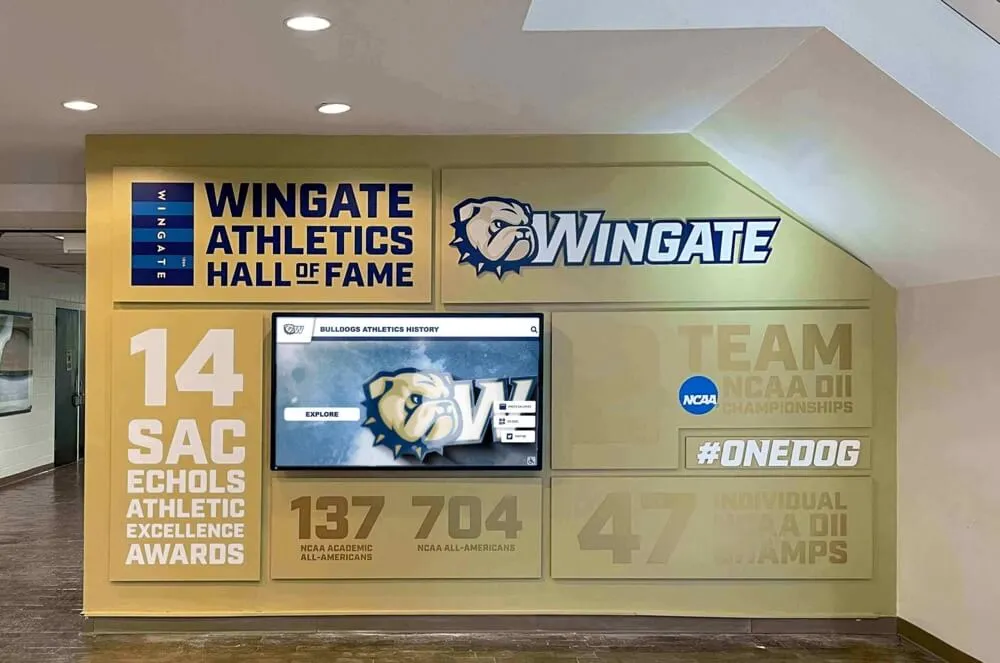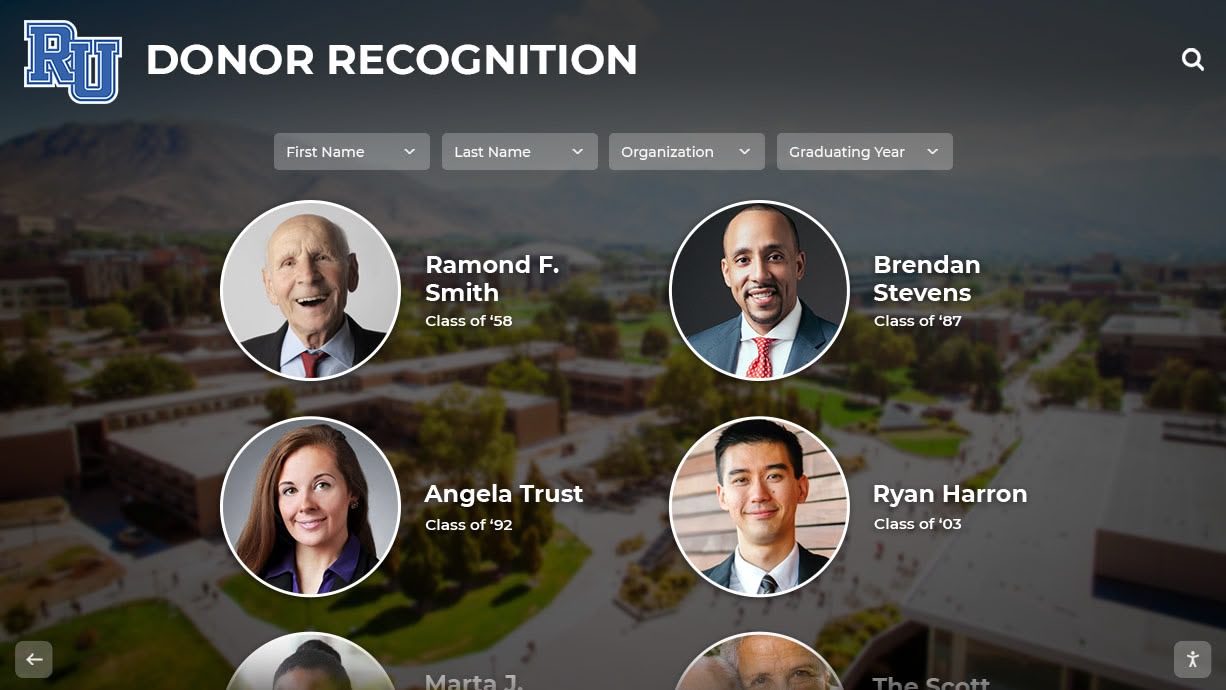




Making the Dean’s List represents one of the most prestigious academic accomplishments college students can achieve. This recognition signals excellence, dedication, and sustained scholarly performance that distinguishes students from their peers. For students navigating the academic demands of higher education, understanding what Dean’s List means, how institutions determine recipients, and why this recognition matters for future opportunities provides essential context for setting meaningful academic goals.
Whether you’re a student striving for this distinction, a parent understanding your child’s achievements, or an educator implementing recognition programs, this comprehensive guide explores everything about Dean’s List—from historical origins and selection criteria to modern recognition methods that celebrate academic excellence through engaging digital platforms ensuring outstanding achievements receive visibility they deserve.
Why Dean's List Recognition Matters in Higher Education
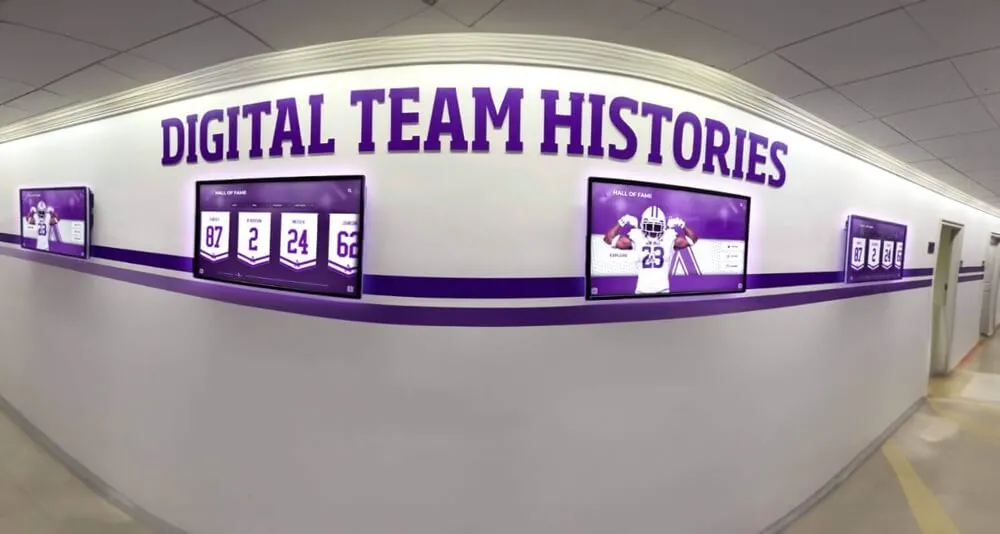
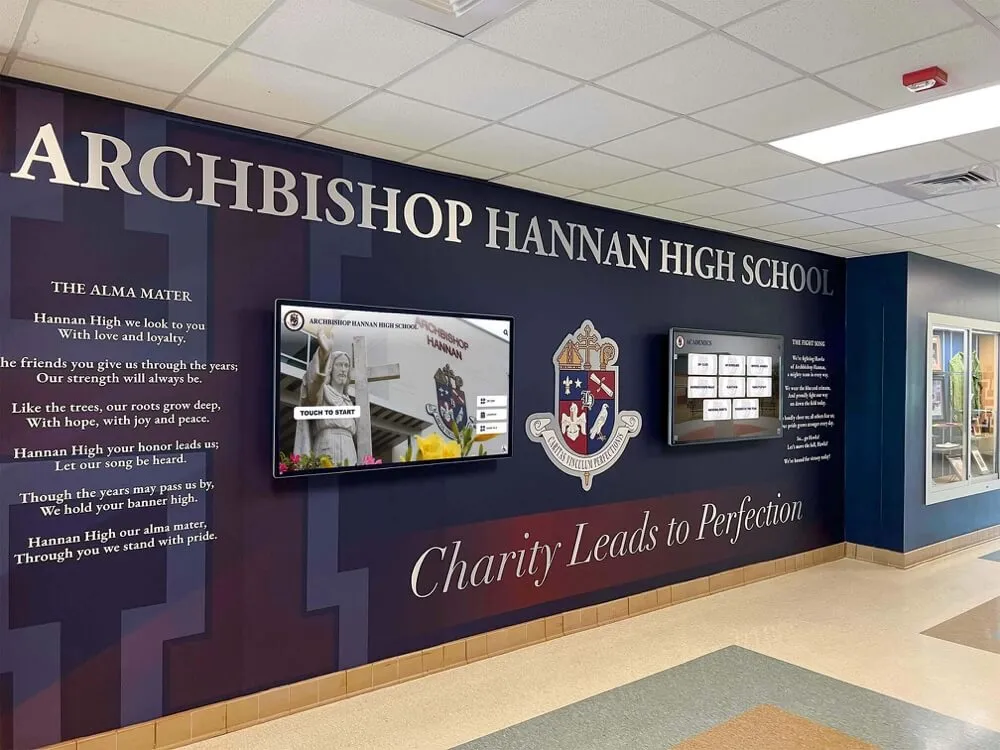
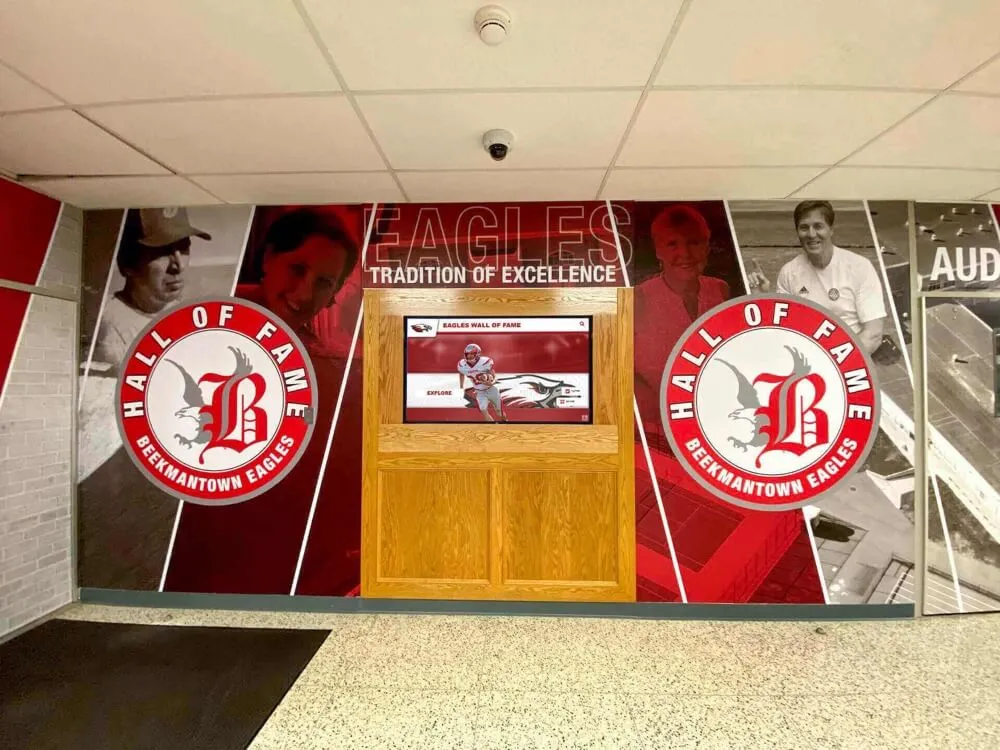
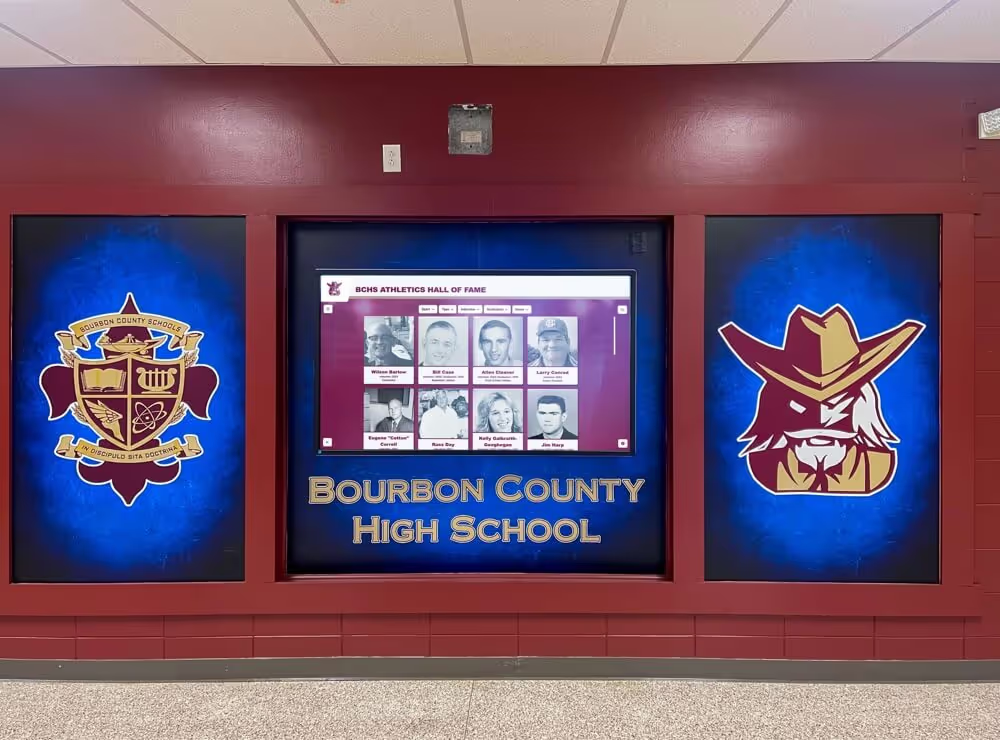
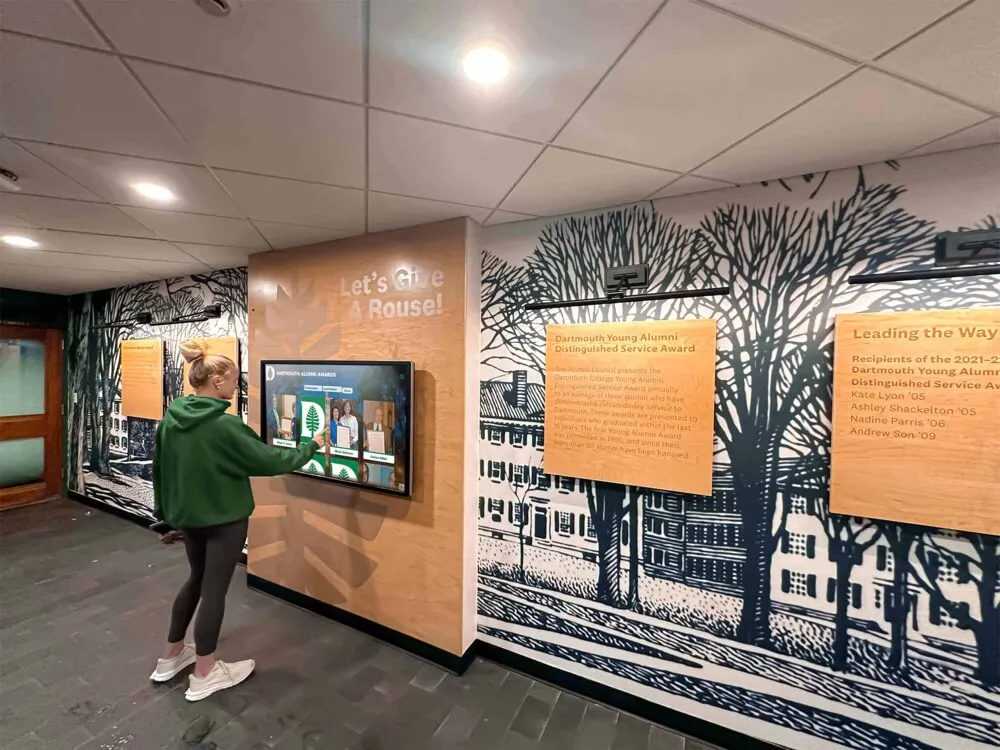
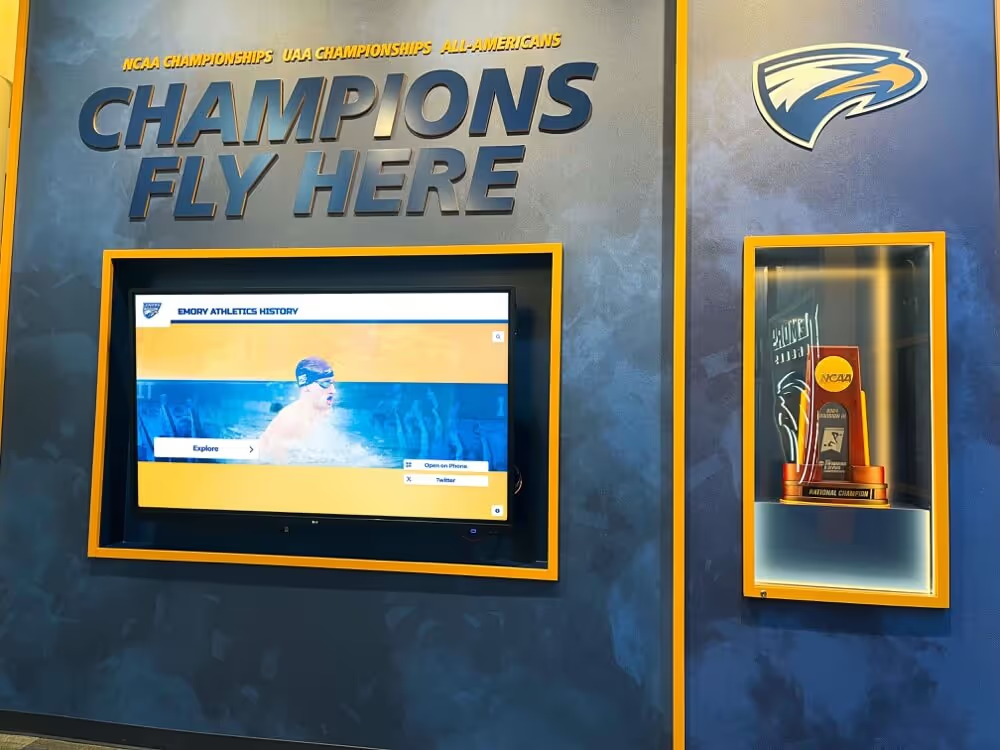
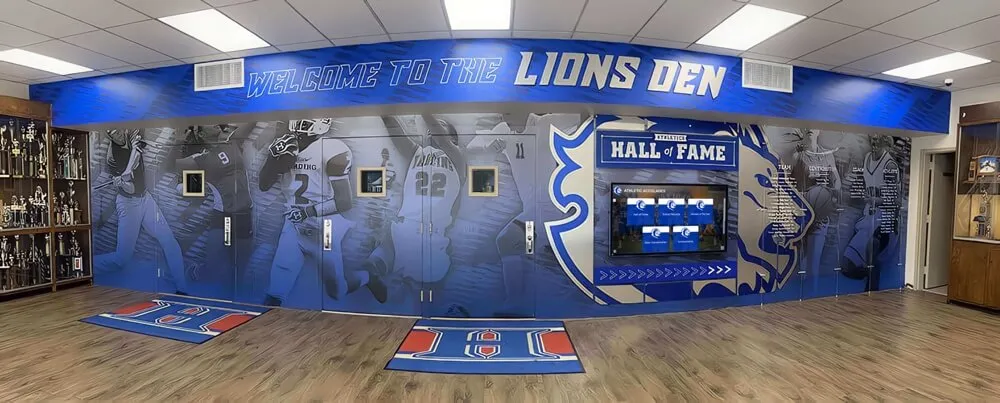
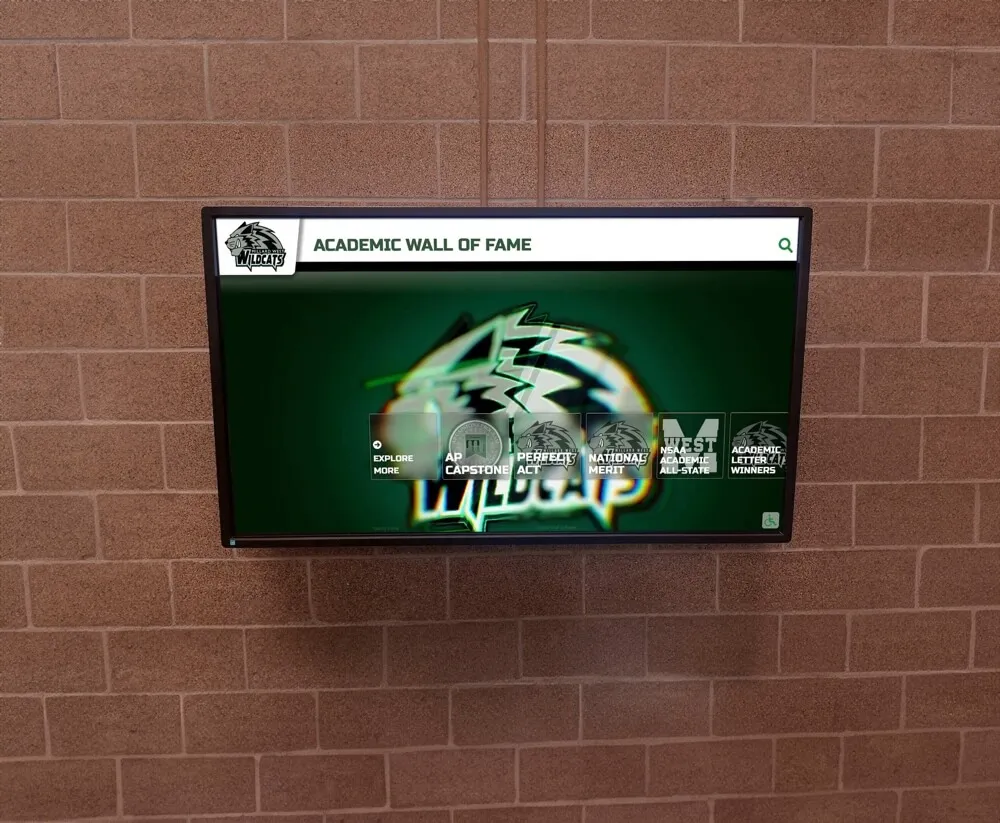
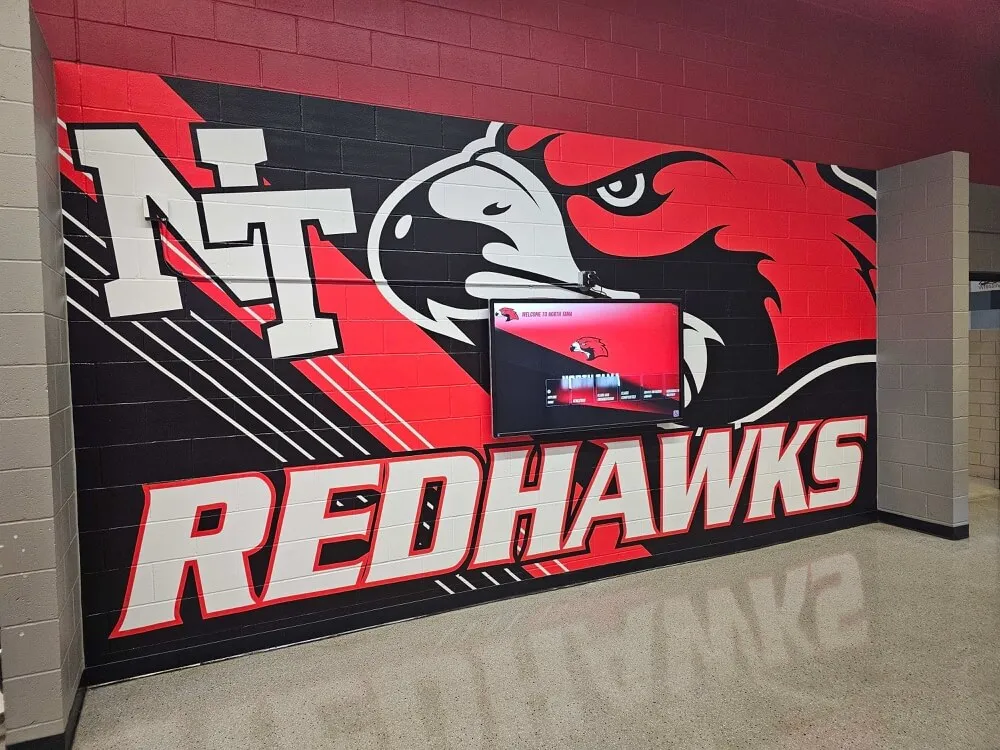
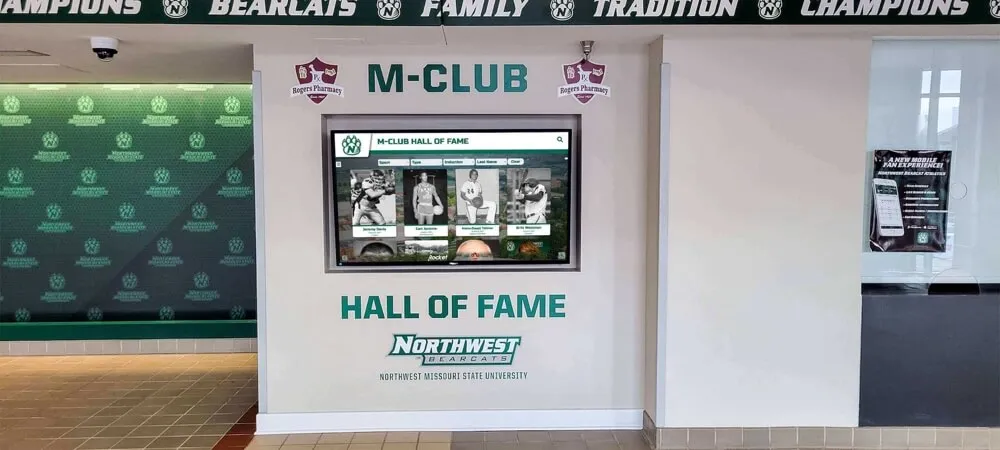
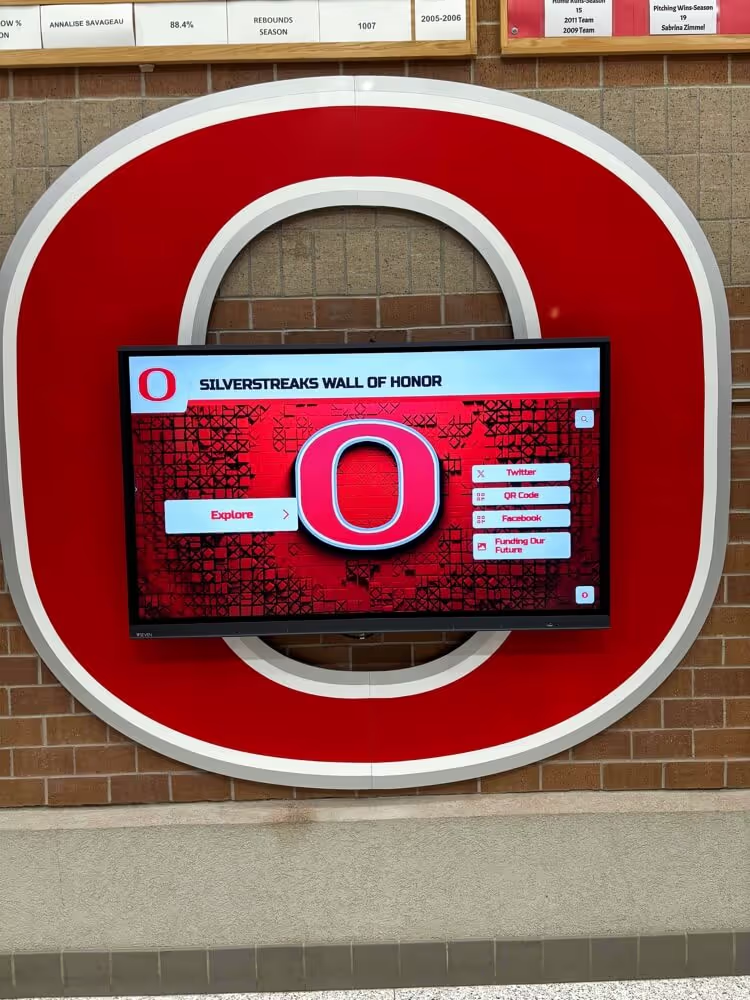
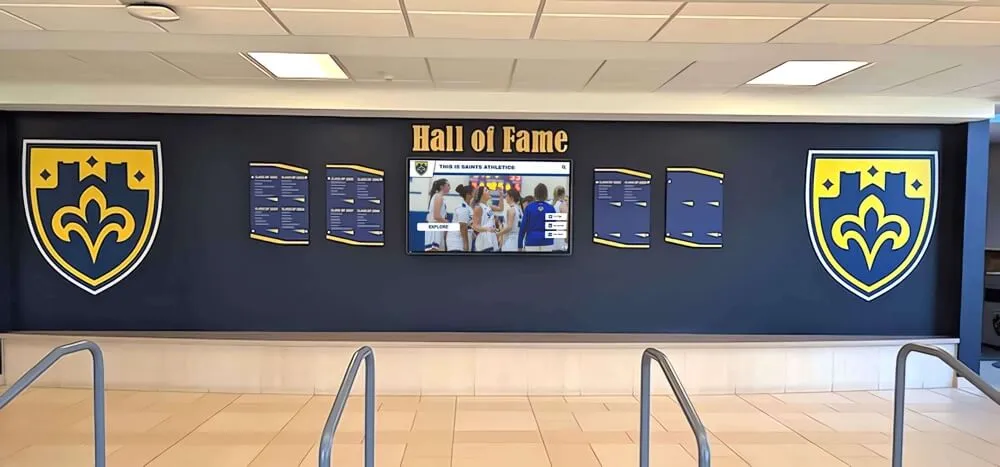
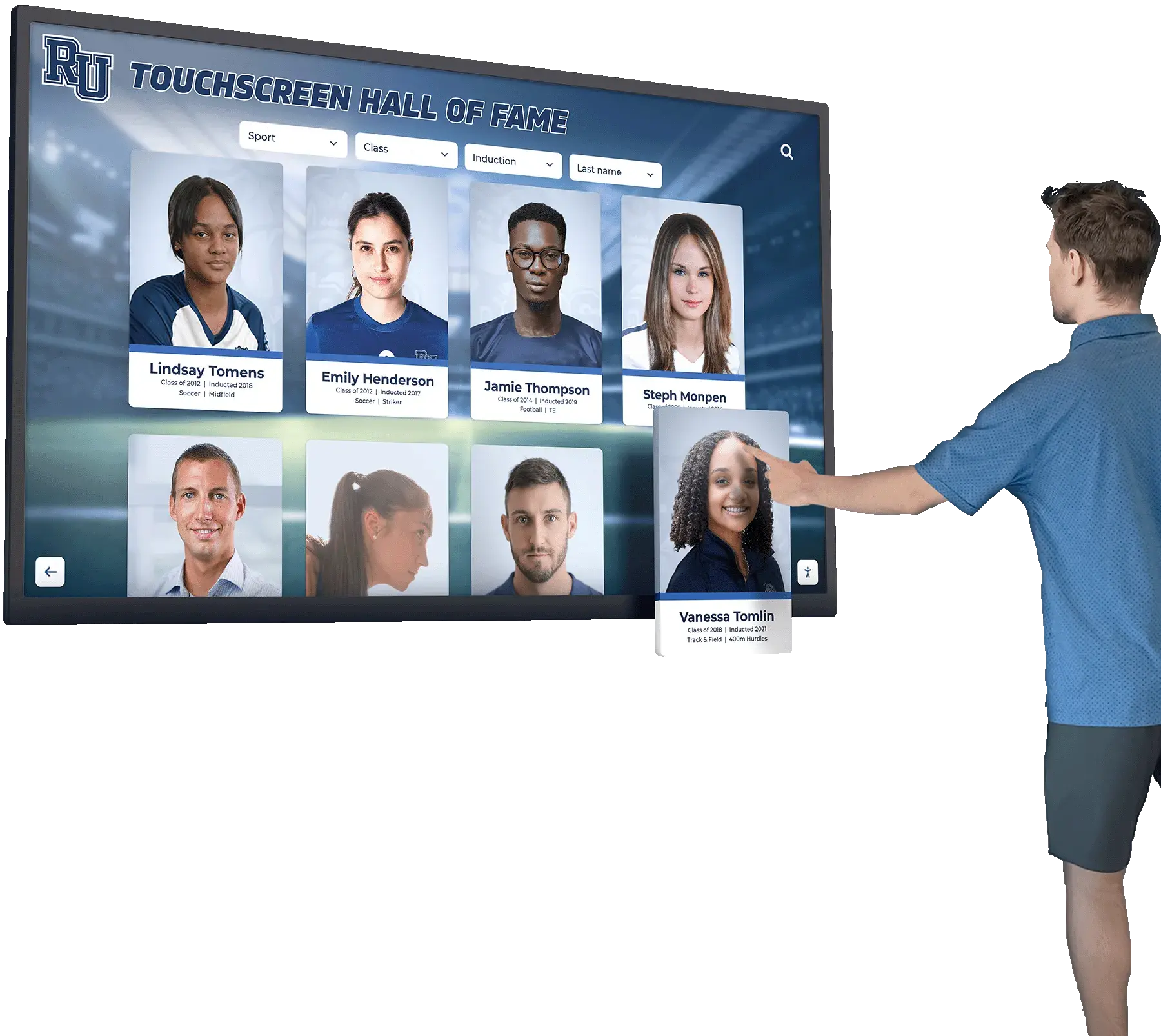
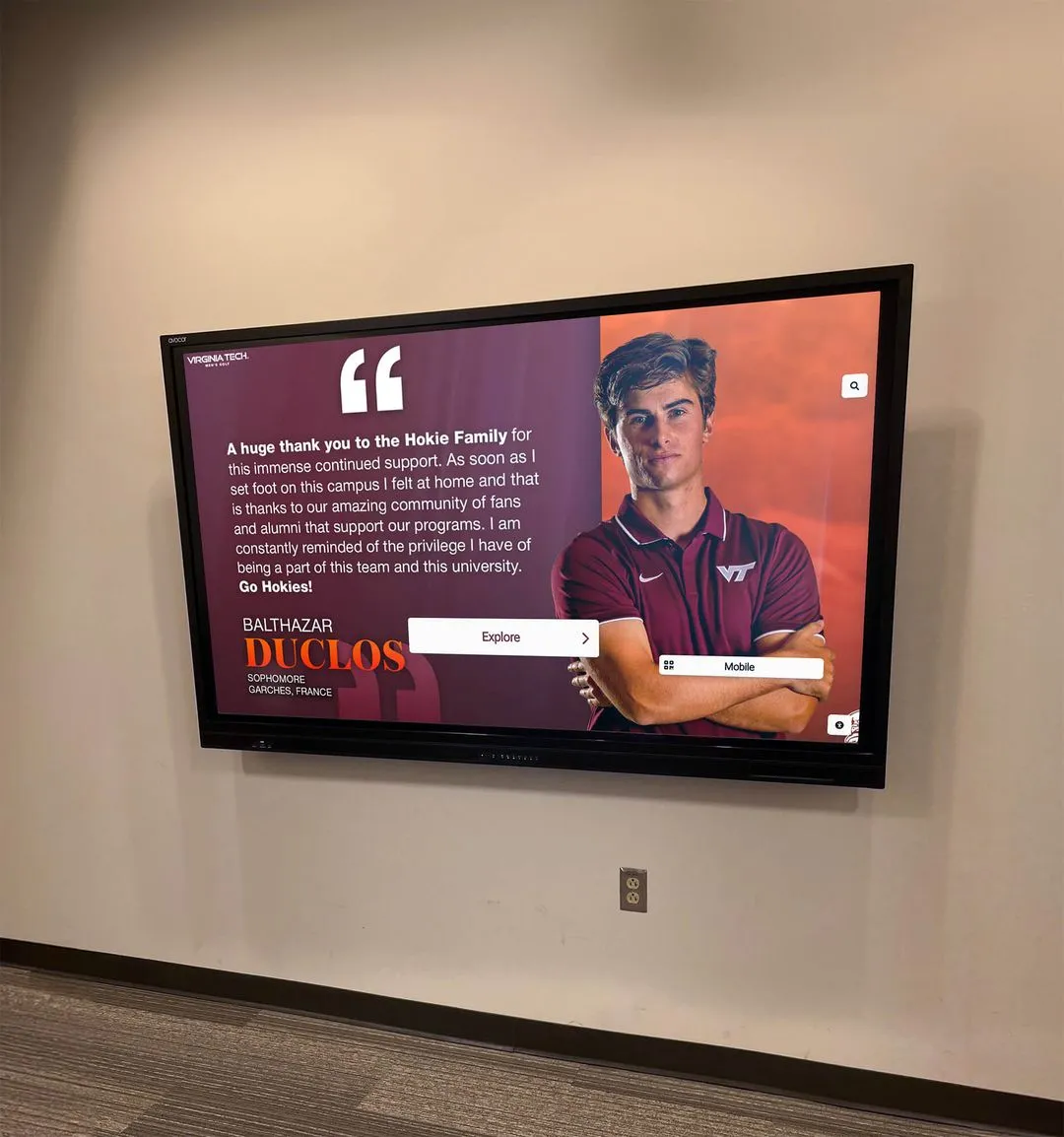
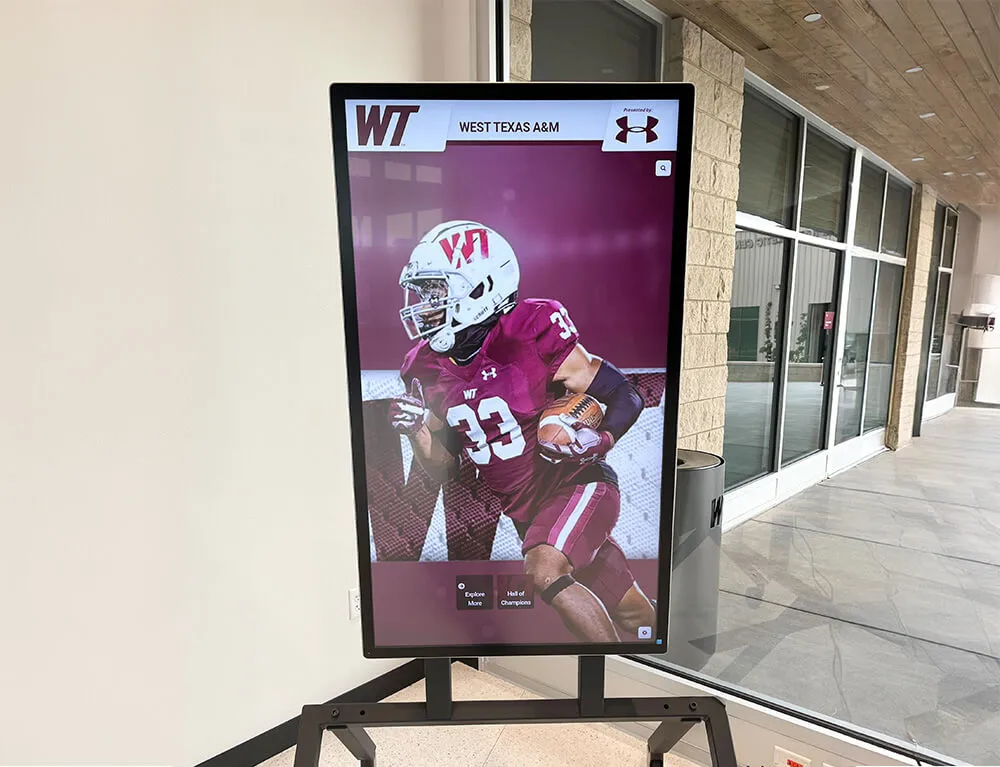
Dean's List recognition acknowledges sustained academic excellence throughout entire semesters, distinguishing students who maintain exceptional performance across all coursework. Modern colleges and universities increasingly leverage interactive digital recognition displays to celebrate Dean's List recipients with visibility matching achievement significance. Solutions like Rocket Alumni Solutions provide purpose-built platforms enabling institutions to showcase unlimited Dean's List recipients through engaging displays featuring student profiles, searchable databases, and permanent archives preserving academic achievement across decades—transforming how colleges celebrate scholarly excellence while inspiring current students toward similar accomplishment.
What Is the Dean’s List? Understanding This Academic Honor
The Dean’s List represents a semester-by-semester recognition of students achieving exceptional academic performance at colleges and universities. Unlike one-time awards or competition-based honors, Dean’s List acknowledges sustained excellence throughout an entire academic term, typically requiring students to maintain high grade point averages while completing substantial course loads.

Historical Origins of Dean’s List Recognition
The Dean’s List tradition emerged in American higher education during the early 20th century as institutions sought systematic methods for acknowledging academic excellence beyond graduation honors. Academic deans—senior administrators overseeing educational quality and student academic affairs—began compiling lists of students demonstrating exceptional scholarly performance worthy of special recognition and commendation.
This practice quickly spread across colleges and universities nationwide, becoming one of higher education’s most enduring and universally recognized academic honors. The term “Dean’s List” directly references these academic deans whose offices traditionally compiled, verified, and published recipient lists each semester.
What Dean’s List Achievement Signifies
Dean’s List recognition communicates multiple important dimensions of student capability and character:
Sustained Academic Excellence: Unlike high-stakes examinations or single projects, Dean’s List requires consistent strong performance across all courses throughout entire semesters. Students must manage competing demands, maintain focus during stressful periods, and deliver quality work repeatedly—demonstrating reliability and sustained intellectual engagement.
Intellectual Capability Across Disciplines: Dean’s List typically requires strong performance across all enrolled courses rather than excellence in single subjects. Students must succeed in their major coursework, fulfill general education requirements, and potentially navigate unrelated electives—proving intellectual versatility and well-rounded academic capability.
Time Management and Priority Setting: College students face extensive competing demands—social opportunities, extracurricular involvement, employment obligations, family responsibilities. Dean’s List achievement demonstrates students effectively prioritize academic excellence despite these pressures, managing time well and maintaining focus on educational goals.
Resilience and Persistence: Every semester brings academic challenges—difficult material, demanding professors, personal obstacles. Students earning Dean’s List recognition demonstrate resilience working through challenges rather than letting setbacks derail academic performance.
Preparation for Advanced Study: Graduate programs, professional schools, and competitive employers view Dean’s List achievement as strong signals that students possess academic discipline, intellectual capability, and work ethic required for success in demanding environments. Consistent Dean’s List recognition strengthens applications for advanced educational opportunities and competitive career positions.
Dean’s List Requirements and Criteria: How Students Qualify
While Dean’s List represents universally recognized academic achievement, specific qualification criteria vary across institutions. Understanding common standards and variations helps students set appropriate goals for earning this distinction.
Common GPA Requirements for Dean’s List
Most institutions establish grade point average thresholds that students must meet or exceed to qualify for Dean’s List recognition. While specific requirements vary, these ranges represent typical standards:
Standard Dean’s List Requirements
- Typical GPA Threshold: 3.5 to 3.7 on a 4.0 scale
- Higher Distinction Variants: Some institutions maintain separate “President’s List” or “Dean’s High Honors” requiring 3.8-4.0 GPA for highest recognition tier
- Tiered Recognition Systems: Progressive recognition levels—Dean’s List (3.5-3.69), Dean’s High Honors (3.7-3.89), President’s List (3.9-4.0)—enabling varied achievement acknowledgment
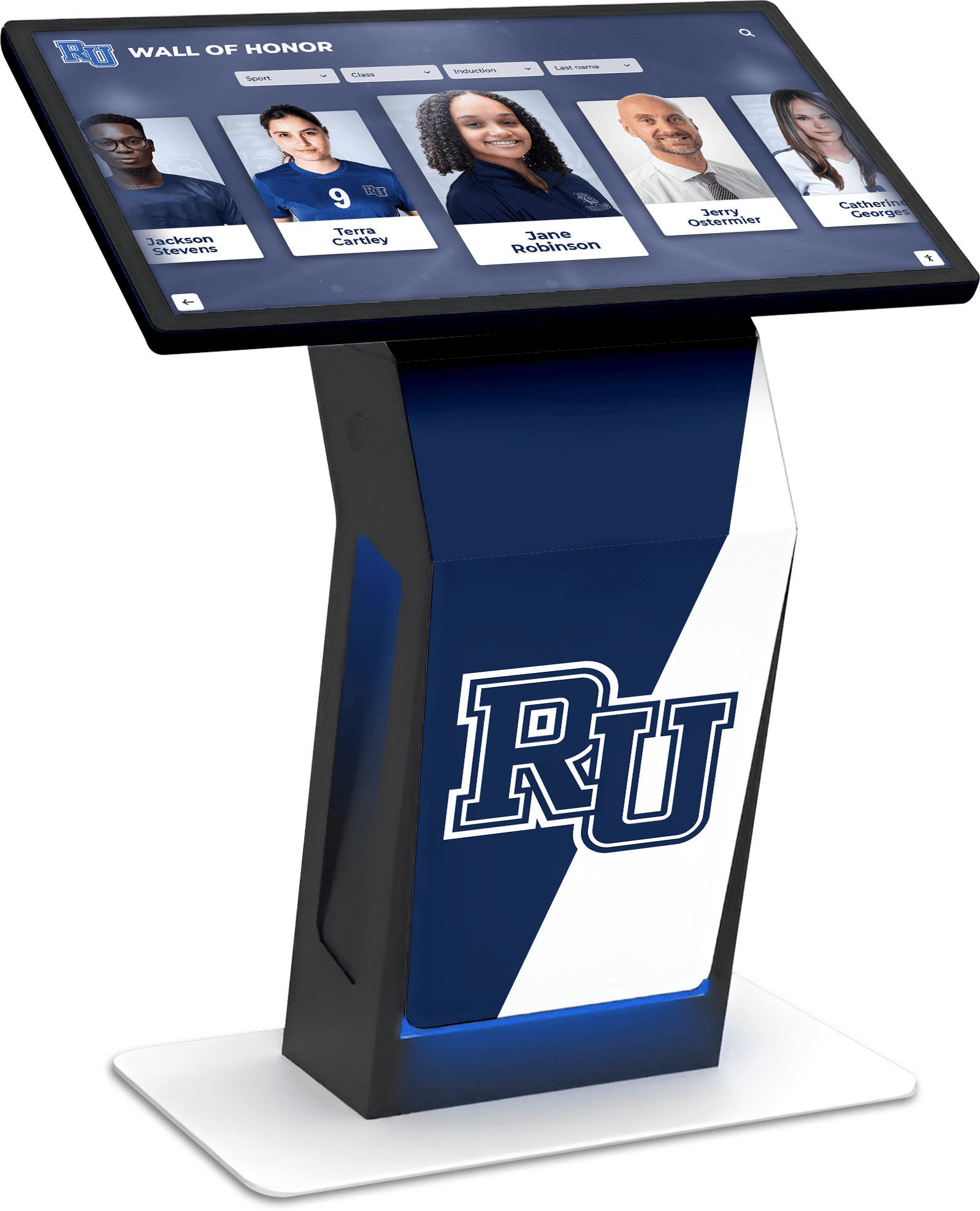
The specific GPA threshold your institution employs typically appears in academic catalogs, student handbooks, and registrar communications. Students should verify their specific college’s requirements rather than assuming standards match other institutions.
Minimum Credit Hour Requirements
Dean’s List recognition typically requires students to complete minimum credit hour thresholds ensuring recognition acknowledges substantial full-time academic engagement rather than limited course loads enabling easier high GPA maintenance.
Typical Credit Hour Standards
- Standard Requirement: 12-15 credit hours (full-time enrollment status)
- Variations by Institution: Some colleges require 12 credits, others mandate 15 or more
- Part-Time Student Considerations: Institutions sometimes maintain separate part-time Dean’s List categories with proportionally adjusted credit hour minimums (typically 6-9 credits)
These credit hour requirements ensure Dean’s List recognition reflects genuine sustained excellence across substantial course loads comparable to typical full-time student experiences rather than strategic course load reduction enabling grade inflation.
Handling Pass/Fail and Incomplete Grades
Most institutions establish specific policies addressing how non-traditional grades affect Dean’s List eligibility:
Pass/Fail Course Considerations: Colleges typically allow limited pass/fail courses without affecting Dean’s List eligibility, though excessive pass/fail enrollment may disqualify students. Some institutions exclude pass/fail credits from both GPA calculations and minimum credit hour requirements for Dean’s List purposes.
Incomplete Grades: Students receiving “incomplete” grades during semesters typically don’t appear on Dean’s List for those terms until completing outstanding work and receiving final letter grades. Once grades finalize, registrars may retroactively add students to Dean’s List if final GPAs meet thresholds.
Withdrawal Impact: Course withdrawals typically don’t affect GPA calculations but may prevent students from meeting minimum credit hour requirements for Dean’s List eligibility depending on timing and institution policies.
Special Circumstances and Exceptions
Colleges sometimes implement additional criteria or exceptions addressing unique situations:
Academic Integrity Requirements: Some institutions require clean academic conduct records, disqualifying students with academic integrity violations regardless of GPA achievement. This reinforces that Dean’s List recognizes not just intellectual performance but ethical scholarship.
Grade Forgiveness Policies: Students who retake courses often benefit from grade replacement policies where only most recent grades calculate into GPAs. Institutions vary on whether grade replacement applies for Dean’s List calculation purposes.
Transfer Credit Handling: Colleges typically calculate Dean’s List eligibility using only grades earned at their institution rather than transfer credits, though policies vary regarding how transfer coursework affects credit hour minimums.
Understanding your specific institution’s complete Dean’s List criteria ensures accurate assessment of qualification requirements and avoids disappointment from unexpected eligibility rules. Resources on recognizing outstanding academic achievement provide frameworks for comprehensive excellence celebration systems.
The Significance of Dean’s List for Students’ Academic and Professional Futures
Dean’s List recognition extends far beyond semester-by-semester acknowledgment, creating tangible benefits throughout students’ educational journeys and career development.
Graduate School and Professional School Applications
Competitive graduate programs receive hundreds of qualified applicants for limited enrollment slots. Dean’s List recognition provides powerful differentiation signals in these highly selective environments:

Admissions Committee Perspective: Graduate admissions officers seeking evidence of sustained academic capability view consistent Dean’s List achievement as strong positive indicators. Single high grades or test scores might reflect one-time performance, but multiple semesters of Dean’s List recognition demonstrate reliable excellence across time.
Competitive Field Differentiation: In fields like law, medicine, business, and doctoral programs where applicants typically possess strong academic credentials, Dean’s List recognition helps distinguish candidates. When many applicants present similar GPAs and test scores, Dean’s List notations provide additional achievement evidence.
Scholarship Consideration: Graduate programs offering merit-based scholarships or fellowships frequently prioritize students demonstrating exceptional undergraduate achievement. Dean’s List recognition strengthens scholarship applications by providing official institutional validation of academic excellence.
According to research from the Council of Graduate Schools, applicants with consistent undergraduate academic honors including Dean’s List receive graduate admission offers at rates 15-20% higher than similarly qualified candidates without formal recognition, demonstrating this achievement’s tangible application value.
Employment and Career Opportunities
Employers increasingly value academic achievement signals when evaluating entry-level candidates who lack extensive professional experience:
Resume Enhancement: Dean’s List recognition provides concrete achievement evidence beyond simply listing GPAs. Employers reviewing dozens of similar resumes notice specific honors like Dean’s List that distinguish candidates and suggest exceptional capability and work ethic.
Competitive Recruiting Programs: Elite employers operating highly selective recruiting programs—consulting firms, investment banks, technology companies, competitive public sector positions—often establish GPA cutoffs for interview consideration. Dean’s List recognition signals students exceed these thresholds while demonstrating sustained rather than sporadic excellence.
Work Ethic and Reliability Indicators: Beyond intelligence signaling, Dean’s List achievement communicates discipline, time management, and ability to maintain high performance under pressure—professional qualities employers highly value. Hiring managers recognize that students balancing academic excellence with college’s competing demands likely bring similar dedication to professional responsibilities.
Alumni Network Access: Some universities and professional organizations maintain Dean’s List-specific networking opportunities, career programming, or alumni connections creating professional development advantages extending beyond graduation.
Academic Scholarships and Financial Aid Renewal
Dean’s List achievement frequently connects to ongoing scholarship eligibility and financial aid opportunities:
Merit Scholarship Retention: Many merit-based scholarships require students to maintain specified GPAs for renewal. Dean’s List achievement provides comfortable margins above these minimums while signaling excellent academic standing to scholarship program administrators.
Additional Scholarship Opportunities: Colleges sometimes offer supplementary scholarships specifically for students maintaining Dean’s List recognition across multiple semesters. These achievement-based awards recognize sustained excellence while providing additional financial support.
Financial Aid Priority: When institutions possess limited financial aid resources, students demonstrating exceptional academic achievement through Dean’s List recognition sometimes receive preferential consideration for discretionary aid, work-study positions, or research assistantships.
Understanding these tangible benefits motivates students toward Dean’s List achievement while helping families appreciate this recognition’s significance beyond symbolic acknowledgment. Resources on celebrating academic excellence comprehensively provide context for how Dean’s List fits within broader achievement recognition ecosystems.
How Colleges Recognize and Celebrate Dean’s List Recipients
Institutions employ various methods to acknowledge Dean’s List achievement, ranging from simple notification to comprehensive public recognition celebrating academic excellence prominently.
Traditional Dean’s List Recognition Methods

Formal Notification Letters: Most colleges send official letters to Dean’s List recipients and their families acknowledging achievement and congratulating students on academic excellence. These formal notifications provide official documentation students can reference in resumes, applications, and permanent academic records.
Transcript Notation: Institutions typically note Dean’s List achievement directly on official transcripts, creating permanent records accompanying students throughout graduate school applications, employment verification, and professional licensing processes. Transcript notation ensures recognition remains accessible throughout students’ careers.
Public Lists and Publications: Colleges traditionally publish Dean’s List recipient names in campus newspapers, on registrar websites, in community publications, or through dedicated recognition announcements. These public acknowledgments celebrate achievement while informing broader communities about students’ academic accomplishments.
Recognition Ceremonies: Some institutions host Dean’s List recognition ceremonies or receptions where students receive certificates, hear congratulatory remarks from administrators, and celebrate achievements with families and peers. These events provide personal acknowledgment moments reinforcing achievement significance.
Academic Honors Designations: At graduation, students maintaining consistent Dean’s List recognition throughout college careers frequently qualify for Latin honors (cum laude, magna cum laude, summa cum laude) or similar distinction designations appearing on diplomas and transcripts.
Modern Interactive Digital Recognition Systems
Traditional recognition methods served institutions well for decades but face inherent limitations in contemporary higher education environments where students, families, and alumni expect engaging, accessible, multimedia experiences matching how they interact with information daily.
The Evolution Toward Digital Academic Recognition
Progressive colleges and universities increasingly implement interactive digital recognition platforms transforming how institutions celebrate Dean’s List recipients:
Unlimited Recognition Capacity: Unlike physical plaques limited to specific names or printed lists restricted by page space, digital platforms accommodate comprehensive Dean’s List archives spanning decades. A single interactive display can showcase unlimited recipient profiles without space constraints forcing institutions to choose whose accomplishments receive visibility.
Rich Multimedia Profiles: Digital recognition enables high-resolution student photographs, detailed academic achievement narratives, major and minor program information, career aspiration statements, research highlights, and searchable databases impossible with traditional static displays. This rich content brings Dean’s List recognition to life while providing inspiration and guidance for current students pursuing similar excellence.
Real-Time Updates: Cloud-based content management enables immediate recognition updates when each semester’s Dean’s List finalizes. Registrars can publish new recipient profiles within days rather than waiting months for physical production timelines—ensuring timely acknowledgment while maintaining complete historical archives accessible permanently.
Web Accessibility: Modern recognition platforms combine physical interactive touchscreen displays in prominent campus locations with web-based access enabling families, alumni, graduate school admissions officers, and employers to explore Dean’s List achievements globally rather than requiring physical campus visits.
Engagement Analytics: Digital systems track who engages with Dean’s List recognition, which recipients generate interest, search patterns, and visitor behaviors—providing valuable data about program effectiveness while demonstrating recognition value to campus stakeholders.
Solutions like Rocket Alumni Solutions provide purpose-built platforms specifically designed for educational recognition, enabling institutions to honor unlimited Dean’s List recipients through engaging displays inspiring school communities while preserving academic heritage permanently.
Strategic Display Placement Maximizing Recognition Impact
Recognition visibility depends heavily on placement ensuring Dean’s List displays receive regular attention from students, faculty, families, and visitors:

High-Traffic Campus Locations: Position Dean’s List recognition displays in locations guaranteeing maximum visibility—main building entrances where all students pass daily, student unions and dining facilities providing extended viewing during breaks, library main floors where students focus on academic work, academic advising centers where students discuss achievement goals, and administrative buildings frequented by visitors and prospective families.
Academic Achievement Context: Place Dean’s List recognition near other academic honor displays creating comprehensive achievement centers celebrating scholarly excellence across categories—honor societies, scholarship recipients, research awards, academic all-Americans, and competition achievements.
Multiple Distributed Displays: Rather than concentrating all Dean’s List recognition in single locations, distribute displays throughout campus ensuring academic excellence maintains consistent visibility across entire institution. This distributed approach reaches varied audiences while reinforcing that academic achievement represents central institutional priorities.
Implementing Comprehensive Dean’s List Recognition Programs
Colleges and universities seeking to enhance Dean’s List recognition can implement systematic programs celebrating academic excellence effectively while inspiring broader student achievement.
Assessment and Program Planning
Begin by evaluating current Dean’s List recognition approaches identifying strengths to preserve, limitations to address, and opportunities for enhancement:
Current State Analysis: How does your institution currently recognize Dean’s List recipients? What percentage of students achieve Dean’s List recognition annually? How visible is Dean’s List recognition to prospective students and families? Do alumni have access to their historical Dean’s List achievements? How does academic recognition visibility compare to athletic or other achievement celebration?
Goal Definition: Establish clear objectives for enhanced recognition programs—increase Dean’s List awareness among current students, provide permanent accessible recognition inspiring future students, demonstrate institutional commitment to academic excellence to prospective families, strengthen alumni connection to academic traditions, or create comprehensive achievement archives preserving institutional scholarly heritage.
Stakeholder Input: Engage registrar offices managing Dean’s List determination processes, academic affairs administrators overseeing recognition programs, student affairs professionals understanding student motivation factors, current Dean’s List recipients providing student perspective, and advancement professionals appreciating recognition’s role in institutional reputation and alumni engagement.
Content Development for Digital Recognition
Comprehensive Dean’s List profiles transform simple name lists into engaging recognition creating emotional connection while inspiring current students:

Essential Profile Elements: Student name and class year, high-quality photograph creating visual connection, specific semester(s) for which Dean’s List recognition was earned, major and minor programs demonstrating academic focus, cumulative Dean’s List statistics for students earning recognition multiple semesters, and graduation year enabling historical organization and alumni connection.
Enhanced Content Options: Brief student statements about academic goals or career aspirations, study strategies or advice for peers pursuing similar achievement, research involvement or academic project highlights, campus leadership roles or extracurricular engagement demonstrating well-rounded achievement, and future plans for graduate study or professional careers.
Historical Archive Development: Many institutions possess decades of Dean’s List achievement records deserving permanent recognition preserving institutional academic heritage. Systematic historical research reviewing registrar archives, old campus publications, commencement programs, and institutional records can build comprehensive Dean’s List databases spanning years or decades.
Historical content development often takes longer than anticipated—plan accordingly and consider engaging student workers, professional digitization services, or staged implementation adding previous years gradually rather than attempting complete historical capture before launching recognition programs.
Technology Selection and Vendor Evaluation
Institutions exploring digital recognition platforms should evaluate multiple options comparing features, costs, implementation support, and long-term sustainability:
Critical Evaluation Criteria: Purpose-built educational focus versus generic digital signage requiring extensive customization, intuitive content management enabling non-technical staff operation, unlimited content capacity without per-profile charges limiting recognition scope, multi-device accessibility through touchscreen displays and web platforms, powerful search enabling visitors to find specific students efficiently, comprehensive analytics demonstrating program engagement and value, integration capabilities connecting to student information systems, and vendor experience with educational clients ensuring long-term partnership stability.
Request demonstrations from multiple providers, check references from similar institutions, review customer support quality and responsiveness, and when possible conduct pilot implementations before full deployment commitment.
Resources on designing effective digital recognition displays provide detailed frameworks for evaluating recognition system capabilities and planning comprehensive content strategies.
Program Launch and Awareness Building
Strategic implementation ensures Dean’s List recognition programs achieve maximum impact and engagement:
Multi-Channel Promotion: Announce enhanced recognition through campus websites prominently featuring new capabilities, social media highlighting interactive displays and initial recognized students, campus newspapers or publications explaining program purposes, email communications to students and families, orientation programming for new students, and academic advising integration showing students recognition opportunities.
Launch Event Strategies: Consider hosting dedication ceremonies celebrating new recognition programs, inviting recent Dean’s List recipients to inaugural events, engaging institutional leadership providing remarks emphasizing academic achievement importance, and generating media coverage extending awareness beyond campus.
Ongoing Communication: Maintain sustained visibility through semester announcements when new Dean’s List recipients are added, regular social media features highlighting recognized students, integration into campus tour content for prospective students, and inclusion in alumni communications reconnecting graduates to their academic achievements.
Strategies for Students Pursuing Dean’s List Achievement
Understanding what Dean’s List means and how to qualify enables students to set clear goals and implement strategies increasing likelihood of earning this distinction.
Academic Planning and Course Selection

Strategic course selection and academic planning create foundations for Dean’s List success:
Balanced Course Loads: While academic challenge proves valuable, overloading schedules with excessive credit hours or multiple extremely difficult courses simultaneously can undermine performance across all classes. Plan manageable semester loads enabling strong performance in all courses rather than spreading yourself too thin and achieving mediocre results everywhere.
Distribution of Difficulty: When possible, balance particularly challenging required courses with subjects matching your strengths or interests. Taking several notoriously difficult courses simultaneously increases risk of performance struggles affecting GPA and Dean’s List eligibility.
Strategic Timing: Schedule demanding courses during semesters when other commitments allow maximum academic focus rather than periods with extensive extracurricular obligations, employment demands, or personal challenges potentially affecting academic performance.
Prerequisite Planning: Ensure solid preparation for advanced courses by completing prerequisites thoughtfully rather than racing through foundations inadequately. Strong prerequisite performance creates knowledge bases enabling success in subsequent challenging coursework.
Effective Study Strategies and Time Management
Dean’s List achievement requires consistent strong performance throughout entire semesters—necessitating effective study approaches and disciplined time management:
Regular Study Schedules: Establish consistent daily study blocks rather than relying on sporadic cramming before examinations. Distributed practice enables better retention and deeper understanding compared to massed practice before assessments.
Active Learning Engagement: Attend all classes attentively, take comprehensive notes, ask questions when concepts remain unclear, participate in discussions, form study groups with motivated peers, and seek help promptly when struggling rather than allowing confusion to compound.
Assignment Management: Begin papers and projects early rather than procrastinating until deadlines approach. Early starts enable thoughtful work, revision opportunities, and stress reduction compared to last-minute rushes producing inferior results.
Resource Utilization: Take advantage of professor office hours for clarification and deeper understanding, use tutoring services when appropriate, access writing centers for composition help, and explore supplementary learning resources like online tutorials or study guides.
Balance and Self-Care: Maintain adequate sleep, exercise, nutrition, and social connection supporting cognitive function and emotional wellbeing. Burning out through excessive academic focus often backfires, undermining performance. Sustainable excellence requires balance enabling long-term high performance.
Monitoring Progress and Adjusting Strategies
Successful students regularly assess academic performance and adjust approaches when necessary:
Mid-Semester Assessment: Check course standings at mid-semester points identifying subjects where performance falls short of Dean’s List standards. Early identification enables corrective action through increased study time, tutoring support, or modified strategies before grades finalize.
Professor Communication: When struggling, communicate with professors promptly explaining challenges and asking for guidance. Faculty appreciate students taking initiative and often provide valuable advice about improving performance or seeking additional support.
Strategic Withdrawal Consideration: If facing inevitable poor performance in specific courses despite best efforts, strategic withdrawal sometimes proves wiser than accepting grades significantly harming GPAs and Dean’s List eligibility. Understand withdrawal deadlines and policies at your institution, recognizing this option when appropriate.
Resources on recognizing sustained academic excellence provide frameworks for celebrating achievement while motivating continued pursuit of academic goals.
Dean’s List in Context: Related Academic Honors and Recognition
Dean’s List represents one component of comprehensive academic recognition ecosystems colleges employ to acknowledge varied forms of scholarly excellence:
President’s List and Higher Recognition Tiers
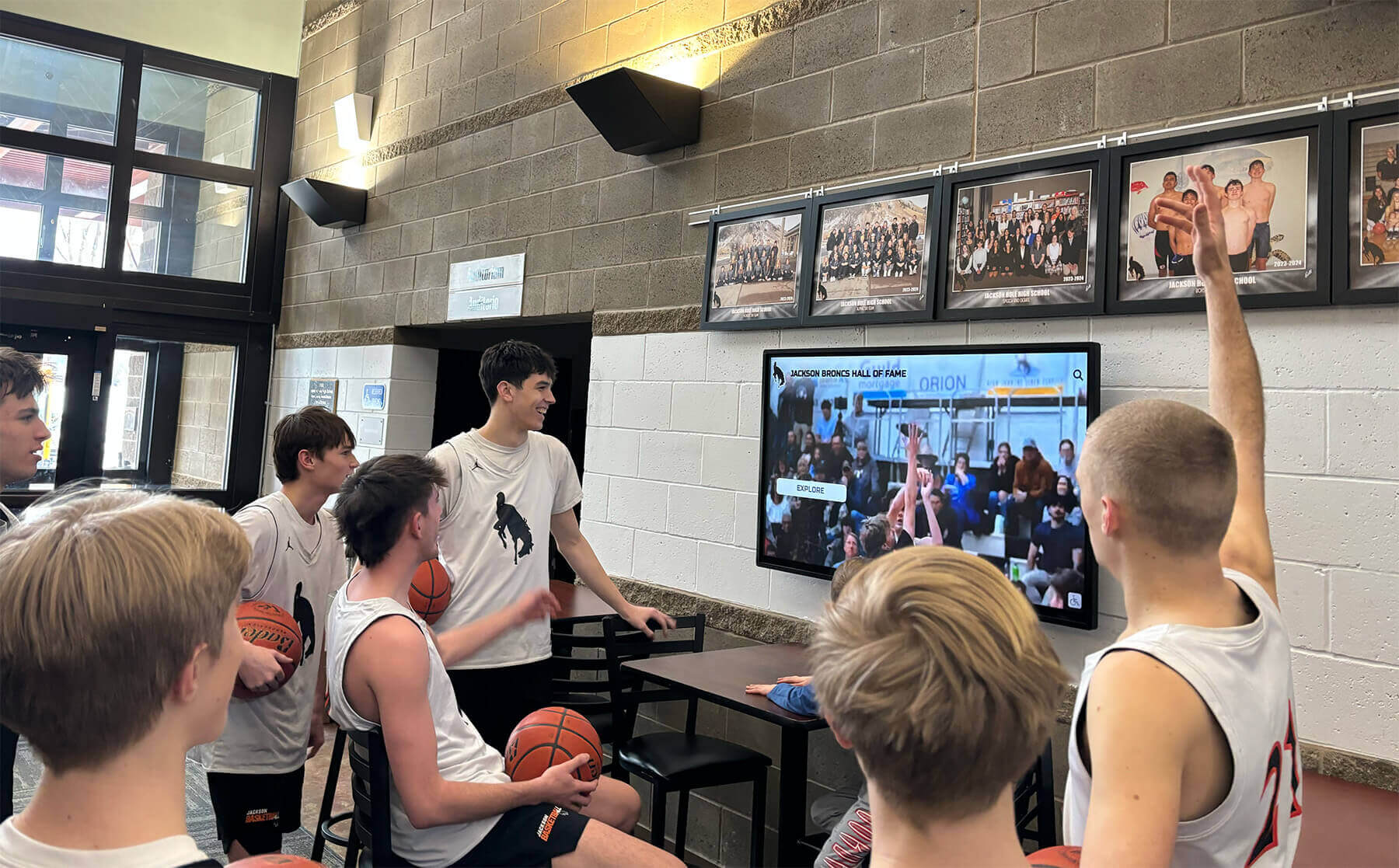
Many institutions maintain tiered semester recognition systems creating progressive acknowledgment levels:
President’s List: Often requires 3.8-4.0 GPA, representing highest semester academic achievement tier above standard Dean’s List. This recognition acknowledges exceptional performance earning the institution’s most prestigious semester honor.
Dean’s High Honors: Some colleges establish intermediate tiers between standard Dean’s List and President’s List—enabling nuanced recognition of varied excellence levels rather than simple binary qualified/not qualified determinations.
These tiered systems create multiple achievement targets enabling more students to earn recognition at levels matching their capabilities while preserving distinctions honoring exceptional performance. Similar principles guide recognition program design across contexts.
Academic Honor Societies
While Dean’s List recognizes semester-by-semester achievement, academic honor societies acknowledge sustained excellence through selective membership:
National Honor Society Chapters: Discipline-specific organizations like Phi Beta Kappa (liberal arts), Tau Beta Pi (engineering), Beta Gamma Sigma (business), and subject-focused societies recognize cumulative excellence in specific fields.
Invitation-Only Membership: Unlike Dean’s List automatically awarded to students meeting criteria, honor societies typically involve invitation processes considering academic performance, character, leadership, and service—representing holistic achievement recognition beyond grades alone.
Permanent Affiliation: While Dean’s List recognizes specific semester performance, honor society membership provides permanent affiliations appearing on resumes and transcripts throughout careers.
Students pursuing comprehensive academic achievement often accumulate multiple honors—combining semester Dean’s List recognition with honor society memberships, research awards, competitive scholarships, and graduation distinction creating comprehensive achievement portfolios demonstrating sustained excellence.
Graduation Honors and Cumulative Achievement
Colleges award graduation honors recognizing exceptional cumulative performance throughout entire undergraduate careers:
Latin Honors Designations: Traditional cum laude (with honor), magna cum laude (with great honor), and summa cum laude (with highest honor) distinctions appear on diplomas and transcripts acknowledging overall academic achievement.
GPA Thresholds: Institutions establish specific cumulative GPA requirements for each honor level, typically cum laude (3.5-3.69), magna cum laude (3.7-3.89), and summa cum laude (3.9-4.0), though exact thresholds vary by college.
Connection to Dean’s List: Students earning Dean’s List recognition consistently throughout college typically qualify for graduation honors, as sustained semester excellence naturally produces exceptional cumulative GPAs. Dean’s List achievement effectively creates pathways toward ultimate graduation distinction.
The Future of Dean’s List Recognition in Higher Education
Understanding emerging trends helps institutions make forward-looking recognition investments remaining relevant and engaging for contemporary students while preserving achievement significance:
Enhanced Digital Recognition and Social Integration

Modern students expect recognition experiences matching how they naturally interact with digital information:
Social Media Integration: Future recognition platforms will enable seamless Dean’s List achievement sharing through students’ preferred social networks—creating authentic peer acknowledgment extending recognition visibility beyond campus while allowing students to celebrate accomplishments with families and friends globally.
Mobile-First Experiences: Recognition systems will prioritize smartphone experiences recognizing that students primarily access information through mobile devices. Thumb-friendly navigation, fast loading, and mobile-optimized content presentation will become recognition design essentials.
Personalized Recognition Pathways: Advanced platforms may enable students to track progress toward Dean’s List qualification throughout semesters—seeing real-time GPA calculations, credit hour tracking, and predictive modeling showing how specific grades affect Dean’s List probability. This transparency and goal visualization may enhance motivation and achievement.
Comprehensive Digital Credential Systems
Higher education increasingly implements verifiable digital credential ecosystems where students accumulate achievement records creating portable portfolios:
Blockchain Verification: Future Dean’s List recognition may leverage blockchain technology creating tamper-proof, permanently verifiable achievement records that employers and graduate schools can authenticate instantly without contacting registrars for transcript verification.
Comprehensive Achievement Profiles: Rather than fragmented records distributed across transcripts, certificates, and institutional databases, students will maintain comprehensive digital portfolios aggregating Dean’s List recognition with coursework, research, leadership, service, and other accomplishments—presenting holistic achievement narratives.
Lifetime Accessibility: Modern recognition platforms enable permanent achievement access. Alumni decades after graduation can revisit their Dean’s List recognition, share achievements with children or grandchildren, and maintain connections to academic histories impossible with paper-based systems where certificates get lost and institutional records become inaccessible.
Data-Informed Recognition Program Optimization
Digital recognition systems generate comprehensive engagement analytics enabling evidence-based program refinement:
Usage Pattern Analysis: Institutions can analyze which Dean’s List recognition content generates greatest engagement, when students most frequently explore achievement information, search patterns revealing how visitors discover content, and demographic data showing which student populations engage with recognition most actively.
Motivational Impact Assessment: Correlating Dean’s List recognition visibility with subsequent semester performance, tracking whether students observing peer recognition increase achievement-seeking behaviors, and measuring whether enhanced recognition programs associate with overall GPA improvements provide evidence of recognition’s motivational effectiveness.
Continuous Improvement: Data-informed insights enable systematic recognition program optimization—refining content strategies based on engagement evidence, adjusting display placements maximizing visibility, and enhancing features based on actual usage patterns rather than assumptions about effective recognition.
Creating Recognition Systems Celebrating Academic Excellence Effectively
Effective Dean’s List recognition programs share fundamental characteristics distinguishing truly inspirational systems from token acknowledgment generating minimal impact:
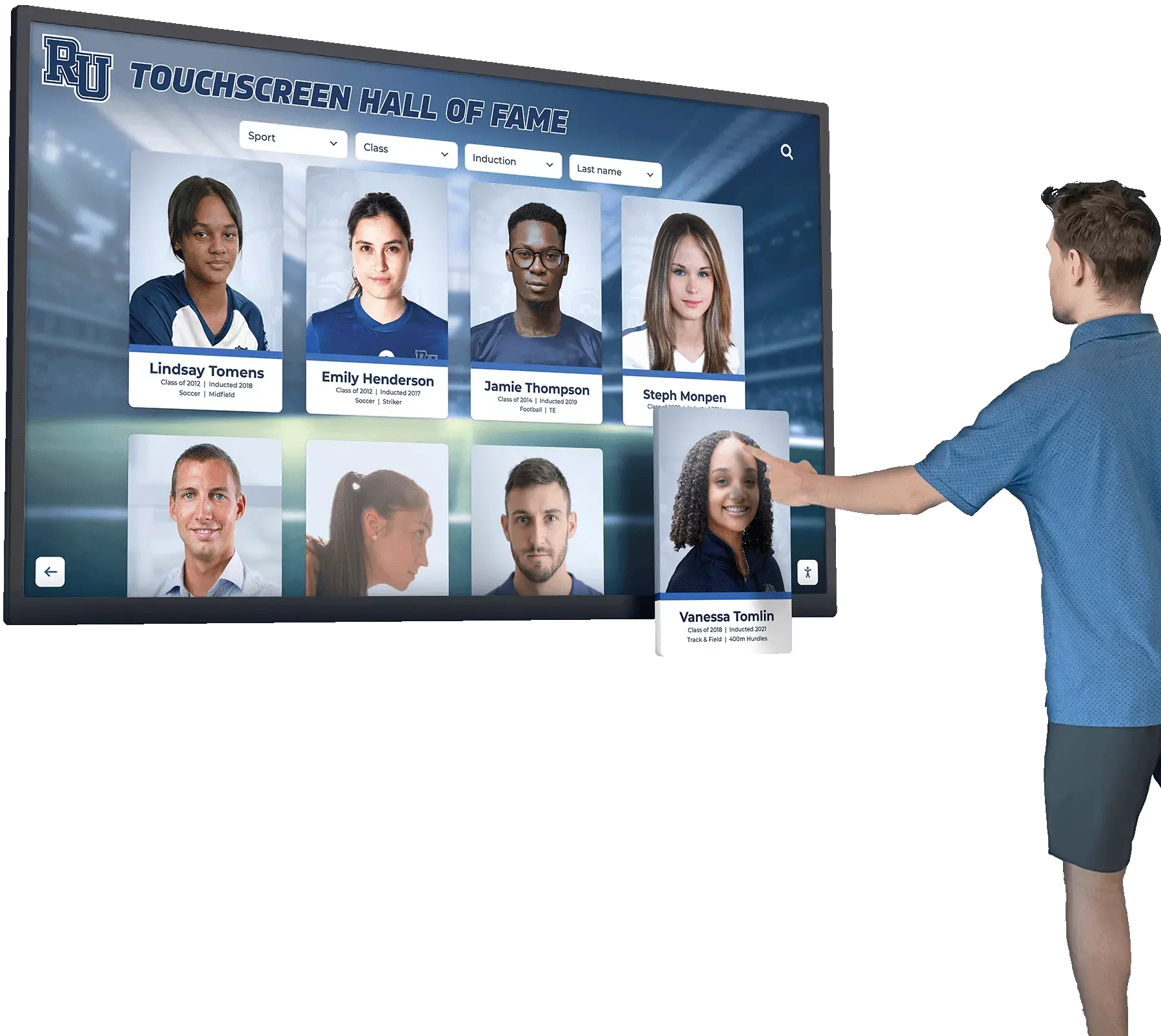
Prominent Visibility: Recognition positioned in high-traffic locations and promoted through multiple communication channels ensuring Dean’s List achievement receives attention matching significance rather than obscure placement few students notice.
Comprehensive Coverage: Programs accommodating all Dean’s List recipients across semesters and years rather than selective highlighting of limited individuals creates inclusive recognition ensuring every qualifying student receives appropriate acknowledgment.
Rich Storytelling: Detailed profiles incorporating photographs, achievement context, and student perspectives create emotional connections and inspiration impossible with simple name lists providing minimal information.
Timely Acknowledgment: Recognition published immediately when semester Dean’s List finalizes maintains strong connections between achievement and acknowledgment maximizing motivational impact rather than months-long delays weakening reinforcement.
Permanent Accessibility: Complete Dean’s List archives remaining accessible indefinitely rather than being replaced or discarded preserves institutional academic heritage while enabling long-term engagement from alumni exploring their historical achievements.
Integration with Broader Recognition: Dean’s List acknowledgment complementing comprehensive academic honor systems—honor societies, academic competition achievements, scholarship recipients, research awards—creates holistic excellence celebration rather than isolated narrow recognition.
Sustained Institutional Commitment: Recognition programs maintaining consistent operation across years rather than enthusiastic launches followed by gradual neglect demonstrate genuine institutional prioritization of academic excellence worthy of student trust and engagement.
When colleges and universities invest in Dean’s List recognition programs thoughtfully designed and effectively implemented, benefits prove substantial: enhanced student motivation toward academic excellence, improved institutional culture celebrating scholarly achievement, increased prospective student attraction to institutions visibly honoring academics, strengthened alumni connection to academic traditions, and most importantly, students developing positive academic identities understanding their intellectual achievements matter to caring institutions and supportive communities.
Ready to transform how your institution celebrates Dean’s List recipients? Rocket Alumni Solutions provides purpose-built recognition platforms designed specifically for colleges and universities, offering intuitive content management requiring no technical expertise, engaging interactive displays creating memorable recognition experiences, unlimited capacity accommodating comprehensive Dean’s List archives without space constraints, proven approaches helping institutions build excellence cultures, and ongoing support ensuring successful implementation and sustained program success.
Your Dean’s List recipients achieve remarkable scholarly accomplishments demonstrating dedication, intellectual capability, and sustained excellence deserving celebration matching their significance. Modern recognition programs ensure these achievements receive acknowledgment that inspires continued academic pursuit, validates sustained effort and persistence, strengthens institutional pride in scholarly traditions, and builds campus communities where all students feel motivated to pursue their highest intellectual potential while receiving appropriate recognition when achieving academic distinction.
Dean’s List recognition represents far more than semester notification letters—it’s a fundamental tool for shaping academic culture, motivating student achievement, and communicating institutional values. When recognition celebrates achievement prominently, employs engaging technology, maintains meaningful standards, and operates sustainably across time, institutions create environments where scholarly excellence flourishes and every Dean’s List recipient’s academic journey receives the lasting acknowledgment it truly deserves.