



Schools overflow with compelling stories unfolding daily across classrooms, athletic fields, auditoriums, and hallways—moments of excellence, connection, growth, and community that define institutional culture. Yet most schools struggle to capture and share these stories effectively. Photograph files accumulate on staff computers. Event galleries remain buried on websites. Historical timelines exist only in archived yearbooks. Behind-the-scenes profiles of faculty, staff, and distinguished alumni never reach the audiences who would benefit most from discovering them.
Traditional communication methods fall short of showcasing the authentic daily experiences that make each school unique. Static bulletin boards display limited recent photos before removal. Website galleries require intentional navigation most visitors never attempt. Email newsletters reach only subset audiences and disappear into crowded inboxes. Social media posts generate brief attention before algorithms bury them in endless feeds. Most critically, prospective students visiting campuses rarely glimpse the authentic daily life, rich history, and accomplished community members that truly differentiate institutions from competitors.
Why Day in the Life Storytelling Matters
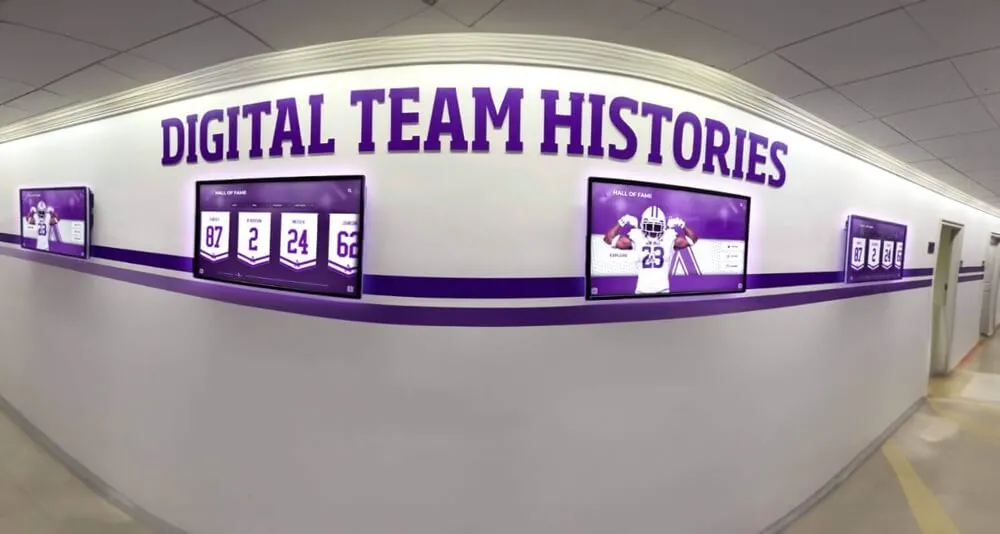
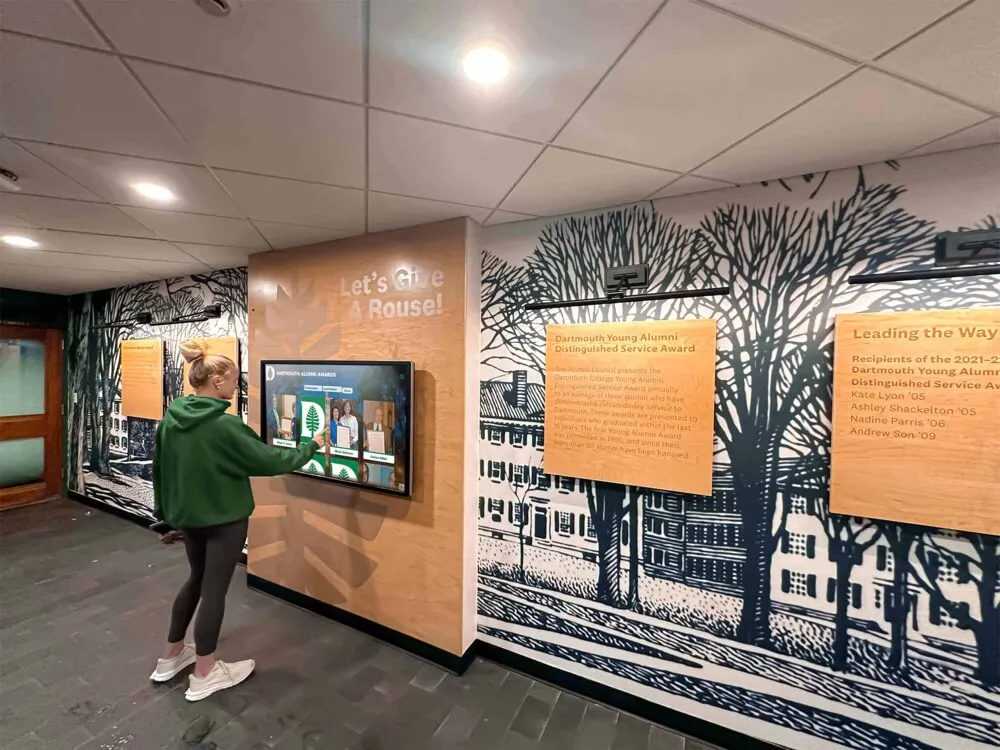
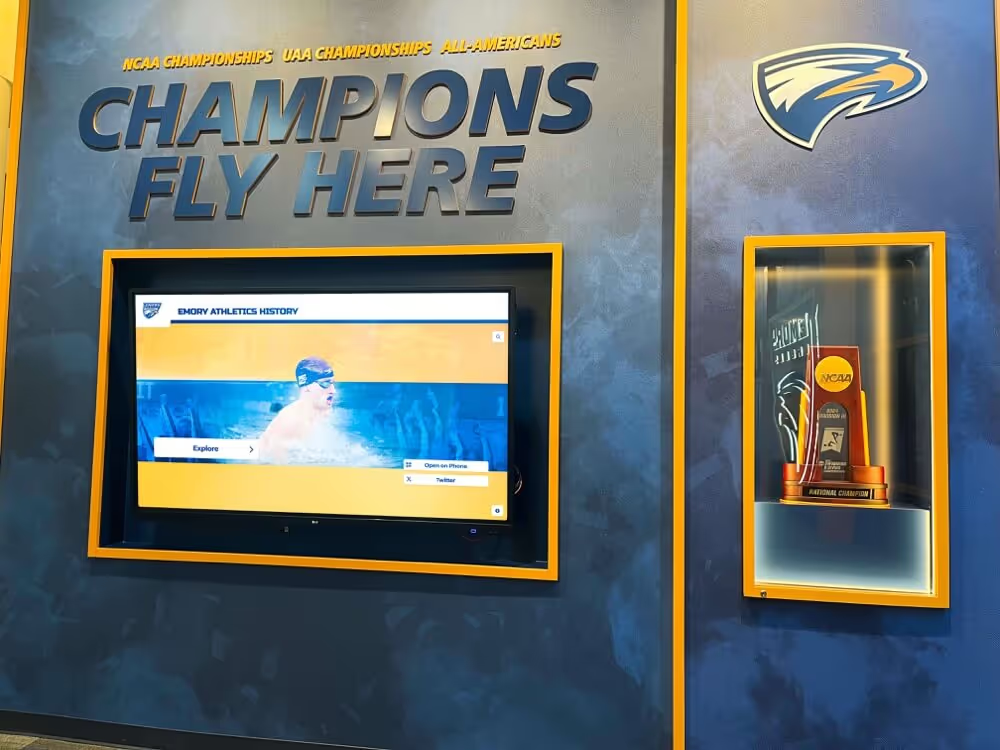
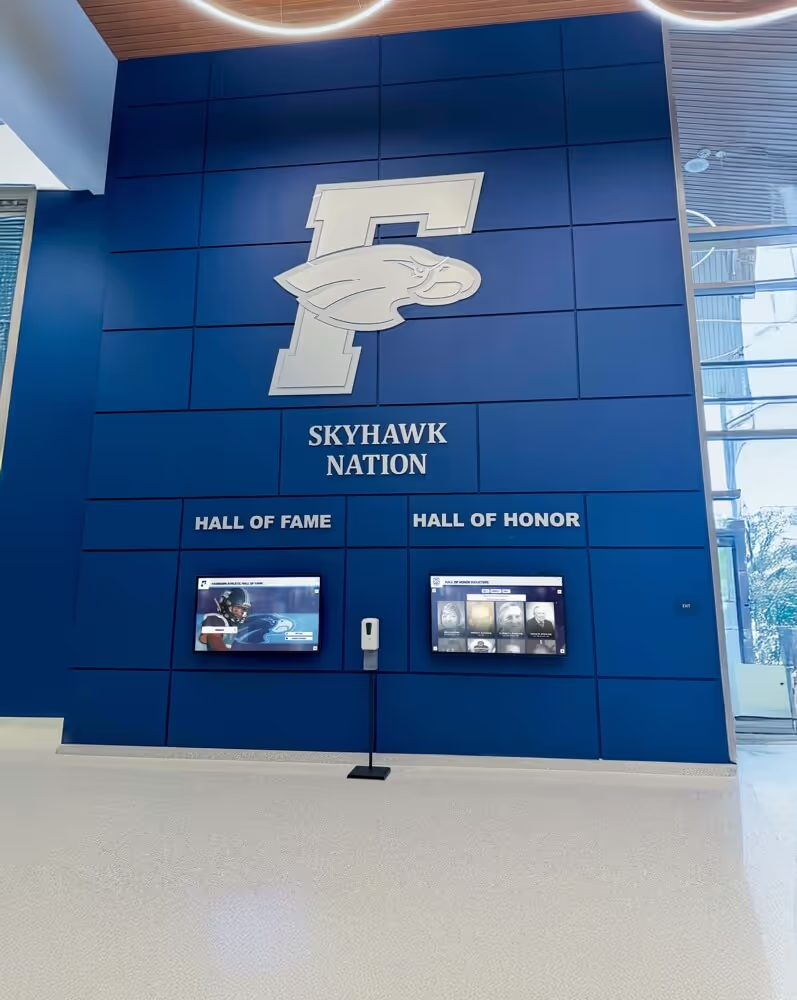
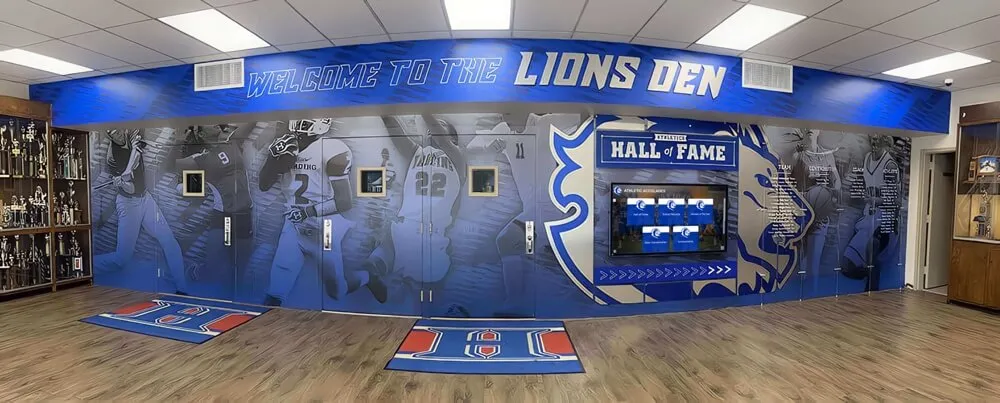
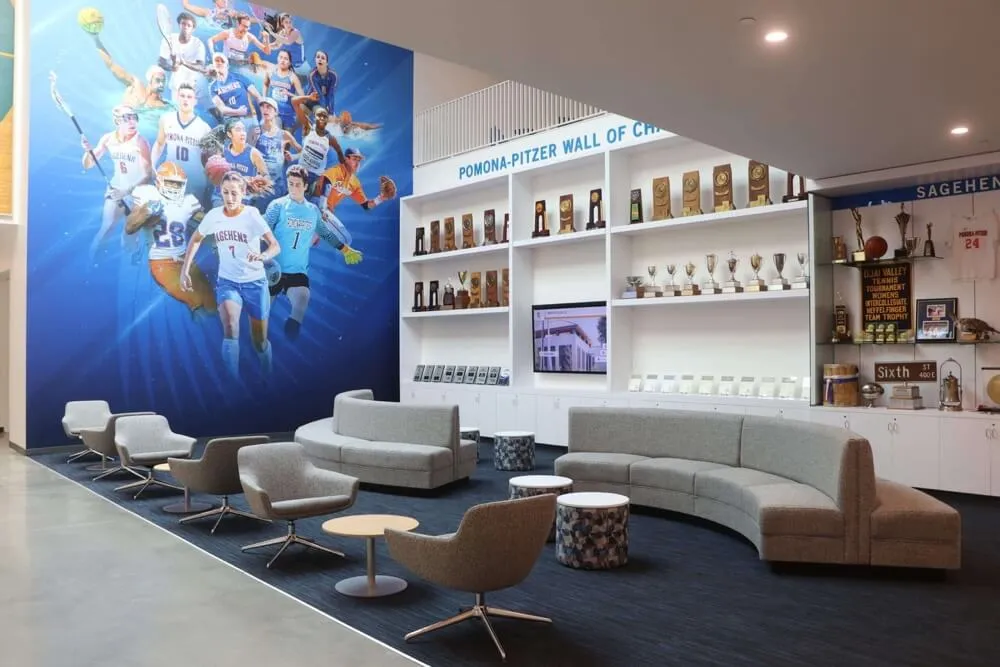
Modern prospective students and families evaluate schools based on authentic community culture rather than marketing claims about excellence. They seek tangible evidence of daily student experiences, proof of historical institutional stability and tradition, and concrete examples of the accomplished individuals who teach, lead, and graduate from institutions. Interactive digital displays showcasing photo galleries from various events throughout school years, timeline layouts documenting institutional history, and About Us profiles revealing behind-the-scenes stories of faculty and alumni transform abstract claims into visual proof. Solutions like Rocket Alumni Solutions provide purpose-built platforms that make authentic daily life, historical legacy, and community accomplishments continuously visible to everyone who walks through school entrances, athletic facilities, and common areas—creating lasting impressions that influence enrollment decisions, strengthen school pride, and build community connections.
The Visibility Gap: Why School Stories Remain Hidden
Walk through most school buildings and you’ll find remarkably little evidence of the compelling stories unfolding daily within those walls. Despite hundreds of events occurring annually—athletic competitions, theatrical performances, academic ceremonies, community service projects, artistic showcases, and countless classroom achievements—visible documentation remains sparse, outdated, or inaccessible.
Events Happen Then Disappear
Schools invest substantial resources organizing events that create meaningful experiences for students, families, and communities. Athletic teams compete throughout seasons. Drama departments produce theatrical performances. Academic competitions showcase student knowledge. Service organizations complete community projects. Music ensembles perform concerts. Each event generates dozens or hundreds of photographs capturing authentic moments of effort, achievement, celebration, and connection.
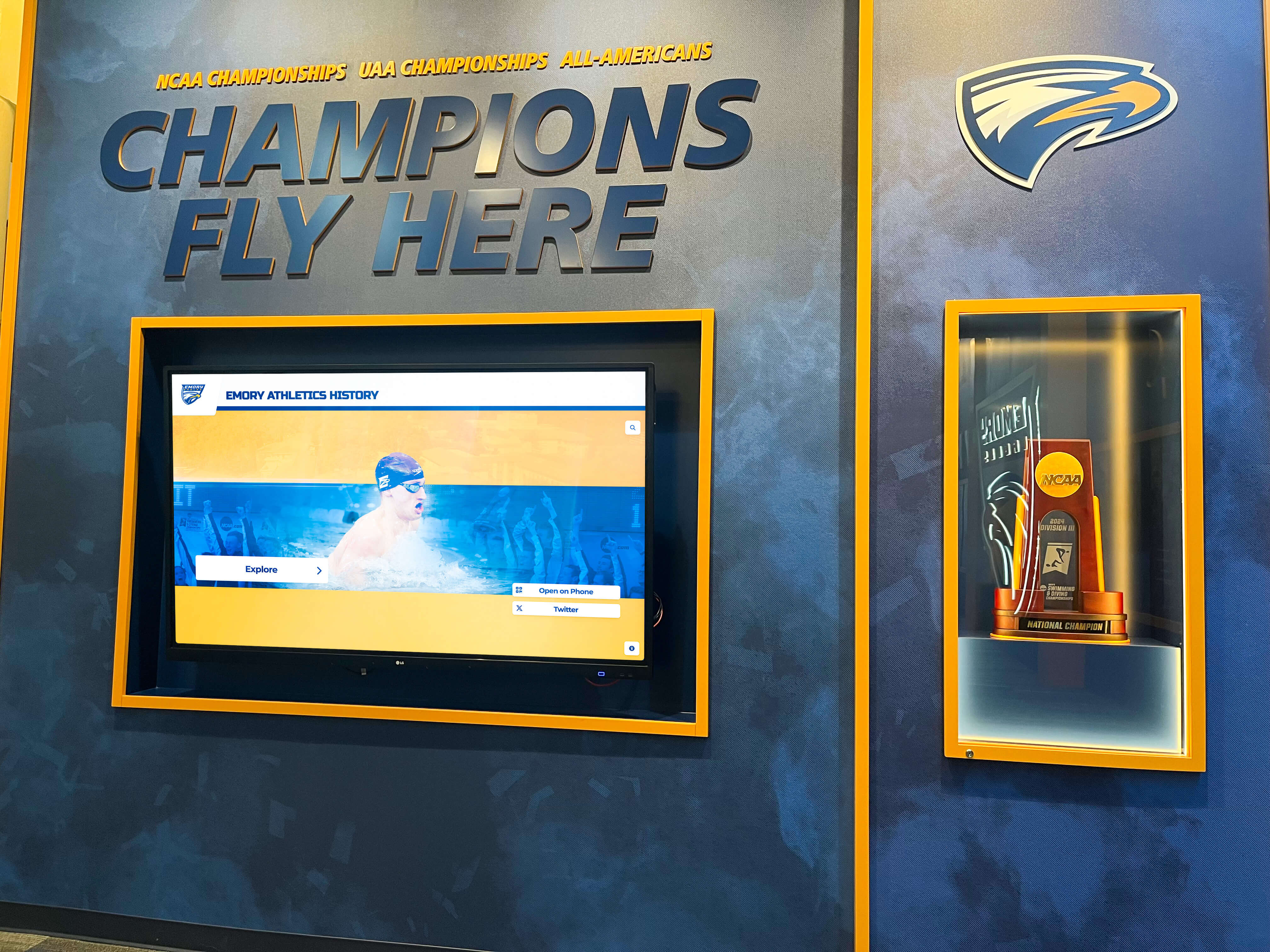
Then events conclude and evidence virtually disappears. Photographers transfer images to personal computers. Coaches file seasonal photos in departmental folders. Communication directors upload abbreviated galleries to websites requiring multiple clicks to access. Social media posts generate temporary engagement before algorithms deprioritize content within days. Six months later, those meticulously documented events might as well have never occurred for anyone who didn’t personally attend.
This visibility gap creates missed opportunities across multiple dimensions. Current students cannot revisit memorable experiences from previous years. Prospective families touring campuses see empty hallways rather than vibrant community life documentation. Alumni returning to visit find no evidence of their own participation in similar events decades earlier. The institutional investment in creating meaningful experiences generates minimal lasting value because documentation remains effectively invisible despite existing in fragmented digital archives.
Historical Legacy Lives in Storage Rather Than Display
Every school possesses historical legacy spanning decades or centuries—founding stories, facility evolution, distinguished alumni, championship seasons, breakthrough achievements, and defining moments that shaped institutional identity. This heritage typically exists in archived yearbooks, stored photograph collections, aging trophy cases, and the memories of long-tenured staff members approaching retirement.
Physical storage protects materials but provides zero accessibility to communities who would benefit from understanding institutional history. Yearbooks sit on shelves where nobody browses them. Photograph collections remain in boxes requiring intentional archival research to access. Trophy cases display recent achievements while older accomplishments disappear into storage when space limitations force removal. Institutional memory gradually erodes as knowledgeable individuals retire without systematically documenting the stories they carry.
The absence of accessible historical context weakens institutional identity in measurable ways. Current students develop limited understanding of traditions connecting their experiences with previous generations. Prospective families cannot evaluate institutional stability and sustained excellence across decades. Alumni lose connection with schools that display no evidence of their contributions and achievements. Communities perceive institutions as focused solely on present rather than valuing comprehensive legacy spanning generations.
Resources exploring academic history archiving for schools demonstrate how proper preservation and display of institutional heritage creates tangible value across recruitment, alumni engagement, and community pride dimensions that isolated storage can never achieve.
Behind-the-Scenes Stories Never Surface
Schools function because of accomplished individuals whose stories rarely receive visibility proportional to their contributions and achievements. Faculty members possess advanced degrees, professional accomplishments, and personal journeys that inspired their educational careers. Coaches competed at high levels, developed specialized expertise, and mentor students through transformative experiences. Staff members contribute decades of service enabling daily operations. Distinguished alumni achieve remarkable careers, maintain school connections, and model possibilities for current students.
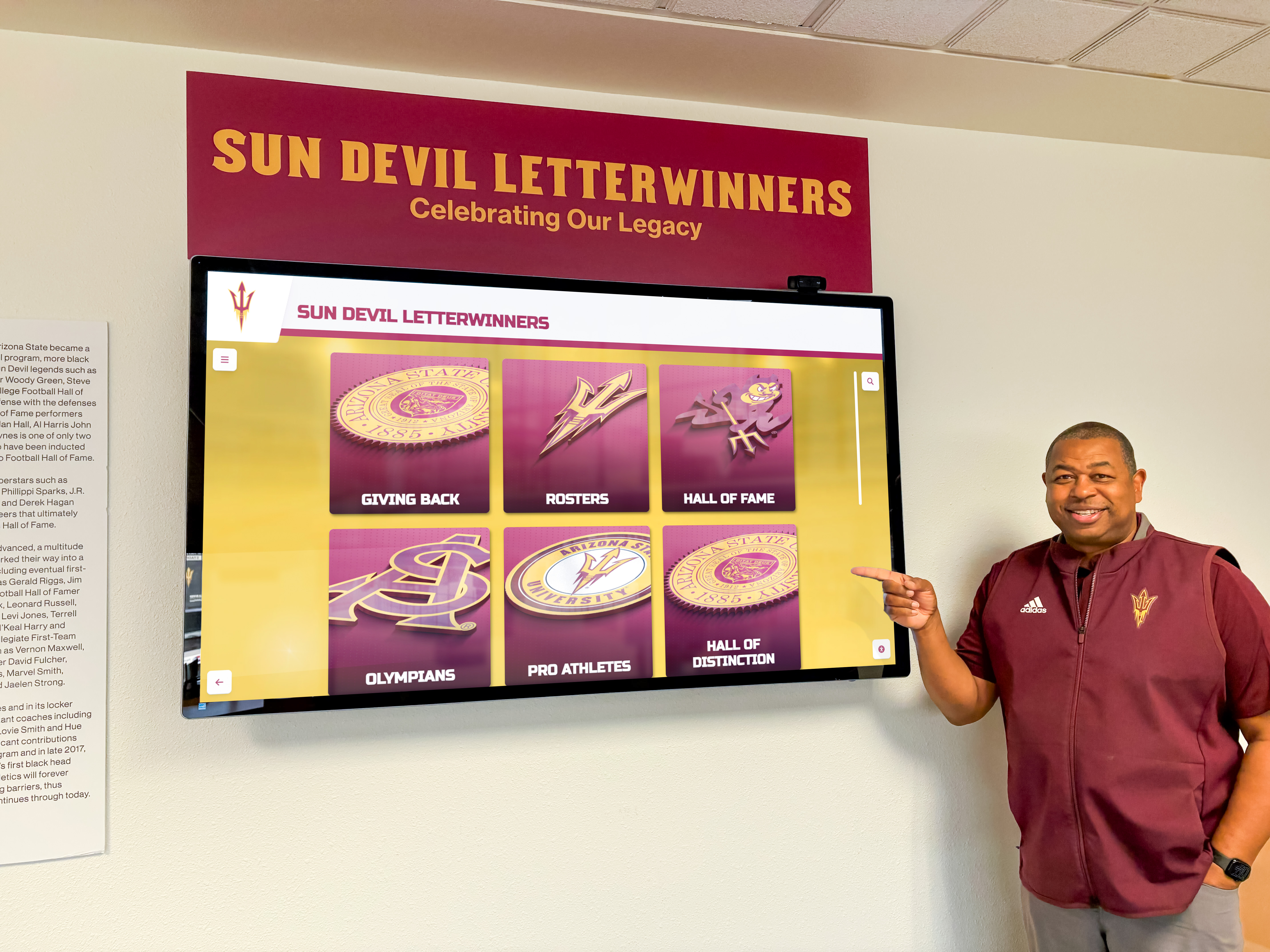
Yet prospective students visiting campuses typically learn virtually nothing about the people who create institutional culture. Tours highlight buildings and programs but rarely showcase faculty expertise, coaching accomplishments, or alumni success stories in concrete ways. Families make enrollment decisions worth tens of thousands of dollars with minimal understanding of the actual individuals who will educate, mentor, and influence their students for years.
This visibility gap disadvantages schools competing for students in crowded markets. When prospective families cannot distinguish institutions based on actual people who differentiate programs, decisions default to less meaningful factors like facility aesthetics, geographical convenience, or athletic conference affiliations. Schools with genuinely exceptional faculty, accomplished coaches, and distinguished alumni networks fail to leverage these competitive advantages because behind-the-scenes stories remain invisible to audiences making enrollment decisions.
Digital Display Solutions: Making Daily Life & Legacy Visible
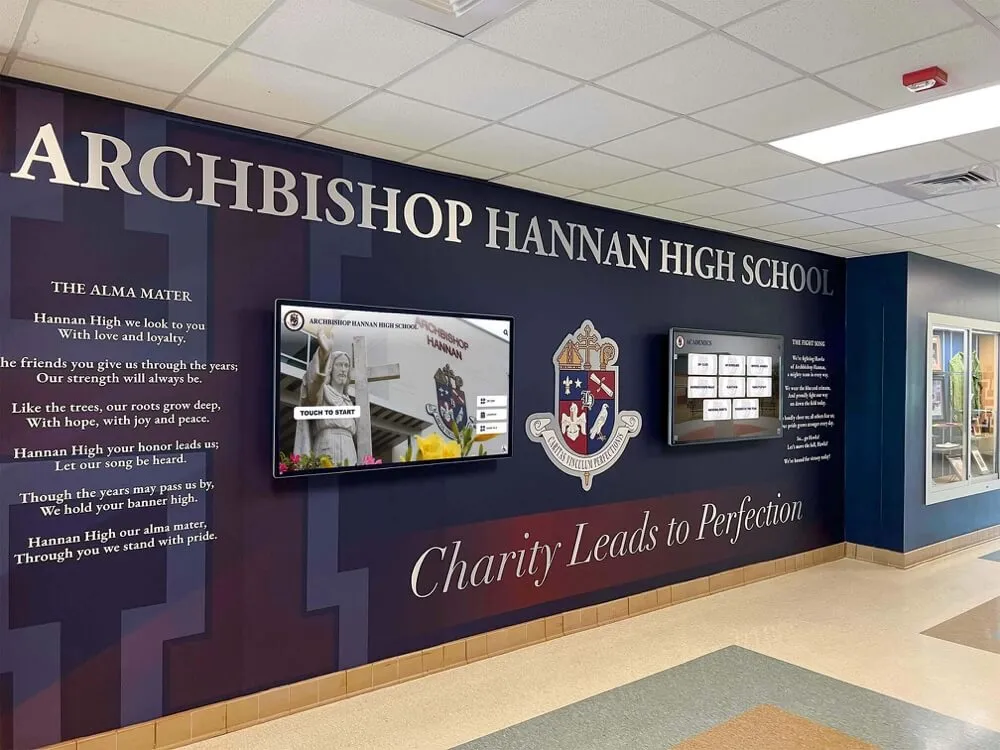
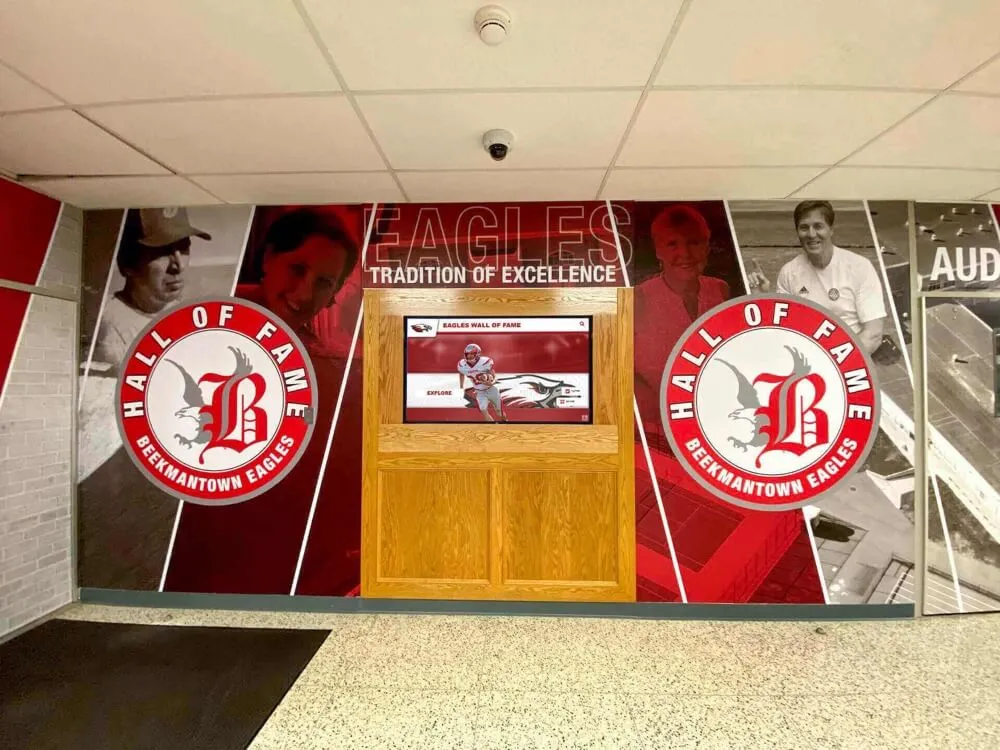
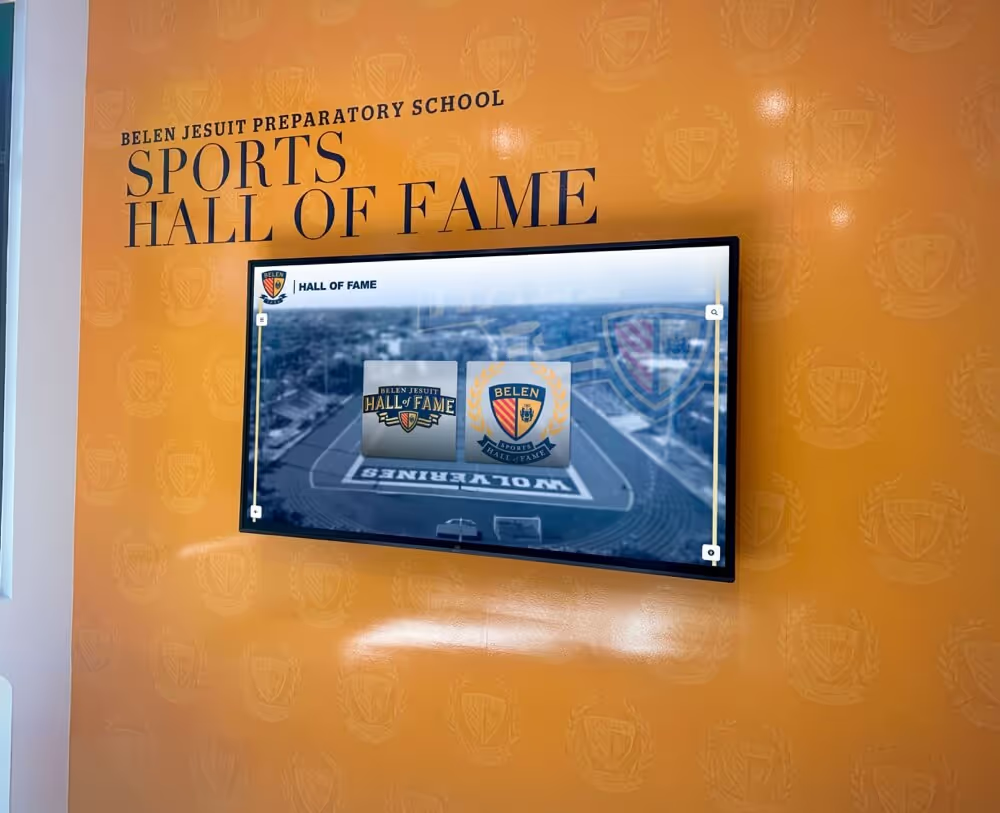
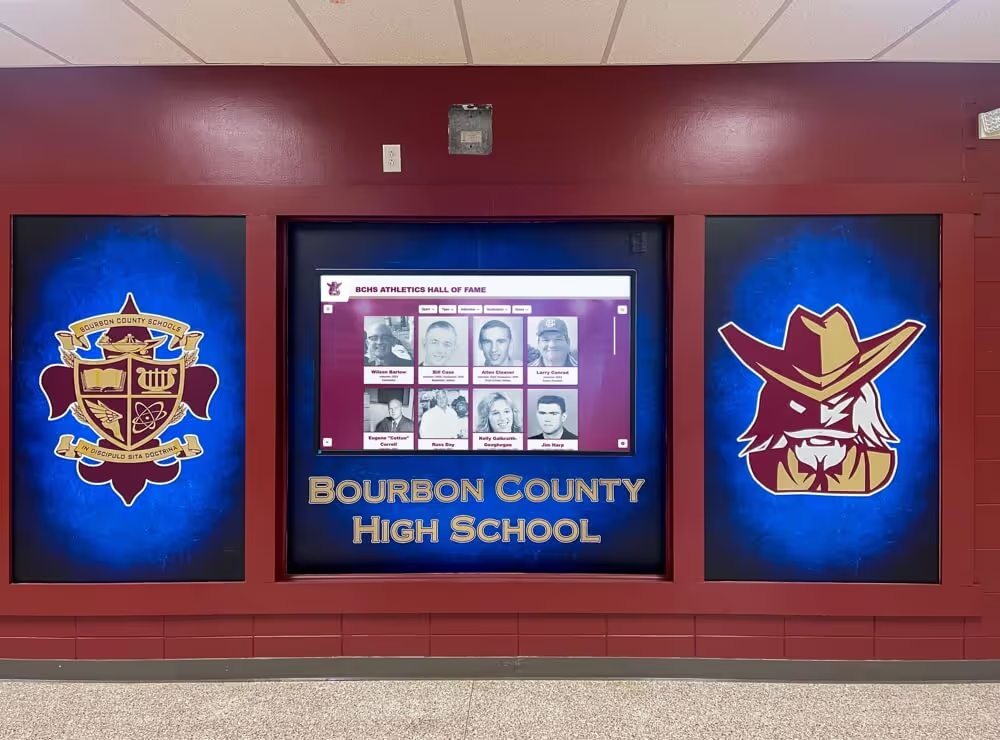
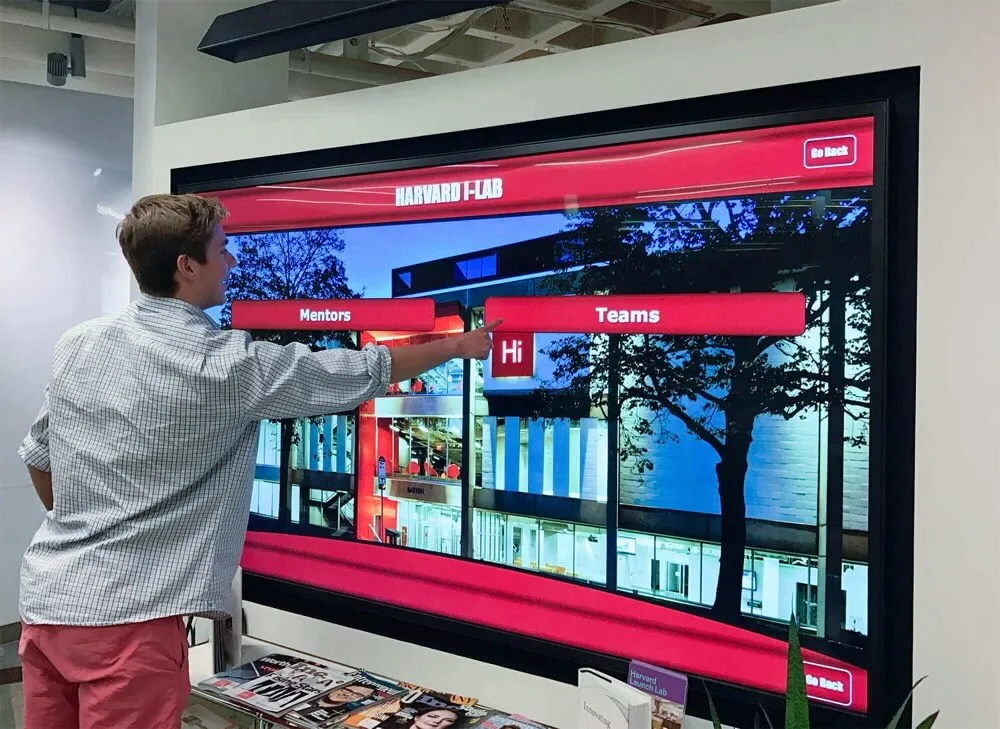
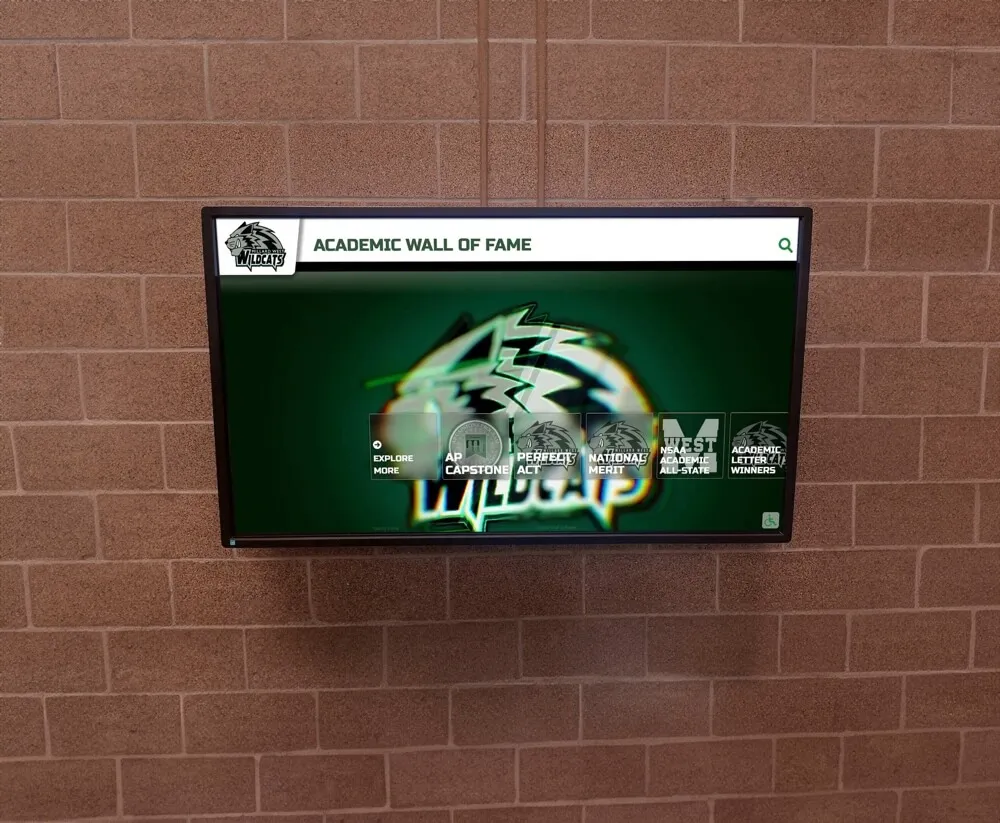
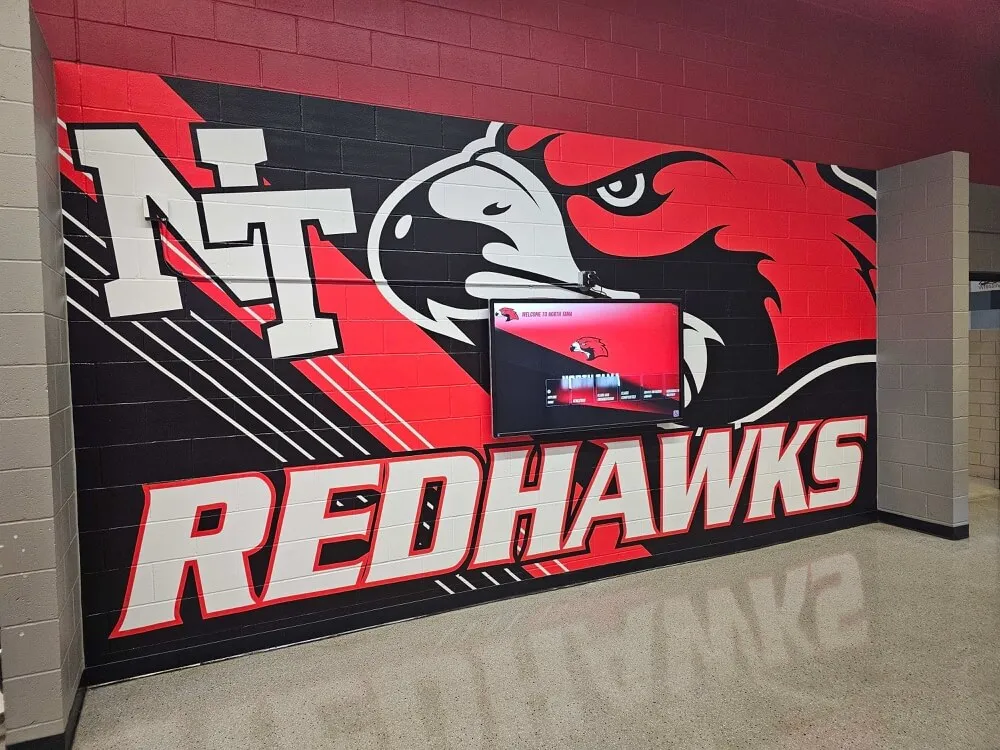
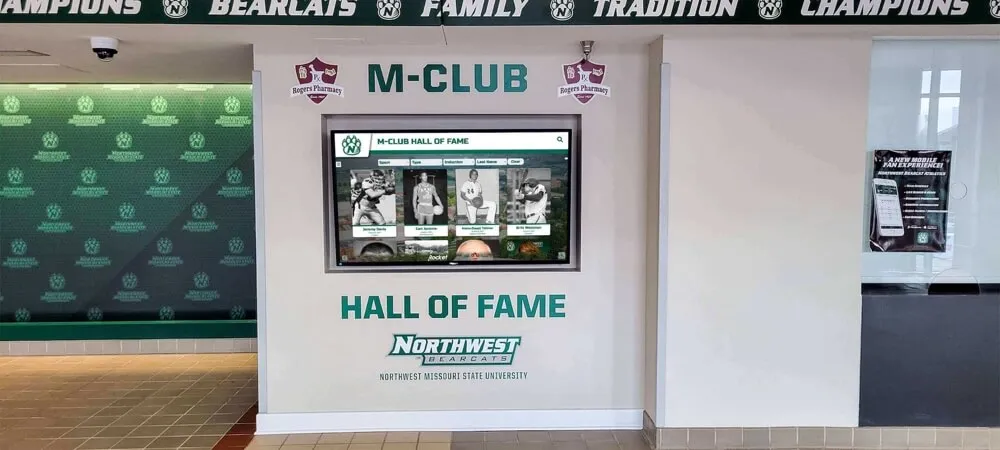
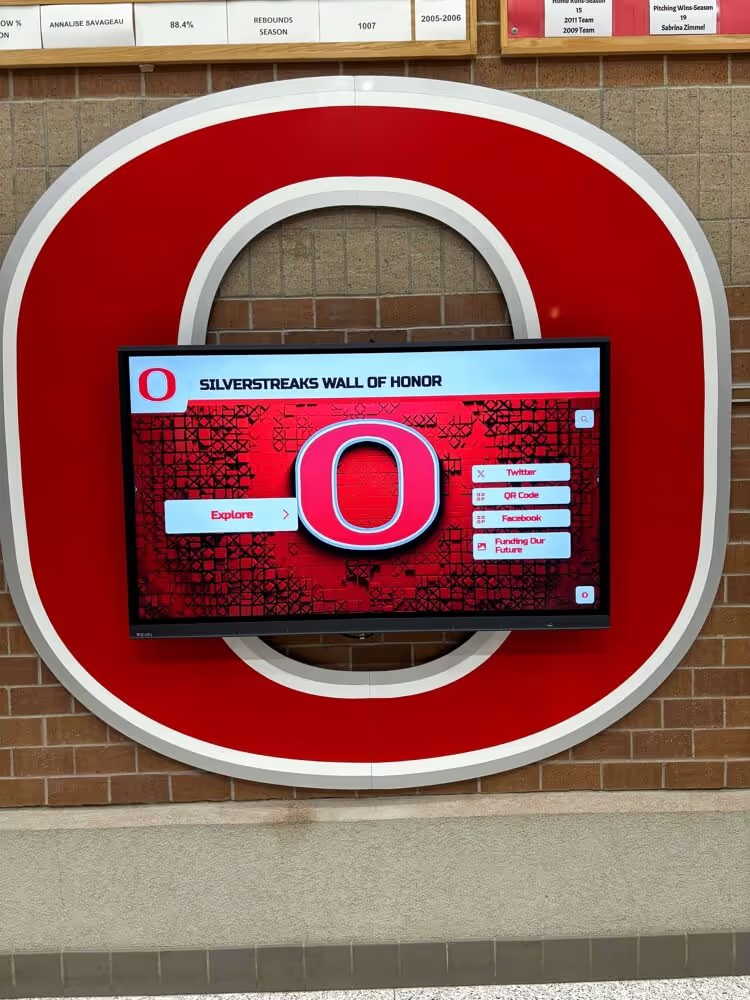
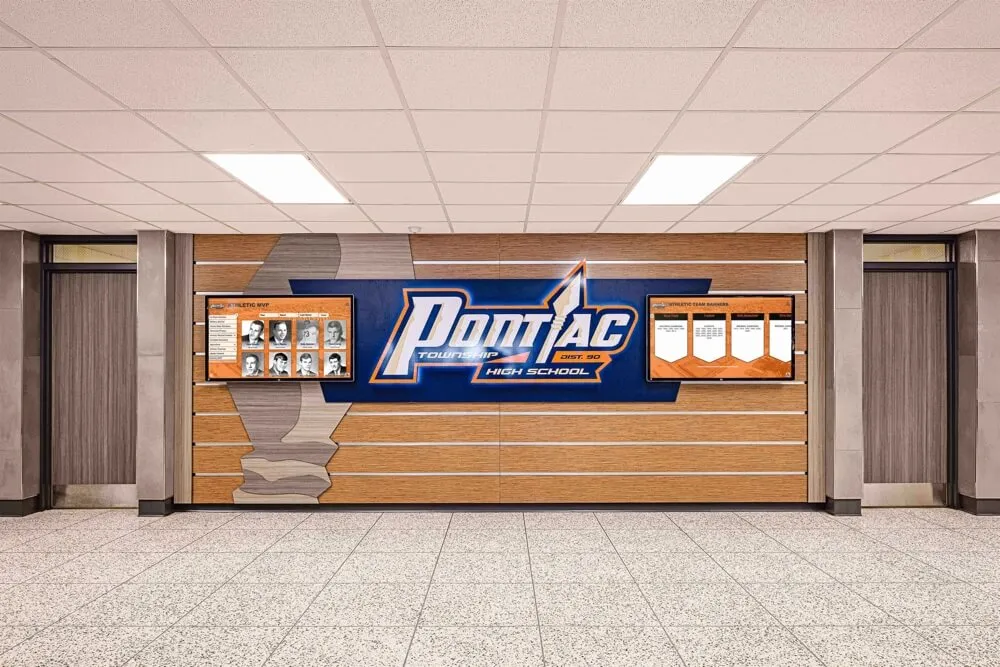
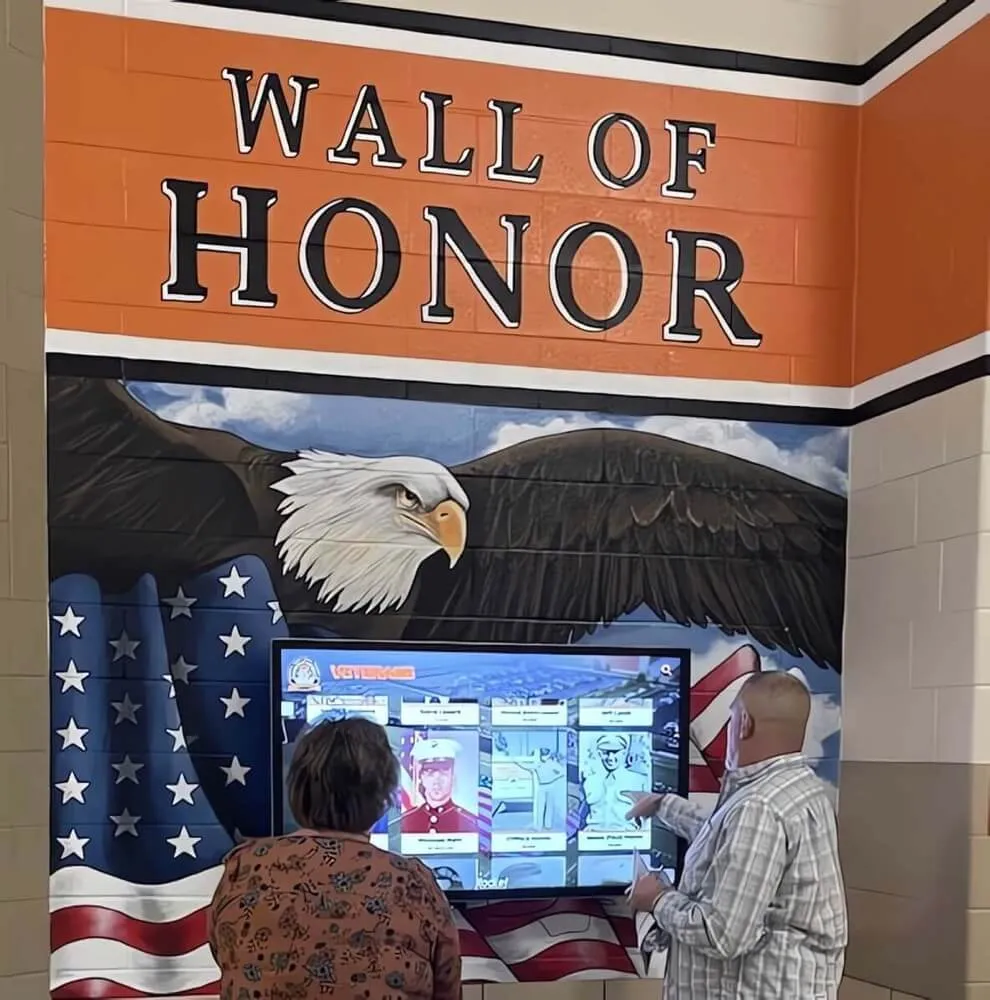
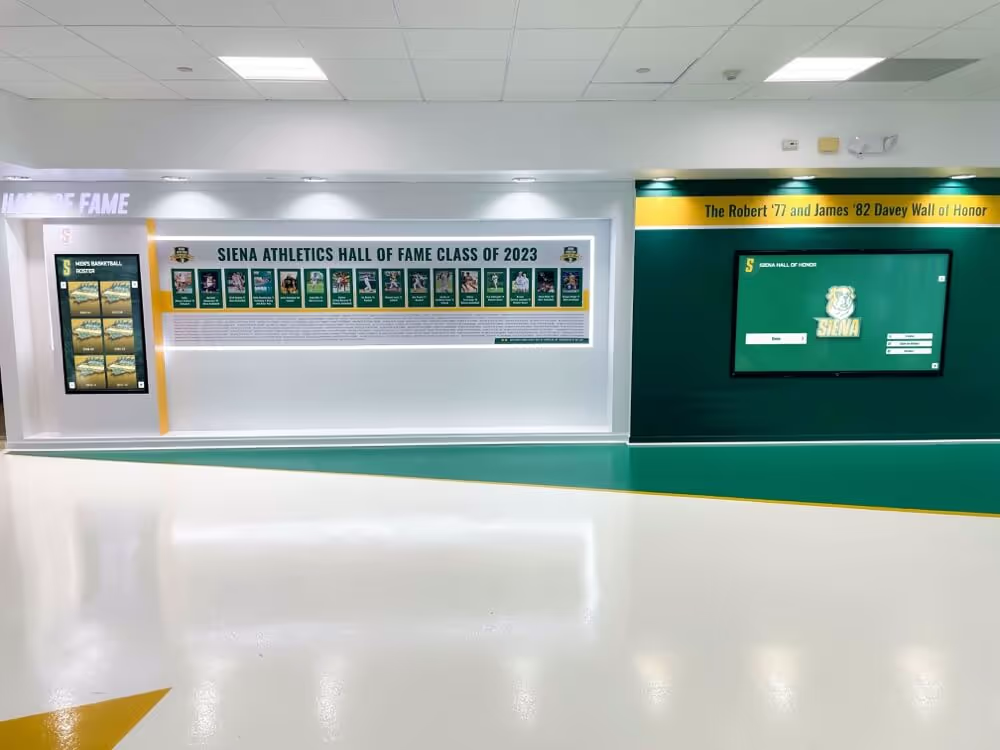
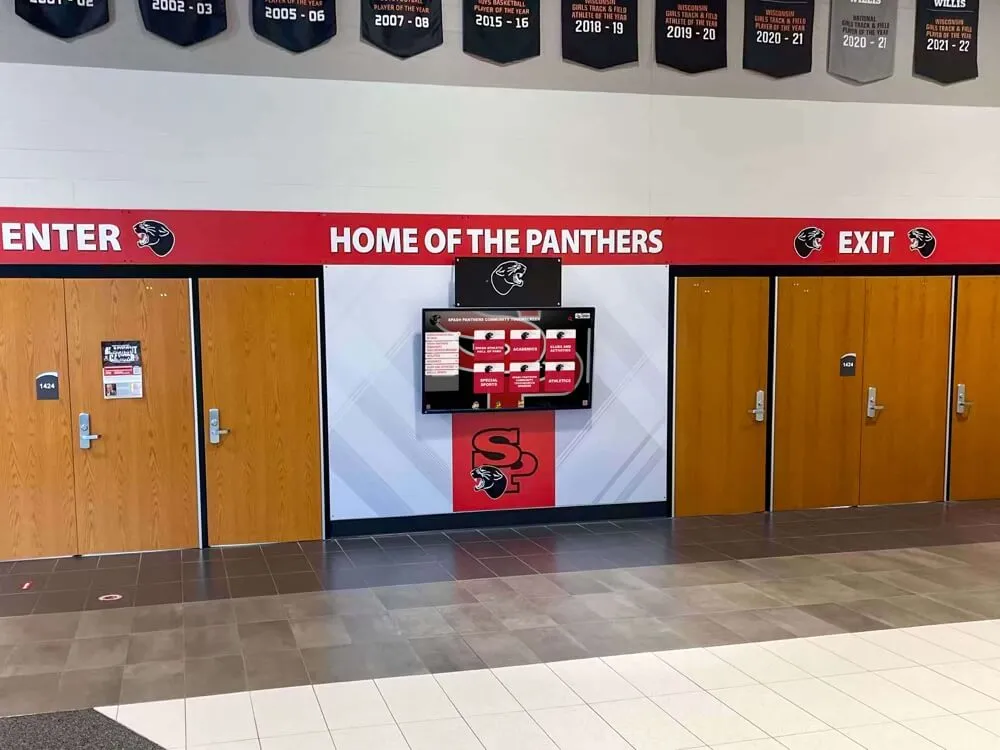
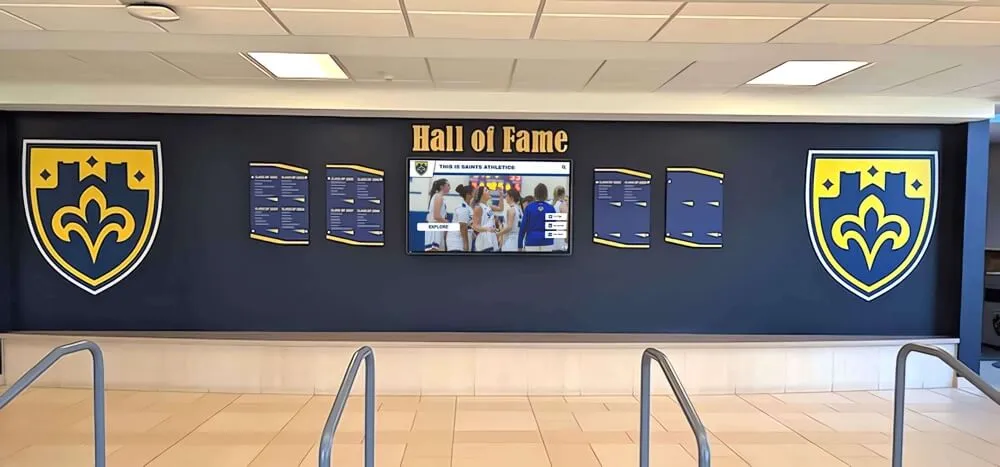
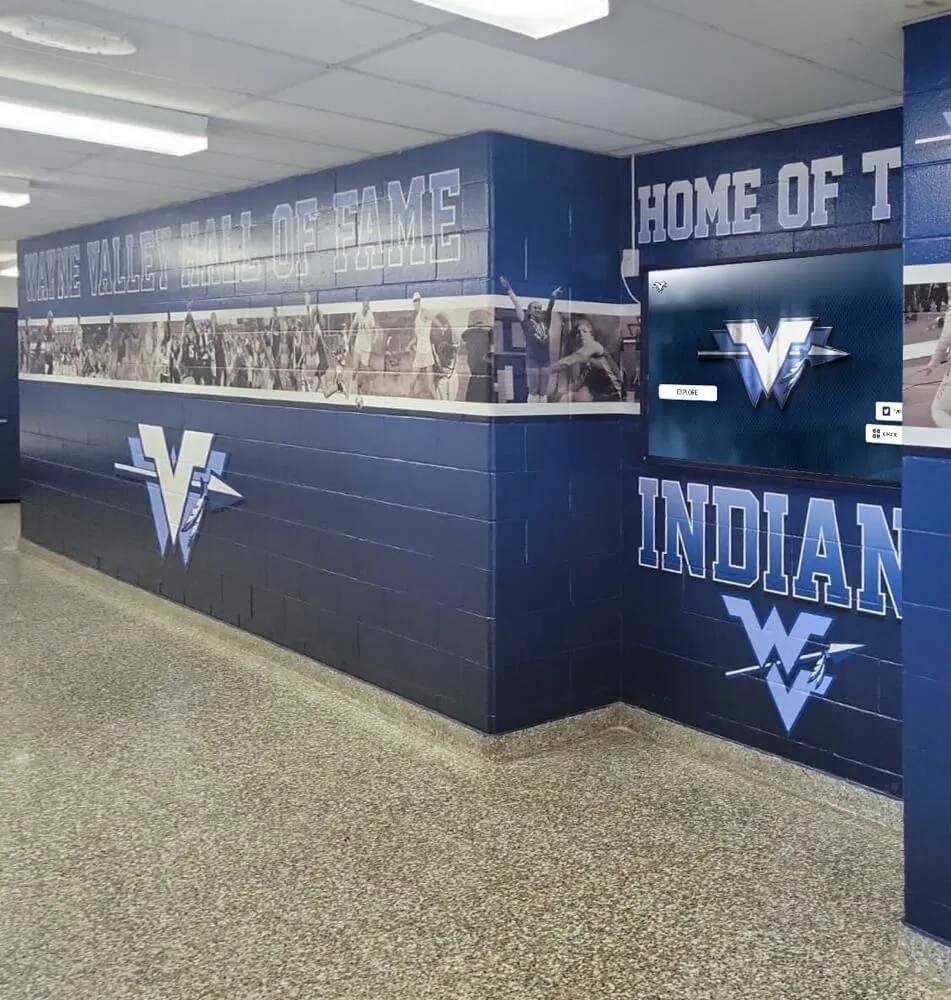
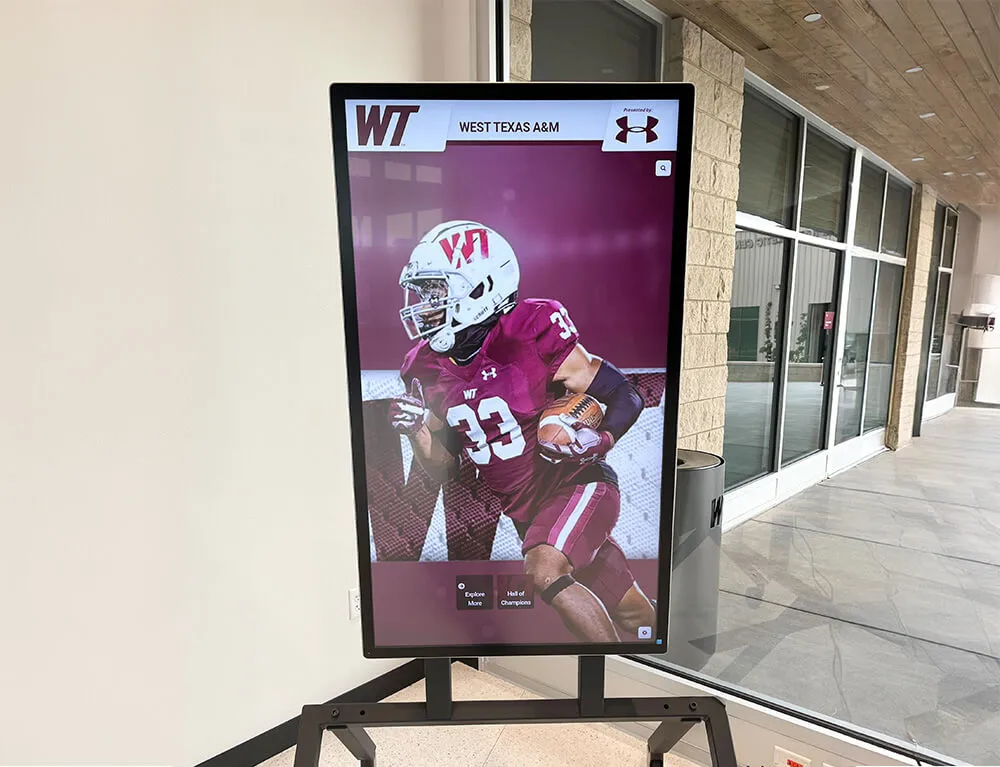
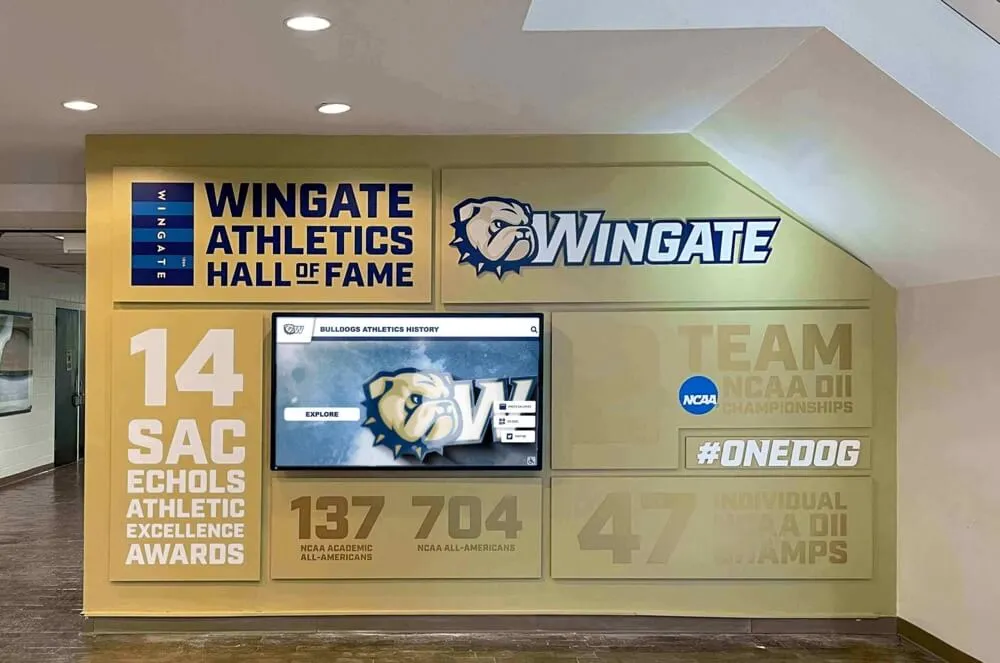
Interactive digital recognition displays positioned strategically throughout school facilities transform hidden stories into continuously visible narratives that engage current communities while attracting prospective members. These purpose-built systems showcase rotating photo galleries from recent events, interactive historical timelines documenting institutional evolution, and detailed profiles revealing accomplishments of faculty, staff, coaches, and distinguished alumni.
Photo Galleries Showcasing School Year Events
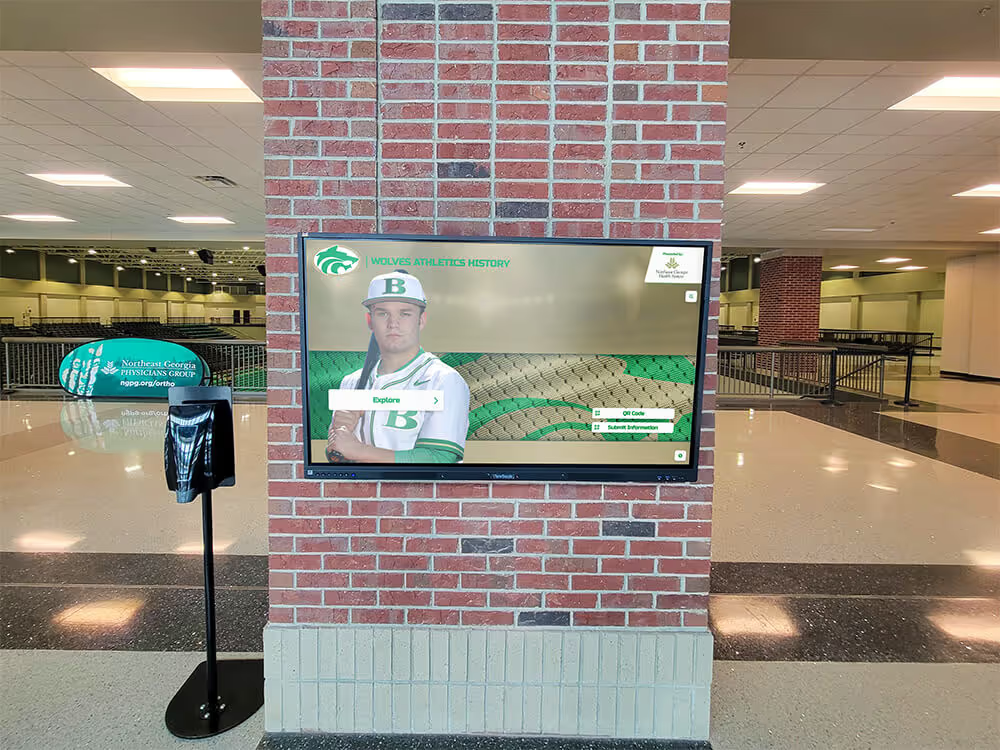
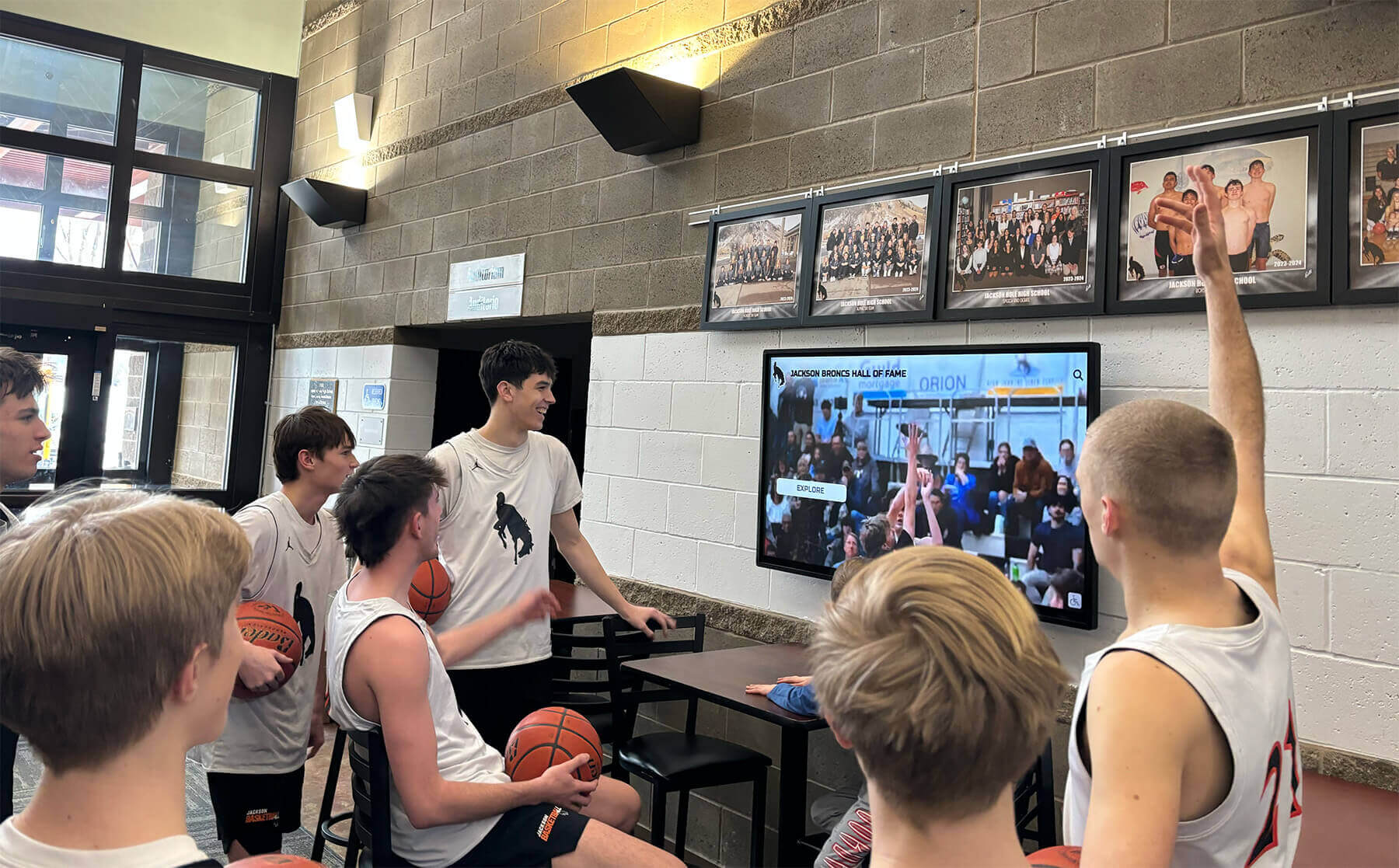
Digital displays programmed with rotating photo galleries bring authentic daily life into prominent visibility throughout campus environments. Rather than requiring intentional website navigation or scrolling through social media feeds, galleries appear automatically on high-traffic displays where students, visitors, and families naturally encounter them during normal campus movement.
Effective event gallery implementations feature high-resolution photographs from diverse activities including athletic competitions, performing arts productions, academic ceremonies and award presentations, community service projects, school traditions and special events, and classroom learning experiences. Content management systems enable designated staff to upload new galleries within minutes after events conclude, ensuring displays reflect current activities rather than becoming outdated displays that undermine credibility.
Rotation capabilities allow showcasing dozens or hundreds of events throughout school years without requiring unlimited screen space. A single lobby display might rotate through fall athletic competitions for two weeks, then shift to theatrical performance galleries, followed by academic achievement ceremonies, then community service documentation, ensuring comprehensive representation of diverse activities rather than disproportionately highlighting specific program types.
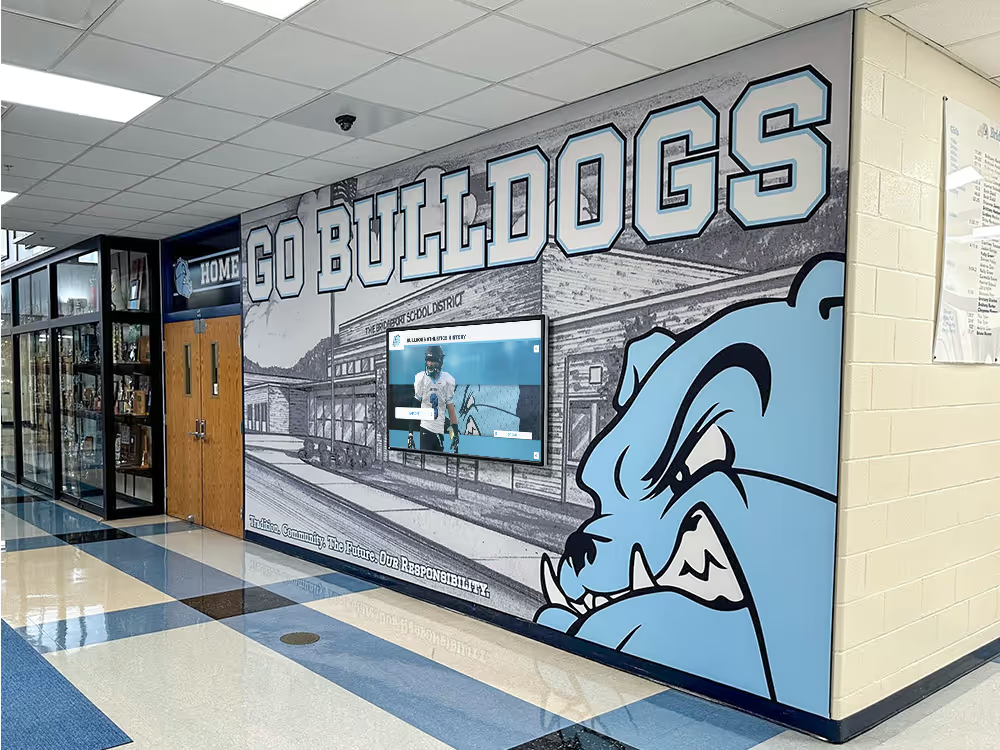
Strategic placement matters enormously for gallery effectiveness. Displays positioned in main entrance lobbies create first impressions for visitors showcasing vibrant community life. Athletic facility screens engage athletes, families, and fans with competition documentation. Common areas where students naturally gather enable casual browsing building school pride. Admissions office waiting areas provide prospective families concrete visual evidence of daily student experiences rather than abstract marketing claims.
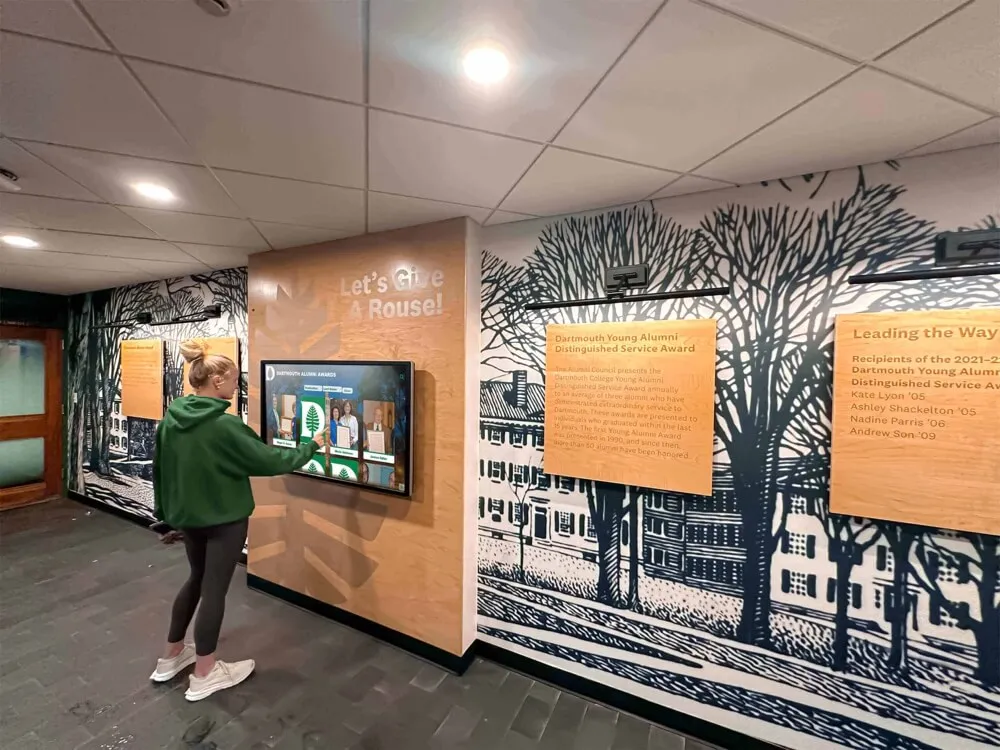
When prospective students tour campuses and encounter lobby displays featuring last week’s volleyball match, yesterday’s academic awards ceremony, and this morning’s service club project, this visual documentation communicates institutional vibrancy that generic tour guide descriptions cannot match. According to admissions research, prospective students form lasting enrollment impressions based on evidence of authentic community life they observe during campus visits. Digital galleries showcasing actual daily experiences create this evidence systematically rather than hoping prospective visitors happen to attend events during brief tour windows.
Resources on spirit week activities and school culture building provide additional context for creating photo-worthy events that strengthen community bonds while generating compelling visual content for recognition displays documenting institutional character.
Historical Timeline Layouts Documenting Legacy
Interactive timeline displays transform inaccessible archival history into engaging explorations current communities can discover, understand, and connect with personally. These visual chronologies organize institutional heritage into intuitive formats enabling users to explore founding stories, facility evolution, distinguished alumni, championship achievements, and defining moments spanning decades or centuries.
Comprehensive timeline implementations typically organize content through multiple navigation approaches including chronological progression from founding through present day, thematic organization by categories like athletics, academics, facilities, or leadership, decade-based browsing enabling era-specific exploration, and search functionality allowing users to discover specific people, events, or timeframes quickly.
Rich multimedia content brings historical timelines to life beyond simple text descriptions. Effective displays combine archival photographs showing campus evolution, scanned yearbook pages documenting student life across eras, newspaper clippings covering significant achievements, brief video interviews with alumni sharing memories, and interactive comparison features revealing how facilities, traditions, and community changed across decades.
Timeline displays deliver particular value in specific strategic contexts. Admissions offices use historical presentations to demonstrate institutional stability and sustained excellence to prospective families evaluating schools. Alumni centers feature comprehensive heritage displays engaging returned graduates exploring their own participation within broader institutional context. Athletic facilities showcase championship histories and distinguished athlete profiles building program pride. Main lobby installations provide all campus visitors accessible institutional history formerly buried in inaccessible archives.
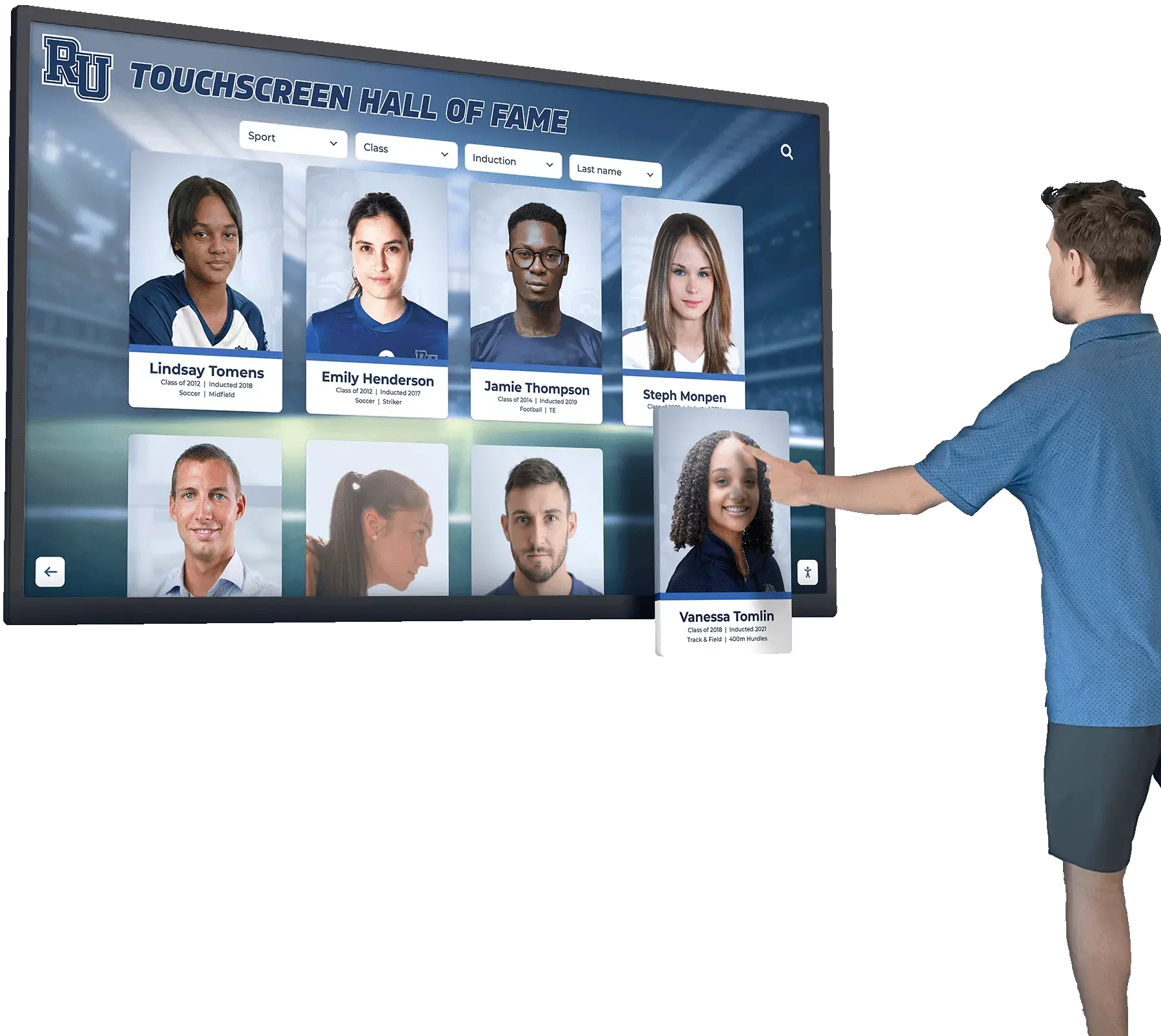
Schools implementing interactive historical timelines discover measurable engagement patterns demonstrating genuine community interest. Analytics from deployed systems reveal visitors typically spend 3-5 minutes actively exploring timeline content compared to brief glances at static historical displays. This extended engagement creates emotional connections between current community members and institutional heritage that strengthen school identity, pride, and loyalty across stakeholder groups.
Guidance on creating school historical timeline displays offers frameworks for organizing decades of institutional history into accessible formats while identifying high-priority content categories generating strongest community engagement and admissions impact.
About Us Profiles Revealing Behind-the-Scenes Stories
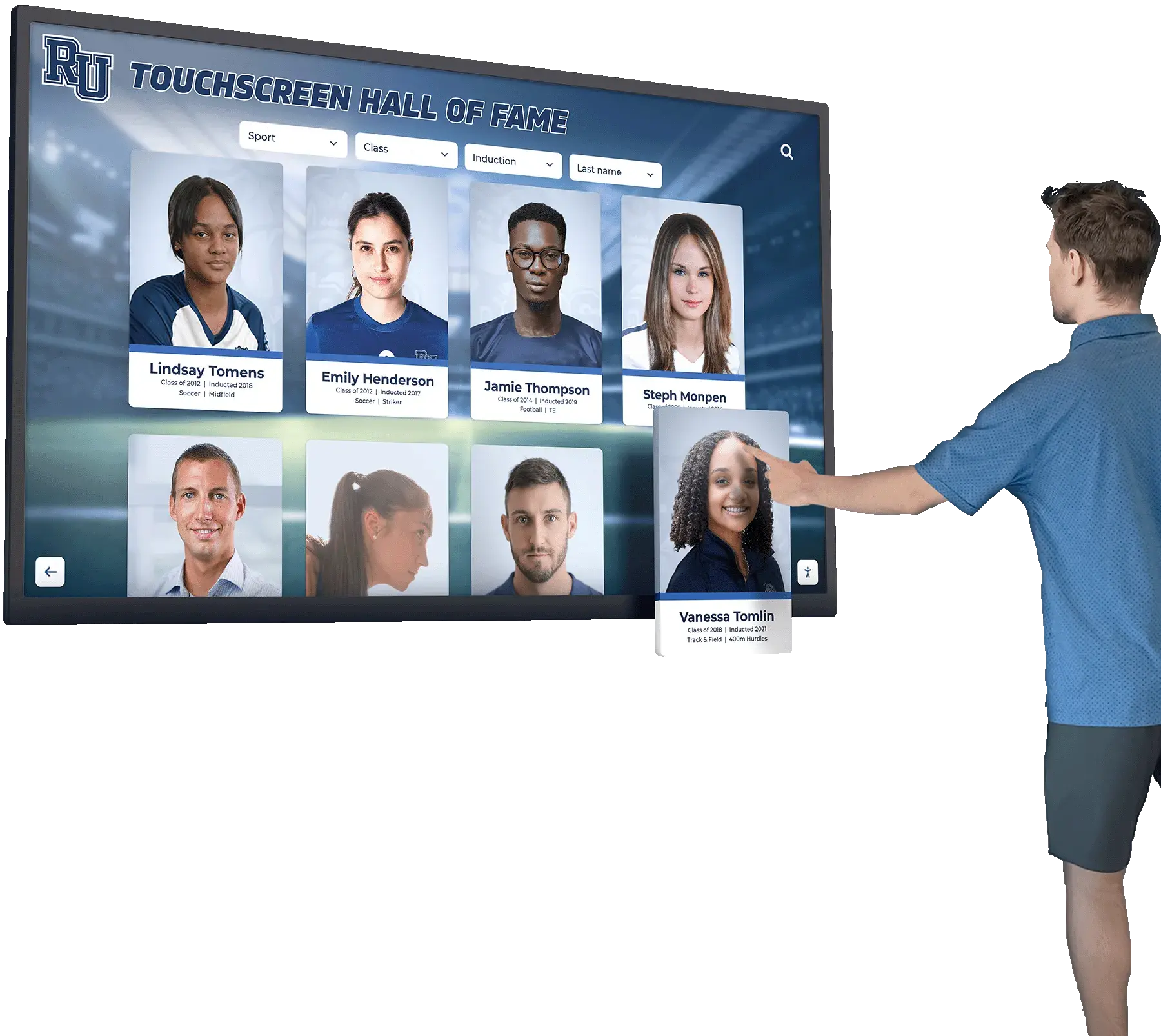
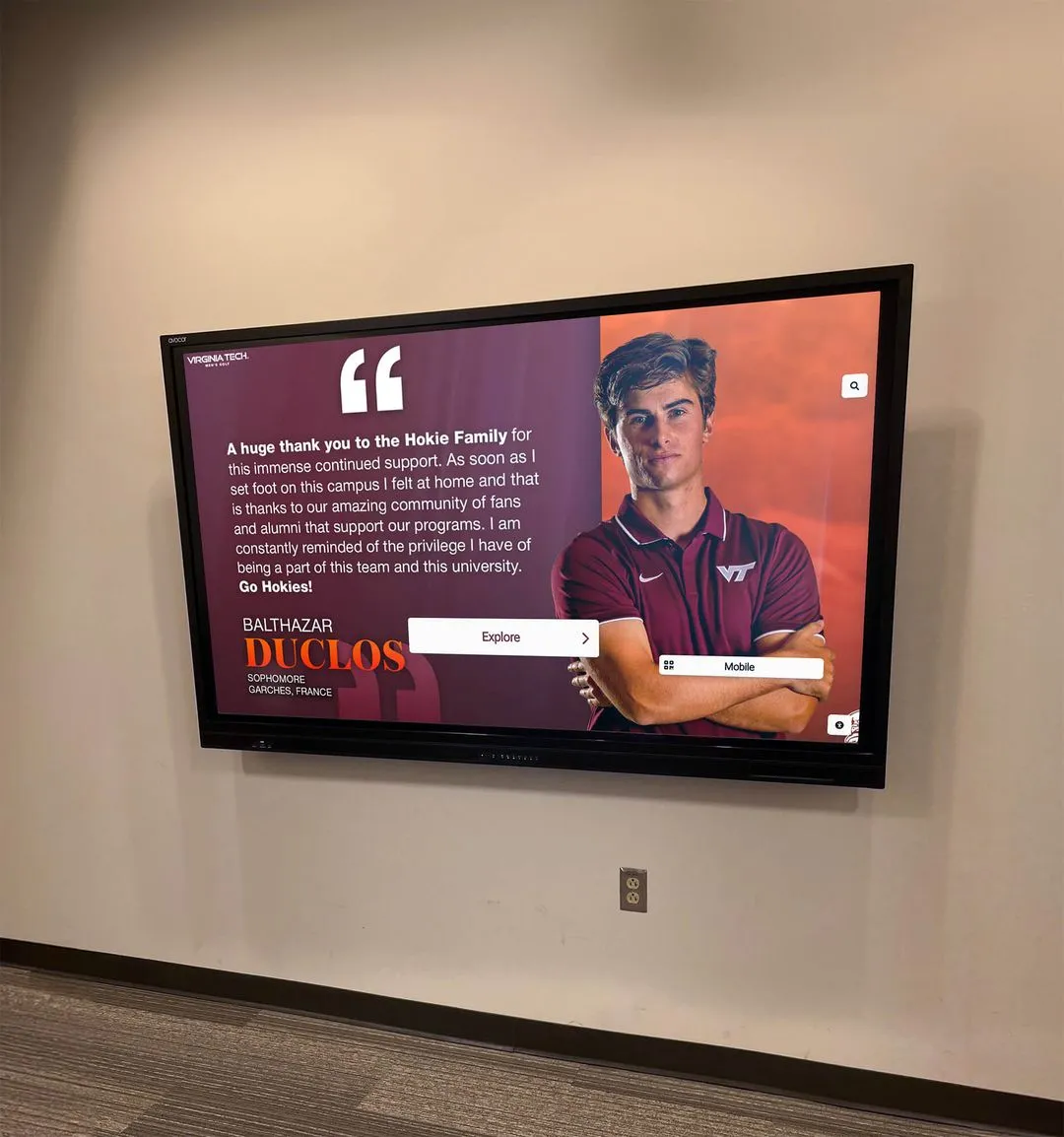
Detailed profile systems showcase the accomplished individuals who create institutional character through their expertise, dedication, and achievements. These behind-the-scenes revelations transform anonymous staff members into recognized community contributors while demonstrating institutional quality through concrete individual accomplishments.
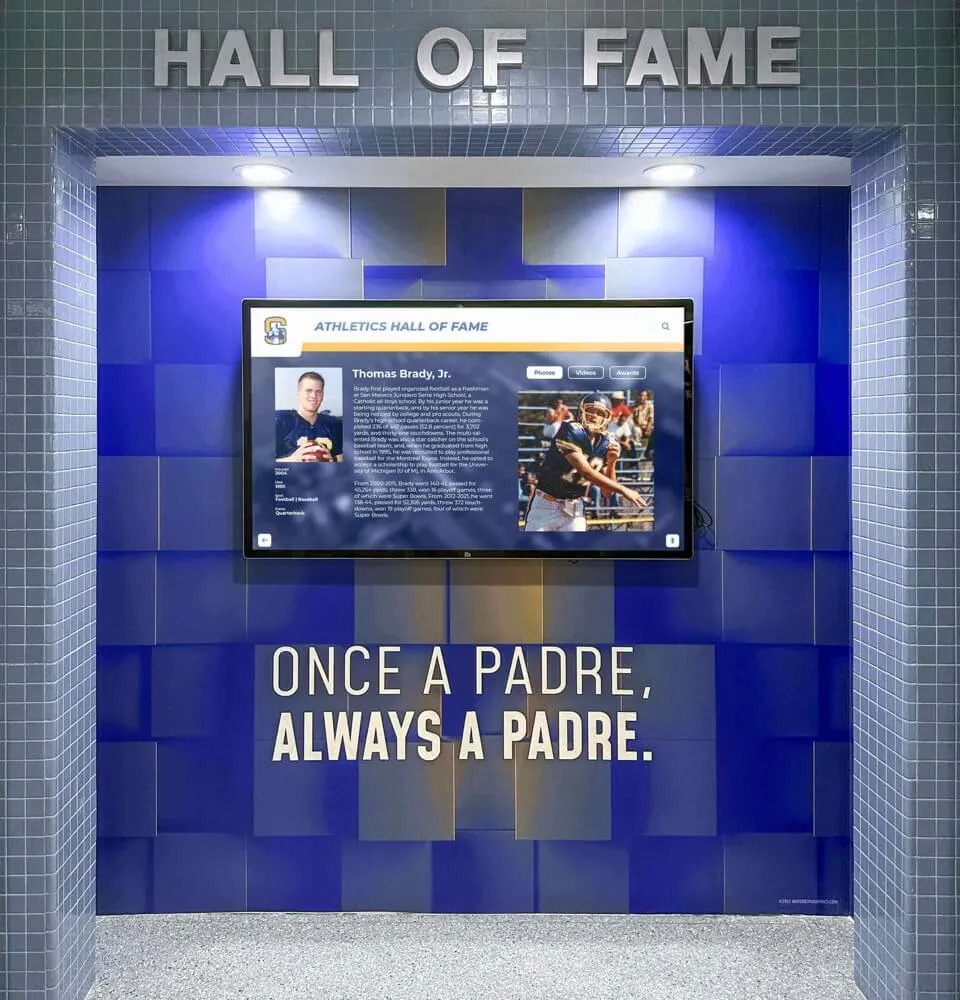
Comprehensive profile implementations typically feature multiple stakeholder categories including faculty members with educational backgrounds, teaching philosophies, and notable accomplishments, coaching staff detailing competitive experience, certifications, and athlete development approaches, administrative leadership highlighting career trajectories and institutional vision, distinguished alumni showcasing career achievements and continued school connections, and donors or community partners acknowledging contributions supporting institutional mission.
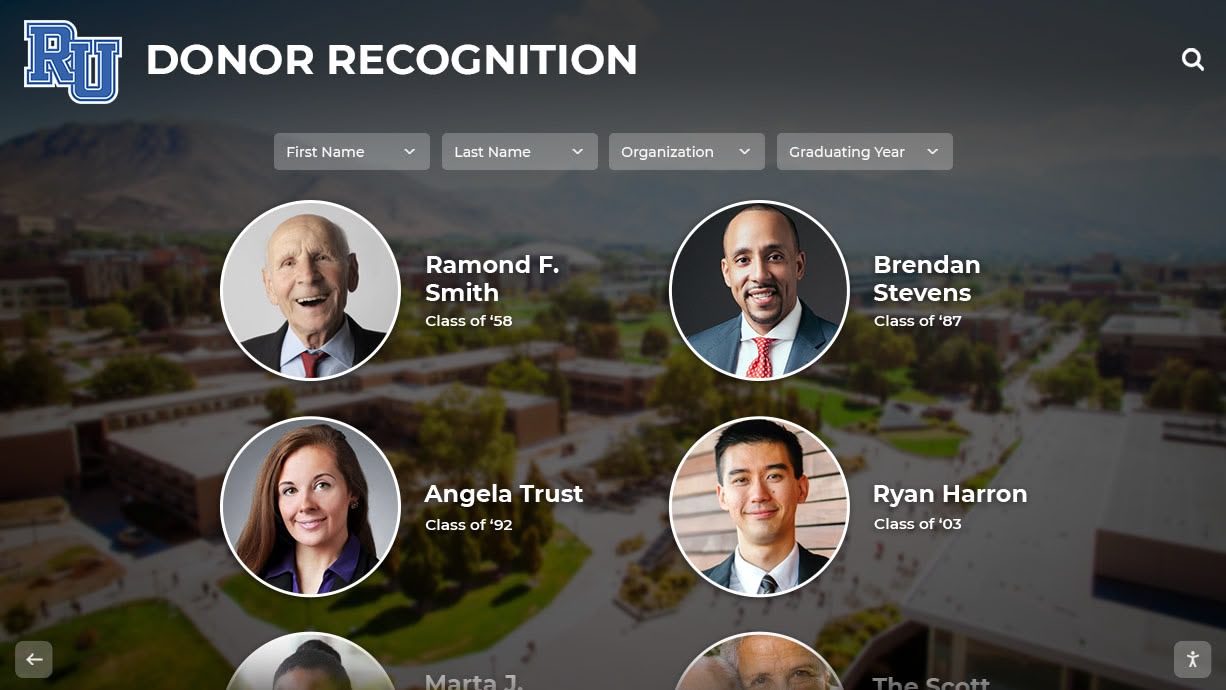
Profile content should extend beyond basic biographical information to include professional achievements and credentials, personal stories explaining paths to education careers, teaching or coaching philosophies and approaches, student impact examples and testimonials, hobbies and interests humanizing professional roles, and multimedia elements like brief video introductions or photograph galleries.
Strategic profile display locations maximize different engagement objectives. Admissions areas feature profiles demonstrating institutional quality to prospective families researching who will actually educate their students. Faculty lounges and common areas build internal community by helping staff learn about colleagues across departments. Athletic facilities showcase coaching expertise and distinguished athlete alumni. Alumni centers highlight graduated success stories inspiring current students while engaging returning visitors.
When prospective families tour campuses and explore interactive displays revealing that the physics teacher earned a PhD researching renewable energy, the basketball coach competed professionally overseas, and recent graduates work at prestigious companies or attend top graduate programs, these concrete accomplishments create credibility abstract marketing descriptions cannot match. Families enroll students at schools confident their education will be delivered by accomplished professionals rather than making uninformed assumptions about institutional quality.
Frameworks for alumni recognition programs demonstrate how comprehensive profile systems celebrating graduated success stories simultaneously inspire current students, engage alumni communities, and provide prospective families tangible evidence of educational quality through documented graduate outcomes.
Strategic Content Development: What Stories Resonate Most
Digital displays offer unlimited content capacity, but effective storytelling requires strategic curation focusing on categories that address stakeholder priorities while advancing institutional objectives across recruitment, retention, pride, and community building dimensions.
Athletic Excellence & Competition Documentation
Athletic achievement documentation serves institutional purposes extending well beyond athlete and family engagement. Prominent athletic recognition communicates competitiveness, provides conversation starters unifying diverse community members, creates memorable distinctions between otherwise similar institutions, generates shareable content extending institutional reach through social networks, and demonstrates commitment to comprehensive student development beyond academics alone.
Comprehensive athletic galleries should document diverse content including competition photographs from contests throughout seasons, championship celebration moments capturing authentic emotion, individual achievement recognition highlighting personal excellence, team culture documentation showing behind-the-scenes preparation, and multi-year historical progression demonstrating sustained program quality.
Schools implementing digital record board systems discover particular value in automated athletic achievement tracking that updates displays immediately when records fall rather than waiting weeks or months for manual vinyl board changes. This immediacy enhances recognition impact while ensuring displays always reflect current accurate information that builds credibility rather than undermining it through obvious outdated content.
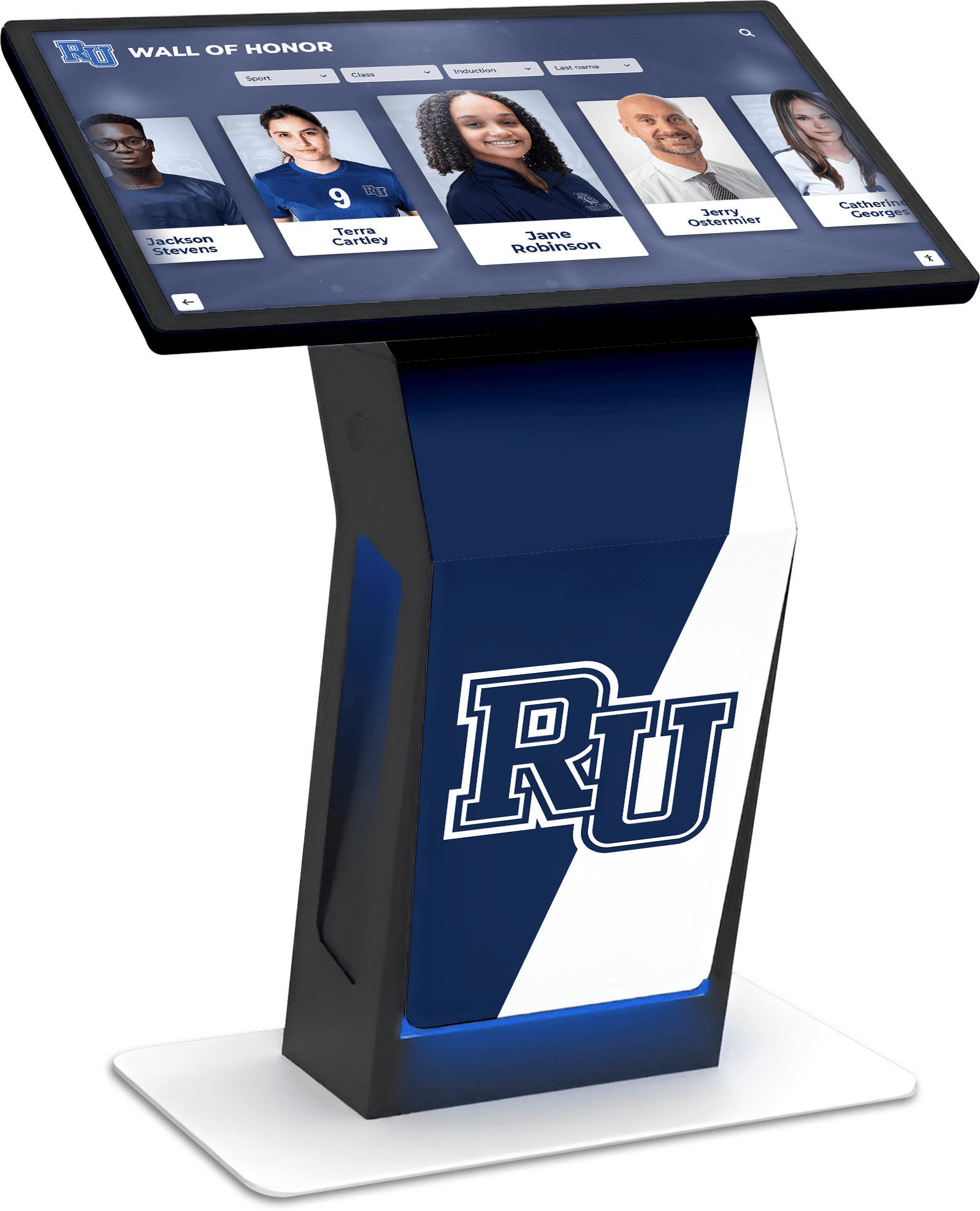
Strategic athletic documentation extends beyond game day action to include practice and preparation documentation showing work behind achievements, community service by athletic teams demonstrating values beyond competition, academic excellence among athletes proving commitment to comprehensive development, senior recognition ceremonies celebrating multi-year contributions, and alumni athlete career progression demonstrating life skills athletics develops.
This comprehensive athletic storytelling addresses parent priorities about time investment in athletics delivering benefits beyond wins and losses. When displays prominently feature Academic All-American recognition alongside championship trophies, families perceive balanced institutional values. When profile systems reveal distinguished athlete alumni succeeding in diverse careers, current athletes visualize possibilities athletics creates. Athletic documentation becomes recruiting tool demonstrating program quality to prospective athletes while building community pride across stakeholder groups.
Academic Achievement & Scholar Recognition
While athletic recognition often receives disproportionate visibility in schools, academic achievement documentation addresses core institutional mission while resonating with prospective families prioritizing educational quality over athletic competitiveness. Balanced recognition cultures showcase academic excellence as prominently as athletic accomplishments, sending clear messages about institutional values through visibility decisions.
Comprehensive academic recognition galleries should feature honor roll and academic excellence lists, scholarship recipient recognition with award details, academic competition results from events like Science Olympiad or debate tournaments, research presentation showcases from student investigations, college admission outcomes highlighting distinguished university acceptances, and National Merit Scholar or AP Scholar achievement documentation.
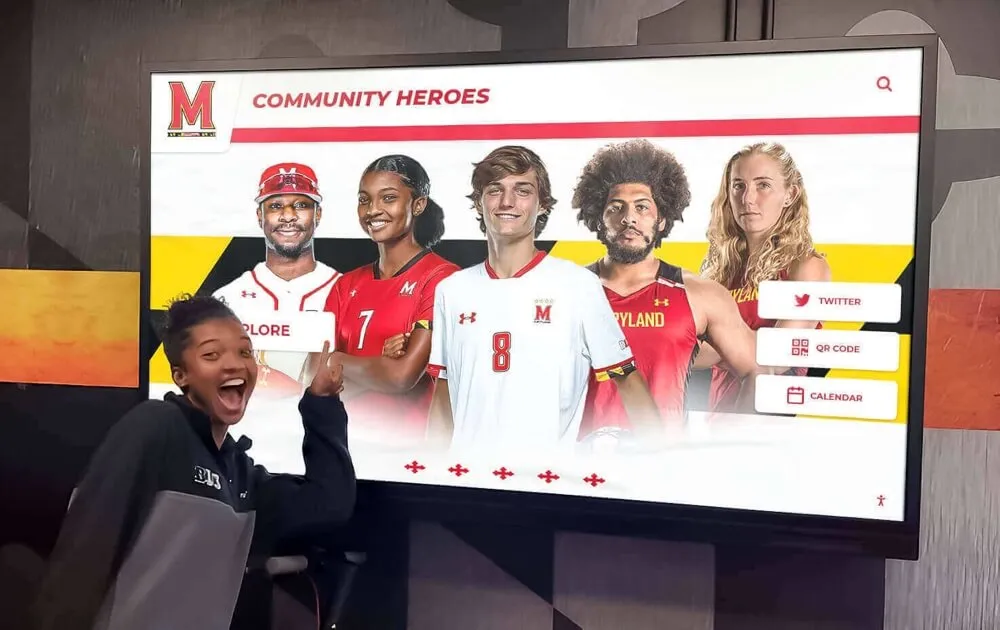
Interactive displays enable academic recognition extending beyond simple name lists to include detailed scholar profiles revealing interests and achievements, subject-specific excellence highlighting departmental strength, longitudinal tracking showing academic growth across years, and alumni academic outcomes demonstrating long-term educational value through graduate school attendance and career achievement.
According to data from the Higher Education Research Institute, 85% of prospective students cite academic reputation as very important in school selection decisions. Yet campus tours often provide minimal concrete evidence supporting academic quality claims beyond generic statements about excellent teachers and rigorous curriculum. Digital displays showcasing hundreds of academic honor recipients, detailed scholar profiles, and distinguished alumni career achievements create this evidence systematically.
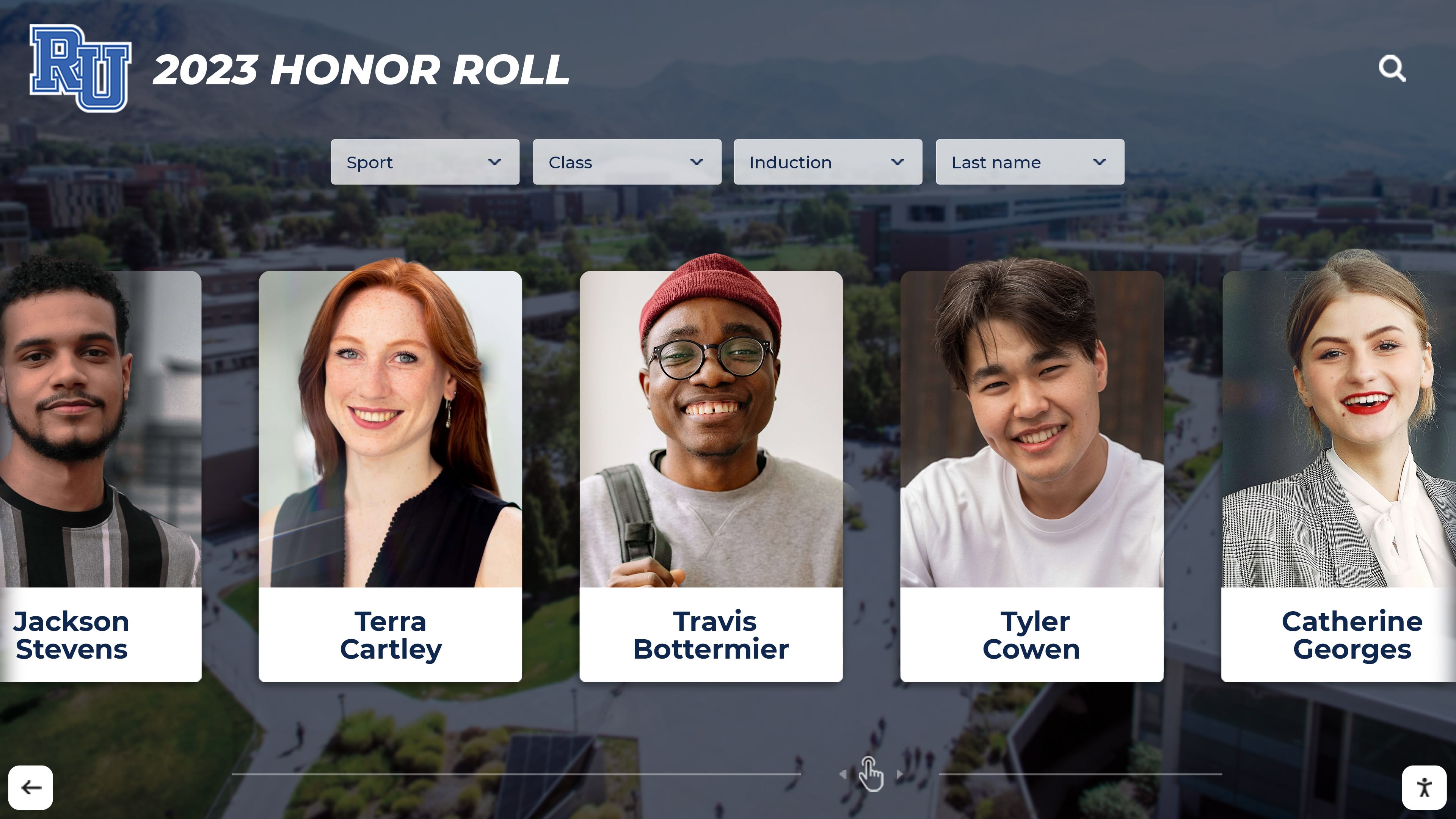
Strategic academic recognition positioning matters significantly for admissions impact. Displays in main entrance lobbies ensure every campus visitor encounters academic achievement prominently. Classrooms and academic buildings reinforce learning-focused culture. Admissions office waiting areas provide prospective families concrete evidence supporting academic excellence claims while they wait for tours or meetings. This systematic academic visibility creates balanced recognition cultures valuing diverse excellence forms rather than disproportionately highlighting athletics alone.
Insights on academic recognition program design offer guidance for creating comprehensive scholar acknowledgment systems that resonate with prospective families while motivating current students through visible pathways to recognition across achievement levels from honor roll through elite scholar awards.
Performing Arts & Creative Accomplishments
Schools with strong performing arts programs—theater, music, visual arts, creative writing—often struggle showcasing these accomplishments as visibly as athletics despite comparable dedication, achievement, and community value. Digital displays provide unlimited recognition capacity ensuring arts receive appropriate celebration without displacing other achievement categories.
Performing arts galleries should document theater production photographs from performances and rehearsals, musical ensemble concert photography and competition results, visual arts showcase featuring student artwork and exhibition participation, creative writing publication recognition and competition success, and behind-the-scenes preparation revealing the work producing polished performances.
Interactive displays enable arts recognition extending beyond performance documentation to include student artist profiles with portfolios and statements, technical crew recognition acknowledging production support contributions, arts program alumni showcasing professional creative careers, and historical arts legacy documenting program evolution and distinguished productions across decades.
Arts programs often lack the natural documentation rhythm athletics enjoys with frequent competitions generating regular photograph opportunities. Intentional gallery development requires proactive planning including designating staff or student photographers for performances and rehearsals, scheduling regular arts showcase rotations on prominent displays, featuring arts alumni success stories demonstrating career pathways, and integrating arts achievement into comprehensive recognition cultures alongside athletics and academics.
When prospective students with arts interests tour campuses and discover lobby displays prominently featuring theatrical productions, musical performances, and student artwork alongside athletic achievements, this visible arts commitment communicates balanced institutional values. Families seeking schools supporting comprehensive talent development beyond athletics alone find concrete evidence that arts programs receive genuine institutional investment rather than token acknowledgment.
Community Service & Leadership Development
Schools increasingly emphasize social responsibility and leadership development as core educational outcomes preparing students for engaged citizenship and community contribution. Digital displays can showcase these often-invisible activities making service and leadership visible parts of institutional culture and identity.
Service and leadership galleries should document community service project participation and impact, student organization leadership and initiatives, mentorship program recognition, character award recipients, peer leadership spotlight features, and community partnership documentation showing institutional civic engagement.
Interactive displays enable comprehensive service recognition including cumulative service hour tracking celebrating sustained contribution, project impact documentation showing tangible community benefit, student leader profiles revealing motivations and experiences, and historical service tradition timelines demonstrating sustained institutional commitment across generations.
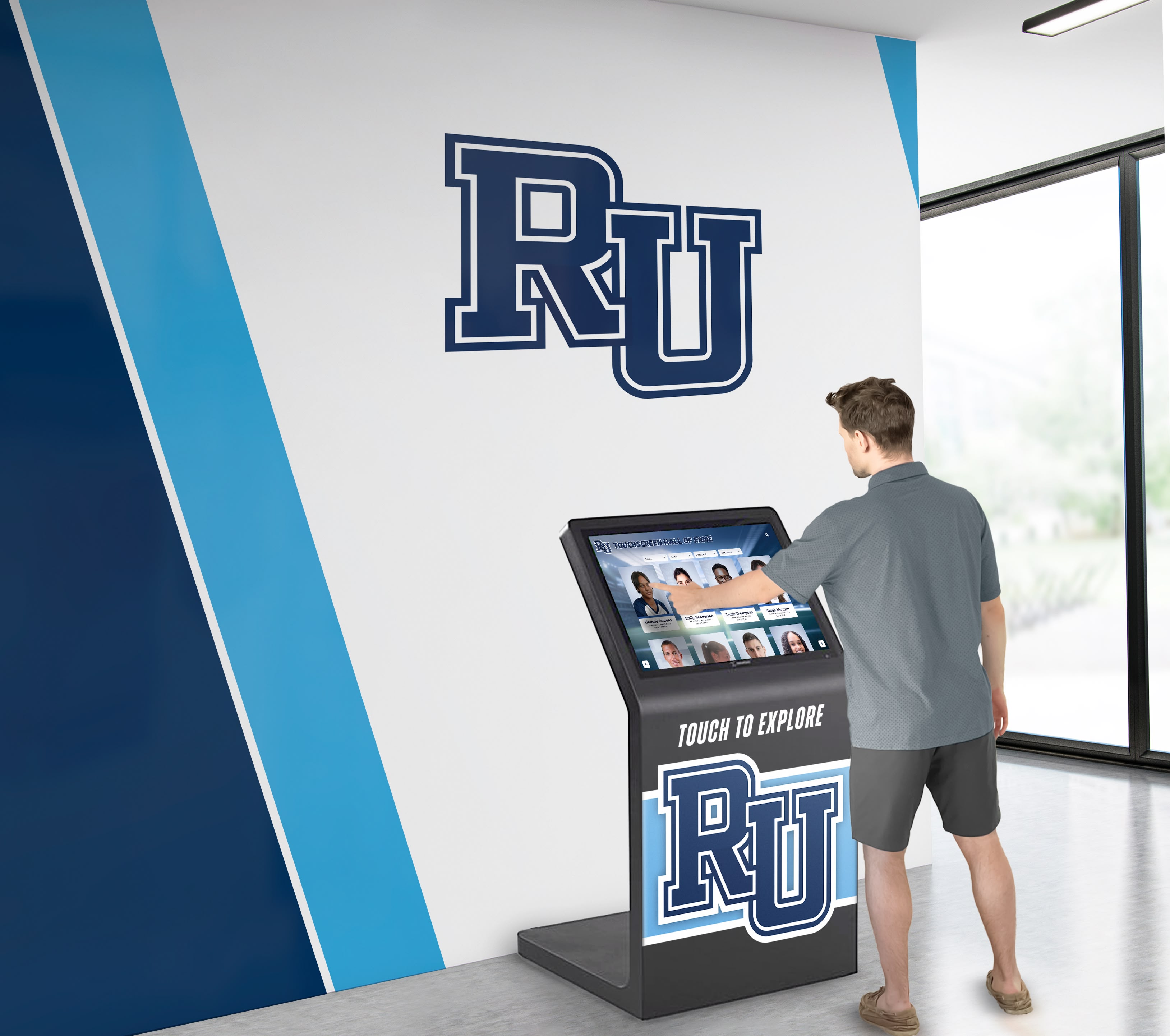
Service and leadership recognition creates particular admissions value in communities where prospective families prioritize character development and social responsibility alongside academic and athletic achievement. When campus displays prominently feature community service accomplishments, character award recipients, and student leaders making positive impact, this documentation provides concrete evidence of values-focused education rather than requiring families to accept abstract mission statement claims.
Strategic service recognition also builds stronger community relationships. Local residents notice when schools prominently acknowledge student contributions benefiting neighborhoods. Community partners appreciate public recognition of collaborative efforts. This visibility strengthens institutional reputation as engaged community member rather than isolated academic enclave, building goodwill translating to tangible support across fundraising, volunteering, and public advocacy dimensions.
Technical Implementation: Choosing Systems Built for School Environments
Not all digital display systems serve educational storytelling purposes equally well. Schools should prioritize purpose-built recognition platforms designed specifically for comprehensive achievement showcasing rather than generic digital signage solutions lacking features critical for effective day-in-the-life narratives.
User-Friendly Content Management for Non-Technical Staff
Digital displays create value only when content remains current, accurate, and relevant. This requires frequent updates as new events occur, achievements happen, and community membership changes. The most valuable systems provide intuitive content management enabling designated staff to maintain displays independently without requiring technical expertise or constant vendor support.
Essential content management characteristics include visual interfaces requiring no coding knowledge, drag-and-drop functionality for image uploads and organization, template-driven layouts ensuring consistent professional appearance, bulk import capabilities for efficient historical content addition, preview functions showing public-facing appearance before publishing, scheduled content rotation automating gallery cycling, and cloud-based access enabling updates from any location rather than requiring on-site physical access.
Complex content management systems requiring specialized training create bottlenecks where displays become outdated because the few people capable of updates lack sufficient time. Purpose-built platforms like Rocket Alumni Solutions specifically design interfaces for coaches, teachers, and administrators rather than IT specialists, ensuring multiple staff members can collaboratively maintain current content distributing work sustainably across teams.
Reliable Hardware for High-Traffic Educational Settings
School displays operate in demanding environments where hardware faces constant use, occasional accidental impacts, and continuous operation expectations regardless of technical issues. Hardware selection should prioritize durability and reliability over bargain pricing that typically results in frequent failures, frustrated staff, and displays becoming expensive paperweights.
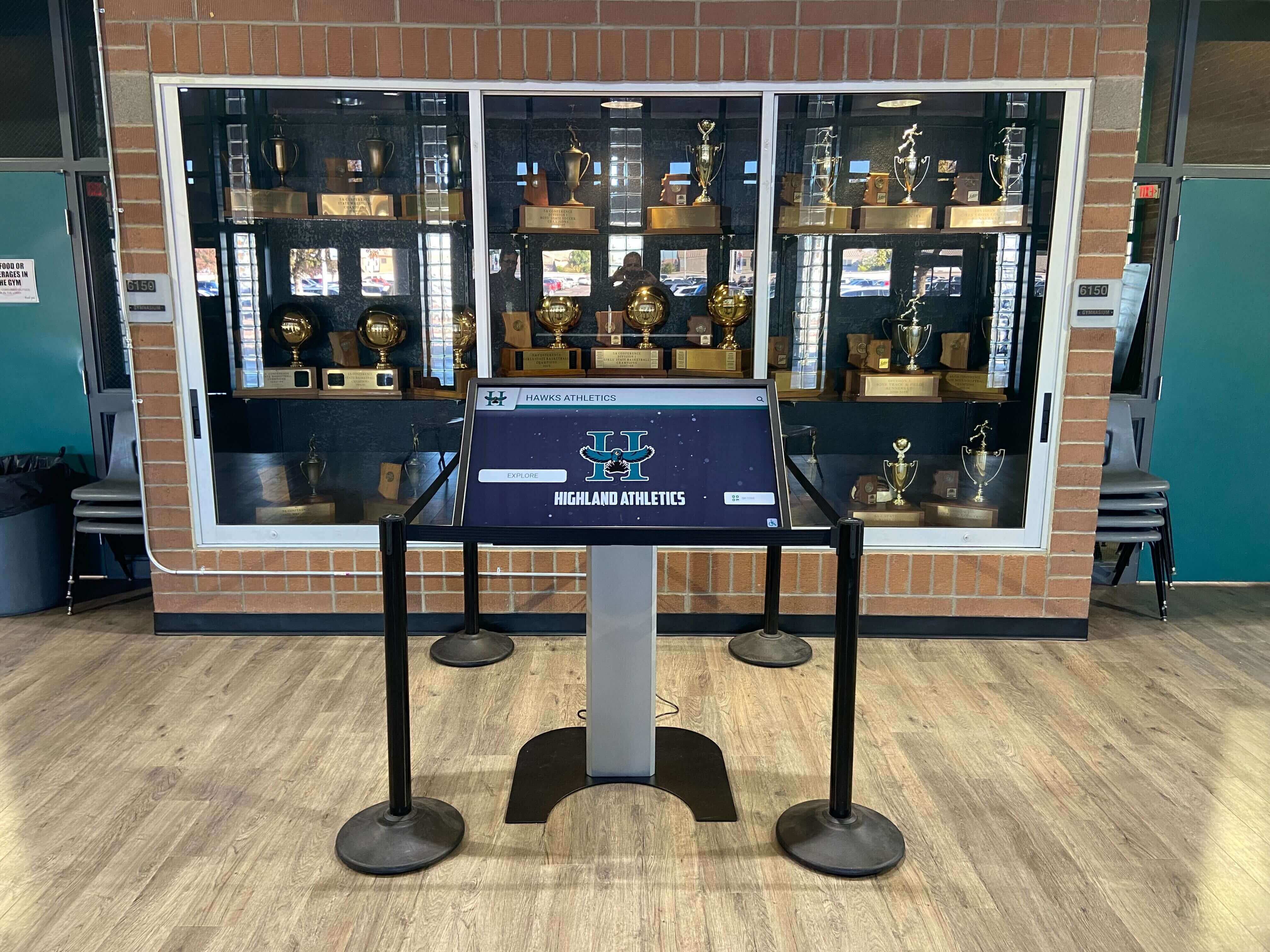
Commercial-grade displays designed for continuous operation in public settings provide substantially longer reliable service than consumer televisions adapted for digital signage purposes. Essential hardware specifications include commercial panels rated for 16-24 hour daily operation, protective enclosures preventing screen damage from impacts, reliable network connectivity supporting content updates, responsive touchscreen interfaces supporting intuitive interaction, and accessible mounting enabling maintenance when issues inevitably occur.
Hardware reliability directly affects staff adoption and sustained program success. Systems requiring frequent service calls, experiencing regular connectivity issues, or displaying blank screens due to technical problems undermine institutional investment as staff and communities lose confidence in platform reliability. The modest additional investment in commercial-grade hardware proves worthwhile through dramatically reduced maintenance burden and substantially extended operational lifespan compared to consumer-grade alternatives that initially appear cost-effective but require frequent replacement.
Analytics Demonstrating Engagement & Value
Schools implementing digital storytelling displays should establish measurement systems demonstrating engagement, usage patterns, and value created through these institutional investments. Purpose-built recognition platforms provide analytics revealing how communities actually interact with displays, which content generates greatest interest, and what engagement patterns suggest about program effectiveness.
Useful analytics include total unique users interacting with displays, session duration indicating depth of exploration, most-viewed content categories revealing stakeholder interests, search terms showing what information communities seek, and time-based usage patterns identifying peak engagement periods. This data informs continuous improvement including which event types deserve expanded coverage, what historical content generates strongest interest, which profile categories resonate most with audiences, and where additional display locations might maximize engagement.
Analytics also provide objective evidence justifying continued investment when leadership evaluates competing budget priorities. Demonstrating that main lobby displays generated 3,000+ interactions during past month with average session durations of 4 minutes provides concrete usage evidence abstract assumptions about display value cannot match.
Maximizing Impact: Strategic Display Placement
Display location significantly affects community engagement, stakeholder reach, and institutional value created through digital storytelling investments. Strategic placement ensures maximum visibility to priority audiences including prospective students and families, current students building school pride, alumni maintaining institutional connections, and community members attending events.
Main Entrance Lobbies: Creating First Impressions
School entrance lobbies represent the single most strategic location for digital storytelling displays because every campus visitor necessarily passes through these spaces. Prospective families touring campuses form lasting first impressions within seconds of entering buildings. Prominent displays showcasing vibrant photo galleries, distinguished accomplishments, and comprehensive historical timelines immediately communicate institutional character more effectively than empty lobbies or static bulletin boards with outdated paper flyers.
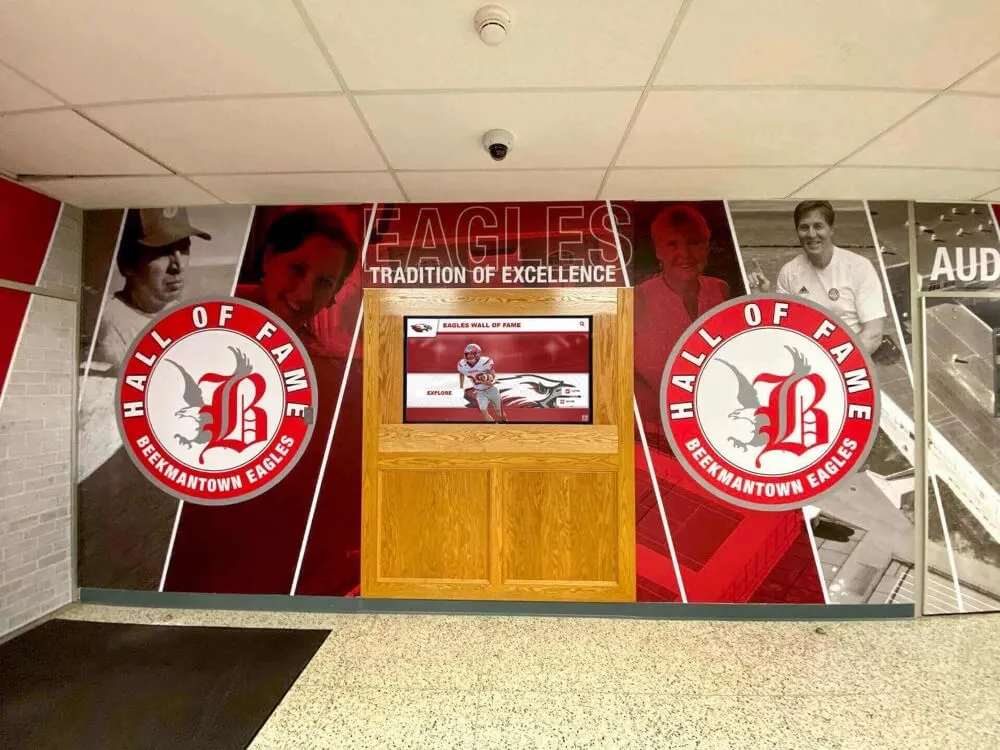
Effective lobby displays should feature rotating content ensuring regular visitors encounter fresh material, diverse achievement categories representing athletics, academics, arts, service, and leadership, prominent historical timeline access showcasing institutional legacy, faculty and staff profiles revealing behind-the-scenes contributors, and intuitive navigation enabling self-directed exploration during brief visit windows.
According to admissions research from the National Association for College Admission Counseling, prospective students form enrollment opinions based significantly on campus visit experiences and observable community culture. Entrance lobby displays showcasing authentic daily life, accomplished community members, and comprehensive history create these observable culture demonstrations systematically rather than hoping prospective visitors happen to attend events or encounter distinguished community members during brief tours.
Athletic Facilities: Engaging Athletes & Families
Athletic facilities attract substantial foot traffic from athletes, families, coaches, and fans throughout competitive seasons and beyond. Digital displays positioned in facility lobbies, locker room areas, weight rooms, or gymnasiums engage these highly motivated audiences while building program pride and tradition.
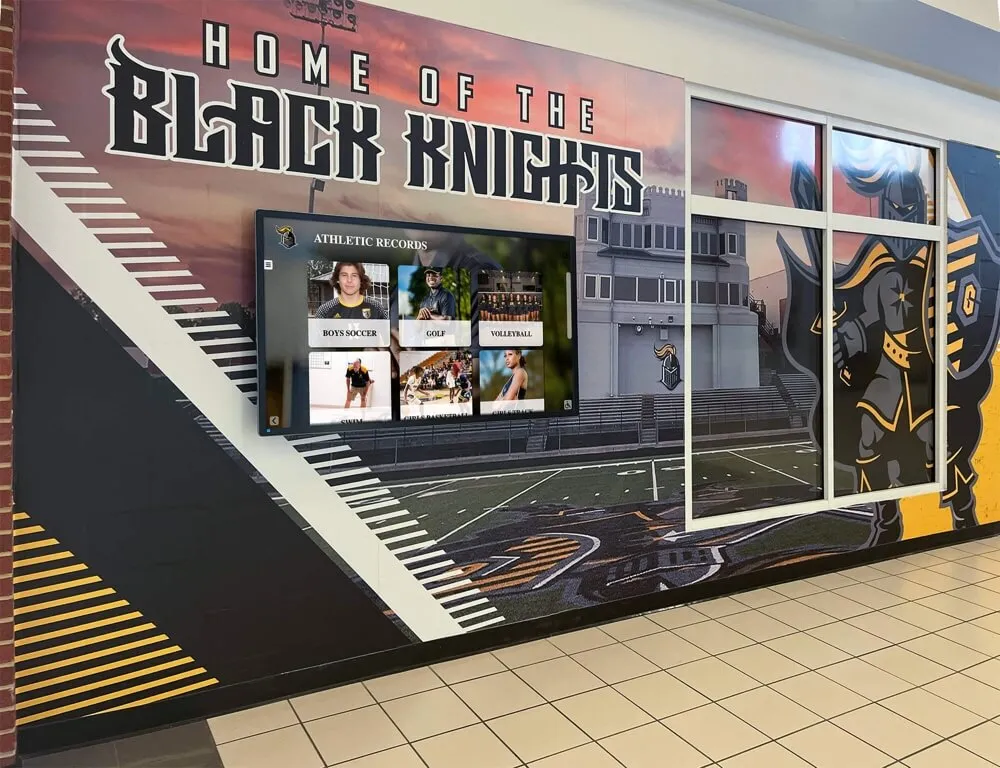
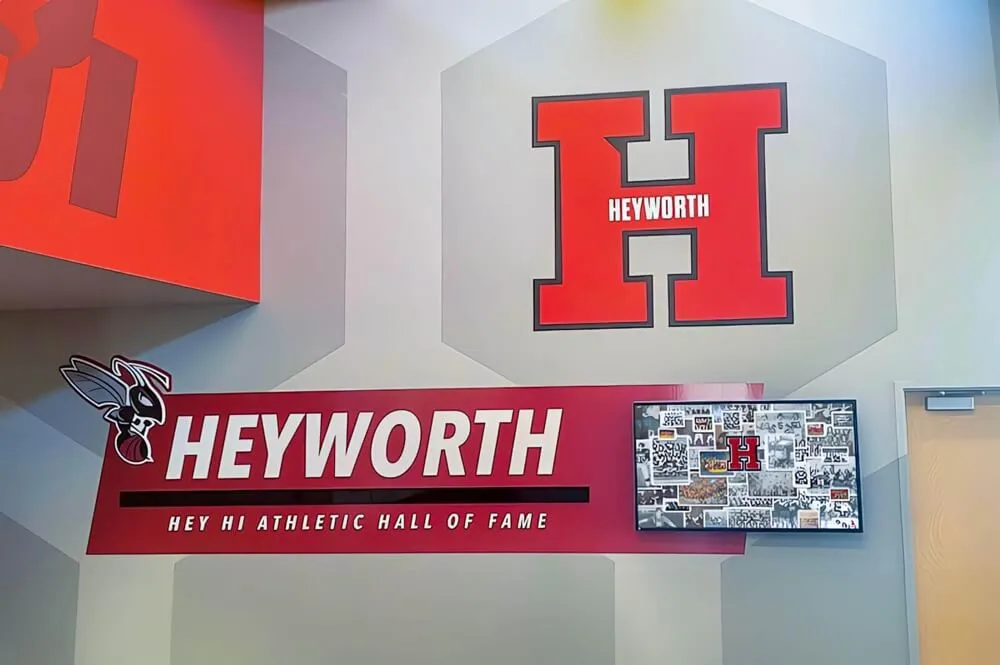
Athletic facility displays should showcase comprehensive sport-specific record boards with unlimited historical tracking, seasonal team galleries documenting competitions throughout years, individual athlete profile spotlights celebrating excellence, championship celebration photographs, and distinguished athlete alumni success stories demonstrating program quality and athlete development.
Interactive displays enable athlete engagement beyond passive viewing including searchable record databases allowing athletes to discover personal rankings, historical comparison features showing performance against predecessors, alumni career information revealing post-graduation athletic opportunities, and team culture documentation strengthening program identity and tradition.
Strategic athletic facility placement particularly benefits recruitment of prospective athletes who comprise significant percentages of enrollments at many schools. When prospective athletes visit campuses and explore interactive displays revealing comprehensive athletic history, detailed athlete profiles, and distinguished alumni successes, this documentation demonstrates program quality and athlete development commitment more credibly than coach promises or generic marketing materials.
Resources on creating digital athletic record boards provide frameworks for comprehensive athletic recognition systems showcasing achievements across unlimited time periods and sport categories without physical space limitations forcing selective visibility that traditional vinyl boards impose.
Admissions Offices: Influencing Enrollment Decisions
Prospective families typically spend 15-30 minutes in admissions office reception areas before tours, interviews, or meetings begin. Digital displays in these spaces transform idle waiting into productive exploration answering questions, addressing concerns, and building enrollment interest.
Admissions area displays should feature intentionally broad content accessible to diverse audiences including prospective students at different search stages, academic achievement documentation providing quality evidence, athletic program excellence showcasing competitive opportunities, performing arts and extracurricular accomplishments demonstrating comprehensive development, alumni success stories proving educational value through graduate outcomes, and historical timeline access demonstrating institutional stability and tradition.
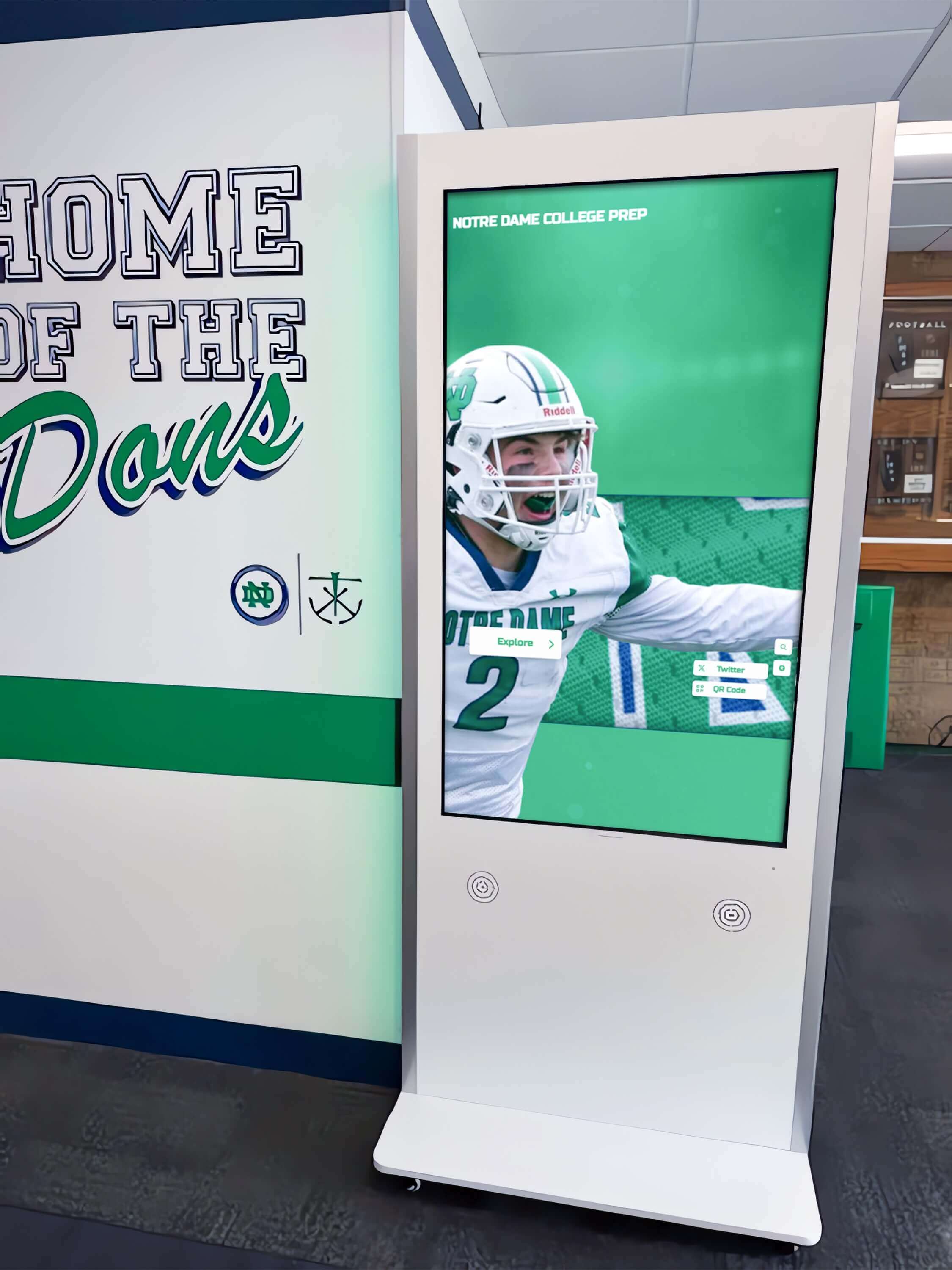
Interactive displays enable prospective families to explore interests matching their specific priorities rather than forcing everyone through identical information. Families valuing academics can explore scholar recognition and academic achievement galleries. Those prioritizing athletics can discover sport-specific records and athlete profiles. Parents concerned about college preparation can examine alumni graduate school attendance and career outcomes. This self-directed exploration addresses individual priorities more effectively than generic tour scripts providing identical information regardless of audience interests.
When prospective families depart admissions offices having spent 20 minutes actively exploring authentic achievement galleries, detailed community profiles, and comprehensive institutional history rather than passively waiting, they leave with substantially deeper understanding of institutional character. This understanding directly influences enrollment decisions worth tens of thousands of dollars in tuition revenue, making admissions area displays among the highest-value strategic placements schools can implement.
Alumni Engagement: Connecting Graduates with Institutional Legacy
Digital storytelling displays serve current community members but create particular value for alumni engagement—connecting graduates with institutions they attended years or decades earlier. Alumni experiencing prominent recognition of their own achievements, discovering former classmates’ accomplishments, and exploring how institutions evolved since graduation maintain stronger connections translating to tangible support through volunteering, mentoring, event attendance, and philanthropic giving.
Alumni Recognition Maintaining Lifelong Connections
Graduated alumni maintain emotional connections to schools when institutions demonstrate their contributions remain valued and remembered. Digital displays prominently showcasing alumni achievements across athletics, academics, arts, and service communicate this ongoing appreciation more effectively than storage boxes holding forgotten trophies and archived yearbooks nobody accesses.
Comprehensive alumni recognition should feature searchable databases enabling alumni to discover their own profiles, team rosters and group photographs from their attendance years, achievement timelines showing their accomplishments within broader institutional context, “where are they now” updates connecting school experience with post-graduation success, and multi-generational family attendance recognition celebrating legacy connections.
Interactive displays positioned in alumni centers, reunion gathering spaces, or high-traffic areas where alumni naturally visit enable discovery of personal memories alongside broader institutional evolution. Alumni returning for events can spend extended time exploring how campus changed since graduation, discovering which teammates or classmates achieved notable success, and contextualizing their own experiences within comprehensive institutional history spanning generations.
According to research from nonprofit engagement specialists, alumni who maintain regular institution contact through events, communications, or personal visits give at rates 4-5 times higher than alumni lacking ongoing connections. Digital recognition displays accessible during campus visits provide compelling reasons for alumni to return physically while ensuring those visits create positive nostalgic experiences strengthening institutional affinity rather than disappointing returns to unrecognizable changed campuses displaying no evidence of graduated contributors.
Resources on building alumni engagement through digital recognition demonstrate how comprehensive profile and achievement systems simultaneously celebrate graduated accomplishments, inspire current students through accessible role models, and maintain alumni connections generating measurable support across volunteering, mentoring, and philanthropic dimensions.
Historical Timeline Engagement for Reunion Groups
Class reunion events attract alumni returning to campuses after decades away from institutions they remember as students. Interactive historical timelines create particularly engaging reunion experiences by enabling groups to collectively explore their specific attendance years, compare campus then versus now, and rediscover shared memories from their student experiences.
Reunion-focused timeline features should enable decade-specific exploration isolating relevant timeframes, side-by-side facility comparison showing campus evolution, team and organization rosters from specific years, event documentation from major institutional moments, and distinguished classmate recognition celebrating notable graduates from reunion classes.
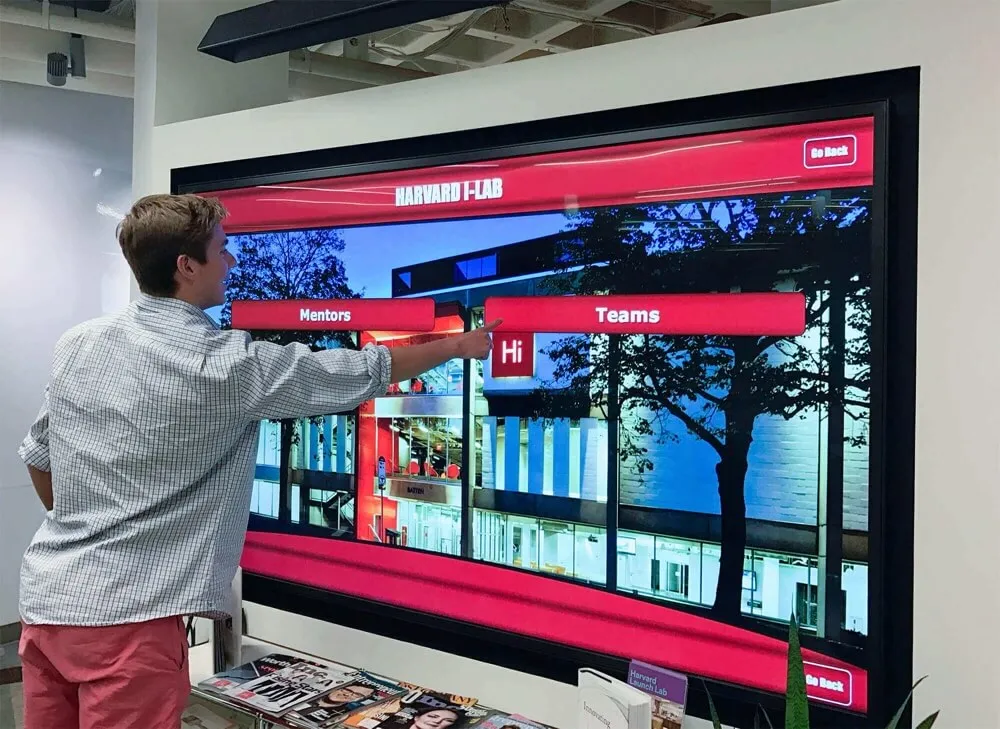
Schools hosting reunion events can leverage timeline displays as structured activities bringing groups together through shared exploration and memory sharing. Reunion committees might organize scavenger hunts challenging attendees to find specific historical facts, create comparison contests identifying campus change examples, or structure group discussions around historical evolution revealed through timeline exploration. These structured activities transform displays from passive viewing into active engagement strengthening reunion experiences and institutional reconnection.
Prospective Student Recruitment: The Admissions Marketing Advantage
Schools competing for students in crowded markets need every possible recruitment advantage. Digital storytelling displays showcasing authentic daily life, comprehensive historical legacy, and accomplished community members create concrete competitive differentiation prospective families can observe and evaluate during critical campus visit touchpoints.
Authentic Evidence Versus Marketing Claims
Prospective families evaluating multiple schools hear virtually identical marketing claims from every institution: excellent teachers, rigorous academics, strong athletics, vibrant community, college preparation focus. These generic claims provide zero meaningful differentiation because competitors make identical statements creating decision paralysis where families cannot distinguish substantive quality differences.
Digital displays break through marketing noise by providing concrete visual evidence supporting institutional claims. Rather than asserting “excellent teachers,” schools can showcase detailed faculty profiles revealing advanced degrees, professional accomplishments, teaching awards, and student impact testimonials. Instead of claiming “strong athletics,” displays present comprehensive record boards, championship documentation, and distinguished athlete profiles. Generic “college preparation” statements gain credibility through displayed alumni acceptance patterns, graduate school attendance rates, and career outcome documentation.
This authentic evidence creates dramatically stronger persuasive impact than abstract marketing language. Prospective families naturally trust observable evidence over promotional claims. When campus visits reveal lobby displays prominently featuring authentic achievement galleries, detailed community profiles, and comprehensive historical timelines, families develop confidence in institutional quality through direct observation rather than requiring faith in marketing promises competitors also make.
Strategic schools integrate digital displays explicitly into admissions tour protocols, training tour guides to pause at displays enabling prospective families to explore relevant content matching their interests. Rather than viewing displays as distractions from guided tours, effective admissions teams recognize interactive exploration creates personalized experiences addressing individual family priorities that generic scripted tours cannot match.
Differentiation Through Visible School Culture
Prospective students visiting multiple similar schools often struggle distinguishing institutions weeks later when making final enrollment decisions. Campus facilities look alike. Academic programs sound similar. Generic tour experiences blur together into undifferentiated sequence of building walks and cafeteria visits. Schools need memorable differentiation elements prospective students recall distinctly when comparing options.
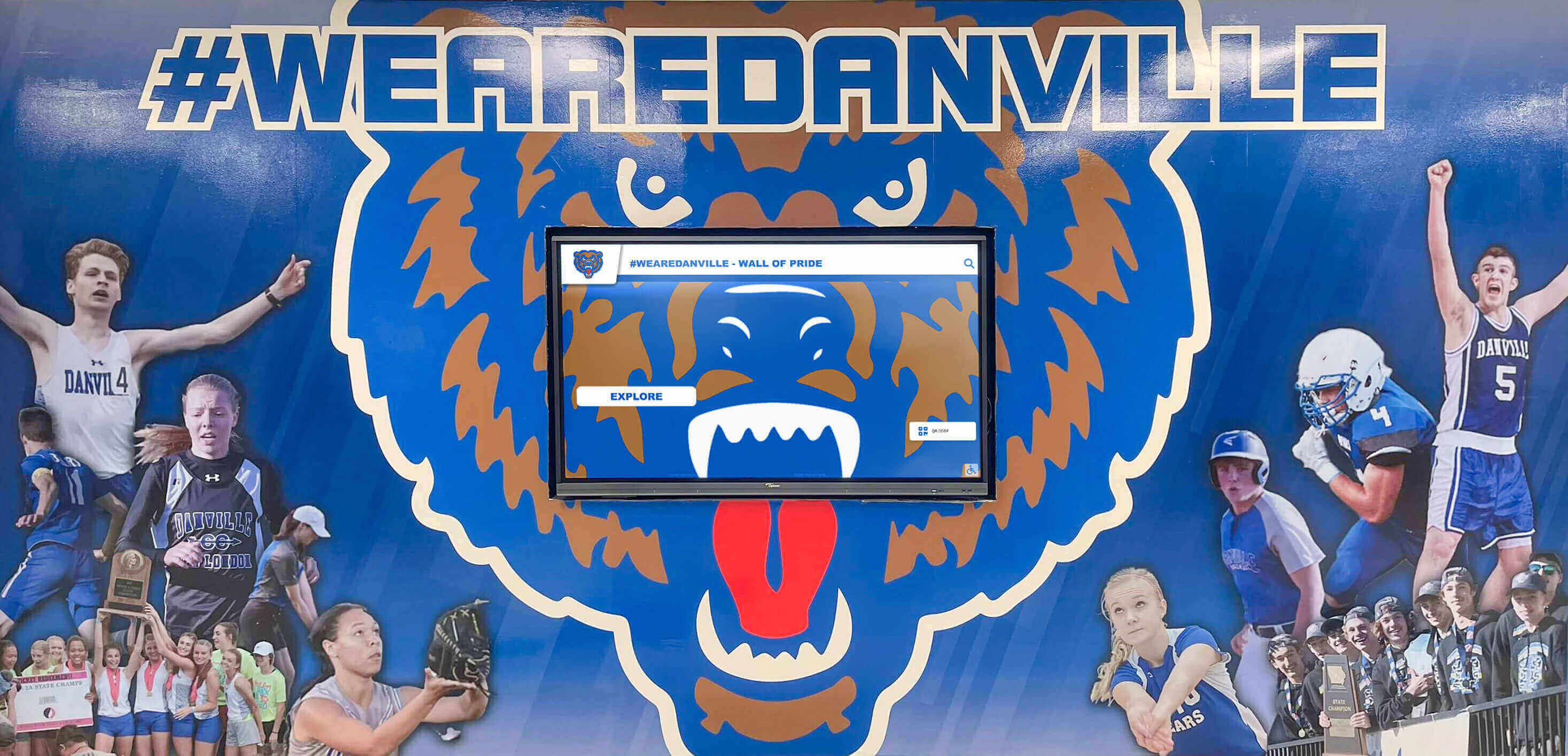
Digital storytelling displays create this memorable differentiation by showcasing distinctive institutional character, traditions, and community members that make each school genuinely unique. Prospective students remember specific athlete profiles they discovered, alumni success stories they explored, historical traditions they learned about through timeline investigation, and faculty accomplishments they encountered through profile browsing. These specific memories create emotional connections influencing enrollment decisions that generic facility tours rarely generate.
Schools should intentionally design displays highlighting their unique strengths and distinctive characteristics rather than showcasing generic content any institution could feature. Small schools might emphasize multi-generational family attendance patterns and intimate community connections. Athletic powerhouses showcase championship traditions and distinguished athlete development. Academic specialists highlight scholar achievements and distinguished graduate outcomes. Arts-focused institutions feature comprehensive creative accomplishments and artistic alumni careers.
This strategic differentiation transforms displays from simple achievement lists into purposeful marketing tools communicating authentic institutional identity prospective families cannot discover through website browsing or brochure reading. The stories schools choose to make visible through digital displays reveal institutional values, priorities, and character more credibly than any mission statement or promotional language could communicate.
Insights on boosting admissions through interactive campus storytelling demonstrate how purpose-built recognition displays integrated strategically into campus tour experiences create measurable enrollment advantages through enhanced prospective student engagement, improved campus visit memorability, and stronger emotional connections influencing final enrollment decisions.
Return on Investment: Justifying Digital Storytelling Investment
Implementing comprehensive digital storytelling systems requires financial investment typically ranging $10,000-$30,000 per display location including hardware, software licensing, installation, and content development. School leaders must justify these investments while competing with numerous other institutional priorities all claiming urgency and value.
Enrollment Revenue Impact
The most direct ROI calculation examines enrollment revenue effects. If digital storytelling displays positioned in admissions areas and throughout campuses help convert additional prospective students from tour participants to enrolled students, resulting tuition revenue quickly justifies initial investment.
Consider a school with $15,000 annual tuition. If improved campus storytelling through digital displays contributes to enrolling just two additional students annually—an extremely conservative estimate given typical tour volumes of hundreds of prospective families—the resulting tuition revenue exceeds system investment costs within single years while generating continued returns throughout student enrollment periods.
More realistic scenarios where enhanced campus experiences through digital storytelling influence 3-5% yield improvements among students who visit campus would generate five-figure or six-figure annual revenue impacts from relatively modest technology investments. Even partial attribution of enrollment improvements to enhanced campus experiences creates compelling returns justifying investment decisions.
Operational Efficiency and Staff Time Savings
Beyond enrollment impacts, digital storytelling creates operational efficiencies reducing staff time requirements. Automated display systems eliminate manual bulletin board updates requiring staff time. Self-serve interactive exploration reduces admissions staff repetition answering identical questions every campus visitor asks. Comprehensive online-accessible displays reduce communication volume as community members discover information independently rather than calling or emailing staff with basic questions.

Athletic department benefits prove particularly substantial through automated digital record boards eliminating hours of manual vinyl board updates required throughout competitive seasons. According to athletic directors who implemented digital systems, record maintenance time decreased from 30-40 hours annually to under 5 hours—efficiency gains freeing staff for higher-value coaching and athlete development activities rather than administrative maintenance tasks.
When calculating comprehensive ROI, these efficiency gains measured in staff hours saved contribute additional value beyond direct enrollment revenue considerations while improving staff satisfaction by eliminating frustrating manual maintenance burdens.
Alumni Engagement and Advancement Support
Digital recognition displays strengthen alumni engagement generating measurable results in event attendance, volunteer participation, and philanthropic giving. Alumni experiencing prominent recognition of their achievements, discovering former classmates, and exploring institutional evolution maintain stronger connections translating to tangible institutional support.
According to nonprofit engagement research, donors with recent positive institutional experiences give at substantially higher rates than those lacking recent meaningful contact. Campus visits where alumni discover comprehensive recognition of their contributions and achievements create these positive experiences systematically.
Strategic advancement offices leverage digital displays by featuring distinguished alumni profiles in campaigns, demonstrating institutional commitment to legacy preservation deserving support, creating targeted giving opportunities funding recognition expansion, and building emotional connections through nostalgic content making solicitations more effective.
While establishing precise causal links between recognition displays and specific donation decisions proves challenging given multiple influencing factors, advancement professionals consistently report that comprehensive visible recognition strengthens overall engagement metrics correlating strongly with philanthropic support patterns.
Getting Started: Implementation Roadmap
Schools ready to implement digital day-in-the-life storytelling should follow systematic approaches ensuring successful deployment and sustained value creation rather than treating displays as simple technology purchases requiring minimal planning.
Assessment and Planning Phase
Begin with comprehensive needs assessment examining current storytelling methods and visibility gaps, prospective family feedback about campus visit experiences, stakeholder input from coaches, teachers, admissions staff, and alumni representatives, competitive analysis of other institutions’ recognition approaches, content inventory of available photographs, historical materials, and achievement data, and realistic budget establishment for initial investment and ongoing maintenance.
This assessment informs strategic planning including specific objectives displays should achieve, optimal display locations for maximum impact, content priorities and development timelines, staff responsibility assignments for maintenance, and success metrics demonstrating value and guiding continuous improvement.
Technology Selection and Vendor Evaluation
Schools exploring digital storytelling platforms should evaluate options comparing purpose-built educational recognition systems versus generic digital signage solutions, content management ease for non-technical staff, unlimited versus restricted content capacity, touchscreen interactivity versus passive display, multimedia capabilities beyond simple images, analytics demonstrating engagement patterns, and vendor reputation including references from similar institutions.
Request hands-on demonstrations enabling direct experience before committing significant resources. Test content management interfaces from staff perspective evaluating realistic usability. Examine actual deployed installations at reference schools rather than relying solely on vendor marketing materials potentially misrepresenting actual capabilities.
Purpose-built solutions like Rocket Alumni Solutions specialize exclusively in educational recognition providing intuitive interfaces designed for coaches and administrators, unlimited content capacity without hidden per-profile charges, comprehensive multimedia support for photo galleries and video, proven auto-updating record boards, and established track records across educational institutions nationwide. Schedule demonstrations to experience platforms firsthand understanding how digital storytelling creates measurable value while solving persistent visibility and recognition challenges.
Content Development and Launch Strategy
Content development represents the most labor-intensive implementation phase requiring systematic approaches including comprehensive photography from recent events providing immediate gallery content, historical material digitization from yearbooks and archives, faculty and staff profile development revealing behind-the-scenes stories, alumni outreach gathering current information and photographs, timeline creation organizing institutional history chronologically, and quality review ensuring accuracy before public launch.
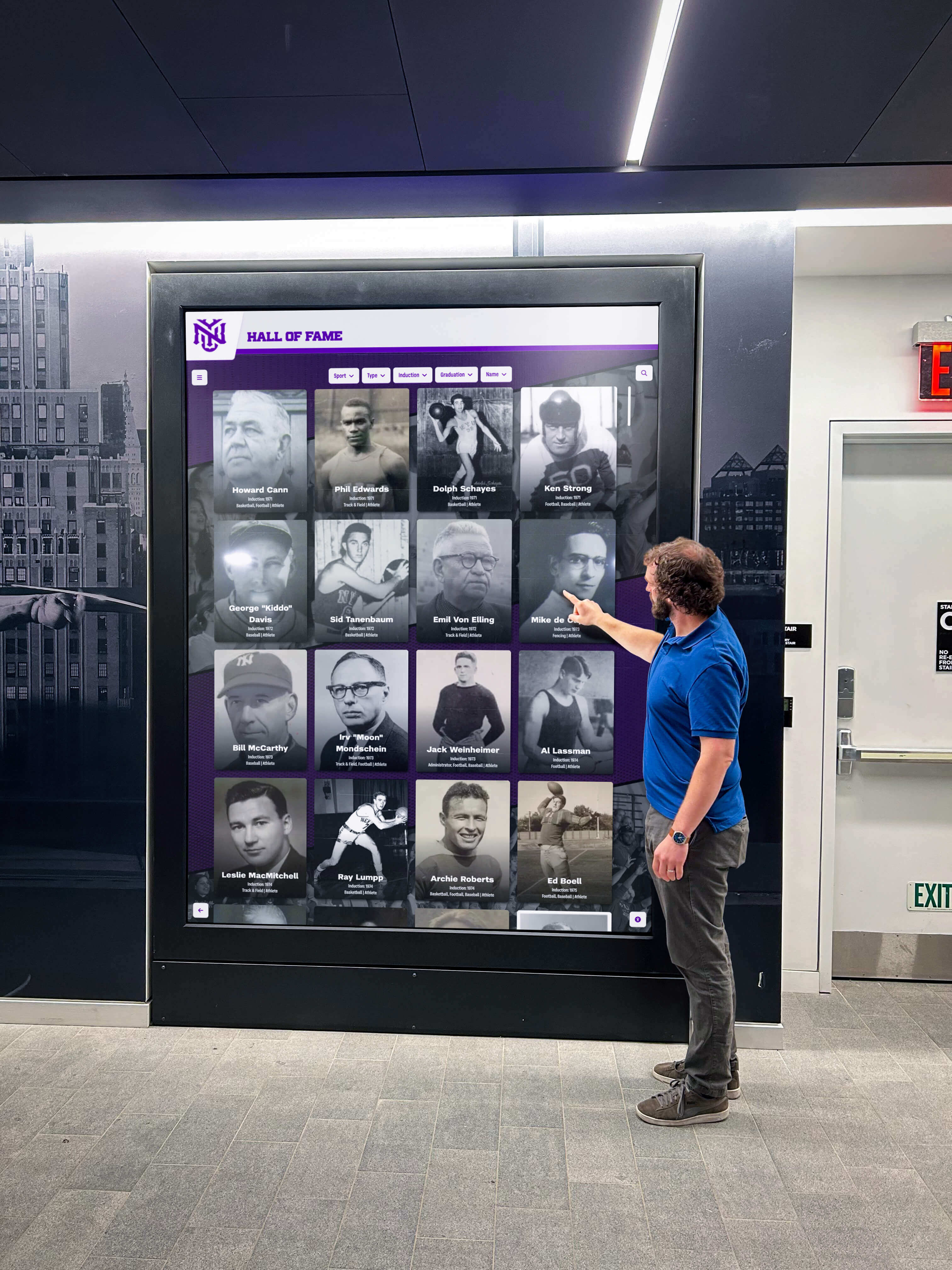
Phased approaches enable launching with priority content delivering immediate value while systematically expanding galleries over time. Begin with recent content where community interest runs highest and materials exist readily available, then progressively add historical depth requiring greater research and digitization effort.
Effective launch strategies include official announcement events generating awareness, social media campaigns showcasing display capabilities, direct admissions integration into campus tour protocols, alumni communications promoting recognition accessibility, and printed materials with QR codes enabling online gallery access from mobile devices extending reach beyond physical display locations.
Ongoing Maintenance and Continuous Improvement
Digital storytelling creates lasting value only through sustained maintenance keeping content current, accurate, and growing as new school history unfolds daily. Establish systematic processes for adding new event galleries immediately after activities conclude, updating achievement recognition as accomplishments occur, enhancing historical content as materials become available, correcting discovered errors promptly, and regularly assessing engagement analytics identifying popular content deserving expansion.
Assign explicit maintenance responsibility whether to specific staff positions, rotating committees, or supervised student workers rather than treating updates as additional duties for already overwhelmed educators inevitably leading to neglect as competing priorities consume limited time.
Displays receiving consistent attention remain valuable community resources generating sustained engagement. Those becoming outdated lose credibility as communities discover information gaps undermining confidence in platform accuracy and completeness.
Conclusion: Making School Stories Visible
Every school possesses compelling stories unfolding daily through student achievements, faculty dedication, community traditions, and institutional evolution. Yet most schools struggle making these stories visible to the audiences who would benefit most from discovering them—prospective students evaluating enrollment options, current students building school pride and identity, alumni maintaining institutional connections, and community members supporting educational missions.
Traditional communication methods fail to showcase authentic daily life effectively. Bulletin boards display limited recent content before removal. Website galleries require intentional navigation most visitors never attempt. Social media posts generate brief attention before algorithm burial. Physical yearbooks and trophy cases preserve history but provide minimal accessibility. Behind-the-scenes stories of accomplished faculty, coaches, staff, and alumni rarely surface despite creating genuine competitive advantages schools fail to leverage.
Digital display solutions purpose-built for educational recognition transform hidden stories into continuously visible narratives engaging communities while attracting prospective members. Interactive systems showcasing rotating photo galleries from school year events, timeline layouts documenting institutional history, and detailed profiles revealing accomplishments of community contributors make authentic character observable rather than requiring faith in abstract marketing claims every competitor also makes.
Strategic implementation creates measurable value including enhanced prospective student recruitment through authentic evidence supporting quality claims, strengthened current student pride through visible celebration of diverse achievement forms, improved alumni engagement through prominent recognition maintaining lifelong connections, operational efficiency through automated updates eliminating manual maintenance burdens, and competitive differentiation through memorable campus experiences prospective families recall distinctly when making enrollment decisions worth substantial tuition revenue.
Schools ready to transform how communities experience institutional stories should prioritize purpose-built recognition platforms specifically designed for educational environments rather than adapting generic digital signage lacking features critical for comprehensive storytelling. Solutions like Rocket Alumni Solutions combine intuitive content management enabling non-technical staff to maintain displays independently, unlimited capacity accommodating comprehensive galleries and profiles without artificial restrictions, auto-updating record boards ensuring athletic achievements receive immediate recognition, and proven implementation support ensuring successful long-term outcomes.
The authentic stories unfolding daily in your school deserve visibility matching their significance. Students achieving excellence deserve recognition extending beyond brief assembly mentions. Faculty and staff contributing tirelessly deserve profiles revealing their accomplishments. Alumni succeeding professionally deserve acknowledgment connecting school experience with career outcomes. Institutional history spanning decades deserves preservation and accessibility enabling current communities to understand and appreciate legacy foundations.
Digital storytelling through interactive recognition displays makes these stories visible, accessible, and engaging for everyone who walks through your doors or explores your campus online. This visibility strengthens community, influences enrollment decisions, maintains alumni connections, and ensures decades of achievement and dedication remain celebrated rather than gradually disappearing into forgotten storage.
Ready to showcase your school’s authentic daily life, comprehensive history, and accomplished community members through interactive digital displays? Book a demo to explore how purpose-built recognition platforms create engaging experiences that prospective families remember, current students appreciate, and alumni value—transforming hidden stories into visible narratives that define institutional character and strengthen community bonds.