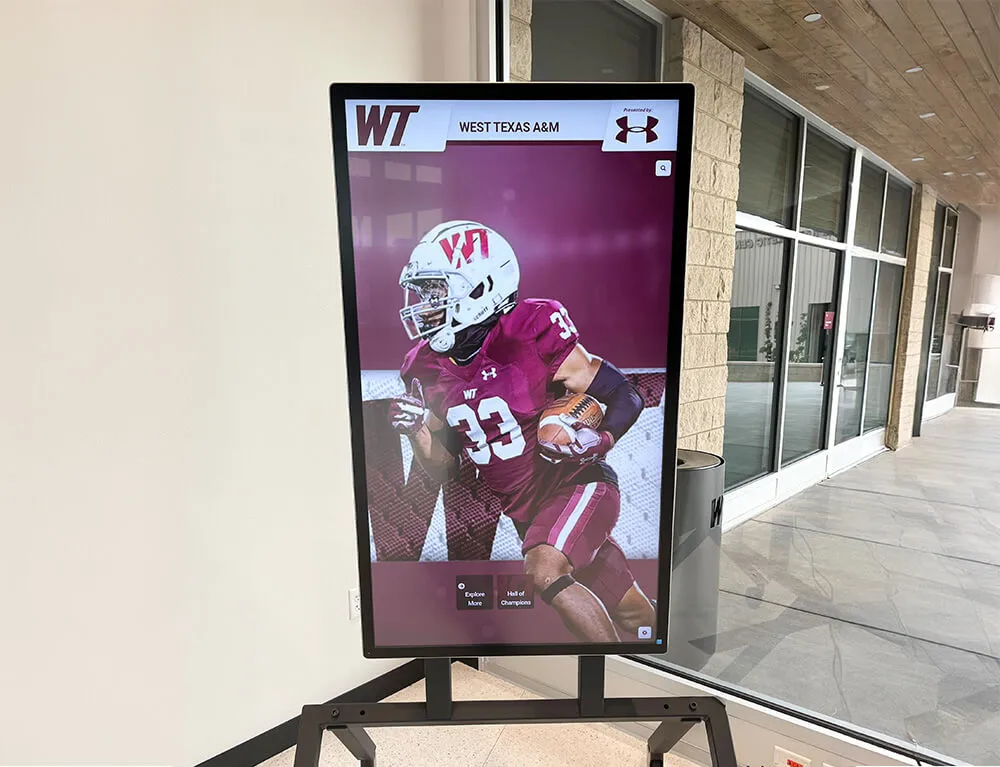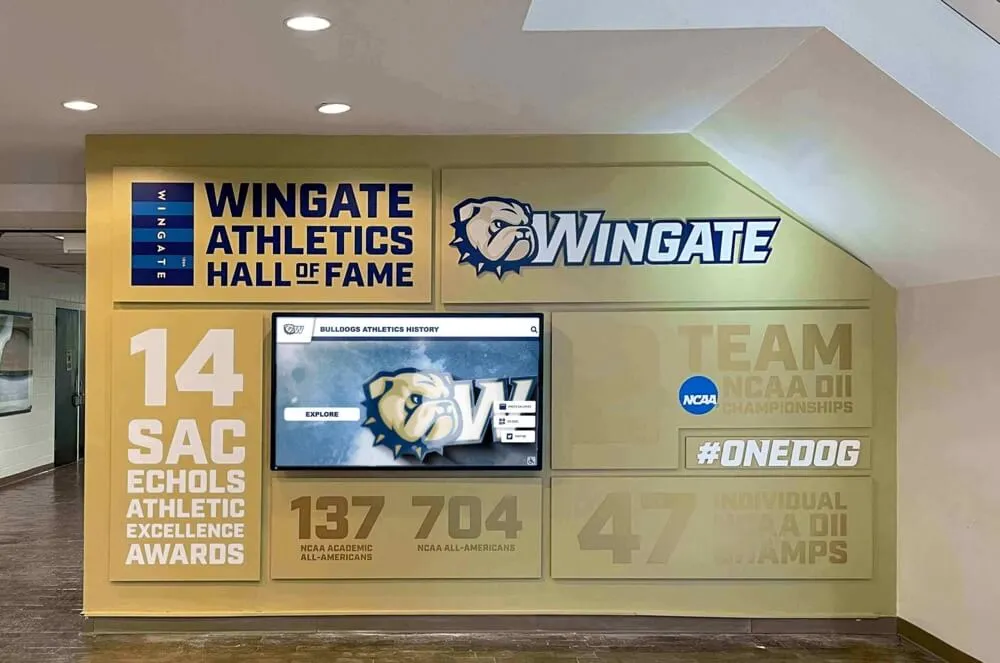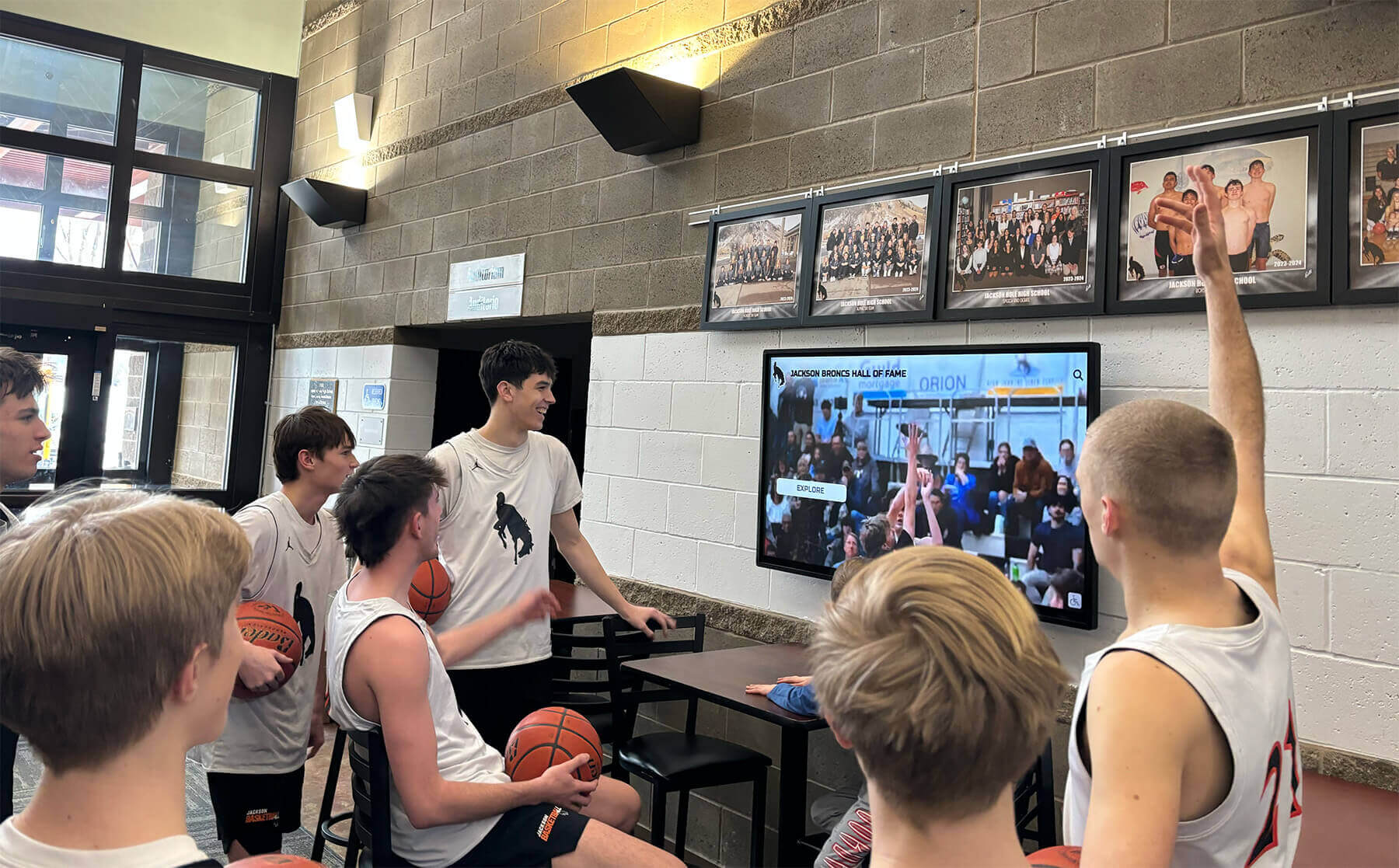




High school represents the pinnacle of competitive athletics for most student-athletes. With fewer than 7% of high school athletes continuing to collegiate competition, these four years often mark both the beginning and conclusion of organized sports participation. This reality makes the high school athletic experience fundamentally important—not just for developing physical skills, but for building character, teaching life lessons, and creating memories that last decades.
Progressive athletic directors and coaches recognize this significance and actively work to improve their programs beyond basic participation. By implementing elements commonly found at the collegiate level—professional recognition systems, consistent branding, improved facilities, and community engagement—high schools can create experiences that honor the dedication student-athletes invest while preparing them for whatever comes next.
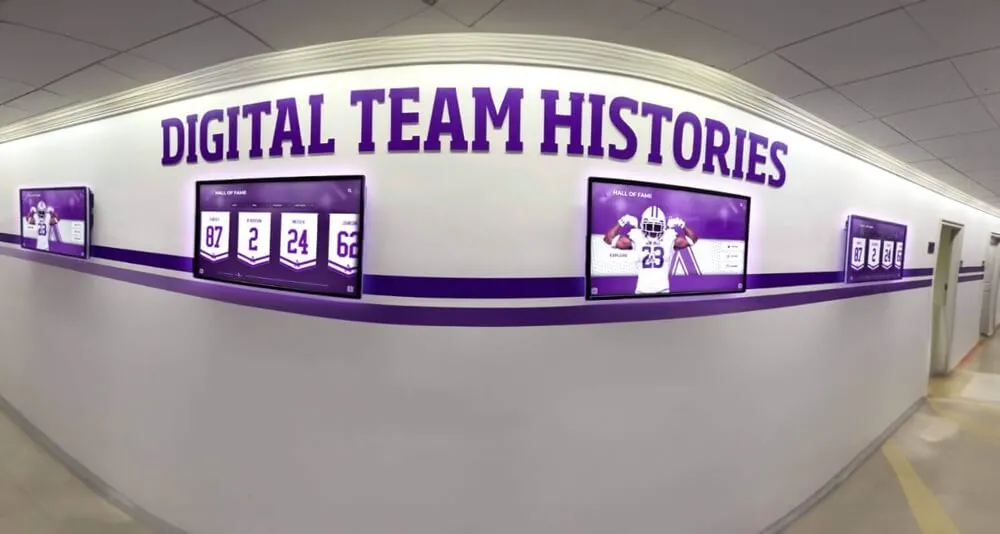
Modern technology has made collegiate-level recognition more accessible than ever before. Digital record boards, interactive displays, and comprehensive achievement tracking systems that once required college-level budgets now fit within high school resources, enabling programs to celebrate every athlete while preserving institutional athletic history permanently.
Why Collegiate-Level Experiences Matter at the High School Level
Most student-athletes will never wear a college uniform or compete beyond high school. Their high school years represent their entire athletic career—making these experiences profoundly significant. Creating a collegiate atmosphere demonstrates institutional commitment to athletics, validates the sacrifices athletes make, strengthens program culture and tradition, improves recruitment and retention, and builds community pride and support. Digital recognition solutions like Rocket Alumni Solutions provide the foundation for this transformation by enabling comprehensive athlete recognition without space limitations, creating the permanent, professional displays that define elite programs.
The Core Elements of a Collegiate Athletic Experience
Collegiate athletics programs share fundamental characteristics that create distinctive experiences for student-athletes. Understanding these elements helps high school programs identify achievable enhancements that deliver meaningful impact without requiring unrealistic resources.
Professional Recognition and Achievement Tracking
Walk into any Division I athletic facility and the first thing visitors notice is comprehensive recognition celebrating program excellence. Championship banners, record boards, All-American displays, and athlete profiles create immediate impressions that communicate program values and tradition.
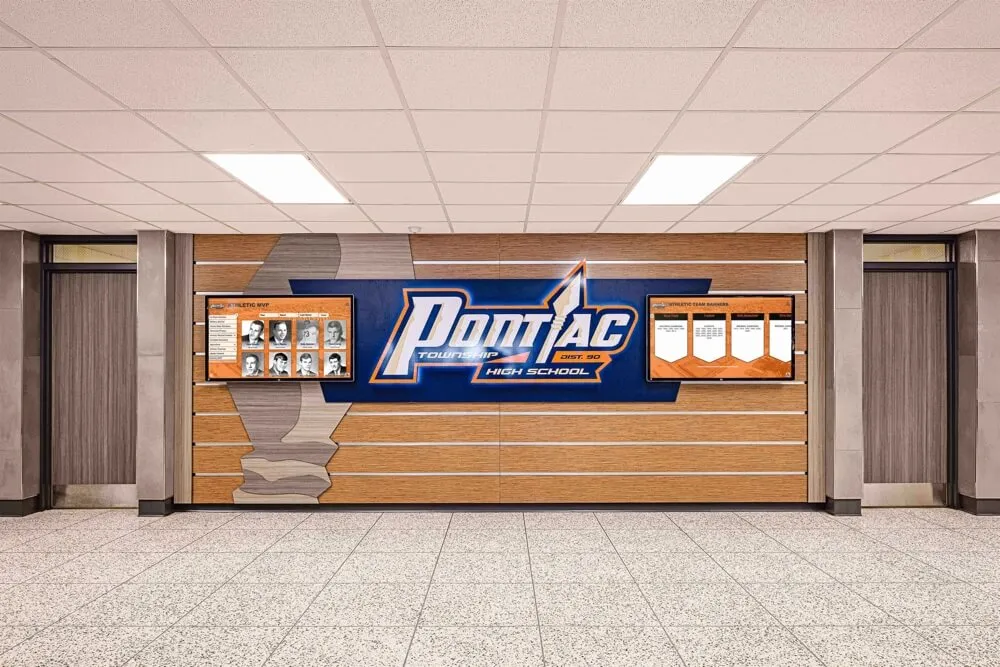
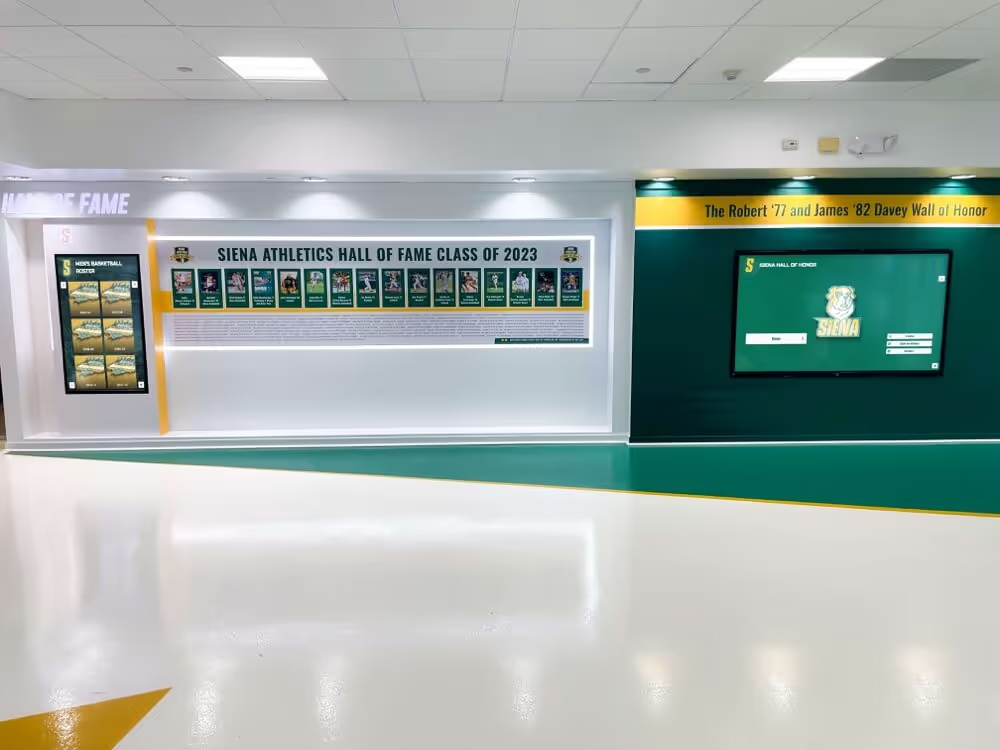
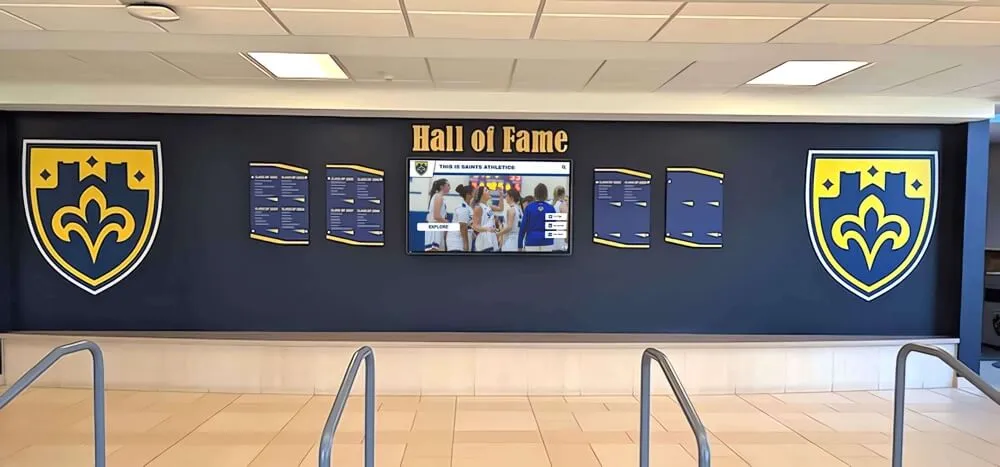
High schools can implement similar recognition through modern digital systems that provide unlimited capacity for honoring athletic achievements. Unlike traditional trophy cases that fill within years or painted record boards that become outdated when records fall, digital recognition displays accommodate every championship team, every record holder, and every significant achievement across all sports and years.
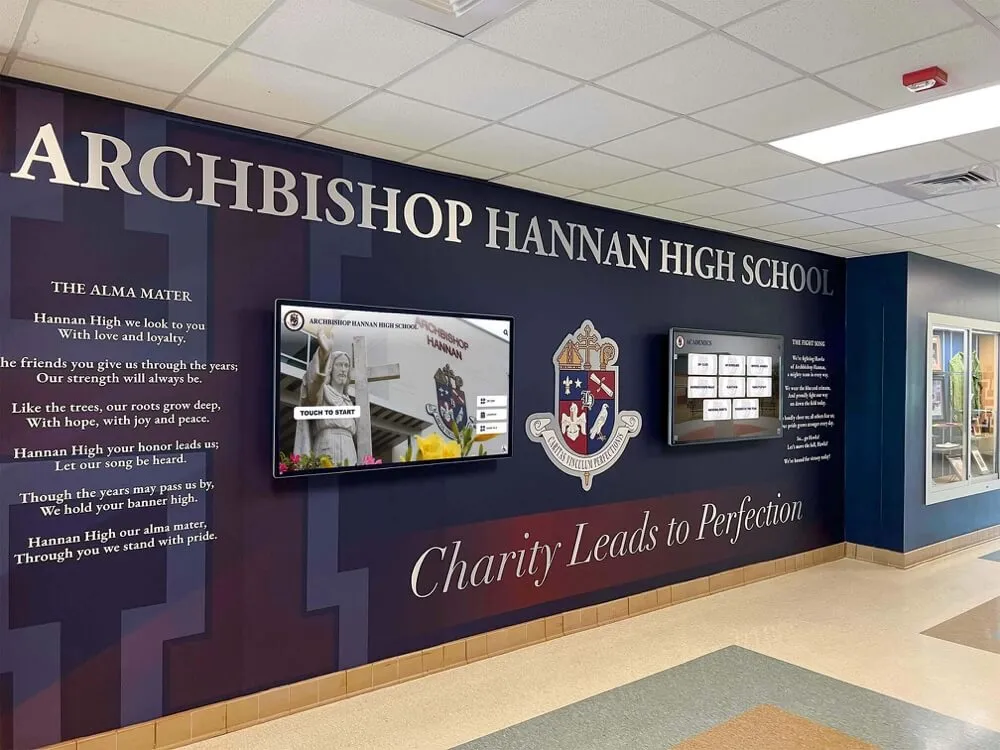
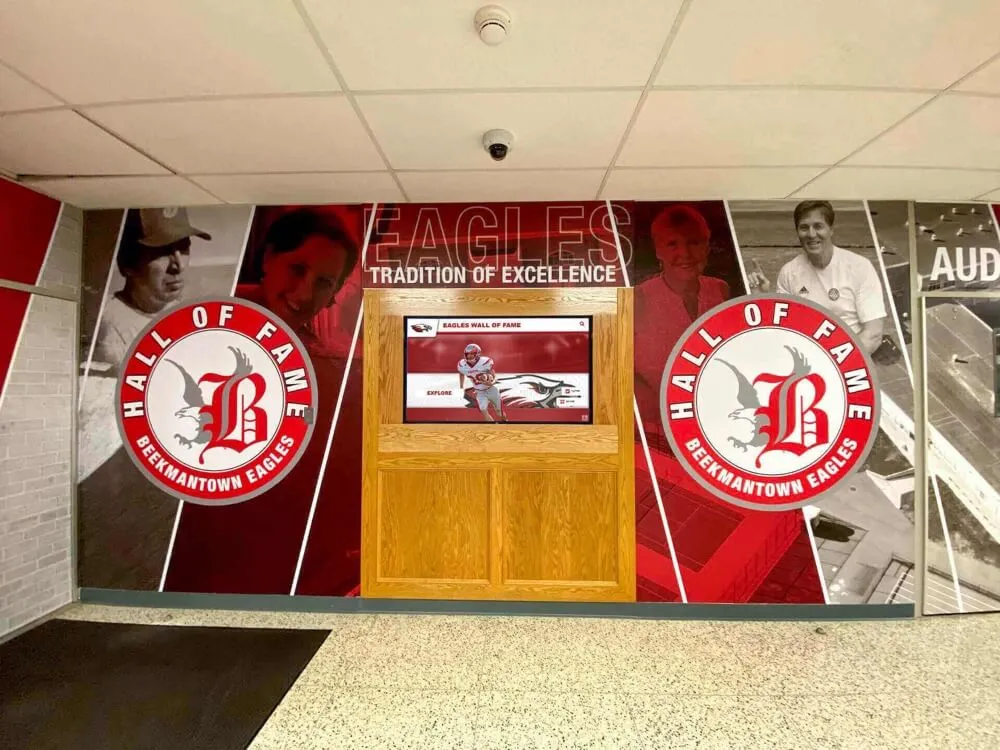
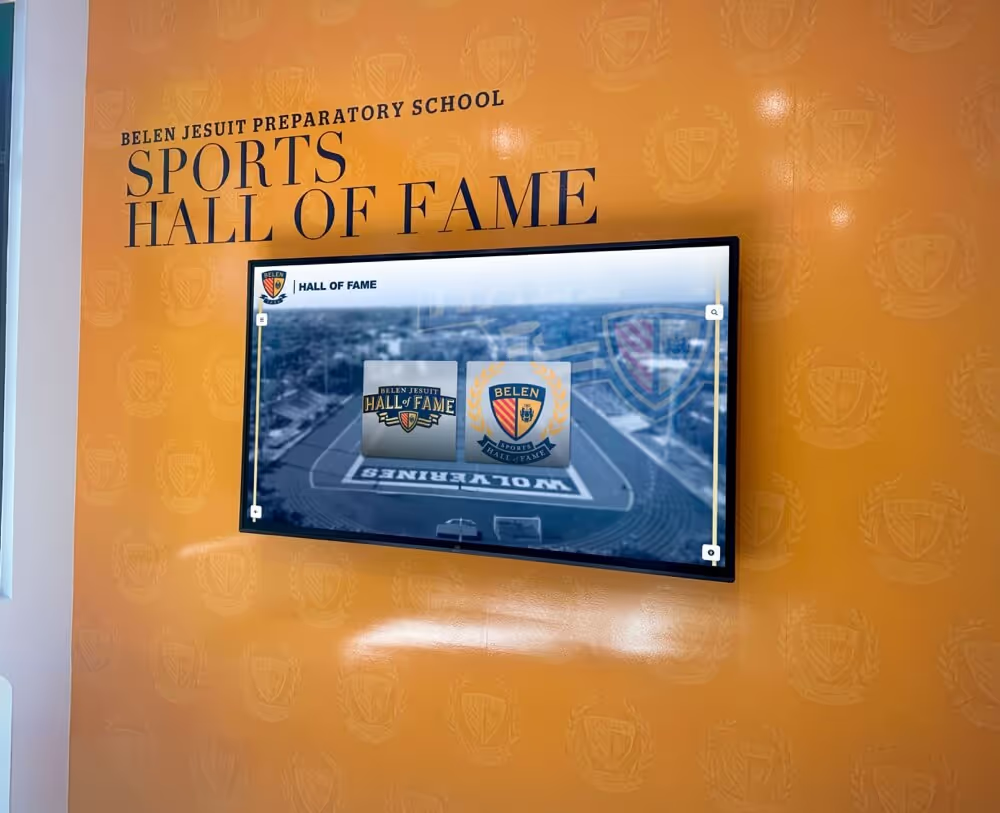
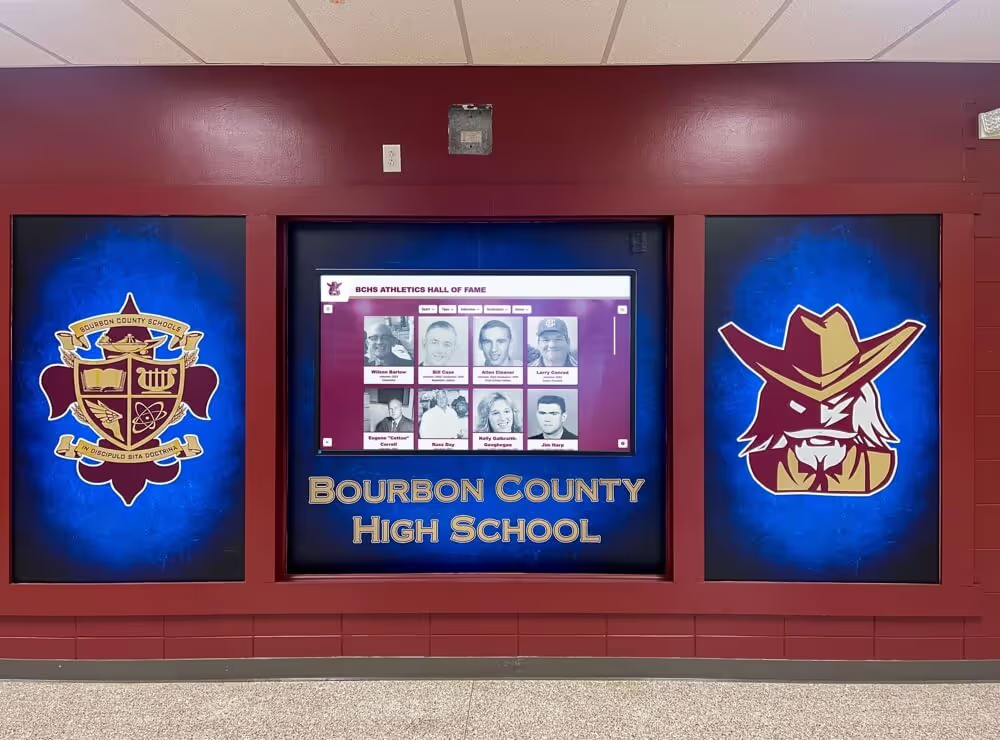
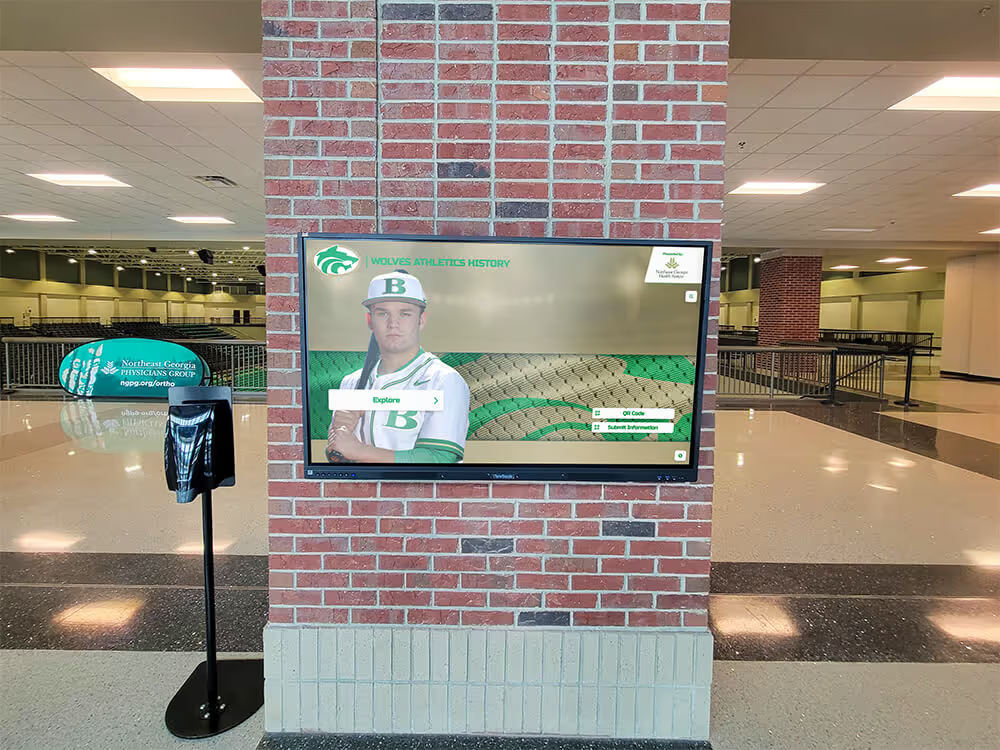
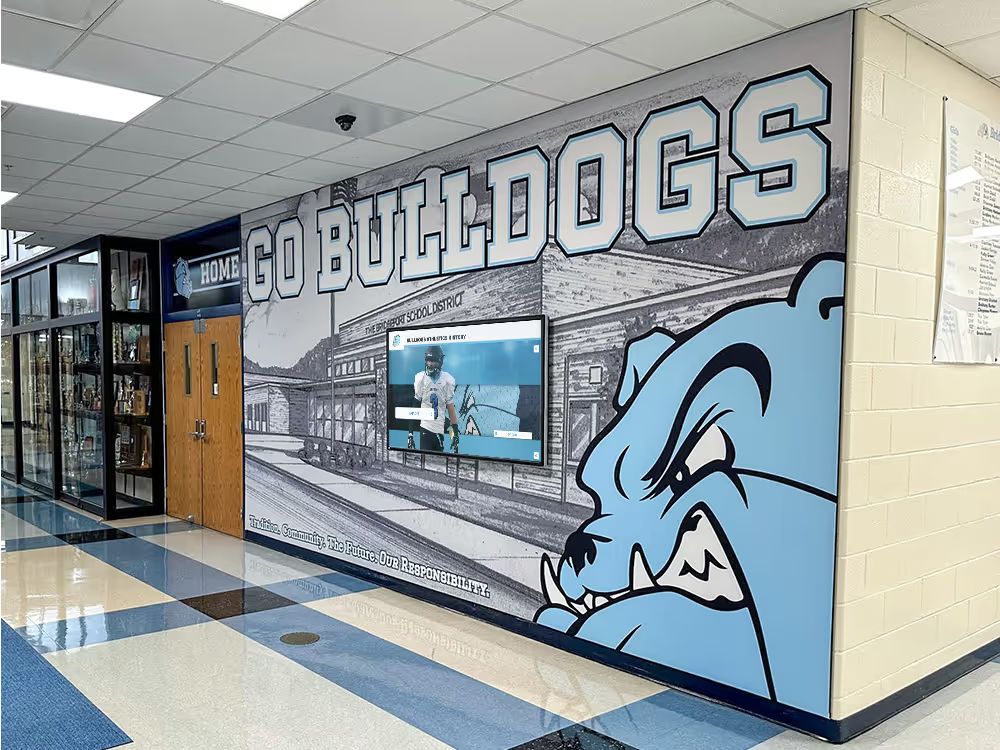
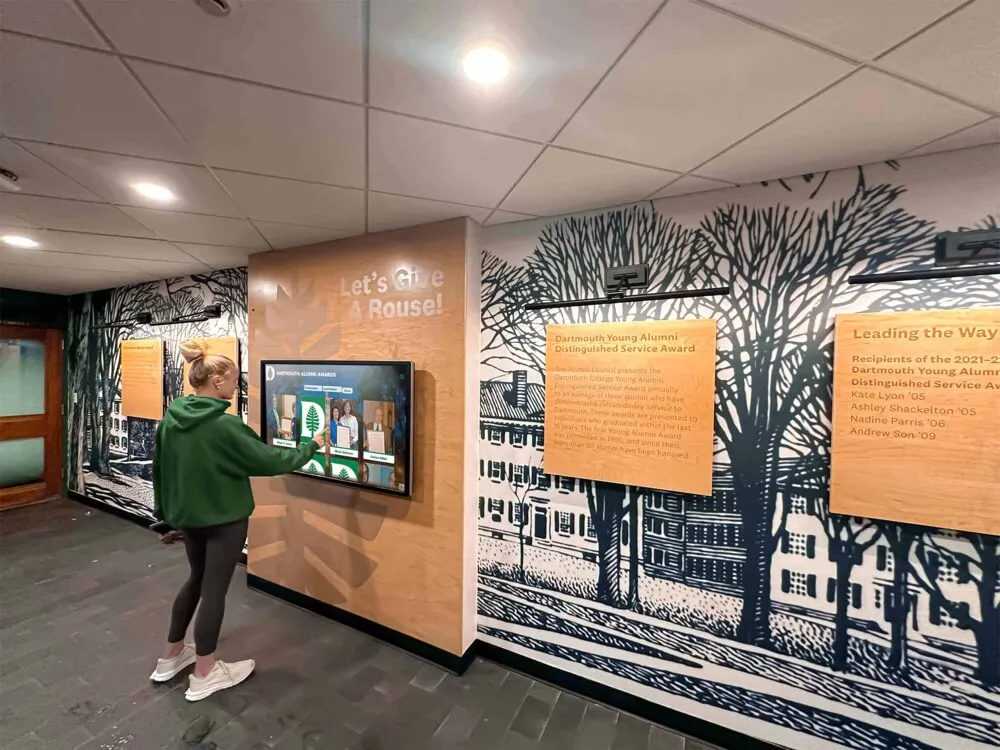
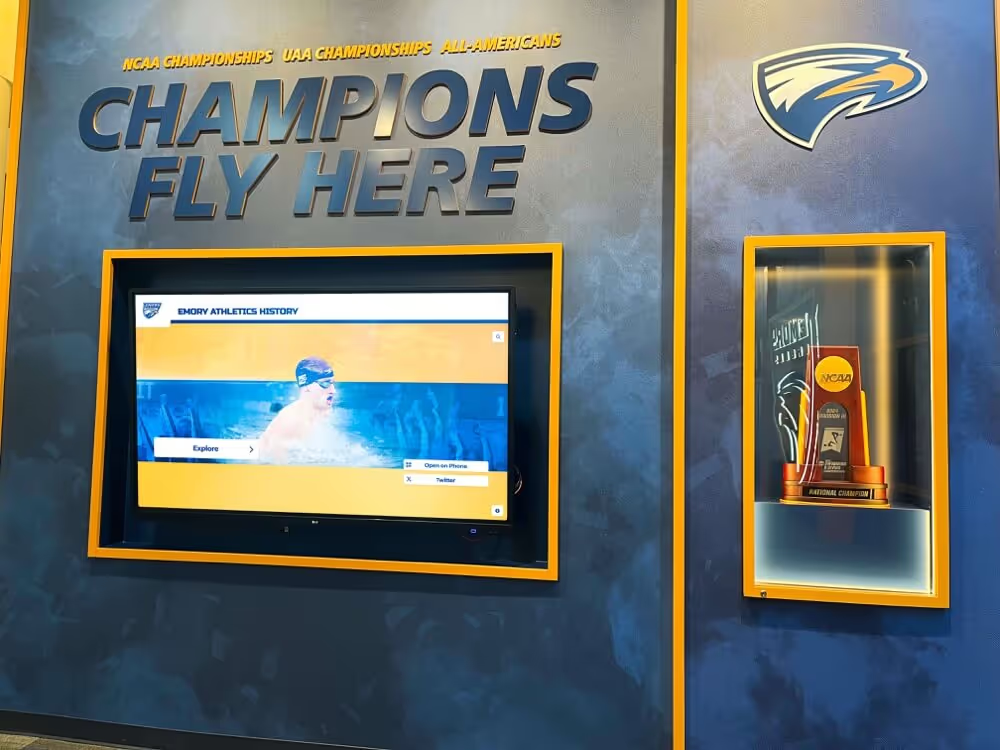
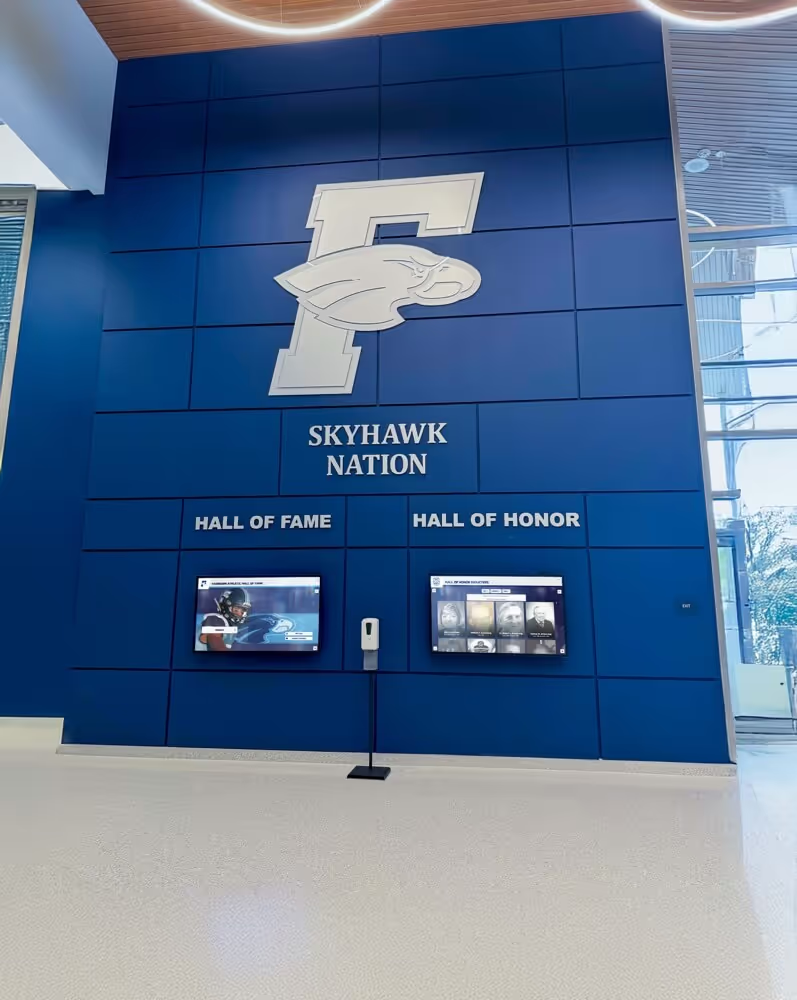
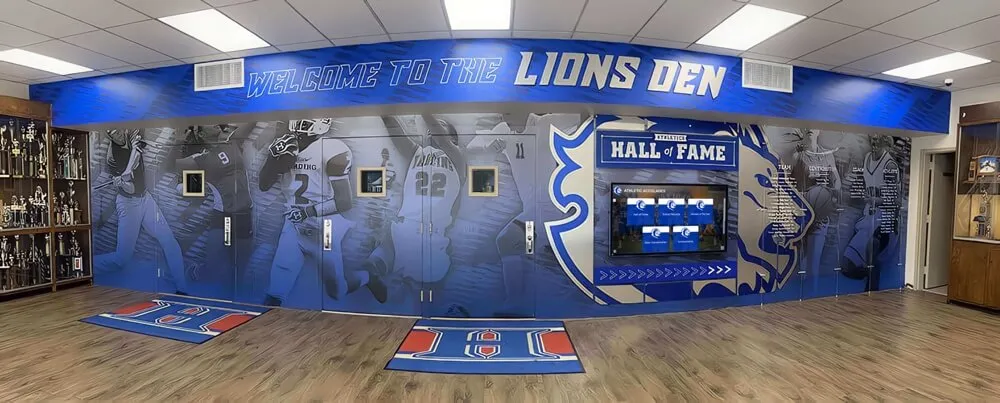
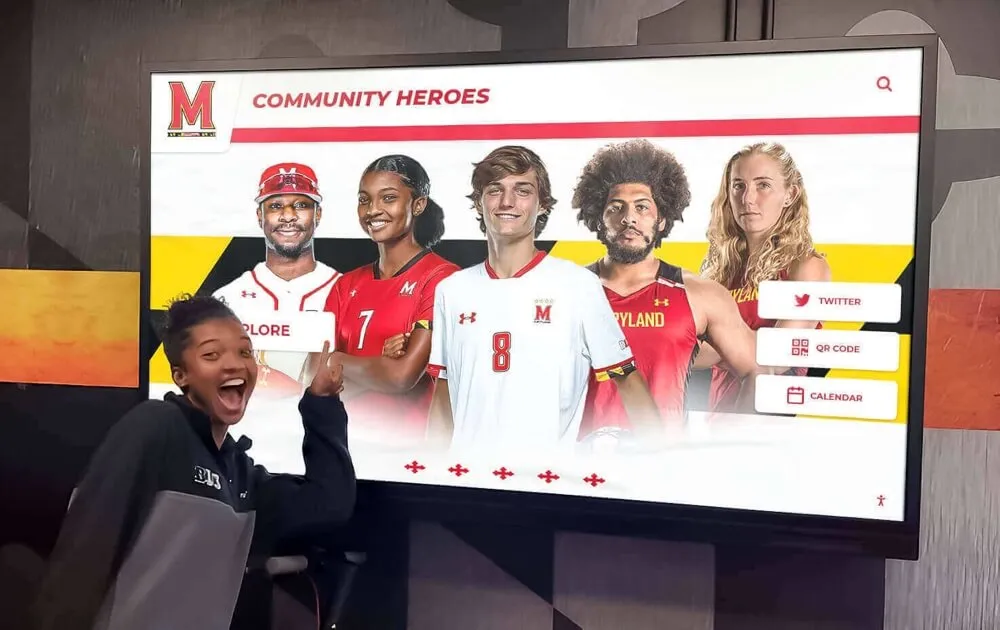
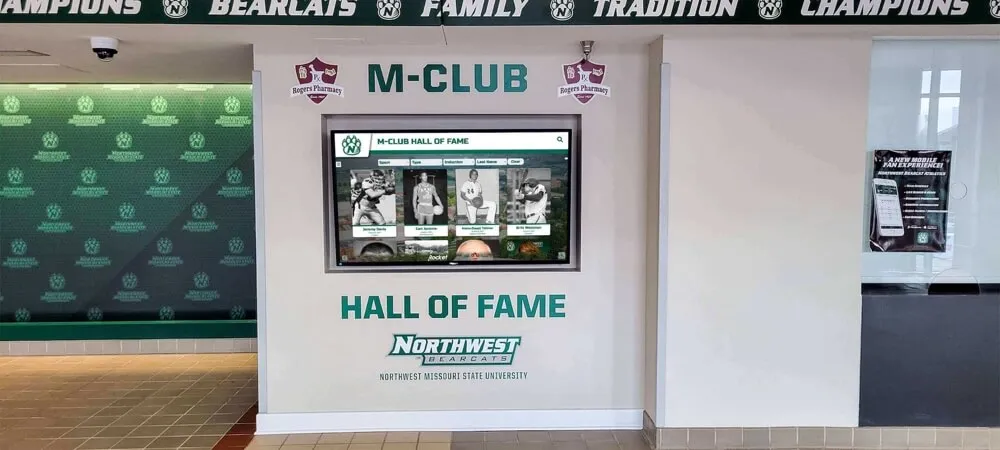
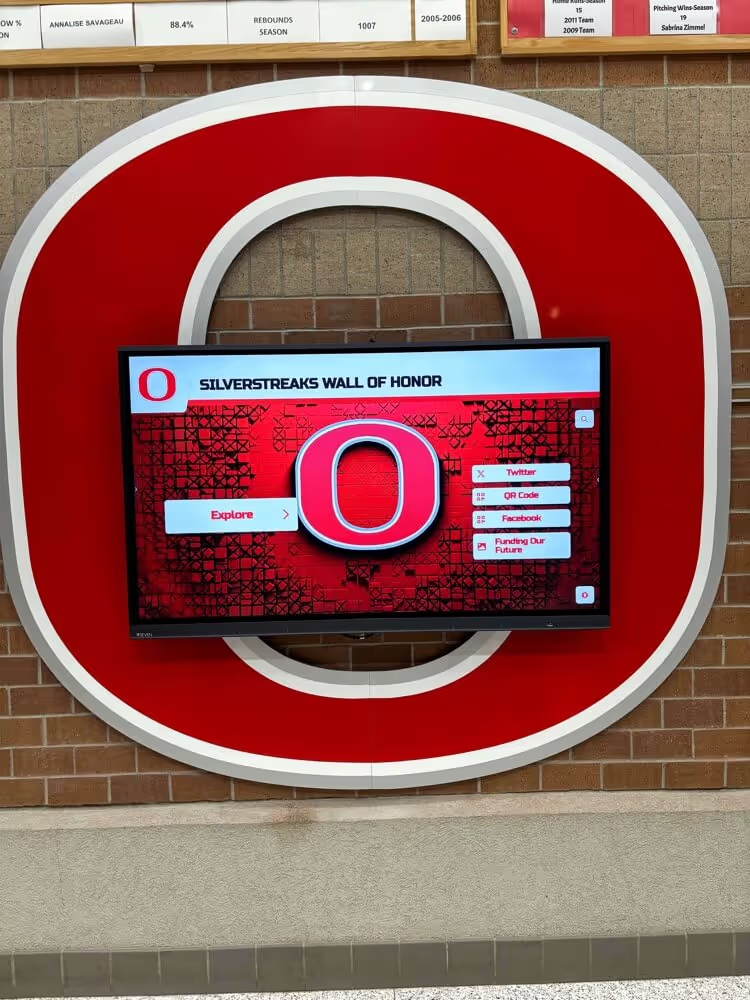
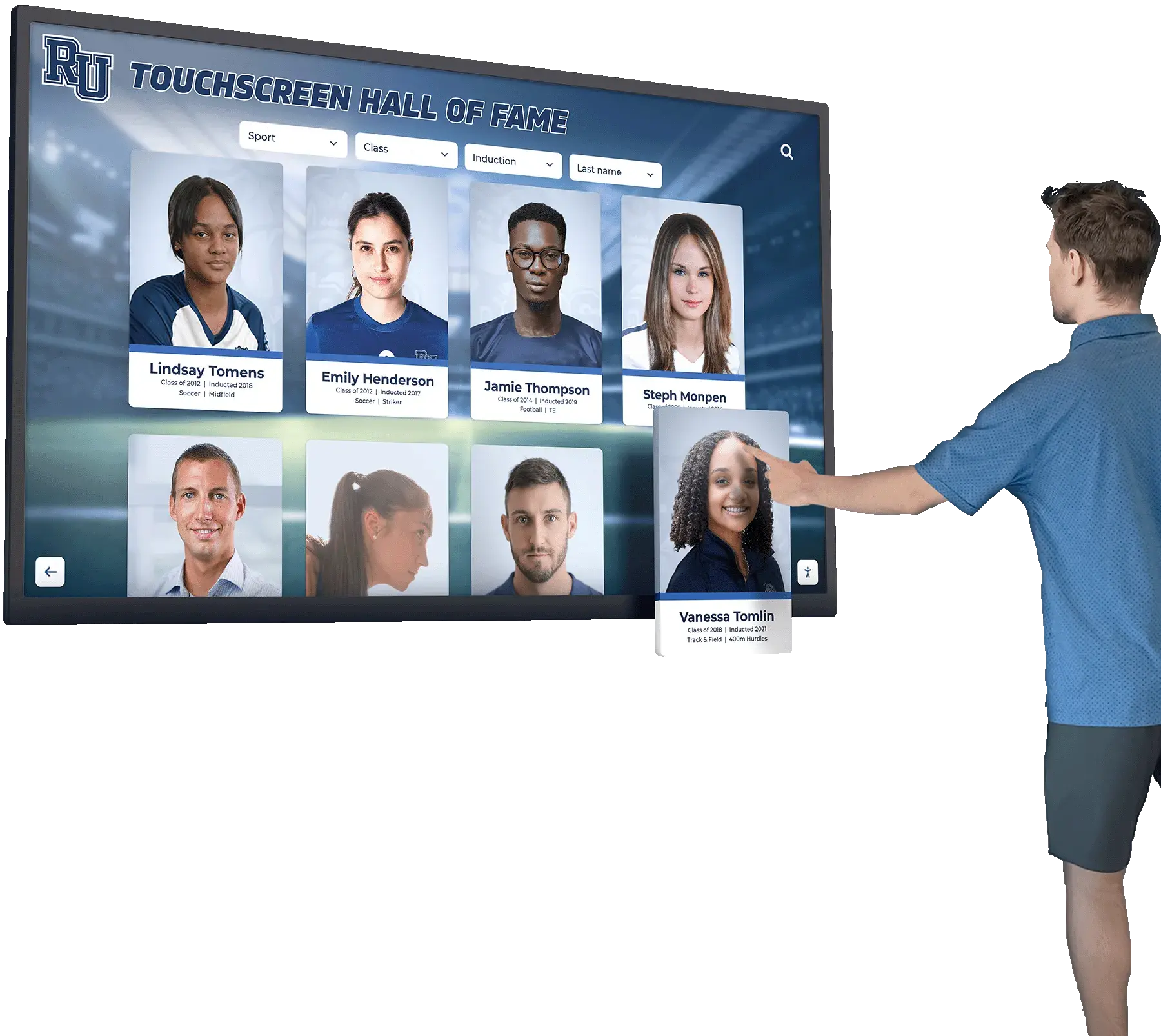
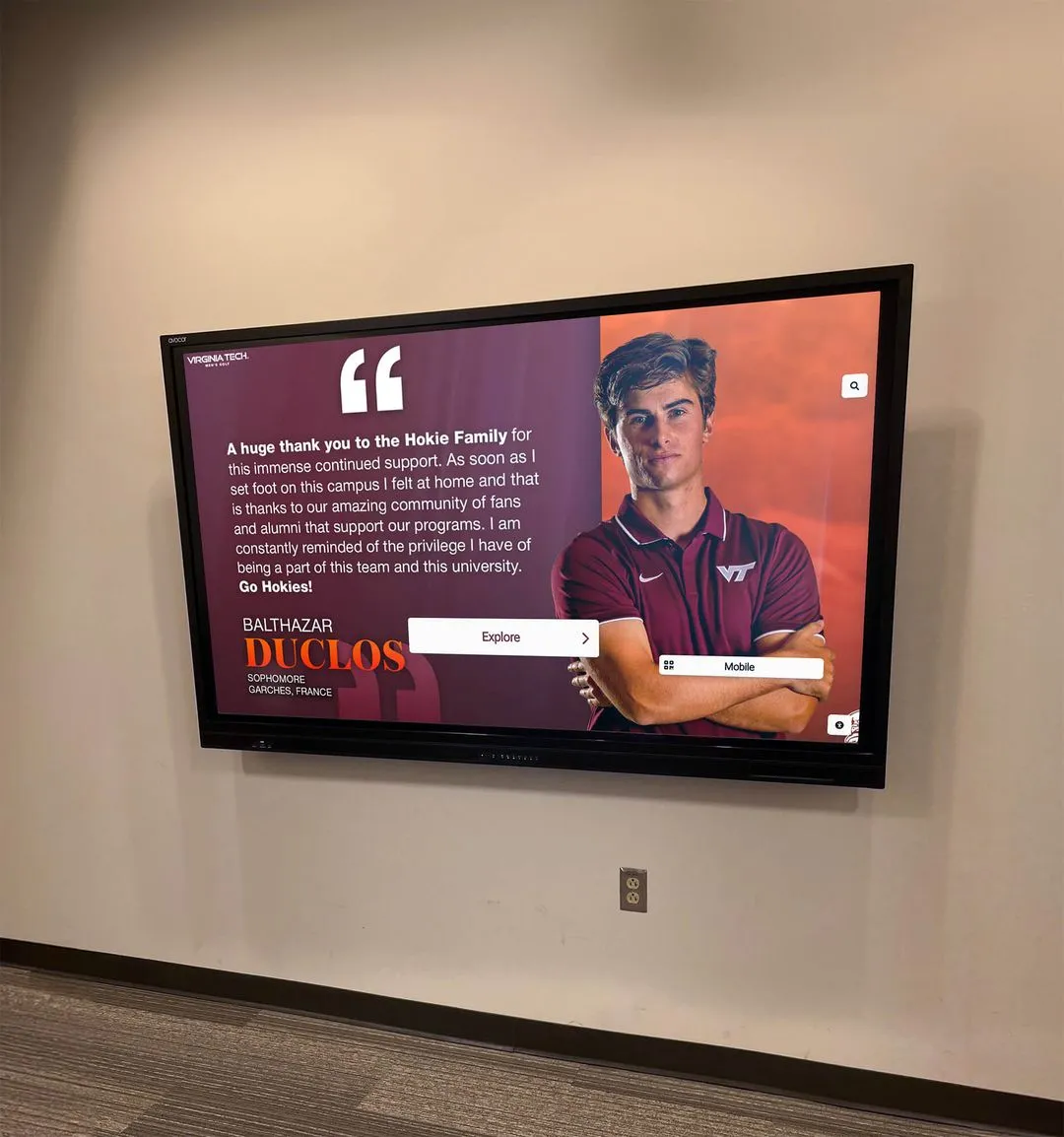
Digital record boards from providers like Rocket Alumni Solutions allow athletic directors to display complete athletic history through interactive touchscreen displays installed in gymnasiums, athletic offices, or main hallways. These systems update instantly when athletes break records or teams win championships, ensuring recognition remains current and relevant—a standard collegiate programs maintain but traditional high school displays struggle to match.
Consistent Visual Branding Across All Touchpoints
Collegiate programs maintain careful brand consistency across uniforms, facilities, marketing materials, social media, websites, and promotional content. This professional approach creates cohesive identity that builds recognition and pride among athletes, students, and communities.
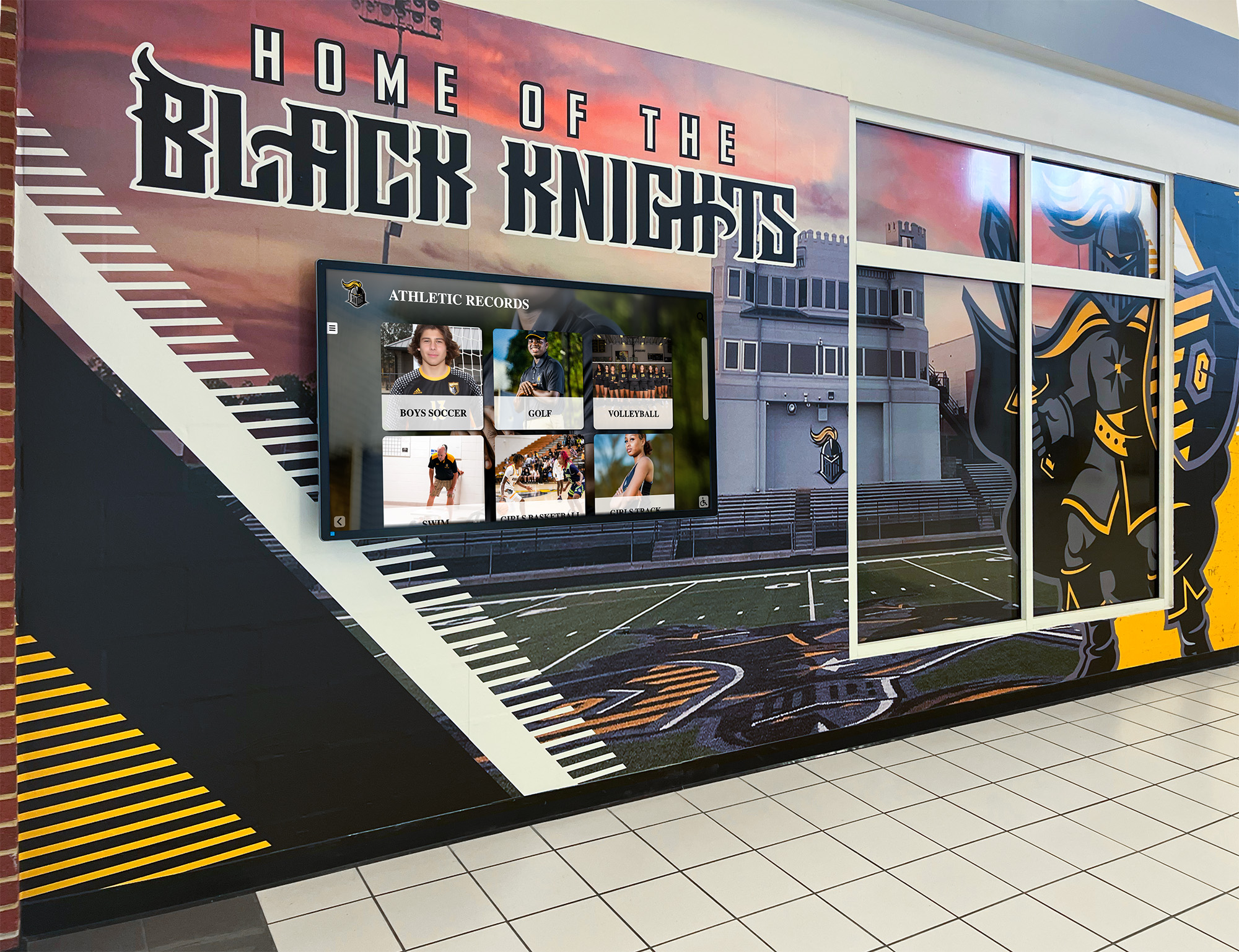
High schools often struggle with brand consistency due to limited design resources, multiple stakeholders creating content independently, budget constraints preventing professional design services, lack of brand guidelines or standards, and fragmented communication across sports and seasons.
Establishing basic brand standards—official colors with specific color codes, approved logo variations and usage guidelines, standard fonts for all athletic communications, photography style preferences, and social media templates—creates foundation for collegiate-level consistency without requiring extensive resources. Many schools find that defining these standards once enables coaches, parents, and student helpers to maintain consistency across all content creation.
Enhanced Facilities That Command Respect
Collegiate facilities create environments that communicate excellence and investment. While high schools cannot replicate multi-million dollar training centers, strategic facility enhancements deliver disproportionate impact on how athletes, recruits, and communities perceive programs.
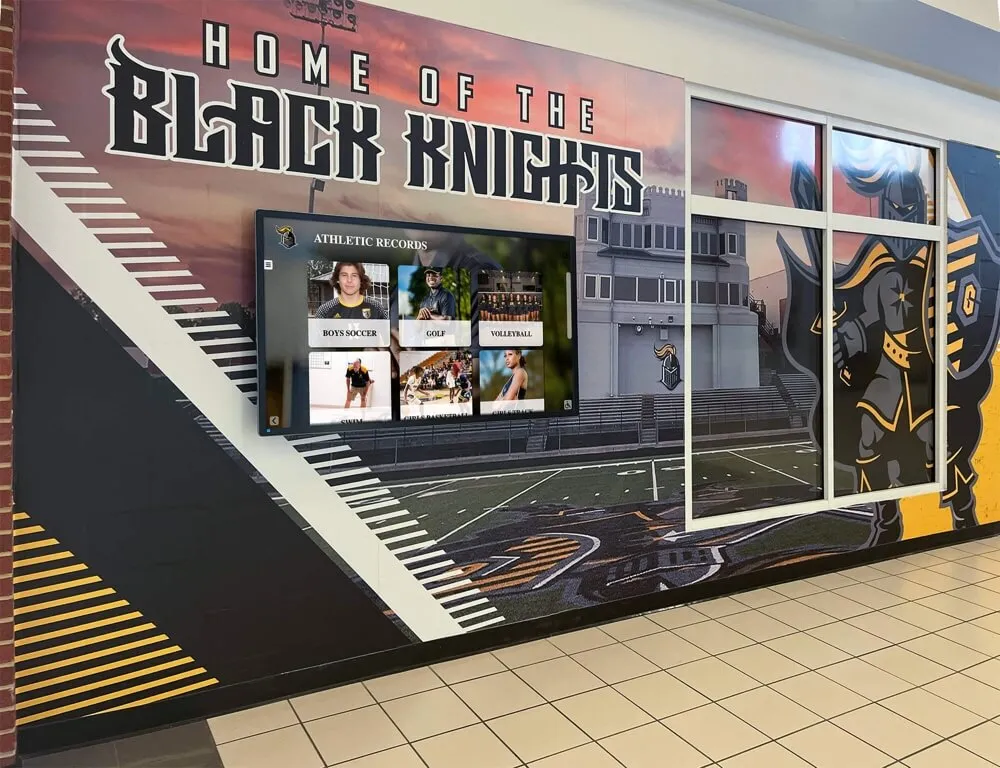
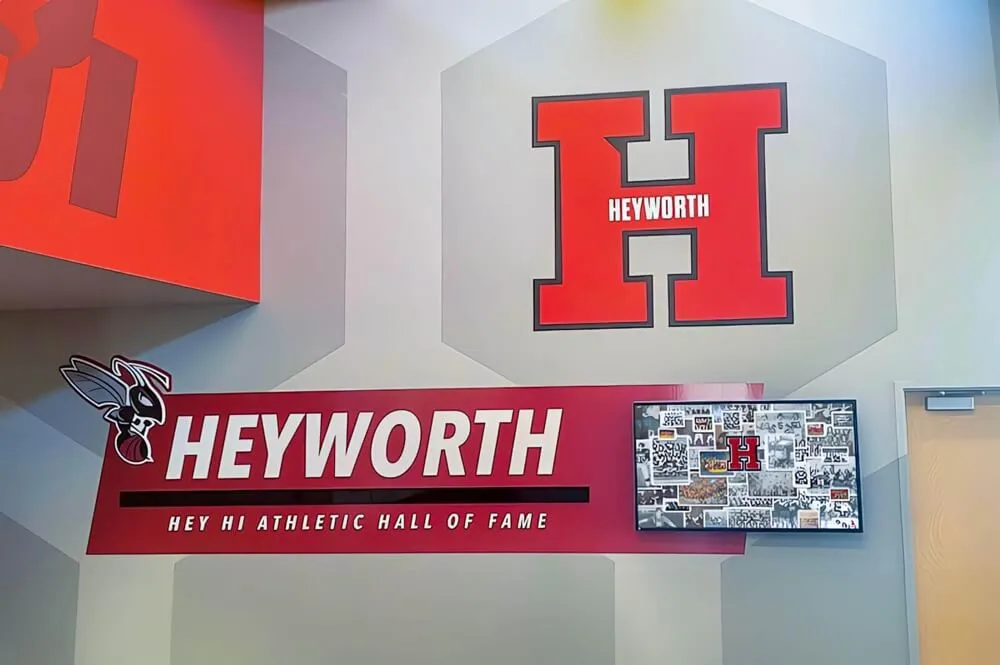
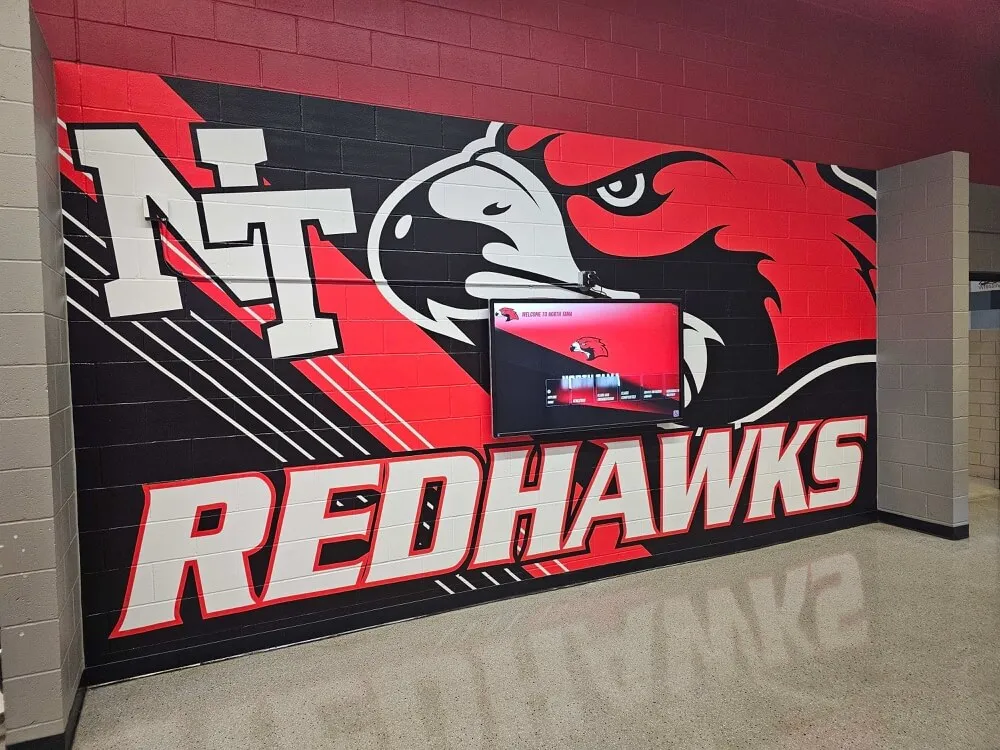
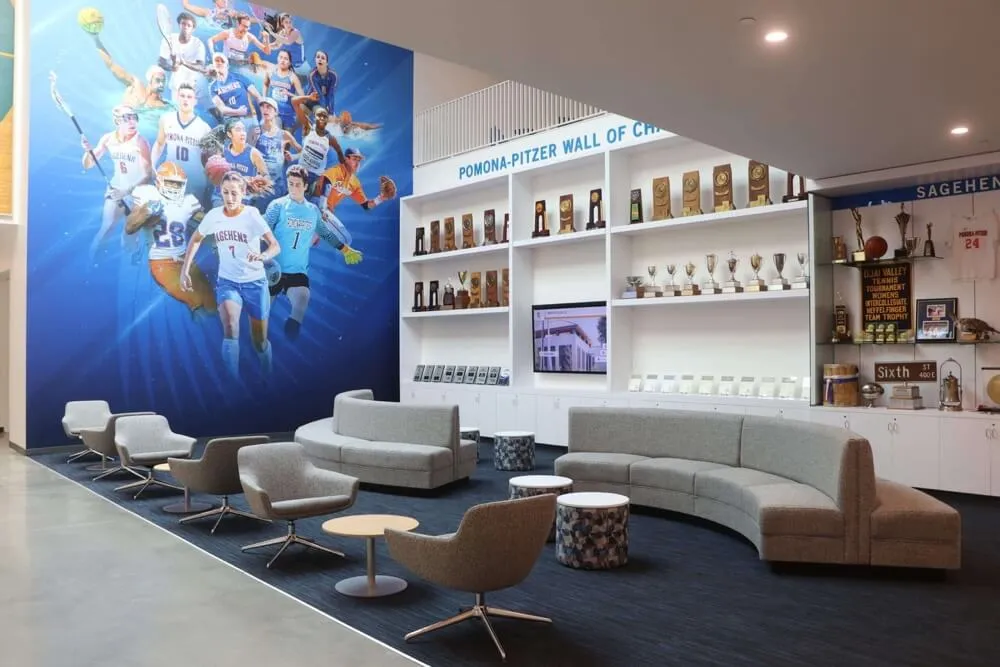
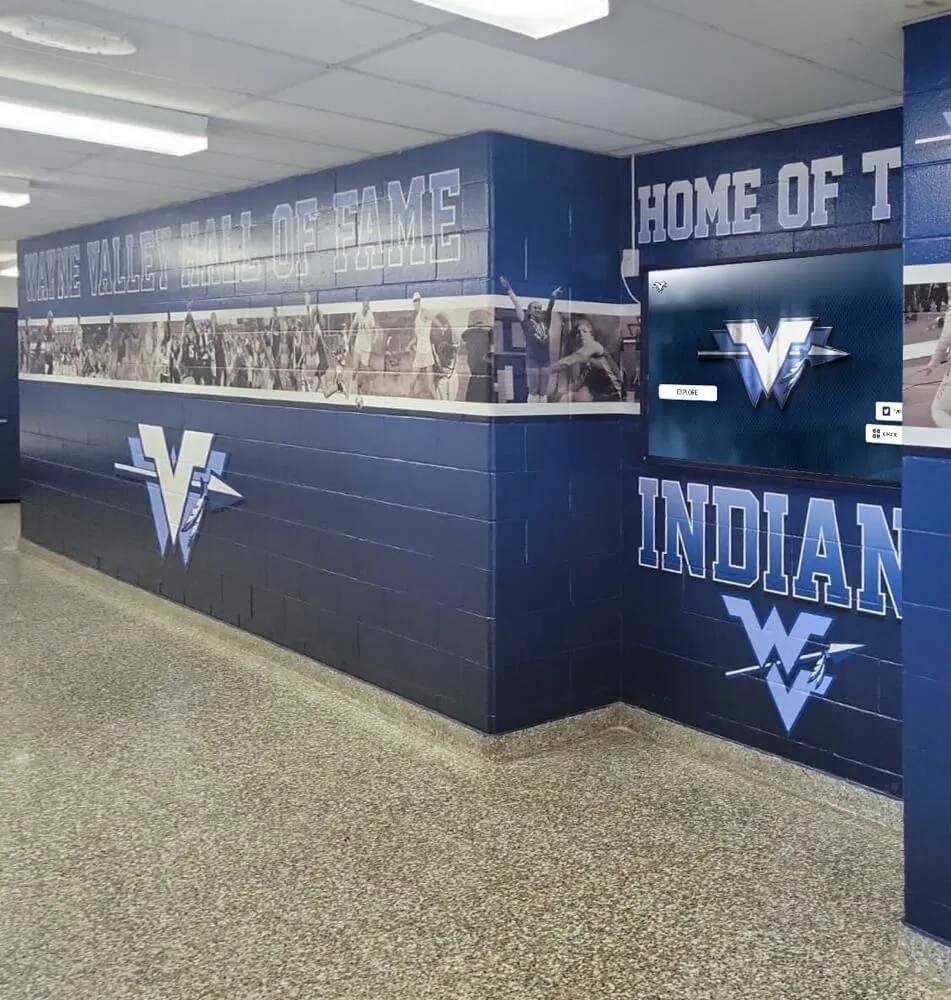
High-impact facility improvements achievable within typical high school budgets include digital recognition displays presenting athletic history and current achievements, professional signage with consistent branding throughout athletic areas, upgraded locker rooms with individual athlete lockers and nameplates, digital displays showing schedules, statistics, and motivational content, and branded wall graphics celebrating championships and program values.
These improvements typically cost substantially less than facility construction or major renovations but create immediate visual transformation that athletes notice and appreciate daily. Digital recognition systems particularly deliver strong return on investment because they serve multiple functions—honoring past excellence, motivating current athletes, supporting recruitment, and engaging alumni—through single installations.
Statistics-Based Performance Tracking
Collegiate programs use comprehensive statistics and performance data to inform training, recognize achievement, and communicate with recruits and media. Similar statistical approaches benefit high school programs by providing objective achievement documentation, creating motivation through measurable goals, supporting college recruitment with verified statistics, and enabling deeper recognition beyond just wins and losses.
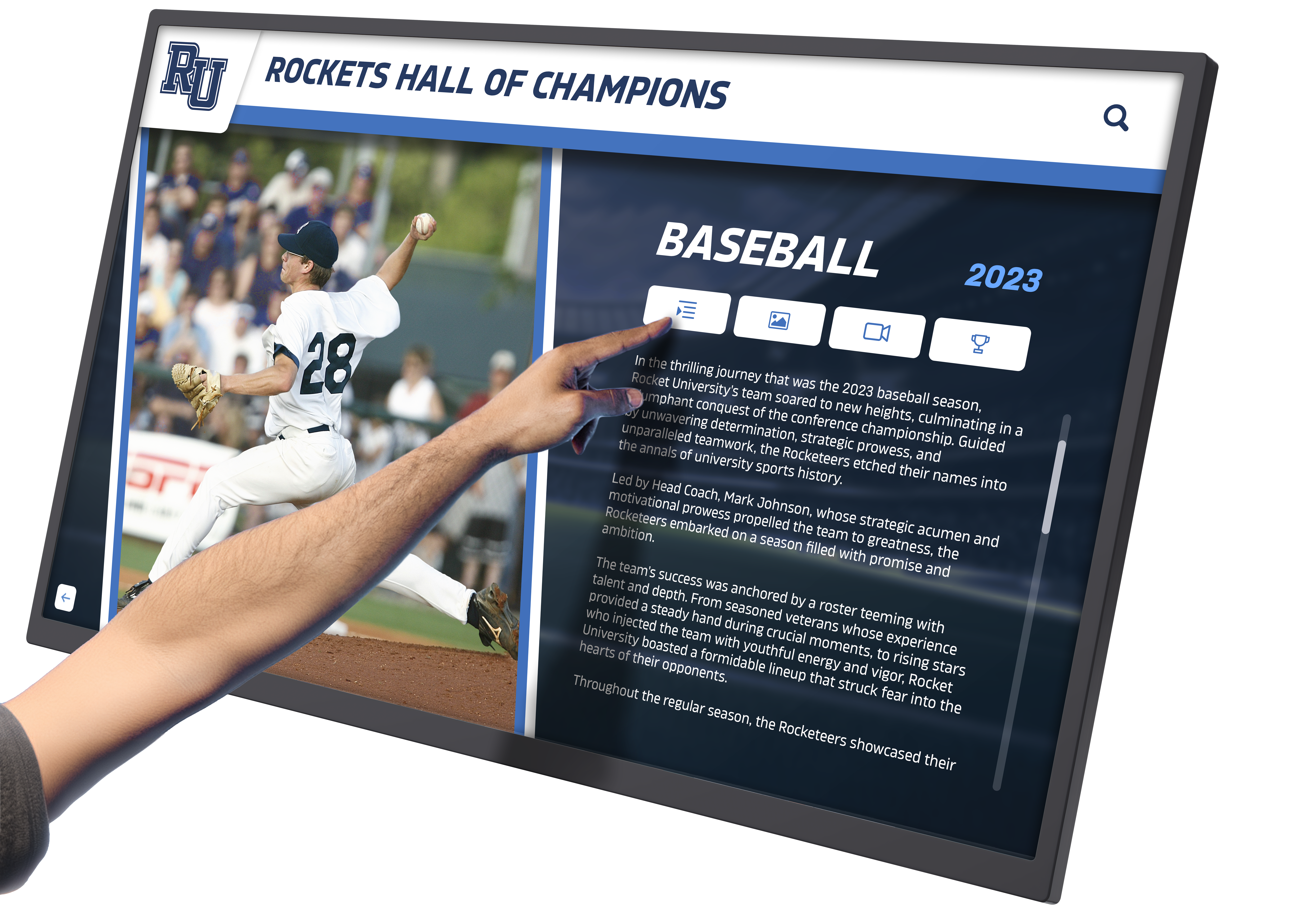
Modern digital record boards automatically display comprehensive statistics including career records across all relevant categories, single-season achievements and top performances, game-by-game statistics for current seasons, historical comparisons showing how current athletes rank all-time, and position-specific metrics relevant to each sport.
This statistical depth enables athletes to understand exactly where they stand and what records remain achievable—creating tangible goals that drive performance improvement. For coaches, comprehensive statistics support objective recognition decisions and provide data for college recruiting recommendations.
Building Comprehensive Digital Recognition Systems
Digital recognition represents the most impactful single investment high schools can make toward creating collegiate-level experiences. These systems address multiple program needs simultaneously while delivering benefits that compound over time as content libraries grow.
Interactive Touchscreen Displays for Athletic Facilities
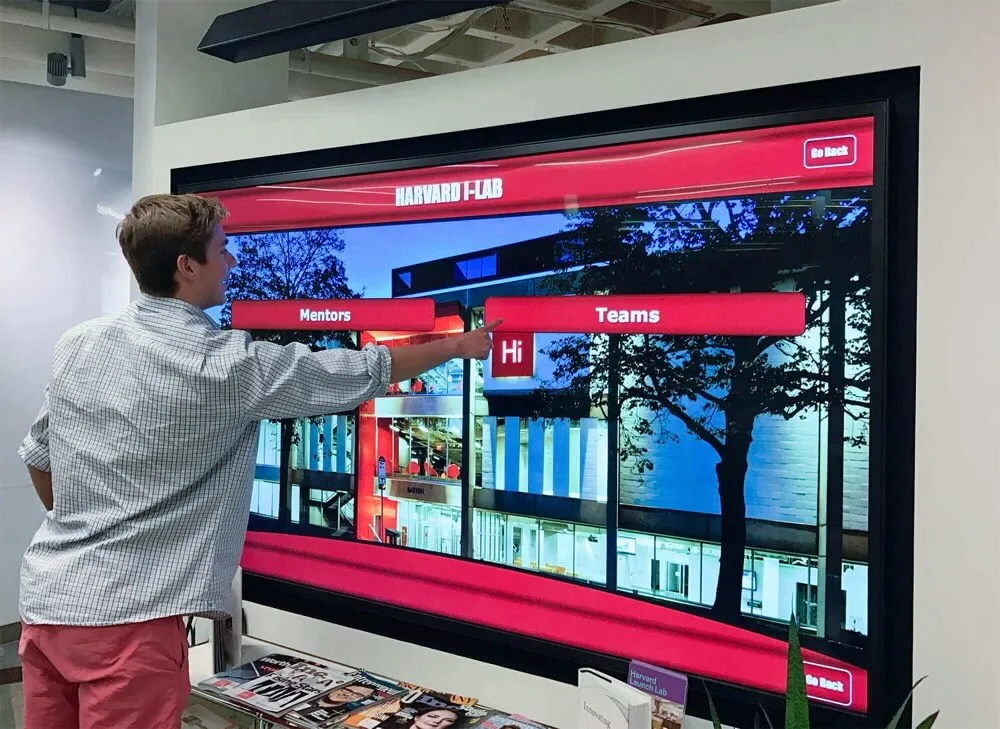
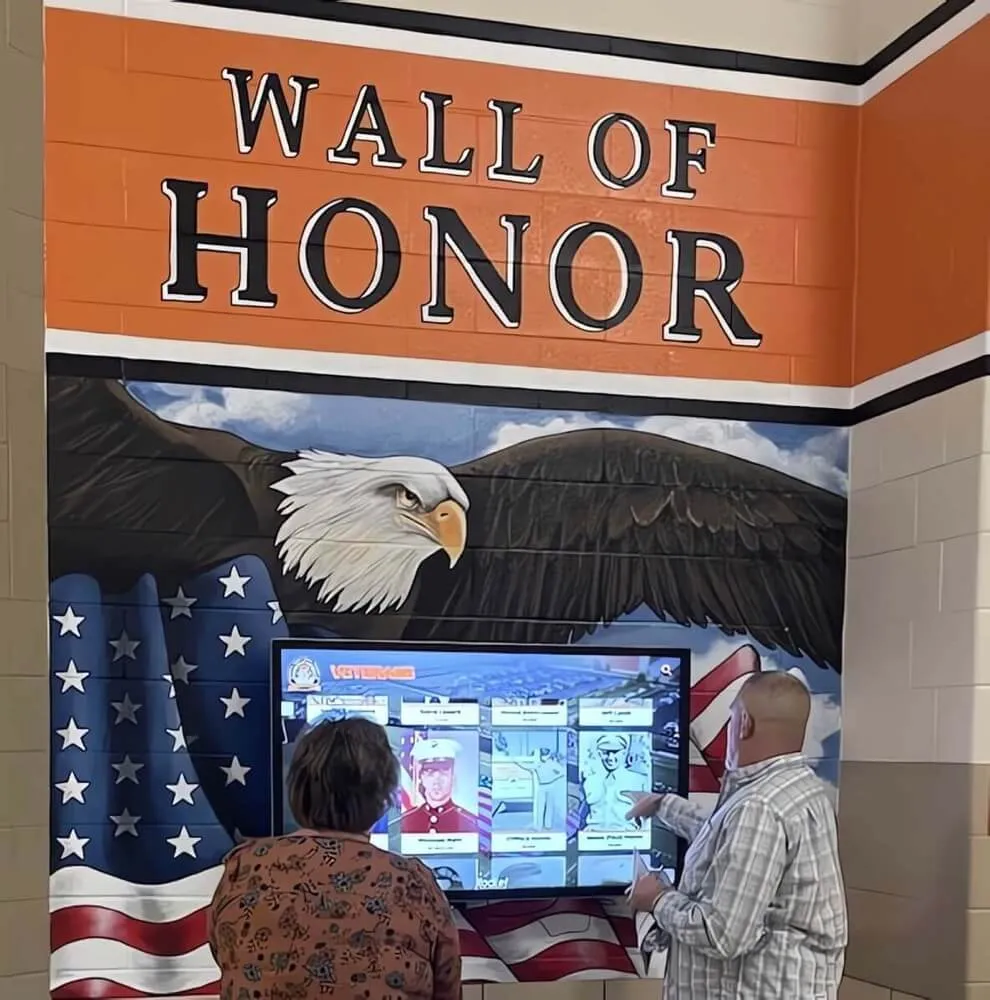
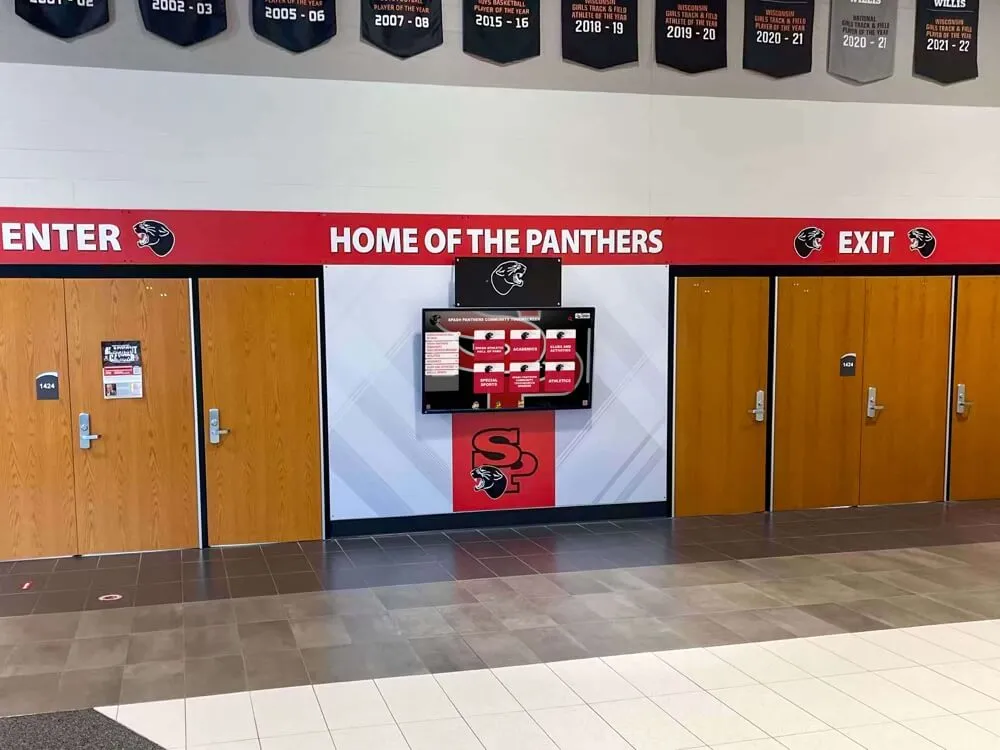
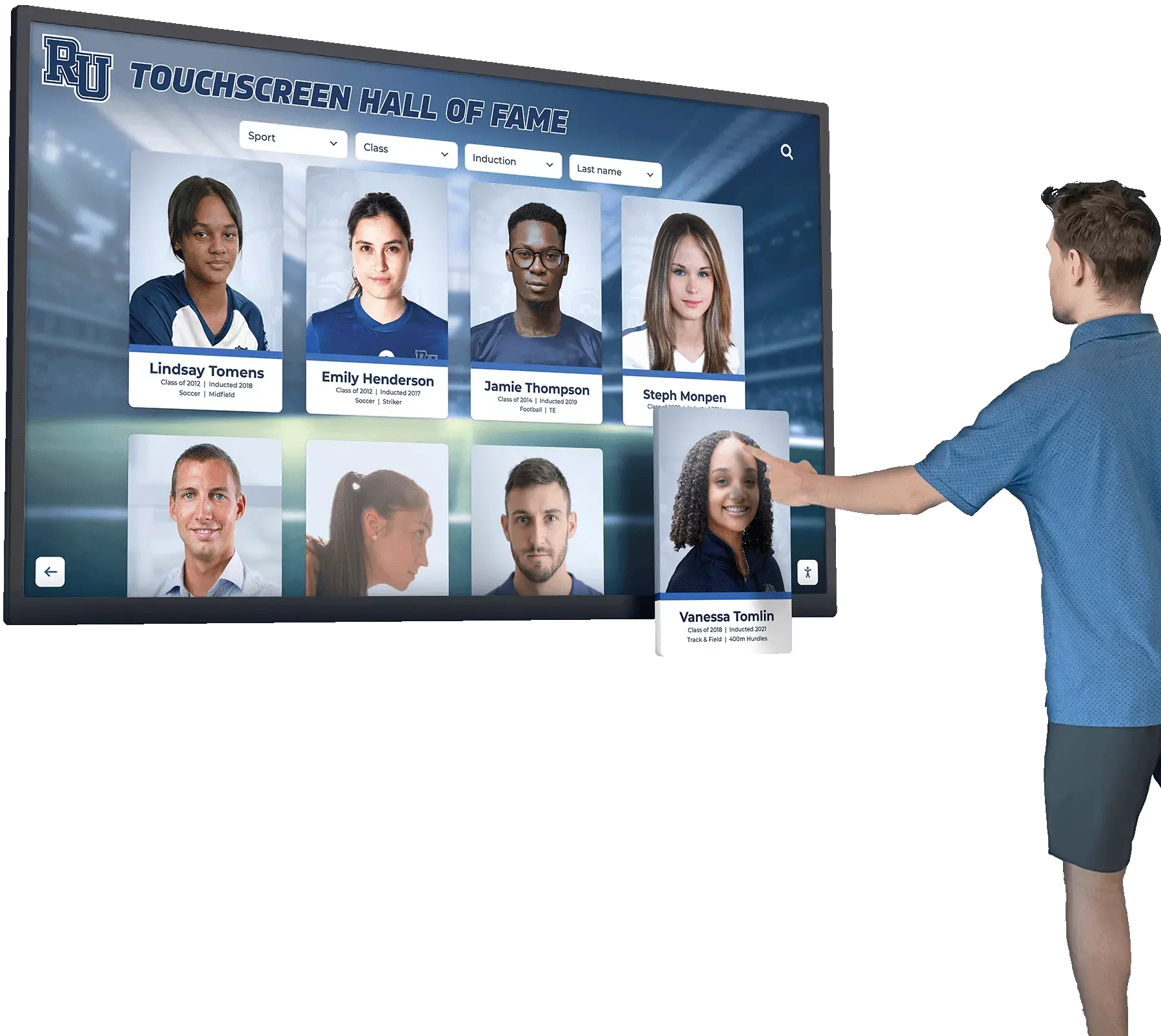
Large-format touchscreen displays installed in high-traffic athletic areas enable visitors to explore complete program history interactively. Unlike static displays showing limited content, interactive systems provide unlimited capacity for comprehensive recognition.
Key capabilities that distinguish collegiate-quality digital recognition include unlimited athlete profiles with photos, statistics, and achievement details, complete championship team recognition with rosters and season highlights, comprehensive record boards for all sports and statistical categories, searchable database enabling instant discovery of any athlete or achievement, regular content updates adding new accomplishments throughout seasons, and multimedia integration including photos, videos, and detailed narratives.
Rocket Alumni Solutions specializes in athletic recognition displays specifically designed for high school and college programs. These systems provide intuitive content management enabling athletic directors and coaches to maintain displays independently without technical expertise or IT department dependency—a critical capability ensuring recognition stays current as achievements occur.
Permanent Online Recognition Extending Beyond Campus
Physical touchscreen displays serve on-campus audiences effectively, but web-based recognition platforms extend reach to families, alumni, college recruiters, and global communities. Online accessibility proves particularly valuable when athletes want to share achievements with college coaches or when alumni want to revisit their own athletic careers from anywhere in the world.

Comprehensive online recognition platforms should include mobile-responsive design working across all devices, strong search capabilities by name, year, sport, or achievement type, social sharing integration enabling athletes to distribute recognition, permanent accessibility maintaining complete history indefinitely, and integration with main athletic websites for smooth access.
Schools implementing online recognition often discover unexpected benefits beyond basic athlete acknowledgment. College coaches recruiting athletes frequently request links to online profiles verifying achievements and statistics. Alumni engage with recognition content years after graduation, maintaining connections that support future fundraising and volunteer recruitment. Prospective families research programs through online recognition, making it valuable recruiting tool that operates 24/7 without direct staff involvement.
Understanding how to choose digital recognition providers helps athletic directors evaluate options and select systems that genuinely serve program needs rather than simply purchasing generic digital signage without recognition-specific capabilities.
Comprehensive Record Tracking Across All Sports
One hallmark of collegiate athletics is thorough record keeping across every sport and statistical category. High schools can implement similar comprehensive tracking through digital systems that maintain unlimited records without physical space constraints.
Complete record board systems should track career records for all relevant statistical categories, single-season records showing best yearly performances, single-game records highlighting exceptional individual performances, team records for each sport including win streaks and championship seasons, and coaching milestone recognition for career victories and achievements.
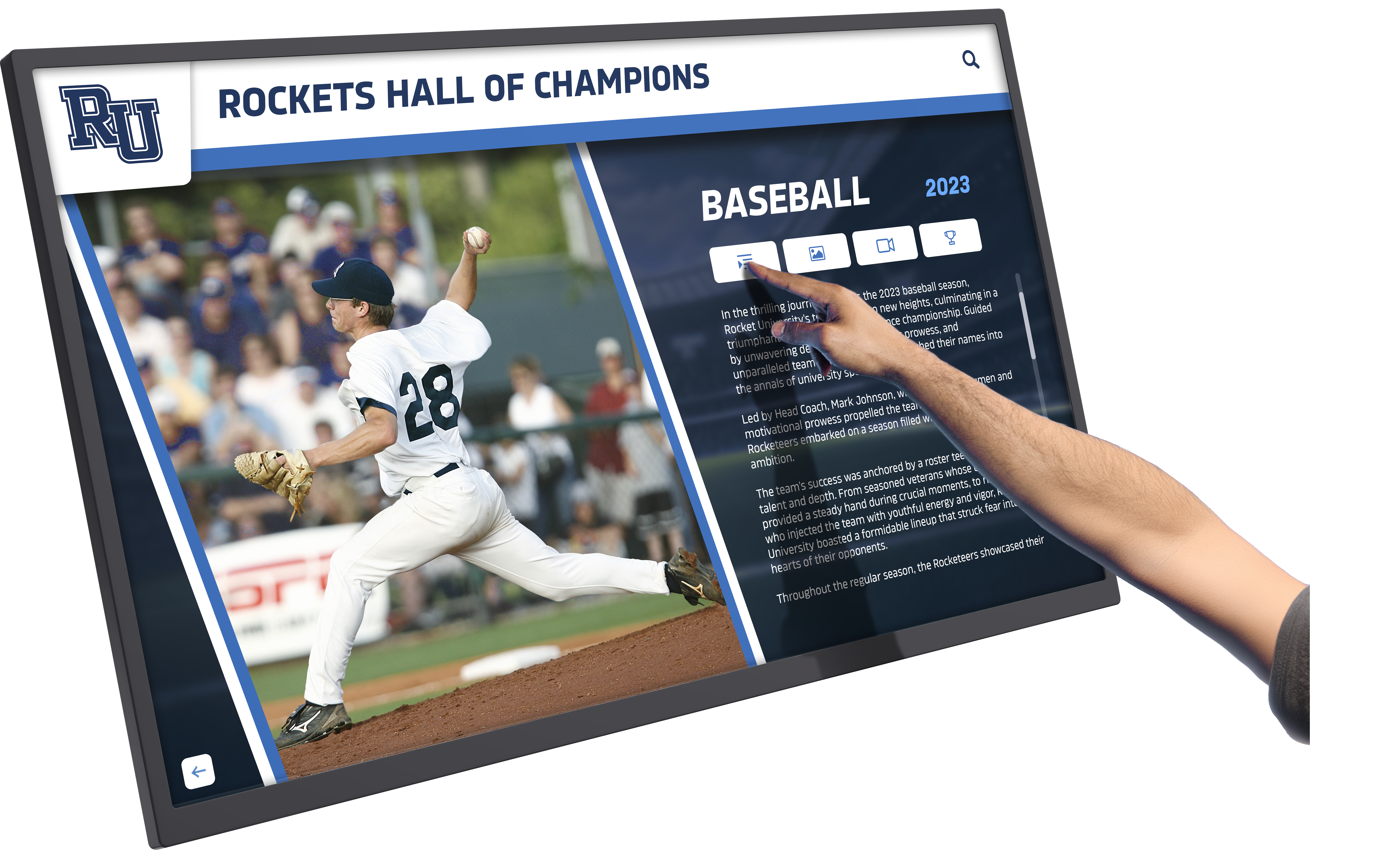
Digital record boards eliminate the update burden that makes traditional physical record boards impractical. When athletes break records, athletic directors update digital displays within minutes through simple web interfaces—the same update that would require weeks of plaque production and professional installation with traditional approaches. This ease of maintenance ensures record boards stay current, maintaining credibility and motivational impact.
Creating Professional Game Day Experiences
Game day atmosphere distinguishes programs that simply schedule competitions from those that create memorable experiences. Collegiate programs excel at transforming games into events that engage communities and make athletes feel special. High schools can implement many of these same elements without significant budget increases.
Pre-Game Recognition and Ceremonies
Collegiate programs regularly incorporate recognition ceremonies into pre-game activities—honoring senior athletes, celebrating academic achievements, recognizing donors, and acknowledging special guests. These ceremonies create special moments while building broader support for athletic programs.
High schools can implement similar recognition through senior night ceremonies for all sports, academic achievement recognition before competitions, community supporter acknowledgment, special theme nights creating unique experiences, and youth program participants joining teams for national anthem or pre-game activities.
These recognition opportunities cost nothing to implement but significantly improve the sense that athletic events represent more than just competitions—they become community gatherings celebrating multiple forms of excellence and connection.
Enhanced Video and Audio Production
Quality video boards, sound systems, and production capabilities distinguish professional athletic environments from basic competitions. While high schools cannot match college-level production budgets, strategic improvements deliver disproportionate impact on atmosphere and experience.
Achievable production enhancements include improved sound systems ensuring clear announcements and music, video highlight packages showing current season achievements, athlete introduction videos creating excitement before competitions, halftime entertainment beyond basic announcements, and post-game highlight sharing through social media.
Many schools use parent volunteers with video production interests to create content without requiring staff time or professional production services. Student broadcasting programs at high schools with journalism or media classes can develop game production as authentic learning experiences while improving athletic events.
Comprehensive Statistics Display
Collegiate competitions provide detailed statistics throughout games—helping spectators follow action more deeply while demonstrating that institutions value athletic achievement enough to document it professionally. Similar statistical displays improve high school competitions when implemented thoughtfully.
Options for improving statistical presentation include projected statistics on video boards during competitions, printed statistical sheets distributed to spectators, online statistics published in real-time during games, comprehensive post-game statistics posted to athletic websites, and season-long statistical leaderboards displayed in athletic facilities.
These statistical enhancements require more administrative commitment than financial investment—someone must gather, verify, and publish statistics consistently. Many schools find that student workers, parent volunteers, or student broadcast programs can handle statistics with appropriate training and oversight.
Developing Multi-Sport Recognition That Honors All Athletes
One common shortcoming in high school athletics is uneven recognition across sports, with high-profile programs like football and basketball receiving disproportionate attention while other sports feel undervalued. Collegiate programs typically maintain more equitable recognition across all sports—an important model for high schools to follow.
Equitable Recognition Standards Across All Sports
Establishing consistent recognition standards for all sports ensures that achievements in less-visible programs receive acknowledgment matching high-profile sports. This equity demonstrates institutional commitment to all athletic participants rather than just those generating largest crowds or revenue.
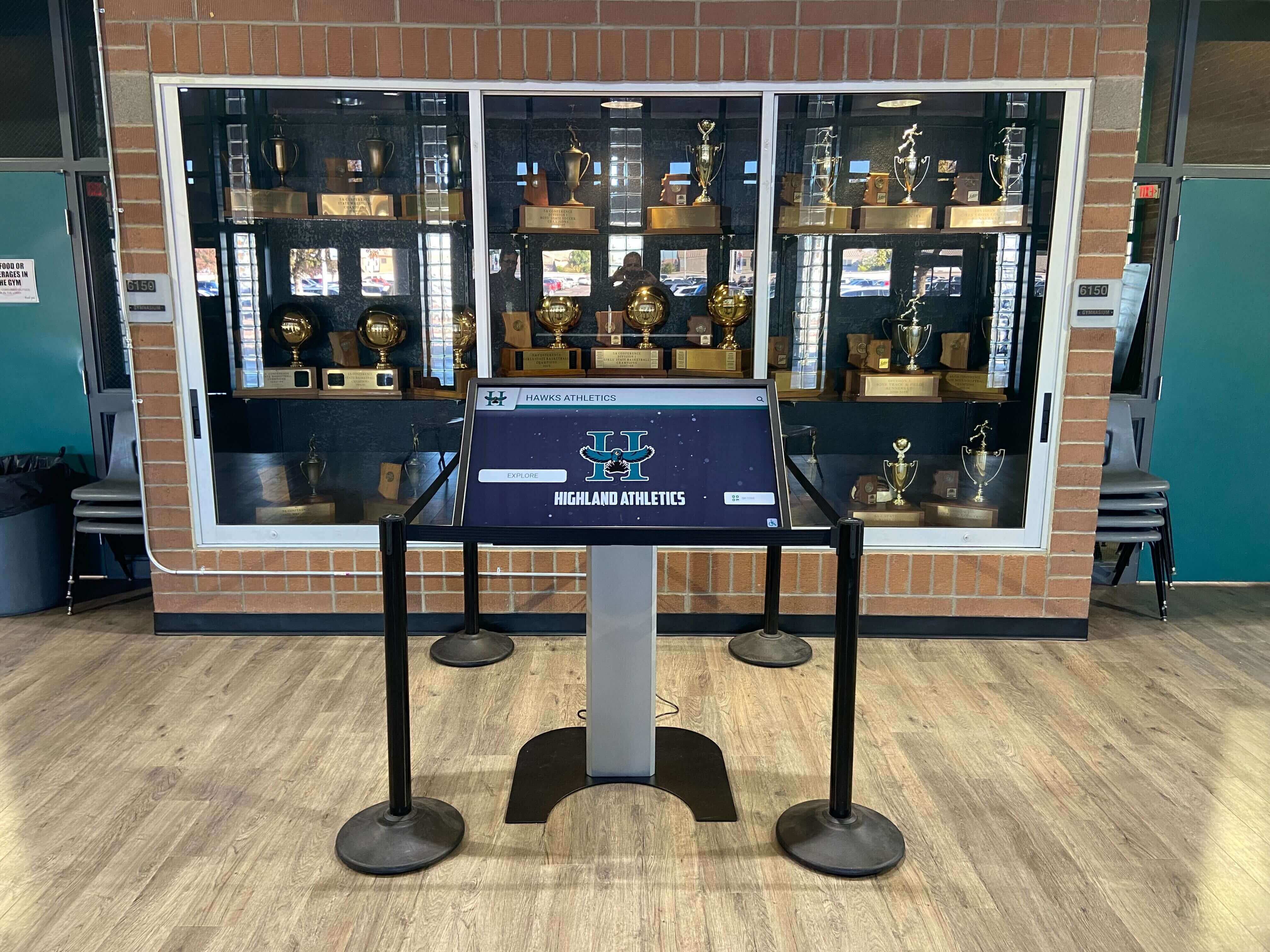
Recognition equity standards should include championship recognition for all sports with equal prominence, record boards for every sport with appropriate statistical categories, all-conference and all-state recognition regardless of sport, senior recognition ceremonies for every team, and social media coverage distributed equitably across programs.
Digital recognition systems particularly support equitable recognition because unlimited capacity eliminates forced prioritization that physical displays require. Every sport can maintain comprehensive record boards and championship history without competing for limited trophy case space or wall areas.
Research on athletic program equity demonstrates that visible, equitable recognition across all sports improves athlete satisfaction, increases participation in non-revenue sports, and strengthens overall program culture by demonstrating that institutions value all athletic contributions equally.
Sport-Specific Recognition Categories
While maintaining equity across sports, recognition should also acknowledge the unique characteristics and achievements specific to each sport. Collegiate programs excel at sport-specific recognition that celebrates what makes each sport distinctive.
Sport-specific recognition considerations include position-specific records for team sports (quarterback passing yards, goalkeeper saves, etc.), event-specific achievements for individual sports (track and field, swimming, wrestling), tournament and playoff performance recognition, coaching-specific milestones relevant to each sport, and program development achievements showing growth over time.
Understanding these sport-specific nuances demonstrates genuine knowledge of and respect for each athletic program—building stronger relationships with coaches and athletes who often feel their sports receive insufficient attention compared to high-profile programs.
Multi-Sport Athlete Recognition
Many exceptional athletes compete successfully across multiple sports throughout the school year. Recognition systems should acknowledge this breadth of athletic excellence rather than fragmenting achievements across separate sport-specific displays where multi-sport contributions remain invisible.
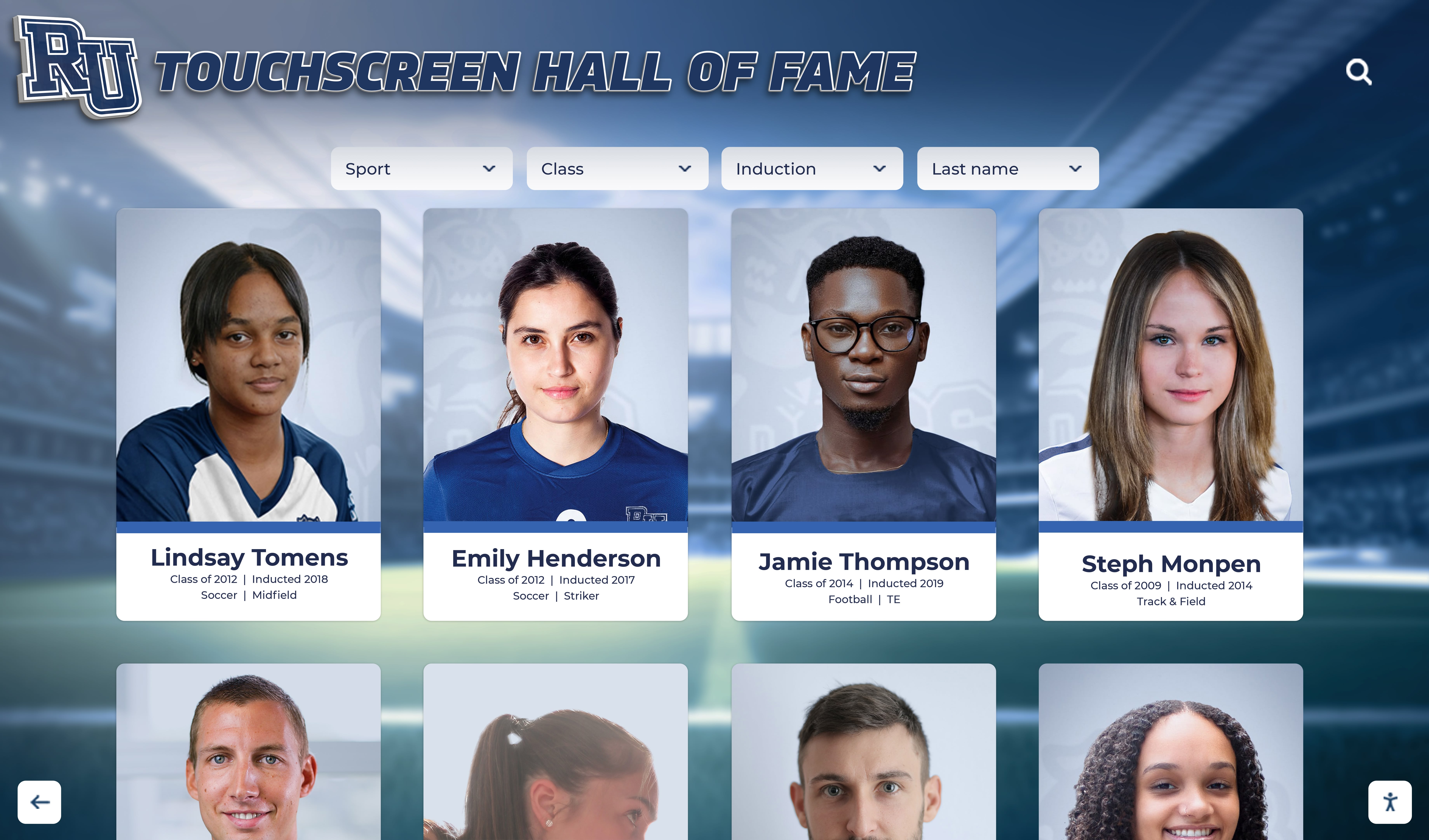
Effective multi-sport athlete recognition includes unified athlete profiles showing complete athletic careers across all sports, specific multi-sport athlete categories and awards, seasonal excellence recognition for athletes achieving all-conference status in multiple sports, and four-year participation recognition celebrating sustained athletic commitment.
Digital systems excel at multi-sport recognition because they can display single athlete profiles that pull together achievements across multiple sports—something physical displays struggle to accomplish effectively. Athletes appreciate seeing their complete athletic contributions recognized holistically rather than fragmented across separate locations.
Strengthening Community Engagement and Support
Collegiate programs benefit from strong community support manifested through attendance, donations, volunteer service, and advocacy. High schools can build similar community engagement through systematic outreach and recognition that makes community members feel connected to athletic programs.
Local Business Partnerships and Sponsorships
Collegiate programs use corporate sponsorships extensively to fund operations and improve experiences. High schools can develop appropriate local business partnerships that provide similar benefits while maintaining educational mission integrity.
Appropriate high school sponsorship opportunities include digital display sponsorships where businesses support recognition systems, program sponsorships providing general operating support to specific sports, event sponsorships underwriting tournament hosting or special competitions, facility naming rights for appropriate improvements, and equipment sponsorships providing gear or supplies.
Many communities feature businesses owned by alumni who maintain strong school connections and appreciate recognition opportunities. Digital displays provide particularly attractive sponsorship options because businesses receive ongoing visibility through display acknowledgment rather than single-event recognition.
Alumni Engagement Through Recognition
Athletic alumni represent valuable resources for programs—as volunteers, mentors, donors, and advocates. Comprehensive recognition systems naturally engage alumni by preserving their achievements and maintaining visible connections to their athletic contributions.
Effective alumni engagement through recognition includes accessible online platforms enabling alumni to explore their own achievements remotely, reunion programming incorporating recognition displays as gathering points, “where are they now” updates connecting past athletes to current programs, alumni mentorship programs linking former athletes with current students, and alumni giving campaigns showing how contributions support recognition and facilities.
Alumni who feel their athletic contributions are remembered and valued demonstrate higher propensity toward financial support, volunteer service, and program advocacy compared to alumni who feel forgotten once graduation occurs. Recognition systems that preserve athletic history permanently create foundation for lifelong alumni engagement.
Youth Program Integration
Collegiate programs often maintain strong connections with youth development programs that feed talent pipelines. Similar integration benefits high school programs by building early connections with future athletes and their families.
Youth integration strategies include youth night events where young athletes attend games and meet high school players, recognition ceremonies honoring youth program participants, facility access for youth program practices when schedules permit, high school athlete volunteering as coaches or mentors for youth programs, and shared digital recognition displays celebrating both youth and high school achievements.
These connections build long-term program loyalty starting years before athletes enter high school—creating smoother transitions and stronger program culture when youth participants eventually become high school athletes.
Implementing Academic Recognition Alongside Athletics
Collegiate programs increasingly emphasize academic achievement alongside athletic success, recognizing that student-athletes carry dual responsibilities. High schools can implement similar academic recognition that demonstrates balanced institutional values.
Academic Honor Recognition Systems
Many high schools struggle to provide academic recognition matching the visibility athletics receives—sending unintended messages about which achievements institutions truly value. Comprehensive recognition systems should celebrate both academic and athletic excellence equally.
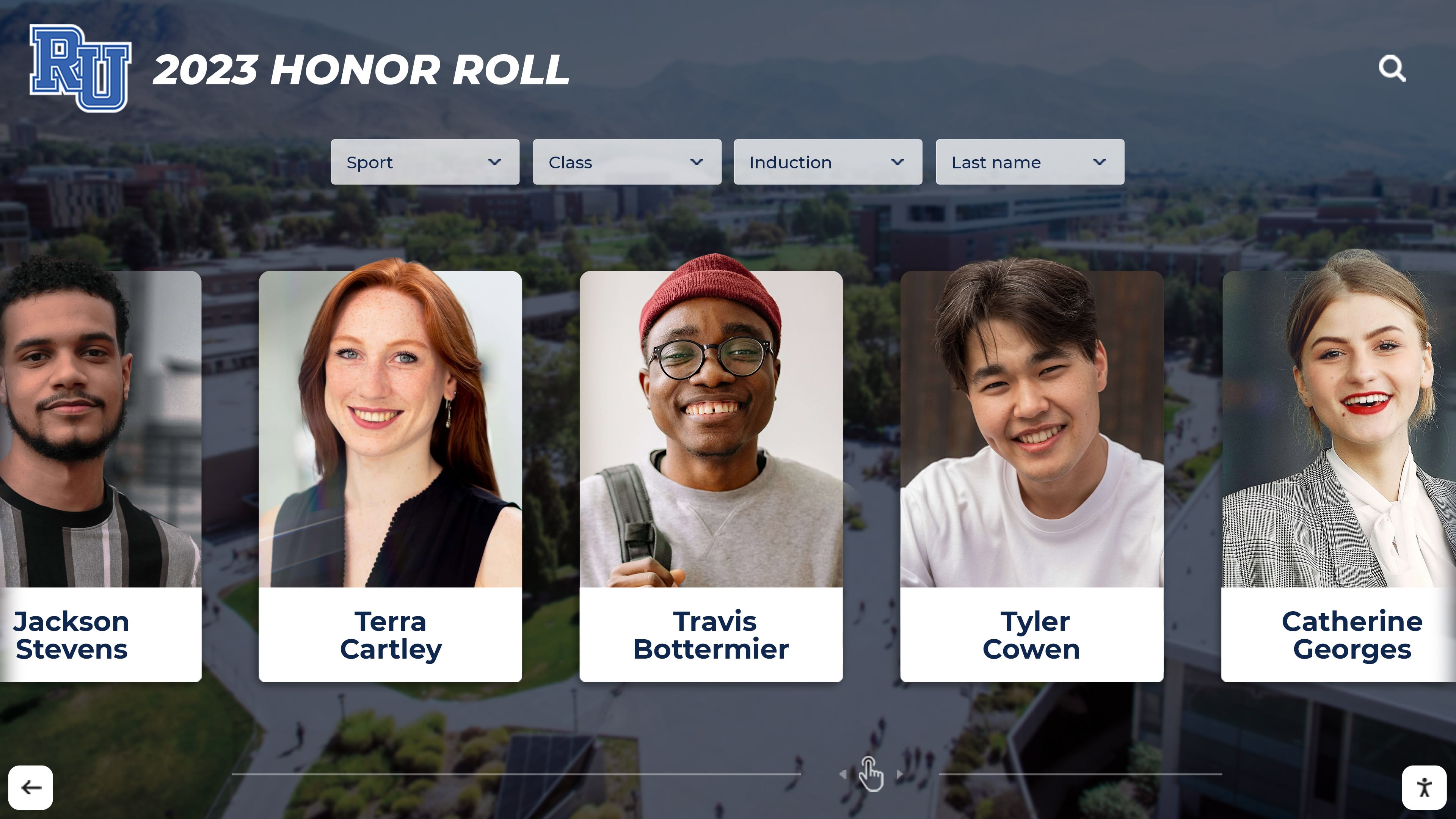
Academic recognition categories alongside athletic achievement include honor roll recognition updated quarterly, academic all-conference and all-state athlete recognition, NCAA academic eligibility milestone acknowledgment, scholarship achievement and college acceptance recognition, and academic all-American recognition for appropriate programs.
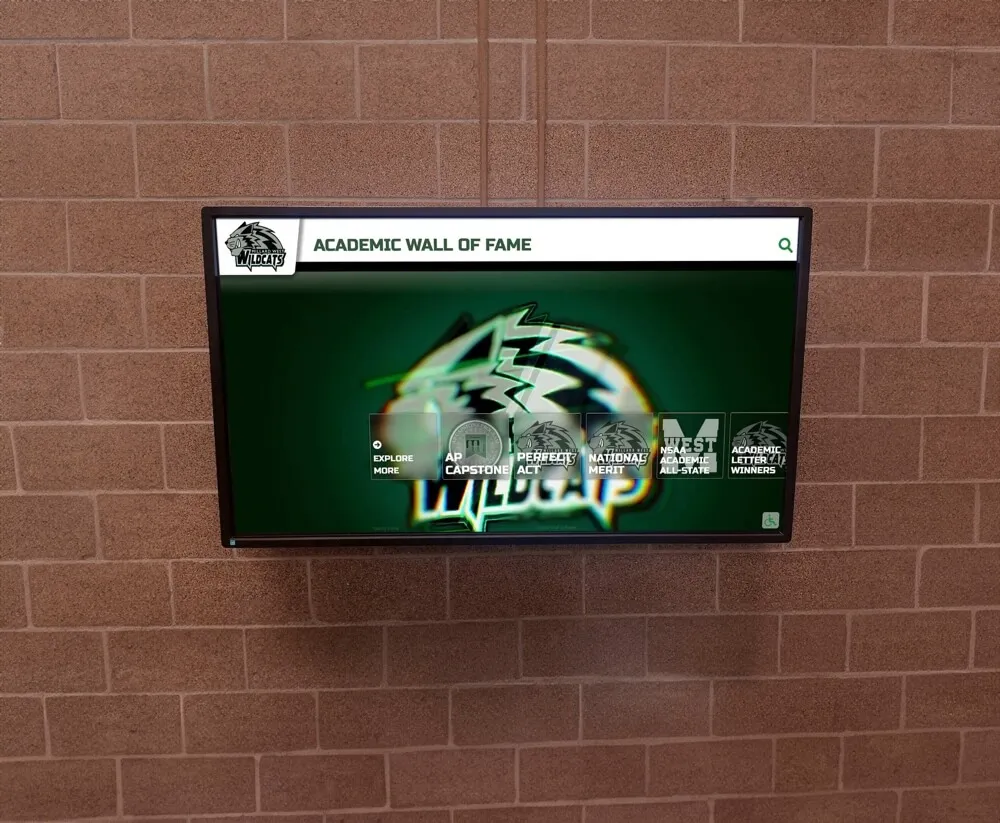
Digital displays can seamlessly integrate academic and athletic recognition, showing that schools value both forms of excellence equally. This integrated approach more accurately reflects collegiate emphasis on student-athlete development rather than treating athletics in isolation from academic mission.
College Signing and Commitment Recognition
One of the most visible collegiate-level elements high schools can implement is formal recognition of athletes signing to continue athletics collegiately. This recognition celebrates individual achievement while demonstrating program quality to current athletes and prospective families.
Comprehensive college signing recognition includes formal signing day ceremonies with media coverage, prominent display of college commitments in athletic facilities, ongoing tracking of where graduates compete collegiately, digital displays presenting current and historical college athletes, and alumni update sections showing how former athletes progressed through college careers.
This recognition serves multiple purposes—honoring individual achievement, demonstrating program credibility to recruits, providing motivation for younger athletes, and maintaining connections with alumni competing collegiately who may return as volunteers or mentors.
Establishing Sustainable Operations and Maintenance
Creating collegiate-level experiences requires more than initial implementation—sustainable operations ensure programs maintain excellence across leadership changes and budget fluctuations.
Clear Roles and Responsibilities
Successful programs establish clear ownership for various recognition and engagement functions rather than treating them as additional duties for already-overwhelmed staff without dedicated time or resources.
Typical role distributions include athletic director overseeing overall vision and strategy, assistant athletic director or coordinator managing daily recognition updates, coaches providing sport-specific content and achievement information, administrative assistant handling data entry and social media, and student workers or volunteers supporting content creation and event execution.
Formal role definition with appropriate time allocation prevents recognition systems from being launched enthusiastically but gradually declining as initial momentum fades and other priorities compete for limited staff attention.
Technology Selection That Enables Independence
The most sophisticated recognition technology proves worthless if athletic staff cannot manage content updates independently without constant IT department involvement or vendor technical support for routine operations.
When evaluating recognition technology, prioritize intuitive content management interfaces designed for non-technical users, comprehensive training and documentation supporting independent operation, reliable technical support when genuinely needed, proven track record with similar educational institutions, and reasonable ongoing costs sustainable within typical athletic budgets.
Solutions like Rocket Alumni Solutions provide purpose-built platforms specifically designed for athletic recognition, combining powerful capabilities with user-friendly management that enables athletic directors and coaches to maintain displays independently. This design philosophy recognizes that technology succeeds only when actual users can operate it confidently without technical expertise.
Budget Planning and Resource Allocation
Implementing collegiate-level recognition and engagement requires initial investment and ongoing operational costs. Realistic budget planning ensures sustainability rather than creating financial strain that undermines long-term success.
Typical cost categories for comprehensive recognition include initial hardware for touchscreen displays and necessary infrastructure, software licensing for content management and display systems, content development for initial historical research and profile creation, training for staff operating and maintaining systems, and ongoing maintenance covering hosting, support, and periodic updates.
Many schools find that establishing booster organization support, developing business sponsorships, and allocating modest general fund budget creates sustainable funding without requiring unrealistic resources. Initial investment typically ranges $8,000-$20,000 for comprehensive digital recognition systems with $1,500-$5,000 annual ongoing costs—figures achievable for most programs when planned appropriately.
Measuring Success and Impact
Systematic assessment demonstrates whether collegiate-level enhancements achieve intended goals while identifying improvement opportunities ensuring programs continuously evolve.
Athlete Satisfaction and Experience
The primary measure of success is whether student-athletes genuinely feel their program provides exceptional experiences that honor their dedication and preparation.
Assessment methods include anonymous athlete surveys gathering candid feedback, focus groups discussing program strengths and improvement opportunities, exit interviews with graduating seniors reflecting on overall experience, and comparison benchmarking against peer programs and collegiate standards.
Regular feedback collection—annually for comprehensive surveys, quarterly for brief pulse checks—ensures programs remain responsive to athlete needs and perceptions rather than operating based on administrative assumptions that may not match actual experiences.
Community Engagement Indicators
Collegiate-level programs typically generate strong community engagement manifested through attendance, support, and advocacy. Similar engagement indicators demonstrate whether high school enhancements resonate with communities.
Key engagement metrics include event attendance trends across all sports, social media engagement rates and follower growth, website traffic to athletic pages and recognition platforms, business sponsorship growth and renewal rates, volunteer participation in program support activities, and alumni engagement with recognition content and reunion programming.
Baseline measurements following enhancement implementation establish benchmarks for tracking engagement trends over time, revealing whether improvements generate intended community response.
Recruitment and Retention Impact
Quality programs attract and retain strong athletes while building depth across all sports. Recognition and engagement enhancements often impact recruitment and retention positively when implemented thoughtfully.
Recruitment indicators include incoming athlete quality and preparedness, interest from athletes outside traditional feeder areas, prospective family feedback during recruitment, and retention rates showing athletes continuing participation across multiple years.
While many factors influence recruitment and retention beyond recognition alone, programs implementing comprehensive collegiate-level enhancements typically observe improved athlete interest and satisfaction contributing to overall program strength.
Creating Your Implementation Roadmap
Transforming athletic programs to provide collegiate-level experiences requires systematic planning that sequences improvements strategically while maintaining momentum across multi-year timelines.
Phase 1: Foundation (Months 1-3)
Initial implementation should establish core infrastructure enabling subsequent enhancements. Foundation activities include assessing current recognition and engagement approaches to identify gaps, establishing stakeholder committee with representation from all relevant groups, defining vision and goals specific to your program context, securing initial budget and resource commitments, and selecting recognition technology and vendors.
Foundation phase typically requires 2-3 months of planning before visible changes occur—patience during this groundwork phase pays dividends through smoother implementation when public-facing work begins.
Phase 2: Core Implementation (Months 4-9)
Core implementation brings recognition systems online and begins transforming visible program elements. Key activities include installing physical recognition displays in strategic locations, launching online recognition platforms accessible globally, developing initial content covering recent history and current athletes, implementing consistent branding standards across communications, and training staff on technology operation and content management.
Core implementation typically requires 4-6 months, with recognition systems launching incrementally rather than waiting for perfect completion. Early launches demonstrate progress while building momentum for continued development.
Phase 3: Enhancement and Growth (Months 10-24)
Once core systems operate reliably, enhancement phase adds depth and breadth that further distinguishes programs. Enhancement activities include expanding historical content coverage deeper into program history, developing sport-specific recognition categories celebrating unique achievements, implementing community engagement programming with businesses and alumni, enhancing game day experiences with improved production elements, and establishing youth program integration building early connections.
Enhancement phase extends across second year and beyond as programs continuously identify improvement opportunities and adapt recognition to evolving needs.
Continuous Improvement (Ongoing)
Successful programs maintain continuous improvement mindsets rather than treating recognition implementation as one-time projects. Ongoing activities include regular content updates adding new achievements as they occur, periodic assessment gathering stakeholder feedback, technology updates implementing new capabilities as they become available, staff training ensuring all relevant personnel can contribute effectively, and program expansion adding recognition categories or engagement activities as resources permit.
This continuous improvement approach keeps programs fresh and responsive rather than allowing initial enthusiasm to fade as recognition becomes routine background element rather than living program cornerstone.
Conclusion: Honoring Student-Athlete Dedication Through Excellence
For the vast majority of high school athletes, their four years competing represent their entire athletic careers. This reality makes the experience high schools provide fundamentally important—not as preparation for future competition, but as the thing itself deserving excellence, professionalism, and respect matching the dedication student-athletes invest.
Creating collegiate-level athletic experiences demonstrates institutional commitment to athletics, validates the sacrifices and dedication athletes contribute, builds program culture and tradition that strengthens over time, improves recruitment and retention of quality athletes, enhances community pride and support, and preserves athletic history for future generations.
Modern technology has democratized access to professional recognition systems that once required collegiate budgets. Digital record boards, interactive displays, and comprehensive achievement tracking systems now fit within typical high school resources—enabling programs of all sizes to honor athletes and preserve history at levels previously impossible.
Solutions like Rocket Alumni Solutions provide purpose-built platforms specifically designed for high school and college athletic recognition, combining powerful capabilities with user-friendly operation that enables athletic directors and coaches to maintain comprehensive displays independently. These systems create foundations for excellence that serve programs for decades as content libraries grow and community connections strengthen.
Your student-athletes dedicate countless hours to athletic excellence through early morning practices, late-night training sessions, academic sacrifices, and physical challenges. They deserve experiences that honor this commitment—experiences that make four years of high school athletics memorable, meaningful, and celebrated appropriately. Collegiate-level recognition and engagement don’t require unrealistic resources—they require thoughtful planning, strategic implementation, and commitment to treating athletics as valuable institutional priorities deserving professional attention and ongoing investment.
The athletes currently competing in your programs will remember their experiences for the rest of their lives. Make those memories worthy of their dedication through recognition systems, engagement programs, and facility environments that communicate clearly: your achievements matter, your dedication is valued, and your contributions to our athletic tradition will be preserved and celebrated permanently. That’s the collegiate experience every high school athlete deserves.