



Corporate donors provide essential funding that enables nonprofits, educational institutions, and cultural organizations to advance their missions. Yet many organizations struggle to recognize business supporters meaningfully—defaulting to generic plaques that fail to reflect the partnership’s significance or inspire continued investment. When corporate donors feel their contributions are treated as transactional rather than transformational, renewal rates decline and relationship depth stagnates.
Effective corporate donor recognition requires thoughtful strategies acknowledging business motivations while celebrating community impact. The best recognition programs balance visibility for corporate brand objectives with authentic gratitude for philanthropic partnership, create opportunities for employee engagement alongside financial support, and demonstrate measurable community outcomes that corporate investments enable. Whether through traditional approaches, innovative digital platforms, or strategic hybrid implementations, intentional corporate donor recognition transforms one-time sponsors into long-term mission partners.
Why Corporate Donor Recognition Matters More Than Ever
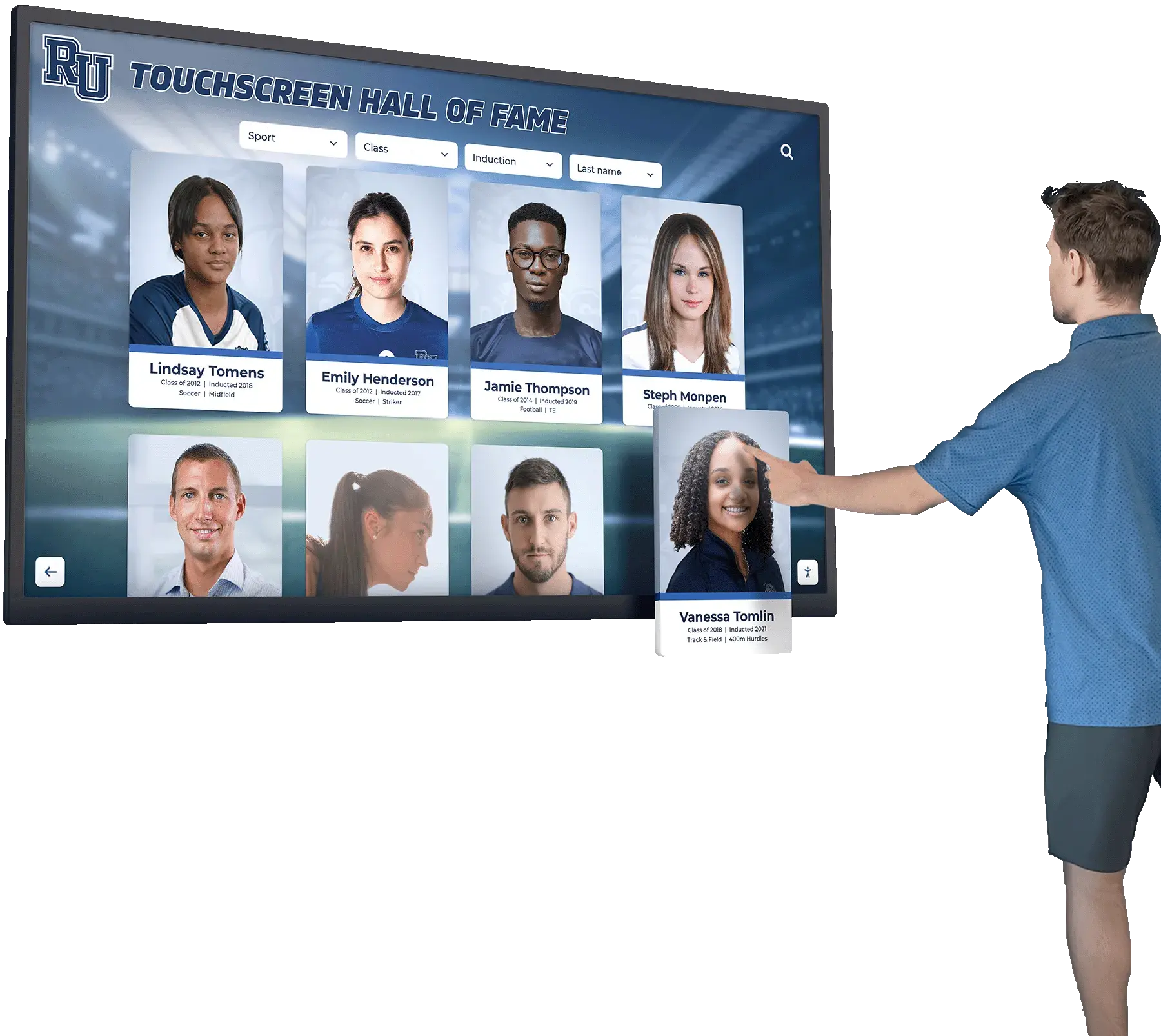
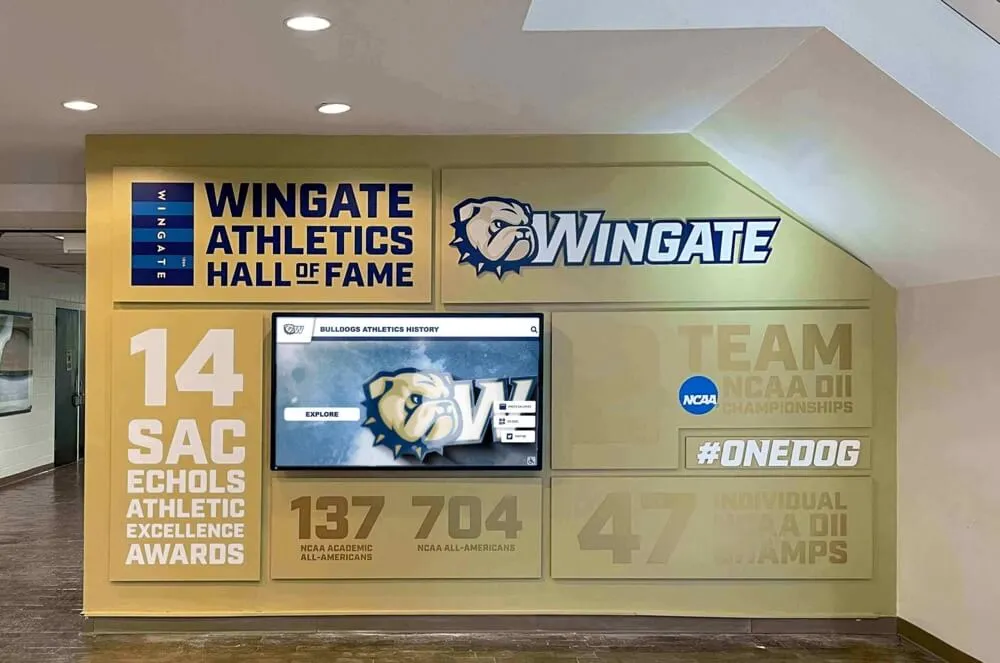
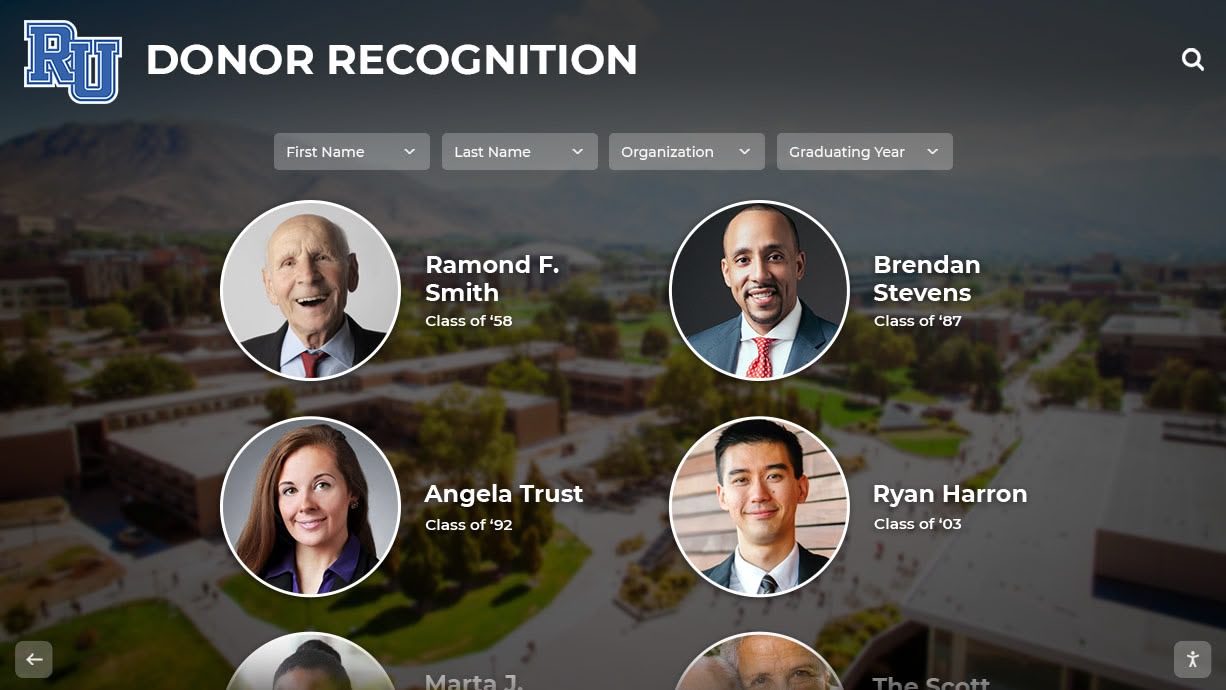
Corporate philanthropy represents increasingly vital revenue for mission-driven organizations, yet competition for business support intensifies annually. Meaningful corporate donor recognition differentiates your organization by demonstrating partnership value beyond transactional sponsorship. Solutions like Rocket Alumni Solutions provide purpose-built platforms specifically designed for donor recognition, combining unlimited capacity with compelling storytelling capabilities that traditional plaques simply cannot match.
Understanding Corporate Donor Motivations
Successful corporate recognition strategies begin by understanding why businesses give—motivations that differ significantly from individual donor psychology.
Business Objectives Driving Corporate Philanthropy
Brand Visibility and Community Reputation: Companies invest in visible community partnerships to strengthen local brand recognition and demonstrate corporate citizenship. Recognition providing public visibility amplifies this business value, particularly when displayed in high-traffic locations or shared through social media channels reaching broad audiences.
Employee Engagement and Retention: Many corporate giving programs aim to strengthen employee satisfaction and retention. Team volunteering opportunities, matching gift programs, and community partnerships create workplace meaning beyond compensation. Recognition acknowledging employee participation alongside corporate contribution reinforces this internal engagement objective.
Marketing and Customer Acquisition: Strategic corporate giving targets customer demographics overlapping with supported causes. A sporting goods retailer supporting youth athletics gains visibility among customer households. A technology firm sponsoring STEM education reaches families making technology purchasing decisions. Recognition creating customer touchpoints delivers marketing value justifying continued investment.
Values Alignment and Authentic Partnership: Beyond calculated business returns, many companies genuinely align with mission-driven work. Leadership teams personally committed to causes seek authentic partnerships making tangible differences. Recognition reflecting this values alignment resonates more deeply than purely transactional acknowledgment.
Community Investment and Economic Development: Companies operating in specific communities recognize self-interest in local quality of life, education quality, and cultural vitality. Corporate giving represents strategic community investment supporting conditions where businesses thrive. Recognition connecting corporate support to measurable community improvement demonstrates this investment wisdom.
Understanding these diverse motivations enables recognition approaches addressing what matters most to corporate partners—creating appreciation experiences that strengthen relationships while supporting business objectives.
Traditional Corporate Donor Recognition Approaches
Established recognition methods continue delivering value when implemented thoughtfully and tailored to corporate partnership contexts.
Naming Rights and Legacy Recognition
For transformational corporate gifts, naming opportunities create permanent visible association between companies and mission-critical facilities or programs.

Building and Facility Naming: Major corporate donors frequently receive building naming rights acknowledging extraordinary support. The [Corporate Name] Conference Center, [Company] Innovation Lab, or [Business] Community Theater creates lasting recognition while providing ongoing brand visibility. Naming agreements typically specify recognition duration, signage requirements, and renewal terms ensuring clarity for both parties.
Program and Initiative Naming: When building naming proves impractical, program naming provides meaningful recognition. The [Corporation] Scholarship Program, [Company] Summer Camp Series, or [Business] Visiting Artist Fellowship creates ongoing association between corporate support and specific programming corporate gifts enable.
Endowment and Fund Naming: Perpetual recognition through named endowments appeals to corporations seeking lasting community legacy. The [Corporate Foundation] Emergency Assistance Fund or [Company Name] Innovation Grant Program provides permanent recognition while ensuring sustained program funding beyond initial gift periods.
Considerations for Naming Recognition: Naming rights require careful agreement structuring addressing recognition duration and renewal expectations, minimum gift thresholds justifying naming privileges, signage quality and maintenance responsibilities, what happens if corporate names change through mergers or rebranding, and exit strategies if corporate partnerships end or companies request removal.
Recognition Walls and Donor Displays
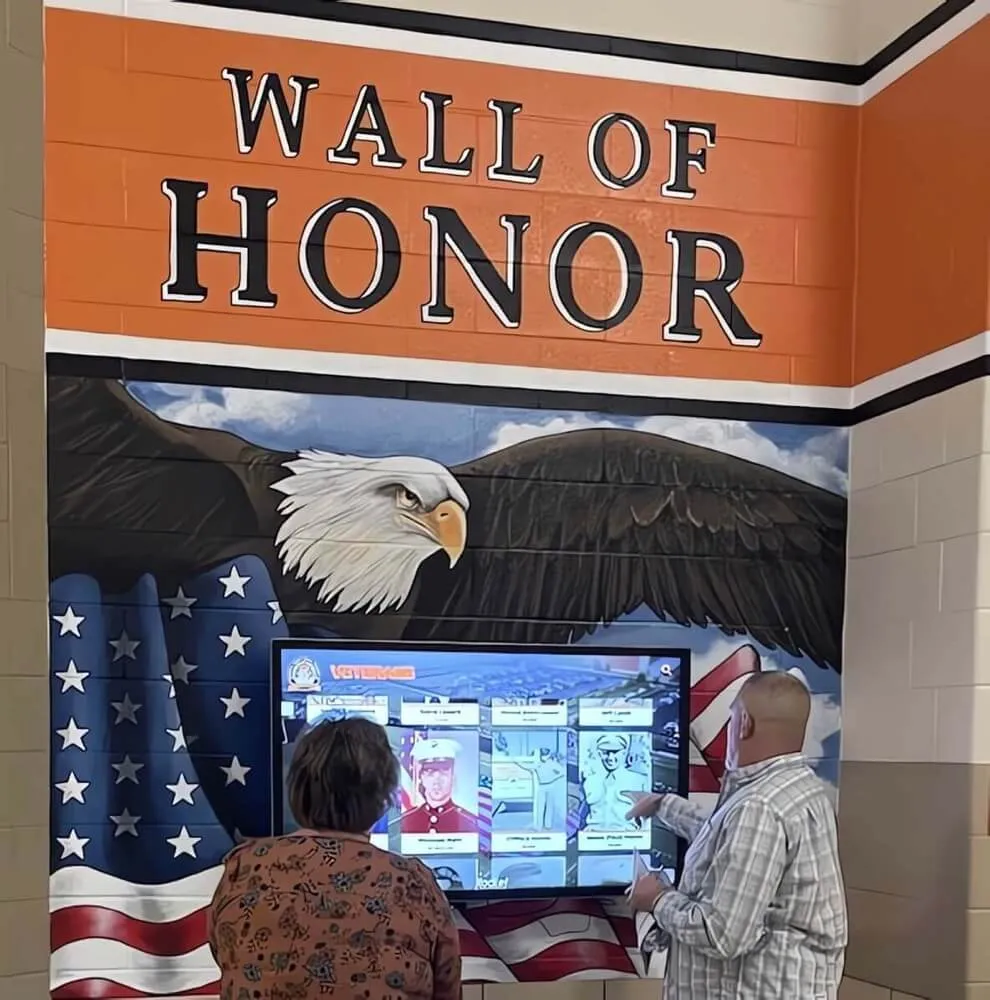
Physical donor walls create visible appreciation while demonstrating philanthropic community breadth to visitors and prospective supporters.
Tiered Recognition Structures: Effective donor walls organize corporate supporters into clear giving level hierarchies acknowledging contribution magnitude. Common corporate tiers might include:
- Transformational Partners ($250,000+): Naming rights and premier recognition
- Leadership Partners ($100,000-$249,999): Prominent wall placement and program naming
- Major Corporate Sponsors ($25,000-$99,999): Recognition wall inclusion and event acknowledgment
- Corporate Supporters ($10,000-$24,999): Donor wall listing and program materials
- Business Friends ($1,000-$9,999): Annual report recognition and website listing
Design Considerations: Corporate donor walls should reflect organizational brand and mission through professional design quality matching corporate aesthetic expectations, appropriate prominence relative to giving level, flexibility accommodating logo display when requested, regular updating reflecting new donors and renewal acknowledgment, and placement in high-visibility, high-traffic locations maximizing exposure value for corporate partners.
Material and Durability: Traditional donor walls utilize durable materials justifying recognition permanence including engraved metal plaques providing classic formal appearance, etched glass creating contemporary sophisticated aesthetics, dimensional lettering offering architectural visual interest, and quality mounting ensuring secure long-term installation.
Corporate Recognition Events and Ceremonies
Event-based recognition creates relationship-building opportunities beyond passive display acknowledgment.
Annual Recognition Receptions: Host exclusive events honoring corporate partners through cocktail receptions or dinners featuring leadership attendance, impact presentations demonstrating how corporate support created measurable outcomes, peer networking opportunities connecting business leaders, media coverage amplifying recognition visibility, and award presentations providing tangible recognition symbols. These events strengthen personal relationships between organizational and corporate leadership while creating social recognition corporate leaders value.
Groundbreaking and Ribbon-Cutting Ceremonies: When corporate gifts fund capital projects, public ceremonies provide high-visibility recognition opportunities. Invite corporate executives to participate prominently in ceremonies, recognize corporate support through signage and speaking opportunities, generate media coverage amplifying recognition reach, and create photo opportunities corporate partners can use for internal and external communications.
Behind-the-Scenes Experiences: Provide corporate donors exclusive access deepening understanding of mission work and gift impact through facility tours showing programs their support enables, program participant interactions creating emotional connections, staff presentations explaining how corporate gifts solve real problems, and volunteer appreciation events honoring employee participation in corporate-sponsored initiatives.
Innovative Digital Corporate Donor Recognition
Modern technology addresses traditional recognition limitations while creating engagement opportunities impossible with static displays.
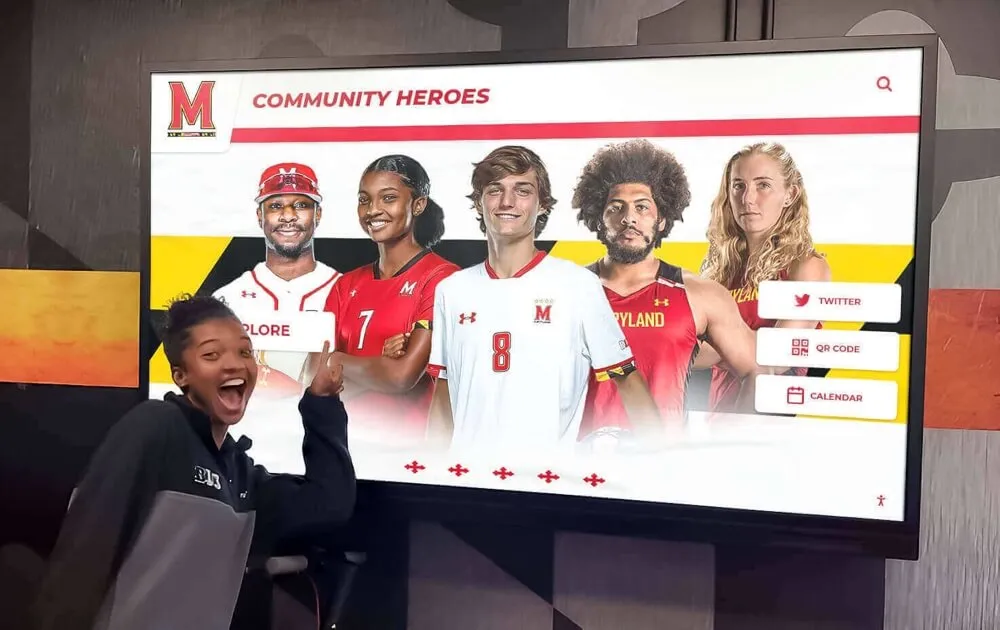
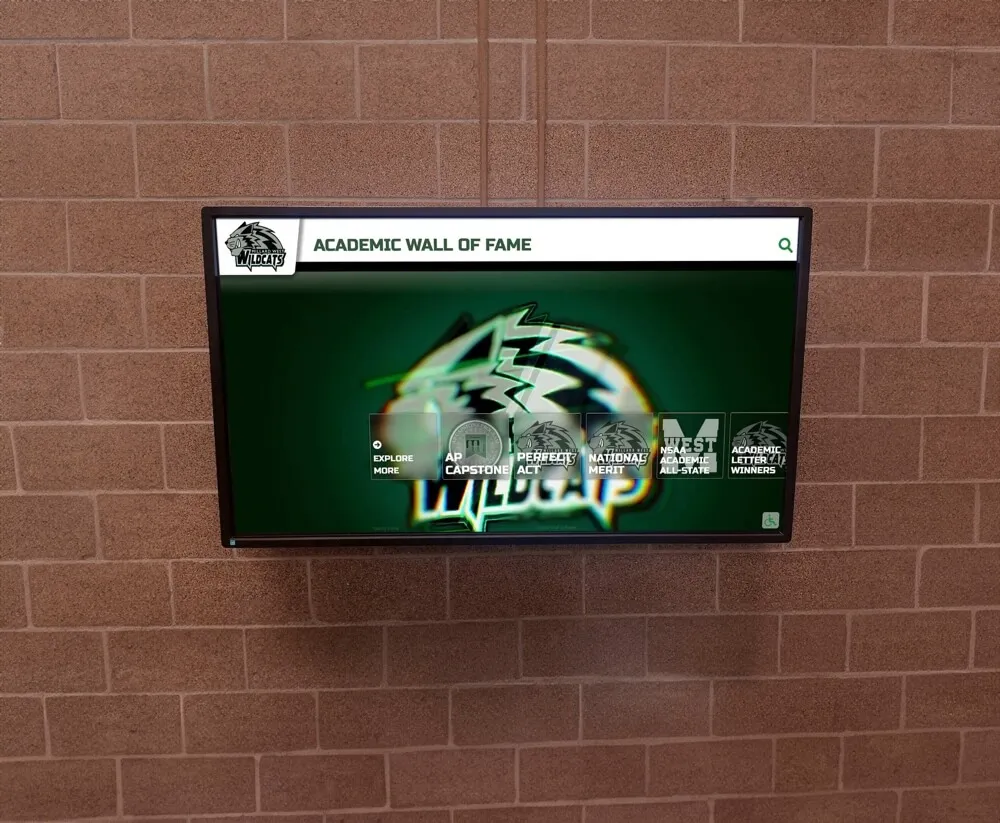
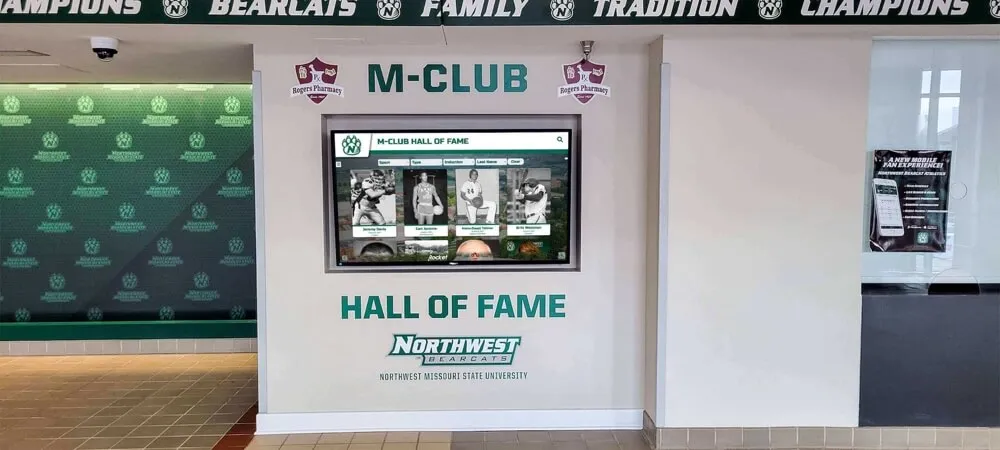
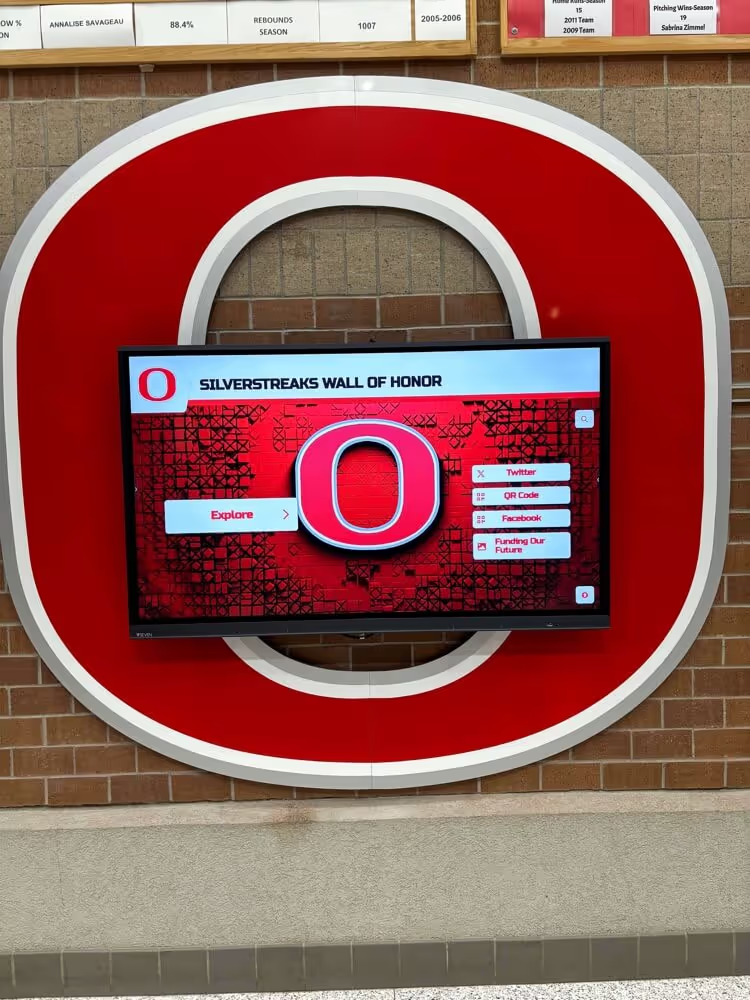
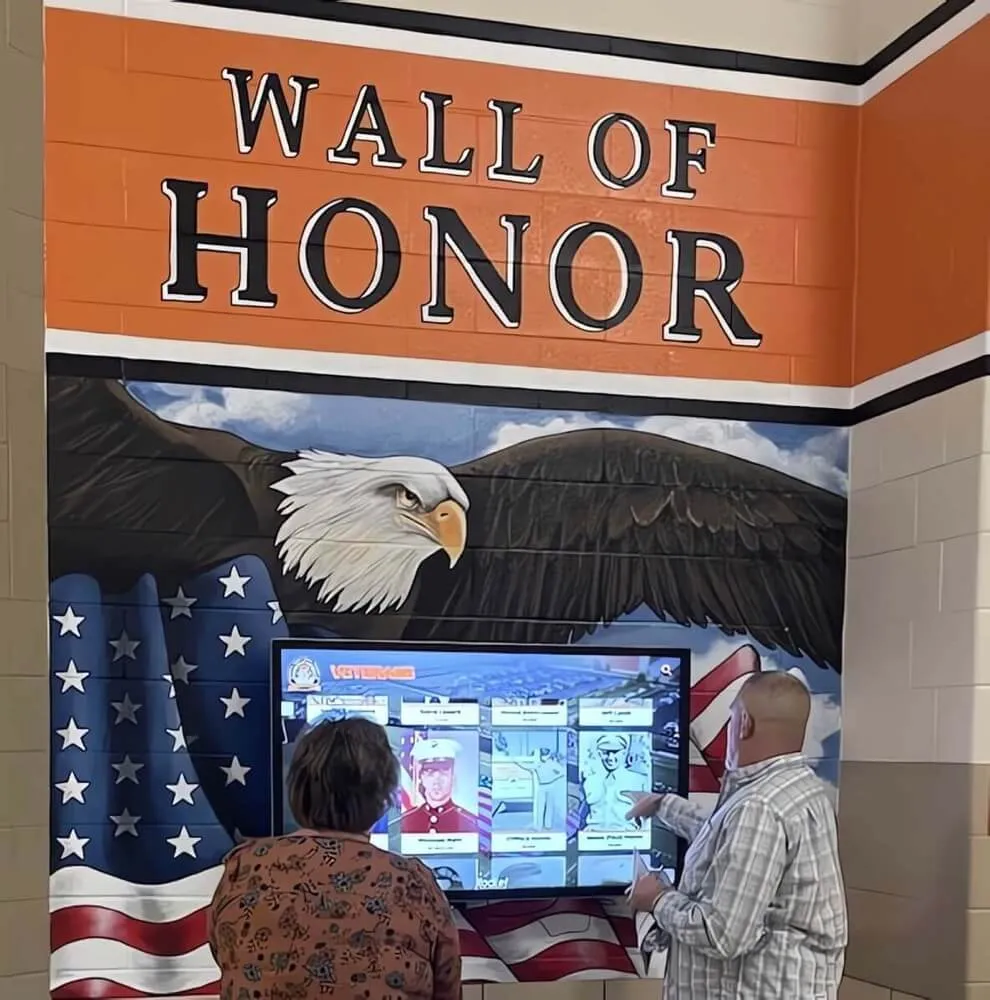
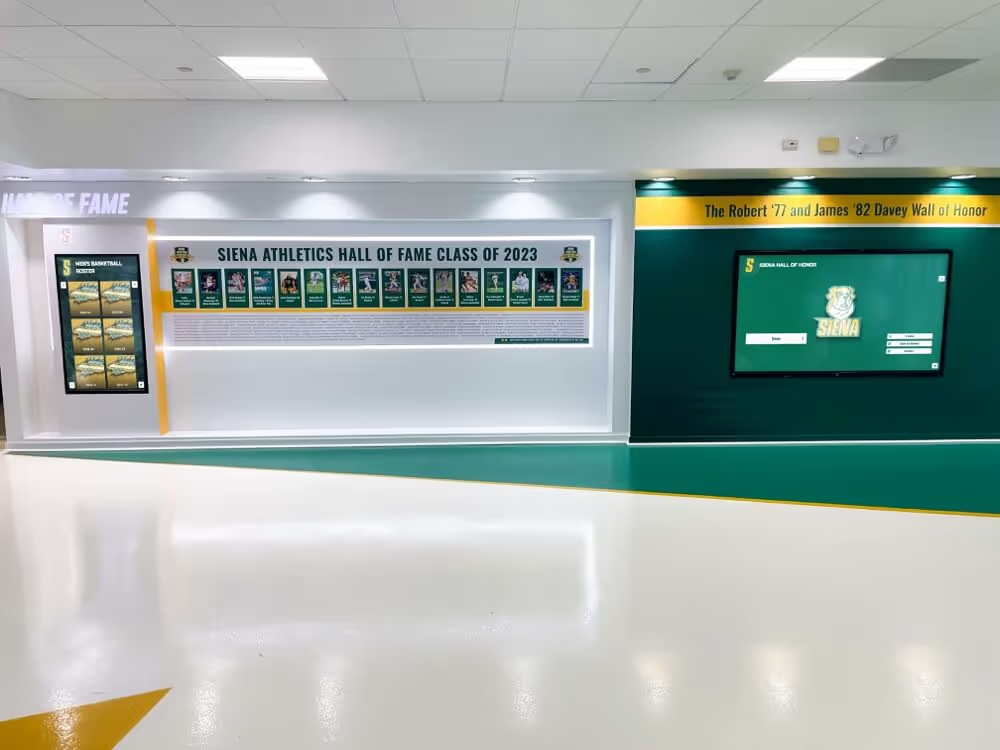
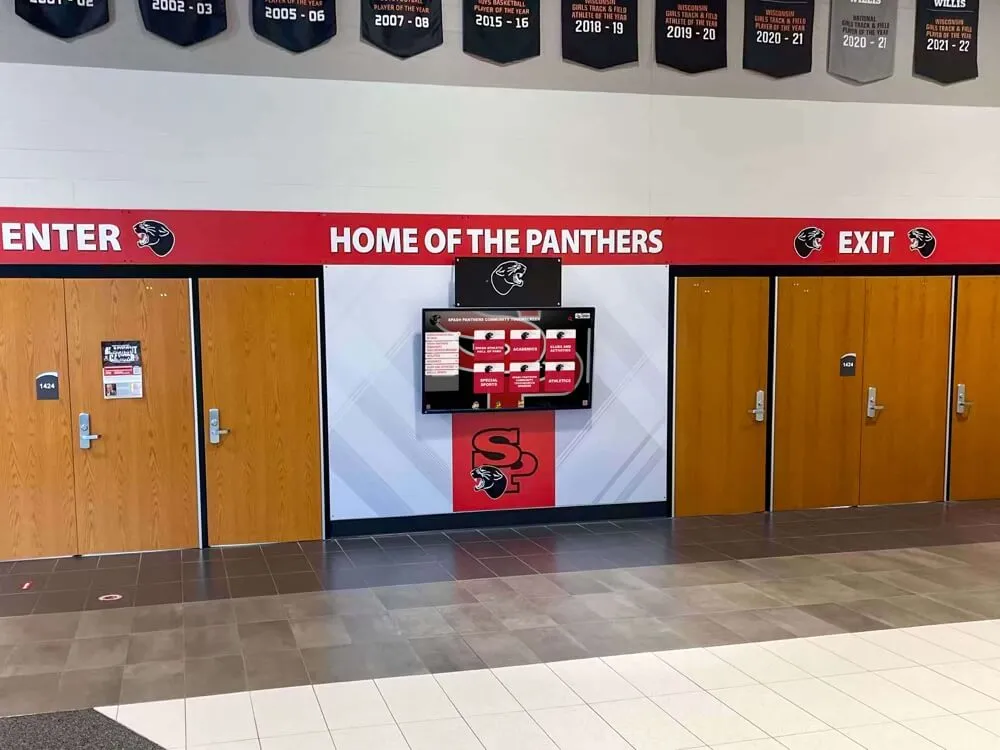
Interactive Digital Donor Walls
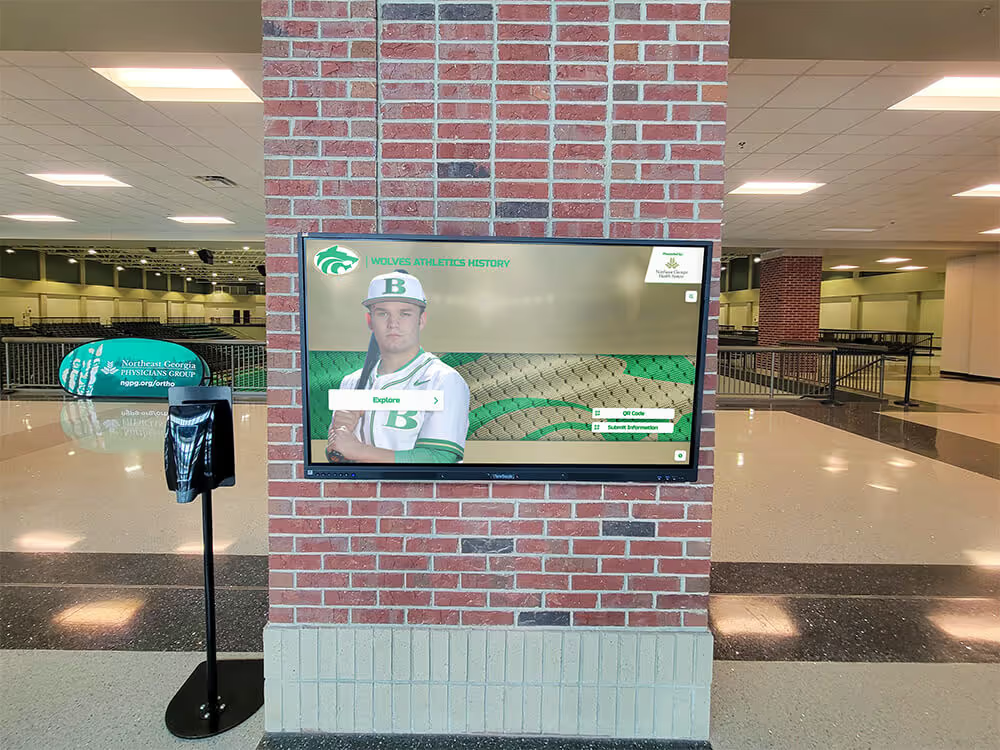
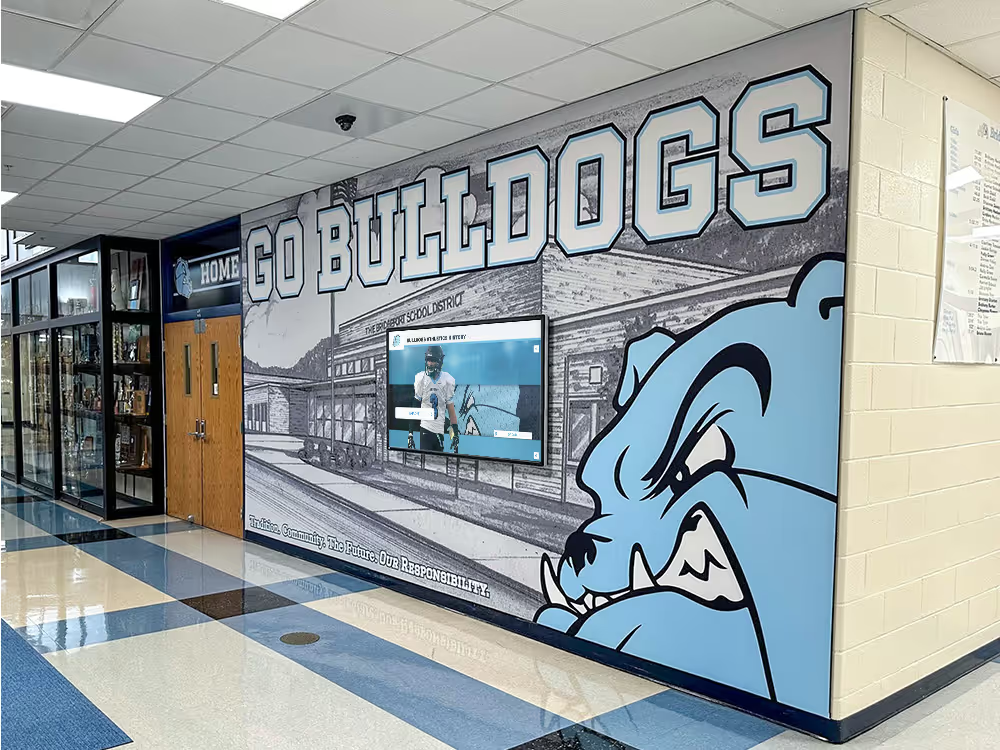
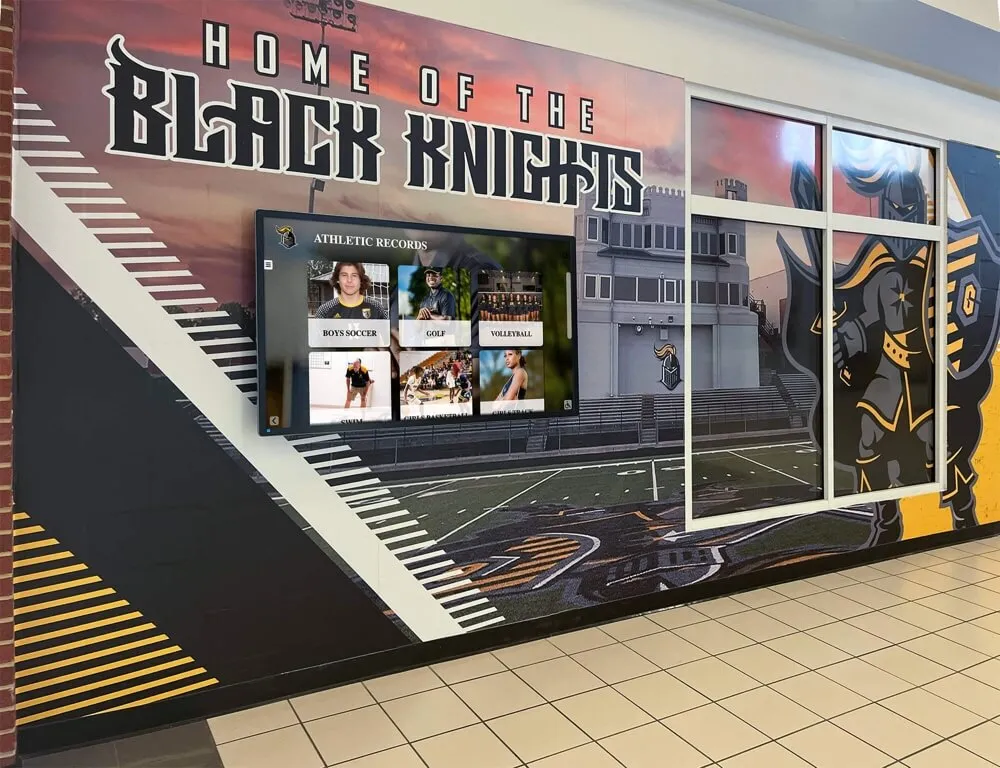
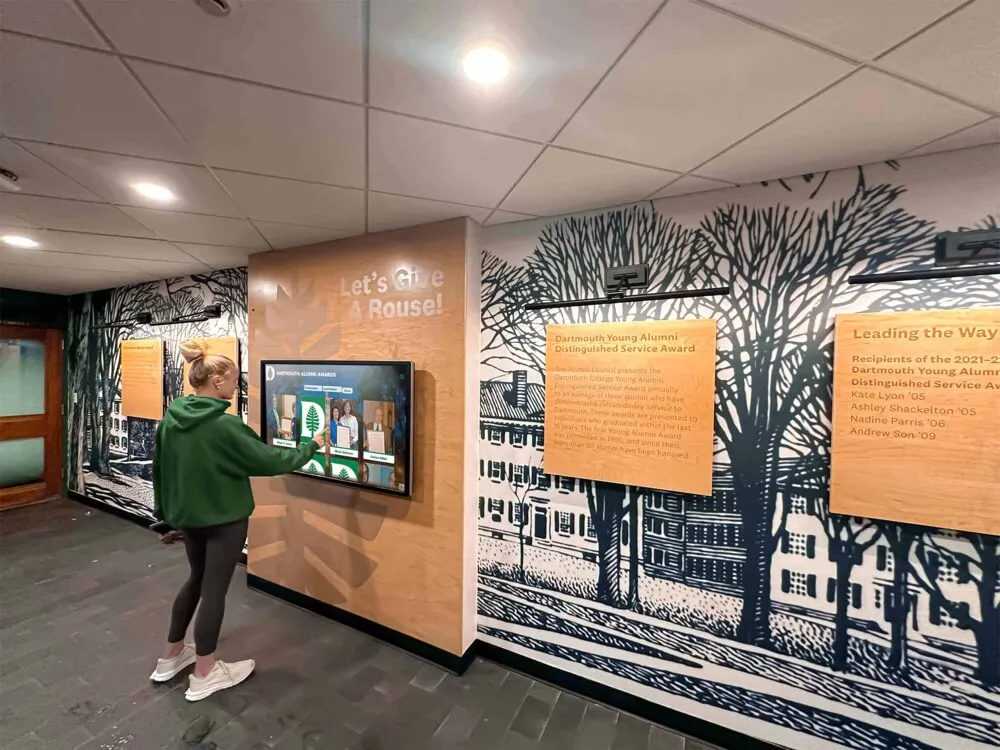
Digital recognition platforms transform how organizations honor corporate supporters by solving capacity constraints while adding functionality traditional plaques cannot match.
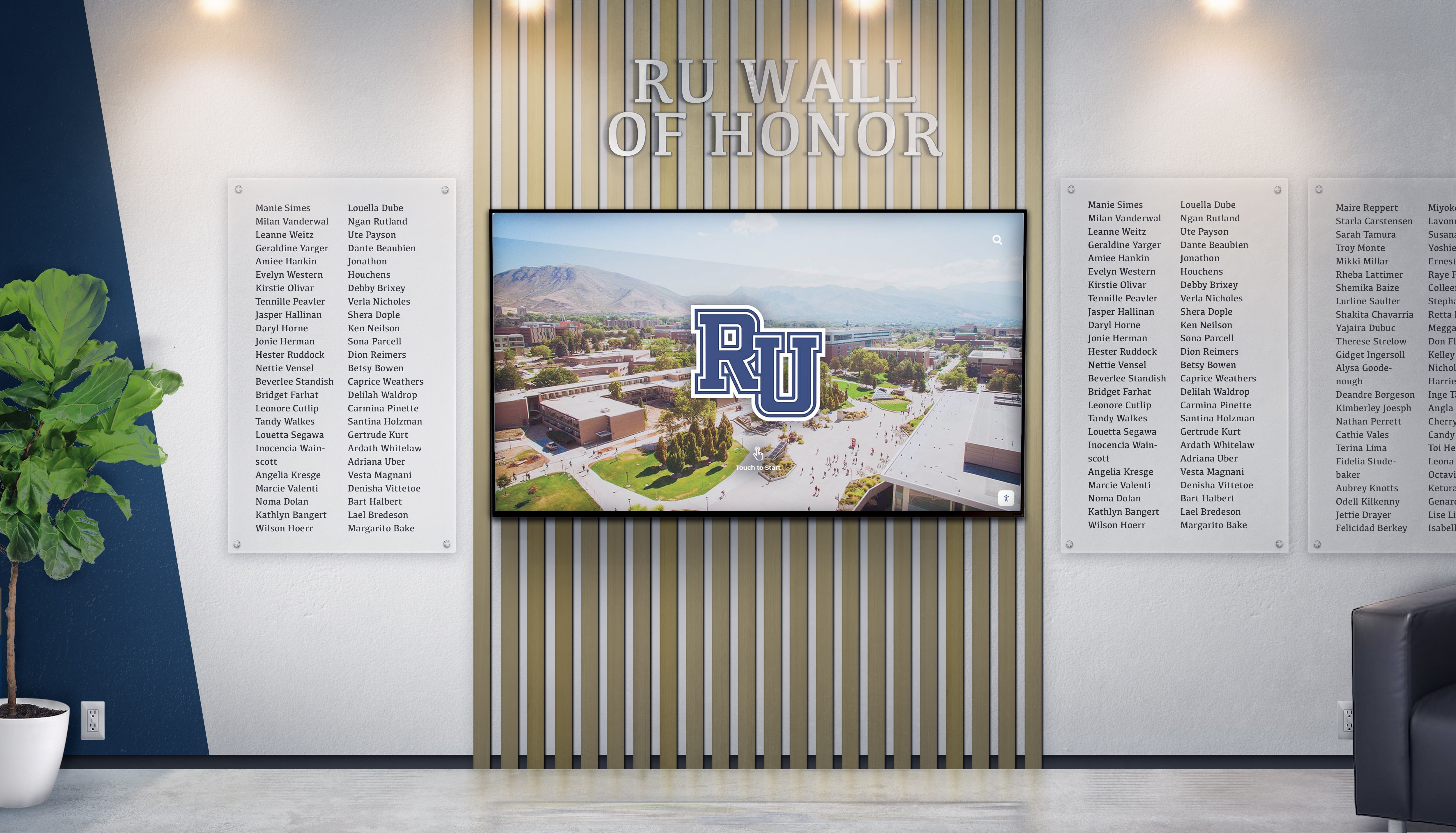
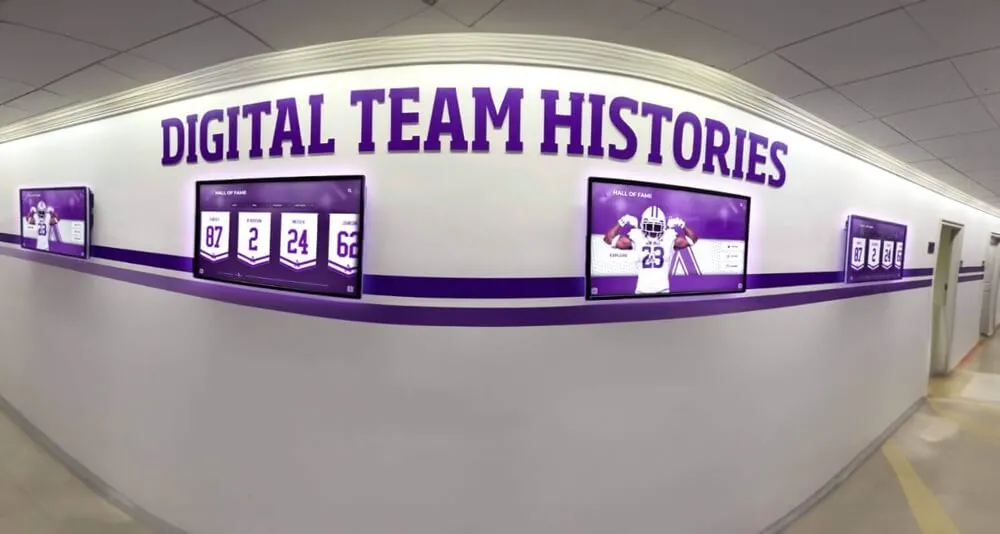
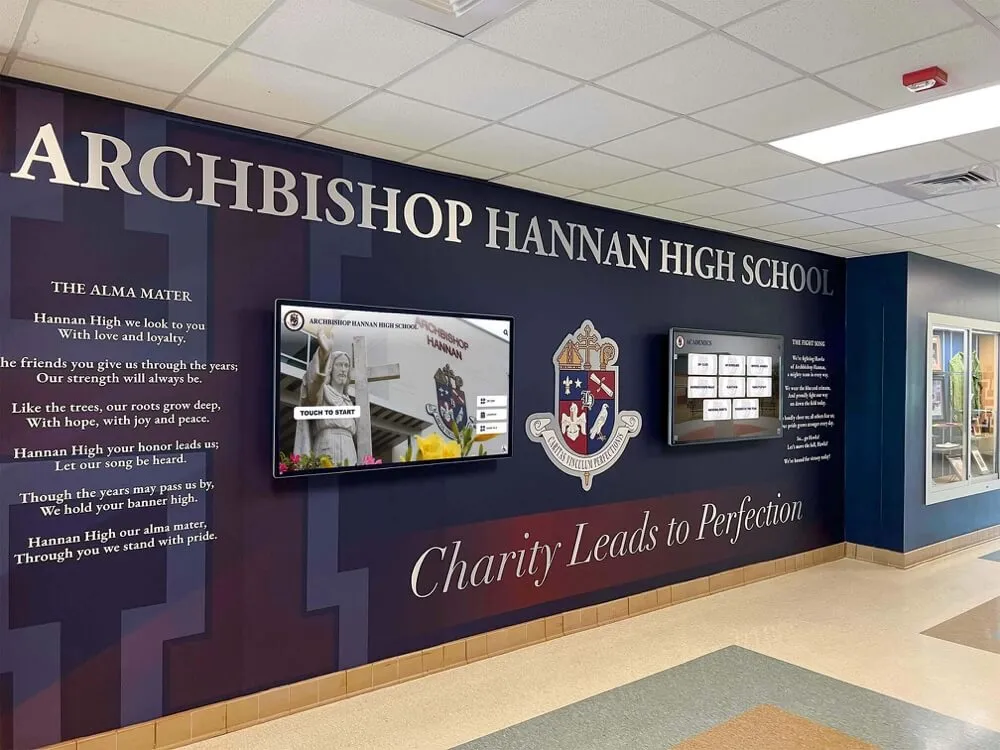
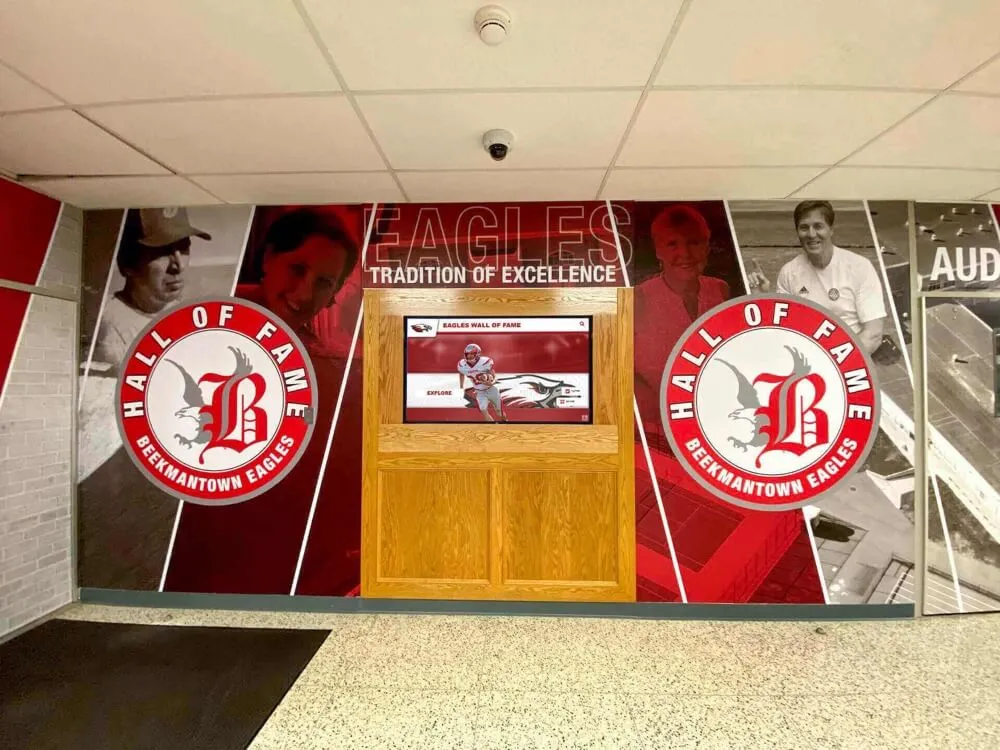
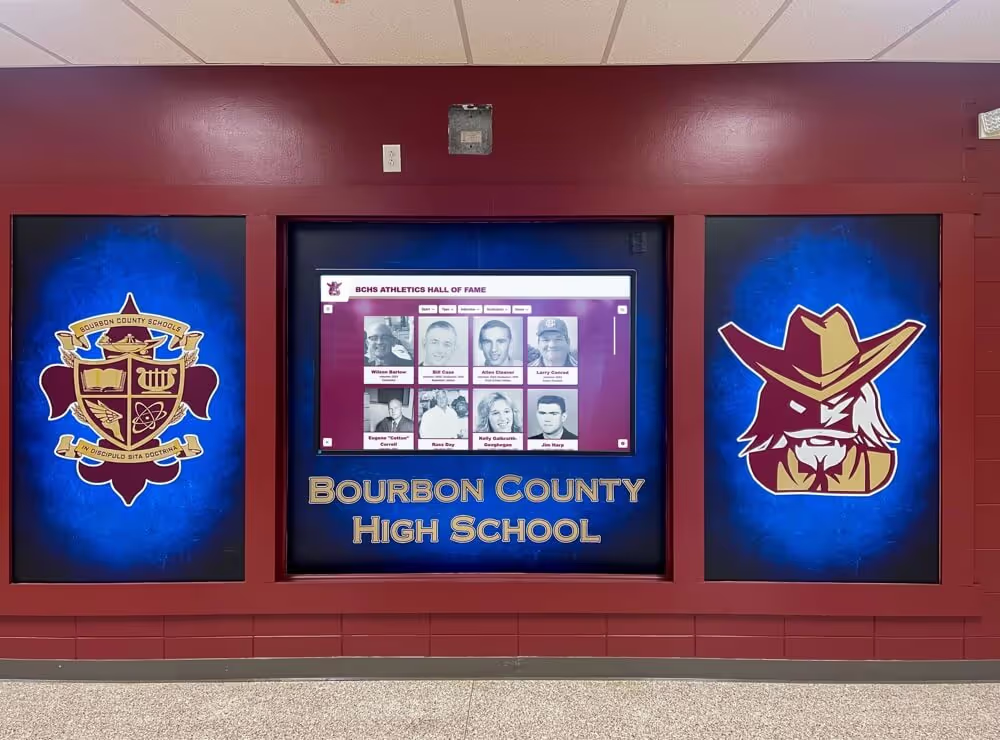
Unlimited Recognition Capacity: Digital platforms eliminate physical space limitations entirely. Organizations can showcase unlimited corporate partners across all giving levels, display multi-year giving histories showing partnership evolution, recognize both financial contributions and in-kind donations, acknowledge employee volunteer participation alongside corporate gifts, and preserve historical corporate partnerships even after relationship conclusions. This unlimited capacity ensures every corporate partner receives appropriate acknowledgment regardless of cumulative giving count.
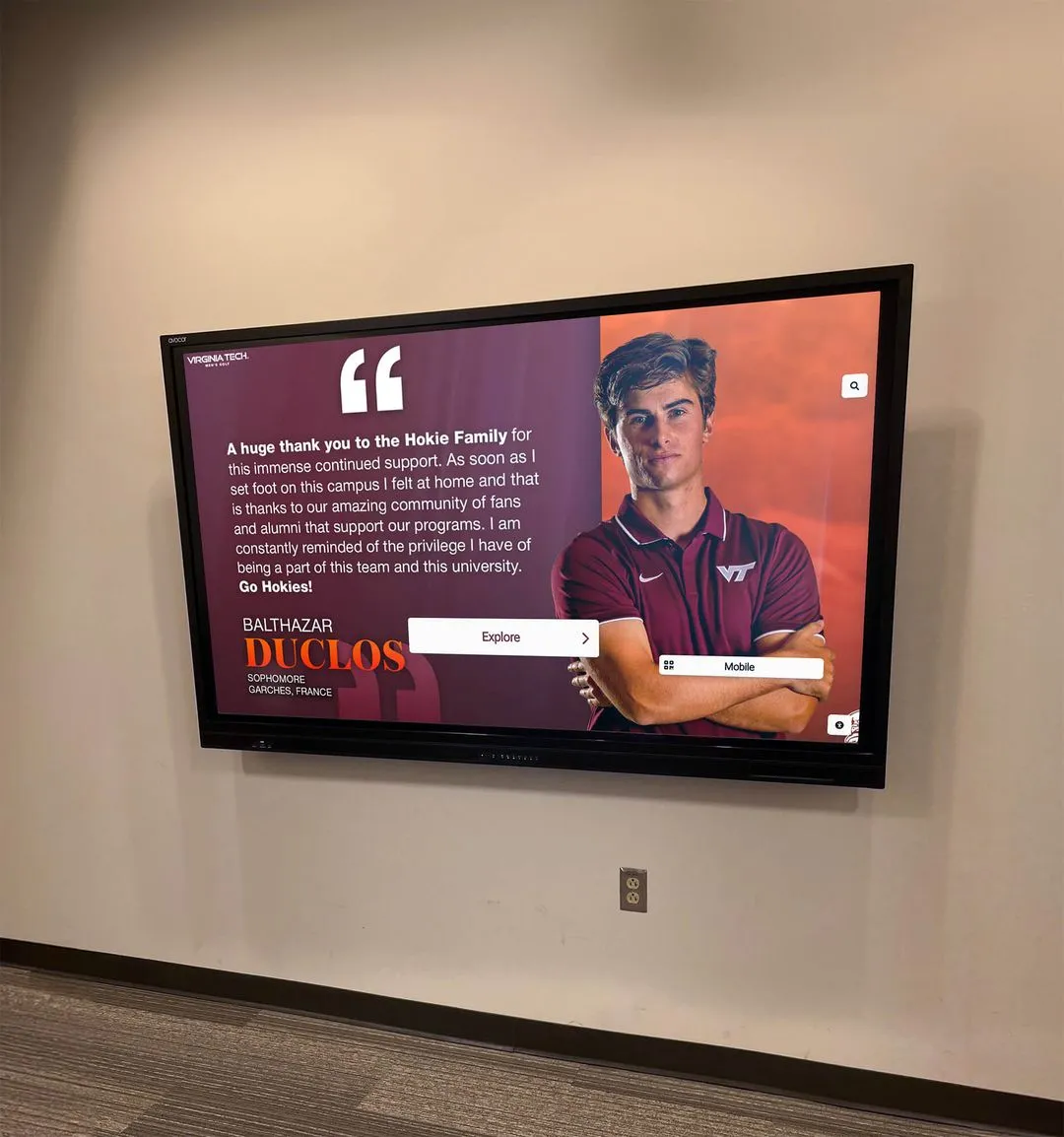
Rich Multimedia Storytelling: Digital recognition enables comprehensive partnership documentation impossible with engraved plaques. Include high-resolution corporate logos in brand-accurate colors, photos documenting partnership activities and volunteer events, videos featuring corporate leadership explaining giving motivations, impact metrics demonstrating measurable outcomes corporate investments enabled, and partnership timelines showing relationship evolution across years. This storytelling depth creates more meaningful recognition while providing content corporate partners can share for internal and marketing purposes.
Real-Time Updates Without Physical Changes: When new corporate partners join or existing relationships deepen, digital systems update instantly without fabrication delays or physical installation. This immediate recognition capability allows timely acknowledgment when corporate motivation and appreciation receptiveness peak—rather than waiting months for plaque ordering and mounting.
Searchability and Personalized Exploration: Digital donor walls enable discovery impossible with static displays. Corporate employees can search their employer to see company giving history, community members can filter by cause area to understand sector support, prospective corporate donors can explore peer companies at similar giving levels, and visitors can browse chronologically to understand partnership evolution. These personalized navigation pathways create relevant engagement for diverse audiences.
Comprehensive approaches to digital donor recognition demonstrate how technology transforms acknowledgment from passive viewing into active exploration.
Web-Based Recognition Portals
Extend corporate donor recognition beyond physical locations through dedicated web platforms accessible to stakeholders regardless of geography.
Public Donor Directories: Create searchable online directories showcasing all corporate partners. Enable filtering by industry sector, giving level, geographic location, and partnership duration. Provide detailed partnership pages with logos, mission alignment statements, and impact summaries. Include social sharing functionality allowing corporate partners to broadcast recognition across their networks.
Private Recognition Dashboards: Offer logged-in corporate partners private dashboards showing their cumulative giving history across fiscal years, impact metrics specific to programs their contributions funded, upcoming recognition opportunities and events, tax documentation and gift receipts, and personalized thank-you content from leadership and program beneficiaries. These private portals strengthen stewardship while providing practical account management functionality.
Integration with Corporate Websites: Provide corporate partners recognition content they can embed on their own corporate social responsibility web pages. Supply logo badges indicating giving society membership, partnership descriptions highlighting community investment, impact infographics demonstrating philanthropic outcomes, and embedded video testimonials from organizational leadership. This portable recognition extends visibility while supporting corporate communication objectives.
Social Media Recognition Strategies
Leverage digital platforms where corporate audiences already engage to amplify recognition reach and frequency.
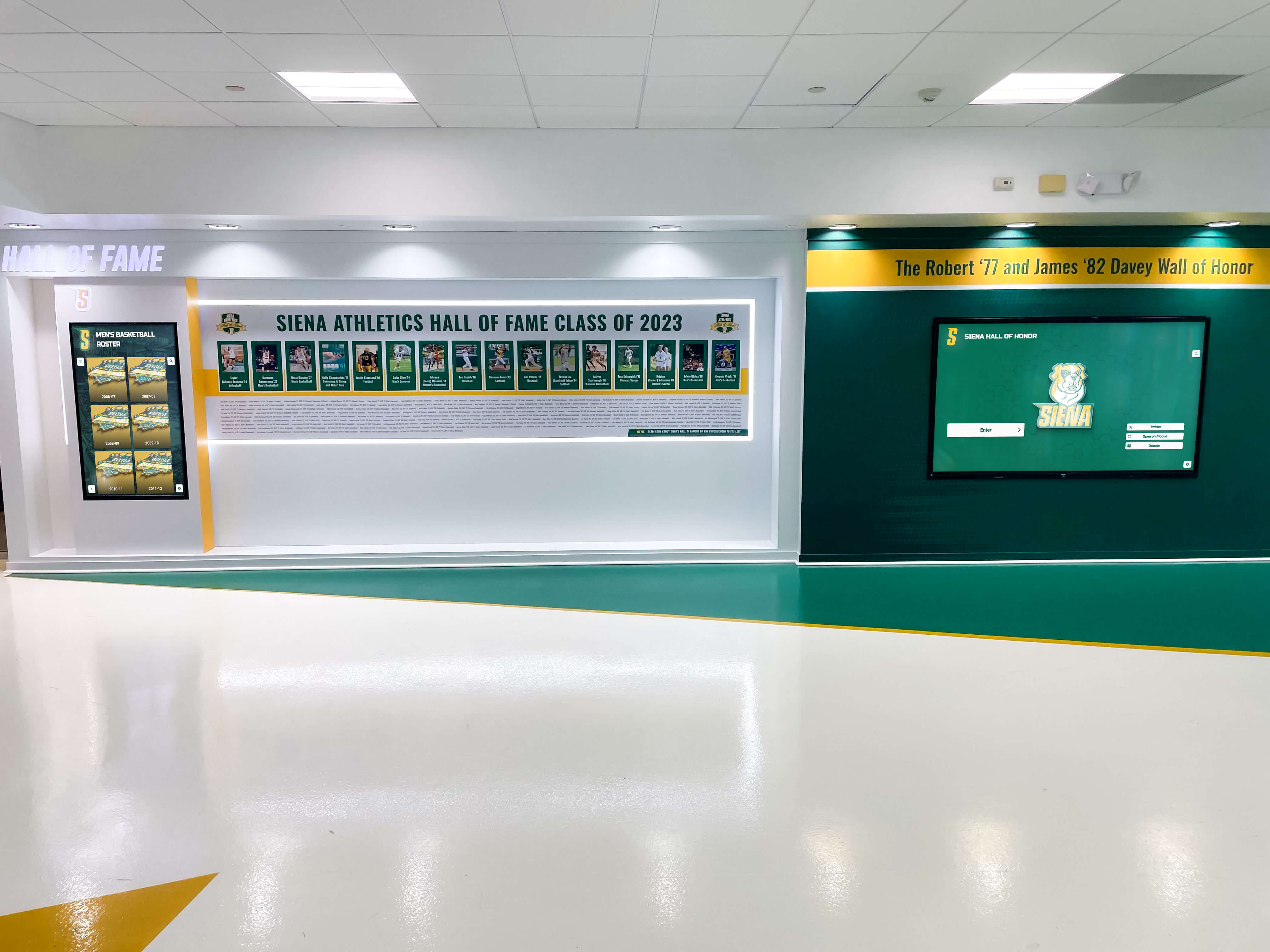
Regular Spotlight Features: Develop systematic social media recognition schedules featuring individual corporate partners regularly. Create consistent post templates maintaining brand aesthetics while highlighting diverse partners. Include partnership stories explaining giving motivations, impact photos showing programs corporate support enables, employee volunteer spotlights celebrating team participation, and calls-to-action encouraging community engagement with recognized partners.
Campaign-Specific Recognition: During fundraising campaigns or special initiatives, recognize corporate partners supporting specific goals. Share campaign progress crediting corporate leadership gifts, celebrate campaign milestones acknowledging business community support, and highlight corporate matching gift challenges amplifying employee giving participation.
Employee Engagement Content: Tag corporate partners when sharing content featuring their employee volunteers. Recognize corporate volunteer days showing team participation impact, celebrate corporate matching gifts amplifying employee donations, and share employee testimonials explaining why they support organizational missions through their workplace giving programs.
User-Generated Content Amplification: Encourage and reshare corporate partners’ own posts about philanthropic partnerships. Monitor corporate accounts for relevant content, request permission to reshare partnership posts, and amplify positive coverage extending recognition reach.
Creative Corporate Recognition Ideas Beyond Traditional Approaches
Organizations seeking differentiation can implement innovative recognition strategies creating memorable experiences while deepening corporate partnerships.
Impact Reporting and Transparency
Modern corporate donors increasingly expect data-driven transparency demonstrating how gifts create measurable outcomes.
Partnership Impact Reports: Develop customized reports for major corporate donors documenting specific outcomes their contributions enabled. Include program metrics directly tied to corporate funding such as students served, community members reached, or programs delivered. Provide financial transparency showing how corporate gifts were allocated across program budgets. Share beneficiary stories and testimonials illustrating human impact behind statistics. Compare year-over-year trends demonstrating sustained partnership value.
Interactive Impact Dashboards: Create online dashboards corporate partners can access anytime showing real-time metrics for programs they support. Display key performance indicators updated automatically, enable data export for corporate reporting needs, provide visualization tools showing trends and comparisons, and include storytelling elements balancing quantitative metrics with qualitative impact narratives.
Third-Party Impact Verification: For significant corporate partnerships, engage independent evaluators assessing program effectiveness and investment return. Share evaluation findings demonstrating accountability, identify improvement opportunities showing commitment to excellence, and benchmark against sector standards contextualizing partnership impact. This rigor appeals to corporate donors seeking evidence-based philanthropy and board accountability.
Collaborative Partnership Opportunities
Transform corporate recognition from passive acknowledgment into active engagement creating deeper relationship value.
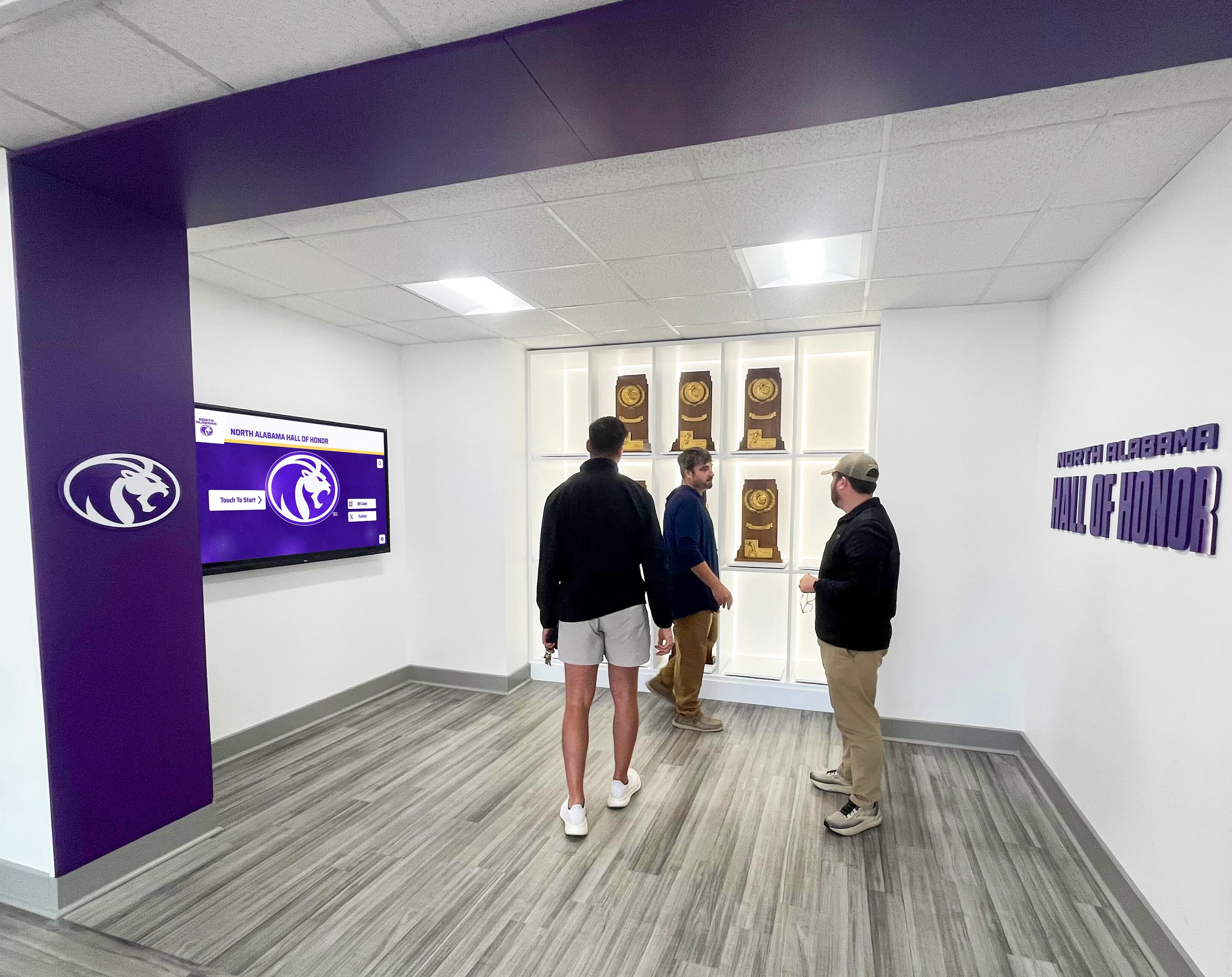
Joint Program Development: Invite strategic corporate partners to co-create initiatives leveraging both organizational missions and corporate expertise. Technology companies might help develop digital literacy programs, healthcare corporations could support wellness initiatives, or financial institutions might provide financial literacy education. Joint development creates deeper partnership investment while ensuring program relevance to corporate business objectives.
Employee Skill-Based Volunteering: Beyond check-writing, engage corporate employee expertise through pro bono professional services. Match corporate marketing teams with communications needs, connect corporate financial professionals with budget planning assistance, engage corporate HR expertise supporting volunteer program development, or leverage corporate technology staff providing IT infrastructure guidance. This skilled volunteering amplifies corporate contribution value while building employee connection to organizational missions.
Corporate Advisory Councils: For major corporate partners, create formal advisory structures providing strategic input on organizational direction. Invite corporate executives to serve on program committees, engage corporate expertise in strategic planning processes, solicit corporate perspective on community needs and emerging opportunities, and create networking forums connecting corporate partners with each other. Advisory participation provides meaningful engagement beyond financial contribution while strengthening corporate investment in organizational success.
Recognition Through Storytelling and Content Marketing
Strategic content development transforms corporate recognition into compelling narratives benefiting both organizations and corporate partners.
Partnership Documentary Videos: Produce professional video content showcasing corporate partnerships through multi-perspective storytelling. Interview corporate leadership explaining giving motivations and community commitment, feature program participants describing how corporate support changed their lives, show employee volunteers explaining personal connection to causes, and demonstrate measurable outcomes corporate investments enabled. These videos serve dual purposes—providing meaningful corporate recognition while creating marketing content corporate partners can share across their communication channels.
Written Case Studies and Impact Stories: Develop detailed written case studies documenting partnership journeys from initial connection through sustained impact. Structure narratives highlighting challenges corporate support helped address, solutions corporate funding enabled, measurable outcomes achieved, and future opportunities for deepened partnership. Distribute case studies through organizational communications, share with corporate partners for internal use, and publish to websites and annual reports providing public recognition.
Podcast Features and Interview Series: Launch podcast series featuring corporate partners discussing philanthropy, community investment, and business citizenship. Create consistent format positioning organizational leadership as skilled interviewers, enable corporate executives to share authentic perspectives on giving motivations, discuss broader sector trends and community challenges, and connect corporate brands to mission-driven work. Podcast content provides recognition while creating portable content corporate partners value.
Guidance on donor wall design and implementation offers frameworks for creating compelling recognition experiences that resonate with corporate audiences.
Tiered Corporate Recognition Programs
Systematic recognition structures ensure appropriate acknowledgment across diverse giving levels while creating natural pathways for partnership growth.
Designing Effective Recognition Tiers
Strategic Level Setting: Establish tier thresholds reflecting organizational fundraising capacity and corporate donor landscape. Research peer organizations’ recognition structures, analyze current corporate donor distribution, consider geographic market corporate giving capacity, and define thresholds creating aspirational but achievable progression pathways.
Clear Benefit Differentiation: Ensure each recognition tier provides meaningfully different benefits justifying increased investment. Higher tiers might include increased logo size and prominence on donor walls, exclusive access to leadership including board meetings or strategy sessions, enhanced naming opportunities for programs or spaces, priority registration for sold-out events and programs, and dedicated relationship managers providing personalized stewardship.
Multi-Year Giving Recognition: Consider how recognition structures acknowledge both single-year and cumulative multi-year giving. Some organizations establish separate lifetime giving societies recognizing cumulative corporate investment regardless of annual giving patterns. Others provide enhanced recognition when corporate partners sustain giving levels across multiple consecutive years. These cumulative acknowledgment approaches reward partnership longevity while encouraging sustained investment.
Sample Corporate Recognition Tier Structure
Visionary Partners ($500,000+)
- Premier building or program naming rights
- Permanent recognition on main donor wall
- Quarterly executive briefings with organizational leadership
- Dedicated account management and stewardship
- Annual impact report customized to partnership
- Recognition across all organizational marketing materials
- Board meeting observation privileges
- Exclusive VIP event access for corporate leadership
Transformational Partners ($250,000-$499,999)
- Program or initiative naming opportunities
- Prominent donor wall placement with enhanced visual treatment
- Semi-annual leadership meetings
- Comprehensive annual impact reporting
- Recognition in annual report and major communications
- Premium event access and exclusive invitations
- Advisory council participation opportunities
Leadership Partners ($100,000-$249,999)
- Significant donor wall recognition with logo
- Annual partnership review meetings
- Impact reporting summarizing partnership outcomes
- Recognition in annual reports and select communications
- Priority event registration and recognition
- Volunteer coordination for employee engagement
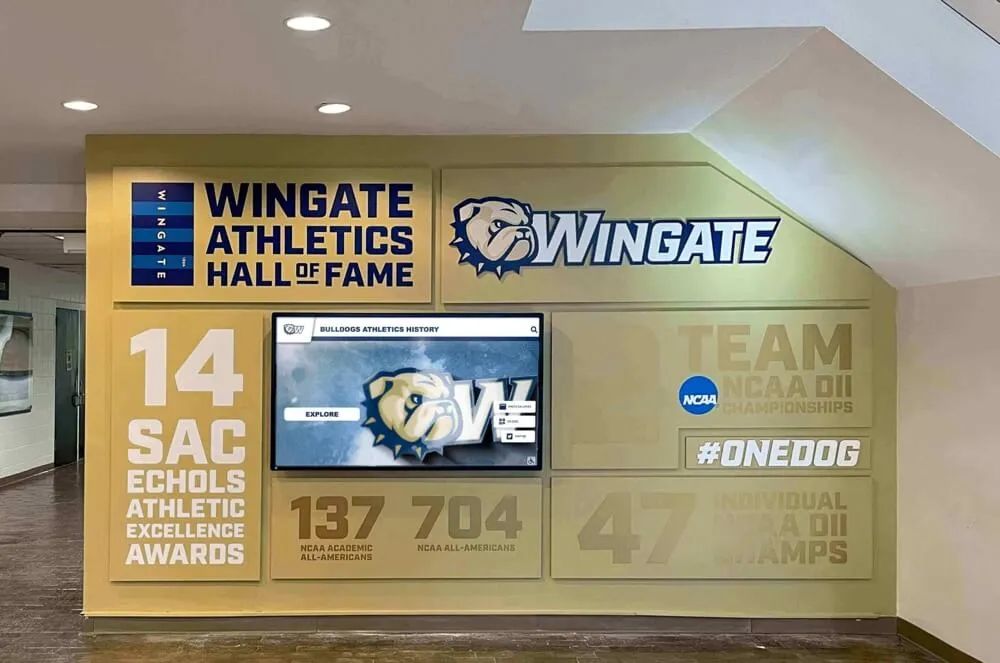
Major Corporate Sponsors ($50,000-$99,999)
- Donor wall inclusion with company name
- Standard impact reporting on programs supported
- Annual report recognition
- Event invitations and acknowledgment
- Volunteer opportunity coordination
Corporate Supporters ($10,000-$49,999)
- Website donor page listing
- Annual report recognition in appropriate section
- Event invitations
- Volunteer opportunities upon request
Business Friends (Under $10,000)
- Website acknowledgment
- Annual report listing
- Appreciation communications
This tiered structure creates clear progression pathway while ensuring all corporate partners receive appropriate recognition regardless of capacity.
Recognition Considerations for Different Corporate Partnership Types
Corporate giving takes diverse forms requiring tailored recognition approaches acknowledging specific contribution characteristics.
Financial Contributions vs. In-Kind Donations
Cash Donations: Direct financial contributions provide flexible funding organizations can allocate according to greatest need. Recognition typically corresponds to gift amounts using established tier structures. Ensure recognition clearly states gift purpose when restricted to specific programs or initiatives.
In-Kind Donations: Goods and services provided rather than cash present recognition challenges. Establish clear valuation methodologies determining recognition level for in-kind gifts, acknowledge in-kind contributions appropriately without overstating value, distinguish between in-kind and cash giving in donor listings when appropriate, and celebrate practical impact in-kind contributions create beyond dollar equivalents.
Professional Services: Pro bono professional services from corporate partners merit special recognition approaches. Calculate equivalent value using standard professional rates, acknowledge expertise provided alongside financial value, recognize individual professionals delivering services when possible, and document impact specific expertise enabled in recognition materials.
Sponsorship vs. Philanthropic Partnership
Event Sponsorships: Corporate event sponsorships typically include explicit marketing benefits outlined in sponsorship agreements. Fulfill contracted recognition benefits precisely as agreed in sponsorship packages, deliver marketing value (logo placement, speaking opportunities, attendee access) as promised, provide post-event analytics demonstrating marketing exposure delivered, and frame recognition balancing appreciation with acknowledgment of mutual value exchange.
Ongoing Philanthropic Partnership: Unrestricted corporate giving without expectation of marketing benefits requires different recognition approaches. Emphasize mission alignment and community impact over marketing value, focus recognition on authentic gratitude and partnership celebration, provide flexibility in recognition preferences and visibility levels, and steward relationships toward long-term partnership rather than transaction-by-transaction engagement.
Hybrid Arrangements: Many corporate partnerships blend philanthropic mission support with legitimate business marketing objectives. Acknowledge both motivations in recognition approaches, deliver promised marketing benefits while emphasizing genuine partnership appreciation, maintain transparent communication about mutual value creation, and structure recognition balancing authentic gratitude with professional business relationship principles.
Multi-Location Corporate Recognition
National or regional companies with local franchises or branches present unique recognition coordination challenges.
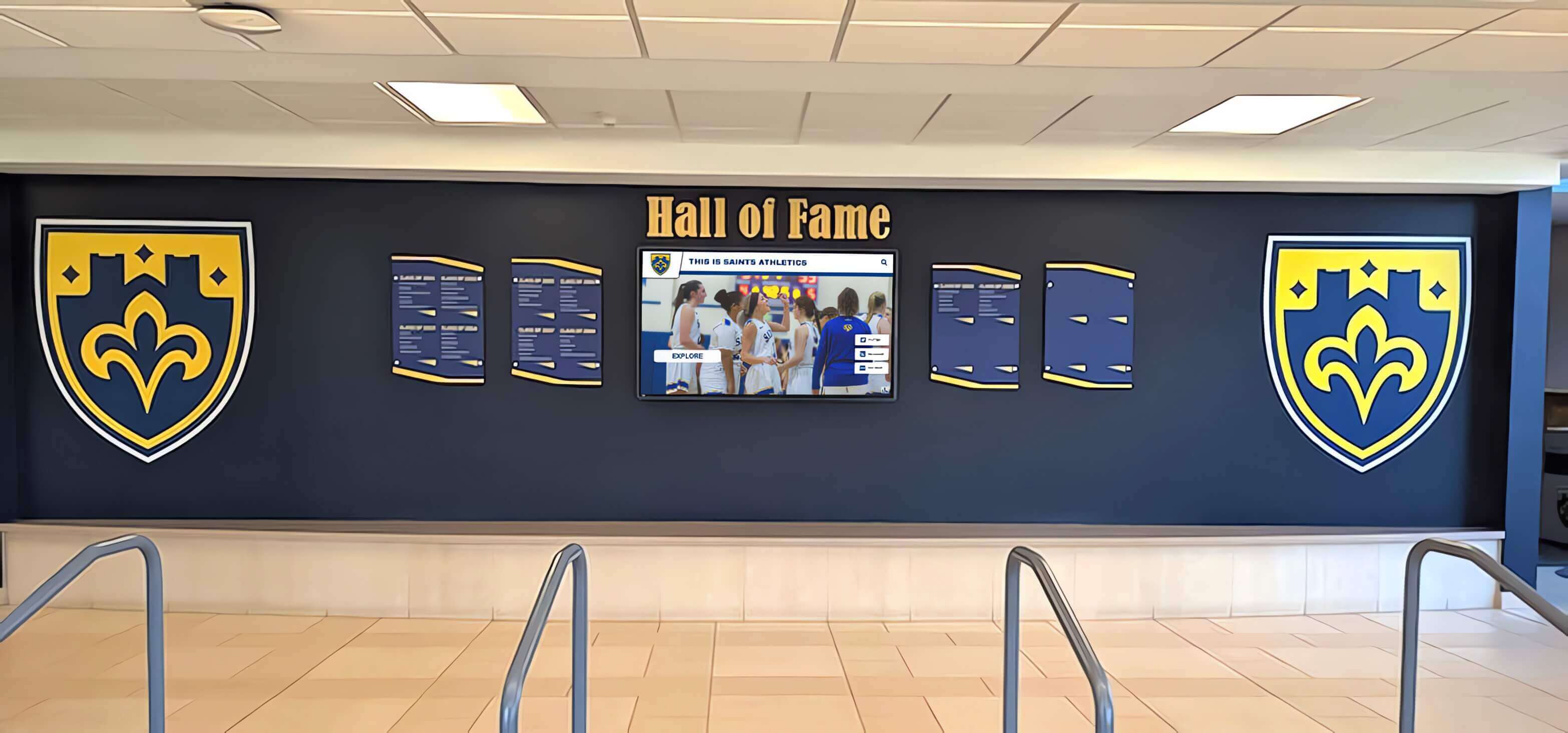
Corporate Foundation vs. Local Business Recognition: When both corporate headquarters and local franchises contribute, clarify recognition hierarchy. Decide whether to list separately or combine under corporate umbrella, establish appropriate acknowledgment for each entity, maintain clear communication with both corporate and local leadership, and ensure local franchise owners receive appropriate visibility for their specific community investment.
Multi-Site Organization Recognition: Organizations operating multiple locations receiving support from the same corporate partner should coordinate recognition approaches. Create system-wide recognition while acknowledging location-specific support, enable location-specific recognition spotlighting local market investment, maintain consistent corporate branding and messaging across locations, and provide corporation comprehensive view of total organizational partnership.
Maintaining Corporate Donor Relationships Through Ongoing Recognition
Effective recognition extends well beyond initial acknowledgment, requiring sustained attention across partnership lifecycles.
Stewardship and Relationship Management
Regular Communication Cadence: Establish systematic communication schedules ensuring corporate partners receive consistent engagement beyond solicitation. Quarterly partnership updates sharing organizational progress and program outcomes, semi-annual relationship review meetings discussing partnership satisfaction and future opportunities, annual comprehensive impact reporting documenting outcomes corporate support enabled, and timely communication about relevant organizational news, achievements, or challenges.
Recognition Refreshment and Updates: As corporate partnerships evolve, recognition should reflect relationship growth. Update donor wall recognition when giving levels increase, add anniversary markers celebrating partnership milestones, incorporate new program funding as partnership scope expands, refresh profile content as corporate leadership or branding changes, and celebrate cumulative giving achievements recognizing total partnership investment.
Personalized Stewardship Approaches: Tailor recognition and stewardship to individual corporate partner preferences. Learn recognition preferences through direct conversation—some companies value public visibility while others prefer discretion. Understand internal corporate structures determining who appreciates recognition—executive leadership, community affairs staff, employee groups, or regional managers. Discover corporate communication preferences regarding frequency, format, and content. Adapt stewardship approaches reflecting insights rather than applying one-size-fits-all recognition.
Celebrating Partnership Milestones and Anniversaries
Annual Giving Anniversaries: Mark sustained partnership through anniversary recognition. Celebrate 5, 10, 15, and 20+ year partnerships through special communications highlighting partnership journey, create anniversary-specific recognition additions on donor walls or in displays, host anniversary celebration events honoring long-term corporate partners, and document partnership history through timeline narratives or retrospective content.
Giving Level Milestone Celebrations: When corporate giving reaches significant cumulative thresholds—$100,000, $500,000, $1 million+—celebrate publicly and privately. Recognize cumulative giving achievements through press releases and social media, create special recognition symbols for milestone achievements, host celebratory events honoring milestone accomplishment, and provide tangible recognition artifacts corporate partners can display.
Corporate Milestone Recognition: Acknowledge significant corporate milestones creating recognition opportunities. Celebrate corporate anniversaries connecting to partnership duration, recognize corporate leadership transitions maintaining relationship continuity, acknowledge corporate expansion or success stories, and congratulate corporate recognition or awards from other organizations. This bidirectional recognition strengthens reciprocal relationship investment.
Strategies for creating effective employee recognition programs offer insights applicable to corporate donor recognition approaches.
Implementing Digital Solutions for Corporate Donor Recognition
Technology platforms specifically designed for donor recognition address traditional limitations while creating engagement opportunities impossible with physical displays alone.
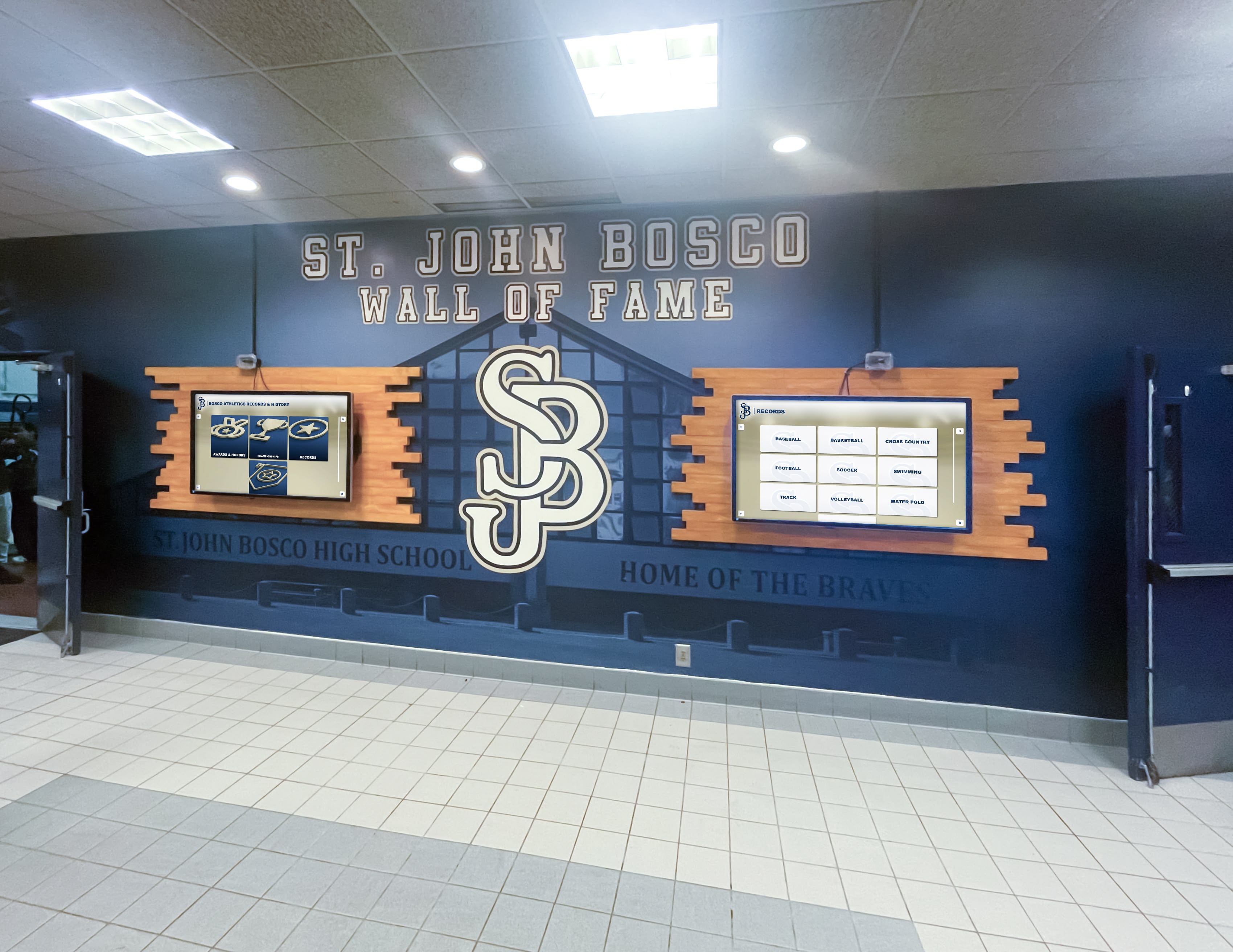
Platform Selection Considerations
Content Management Capabilities: Evaluate platforms based on ease of updating corporate donor information without requiring technical expertise, ability to manage tiered recognition structures with varied display prominence, support for multimedia content including logos, photos, videos, and impact data, flexibility accommodating diverse partnership types and recognition needs, and integration capabilities with fundraising databases and CRM systems.
Design Flexibility and Branding: Strong platforms provide design customization ensuring recognition displays align with organizational brand identity. Assess template libraries offering professional design starting points, customization tools enabling brand-specific modifications, responsive design ensuring quality presentation across display types, and accessibility features meeting ADA compliance requirements.
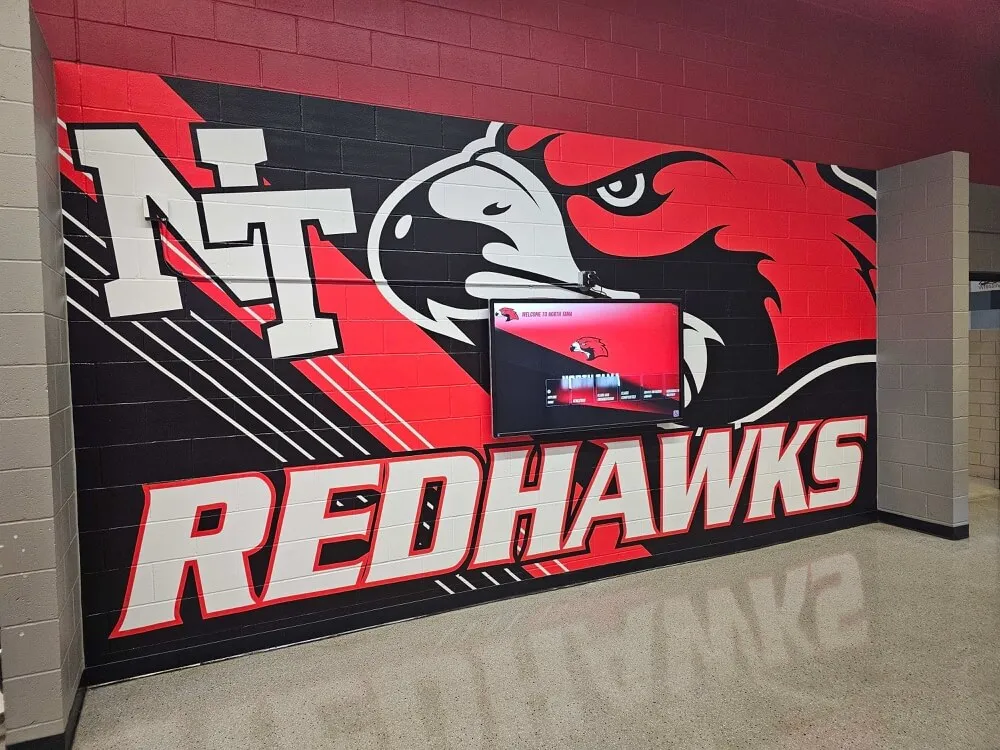
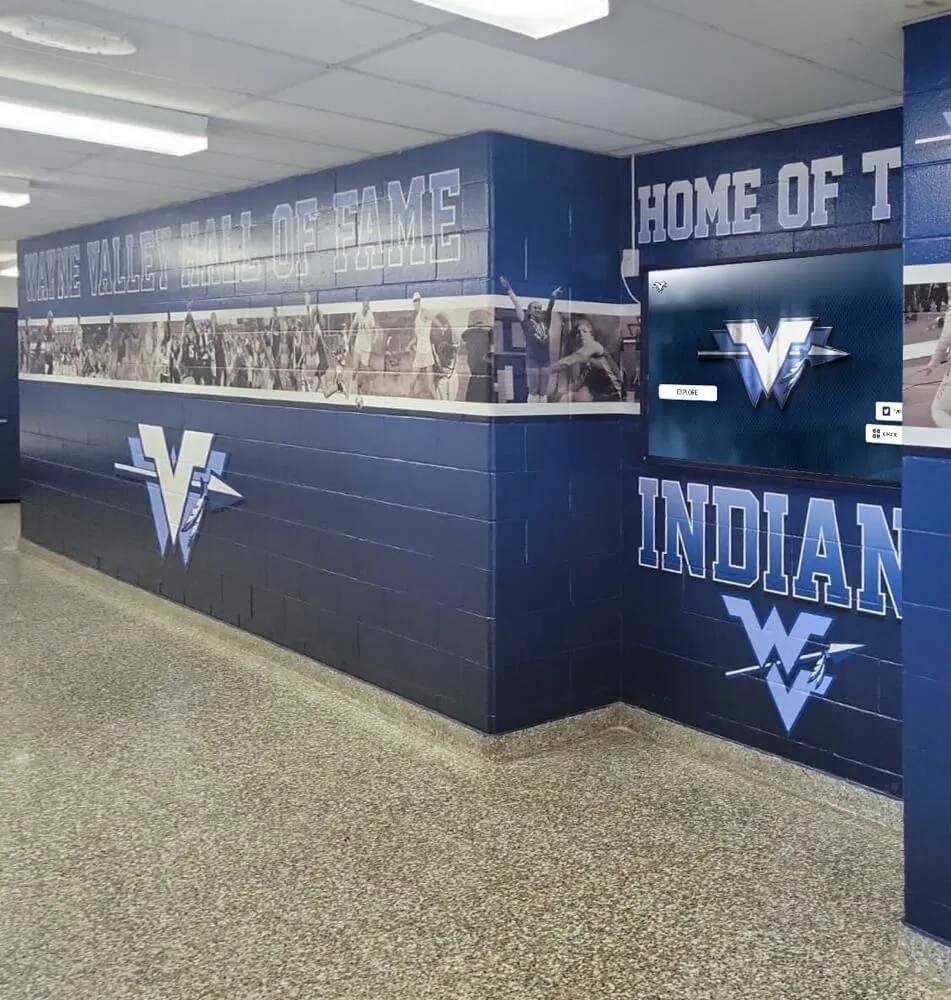
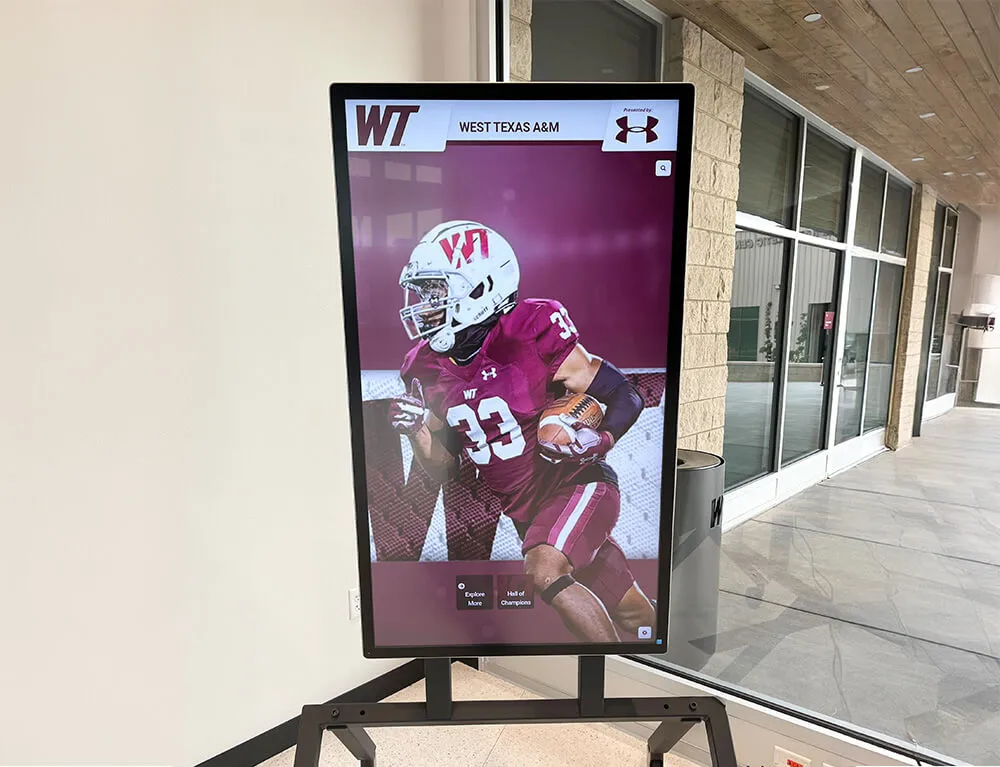
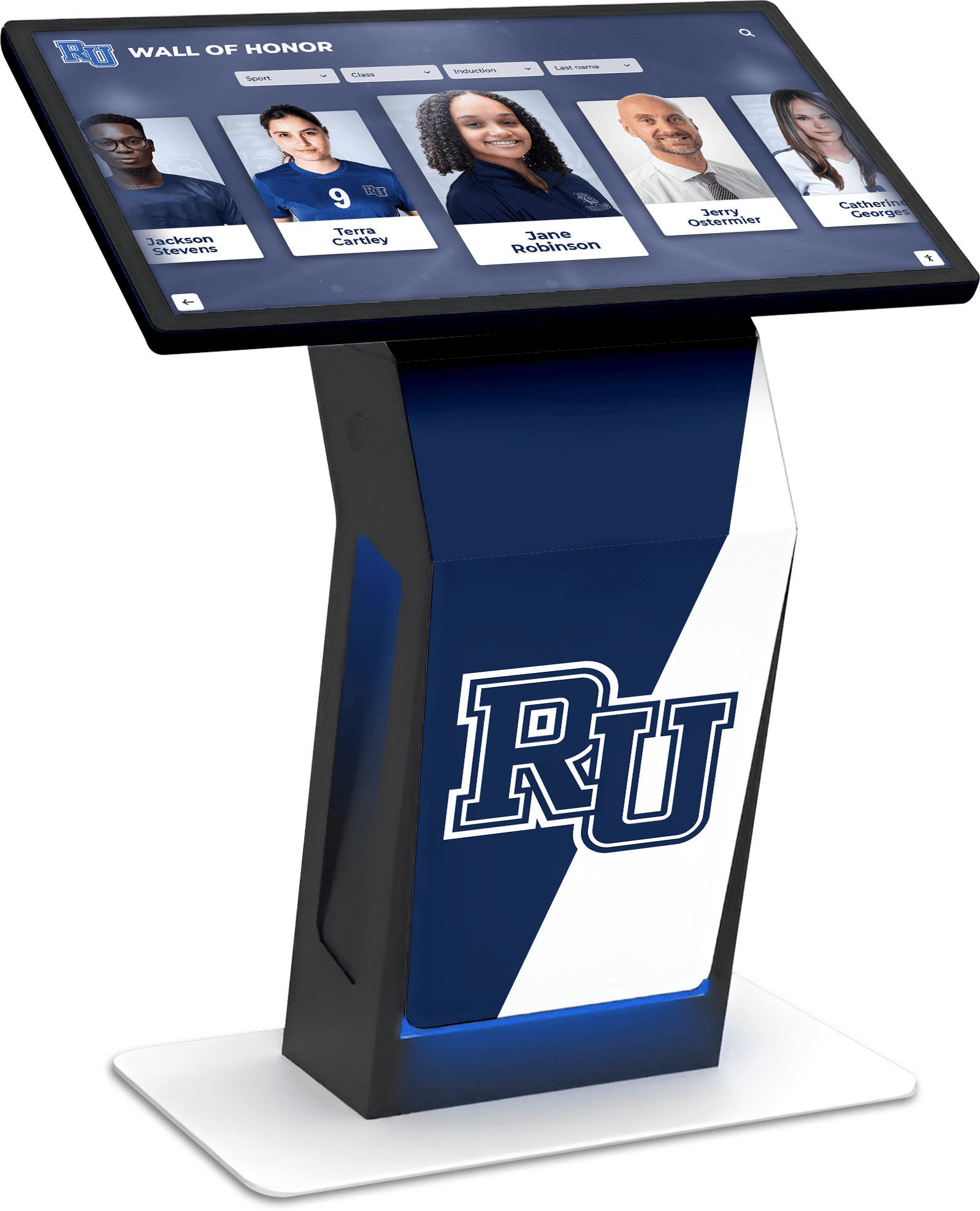
Hardware Integration Options: Digital recognition requires thoughtful hardware selection matching display contexts. Options include wall-mounted touchscreen installations for high-traffic lobby areas, kiosk enclosures providing secure interactive standalone displays, web-based platforms extending recognition beyond physical spaces, and mobile-responsive designs enabling smartphone and tablet access. Solutions like digital donor recognition walls combine physical installation presence with digital flexibility.
Analytics and Engagement Tracking: Modern platforms provide valuable engagement data informing stewardship approaches. Monitor which corporate donor profiles generate highest engagement, track search patterns revealing what visitors seek, analyze peak usage times informing content scheduling, measure dwell time indicating engagement depth, and generate reports demonstrating recognition program effectiveness.
Implementation Best Practices
Stakeholder Engagement: Include diverse perspectives in platform selection and implementation including development staff defining donor recognition requirements, corporate partners providing input on recognition preferences, technology staff ensuring infrastructure compatibility, marketing teams aligning recognition with broader branding, and executive leadership approving strategic direction and resource allocation.
Phased Content Development: Rather than attempting comprehensive historical recognition immediately, implement systematic phases. Launch with current major corporate partners establishing visible presence quickly, expand to include all active partnerships creating comprehensive current acknowledgment, systematically add historical corporate partnerships documenting full relationship history, and establish ongoing processes for adding new partners as relationships develop.
Launch and Promotion Strategy: Successful digital recognition launches require visibility-building approaches. Host unveiling events inviting corporate partners to experience new recognition, generate media coverage amplifying recognition reach, integrate recognition into facility tours and stakeholder events, promote through social media encouraging exploration, and incorporate into fundraising materials demonstrating stewardship excellence.
Ongoing Management and Optimization: Digital recognition requires continuous attention ensuring sustained value. Establish content update workflows assigning clear responsibility for maintaining accuracy, schedule regular content reviews ensuring information currency, gather stakeholder feedback identifying improvement opportunities, monitor analytics revealing engagement patterns, and implement iterative enhancements informed by usage data.
Measuring Corporate Donor Recognition Effectiveness
Strategic recognition programs require assessment frameworks evaluating whether investments generate desired outcomes.
Key Performance Indicators
Donor Retention Metrics: Track whether enhanced recognition correlates with improved corporate donor retention. Calculate annual renewal rates comparing pre- and post-implementation periods, measure giving level progression tracking partnership growth trajectories, analyze lapsed donor reactivation after recognition improvements, and segment retention rates by recognition tier identifying patterns.
Donor Acquisition Impact: Evaluate whether recognition visibility influences new corporate partnership development. Track prospect interest attribution noting recognition system mentions during cultivation, measure conversion rates from prospect to donor following recognition demonstrations, analyze corporate referrals from existing recognized partners, and assess recognition program influence on solicitation success rates.
Engagement Analytics: For digital recognition platforms, quantitative engagement metrics provide concrete effectiveness measures. Monitor total interaction counts and trends over time, track unique visitors indicating audience reach, measure session duration revealing engagement depth, analyze content popularity identifying high-interest profiles, and assess search patterns showing information-seeking behavior.
Qualitative Feedback: Complement quantitative metrics with stakeholder perspective through corporate partner satisfaction surveys assessing recognition value, focus groups exploring recognition preferences and improvement opportunities, development officer feedback on recognition utility during cultivation, and unsolicited testimonials indicating recognition impact.

Return on Investment Analysis
Recognition Investment Tracking: Calculate total recognition program costs including initial capital investment in displays or platforms, ongoing software licensing or maintenance expenses, staff time for content development and management, event costs for recognition ceremonies, and recognition artifacts like awards or printed materials.
Attributed Revenue Impact: Estimate revenue influenced by recognition programs through incremental giving from renewing partners attributing increases to recognition, new donor acquisition influenced by recognition visibility, partnership growth accelerating after recognition improvements, and lapsed donor reactivation following recognition program launch.
Comparative Analysis: Contextualize results through peer organization comparison, pre/post implementation trending, industry benchmarks for corporate giving retention, and cost-per-dollar-raised calculations assessing recognition program efficiency.
Conclusion: Building Lasting Corporate Partnerships Through Strategic Recognition
Corporate donor recognition represents far more than polite acknowledgment of financial support. Strategic recognition programs honor authentic partnerships while strengthening the relationship foundations that inspire sustained corporate investment in organizational missions. Whether organizations implement traditional physical recognition, innovative digital platforms, or hybrid approaches combining both, the core principles remain consistent: understand corporate motivations driving philanthropic investment, provide recognition matching partnership significance and corporate objectives, demonstrate measurable impact that corporate support enables, create opportunities for employee engagement beyond financial contribution, maintain consistent stewardship across partnership lifecycles, and continuously evaluate and improve recognition effectiveness.
The most successful corporate recognition programs share common characteristics including comprehensive acknowledgment ensuring appropriate recognition across all giving levels, authentic appreciation reflecting genuine partnership value rather than transactional obligation, flexibility accommodating diverse corporate preferences and partnership types, multimedia storytelling bringing partnership impact to life compellingly, systematic stewardship maintaining engagement between gift solicitations, and measurable approaches tracking effectiveness and informing optimization.
For organizations beginning new corporate recognition programs or modernizing existing approaches, specialized digital recognition platforms like Rocket Alumni Solutions provide purpose-built solutions designed specifically for donor recognition. These comprehensive systems combine intuitive content management enabling non-technical staff to update recognition easily, unlimited capacity accommodating growing corporate partner communities, professional presentation templates ensuring consistent quality, powerful search and discovery tools helping visitors find relevant content, engagement analytics demonstrating program effectiveness, and reliable vendor support ensuring recognition programs achieve objectives without overwhelming organizational resources.
Beyond immediate acknowledgment purposes, effective corporate donor recognition creates lasting benefits including strengthening renewal rates through meaningful appreciation that reinforces partnership value, accelerating prospect cultivation by demonstrating stewardship excellence to potential partners, inspiring employee engagement through visible celebration of corporate community investment, enhancing organizational reputation by showcasing support from respected business community, providing marketing value for corporate partners justifying continued investment, and building philanthropic culture normalizing corporate community support as expected citizenship.
Every corporate partner investing in organizational missions deserves recognition honoring their contributions appropriately while strengthening the relationships that sustain mission advancement. Modern recognition tools—whether traditional, digital, or hybrid—make comprehensive, compelling acknowledgment achievable for organizations committed to stewardship excellence.
Ready to create corporate donor recognition that celebrates partnerships while strengthening your fundraising program? Explore how Rocket Alumni Solutions delivers comprehensive recognition platforms designed specifically for organizations seeking to honor corporate donors without space limitations, complex technology management, or prohibitive costs. Transform corporate donor appreciation from obligation into strategic relationship infrastructure supporting mission success for years to come.