



School consolidation represents one of the most significant and emotionally charged transformations in American education history. When separate schools merge into unified institutions, communities confront profound questions about identity, tradition, and collective memory. These mergers affect not just administrative structures and budgets, but the very fabric of community life—transforming rivalries into partnerships, combining distinct traditions into new identities, and creating complex challenges around preserving decades or centuries of separate institutional histories.
The history of consolidated schools merging in the United States spans more than a century, fundamentally reshaping American education from approximately 200,000 school districts in 1910 to fewer than 13,500 today. This transformation reflects broader social changes including rural depopulation, urbanization, improved transportation infrastructure, evolving educational standards, and financial pressures facing small districts. Each consolidation carries unique circumstances, but all share common challenges around maintaining community identity while building unified institutions that serve students effectively.
Why Understanding School Consolidation History Matters
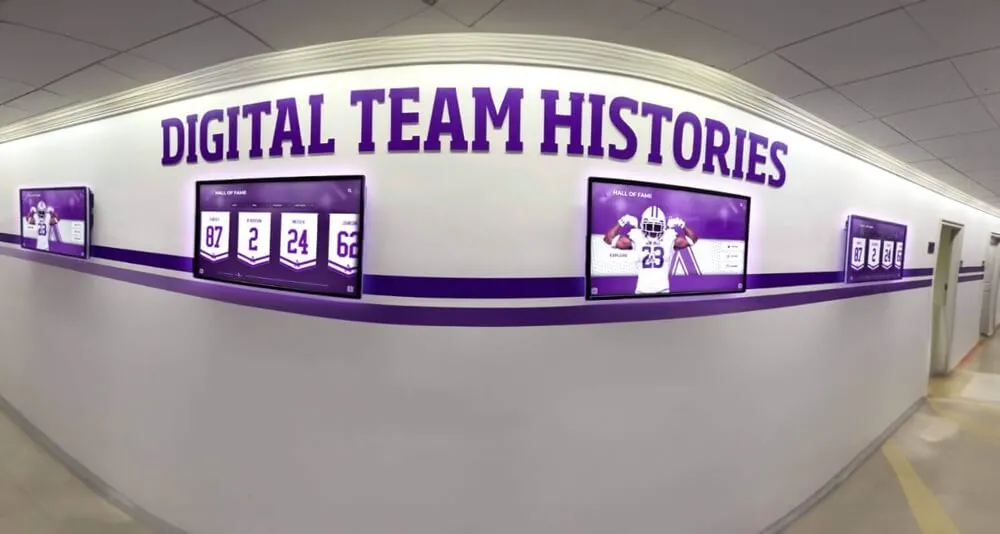
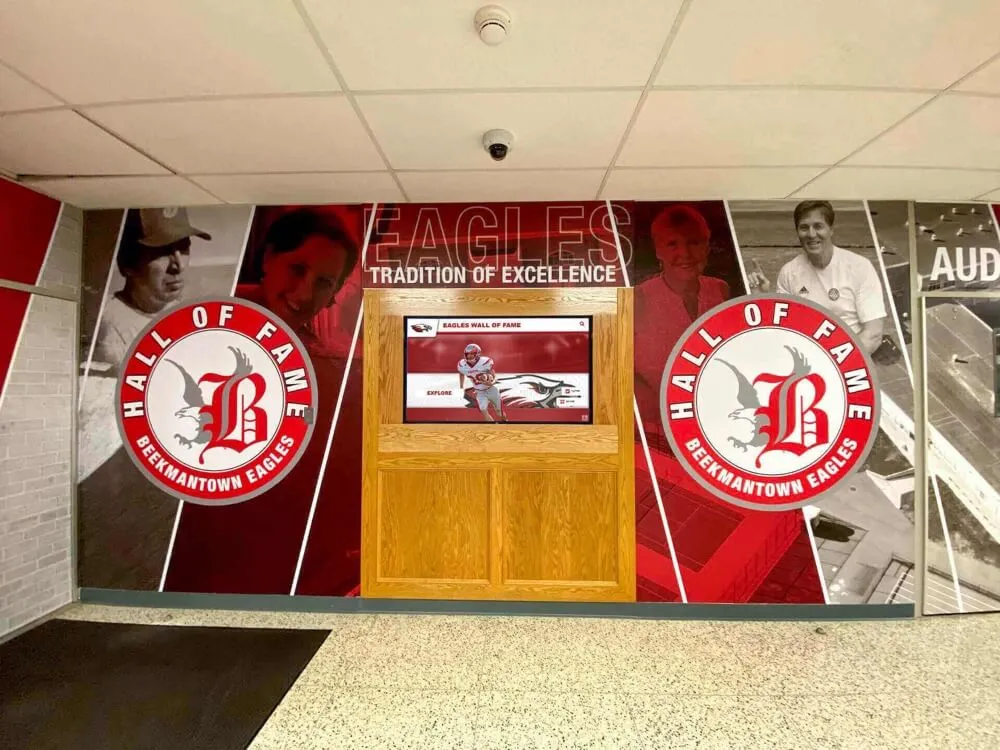
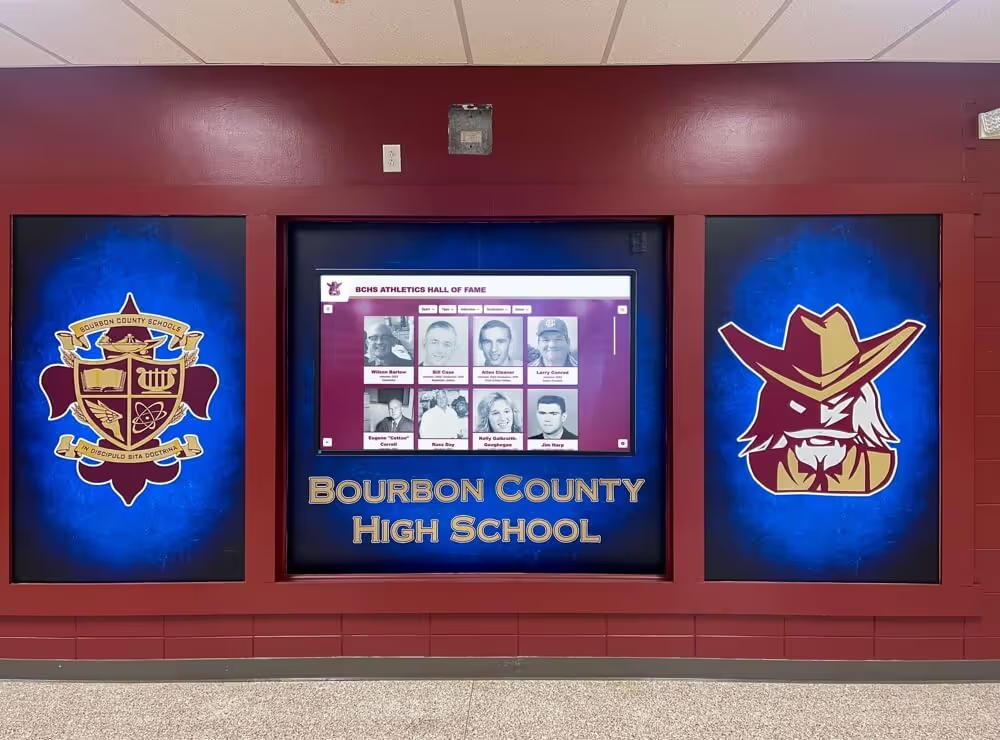
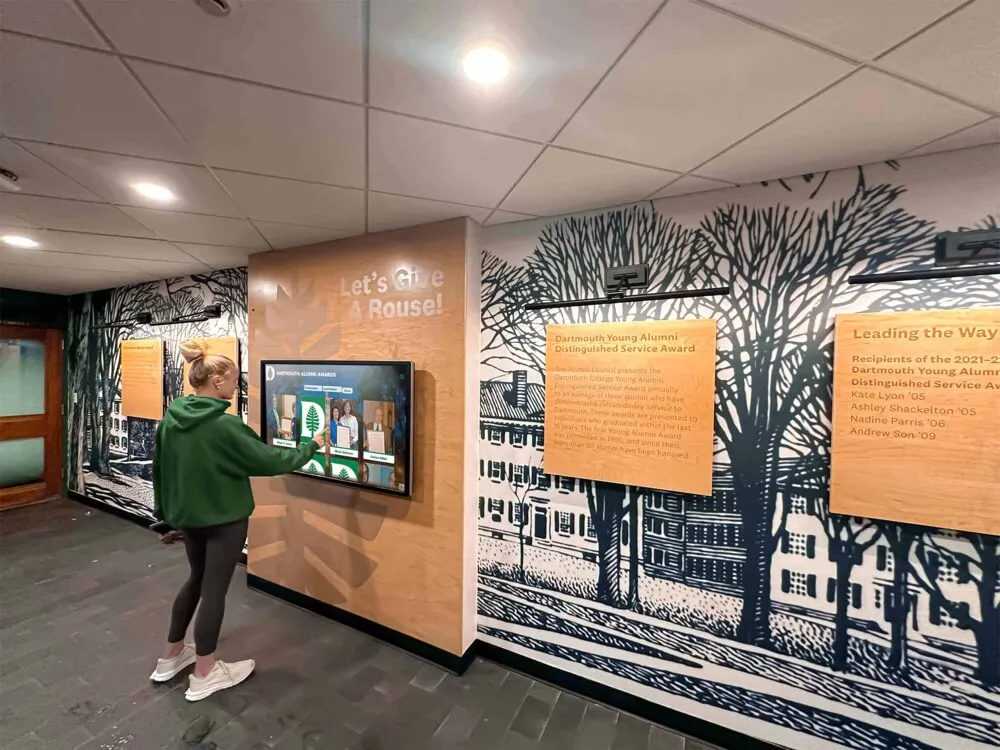
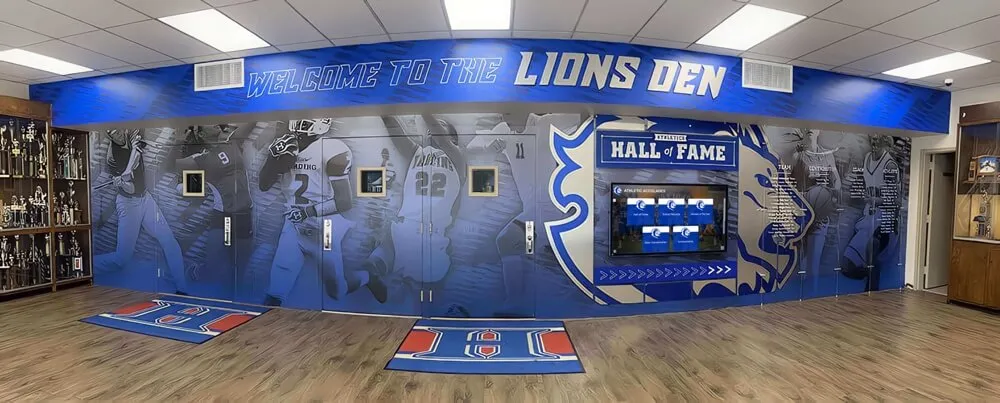
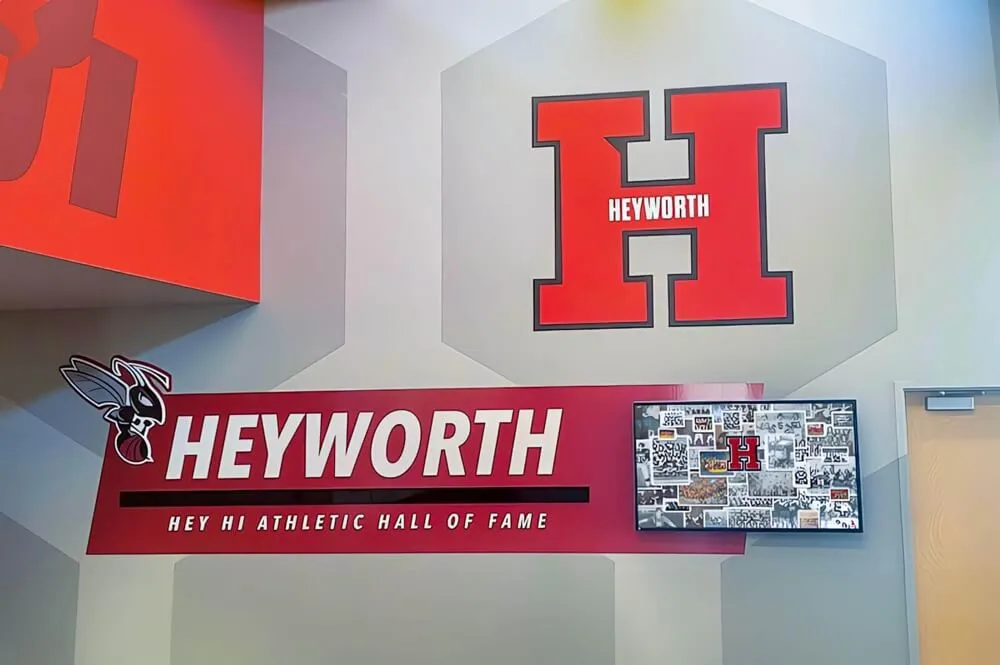
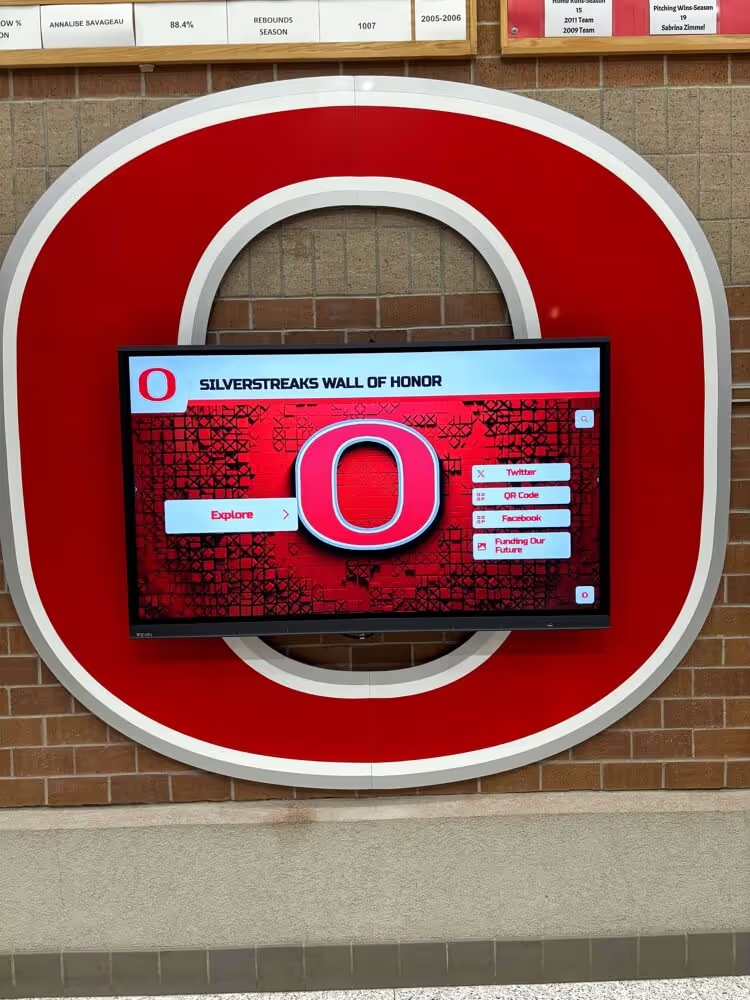
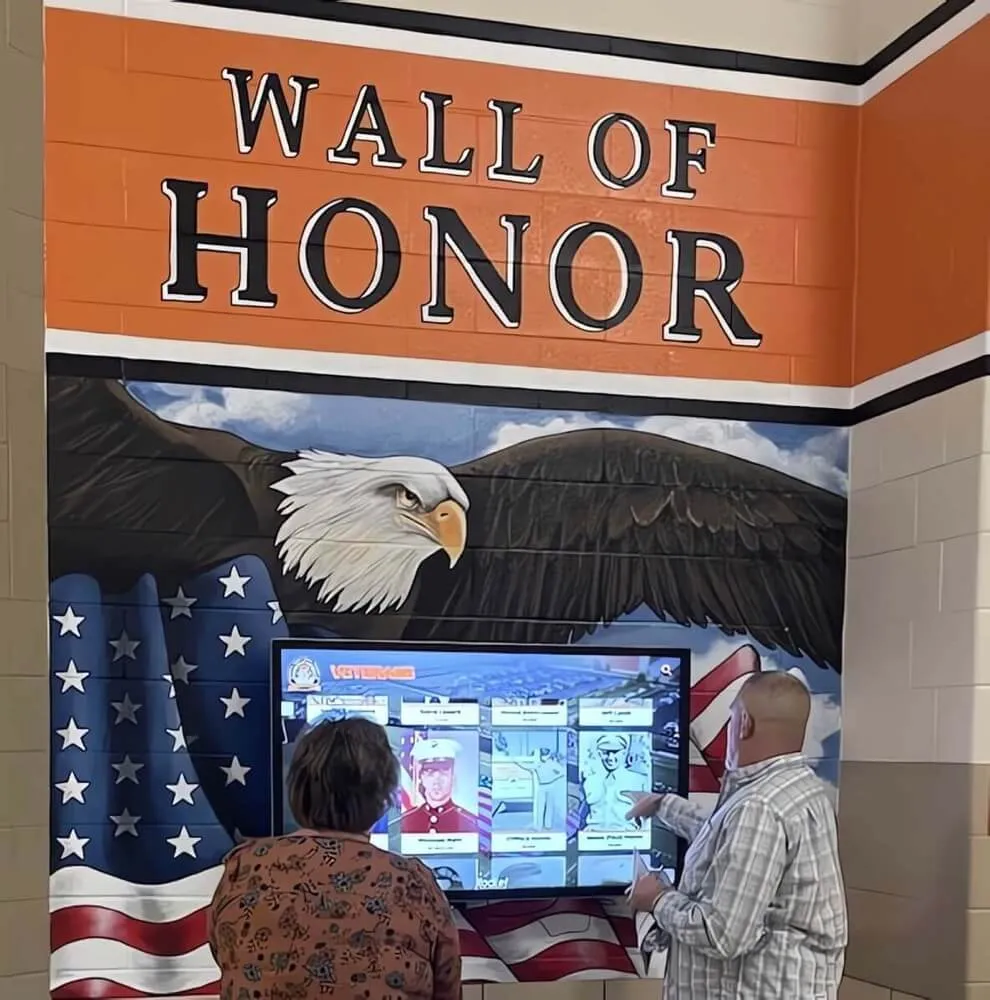
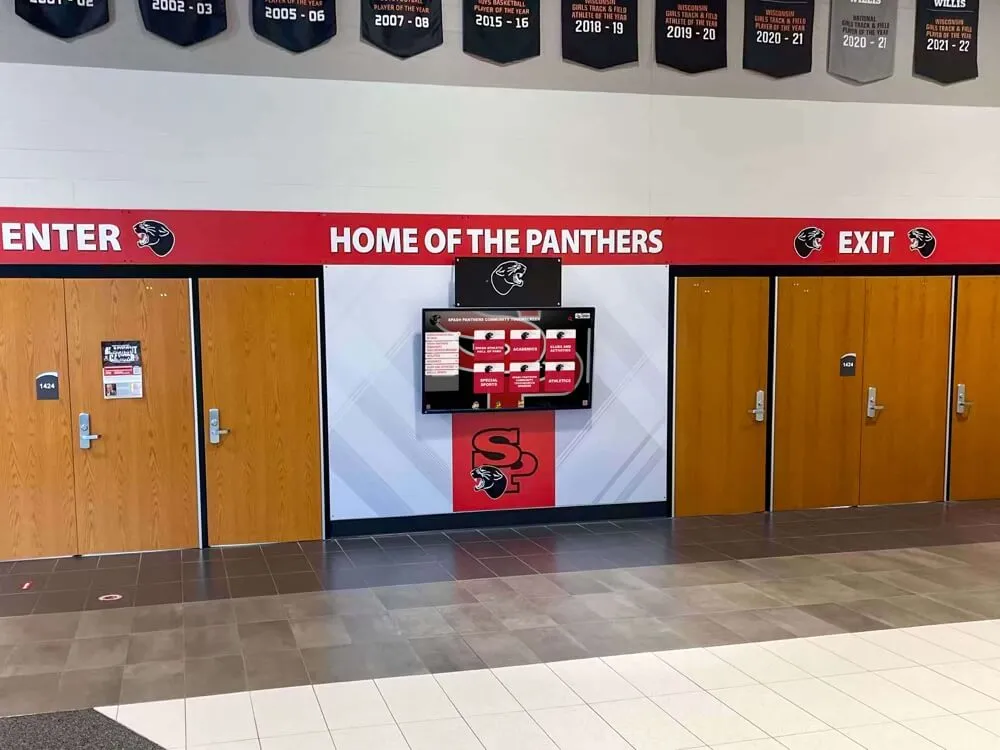
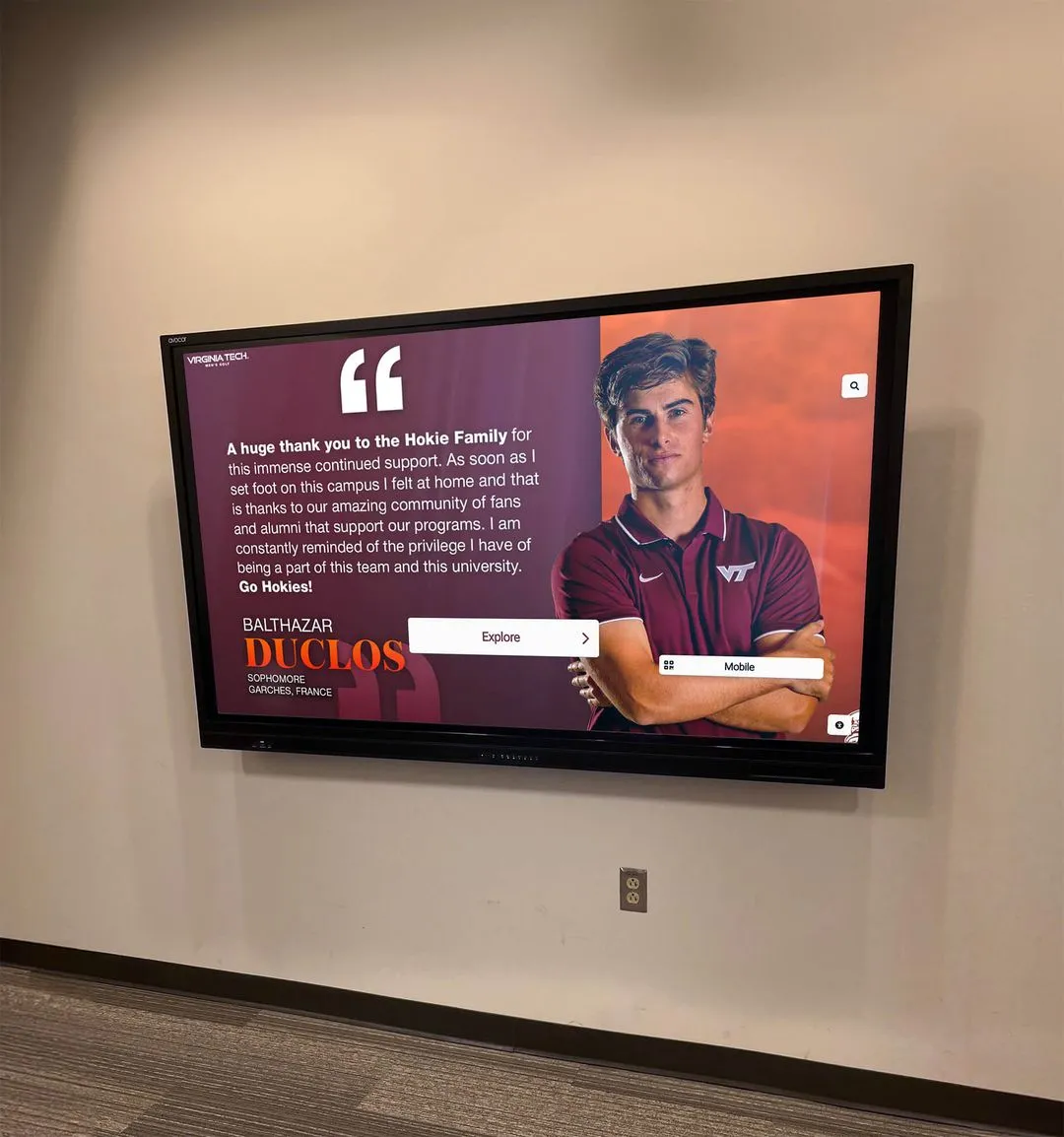
School consolidation continues reshaping American education with dozens of districts merging annually. Understanding this history helps communities navigate consolidation processes more effectively, preserving what matters most while building stronger unified institutions. Schools facing consolidation must address critical questions about combining athletic records, maintaining alumni connections, preserving distinct traditions, and creating new shared identities. Modern solutions like digital recognition displays from providers like Rocket Alumni Solutions help consolidating schools preserve complete histories from all predecessor institutions, ensuring no achievement disappears and every tradition receives appropriate honor in merged schools.
The Evolution of School Consolidation in America
School consolidation emerged as a major educational reform movement in the early 20th century, driven by progressive educators who believed larger schools could offer superior educational opportunities compared to small rural schools. This movement fundamentally transformed American education over subsequent decades.
The One-Room Schoolhouse Era (1800s-Early 1900s)
During the 19th and early 20th centuries, American education operated through highly decentralized systems with schools serving small geographic areas and local populations. Rural communities typically maintained one-room schoolhouses where single teachers instructed students across all grade levels simultaneously. This hyper-local approach created strong community ownership of education but suffered from significant limitations including limited curriculum breadth and depth, lack of specialized instruction, minimal resources and materials, inconsistent teacher qualifications, and isolation from educational innovations.
By 1910, the United States maintained approximately 200,000 school districts, many operating just one or two small schools. This fragmentation reflected both transportation limitations and strong local control traditions where communities resisted outside influence over their schools.

The Progressive Era Consolidation Movement (1900-1940)
Progressive era reformers championed school consolidation as essential educational improvement. Advocates argued that larger schools could provide graded classrooms with age-appropriate instruction, specialized teachers for different subjects, broader curriculum including sciences and arts, better facilities and equipment, economies of scale improving cost-efficiency, and standardized educational quality.
Early consolidation faced substantial resistance from rural communities who valued local control and viewed consolidation as urban reformers imposing their values on rural life. Transportation challenges made consolidation impractical in many areas before improved roads and school buses became widespread. Despite resistance, consolidation proceeded gradually with the number of school districts declining to approximately 117,000 by 1940.
Post-War Acceleration (1940-1980)
School consolidation accelerated dramatically after World War II, driven by multiple converging factors. Rural depopulation reduced student populations in many small districts as families moved to urban and suburban areas seeking employment opportunities. Improved transportation infrastructure including paved roads and reliable school buses made it feasible to transport students longer distances to consolidated schools. Rising educational standards and curriculum expectations made small schools increasingly unable to meet requirements for comprehensive programs. Federal and state policies incentivized consolidation through funding formulas favoring larger districts.
The consolidation rate during this period proved remarkable. The United States went from approximately 117,000 school districts in 1940 to roughly 16,000 by 1980—an 86% reduction in just four decades. Some states underwent even more dramatic consolidation with Illinois reducing from over 12,000 districts to fewer than 1,000.

Contemporary Consolidation Era (1980-Present)
School consolidation continues in the modern era, though at a slower pace with fewer small districts remaining to consolidate. Contemporary consolidation typically results from persistent financial pressures as operating costs rise faster than revenue, demographic shifts including both rural depopulation and suburban enrollment declines, facility maintenance costs for aging buildings, achievement concerns at very small schools, and state policies sometimes mandating minimum district sizes or penalizing small districts through funding formulas.
Between 1980 and present, the number of school districts declined from approximately 16,000 to fewer than 13,500. While this represents a smaller percentage reduction than earlier eras, each consolidation affects communities profoundly with schools remaining central to community identity and civic life.
Understanding Why Schools Consolidate
School consolidation rarely occurs simply because administrators or policymakers prefer larger institutions. Multiple pressures typically converge making consolidation appear necessary or inevitable despite community resistance.
Financial and Economic Drivers
Financial considerations represent the most common consolidation driver in contemporary America. Small school districts face distinctive economic challenges including high per-pupil costs due to fixed expenses spread across small student populations, difficulty achieving competitive staff salaries, aging facilities requiring expensive repairs or replacement, limited ability to absorb budget reductions, and state funding formulas that disadvantage small districts.
When communities cannot sustain necessary funding levels through local taxation while maintaining educational quality, consolidation offers potential cost savings through shared administrative functions, combined purchasing power, elimination of duplicate positions, more efficient facility utilization, and broader tax bases supporting education. The promise of maintaining better programs with reduced per-pupil costs makes consolidation financially appealing even when communities prefer maintaining independence.
Demographic and Enrollment Changes
Population shifts create enrollment pressures forcing consolidation considerations. Rural areas throughout America have experienced long-term population decline as young adults move to metropolitan areas for employment and educational opportunities. This outmigration reduces school enrollment creating schools too small to efficiently operate comprehensive programs. Even some suburban districts face enrollment decline as populations age and birthrates decrease.
Very small schools struggle to offer adequate course selections, extracurricular variety, competitive athletics, specialized support services, and advanced academic programs. When enrollment drops below critical thresholds—often considered around 200-300 students for K-12 districts—educational quality concerns prompt consolidation discussions regardless of financial considerations.

Educational Quality and Opportunity
Educational quality arguments both support and oppose consolidation. Consolidation advocates emphasize that larger schools can provide broader curriculum offerings including advanced placement courses, specialized career and technical education, comprehensive arts and music programs, competitive athletics across multiple sports, diverse extracurricular activities, and specialized support services for students with disabilities or English language learners.
These expanded opportunities matter significantly for student preparation and development. Small schools may offer only basic curriculum lacking advanced coursework that prepares students for competitive college admissions. Limited extracurricular options restrict student development of interests and talents. Very small schools may field only a few athletic teams limiting student athletic participation.
Consolidation opponents counter that small schools offer advantages including individualized attention, strong relationships between students and staff, reduced behavioral problems, higher graduation rates in some contexts, and strong community connections. Research on consolidation’s educational impact shows mixed results with outcomes depending heavily on implementation quality and specific circumstances rather than size alone determining educational quality.
Facility and Infrastructure Challenges
School facilities present complex consolidation factors. Many small rural districts operate aging buildings requiring expensive updates for safety codes, accessibility requirements, technology infrastructure, energy efficiency, and general maintenance deferred due to budget constraints. Small districts may lack resources for necessary capital improvements making building conditions deteriorate progressively.
Consolidation can enable constructing new consolidated facilities incorporating modern educational design, technology infrastructure, accessibility features, and energy efficiency while closing outdated buildings. However, facility decisions during consolidation frequently become contentious with communities strongly attached to historic school buildings that embody local identity and memory.
The Consolidation Process: How School Mergers Unfold
School consolidation follows varied pathways depending on state laws, local circumstances, and community dynamics. Understanding typical consolidation processes helps communities navigate these complex transitions more effectively.
Initial Discussions and Feasibility Studies
Consolidation typically begins when school boards, community members, or state officials raise concerns about district sustainability or educational quality. Initial discussions explore whether consolidation might address identified challenges while maintaining or improving educational opportunities. Many states require or encourage formal feasibility studies before consolidation proceeds.
Comprehensive feasibility studies examine financial projections comparing consolidated versus separate operations, enrollment trends and facility capacity, educational program implications, transportation logistics and costs, potential facility configurations, and community impact assessments. Quality feasibility studies provide objective information helping communities make informed decisions rather than relying on assumptions or political rhetoric.
During this phase, community engagement proves critical but challenging. Consolidation discussions trigger strong emotions as residents confront potential loss of schools central to community identity. Productive engagement requires transparent communication, genuine opportunities for community input, acknowledgment of legitimate concerns and losses, clear presentation of both benefits and costs, and patience with emotional processing of potential changes.

Formal Approval and Decision-Making
State laws vary significantly regarding consolidation approval processes. Some states grant substantial authority to local school boards while others require voter approval through referendums. Many states involve intermediate units or state education departments in approval processes particularly for involuntary consolidations.
Common approval pathways include school board votes in each affected district, voter referendums requiring majority or supermajority approval, state education board approval, and legislative action in some circumstances. The approval process often extends over months or years as communities debate consolidation merits and negotiate merger terms.
Negotiating consolidation terms addresses critical details including the new district name and identity, governance structure and initial board composition, which facilities will operate and which will close, staff retention and selection processes, handling of assets and debts, athletic conference affiliations, and timelines for implementation. These negotiations prove contentious as communities protect their interests while attempting to create fair unified districts.
Implementation and Transition Period
Once approved, consolidation implementation requires extensive planning and coordination. Implementation typically spans one to three years allowing systematic transition rather than abrupt changes. Key implementation activities include harmonizing policies and procedures across formerly separate districts, integrating curricula and educational programs, merging staff and addressing position redundancies, establishing new governance structures and administrative teams, combining student services and support systems, integrating technology systems and student records, consolidating athletic programs and extracurricular activities, and developing unified district branding and identity.
The transition period proves challenging for all stakeholders. Students navigate new peer groups and potentially new facilities. Staff adapt to new colleagues, supervisors, and organizational cultures. Parents adjust to different schools, policies, and contacts. Communities process the loss of independent districts while attempting to embrace new unified identities.
Successful implementation requires clear communication throughout transitions, celebration of predecessor school achievements and traditions, intentional community building across formerly separate groups, attention to staff morale during uncertain transitions, and flexibility to adjust plans based on emerging challenges and opportunities.
Community Impact of School Consolidation
School consolidation affects communities far beyond educational programs and student outcomes. Schools function as community institutions central to local identity, civic life, and social capital making consolidation socially and emotionally complex regardless of educational or financial merits.
Loss of Community Identity and Pride
Schools represent powerful symbols of community identity particularly in rural areas and small towns where schools may be the most prominent community institutions. School names, mascots, colors, and traditions embody shared identity and collective memory spanning generations. When schools close or merge, communities lose these identity markers creating genuine grief and sense of loss.
Athletic programs carry particular emotional weight in many communities where Friday night football games or basketball tournaments serve as primary social gatherings uniting entire towns. School sports create shared experiences, common conversations, and collective pride especially when teams achieve success. Consolidation often means dissolving teams, losing traditional rivalries, and joining new athletic conferences without historic connections—changes that feel devastating to sports-centered communities.

Alumni connections represent another dimension of identity loss. Graduates maintain lifelong connections to alma maters attending reunions, following athletics, supporting school activities, and identifying themselves through school affiliations. When their schools close or merge into institutions with different names and identities, alumni feel their histories erased and connections severed. This alienation matters beyond sentiment as alumni engagement drives volunteerism, fundraising, and community support that schools need.
Economic and Social Impacts on Communities
School consolidation creates tangible economic and social impacts on affected communities. Schools typically rank among the largest employers in small towns providing jobs for teachers, administrators, support staff, and maintenance personnel. School closure eliminates these employment opportunities while also reducing local spending by school staff who may relocate.
Schools anchor community life hosting not just educational activities but community events, athletic competitions, performances, and meetings. School facilities provide gathering spaces for organizations and activities beyond school hours. When schools close, communities lose these facilities and focal points potentially accelerating community decline and cohesion loss.
Property values often decline in communities losing schools as families with children seek areas with nearby schools and schools contribute to perceived community viability. Real estate markets reflect school quality and proximity with school loss marking communities as declining or undesirable for family settlement.
Maintaining Community Connections After Consolidation
Despite challenges, some consolidated districts successfully maintain connections with communities that lost independent schools. Effective strategies include preserving closed school buildings for community use when feasible, maintaining attendance centers in formerly separate communities, creating advisory councils representing all communities, honoring predecessor school traditions and achievements, and supporting alumni connections across all predecessor schools.
Digital recognition technology enables consolidated districts to honor all predecessor school histories comprehensively without space limitations of physical displays. Interactive displays can present complete athletic records, hall of fame inductees, and achievement histories from all merged schools ensuring every tradition receives appropriate recognition in the unified district. Comprehensive approaches to school history preservation help consolidating districts maintain meaningful connections with all constituent communities.
Preserving History and Identity During School Consolidation
One of the most challenging aspects of school consolidation involves preserving the distinct histories, traditions, and achievements of predecessor schools while building unified identities in merged institutions. This preservation work proves essential for maintaining community connections and honoring the accomplishments that defined separate schools.
The Challenge of Combined Recognition
Consolidated schools inherit multiple distinct institutional histories including separate athletic records and championships, independent alumni rosters and hall of fame inductees, different traditions, mascots, and school colors, unique architectural and facility histories, and separate yearbook collections and archives. Honoring all these histories equally while creating cohesive new identities presents significant challenges.
Physical space limitations create the most immediate challenge. Traditional trophy cases, plaque walls, and display areas cannot accommodate complete recognition from multiple predecessor schools without overwhelming facilities. Attempting to display everything creates cluttered, disorganized spaces that honor nothing effectively. Selecting which history receives limited display space creates resentment and perceptions that certain predecessor schools receive preferential treatment over others.

Traditional Recognition Limitations in Merged Schools
Consolidated schools attempting to preserve predecessor school recognition through traditional physical displays encounter systematic limitations. Trophy cases fill immediately when combining awards from multiple schools forcing difficult decisions about what deserves display. Record boards become confusing when listing separate records from different predecessor schools without clear organization. Hall of fame spaces cannot accommodate inductees from multiple institutional histories without massive expansion.
Many consolidated schools address these limitations through unfortunate compromises including displaying only recent achievements from the unified school, rotating displays showing different predecessor schools at different times, creating separate recognition areas for each predecessor school, or simply storing most historical recognition materials rather than displaying them. These compromises leave alumni feeling their histories have been devalued or erased while failing to build unified identity in merged institutions.
Digital Recognition Solutions for Consolidated Schools
Modern digital recognition systems solve consolidation preservation challenges that physical displays cannot address. Interactive touchscreen displays and online recognition platforms provide unlimited capacity for comprehensive content from all predecessor schools, organized navigation enabling exploration of each school’s distinct history, unified presentation under the consolidated district brand, multimedia integration including photos and videos bringing history to life, and remote accessibility allowing alumni worldwide to explore their school histories.
Solutions like Rocket Alumni Solutions specifically address consolidated school needs by supporting multiple predecessor school sections within unified systems, managing separate athletic records and hall of fame rosters, accommodating different school colors, mascots, and branding, maintaining chronological accuracy across institutional histories, and enabling search functionality allowing users to find specific individuals or achievements across all predecessor schools.
Digital systems transform consolidation challenges into opportunities by enabling comprehensive recognition of all histories, eliminating space constraint compromises, facilitating alumni engagement through searchable databases, supporting unified district identity while honoring predecessor legacies, and providing flexible systems that grow with districts over time. Schools implementing digital record boards discover that technology enables preserving complete histories in ways physical displays never could.
Athletic Programs and Records in Consolidated Schools
Athletic consolidation presents unique challenges as sports programs carry deep emotional significance while requiring practical decisions about teams, records, and competitive affiliations that affect students immediately.
Combining Athletic Programs and Teams
When schools with separate athletic programs consolidate, districts must make immediate decisions about team structures, coaching staffs, and competitive levels. Consolidation typically increases overall student enrollment potentially supporting more comprehensive athletic programs and competitive teams. However, this also means increased competition for roster positions with more students competing for limited spots.
Coaching decisions prove particularly sensitive. Each predecessor school likely has coaching staffs with loyal followings and successful records. Consolidated districts must select coaching staffs for unified teams creating situations where some coaches retain positions while others do not. These decisions trigger strong reactions particularly when communities perceive coaches from their predecessor schools receiving unfair treatment.
Athletic conference affiliations require renegotiation. Consolidated schools may no longer fit the geographic footprint or competitive levels of predecessor school conferences. Joining new conferences means developing new rivalries while potentially losing traditional rival matchups that defined athletic programs for generations. These changes eliminate beloved traditions while forcing adjustments to competition schedules and travel patterns.
Managing Athletic Records Across Predecessor Schools
Athletic records from predecessor schools create complex questions. Should consolidated schools maintain separate record books for each predecessor institution or combine records into unified books? Should school records reset at consolidation or continue from predecessor schools? How should hall of fame programs operate when multiple predecessor schools had separate halls of fame?
Different approaches each carry advantages and disadvantages. Maintaining completely separate record books preserves historical accuracy but creates complicated recognition with multiple “school records” for each event. Combining records into unified books simplifies recognition but may seem unfair when records came from schools with different sizes, competition levels, and eras. Resetting records at consolidation honors predecessor achievements while establishing fresh starts but eliminates the motivational power of long-standing records that inspire athletes.
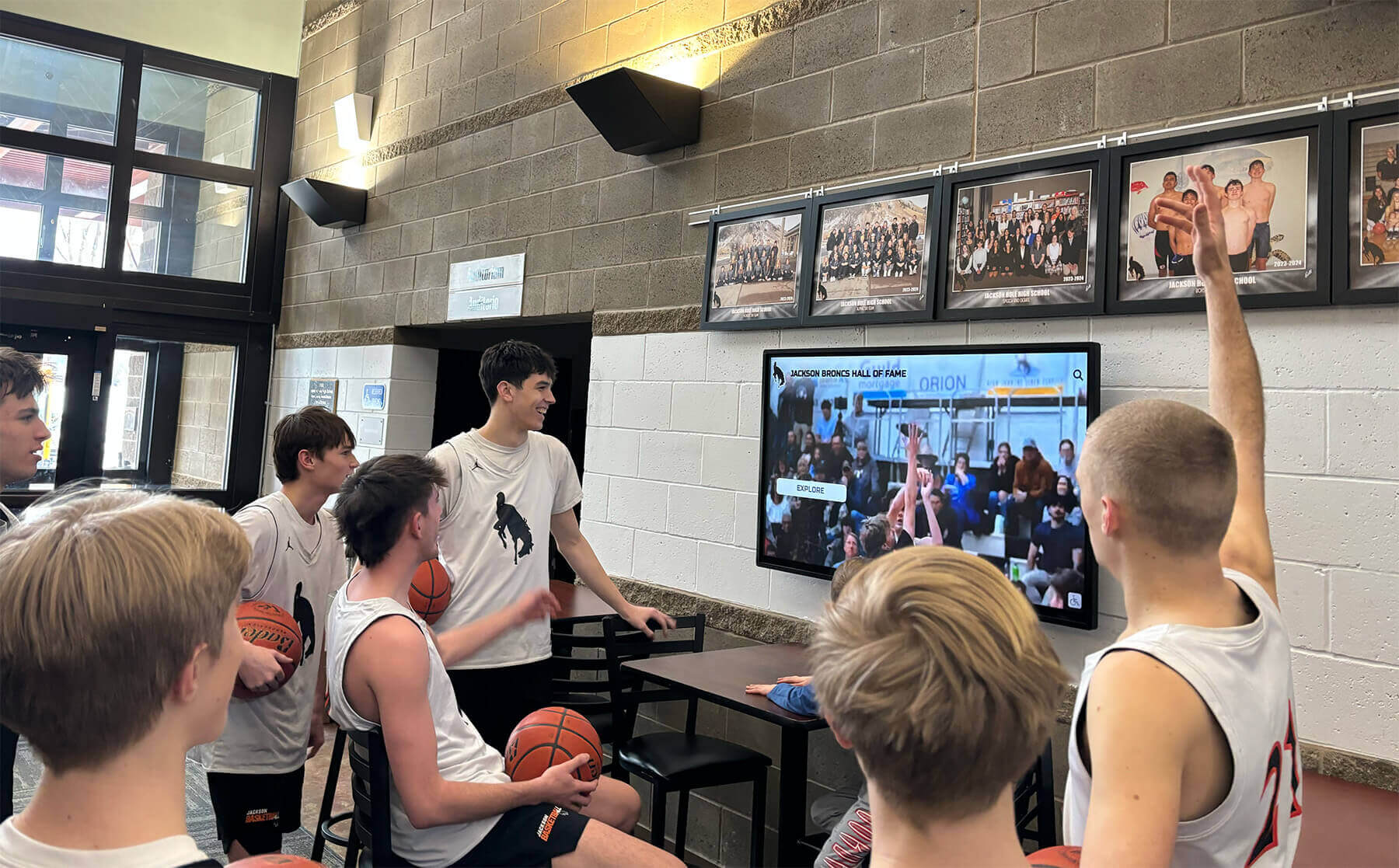
Many consolidated schools adopt hybrid approaches maintaining official separate records for each predecessor school while tracking unified records starting from consolidation. Digital record boards excel at this approach by presenting multiple record categories including individual predecessor school records, consolidated school records since merger, and all-time records across all institutions. This comprehensive presentation honors all achievements without forcing schools into either/or choices that create resentment.
Effective systems for displaying athletic records enable consolidated schools to present complex multi-institutional histories clearly and accessibly, ensuring every achievement receives appropriate recognition.
Hall of Fame Programs in Consolidated Districts
Athletic hall of fame programs face particular consolidation challenges. Each predecessor school likely maintained separate hall of fame recognition with unique selection criteria, induction timing, and honoree rosters. Consolidation forces decisions about whether to continue separate halls of fame for each predecessor school, create a single unified hall of fame, or establish some hybrid approach.
Maintaining completely separate halls of fame preserves distinct institutional identities but creates perception problems about unequal treatment if some predecessor school halls of fame receive more prominent display or recognition. Creating single unified halls of fame simplifies operations but may use selection criteria that disadvantage athletes from certain predecessor schools due to size differences or competitive level variations.
Many successful consolidated schools establish unified hall of fame programs with explicit provisions ensuring proportional representation from all predecessor schools during transition periods. Selection committees include representatives from all constituent communities ensuring diverse perspectives inform decisions. Induction ceremonies celebrate honorees from all predecessor schools together creating opportunities for unified community building around athletic excellence recognition.
Digital hall of fame platforms enable consolidated schools to present all predecessor school hall of fame inductees comprehensively while incorporating new unified hall of fame recognition. Systems like those featured in guides to online halls of fame provide unlimited capacity ensuring every inductee from every institution receives appropriate honor while supporting unified programs moving forward.
Building Unified Identity While Honoring Predecessor Traditions
Successful consolidation requires balancing respect for predecessor school traditions with intentional development of new unified identities that all community members can embrace.
Selecting Names, Mascots, and Colors
Few consolidation decisions generate more controversy than selecting unified district names, mascots, and school colors. These identity markers carry deep emotional significance representing community pride and tradition. Each community naturally advocates for preserving their school’s identity in the consolidated district creating conflicts impossible to resolve in ways satisfying everyone.
Common approaches include creating entirely new names and mascots providing fresh starts, combining elements from multiple predecessor schools, selecting names reflecting geographic communities rather than schools, and allowing students to vote on options from shortlists. Each approach carries advantages and creates challenges.
New names and mascots symbolize new beginnings allowing consolidated districts to build fresh identities without privileging any predecessor school. However, this approach means all communities lose their traditional identities often generating resentment despite equal treatment. Combining elements from multiple schools attempts compromise but often creates awkward results that satisfy no one. Geographic names provide neutral options but may lack the emotional resonance and pride generation that traditional school identities create.

Regardless of approach, identity selection proves emotionally challenging requiring extensive community input, transparent decision-making processes, and acknowledgment that perfect solutions satisfying everyone simply do not exist. The goal becomes finding options that enough community members can accept and embrace while preserving appropriate recognition for predecessor school identities.
Creating Unified Traditions and Culture
Beyond official names and mascots, consolidated schools must intentionally develop unified cultures and traditions that bring together students, staff, and communities from different backgrounds. This culture building requires time and conscious effort rather than happening automatically through administrative merger.
Effective strategies include establishing new traditions unique to consolidated schools, incorporating elements from all predecessor school traditions, creating unified school songs or fight songs, developing comprehensive athletics programs serving broad student populations, establishing inclusive clubs and extracurricular activities, and implementing advisory councils ensuring all communities have voice in consolidated districts.
Transition years prove critical for culture development. How consolidated schools treat predecessor institutions during initial years establishes patterns affecting community relationships for decades. Schools that genuinely honor all predecessor traditions while enthusiastically building new unified identities tend to build stronger community support than those appearing to privilege certain communities or dismissing predecessor traditions as obstacles to unity.
Digital recognition systems support this culture building by providing platforms that honor all predecessor schools comprehensively while presenting unified consolidated district identities. When alumni from all predecessor schools see their histories preserved and celebrated within consolidated district frameworks, they develop stronger connections with merged institutions rather than viewing them as replacements that erased their schools.
Alumni Engagement and Connections After Consolidation
Maintaining alumni engagement after school consolidation presents significant challenges as graduates struggle with schools they knew no longer existing and new institutions without their personal histories.
The Alumni Identity Challenge
Alumni of predecessor schools face identity confusion after consolidation. Their schools no longer exist as independent institutions yet they remain deeply connected to those school identities, traditions, and memories. When asked where they attended school, do they name the predecessor school that no longer exists or the consolidated school they never attended? This seemingly simple question reflects deeper uncertainties about how consolidation affects their identities and connections.
Many alumni feel alienated from consolidated districts particularly when merged schools appear to erase or devalue predecessor school histories. Alumni who graduated from schools that won championships, produced successful graduates, or built strong programs feel those accomplishments should remain visible and celebrated. When consolidation relegates their school histories to storage or minimal recognition, alumni conclude that consolidated districts do not value their traditions driving disengagement.
This alienation matters significantly for schools. Alumni provide volunteering supporting school activities and programs, financial contributions to annual funds and capital campaigns, attendance at athletic events and performances, positive community advocacy, and connections helping current students through mentoring and networking. When alumni disengage due to consolidation handling, schools lose these important resources and community support.

Strategies for Maintaining Alumni Connections
Forward-thinking consolidated districts implement intentional strategies for maintaining alumni connections across all predecessor schools. Effective approaches include hosting reunion events organized by predecessor school, maintaining active alumni associations for each predecessor school, creating comprehensive digital archives accessible to all alumni, establishing prominent recognition displays honoring all institutional histories, and developing communication strategies acknowledging distinct alumni communities.
Digital recognition platforms prove particularly valuable for alumni engagement after consolidation. Systems enabling alumni to search their names and find their complete athletic careers, championship teams, hall of fame recognition, and school history create powerful personal connections. Alumni appreciate when consolidated districts invest in preserving and making accessible the histories that shaped their educational experiences.
Many consolidated schools position interactive digital displays prominently during alumni events, reunions, and homecoming celebrations allowing graduates to explore their predecessor school histories. This technology-enabled engagement creates positive experiences helping alumni develop connections with consolidated districts while maintaining pride in their original schools. Resources on connecting with alumni effectively provide frameworks for building these important relationships.
Digital Solutions for Multi-School Alumni Engagement
Modern digital recognition systems enable consolidated districts to serve alumni from all predecessor schools comprehensively without space limitations of physical displays. Key capabilities supporting alumni engagement include separate sections for each predecessor school organized by years, searchable databases allowing alumni to find themselves and classmates, complete athletic records and championship documentation, hall of fame rosters with biographical information, historical photos and videos, and yearbook digitization and access.
These systems work year-round rather than just during physical campus visits. Alumni living anywhere worldwide can explore their school histories, share discoveries with friends and family, and maintain connections with their educational roots. This accessibility proves especially valuable as alumni age and become less able to travel for physical campus visits while remaining deeply interested in their school histories.
Consolidated districts implementing comprehensive digital recognition often discover improved alumni engagement compared to predecessor school levels as technology enables discovery and sharing impossible with physical displays. Schools should explore approaches for engaging alumni through digital recognition as part of consolidation planning rather than waiting until alumni relationships deteriorate.
Case Studies: Consolidation Success and Challenges
Understanding how different communities experienced consolidation provides valuable lessons for districts considering or implementing mergers.
Common Success Factors
Consolidations that communities ultimately view positively tend to share common characteristics. Successful consolidations typically include extensive community engagement throughout processes, transparent communication about challenges necessitating consolidation, genuine respect shown for all predecessor school traditions, equitable treatment of communities in decisions and recognition, strong leadership committed to unified culture building, adequate time for transition and adjustment, and tangible benefits such as improved programs or facilities justifying changes.
The most successful consolidations occur when communities reach genuine consensus that consolidation serves student interests despite emotional costs. When communities fight consolidation but are overridden by state authorities or slim vote majorities, ongoing resentment undermines unified culture building regardless of consolidation’s practical merits.
Investment in preserving predecessor school histories signals respect that helps communities accept difficult changes. Consolidated districts that commit resources to comprehensive historical documentation, digital recognition systems, and ongoing predecessor school celebrations tend to build stronger community support than those treating predecessor histories as obstacles to unity or irrelevant to current operations.
Ongoing Challenges Even in Successful Consolidations
Even generally successful consolidations face ongoing challenges requiring sustained attention. Competition between communities within consolidated districts can persist for decades affecting everything from facility investment decisions to athletic program priorities. Alumni from different predecessor schools may struggle to develop unified identity particularly during competitive athletic events. Staff integration challenges including different work cultures and practices may continue affecting organizational effectiveness.
The most persistent challenge involves balancing unified identity development with ongoing respect for predecessor traditions. Consolidated districts need strong unified identities to build community and institutional effectiveness. However, overemphasizing unity while minimizing predecessor school recognition alienates alumni and communities. This balance requires ongoing attention rather than one-time decisions during consolidation implementation.
Planning for Future Consolidations: Lessons Learned
Districts considering consolidation or educational leaders facilitating mergers can learn from decades of consolidation experiences across America.
Essential Planning Considerations
Comprehensive consolidation planning should address how consolidated districts will preserve and honor all predecessor school histories, athletic records and hall of fame programs, facility decisions and community facility access, staff selection and integration processes, identity elements including names and mascots, communication strategies for ongoing community engagement, and alumni relations strategies across all predecessor schools.
Early attention to historical preservation during consolidation planning prevents later problems. When consolidation plans explicitly address how districts will honor predecessor traditions, communities feel their concerns receive serious consideration rather than dismissal. This respect builds trust enabling more constructive consolidation discussions even when communities ultimately prefer maintaining independence.

The Role of Technology in Modern Consolidations
Technology provides consolidating schools with capabilities that previous generations of merged institutions lacked. Digital recognition systems eliminate space constraints that forced impossible choices about which histories deserved limited display space. Online platforms enable worldwide alumni access rather than requiring physical campus visits. Social media facilitates ongoing communication with distributed alumni communities. Digital archives preserve institutional memories without massive physical storage requirements.
Districts consolidating today should incorporate digital preservation strategies from the beginning rather than attempting physical approaches that cannot accommodate multiple institutional histories adequately. The relatively modest investment in comprehensive digital recognition systems pays dividends in community support and alumni engagement that justify costs many times over.
Modern consolidating schools should explore digital preservation approaches as fundamental consolidation components rather than optional enhancements considered later.
Conclusion: Honoring the Past While Building the Future
School consolidation represents one of the most emotionally charged processes in American education. When schools merge, communities confront losses that extend far beyond administrative restructuring. Schools embody community identity, preserve collective memories, anchor civic life, and create lifelong connections making consolidation profoundly personal regardless of practical merits.
The history of consolidated schools merging demonstrates both the inevitability of educational system evolution and the importance of approaching change with sensitivity to community impact. Financial pressures, demographic shifts, and educational opportunity considerations will continue driving consolidation in coming decades. However, how consolidation proceeds—whether with genuine respect for predecessor traditions or dismissive focus solely on unified future—determines whether communities ultimately accept difficult changes or resist with lasting resentment.
Key Principles for Consolidation Success:
- Engage communities authentically throughout consolidation processes with transparent communication
- Demonstrate genuine respect for all predecessor school traditions and histories
- Invest in comprehensive preservation of athletic records, achievements, and recognition
- Create equitable recognition ensuring no community feels devalued or erased
- Build unified identities while honoring distinct predecessor school legacies
- Maintain active alumni engagement across all constituent communities
- Use technology to preserve complete histories without space limitations
- Allow adequate time for transition and cultural integration
- Focus on student benefits as ultimate consolidation justification
- Commit to ongoing attention to community relationships beyond initial consolidation
Modern digital recognition technology transforms consolidation challenges from impossible dilemmas into manageable opportunities. Systems like Rocket Alumni Solutions enable consolidated schools to preserve complete histories from all predecessor institutions without space compromise, present all athletic records and hall of fame rosters comprehensively, provide worldwide alumni access through online platforms, support unified district identity while honoring predecessor legacies, and create engaging recognition experiences that build rather than diminish community connections.
Consolidated schools that invest strategically in historical preservation communicate powerful messages to their communities: your traditions matter, your achievements deserve honor, your school histories will not be erased, and the new unified institution values all constituent communities equally. This respect builds the trust and goodwill enabling communities to embrace difficult transitions while developing pride in new unified institutions that honor rather than replace the schools that came before.
The consolidation of schools will continue reshaping American education as demographic and financial realities force difficult decisions. However, technology now enables preserving what previous generations lost—complete institutional histories, comprehensive achievement recognition, and maintained alumni connections. Districts approaching consolidation with commitment to honoring all traditions while building unified futures create institutions that serve students effectively while maintaining the community connections that make schools far more than buildings where classes occur.
Ready to preserve your school’s history during consolidation or honor all predecessor traditions in your merged district? Book a demo to explore how digital recognition solutions create comprehensive historical preservation ensuring every achievement, tradition, and community receives the honor it deserves.