



College mascots represent far more than entertaining sideline figures or logo designs—they embody institutional identity, unite communities around shared pride, and create emotional connections lasting generations. From fierce predators like tigers and wildcats to mythical creatures, historical figures, and unique regional symbols, college mascots shape how students, alumni, and fans identify with their institutions. These symbols appear everywhere from athletic uniforms and campus signage to alumni merchandise and recognition displays, serving as powerful visual shorthand for complex institutional histories and values.
Whether you’re researching college options and want to understand mascot traditions, seeking inspiration for high school mascot selection, planning mascot-themed recognition programs, or simply curious about the fascinating diversity of college mascots across America, this comprehensive A-Z guide explores the most popular university mascots, their origins, what they symbolize, and how modern schools celebrate mascot identity through permanent recognition displays that honor athletic excellence and school tradition.
Why College Mascots Matter for School Identity
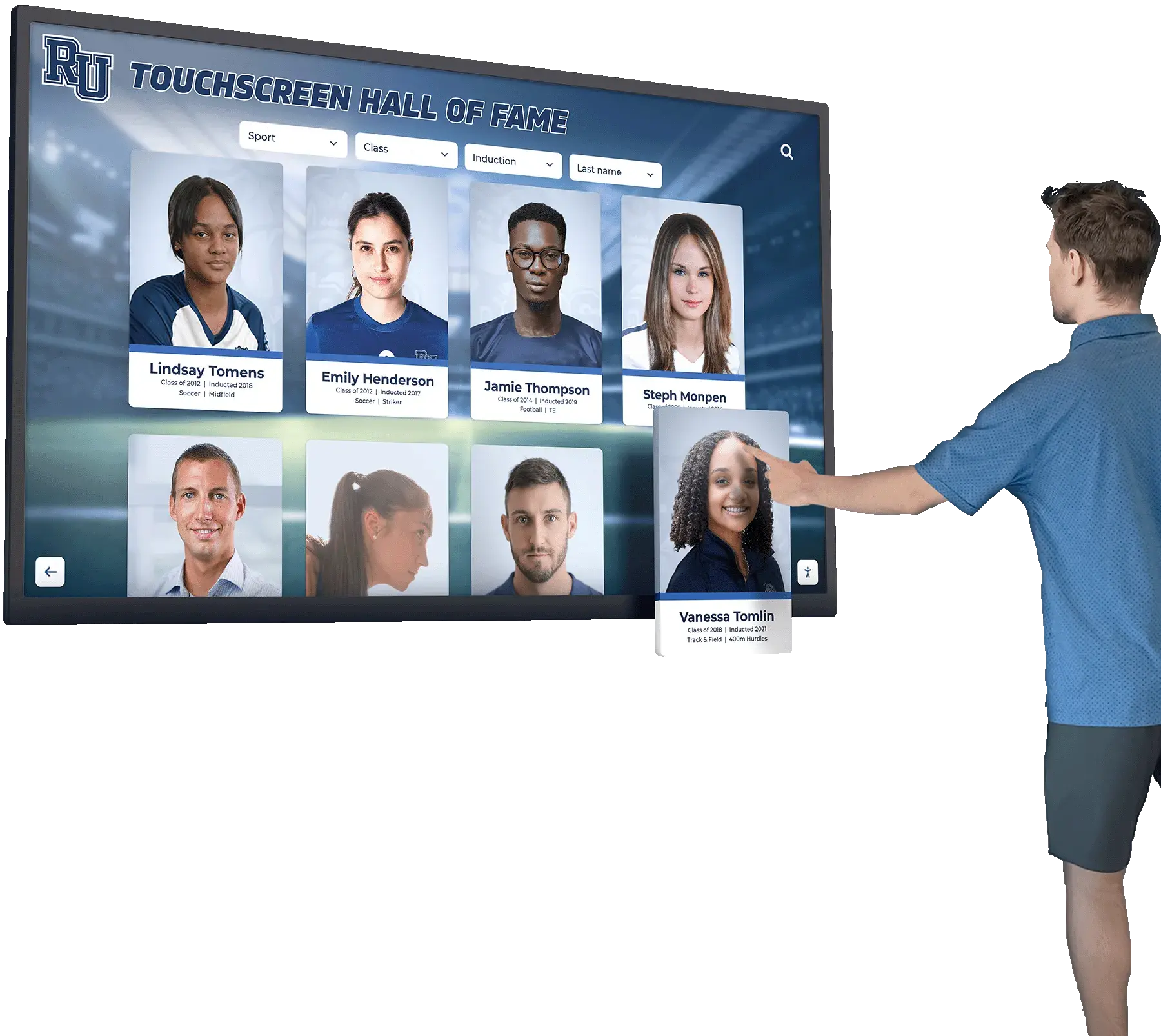
Mascots serve critical purposes beyond entertainment—they create instant visual recognition for athletic programs and institutions, unite diverse campus communities around shared symbols and pride, provide continuity connecting current students with alumni across decades, inspire competitive spirit and excellence in athletic endeavors, and generate merchandise and branding opportunities supporting athletic programs. Modern recognition solutions enable schools to prominently feature mascot identity throughout campuses, incorporating mascot imagery into digital athletic record boards, hall of fame displays, and interactive touchscreens that celebrate achievements while reinforcing institutional identity and pride.
The Most Popular College Mascots by Category
Understanding which mascots appear most frequently across American colleges and universities reveals fascinating patterns about institutional values, regional identity, and athletic culture.
Predator and Wild Animal Mascots
Fierce predators dominate college mascot selections, symbolizing strength, speed, aggression, and competitive excellence—qualities every athletic program aspires to embody.
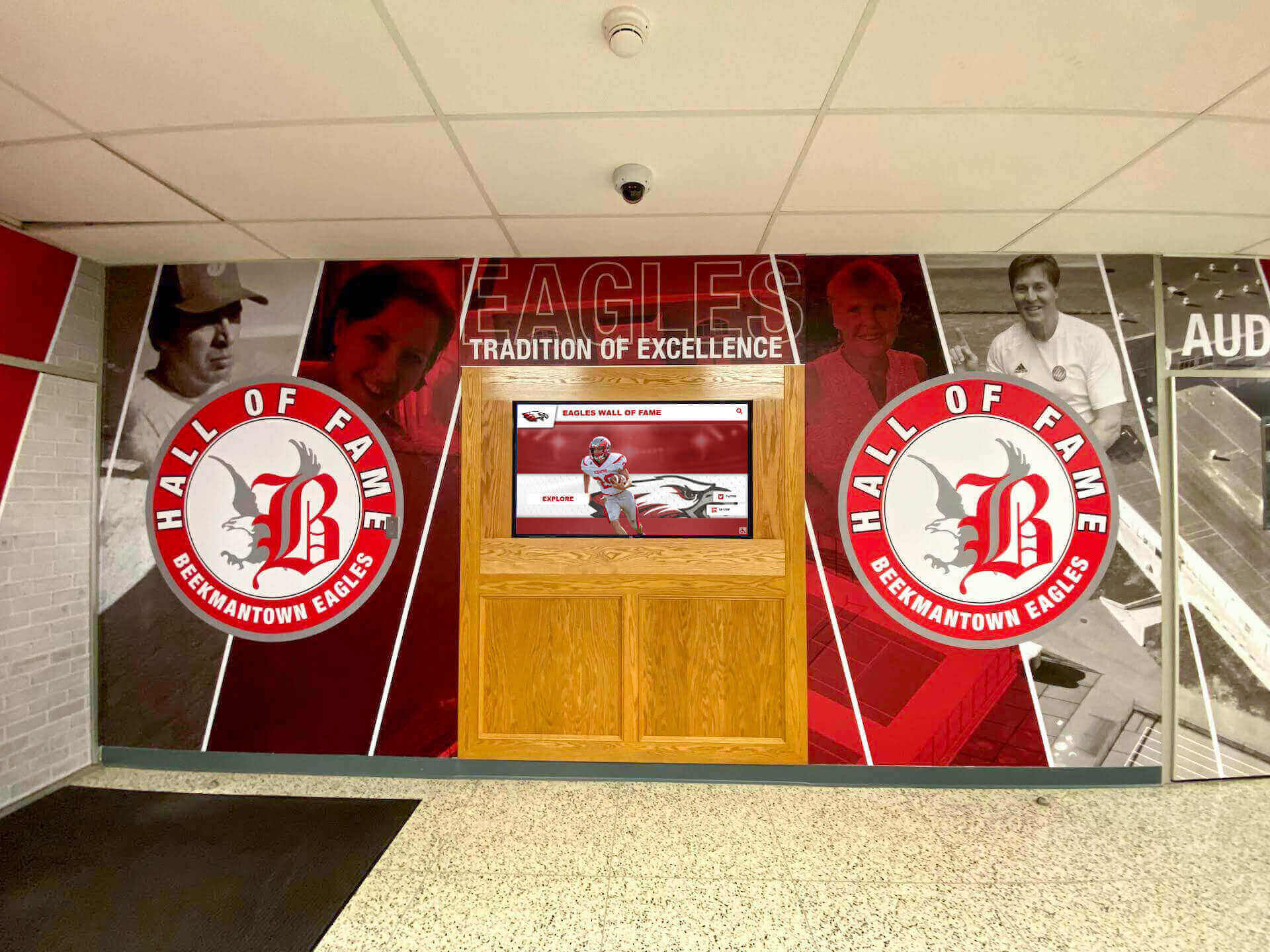
Eagles - Over 80 colleges including Boston College, Auburn, Eastern Michigan, and American University use eagle mascots. Eagles symbolize American patriotism, freedom, vision, and soaring excellence. Their widespread popularity reflects both national symbolism and universal athletic qualities like precision, power, and dominance.
Wildcats - More than 50 institutions including Northwestern, Kansas State, Arizona, and Kentucky feature wildcat mascots. Wildcats represent fierce independence, territorial determination, and explosive athletic ability. The mascot’s versatility—encompassing bobcats, lynx, and various wild feline species—makes it adaptable across diverse institutional contexts.
Tigers - Approximately 40 colleges including Auburn, LSU, Clemson, and Princeton claim tiger mascots. Tigers symbolize power, courage, ferocity, and predatory excellence. The tiger’s visual appeal and fierce reputation make it among the most recognizable and intimidating college mascots.
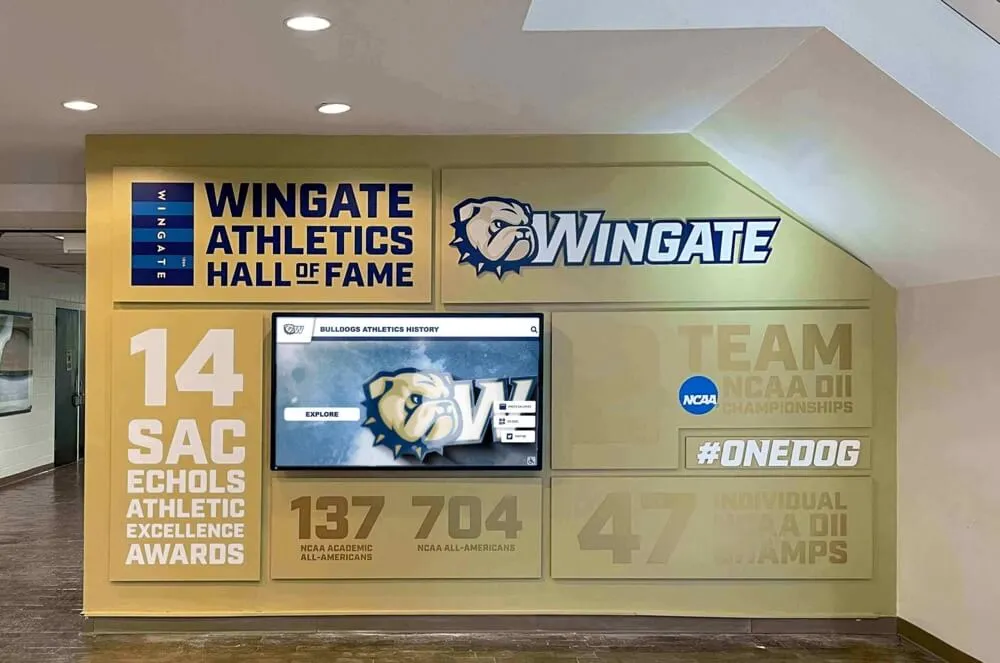
Bulldogs - More than 40 schools including Georgia, Yale, Butler, and Mississippi State feature bulldog mascots. Bulldogs represent tenacity, determination, loyalty, and refusing to quit—characteristics that resonate deeply with athletic program values. Georgia’s Uga lineage represents one of college sports’ most beloved mascot traditions.
Bears - About 30 institutions including Baylor, California, Brown, and Northern Colorado use bear mascots. Bears symbolize strength, dominance, territorial protection, and fierce motherly defense. Their combination of power and strategic intelligence appeals to athletic programs seeking to convey both physical dominance and tactical sophistication.
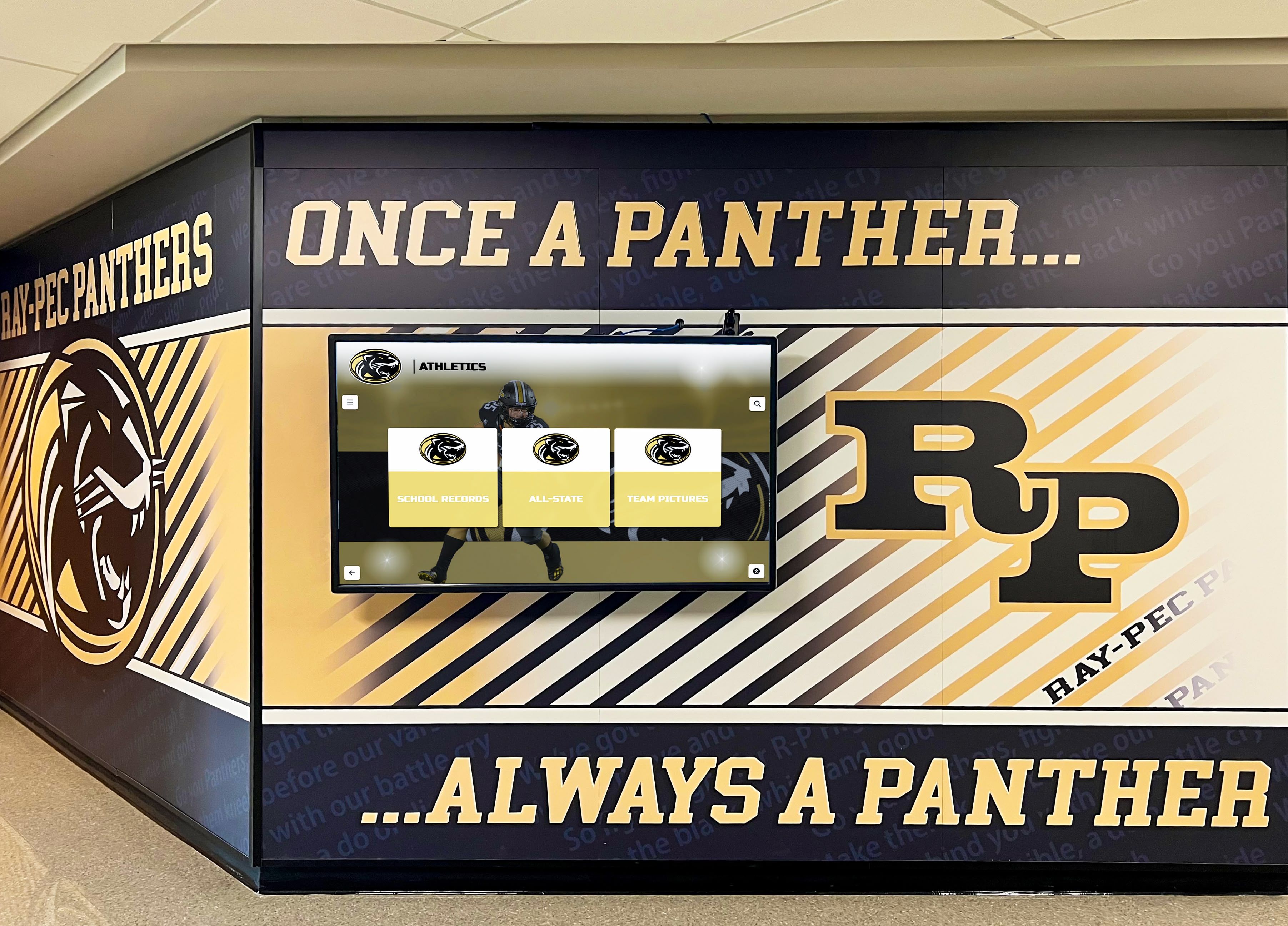
Panthers - Approximately 30 colleges including Pittsburgh, Eastern Illinois, and Georgia State feature panther mascots. Panthers represent stealth, explosive speed, hunting precision, and intimidating presence. The panther’s sleek aesthetic translates particularly well to modern athletic branding.
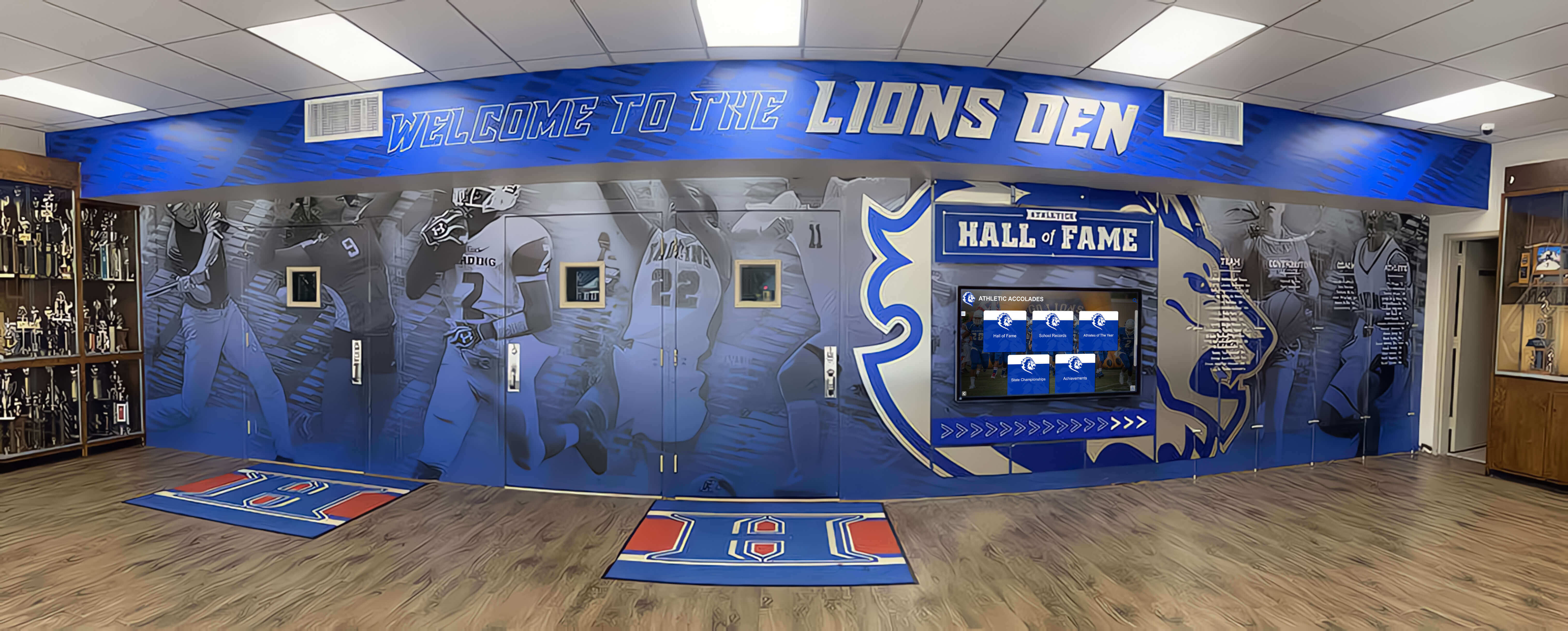
Lions - About 25 schools including Columbia, Loyola Marymount, and Lincoln University claim lion mascots. Lions symbolize courage, nobility, pride leadership, and “king of the jungle” dominance. The lion’s regal associations make it particularly popular at institutions emphasizing academic excellence alongside athletic prowess.
Mythical and Legendary Creature Mascots
Unique mythical mascots distinguish institutions through distinctive identities impossible to confuse with other schools:
Fighting Irish (Notre Dame) - Perhaps college sports’ most iconic mascot, the Fighting Irish leprechaun represents the Irish heritage of Notre Dame’s founding religious order while symbolizing fighting spirit, resilience, and underdog determination. The mascot’s distinctiveness creates unparalleled brand recognition.
Trojans (USC) - The Trojan warrior symbolizes ancient military excellence, discipline, strategic brilliance, and unconquerable spirit. USC’s “Traveler,” the white horse ridden by the Trojan at games, creates spectacular visual traditions reinforcing institutional grandeur.
Spartans - Multiple schools including Michigan State use Spartan warrior mascots representing ancient Greek military dominance, fearless warrior culture, discipline, and competitive excellence. The 300 Spartans’ legendary stand at Thermopylae provides powerful metaphors for athletic determination.
Phoenix - Several institutions feature phoenix mascots symbolizing resurrection, renewal, transformation, and rising from challenges stronger than before. The phoenix appeals particularly to newer institutions or programs rebuilding athletic traditions.
Demon Deacons (Wake Forest) - This unique mascot combines religious institutional heritage (“Deacon”) with competitive ferocity (“Demon”), creating memorable distinction. Wake Forest’s mascot demonstrates how creative combinations produce unforgettable institutional identities.
Human and Cultural Mascots
Human figure mascots often reflect specific institutional histories, regional cultures, or founding populations:
Cowboys/Cowgirls - Schools like Oklahoma State and Wyoming use cowboy mascots reflecting Western heritage, frontier independence, rugged individualism, and regional cultural identity. These mascots create powerful connections with state histories and values.
Pirates - East Carolina, Seton Hall, and other coastal institutions feature pirate mascots representing rebellious independence, seafaring adventure, and refusing to follow conventional rules. Pirates provide colorful visual traditions and enthusiastic fan engagement.
Minutemen (UMass) - Revolutionary War militia symbolism connects to Massachusetts history while representing citizen-soldier valor, rapid response, and patriotic determination. Historical mascots create educational opportunities alongside athletic identity.
Volunteers (Tennessee) - Honoring Tennessee’s military volunteerism tradition dating to the War of 1812, this mascot reflects state pride, military heritage, and selfless service values. Regional historical mascots strengthen institutional connections to state identity.
Birds and Flying Mascots
Beyond eagles, numerous bird species serve as college mascots:
Cardinals - Ball State, Louisville, Stanford, and other schools feature cardinal mascots. Cardinals represent determination, territorial defense, year-round presence, and striking visual appeal. Their bright red coloring creates powerful branding opportunities.
Owls - Rice, Temple, and other institutions use owl mascots symbolizing wisdom, nocturnal vigilance, silent precision, and academic excellence. Owls particularly appeal to academically elite institutions seeking to balance intellectual and athletic identities.
Hawks/Seahawks - Multiple schools including Iowa, Saint Joseph’s, and University of Hartford feature hawk mascots representing keen vision, hunting precision, aerial dominance, and strategic patience. Hawks provide fierce predatory symbolism without the extreme commonality of eagles.
Ducks (Oregon) - While less traditionally fierce than predators, Oregon’s Duck mascot creates distinctive, highly recognizable identity amplified through innovative uniform designs and enthusiastic mascot performance. The Duck demonstrates how unique mascots can build powerful brands through creative execution.
Fighting Gamecocks (South Carolina) - This unique avian mascot references historical cockfighting traditions while creating unmistakable institutional identity. South Carolina demonstrates how historically controversial mascot selections can become beloved traditions transcending original contexts.
Regional and Nature-Based Mascots
Some mascots reflect specific geographic locations or natural phenomena:
Hurricanes (Miami) - Representing Florida’s powerful storms, this mascot symbolizes destructive force, unstoppable momentum, and regional weather identity. Natural phenomenon mascots create powerful metaphors for athletic dominance.
Crimson Tide (Alabama) - This unique mascot references red clay mud rather than ocean tides, creating distinctive identity while symbolizing overwhelming force and relentless advance. Alabama’s elephant secondary mascot adds visual representation to the abstract tide concept.
Cornhuskers (Nebraska) - Agricultural heritage mascots connect institutions to regional economies and cultural foundations. Nebraska’s Cornhusker identity celebrates farming traditions while representing hard work, harvest abundance, and Midwestern values.
Mountaineers (West Virginia) - Regional geography mascots reflect state landscapes and frontier heritage. West Virginia’s Mountaineer symbolizes rugged independence, Appalachian pride, and mountain resilience.
Complete Alphabetical College Mascots Reference
This comprehensive alphabetical listing helps you explore college mascots systematically, whether researching specific institutions or comparing mascot popularity.
A-D Mascots
Aggies - Texas A&M, New Mexico State, North Carolina A&T, and other agricultural colleges. Represents farming heritage, agricultural excellence, and rural values.
Anteaters - UC Irvine. Unique mascot creating instant recognition and memorability through unexpected selection.
Badgers - Wisconsin. Symbolizes fierce territorial defense, tenacious fighting style, and refusing to back down despite size disadvantages.
Beavers - Oregon State, MIT. Represents industriousness, engineering capability, and persistent determined work.
Bison - Howard, Bucknell, North Dakota State. Symbolizes American heritage, prairie power, and stampeding force.
Bobcats - Montana State, Texas State, Ohio University. Wildcat subcategory combining fierce independence with regional predator identity.
Broncos - Boise State, Western Michigan, Santa Clara. Represents untamed spirit, Western heritage, and explosive energy.
Bruins - UCLA, Brown. Bear variant emphasizing power and California/New England regional identity.
Buccaneers - East Tennessee State. Pirate variant with regional coastal or historical connections.
Bulls - Buffalo, South Florida, South Dakota. Symbolizes raw power, charging aggression, and stubborn determination.
Catamounts - Vermont, Western Carolina. Regional wildcat species creating distinctive Northeastern or Appalachian identity.
Cavaliers - Virginia. Historical reference to English Civil War Royalists, symbolizing nobility, honor, and gentleman warrior tradition.
Chanticleers - Coastal Carolina. Unique rooster mascot from French folklore, creating memorable distinction through literary reference.
Chippewas - Central Michigan. Native American mascot maintained with tribal approval and partnership.
Commodores - Vanderbilt. Naval rank mascot honoring founder Cornelius Vanderbilt’s shipping industry success.
Cougars - BYU, Washington State, Houston, and many others. Large cat predator symbolizing mountain hunting prowess and powerful athletic ability.
Crimson - Harvard. Color-based mascot creating simplicity and brand consistency, with John Harvard as secondary figurehead.
Crusaders - Multiple institutions though declining due to historical sensitivity. References medieval religious military campaigns.
Cyclones - Iowa State. Natural phenomenon mascot representing destructive weather power and Midwest regional identity.
Demons/Demon Deacons - Wake Forest, Northwestern State. Combining religious and fierce elements creates unique identity.
Dolphins - Jacksonville. Aquatic intelligence combined with speed and aquatic regional identity.
Dragons - Drexel. Mythical creature representing fire power, aerial dominance, and legendary fearsome reputation.
Ducks - Oregon. Distinctive waterfowl mascot executed with creative branding and enthusiastic performance.
E-L Mascots
Eagles - Boston College, Auburn, American, Eastern Michigan, Coppin State, and 70+ others. America’s national bird symbolizing patriotic pride, soaring excellence, and predatory vision.
Falcons - Air Force, Bowling Green, Seattle. Aerial predator representing speed, precision strikes, and military aviation excellence.
Flames - Liberty. Elemental mascot symbolizing purifying fire, passionate spirit, and consuming competitive drive.
Gators - Florida, San Francisco. Predatory reptile representing Southern swamp dominance, powerful jaws, and lurking danger.
Golden Gophers - Minnesota. Regional rodent elevated through “Golden” enhancement, creating distinctive state animal identity.
Great Danes - Albany. Dog breed mascot representing size, nobility, and loyal protective instincts.
Grizzlies - Montana, Oakland. Large bear species emphasizing extreme size, power, and territorial fierceness.
Hawkeyes - Iowa. Native American leader reference combined with hawk vigilance symbolism.
Hokies - Virginia Tech. Unique mascot with unclear original meaning but powerful brand recognition through consistent use.
Hoosiers - Indiana. State nickname mascot with debated etymology but powerful regional identity connection.
Hornets - Delaware State, Sacramento State. Insect collective symbolizing swarming attack, painful defense, and organized teamwork.
Huskies - Washington, UConn, Northern Illinois, and others. Working dog breed representing endurance, cold weather toughness, and team-pulling cooperation.
Jaguars - Southern, South Alabama. Jungle cat predator combining speed, power, and tropical regional associations.
Jayhawks - Kansas. Unique fictional bird combining blue jay and hawk, creating distinctive mascot impossible to confuse.
Knights - Central Florida, Fairleigh Dickinson. Medieval warrior symbolizing honor, chivalry, combat excellence, and protective valor.
Lobos - New Mexico. Spanish for wolves, combining predatory pack hunting with Southwestern regional and linguistic identity.

M-R Mascots
Marauders - Central State. Pirate variant emphasizing raiding attacks and taking what you want by force.
Mavericks - UT Arlington, Nebraska Omaha. Unbranded cattle or independent nonconformist symbolizing refusal to follow conventional paths.
Mean Green - North Texas. Color-based mascot emphasizing fierce defensive identity and environmental branding.
Miners - UTEP, Missouri S&T. Industrial heritage mascots honoring regional mining history and working-class values.
Mocs/Moccasins - Tennessee-Chattanooga. Regional snake species creating Southeastern identity and dangerous defensive symbolism.
Mountaineers - West Virginia, Appalachian State. Frontier heritage celebrating mountain culture, rugged independence, and Appalachian regional pride.
Musketeers - Xavier. French military reference creating European sophistication combined with warrior excellence.
Mustangs - SMU, Cal Poly. Wild horse symbolizing untamed Western spirit, speed, and refusing domestication.
Nitany Lions - Penn State. Regional mountain lion variant creating distinctive Pennsylvania identity and predatory excellence.
Orangemen/Orange - Syracuse. Color-based mascot with Otto the Orange providing visual personification of citrus branding.
Owls - Rice, Temple, Florida Atlantic. Nocturnal predatory bird combining wisdom, silent hunting, and academic institutional excellence.
Panthers - Pittsburgh, Eastern Illinois, Georgia State, Northern Iowa. Sleek large cat emphasizing stealth, explosive speed, and intimidating presence.
Patriots - George Mason, UMass Lowell. Revolutionary War symbolism representing national founding values and patriotic determination.
Penguins - Youngstown State. Unique cold-weather bird creating distinction through unexpected, endearing selection.
Pioneers - Denver, Cal State East Bay. Western expansion heritage celebrating frontier courage and pathfinding innovation.
Pirates - East Carolina, Seton Hall. Rebellious seafaring mascot representing rule-breaking independence and treasure-seeking adventure.
Racers - Murray State. Speed-focused mascot emphasizing competitive racing excellence and thoroughbred regional Kentucky identity.
Rainbow Warriors - Hawaii. Natural phenomenon combined with warrior tradition, creating unique island regional identity.
Rams - Colorado State, Fordham, Rhode Island. Mountain sheep symbolizing head-butting combat, mountain terrain dominance, and stubborn determination.
Rattlers - Florida A&M. Venomous snake creating dangerous defensive reputation and regional Southeastern species identity.
Ravens - Benedictine. Intelligent corvid emphasizing strategic thinking, dark mystery, and literary/religious symbolism.
Razorbacks - Arkansas. Wild boar mascot representing fierce tusked defense, Southern rural identity, and “calling the hogs” tradition.
Rebels - UNLV. Revolutionary identity emphasizing nonconformist independence and refusing conventional authority.
Red Storm - St. John’s. Weather phenomenon mascot combining color branding with overwhelming force symbolism.
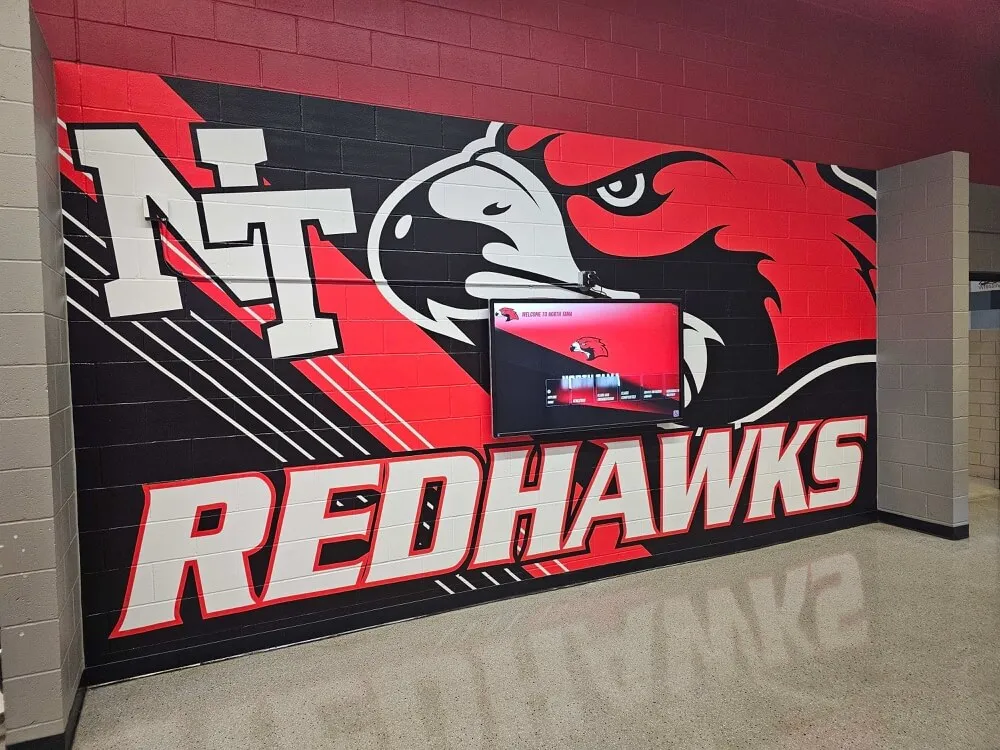
Redhawks - Multiple institutions. Color-enhanced hawk variant creating distinctive branding while maintaining predatory bird symbolism.
Retrievers - UMBC. Dog breed mascot emphasizing persistence, intelligence, and never-quit determination.
Roadrunners - Cal State Bakersfield, UTSA. Regional Southwestern bird combining speed, desert adaptation, and cartoon character recognition.
Rockets - Toledo. Technology-based mascot symbolizing explosive speed, upward trajectory, and modern innovation.
S-Z Mascots
Scarlet Knights - Rutgers. Color-enhanced medieval warrior combining school colors with chivalric honor tradition.
Seminoles - Florida State. Native American mascot maintained with Seminole Tribe partnership and cultural respect.
Seawolves - Stony Brook. Unique marine predator combining wolf pack hunting with oceanic regional identity.
Shockers - Wichita State. Agricultural wheat-shocking heritage creating unique identity from unexpected source.
Sooners - Oklahoma. Land Rush settler identity celebrating state founding and claiming territory first.
Spartans - Michigan State, San Jose State, Norfolk State. Ancient Greek warrior representing military excellence and fighting tradition.
Sun Devils - Arizona State. Regional desert mascot combining Southwestern heat with rebellious devil symbolism.
Terrapins/Terps - Maryland. Regional turtle species creating distinctive Chesapeake Bay identity and defensive shell symbolism.
Thunderbirds - Southern Utah. Native American mythological bird representing storm power and indigenous cultural respect.
Tigers - LSU, Clemson, Missouri, Auburn, Princeton, Memphis, and 30+ others. Apex predator combining power, speed, hunting excellence, and fierce territorial dominance.
Titans - Cal State Fullerton, Detroit Mercy. Mythological giants representing overwhelming size, strength, and legendary power.
Toreros - San Diego. Spanish bullfighter mascot creating regional Hispanic cultural identity and courageous tradition.
Tritons - UC San Diego. Greek sea god mascot combining oceanic regional identity with mythological power.
Trojans - USC, Troy, Arkansas-Little Rock. Ancient warrior representing military excellence, strategic brilliance, and unconquerable spirit.
Utes - Utah. Native American mascot maintained with Ute Nation partnership and cultural education mission.
Vikings - Portland State, Cleveland State, Augustana. Norse warrior representing seafaring courage, exploration, and fierce combat tradition.
Volunteers - Tennessee. State military heritage celebrating citizen-soldier tradition and selfless patriotic service.
Warhawks - Louisiana-Monroe, Wisconsin-Whitewater. Military aircraft or enhanced hawk symbolizing aerial combat excellence.
Warriors - Multiple institutions. Generic fighter mascot allowing flexibility while emphasizing combat excellence and courageous tradition.
Wildcats - Northwestern, Kansas State, Arizona, Kentucky, Villanova, Davidson, and 40+ others. Fierce independent feline representing territorial determination and explosive athletic excellence.
Wolfpack - NC State. Pack predator emphasizing coordinated team hunting, loyalty, and collective strength.
Wolverines - Michigan. Fierce mustelid representing pound-for-pound toughness, ferocious defense, and Michigan regional identity.
Wonders - Westmont. Unique mascot emphasizing excellence and wonder-inspiring achievement rather than aggressive symbolism.
Celebrating Mascot Identity Through Recognition Displays
College and high school mascots gain maximum impact when integrated thoughtfully throughout campus environments, particularly in athletic facilities where they reinforce competitive identity and inspire excellence.
Traditional Mascot Recognition Approaches
Schools have historically celebrated mascot identity through various physical installations:
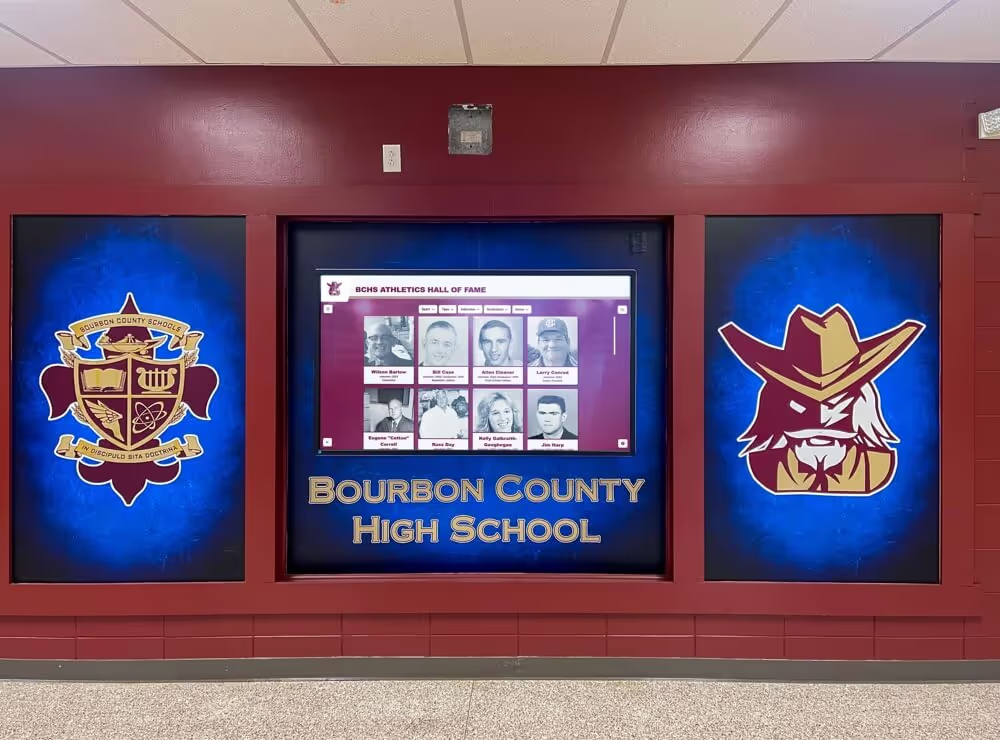
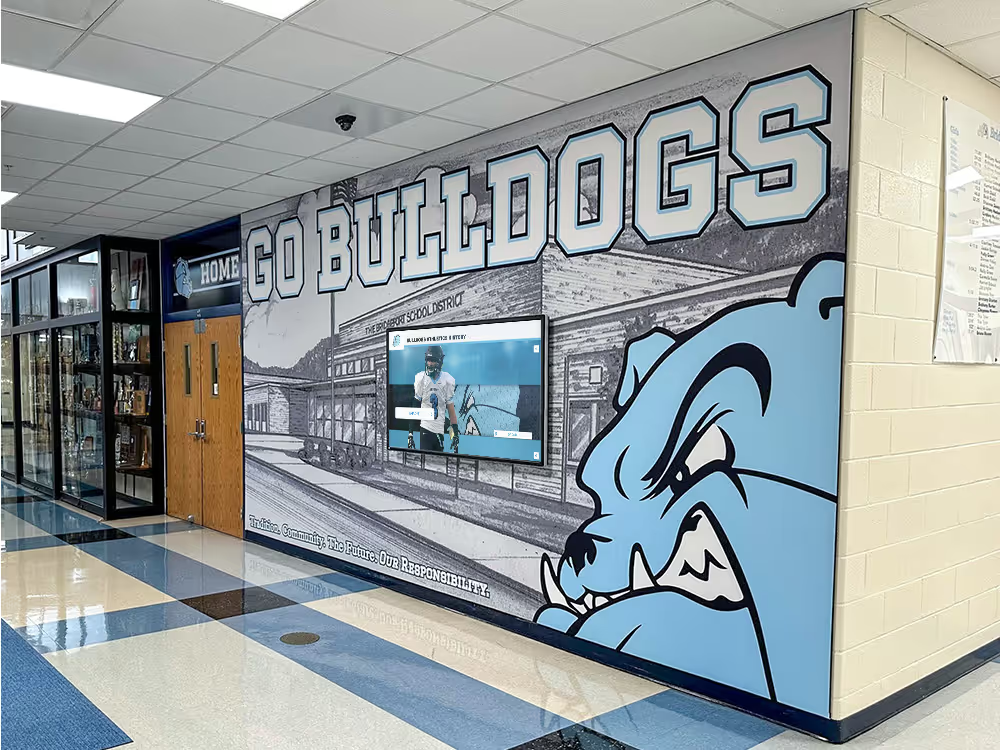
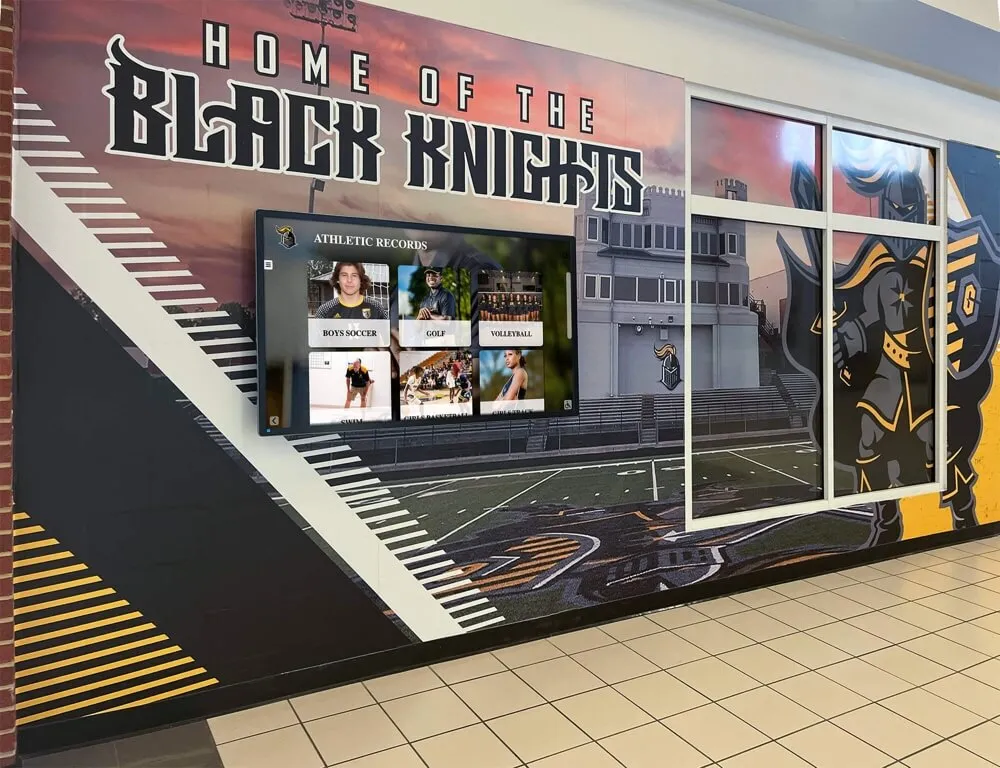
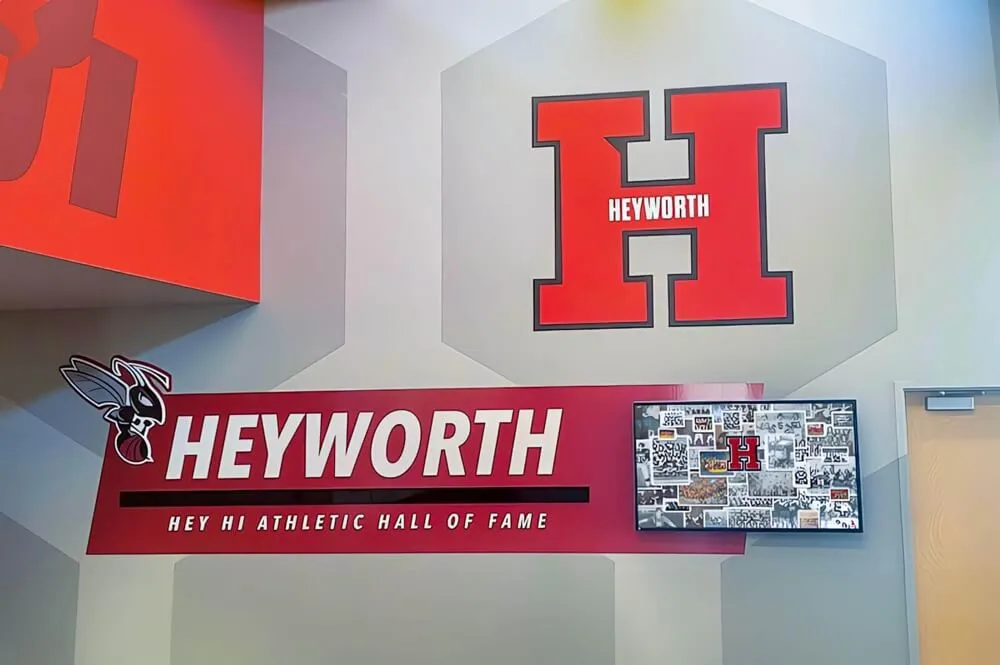
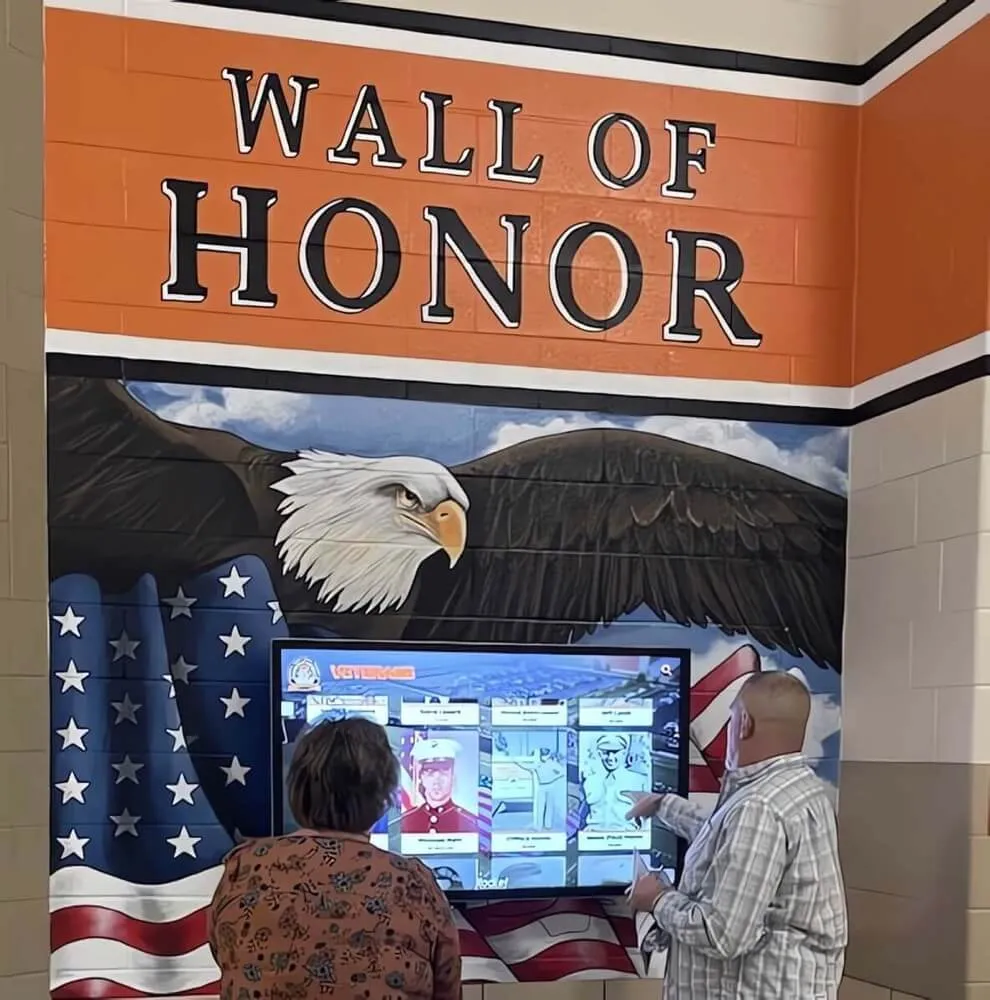
Painted Murals and Wall Graphics - Large-scale mascot artwork in gymnasiums, locker rooms, and athletic facilities creates impressive visual impact. These permanent installations demonstrate institutional commitment to mascot identity while inspiring athletes competing under mascot symbols.
Championship Banners - Victory banners featuring mascot logos celebrate specific achievements while reinforcing mascot connection to competitive success. Hanging banners in gymnasiums creates visual history connecting past championships to current competitive efforts.
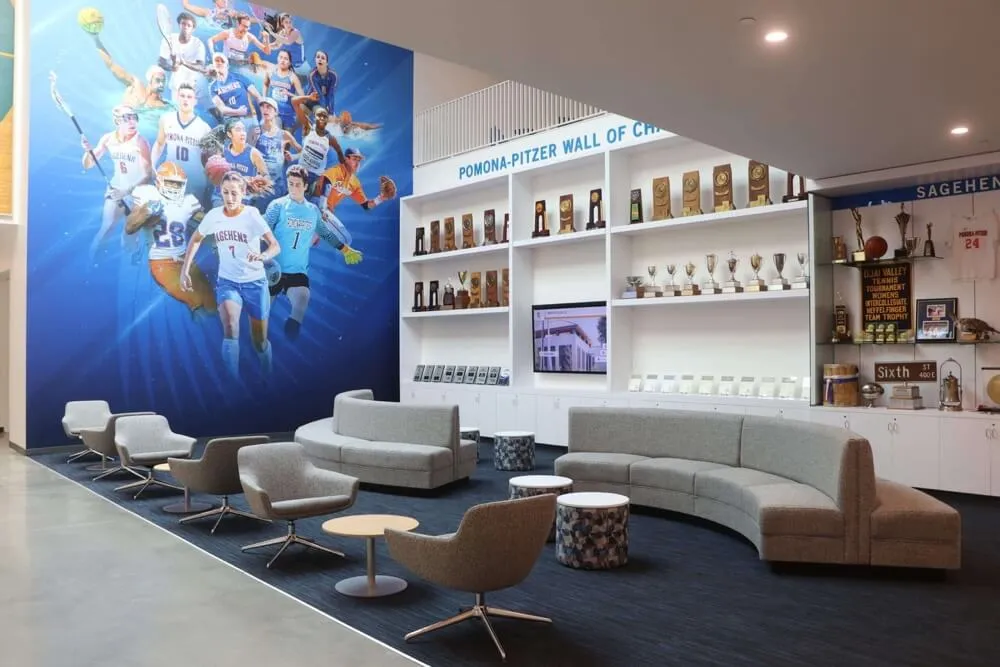
Static Trophy Cases - Traditional glass-enclosed cases displaying athletic achievements often incorporate mascot imagery through engravings, logos, or themed design elements. However, these physical displays face space limitations as programs accumulate achievements across decades.
Uniform and Merchandise Integration - Mascots appear prominently on athletic uniforms, fan apparel, and licensed merchandise. This commercial integration generates revenue while extending mascot visibility beyond campus boundaries through traveling fans and alumni wearing school colors worldwide.
While traditional approaches create valued institutional identity, they share common limitations—finite space restricting how much achievement can be celebrated, static content that becomes outdated, inability to share detailed stories behind achievements, and maintenance challenges as physical materials age or sustain damage.
Modern Digital Mascot Recognition Systems
Interactive digital displays transform how schools celebrate mascot identity and athletic achievement by overcoming traditional format limitations:
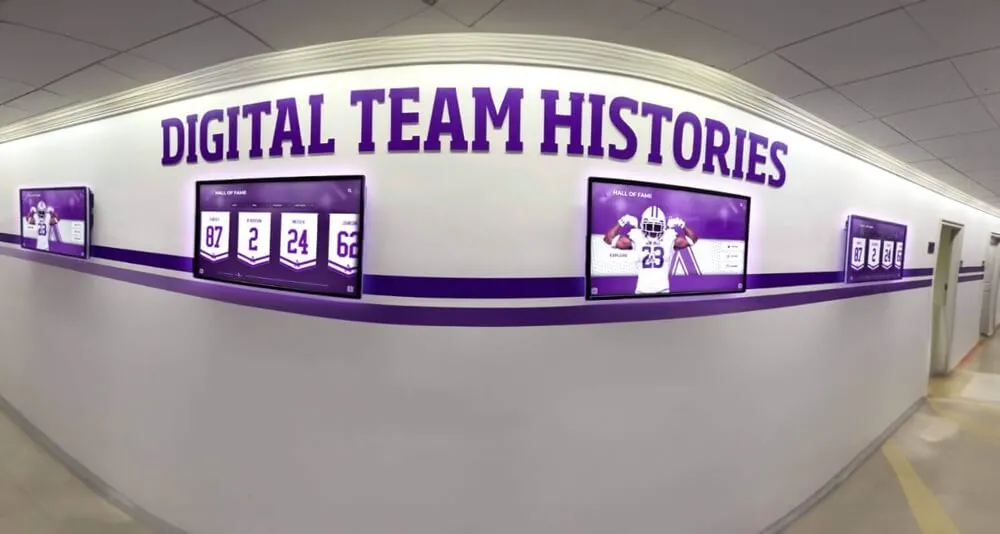
Unlimited Achievement Capacity - Digital athletic record boards accommodate decades of records, championships, and athlete profiles without physical space constraints. Schools can honor every record holder, championship team, and distinguished athlete throughout program history while prominently featuring mascot branding across all content.
Dynamic Multimedia Storytelling - Digital platforms display historic photos, video highlights, championship game footage, and athlete profiles impossible with static physical plaques. Mascot animations, school fight songs, and rich visual branding create engaging experiences that connect viewers emotionally to institutional athletic identity.
Auto-Ranking Technology - Modern digital record boards automatically reorder achievement displays when new records are set, ensuring current athletes receive immediate recognition while historical context remains accessible. This dynamic updating maintains perpetual relevance impossible with static printed or engraved displays.
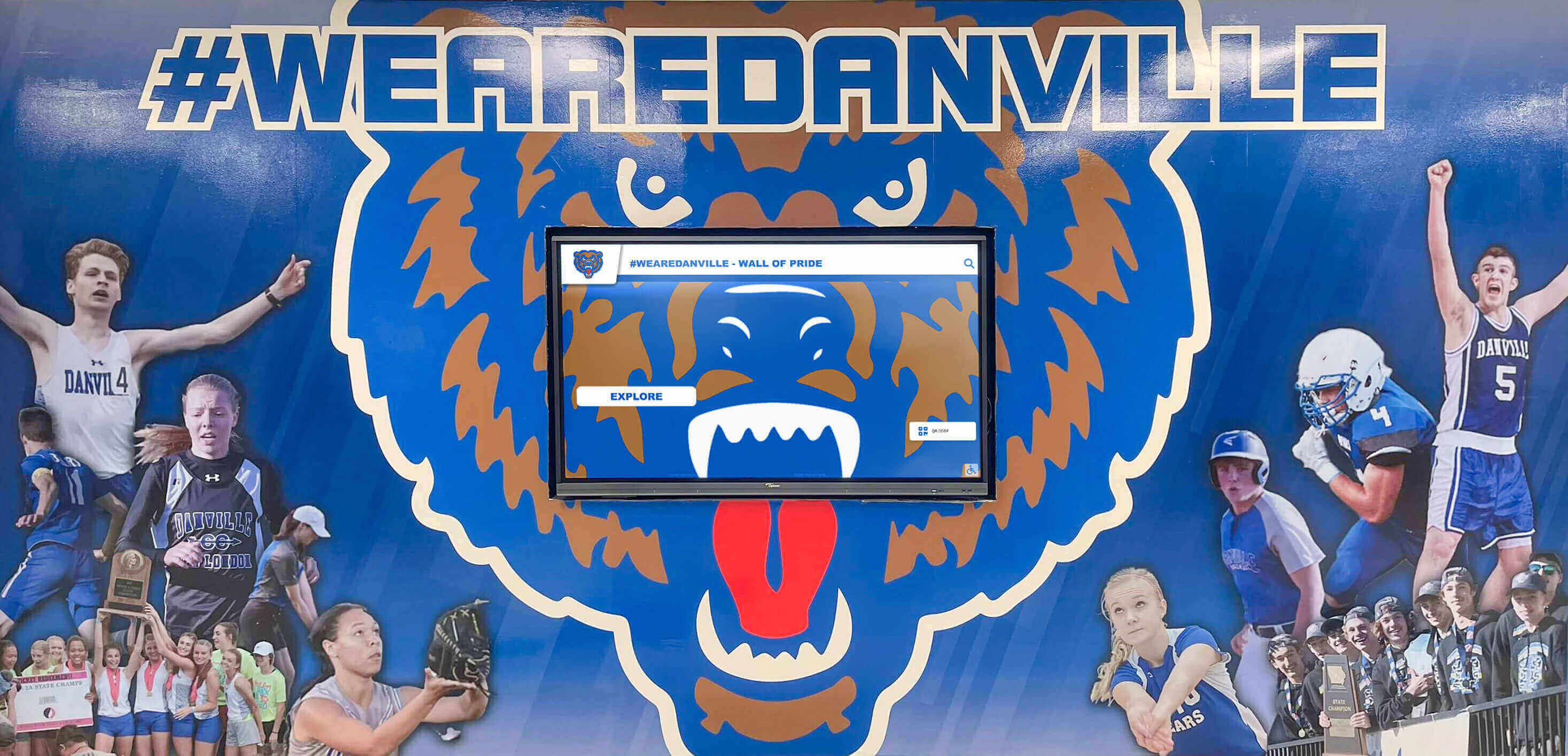
Prominent Mascot Branding - Digital displays incorporate animated mascot logos, school colors, and branded design elements throughout all content. Every athlete profile, record listing, and championship celebration reinforces mascot identity, strengthening connections between competitive achievement and institutional symbols that unite communities.
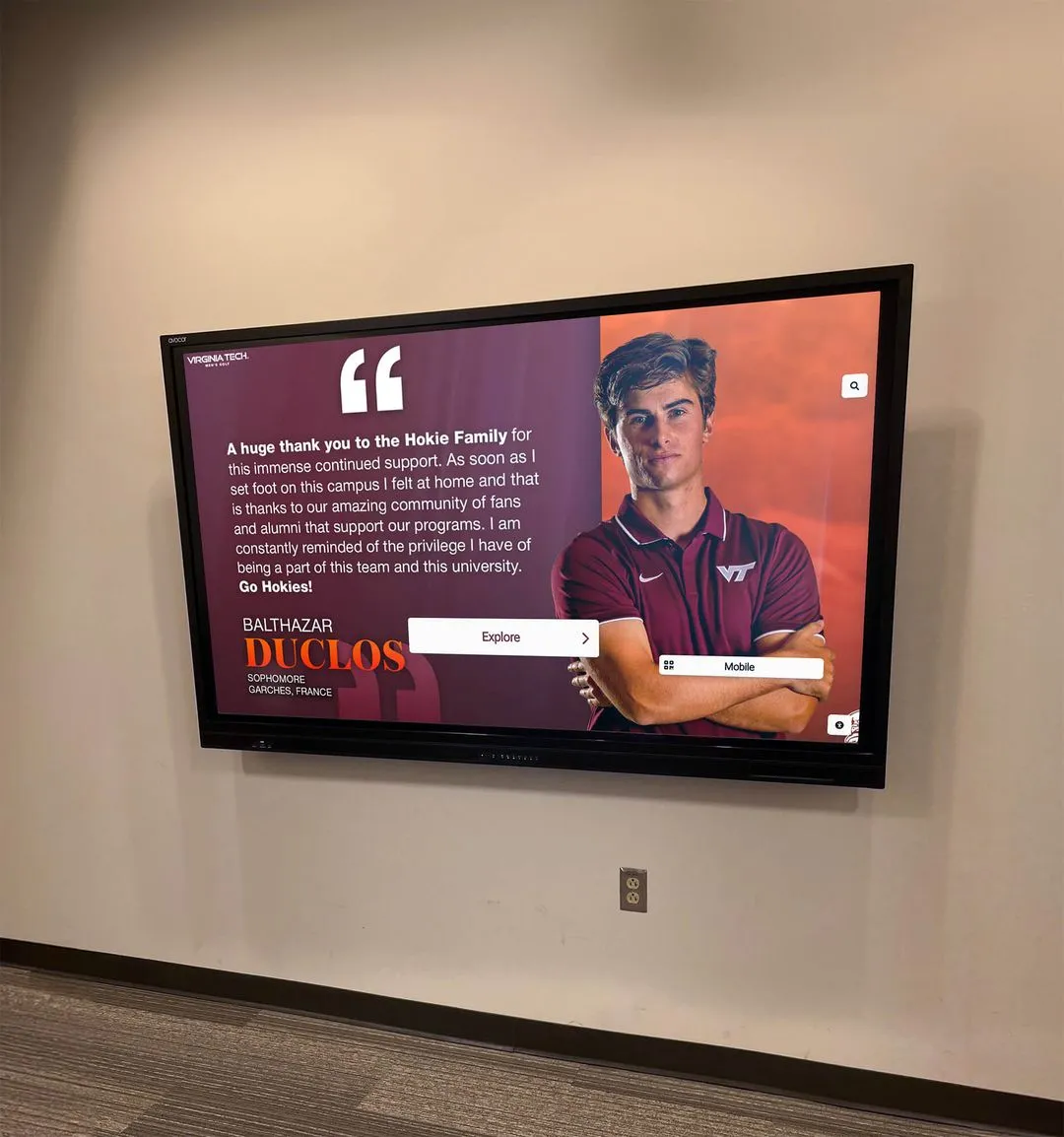
QR Code Access for Mobile Engagement - Digital recognition systems often include QR codes enabling visitors to explore content on personal devices. Alumni can scan codes accessing their athletic records, championship team rosters, or hall of fame profiles, extending mascot-branded recognition beyond physical locations.
Schools implementing digital athletic recognition report that prominent mascot integration throughout displays strengthens school pride, creates recruitment advantages through professional presentation of traditions, inspires current athletes by connecting them to decorated program histories, and engages alumni who return to campus exploring achievement databases featuring their records and teams.
Mascots and School Spirit Development
College mascots serve as focal points for broader school spirit and pride initiatives that unite campus communities around shared identity and competitive support.
Mascot-Centered Traditions and Rituals
The most memorable college experiences often involve mascot-centered traditions that create powerful emotional connections:
Mascot Appearances and Performances - Live mascot performers at athletic events, student gatherings, and community events personify institutional identity while creating memorable interactions. Students competing to serve as mascots demonstrate how these roles represent significant campus honors.
Touchdowns, Goals, and Victory Celebrations - Many programs feature unique mascot-centered celebration traditions—Tennessee’s Smokey leading the team onto the field, Colorado’s Ralphie buffalo run, Georgia’s Uga watching from the sideline. These visual traditions create must-see moments that define game day experiences.
Rivalry Week Mascot Emphasis - Intense rivalries often feature mascot-centered trash talk, symbolic captures or pranks, and emphasized mascot displays. These competitive traditions heighten mascot significance while creating memorable rivalry narratives.
Homecoming and Alumni Events - Mascot-themed homecoming celebrations unite current students with returning alumni around shared institutional symbols. Mascot costume history displays, legacy mascot performers reunions, and mascot-themed activities create intergenerational connections.
Freshman Orientation Traditions - Introducing incoming students to mascot history, significance, and proper mascot-related traditions helps newcomers understand institutional culture while building immediate connection to campus identity.
Building Pride Through Visible Recognition
Schools strengthen mascot-centered pride by making achievement recognition visible throughout campus environments:
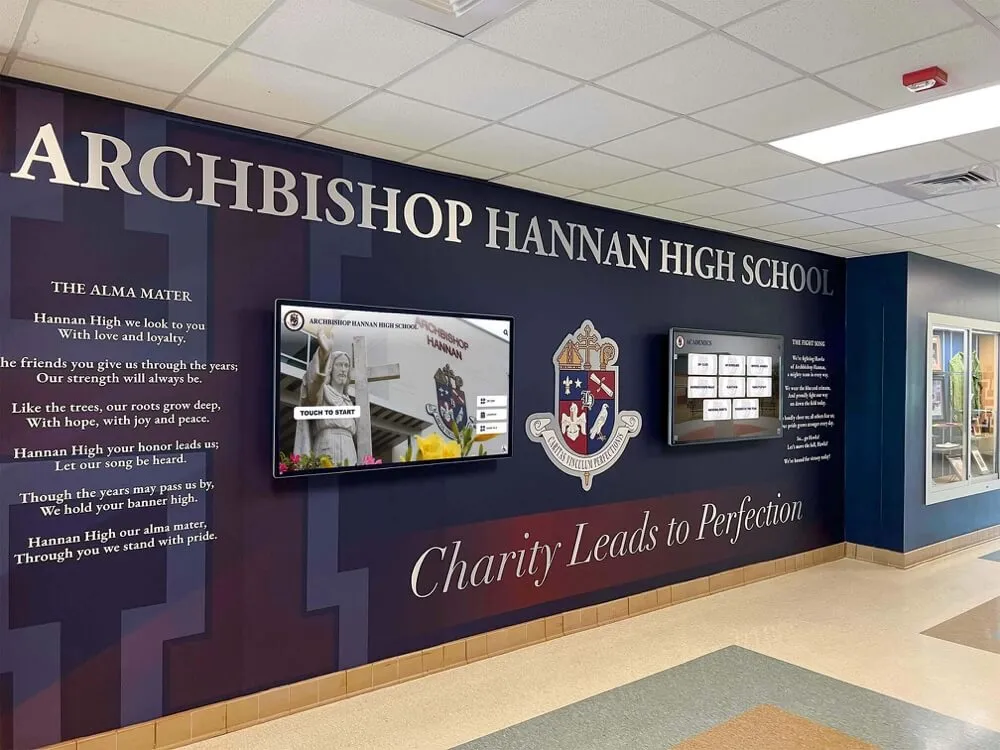
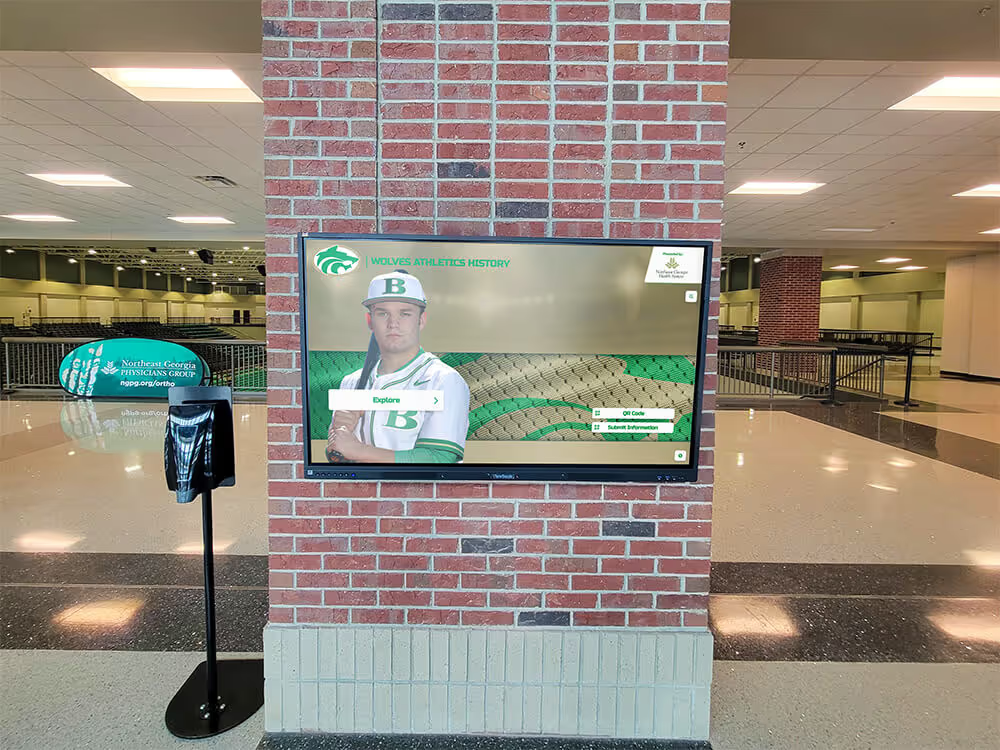
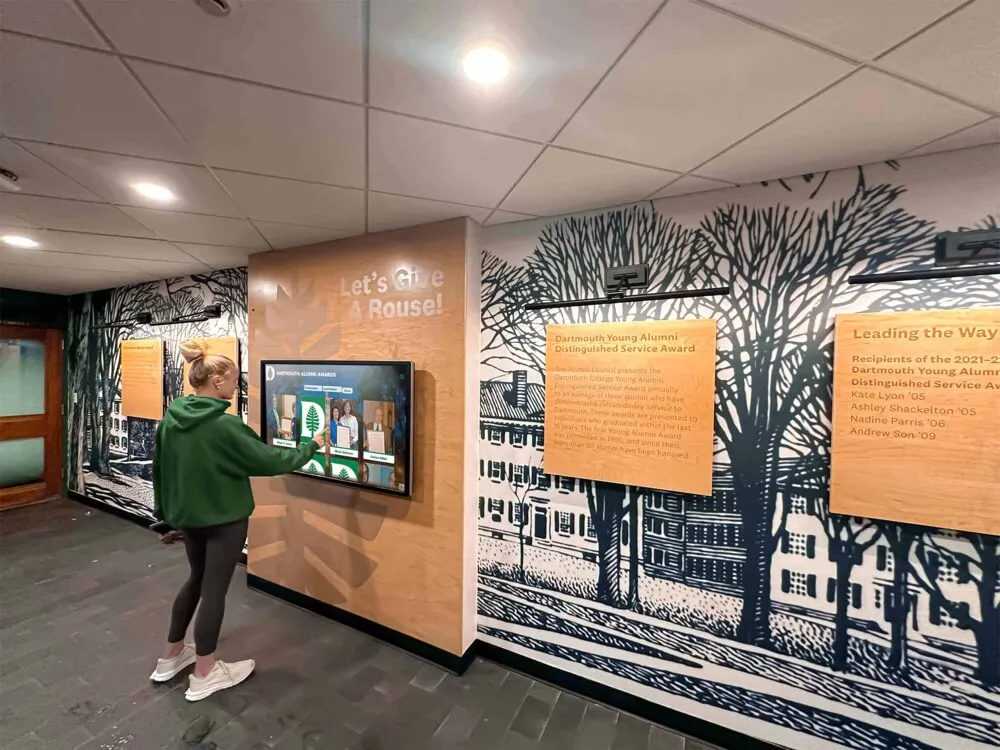
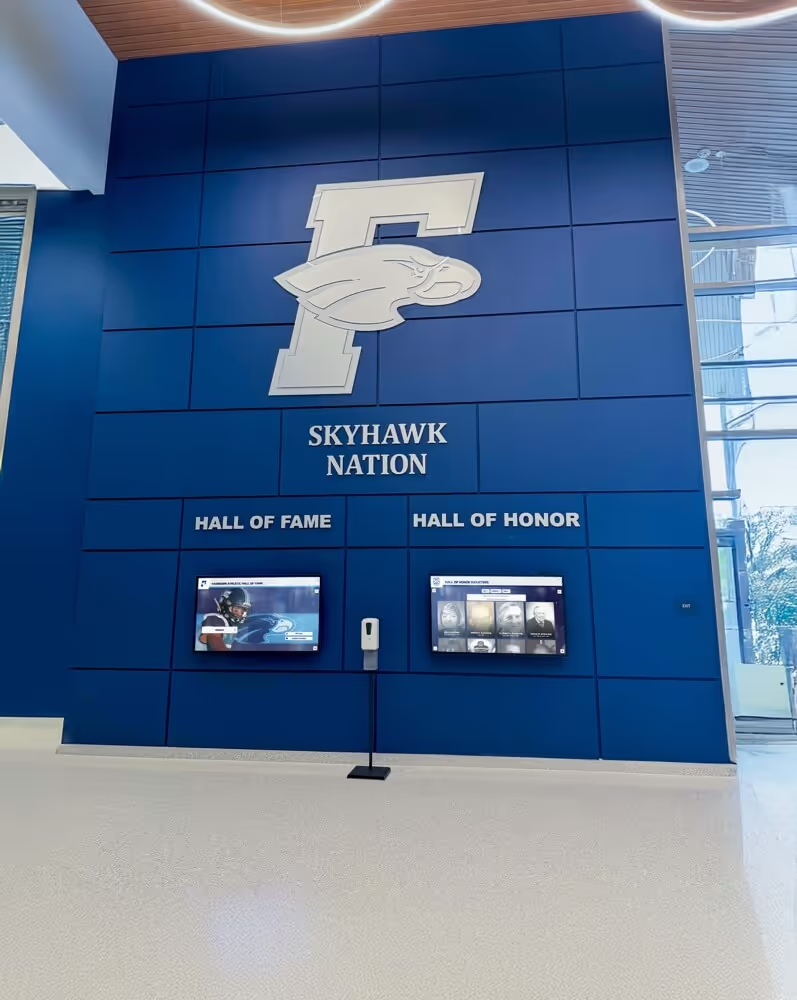
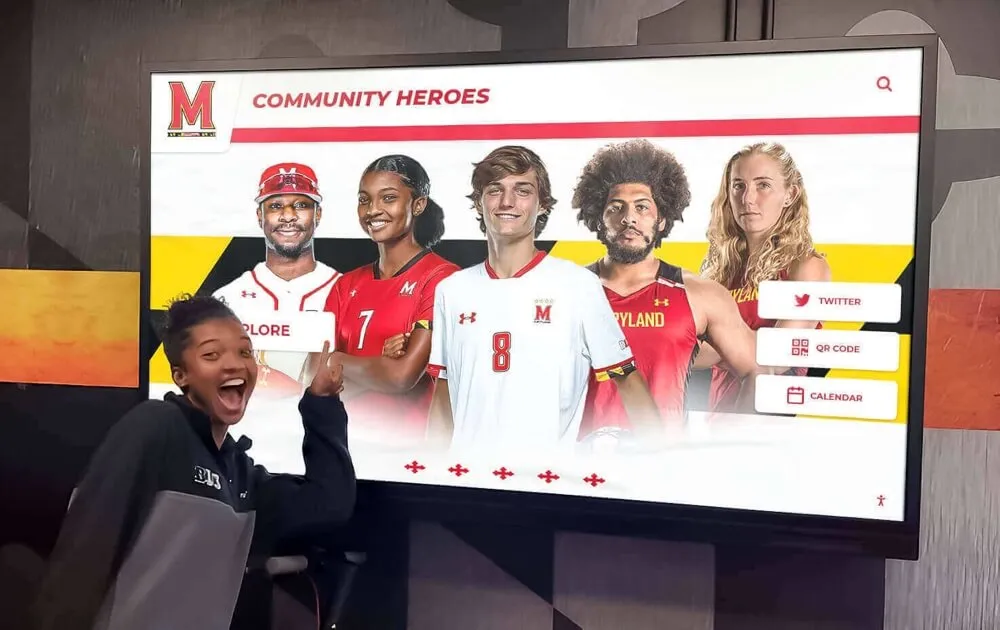
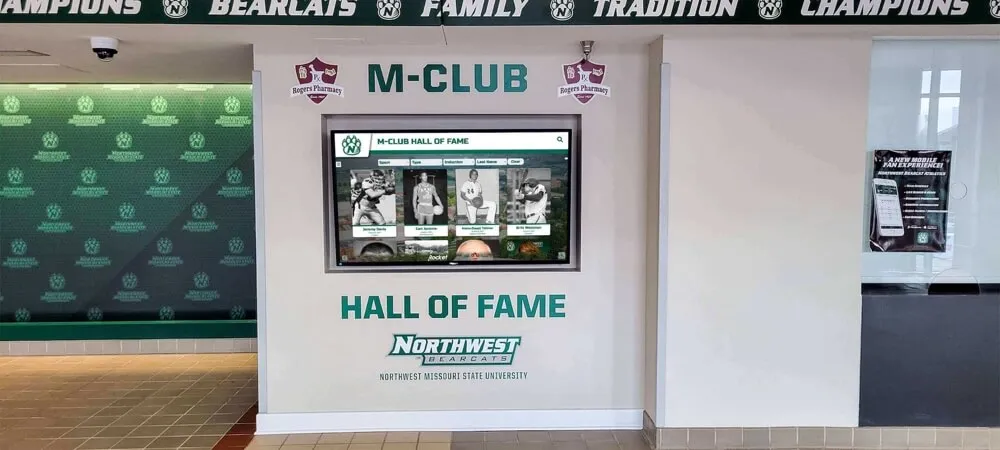
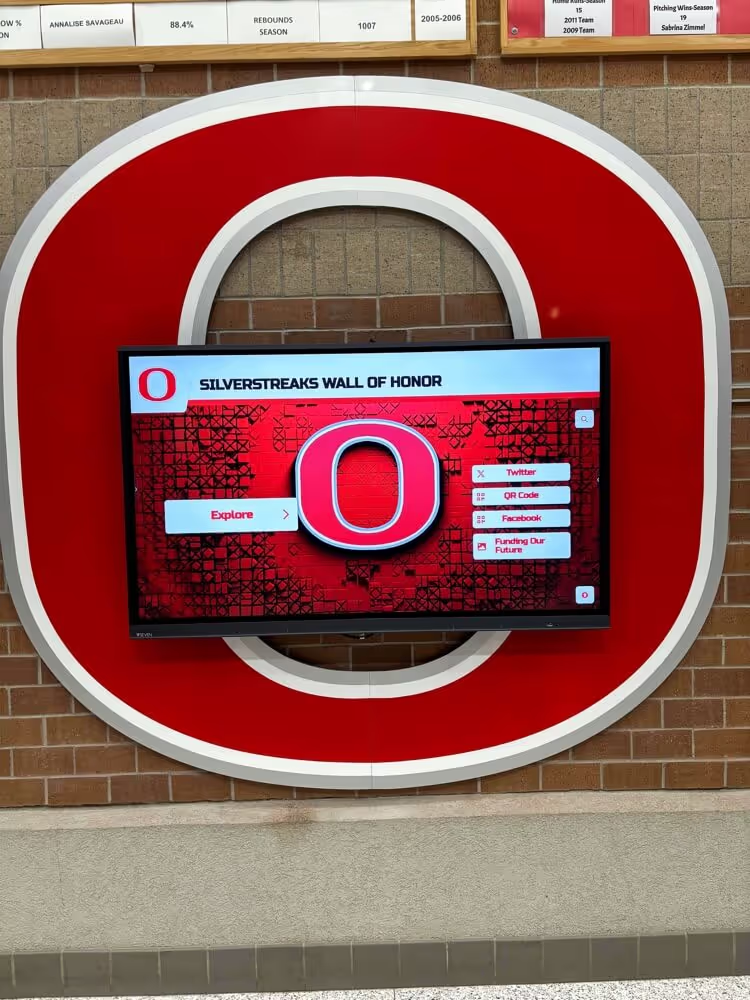
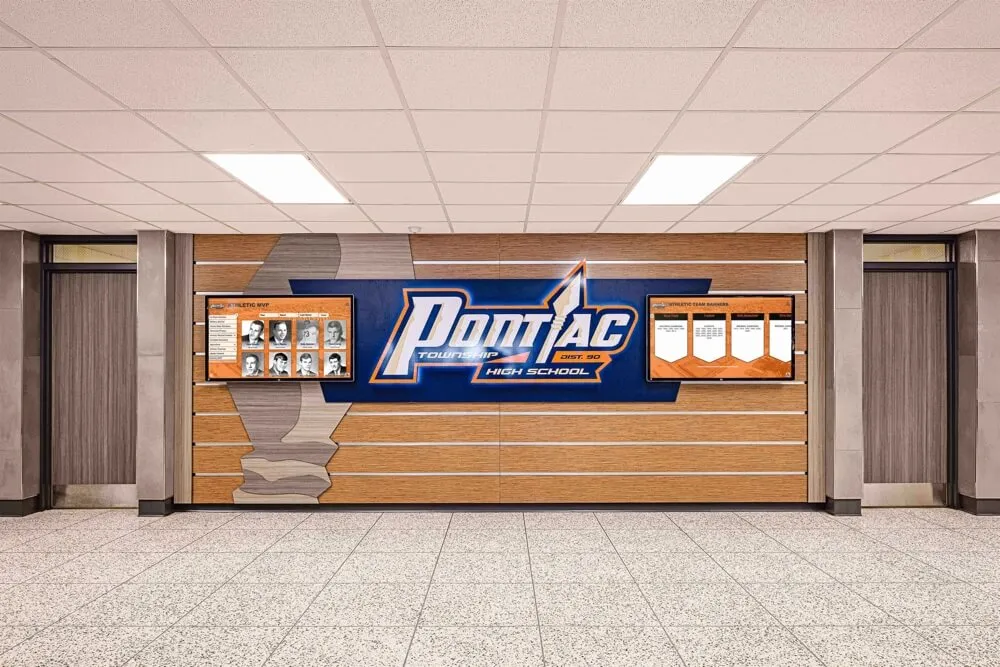
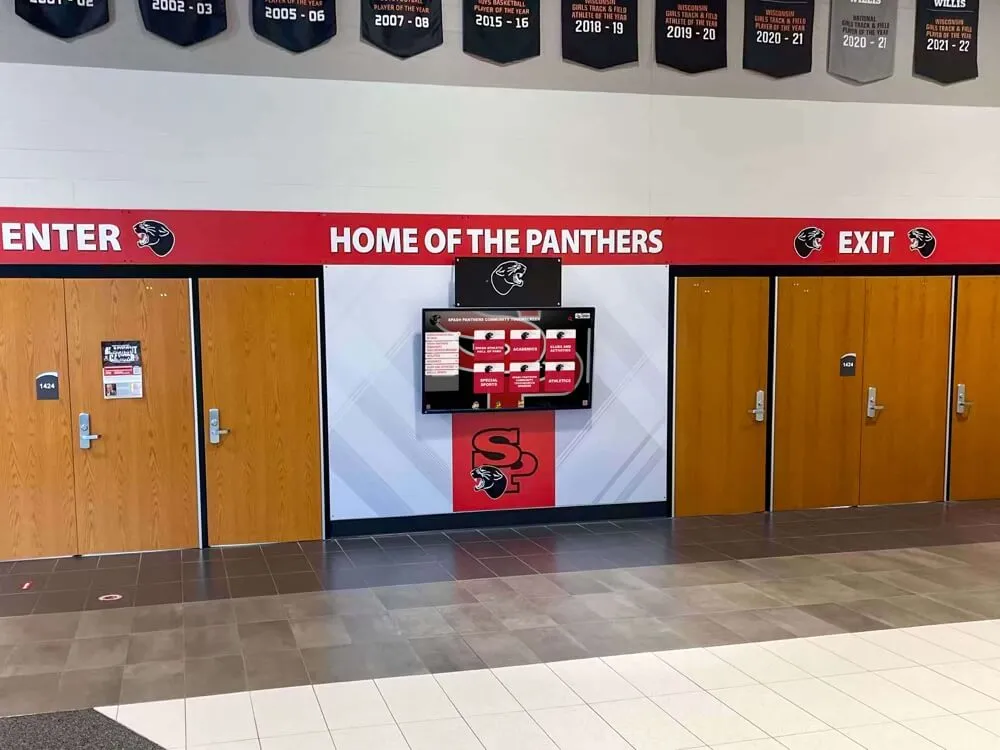
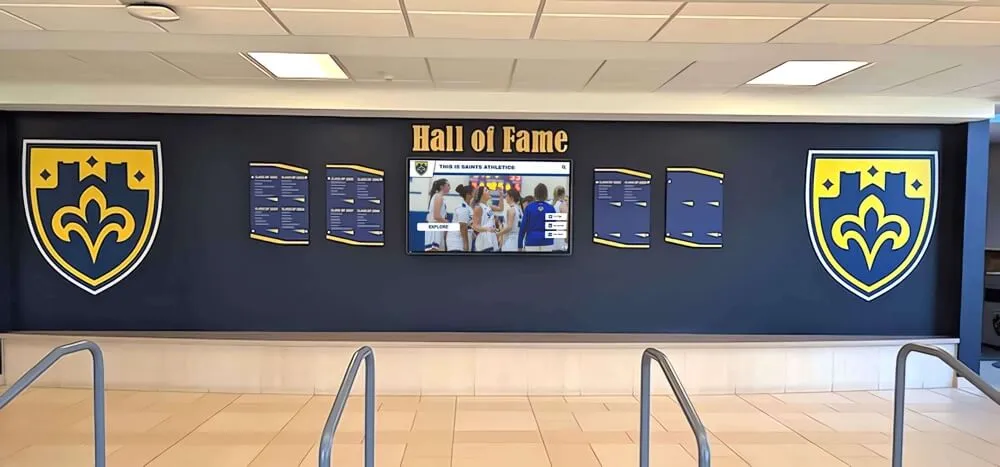
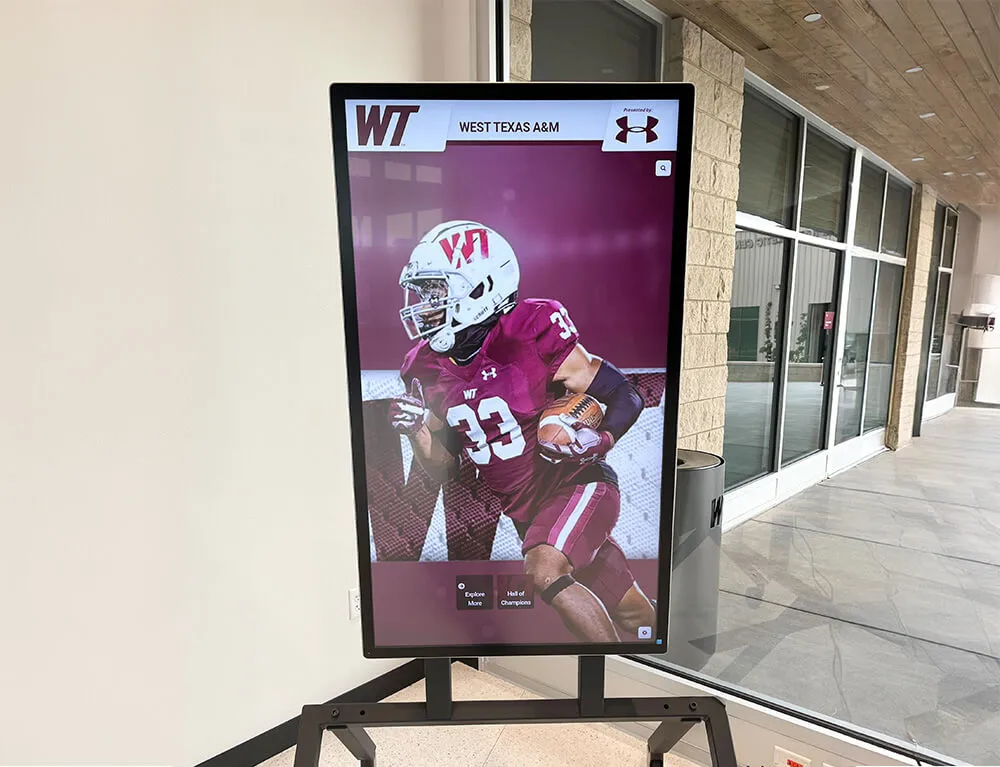
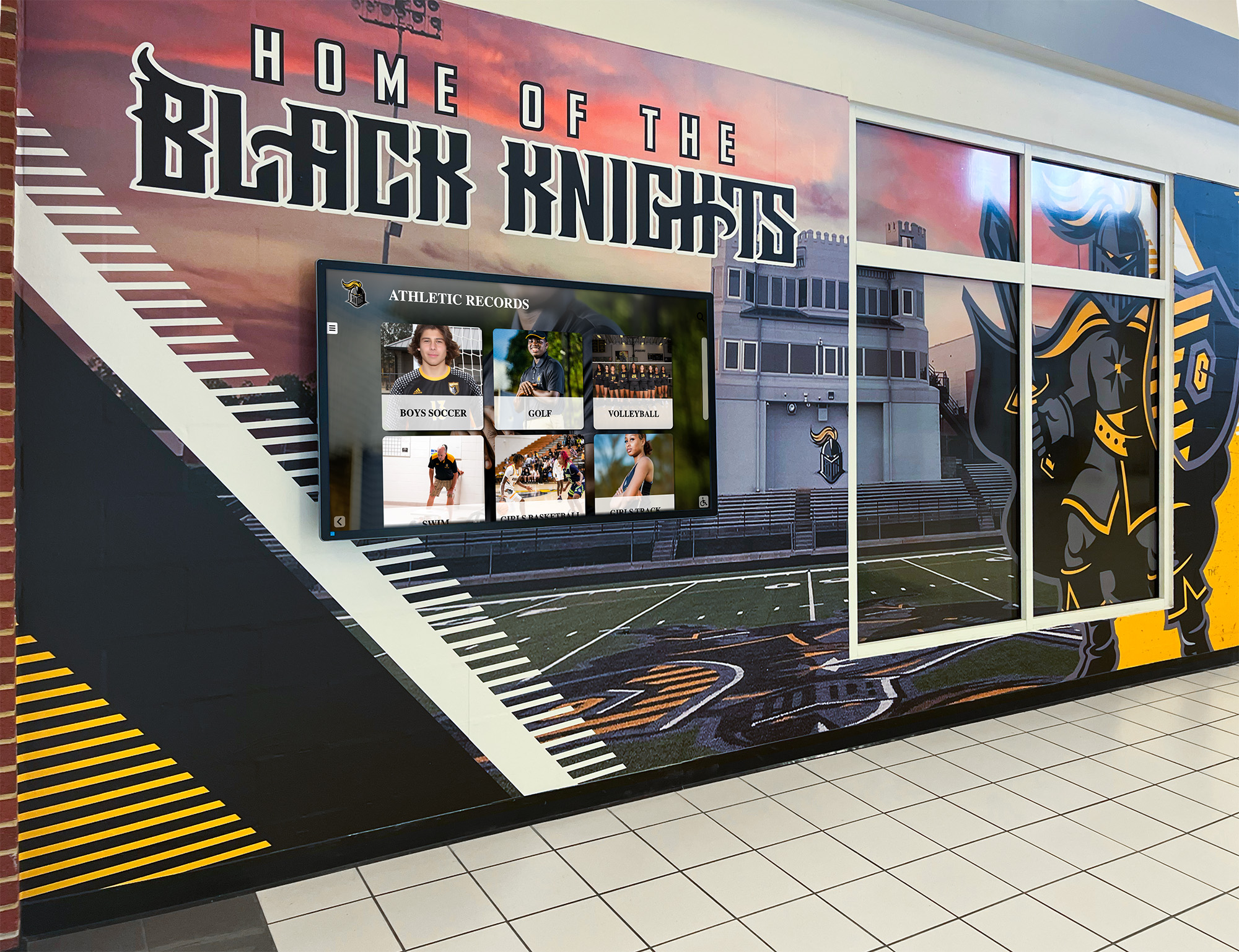
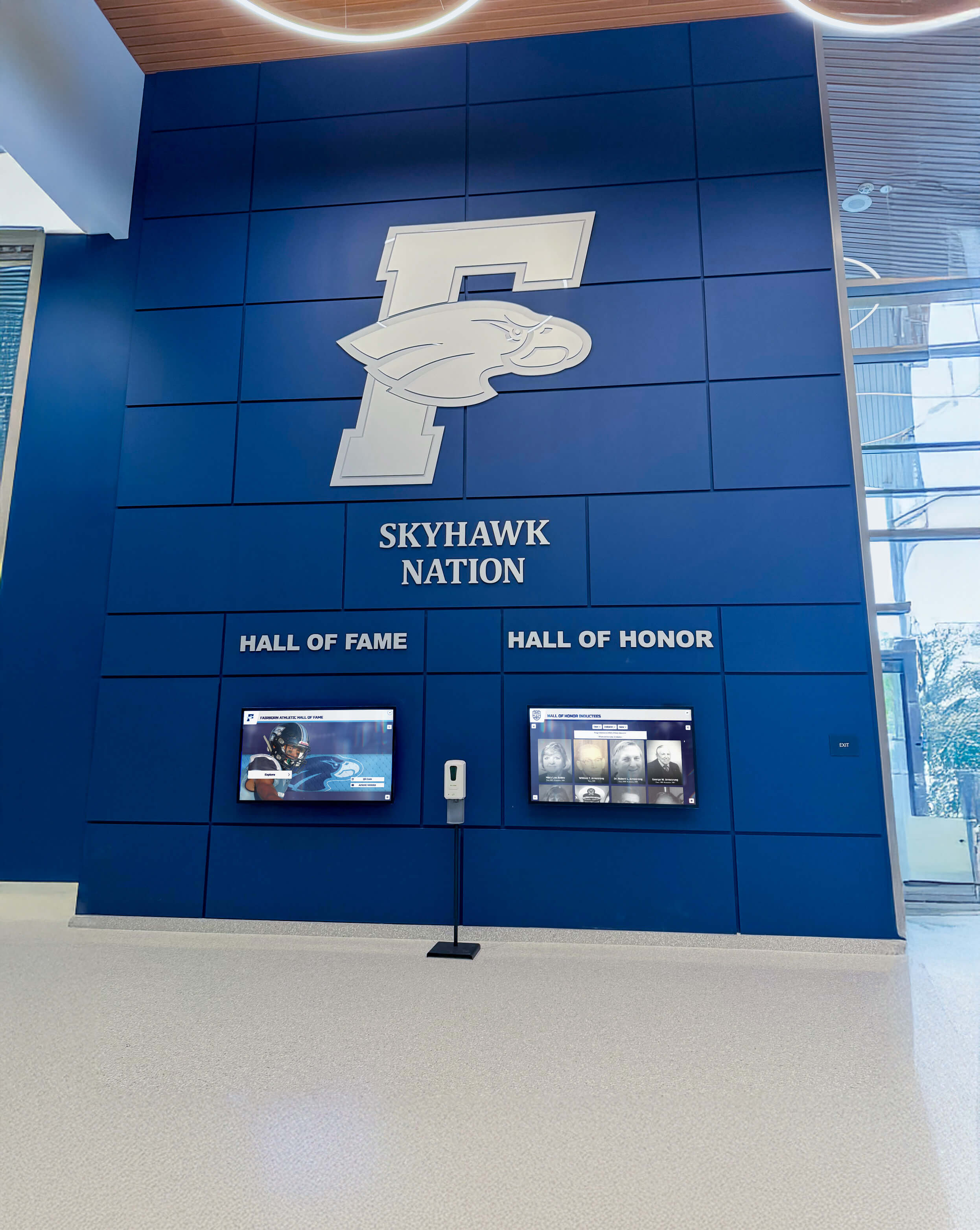
Prominent Lobby and Commons Displays - Interactive digital displays in high-traffic areas showcase athletic records, championship teams, and distinguished alumni. When branded with mascot imagery and school colors, these displays reinforce institutional identity while celebrating excellence that makes communities proud.
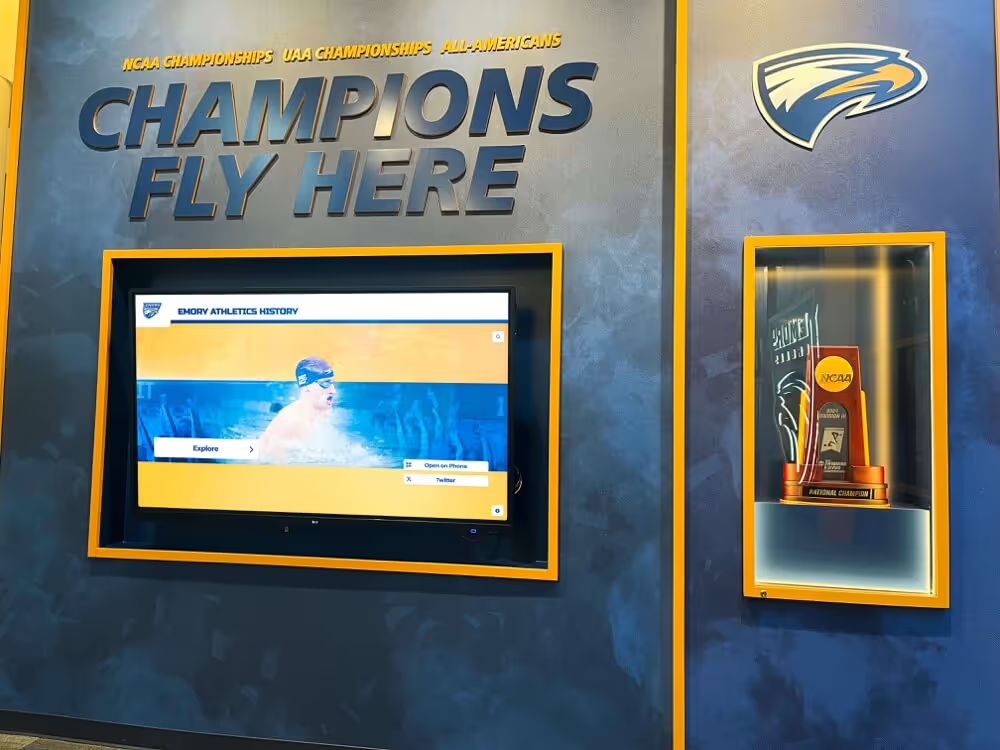
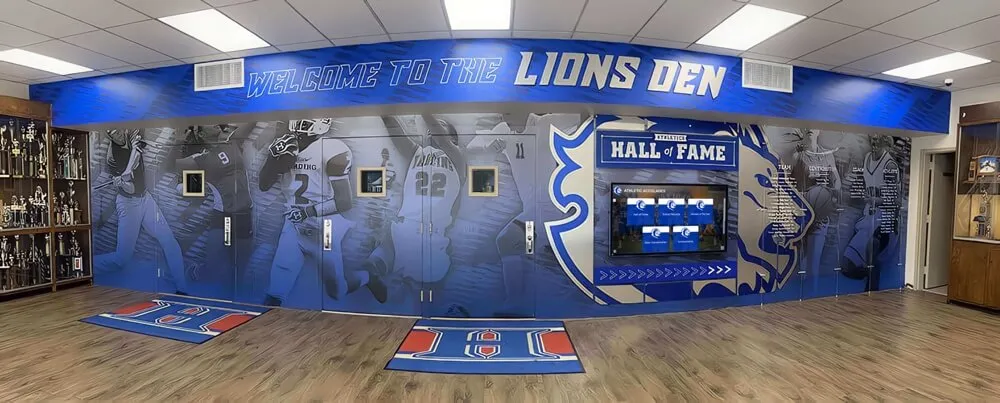
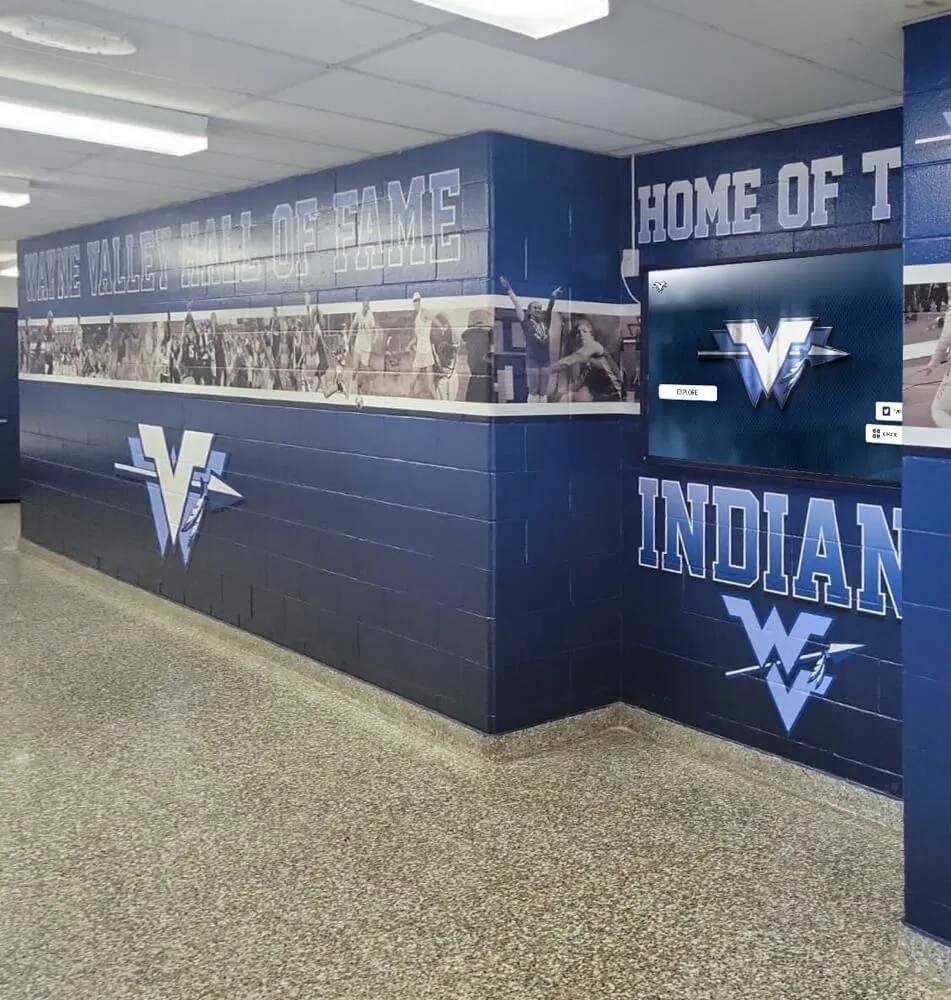
Athletic Facility Recognition Walls - Gymnasiums, field houses, and training facilities benefit from comprehensive recognition systems that honor every record holder, all-conference athlete, and championship team. Mascot-branded displays in these athlete-focused spaces inspire current competitors while demonstrating that excellence receives permanent acknowledgment.
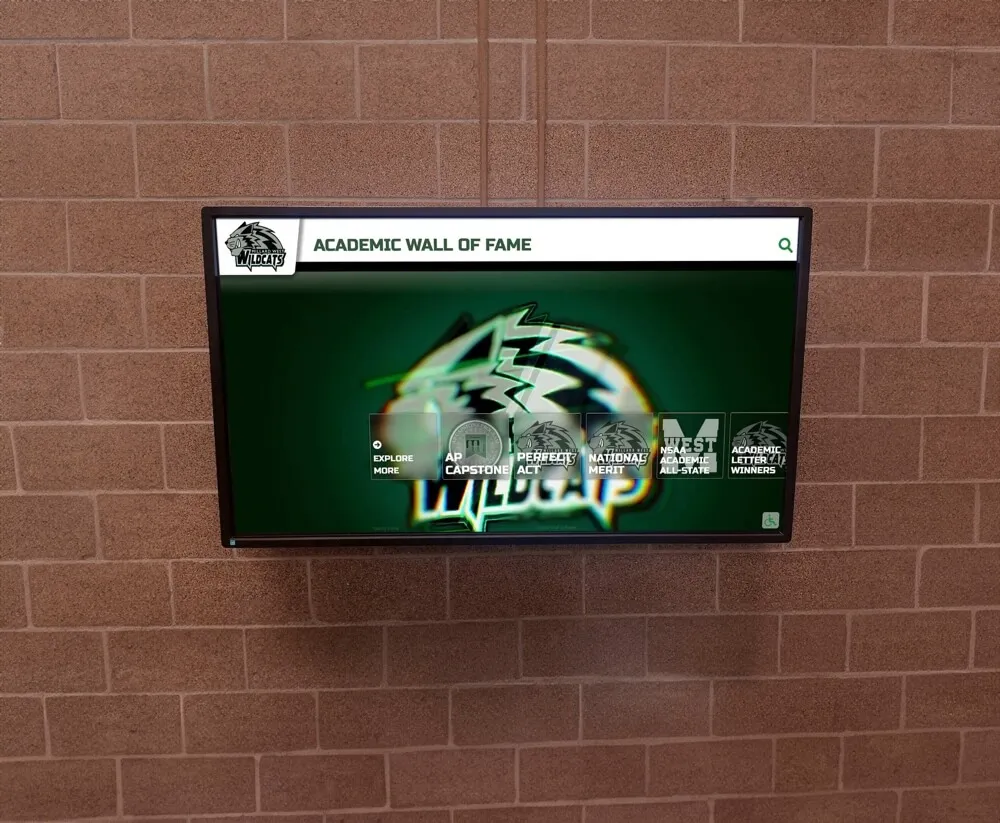
Academic Excellence Displays - Extending mascot-branded recognition beyond athletics to celebrate academic achievement, valedictorians, scholarship winners, and distinguished scholars demonstrates that institutional pride encompasses comprehensive excellence, not just competitive sports.
Choosing and Evolving Mascot Identity
Schools periodically face decisions about selecting new mascots, updating existing mascot presentations, or navigating changing cultural sensitivities around mascot symbolism.
Mascot Selection Considerations
When schools select mascots—whether new institutions, programs changing controversial mascots, or organizations seeking rebrand—several factors influence effective choices:
Regional Relevance - Mascots reflecting local geography, history, industry, or wildlife create authentic connections to place. Regional mascots distinguish institutions while celebrating communities they serve. Examples include coastal schools choosing maritime mascots, mountain region schools selecting mountaineers or mountain animals, and agricultural regions honoring farming heritage.
Distinctiveness - With thousands of educational institutions, distinguishing your mascot from competitors provides strategic advantages. Unique mascots create immediate recognition and memorable identities that generic selections cannot match. However, extreme uniqueness risks appearing ridiculous rather than distinguished—balance matters.
Athletic Appropriateness - Effective mascots symbolize qualities athletic programs value—strength, speed, determination, intelligence, teamwork, or competitive ferocity. Mascots representing gentle, passive, or prey animals face challenges inspiring competitive excellence and intimidating opponents.
Longevity and Adaptability - Mascot selections represent multi-generational commitments. Effective mascots remain relevant across decades, adapt to evolving design aesthetics, and avoid dated cultural references. Consider how mascot selections might age over 50+ years of use.
Community Acceptance - Mascots must resonate authentically with students, alumni, and communities they represent. Imposed mascots lacking grassroots support struggle gaining emotional traction necessary for effective institutional identity symbols.
Cultural Sensitivity - Mascot selections must consider potential offense to cultural, ethnic, or religious groups. Many institutions have moved away from Native American mascots, Confederate references, or other culturally insensitive selections. While tradition matters, respectful inclusion holds greater importance.
Modernizing Mascot Presentation
Schools with established mascots periodically update visual presentation and branding while maintaining core identity:
Design Evolution - Mascot logos naturally evolve across decades reflecting contemporary design aesthetics. Successful updates maintain recognizable core elements while refreshing execution. Compare historical logo progressions at established programs to see how subtle changes modernize appearances without losing heritage.
Digital Mascot Versions - Modern schools create multiple mascot versions optimized for different applications—animated versions for video boards, simplified designs for small social media icons, detailed illustrations for premium merchandise, and 3D models for augmented reality applications.
Expanded Mascot Families - Some schools develop mascot families with companion characters representing different constituencies—separate male and female versions, youth versions connecting with children, or historical throwback versions honoring heritage.
Performance Costume Updates - Live mascot costumes benefit from periodic refreshes improving performer visibility, increasing costume durability, and enhancing audience interaction capabilities. Modern costume technology enables more expressive performances while ensuring performer safety.
Extending Mascot Legacy Through Comprehensive Recognition
The most effective schools treat mascots not as superficial branding but as core institutional identity elements deserving thoughtful integration throughout campus life and recognition systems.
Digital Athletic Recognition Platforms
Modern athletic programs increasingly implement comprehensive digital recognition systems that celebrate achievements while reinforcing mascot identity throughout all content:
Auto-Updating Record Boards - Digital displays automatically reorder and highlight current record holders across all sports. When branded with mascot imagery, school colors, and athletic program identity, these boards create inspiring visual presences in gymnasiums, weight rooms, hallways, and commons areas.
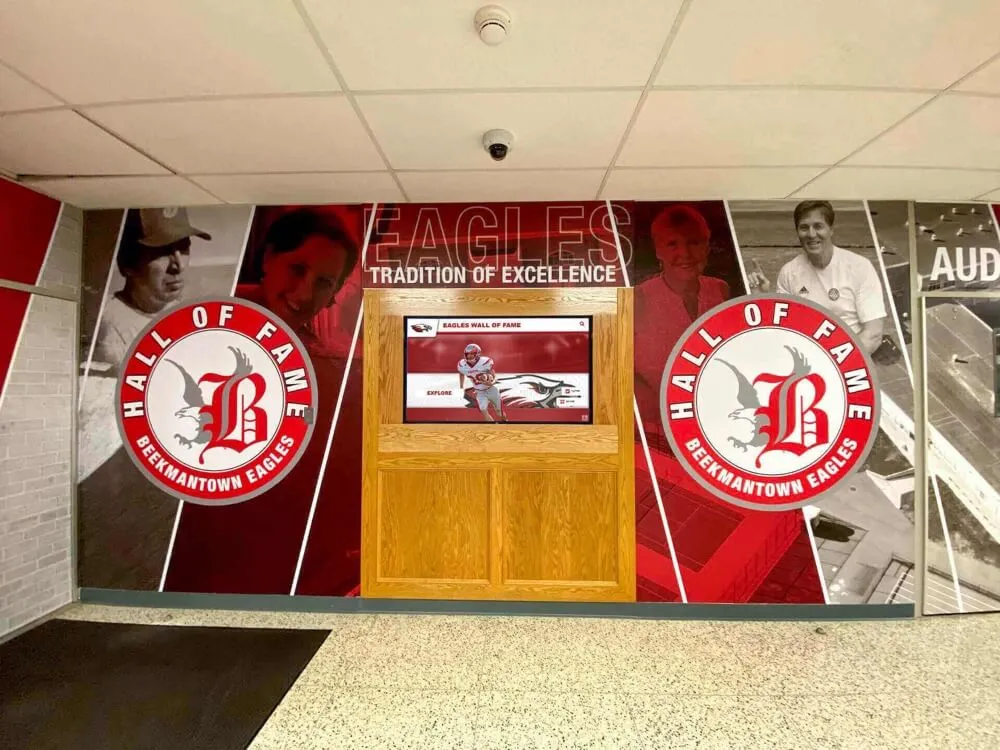
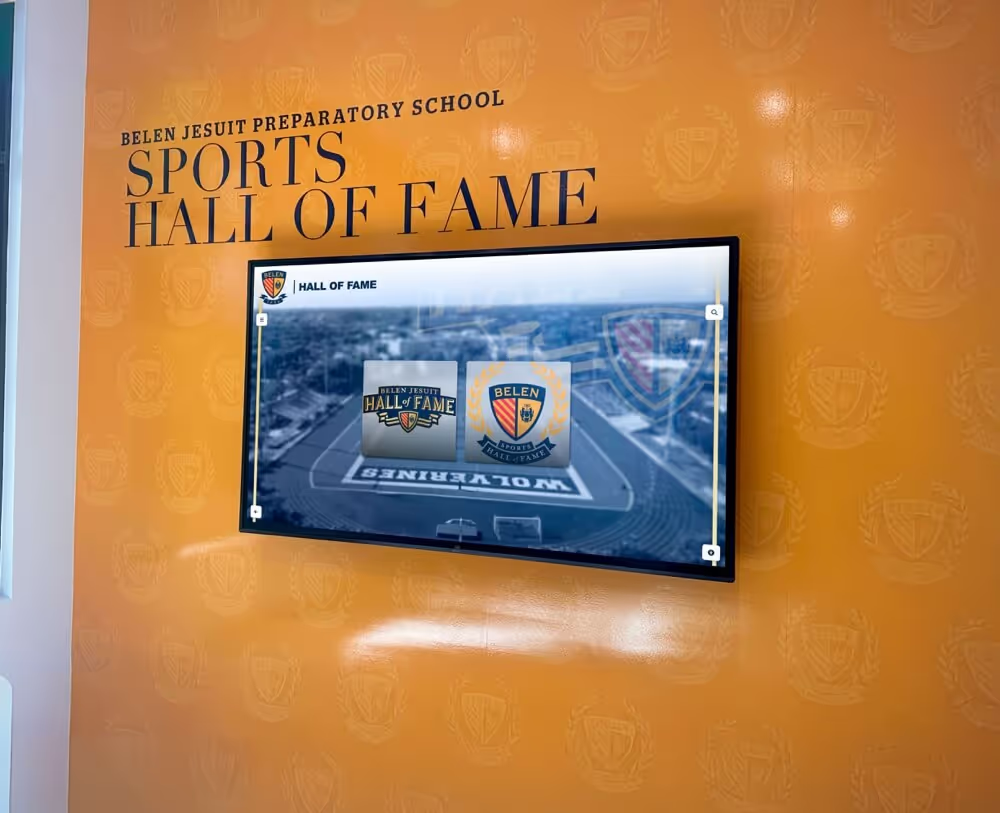
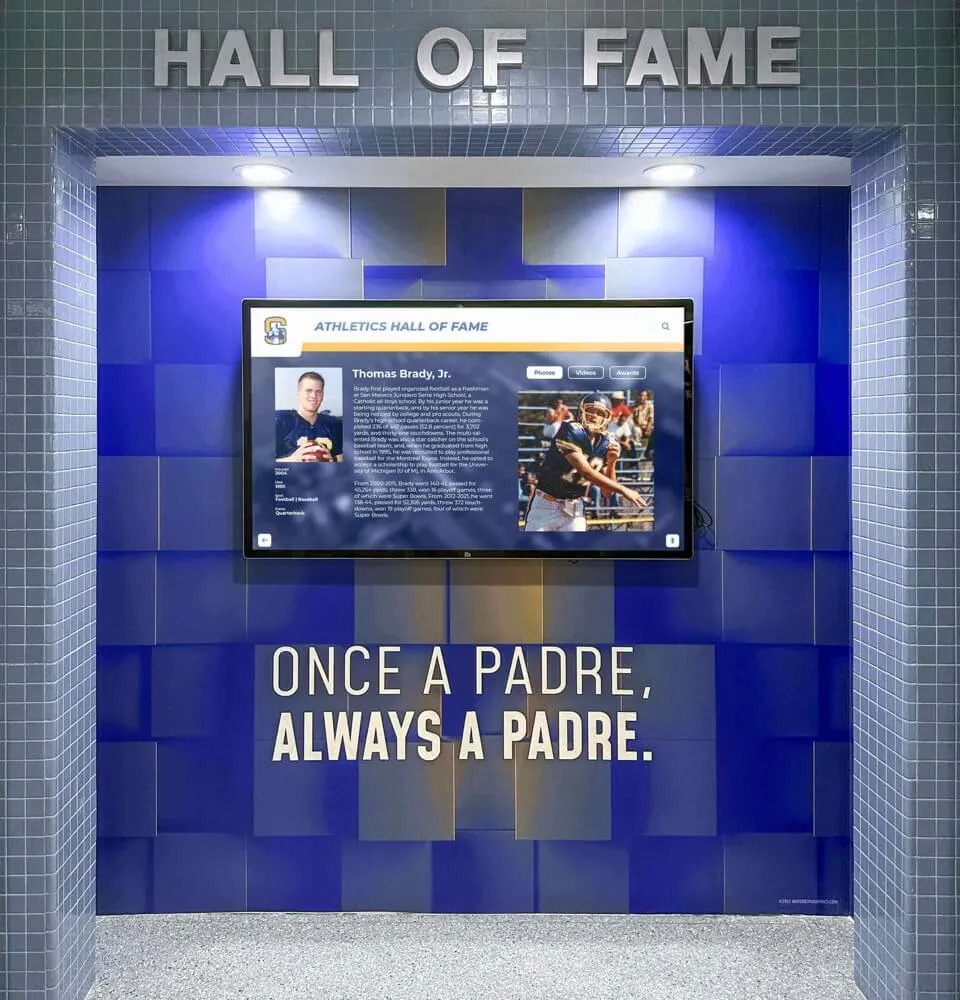
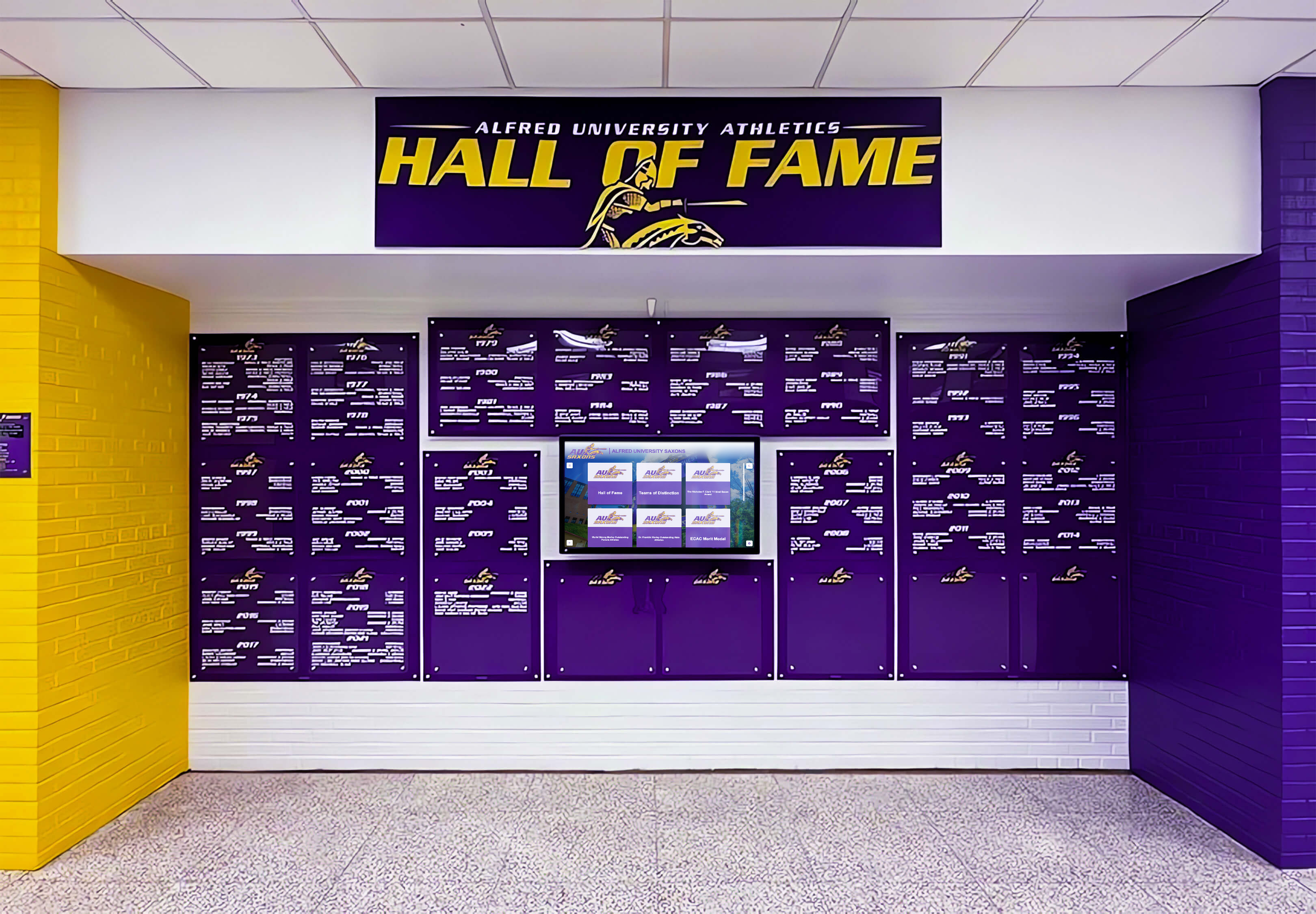
Hall of Fame and Distinguished Athlete Profiles - Interactive digital hall of fame displays enable visitors to explore comprehensive athlete biographies, career statistics, championship teams, and achievement timelines. Mascot branding throughout these profiles reinforces that athletic excellence occurs under institutional symbols connecting generations.
Championship and Team History Displays - Schools can showcase every championship team, rivalry game victory, tournament appearance, and program milestone through searchable digital archives. Mascot imagery appearing throughout historical content creates visual continuity linking past excellence to current competitive efforts.
ADA Compliance and Universal Access - Digital recognition systems meet accessibility requirements that physical displays often struggle to satisfy. Content designed with proper contrast, readable fonts, touchscreen interfaces at appropriate heights, and screen reader compatibility ensures all community members can engage with mascot-branded achievement celebration.
Remote Management and Instant Updates - Athletic directors and staff can update recognition content from any device without facility visits, physical installations, or vendor scheduling. This ease enables immediate recognition when records fall or championships are won, maintaining perpetual currency impossible with static physical displays.
Solutions like Rocket Alumni Solutions specialize in comprehensive digital recognition platforms purpose-built for educational athletic programs. These systems enable schools to celebrate unlimited achievements through engaging displays while featuring prominent mascot branding that reinforces institutional identity and inspires excellence across generations of athletes competing under beloved symbols.
The Psychology of Mascot Connection
Understanding why mascots create such powerful emotional connections helps schools leverage these symbols more effectively:
Identity Fusion - Psychological research demonstrates that individuals fuse personal identity with group symbols when those symbols represent shared values, experiences, and pride. College mascots enable this identity fusion by providing concrete symbols representing abstract institutional affiliations.
Anthropomorphization - Humans naturally attribute human characteristics to animals and objects. College mascots leverage this psychological tendency by personifying institutional values, competitive spirit, and excellence through relatable creatures or figures.
Shared Narrative and Mythology - Mascots become characters in institutional stories told across generations. Historic games, legendary performers, and tradition-defining moments feature mascots as central narrative elements connecting individual experiences to broader institutional sagas.
Visual Recognition and Brand Consistency - Consistent mascot presence across campus environments, athletic facilities, marketing materials, and recognition displays creates powerful visual reinforcement. Repeated exposure strengthens neural pathways associating mascot imagery with positive emotions connected to belonging, achievement, and pride.
Tribal Affiliation and Competitive Identity - Mascots enable “us versus them” thinking crucial for competitive athletics. They provide rallying points for tribal affiliation while representing communities in competitions against rival tribes. This psychological function explains why mascot-centered trash talk and rivalry traditions generate such enthusiasm.
Schools understanding these psychological mechanisms can strategically feature mascot imagery throughout trophy and achievement displays, recognition programs, and campus environments to strengthen the emotional connections that build lasting institutional loyalty and competitive pride.
Mascot Controversies and Institutional Change
While most mascots generate universal pride and affection, some institutions have faced challenges regarding mascot appropriateness, leading to complex change processes:
Native American Mascot Debates
Numerous colleges have retired Native American mascots amid concerns about cultural appropriation and respectful representation. Some transitions occurred smoothly while others sparked significant alumni resistance:
Retired Mascots - Schools like Stanford (Indians to Cardinal), Miami University (Redskins to RedHawks), and St. John’s (Redmen to Red Storm) changed mascots to address concerns about offensive stereotypes or cultural disrespect.
Maintained with Tribal Partnership - Florida State (Seminoles), Utah (Utes), and Central Michigan (Chippewas) maintain Native American mascots through formal partnerships with respective tribes, education about authentic tribal culture, and eliminating stereotypical imagery or behaviors.
These situations demonstrate complex balancing between tradition, alumni attachment, cultural sensitivity, and institutional values. Schools facing mascot changes benefit from inclusive dialogue, clear value statements, creative branding that honors heritage while addressing concerns, and recognition that symbols can evolve while community identity persists.
Confederate and Historical Sensitivity
Some institutions retired mascots associated with Confederate history or symbolism deemed incompatible with inclusive campus cultures. These changes typically generated significant controversy given deep emotional attachments and political divisions around historical interpretation.
Successful navigation requires acknowledging genuine affection many feel toward mascots regardless of problematic associations, clearly articulating institutional values driving changes, preserving positive traditions and rituals through rebranded approaches, and understanding that community healing and acceptance require time beyond initial announcement periods.
Conclusion: Celebrating Institutional Identity Through Mascot Recognition
College mascots represent far more than superficial branding or entertainment value—they serve as enduring symbols connecting diverse community members around shared institutional pride, competitive excellence, and collective identity transcending individual affiliation durations.
From fierce predators like tigers, bears, and eagles dominating mascot selections to unique regional symbols, mythical creatures, and historically significant figures, college mascots reflect institutional values, geographic identities, and community aspirations. These symbols appear throughout campus environments, athletic facilities, marketing materials, and recognition systems, creating consistent visual reinforcement that strengthens emotional connections lasting lifetimes.
Modern schools maximize mascot impact by integrating these beloved symbols throughout comprehensive recognition systems celebrating athletic excellence, academic achievement, and institutional tradition. Digital recognition platforms enable schools to honor unlimited achievements through engaging displays while featuring prominent mascot branding that inspires current students, connects returning alumni to treasured memories, and demonstrates institutional commitment to celebrating excellence under symbols that define community identity.
Whether your institution features one of America’s most popular mascots like Wildcats or Eagles, claims distinctive unique identity like Banana Slugs or Geoducks, or maintains beloved regional symbols representing local culture and heritage, the key lies in treating mascots as integral institutional identity components deserving thoughtful integration throughout campus life—particularly in recognition systems that celebrate achievements occurring under these beloved symbols.
Schools seeking to enhance how they celebrate athletic excellence while reinforcing mascot identity can explore modern digital recognition solutions that transform limited static trophy cases into comprehensive achievement platforms featuring unlimited capacity, rich multimedia storytelling, automatic updates, and prominent mascot branding throughout all content. Discover how digital athletic recognition systems help schools honor every record holder, championship team, and distinguished athlete while consistently reinforcing the mascot identity that unites communities around shared pride and competitive excellence spanning generations.
College mascots build more than athletic identity—they create emotional connections transforming institutional affiliations into lifelong tribal membership, inspire excellence by representing values communities aspire to embody, and unite diverse populations around shared symbols that persist across decades of change. Recognition systems that prominently feature these beloved mascots while celebrating achievements accomplished under their symbolic watch create powerful environments where tradition, excellence, and community pride flourish together, inspiring each new generation of students to add their own chapters to ongoing institutional stories written under mascot symbols that define who they are and what they represent.