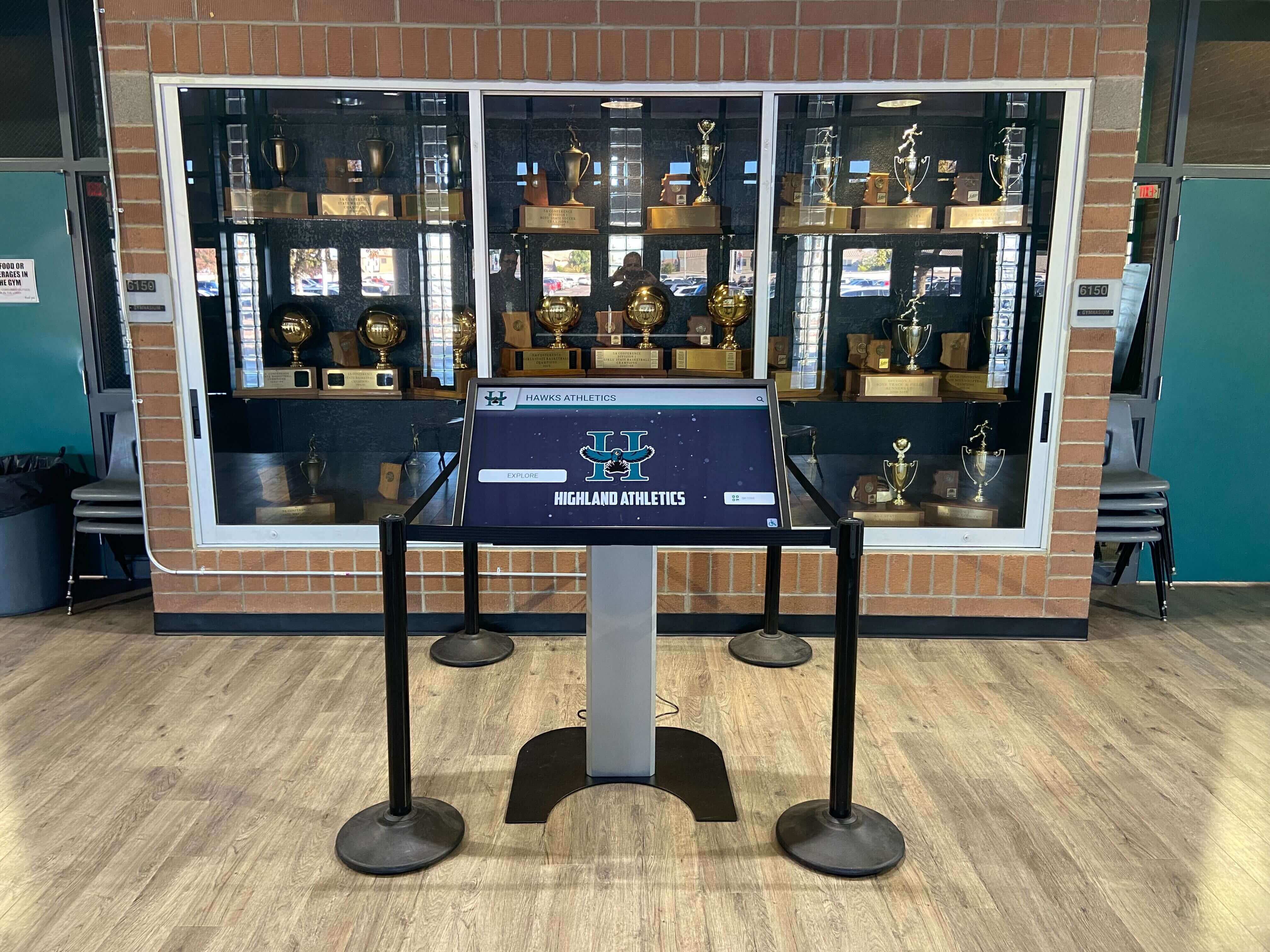




College intramural sports programs serve thousands of students across campuses nationwide, creating opportunities for competition, fitness, and community building beyond varsity athletics. Yet despite involving far more participants than NCAA teams, intramural programs often struggle with visibility, recognition, and fundraising support. Championship teams go unrecognized, talented players remain anonymous, and program achievements get buried in forgotten email announcements or paper flyers.
Power 4 conference institutions—representing the Big Ten, SEC, ACC, and Big 12—operate some of the nation’s largest recreation programs, with intramural participation often exceeding 10,000 students annually at flagship universities. These massive programs coordinate dozens of sports leagues, tournaments, and special events while managing facility schedules, team registrations, and championship recognition. Traditional communication methods struggle to keep pace with this scale and complexity.
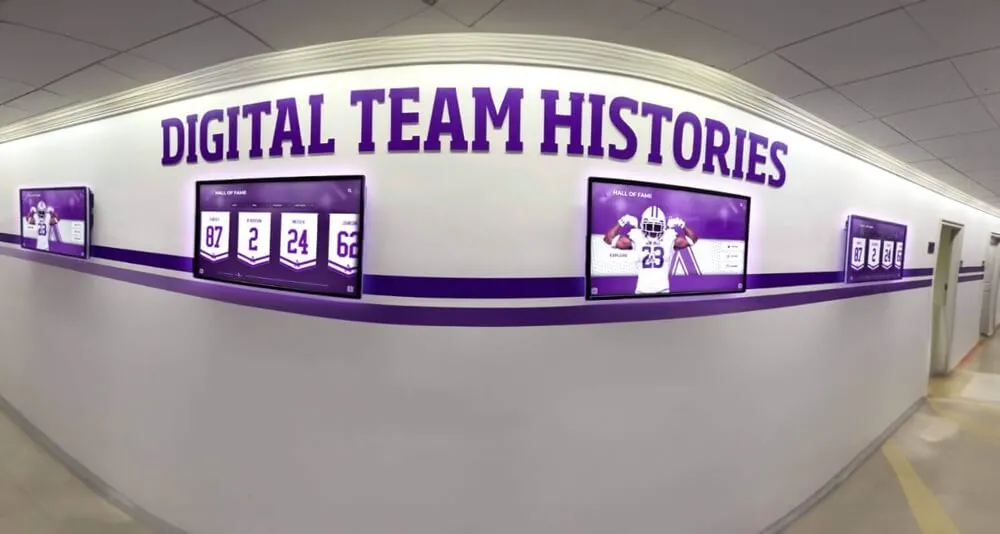
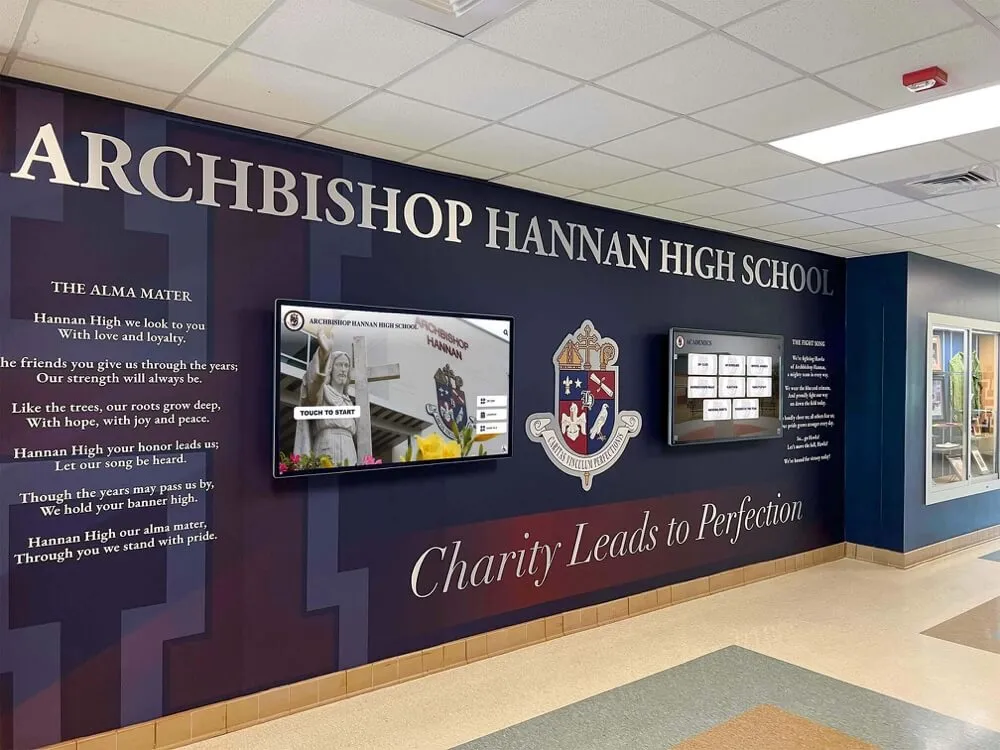
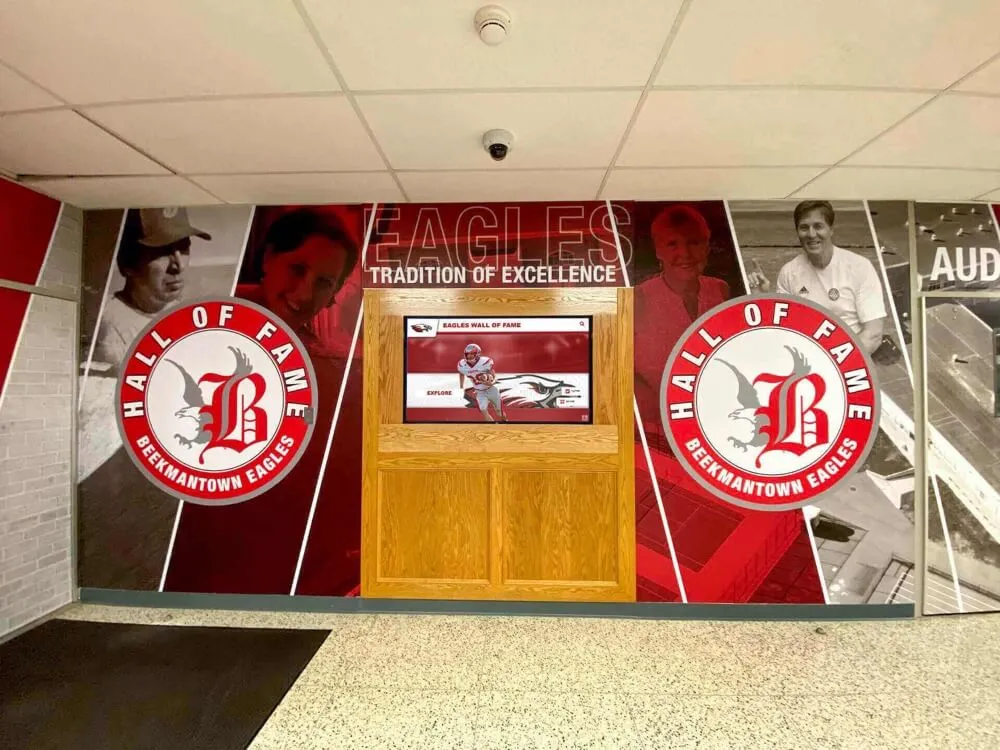
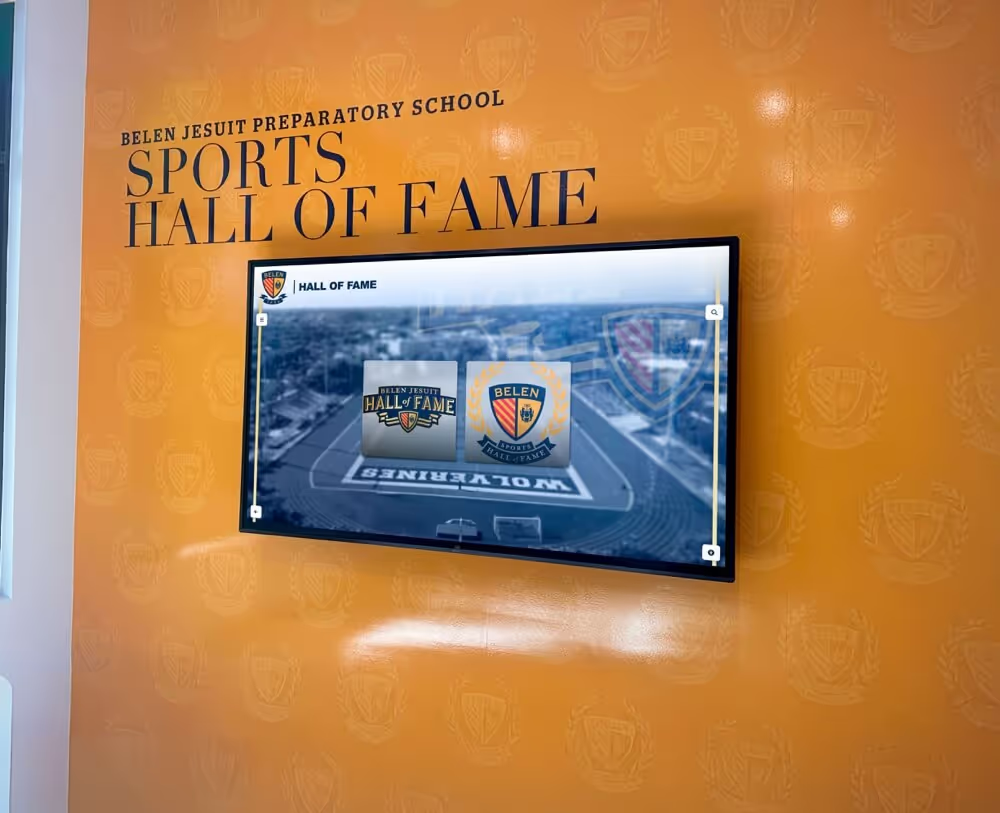
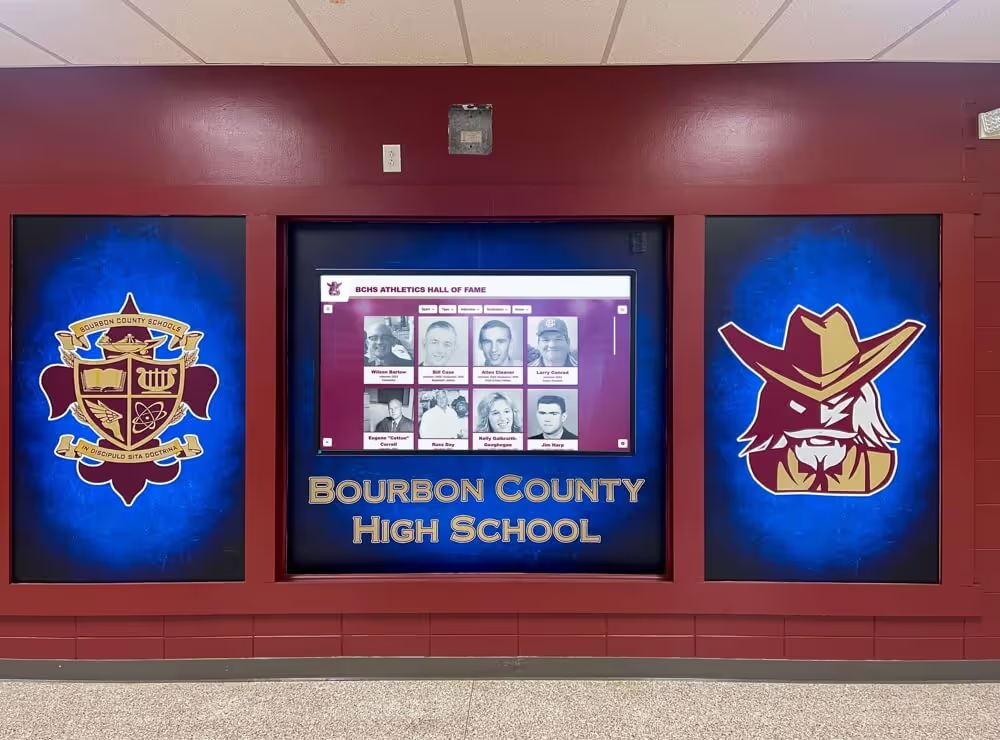
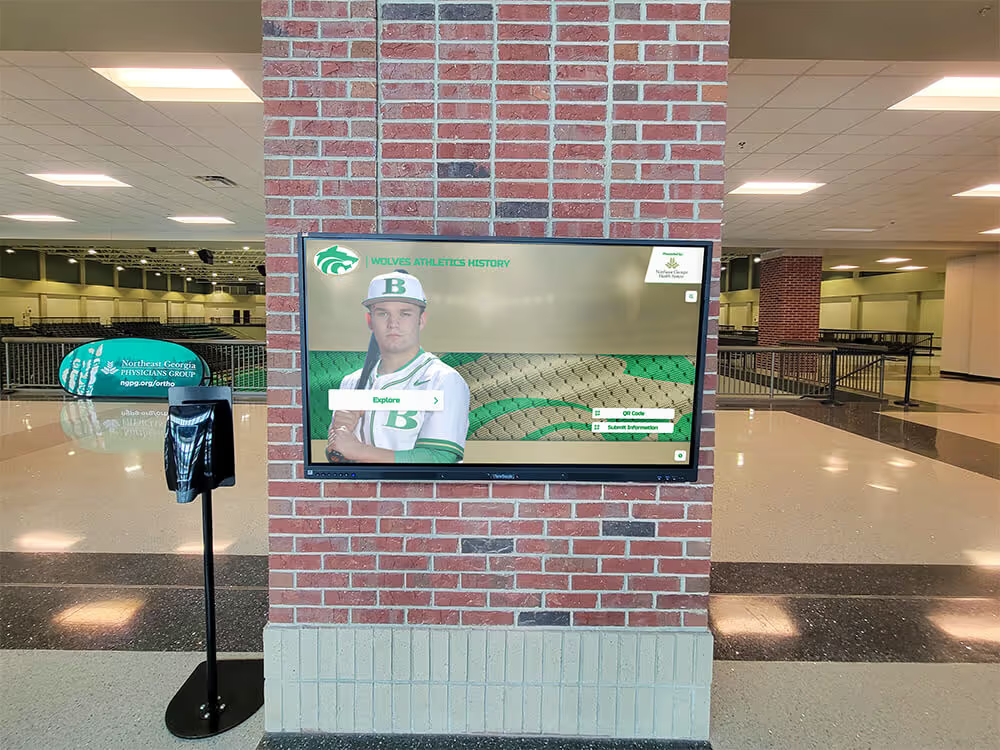
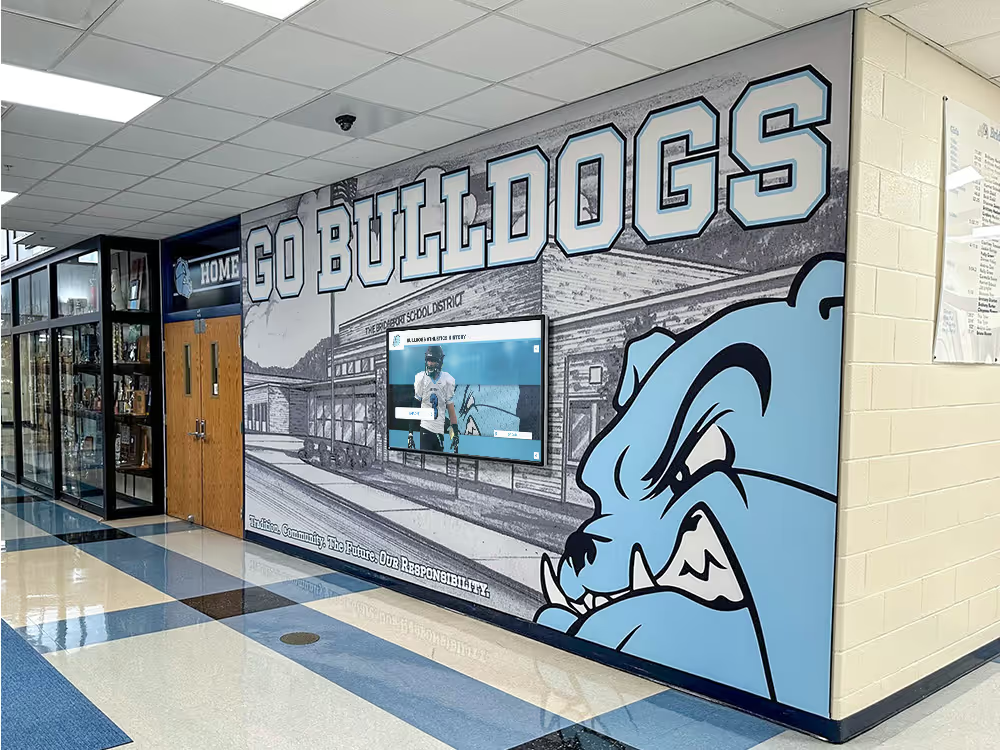
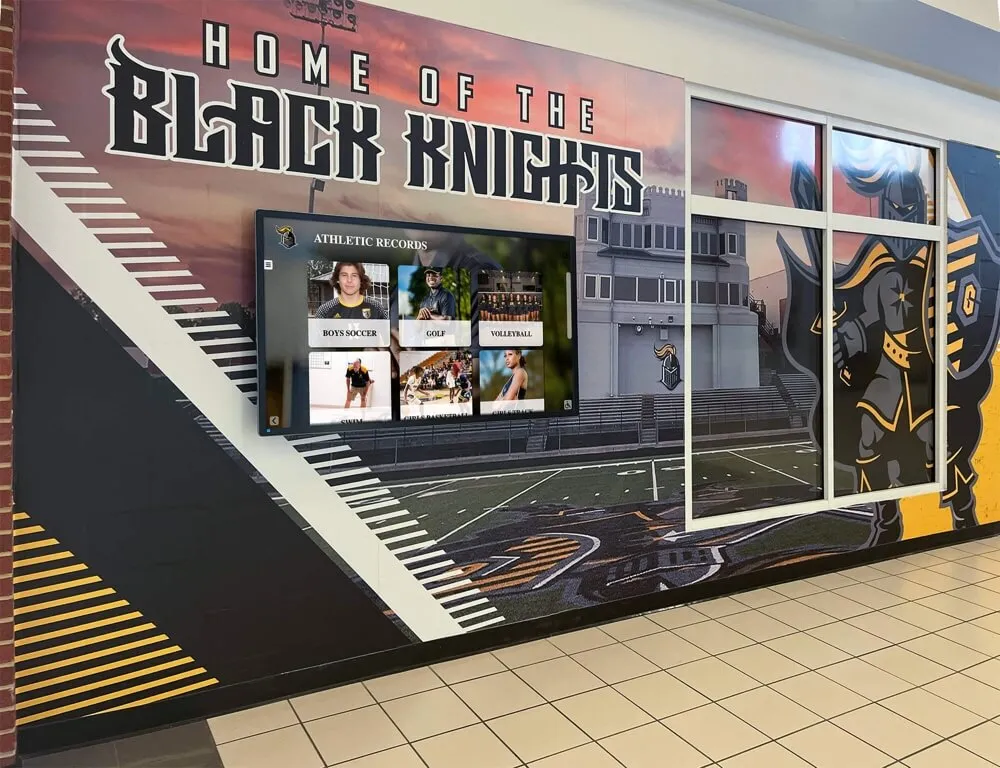
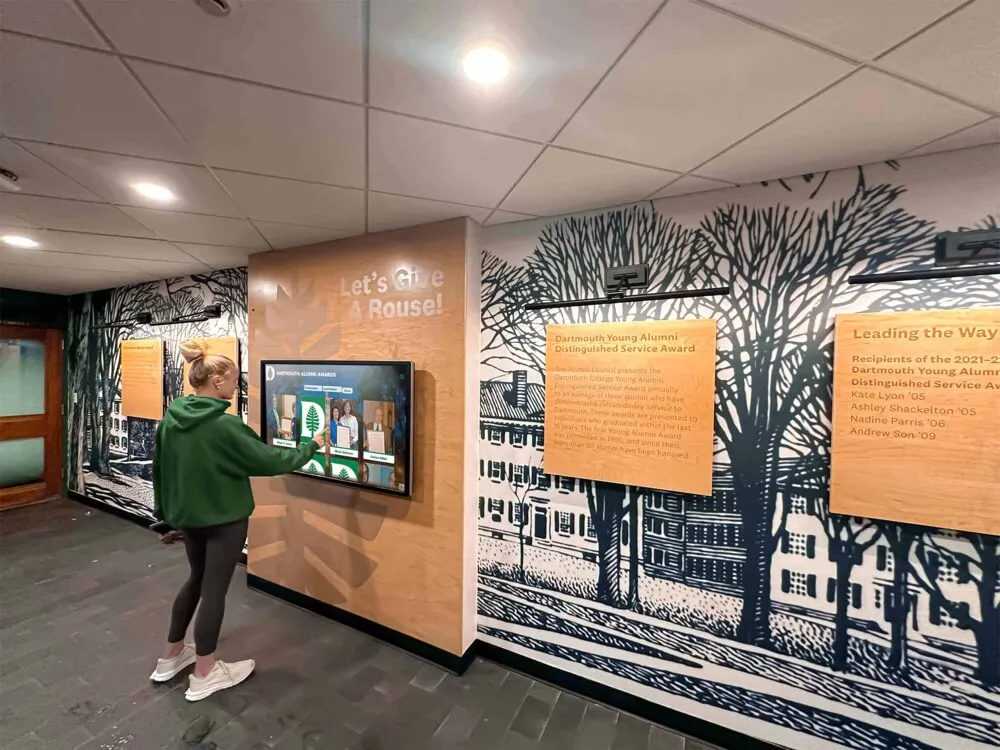
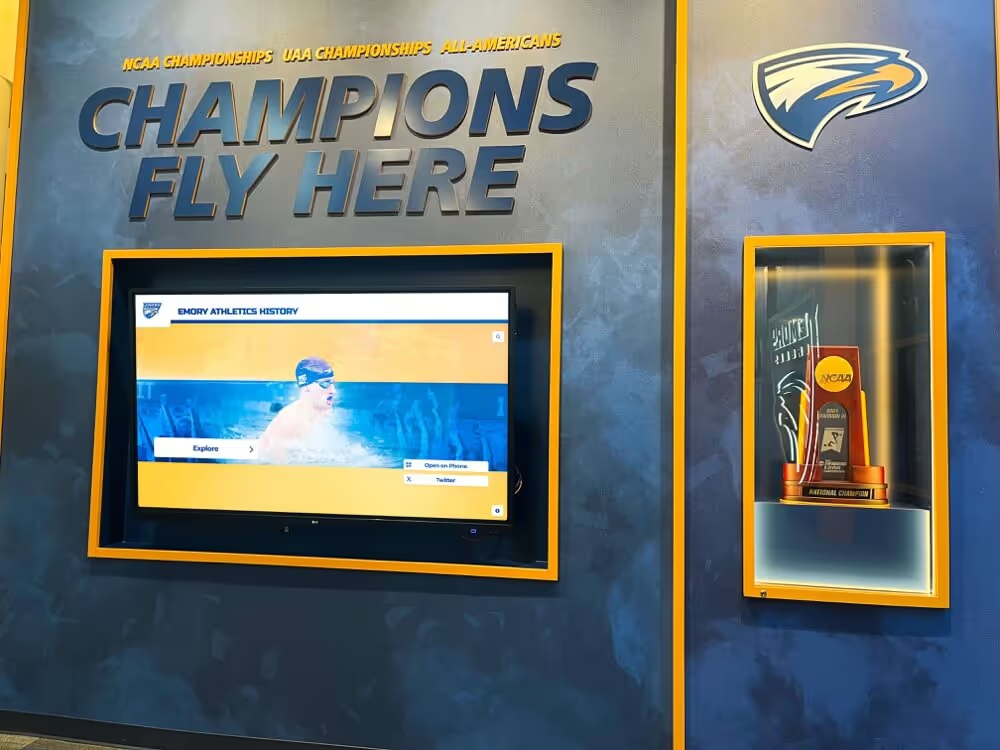
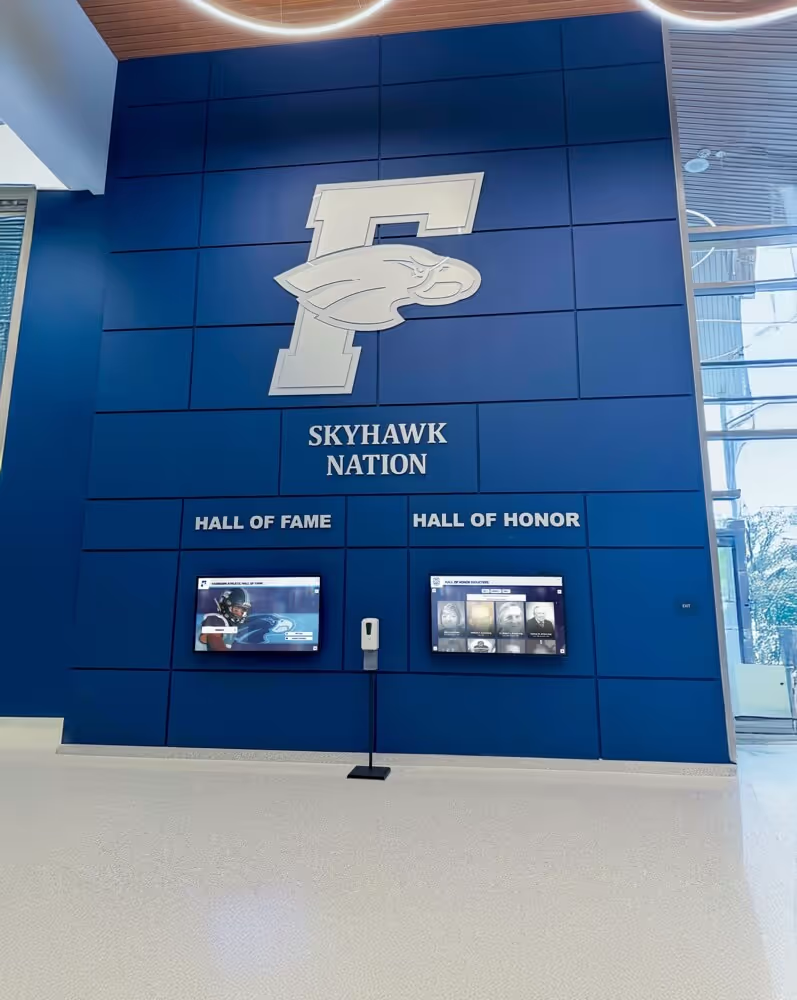
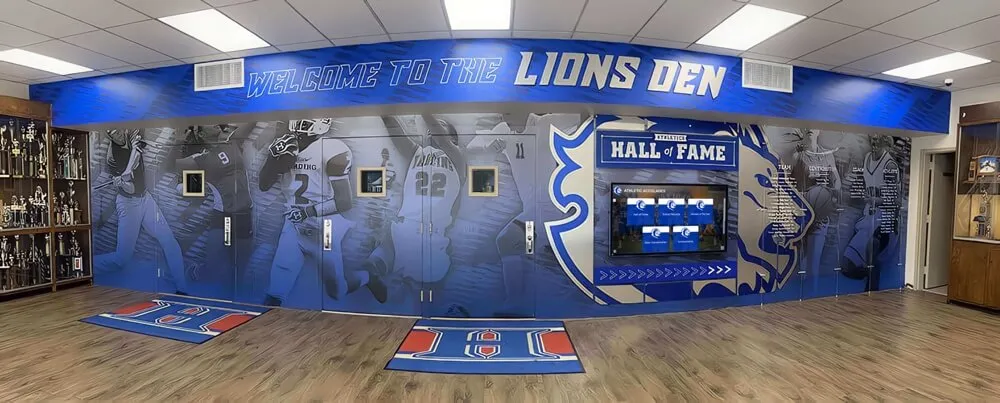
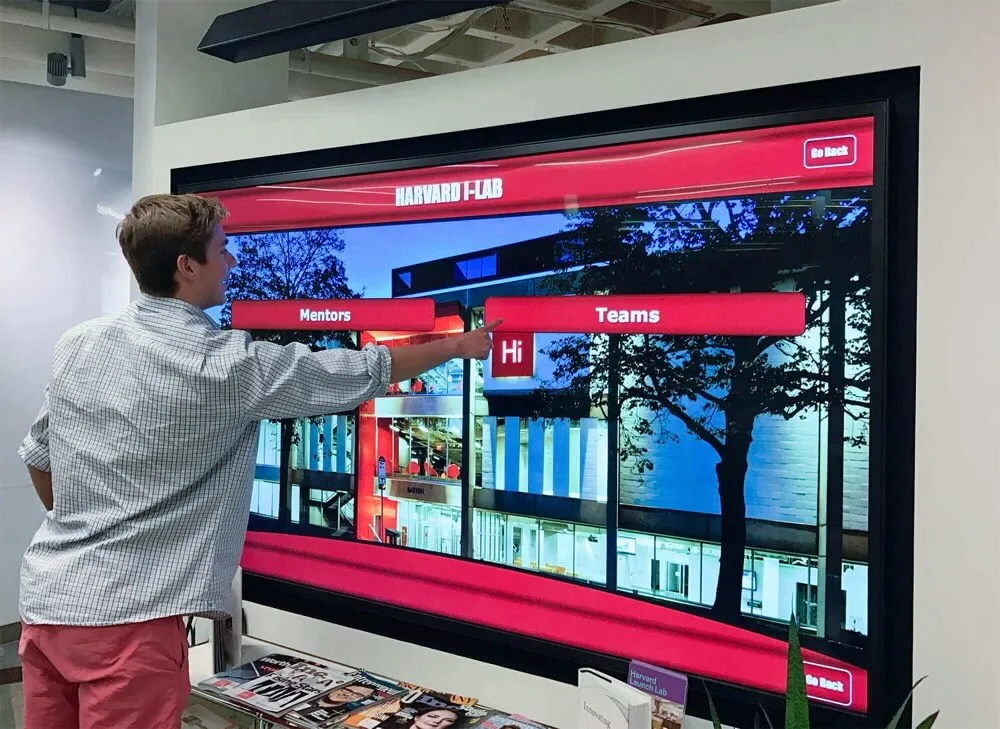
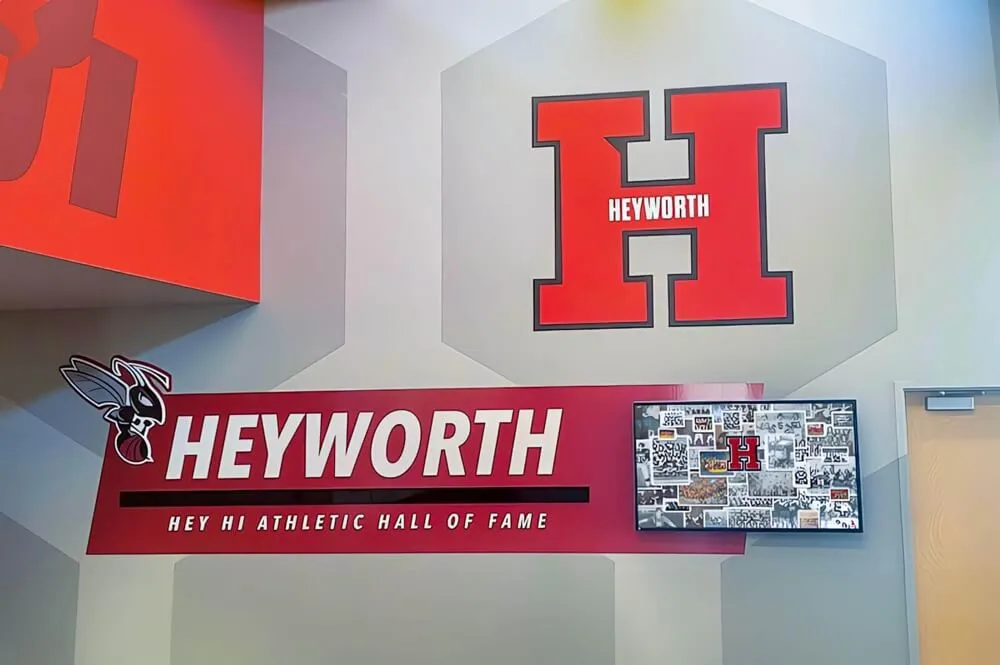
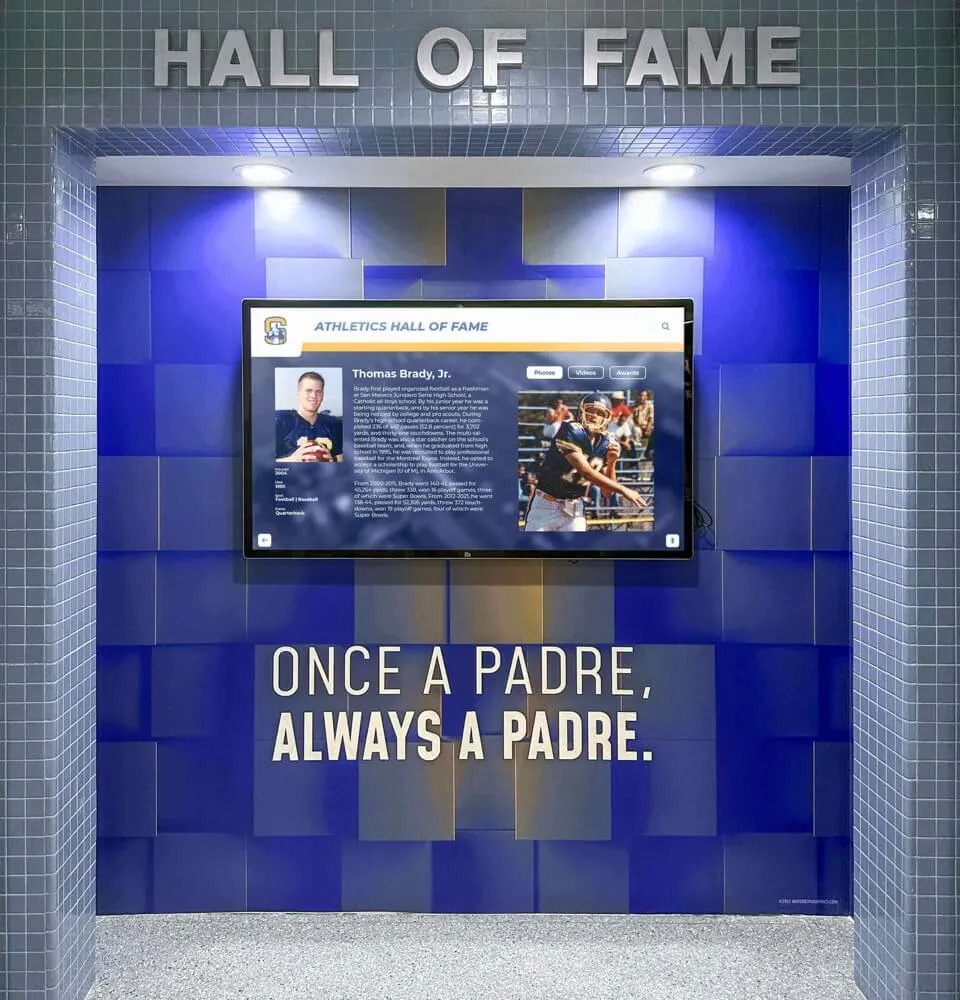
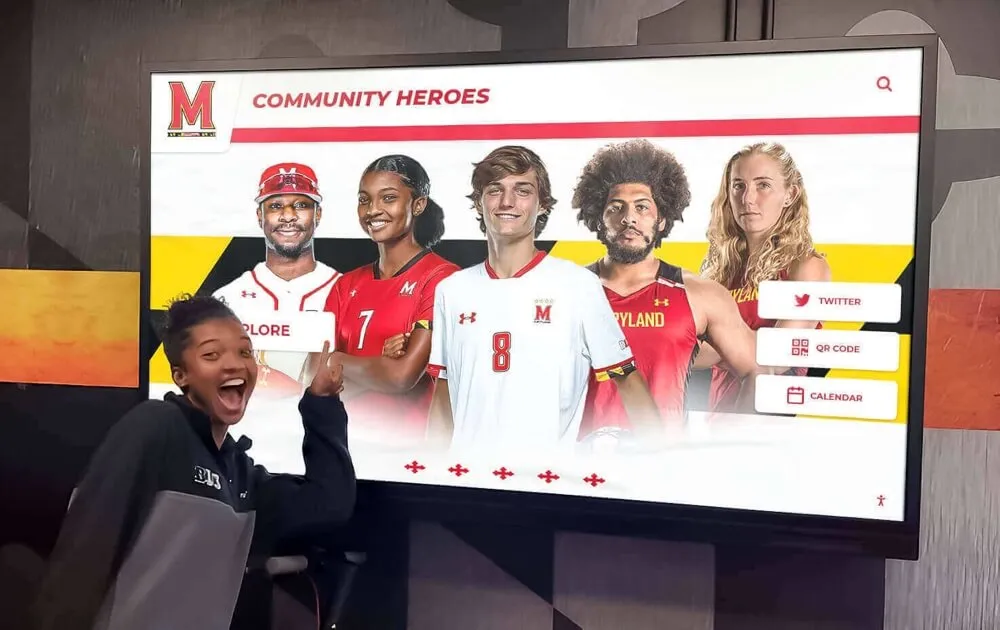
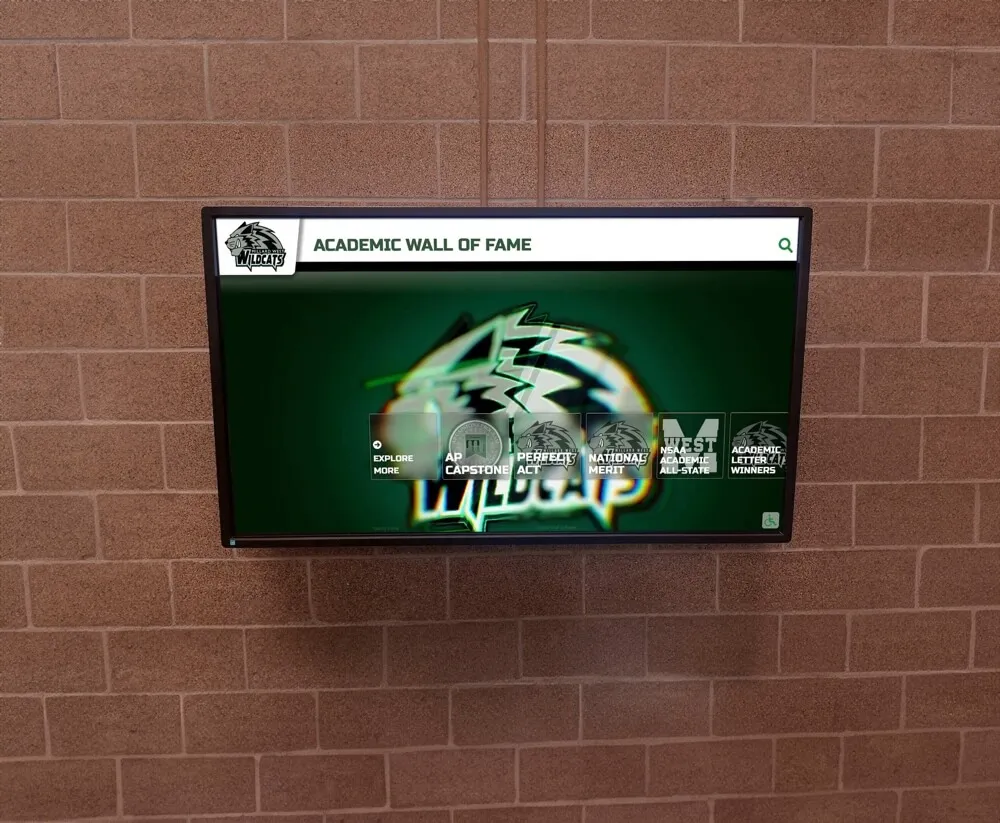
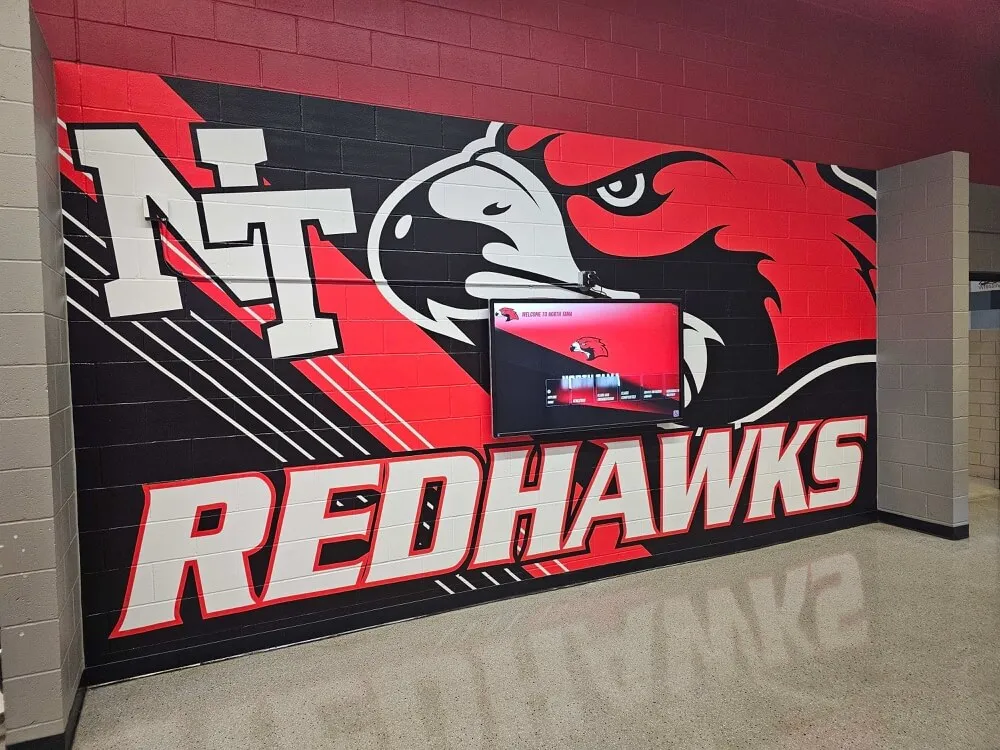
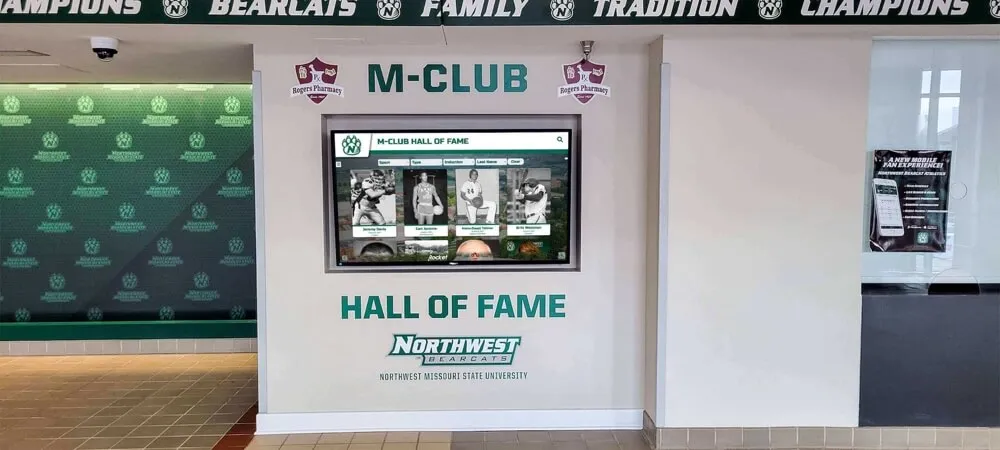
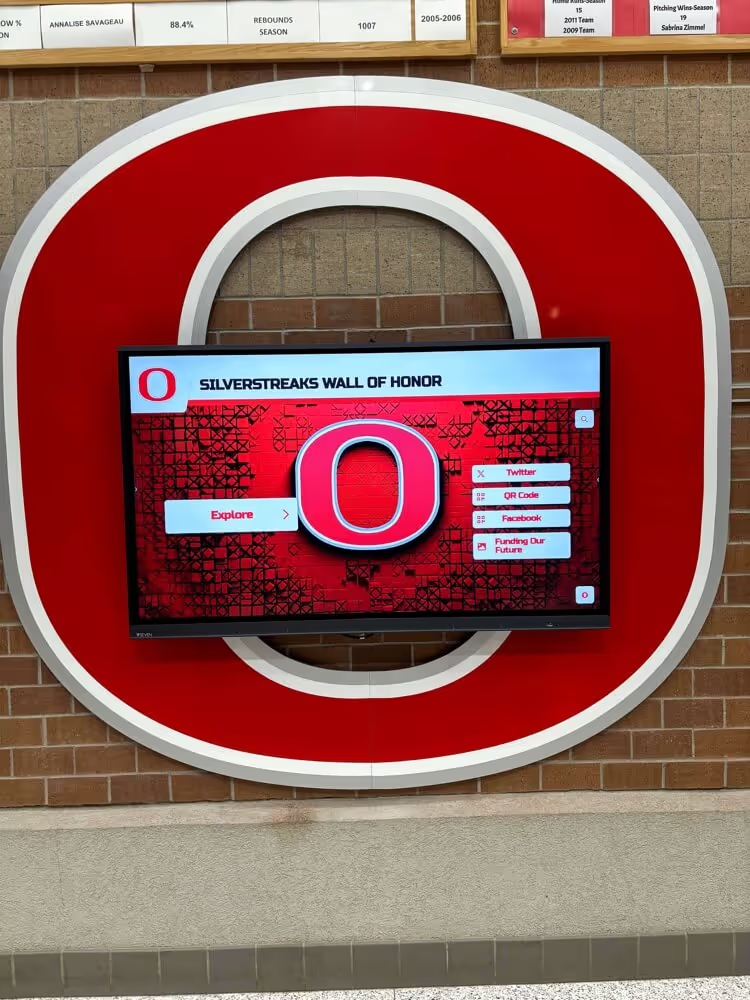
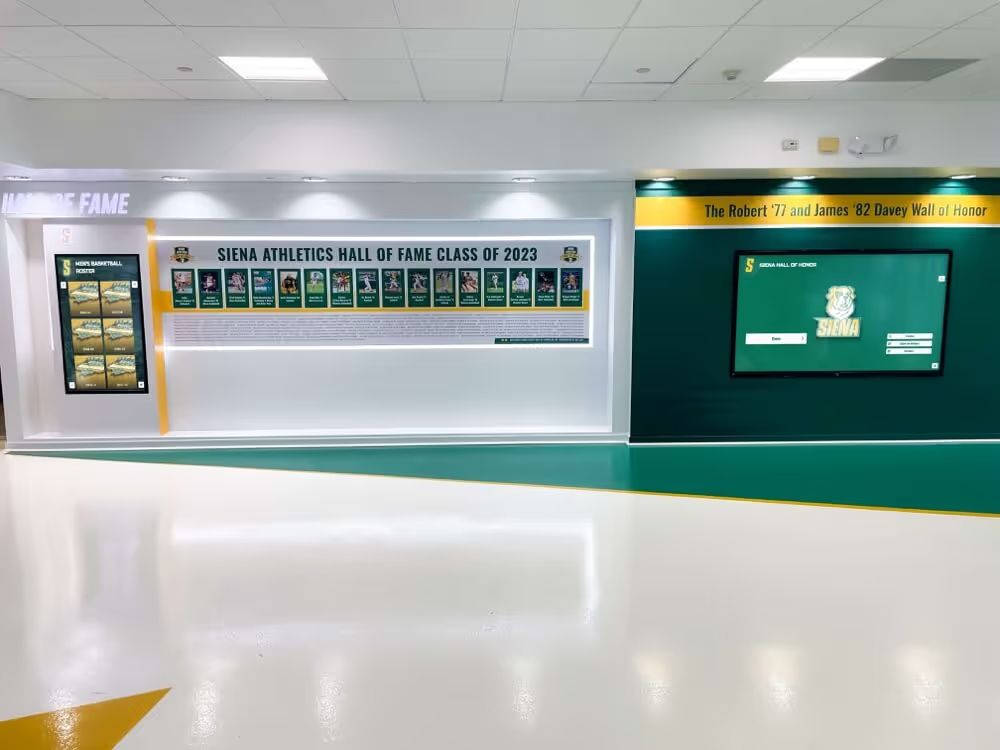
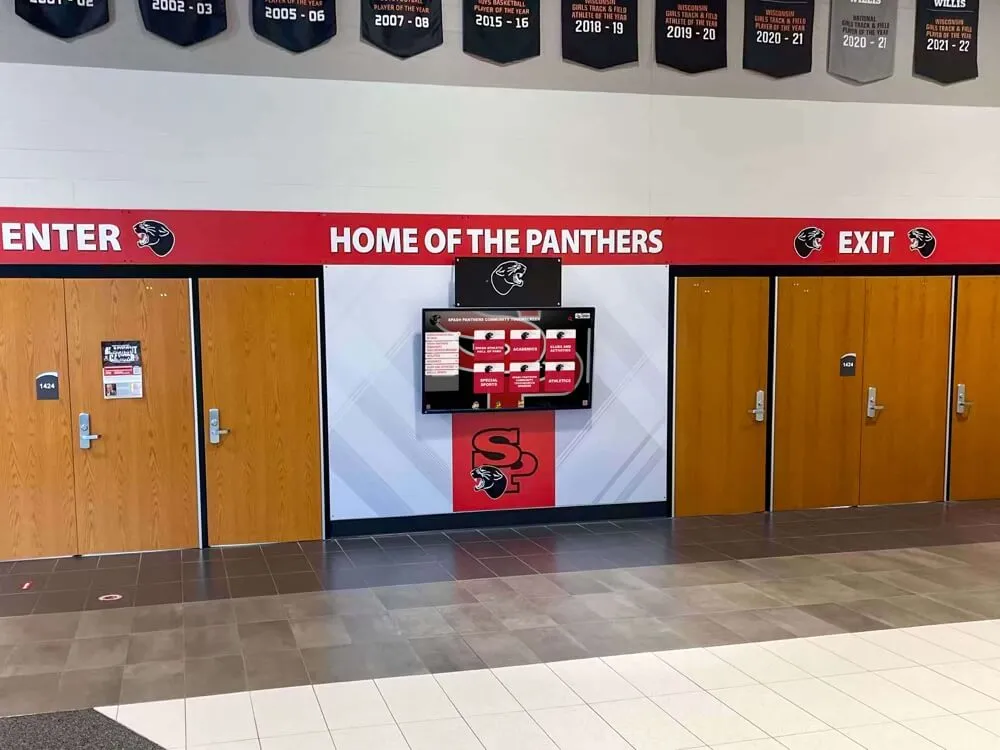
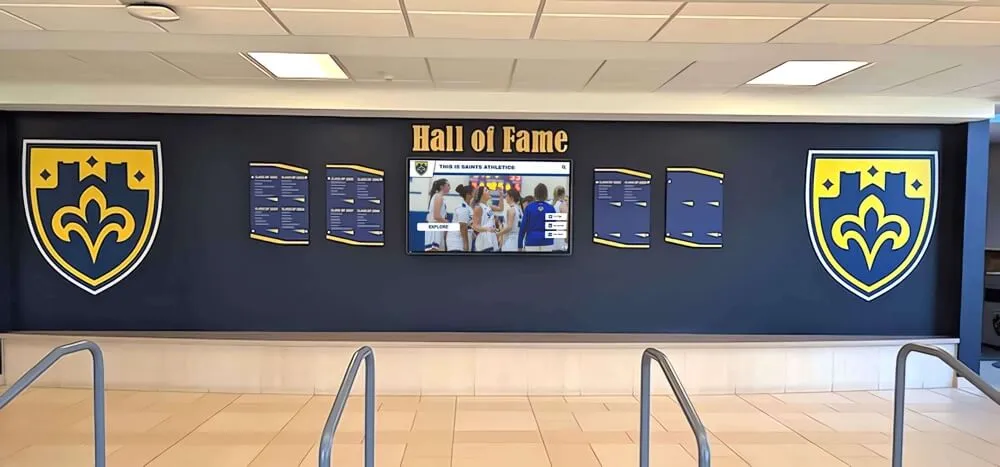
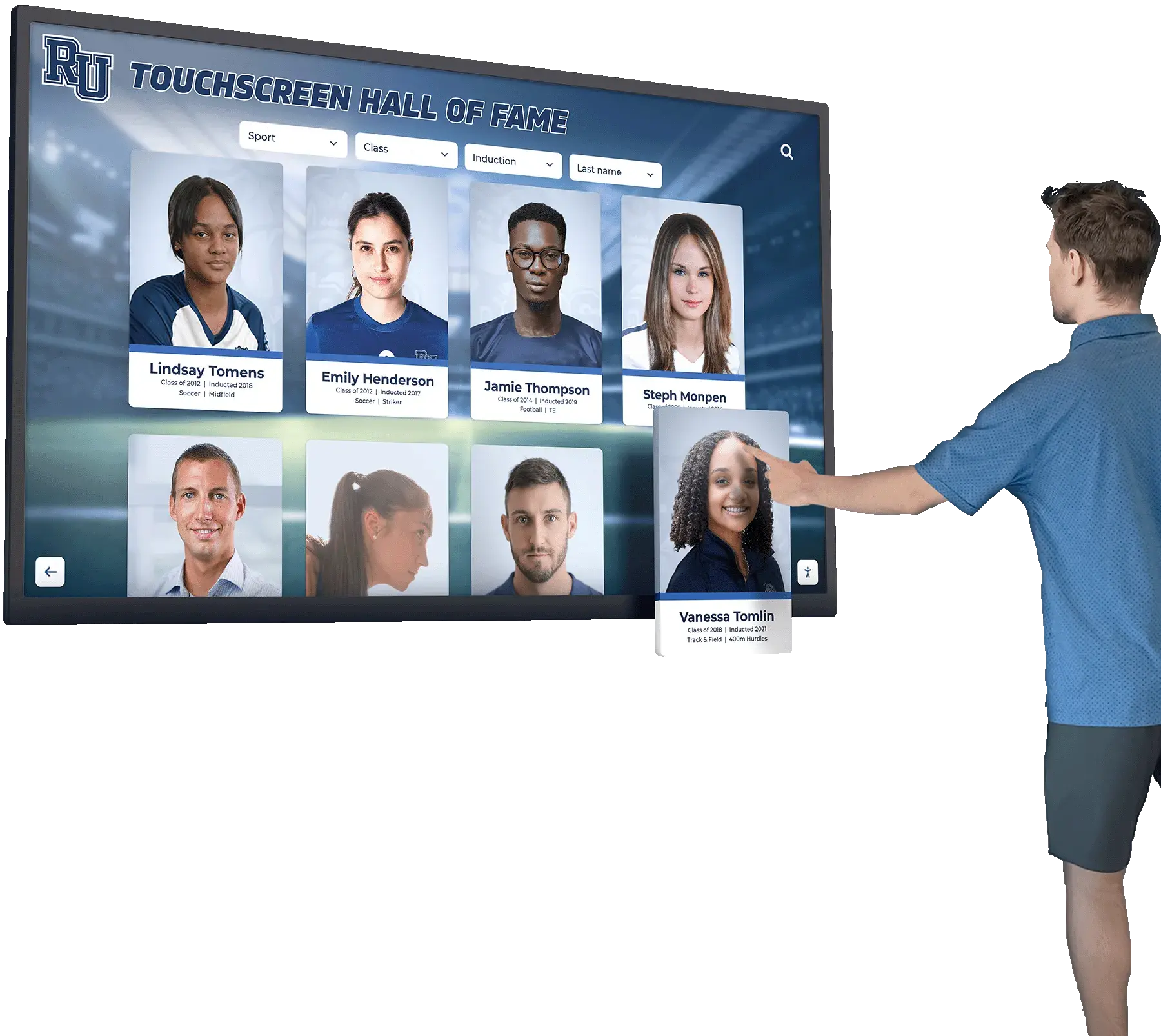
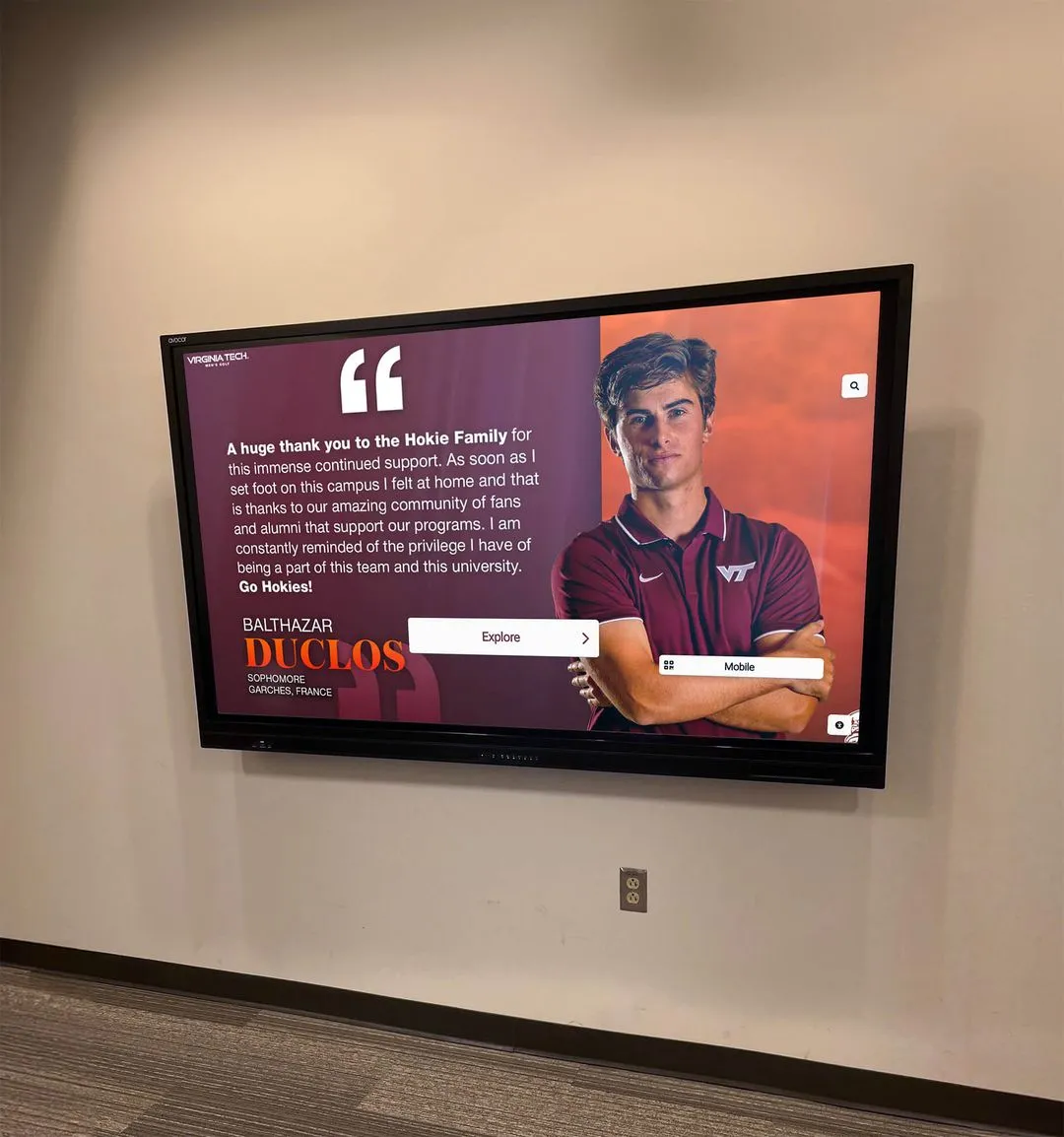
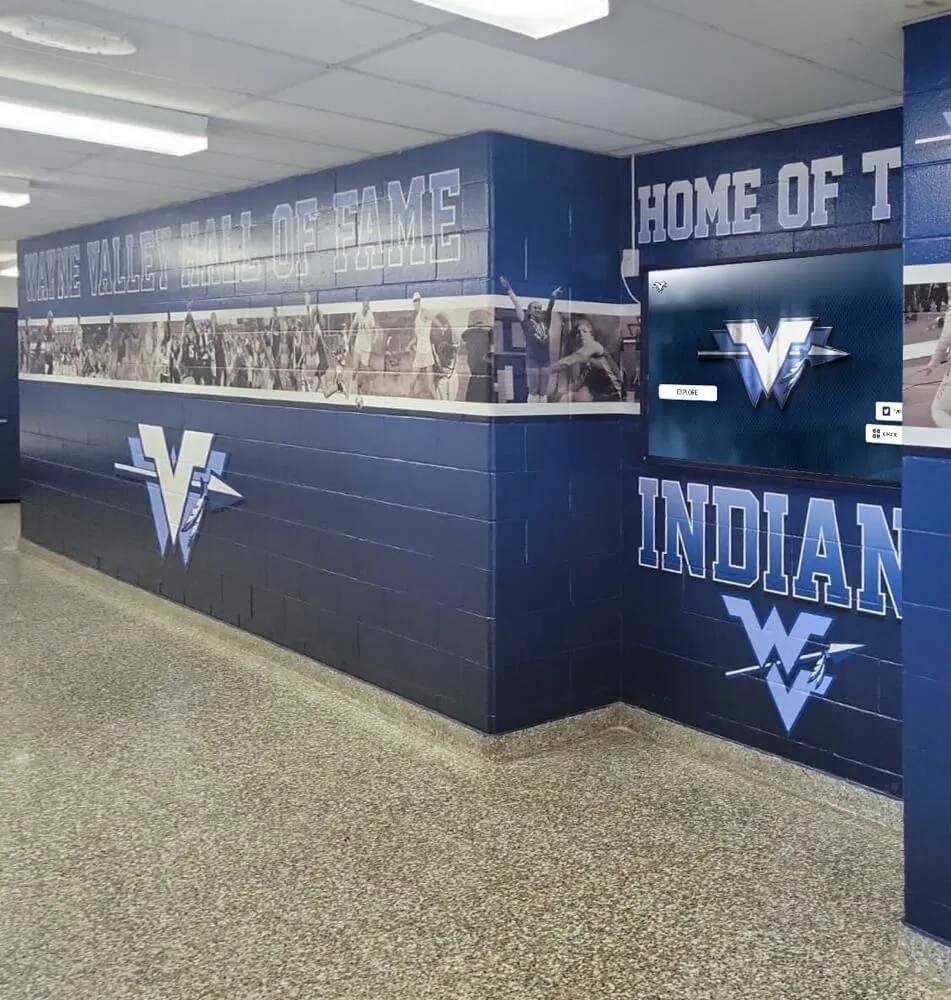
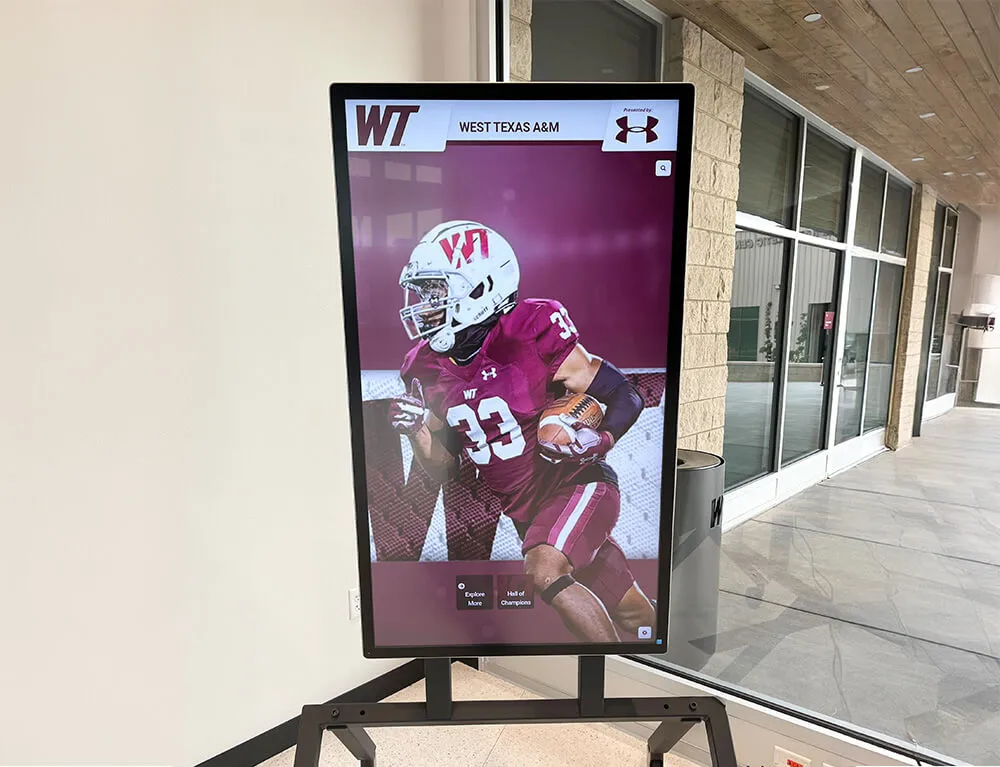
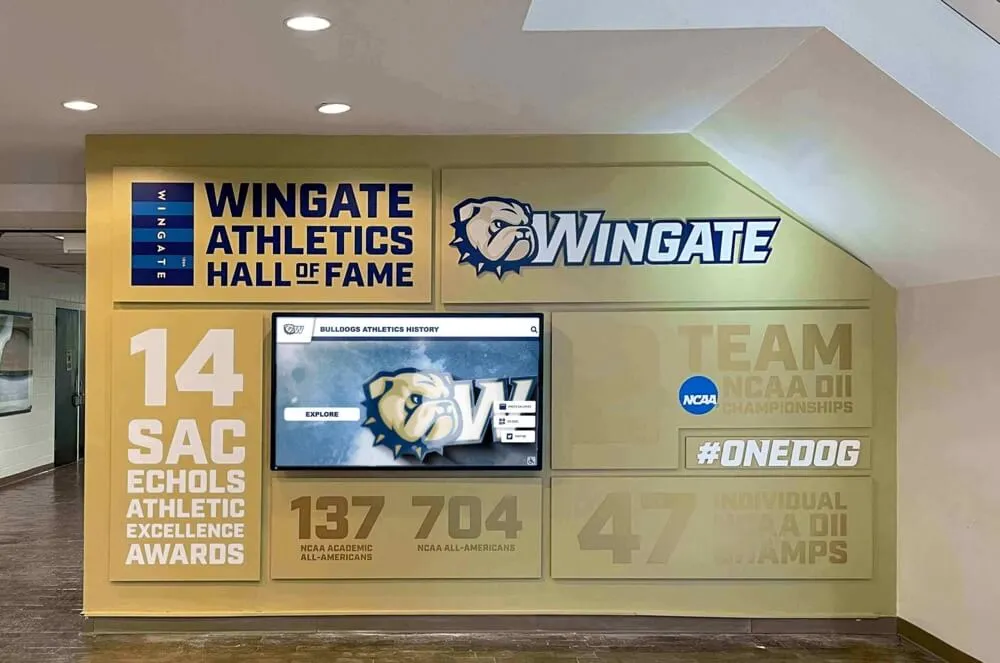
Modern digital recognition displays revolutionize how colleges showcase intramural excellence, communicate program information, and engage the campus community. Rather than relying on bulletin boards that quickly become outdated or email blasts that students ignore, comprehensive digital solutions create permanent, accessible, and dynamic platforms celebrating intramural achievement while providing essential program information and fundraising capabilities.
Why Intramural Recognition Matters More Than Ever
Today's college students seek meaningful campus involvement and community connection. Intramural sports provide these experiences for thousands who never played varsity athletics yet desire competition and team belonging. Digital recognition displays demonstrate institutional commitment to celebrating participation at all levels—not just elite athletes. Solutions like Rocket Alumni Solutions enable recreation departments to create comprehensive intramural recognition systems that honor championships, showcase individual achievement, communicate program information, and serve as fundraising platforms—all through single integrated displays requiring minimal technical expertise to maintain.
The Intramural Recognition Gap at Power 4 Colleges
Power 4 conference universities invest heavily in varsity athletic facilities, recognition, and media coverage. Walk through any major college campus and you’ll encounter prominent displays celebrating football championships, basketball achievements, and Olympic sport excellence. These installations deservedly honor elite athletic performance while supporting recruiting and institutional pride.
Yet intramural programs—often engaging 10-20 times more students than varsity rosters—receive minimal recognition infrastructure despite comparable organizational complexity and community impact.
The Scale of Intramural Participation
Major research universities operate intramural programs of staggering scope. Large Power 4 institutions commonly offer 30-50 different sports and activities throughout the academic year, organize hundreds of individual teams competing weekly, coordinate thousands of games across multiple facilities, and engage significant percentages of undergraduate populations in competitive recreation.
At many universities, more students participate in intramural basketball during a single semester than have played varsity basketball throughout the institution’s entire history. Intramural softball leagues involve more athletes than women’s softball rosters across all schools in an entire athletic conference. The participation numbers make clear that intramurals represent the primary competitive athletic experience for most college students.
Traditional Recognition Limitations
Despite massive participation, intramural recognition typically remains limited to trophy presentations during championship games, names on departmental websites rarely visited by general campus community, occasional social media posts quickly lost in feeds, email announcements deleted without reading, and informal verbal acknowledgment during subsequent seasons.
These approaches leave championship teams unrecognized beyond immediate participants, talented players anonymous outside their competitive circles, program achievements invisible to prospective students and campus visitors, and alumni unable to revisit their intramural accomplishments.
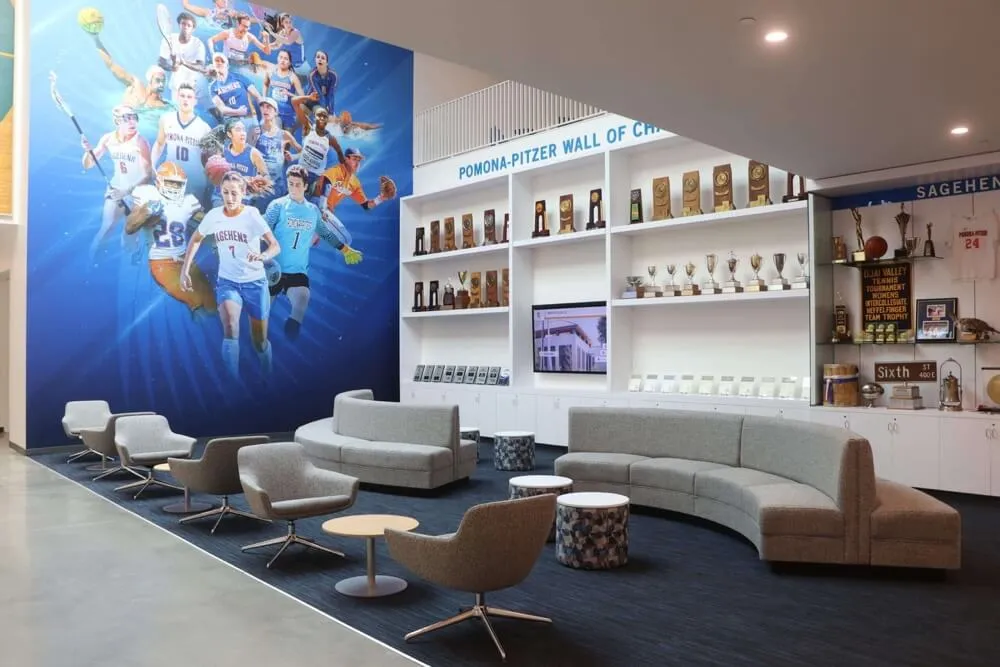
Traditional physical trophy cases—when they exist for intramural programs—quickly exhaust limited space, forcing recreation departments to choose which sports and seasons receive permanent recognition. This selectivity often creates unintended bias toward certain popular sports while under-recognizing equally competitive programs with smaller followings.
Digital Recognition Displays: Comprehensive Solutions for Modern Intramural Programs
Contemporary touchscreen displays and digital recognition platforms address traditional limitations while creating unprecedented opportunities for program promotion, participant engagement, and community building.
Unlimited Championship Recognition
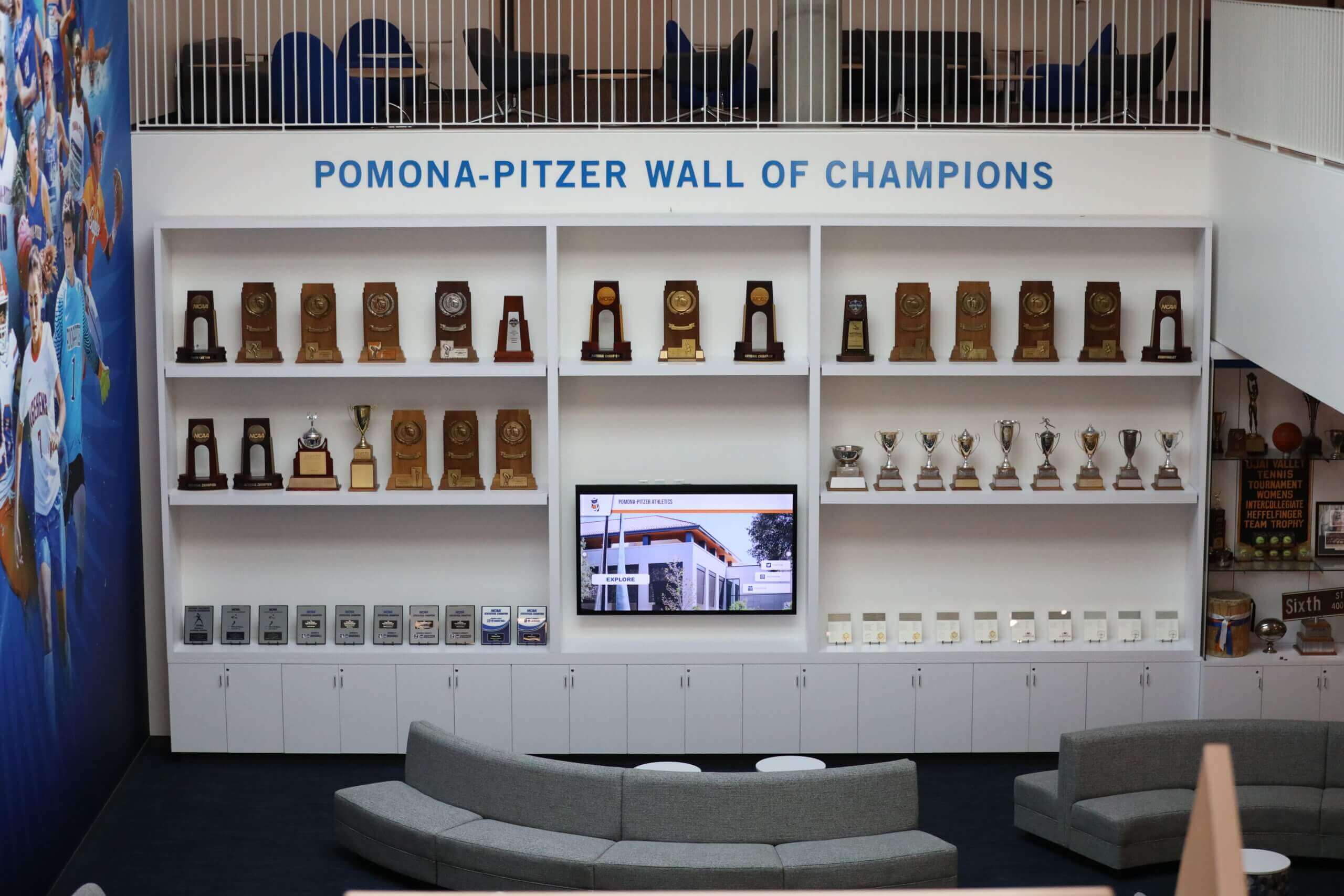
Digital displays eliminate space constraints that plague physical trophy cases. Recreation departments can permanently recognize every intramural championship across all sports and divisions without choosing which achievements deserve limited physical display space.
Complete Team Recognition: Every championship roster including all team members regardless of playing time, team captains and student referees who contributed to success, championship game scores and tournament brackets, season records and notable victories, and photos from championship games and celebrations.
Multi-Year Archives: Rather than replacing old trophies to make room for new achievements, digital systems accumulate complete historical records showing championship progression across years and decades. Current students can explore championships won by previous classes. Alumni can revisit their own team accomplishments from anywhere through web-based access.
Division and League Structure: Most intramural programs organize multiple competitive divisions (A, B, C leagues; fraternity, residence hall, and open leagues; men’s, women’s, and co-rec divisions). Digital displays accommodate this organizational complexity through intuitive navigation enabling users to explore championships within specific divisions and time periods.
This comprehensive recognition demonstrates to participants that recreational achievement matters and becomes part of permanent institutional record—not just forgotten after championship t-shirts get relegated to drawers.
Individual Player Recognition
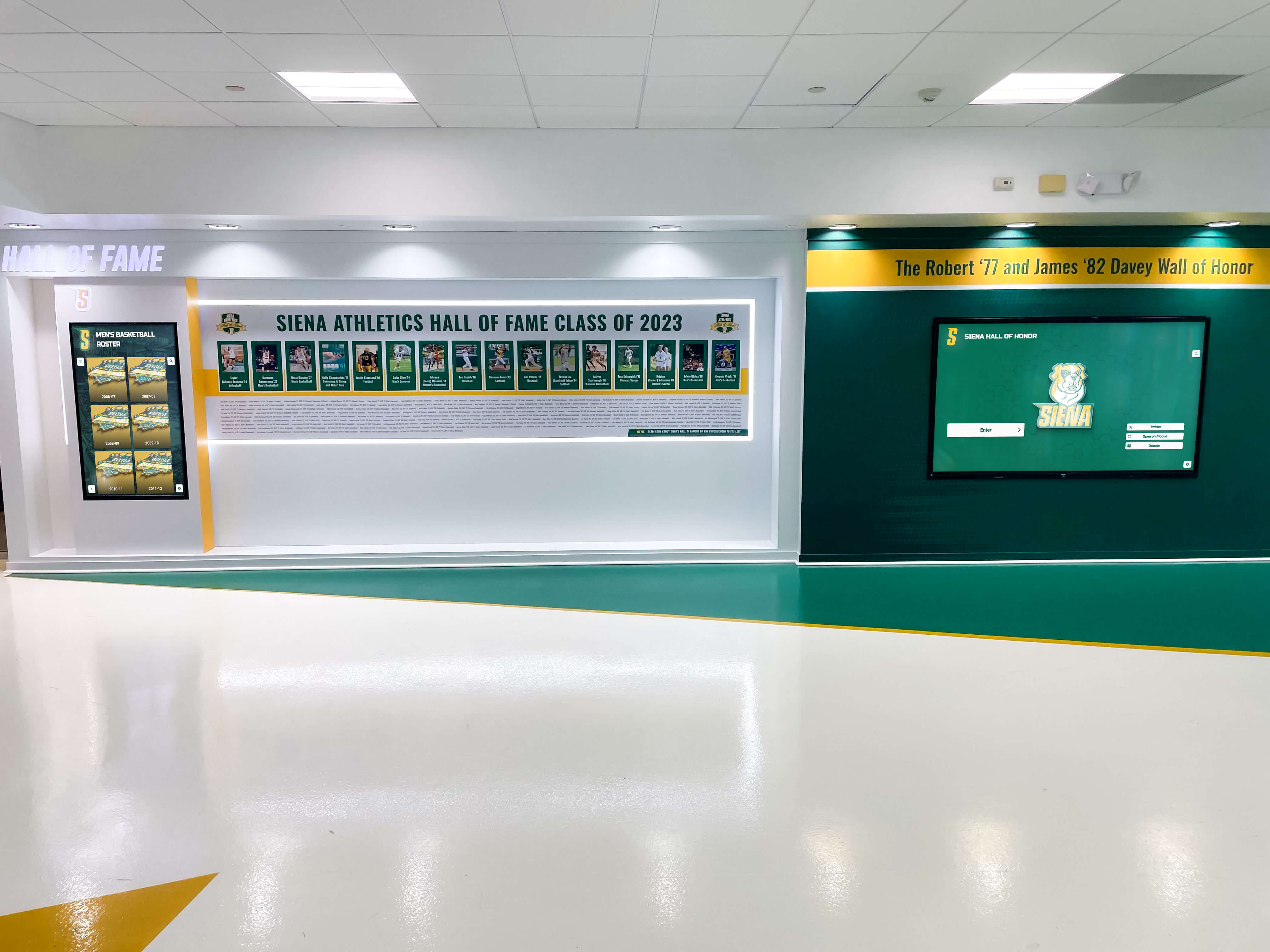
Beyond team championships, many intramural programs track individual statistical leaders, award sportsmanship recognition, and identify multi-sport participants who exemplify well-rounded recreation engagement.
Statistical Leaderboards: Track and display season leaders in sport-specific statistics—points per game, home runs, goals, assists, and other measurable achievements. These leaderboards create aspirational targets for competitive players while celebrating individual excellence within team contexts. Similar approaches work effectively for academic team leaderboards showcasing student achievement.
Sportsmanship Awards: Many programs recognize individuals and teams demonstrating exceptional sportsmanship, respect for officials, and positive community engagement. Digital platforms provide prominent venues for highlighting these values-based recognitions that might otherwise receive minimal visibility.
Multi-Sport Participation: Students who compete across multiple intramural sports throughout college careers demonstrate impressive commitment to recreation engagement. Digital systems can identify and celebrate these well-rounded participants who embody program ideals.
Career Statistics: For students who participate across multiple years, cumulative career statistics tell compelling stories about sustained excellence and dedication to intramural competition.
Essential Program Information Hub
Beyond recognition, digital displays serve as comprehensive information portals addressing common participant questions and program communication needs.
Registration and Sign-Up Information: Prominently display upcoming sport registration periods, deadlines, team formation information, captain responsibilities, league structure details, and direct links or QR codes connecting to online registration systems.
This visibility helps maximize participation by reaching students who might miss email announcements or fail to regularly check recreation department websites. High-traffic lobby locations ensure consistent exposure throughout campus communities.
Season Schedules and Standings: Real-time schedule information helps participants and fans track game times, facility locations, weather cancellations, playoff brackets, and current standings. Integration with existing league management systems enables automatic updates without manual intervention.
Tryout and Clinic Information: For sport clubs or competitive divisions requiring tryouts, digital displays communicate dates, locations, requirements, and preparation information ensuring students have access to participation opportunities.
Facility Information: Recreation centers coordinate complex facility schedules across multiple courts, fields, and activity spaces. Digital displays can communicate which facilities host intramural competitions, reservation procedures for practice time, and special event scheduling affecting normal access.
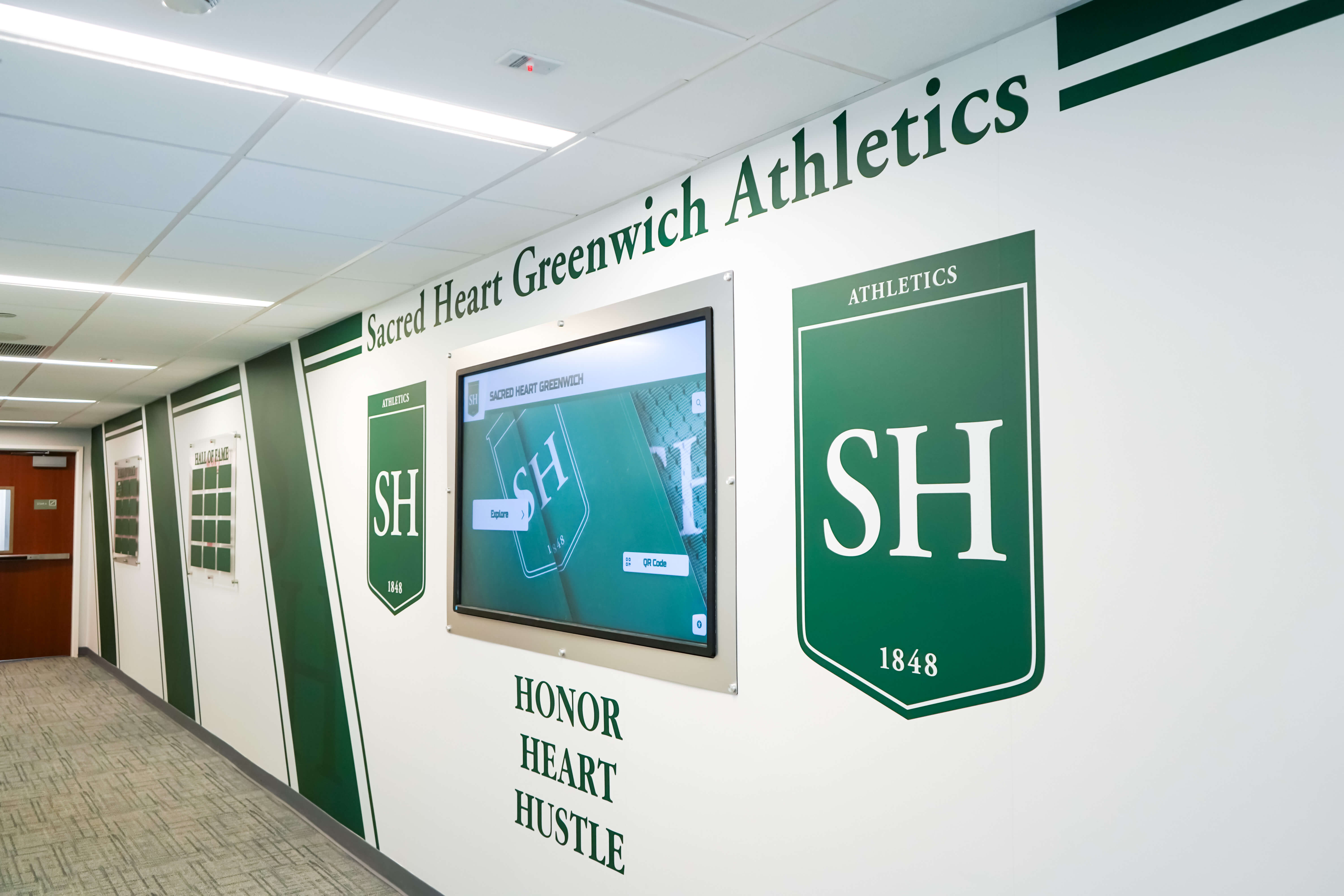
Rules and Policies: Sports rules, eligibility requirements, conduct expectations, and appeals processes deserve prominent communication ensuring all participants understand program governance. Digital platforms accommodate detailed information while maintaining intuitive organization enabling quick reference.
Fundraising and Donation Portal
Many intramural programs operate on limited budgets despite serving thousands of students. Equipment wears out, facility improvements require funding, championship shirts cost money, and program expansion demands resources. Digital recognition displays can incorporate fundraising capabilities transforming them into donation portals supporting program sustainability.
Give Now Integration: Embedded donation links or QR codes connect interested supporters directly to secure giving platforms. Prominent placement in recognition context creates natural giving moments—alumni revisiting their championship teams, parents seeing their students recognized, and community members impressed by program scale might feel motivated to contribute financial support.
Impact Communication: Fundraising effectiveness improves when potential donors understand how contributions create tangible impact. Digital displays can showcase equipment purchased through donations, facility improvements funded by supporters, championship recognition systems funded through giving, and expanded sport offerings made possible by financial support. This transparency demonstrates stewardship while inspiring additional contributions.
Recognition of Donors: Donors who support intramural programs through financial contributions deserve recognition alongside the athletes and teams their support enables. Digital platforms can feature donor honor rolls, acknowledgment of major gifts, endowment information, and tribute gifts made in memory of beloved participants or administrators. These elements mirror approaches used in comprehensive digital donor wall systems serving advancement offices.
Crowdfunding Campaign Promotion: Time-limited fundraising campaigns for specific initiatives (new scoreboards, facility renovations, expanded programming) benefit from sustained promotion reaching daily facility traffic. Digital displays provide platforms for campaign updates showing progress toward goals and motivating continued support.
Implementation: Building Your Intramural Recognition System
Successfully implementing digital recognition for intramural programs requires systematic planning addressing content, technology, and ongoing management.
Content Development and Organization
Historical Research: Identify existing records documenting past championships, statistical leaders, and program milestones. Sources often include former recreation director files and archives, league management system historical data, yearbook records and student newspaper archives, team photos from participants and staff collections, and crowdsourced memories from alumni.
Many programs discover that rich historical content exists but remains scattered across multiple sources requiring consolidation into unified accessible formats.
Ongoing Content Capture: Establish clear processes ensuring new achievements get documented and recognized promptly. Assign responsibility for championship roster collection, game photography during playoffs, statistical leader identification, and recognition profile creation.
The most effective systems integrate recognition work into normal program operations rather than creating separate burdensome processes requiring exceptional effort.
Profile Standards: Develop templates ensuring consistent recognition quality across all teams, players, and achievements. Standardization maintains professional presentation while expediting content creation processes.
Display Hardware and Placement
Strategic Location Selection: Identify high-traffic locations within recreation facilities where digital displays maximize visibility. Prime locations typically include main entrance lobbies, central hallway intersections, weight room entrances, and multipurpose courts.
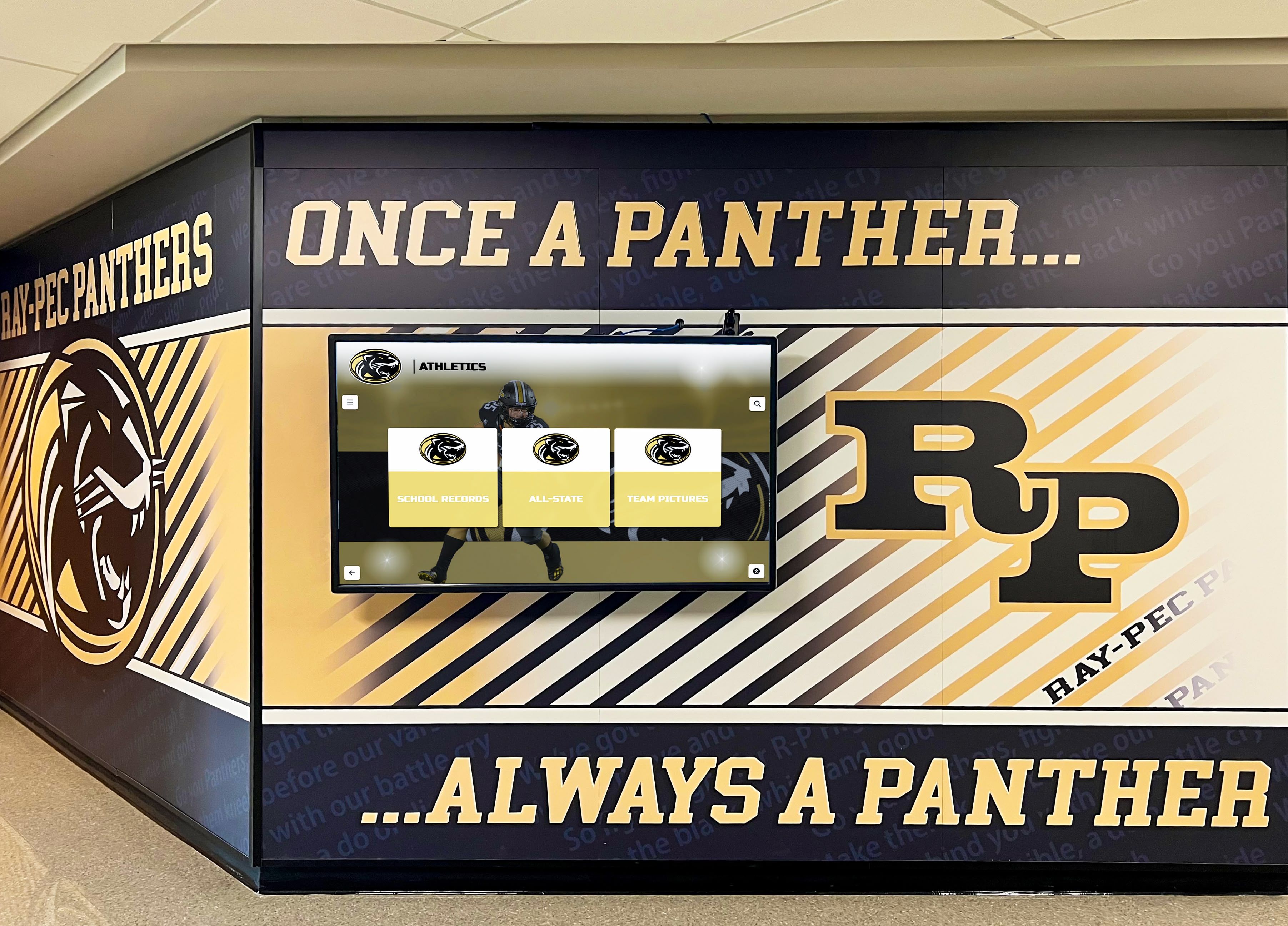
Consider traffic patterns throughout typical days and weeks. Locations passing thousands of users daily ensure recognition reaches broad audiences rather than remaining hidden in administrative areas.
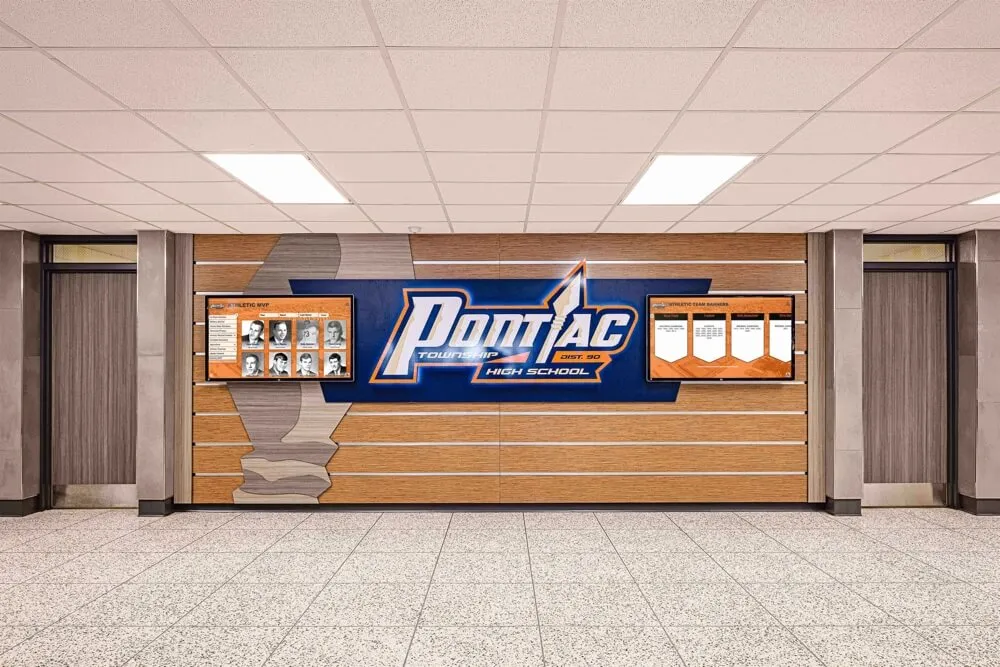
Display Size and Specifications: Large-format touchscreen displays (55-inch minimum, 65-75-inch preferred) provide sufficient screen real estate for comfortable navigation and impressive visual impact. Ensure commercial-grade displays rated for extended daily operation in public environments rather than consumer televisions lacking durability for high-traffic institutional use.
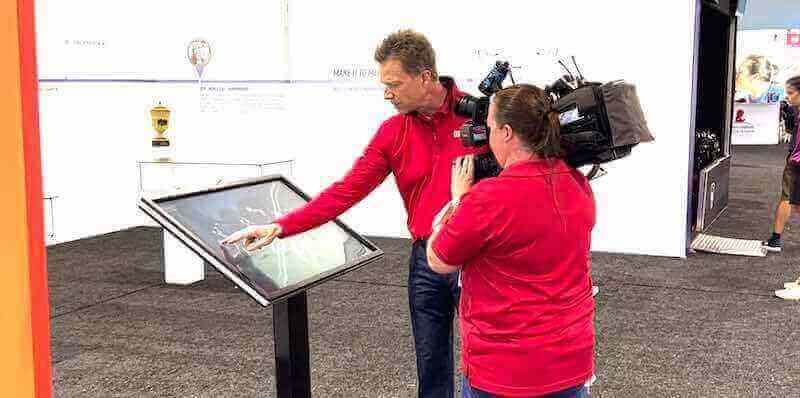
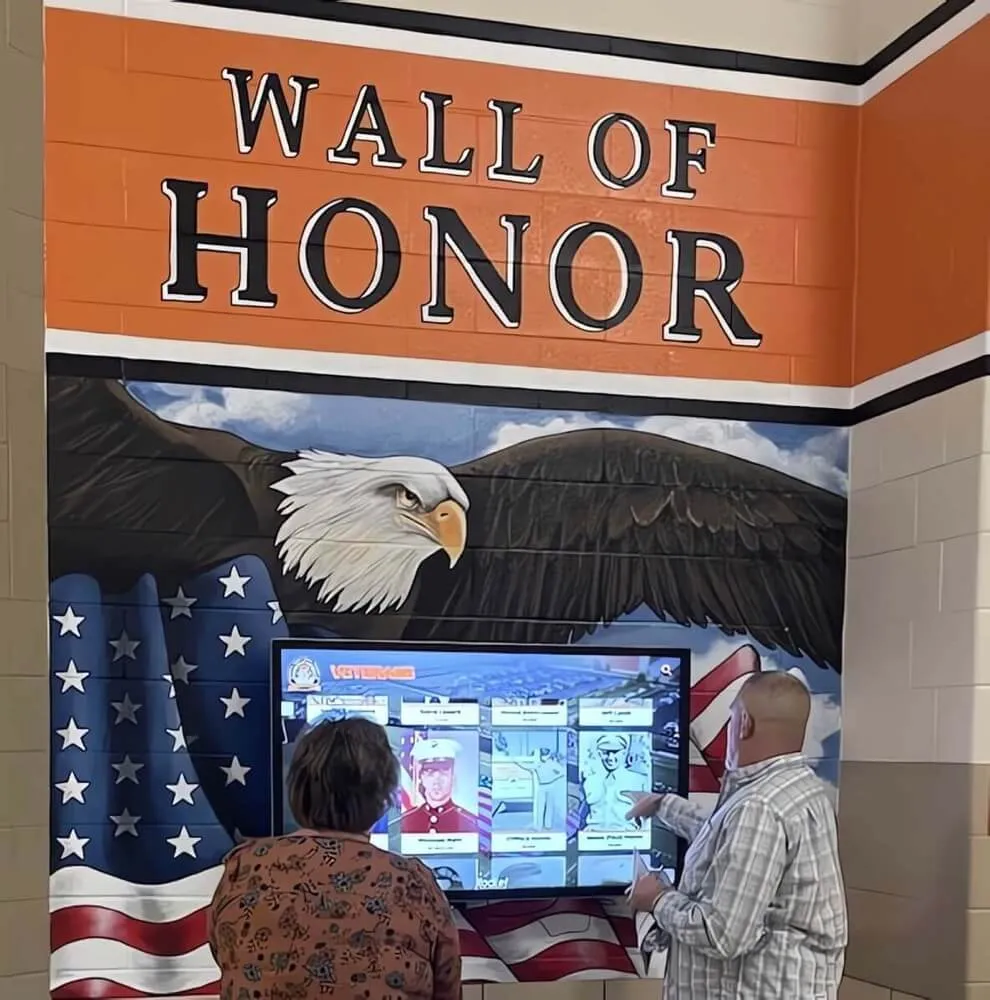
Touch capability enables interactive exploration allowing users to search for specific teams, players, or seasons rather than passively viewing predetermined content rotations.
Technical Requirements: Ensure adequate network connectivity (wired ethernet preferred for reliability), appropriate mounting hardware supporting display weight securely, power infrastructure meeting display requirements, and professional cable management maintaining clean aesthetic presentation.
Work with facilities and technology departments during planning phases addressing these infrastructure needs before display arrival prevents implementation delays.
Software Platform Selection
Content Management Capabilities: Evaluate platforms based on intuitive content management interfaces enabling staff without technical backgrounds to add championships, update schedules, modify information, and maintain accuracy independently.
Cloud-based systems accessible through standard web browsers eliminate specialized software requirements while enabling remote updates from any location. This flexibility proves valuable for recreation departments with multiple staff members needing content access.
Design and Branding: Digital displays should reflect institutional identity through school colors, logo integration, typography matching established brand standards, and visual presentation consistent with campus aesthetic expectations.
Template-based design systems enable professional presentation without requiring graphic design expertise while maintaining flexibility for customization addressing unique program characteristics.
Multi-Channel Access: Beyond physical touchscreen displays, comprehensive platforms provide web-based access enabling worldwide exploration through standard browsers, mobile-responsive interfaces functioning properly on smartphones and tablets, social media integration for sharing achievements, and QR code generation connecting physical promotional materials to digital content.
Multi-channel approach maximizes recognition reach beyond users physically present in recreation facilities.
Analytics and Engagement Tracking: Understanding how communities engage with digital recognition informs ongoing content strategy and demonstrates system value to administrators. Useful metrics include total interactions and viewing time, most popular content revealing high-interest areas, search patterns showing how users explore, peak usage times, and demographic information when available.
These insights validate recognition investment while suggesting improvements based on actual usage patterns rather than assumptions about user preferences.
Integration with Existing Systems
Avoid creating isolated recognition systems requiring duplicate data entry or manual updates that quickly become burdensome.
League Management Integration: Most college intramural programs use specialized league management platforms (IMLeagues, RecSports, etc.) handling registration, scheduling, scoring, and standings. Digital recognition systems that integrate with these platforms can automatically pull championship results, current standings, schedule information, and team rosters—eliminating manual data transfers prone to errors and delays.
University Web Integration: Recognition displays should complement rather than replace departmental websites. Embed web-based recognition portals within existing recreation department sites ensuring visitors can access championship information, player profiles, and historical records through familiar navigation patterns.
Campus Calendar Systems: When displaying upcoming events, tryout dates, or special programming, integration with campus-wide calendar systems prevents information inconsistencies while reducing administrative burden.
Giving Platform Integration: For fundraising capabilities, work with development offices ensuring proper integration with official institutional giving platforms. This coordination maintains compliance with university policies while enabling proper gift processing, acknowledgment, and stewardship.
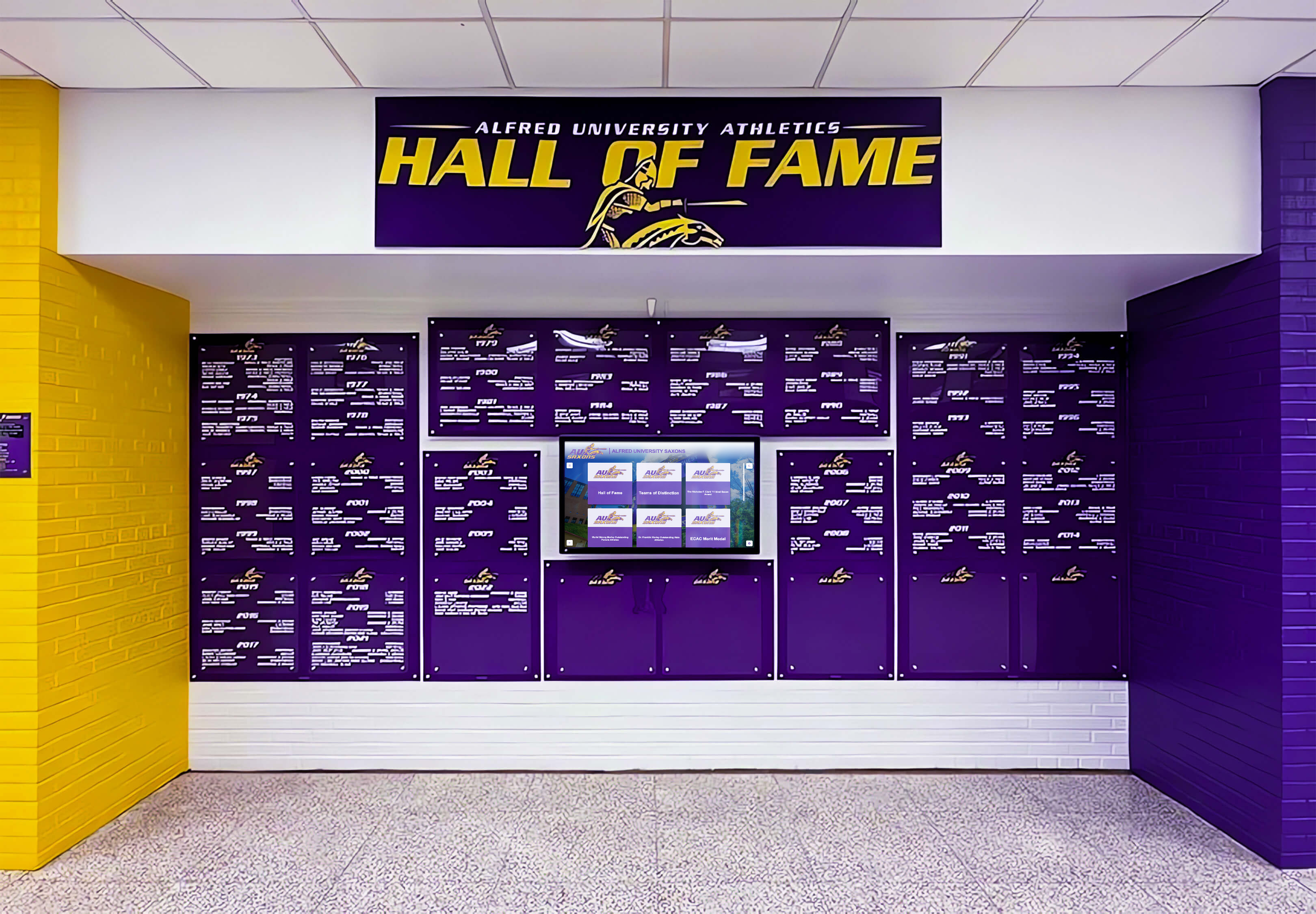
Promoting Intramural Excellence Through Digital Recognition
Implementing digital displays creates foundation for recognition, but maximizing impact requires intentional promotion integrating displays throughout program operations and campus communications.
Orientation and Campus Tours
New Student Introduction: Include digital recognition displays in campus recreation center tours during new student orientation. Highlighting intramural recognition demonstrates institutional commitment to celebrating participation at all levels while encouraging incoming students to consider joining teams.
Prospective Student Visits: During campus tours for prospective students and families, recreation facilities often serve as tour stops showcasing fitness opportunities and community spaces. Digital recognition displays provide tangible evidence of vibrant intramural culture supporting college selection decisions for students prioritizing campus involvement and athletic opportunities.
Social Media Integration
Achievement Announcements: When championships conclude or individual recognition gets added to displays, share announcements through recreation department social media accounts with photos and links to web-based recognition portals. This multi-channel approach extends recognition reach while driving traffic to displays for deeper exploration.
User-Generated Content: Encourage championship teams and recognized individuals to share their digital recognition profiles through personal social media accounts. Providing direct links or QR codes to specific profiles facilitates sharing while amplifying program visibility through participants’ personal networks.
Archive Spotlights: Regularly feature historical content from recognition archives through “throwback” posts highlighting championships from past decades. These nostalgic posts engage alumni while demonstrating program longevity and tradition.
Event Integration
Championship Ceremonies: During trophy presentations or recognition ceremonies, showcase championship profiles on digital displays creating visual backdrops connecting immediate celebration to permanent recognition. Demonstrate to participants that recognition extends beyond single ceremony to lasting institutional acknowledgment.
Recruitment Fairs: During campus involvement fairs when recreation departments recruit participants for upcoming seasons, bring tablets or devices showcasing digital recognition systems. Allowing prospective participants to explore championships and player profiles demonstrates program professionalism while creating aspirational connections.
Alumni Engagement
Intramural participation creates strong college memories for thousands of students who never competed in varsity athletics. These recreational athletes represent vast alumni populations deserving ongoing engagement.
Reunion Programming: Include digital recognition exploration in reunion activities for milestone classes. Alumni enjoy revisiting their team photos, championship memories, and competitive accomplishments from decades past.
Alumni Network Communication: Feature digital recognition systems in alumni publications, emails, and events highlighting how institutions preserve and celebrate intramural heritage. Provide direct web links enabling alumni worldwide to explore championships and locate their own team records.
Philanthropic Cultivation: Alumni who feel their recreational experiences are valued and remembered demonstrate higher propensity toward financial support of programs that shaped their college experiences. Recognition systems directly support development priorities by creating emotional connections supporting giving motivations. Understanding how digital recognition supports advancement goals helps recreation and development staff collaborate effectively.
Special Considerations for Different Sports and Formats
While core recognition principles apply across intramural programming, different sports and competitive formats present unique opportunities and considerations.
Team Sports Recognition
Traditional team sports (basketball, volleyball, soccer, flag football, softball) generate substantial championship content and participant interest.
Complete Roster Recognition: Ensure all team members receive equal recognition regardless of playing time, positions, or statistical contributions. Championships result from collective team efforts including reserves who prepared teammates through competitive practices and positive attitudes supporting team chemistry.
Tournament Documentation: Championship runs typically involve multiple playoff victories. Document complete tournament brackets, game scores, and progression rather than only final championship games. This comprehensive approach honors complete achievement narratives rather than isolated final results.
Rivalries and Traditions: Some intramural matchups develop legendary status—annual Greek league finals, rival residence hall battles, or perennial championship contenders. Identify and highlight these rivalry traditions through dedicated content celebrating competitive histories and memorable games.
Individual Sport Recognition
Sports like tennis, racquetball, table tennis, and golf where individuals compete represent different recognition dynamics.
Singles and Doubles Championships: Many racquet sports offer both individual and paired competitions. Ensure recognition accommodates both formats while celebrating individual achievement and partnership excellence.
Tournament Bracket Archives: Single-elimination or pool-play brackets tell stories about tournament progressions and competitive matchups. Preserve complete brackets showing paths to championships rather than only final results.
Skill Level Divisions: Individual sports commonly organize multiple skill divisions (A, B, C; novice, intermediate, advanced) enabling participation across ability levels. Recognize champions at all levels demonstrating that excellence exists within every competitive tier.
Non-Traditional Sports Recognition
Many intramural programs extend beyond conventional sports to include e-sports, board game competitions, outdoor recreation challenges, and unique campus traditions.
Inclusive Participation Recognition: Non-traditional sports often attract participants who never engaged with conventional athletics. These students deserve equal recognition demonstrating institutional commitment to celebrating excellence across diverse competitive formats. Division III recognition approaches offer relevant models emphasizing participation breadth over narrow elite focus.
Event-Specific Considerations: One-time special events (trivia nights, charity tournaments, outdoor adventure challenges) may warrant recognition approaches differing from seasonal league structures. Develop flexible recognition frameworks accommodating both recurring leagues and unique special programming.
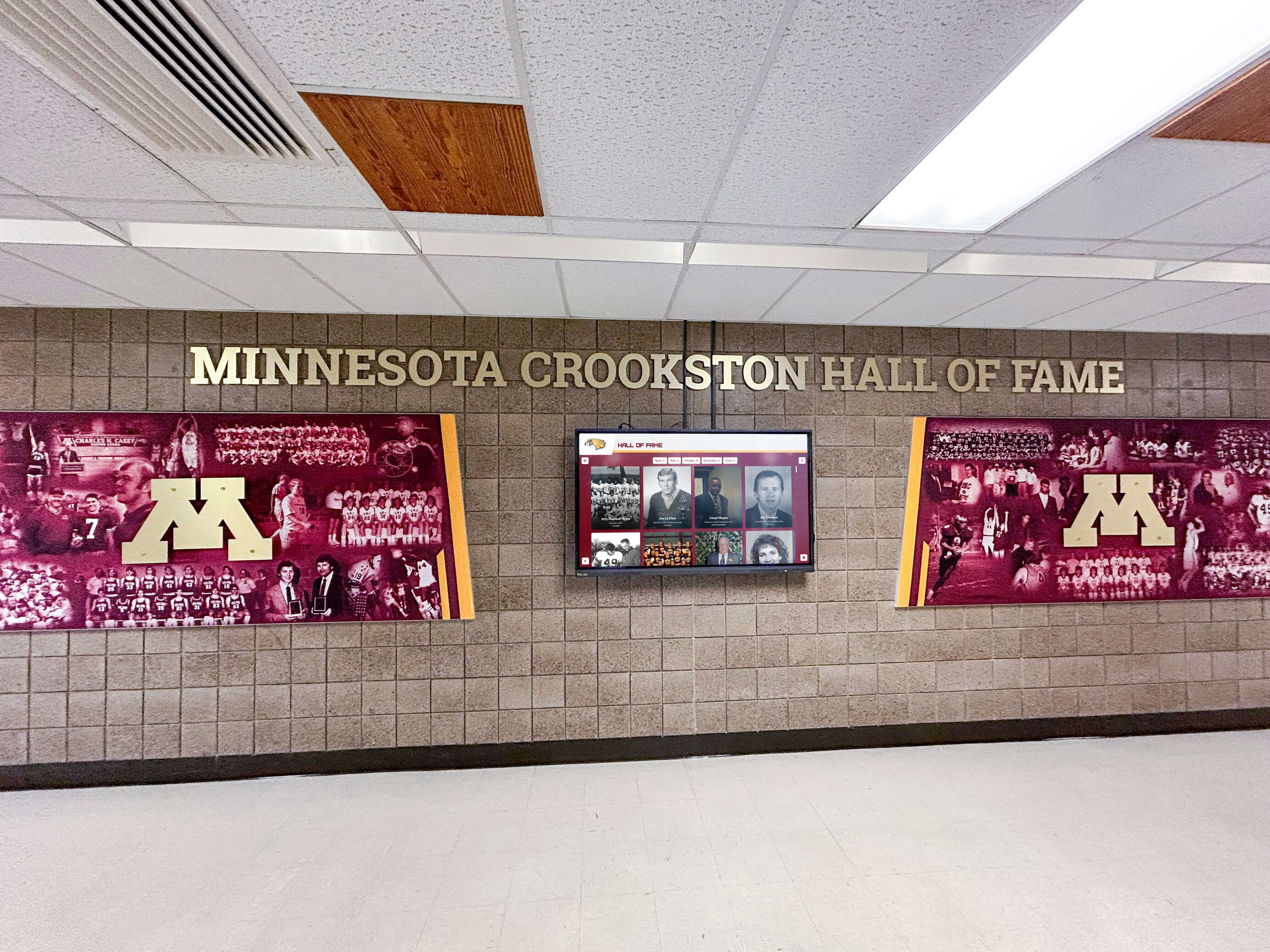
Co-Recreational Programming
Co-rec sports requiring balanced gender participation create inclusive competitive environments deserving thoughtful recognition approaches.
Team Composition Recognition: Co-rec rules typically mandate specific gender requirements (4 men, 4 women; alternating positions, etc.). Recognition should acknowledge teams meeting participation standards promoting inclusive engagement.
Inclusive Language: Ensure recognition language reflects co-recreational participation rather than defaulting to male-dominated terminology or assumptions about athletic ability based on gender.
Overcoming Common Implementation Challenges
Recreation directors considering digital recognition may encounter concerns or obstacles during planning and implementation phases.
Budget Constraints
Recreation programs often operate with limited budgets despite serving thousands of students. Digital recognition systems require initial investment in hardware, software, and implementation that may feel financially challenging.
Long-Term Value Calculation: Compare one-time digital implementation costs against ongoing expenses maintaining traditional approaches—annual trophy purchases, physical plaque production, bulletin board materials, printed schedules requiring constant replacement, and facility maintenance for aging trophy cases.
Digital systems typically demonstrate favorable total cost of ownership across 5-7 year lifecycles while providing far greater recognition capacity and functionality.
Phased Implementation: Initial investment doesn’t require comprehensive system completion. Begin with single display in highest-traffic location, focus on current season recognition before expanding to historical content, and add advanced features incrementally as budgets allow and staff become comfortable with basic platforms.
Fundraising for Recognition: Use recognition system itself as fundraising case supporting requests to donors and campus administrators. Position investments as facility improvements serving thousands of students annually while creating permanent institutional assets.
Staff Time and Technical Expertise
Recreation professionals excel at program coordination, participant engagement, and operational management—not necessarily content creation, graphic design, or technical troubleshooting.
User-Friendly Platform Selection: Prioritize recognition platforms specifically designed for non-technical users. Intuitive interfaces resembling familiar word processors or social media platforms minimize learning curves while enabling independent content management.
Template-Based Approaches: Pre-designed templates for championship teams, player profiles, schedule displays, and information sections enable consistent professional presentation without requiring design expertise for every content piece.
Vendor Support and Training: Comprehensive implementation should include initial training for staff who will manage content, ongoing technical support addressing questions and issues, and clear documentation enabling staff reference when needed.
Content Development Workload
Building comprehensive recognition systems requires substantial content—championship rosters, photos, statistics, narratives, and historical information spanning potentially decades of programming.
Prioritization Strategy: Begin with current season recognition ensuring immediate value and momentum. Then systematically expand to recent years before tackling distant historical content. This phased approach prevents content development from feeling overwhelming while delivering tangible value throughout process.
Crowdsourcing and Community Contribution: Engage campus communities in content development through calls for historical photos and information, alumni submissions via web forms, student employee or intern research projects, and participant self-submissions for team information.
This distributed approach reduces staff burden while creating community ownership and engagement with recognition systems.
Incremental Growth: Accept that comprehensive historical recognition will develop gradually rather than appearing fully formed at launch. Systems that begin modestly but grow steadily over months and years ultimately achieve greater completeness than ambitious projects that stall during initial implementation phases.
Measuring Recognition System Impact
Recreation directors benefit from demonstrating recognition system value to campus administrators, potential funders, and campus communities. Several metrics and assessment approaches quantify impact.
Participation and Engagement Metrics
Program Participation Rates: Track whether intramural participation increases following recognition system implementation. Growing participation suggests improved program visibility and appeal.
Championship Team Registration: Monitor whether championship teams from previous seasons return to defend titles. High retention indicates positive competitive experiences and satisfaction with recognition received.
Multi-Season Participation: Assess whether students continue intramural involvement across multiple semesters and years. Sustained participation demonstrates program value and community building success.
Digital Engagement Analytics
Display Interaction Rates: Track how many users interact with touchscreen displays, average interaction duration, most popular content areas, and peak usage times. These metrics demonstrate actual community engagement with recognition systems.
Web Traffic: Monitor visits to web-based recognition portals, page views across different content sections, search patterns, and geographic distribution revealing whether alumni access from distant locations.
Social Media Engagement: Measure likes, shares, and comments on recognition-related social media posts. High engagement indicates community interest and recognition system effectiveness.
Qualitative Feedback
Participant Surveys: Gather systematic feedback from intramural participants about recognition system awareness, usage, satisfaction, and perceived value. Direct user perspectives inform ongoing improvements and demonstrate program responsiveness to community needs.
Alumni Testimonials: Collect stories from alumni about visiting recognition systems during campus returns, sharing accomplishments with family members, or feeling valued by institutional remembrance of recreational achievements.
Administrative Support: Assess whether campus administrators express increased support for intramural programming following recognition implementation. Visible recognition systems often generate broader institutional appreciation for recreation programs.
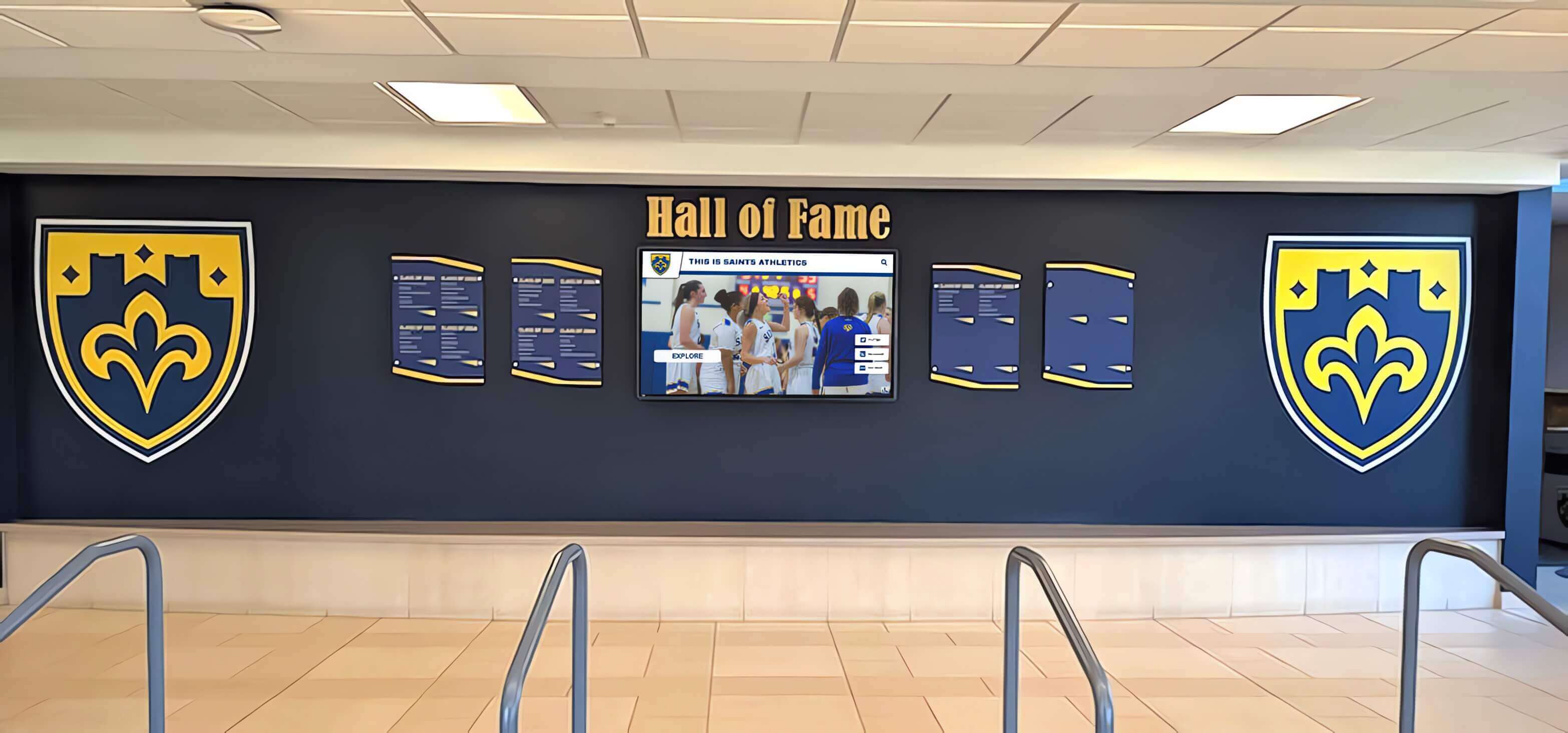
Future Directions: Evolving Intramural Recognition
Digital recognition technology continues advancing, creating new opportunities for celebrating recreational excellence and engaging campus communities.
Enhanced Mobile Experiences
Mobile applications specifically designed for intramural recognition enable participants to track personal statistics throughout college careers, receive notifications when championship recognition gets published, share achievements through social media directly from mobile interfaces, and access complete program information and schedules through smartphones.
Mobile-first approaches meet students’ technology preferences while extending recognition beyond fixed display locations.
Video Integration
Video highlights from championship games and memorable moments create powerful emotional connections impossible through still photos and text. Emerging platforms increasingly support easy video integration from existing sources including Hudl archives used by many recreation programs, Instagram and TikTok content created by participants, facility security cameras capturing game footage, and student media organizations covering intramural championships.
Video content dramatically increases engagement time and emotional resonance compared to static content alone.
Augmented Reality Experiences
Emerging AR capabilities may soon enable physical trophy cases to trigger digital content when viewed through smartphone cameras, allowing users to point devices at locations throughout recreation facilities to access historical content about events that occurred in those spaces, and creating interactive scavenger hunt experiences connecting physical spaces to digital recognition content.
These immersive approaches particularly appeal to digitally native student populations while creating novel engagement mechanisms.
Predictive Analytics and Personalization
As recognition systems accumulate participation data, intelligent algorithms might identify users when they approach displays based on campus ID integration, automatically highlight content relevant to specific users (their teams, sports, eras), suggest related achievements users might enjoy exploring, and provide personalized participation histories tracking individual engagement across sports and semesters.
Personalization increases engagement by making recognition feel tailored to individual interests and experiences rather than generic institutional communications.
Conclusion: Elevating Intramural Excellence at Power 4 Institutions
College intramural sports represent recreational democracy—competitive opportunities available to all students regardless of elite athletic ability, providing health benefits, community connections, and memorable college experiences for thousands who never wore varsity uniforms. These massive programs deserve recognition infrastructure matching their scale and importance within campus life.
Digital recognition displays transform intramural programming by permanently honoring every championship team across all sports and divisions, celebrating individual statistical excellence and sportsmanship, communicating essential program information through high-traffic locations, enabling fundraising support for sustainable program growth, and engaging alumni through accessible archives preserving recreational heritage.
For Power 4 conference institutions operating the nation’s largest and most complex recreation programs, comprehensive digital recognition systems position intramurals as valued institutional priorities rather than afterthoughts receiving minimal acknowledgment. When universities invest in professional recognition infrastructure, they signal to students that recreational participation matters, competitive excellence deserves celebration, and campus community extends far beyond elite varsity athletics.
Solutions like Rocket Alumni Solutions provide purpose-built platforms specifically designed for athletic and recreational recognition, combining intuitive content management accessible to non-technical staff, engaging interactive displays creating memorable user experiences, comprehensive analytics demonstrating program value, integrated fundraising capabilities supporting financial sustainability, and reliable support ensuring long-term success.
The thousands of students who dedicate evenings and weekends to intramural competition, the championship teams that create lifelong friendships through shared athletic pursuits, and the recreation professionals who coordinate complex programming deserve recognition systems matching their contributions to campus vitality. Digital displays ensure that intramural excellence receives the visibility, celebration, and institutional support that recreational participation merits.
Whether launching recognition systems for established programs with rich championship histories or building recognition infrastructure for growing programs seeking increased visibility, digital platforms provide scalable solutions that grow alongside your intramural offerings. The competitive achievements earned through dedication, teamwork, and athletic pursuit deserve more than forgotten email announcements and dusty trophy closets. They deserve professional recognition celebrating intramural excellence while inspiring current and future students to pursue their own recreational achievements and contribute to your institution’s continuing legacy of comprehensive student engagement.
Schedule a consultation to explore how digital recognition displays can transform your college intramural program and book a Digital Record Board demo with Rocket Alumni Solutions today.