



The quality of your coaching staff determines the success of your athletic program more than any other single factor. Athletic directors can secure perfect facilities, build generous budgets, and implement comprehensive support systems, yet programs still underperform when led by coaches who lack the competencies, character, or commitment that winning programs demand. The coaching interview represents your critical opportunity to distinguish genuinely qualified candidates from those who interview well but lack substance—yet many athletic directors approach these conversations without systematic frameworks ensuring they ask the right questions in the right ways.
Effective coaching interviews go far beyond reviewing resumes and asking generic questions about coaching philosophy. They require strategic question sequences that reveal how candidates actually think, make decisions, handle adversity, develop athletes, and align with your program’s values and objectives. The difference between coaches who transform programs and those who create problems often becomes apparent through thoughtful interview questions that push beyond prepared talking points into authentic insight about competency, character, and fit.
Whether hiring your first coach as a new athletic director, replacing a long-tenured coach whose retirement creates significant shoes to fill, or building an entirely new coaching staff, comprehensive interview preparation ensures you identify candidates capable of building competitive programs while maintaining educational priorities and representing your institution with integrity.
Why Strategic Coaching Interview Questions Matter
Hiring the wrong coach creates consequences extending far beyond disappointing win-loss records. Poor coaching hires damage student-athlete development, create parent complaints that consume administrative time, produce ethical violations risking sanctions, and establish negative program cultures that persist long after terminations. According to research on athletic administration, replacing underperforming coaches costs programs significantly through buyouts, recruitment expenses, and lost community support—making thorough initial evaluation far more cost-effective than remedial action later.
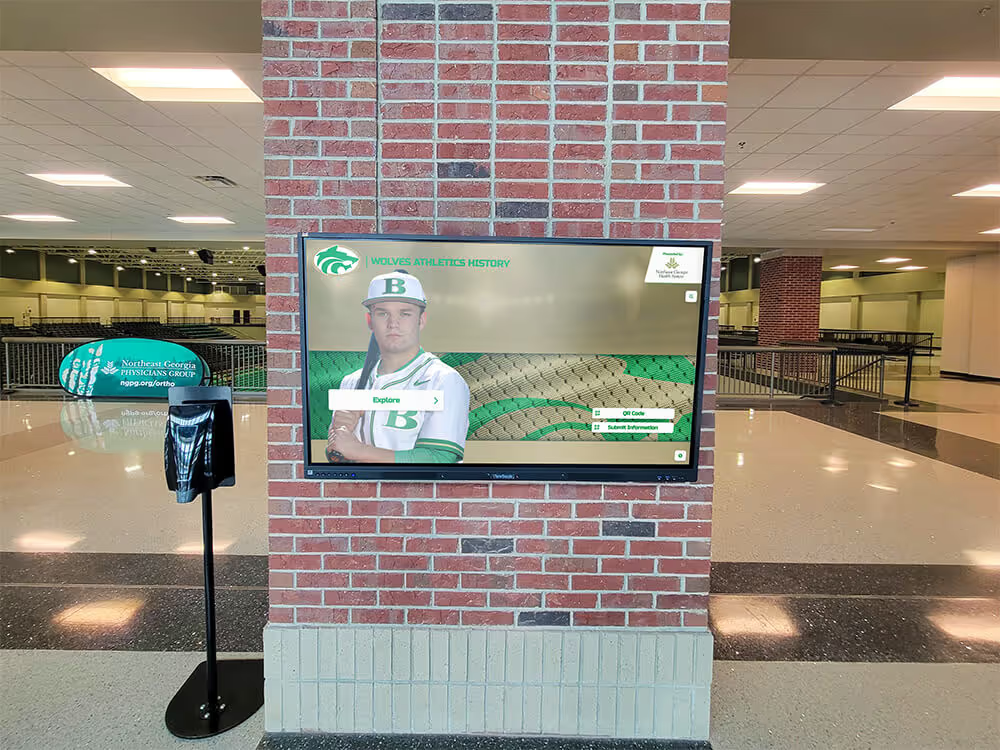
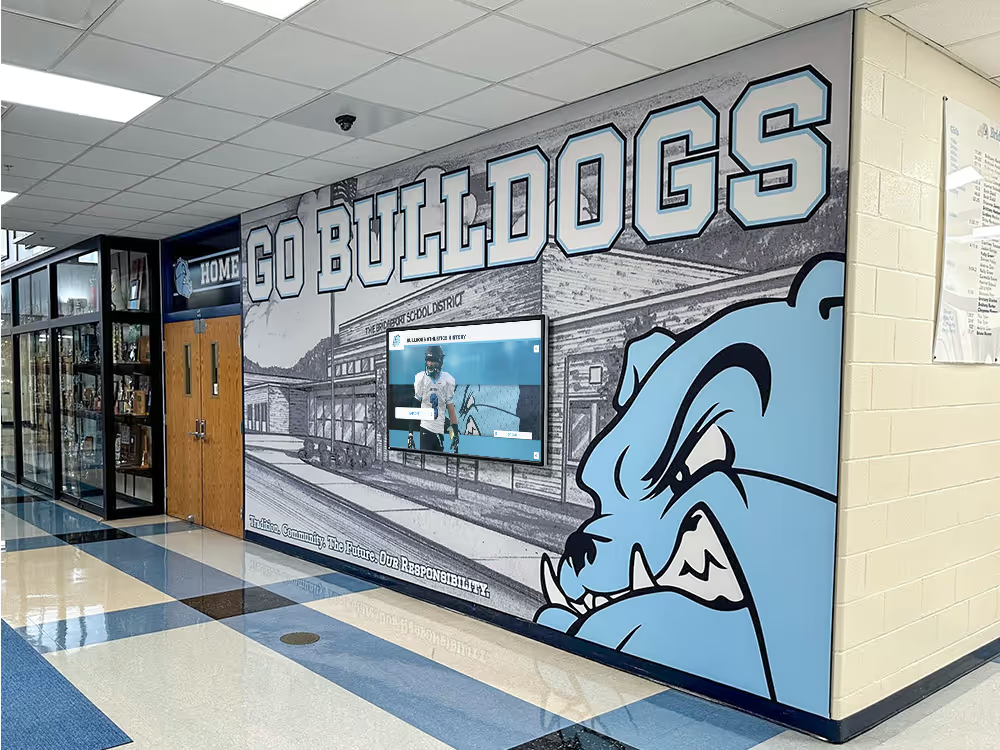
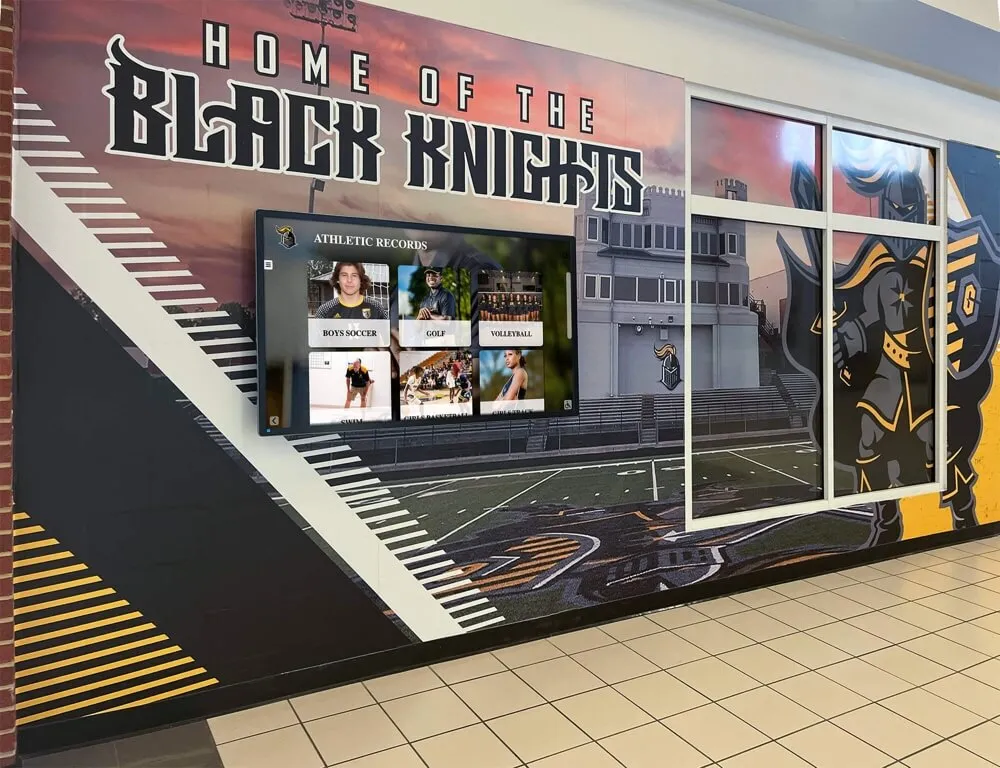
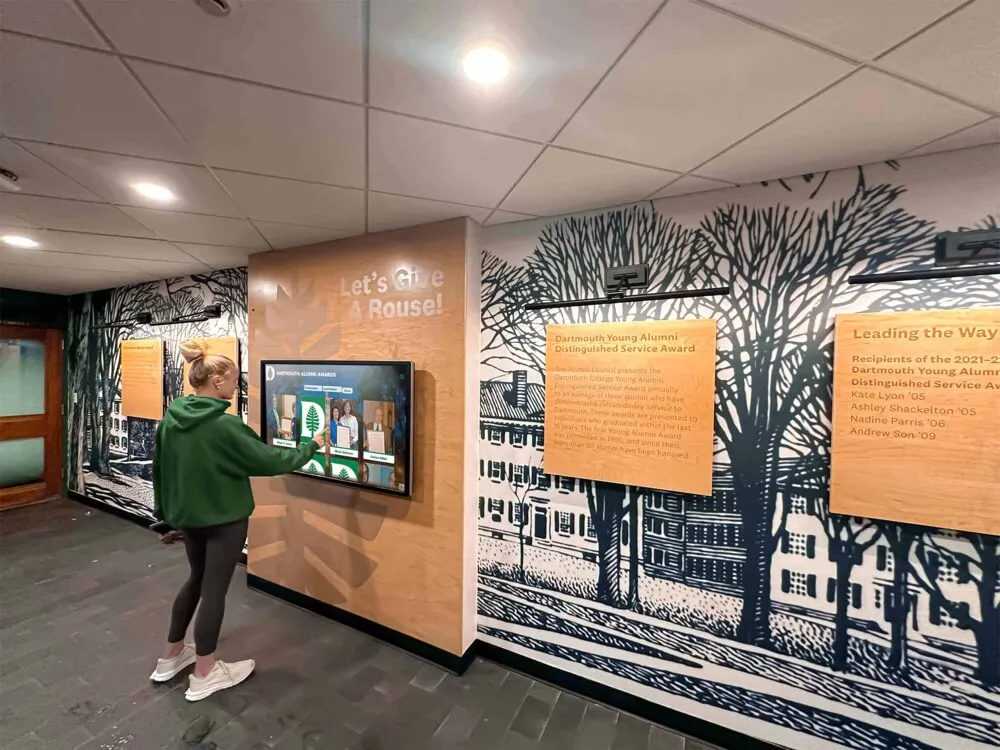
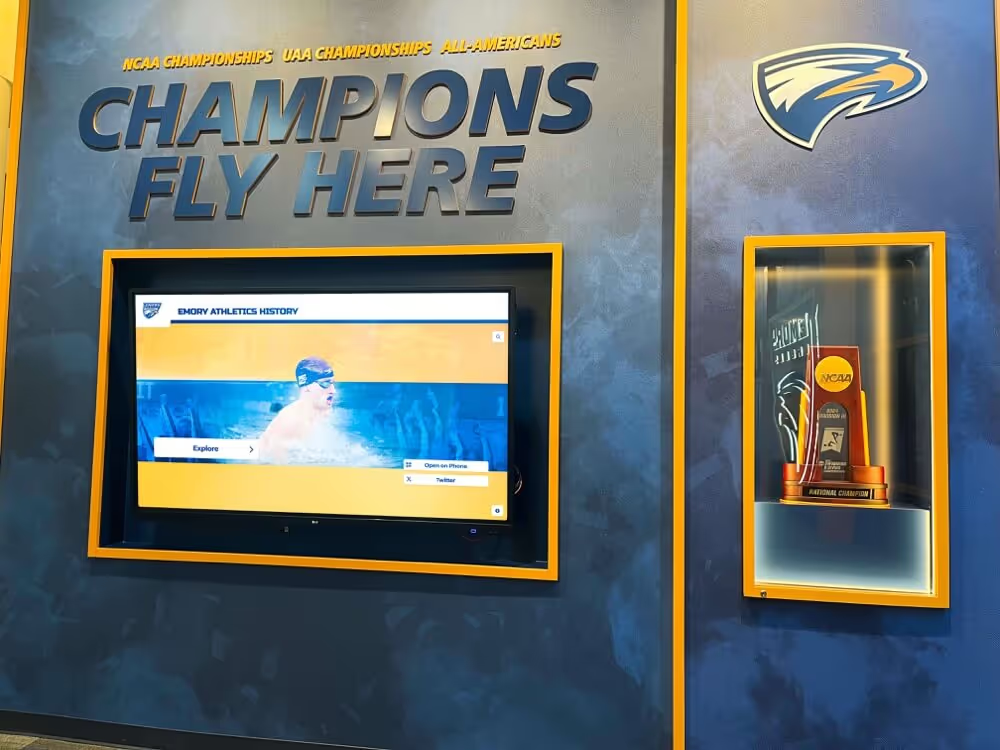
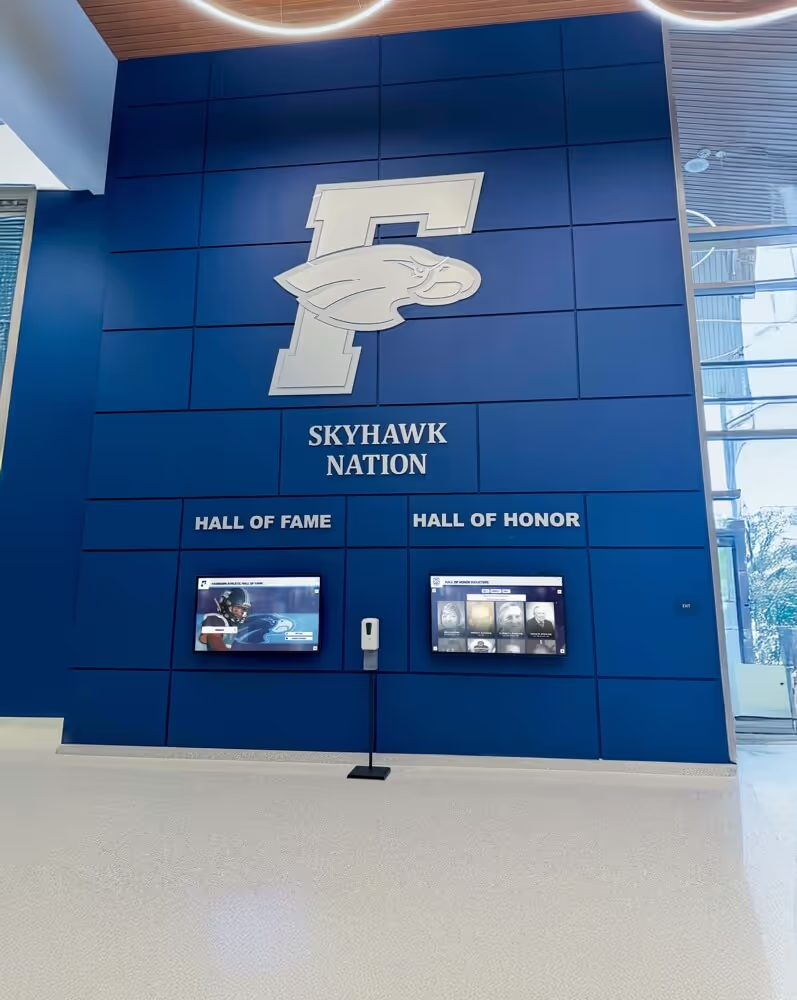
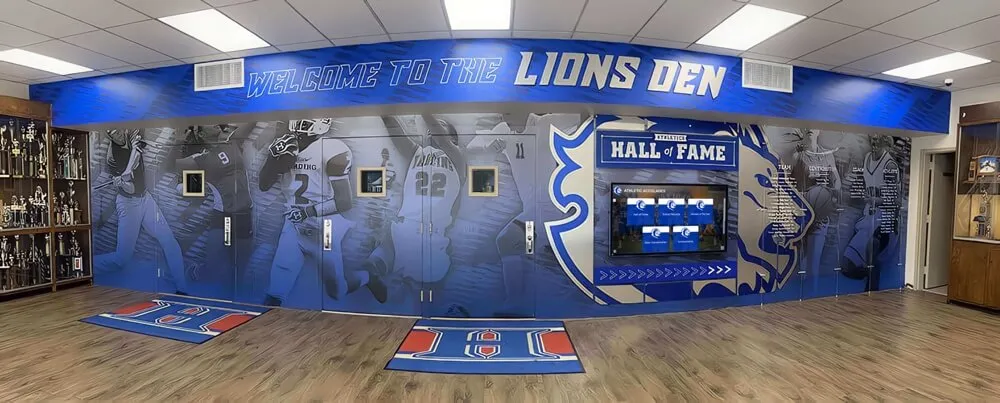
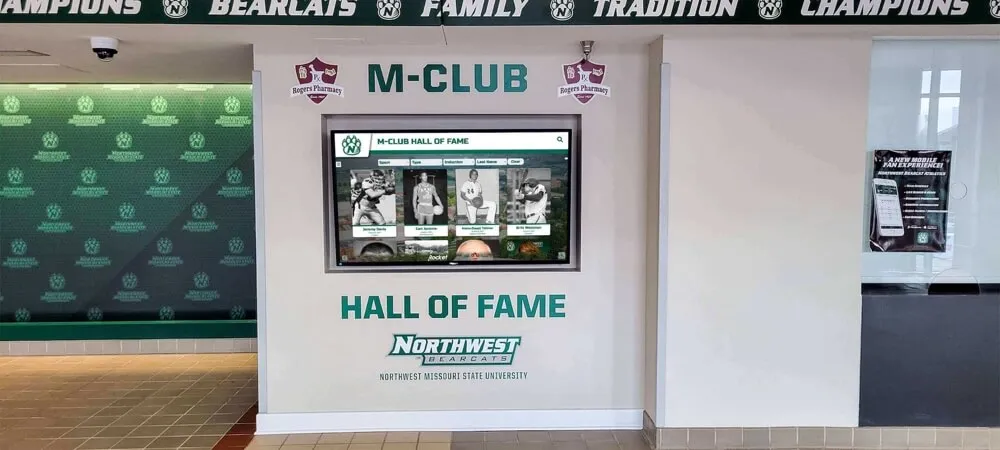
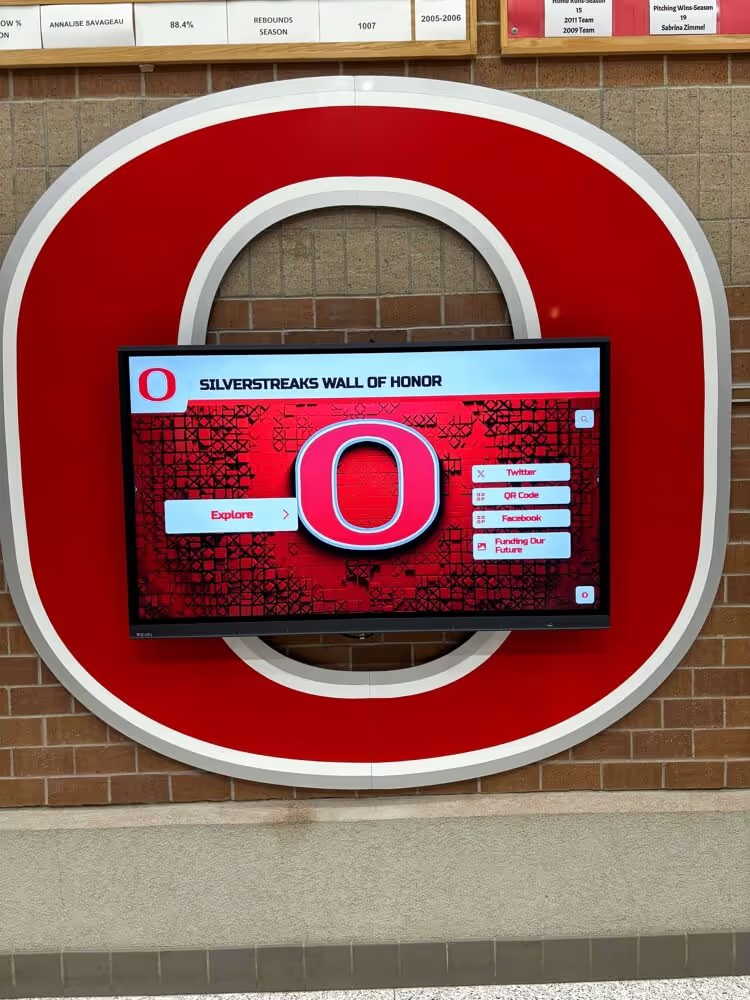
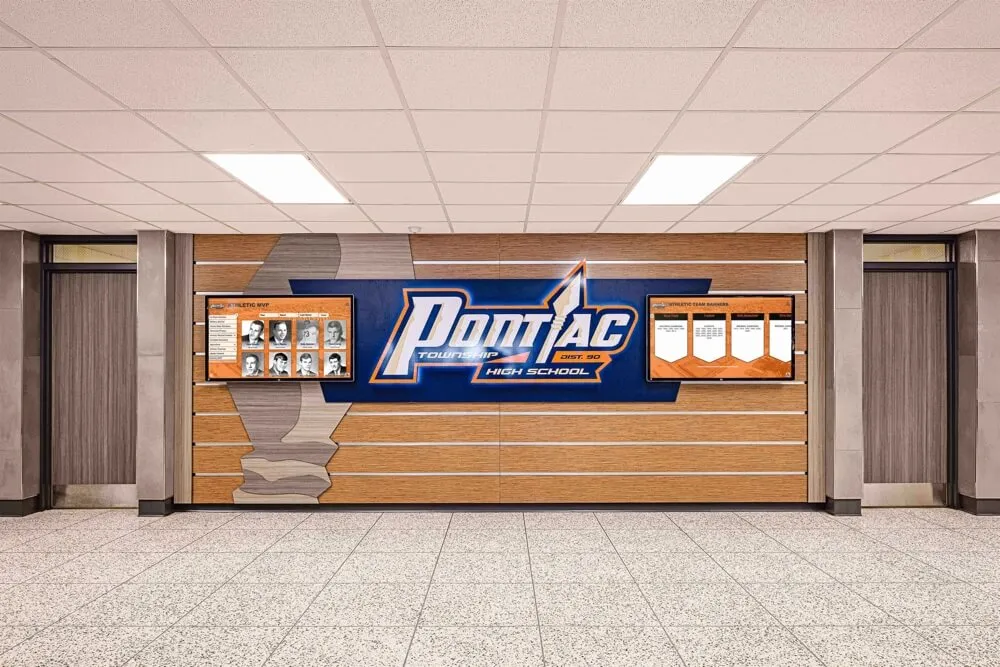
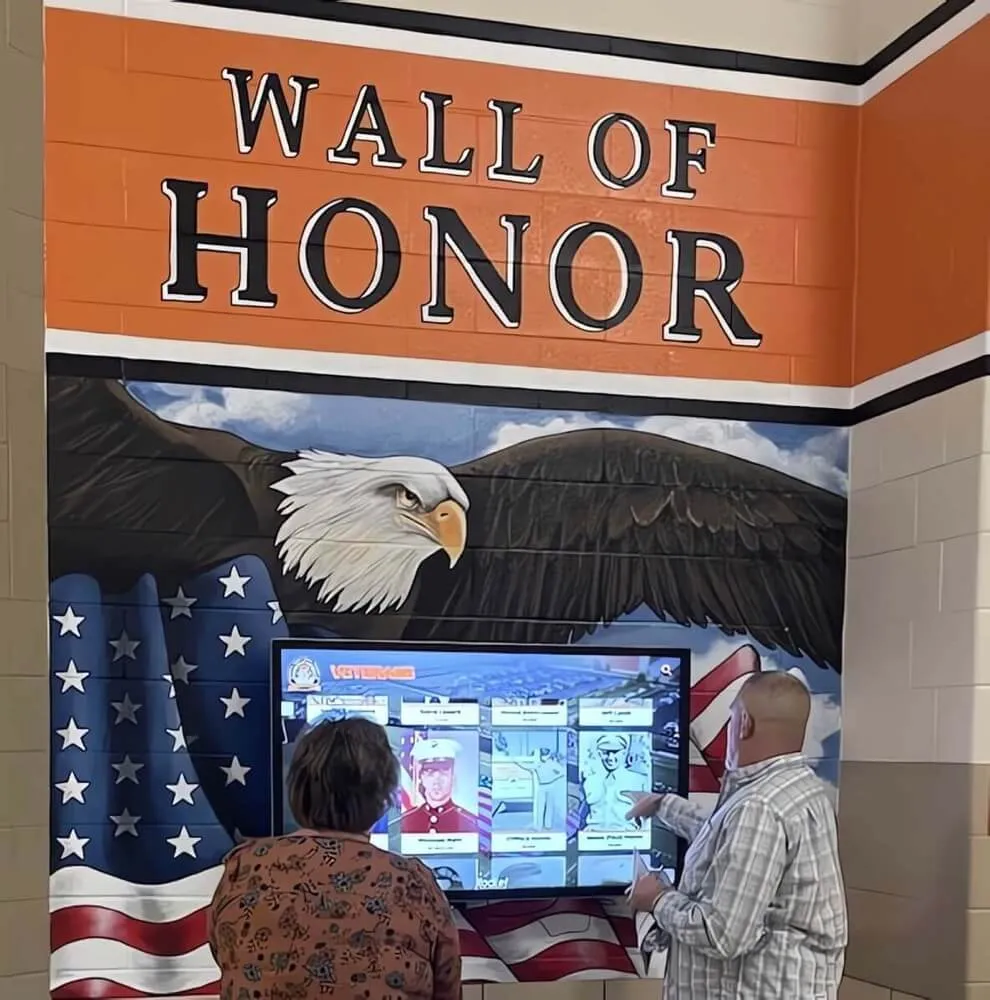
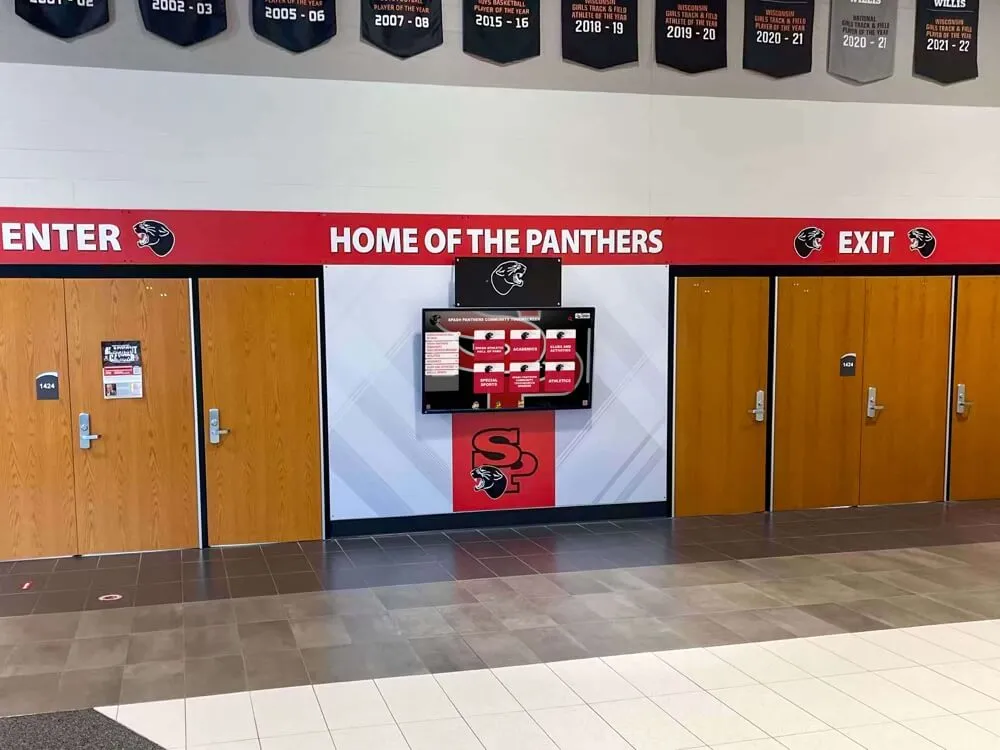
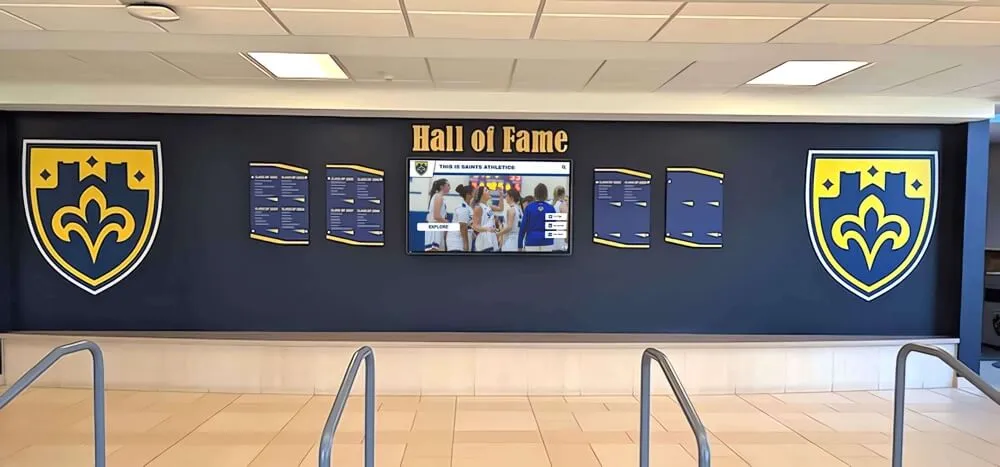
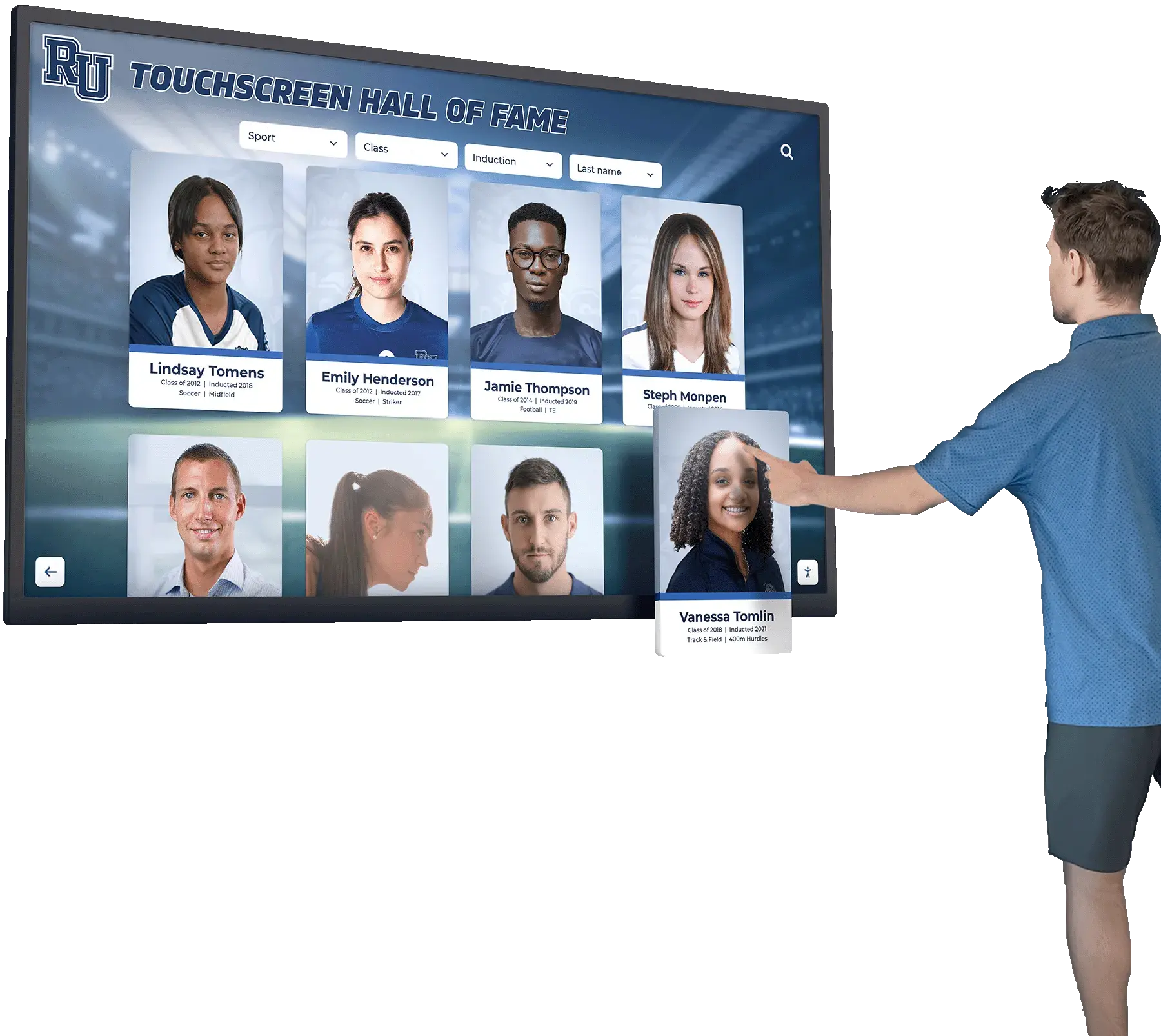
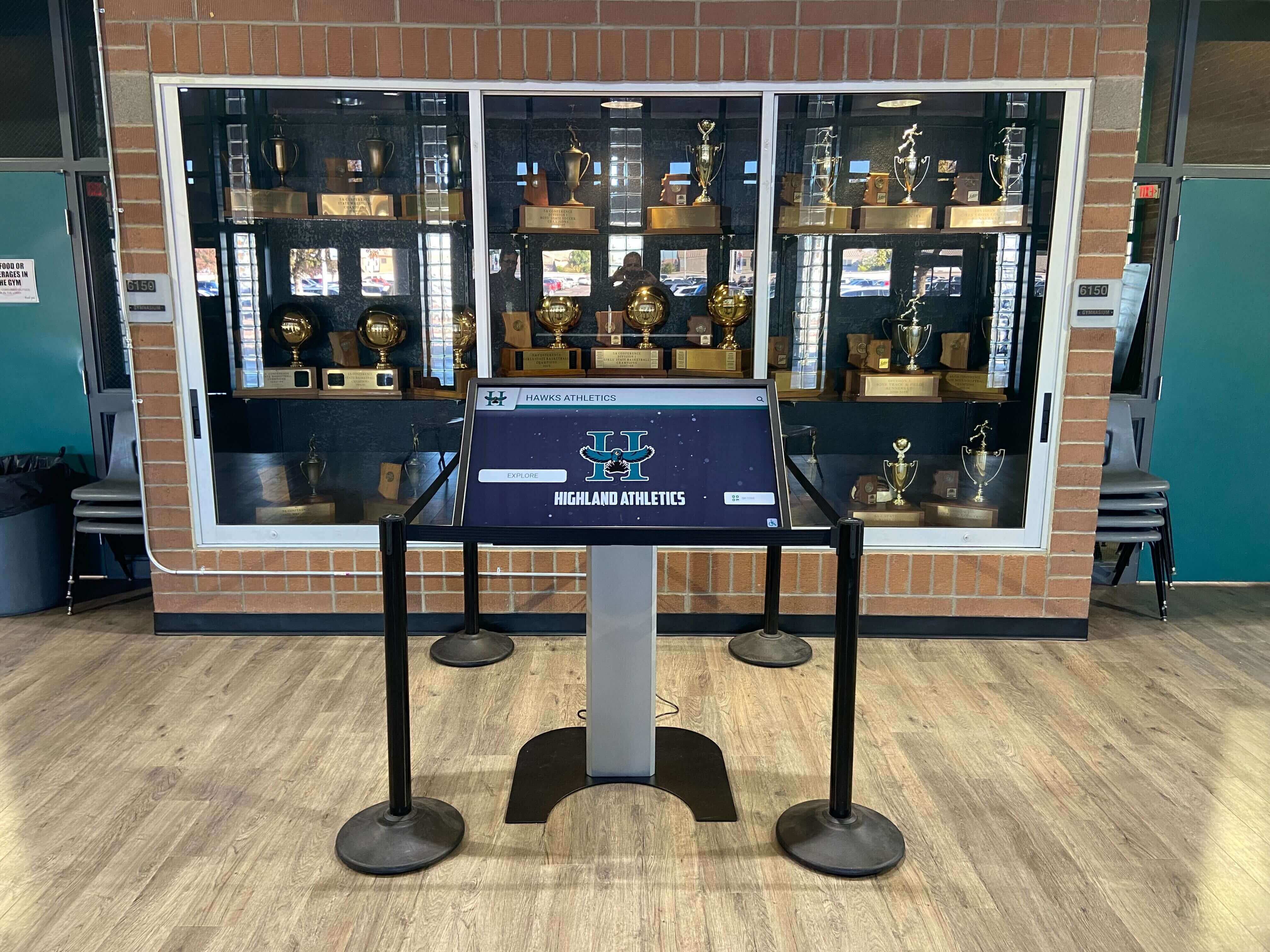
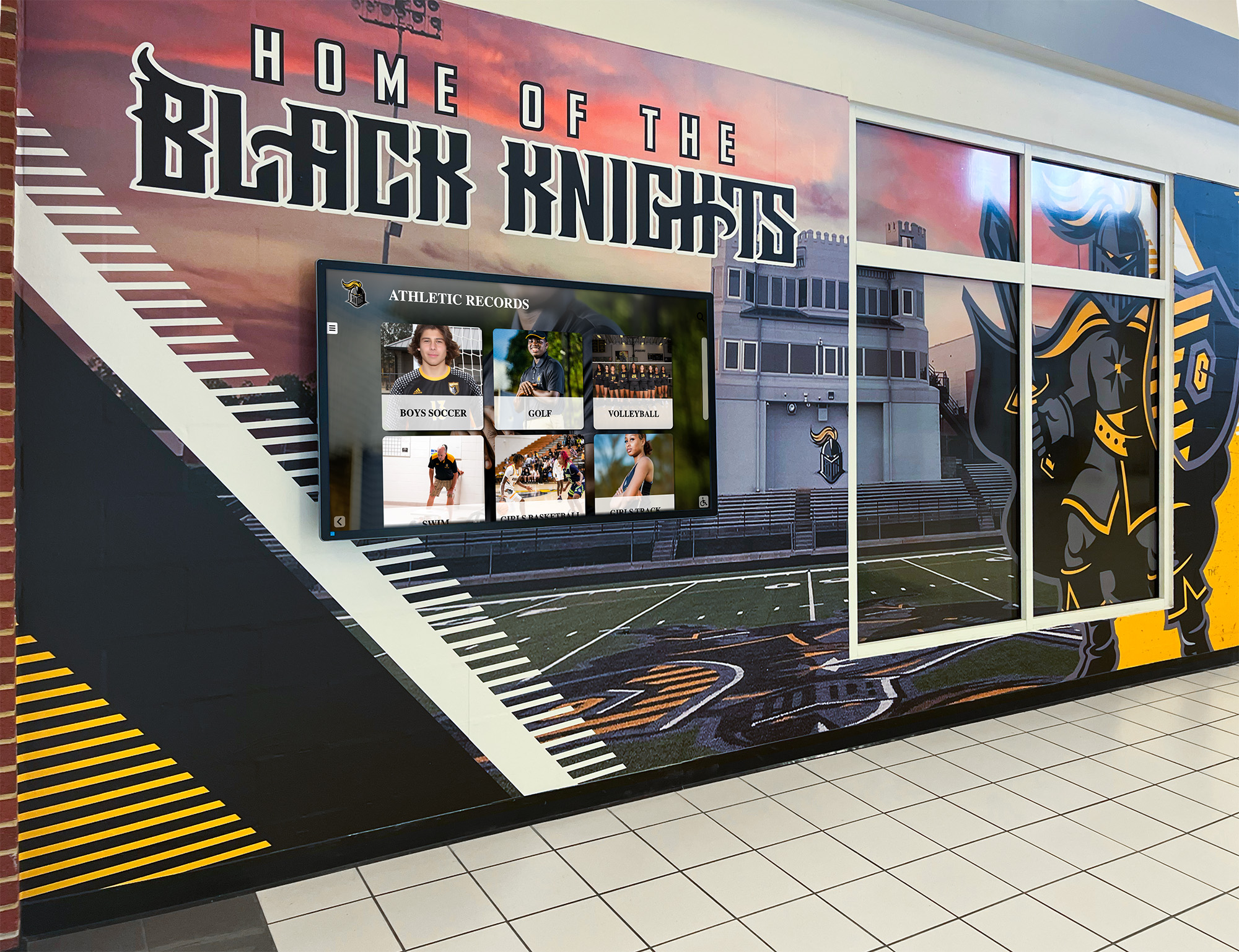
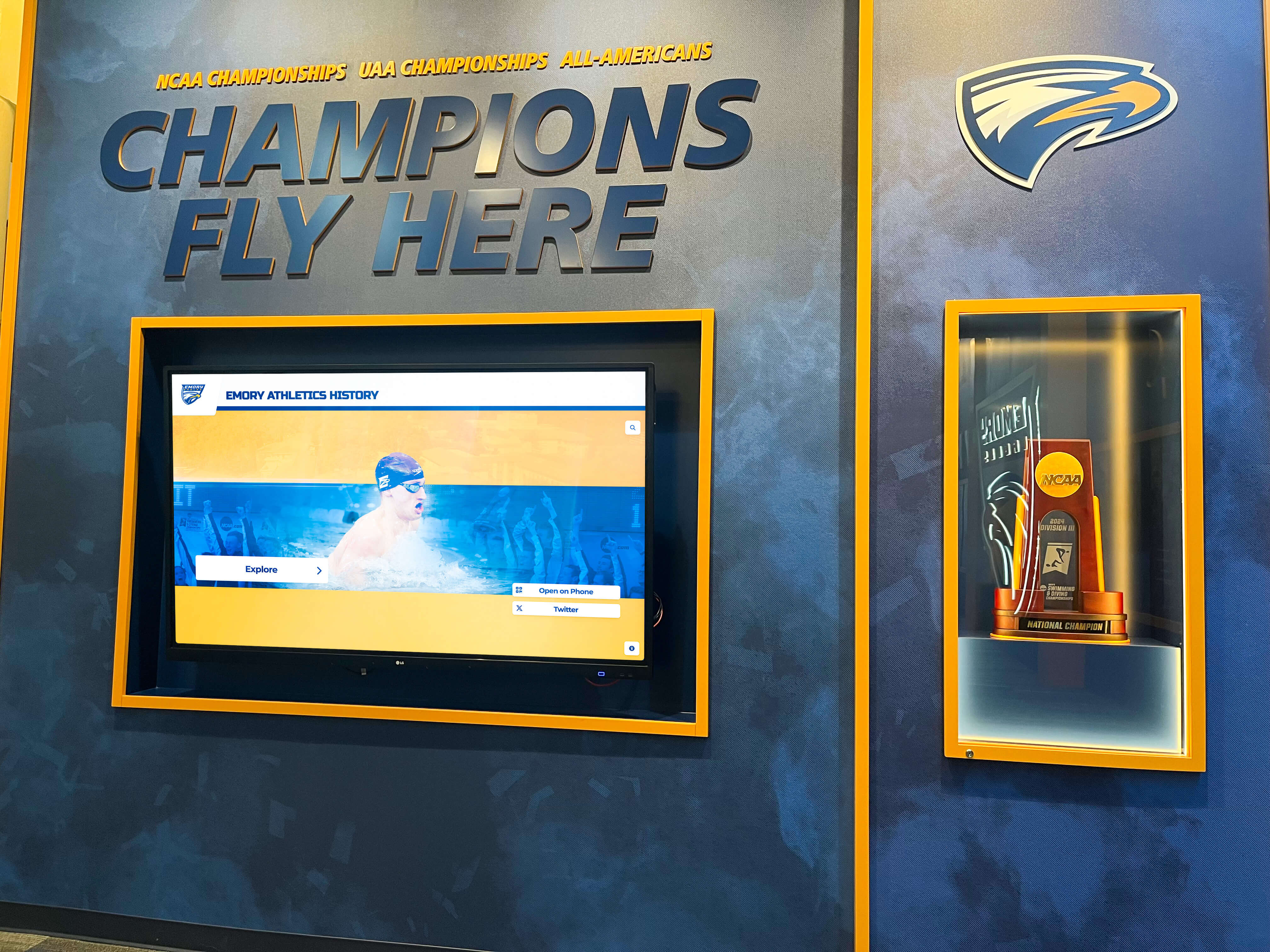
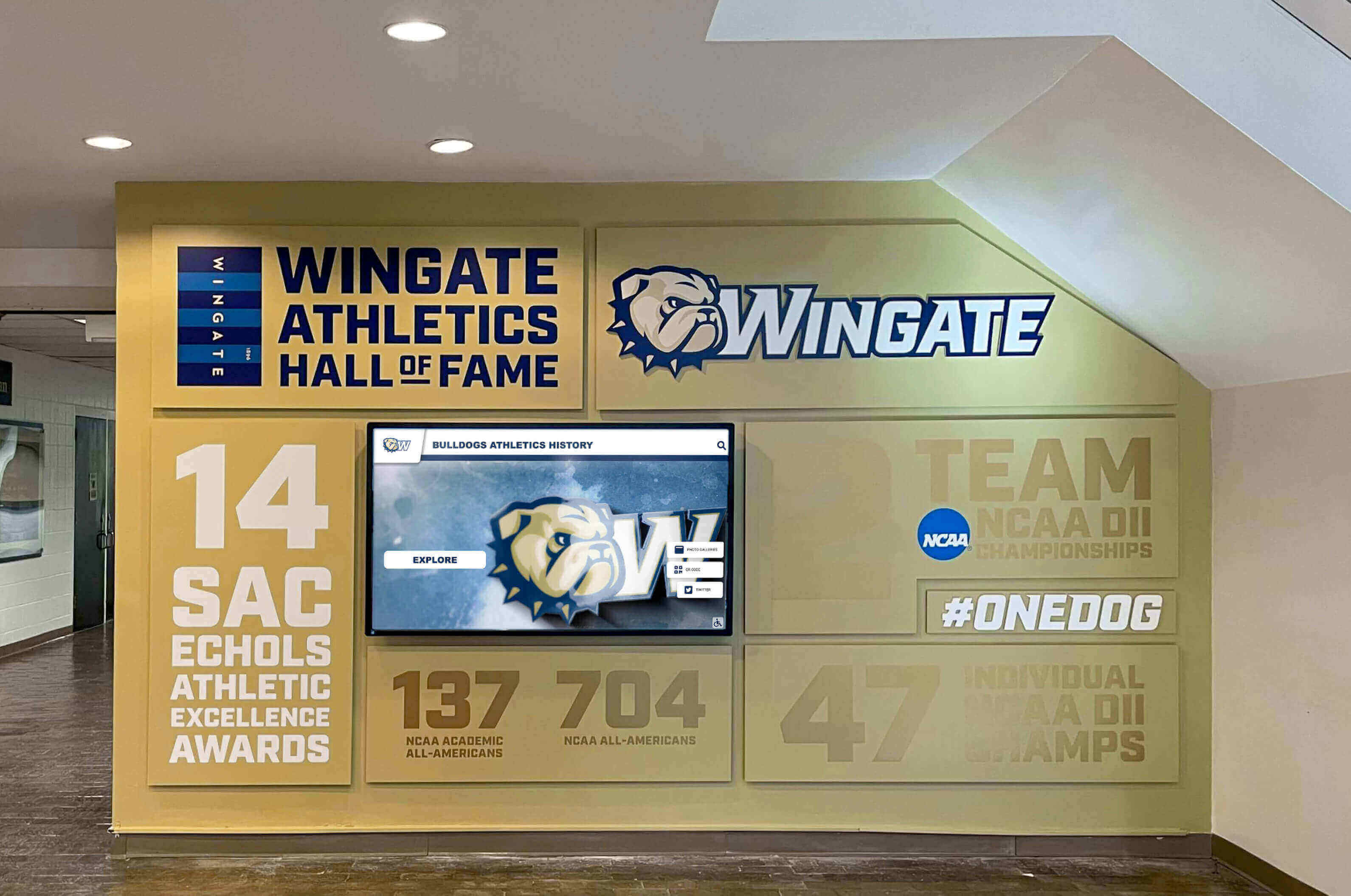
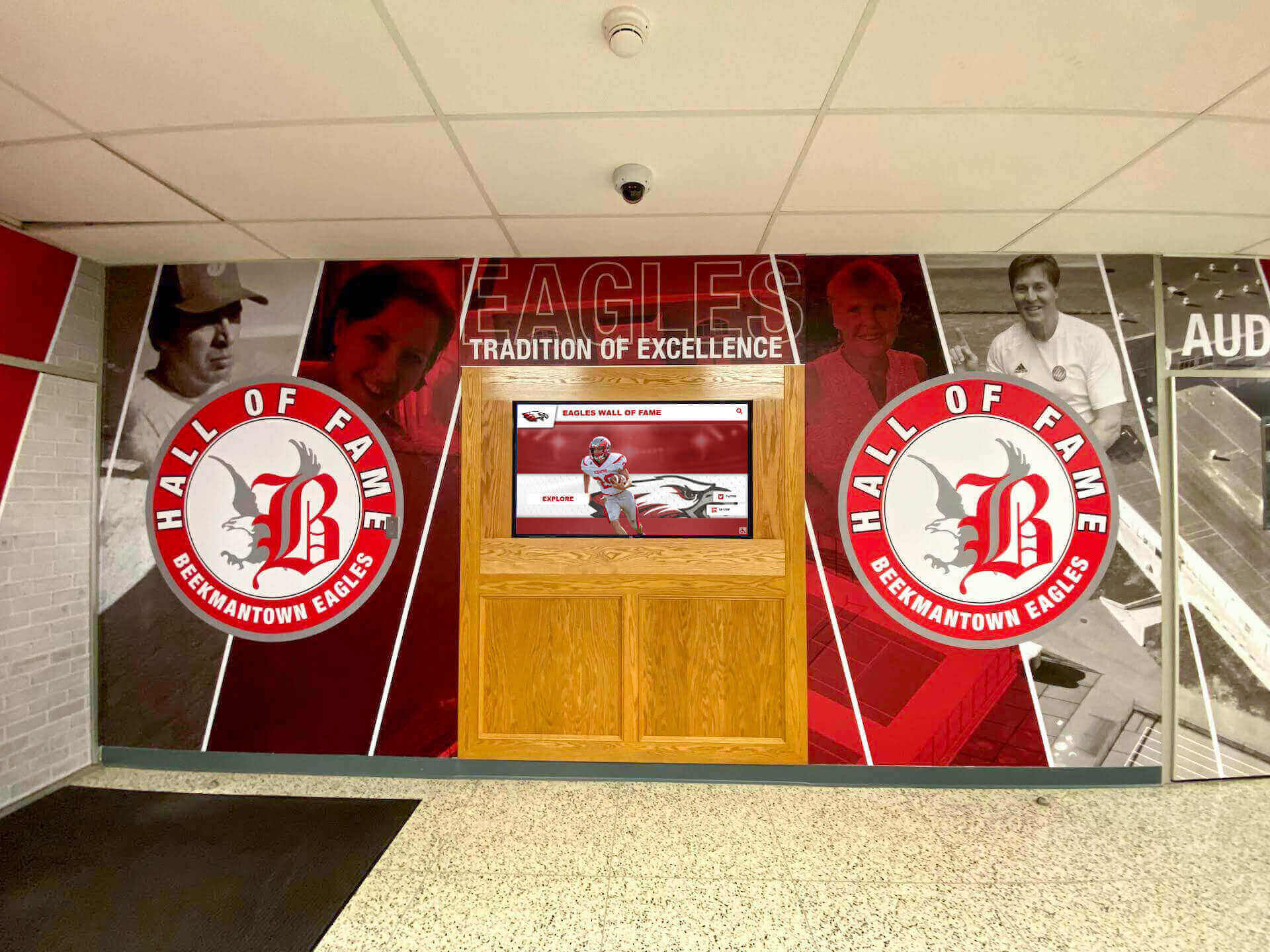
Strategic interview questions help athletic directors assess not just coaching knowledge but also educational alignment, communication skills, crisis management capabilities, and cultural fit. Modern programs increasingly leverage technology solutions like digital recognition displays to celebrate coaching achievements and build program pride—the type of strategic resource coaches should appreciate and utilize effectively.
Essential Coaching Philosophy and Approach Questions
Understanding a candidate’s fundamental coaching philosophy provides crucial insight into how they’ll actually operate your program when hired.
Core Philosophy Exploration
Begin interviews with open-ended questions revealing authentic coaching beliefs rather than rehearsed talking points.

“Describe your coaching philosophy and how it’s evolved throughout your career.”
This question reveals:
- Whether candidates possess genuine, thoughtfully developed philosophies versus generic coaching platitudes
- How they’ve grown and learned from experience rather than rigidly maintaining unchanged approaches
- Their capacity for self-reflection and professional development
- Specific influences, mentors, or experiences shaping their thinking
Strong candidates articulate clear philosophies grounded in student-athlete development principles while acknowledging how experiences modified their approaches. Weak candidates recite coaching clichés without substance or provide contradictory statements revealing shallow thinking.
“How do you balance competitive excellence with educational priorities in high school athletics?”
This critical question identifies coaches who understand interscholastic athletics’ educational mission versus those who view high school as minor league professional sports:
- Candidates should demonstrate understanding that academic eligibility represents minimum standards, not aspirational goals
- Effective responses address scheduling practices that respect academic demands
- Strong answers include specific examples of supporting athletes’ educational goals even when athletics conflicts arise
- Red flags include dismissive attitudes toward academics or suggestions that committed athletes should prioritize sports over education
The athletic director salary differences across various levels reflect the complexity of balancing these competing priorities successfully.
Program Culture and Team Development
Understanding how candidates build program culture reveals their actual leadership approach beyond stated philosophy.
“Walk me through how you develop team culture in a new program.”
Effective responses should include:
- Systematic approaches: Specific steps taken during first weeks, months, and seasons
- Athlete involvement: How players participate in culture development versus receiving top-down mandates
- Values identification: Process for establishing team values and behavioral expectations
- Accountability systems: How culture translates from abstract values to concrete behavioral standards
- Culture maintenance: Strategies ensuring culture persists through roster turnover
Look for candidates who describe structured, intentional approaches rather than vague references to “building relationships” or “establishing winning attitudes.”
“How do you handle significant talent disparities on your roster—highly skilled athletes alongside less experienced players?”
This question reveals:
- Whether candidates possess inclusive philosophies valuing all participants or focus exclusively on top performers
- Strategies for developing less-skilled athletes while keeping experienced players engaged
- Understanding of educational athletics’ role serving all participants, not just future college athletes
- Ability to build cohesive teams despite skill differences
Strong candidates describe specific practice structures, mentorship approaches, and playing time philosophies that value participation while maintaining competitive standards. Weak answers suggest benching less-skilled players permanently or treating them as practice squad members.
Player Development and Training Questions
Coaches’ actual competency appears through specific questions about skill development, training methodology, and athlete progression.
Technical and Tactical Competency
“Describe your approach to teaching [specific fundamental skill critical to your sport] to athletes who struggle with it.”
This sport-specific question assesses:
- Technical knowledge depth: Whether candidates truly understand skill mechanics versus surface-level familiarity
- Instructional methodology: Specific teaching progressions, drills, and correction techniques
- Differentiation capability: Ability to adjust instruction for different learning styles and skill levels
- Patience and persistence: Willingness to invest time developing struggling athletes
Insert a skill relevant to your sport: proper hitting mechanics in baseball, defensive positioning in basketball, stroke technique in swimming, blocking fundamentals in volleyball.
“How do you structure a typical practice session to maximize development while maintaining athlete engagement?”
Effective answers should address:
- Time allocation across warm-up, skill development, tactical work, conditioning, and cool-down
- Transition efficiency minimizing downtime between activities
- Engagement strategies keeping all athletes active and involved
- Seasonal variation as practices shift from pre-season through competition phases
- Flexibility when practice reality requires adjustment from plans
Quality coaches provide specific practice structures demonstrating systematic planning rather than vague references to “working hard” or “getting better every day.”
Long-Term Development vs. Short-Term Results
“Describe a situation where you prioritized long-term player development over winning a particular game or match.”
This behavioral question reveals:
- Whether candidates actually prioritize development or just claim to in interviews
- Specific examples demonstrating educational values in action
- How they navigate pressure to win immediately versus building sustainable programs
- Understanding that high school athletics should develop skills and character for life beyond sports
The baseball coaching tips many successful programs implement emphasize this long-term development approach.
Candidates who cannot provide specific examples may default to winning-at-all-costs mentalities when competitive pressure mounts.
Communication and Relationship Management Questions
Coaching effectiveness depends heavily on communication skills across diverse stakeholder groups.
Parent Communication and Engagement
“How do you establish communication expectations with parents at the beginning of a season?”
Strong responses include:
- Proactive communication systems: Regular updates about practice schedules, expectations, and program news
- Clear boundaries: Appropriate topics and timing for parent-coach conversations
- Structured feedback opportunities: Designated times and methods for addressing concerns
- Playing time discussions: How candidates handle the most common parent conflict source
- Documentation practices: Written communication confirming important conversations
Coaches who lack systematic parent communication approaches create problems consuming athletic director time through complaint management.
“Describe a difficult conversation you’ve had with a parent and how you handled it.”
This behavioral question assesses:
- Conflict resolution skills and composure under pressure
- Whether candidates take responsibility or blame others
- Ability to find resolution while maintaining appropriate boundaries
- Professional communication even in challenging situations
- Learning from difficult experiences
Red flags include coaches who claim they’ve never experienced parent conflicts (unlikely if they’ve coached more than one season) or those who demonstrate dismissive attitudes toward parent concerns.
Administrative Communication and Collaboration
“How do you keep your athletic director informed about program status, concerns, and needs?”
Effective coaches should describe:
- Regular communication schedules keeping ADs informed before problems escalate
- Proactive notification about potential issues, injuries, or conflicts
- Budget communication and expense tracking
- Facility needs and equipment requests submitted systematically
- Compliance documentation and eligibility monitoring
Coaches who view athletic directors as obstacles rather than partners create administrative headaches. Look for candidates who demonstrate collaborative, transparent communication approaches.
“Describe how you work with other coaches in the athletic department, particularly when schedules or facility needs conflict.”
This reveals:
- Collaborative mindset versus territorial attitudes
- Problem-solving approach when resources are limited
- Willingness to compromise and share
- Understanding that the entire athletic program matters, not just their specific sport
Athlete Communication and Mentorship
“How do you build relationships with athletes who face challenges off the field—family issues, academic struggles, mental health concerns?”
Quality responses demonstrate:
- Recognition that coaching includes supporting whole student-athletes, not just athletic performance
- Appropriate boundaries between support and professional counseling
- Knowledge of when and how to involve counselors, administrators, or other professionals
- Specific strategies for building trust enabling athletes to seek help
- Understanding of confidentiality and mandatory reporting requirements
This question matters especially given increasing focus on student-athlete mental health and wellbeing. Coaches must support athletes while recognizing limits of their expertise.
Ethical Standards and Compliance Questions
Coaches’ ethical standards protect programs from violations, sanctions, and reputational damage.
Rules Knowledge and Compliance
“How do you stay current with state association rules, league regulations, and coaching best practices?”
Strong answers include:
- Regular review of state association rule books and updates
- Attendance at required and optional coaching education sessions
- Professional organization membership and development activities
- Subscription to coaching publications or online resources
- Networking with other coaches to discuss rule interpretations
Coaches who can’t articulate specific professional development approaches may lack commitment to staying current as rules and best practices evolve.
“Describe your approach to ensuring athletes maintain academic eligibility throughout the season.”
Effective systems include:
- Regular eligibility monitoring rather than waiting for mid-term or report card notifications
- Communication with teachers about athlete academic status
- Study sessions or academic support for struggling athletes
- Consequences when athletes neglect academic responsibilities
- Understanding that coaches should support academic success, not enable minimum-effort eligibility maintenance
“Have you ever faced a situation where following the rules conflicted with competitive advantage? How did you handle it?”
This question reveals:
- Genuine commitment to ethical conduct versus situational ethics
- Whether candidates understand that rule violations risk entire program sanctions
- Willingness to compete within rules even when competitors may not
- Understanding that teaching integrity matters more than winning particular competitions
Red flags include suggestions that “everyone bends the rules” or “you do what you need to win” attitudes that eventually create serious compliance problems.
Safety and Risk Management
“Walk me through your emergency action plan procedures for a serious injury during practice or competition.”
Coaches must demonstrate:
- Specific protocols for different emergency scenarios
- Knowledge of available emergency equipment (AED locations, emergency phones)
- Communication procedures notifying athletic trainers, administrators, and emergency services
- Documentation requirements following emergencies
- Understanding of appropriate versus inappropriate first-response actions
This isn’t theoretical—coaches will face emergencies, and their preparation directly impacts athlete safety.
“How do you address concerning athlete behaviors like hazing, bullying, or harassment within your program?”
Strong responses include:
- Proactive culture-building preventing these behaviors
- Clear, communicated zero-tolerance policies
- Specific intervention protocols when issues arise
- Understanding of reporting obligations and administrative notification requirements
- Follow-through ensuring accountability versus looking the other way
Programs celebrating positive achievement through approaches like modern donor wall displays create cultures where all participants feel valued and respected.
Program Management and Administrative Competency Questions
Beyond on-field coaching, successful coaches manage complex administrative responsibilities.
Budget and Resource Management
“How do you manage team budgets to maximize impact while staying within allocated resources?”
Effective coaches demonstrate:

- Systematic budget planning aligning expenses with program priorities
- Expense tracking preventing budget overruns
- Creative resource acquisition through fundraising, donations, or partnerships
- Strategic purchasing timing and vendor relationships
- Equipment maintenance extending useful life and reducing replacement needs
Coaches who demonstrate financial responsibility protect athletic directors from budget problems and make limited resources stretch further.
“What’s your approach to equipment selection, purchasing, and inventory management?”
Quality answers address:
- Safety as primary consideration in equipment selection
- Balance between quality and cost in purchasing decisions
- Inventory systems tracking equipment condition and distribution
- Accountability systems ensuring athletes maintain assigned equipment
- Replacement planning for worn or outdated equipment
Scheduling and Logistics Coordination
“How do you coordinate practice schedules, facility usage, transportation, and other logistics for your program?”
Strong candidates describe:
- Communication systems coordinating with athletic directors and facility managers
- Advance planning that avoids last-minute requests or conflicts
- Backup plans for weather, facility closures, or schedule changes
- Transportation arrangement and appropriate athlete supervision
- Contest scheduling considering competitive balance, travel logistics, and educational calendar
Coaches who handle logistics professionally reduce athletic director workload; those who create constant scheduling emergencies consume excessive administrative time.
Recruitment and Team Building
“If you inherit a program with low participation numbers, what strategies would you use to build roster numbers?”
Effective approaches include:
- Outreach to physical education classes and other student groups
- Youth program connections creating interest pipelines
- Positive culture building that generates word-of-mouth recruitment
- Accessible entry points for athletes without extensive prior experience
- Partnership with other sports avoiding conflicts that force students to choose
- Recognition approaches celebrating all participants, not just stars
Athletic directors value coaches who build programs rather than managing inevitable decline.
Scenario-Based and Behavioral Interview Questions
Hypothetical scenarios reveal how candidates approach complex situations without predetermined answers.
Crisis Management Scenarios
“A parent calls you extremely upset because their child, usually a starter, didn’t play in last night’s important game. They demand an explanation and suggest you’re treating their child unfairly. How do you handle this call?”
Assess candidates’ responses for:
- Remaining calm and professional despite emotional confrontation
- Active listening allowing parents to express concerns
- Explaining decision-making rationale without becoming defensive
- Maintaining appropriate boundaries about coaching decisions
- Scheduling in-person follow-up if phone conversation proves inadequate
- Documenting conversation and potentially involving athletic director
“You discover that your best player, critical to playoff hopes, has violated team rules that normally result in suspension. The player’s parents are major boosters who donate significantly to your program. What do you do?”
This scenario reveals:
- Genuine commitment to consistent rule enforcement versus situational ethics
- Understanding that preferential treatment destroys team culture
- Willingness to prioritize program integrity over short-term competitive advantage
- Communication approach with athletes, parents, and administration
- Recognition that how you handle one violation sets precedent for all future situations
The coach gift ideas many programs implement celebrate coaches who demonstrate consistent integrity in difficult situations.
Competitive Pressure Scenarios
“You’re in your third season coaching a traditionally successful program, but you’ve posted losing records each year. Community pressure is mounting, boosters are unhappy, and you’re hearing criticism. How do you respond to this situation?”
Strong responses demonstrate:
- Objective assessment of program status and improvement indicators beyond win-loss records
- Specific plan for addressing weaknesses and building toward competitiveness
- Communication strategy keeping stakeholders informed about progress
- Resilience under pressure while remaining realistic about timeline
- Understanding of when to adjust approach versus staying the course
- Appropriate involvement of athletic director in stakeholder management
“Your league rival runs up the score on you badly, celebrating excessively and showing poor sportsmanship. How do you address this during and after the game?”
Look for:
- Maintaining composure and professionalism despite frustration
- Appropriate in-game response keeping athletes focused and composed
- Post-game messaging to athletes about handling adversity with class
- When and how to address opposing coach’s conduct
- Learning opportunities from difficult competitive experiences
- Avoiding inflammatory social media or public responses
Diversity and Inclusion Scenarios
“A parent expresses concern that you’re not giving their child adequate opportunity due to the child’s race, gender identity, or other protected characteristic. How do you handle this serious accusation?”
Candidates should demonstrate:
- Taking all discrimination concerns seriously regardless of merit
- Immediate involvement of athletic director and appropriate administrators
- Factual documentation of playing time, performance assessments, and decision rationale
- Self-reflection about potential unconscious bias
- Professional response avoiding defensive reactions
- Understanding of legal and ethical implications
This scenario tests whether candidates understand the gravity of discrimination concerns and respond appropriately.

Red Flags to Watch During Coaching Interviews
Beyond question responses, observe warning signs suggesting problematic hires.
Communication Red Flags
Watch for candidates who:
- Speak negatively about previous athletes, parents, or administrators
- Take no responsibility for past failures, blaming others exclusively
- Interrupt frequently or dominate conversations without listening
- Demonstrate dismissive attitudes toward concerns or questions
- Provide vague, evasive answers to direct questions
- Show significant inconsistencies between different responses
Philosophy and Approach Red Flags
Concerning indicators include:
- Winning-at-all-costs mentalities showing no educational alignment
- Rigid, inflexible approaches resistant to adaptation or growth
- Excessive focus on college recruiting versus high school development
- Authoritarian approaches lacking athlete input or collaboration
- Dismissive attitudes toward non-athletic aspects of student experience
- No evidence of professional development or coaching education
Interpersonal Red Flags
Warning signs include:
- Arrogance suggesting they know better than everyone
- Inability to accept feedback or coaching from you during interview
- Defensive reactions to legitimate questions
- Excessive self-promotion without substance
- Poor body language or unprofessional presentation
- Inappropriate comments about athletes, officials, or competitors
Trust these instincts. Candidates showing red flags in interviews typically amplify these concerning behaviors when hired.
Questions Candidates Should Ask You
Strong coaching candidates ask thoughtful questions revealing their priorities and professionalism.
Program-Focused Questions
Quality candidates inquire about:
- “What do you see as the program’s greatest strengths and areas needing improvement?”
- “How would you describe the athletic department culture and collaboration among coaches?”
- “What resources and support systems exist for this program?”
- “What are your expectations for this program in the next 3-5 years?”
These questions show candidates thinking strategically about program building rather than just securing jobs.
Support and Resource Questions
Thoughtful candidates ask:
- “What professional development opportunities exist for coaches?”
- “How does the athletic department handle coaching education and certification requirements?”
- “What budget constraints should I understand from the beginning?”
- “What facilities, equipment, and technology resources are available?”
These questions demonstrate realistic planning and resource consciousness.
Programs implementing boosting admissions through interactive campus storytelling often attract coaches who appreciate modern approaches to program building.
Evaluation and Accountability Questions
Strong candidates want to understand:
- “How are coaches evaluated, and what metrics matter most?”
- “What does success look like for this position in year one, year three, and year five?”
- “How do you handle conflicts between coaches and parents or other stakeholders?”
- “What’s your communication preference—how often and through what channels should we connect?”
These questions show candidates thinking about accountability and partnership rather than autonomy without oversight.
Structuring the Complete Interview Process
Beyond individual questions, structure comprehensive interview processes ensuring thorough evaluation.
Pre-Interview Preparation
Before interviews, complete:
Application Review
- Resume analysis identifying experience gaps or concerning patterns
- Reference check with previous supervisors, athletic directors, and colleagues
- Background check verification
- Certification and licensure verification
- Social media review checking for unprofessional content
Interview Panel Assembly
- Include athletic director, administrator, and potentially experienced coach
- Consider student-athlete or parent representative for perspective
- Brief panel on questions, evaluation criteria, and legal boundaries
Question Development
- Prepare core questions for all candidates ensuring fair comparison
- Develop sport-specific technical questions
- Create scenario questions relevant to your program’s specific challenges
- Plan behavioral questions revealing past performance
Interview Structure and Timeline
Effective interviews typically include:
Initial Interview (45-60 minutes)
- Introduction and rapport building
- Core philosophy and approach questions
- Experience and background exploration
- Scenario-based questions
- Candidate questions
- Next steps communication
Second Interview for Finalists (60-90 minutes)
- Facility tour and program resource review
- Deeper technical and strategic questions
- Meeting with current athletes or assistant coaches
- Detailed discussion of vision and implementation plan
- Compensation and contract discussion
Reference Checks
- Structured conversations with provided references
- Potentially back-channel references from trusted colleagues
- Specific questions about areas of concern from interviews
The scholarship recommendation letter templates quality programs develop demonstrate the comprehensive evaluation approach effective hiring requires.
Legal Considerations in Coaching Interviews
Athletic directors must understand legal boundaries in interview questions.
Prohibited Questions
Never ask about:
- Age, race, national origin, religion, gender identity, or sexual orientation
- Marital status, family planning, or childcare arrangements
- Disabilities unless directly relevant to essential job functions with reasonable accommodation
- Arrest records (conviction records may be permissible depending on state law)
Permissible Alternatives
Instead of prohibited questions, ask:
- “Are you authorized to work in the United States?” (not “Where were you born?”)
- “Can you work the schedule this position requires?” (not “Do you have childcare arranged?”)
- “Can you perform the essential functions of this position with or without reasonable accommodation?” (not “Do you have any disabilities?”)
Consult with district human resources or legal counsel if uncertain about question appropriateness. Illegal interview questions create liability regardless of hiring decision.
Evaluating Interview Responses
Systematic evaluation frameworks ensure consistent, objective candidate assessment.
Response Evaluation Rubric
Rate candidates on each question using consistent criteria:
Excellent Response (4 points)
- Specific, detailed examples demonstrating competency
- Thoughtful reflection and professional insight
- Clear alignment with program values and objectives
- Evidence-based reasoning and systematic approaches
Good Response (3 points)
- Adequate specificity with some detail
- General alignment with expectations
- Reasonable approaches though perhaps not exceptional
- Some concrete examples supporting claims
Fair Response (2 points)
- Vague or generic answers lacking specificity
- Partial alignment with program needs
- Missing important components
- Limited evidence supporting claims
Poor Response (1 point)
- No specificity, entirely generic platitudes
- Misalignment with program values or expectations
- Red flags or concerning indicators
- Inability to provide examples or substance
No Response (0 points)
- Cannot answer question or provides irrelevant response
- Completely inappropriate or disqualifying answer
Weighted Category Scoring
Weight different question categories based on position priorities:
For head coach positions, consider:
- Program leadership and vision: 25%
- Technical coaching competency: 20%
- Communication and relationship management: 20%
- Ethical standards and compliance: 20%
- Administrative and organizational skills: 15%
Adjust weights based on specific program needs. Rebuilding programs may weight leadership higher; programs with compliance history may emphasize ethical standards more heavily.
Comparative Candidate Analysis
After all interviews, create comparison matrix:
| Candidate | Leadership | Technical | Communication | Ethics | Admin | Total | Concerns |
|---|---|---|---|---|---|---|---|
| Candidate A | 22/25 | 16/20 | 18/20 | 19/20 | 13/15 | 88/100 | Limited big-school experience |
| Candidate B | 20/25 | 19/20 | 15/20 | 20/20 | 14/15 | 88/100 | Parent communication concerns |
| Candidate C | 18/25 | 20/20 | 17/20 | 18/20 | 12/15 | 85/100 | Less leadership experience |
This systematic comparison prevents decisions based primarily on likability or interview performance rather than genuine qualifications.
Post-Interview Process and Final Selection
After completing interviews and evaluations, finalize selection systematically.
Reference Check Best Practices
Structured reference conversations should ask:
- “In what capacity did you work with this candidate, and for how long?”
- “How would you describe their coaching strengths and areas for development?”
- “Can you provide a specific example of how they handled a challenging situation?”
- “How would you characterize their communication with athletes, parents, and administrators?”
- “Would you hire this person again if you had the opportunity?”
- “Is there anything else I should know that would help me make an informed hiring decision?”
Pay attention not just to what references say, but what they don’t say. Hesitation, vague responses, or lack of enthusiasm often indicate concerns references won’t state directly.
Making the Final Decision
Select candidates based on:
- Comprehensive interview performance across all evaluation categories
- Reference feedback confirming or questioning interview impressions
- Cultural fit with program, department, and institution
- Specific competencies matching your current program needs
- Growth potential and professional development trajectory
Sometimes the “best” candidate on paper isn’t the best fit for your specific program. Consider not just absolute qualifications but alignment with your current context and needs.
Formal Offer and Contract Negotiation
Once selected, formalize hiring through:
Offer Letter Components
- Position title and sport assignment
- Compensation including base salary and stipends
- Contract duration and renewal process
- Key responsibilities and expectations
- Required certifications and professional development
- Reporting structure and evaluation timeline
Contract Details
- Specific performance expectations and metrics
- Termination clauses and buyout provisions
- Outside income and camp approval processes
- Professional conduct and ethical standards
- Compliance with policies and regulations
Work with district human resources and legal counsel ensuring contracts protect both institution and coach while clearly establishing expectations.
Programs that celebrate success through sports banquet traditions and most improved athlete recognition create environments where quality coaches thrive.
Supporting New Coaches After Hiring
The interview process ends, but supporting new coaches continues.
Comprehensive Onboarding
Effective onboarding includes:
- Administrative training: Budget systems, facility reservations, equipment ordering, scheduling procedures
- Compliance education: State association rules, league regulations, eligibility requirements, safety protocols
- Stakeholder introductions: Other coaches, administrators, support staff, booster leadership
- Resource orientation: Available equipment, facility access, technology systems, recognition resources
- Expectation clarification: Communication protocols, evaluation processes, decision-making authority
Thorough onboarding prevents early mistakes and accelerates new coach effectiveness.
First-Year Support and Mentorship
Assign experienced coaches as mentors providing:
- Informal guidance navigating program culture and unwritten expectations
- Practical advice managing common challenges
- Support network reducing isolation
- Feedback on performance separate from formal evaluation
- Professional development opportunities and conference attendance
Programs implementing comprehensive support systems like digital signage services provide coaches tools celebrating achievements while managing resources effectively.
Regular Check-Ins and Feedback
Schedule consistent conversations throughout first year:
- Monthly meetings during season discussing progress, challenges, and support needs
- Mid-season informal evaluation providing feedback before formal review
- Post-season comprehensive evaluation assessing first-year performance
- Off-season planning conversations preparing for year two
This ongoing communication prevents surprises during formal evaluation and ensures new coaches receive support needed for success.
Conclusion: Building Winning Programs Through Strategic Hiring
The coaching interview represents your single most important opportunity to evaluate candidates before making hiring decisions that profoundly impact your athletic program’s future. Strategic interview questions going beyond surface-level conversations reveal how coaches actually think, make decisions, handle pressure, develop athletes, and align with educational values that define successful interscholastic athletics.
Effective athletic directors approach coaching interviews systematically rather than casually, developing comprehensive question sets addressing philosophy, technical competency, communication skills, ethical standards, administrative capabilities, and cultural fit. They structure evaluation frameworks ensuring consistent, objective candidate assessment across multiple dimensions. They recognize red flags indicating problematic hires regardless of impressive credentials or interview performance. And they understand that asking the right questions in the right ways differentiates genuinely qualified candidates from those who interview well but lack substance.
The investment in thorough interview preparation, execution, and evaluation pays dividends through successful coaching hires who build competitive programs, develop student-athletes comprehensively, maintain ethical standards, communicate effectively with stakeholders, and represent your institution with professionalism and integrity. Conversely, inadequate interview processes result in poor hiring decisions creating years of underperformance, conflict, turnover, and program decline.
Whether hiring your first coach or your fiftieth, treat each interview as the critical opportunity it represents. Prepare thoughtfully, ask strategically, evaluate systematically, and select candidates whose competencies, character, and commitment match your program’s needs and values. The quality of your coaching staff determines the quality of your athletic program—and strategic interview questions help ensure you identify coaches capable of building the winning programs your student-athletes, institution, and community deserve.
Ready to celebrate the coaching excellence and program achievements strategic hiring produces? Discover how Rocket Alumni Solutions’ digital recognition displays help athletic directors honor coaching achievements, showcase program success, and build the culture of excellence that attracts and retains quality coaches who transform athletic programs.
This guide reflects current best practices in coaching interviews and athletic administration as of April 2026. Specific interview requirements and legal considerations vary by state and institution. Athletic directors should consult with district human resources and legal counsel regarding interview protocols, permissible questions, and employment law compliance. Coaching qualification standards based on current state association and professional organization requirements.