



Class reunions represent more than nostalgic gatherings—they’re powerful opportunities to rebuild connections, celebrate shared experiences, and strengthen alumni bonds that benefit individuals and institutions alike. Yet many reunion planning committees struggle to create events that genuinely engage attendees beyond superficial reminiscing. The challenge extends beyond logistics: exceptional reunions require thoughtful planning combining compelling activities, meaningful recognition opportunities, and environments encouraging authentic reconnection rather than awkward small talk between strangers who once shared classrooms.
The most successful class reunions balance nostalgia with forward-looking celebration, honoring shared history while acknowledging how classmates have grown and achieved since graduation. These events create memorable experiences attendees eagerly anticipate rather than obligation-driven gatherings people attend from duty rather than genuine excitement. Effective planning transforms reunions from pleasant but forgettable evenings into meaningful community experiences that inspire ongoing connection extending far beyond single-event attendance.
Why Strategic Reunion Planning Creates Lasting Impact
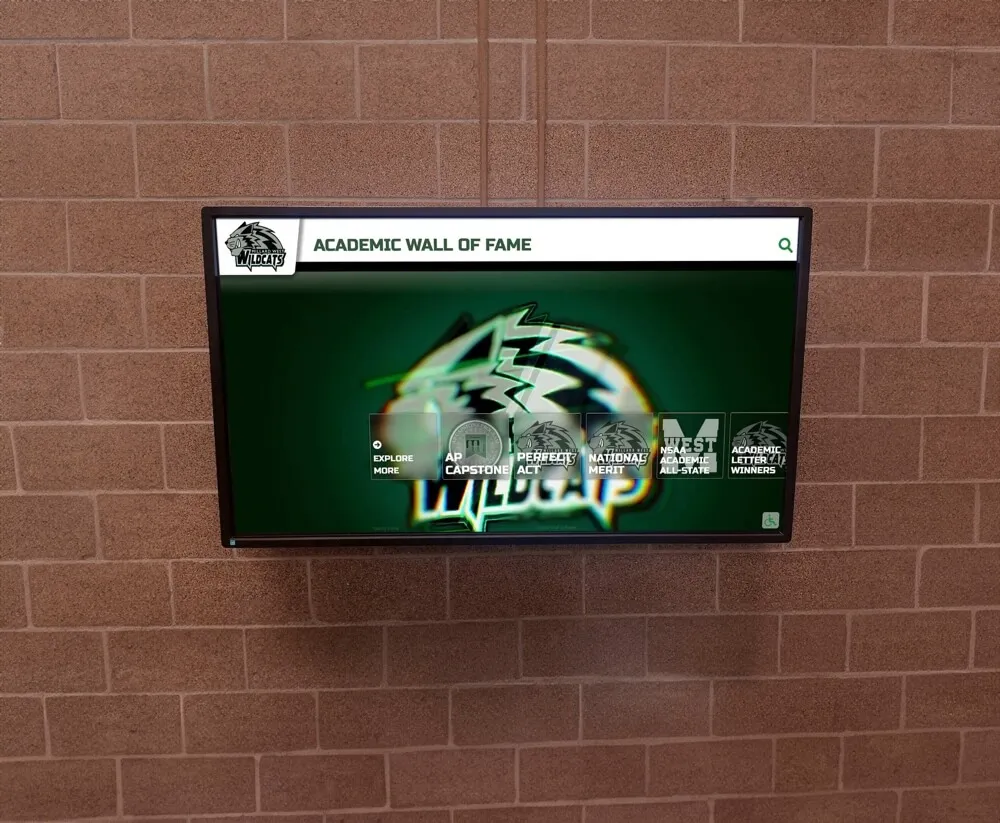
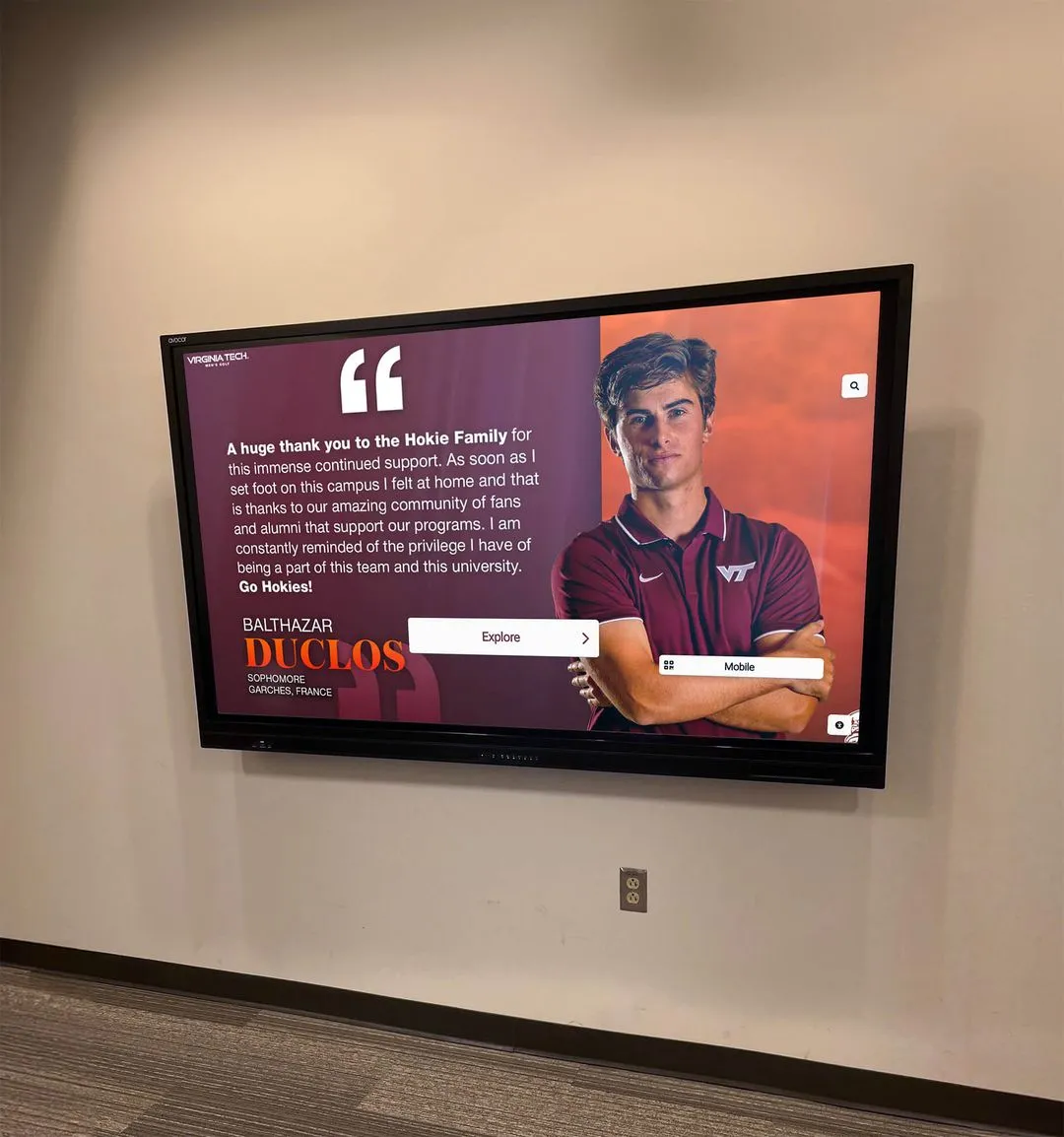
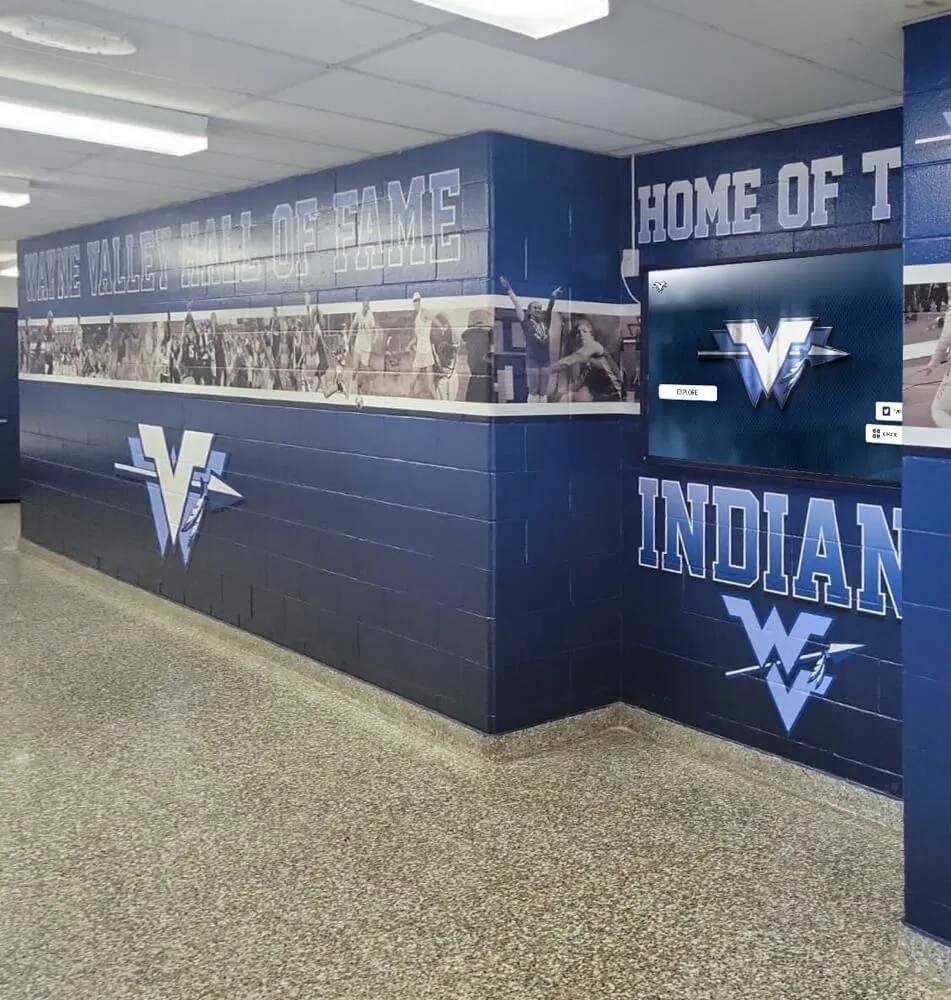
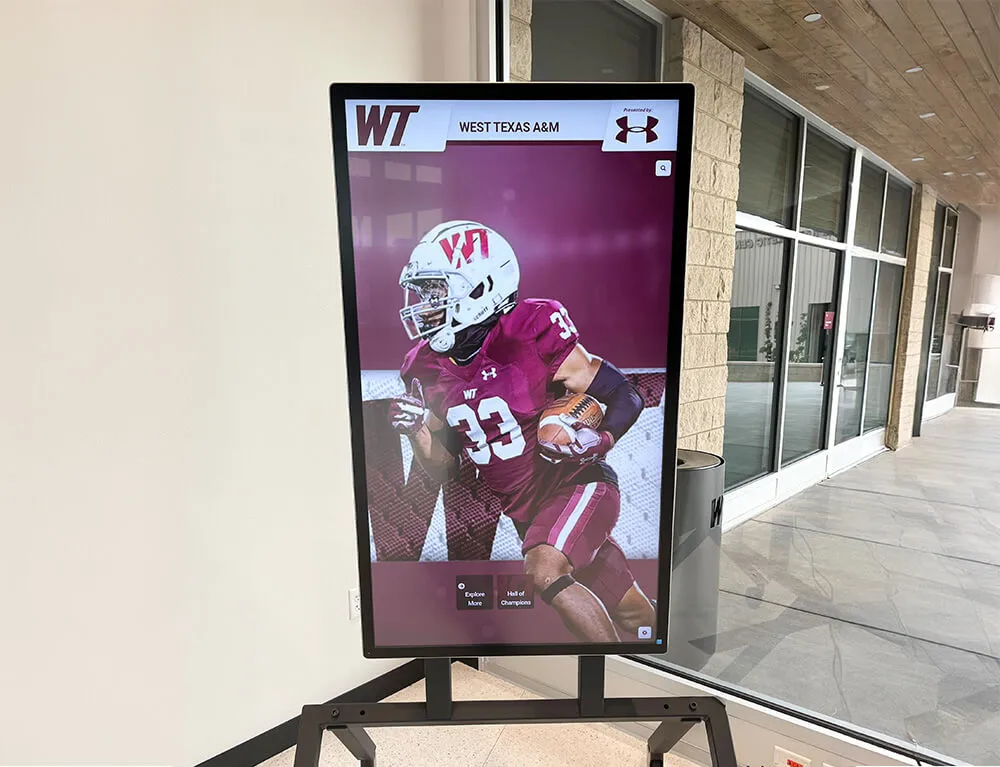
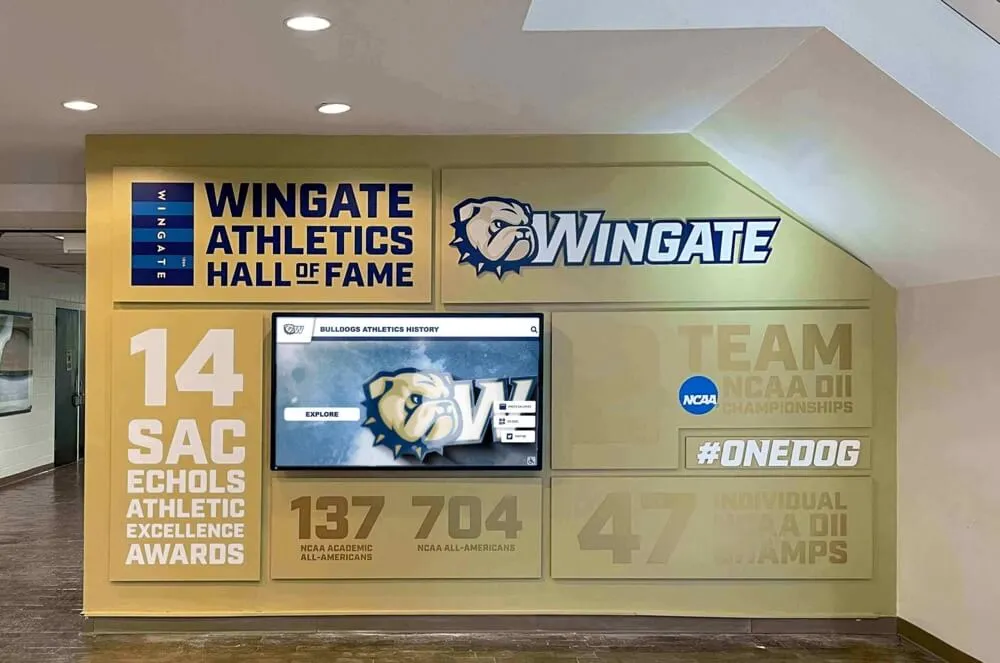
Well-planned class reunions deliver measurable benefits extending beyond individual events—they strengthen institutional bonds, inspire philanthropy, create networking opportunities, and demonstrate the lasting value of educational experiences that shaped attendees' lives. Modern solutions like Rocket Alumni Solutions help institutions integrate interactive recognition displays that let alumni explore their shared history, discover classmate achievements, and experience sophisticated digital storytelling that traditional yearbooks and photo boards cannot match.
Understanding What Makes Class Reunions Successful
Before diving into specific activities and logistics, understanding fundamental success factors helps planning committees make strategic decisions that maximize engagement and create genuinely memorable experiences worth attendees’ time and financial investment.
The Core Elements of Engaging Reunions
Research on alumni engagement consistently reveals that successful class reunions share common characteristics distinguishing them from obligatory gatherings that fail to generate enthusiasm or sustained participation.
Meaningful Connections Over Generic Socializing: The best reunions facilitate genuine reconnection through structured activities encouraging conversation rather than leaving attendees to navigate awkward small talk. When planning creates natural interaction opportunities—shared activities, facilitated reminiscing, collaborative challenges—attendees experience authentic connection impossible in unstructured social environments where extroverts dominate conversation while introverts feel uncomfortable.
Balanced Nostalgia and Present Celebration: Effective events honor shared past experiences while acknowledging growth and achievements since graduation. Reunions overly focused on “remember when” stories leave attendees feeling that their current lives and accomplishments don’t matter, while events ignoring shared history miss the fundamental appeal of reunions—celebrating common experiences that created lasting bonds.
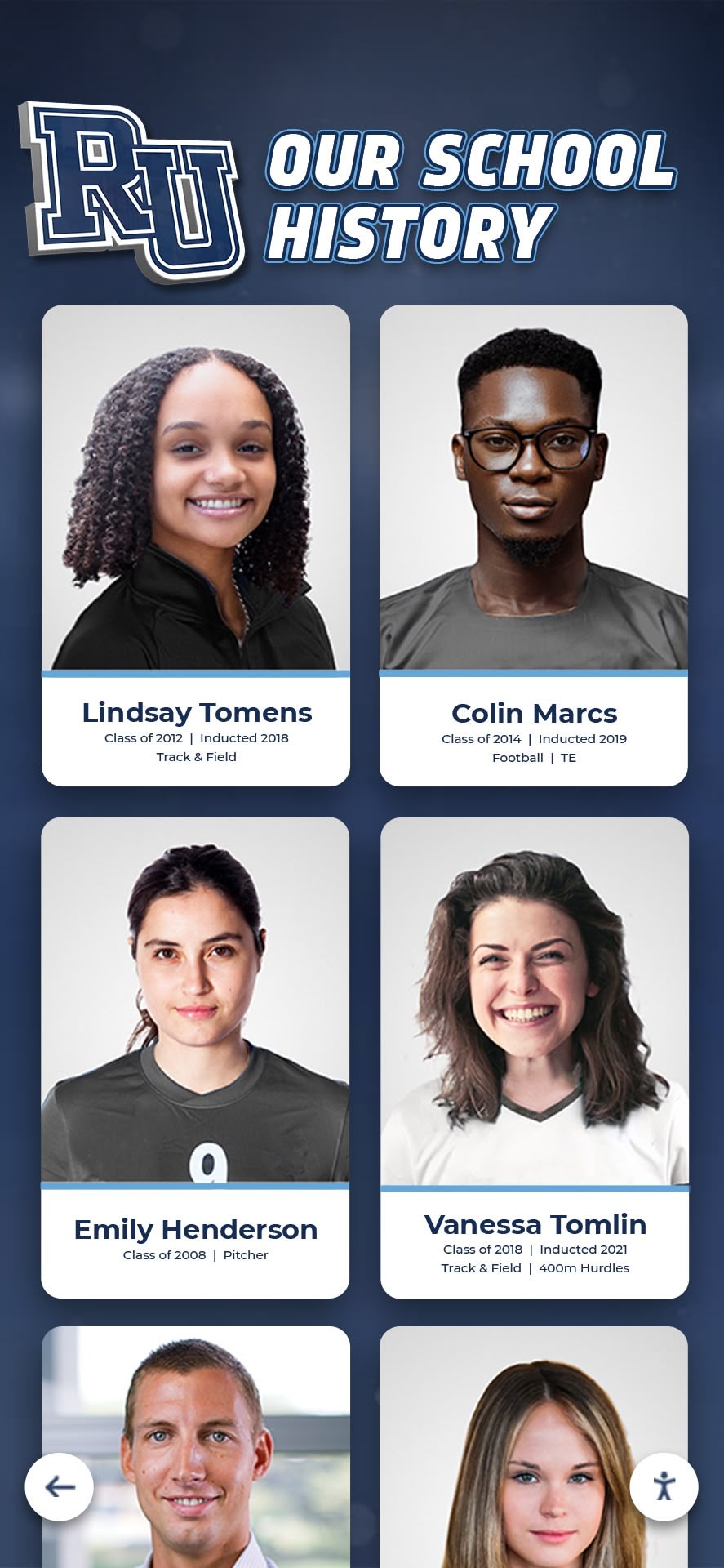
Inclusive Recognition of Diverse Achievements: Traditional reunions often recognize only narrow achievement types—career success, athletic accomplishments, financial wealth—excluding community service, artistic contribution, family dedication, or personal growth that matter equally. Comprehensive recognition celebrating varied paths creates inclusive environments where all attendees feel valued regardless of how their post-graduation journeys unfolded.
Interactive Experiences Beyond Passive Viewing: Static displays of old photos, traditional yearbooks, or simple name tags provide minimal engagement value. Interactive elements—digital recognition displays enabling exploration, hands-on activities creating shared experiences, facilitated storytelling exercises—transform passive observers into active participants creating memorable moments that define event success.
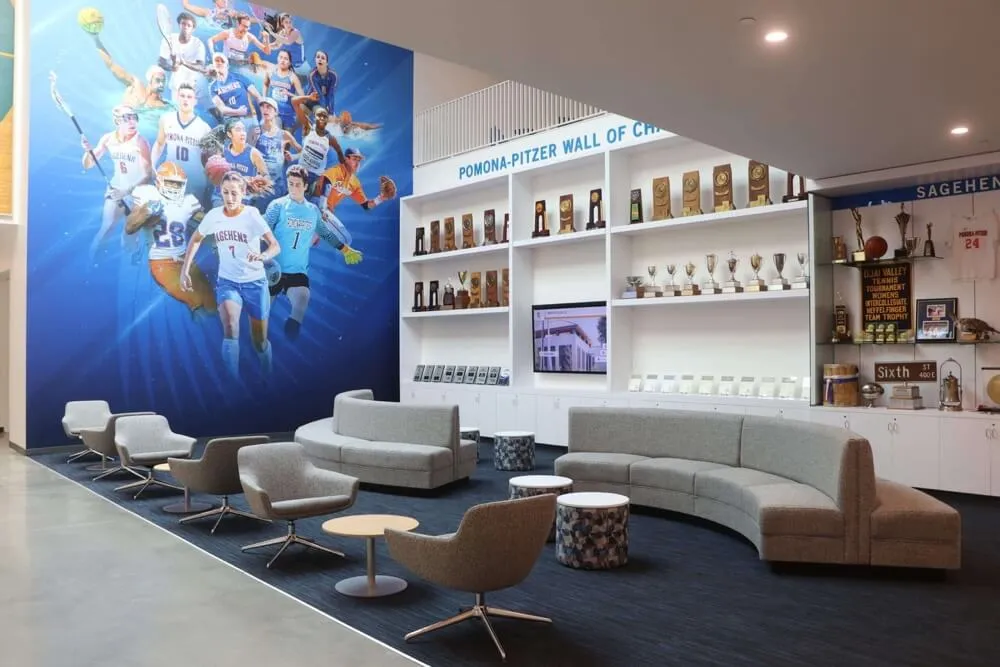
Understanding how alumni gathering areas and recognition systems strengthen institutional connections helps reunion planners leverage environmental design and technology for maximum engagement impact.
Common Planning Pitfalls to Avoid
Many reunion committees repeat predictable mistakes that diminish event quality and attendee satisfaction despite significant planning investment.
Insufficient Lead Time: Rushing planning processes leads to limited venue choices, higher costs from last-minute arrangements, poor promotional campaigns failing to reach all classmates, and stressed volunteers making hasty decisions. Successful reunions require 9-12 months minimum planning time ensuring thorough preparation addressing all details that collectively determine event quality.
Committee Composition Limitations: Planning teams dominated by single friend groups or geographic areas create events reflecting narrow perspectives and preferences. Diverse committees representing various social circles, geographic locations, career paths, and demographic characteristics produce inclusive events appealing broadly rather than serving limited constituencies while inadvertently excluding others.
Budget Mismanagement: Either charging excessive ticket prices that suppress attendance or underpricing events creating financial shortfalls mid-planning—both extremes create problems. Transparent budget planning with realistic pricing, clear communication about what ticket costs cover, and contingency reserves for unexpected expenses ensure financial sustainability without creating barriers to participation.
Generic Programming: Cookie-cutter activities identical to every other reunion—basic cocktail reception, buffet dinner, DJ playing era-appropriate music—create forgettable experiences indistinguishable from countless other events. Distinctive programming reflecting specific class character, incorporating unique activities, and creating signature moments generates memorable experiences attendees eagerly share and remember long after events conclude.
Technology Avoidance: Some committees resist modern communication tools and event technology, relying exclusively on outdated methods like postal mail and Facebook groups that reach limited audiences. Strategic technology integration—registration platforms, mobile apps, interactive displays, virtual participation options—expands reach while delivering convenience modern attendees expect from well-organized events.
Strategic Venue Selection for Class Reunions
Physical location significantly impacts reunion success through accessibility, ambiance, capacity, and practical functionality that either enables or constrains programming possibilities.
Campus-Based Reunions
Returning to alma mater campuses creates powerful emotional connections while offering practical advantages many committees underutilize in favor of commercial venues lacking institutional connection.
Emotional Resonance and Institutional Connection: Campus venues evoke immediate nostalgia and connection to shared educational experiences in ways off-campus locations cannot match. Walking familiar pathways, visiting former classrooms or residence halls, and experiencing campus evolution creates meaningful moments reinforcing why reunions matter beyond generic social gatherings.
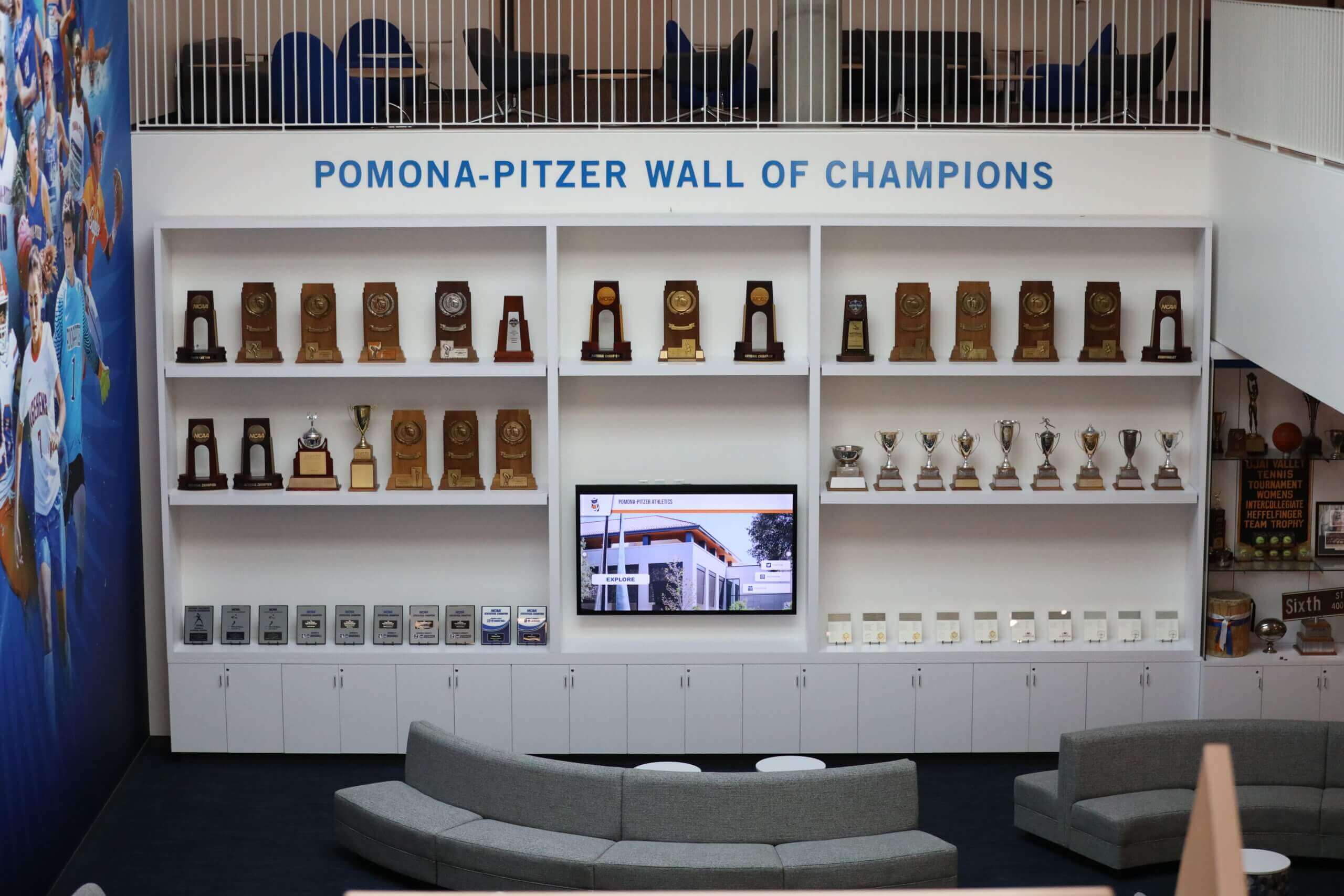
Access to Institutional Resources: Campus events enable integration of school assets including athletic facilities for tours or activities, performance spaces showcasing current student programs, dining halls offering cost-effective catering, and parking infrastructure supporting large gatherings. Many institutions provide discounted facility rentals for alumni events recognizing relationship-building value that justifies subsidized pricing.
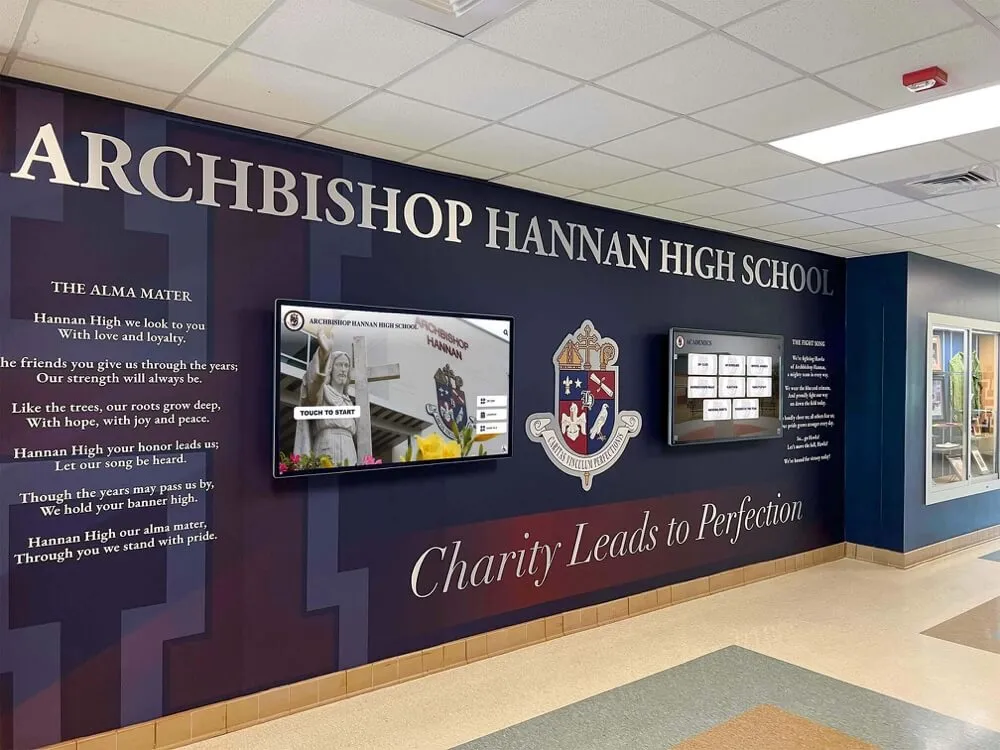
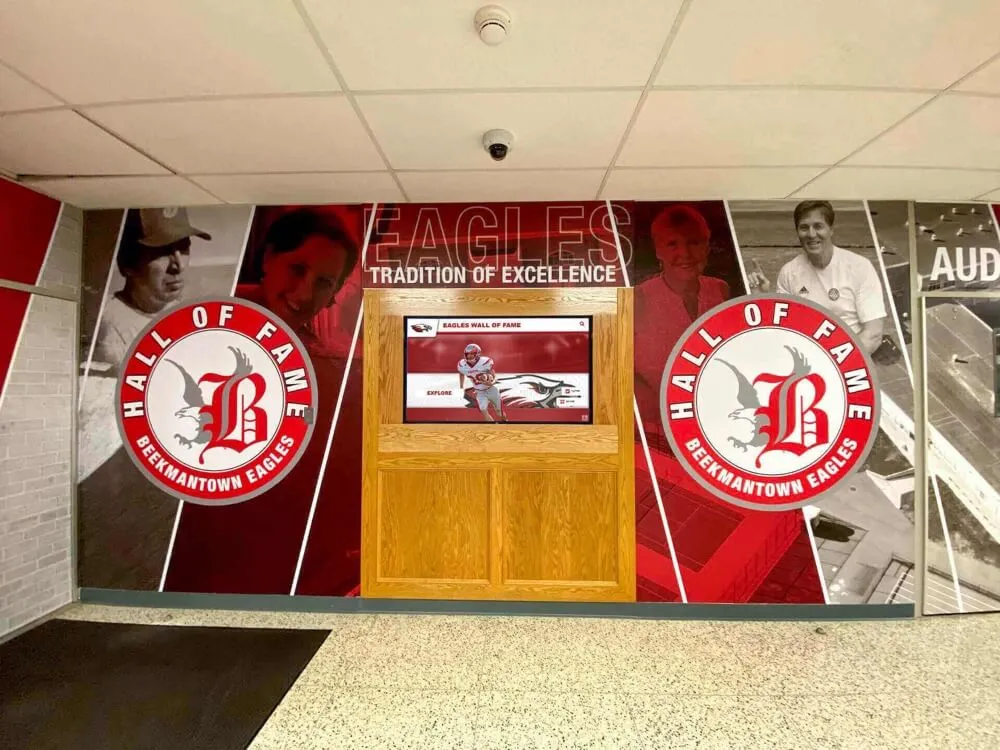
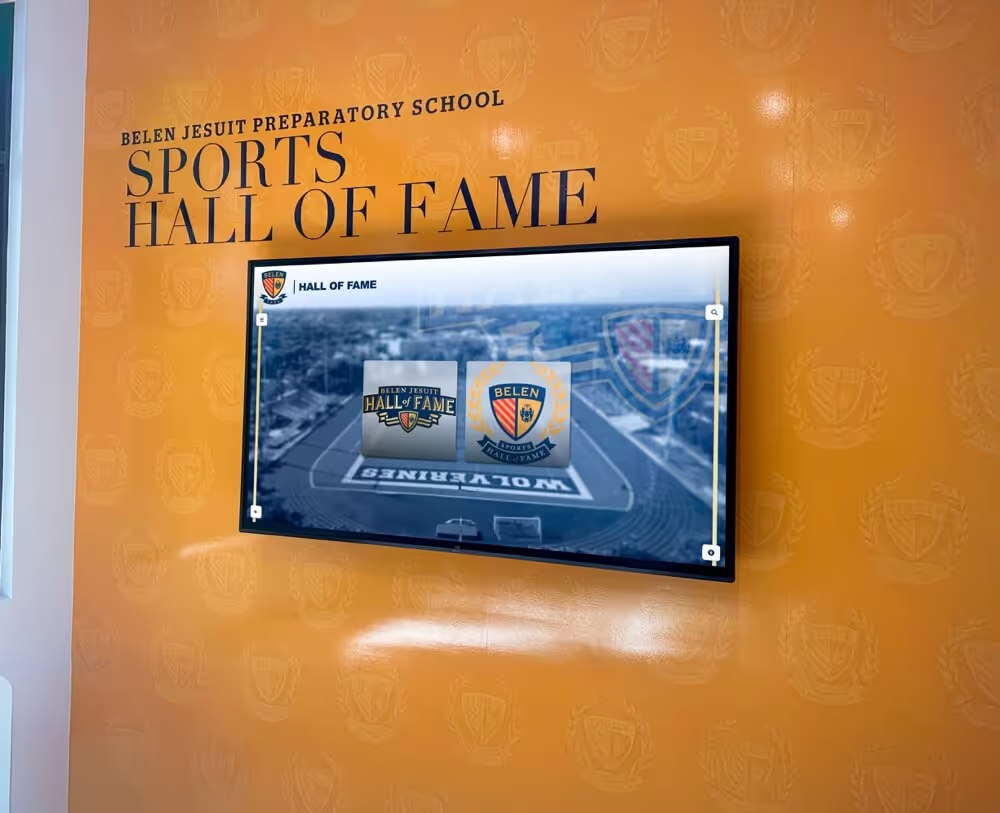
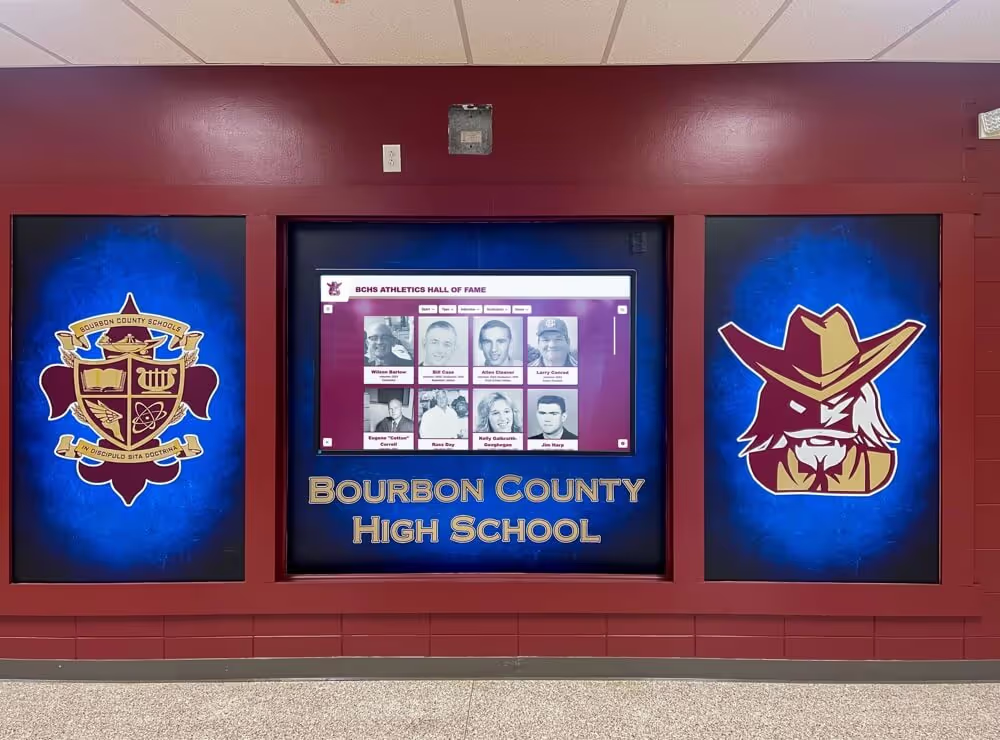
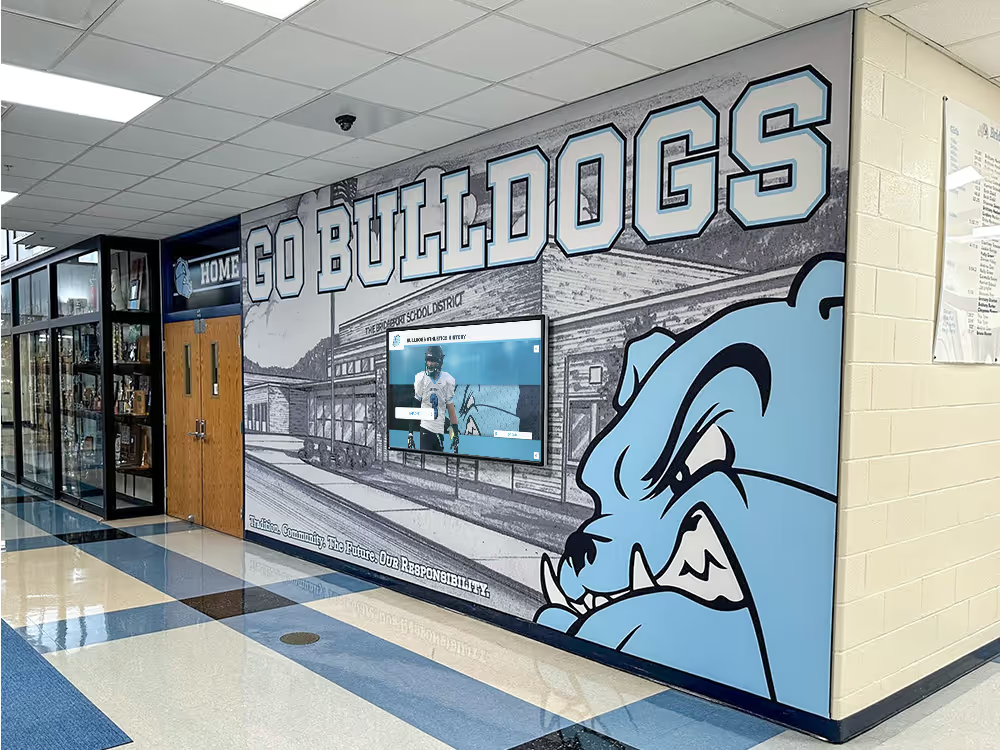
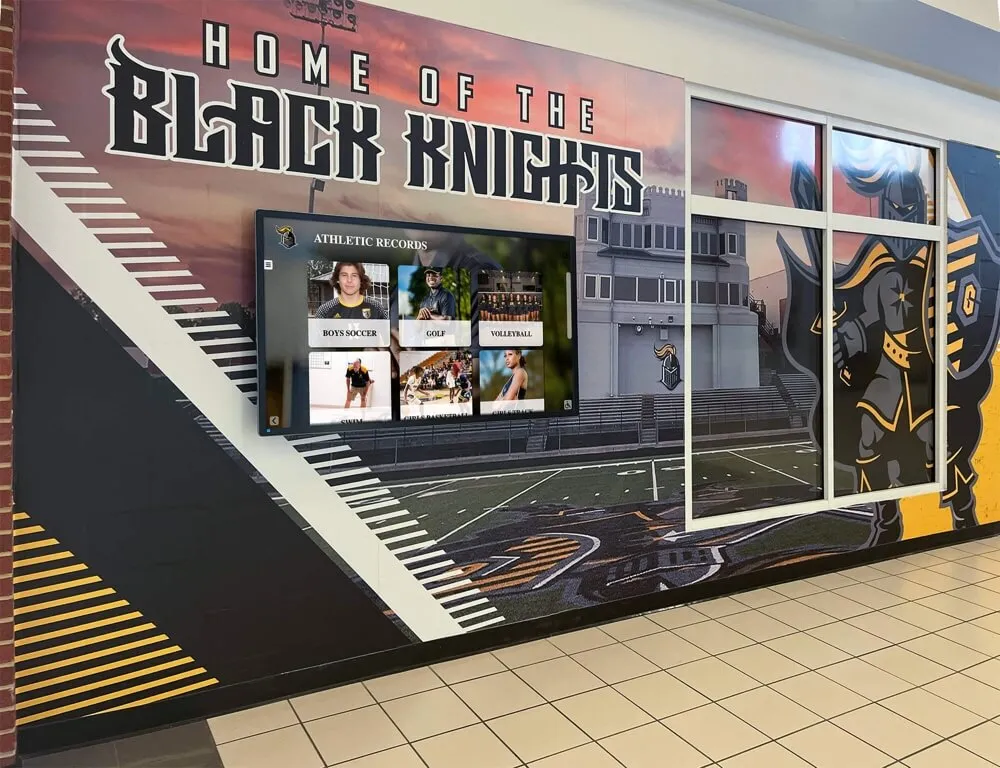
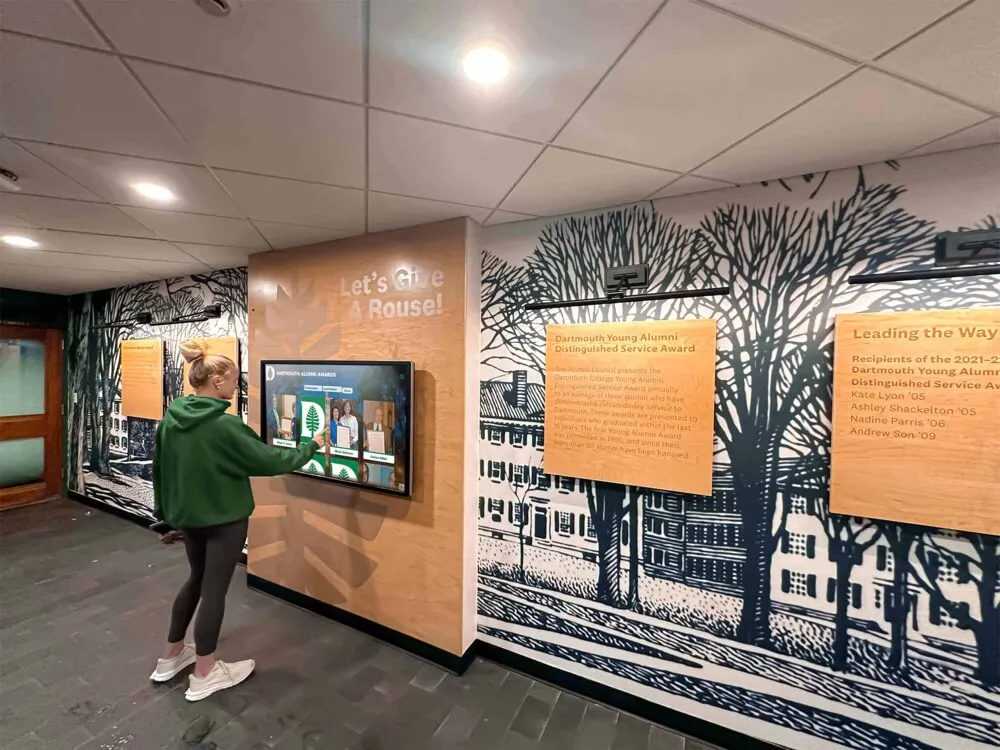
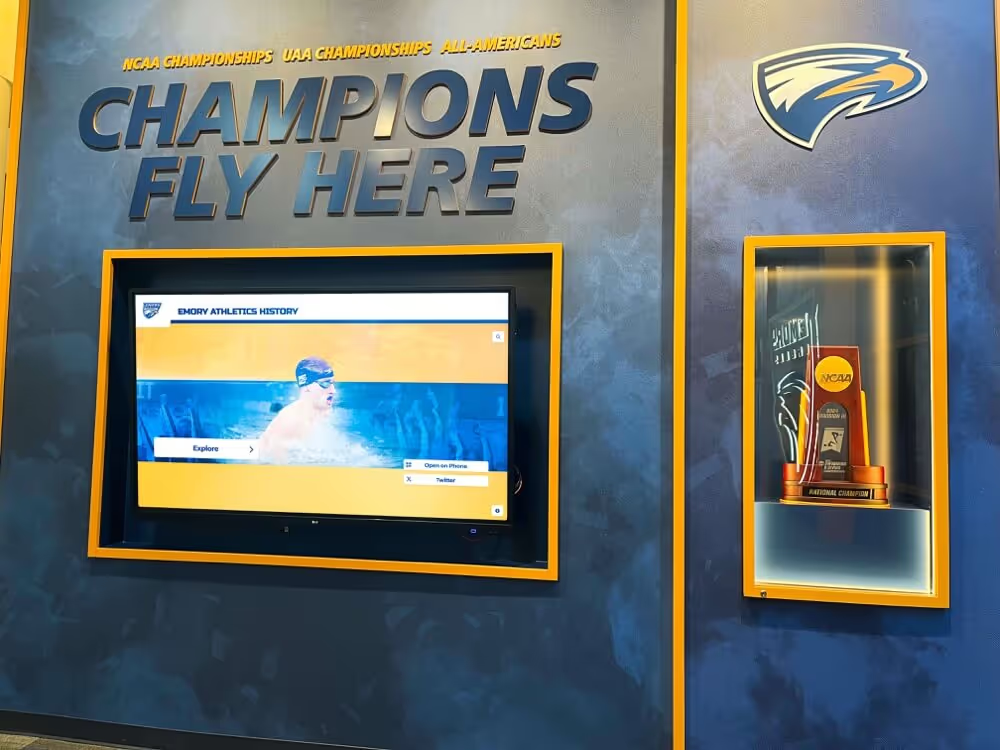
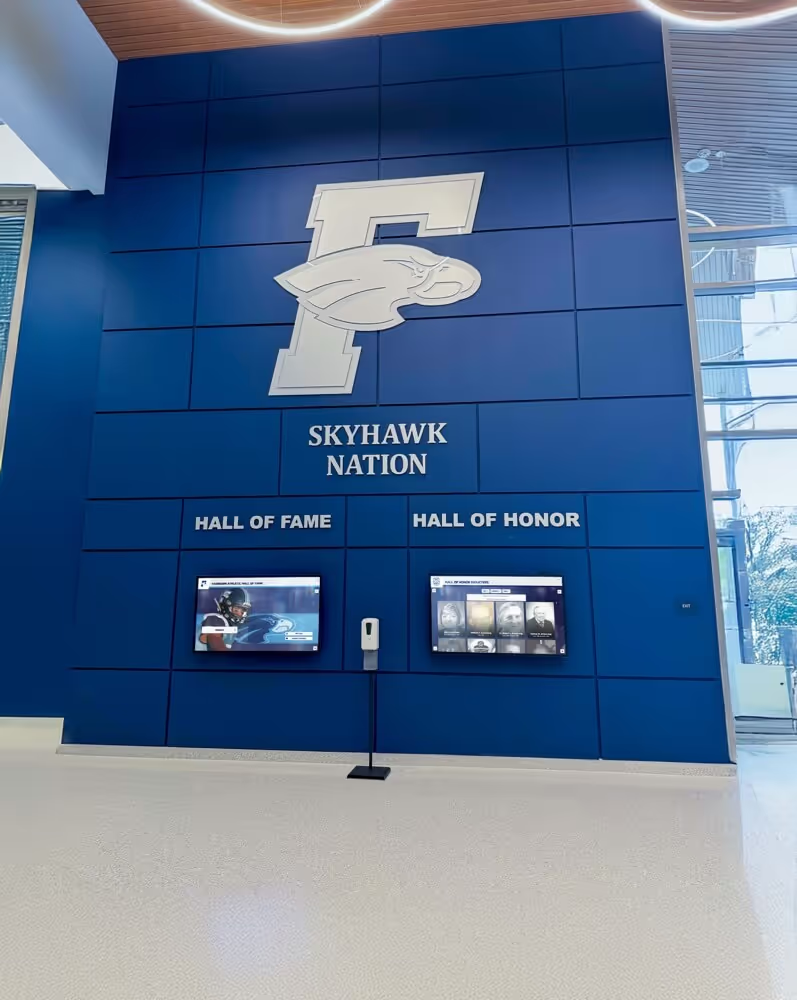
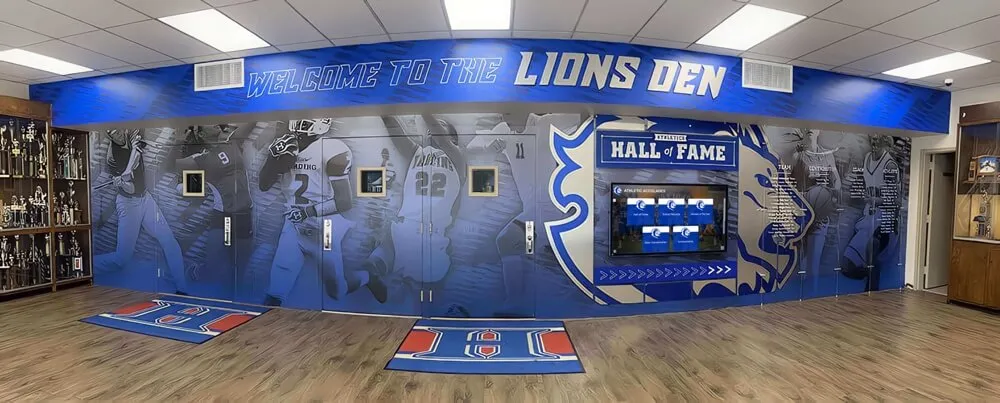
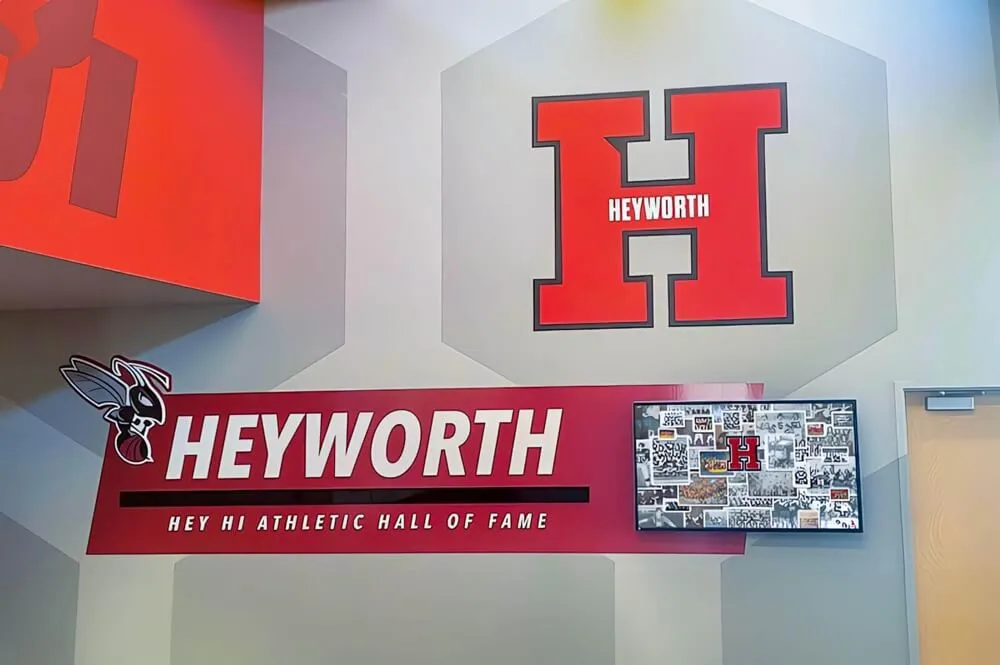
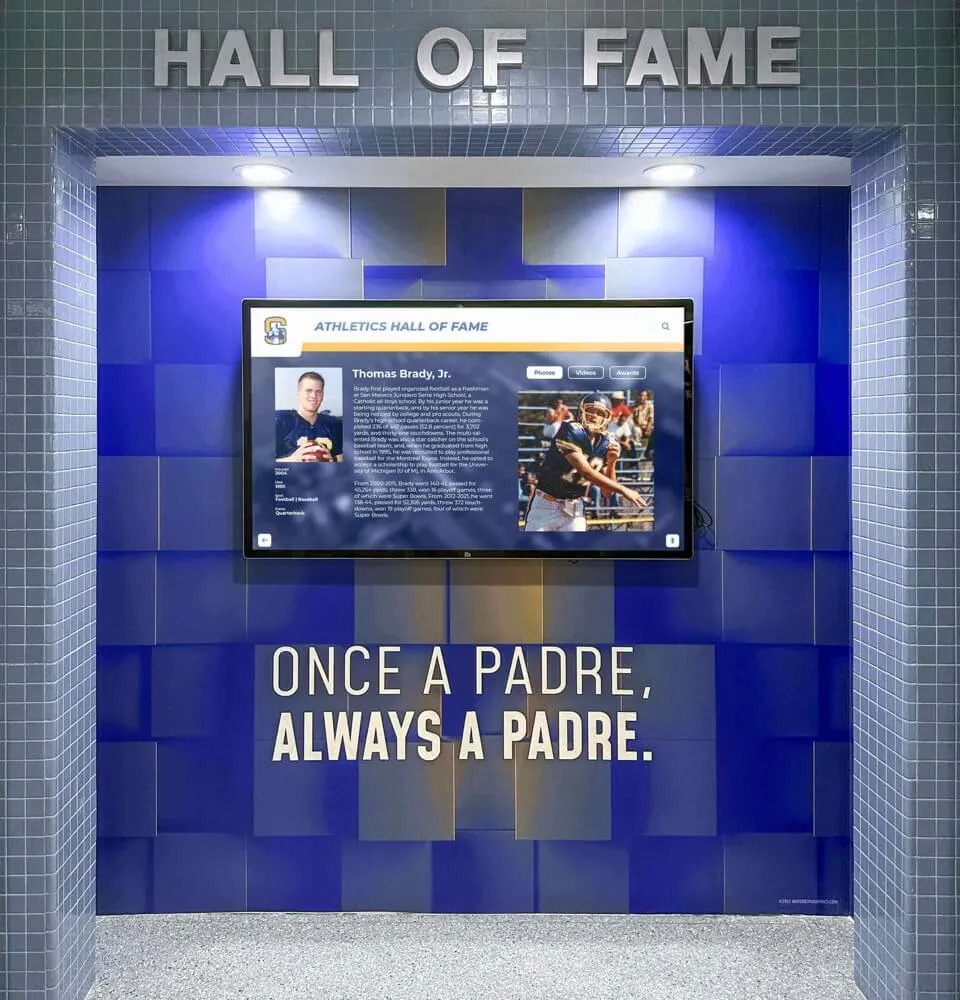
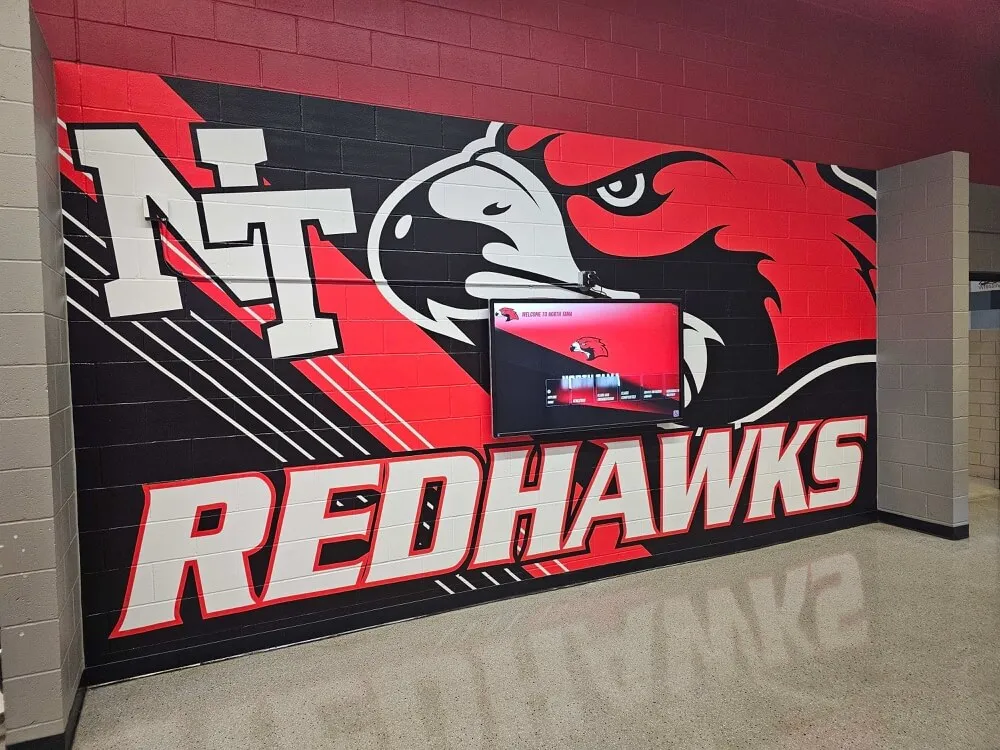
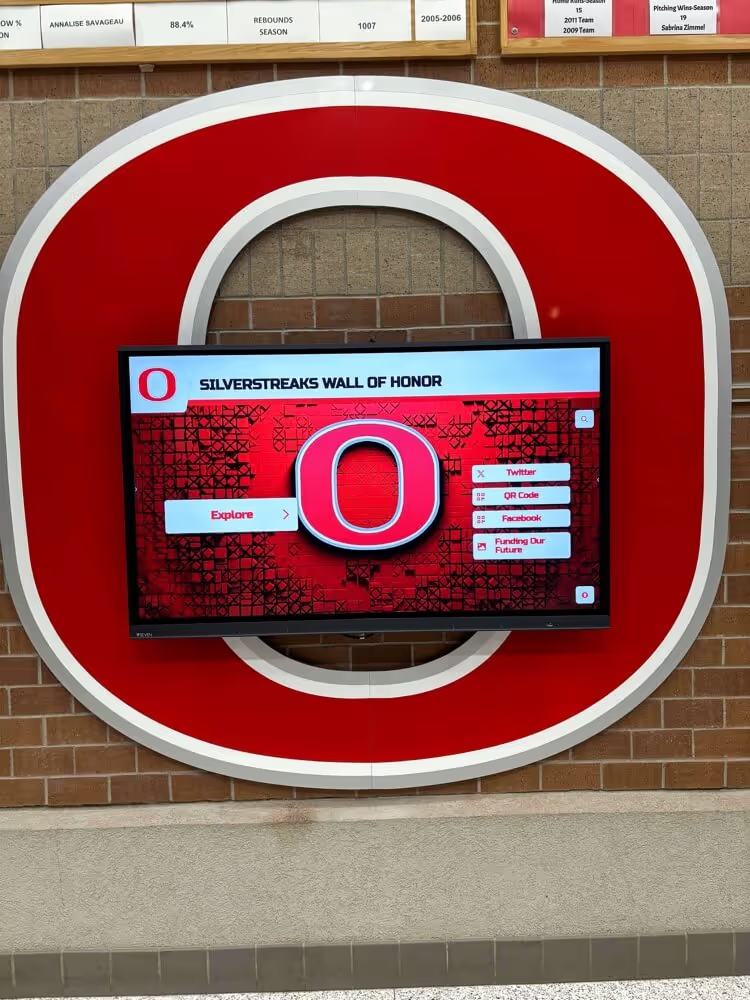
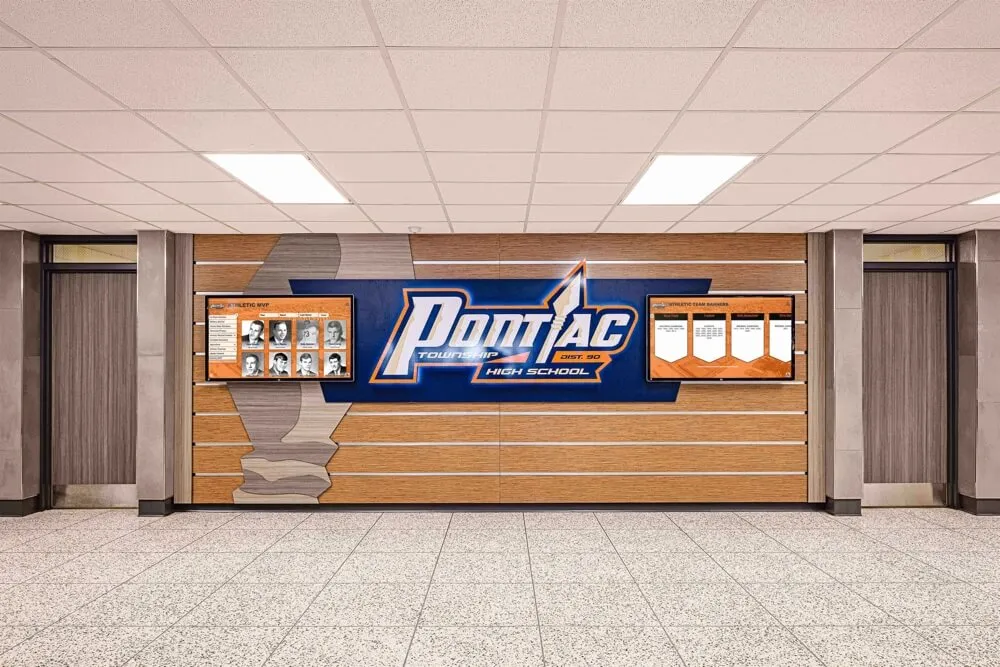
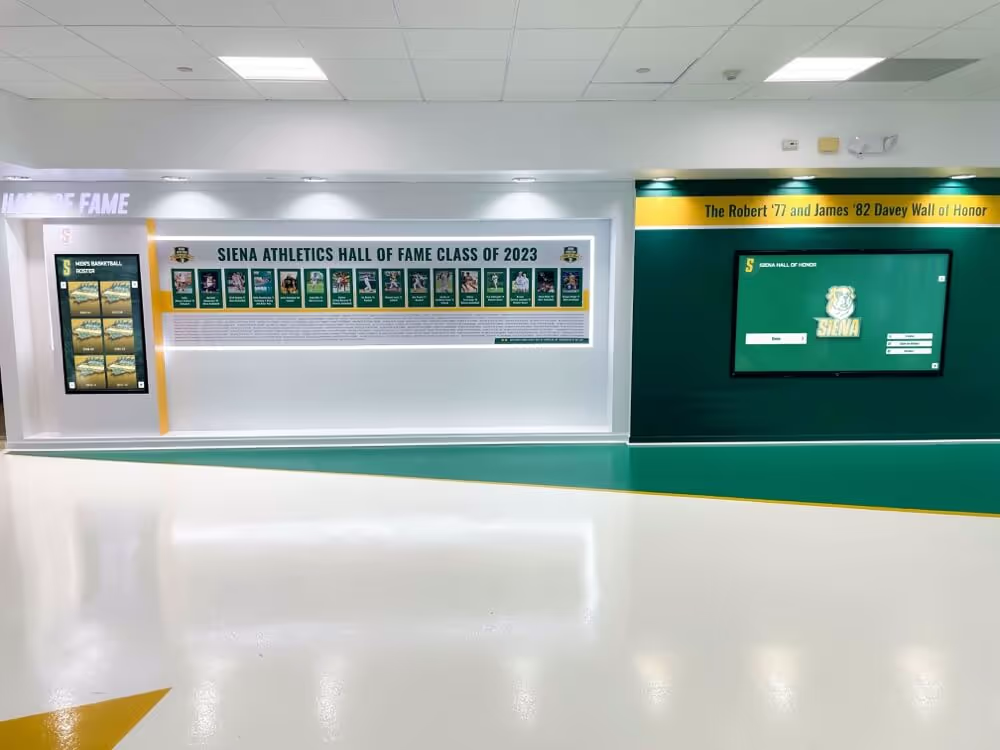
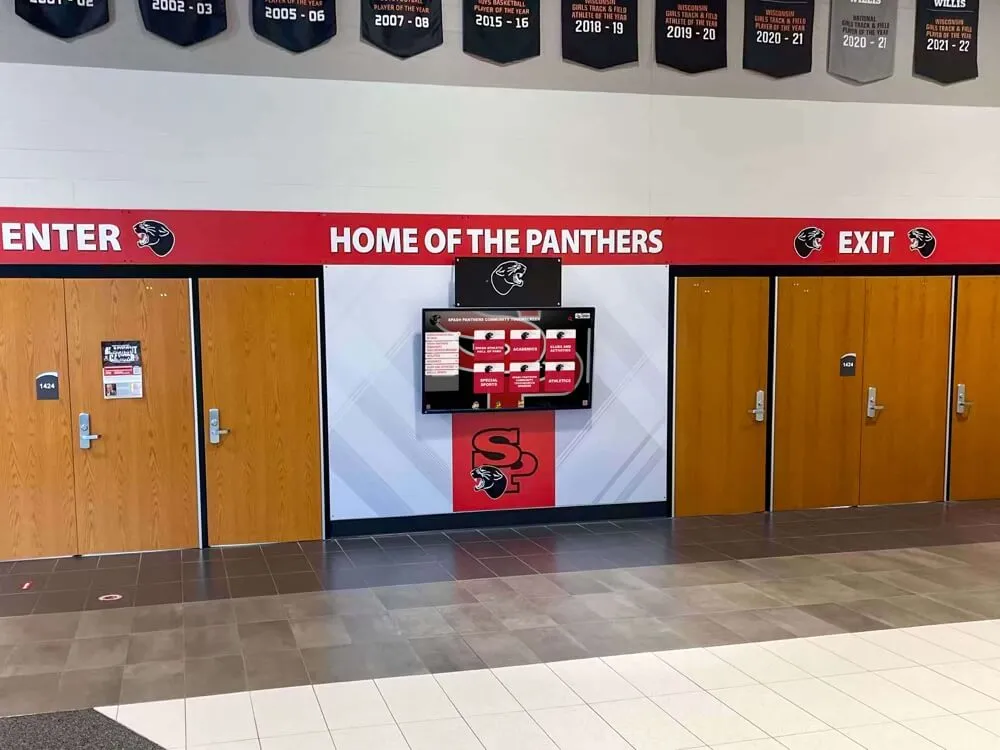
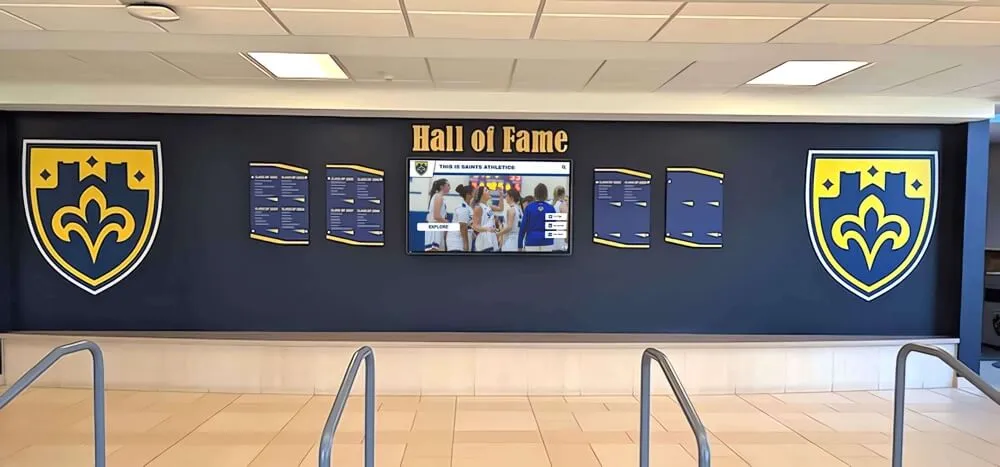
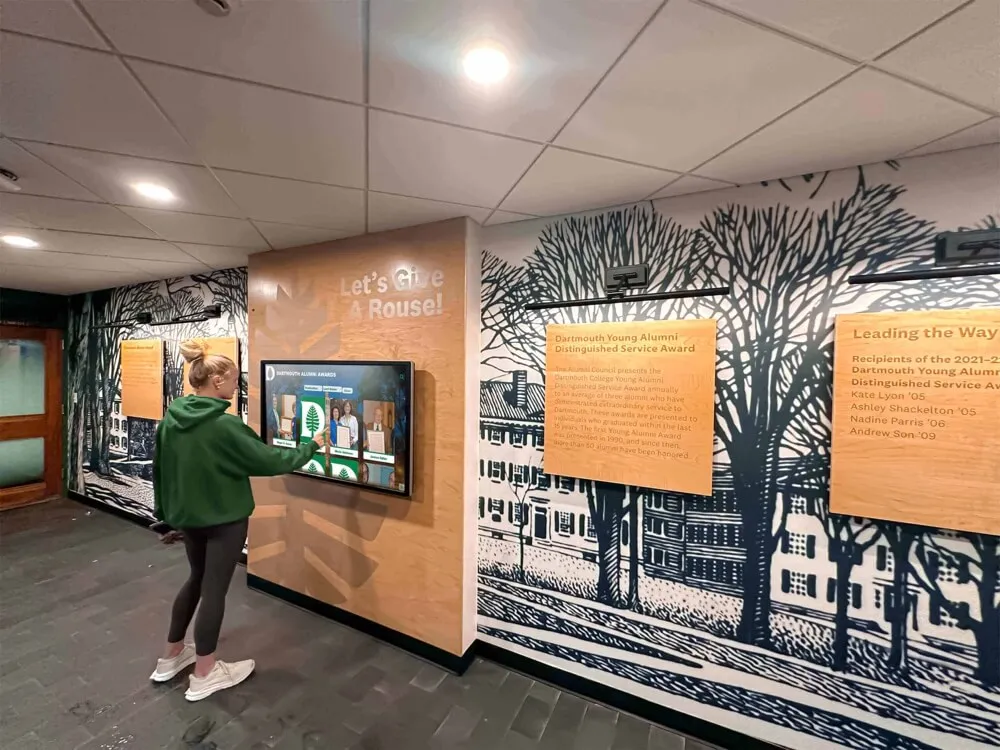
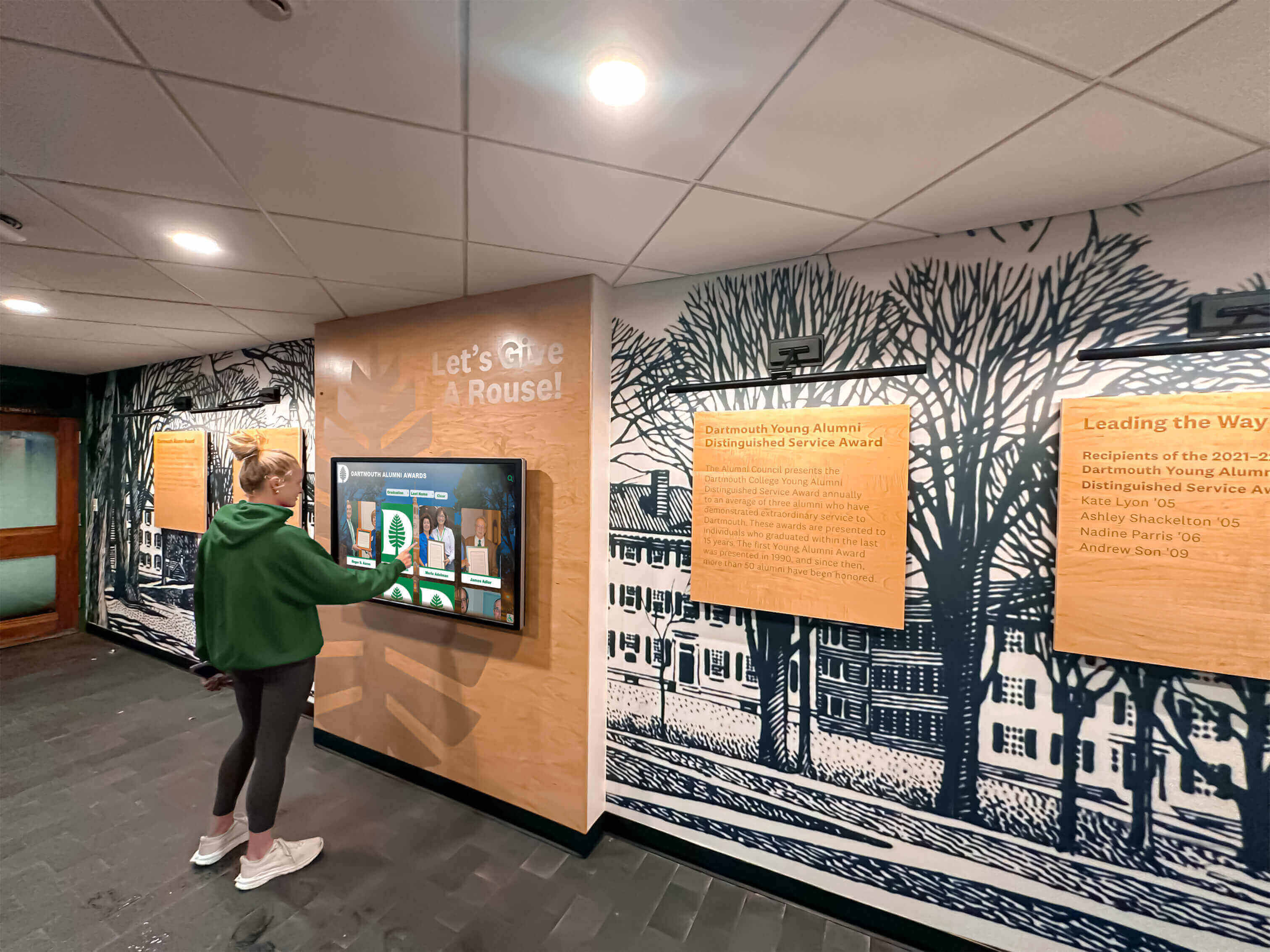
Recognition Display Integration: Campus locations often feature interactive touchscreen displays showcasing alumni achievements, historical archives documenting institutional evolution, and digital recognition systems celebrating distinguished graduates. These existing resources enhance reunion experiences without requiring planning committee investment in temporary displays or recognition materials.
Campus Tour Opportunities: Structured or self-guided campus tours highlighting facility improvements, new buildings, academic program expansion, and campus beautification demonstrate institutional vitality while triggering positive memories. Tours work particularly well for milestone reunions where attendees haven’t visited campus for decades and experience dramatic transformation.
Off-Campus Venue Alternatives
When campus venues prove impractical due to distance, availability, capacity, or other factors, strategic alternative venue selection creates excellent reunion environments supporting diverse programming needs.
Hotel or Conference Center Advantages: Full-service venues provide comprehensive amenities including overnight accommodations for traveling attendees simplifying logistics, professional event coordination reducing volunteer workload, flexible spaces accommodating varied group sizes throughout events, and established catering partnerships ensuring quality food service. Hotels particularly benefit geographically dispersed classes where significant percentages travel from distant locations requiring convenient lodging.
Restaurant or Banquet Facility Options: Mid-sized reunions (50-150 attendees) often work exceptionally well in restaurant private rooms or independent banquet facilities offering intimate atmospheres conducive to conversation, professional catering included in reasonable per-person pricing, turnkey service requiring minimal committee coordination, and urban accessibility for attendees preferring walkable entertainment districts over isolated conference centers.
Unique Venue Experiences: Consider distinctive locations creating memorable settings including historic sites connecting to local heritage, museums offering after-hours private events, performing arts venues providing elegant atmospheres, outdoor spaces like gardens or parks for casual daytime gatherings, or sports venues like minor league ballparks combining entertainment with social time. Unique venues become talking points themselves while creating photo opportunities and distinctive ambiance impossible in generic hotel ballrooms.
Hybrid and Multi-Location Approaches: Rather than single venue events, consider programming spanning multiple locations—casual Friday evening gathering at downtown restaurant, Saturday afternoon campus tour and athletic facility recognition display viewing, Saturday evening formal dinner at elegant venue, Sunday brunch at local country club. Multi-location programming provides variety while accommodating different attendance preferences and enabling more diverse activity types than single-venue constraints allow.
Engaging Activities and Programming Ideas
Beyond venue selection, specific programming choices determine whether reunions create meaningful experiences or simply provide venues for unfocused socializing that leaves some attendees feeling disconnected despite physical presence.
Interactive Memory Sharing Experiences
Structured activities that prompt reminiscing and story-sharing create authentic connection impossible in unstructured cocktail party formats where conversation quality varies dramatically based on individual social confidence.
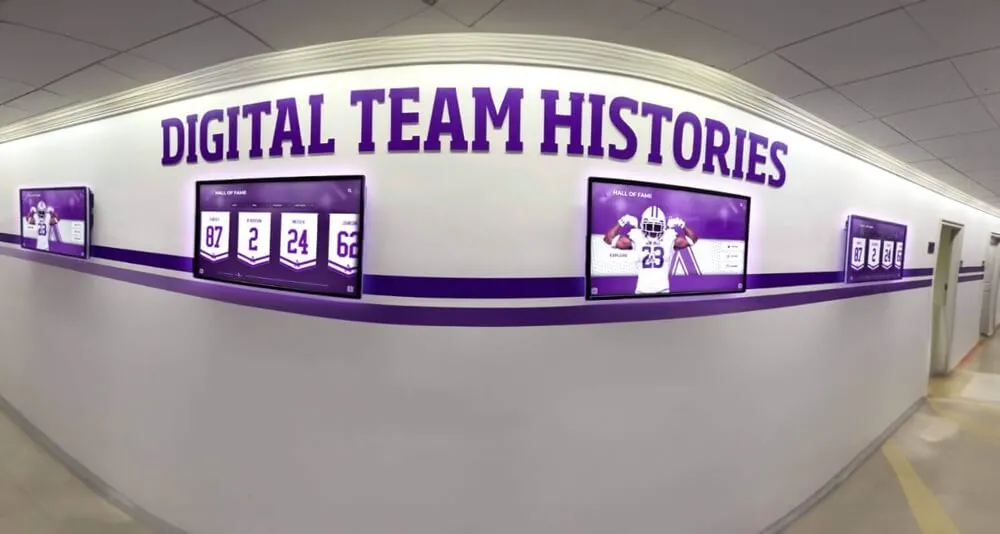
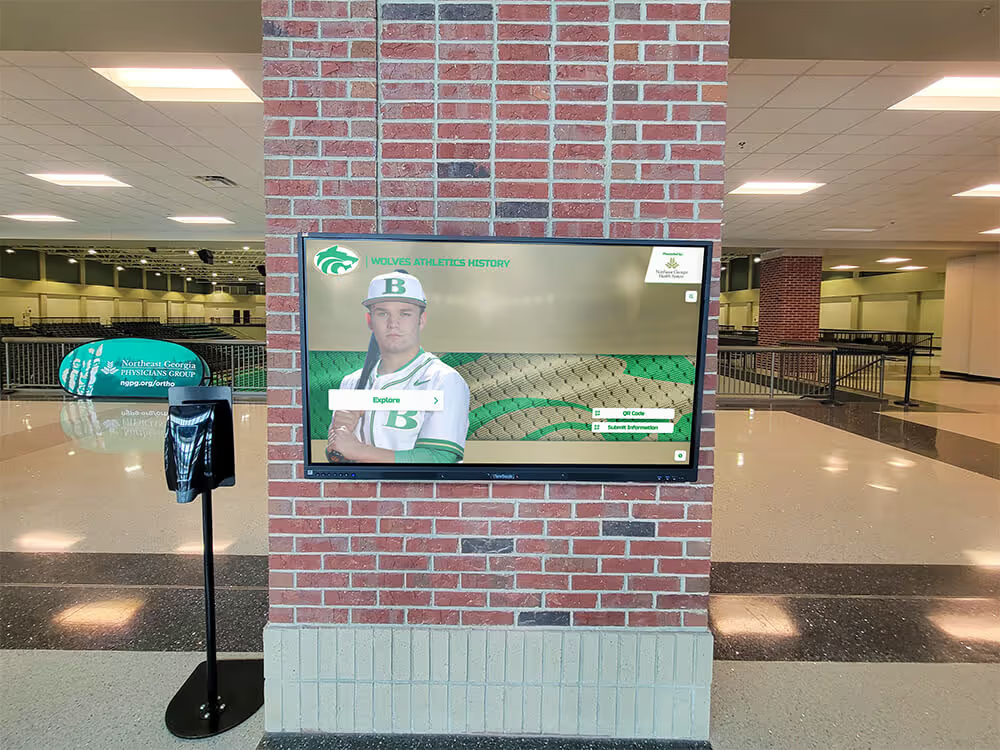
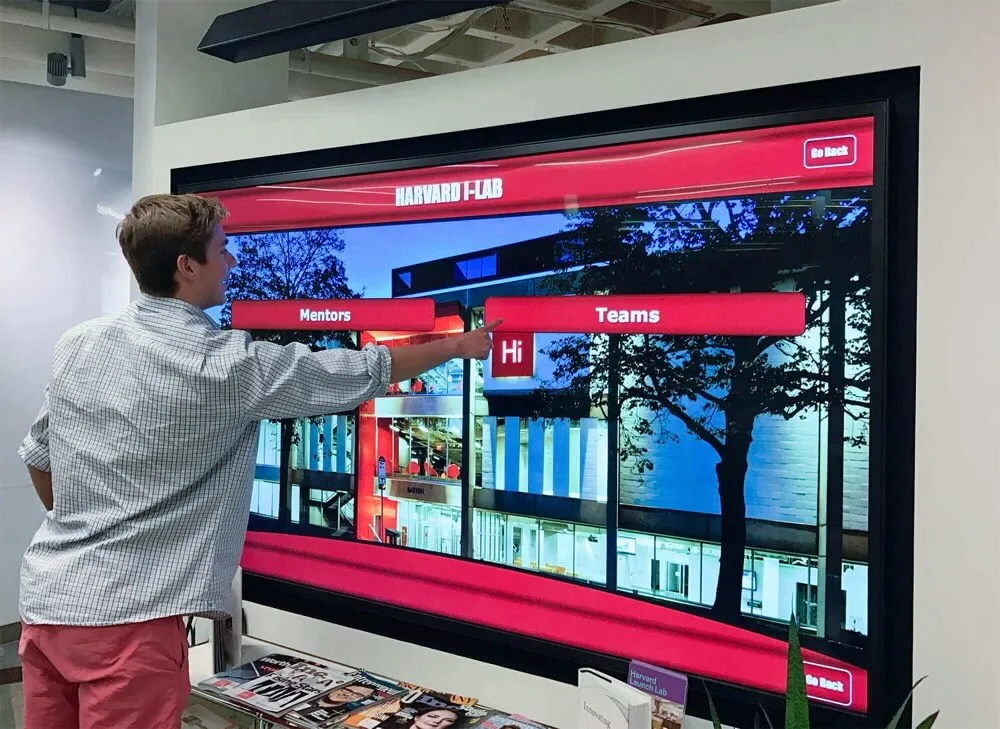
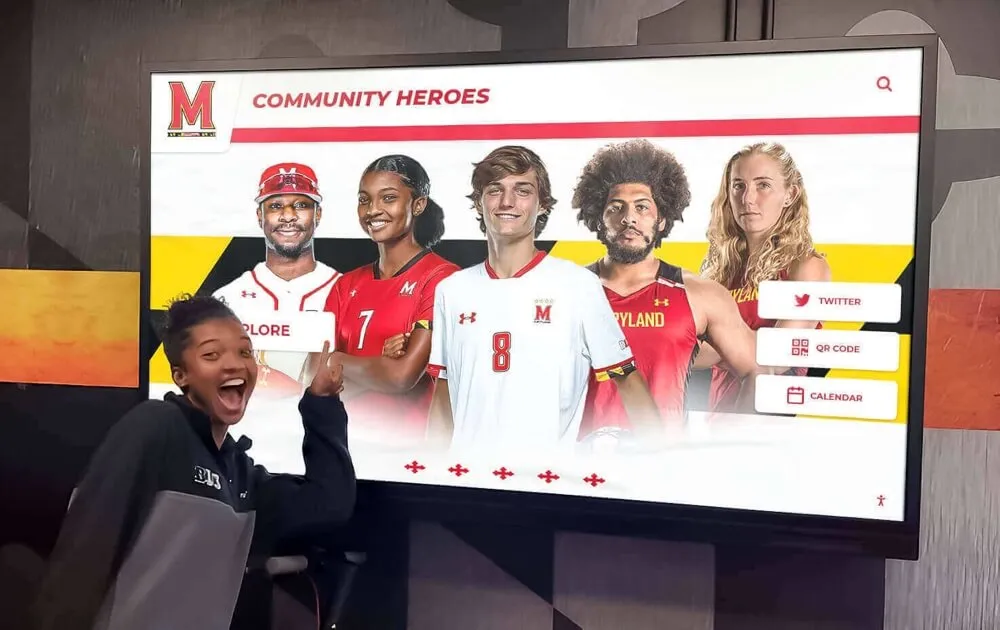
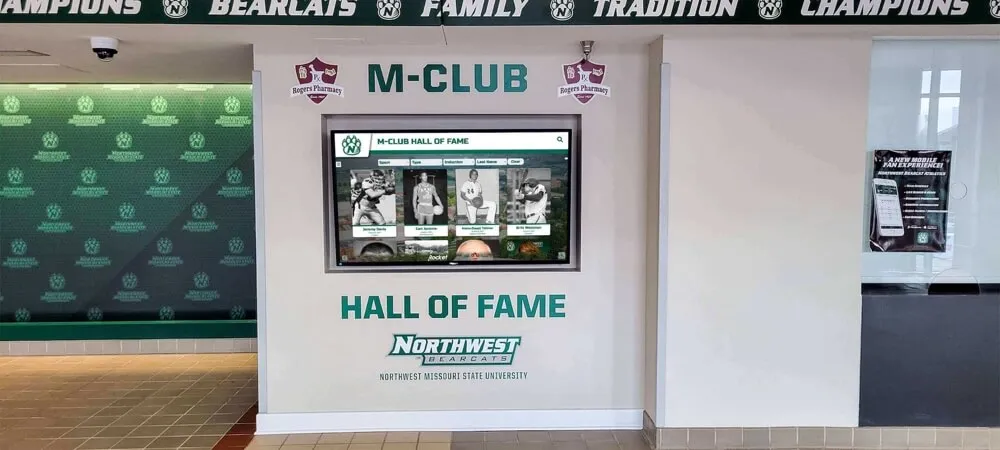
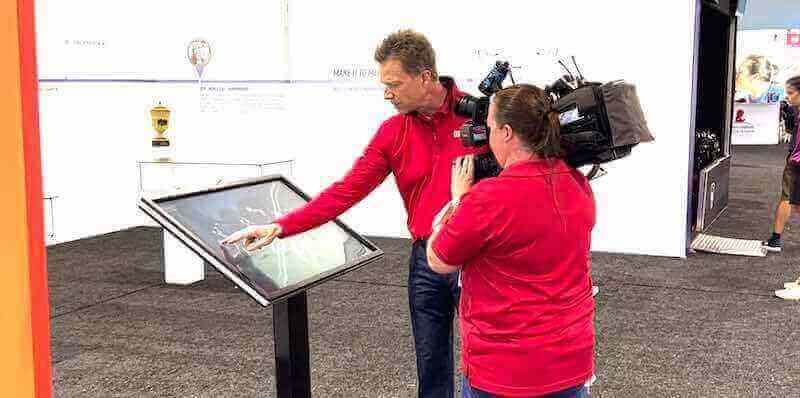
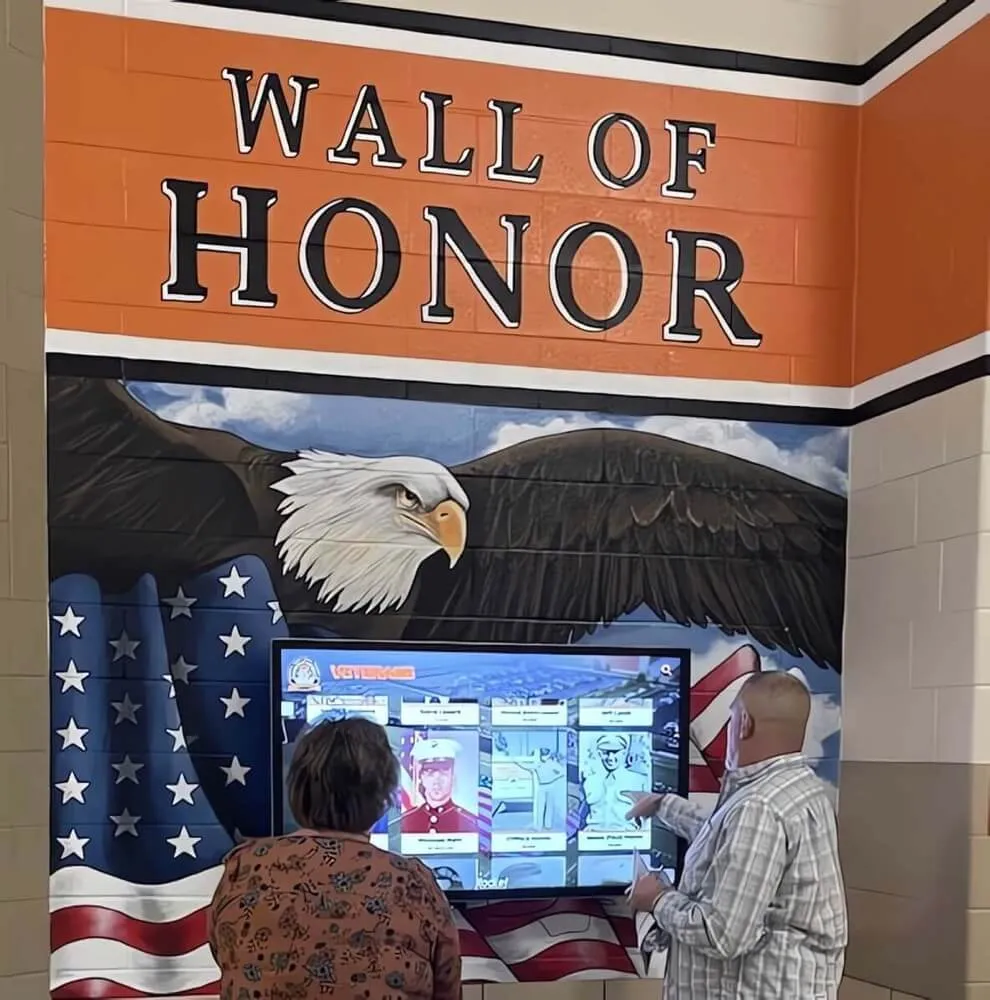
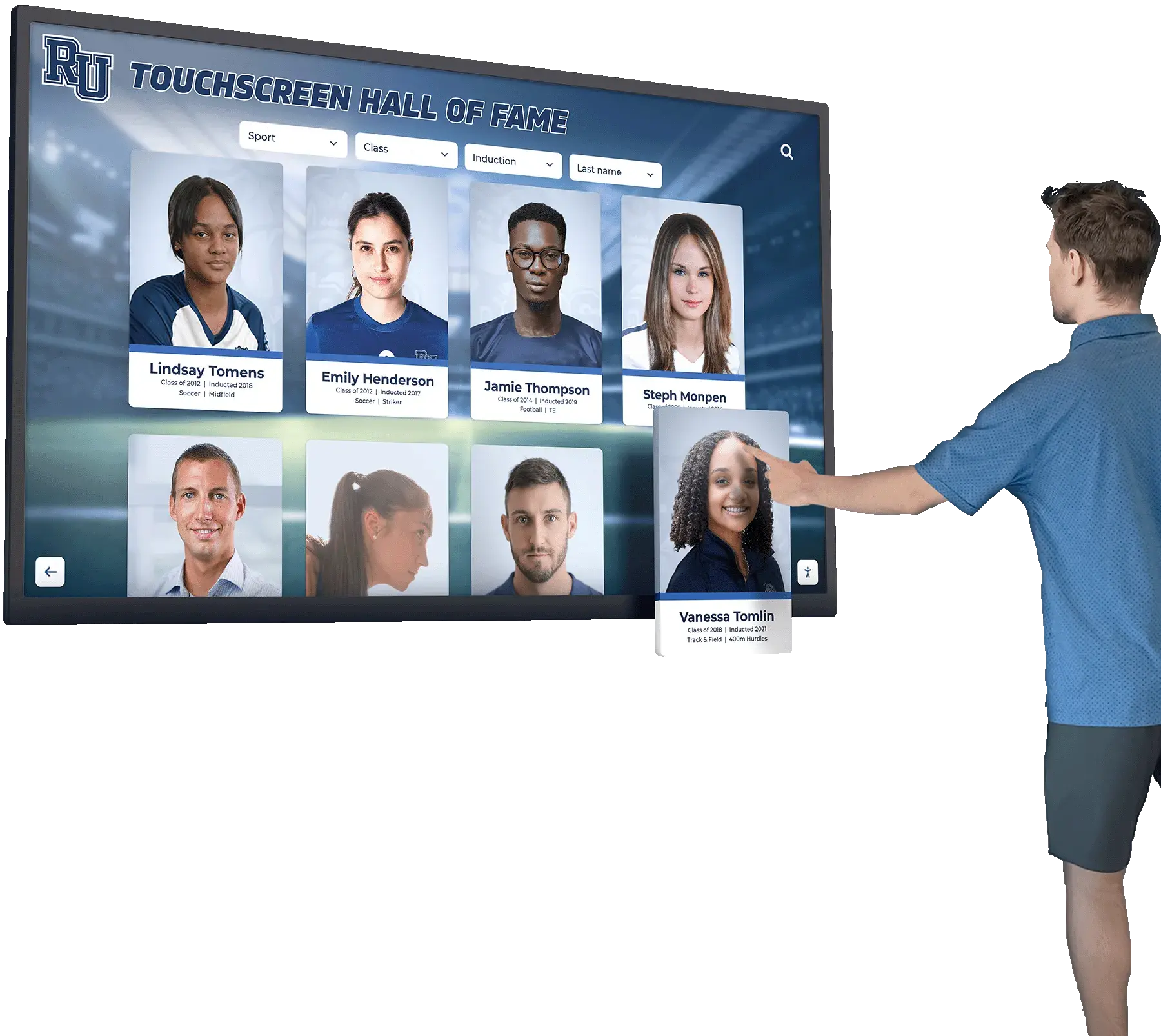
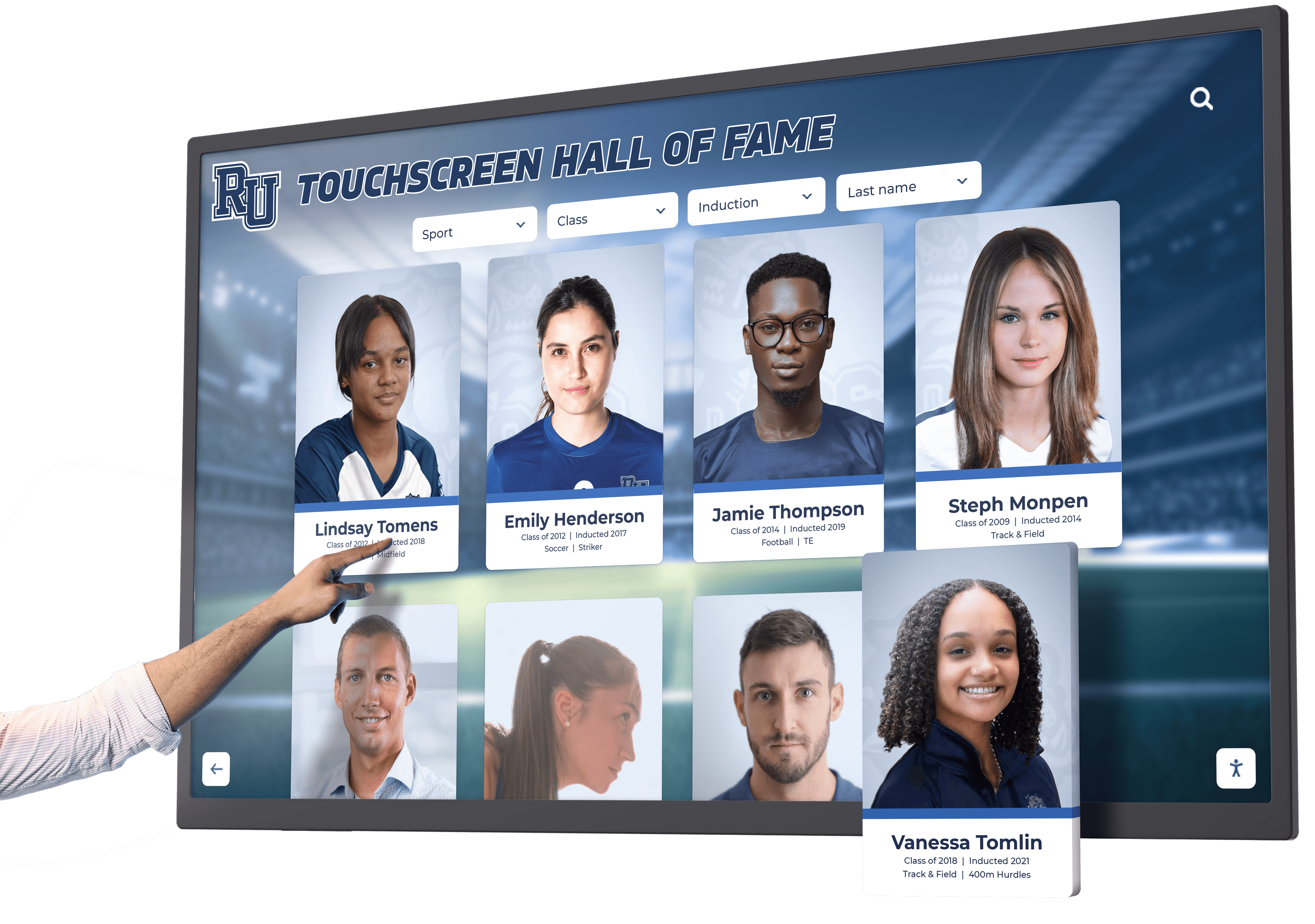
Digital Recognition Display Exploration: Interactive touchscreen systems showcasing class member achievements, photos, and stories transform passive viewing into engaging exploration. Attendees search for their own profiles, discover classmate accomplishments, and explore comprehensive multimedia content documenting shared history and individual journeys since graduation.
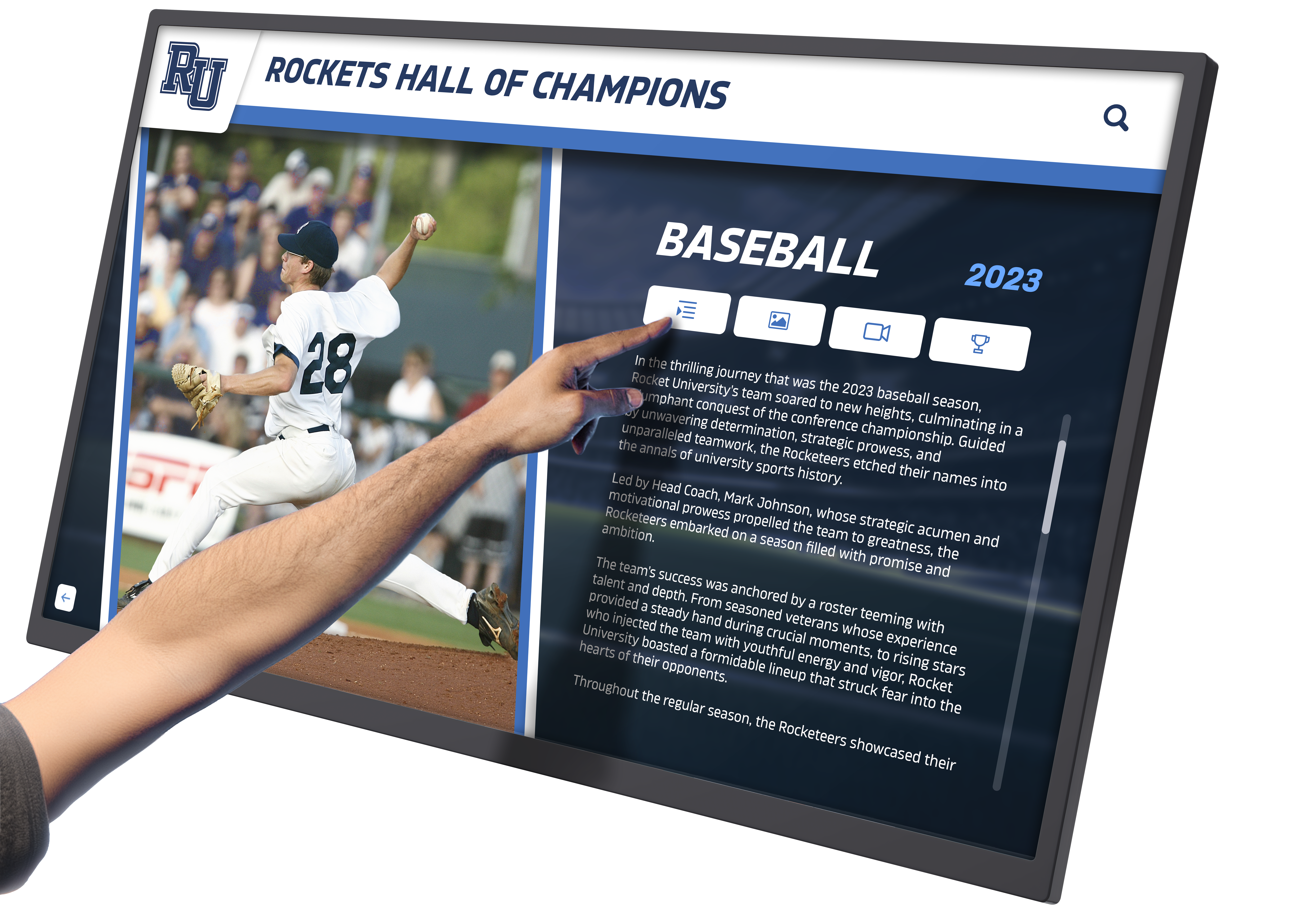
Solutions like Rocket Alumni Solutions provide purpose-built platforms for educational institutions, offering unlimited capacity for alumni profiles, intuitive search functionality, multimedia integration, and cloud-based management enabling content updates without technical expertise. These systems work particularly well for reunions because they accommodate every class member rather than featuring only select individuals, creating inclusive recognition that engages entire attendance groups.
Facilitated Memory Lanes: Create physical or digital “memory lane” experiences featuring yearbook pages, athletic program covers, newspaper clippings, event photos, and other archival materials documenting shared experiences. Rather than simple displays, staff facilitated stations where volunteers prompt story-sharing: “Tell us about your most memorable moment from senior year” or “What teacher most influenced your life direction?” Facilitation converts displays into conversation catalysts rather than passive viewing experiences.
Interactive Timelines and Milestones: Develop visual timelines documenting class history from freshman year through present day including significant school events that affected students, local or national historical events occurring during school years, and post-graduation milestones like marriages, children, career changes, or relocations. Interactive formats enabling attendees to add their own timeline entries create collaborative storytelling while helping classmates understand shared context shaping everyone’s experiences.
Then and Now Photo Collections: Invite attendees to submit current photos displayed alongside yearbook photos, creating visual documentation of time’s passage while prompting conversation about how everyone has changed or maintained recognizable characteristics. Digital displays cycling through paired then-and-now images generate engagement while providing entertainment value throughout events.
Collaborative Activities Building New Shared Memories
Beyond reminiscing about past experiences, activities creating new shared memories strengthen bonds while providing entertainment value that justifies attendance investment.
Trivia Competitions Testing Shared Knowledge: Develop trivia games focusing on class-specific history—teachers’ names, school events, popular culture from graduation year, local businesses from that era, or inside jokes only class members understand. Team-based formats mixing different friend groups create natural conversation starters while competitive elements generate energy and engagement throughout events.
Service Projects Creating Legacy Impact: Organize group volunteer activities creating tangible community contributions—assembling care packages for current students, funding scholarships through collective giving, working on campus beautification projects, or supporting local charities. Shared service experiences create meaningful bonds while demonstrating class values extending beyond self-focused socializing to include community contribution and institutional support.
Time Capsule Creation: Assemble contemporary time capsules documenting current class member lives—photos from reunion events, written reflections on post-graduation journeys, predictions about future, messages to future selves or younger class members—sealed and stored until next milestone reunion. Capsule creation activities prompt meaningful reflection while creating anticipation for future gatherings when capsules open revealing how accurate predictions proved.
Athletic or Recreation Activities: Organize casual athletic competitions or recreational activities appropriate for diverse fitness levels—softball games echoing high school experiences, golf tournaments for smaller groups, walks or runs commemorating school locations, or team competitions in activities like bowling or mini golf combining physical activity with socializing. Athletic activities particularly resonate with classes having strong sports traditions or identities tied to athletic programs.
Understanding how schools display history and celebrate achievements helps reunion planners incorporate similar storytelling approaches within event programming that honors both collective and individual accomplishments.
Recognition and Celebration Components
Thoughtful recognition programming celebrates classmate achievements while avoiding exclusionary practices that make some attendees feel their lives don’t measure up to narrow success definitions.
Diverse Achievement Categories: Move beyond traditional “most successful career” or “traveled farthest” awards to celebrate varied accomplishments—community service dedication, overcoming adversity, family commitment, creative pursuits, personal transformation, or maintaining connections keeping class networks alive. Diverse recognition demonstrates that multiple paths deserve celebration, creating inclusive environments where everyone feels valued.
Peer-Nominated Awards: Enable classmates to nominate peers for recognition through pre-event surveys or during-event processes, incorporating community voice into recognition rather than committee-selected honorees that may reflect planning group preferences more than broader class perspectives. Peer nomination increases recognition legitimacy while identifying worthy recipients committees might overlook.
In Memoriam Recognition: Thoughtfully acknowledge deceased class members through moments of silence, memorial displays featuring photos and brief biographies, memory books where attendees share remembrances, or charitable donations honoring memories. Respectful recognition provides closure while honoring complete class history including those who cannot physically attend reunions.
Teacher and Staff Appreciation: When feasible, invite retired faculty or staff members who taught or supported the class, providing opportunities for attendees to express appreciation to educators who shaped their development. Teacher presence creates meaningful intergenerational connections while enabling gratitude expression impossible in normal alumni-institution interactions focused primarily on fundraising rather than relationship-building.
Technology Integration for Modern Reunions
Strategic technology enhances reunion experiences while expanding participation beyond those able to attend physically—particularly important for geographically dispersed classes or events occurring during periods when travel proves challenging for many.
Digital Communication and Promotion
Effective reunion communication begins months before events and continues afterward, leveraging technology to maximize reach and maintain ongoing connections.
Comprehensive Contact Database Development: Invest significant effort locating current contact information for all class members through institutional alumni databases, social media searching, professional networking platforms like LinkedIn, and classmate referrals. Thorough contact research ensures promotional materials reach maximum audiences rather than only easily located individuals while demonstrating organizational competence that builds attendance confidence.
Multi-Channel Promotional Campaigns: Distribute event information through diverse channels including email campaigns for those with current addresses, social media posts and event pages reaching active users, institutional alumni publications providing credibility, class-specific websites or apps centralizing information, and postal mail for traditionalists or those without email addresses. Multi-channel approaches acknowledge that no single communication method reaches everyone while repeated exposure through various platforms increases awareness and response rates.
Online Registration and Payment Systems: Implement professional registration platforms rather than manual processes—services like Eventbrite, Cvent, or specialized alumni event platforms streamline registration while collecting dietary restrictions, guest information, activity preferences, and communication consent. Online systems reduce volunteer workload, enable real-time attendance tracking, facilitate financial management, and create professional impressions suggesting well-organized events worth attending.
Event Apps and Information Hubs: Deploy mobile apps or websites providing attendees with schedules, maps, classmate contact information sharing (with privacy controls), photo sharing galleries, live updates during events, and post-event follow-up resources. Digital information hubs deliver convenience attendees expect from contemporary events while enabling functionality impossible through printed programs alone.
Interactive Recognition Display Technology
Modern recognition technology addresses fundamental limitations of traditional reunion photo boards and yearbook displays while creating engaging experiences that honor achievements and facilitate discovery.
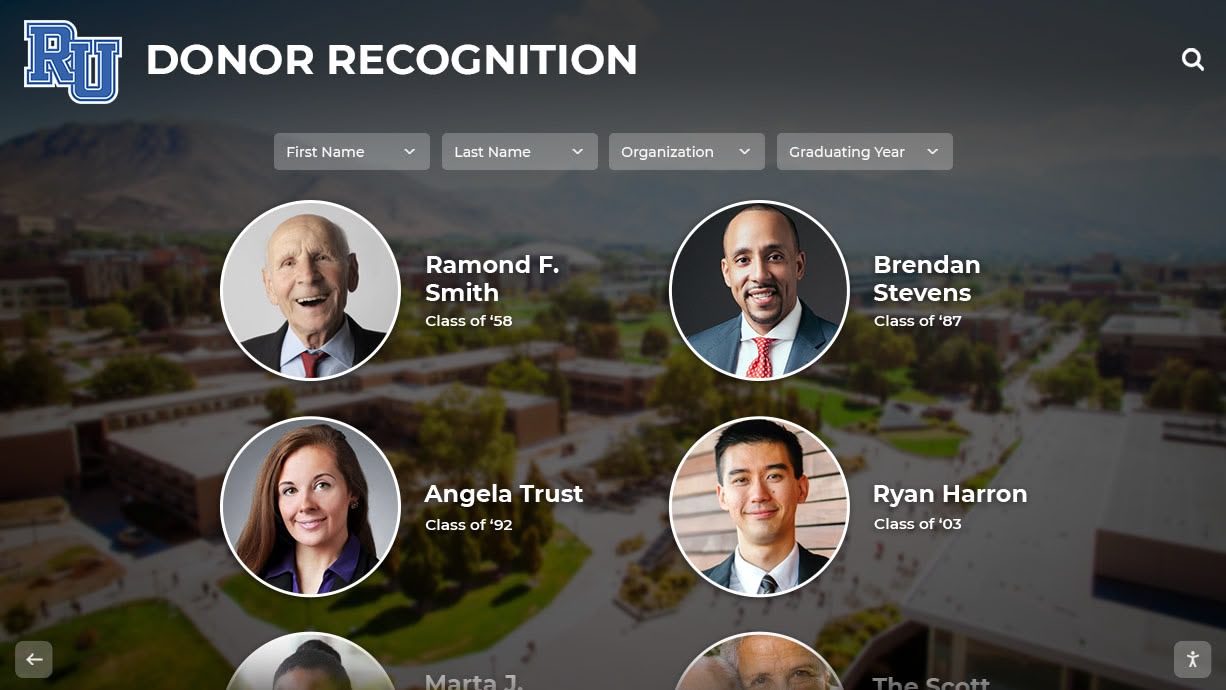
Unlimited Recognition Capacity: Digital systems accommodate comprehensive profiles for every class member rather than featuring only select individuals constrained by physical display space. Inclusive recognition ensures all attendees can find themselves while exploring classmate achievements, creating equitable experiences where everyone receives acknowledgment regardless of whether they won traditional awards or achieved conventional success markers.
Multimedia Storytelling Capabilities: Rich media content including photo galleries documenting graduation through present day, video interviews where classmates reflect on experiences or offer current perspective, audio clips providing authentic voices, and document archives preserving memorabilia create compelling storytelling impossible with static physical displays limited to names and basic text.
Powerful Search and Discovery Tools: Intuitive search functionality enables attendees to quickly locate specific individuals while browsing capabilities encourage serendipitous discovery—finding forgotten classmates, identifying who works in similar fields, or discovering shared life experiences like common hometowns or career paths. Discovery features transform displays from static reference tools into engagement platforms encouraging extended exploration that fills time between structured activities while prompting conversation about discoveries.
Web Integration Extending Access: Cloud-based recognition systems accessible via web browsers enable remote classmates unable to attend physically to still explore class information, submit updated profiles, view event photos, and maintain connection to class communities. Web access particularly matters for classes spanning multiple time zones or including significant international populations for whom physical attendance proves challenging regardless of desire to participate.
Institutions implementing permanent digital recognition systems gain long-term value extending beyond single reunion events. Resources on alumni welcome areas and engagement through recognition displays provide frameworks for creating permanent installations serving ongoing alumni relations while supporting periodic reunion events.
Virtual Participation Options
Hybrid reunion models incorporating virtual participation expand inclusion for classmates unable to attend physically due to distance, health, financial constraints, or scheduling conflicts.
Live Streaming Key Moments: Broadcast significant program elements—keynote speeches, award presentations, group toasts, or performances—enabling remote participants to experience event highlights. Simple streaming via Zoom, YouTube Live, or Facebook Live requires minimal technical infrastructure while delivering significant engagement value for excluded populations.
Virtual Recognition Display Access: Ensure digital recognition displays remain accessible via web browsers before, during, and after physical events, enabling remote classmates to explore content simultaneously with physical attendees. Shared virtual experiences create connection despite geographic separation while ensuring equal access to recognition and information regardless of physical attendance ability.
Interactive Video Contributions: Solicit pre-recorded video messages from classmates unable to attend physically, incorporating submissions into program elements or playing continuously on screens throughout venues. Video contributions enable absent members to participate meaningfully while giving physical attendees glimpses into lives of distant classmates they might have lost contact with entirely.
Post-Event Content Sharing: Create digital galleries featuring event photos, recorded program elements, and collected materials like memory lane content or classmate submissions, sharing via private online platforms where all class members can access regardless of physical attendance. Comprehensive post-event sharing extends benefits beyond physical attendees while building anticipation for future gatherings showcasing what participants experienced.
Budget Planning and Fundraising Strategies
Financial management significantly impacts reunion success through its influence on ticket pricing, programming possibilities, and overall event quality that determines whether attendees perceive value justifying costs.
Realistic Budget Development
Thorough financial planning prevents both pricing events beyond affordability and running into financial shortfalls requiring last-minute cost-cutting that diminishes quality.
Comprehensive Cost Estimation: Account for all expense categories including venue rental covering space and basic services, food and beverage minimums meeting catering requirements, audio-visual equipment enabling presentations or entertainment, decorations and signage creating ambiance, entertainment costs for musicians or DJs, printing expenses for programs and signage, technology costs for registration platforms or recognition displays, insurance protecting against liability, and contingency reserves for unexpected expenses. Detailed budgeting prevents surprise costs that force difficult mid-planning decisions compromising event quality.
Per-Attendee Cost Calculation: Determine breakeven ticket prices based on realistic attendance projections—neither optimistic assumptions creating financial risk nor pessimistic estimates resulting in excessive pricing. Calculate costs assuming 60-70% of confirmed RSVPs actually attend, accounting for inevitable last-minute cancellations that affect final counts despite earnest initial commitments.
Transparent Pricing Communication: Clearly explain what ticket prices cover, what costs individuals bear separately (like hotel rooms or transportation), and how pricing tiers work if multiple options exist. Transparency builds trust while enabling attendees to make informed decisions about participation based on accurate financial information rather than discovering unexpected costs creating resentment.
Revenue Enhancement Beyond Ticket Sales
Creative fundraising reduces per-attendee costs while enabling enhanced programming that ticket revenue alone cannot support.
Institutional Support Solicitation: Request financial support from schools or alumni associations recognizing reunion relationship-building value that advances institutional objectives. Many institutions provide modest grants ($500-$2,000) for reunion committees or offer in-kind support like free facility rentals, complimentary catering, or subsidized printing reducing cash requirements enabling more attractive ticket pricing.
Corporate Sponsorships: Solicit support from classmate-owned businesses or companies with institutional connections, offering recognition in event materials in exchange for financial contributions. Sponsorships ranging from $250-$5,000 can significantly offset costs while providing valuable business promotion to business-owner classmates appreciating marketing opportunities reaching target audiences.
Commemorative Merchandise Sales: Design class-specific merchandise—t-shirts, hoodies, drinkware, or other items featuring class year, mascot, or inside jokes—selling through advance orders and event-day availability. Merchandise sales generate modest revenue while creating tangible keepsakes extending event memories and providing promotional materials building awareness and anticipation before gatherings.
Legacy Fundraising Initiatives: Coordinate reunion-aligned fundraising campaigns supporting scholarships named for the class, facility improvements, or institutional priorities the class cares about. Collective giving creates meaningful impact while providing purpose beyond social gathering—particularly appealing to civic-minded classmates who appreciate opportunities to support institutions that shaped their lives.
Understanding how advancement teams leverage recognition for fundraising helps reunion committees coordinate efforts with institutional development priorities, potentially unlocking support resources or creating partnership opportunities benefiting both reunion planning and broader institutional fundraising objectives.
Timeline and Organizational Framework
Systematic planning processes beginning well in advance of event dates ensure thorough preparation addressing countless details that collectively determine reunion success.
12-Month Planning Timeline
Ambitious committees should begin planning approximately one year before intended event dates, enabling thorough preparation without last-minute stress compromising volunteer wellbeing or decision quality.
12-9 Months Before: Form planning committee with diverse representation ensuring inclusive perspectives. Research and tour potential venues comparing costs, capacity, availability, and amenities. Develop preliminary budgets and ticket pricing scenarios. Begin collecting classmate contact information through database research and social media searching. Select tentative date considering conflicts like major holidays, competing events, or known obstacles for significant class member segments.
9-6 Months Before: Finalize venue contracts and event dates. Launch initial promotional campaigns announcing dates and requesting updated contact information. Establish registration systems and payment processing. Form subcommittees handling specific areas—venue coordination, communications, fundraising, programming, or technology. Begin developing specific programming plans and activity details. Research and reserve entertainment, audio-visual equipment, or special service providers.
6-3 Months Before: Intensify promotional efforts across multiple channels encouraging registration and building attendance. Finalize catering selections and submit guest counts based on early registration. Develop detailed event schedules and printed materials. Coordinate with any participating institutional staff or faculty members. Launch merchandise sales if applicable. Confirm all vendor contracts and establish communication protocols for final coordination.
3-1 Months Before: Monitor registration trends and adjust plans based on actual versus projected attendance. Submit final catering guarantees within required deadlines. Complete all printed materials and signage production. Conduct final venue walkthrough confirming setup plans. Brief all volunteers on roles and responsibilities. Launch final promotional push encouraging last-minute registration. Coordinate with recognition display providers ensuring content currency and technical readiness.
Final Week: Confirm final details with all vendors and service providers. Prepare registration materials, name tags, and information packets. Conduct final attendance count and inform catering of guaranteed numbers. Stage all supplies and materials requiring transport to venues. Brief setup crew on installation plans and timing. Enjoy the event you’ve worked so hard to create!
Committee Structure and Role Distribution
Effective volunteer organization distributes workload while ensuring accountability for all planning dimensions requiring attention.
Committee Chair or Co-Chairs: Provide overall coordination, make final decisions on contested issues, communicate with venues and institutions, manage budget, and ensure planning stays on timeline. Chair positions require significant time commitment (5-10 hours weekly during intensive planning periods) but deliver satisfaction from creating meaningful community experiences.
Communications Coordinator: Manage promotional campaigns, social media presence, registration communications, and ongoing classmate outreach building awareness and encouraging participation. Communications roles suit organized individuals comfortable with multiple platforms and regular content creation maintaining engagement throughout long planning periods.
Venue and Logistics Lead: Coordinate with venues, manage catering details, arrange equipment rentals, oversee decoration and setup, and handle day-of logistics ensuring smooth event execution. Logistics roles appeal to detail-oriented planners who enjoy operational coordination and hands-on problem solving.
Programming and Activities Director: Develop activity schedules, coordinate entertainment, organize special programming elements, and manage timeline during events ensuring smooth transitions between program components. Programming roles suit creative individuals who enjoy designing engaging experiences bringing groups together effectively.
Technology Coordinator: Manage registration systems, coordinate digital recognition displays, handle audio-visual needs, troubleshoot technical issues, and oversee virtual participation components for hybrid events. Technology roles obviously suit technically comfortable individuals who can confidently manage platforms and resolve problems quickly when challenges emerge.
Post-Reunion Follow-Up and Sustained Engagement
Reunion benefits extend far beyond single-event experiences when committees implement thoughtful follow-up maintaining momentum and strengthening connections forged or renewed during gatherings.
Immediate Post-Event Actions
Strike while engagement peaks immediately after successful reunions, capitalizing on positive sentiment and fresh memories while attendees remain receptive to ongoing connection opportunities.
Thank You Communications: Send personalized appreciation messages to all attendees, volunteers, sponsors, and institutional supporters within one week of events while memories remain fresh. Sincere gratitude acknowledges contributions while reinforcing positive associations with reunion experiences and organizational competence.
Photo and Memory Sharing: Create comprehensive digital galleries featuring event photos, captured video moments, collected memorabilia, and submitted content, sharing via private platforms where class members can download, comment, and tag themselves or classmates. Photo sharing extends event experiences while providing content for future promotional efforts building anticipation for subsequent gatherings.
Financial Closing: Complete all vendor payments, reconcile budgets comparing actual versus projected costs, distribute remaining funds according to committee decisions (scholarships, next reunion seed funding, institutional gifts, or reserve maintenance), and prepare financial summaries for class members demonstrating responsible stewardship building confidence in organizational capabilities.
Survey Collection: Solicit candid feedback about event quality, programming effectiveness, areas for improvement, and interest in future gatherings through brief digital surveys. Feedback informs future planning while demonstrating committee commitment to continuous improvement and responsiveness to community preferences rather than repeating approaches regardless of effectiveness.
Building Ongoing Connection
The most successful reunion committees recognize that single events represent pieces of broader relationship-building strategies creating sustained engagement rather than periodic gatherings separated by years of silence between milestone anniversaries.
Digital Communication Maintenance: Establish regular communication cadence through quarterly newsletters, active social media groups, class-specific websites, or email updates maintaining awareness and providing ongoing touchpoints between major events. Consistent communication prevents losing momentum between reunions while providing opportunities to share classmate updates, celebrate individual milestones, and maintain community identity.
Smaller Interim Gatherings: Organize casual local or regional gatherings between major reunions—happy hours in cities with class member concentrations, affinity group meetups based on shared interests or professions, or attendance at institutional homecoming events. Smaller gatherings maintain connections while reducing planning complexity and cost barriers preventing participation in major reunion events.
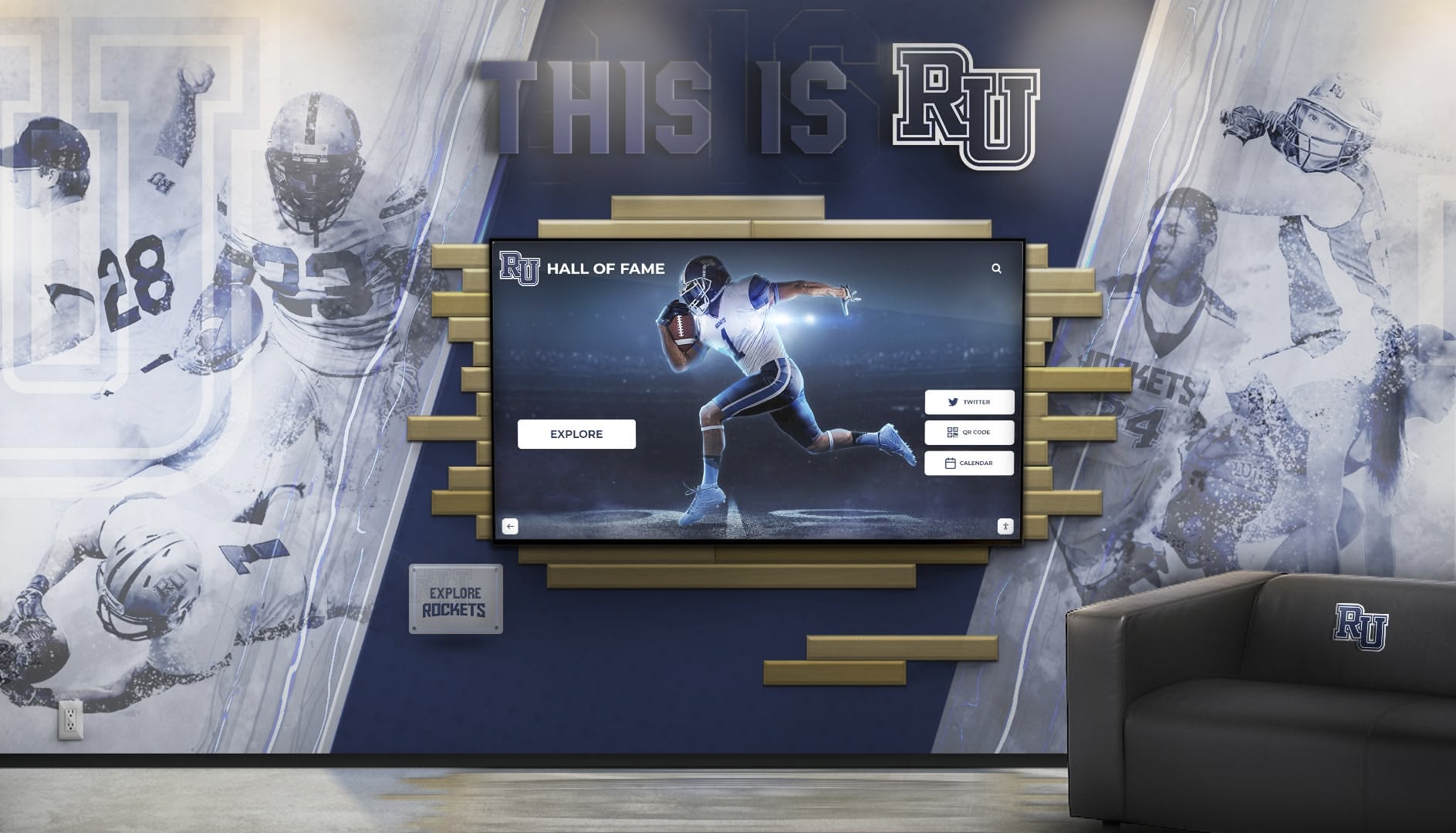
Online Recognition Display Access: Ensure digital recognition systems remain accessible year-round rather than appearing only during reunion events, enabling classmates to update profiles, explore content during quiet moments, and maintain connection to class histories. Permanent recognition access supports ongoing engagement while demonstrating institutional commitment to alumni relationships extending beyond episodic fundraising or event promotion.
Collaborative Class Projects: Engage classes in ongoing initiatives creating shared purpose beyond social gatherings—collective scholarship fundraising, mentorship programs connecting with current students, volunteer initiatives supporting institutional or community priorities, or legacy projects creating lasting impact. Shared purpose strengthens bonds while demonstrating values extending beyond nostalgia to include meaningful contribution.
Resources on alumni engagement strategies and building community provide frameworks for maintaining connection between major milestone events.
Conclusion: Creating Reunions That Matter
Exceptional class reunions require thoughtful planning extending beyond basic logistics to encompass inclusive recognition, engaging programming, meaningful activities, and follow-up strategies that transform single events into sustained community building. The most successful gatherings balance nostalgia with forward-looking celebration, honor diverse achievements rather than narrow success definitions, leverage technology enhancing rather than overwhelming experiences, and create environments where genuine connection flourishes rather than requiring forced socialization that leaves some attendees feeling excluded despite physical presence.
Whether planning intimate gatherings for small classes or managing complex logistics for hundreds of attendees, core principles remain consistent: respect attendees’ time and financial investment through exceptional organization, celebrate shared history while acknowledging individual journeys since graduation, facilitate authentic connection through structured activities rather than unguided socializing, and leverage appropriate technology extending access and enhancing engagement for diverse populations.
Institutions supporting reunion committees through facility access, recognition display systems, promotional assistance, or financial subsidies recognize that successful class reunions deliver measurable benefits including strengthened institutional loyalty, enhanced giving likelihood, improved recruitment through demonstrated graduate success, and sustained community relationships benefiting current students through mentorship and networking opportunities. Strategic institutional support proves wise investment delivering returns far exceeding modest resource commitments.
For schools implementing permanent digital recognition infrastructure serving both reunion events and ongoing alumni engagement, solutions like Rocket Alumni Solutions provide comprehensive platforms specifically designed for educational institutions. These purpose-built systems combine commercial-grade reliability, intuitive management requiring no technical expertise, unlimited recognition capacity accommodating entire alumni populations, and professional support ensuring successful implementation—enabling institutions to create sophisticated recognition experiences supporting reunion planning while serving broader alumni relations objectives year-round.
Every class deserves reunions creating lasting memories rather than obligation-driven gatherings attended from duty rather than genuine enthusiasm. Every institution benefits from strengthened alumni relationships delivering measurable advancement outcomes. Thoughtful reunion planning incorporating the strategies explored throughout this comprehensive guide makes exceptional gatherings achievable for committees committed to honoring shared heritage while building connections sustaining communities across generations and geographic distances that might otherwise erode relationships forged during transformative educational experiences worth celebrating throughout life’s journey.
Ready to elevate your next class reunion with interactive recognition displays that honor every classmate and create engaging experiences? Explore how digital solutions transform ordinary gatherings into meaningful celebrations of shared achievement and individual growth.