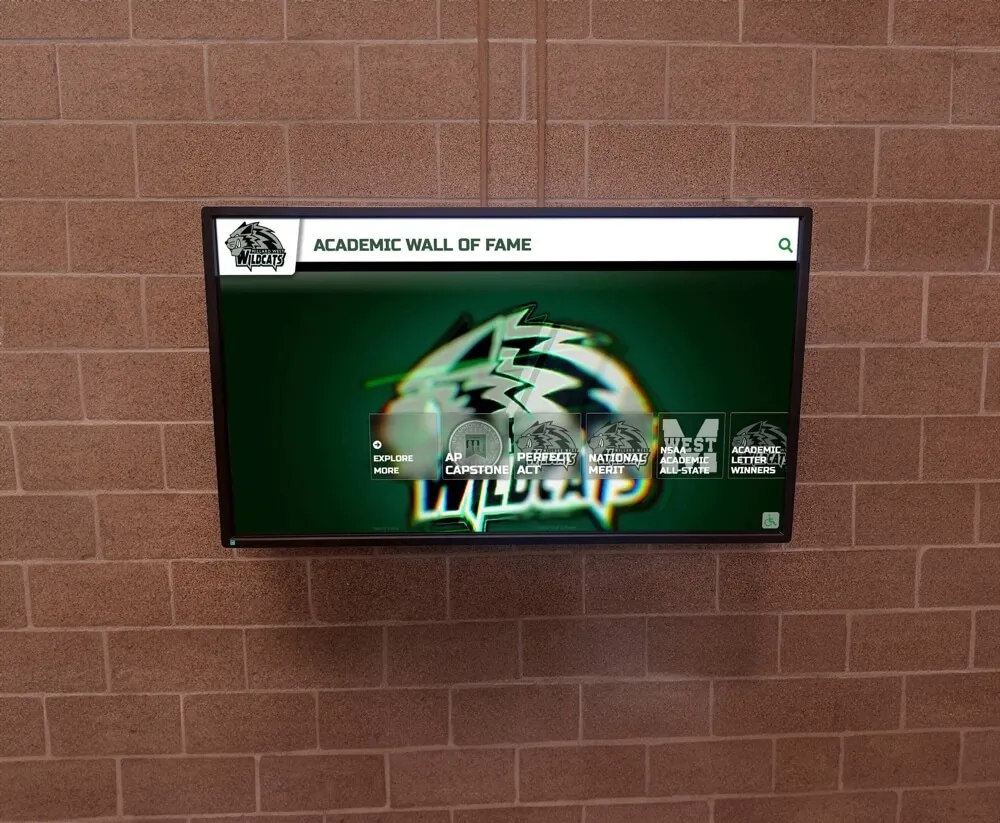




Civil Air Patrol cadets earn ribbons for every major milestone in the program—encampment completion, drill competition placements, leadership positions, physical fitness achievements, and the progressive series of milestone awards that mark each phase of cadet development. Organizing those ribbons into the correct, uniform-ready configuration is the job of a ribbon rack builder. But the ribbon rack is also something larger: a compressed record of everything a cadet has accomplished. Schools with CAP squadrons are increasingly recognizing that this record belongs not just on a dress uniform but on the walls of the institution that educated that cadet—displayed in a format that every student, parent, and community visitor can encounter and understand.
This guide covers how Civil Air Patrol ribbon rack builders work, what CAP awards and ribbons represent, and how schools are using digital recognition boards to transform individual cadet ribbon racks into permanent, community-visible displays of program achievement.
What Is a Civil Air Patrol Ribbon Rack Builder?
A ribbon rack builder is a tool—typically a digital application or web interface—that lets a Civil Air Patrol cadet input their current awards and see how those ribbons should be arranged on a dress uniform according to CAP precedence rules. Because ribbons must be worn in a specific order (with higher-precedence awards displayed first, reading from top to bottom and inner to outer), a builder removes the guesswork from rack assembly. Schools and squadrons use ribbon rack builders to verify correct uniform wear, help new cadets understand what they've earned and how to wear it, and plan recognition displays that communicate cadet achievement to audiences who may be unfamiliar with military ribbon systems.

How Civil Air Patrol Ribbons Are Organized
Before a school can display CAP ribbons effectively, it helps to understand how the ribbon system is structured. Civil Air Patrol awards fall into distinct categories, and each category carries different weight in the precedence order that governs ribbon rack arrangement.
The CAP Cadet Achievement Award Progression
CAP’s Cadet Program is built around a structured sequence of achievement awards, each representing a distinct developmental milestone. Cadets advance through these awards by demonstrating increasing mastery of aerospace education, leadership skills, physical fitness standards, and program participation. The awards serve as formal checkpoints that mark a cadet’s transition through the program’s phases—from initial orientation through senior leadership roles.
The Mitchell Award stands as one of the most recognized benchmarks in the Cadet Program. Named after General Billy Mitchell, an early pioneer of American airpower, it marks a cadet’s transition to officer status and requires sustained excellence across leadership, aerospace knowledge, and physical fitness. Earning the Mitchell Award typically requires two or more years of active program participation and demonstrates that a cadet has moved well beyond foundational competency into genuine program leadership.
The Spaatz Award is the highest award in the Civil Air Patrol Cadet Program. Named after General Carl A. Spaatz, the first Chief of Staff of the United States Air Force, it requires passing a rigorous written examination, completing a physical fitness assessment, demonstrating flight proficiency, and exemplifying exceptional leadership within the unit. The Spaatz Award is among the rarest achievements in the Cadet Program—a small fraction of cadets who enter the program ever complete its demanding requirements. For schools with a CAP squadron, a Spaatz Award recipient represents achievement at a genuinely exceptional level.
Beyond these milestone awards, the Cadet Program includes earlier-phase achievement awards that recognize foundational competency and developing leadership—the starting points from which cadets build toward Mitchell and eventually Spaatz.
Service, Activity, and Competition Ribbons
Beyond achievement awards, CAP cadets earn ribbons across a wide range of participation categories:
Encampment ribbons recognize completion of the intensive multi-day training events that many cadets describe as the most formative single experience in the program. General encampment, international encampment, and specialized national encampments each carry distinct ribbons marking the depth of commitment they represent.
Activity ribbons cover participation in aerospace education programs, national special activities, character development events, and community service projects. The breadth of activity ribbons reflects how wide-ranging active CAP involvement actually is.
Leadership and performance ribbons recognize cadets serving in designated positions—cadet commander, honor cadet, academic achievement designees—within their home squadron.
Competition ribbons mark performance in drill competitions, model rocketry events, aerospace education academies, and other competitive programs conducted at the wing and national level.
How Ribbon Precedence Works
CAP publishes official precedence tables specifying exactly which awards rank above others on a ribbon rack. A cadet with a Spaatz Award ribbon, a Mitchell Award ribbon, an encampment ribbon, and a leadership ribbon must arrange those ribbons in a precedence-determined order—not by personal preference or date earned.
Ribbon rack builders translate this precedence table into a visual output. A cadet inputs their current awards, and the builder generates the correct rack configuration. This matters for uniform compliance, but it also means that a well-constructed ribbon rack carries precise, recognized meaning to anyone familiar with the CAP system—and that a digital display can decode that meaning for everyone else.
Why Schools Struggle to Display CAP Awards
Schools hosting Civil Air Patrol squadrons face a recognition challenge that has no clean analog in athletic or academic programming. Athletic awards are familiar—trophies, record boards, letter jackets. Academic awards are familiar—honor rolls, certificates, dean’s list plaques. CAP ribbons are neither, and that difference creates four specific problems.
The interpretability problem comes first. A student or parent walking past a display of CAP ribbons sees colored bars without context. They cannot determine whether the blue-and-silver ribbon ranks higher than the red-and-white one, or what a Mitchell Award represents compared to an earlier phase achievement. Physical ribbon displays provide no explanation—they require visitors to already know the system to extract meaning from it.
Space constraints compound the issue. A cadet who has been active in CAP for three or four years may have earned a dozen or more distinct ribbons, along with medals, specialty badges, and position insignia. Displaying one cadet’s achievement record with sufficient explanatory context requires far more space than a traditional bulletin board or trophy case can provide. A school with an active, high-performing squadron may have dozens of distinguished cadets who deserve public recognition.
Update velocity creates a third challenge. CAP cadets earn new awards throughout the school year—after encampments, following competition seasons, upon promotion, and through ongoing service recognition. A static physical display becomes outdated within weeks of being installed, and updating it typically requires manual removal and reattachment of physical elements.
Preserving program history is the fourth problem. When a school displays its outstanding current cadets, what happens to recognition for the Spaatz Award recipient who graduated five years ago? Ten years ago? Static display formats force schools into an impossible trade-off between current recognition and historical preservation—one that inevitably dishonors cadets from prior years.
Digital hall of fame displays address all four of these problems simultaneously—interpretability, capacity, currency, and permanence—within a single managed system.
Digital Recognition Boards and CAP Ribbon Displays
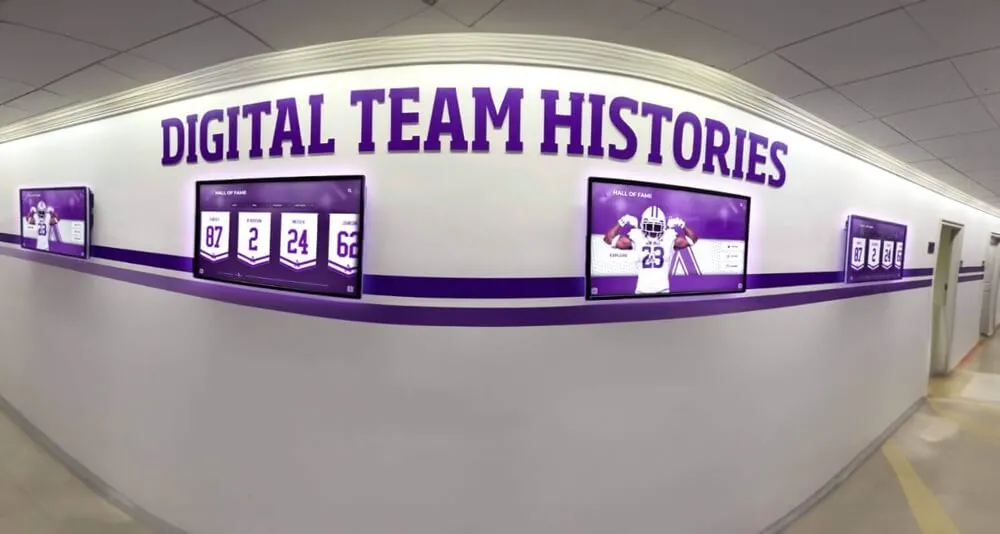
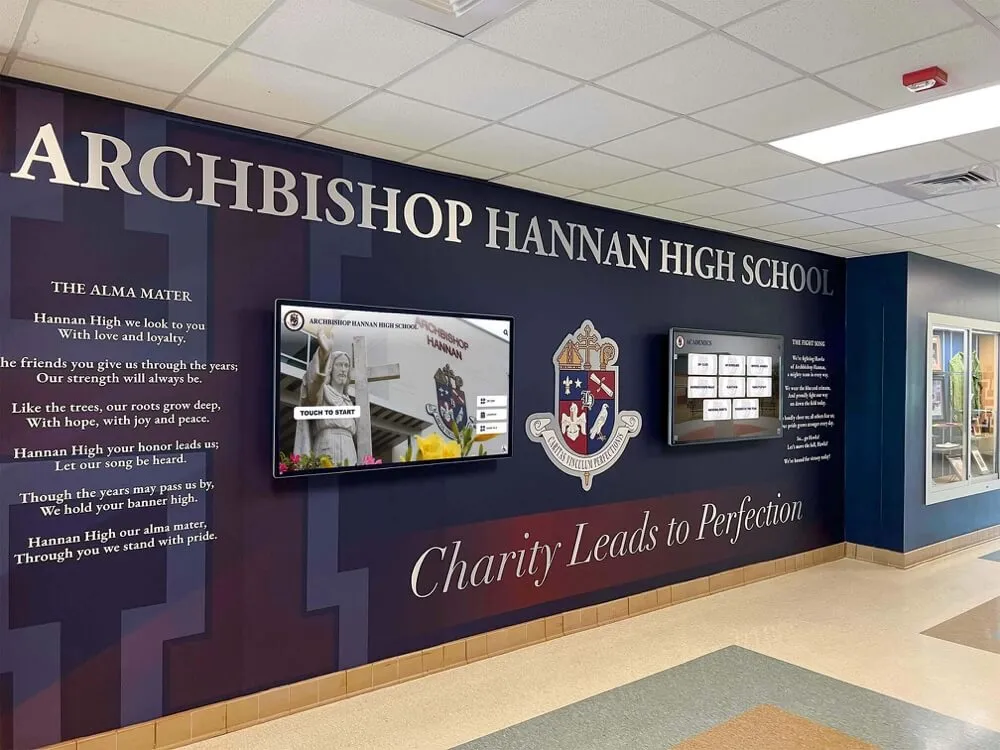
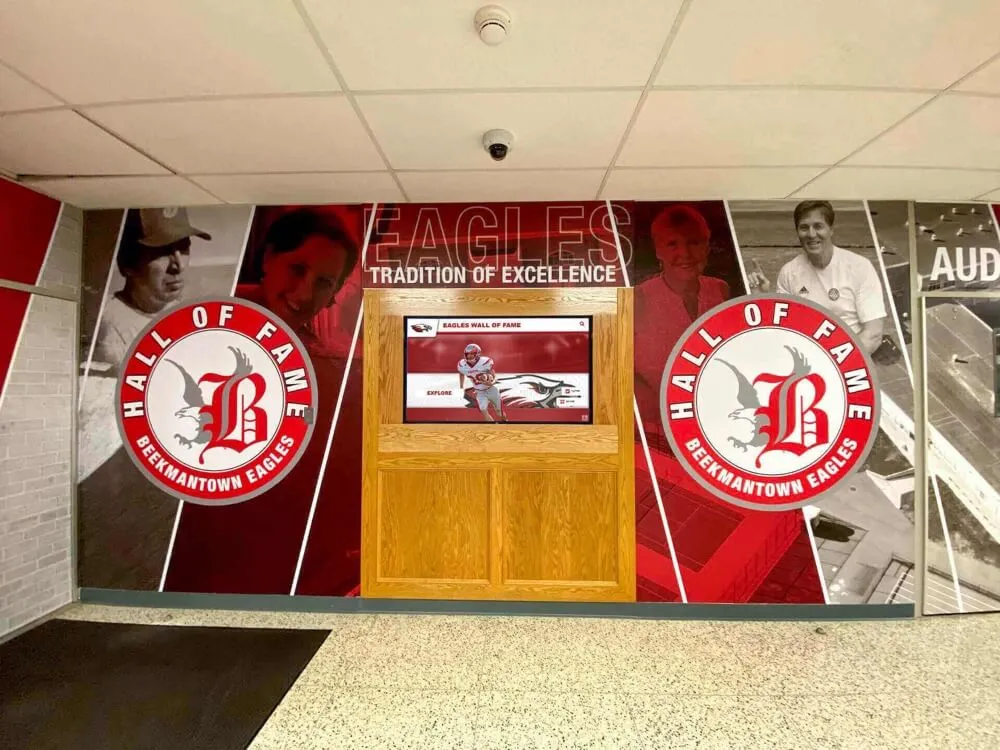
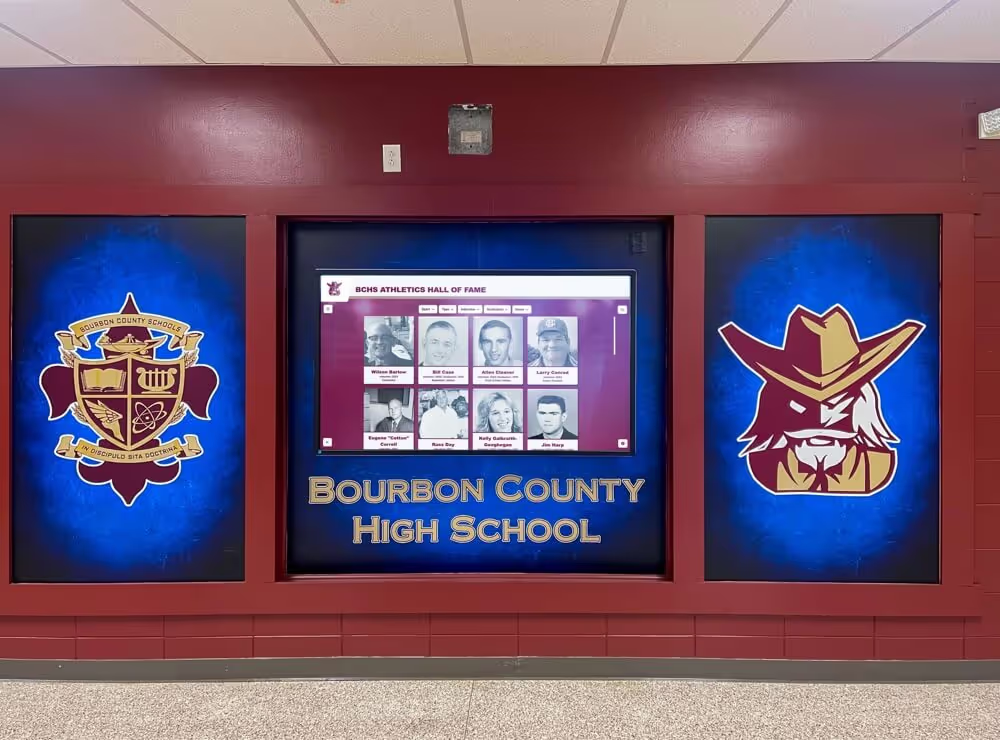
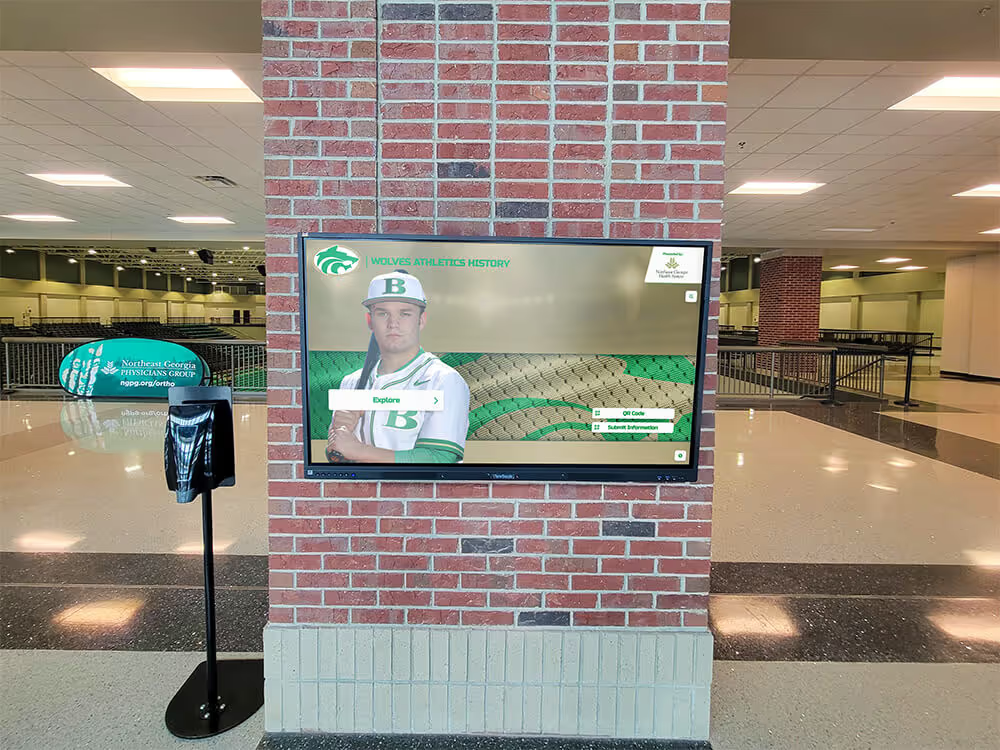
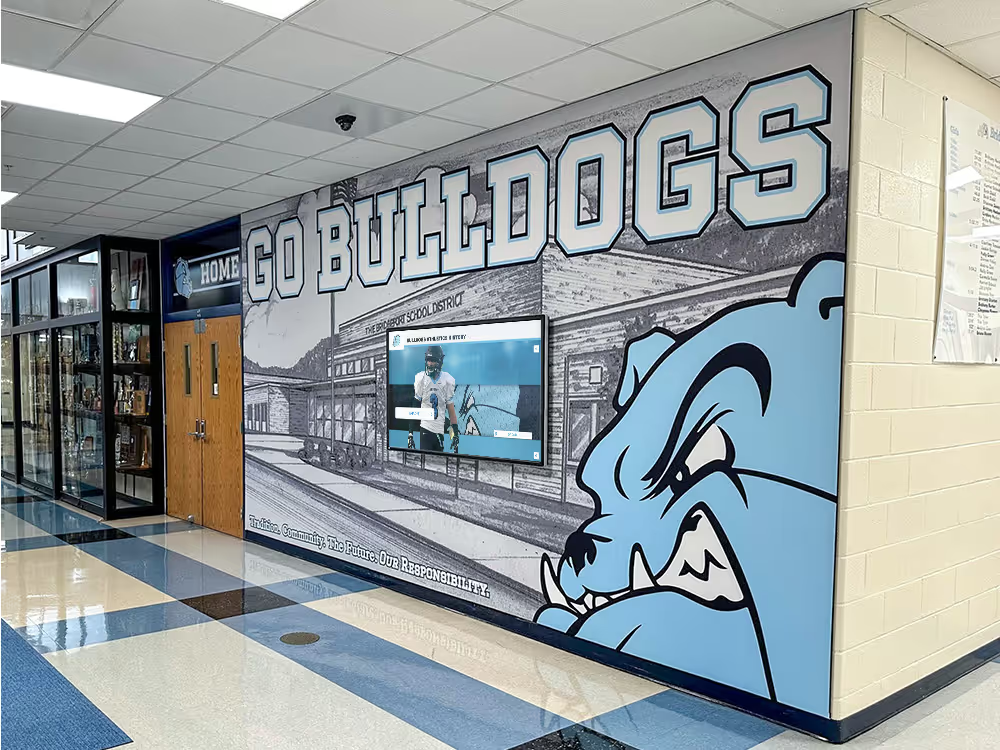
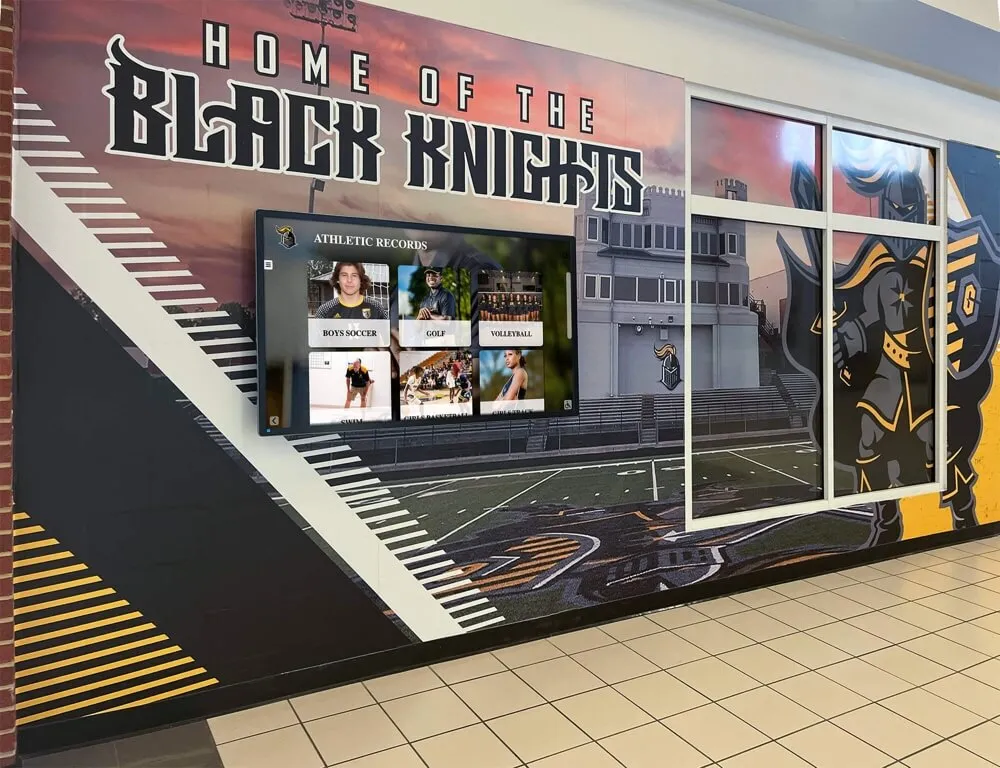
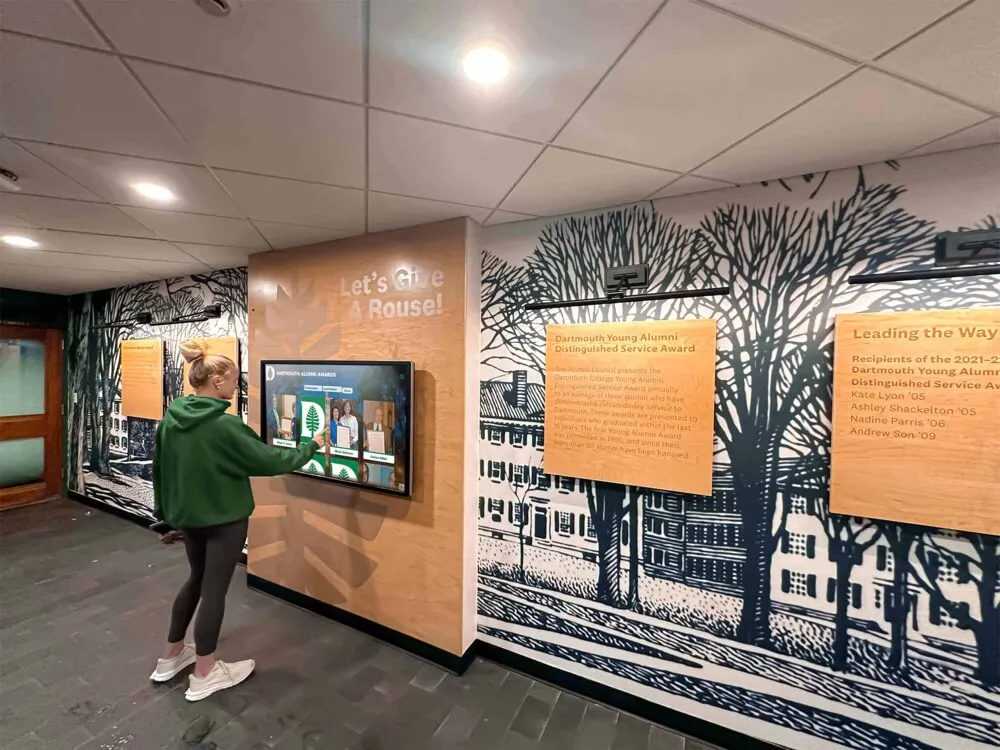
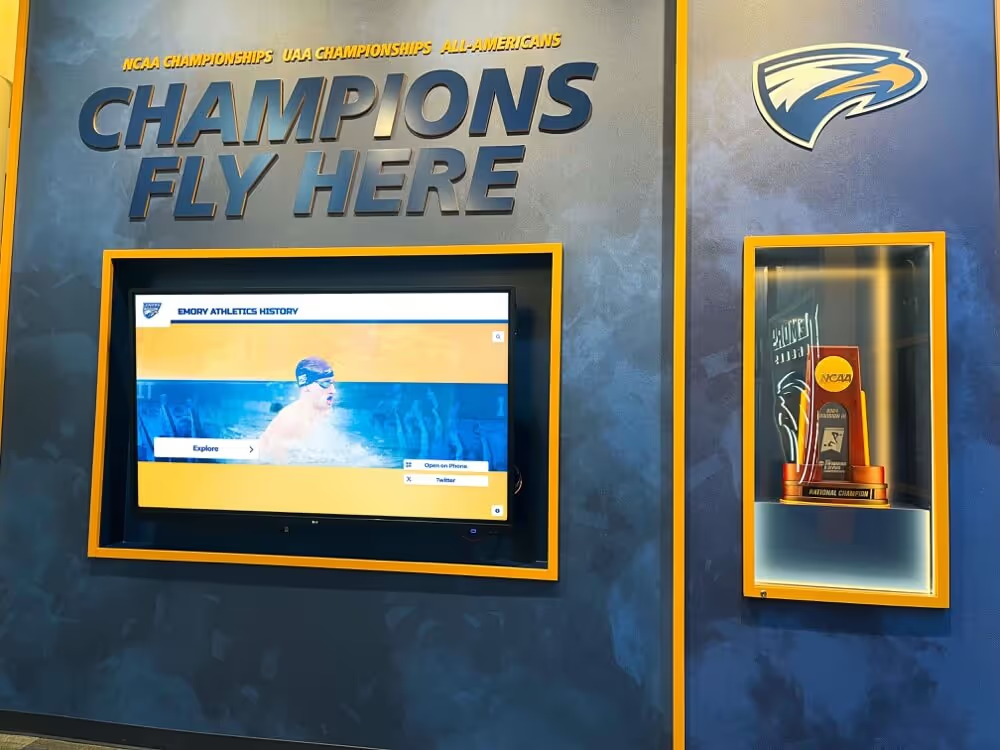
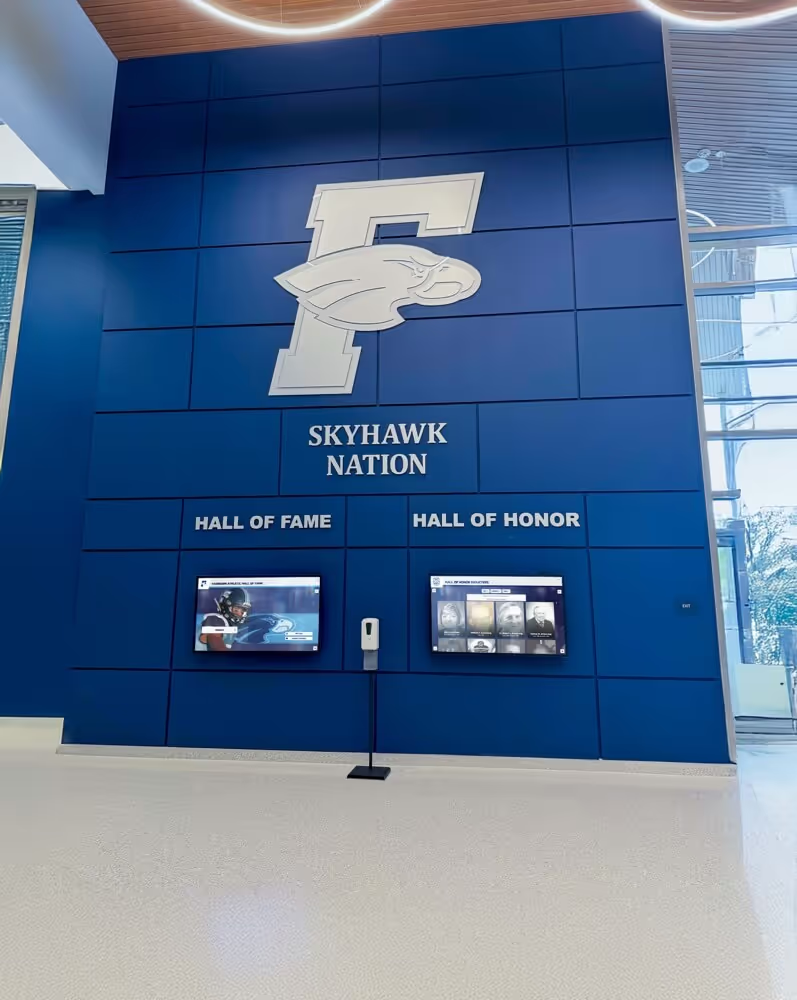
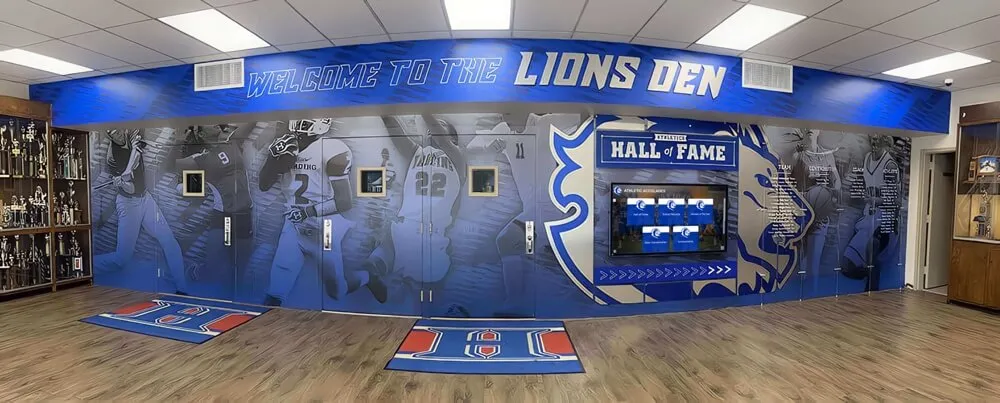
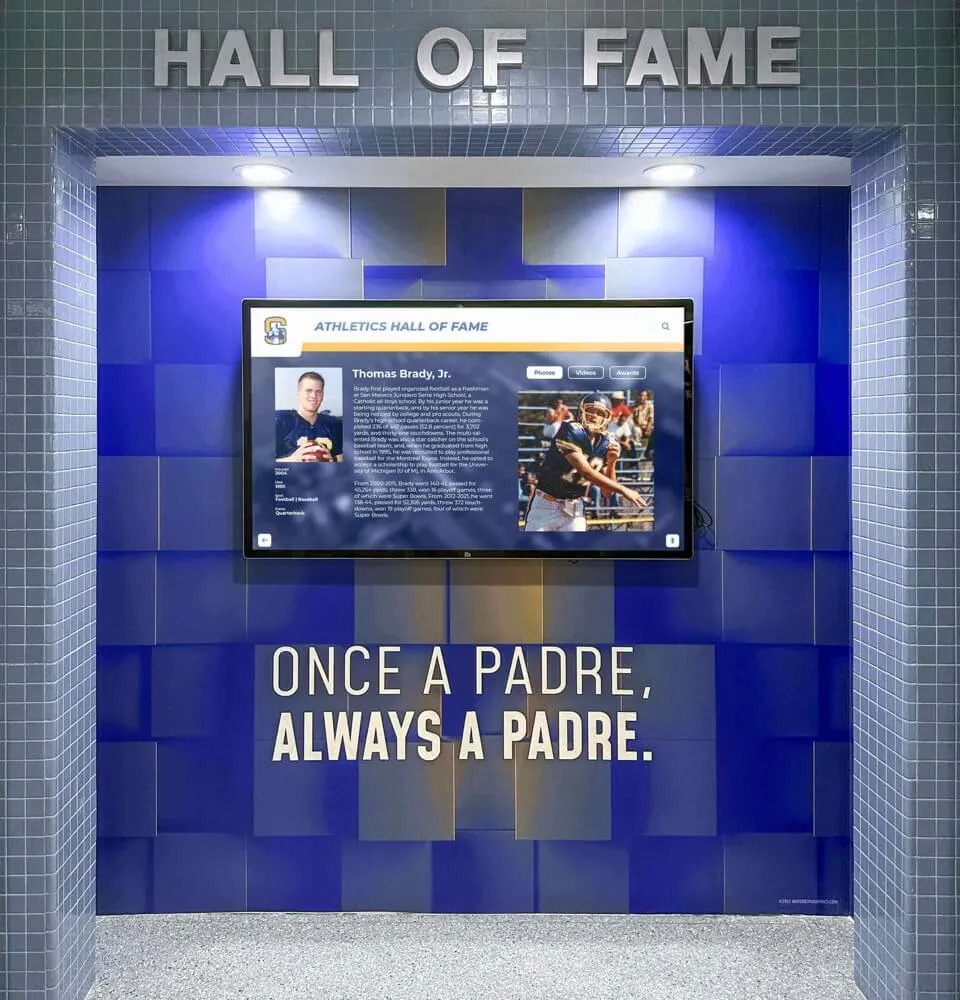
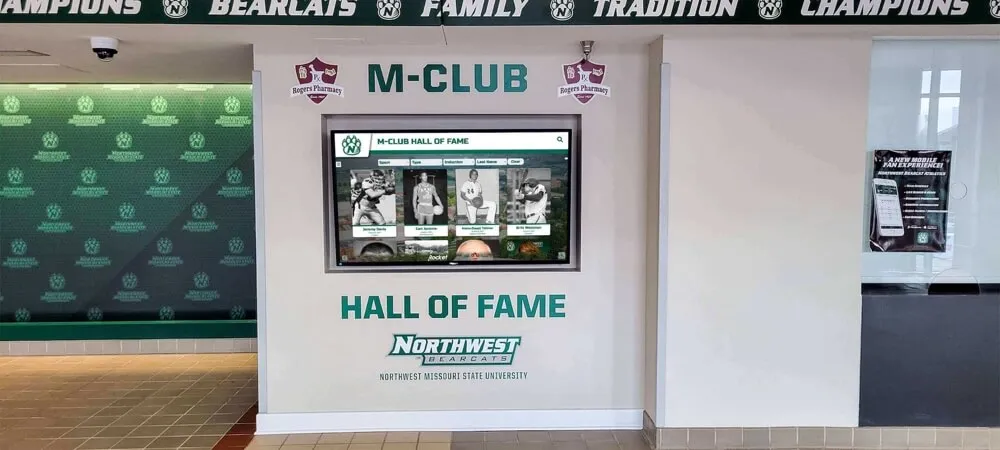
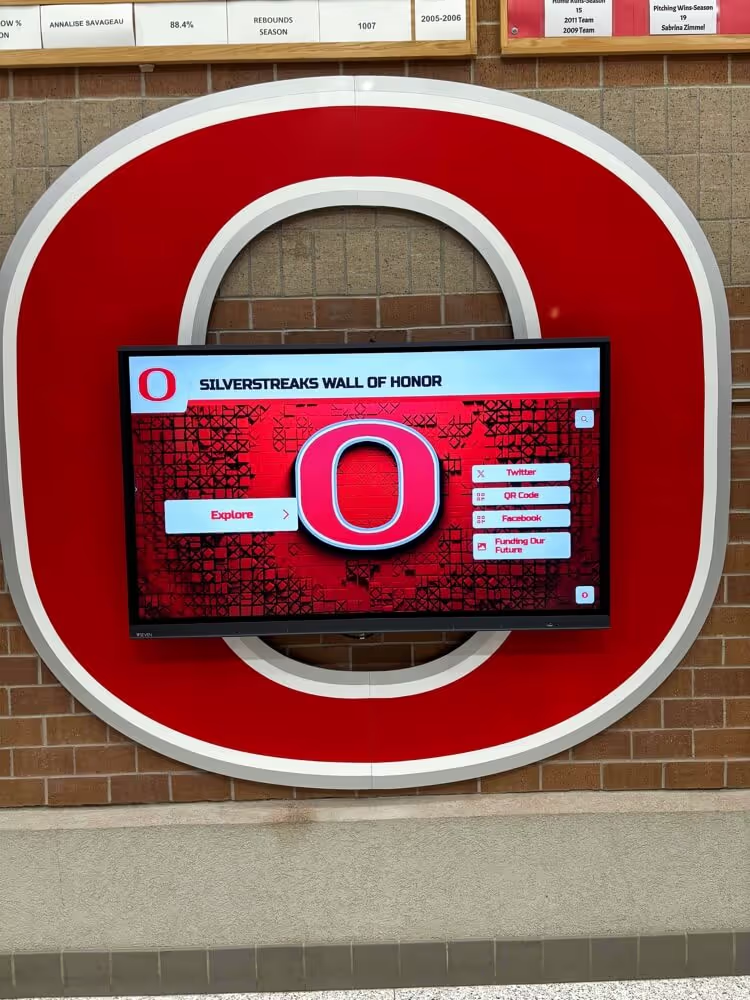
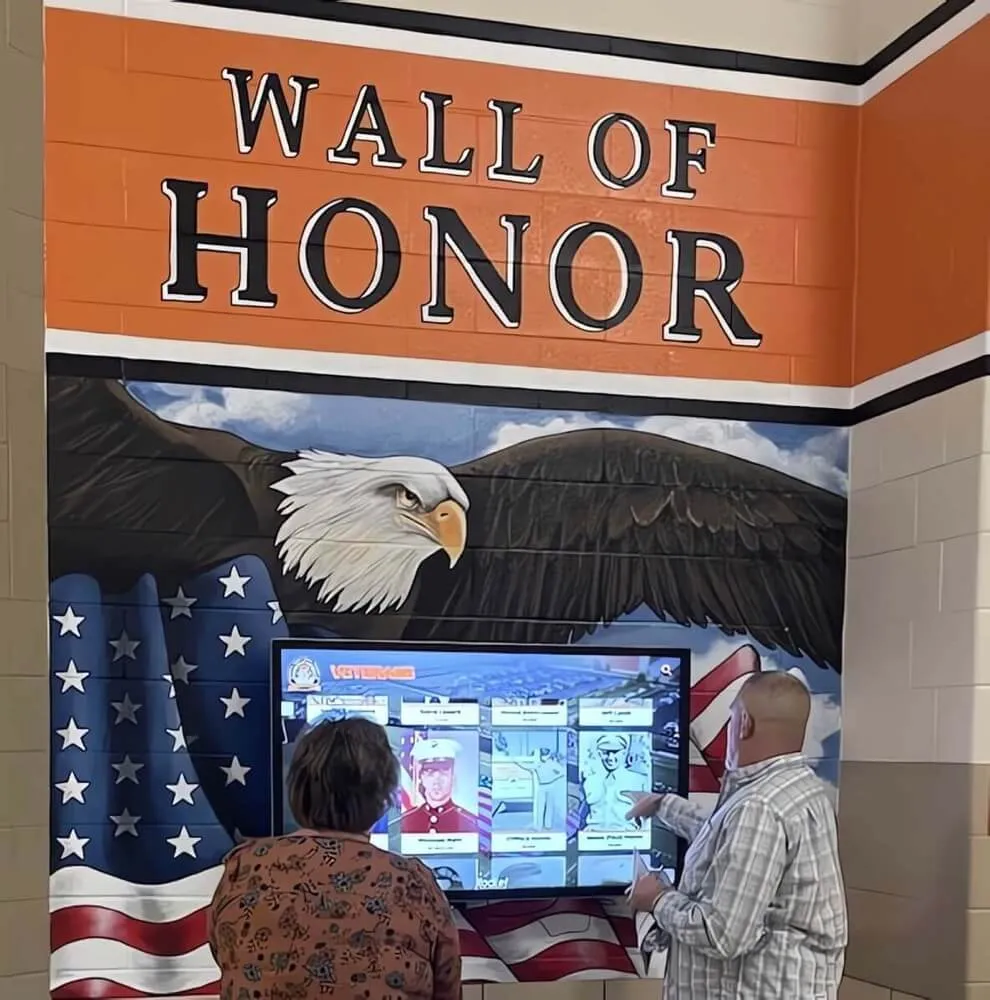
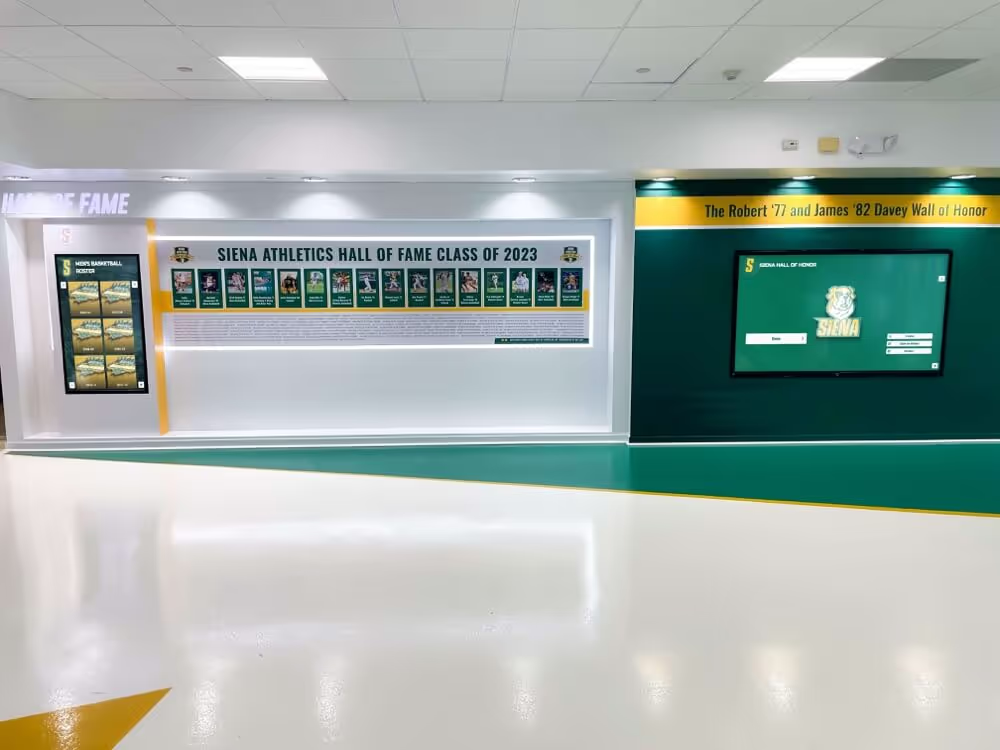
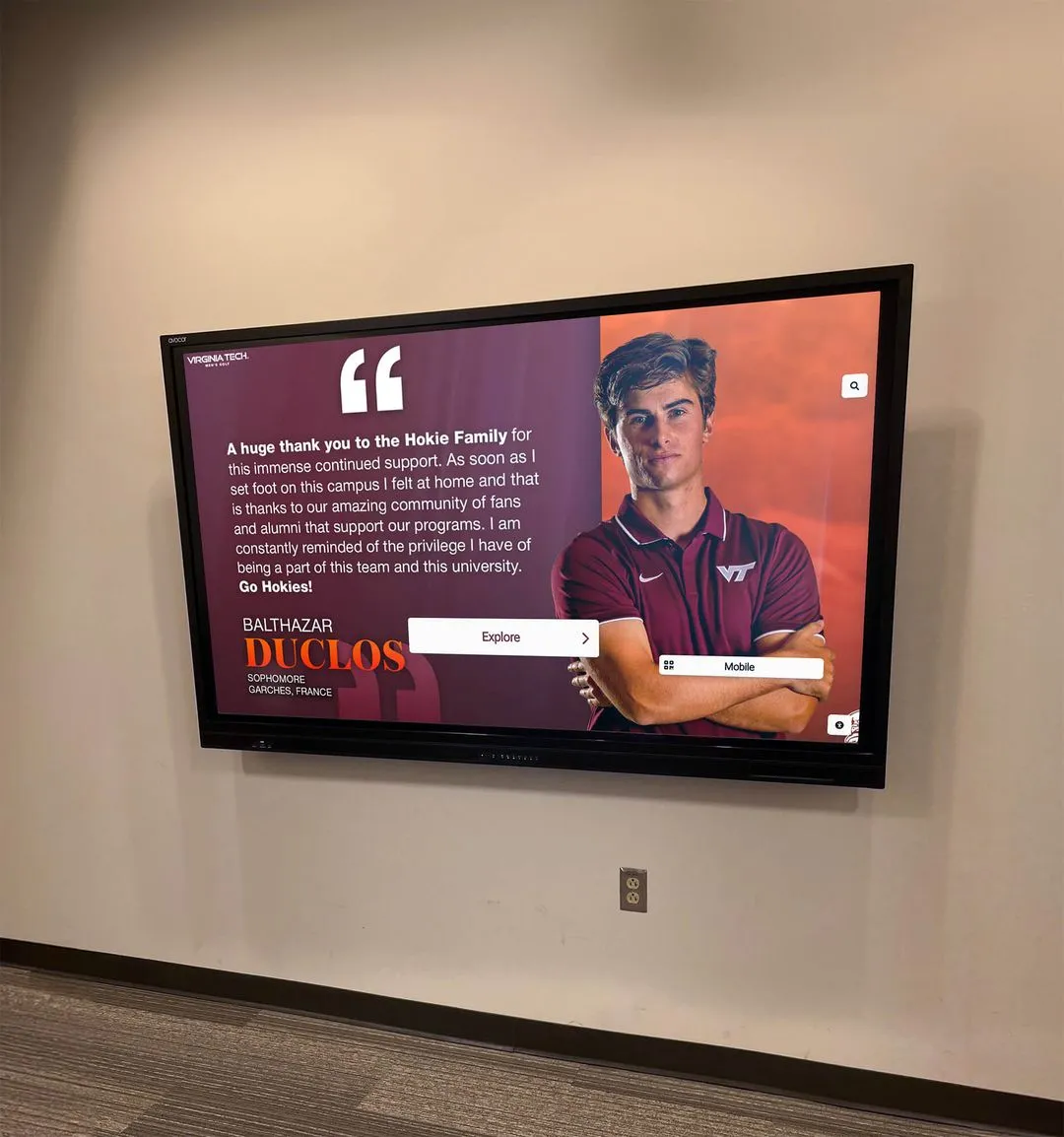
The core value a digital recognition board provides for Civil Air Patrol programs is the same value it provides for athletic record boards: it treats achievement information as structured data that can be displayed, explained, searched, and updated without requiring manual intervention each time something changes.
From Ribbon Rack to Digital Cadet Profile
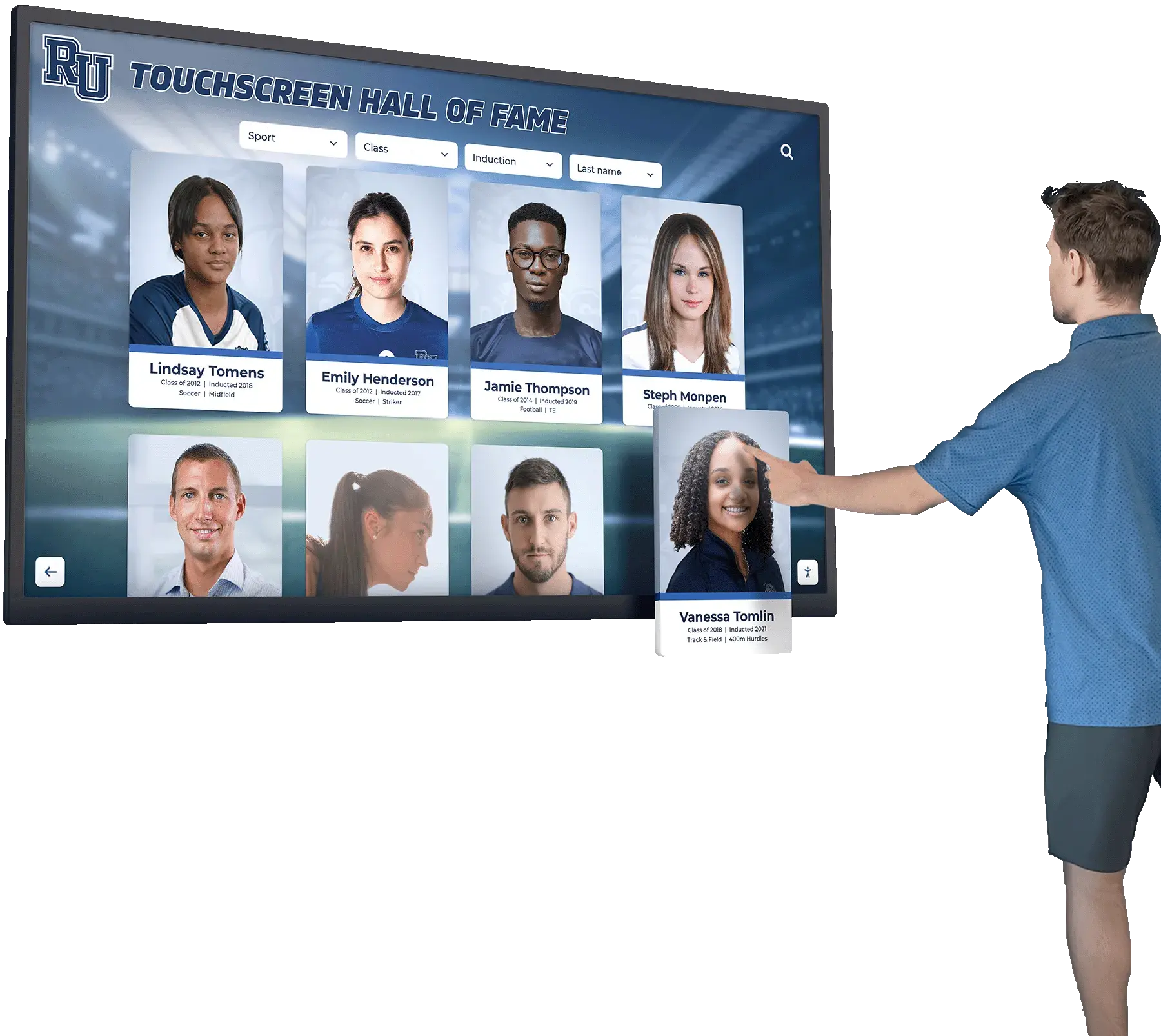
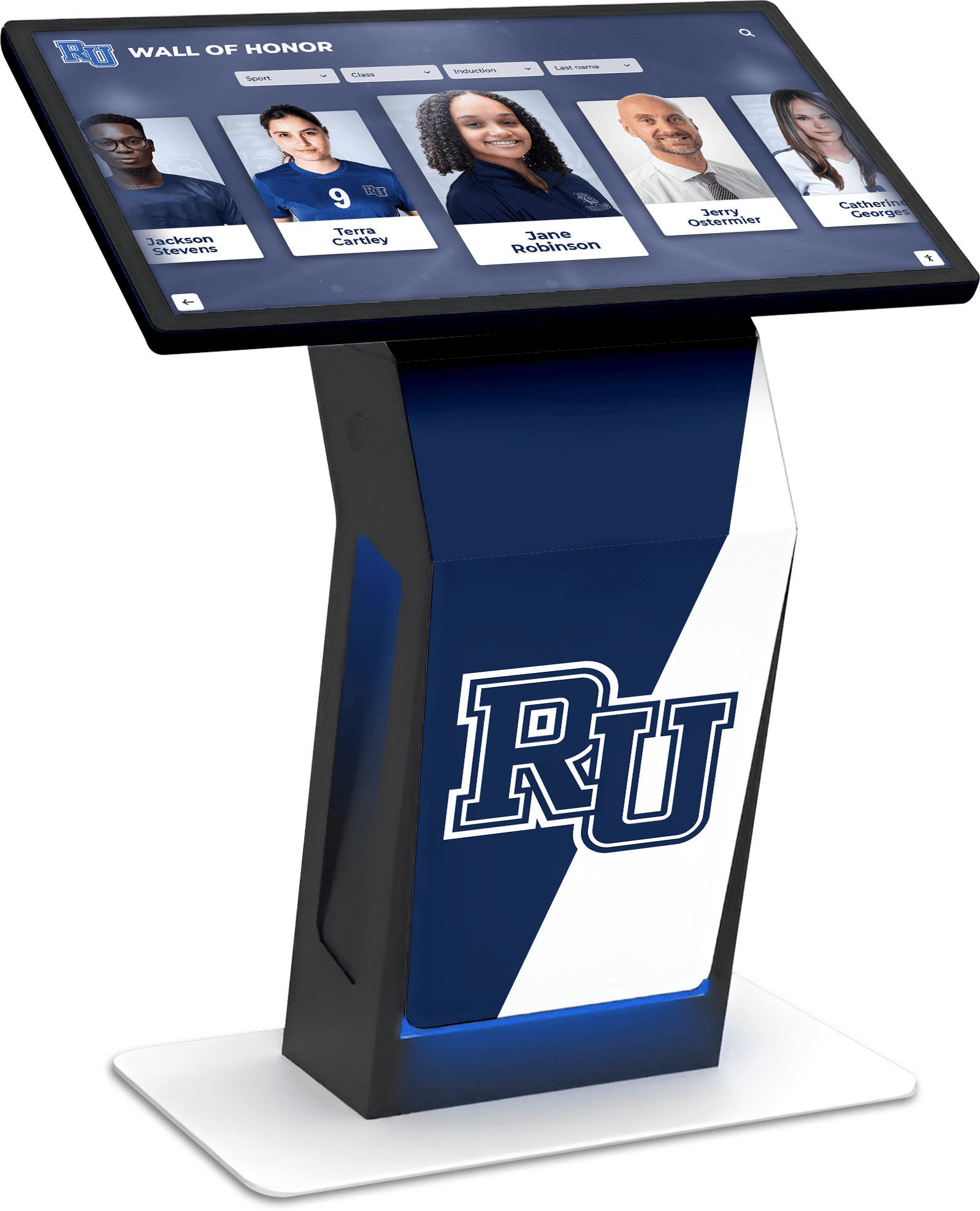
A digital recognition system transforms a cadet’s ribbon rack from a uniform component into an explanatory, searchable public display. Each cadet profile can include:
- High-resolution photograph in dress uniform showing the complete ribbon rack as worn
- Individual ribbon identification with the name and description of each award
- Dates earned for each award, showing the developmental timeline
- Rank progression from initial enrollment to current standing
- Leadership positions held within the squadron
- Encampment and national activity participation history
- Post-graduation outcomes for alumni cadets who entered military service or aviation careers
This profile format communicates what a physical ribbon rack communicates to an insider—and then communicates that same information to the parents, teachers, and community members who don’t know the system. The ribbon rack becomes legible to everyone, not just those already embedded in CAP culture.
Educational Context for Non-Military Audiences
CAP squadrons operating within public high schools serve communities where most families have limited exposure to military customs, award systems, and uniform conventions. A digital display can embed explanatory content directly alongside recognition:
- What is Civil Air Patrol, and how does it differ from JROTC or other military-affiliated youth programs?
- What does it take to earn a Mitchell Award—and how does it compare to other school achievement milestones?
- What are the phases of cadet achievement, and where does each recognized cadet stand within that progression?
- What leadership responsibilities do senior cadets hold within the squadron?
This framing transforms a CAP recognition display from an insider acknowledgment into a public-facing program ambassador. Community members who encounter the display leave with genuine understanding of what CAP cadets accomplish—which supports recruiting, parent engagement, and community support for squadron operations.
Academic recognition programs that serve similar bridging functions—connecting insider achievement systems to broader community understanding—offer useful organizational models for structuring CAP recognition with appropriate educational context alongside each award.
Organizing Digital CAP Displays
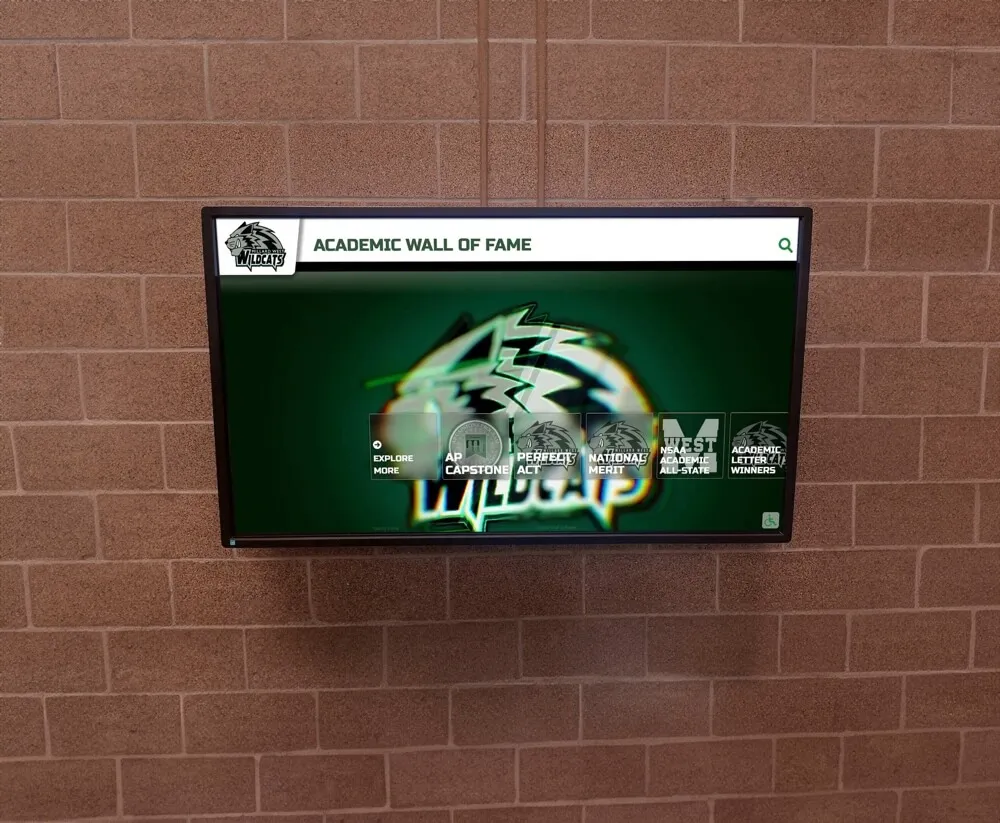
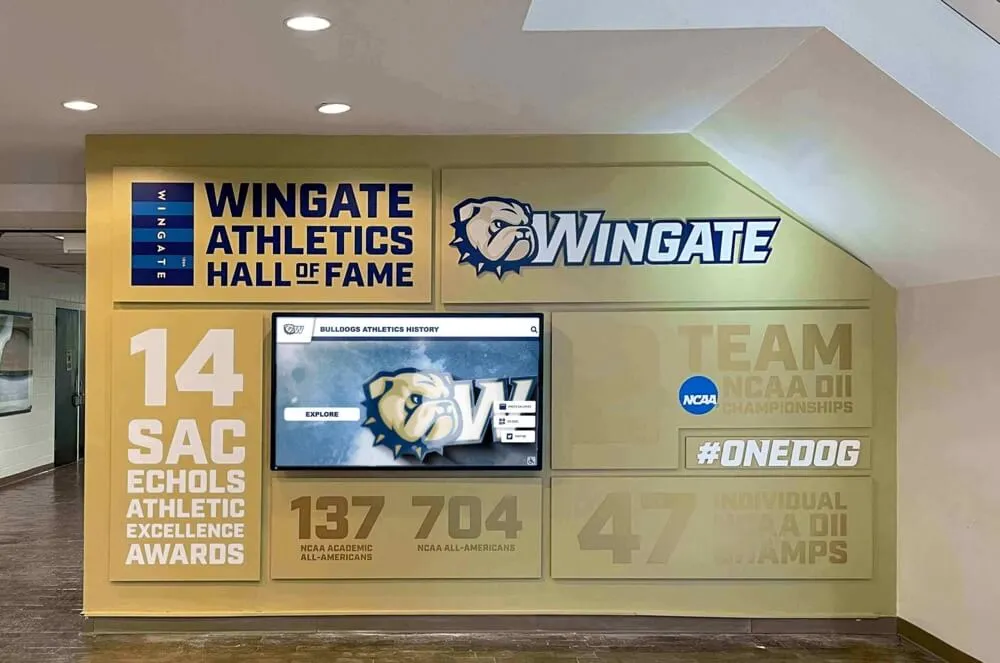
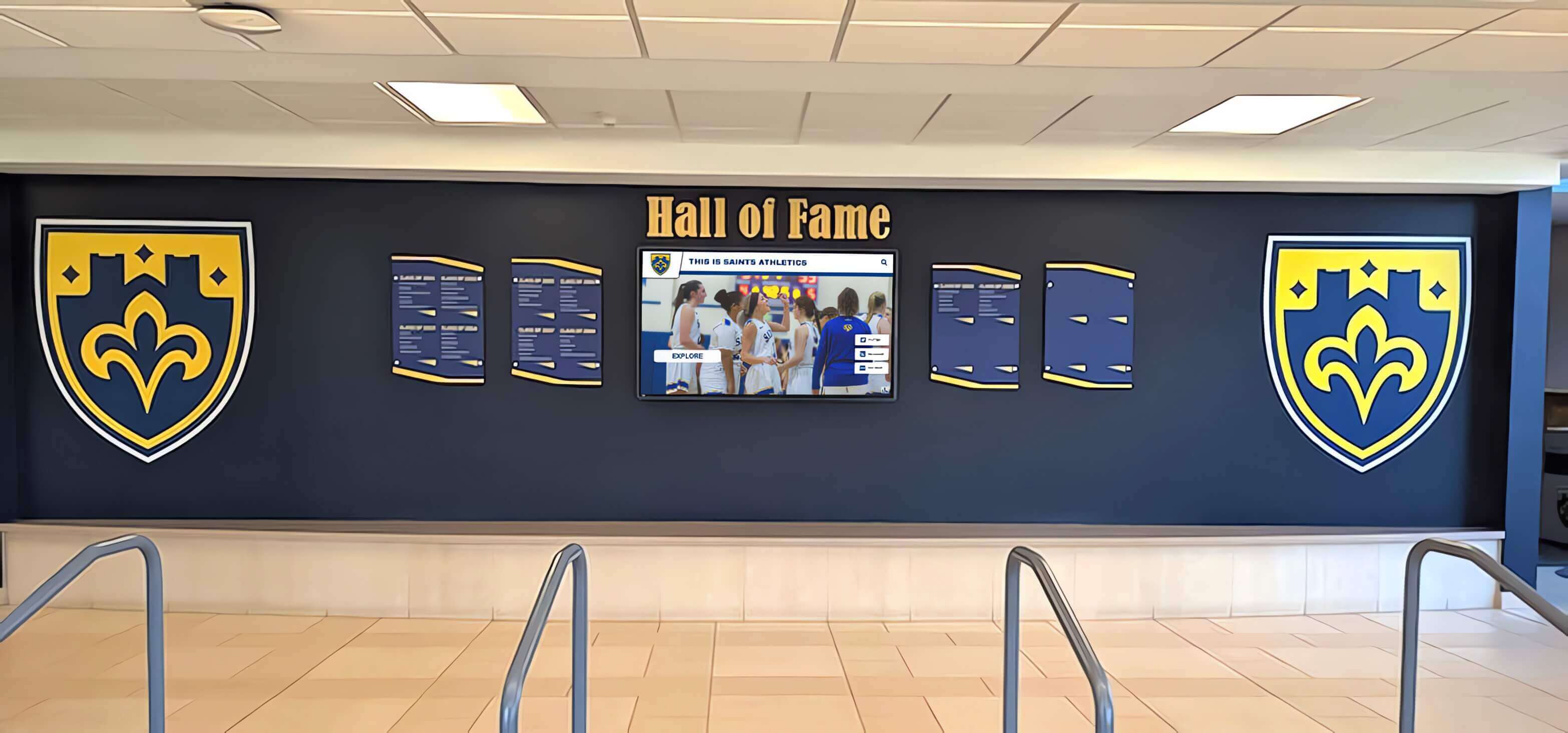
Effective digital recognition boards for Civil Air Patrol programs organize content across several views, each designed to serve different visitors with different levels of familiarity:
Achievement Award Milestones: A dedicated section for each major award level—displaying every cadet who has reached Mitchell, and a permanent record of every Spaatz Award recipient over the program’s history. This historical completeness creates a record that honors all high achievers, not just the current class.
Current Cadet Directory: Active cadets displayed with current rank, position, and ribbon summary. This view updates throughout the year as cadets earn new awards and advance.
Squadron History Timeline: Year-by-year documentation of the squadron’s history—competition results, notable achievements, major encampments attended, leadership development milestones, and inspection outcomes. This timeline preserves institutional memory that persists as instructors change and classes graduate.
Alumni Recognition: CAP graduates who have gone on to military service, aviation careers, or other paths worth noting. Alumni recognition demonstrates long-term program impact and gives current cadets concrete examples of where the program can lead.
Showcasing achievement awards digitally follows the same organizational logic across both athletic and military program contexts—the structure of a well-built athletic achievement display maps closely to what a well-built CAP display requires.
Integrating CAP Displays Into the Broader School Recognition System
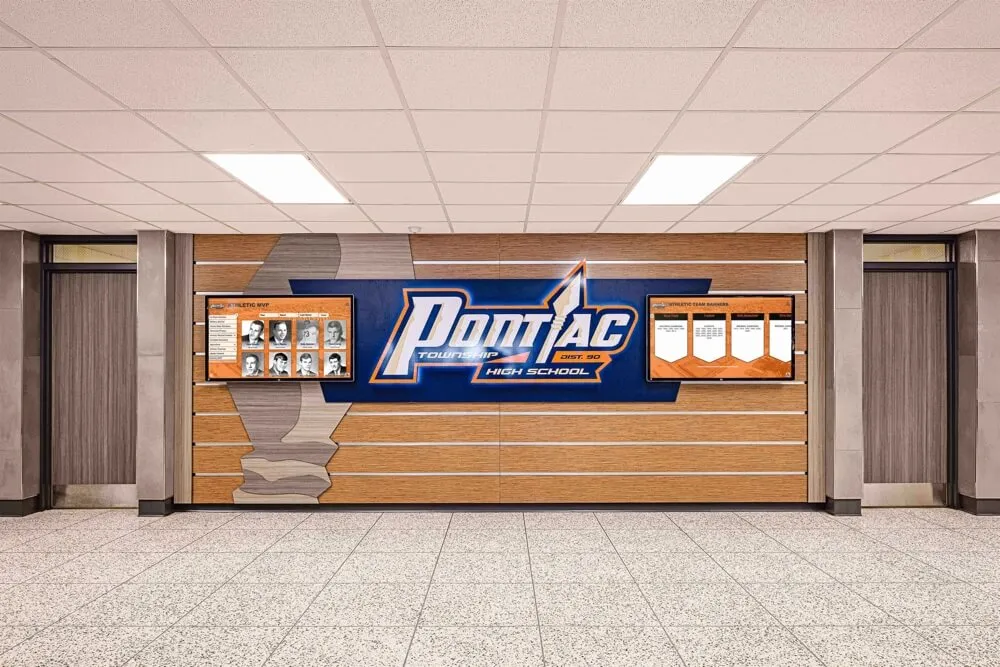
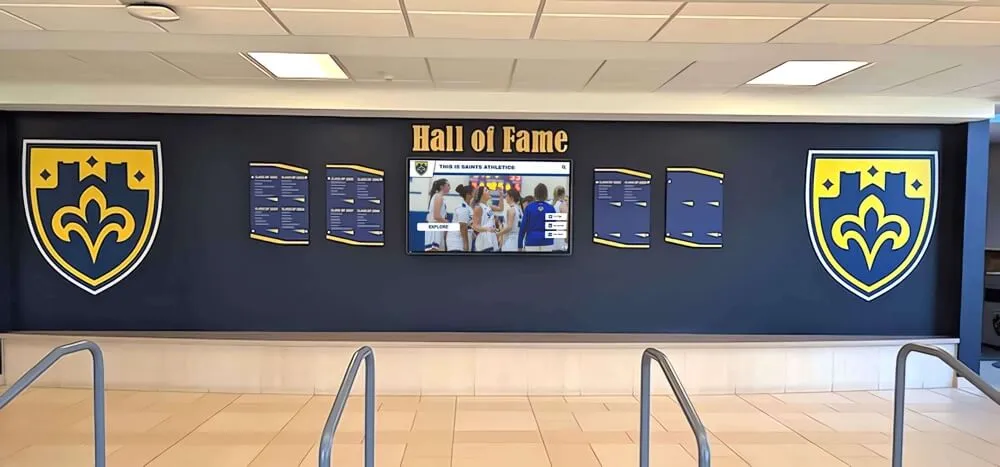
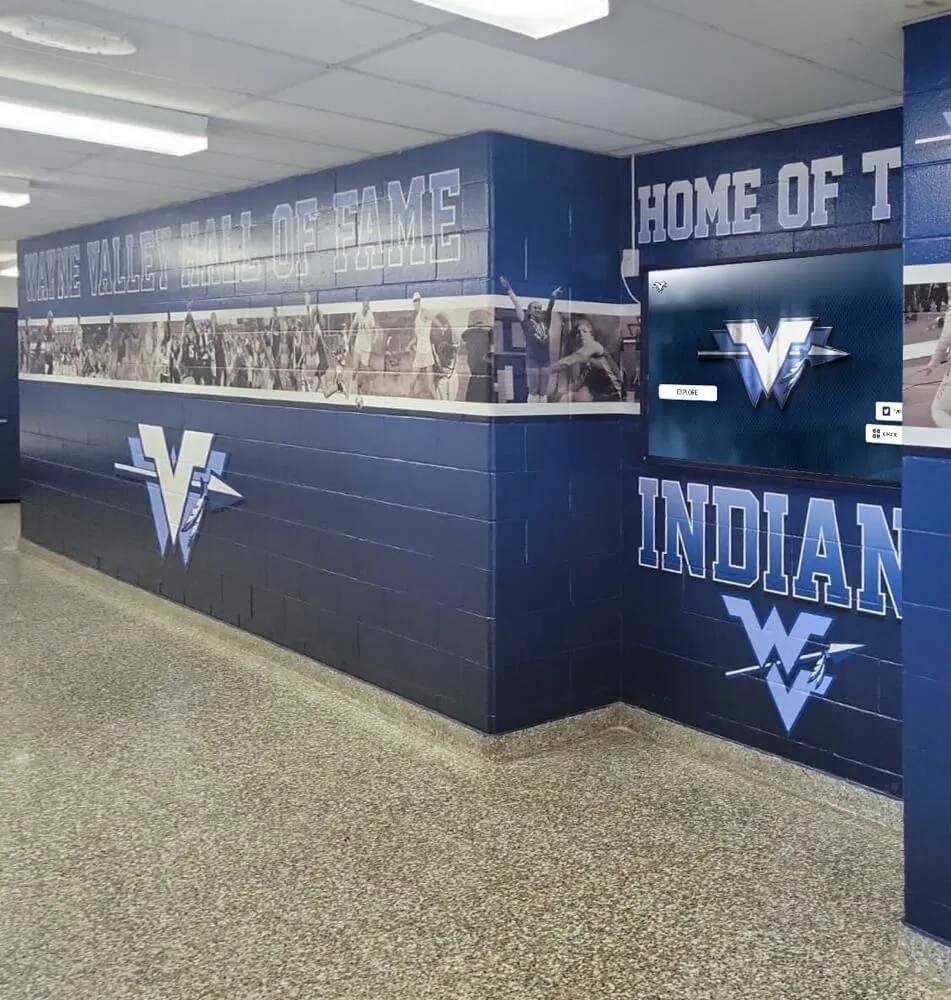
Civil Air Patrol recognition displays work best when they exist within a larger school recognition ecosystem rather than as isolated squadron-specific installations. Positioning CAP achievement as part of the same culture of excellence that honors athletic record holders, academic scholars, and arts program participants produces outcomes that a standalone CAP display cannot.
Placement Alongside Athletic and Academic Recognition
When CAP displays share physical or digital space with athletic record boards and academic honor rolls, three things happen. First, CAP achievement becomes visible to students who would never seek it out in a squadron-specific context. Second, the school communicates institutional support for multiple forms of excellence—not only varsity sports performance. Third, cross-program comparison creates genuine respect: student athletes learn what a Spaatz Award means; CAP cadets learn about four-year letter winners and academic all-state honorees.
Digital trophy cases that consolidate multiple achievement categories into unified platforms have demonstrated this cross-program visibility effect consistently—students who encounter the display for one program discover others they didn’t know existed.
High-Traffic Location Strategy
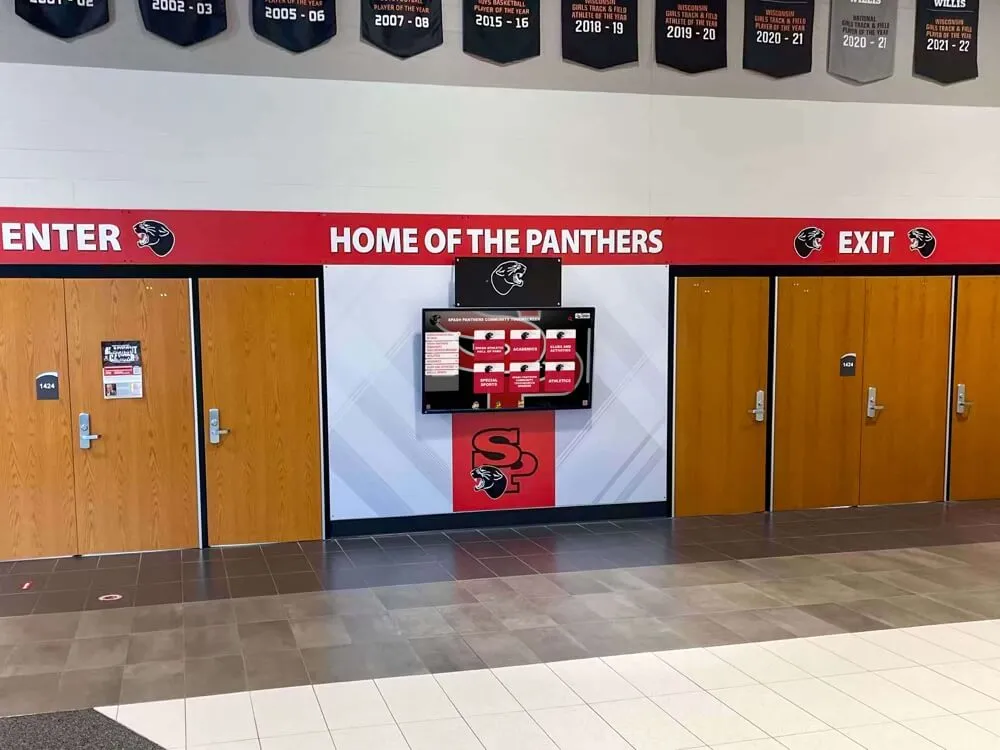
A CAP ribbon display positioned in the school lobby, near the main office, or alongside athletic trophy cases reaches the entire school community every day. A display positioned near the aerospace classroom or squadron meeting room reaches only students who already know the program exists. The most effective CAP recognition implementations treat cadet achievement as school-wide news rather than program-internal information.
Building school athletic pride through visible recognition applies directly to CAP contexts: the mechanism for building program pride is the same whether the achievements being recognized are touchdowns, state championship titles, or Spaatz Awards.
QR Codes and Extended Content
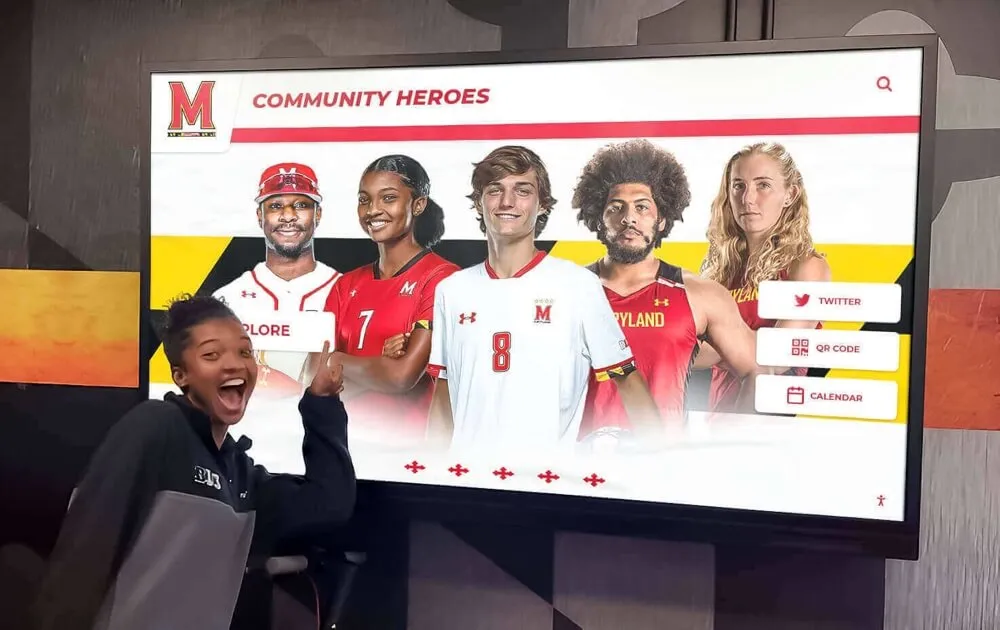
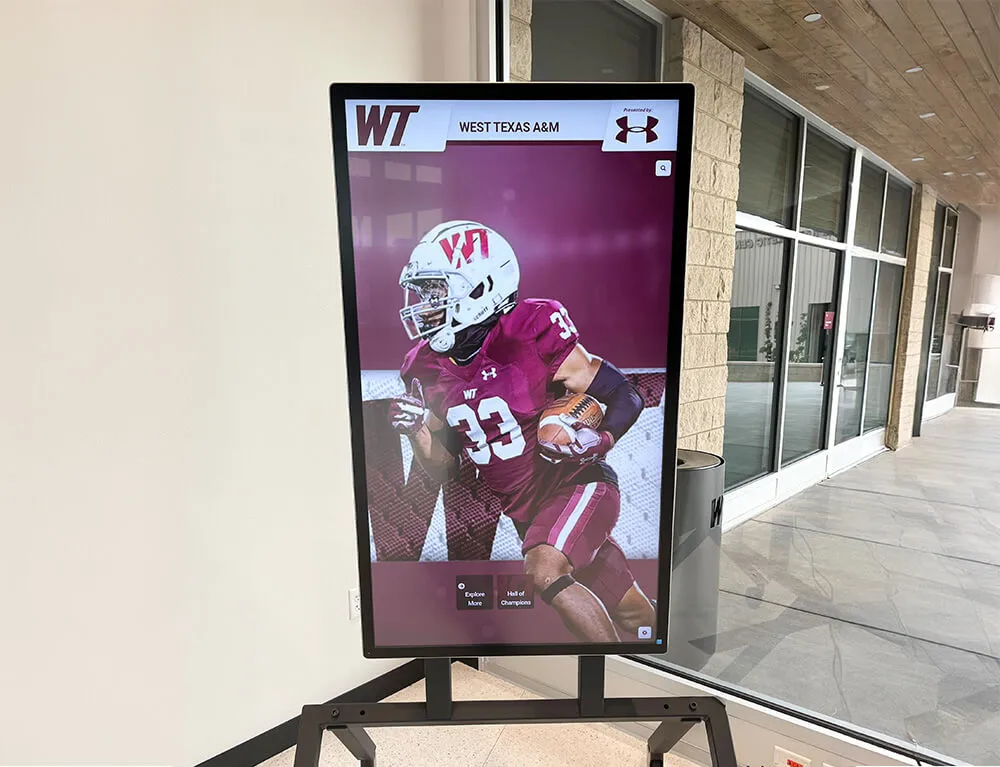
Digital recognition boards with QR code functionality let schools extend CAP displays beyond what fits on a screen. A visitor who scans a QR code next to a highlighted cadet profile can access:
- The full list of that cadet’s ribbons with complete descriptions of each
- Video footage from a recent encampment, drill competition, or aerospace activity
- Information about how to join the CAP squadron
- The cadet’s own account of what specific awards meant to their development
This extended content layer turns a passive recognition display into an interactive recruitment and education tool—particularly valuable for schools working to grow a CAP program in a community that doesn’t have deep familiarity with what CAP is and what it produces.
What to Include in a School’s CAP Digital Display
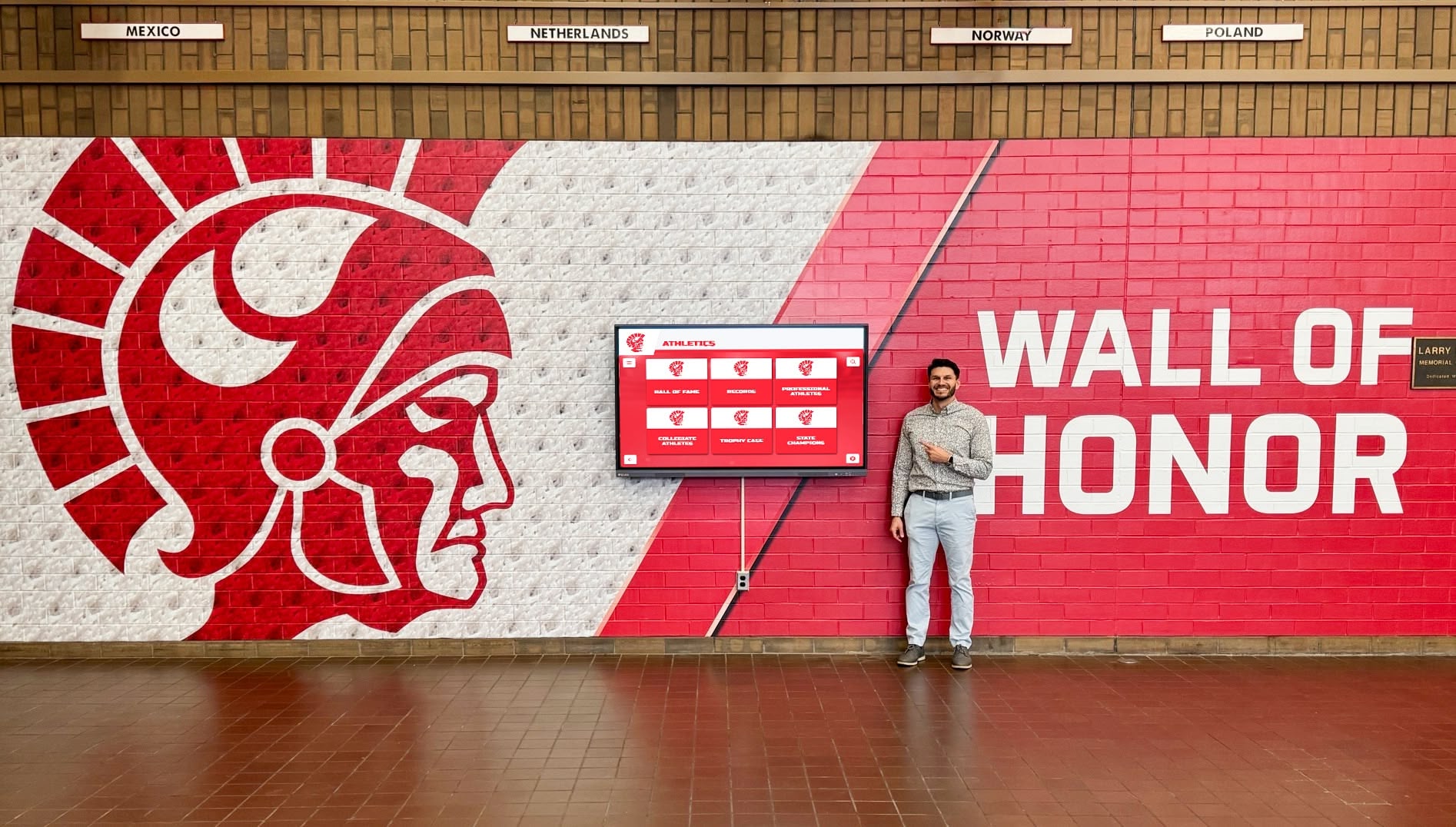
Building a comprehensive digital recognition system for a Civil Air Patrol squadron requires decisions about content scope, update frequency, and presentation format. This checklist covers the essential content categories:
Spaatz Award Recipients (all-time): The Spaatz Award is the highest achievement in the CAP Cadet Program. Every school with a CAP squadron should maintain a permanent, prominently displayed record of all Spaatz Award recipients regardless of graduation year. These individuals represent exceptional achievement that deserves recognition in perpetuity.
Mitchell Award Recipients (all-time or recent): The Mitchell Award marks a cadet’s transition to officer status and represents a significant program milestone. A full or recent historical record of Mitchell Award recipients demonstrates program depth and sets a visible standard for current cadets.
Current Cadet Ribbon Racks: Active cadets displayed with current awards, updated at least each semester following formal award ceremonies.
Annual Cadet Commander Record: Each year’s squadron commander holds the highest position of trust in the unit. This record—preserved across years—shows continuity of leadership and honors cadets who took on the most demanding responsibilities.
Competition Results: Drill competition placements, aerospace education event results, and national activity selections all deserve documented recognition alongside award-based records.
Encampment Participation: Cadets who complete general encampment, and especially those selected for international or national specialty encampments, should be recognized for these intensive experiences that represent significant commitment beyond regular squadron meetings.
Graduate Military Service: CAP alumni who entered military service represent one of the most compelling stories a squadron can tell about long-term program impact. Tracking and displaying this information builds program credibility and provides current cadets with concrete role models.
Digital history archives designed for institutional memory provide frameworks directly applicable to CAP squadron documentation—the same principles that make athletic program history valuable apply fully to military youth program history.
CAP Recognition and the Non-Athletic Achievement Landscape
Civil Air Patrol is one of several non-athletic programs in most high schools where student achievement operates through a structured, progressive reward system that looks nothing like the letter jacket or trophy case paradigm most school recognition infrastructure is built around. Speech and debate, JROTC, marching band, academic decathlon, and CAP all use different vocabulary and different achievement markers than athletic programs—yet they produce students who have accomplished genuinely demanding things.
Recognition systems for non-athletic programs are converging on a common model: structured digital display that translates program-specific achievement into terms a general audience can appreciate. For CAP specifically, this translation work is significant. A Mitchell Award represents hundreds of hours of preparation, training, and leadership practice spread across multiple years. Telling that story on a digital recognition board—not just displaying the ribbon, but explaining what it required—is what separates genuine recognition from a colorful but opaque display that means nothing to visitors who aren’t already insiders.
Recognition tools built for schools increasingly accommodate non-athletic program recognition precisely because the demand exists across so many programs that use structured achievement systems. A platform flexible enough to handle all-time records in swimming and track can also handle all-time Spaatz Award recipients in a CAP squadron—the underlying data architecture is the same.
AP Scholar and CAP Cadet: Similar Recognition Challenges, One Platform
Schools often encounter parallel recognition problems across multiple programs simultaneously. The challenge of displaying AP Scholar Award recognition closely mirrors the CAP ribbon challenge: a structured achievement system that carries specific meaning to insiders but requires translation to reach a general audience. Digital record boards that handle both—displaying AP Scholars alongside Mitchell Award recipients alongside all-time athletic record holders—create a genuinely unified school recognition culture rather than a collection of siloed program acknowledgments.
The same school that builds a CAP display typically wants that display integrated with its broader recognition infrastructure. A student who has earned a Mitchell Award and also holds the school’s cross-country record should be recognized in both contexts. A digital platform that handles multiple achievement categories within a single system eliminates the administrative burden of maintaining separate displays for every program that recognizes student achievement differently.
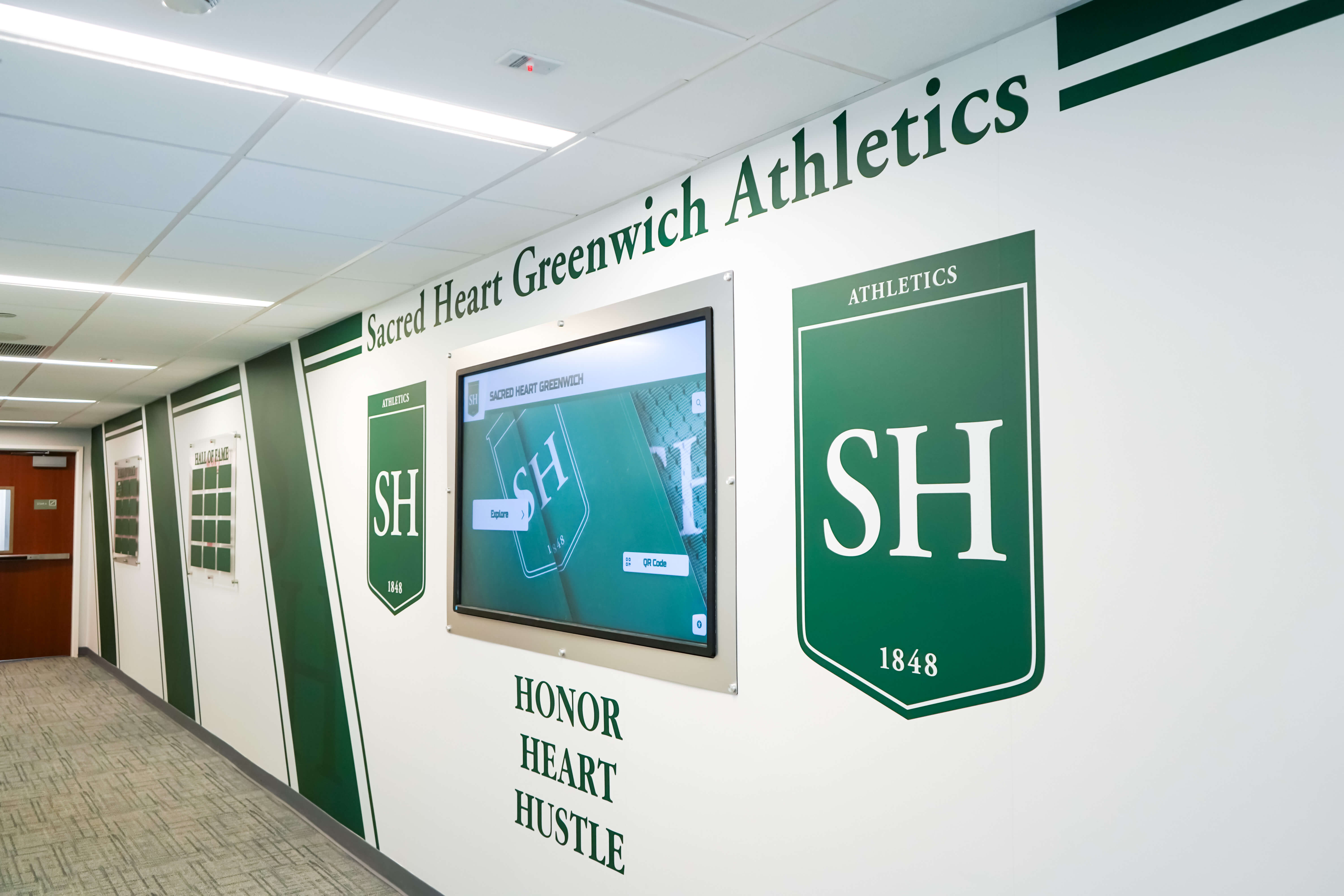
Rocket Alumni Solutions builds digital recognition infrastructure designed to accommodate exactly this kind of comprehensive, multi-program display. The system’s flexible content architecture handles athletic records, academic honors, CAP awards, and program histories within a unified display that reflects the full breadth of what a school’s students accomplish—without requiring a different tool for every type of achievement.
Building a Display That Honors Every Ribbon Earned
The ribbon rack a Civil Air Patrol cadet assembles represents a career of deliberate effort. Each ribbon marks a specific commitment met, a requirement completed, a standard achieved. The early achievement ribbons at the foundation of the rack represent a new cadet’s decision to commit to the program and do the work. The Mitchell Award, if it’s there, represents a transition that most cadets who start the program never complete. The Spaatz Award, if it’s there, represents something that demands exceptional, sustained dedication across the full arc of a cadet’s time in the program.
Every ribbon in that rack has a story. Digital recognition boards are what allow those stories to be told permanently, in a format accessible to everyone—not just those who already know what each color combination means. When a school builds a display that identifies each ribbon, explains what it required, and preserves the record of every cadet who earned it, the ribbon rack stops being a uniform accessory. It becomes what it actually is: a documented record of development that deserves recognition as permanent as any athletic championship or academic honor the school has ever produced.
Give CAP Cadet Achievement the Display It Deserves
Civil Air Patrol cadets earn ribbons and awards through years of serious commitment—achievements that deserve recognition as permanent and visible as any athletic record or academic honor your school displays. Rocket Alumni Solutions builds digital recognition boards that display CAP ribbon racks with full explanatory context, preserve decades of squadron history, integrate seamlessly with athletic and academic achievement displays, and update automatically as cadets earn new awards throughout the year.
Frequently Asked Questions
What is a Civil Air Patrol ribbon rack builder?
A ribbon rack builder is a tool—usually a digital application or web-based interface—that helps Civil Air Patrol cadets arrange their earned ribbons in the correct precedence order for display on a dress uniform. Cadets input their current awards, and the builder generates the proper rack configuration based on the official CAP precedence table. Schools use ribbon rack builders to verify uniform compliance, help new cadets understand their awards, and plan recognition displays that accurately represent what each cadet has earned.
What is the highest award in the CAP Cadet Program?
The Spaatz Award is the highest award in Civil Air Patrol’s Cadet Program. Named after General Carl A. Spaatz, the first Chief of Staff of the United States Air Force, it requires passing a written examination, completing a physical fitness assessment, demonstrating flight proficiency, and exemplifying exceptional leadership within the unit. It is among the rarest achievements in the Cadet Program, earned by a small fraction of cadets who begin the program. Schools with a CAP squadron should give permanent, prominent recognition to every Spaatz Award recipient regardless of graduation year.
How often should a school update its CAP digital recognition display?
At minimum, CAP displays should be updated at the end of each semester when formal award ceremonies have been completed. More frequent updates—after major encampments, competition seasons, or promotion boards—keep the display current and give cadets immediate recognition for new achievements. Digital recognition systems that allow remote updates make frequent refreshes practical without requiring IT support for each content change.
Can a digital recognition board display both athletic records and CAP awards?
Yes. The most effective school recognition systems integrate multiple achievement categories—athletic records, academic honors, CAP ribbons, and other program achievements—into unified display infrastructure. This integration makes cross-program recognition visible and communicates that the school values multiple forms of student excellence. A cadet who holds a school record in track and has earned a Mitchell Award in CAP can be recognized in both contexts within the same platform.
What should a CAP ribbon rack display include beyond the ribbons themselves?
Effective displays include the cadet’s name, rank, ribbon rack configuration with descriptions of each award and what it required, leadership positions held within the squadron, encampment and national activity participation, academic achievements, and—for alumni—post-graduation military or career outcomes. The descriptive layer that explains what each ribbon means is what makes a CAP display accessible to the entire school community rather than only to those already familiar with the award system.