



Chess represents far more than an ancient board game—it’s a powerful educational tool that develops critical thinking, enhances academic performance, strengthens concentration, and builds character in students across all age levels. As schools seek engaging programs that deliver measurable learning outcomes while fostering intellectual growth, chess programs provide proven pathways for developing the cognitive skills and strategic thinking capabilities that serve students throughout their lives.
From elementary schools introducing foundational concepts to high school competitive teams earning state championships, chess programs create opportunities for students to excel regardless of athletic ability or socioeconomic background. The game’s universal accessibility combined with its cognitive demands makes chess an ideal vehicle for developing the problem-solving skills, patience, and strategic planning abilities that translate directly to academic success and life achievement.
Why Chess Matters in Education
Research consistently demonstrates that students participating in structured chess programs show improved academic performance, enhanced critical thinking abilities, better concentration, and stronger problem-solving skills. Chess transcends traditional subject boundaries, developing transferable cognitive capabilities that benefit performance across mathematics, reading comprehension, and analytical reasoning. Schools implementing comprehensive chess programs discover that recognition of chess achievements through solutions like Rocket Alumni Solutions strengthens participation, validates student effort, and builds lasting program culture celebrating intellectual excellence alongside athletic and artistic accomplishment.
The Educational Benefits of Chess Programs
Understanding the comprehensive benefits chess delivers helps schools justify program investment and design implementation strategies maximizing positive outcomes.
Cognitive Development and Academic Performance
Chess systematically develops cognitive capabilities with documented academic impact:
Critical Thinking and Problem-Solving: Every chess position presents complex problems requiring analysis, evaluation of alternatives, and strategic decision-making. Students develop systematic approaches to problem-solving—identifying challenges, generating potential solutions, evaluating consequences, and selecting optimal responses. These thinking patterns transfer directly to academic work across all subjects.
Mathematical Reasoning: Chess involves geometric thinking about board positions, numerical calculation of material advantages, probabilistic reasoning about outcomes, and logical sequencing of moves. Studies demonstrate that students in chess programs show improved performance in mathematics, particularly in areas requiring spatial reasoning and logical thinking.
Reading Comprehension: Chess notation creates a symbolic language students must decode. Studying chess positions, understanding strategic concepts explained in text, and following complex instructions develops reading comprehension skills while engaging students who might struggle with traditional literacy instruction.
Memory Enhancement: Chess systematically develops both short-term working memory (calculating variations, remembering opponent’s pieces) and long-term memory (recalling opening principles, recognizing patterns, remembering strategic concepts). Improved memory capacity benefits all academic learning requiring information retention and recall.
Concentration and Focus: Successful chess play demands sustained attention over extended periods. Regular chess practice develops the concentration muscles that enable students to focus during challenging academic work, resist distractions, and persist through difficult tasks requiring mental stamina.
Social-Emotional Learning and Character Development
Chess develops crucial non-cognitive skills essential for student success:
Patience and Delayed Gratification: Chess rewards careful thinking over impulsive action, teaching students to pause, reflect, and make deliberate choices rather than reacting immediately. This patience transfers to academic work and life situations requiring thoughtful decision-making.
Resilience and Growth Mindset: Every chess player loses games regularly—even world champions face defeats. Chess teaches students that losses provide learning opportunities rather than permanent failures. This growth mindset helps students persist through academic challenges and view setbacks as stepping stones toward improvement.
Sportsmanship and Respect: Traditional chess culture emphasizes gracious winning and losing, shaking hands before and after games, and respecting opponents regardless of skill levels. These lessons in sportsmanship create positive character development extending beyond the chessboard.
Goal Setting and Improvement: Chess provides clear skill progression systems through ratings, tournament results, and achievement milestones. Students learn to set realistic goals, work systematically toward improvement, and experience the satisfaction of measurable progress resulting from dedicated practice.
Self-Confidence: As students improve their chess abilities, they develop confidence in their intellectual capabilities. This confidence often transfers to academic subjects where students previously doubted their abilities, creating positive cycles of engagement and achievement.
Equity and Accessibility Benefits
Chess offers unique advantages for creating inclusive educational opportunities:
Level Playing Field: Unlike many activities, chess requires no expensive equipment, specialized facilities, or particular physical attributes. Students from all backgrounds can participate on equal footing, with success determined by dedication and thinking ability rather than economic advantages or physical characteristics.
Gender Inclusivity: Chess provides environments where girls can compete equally with boys, developing confidence in strategic thinking and competitive settings. Many schools find that chess programs attract diverse student populations including students underrepresented in other competitive activities.
Special Education Applications: Chess adapts well for students with various learning differences and disabilities. The game’s structured rules, clear outcomes, and self-paced nature make it accessible to students who struggle in other academic contexts, providing pathways to success and recognition.
Cultural Bridge: Chess transcends language barriers and cultural differences, creating common ground for students from diverse backgrounds. The universal chess language enables communication and connection across cultural boundaries.
Year-Round Engagement: Unlike seasonal sports, chess operates throughout the academic year, providing consistent engagement and avoiding gaps in structured activities. This continuity helps maintain student interest and enables steady skill development.
For schools seeking to build comprehensive recognition programs celebrating diverse achievements, guidance on student awards recognition demonstrates how chess accomplishments deserve prominence alongside traditional academic and athletic honors.
Implementing Chess Programs in K-12 Schools
Successful chess programs require thoughtful implementation addressing curriculum integration, coaching, competition opportunities, and sustainability.
Elementary School Chess Programs (K-5)
Young students benefit from age-appropriate chess instruction emphasizing fun, foundational concepts, and gradual skill development:
Starting with Basics: Elementary programs begin with piece movement, basic tactics, checkmate patterns, and simple strategies. Teaching methods incorporate games, puzzles, stories, and visual aids matching young learners’ developmental stages.
Integration Strategies:
- After-school chess clubs providing informal learning environments
- Chess during enrichment periods or extended day programming
- Mathematics curriculum integration teaching geometry, patterns, and problem-solving
- Library programs combining chess with reading about the game’s history and strategies
- Physical education alternatives for students preferring intellectual challenges
Scholastic Tournament Introduction: Elementary students benefit from low-pressure tournament experiences teaching competition basics, sportsmanship, and goal-setting. Many states offer elementary-specific tournaments with appropriate formats for young players.
Parent Involvement: Elementary programs succeed when parents understand chess benefits and support home practice. Schools can provide resources helping parents encourage chess engagement without requiring personal chess expertise.

Middle School Chess Programs (6-8)
Middle school represents ideal developmental periods for chess, matching adolescent cognitive development with the game’s strategic demands:
Deepening Strategic Understanding: Middle school instruction advances beyond basic tactics to positional play, opening principles, endgame technique, and strategic planning. Students develop ability to formulate long-term plans and understand complex positional concepts.
Competitive Team Development: Middle school marks transition from purely recreational chess to competitive team structures. Schools can establish:
- Interscholastic team competitions
- Internal ladder tournaments determining team representation
- Online team matches against other schools
- Student recognition programs celebrating tournament success and improvement
Curriculum Connections: Chess aligns particularly well with middle school curricula in mathematics, social studies, and language arts. Teachers can develop interdisciplinary units exploring historical contexts, analyzing famous games, or using chess problems to teach mathematical reasoning.
Peer Teaching Opportunities: Skilled middle school players can assist in elementary programs, developing leadership abilities while reinforcing their own understanding through teaching. This peer mentorship creates positive relationships and strengthens overall program culture.
High School Chess Programs (9-12)
High school programs can achieve competitive excellence while providing valuable college preparation experiences:
Advanced Competitive Development: High school teams compete in state championships, regional tournaments, and national events. Top programs provide coaching supporting serious competitive development while maintaining inclusive participation for recreational players.
College Preparation: Chess provides distinctive college application elements including:
- National tournament participation and achievements
- State championship representation
- Leadership positions in chess clubs
- Teaching and community outreach experience
- Unique intellectual passion demonstrating sustained commitment
Chess Coaching and Teaching: Advanced high school players can develop coaching skills working with younger students, creating revenue opportunities through lessons while building valuable resume credentials.
Varsity Recognition: Forward-thinking schools treat chess as varsity activity with appropriate recognition including:
- Letters and awards equivalent to other academic activities
- Recognition on digital displays alongside athletic achievements
- Team photos and championship documentation
- Senior night celebrations honoring graduating players
Building Strong Chess Culture and Recognition
Sustainable programs require institutional support, visible recognition, and cultural integration treating chess as valued school activity.
Establishing Chess as Valued Activity
Chess competes with numerous activities for student attention and institutional resources. Successful programs build culture where chess receives appropriate recognition:
Administrative Support: School leadership demonstrates chess value through budget allocation, facility provision, schedule accommodation for tournament participation, and public recognition of achievements. Administrative championship creates permission structure enabling program growth.
Equal Recognition with Other Programs: Chess achievements deserve celebration equivalent to athletic championships and academic competitions. This includes:
- Announcements about tournament results
- Awards at school assemblies
- Trophy case or display space for team accomplishments
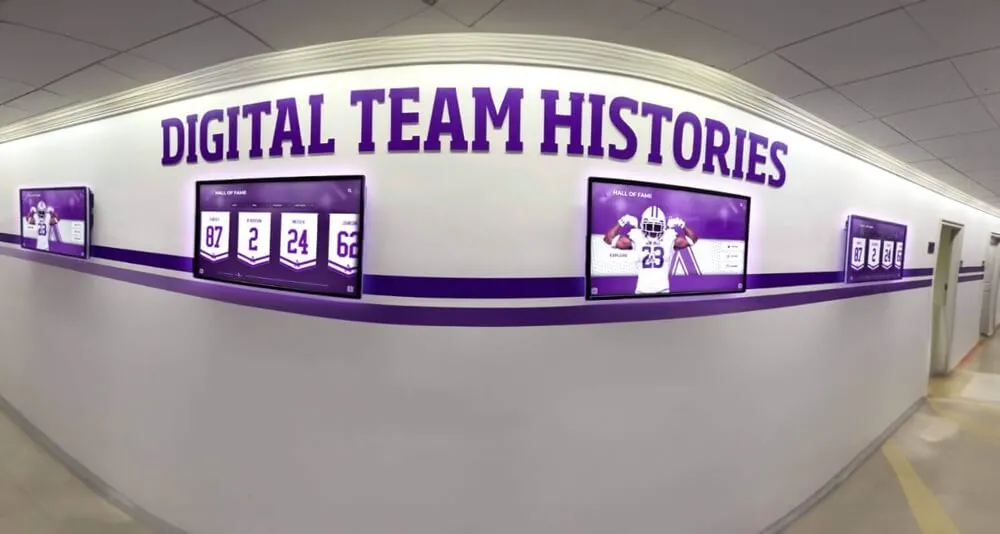
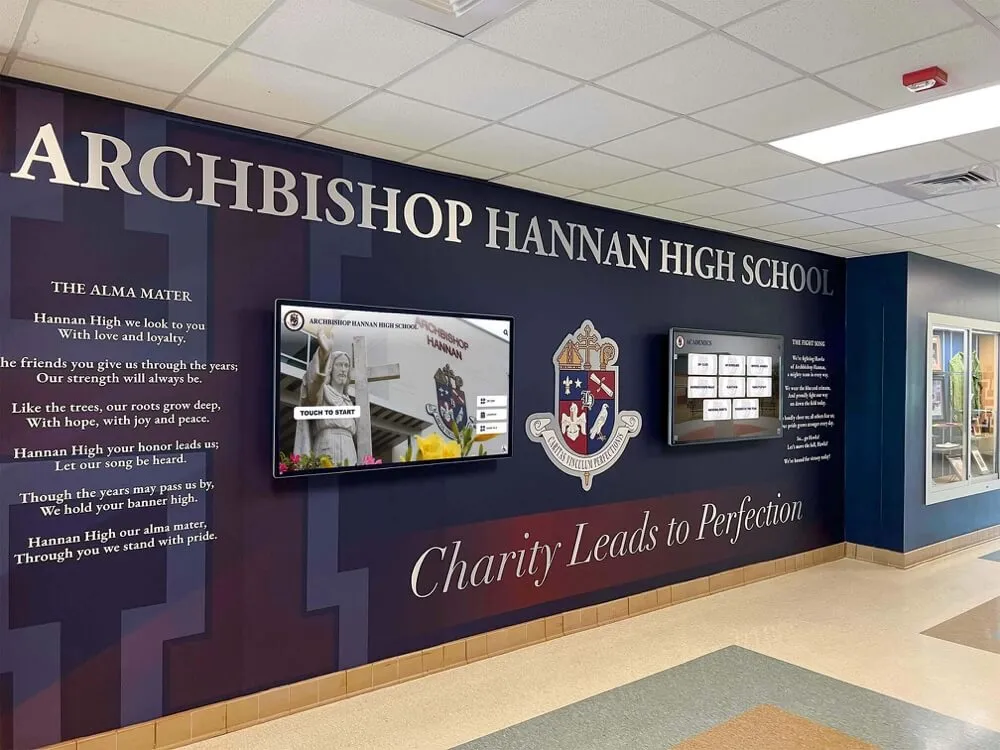
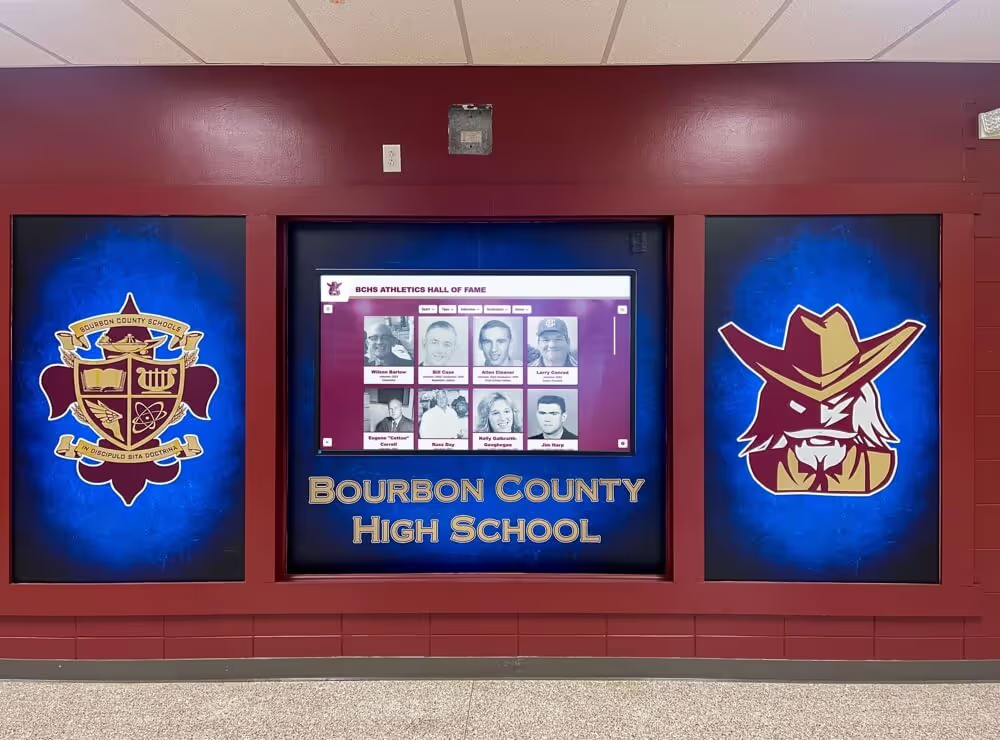
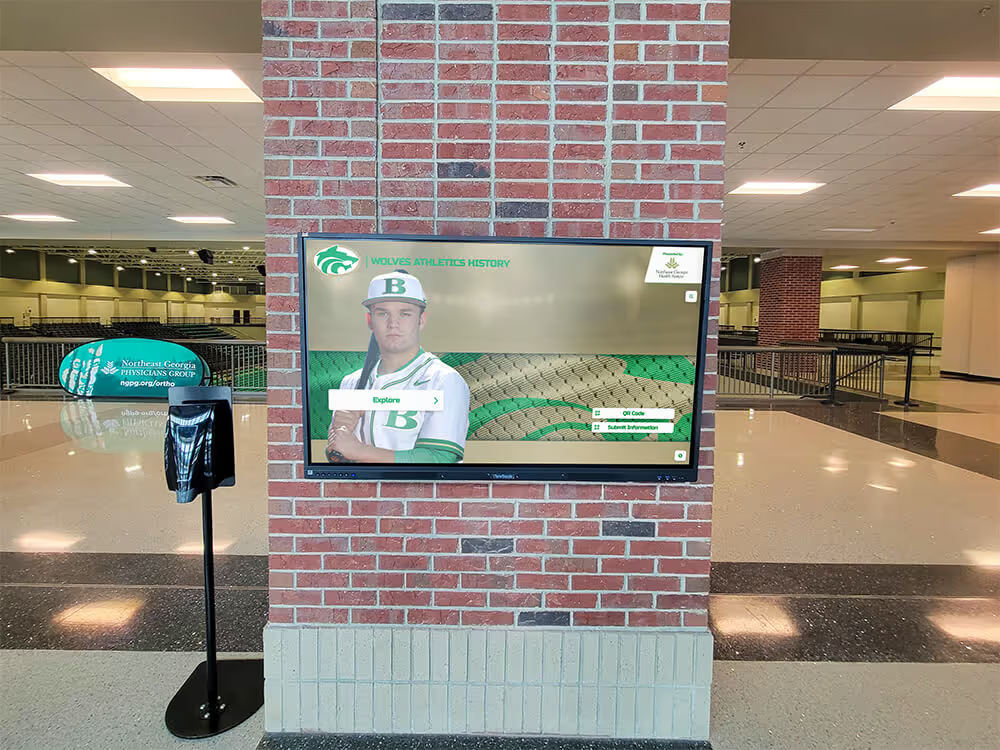
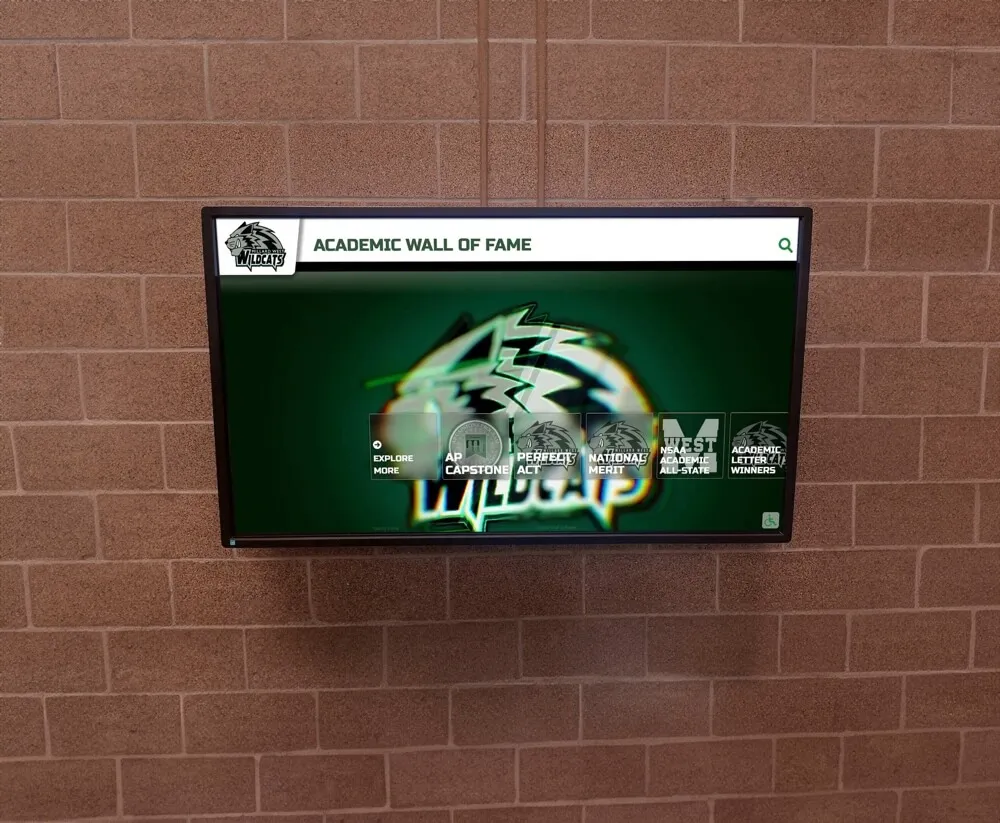
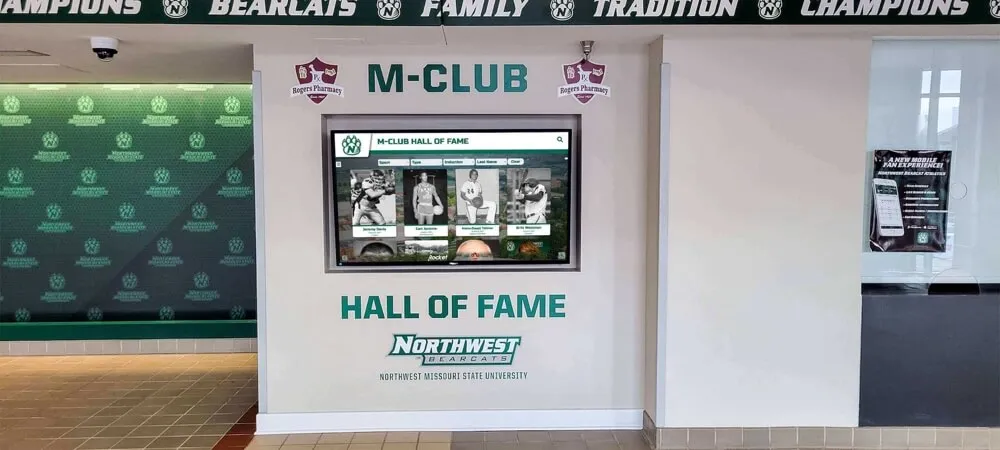
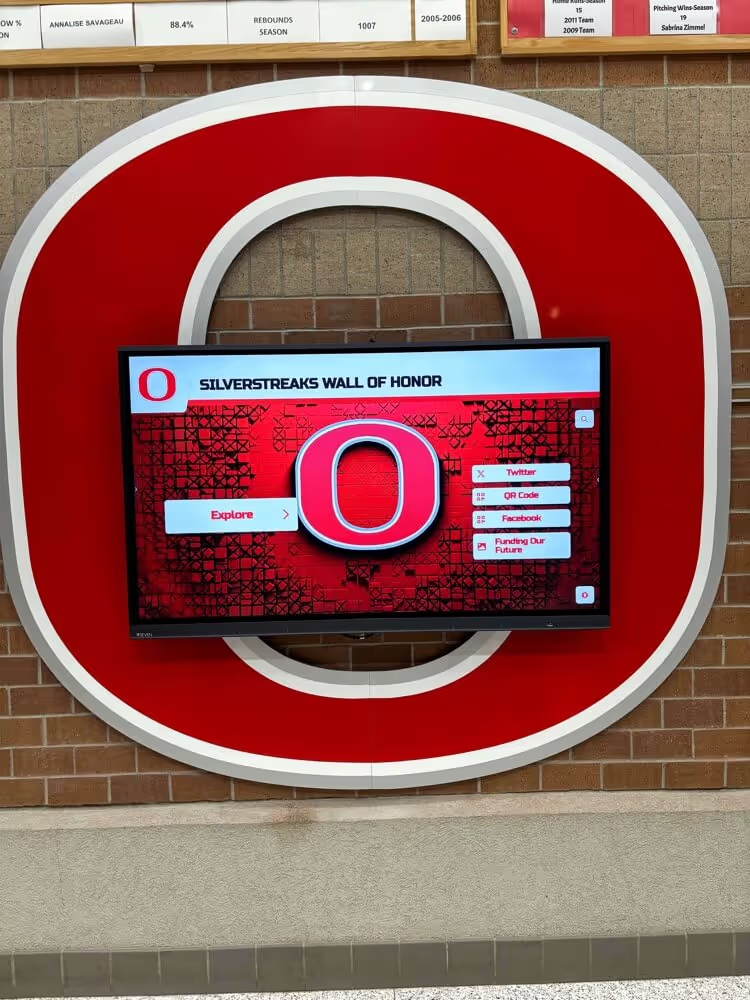
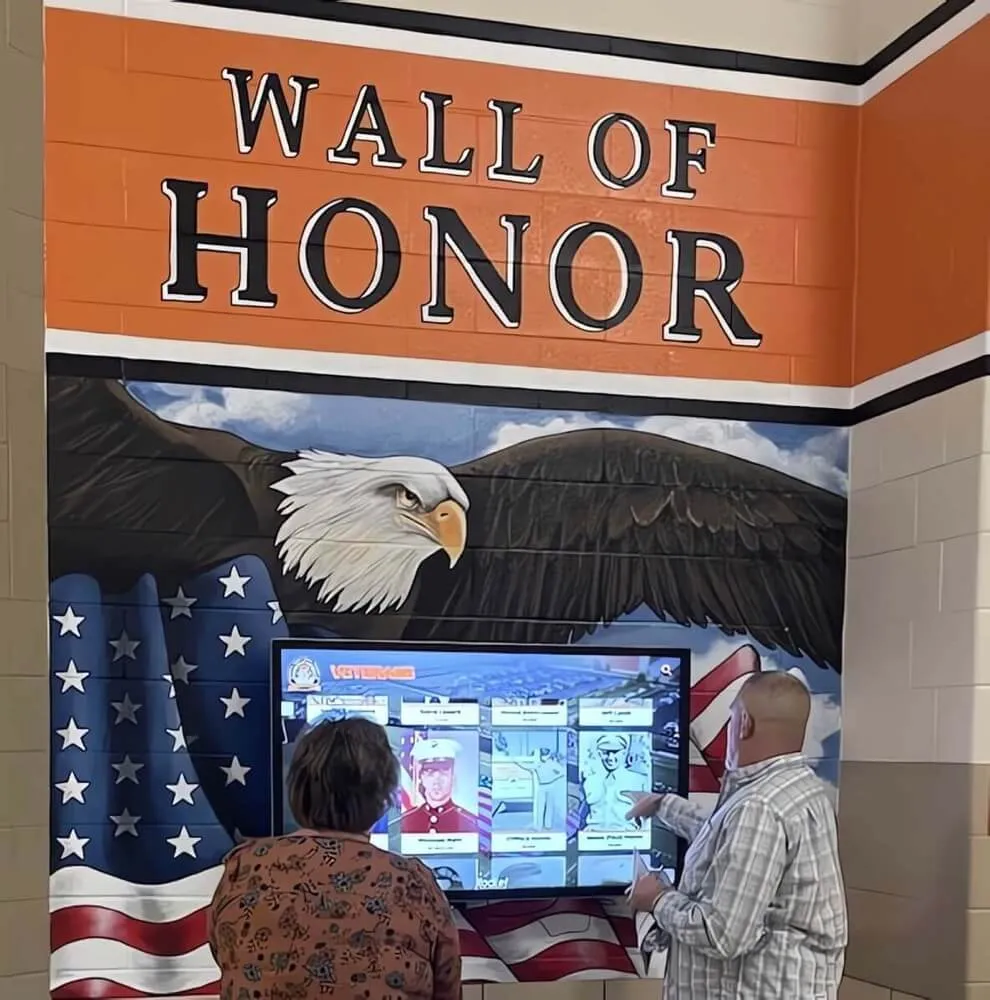
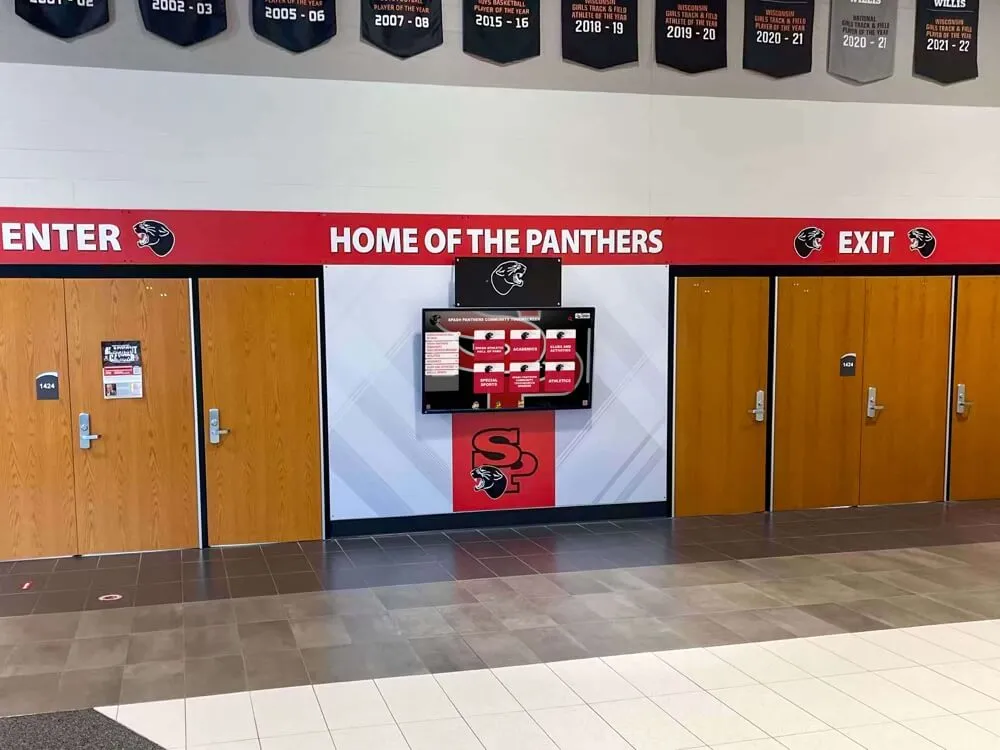
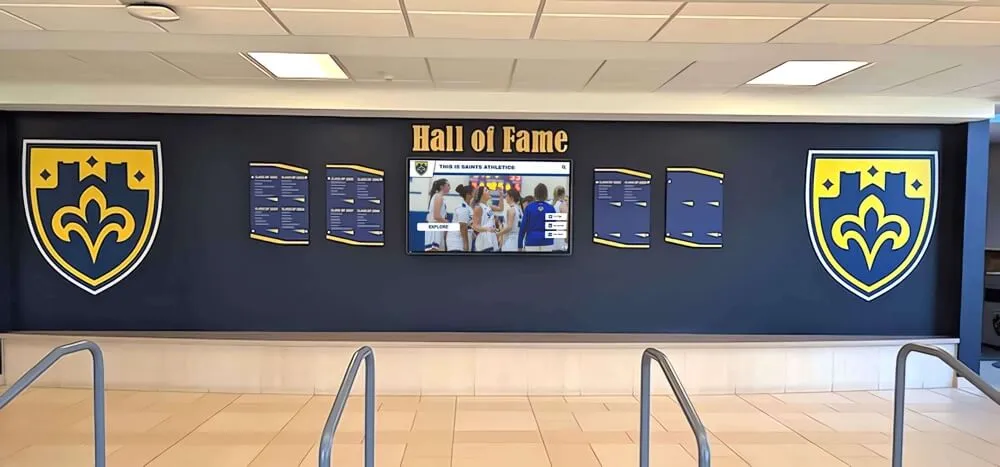
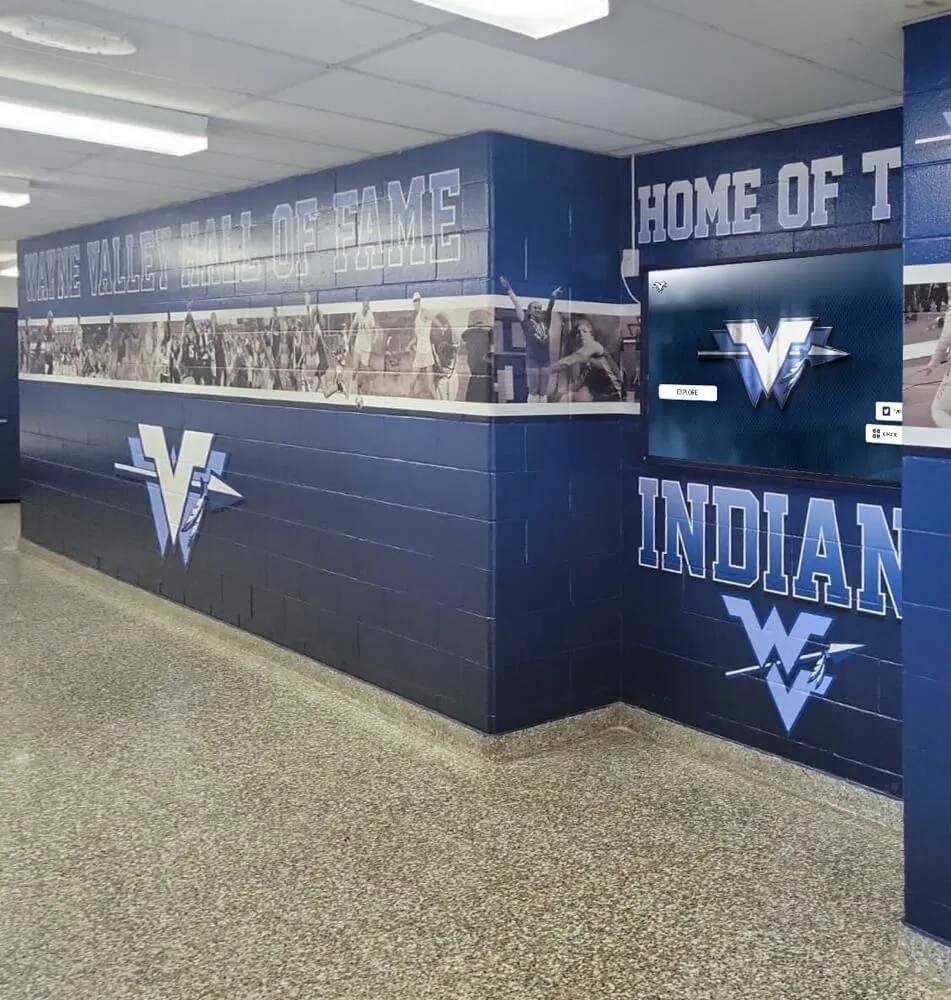
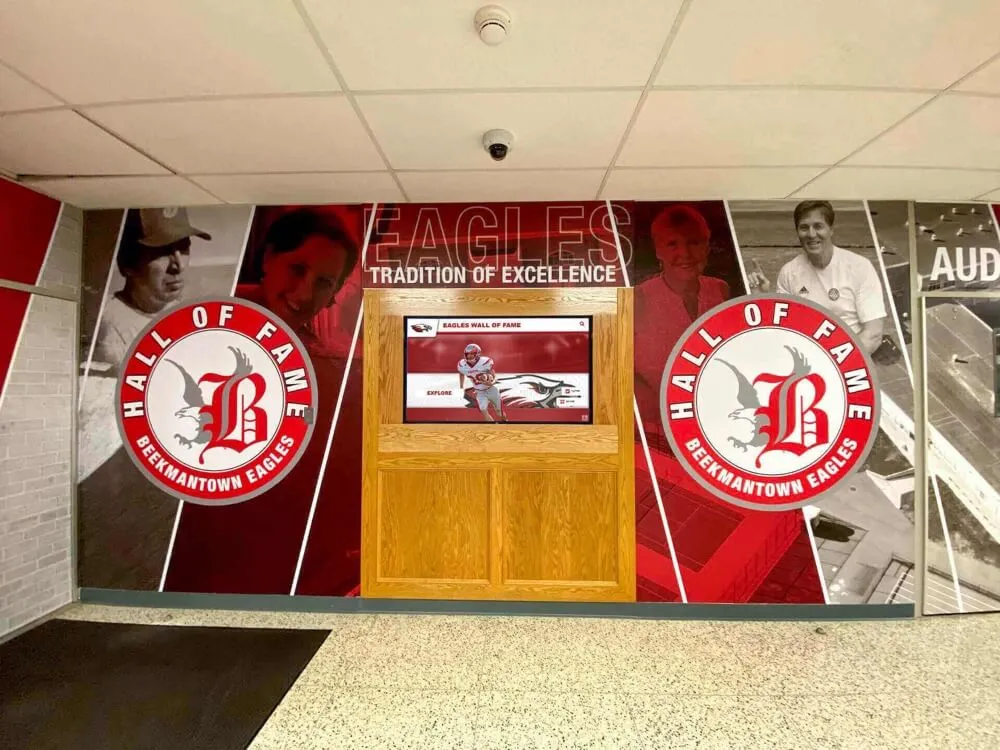
- Digital recognition displays showcasing individual and team success
- Media coverage in school publications and local news
Integration into School Identity: Successful programs become part of institutional identity and tradition. This happens through:
- School championship team recognition
- Historical documentation of program development
- Alumni connections highlighting successful former players
- Visible symbols throughout school buildings

Recognition Strategies for Chess Achievement
Comprehensive recognition motivates continued participation while validating chess as legitimate path to excellence:
Individual Achievement Milestones:
- Official chess rating achievements (breaking 1000, 1200, 1500, etc.)
- Tournament performance recognition (top finishes, upset victories)
- Tactical and puzzle-solving accomplishments
- Improvement awards recognizing rating gains
- Perfect game certificates for particularly brilliant victories
Team Achievement Recognition:
- State championship qualification and results
- Tournament team placing and performance
- Regular season match victories
- Team rating milestones
- Undefeated season recognition
Academic Integration Recognition:
- Chess-related research projects or papers
- Teaching and coaching contributions
- Tournament organization and volunteer work
- Mentorship of younger players
- Community outreach and promotion
Modern digital recognition solutions enable schools to create comprehensive chess achievement profiles including tournament history, rating progression graphs, memorable game records, and photos documenting student growth—providing depth traditional trophy cases cannot match.
Creating Sustainable Funding and Support
Chess programs require relatively modest budgets but benefit from strategic funding approaches:
School Budget Allocation: Successful programs secure line-item budget support covering:
- Chess sets, boards, and clocks for instruction and competition
- Tournament registration fees for team competitions
- Transportation to tournament venues
- Coaching stipends for faculty advisors
- Technology resources including chess software and online platforms
Parent Organization Support: Active parent groups can supplement school funding through:
- Fundraising events and donation campaigns
- Volunteer tournament organization
- Transportation coordination for events
- Snack provision and team support
- Recognition event planning and execution
Community Partnerships: Local chess clubs, community education programs, and business sponsors often support school chess through:
- Equipment donations or discounted purchases
- Coaching volunteer commitments
- Scholarship support for summer camps and intensive training
- Tournament hosting and organization
- Mentorship from adult players
Grant Opportunities: Various foundations and chess organizations provide grant funding for scholastic chess including equipment purchases, coaching development, and program startup costs.
Chess Tournaments and Competition Structure
Competitive opportunities motivate student engagement while providing goals, measurement of progress, and team experiences.
Tournament Format and Structure
Understanding tournament basics helps schools plan competitive programs:
Time Controls: Different tournaments use varying time allocations ranging from “blitz” (5 minutes per player) to “classical” (90+ minutes per player). Scholastic events typically use 30-60 minute controls balancing time for thinking with practical scheduling constraints.
Pairing Systems: Most tournaments use Swiss system pairing where players face opponents with similar records rather than single-elimination formats. This ensures all participants play multiple games regardless of results.
Section Organization: Tournaments typically organize players into sections by age, grade, or rating to create competitive balance. Common divisions include:
- Elementary Championship (K-6)
- Middle School Championship (6-8)
- High School Championship (9-12)
- Novice sections for beginning players
- Rating-based sections ensuring competitive matches
Team vs Individual Events: Some tournaments emphasize individual achievement while others score team results based on combined member performance. Balanced programs participate in both formats.
State Championship Pursuit
Most states organize official scholastic chess championships creating culminating competitive goals:
Qualification Process: States vary in qualifying structures—some hold open championships while others require regional qualification. Programs should understand their state’s system and plan participation accordingly.
Team Selection: Schools typically field teams of 4-8 players depending on event format. Selection criteria should balance current skill, improvement trajectory, commitment level, and team chemistry.
Preparation Strategies: Championship preparation requires:
- Intensive training on opening repertoires
- Tactical puzzle practice
- Endgame technique refinement
- Time management skills
- Mental preparation and pressure handling
Recognition and Celebration: State championship participation and success deserves appropriate recognition through digital displays celebrating athletic and academic achievements, awards ceremonies, and school-wide acknowledgment of accomplishment.

Online Chess Opportunities
Digital platforms expand chess accessibility and competitive options:
Benefits of Online Chess:
- Expanded opponent access beyond local geographic limitations
- Flexible scheduling accommodating student availability
- Lower costs eliminating travel requirements
- Real-time access to opponents at appropriate skill levels
- Automated pairing and result recording
School-Affiliated Online Teams: Platforms like Chess.com and Lichess.org support school team accounts enabling:
- Inter-school team matches
- Internal ladder competitions
- Homework assignments and practice drills
- Performance tracking and improvement documentation
Hybrid Competition Models: Progressive programs combine in-person and online competition, maximizing participation opportunities while maintaining valuable face-to-face interaction.
Coaching and Instruction Strategies
Quality instruction accelerates student development while maintaining engagement and enjoyment.
Developing Coaching Capacity
Schools have multiple options for providing chess instruction:
Faculty Chess Coaches: Teachers with chess knowledge or willingness to learn can advise programs. Benefits include institutional integration, consistent availability, and alignment with educational goals. Schools can support faculty coaches through:
- External coach training programs
- Stipends or course-load adjustments
- Online resources and curriculum materials
- Connections to local chess communities
Volunteer Community Coaches: Local chess clubs often include experienced players willing to volunteer as school coaches. This provides expertise while building community partnerships.
High School Student Coaches: Advanced student players can effectively teach elementary and middle school beginners under appropriate supervision. This develops leadership skills while expanding program reach.
Professional Chess Coaches: Schools with budget capacity can hire professional chess instructors providing highest-level instruction. This option suits schools pursuing competitive excellence.
Effective Teaching Methods
Research and experience identify effective scholastic chess instruction approaches:
Progressive Curriculum: Systematic skill development from basic piece movement through advanced strategic concepts ensures solid foundation building. Quality programs use structured curricula rather than random instruction.
Interactive Learning: Effective instruction balances lecture with hands-on play, puzzle solving, and game analysis. Students learn chess primarily through playing and analyzing rather than only listening.
Differentiated Instruction: Successful programs accommodate varying skill levels through:
- Multi-level groups during instruction time
- Individualized coaching addressing specific weaknesses
- Peer tutoring pairing stronger with developing players
- Optional advanced sessions for competitive students
Technology Integration: Modern chess instruction leverages:
- Online puzzle platforms for tactical training
- Chess software for game analysis
- Video instruction from master players
- Mobile apps enabling home practice
- Digital tracking systems documenting progress
Game Analysis and Reflection: Students learn most effectively by reviewing their own games, identifying mistakes, and understanding better moves. Regular analysis develops self-awareness and pattern recognition crucial for improvement.
Measuring Chess Program Success
Systematic assessment demonstrates program value while identifying improvement opportunities.
Quantitative Success Metrics
Measurable indicators reveal program impact and growth:
Participation Metrics:
- Total student enrollment in chess activities
- Participation rates relative to school population
- Retention rates year-over-year
- Demographic diversity of participants
- Tournament attendance percentages
Performance Indicators:
- Average rating improvements for program participants
- Tournament results and placing
- State championship qualification and performance
- Individual player rating milestones achieved
- Win percentages in interscholastic matches
Academic Correlations:
- Grade point average comparisons for chess participants
- Standardized test score trends
- Teacher observations about concentration and problem-solving
- Attendance patterns for chess students
Qualitative Impact Assessment
Beyond numbers, qualitative evidence demonstrates program value:
Student Testimonials: Participants’ reflections about chess impact on confidence, thinking skills, and academic performance provide compelling evidence of program benefits.
Teacher Observations: Educators noting improved problem-solving, concentration, or resilience among chess participants validate program impact on broader educational outcomes.
Parent Feedback: Family perspectives about engagement, motivation, and development provide important program assessment information.
College Acceptance: High school students’ college acceptances and scholarships where chess played application role demonstrate long-term program value.
Cultural Indicators: Observable changes in school culture including increased intellectual engagement, broader definition of excellence, and enhanced respect for academic achievement signal successful chess program integration.
Addressing Common Implementation Challenges
Understanding predictable obstacles helps schools navigate them successfully.
Challenge: Limited Initial Interest
Solution: Create visibility through demonstrations at assemblies, introductory lessons in physical education or enrichment periods, exhibition events featuring strong local players, partnerships with community chess organizations, and incentives for initial participation. Highlight diverse success stories showing chess appeals beyond stereotypical “chess nerd” image.
Challenge: Funding Constraints
Solution: Start small with borrowed equipment, gradually build through small fundraisers, apply for chess foundation grants, partner with community chess clubs for equipment sharing, and leverage free online resources. Demonstrate early success to justify budget allocation in subsequent years.
Challenge: Transportation to Tournaments
Solution: Organize parent carpooling networks, explore school transportation options for major events, prioritize local tournaments minimizing travel, participate in online team competitions, and include transportation costs in budget planning and fundraising.
Challenge: Coach Inexperience
Solution: Utilize online coach training resources, connect with state chess association coaching development programs, arrange mentorship from experienced local coaches, leverage instructional videos and curriculum materials, start with basic instruction while developing expertise, and consider hiring experienced coaches as budget allows.
Challenge: Maintaining Long-Term Engagement
Solution: Create varied activities beyond just playing games (puzzles, simultaneous exhibitions, chess variants, team-building activities), provide clear progression pathways through rating milestones and achievement recognition, celebrate improvement and effort alongside absolute results, and integrate recognition displays showcasing chess achievements prominently.
The Future of School Chess Programs
Chess continues evolving with technology and educational trends creating new opportunities:
Hybrid Learning Models: Combination of in-person instruction with online practice, competition, and skill development optimizes flexibility while maintaining community building.
Data Analytics: Chess rating systems and online platforms provide unprecedented data about student progress, identifying effective instruction methods and personalized learning needs.
Artificial Intelligence Integration: AI chess engines enable students to practice against perfectly calibrated opponents, receive immediate feedback on mistakes, and analyze games with superhuman precision—accelerating learning curves.
Global Competition: Online platforms enable students to compete internationally, expanding horizons and creating multicultural connections through shared chess language.
Enhanced Recognition: Digital recognition systems enable schools to document chess achievement comprehensively through interactive displays showcasing rating progressions, tournament histories, memorable games, and student reflections—creating lasting records celebrating intellectual accomplishment.

Conclusion: Building Chess Programs That Last
Chess programs deliver documented educational benefits developing critical thinking, academic performance, character, and cognitive skills essential for student success. Effective implementation requires thoughtful planning, quality instruction, competitive opportunities, appropriate recognition, and institutional support treating chess as valued educational activity.
Schools building sustainable chess programs discover that success extends beyond tournament trophies—though those matter—to the cognitive development, character building, and intellectual confidence that chess cultivates in participants. Students who might never excel athletically find competitive outlets where strategic thinking and dedication determine success. Schools create environments celebrating diverse excellence pathways including intellectual accomplishment alongside traditional athletics and academics.
The modest investment required for quality chess programming delivers remarkable returns measured in student engagement, skill development, and the lifelong thinking capabilities chess systematically develops. From elementary students learning that patience and planning yield better outcomes than impulsive action, to high school champions representing their schools at state tournaments, chess creates opportunities for growth, recognition, and achievement accessible to all students regardless of background or physical attributes.
Schools ready to establish or enhance chess programming benefit from strategic planning, quality instruction, competitive goal-setting, and comprehensive recognition through modern digital display solutions documenting chess achievement with the depth and visibility intellectual accomplishment deserves.
Whether your school envisions recreational chess club offering intellectual enrichment or competitive program pursuing championship excellence, chess provides proven educational benefits worthy of institutional investment. The students thinking several moves ahead on chessboards today develop the strategic thinking and problem-solving capabilities serving them throughout academic careers and life challenges tomorrow. Chess programs create opportunities for students to discover their intellectual potential, build confidence through measurable improvement, and experience the satisfaction of strategic thinking yielding successful outcomes.
Start building chess culture at your school today—the cognitive benefits, character development, and achievement opportunities chess provides create lasting positive impact extending far beyond the 64 squares where kings, queens, and pawns conduct their eternal struggles.