



Cheerleading programs invest countless hours perfecting routines, building team unity, and energizing crowds—yet recognition for these athletes often remains an afterthought compared to traditional sports programs. While football teams, basketball squads, and track programs regularly receive awards ceremonies, championship celebrations, and hall of fame recognition, cheerleaders frequently find their achievements acknowledged briefly during season-ending banquets before being forgotten.
This recognition gap diminishes the value of an athletic discipline requiring significant strength, coordination, teamwork, and dedication. Comprehensive cheerleading awards programs rectify this imbalance by celebrating squad achievements prominently, honoring individual excellence across multiple skill categories, recognizing leadership and character development, documenting program history and traditions, and creating the lasting acknowledgment that cheer athletes genuinely deserve.
Why Cheerleading Awards Matter for Program Excellence
Structured recognition programs transform cheerleading from overlooked activity to celebrated athletic program. Awards communicate that cheer excellence matters to institutions, motivate athletes to pursue continuous improvement, build pride and team cohesion within squads, attract talented athletes to programs, and demonstrate professionalism that elevates cheerleading’s institutional status. Schools implementing comprehensive youth sports awards programs discover that systematic recognition creates positive cycles where honored athletes develop stronger commitment while prospective team members see cheerleading as a valued, serious athletic pursuit worth their investment.
Understanding Cheerleading Award Categories
Effective cheerleading recognition addresses the diverse skills, roles, and contributions that comprise successful squads. Comprehensive award programs include multiple categories ensuring all team members receive appropriate acknowledgment.
Technical Skill Awards
Cheerleading demands mastery of numerous technical skills deserving individual recognition. Technical skill awards celebrate specific athletic competencies including tumbling excellence for athletes demonstrating exceptional gymnastics skills, stunting proficiency recognizing bases, flyers, and spotters executing difficult stunts consistently, jump technique honoring precision and height in various jump styles, dance performance for athletes with exceptional choreography execution, and flexibility achievement celebrating splits, scorpions, and similar demonstrations.
Technical awards should recognize both current mastery and significant improvement. Some athletes arrive with advanced skills while others develop capabilities substantially during seasons. Both trajectories deserve celebration through distinct award categories addressing excellence and growth separately.
Performance and Competition Awards
Competition performance provides objective achievement measures ideal for recognition. Competition-based awards include competition MVP for the athlete delivering exceptional performance at key competitions, championship recognition celebrating teams winning league, regional, or national titles, performance consistency for athletes maintaining excellent execution across multiple competitions, clutch performance honoring athletes who excel under pressure at crucial moments, and routine innovation for those contributing creative elements to competition routines.
These awards connect recognition directly to measurable achievement, creating clear aspirational goals for athletes while documenting program success that builds institutional pride and community support.
Team Contribution Awards
Beyond individual technical skills, successful squads require members fulfilling diverse team roles. Team contribution awards recognize leadership and mentorship of veteran athletes guiding younger teammates, spirit and enthusiasm for those maintaining positive energy throughout seasons, reliability and commitment for athletes demonstrating exceptional attendance and punctuality, teamwork and cooperation for members prioritizing squad success over individual recognition, and vocal leadership for those leading chants, motivating teammates, and directing crowd engagement.
These awards communicate that team success requires contributions extending beyond athletic skill alone, building culture valuing diverse strengths and encouraging athletes to develop complete athletic identities.
Character and Leadership Recognition
Cheerleading provides exceptional leadership development opportunities deserving formal recognition. Character awards celebrate academic achievement maintaining strong grades while training seriously, community service for athletes volunteering and representing programs positively, sportsmanship modeling respect for opponents and officials, coachability for athletes receiving feedback constructively, and character development demonstrating institutional values consistently.
Character recognition communicates that cheerleading programs develop complete individuals rather than simply training athletic skills, addressing concerns that competitive cheer prioritizes performance over holistic development.
Special Achievement Recognition
Unique accomplishments throughout seasons provide additional recognition opportunities. Special achievement awards include breakthrough performance for athletes achieving significant personal milestones, comeback athlete celebrating those overcoming injuries or challenges, rookie of the year honoring exceptional first-year athletes, senior legacy recognizing graduating athletes’ complete contributions, and coach’s award for athletes embodying program values and philosophy most completely.
Special awards allow coaching staffs to recognize achievements that standard categories may not address while personalizing recognition to honor individual journeys and contributions meaningfully.
Traditional Cheerleading Awards Formats
Several time-tested recognition formats provide effective frameworks for honoring cheer athletes.
End-of-Season Awards Banquets
Awards banquets remain the most common cheerleading recognition format. Effective banquets include formal presentation ceremonies honoring award recipients, speeches from coaches highlighting season achievements, video montages showcasing performance highlights, team dinner building community among athletes and families, and presentation of physical awards like trophies or plaques.
Banquets provide dedicated time for celebration separate from busy competition schedules while creating memorable events athletes and families anticipate. Schools planning effective sports banquets discover that thoughtful planning transforms standard dinners into meaningful recognition experiences strengthening program culture.
Traditional Trophies and Plaques
Physical awards provide tangible recognition athletes can display at home. Popular cheerleading trophy options include individual trophies for major awards like MVP, team trophies celebrating championship achievements, personalized plaques with engraved names and accomplishments, medals for broader recognition categories, and certificates documenting specific achievements.
Physical awards create lasting recognition extending beyond ceremony moments, allowing athletes to preserve accomplishments and share achievements with family members unable to attend recognition events.
Certificates and Achievement Documentation
Formal certificates provide official achievement documentation serving multiple purposes. Certificates work effectively for recognizing skill mastery at various levels, documenting competition participation and results, acknowledging attendance and commitment milestones, honoring character and leadership demonstrations, and recording community service contributions.
Unlike trophies occupying shelf space indefinitely, certificates allow athletes to maintain organized documentation of achievements supporting future applications for scholarships, college admissions, and employment opportunities where demonstrating athletic commitment provides advantages.
Varsity Letters and Patches
Varsity letters recognize sustained excellence and commitment over multiple seasons. Letter programs include initial varsity letters for athletes meeting established performance and commitment criteria, pins or patches for subsequent years of varsity participation, captain’s pins recognizing elected or appointed team leadership, achievement bars documenting championships or major accomplishments, and specialized patches for unique achievements like 1000-hour practice milestones.
Varsity letter programs create cumulative recognition systems honoring sustained excellence rather than single-season performance alone, encouraging multi-year commitment while documenting progression from novice through senior leadership roles.
Innovative Cheerleading Recognition Approaches
Beyond traditional formats, innovative recognition approaches create differentiated programs athletes remember and value.
Social Media Recognition Campaigns
Digital recognition extends celebration beyond physical events while engaging broader audiences. Effective social media recognition includes spotlight features showcasing individual athletes weekly, achievement announcements celebrating major accomplishments immediately, throwback posts connecting current athletes to program history, behind-the-scenes content humanizing athletes beyond performances, and video interviews allowing athletes to share experiences and perspectives.
Social media recognition provides immediate acknowledgment rather than waiting for end-of-season ceremonies while building program visibility that supports recruitment and community engagement. The approach also creates shareable content athletes and families distribute through personal networks, multiplying recognition reach substantially.
Team Superlatives and Fun Awards
Light-hearted superlatives complement serious achievement recognition while building team bonding. Popular cheer superlatives include “Best Hair Flip” celebrating signature moves, “Most Likely to Nail the Stunt” recognizing consistency, “Biggest Smile” honoring positive attitudes, “Most Spirited” celebrating enthusiasm, and “Future Coach” recognizing leadership and teaching ability.
Superlatives work best when genuinely celebrating team members rather than feeling forced or leaving athletes out. Consider implementing team voting processes ensuring all members receive at least one fun recognition while avoiding potentially hurtful categories related to appearance or personal characteristics.
Personalized Video Tributes
Video tributes create memorable recognition experiences combining performance footage with personal messages. Effective video tributes include season highlight compilations showcasing major performances, individual athlete features with photos spanning their cheer careers, coach testimonials expressing appreciation and highlighting growth, teammate messages celebrating relationships and memories, and family appreciation segments thanking supporters.
Video tributes prove particularly powerful for senior recognition, documenting complete athletic journeys while creating keepsakes athletes treasure for decades. Modern video editing tools make professional-quality productions accessible to programs without specialized expertise or expensive equipment.
Interactive Digital Recognition Displays
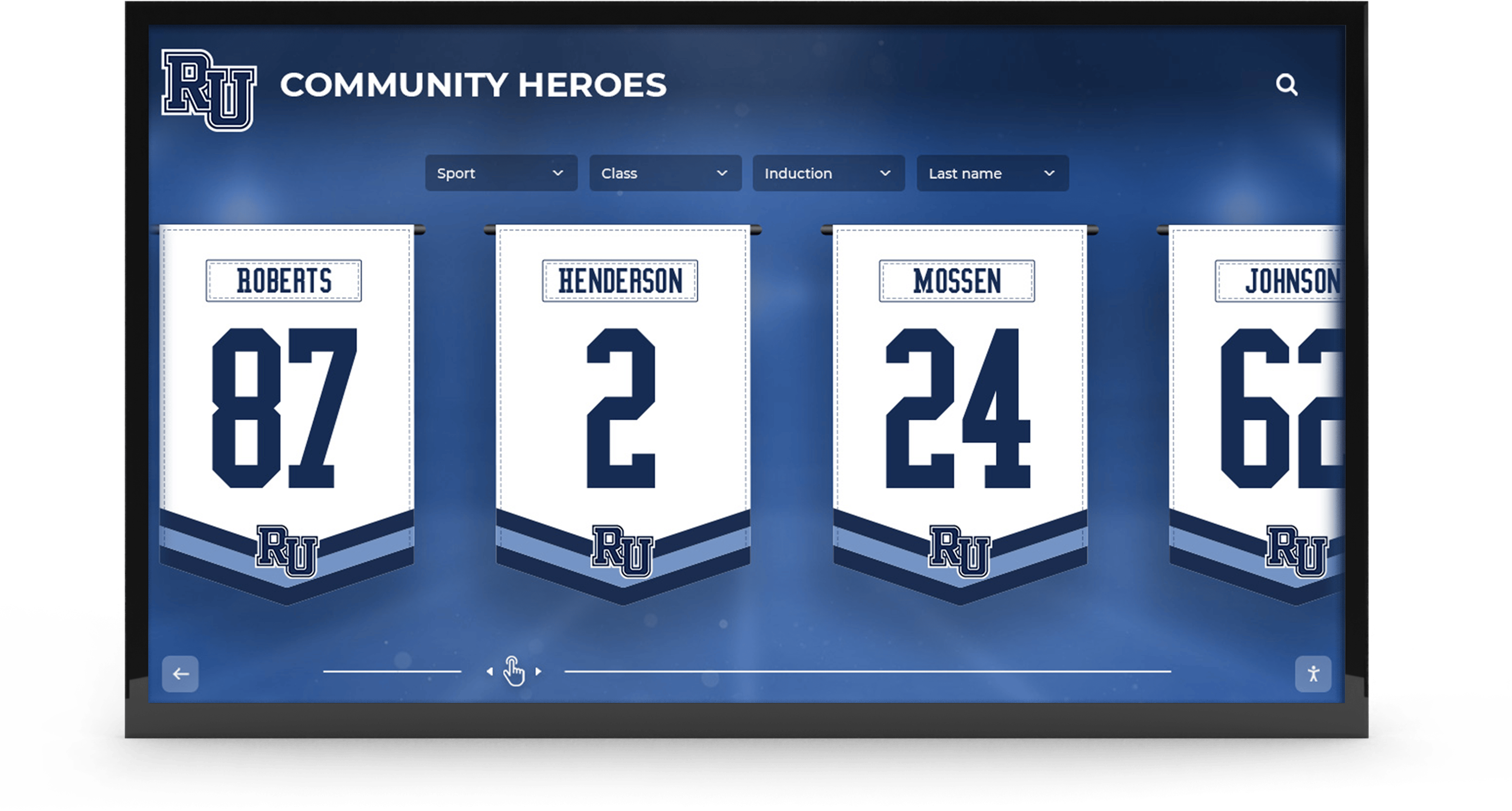
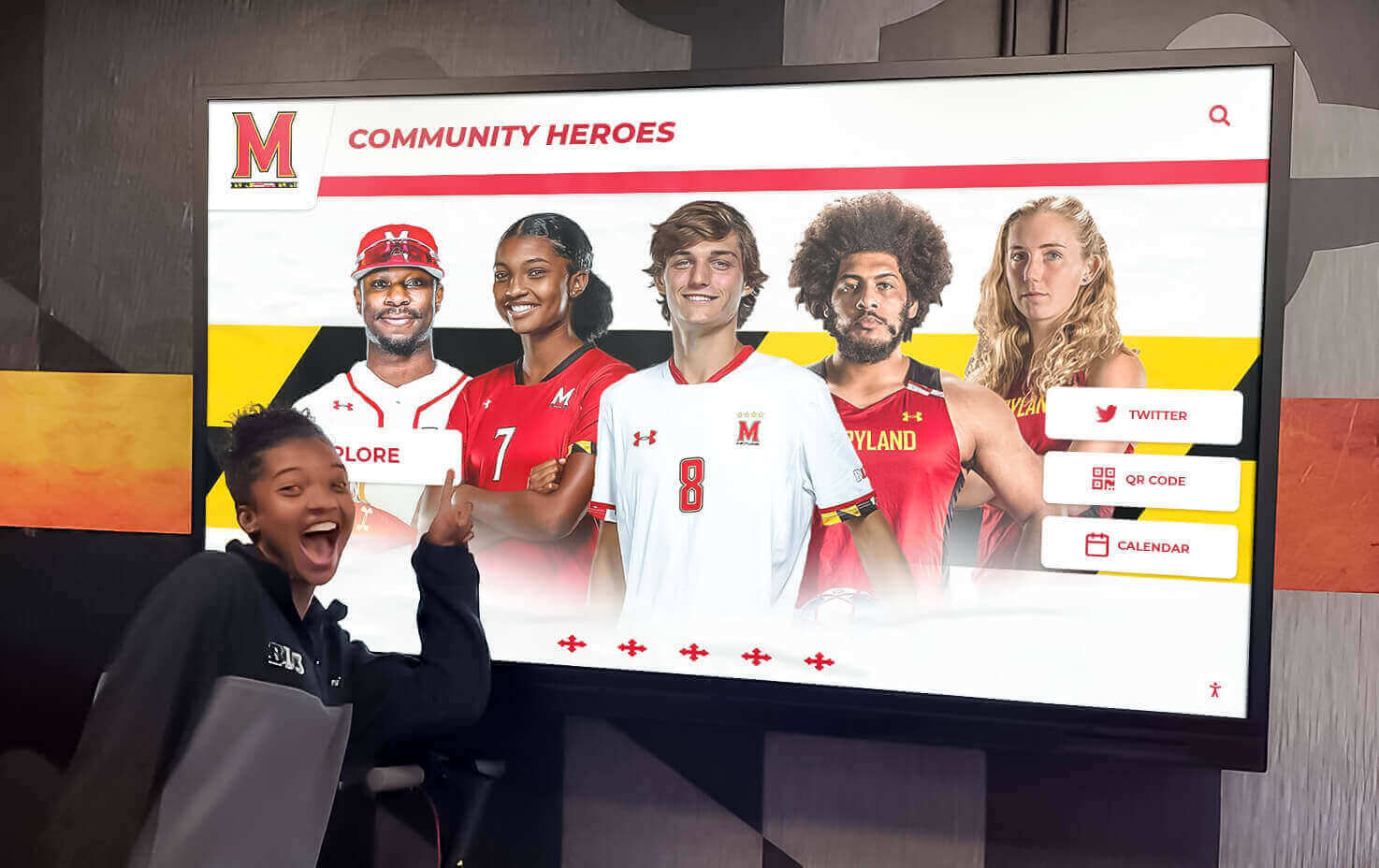
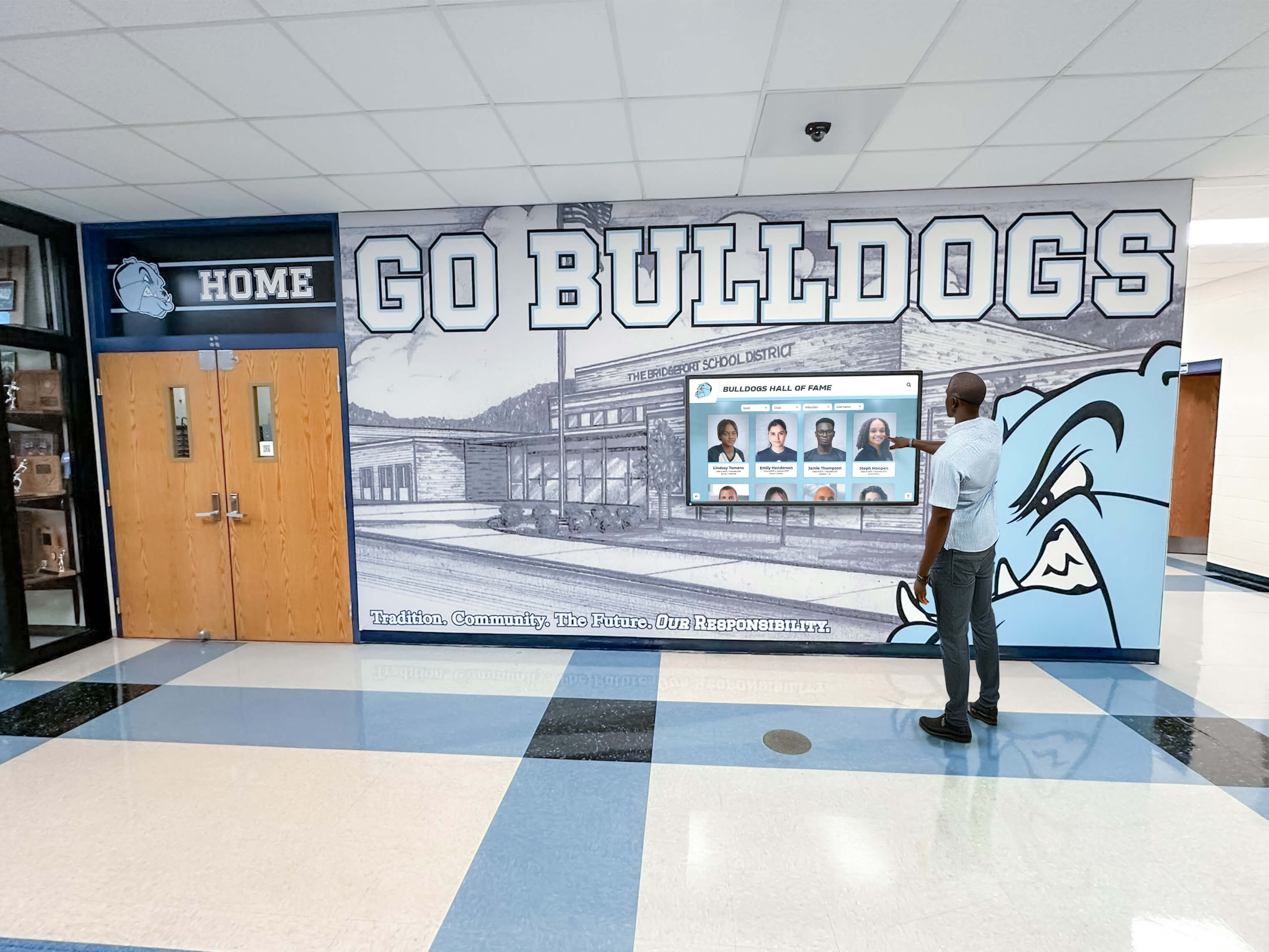
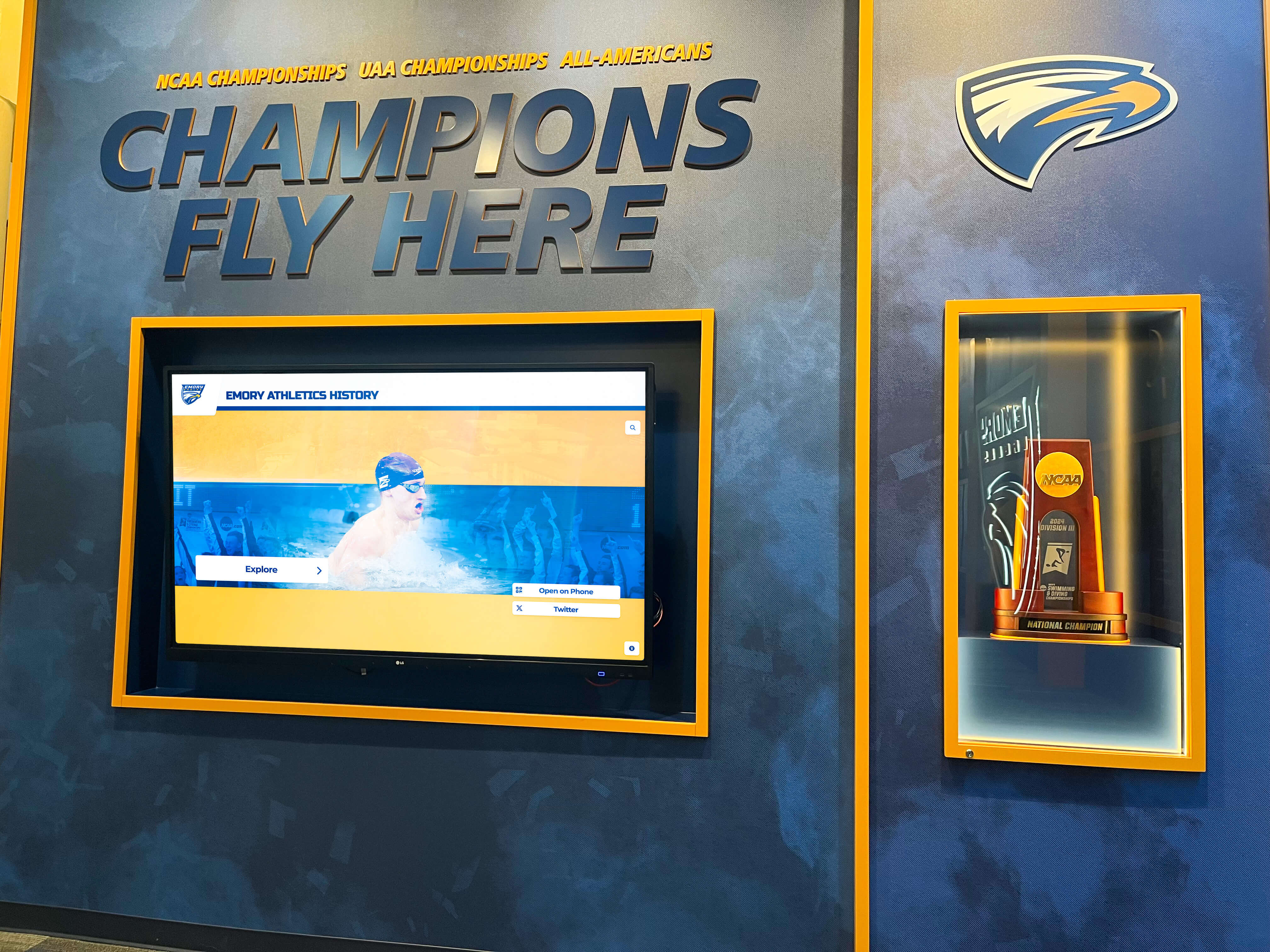
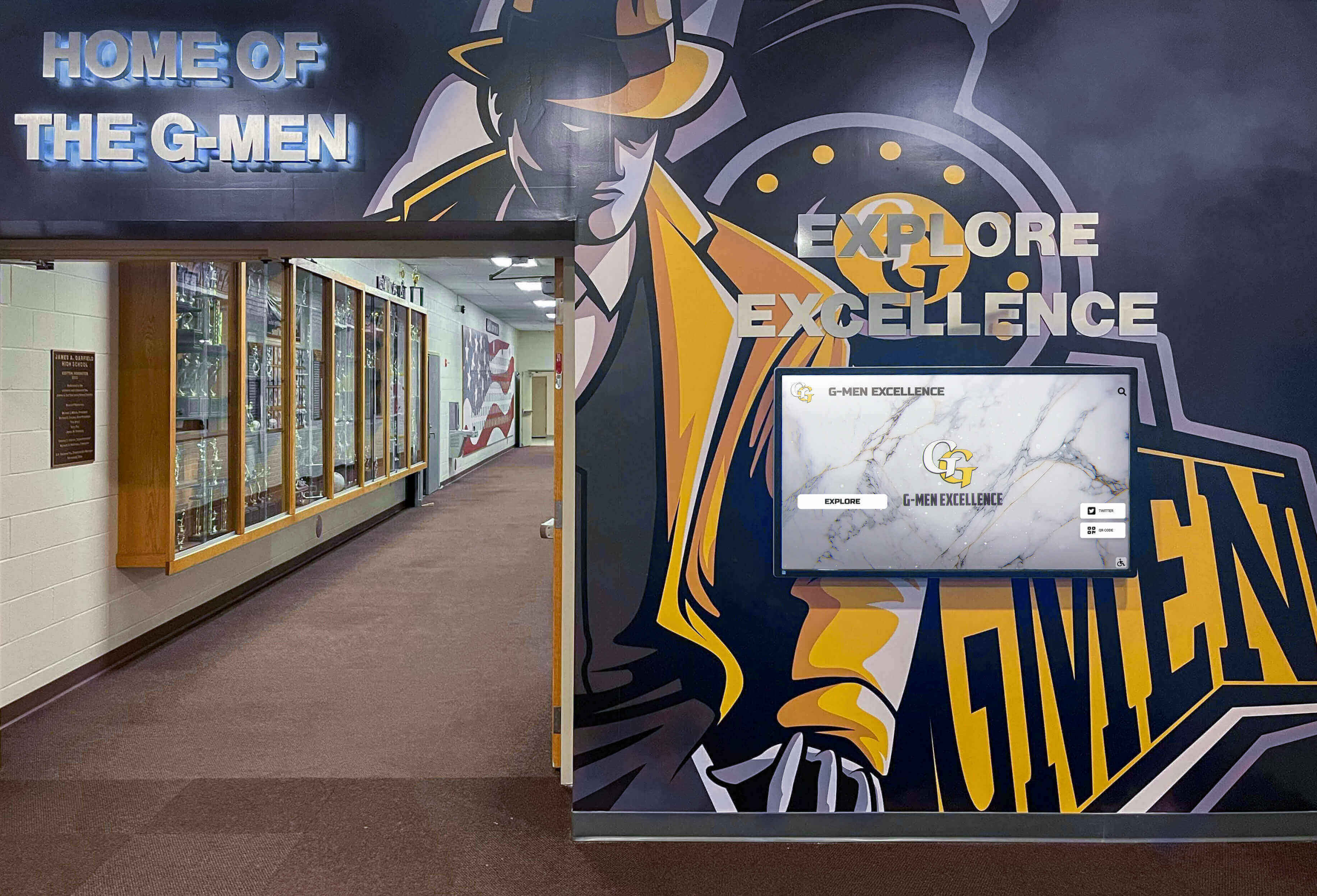
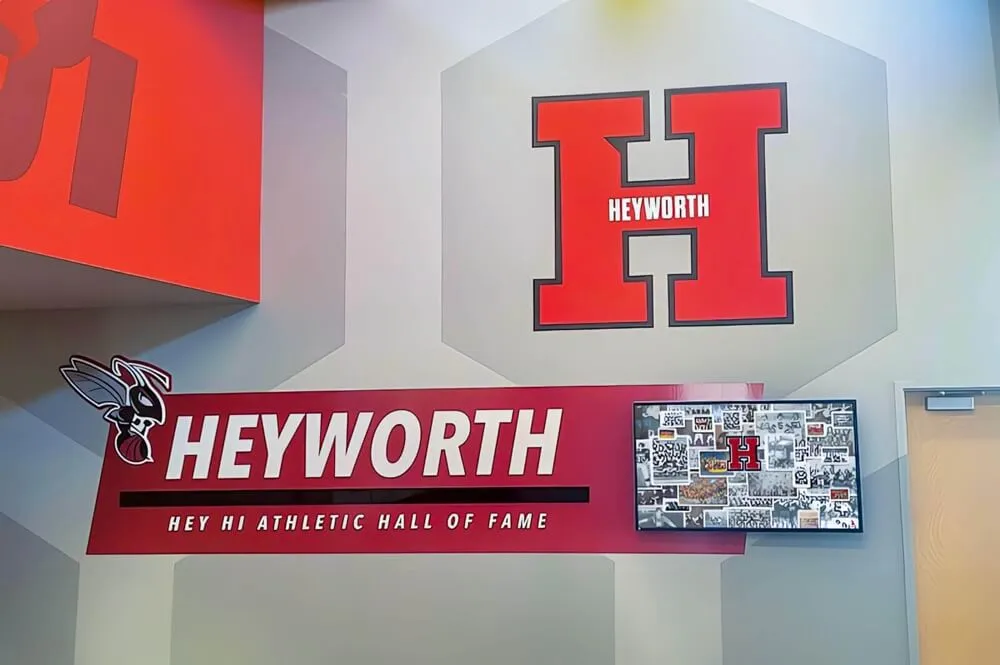
Digital recognition displays transform cheerleading awards from momentary celebrations into permanent, prominent institutional acknowledgment. Interactive displays enable comprehensive documentation of achievement across all program years, multimedia profiles with photos and videos bringing recognition to life, search capabilities allowing easy discovery of specific athletes, real-time updates adding new achievements immediately, and accessible exploration for families and community members visiting schools.
Solutions like Rocket Alumni Solutions provide platforms specifically designed for athletic recognition needs, ensuring cheerleading achievements receive visibility equal to traditional sports programs. Schools implementing athletic halls of fame that include cheer athletes alongside football, basketball, and other sports demonstrate institutional commitment to comprehensive athletic recognition valuing all competitive programs equally.
During major school events like homecoming or athletic banquets, prominently positioned digital displays allow attendees to explore cheerleading history and achievement interactively, generating conversation and connection that static trophy cases cannot facilitate.
Senior Night Celebrations
Senior night recognition honors graduating athletes during final home events. Comprehensive senior night celebrations include pre-event ceremonies recognizing seniors individually, photo presentations documenting athletes’ cheer careers, speeches from seniors reflecting on experiences, gift presentations from coaches and underclassmen, and family recognition inviting parents onto the floor or field.
Senior nights create emotional culminating experiences for athletes completing cheer careers while modeling appreciation and respect that younger athletes aspire to receive themselves when reaching senior status. Schools planning memorable senior night celebrations across various sports discover that thoughtful recognition strengthens team culture and athlete satisfaction substantially.
Organizing Effective Cheerleading Awards Programs
Successful recognition requires systematic planning addressing selection criteria, nomination processes, and presentation approaches.
Establishing Clear Award Criteria
Recognition credibility depends on transparent criteria explaining how recipients are selected. Effective criteria establish minimum performance standards for qualification, weight various factors like skill, leadership, and attendance appropriately, address both achievement levels and improvement trajectories, account for different positions and specializations within squads, and communicate expectations clearly at season start rather than announcing unexpectedly.
Published criteria ensure awards feel earned rather than arbitrarily granted while providing clear aspirational targets motivating athletes throughout seasons. Criteria should challenge athletes meaningfully without creating impossibly high standards that discourage rather than inspire.
Creating Fair Selection Processes
Selection processes should balance coaching judgment with objective measures while incorporating appropriate stakeholder input. Balanced selection approaches include coaches evaluating technical skills and leadership contributions, objective metrics like attendance records and competition scores, peer nominations for team contribution and character awards, captains or senior input on leadership and spirit recognition, and documented evaluation throughout seasons rather than final week assessments.
Fair processes build trust in recognition programs while reducing concerns about favoritism or bias that can undermine awards’ motivational value and team cohesion.
Balancing Individual and Team Recognition
Cheerleading’s fundamentally collaborative nature requires careful balance between individual and team recognition. Balanced programs include individual awards celebrating specific athlete achievements, position group recognition for bases, flyers, and tumblers collectively, squad-level awards honoring complete team accomplishments, improvement awards recognizing individual growth trajectories, and team building awards celebrating collaborative culture.
This balance ensures that athletes in different roles receive appropriate acknowledgment while reinforcing that squad success requires all members contributing effectively in their positions.
Timing Recognition Throughout Seasons
Recognition need not concentrate exclusively in end-of-season ceremonies. Ongoing recognition maintains motivation and celebration including weekly or monthly recognition during practices, competition day acknowledgment of exceptional performances, mid-season awards for sustained excellence, practice milestone celebrations, and informal appreciation expressions from coaches.
Distributed recognition creates continuous positive reinforcement rather than single concentrated celebration moments, building sustained motivation and team morale throughout demanding competition seasons.
Funding Cheerleading Awards Programs
Recognition programs require investment, but strategic approaches make meaningful awards accessible for programs with varied budgets.
Budget-Friendly Recognition Options
Limited budgets need not prevent effective recognition. Affordable options include certificates printed in-house with quality paper and design, homemade awards created by coaches or team members, digital recognition through social media and websites, recognition events at no-cost venues like schools, and contributions from families or boosters for specific awards.
Creative, thoughtful recognition often resonates more powerfully than expensive but generic purchased awards. Athletes typically value personalized acknowledgment reflecting genuine understanding of their contributions more than costly trophies that feel standardized and impersonal.
Fundraising for Awards Programs
Strategic fundraising can support enhanced recognition. Effective fundraising approaches include booster club support allocating funds for awards, recognition sponsorships from local businesses, team fundraisers with awards as designated purpose, parent contributions for senior recognition specifically, and alumni donations supporting recognition programs.
Programs implementing booster club fundraising initiatives often find that parents and community members enthusiastically support athlete recognition when presented as specific funding need with clear purpose.
Sponsor Recognition Opportunities
Local business sponsorships provide funding while creating community connections. Sponsorship benefits include business logo placement on award materials, recognition during awards ceremonies, mentions in programs and social media posts, banner display at competitions and events, and association with positive youth athletic programs.
Sponsorships work best when delivering genuine value to businesses through visibility and community goodwill rather than feeling like donation requests. Frame sponsorships as partnerships benefiting both programs and local businesses invested in youth success.
Integrating Cheerleading Recognition into Broader Athletic Programs
Cheerleading awards achieve maximum impact when integrated into comprehensive athletic recognition systems rather than existing as isolated initiatives.
Ensuring Equal Recognition with Other Sports
Cheerleading deserves recognition equal to traditional sports programs. Equality indicators include awards ceremonies of comparable length and production value, recognition displays in shared athletic spaces, equivalent budget allocations for awards, similar media coverage and promotion, and leadership inclusion in athletic department communications.
Equal recognition communicates that cheerleading constitutes legitimate athletics deserving respect comparable to football, basketball, or any other competitive program. This institutional positioning influences how students, families, and communities perceive cheer programs.
Incorporating Cheer into Athletic Halls of Fame
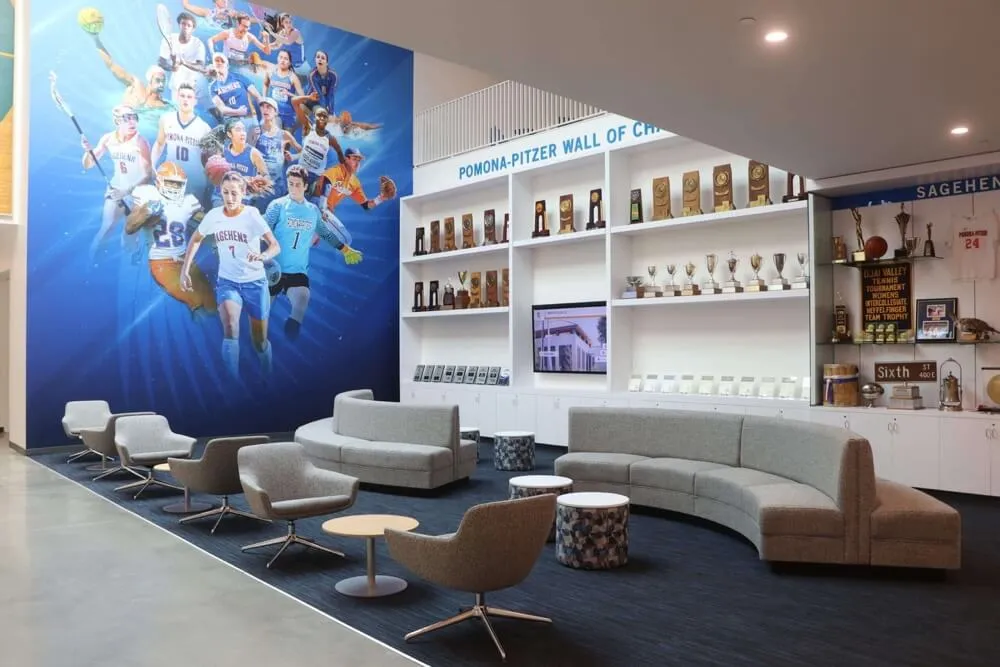
Athletic halls of fame should include cheerleading achievements alongside traditional sports. Comprehensive halls of fame recognize individual cheer athletes achieving exceptional excellence, championship squads winning major competitions, coaches building successful programs, and pioneering cheerleaders advancing program development.
Inclusion in athletic halls of fame validates cheerleading as serious athletics while preserving program history that builds tradition and pride. Digital recognition platforms enable unlimited capacity, eliminating space constraints that might otherwise limit which programs receive hall of fame representation.
Participating in Multi-Sport Recognition Events
Include cheerleaders in comprehensive athletic recognition events rather than hosting separate ceremonies that communicate secondary status. Multi-sport recognition includes all-sports banquets celebrating complete athletic departments, spring or fall athletic awards ceremonies, scholar-athlete recognition programs, and community athletic recognition events.
Integration builds relationships between cheer squads and other athletic teams while ensuring broader audiences recognize cheerleading excellence rather than limiting visibility to cheer-specific events attended primarily by squad members and their families.
Special Considerations for Competitive and Sideline Cheer
Programs offering both competitive and sideline cheerleading require recognition systems addressing different formats and emphases.
Recognizing Different Cheer Formats Appropriately
Competitive and sideline cheer involve different skill emphases and success measures. Format-specific recognition addresses competitive cheer’s focus on technical skills, difficulty, and competition placement versus sideline cheer’s emphasis on crowd engagement, game support, and spirit building.
Some awards may apply across formats while others require format-specific categories ensuring athletes in each program receive appropriate acknowledgment for their particular contributions and achievements.
Multi-Level Recognition for Middle and High School
Youth cheer programs spanning middle through high school benefit from age-appropriate recognition. Multi-level approaches include achievement criteria matched to developmental stages, separate recognition events for different age groups when appropriate, progression frameworks showing advancement from youth through senior levels, and mentorship recognition for high schoolers supporting younger athletes.
Progression systems help younger athletes understand pathways to advanced recognition while honoring age-appropriate achievements that don’t yet meet varsity standards but represent significant accomplishment for developmental stages.
Leveraging Recognition for Program Growth
Strategic recognition programs support broader goals beyond simple acknowledgment, driving recruitment, retention, and program excellence.
Recruitment and Retention Benefits
Comprehensive recognition systems strengthen recruitment by demonstrating professional program culture to prospective athletes, showcasing achievements building program reputation, creating visible aspirational targets attracting competitive athletes, and documenting excellence influencing family enrollment decisions.
Retention improves when athletes receive regular acknowledgment reinforcing that contributions matter. Athletes feeling genuinely valued develop stronger commitment while those receiving minimal recognition more readily discontinue participation when activities compete for time and attention.
Building Community Support and Visibility
Recognition creates content for program promotion including photos and videos showcasing achievements, stories highlighting athlete success for local media, social media content building online audiences, and demonstration of program excellence for community stakeholders.
Visible success builds community support translating into better attendance at competitions, increased booster participation and donations, stronger district administrative support, and enhanced institutional resources supporting program needs. Schools implementing effective athletic recognition programs across multiple sports discover that systematic celebration creates positive cycles strengthening entire athletic departments.
Creating Program Tradition and Identity
Recognition programs documented and preserved over years build program history and tradition. Accumulated recognition creates institutional memory connecting current athletes to program founders and legendary teams, traditions around specific awards that athletes aspire to win, benchmarks for measuring program progression, and pride in belonging to programs with documented excellence.
This tradition building proves especially valuable for newer programs seeking to establish legitimacy and identity. Systematic recognition from early years creates historical foundation that growing programs can build upon rather than starting tradition development from scratch years into program existence.
Measuring Recognition Program Effectiveness
Strategic programs evaluate recognition effectiveness systematically using evidence to refine approaches and maximize impact.
Tracking Athlete Satisfaction and Engagement
Monitor whether recognition programs resonate with athletes through satisfaction surveys gathering athlete feedback, retention data tracking participation across seasons, attendance and effort levels indicating motivation, team cohesion assessments measuring culture impact, and informal feedback from athletes and families.
Recognition programs should enhance athlete satisfaction and engagement rather than feeling obligatory or meaningless. Declining satisfaction suggests recognition formats or criteria require revision.
Assessing Community and Family Response
Evaluate whether recognition builds broader program support through attendance at recognition events, social media engagement with recognition content, community feedback and media coverage, booster participation and donation levels, and family testimonials about program culture.
Strong community response indicates recognition successfully builds program visibility and reputation while weak response suggests recognition remains too insular or fails to generate content and experiences that engage broader audiences.
Continuous Program Refinement
Treat recognition as evolving system requiring ongoing improvement rather than fixed program resistant to change. Refinement approaches include annual review of award categories and criteria, athlete and family input on recognition preferences, benchmarking against other successful programs, innovation testing with new recognition formats, and documentation of what works well versus what needs revision.
Commitment to continuous improvement demonstrates genuine dedication to meaningful recognition rather than perpetuating traditions simply because “we’ve always done it this way” without evaluating whether approaches effectively serve current athletes.
Creating Lasting Impact Through Cheerleading Recognition
Cheerleading awards transcend trophies and certificates to become powerful culture-building tools that honor athlete dedication, validate cheerleading as serious athletics, build team cohesion and individual confidence, preserve program history and tradition, and strengthen community understanding and support.
Comprehensive recognition programs communicate that institutions value cheerleading achievements as much as traditional sports success, creating parity that influences how students, families, and communities perceive cheer programs. This cultural shift enables programs to recruit talented athletes, retain committed team members, secure institutional resources, and build sustainable excellence.
Essential Principles for Effective Cheerleading Awards:
- Develop diverse award categories recognizing multiple skills and contributions
- Establish clear, transparent criteria and fair selection processes
- Balance individual achievement with team success recognition
- Integrate cheerleading recognition into broader athletic programs equally
- Implement innovative recognition formats beyond traditional trophies
- Leverage recognition content for recruitment and community engagement
- Preserve achievement history through permanent documentation
- Evaluate program effectiveness and refine approaches based on feedback
- Ensure adequate funding through strategic budgeting and fundraising
- Create meaningful recognition experiences athletes genuinely value
Modern recognition technology enables cheerleading programs to document achievements comprehensively while ensuring visibility equal to traditional sports. Digital recognition displays provide platforms where cheer excellence receives prominent, permanent celebration rather than brief acknowledgment quickly forgotten. These systems make program history accessible to entire school communities while creating engaging experiences for athletes, families, and fans exploring cheerleading achievements.
When cheerleaders see their accomplishments displayed alongside football championships, basketball accolades, and track records, powerful messages communicate about institutional values and program legitimacy. This visible recognition validates the demanding athletics, countless practice hours, and significant dedication that cheerleading requires while honoring athletes who commit themselves to excellence in this challenging discipline.
Ready to create comprehensive recognition that honors your cheer squad’s achievements and builds lasting program tradition? Explore how digital recognition solutions can elevate your cheerleading program while celebrating athlete excellence year-round.































