



A cheer team’s name carries more weight than most people outside the sport realize. It appears on uniforms, competition scoresheets, banners in gym lobbies, and eventually on recognition walls that outlast any individual season. Whether a program chooses a name tied to its school mascot, a competitive all-star brand built around a gym’s identity, or a creative squad label that captures a team’s culture, that name becomes shorthand for everything the team represents—its energy, history, and ambition. Schools that think carefully about cheer team names and build systems to honor them create the kind of institutional memory that sustains program culture across decades.
Why Cheer Team Names Matter for Program Identity and Recognition
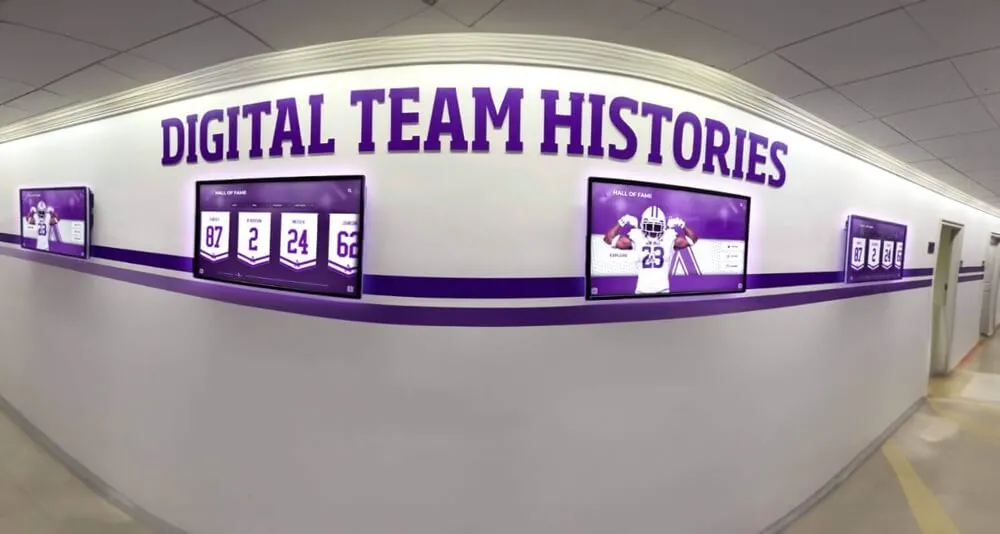
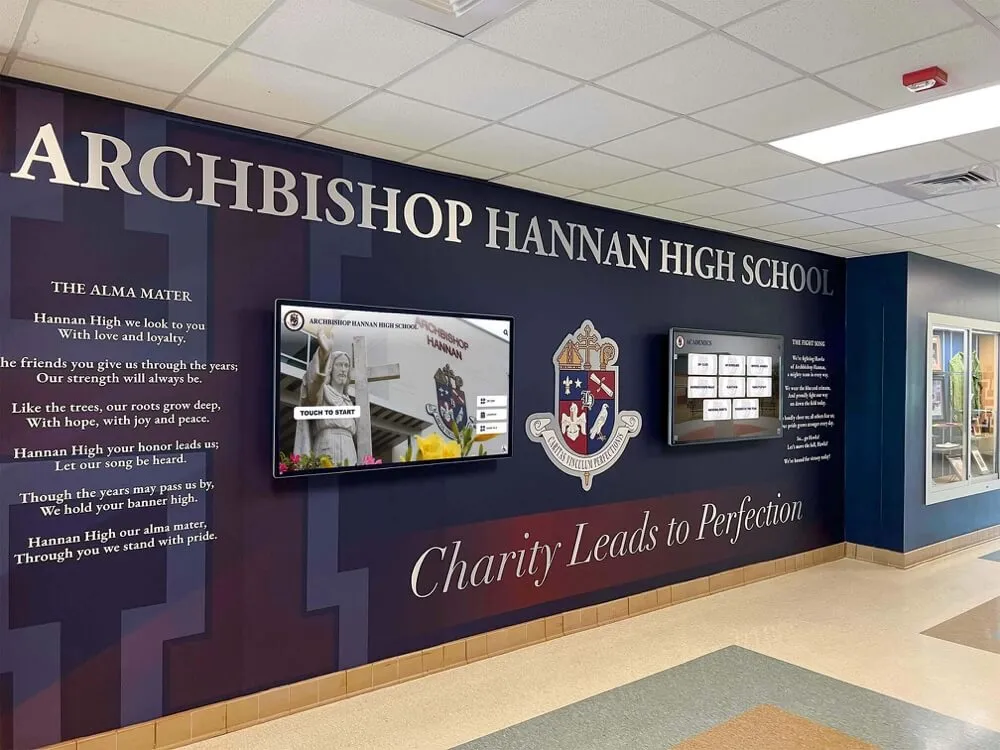
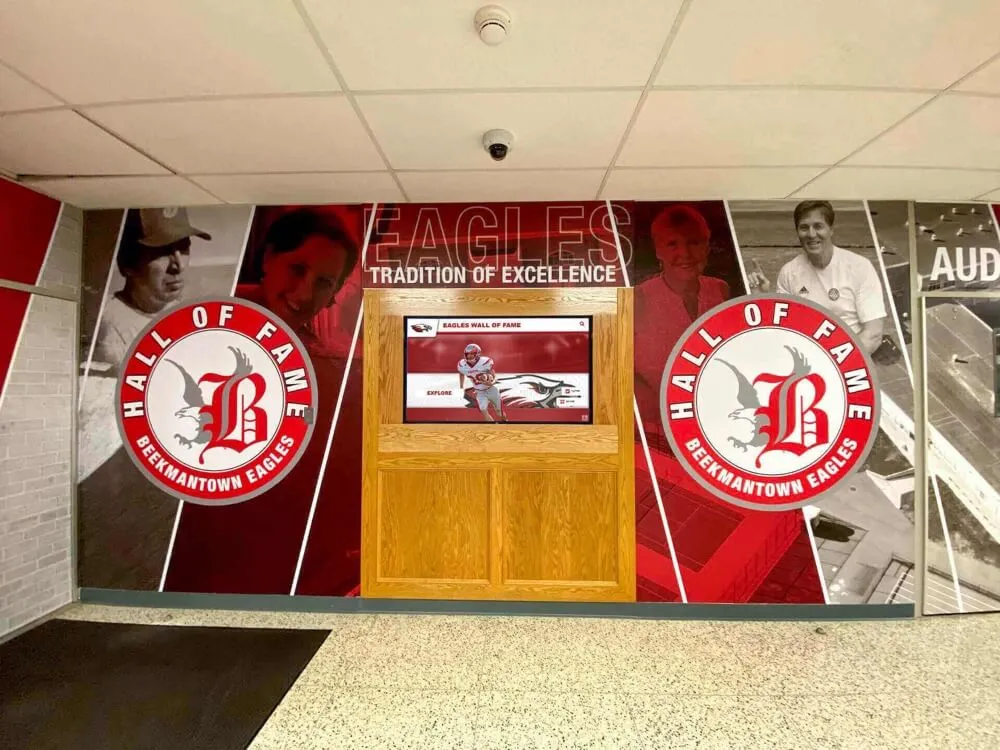
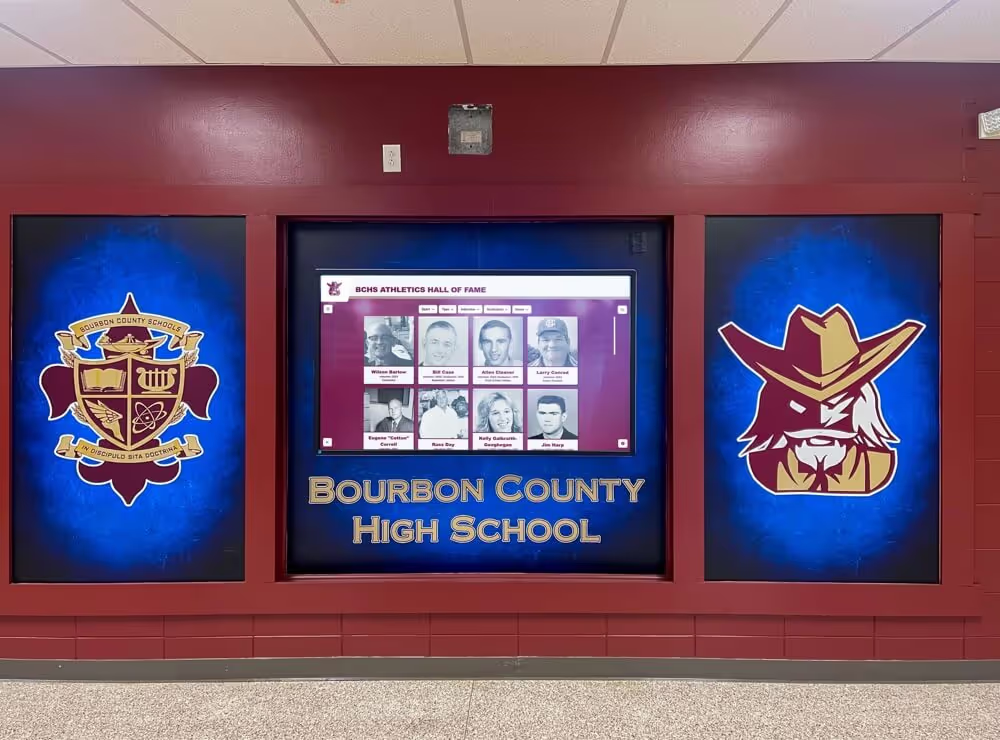
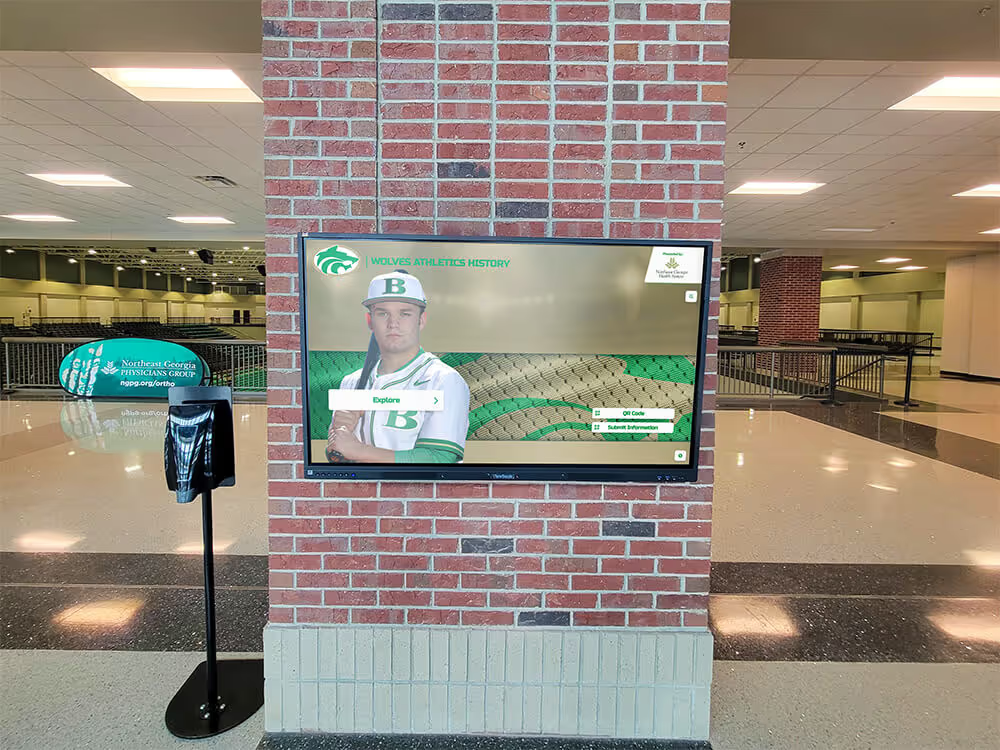
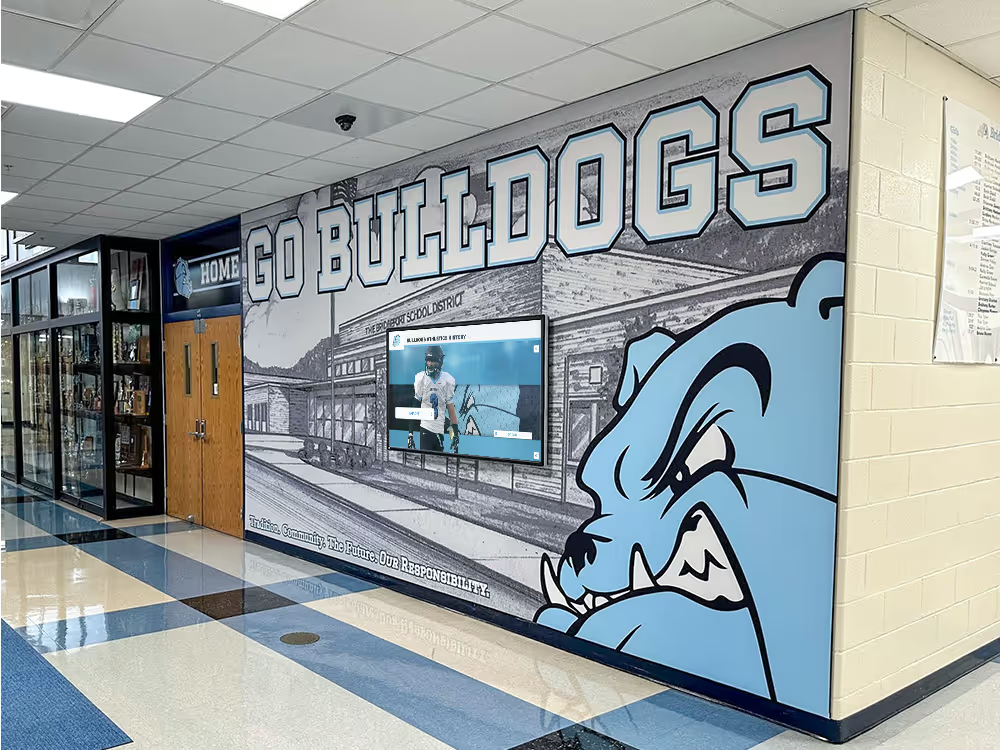
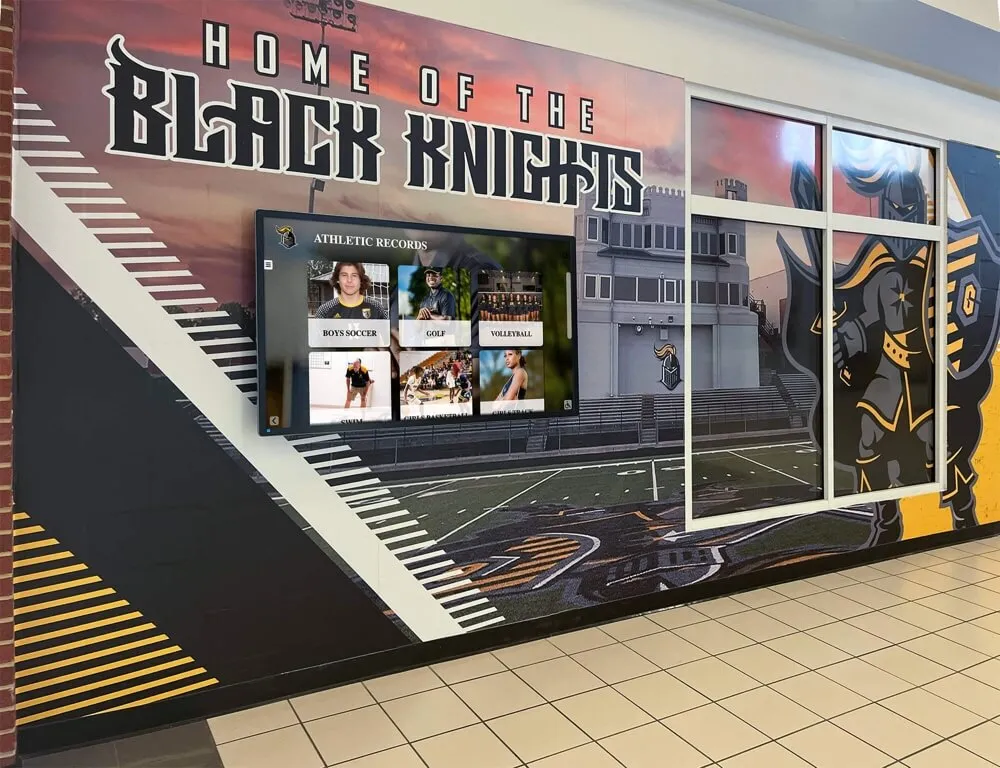
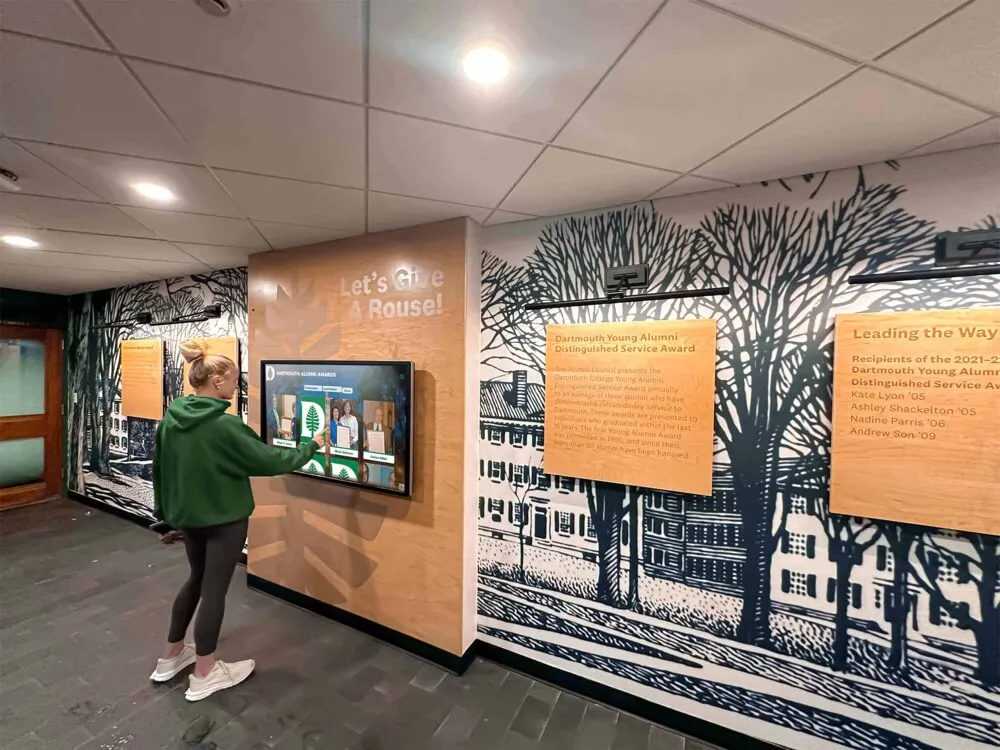
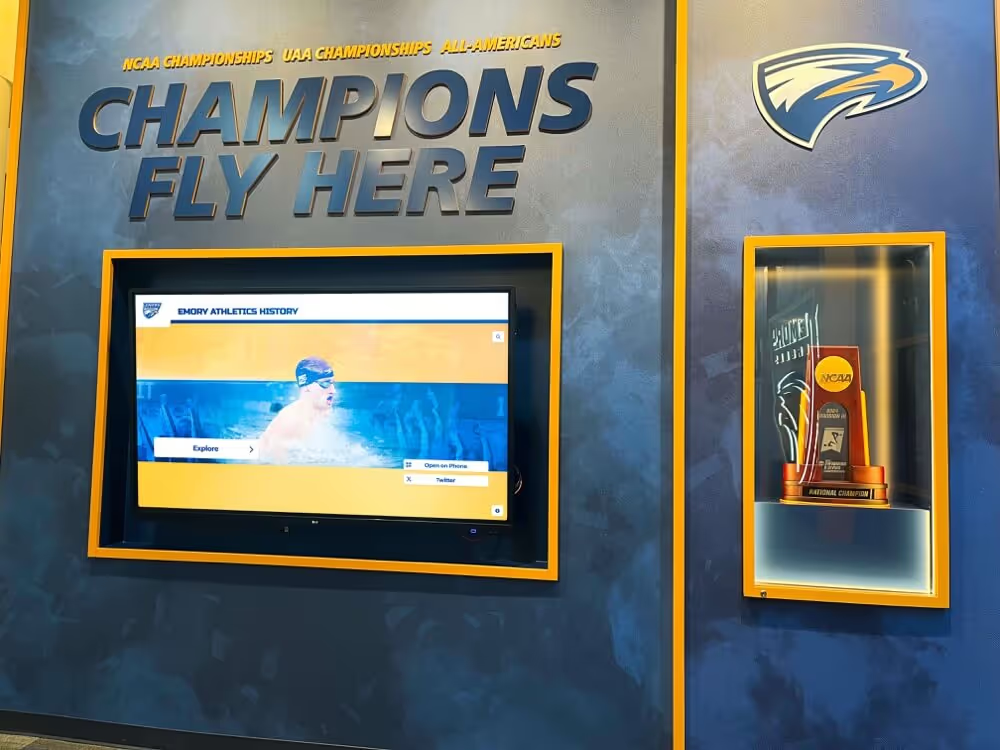
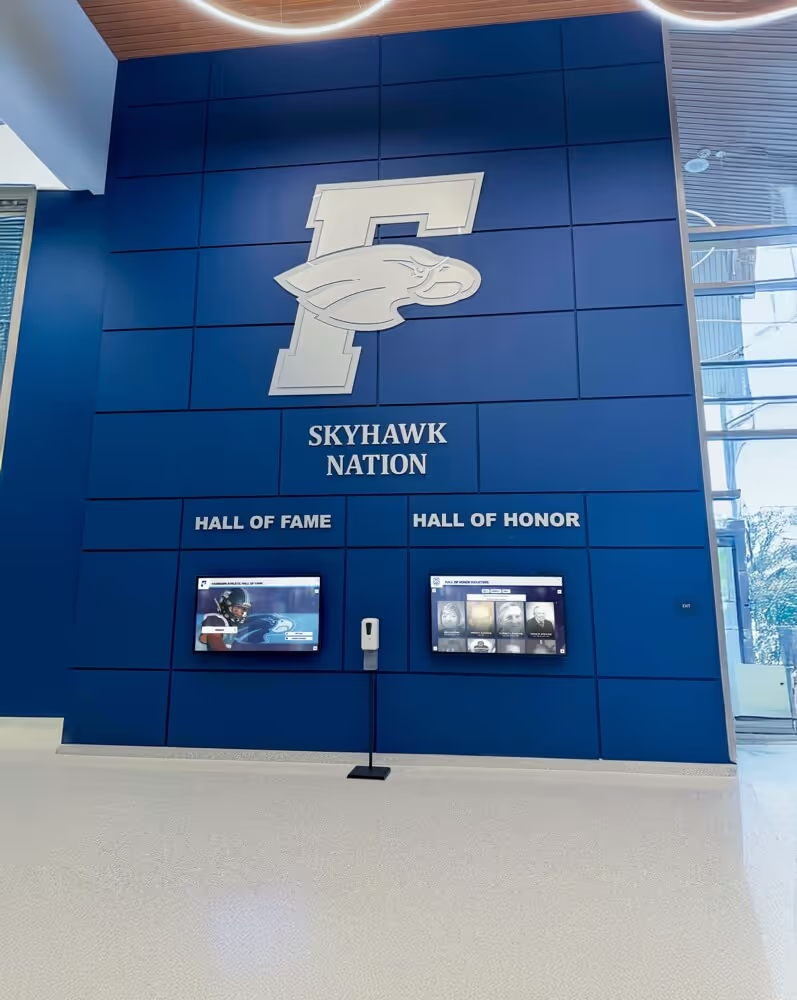
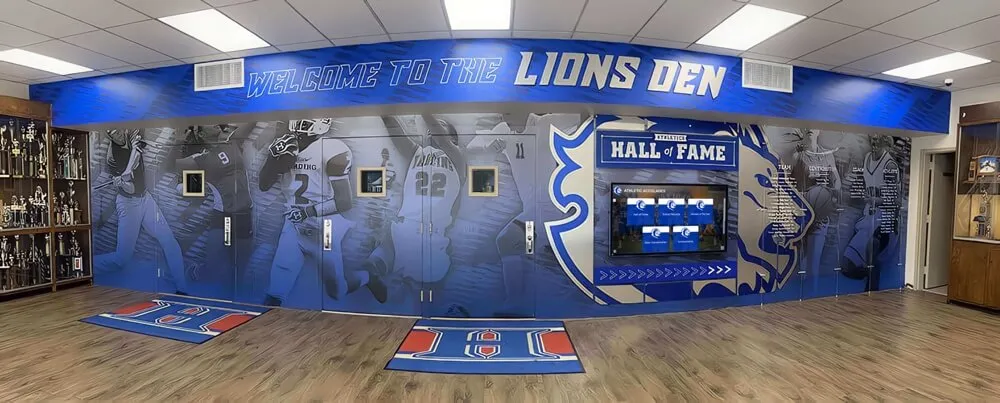
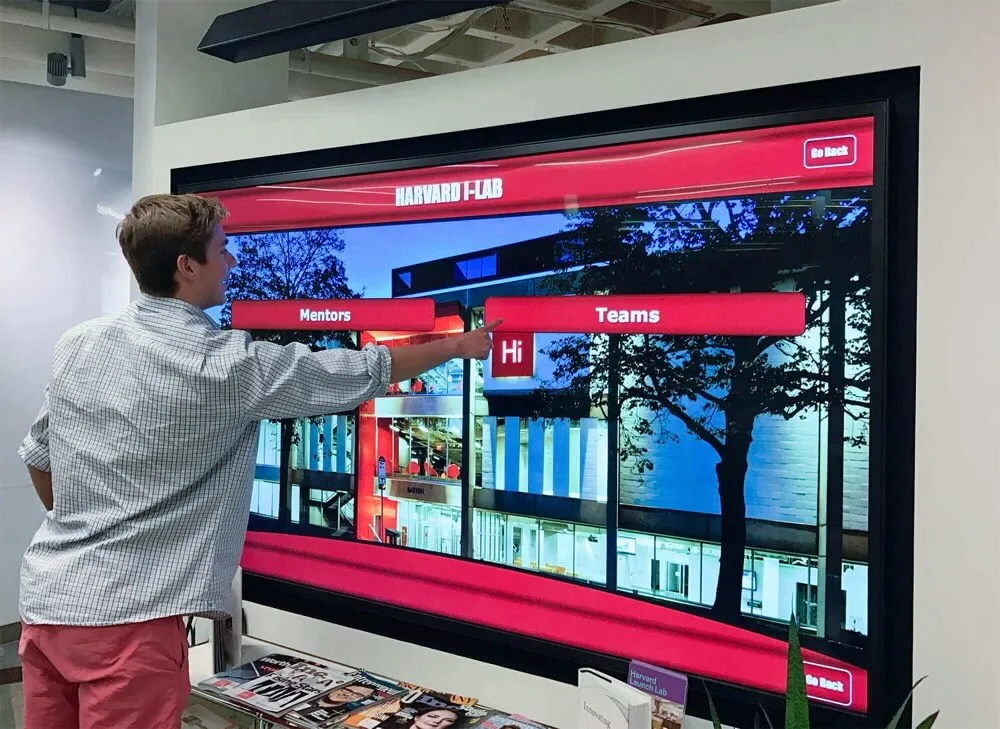
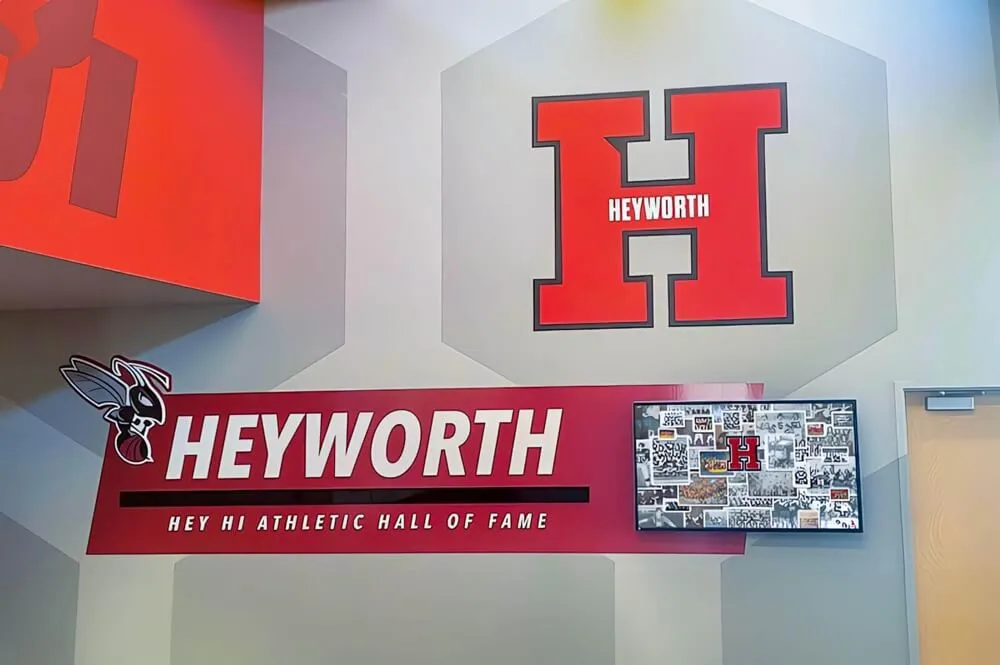
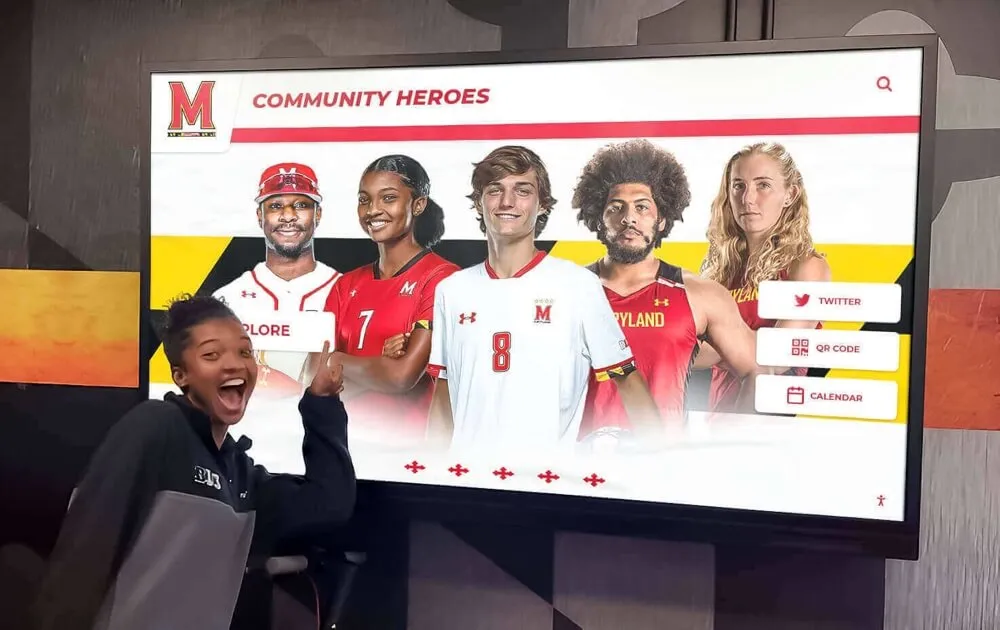
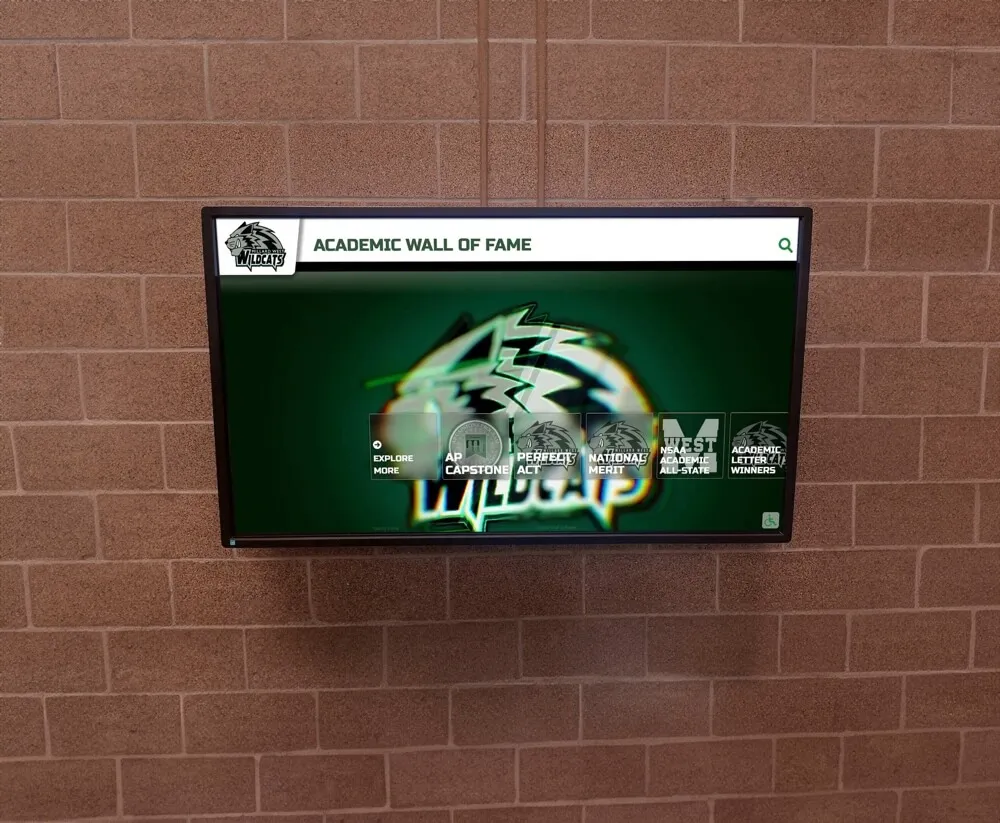
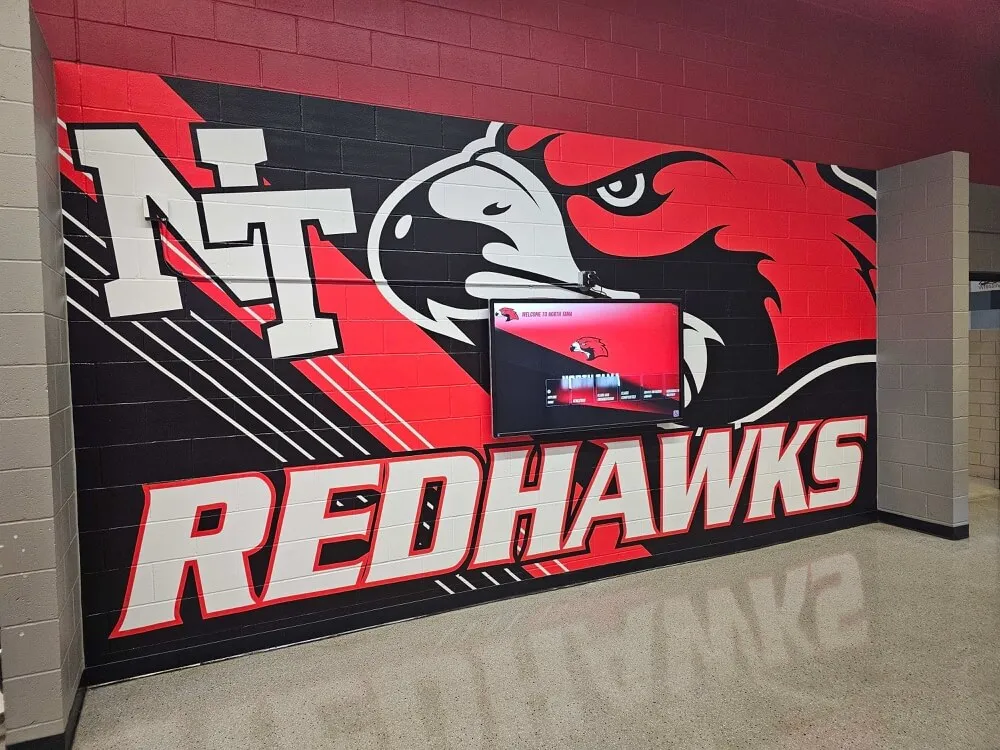
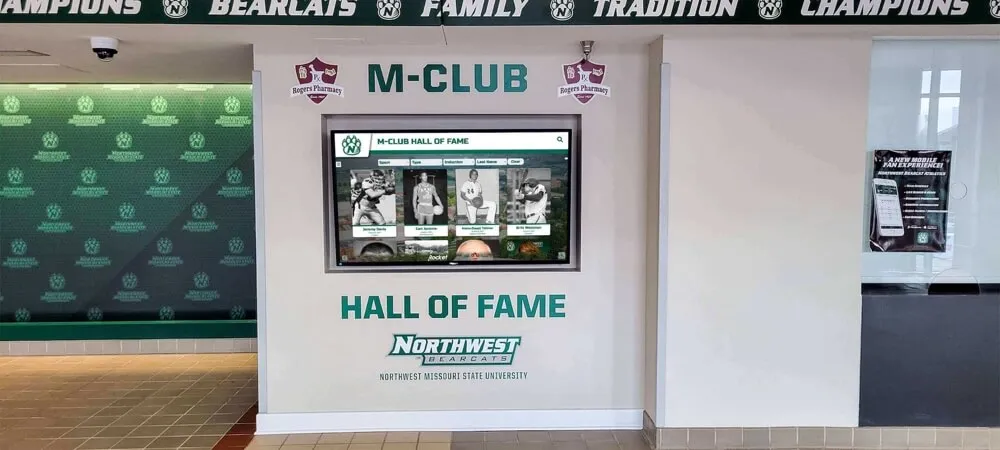
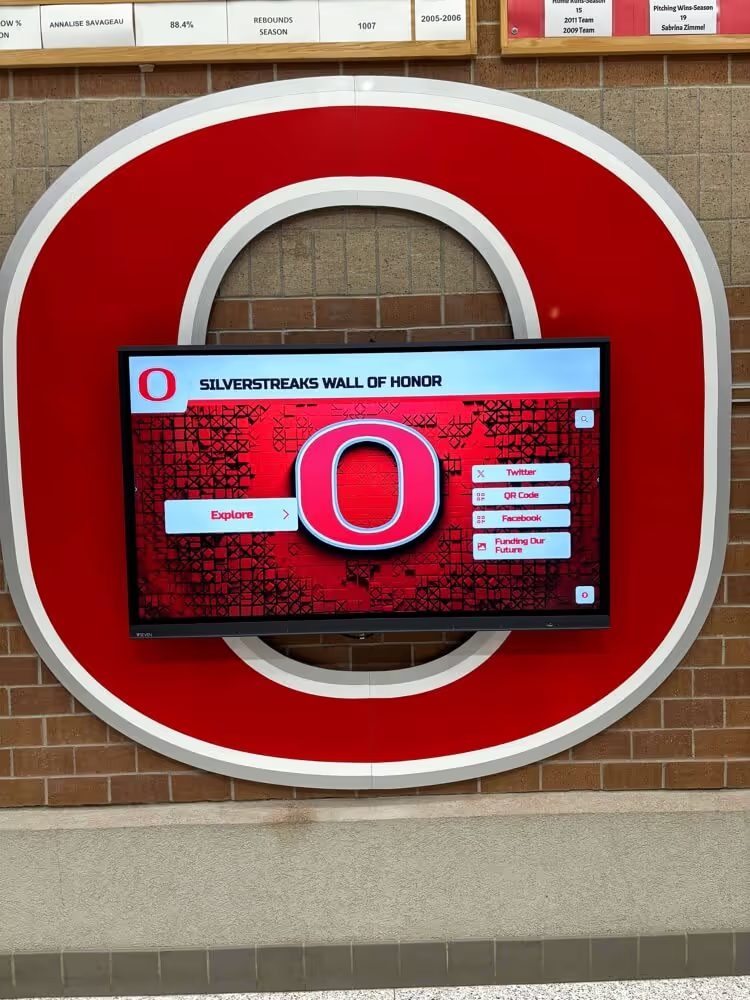
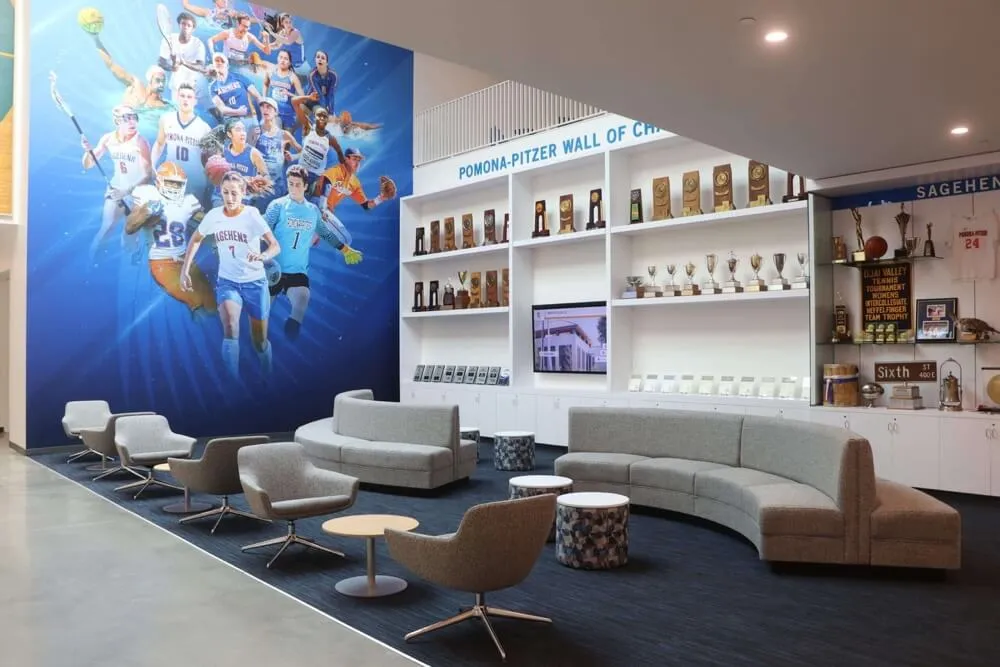
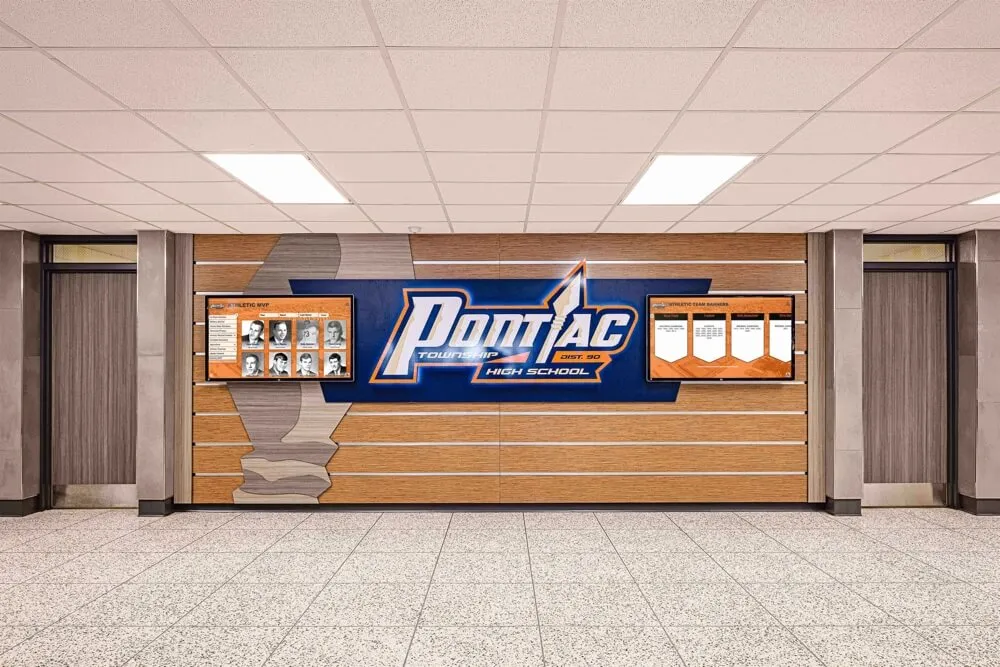
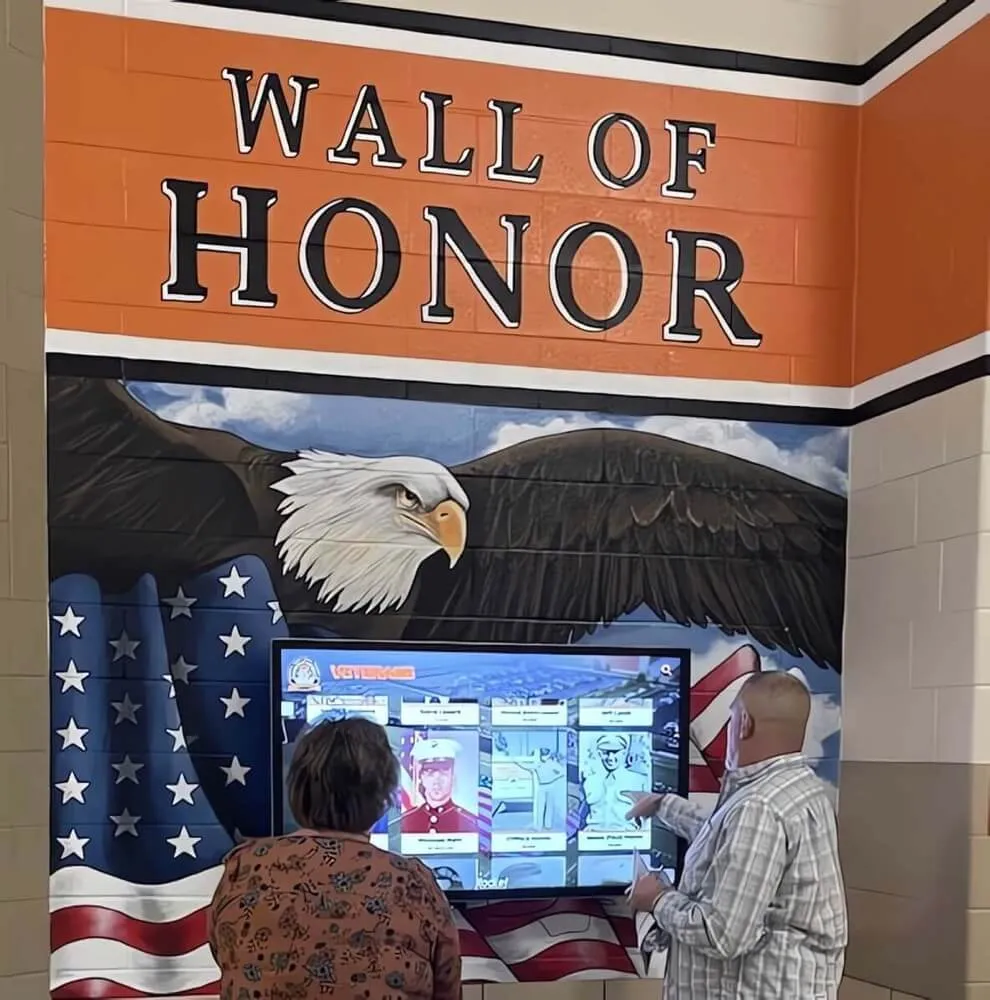
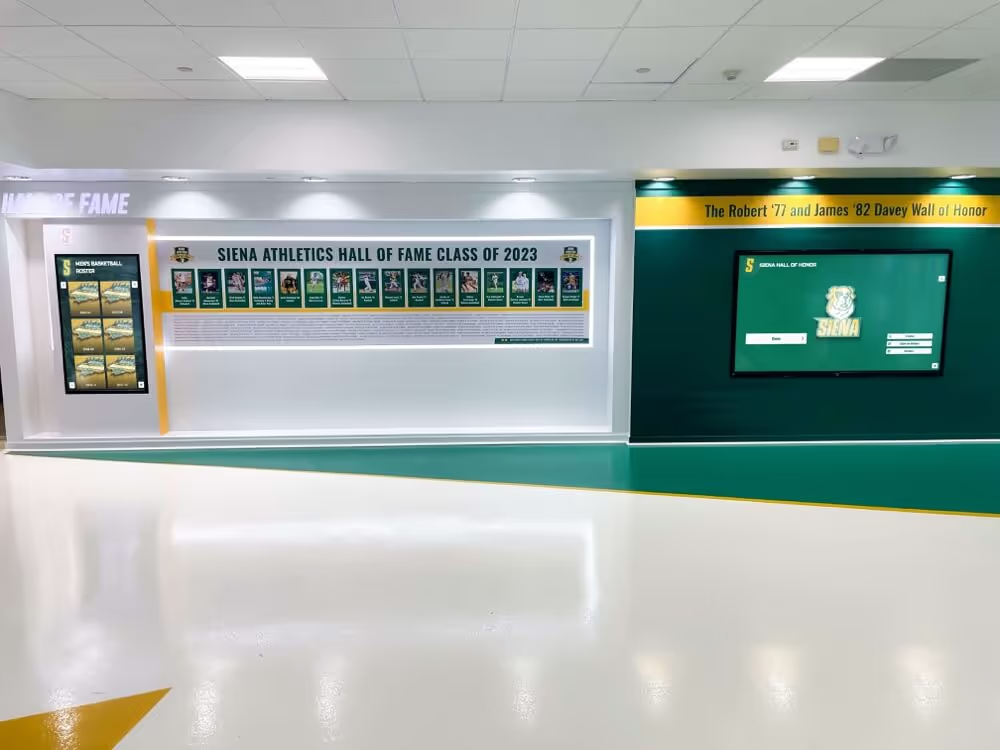
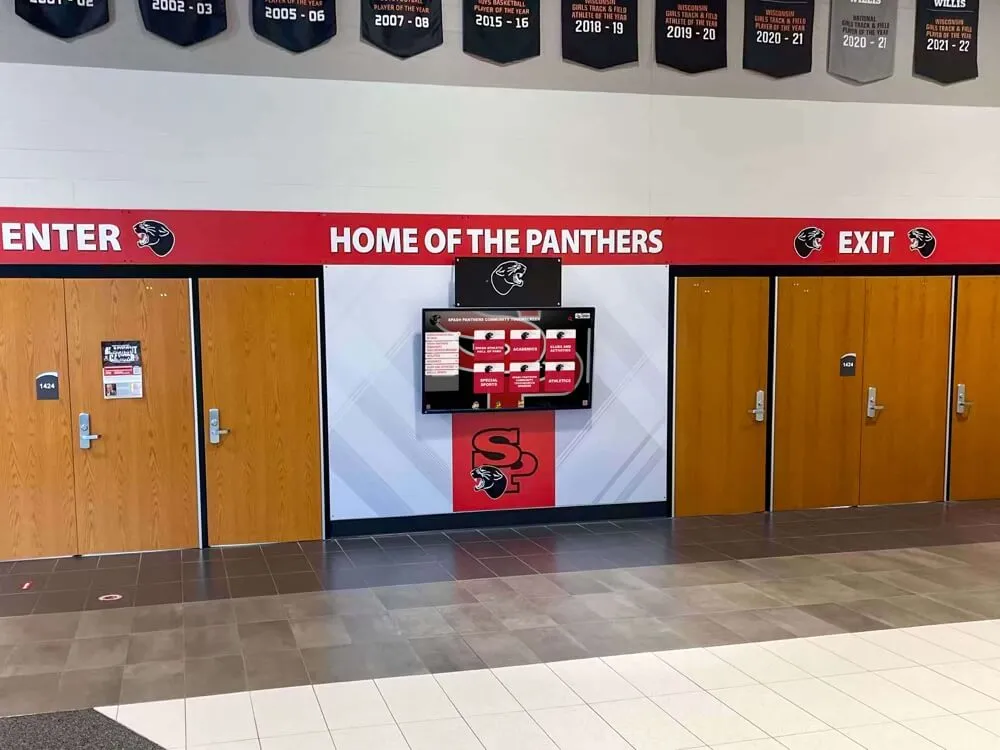
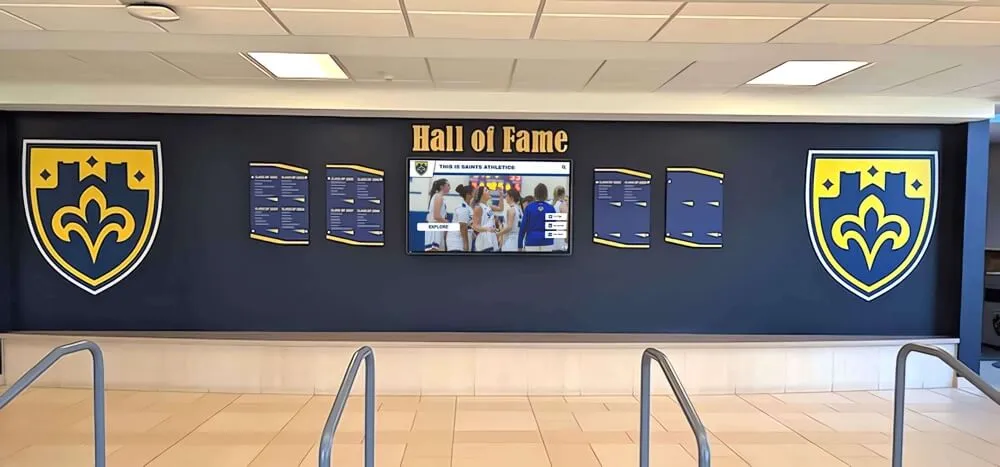
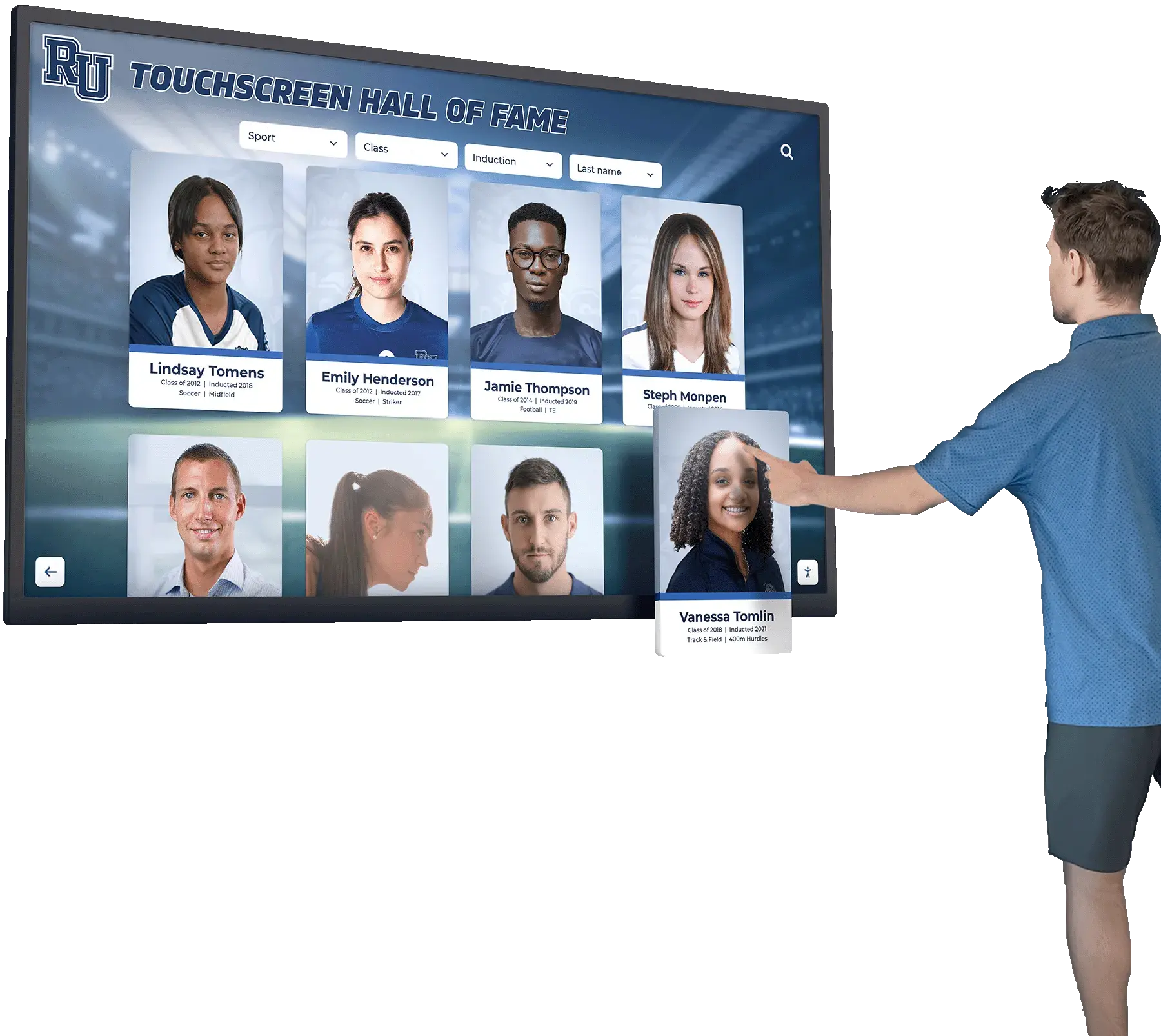
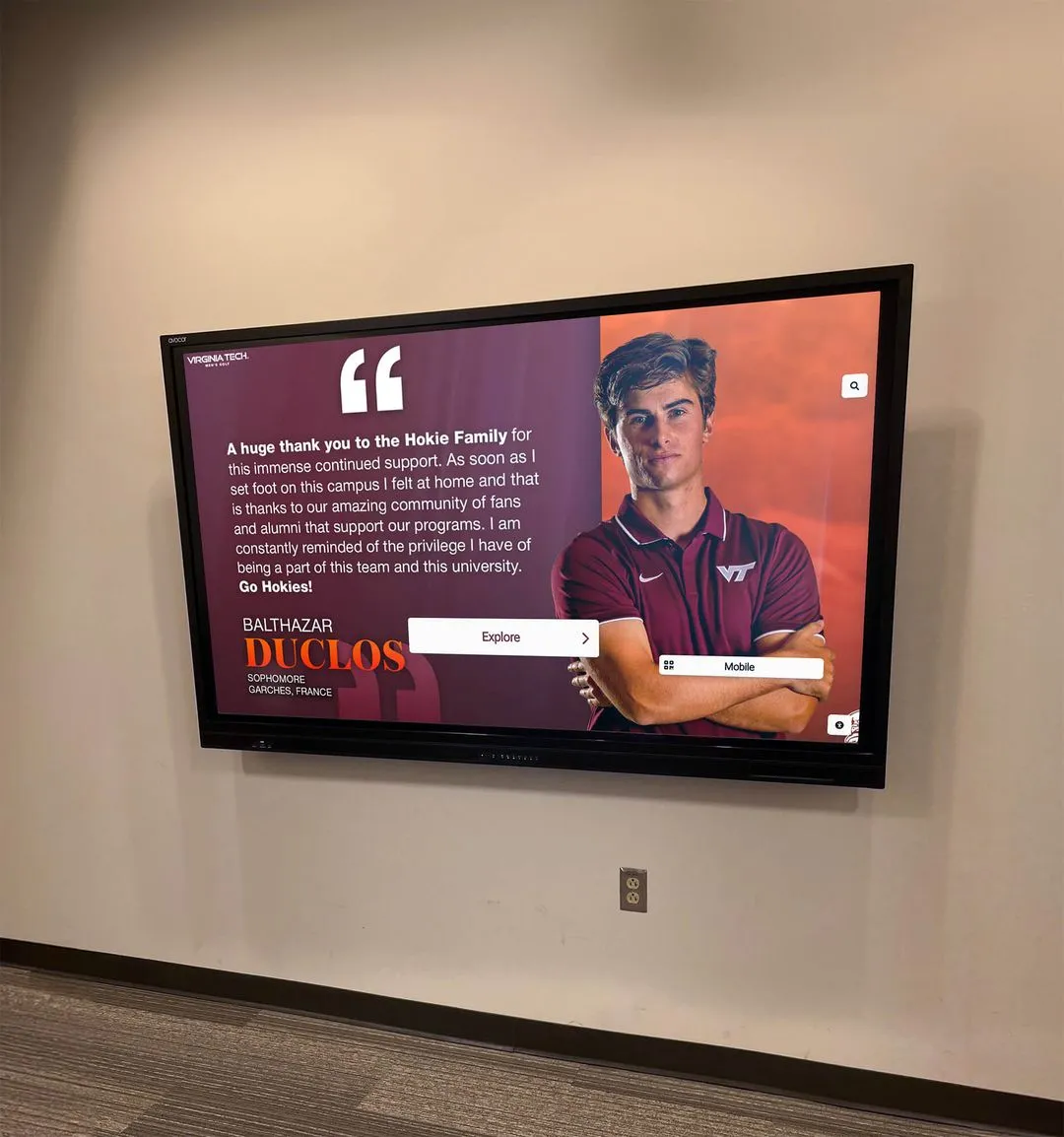
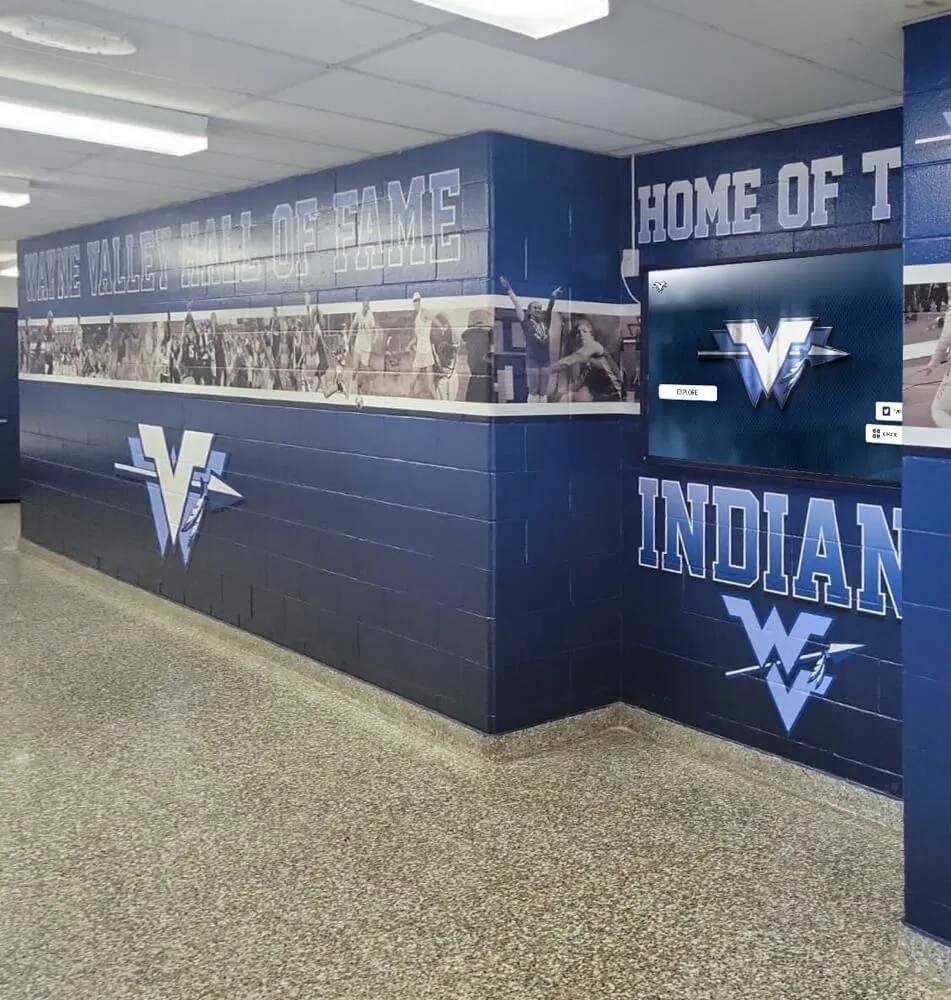
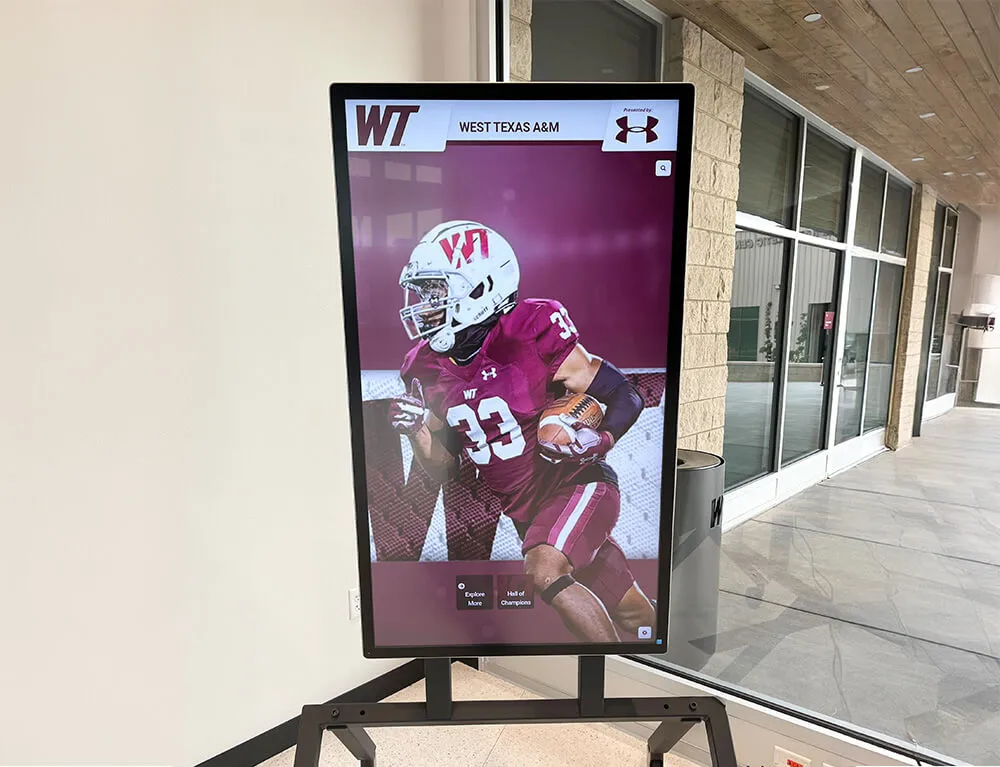
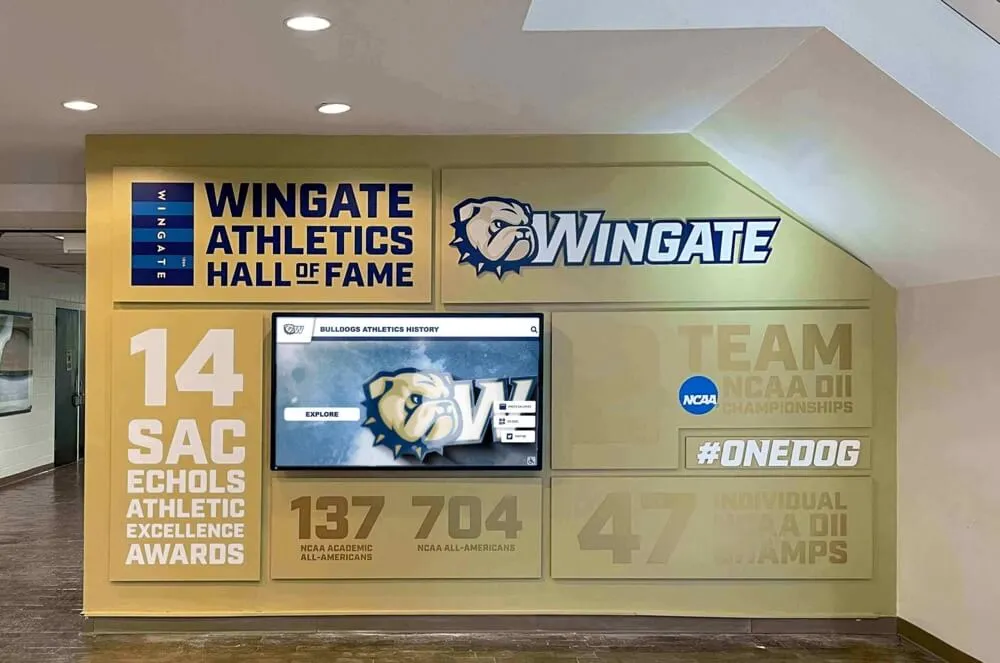
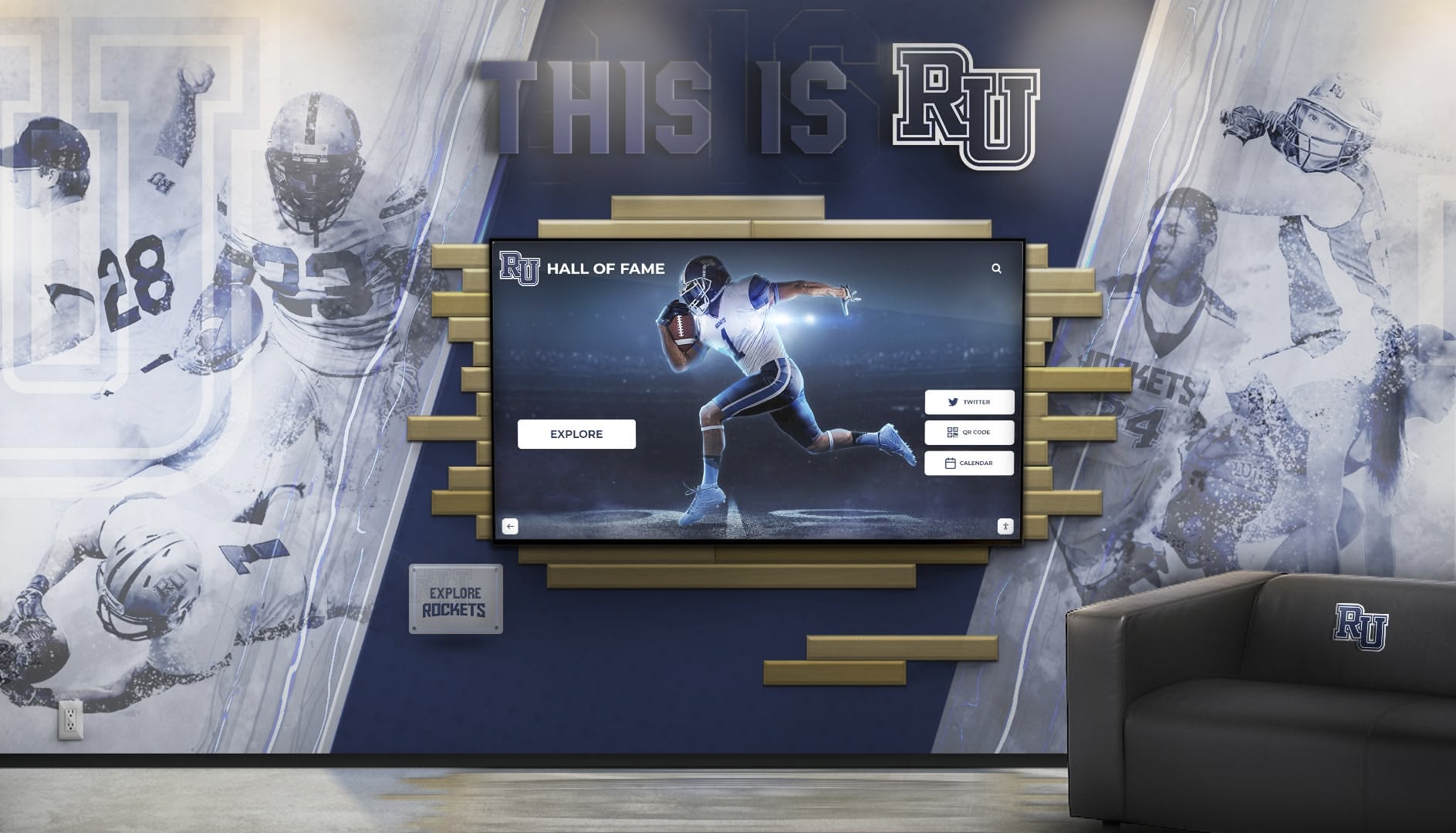
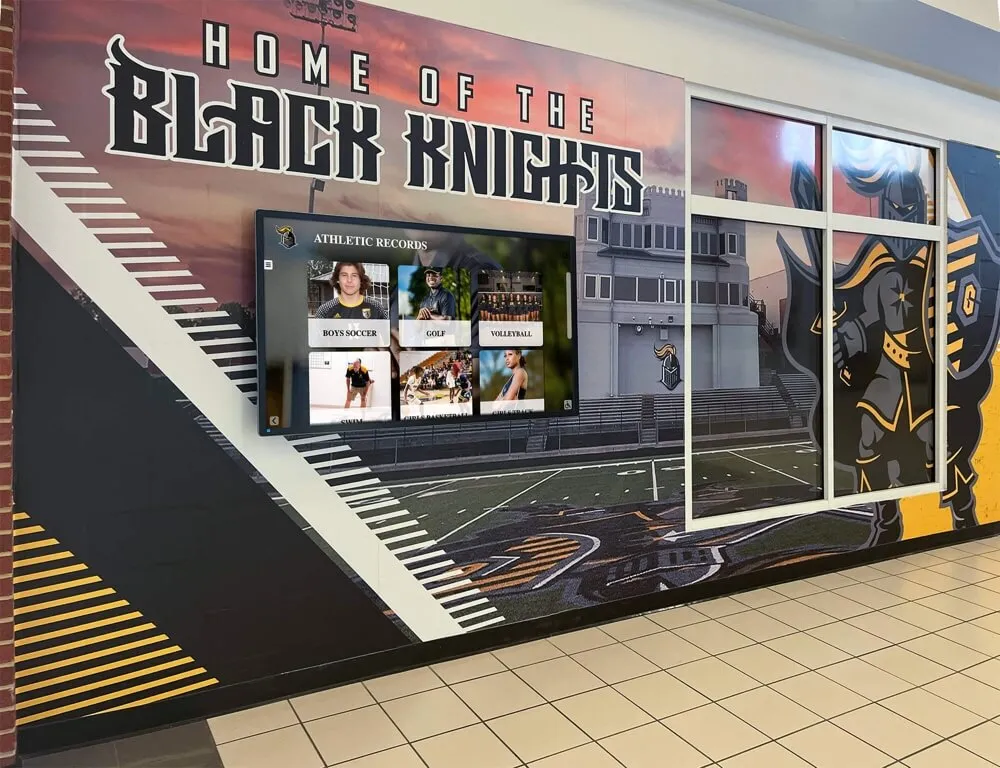
A well-chosen name anchors a cheerleading program's identity in a way that connects current athletes to the history of everyone who competed before them. Schools that display cheer team names prominently—on digital recognition walls, in hallway displays, and on interactive touchscreens—give those names permanence that a single season's trophy cannot provide. Platforms like Rocket Alumni Solutions help schools build the kind of lasting recognition infrastructure where cheer team names, championship records, and squad histories live permanently alongside every other athletic achievement the school celebrates.
How Cheer Team Names Form and Evolve
Unlike most team sports where names derive directly from school mascots, cheerleading programs—particularly in the all-star and competitive space—have developed distinct naming traditions that blend branding, identity, and competitive positioning. Understanding where these naming conventions come from helps coaches, athletic directors, and gym owners make informed decisions when establishing or renaming programs.
School-Based Sideline Cheer Names
The most common naming pattern for school cheerleading programs ties the squad directly to the school’s athletic identity. A school with the Eagles mascot fields the Eagles Cheerleaders. This approach creates immediate brand alignment and helps the squad function as a visible extension of school spirit rather than a standalone entity competing for attention.
Within this pattern, schools often add distinction through level-based or style-based naming:
Varsity and Junior Varsity Designations: Most high school programs separate their squads into Varsity Cheer and JV Cheer, with middle school programs often labeled as Modified or Middle School Cheer. These distinctions communicate competitive level and help audiences understand the developmental structure of the program.
Competitive vs. Sideline Squad Names: Schools that field both a sideline squad and a competition team sometimes give each a distinct identity even within the same program. A school might field the “Riverside Cheer” program for sideline duties while labeling the competition squad “Riverside Storm” or “Riverside Elite” to signal that this specific group competes separately.
Spirit and Dance Squad Crossovers: At schools where spirit teams include both cheer and dance components, programs sometimes use umbrella names like “Riverside Spirit” or “Riverside Performing Arts” that house multiple squads under a shared identity. This structure affects how names appear on recognition walls and in athletic department records.
All-Star Cheer Team Names: Structure and Strategy
All-star cheerleading operates outside school-based programs entirely, with gyms fielding teams under gym-branded names rather than school mascots. This creates a completely different naming environment—one where the team name must function as both a competitive brand and a recruiting tool.
Gym Name + Team Label: The most common all-star structure uses the gym name as the anchor, with specific team identifiers added for each competitive squad. A gym called Champion Athletics might field teams called Champion Athletics Reign, Champion Athletics Legacy, Champion Athletics Surge, or Champion Athletics Fierce—each name chosen to evoke the energy and skill level associated with that particular team’s placement within the competitive structure.
Level-Based Naming Conventions: All-star gyms frequently embed competitive level information in team names in ways that communicate status to other programs and families. Teams with names like “Senior Elite” or “Senior Level 7” immediately signal competitive tier. Other gyms use abstract names that convey progression: Novice → Rising → Reign → Dynasty suggests a pathway from entry-level teams to the gym’s flagship program.
Brand Identity Names: Many elite all-star programs choose names that build a distinct competitive brand independent of the gym’s full name. Teams like “Reign,” “Legacy,” “Inferno,” “Royalty,” or “Dynasty” appear across gyms nationwide because these words convey the qualities—dominance, tradition, intensity, prestige—that competitive programs want to project. The challenge for programs using common names is differentiation at competitions and on recognition displays where multiple teams from different gyms might share similar labels.
Color and Element Names: Nature-based names remain popular because they translate visually into uniform designs and banner graphics. “Storm,” “Frost,” “Fire,” “Surge,” “Blaze,” “Eclipse,” and “Thunder” all allow design teams to build cohesive visual identities around the name’s inherent imagery.
For programs thinking about how their name will look years from now on a recognition wall that displays team history and achievements, choosing a name with lasting resonance matters more than choosing one that tracks current competitive trends.
Creative All-Star Cheer Team Names Ideas by Category
When a gym launches a new team or a school launches a competitive squad, the naming process benefits from a structured approach. Here are established naming categories with examples that have worked across competitive programs.
Power and Dominance Names
These names signal competitive intent and attract athletes who identify with a winning culture:
- Reign — implies authority and sustained success
- Dynasty — suggests multi-year championship expectations
- Dominion — powerful territorial connotation
- Apex — the top of the competitive pyramid
- Sovereign — royalty-adjacent without being literal
- Command — signals precision and intentionality
- Conquest — aggressive, goal-oriented
- Empire — scale and longevity combined
- Supremacy — direct statement of competitive ambition
- Paramount — above all others, level-appropriate for flagship teams
Energy and Motion Names
Performance-based names emphasize the kinetic quality of the sport:
- Surge — momentum and explosive growth
- Voltage — electrical energy, high-intensity performance
- Velocity — speed and precision in tumbling and stunting
- Propel — forward motion, developmental connotation
- Ignite — starting energy, good for developmental or new teams
- Momentum — builds across the season, sustained performance
- Catalyst — change agent, good for program transformation moments
- Kinetic — science-adjacent, appeals to technical coaching culture
- Torque — powerful rotational energy, fitting for tumbling-heavy programs
- Drive — consistent effort, goal-oriented performance culture
Elemental and Weather Names
Natural forces provide visually rich names that translate into design assets:
- Storm — unpredictable power, difficult to defend
- Blaze — intensity and warmth of team culture
- Eclipse — rare, complete, memorable
- Frost — precise, sharp, technically demanding
- Surge — water or electricity, flexible interpretation
- Cyclone — spinning, fast, disorienting for competitors
- Nova — astronomical, sudden brilliance
- Tempest — controlled chaos, technical difficulty
- Gale — relentless forward pressure
- Summit — peak achievement, good for flagship programs
Royalty and Legacy Names
These names build generational identity and work particularly well for programs that want to create a long-term competitive tradition:
- Legacy — explicit acknowledgment that the team builds on history
- Crown — achievable by any team, symbolizes peak performance
- Regal — elevated status without explicit royalty
- Crest — heraldic, ties to school shield traditions
- Prestige — earned reputation, not just ambition
- Honor — value-based, works across school and all-star contexts
- Glory — celebrates achievement while looking forward
- Valor — courage-based, appeals to athletes who see the sport as physically demanding
- Triumph — explicit victory, good for naming championships-focused programs
- Legend — invites athletes to become part of something lasting
Names That Work Across School and All-Star Programs
Some names function equally well in both competitive environments because they’re flexible enough to carry either a school mascot identity or a standalone gym brand:
- Elite — universally understood in competitive cheer contexts
- Select — implies careful curation of the team’s talent
- Pride — emotional resonance, works with any mascot
- Unity — team culture-centered, strong for programs emphasizing ensemble performance
- Tradition — backward-looking in a powerful way, good for established programs
- Heritage — similar to tradition but suggests deeper historical roots
- Fierce — intensity, works across age levels and competitive tiers
- Impact — performance result-oriented, good for community-facing programs
When thinking about how a squad name will appear on award displays and hallway recognition systems, shorter names with strong visual identity tend to reproduce better across different media formats—banners, digital displays, social graphics, and physical plaques.
School Cheer Squad Names: Traditions Worth Preserving
Beyond the naming of individual teams, school-based cheerleading programs develop broader naming traditions that shape how the program is recognized institutionally. These traditions often appear on walls of fame, in athletic department records, and in the kind of documentation that becomes increasingly important as schools modernize their recognition infrastructure.
Captain and Leadership Titles
Many programs maintain formal titles for squad leaders that appear alongside the team name on official rosters and recognition records. Captain, Co-Captain, Head Flyer, Stunt Captain, and Cheer Lieutenant all represent named leadership roles that should appear in any complete recognition profile. When a school builds a cheer recognition wall, listing these titles alongside athlete names provides historical context that a name alone cannot convey.
Named Routines and Signature Cheers
Competitive programs often assign names to their signature routines—a tradition borrowed from performing arts programs. A team that competes with the same high-difficulty stunt sequence for three seasons might name that sequence in ways that become part of program folklore. While these names rarely make it onto formal recognition walls, programs that document them in digital archives create a richer historical record than those that record only scores and placements.
Multi-Year Team Names for Graduating Classes
Some programs use class-year-based naming conventions to distinguish graduating groups, creating a tradition where the “Class of 2026 Varsity Cheer” team has a distinct identity from previous years’ squads. This approach serves recognition displays particularly well because it creates natural groupings that future athletes and alumni can navigate easily on a touchscreen or digital wall.
Regional and State Recognition Names
When teams earn regional or state recognition, those designations sometimes generate informal squad-level naming that programs should document carefully. A team recognized as state champions might be informally called the “2024 State Champions” in ways that eventually crystallize into how they appear in the school’s historical record. Getting ahead of this documentation process—rather than reconstructing it years later—protects the integrity of recognition walls.
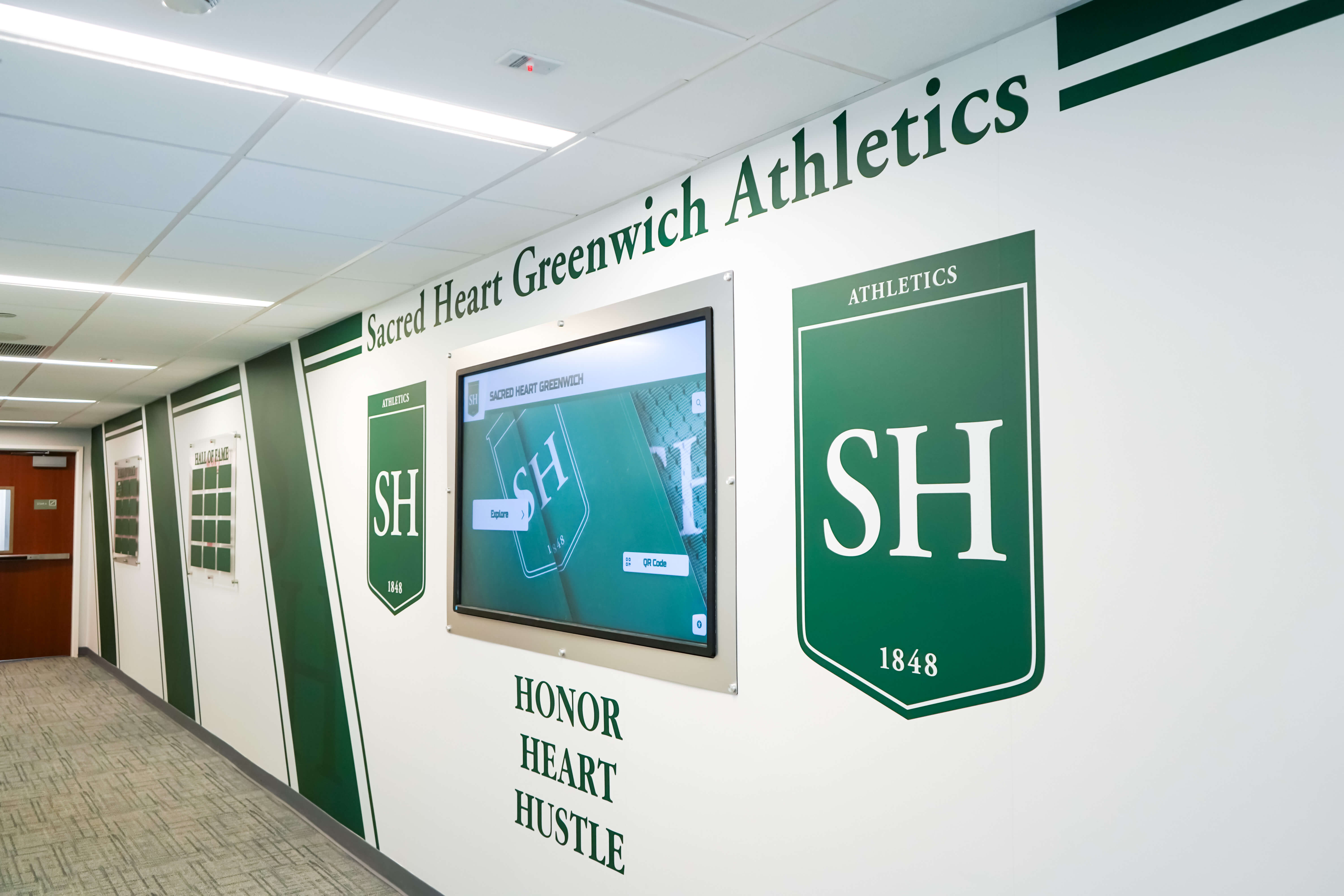
Building Recognition Walls That Honor Cheer Team Names
The transition from naming a team to honoring that name permanently on a recognition wall requires intentional systems—not just good intentions. Schools that build effective recognition infrastructure for cheerleading programs address several practical questions that programs without dedicated recognition systems often skip.
What Belongs on a Cheer Recognition Wall
A complete cheer recognition wall does more than list championship years. It creates a navigable record of the program’s history that serves current athletes, alumni, and families. The categories worth including:
Championship and Competition Placements: State championships, regional titles, national competition placements, and invitation event results all merit permanent display. Recording not just wins but high competitive placements (second, third, finalist) provides a more complete picture of program excellence.
Squad and Team Names by Year: The specific name each competitive squad used in a given season should appear alongside its competitive record. This is particularly important for all-star gyms that field multiple teams under different names, and for school programs that maintained distinct sideline and competition identities.
Individual Recognition and Awards: Athletes who earned All-American selections, academic all-star designations, leadership awards, or scholarship recognition deserve individual entries alongside their squad’s collective recognition. Cheer-specific awards like NCA All-American and UCA All-American are meaningful credentials that belong on school recognition walls.
Coaching History: Head coaches and assistant coaches who contributed to program success deserve recognition alongside their athletes. Listing coaching tenures and achievements provides context for how the program evolved and who shaped its competitive identity.
Records and Benchmarks: Highest competition scores, most consecutive championship appearances, and other quantifiable benchmarks help recognition walls communicate program excellence in concrete terms that visitors can interpret without background knowledge.
Schools that build these walls thoughtfully create resources that serve multiple audiences: current athletes who want to understand their program’s history, alumni who want to find their own records, and prospective families evaluating whether a program has the competitive track record they’re seeking. Investing in peer-to-peer recognition programs alongside physical displays creates a culture where cheer achievements receive acknowledgment at multiple levels.
Digital Recognition vs. Physical Plaques for Cheer Programs
Traditional physical plaques and banner displays served cheerleading programs adequately for decades, but they present challenges that become more visible as programs grow and histories deepen. The practical limitations show up most clearly when programs try to update them.
Capacity Constraints: A physical plaque or banner display has fixed space. When that space fills, programs face difficult choices about what to remove, reduce, or relocate. Programs that have competed for 20 or 30 years often run out of physical display capacity before they run out of history worth displaying.
Update Costs and Delays: Adding a new champion to a physical display requires ordering new plaques, coordinating installation, and covering the associated costs—processes that often result in months-long delays between achievement and recognition. A digital system updates immediately and at no marginal cost per update.

Searchability and Navigation: A parent looking for a specific athlete from 15 years ago cannot search a physical plaque wall. A visitor unfamiliar with the program cannot easily understand context from a static list of names and years. Digital recognition systems enable search, filtering by year or team name, and the kind of contextual information that makes a display genuinely informative rather than decorative.
Media Integration: Competition video, performance photographs, and news coverage are natural complements to cheer recognition displays. Physical walls cannot incorporate video. Digital systems can integrate photos, video highlights, and linked coverage in ways that make the recognition experience immersive rather than purely textual.
Multi-Location Access: Schools fielding both school-based and all-star affiliated programs sometimes want recognition content accessible beyond a single hallway. Digital systems enable the same recognition content to appear on multiple screens across a facility, on a school website, and in a mobile-accessible format that alumni can access from anywhere.
For schools evaluating the transition to digital recognition, resources on state championship banners and digital recognition provide useful context on how different recognition formats serve different program needs.
All-Star Gym Recognition Walls and Team Name Preservation
All-star cheerleading gyms face recognition challenges that school-based programs don’t encounter in the same way. Gyms field multiple teams under different names simultaneously, those names sometimes change year to year, and athletes rotate between teams as they develop. Building a recognition system that captures this complexity requires more sophisticated thinking than a simple “champions wall.”
Organizing Recognition by Team Name and Season
The most practical approach for all-star gyms organizes recognition by team name first, season second. This allows a visitor to navigate directly to “Legacy Level 5” records across multiple years and see that team’s competitive progression as a continuous story rather than as isolated entries in a year-by-year list.
When teams change names—which happens when gyms rebrand, adjust competitive structures, or respond to enrollment changes—the historical record should note the transition explicitly. “Reign (formerly known as Apex 2019-2021)” provides important context that a name change alone erases.
Handling Athletes Who Competed on Multiple Teams
Many all-star athletes compete on more than one team within the same gym or across different seasons. A recognition system that records athletes only by team misses this complexity. Linking individual athlete records to every team they competed with creates more accurate and more useful historical documentation.
Displaying Team Photos and Competition Media
All-star competitions produce professional photography and video that gyms often purchase but rarely display in organized, accessible ways. A recognition wall that connects team names to media archives—organized by season and competition event—transforms this purchased content from files stored on someone’s laptop into a living program history that current athletes and alumni can access.
Schools that have built recognition systems for complex multi-team programs consistently note that the investment in proper organization pays dividends during recruiting conversations. A prospective athlete and their family who can navigate a gym’s complete competitive history—viewing every team that competed, every placement earned, and every athlete who contributed—leave with more confidence than they would after reading a brief summary on a website. Resources on awards ceremony planning for school recognition events show how formal recognition moments connect to the long-term institutional memory that displays create.
Connecting Cheer Team Names to Broader Athletic Recognition Culture
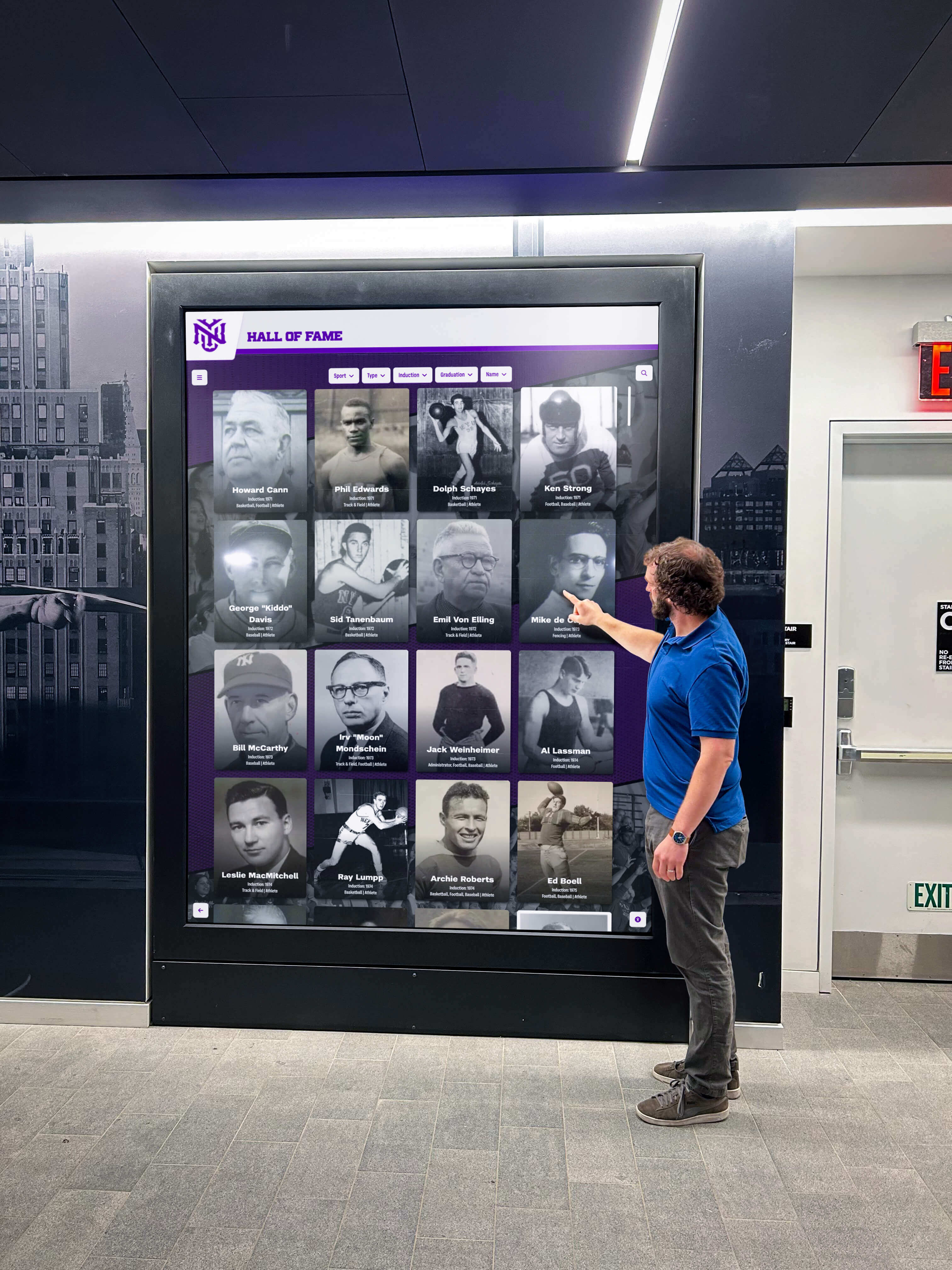
Cheerleading programs earn greater institutional standing when their recognition systems visibly connect to the recognition culture that schools build around all athletic programs. Isolated cheer plaques in a separate hallway communicate implicitly that the program occupies secondary status. A cheer section on the same digital recognition wall that displays football championships, swimming records, and track and field honors communicates equity.
Integration with School-Wide Athletic Records
Many schools use digital record board systems that track individual and team records across multiple sports. Including cheer within this framework—with the same level of historical depth applied to other programs—ensures that cheerleaders see their achievements measured and displayed with the same rigor applied to their peers in traditional sports.
For programs building this kind of integrated recognition culture, student of the month programs and similar school-wide recognition frameworks often provide useful models for how to structure inclusive achievement acknowledgment.
End-of-Season Recognition Events
Year-end banquets and awards ceremonies for cheerleading programs serve the same function as formal recognition dinners for other athletic programs: they create a moment where the team’s name, achievements, and individual contributions receive formal acknowledgment in front of an audience that includes athletes, families, and school administrators.
Programs that follow a structured end-of-season recognition format—naming award recipients, reviewing the competitive year, acknowledging graduating seniors, and formally naming the team’s place in program history—create documentation that can feed directly into a recognition wall. End-of-year student awards programs provide frameworks that translate well to sport-specific recognition events.
Using Team Names to Build Recruiting Narratives
A cheer team’s name, when paired with a documented track record, becomes a recruiting asset. Programs that can show prospective athletes a complete history—here is every team we fielded, here is what they accomplished, here is what happened to athletes who competed with us—provide a form of evidence that any competing program’s pitch cannot easily match.
This recruiting function changes how coaches and athletic directors should think about recognition investment. The return on building a comprehensive recognition wall extends beyond honoring past athletes; it directly supports the program’s ability to attract the next generation of athletes who will carry the team name forward. Resources on team celebration ideas for recognizing athletic achievements complement long-term recognition walls by ensuring current athletes feel celebrated in the moment as well as across time.
Practical Steps for Schools Starting or Improving Cheer Recognition Systems
For athletic directors and cheer coaches working to build or improve recognition infrastructure, a phased approach usually works better than attempting a complete overhaul in a single season.
Step 1 — Document Existing History: Before investing in any display technology, compile the historical record. Gather competition results, team rosters, award recipients, and coaching history for every season on record. Digitize photographs. Identify gaps and work backward to fill them through alumni outreach, newspaper archives, and yearbook records.
Step 2 — Define Recognition Categories: Determine which achievements merit permanent display. State championship placements, regional titles, individual all-star selections, and scholarship recipients represent the core categories. Add coaching milestones, program records, and other categories that reflect your program’s specific competitive history.
Step 3 — Decide on Physical vs. Digital Format: Assess the available space, the volume of historical content to display, and the ongoing update requirements. Programs with deep histories and multiple teams will typically find digital systems more practical. Programs with limited content and infrequent updates may find physical plaques sufficient in the near term.
Step 4 — Choose Display Placement Thoughtfully: Recognition displays generate the most impact when placed where current athletes train, where recruits visit, and where families and community members gather. A cheer recognition wall in a gymnasium lobby or an athletic facility hallway receives more traffic—and creates more value—than a display in a rarely-visited administrative space.
Step 5 — Build Maintenance Into the Process: Whatever system you choose, designate responsibility for keeping it current. A recognition wall that displays achievements from three years ago but nothing more recent communicates neglect more loudly than it communicates tradition. Assigning a specific person or role responsibility for annual updates prevents this common failure mode.
For programs working through team building activities that reinforce cheer program identity alongside recognition development, these activities often generate content—photographs, stories, athlete profiles—that feeds recognition systems well.
Digital Record Boards as the Long-Term Home for Cheer Team Names
When cheerleading programs think about where their team names, competitive records, and athlete histories ultimately live, the answer increasingly points toward dedicated digital recognition systems rather than physical displays or website pages that require manual updating.
Rocket Alumni Solutions builds the kind of recognition infrastructure that serves cheerleading programs specifically because it handles the complexity that cheer programs generate: multiple teams with different names competing simultaneously, individual athletes competing across multiple squads across multiple seasons, competition results that require contextual formatting to communicate accurately, and media assets that need organization as much as storage.
The system’s approach—auto-ranking, unlimited historical entries, and remote update capability—addresses the three most common failure modes for cheer recognition displays: running out of physical space, failing to keep content current, and losing historical records when coaching staff turns over. For schools and gyms that have invested years in building competitive programs worth celebrating, protecting that history through a system designed to scale with the program is the final step in ensuring that every team name, every squad, and every athlete who earned recognition receives it permanently.
Athletic team room design resources illustrate how thoughtful recognition placement transforms athletic facilities into spaces that motivate current athletes while honoring program history—exactly the environment where cheer team names deserve to be displayed.
Cheer programs that invest in naming traditions and recognition infrastructure send a message to current athletes, recruits, and alumni that the program takes its history seriously. The team name on a uniform is temporary; the name on a recognition wall is permanent. Building systems that capture that permanence—and make it accessible across time—is one of the highest-return investments any cheerleading program can make.
Ready to Give Your Cheer Program's History a Permanent Home?
Rocket Alumni Solutions builds digital recognition walls that display cheer team names, competition records, individual achievements, and program history in an interactive system that updates automatically and scales with your program. Schedule a demo to see how schools are using digital displays to honor the athletes and teams that built their cheerleading tradition.
Book a Digital Record Board Demo