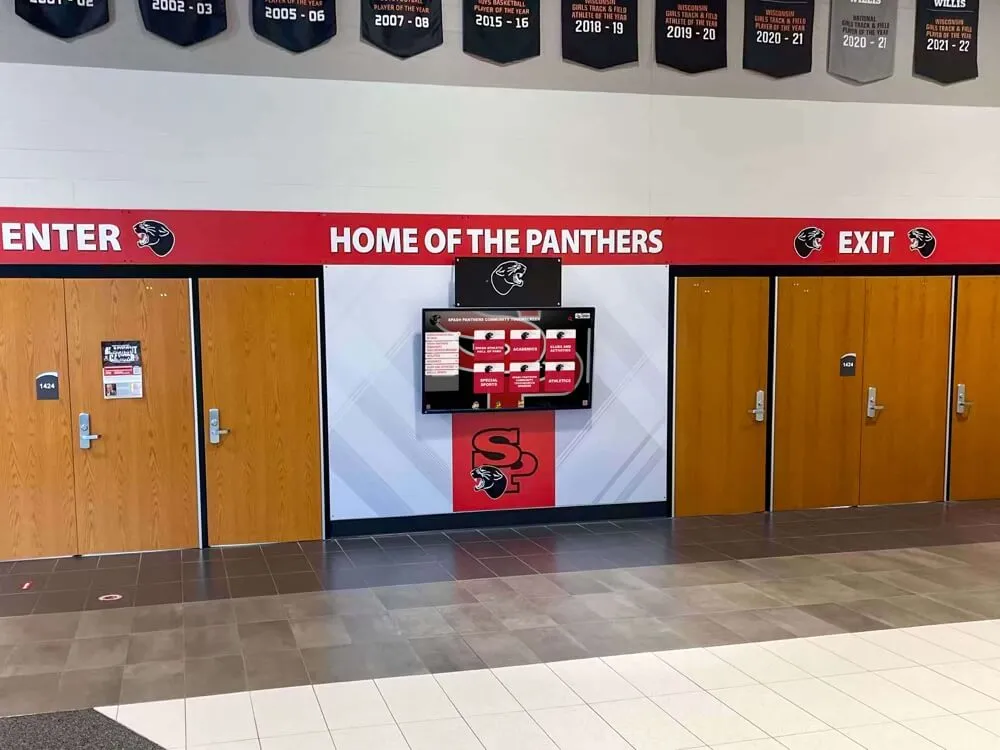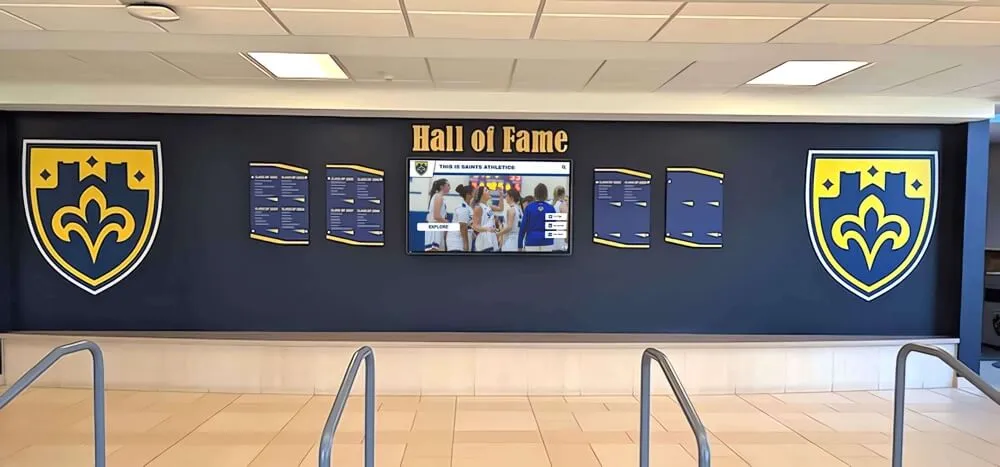




Championship banners represent tangible proof of athletic excellence, transforming gymnasium ceilings and hallway walls into visual timelines chronicling decades of competitive success. These displays celebrate state titles, conference championships, tournament victories, and undefeated seasons while creating powerful motivational environments that inspire current athletes to add their names to institutional legacy. Yet schools face increasingly complex decisions about how to display championship achievements effectively—balancing limited physical space against growing athletic success, navigating aesthetic considerations that affect facility appearance, managing update logistics when new championships arrive, and exploring modern alternatives that expand recognition capacity beyond traditional fabric banners.
Athletic directors, facilities managers, and school administrators evaluating championship banner display options confront practical questions: Where should banners hang to maximize visibility while preserving functional space? How do traditional rafters installations compare to wall-mounted displays or digital alternatives? What design elements create professional appearances that enhance rather than clutter facilities? How can schools accommodate continued championship success when physical space reaches capacity? Which modern solutions provide flexibility for multi-sport recognition while maintaining traditions that alumni and community members value?
Modern Championship Recognition Beyond Physical Banners
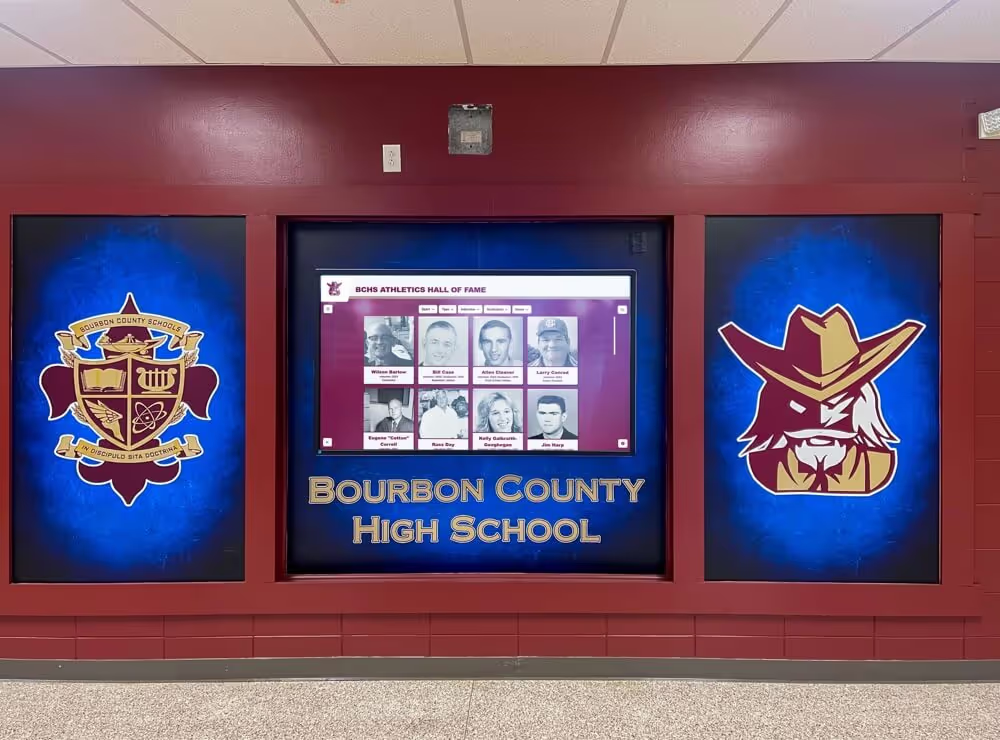
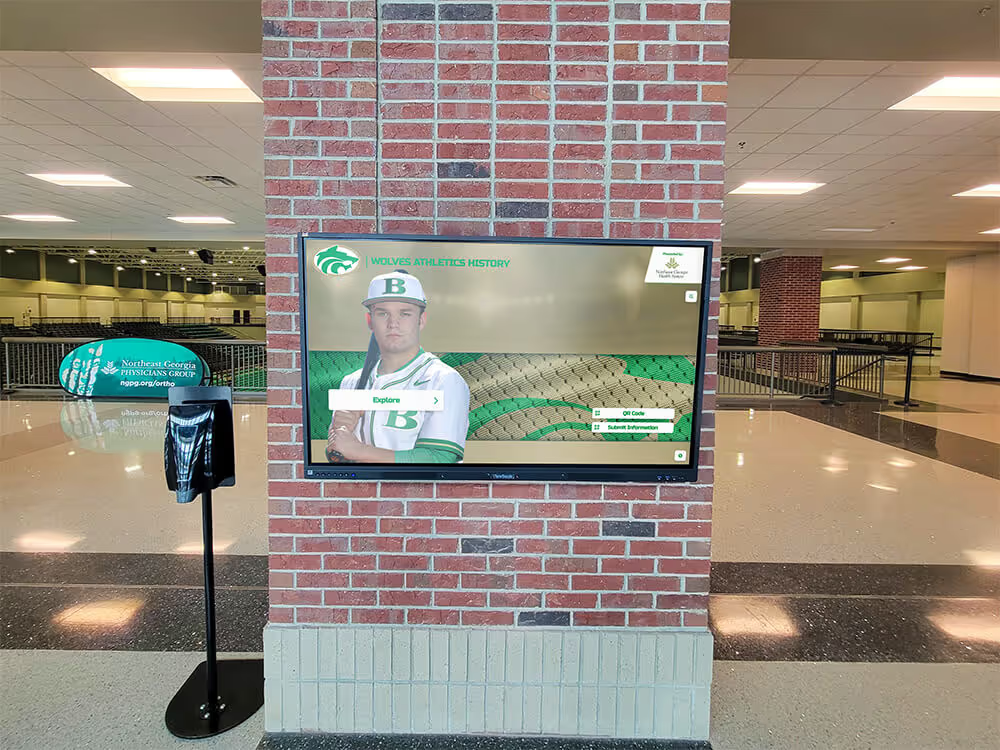
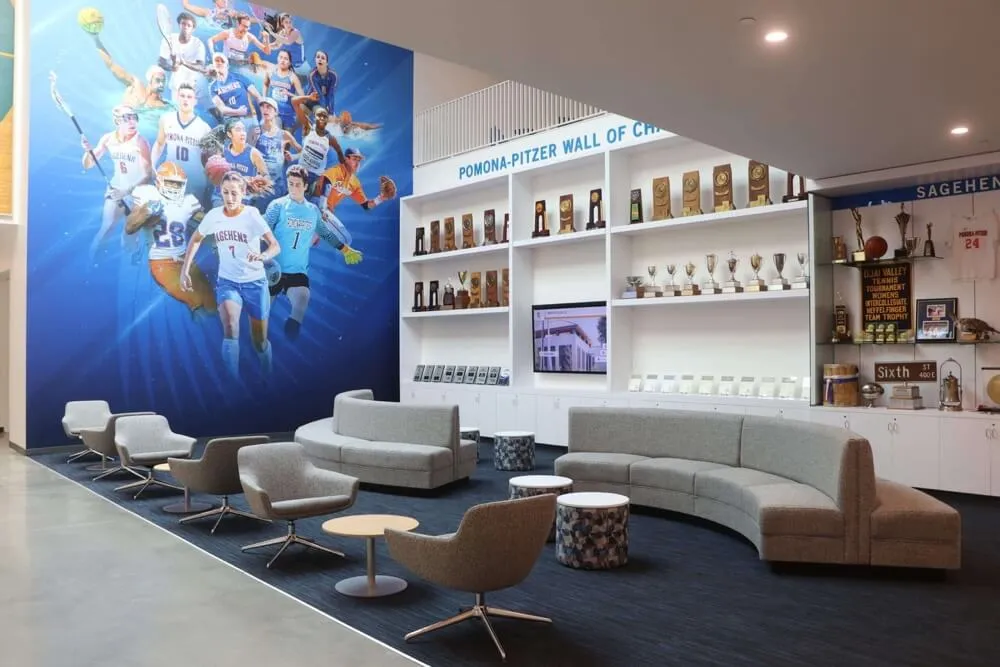
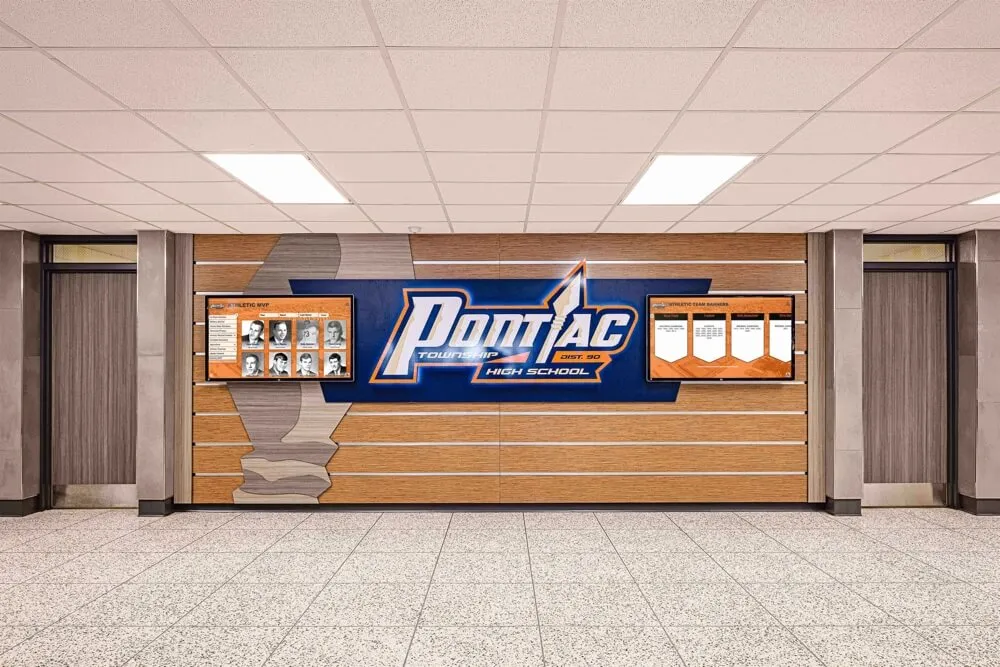
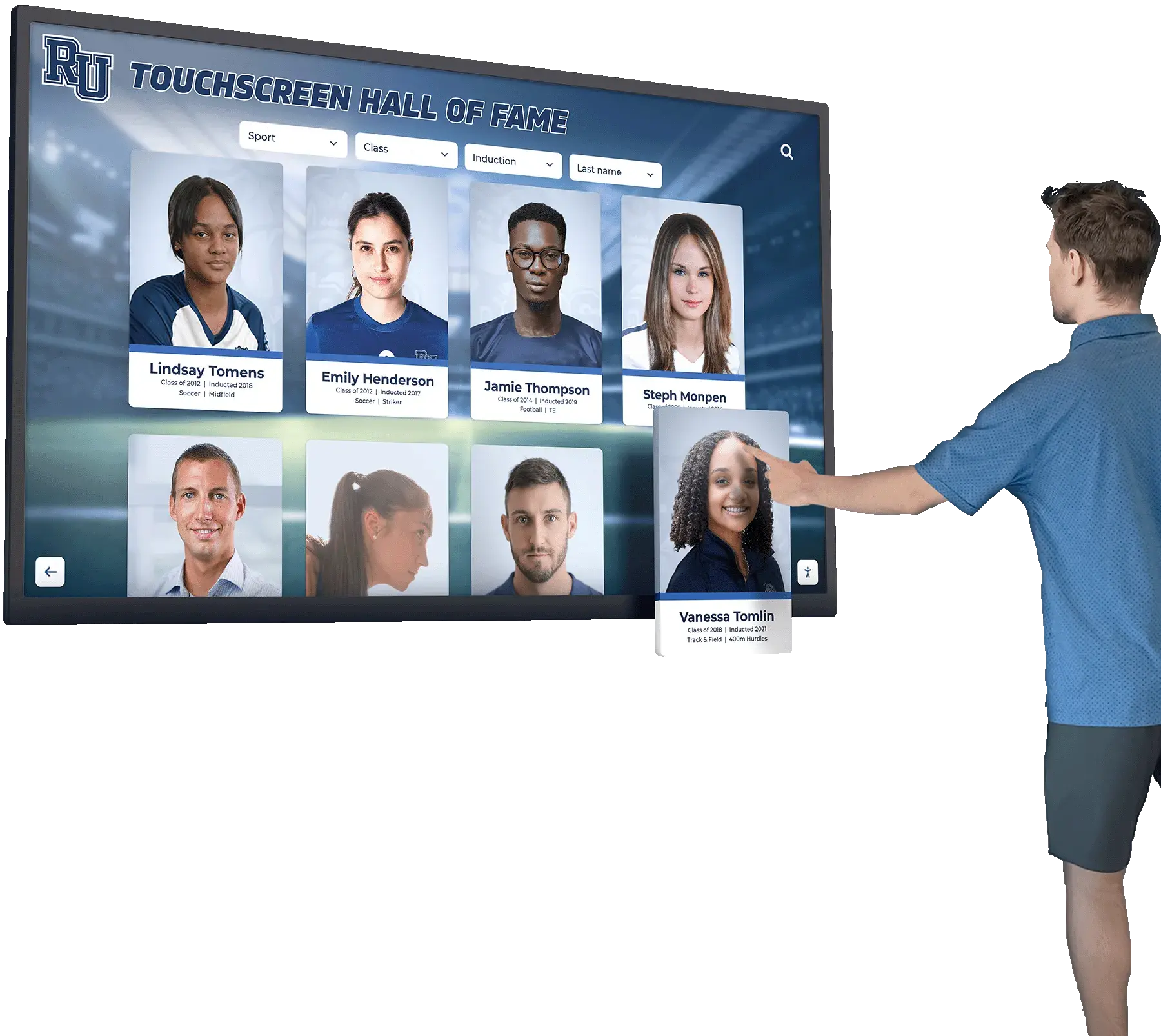
Traditional championship banners create limitations that become increasingly apparent as athletic programs accumulate success—finite ceiling and wall space forcing difficult decisions about which achievements receive recognition, installation costs multiplying with each new championship, fading colors requiring expensive replacement, and static displays that cannot adapt to evolving recognition needs. Modern digital championship display solutions eliminate these constraints by providing unlimited recognition capacity, instant remote updates when new championships occur, multimedia content showcasing game highlights and team photos, and ADA-compliant interfaces enabling comprehensive access. Platforms like Rocket Alumni Solutions offer purpose-built systems designed specifically for athletic championship recognition, delivering professional displays that honor unlimited achievements while requiring zero ongoing maintenance and creating engaging experiences that connect current athletes with championship history permanently.
Traditional Championship Banner Display Locations
Understanding conventional banner placement options helps schools make informed decisions about displaying athletic achievements effectively while considering facility constraints and visibility priorities.
Gymnasium Rafters and Ceiling Installations
Hanging championship banners from gymnasium rafters represents the most iconic traditional display method, creating dramatic visual impact that immediately communicates athletic excellence to anyone entering the facility.
Advantages of Rafter-Mounted Banners
Ceiling installations offer specific benefits that explain their enduring popularity:
- Maximum Visibility: Elevated placement ensures banners remain visible from anywhere in the gymnasium, creating constant presence during games, practices, and school events
- Space Efficiency: Utilizing vertical space above playing surfaces preserves functional areas for athletic activities, spectator seating, and equipment storage
- Traditional Aesthetics: Rafter banners create classic athletic facility atmosphere familiar to athletes, fans, and alumni who associate this display method with championship excellence
- Protection from Damage: Elevated positioning prevents accidental contact, vandalism, or wear that can affect lower-mounted displays
- Scalable Chronology: Linear rafter arrangements naturally organize championships chronologically, creating visual timelines showing program development across decades

Installation Considerations and Limitations
Rafter installations require careful planning addressing structural and practical factors:
- Structural Requirements: Building codes and structural engineering assessments determine safe mounting points, weight capacities, and attachment methods preventing damage to ceiling infrastructure
- Installation Costs: Professional installation requiring scaffolding, lifts, or specialized equipment creates significant expense, particularly for facilities with high ceilings or complex structural systems
- Accessibility for Updates: Adding new banners or replacing faded displays requires repeating expensive installation processes, creating ongoing costs as championships accumulate
- Lighting Impacts: Banner placement can interfere with gymnasium lighting systems, creating shadows on playing surfaces or blocking illumination that affects game play and safety
- Space Limitations: Even spacious gymnasiums eventually reach capacity, forcing difficult decisions about which championships receive recognition when rafter space fills completely
Schools pursuing rafter installations benefit from long-term planning that anticipates future championship additions, preserves balanced visual arrangements, and establishes consistent design standards ensuring professional cohesive appearance as banner collections expand over time.
Wall-Mounted Banner Displays
Wall installations provide alternative championship display approaches offering specific advantages for facilities where ceiling mounting proves impractical or where schools prefer different aesthetic presentations.
Strategic Wall Placement Locations
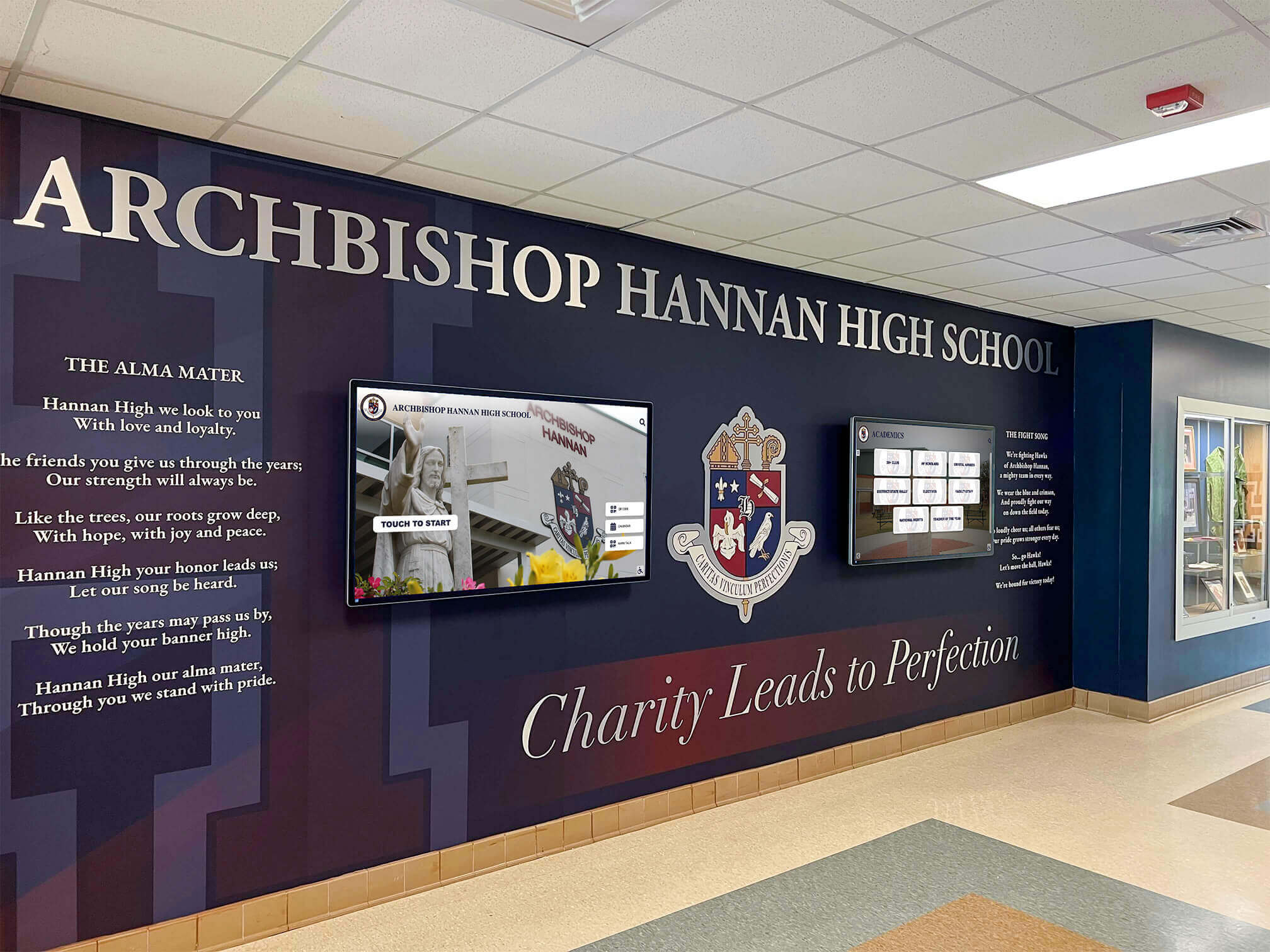
Effective wall-mounted displays consider traffic patterns and facility usage:
- Main Entrance Displays: Positioning championship banners near primary gymnasium entrances creates immediate visual impact for visitors while establishing tone celebrating athletic excellence
- Above Bleachers: Installing banners on walls above spectator seating maintains visibility during events while utilizing otherwise unused vertical space
- Hallway Galleries: Extending championship displays into adjacent corridors creates dedicated recognition zones that don’t compete with in-gymnasium functional requirements
- End Zone Walls: Using walls behind basketball hoops or at gymnasium ends provides prominent placement visible during competition without interfering with sideline activities
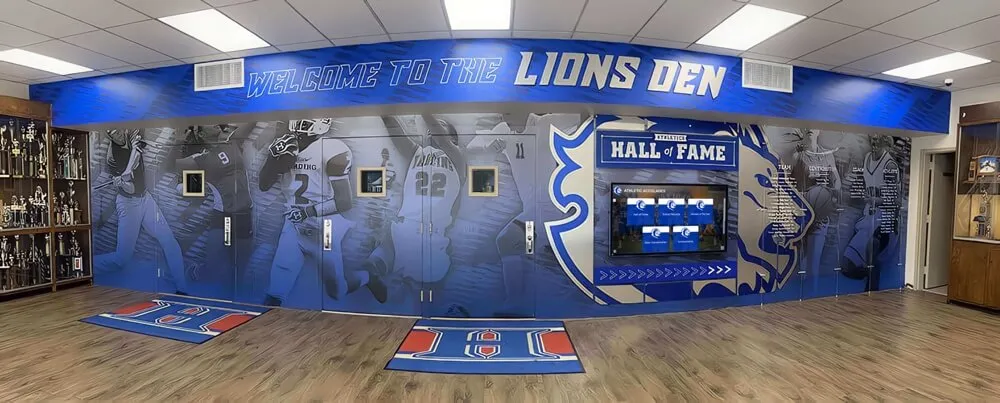
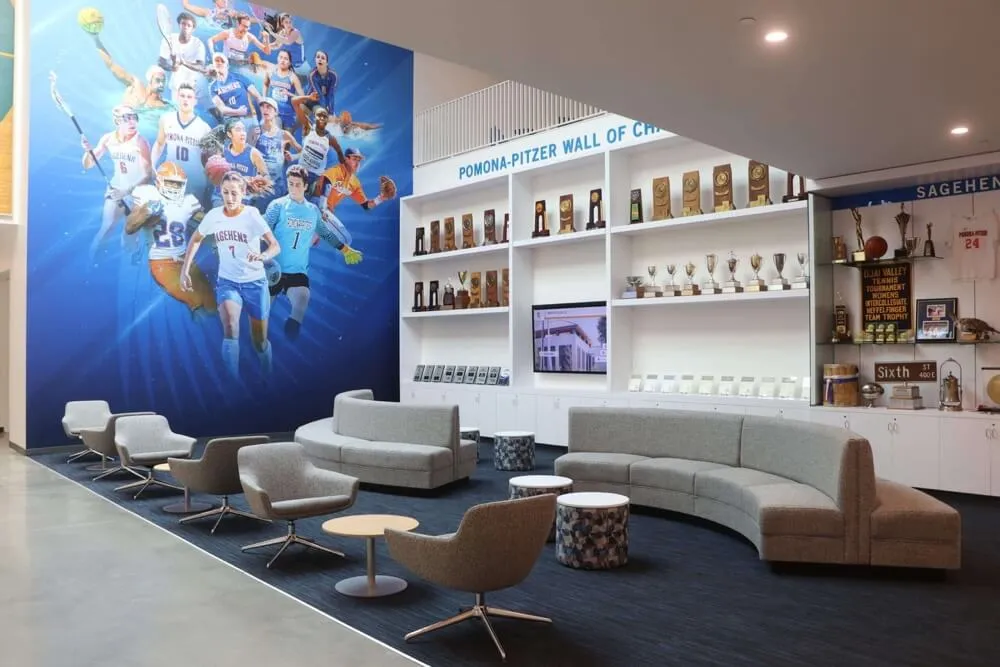
- Trophy Case Integration: Combining wall-mounted banners with trophy case displays creates comprehensive recognition zones concentrating athletic history in dedicated facility areas
Design Approaches for Wall Banners
Wall-mounted displays support varied design strategies:
- Vertical Hanging Systems: Traditional fabric banners suspended from wall-mounted rods maintain classic appearance while simplifying installation compared to ceiling mounting
- Direct Wall Mounting: Permanently affixing banners or rigid championship plaques directly to walls creates flush installations with clean modern aesthetics
- Grid Arrangements: Organizing multiple championship banners in structured grid patterns provides visual order that prevents cluttered appearance as collections expand
- Themed Groupings: Clustering banners by sport, decade, or achievement type creates logical organization helping viewers navigate championship history systematically
- Rotating Displays: Installing track systems enabling banner rotation allows schools to cycle displays seasonally, highlighting current sport championships while preserving complete historical collections
Wall displays work particularly well for schools with limited ceiling access, facilities undergoing renovations affecting rafter systems, or programs seeking alternatives to traditional overhead installations.
Modern Championship Display Alternatives
Beyond traditional fabric banners, contemporary display solutions offer expanded capabilities addressing limitations of conventional approaches while creating engaging recognition experiences.
Digital Championship Display Screens
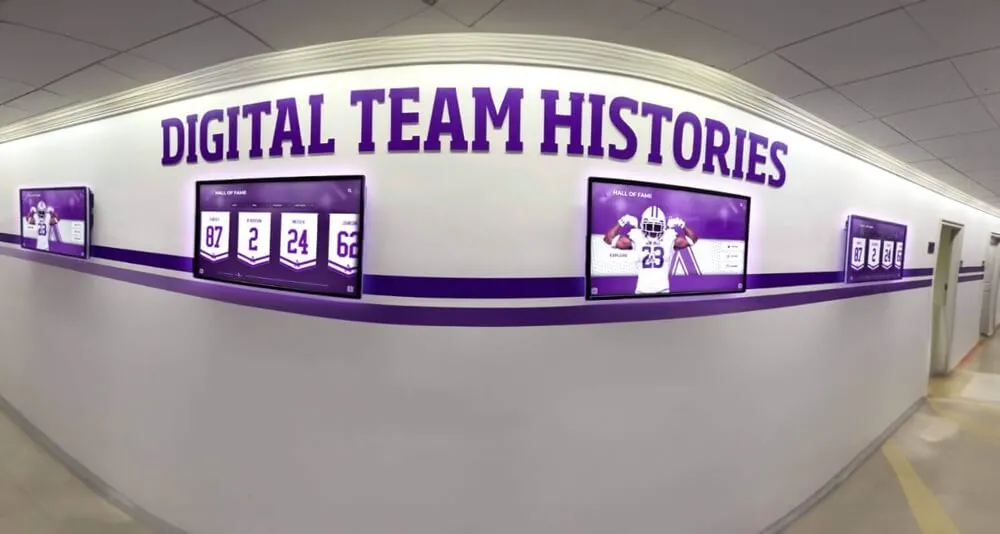
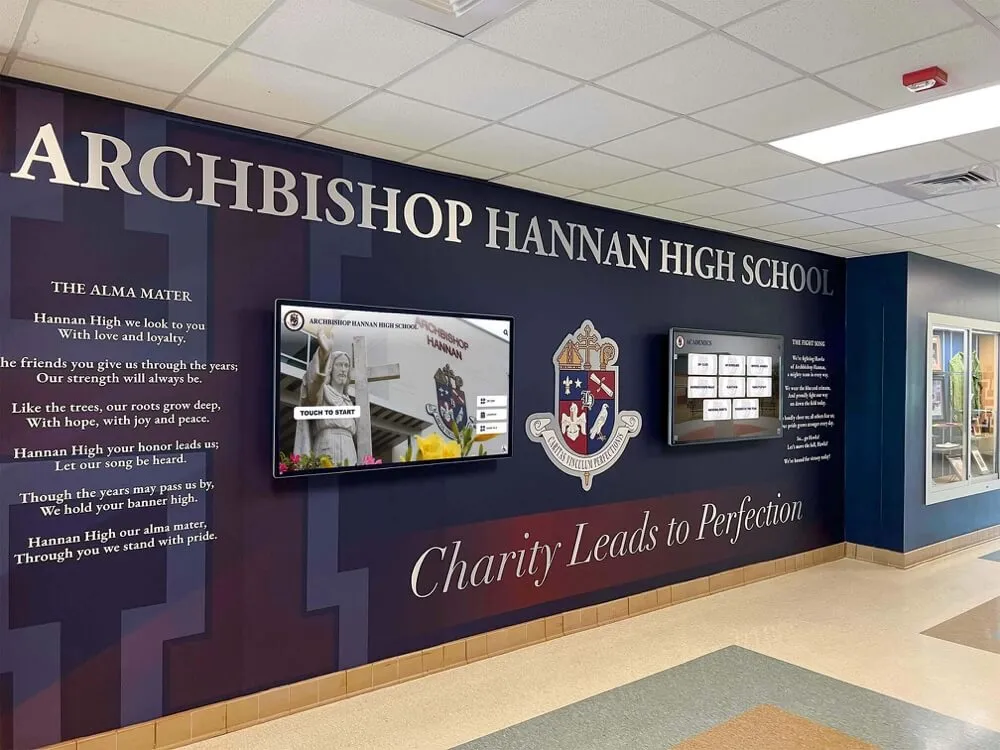
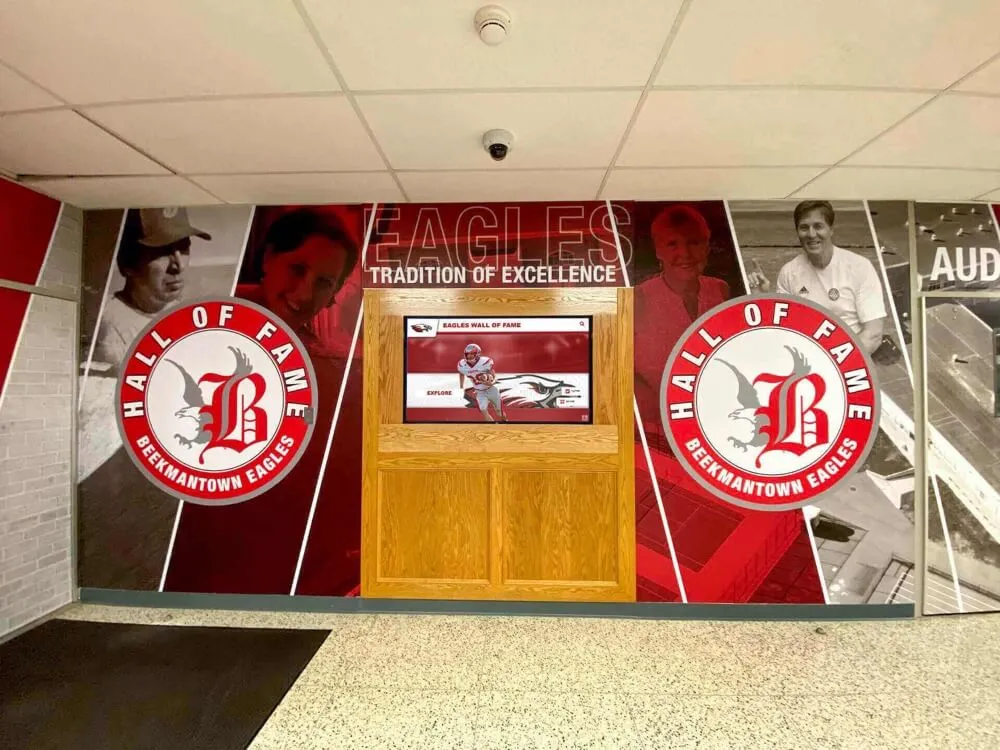
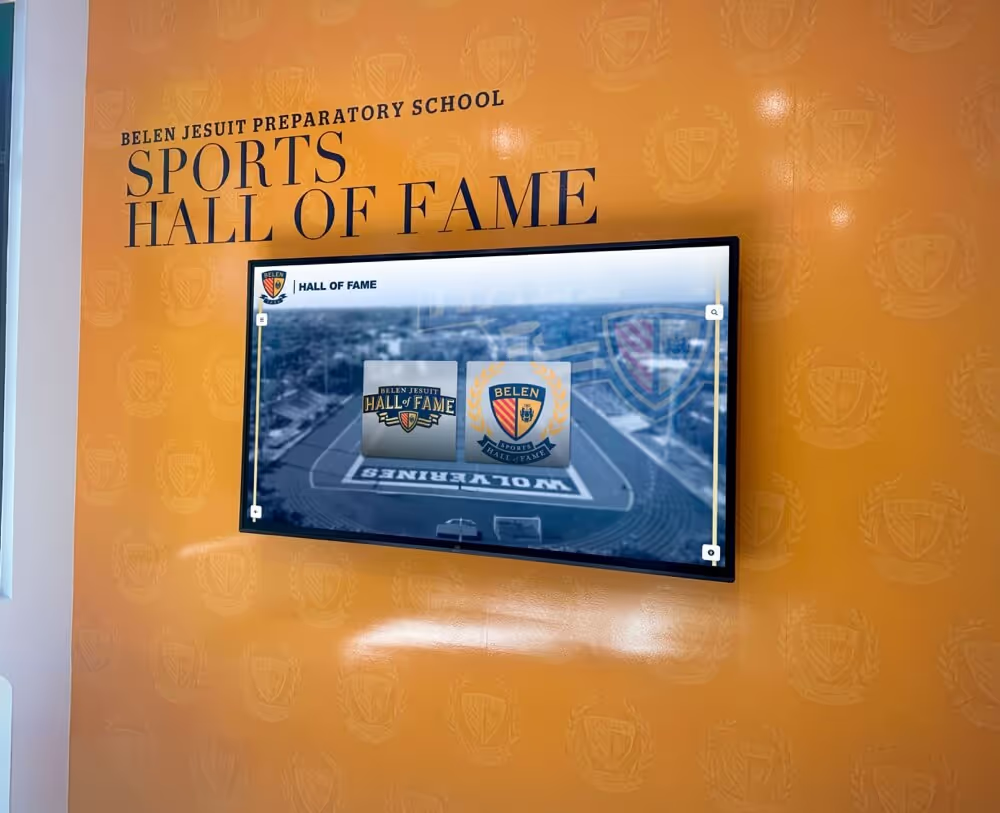
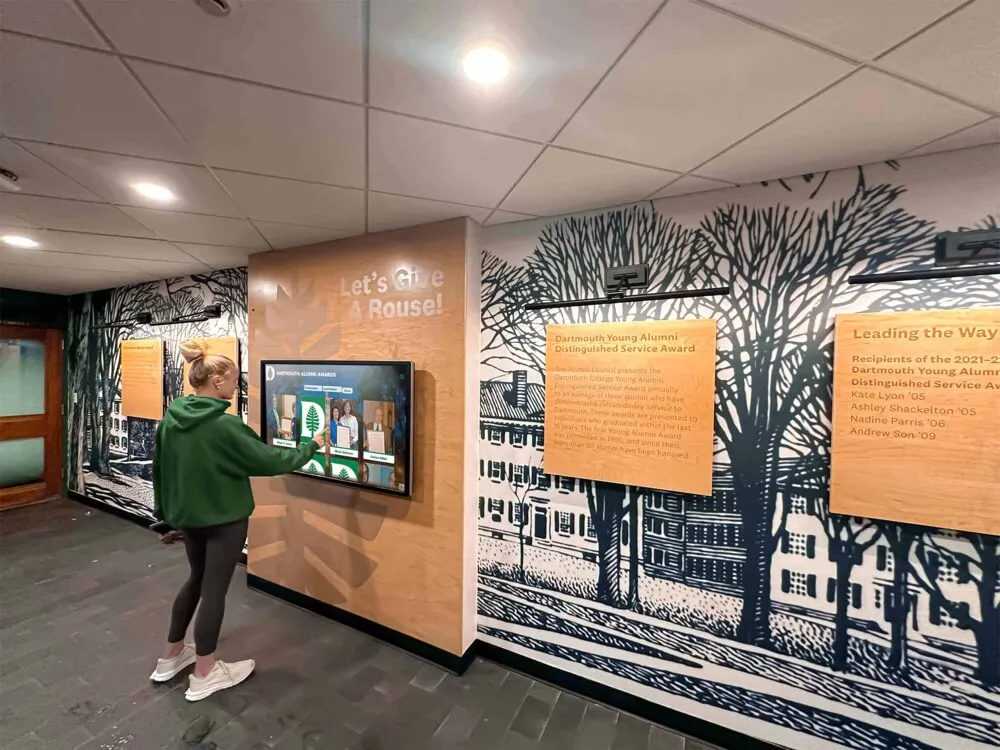
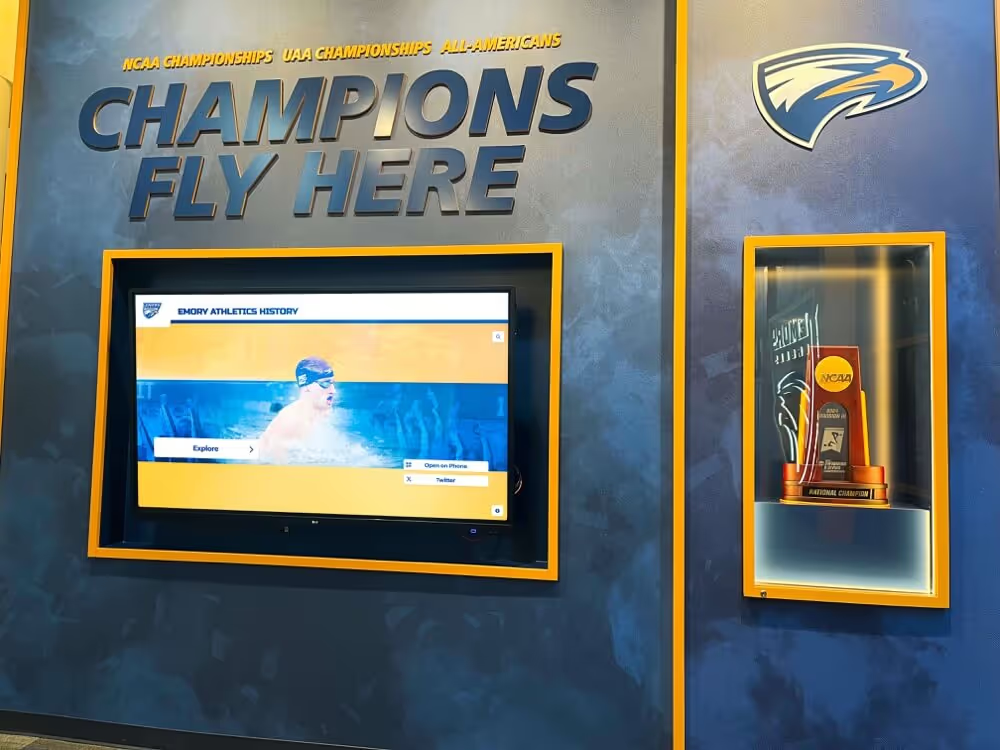
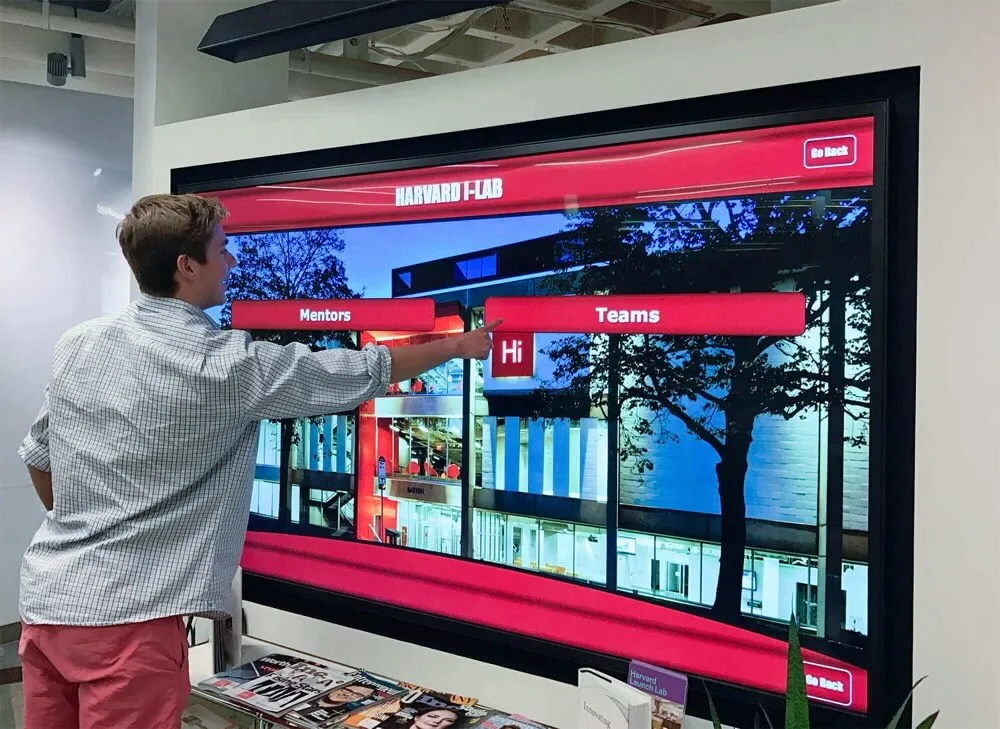
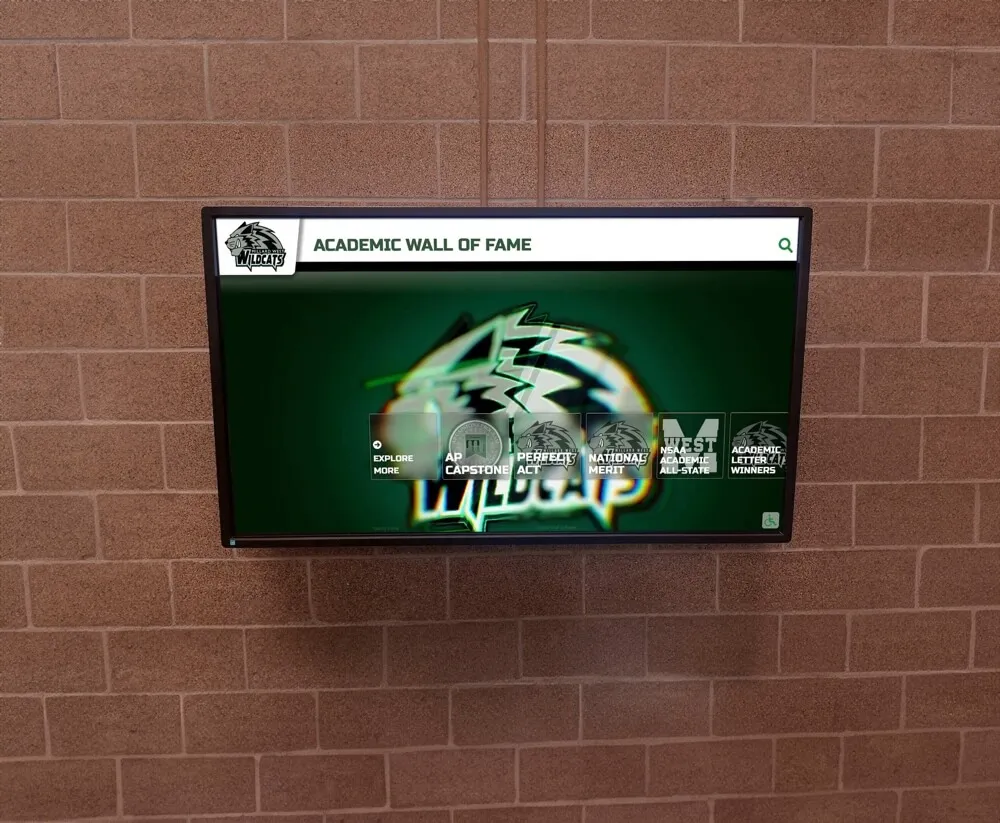
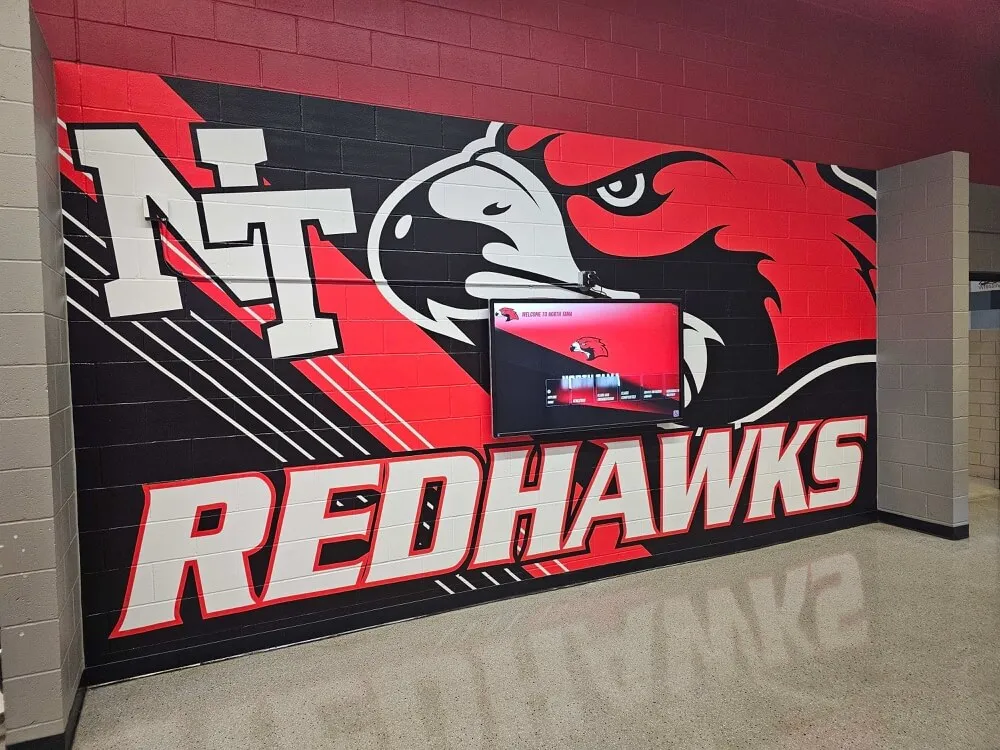
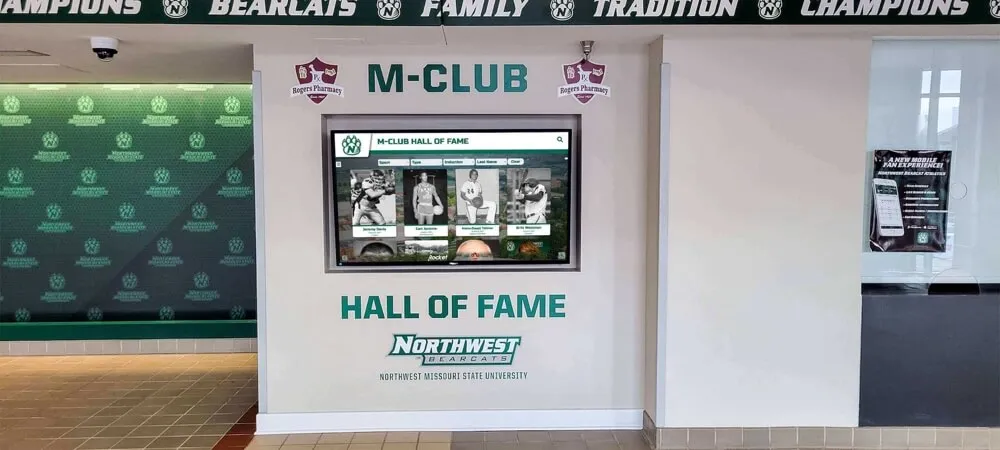
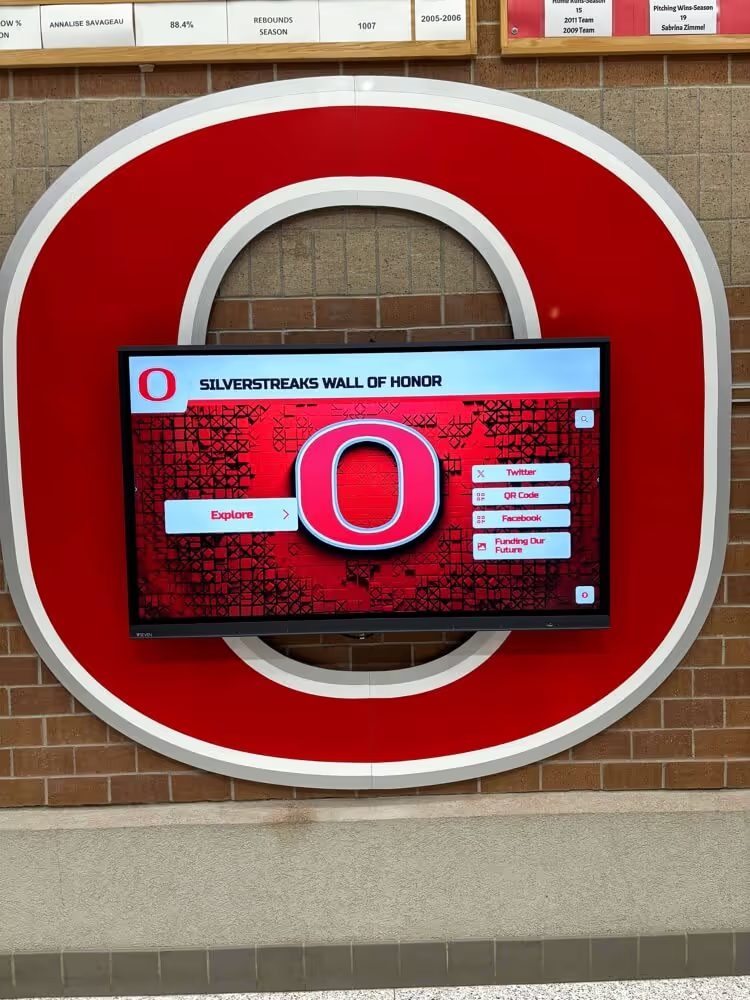
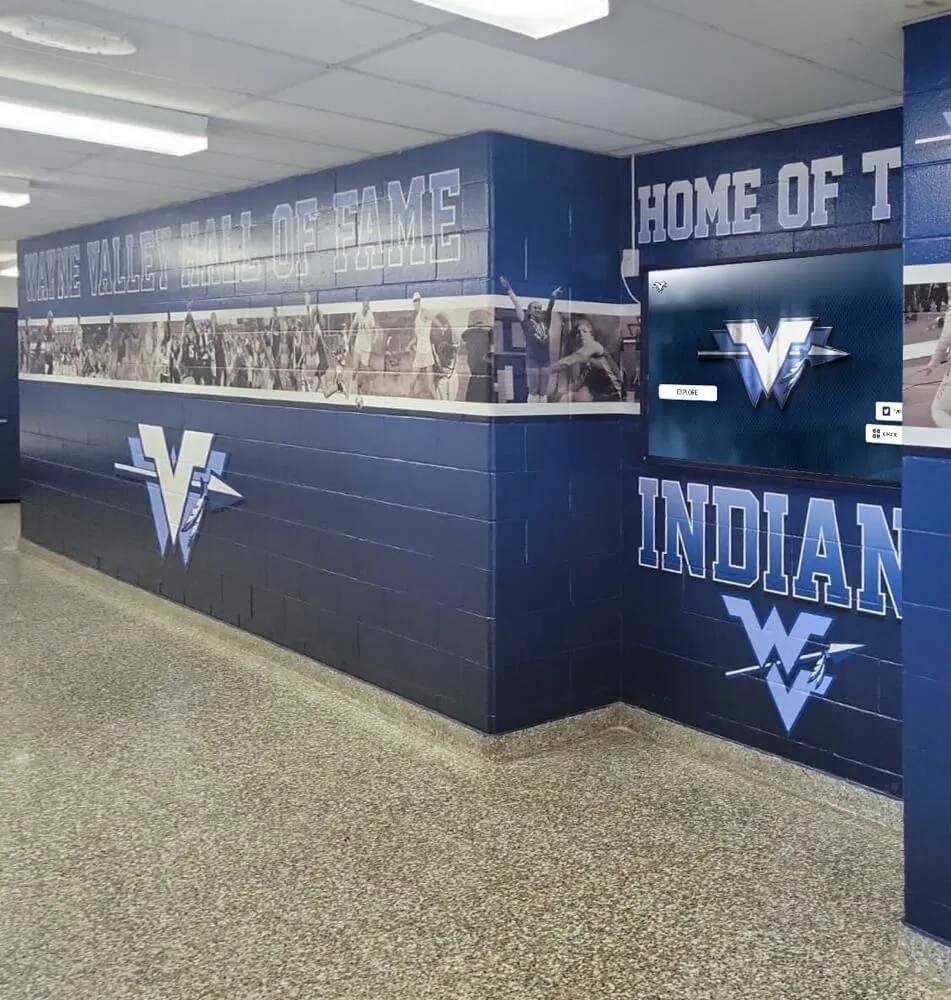
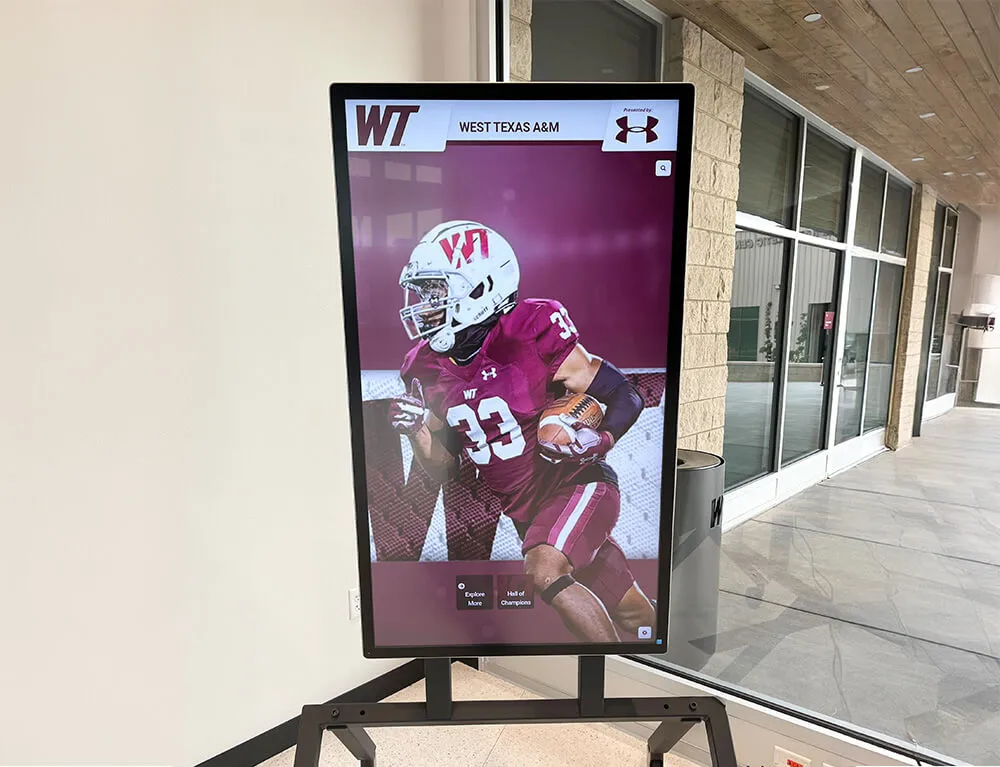
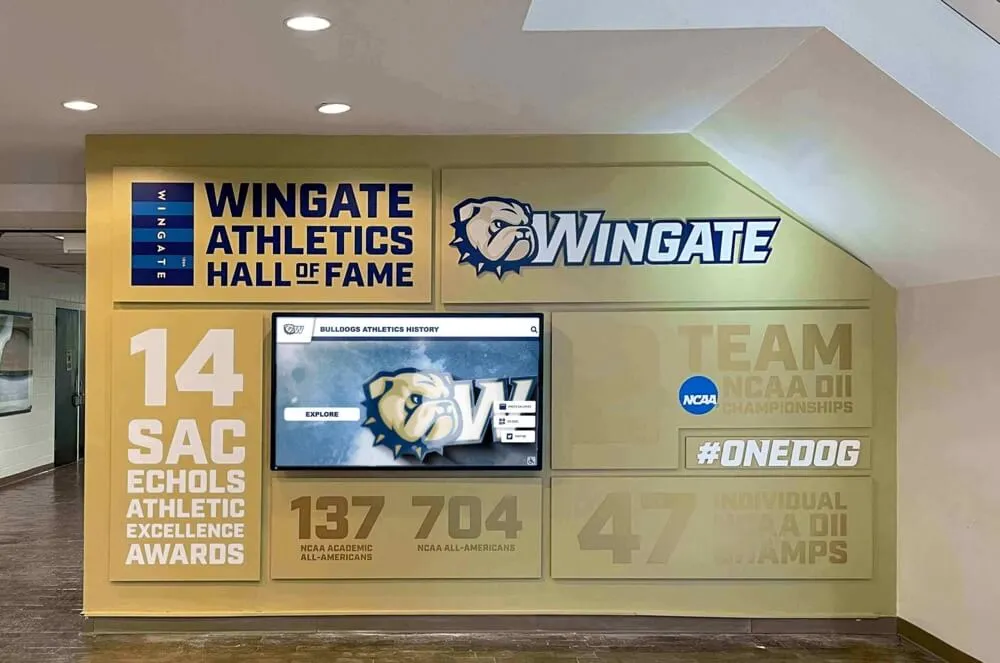
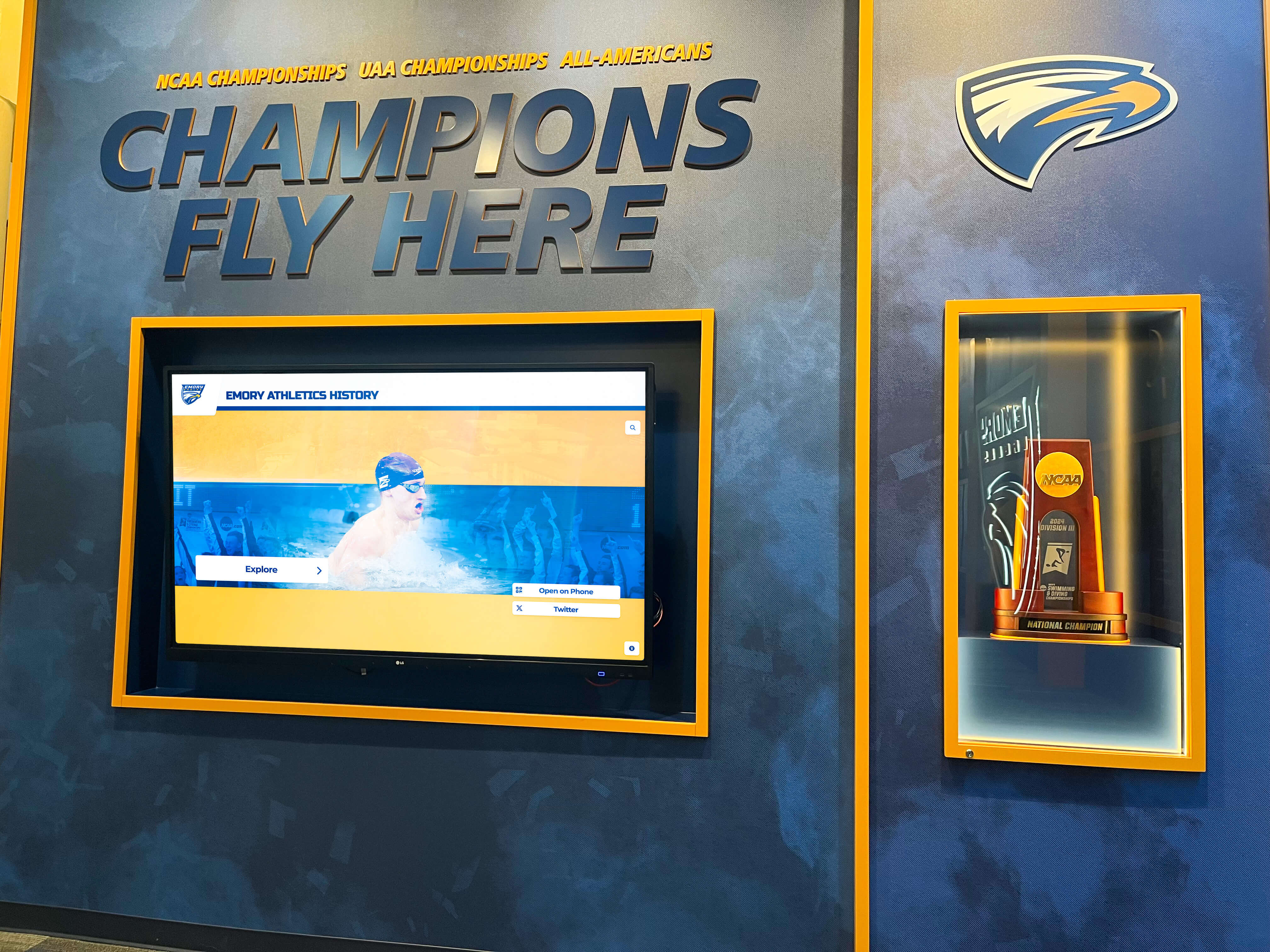
Digital display technology transforms championship recognition from static historical documentation into dynamic multimedia experiences that engage current athletes while honoring past achievements.
Comprehensive Digital Championship Solutions
Modern platforms provide sophisticated championship recognition capabilities:
- Unlimited Championship Capacity: Digital systems accommodate unlimited championships across all sports, eliminating space constraints that force selective recognition when physical displays reach capacity
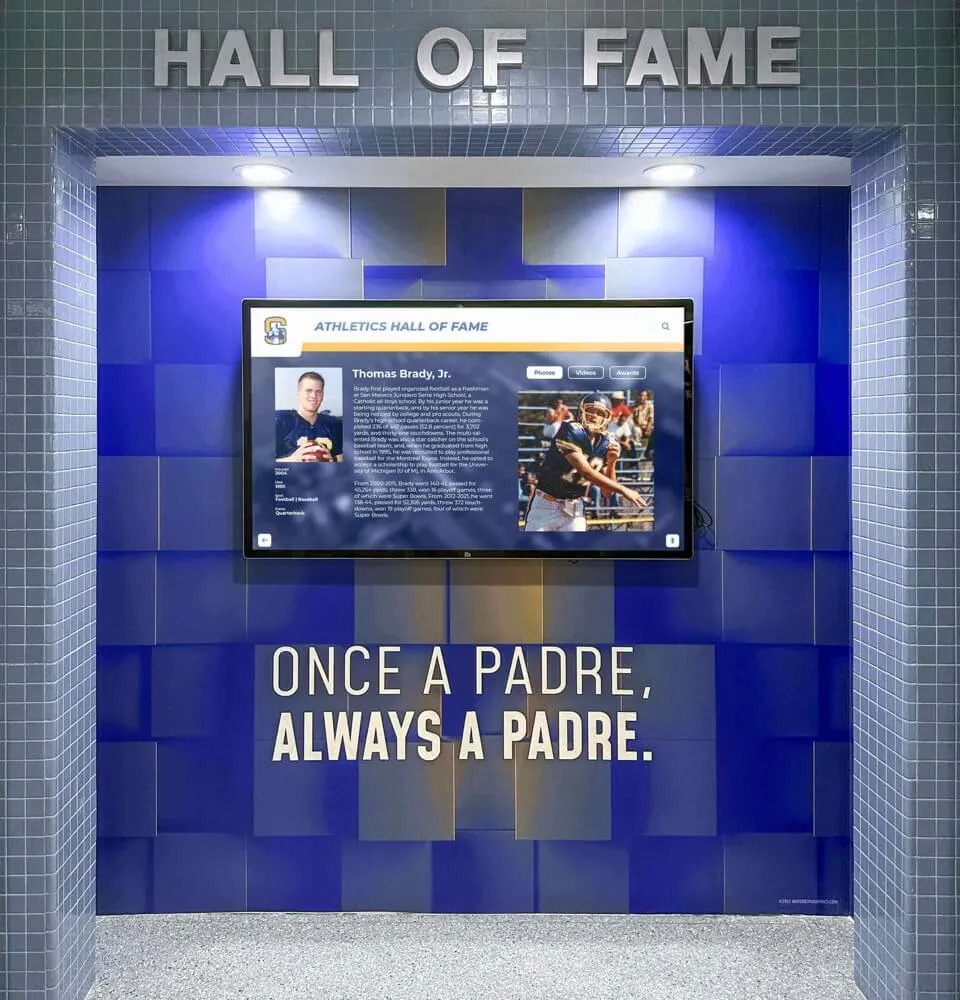
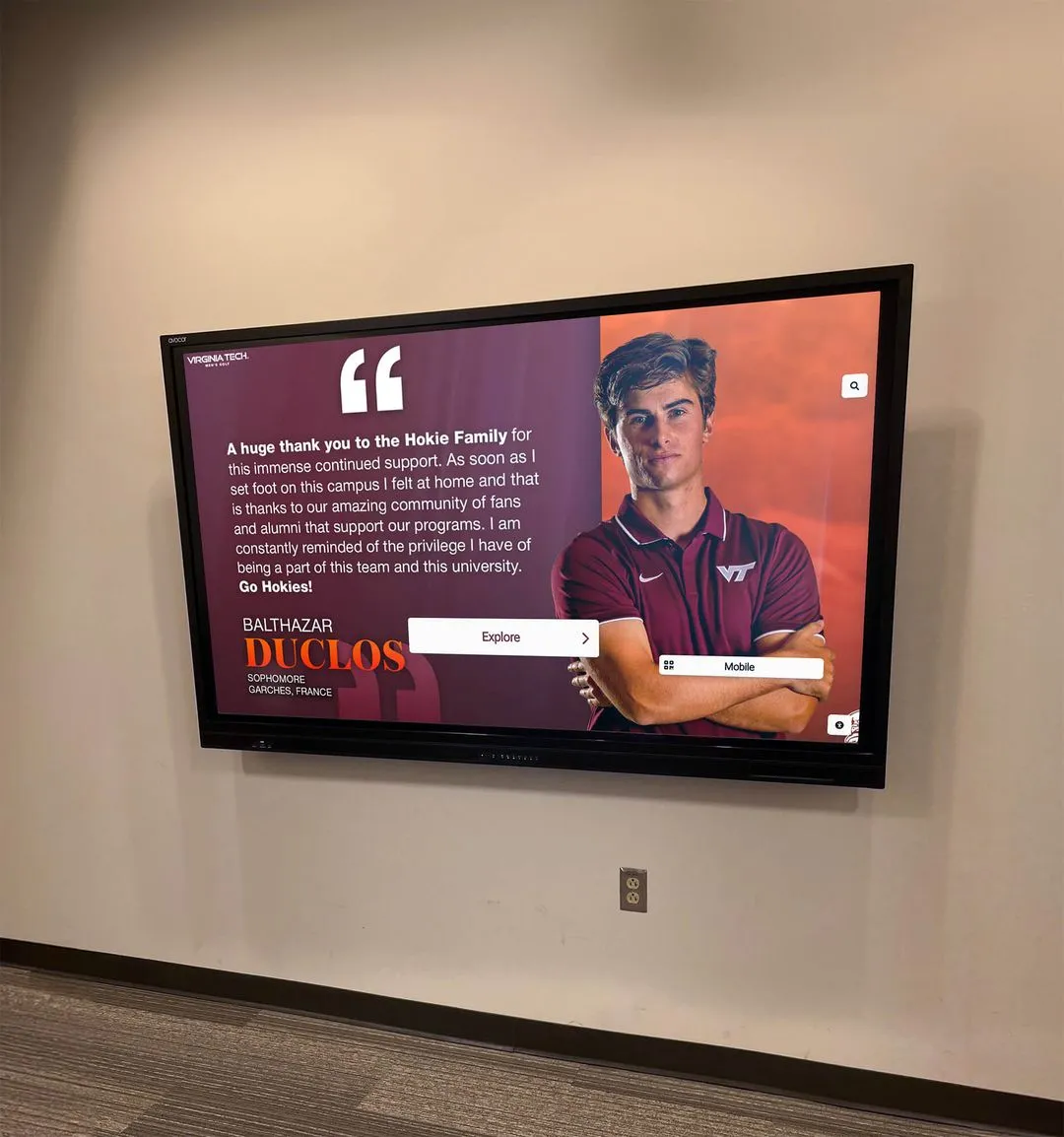
- Multimedia Content Integration: Combining championship listings with game highlights, team photos, individual player profiles, and season statistics creates richer recognition than text-only banners provide
- Automated Updates: Remote content management eliminates installation costs and delays when new championships occur, allowing instant recognition updates from any internet-connected device
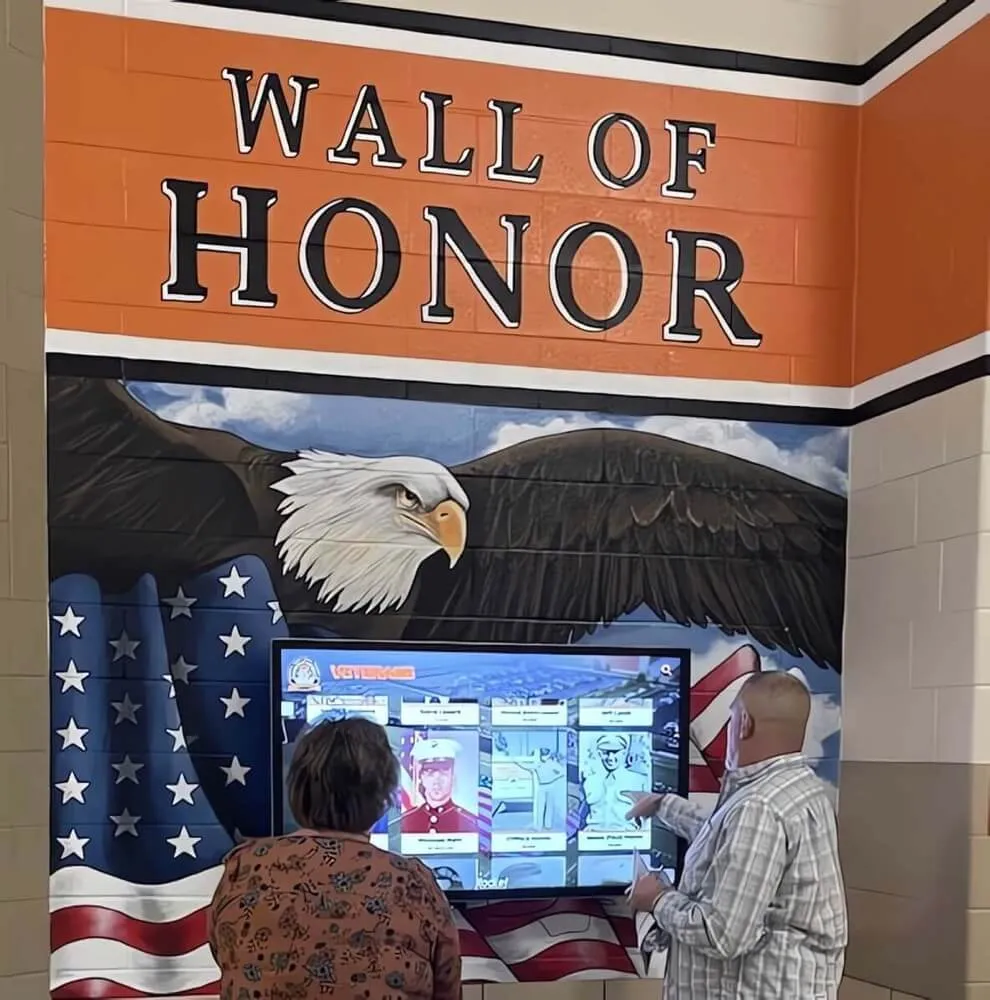
- ADA Compliance: Touchscreen interfaces with accessibility features ensure all community members can explore championship history regardless of physical abilities
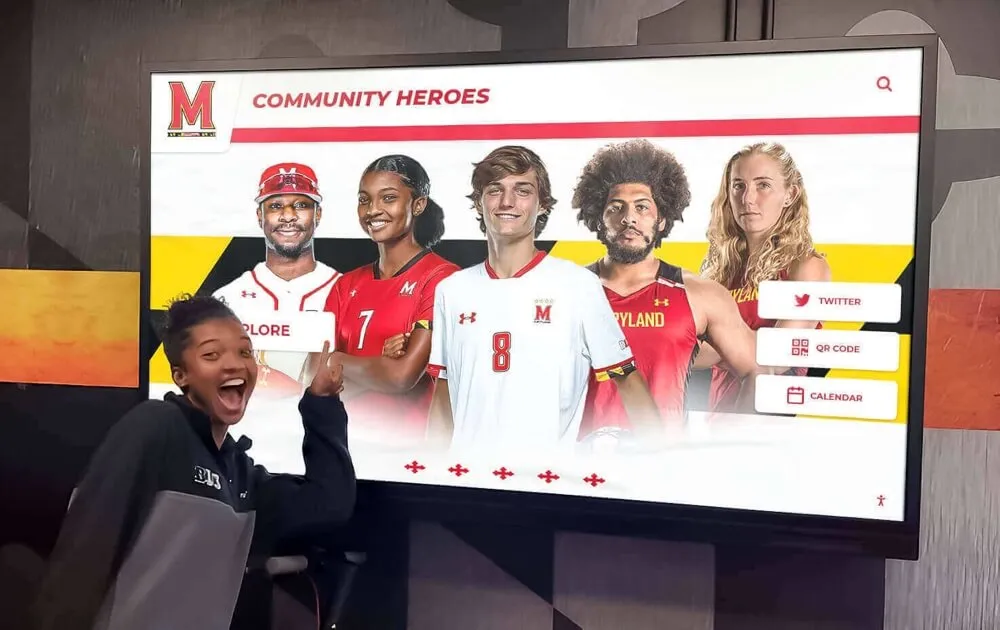
- QR Code Access: Mobile integration allows spectators to scan codes accessing detailed championship information, team rosters, and season recaps on personal devices
The shift toward digital championship displays parallels broader campus engagement innovations transforming how educational institutions recognize achievement and preserve institutional history.
Strategic Digital Display Placement
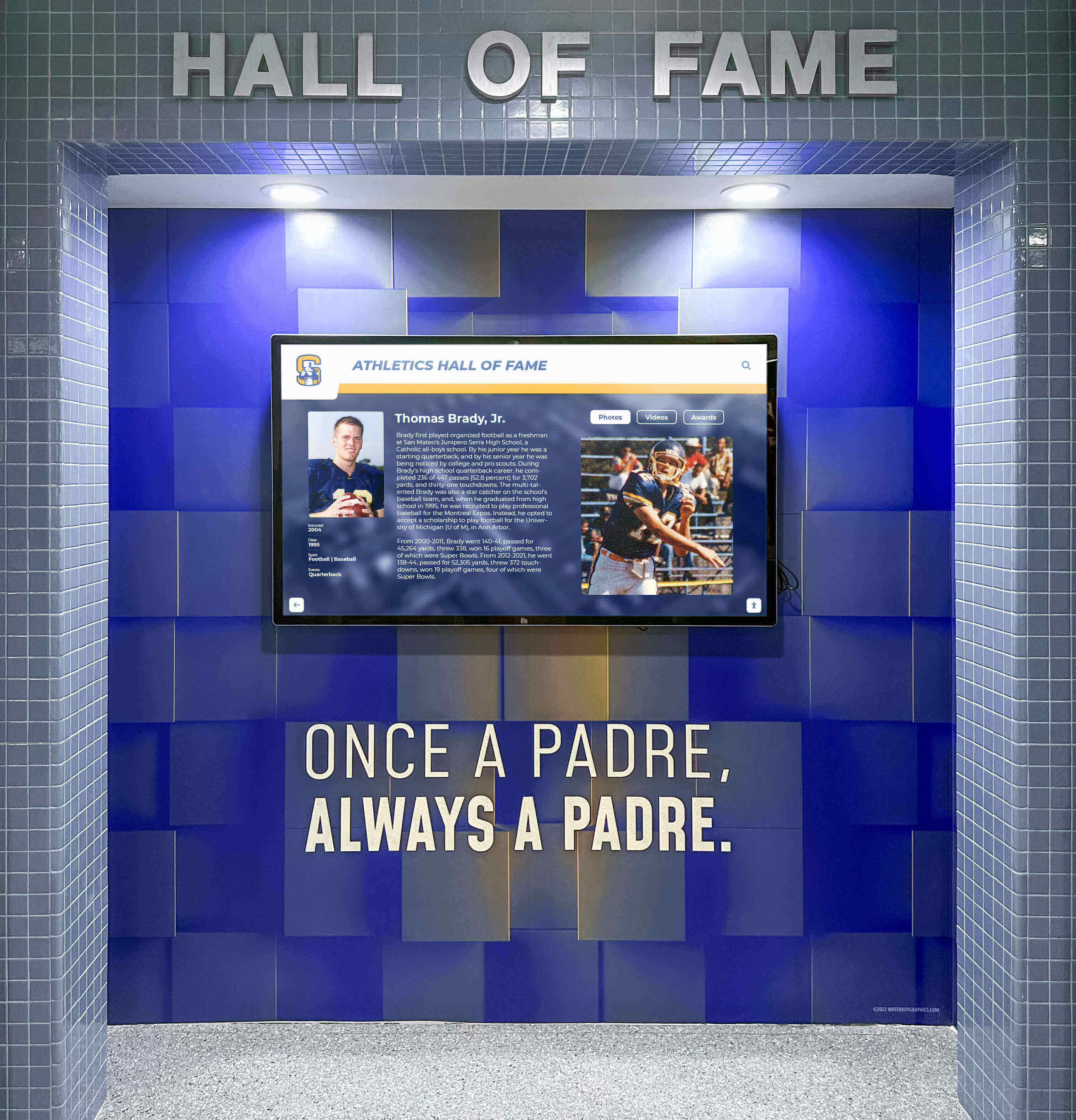
Digital screens work effectively in various facility locations:
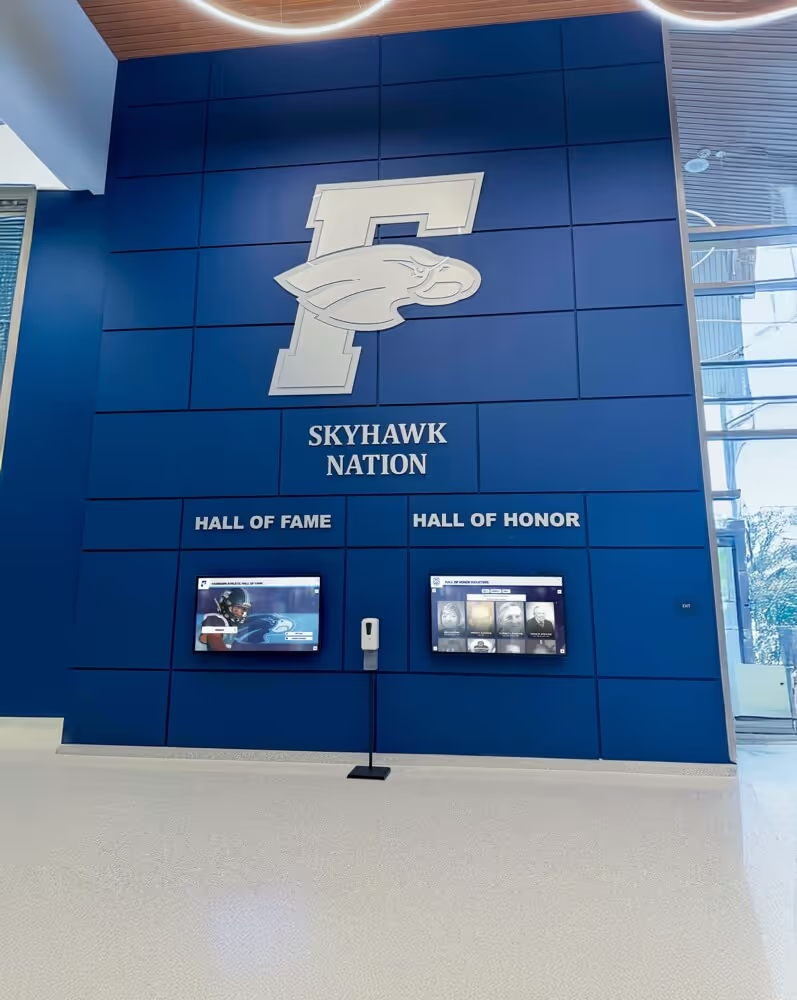
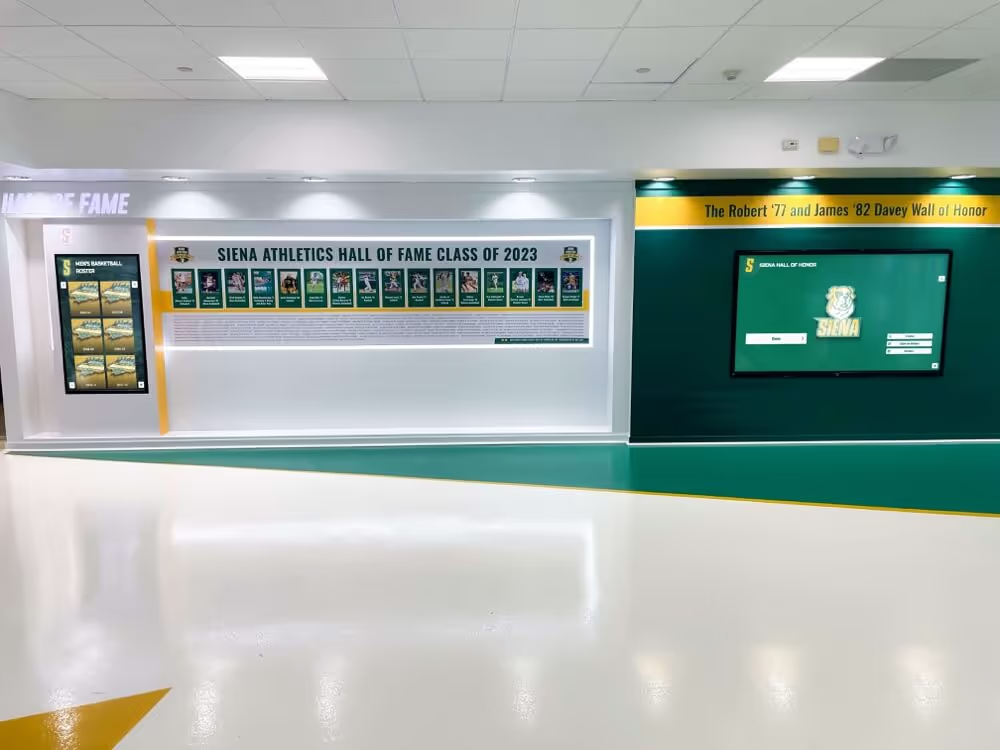
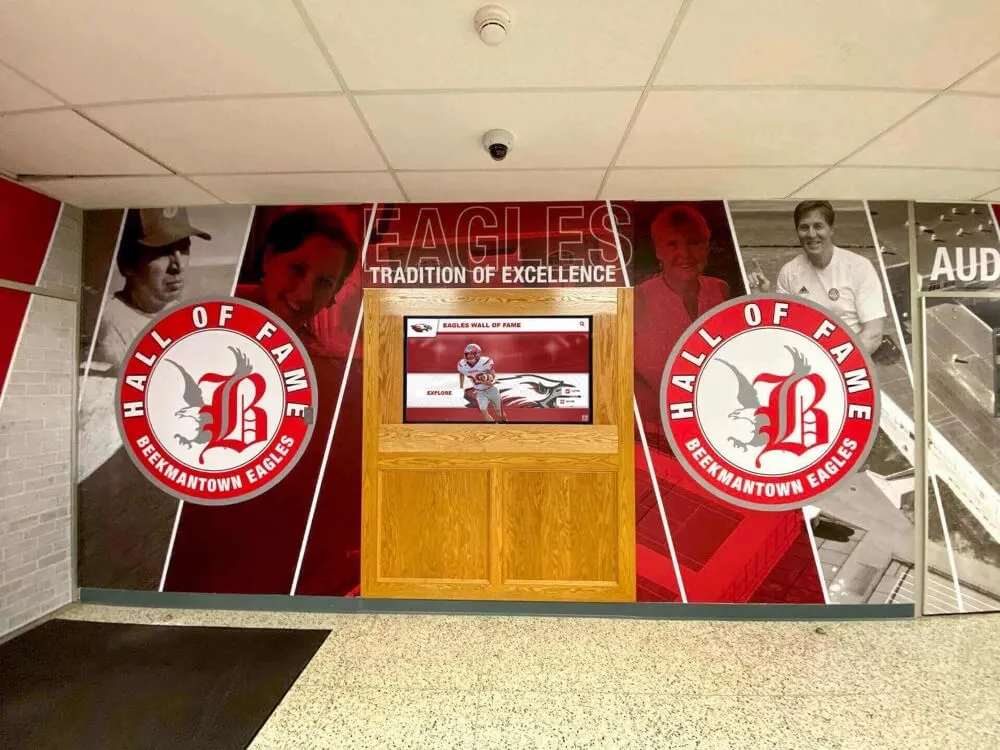
- Lobby Installations: Positioning displays in main entrance areas creates immediate engagement for visitors while showcasing athletic excellence prominently
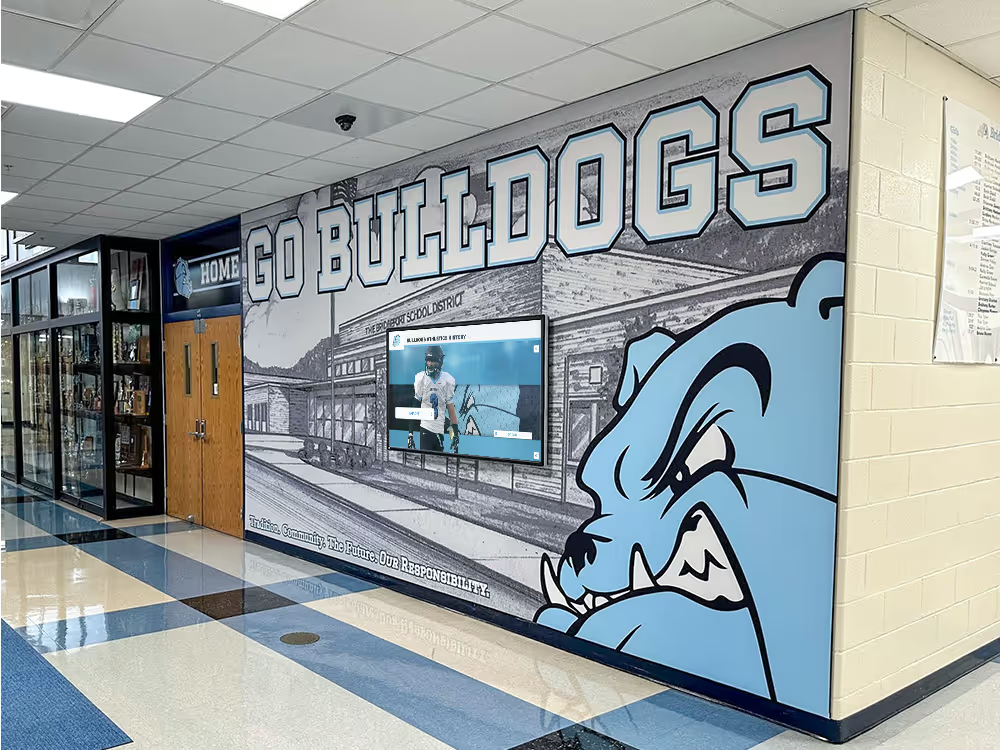
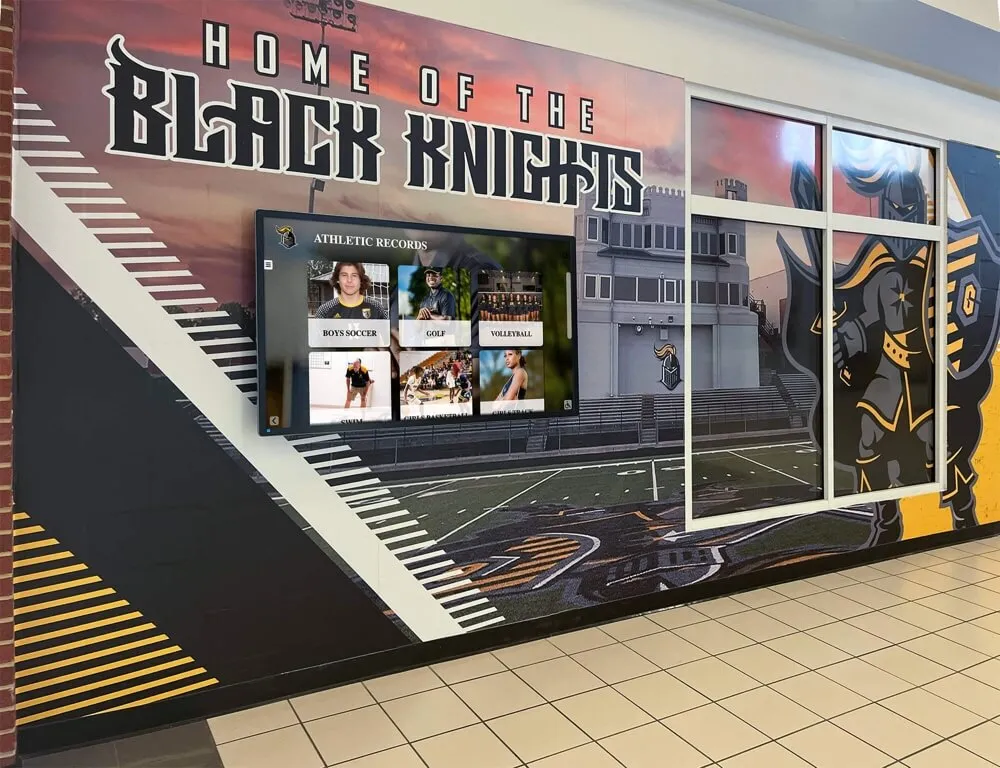
- Hallway Recognition Zones: Installing screens along high-traffic corridors extends championship visibility beyond gymnasium spaces
- Locker Room Motivation: Placing displays in athlete-only areas creates daily inspiration connecting current players with championship tradition
- Multi-Screen Networks: Distributing connected displays throughout athletic facilities ensures championship recognition remains visible across entire campuses
- Outdoor Digital Signage: Weather-resistant displays on building exteriors broadcast championship achievements to broader community audiences beyond facility visitors
Digital championship displays complement rather than completely replace traditional banners, allowing schools to honor historical fabric banners celebrating milestone achievements while using modern technology for comprehensive ongoing recognition.
Hybrid Recognition Approaches
Many successful programs combine traditional and digital displays, leveraging advantages of both approaches to create comprehensive championship recognition systems.
Preserving Tradition While Embracing Innovation
Balanced hybrid strategies might include:
- Legacy Banner Preservation: Maintaining iconic historical championship banners celebrating landmark achievements (first state title, undefeated seasons, record-setting teams) while using digital displays for complete championship documentation
- Sport-Specific Approaches: Using traditional banners for primary sports with deep historical traditions while implementing digital displays for newer programs or activities lacking physical space
- Permanent Plus Temporary: Installing permanent displays for major championships while using digital screens for conference titles, tournament placements, and other significant but secondary achievements
- Complementary Content: Hanging traditional championship banners while adding digital screens providing detailed context—team rosters, season statistics, game highlights, and individual player information
Hybrid approaches acknowledge that championship recognition serves multiple purposes: honoring traditions valued by long-time community members while providing modern recognition experiences that engage current students accustomed to digital interactions.
Creating Effective Championship Banner Designs
Whether choosing traditional fabric banners or digital displays, thoughtful design decisions determine whether championship recognition creates professional impressive visual impact or cluttered confusing appearance.
Essential Design Elements
Professional championship displays incorporate specific components creating clarity and visual appeal:
Clear Championship Information
Effective banners communicate essential details at a glance:
- Sport Identification: Clear indication of which athletic program earned the championship prevents confusion in multi-sport displays
- Championship Type: Specifying whether recognition celebrates state championships, conference titles, regional victories, or tournament placements provides context for achievement significance
- Year or Season: Prominent date information enables viewers to understand championship timing and track program success chronologically
- Additional Context: Record information (undefeated seasons, consecutive titles), tournament performance (state runner-up, semi-finalist), or special distinctions (record-setting teams) adds meaningful detail
Visual Consistency and Branding
Cohesive design standards create professional unified appearance:
- School Colors: Incorporating official institutional colors creates immediate brand recognition while connecting championship achievements to school identity
- Consistent Typography: Maintaining uniform fonts, text sizing, and layout approaches across all championship banners prevents visual chaos as collections expand
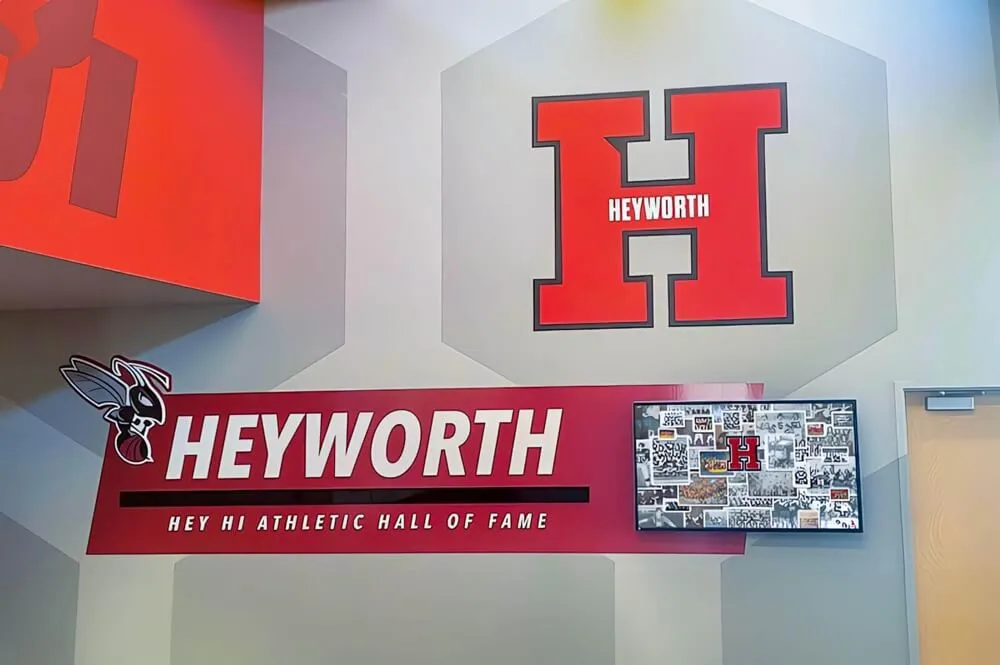
- Logo Integration: Including school logos, mascots, or athletic department branding reinforces institutional affiliation and creates visual interest
- Size Standardization: Using consistent banner dimensions enables organized arrangements and simplifies future additions maintaining established visual patterns
- Material Quality: Investing in durable materials with colorfast printing prevents premature fading, fraying, or deterioration requiring expensive replacements
Schools developing new championship display programs benefit from establishing comprehensive design guidelines documenting exact specifications for colors, fonts, sizes, and layouts that future additions must follow, ensuring visual coherence across decades of championship accumulation.
Multi-Sport Recognition Strategies
Comprehensive athletic programs earning championships across multiple sports face additional organizational challenges requiring thoughtful planning.
Organization Approaches for Diverse Championships
Effective multi-sport displays might employ:
- Sport-Specific Zones: Dedicating distinct display areas to individual sports creates logical organization enabling fans to locate specific program achievements easily
- Chronological Arrangements: Organizing all championships by year regardless of sport emphasizes overall athletic excellence while creating clear historical timeline
- Gender Equity Considerations: Ensuring balanced recognition for men’s and women’s programs demonstrates institutional commitment to equitable celebration of athletic achievement across all teams
- Color-Coding Systems: Using subtle color variations, border designs, or background shades distinguishing different sports while maintaining overall visual cohesion
- Hierarchy Frameworks: Establishing clear visual distinctions between state championships, conference titles, and other achievements helps viewers understand relative significance
Creating recognition systems that celebrate achievements from scholar athlete programs alongside traditional athletic championships acknowledges comprehensive definitions of student-athlete excellence.
Championship Display Maintenance and Updates
Sustaining professional championship displays requires ongoing maintenance addressing deterioration, damage, and the continuous challenge of adding new achievements to existing systems.
Maintaining Traditional Banner Displays
Fabric championship banners require regular attention preserving appearance and structural integrity:
Common Deterioration Issues
Physical banners face predictable challenges over time:
- Color Fading: Sunlight exposure, gymnasium lighting, and general aging cause gradual color loss, particularly affecting banners near windows or under intense lighting
- Material Wear: Fabric deterioration, fraying edges, and structural weakening occur naturally over years, accelerated by dust accumulation, temperature fluctuations, and humidity
- Mounting Hardware Failure: Grommets tear, hanging cables corrode, mounting brackets loosen, and support systems degrade requiring periodic replacement
- Accumulating Dust and Debris: Elevated banners gradually accumulate dust, cobwebs, and other material dulling appearance and requiring periodic cleaning
- Accidental Damage: Errant basketballs, maintenance activities, and facility renovations create risks of tears, stains, or mounting system disruption
Maintenance Best Practices
Proactive care extends banner lifespan:
- Annual Inspections: Scheduled reviews identifying early deterioration, loose mounting hardware, or fading requiring attention before problems become severe
- Professional Cleaning: Periodic professional cleaning using appropriate methods for specific banner materials removes accumulated dust while preventing damage from improper cleaning techniques
- UV Protection: Installing window treatments or using UV-resistant materials minimizes sun damage that accelerates fading
- Rotation Programs: Periodically lowering, cleaning, and inspecting banners while rotating displays keeps all championships visible while managing wear
- Climate Control: Maintaining consistent temperature and humidity levels in athletic facilities reduces material stress that contributes to premature deterioration
Digital Display Advantages for Ongoing Updates
Digital championship displays eliminate many maintenance challenges while simplifying the process of adding new achievements.
Simplified Championship Addition Process
Digital systems streamline updates that traditional banners complicate:
- Instant Remote Updates: Adding new championships requires only content management system access from any device, eliminating physical installation costs and delays
- No Installation Scheduling: New achievements appear immediately rather than waiting for installation company availability, scaffolding rental, or facility access during appropriate times
- Zero Physical Storage: Digital systems require no warehouse space for storing replaced banners, backup displays, or materials awaiting installation
- Consistent Appearance: Digital updates maintain perfect visual consistency automatically, preventing gradual design drift that occurs when banner orders span decades using evolving printing technologies
- Version Control: Digital platforms preserve historical recognition versions, enabling schools to document how championship displays evolved while maintaining current accurate information
Schools might reference examples of how dedication plaque recognition systems solve similar ongoing update challenges through digital approaches.
Budget Considerations for Championship Displays
Understanding comprehensive costs helps athletic programs make informed decisions aligning championship recognition investments with available resources and long-term value priorities.
Traditional Banner Cost Factors
Physical championship banners involve multiple expense categories:
Initial Production and Installation
Upfront costs include:
- Design Services: Professional graphic design creating banner artwork matching school branding ($100-500 per banner depending on complexity)
- Material and Printing: Fabric costs, printing processes, finishing work, and hardware mounting systems ($200-800 per banner based on size and material quality)
- Installation Labor: Professional installation requiring lifts or scaffolding, particularly for high ceiling gymnasiums ($200-600 per banner for complex installations)
- Quantity Discounts: Ordering multiple banners simultaneously sometimes reduces per-unit costs through production efficiencies
Ongoing Maintenance and Replacement
Long-term expenses accumulate:
- Periodic Replacement: Faded or damaged banners requiring replacement every 10-15 years depending on environmental conditions and material quality
- Additional Championships: Each new championship adds $400-1,200 in production and installation costs
- Cleaning Services: Professional banner cleaning every 3-5 years maintaining appearance ($50-150 per banner)
- Mounting Hardware: Replacing deteriorated grommets, cables, or brackets as wear occurs
Over 20-year periods, successful athletic programs earning regular championships may invest $20,000-50,000+ in traditional banner systems when accounting for initial installations, ongoing additions, replacements, and maintenance.
Digital Display Investment Analysis
Digital championship displays involve different cost structures warranting comparison:
Initial Digital System Investment
Upfront digital costs include:
- Display Hardware: Commercial-grade touchscreens, mounting systems, and necessary infrastructure ($3,000-8,000 per display depending on size and features)
- Software Platform: Content management systems, design tools, and hosting infrastructure (often included in comprehensive solutions or available through subscription models)
- Installation and Configuration: Professional installation, network integration, and initial content setup ($500-2,000)
- Content Development: Initial championship database creation, historical research, and multimedia content gathering
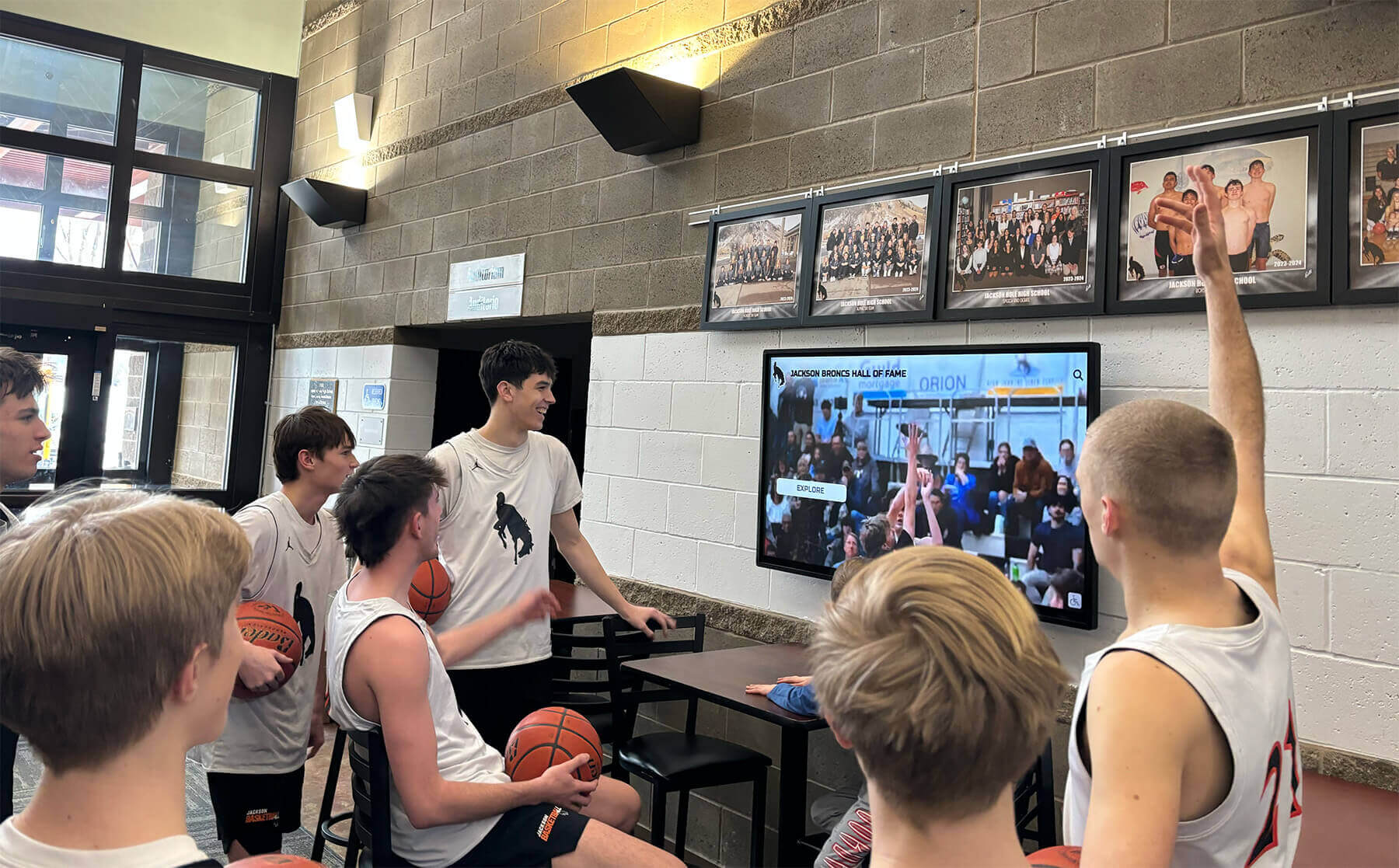
Long-Term Digital Cost Advantages
Digital systems create ongoing savings:
- Zero Addition Costs: Each new championship requires only content upload—no design, printing, or installation expenses
- No Replacement Needs: Digital displays don’t fade, tear, or deteriorate like fabric banners, eliminating periodic replacement costs
- Minimal Maintenance: Occasional screen cleaning and extremely rare hardware service represent only ongoing costs
- Expanding Value: Digital systems support additional recognition functions beyond championships—hall of fame profiles, current season statistics, motivational content—maximizing investment value
Total cost of ownership analysis often demonstrates that digital championship displays achieve cost parity with traditional banners within 5-10 years while providing superior functionality, unlimited expansion capacity, and elimination of ongoing maintenance expenses.
Engaging Current Athletes Through Championship Recognition
Effective championship displays do more than document history—they create motivational environments that inspire current athletes to pursue excellence and add their names to institutional legacy.
Creating Inspirational Environments
Strategic display approaches maximize motivational impact:
Location Strategies for Daily Engagement
Placement decisions affect how regularly current athletes interact with championship recognition:
- Practice Facility Visibility: Ensuring championship displays remain visible during daily practices creates constant reminders of program standards and achievable excellence
- Locker Room Integration: Positioning recognition in athlete-only spaces creates intimate connection between current players and championship tradition
- Training Center Placement: Installing displays in weight rooms, athletic training facilities, or team meeting rooms reinforces championship culture across all athletic spaces
- Travel Route Visibility: Locating recognition along routes athletes traverse daily—entrances, hallways connecting facilities, or gathering spaces—maximizes exposure frequency
The connection between recognition visibility and community member engagement demonstrates how physical environment design affects motivation and organizational culture.
Interactive Elements Connecting Past and Present
Modern displays can create active engagement beyond passive viewing:
- Championship Journey Maps: Digital displays showing state championship progression help current teams visualize paths to similar success
- Record Comparison Features: Tools enabling current athletes to compare their statistics against championship team benchmarks create concrete performance goals
- Alumni Connection Opportunities: Contact information or social media links enabling current athletes to connect with championship team alumni for mentorship
- Searchable Databases: Allowing athletes to explore complete championship history, find family members on historical teams, or discover program traditions creates personal connections
- Goal-Setting Integration: Systems enabling teams to document championship aspirations and track progress toward achieving recognition alongside historical achievements
Interactive approaches transform championship displays from static historical documentation into dynamic tools that actively shape current athletic culture and performance expectations.
Planning Long-Term Championship Recognition Systems
Effective championship display planning requires thinking beyond immediate needs to create systems accommodating decades of future success while remaining flexible as recognition approaches evolve.
Capacity Planning for Growing Success
Athletic programs should anticipate continued championship achievements:
Estimating Future Recognition Needs
Thoughtful projections inform system selection:
- Historical Success Rates: Reviewing past championship frequency across all sports provides baseline for estimating future recognition requirements
- Program Development Trajectories: Considering emerging sports, expanding competitive levels, or improving program quality that may increase championship frequency
- Multi-Level Recognition: Deciding whether systems will recognize only state championships or include conference titles, regional victories, and other significant achievements affecting total capacity needs
- Time Horizons: Planning for 20-30 year recognition capacity ensures systems remain viable across typical facility lifecycle periods
Programs choosing traditional banner approaches should reserve sufficient rafter or wall space accommodating projected championship accumulation without creating cramped cluttered appearance or forcing removal of historical recognition when space fills.
Scalability Advantages of Digital Platforms
Digital championship displays eliminate capacity concerns:
- Unlimited Championships: Software-based systems accommodate infinite championships across unlimited time periods without physical space constraints
- Instant Categorization: Automatic organization by sport, year, championship type, or custom criteria enables logical presentation regardless of total volume
- Expanding Content Depth: Digital platforms support adding increasingly rich content—video highlights, detailed statistics, multimedia features—as technology capabilities advance
- Future-Proof Investment: Systems designed for easy content updates remain current through inevitable evolution of recognition expectations and display technologies
Schools implementing digital displays invest in platforms offering long-term flexibility that traditional approaches cannot match, creating recognition systems that remain relevant and expandable across entire institutional futures.
Conclusion: Championship Recognition That Inspires Excellence
Championship banner displays serve purposes far beyond simple historical documentation. They create cultural environments celebrating excellence, establish visible standards inspiring current athletes, preserve institutional memory connecting generations of athletes to shared competitive traditions, and demonstrate organizational commitment to honoring achievement permanently. Whether choosing traditional fabric banners hung from gymnasium rafters, modern digital displays offering multimedia recognition, or hybrid approaches combining conventional and contemporary methods, effective championship recognition requires thoughtful planning addressing design consistency, long-term maintenance, budget realities, and capacity for accommodating continued athletic success.
The most effective championship displays balance respect for traditions valued by alumni and long-time community members with modern approaches that engage current students and provide administrative efficiency. Digital championship recognition platforms eliminate the physical space limitations, ongoing maintenance requirements, and update complexities that complicate traditional banner systems while creating engaging interactive experiences that connect current athletes with championship history in ways static displays cannot achieve.
Transform Your Championship Recognition with Digital Displays
Discover how Rocket Alumni Solutions' digital championship display platforms eliminate space constraints, eliminate ongoing maintenance costs, and create engaging recognition experiences celebrating unlimited athletic achievements. Our purpose-built systems provide instant remote updates when new championships occur, multimedia content showcasing team photos and game highlights, ADA-compliant interfaces ensuring comprehensive access, and professional displays that honor your complete championship history permanently.
Schools investing in championship recognition systems that combine respect for athletic tradition with modern display capabilities create environments that truly inspire excellence—honoring past achievements while motivating current athletes to add their names to championship legacy through dedication, teamwork, and competitive excellence.