



Booster clubs form the financial and volunteer backbone of athletic programs across the country, raising hundreds of thousands of dollars annually while organizing team meals, managing concessions, coordinating senior night celebrations, and providing critical support that transforms good athletic programs into exceptional ones. Yet booster club presidents and board members face a persistent challenge: keeping volunteer parents engaged throughout long athletic seasons when competing demands from work, family, and other commitments make consistent meeting attendance and active participation increasingly difficult to maintain.
Effective booster club meetings balance necessary business administration with engaging activities that make volunteers feel their time investment generates meaningful impact. When meetings become repetitive financial reports without inspiring vision or collaborative participation, attendance declines, volunteer burnout accelerates, and the same small core group shoulders disproportionate workloads. Strategic meeting planning creates energizing experiences that attract diverse volunteers, generate creative fundraising ideas, build authentic community connections, and sustain engagement from pre-season planning through championship celebrations.
Modern Tools Supporting Booster Club Success
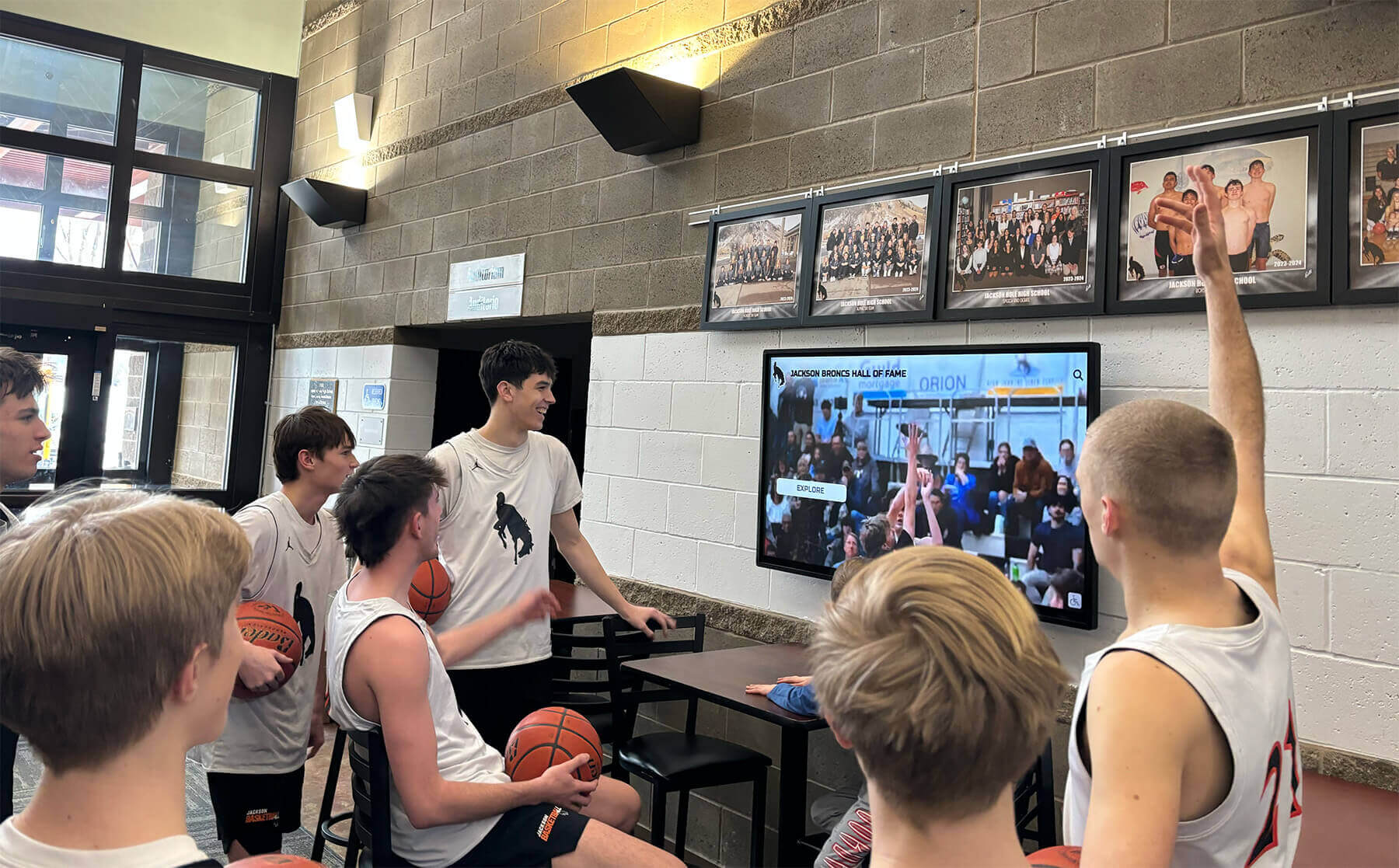
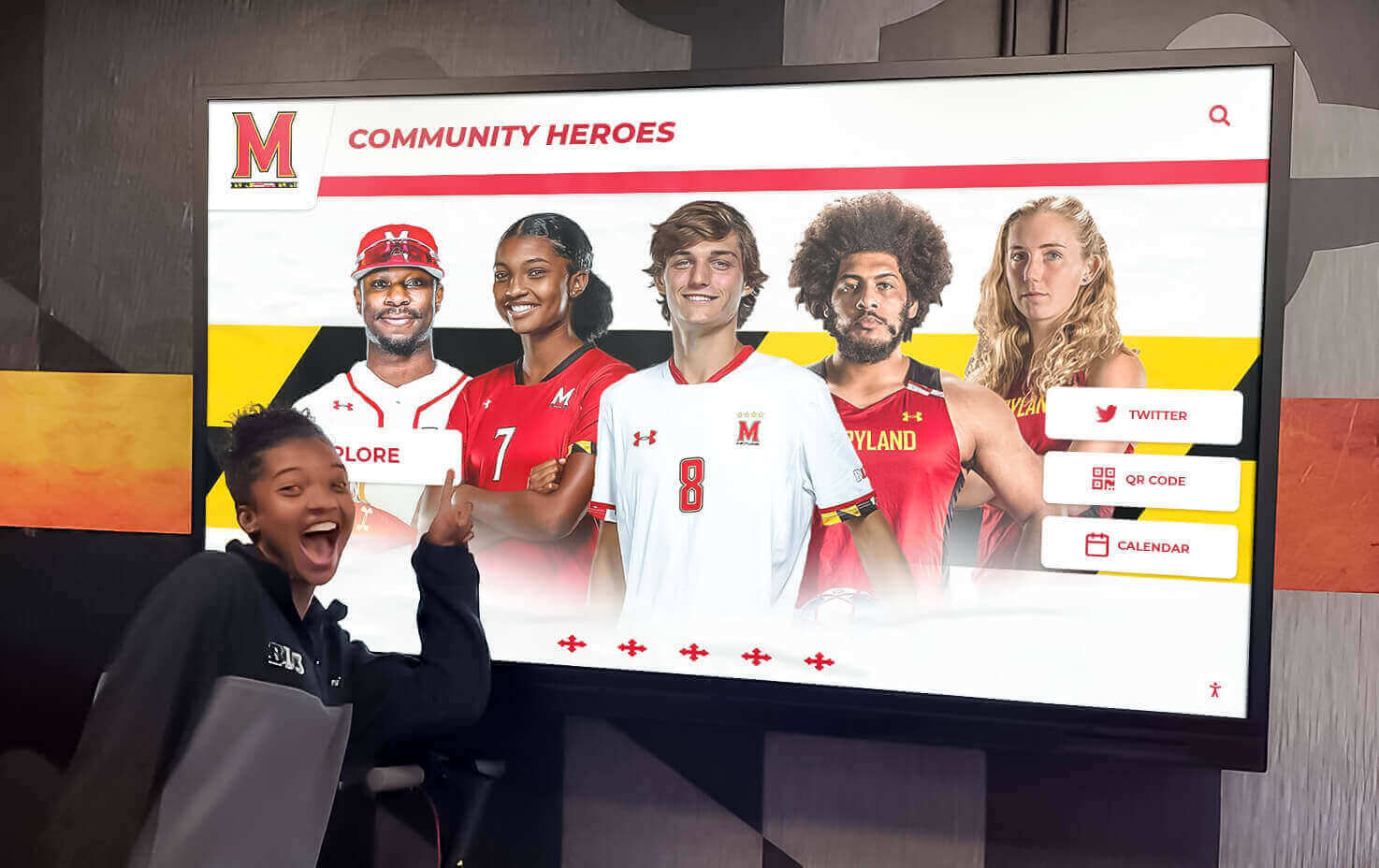
Today's most effective booster clubs leverage technology to streamline operations and maximize volunteer impact. Digital recognition systems create year-round engagement opportunities by showcasing student achievements that booster clubs help make possible. Interactive displays and digital record boards provide visible proof of booster club contributions, honoring donors while inspiring continued community support. Solutions like Rocket Alumni Solutions enable booster clubs to permanently recognize major donors and supporters through digital donor walls that complement fundraising efforts and demonstrate community investment in athletic excellence.
Strategic Agenda Planning That Maximizes Engagement
Thoughtfully designed meeting agendas determine whether volunteers leave energized or exhausted, making structural decisions about time allocation and content sequencing critical to sustained participation.
Front-Load Success Stories and Recognition
Begin every meeting with positive momentum by spotlighting recent accomplishments before diving into administrative details or problem-solving discussions.
Monthly Impact Reports: Share specific examples of how booster club funding directly benefited student-athletes during the previous month—new equipment purchased, facility improvements completed, team meals provided, or athlete recognition events successfully executed. Quantify impact whenever possible with specific numbers showing athletes served or dollars deployed.
Volunteer Spotlight Recognition: Dedicate five minutes each meeting to publicly acknowledging specific volunteers who contributed exceptional effort since the last gathering. Rotate recognition across different roles—concession workers, fundraising coordinators, event planners, social media managers—ensuring diverse contributions receive visibility rather than repeatedly honoring the same individuals.
Athlete Guest Appearances: Invite team captains or individual athletes to attend meeting openings and share brief testimonials about specific ways booster club support impacted their athletic experience. Hearing directly from beneficiaries creates powerful emotional connections that remind volunteers why their efforts matter beyond spreadsheet entries.
Coach Updates and Season Highlights: Schedule five to ten-minute coach presentations sharing team progress, upcoming competitions, and athlete achievements. These updates connect booster club activities to on-field results while building authentic relationships between coaches and supporting families.
Starting meetings with celebration and recognition rather than financial minutiae fundamentally changes volunteer psychology, framing participation as collaborative achievement rather than obligation management.
Time-Box Administrative Reports
Financial reports, membership updates, and compliance documentation require attention but shouldn’t dominate meeting time when volunteers could engage in strategic planning or collaborative activities.
Pre-Distribute Financial Summaries: Email treasurer reports 48 hours before meetings so members can review numbers independently. During meetings, limit financial discussion to five-minute highlights covering current balance, significant recent expenses, upcoming major costs, and any variances from budget requiring attention or votes.
Consent Agenda for Routine Items: Group standard recurring items—previous meeting minutes approval, routine expense approvals under predetermined thresholds, standard event date confirmations—into single consent agenda blocks requiring one collective vote rather than individual discussions of each item.
Exception-Based Reporting: Focus discussion on notable changes, problems requiring group input, or decisions needing member votes rather than exhaustively reviewing every line item or repeating information available in distributed reports.
Parking Lot for Sidebar Conversations: When discussions drift into detailed problem-solving involving only subset of attendees, capture these topics in a “parking lot” for post-meeting small group follow-up rather than consuming full group time with issues affecting limited participants.
Efficient administrative processes signal respect for volunteer time while creating space for more engaging collaborative activities that make attendance worthwhile.
Build in Interactive Planning Sessions
Transform passive information consumption into active collaborative planning by incorporating structured activities requiring volunteer participation and creative input.
Brainstorming Rounds for Upcoming Events: When major events approach—senior night celebrations, playoff send-offs, championship banquets—facilitate 15-minute structured brainstorming sessions where small groups generate creative ideas, then share top suggestions with full membership for evaluation and assignment.
Volunteer Task Sign-Ups: Dedicate meeting time to collaborative event planning where volunteers can immediately commit to specific responsibilities rather than relying on post-meeting email requests that often go unanswered. Visual sign-up boards showing all needed roles and remaining gaps create social motivation driving commitment.
Season Calendar Planning: Display full athletic calendar and facilitate group discussion identifying key dates requiring booster club support, potential scheduling conflicts, and strategic opportunities for fundraising or community engagement events.
Budget Priority Voting: When discretionary funding decisions arise—choosing between multiple equipment requests, facility improvement options, or recognition program investments—conduct collaborative priority ranking exercises giving all members input rather than limiting decisions to board-only discussions.
Interactive activities transform meetings from information broadcasts into collaborative working sessions where diverse perspectives generate stronger solutions while building volunteer investment in collective decisions.
Rotate Meeting Formats and Locations
Predictable meeting structures in identical locations every month create monotony that decreases attendance and reduces volunteer enthusiasm over time.
Facility Tours and Site Visits: Occasionally hold meetings in spaces booster club funding supports—weight rooms, locker facilities, training areas—where members can see tangible results of their fundraising efforts. Combine tours with brief meetings discussing future facility improvement priorities.
Social Hybrid Meetings: Quarterly, replace traditional meeting formats with social gatherings incorporating brief business updates but primarily focused on community building—potluck dinners, tailgate watch parties, end-of-season celebrations—that reward volunteer effort and strengthen personal connections.
Standing Committee Breakouts: When multiple projects require focused planning—spring fundraising campaigns, playoff support logistics, year-end banquet preparation—organize meetings around parallel committee work sessions rather than full-group discussions, allowing volunteers to contribute to areas matching their interests.
Virtual Options for Accessibility: Offer remote participation options for members with scheduling constraints, expanding potential volunteer base beyond those able to attend every in-person meeting. Hybrid formats accommodate diverse circumstances while maintaining in-person community building for those able to attend.
Format variation prevents volunteer fatigue while demonstrating organizational flexibility that respects different participation preferences and availability constraints.
Monthly Theme Ideas That Create Engagement Cycles
Organizing meeting calendars around thematic focus areas creates natural engagement rhythms aligned with athletic season cycles and fundraising calendar phases.
Pre-Season: Foundation Building (July-August)
Officer Transition and Onboarding Meetings: Facilitate smooth leadership changes by dedicating meetings to knowledge transfer, role clarification, and relationship building among new and returning board members.
Strategic Planning Sessions: Before seasons begin, conduct comprehensive planning meetings establishing year-long calendars, setting fundraising targets, identifying major initiatives, and building volunteer committee structures that distribute workload across broad member base.
Athletic Department Collaboration: Host joint meetings with athletic directors and coaches to align booster club plans with program needs, establish clear communication protocols, and build authentic partnerships preventing duplication or conflicts.
Membership Recruitment Kickoffs: Plan and execute membership drives targeting incoming athlete families, emphasizing welcoming environments that demonstrate immediate value rather than simply requesting financial contributions.
Pre-season meetings establish organizational foundations and strategic clarity that enable effective execution throughout competitive seasons.
Early Season: Momentum Building (September-October)
Fundraising Campaign Launches: Dedicate meeting time to executing major fall fundraising initiatives—whether sponsorship drives, product sales, or special events—with clear volunteer role assignments and progress tracking systems.
Concession Stand Optimization: For fall sports season, focus meetings on concession operations—volunteer scheduling, inventory management, pricing strategies, and customer service excellence that maximizes both revenue and community experience.
Spirit Wear and Merchandise: Plan spirit wear sales campaigns that generate revenue while building visible community support for athletic programs. Discuss design options, ordering timelines, distribution logistics, and pricing strategies.
Recognition Program Planning: Begin planning athlete recognition initiatives that will culminate later in season—academic achievement displays, championship celebrations, or senior night tributes.
Early season meetings capitalize on fresh volunteer energy while establishing operational rhythms that carry through competitive schedules.
Mid-Season: Sustaining Energy (November-January)
Progress Celebrations and Milestone Recognition: Mid-season meetings should spotlight fundraising progress toward annual goals, celebrate volunteer contributions, and recognize team achievements that booster club support helped enable.
Playoff and Championship Support Planning: As teams advance in postseason competition, dedicate meeting time to organizing playoff travel support, championship game logistics, athlete recognition for advancing teams, and community celebration events.
Winter Sport Transitions: For programs supporting multiple sports seasons, facilitate smooth transitions from fall to winter sport support—adjusting volunteer assignments, reallocating resources, and maintaining engagement across different parent constituencies.
Mid-Year Financial Reviews: Conduct comprehensive budget reviews assessing year-to-date performance against projections, identifying necessary adjustments, and planning spring fundraising activities addressing any shortfalls.
Mid-season meetings maintain momentum while adapting plans based on actual performance and evolving program needs.
Late Season: Recognition and Renewal (February-April)
Championship Celebrations and Banquet Planning: Organize end-of-season recognition events celebrating athlete achievements—award banquets, senior tributes, championship recognitions—that demonstrate tangible results of booster club support.
Spring sports planning: Shift focus to spring athletic seasons with dedicated planning for baseball, softball, track and field, tennis, and other spring sports requiring booster club support.
Donor Recognition Initiatives: Plan permanent recognition for major donors and long-term supporters—whether traditional plaques, digital donor walls, or named facility elements—that honor contributions while inspiring continued giving.
Year-End Impact Reports: Compile comprehensive summaries quantifying annual accomplishments—total funds raised, athletes served, equipment purchased, facilities improved, events executed—creating compelling narratives demonstrating organizational effectiveness.
Late-season meetings celebrate accomplishments while beginning renewal cycles that maintain volunteer engagement into following years.
Off-Season: Strategic Development (May-June)
Comprehensive Year-End Reviews: Conduct thorough retrospectives evaluating what worked well, identifying improvement opportunities, and capturing institutional knowledge before volunteer turnover causes information loss.
Leadership Development and Succession Planning: Identify and cultivate next-generation leaders ensuring organizational continuity when current officers complete terms. Provide training and mentorship preparing volunteers for expanded responsibilities.
Strategic Initiative Planning: Use off-season meetings for big-picture discussions about multi-year goals, major capital projects, endowment building, or transformational program improvements requiring extended planning horizons.
Relationship Building and Volunteer Appreciation: Host informal appreciation events thanking volunteers for annual contributions without business agendas, strengthening personal relationships that sustain engagement through upcoming seasons.
Off-season meetings invest in organizational development and relationship building that strengthens foundations for subsequent competitive years.
Engaging Activities That Energize Meetings
Beyond agenda structure, incorporating specific activities transforms meetings from obligation attendance into valuable experiences volunteers actively anticipate.
Hands-On Project Work Sessions
Replace pure discussion meetings with working sessions where volunteers collaboratively complete tangible tasks during meeting time.
Spirit Gear Sorting and Distribution: When merchandise arrives, organize meetings around collective inventory sorting, quality checking, order fulfillment, and pickup preparation rather than delegating these tasks to small groups outside meetings.
Fundraising Material Preparation: For product sales campaigns or sponsorship drives, dedicate meeting time to assembling sales packets, preparing promotional materials, organizing volunteer sales kits, or planning presentation approaches.
Event Decoration Creation: Prior to major events, host crafting sessions where volunteers collaboratively create decorations, signage, centerpieces, or recognition materials while socializing and building community.
Digital Content Development: For booster clubs managing social media or websites, occasionally structure meetings around collaborative content creation—writing athlete spotlights, selecting photos for posts, planning content calendars, or recording video messages.
Productive work sessions create visible progress while accommodating social interaction that strengthens volunteer relationships.
Skill-Building Workshops
Volunteer development activities build capabilities while demonstrating organizational investment in member growth beyond pure fundraising functions.
Fundraising Best Practices: Bring in experienced fundraising professionals or successful booster club leaders from other schools to share proven strategies, creative approaches, and practical implementation advice.
Social Media and Digital Marketing: Provide training on effective social media management, digital marketing techniques, or content creation tools that help booster clubs build broader community awareness and engagement.
Event Planning Excellence: Offer workshops on logistics management, vendor coordination, timeline development, or crisis management equipping volunteers with transferable skills valuable beyond booster club contexts.
Financial Management and Compliance: Educate members on nonprofit financial requirements, tax compliance, proper documentation practices, and accountability systems ensuring organizational integrity.
Educational programming positions booster clubs as development opportunities rather than purely transactional fundraising organizations, attracting volunteers seeking meaningful growth experiences.
Guest Speaker Sessions
External perspectives introduce fresh ideas while providing compelling content that increases meeting attendance and volunteer enthusiasm.
Athletic Director Updates: Quarterly invite athletic directors to share department-wide initiatives, upcoming facilities projects, program development priorities, and ways booster club support amplifies athletic department capacity.
Successful Coach Presentations: Feature coaches from championship programs discussing how booster club support contributed to competitive success, creating direct connections between volunteer efforts and athletic achievement.
Alumni Athlete Testimonials: Bring back former student-athletes to share how booster club-funded resources impacted their development, college opportunities, or life trajectories, creating emotional connections between current activities and long-term athlete outcomes.
Professional Development Speakers: Occasionally invite speakers on topics relevant to volunteer interests—leadership development, work-life balance, college athletic recruiting, sports nutrition—that provide value beyond booster club business.
Varied speakers prevent meeting monotony while expanding volunteer knowledge and strengthening program connections.
Gamification and Friendly Competition
Strategic competition elements increase volunteer motivation and participation while making routine activities more engaging.
Fundraising Challenges: Organize friendly competitions between different grade levels, sports teams, or volunteer committees tracking progress toward fundraising targets with recognition for top performers.
Attendance Incentives: Create simple reward systems acknowledging consistent meeting attendance—whether recognition spotlights, small prizes, or special privileges—that positively reinforce participation habits.
Volunteer Hour Tracking: Publicly recognize volunteers contributing most hours to various activities throughout seasons, celebrating diverse contributions across concessions, events, fundraising, and administration.
Team Trivia and Athletic History: Incorporate brief trivia games about school athletic history, current team statistics, or program traditions that educate volunteers while adding entertainment elements.
Competition elements should emphasize fun and recognition rather than creating divisions, ensuring gamification builds rather than undermines community cohesion.
Leveraging Technology for Better Meetings
Modern communication tools and digital platforms enable more effective meetings while accommodating diverse volunteer preferences and availability constraints.
Digital Collaboration Platforms
Shared Document Systems: Utilize cloud-based document platforms allowing collaborative agenda development, real-time note-taking during meetings, action item tracking, and transparent financial record access reducing redundant discussion time.
Project Management Tools: Implement simple project management platforms organizing volunteer committees, tracking task completion, managing event timelines, and clarifying accountability preventing confusion about responsibilities.
Communication Apps: Establish dedicated messaging channels for quick volunteer communication, event coordination, and informal community building between formal meetings, reducing administrative time during gatherings.
Virtual Meeting Capabilities: Maintain video conferencing options enabling remote participation for volunteers unable to attend in person, expanding potential member base and maintaining engagement during scheduling conflicts.
Technology adoption should simplify rather than complicate volunteer participation, choosing user-friendly tools matching member comfort levels rather than unnecessarily complex enterprise platforms.
Digital Recognition Systems
Modern recognition technology creates year-round engagement opportunities while providing visible evidence of booster club impact on athletic program excellence.
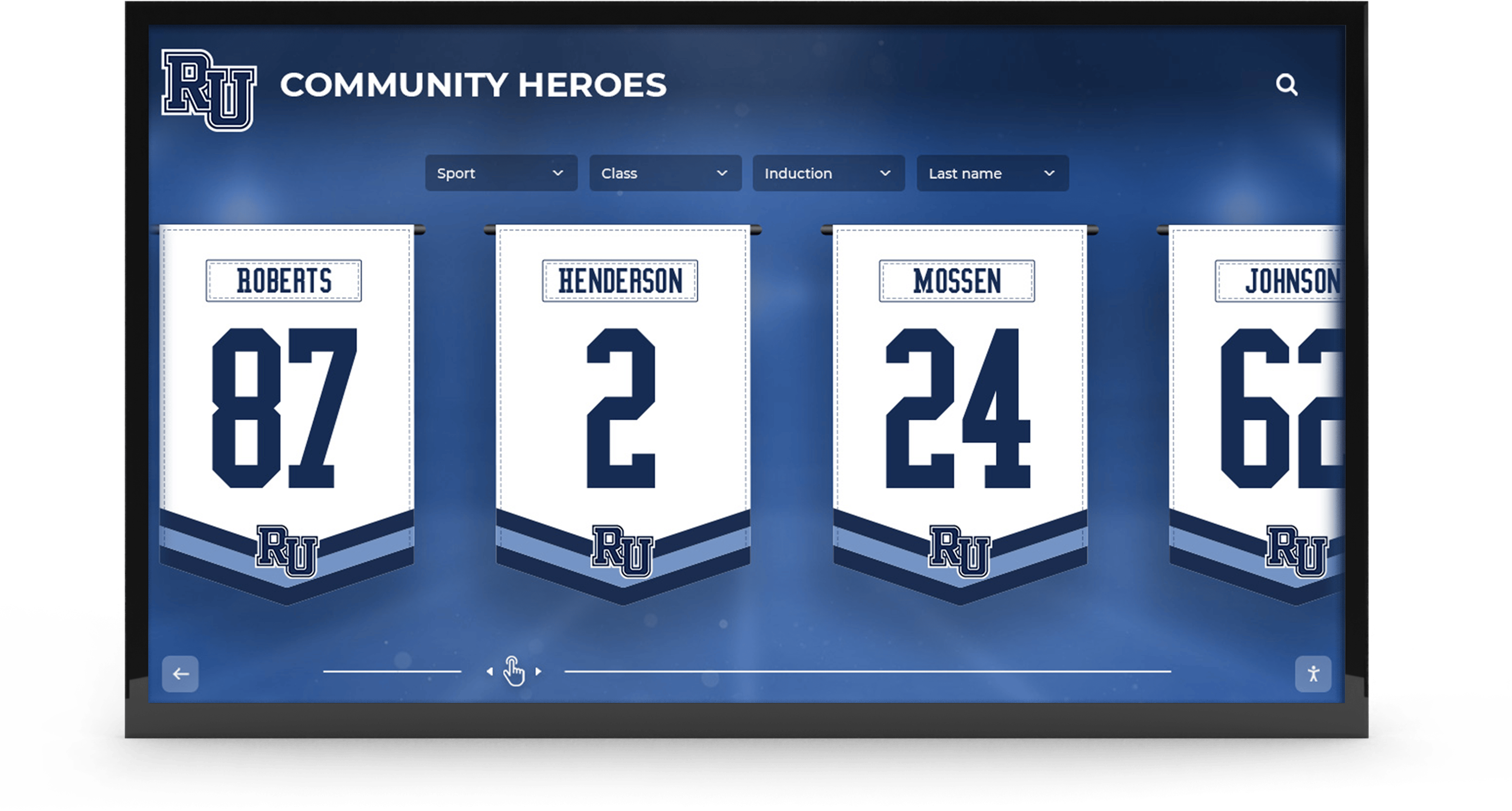
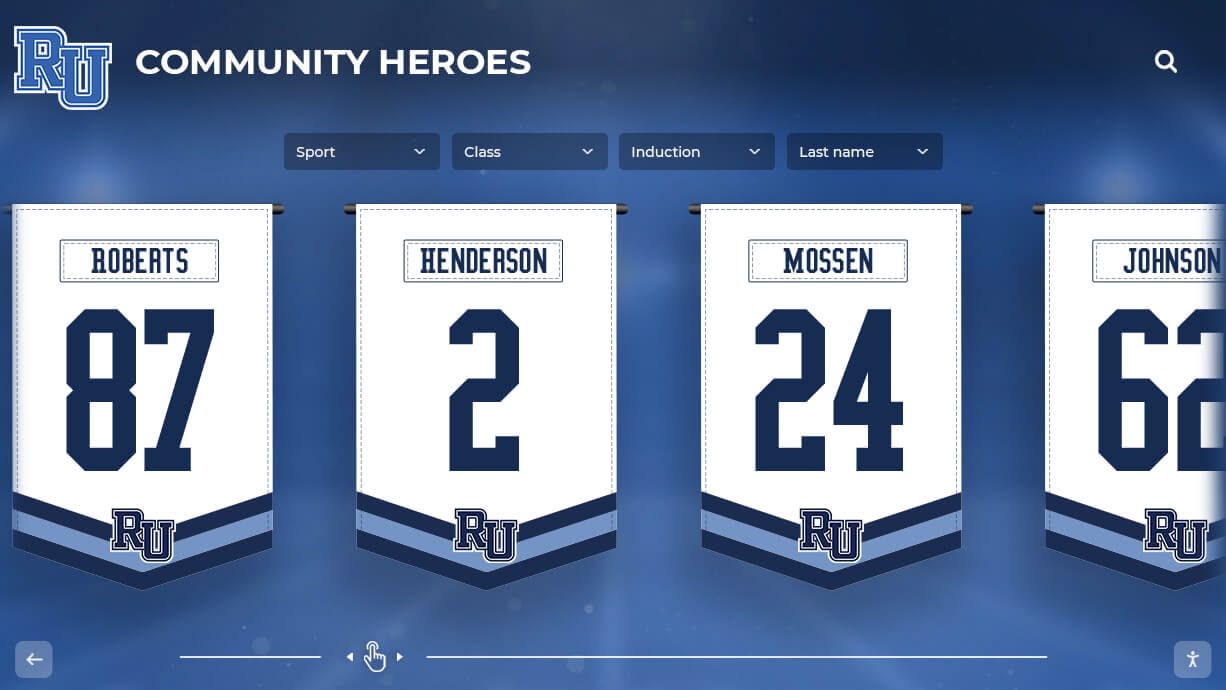
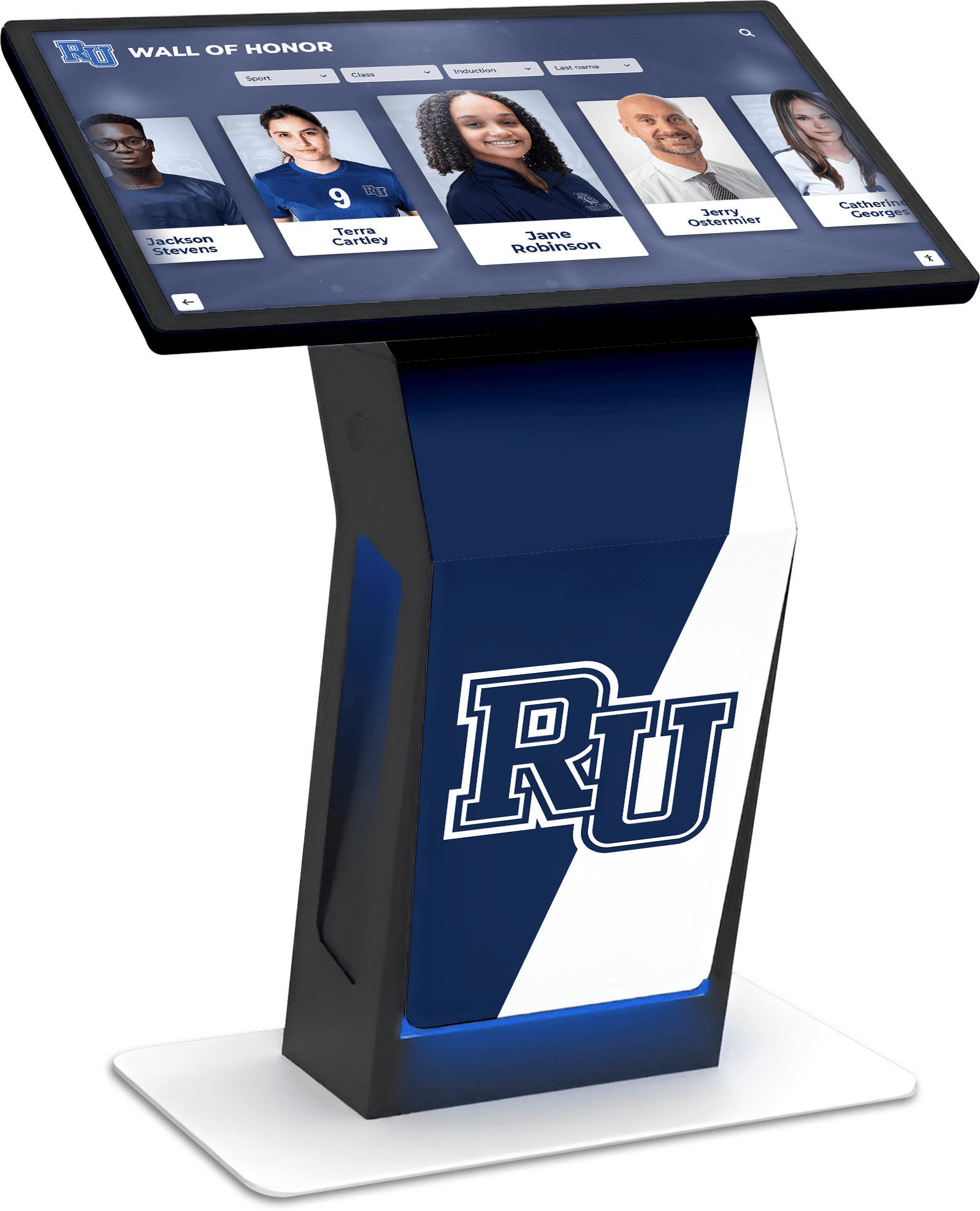
Interactive Achievement Displays: Digital record boards and touchscreen recognition walls showcase athletic achievements that booster club funding helps enable—championship teams, record holders, award recipients—creating compelling narratives about program success.
Donor Recognition Walls: Digital donor displays permanently honor major contributors and long-term supporters, providing meaningful recognition while inspiring continued giving through visible appreciation of community investment.
Athlete Spotlight Rotations: Programmable displays feature rotating athlete profiles, team achievements, and program milestones that keep recognition current while maximizing limited physical display space.
QR Code Connections: Digital recognition systems incorporate QR codes linking to extended athlete profiles, championship season details, or donor recognition pages, creating deeper engagement opportunities beyond physical displays.
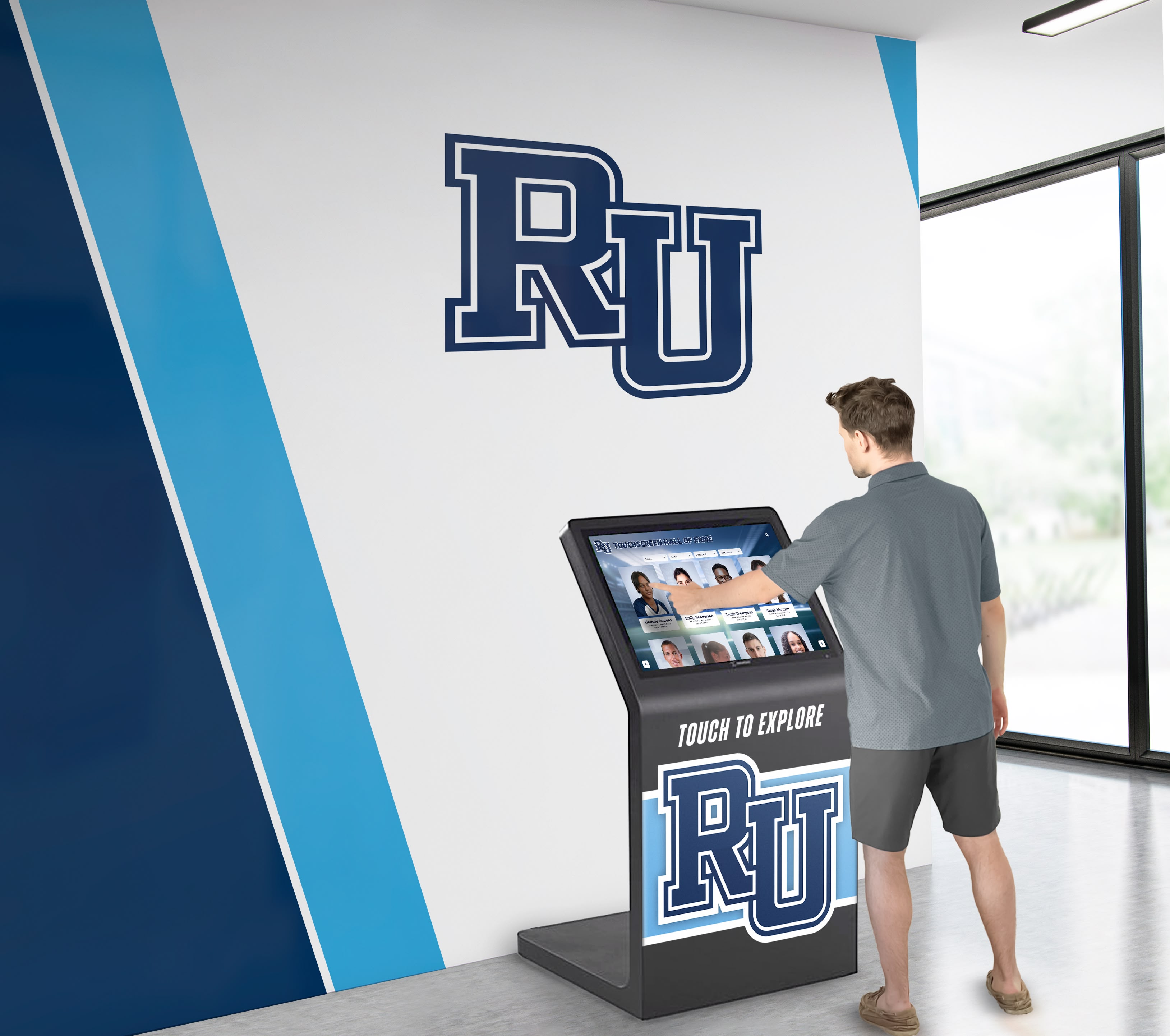
Recognition technology demonstrates tangible results of booster club efforts while creating pride-building displays that strengthen community connections to athletic programs.
Meeting Enhancement Tools
Live Polling and Voting: Use digital polling tools for real-time feedback on decisions, priority rankings, or preference selections, increasing participation while accelerating decision-making processes.
Presentation and Visual Aids: Incorporate visual presentations showing budget information, project plans, or achievement data in accessible formats that enhance understanding compared to pure verbal reports.
Digital Sign-Up Sheets: Replace paper volunteer forms with digital sign-up tools accessible via QR codes or shared links, simplifying commitment processes while automatically capturing contact information.
Automated Reminders: Implement calendar systems sending automated meeting reminders, agenda previews, and follow-up action item summaries reducing administrative workload while improving volunteer accountability.
Technology should enhance human connection rather than replace personal interaction, using digital tools to handle administrative logistics while preserving face-to-face relationship building.
Addressing Common Meeting Challenges
Even well-planned booster club meetings face recurring obstacles that presidents and board members must address proactively to maintain volunteer engagement.
Low Attendance and Participation Decline
Survey Non-Attending Members: Directly ask inactive members about barriers preventing participation—meeting timing, location accessibility, childcare constraints, content relevance—then address identified obstacles rather than assuming reasons.
Flexible Participation Options: Create multiple engagement pathways beyond monthly meetings—task-specific volunteer opportunities, committee work, event-only participation—acknowledging not all supporters can commit to regular meeting attendance.
Value Proposition Clarity: Ensure meetings deliver genuine value justifying time investment through engaging content, strategic decisions requiring input, social connection opportunities, or skill development rather than purely administrative obligation.
Strategic Scheduling: Carefully consider meeting timing avoiding conflicts with athletic events, holidays, school breaks, or other predictable scheduling obstacles that reduce available volunteer pool.
Declining attendance signals misalignment between meeting structure and volunteer needs requiring responsive adaptation rather than simply requesting greater commitment.
Volunteer Burnout and Over-Reliance on Core Group
Intentional Workload Distribution: Actively recruit volunteers for specific limited-scope tasks rather than expecting small core groups to handle all responsibilities, making participation accessible to those unable to commit to comprehensive involvement.
Defined Term Limits: Establish term limits for officer positions ensuring regular leadership rotation preventing burnout while developing broader leadership pipeline sustaining organizational capacity.
Appreciation and Recognition Systems: Systematically acknowledge volunteer contributions through formal recognition, appreciation events, and public celebration preventing fatigue from feeling unappreciated or taken for granted.
Onboarding Processes: Create structured welcoming systems for new volunteers providing clear role expectations, necessary training, mentorship connections, and immediate meaningful contributions preventing isolation or overwhelm.
Sustainable booster clubs distribute effort across broad volunteer bases rather than depending on heroic efforts from exhausted minorities carrying disproportionate loads.
Conflict and Disagreement Management
Established Decision Protocols: Define clear processes for making different types of decisions—what requires full membership votes versus board authority versus officer discretion—preventing disputes about decision legitimacy.
Transparent Communication: Maintain open information flow about finances, plans, and decisions through regular reporting and accessible documentation, reducing rumor-driven conflicts stemming from information gaps.
Constructive Disagreement Norms: Establish cultural expectations for respectful debate focused on ideas rather than personalities, encouraging diverse perspectives while maintaining collegial interactions.
Mediation Processes: When serious conflicts arise, engage neutral third parties—athletic directors, school administrators, or experienced booster club leaders from other schools—to facilitate resolution rather than allowing disputes to fester.
Conflict inevitably emerges in volunteer organizations, but effective processes channel disagreement into productive problem-solving rather than destructive division.
Maintaining Multi-Sport Balance
Equitable Resource Allocation: Develop transparent funding formulas ensuring all supported sports receive appropriate resources relative to participation levels, costs, and needs rather than disproportionately benefiting high-profile programs.
Seasonal Focus Rotations: Structure meeting agendas highlighting different sports throughout the year corresponding to competitive seasons, ensuring all programs receive dedicated attention and support.
Diverse Leadership Representation: Recruit board members representing different sports preventing single-sport dominance in organizational direction and resource prioritization.
Comprehensive Recognition: Ensure school-wide celebrations and recognition initiatives honor achievements across all sports rather than exclusively highlighting traditionally prominent programs.
Multi-sport booster clubs must actively prevent majority sports from marginalizing smaller programs, maintaining equitable support that serves all student-athletes.
Building Year-Round Engagement Beyond Meetings
Effective booster clubs create continuous engagement ecosystems extending well beyond monthly gathering attendance.
Digital Communication Strategies
Weekly Email Updates: Provide brief weekly communications highlighting upcoming events, volunteer needs, recent accomplishments, and athletic schedule updates keeping members informed between meetings.
Active Social Media Presence: Maintain engaging social media channels showcasing athlete achievements, sharing behind-the-scenes content, promoting fundraising initiatives, and building broader community awareness beyond active membership.
Athlete and Coach Spotlights: Regularly feature profiles of student-athletes, coaches, and standout volunteers creating human connections that strengthen emotional investment in program success.
Impact Storytelling: Share specific examples of how booster club funding directly benefited athletes—equipment that improved training, meals that built team chemistry, recognition that celebrated achievement—creating compelling narratives about collective impact.
Consistent communication maintains mindshare between meetings while building broader community support extending beyond active volunteer membership.
Event-Based Engagement Opportunities
Signature Annual Events: Develop recurring signature events—golf tournaments, gala dinners, fun runs, auctions—that become community traditions generating both revenue and volunteer engagement beyond routine meeting attendance.
Milestone Celebrations: Organize special events recognizing major program achievements—championship seasons, facility dedications, coaching milestones, record-breaking performances—that unite communities around shared pride.
Family-Friendly Activities: Host inclusive events welcoming entire families rather than only athletic parents—community festivals, tailgate parties, watch parties—that build broader support bases.
Service Projects: Occasionally organize community service initiatives where volunteers contribute to non-athletic causes, building team cohesion while demonstrating organizational values beyond pure athletic focus.
Event diversity creates multiple entry points for community participation accommodating different interest areas and availability constraints.
Recognition and Appreciation Culture
Consistent Volunteer Acknowledgment: Systematically recognize contributions through thank-you notes, public social media appreciation, newsletter spotlights, or end-of-year award ceremonies ensuring no volunteer feels invisible or taken for granted.
Permanent Donor Recognition: Implement lasting tributes for major financial contributors—named facilities, digital donor walls, legacy programs—that honor generosity while inspiring continued philanthropic support.
Leadership Development Pathways: Create clear progression routes from general member to committee leader to officer positions, demonstrating investment in volunteer growth while building sustainable leadership pipelines.
Exclusive Volunteer Benefits: Provide special perks for active volunteers—preferred event seating, early spirit wear access, exclusive coach interactions, recognition program inclusion—that tangibly demonstrate appreciation.
Recognition culture transforms transactional volunteering into meaningful community participation that volunteers value beyond financial contribution expectations.
Connecting Booster Club Success to Lasting Athletic Legacy
The most successful booster clubs recognize that their ultimate impact extends beyond single seasons or individual teams, creating lasting infrastructure and recognition systems that benefit student-athletes for generations.
Modern recognition technology enables booster clubs to create permanent tributes showcasing the athletic excellence their fundraising and volunteer efforts help make possible. Digital record boards maintain comprehensive achievement histories that never run out of space or require vinyl updates. Interactive displays feature championship teams, record holders, award recipients, and program milestones in engaging formats that inspire current athletes while preserving history for future generations.
When booster clubs invest in permanent recognition infrastructure, they create visible proof of their impact while building community pride that generates continued support. Athletes see their achievements honored alongside predecessors, understanding they’re part of continuing excellence traditions. Families recognize that their volunteer hours and financial contributions create lasting legacies rather than temporary support. Communities develop stronger connections to athletic programs through accessible displays showcasing decades of achievement.
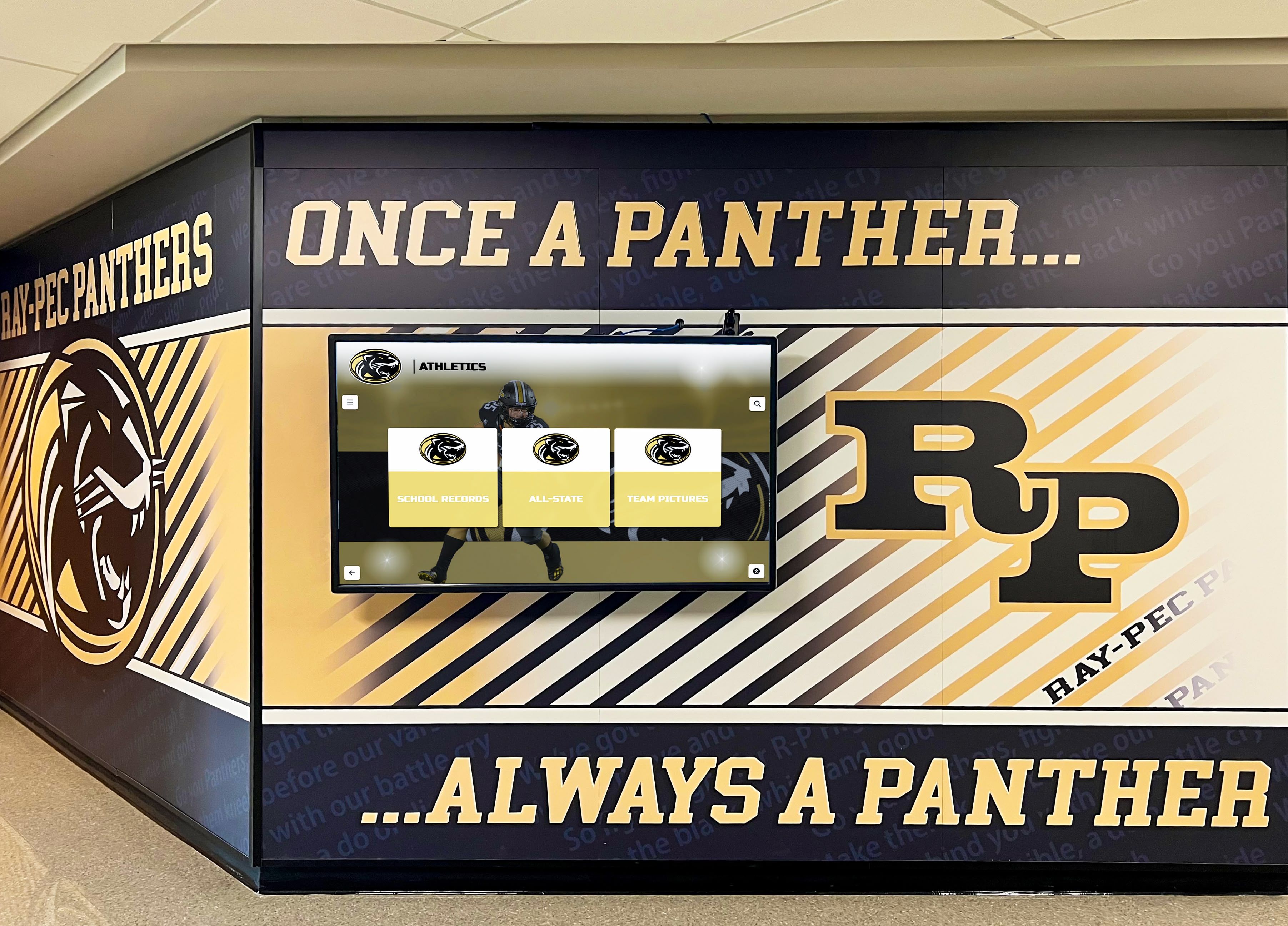
Whether your booster club is exploring recognition technology, planning major facility improvements, or seeking sustainable ways to honor athletic excellence while demonstrating donor impact, modern digital solutions provide scalable platforms that grow with program success.
Transform Your Booster Club Meetings and Athletic Recognition
Effective booster club meetings balance necessary administration with engaging activities that make volunteer participation rewarding and sustainable. By implementing strategic agenda planning, incorporating interactive elements, varying meeting formats, and leveraging technology thoughtfully, booster club leaders create energizing experiences that attract diverse volunteers and maintain year-round engagement.
Recognition systems that permanently showcase the athletic achievements booster clubs help enable create powerful feedback loops—volunteers see tangible results of their efforts, athletes feel appropriately celebrated, communities develop stronger program connections, and sustainable support structures emerge that outlast any single season or volunteer generation.
Ready to explore how digital recognition solutions can demonstrate your booster club’s impact while creating lasting athletic legacies? Discover how Rocket Alumni Solutions helps booster clubs showcase the achievements they support through innovative displays that honor athletes, recognize donors, and inspire continued community investment in athletic excellence.































