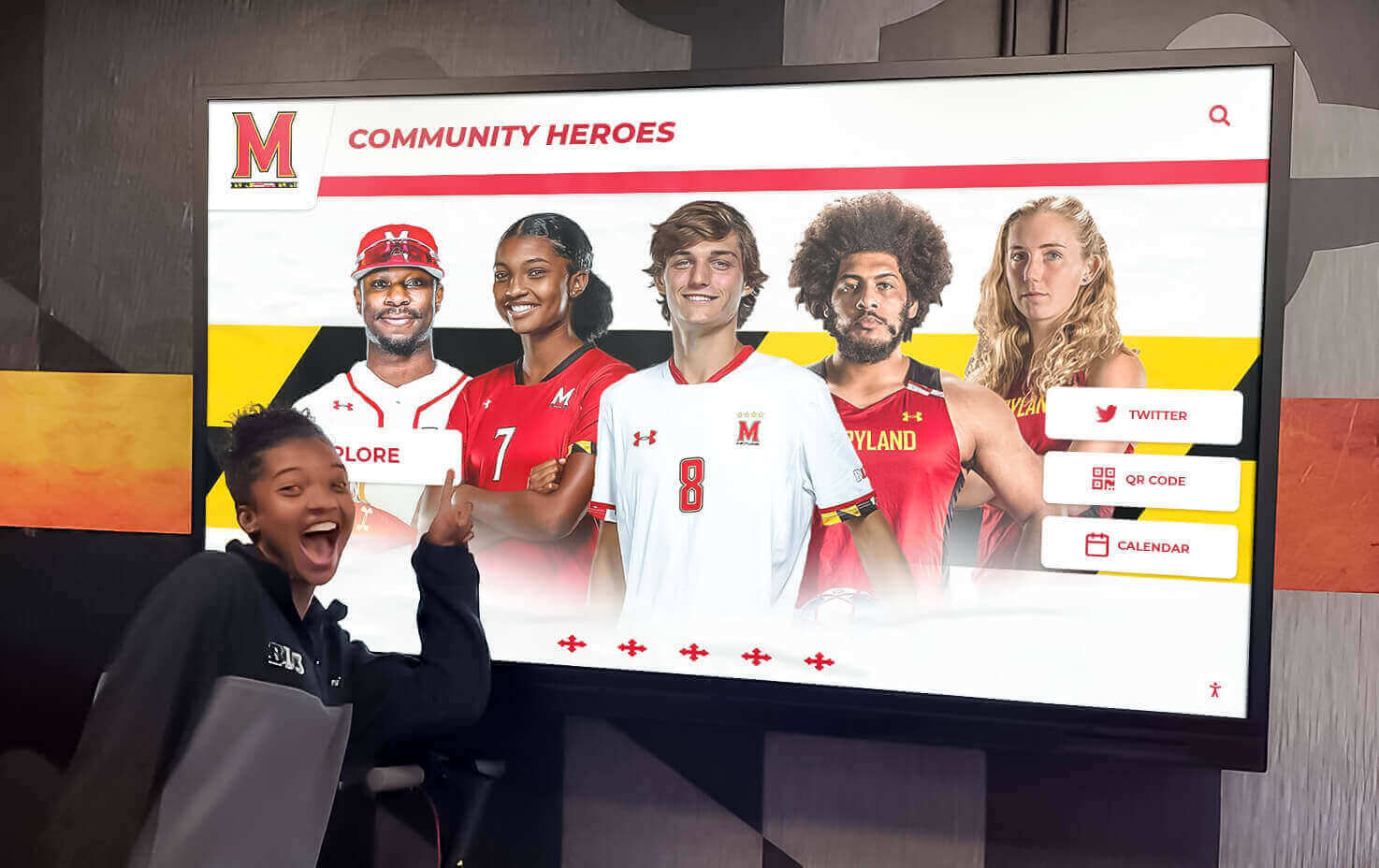




Successful booster clubs operate as the engine driving athletic program excellence—funding equipment upgrades schools can’t afford, supporting team travel enabling competitive opportunities, covering facility improvements transforming training environments, and providing resources separating basic programs from exceptional ones. The difference between struggling booster clubs and thriving organizations rarely comes down to community wealth or school size. It comes down to implementing proven ideas across three critical dimensions: fundraising that generates sustainable revenue, events that strengthen community engagement, and recognition programs that honor contributors while inspiring continued support.
Athletic directors, booster club presidents, and volunteer leaders face consistent challenges: Which fundraising approaches produce reliable revenue without burning out volunteers? How do we create events people actually want to attend rather than obligatory obligations? What recognition strategies make donors feel genuinely appreciated? How can we build membership beyond the same dozen families carrying the load? The most effective booster clubs don’t reinvent the wheel—they implement field-tested ideas adapted to their specific contexts while avoiding common pitfalls that drain resources without producing results.
Understanding What Makes Booster Club Ideas Successful
Before exploring specific programs, understanding the characteristics separating effective booster club initiatives from disappointing efforts helps focus energy on approaches with highest success probability.
Core Principles for Booster Club Program Selection
The strongest booster club ideas share identifiable qualities regardless of specific approaches:
Sustainable Implementation Without Volunteer Burnout
The best ideas require reasonable volunteer time commitments rather than consuming every available hour. Programs demanding excessive volunteer labor typically collapse when key organizers experience burnout or life circumstances change. Successful initiatives distribute work across multiple volunteers, leverage technology to reduce manual effort, and operate efficiently within realistic time constraints.
For organizations just getting started, understanding foundational structure proves essential. Comprehensive guides on how to establish effective booster club operations provide frameworks ensuring programs launch with proper governance, financial systems, and sustainable volunteer structures.
Clear Value Proposition for Participants and Supporters
Strong programs articulate compelling reasons people should participate. Fundraising events succeeding long-term offer entertainment value, social connection, or tangible benefits beyond charitable giving. Recognition programs working effectively make supporters feel genuinely appreciated rather than perfunctorily acknowledged. Membership drives generating results demonstrate specific benefits—exclusive access, meaningful involvement, or visible impact—justifying commitment.
Alignment with Community Culture and Values
Programs resonating in one community may fall flat in another. Effective booster clubs select ideas matching their specific contexts rather than blindly copying approaches working elsewhere. Urban schools, rural districts, affluent suburbs, and economically diverse communities require different strategies. Understanding your community’s preferences, available resources, volunteer capacity, and cultural norms guides program selection producing better outcomes than generic one-size-fits-all approaches.
Measurable Goals with Clear Success Indicators
The strongest initiatives establish specific, measurable objectives before launch. “Raise money” proves too vague; “Generate $15,000 to fund new weight room equipment by season start” creates clarity. Measurable goals enable evaluation, adjustment, and celebration. They help volunteers understand targets, communicate progress to supporters, and determine whether programs warrant continuation or require modification.
Common Pitfalls to Avoid
Certain approaches consistently underperform despite initial appeal:
Overly Complex Programs Requiring Extensive Coordination
Ideas involving numerous moving parts, elaborate logistics, or significant advance planning frequently encounter implementation failures. When success depends on everything aligning perfectly, Murphy’s Law applies—something will go wrong. Simpler programs with fewer dependencies produce more reliable results with less stress.
Initiatives Targeting Only Small Supporter Segments
Programs appealing exclusively to narrow demographics limit participation and revenue potential. Golf tournaments attract golfers but exclude non-golfers. Dinner auctions require attendance availability many families lack. The strongest programs either broadly appeal or intentionally complement other initiatives ensuring diverse participation pathways.
Short-Term Thinking Without Long-Term Strategy
Effective booster clubs balance immediate revenue needs with sustainable growth. Constantly asking the same supporters for money creates donor fatigue. Programs should build gradually expanding supporter bases, diversify revenue streams, and establish recurring income sources reducing reliance on single major events.
Proven Fundraising Ideas That Generate Revenue
Fundraising forms the foundation enabling all other booster club activities. The most effective approaches balance revenue generation with volunteer capacity and supporter satisfaction.
Traditional Fundraising Events with Modern Updates
Classic fundraising events remain viable when executed well with contemporary adaptations.
Golf Tournaments and Sports Competition Events
Golf tournaments represent time-tested booster club fundraisers when properly organized. Success factors include securing quality venue partnerships providing favorable rates, recruiting corporate sponsors covering event costs enabling ticket sales to become pure profit, creating enjoyable experiences encouraging annual participation, and offering non-golf entertainment options for accompanying guests.
Modern adaptations include digital registration systems simplifying administration, mobile payment options for auction items and raffles, social media promotion expanding reach beyond traditional marketing, and virtual participation options for supporters unable to attend in person.
Dinner Auctions and Gala Events
Formal dinner events generate significant revenue through ticket sales, live auctions, silent auctions, and direct appeals. Key success elements include selecting accessible venues accommodating expected attendance, securing donated items and experiences for auctions, creating professional atmospheres justifying ticket prices, and incorporating live entertainment enhancing event appeal beyond fundraising asks.
Technology improvements include online bidding platforms enabling participation from supporters who can’t attend, digital payment processing eliminating cash and check handling, and automated donor acknowledgment systems ensuring timely thank-you communications.
Community Fun Runs and Athletic Participation Events
5K races, fun runs, and athletic participation events engage broad community segments while celebrating athletic culture. These events work particularly well because participants pay registration fees, supporters pledge per-mile donations, local businesses sponsor event elements, and family-friendly atmospheres attract multi-generational involvement.
Successful execution includes partnering with experienced race organizers for timing and logistics, securing course permits and insurance coverage, recruiting volunteer course monitors and water station staff, and creating post-race celebrations encouraging community gathering. Schools implementing these programs often discover opportunities to extend recognition through digital event showcase displays celebrating participant achievements.
Product and Service Fundraising Programs
Sales-based fundraising distributes effort across supporter networks rather than concentrating burden on event organizers.
Food and Restaurant Partnership Programs
Food-based fundraising approaches offer accessible options requiring minimal upfront investment. Restaurant partnership nights direct percentage of evening sales to booster clubs when supporters mention the program. These require simple promotion through email lists and social media, generate revenue without volunteer event staffing, build relationships with local businesses supporting programs, and repeat easily on monthly or quarterly schedules.
Product sales programs—cookie dough, pizza kits, discount cards, or seasonal items—work when products offer genuine value rather than obligatory purchases. The most successful approaches involve quality products, reasonable prices, and simple ordering systems. Digital ordering platforms now streamline processes that previously required manual order collection and payment handling.
Spirit Wear and Merchandise Sales
Apparel and branded merchandise sales generate revenue while building school pride and program visibility. Successful programs include online stores operating year-round reducing inventory risk and upfront costs, seasonal collection launches creating urgency around new designs, customization options allowing personalization, and inclusive sizing ensuring all supporters find suitable options.
Modern print-on-demand services eliminate inventory management headaches while providing professional quality. Schools can offer extensive product ranges—shirts, hoodies, hats, bags, water bottles, car decals, yard signs—without financial risk or storage requirements.
Concession Stand Operations
Well-managed concession stands at athletic events generate consistent revenue while serving practical needs. Keys to profitability include simplified menus reducing prep time and waste, strategic pricing balancing affordability with profit margins, volunteer scheduling ensuring adequate coverage without burnout, and inventory management preventing over-purchasing.
Progressive programs incorporate mobile payment options, pre-ordering systems reducing wait times, and healthier options responding to changing preferences while maintaining popular traditional items.
Digital and Online Fundraising Approaches
Technology enables fundraising methods reaching broader audiences with less administrative burden.
Online Giving Platforms and Crowdfunding Campaigns
Digital donation platforms allow supporters to contribute anytime from anywhere using preferred payment methods. Effective programs include dedicated donation pages clearly explaining fund usage, recurring donation options encouraging sustained giving, specific campaign goals with progress tracking, and mobile-optimized experiences recognizing how people access content.
Crowdfunding campaigns for specific needs—“Fund New Uniforms,” “Build Training Facility,” “Support Championship Travel”—generate more engagement than general appeals by connecting donations to tangible outcomes. Campaign pages should include compelling stories, visual elements showing what donations support, and regular updates maintaining donor connection throughout campaigns.
Social Media Fundraising and Awareness Campaigns
Social platforms enable peer-to-peer fundraising where supporters share campaigns within their networks. Successful approaches include providing shareable content making promotion easy, creating engaging challenges encouraging participation and sharing, recognizing top fundraisers publicly building competitive motivation, and tracking campaign performance adjusting strategies based on what generates response.
Facebook fundraising tools, Instagram stories with donation links, and TikTok awareness campaigns extend reach beyond traditional supporter bases, particularly engaging younger alumni and community members comfortable with digital giving.
Corporate Matching Gift Programs
Many employers match employee charitable contributions, effectively doubling donation impact. Booster clubs should communicate matching gift opportunities, provide employer identification numbers facilitating matching requests, simplify matching gift submission processes, and track matched donations recognizing both employee donors and matching corporations.
Event Ideas That Build Community and Engagement
Beyond pure fundraising, events strengthening community bonds and athletic program support create long-term organizational health.
Recognition and Celebration Events
Events honoring athletic achievements and supporter contributions build culture while demonstrating program impact.
Awards Banquets and Season Celebrations
Season-ending banquets celebrate team accomplishments, recognize individual achievements, honor senior athletes, and thank supporters. These events strengthen program identity while providing natural opportunities to share impact stories demonstrating how booster club support enabled success.
Effective banquets include balanced recognition across all achievement levels, highlight reels showcasing season memories, coach remarks emphasizing supporter importance, and brief fundraising messages connecting support to outcomes without overwhelming celebration focus. Many programs now complement traditional awards with creative senior night recognition initiatives creating memorable moments for graduating athletes and their families.
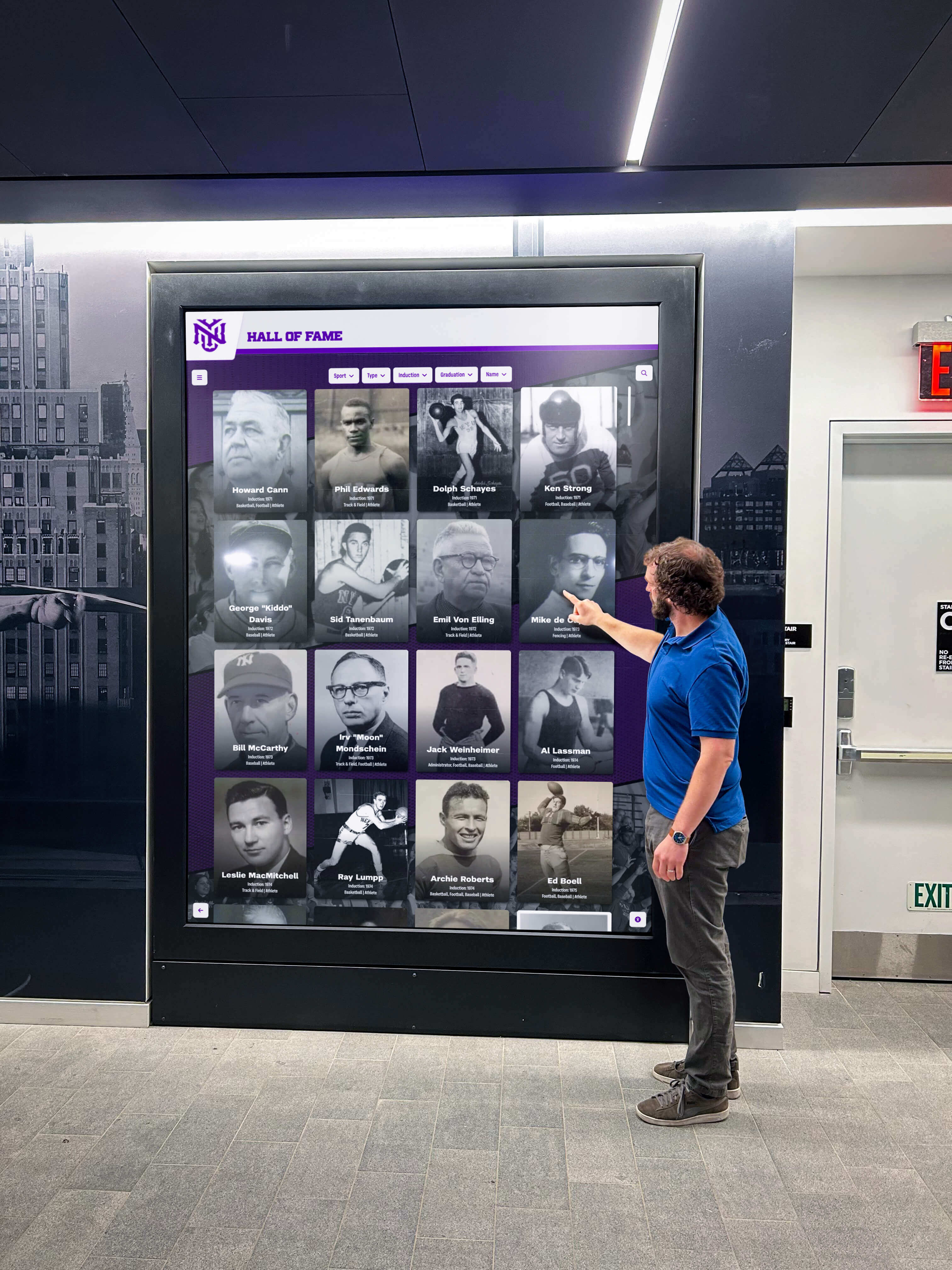
Hall of Fame Induction Ceremonies
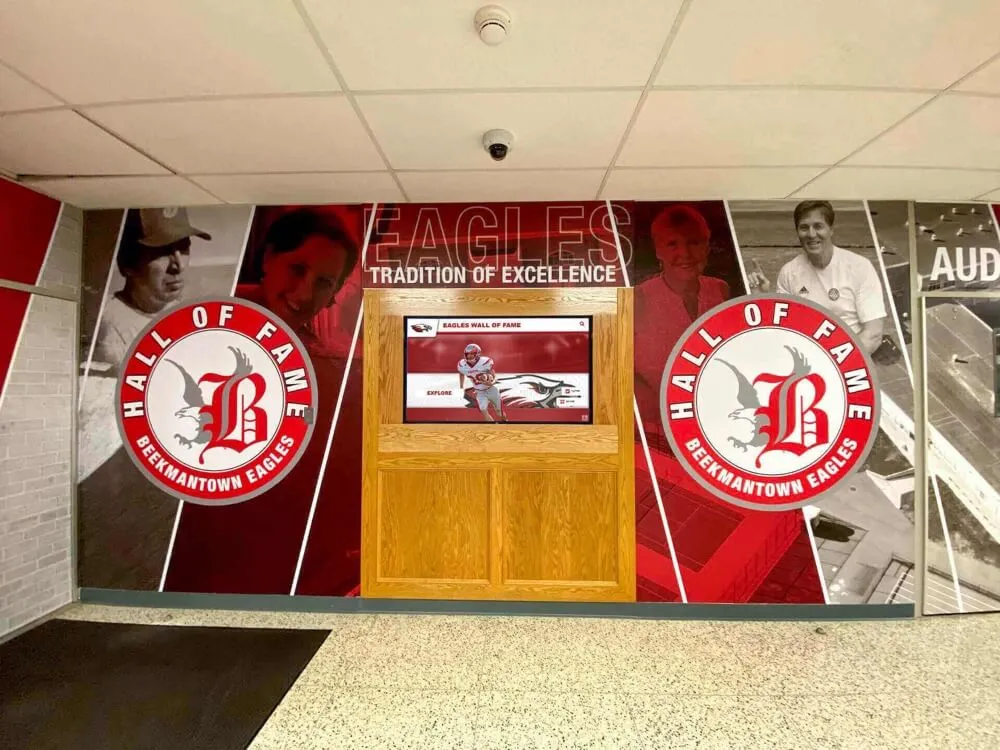
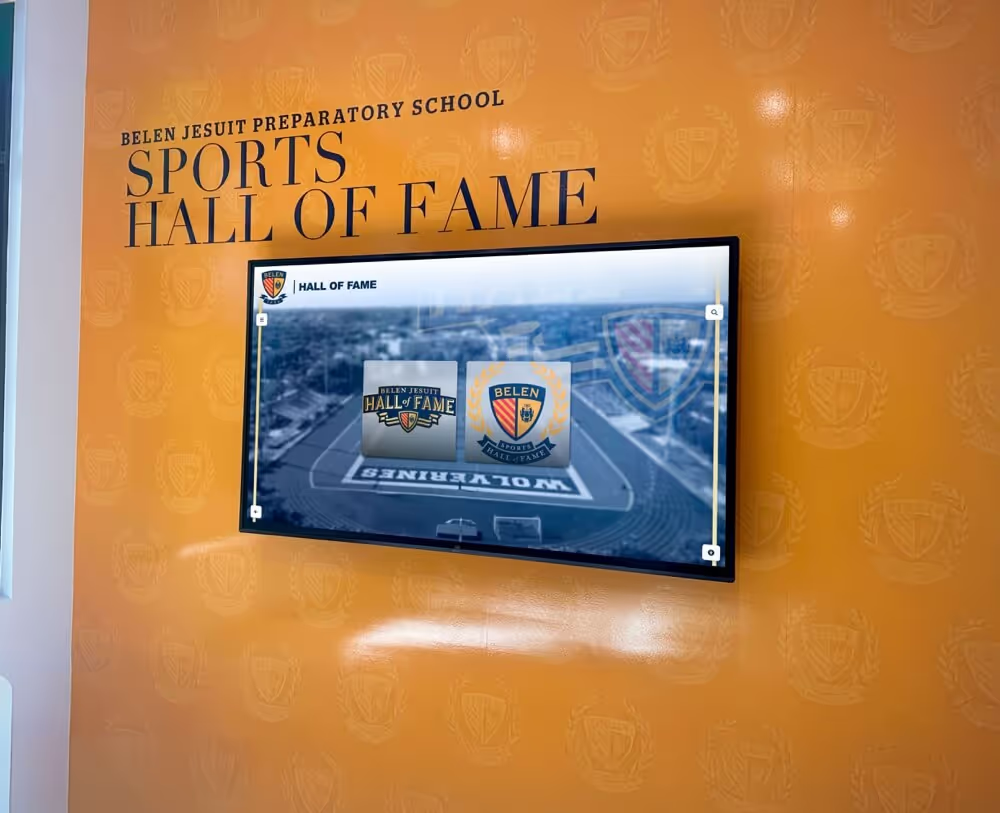
Athletic hall of fame programs honor legendary athletes, coaches, and contributors while connecting current programs to proud traditions. Induction ceremonies become major community events attracting alumni and longtime supporters.
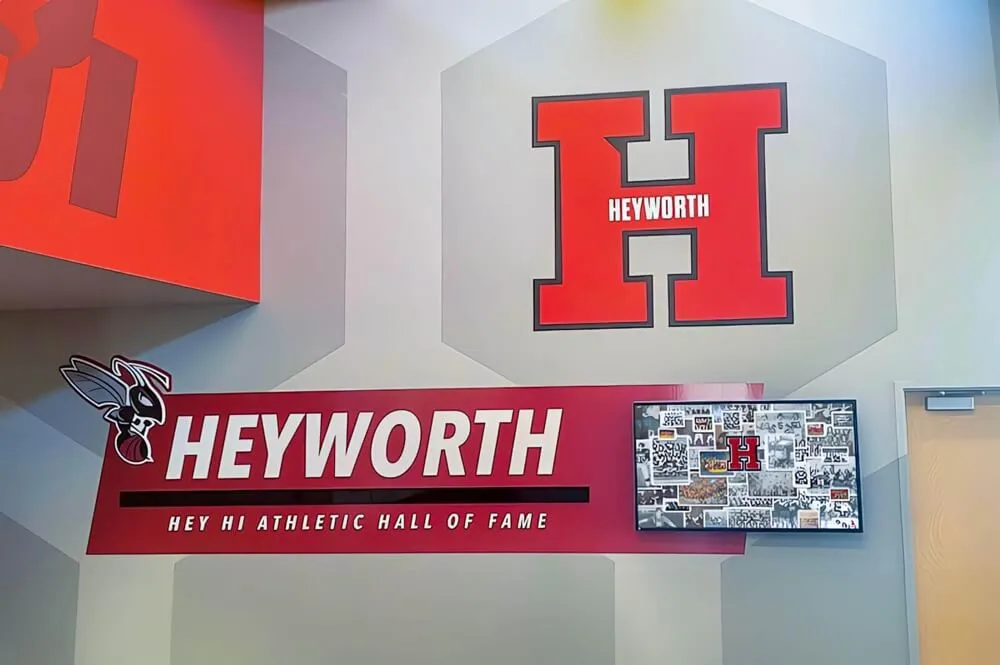
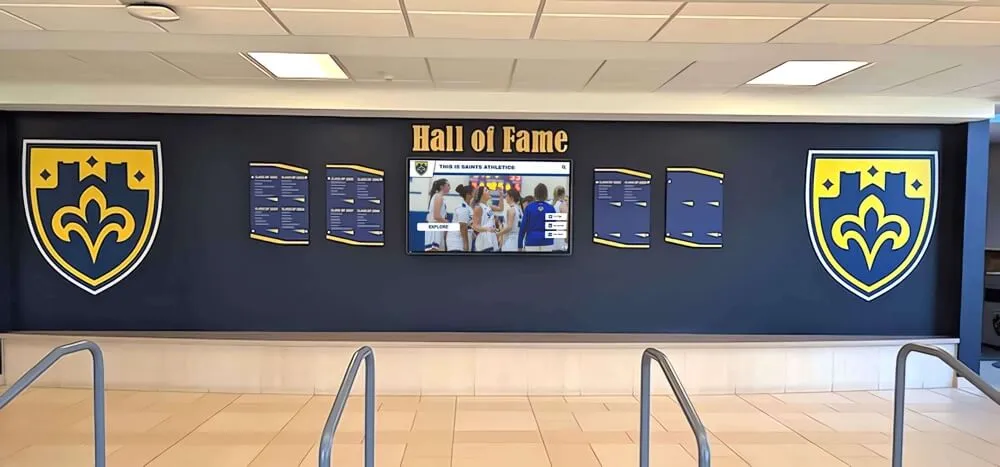
Planning considerations include establishing clear selection criteria maintaining honor significance, creating nomination processes enabling community input, scheduling ceremonies coinciding with major athletic events maximizing attendance, and documenting inductee stories preserving institutional memory.
Donor Appreciation Events
Exclusive events thanking major donors strengthen relationships while demonstrating genuine gratitude beyond transactional acknowledgments. These might include private practice access with photo opportunities, meet-and-greet sessions with coaches and athletes, behind-the-scenes facility tours, or intimate dinners with athletic leadership.
The key distinguishing effective appreciation from obligatory gestures lies in personalization and exclusivity. Events should feel special rather than generic, intimate rather than mass-produced, and focused on relationship building rather than immediate fundraising asks.
Community Engagement and Spirit-Building Events
Events strengthening school pride and community connection create environments where booster club support thrives.
Pep Rallies and Spirit Events
School spirit events generate enthusiasm while providing booster club visibility. Successful programs include booster club presence through spirit wear sales, information booths introducing programs to new families, announcements highlighting recent support impact, and participation in event activities demonstrating organizational integration in school culture.
Spirit events also provide excellent opportunities to recruit new members by demonstrating existing community and showcasing how involvement creates meaningful connection beyond financial contributions.
Tailgate Parties and Game Day Experiences
Pre-game tailgates transform athletic events into social occasions attracting broader participation. Booster club-organized tailgates might include food trucks and concessions, family-friendly activities like face painting and games, former athlete appearances reconnecting alumni with programs, and spirit wear sales capitalizing on game day energy.
These events strengthen community bonds while creating positive association between booster club involvement and enjoyable experiences rather than purely financial obligations.
Youth Camp and Clinic Events
Athletic camps and clinics taught by high school athletes and coaches serve triple purposes: generating revenue through registration fees, building future program interest among youth participants, and creating leadership development opportunities for current athletes. These programs strengthen community connections while introducing families to booster club organizations years before their children join high school programs.
Recognition Programs That Honor Supporters
Effective recognition programs make donors feel genuinely appreciated while inspiring continued and increased support.
Traditional Recognition Approaches with Digital Enhancement
Classic recognition methods remain important when executed thoughtfully.
Donor Level Programs with Tiered Benefits
Structured giving programs with named levels (Bronze, Silver, Gold, Platinum) provide clear donation targets while offering corresponding benefits. Effective programs include meaningful benefit differentiation justifying higher giving levels, exclusive access or experiences unavailable through general admission, public recognition appropriate to donor preferences, and multi-year membership options encouraging sustained commitment.
Digital platforms now enable sophisticated membership management, automated benefit delivery, and personalized communication at scale impossible with manual systems.
Named Sponsorship Opportunities
Dedicated naming opportunities for facilities, equipment, or program elements create lasting recognition while generating major gifts. Examples include field naming rights, locker room dedications, equipment room sponsorships, training area recognition, and position group sponsorships (offensive line sponsors, pitching staff supporters).
Documentation and visibility prove critical. Sponsors should receive professional signage, inclusion in facility tours and promotional materials, mentions during relevant events, and regular updates on how sponsored elements support athletic excellence.
Donor Walls and Physical Recognition Displays
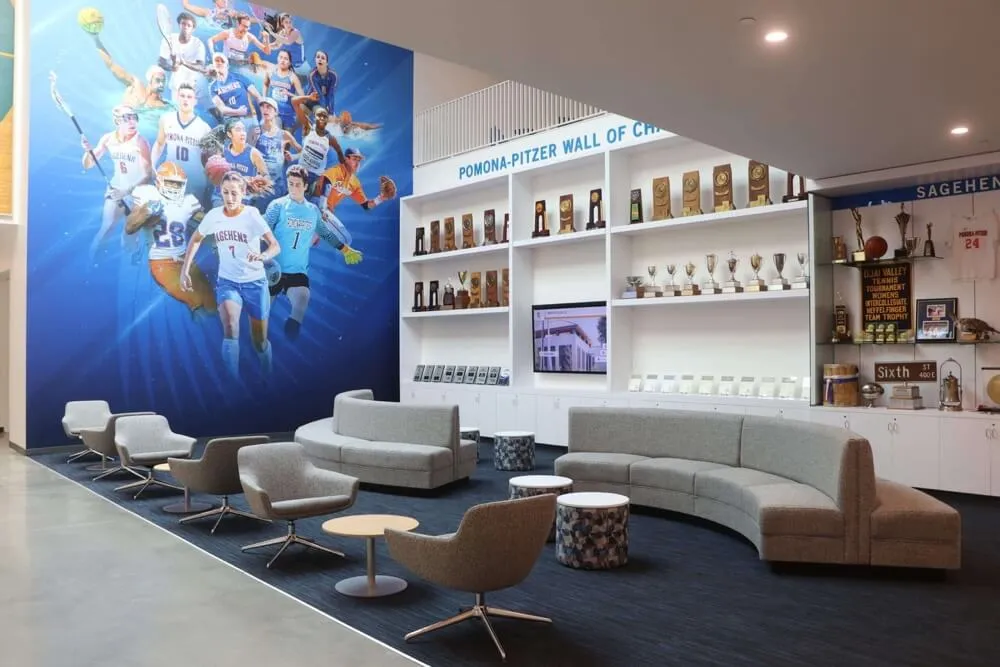
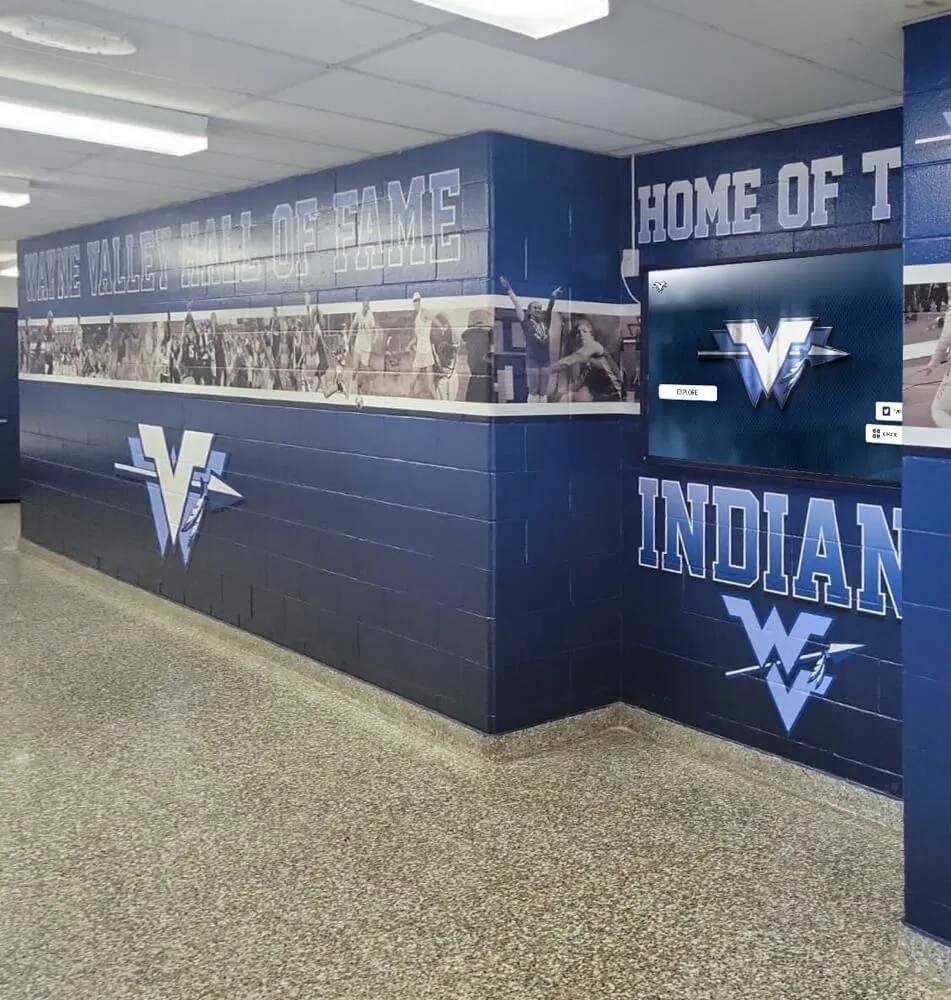
Traditional donor walls displaying contributor names provide lasting visibility in high-traffic areas. Modern approaches incorporate design elements matching facility aesthetics, organized displays by giving levels, periodic updates adding new donors, and locations ensuring maximum visibility to athletes, families, and community members.
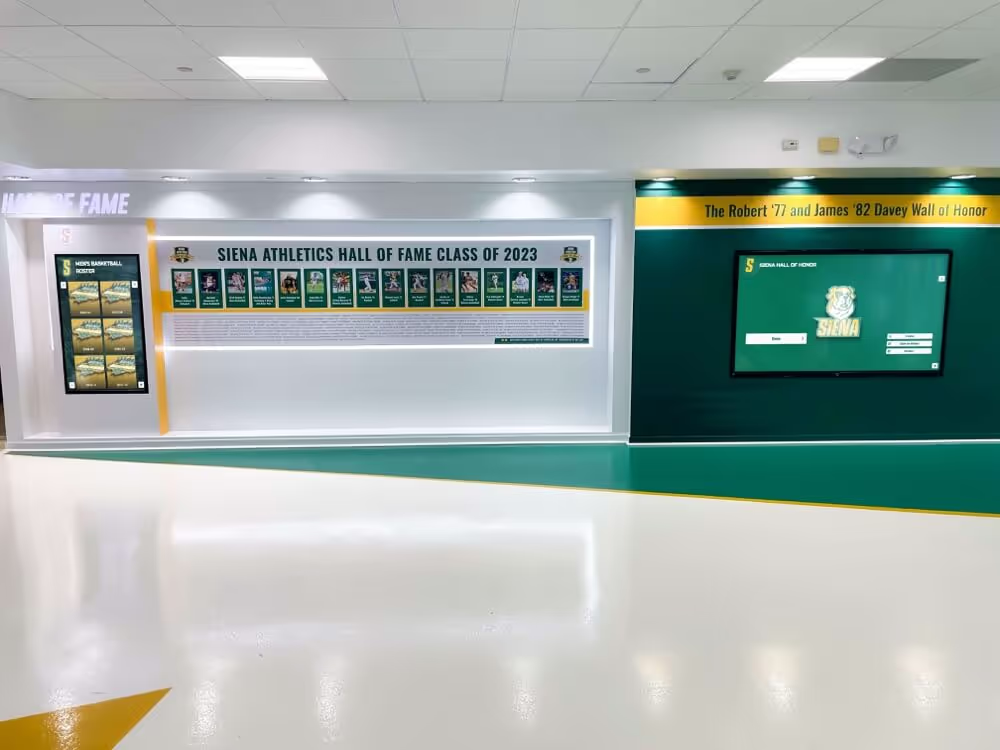
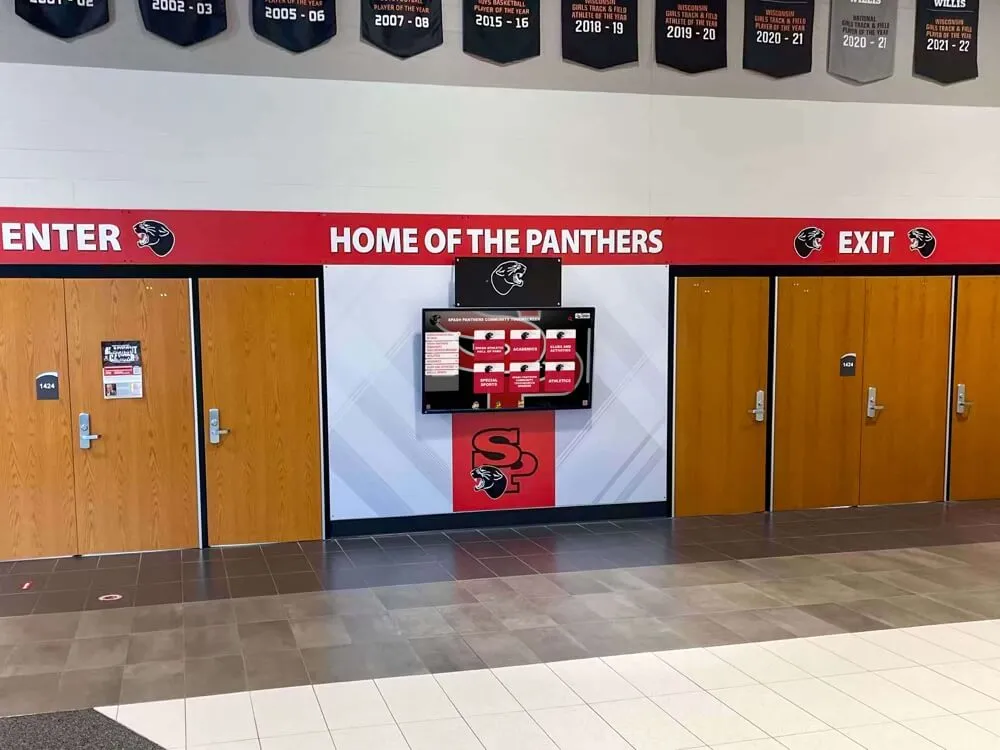
Many athletic programs discover that comprehensive donor recognition solutions extending beyond static plaques create more engaging supporter experiences while simplifying ongoing management as donor lists expand.
Digital Recognition Innovation
Technology enables recognition approaches impossible with traditional methods while reducing long-term maintenance requirements.
Interactive Digital Recognition Displays
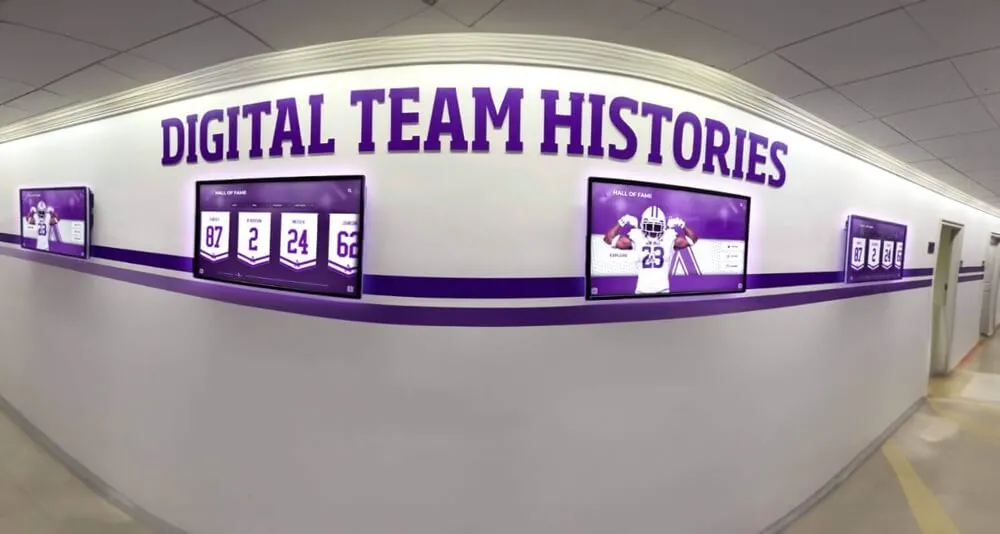
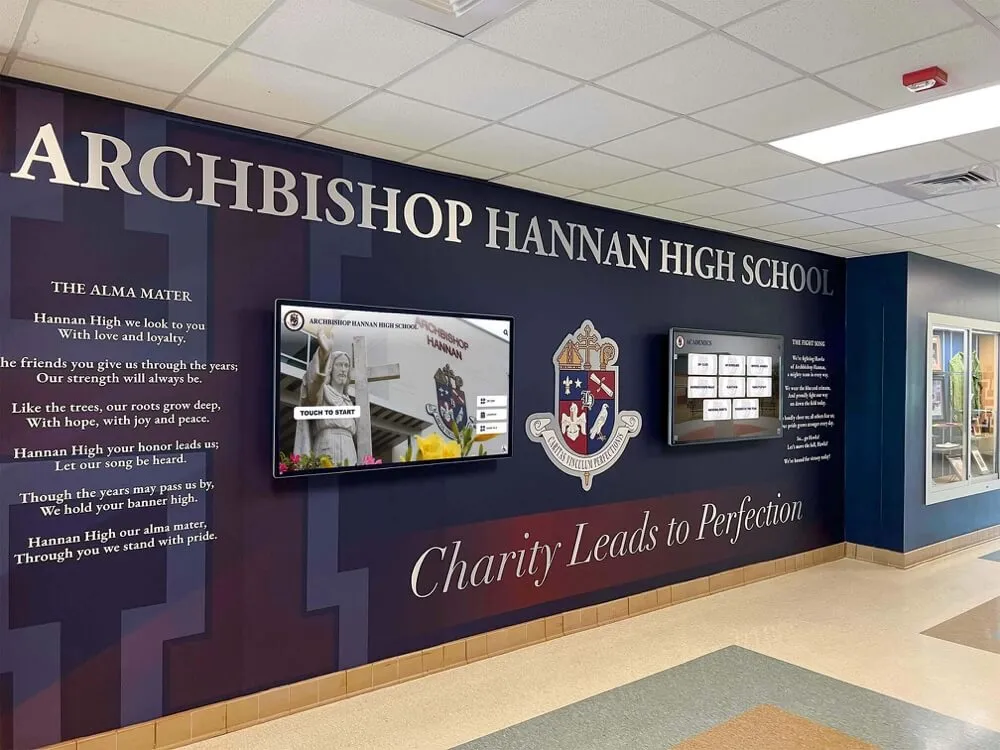
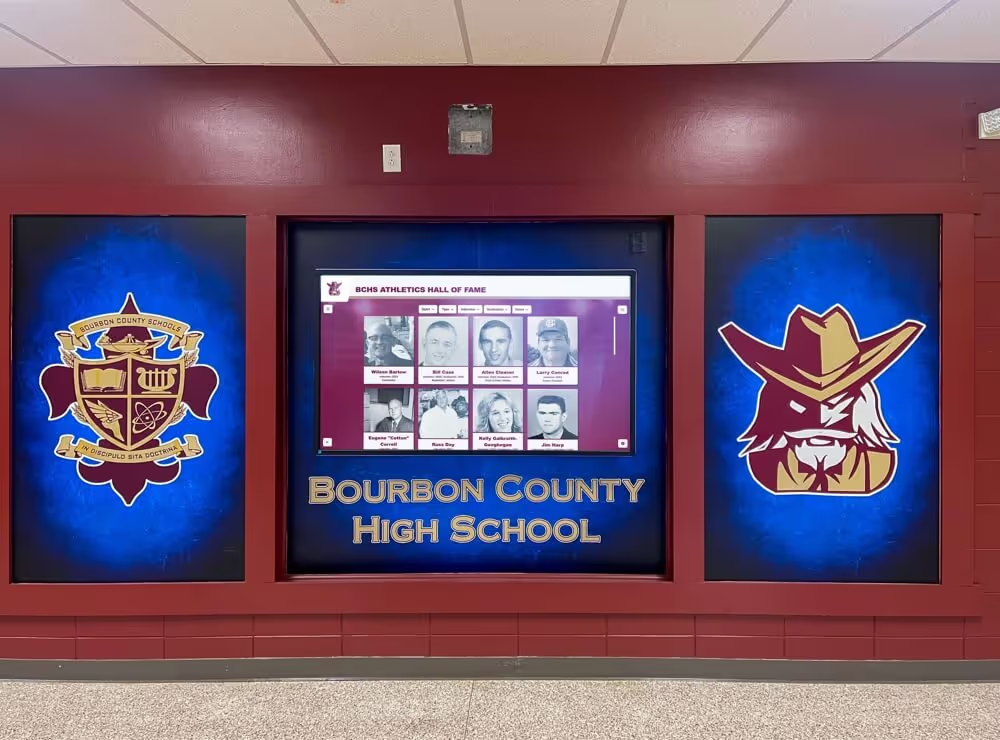
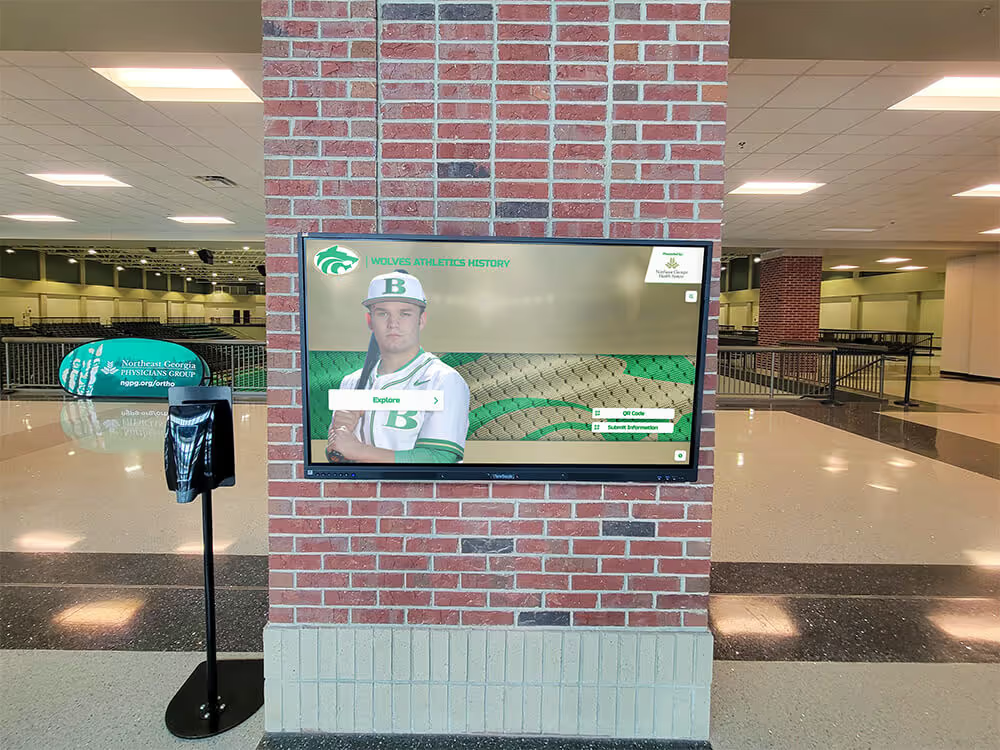
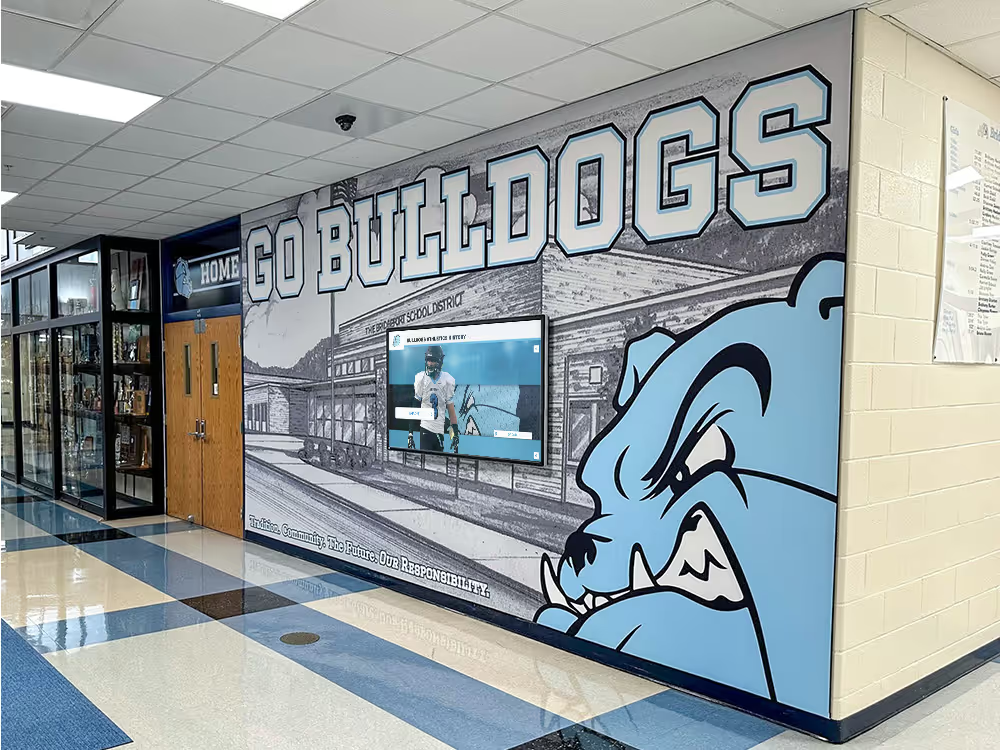
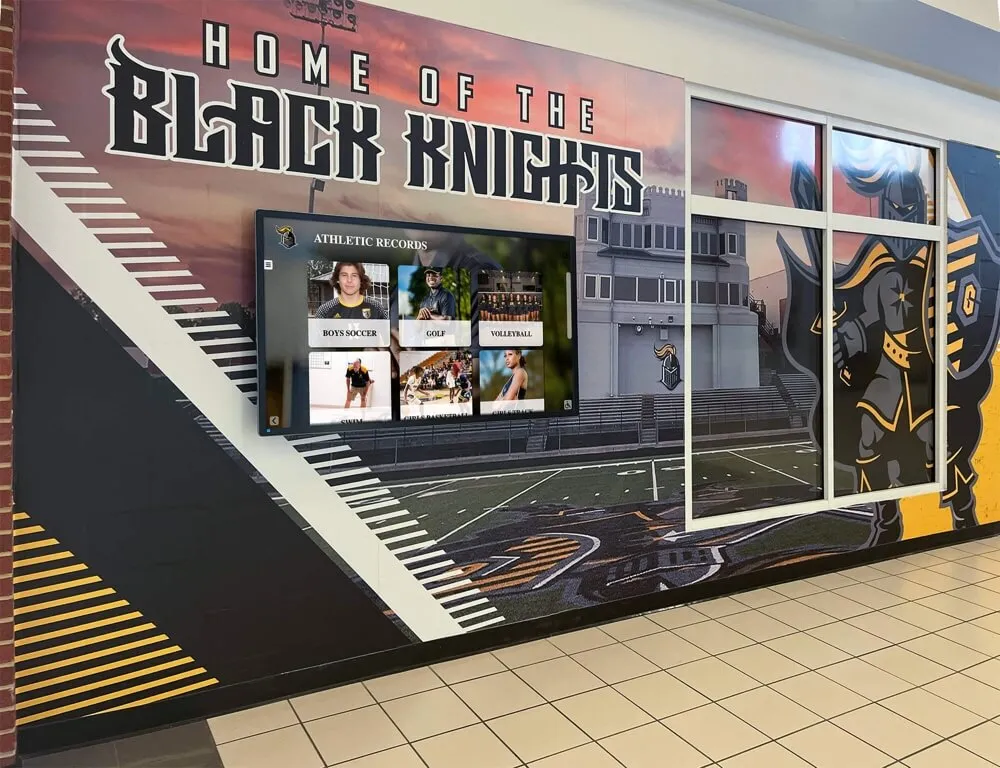
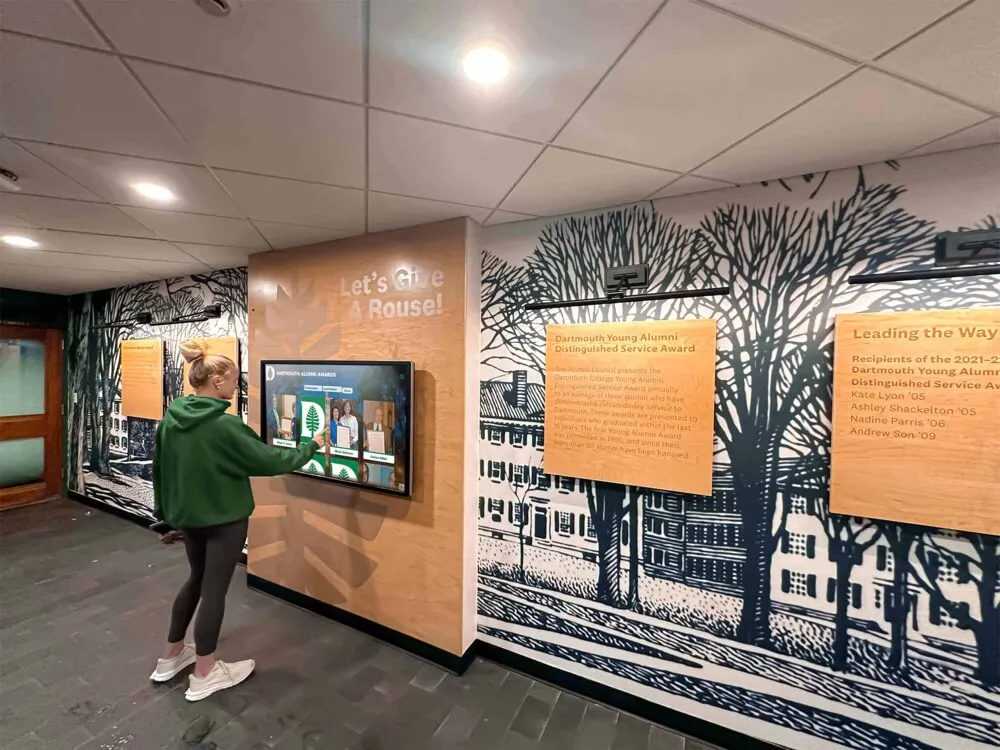
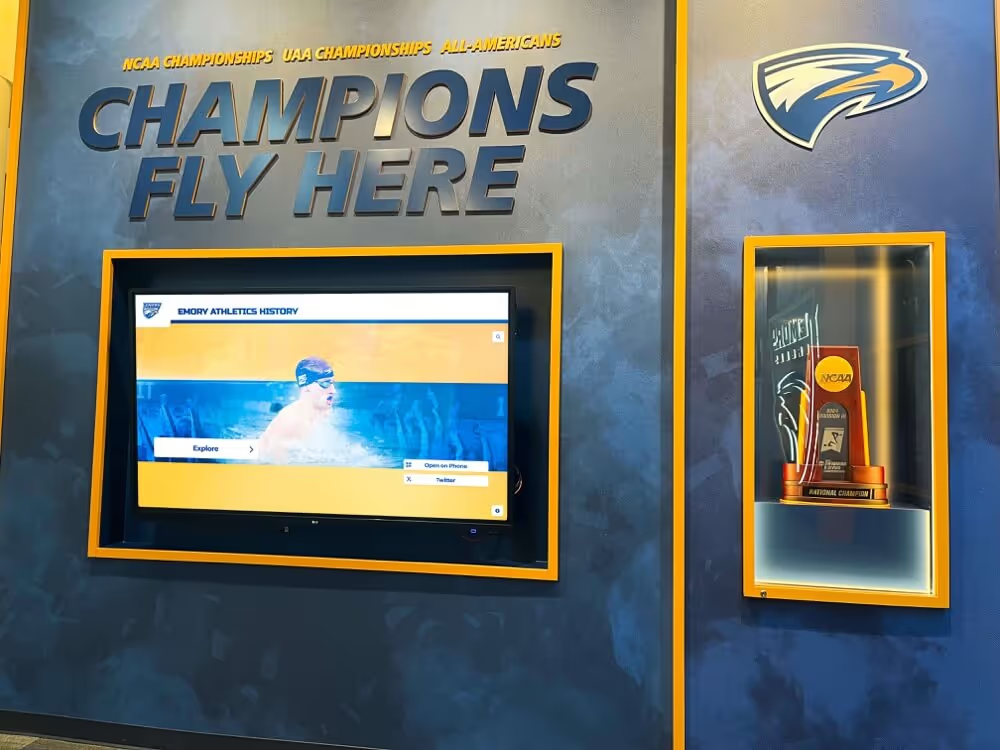
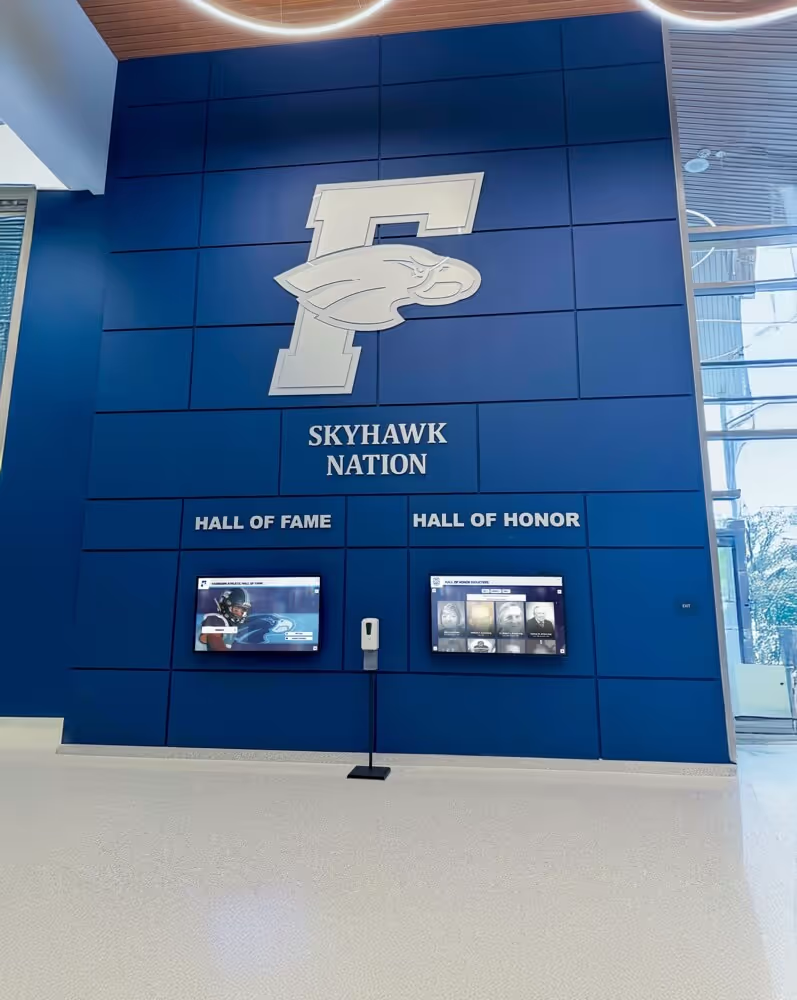
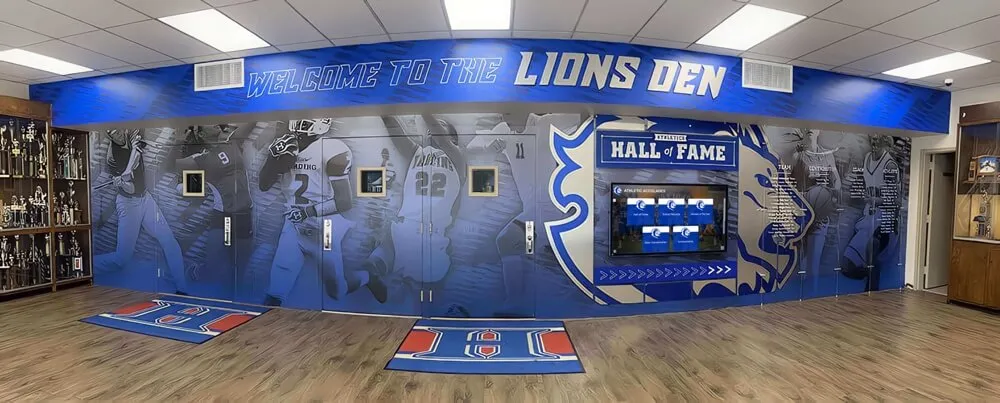
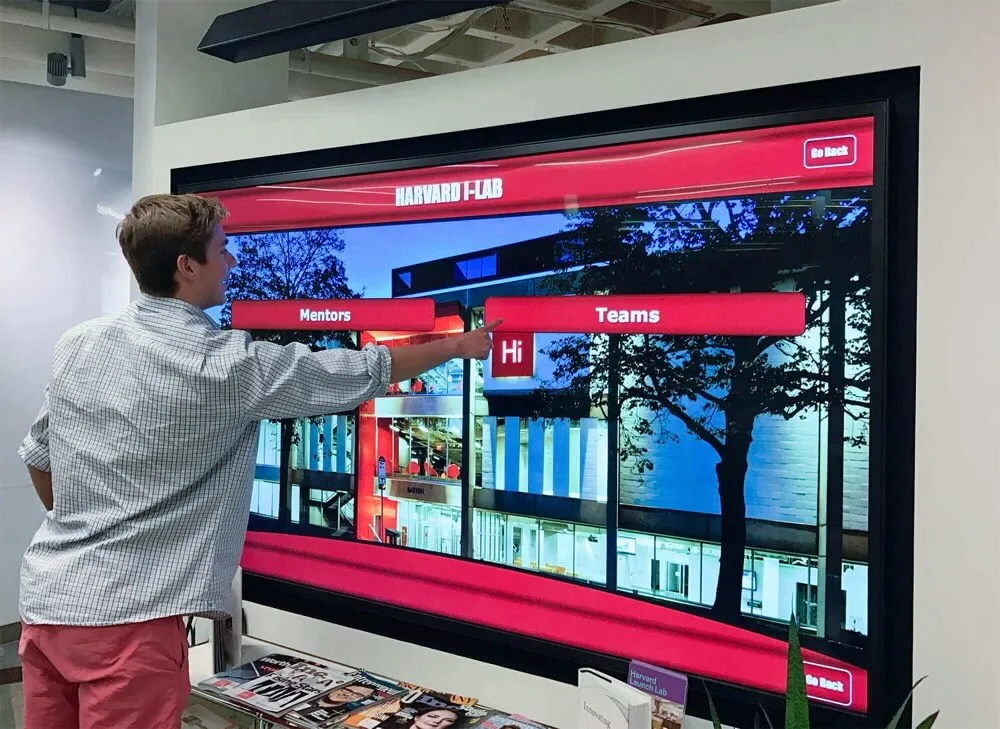
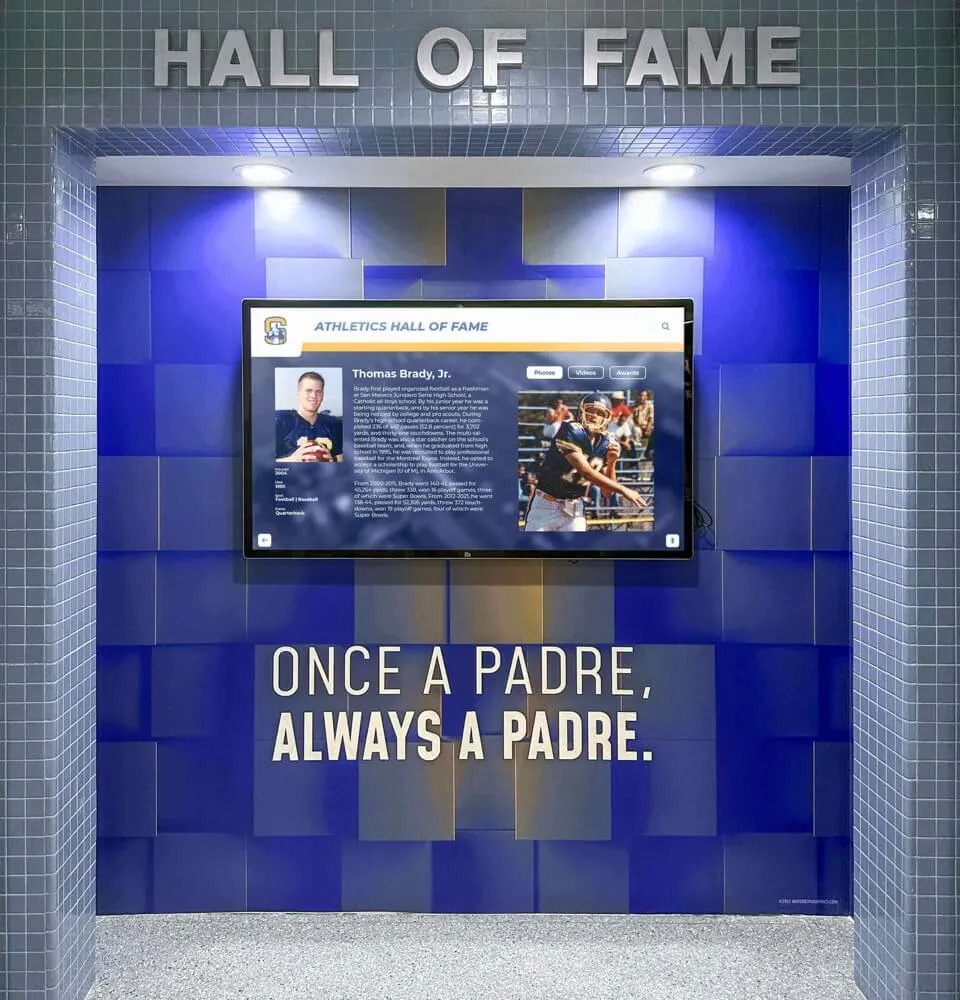
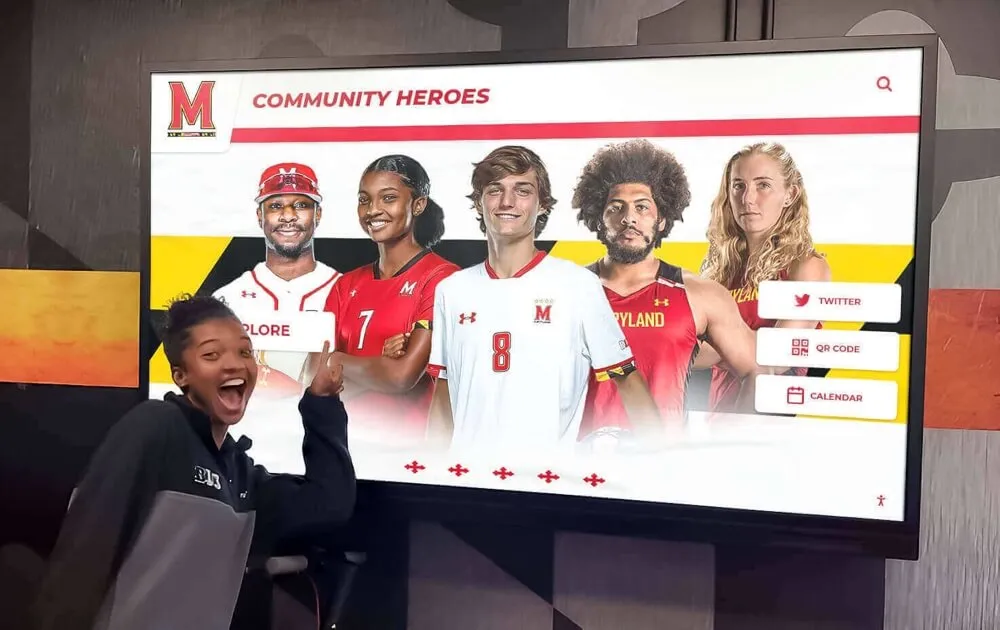
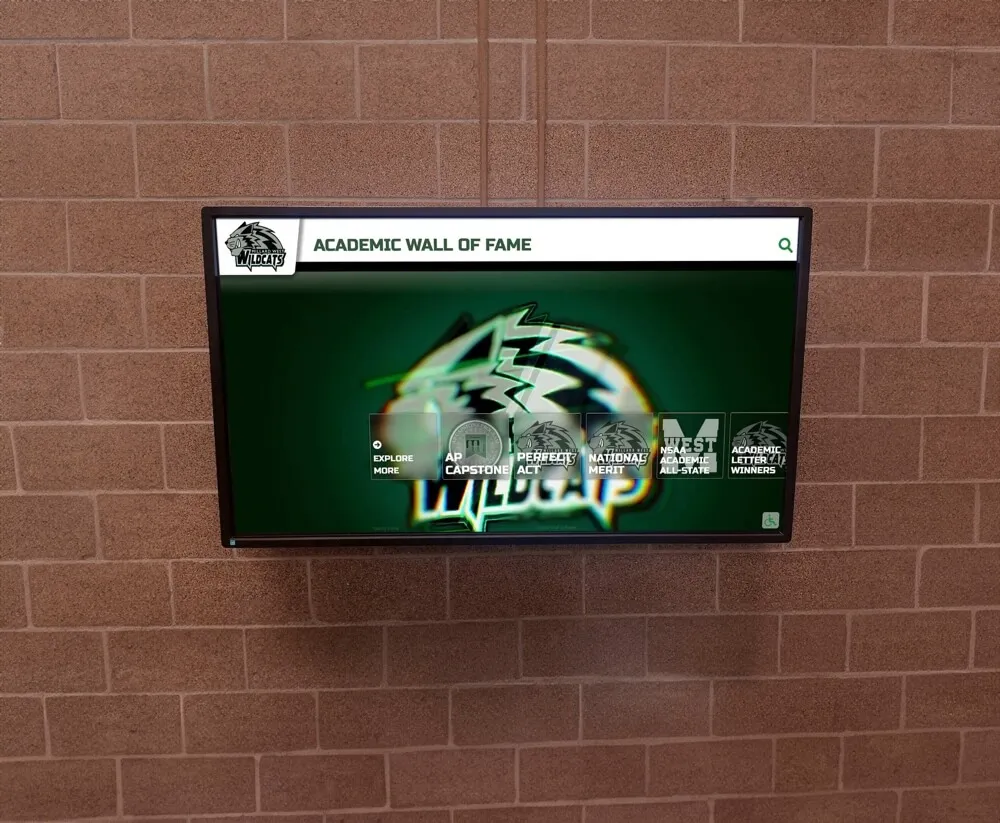
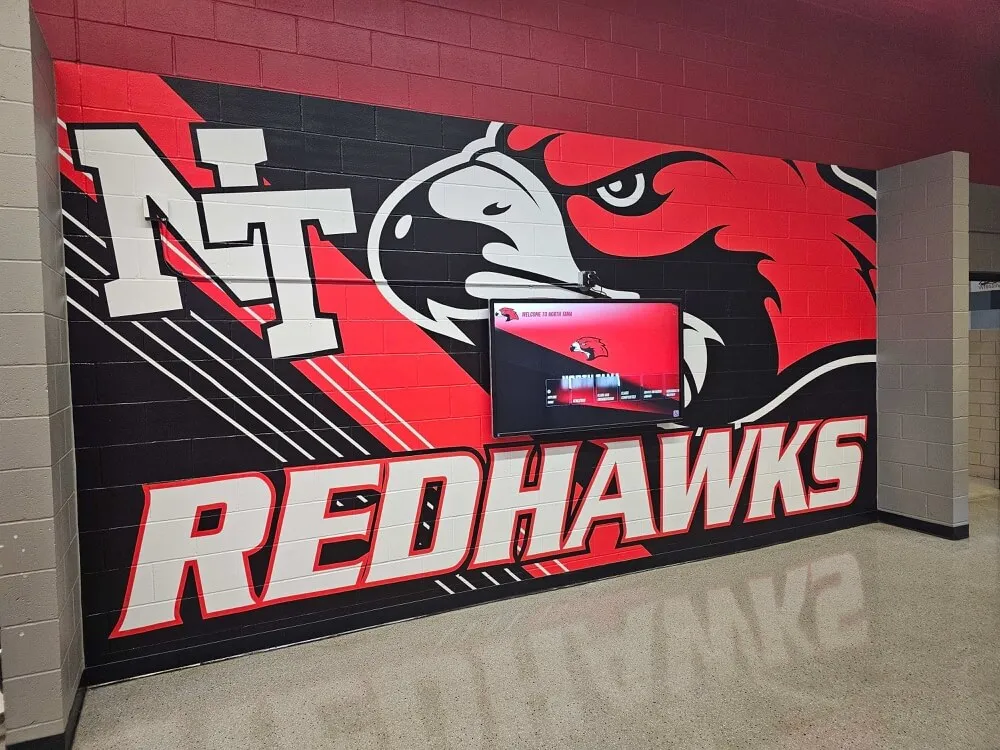
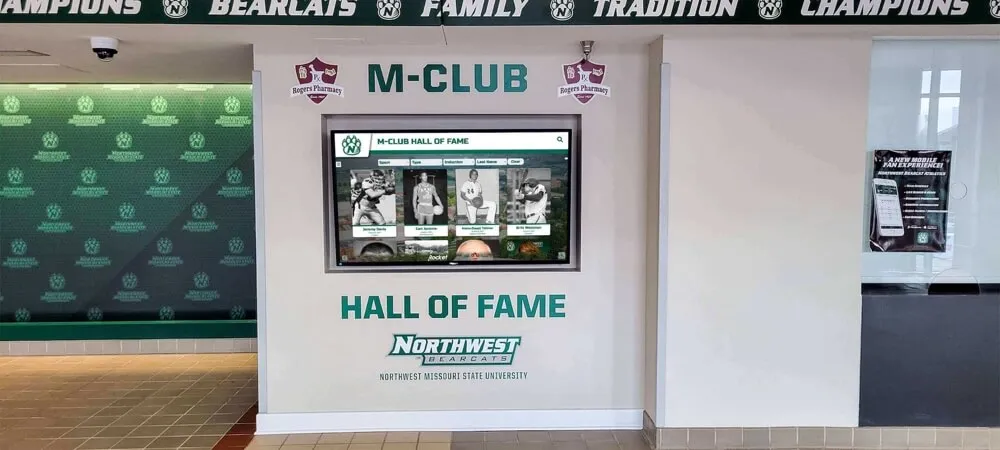
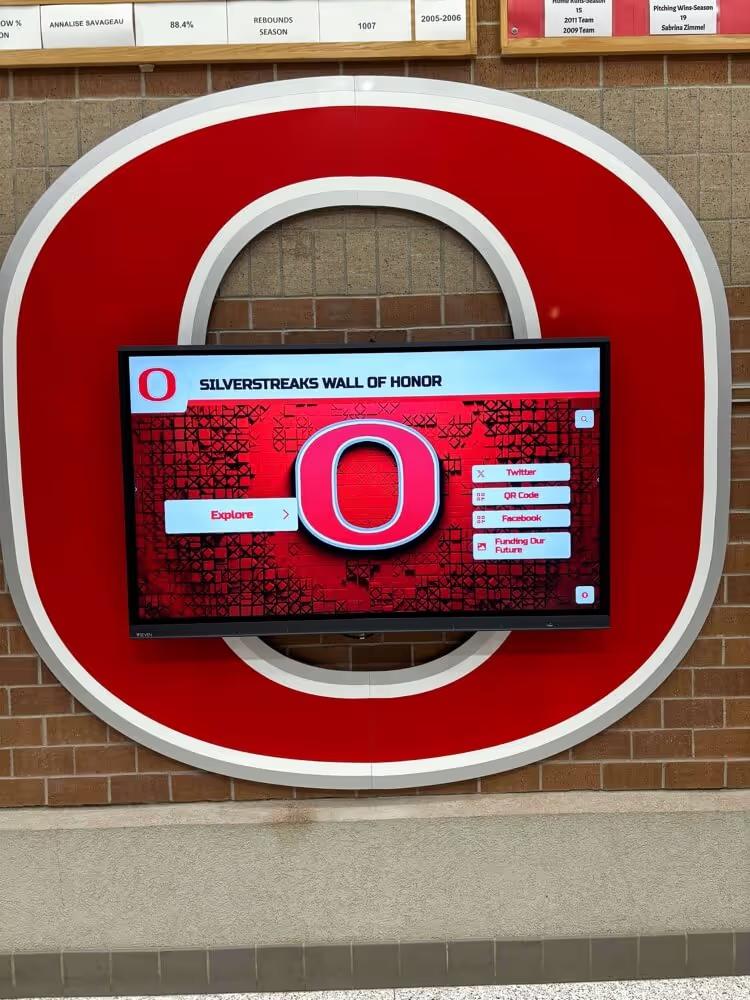
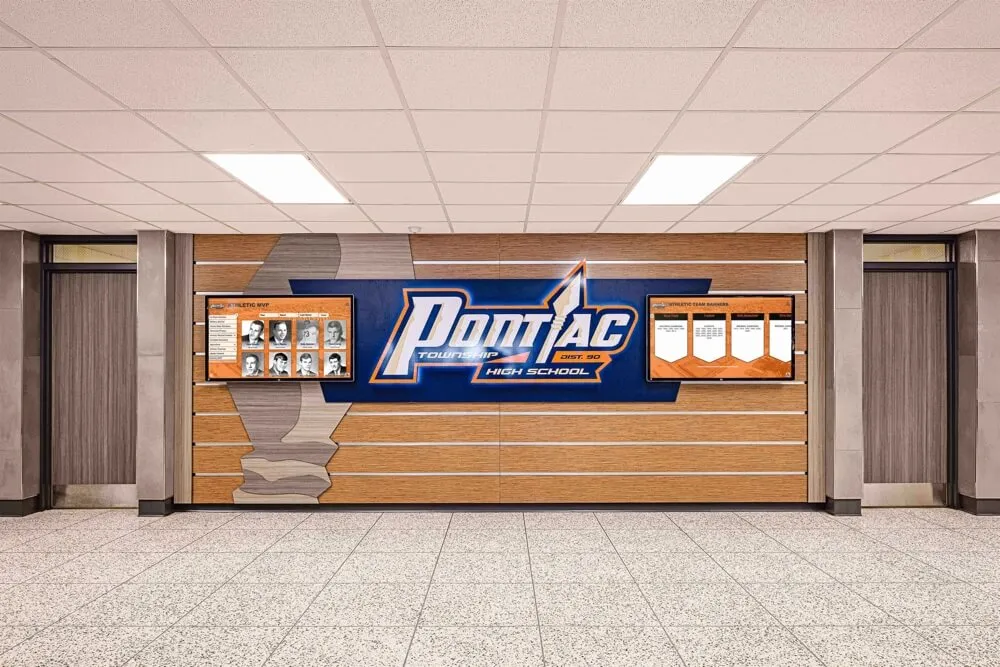
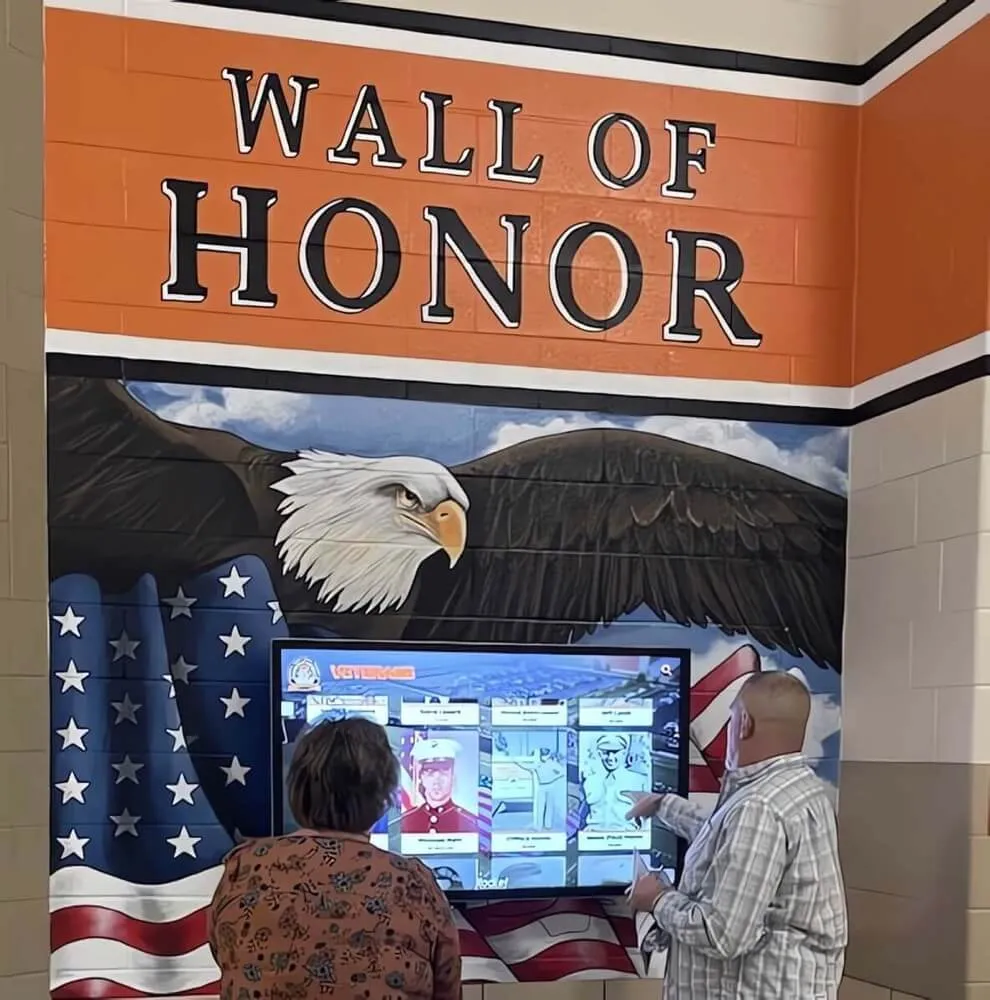
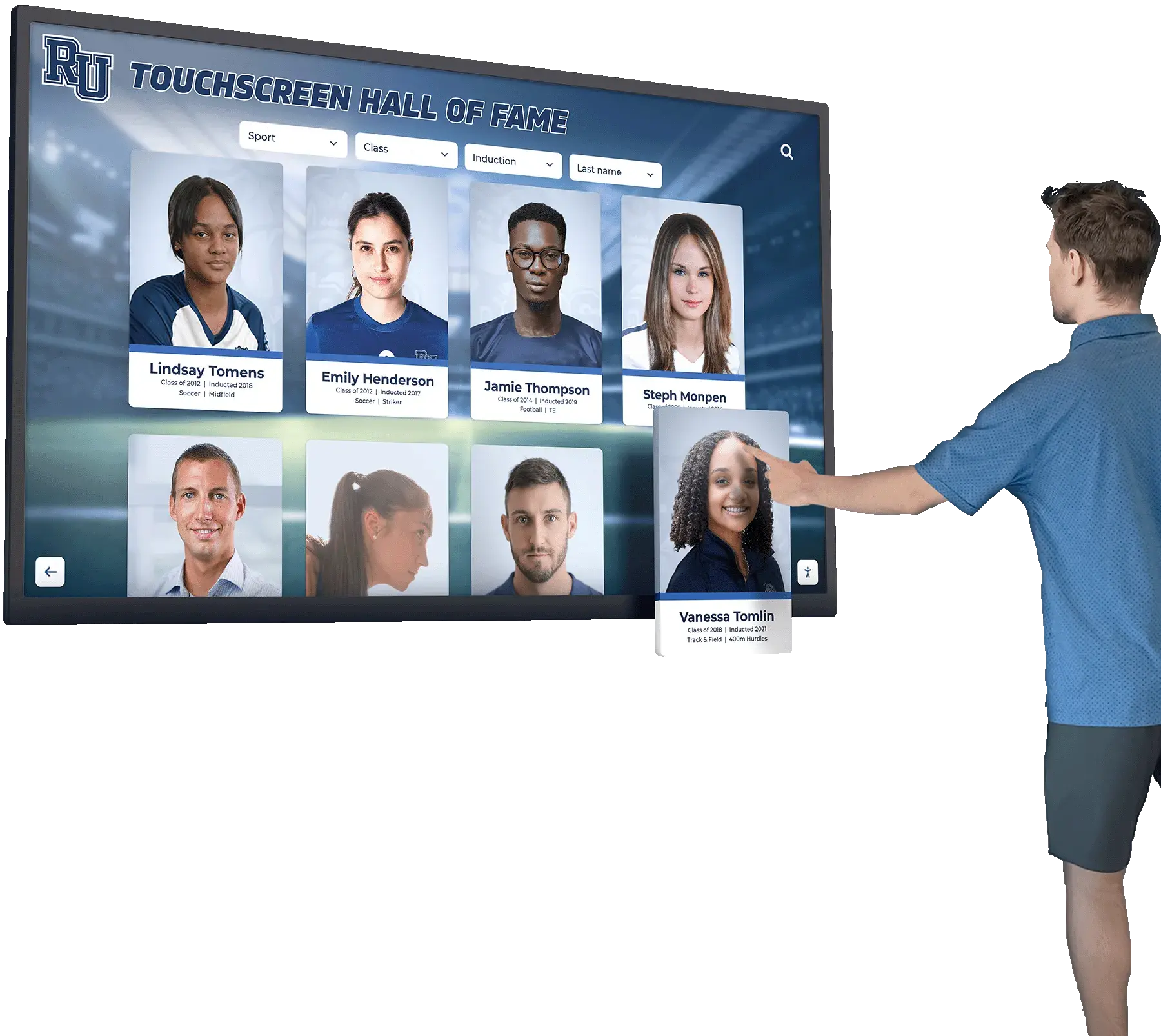
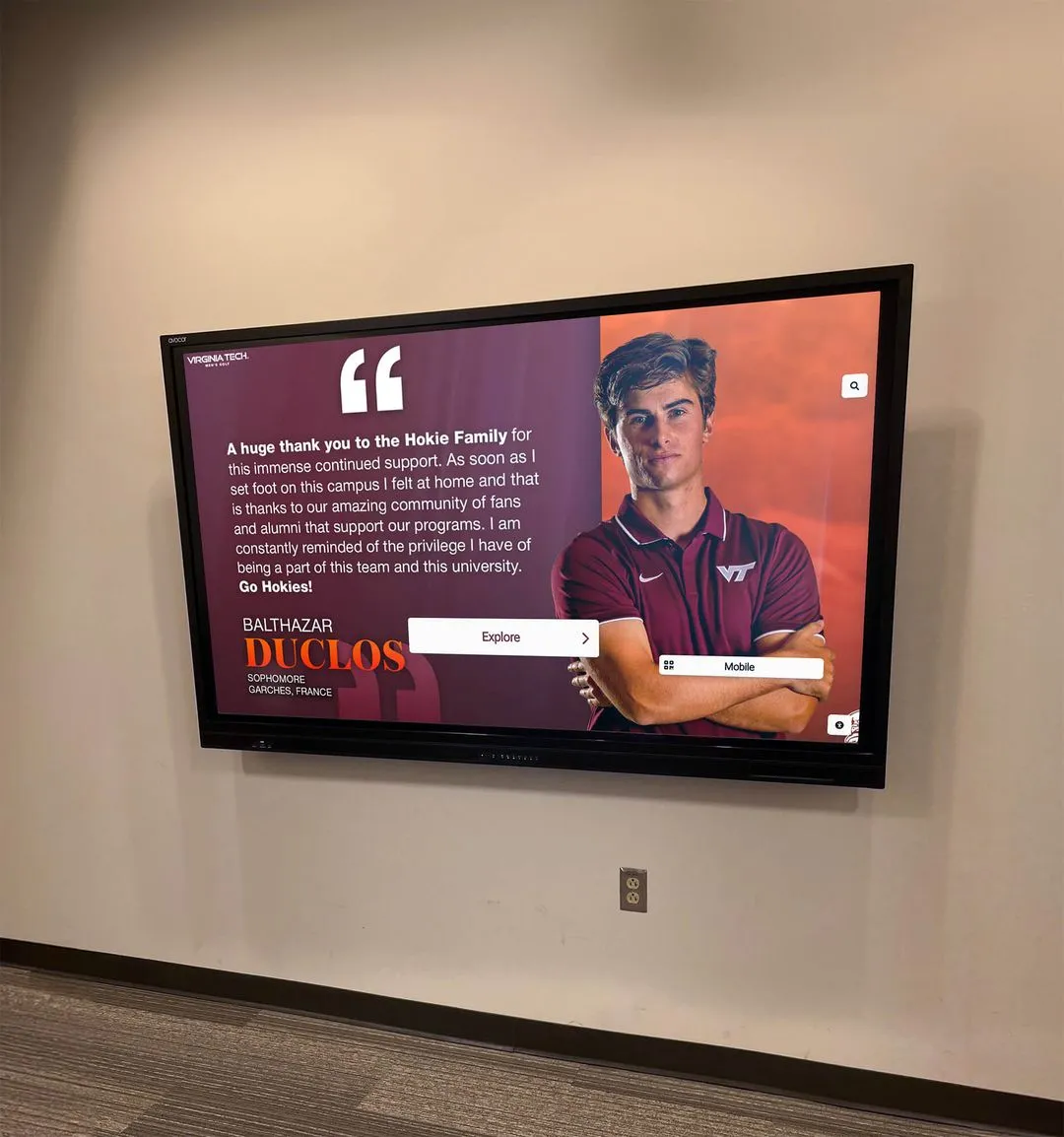
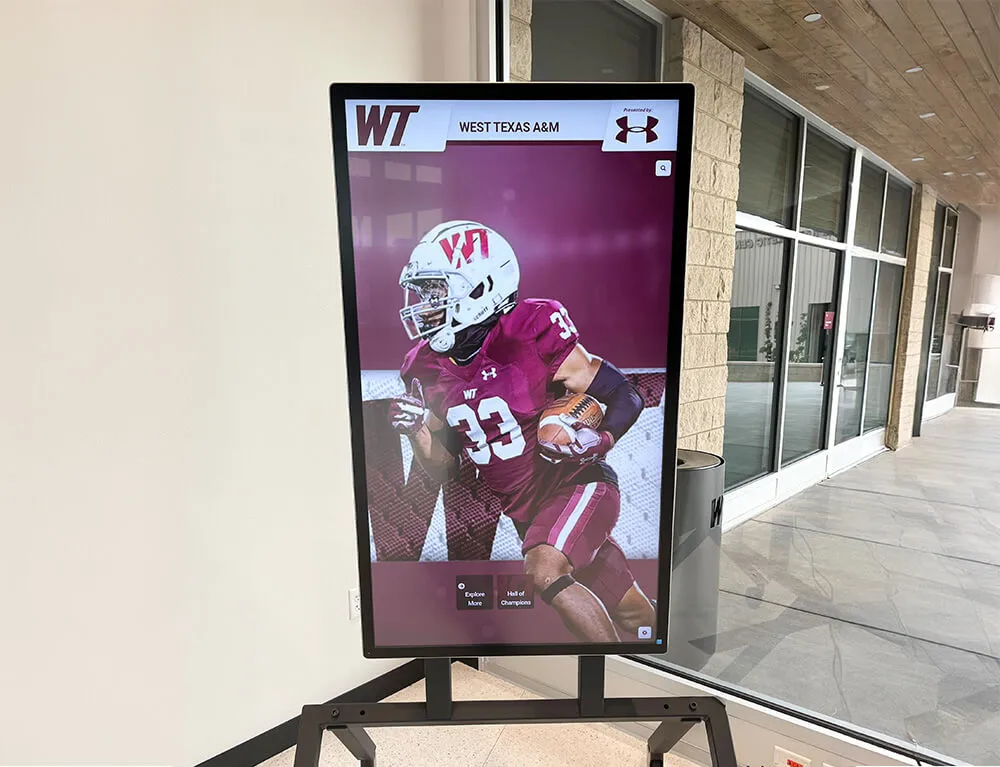
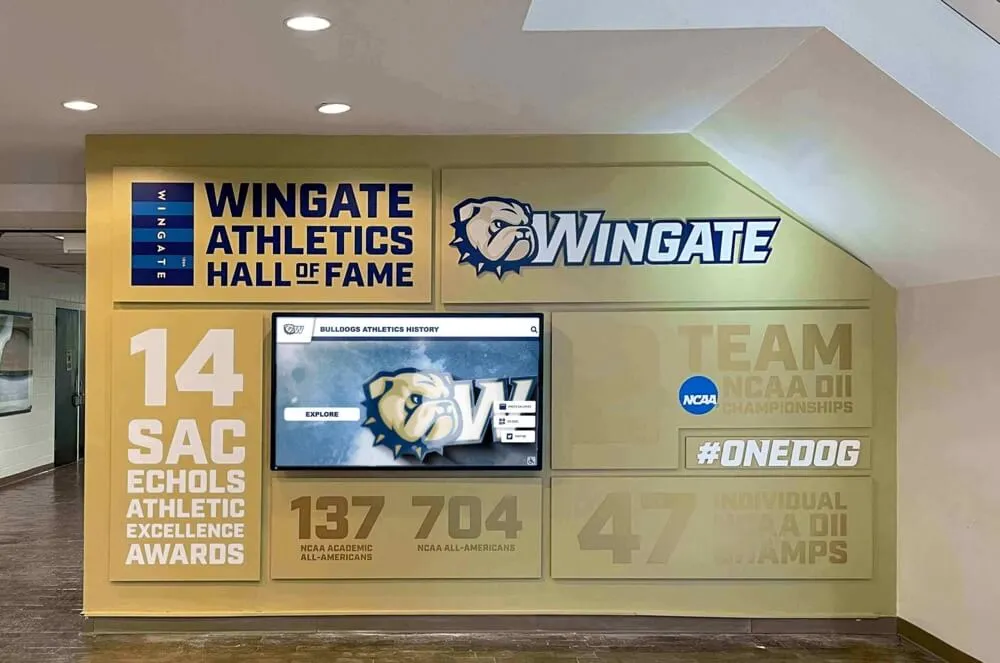
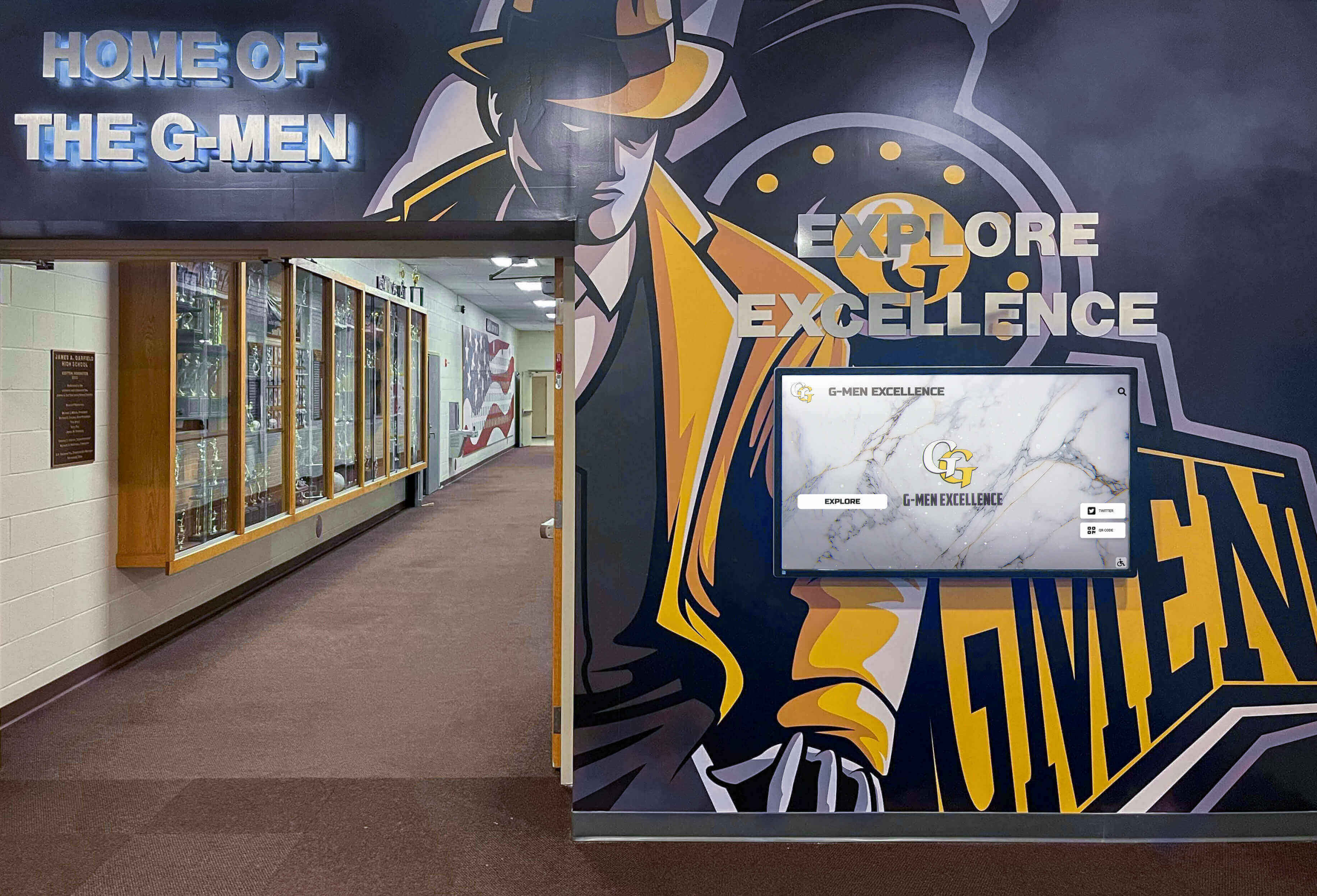
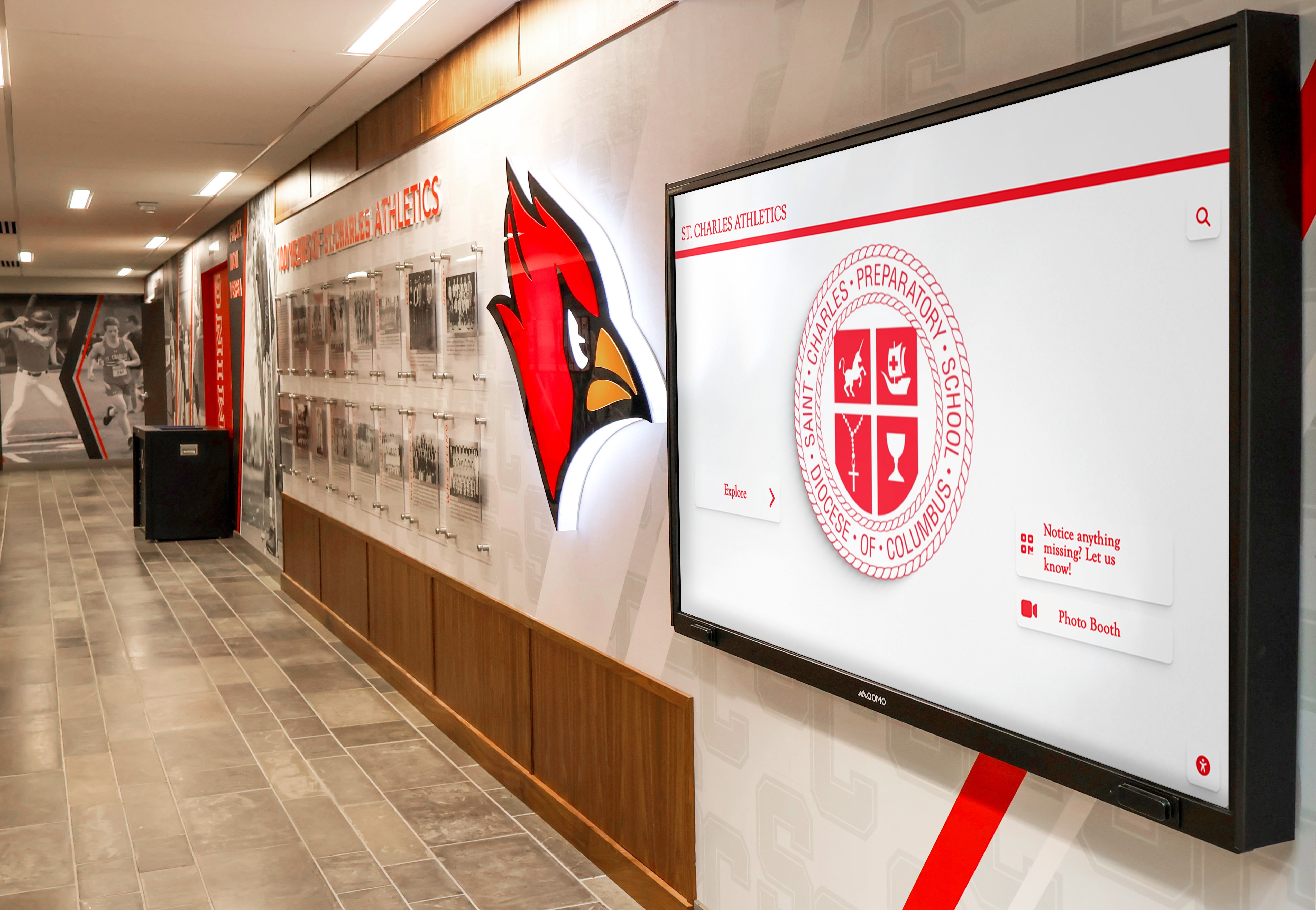
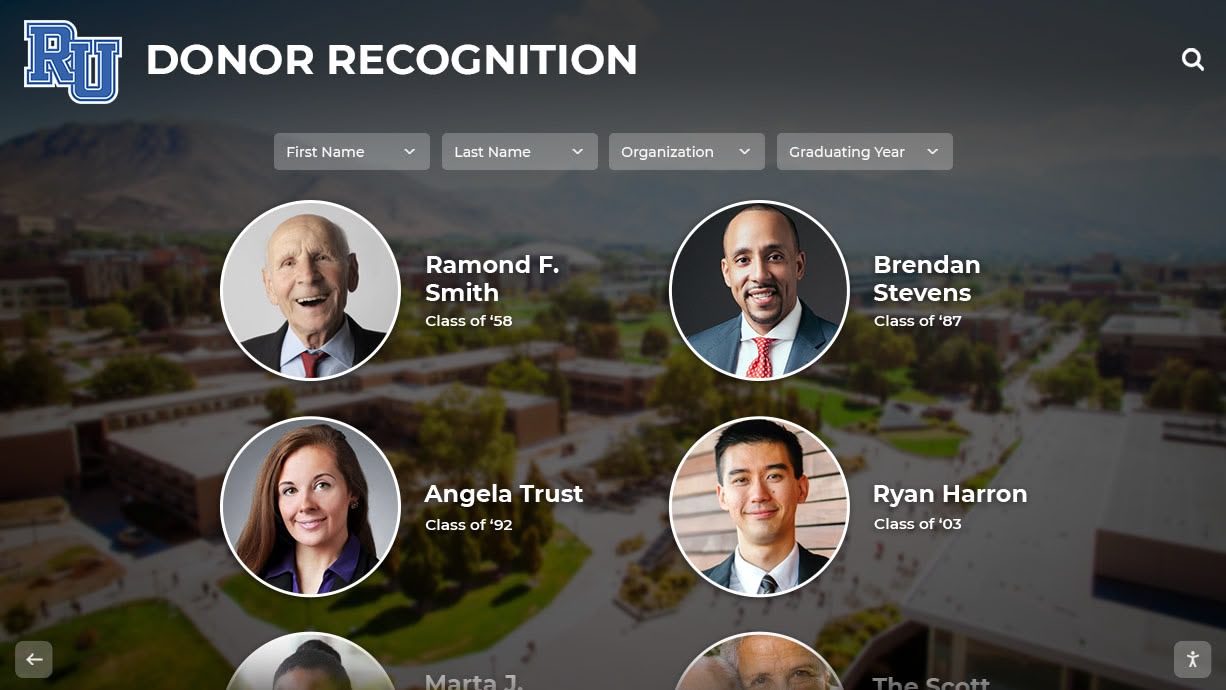
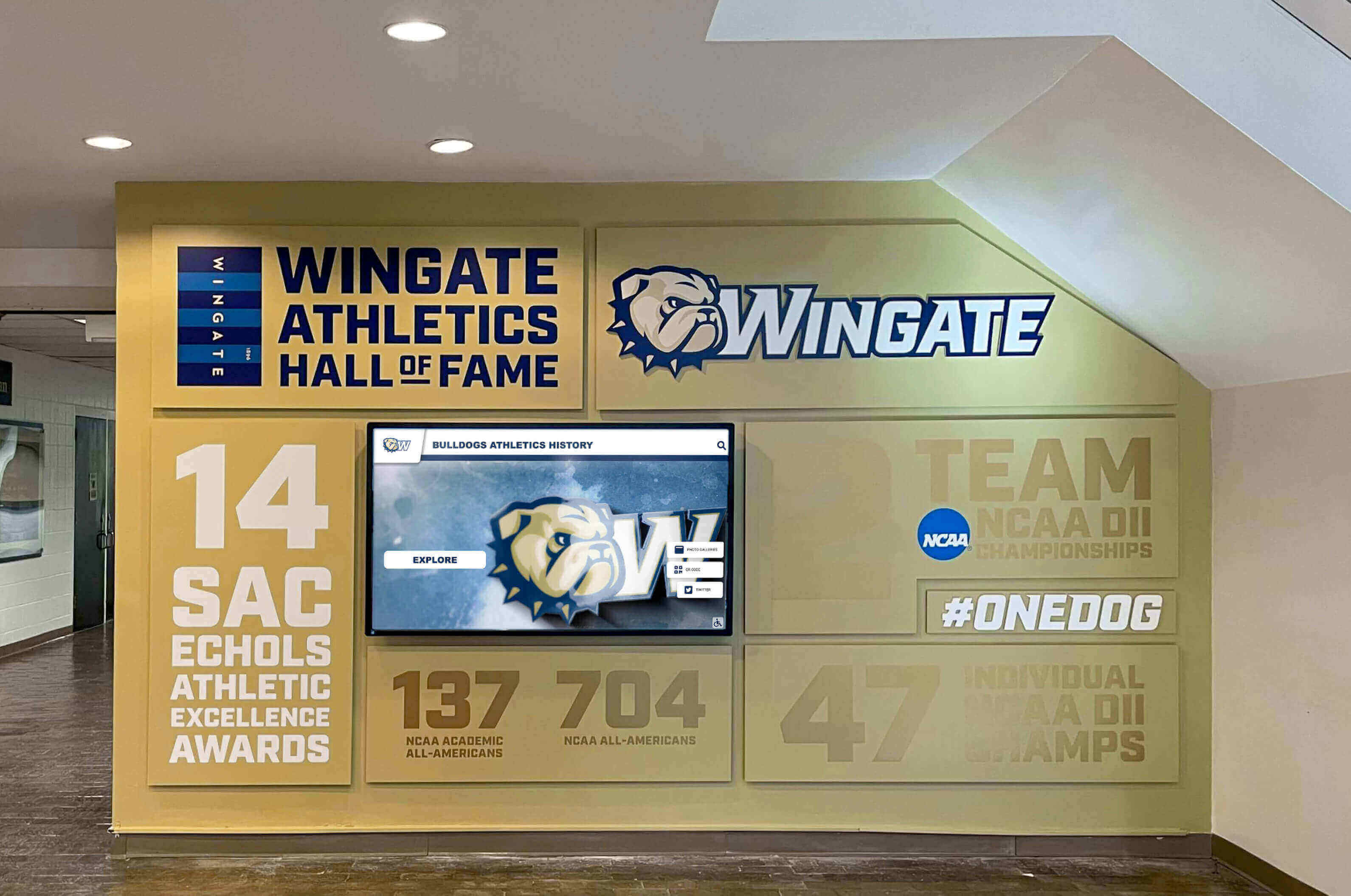
Digital recognition systems provide dynamic, always-current donor acknowledgment with capabilities far exceeding static plaques. These platforms enable unlimited donor recognition without physical space constraints, real-time updates reflecting new contributions immediately, searchable databases allowing supporters to locate their recognition, multimedia content showcasing donation impact through photos and videos, and program history preservation documenting supporter contributions across decades.
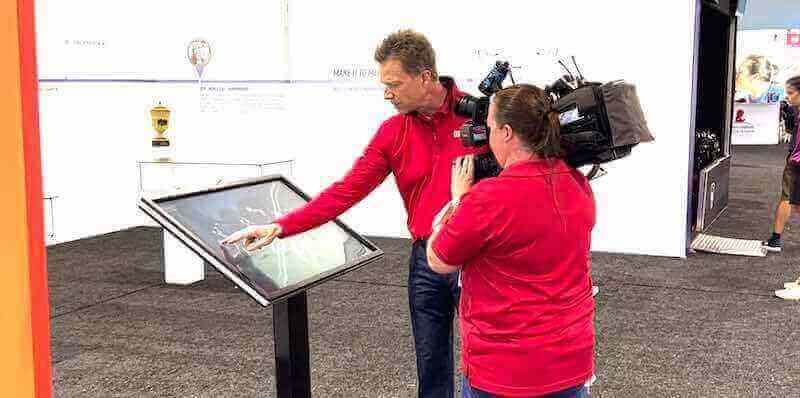
Solutions like Rocket Alumni Solutions provide athletic programs with touchscreen displays and digital platforms specifically designed for comprehensive donor recognition. These systems integrate seamlessly into athletic facilities, automatically update as new supporters contribute, include sophisticated search and filtering capabilities, and create engaging interactive experiences that traditional donor walls cannot match.
Implementation advantages include eliminating ongoing engraving costs for adding new donors, accommodating growing supporter lists without physical expansion limitations, incorporating recognition into broader athletic achievement displays, and providing analytics tracking engagement with recognition content.
Social Media Recognition Campaigns
Digital recognition extends beyond physical displays to ongoing social media acknowledgment. Effective programs include regular “Supporter Spotlight” features sharing individual donor stories, thank-you video messages from athletes explaining support impact, photo galleries from supporter-funded experiences, and annual giving campaign progress updates celebrating community generosity.
This approach provides continuous touchpoints between major events while creating shareable content donors can distribute within their networks, effectively becoming ambassadors promoting booster club programs.
Annual Reports and Impact Documentation
Professional annual reports documenting how supporter contributions enabled specific outcomes provide accountability while demonstrating stewardship. Digital formats enable rich multimedia presentations, specific impact metrics (equipment purchased, athletes served, championships won), financial transparency showing resource allocation, and forward-looking statements outlining upcoming needs.
These reports serve dual purposes: recognizing past support while making cases for continued investment in program futures.
Building Sustainable Booster Club Programs
The most effective organizations think beyond individual initiatives to create integrated systems ensuring long-term success.
Developing Year-Round Engagement Strategies
Successful booster clubs maintain consistent engagement rather than concentrating all activity around specific events or seasons.
Monthly Meeting and Communication Rhythms
Regular meetings maintain organizational momentum while providing volunteers with manageable commitment structures. Effective meeting approaches include consistent scheduling enabling planning around predictable calendars, focused agendas respecting volunteer time, hybrid options allowing virtual participation, and social elements building relationships beyond business discussions.
Communication between meetings should include regular email updates, active social media presence, website content showcasing programs and needs, and text messaging for time-sensitive information.
Seasonal Program Planning
Year-round planning distributes work across calendar avoiding volunteer exhaustion during peak periods. Fall might focus on major fundraising events and membership drives, winter on donor recognition and impact reporting, spring on planning for upcoming seasons and facility projects, and summer on preparation and volunteer recruitment.
Strategic planning ensures consistent booster club presence throughout athletic calendars rather than disappearing between major events.
Succession Planning and Leadership Development
Organizational sustainability requires developing future leaders rather than depending on individual volunteers indefinitely.
Volunteer Recruitment and Onboarding
Deliberate recruitment strategies attract new volunteers before desperate needs arise. Effective approaches include personal invitations to parents showing aptitude or interest, structured roles with clear expectations and time commitments, mentoring partnerships pairing experienced volunteers with newcomers, and appreciation events recognizing volunteer contributions publicly.
Onboarding processes should include written role descriptions, access to organizational documents and systems, introduction to key contacts and resources, and clear accountability structures.
Board Development and Officer Transitions
Leadership transitions risk organizational knowledge loss when handled poorly. Successful programs include term limits preventing volunteer burnout while ensuring periodic renewal, overlap periods where incoming leaders shadow outgoing officers, comprehensive documentation of procedures and institutional knowledge, and advisory roles allowing departing leaders to provide guidance without operational responsibility.
Progressive organizations maintain operations manuals documenting everything from vendor contacts to event timelines ensuring continuity regardless of personnel changes.
Measuring Success and Continuous Improvement
Data-driven evaluation enables ongoing refinement producing better outcomes over time.
Key Performance Indicators for Booster Clubs
Meaningful metrics track progress toward organizational goals. Financial metrics include total annual revenue, revenue per fundraising event, average donation amounts, donor retention rates, and administrative expense ratios. Engagement metrics track active volunteer numbers, event attendance levels, social media reach and engagement, and membership growth rates. Impact metrics document equipment purchased, facilities improved, athletes served, and program achievements enabled by support.
Regular reporting against these indicators helps boards make informed decisions about program continuation, modification, or elimination.
Feedback Collection and Response
Systematic feedback gathering from supporters, volunteers, and athletes provides improvement insights. Methods include post-event surveys, annual supporter questionnaires, volunteer debriefs after major initiatives, and informal conversations at athletic events.
The critical element isn’t merely collecting feedback but demonstrating responsiveness by implementing suggestions, explaining why certain ideas aren’t feasible, and communicating changes resulting from input.
Implementing Ideas Successfully in Your Context
Understanding proven ideas matters less than executing them effectively within your specific circumstances.
Adapting Ideas to Your Community
Generic approaches rarely succeed without customization. Consider your school’s size and resources (small schools need different approaches than large districts), community culture and values (what works in urban areas may fail in rural contexts), volunteer capacity and expertise (match programs to available skills), competitive landscape (coordinate with other fundraising campaigns avoiding oversaturation), and timing considerations (respect academic calendars, competing activities, and community schedules).
The most successful booster clubs study what thrives in similar contexts rather than blindly copying programs from drastically different environments.
Starting Small and Scaling Gradually
Organizations attempting too much too quickly often collapse under implementation complexity. Better approaches include piloting single new initiatives before expanding, evaluating outcomes before committing to continuation, building on successes rather than persisting with unsuccessful programs, and increasing ambition gradually as organizational capacity grows.
Patience proves difficult when needs feel urgent, but sustainable growth produces better long-term results than ambitious programs failing spectacularly.
Leveraging Technology for Efficiency
Modern tools dramatically reduce administrative burden enabling volunteers to focus on strategic work rather than manual tasks. Consider online donation platforms automating payment processing and donor acknowledgment, volunteer management systems coordinating scheduling and communication, event registration software handling ticketing and payment, financial management tools tracking income and expenses, and digital communication platforms maintaining supporter engagement.
Technology investments pay dividends by enabling volunteers to accomplish more with limited time while providing professional experiences matching supporter expectations in digital age.
Creating Lasting Impact Through Strategic Recognition
The connection between effective fundraising and meaningful recognition cannot be overstated. Programs recognizing supporters authentically and visibly create positive feedback loops encouraging continued and increased giving while attracting new supporters inspired by recognition culture.
Athletic programs implementing comprehensive digital recognition systems discover that modern platforms accomplish what traditional approaches cannot: unlimited scalability as supporter bases grow, integration with fundraising systems automating recognition, multimedia storytelling capabilities demonstrating impact, and always-current displays reflecting latest contributions without manual updates.
Booster clubs exist to support athletic excellence while building communities around shared purpose. The most successful organizations implement proven ideas across fundraising, events, and recognition while remaining flexible enough to adapt approaches to their unique contexts. They balance immediate needs with long-term sustainability, recognize that volunteer time represents precious resources requiring strategic allocation, and understand that supporter relationships built on genuine appreciation and visible impact create foundations supporting programs for generations.
Whether you’re launching a new booster club or seeking to revitalize an established organization, focusing on field-tested ideas, starting with manageable initiatives, measuring results honestly, and scaling thoughtfully based on what works produces better outcomes than ambitious programs collapsing under implementation complexity. The goal isn’t attempting everything simultaneously but building sustainable systems generating reliable support enabling athletic excellence your community celebrates for years to come.