



Booster clubs face a consistent challenge: how to raise enough funds to support athletic programs, arts initiatives, and extracurricular activities while keeping parents, alumni, and community members engaged without creating donor fatigue. Traditional fundraisers like car washes and bake sales rarely generate the revenue needed to fund equipment upgrades, facility improvements, travel expenses, and recognition programs that modern athletic and arts programs require.
The most successful booster clubs recognize that effective fundraising extends beyond simply asking for money—it creates genuine value for contributors, builds lasting community connections, and provides recognition that inspires continued support. When fundraising strategies combine compelling causes, convenient giving mechanisms, and meaningful donor acknowledgment, they generate sustainable revenue streams rather than one-time transactions.
This comprehensive guide explores proven booster club fundraising ideas that deliver measurable results. Whether you’re launching a new booster organization, revitalizing a stagnant fundraising program, or seeking fresh approaches to complement existing efforts, these strategies provide actionable frameworks for generating revenue while strengthening the community bonds that sustain long-term support.
Why Strategic Fundraising Matters for Booster Clubs
Athletic directors and program coordinators consistently report that booster club fundraising represents the difference between basic programming and exceptional experiences that develop student skills, build character, and create lasting memories. Schools with robust fundraising strategies report significantly higher program quality, better equipment, enhanced facilities, and stronger community engagement compared to programs relying solely on institutional budgets. Effective booster club fundraising ideas generate not just revenue but community ownership, volunteer participation, and sustained enthusiasm that elevates entire programs.
Understanding What Makes Fundraising Actually Work
Before diving into specific tactics, recognizing the principles underlying successful fundraising helps booster clubs make strategic decisions about which initiatives to prioritize and how to structure campaigns for maximum impact.
Moving Beyond Transactional Asks
Sustainable fundraising creates value exchanges rather than one-sided requests:
The fundamental difference between fundraising that generates lasting support versus initiatives that deplete goodwill lies in the value provided to contributors. People give generously when they receive something meaningful in return—whether tangible benefits like exclusive merchandise, intangible rewards like public recognition, or emotional satisfaction from supporting causes they care about deeply.
Transactional fundraising focuses narrowly on extracting donations through guilt, obligation, or social pressure. This approach generates short-term revenue but erodes relationships over time as supporters feel used rather than valued. Parents who constantly receive fundraising requests without acknowledgment or appreciation eventually disengage completely.
Value-centered fundraising prioritizes what contributors receive—recognition, community connection, exclusive experiences, or tangible products they genuinely want. This approach creates positive associations with giving, making donors eager to contribute year after year because they derive real satisfaction from their support.
Building Recognition Into Fundraising Strategy
Public acknowledgment transforms one-time donors into long-term supporters:
Recognition serves multiple strategic purposes beyond simply thanking contributors. When donors see their names prominently displayed, they experience pride and social validation that reinforces giving behavior. Recognition also creates social proof—when prospective donors see extensive community support, they’re more likely to contribute themselves because giving becomes the community norm rather than exceptional behavior.
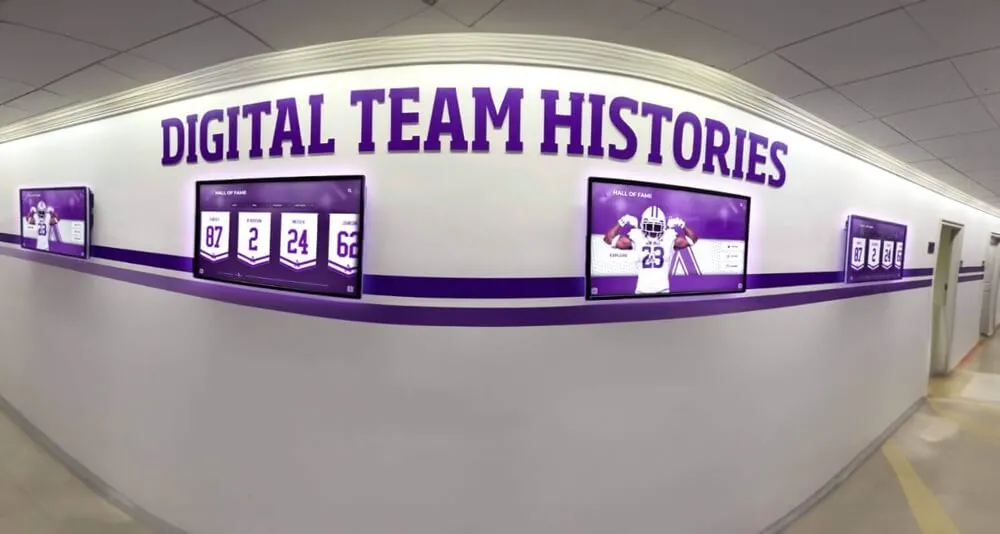
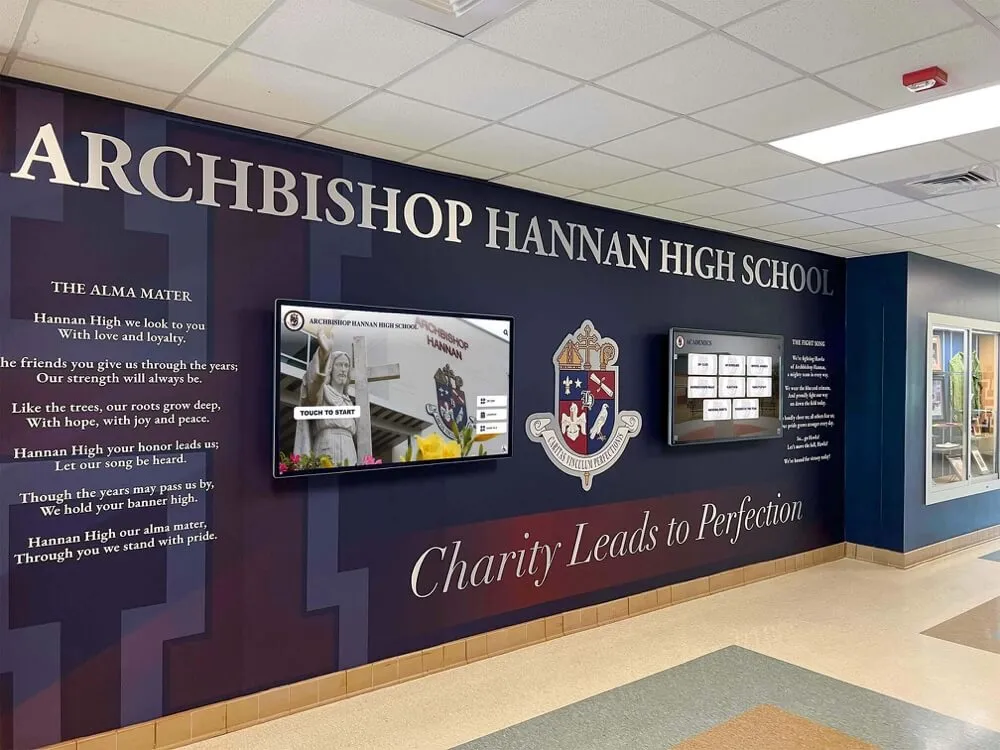
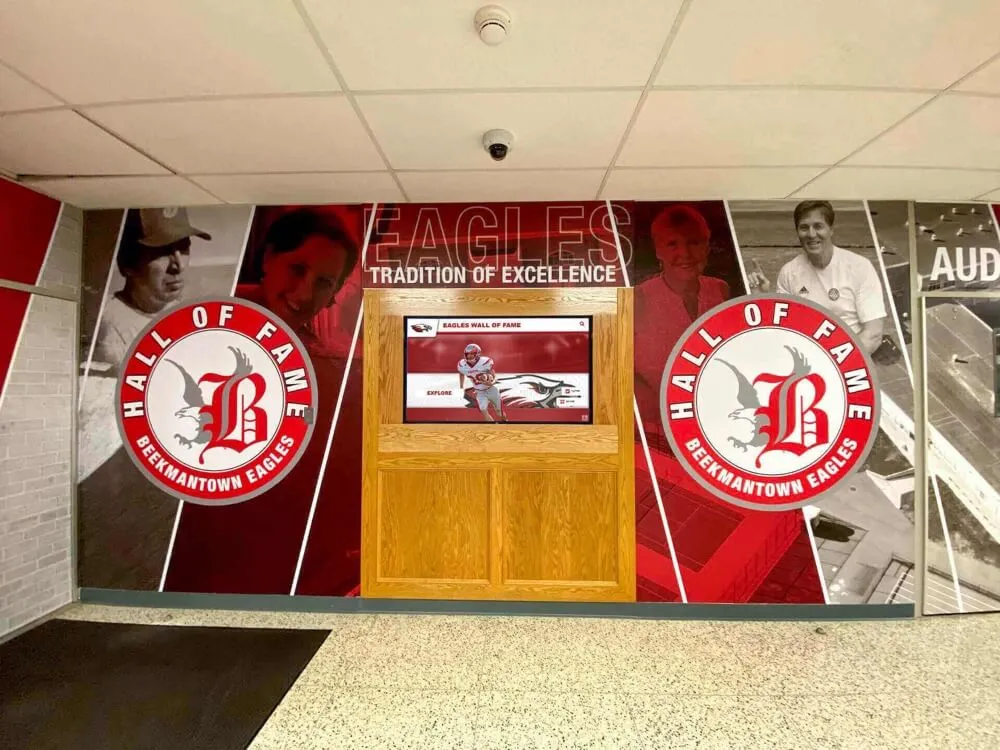
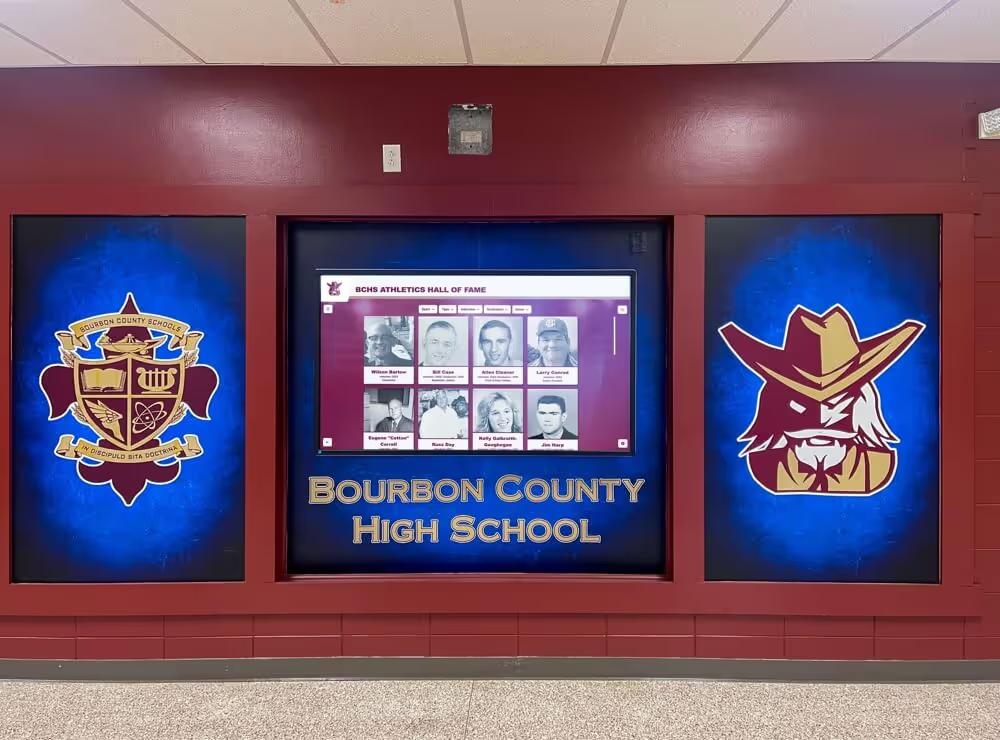
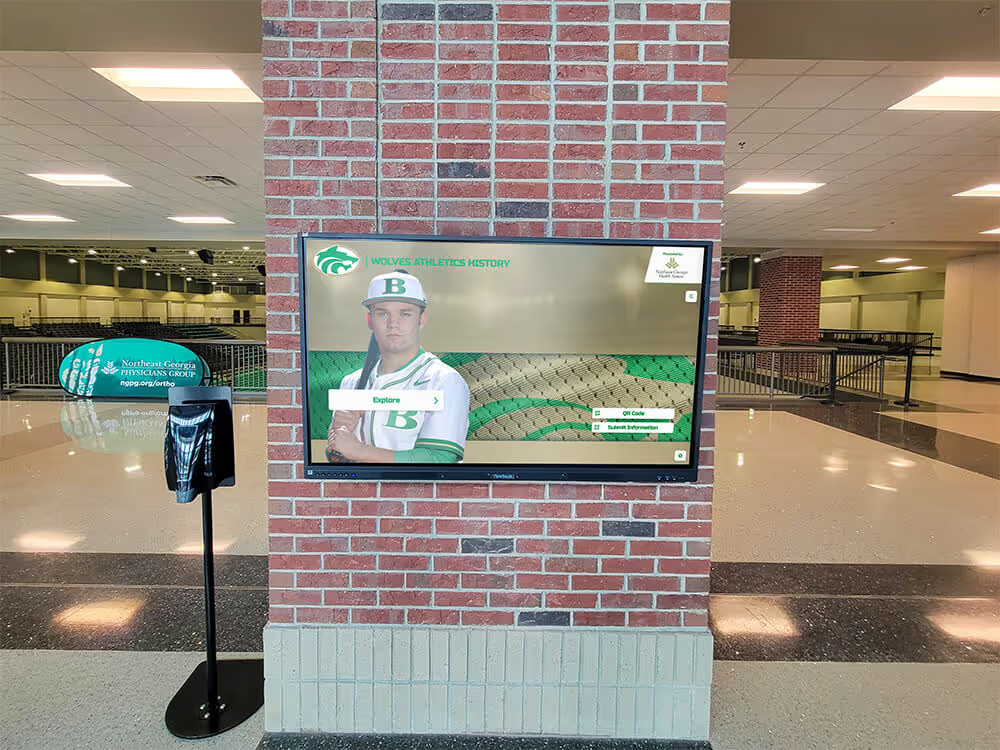
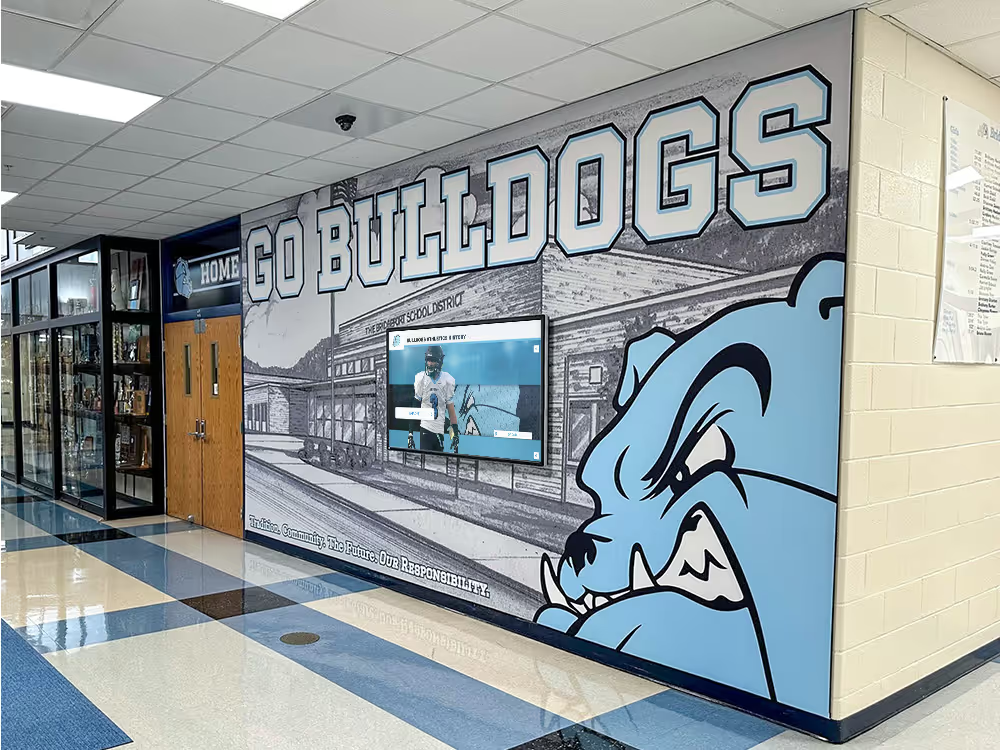
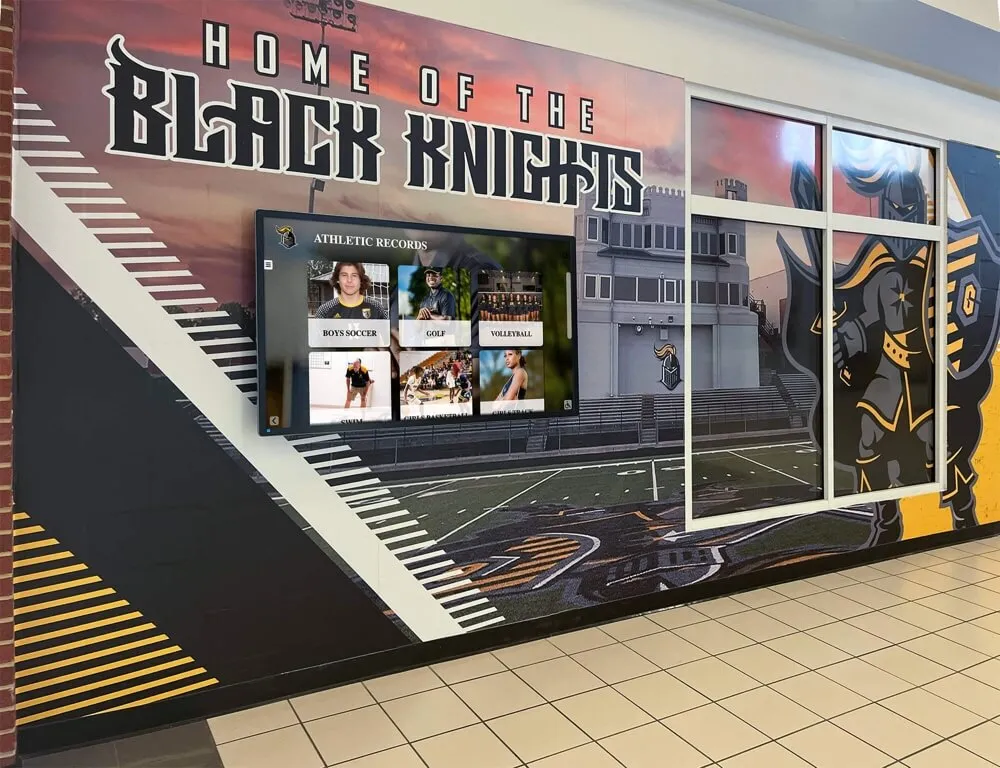
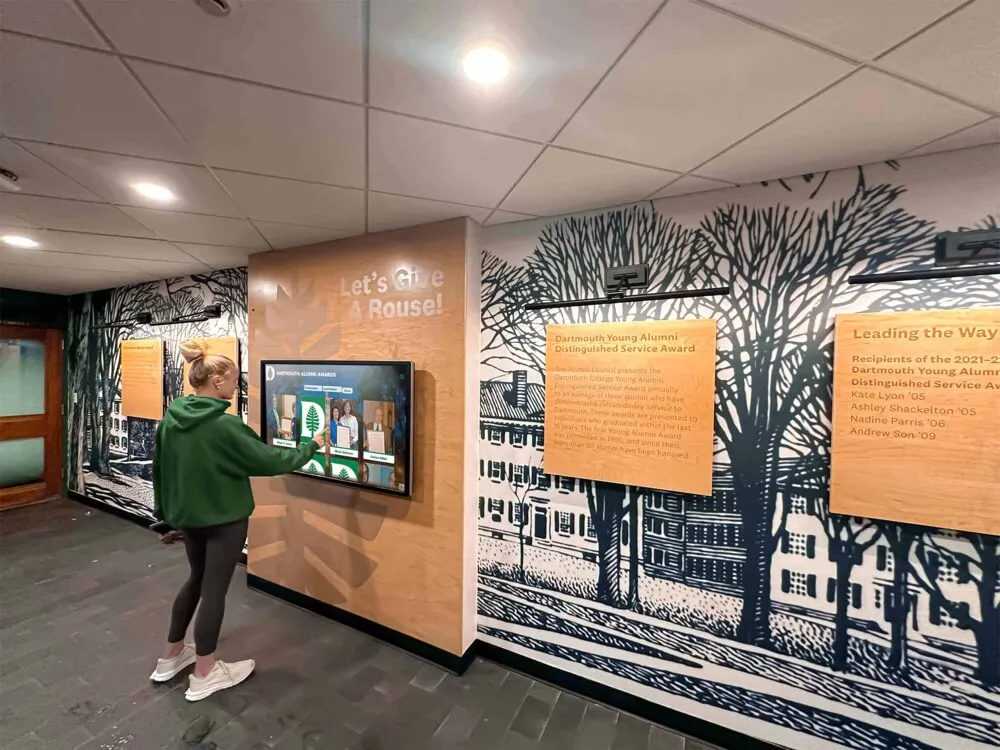
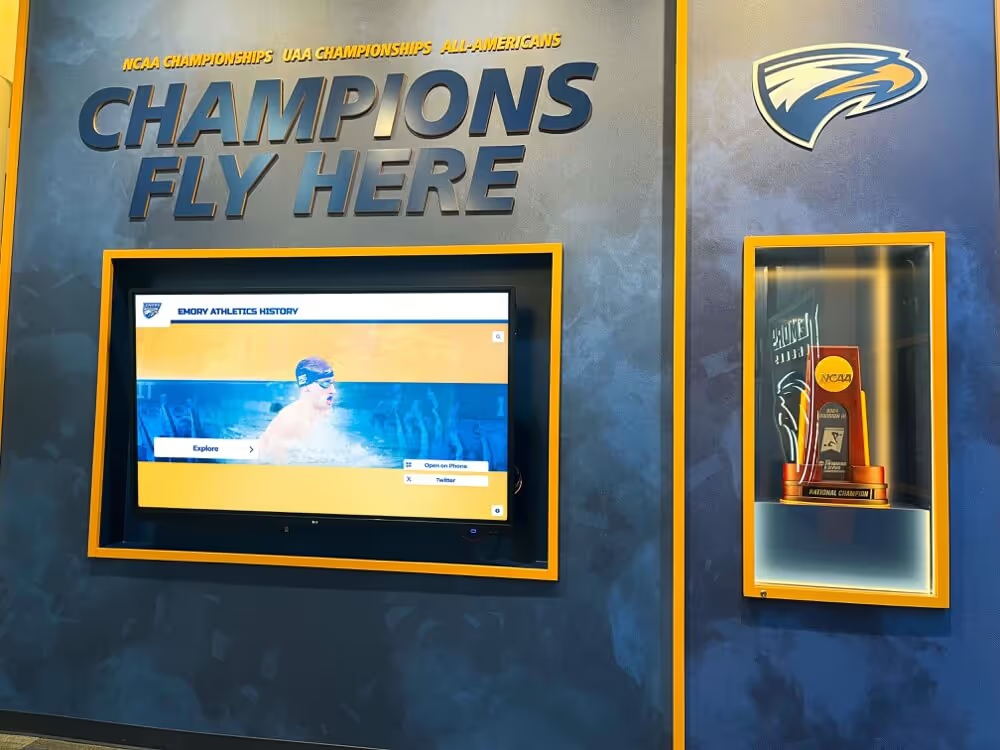
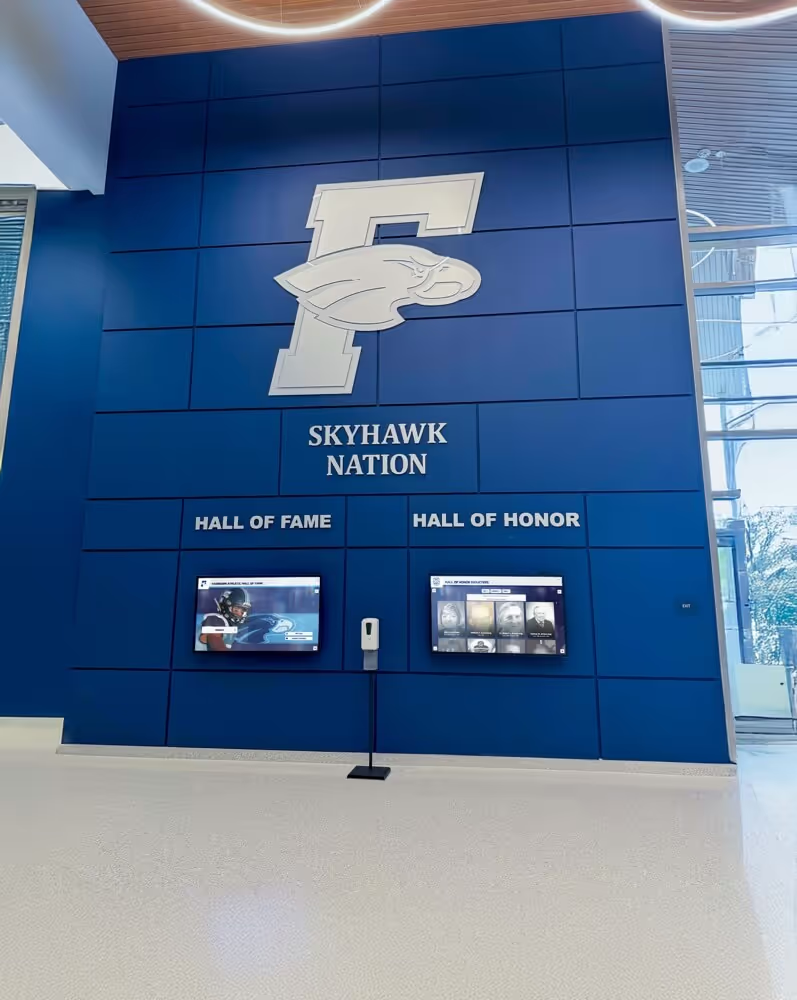
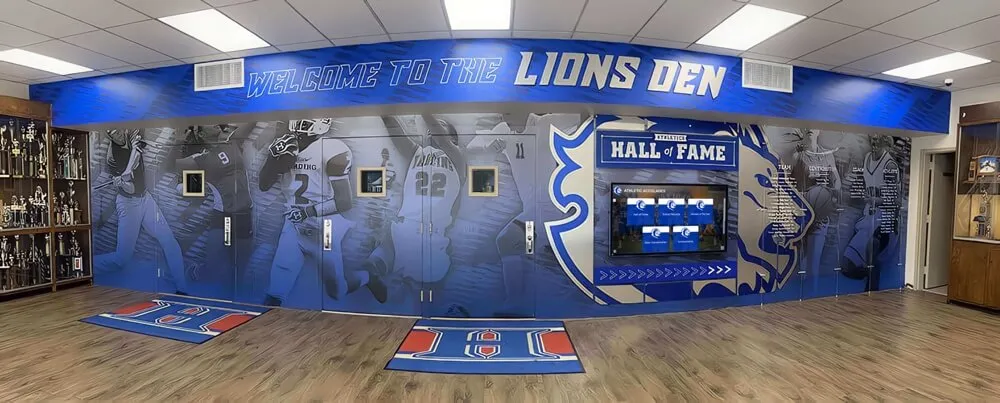
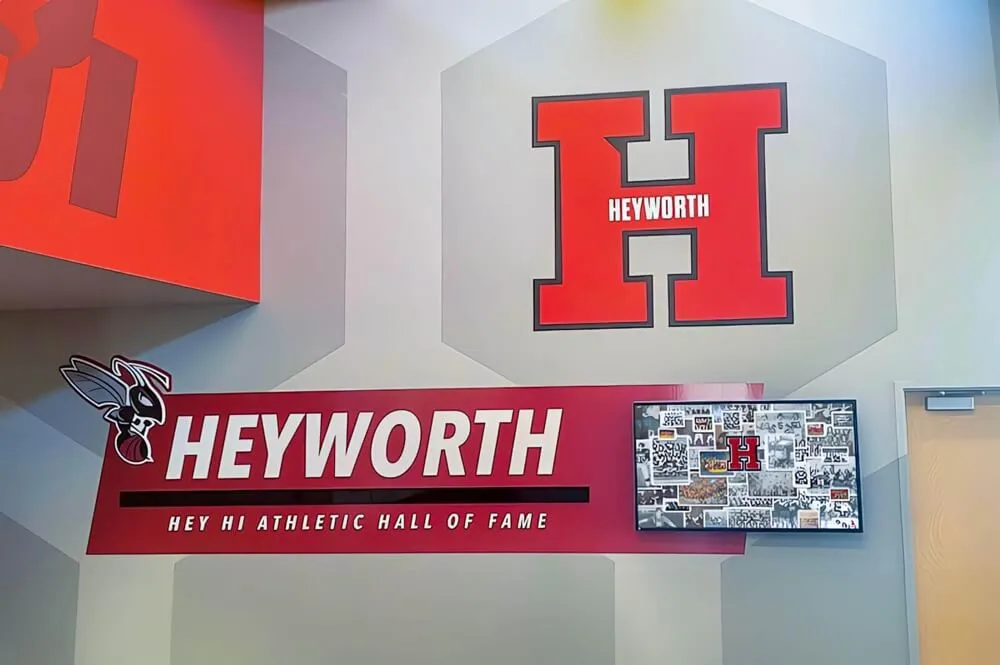
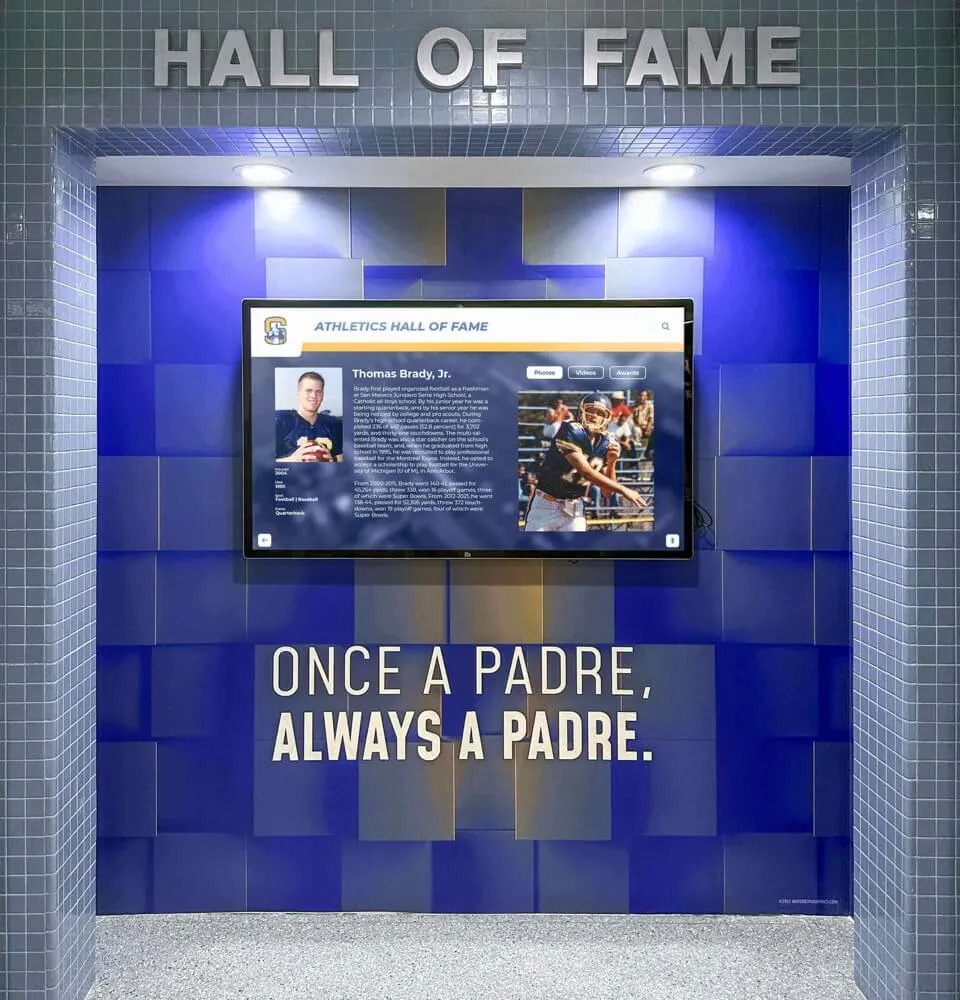
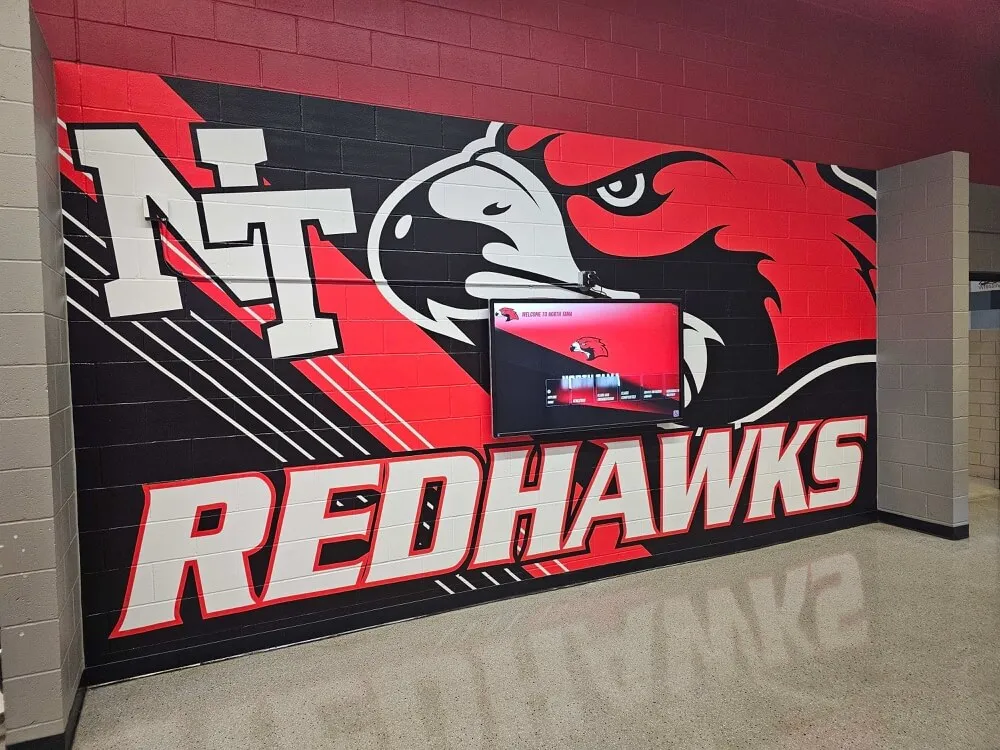
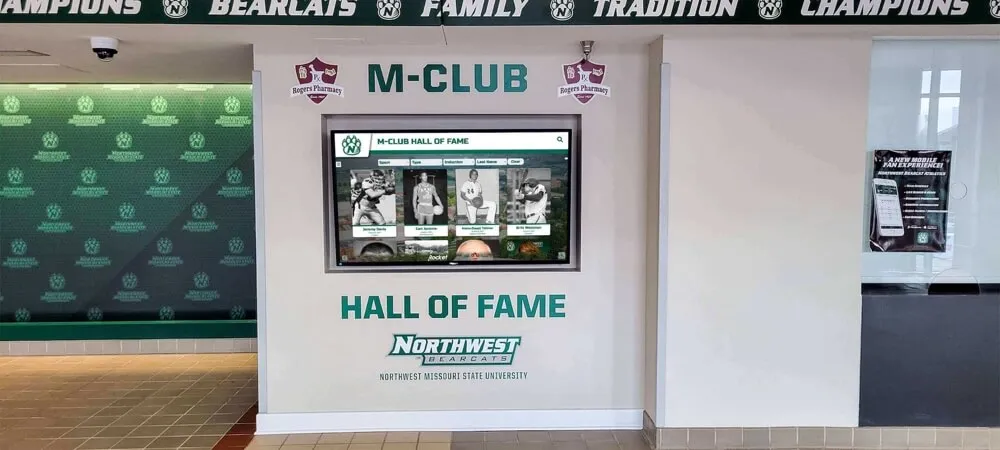
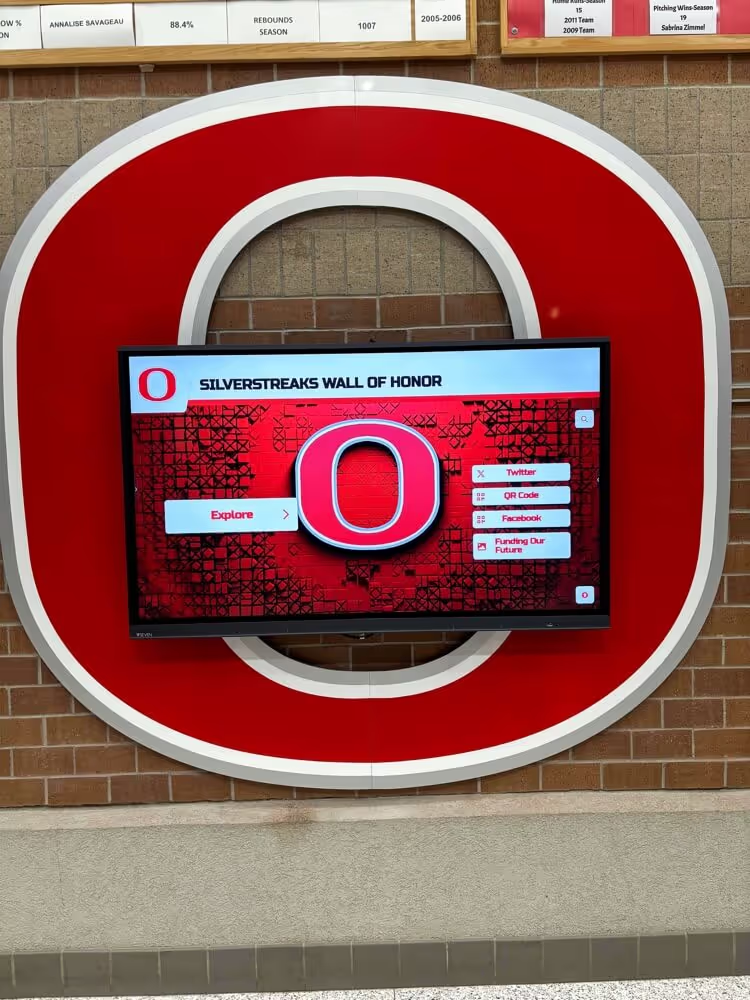
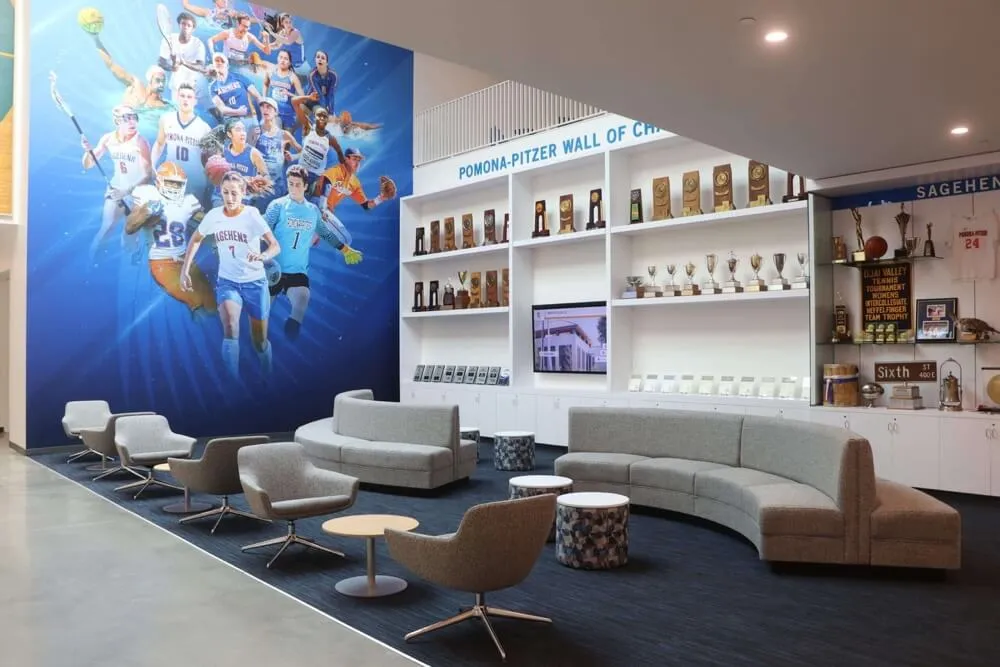
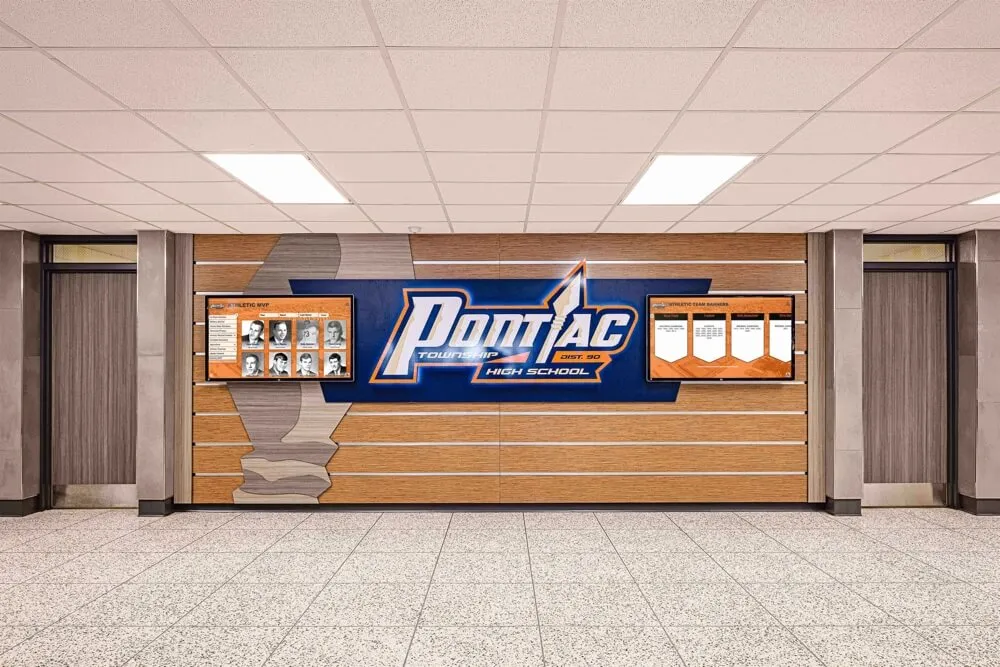
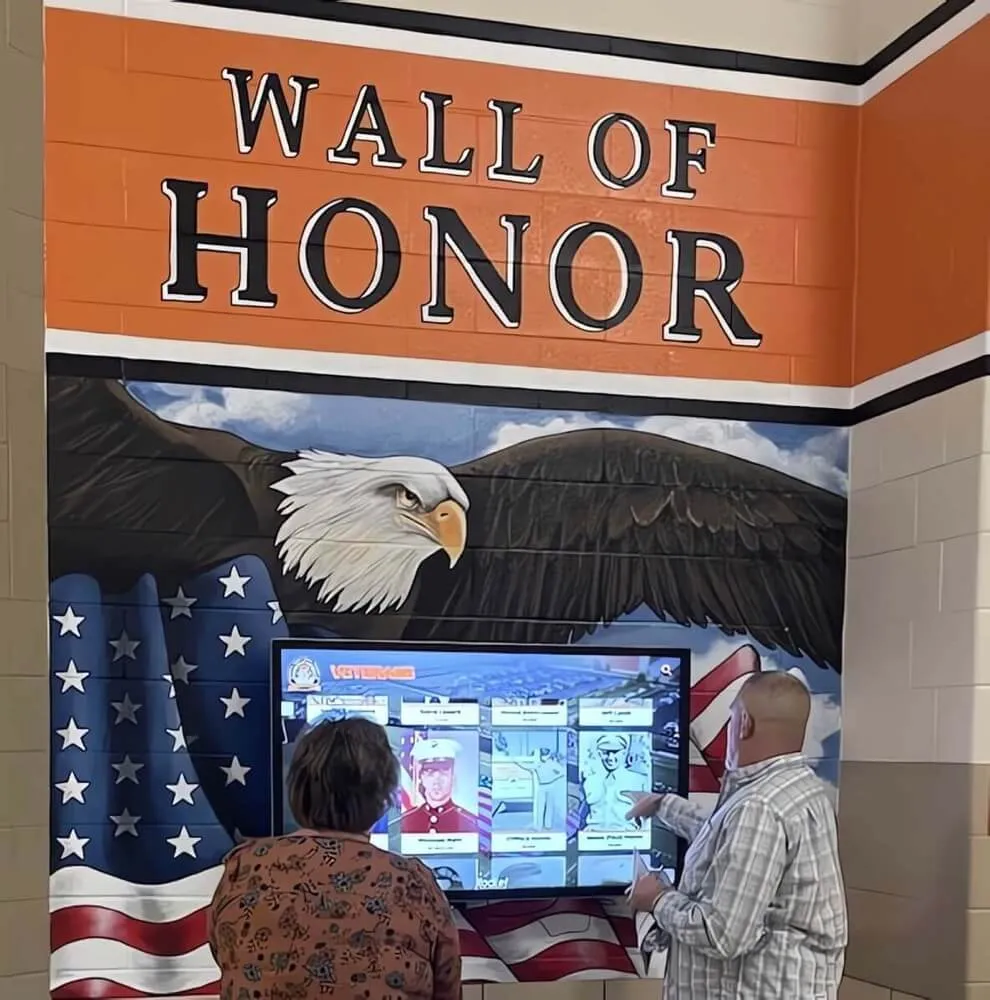
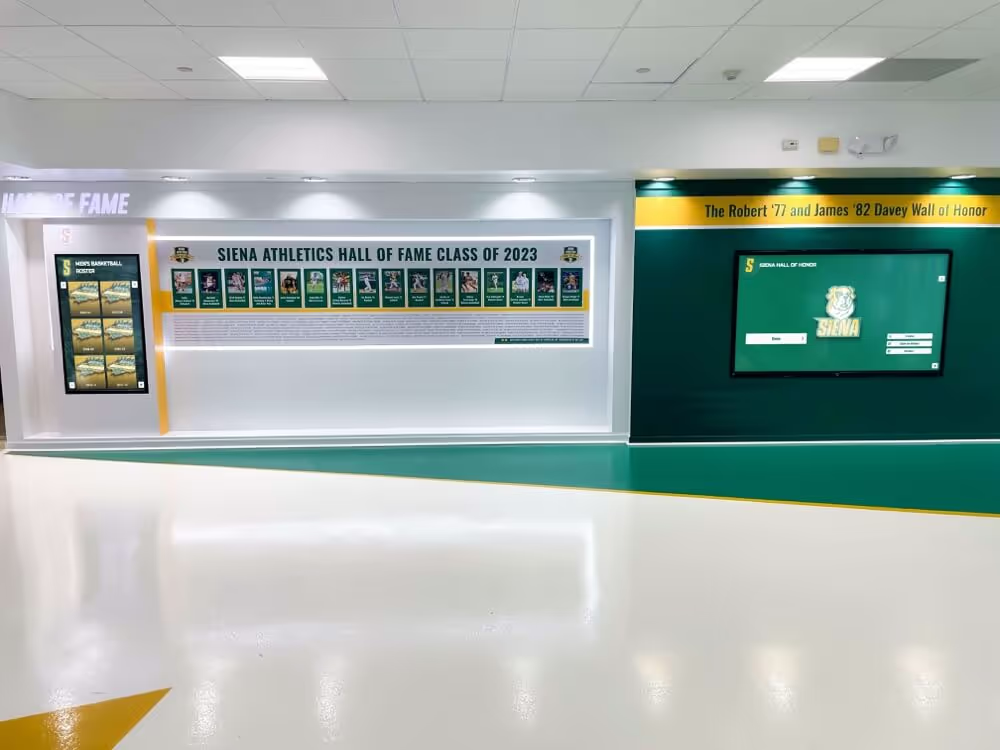
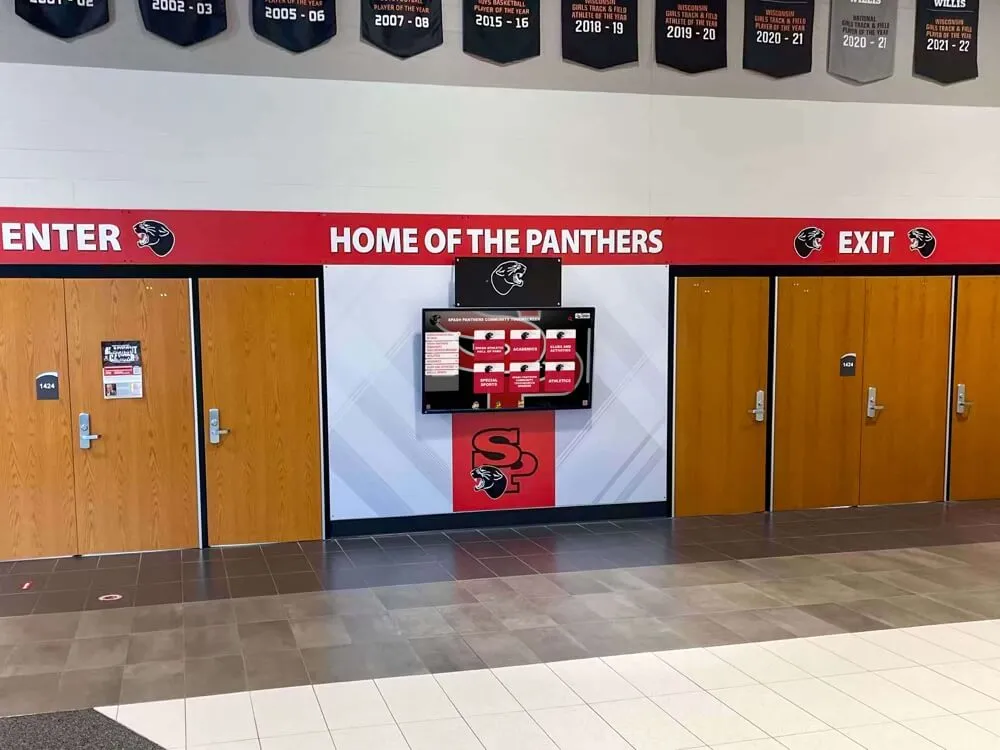
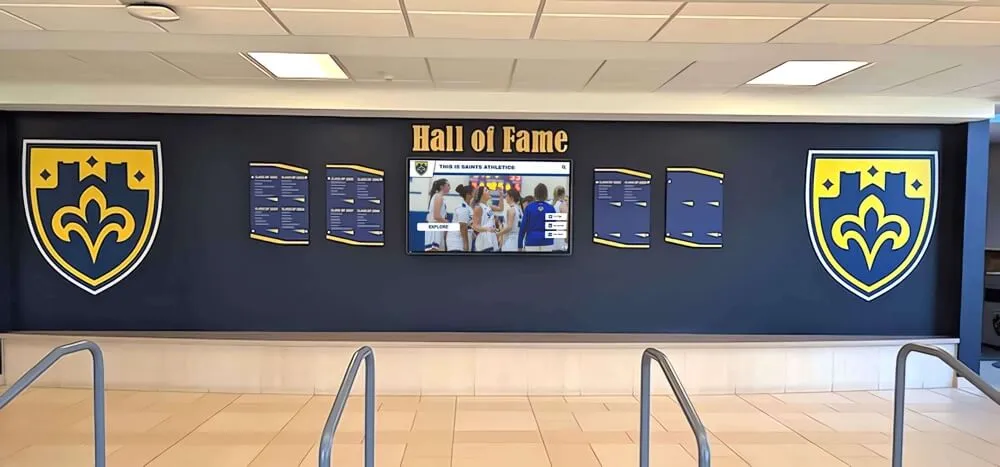
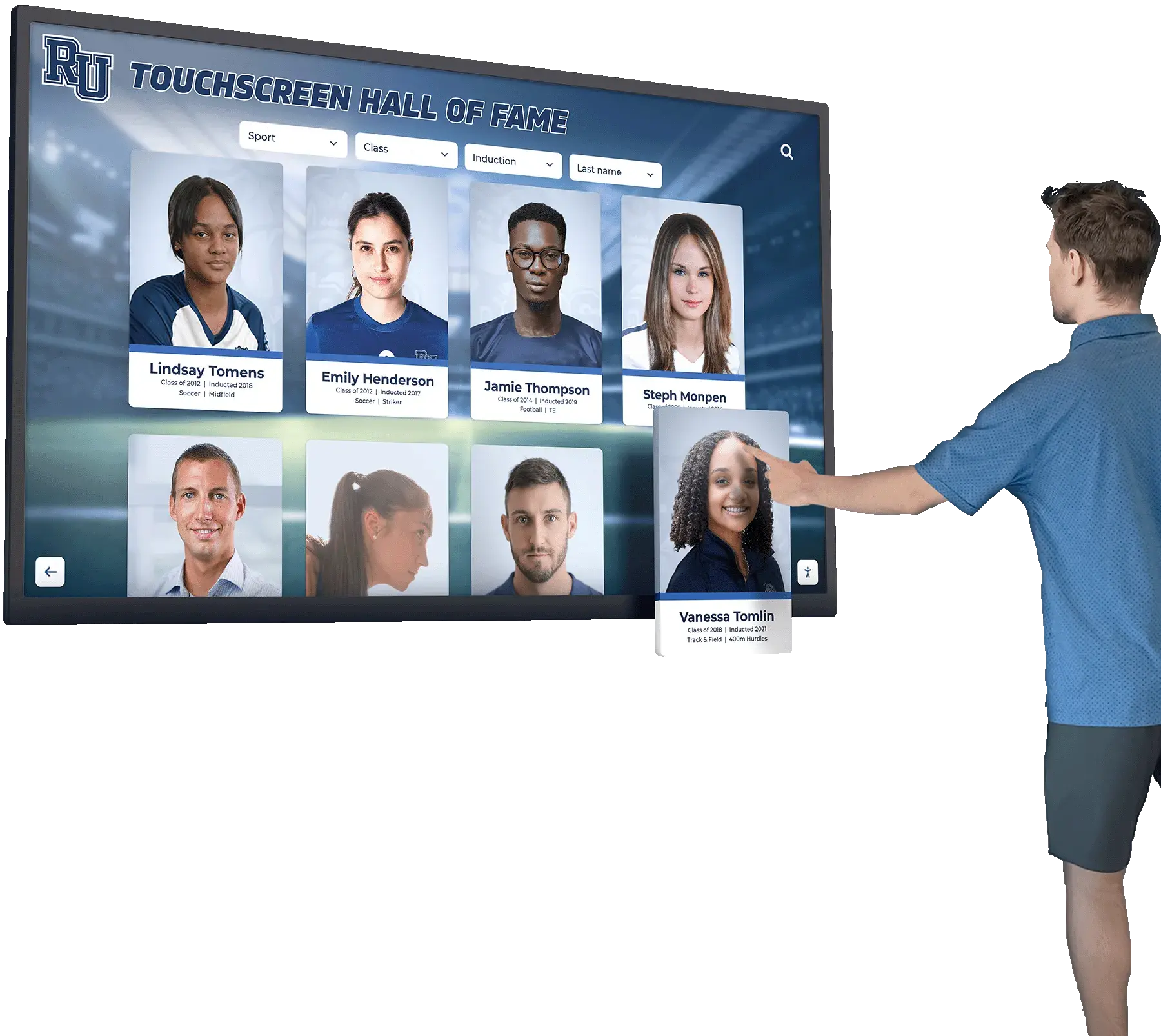
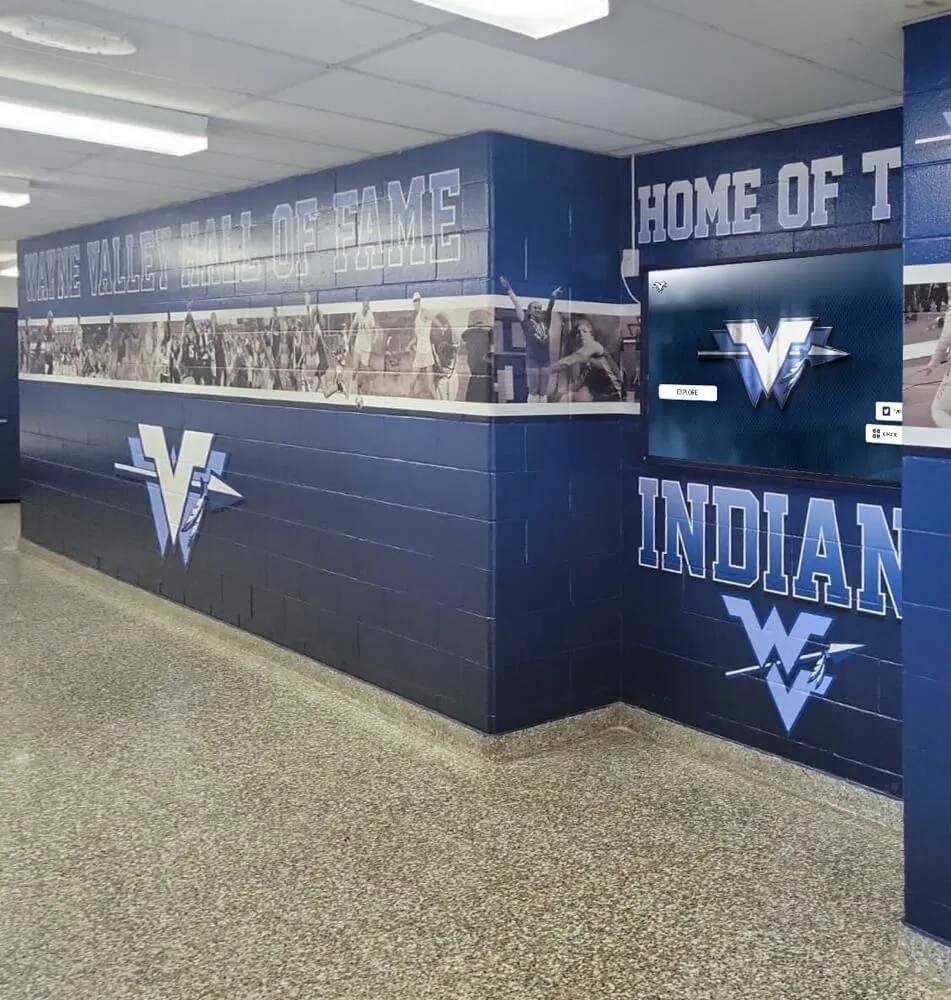
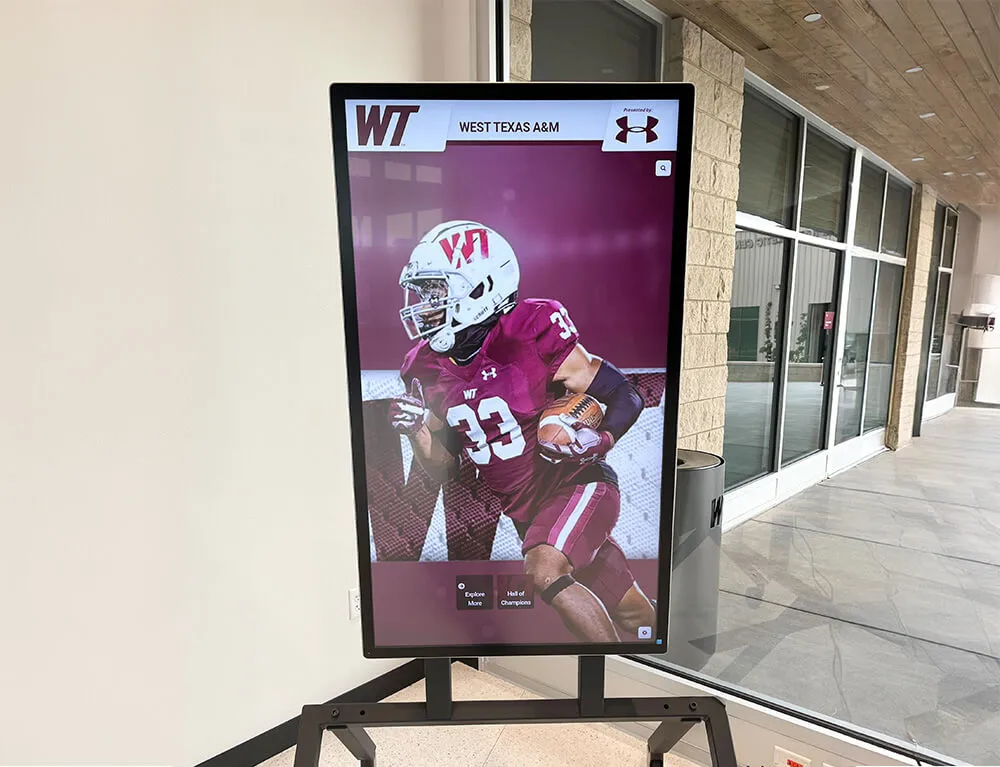
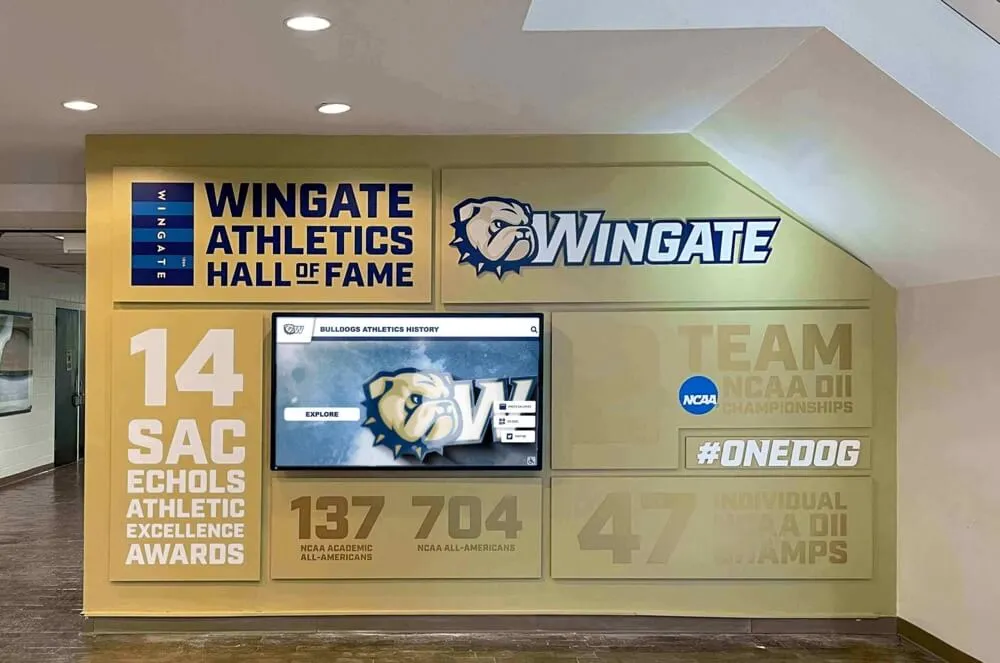
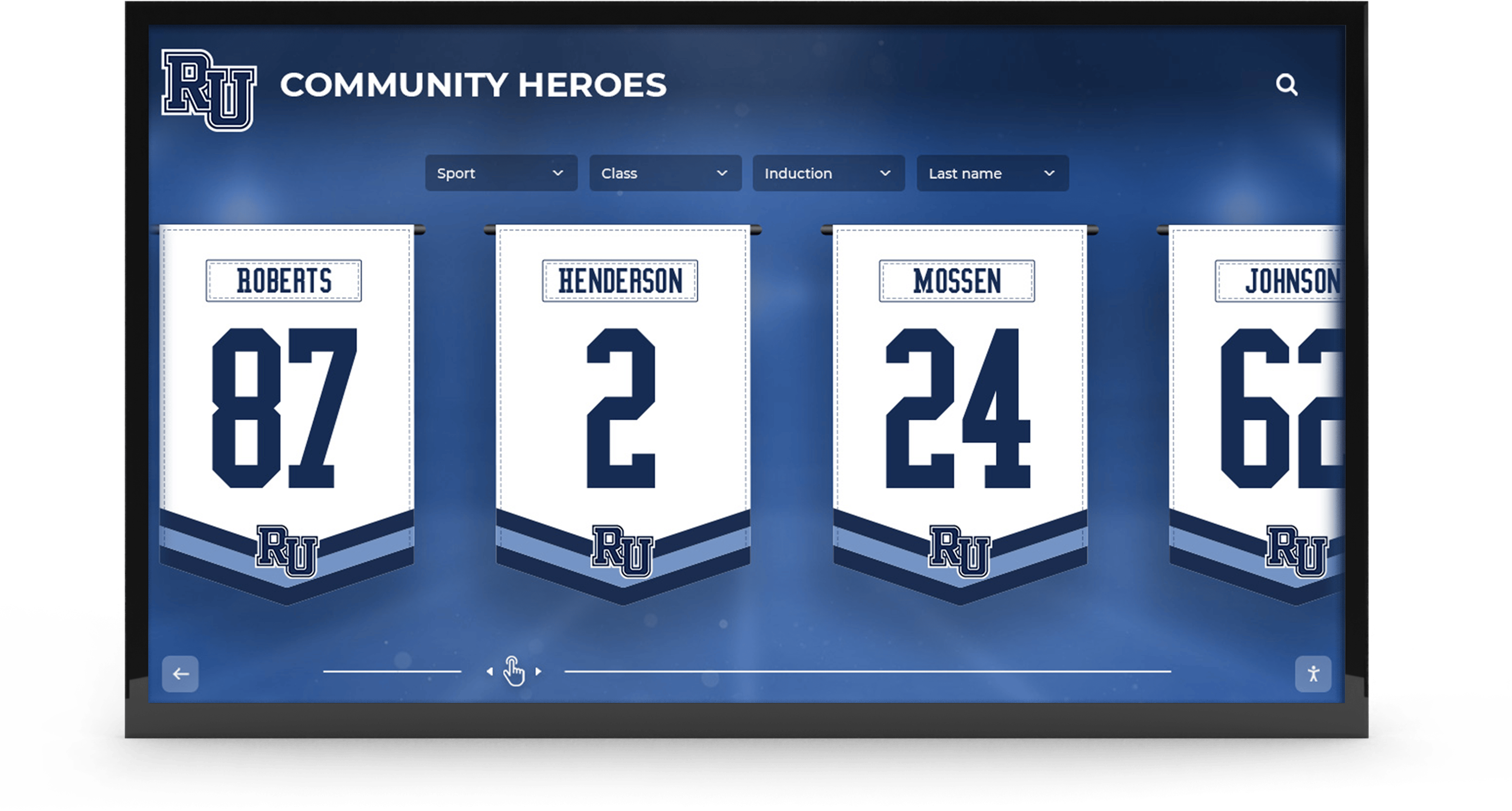
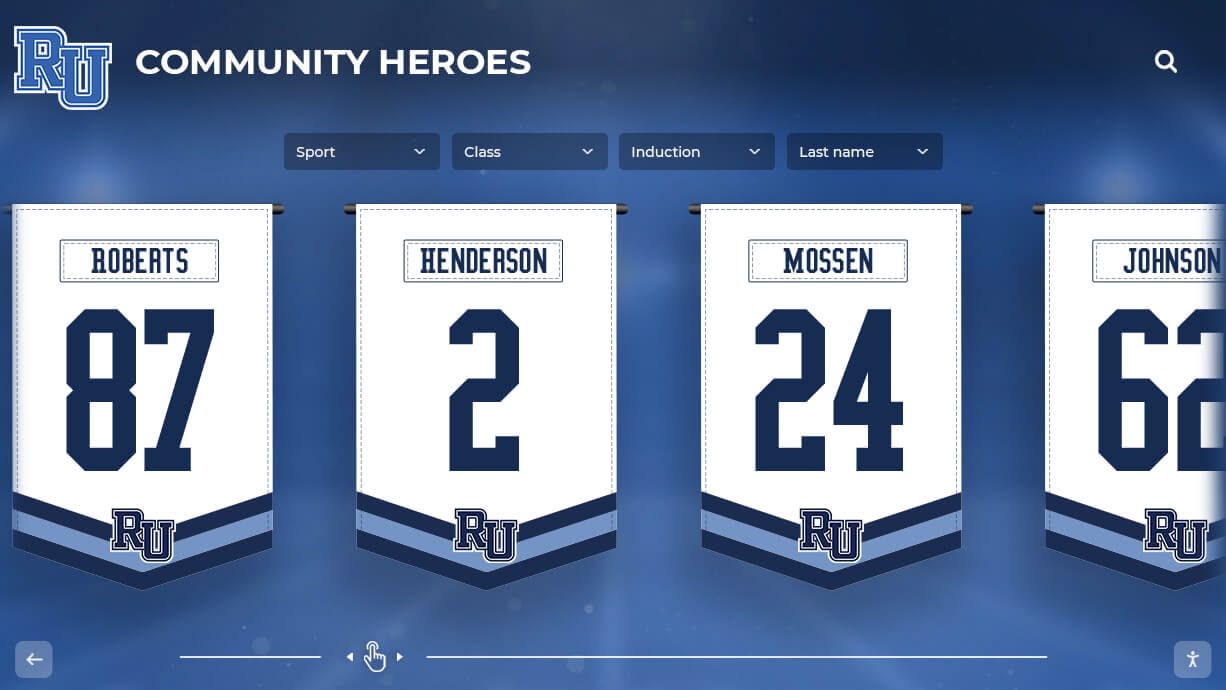
Digital recognition platforms enable booster clubs to honor contributors in sophisticated ways that static plaques cannot match. Interactive displays can showcase different giving levels, acknowledge various contribution types beyond pure financial donations, and update regularly to maintain fresh visibility. Solutions like digital donor recognition displays provide comprehensive donor walls that inspire continued generosity while making giving socially visible.
The visibility created through public recognition multiplies fundraising effectiveness—each displayed name serves as implicit endorsement encouraging others to contribute. When community leaders, local businesses, and respected families appear on donor walls, others naturally want to join that honored group.
High-Impact Event-Based Fundraising Ideas
Events create fundraising opportunities while building community connections and generating enthusiasm that sustains programs beyond immediate revenue generation.
Signature Annual Fundraising Events
Flagship events become anticipated traditions that donors prioritize in their calendars and budgets:
Gala Dinners and Auctions: Formal fundraising events combining social experiences with revenue generation through ticket sales, silent auctions, live auctions, and direct appeals work exceptionally well for booster clubs serving established communities. These events enable high per-attendee revenue while providing enjoyable evenings that justify ticket prices beyond pure donation requests.
Successful galas require substantial planning—securing appealing venues, recruiting auction item donations from local businesses, organizing volunteer committees, and promoting events effectively to achieve strong attendance. However, well-executed galas consistently generate tens of thousands of dollars in single evenings while creating memorable experiences that strengthen community bonds.
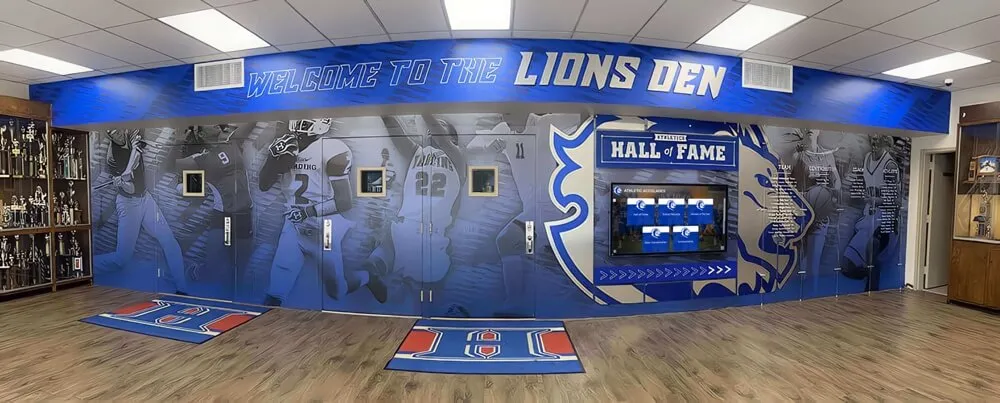
Consider incorporating unique elements that differentiate your event—exclusive experiences like coach meet-and-greets, behind-the-scenes facility tours, student performance showcases, or athlete recognition ceremonies that create emotional connections justifying premium ticket pricing while celebrating program achievements.
Resources on gala fundraiser planning and donor recognition provide frameworks for organizing sophisticated events that maximize both revenue and community engagement.
Community Fun Runs and 5K Events: Recreational races appeal to broad audiences while generating revenue through registration fees, sponsorships, team entries, and merchandise sales. These family-friendly events accommodate various fitness levels while creating visible community participation that demonstrates broad program support.
Successful race events benefit from choosing scenic routes, providing quality participant experiences with timing services and finisher medals, recruiting local business sponsors for water stations and post-race refreshments, and organizing fun elements like costume contests or team competitions that make events memorable beyond simple running.
Digital recognition displays can showcase event participants, highlight top fundraisers, acknowledge team entries, and thank sponsors—creating year-round visibility for single-day events while encouraging participation in future races. Many schools feature 5K fundraiser recognition displays that celebrate community participation long after races conclude.
Golf Tournaments: Golf outings attract business sponsors and affluent individuals willing to pay premium entry fees for enjoyable days on courses while supporting booster programs. Tournament formats accommodate various skill levels through scrambles or best-ball formats while creating networking opportunities that extend beyond immediate fundraising.
Revenue generation combines registration fees, hole sponsorships sold to local businesses, raffle ticket sales, and silent auctions. Additional premium experiences like closest-to-the-pin contests, longest drive competitions, or golf pro clinics provide extra revenue opportunities while enhancing participant experiences.
Key success factors include securing appealing courses at favorable rates, recruiting committed organizing committees, aggressively pursuing business sponsorships, and providing professional tournament experiences with quality food, beverage, and prizes that justify entry fees while creating positive associations encouraging repeat participation.
Creative Community Engagement Events
Innovative gatherings stand out from typical fundraising activities while creating memorable experiences:
Themed Social Events: Casino nights, trivia competitions, wine tastings, comedy shows, or murder mystery dinners provide entertainment value justifying ticket prices while creating social experiences participants would pay for even without charitable components. These events work particularly well for reaching donors without children currently in programs—community members who support local schools but don’t naturally engage through student-focused activities.
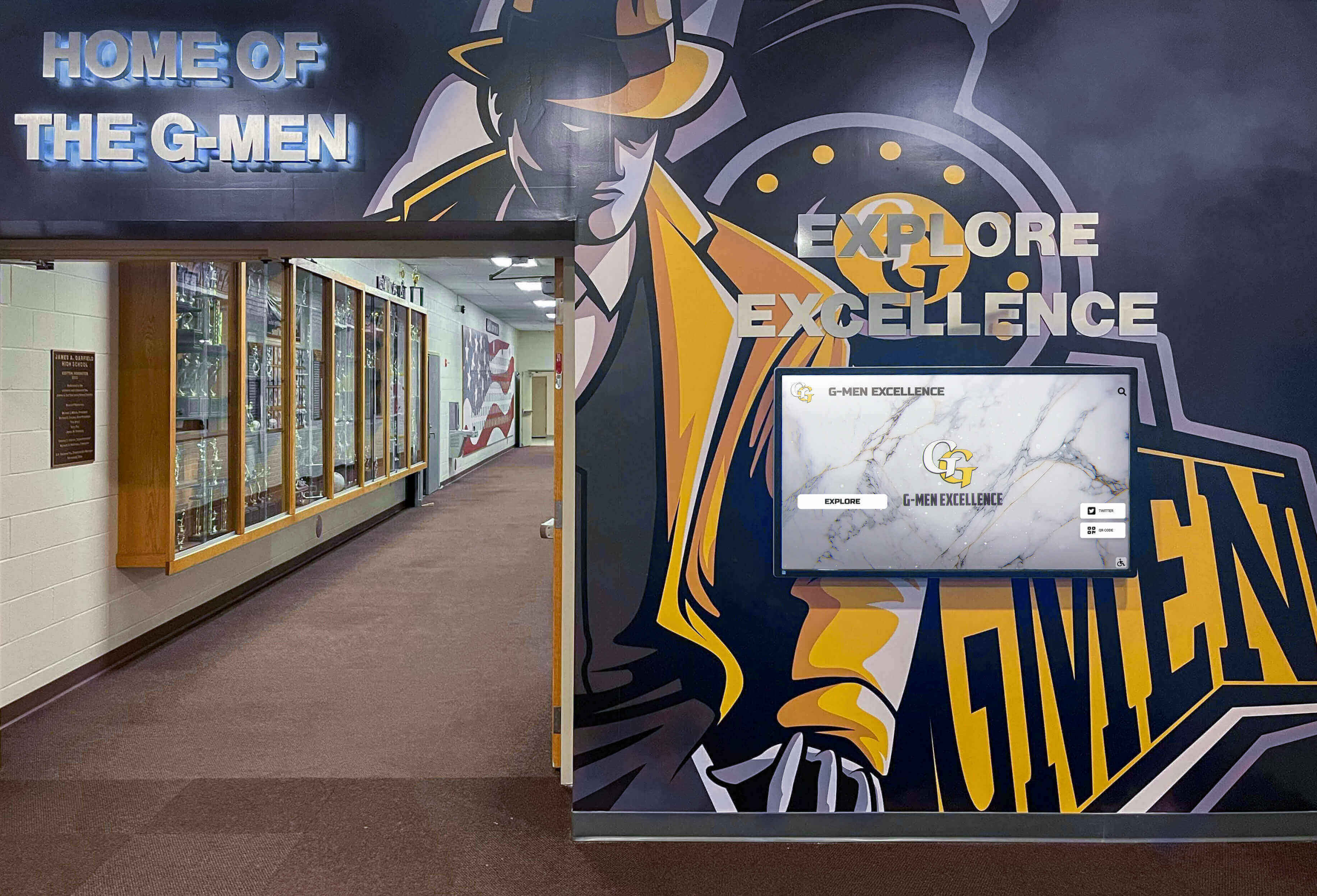
Themed events benefit from creative planning committees bringing fresh ideas, strategic partnerships with entertainment venues offering in-kind space donations or revenue sharing, and strong social media promotion encouraging ticket sales through FOMO (fear of missing out) as events sell out. Creating annual traditions around successful event concepts builds anticipation and simplifies future planning through established frameworks.
Family Fun Days and Carnivals: All-ages events combining inflatables, game booths, food vendors, raffles, and entertainment create affordable family outings while generating revenue through entry fees, activity tickets, and concession sales. These events strengthen community bonds while introducing new families to booster organizations and programs.
Carnival success requires recruiting substantial volunteer teams operating game booths and activities, securing donated prizes and supplies from local businesses, organizing entertainment like local bands or student performances, and creating enough diverse activities that families happily spend 3-4 hours on-site purchasing food and participating in paid games.
Athletic Showcases and Clinics: Events featuring team scrimmages, skill competitions, or instructional clinics provide sport-specific entertainment while charging admission fees and securing sponsor support. These gatherings celebrate athletic excellence while allowing community members to watch programs they support in action.
Consider hosting multi-sport showcases where various teams demonstrate skills throughout single afternoons or evenings—basketball dunk contests, volleyball serving challenges, wrestling demonstrations, or track relay races. These events work particularly well when combined with alumni participation, creating connections between current programs and successful graduates while demonstrating long-term program impact.
Product-Based Fundraising Strategies
Selling desirable products generates revenue while providing tangible value to purchasers beyond pure donations.
Custom Spirit Wear and Merchandise
Branded apparel enables supporters to display school pride while contributing to programs:
High-quality spirit wear featuring attractive designs, comfortable fabrics, and inclusive sizing creates products people genuinely want to purchase and wear regularly—providing ongoing visibility for programs every time community members wear branded apparel in public. The key difference between successful and mediocre spirit wear campaigns lies in design quality and product selection.
Partner with professional design services creating contemporary graphics that transcend basic school logos—incorporating creative typography, modern color palettes, and designs appealing to various age groups from students through alumni and community members. Offer diverse product options beyond basic t-shirts—hoodies, performance athletic wear, hats, bags, and accessories that accommodate different preferences and price points.
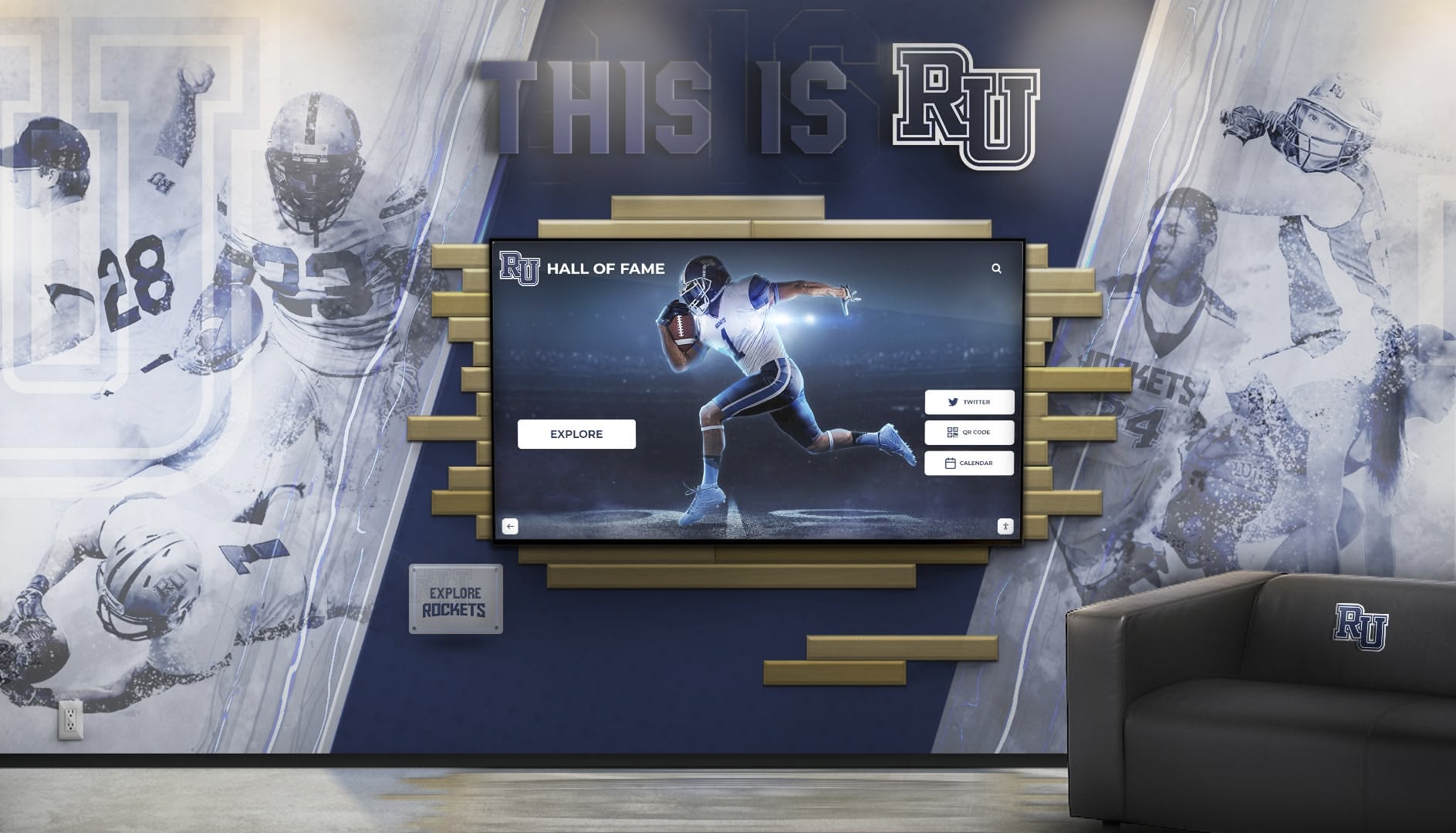
Online ordering platforms with fulfillment services eliminate inventory risk and management burden—supporters order desired items during campaign windows, orders get fulfilled directly by vendors, and booster clubs receive net proceeds without handling merchandise logistics. This model dramatically simplifies spirit wear fundraising while ensuring supporters receive exactly what they order in correct sizes.
Consider creating exclusive limited-edition designs for milestone events, championships, or special occasions—scarcity increases perceived value while creating urgency encouraging immediate purchases before items sell out. Championship apparel celebrating team success naturally generates strong demand while honoring achievements.
Product Partnerships and Discount Cards
Relationship-based fundraising leverages existing consumer spending:
Discount card programs partnering with local businesses provide supporters with savings at participating restaurants, retailers, service providers, and entertainment venues. Cards typically sell for modest prices ($10-20) while delivering hundreds of dollars in potential savings—creating obvious value propositions that make purchases feel like smart consumer decisions rather than pure donations.
Success requires recruiting substantial participating business networks ensuring cards deliver genuine value across diverse spending categories. Focus on frequently visited establishments where supporters naturally spend money—popular restaurants, coffee shops, grocery stores, entertainment venues, and service providers. The more valuable and relevant the participating businesses, the easier cards become to sell.
Revenue per card sold remains modest, but volume potential offsets lower margins—when students each sell 20-30 cards to family members, neighbors, and workplace colleagues, total revenue scales significantly. Digital versions eliminate printing costs while enabling email distribution and smartphone access that many consumers prefer over carrying physical cards.
Consumable Product Fundraisers
Food and household items people regularly purchase anyway provide convenient giving mechanisms:
Cookie Dough and Baked Goods Sales: Frozen cookie dough, fresh baked goods, or specialty food items combine tangible value with convenient ordering. These programs work best when products deliver genuine quality justifying prices beyond equivalent grocery store costs—supporters pay premiums for superior taste while supporting programs.
Partner with reputable fundraising companies providing quality products, reliable fulfillment, and strong profit margins. The most successful programs offer diverse product selections accommodating different preferences while simplifying ordering through online platforms where supporters place orders directly rather than requiring students to collect orders manually.
Seasonal Product Campaigns: Holiday-themed items like poinsettias, wreaths, spring flowers, or pumpkins align with seasonal needs supporters already plan to purchase. Strategic timing—selling poinsettias before December holidays or flowers before Mother’s Day—captures spending that would occur regardless, directing it toward booster programs.
Plant sales work particularly well because products inherently justify premium pricing compared to big box retailers—supporters appreciate supporting local while receiving quality products. Partner with local growers when possible, reducing shipping costs and delivery coordination while strengthening community business relationships.
Digital and Convenient Giving Mechanisms
Modern fundraising requires friction-free donation methods accommodating how people manage finances today.
Online Giving Platforms
Digital donation portals enable instant contributions from anywhere at any time:
Establishing professional online giving platforms through services like GiveCampus, Pledge, or integrated school websites removes barriers preventing spontaneous generosity. When inspiration strikes or tax planning prompts charitable giving, supporters can donate immediately without mailing checks or attending events—convenience dramatically increases total giving.
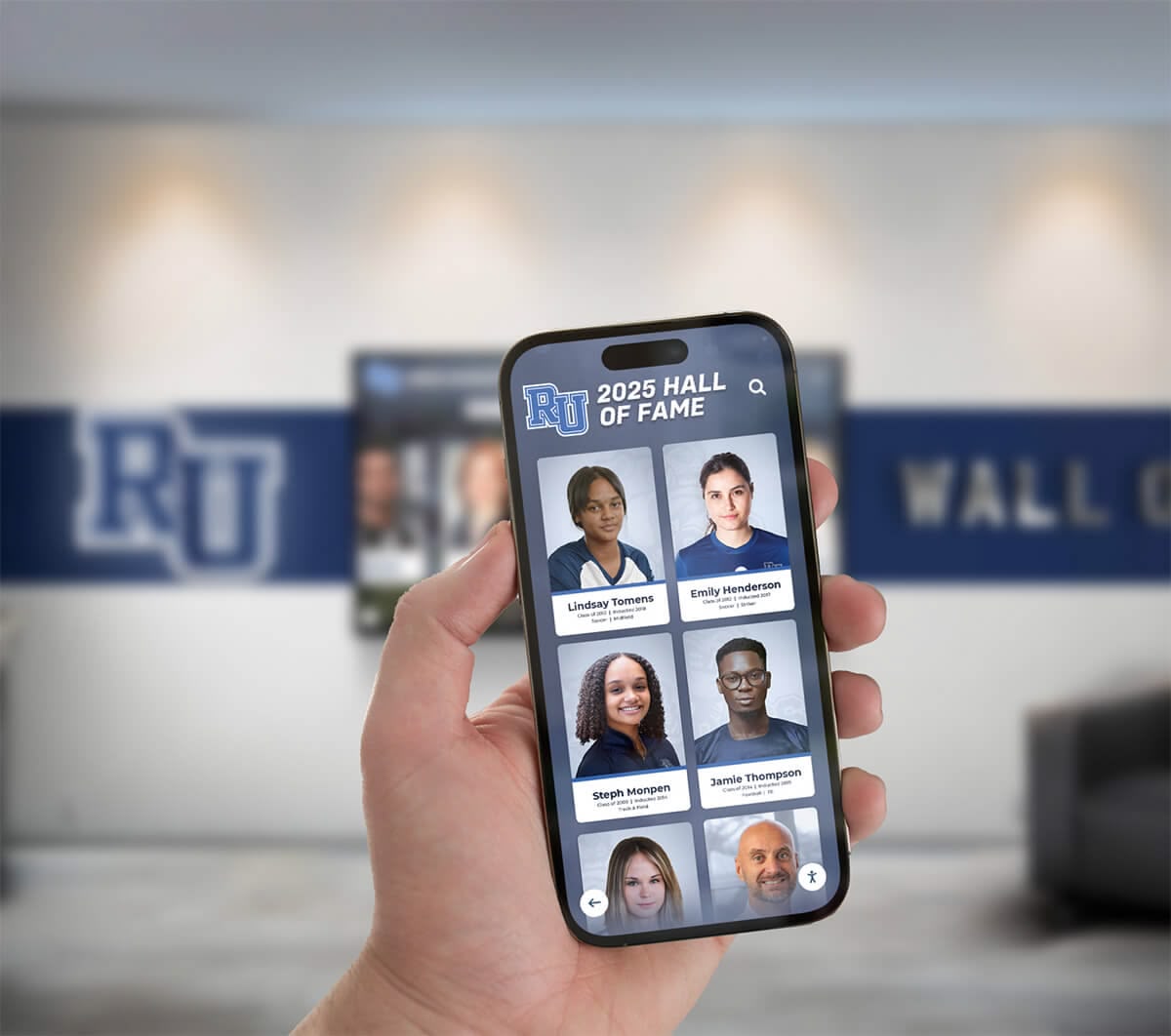
Optimize giving pages through compelling storytelling explaining specific fund uses, visual content showing program impact, transparent goal tracking displaying progress toward fundraising targets, and prominent recognition commitments explaining how donors will be acknowledged. Make donation processes completely frictionless—pre-set giving level suggestions, stored payment information for repeat donors, and mobile-optimized interfaces.
Implement monthly recurring donation options enabling supporters to contribute manageable amounts automatically over time. A supporter unable to give $1,000 lump sum might comfortably sustain $50 monthly giving totaling $600 annually—smaller regular contributions often exceed one-time giving over calendar years while creating predictable revenue streams for planning purposes.
Social Media Fundraising Campaigns
Digital campaigns leverage network effects multiplying reach beyond immediate booster membership:
Platforms like Facebook and Instagram enable peer-to-peer fundraising where supporters create personal fundraising pages sharing with their networks. This approach multiplies effective fundraising teams—each participant becomes fundraiser recruiting donations from friends, family, and colleagues who might never directly engage with booster clubs.
Launch campaigns around compelling events or needs—funding specific equipment purchases, supporting travel to championship competitions, or recognizing milestone achievements. Concrete, visualizable goals inspire more generous giving than vague “general support” requests. Include compelling visual content—videos explaining needs, photos showcasing current conditions, or student testimonials describing program impact.
Gamification elements like fundraising leaderboards, milestone rewards, or challenge grants (“a generous donor will match the next $5,000 raised”) create urgency and friendly competition encouraging participation. Regular campaign updates sharing progress, thanking contributors, and maintaining momentum keep campaigns active in supporter social feeds.
Text-to-Give and Mobile Donations
Smartphone giving meets supporters where they already spend significant time:
Text-to-give platforms enable instant donations through simple text messages—supporters text keywords to designated numbers and receive response links completing donations through mobile-optimized pages. This ultra-convenient giving method works exceptionally well at events where supporters experience emotional inspiration but lack cash or checkbooks.
Promote text-giving during athletic competitions when pride peaks, at recognition ceremonies celebrating achievements, during fundraising event programming, and through ongoing communication materials. The immediacy of impulse giving often generates contributions that might never materialize if supporters must remember to give later through other channels.
QR codes placed strategically throughout facilities enable instant access to mobile giving pages—supporters scan codes with smartphones and immediately reach donation forms. Place QR codes on recognition displays, in athletic facilities, on event materials, in email communications, and anywhere supporters congregate and might feel inspired to contribute.
Building Sponsorship and Business Partnership Programs
Corporate and business support provides substantial revenue while strengthening community connections.
Tiered Sponsorship Packages
Structured giving levels provide businesses clear value propositions justifying partnership investments:
Develop comprehensive sponsorship tiers offering increasing visibility and recognition for escalating contribution levels. Entry-level packages ($500-1,000) might include logo placement on websites and social media, while mid-tier partnerships ($2,500-5,000) add banner displays at facilities, program book advertising, and public recognition during events. Premium sponsorships ($10,000+) deliver exclusive benefits like naming rights, VIP event access, or extensive digital recognition.
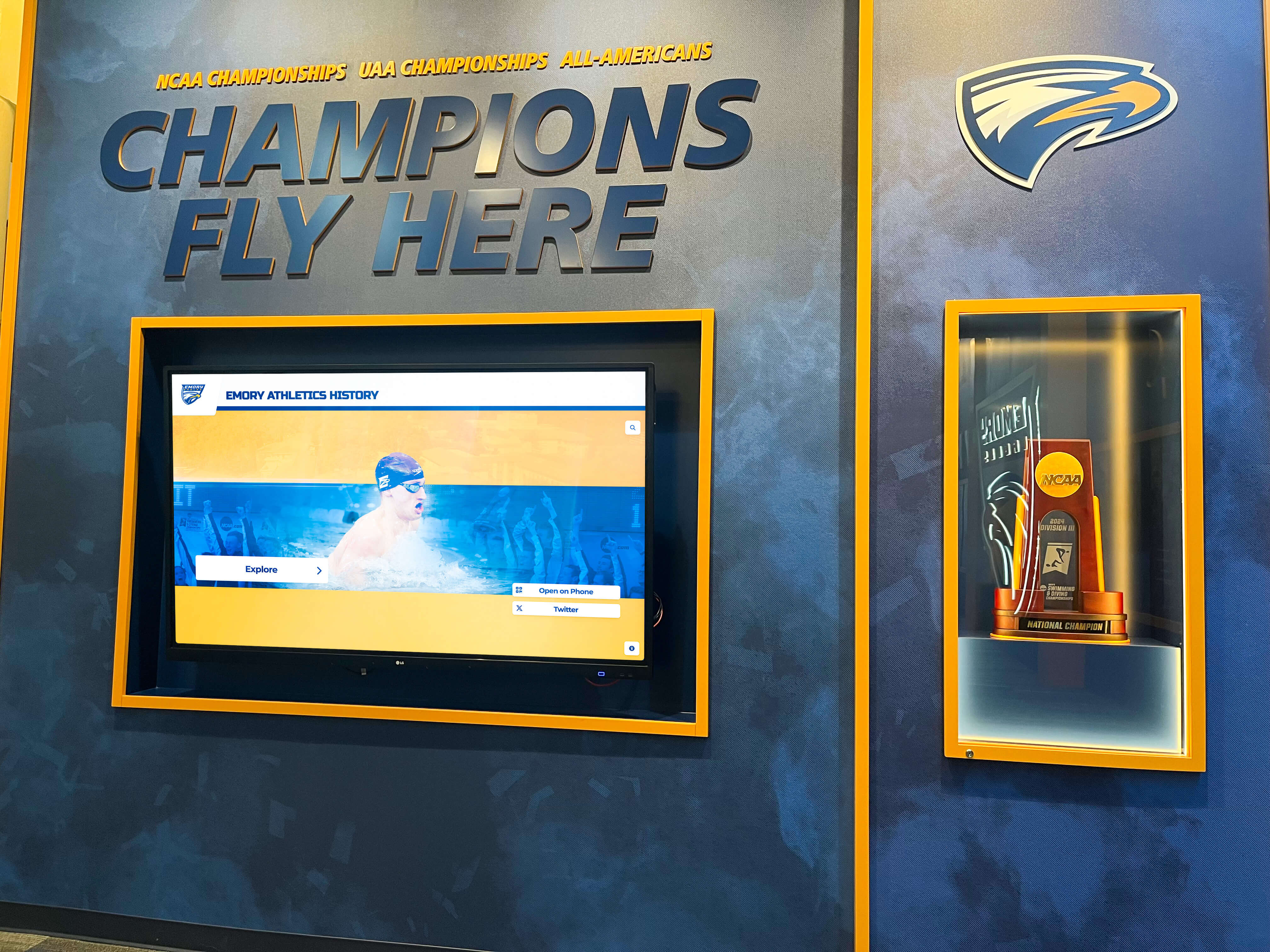
The critical success factor involves delivering genuine value justifying business investments—companies need visibility reaching target customer audiences, positive brand association with youth development and community support, and tangible returns on sponsorship spending. Document and communicate sponsor benefits clearly—website traffic statistics, event attendance numbers, social media reach, and impression counts demonstrating marketing value received.
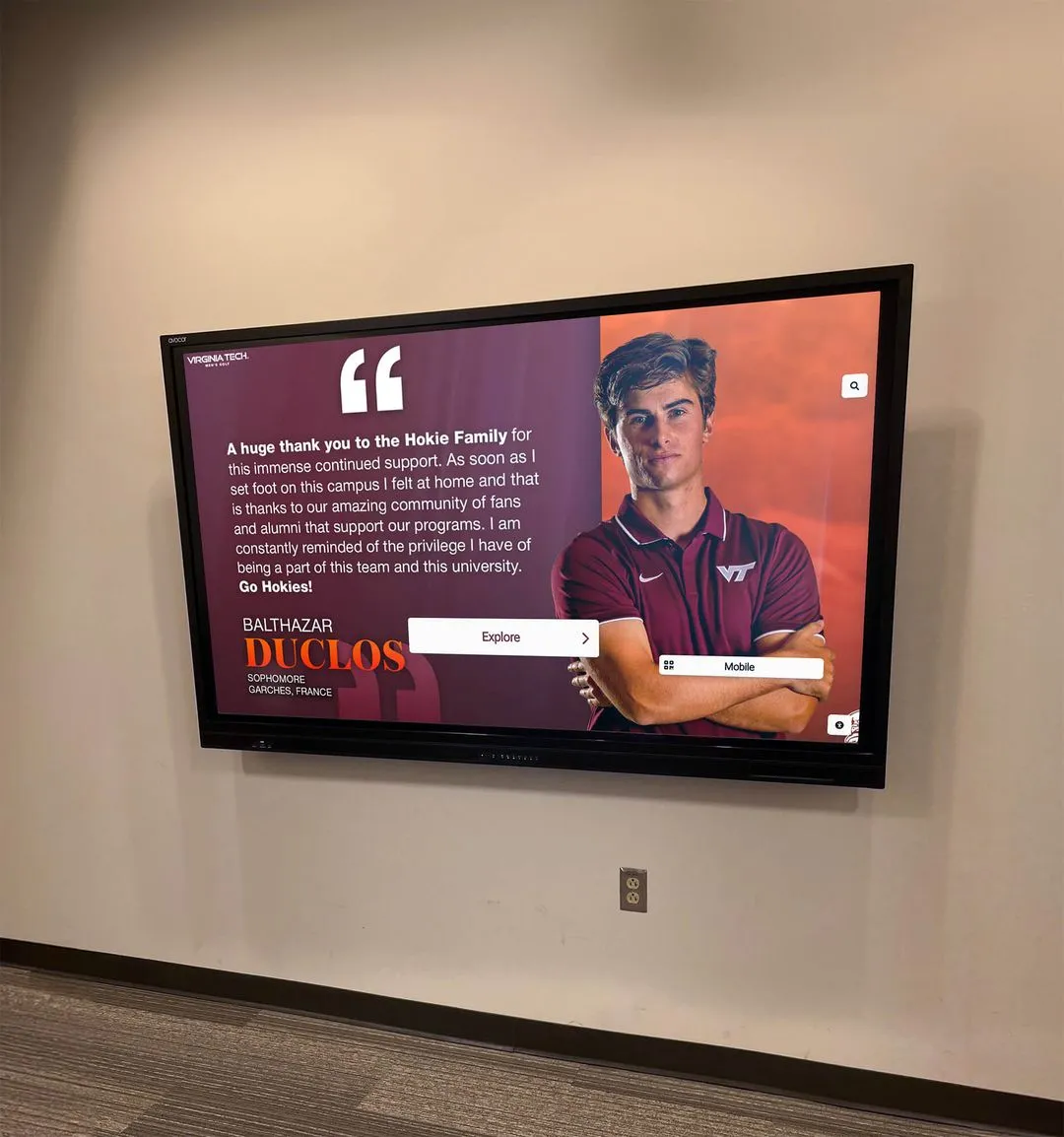
Digital recognition platforms enable sophisticated sponsor visibility—prominently featuring business logos, linking to company websites, showcasing sponsor messages, and providing analytics demonstrating impression delivery. Interactive displays allow visitors to explore sponsor information, creating engagement impossible with static signage while providing metrics proving value to current sponsors and prospects.
Resources on donor recognition display strategies demonstrate how digital platforms maximize sponsor visibility while honoring contributors effectively.
In-Kind Donation Programs
Service and product donations reduce program costs while building business relationships:
Many businesses more readily provide products or services than cash donations—restaurants contributing food for events, printing companies donating program books, equipment suppliers providing discounted gear, or professional services offering pro bono expertise. These in-kind contributions deliver real value reducing cash needs while establishing relationships potentially leading to financial support later.
Develop specific wish lists identifying needs businesses might fulfill—auction items for fundraising events, prizes for raffles and competitions, supplies for team operations, promotional materials, or expertise like legal counsel, accounting services, or marketing consultation. Specificity makes requests easier to evaluate and fulfill compared to vague “any support appreciated” approaches.
Recognize in-kind contributors publicly alongside financial donors—inclusion on recognition displays, acknowledgment in communications, and public thanks during events. Businesses appreciate visibility demonstrating community engagement even when contributions involve products or services rather than cash.
Program Advertising Opportunities
Revenue-generating visibility transforms necessary communications into income sources:
Program books, event signage, website placements, and social media features provide advertising inventory that local businesses value for reaching community audiences. Selling ad space in printed programs distributed at athletic competitions, concerts, or events generates revenue while providing businesses cost-effective local advertising.
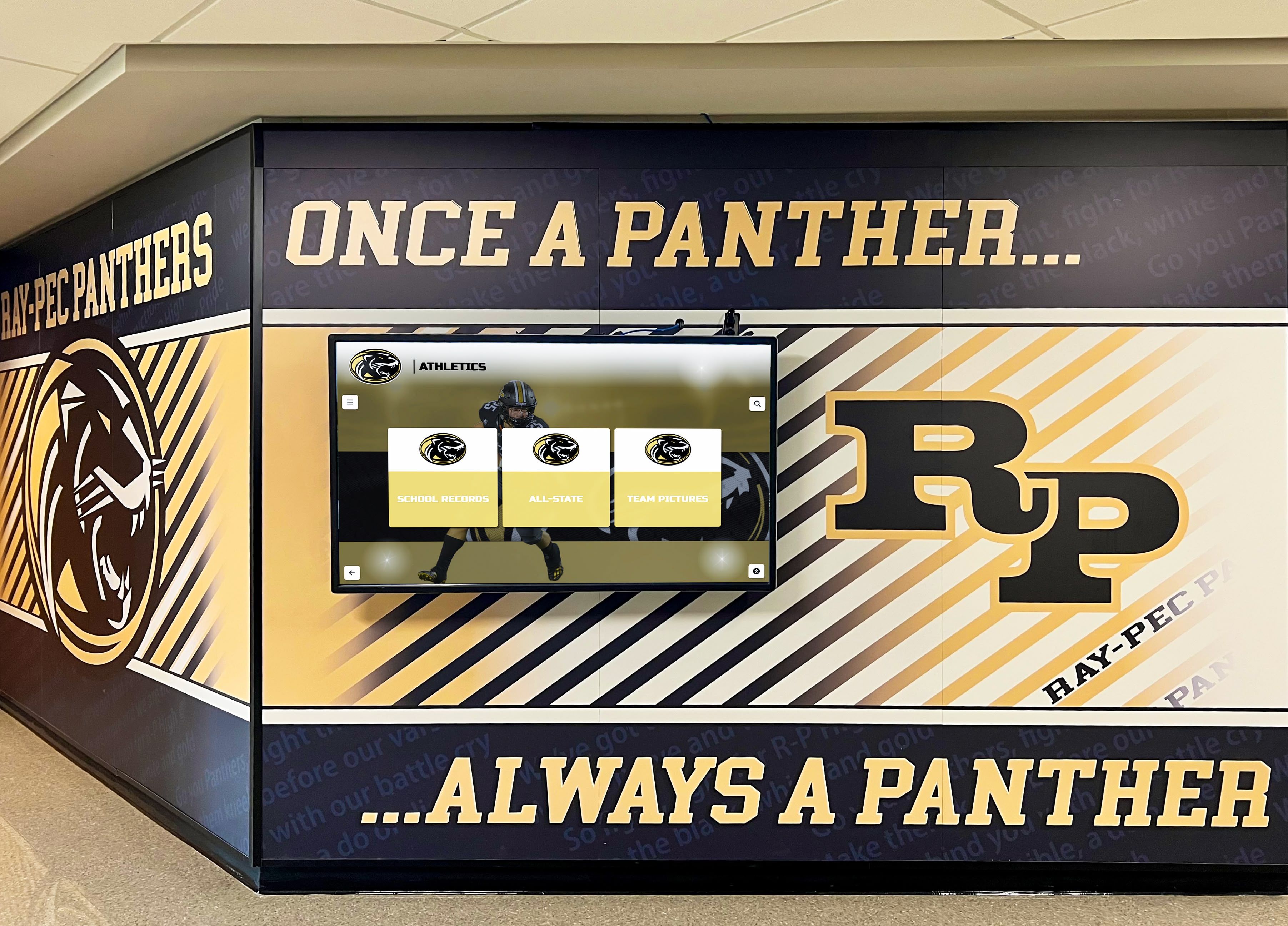
Digital advertising offers even greater flexibility—rotating banner ads on websites, sponsored social media posts, video ads before online content, or digital display advertisements in facilities reached by thousands of visitors annually. Digital inventory enables targeting, analytics, and flexibility that print advertising cannot match while generating recurring revenue through annual contracts.
Price advertising competitively by researching local advertising rates for community newspapers, radio spots, or digital platforms—your pricing should reflect value delivered through reach and targeting while remaining affordable for small businesses comprising most local sponsor prospects. Package multiple placements as comprehensive marketing solutions providing cross-platform visibility at attractive bundled rates.
Long-Term Fundraising Infrastructure
Sustainable revenue requires systematic approaches extending beyond individual campaign efforts.
Annual Giving Programs
Recurring donation campaigns provide predictable revenue supporting ongoing operational needs:
Annual fund programs soliciting regular contributions from all program families, alumni, and community supporters create foundational revenue streams funding equipment replacement, facility maintenance, coach training, and other recurring costs. Unlike event-based fundraising generating periodic revenue spikes, annual giving provides steady income enabling confident planning.
Successful annual funds require clear case statements explaining fund purposes and impacts, suggested giving levels accommodating various donor capacities, convenient giving mechanisms including online donations and recurring payments, and systematic communication campaigns combining direct mail, email, and personal outreach.
Recognition plays a crucial role in annual giving—publicly acknowledging contributors at various levels creates social motivation to give while honoring generosity. Digital recognition displays enable sophisticated multi-tier donor walls showcasing cumulative giving, recognizing milestone anniversaries, and celebrating legacy supporters while accommodating updated information as giving evolves over time.
Capital Campaigns for Major Projects
Targeted intensive fundraising enables transformational facility improvements or equipment acquisitions:
When booster clubs need to fund major investments—facility renovations, equipment upgrades, or new construction—capital campaigns focusing all fundraising energy toward specific compelling goals generate extraordinary giving. Campaigns benefit from tangible, visualizable objectives that donors can imagine and feel excited about supporting.
Successful capital campaigns follow structured phases: quiet phase cultivating leadership gifts from major prospects before public announcement, public phase broadly soliciting community support building on momentum from leadership commitments, and completion phase celebrating goal achievement while recognizing all contributors. This phased approach builds momentum while strategically sequencing solicitations.
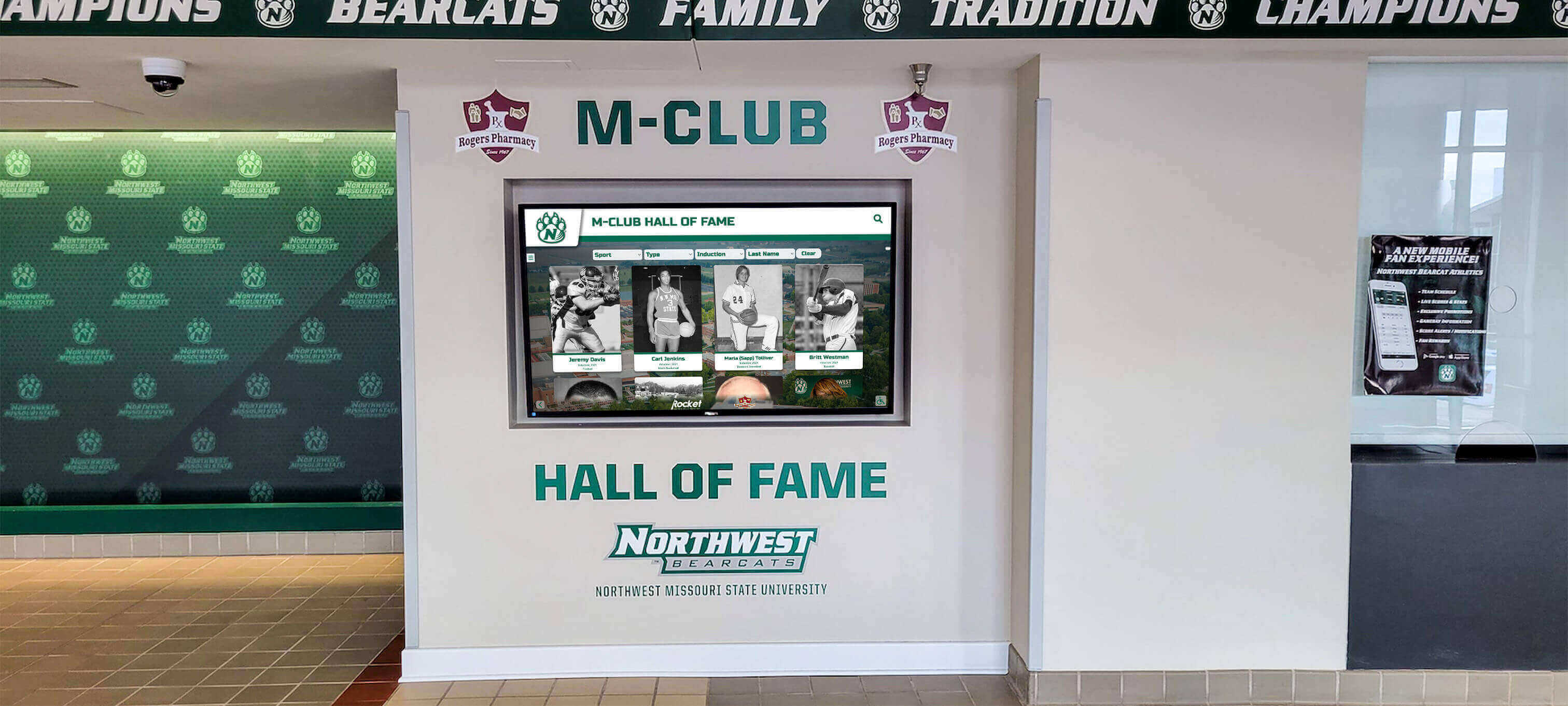
Capital campaigns create excellent opportunities for major naming rights—donors contributing substantial gifts receive recognition through named facilities, fields, or equipment. These legacy naming opportunities appeal to alumni, businesses, and philanthropists seeking visible lasting impact while generating five- and six-figure contributions beyond typical annual giving.
Permanent recognition displays become essential campaign components—donors want assurance their generosity will be remembered permanently. Solutions like digital donor walls provide sophisticated permanent recognition honoring capital campaign contributors while maintaining flexibility to acknowledge future gifts without expensive renovations.
Building Donor Stewardship Programs
Relationship cultivation transforms one-time givers into lifelong supporters:
The most successful fundraising programs recognize that securing initial donations represents only the beginning—converting donors into repeat contributors requires systematic stewardship demonstrating gratitude, communicating impact, and maintaining engagement between solicitations.
Implement structured communication calendars ensuring donors receive regular updates—impact reports showing how contributions benefited programs, student success stories demonstrating outcomes, behind-the-scenes content creating insider perspectives, and advance notice of upcoming needs positioning future asks within context of demonstrated stewardship.
Personal touches matter enormously—handwritten thank you notes from students, phone calls from coaches expressing appreciation, exclusive recognition events honoring major supporters, or facility tours showing donors their contributions in action. These personalized gestures build emotional connections that financial transactions alone cannot create, inspiring continued generosity.
Track donor engagement through database systems recording giving history, communication preferences, volunteer activities, event attendance, and relationship touchpoints. This comprehensive visibility enables personalized cultivation approaches treating each donor as valued individual rather than generic source of funding.
Integrating Recognition to Amplify Fundraising
Strategic recognition doesn’t just thank donors—it actively drives increased giving by creating social motivation, demonstrating impact, and making generosity visible.
Digital Recognition Displays as Fundraising Tools
Interactive donor walls serve triple purposes—honoring contributors, inspiring future giving, and showcasing program support:
Traditional static plaques severely limit recognition capacity, require expensive updates when adding names, and offer minimal engagement beyond quick glances. Digital recognition platforms transform acknowledgment into dynamic experiences that actively support ongoing fundraising efforts.
Comprehensive digital displays can showcase unlimited contributors across multiple giving categories—annual fund supporters, capital campaign donors, business sponsors, in-kind contributors, volunteer leaders, and legacy supporters. This inclusive recognition demonstrates broad community support while honoring diverse contribution types beyond pure financial gifts.
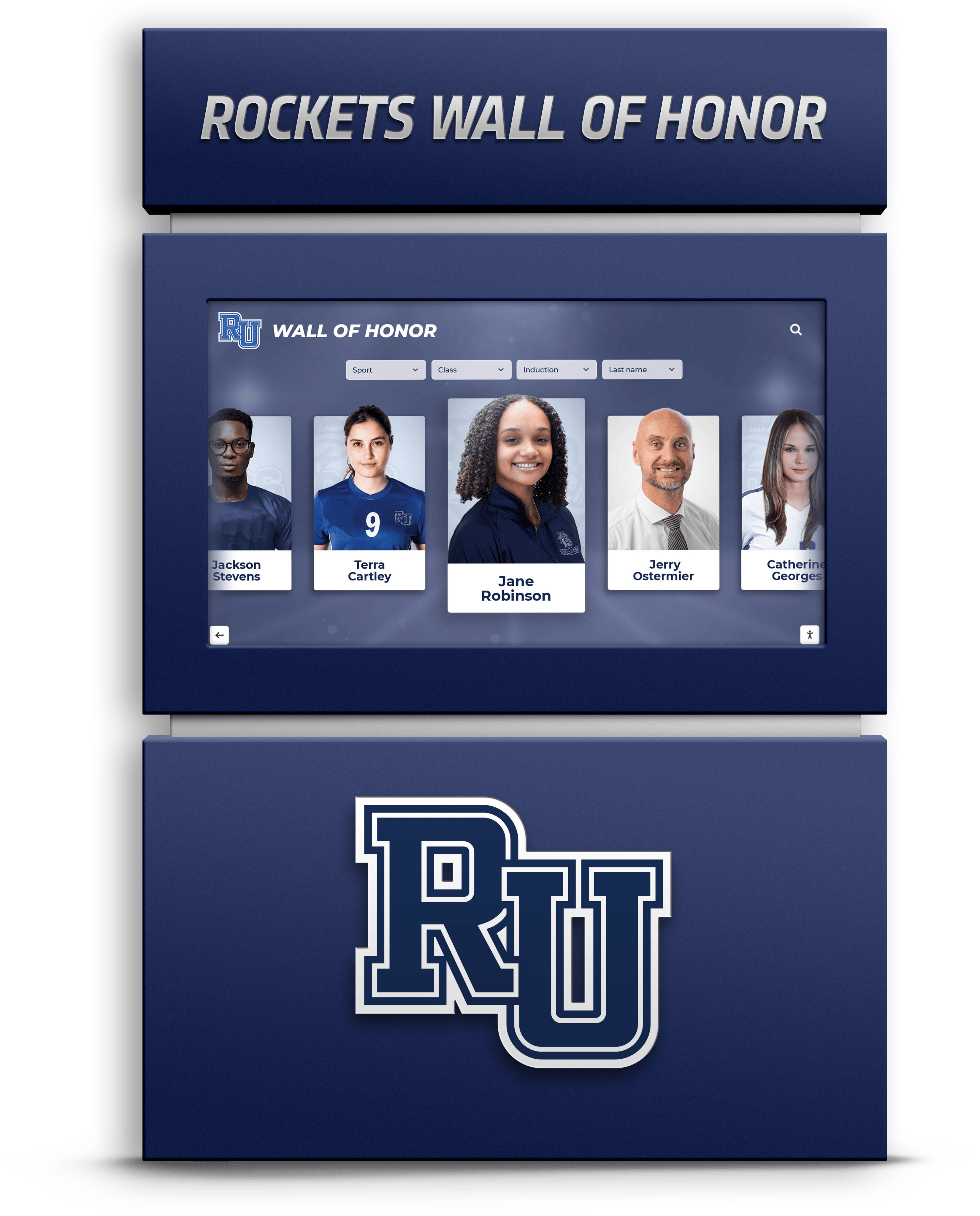
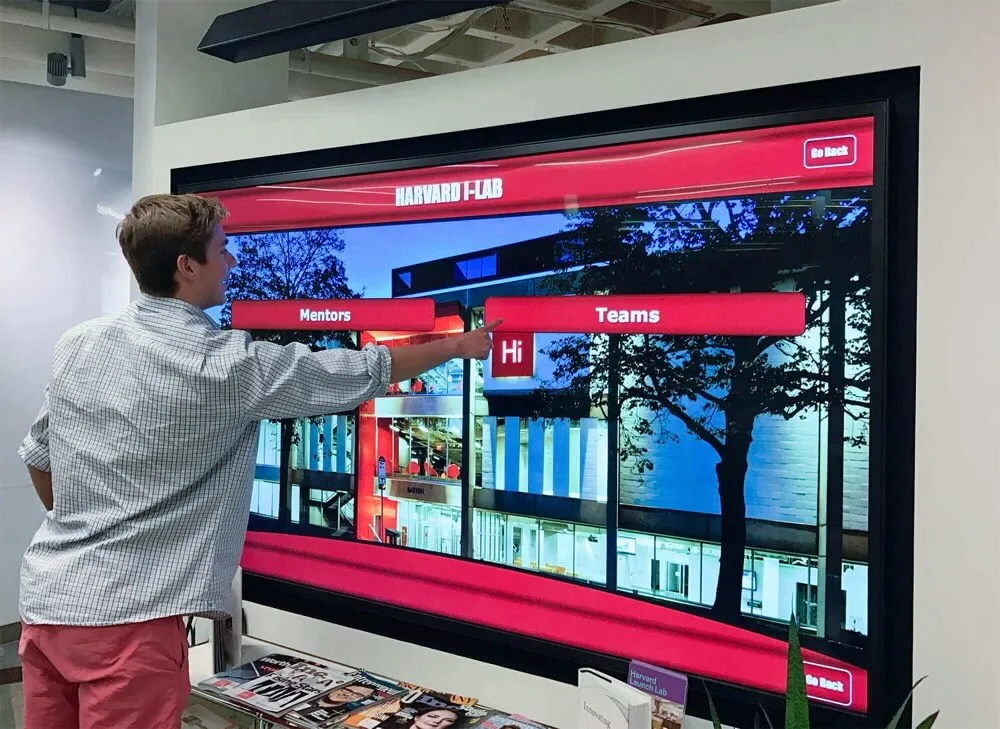
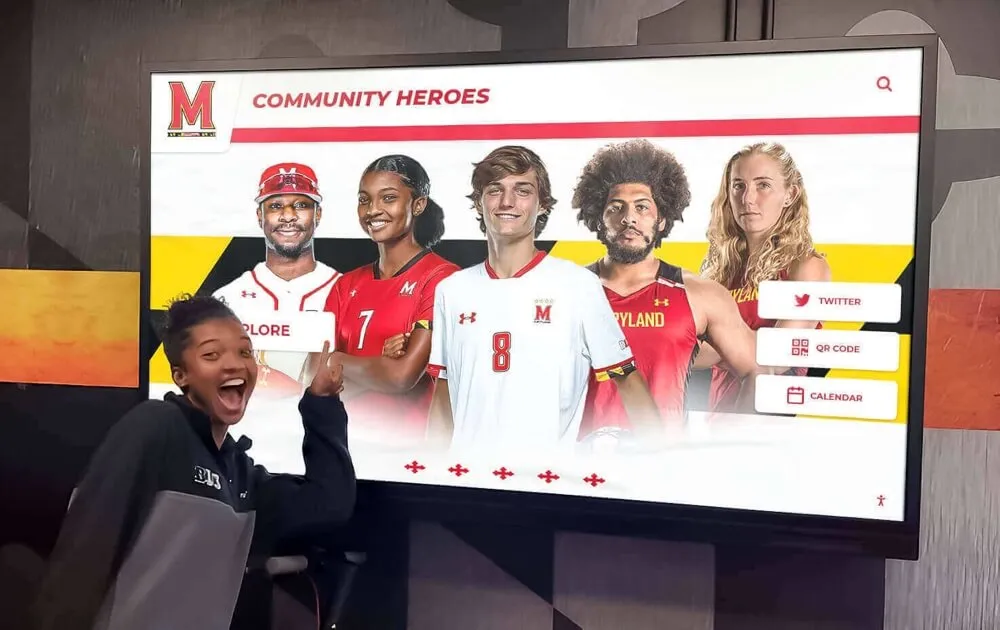
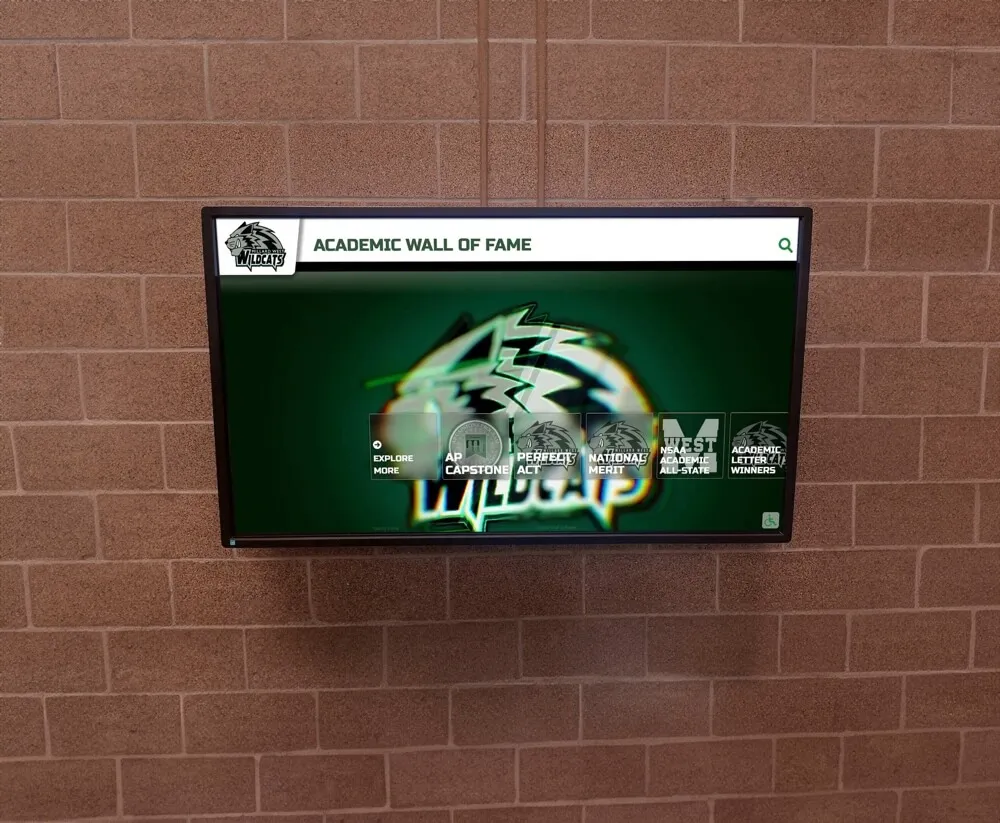
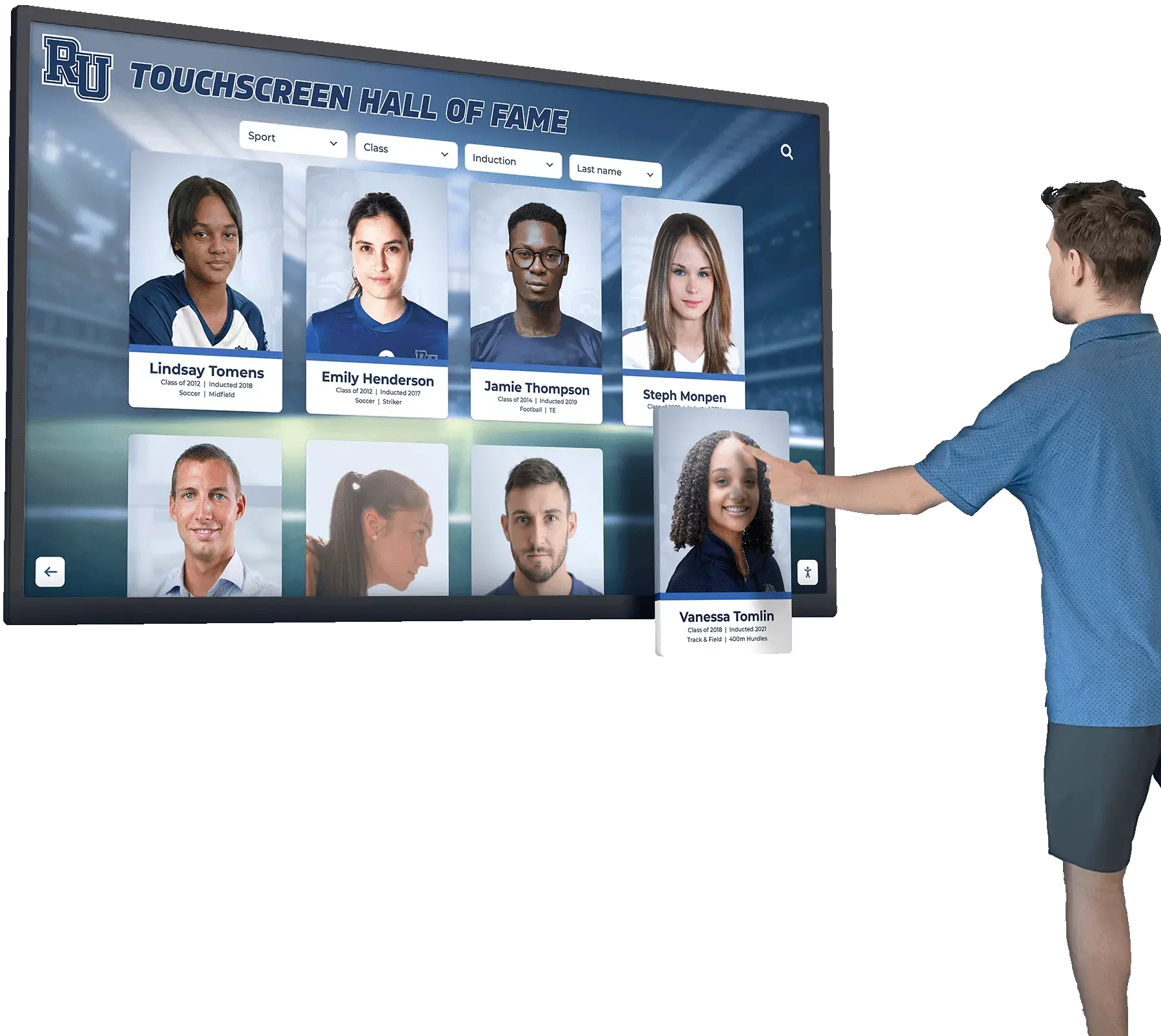
Interactive features enable visitors to search for themselves, classmates, businesses, or family members—creating personal connections and generating pride when discovering personal recognition. Social sharing capabilities multiply visibility exponentially—donors posting recognition screenshots to social networks extend acknowledgment to friend networks totaling thousands of impressions beyond facility visitors.
Analytics reveal engagement patterns—which donor categories attract most interest, how visitors interact with displays, peak usage times, and search behaviors. These insights inform future fundraising strategies while demonstrating recognition value to potential donors considering contributions.
Solutions like Rocket Alumni Solutions provide turnkey recognition platforms purpose-built for schools and booster clubs—delivering sophisticated donor wall capabilities without requiring technical expertise or massive budgets while creating recognition experiences that actively support fundraising objectives.
Creating Recognition Giving Levels
Structured tiers provide clear goals while acknowledging various donor capacities:
Develop comprehensive giving level structures with creative names connecting to program identity—for athletic programs, consider names like MVP Circle, Championship Club, All-Star Society, or Team Captain level. These branded categories create aspirational identities donors want to join while clearly communicating commitment levels.
Each tier should include specific recognition benefits—premier levels might feature prominent lobby display placement, exclusive event invitations, naming opportunities, and personal thank you calls from coaches or athletic directors. Mid-levels receive website recognition, program book acknowledgment, and social media features. Entry levels get listed on comprehensive donor displays and in communications.
Clear tier structures help donors understand exactly what their contributions support and how they’ll be recognized. Many supporters who might give $500 when asked generically will stretch to $1,000 when that specific amount unlocks prestigious recognition tier membership. Strategic tier design actively increases average gift size through aspirational positioning.
Understanding donor recognition examples and best practices demonstrates how sophisticated recognition programs inspire increased giving while honoring contributor generosity effectively.
Celebrating Volunteer Contributions
Non-financial recognition engages entire booster communities beyond financial capacity:
Not all families can contribute financially at levels they wish—recognizing volunteer time, expertise, and service alongside monetary gifts creates inclusive communities where everyone can meaningfully participate regardless of financial circumstances. Many parents who cannot donate thousands of dollars will enthusiastically volunteer hundreds of hours supporting programs.
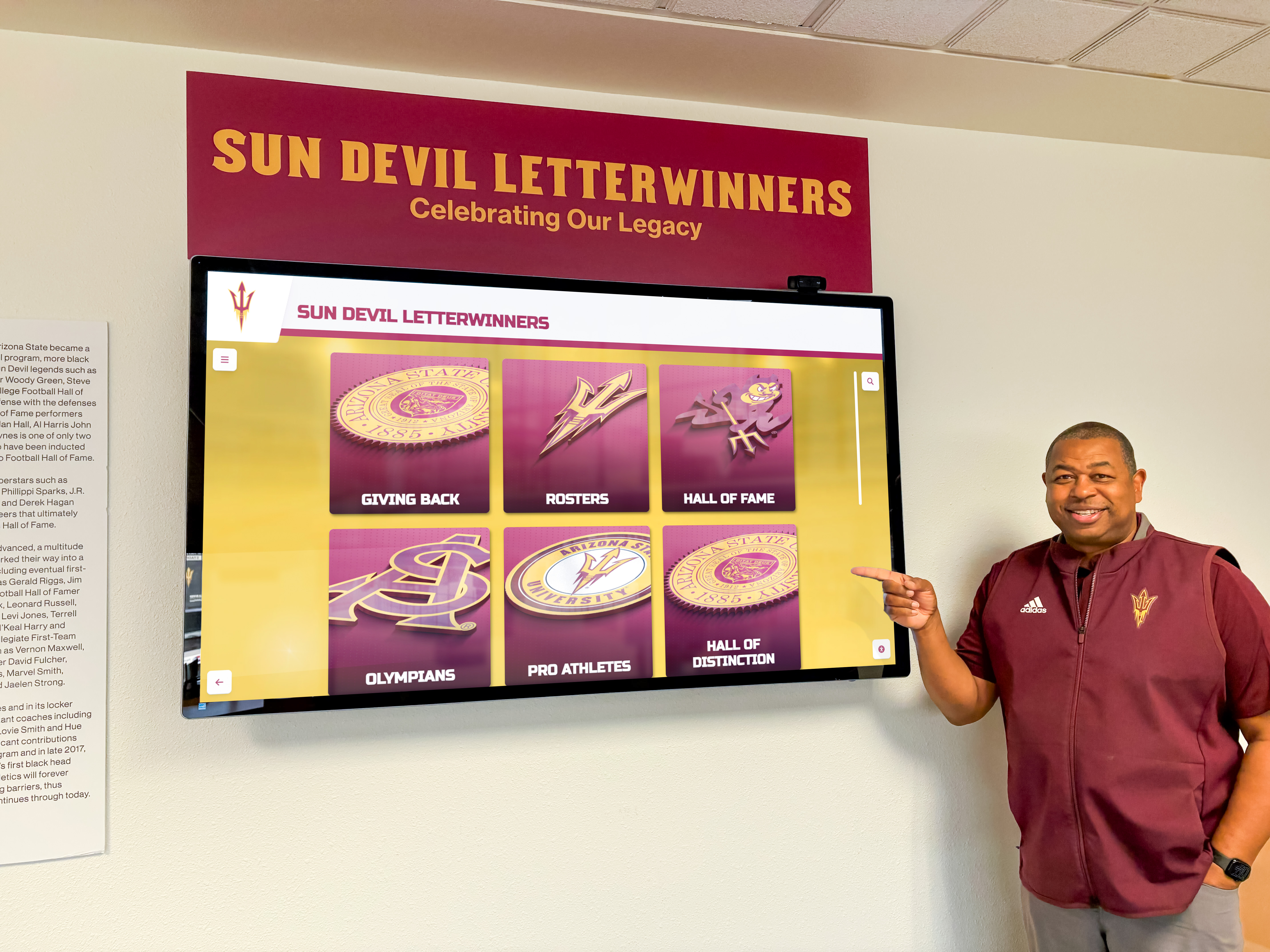
Develop volunteer recognition categories honoring various contribution types—event organizing, concession stand operations, administrative support, coaching assistance, facility maintenance, fundraising coordination, or communications help. Public acknowledgment demonstrates that programs value diverse contributions, not just financial gifts.
Digital displays excel at showcasing volunteer achievements—featuring photos, describing specific contributions, tracking cumulative service hours, and celebrating milestone anniversaries. This visibility creates volunteer pride while inspiring others to contribute time when they see friends and neighbors honored for meaningful service.
Resources on volunteer appreciation strategies provide frameworks for recognizing non-financial contributions that sustain booster organizations beyond pure monetary support.
Measuring and Improving Fundraising Effectiveness
Strategic fundraising requires data-informed decisions optimizing efforts toward highest-return activities.
Tracking Key Metrics
Meaningful measurement reveals what works and where improvements are needed:
Revenue Per Activity: Calculate net proceeds from each fundraising initiative—total revenue minus all associated costs including materials, venue fees, payment processing, labor, and overhead. This metric reveals which activities deliver strongest return on investment versus those consuming resources without commensurate returns.
Donor Acquisition vs. Retention: Track percentages of new donors acquired versus previous contributors who gave again. Retention typically matters more than acquisition—existing donors cost less to solicit and often give more over time. Low retention rates signal stewardship problems requiring attention before expanding donor acquisition efforts.
Participation Rates: Monitor percentages of target audiences engaging with various fundraising initiatives. When participation rates decline over time, supporters signal fatigue or declining enthusiasm requiring fresh approaches or improved value propositions.
Average Gift Size: Track typical contribution amounts across different campaigns and donor segments. Increasing average gifts often generates more revenue with less effort than expanding donor numbers, making upgrade strategies attracting larger gifts from existing supporters particularly valuable.
Conducting Donor Feedback Assessments
Direct input from supporters reveals preferences, motivations, and opportunities:
Survey donors and prospects periodically asking what motivated their support, which recognition they value most, what fundraising approaches appeal to them, and what would inspire increased giving. This direct feedback provides insights assumptions and guessing cannot match.
Questions might explore giving motivations (“What inspired your contribution?”), recognition preferences (“How do you prefer to be acknowledged?”), communication preferences (“How often do you want updates?”), and interest in specific initiatives (“Would you support a capital campaign for facility renovation?”). Keep surveys brief respecting limited time while gathering actionable insights.
Analyze feedback identifying patterns—if many respondents mention preferring digital recognition over printed materials, shift resources accordingly. If supporters express interest in specific giving opportunities, develop campaigns around those priorities. Data-informed decisions outperform intuition-based approaches.
Continuous Improvement Culture
Ongoing refinement ensures fundraising programs evolve rather than stagnate:
Establish regular assessment cycles reviewing results, gathering feedback, testing new approaches, and implementing evidence-based improvements. Quarterly reviews create accountability while generating fresh ideas preventing complacency.
Document what works and what doesn’t—maintaining institutional knowledge prevents repeating failed approaches when volunteer leadership transitions occur. Successful initiatives should be systematized into repeatable processes reducing reinvention effort each cycle.
Test new approaches systematically rather than wholesale program overhauls. Small controlled experiments—testing new giving tiers, trying different event formats, or piloting alternative communication strategies—generate learning while limiting downside risk if innovations don’t perform as hoped.
Avoiding Common Fundraising Mistakes
Understanding predictable pitfalls helps booster clubs maintain supporter enthusiasm while maximizing revenue.
Preventing Donor Fatigue
Over-solicitation depletes goodwill faster than it generates revenue:
Excessive fundraising requests create negative associations—supporters begin avoiding communications, declining participation, and eventually disengaging completely. The warning signs include declining participation rates, decreasing average gifts, increasing opt-outs from communications, and vocal complaints about “always asking for money.”
Strategic calendar planning ensures adequate spacing between major solicitations—quarterly asks often represent sustainable frequency for most audiences, though communication between asks maintaining relationships remains important. Focus limited solicitation opportunities on highest-potential initiatives rather than constant small requests generating minimal revenue while damaging relationships.
Balance asks with value delivery—every fundraising communication should be surrounded by multiple non-solicitation messages providing valuable content, celebrating achievements, recognizing supporters, or simply maintaining relationship warmth. Ratio of 5-6 value touches per ask preserves relationship quality while maintaining revenue generation.
Avoiding Recognition Blind Spots
Insufficient acknowledgment costs future giving more than upfront recognition investments:
When donors contribute but never see public recognition, receive thank you communications, or hear about gift impact, they rarely give again. The cost of inadequate stewardship vastly exceeds recognition investment—losing repeat donors means constantly replacing lapsed supporters rather than growing support through retention.
Systematic thank you processes ensure no contribution goes unacknowledged—send personalized acknowledgments within 48 hours of every gift regardless of size. Small gifts today often predict major gifts tomorrow when donors experience excellent stewardship inspiring increased generosity.
Public recognition should be permanent and prominent—donors considering major contributions want assurance their generosity will be remembered visibly. Digital recognition displays provide cost-effective permanent acknowledgment accommodating unlimited contributors without expensive plaque additions or renovations.
Maintaining Financial Transparency
Accountability builds trust justifying continued support:
Supporters increasingly demand transparency about how contributions get used—vague “general support” messaging generates less enthusiasm than specific explanations showing exactly what gifts fund and what impact results. Publish annual reports detailing revenue sources, expenditure categories, and program outcomes funded by supporter generosity.
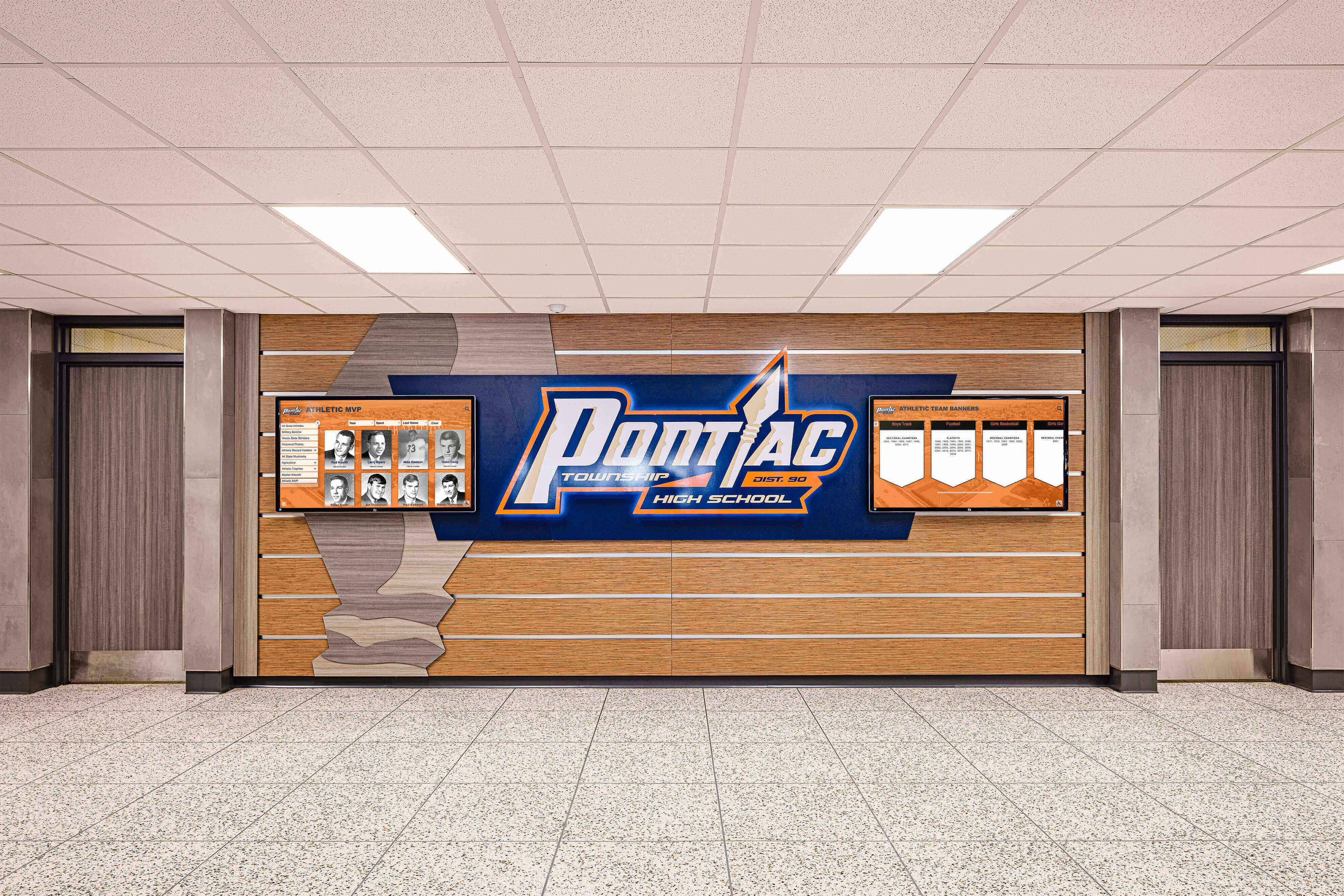
Digital platforms can showcase fundraising progress toward specific goals—thermometer graphics displaying capital campaign advancement, equipment wishlists showing funded versus needed items, or facility improvement plans illustrating upgrade stages. This visibility creates momentum while demonstrating responsible stewardship.
Financial integrity extends beyond legal compliance to ethical considerations—avoiding excessive overhead, ensuring appropriate proportions of revenue actually reach program support, and maintaining conflicts of interest policies preventing personal benefit from booster roles. Ethical operations build long-term trust supporting sustained fundraising success.
Conclusion: Building Sustainable Booster Club Fundraising Programs
Effective booster club fundraising combines multiple complementary strategies creating diverse revenue streams that support programs through varying economic conditions and community circumstances. No single approach suffices—comprehensive programs blend events, product sales, sponsorships, annual giving, digital donations, and capital campaigns creating stable financial foundations.
The most successful booster clubs recognize that fundraising extends beyond simply requesting money—it creates value for contributors, builds lasting community connections, and provides recognition inspiring continued support. When fundraising strategies prioritize what supporters receive rather than only what programs need, they generate sustainable generosity rather than depleting goodwill through transactional extraction.
Strategic recognition represents perhaps the most underutilized fundraising accelerator available to booster clubs. Public acknowledgment creates social motivation to give, demonstrates community support inspiring others to contribute, and honors generosity in ways that encourage repeat gifts year after year. Modern digital recognition platforms multiply traditional plaque effectiveness while reducing long-term costs and administrative burden.
Success requires moving beyond occasional desperate fundraising when immediate needs arise toward systematic year-round relationship building with donors, volunteers, and supporters. Programs that invest in stewardship, maintain regular non-solicitation communication, and demonstrate genuine appreciation for support generate extraordinary results compared to organizations that only engage constituents when seeking contributions.
The booster clubs achieving greatest fundraising success share common characteristics: diverse revenue sources reducing dependence on single fundraising mechanisms, strategic recognition programs honoring all contribution types, convenient modern giving options accommodating how people manage money today, strong business partnerships providing corporate support, compelling communication demonstrating program impact, and systematic stewardship building long-term donor relationships.
Athletic programs, arts initiatives, and extracurricular activities increasingly depend on booster club support to deliver exceptional student experiences. The question isn’t whether fundraising matters but whether booster clubs will implement strategic approaches generating sustainable revenue while building communities of engaged supporters whose involvement extends beyond financial contributions to genuine program ownership.
Organizations choosing to prioritize comprehensive fundraising strategies combining the proven ideas explored throughout this guide position programs for long-term success—funding equipment, facilities, travel, and recognition displays that enable students to compete, perform, and achieve at highest levels while creating traditions of community support passed to future generations.
Ready to enhance your booster club’s donor recognition program with digital displays that honor contributors while actively supporting fundraising objectives? Explore how Rocket Alumni Solutions provides purpose-built recognition platforms enabling booster clubs to showcase supporters through engaging, interactive displays that inspire continued generosity—without requiring technical expertise or massive budgets while delivering sophisticated donor walls that make giving visible and celebrated throughout communities.