



Booster clubs serve as the financial lifeline for countless athletic programs across the country, filling gaps that school budgets can’t cover while building community connections that strengthen programs beyond dollars alone. Yet many booster organizations struggle with fundraising fatigue—relying on the same car washes, bake sales, and donation drives year after year, generating diminishing returns while exhausting volunteer energy.
The most successful booster clubs in 2026 have moved beyond traditional approaches to implement diverse, creative fundraising strategies that generate substantial revenue while actually energizing rather than depleting their volunteer base. These organizations understand that effective fundraising isn’t about working harder with the same old tactics—it’s about working smarter with approaches that match modern community expectations and donor preferences.
This comprehensive guide explores proven booster club fundraising ideas that drive significant financial support while building lasting community engagement. Whether your booster club operates with a small volunteer team or has extensive organizational capacity, you’ll discover scalable strategies appropriate for your specific circumstances and capable of transforming your program’s financial foundation.
Why Modern Booster Clubs Need Fresh Fundraising Approaches
Traditional fundraising methods face increasing challenges in today’s environment. Community members receive constant solicitations from numerous organizations competing for limited discretionary spending. Parents juggle demanding work schedules that limit volunteer availability. Digital commerce has fundamentally changed how people prefer to donate and engage with causes they support.
Booster clubs that continue relying exclusively on labor-intensive, low-yield traditional fundraisers find themselves working harder each year to achieve flat or declining results. Meanwhile, organizations embracing diverse, modern approaches—including digital recognition sponsorships and technology-enabled campaigns—generate substantial revenue while requiring less volunteer time and creating more sustainable long-term support.
Understanding Effective Booster Club Fundraising
Before exploring specific fundraising ideas, understanding fundamental principles that separate high-performing fundraising from ineffective efforts provides essential context for selecting and implementing appropriate strategies.
The Fundraising Effectiveness Framework
Successful booster club fundraising balances three critical elements that determine both short-term results and long-term sustainability:
Revenue Potential: How much money a fundraising activity can realistically generate. Simple events like bake sales might raise $500-$1,000, while well-executed campaigns like digital recognition sponsorships or golf tournaments can generate $15,000-$50,000+ annually. High-revenue strategies deserve proportionate time investment even when they require more initial effort.
Volunteer Capacity: The human resources required to plan, execute, and complete fundraising activities successfully. Labor-intensive efforts that consume dozens of volunteer hours for modest returns create burnout and unsustainable models. Efficient approaches maximizing revenue per volunteer hour prove more sustainable long-term.
Community Engagement: How effectively fundraising activities strengthen connections with supporters, create positive experiences, and build lasting relationships rather than simply extracting donations. The best fundraisers simultaneously raise money AND deepen community bonds, creating upward spirals where stronger relationships generate increased support over time.
Strategic booster clubs intentionally construct fundraising portfolios balancing these elements—combining high-revenue anchor events, efficient passive revenue sources, and community-building activities that strengthen supporter relationships even when they generate modest direct revenue.
Diversification: The Key to Sustainable Fundraising
Revenue diversification protects booster clubs from over-dependence on single fundraising approaches while expanding the potential supporter base:
Many struggling booster clubs rely overwhelmingly on one or two major fundraisers annually. When these events underperform due to weather, scheduling conflicts, economic conditions, or volunteer leadership changes, the entire organization faces financial crisis. Diversified approaches spread risk across multiple revenue streams, ensuring that problems with individual fundraisers don’t threaten overall financial stability.
Different community members respond to different fundraising approaches. Some readily write checks but never attend events. Others enthusiastically participate in activities but have limited financial capacity for direct donations. Still others might not donate personally but connect booster clubs with corporate sponsors or matching gift programs. Diverse fundraising methods capture support from various community segments rather than depending exclusively on one donor profile.
According to research on nonprofit sustainability, organizations with at least five distinct revenue sources demonstrate significantly greater financial stability and growth compared to those dependent on one or two primary sources. This principle applies equally to booster clubs as to larger nonprofits.
High-Impact Booster Club Fundraising Ideas
The following fundraising strategies represent proven approaches generating substantial revenue while creating positive community experiences that strengthen long-term support.
Digital Recognition Sponsorship Programs
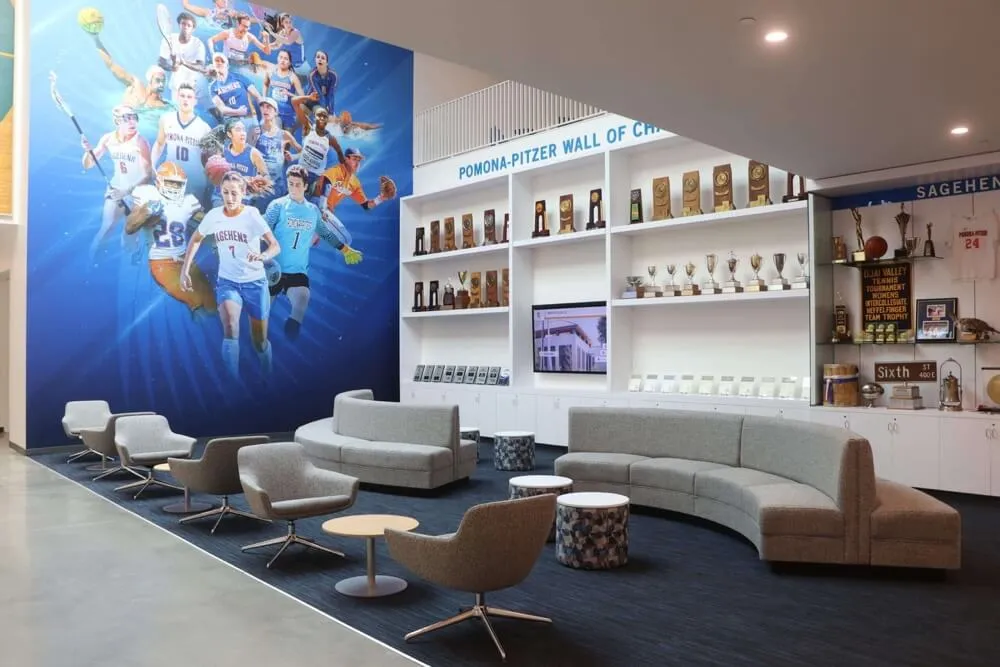
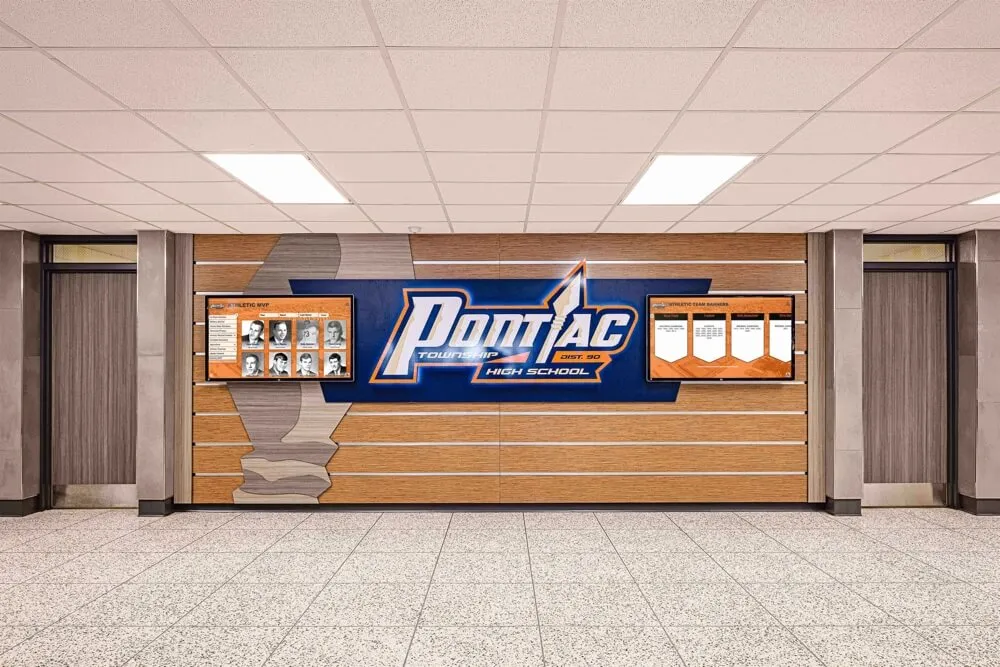
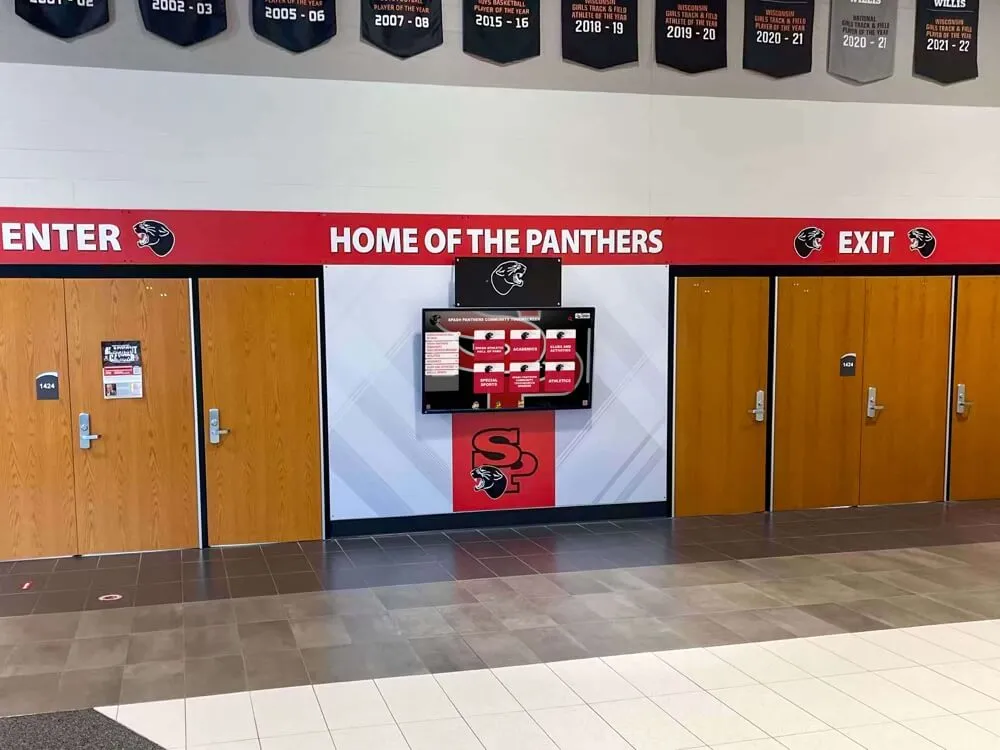
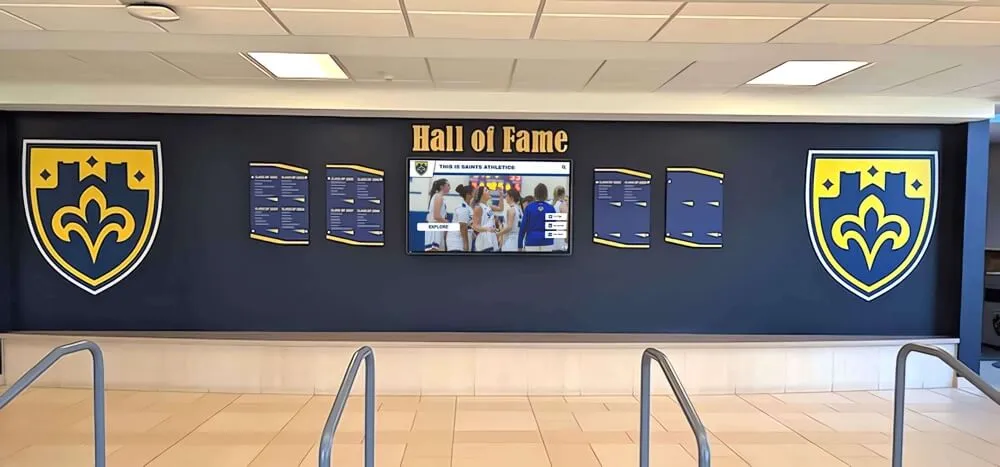
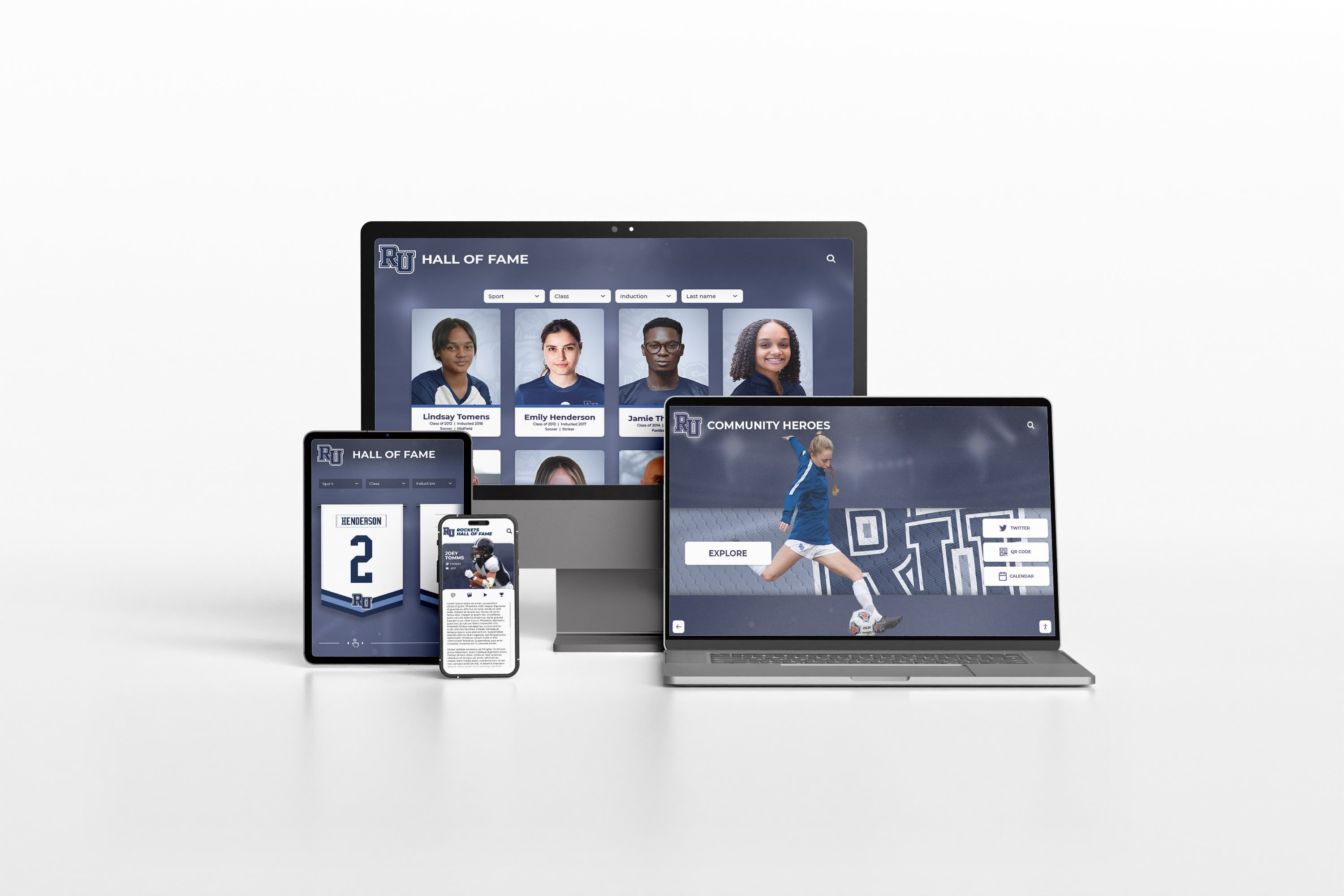
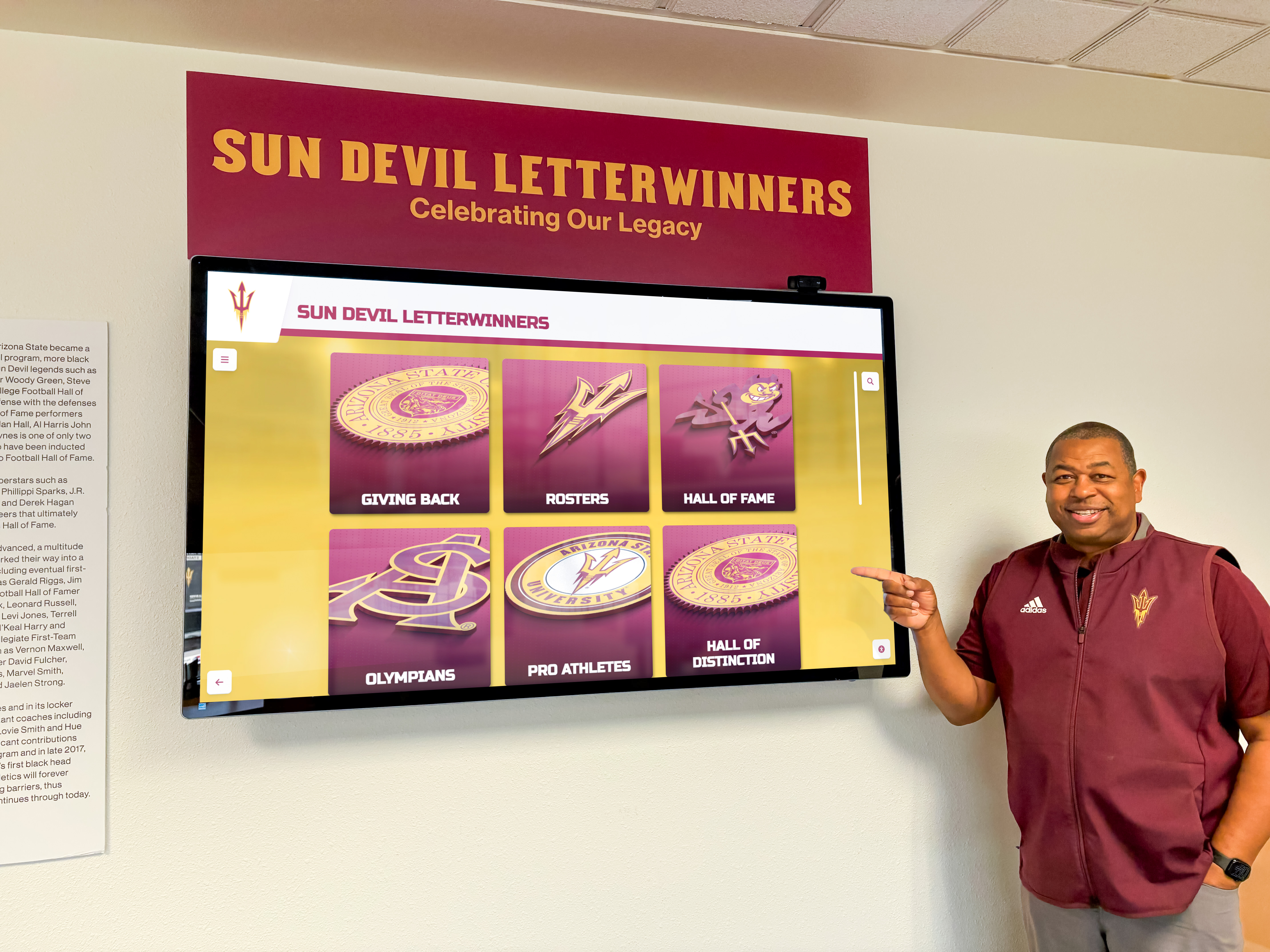
Modern recognition technology creates unprecedented sponsorship opportunities that simultaneously generate significant revenue, honor athletic achievements, and provide lasting value to sponsors:
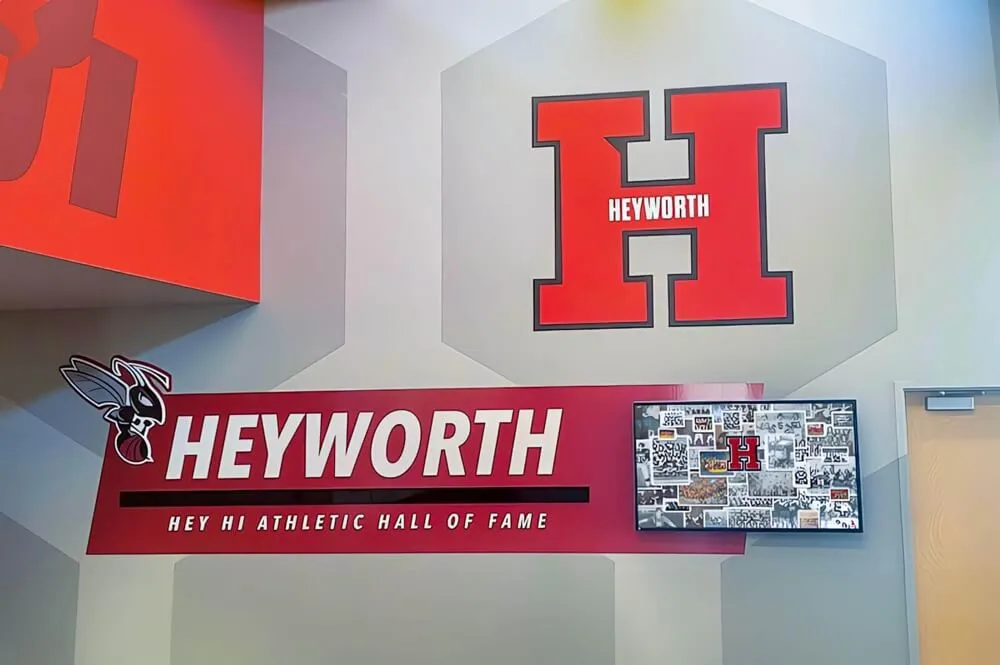
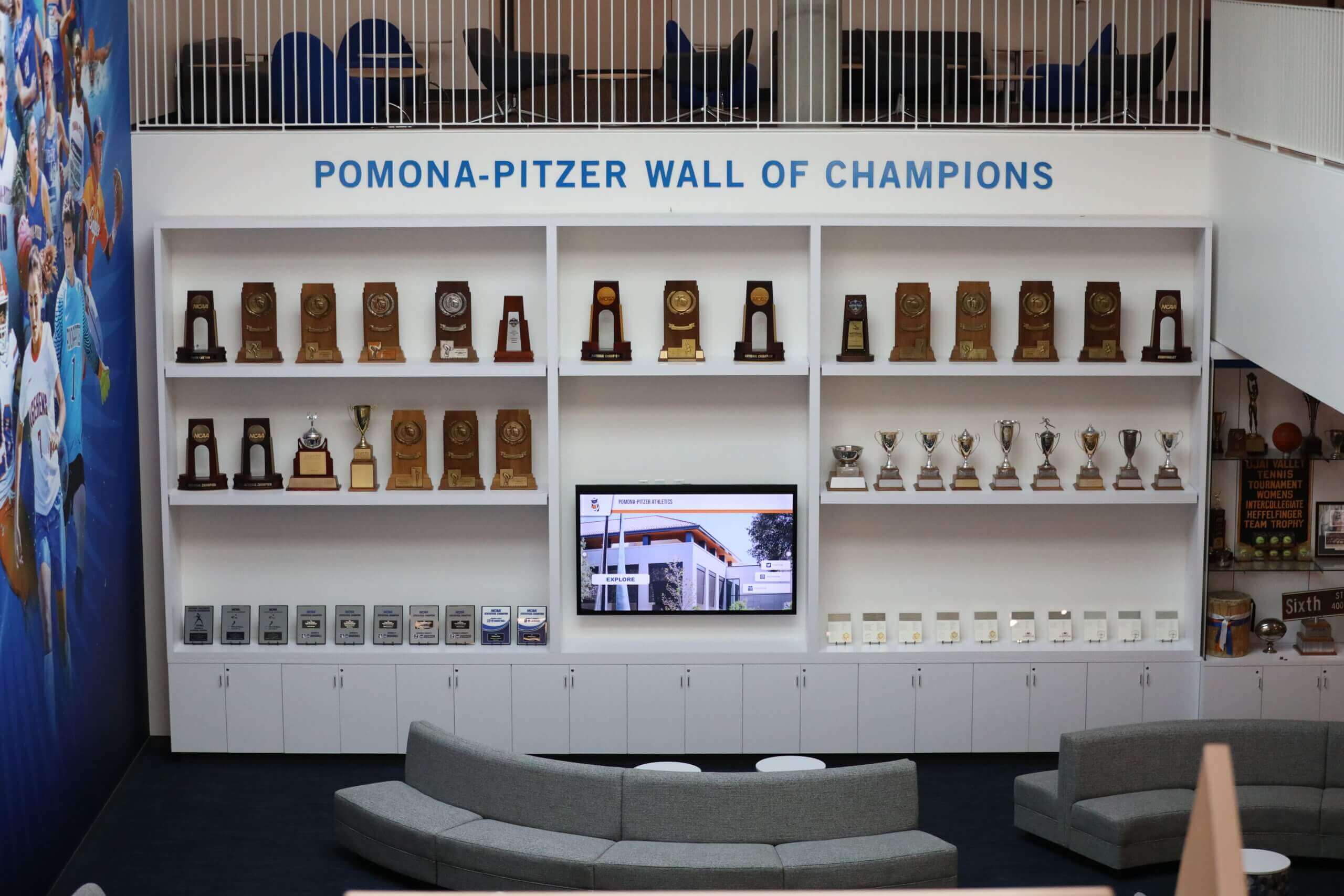
Traditional recognition systems—physical trophies, wall plaques, and display cases—offer limited sponsorship possibilities beyond naming rights or small donor plaques. Digital recognition platforms transform recognition into dynamic, engaging experiences that create premium sponsorship opportunities worth substantially more to businesses seeking community visibility.
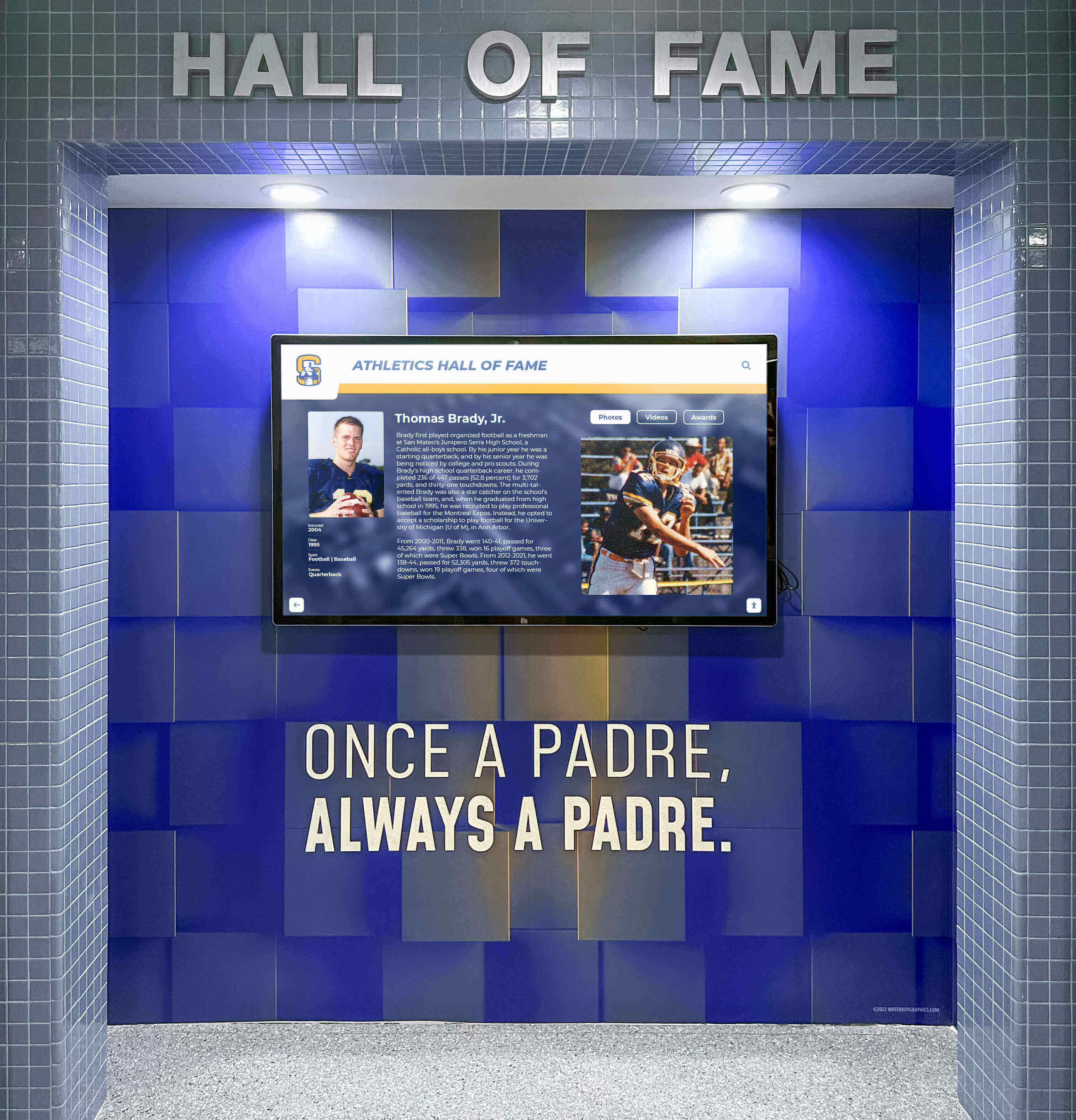
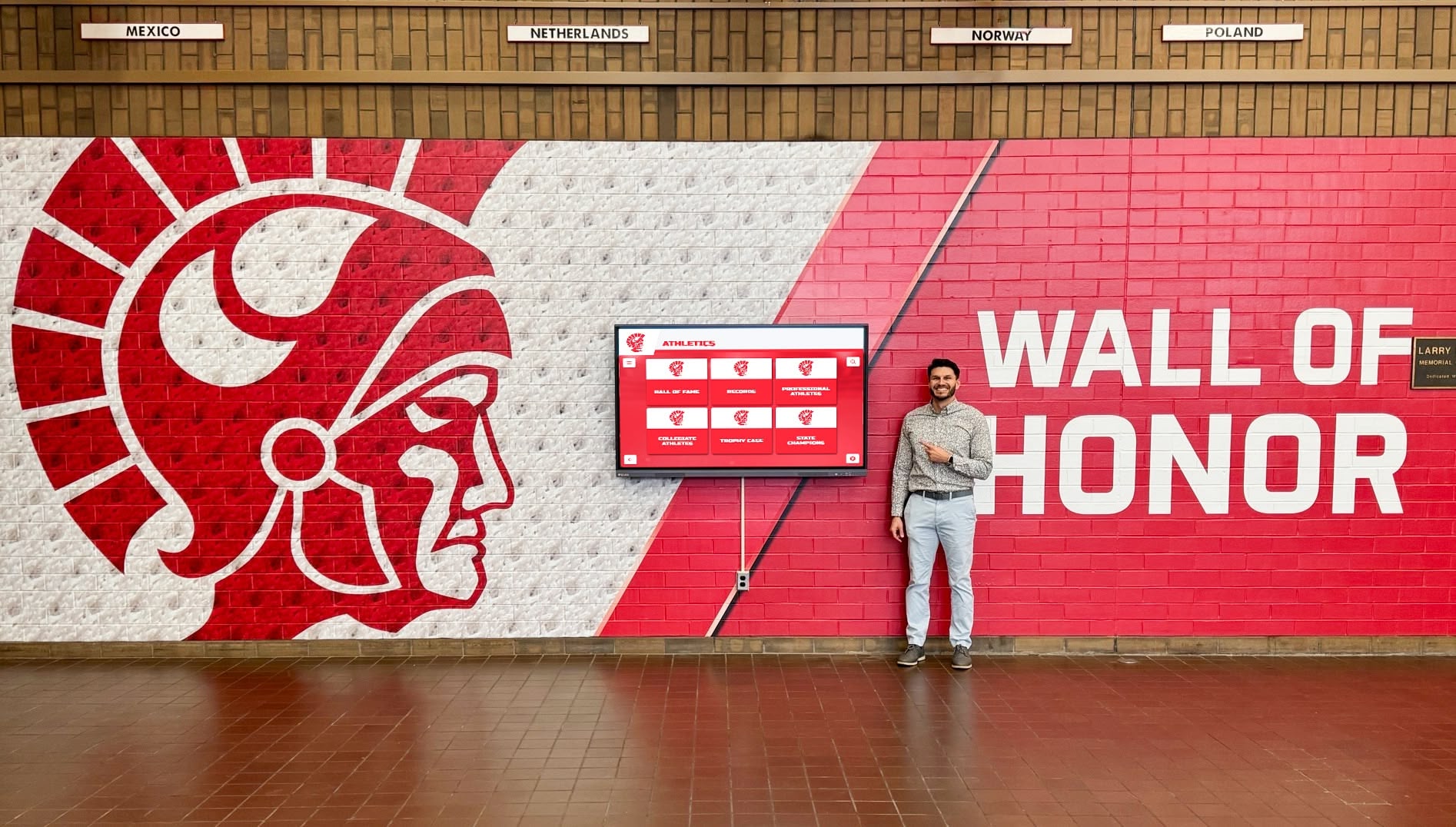
How Digital Recognition Sponsorships Work:
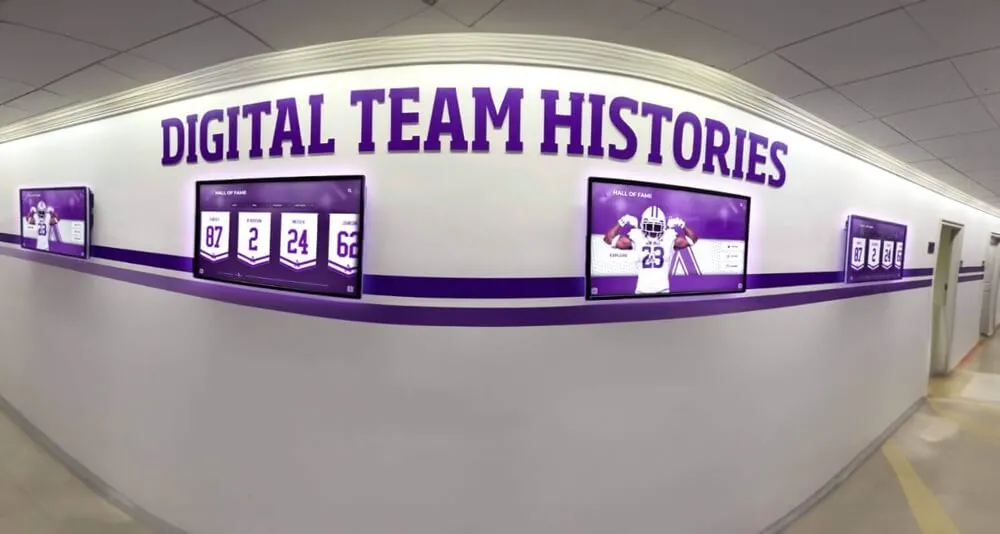
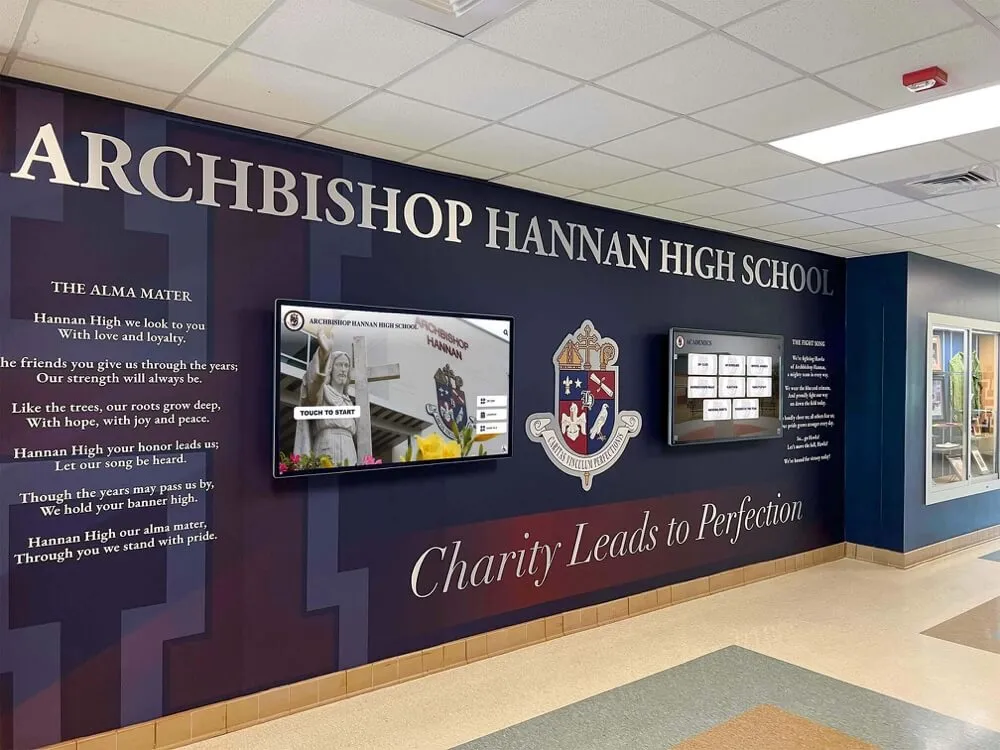
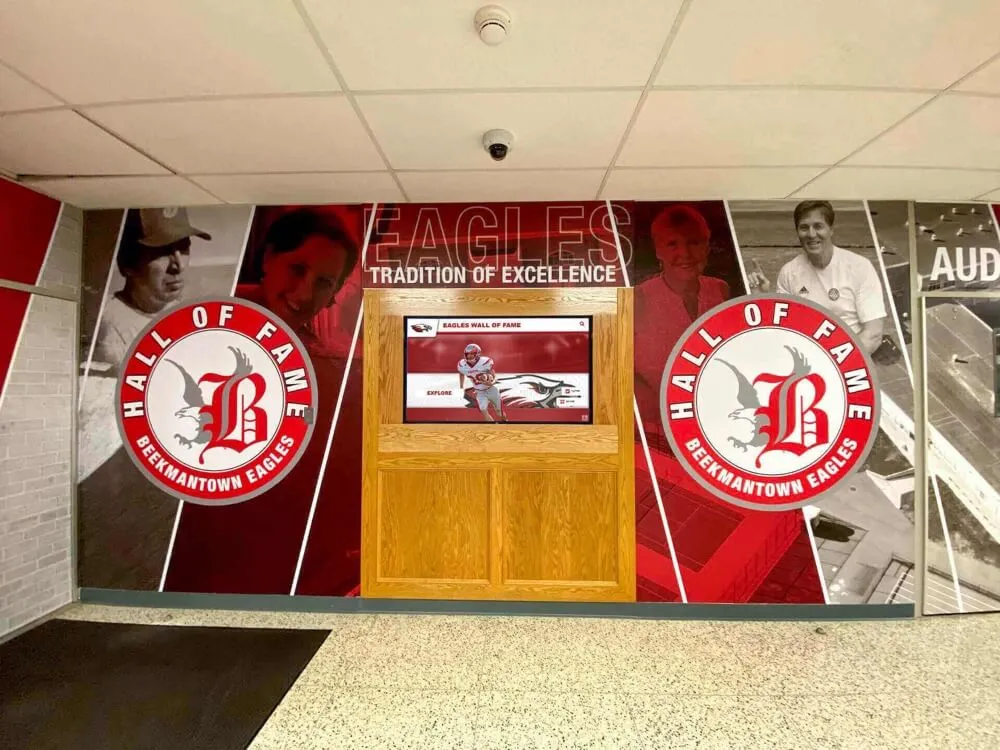
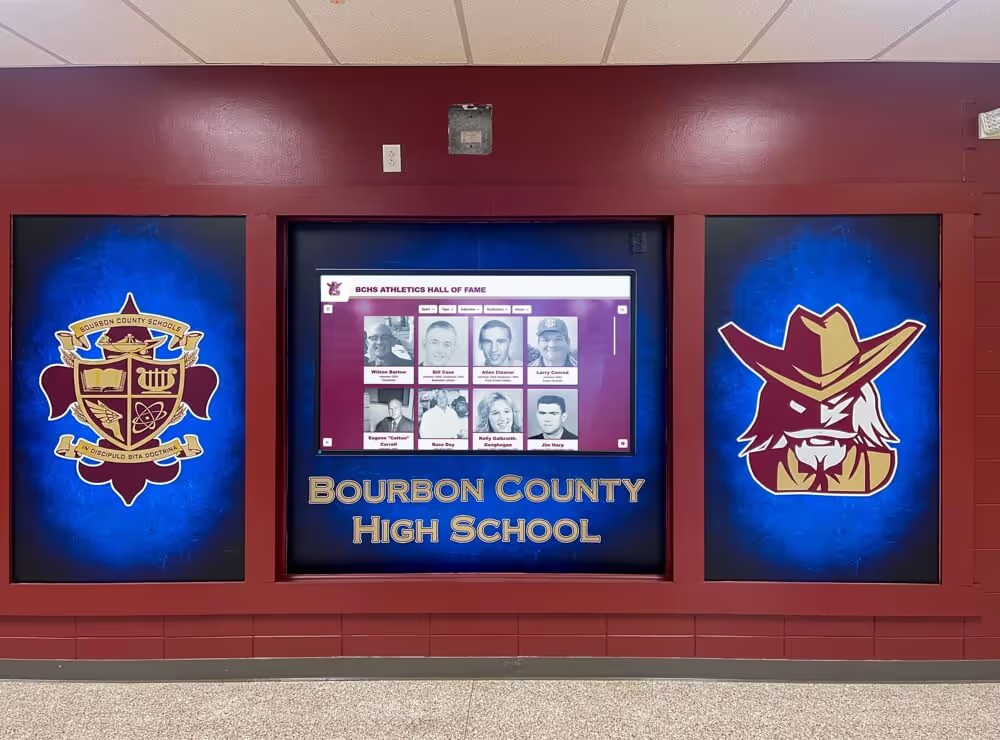
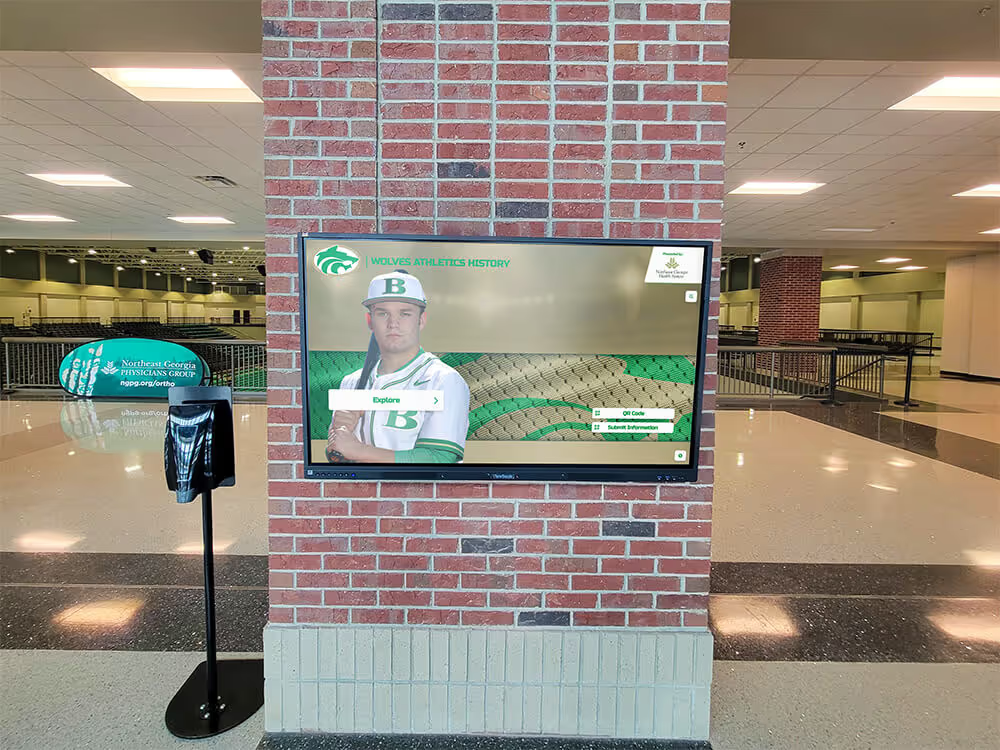
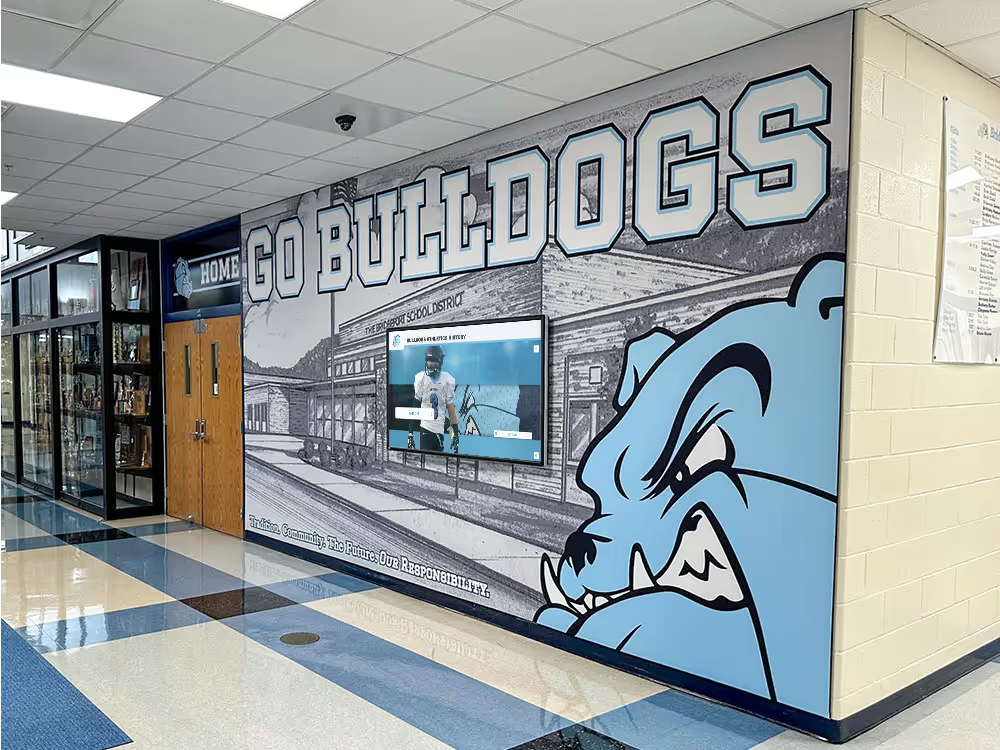
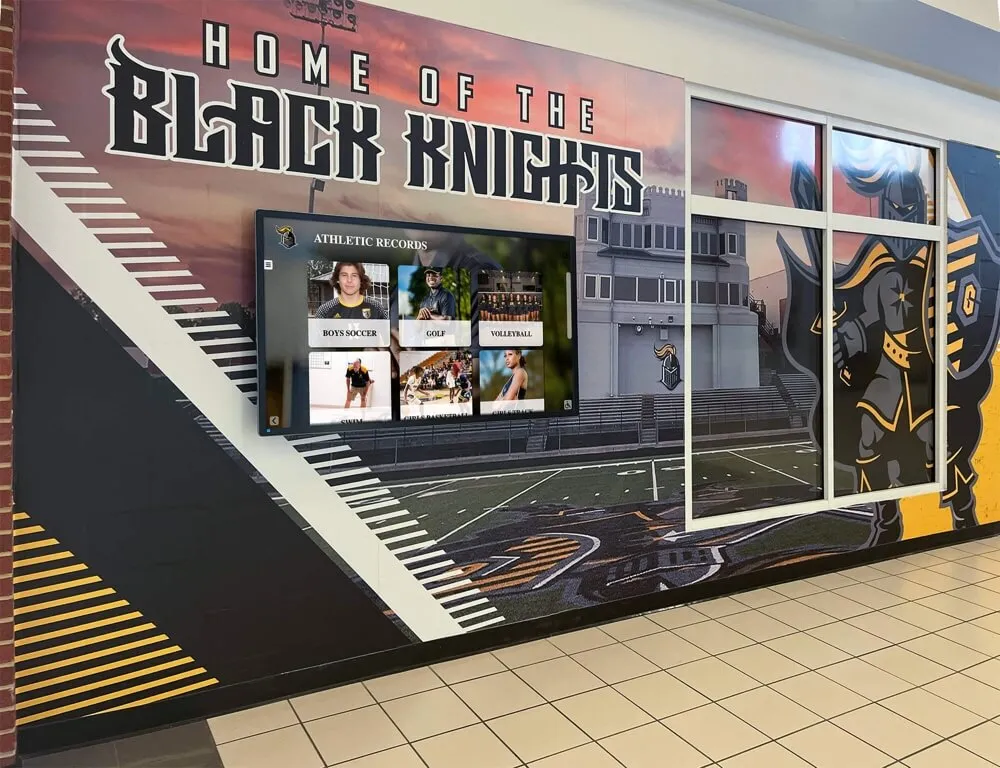
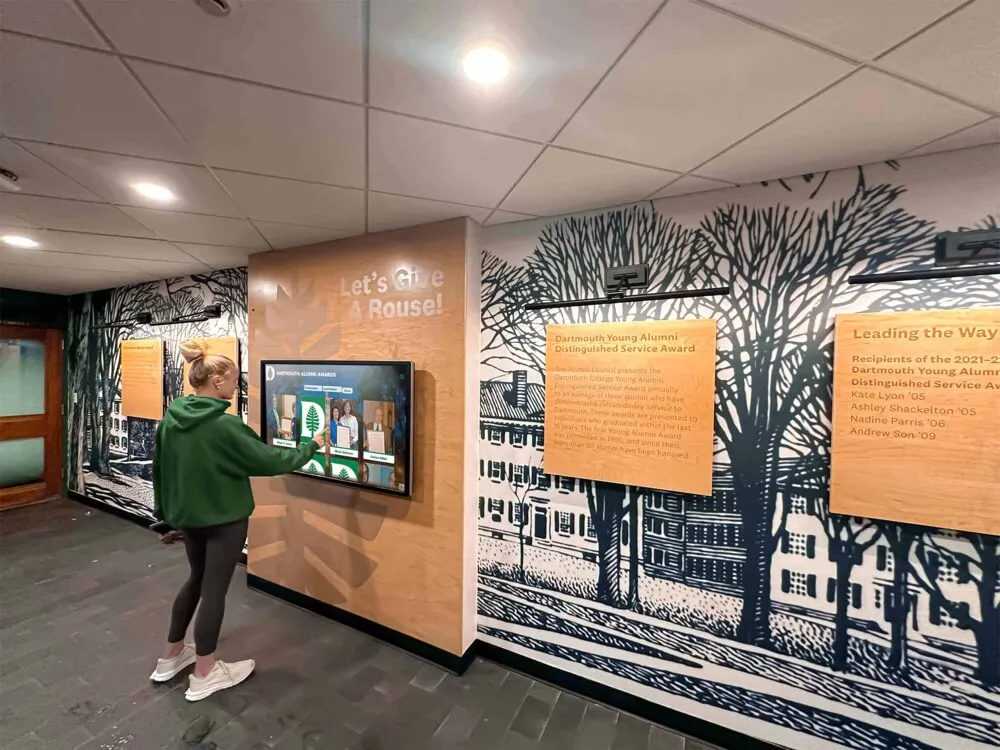
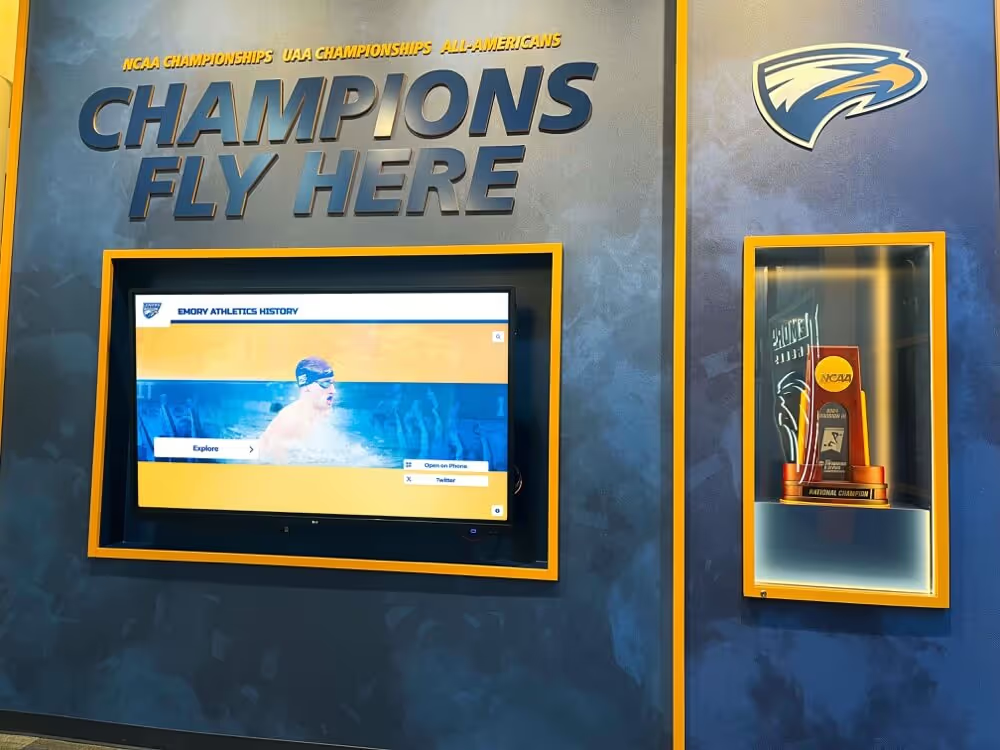
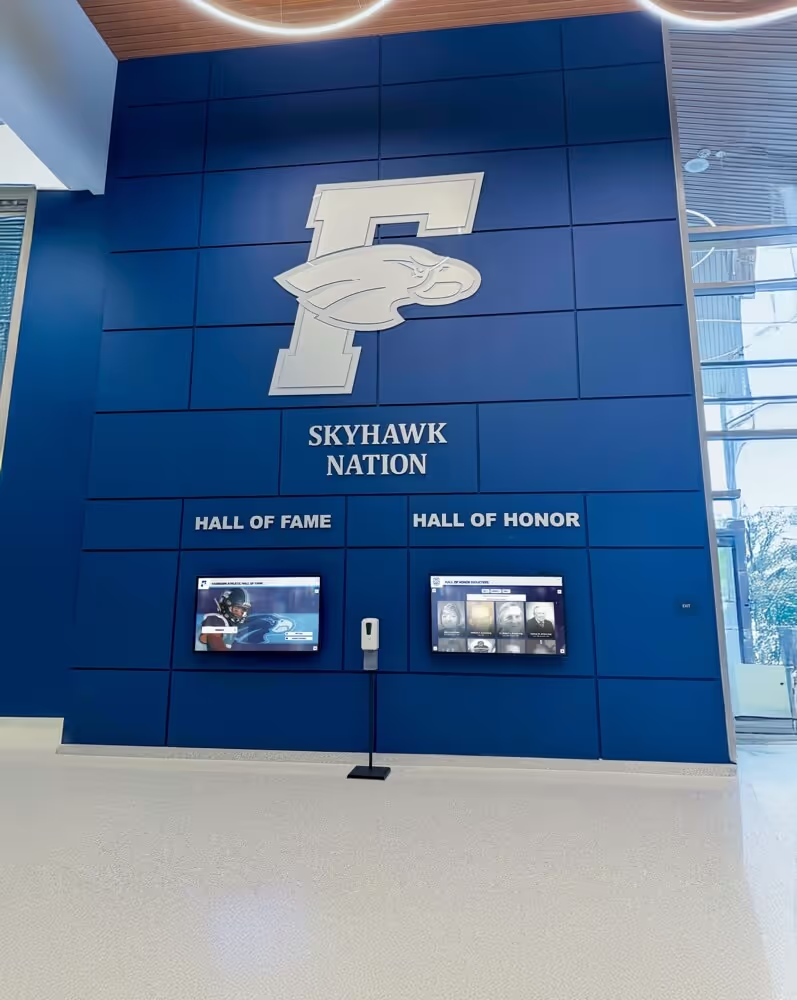
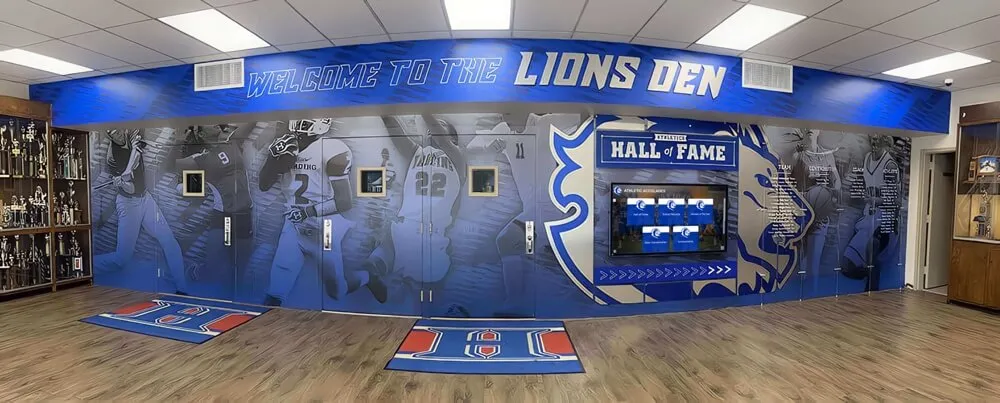
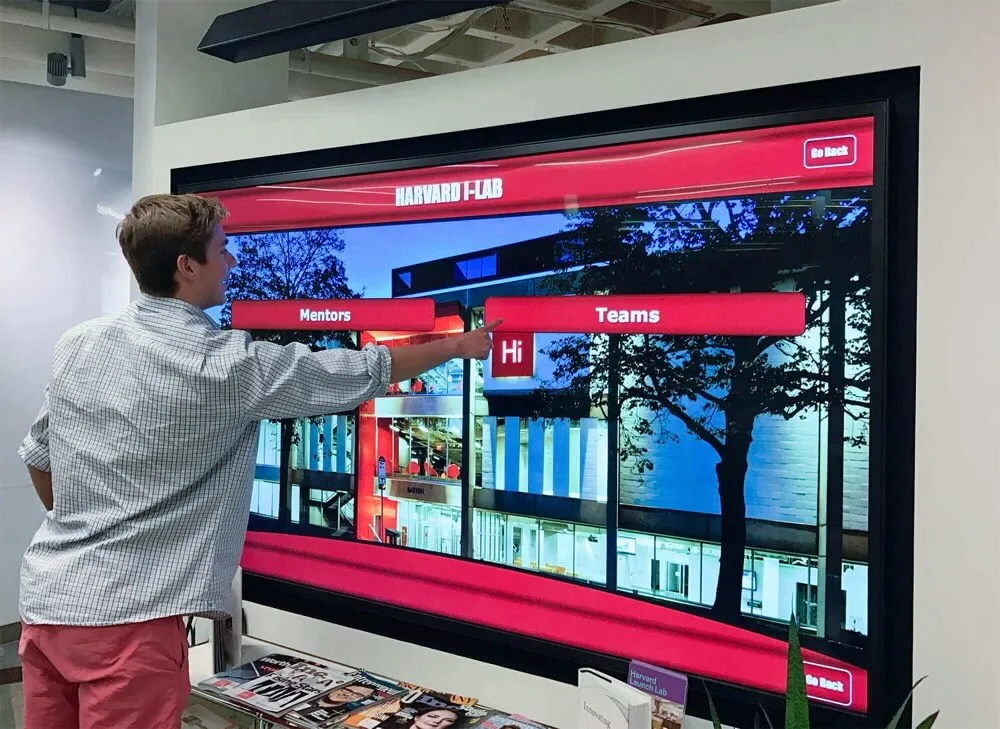
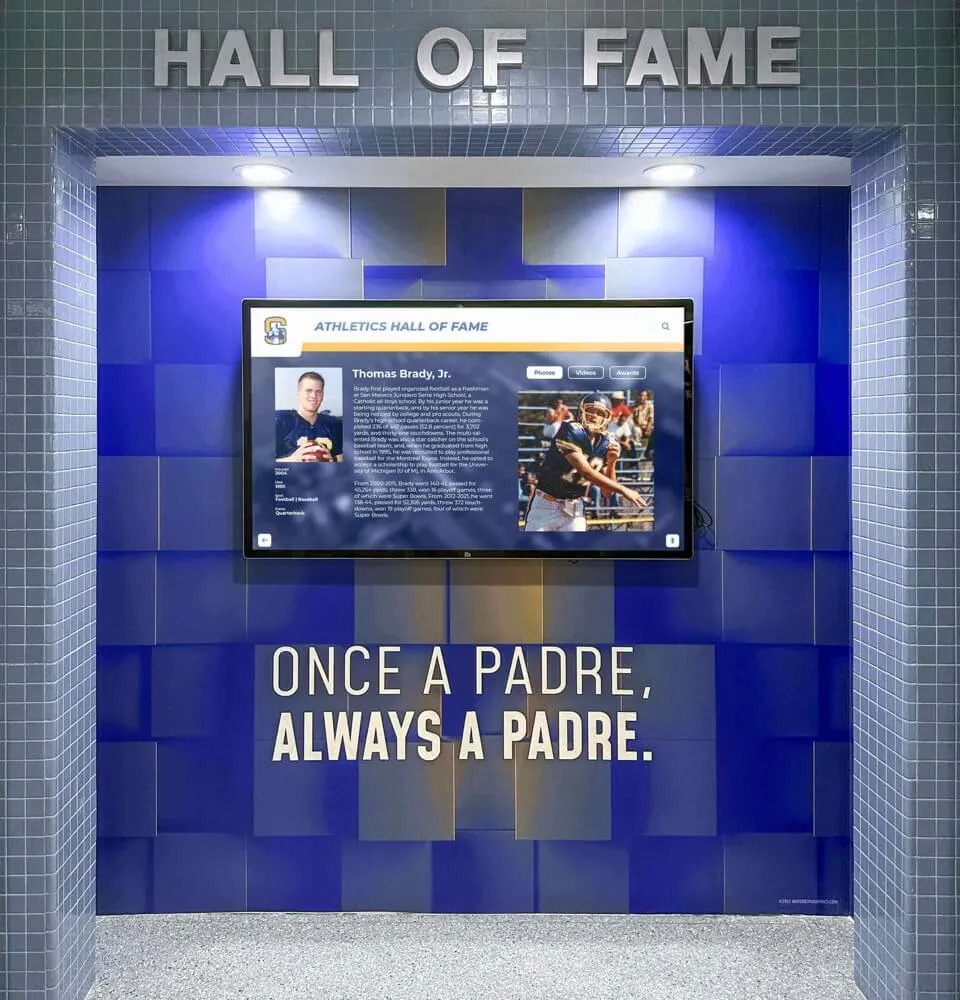
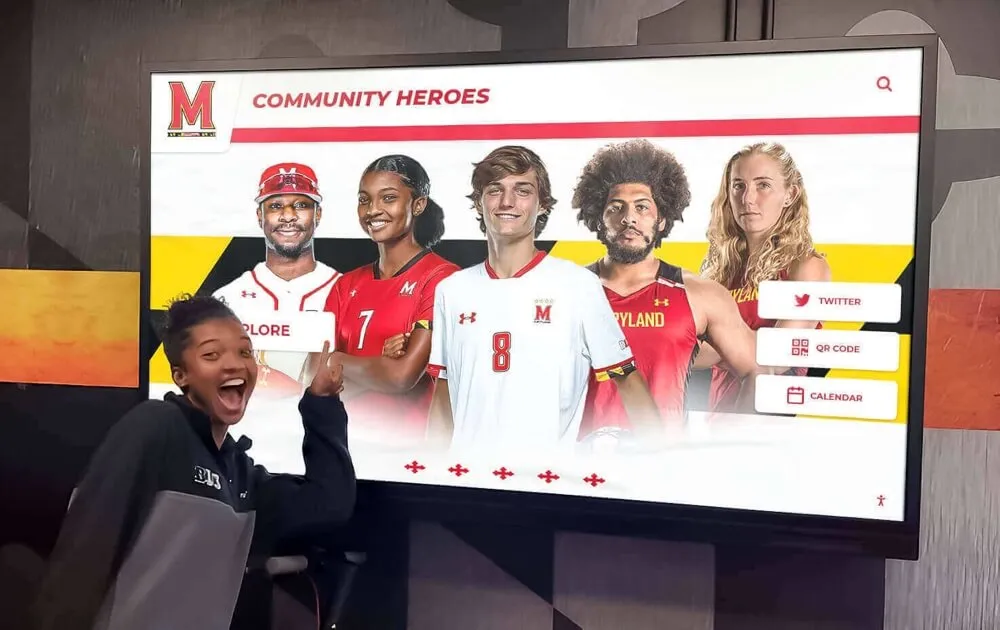
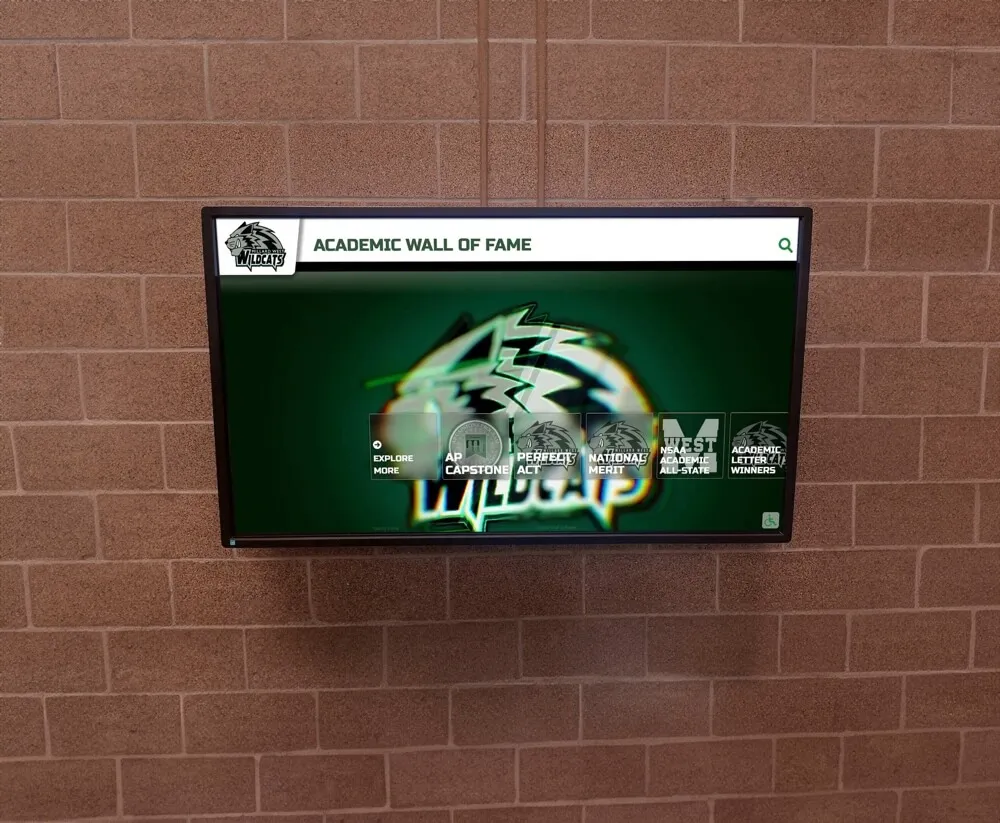
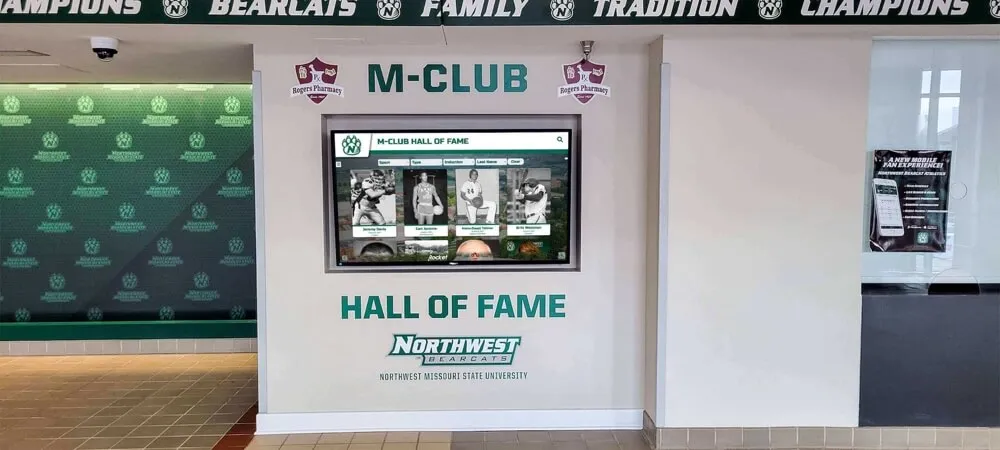
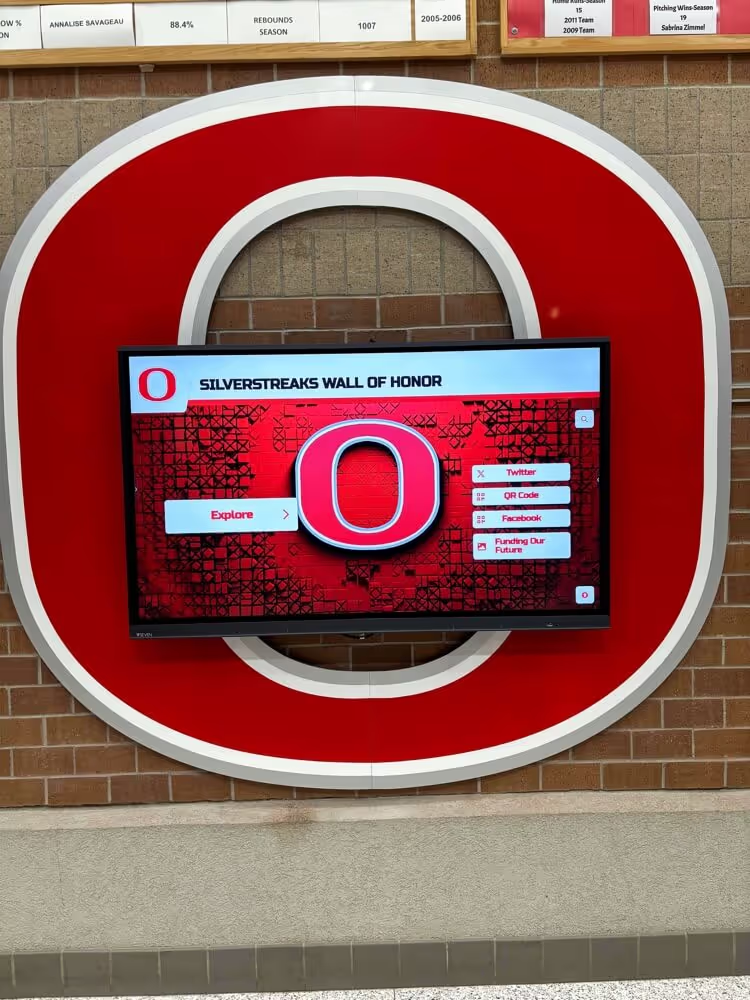
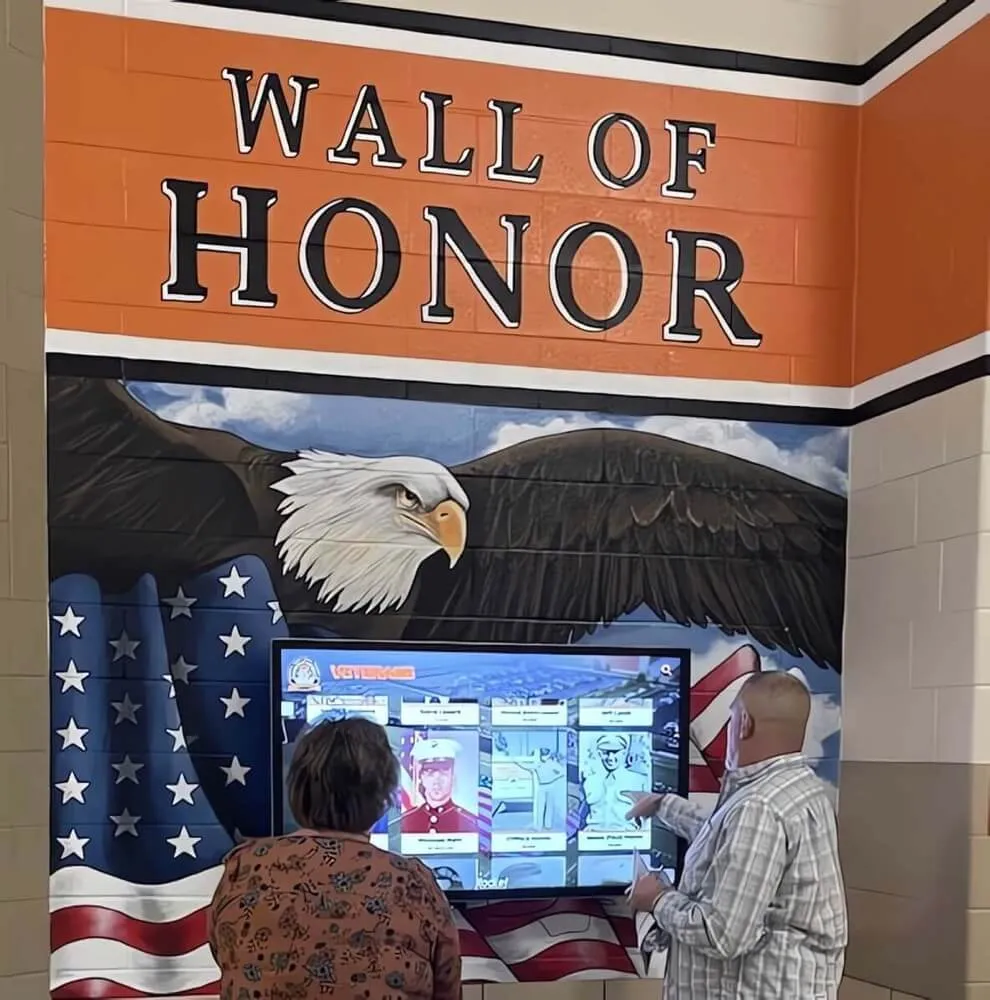
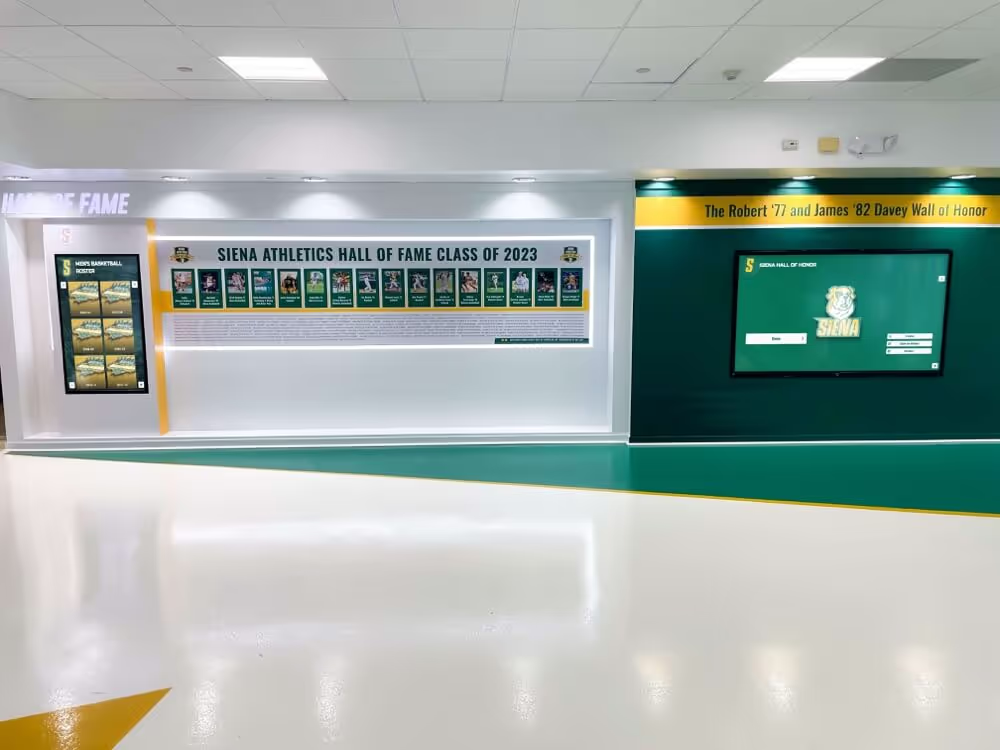
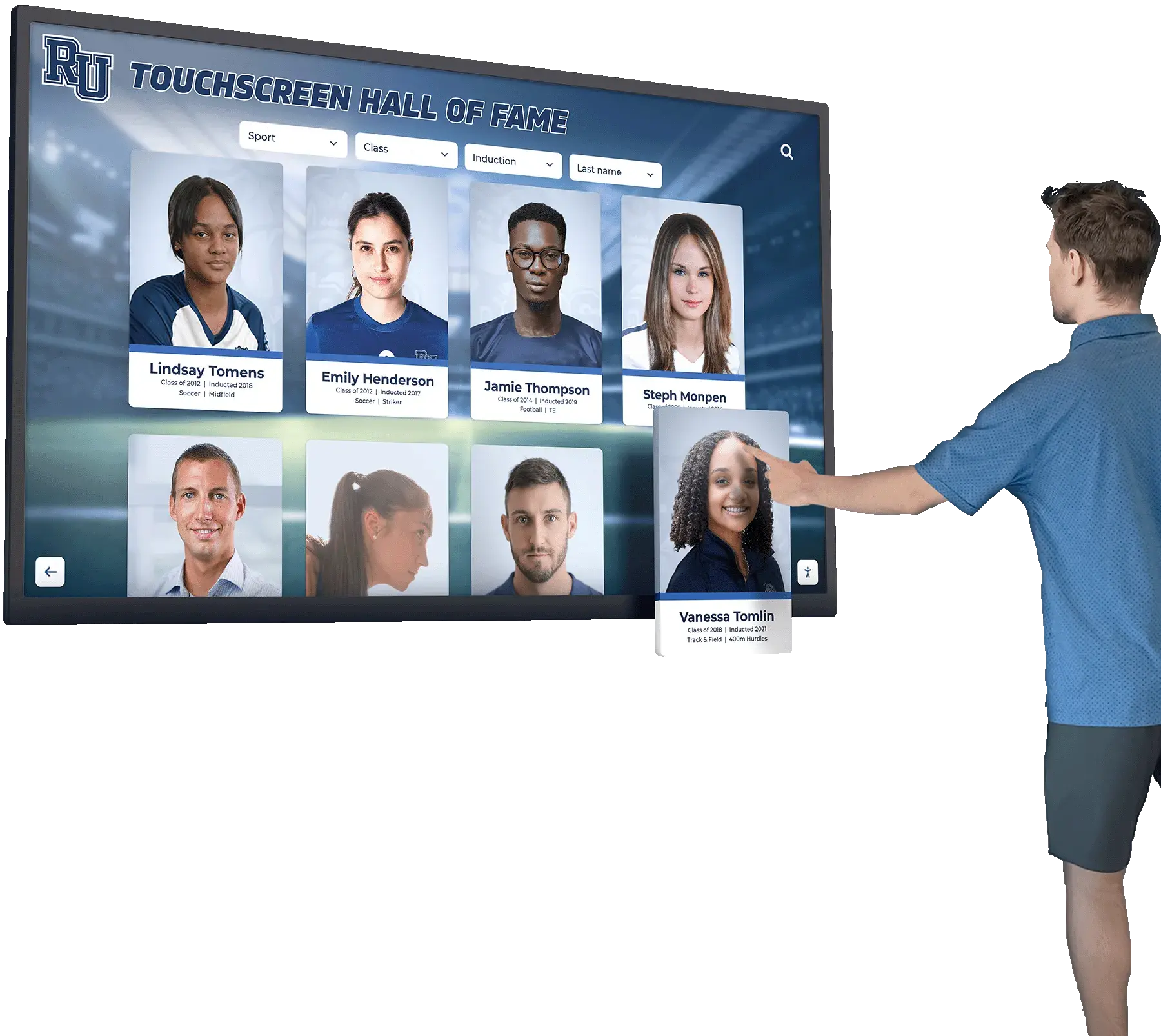
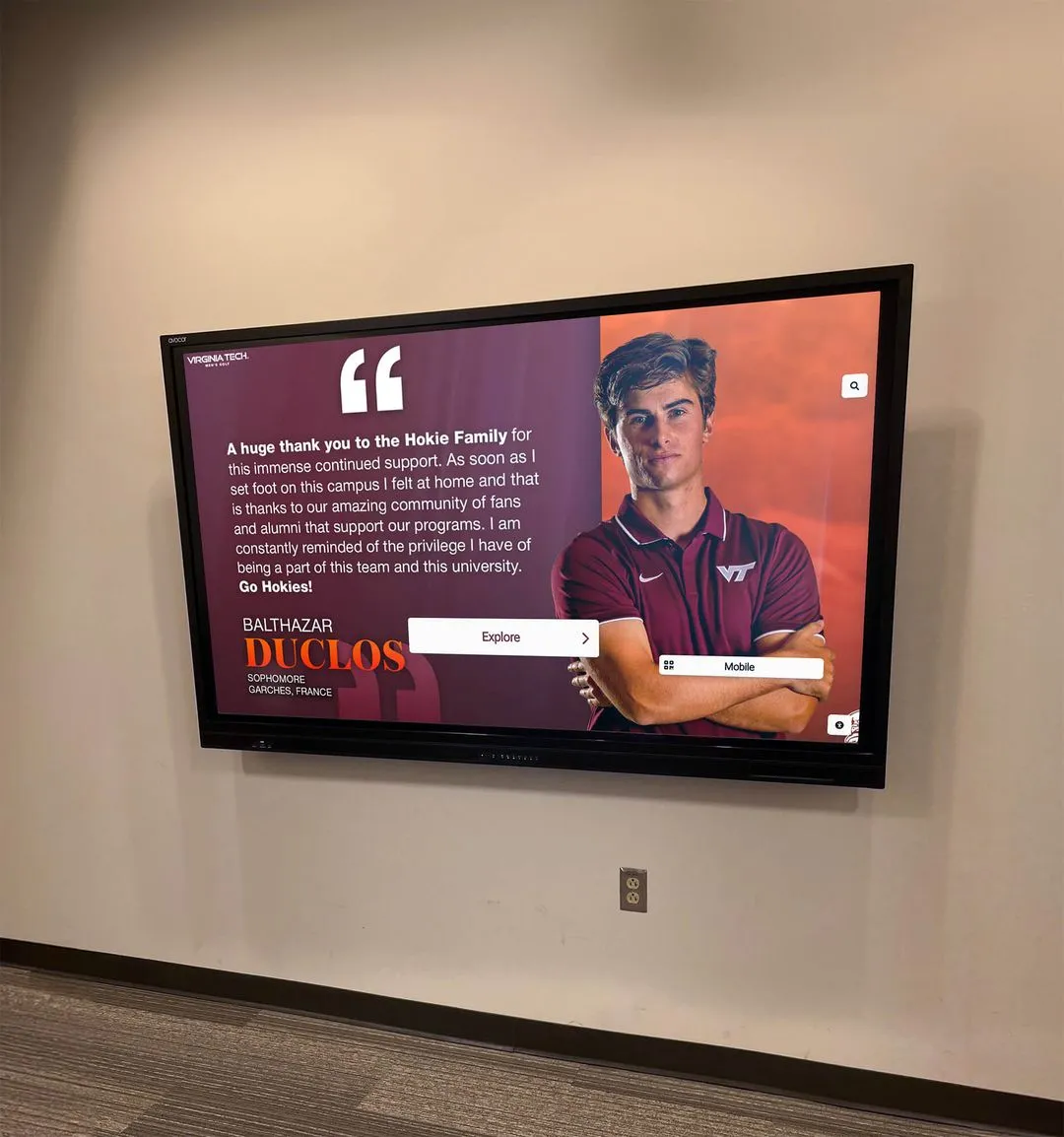
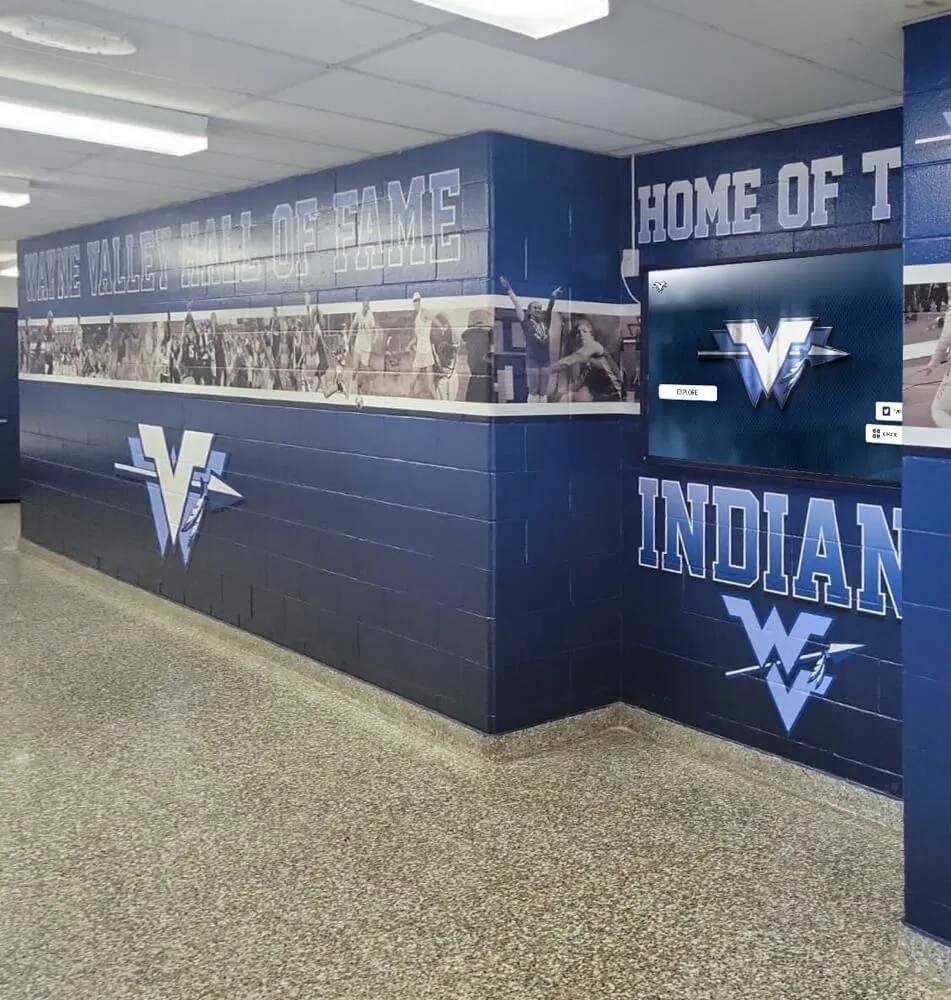
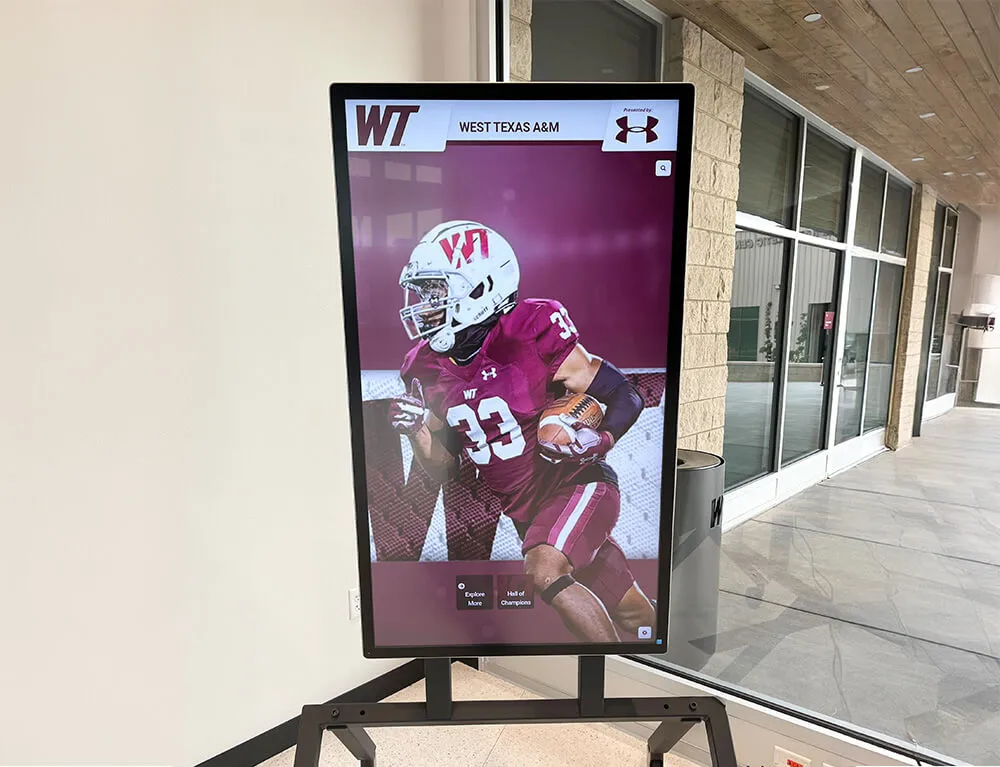
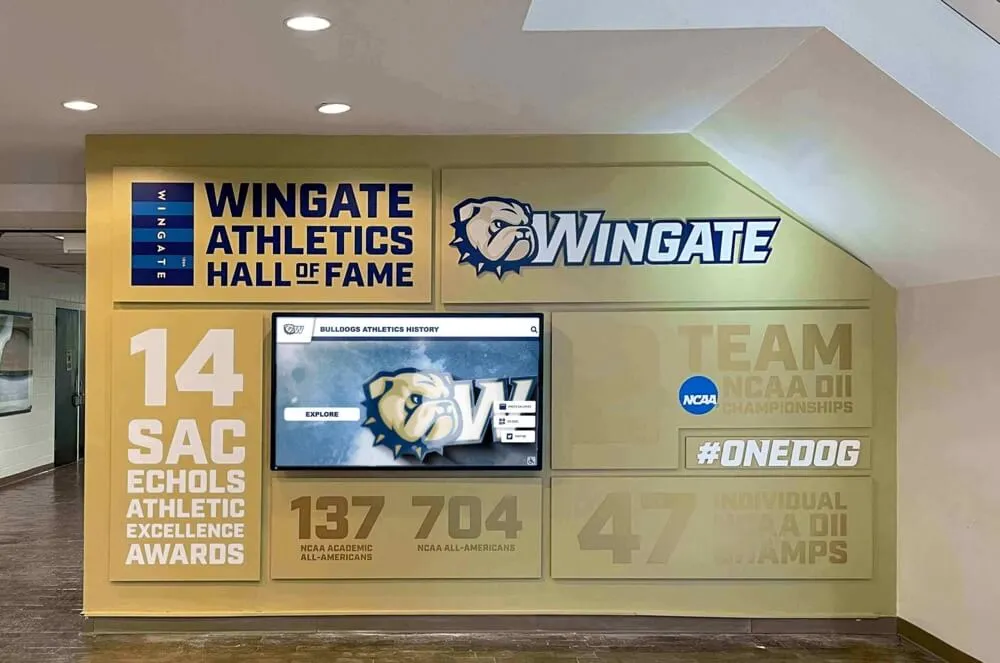
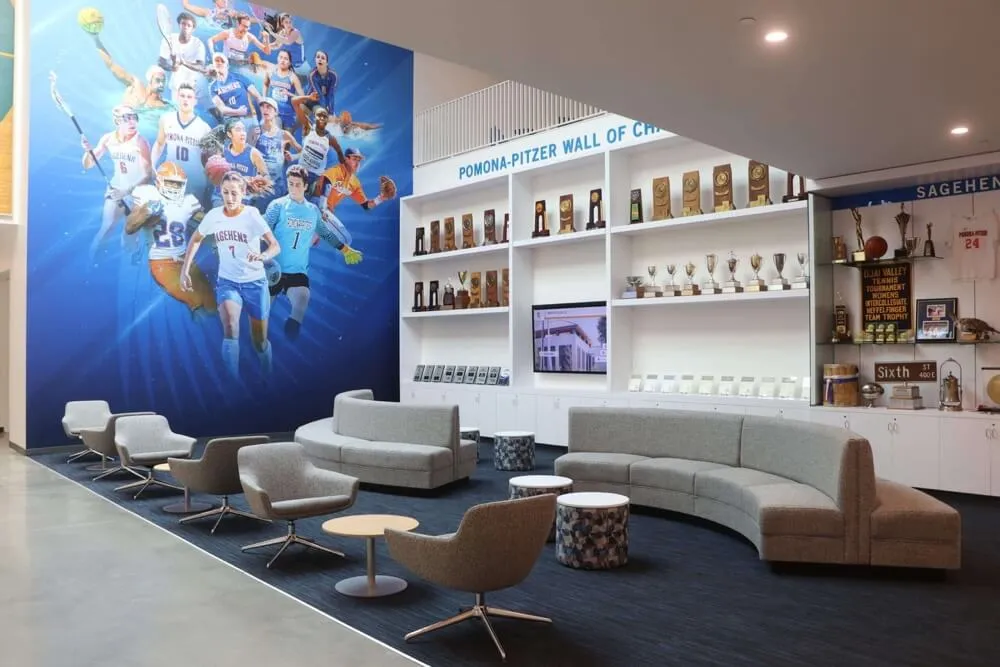
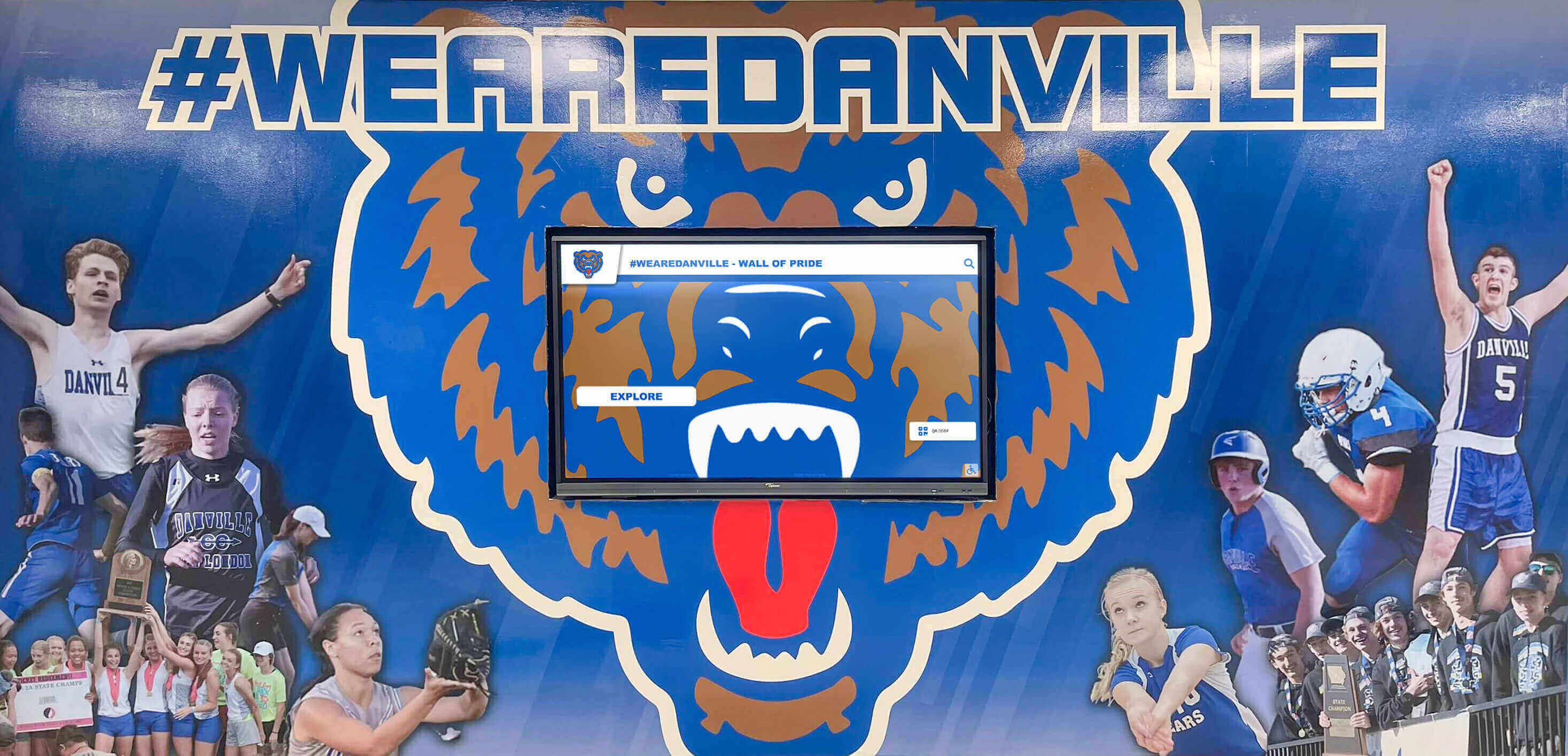
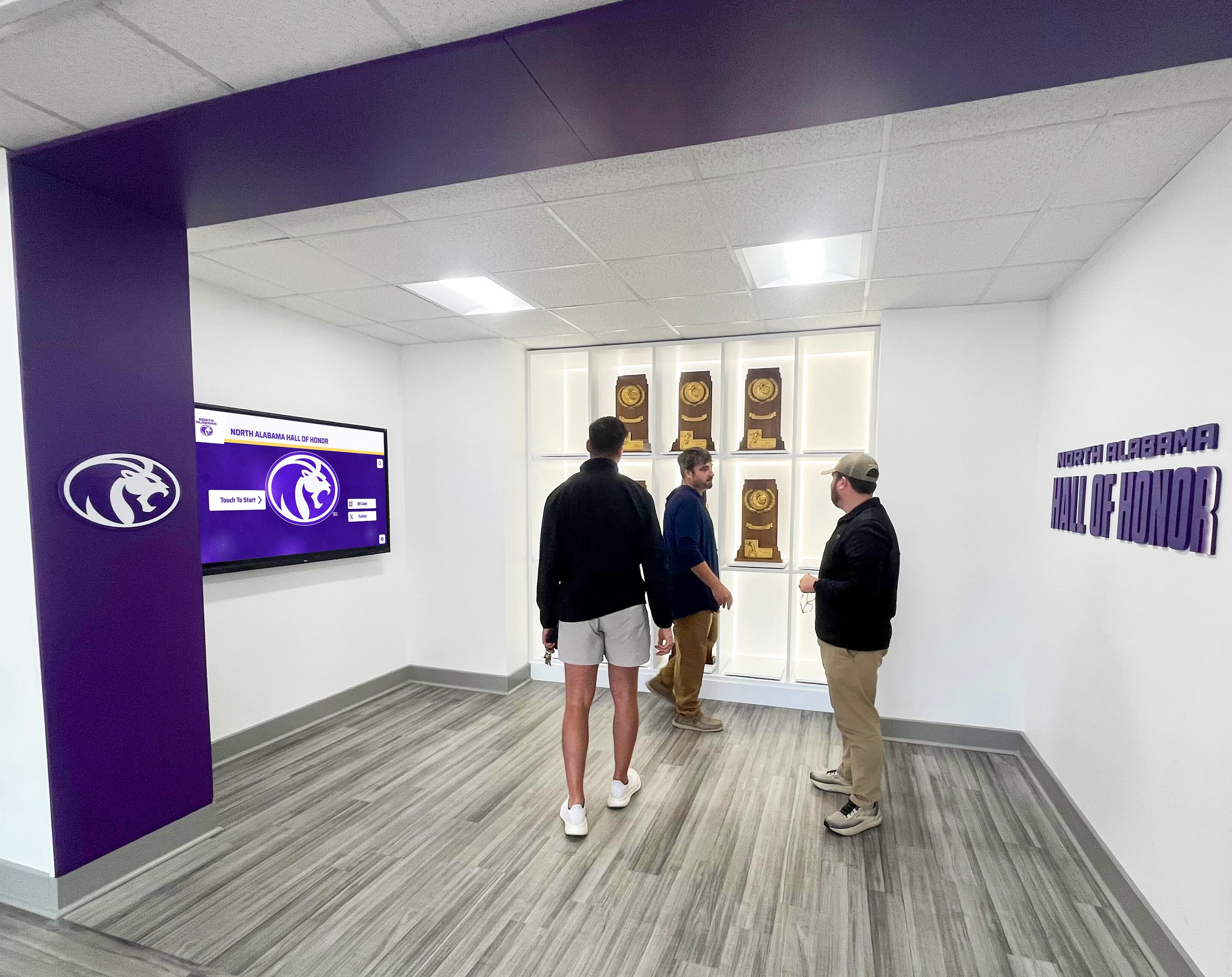
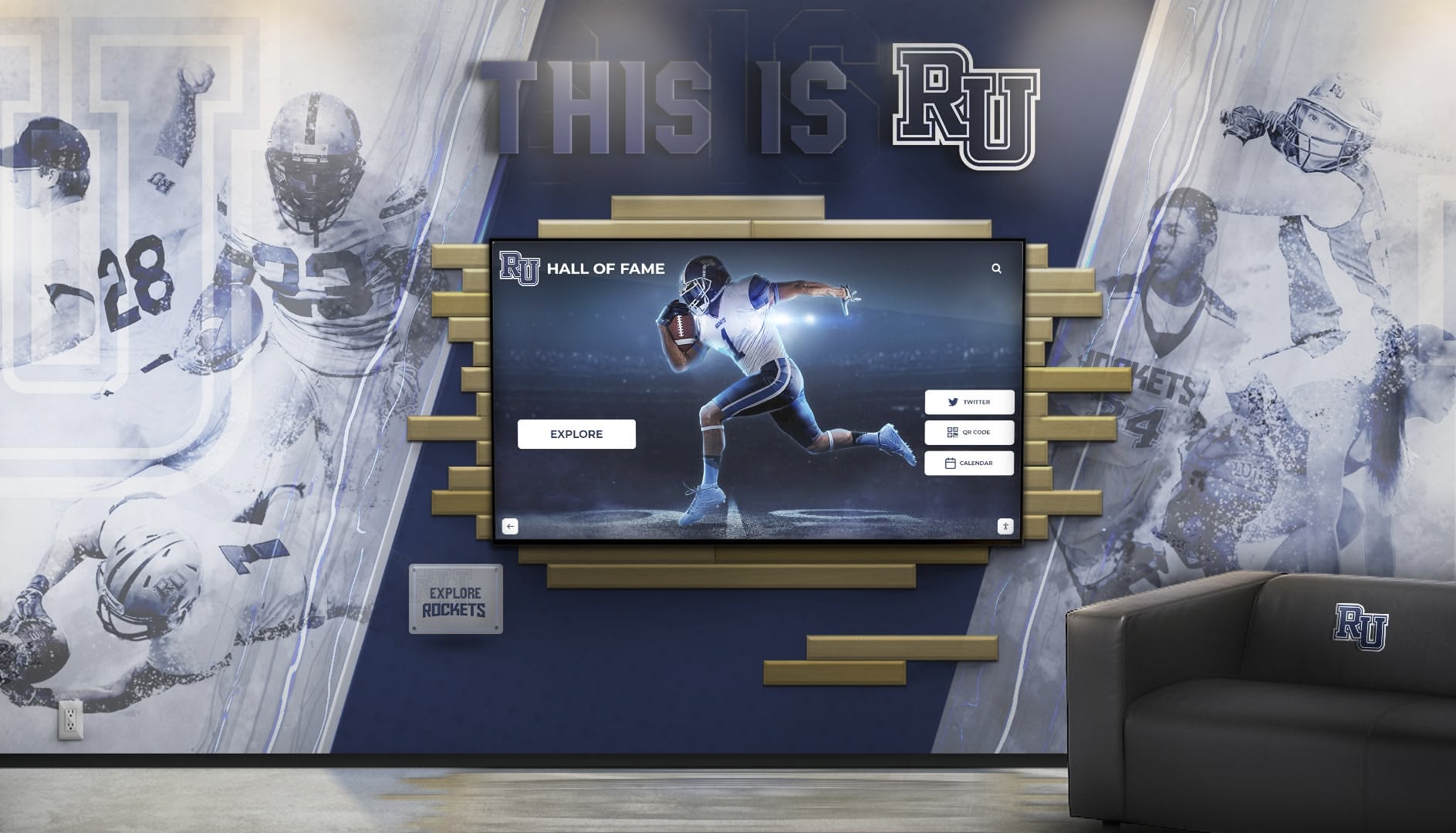
Interactive recognition displays showcase athletic achievements, records, championships, and individual athlete accomplishments through engaging multimedia content that visitors actually explore rather than simply glancing at static plaques. These systems create multiple high-value sponsorship tiers:
Presenting Sponsor ($10,000-$25,000): Exclusive recognition as the display’s presenting sponsor with prominent logo placement, featured business profile accessible through the system, and naming rights (“XYZ Company Athletic Hall of Champions”). This premium tier appeals to businesses seeking maximum visibility and association with athletic excellence.
Category Sponsors ($2,500-$7,500): Exclusive sponsorship of specific recognition categories—Athlete of the Week, Team Championships, Record Holders, All-State Athletes, Academic Excellence, or Coach Recognition. Sponsors receive featured placement within their category, logo visibility, and profile access. Multiple category sponsorships enable various businesses to participate without competing for single exclusive placement.
Annual Update Sponsors ($1,000-$3,000): Companies funding annual recognition content additions receive acknowledgment for supporting program documentation while ensuring displays remain current. This creates recurring revenue as sponsors can continue annually.
Technology Partner ($5,000-$15,000): Companies in technology, telecommunications, or related industries can sponsor the hardware, software, or connectivity infrastructure with visible technical credit creating industry-aligned branding.
Solutions like Rocket Alumni Solutions provide turnkey digital recognition platforms that booster clubs can leverage for sponsorship fundraising while simultaneously enhancing athletic program visibility and community engagement.
Revenue Potential: $15,000-$50,000+ in initial sponsorship commitments with potential for recurring annual sponsorships.
Implementation Approach:
Identify businesses with community presence, athletic connections, or family ties to programs. Develop professional sponsorship packages clearly articulating visibility benefits, recognition duration, and community impact. Present opportunities as partnerships supporting youth athletics rather than simple advertising transactions. Work with schools to integrate sponsored displays strategically in high-traffic athletic facilities where sponsors receive maximum visibility.
Many booster clubs report that digital recognition sponsorships generate more revenue than their previous three largest fundraisers combined while requiring less ongoing volunteer effort than traditional events after initial sponsorship sales.
Signature Community Events and Tournaments
Well-executed community events generate significant revenue through multiple channels—entry fees, concessions, sponsorships, and merchandise—while creating memorable experiences that strengthen program support:
Golf Tournaments: Classic fundraising events that remain effective when properly structured:
Golf events attract business professionals, alumni, and community supporters willing to pay premium entry fees ($100-$200 per player) for quality experiences combining athletics, networking, and community support. The structured format enables multiple revenue streams—entry fees, hole sponsorships ($250-$1,000 each), silent auctions, raffles, and post-tournament dinner sponsorships.
Successful tournaments require early planning (6-8 months advance notice), golf course partnerships providing favorable rates or dates, volunteer committees handling logistics, and robust sponsorship sales to businesses seeking golf tournament visibility. According to resources on planning effective fundraising galas, early planning and strong volunteer committees prove essential for successful large-scale events.
Keys to maximizing golf tournament revenue: Secure course partnerships providing preferable rates or dates. Create attractive packages combining golf, meals, and social time. Sell hole sponsorships to businesses supporting athletics. Include quality silent auction items generating competitive bidding. Consider “mulligan” sales or other fun add-ons increasing per-player revenue.
Revenue Potential: $10,000-$40,000 depending on participant numbers, sponsorship sales, and supplemental revenue streams.
Community 5K Runs/Walks: Inclusive events appealing to broad community demographics:
Running events accommodate various fitness levels—competitive runners seeking race times, casual joggers participating for health, and walkers supporting community causes. This accessibility typically generates larger participant pools than golf events while requiring less expensive venue arrangements.
Revenue sources include entry fees ($25-$40 per participant), sponsorships (title sponsor, mile marker sponsors, water station sponsors, finish line sponsors), vendor booths, merchandise sales, and optional add-ons like event t-shirts or timing chips. Events held in conjunction with other community celebrations or traditions often attract larger participation.
Understanding how schools create annual 5K fundraising traditions provides frameworks for establishing recurring running events that build participation and revenue over time.
Implementation essentials: Secure appropriate permits for road closures or park usage. Recruit volunteer course monitors and registration staff. Create online registration through platforms like RunSignup simplifying administration. Establish sponsorship tiers providing visibility at various price points. Consider family packages encouraging multi-generational participation.
Revenue Potential: $5,000-$20,000 depending on participant numbers and sponsorship sales.
Sports-Specific Clinics and Camps: Leverage coaching expertise while providing community value:
Summer sports camps or weekend clinics led by high school coaches and athletes provide valuable skill development for youth athletes while generating revenue. Families readily pay $100-$300 per participant for quality instruction from experienced coaches in well-organized formats.
These events require athletic facilities, knowledgeable instructors (head coaches, assistant coaches, or standout high school athletes), structured curriculum appropriate to various skill levels, and adequate supervision ratios. Successful clinics balance revenue generation with genuine instructional value—participants must receive quality experiences justifying costs.
Revenue considerations: Price competitively compared to commercial alternatives while highlighting program-specific benefits (learning from your high school coaches, facility familiarity, connection with older athletes). Offer multi-child discounts encouraging family participation. Consider partial scholarships for families facing financial barriers, funded through sponsor donations.
Revenue Potential: $3,000-$15,000 depending on participant numbers, pricing, and frequency.
Corporate and Business Partnership Programs
Strategic business relationships create sustainable funding sources while providing genuine value to community businesses:
Tiered Sponsorship Programs: Structured partnerships offering multiple engagement levels:
Many businesses want to support community athletics but need clarity about benefits justifying various investment levels. Formal sponsorship tiers—Platinum ($5,000+), Gold ($2,500-$4,999), Silver ($1,000-$2,499), Bronze ($500-$999)—provide clear options with corresponding recognition benefits.
Recognition benefits might include:
- Logo placement on team schedules, website, social media, and program communications
- Facility signage visibility in gymnasiums, stadiums, or athletic areas
- Recognition at athletic events through announcements or displays
- Promotional opportunities like game-day vendor booths or promotional giveaways
- Association with specific teams, facilities, or recognition displays
According to principles in athletic director budgeting resources, successful sponsorship programs balance genuine value provision with appropriate recognition ensuring sponsors feel their investment yields tangible returns.
Revenue Potential: $10,000-$50,000+ annually from comprehensive corporate partnership programs with multiple participating businesses.
Business Affinity Programs: Percentage-of-sales arrangements creating ongoing revenue:
Partner with local restaurants, retailers, or service businesses offering “percentage nights” or ongoing affinity arrangements where a portion of sales when customers mention the booster club gets donated to athletics. These programs generate modest per-transaction revenue but create ongoing community awareness while requiring minimal ongoing volunteer effort after initial setup.
Effective programs require clear promotional calendars communicating which businesses participate and when special fundraising opportunities occur. Digital communication through email and social media makes promotion efficient. Some businesses provide physical tokens or cards that supporters can use whenever they patronize the business, creating year-round passive revenue.
Implementation approach: Identify businesses with ownership or management connections to athletic programs. Propose simple arrangements requiring minimal business administrative effort. Promote scheduled events through all booster club communication channels. Thank participating businesses publicly, recognizing their community support.
Revenue Potential: $2,000-$8,000 annually depending on number of participating businesses and community engagement levels.
Online Fundraising and Crowdfunding Campaigns
Digital platforms enable efficient fundraising reaching broader supporter networks with reduced volunteer labor compared to traditional physical events:
General Fund Campaigns: Simple online donation portals accepting contributions anytime:
Modern online giving platforms like GoFundMe, Givebutter, or school-specific fundraising systems enable supporters to contribute whenever convenient through simple forms accepting credit cards, digital wallets, or electronic bank transfers. Removing donation friction significantly increases participation—community members who’d never write and mail checks readily contribute $25-$100 through convenient online processes.
Effective online campaigns require: Compelling stories explaining specific funding needs and their impact on student-athletes. Professional photography or video showing programs in action. Clear funding goals with progress tracking creating urgency and momentum. Regular updates maintaining engagement throughout campaign durations. Easy sharing functionality enabling supporters to amplify campaigns through social networks.
Campaign timing considerations: Coordinate with athletic seasons when community interest peaks. Avoid competing with other major school fundraising initiatives. Consider year-end giving campaigns leveraging tax deduction timing.
Revenue Potential: $5,000-$25,000 depending on supporter base size, campaign quality, and promotional effectiveness.
Crowdfunding for Specific Projects: Targeted campaigns funding particular needs:
Rather than requesting general support, project-specific campaigns explain exactly what funds will purchase—new uniforms for a team, weight room equipment upgrades, facility improvements, championship travel funding, or digital recognition displays. Specific projects with clear outcomes and defined costs often generate stronger response than vague “support athletics” requests.
Project campaigns work particularly well when they: Address needs that community members can visualize and understand. Include detailed budgets showing how funds will be used. Feature compelling stories about student-athletes who’ll benefit. Provide recognition for donors contributing to successfully funded projects.
Understanding how institutions implement comprehensive donor recognition programs demonstrates how project-based fundraising can include lasting donor acknowledgment creating additional motivation for support.
Revenue Potential: $3,000-$20,000 per project depending on project scope and community resonance.
Peer-to-Peer Fundraising: Leverage personal networks for exponential reach:
Peer-to-peer models enable individual supporters to create personal fundraising pages on behalf of booster clubs, then solicit donations from their personal networks—friends, family, coworkers, and social media connections. This approach multiplies reach exponentially beyond the booster club’s direct contact list.
Successful peer-to-peer campaigns provide: Easy-to-use platforms for creating personal pages. Template messaging that fundraisers can customize. Progress tracking showing individual and collective results. Recognition for top fundraisers motivating friendly competition. Clear deadline creating urgency.
Revenue Potential: $8,000-$35,000 depending on number of active peer fundraisers and average amounts raised per person.
Merchandise and Spirit Wear Programs
Athletic-branded merchandise generates revenue while building program visibility and community pride:
Quality spirit wear programs sell apparel and accessories featuring athletic program branding—t-shirts, sweatshirts, hats, jackets, blankets, yard signs, car decals, or other items that community members use while promoting programs. Beyond direct revenue, widespread merchandise visibility creates free advertising building program awareness and community pride.
Keys to Successful Merchandise Programs:
Quality Over Quantity: Sell well-made items that supporters will actually wear and use rather than cheap products that end up in drawers. Poor quality merchandise damages program reputation while quality items become free advertising when worn publicly.
Pre-Order Models Minimize Risk: Rather than purchasing large inventory requiring upfront capital and risking unsold stock, use pre-order systems collecting orders and payment before placing bulk orders. Many vendors offer online stores managing the entire process—order collection, payment processing, production, and individual shipping—for percentage of sales, eliminating booster club inventory management.
Limited Edition or Seasonal Releases Create Urgency: Rather than offering identical merchandise year-round, create special designs for homecoming, championships, senior recognition, or other occasions. Limited availability creates urgency driving higher participation than perpetually available options.
Multiple Price Points Ensure Accessibility: Offer items ranging from $15-$20 car decals to $60-$80 premium jackets, enabling supporters across income levels to participate appropriately for their circumstances.
Online Stores Reduce Volunteer Burden: Platform providers like CustomInk, SquadLocker, or TeamLocker create complete online stores with design tools, order processing, payment collection, and fulfillment, charging percentages of sales rather than requiring booster clubs to manage complex logistics.
Revenue Potential: $3,000-$15,000 annually depending on community size, merchandise quality, and marketing effectiveness.
Recognition-Based Fundraising
Honoring supporters through lasting recognition motivates giving levels that simple requests for donations often don’t achieve:
Many community members will contribute more substantially when contributions include meaningful recognition honoring their support, demonstrating impact, and creating visible legacy acknowledging their commitment to youth athletics.
Brick Pavers and Facility Recognition: Traditional recognition approaches remain effective:
Brick paver programs enable supporters to purchase engraved bricks installed in walkways, plazas, or entry areas at athletic facilities. Families often purchase bricks honoring student-athletes, commemorating graduates, or recognizing multi-generational athletic participation. Pricing typically ranges from $100-$500 depending on brick size and installation location.
Physical facility recognition—plaques on weight room equipment, scoreboards, press boxes, concession stands, or other athletic infrastructure—acknowledges major gifts supporting facility improvements or equipment purchases. Recognition duration and visibility typically correspond to gift size.
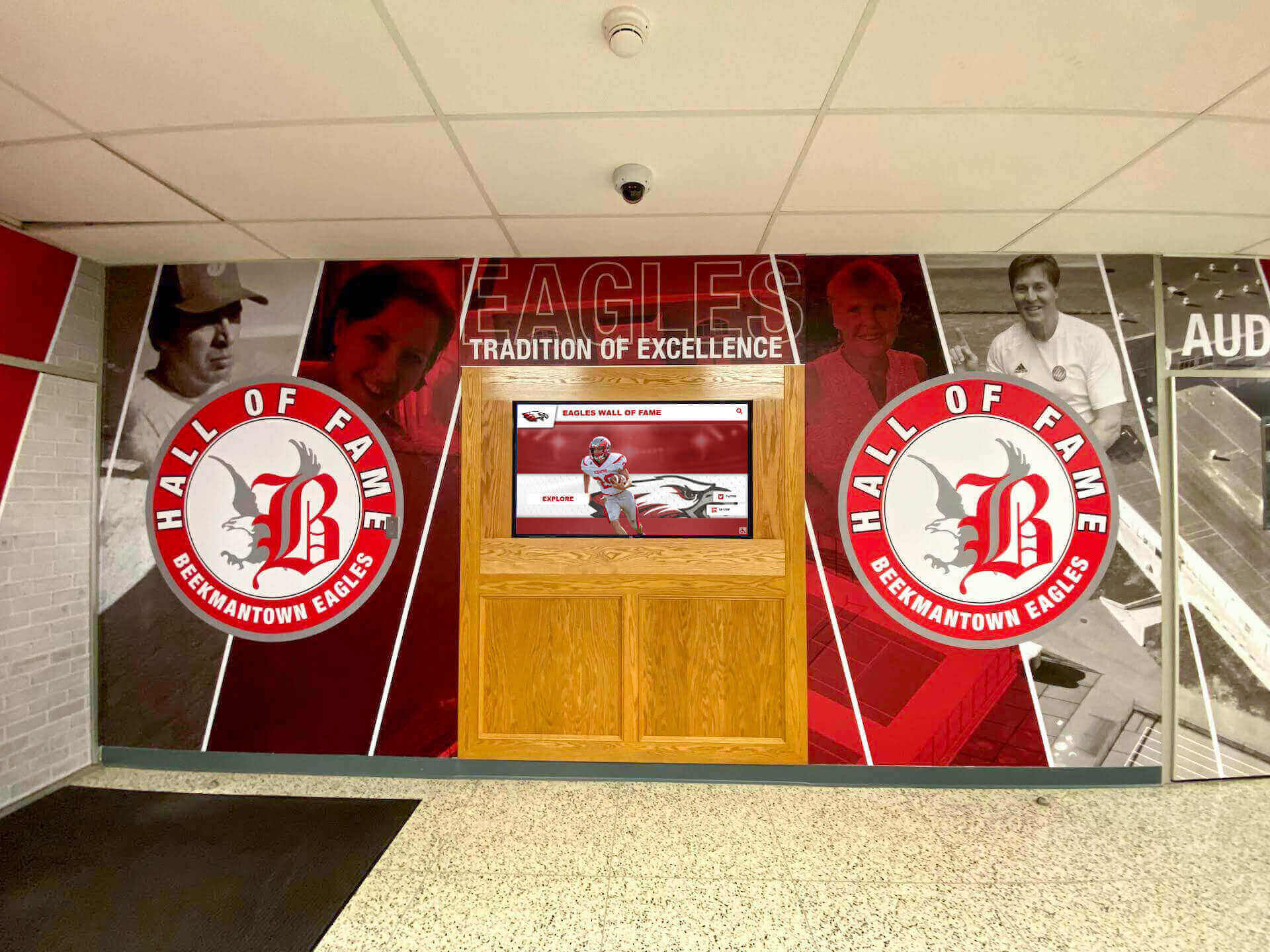
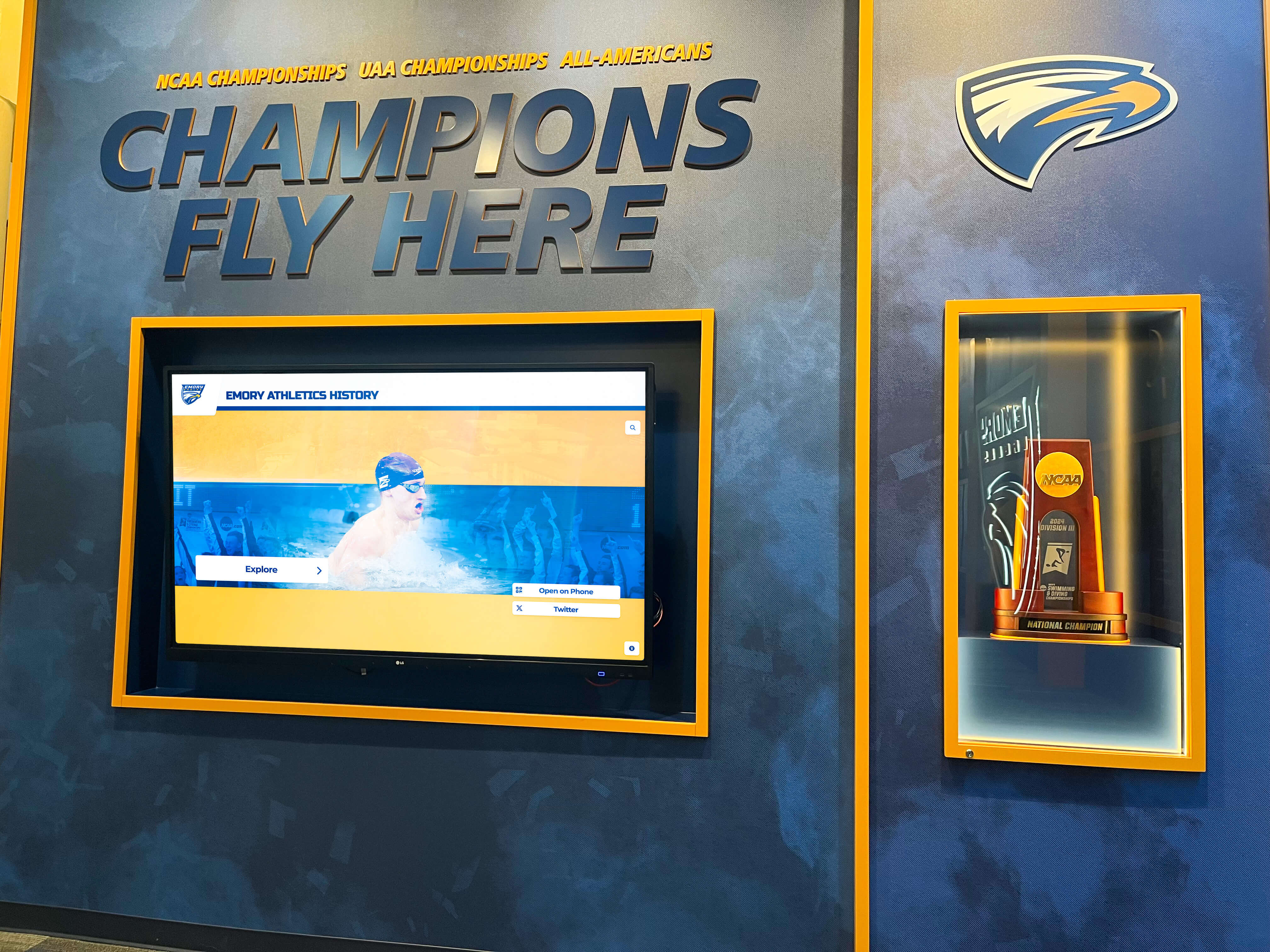
Digital Recognition Opportunities: Modern alternatives to physical displays:
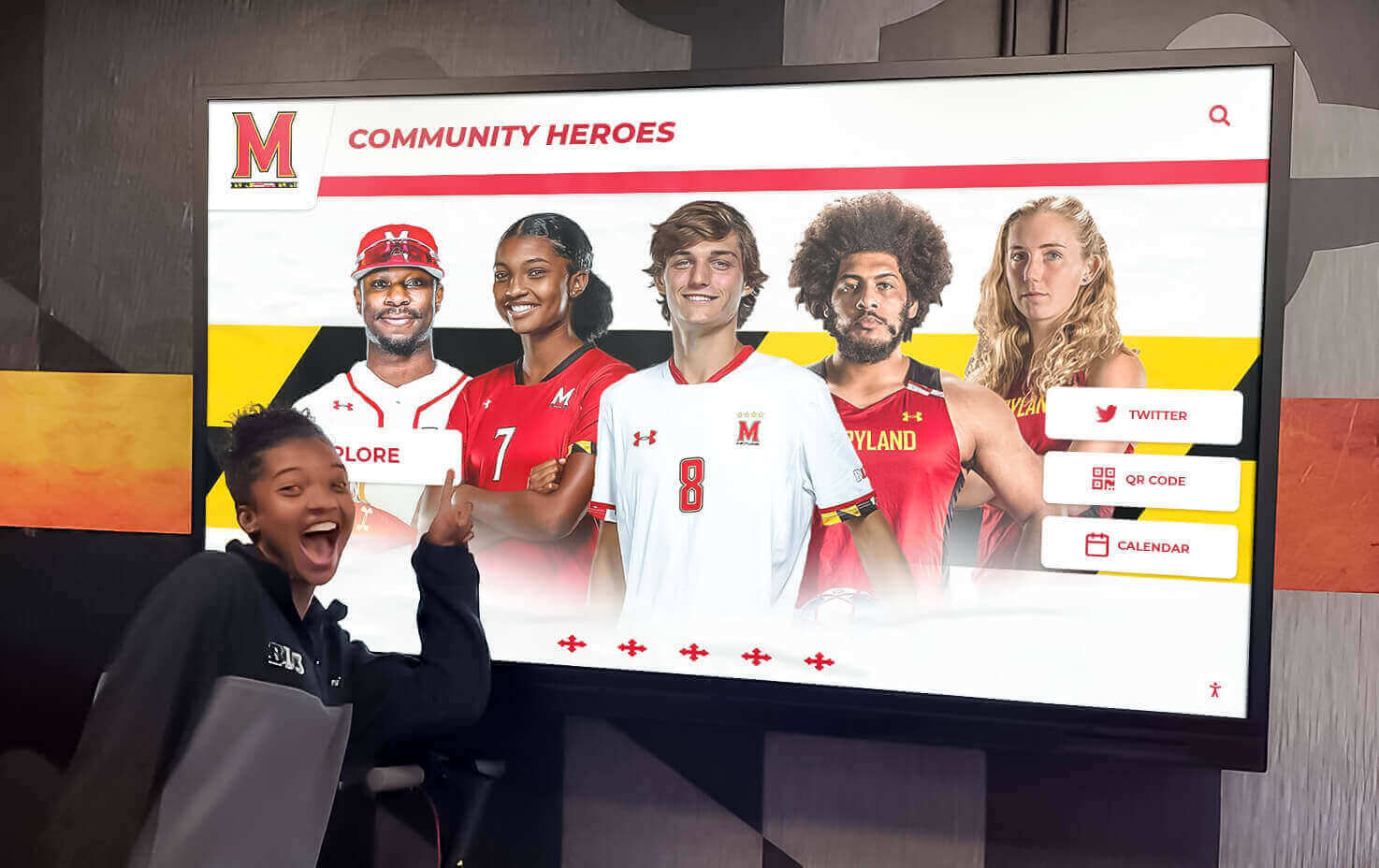
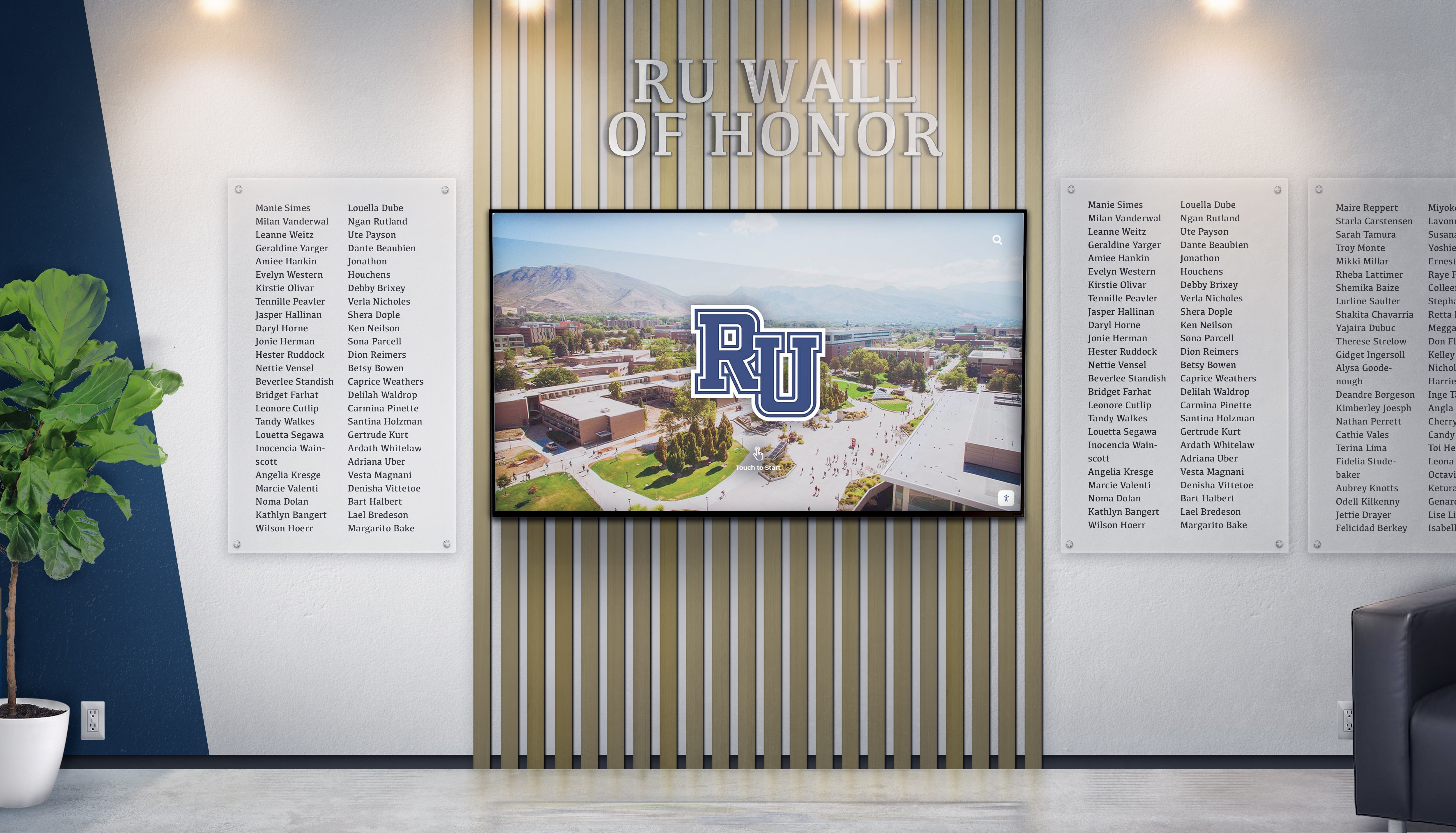
Digital recognition platforms create unlimited recognition capacity without physical space constraints while enabling rich multimedia profiles impossible with static plaques. Supporters can fund recognition additions—athlete profiles, championship documentation, historical content—receiving credit for their contributions through visible acknowledgment within displays.
Digital recognition offers unique advantages: Unlimited capacity accommodating indefinite recognition growth. Easy updates adding new recognitions without physical installation delays. Searchable databases enabling visitors to quickly find specific individuals. Social sharing capabilities multiplying recognition visibility beyond physical display location. Detailed analytics demonstrating engagement and reach.
Named Scholarship Programs: Create lasting legacies supporting student-athletes:
Booster clubs can establish named scholarship funds recognizing major donors while directly benefiting student-athletes. Minimum gift levels ($5,000-$25,000) create endowed scholarships or annual awards bearing donor names, providing permanent recognition while advancing educational objectives.
Scholarship programs appeal to supporters seeking meaningful ways to honor family members, commemorate loved ones, or create lasting community impact. Recipients’ success stories then become compelling testimony to donor impact, creating emotional connections that strengthen long-term support.
Revenue Potential: $10,000-$50,000+ depending on recognition program scale and major donor cultivation.
Maximizing Fundraising Effectiveness
Beyond selecting appropriate fundraising activities, implementation quality determines actual results. The following strategies maximize effectiveness of chosen approaches.
Professional Communication and Marketing
Strategic promotion dramatically impacts fundraising participation and revenue generation:
Many booster clubs invest significant effort planning fundraising activities but give inadequate attention to marketing and communication, resulting in disappointing participation from under-informed communities. Professional marketing proves just as important as event logistics.
Multi-Channel Promotion Strategies:
Effective promotion utilizes all available communication channels reaching different community segments through their preferred media:
Email Marketing: Direct communication to booster club mailing lists, parent email addresses provided by schools (where permitted), and alumni databases. Email enables targeted messaging to specific audiences—parents of particular teams, previous donors, or alumni from specific graduation years. Compelling subject lines, clear calls-to-action, mobile-optimized designs, and appropriate frequency (inform without overwhelming) determine email effectiveness.
Social Media Campaigns: Platforms like Facebook, Instagram, and Twitter enable organic promotion to followers while facilitating easy sharing that multiplies reach. Visual content—photos from previous events, athlete testimonials, facility images showing needs—dramatically outperforms text-only posts. Paid social media advertising enables precise targeting to local audiences at modest costs ($50-$300 per campaign) extending reach beyond existing followers.
Understanding how athletic programs utilize digital communication platforms provides frameworks for comprehensive promotional strategies.
Website and Landing Pages: Dedicated web pages for major fundraising initiatives provide always-available information accessible when community members want details. Pages should clearly explain: What funds will support and why it matters. How community members can participate. Recognition or benefits donors receive. Progress toward funding goals creating urgency.
Traditional Communication: Don’t abandon proven traditional methods—printed flyers sent home with students, announcements at school events and athletic competitions, local newspaper coverage, community bulletin boards, and word-of-mouth through committee members all extend reach beyond digital channels alone.
Storytelling That Connects Emotionally:
Data about funding needs matters, but stories about individual student-athletes, team experiences, or program impact create emotional connections that motivate support far more powerfully than statistics alone.
Effective fundraising communications include: Athlete profiles explaining how program participation shapes lives. Coach perspectives on how adequate resources enable better development. Parent testimonials about program value. Alumni reflections on how athletic participation influenced their lives. Visual storytelling through photos and videos showing programs in action.
Volunteer Management and Committee Structure
Organized volunteer systems multiply booster club capacity while preventing burnout that undermines sustainability:
Many booster clubs operate through informal, ad-hoc volunteer arrangements where the same small group handles everything, leading to exhaustion and eventual collapse when key individuals can no longer maintain unsustainable workloads. Systematic approaches distribute work while creating meaningful participation opportunities for supporters wanting to contribute time rather than only money.
Committee-Based Organization Structure:
Divide booster club functions across specialized committees handling specific areas:
Fundraising Committee: Plans and executes all fundraising activities, coordinates sponsorship sales, manages online campaigns, and tracks revenue against goals. This committee requires individuals comfortable with sales conversations, event planning, and financial tracking.
Communications Committee: Handles all marketing, social media management, email campaigns, website updates, and publicity. Members should include individuals with marketing experience, social media skills, graphic design capabilities, or writing ability.
Events Committee: Organizes community events, manages logistics, coordinates volunteers for event execution, and handles vendor relationships. Event planning experience, project management skills, and strong organizational abilities prove valuable for this committee.
Volunteer Coordination: Recruits volunteers for various initiatives, schedules volunteer shifts, provides necessary training, and recognizes volunteer contributions. People-oriented individuals who enjoy connecting with diverse community members excel in these roles.
Membership/Engagement: Maintains booster club membership rolls, coordinates member communications, plans social gatherings, and implements strategies increasing active participation. Relationship-focused individuals who track connections and follow-up naturally thrive here.
Committee structure provides clear roles, distributes workload, enables focused expertise, and creates entry points for new volunteers who might not want comprehensive involvement but can contribute meaningfully in specific areas.
Strategic Planning and Goal Setting
Intentional planning transforms scattered activities into cohesive strategies generating consistent, growing results:
Rather than ad-hoc “what should we do this month?” approaches, successful booster clubs engage in systematic annual planning that establishes clear financial goals, schedules major initiatives strategically throughout the year, assigns committee responsibilities, and creates accountability structures ensuring follow-through.
Annual Planning Process Components:
Financial Goal Setting: Determine total funds needed to support athletic program plans—equipment purchases, facility improvements, recognition displays, supplemental coaching support, championship travel funding, or other identified priorities. Break total needs into specific categories with associated costs creating clear funding targets.
Fundraising Portfolio Development: Select diverse fundraising approaches that collectively can achieve financial goals while balancing volunteer capacity, community engagement, and revenue potential. Avoid over-scheduling exhausting volunteers or overwhelming communities with constant solicitations.
Calendar Management: Schedule major initiatives strategically—plan golf tournaments during optimal weather, avoid scheduling conflicts with other major community events, coordinate with athletic seasons when program interest peaks, balance timing to maintain visibility without causing fatigue.
Committee Assignments: Clearly assign responsibility for each major initiative to specific committees or individuals, including timeline expectations and support resources available. Clear ownership prevents initiatives from falling through gaps where everyone assumed someone else was handling responsibilities.
Progress Monitoring: Establish regular check-ins reviewing progress against goals, identifying challenges early when adjustments can address problems, celebrating successes maintaining momentum, and adjusting strategies when results suggest different approaches would prove more effective.
Resources on comprehensive athletic program planning provide frameworks applicable to booster club strategic planning processes.
Building Long-Term Supporter Relationships
Sustainable fundraising focuses not just on individual transactions but on cultivating lasting relationships that generate growing support over many years:
The most financially successful booster clubs understand that genuine relationship building creates compound benefits—supporters who feel valued and connected give more generously, participate more actively, recruit others to join support networks, and maintain involvement across many years rather than disengaging after children graduate.
Comprehensive Donor Recognition and Stewardship
Acknowledging contributions demonstrates appreciation while reinforcing behaviors that booster clubs want to encourage:
Many organizations request donations efficiently but fail to recognize contributions adequately, leaving donors feeling unappreciated and less likely to contribute again. Systematic recognition creates positive experiences that strengthen future support.
Multi-Level Recognition Approaches:
Immediate Acknowledgment: Thank donors within 24-48 hours of contributions through personalized email or written notes. Immediate response demonstrates appreciation and organizational competence while the giving experience remains fresh.
Public Recognition: Acknowledge supporters through social media posts, booster club communications, recognition displays, or event programs. Public appreciation provides social affirmation while encouraging others through visible examples of community support. Always secure donor permission before public recognition—some prefer anonymous giving.
Impact Reporting: Share specific outcomes that donations enabled—“Your support purchased new softball uniforms worn by the team during their championship season” creates meaningful connection between contributions and tangible results. Generic “thank you for supporting athletics” messages lack this compelling specificity.
Annual Recognition Events: Host appreciation gatherings specifically honoring major contributors, volunteers, and long-term supporters. Events don’t need to be elaborate—simple receptions with athlete attendance, brief recognition ceremonies, and genuine appreciation create meaningful experiences strengthening connections.
Understanding how schools create comprehensive recognition programs demonstrates connections between effective recognition and strengthened long-term support.
Building Community Through Engagement Opportunities
Creating non-financial participation options expands the supporter base while strengthening community connections:
Not everyone can make financial contributions, but many community members will gladly contribute time, expertise, or other resources. Inclusive booster clubs create diverse participation opportunities ensuring everyone can contribute meaningfully regardless of financial capacity.
Volunteer Opportunities: Provide various ways to help—event setup and cleanup, concession stand staffing, ticket taking, parking coordination, social media management, photography, facility maintenance, coaching assistance, or administrative support. Match volunteer opportunities to available time commitments (one-time events vs. ongoing roles) and skill sets (physical labor vs. technical skills vs. interpersonal roles).
Social Gatherings: Host events focused on community building rather than fundraising—season kickoff celebrations, team send-offs before playoffs, championship celebrations, or end-of-year appreciation events. Social opportunities strengthen relationships while reinforcing the community aspects that motivate support beyond transactional giving.
Behind-the-Scenes Experiences: Offer supporters special access that creates value beyond financial requests—facility tours, practice observations, meet-and-greets with coaches and athletes, or exclusive pre-game gatherings. Unique experiences demonstrate appreciation while strengthening emotional connections to programs.
Communication That Maintains Ongoing Connection
Regular, valuable communication keeps booster clubs top-of-mind while demonstrating organizational vitality and impact:
Effective communication balances frequency, content value, and calls-to-action—providing enough contact to maintain awareness without overwhelming recipients, delivering content that recipients value rather than solely soliciting support, and requesting action appropriately without every message being an ask.
Monthly Newsletters: Regular updates sharing athletic achievements, upcoming events, volunteer spotlights, fundraising progress, and student-athlete features keep supporters informed and engaged. Digital newsletters through platforms like Mailchimp or Constant Contact provide professional appearance, tracking metrics, and easy management.
Social Media Presence: Consistent posting maintains visibility while encouraging organic sharing that extends reach. Content variety—game highlights, practice glimpses, athlete spotlights, volunteer recognition, community impact stories, historical content creating nostalgia—keeps feeds interesting while serving different audience interests.
Impact Stories: Regularly share specific examples of how supporter contributions make tangible differences—new equipment enabling better training, facility improvements enhancing athlete experiences, recognition displays preserving program history, or championship opportunities that adequate funding enabled. Concrete impact stories demonstrate stewardship while motivating continued support.
Overcoming Common Booster Club Fundraising Challenges
Proactive strategies address predictable obstacles that limit fundraising effectiveness:
Volunteer Recruitment and Retention
Engaging sufficient volunteers to execute fundraising initiatives proves challenging for many booster clubs, especially as parent volunteers juggle demanding work and family responsibilities:
Flexible Participation Options: Create volunteer roles requiring different time commitments—one-time event support, monthly committee participation, or ongoing responsibilities—enabling people to contribute at levels matching their capacity. Micro-volunteering opportunities requiring 1-2 hours rather than ongoing commitments reduce barriers to participation.
Clear Role Definitions: Provide specific descriptions of what volunteer positions entail, time requirements, necessary skills, and support available. Uncertainty about expectations prevents many people from volunteering—clarity reduces this barrier.
Leadership Pipeline Development: Systematically develop future leaders by involving newer volunteers in committee work alongside experienced members, creating succession plans for key roles, documenting procedures so institutional knowledge doesn’t exist solely in individuals’ memories, and intentionally rotating leadership preventing burnout while developing organizational depth.
Volunteer Recognition: Acknowledge contributions regularly and meaningfully—public thanks at athletic events, volunteer spotlights in communications, appreciation events, and permanent recognition in digital displays honoring community contributors. Feeling appreciated strongly influences whether volunteers continue involvement.
Fundraising Fatigue in the Community
Community members receive constant solicitations from schools, sports organizations, charitable causes, and other groups—creating resistance that impacts booster club fundraising effectiveness:
Strategic Coordination: Work with school administration and other support organizations to coordinate major fundraising initiatives, avoiding excessive overlap that creates community fatigue. Structured calendars distributing major asks across the year rather than clustering them prevent overwhelming community members with simultaneous competing requests.
Value Provision vs. Pure Solicitation: Balance fundraising requests with genuine value provision—free community events, useful resources, entertainment, or recognition opportunities. Organizations perceived as only requesting support without giving back face increasing resistance. Those providing community value alongside fundraising generate more positive responses.
Donor Choice and Autonomy: Provide various giving levels, participation options, and contribution methods enabling supporters to engage according to their preferences and capacities. Rigid “one-size-fits-all” approaches alienate potential supporters who might contribute differently if given options matching their circumstances.
Limited Budget for Fundraising Infrastructure
Effective fundraising often requires upfront investment in platforms, marketing materials, or event costs that cash-strapped booster clubs struggle to fund:
Leverage Free or Low-Cost Tools: Utilize affordable solutions for major needs—free social media platforms for marketing, low-cost email marketing services (many offer free tiers for smaller organizations), simple website builders like Wix or SquadLocker for online stores, and free volunteer coordination tools like SignUpGenius.
Seek In-Kind Donations: Request donated services from community businesses—printing companies for promotional materials, marketing agencies for campaign design, web developers for online platforms, or venues for events. Many businesses gladly donate services or provide steep discounts supporting youth athletics.
Revenue-Sharing Models: Use vendors operating on percentage-of-sales models rather than requiring upfront payment—online merchandise stores taking commissions rather than requiring inventory purchases, fundraising platforms charging transaction fees rather than upfront costs, or digital recognition providers offering flexible payment structures matching booster club cash flow.
Incremental Investment: Start with modest implementations proving concepts and generating initial revenue, then reinvest portions of proceeds in expanding and enhancing programs. Understanding that effective systems like digital recognition platforms create long-term value justifying initial investment helps organizations think strategically about infrastructure that multiplies future fundraising capacity.
Implementing Your Booster Club Fundraising Strategy
Systematic implementation transforms ideas into results through structured approaches ensuring consistent execution:
Creating Your Annual Fundraising Plan
Develop comprehensive annual plans addressing all key elements:
Revenue Goals by Category: Establish specific targets for each major funding priority—equipment ($15,000), facility improvements ($8,000), recognition displays ($12,000), supplemental coaching support ($6,000), championship travel ($4,000). Category-specific goals create clarity about priorities and progress.
Fundraising Mix Selection: Choose diverse approaches collectively achieving goals while balancing capacity—perhaps including digital recognition sponsorships ($20,000 target), annual golf tournament ($15,000), ongoing affinity programs ($5,000), online crowdfunding campaigns ($8,000), and merchandise sales ($7,000).
Timeline and Calendar: Schedule major initiatives strategically throughout the year coordinating with athletic seasons, avoiding conflicts with other community events, and balancing volunteer capacity across time rather than clustering excessive demands in narrow periods.
Committee Assignments and Accountability: Clearly assign responsibility for each initiative to specific committees or individuals with documented expectations, timelines, budgets, and support resources. Regular progress reviews create accountability ensuring follow-through.
Marketing and Communication Plan: Develop comprehensive promotional strategies for each major initiative specifying which channels will be used, what content will be created, who’s responsible for execution, and how effectiveness will be measured.
Measuring Success and Continuous Improvement
Regular assessment enables learning and optimization improving results over time:
Financial Metrics: Track not just total revenue but also metrics revealing efficiency—cost per dollar raised, volunteer hours required per revenue generated, donor retention rates, average gift sizes, and sponsorship renewal rates. Efficiency metrics identify which fundraisers deliver best returns on effort and resources.
Participation Metrics: Monitor community engagement levels—event attendance, volunteer numbers, donor counts, email open rates, social media engagement, and website traffic. Growing participation indicates strengthening community connection even beyond immediate financial results.
Qualitative Feedback: Gather systematic feedback from donors, volunteers, sponsors, and participants about their experiences—what worked well, what frustrated them, what would increase their future participation, and what additional opportunities they’d value. Direct feedback reveals improvement opportunities that quantitative metrics miss.
Comparative Analysis: Compare results year-over-year and against similar organizations (where data available) identifying whether performance improves, stagnates, or declines. Trends reveal whether strategies work sustainably or require adjustment.
Strategy Adjustment: Use assessment insights to refine approaches—discontinue ineffective fundraisers consuming excessive resources for minimal returns, enhance successful initiatives that demonstrate strong potential, adopt new methods when assessment reveals changing community preferences, and reallocate volunteer capacity toward highest-return activities.
Conclusion: Building Sustainable Booster Club Fundraising
Effective booster club fundraising requires moving beyond traditional thinking that relies exclusively on familiar approaches regardless of effectiveness toward strategic, diverse portfolios balancing revenue potential, volunteer capacity, and community engagement. The most financially successful booster clubs in 2026 embrace modern approaches—digital recognition sponsorships, online fundraising platforms, strategic corporate partnerships, and professional communication—while maintaining community-building traditions that strengthen the relationships underlying sustainable support.
No single fundraising approach works for every booster club. Organizational capacity, community characteristics, available resources, and program needs differ significantly across settings. However, fundamental principles prove universally applicable: diversify revenue sources rather than depending on one or two major fundraisers, balance high-revenue anchor initiatives with efficient passive income sources, invest in supporter relationships beyond transactional giving, provide excellent recognition and stewardship for contributions received, communicate regularly with compelling stories demonstrating impact, and continuously assess and improve based on results rather than assuming approaches remain effective simply because they worked previously.
The key challenge isn’t identifying potentially effective fundraising ideas—dozens exist and this guide has explored many proven approaches. The real challenge lies in strategic selection of appropriate methods matching your circumstances, systematic implementation ensuring consistent execution, and relationship cultivation that transforms one-time donors into long-term supporters whose growing engagement compounds over years.
Organizations that approach fundraising strategically—viewing it as comprehensive revenue system development rather than periodic emergency responses to funding shortfalls—build sustainable financial models supporting excellent athletic programs regardless of school budget fluctuations or economic conditions affecting individual fundraisers.
Booster clubs serve vital functions in maintaining athletic program excellence, filling financial gaps that schools cannot address alone while building community connections that enrich programs far beyond monetary contributions. Effective fundraising enables these organizations to fulfill their missions—supporting student-athletes, empowering coaches, providing necessary resources, and creating traditions that strengthen school communities across generations.
Ready to transform your booster club’s fundraising effectiveness while simultaneously enhancing athletic program recognition and engagement? Explore how Rocket Alumni Solutions provides comprehensive digital recognition platforms that create premium sponsorship opportunities generating substantial revenue while honoring athletic achievements, strengthening community connections, and preserving program history through engaging displays that visitors actually explore. Transform recognition from an ongoing expense into a strategic fundraising asset that benefits your program for decades.