



School athletic budgets rarely cover everything student-athletes need to compete effectively and develop fully. Equipment costs escalate annually, facilities require ongoing maintenance and upgrades, coaching salaries lag competitive rates, team travel expenses strain district allocations, and opportunities for specialized training or tournament participation exceed what standard funding provides. The gap between baseline athletic offerings and programs that genuinely excel in developing student skills, character, and competitive achievement depends almost entirely on supplemental support that school budgets alone cannot sustain.
Athletic booster clubs bridge this critical funding gap while simultaneously building community connections, creating volunteer networks, and fostering school pride that extends far beyond athletics into broader institutional culture. When athletic programs thrive through booster support, entire school communities benefit—student participation increases across activities, alumni engagement strengthens, community members feel connected to local institutions, and schools develop reputations for excellence attracting families who value comprehensive education including robust extracurricular offerings.
This comprehensive guide explores the essential booster club benefits that make these organizations indispensable for schools committed to athletic excellence and student development. Whether you’re considering establishing a new booster organization, strengthening an existing club, or simply understanding why these groups matter so profoundly, these insights demonstrate how effective athletic boosters transform programs from basic offerings into exceptional experiences developing student-athletes and building communities.
Understanding Booster Club Impact on School Athletics
Research consistently demonstrates that schools with active, well-organized athletic booster clubs provide significantly superior athletic experiences compared to institutions relying exclusively on district funding. Booster club benefits extend beyond simple fundraising—these organizations create systematic support networks addressing athletic program needs across equipment, facilities, coaching development, student recognition, and community engagement that transform how schools approach athletic excellence and student-athlete development. Schools implementing strategic booster partnerships report 40-60% increases in program offerings, dramatic improvements in facilities and equipment quality, enhanced coaching retention, and measurably stronger community connections that benefit entire institutions.
Financial Support and Resource Enhancement
The most visible booster club benefits involve direct financial support and resource provision that enable athletic programs to operate at levels impossible through district budgets alone.
Supplementing Limited Athletic Budgets
Bridging the funding gap between basic operations and program excellence:
School district athletic budgets typically cover only essential costs—minimum coaching salaries, basic uniforms, mandatory insurance, facility utilities, and baseline equipment replacement. Everything beyond these fundamentals—upgraded equipment, additional coaching staff, specialized training opportunities, competitive team travel, state-of-the-art facilities, athlete recognition programs, and program innovations—depends entirely on supplemental funding sources.
Athletic booster clubs provide this critical supplemental revenue through organized fundraising, corporate sponsorships, community donations, and volunteer efforts that generate resources school budgets cannot allocate. This financial support enables programs to invest in quality improvements that directly impact student-athlete experiences, competitive outcomes, and long-term program development rather than merely maintaining minimum viable operations year after year.
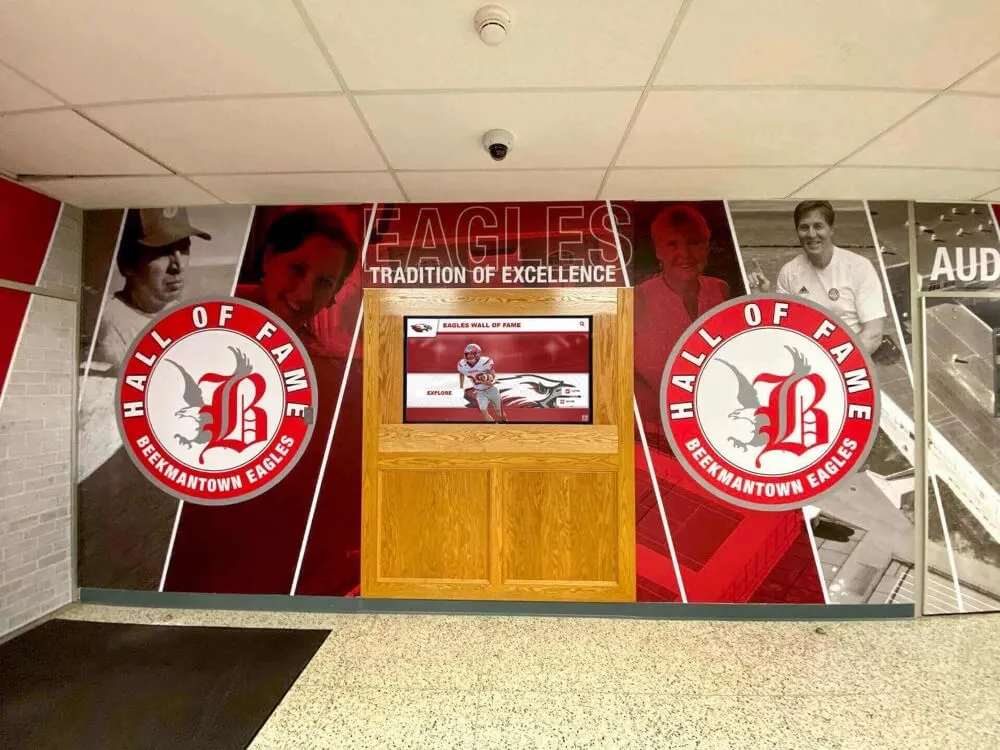
Schools with strong booster organizations report average annual supplemental revenue ranging from $25,000 for small programs to well over $250,000 for established organizations serving large athletic departments—funding that translates directly into superior equipment, enhanced facilities, expanded coaching resources, and opportunities simply unavailable to programs without organized booster support.
Funding Equipment Upgrades and Replacements
Maintaining competitive-quality gear for all student-athletes:
Athletic equipment deteriorates rapidly through constant use, safety standards evolve requiring updated gear, and competitive advantages flow to programs utilizing current technology and high-quality equipment. District replacement cycles rarely keep pace with actual equipment needs, forcing programs to compete with outdated gear compromising both safety and performance.
Booster clubs address these equipment gaps systematically—funding complete uniform sets on accelerated replacement schedules ensuring athletes always represent schools professionally, purchasing advanced training equipment that develops skills more effectively than basic alternatives, replacing protective gear meeting current safety standards, and providing sport-specific technology like video analysis systems or performance tracking tools that enhance athlete development.
The difference becomes immediately visible when comparing programs with active booster support against those without—athletes wearing current uniforms competing in well-maintained facilities using quality equipment versus teams in faded, mismatched gear struggling with outdated equipment that compromises performance and sends messages about program priorities that affect athlete morale, community perception, and recruitment success.
Facility Improvements and Maintenance
Creating environments that communicate program commitment and enable effective training:
Athletic facilities reflect program quality through visitor perceptions, athlete morale, and functional training environments. Aging weight rooms with broken equipment, deteriorating locker facilities, inadequate field lighting, poor playing surfaces, and neglected spectator areas communicate lack of investment that affects how student-athletes view programs, how visiting teams perceive schools, and whether community members feel proud supporting local athletics.
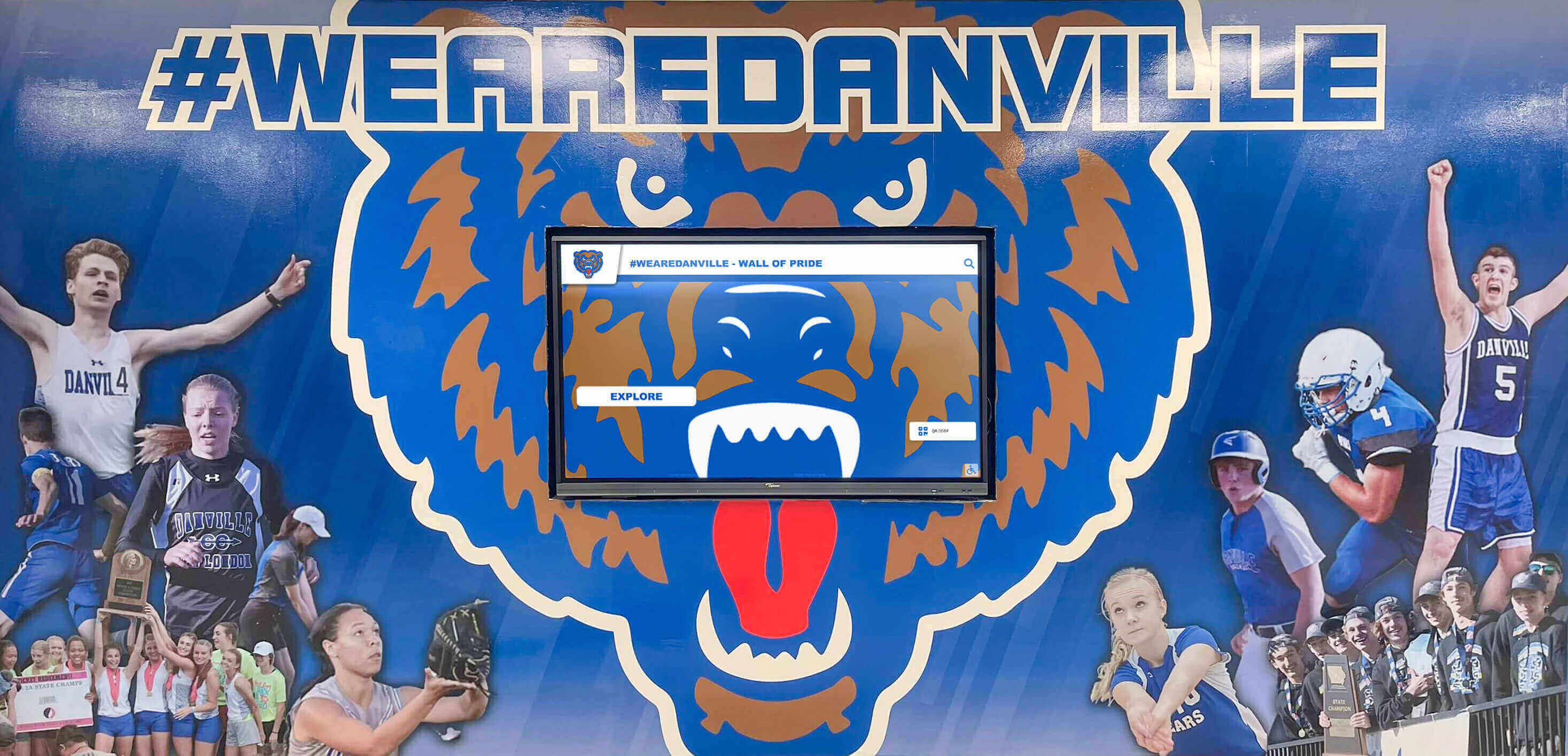
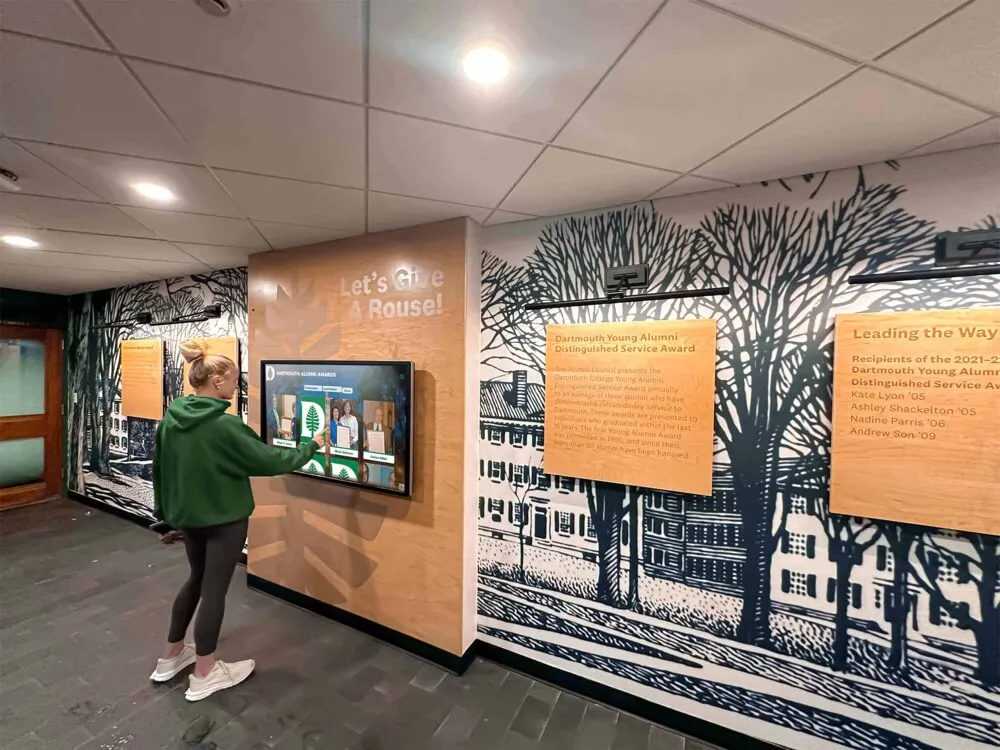
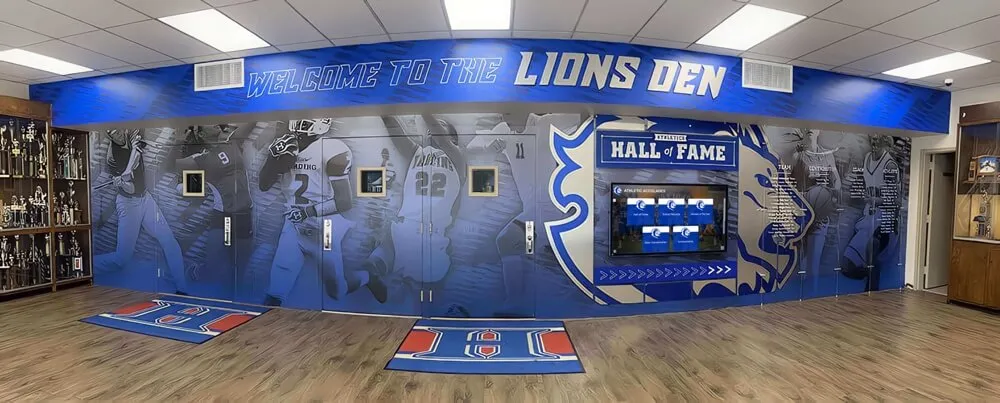
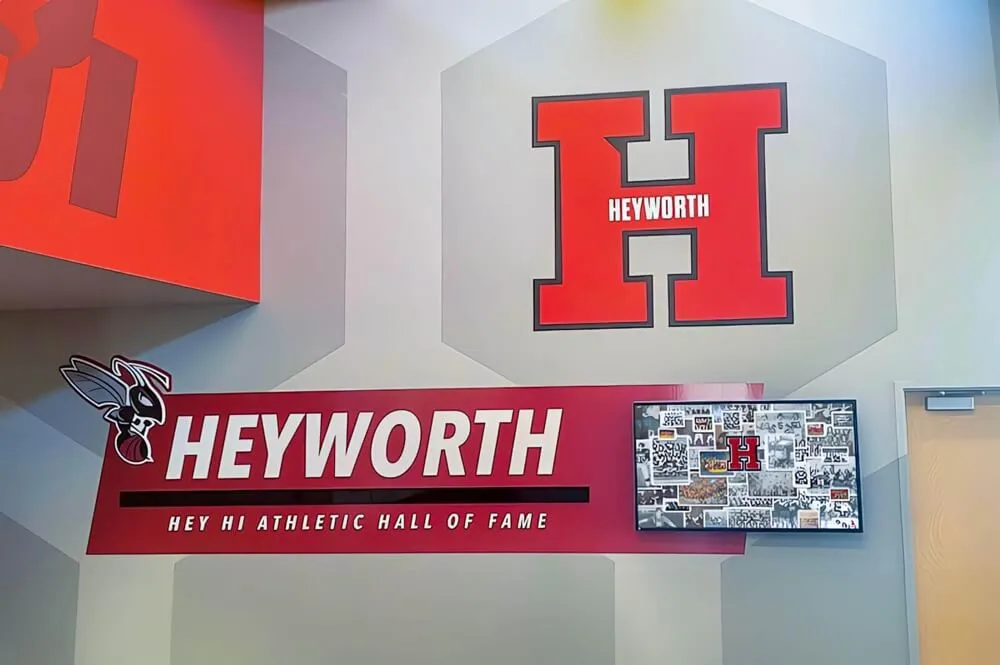
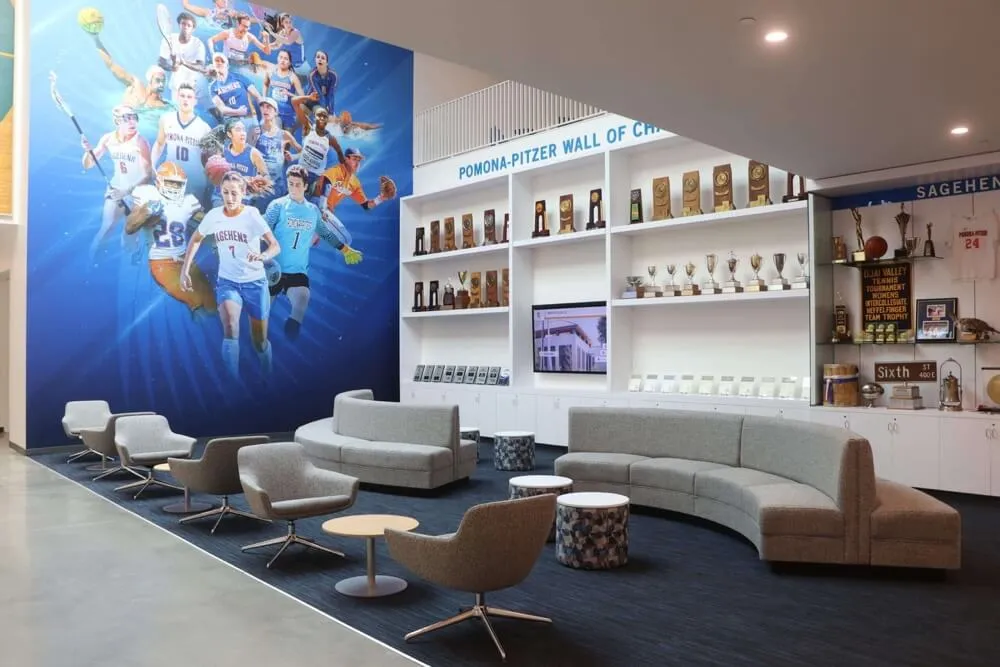
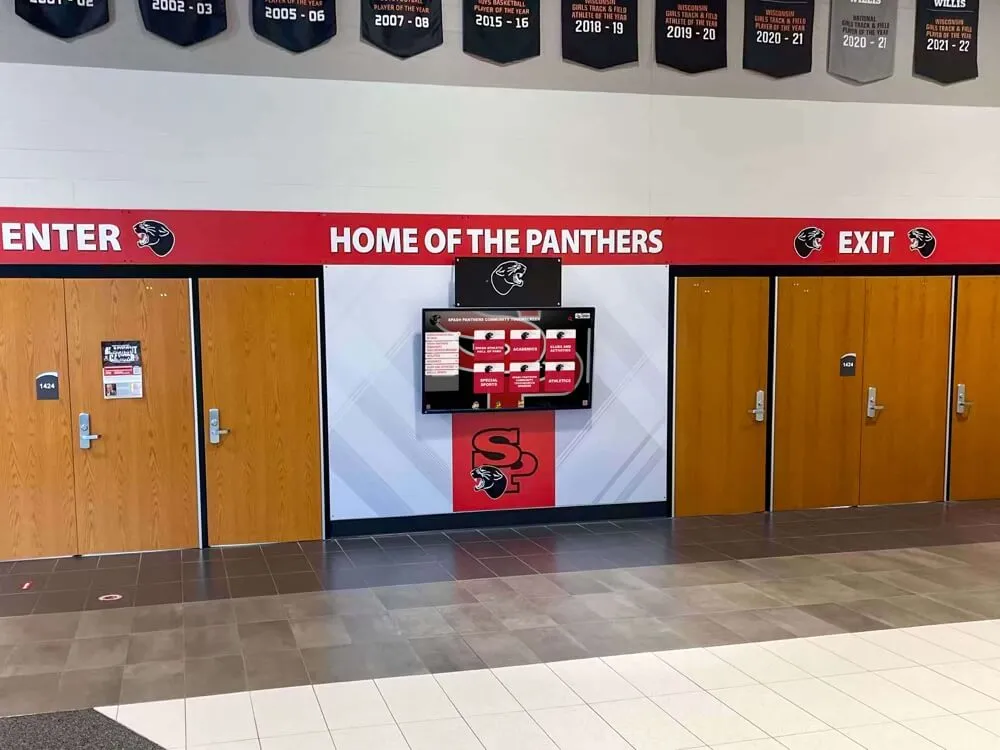
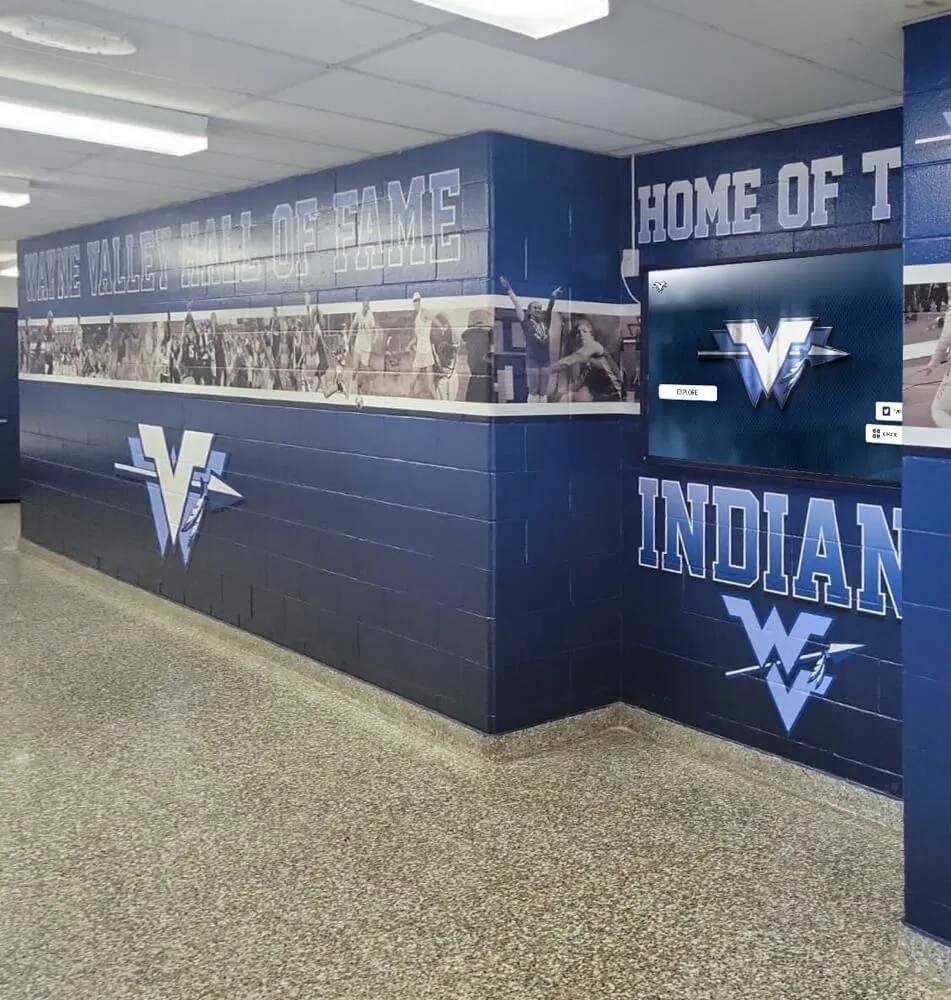
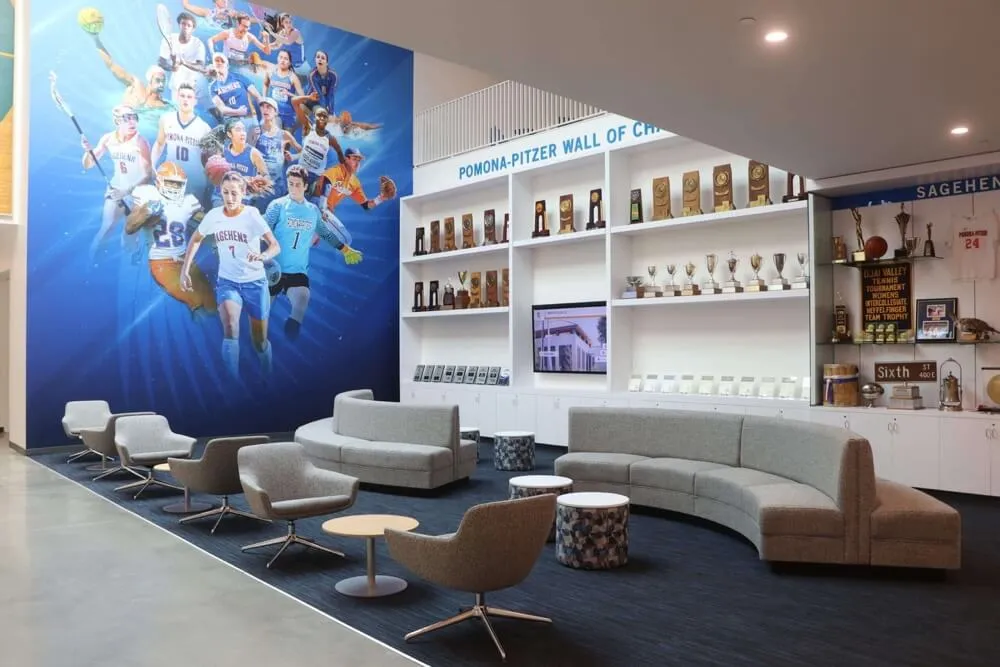
Booster organizations fund facility improvements transforming athletic environments—renovating weight rooms with modern equipment, upgrading locker facilities creating professional atmospheres, installing quality playing surfaces reducing injuries while improving performance, adding field lighting enabling expanded practice schedules, improving spectator amenities increasing game attendance and community engagement, and creating recognition displays celebrating athletic achievements that build program tradition and school pride.
These physical improvements deliver compounding benefits beyond immediate functional upgrades. Modern facilities attract quality coaching candidates, influence student participation decisions, shape community perceptions about school commitment to excellence, and create environments where athletes train more effectively while developing pride in representing programs that clearly value their development and success.
Understanding comprehensive approaches to athletic facility recognition helps booster clubs maximize the impact of facility investments through strategic improvements that serve multiple purposes including athlete development, community engagement, and donor stewardship.
Program Expansion and Opportunity Creation
Beyond funding existing operations, booster support enables program expansions and opportunity creation that district budgets alone would never accommodate.
Adding Coaching Staff and Specialized Instruction
Expanding expertise available to student-athletes:
Quality coaching matters immensely for athlete development, program competitiveness, and student safety. However, district budgets typically fund only head coaching positions for major sports, leaving assistant roles unfilled or filled by volunteers lacking professional expertise, specialized position coaches unavailable entirely, and strength and conditioning specialists shared across entire athletic departments rather than dedicated to specific programs.
Booster funding enables programs to hire additional coaching staff—adding assistant coaches who provide individualized attention and specialized technical instruction, employing position-specific coaches bringing elite expertise to skill development, contracting strength and conditioning professionals designing sport-specific training programs, and securing guest instructors for specialized clinics or camps expanding learning opportunities beyond what regular coaching staffs provide.
This expanded coaching capacity directly impacts athlete development measurably. Programs with adequate coaching ratios develop skills more effectively, reduce injury rates through proper technique instruction and conditioning, identify and address individual athlete needs systematically, and create mentorship relationships that extend beyond athletic instruction into academic support and character development central to educational athletics missions.
Supporting Travel and Competition Opportunities
Enabling experiences that develop athletes while building team culture:
Athletic development requires competing against quality opponents in challenging environments. However, travel costs—transportation, lodging, meals, and tournament fees—often prohibit participation in elite competitions, showcase tournaments, out-of-state championship events, or training camps exposing athletes to higher competition levels essential for maximizing potential.
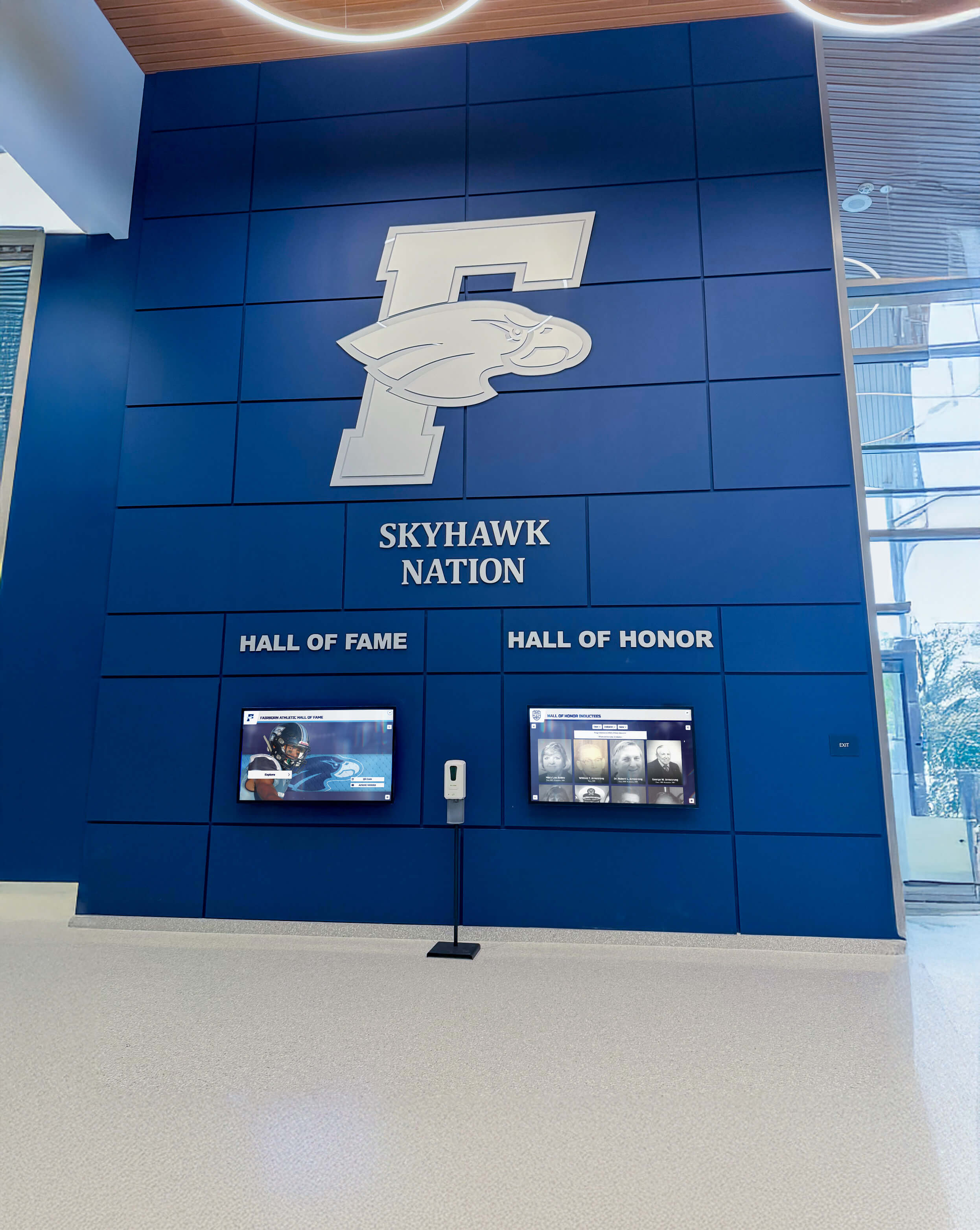
Booster organizations remove financial barriers to these valuable opportunities—funding team travel to prestigious tournaments exposing athletes to elite competition, subsidizing individual athlete participation in recruiting showcases, supporting training camp attendance where specialized instruction accelerates skill development, and enabling championship event participation when teams earn opportunities district budgets cannot accommodate.
Beyond competitive benefits, travel experiences build team chemistry, expose student-athletes to college campuses and athletic programs informing future educational decisions, create shared memories strengthening program culture and alumni connections, and provide life experiences many students would otherwise never access due to family financial limitations.
Resources on tournament and championship recognition demonstrate how boosters can celebrate these achievements while building program tradition and community pride.
Funding Athletic Recognition and Awards Programs
Celebrating achievement in ways that motivate excellence and build tradition:
Student-athlete recognition serves critical developmental purposes—validating effort, acknowledging diverse achievement types, building self-efficacy, creating aspirational goals for younger athletes, and establishing program traditions connecting current participants to historical excellence. However, comprehensive recognition programs require funding that baseline athletic budgets rarely prioritize.
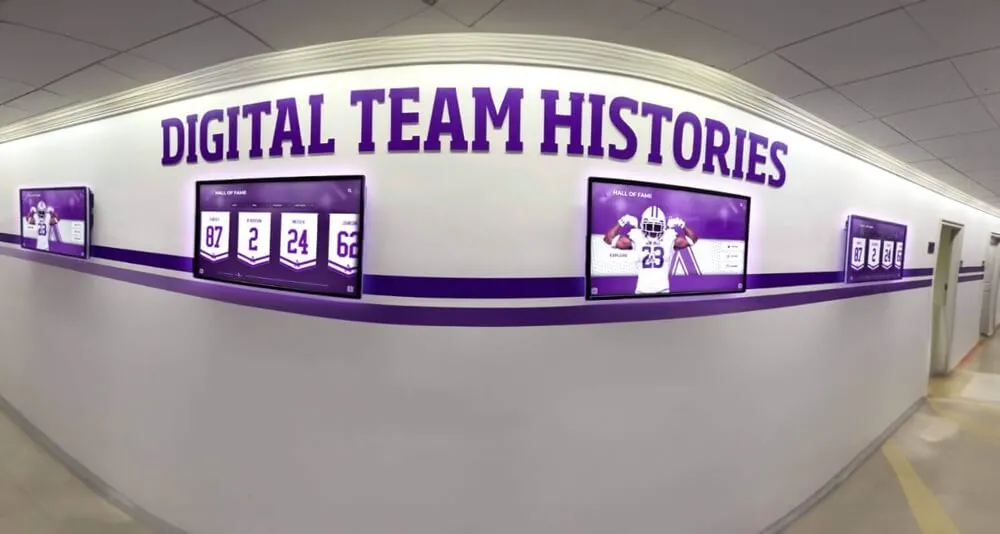
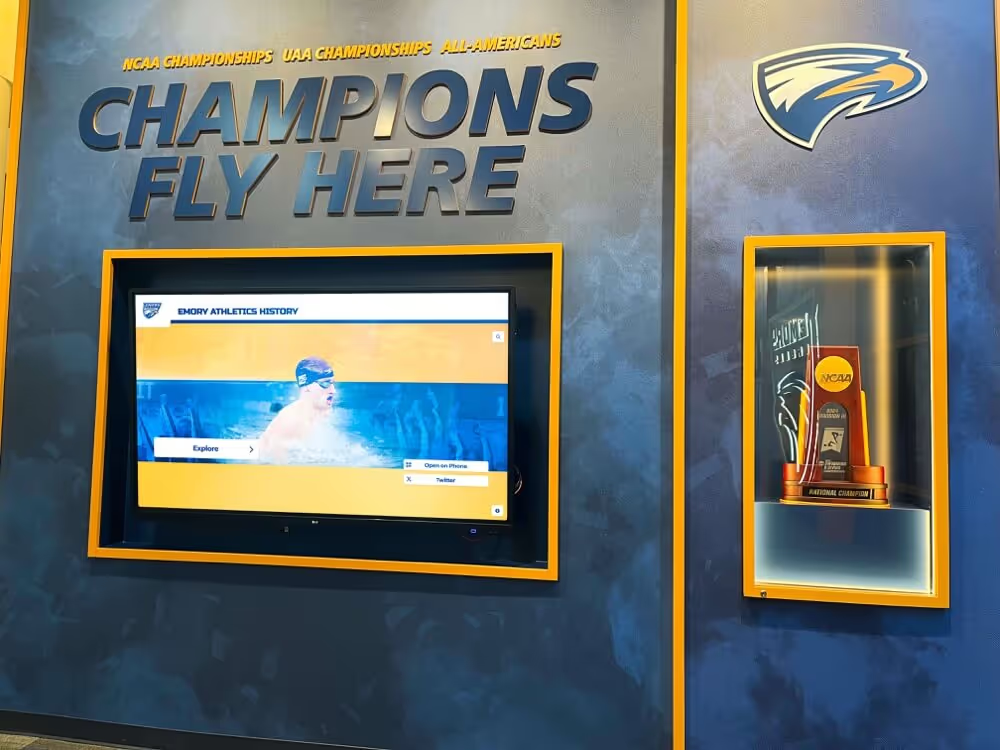
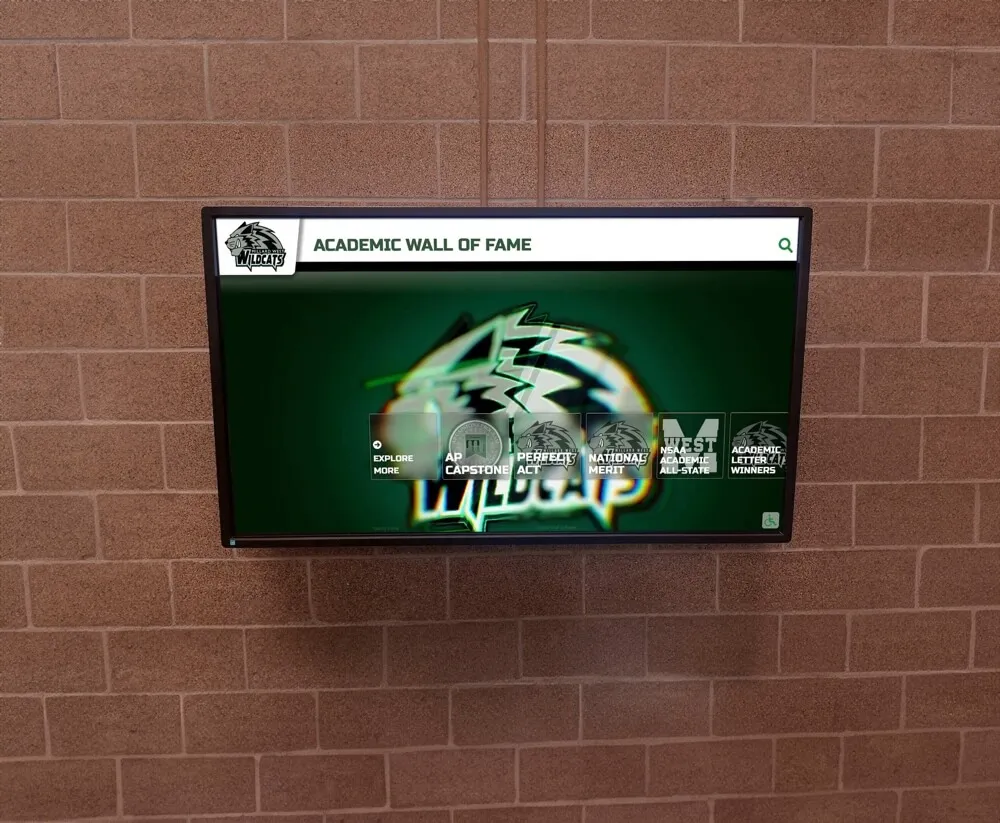
Booster support enables robust recognition initiatives—funding end-of-season awards banquets celebrating athlete accomplishments, purchasing quality awards and trophies that athletes proudly display for years, installing digital recognition displays showcasing athletic achievements permanently, creating hall of fame programs honoring exceptional athletes and building program legacy, and implementing athlete-of-the-week programs maintaining motivation throughout seasons rather than only recognizing performance at season conclusions.
These recognition investments deliver measurable returns beyond immediate athlete morale. Public acknowledgment of athletic achievement builds school pride extending to entire student bodies and communities, creates traditions that motivate younger athletes observing what success and dedication earn, strengthens alumni connections as former athletes see their accomplishments honored permanently, and communicates program values about effort, character, and excellence that shape athlete behavior and team culture systematically.
Community Building and Engagement Benefits
Booster clubs create community connections that benefit schools, athletic programs, and local areas far beyond simple fundraising functions.
Strengthening School-Community Relationships
Building bridges between educational institutions and local communities:
Schools function most effectively when embedded within supportive communities rather than operating as isolated institutions. Athletic booster clubs create natural connection points—community members without children currently enrolled participate through booster involvement, local businesses partner through sponsorships and support, alumni maintain engagement with alma maters through athletic support, and residents develop institutional knowledge about school programs, needs, and achievements through regular booster communication and event attendance.
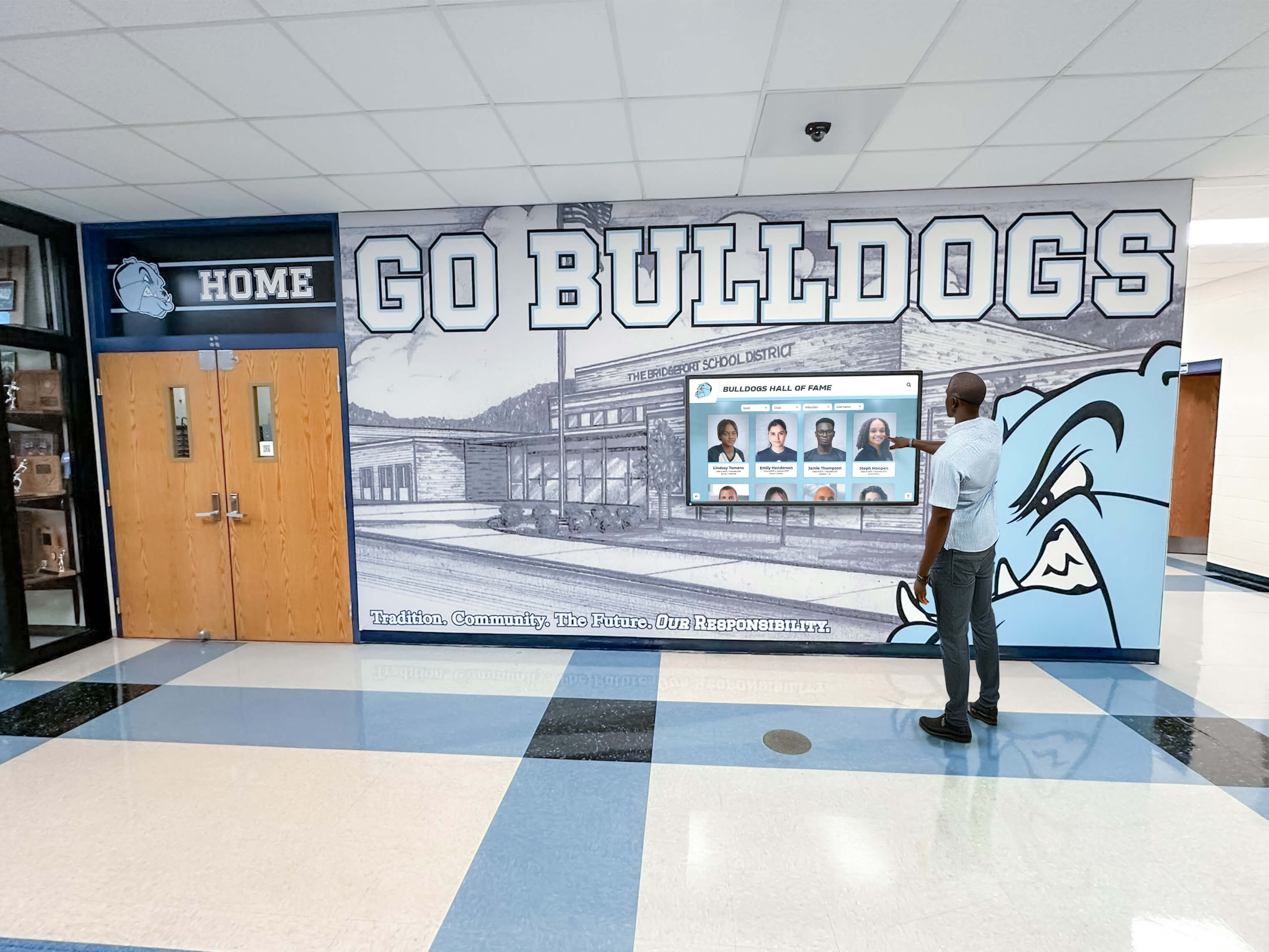
These relationships benefit schools comprehensively—community members who connect through athletics become advocates during budget referendums and school board elections, businesses that sponsor athletic programs often extend support to other school initiatives, alumni engaged through booster clubs contribute to broader fundraising campaigns, and general community knowledge about school excellence grows through athletic visibility creating positive institutional reputations attracting families and property values.
Strong booster organizations transform athletics from insular school programs into community assets that entire areas take pride in supporting, creating virtuous cycles where athletic success generates community enthusiasm that produces increased support enabling further program improvements that strengthen community connections continuously.
Creating Volunteer Networks and Parent Engagement
Mobilizing community capacity to support student success:
Effective schools require extensive volunteer support operating programs, organizing events, providing expertise, and supplementing professional staff capacity. Athletic booster clubs create organizational structures channeling volunteer enthusiasm productively—coordinating concession stand operations, organizing fundraising events, managing communications and social media, providing technical expertise for equipment maintenance or facility improvements, and handling administrative tasks that would otherwise burden coaching staffs or athletic directors.
This volunteer mobilization benefits schools far beyond athletics. Parents who volunteer through booster organizations often extend involvement to other school activities, developing institutional knowledge, relationships with faculty and administrators, and commitment to school success that influences behavior in parent-teacher organizations, classroom volunteering, and general advocacy for educational quality.
Volunteer networks also create inclusive communities where all families can contribute meaningfully regardless of financial capacity. Parents unable to donate significantly often volunteer extensively, creating pathways to meaningful involvement and social connection that strengthen family engagement with schools while ensuring athletic support doesn’t become exclusively tied to financial capacity.
Approaches to building school community culture demonstrate how athletic programs and booster organizations contribute to comprehensive school environments where students, families, and communities feel connected to institutional success.
Generating School Spirit and Pride
Fostering collective identity around athletic achievement and school excellence:
School spirit represents more than superficial enthusiasm—it creates shared identity, builds student belonging, generates community pride, and establishes positive associations with educational institutions that influence student engagement, alumni loyalty, and community support for schools. Athletic programs serve as natural spirit focal points when visible success, community participation, and celebratory traditions create environments where pride becomes collective rather than isolated.
Booster organizations amplify these spirit-building functions systematically—organizing pep rallies and spirit events building excitement around athletic competitions, funding spirit wear and promotional materials enabling community members to display school affiliation visibly, creating recognition programs celebrating athletic achievements that entire communities can take pride in supporting, and maintaining communication highlighting program successes and upcoming events that keep athletics visible in community consciousness.
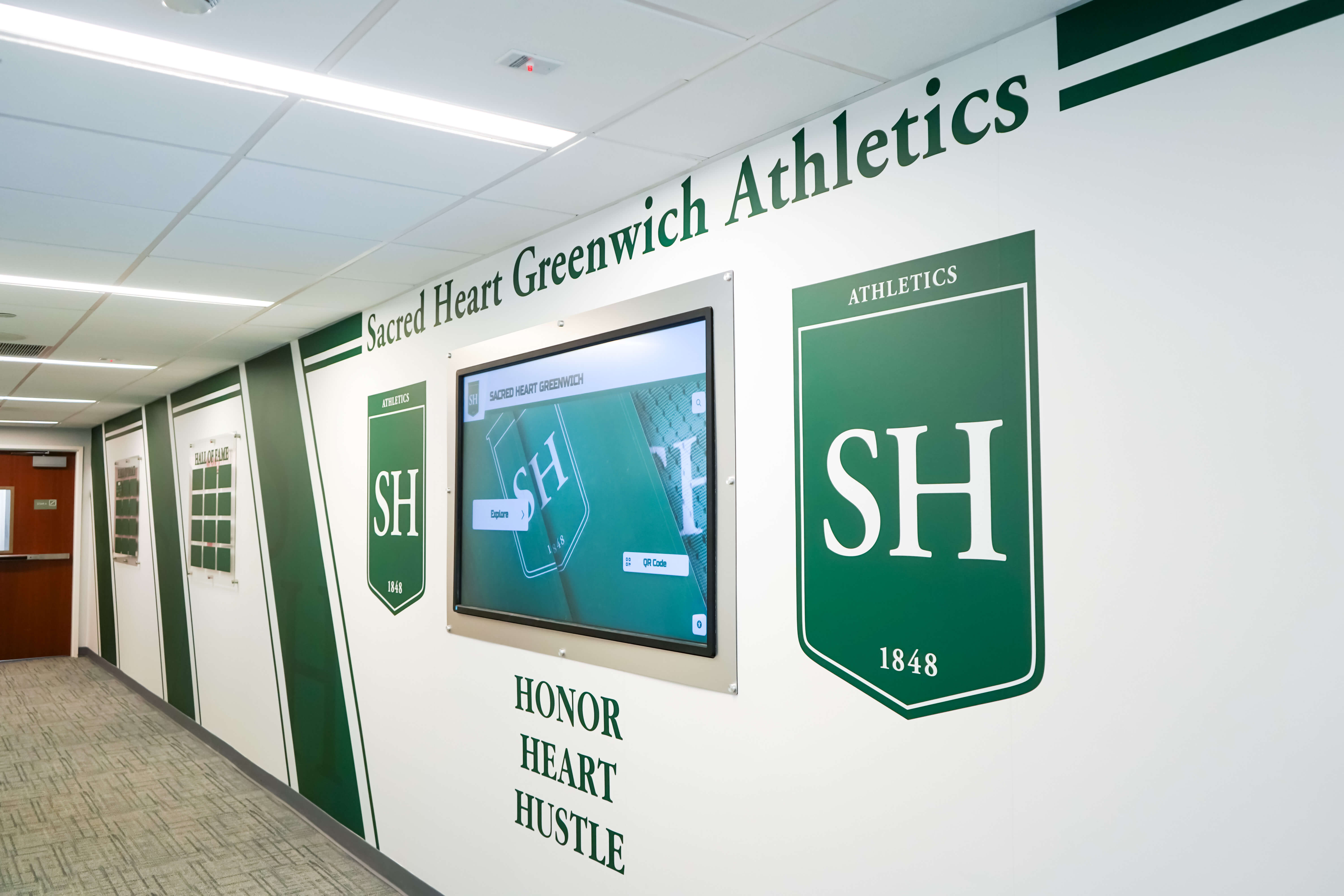
The benefits extend throughout schools—students who feel pride in athletic programs demonstrate stronger overall school engagement, teachers benefit from positive school cultures where students value achievement across domains, administrators gain community support making difficult decisions easier, and graduates maintain lifelong positive associations with alma maters influencing future giving, volunteerism, and advocacy when institutional needs arise.
Leadership Development and Student Support
Effective booster organizations create student-centered benefits extending well beyond financial contributions to athletic budgets.
Reducing Financial Barriers for Student Participation
Ensuring access regardless of family economic circumstances:
Athletic participation delivers profound developmental benefits—physical health, teamwork skills, discipline, goal-setting abilities, resilience, and mentorship relationships. However, participation costs create significant barriers for economically disadvantaged families even when schools don’t charge participation fees—equipment costs, travel expenses, team meals, tournament fees, and informal social expenses like team dinners or bonding activities exclude students whose families cannot afford these additional costs.
Booster clubs remove these barriers systematically—establishing equipment loan programs ensuring all athletes have necessary gear regardless of purchase capacity, subsidizing travel costs preventing economic exclusion from team events, providing meal funds for away competitions and long tournament days, and creating scholarship programs covering participation fees and expenses enabling full athletic department access for students from all economic backgrounds.
This inclusive support transforms athletic programs from activities accessible primarily to affluent families into genuine opportunities developing all students regardless of economic circumstances. Schools implementing comprehensive access programs through booster support report significantly more diverse athletic participation, stronger team cultures reflecting varied backgrounds and perspectives, and enhanced community support as all families see athletic programs valuing their children rather than only serving economically privileged populations.
Supporting Academic Achievement for Student-Athletes
Prioritizing education within athletic contexts:
The primary purpose of school athletics involves supporting educational missions and student development rather than existing as separate competitive enterprises. However, maintaining academic focus within athletic programs requires resources—tutoring support, study halls with supervision, academic monitoring systems, and recognition programs celebrating academic achievement alongside athletic success.
Booster funding enables programs to support student-athlete academic success systematically—hiring tutors providing subject-specific academic assistance, funding study hall supervision ensuring athletes dedicate appropriate time to coursework during seasons, implementing academic tracking systems identifying students needing additional support before problems become critical, and creating academic recognition programs celebrating honor roll athletes and building cultures where academic achievement receives equivalent attention to athletic performance.
These academic support initiatives deliver measurable results. Programs with systematic academic support report higher student-athlete GPAs, improved graduation rates, increased college enrollment and scholarship opportunities, and stronger relationships with faculty who see athletic departments actively supporting educational missions rather than competing for student time and attention.
Resources on academic recognition programs demonstrate how schools can celebrate academic athletic achievement while reinforcing the educational priorities central to school sports missions.
Developing Student Leadership and Character
Building skills that extend far beyond athletic competitions:
Educational athletics aim to develop character, leadership, work ethic, resilience, and interpersonal skills that serve students throughout lives—not merely to win games or earn championships. However, intentional character development requires program design, coaching training, recognition systems, and explicit curricula that district budgets rarely fund as priorities.
Booster support enables programs to emphasize character development systematically—funding leadership development programs teaching captains and senior athletes how to lead effectively, supporting coach training in character education and positive coaching techniques, implementing recognition programs acknowledging sportsmanship and leadership alongside competitive achievement, and creating service opportunities where teams contribute to communities while developing citizenship values beyond personal athletic success.
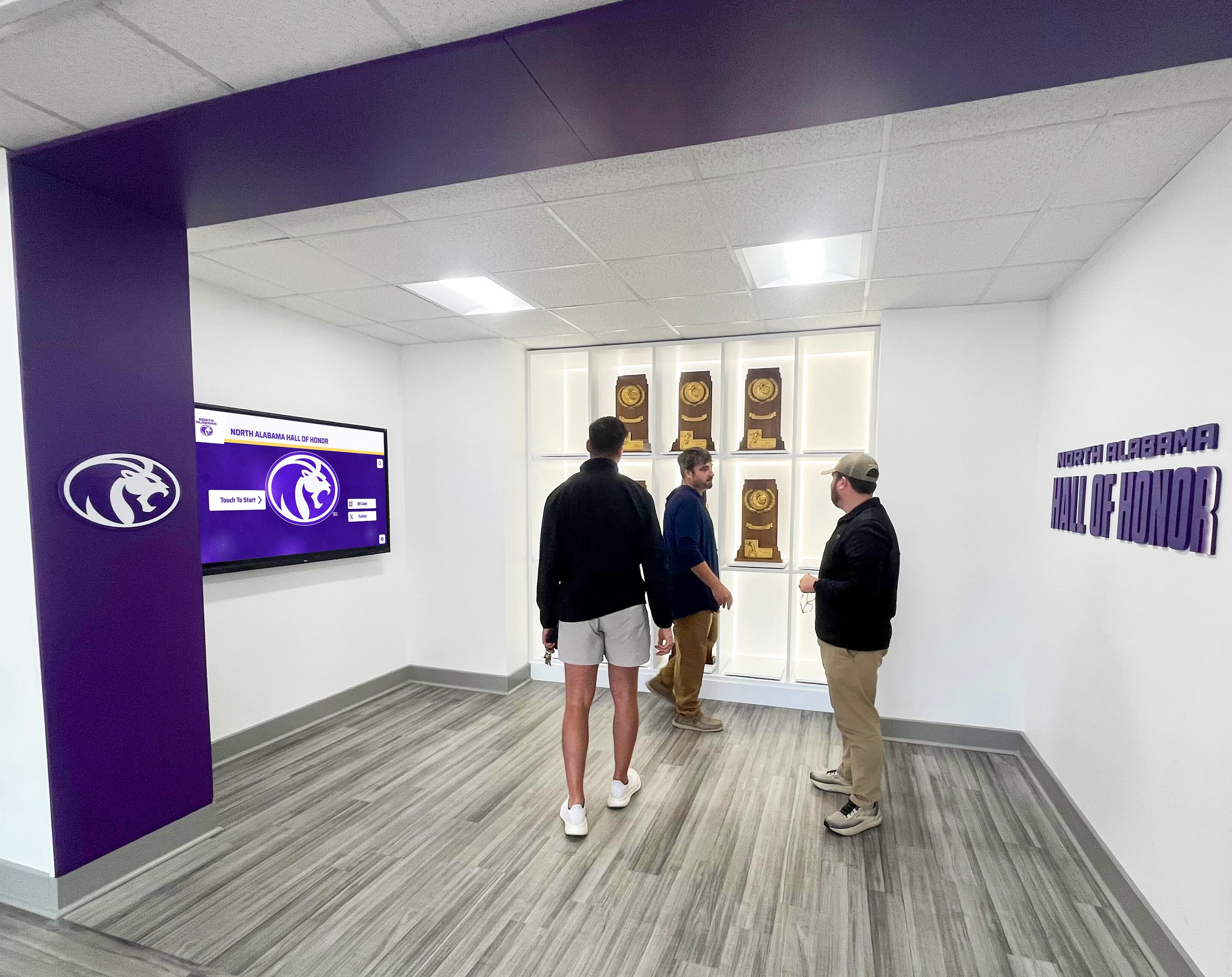
These character-focused initiatives create program cultures where athletes develop comprehensively. Student-athletes in programs emphasizing character alongside competition demonstrate stronger leadership skills, more positive peer relationships, higher levels of community service, better conflict resolution abilities, and greater likelihood of continuing leadership involvement in college and careers—outcomes representing the core missions of educational athletics that justify significant community investment in school sports.
Coaching Support and Program Sustainability
Booster clubs provide critical support enabling programs to attract quality coaching, reduce staff burnout, and maintain program excellence across leadership transitions.
Attracting and Retaining Quality Coaches
Competitive compensation and support for coaching excellence:
Quality coaching directly determines program effectiveness, athlete development, and competitive success. However, school district coaching stipends rarely approach market rates—many excellent potential coaches decline positions when compensation doesn’t justify time commitments, existing coaches leave for better-paying opportunities, and programs struggle to fill positions with candidates possessing appropriate expertise and dedication.
Booster supplemental compensation addresses these recruitment and retention challenges—augmenting district coaching stipends to competitive levels attracting quality candidates, providing retention bonuses acknowledging outstanding performance and encouraging continuity, funding professional development enabling coaches to attend training clinics and conferences improving expertise, and covering expenses like equipment, technology, or program supplies that coaches often purchase personally when budgets prove inadequate.
This coaching support creates measurable program improvements. Schools offering competitive total compensation packages report significantly larger applicant pools for openings, improved coaching tenure and program continuity, higher levels of coaching expertise and credentials, and stronger program results reflecting quality instruction and leadership that superior coaching provides.
Providing Resources That Reduce Coach Burnout
Supporting sustainability through adequate program resources:
Coaching burnout represents a significant problem undermining program quality and continuity. When coaches spend personal funds on equipment, invest excessive unpaid hours compensating for inadequate support staff, handle administrative burdens that should be delegated, and operate programs with inadequate resources despite personal dedication, burnout becomes inevitable—leading to coaching turnover, reduced program quality, or coaches simply going through motions rather than providing energetic leadership students deserve.
Booster support reduces burnout systematically—funding assistant coaches distributing workload rather than expecting head coaches to handle all responsibilities personally, providing administrative support for scheduling, communications, and logistics that consume coaching time better spent on instruction and athlete development, supplying adequate program resources so coaches stop personally funding basic needs, and creating volunteer networks handling support functions like equipment maintenance, facility setup, or event organization.
These sustainability initiatives protect program investments while honoring coaching contributions appropriately. Programs with adequate support systems report dramatically lower coaching turnover, higher coach satisfaction, more innovative program development as coaches have capacity to pursue improvements rather than simply maintaining operations, and stronger athlete development reflecting engaged coaching staffs with energy and creativity for comprehensive instruction.
Guidance on athletic director perspectives demonstrates how booster support aligns with comprehensive athletic department strategies for program excellence and sustainability.
Building Program Infrastructure and Continuity
Creating systems that outlast individual leadership:
Effective programs require institutional infrastructure transcending individual coaches or administrators—documented processes, established traditions, equipment inventories, facility knowledge, community relationships, and historical records enabling program continuity when leadership transitions inevitably occur. Without systematic infrastructure development, programs often collapse during coaching changes as institutional knowledge disappears and supporters disengage when familiar leaders depart.
Booster organizations build this critical infrastructure—maintaining program records documenting accomplishments and establishing historical context, creating alumni networks maintaining connections across graduating classes, developing corporate and community partnerships that persist beyond individual relationships, establishing recognition systems celebrating program traditions and achievements, and systematizing operational processes through documented procedures reducing dependence on individual knowledge.
This infrastructure development protects program investments across leadership transitions. Schools with strong booster organizations maintaining institutional infrastructure report significantly smoother coaching transitions, sustained community support regardless of specific personnel, better program continuity in competitive performance and operational quality, and enhanced ability to recruit replacement coaching when transitions occur because programs demonstrate organizational strength beyond individual leaders.
Recognition and Tradition Building
Booster clubs play essential roles creating recognition systems and traditions that build program identity, motivate excellence, and strengthen community connections.
Establishing Hall of Fame and Legacy Programs
Honoring excellence while inspiring future achievement:
Hall of fame programs serve multiple strategic purposes—recognizing exceptional athletic achievement appropriately, creating aspirational goals motivating current athletes, building program traditions and historical consciousness, strengthening alumni connections through ongoing recognition and induction ceremonies, and communicating program values about excellence, character, and contribution deserving lasting honor.
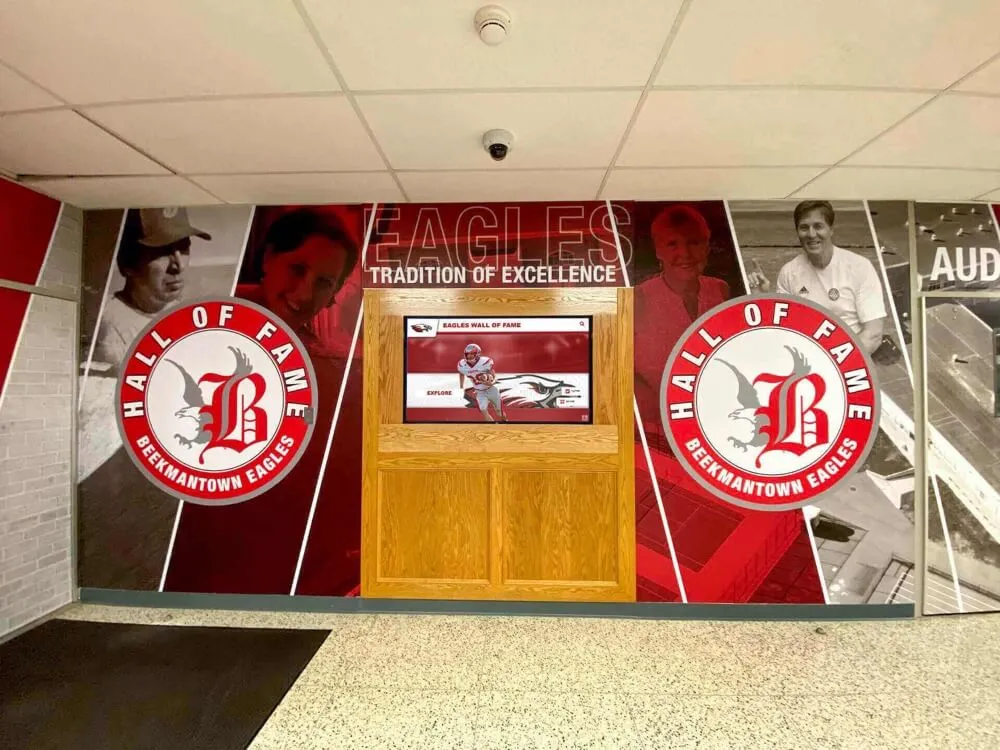
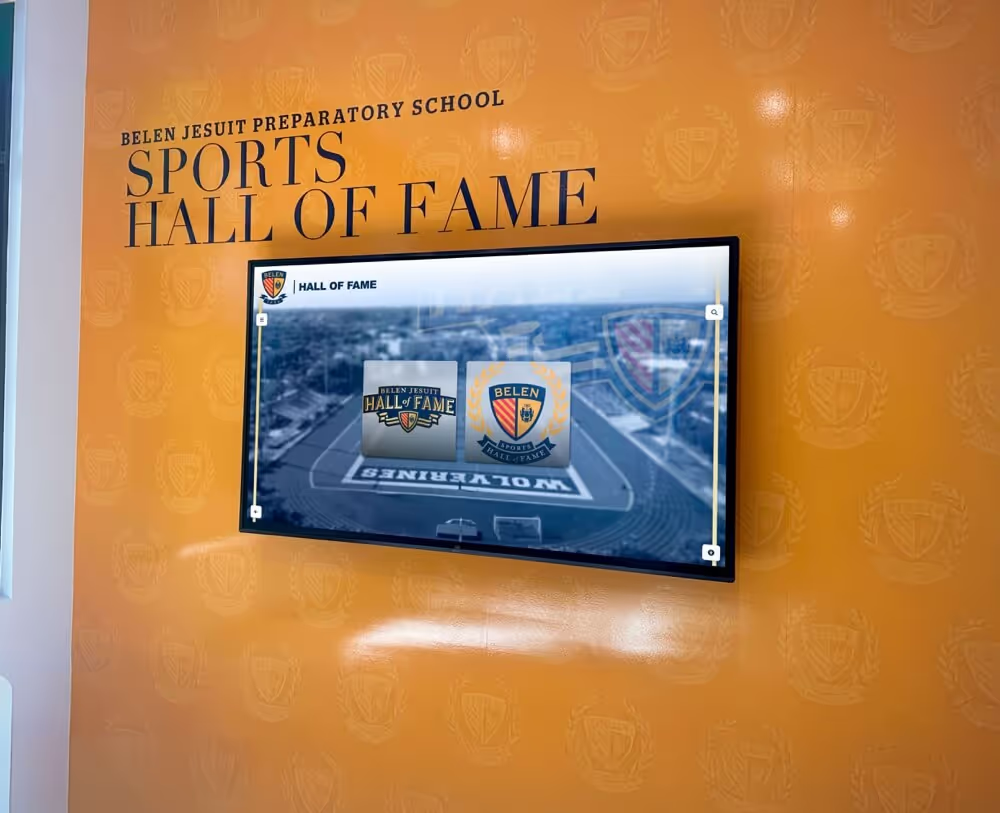
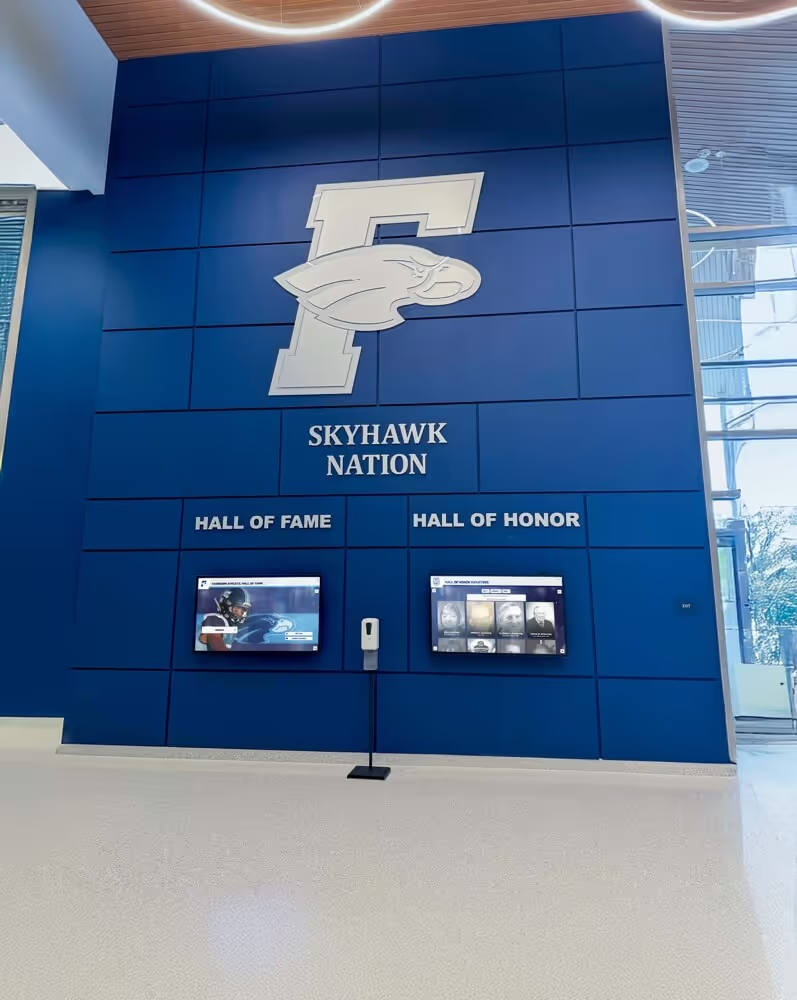
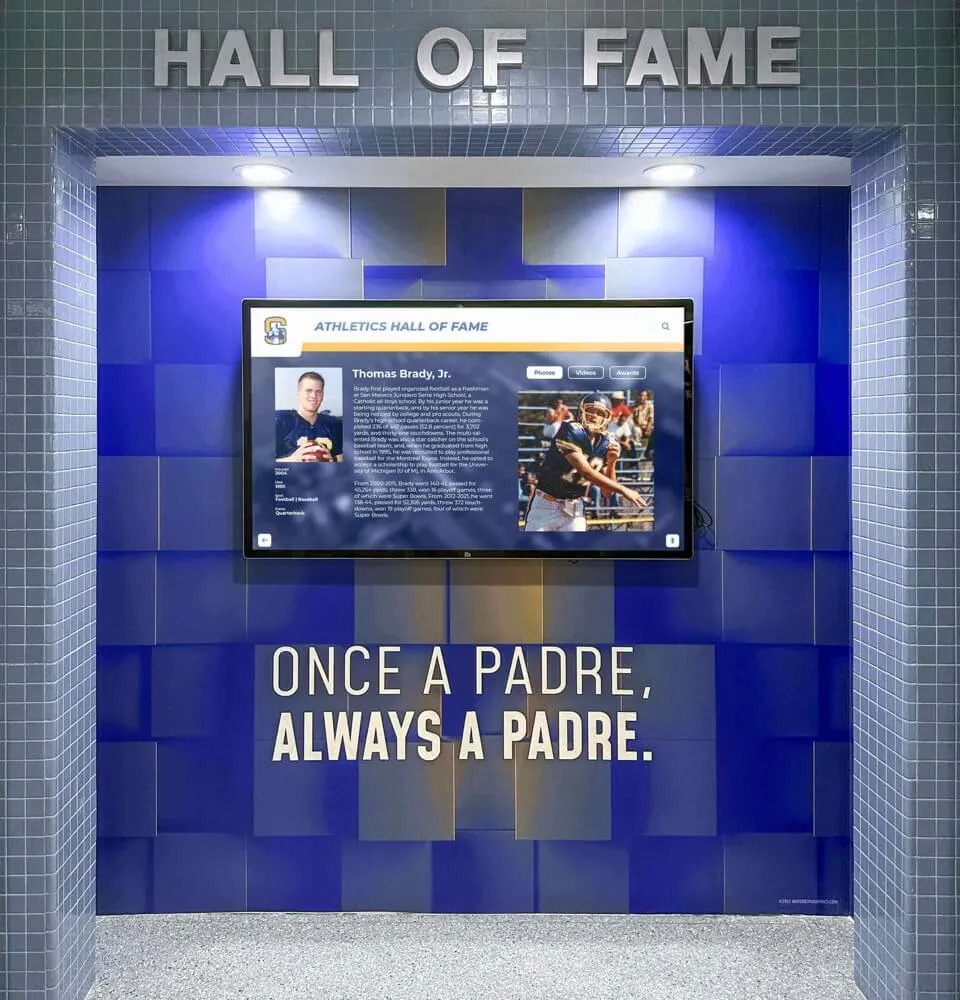
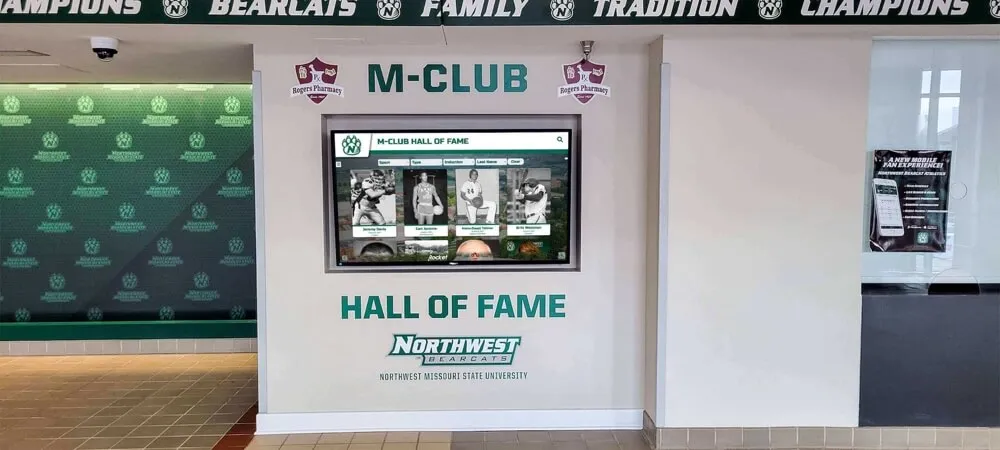
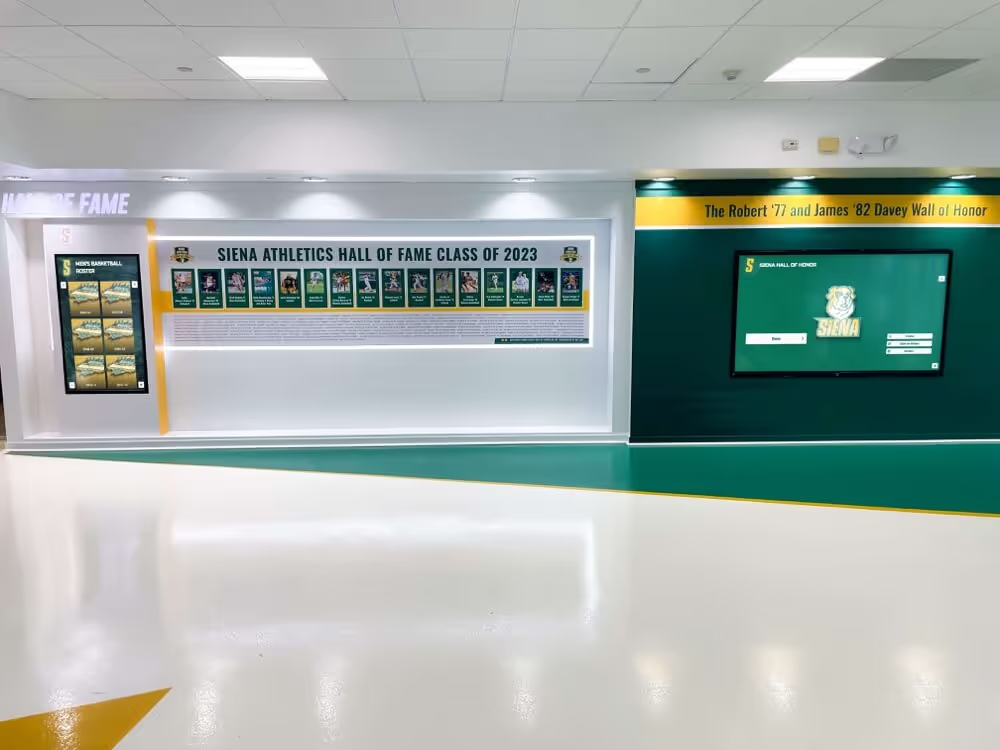
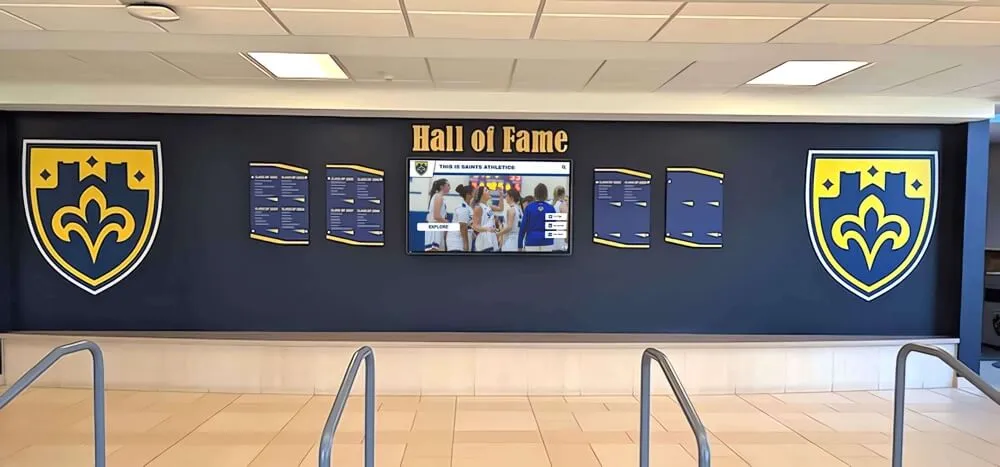
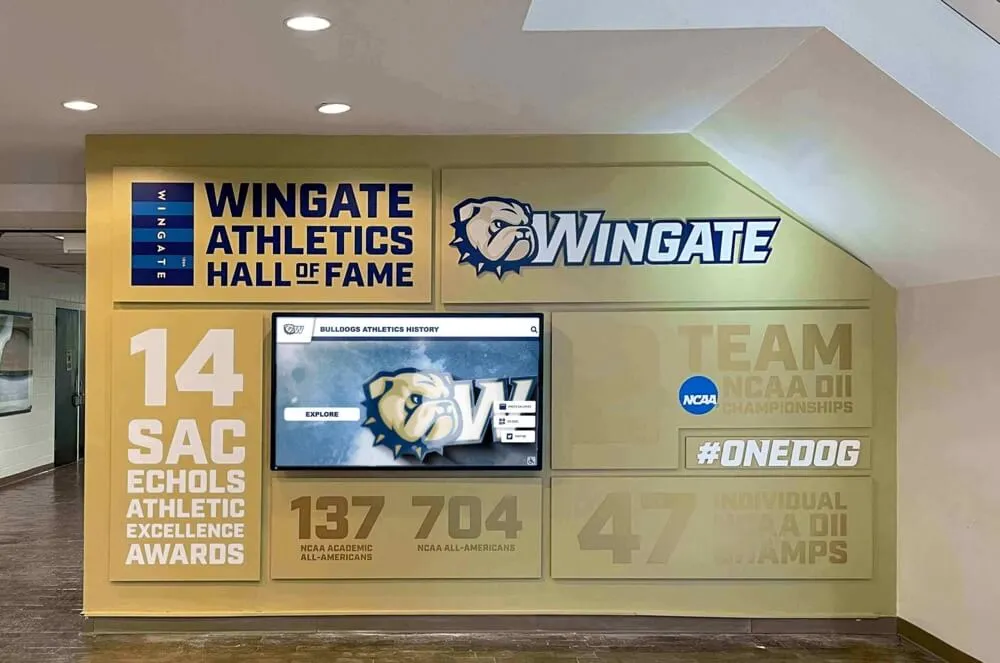
Booster funding enables comprehensive hall of fame initiatives—installing quality recognition displays showcasing inductees permanently and prominently, organizing annual induction ceremonies creating celebratory traditions and community events, maintaining historical records documenting athletic achievements across decades, and implementing nomination and selection processes ensuring deserving individuals receive appropriate acknowledgment.
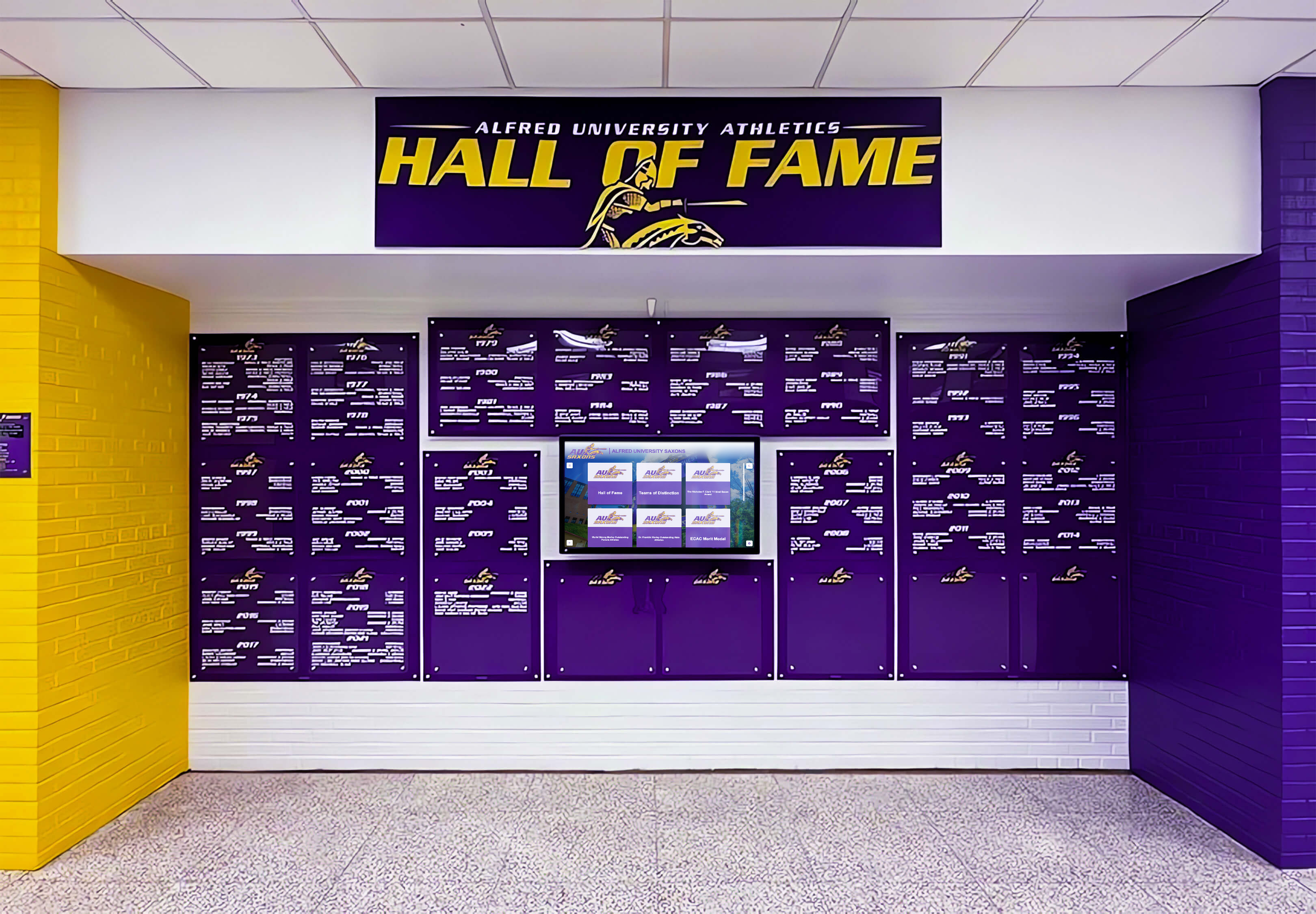
These legacy programs create powerful program cultures. Current athletes who see former excellence honored develop understanding of program traditions and expectations, alumni who receive induction recognition maintain lifelong connections to programs and schools, families of honored athletes become committed supporters grateful for meaningful acknowledgment, and communities develop pride in local athletic history demonstrating sustained excellence across generations.
Resources on hall of fame program implementation provide frameworks for establishing recognition systems that celebrate athletic excellence while building program tradition and community engagement.
Funding Championship and Achievement Recognition
Celebrating success in ways that validate effort and inspire continued excellence:
Championship seasons and exceptional achievements deserve celebration creating memories, validating preparation and sacrifice, and establishing program expectations for excellence. However, comprehensive recognition requires resources—championship banners, trophy cases, celebration events, commemorative items, and digital displays showcasing achievements permanently.
Booster organizations fund this critical recognition—purchasing championship banners displayed prominently in athletic facilities, installing trophy cases protecting and showcasing hard-earned awards appropriately, organizing championship celebration events honoring team accomplishments publicly, providing commemorative items like rings or plaques that athletes treasure lifelong, and implementing digital recognition systems celebrating achievements across multiple platforms and audiences.
This investment in celebration delivers significant returns beyond immediate satisfaction. Visible championship recognition builds program expectations where excellence becomes standard rather than exceptional, creates facility environments communicating program quality to visitors and recruits, strengthens team cultures through shared accomplishment acknowledgment, and maintains community enthusiasm and support by celebrating the successes that supporter investments enable.
Understanding comprehensive approaches to championship recognition helps booster clubs avoid common implementation mistakes while maximizing the impact of recognition investments.
Creating Digital Recognition and Historical Archives
Preserving legacy through modern platforms accessible to broad audiences:
Traditional static recognition systems face significant limitations—physical plaques deteriorate over time, trophy cases reach capacity requiring difficult decisions about what to remove, static displays cannot accommodate comprehensive information about honorees, and physical recognition restricts visibility to facility visitors rather than reaching alumni, families, and broader communities.
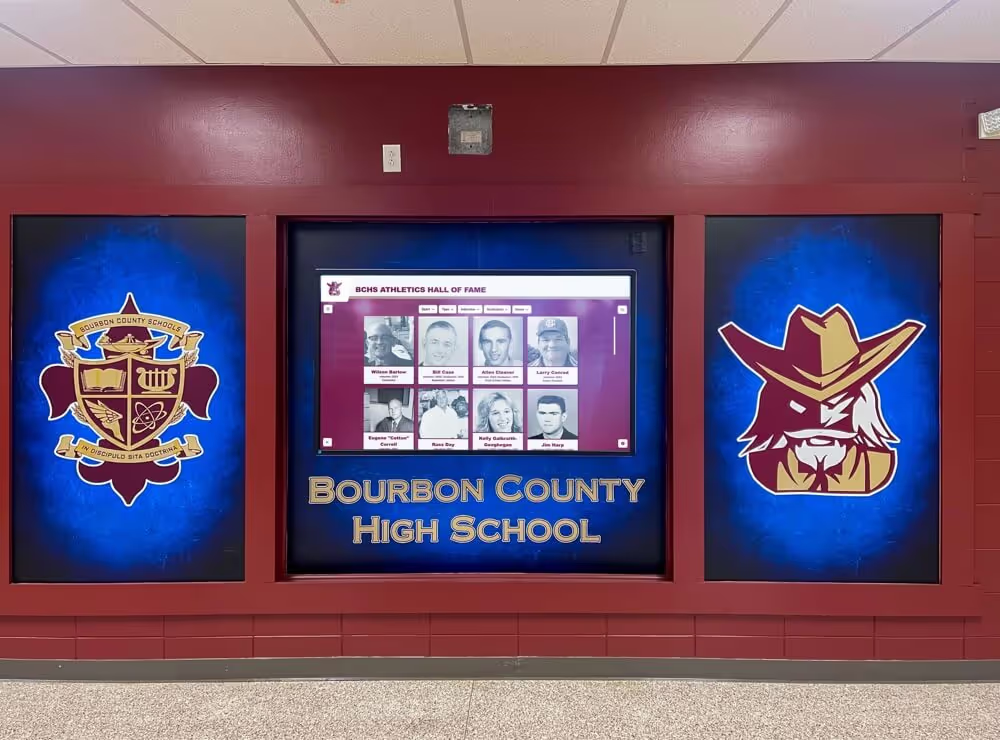
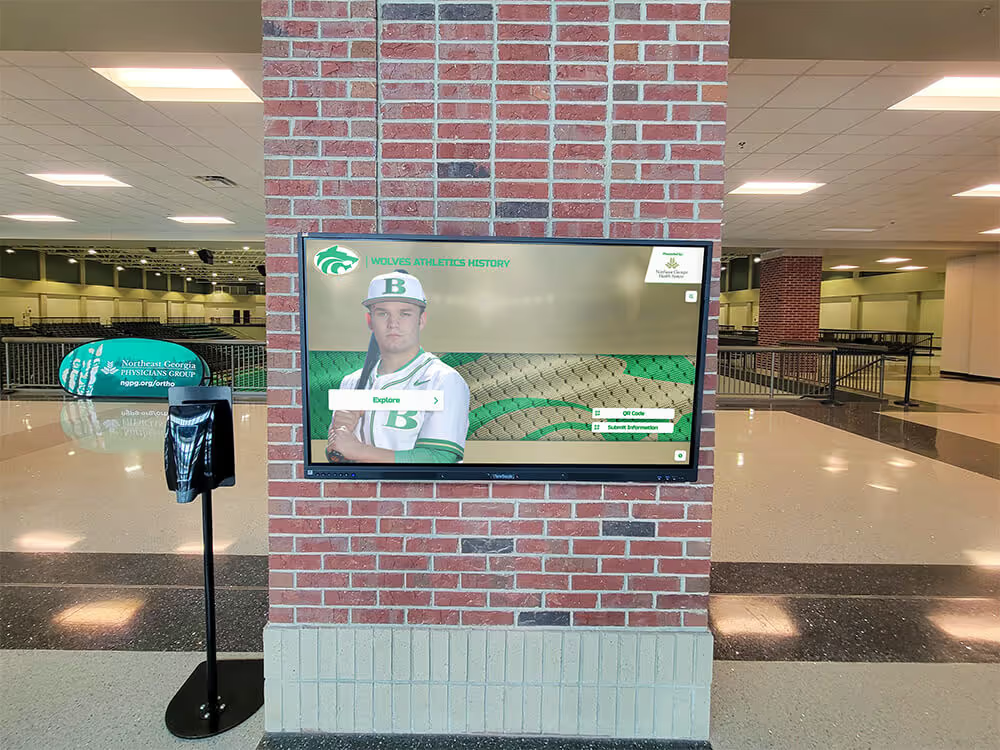
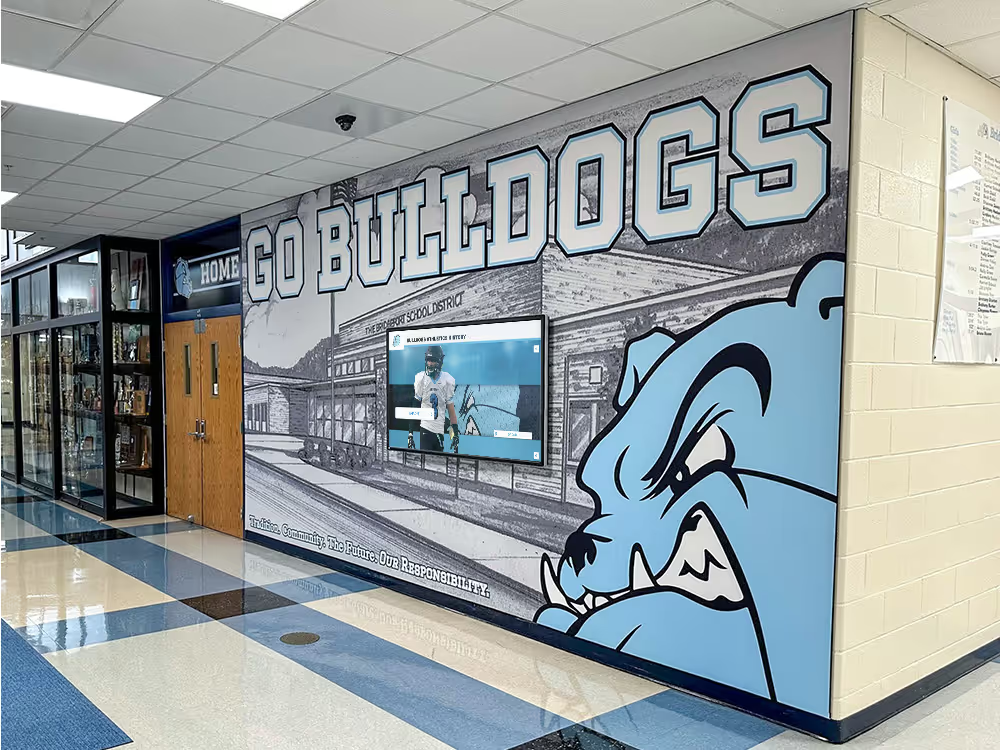
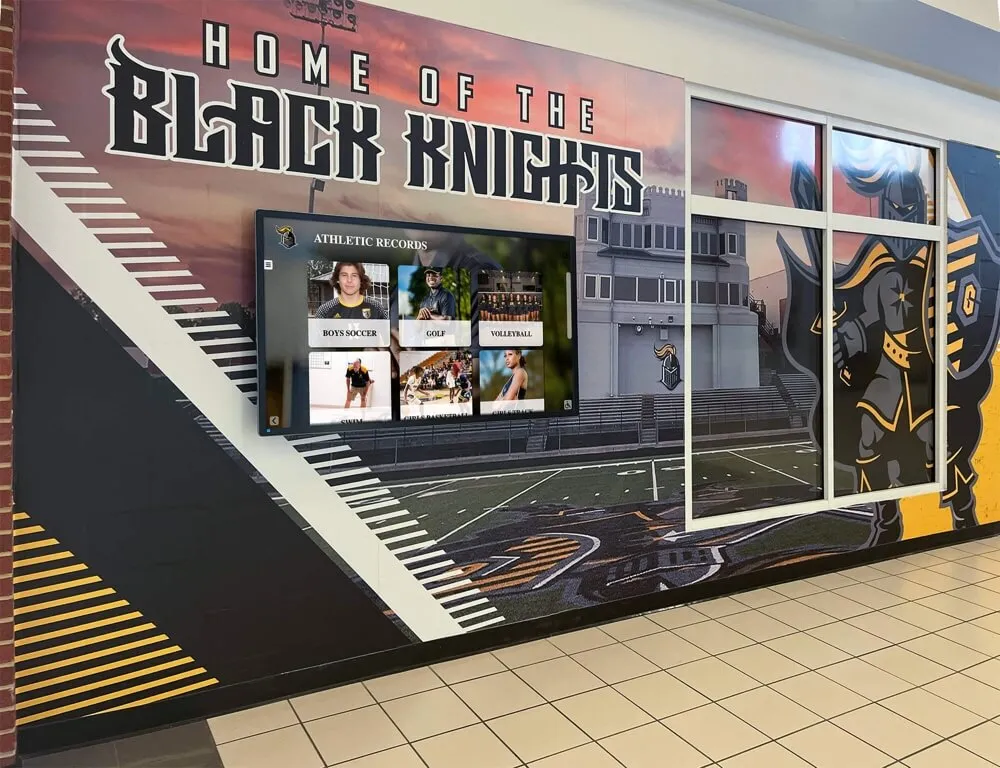
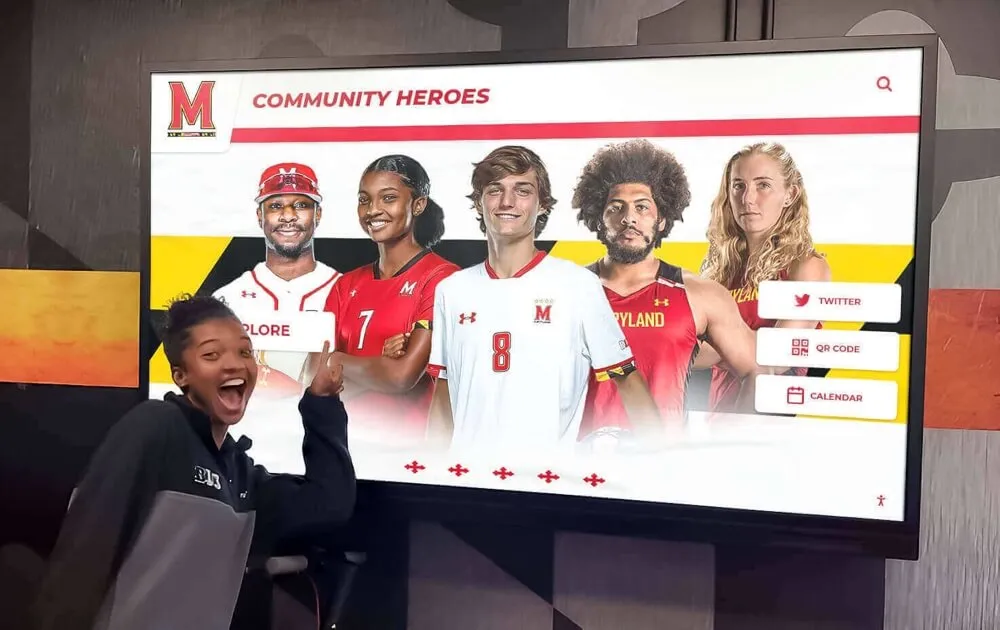
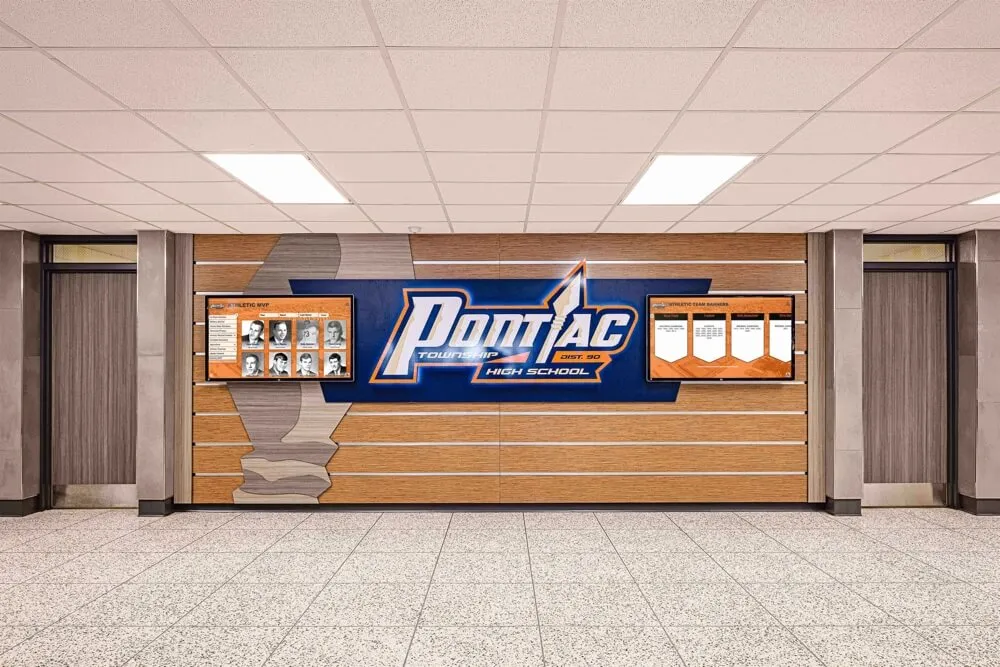
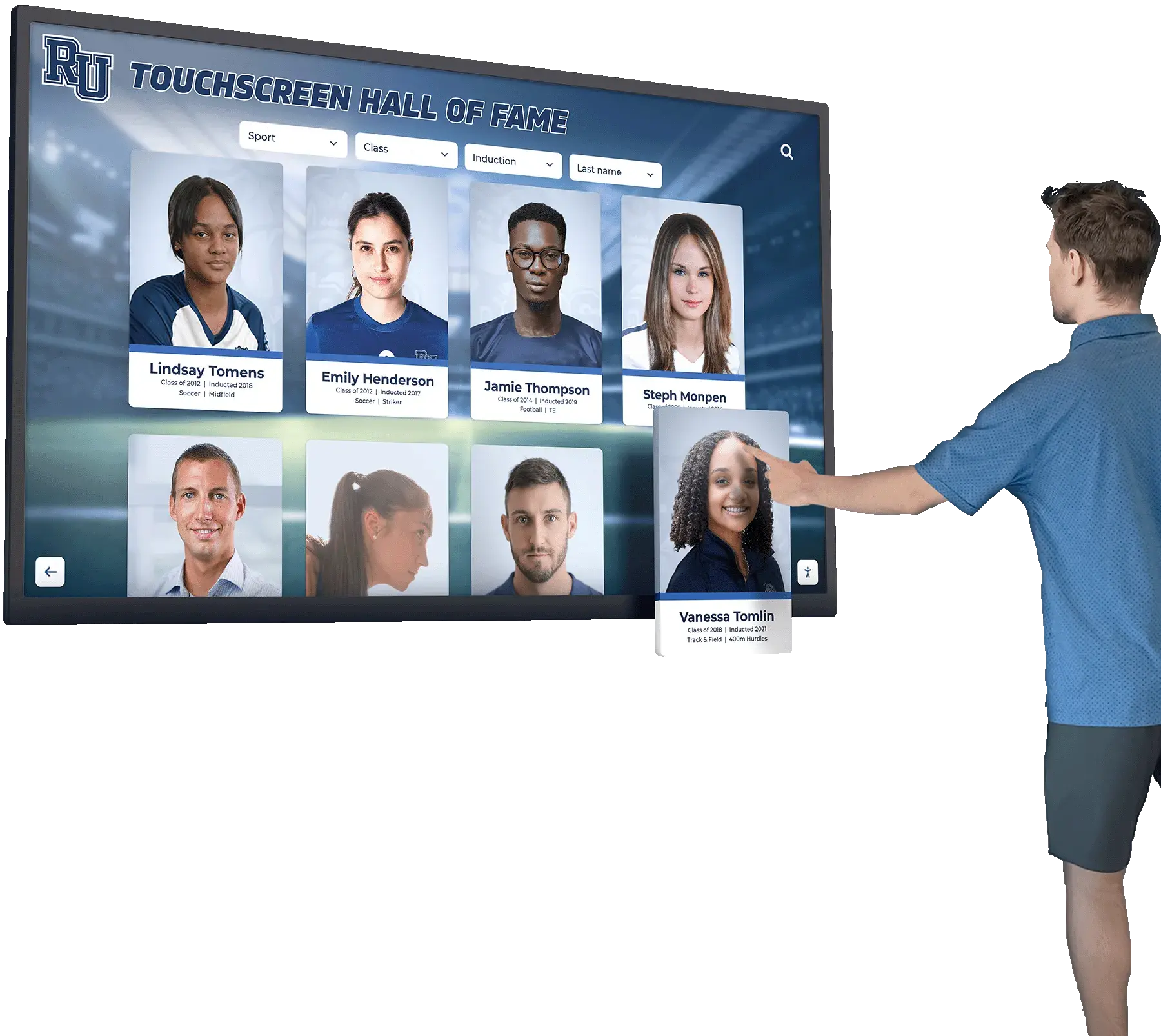
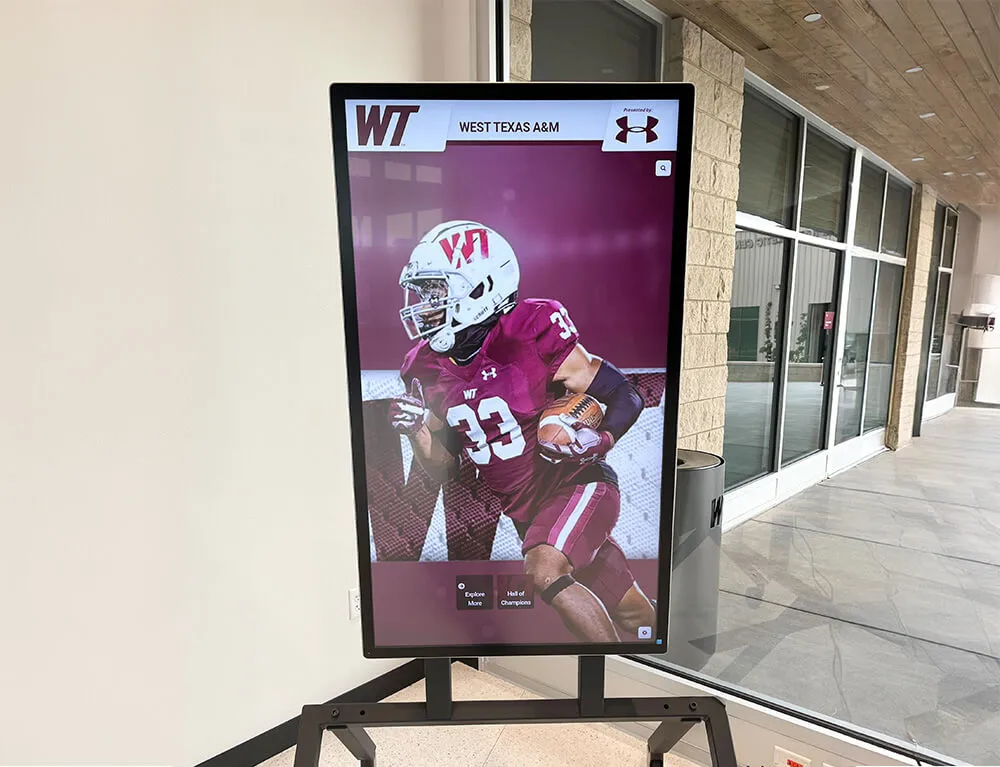
Digital recognition platforms transform how programs honor achievement and preserve history—enabling unlimited recognition capacity accommodating all deserving honorees without space constraints, providing comprehensive athlete profiles including statistics, photos, videos, and biographical information impossible with plaques, reaching global audiences through web access rather than limiting recognition to facility visitors, and delivering interactive experiences where viewers search for specific individuals, explore program history, and share recognition through social media.
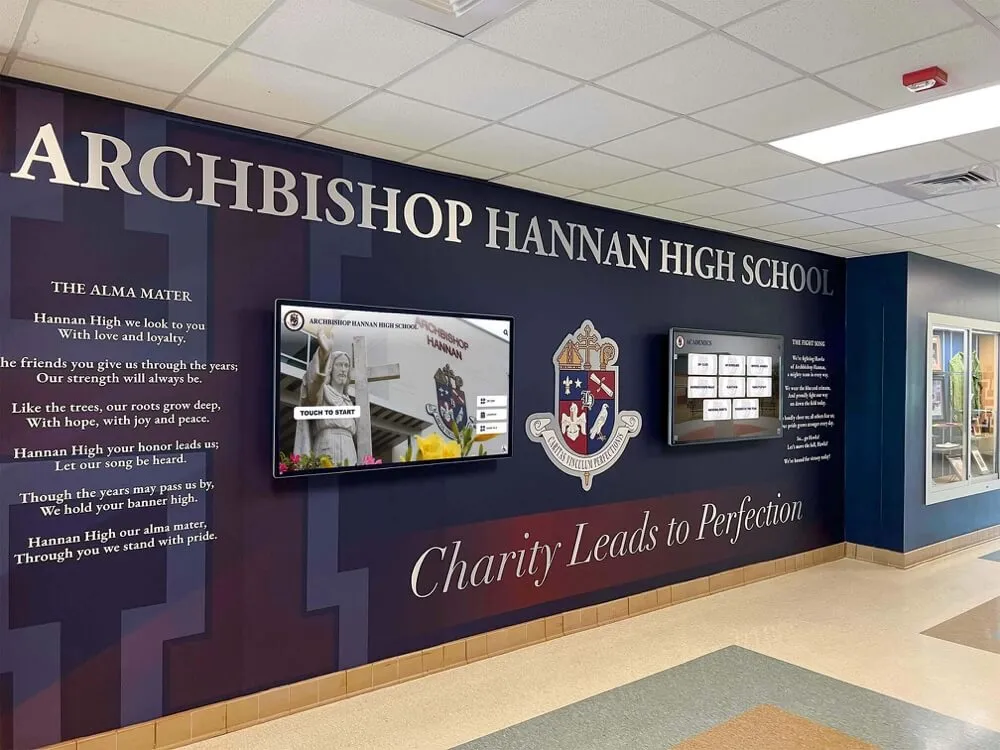
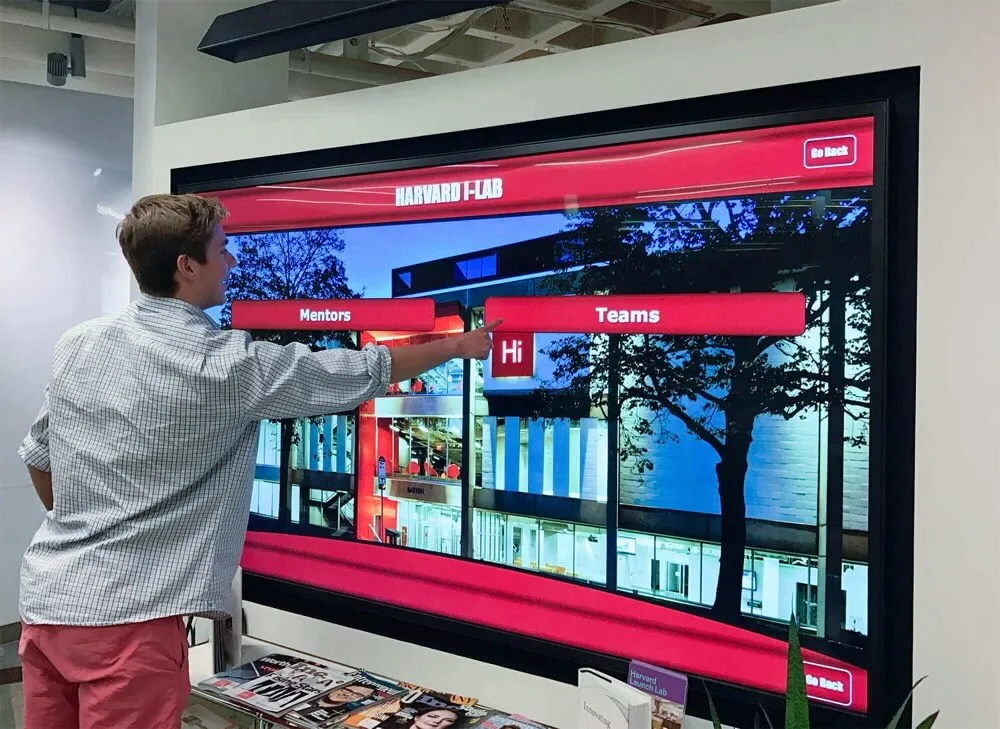
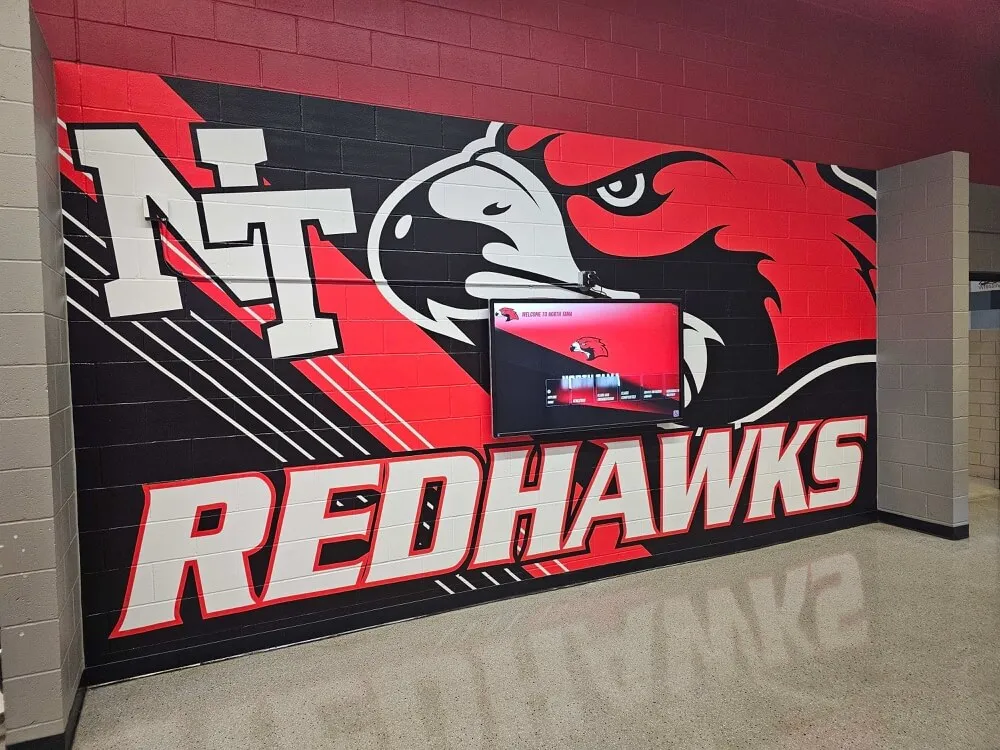
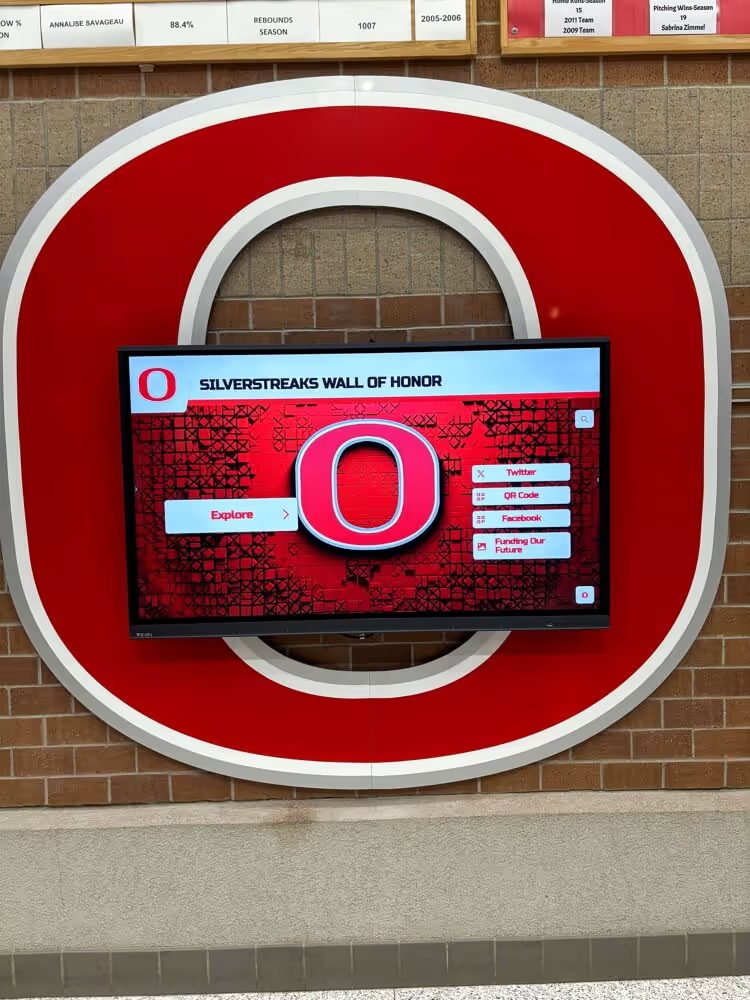
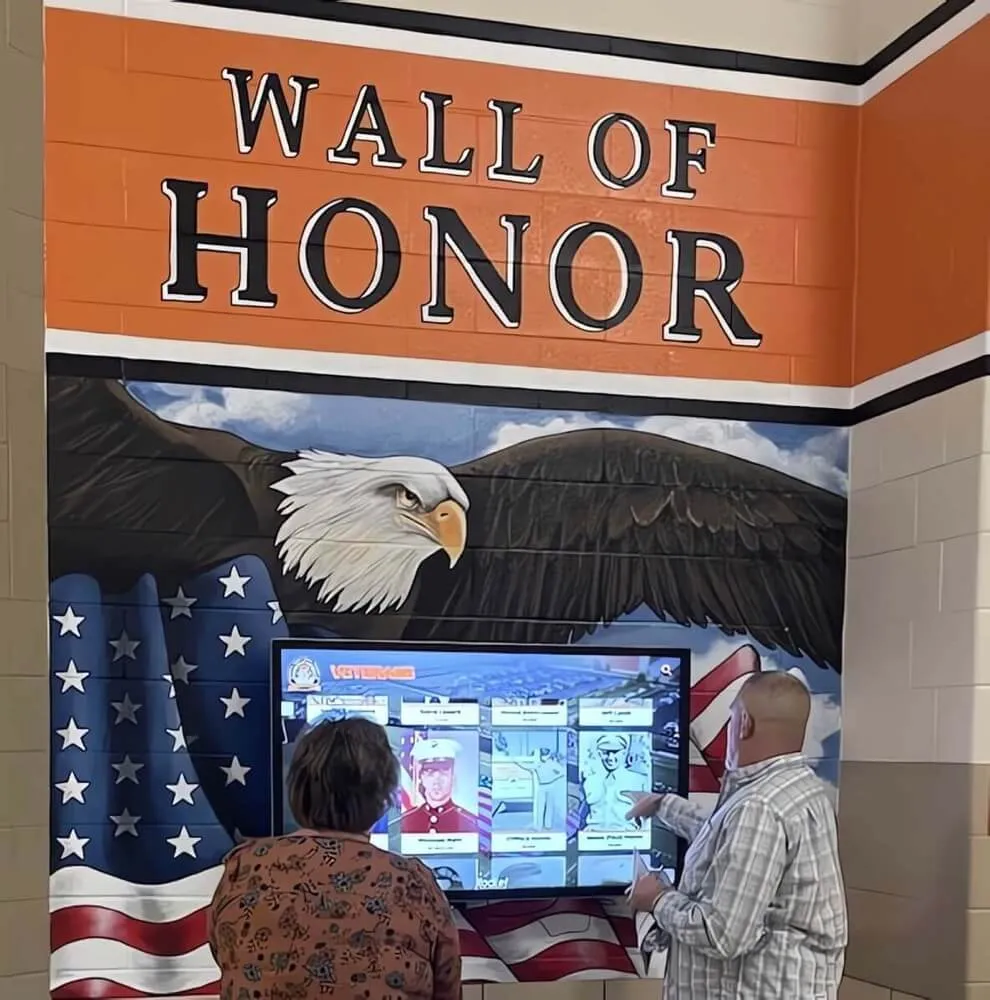
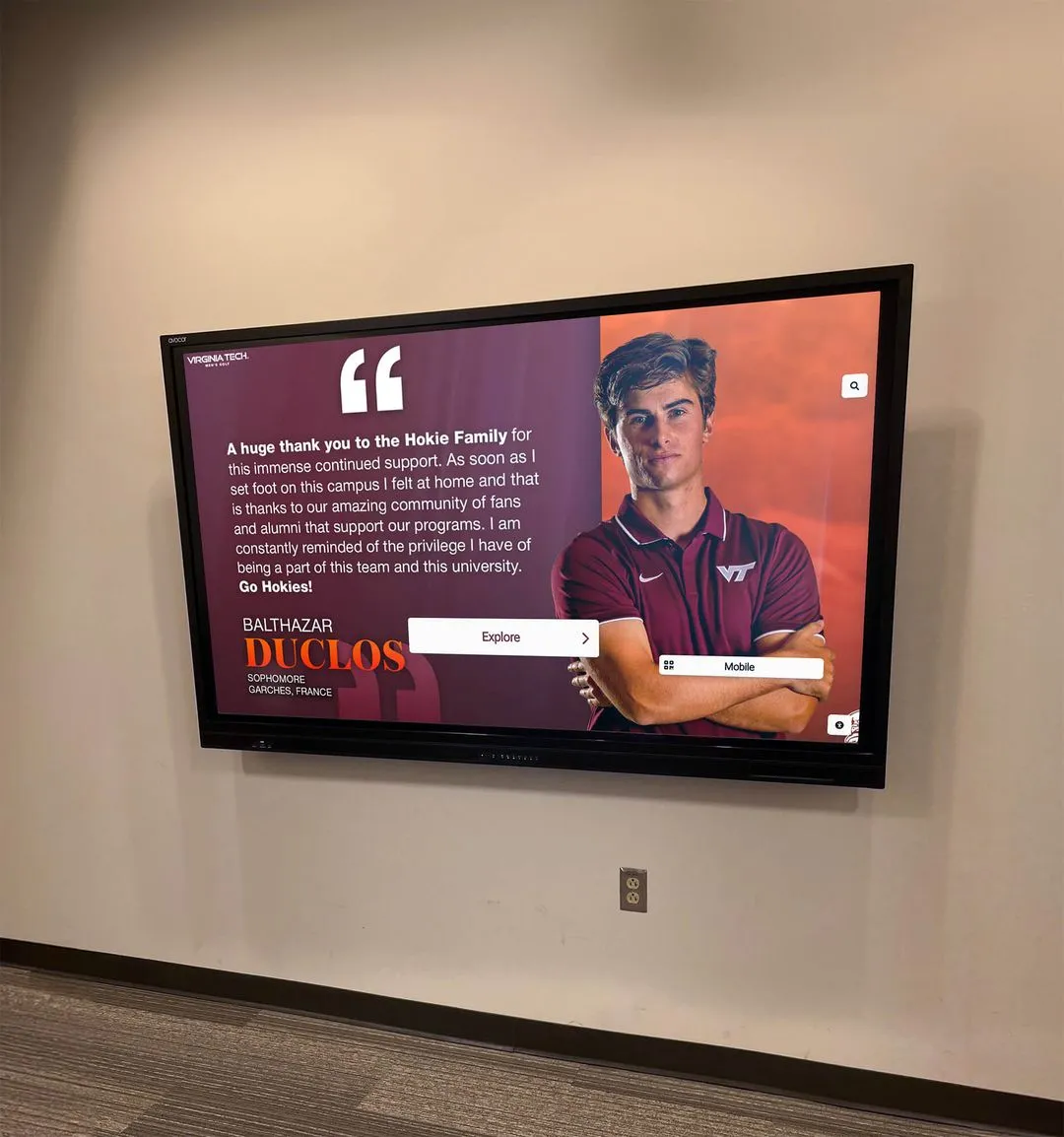
Booster funding enables schools to implement sophisticated digital recognition—installing interactive touchscreen displays in athletic facilities creating engaging visitor experiences, developing comprehensive web-based platforms accessible from anywhere, digitizing historical records and photos preserving program heritage before materials deteriorate beyond recovery, and maintaining systems through ongoing content updates and technical support ensuring long-term functionality.
These modern recognition investments serve multiple constituencies simultaneously—current athletes see their achievements celebrated through contemporary platforms they value, alumni access recognition from anywhere maintaining lifelong connections, families share digital recognition through social networks extending visibility exponentially, and programs preserve institutional history systematically rather than relying on deteriorating physical materials and institutional memory that disappears when key personnel retire.
Long-Term Strategic Benefits
Beyond immediate operational support, booster clubs create strategic advantages benefiting schools and athletic programs for years and decades.
Building Fundraising Capacity and Donor Networks
Establishing infrastructure for sustained philanthropic support:
Schools increasingly depend on philanthropic support supplementing limited public funding across all departments. Athletic booster clubs create fundraising infrastructure and donor relationship systems that often extend beyond athletics—developing volunteer networks capable of organizing sophisticated campaigns, building donor databases tracking giving history and engagement, establishing corporate partnership frameworks applicable to various school needs, and creating cultures where community financial support becomes normalized rather than exceptional.
The fundraising capacity developed through athletic boosters frequently transfers to other institutional needs. Booster volunteers who master fundraising skills often lead capital campaigns for facility construction, serve on foundation boards managing endowments, organize annual giving programs supporting general operations, and mentor newer volunteer fundraisers expanding overall institutional development capacity.
This infrastructure development creates compounding value over time. Schools with mature booster organizations report dramatically higher overall fundraising success, stronger corporate partnership networks benefiting multiple departments, more sophisticated donor stewardship systems improving retention across giving programs, and enhanced community cultures where philanthropic support for public education becomes deeply embedded in local identity and practice.
Enhancing School Reputation and Competitive Positioning
Strengthening institutional brands through visible athletic excellence:
School reputations significantly influence family residential decisions, property values, student achievement, and community pride. While academics rightfully represent primary reputation drivers, athletic program quality contributes substantially to overall school perception—visible success, quality facilities, professional operations, and comprehensive offerings signal institutional commitment to excellence that influences how families, employers, and communities view entire school systems.
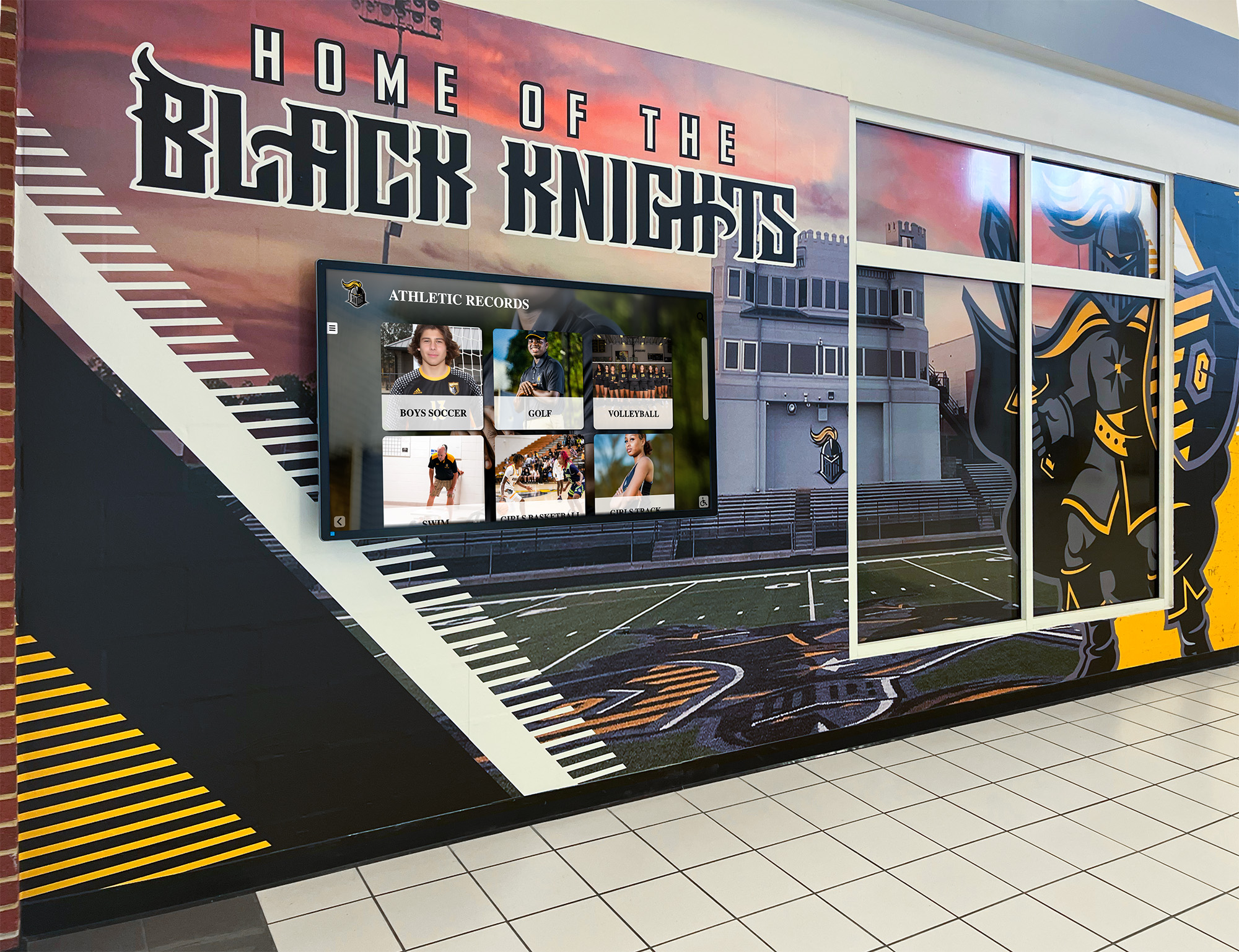
Booster support enables athletic programs to contribute positively to school reputation—maintaining quality facilities that impress visitors, providing comprehensive program offerings demonstrating commitment to student development, achieving competitive success creating positive visibility, and operating professionally in ways reflecting overall institutional quality. These visible quality indicators influence family decisions about where to live, how engaged to become with local schools, and whether to support broader institutional initiatives beyond athletics.
The reputation benefits extend comprehensively. Schools known for athletic excellence supported by strong booster organizations report increased property values in attendance boundaries, higher student participation rates across all extracurricular activities, stronger teacher recruitment and retention, enhanced community support during budget challenges, and positive media coverage extending beyond sports into general educational quality perceptions.
Creating Alumni Engagement Pathways
Maintaining lifelong connections with graduates:
Alumni represent critical constituencies for schools—potential donors, community advocates, volunteer leaders, mentors for current students, and institutional ambassadors whose success reflects on educational quality. However, many graduates lose connections with alma maters shortly after graduation without ongoing engagement opportunities maintaining relationships and institutional knowledge.
Athletic booster clubs create natural alumni engagement pathways—organizing hall of fame induction ceremonies bringing alumni back to campuses, maintaining recognition displays celebrating historical athletic achievements connecting alumni to legacy, coordinating reunion events during significant athletic competitions, and communicating program news maintaining awareness of current school activities and creating reasons for continued attention and involvement.
These alumni connections benefit schools comprehensively beyond athletics. Engaged athletic alumni often support broader institutional fundraising campaigns, volunteer as guest speakers and career mentors, advocate for school budgets and initiatives in community forums, and maintain institutional knowledge and traditions helping preserve school identity and culture across generations.
Resources on alumni engagement strategies demonstrate how athletic programs and booster organizations contribute to comprehensive alumni relations benefiting entire institutions.
Implementing Effective Booster Club Organizations
Understanding booster club benefits represents only the first step—realizing these advantages requires establishing well-organized, strategically focused booster structures operating effectively and sustainably.
Establishing Clear Mission and Governance
Creating organizational foundations that guide effective operations:
Successful booster clubs operate with clear missions, defined governance structures, transparent financial systems, and documented procedures ensuring organizational effectiveness and accountability. Without these foundational elements, even well-intentioned volunteers struggle to coordinate efforts effectively, financial irregularities create legal and community trust problems, and organizations fail to survive leadership transitions as institutional knowledge and operational systems exist only in individual memories.
Effective booster establishment requires developing written bylaws defining organizational purposes, membership requirements, governance structures, officer roles and election processes, financial management procedures, and amendment processes. These documents create organizational stability, ensure legal compliance, provide accountability frameworks, and enable leadership continuity when volunteers transition out of active service.
Beyond governance documents, successful boosters implement systematic financial controls—requiring multiple authorized signers for expenditures, maintaining detailed budget tracking, conducting regular financial reporting to membership, arranging independent audits demonstrating appropriate fund management, and separating duties so no individual controls all financial processes. These controls protect volunteer leaders from accusations, ensure donor confidence, maintain legal compliance, and provide transparency essential for sustained community support.
Building Diverse Revenue Streams
Creating financial sustainability through varied fundraising approaches:
Booster clubs depending exclusively on one or two fundraising tactics face significant vulnerability—when signature events underperform, product sales decline, or major donors reduce giving, entire organizations can collapse financially. Sustainable booster operations require diversified revenue combining multiple complementary approaches creating stable funding even when individual tactics face challenges.
Comprehensive revenue strategies blend annual giving programs soliciting broad-based community support, signature fundraising events generating concentrated revenue while building community engagement, product sales providing tangible value to supporters, corporate sponsorship programs partnering with businesses, capital campaigns funding major initiatives, and donor recognition systems inspiring continued generosity through appropriate acknowledgment.
This diversification creates resilience while accommodating varied supporter preferences. Some community members prefer purchasing products over making donations, others enjoy event attendance, businesses value sponsorship visibility, and major donors appreciate capital campaign naming opportunities—comprehensive approaches provide multiple pathways to meaningful involvement rather than limiting support mechanisms to narrow tactics that only appeal to limited audiences.
Comprehensive guides on booster fundraising strategies provide frameworks for implementing diverse revenue programs generating sustainable funding while building community connections.
Maintaining Strong Athletic Department Partnerships
Aligning booster operations with institutional priorities and compliance:
Effective booster clubs function as athletic department partners rather than independent organizations—coordinating fundraising priorities with department needs, ensuring all activities comply with school policies and athletic association regulations, communicating transparently about fund usage and program impact, and respecting administrative authority while providing valuable supplemental support enhancing programs without undermining institutional control.
Strong partnerships require regular communication—scheduled meetings between booster leadership and athletic directors discussing priorities and challenges, collaborative annual planning aligning fundraising focuses with actual program needs, transparent reporting systems ensuring administrators understand booster activities and financial positions, and mutual respect recognizing that volunteers provide invaluable support while administrators maintain ultimate authority over athletic program operations.
These collaborative relationships prevent common problems plaguing dysfunctional booster-school dynamics—fundraising for unnecessary items while critical needs go unmet, booster activities that violate athletic association rules creating eligibility or sanction risks, volunteers undermining coaching or administrative decisions, or parallel organizational structures creating confusion about authority and responsibility. When boosters and athletic departments function as true partners, both organizations operate more effectively while students receive maximum benefit from combined efforts.
Measuring and Communicating Booster Club Impact
Demonstrating tangible results ensures continued support while providing accountability justifying community investment in booster organizations.
Tracking Concrete Program Improvements
Documenting outcomes that validate booster contributions:
Effective booster clubs systematically track how support translates into measurable program improvements—cataloging equipment purchased and service years extended through quality acquisitions, documenting facility improvements completed with photos and descriptions of enhancements, recording athlete participation rates and tracking whether access initiatives increase participation diversity, monitoring coaching retention and comparing turnover against similar programs without comparable support, and tracking competitive results examining whether resource investments correlate with performance improvements.
This documentation serves multiple purposes—demonstrating accountability to donors and community supporters, identifying which investments deliver strongest returns guiding future resource allocation, providing concrete examples for fundraising communications showing what contributions enable, and building institutional knowledge ensuring program improvement understanding survives volunteer leadership transitions.
Measurement need not involve complex metrics or professional research—simple tracking of tangible outcomes like “booster funding enabled the purchase of 15 new wrestling mats, reducing injury rates by 40% while extending equipment life from 3 years to 7 years and saving $8,000 in avoided annual replacements” provides powerful evidence of impact far more compelling than vague claims about “supporting athletic excellence.”
Communicating Success Stories and Appreciation
Building ongoing support through transparent impact demonstration:
Sustaining long-term booster success requires consistent communication with supporters, donors, volunteers, and broader communities—sharing stories of how contributions benefited specific student-athletes, reporting financial results and fund usage transparently, celebrating accomplishments and acknowledging those whose support made success possible, and maintaining regular contact beyond fundraising asks so relationships feel genuine rather than purely transactional.
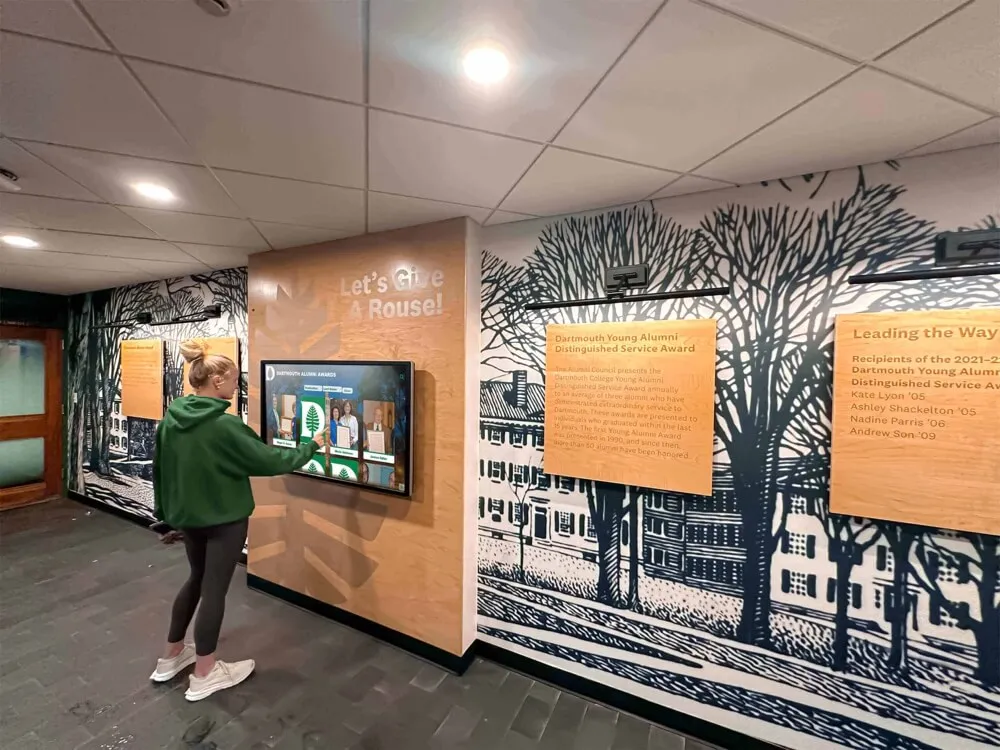
Effective communication employs multiple channels—regular email newsletters highlighting program news and booster support impact, social media posts celebrating achievements and recognizing supporters publicly, annual reports documenting financial results and major accomplishments comprehensively, and in-person events providing opportunities for supporters to see programs they enable in action while building personal relationships strengthening ongoing engagement.
The most powerful communications feature specific student stories rather than abstract statistics—profiling the athlete whose family couldn’t afford equipment but participated fully through booster assistance, highlighting the team that competed in elite tournaments only accessible through travel funding, or showcasing the coaching staff whose professional development investment improved instruction benefiting all athletes. These narratives create emotional connections demonstrating tangible human impact that financial reports alone cannot convey.
Leveraging Digital Platforms for Visibility
Maximizing recognition through contemporary technology:
Modern recognition extends far beyond traditional plaques in athletic facilities—digital platforms enable boosters to showcase supporter contributions, demonstrate program impact, preserve athletic history, and reach global audiences impossible with physical recognition alone. These platforms simultaneously honor contributors appropriately while providing marketing and fundraising tools that actively support ongoing revenue generation rather than simply acknowledging past support.
Digital recognition systems enable sophisticated donor acknowledgment—featuring comprehensive donor walls showcasing all contribution levels, providing searchable databases where supporters find their names and share recognition through social networks, displaying rotating content maintaining fresh visibility rather than static placement creating recognition fatigue, and delivering analytics demonstrating recognition reach and engagement proving acknowledgment value to potential donors considering future contributions.
Beyond donor recognition, digital platforms showcase program achievements creating pride that motivates continued support—featuring hall of fame profiles celebrating athletic excellence, displaying championship histories and record progressions demonstrating program quality, sharing current team and athlete information maintaining community connection with active programs, and preserving historical photos and stories preventing institutional memory loss when key personnel retire or documents deteriorate.
Solutions like Rocket Alumni Solutions provide turnkey platforms enabling booster clubs to implement sophisticated recognition and historical preservation without requiring technical expertise or massive budgets—delivering professional systems that honor contributors while actively supporting fundraising objectives and community engagement essential for sustained booster success.
Building Sustainable Athletic Booster Organizations
Strong athletic booster clubs represent essential partners for schools committed to comprehensive student development through quality athletic programs. The booster club benefits explored throughout this guide—financial support enabling program excellence, community engagement building institutional connections, student support removing participation barriers, coaching assistance attracting and retaining quality staff, recognition systems celebrating achievement and building tradition, and strategic advantages strengthening overall school reputation—demonstrate why effective booster organizations matter profoundly for student-athletes, schools, and entire communities.
However, realizing these benefits requires more than simply forming booster clubs and hoping volunteers generate results. Effective organizations operate strategically—establishing clear governance and financial controls ensuring accountability, building diverse revenue streams creating financial sustainability, maintaining strong athletic department partnerships aligning efforts with institutional priorities, measuring and communicating impact demonstrating results justifying continued support, and implementing professional recognition systems honoring contributors while inspiring future generosity.
Schools investing in booster development and partnership—providing administrative support facilitating operations, recognizing volunteer contributions appropriately, communicating needs clearly enabling focused fundraising, and implementing modern recognition platforms honoring supporters professionally—reap dramatic returns through athletic programs that develop students comprehensively while building community pride and institutional reputation.
The question isn’t whether athletic booster clubs provide value—the comprehensive benefits demonstrated across financial support, community building, student development, coaching assistance, and strategic positioning prove beyond question that strong booster organizations transform athletic programs and benefit entire school communities. The critical question involves whether schools will invest in developing effective booster partnerships, whether communities will support these essential organizations through participation and contribution, and whether booster leaders will implement strategic approaches maximizing their impact rather than simply maintaining minimum viable operations.
Ready to enhance your athletic booster club’s impact through professional digital recognition systems that honor contributors, celebrate athletic achievements, and preserve program history while actively supporting ongoing fundraising objectives? Explore how Rocket Alumni Solutions provides purpose-built platforms enabling booster organizations to implement sophisticated donor recognition and hall of fame systems without requiring technical expertise or massive budgets—delivering engaging interactive displays that make generosity visible, celebrated, and inspirational throughout athletic facilities and online communities.