Athletic achievement awards represent hundreds of hours of training, dedication, and perseverance. Whether recognizing individual milestones, team championships, or career accomplishments, these awards deserve display methods that match their significance. Traditional trophy cases served well for decades, but space limitations, maintenance challenges, and limited accessibility created frustrations for athletic directors, coaches, and families wanting to celebrate excellence comprehensively.
Digital recognition transforms how schools and athletic programs showcase achievements. Modern solutions eliminate physical space constraints while providing instant updates, multimedia storytelling, and accessibility extending far beyond building walls. Athletes competing in lesser-known sports receive equal prominence to football and basketball stars. Historical achievements remain visible alongside current accomplishments. Families access recognition from anywhere, and alumni reconnect with programs through searchable digital archives.
Why Digital Recognition Matters for Athletic Programs
Athletic directors manage dozens of teams across multiple seasons generating hundreds of achievements annually. Physical trophy cases fill quickly, forcing difficult decisions about what displays prominently and what gets relegated to storage. Digital recognition systems like Rocket Alumni Solutions eliminate these constraints through unlimited capacity supporting comprehensive recognition across all sports, instant updates celebrating achievements as they occur, multimedia content telling complete athlete stories, and permanent archives preserving program history. The shift from physical to digital recognition represents more than technology adoption—it reflects institutional commitment to honoring all student-athlete excellence equitably and completely.
Understanding Digital Recognition Options
Schools and athletic programs have multiple digital showcase methods available, each offering distinct advantages for different contexts and budgets. The most successful recognition strategies combine several approaches creating comprehensive visibility across multiple channels.
Interactive Touchscreen Displays
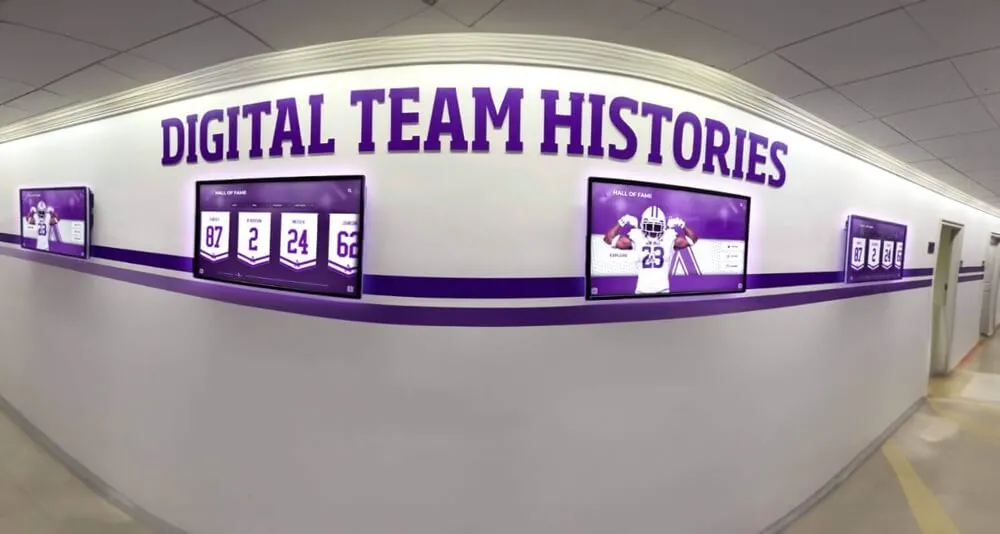
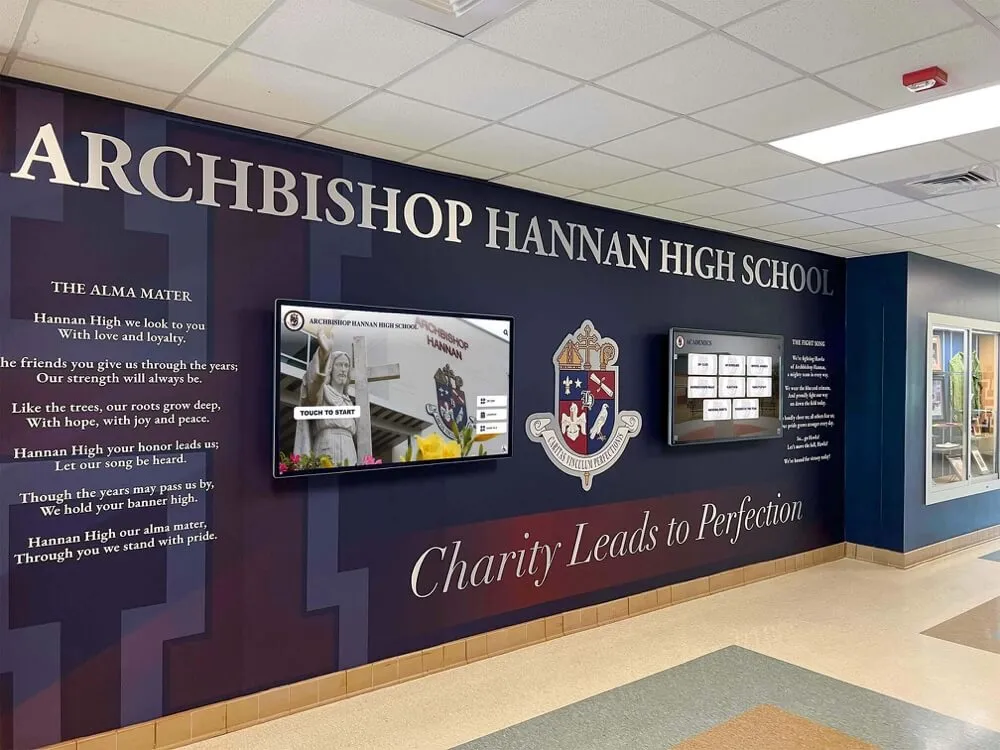
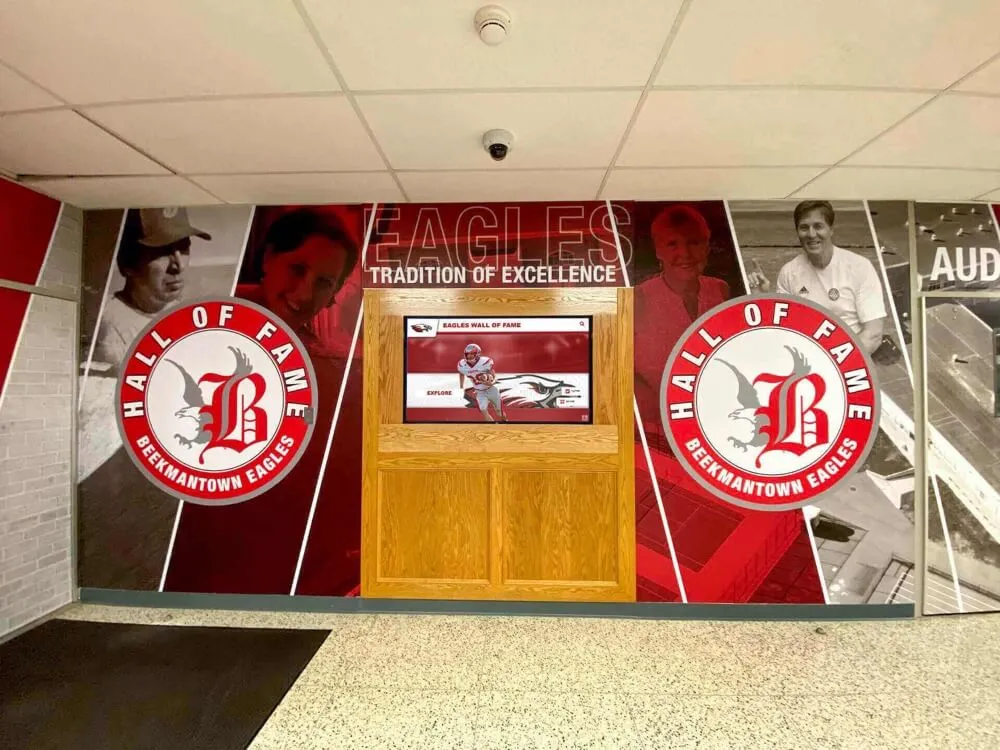
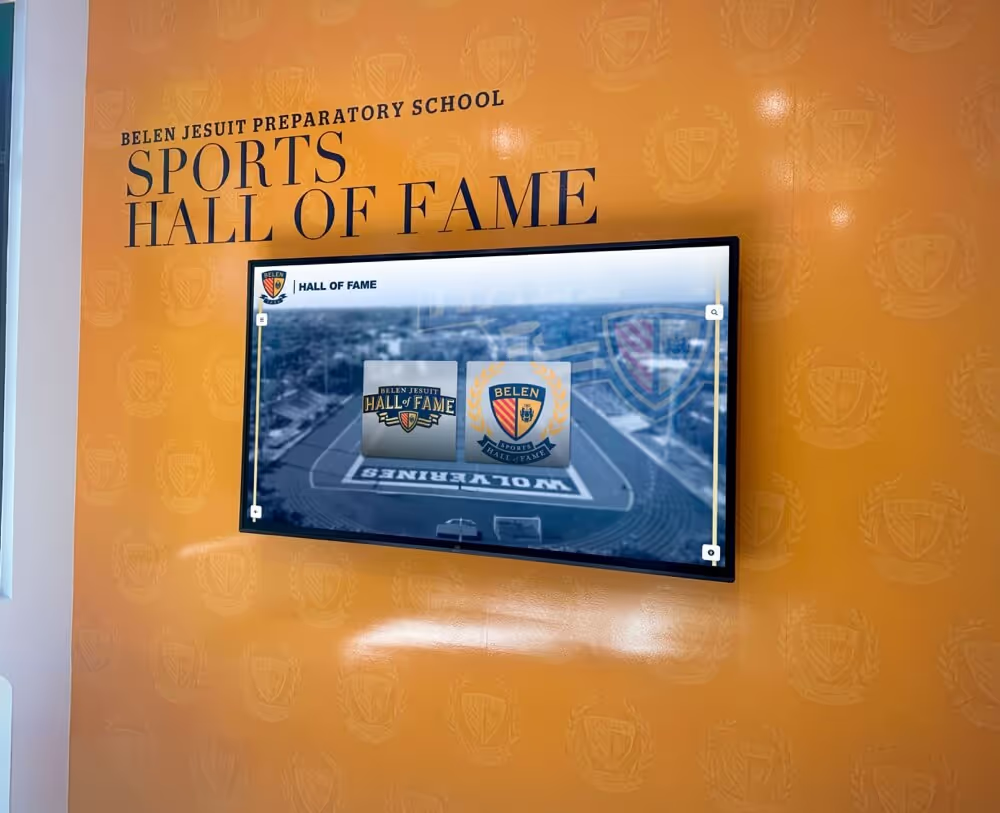
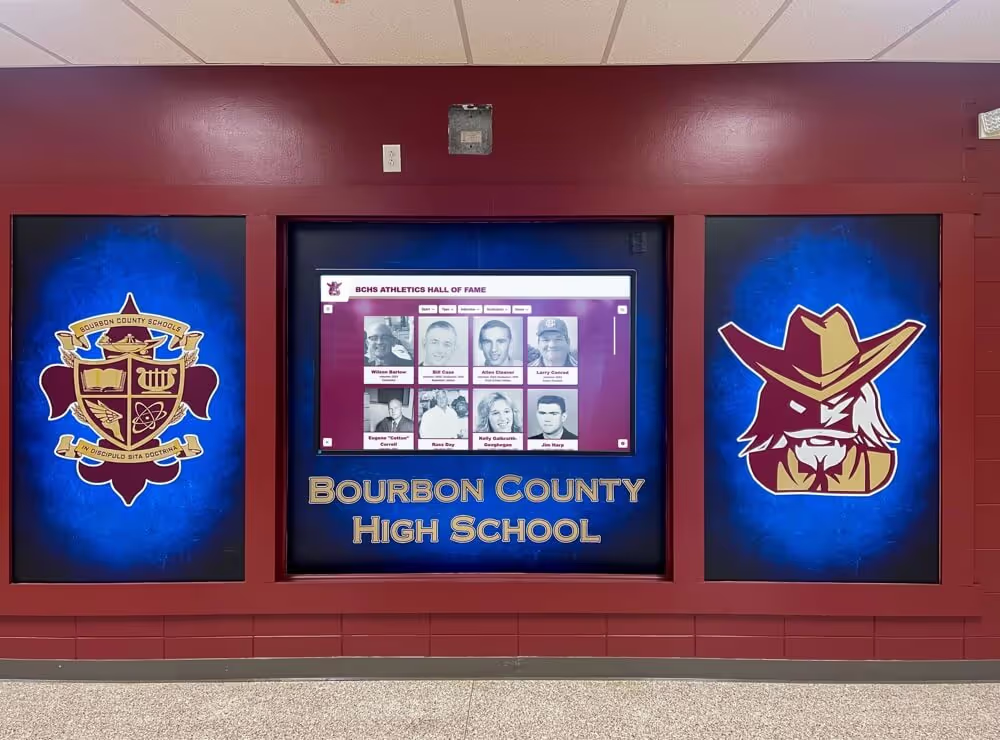
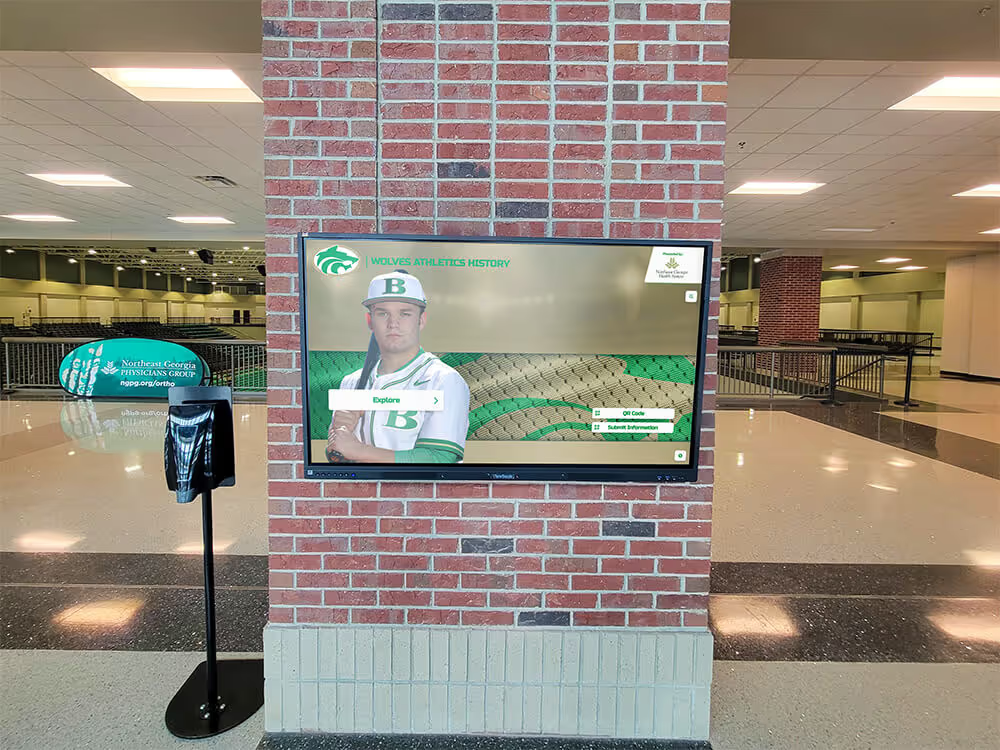
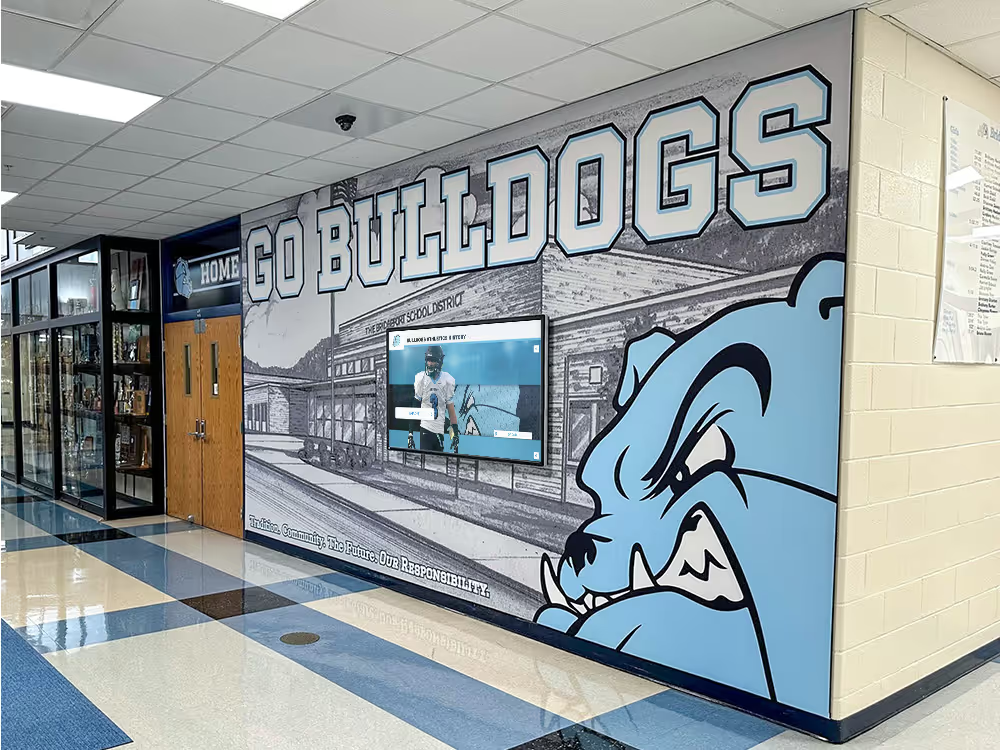
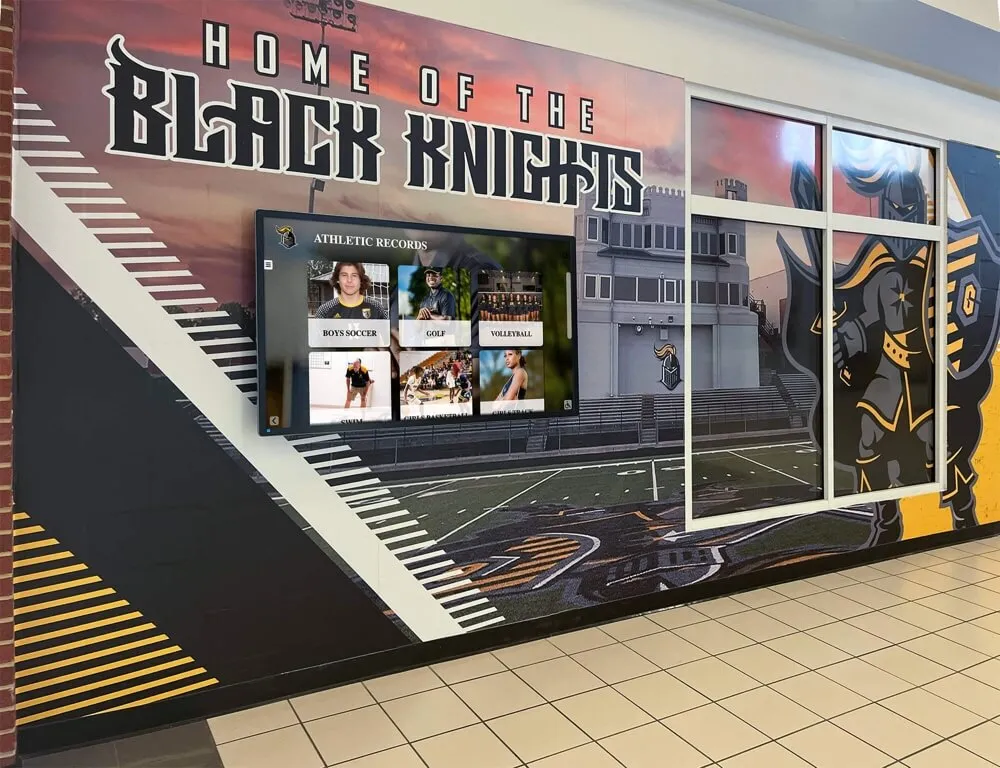
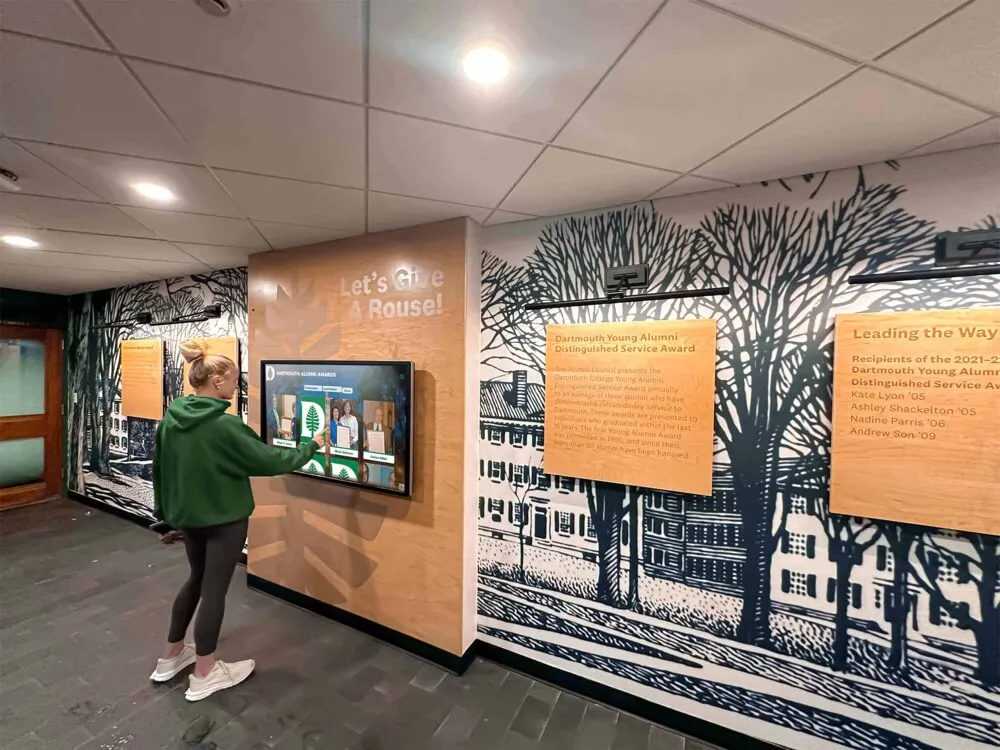
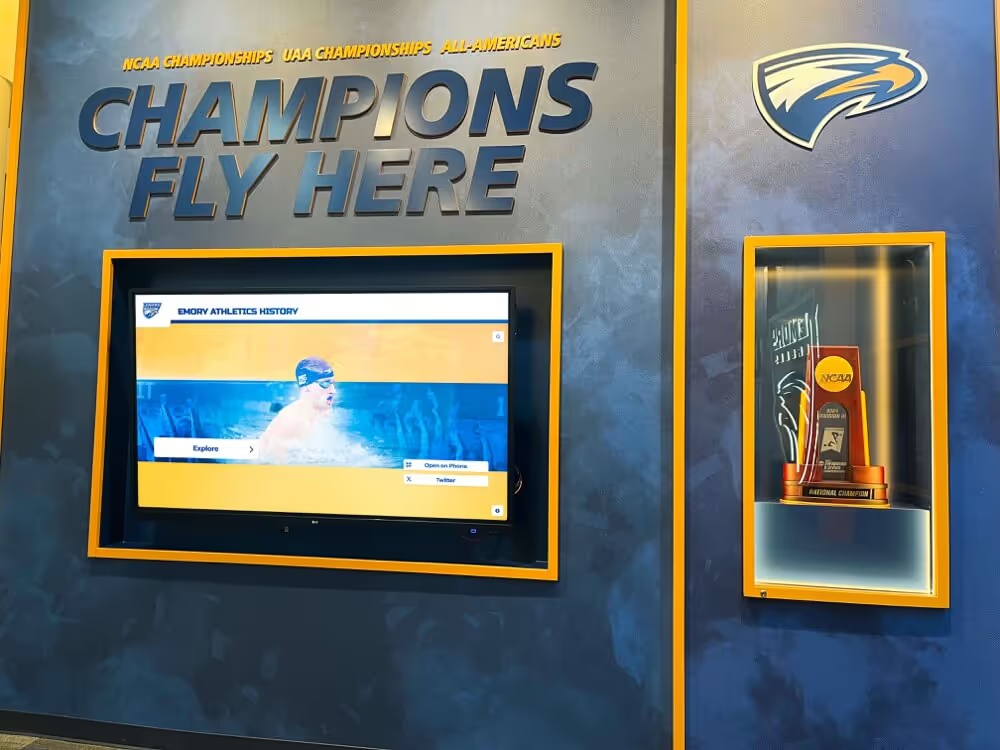
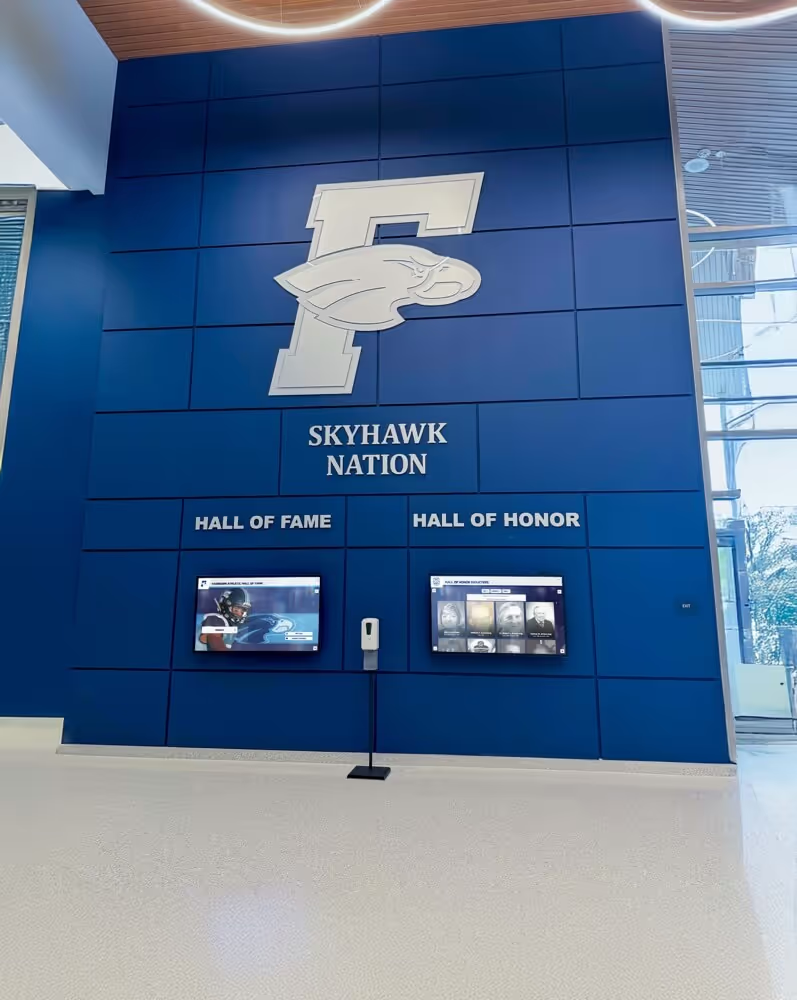
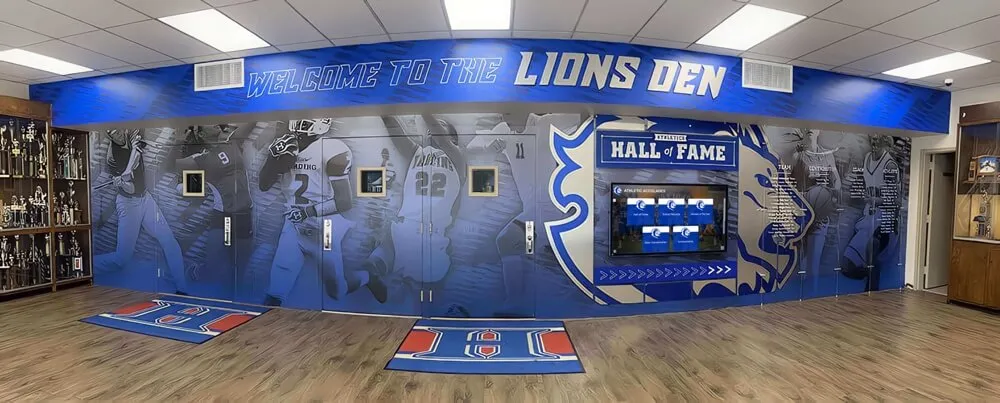
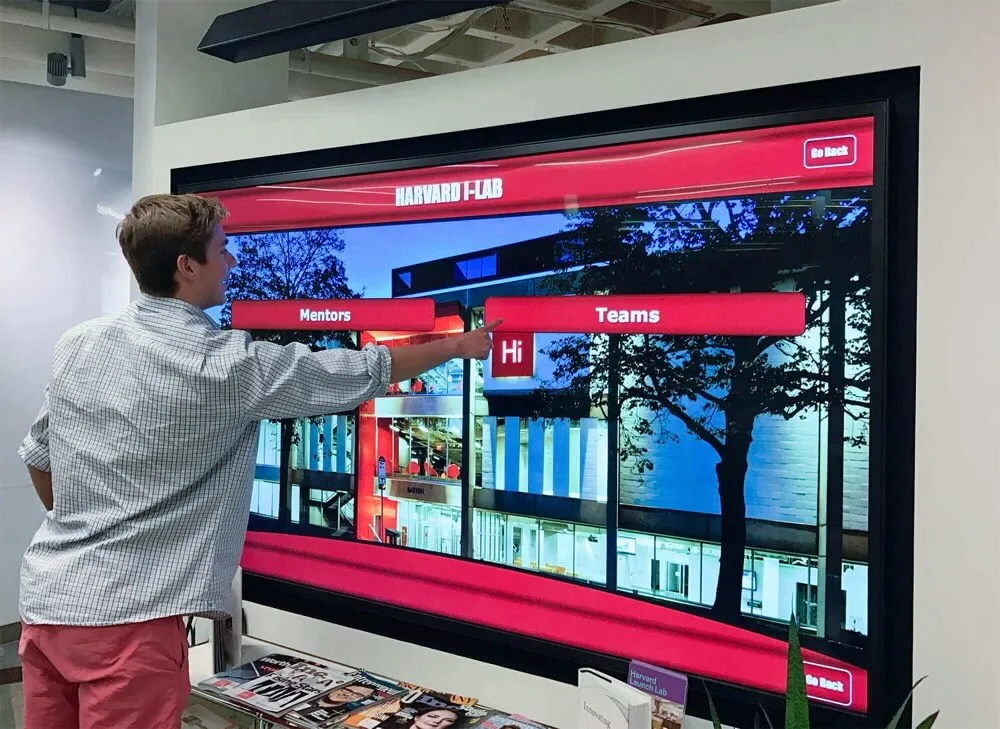
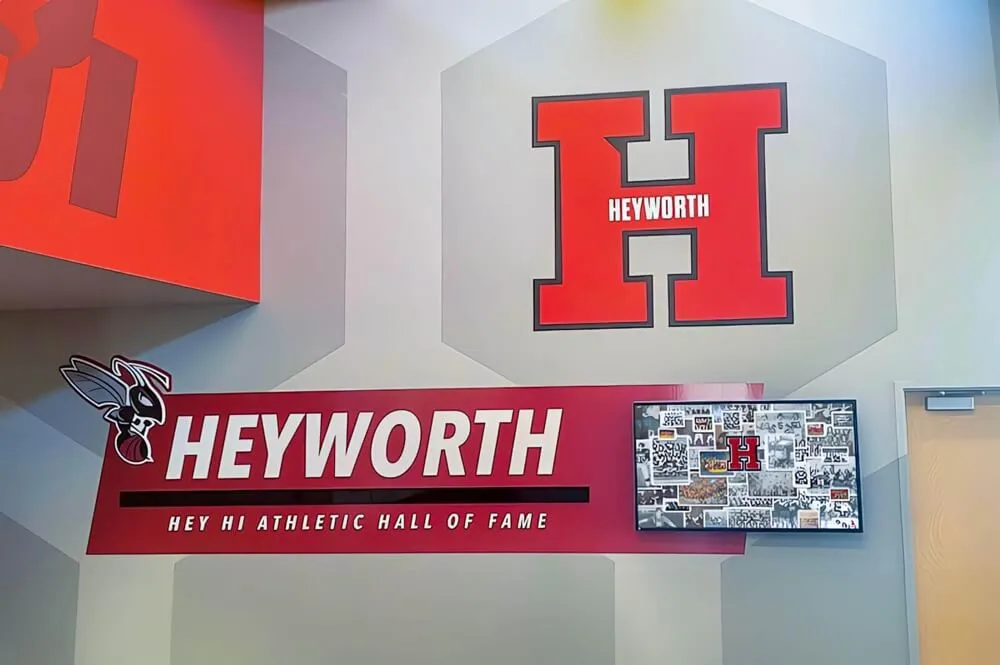
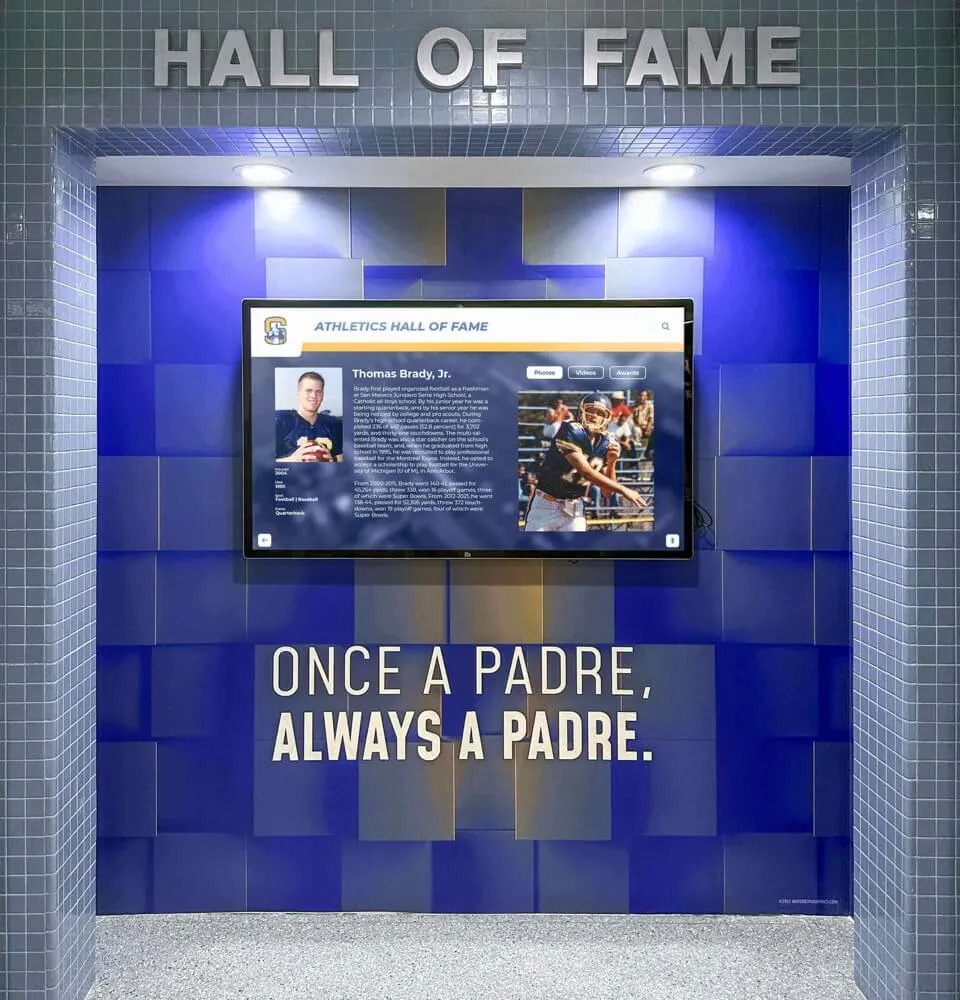
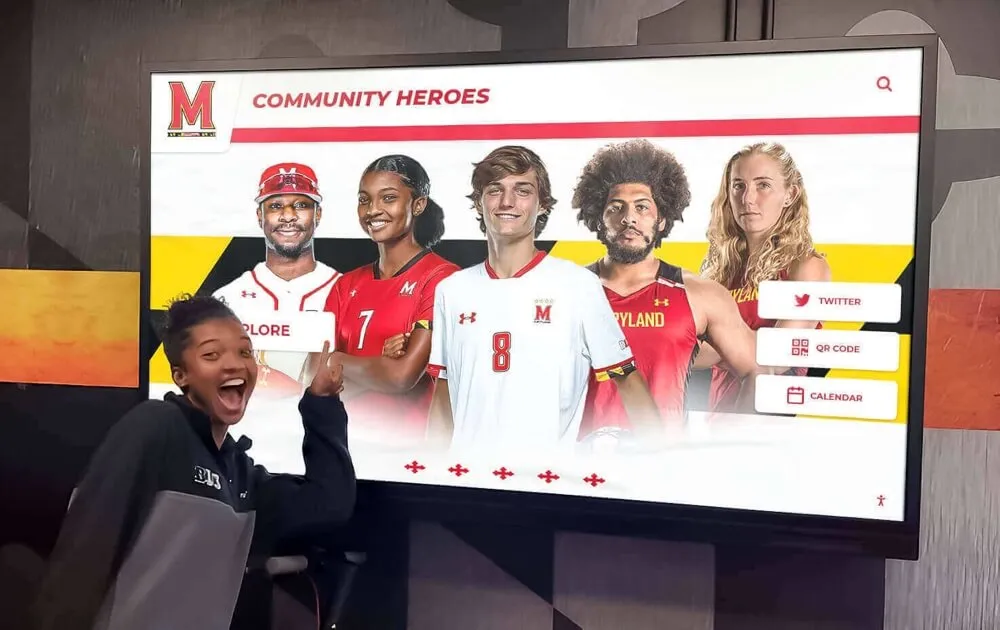
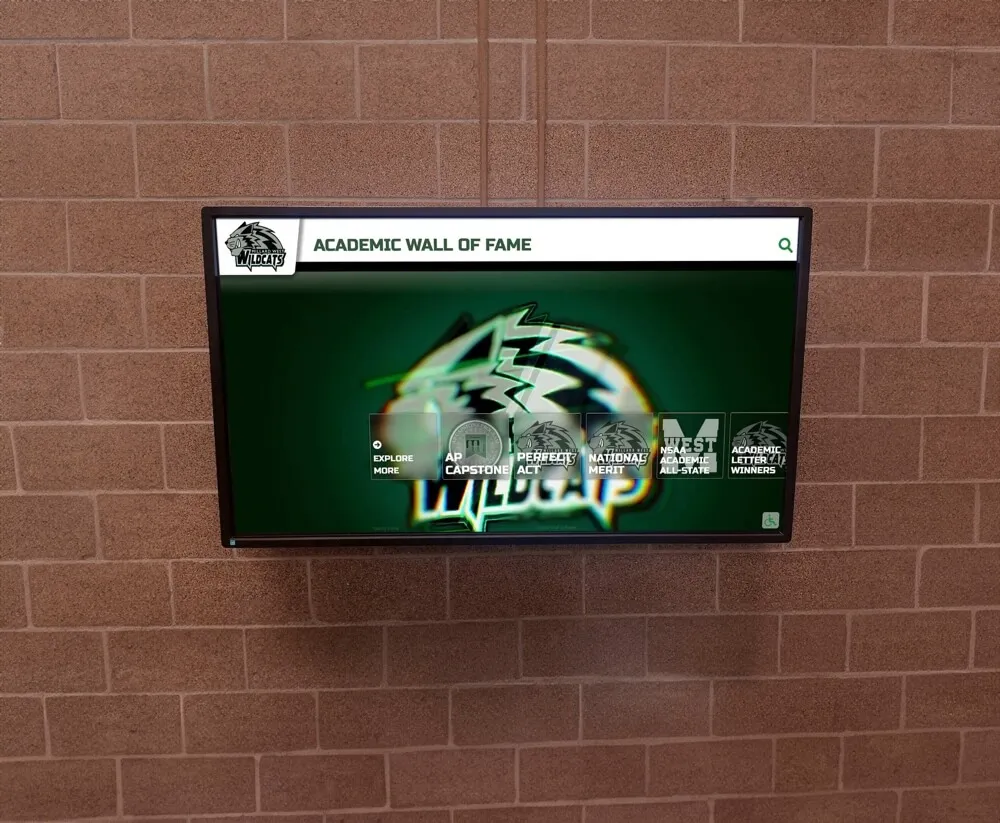
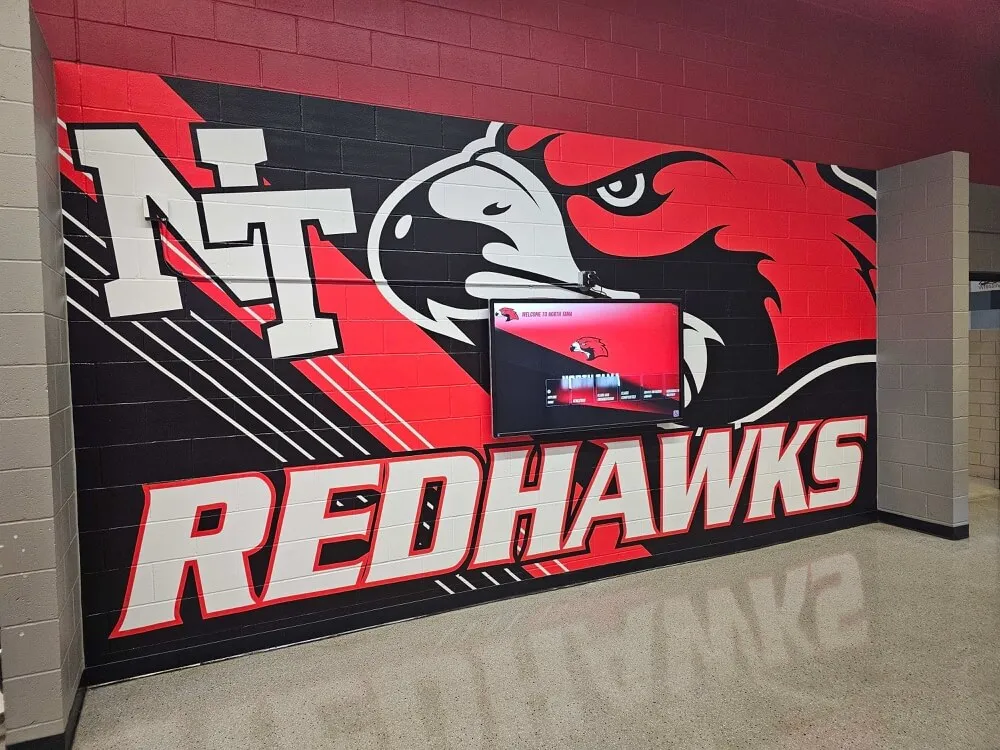
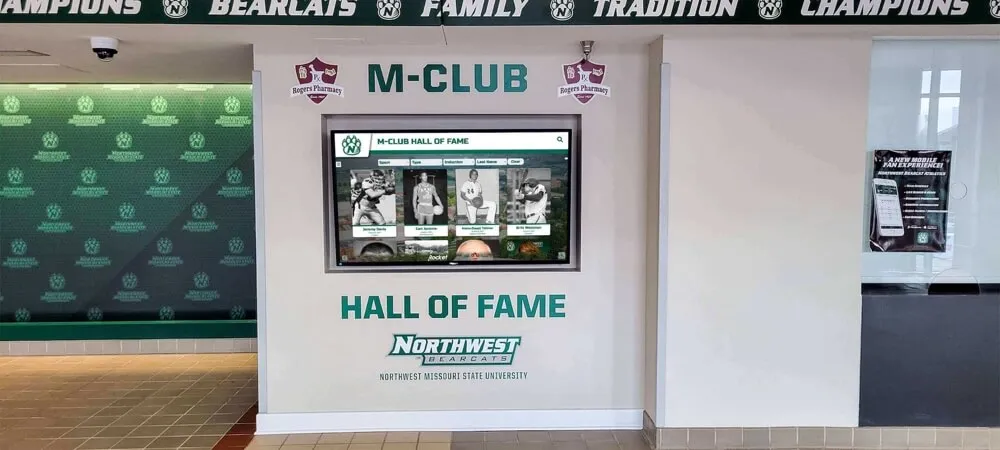
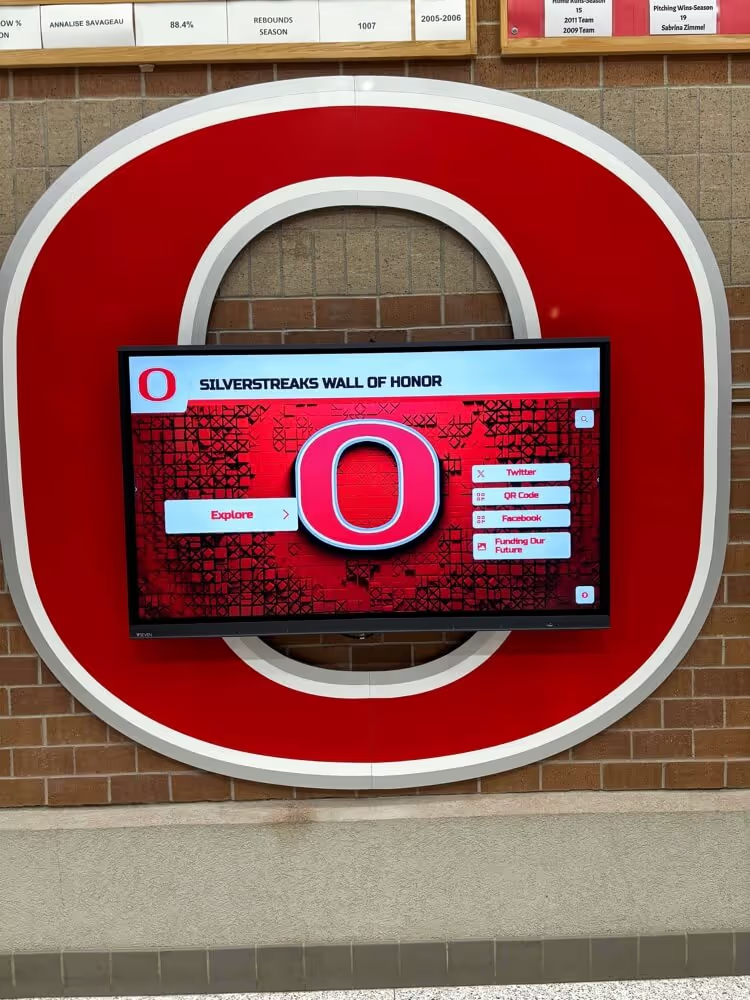
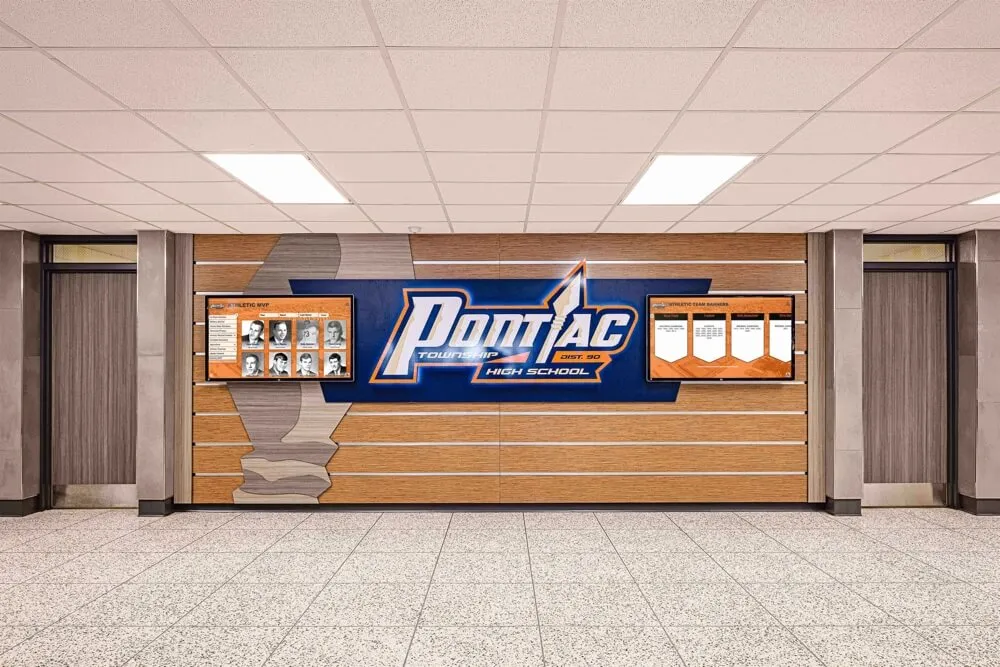
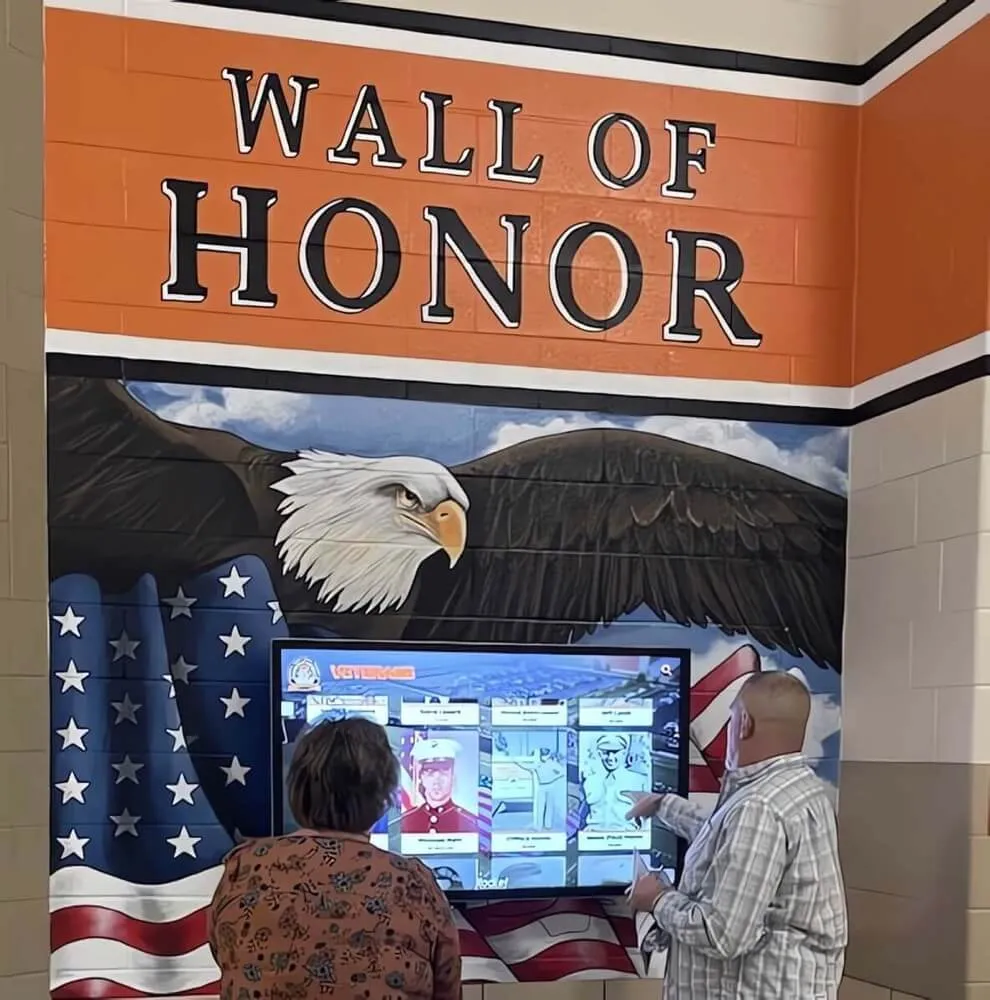
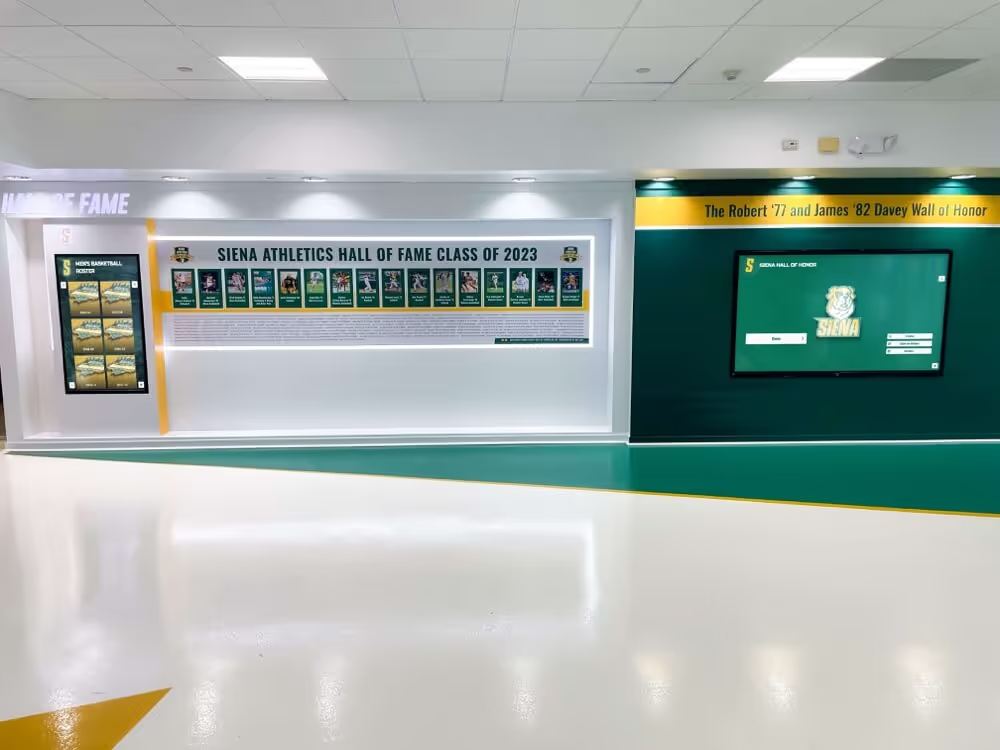
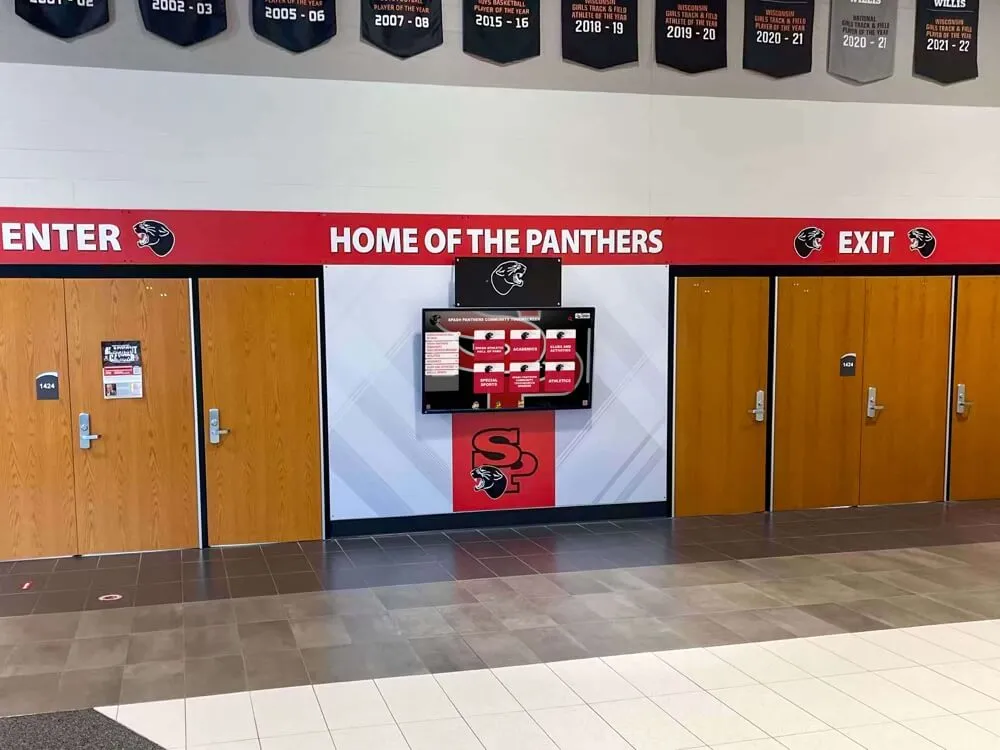
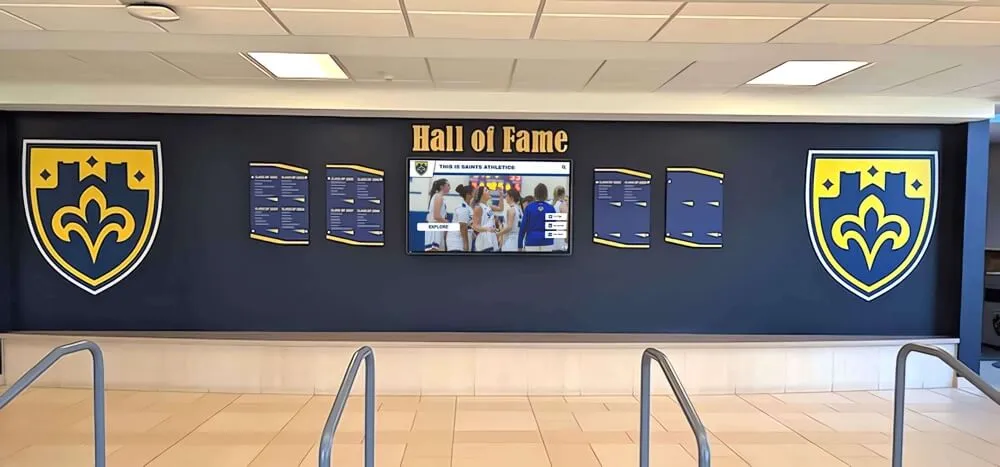
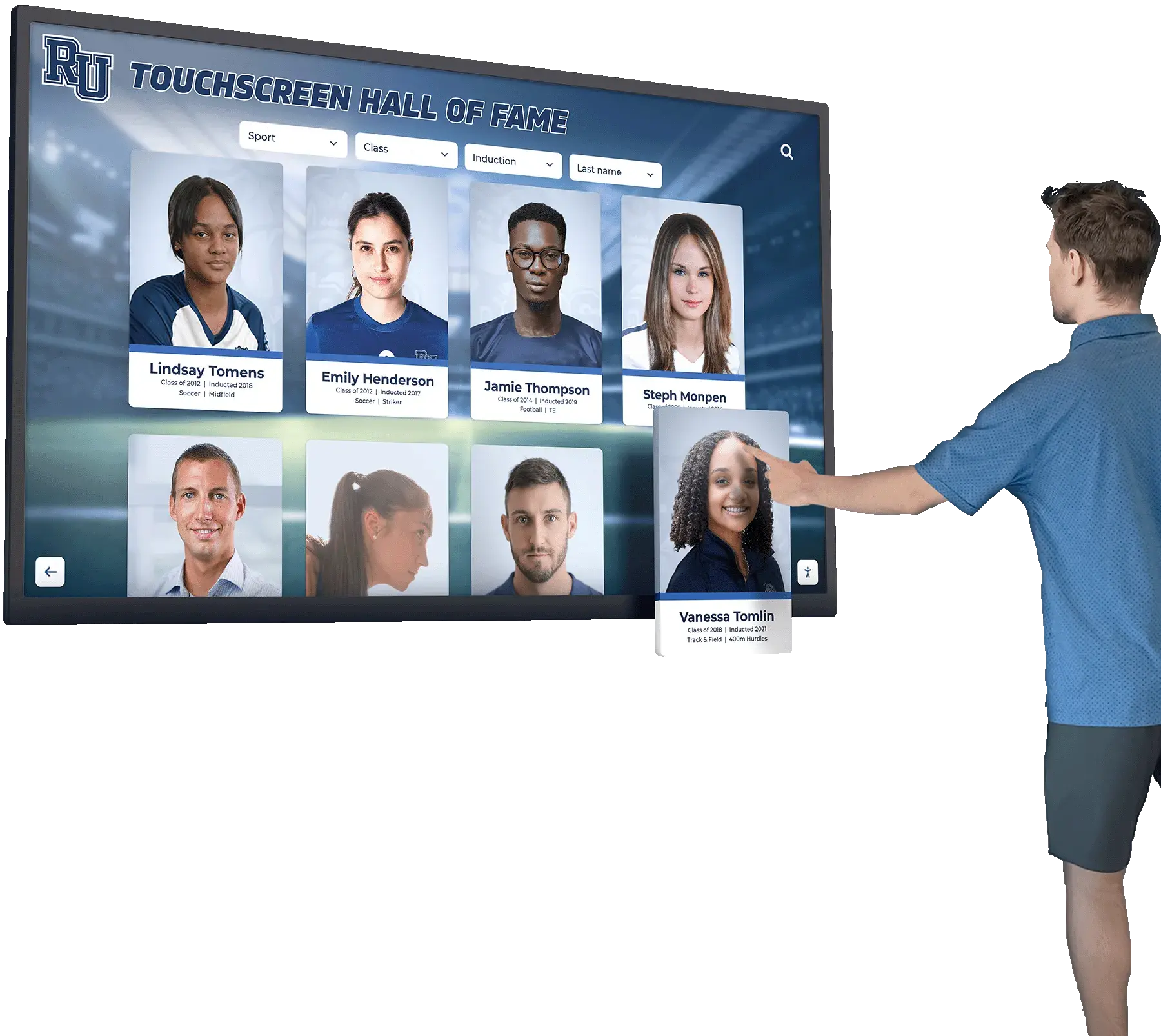
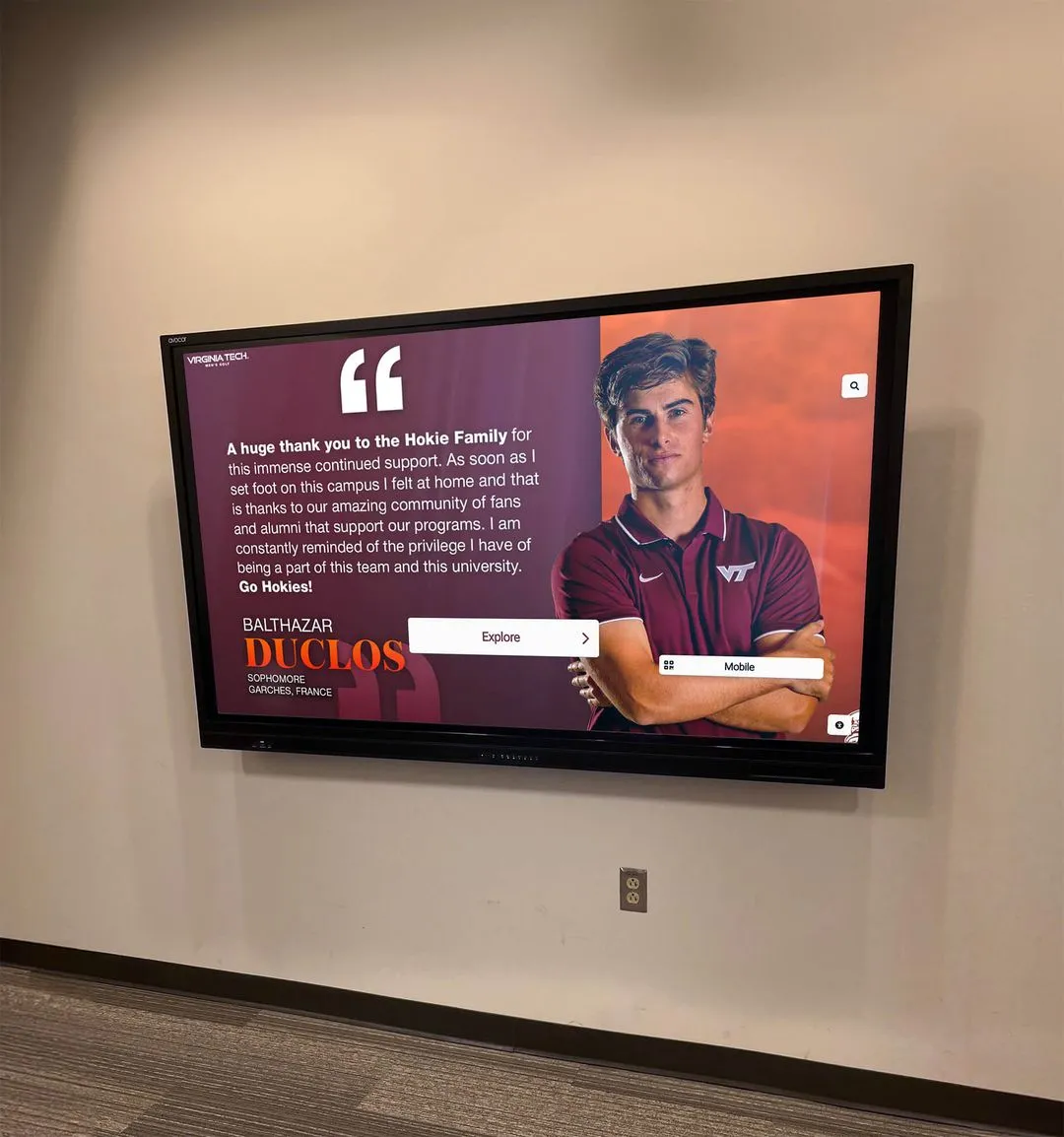
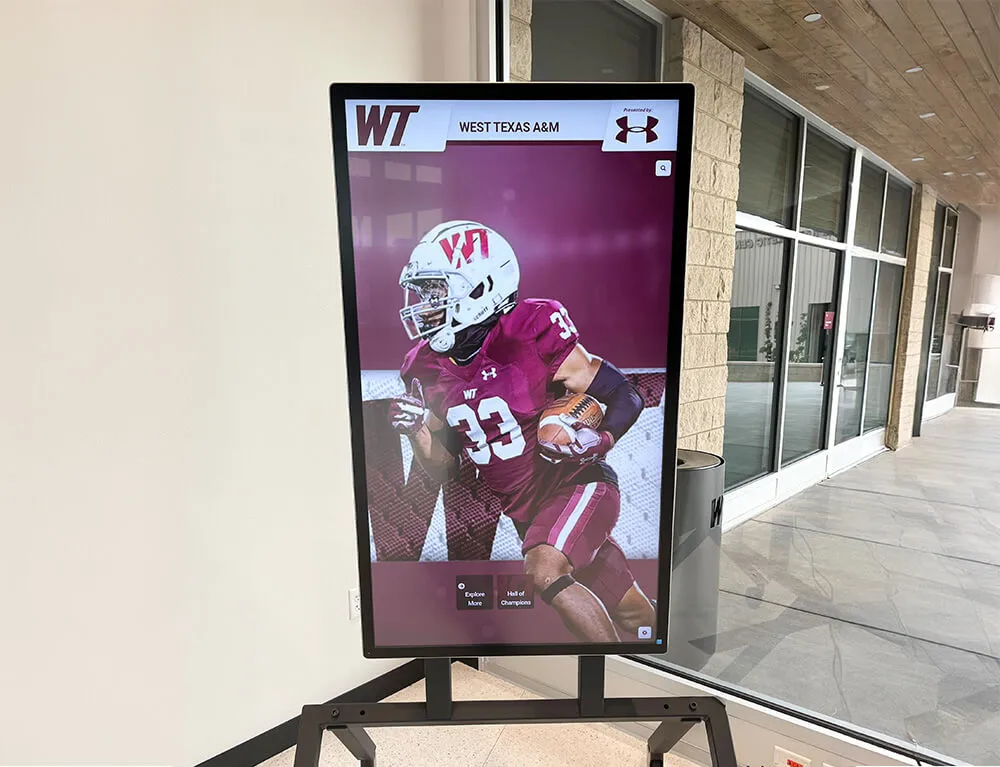
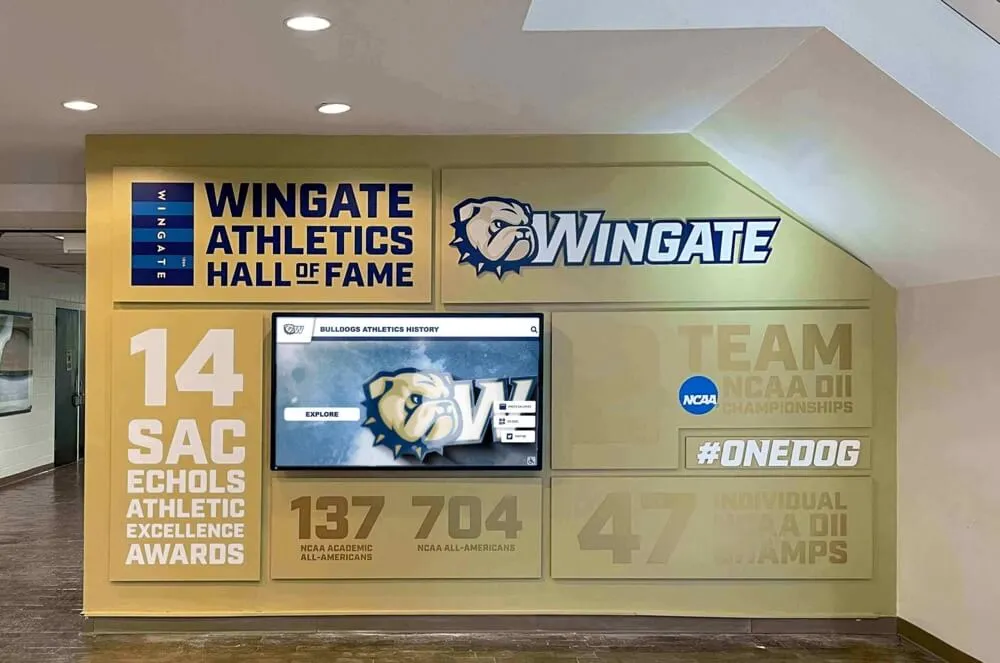
Commercial-grade touchscreen displays mounted in athletic facilities provide physical presence similar to traditional trophy cases while offering dramatically expanded capabilities. These systems typically feature large-format screens ranging from 43 to 75 inches, responsive touch interfaces enabling browsing and searching, cloud-based content management for remote updates, and commercial reliability supporting years of continuous operation.
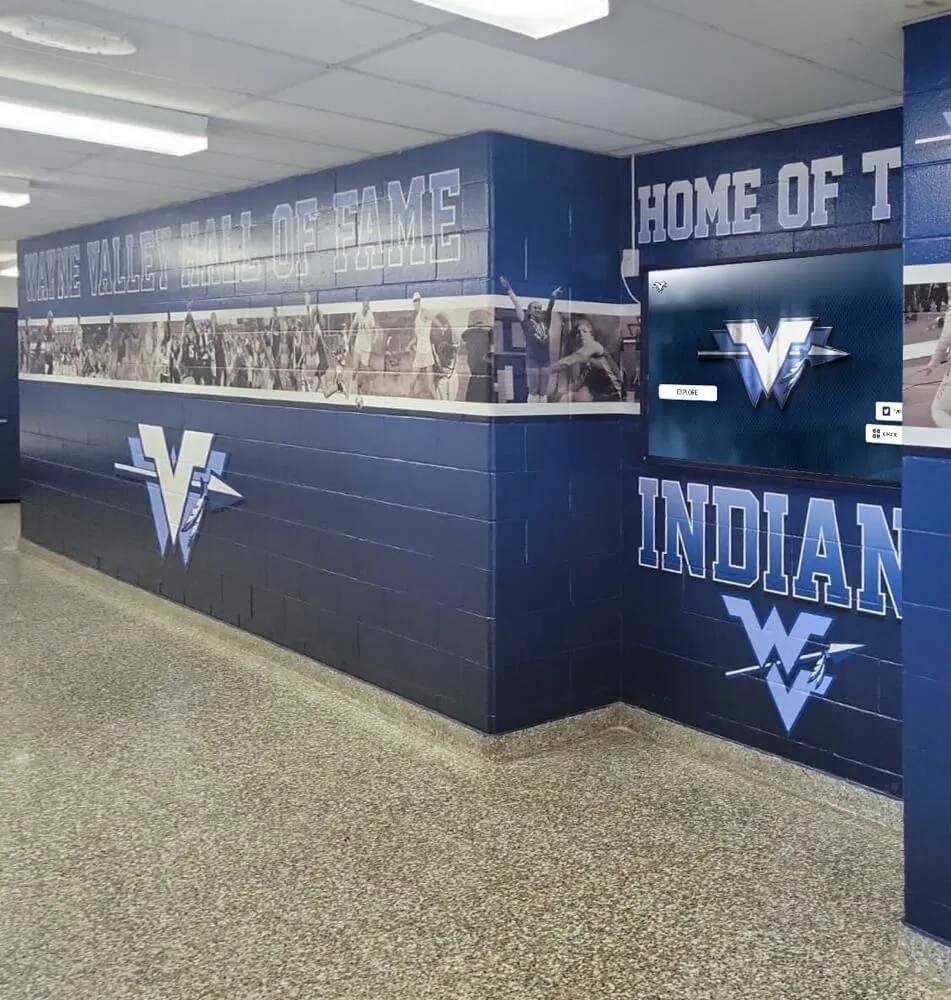
Interactive displays work particularly well in high-traffic areas including gymnasium lobbies where visiting teams and officials see accomplishments, main school entrances showcasing athletic excellence to all visitors, athletic hallways creating immersive recognition environments, locker room areas motivating current athletes, and alumni gathering spaces connecting past and present.
The technology enables rich athlete profiles impossible with traditional displays. Each recognition can include career statistics and milestone achievements, photo galleries documenting athletic journeys, video highlights from signature performances, academic honors demonstrating complete student-athlete excellence, college commitment information inspiring younger athletes, and alumni updates showing life after high school sports.
Schools implementing touchscreen recognition discover engagement levels far exceeding traditional displays. Students spend three to five minutes exploring interactive content compared to brief glances at static plaques. The systems track which sports and athletes generate most interest, informing program promotion and fundraising strategies. Parents photograph touchscreen profiles sharing via social media, extending recognition reach exponentially.
Resources on interactive touchscreen recognition displays provide comprehensive implementation guidance for athletic programs.

Dedicated Recognition Websites
Web-based recognition platforms provide unlimited accessibility enabling anyone with internet connection to explore achievements. Unlike physical displays visible only to building visitors, digital websites reach athletes’ extended families, program alumni, potential recruits, and broader communities supporting athletic excellence.
Effective recognition websites incorporate searchable athlete databases enabling filtering by sport, year, achievement type, and name, responsive design functioning smoothly across desktops, tablets, and smartphones, clean navigation making content discovery intuitive, regular updates maintaining current information, and integration with school athletic department sites.
Website platforms range from simple to sophisticated. Schools with limited budgets can implement recognition sections on existing athletic department sites using standard content management systems. Institutions prioritizing recognition might invest in dedicated platforms designed specifically for athletic achievement showcasing, offering pre-built templates, automated social media sharing, and analytics tracking engagement patterns.
The permanence websites provide proves invaluable for preserving program history. An athlete graduating in 2015 can access their recognition page a decade later, sharing achievements with their own children. Alumni exploring websites discover teammates and competitors from their era, triggering nostalgia driving engagement and fundraising support. Coaches recruiting younger athletes showcase comprehensive recognition demonstrating program commitment to honoring excellence.
Mobile optimization is critical for website recognition. According to recent studies, over 70 percent of web traffic originates from mobile devices. Recognition websites must load quickly on smartphones, display readable text without zooming, and enable easy navigation with touch interfaces. Google prioritizes mobile-friendly sites in search rankings, making responsive design essential for discovery.

Social Media Recognition Integration
Social media platforms provide immediate recognition reach extending far beyond school communities. Posting athletic achievements on institutional accounts generates celebration, extends visibility, and creates shareable content amplifying recognition organically as families and athletes share with their networks.
Effective social media recognition requires consistency and strategy. Athletic departments should establish recognition protocols including achievement criteria determining what receives social posts, posting schedules maintaining regular recognition flow, content formats using compelling visuals and concise text, platform selection matching audience preferences, and hashtag strategies improving discoverability.
Different platforms serve distinct recognition purposes. Instagram excels for visual storytelling through achievement photos, athlete portraits, highlight video clips, and recognition infographics. Facebook reaches broader age ranges including alumni and community supporters, functioning well for detailed achievement descriptions and event promotion. Twitter provides rapid-fire recognition suitable for real-time milestone celebrations during competitions. LinkedIn helps senior athletes showcase achievements for college admissions and scholarship applications.
Video content generates particularly strong engagement. Short highlight reels from championship games, interviews with milestone achievers discussing their journeys, compilation videos celebrating seasonal accomplishments, and behind-the-scenes footage humanizing athletes all generate shares and comments significantly exceeding static image posts.
Tagging athletes in recognition posts amplifies reach by enabling their sharing with personal networks. Privacy considerations require obtaining athlete and parent consent before posting, particularly for younger athletes. Clear policies establishing what content gets shared and how protect all parties while maximizing recognition benefits.
Programs implementing systematic social media recognition report increased engagement with athletic department accounts, enhanced community support and attendance at events, improved athlete morale and program pride, and stronger alumni connections to current teams. The approach requires minimal investment beyond staff time, making it accessible even for programs with extremely limited budgets.
Digital Signage Systems
Digital signage displays provide dynamic content rotation showcasing multiple achievements on single screens. Unlike static touchscreen profiles requiring user interaction, digital signage automatically cycles through content ensuring broad visibility without requiring audience engagement.
These systems work particularly well in areas where people gather but don’t stop for extended periods including cafeterias displaying achievements during lunch periods, athletic facility entrances showing rotating accomplishments, hallways connecting building areas where students pass between classes, and event spaces used for competitions and ceremonies.
Content rotation enables comprehensive recognition within limited physical space. A single 55-inch display might rotate through dozens of athlete profiles, team championships, milestone achievements, and upcoming events throughout each day. Cloud-based content management enables scheduling specific content for particular times—displaying football achievements during fall season, basketball recognition in winter, and spring sport accomplishments as weather warms.
Modern digital signage systems offer sophisticated capabilities including split-screen layouts showing multiple content types simultaneously, video playback for highlight reels and interviews, live data integration displaying real-time scores or standings, social media feeds showing recent recognition posts, and scheduled programming coordinating with school calendars.
The technology has become increasingly affordable. Entry-level systems suitable for small schools cost under $2,000 including display, media player, and basic content management software. Enterprise solutions supporting multiple screens across large campuses with advanced features scale to institutional needs.
For schools exploring digital signage options, guides on best digital signage software compare platforms and capabilities.

QR Code Physical-Digital Bridges
QR codes create bridges between physical awards and rich digital content. Small QR codes added to traditional trophy case displays, championship banners, or individual plaques enable smartphone users to instantly access detailed achievement information extending far beyond what physical displays accommodate.
Implementation is straightforward and inexpensive. Schools create comprehensive digital content for achievements including athlete profiles, statistics, photos, and videos, generate unique QR codes linking to each content piece, print QR codes on durable labels or vinyl, and affix codes to physical displays with clear instructions encouraging scanning.
The approach preserves traditional trophy case investments while adding digital enhancement. A championship trophy might display team members’ names traditionally, but QR code scanning reveals individual statistics, game highlights, season summaries, and alumni updates showing where team members are now. A banner listing record holders becomes interactive, with codes accessing complete career documentation for each athlete mentioned.
QR usage has grown substantially. A 2023 study by Statista indicates QR code usage increased 323 percent between 2018 and 2022. Younger generations particularly embrace the technology, making it ideal for school environments where students already use smartphones extensively for communication and information access.
Dynamic QR codes—those editable after creation—provide particular value for recognition programs. Rather than linking permanently to single static pages, dynamic codes point to URLs schools can update over time. This enables adding new information as it becomes available, correcting errors without replacing physical codes, and redirecting to new platforms if recognition systems change.

Budget-Conscious Implementation Strategies
Athletic programs operate with widely varying resources. Recognition solutions exist across all budget levels, from completely free options to sophisticated enterprise systems. The key is maximizing impact with available resources while planning pathways toward enhanced capabilities as budgets allow.
Free and Low-Cost Solutions Under $500
Programs with minimal budgets can implement meaningful digital recognition using free or inexpensive platforms and tools.
Social Media Recognition: Establishing consistent recognition protocols on existing athletic department social media accounts requires zero financial investment. Staff time represents the only cost. Posting athlete achievements to Instagram, Facebook, and Twitter with quality photos, achievement details, and appropriate hashtags creates immediate digital recognition accessible to families, alumni, and communities.
Google Sites Recognition Pages: Google Sites provides free website creation tools requiring no technical expertise. Athletic departments can build recognition sections featuring athlete profiles, achievement lists, photo galleries, and embedded videos without paying for hosting, domain registration, or website development. Templates simplify design, and mobile responsiveness comes standard.
Canva for Recognition Graphics: Canva’s free tier enables creation of professional recognition graphics suitable for social media posts, digital signage content, or website displays. Templates for achievement certificates, milestone announcements, and athlete profile graphics eliminate design expertise requirements while maintaining visual quality.
Existing Display with Streaming Device: Schools with existing flat-screen displays in athletic facilities can add digital signage capabilities for under $100 using streaming devices like Amazon Fire TV Stick, Roku, or Chromecast combined with free digital signage software including Screenly OSE, Xibo, or info-beamer. These solutions enable basic content rotation sufficient for achievement showcasing.
QR Code Integration: Creating QR codes linking to digital content costs nothing. Free services including QR Code Generator, QRCode Monkey, and Flowcode provide code generation, customization, and basic tracking. Printing codes on standard labels and affixing to existing trophy cases bridges physical and digital recognition for minimal cost.
Mid-Range Solutions $500-$3,000
Moderate budgets enable more sophisticated recognition with better hardware, professional features, and enhanced capabilities.
Commercial-Grade Display with Content Management: Commercial displays designed for continuous operation provide reliability consumer TVs lack. A quality 55-inch commercial display costs $800-$1,500. Adding dedicated content management software like Rise Vision, ScreenCloud, or OptiSigns for $200-$500 annually enables professional content scheduling, remote management, and analytics tracking engagement.
Custom WordPress Recognition Site: Custom WordPress development with athlete-focused themes and plugins costs $1,000-$3,000 including domain registration, quality hosting, professional theme purchase, and initial content setup. This investment creates polished recognition websites with advanced features including searchable athlete databases, custom filtering options, SEO optimization, and mobile responsiveness.
Entry-Level Touchscreen System: Basic interactive touchscreen solutions enter the market around $2,000-$3,000 including small-format touchscreen display, basic content management software, wall mounting hardware, and setup assistance. These systems provide genuine interactivity with browsing, searching, and detailed profile access while remaining accessible to programs with limited budgets.
Professional Content Creation: Investing in professional photography, videography, and graphic design elevates recognition quality substantially. Many programs allocate $500-$1,500 annually for professional athlete portraits, highlight video production, and recognition graphic design, dramatically improving content quality compared to amateur efforts.
Premium Solutions $3,000-$10,000
Schools prioritizing recognition invest in comprehensive systems providing maximum impact, reliability, and sophistication.
Large-Format Interactive Touchscreens: Commercial-grade touchscreen displays from 65 to 75 inches mounted prominently in athletic facilities create stunning visual impact. Complete systems including commercial display ($3,000-$6,000), professional-grade touchscreen overlay if not built-in ($500-$1,500), robust mounting systems ($300-$800), and comprehensive content management platforms ($1,000-$3,000 annually) deliver enterprise-quality recognition accessible to students, families, and visitors.
Multi-Display Networks: Schools with multiple athletic facilities can implement coordinated display networks showing consistent recognition across gymnasiums, training facilities, and administrative areas. Centralized content management enables single updates appearing simultaneously on all displays, ensuring consistency and simplifying administration.
Custom Web Application Development: Fully custom recognition platforms designed specifically for institutional needs provide ultimate flexibility and capability. Custom development typically costs $5,000-$10,000 initially but delivers exactly specified features including unique athlete profile structures, integration with existing athletic databases, custom search and filtering capabilities, and branded designs matching institutional identity perfectly.
Comprehensive Recognition Packages: Solutions like Rocket Alumni Solutions provide turnkey recognition systems combining hardware, software, content templates, training, and ongoing support. These packages typically range from $5,000-$10,000 for initial implementation with annual software and support costs between $1,500-$3,000. The all-inclusive approach eliminates technical challenges while delivering proven recognition platforms specifically designed for educational athletic programs.
Schools exploring comprehensive recognition solutions benefit from resources on digital recognition systems comparing capabilities and implementation approaches.

Content Strategy for Effective Recognition
Technology enables digital recognition, but content strategy determines whether implementation succeeds or disappoints. The most sophisticated displays fail to engage audiences without compelling, comprehensive, and current content.
Essential Information Architecture
Effective digital recognition requires systematic information architecture ensuring all achievements receive appropriate documentation. Core data elements should include athlete identification information such as name, graduation year, sport, and position, achievement details specifying what was accomplished, when it occurred, and its significance, statistical context providing numbers demonstrating achievement magnitude, visual content including photos and videos when available, and connections linking related achievements and athletes.
Consistent data structures across all recognitions enable powerful search and filtering capabilities. Users can find all athletes from specific graduation years, filter achievements by sport or achievement type, compare statistics across eras, and discover connections between athletes who competed together or achieved similar milestones.
Many schools develop recognition templates standardizing information included for different achievement types. Championship teams always receive team rosters, season records, playoff results, and championship game details. Individual milestone achievers get career statistics, achievement progression, memorable performances, and post-high school plans. Standardized approaches ensure comprehensiveness while simplifying content creation as staff know exactly what information each recognition requires.
Multimedia Content Best Practices
Digital platforms accommodate photos, videos, graphics, and text. Leveraging multiple media types creates engaging recognition resonating emotionally while communicating information effectively.
Photography Guidelines: Quality photos dramatically impact recognition effectiveness. Best practices include using high-resolution images minimum 1920x1080 pixels ensuring quality on large displays, capturing athletes in action during competitions showcasing their sports, including posed portraits with consistent lighting and backgrounds, showing celebration moments conveying achievement emotion, and maintaining diverse representation across all sports and athletes.
Consistency matters for visual cohesion. Many programs establish photo standards including background colors, lighting approaches, and composition guidelines ensuring professional appearance across hundreds or thousands of athlete images.
Video Content Strategies: Video brings achievements to life through movement and sound. Effective recognition videos include 15-30 second highlight clips from memorable performances, 60-90 second athlete interviews discussing achievements and experiences, season recap videos celebrating team accomplishments, and championship game footage preserving historic moments.
Technical quality affects engagement significantly. Videos should use 1080p minimum resolution for clarity, include captions accommodating viewing without sound, limit length to 2 minutes maximum maintaining attention, and optimize file sizes for fast loading and smooth playback.
Graphic Design Considerations: Professional graphics enhance recognition through consistent branding using school colors, logos, and fonts, achievement callouts highlighting specific accomplishments visually, statistical infographics communicating numbers compellingly, timeline designs showing career progression, and comparison graphics contextualizing achievements among program history.
Free tools including Canva and Adobe Express enable quality graphic creation without professional design expertise. Template libraries provide starting points modified with specific achievement information.
Maintaining Current and Accurate Information
Digital recognition value depends on accuracy and currency. Outdated or incorrect information undermines credibility and disappoints athletes and families discovering errors in their recognition.
Establishing clear update protocols prevents content from stagnating. Responsible staff should receive training on content management systems, understand achievement criteria determining what gets recognized, follow standardized processes for gathering information and media, and execute updates within 48 hours of achievements occurring.
Regular audits catch errors and omissions. Quarterly reviews checking for missing achievements, verifying statistical accuracy, updating athlete information like college commitments, and removing outdated content maintain recognition quality over time.
Version control and approval workflows prevent errors. Content management systems supporting draft modes enable review before publication, approval requirements ensure multiple eyes check accuracy, and edit histories track changes enabling error correction if problems appear.

Ensuring Equitable Recognition Across All Sports
One of digital recognition’s most significant advantages is eliminating physical space constraints that historically forced difficult prioritization decisions. Traditional trophy cases often emphasized high-profile sports like football, basketball, and baseball while providing limited visibility for programs including lacrosse, swimming, tennis, and golf.
The Space Limitation Problem
Physical trophy cases have finite capacity. As achievements accumulate over decades, athletic directors face impossible choices about what displays prominently and what gets removed to storage. These decisions often defaulted to emphasizing sports with largest fan bases, biggest budgets, or longest histories—not necessarily reflecting current excellence or achievement significance.
Female athletes historically received less trophy case space than male athletes in comparable sports. Swimming and diving teams might secure regional and state championships with limited recognition while football teams received extensive display space. Individual achievement awards in sports like wrestling or track often went unrecognized beyond season-ending banquets due to display space limitations.
These disparities didn’t typically reflect intentional bias but rather practical constraints of physical displays combined with institutional inertia maintaining historical display patterns. Regardless of cause, the effect was unequal recognition failing to honor all student-athlete excellence appropriately.
Digital Recognition Creates True Equality
Unlimited digital capacity eliminates forced prioritization. Schools can recognize every championship, milestone, and significant achievement across all sports and genders without space constraints determining what deserves visibility.
Digital systems enable equal treatment through unlimited profile capacity accommodating every recognized athlete, equivalent multimedia support providing same photo, video, and statistical capabilities for all sports, identical search and discovery mechanisms ensuring all achievements appear in relevant queries, rotation algorithms giving equal home screen prominence across all programs, and comprehensive historical archives preserving all achievements regardless of sport or era.
Schools implementing comprehensive digital recognition report dramatically improved athlete satisfaction and program morale, particularly among historically underrepresented sports. Athletes competing in smaller programs feel valued and recognized comparably to peers in high-profile sports. Families appreciate institutional commitment to honoring all excellence equally. Coaches in all programs can promote comprehensive recognition when recruiting prospective athletes.
Resources on high school athletics equity and visibility provide frameworks for evaluating and improving recognition fairness.
Celebrating Diverse Achievement Types
Beyond sport-by-sport equity, digital recognition accommodates diverse achievement types deserving celebration. Traditional displays typically emphasized championships and major records due to space limitations. Digital systems enable comprehensive recognition including individual milestones like scoring records and career achievements, academic honors such as scholar-athlete recognition and academic all-state selections, character awards recognizing leadership and sportsmanship, improvement awards celebrating development and dedication, participation milestones honoring commitment across multiple seasons, and post-graduation achievements tracking college athletic careers.
This comprehensiveness demonstrates that institutions value various excellence forms. Not every athlete breaks scoring records or wins championships, but many demonstrate remarkable dedication, improvement, character, and academic achievement deserving recognition alongside traditional athletic accomplishments.

Technical Implementation Considerations
Successful digital recognition requires addressing technical details ensuring reliable operation, easy management, and positive user experiences.
Hardware Selection and Installation
Display hardware quality significantly impacts recognition effectiveness and longevity. Key considerations include commercial versus consumer displays, with commercial units designed for continuous operation providing superior reliability, screen size appropriate for viewing distances and available space, touch technology quality ensuring responsive interaction, brightness sufficient for ambient lighting conditions, and mounting security preventing theft or vandalism.
Professional installation ensures proper mounting height and angle, secure fastening to building structures, cable management hiding wires professionally, power supply reliability with surge protection, and network connectivity enabling content updates.
Location selection affects visibility and usage. High-traffic areas maximize exposure, but placement should avoid direct sunlight causing screen glare, protect displays from potential impact damage, provide adequate space for multiple simultaneous users, and ensure accessibility for all individuals including those with disabilities.
Content Management Platform Selection
Software platforms managing recognition content vary significantly in capabilities, complexity, and cost. Evaluation criteria should include ease of use for staff with varying technical skills, template availability providing recognition starting points, media support accommodating photos, videos, and graphics, search and filtering capabilities enabling content discovery, analytics tracking engagement and usage patterns, reliability ensuring consistent operation, mobile optimization for smartphone and tablet access, integration capabilities connecting with existing school systems, and total cost including licensing, support, and updates.
Many schools start with simpler platforms and migrate to more sophisticated solutions as needs grow and budgets expand. Beginning with basic digital signage software or simple website solutions provides immediate digital recognition benefits while staff develop expertise and institutional understanding of effective recognition practices.
Solutions like Rocket Alumni Solutions provide purpose-built platforms designed specifically for school athletic recognition, eliminating the need to adapt general-purpose tools to specialized applications.
Network and Connectivity Requirements
Digital recognition systems require reliable network connectivity for content updates, remote management, and in some cases real-time functionality. Infrastructure needs include stable internet connections with sufficient bandwidth, secure network segments protecting systems from unauthorized access, remote access capabilities enabling off-site content management, backup connectivity preventing display failures if primary connections drop, and content caching ensuring displays function even during network outages.
Schools with existing network infrastructure typically accommodate recognition systems easily. Older facilities or areas with poor connectivity might require infrastructure upgrades including Wi-Fi access point installation, wired network drops, or cellular connectivity solutions for locations where traditional networking proves impractical.
Maintenance and Support Planning
Digital systems require ongoing maintenance ensuring continued reliable operation. Maintenance activities include software updates providing new features and security patches, content backup preventing recognition loss from system failures, display cleaning maintaining visual quality, hardware monitoring detecting potential failures early, and troubleshooting resolving technical issues promptly.
Clear support responsibility assignment prevents maintenance neglect. Whether internal IT staff, athletic department personnel, or external vendors provide support, explicit responsibility ensures problems receive attention before affecting recognition visibility.
Vendor support agreements provide valuable protection, particularly for schools with limited internal technical expertise. Support packages typically include phone and email technical assistance, software updates and bug fixes, remote troubleshooting and diagnostics, and periodic system health checks.

Legal and Privacy Considerations
Digital recognition involves student information, photos, and personal details requiring careful attention to legal requirements and privacy concerns.
FERPA Compliance
The Family Educational Rights and Privacy Act (FERPA) protects student education records. Athletic achievement recognition typically qualifies as directory information schools can disclose without consent, but institutions must provide parents opportunity to opt out of directory information disclosure.
Schools implementing digital recognition should review FERPA policies with legal counsel, obtain appropriate consent for information disclosure, honor opt-out requests promptly, limit disclosed information to relevant achievements, and maintain records documenting consent and compliance.
Photo and Video Rights
Using athlete photos and videos in digital recognition requires proper rights and permissions. Best practices include obtaining signed media release forms from athletes and parents, specifying how images will be used including digital recognition, storing permissions documentation systematically, honoring withdrawal requests if families change preferences, and using only photos and videos to which schools hold rights.
Media release forms should specifically address digital distribution and archiving, as recognition content may remain accessible online indefinitely. Parents and athletes should understand the scope and duration of image usage.
Athlete Privacy Protections
While celebrating achievements, schools should protect athlete privacy by limiting personal information to names, graduation years, and achievements, avoiding home addresses, phone numbers, or sensitive data, using official school photos rather than personal social media images without permission, enabling profile visibility controls if athletes prefer limited recognition, and removing recognition upon request from adults who were recognized as students.
Balance exists between public celebration and privacy protection. Most athletes and families appreciate recognition, but some prefer privacy. Flexible policies accommodating different preferences demonstrate respect for individual choices.
Measuring Recognition Program Success
Digital systems provide analytics capabilities enabling schools to measure recognition effectiveness and demonstrate program value.
Engagement Metrics
Digital platforms track user interaction providing insights into recognition engagement. Valuable metrics include total views showing how many people access recognition, average interaction time indicating engagement depth, most-viewed content revealing what resonates most strongly, search queries demonstrating how users discover content, device types showing desktop versus mobile usage, geographic distribution indicating whether recognition reaches alumni and extended families, and return visitor rates measuring sustained interest.
These metrics inform content strategy optimization. If certain achievement types generate exceptional engagement, schools can emphasize similar content. Low engagement with specific content types suggests needed improvements or different presentation approaches.
Program Impact Indicators
Beyond digital analytics, schools should track broader program impacts including athlete satisfaction measured through surveys or feedback, family engagement assessed via attendance and communication, alumni connection evaluated through reunion participation and fundraising, community awareness measured via social media reach and mentions, recruiting success tracked through prospective athlete interest, and institutional pride reflected in overall school spirit and athletic program support.
While attribution proves challenging, schools implementing comprehensive digital recognition consistently report enhanced program culture, improved athlete morale, and stronger community support for athletics.
Cost-Benefit Analysis
Demonstrating recognition program value helps justify investment and secure continued funding. Quantifiable benefits include time savings from streamlined recognition processes, reduced physical trophy case expansion costs, enhanced fundraising from engaged alumni, improved recruiting outcomes attracting higher-quality athletes, and increased attendance driven by stronger program engagement.
While some benefits resist precise quantification, comparing annual program costs against measurable advantages demonstrates value proposition to administrators, school boards, and funders.

Future Trends in Athletic Recognition
Digital recognition technology continues evolving with emerging capabilities enhancing how schools celebrate achievement.
Artificial Intelligence Integration
AI capabilities increasingly support recognition including automated highlight video generation from game footage, intelligent content recommendations suggesting related achievements, natural language search enabling conversational queries, automated achievement detection identifying milestones from statistics, and predictive analytics forecasting future achievements based on performance trends.
These capabilities reduce administrative burden while enhancing recognition comprehensiveness and accessibility. What currently requires staff hours might soon automate, enabling smaller programs to provide recognition quality matching well-resourced institutions.
Augmented Reality Enhancement
AR technology creates immersive recognition experiences by overlaying digital information on physical environments through smartphone cameras. Pointing devices at trophy cases might trigger AR displays showing video highlights, athlete profiles, or historical context. Championship banners could become interactive gateways to comprehensive seasonal documentation.
While currently emerging, AR recognition will likely become mainstream as technology matures and smartphone capabilities improve.
Social Media API Integration
Direct integration between recognition platforms and social media APIs will enable simple cross-posting, automated achievement sharing, athlete tagging and notification, follower engagement tracking, and unified analytics across digital channels.
These integrations simplify multi-platform recognition strategies while maximizing reach and engagement across diverse audience segments.
Blockchain Verification
Blockchain technology might eventually verify achievement authenticity, creating tamper-proof records demonstrating accomplishment legitimacy. While most school recognition doesn’t require such verification, elite achievements and records might benefit from cryptographic validation preventing disputes or fraud.
Implementation Roadmap for Schools
Schools beginning digital recognition journeys benefit from phased implementation approaches building capability progressively.
Phase 1: Foundation (Months 1-3)
Initial implementation establishes digital recognition presence through social media protocol development and consistent posting, basic recognition webpage on existing athletic site, digital photo archive of current season athletes and achievements, and staff training on content creation fundamentals.
This phase requires minimal investment while creating immediate digital recognition presence. Staff develop skills and experience informing subsequent phases.
Phase 2: Enhancement (Months 4-9)
Building on foundation, enhancement adds capabilities including digital signage installation in one high-visibility location, expanded website functionality with searchable content, QR code integration bridging physical and digital displays, and professional content creation for priority achievements.
Investment scales with budget, but significant capability emerges even with moderate resources. Recognition quality and engagement typically improve substantially during enhancement.
Phase 3: Comprehensive System (Months 10-18)
Full-featured recognition incorporates interactive touchscreen installation in athletic facilities, multi-display networks across campus, comprehensive historical content digitization, advanced website features including filtering and advanced search, integrated social media automation, and analytics implementation measuring engagement and impact.
This phase represents mature recognition programs providing comprehensive visibility across all sports, achievements, and eras. Continued refinement and content expansion proceed indefinitely.
Ongoing: Optimization and Expansion
Recognition programs never truly finish. Continuous improvement includes regular content updates celebrating new achievements, historical archive expansion adding pre-digital era recognition, technology refresh replacing aging hardware, feature additions implementing new capabilities, and process refinement improving efficiency and effectiveness.
Schools treating recognition as ongoing programs rather than one-time projects achieve sustained excellence honoring all student-athlete achievement appropriately.

Conclusion: Excellence Deserves Comprehensive Recognition
Athletic achievements represent remarkable dedication, perseverance, and excellence deserving recognition matching their significance. Student-athletes invest countless hours training, competing, and improving. Teams overcome adversity, celebrate triumphs, and create memories lasting lifetimes. These accomplishments merit visibility extending beyond brief moments at awards banquets or limited trophy case space.
Digital recognition transforms how schools celebrate athletic excellence through unlimited capacity honoring all sports and achievements equitably, instant updates recognizing accomplishments as they occur, multimedia content telling complete athlete stories, permanent archives preserving program history indefinitely, and universal accessibility extending recognition beyond building walls.
The technology has matured substantially. Solutions exist across all budget levels from free social media protocols to comprehensive enterprise platforms. Implementation no longer requires extensive technical expertise, and proven templates accelerate deployment. Schools of all sizes successfully operate digital recognition programs providing dramatically enhanced visibility compared to traditional methods.
Athletic directors implementing digital recognition consistently report enhanced athlete satisfaction, improved family engagement, stronger alumni connections, more effective recruiting, and elevated program culture. The investment pays dividends across multiple dimensions while ensuring all student-athlete excellence receives appropriate honor.
Whether schools currently lack systematic athletic recognition or seek to enhance existing programs, solutions like Rocket Alumni Solutions provide purpose-built platforms designed specifically for athletic achievement recognition. These systems combine intuitive content management, engaging interactive displays, comprehensive analytics, and reliable performance enabling schools to honor excellence appropriately while building recognition programs strengthening athletic culture and community pride.
Excellence deserves recognition. Modern digital solutions ensure every achievement, every athlete, and every program receives the lasting celebration earned through dedication and accomplishment. The next time a student-athlete in your school reaches a milestone, wins a championship, or demonstrates remarkable improvement, comprehensive digital recognition ensures their achievement receives honor reflecting its true significance—immediately, completely, and permanently.
Athletic programs shape character, teach perseverance, and create community. Comprehensive recognition celebrating these achievements reinforces their value while inspiring future generations to pursue their own excellence. Digital technology makes truly equitable, comprehensive recognition possible for schools of all sizes and resources. The question isn’t whether to implement digital recognition, but rather which approaches best serve your athletes, program, and community.
Ready to transform how your school celebrates athletic achievement? Schedule a demo to explore how comprehensive digital recognition can honor your student-athletes appropriately while building program culture and community engagement that lasts for generations.