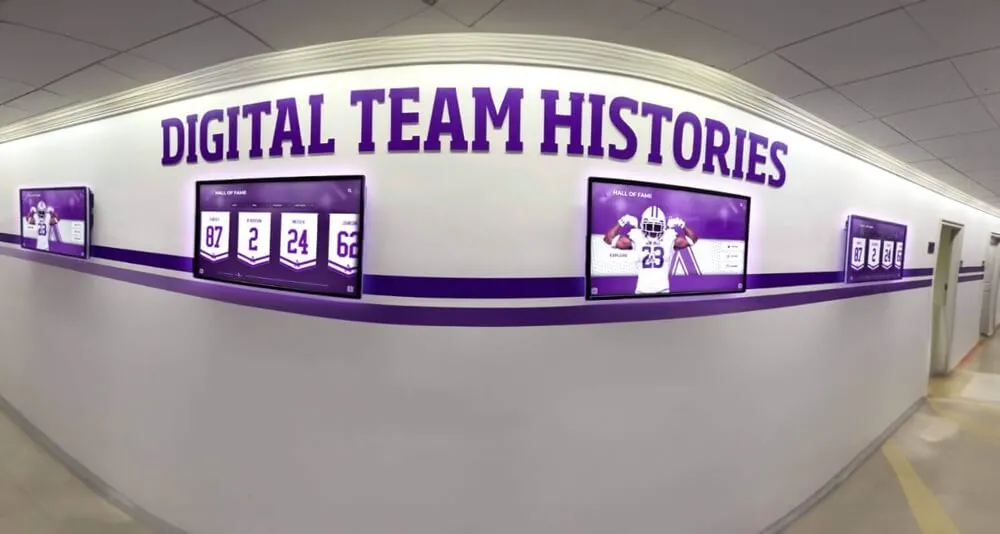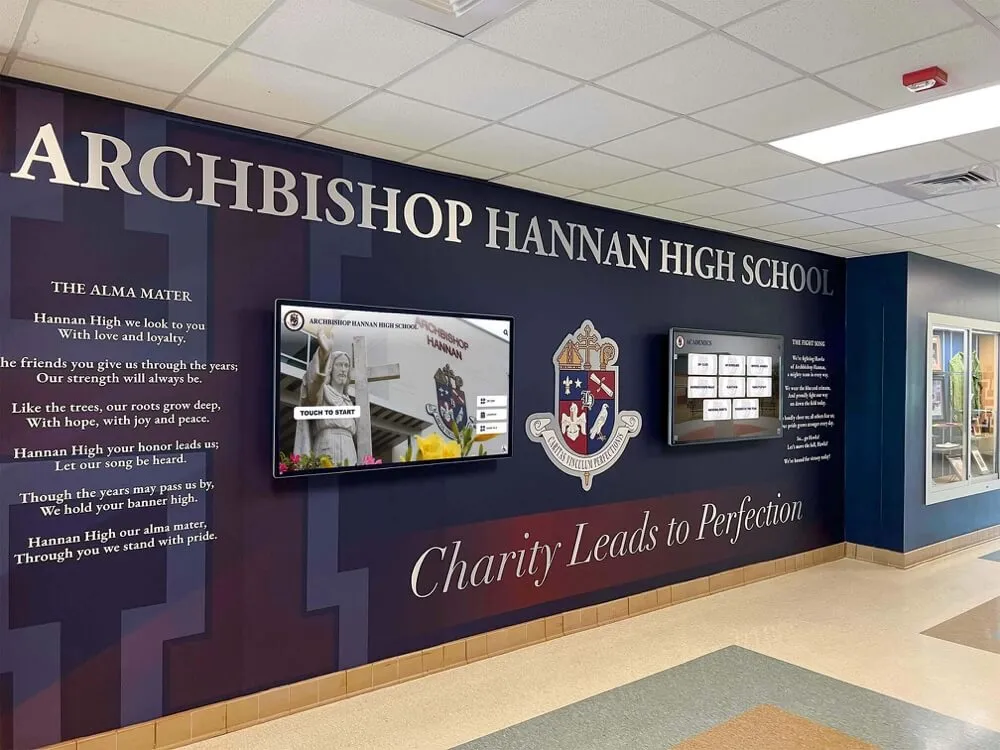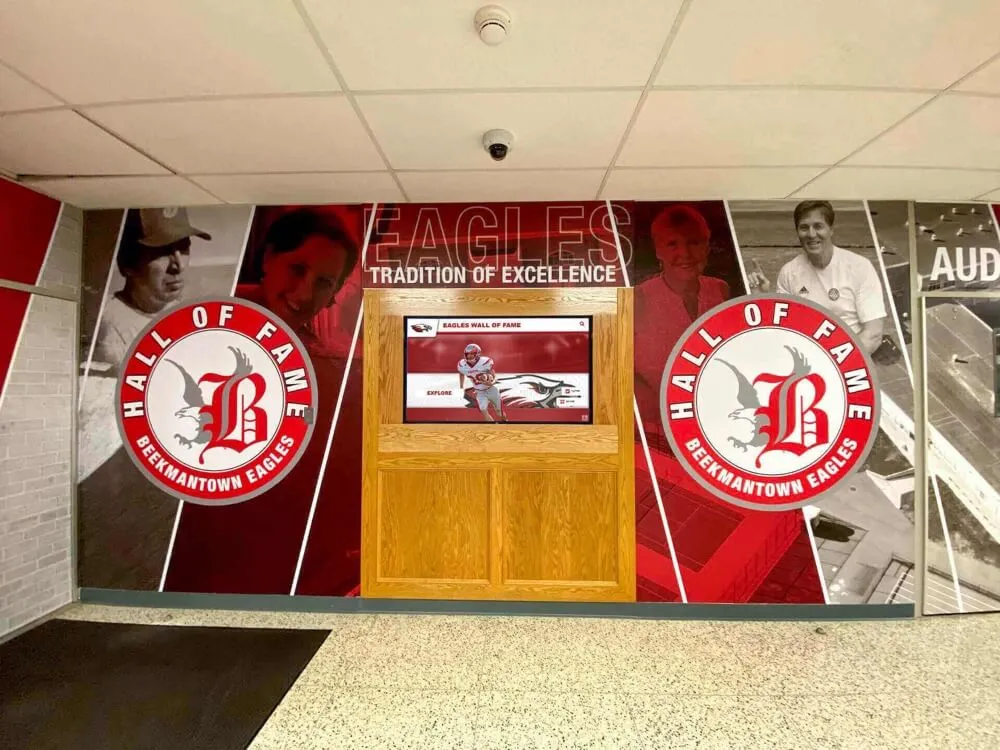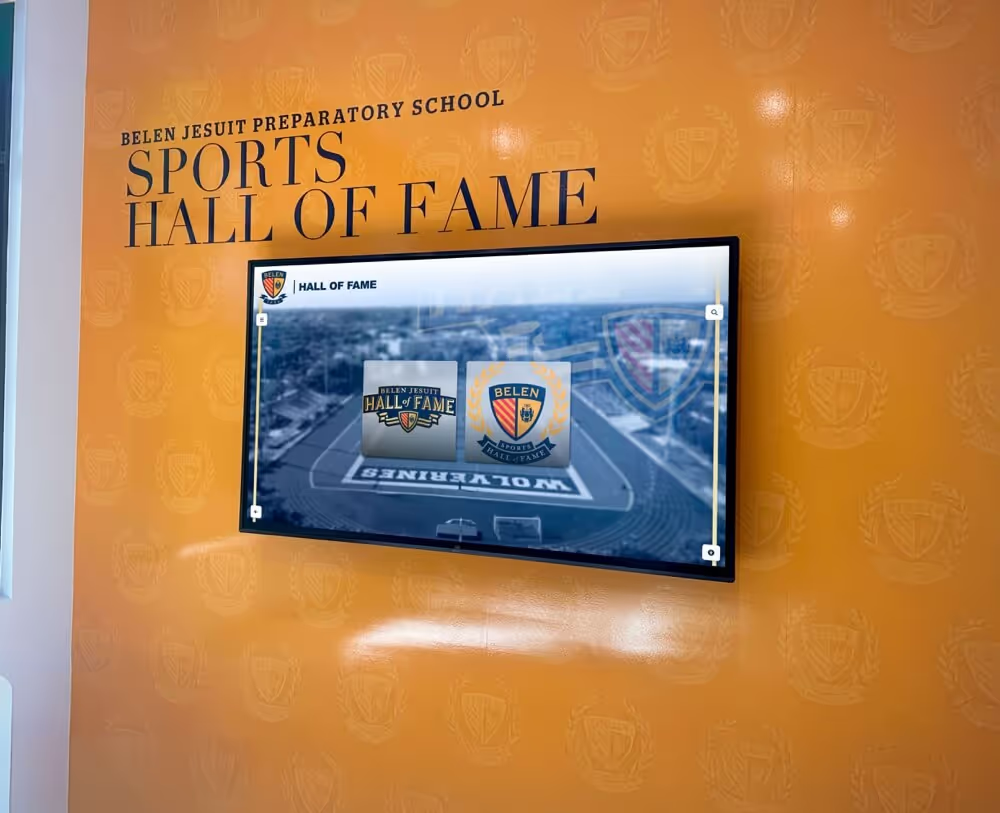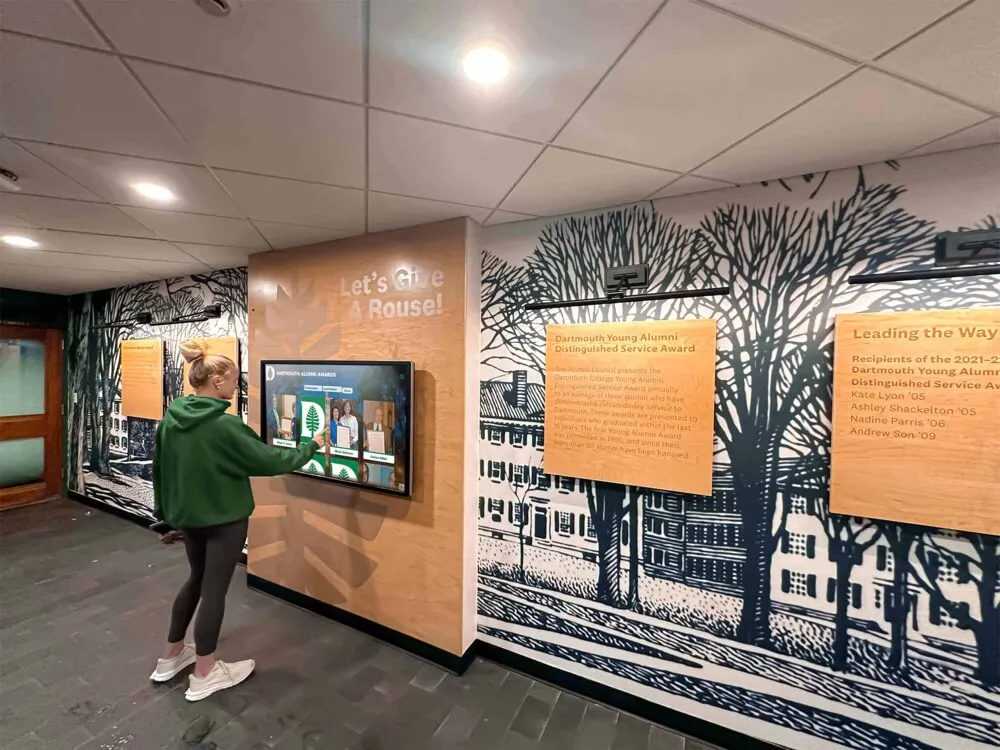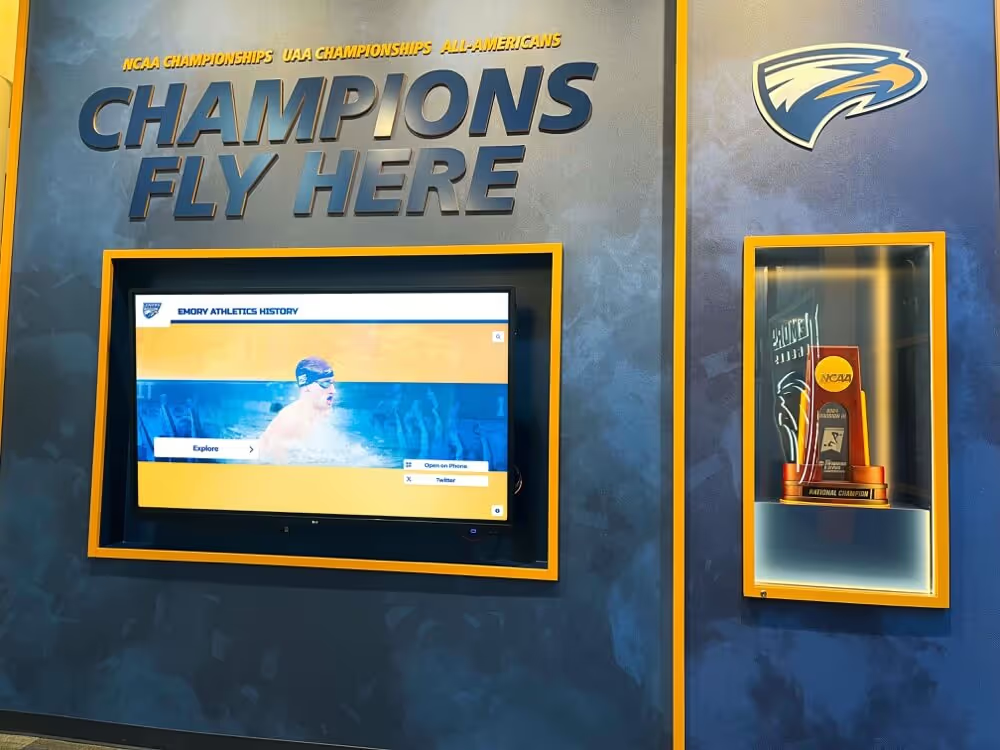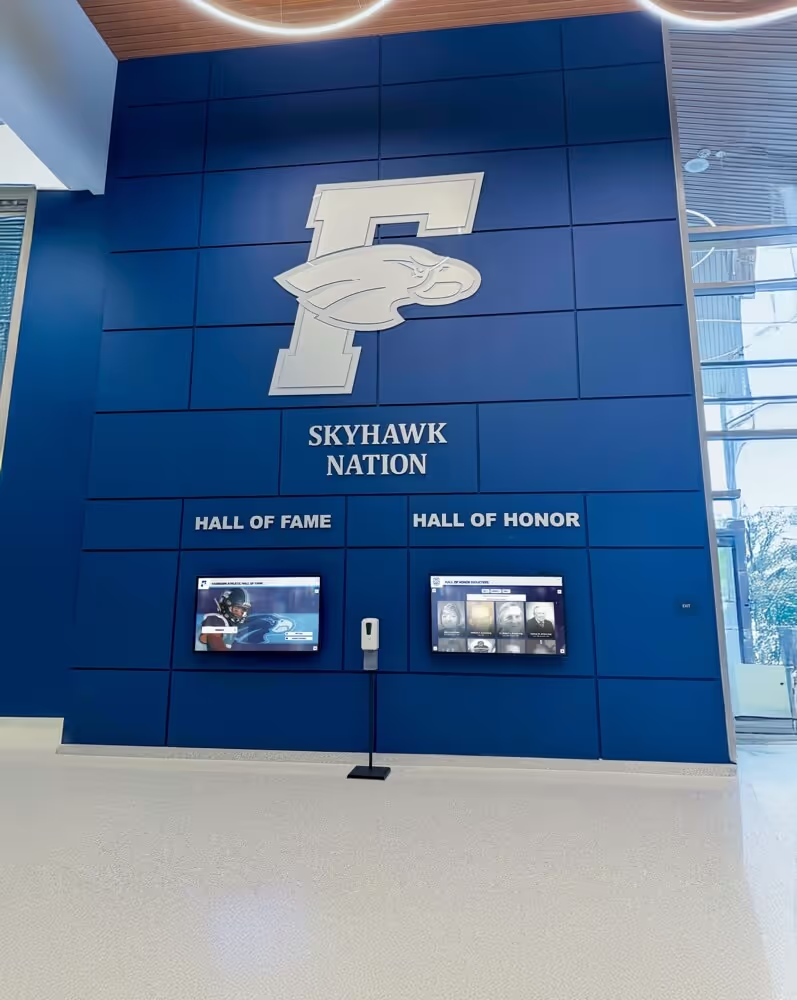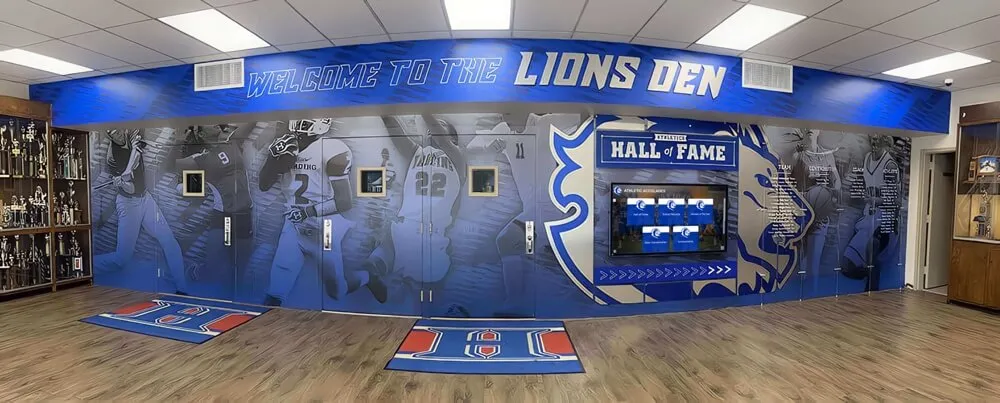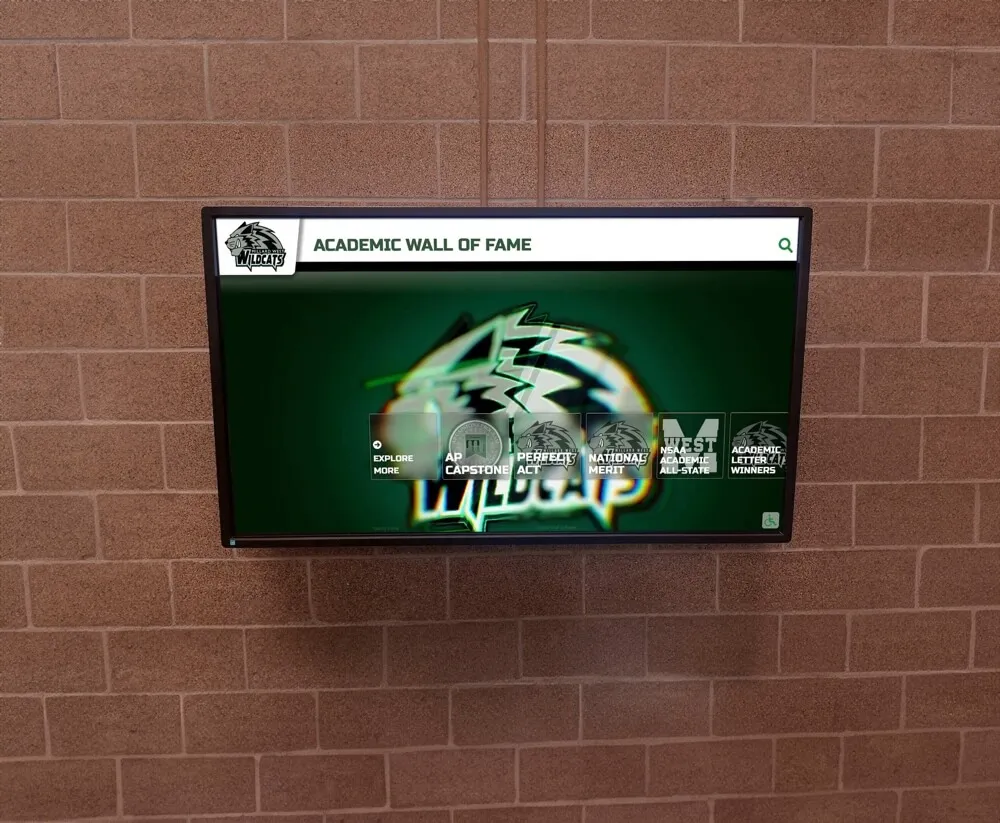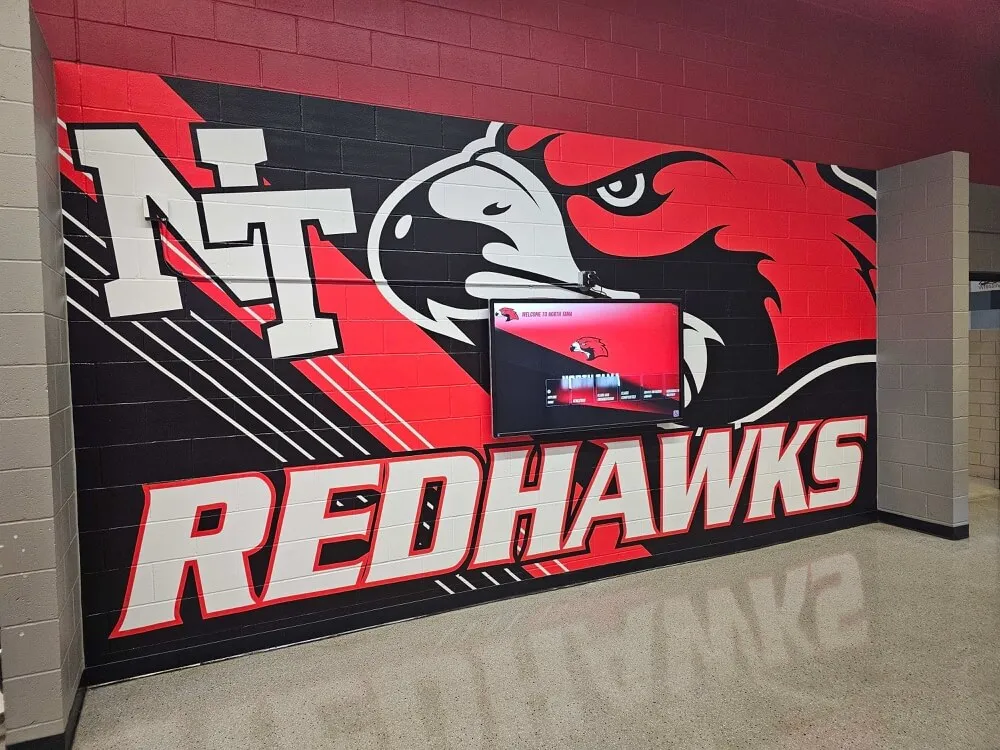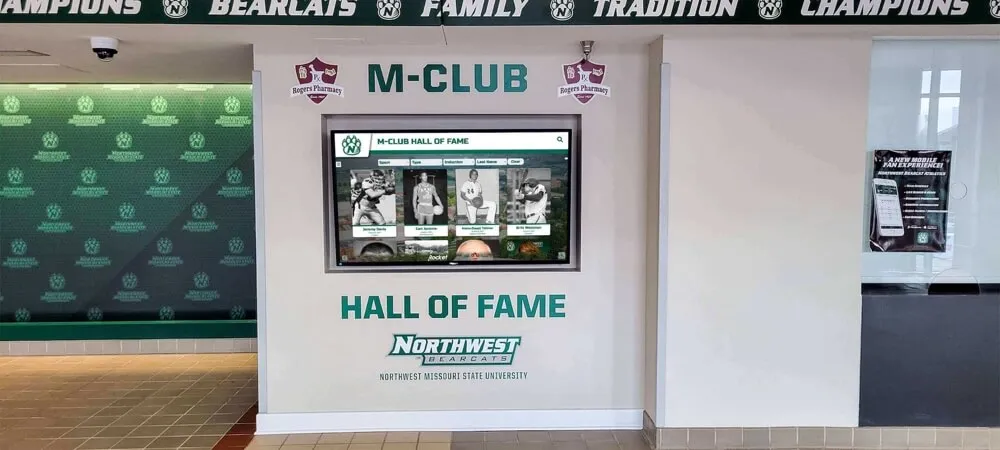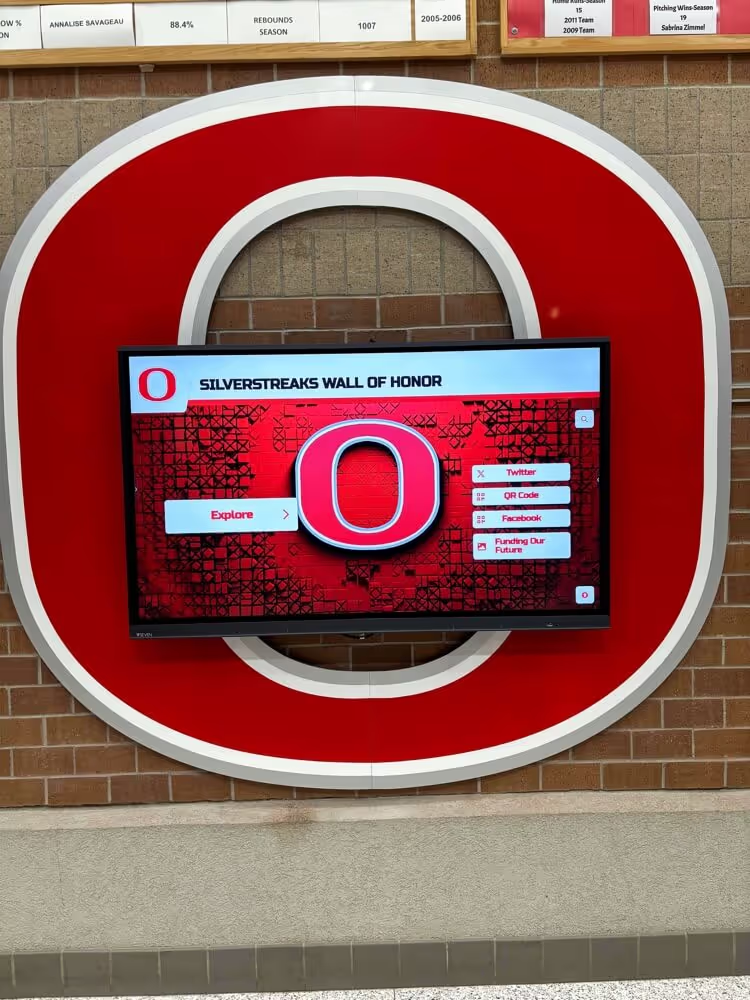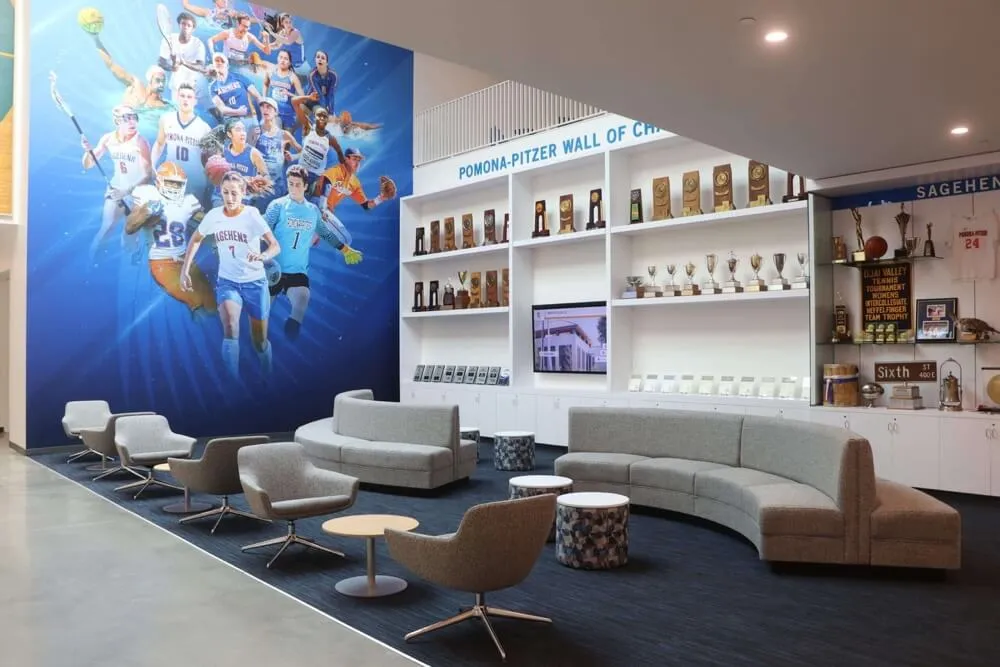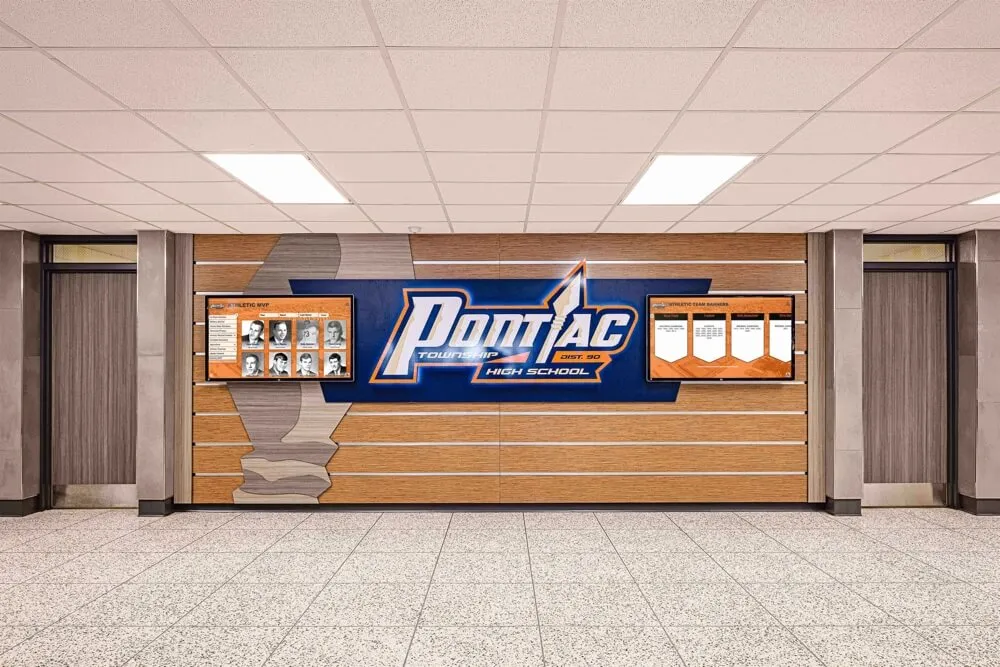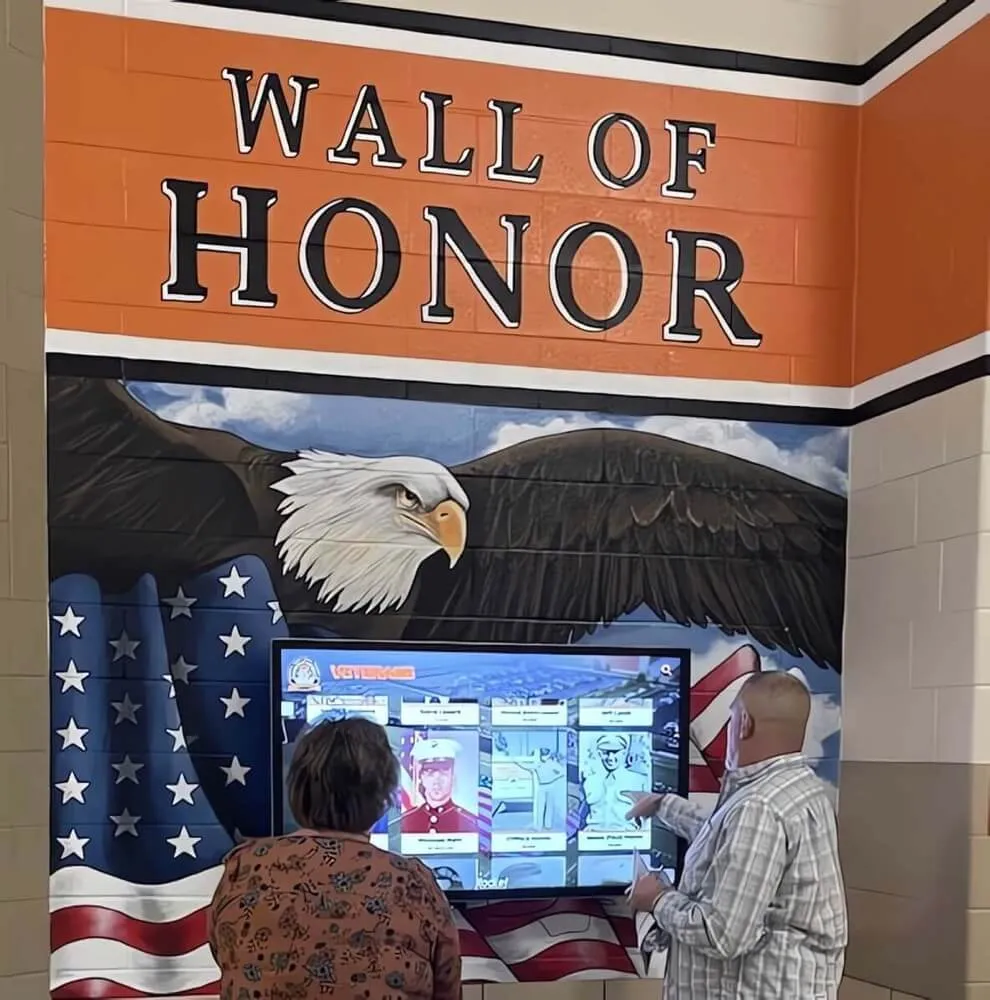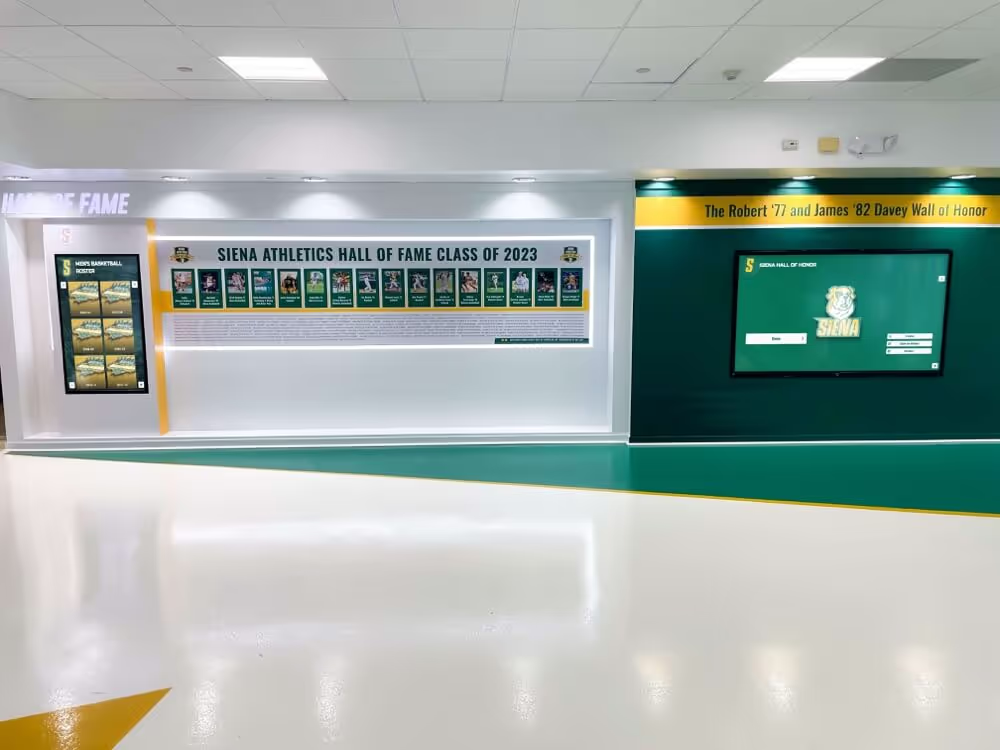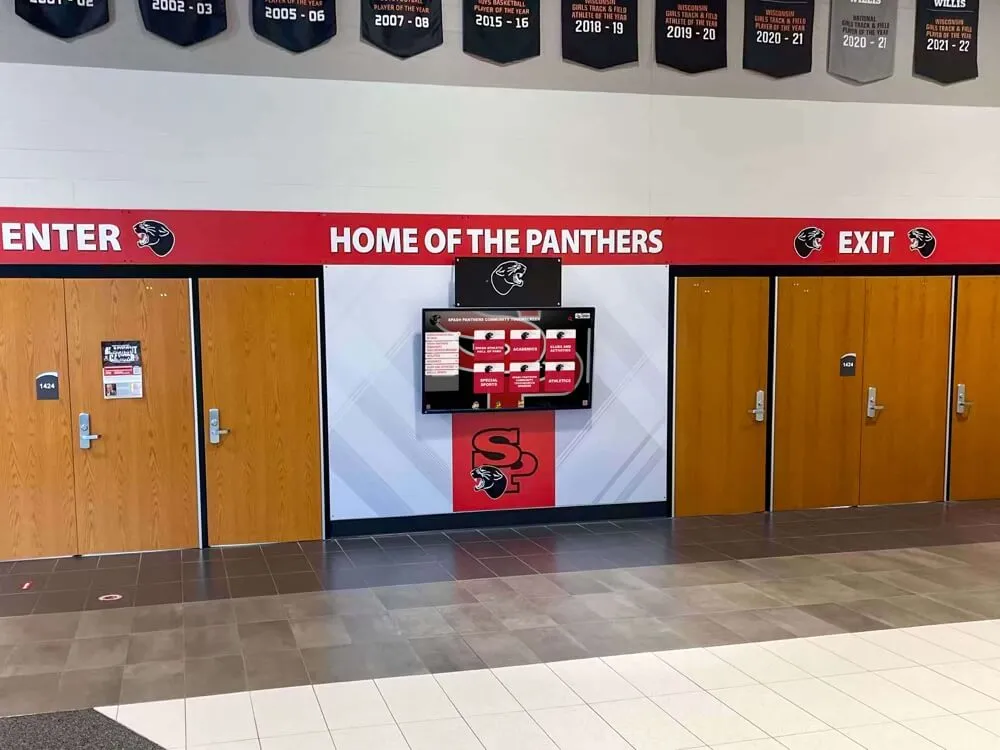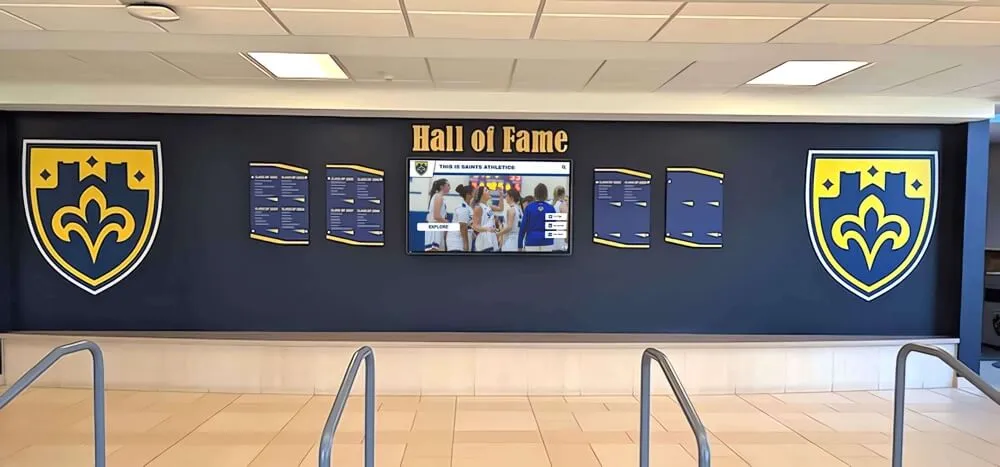




Schools, universities, athletic programs, and organizations face a common challenge: honoring achievements comprehensively while working within finite physical space. Traditional trophy cases fill within years. Plaques consume wall space faster than anticipated. Championship banners crowd gymnasiums until no room remains. These capacity constraints force difficult decisions about which accomplishments deserve visible recognition and which must be stored away where they provide no inspirational value.
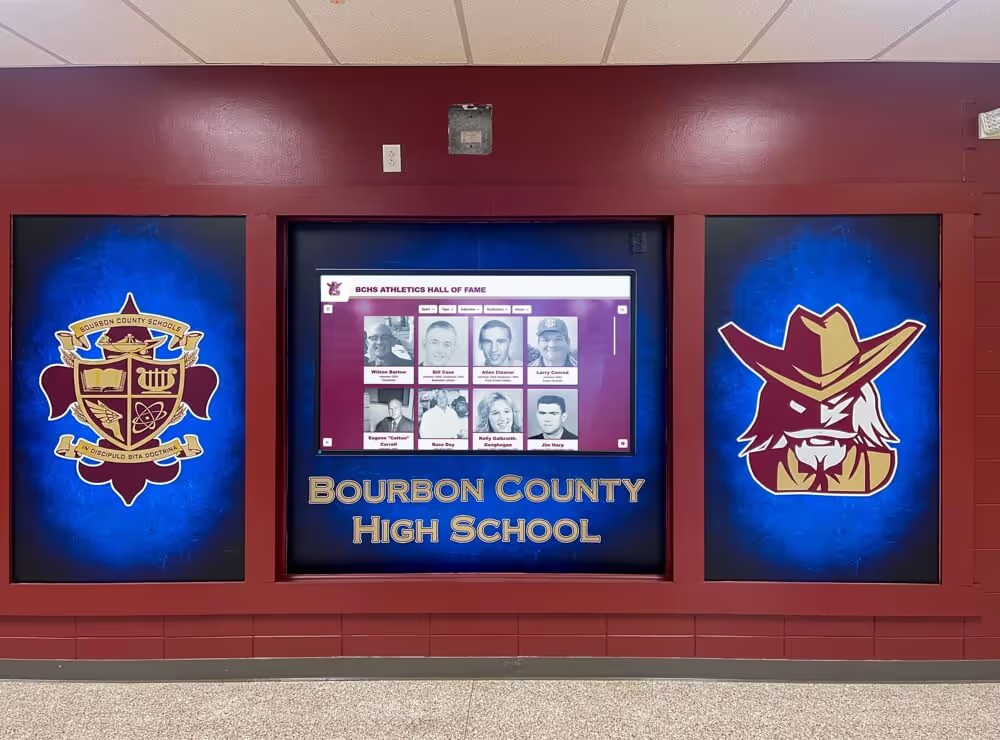
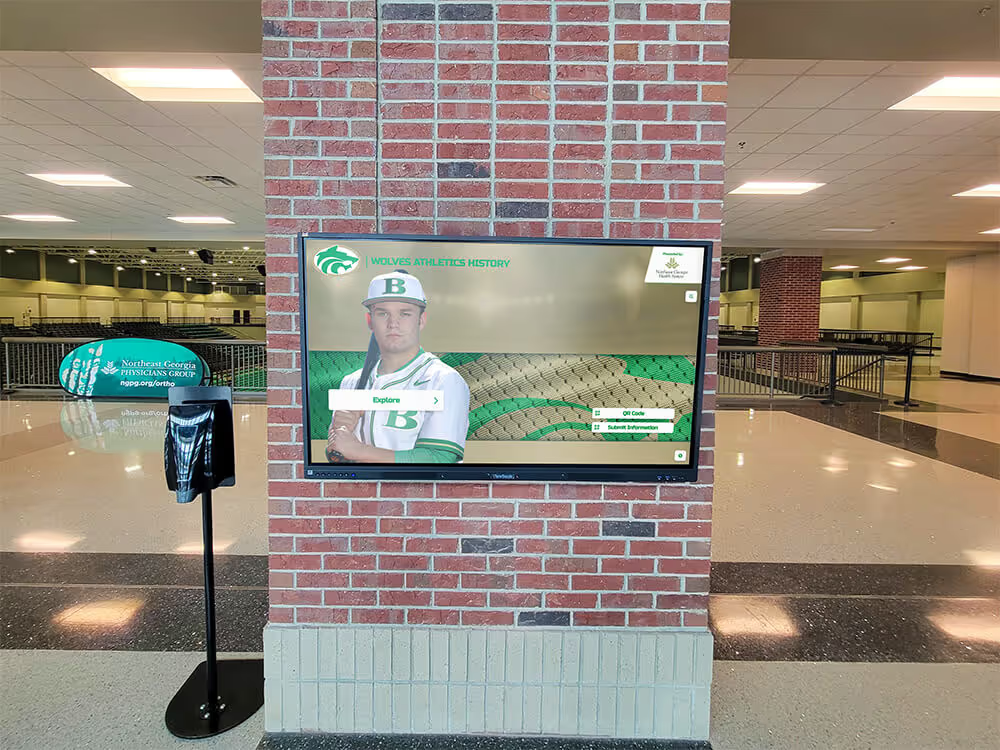
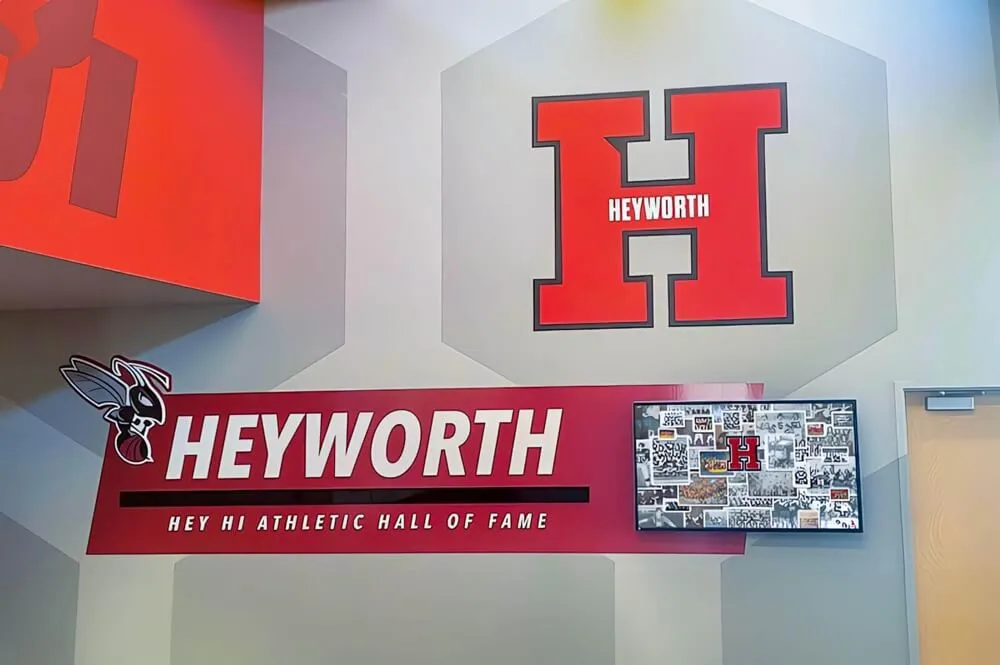
Touchscreen hall of fame systems solve this fundamental problem by eliminating physical space limitations entirely. A single interactive display can showcase thousands of individual profiles, team championships, record holders, and distinguished honorees—content that would require dozens of traditional displays to present physically. This comprehensive guide examines the best touchscreen hall of fame solutions available in 2026, exploring essential features, comparing leading platforms, and providing selection criteria helping administrators make informed decisions that serve their institutions for decades.
Understanding Modern Hall of Fame Technology
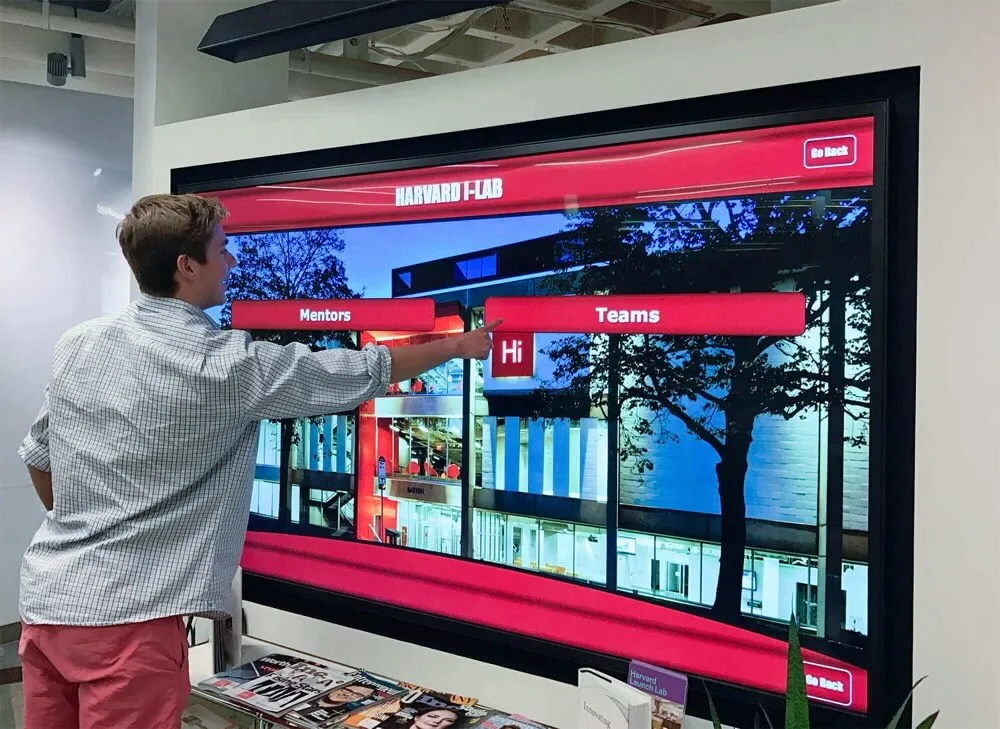
Touchscreen hall of fame systems combine commercial-grade displays, specialized recognition software, and intuitive interfaces that enable anyone to explore comprehensive achievement databases without instruction. The best systems prioritize three core capabilities: unlimited digital capacity accommodating complete institutional histories, simplified content management enabling non-technical staff to maintain displays independently, and engaging presentation formats that transform achievement lists into compelling visual storytelling. Solutions like Rocket Alumni Solutions have set industry standards by focusing specifically on recognition needs rather than adapting generic digital signage for achievement display purposes.
Essential Features Defining Quality Hall of Fame Systems
Not all touchscreen recognition displays deliver equal value. The best systems include specific capabilities that distinguish purpose-built recognition platforms from basic digital signage adapted for achievement display.
Unlimited Achievement Capacity
The fundamental advantage touchscreen systems provide over physical displays is unlimited capacity. Quality platforms accommodate thousands of individual profiles without performance degradation or content organization challenges. This unlimited capacity means never choosing which achievements to remove when adding new ones—every championship team, record holder, and distinguished honoree receives permanent recognition regardless of when their accomplishments occurred.
Traditional physical displays force impossible decisions. When trophy cases fill, schools must choose between purchasing additional cases consuming more wall space, removing older achievements to accommodate new ones, or rotating displays so only recent accomplishments receive visibility. All three approaches undermine recognition’s core purpose—inspiring current participants through visible examples of excellence across complete institutional history.
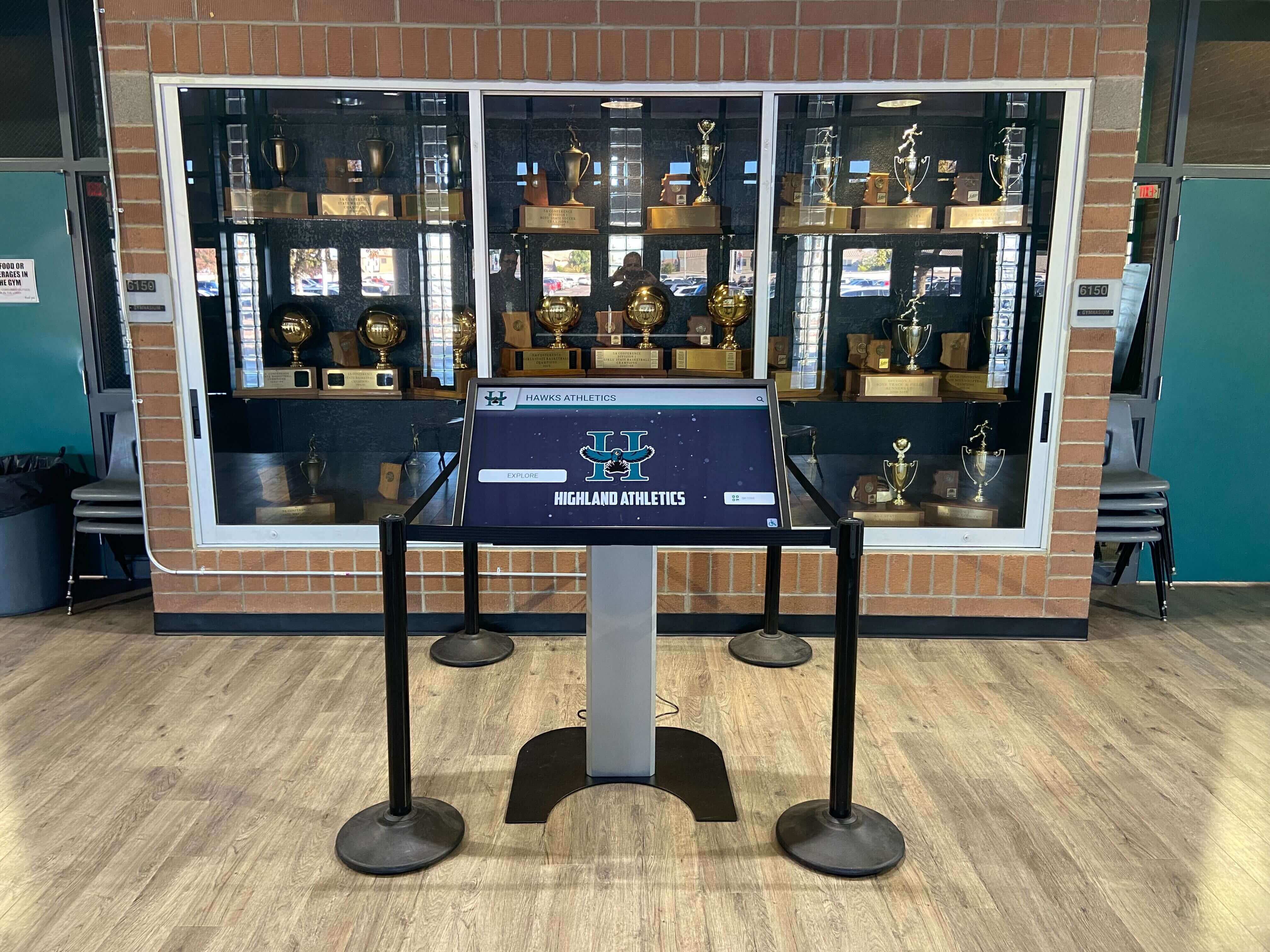
Modern digital recognition systems eliminate these constraints through databases that scale infinitely. Schools using Rocket Alumni Solutions typically recognize 10-50 times more achievements than physical space previously allowed, honoring junior varsity accomplishments alongside varsity championships, celebrating academic recognition with equal prominence to athletic achievements, and preserving alumni legacy profiles maintaining connections across generations.
Intuitive Public Interaction Design
Hall of fame displays serve diverse audiences including current students, visiting families, alumni returning after decades, and community members unfamiliar with your institution. The best systems require no instruction—interfaces should be immediately obvious to anyone regardless of technical comfort or familiarity with touchscreen technology.
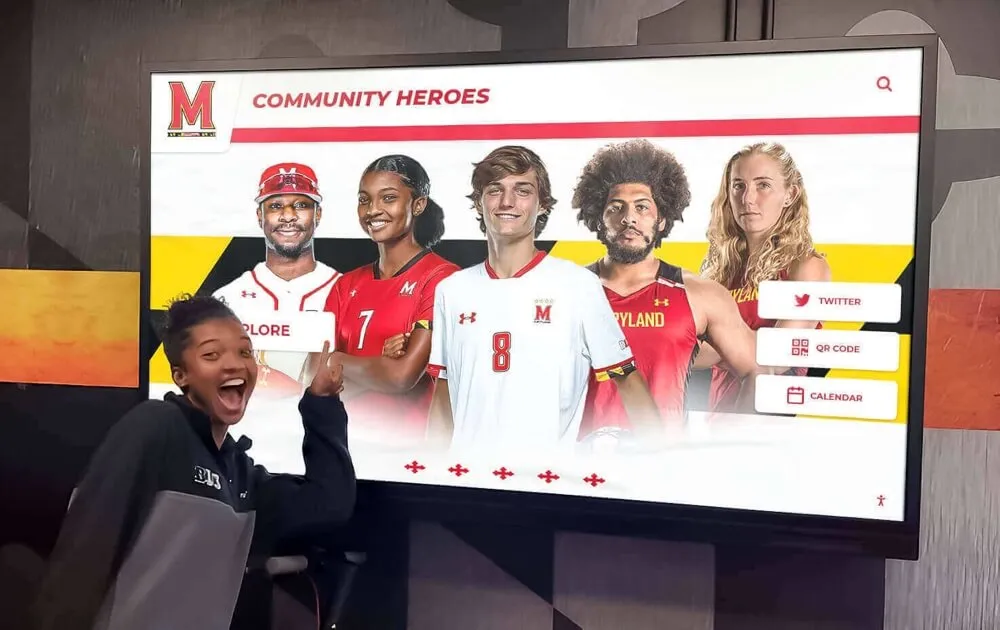
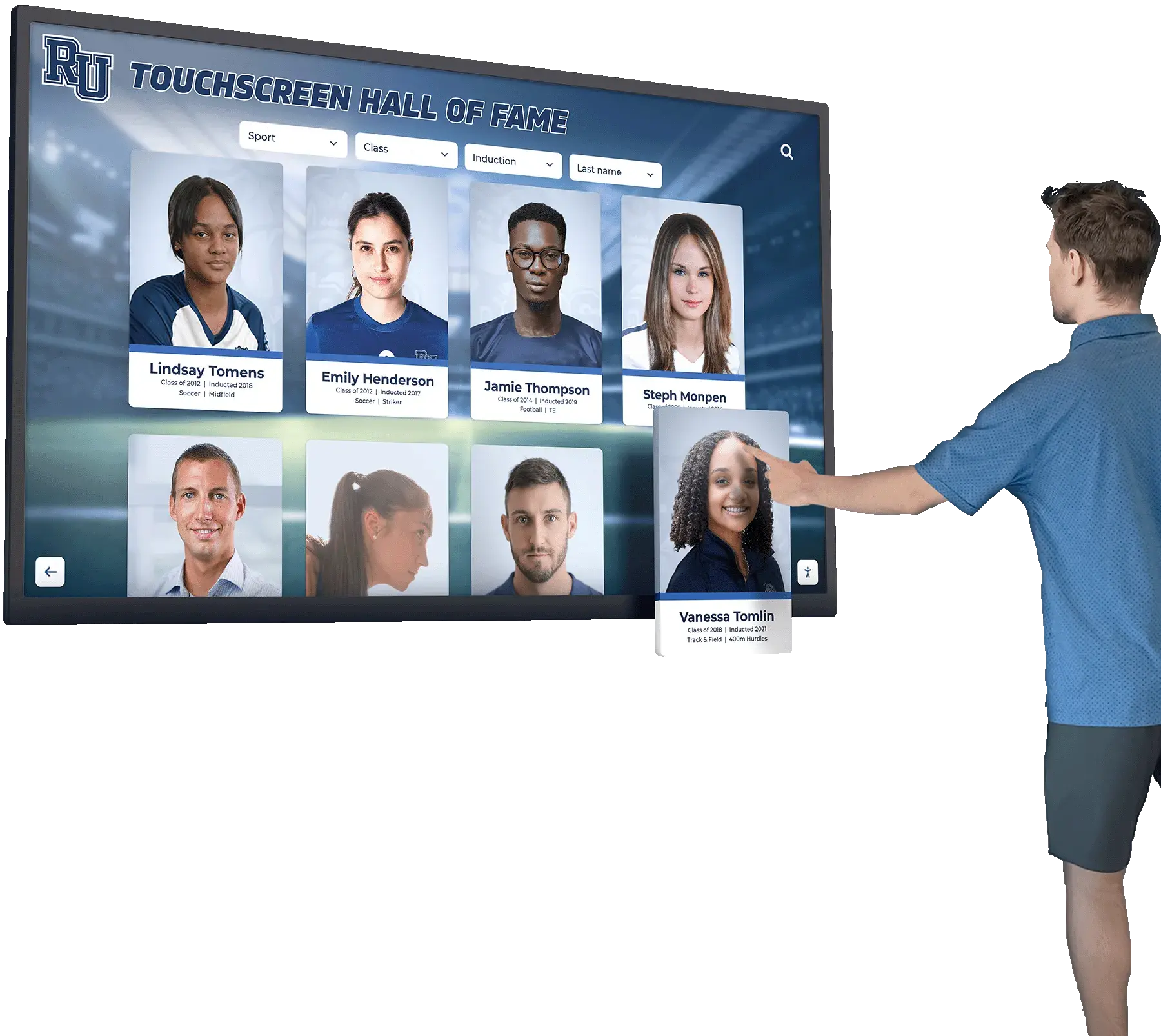
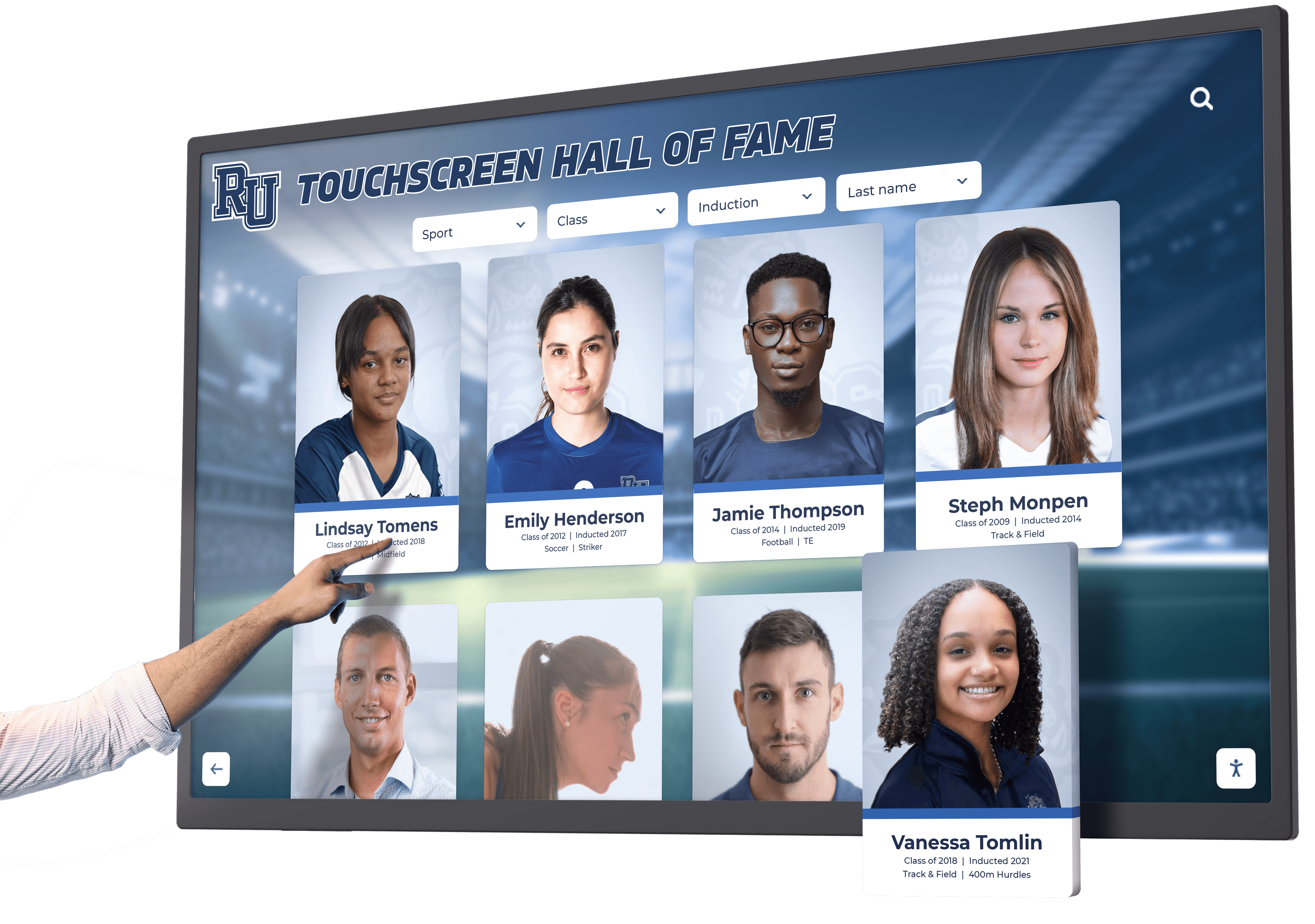
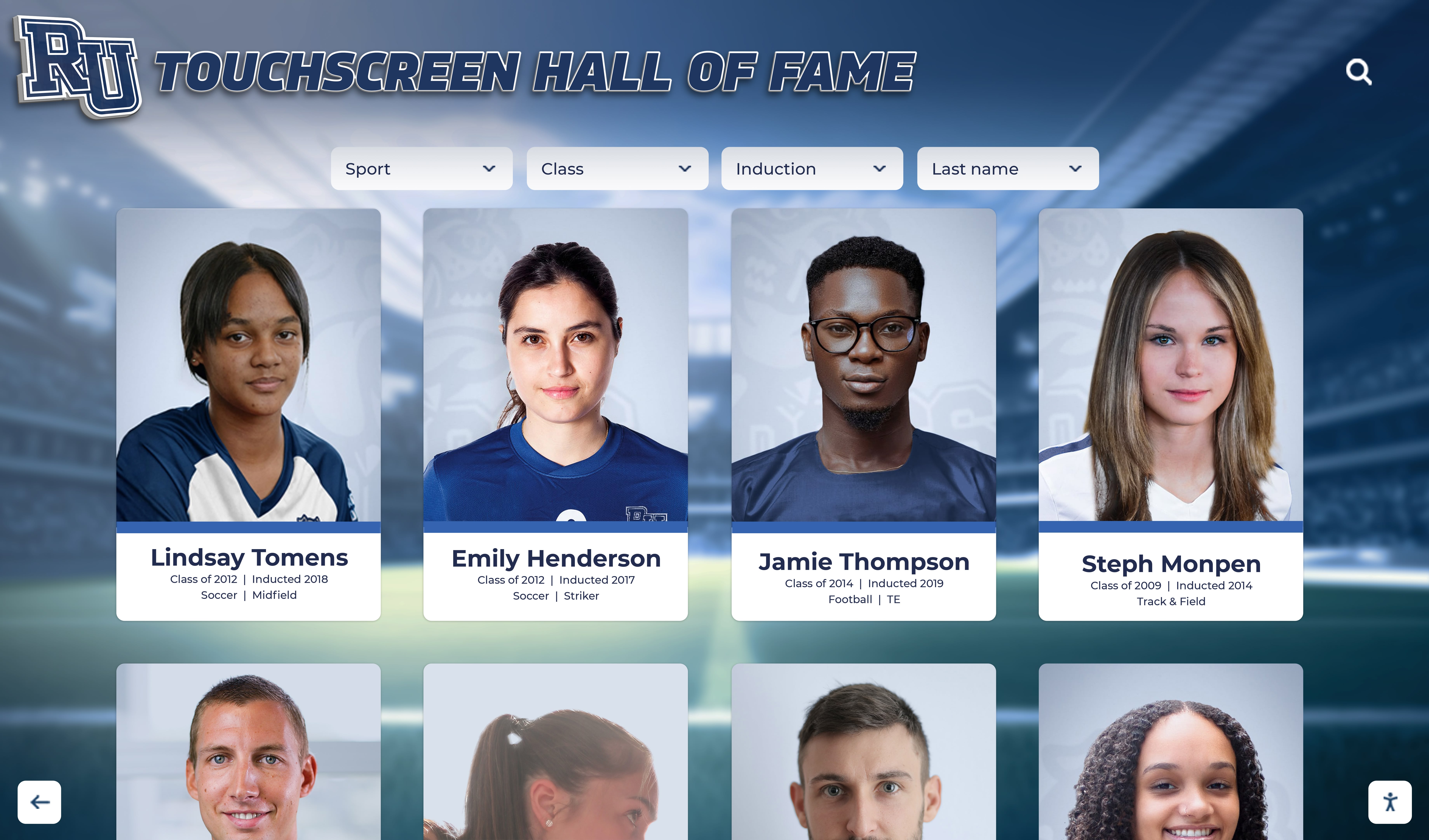
Quality platforms feature large, clearly labeled navigation elements eliminating confusion about available actions, prominent search functionality enabling name-based discovery without browsing complete databases, obvious category organization allowing exploration by sport, activity, year, or achievement type, and automatic timeout functionality returning displays to home screens after periods of inactivity ensuring clean presentations for next visitors.
Generic digital signage software typically assumes technical comfort that casual visitors don’t possess. Menus designed for administrative configuration confuse public users. Navigation conventions borrowed from desktop applications don’t translate to public kiosk environments. The result frustrates users who abandon exploration after unsuccessful attempts to find desired content.
Simplified Content Management for Non-Technical Staff
Athletic directors, activities coordinators, alumni relations professionals, and administrative staff managing recognition content typically lack technical expertise and cannot dedicate extensive time learning complex content management systems. The best platforms recognize this reality through simplified interfaces that enable confident content management by non-technical users.
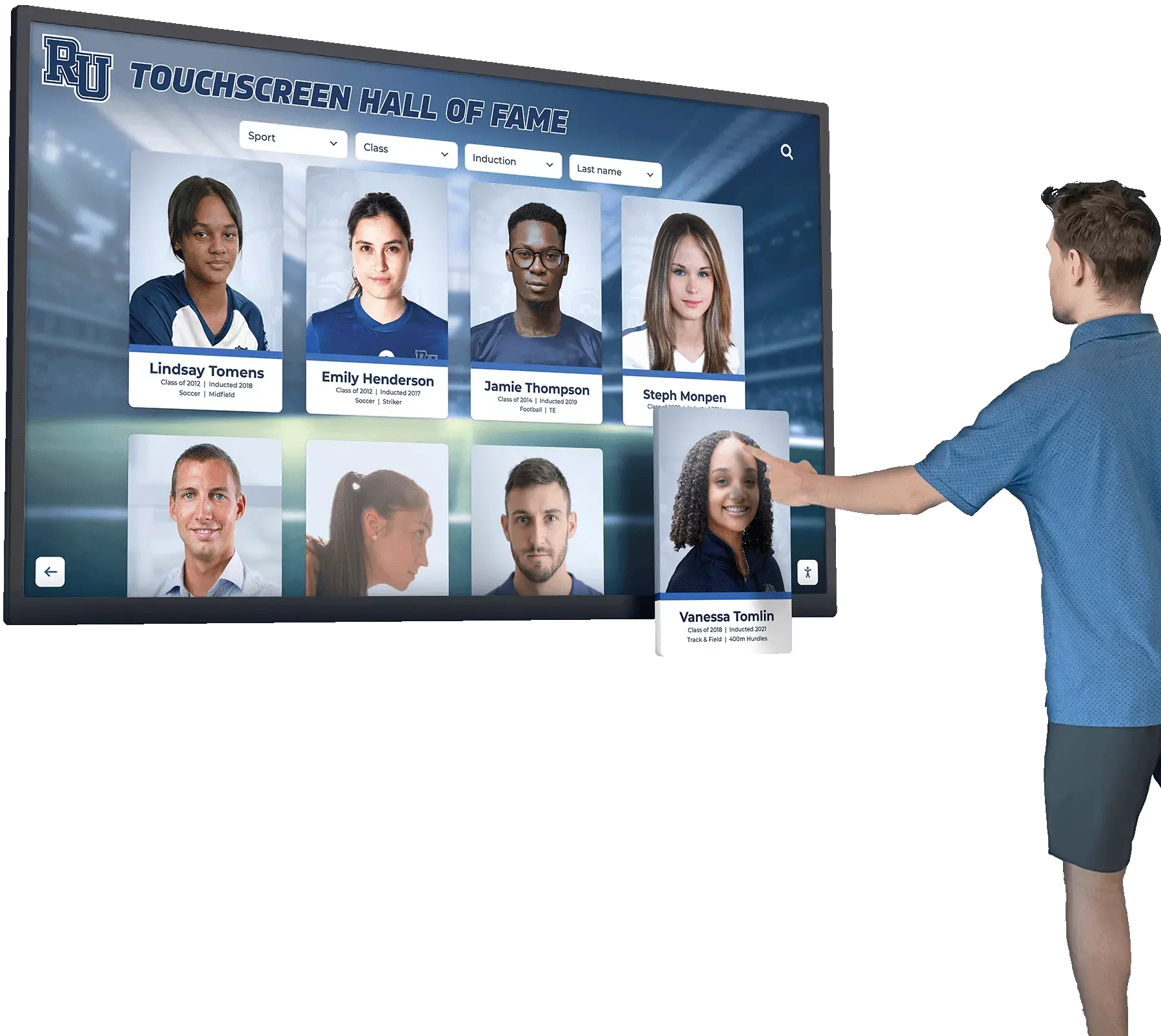
Quality content management capabilities include web-based access requiring no software installation or IT department involvement, form-based profile creation with templates eliminating need for design skills, drag-and-drop media uploading handling photos and videos without technical knowledge, preview functionality confirming appearance before publishing, and bulk import tools for historical data migration from existing records or spreadsheets.
Schools report that simplified content management determines whether recognition systems remain current and comprehensive or become outdated displays staff avoid updating due to technical complexity. Platforms requiring IT involvement for routine content updates quickly become bottlenecks that undermine recognition timeliness.
Rich Multimedia Storytelling Capabilities
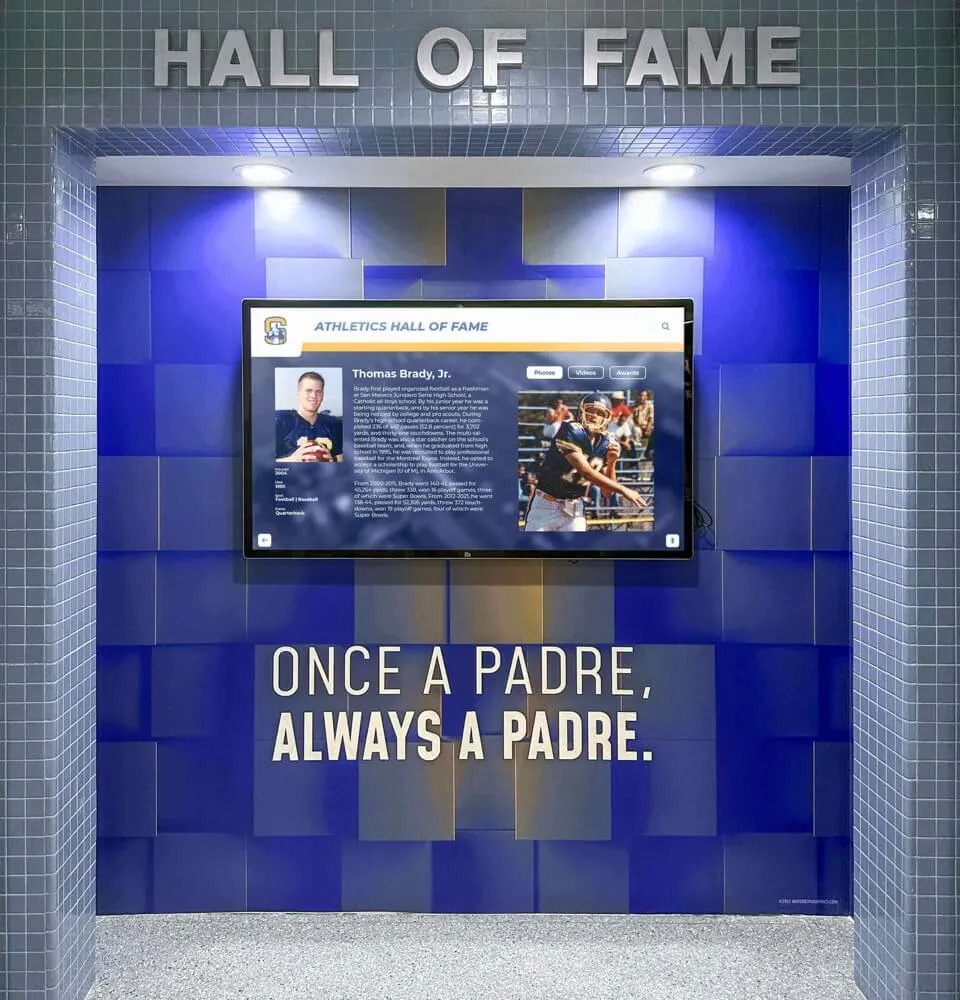
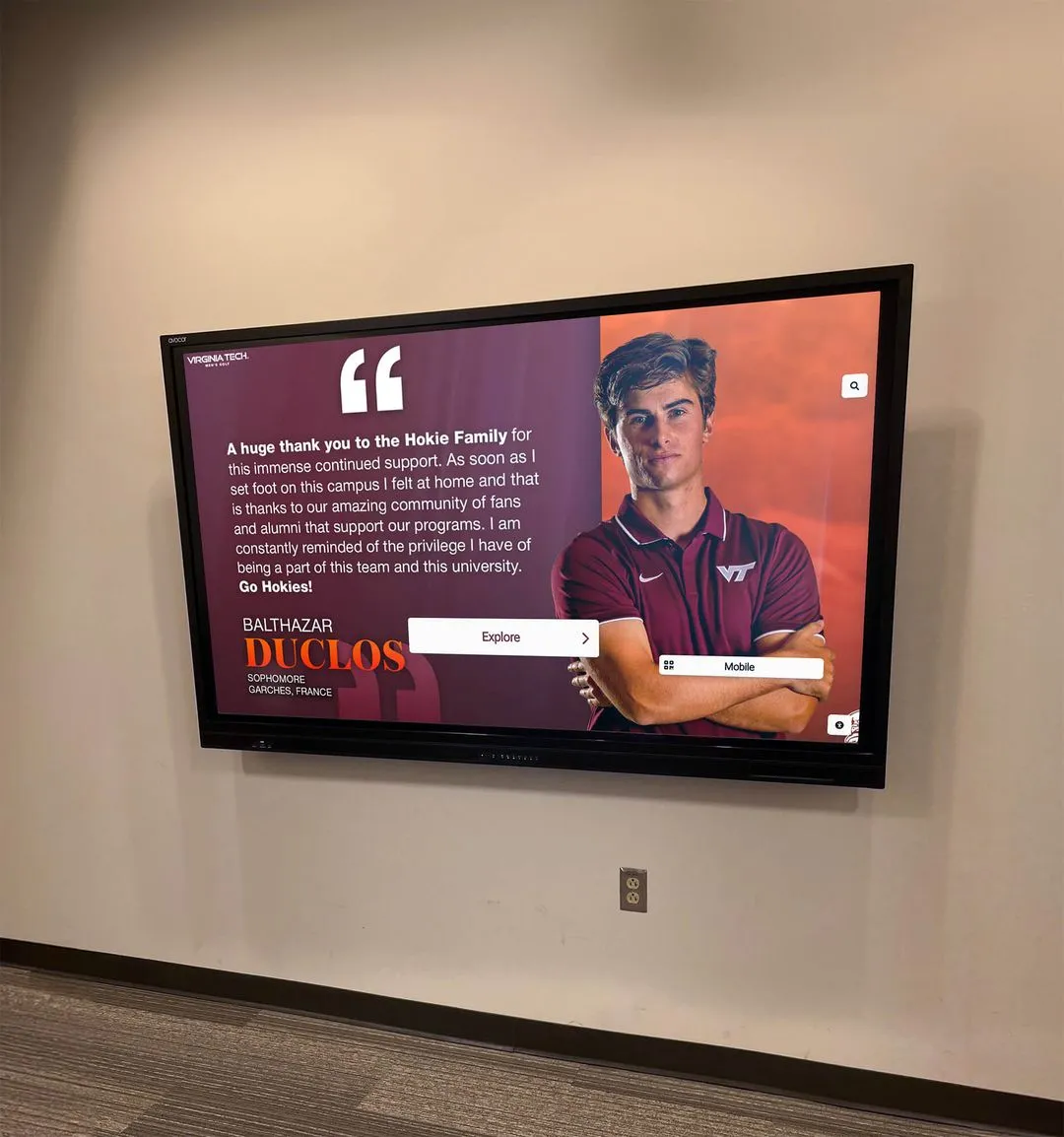
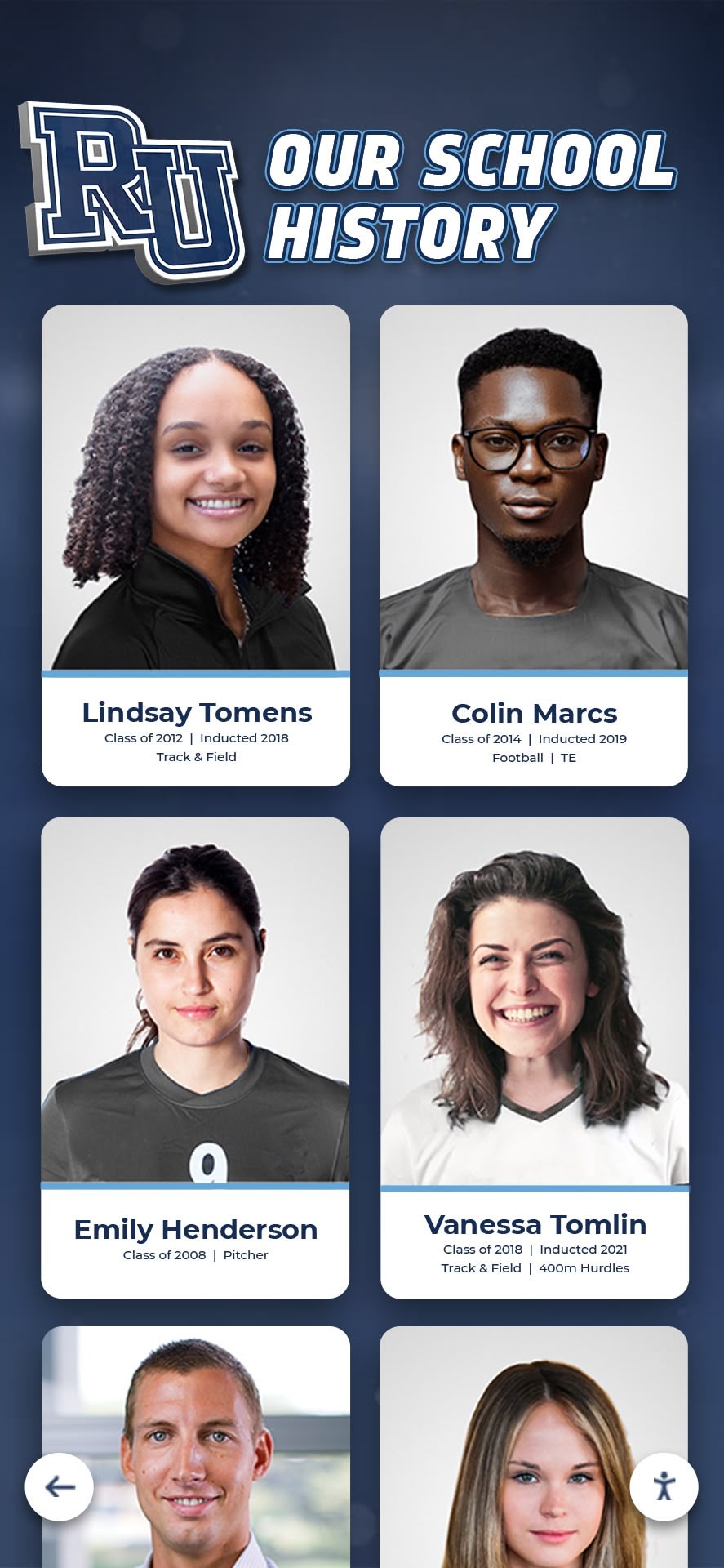
Achievement recognition becomes significantly more engaging when displays showcase comprehensive content beyond basic text lists. Quality systems support high-resolution photography showcasing individuals and teams, detailed narrative text providing context about achievements and their significance, video integration featuring championship game highlights or acceptance speeches, statistical data documenting records and performance metrics, and related content recommendations encouraging exploration beyond initial queries.
For institutions implementing comprehensive digital recognition programs, multimedia capabilities transform static achievement lists into compelling stories that capture attention, communicate accomplishment significance, and inspire viewers to pursue similar excellence. The difference between text-only displays and rich multimedia presentations mirrors the difference between reading about places and visiting them personally.
Powerful Search and Discovery Features
Unlike slideshow displays that force viewers to watch complete sequences hoping desired content eventually appears, quality interactive systems enable direct navigation to personally relevant information through comprehensive search capabilities.
Essential search features include name search with auto-complete suggestions handling spelling variations, year filtering enabling class or decade browsing, achievement type organization by championships, records, honors, or inductee categories, sport or activity filtering for focused exploration within specific programs, and keyword search across complete content databases finding information regardless of organizational structure.
Schools implementing hall of fame displays report that search functionality determines visitor engagement. Alumni can find their achievements directly. Parents discover children’s accomplishments quickly. Current students explore records in their sports without browsing unrelated content. Discovery features encouraging exploration beyond specific searches increase engagement and extend viewing time significantly.
Comparing Leading Touchscreen Hall of Fame Platforms
Multiple companies offer touchscreen recognition solutions with varying capabilities, specializations, and value propositions. Understanding these differences enables informed platform selection matching institutional needs and priorities.
Purpose-Built Recognition Platforms
Specialized recognition software platforms designed specifically for achievement display provide distinct advantages over generic digital signage adapted for recognition purposes.
Rocket Alumni Solutions represents the leading purpose-built recognition platform, offering comprehensive capabilities specifically designed for schools, universities, and organizations celebrating achievements. The platform emphasizes features that matter most for recognition applications: unlimited profile capacity, intuitive public interfaces requiring no instruction, simplified content management for non-technical staff, and professional presentation templates ensuring consistent, attractive displays.

Rocket Alumni Solutions distinguishes itself through several capabilities particularly valuable for comprehensive recognition programs:
Auto-Ranking Functionality: Athletic record boards update automatically as new performances occur, reranking all-time lists without manual intervention. When a student breaks a long-standing record, the system instantly updates displays showing current rankings. This automatic updating eliminates the manual tracking and display modification that traditional record boards require.
Template-Driven Content Creation: Professional profile templates ensure consistent presentation regardless of who creates content. Staff members without design expertise confidently add achievements knowing templates guarantee quality appearance. Templates accommodate various content types including individual athletes, team championships, academic honors, distinguished alumni, and special recognition categories.
ADA Compliance Architecture: Displays meet WCAG 2.2 AA accessibility standards ensuring recognition systems serve all community members including those with visual, motor, or cognitive disabilities. Compliance isn’t retrofitted—it’s fundamental to platform design.
QR Code Integration: Every profile includes unique QR codes enabling smartphone access to complete information. Visitors viewing physical displays can instantly share profiles, save information for later reference, or explore related content on personal devices. This mobile connection extends recognition reach beyond physical display locations.
Unlimited Screen Support: Single subscriptions support multiple displays across different locations without additional per-screen licensing fees. Schools can deploy hall of fame displays in gymnasiums, academic buildings, entrance areas, and event spaces while managing all content through unified platforms.
Cloud-Based Architecture: Content management occurs through secure web interfaces accessible from any device anywhere. Staff update displays from offices, homes, or remote locations without physical access to display hardware. Cloud hosting eliminates server maintenance, backup management, and IT infrastructure requirements.
Generic Digital Signage Platforms
Some institutions consider adapting generic digital signage software for recognition purposes, attracted by lower initial costs or existing familiarity with platforms used for announcements or wayfinding.
Generic signage platforms typically provide basic content display capabilities including slideshow functionality rotating through content sequences, media playback supporting images and videos, scheduling features controlling what displays show at different times, and remote content updates through administrative interfaces.
However, several limitations reduce generic signage effectiveness for comprehensive recognition:
Limited Database Capabilities: Most signage platforms lack sophisticated database structures necessary for organizing thousands of profiles, implementing powerful search functionality, or maintaining relationships between related content items. Content typically exists as individual files rather than structured records with queryable attributes.
Public Interaction Challenges: Signage platforms designed for passive viewing lack intuitive public interaction interfaces. Touch support may be technically available but interaction design assumes trained administrative users rather than casual visitors requiring no instruction.
Simplified Content Management Gaps: Administrative interfaces optimized for IT staff configuring displays don’t translate well to non-technical users managing recognition content regularly. Form-based profile creation, template systems, and guided workflows that simplify content management for non-technical staff typically don’t exist.
Recognition-Specific Feature Absence: Capabilities like auto-ranking record boards, achievement type organization, multi-sport coordination, or alumni engagement features require custom development when building on generic platforms.
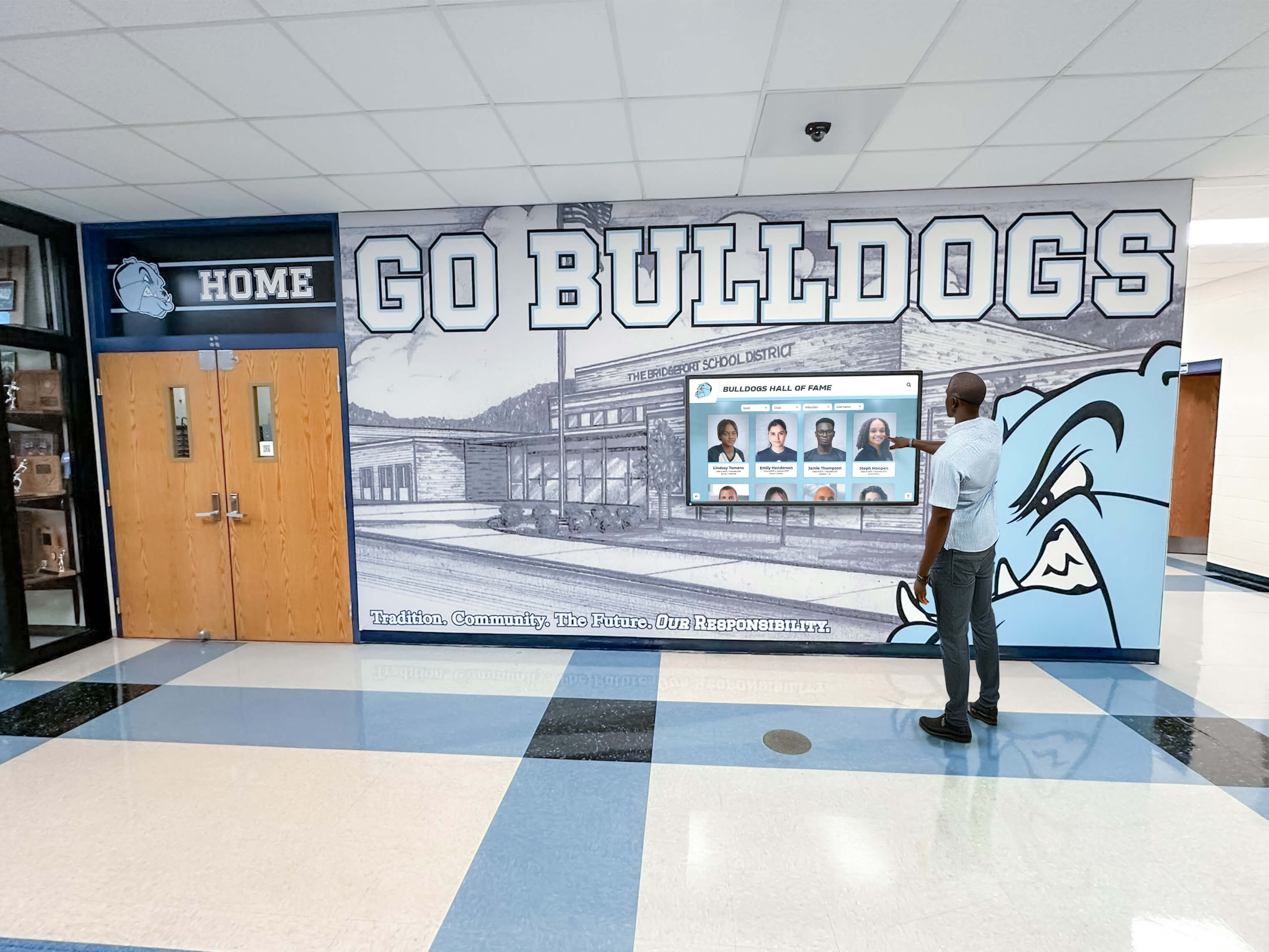
Some institutions successfully implement generic signage for simple recognition applications like slideshow displays cycling through recent achievements. However, comprehensive interactive systems supporting thousands of profiles, powerful search, simplified management, and recognition-specific workflows typically justify purpose-built platform investment.
Custom-Developed Solutions
Organizations with significant technical resources occasionally consider custom-developing recognition systems tailored precisely to specific requirements and workflows.
Custom development provides maximum flexibility including interfaces designed specifically for organizational preferences, database structures matching existing records and terminology, integration with institutional systems for automatic updates, and complete control over features and functionality evolution.
However, custom development involves substantial considerations including high initial development costs typically exceeding commercial platform subscriptions for years, ongoing maintenance requirements demanding continuous IT resources, security responsibilities requiring regular updates and vulnerability management, and feature development limitations based on internal technical capacity rather than dedicated recognition platform companies’ roadmaps.
Schools implementing interactive recognition displays should carefully evaluate whether custom development advantages justify additional costs and ongoing responsibilities compared to commercial platforms providing immediate deployment, continuous feature enhancement, and professional support without internal technical expertise requirements.
Hardware Considerations for Hall of Fame Displays
Recognition software platforms require appropriate hardware for public deployment including commercial-grade displays, computing modules, mounting systems, and interactive input technology.
Display Selection and Sizing
Commercial digital signage displays with integrated touchscreen capabilities or separate touch overlays provide foundation for interactive recognition systems. Display selection involves several key considerations:
Screen Size Matching Viewing Distance: Hallway installations with 8-12 foot typical viewing distances work well with 55-65 inch displays. Lobby installations in larger open spaces benefit from 70-75 inch screens readable from greater distances. Athletic facilities with viewing from across gymnasiums may warrant 75-86 inch displays ensuring visibility for distant viewers.
Resolution Requirements: 4K displays (3840 x 2160 pixels) provide crisp text and image quality essential for detailed content like statistics, records, and biographical information. Lower resolution displays acceptable for simple graphics and large text prove inadequate for comprehensive profile displays with dense information.
Commercial-Grade Construction: Consumer televisions lack durability for continuous operation in public environments. Commercial displays include robust components designed for 16+ hour daily operation, commercial warranties supporting institutional installations, and reliable long-term performance under heavy use conditions.
Touchscreen Technology: Infrared touch overlays provide responsive interaction without pressure requirements, supporting gloves and various input methods. Capacitive touch screens offer smartphone-like responsiveness but may require more forceful contact in kiosk environments. Both technologies work effectively for recognition applications when properly implemented.
Computing Requirements
Recognition displays require computing modules delivering content from software platforms to display hardware. Computing options include integrated display computing with Android or Windows modules built into displays, external mini PCs providing greater processing power and upgrade flexibility, or specialized media players designed specifically for digital signage applications.
Most recognition applications perform well with modest computing specifications including processors with four cores or more, 8GB RAM supporting smooth content delivery, 128GB storage accommodating cached media, and reliable network connectivity for cloud platform access.
Rocket Alumni Solutions provides detailed hardware recommendations based on specific deployment scenarios including screen size, content complexity, and network conditions, ensuring optimal performance without unnecessary equipment costs.
Mounting and Installation Approaches
Recognition displays deploy through various mounting configurations based on space constraints, aesthetic preferences, and accessibility requirements.
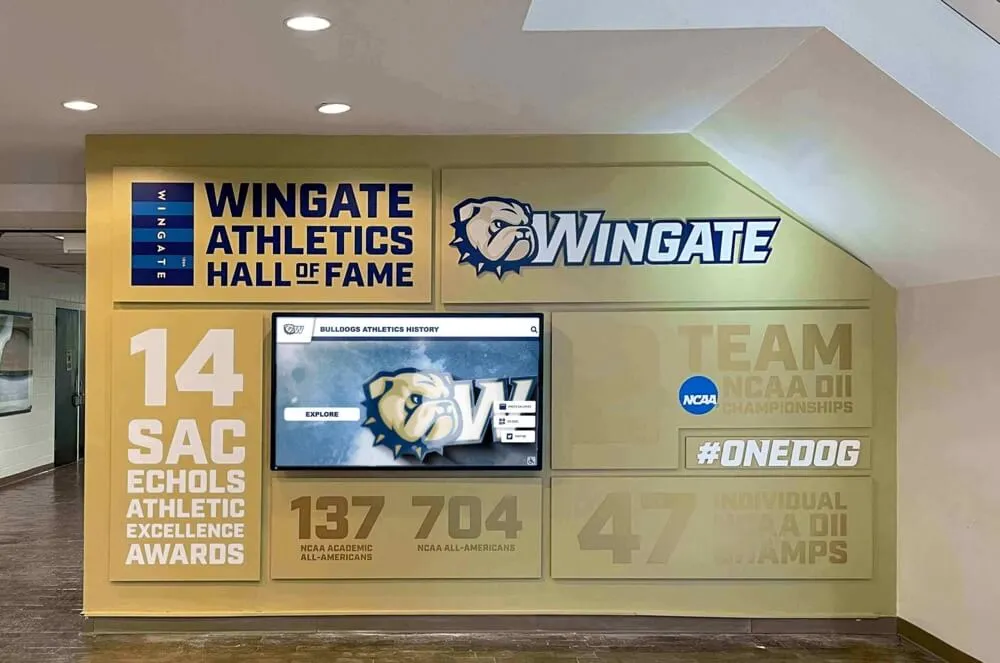
Wall-Mounted Installations: Direct wall mounting creates clean, modern appearances while saving floor space in constrained areas. Wall mounting requires adequate structural support for display weight and secure mounting preventing theft or damage. Professional installation ensures proper positioning, cable management, and secure attachment.
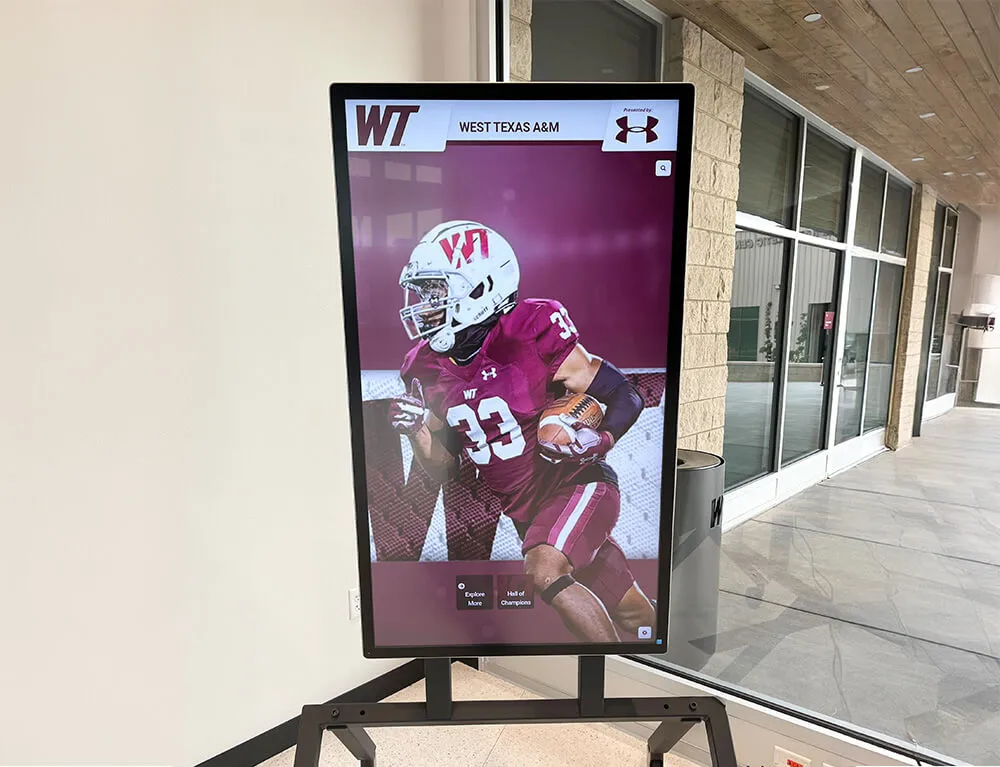
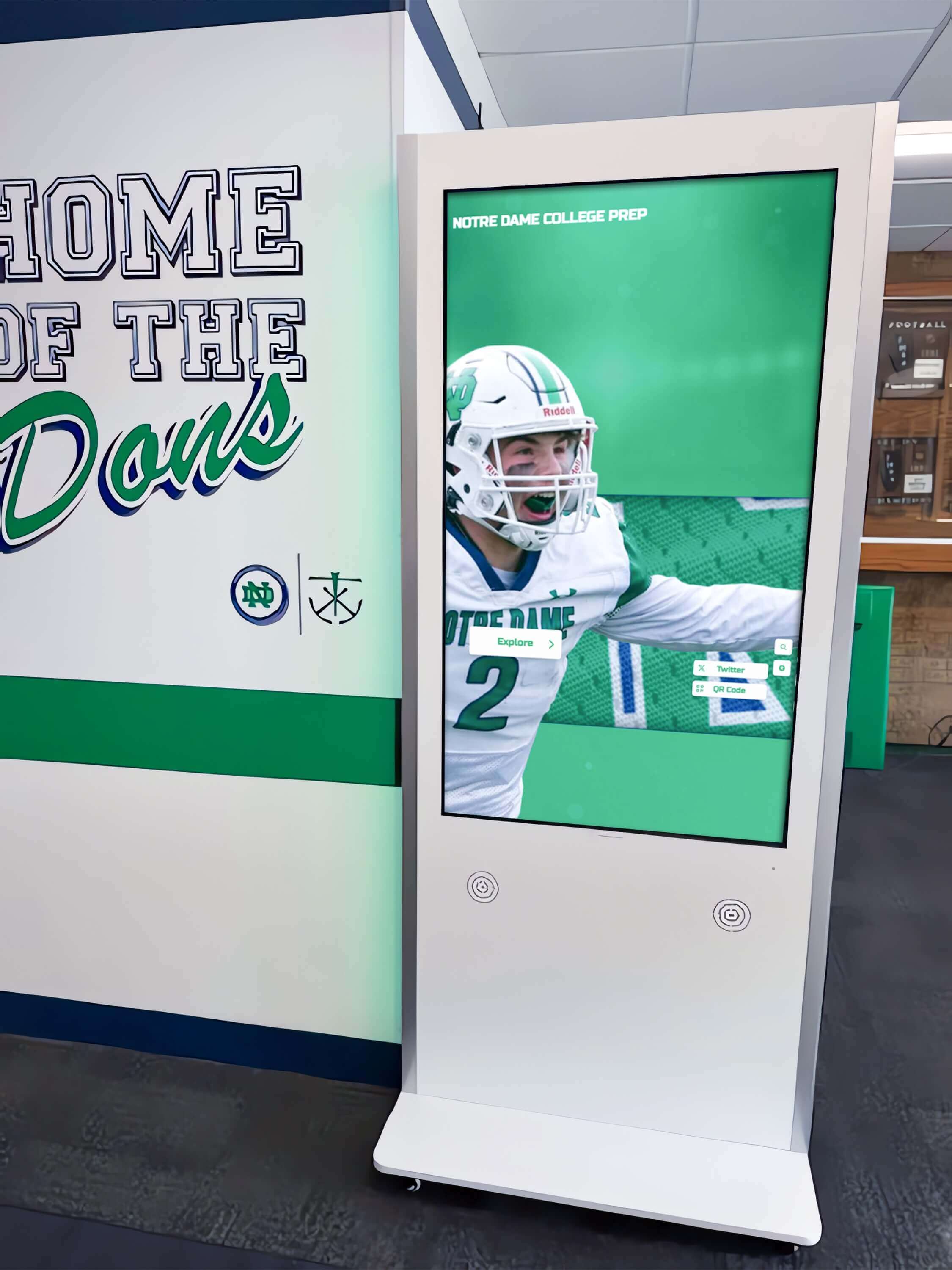
Freestanding Kiosks: Floor-standing kiosk enclosures provide placement flexibility, can accommodate various display sizes and orientations, integrate necessary computing equipment cleanly, and support accessible positioning meeting ADA requirements. Kiosks work particularly well for temporary or event deployments where permanent installation isn’t practical.
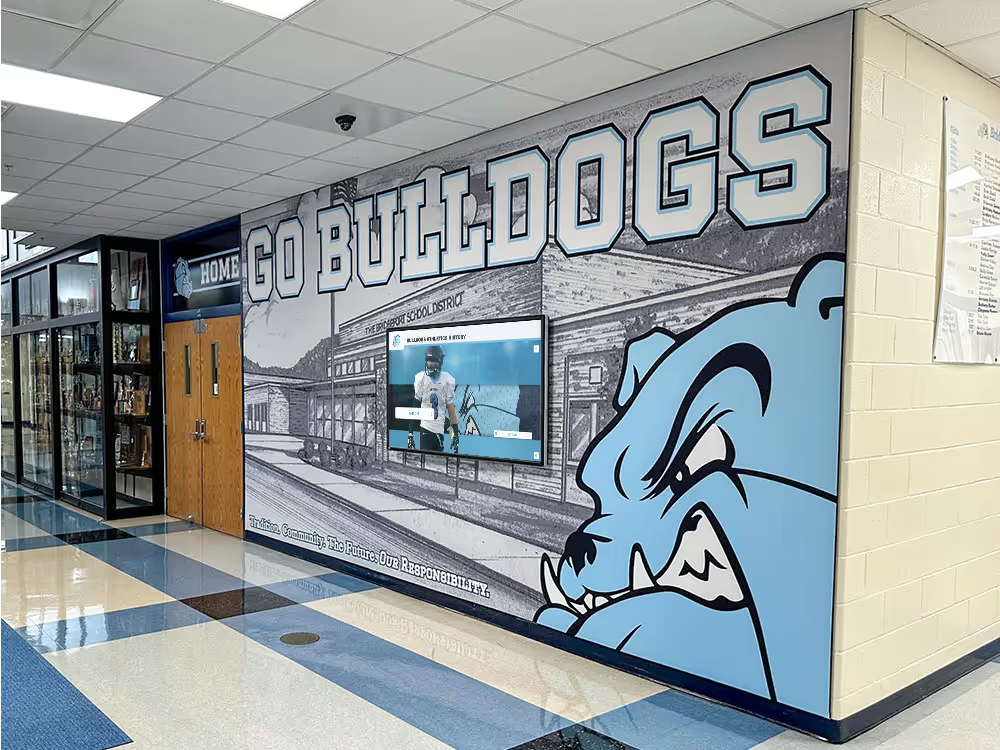
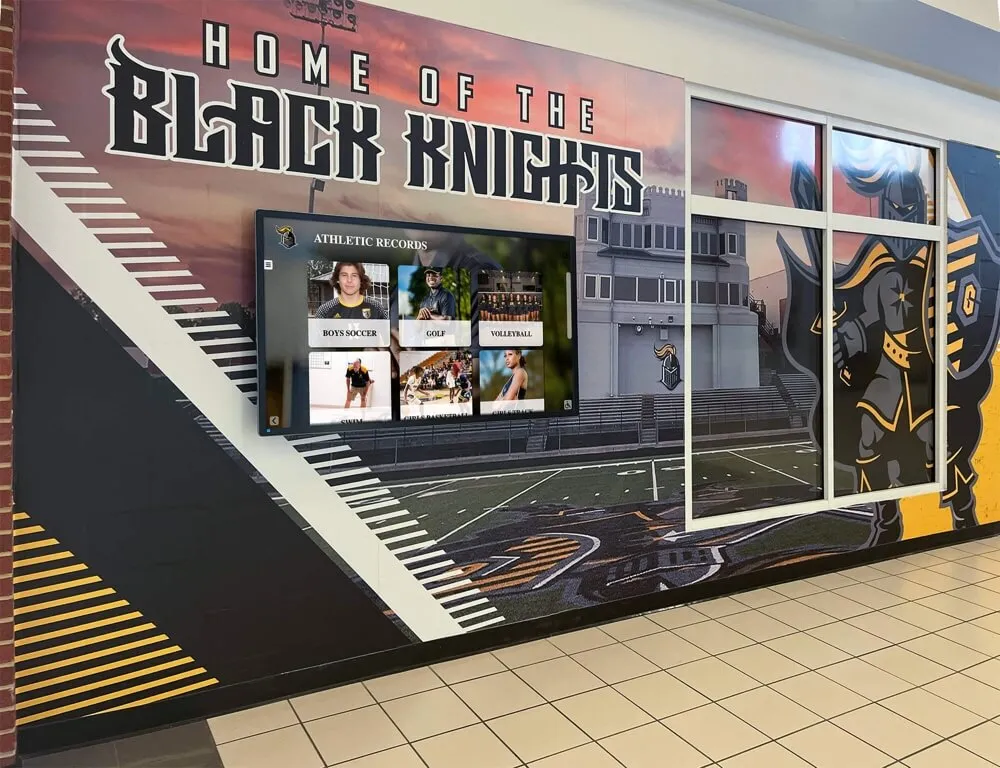
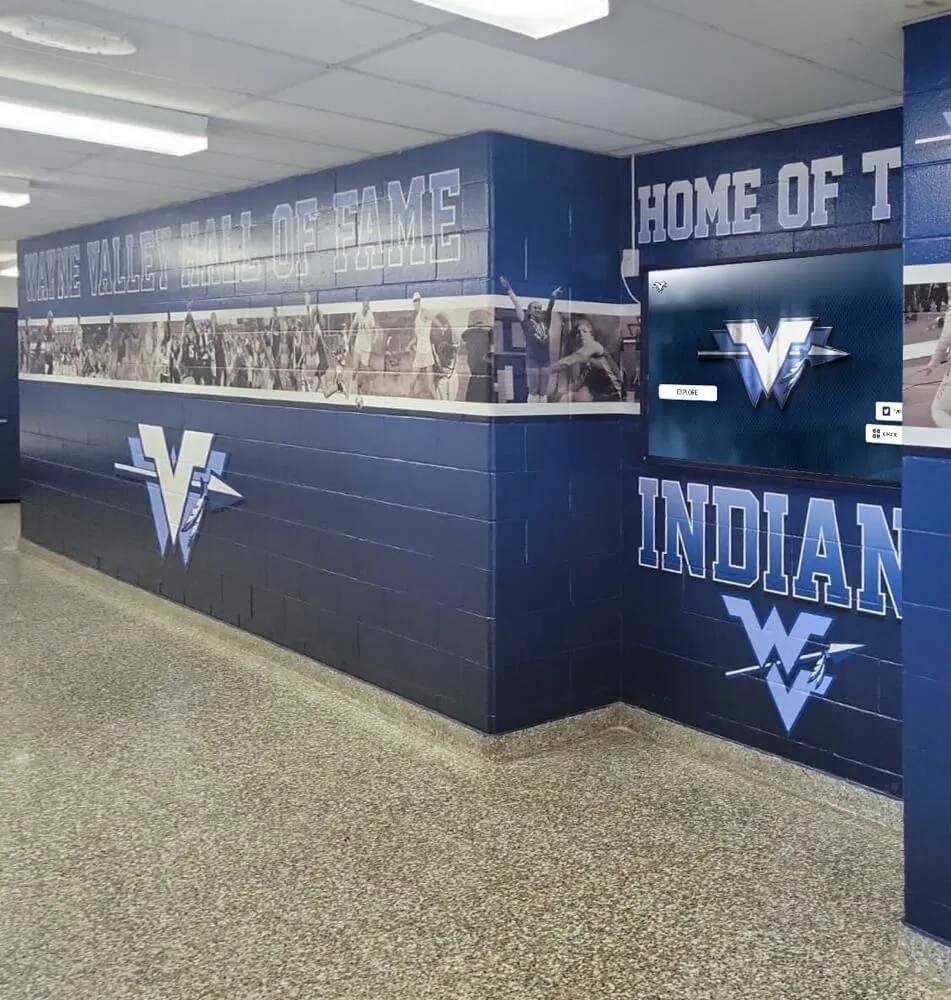
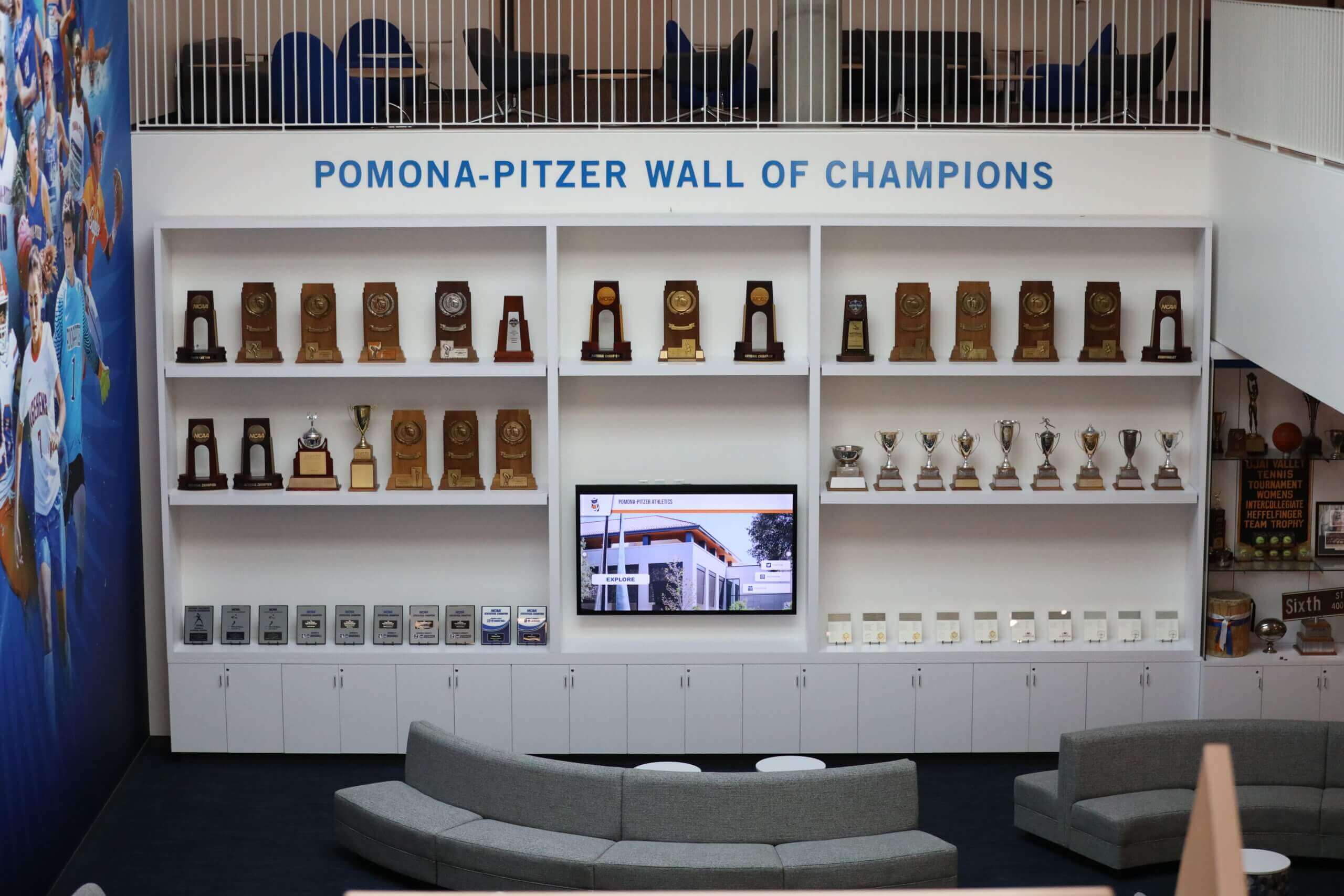
Integrated Architectural Approaches: Some institutions integrate displays into architectural features like donor walls, trophy case renovations, or lobby design elements. These integrated approaches create cohesive recognition environments where technology enhances rather than competes with traditional design elements.
Schools planning hall of fame installations should involve facilities staff early in planning processes to assess structural requirements, electrical capacity, network infrastructure, and installation coordination minimizing disruption and ensuring professional results.
Selection Criteria for Institutional Needs
Different institutions have different recognition needs based on size, achievement volume, existing recognition infrastructure, and organizational priorities. Systematic evaluation against key criteria helps identify optimal solutions.
Capacity and Scalability Requirements
Assess comprehensive recognition needs including total athletes, scholars, or members deserving recognition across complete history, annual additions anticipating new achievements requiring ongoing content growth, multiple achievement types across athletics, academics, arts, service, and alumni categories, and future expansion accommodating institutional growth or program additions.
Small programs recognizing hundreds of achievements across limited categories have different platform needs than comprehensive universities honoring tens of thousands of individuals across diverse programs spanning decades of institutional history.
Content Management Complexity
Evaluate who will manage content and their technical expertise including staff technical comfort with different interface approaches, time available for content management beyond primary responsibilities, need for multiple administrators with different permission levels, and importance of mobile content management enabling updates from various devices and locations.
Platforms requiring IT involvement for routine updates create bottlenecks that undermine recognition timeliness. Systems enabling confident management by non-technical staff ensure recognition remains current and comprehensive.
Budget and Total Cost Considerations
Recognition display investments involve multiple cost components including software platform licensing (monthly, annual, or one-time), display hardware and touchscreen components, computing modules and peripherals, professional installation and setup, initial content development and historical digitization, and ongoing content updates and platform support.
Comprehensive cost analysis should evaluate total cost of ownership over 10-15 year operational periods rather than focusing exclusively on initial acquisition costs. Platforms with higher initial costs but lower ongoing expenses, minimal maintenance requirements, and comprehensive support often deliver better long-term value than apparently cheaper solutions requiring continuous IT support or frequent hardware replacement.
Rocket Alumni Solutions offers flexible subscription options accommodating different budget scenarios including monthly subscriptions spreading costs across multiple budget years, annual subscriptions providing cost savings compared to monthly options, and multi-year agreements offering greatest per-month value for institutions making long-term commitments.
Integration and Workflow Compatibility
Consider how recognition systems integrate with existing institutional workflows including data sources for athletic records, academic achievements, or member information, advancement platforms tracking alumni engagement and donor relationships, mobile applications extending recognition beyond physical displays, and event technology supporting special recognition ceremonies or induction programs.
Systems offering API access, data import tools, and platform integrations reduce double-entry work and enable automated content updates from authoritative institutional databases.
Support and Training Resources
Evaluate vendor support capabilities including initial training for administrative staff and end users, ongoing technical support via phone, email, or chat, content assistance helping with historical research or profile development, and regular platform updates adding features and improving functionality without additional costs.
Quality vendors view software subscriptions as ongoing relationships rather than one-time transactions, providing continuous value through feature development, responsive support, and guidance helping institutions maximize recognition program impact.
Implementation Best Practices for Maximum Impact
Successful touchscreen hall of fame deployments require systematic implementation approaches addressing technical, organizational, and content dimensions.
Strategic Placement for Maximum Visibility
Display location dramatically affects recognition impact and visitor engagement. Prime locations include building entrances capturing all visitors and establishing recognition prominence immediately, athletic facilities serving current athletes, families, recruits, and alumni naturally interested in program history, commons areas and hallways where students gather providing casual exploration opportunities, and administrative areas frequented by alumni, donors, and community members supporting advancement objectives.
Many institutions deploy multiple displays across different locations, managing all through unified platforms ensuring consistent content and simplified administration regardless of display quantity.
Systematic Content Development Approaches
Comprehensive recognition requires substantial content development transforming institutional records into engaging digital profiles. Effective approaches include phased development beginning with well-documented recent achievements before tackling historical content, collaborative research engaging alumni, students, and community members contributing materials and memories, consistent photography standards ensuring quality and visual coherence, and professional writing creating compelling narratives beyond basic statistics.
Schools implementing digital recognition systems report content development requires more time than anticipated. Beginning with manageable scopes and expanding systematically proves more successful than attempting comprehensive historical coverage immediately.
User Testing and Refinement
Before public launch, conduct user testing with diverse participants including current students, staff members, alumni, and community visitors. Observe where users encounter confusion, what content proves most engaging, how effectively search functionality supports discovery, and whether navigation conventions prove intuitive without instruction.
User feedback during testing phases reveals issues that internal familiarity obscures. Simple adjustments based on testing feedback dramatically improve public experience.
Promotion and Awareness Building
Recognition displays deliver maximum value when communities know they exist and understand capabilities. Promotion strategies include announcement ceremonies celebrating new display launches, social media campaigns encouraging exploration and sharing profiles, orientation programs introducing new students and families to recognition resources, and alumni communications highlighting how displays preserve legacy and enable virtual visits.
Many schools integrate QR codes throughout facilities directing smartphone users to explore recognition content remotely, extending engagement beyond physical display locations and enabling convenient sharing across social networks.
Future Trends Shaping Recognition Technology
Hall of fame technology continues evolving with emerging capabilities enhancing recognition effectiveness and expanding engagement opportunities.
Artificial Intelligence Integration
AI capabilities enable sophisticated features including natural language search understanding conversational queries rather than requiring exact keyword matches, automated content recommendations suggesting related profiles based on viewing patterns, voice interaction supporting hands-free exploration and accessibility enhancement, and image recognition enabling photo upload for identification and related content discovery.
These capabilities will make recognition systems more intuitive, powerful, and accessible to diverse users with varying technical comfort levels.
Enhanced Mobile Integration
Improving mobile connectivity creates seamless experiences spanning physical displays and personal devices. Visitors viewing displays can instantly save profiles to smartphones for later reference, share accomplishments across social networks extending recognition reach, access additional content unavailable on public displays, and contribute memories or corrections through moderated submission processes.
Mobile integration transforms recognition from one-way information presentation to interactive dialogue between institutions and communities.
Virtual and Remote Access
Cloud-based recognition platforms enable virtual access for remote audiences unable to visit physical locations. Alumni living far from campus can explore achievements and reconnect with institutional history. Prospective families can preview recognition culture before campus visits. Virtual recognition extends engagement beyond geographic constraints while physical displays maintain prominence for daily community members.
Expanded Multimedia Capabilities
Advancing technology enables richer content including virtual reality immersion in championship moments, augmented reality overlaying recognition content on physical environments, 360-degree video providing comprehensive event perspectives, and interactive data visualizations exploring trends and patterns across institutional history.
While these emerging capabilities remain optional enhancements rather than essential features, they illustrate how recognition technology continues expanding storytelling possibilities and engagement opportunities.
Making Informed Platform Selection Decisions
The best touchscreen hall of fame system for your institution depends entirely on specific needs, priorities, and circumstances. Small programs with limited recognition volume have different requirements than comprehensive universities honoring thousands across diverse achievement categories. Schools emphasizing simplified content management by non-technical staff require different capabilities than universities with dedicated technical resources.
However, several principles guide quality decision-making across different institutional contexts: prioritize unlimited capacity eliminating future space constraints rather than systems requiring achievement removal when limits approach, select platforms enabling confident management by non-technical staff rather than solutions creating IT bottlenecks, ensure intuitive public interfaces requiring no instruction rather than complex systems frustrating casual visitors, evaluate total cost of ownership across complete operational lifespans rather than focusing exclusively on initial acquisition costs, and choose vendors demonstrating recognition specialization and ongoing platform development rather than generic technology adapted for achievement display.
For schools, universities, and organizations seeking comprehensive recognition capabilities, purpose-built platforms like Rocket Alumni Solutions deliver superior value compared to adapted generic signage or custom development approaches. The platform’s focus on recognition-specific needs, continuous feature development, simplified content management, and unlimited achievement capacity create foundation for recognition programs that inspire communities while honoring tradition comprehensively.
Key Selection Criteria Summary
When evaluating touchscreen hall of fame platforms, prioritize:
Essential Capabilities:
- Unlimited achievement capacity accommodating complete institutional history
- Intuitive public interaction requiring no instruction for casual visitors
- Simplified content management enabling confident updates by non-technical staff
- Rich multimedia storytelling beyond basic text and static images
- Powerful search and discovery supporting direct content access
Technical Requirements:
- Commercial-grade displays appropriate for public environments
- Reliable computing infrastructure for smooth content delivery
- Professional installation ensuring secure mounting and proper positioning
- Comprehensive support and training resources from recognition specialists
Long-Term Considerations:
- Scalability accommodating growth without platform replacement
- Regular updates adding features without additional costs
- Cloud architecture eliminating IT infrastructure management
- Flexible subscription options matching budget constraints
The question isn’t whether to implement touchscreen recognition technology, but rather which solution best serves comprehensive achievement celebration while providing simplified management, unlimited capacity, and engaging experiences that inspire current participants through visible connection to institutional excellence across complete history.
Ready to explore how touchscreen hall of fame displays can transform recognition while honoring every achievement without space limitations? Schedule a consultation with Rocket Alumni Solutions to discover purpose-built platforms specifically designed for schools and organizations seeking to celebrate accomplishment comprehensively while creating engaging experiences serving entire communities.