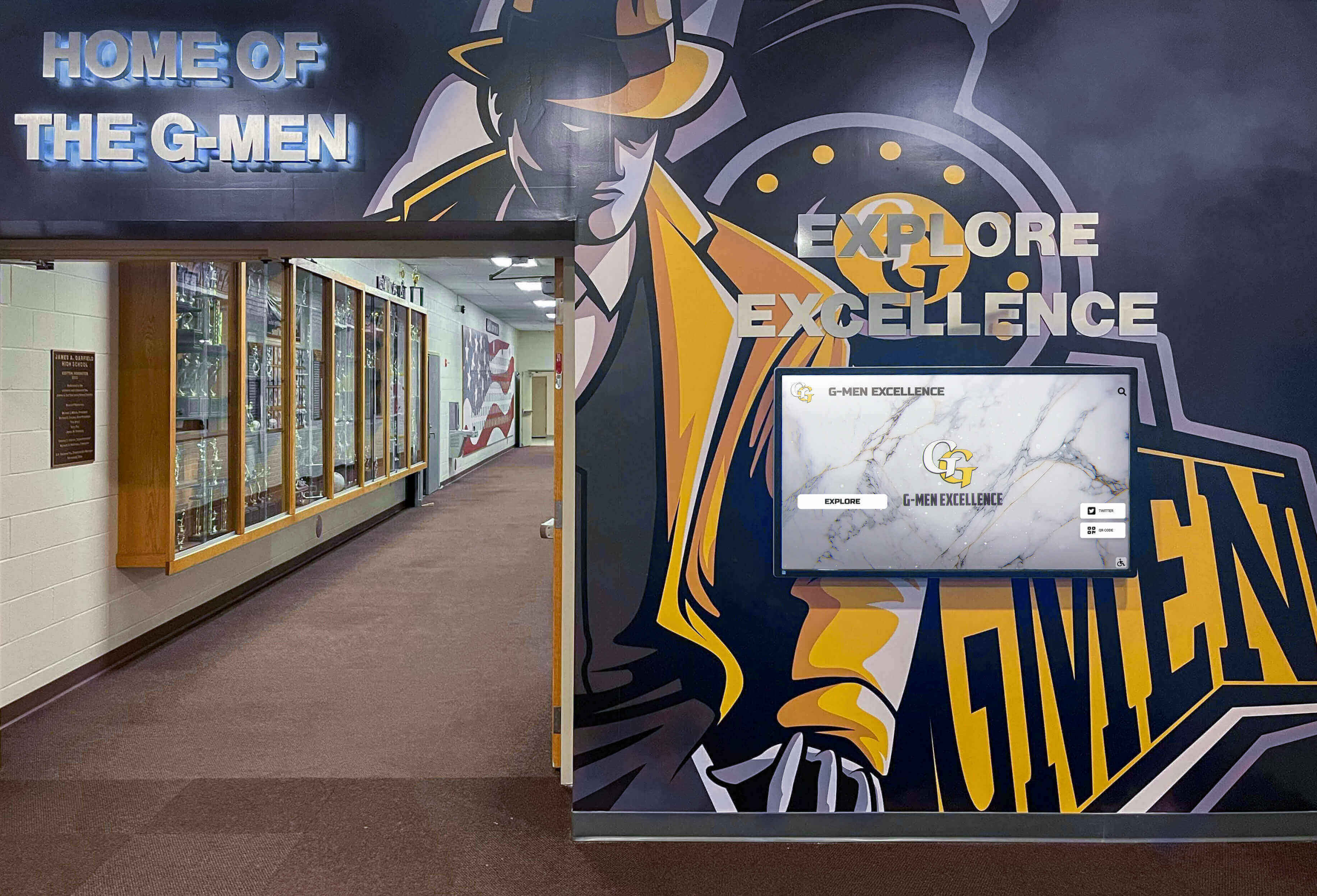




State championship brackets represent the culmination of athletic seasons—tournament progressions documenting how teams navigated playoff competition to claim ultimate victory. Athletic directors face a recurring challenge: how to display these bracket progressions in ways that preserve tournament narratives, celebrate championship achievements, and inspire current athletes while accommodating limited wall space and ongoing additions from multiple sports. Traditional poster boards fade and deteriorate. Static printed brackets become outdated quickly. Manual vinyl updates consume staff time while delivering inconsistent results.
The right display solution transforms state championship bracket presentation from an administrative afterthought into a powerful recognition tool that honors tournament success, documents athletic program excellence, and creates year-round inspiration visible to athletes, families, recruits, and communities. Whether showcasing single-elimination tournament trees, pool play progressions, or championship game results, strategic display approaches ensure these achievement milestones receive appropriate prominence.
Why State Championship Bracket Display Strategy Matters
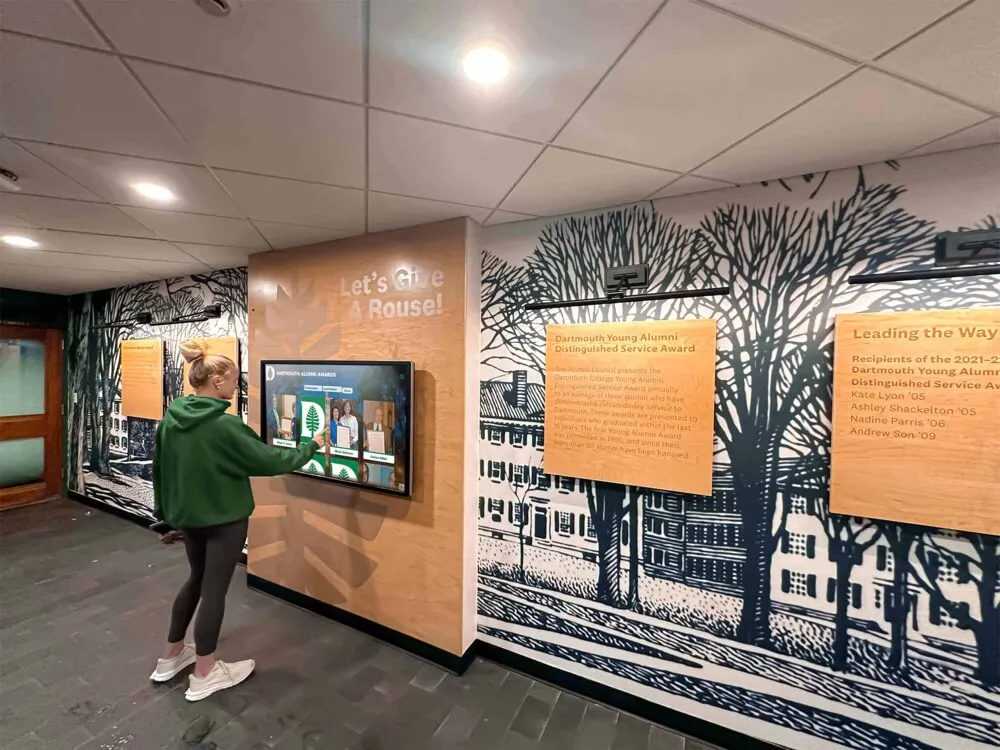
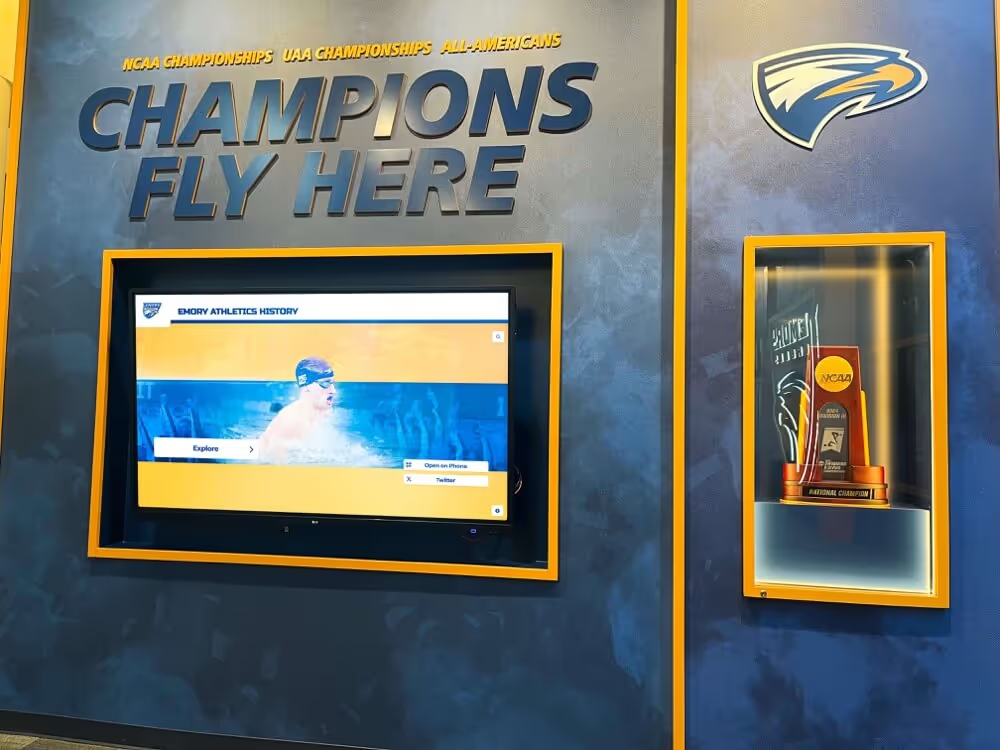
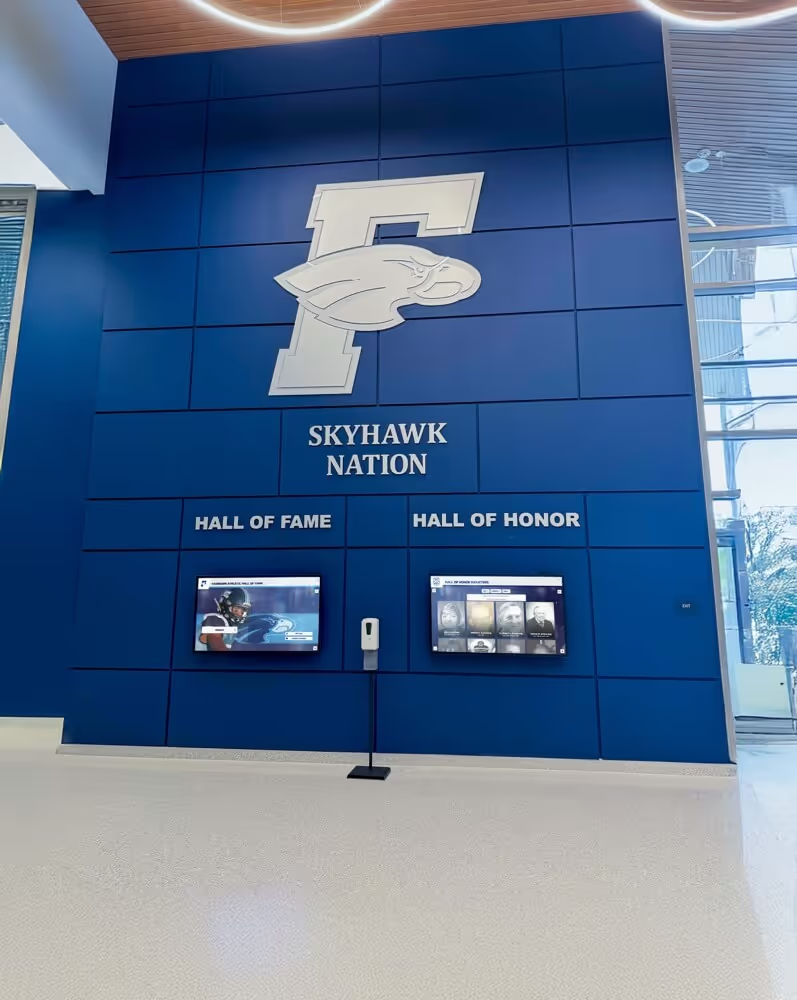
State championship brackets tell complete competitive stories that final scores alone cannot convey. They document the tournament path—early round victories, upset wins, semifinal battles, championship game triumph. Strategic bracket displays preserve these narratives while celebrating the teams that navigated challenging brackets to earn state titles. Modern digital record board solutions enable schools to showcase unlimited tournament brackets across all sports and years without consuming additional wall space—combining physical presence with comprehensive digital documentation that brings championship seasons to life through photos, videos, rosters, and statistics impossible with traditional bracket posters alone.
Understanding State Championship Bracket Display Challenges
Athletic directors managing tournament bracket recognition face distinct obstacles requiring thoughtful solutions addressing space limitations, format variations, and preservation concerns.
The Multi-Sport Tournament Documentation Problem
Successful athletic programs compete for state championships across numerous sports annually—basketball, football, soccer, baseball, softball, volleyball, wrestling, track and field, swimming, and more. Each sport generates tournament brackets documenting playoff progressions.
A comprehensive high school athletic program might produce 5-10 state championship tournament brackets per year across boys and girls programs. Over a decade, this creates 50-100+ tournament progressions requiring display consideration. Traditional poster board approaches quickly overwhelm available wall space while forcing difficult decisions about which tournament brackets warrant permanent display versus temporary recognition or complete omission.
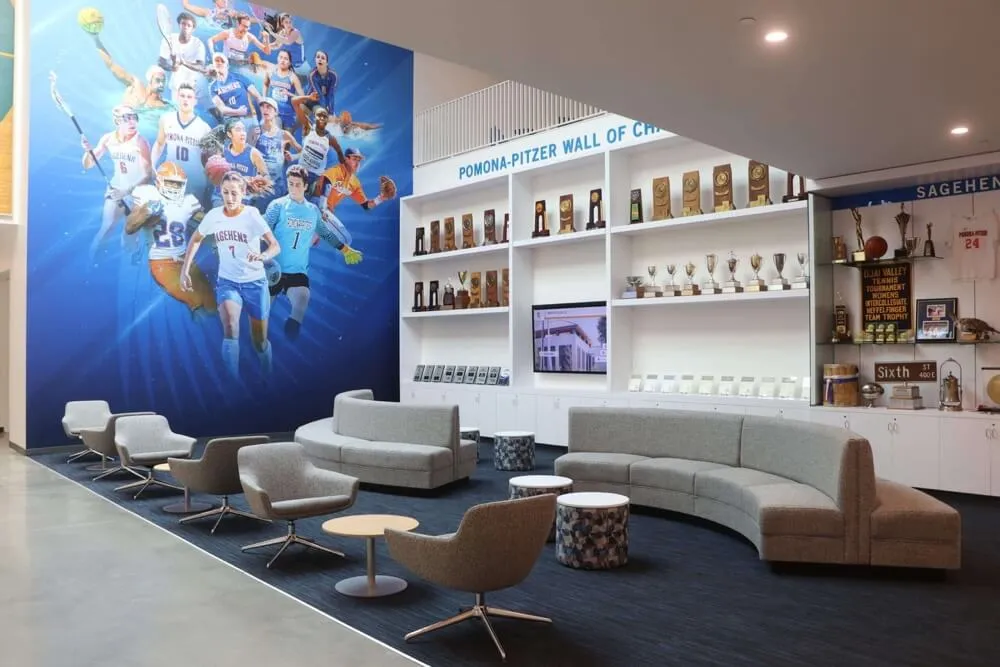
Space Constraint Reality: Physical wall space in gyms, athletic facilities, and school hallways remains finite regardless of championship success frequency. Schools accumulating tournament brackets across multiple sports and years face inevitable capacity limitations. Each new championship bracket added requires either expanding display infrastructure—costly and often impossible given architectural constraints—or removing existing recognition to accommodate new achievements.
Format Inconsistency Across Sports: Different sports utilize varying tournament structures requiring distinct bracket formats. Single-elimination tournaments common in basketball and football create straightforward bracket trees. Pool play formats in volleyball and wrestling require more complex display arrangements showing group results and elimination rounds. Track and field championship qualifications involve preliminary heats, finals, and relay progressions rather than traditional brackets. This format diversity complicates standardized display approaches.
Seasonal Relevance Versus Historical Value: Tournament brackets hold maximum relevance during championship seasons when athletes, families, and communities closely follow playoff progressions. Once seasons conclude, bracket displays transition from current events to historical documentation. Balancing contemporary emphasis with historical preservation creates ongoing tension—particularly when limited space requires choosing between prominent positioning for recent brackets versus maintaining visibility for historic championship tournaments.
Preservation and Maintenance Challenges
Physical tournament bracket displays deteriorate over time, threatening loss of institutional athletic memory while creating ongoing maintenance demands.
Material Degradation: Paper posters, vinyl graphics, and printed brackets exposed to hallway lighting and environmental conditions fade predictably. Ink colors lose vibrancy. Paper yellows and becomes brittle. Adhesive backing fails, causing brackets to peel or fall. Within 3-5 years, many bracket displays reach unacceptable aesthetic conditions requiring replacement or removal despite the championships they commemorate remaining historically significant.
Preservation quality directly correlates with installation location. Brackets displayed in climate-controlled, protected areas maintain appearance longer than those in high-traffic hallways or gymnasium environments where temperature fluctuations, humidity, and direct sunlight accelerate deterioration. Schools choosing permanent bracket displays must balance visibility—requiring high-traffic locations—against preservation—favoring protected environments.
Update Complexity: During active tournament competition, bracket displays require frequent updates as games complete and teams advance. Manual bracket updates—whether adding name plates, filling printed brackets, or applying vinyl—consume staff time during peak athletic season busy periods. Errors in bracket progression documentation, opponent names, or game scores undermine display credibility while requiring time-consuming corrections.
Historical Accuracy Concerns: Tournament brackets document specific competitive narratives—opponent schools faced, game scores achieved, advancement paths navigated. Inaccurate bracket documentation whether through initial errors or degradation rendering details illegible—erases authentic championship history. Schools committed to preserving athletic heritage must implement systems ensuring bracket accuracy and long-term information integrity.
Recognition Equity Across Sports
Athletic departments face ongoing challenges ensuring equitable recognition across all sports achieving state tournament success rather than disproportionately emphasizing high-profile programs.
Visibility Disparity: Football and basketball championships naturally attract significant community attention, media coverage, and institutional resources. These high-profile championships often receive premium display positioning in main gymnasium entrances or central athletic facility locations. Meanwhile, equally impressive state tournament appearances in tennis, golf, swimming, or cross country may receive minimal recognition despite representing identical competitive achievement levels.
Resources on high school athletics equity provide frameworks for evaluating whether recognition systems appropriately celebrate achievements across all athletic programs rather than inadvertently favoring certain sports based on spectator attendance or community visibility rather than competitive success.
Gender Equity Requirements: Title IX compliance and basic fairness require equal recognition for girls and boys athletic achievements. Bracket displays demonstrating gender bias—whether through disproportionate space allocation, positioning prominence, or display quality differences—violate legal requirements while communicating problematic institutional values. Systematic audits comparing girls versus boys tournament bracket recognition identify potential inequities before they become compliance issues. Resources on ensuring athletics equity across all sports provide frameworks for evaluating recognition systems comprehensively.
Team Versus Individual Sport Recognition: Team sports generate straightforward tournament brackets showing team advancement through playoff rounds. Individual sports like track and field, wrestling, or swimming involve athlete-specific qualification and placement rather than traditional bracket progressions. Display systems must accommodate both team bracket formats and individual championship recognition ensuring athletes in all sports receive appropriate celebration for state tournament success.
Planning Strategic Bracket Display Systems
Effective bracket display planning requires comprehensive assessment of institutional needs, available resources, and recognition priorities before selecting specific solutions.
Conducting Tournament Bracket Inventory
Strategic planning begins with understanding exactly what tournament brackets require display consideration and what conditions currently exist.
Complete Bracket Documentation: Catalog all state championship tournament appearances across all sports and years including the sport and year of championship, tournament format (single-elimination, pool play, qualification rounds), physical bracket materials currently existing (posters, photos, newspaper clippings), championship outcome (state champion, runner-up, semifinal appearance), and notable tournament details (upset victories, record-breaking performances, overtime games).
This comprehensive inventory reveals total display needs while identifying gaps where championship tournament brackets lack documentation entirely—requiring research through yearbooks, local newspaper archives, or athletic department records before display becomes possible.
Space and Location Assessment: Evaluate potential bracket display locations throughout athletic facilities assessing gymnasium lobby areas and main entrances where athletes and visitors naturally gather, hallway corridors connecting locker rooms and training facilities where athletes pass daily, athletic administration offices serving coaching staff and prospective recruits, weight room and conditioning facilities where athletes spend significant training time, and available wall space, lighting conditions, and architectural constraints affecting display feasibility.
Location selection dramatically affects bracket display impact. Placement in athlete-frequented spaces maximizes daily inspiration and program pride reinforcement. Positioning in public areas visible during games and events showcases athletic excellence to broader communities while supporting recruitment through tangible evidence of program competitive success.
Establishing Bracket Display Priorities
Clear priorities guide decisions about which tournament brackets receive most prominent recognition and how to allocate limited resources effectively across competing demands.
Featured Bracket Criteria: Determine which tournament brackets warrant premium display positioning considering state championship victories (highest achievement level), state tournament semifinal and final appearances, first-ever state tournament appearances for programs, undefeated or dominant tournament runs, and championships in historically underrecognized sports.
Not all tournament brackets require identical display prominence. A school’s first state championship in program history across any sport might justify premium positioning recognizing the breakthrough achievement. Multiple basketball state titles may warrant collective display showing championship dynasty progression rather than individual bracket emphasis for each victory.
Budget Parameter Definition: Establish realistic financial constraints for bracket display improvements including new display cases or wall-mounted systems, digital display hardware and installation, bracket printing, framing, or mounting, ongoing maintenance and update resources, and potential phased implementation spreading costs across multiple budget cycles.
Consider total cost of ownership beyond initial purchase. Traditional physical bracket displays require periodic replacement as materials degrade. Digital display systems involve upfront hardware investments but eliminate ongoing printing and replacement costs while providing unlimited capacity for bracket documentation across all sports and years without additional space requirements. Resources on replacing expensive gym banners with digital alternatives explore cost considerations when evaluating traditional versus digital recognition approaches, while guidance on digital trophy case implementation provides comprehensive selection criteria.
Defining Display Success Criteria
Establishing clear objectives ensures bracket display investments deliver intended institutional benefits rather than simply filling wall space with athletic memorabilia.
Athlete Inspiration and Motivation: Effective bracket displays inspire current athletes by making state tournament success feel achievable and worth pursuing. Visible tournament progressions showing past teams’ paths to championships—including challenging early rounds, upset victories, and championship game triumphs—demonstrate that state titles result from dedication, teamwork, and perseverance rather than existing as abstract unattainable goals.
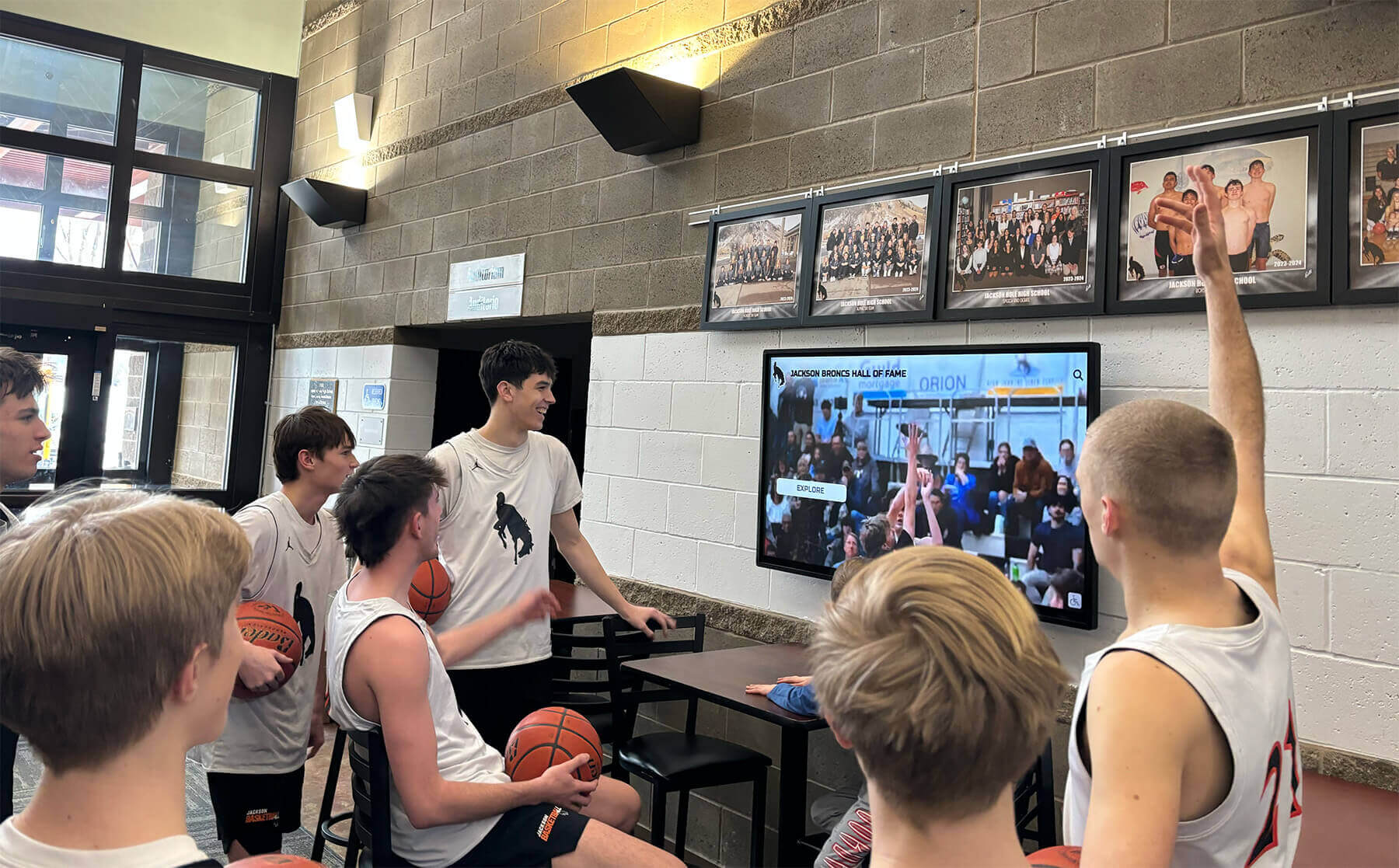
Recruitment Support: Prospective athletes and families evaluating programs use visible evidence of competitive success when making school and program selections. Well-documented tournament bracket displays demonstrate program excellence, competitive experience, and institutional commitment to celebrating athletic achievement—differentiating factors when recruits compare multiple program options. Strategic approaches to athletic recruiting through recognition displays show how championship documentation influences prospective athlete decisions.
Community Pride and Institutional Heritage: Championship bracket displays serve communities by celebrating local athletic excellence and preserving institutional heritage. Long-term residents connecting with tournaments they witnessed decades earlier. Alumni returning for events seeing their championship brackets appropriately preserved. Current students understanding their school’s athletic tradition and competitive history. These broader community benefits extend recognition value beyond current athletes and immediate families.
Traditional Physical Bracket Display Options
Physical bracket displays remain the most common approach for showcasing tournament progressions, offering tangible presence and permanent visibility when properly implemented.
Framed Poster Bracket Displays
Printed tournament brackets professionally framed and mounted create traditional displays commemorating championship seasons.
Custom Printed Tournament Brackets: Professional printing services produce high-quality tournament bracket displays on durable paper or vinyl materials designed for long-term display. Custom layouts incorporate school colors, logos, and branding while clearly documenting bracket progression through tournament rounds.
Standard bracket poster sizes typically range from 24x36 inches to 36x48 inches depending on tournament format complexity and desired detail level. Larger formats accommodate more comprehensive information including team rosters, game scores, and contextual photographs while requiring more wall space. Smaller formats conserve space but may sacrifice detail visibility from typical viewing distances.
Quality printing materials significantly affect longevity. Fade-resistant inks maintain color vibrancy under typical hallway lighting. UV-protective coatings prevent deterioration from sunlight exposure in windowed areas. Heavyweight paper or vinyl substrates resist tearing and maintain structural integrity across years of display. Schools looking for permanent solutions should review guidance on state championship banner display systems that address long-term durability considerations.
Professional Framing Considerations: Frame quality determines bracket presentation professionalism and preservation effectiveness. Metal or wood frames with protective glass or acrylic glazing shield bracket materials from dust, moisture, and physical contact. Anti-glare glazing reduces reflections improving readability in brightly-lit locations.
Matting provides visual separation between bracket content and frame edges while accommodating championship context—plaques identifying sport, year, and achievement level. School-colored mats reinforce institutional identity while creating cohesive visual presentation when multiple framed brackets display together.
Wall mounting requires proper installation ensuring frames remain secure while meeting facility safety standards. Heavy frames demand appropriate wall anchors and studs rather than simple picture hangers. Professional installation prevents accidents while protecting expensive frame investments and irreplaceable bracket documentation.
Permanent Vinyl Wall Graphics
Large-scale vinyl graphics applied directly to walls create dramatic permanent bracket displays integrated into facility design rather than existing as separate additions.
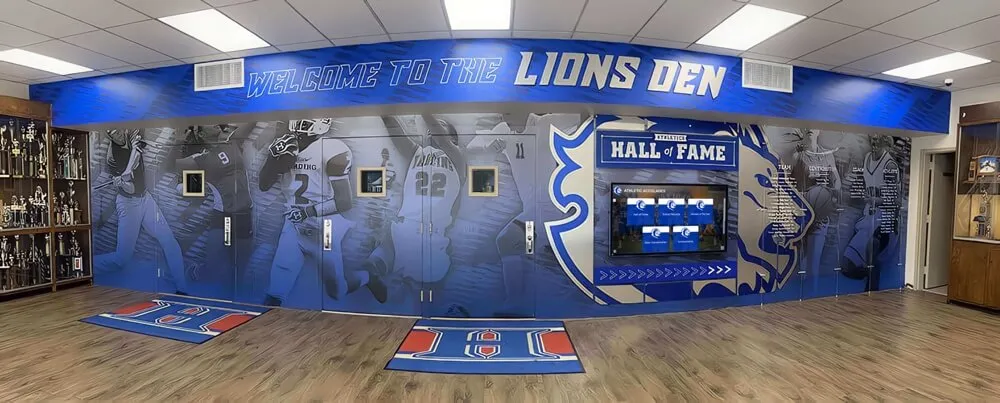
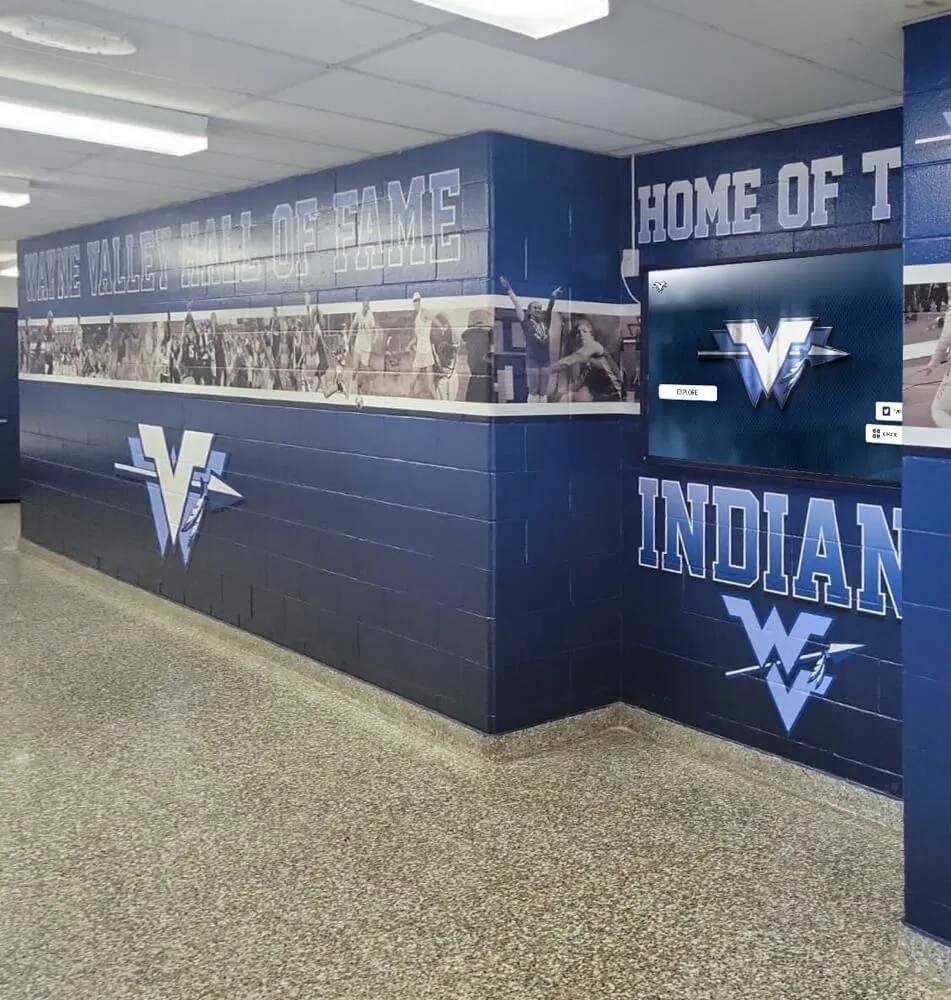
Custom Bracket Wall Murals: Specialized companies produce custom vinyl wall graphics reproducing tournament brackets at massive scale—entire walls dedicated to championship bracket documentation. These installations create impressive visual impact while eliminating frame requirements and maximizing size without furniture limitations.
Design flexibility enables incorporating championship context beyond basic bracket structures. Background graphics featuring action photographs from tournament games, school mascots and athletic branding, championship trophy images, and inspirational messaging emphasizing competitive excellence. This contextual richness transforms bracket displays from simple tournament documentation into comprehensive championship celebrations.

Installation requires professional application ensuring proper adhesion, alignment, and appearance. Wall surface preparation—cleaning, smoothing, priming—directly affects vinyl adherence and longevity. Proper installation techniques prevent bubbles, wrinkles, and premature peeling that undermine display quality and require expensive reinstallation.
Permanence Considerations: Vinyl wall graphics create essentially permanent installations resistant to casual damage or unauthorized removal. This permanence ensures championships receive lasting recognition but reduces flexibility for future modifications. Adding new championship brackets requires additional wall space or removing existing graphics—expensive and potentially damaging to walls.
Schools selecting vinyl bracket graphics should plan for long-term bracket display strategies rather than viewing installations as temporary solutions. Dedicating wall sections to specific sports enables adding new championship brackets as adjacent graphics without disturbing existing recognition. Modular design approaches facilitate periodic expansion as programs accumulate additional state tournament success.
Display Case Bracket Showcases
Trophy cases and display cabinets accommodate three-dimensional bracket presentations incorporating medals, championship balls, photos, and printed brackets in unified arrangements.
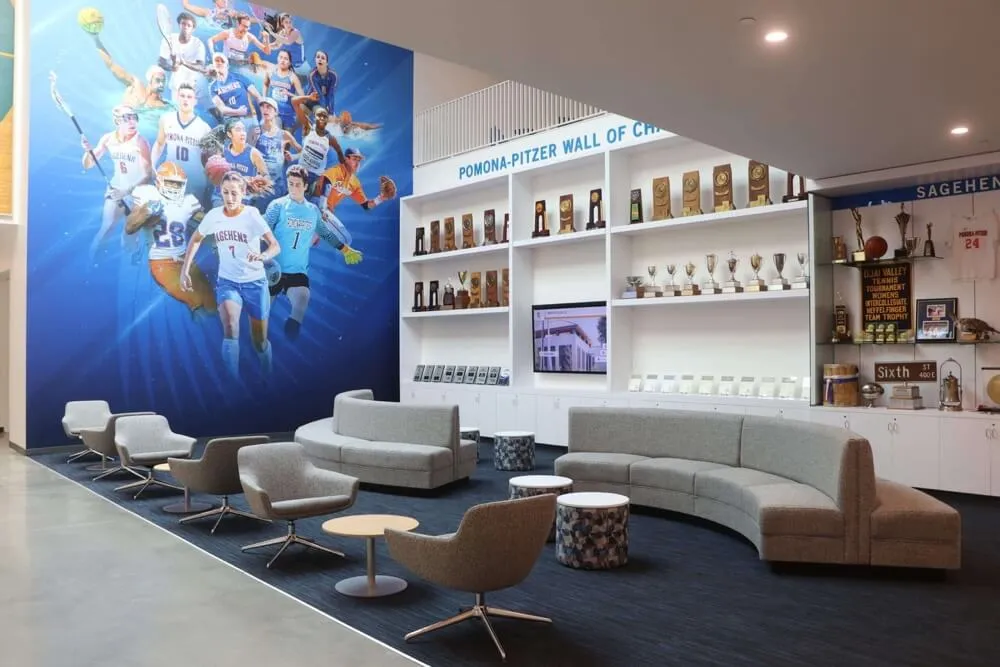
Integrated Championship Displays: Display cases enable combining tournament brackets with related championship memorabilia creating rich contextual recognition. State championship trophies positioned beside tournament brackets documenting how teams earned those championships. Game balls or championship nets from final games. Team photographs showing players celebrating championship victories. Individual athlete medals earned during tournament competition.
This integrated approach tells more complete championship stories than brackets alone convey. Visitors see not just tournament progression documentation but tangible artifacts from championship experiences—creating emotional resonance and memorable recognition that isolated brackets cannot match.
Flexibility and Protection: Enclosed display cases protect bracket materials and championship memorabilia from dust, humidity, and physical contact extending preservation life significantly compared to exposed displays. Lockable cases provide security preventing theft or unauthorized handling of irreplaceable championship artifacts.
Display case capacity enables rotating bracket exhibits emphasizing different sports during their competitive seasons. Fall focus on football tournament brackets. Winter emphasis on basketball championship progressions. Spring recognition of baseball, softball, and track championships. This rotation maintains fresh presentation while accommodating comprehensive multi-sport recognition within limited display infrastructure.
Resources on state championship trophy case design provide detailed guidance for creating effective integrated displays combining brackets, trophies, and championship context in cohesive presentations that maximize recognition impact.
Modern Digital Bracket Display Solutions
Digital recognition systems eliminate space constraints while enabling rich multimedia tournament documentation impossible with traditional physical displays alone.
Interactive Digital Record Boards
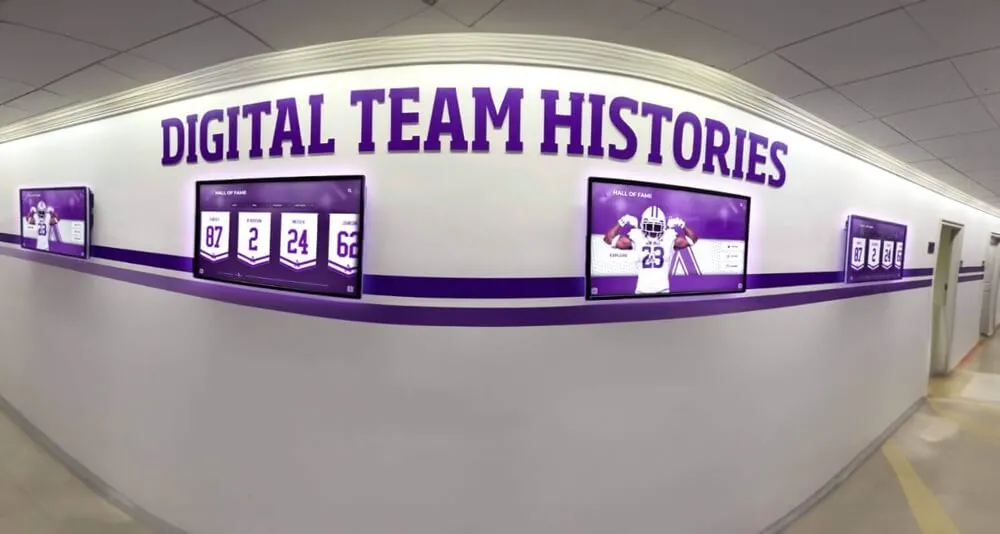
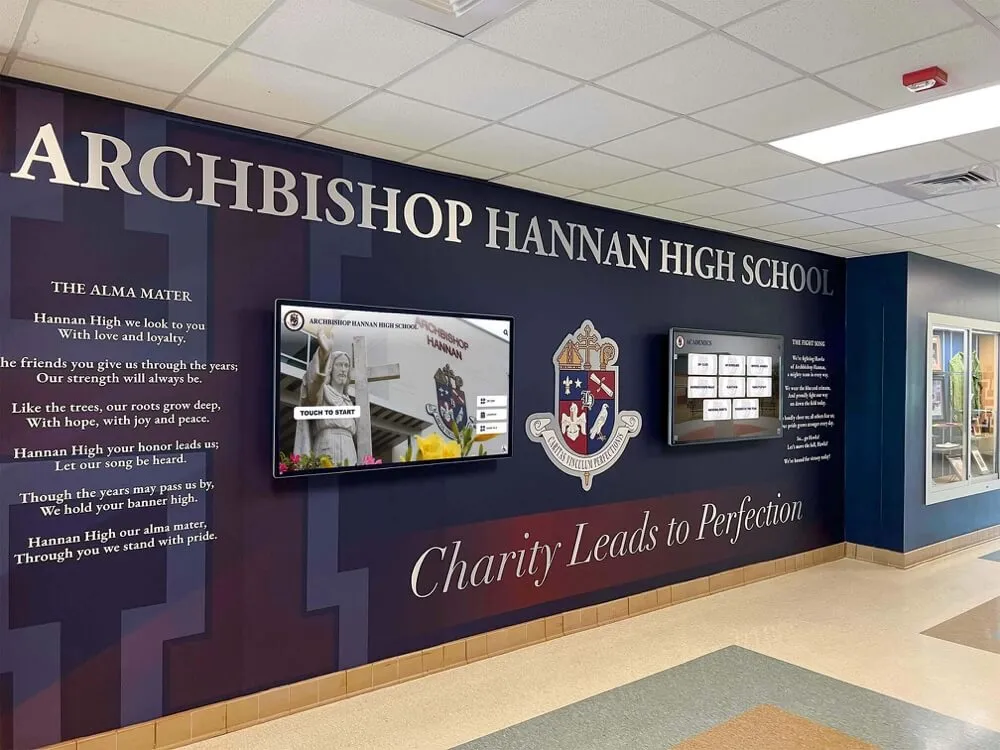
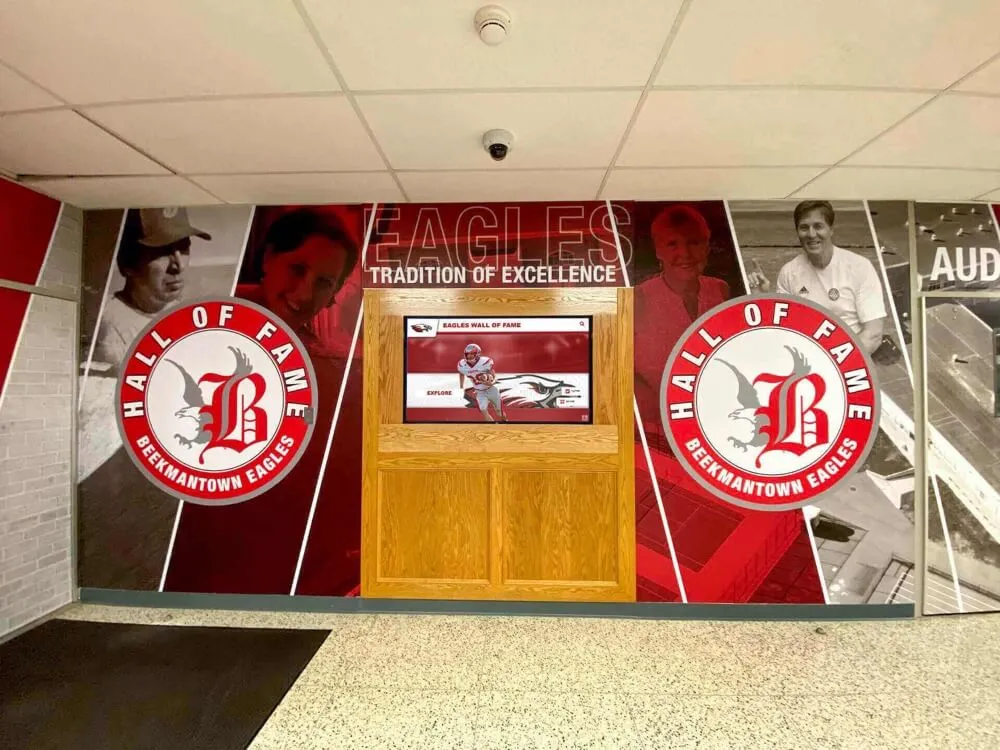
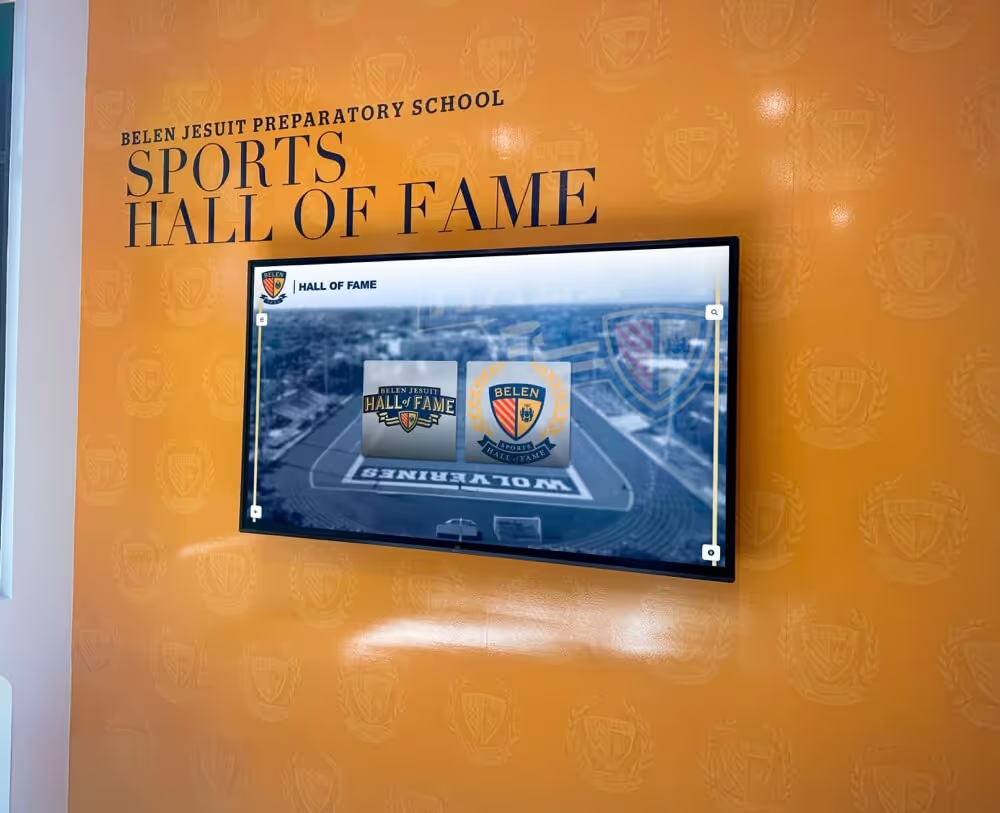
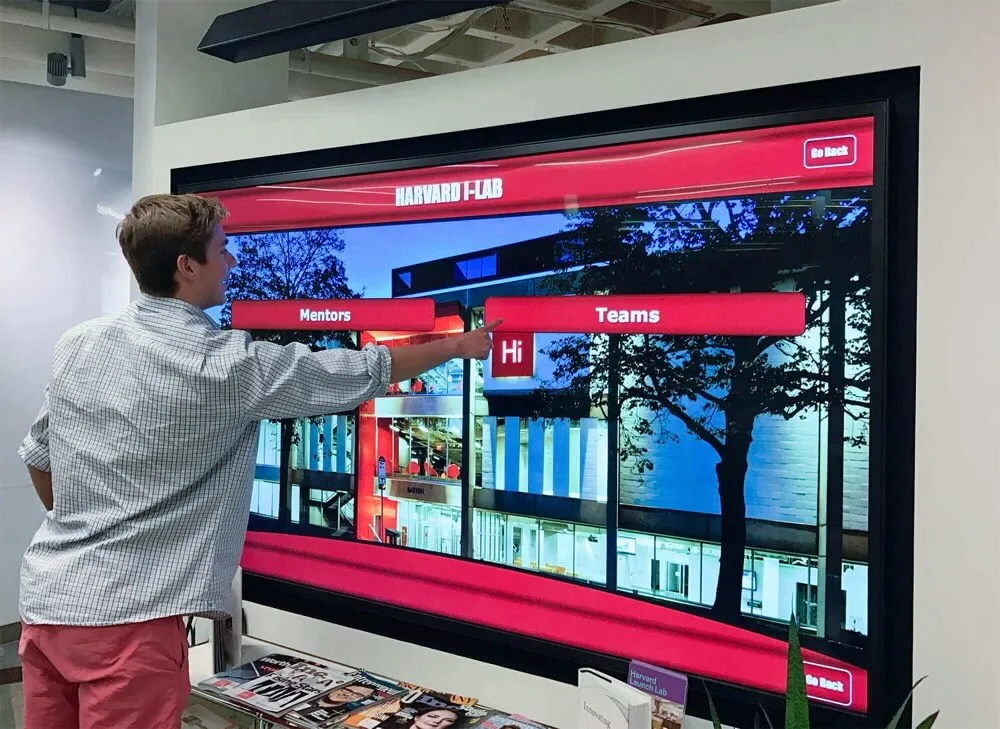
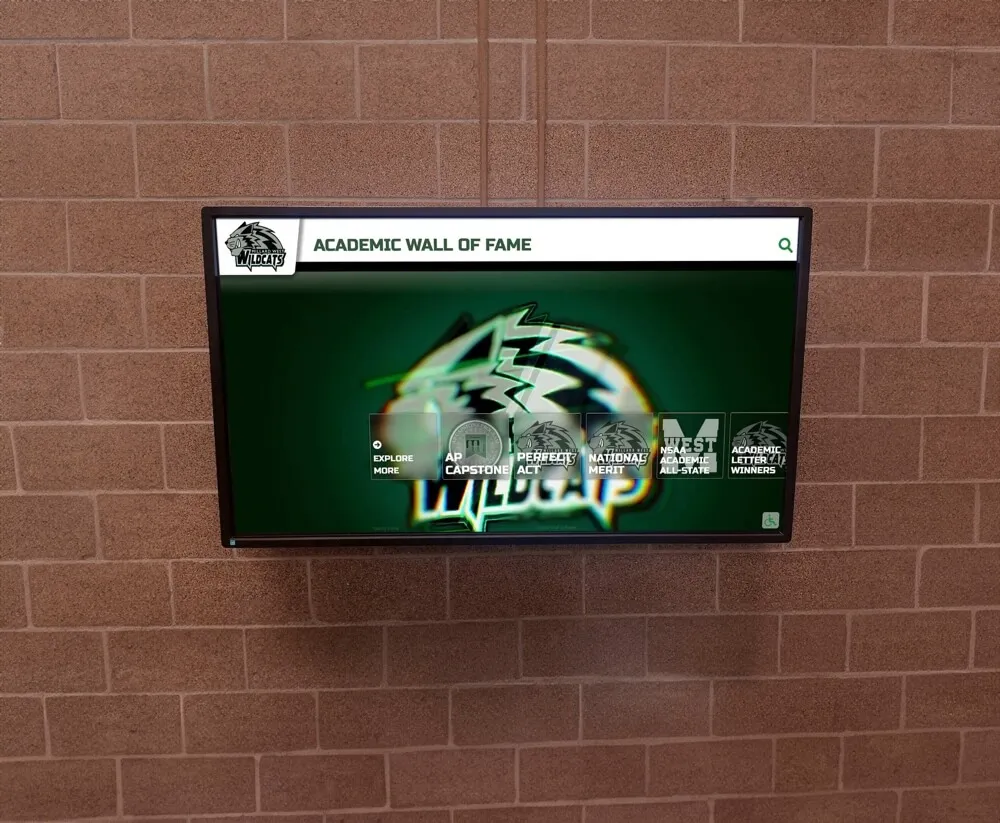
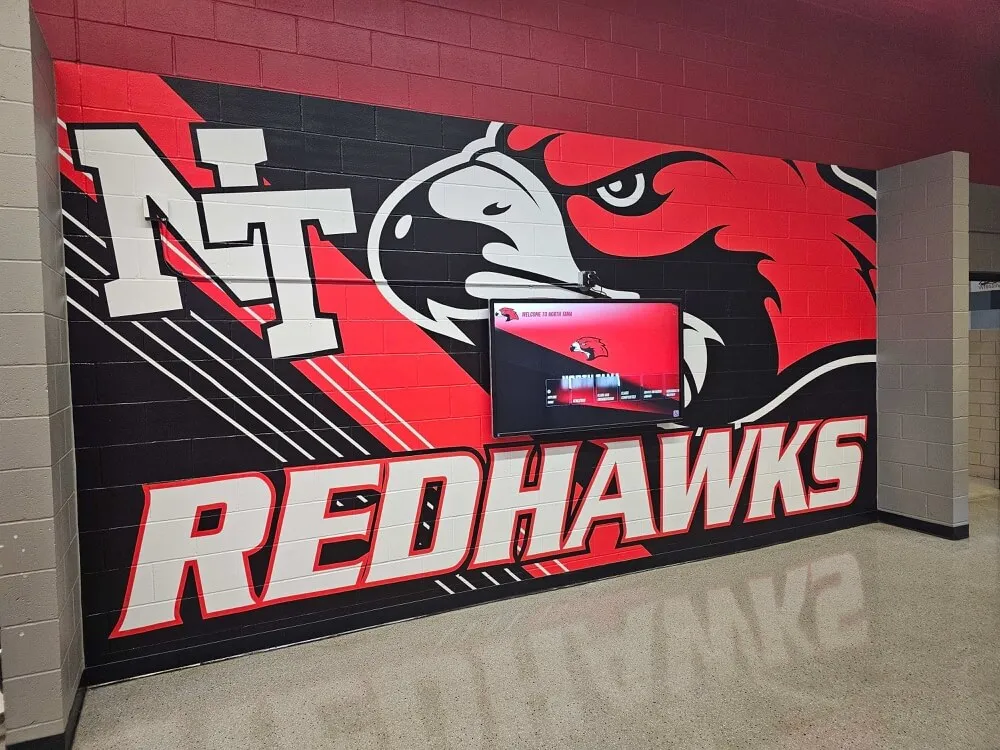
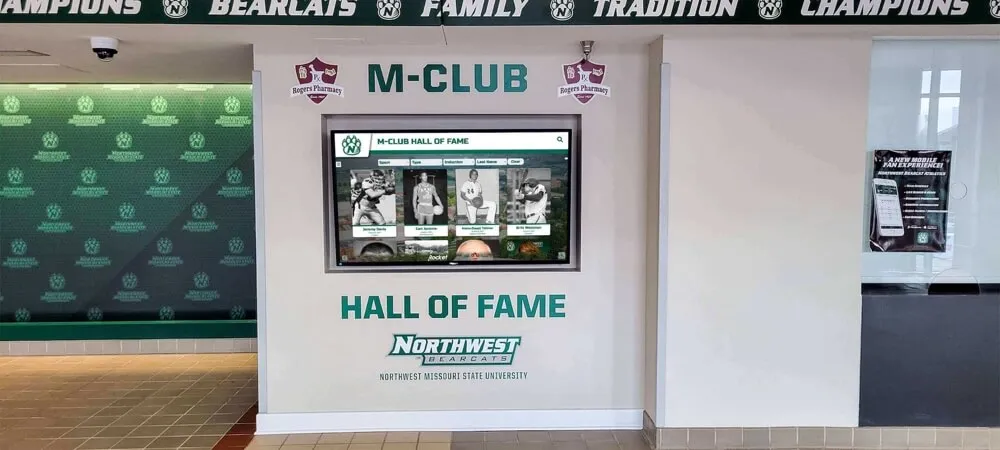
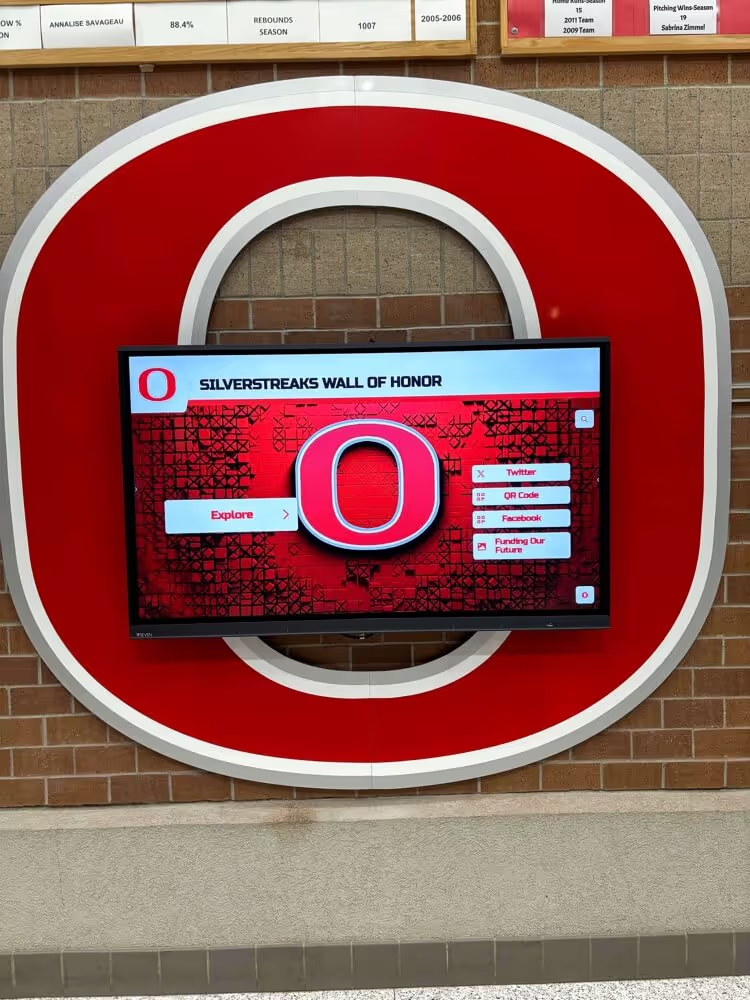
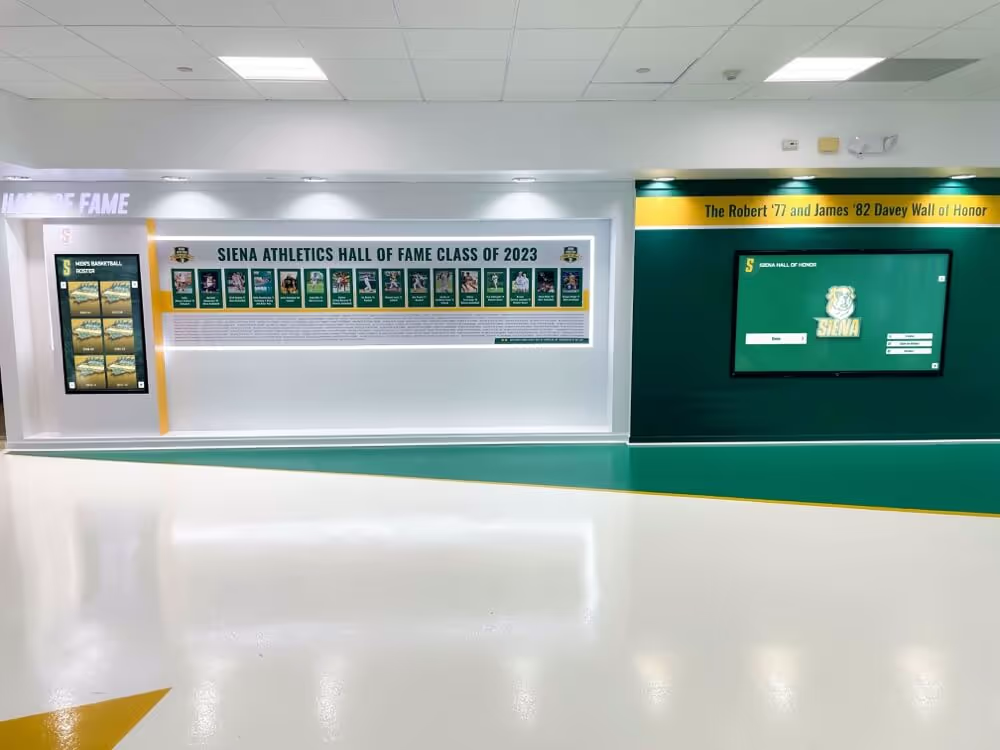
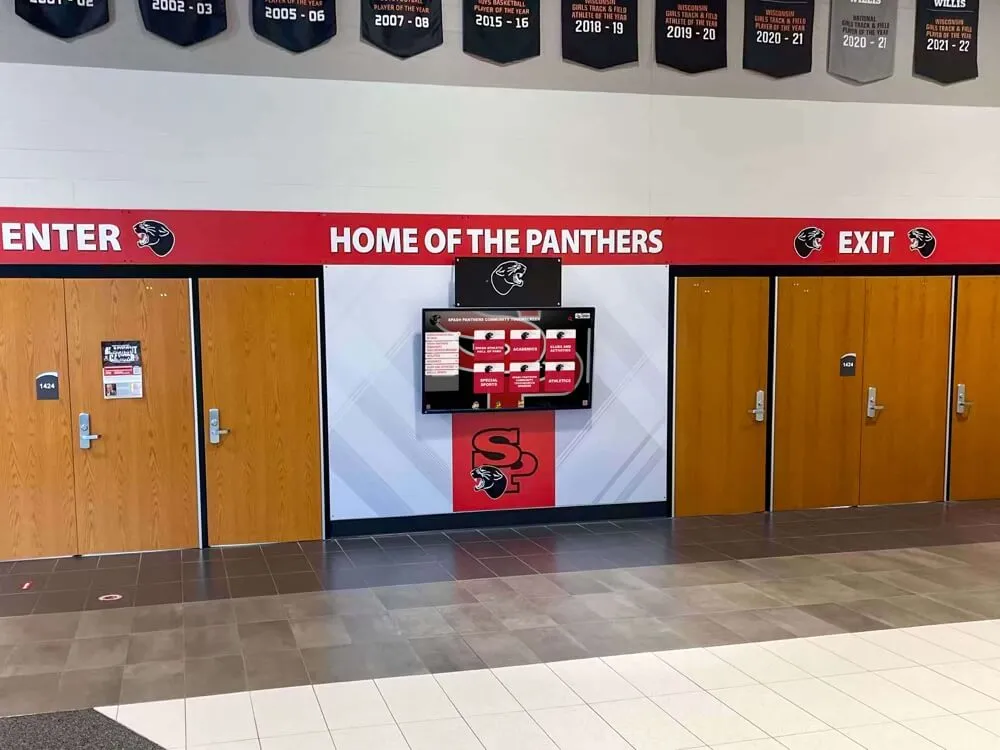
Purpose-built digital record board systems provide unlimited capacity for tournament bracket documentation across all sports and years without requiring additional physical space as championship collections grow.
Comprehensive Bracket Database: A single digital record board accommodates thousands of tournament brackets documenting complete institutional state tournament history. Every state championship bracket across all sports and all years. Tournament semifinal and quarterfinal appearances. Regional and sectional tournament progressions. This comprehensive capacity eliminates the difficult decisions traditional displays force about which brackets warrant physical display space versus storage or exclusion.
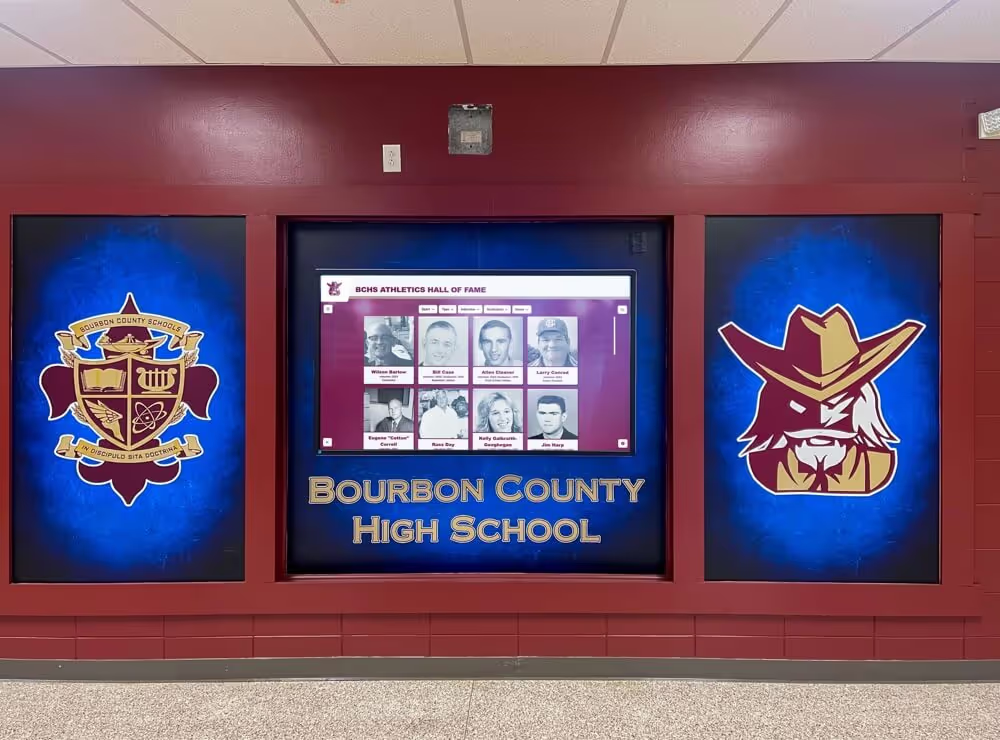
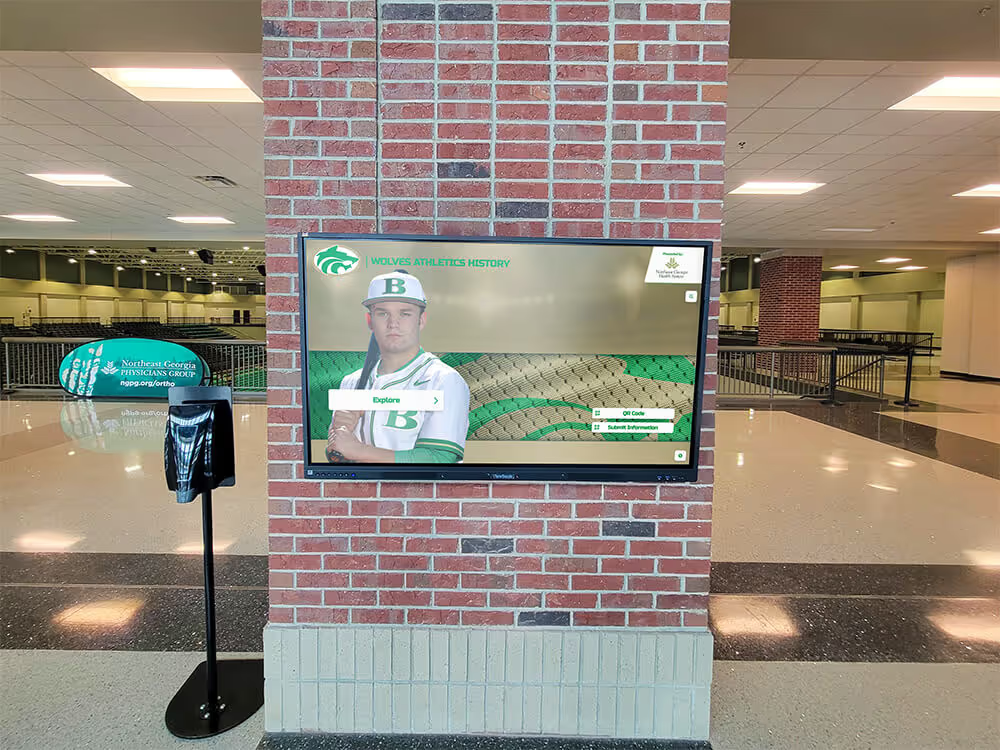
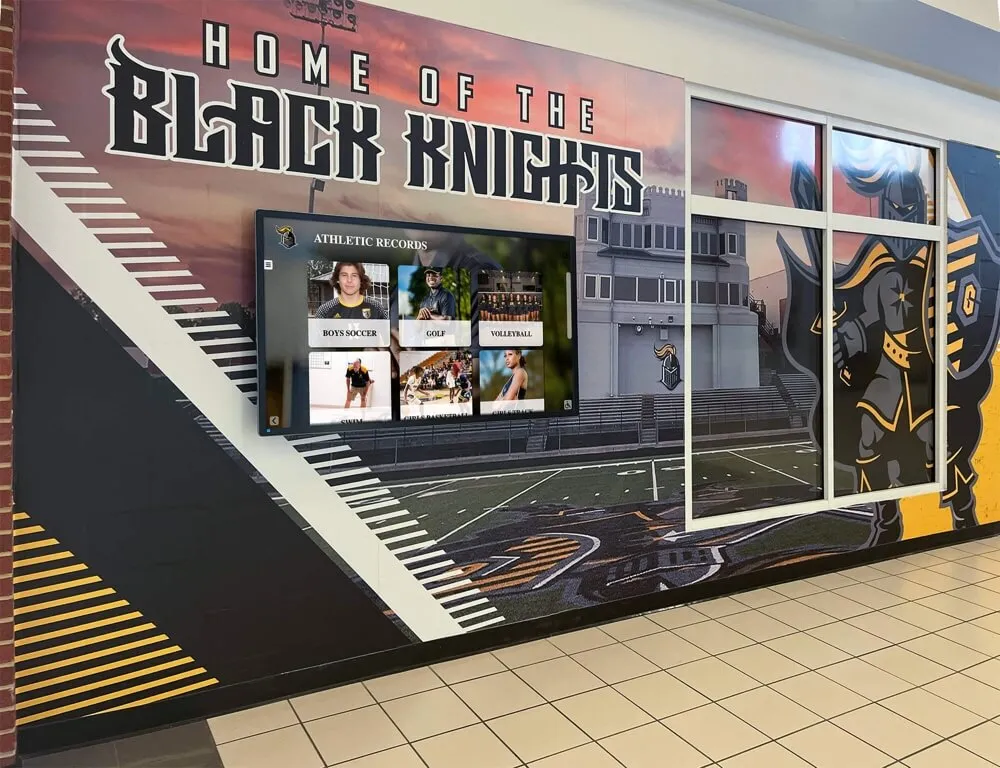
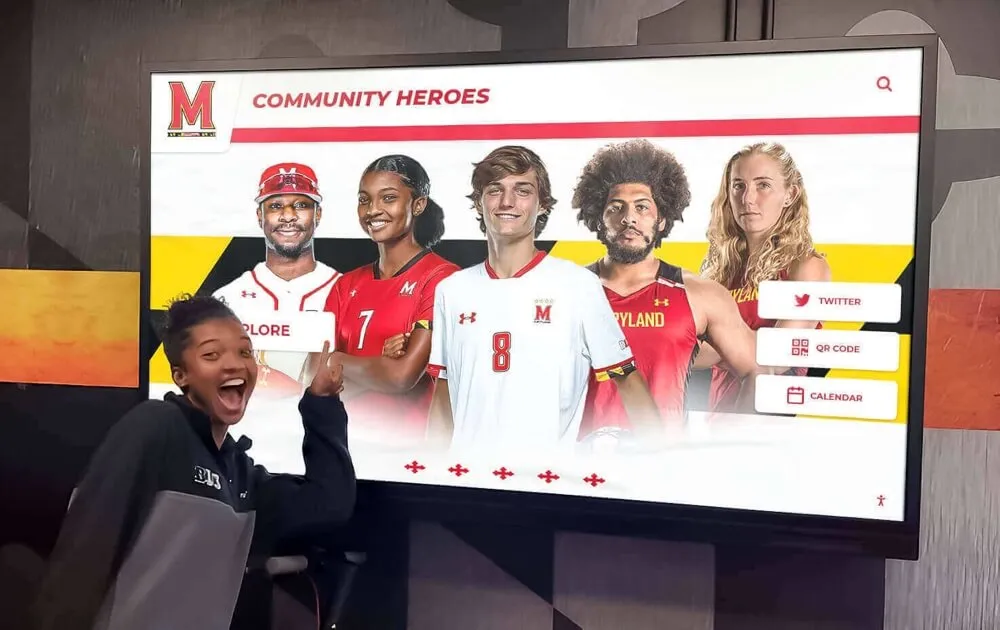
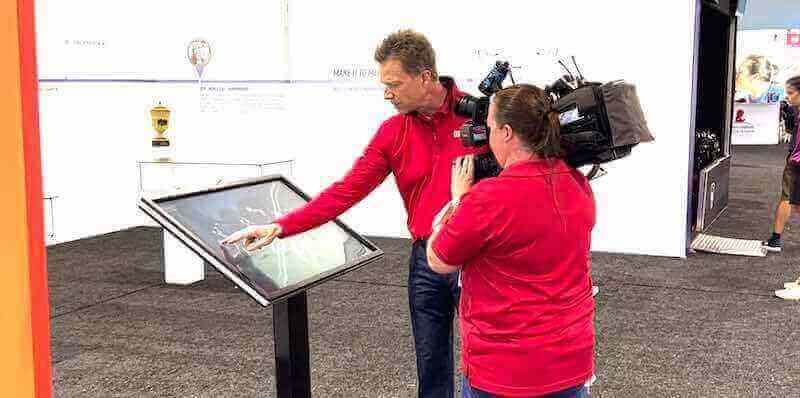
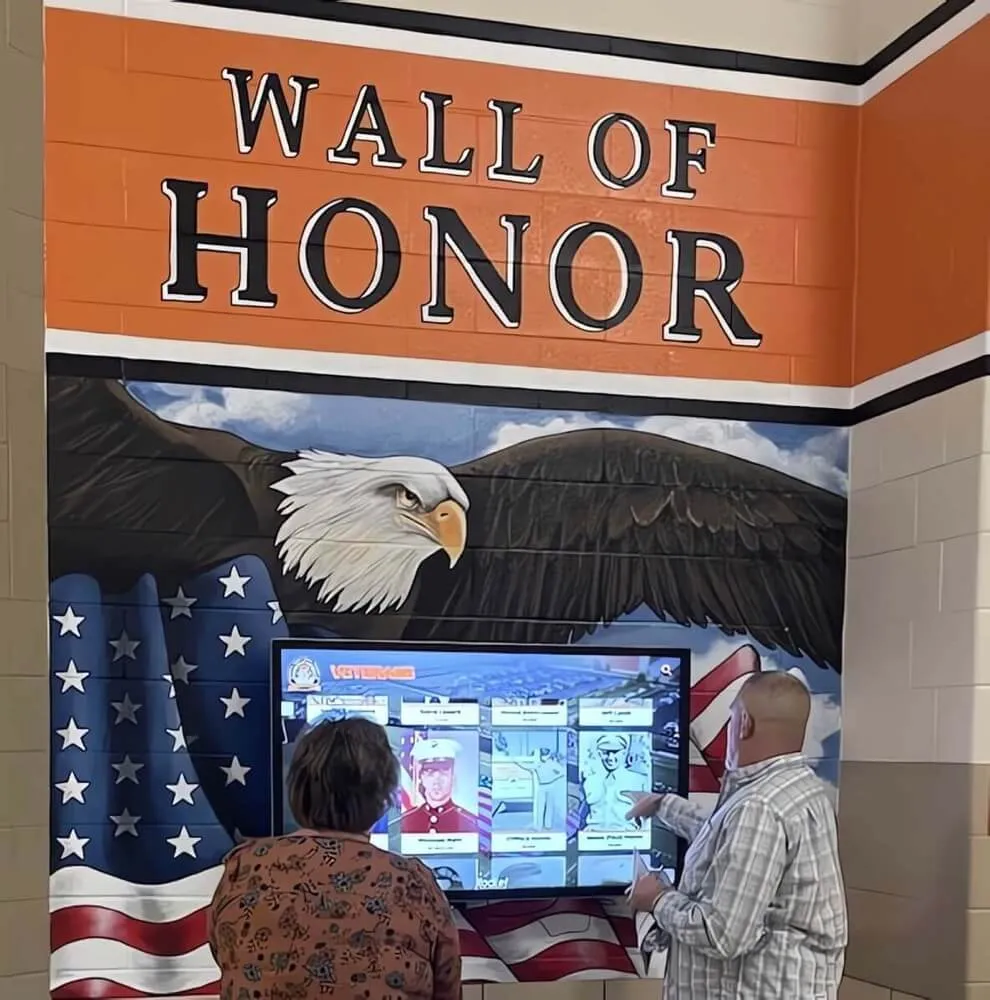
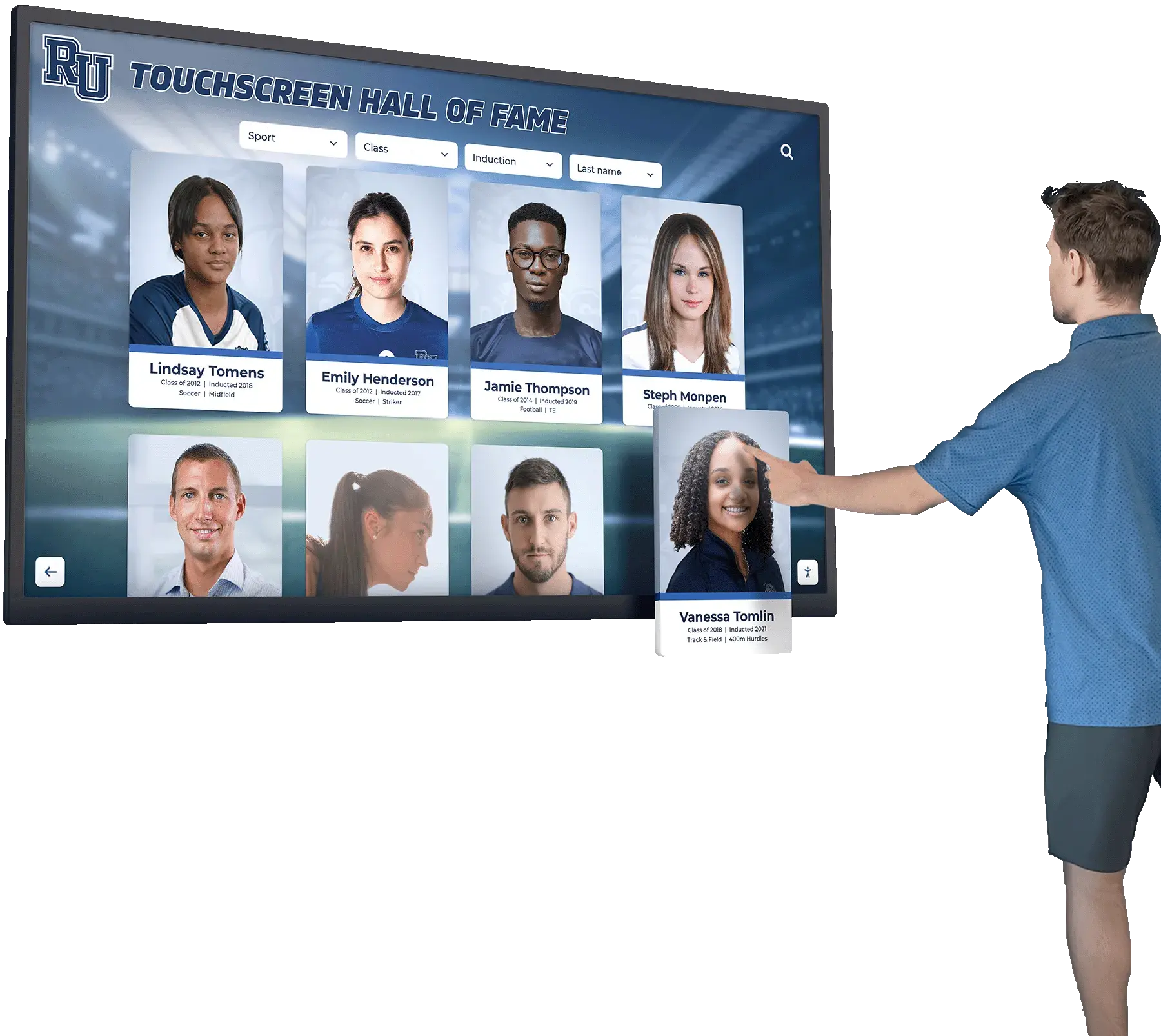
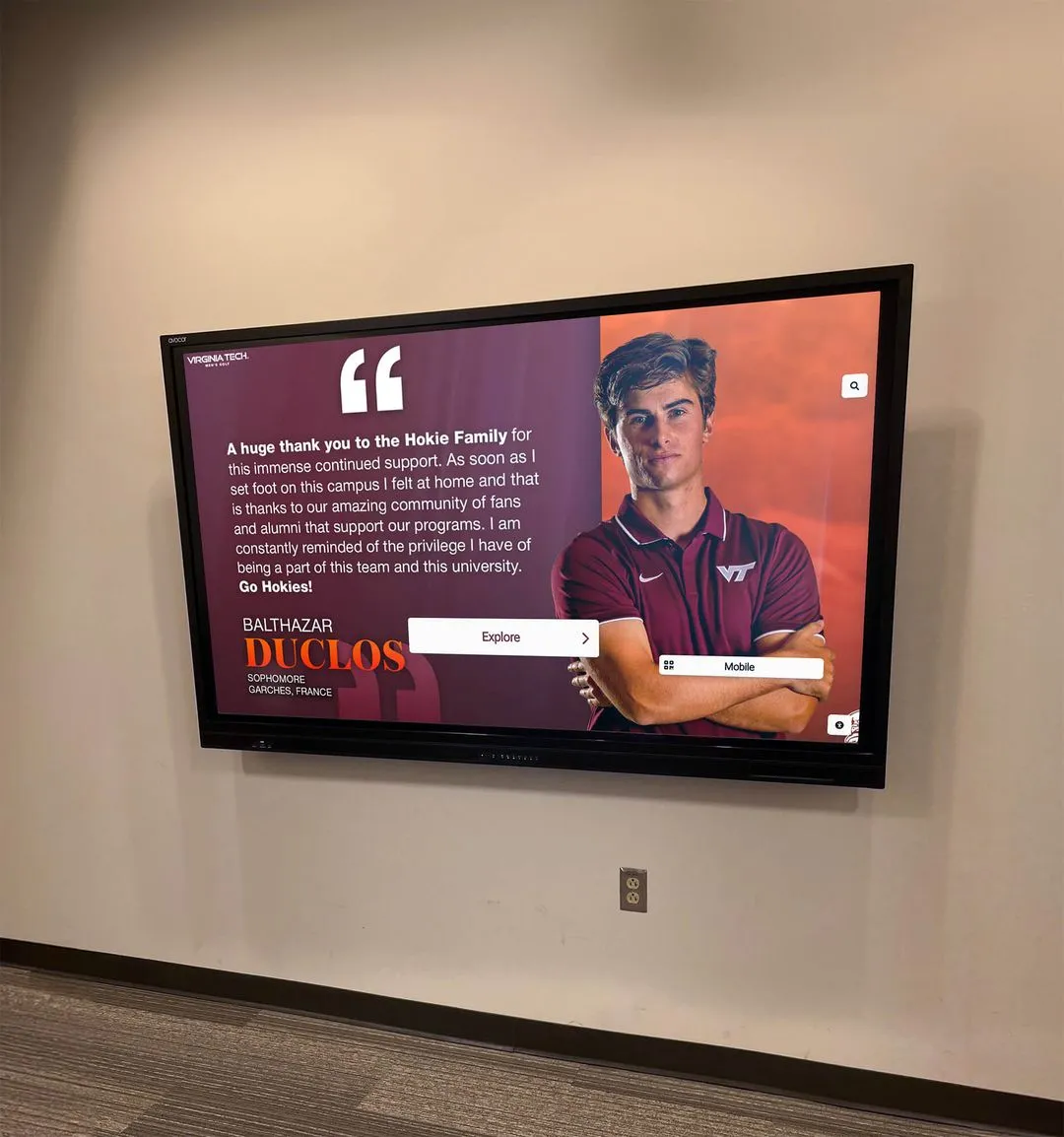
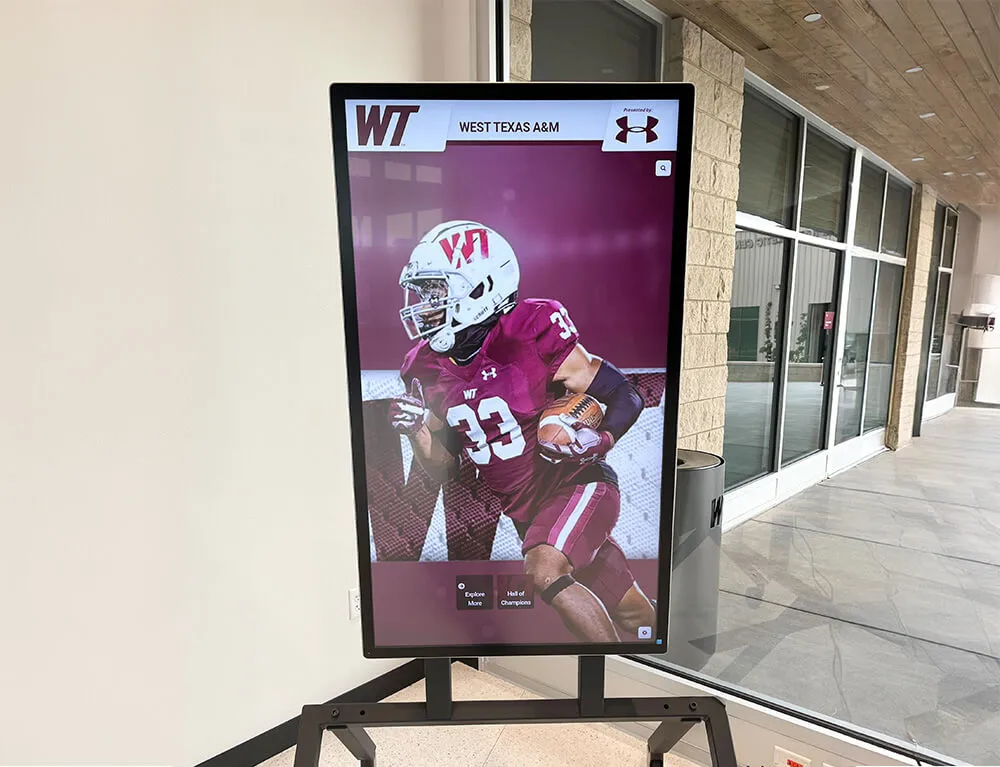
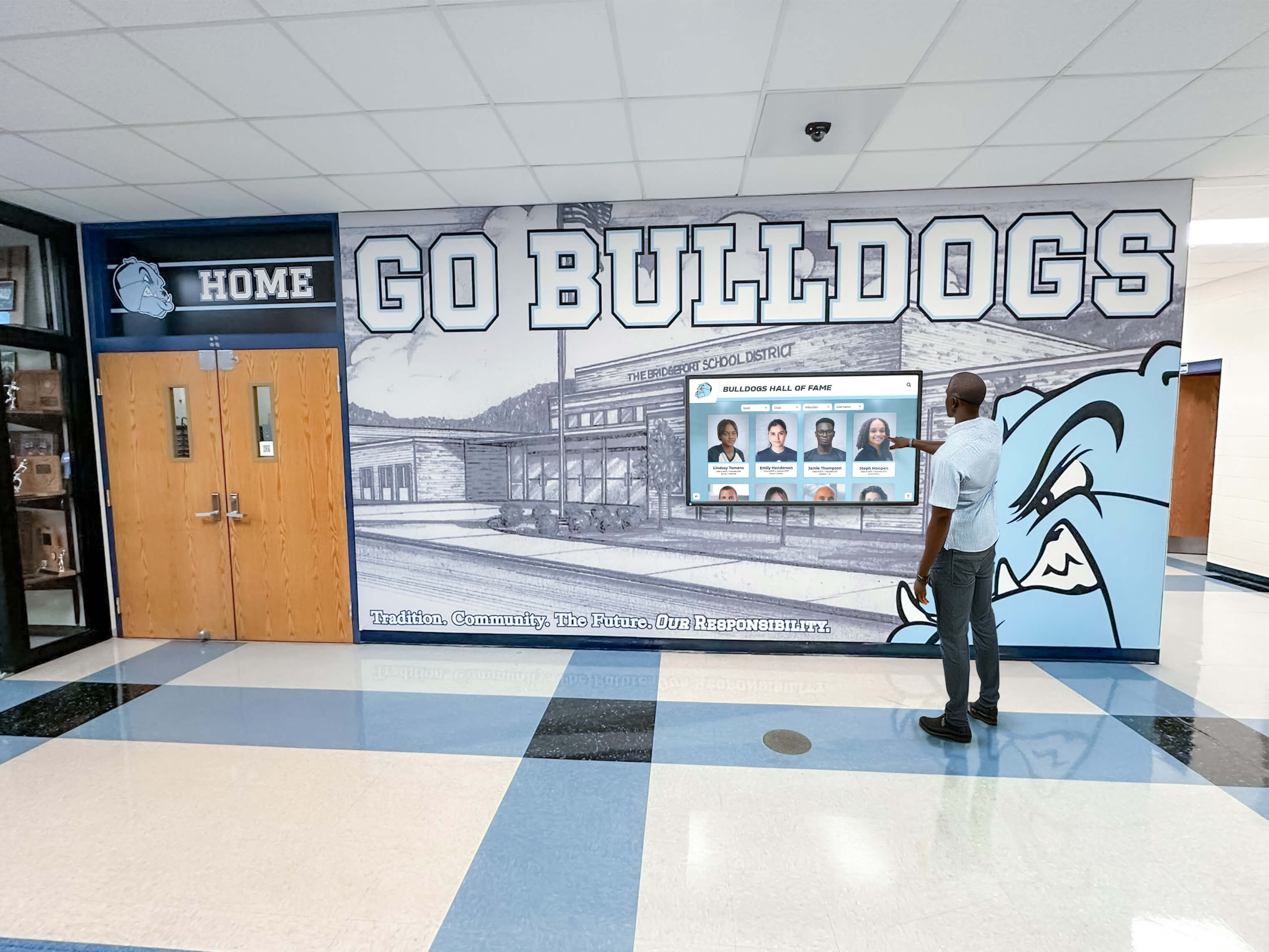
Users navigate through bracket collections selecting specific sports, years, or achievement levels. Touch-screen interfaces enable intuitive exploration—athletes browsing their sport’s tournament history, families researching past championship seasons, recruits reviewing program competitive success. Search functionality allows instant location of specific tournaments, opponents, or team members eliminating the manual scanning required with physical bracket walls.
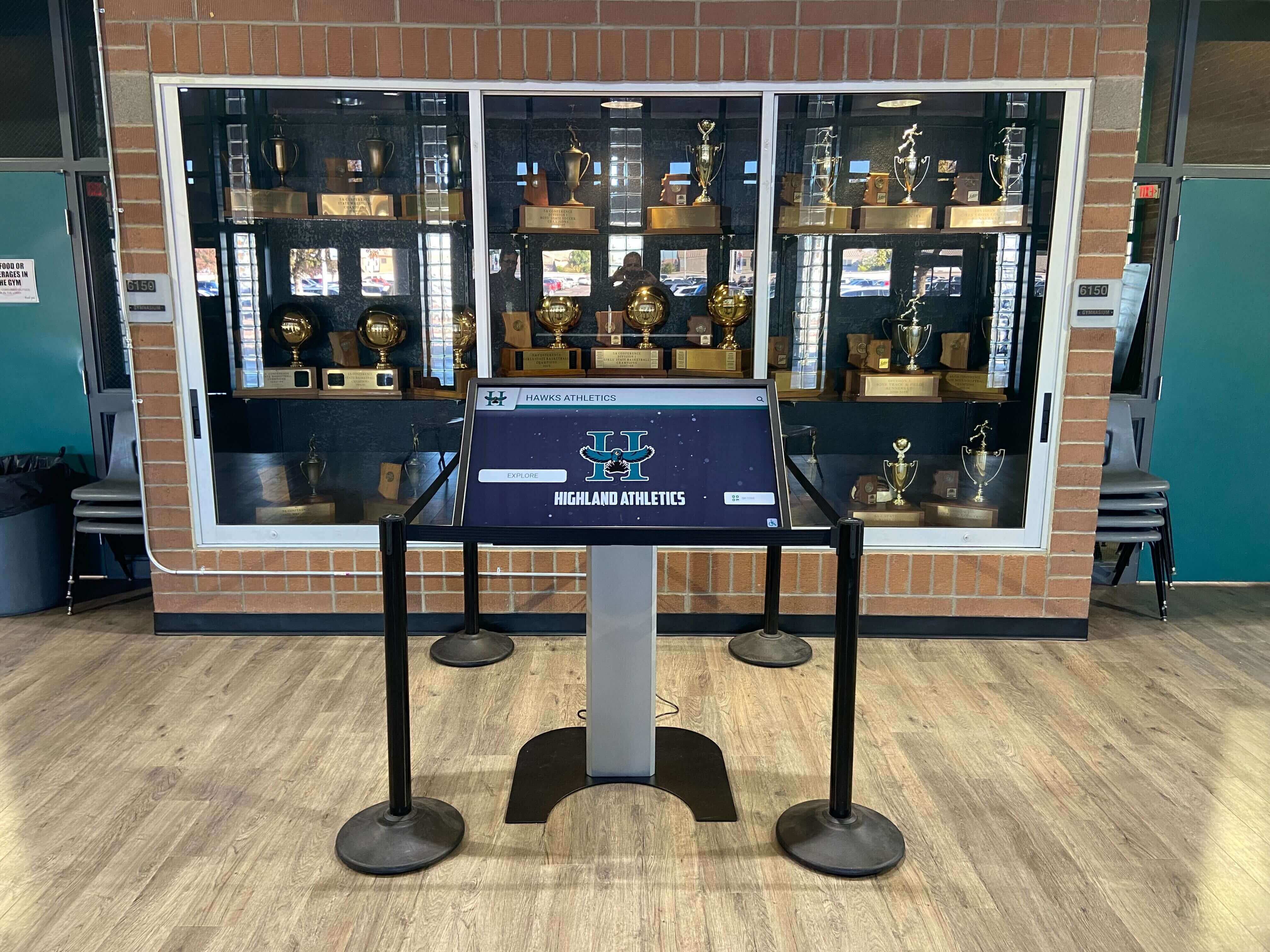
Rich Multimedia Integration: Digital platforms enable tournament bracket displays incorporating multiple media types creating comprehensive championship documentation:
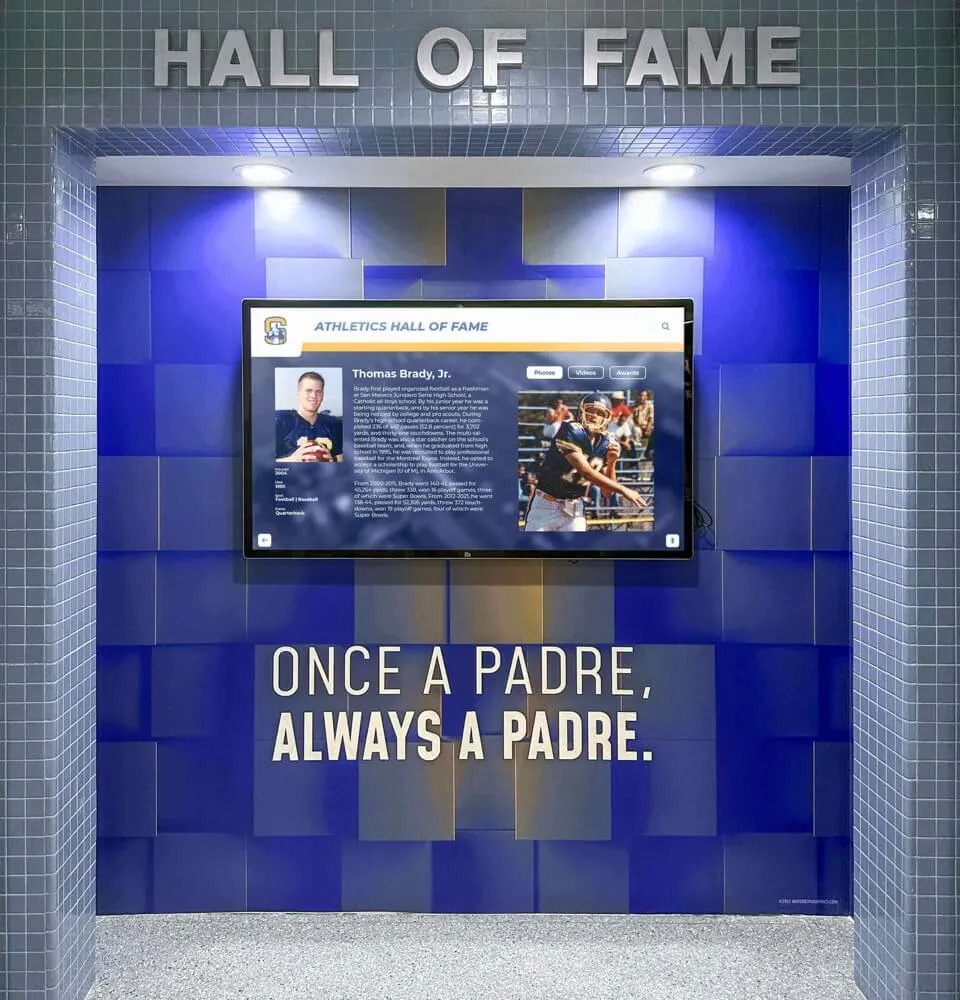
Tournament bracket graphics showing team advancement through playoff rounds with interactive details for each game—scores, locations, dates. Team photographs from tournament competition showing players in action during crucial games. Championship celebration photos capturing trophy presentations and victory moments. Video highlight packages featuring key plays from tournament games—championship-winning baskets, tournament MVP performances, dramatic victories. Individual athlete profiles for tournament standout performers including statistics, awards earned, and post-high-school athletic careers.
This multimedia richness transforms bracket displays from static tournament diagrams into immersive championship experiences conveying the excitement, emotion, and significance that simple bracket graphics cannot capture. Resources on digital athletic recognition storytelling explore how multimedia integration creates more impactful championship celebration than traditional display limitations allow. Athletic programs can also explore touchscreen implementation for team record displays to see how interactive technology enhances engagement.
Effortless Updates and Additions: Adding new championship brackets to digital systems requires simple content management updates rather than physical wall modifications, frame purchases, or vinyl installations. Athletic staff upload bracket graphics, team photos, and championship details through web-based administrative interfaces—work accomplished in minutes from any location rather than requiring facility access, installation equipment, or specialized skills.
This update simplicity ensures new championships receive immediate recognition without procurement delays, vendor scheduling, or budget approval processes. Teams earning state titles in March see comprehensive bracket recognition published by April rather than waiting months for traditional display production and installation.
Real-time bracket updates during active tournament competition keep displays current as teams advance. Early round victory Friday evening reflected in bracket displays by Saturday morning when teams and families arrive for practices and preparations. This currency creates engagement impossible when bracket displays lag tournament progression by days or weeks.
Large-Format Digital Display Screens
Commercial digital signage displays mounted in athletic facilities provide dynamic bracket presentation capabilities rotating through multiple tournaments and championship years.
Automated Bracket Slideshows: Digital screens continuously cycle through tournament bracket collections showing multiple championships without requiring user interaction. Five-minute rotation cycles enable displaying 10-20+ tournament brackets throughout an hour—far exceeding what static physical displays accommodate in equivalent wall space.
Content rotation strategies maintain fresh presentation preventing bracket displays from becoming background fixtures athletes stop noticing. Seasonal rotation emphasizing current sport championships during relevant competitive periods. Daily rotation varying bracket display sequence. Random rotation creating unpredictable presentation preventing habituation.
Motion and changing content naturally attract attention more effectively than static displays. Athletes passing digital screens showing animated bracket progressions or tournament highlight videos notice changing content even when rushing between classes or to practice—creating recognition engagement that permanent static brackets cannot match.
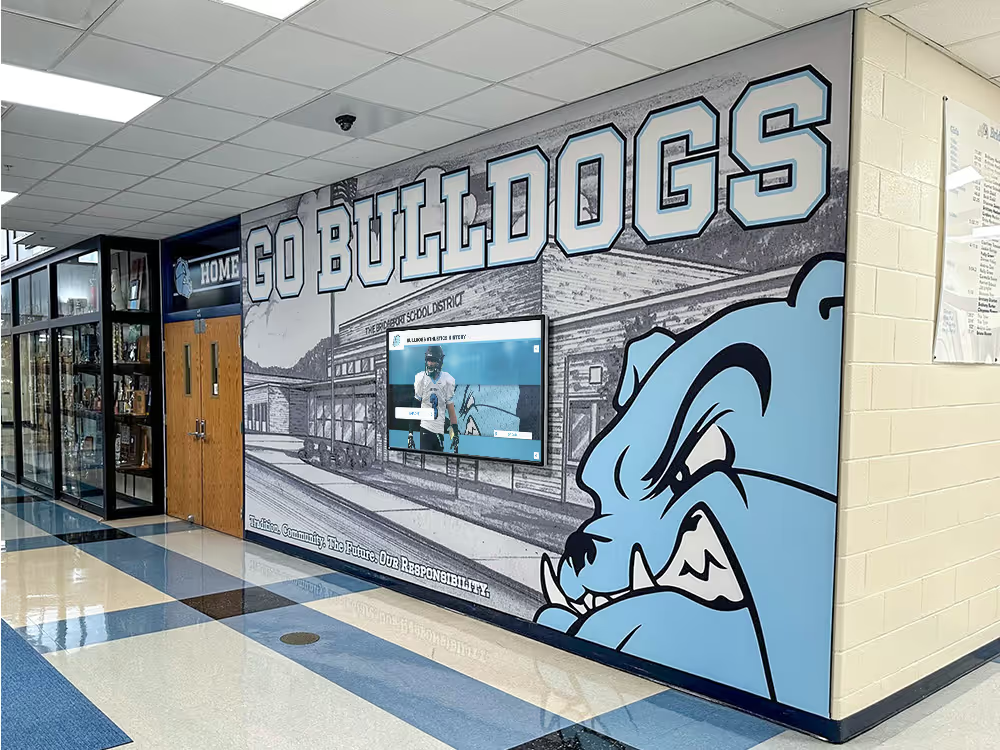
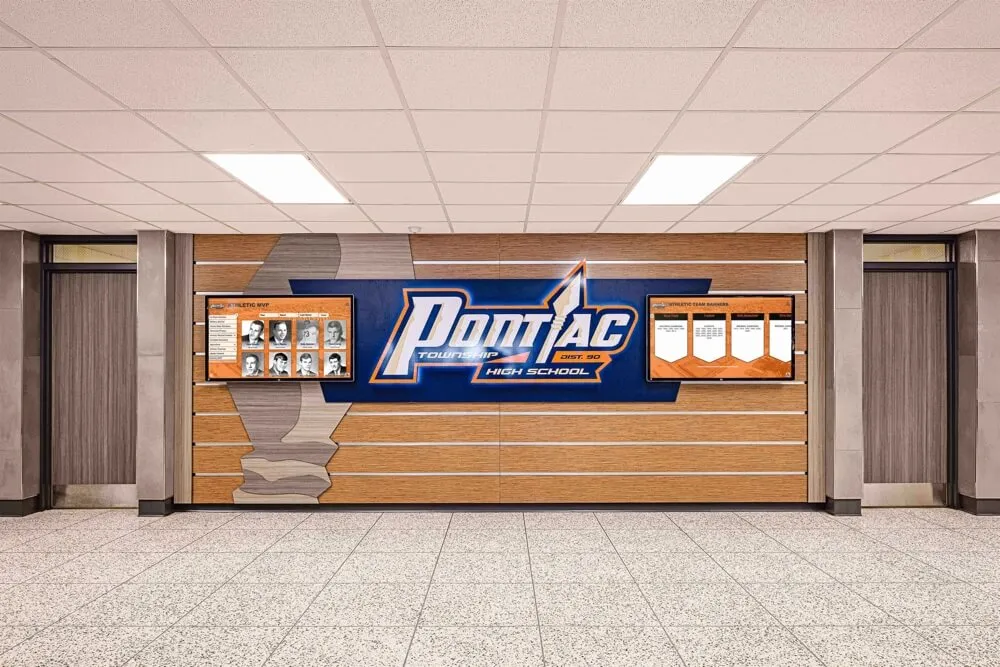
Split-Screen Content Layouts: Large digital displays support split-screen layouts simultaneously showing multiple content types—tournament brackets alongside championship team photos, game highlight videos, and athlete recognition. This content density maximizes recognition value per square foot of wall space while creating visually engaging presentations holding attention longer than single-element displays.
Integration with existing athletic communication systems enables combining bracket displays with other timely information—upcoming game schedules, practice notifications, athletic department announcements. This consolidation positions digital displays as essential athletic information hubs athletes check regularly rather than pure historical recognition they might ignore—increasing bracket display visibility through functional utility.
Hybrid Physical-Digital Approaches
Many athletic programs find that combining traditional physical bracket displays for most prestigious championships with comprehensive digital documentation of all tournament appearances creates optimal recognition balancing tangible presence with unlimited capacity.
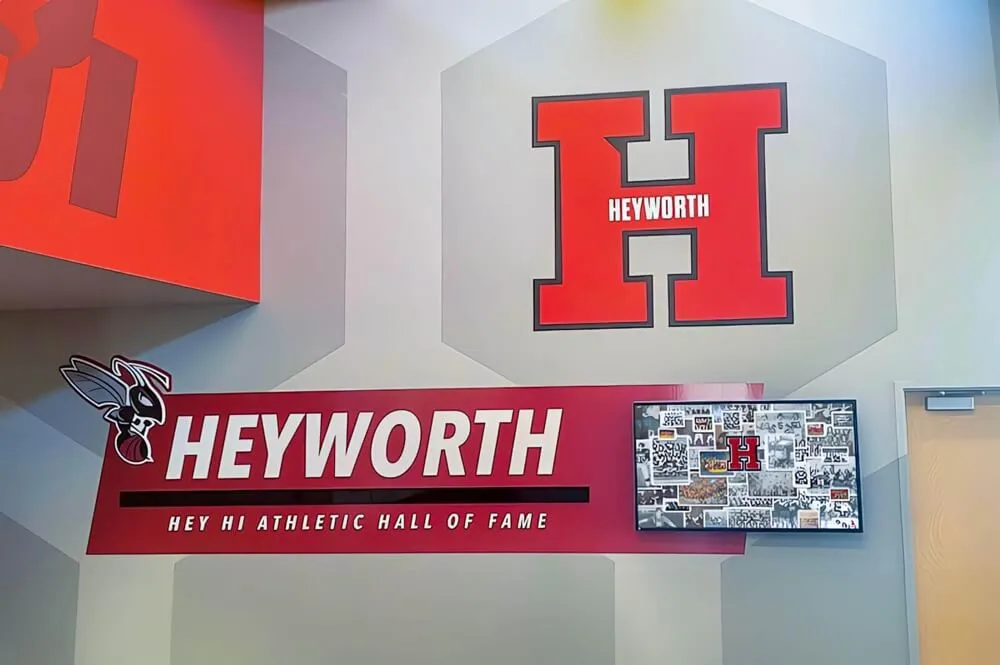
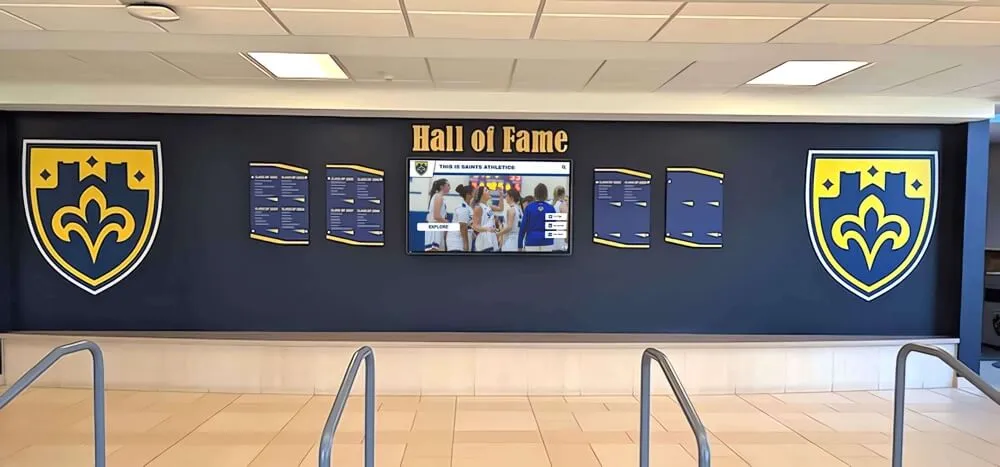
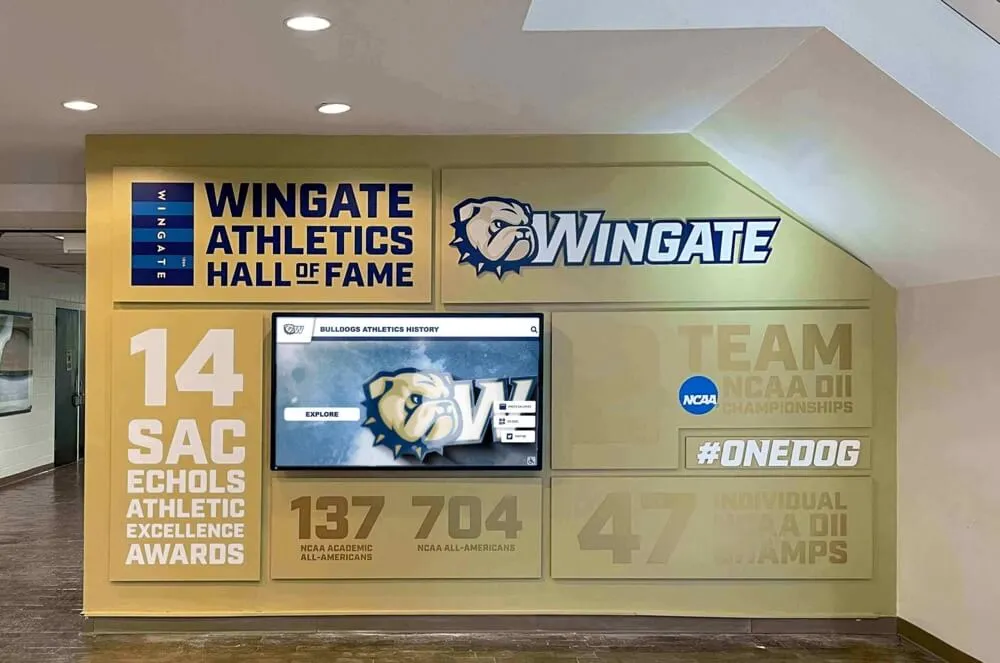
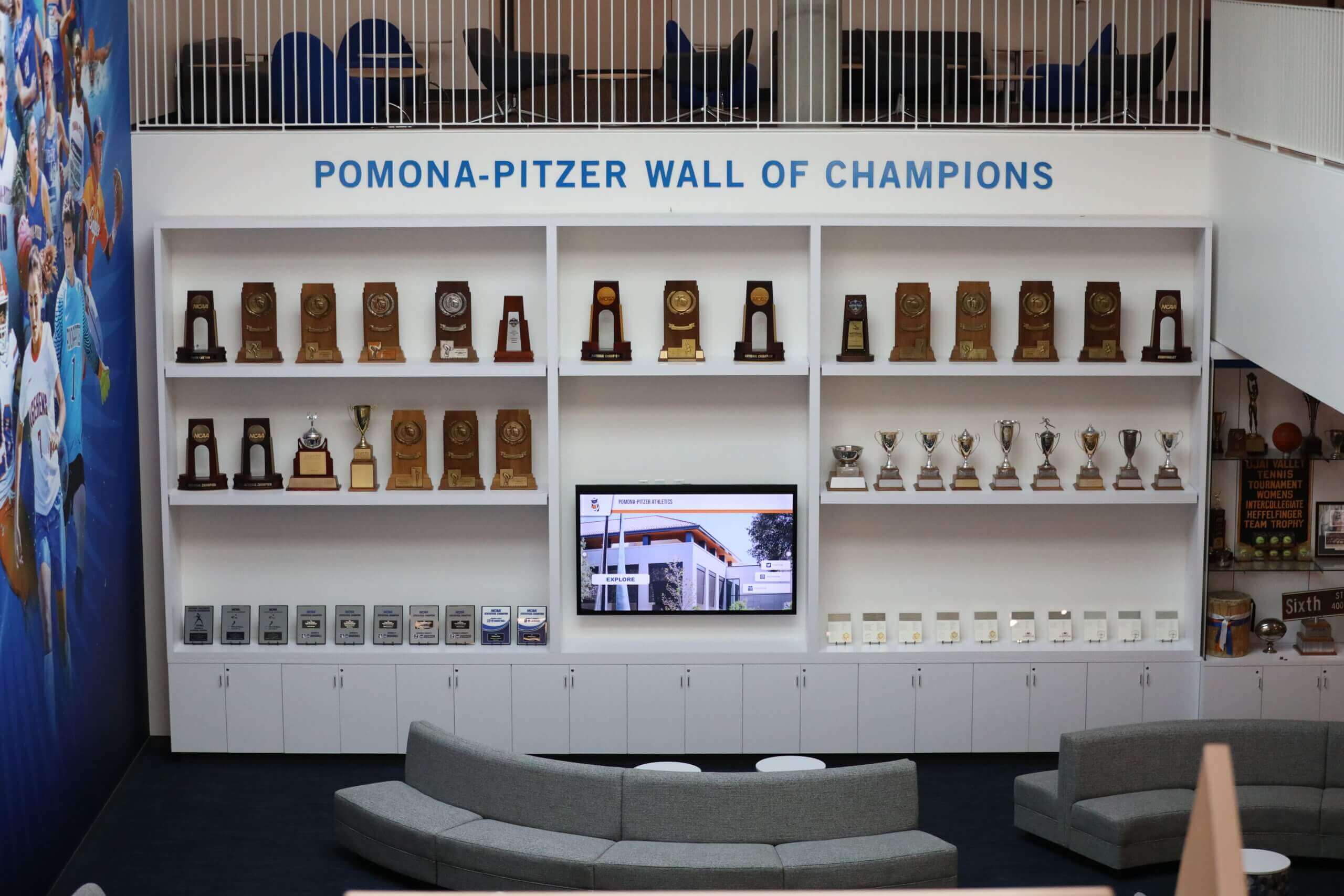
Showcase Physical Brackets + Complete Digital Archive: Maintain one or two premium wall-mounted or display case bracket presentations highlighting most significant championships—first state titles in program history, undefeated championship seasons, championships in multiple sports from single years. These showcase pieces preserve the ceremonial, tangible significance communities associate with physical championship displays while creating impressive focal points in gyms or athletic facilities.
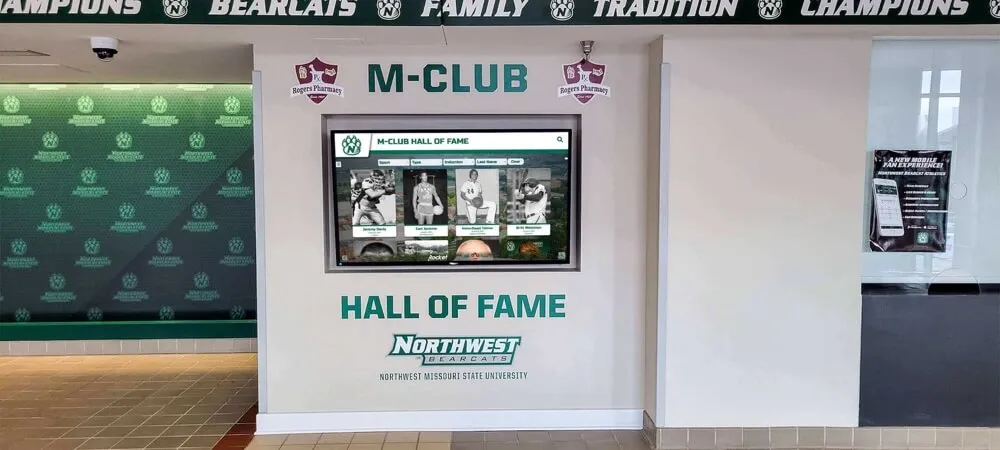
Adjacent digital displays provide comprehensive tournament bracket documentation including all state tournament appearances across all sports and years, semifinal and quarterfinal bracket progressions, conference and regional tournament successes, individual athlete tournament achievements, and coaching milestone recognition for tournament victories.
This hybrid approach satisfies constituencies valuing traditional physical championship presence while leveraging digital technology to eliminate capacity constraints and enable rich multimedia storytelling physical displays alone cannot provide. Solutions like those from Rocket Alumni Solutions enable schools to create integrated physical-digital championship recognition without requiring technical expertise or massive infrastructure investments.
QR Code Enhanced Physical Brackets: Physical bracket displays can include QR codes linking to comprehensive digital tournament documentation. Small QR code plaques positioned beside framed brackets enable visitors to scan codes with smartphones instantly accessing detailed championship information—complete team rosters with athlete profiles, game-by-game statistics and scores, video highlights from tournament games, coaching staff and season records, and where-are-they-now updates on championship team members.
This seamless integration preserves traditional physical bracket familiarity while extending recognition into rich digital experiences. Visitors choose engagement depth—quick bracket viewing satisfies casual interest while QR code scanning enables comprehensive tournament exploration for those wanting complete championship stories.
Best Practices for Effective Bracket Display Implementation
Successful bracket displays share common characteristics ensuring maximum recognition impact, sustainable maintenance, and equitable multi-sport celebration.
Bracket Design and Presentation Quality
Tournament bracket displays must balance comprehensive information with visual clarity and aesthetic appeal appropriate for institutional athletic recognition.
Readability From Viewing Distance: Bracket text—team names, game scores, opponent schools—must remain clearly legible from typical viewing distances. Brackets displayed in hallways where viewers stand 5-10 feet away require larger text than brackets in display cases enabling close inspection. Minimum text sizes of 14-18 points for viewing distances of 6-8 feet ensure readability without requiring viewers to approach uncomfortably close.
High contrast between bracket lines, text, and backgrounds improves readability especially in varied lighting conditions. Dark text on light backgrounds or vice versa maximizes visibility. Avoid low-contrast color combinations reducing legibility—light gray text on white backgrounds, yellow text on cream backgrounds.
Visual Hierarchy and Organization: Effective bracket designs guide viewers through tournament progressions using clear visual organization. Championship game positioning at bracket top or center with earlier rounds radiating outward. Consistent line weights distinguishing between bracket structure and game connections. Color coding differentiating between tournament rounds or highlighting championship team progression.
Contextual information—tournament name, year, school, sport—positioned prominently ensuring viewers immediately understand what bracket documents without requiring detailed examination. Title text significantly larger than bracket content establishes clear hierarchy.
Professional Design Standards: Bracket displays represent institutional athletic achievements warranting professional design quality rather than amateur appearance undermining championship significance. Consistent typography using readable fonts rather than decorative options compromising legibility. Proper alignment ensuring bracket elements line up correctly. Adequate spacing preventing cramped appearance. School branding and colors incorporated tastefully reinforcing institutional identity without overwhelming bracket content.
Resources on designing effective recognition displays provide detailed guidance for creating professional-quality championship presentations that appropriately honor athletic achievements while maintaining aesthetic standards befitting institutional recognition. Additional insights on implementing touchscreen displays for athletic records help athletic directors evaluate layout and design approaches.
Multi-Sport Equity and Inclusion
Championship bracket displays must celebrate tournament success across all athletic programs rather than disproportionately emphasizing high-visibility sports.
Equal Recognition Standards: All state tournament appearances deserve recognition using consistent quality standards regardless of sport popularity or spectator attendance. Identical display materials, design quality, and positional prominence for championships across football, basketball, soccer, track and field, swimming, tennis, golf, and all other sports. This consistency demonstrates institutional commitment to valuing competitive achievement equally across athletic programs.
Audit bracket display distribution regularly identifying potential inequities before they become problematic. Compare recognition quantity and quality between boys and girls programs. Assess whether team sports receive disproportionate emphasis compared to individual sports. Evaluate whether fall, winter, and spring sport championships gain equitable representation or seasonal biases emerge.
Accessible Display Heights and Positioning: Physical bracket displays must accommodate viewers of all heights and abilities. Optimal viewing heights position primary bracket content between 48-60 inches above floor level—comfortable for both standing adults and wheelchair users. Text critical for bracket understanding remains within this zone while less essential decorative elements may extend higher or lower.
Clear floor space of at least 30 inches wide by 48 inches deep in front of displays accommodates wheelchair positioning for comfortable viewing. Fixed seating, trash receptacles, or decorative elements should not intrude into required clearance affecting accessibility.
For digital bracket displays, touchscreen controls positioned between 15-48 inches above floor level enable operation from wheelchairs while remaining reachable for standing users. Alternative access methods such as mobile applications or voice commands provide options for individuals unable to use touchscreens comfortably.
Sustainable Maintenance and Update Systems
Bracket displays require ongoing maintenance and regular updates ensuring continued quality, accuracy, and current relevance.
Responsibility Assignment: Designate specific staff members responsible for bracket display maintenance and updates preventing recognition from deteriorating through neglect when everyone assumes someone else handles upkeep. Athletic directors, assistant athletic directors, or athletics coordinators typically assume this responsibility given their comprehensive program knowledge and stake in athletic recognition quality.
Document maintenance protocols including cleaning schedules and methods, update procedures for new championships, damage inspection and repair processes, and content review timelines ensuring accuracy. Written procedures prevent institutional knowledge loss during staff transitions while establishing accountability standards.
Update Workflows: Establish efficient workflows for adding new championship brackets immediately following tournament success rather than allowing months-long delays diminishing recognition timeliness and impact. For traditional physical displays, this includes photographer engagement for team photos, graphic designer coordination for bracket layout, printing vendor selection and ordering, and installation scheduling and completion. For digital displays, content management access and training, bracket graphic and photo collection, upload procedures and timelines, and quality review before publishing.
Streamlined workflows reduce recognition delays while distributing workload preventing end-of-season bottlenecks when multiple sport championships require simultaneous documentation. Digital systems dramatically simplify update processes compared to physical display production and installation—enabling immediate championship recognition rather than extended timelines traditional approaches impose.
Annual Content Audits: Schedule annual reviews assessing bracket display accuracy, completeness, and condition. Verify tournament bracket details against official records correcting any errors. Identify missing tournament documentation filling gaps through archival research. Evaluate physical display condition addressing deterioration before damage becomes irreparable. Review digital content ensuring links work, photos display correctly, and information remains current.
Systematic audits prevent gradual decline undermining display quality and institutional athletic heritage preservation. Consistent attention maintains recognition systems as sources of pride rather than allowing deterioration creating embarrassment and requiring expensive remediation. Schools implementing new recognition programs should review common mistakes when installing hall of fame boards to avoid pitfalls during initial deployment.
Conclusion: Transforming Tournament Success Into Lasting Recognition
State championship bracket displays represent far more than simple tournament documentation—they embody program excellence, preserve competitive narratives, and inspire future athletic achievement. Strategic display approaches ensure these tournament progressions receive recognition worthy of the dedication, teamwork, and skill they commemorate.
Effective bracket display systems share essential characteristics: sufficient capacity accommodating championships across all sports and years without forcing difficult priority decisions, presentation quality reflecting institutional pride and athletic achievement significance, equitable recognition celebrating tournament success across all programs rather than favoring certain sports, flexible updates enabling timely addition of new championships, sustainable maintenance preserving display quality and historical accuracy across decades, and comprehensive storytelling documenting tournament progressions beyond simple bracket diagrams.
Modern digital record board solutions address the limitations that have long constrained physical bracket displays—eliminating space capacity challenges, enabling rich multimedia tournament documentation, simplifying maintenance and update workflows, ensuring equitable multi-sport recognition, and providing anywhere-anytime access extending recognition reach beyond physical facility walls. These capabilities create championship displays impossible through traditional approaches alone.
Schools investing in strategic bracket display systems reap multiple benefits. Current athletes gain daily inspiration from visible evidence that state tournament success remains achievable through dedication and teamwork. Prospective athletes and families evaluating programs see tangible proof of competitive excellence and institutional commitment to recognizing achievement. Alumni maintain connections to championship experiences they earned or witnessed. Communities take pride in celebrated local athletic success. Athletic directors fulfill responsibilities for preserving program heritage and maintaining Title IX compliance through equitable recognition.
Whether implementing traditional physical bracket displays, cutting-edge digital recognition systems, or hybrid approaches combining both elements, core principles remain constant: comprehensive planning anticipating future needs, professional presentation quality, equitable multi-sport celebration, sustainable maintenance commitments, and continuous improvement based on experience and feedback.
Tournament brackets document athletic achievements earned through seasons of preparation, competition, and teamwork. Strategic display approaches ensure these championship progressions receive lasting recognition preserving institutional athletic heritage while inspiring the next generation toward their own tournament success. The brackets celebrated today become the motivation for tomorrow’s championships—creating cycles of excellence strengthening athletic programs and communities across generations.
Ready to transform how your athletic program recognizes state championship bracket progressions? Explore how Rocket Alumni Solutions provides comprehensive digital record board platforms enabling schools to preserve and celebrate tournament success through engaging, accessible displays that honor achievements while inspiring current and future athletes. Schedule a Zoom demo to see how unlimited bracket capacity, automatic updates, and rich multimedia storytelling create championship recognition that inspires excellence.