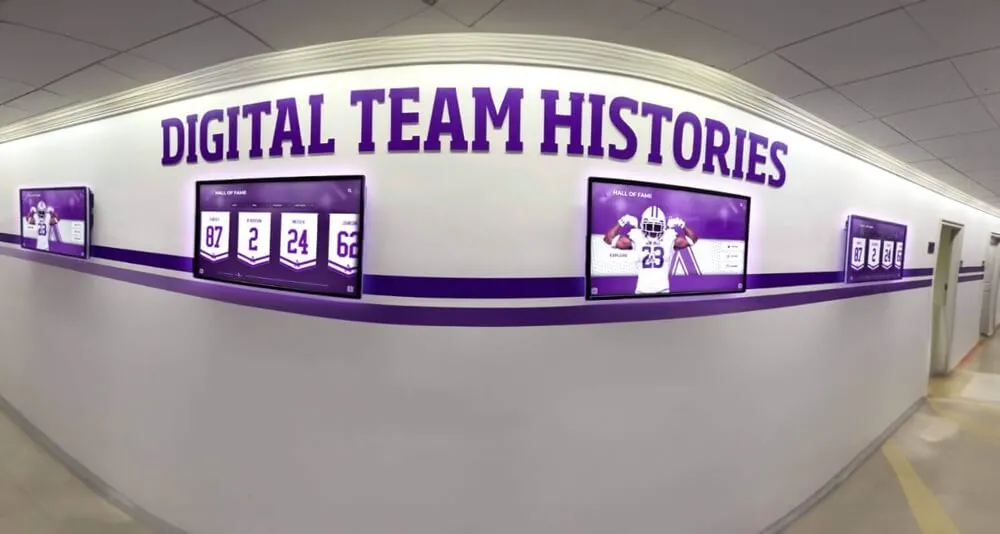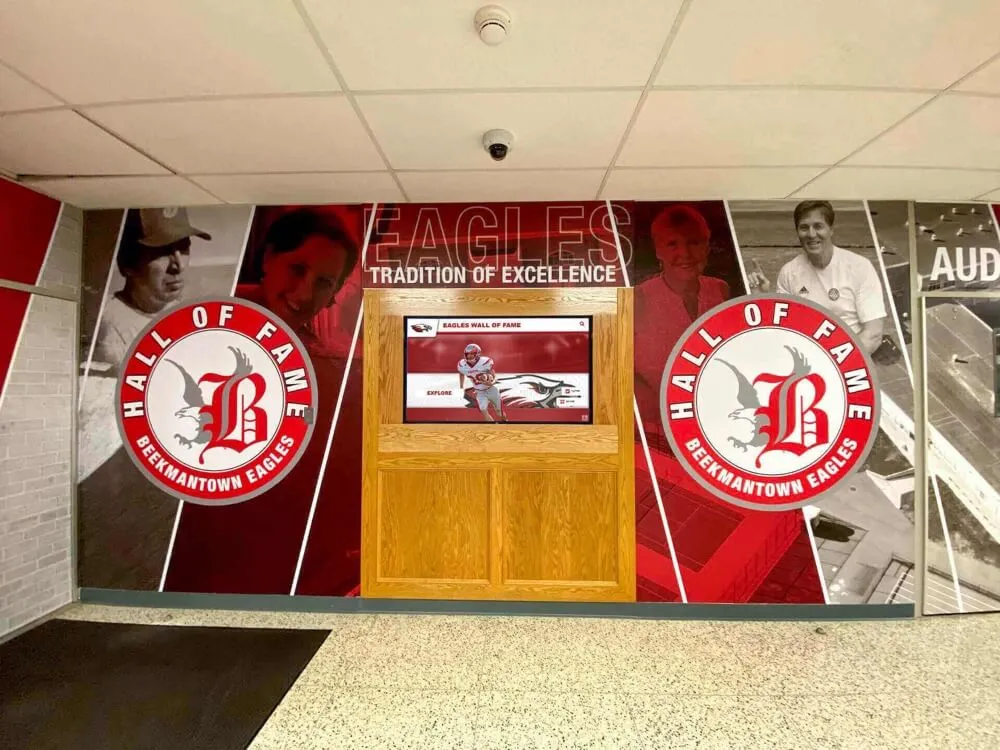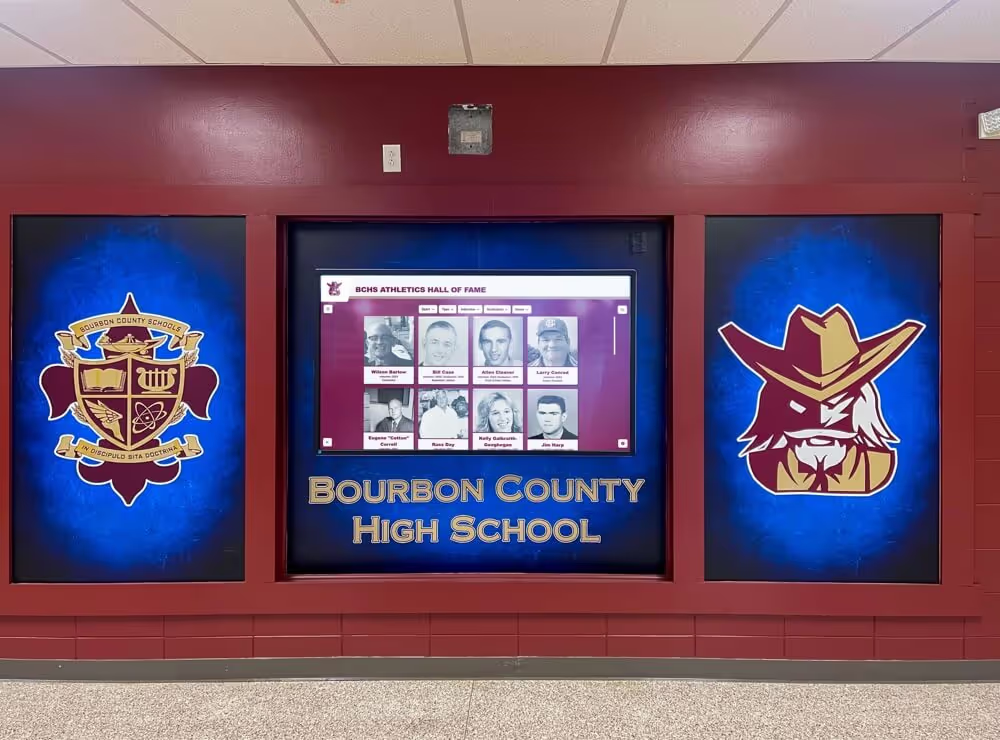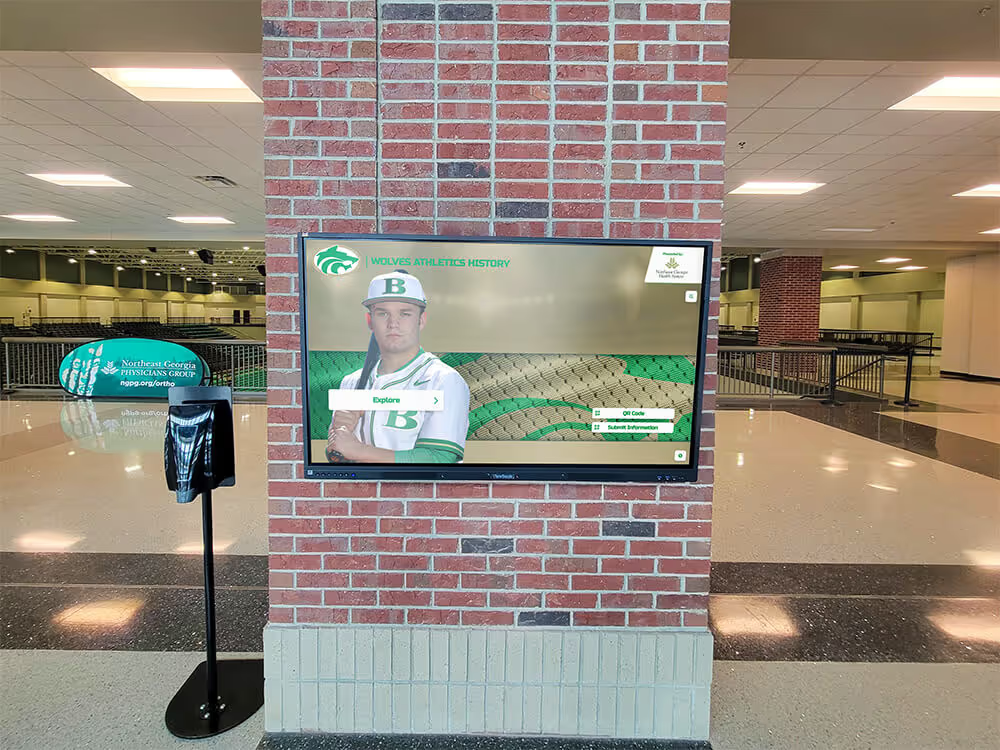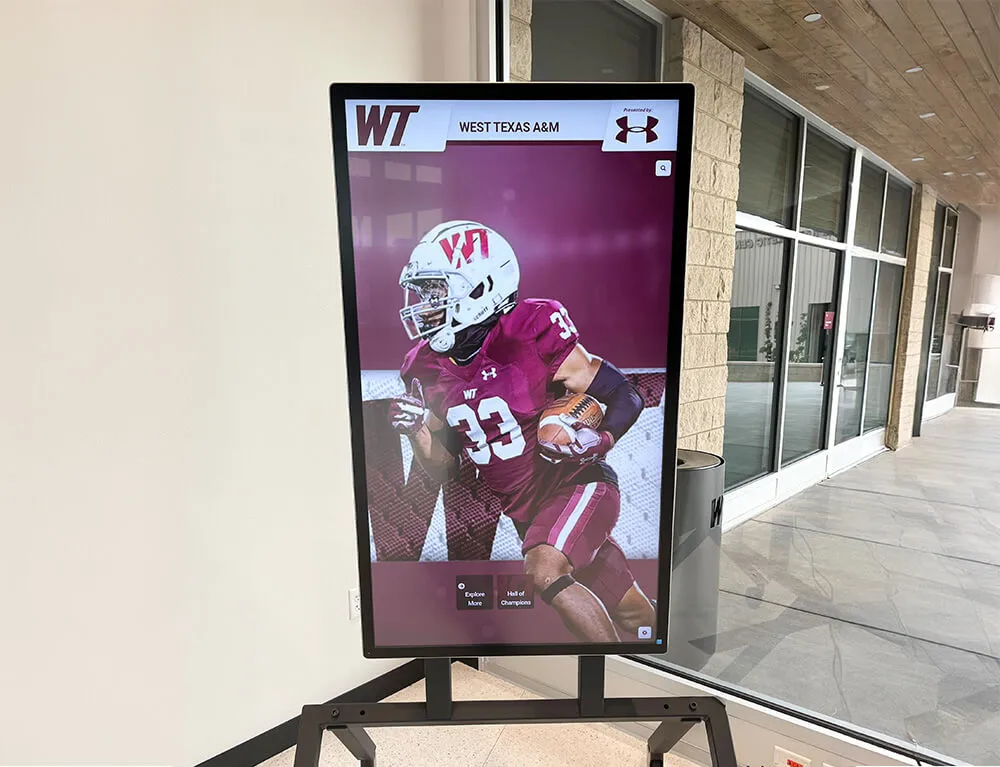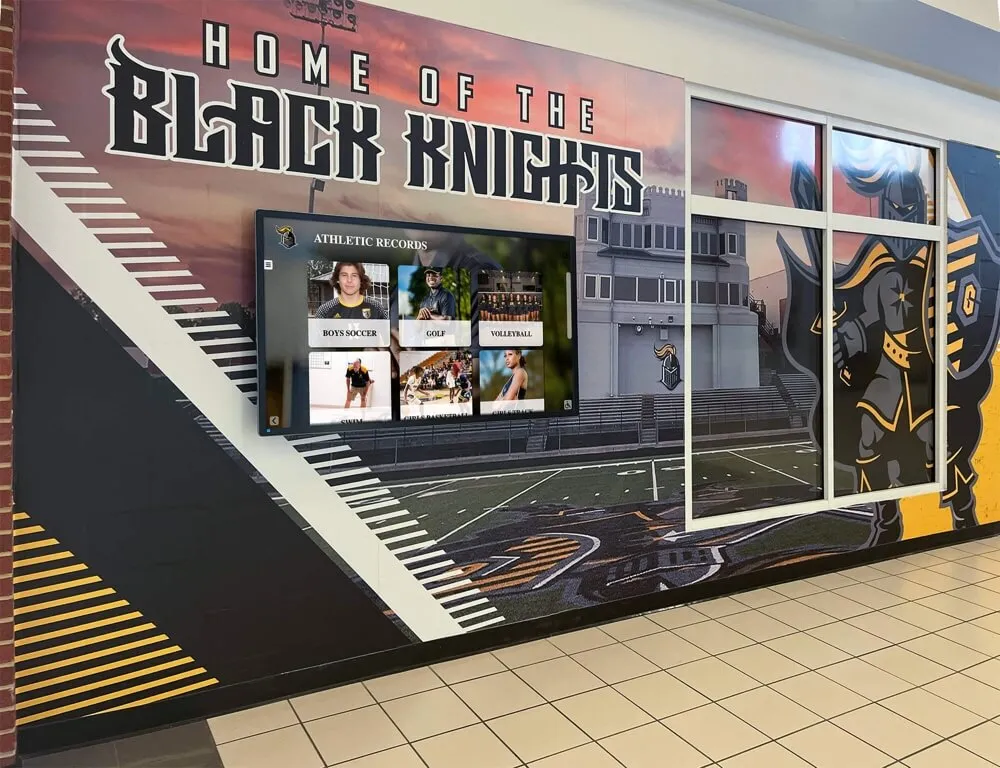




Basketball records represent the pinnacle achievements that define programs, inspire athletes, and preserve sporting excellence across generations. From single-game scoring explosions to career milestone accomplishments, basketball statistics create measurable standards that challenge current players while honoring past legends. Whether tracking a point guard’s career assist total, documenting a center’s single-season rebounding dominance, or celebrating a team’s championship run, comprehensive records recognition transforms individual performances into lasting program legacy.
Understanding how to effectively track, display, and celebrate basketball records requires balancing statistical precision with meaningful recognition, selecting appropriate display technologies, organizing diverse achievement categories, and maintaining systems that remain relevant across decades of program evolution. This comprehensive guide explores every dimension of basketball records recognition from establishing tracking systems through creating engaging displays that inspire current athletes while preserving program history for future generations.
Why Basketball Records Matter
Basketball records serve multiple essential purposes that extend far beyond simple statistical documentation. Visible records create immediate motivation as current athletes pursue their place in program history, provide tangible evidence of program excellence for recruiting purposes, preserve institutional memory across coaching changes and roster transitions, build program culture around continuous improvement and achievement, strengthen alumni connections through documented shared history, and establish clear performance standards that define program expectations. For schools implementing comprehensive digital recognition systems, basketball records become central elements of athletic facility experiences while serving as powerful tools for building program pride and competitive tradition.
Understanding Basketball Records Categories
Effective records recognition requires organizing achievements into logical categories that acknowledge the diverse ways athletes and teams excel across offensive production, defensive intensity, and team success.
Individual Offensive Records
Basketball’s offensive side produces the most celebrated statistical achievements, with scoring records typically dominating recognition while assists, shooting efficiency, and consistency metrics round out complete offensive excellence documentation.
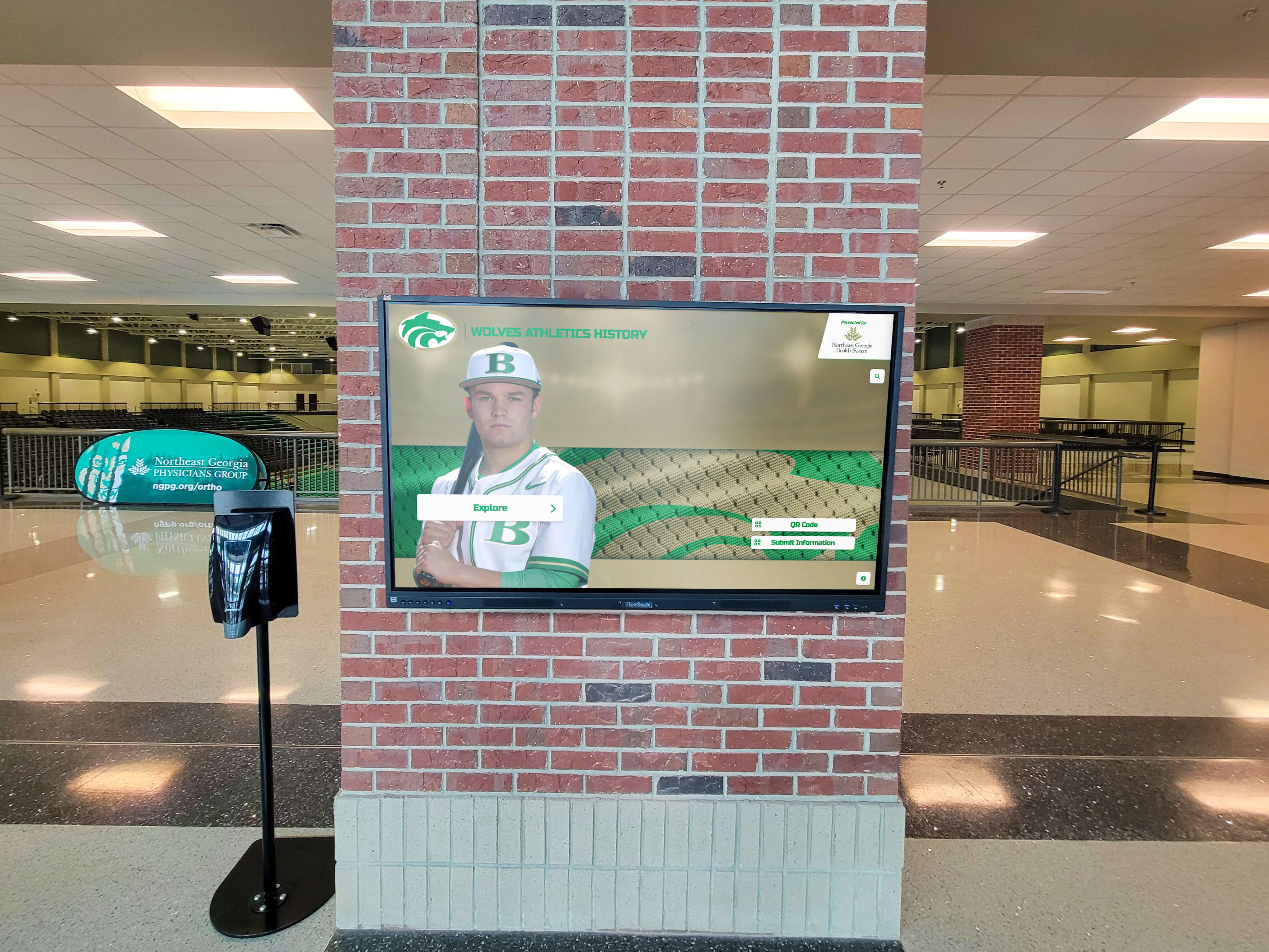
Scoring Records: Points represent basketball’s most visible achievement category. Programs typically recognize single-game scoring performances establishing explosive offensive capability, single-season point totals documenting sustained excellence across complete campaigns, career point totals honoring multi-year contributions especially the coveted 1,000-point milestone, points per game averages demonstrating consistent production, and consecutive games scoring in double figures showing remarkable reliability. Championship programs often feature multiple generations of scoring legends, making historical documentation particularly meaningful for maintaining program identity while inspiring current athletes to chase existing marks.
Three-Point Shooting Records: The three-point revolution has transformed modern basketball, making long-range shooting records increasingly prominent. Recognition should include single-game three-pointers made highlighting exceptional shooting performances, season and career three-point totals celebrating specialized shooting excellence, three-point shooting percentage demonstrating accuracy and efficiency, and consecutive games with made three-pointers showing sustained perimeter threat. Elite shooters who dominate multiple three-point categories simultaneously deserve comprehensive recognition celebrating their specialized excellence.
Free Throw Excellence: Clutch free throw shooting often determines close game outcomes, making consistency from the charity stripe worthy of recognition. Important free throw records include single-season free throw percentage demonstrating reliability under pressure, consecutive free throws made showing exceptional concentration, career free throw statistics for consistent performers, and critical late-game free throws in championship situations when documented.
Assists and Playmaking: Point guards and facilitators create offensive success through vision and passing ability deserving equal recognition to scoring achievements. Programs should track single-game assists establishing distribution dominance, season and career assist totals celebrating sustained playmaking excellence, assist-to-turnover ratios demonstrating decision-making quality, and triple-double performances combining scoring, rebounding, and assists. Elite playmakers who elevate teammates through selfless distribution deserve prominent recognition celebrating their complete offensive impact.
Field Goal Efficiency: Beyond volume statistics, shooting efficiency metrics demonstrate offensive effectiveness. Records worth tracking include single-season field goal percentage for players with minimum attempt thresholds, career shooting percentages for consistent efficient scorers, and specific efficiency within particular shot ranges for programs tracking advanced analytics.
Individual Defensive Records
Defense wins championships, making defensive achievement recognition essential for programs emphasizing complete basketball excellence beyond just offensive statistics.
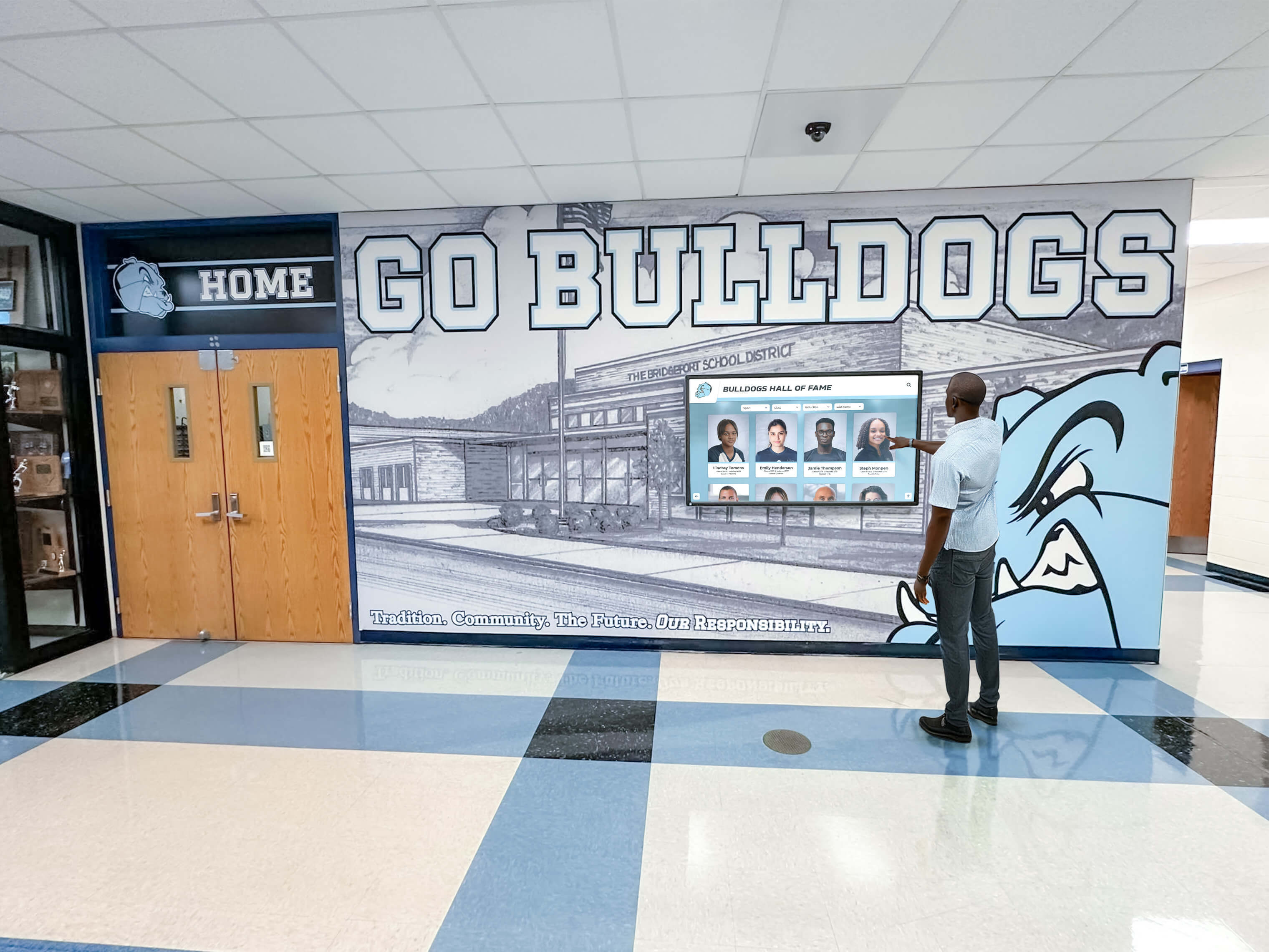
Rebounding Records: Controlling the boards determines possession and second-chance opportunities. Programs typically recognize single-game rebounding totals highlighting dominant individual performances, season and career rebound numbers establishing yearly and long-term excellence, offensive rebounds creating additional scoring chances, defensive rebounds securing possessions, and double-double performances combining scoring with rebounding. Elite rebounders from both post positions and wing players who crash boards deserve recognition celebrating their physical commitment and positioning excellence.
Steals and Defensive Pressure: Creating turnovers through active hands and anticipation generates momentum-changing plays. Recognition should include single-game steal totals establishing defensive dominance, season and career steal numbers celebrating sustained defensive intensity, consecutive games with steals showing consistent pressure, and deflections for programs tracking advanced defensive metrics. Perimeter defenders who excel at disrupting passing lanes and creating transition opportunities deserve prominent recognition.
Blocked Shots: Shot-blocking ability provides interior defense deterrence even beyond blocked attempts. Programs should document single-game block totals, season and career blocked shots, and blocks per game averages for rim protectors. Big players who anchor defensive schemes through shot-blocking presence deserve recognition celebrating their defensive impact.
Defensive Versatility: For programs tracking advanced metrics, defensive statistics might include charges taken demonstrating positioning and toughness, defensive rating or plus-minus for overall defensive impact, and opponent field goal percentage when defended for elite individual defenders.
Team Records Recognition
Individual excellence occurs within team contexts, making collective achievement celebration essential for complete program recognition.
Scoring and Offensive Performance: Team offensive firepower defines successful seasons through points scored in single games establishing offensive explosiveness, season point totals and per-game averages documenting sustained production, field goal percentage team-wide showing balanced efficiency, and assists per game demonstrating unselfish team play. Championship teams often combine individual scoring stars with balanced contributions creating sustainable offensive success.
Defensive Team Achievement: Championship defenses prevent opponent scoring through intensity and system execution. Recognition should include fewest points allowed in games and seasons, opponent field goal percentage held, steals per game as team creating transition opportunities, and blocks per game establishing rim protection. Defensive-minded programs build identity around these team defensive metrics.
Season Win Records: Championship seasons and streaks define program eras through most wins in single seasons, consecutive wins across multiple games, undefeated seasons achieving perfection, conference championships and tournament success, and playoff victories celebrating postseason excellence. For programs implementing comprehensive recognition systems, championship team celebration alongside individual record recognition creates complete program history documentation.
Historical Milestones: Programs should also recognize significant historical achievements including longest playoff runs, rivalry game winning streaks, home winning streaks creating intimidating venues, and margin of victory records in dominant seasons.

Traditional Basketball Records Display Methods
Before digital technology revolutionized recognition, basketball programs relied on various traditional approaches for preserving and displaying records, many still valued for their tangible presence and aesthetic qualities that complement modern solutions.
Painted Record Boards
Hand-painted record boards represent the classic approach to basketball records recognition, with names, achievements, and years painted directly on boards mounted in gymnasiums or fieldhouses creating permanent visible tributes to excellence.
Aesthetic Appeal and Tradition: Traditional painted records possess undeniable visual appeal and permanence that resonates with traditionalists. The craftsmanship visible in quality painted boards creates impressive visual impact commanding attention. These displays feel substantial and permanent, creating gravity around achievements they document. For programs with long traditions, painted boards weathering decades create powerful connections to history. Alumni returning to facilities often find painted boards exactly as they remember from their playing days, creating nostalgic connections that digital systems struggle to replicate.
Practical Limitations: While aesthetically appealing, painted boards present significant practical challenges. Adding new records requires complete repainting as athletes break existing marks, creating expense and delay between record-breaking performances and updated recognition. Space constraints limit how many records receive display, forcing difficult decisions about which achievements merit inclusion. Painted boards cannot accommodate multimedia content like photos or detailed statistics beyond names and numbers. Environmental factors like sunlight and moisture gradually fade painted boards, requiring periodic restoration to maintain appearance.
Plaque Systems and Trophy Cases
Individual plaques mounted on recognition walls or combined with trophy case displays provide alternative approaches celebrating record-holding athletes through physical artifacts.
Personalized Recognition: Custom plaques for each record holder create personalized recognition that athletes and families value deeply. Plaques can include photos, achievement details, dates, and biographical information creating more complete recognition than simple painted names. Organized plaque walls dedicated to records create visual impact through comprehensive display of program excellence across decades.
Space and Update Challenges: Both plaques and trophies require significant physical space limiting how many records receive recognition. Fabrication costs for custom plaques create ongoing expenses as athletes break records. Maintenance requirements include regular cleaning and periodic replacement as items age. These practical limitations often result in selective recognition focusing only on the most significant records rather than comprehensive documentation of all achievement categories.
Banner and Vinyl Graphics
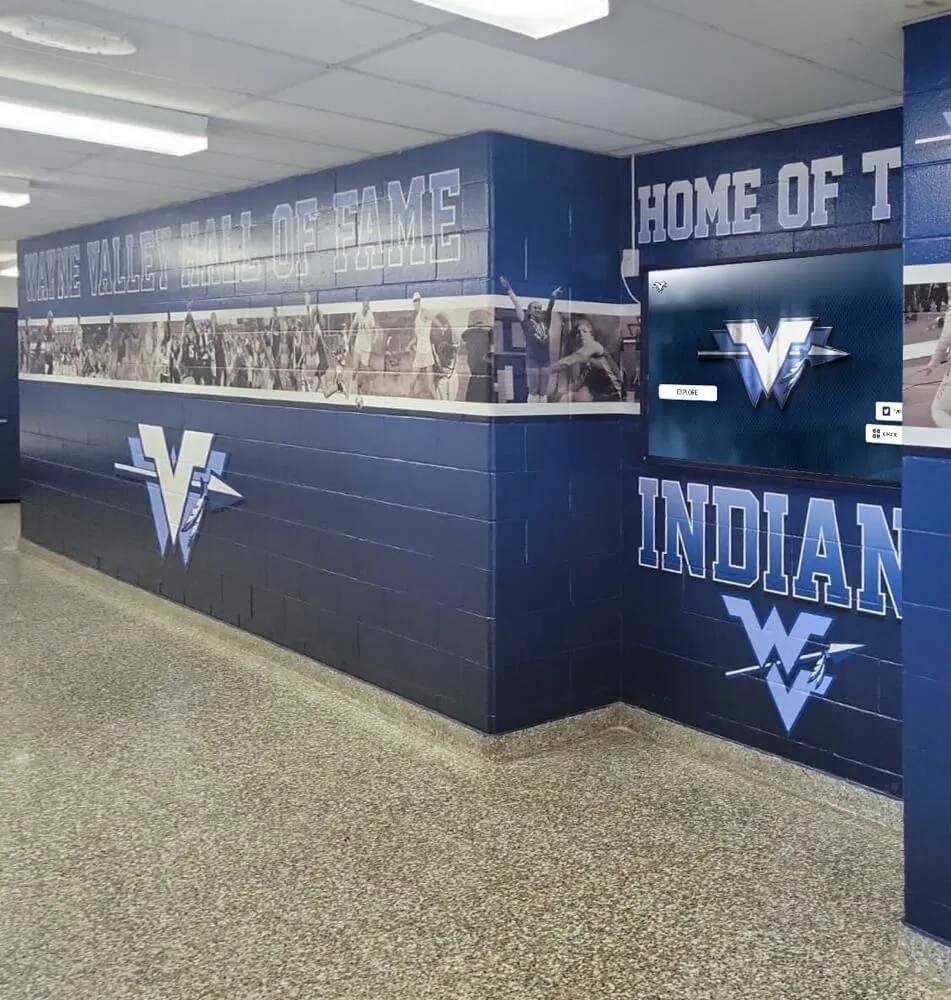
Modern printing technology enables creating large-format vinyl graphics, banners, and wall wraps displaying records with professional design and strong visual impact enhancing gymnasium aesthetics.
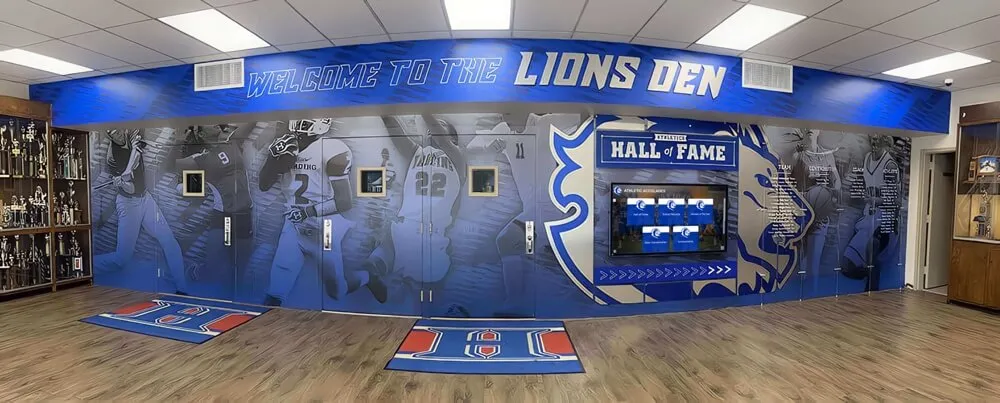
Professional Appearance: Vinyl graphics allow implementing sophisticated designs incorporating team colors, logos, action photography, and organized statistical information. Professional installation creates clean, impressive displays enhancing athletic facility appearance beyond what hand-painting typically achieves.
Update Inflexibility: Similar to painted boards, vinyl graphics become outdated as records fall, requiring complete replacement rather than simple updates. While less expensive than repainting, new vinyl production and installation still creates delay and accumulated expense over time for programs with frequently broken records.
Digital Basketball Records Recognition Systems
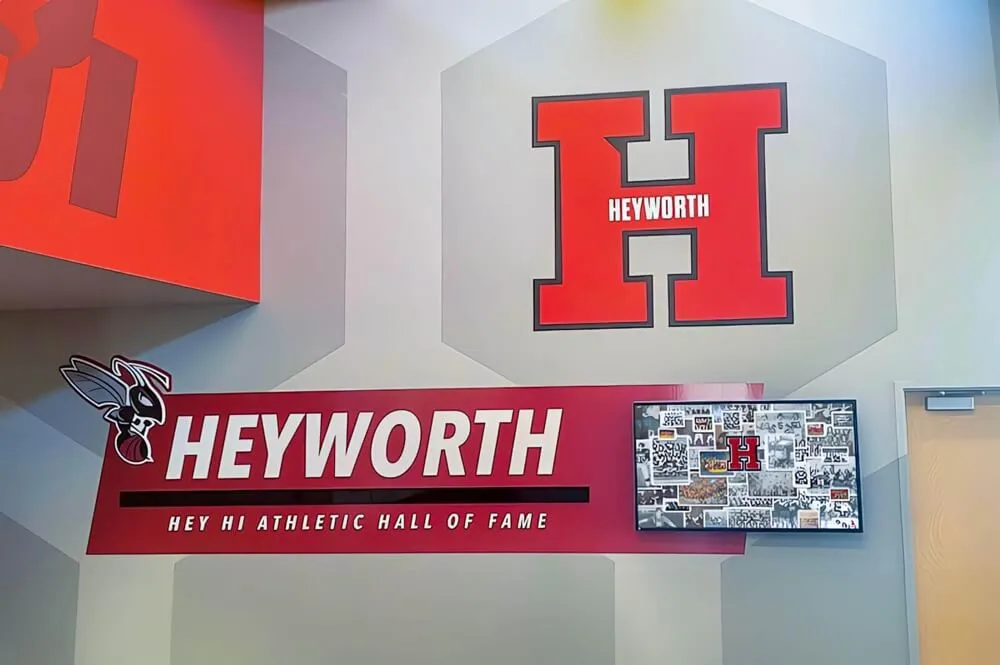
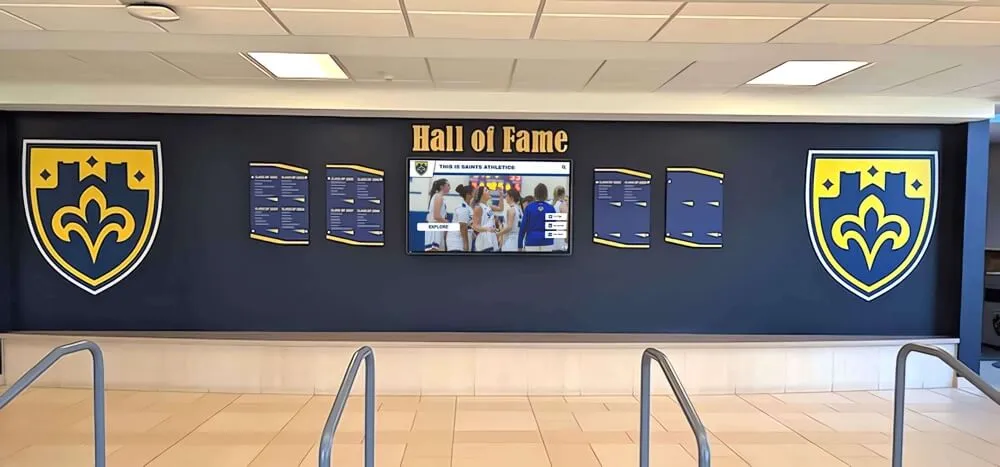
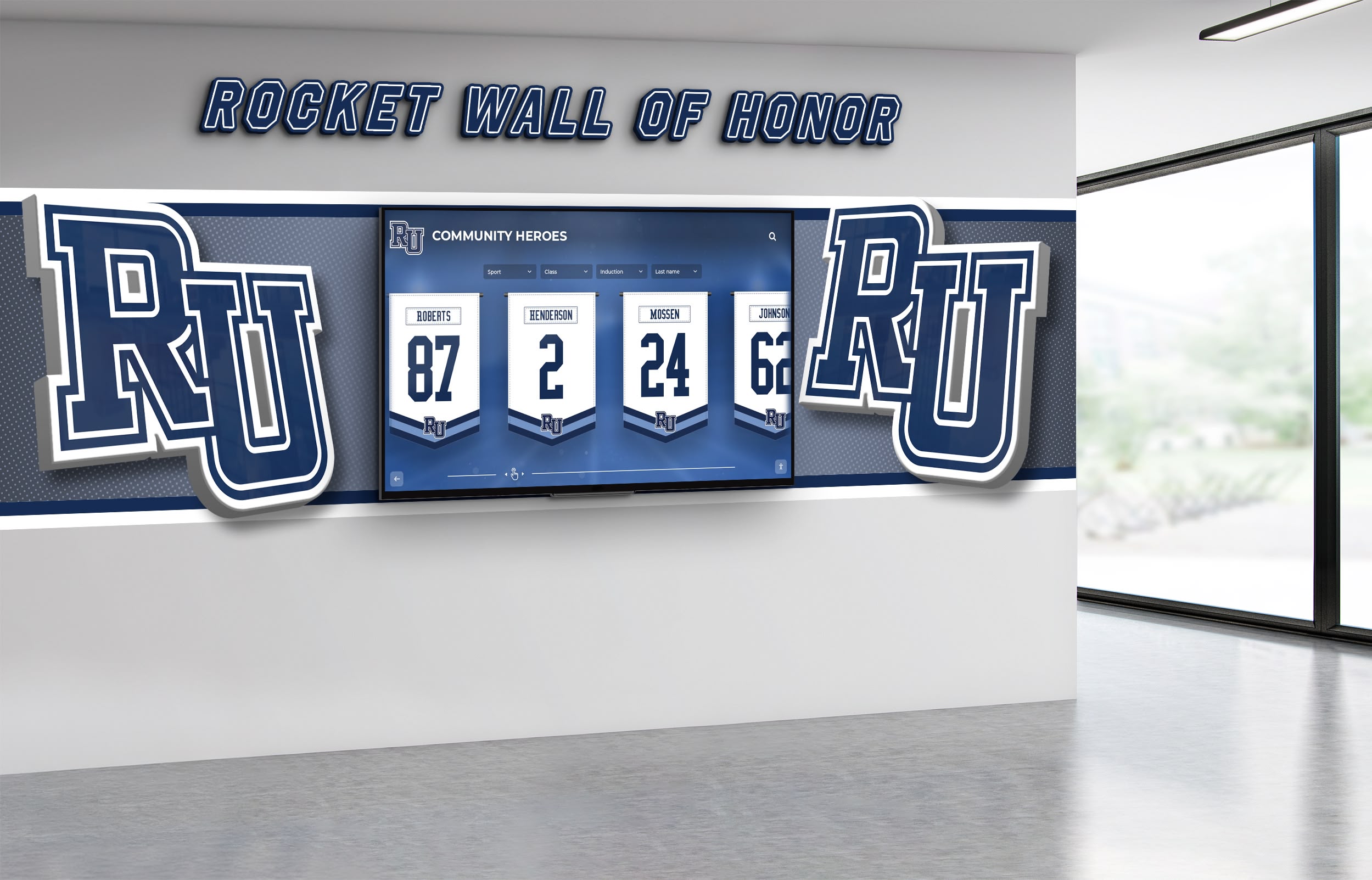
Modern digital display technology has fundamentally transformed basketball records recognition, enabling capabilities impossible with traditional static displays while addressing inherent limitations of painted boards and physical plaques.
Advantages of Digital Records Recognition
Digital platforms deliver multiple benefits addressing traditional method limitations while creating enhanced experiences for athletes, recruits, and alumni that strengthen program culture and community engagement.
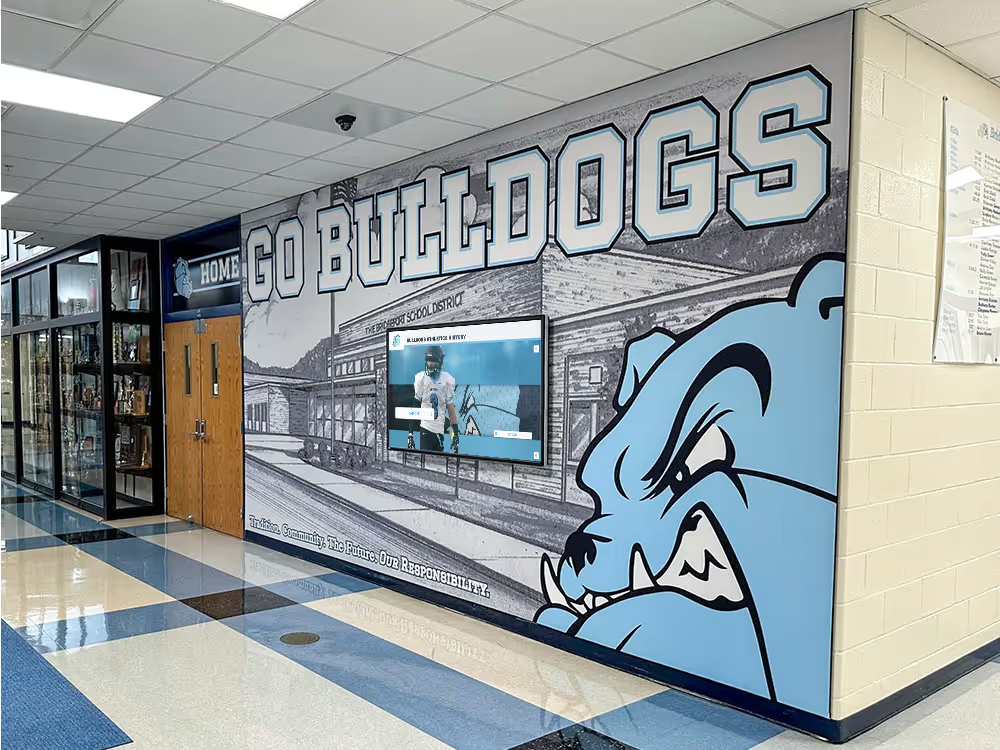
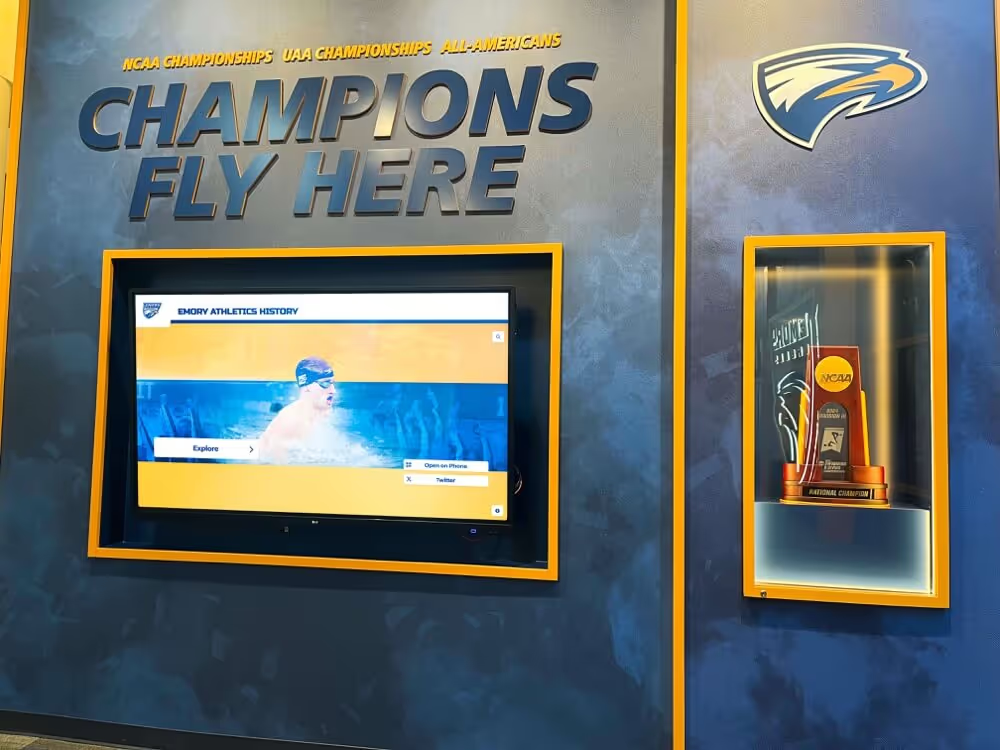
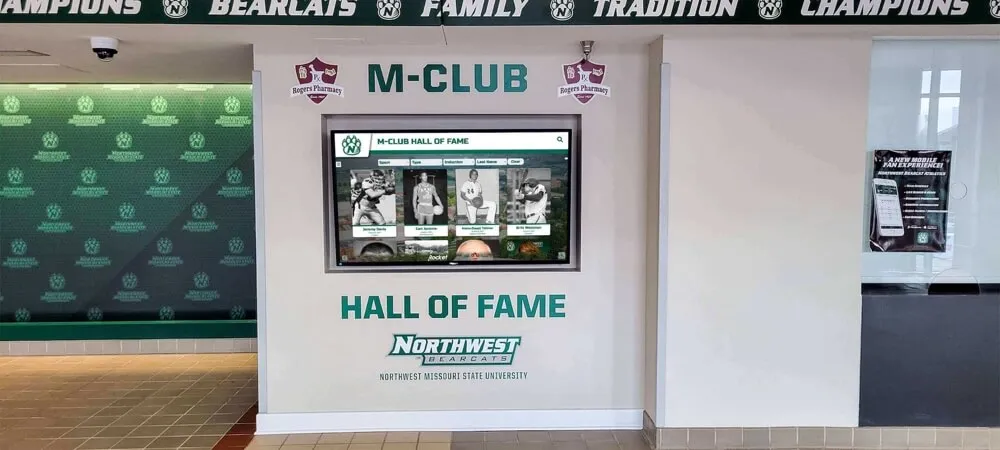
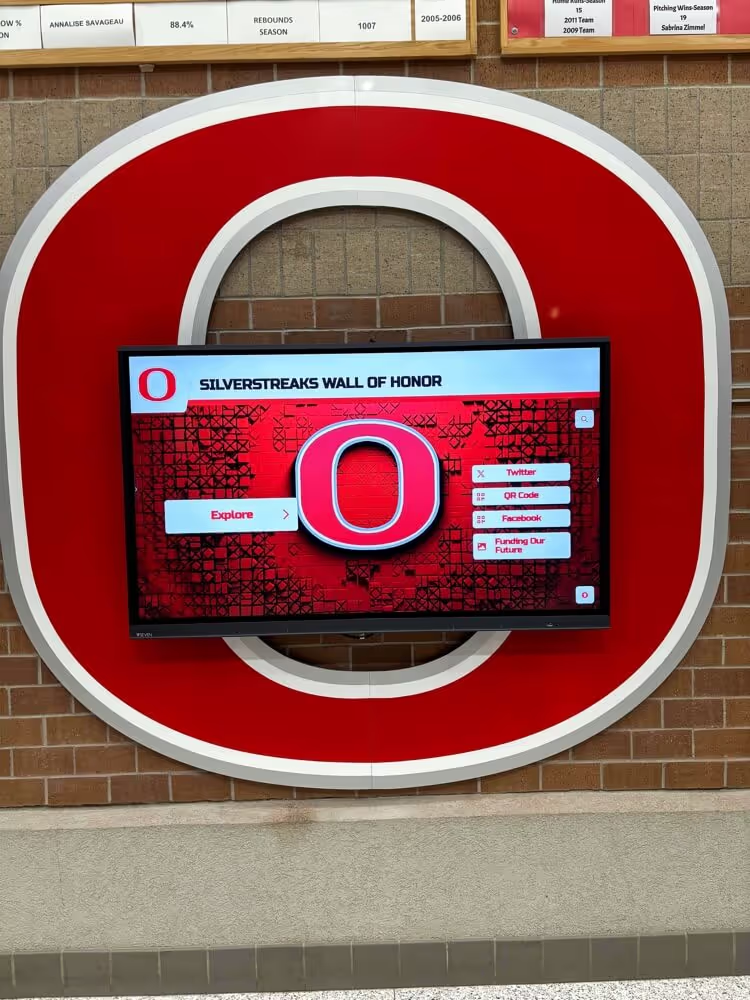
Unlimited Recognition Capacity: Digital systems eliminate space constraints forcing difficult decisions about which records deserve display. Every record category across offensive, defensive, and team achievement can receive comprehensive recognition with detailed statistics, historical context, and record progression over time. Programs can recognize all-time records alongside season leaders from every year, creating complete historical documentation without physical space limitations that plague traditional recognition methods.
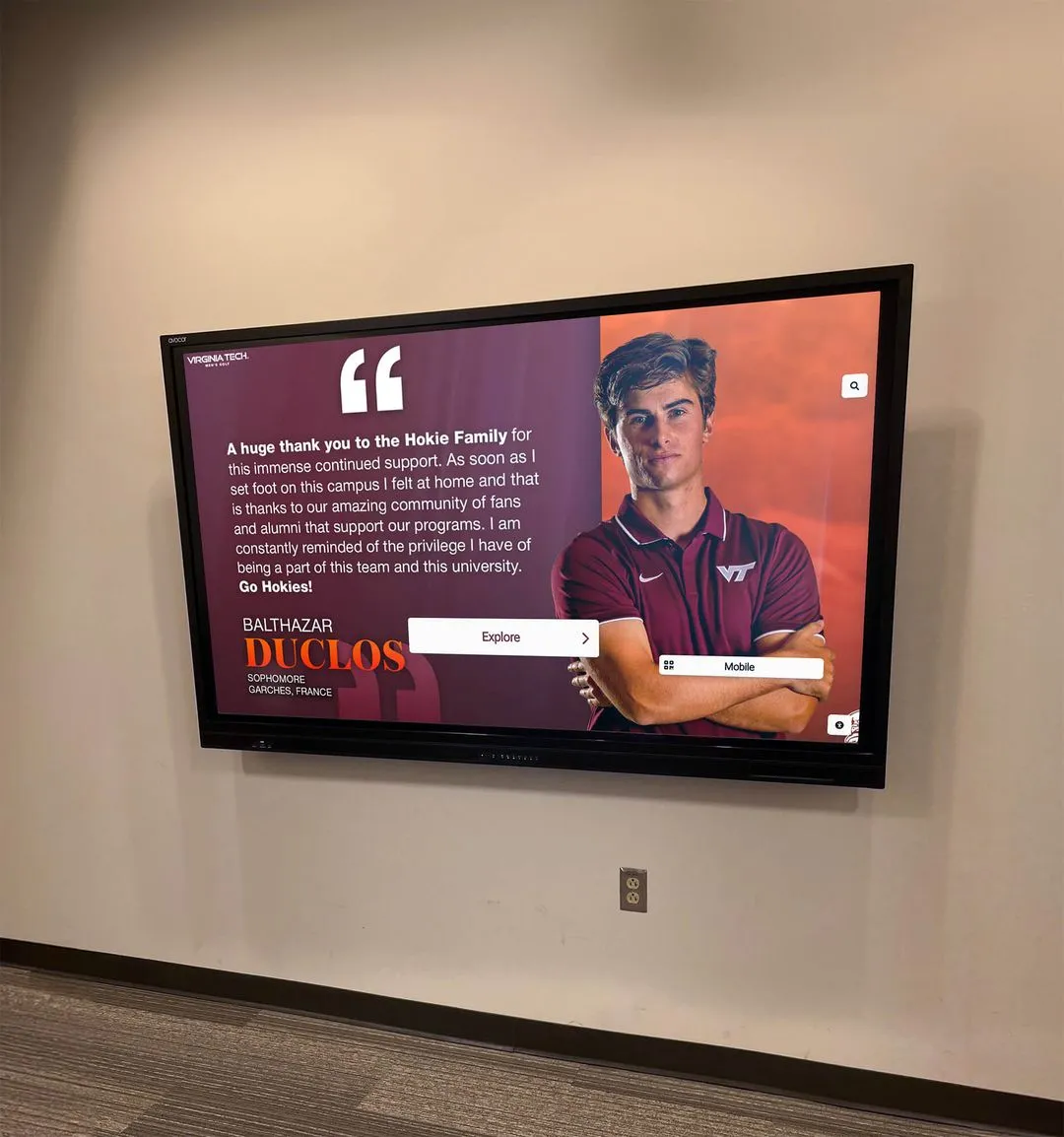
Rich Multimedia Content: Beyond names and numbers, digital records recognition incorporates multiple photographs showing record holders in action, complete career statistics providing achievement context, biographical information about athletes’ backgrounds and journeys, video highlights capturing record-breaking performances when available, comparative data showing how current records compare to historical marks, and narrative content telling stories behind statistics. This rich multimedia approach creates engaging experiences honoring athletes comprehensively rather than reducing them to names on boards.
Instant Updates: When athletes break records during games, digital systems enable updating recognition immediately rather than waiting weeks or months for physical display modifications. Content management systems allow authorized staff to add new records, update statistics, and adjust displays quickly without technical expertise. This responsiveness ensures recognition remains current and relevant, preventing situations where record holders graduate before seeing achievements properly documented.
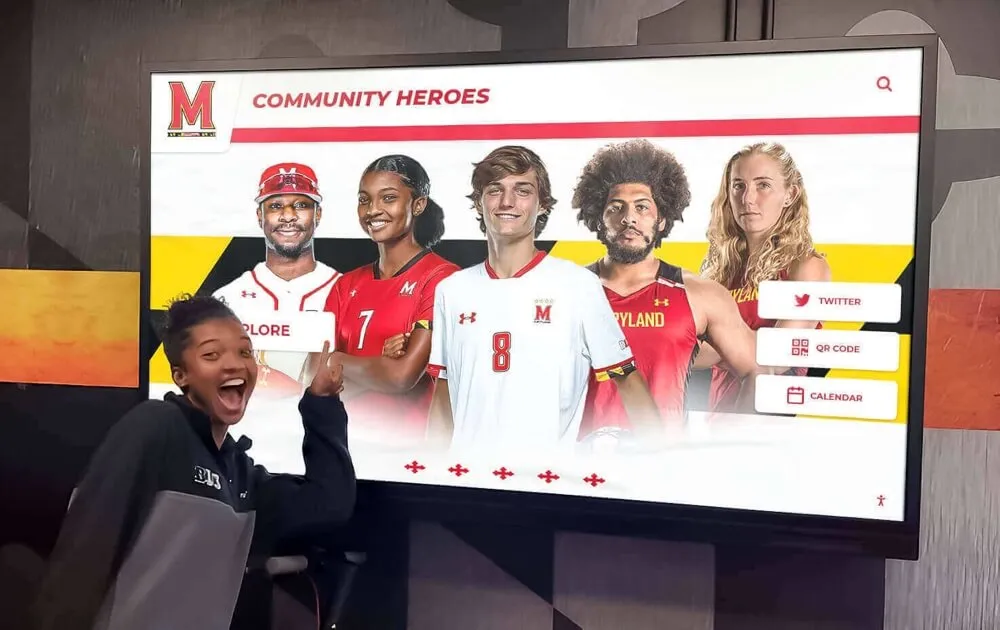
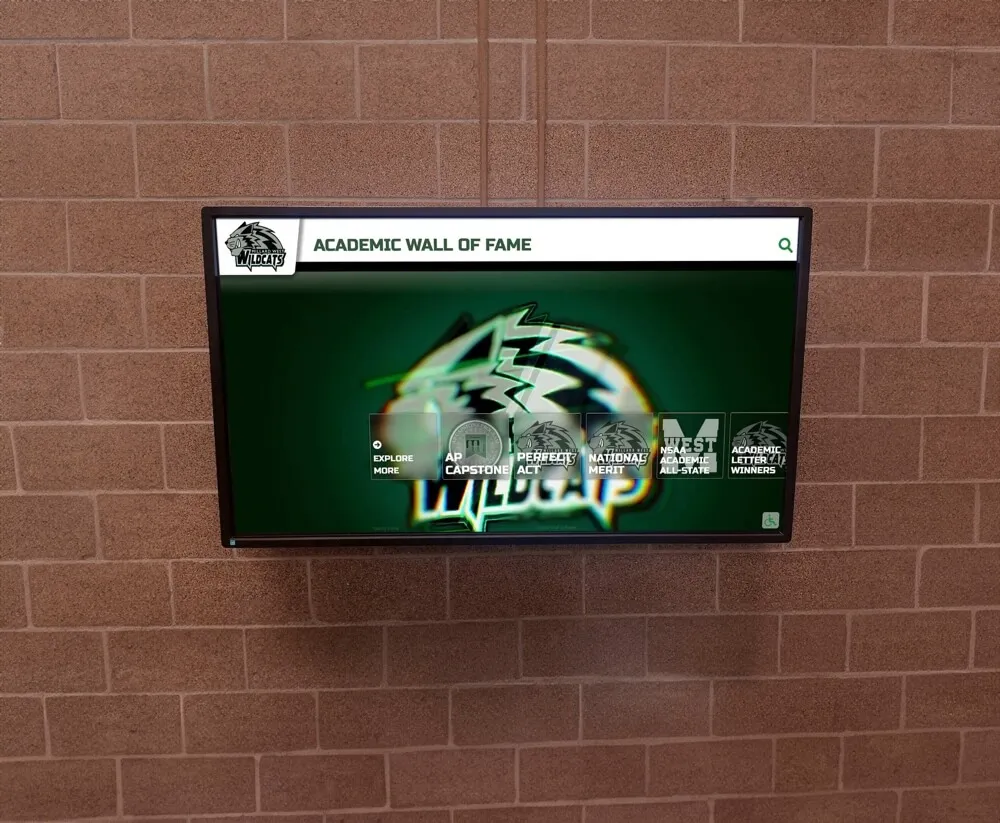
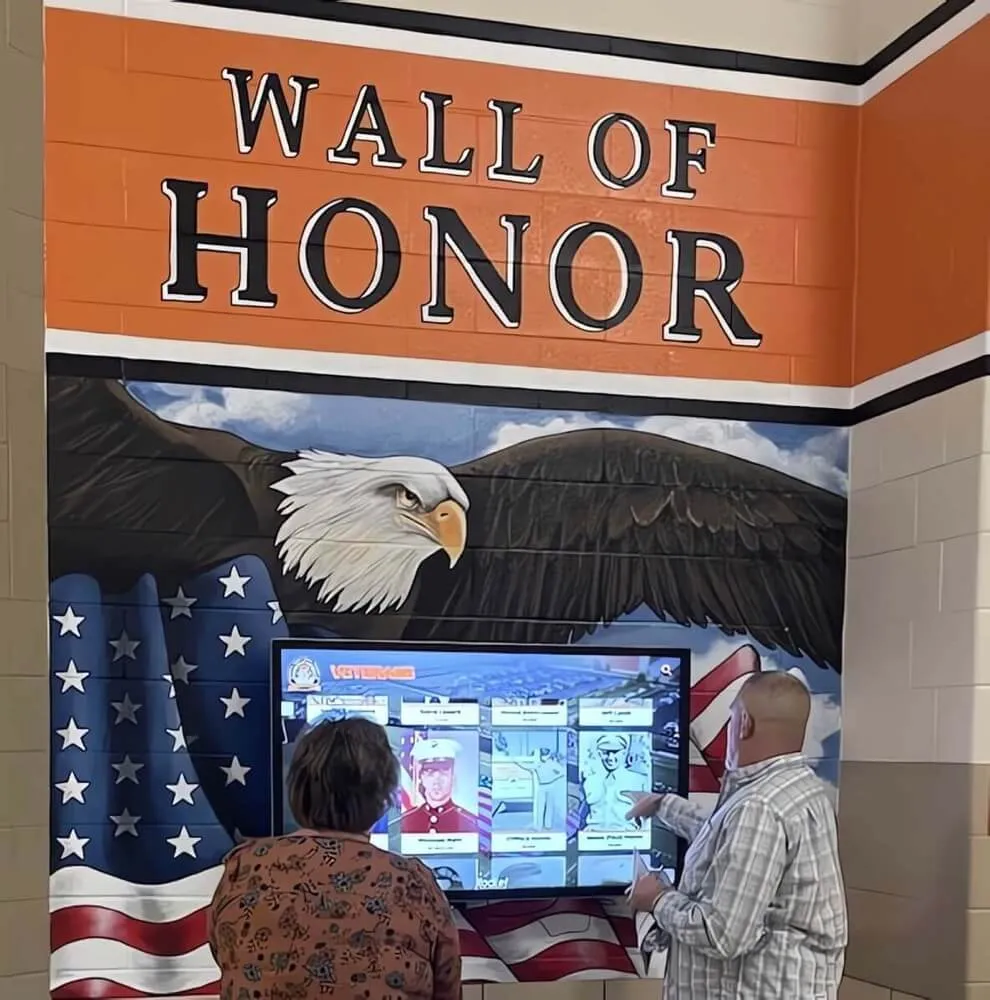
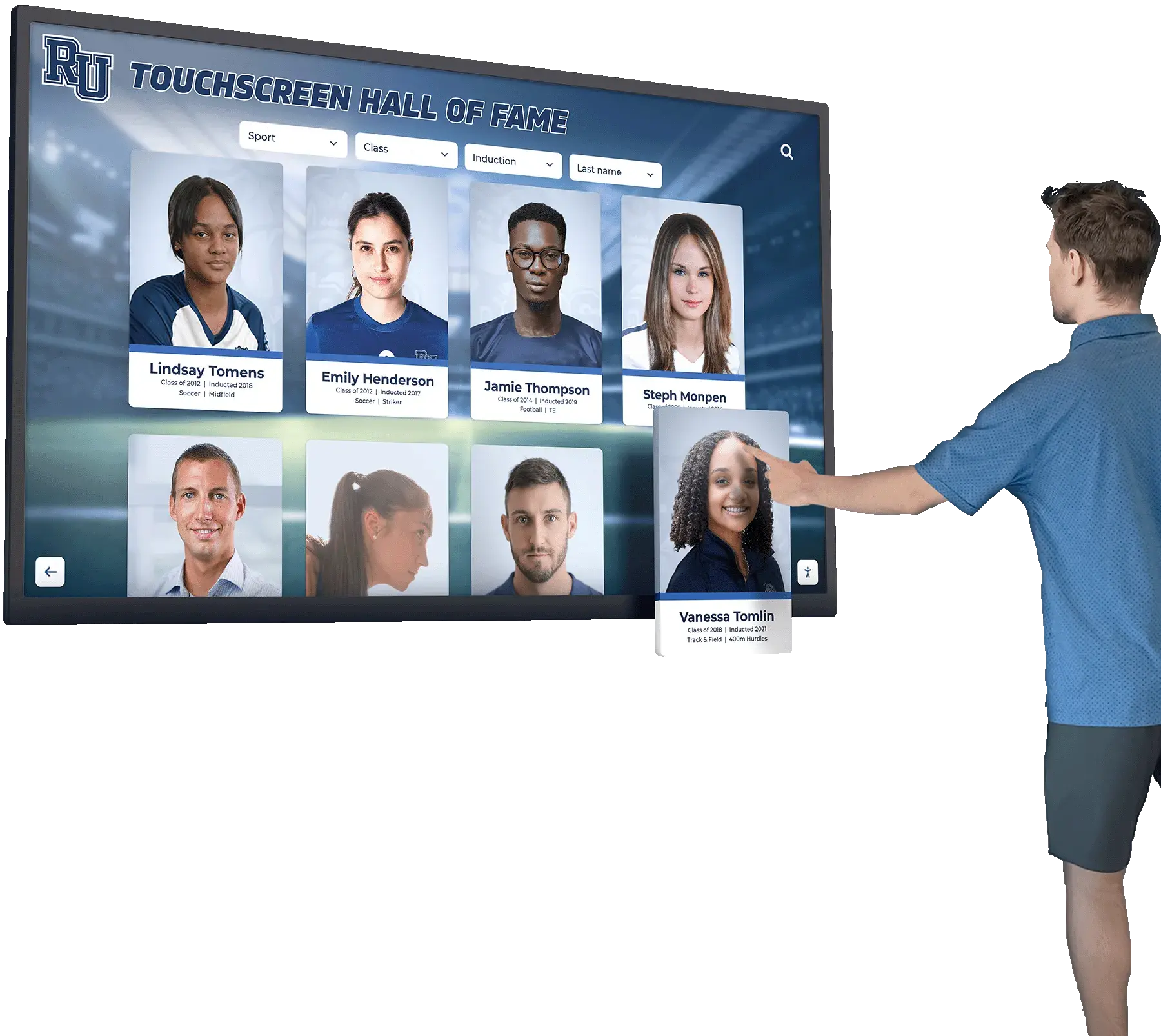
Interactive Exploration: Digital systems support searchable databases enabling visitors to find specific athletes, filter records by category or year, compare statistics across eras, and discover historical information through intuitive navigation. Touchscreen interfaces create engaging experiences where current athletes, recruits, and alumni actively explore records rather than passively viewing static information.
Cost-Effective Long-Term Operation: While initial hardware investment exceeds traditional painted boards, digital systems prove more economical over extended periods. Adding new records requires no additional hardware purchase or installation costs, just simple content updates taking minutes rather than expensive board repainting or plaque fabrication taking weeks. Over 10-15 year timespans, digital systems typically cost considerably less than repeatedly updating traditional displays while providing vastly superior capabilities and user experiences.
Essential Features for Basketball Records Digital Displays
Effective digital recognition platforms should incorporate specific capabilities optimizing basketball records presentation and management for maximum impact and usability.
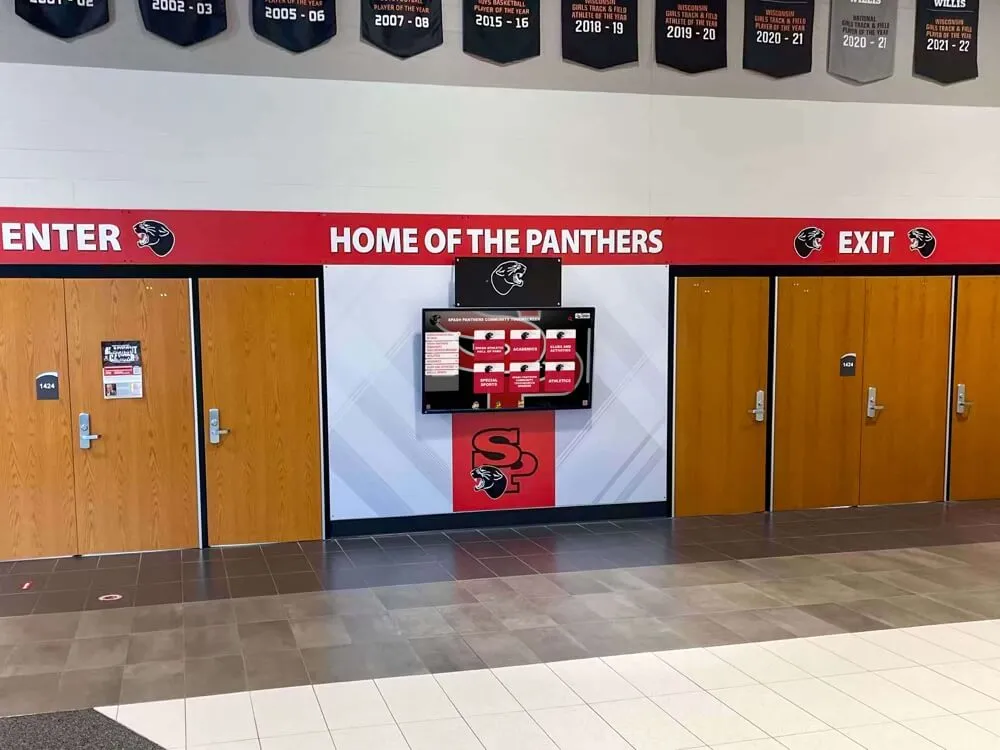
Comprehensive Category Organization: Quality systems organize records into logical categories matching how people think about basketball achievements—offensive records subdivided by scoring, assists, and efficiency, defensive recognition organized by rebounding, steals, and blocks, and team records celebrating collective success. Clear navigation enables quickly finding specific record categories without searching through disorganized information.
Historical Record Progression: Beyond showing current records, effective systems document record history over time, showing when records were set, who held them previously, and how marks evolved across program history. This historical context helps audiences appreciate current records by understanding how they compare to previous eras and what breaking long-standing marks required from current record holders.
Record Holder Profiles: Comprehensive athlete profiles connected to records create meaningful recognition including multiple photographs from athletes’ careers, biographical information and personal background, complete career statistics beyond just record-holding achievements, post-high school or post-college information when available, and connections to teammates and coaches who contributed to their success. These complete profiles honor athletes as complete people rather than reducing them to statistics.
Mobile and Web Access: Modern recognition platforms extend beyond physical displays through responsive websites allowing worldwide access, mobile applications optimized for smartphone viewing, social media integration enabling easy sharing and broader reach, and email or newsletter features highlighting recent record-breaking achievements. Alumni across the country or world can explore records and reconnect with program history regardless of geographic distance from campus.
Content Management Simplicity: The best digital recognition systems feature intuitive administrative interfaces enabling non-technical staff to update records confidently, template-based content entry ensuring consistent formatting and professional appearance, bulk update capabilities for adding multiple records efficiently, preview functions allowing review before publishing changes, and approval workflows for organizations requiring content review before publication.
Implementing Basketball Records Recognition Systems
Creating effective records recognition requires systematic approaches addressing planning, content development, system selection, and long-term maintenance ensuring sustainable programs that remain current and engaging.
Planning Your Records Recognition Program
Successful implementations begin with thorough planning clarifying objectives, inventorying existing information, and establishing realistic timelines and budgets matching institutional resources and priorities.
Define Recognition Scope: Determine which record categories merit inclusion in your system. Will you recognize only all-time records or include season-by-season leaders across multiple years? Which statistical categories align with your program philosophy and available historical data? Should recognition include junior varsity or freshman programs alongside varsity achievements? Clear scope definition prevents scope creep while ensuring important achievements receive appropriate celebration without overwhelming audiences with excessive statistical detail.
Inventory Historical Records: Compile comprehensive documentation of existing records across defined categories. Search archived media guides, yearbooks, programs, and newspaper clippings for historical statistics. Interview long-time coaches, athletic directors, and alumni about memorable performances and achievements not captured in written records. Digitize photographs and memorabilia connecting to records. This historical research phase proves time-consuming but essential for creating complete, accurate recognition that honors all eras equitably.
Assess Display Locations: Identify optimal locations for recognition displays considering foot traffic patterns in athletic facilities ensuring maximum visibility, accessibility to current athletes, recruits, and visitors creating strong first impressions, proximity to related recognition like championship banners or retired jerseys providing context, environmental factors like lighting and climate control affecting display longevity, and installation feasibility including power and network access requirements. Prime locations maximize recognition impact while practical considerations ensure reliable long-term operation.
Establish Governance and Maintenance: Define who manages records recognition including responsibility for verifying new records against existing documentation, authority for adding or updating content ensuring consistency, processes for correcting errors or resolving disputes about historical records, and commitment to ongoing maintenance keeping recognition current rather than allowing systems to become outdated. Clear governance prevents recognition from deteriorating as responsible staff change over time.
Developing Records Content
Comprehensive records recognition requires more than just names and numbers—effective content creates context, tells compelling stories, and honors athletes appropriately through complete documentation.
Verify Statistical Accuracy: Confirm all records through multiple sources whenever possible, cross-referencing media guides, game statistics, and historical archives. Document sources for major records enabling future verification when questions arise. Establish criteria for record-breaking performances including whether statistics must come from varsity competition only, how overtime performances factor into single-game records, and how transfer students with previous school achievements relate to career records. Statistical accuracy proves absolutely essential for recognition credibility and athlete trust.
Gather Supporting Materials: Collect photographs of record holders in action, preferably multiple images from different games or years showing athlete development. Obtain biographical information through interviews with athletes, coaches, and family members adding personal dimension. Gather game accounts from newspapers or broadcasts describing record-setting performances with contemporary context. Compile video highlights when available showing record achievements in motion. This supporting content transforms statistical recognition into comprehensive tributes celebrating complete athlete stories.
Write Compelling Narratives: Develop written content providing context beyond raw statistics including background on athletes’ journeys to record-breaking performance, descriptions of record-setting games or seasons with situational details, quotes from coaches or teammates about record holders’ impact, and information about what records meant for program success that season. Effective writing brings records to life through storytelling rather than just presenting numbers that lack emotional resonance.
Organize for Flexible Discovery: Structure content enabling multiple access pathways accommodating diverse visitor interests including browsing all records in specific categories for systematic exploration, searching for individual athletes by name when looking for specific people, filtering by year or era to examine particular time periods, comparing records across time periods understanding program evolution, and highlighting recently broken records maintaining current relevance. Flexible organization serves everyone from current athletes researching program standards to alumni searching for their own achievements or former teammates.
Selecting Recognition Display Technology
Programs choosing digital recognition systems should evaluate options based on specific needs, facility requirements, budget constraints, and long-term strategic plans ensuring sustainable investments.
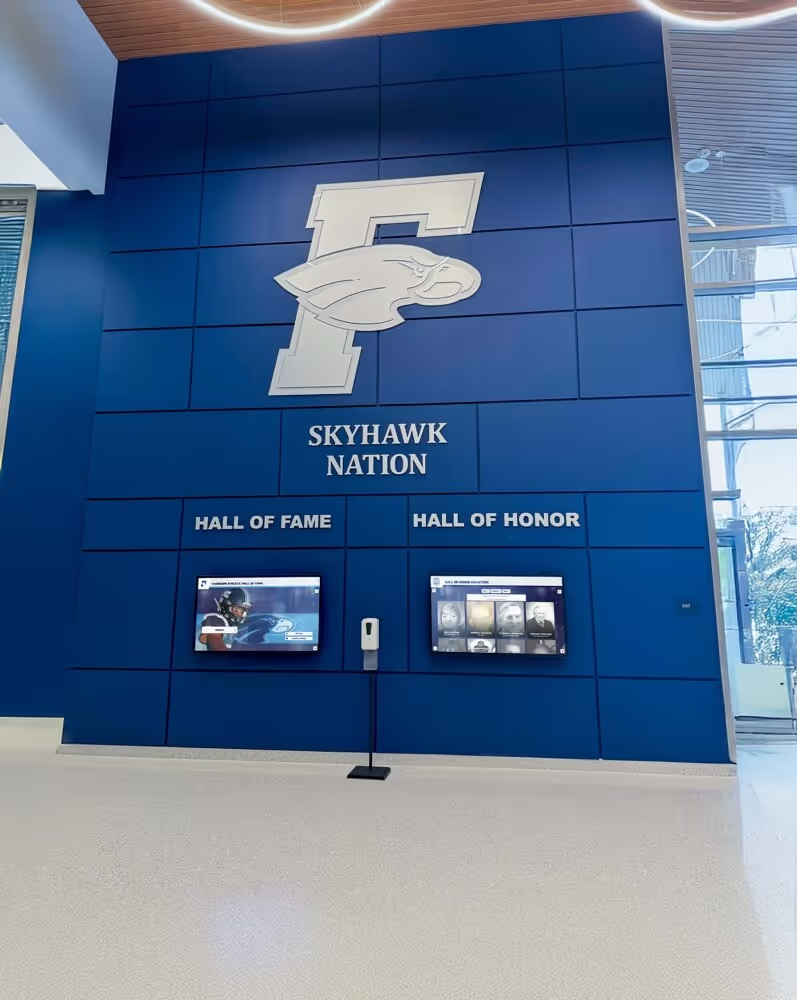
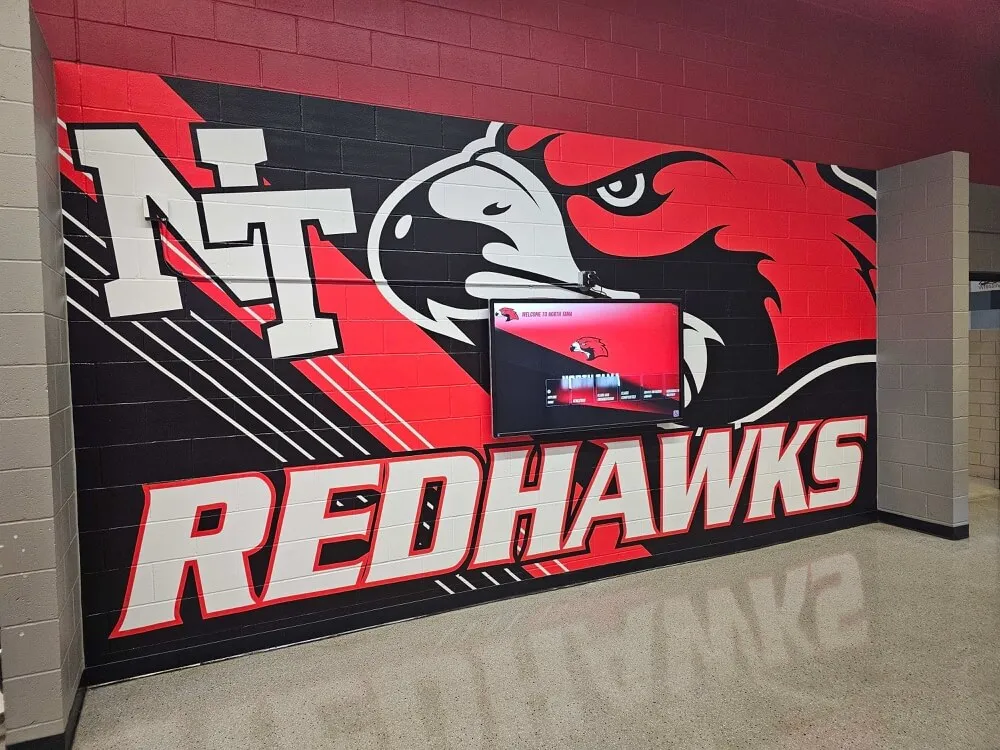
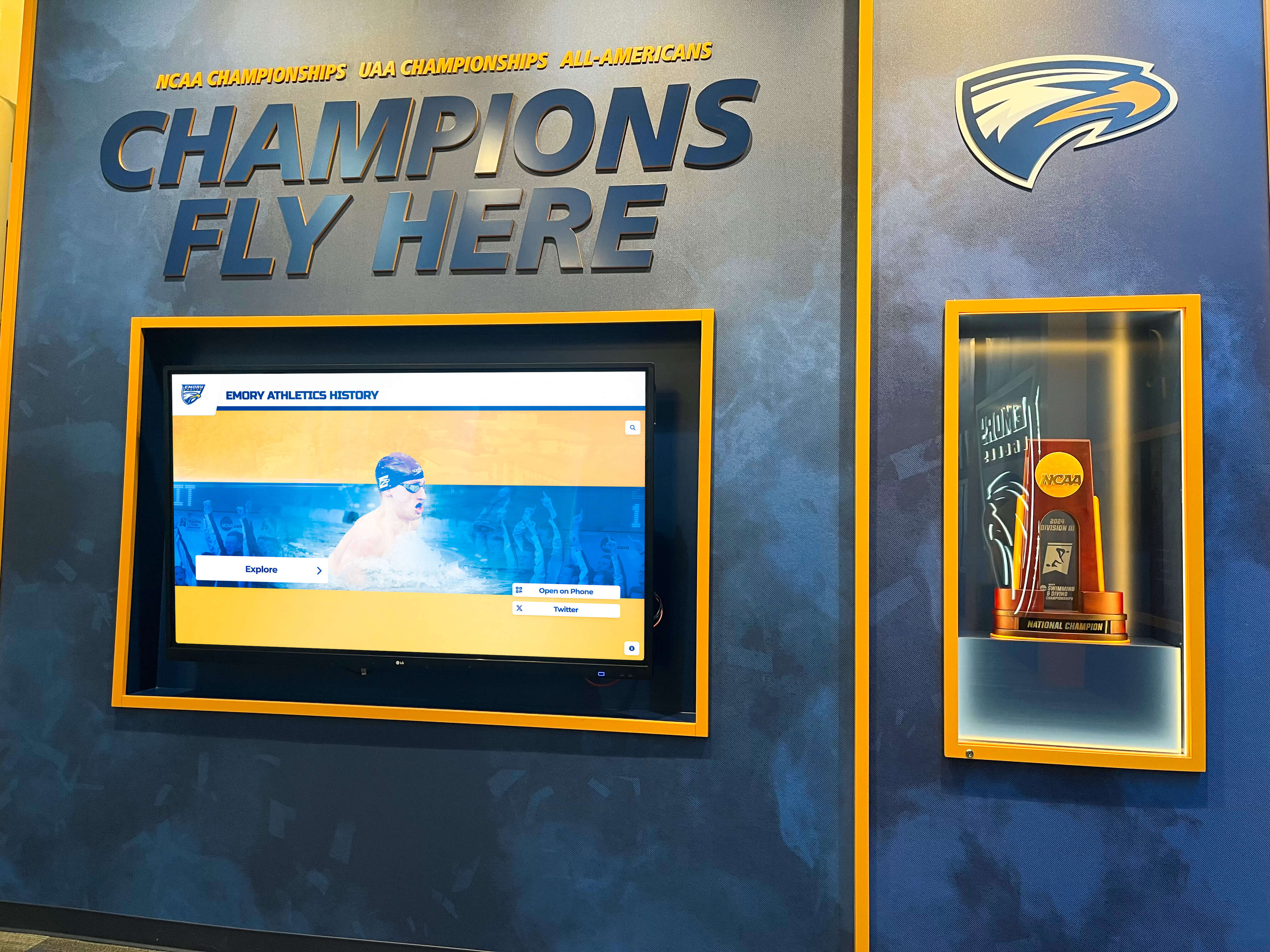
Display Hardware Considerations: Commercial-grade touchscreen displays designed for continuous operation prove essential for athletic facility installations requiring reliability in varied environments. Screen sizes typically range from 43-inch displays suitable for smaller spaces through 75-inch or larger screens creating impressive visual impact in gymnasiums or main concourses. Wall-mounted installations create clean, space-efficient deployments maximizing floor space while floor-standing kiosks provide self-contained recognition stations working in varied architectural contexts.
Software Platform Selection: Recognition software determines long-term usability and satisfaction. Evaluate platforms based on content management system ease-of-use for non-technical staff who will maintain systems, template-based design ensuring consistent professional presentation without requiring design expertise, multimedia support for photos, videos, and interactive content creating engaging experiences, mobile and web access extending recognition beyond physical displays, cloud-based operation eliminating local server requirements and maintenance burdens, and vendor support quality and responsiveness ensuring assistance when needed. Purpose-built solutions specifically designed for athletic recognition typically prove superior to general-purpose digital signage platforms lacking sport-specific features and workflows.
Budget and Ownership Models: Digital recognition systems involve various cost structures including one-time hardware purchases with ongoing software subscriptions, complete systems purchased outright with optional support agreements, or lease programs spreading costs over multiple years improving cash flow. Consider total cost of ownership over expected 10+ year system lifespans rather than focusing solely on initial investment that may obscure long-term value. Quality systems deliver lasting value while inadequate solutions quickly become frustrating liabilities regardless of initial affordability.
Special Recognition: The 1,000 Point Milestone
Among basketball’s many statistical achievements, career scoring milestones—particularly the 1,000 career point mark—hold special significance warranting dedicated recognition approaches celebrating these rare accomplishments appropriately.
Significance of Scoring Milestones
Scoring 1,000 career points in high school basketball requires sustained excellence across multiple seasons. Most athletes reaching this milestone play three or four varsity seasons averaging double figures throughout their careers while maintaining consistency through injuries, defensive pressure, and evolving team roles. The achievement represents not just scoring ability but also durability, clutch performance under pressure, and the trust coaches place in athletes to carry offensive responsibilities. Many competitive programs count fewer than twenty 1,000-point scorers throughout decades of history, underscoring the achievement’s genuine rarity and importance.
Solutions like digital recognition displays enable schools to celebrate these milestones immediately when they occur. When a student-athlete scores their 1,000th point during a game, athletic staff can update recognition displays that same evening, creating immediate acknowledgment while excitement remains fresh rather than waiting weeks or months for traditional plaque fabrication and installation.
Comprehensive Milestone Recognition
Effective 1,000-point recognition extends beyond simply adding names to lists. Comprehensive celebration includes detailed career statistics documenting complete scoring progression season-by-season, photographs from throughout the athlete’s career showing their development, game highlights and memorable performances beyond just the milestone moment, team context explaining championships and success during the athlete’s tenure, and biographical information about the person beyond their statistics. This complete approach honors athletes as individuals rather than reducing them to statistical accomplishments.
Programs seeking detailed guidance on milestone recognition can explore resources about recognizing significant basketball achievements through modern digital displays that enable immediate, comprehensive celebration matching the magnitude of rare accomplishments.
Maintaining and Enhancing Records Recognition
Effective recognition requires ongoing attention ensuring systems remain current, accurate, and engaging over time rather than becoming stale displays audiences ignore or outdated information undermining credibility.
Regular Content Updates
Recognition loses relevance when failing to reflect recent achievements and current record holders, requiring systematic update processes maintaining currency.
Season-Ending Updates: Establish processes for reviewing all record categories at season conclusions, identifying any broken records or new statistical leaders deserving recognition, gathering content about record-setting performances while information remains accessible, and updating recognition displays promptly demonstrating organizational commitment to celebrating achievement immediately.
Historical Enhancements: Beyond adding new records, continuously enhance historical recognition by discovering additional photographs from archives or alumni collections filling documentation gaps, gathering stories and context about past record holders through interviews and research, correcting any discovered inaccuracies in historical records maintaining integrity, and filling gaps where previous record holders lack biographical information creating incomplete recognition.
Feature Content Rotation: For digital systems, periodically rotate featured content highlighting different records preventing monotony, spotlighting record holder profiles bringing individual athletes forward, sharing historical comparisons across eras providing perspective, and calling attention to upcoming records potentially within reach creating anticipation. Dynamic featured content keeps recognition fresh even for regular visitors who might otherwise overlook static displays.
Engaging Current Athletes
Recognition maximizes impact when actively connecting with current athletes rather than functioning as passive historical displays disconnected from current program dynamics and athlete development.
Record Chase Awareness: When current athletes approach existing records, build awareness through social media posts highlighting their pursuit creating community interest, updates during team meetings or announcements motivating continued excellence, family and fan notifications involving support networks, and featured content on recognition displays themselves creating meta-recognition. This awareness creates anticipation around potential record-breaking performances while demonstrating that programs value individual excellence within team contexts.
Goal Setting Integration: Incorporate records recognition into athlete development programs by discussing program standards with incoming athletes establishing expectations, setting individual goals related to record pursuits providing developmental targets, using records as benchmarks for measuring progress across seasons, and celebrating achievements even when falling short of breaking records acknowledging excellent performance. This integration makes recognition active rather than passive, directly influencing athlete development and competitive motivation rather than merely documenting past achievements.
Alumni Connections: Create opportunities for current athletes to connect with record holders through featured alumni visits during practices or games, video messages from alumni sharing advice and encouragement, mentoring relationships connecting past and present generations, and recognition events bringing multiple generations together. These connections build program culture while helping current athletes appreciate the history they’re actively writing through their own performances.
Basketball Records Recognition Best Practices
Programs implementing or enhancing records recognition benefit from following proven best practices that maximize effectiveness while avoiding common pitfalls that undermine recognition programs and create unintended consequences.
Balance Individual and Team Recognition
Basketball remains fundamentally a team sport despite individual statistical excellence existing within that framework, requiring careful balance between celebrating personal achievements and emphasizing collective success that defines championship programs.
Context Over Raw Statistics: Present individual records within team context including championship seasons when records occurred providing success framework, team performance that year creating opportunities for statistical achievement, teammates who contributed through screening, passing, and supporting roles, and coaching influences that developed record-setting athletes through instruction and opportunity. This context honors individuals while acknowledging basketball excellence depends fundamentally on collective effort rather than pure individual brilliance.
Team Records Prominence: Give team records equal or greater prominence than individual achievements, celebrating championship seasons and tournament runs, win streaks demonstrating sustained excellence, and collective performance marks reflecting coordinated team play. This emphasis reinforces that program success depends on team excellence more than individual statistics alone, maintaining cultural values around team-first approaches despite recognizing individual distinction that naturally attracts attention.
Ensure Equitable Recognition
All athletes who set records deserve appropriate recognition regardless of position, era, team success during their tenure, or other factors that might create implicit hierarchies diminishing certain achievements relative to others.
Statistical Category Equality: Establish that all record categories receive equal recognition treatment whether celebrating scoring records that naturally attract attention, assist records for playmakers, rebounding for post players, or defensive statistics often undervalued relative to offensive achievements. Avoid implicit hierarchies suggesting certain statistical categories matter more than others, ensuring complete players receive recognition for all dimensions of excellence.
Historical Consistency: Maintain consistent recognition for records from all eras, avoiding recency bias toward current athletes whose achievements remain fresh in memory while historical figures fade. Athletes who set records decades ago deserve equal honor to current record holders, preserving complete program history and honoring all who achieved excellence regardless of when they competed.
Championship-Independent Recognition: Individual records merit celebration even when occurring during rebuilding periods or losing seasons. Athletes who set records despite limited team success often demonstrated exceptional individual excellence deserving recognition regardless of team context beyond their control. Avoid limiting recognition only to championship season achievements that would unfairly diminish individual accomplishments in less successful years.
Integrate with Comprehensive Athletic Recognition
Basketball records recognition achieves maximum impact when integrated within comprehensive athletic recognition programs celebrating excellence across all sports rather than existing as isolated basketball-only initiatives that might create perceptions of sport hierarchy.
Multi-Sport Recognition Facilities: For schools with digital recognition systems, integrate basketball records within platforms celebrating achievements across all athletic programs. This integration demonstrates institutional commitment to recognizing excellence universally while preventing perception that basketball receives disproportionate attention relative to other sports. Comprehensive athletic recognition celebrating all programs equitably strengthens overall athletic department culture and community support.
Academic Achievement Balance: Pair athletic records recognition with academic excellence celebration, potentially highlighting when record holders also earned academic honors demonstrating well-rounded student-athlete development. This balance reinforces that schools value complete student development rather than exclusively celebrating athletic achievement disconnected from educational mission.
Character and Leadership Recognition: Complement statistical records with recognition of character, leadership, and sportsmanship through awards and acknowledgment. This comprehensive approach celebrates what athletes contribute beyond statistics, building program cultures valuing character development alongside competitive performance that defines complete athletic programs.
Conclusion: Building Lasting Basketball Legacy Through Records Recognition
Basketball records recognition creates powerful connections between past excellence, current achievement, and future aspiration. When programs document scoring legends, celebrate defensive excellence, honor playmaking wizardry, and preserve team championship milestones through comprehensive recognition systems, they build cultures where excellence becomes tradition and each generation pursues their place in program history with clear performance standards guiding development.
The evolution from traditional painted boards to sophisticated digital recognition platforms has fundamentally transformed what’s possible in basketball records celebration. Modern systems provide unlimited recognition capacity eliminating painful decisions about which achievements deserve limited display space, rich multimedia content honoring athletes through photographs, statistics, and biographical information rather than just names and numbers, instant updates keeping recognition current as athletes break records during games, interactive exploration enabling current athletes, recruits, and alumni to actively discover program history, and cost-effective long-term operation proving more economical than repeatedly updating traditional static displays requiring expensive maintenance and replacement.
For programs committed to appropriately honoring basketball excellence while building cultures of achievement and continuous improvement, comprehensive records recognition represents essential investment delivering returns across multiple dimensions—enhanced athlete motivation through visible excellence standards, stronger recruiting impact as prospective students appreciate program tradition and performance expectations, improved alumni engagement through preserved shared history accessible worldwide, and sustained program culture emphasizing excellence pursuit across generations.
Whether implementing initial records recognition or enhancing existing systems that have become outdated or inadequate, modern digital platforms provide practical solutions celebrating every statistical achievement, honoring every record holder appropriately, and inspiring every current athlete to pursue their own legendary performances that will someday appear on these same displays. Through thoughtful recognition balancing individual excellence with team emphasis, celebrating all statistical categories equitably, preserving complete historical context, and maintaining current relevance, basketball programs build lasting legacies honoring the past while inspiring the future.
Ready to transform how your program celebrates basketball excellence? Explore how Rocket Alumni Solutions provides comprehensive digital recognition platforms that create engaging, lasting tributes to athletic achievement while building program pride and competitive tradition for generations to come.