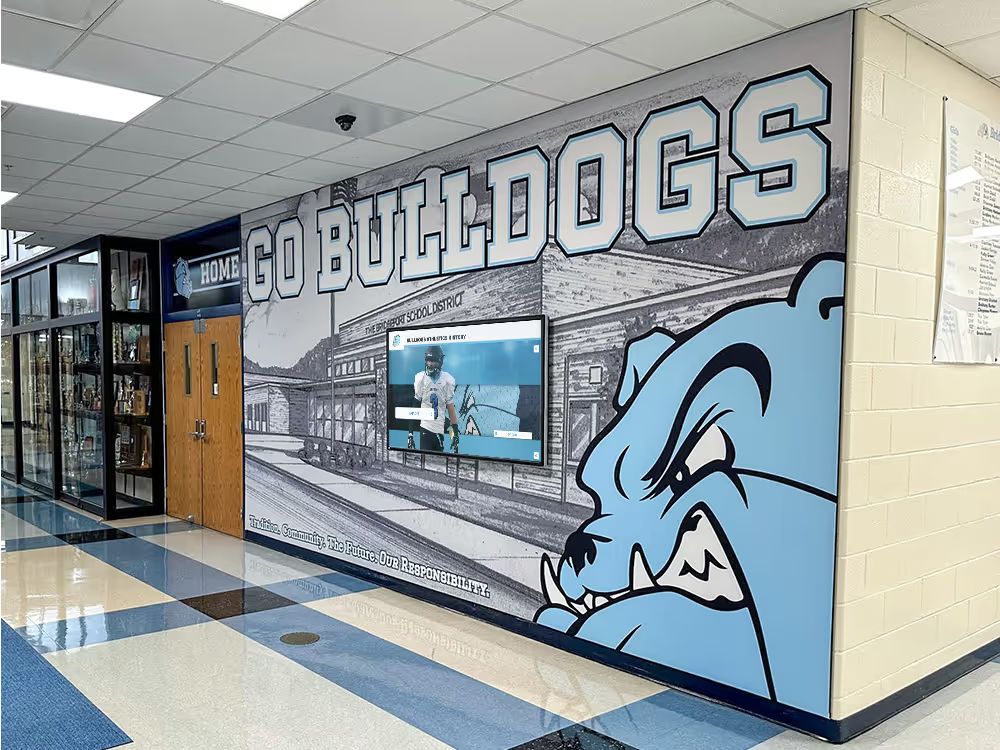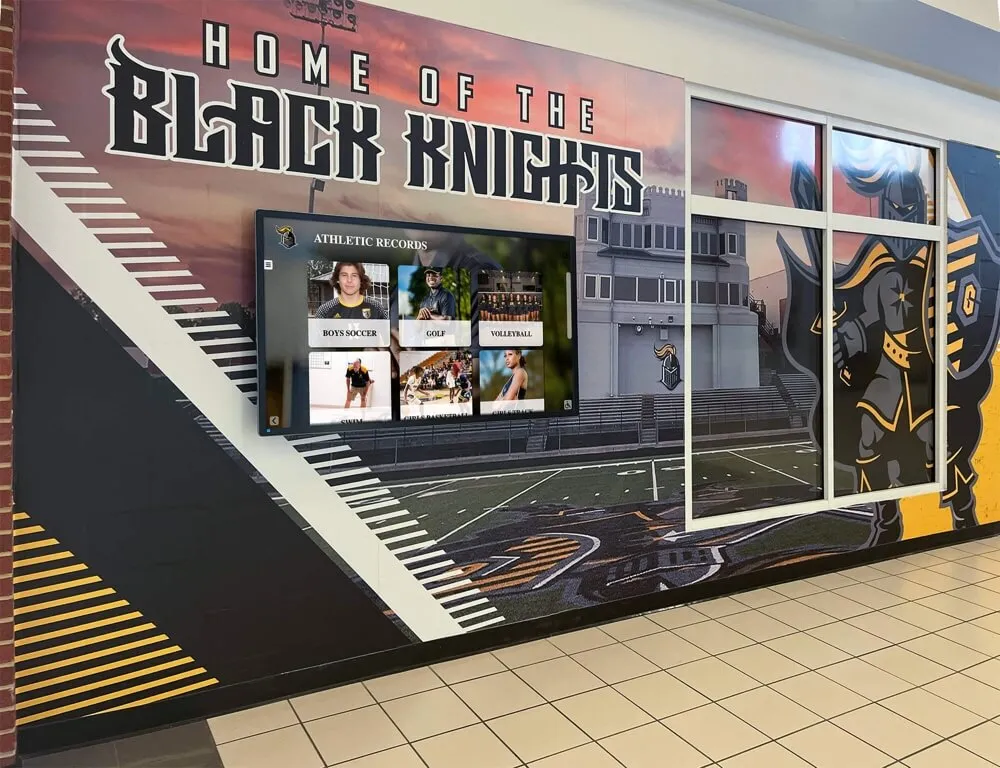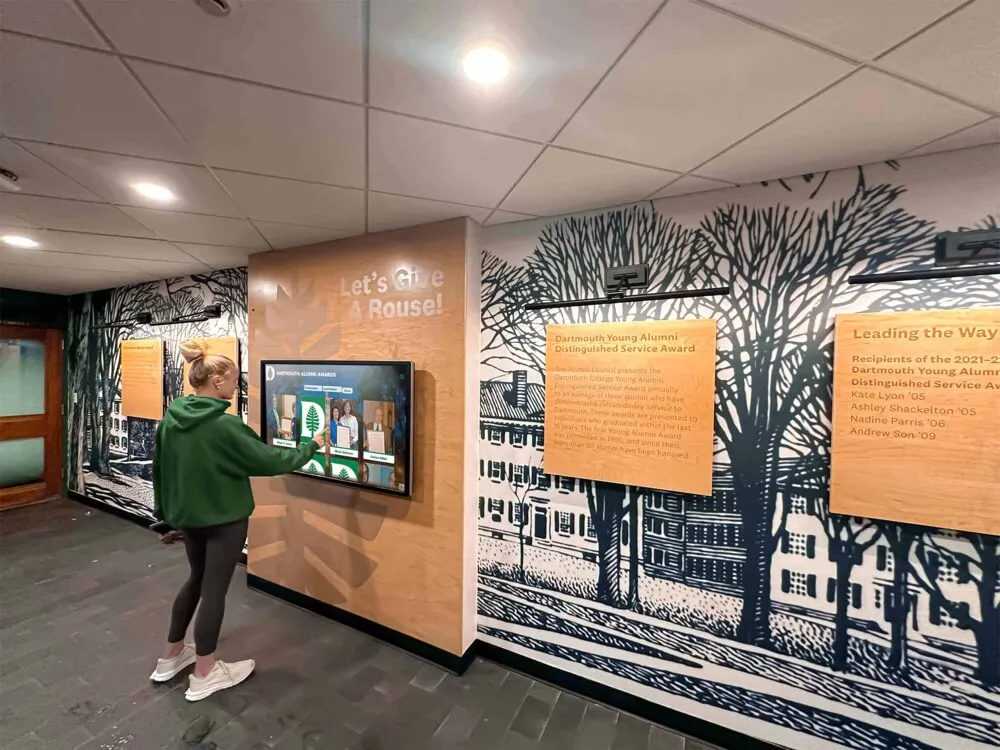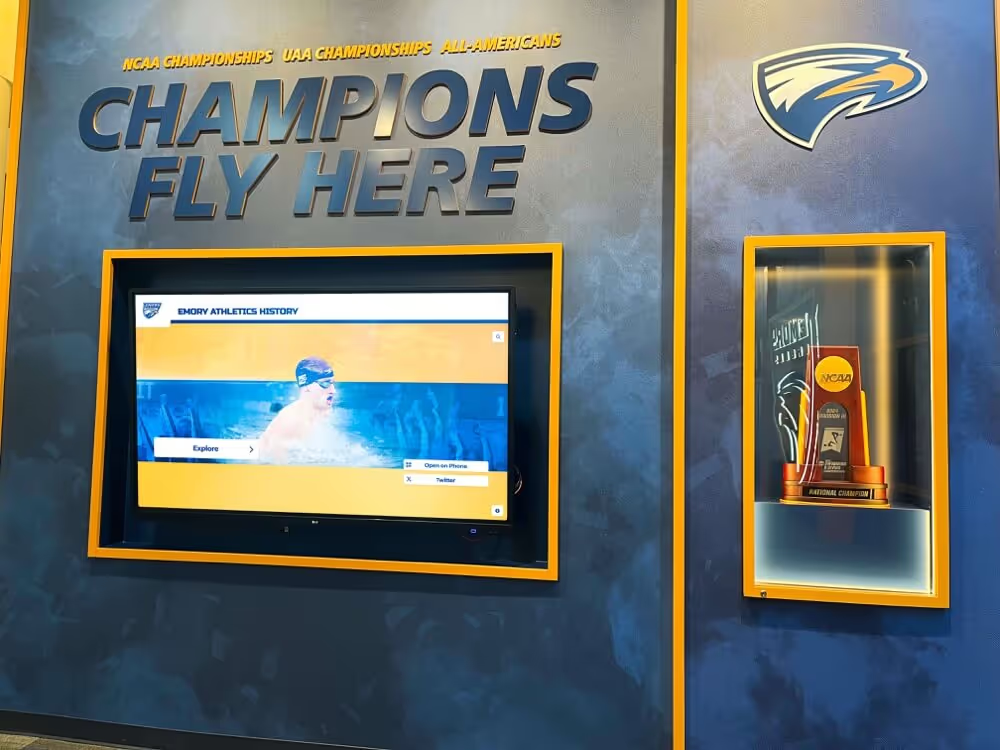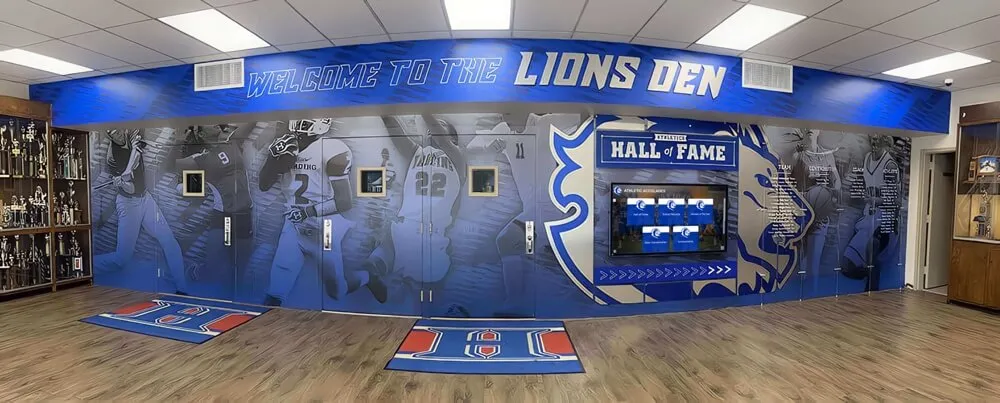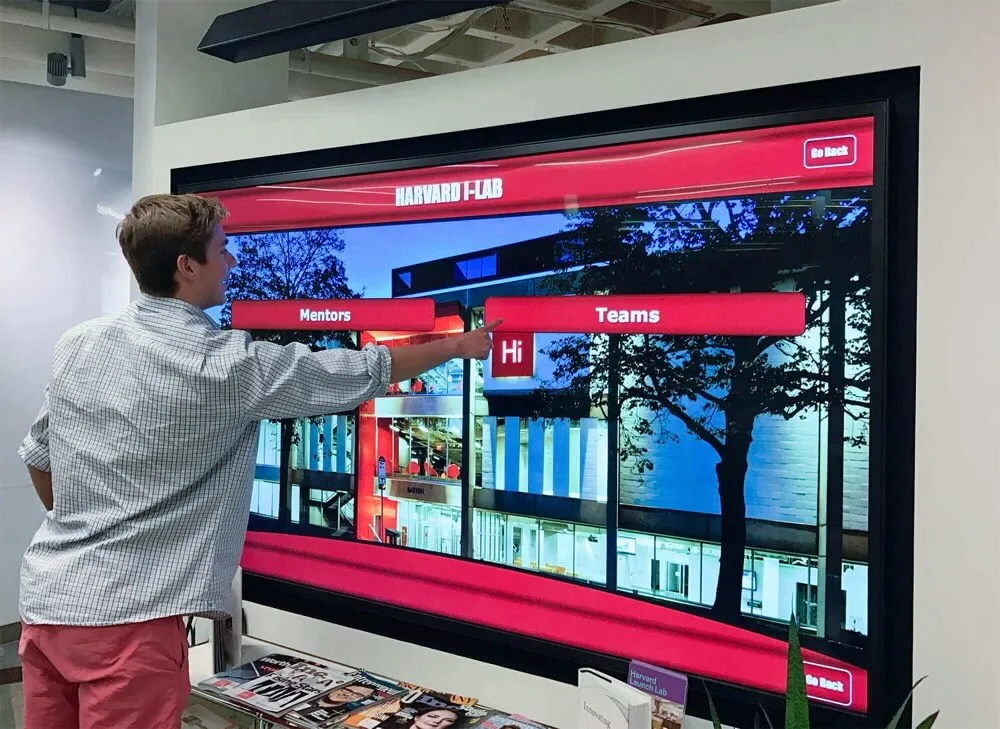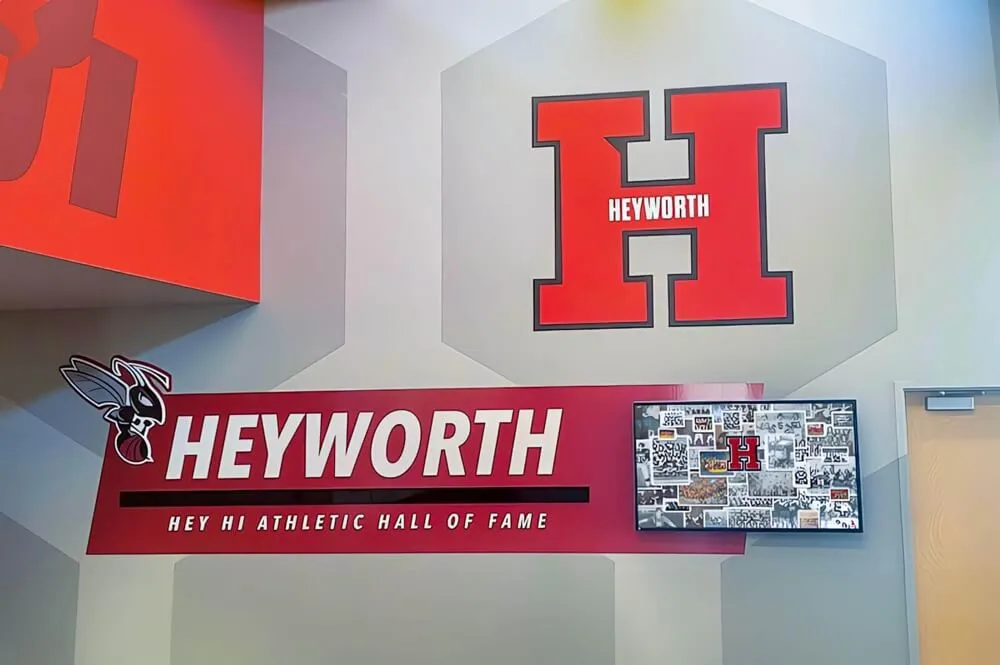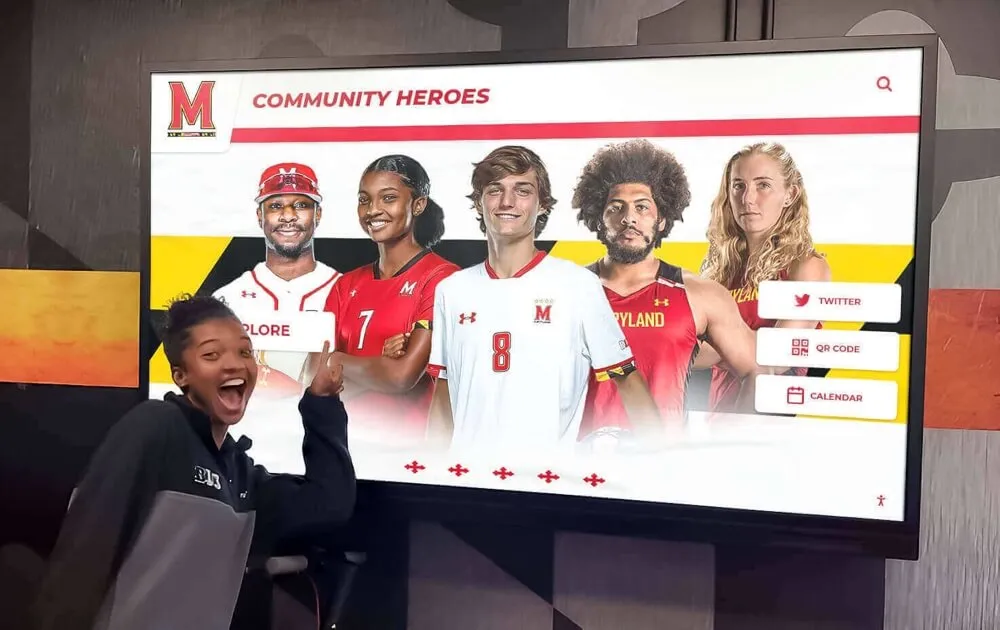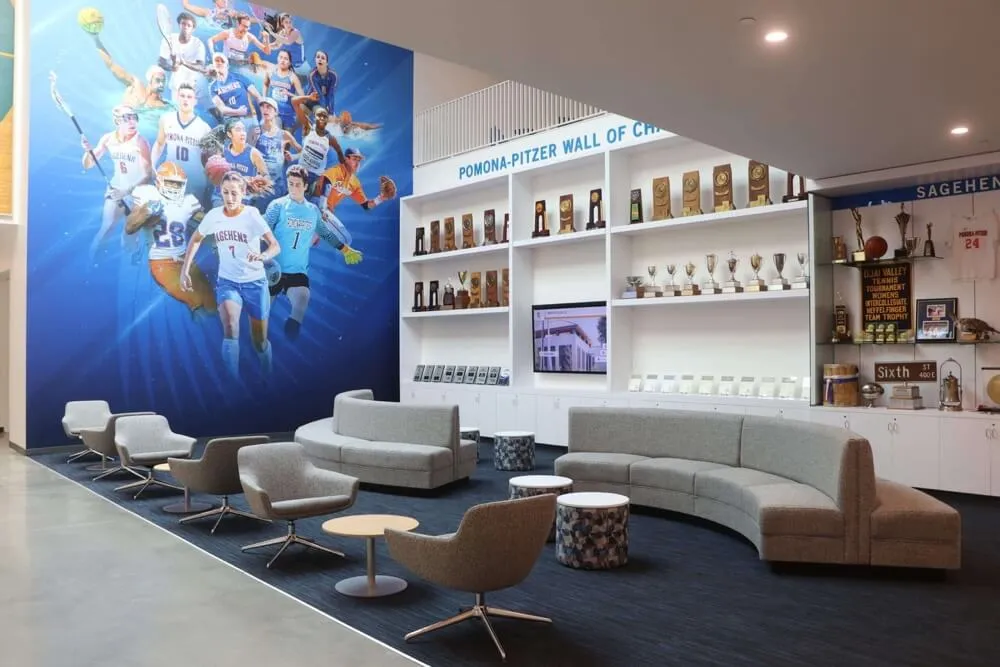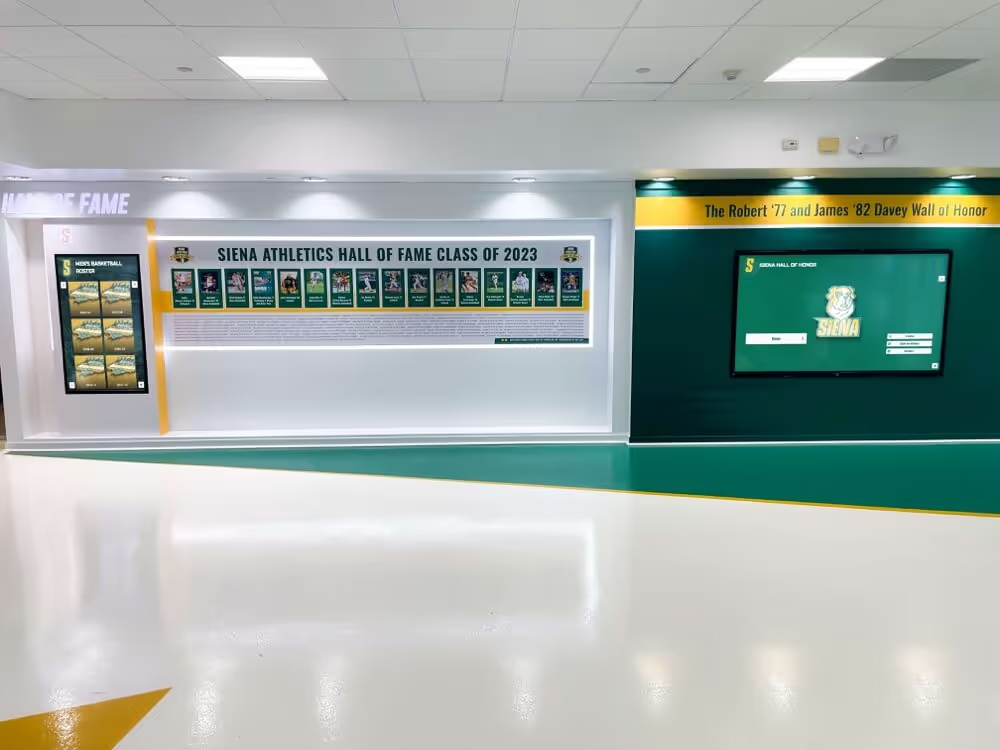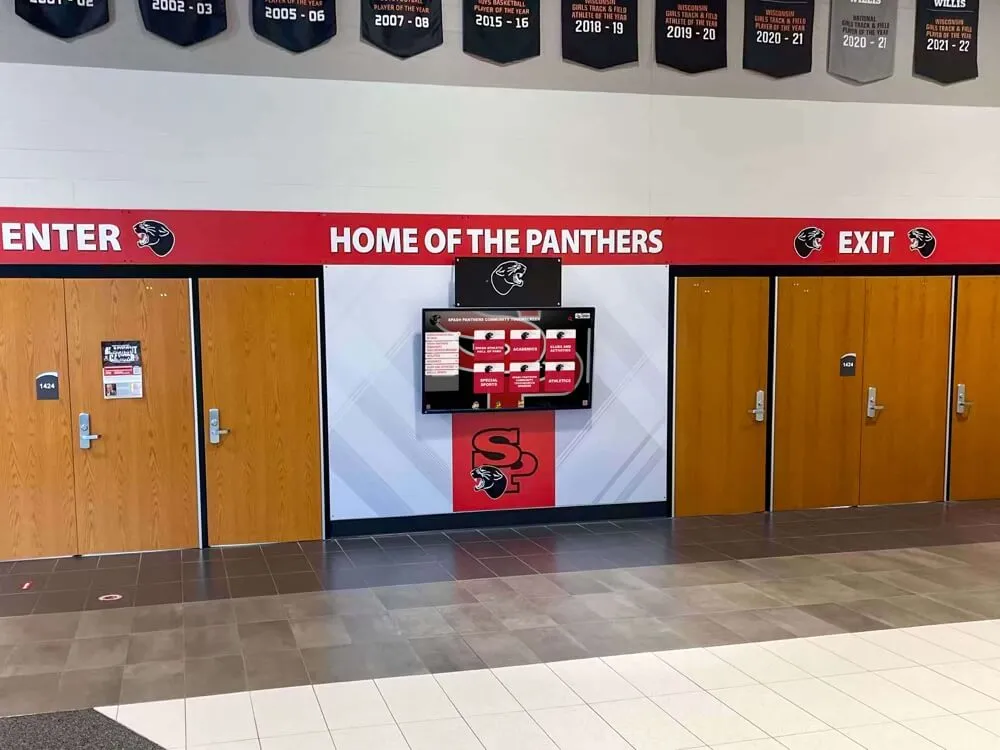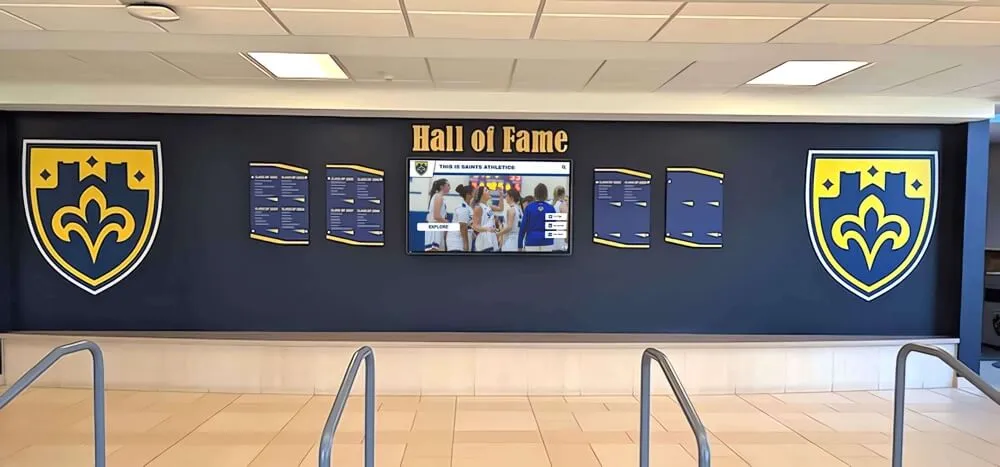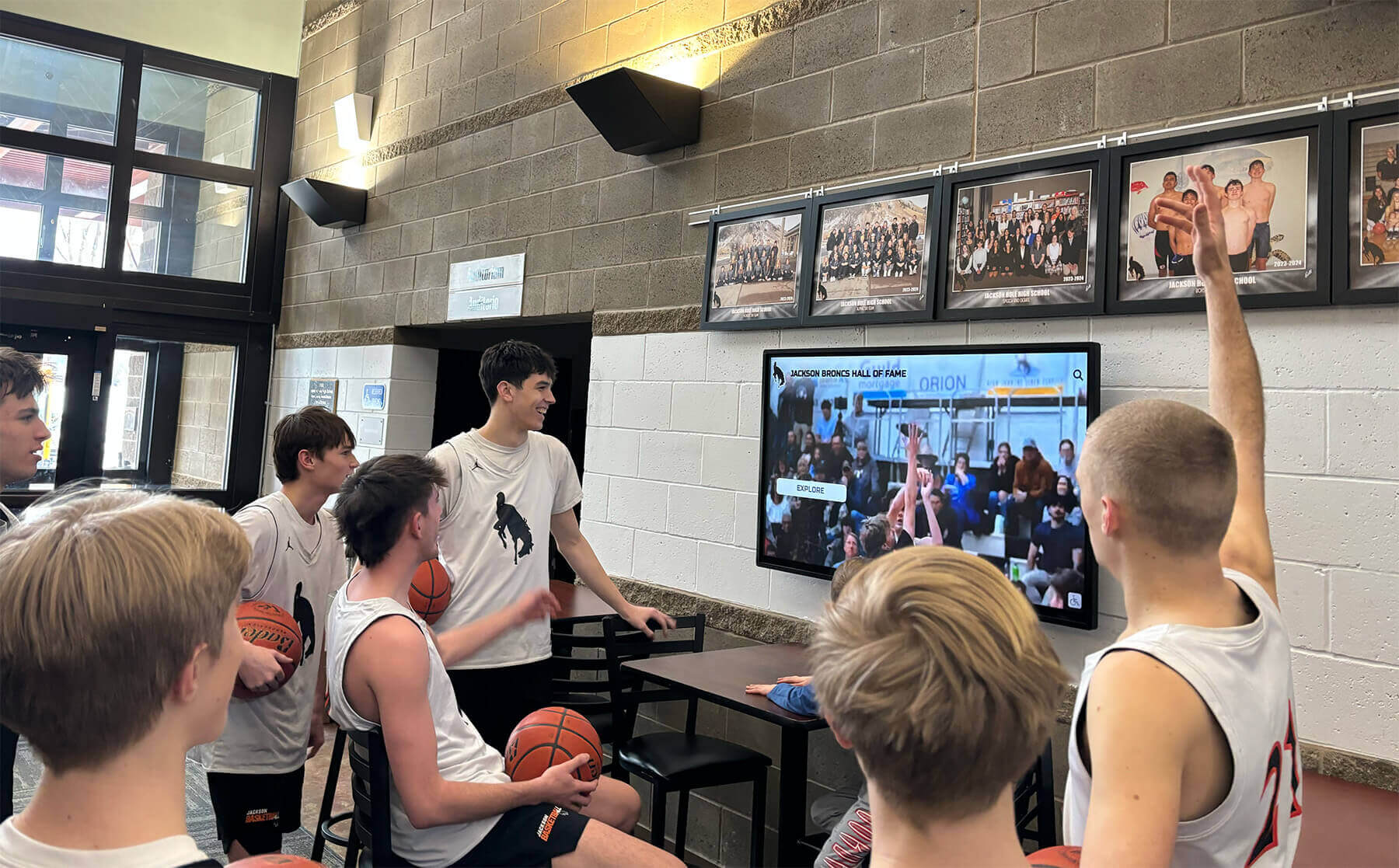




Most high school gymnasiums have some version of a basketball record board—a painted panel near the locker room, a set of plaques behind the scorer’s table, or a laminated spreadsheet taped to the trophy case glass. The problem is rarely that schools don’t care about records. The problem is that the board stops getting updated the moment updating it becomes inconvenient. Names fade, seasons blur together, and a record set in 1998 goes unchallenged not because nobody has broken it, but because nobody can remember what the record actually was. A well-designed basketball record board solves that problem before it starts.
Basketball Record Boards: What to Track, How to Verify, and When to Go Digital
This guide covers practical basketball record board ideas for high school athletic departments—broken into three parts: which categories belong on every school's board, how to verify records before posting them, and how digital systems eliminate the maintenance burden that causes traditional boards to go stale. Whether you're building a record system from scratch or modernizing one that hasn't been updated in a decade, these ideas give you a working framework.
Basketball is one of the most statistics-rich sports a high school can offer. Scoring, rebounding, assists, steals, blocks, shooting percentages, streak records, team win totals, championship history—the sport generates trackable data at every level from the freshman squad to varsity. The question isn’t whether to display records; it’s knowing which records to display, how to confirm their accuracy, and how to keep the display current after the next season rewrites the leaderboard.

Part One: What to Track on a Basketball Record Board
Before choosing a display format, decide which categories your board will cover. Casting too narrow a net leaves obvious achievements off the wall. Going too broad creates a board nobody reads. The categories below represent what most competitive high school programs should cover from day one.
Individual Scoring Records
Scoring records are the most visible part of any basketball record board, and rightly so. Points are the universal currency of the sport.
Career scoring records to display:
- All-time career points leader
- Top 5 or top 10 career point totals
- Scoring average leaders (career and single season, with minimum games played threshold)
- Single-game scoring record
Single-season scoring records to display:
- Most points in a season
- Highest scoring average in a season
- Most points in a single quarter or half
The complete guide to high school basketball scoring records outlines how programs can organize these categories so that career leaders and single-season standouts receive separate recognition rather than competing for the same few slots on a crowded board.
Scoring records that show only the single all-time leader undervalue the athletes who finished second or third in program history. Displaying the top five career scorers immediately gives more athletes a visible place in program history and makes the record feel attainable rather than mythological.
Three-Point and Free Throw Records
The geometry of modern basketball makes long-range shooting and free throw accuracy worth recognizing on their own.
Three-point records worth tracking:
- Career three-pointers made
- Single-season three-pointers made
- Single-game three-pointers made
- Best single-season three-point percentage (with minimum attempts)
Free throw records worth tracking:
- Best career free throw percentage (minimum attempts)
- Best single-season free throw percentage
- Most consecutive free throws made
These records identify players whose contributions may not show up in raw point totals but who shaped team offense in measurable ways. A player who went 47-for-48 from the free throw line in a single season deserves recognition that a straight points leaderboard would never surface.
Rebounding and Defensive Records
Defense wins championships. A basketball record board that only tracks scoring sends the wrong message about what the program values.
Rebounding records to include:
- Career rebounds leader
- Single-season rebounds record
- Single-game rebounds record
- Career offensive rebounds (optional but valuable for high-effort recognition)
Defensive records to include:
- Career steals leader
- Single-season steals record
- Career blocks leader
- Single-season blocks record
For guidance on building complete basketball high school records systems that cover both offensive and defensive categories, a structured category framework prevents the common mistake of tracking only the stats that show up in box score headlines.
Assists and Playmaking Records
Point guards and secondary playmakers create team success through distribution rather than scoring. They deserve prominent recognition.
Playmaking records to display:
- Career assists leader
- Single-season assists record
- Single-game assists record
- Best career assist-to-turnover ratio (advanced programs)
Team Season Records
Individual records capture individual excellence. Team records capture the seasons everybody remembers.
Team season records worth tracking:
- Best single-season record (wins and losses)
- Most wins in program history
- Longest winning streak
- Best conference or league record in a single season
- Highest team scoring average in a season
- Best team field goal percentage in a season
Championship and Milestone Records
Championship history belongs on every basketball record board. These entries give the display a sense of stakes that statistics alone cannot.
Championship records to include:
- Conference or league championship years
- Sectional, regional, or district championship years
- State tournament appearances
- State championship years
- Coaching milestone records (career wins, championships coached)
Milestone achievements to feature:
- All-time 1,000-point scorers with year of achievement
- Multiple-sport athletes who set records in more than one program
- Academic recognition for athletes who also earned scholastic honors
A full breakdown of how high school basketball records interact with milestone recognition programs shows how scoring milestones like the 1,000-point mark can anchor a broader recognition system rather than standing in isolation.
Part Two: Verification Before You Post
An incorrect record on a permanent display is worse than no record at all. Before any name goes on the board, the statistic needs to be confirmed.
Setting a Verification Standard
Decide how many sources are required before a record is official. Two independent sources is a reasonable baseline for current records—scorebook plus game report, for example. Historical records from before electronic record keeping may require newspaper archives, annual program records, or a combination of yearbook data and coach testimony.
The verification standard should be written down and applied consistently. Programs that establish rules before a dispute arises avoid the awkward situation of having to explain why one record required more documentation than another.
Researching Historical Records
Many programs have fifteen or twenty years of records on a physical board but no documentation of how those records were established. Before moving to a new system, invest time in research.
Sources worth checking:
- Athletic department game scorebooks (often stored in archive boxes or coach offices)
- School yearbooks, which frequently list statistical leaders by season
- Local newspaper archives, available through public libraries or online newspaper databases
- State athletic association records for state tournament data
- Former coaches, who often have records no official document preserved
- Alumni surveys asking former players and managers to share what they remember
The approach schools take to archiving track and field records illustrates how systematic historical research works across a sport with similar documentation challenges—manual record books, hand-timed performances, and decades of data held in coaches’ heads rather than centralized systems. Basketball programs face comparable gaps.
Handling Disputed Records
When two sources disagree on a statistic, or when a former athlete disputes a posted record, the program needs a clear process.
A workable dispute process:
- Accept the challenge in writing from the person disputing the record.
- Identify all available primary sources related to the specific game or season.
- Designate one decision maker (athletic director or record board committee) with authority to issue a final ruling.
- Document the decision and the evidence it was based on.
- Update the display and notify the parties involved.
Transparency matters. A dispute handled badly damages trust in the entire record system. A dispute handled clearly—with documented sources and a final ruling—reinforces the board’s credibility.
The framework for tracking high school wrestling rankings and resolving record disputes applies directly to basketball. Wrestling programs deal with weight-class records that change annually, weight-class reclassifications that invalidate old comparisons, and career records built across multiple seasons—all the same verification challenges basketball programs face.
Labeling Records That Cannot Be Fully Verified
Some historical records cannot be confirmed with certainty. Omitting them entirely means erasing program history. Posting them without qualification risks presenting unverified data as fact.
A simple solution: label partially verified records with a notation. “Career scoring record: approximately 1,142 points (1971–1974, sources incomplete)” is honest, preserves institutional memory, and invites alumni who may have additional documentation to come forward.
Part Three: Digitizing Your Basketball Record Board
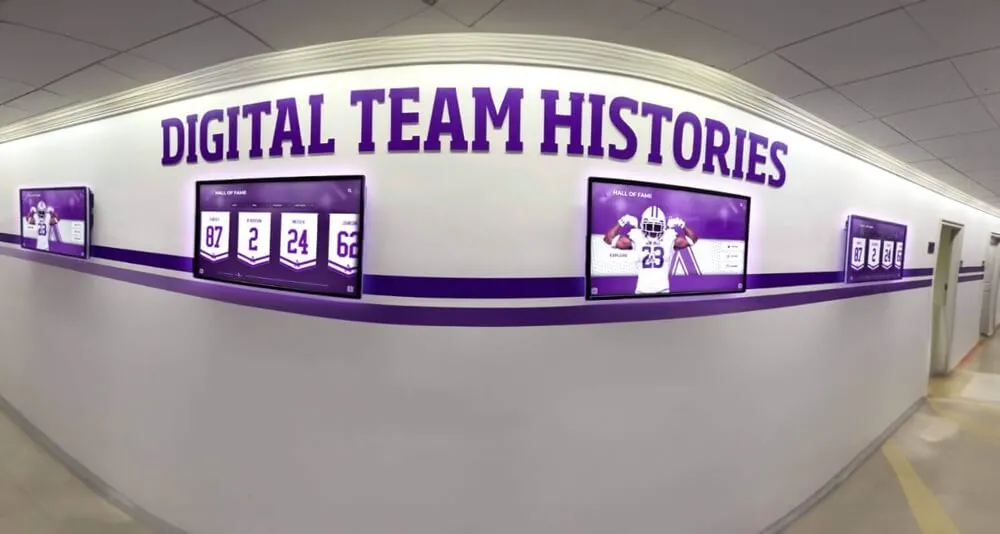
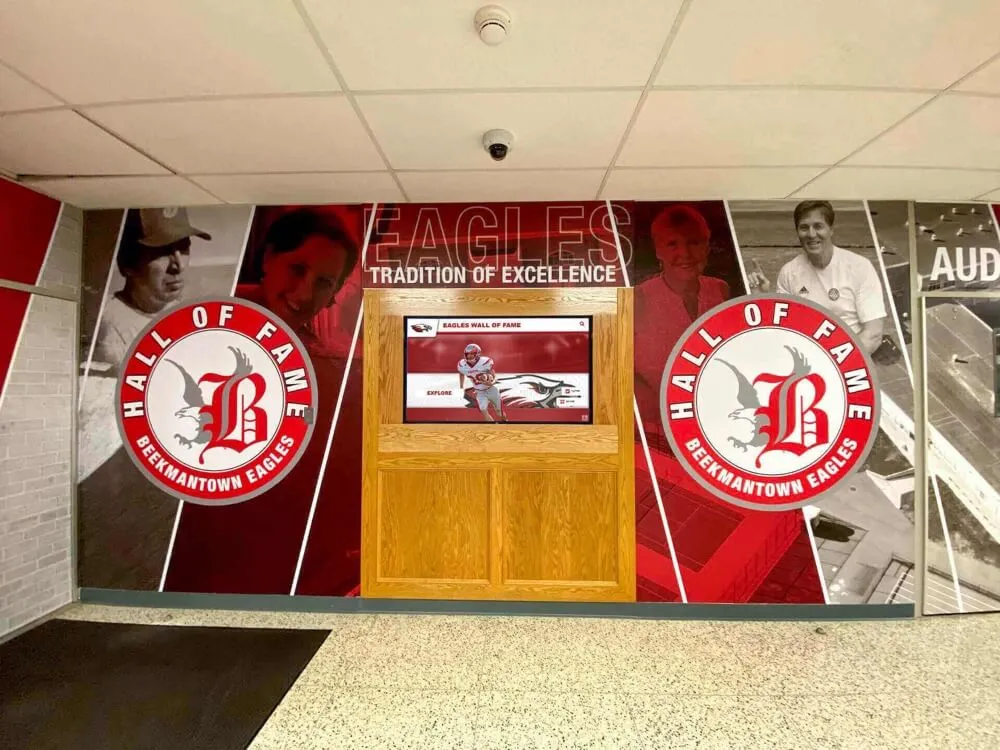
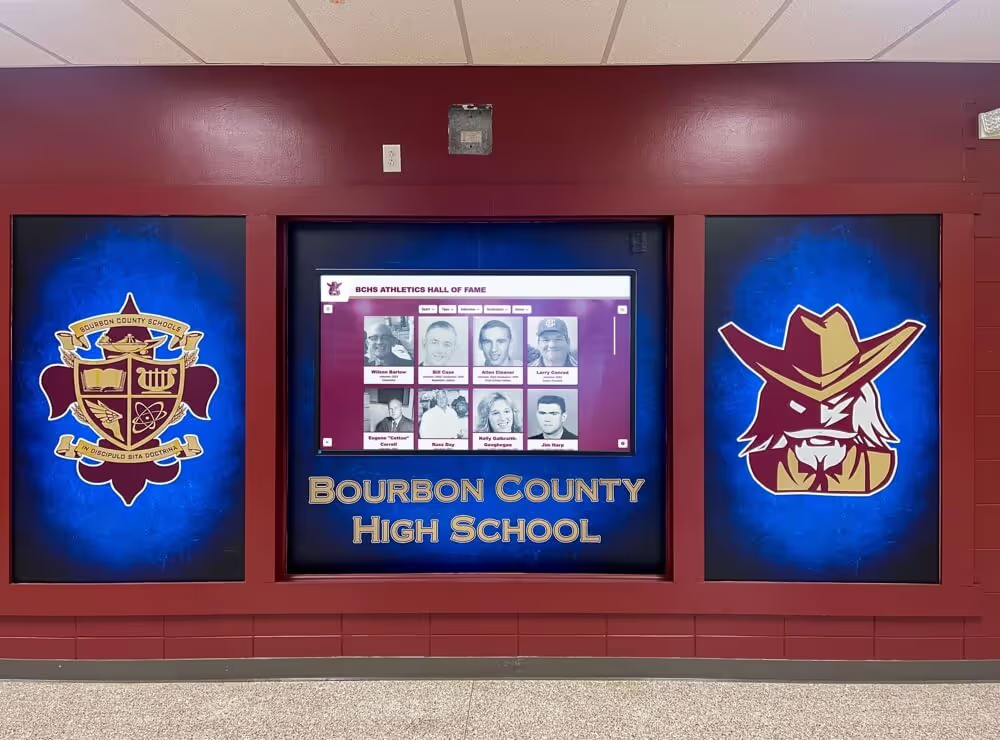
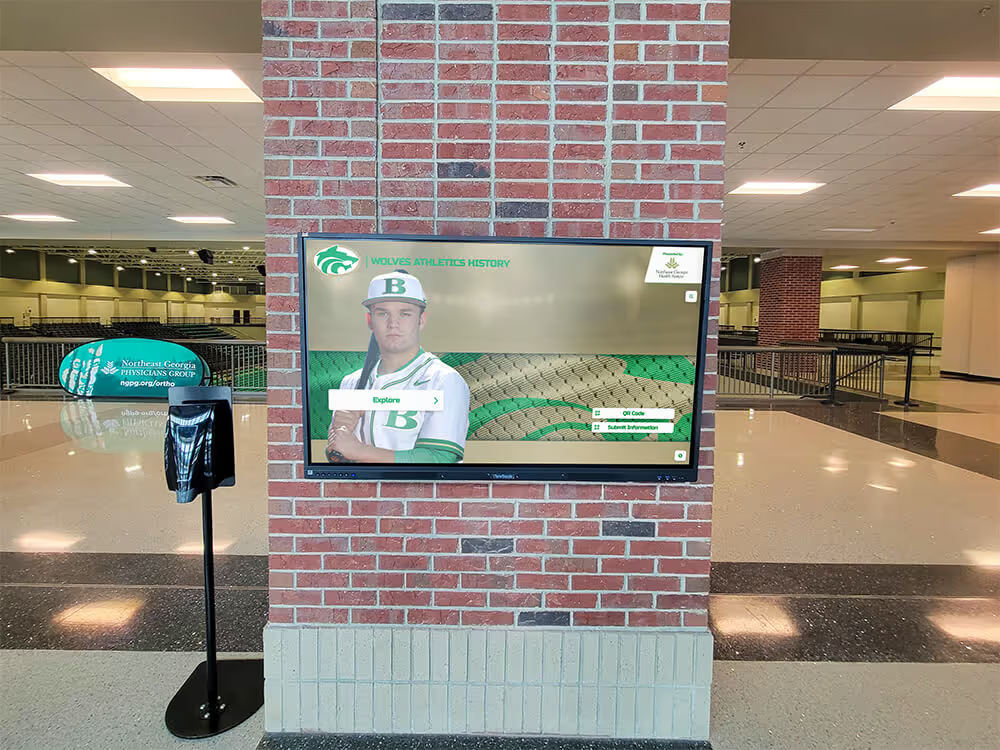
Physical boards—wood plaques, painted panels, vinyl lettering—accomplish the basic job of displaying records. They fail at keeping them current.
The Core Problem with Traditional Boards
Every time a record falls on a traditional board, someone has to act: order an engraved plate, schedule a painter, print new vinyl. That process takes time, costs money, and requires a specific person to initiate it. When that person is busy—and they always are—the update doesn’t happen. Records go stale. Athletes who broke records see their names missing from the wall for months or never at all.
| Traditional Record Board | Digital Record Board |
|---|---|
| Manual update required for each change | Update in minutes from any device |
| Limited by physical wall space | Unlimited record categories and entries |
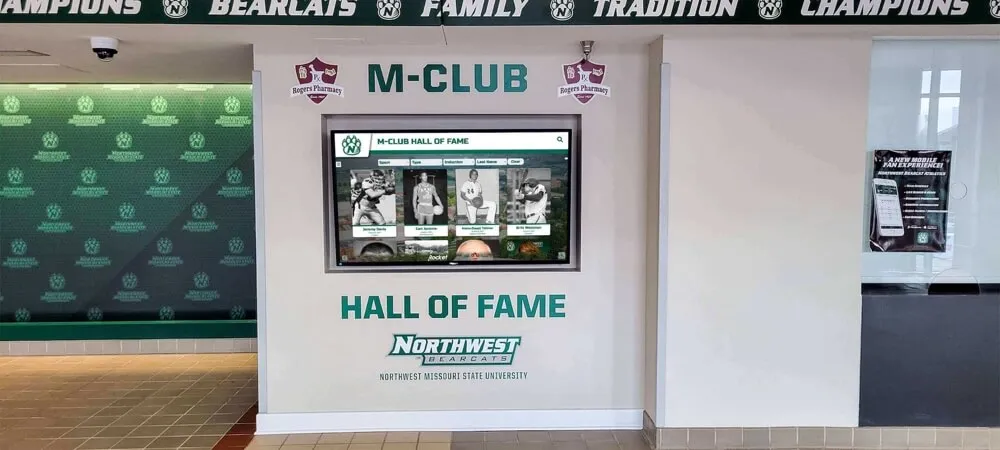
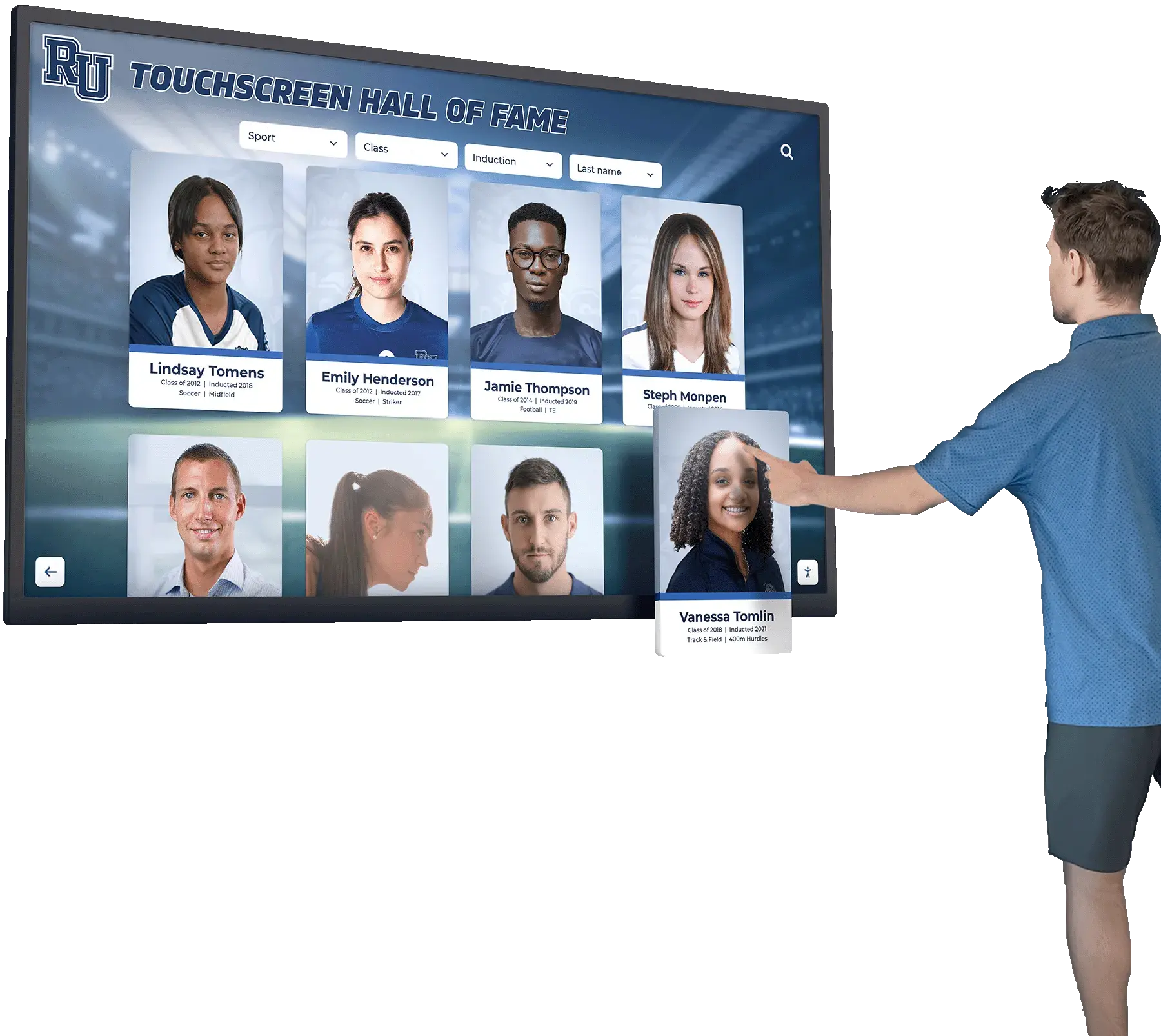
| No photos or context | Photos, career stats, and narratives included |
| Difficult to search by player or year | Searchable and filterable |
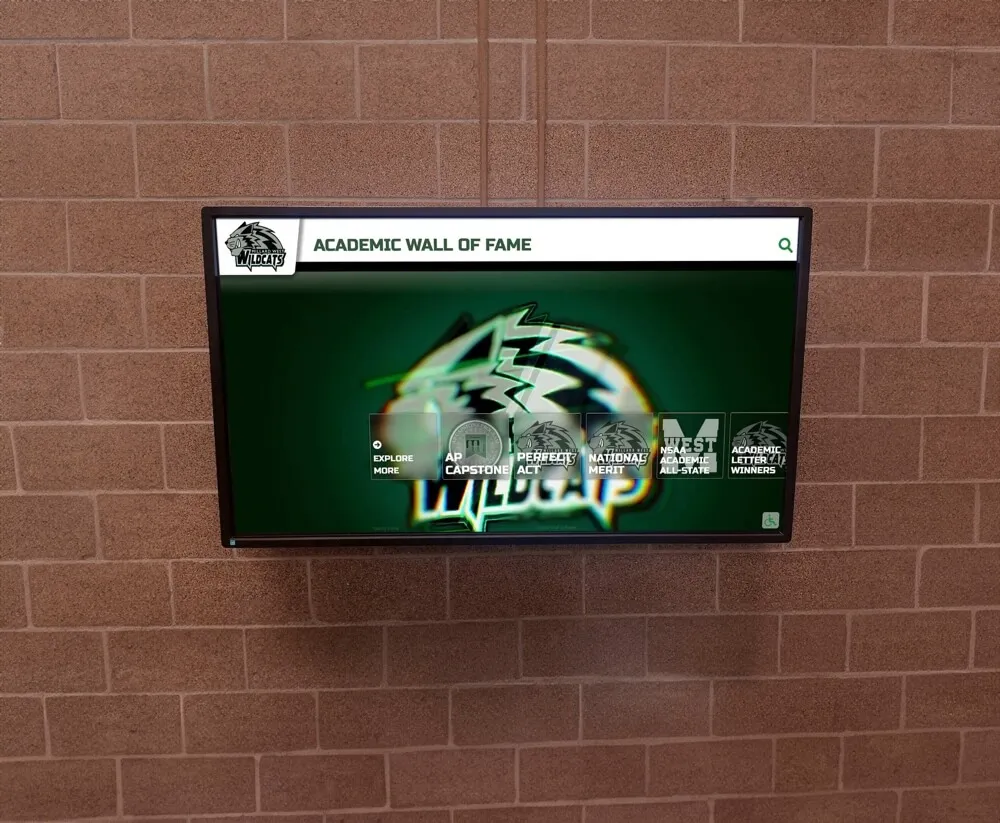
| Single location visibility | Accessible from phones, kiosks, and the web |
| Engraving or reprinting costs per update | No per-update cost after installation |
What Digital Systems Add Beyond Simple Display
The case for digitizing a basketball record board isn’t just about avoiding maintenance headaches. Digital systems make the record board do things a static board structurally cannot.
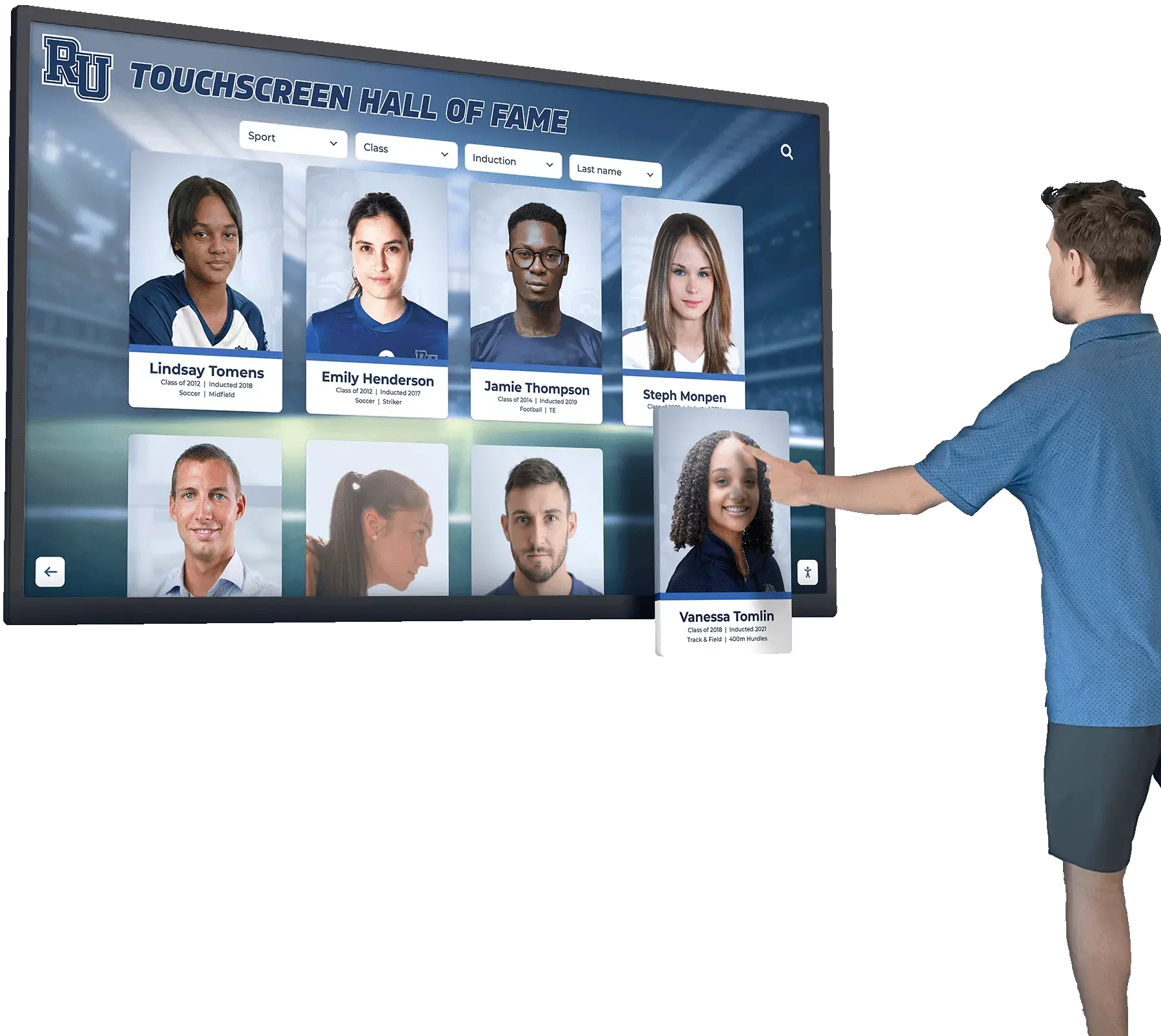
Auto-ranking: When a player’s season total surpasses the current record, the system reorders the leaderboard automatically. No one has to remember to update it.
Depth of history: A physical board might show the top three career scorers. A digital board shows every player who has ever scored 500+ career points, with their graduation year, season-by-season progression, and career context.
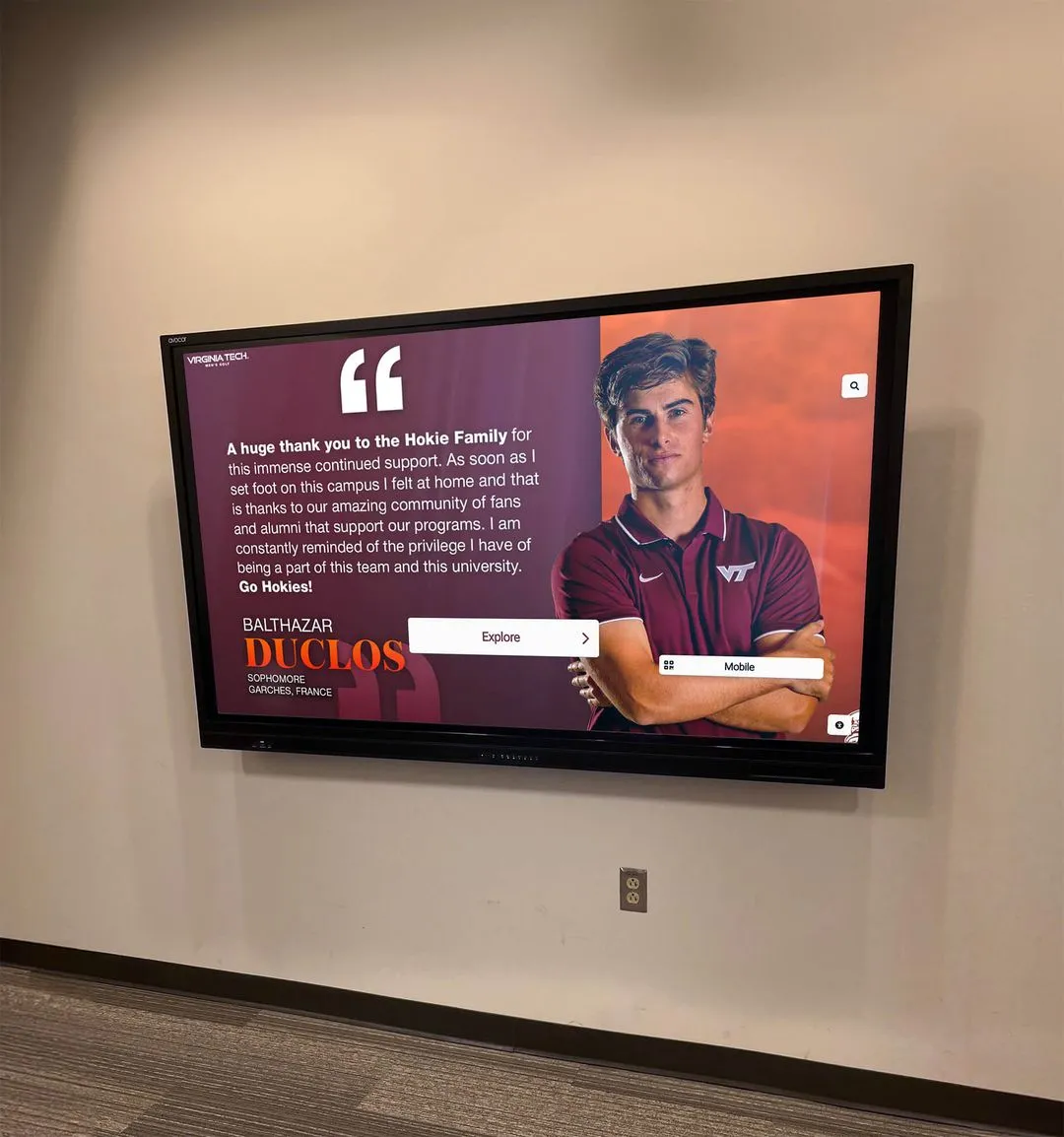
Photo profiles: Every record entry on a digital board can include a photo of the athlete, their jersey number, the team they played on, and a brief narrative about how the record was achieved.
Milestone tracking: Digital systems can alert staff when a current player is approaching a record threshold—100 points from the career scoring record, for example—enabling advance planning for recognition ceremonies.
The guide to digital record boards for high schools covers how schools structure these systems to serve multiple sports from a single platform, a major advantage for athletic departments managing basketball alongside ten or fifteen other programs.
How Track and Field Programs Demonstrate the Model
Track and field was one of the first sports to adopt digital record displays, partly because the data complexity—dozens of events, wind-legal vs. wind-aided marks, relay records involving multiple athletes—made traditional boards impractical. The solutions track programs built translate directly to basketball.
The approach to managing track and field digital displays with multiple record categories shows how athletic departments handle the same organizational challenges basketball programs face: how to categorize records, how to display ties, how to retire records when athletes graduate, and how to handle retroactive updates when historical research surfaces new information.
Implementation Steps for Athletic Directors
Step 1: Inventory existing records. Pull everything you currently have documented—scorebooks, printed rosters, handwritten logs. Know your starting point before choosing a platform.
Step 2: Identify gaps in the historical record. Which seasons lack documentation? Which records on the current board cannot be sourced? Flag those for research or verification notation before the digital display goes live.
Step 3: Choose a platform with category flexibility. Not every vendor supports the same record categories. Basketball programs need individual and team records, career and single-season splits, and the ability to add custom categories for program-specific achievements. Verify the platform can handle this before signing.
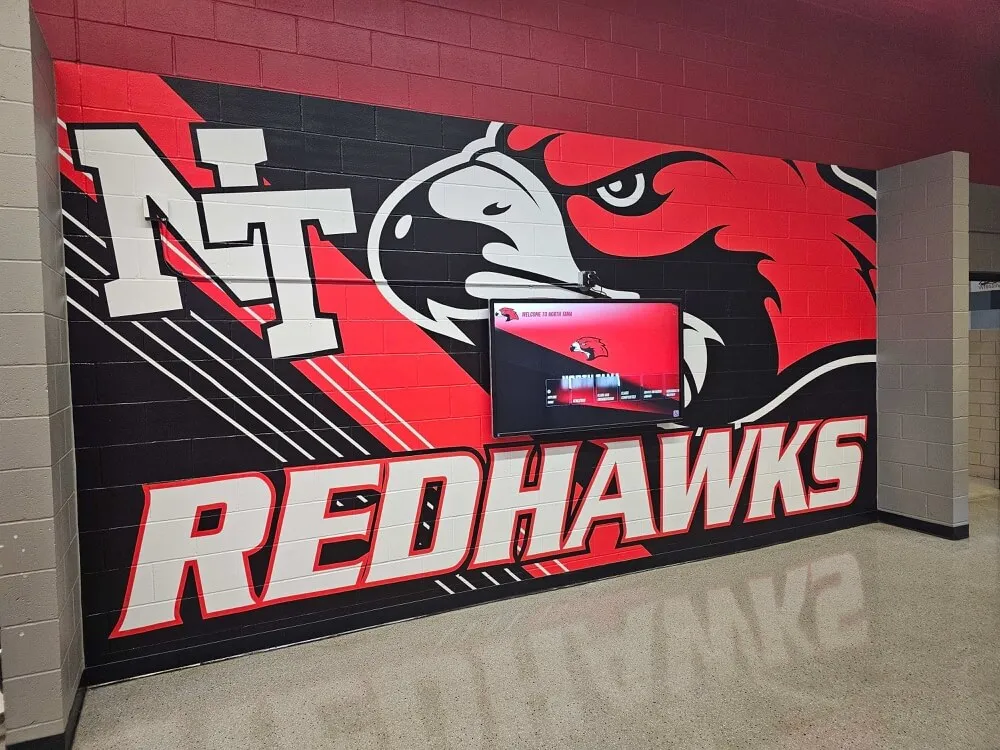
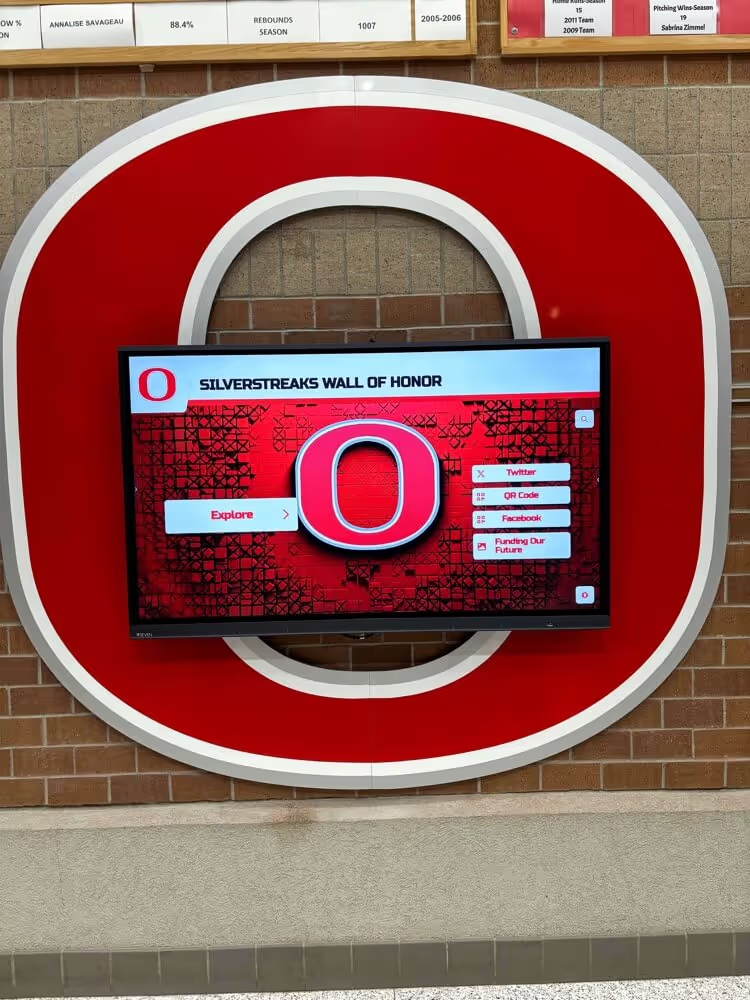
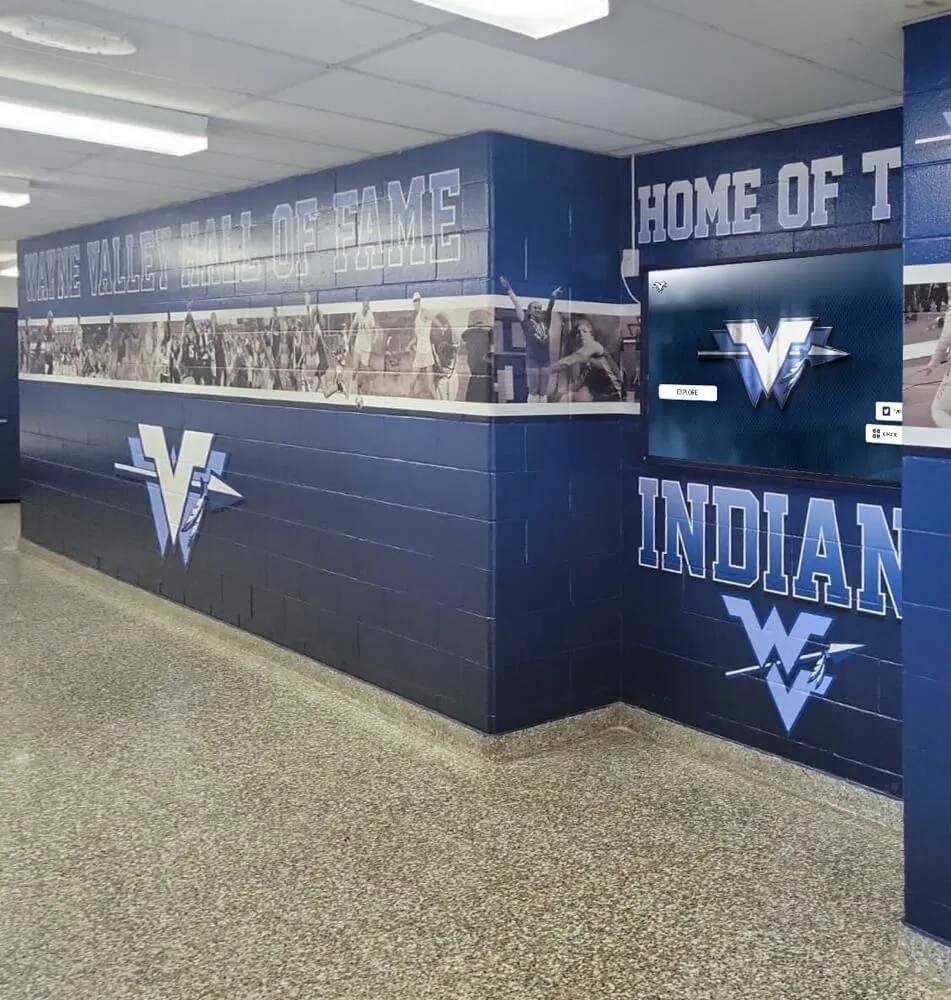
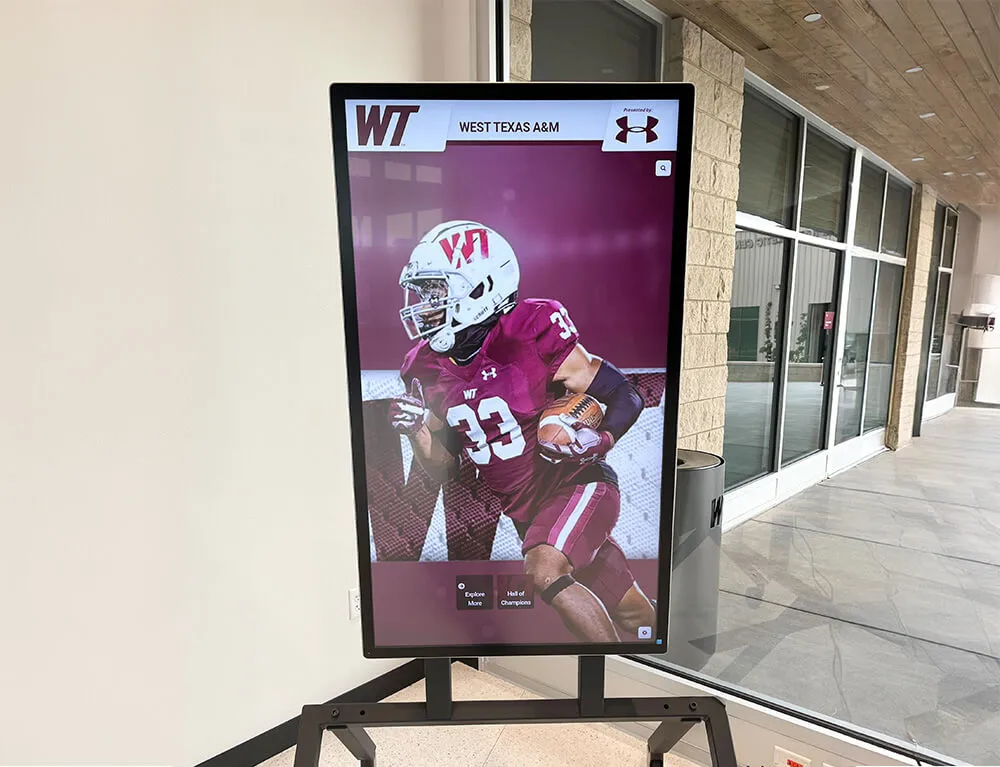
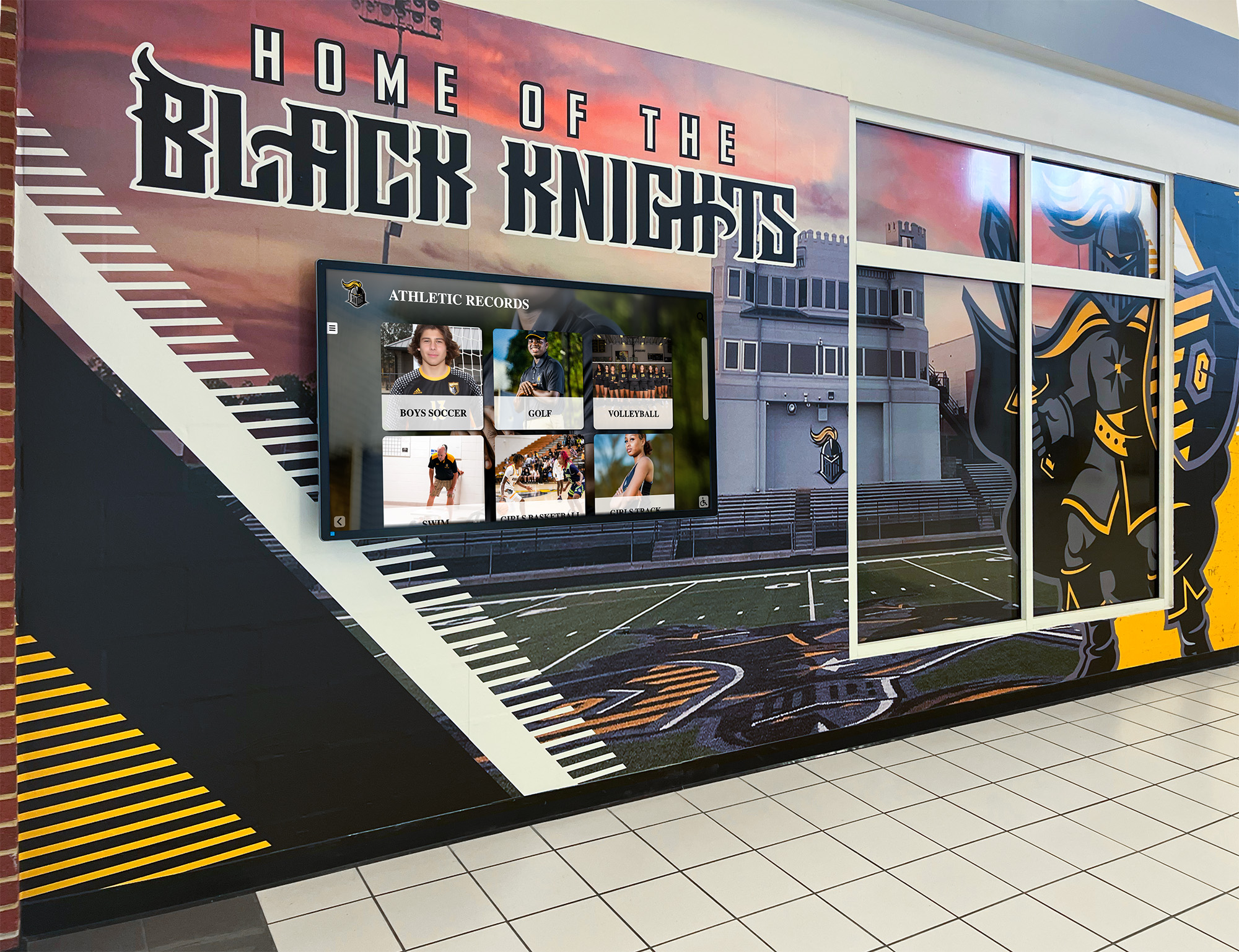
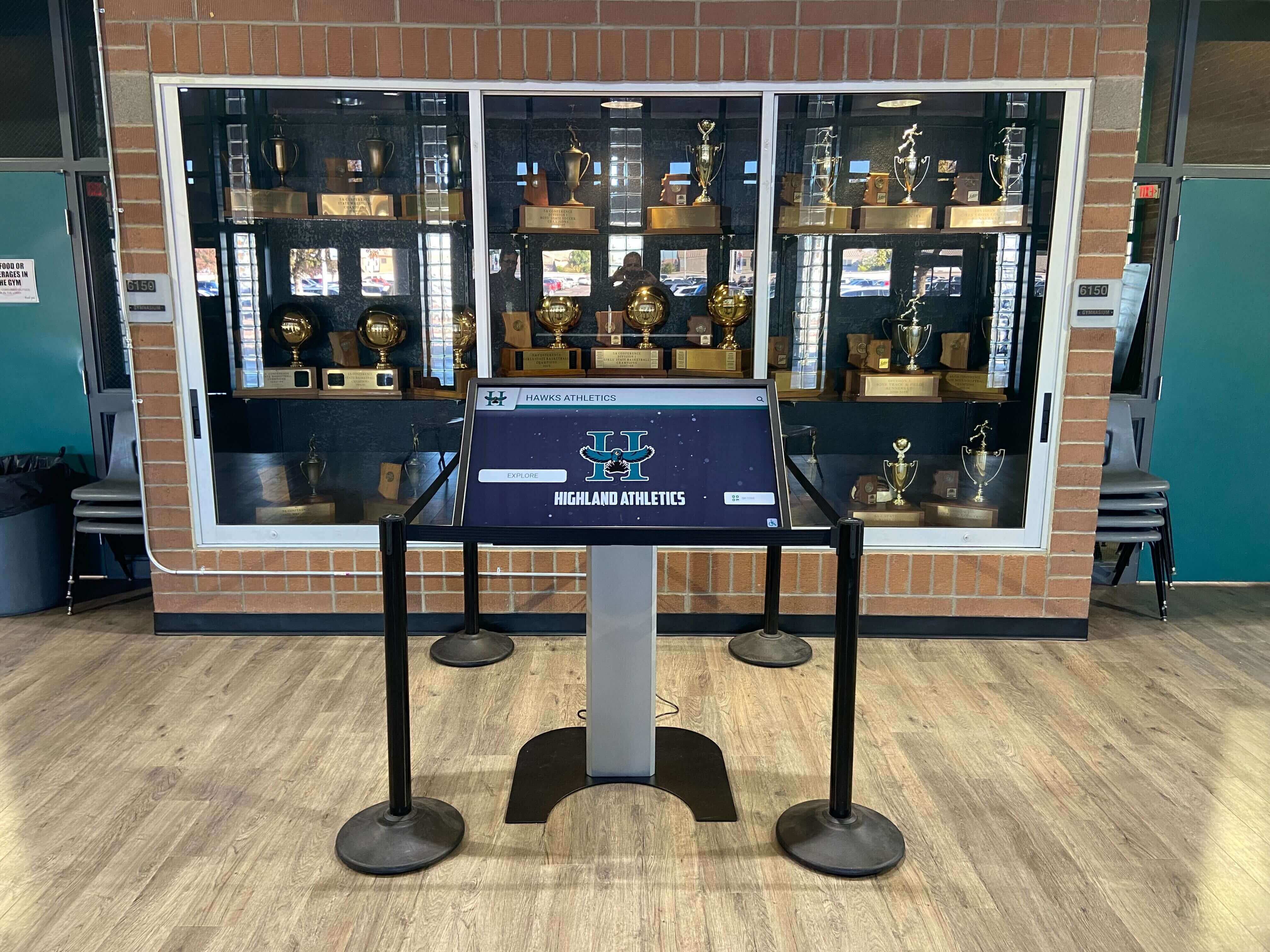
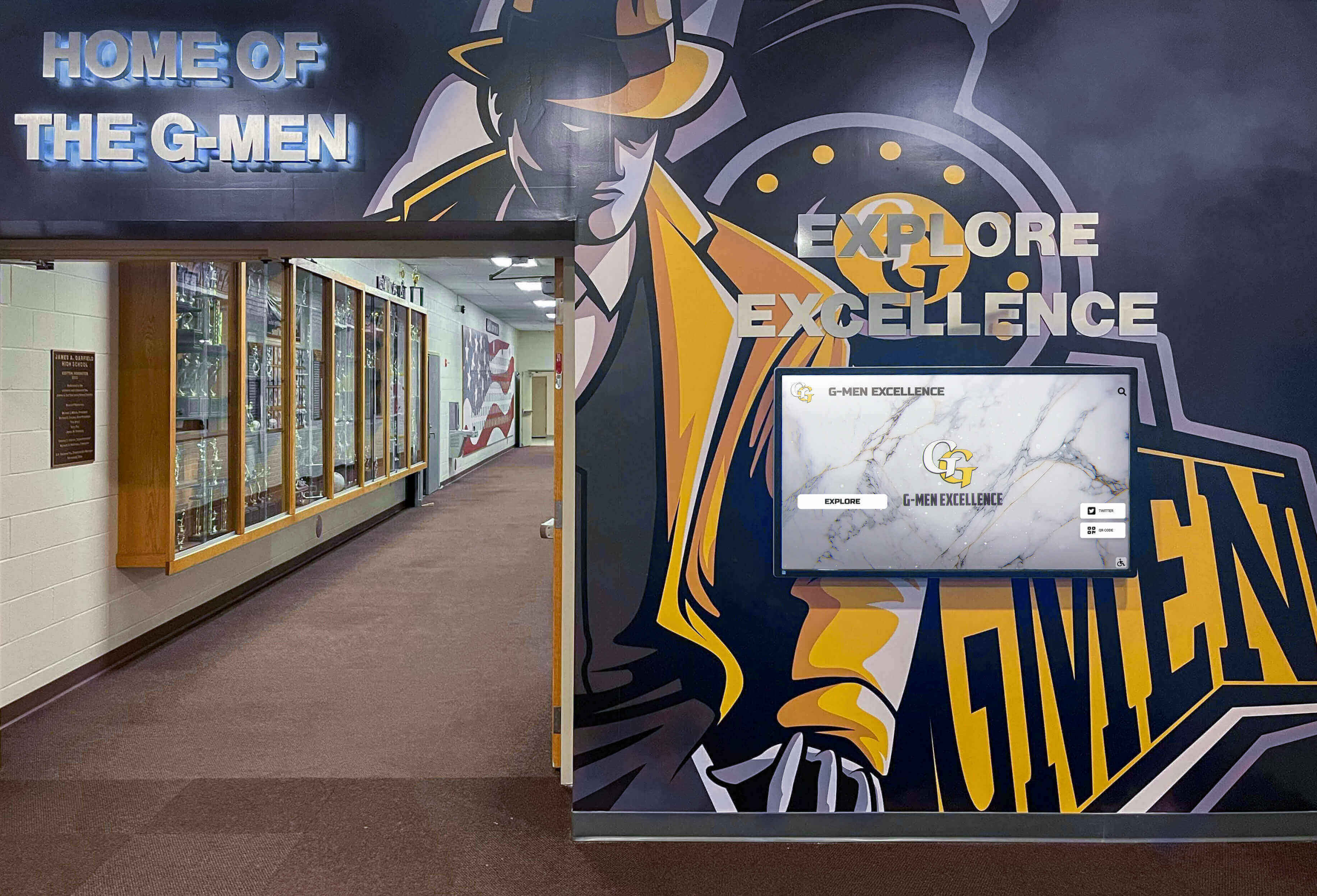
Step 4: Plan the display location. Record boards in high-traffic hallways reach every student daily. Record boards tucked inside the gymnasium reach the basketball community. Many programs install both—a hallway touchscreen for broad visibility and a gym display for game-night recognition.
Step 5: Define the update workflow. Who enters new records? What approval does an update require before it goes live? How quickly should an update appear after a record is broken? Clear workflow documentation prevents the same neglect problem that kills traditional boards.
Step 6: Connect the board to active recognition. Announce new record holders at games, post updates on social media, and acknowledge milestones at the end-of-season banquet. A record board that ties to living events builds program culture. One that sits quietly in a hallway is just furniture.
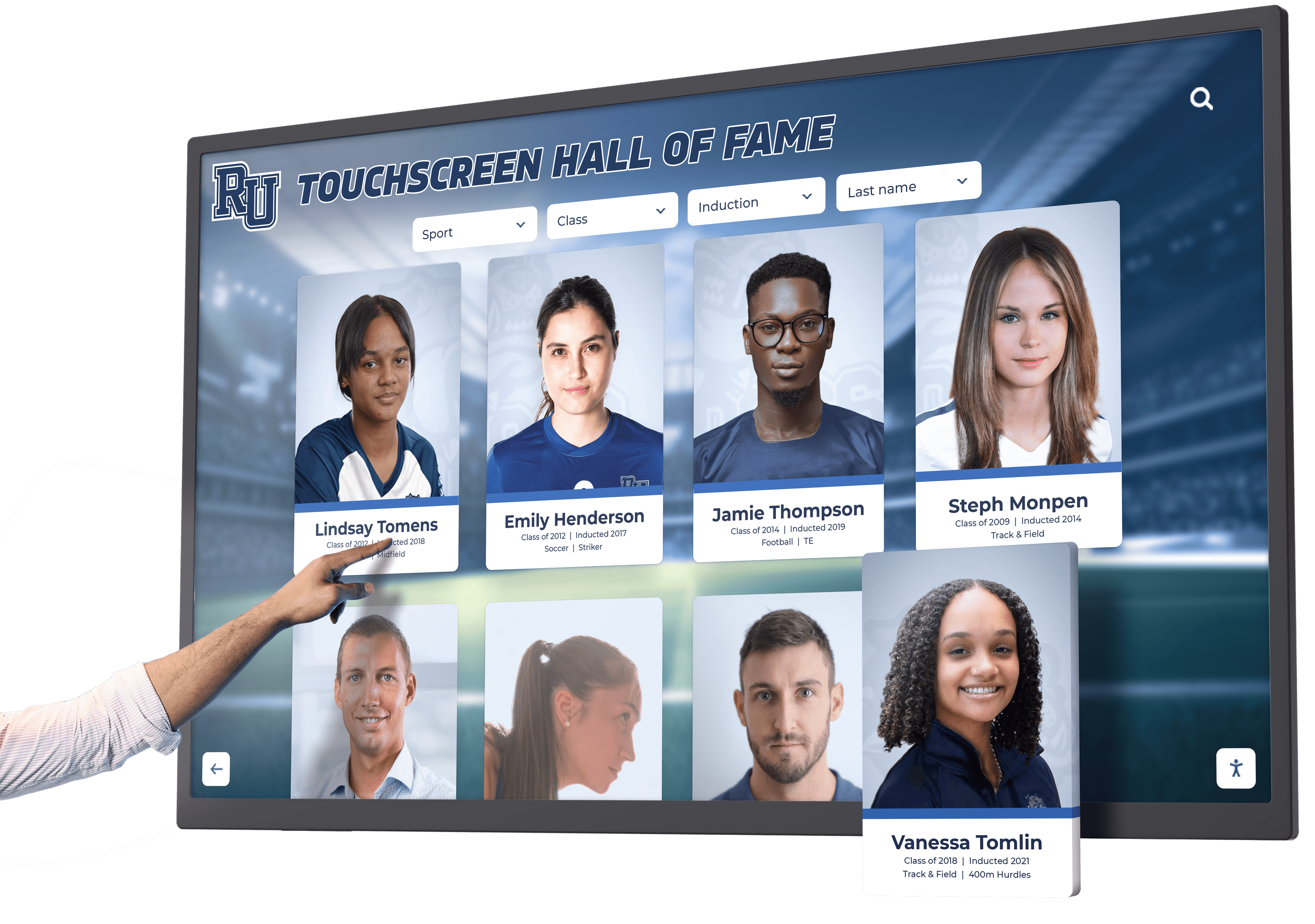
For programs weighing the full scope of what digital record boards for high schools can accomplish, the shift from physical to interactive display is less a technology decision and more a program culture decision: do you want a recognition system that keeps pace with your athletes, or one that asks athletes to keep pace with its limitations?
Basketball Record Board Ideas: Quick Reference Checklist
Use this list as a starting inventory when building or auditing your basketball record board.
Individual offensive records:
- Career points (top 5 or top 10)
- Single-season points
- Single-game points
- Career scoring average
- Career three-pointers made
- Single-season three-pointers made
- Best career free throw percentage
Individual defensive records:
- Career rebounds
- Single-season rebounds
- Career steals
- Single-season steals
- Career blocks
- Single-season blocks
Playmaking records:
- Career assists
- Single-season assists
- Single-game assists
Team season records:
- Best single-season record
- Most wins in a season
- Longest winning streak
- Best team scoring average
Championship and milestone records:
- Conference/league championship years
- State tournament appearances
- State championship years
- All-time 1,000-point scorers
- Coaching career wins record
The complete high school basketball records guide at touchhalloffame.us includes additional category suggestions for programs ready to move beyond the standard checklist to advanced tracking.
Conclusion: Build the Board That Actually Gets Updated
A basketball record board earns its place on the wall by staying current. The checklist above gives you the categories. The verification framework gives you the confidence that what you post is accurate. The digitization pathway eliminates the friction that causes well-intentioned boards to go years without a meaningful update.
Programs using interactive digital systems consistently report that the biggest change isn’t the technology—it’s the culture shift. When updating a record takes five minutes instead of a budget line and a production order, records actually get updated. Athletes see their names on the board the week they break the record, not the following fall. Alumni returning for homecoming can find their names without squinting at a faded plaque. The board becomes a living part of the program rather than a monument to whoever maintained it last.
The full guide to basketball records for high school programs covers additional category options and display configurations for programs ready to build a comprehensive recognition system from the ground up.
Ready to Build a Basketball Record Board That Updates Automatically?
Rocket Alumni Solutions builds interactive digital record boards designed for high school basketball programs—tracking scoring leaders, defensive records, championship history, and career milestones with automatic reranking and zero per-update costs.
Schedule a Demo