



Ball control separates confident playmakers from hesitant handlers—determining whether you create scoring opportunities under pressure or lose possession in critical moments. Coaches working with basketball players from youth leagues through varsity programs understand that systematic dribbling development directly impacts offensive efficiency, turnover rates, and individual player confidence. Effective basketball dribbling drills build ambidextrous handling, develop move combinations, improve spatial awareness, and create muscle memory that survives defensive pressure and game-speed chaos.
This comprehensive guide breaks down 15 practice-ready basketball dribbling drills covering weak-hand development, speed and control balance, combo move sequences, defensive pressure simulation, and game-situation handling that transforms tentative ball handlers into confident floor generals. Whether coaching elementary players establishing fundamental ball control, middle school athletes developing their first crossover moves, or varsity guards perfecting hesitation dribbles and behind-the-back transitions, these progressive workouts provide the structured repetition supporting elite ball handling at every competitive level.
Why Systematic Dribbling Development Matters
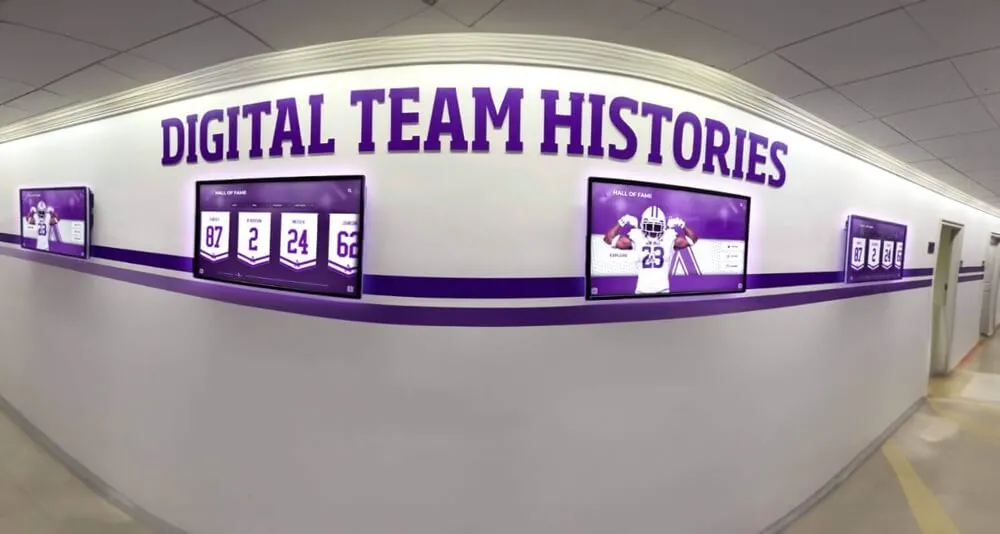
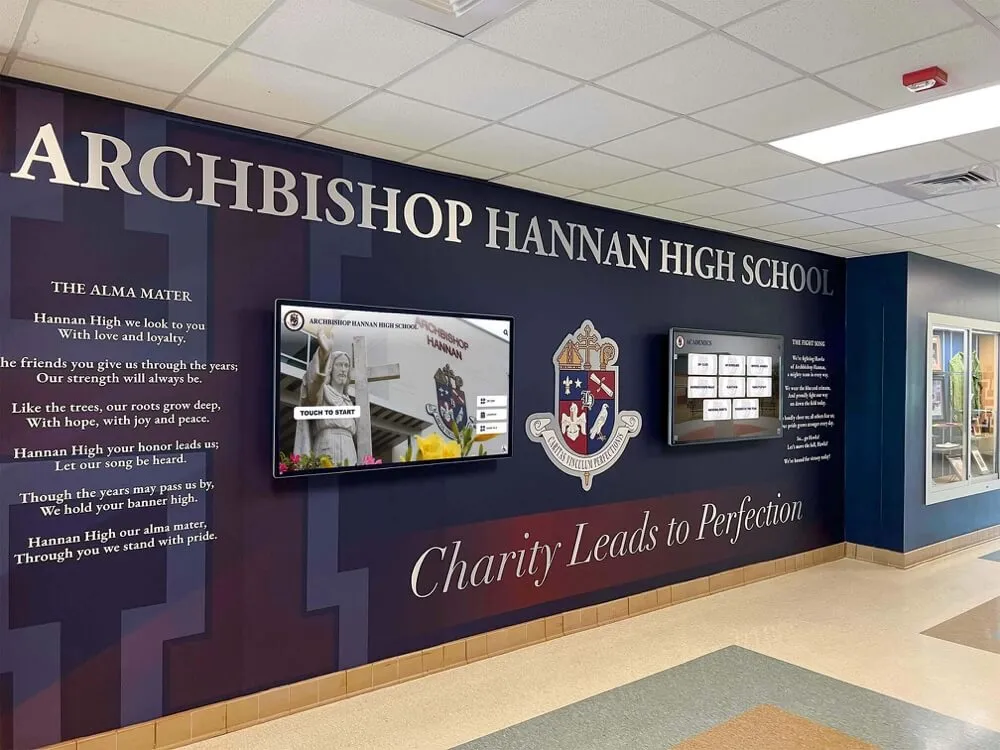
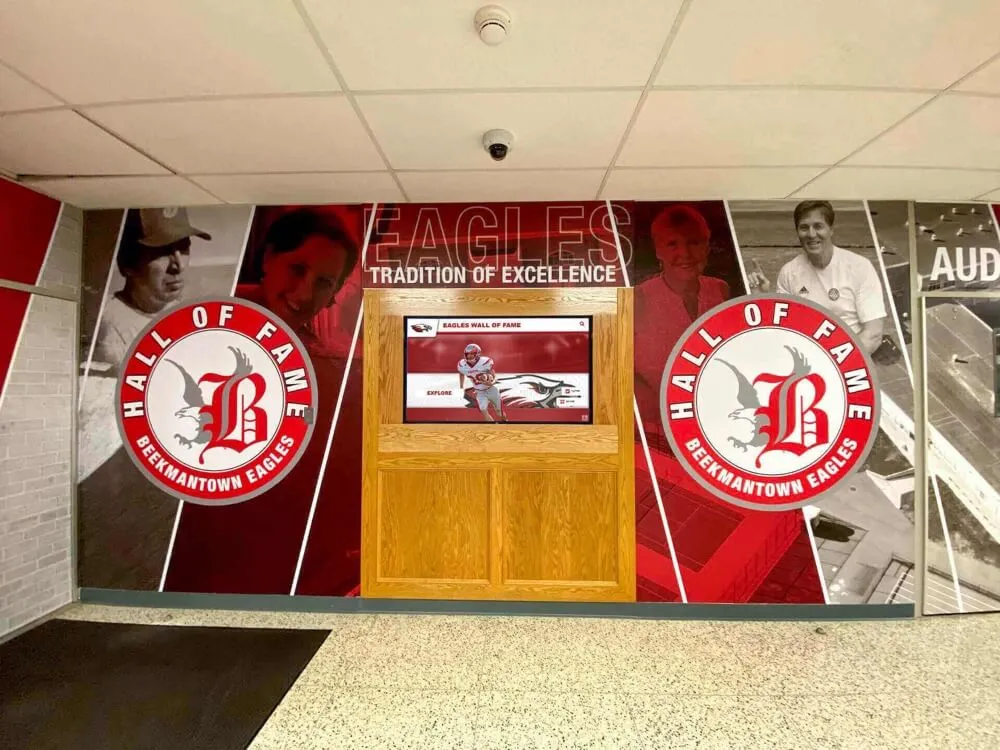
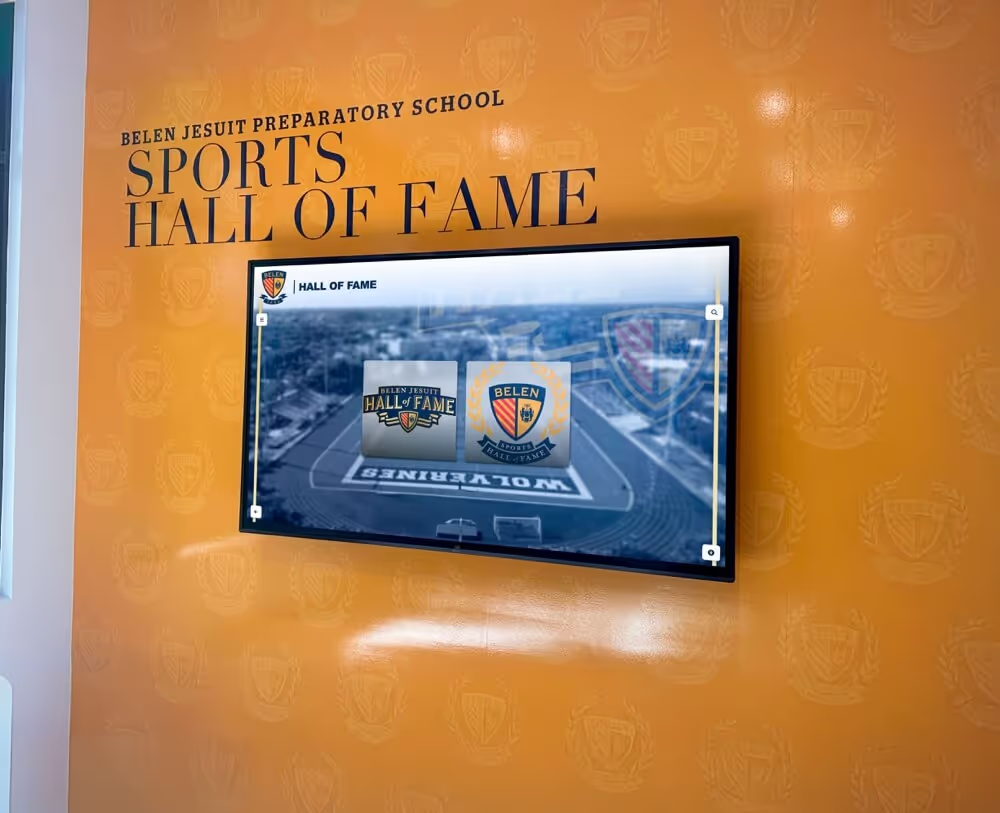
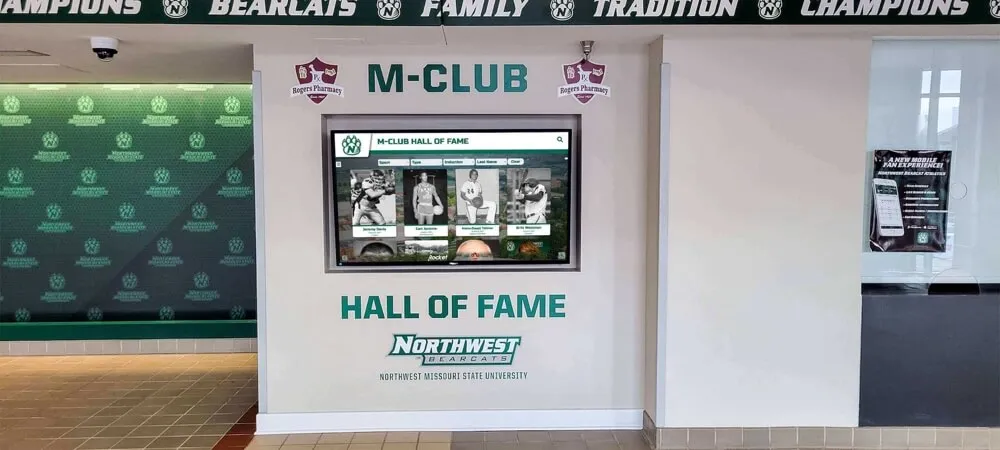
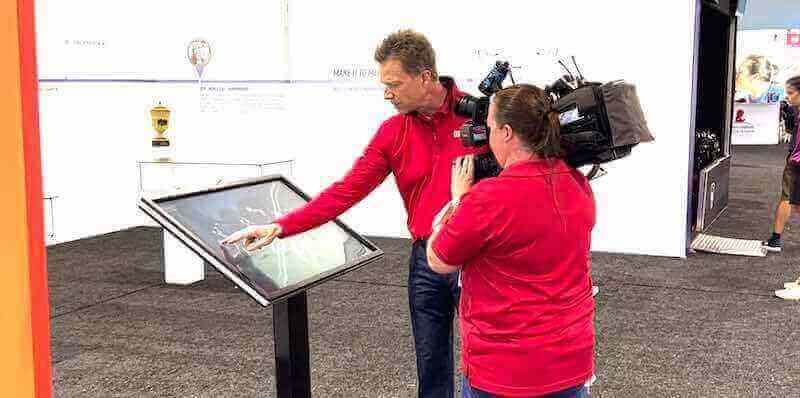
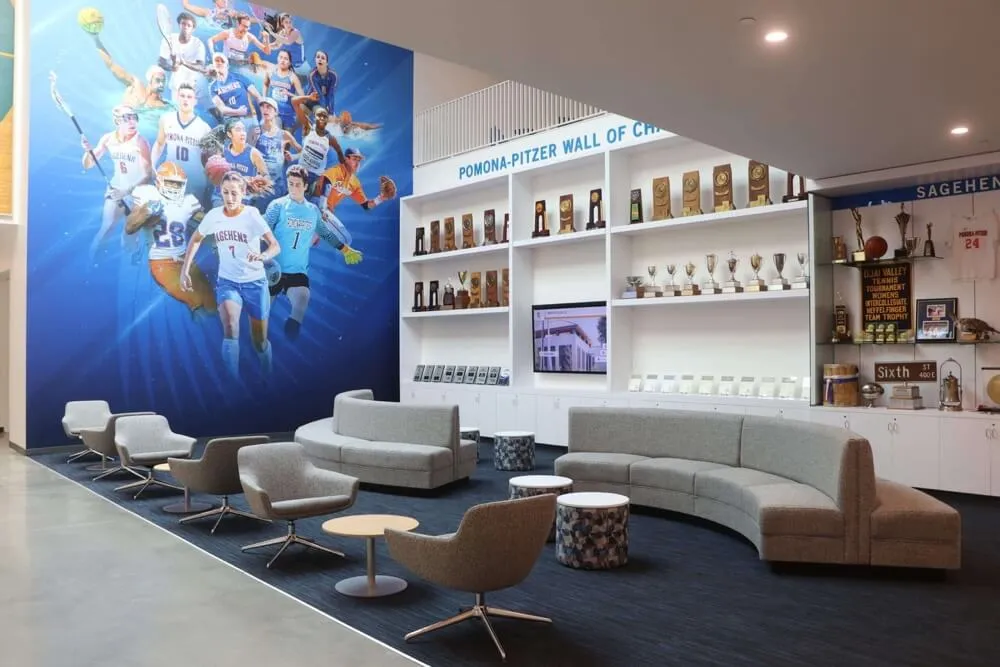
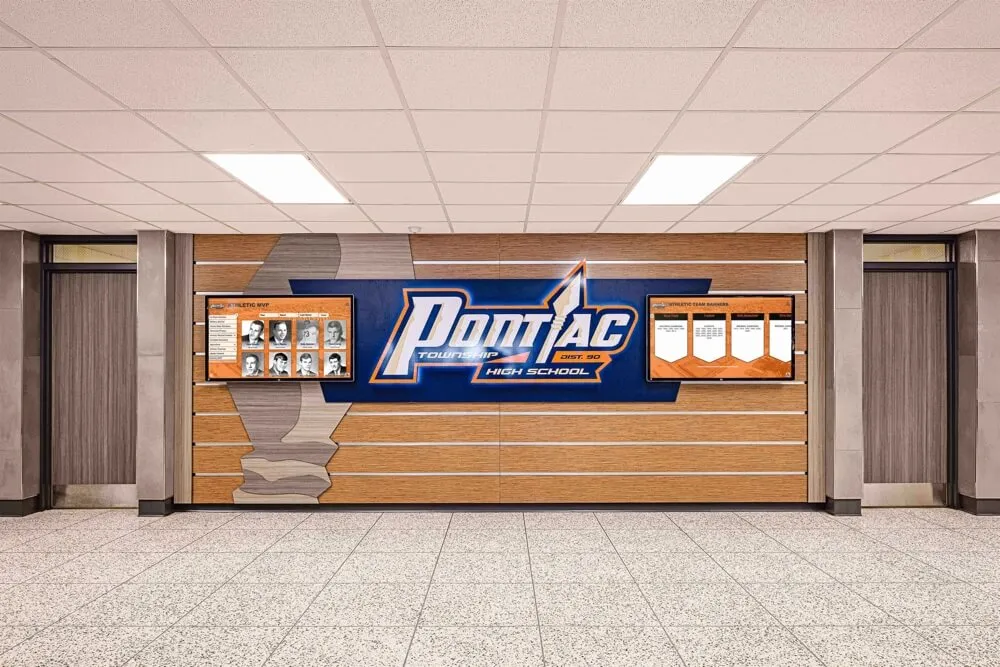
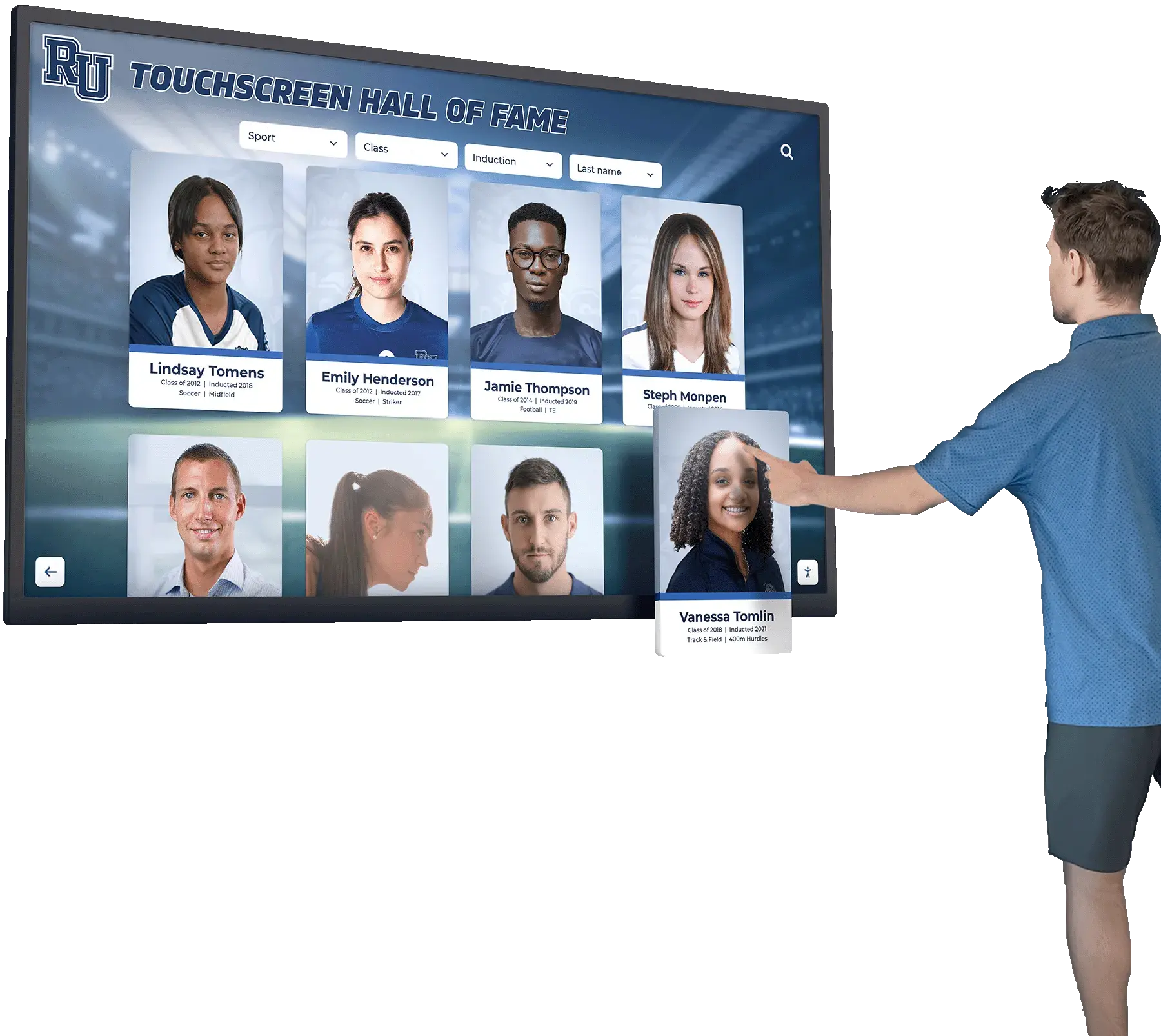
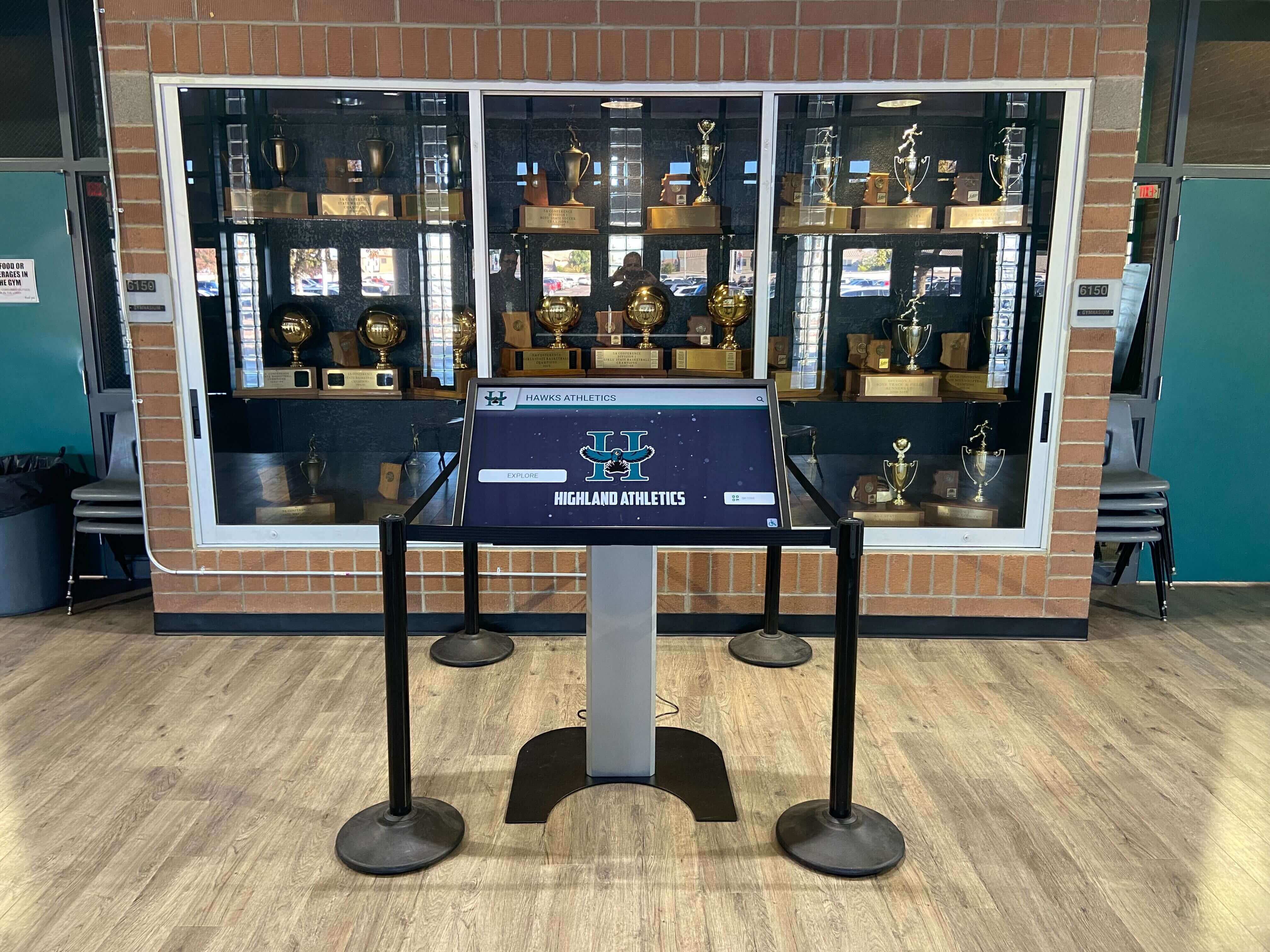
Basketball dribbling represents far more than moving the ball from point A to point B—it creates offensive spacing, breaks defensive pressure, enables fast-break opportunities, and determines whether players access their shooting and passing skills under contested conditions. Programs that emphasize progressive dribbling development produce guards with lower turnover rates, forwards who confidently attack closeouts, and complete players who maintain composure against full-court pressure. Digital record boards from Rocket Alumni Solutions help basketball programs permanently showcase assist leaders, steals champions, and playmaking achievements that stem from superior ball handling, creating visible celebration of the skills these drills develop while inspiring younger players to master fundamental ball control.
Foundational Ball Control Drills (Beginner to Intermediate)
These fundamental drills establish proper hand positioning, develop feel for the basketball, and build the basic control patterns supporting all advanced ball handling.
1. Stationary Pound Dribbles
The foundation of all dribbling begins with controlling a stationary ball through powerful, rhythmic dribbles that develop hand strength and ball familiarity.
Setup and Execution: Stand in athletic stance with feet shoulder-width apart. Dribble one basketball forcefully into the ground, creating loud contact sounds. Maintain dribble height at knee level or lower. Perform 30 seconds per hand, focusing on consistent rhythm and force.
Coaching Points: Keep eyes up rather than watching the ball. Maintain fingertip control rather than slapping with palms. Generate power from wrist snaps and forearm strength rather than full arm movements. This drill builds the hand strength foundation supporting all subsequent handling.
Progression: Advance to two-ball simultaneous pounding, alternating pounds between hands, or incorporating squat positions that challenge balance while maintaining dribble control.
2. Figure-Eight Stationary Dribbles
Figure-eight patterns develop hand-switching coordination and teach players to maintain control during directional changes.
Setup and Execution: Stand with feet wider than shoulder width in athletic stance. Weave one basketball in figure-eight pattern around and between legs, switching hands at the midpoint between legs. Complete 20 controlled figure-eights, then reverse direction for 20 repetitions.
Coaching Points: Focus on smooth hand-to-hand transfers rather than choppy switches. Keep dribble below knee level throughout the pattern. Maintain low athletic stance that simulates game positions. This drill creates coordination between dominant and weak hands while building spatial awareness.
Common Mistakes: Standing too upright eliminates the athletic stance needed in games. Watching the ball instead of developing feel through repetition. Dribbling too high, which slows the pattern and reduces game transfer.
3. Walking Dribble—Weak Hand Focus
Weak-hand development requires dedicated repetition that most players avoid during open practice. Structured weak-hand walking creates forced repetition that accelerates development.
Setup and Execution: Begin at baseline with basketball in weak hand only. Walk length of court focusing exclusively on weak-hand dribbles, maintaining knee-height control and athletic posture. Upon reaching opposite baseline, return using dominant hand for comparison feedback.
Coaching Points: Resist the temptation to switch hands during weak-hand lengths. Keep dribble tight to body, protecting ball with opposite arm and shoulder. Gradually increase speed from walking pace to jogging as control improves across practice sessions.
Development Timeline: Expect weak-hand walking to feel awkward for 5-10 practice sessions before coordination develops. Most players need 20+ dedicated weak-hand sessions before control approaches dominant-hand proficiency.
Understanding comprehensive approaches to recognizing youth athletic development helps programs celebrate the progressive skill development that systematic dribbling practice produces across seasons and competitive levels.
4. V-Dribble Pattern (Push-Pull)
The V-dribble teaches lateral ball movement and develops the foundation for crossover moves and defensive evasion.
Setup and Execution: Stand in athletic stance. Dribble ball in V-shape pattern—push ball forward and diagonal, then pull ball back to starting position, creating V shape on floor. Perform 15 V-patterns with dominant hand, then 15 with weak hand. Keep dribble below waist height and maintain controlled rhythm.
Coaching Points: Generate movement through wrist control and fingertip touch rather than full arm swings. The V should extend 12-18 inches forward and diagonal, not excessively wide. This pattern builds the hand angles and ball control needed for effective crossover dribbles.
Game Transfer: The push-pull motion directly simulates hesitation moves, where players push the ball forward to freeze defenders, then pull back to create shooting space or change directions.
Speed and Control Balance Drills (Intermediate)
These drills develop the critical balance between maximum-speed dribbling and maintaining complete ball control under pace pressure.
5. Full-Court Speed Dribble—Timed Sprints
Speed dribbling separates players who break defensive pressure from those who dribble tentatively under time constraints.
Setup and Execution: Starting at baseline, sprint full court length while maintaining dribble control, alternating dominant and weak hands each length. Time each sprint, establishing baseline speed. Goal: complete full-court sprint in under 5 seconds while maintaining control (varies by age and court length).
Coaching Points: Push ball forward 6-8 feet ahead during sprints rather than keeping ball directly underhand. This extended push allows full running speed while maintaining control. Keep eyes up to simulate transition awareness. Use fingertips to guide ball rather than slapping downward.
Progressive Challenges: Add cone weaves during speed dribbles, require specific hand usage through different court zones, or incorporate defensive pressure trailing the dribbler.
6. Cone Weave Dribbling
Cone weaves develop change-of-direction control and teach players to manipulate dribble angles while navigating traffic.
Setup and Execution: Place 5-7 cones in straight line with 5-foot spacing. Weave through cones using crossover dribbles, between-legs moves, or behind-back dribbles to change directions around each cone. Complete pattern using only right hand, then repeat using only left hand, finally perform using alternating hands each cone.
Coaching Points: Make direction changes tightly around cones, simulating game spacing where defenders occupy space. Accelerate between cones, decelerate approaching cones, developing rhythm and pace control. Keep body low during direction changes, protecting ball with body positioning.
Skill Variations: Progress from simple crossover weaves to requiring specific move sequences—crossover-between-legs-crossover-behind-back patterns that build combination move fluency.
Resources on celebrating basketball program excellence demonstrate how schools honor the playmaking skills and ball-handling achievements that systematic dribbling development produces across player careers.
7. Two-Ball Dribbling—Simultaneous Control
Two-ball drills force coordination between hands and dramatically accelerate weak-hand development through simultaneous practice.
Setup and Execution: Begin with two basketballs, one in each hand. Dribble both balls simultaneously in athletic stance, maintaining matching rhythm and height. Perform 30-second intervals of simultaneous dribbling, alternating dribbling (right-left-right-left), and matching patterns (both forward, both back, both diagonal).
Coaching Points: Start slowly, emphasizing rhythm and control over speed. When one ball loses control, it typically reveals the weak hand. Keep both dribbles below waist height. Use fingertip control on both balls simultaneously.
Advanced Variations: Walk or jog while performing two-ball dribbles, creating movement complexity. Add specific patterns like figure-eights with both balls or crossover sequences that require precise timing between hands.
Combination Move Development (Intermediate to Advanced)
Game situations demand smooth transitions between different dribble moves. These drills build the combinations that create offensive advantages.
8. Crossover-Hesitation-Crossover Series
Linking moves together creates more deception than individual moves alone. This series develops the rhythm and timing for effective combination sequences.
Setup and Execution: Starting at three-point line, perform hard crossover dribble from right to left hand. Take 2-3 dribbles with left hand at moderate pace (hesitation). Execute second crossover from left back to right hand. Finish with drive to basket. Repeat pattern starting with left hand crossover.
Coaching Points: The hesitation creates defensive indecision—defenders commit to the first crossover, then get caught off-balance by the hesitation and second crossover. Vary hesitation duration from 1-4 dribbles depending on defensive reaction. Explode out of final crossover toward basket.
Game Application: This combination simulates isolation situations where initial moves don’t fully beat defenders, requiring follow-up moves to create driving lanes or shooting space.
9. Between-Legs to Behind-Back Transition
This advanced combination builds the fluid transitions needed against aggressive closeout defenders.
Setup and Execution: Start with ball in right hand at wing position. Execute between-legs dribble from right to left hand. Immediately follow with behind-back dribble from left hand back to right hand. Explode forward with 2-3 speed dribbles. Repeat pattern starting with left hand.
Coaching Points: Minimize time between the two moves—fluid transitions create defensive confusion while choppy sequences allow recovery. Keep body low throughout both moves, using legs and core for protection. Practice until the between-legs-to-behind-back feels like one continuous motion rather than two separate moves.
Defensive Context: This combination works effectively against defenders playing tight on-ball pressure, where the between-legs move creates initial separation and the behind-back move protects the ball while changing directions away from defensive pursuit.
10. In-and-Out Dribble to Crossover
The in-and-out move sets up crossovers by selling a direction change without actually switching hands, freezing defenders before the actual crossover.
Setup and Execution: With ball in right hand, push ball diagonally across body as if starting crossover (the “in” motion). Before switching hands, pull ball back to right hand with fingertip control (the “out” motion), simulating a crossover fake. Immediately follow with actual crossover to left hand. Drive or shoot based on defensive reaction.
Coaching Points: The in-and-out requires subtle ball manipulation—too exaggerated and defenders don’t react; too subtle and no advantage is created. Watch defenders’ hip and shoulder rotation during the fake. When hips turn, defenders are vulnerable to the actual crossover.
Skill Development: This advanced move requires significant fingertip control and touch. Players typically need 50+ repetitions before developing the subtle hand movements that sell the fake effectively.
Information on comprehensive athletic recognition programs shows how schools celebrate diverse athletic achievements across different sports, similar to how basketball programs recognize exceptional ball handlers and playmakers.
Defensive Pressure Simulation Drills (Advanced)
Game ball handling occurs under defensive pressure. These drills simulate contested conditions that reveal whether skills survive competitive intensity.
11. One-on-One Pressure Dribbling
Controlled one-on-one situations teach players to protect ball against active defenders while maintaining offensive purpose.
Setup and Execution: Offensive player begins at half court with ball. Defensive player applies moderate pressure, mirroring movements without attempting steals initially. Offensive player must advance ball from half court to opposite free throw line within 10 seconds while maintaining control. Progress to full defensive pressure as skill develops.
Coaching Points: Use body and off-arm to shield ball from defender. Change speeds and directions rather than dribbling predictably straight lines. Keep head up to read defensive positioning and anticipate pressure angles. This drill builds the composure and protection skills needed against full-court pressure.
Defensive Teaching: Rotate players between offensive and defensive roles. Defenders learn proper pressure angles while offensive players experience realistic game pressure, improving both skill sets simultaneously.
12. Tight-Space Circle Dribbling
Restricted space forces players to maintain control in congested areas similar to traffic in the paint or against trapping defenses.
Setup and Execution: Create 6-foot diameter circle using cones or court markings. Player must dribble within circle boundaries for 45 seconds without stepping outside or losing control. Add second defender creating passive pressure inside circle. Progress to two defenders creating active pressure.
Coaching Points: Use combination moves continuously—crossovers, between-legs, behind-back, spin moves—to evade pressure while remaining in limited space. Keep dribble below knee height. Pivot and use body positioning to shield ball rather than relying on distance from defenders.
Game Transfer: This drill simulates baseline traps, post entry situations, and paint traffic where space is limited and defensive pressure comes from multiple angles.
13. Full-Court Pressure Gauntlet
Multiple defenders create chaos that simulates full-court press situations, teaching players to navigate pressure without predetermined patterns.
Setup and Execution: Place 3-4 defenders at strategic points along full court (one at inbound, one at half court, one at free throw line). Ball handler must advance from baseline to opposite basket against sequential defensive pressure, with each defender applying active on-ball pressure within their zone.
Coaching Points: Develop plan approaching each pressure point—where to attack, which moves to use, how to use court geometry (sidelines, half court, free throw lanes) as references. Communicate with imaginary teammates, simulating press-break scenarios. Accelerate through open spaces between defenders.
Competitive Version: Time each gauntlet attempt, challenging players to improve speed while maintaining control. Add turnover penalties (5 push-ups per turnover) creating consequences similar to game situations.
Resources on recognizing athletic program history demonstrate how programs preserve complete basketball traditions, including the evolution of ball-handling skills and playmaking excellence across program generations.
Game-Situation Finishing Drills (Advanced)
Ball handling must lead to scoring opportunities. These drills connect dribble moves to game-finishing sequences.
14. Attack-and-Finish Series
Offensive moves only matter if they create scoring. This drill links combination dribbles to finishing moves around the basket.
Setup and Execution: Begin at three-point line with specific move combination assigned (crossover-crossover, between-legs-behind-back, etc.). Execute assigned moves while advancing toward basket, finishing with layup, floater, or pull-up jumper. Perform 5 repetitions per combination, alternating starting hands and finishing directions.
Coaching Points: Accelerate out of final move into finishing motion—hesitation between dribble move and finish allows defensive recovery. Read imaginary defender reactions, choosing appropriate finishes (layup if beaten completely, floater if help defender rotates, pull-up if defender drops off). Finish strong through contact, simulating physical game conditions.
Shot Selection: Emphasize finishing before reaching restricted area when possible. Players who dribble too deep into congested areas reduce finishing percentages despite beating initial defenders.
15. Decision-Making Dribble Series
The most important dribbling skill involves choosing appropriate moves based on defensive positioning rather than predetermined patterns.
Setup and Execution: Coach stands at top of key with different colored cones or hand signals. Offensive player begins at wing with ball. Coach shows specific signal, indicating which move to execute (red cone = crossover, blue cone = between-legs, yellow cone = behind-back, etc.). Player executes indicated move and finishes at basket. Perform 20 repetitions with random signal sequences.
Coaching Points: React quickly to visual cues, simulating reading defensive positioning. Execute moves at game speed without preparation time. Transition smoothly from recognition to execution to finishing. This drill builds the processing speed needed for game application where defensive reads must happen in split seconds.
Progressive Complexity: Advance to coaches making defensive movements rather than showing cones, requiring players to read body positioning and choose appropriate counters. Add time limits forcing faster decision-making under pressure.
Programming Dribbling Development into Practice
Systematic skill development requires structured practice integration rather than random drill selection.
Daily Warm-Up Integration
Incorporate 5-10 minutes of foundational dribbling drills (stationary pounds, figure-eights, weak-hand walking) into every practice warm-up routine. This consistent repetition builds muscle memory faster than occasional extended dribbling sessions.
Routine Consistency: Use identical warm-up sequences each practice. Familiarity allows players to focus on execution quality rather than remembering drill instructions, maximizing developmental repetitions.
Understanding comprehensive approaches to preparing student athletes for recognition helps programs document the progressive skill development that connects practice dedication to competitive success and college recruitment opportunities.
Progressive Difficulty Sequencing
Structure season-long dribbling development from foundational to advanced drills, ensuring players master basics before progressing to complex combinations.
Periodization Example: Weeks 1-3 focus exclusively on stationary and walking drills establishing fundamentals. Weeks 4-6 introduce speed variations and simple moves. Weeks 7-10 build combination sequences. Weeks 11+ emphasize game-situation application and defensive pressure.
Assessment Gates: Require demonstrated proficiency at each level before advancing. Players who can’t execute controlled figure-eights shouldn’t attempt behind-back dribbles. This prevents bad habits formed by attempting advanced skills without foundational control.
Individual Skill Tracking
Monitor individual player development through objective assessments—timed speed dribbles, successful combination move completions, turnover rates during pressure drills.
Data Application: Track metrics every 2-3 weeks, creating visual progress documentation that motivates continued development. Players who see measurable improvement (speed dribble time dropping from 6.2 to 5.4 seconds, weak-hand control improving from 60% to 85% success rate) maintain practice intensity better than those receiving only subjective feedback.
Celebrating Ball-Handling Excellence and Playmaking Achievement
Basketball programs that emphasize systematic ball-handling development and recognize resulting achievements create lasting traditions that honor skill mastery and inspire continued excellence.
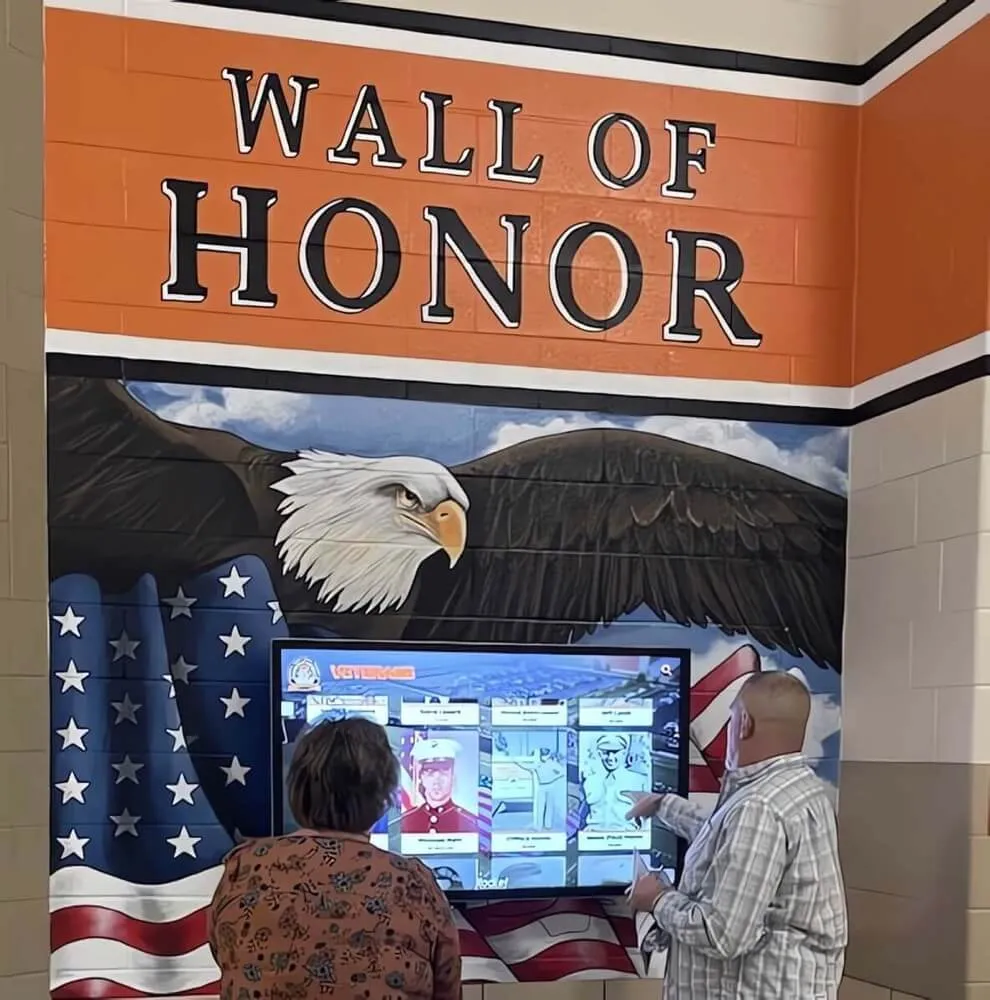
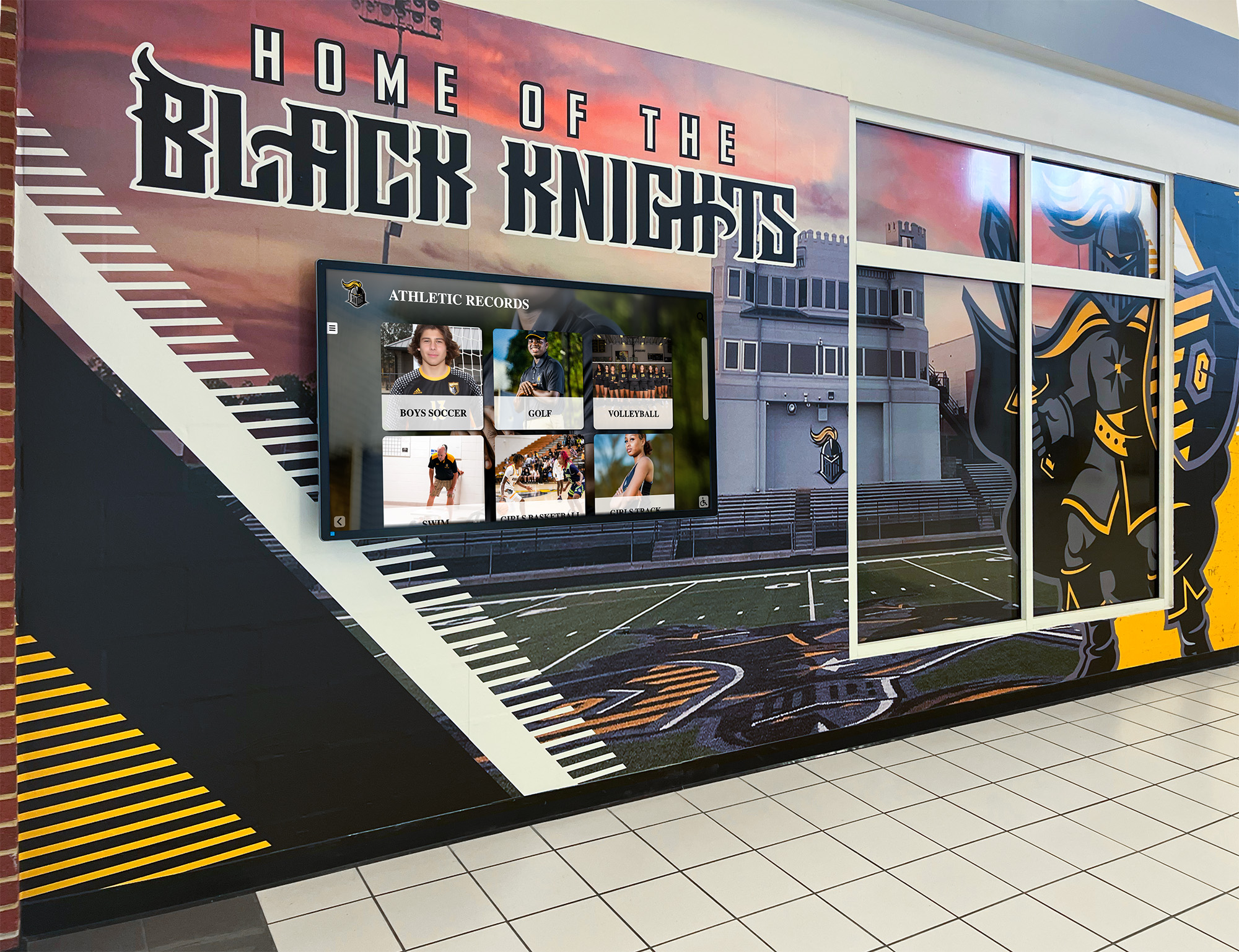
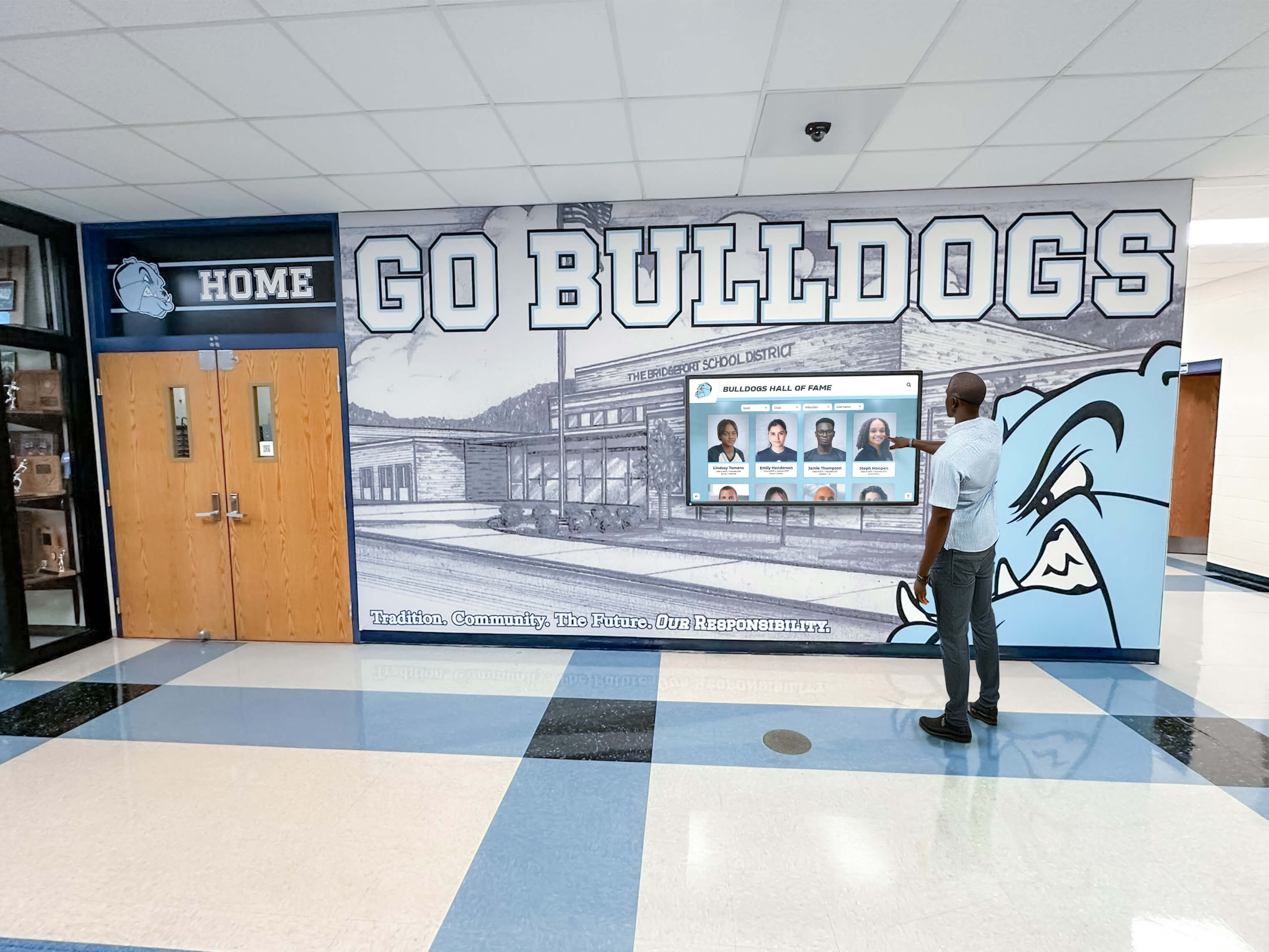
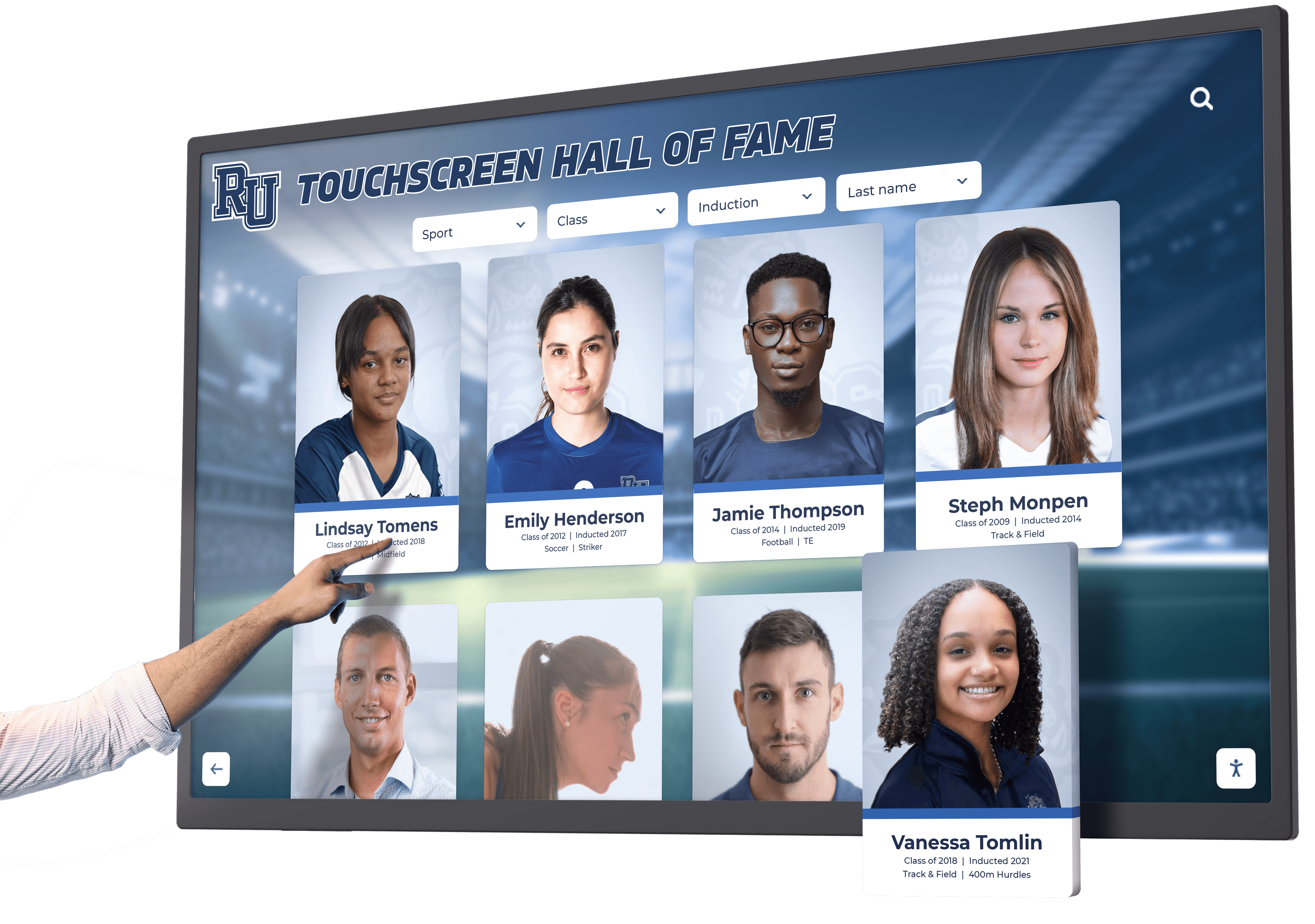
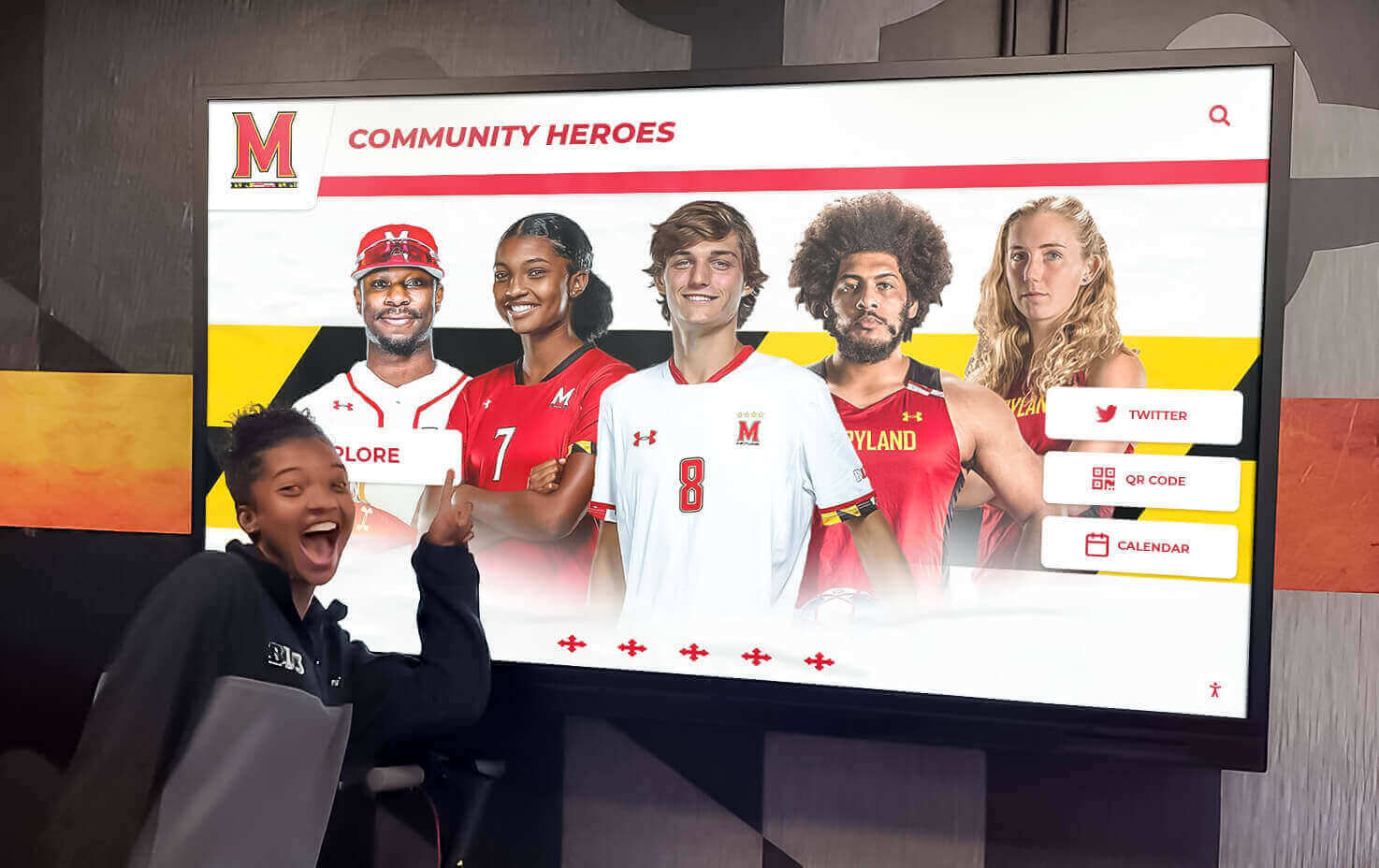
Programs increasingly use digital recognition systems to celebrate assist leaders, steals champions, career turnover-to-assist ratios, and playmaking milestones that define program excellence. Rocket Alumni Solutions provides schools with interactive touchscreen displays that permanently showcase ball-handling achievements, point guard excellence, and the playmaking records spanning program history.
These digital record boards automatically update as players reach new assist milestones, preserve complete statistical histories showing skill progression across seasons, and create accessible archives where alumni can return to see their playmaking achievements alongside current players. By documenting the ball-handling excellence that stems from dedicated dribbling practice and systematic skill development, programs build traditions that emphasize both immediate performance and long-term player development.
For basketball programs committed to developing elite ball handlers through progressive dribbling drills while celebrating resulting achievements, explore how digital recognition solutions create permanent showcase of playmaking excellence. Schedule a demonstration to see how interactive displays transform basketball achievement recognition while preserving complete program history across generations of players.
Age-Appropriate Dribbling Development
Dribbling instruction must match developmental capabilities, with progressively complex teaching as players mature physically and cognitively.
Elementary Level (Ages 8-10)
Focus on basic ball control—maintaining dribble without watching ball, using fingertips rather than palms, keeping dribble below waist height. Avoid complex combination moves that overwhelm developing coordination. Prioritize fun, engaging drills that build familiarity and confidence with basketball handling.
Simplified Teaching: Use concrete cues like “loud dribbles” instead of abstract concepts like “wrist extension.” Demonstrate extensively rather than relying on verbal instruction. Keep drill durations short (2-3 minutes) matching attention spans.
Middle School (Ages 11-13)
Introduce foundational moves—basic crossovers, simple between-legs dribbles, speed dribbling variations. Emphasize weak-hand development through dedicated practice time. Begin connecting dribble moves to finishing sequences around basket.
Development Focus: Build repetition volume rather than advanced complexity. Players at this level benefit more from 100 basic crossovers than 20 attempts at advanced in-and-out combinations. Establish proper movement patterns before emphasizing speed.
Information on recognizing comprehensive student achievement demonstrates how schools celebrate diverse accomplishments across academic and athletic domains, similar to recognizing basketball skill development alongside competitive achievements.
High School (Ages 14-18)
Advanced combination sequences, defensive pressure simulation, game-situation decision-making become primary development focus. Use video analysis showing player execution compared to elite models. Customize training based on position-specific needs—point guards emphasizing press-breaking, wings focusing on closeout attacks, posts developing face-up moves.
Performance Optimization: Connect dribbling development to individual offensive roles. Help scorers develop moves creating shooting opportunities, playmakers build passing windows through dribble penetration, or defensive specialists use dribbling for transition opportunities.
Resources exploring athletic facility recognition systems show how schools create visible celebration of athletic achievement that inspires continued skill development and program pride.
Building Dribbling Confidence Through Repetition
The most important factor in ball-handling development remains simple: deliberate repetition performed consistently over extended periods. Players who dedicate 15-20 minutes daily to focused dribbling practice develop superior control compared to those practicing occasionally for longer sessions. Confidence comes from successfully executing moves hundreds of times in practice, creating certainty that carries into game situations.
Programs that structure progressive dribbling development, track individual improvement, and celebrate ball-handling achievements create cultures where players take pride in skill mastery. When current players see alumni assist leaders recognized alongside scoring champions, when playmaking records receive equal prominence with scoring milestones, and when ball-handling excellence becomes as celebrated as athletic dunks, programs communicate that fundamental skills matter as much as highlight-reel moments.
The best dribbling drills combine structured skill development with competitive intensity, individual challenge with team accountability, and immediate feedback with long-term progression tracking. By implementing these 15 practice-ready workouts systematically, coaches provide players with clear development pathways from basic ball control through elite playmaking—creating the foundation for individual success and team offensive excellence that defines championship-caliber basketball programs.