



Ball control separates effective basketball players from those who struggle under defensive pressure—determining who confidently advances the ball up court, creates scoring opportunities through penetration, and maintains possession in critical game moments. Coaches working with players from youth leagues through high school understand that systematic dribbling development directly impacts offensive effectiveness, turnover rates, and overall basketball IQ. Building elite ball-handling skills requires progressive practice, deliberate repetition, and drills that challenge coordination, speed, and decision-making under pressure.
This comprehensive guide presents 15 basketball dribbling drills organized by skill progression—from fundamental stationary exercises through advanced game-situation workouts that develop the ball control, confidence, and creativity separating good players from great ones. Whether coaching youth players establishing baseline technique, high school athletes refining advanced moves, or developing practice frameworks that build handling excellence, these drills provide structured pathways for every development level.
Why Systematic Dribbling Practice Matters
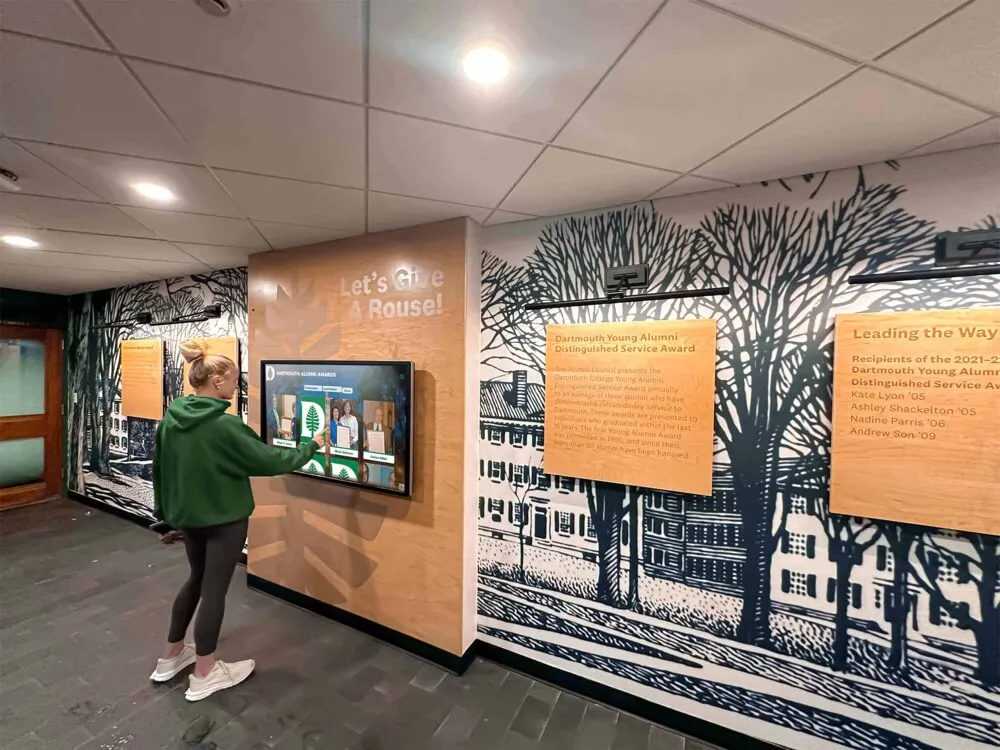
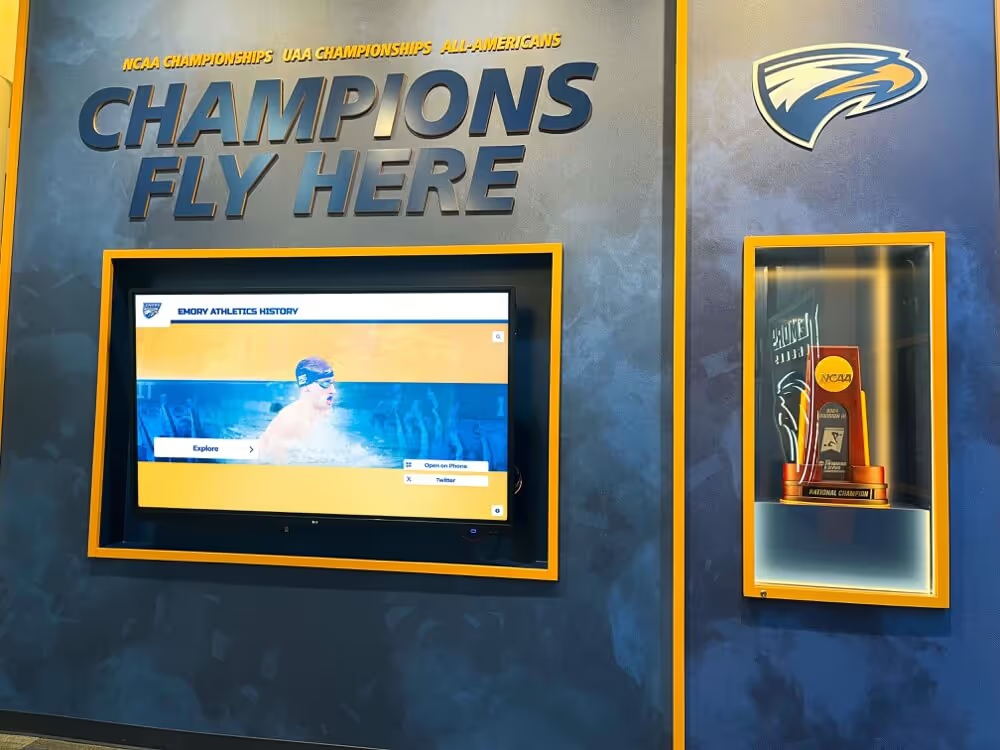
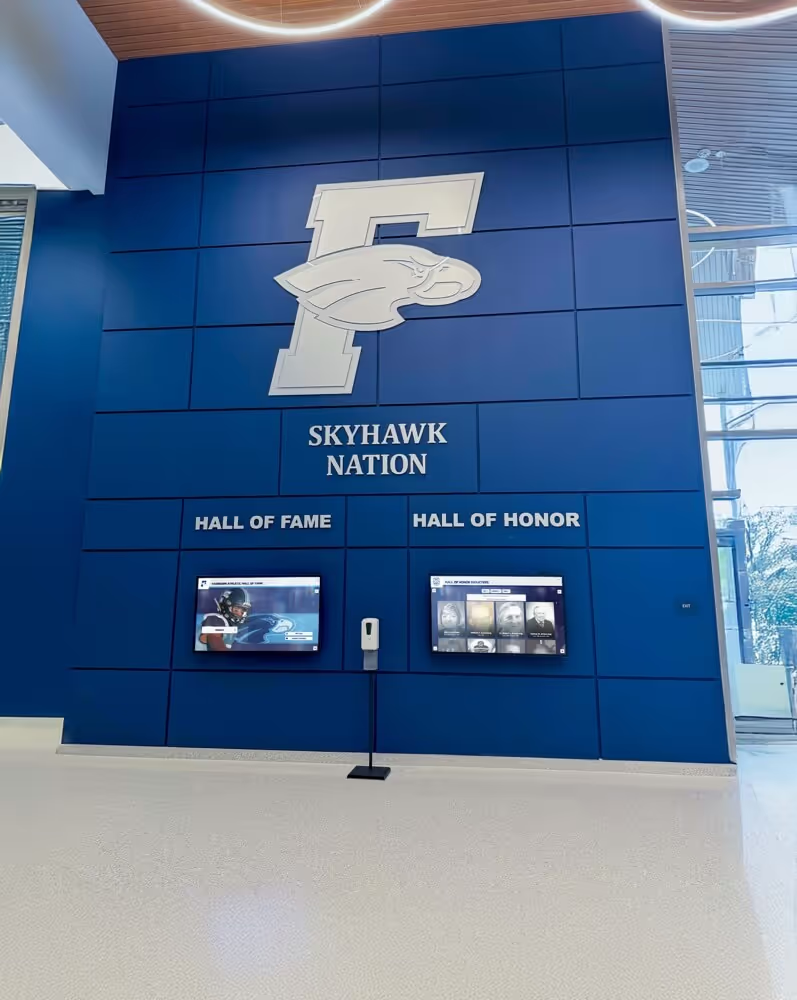
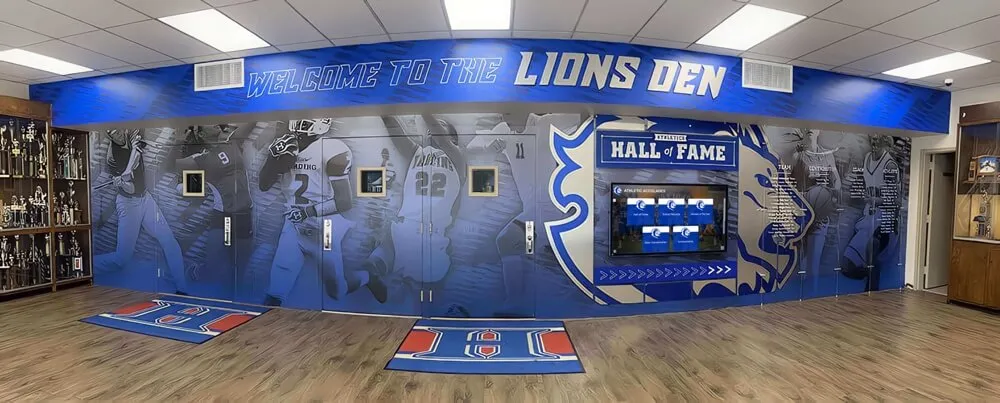
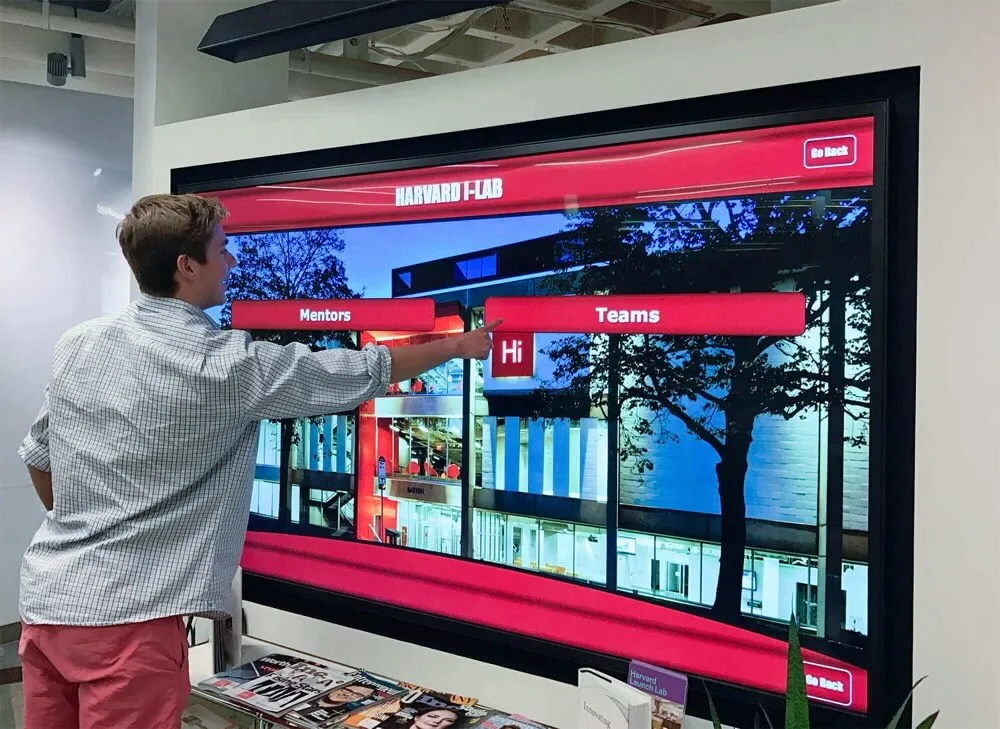
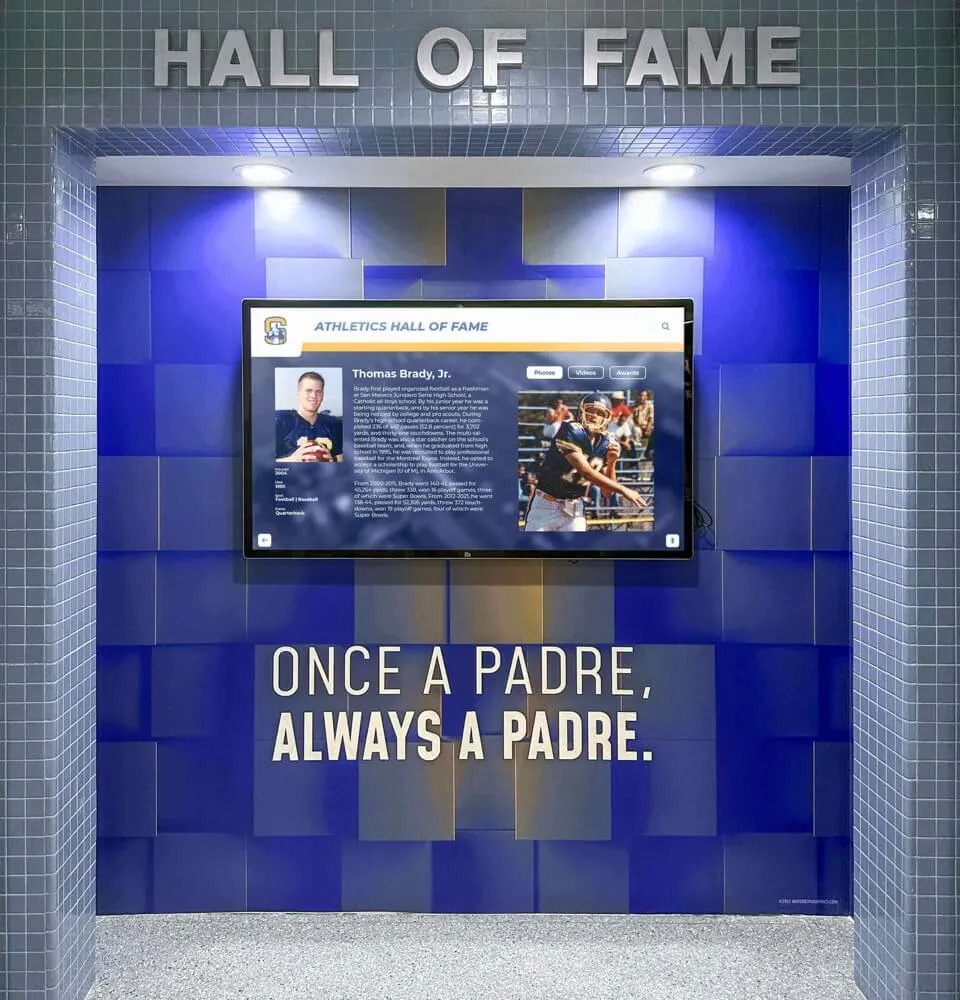
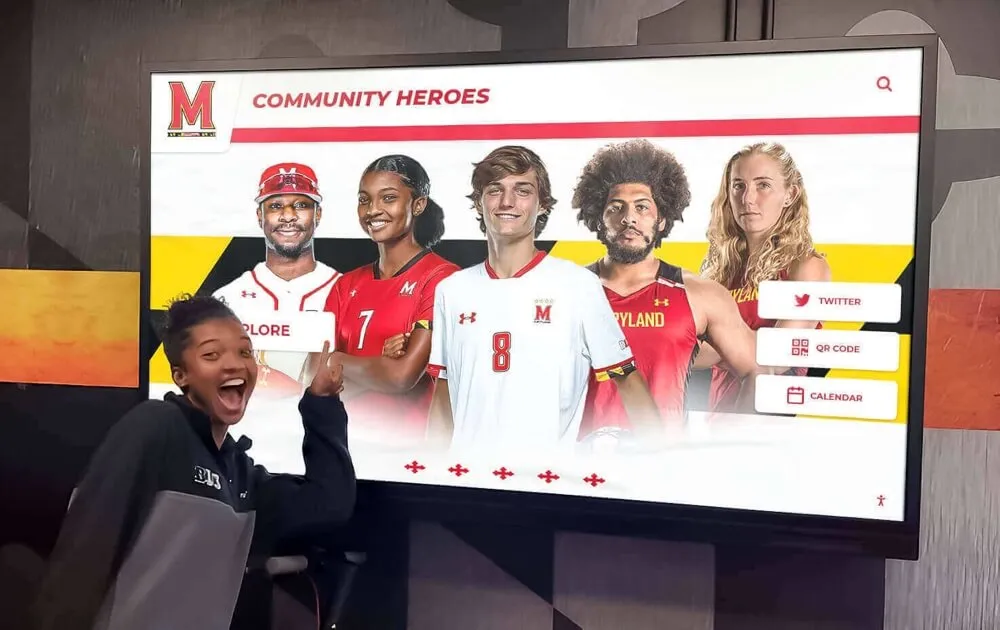
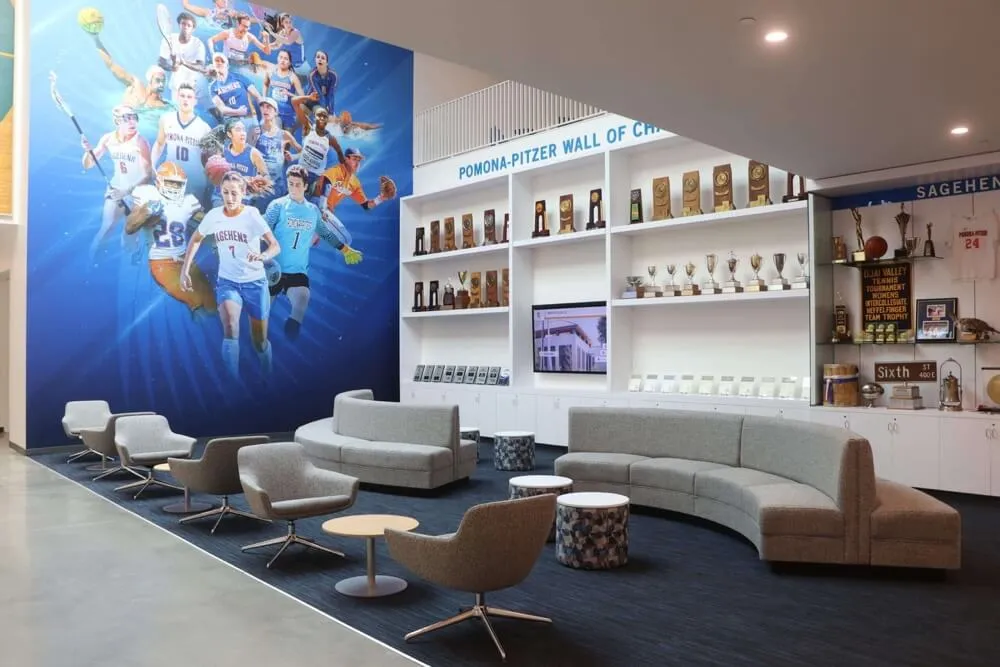
Ball-handling proficiency determines offensive options, influences defensive strategies opponents employ, and creates the confidence needed to attack pressure rather than fear it. Players with elite dribbling skills force defenses to respect their ability to penetrate, creating spacing advantages for teammates and opening scoring opportunities others can't generate. Digital record boards like those from Rocket Alumni Solutions help basketball programs celebrate ball-handling excellence through recognition of assist leaders, career steals records, and offensive achievements that stem from superior ball control—creating permanent celebration of players whose technical foundations translated into statistical excellence.
Beginner Level: Foundation Drills (Drills 1-5)
These foundational drills establish basic ball control, hand coordination, and dribbling comfort that every player needs before advancing to complex techniques.
1. Stationary Pound Dribble
The stationary pound dribble develops hand strength, dribbling force, and basic ball control without movement complexity.
Execution: Stand in athletic position with feet shoulder-width apart. Dribble the ball forcefully with one hand, pushing it down hard and letting it bounce back to hand height. Alternate between right and left hands, performing 30-second intervals with each hand.
Coaching Points: Keep eyes up rather than watching the ball. Maintain low athletic stance with knees bent. Use fingertips rather than palms to control the ball. The ball should make loud contact with the floor, indicating proper force.
Progression: Once comfortable, increase speed while maintaining control. Add variations like closing eyes or having teammates call out numbers to look at, forcing feel-based control rather than visual dependence.
2. Figure 8 Dribble
Figure 8 dribbles develop hand coordination, ball transfer skills, and the ability to maintain control while moving the ball around the body.
Execution: Stand with feet wider than shoulder-width. Weave the ball in a figure 8 pattern around both legs, transferring between hands as the ball passes between legs. Complete 10 figure 8s, then reverse direction.
Coaching Points: Keep the dribble low and controlled. Maintain athletic stance throughout the movement. The ball should never rise above knee level during the figure 8 pattern.
Skill Development: This drill builds the hand-eye coordination and ambidextrous control needed for more advanced dribbling moves while establishing comfort handling the ball in traffic situations.
3. Ball Slaps and Catches
Ball slaps develop quick hands, reaction speed, and finger strength essential for ball security under defensive pressure.
Execution: Hold the ball in both hands at chest height. Quickly slap the ball back and forth between hands 20 times, then toss it slightly up and catch it. Repeat for 3 sets. Progress to slapping around the head, around the waist, and around the legs.
Coaching Points: Move hands quickly with controlled force. Keep the ball moving continuously without dropping it. Increase speed as control improves.
Foundation Value: Quick hands translate directly to better ball control during games when defenders reach in or pressure the ball handler.
Understanding comprehensive approaches to recognizing athletic excellence helps basketball programs celebrate ball-handling achievements and offensive records built on solid fundamental development.
4. Alternating-Hand Dribble (Stationary)
Alternating-hand dribbling builds ambidextrous control and rhythm needed for crossover moves and changing directions.
Execution: Stand in athletic position. Dribble the ball low, alternating hands with each bounce—right, left, right, left. Perform for 60 seconds, focusing on equal strength and control with both hands.
Coaching Points: Keep the ball below waist level. Maintain equal force with both hands—weak hand should bounce as forcefully as strong hand. Eyes up, scanning the court rather than watching the ball.
Common Mistakes: Players often dribble significantly higher with their weak hand or use less force. Correct this by isolating weak-hand practice until it matches strong-hand proficiency.
5. Front V-Dribble
The front V-dribble introduces directional control, teaching players to push the ball side to side while maintaining forward body position.
Execution: Using one hand, dribble the ball in a V-pattern in front of your body—push it to the right, then back to center-left, creating a V-shape with each two-bounce sequence. Perform 30 seconds with each hand.
Coaching Points: Keep dribbles low and forceful. Use fingertips to push the ball at angles rather than straight up and down. The V should be wide enough to simulate moving the ball away from a defender.
Game Application: This pattern mimics the ball movement used in hesitation moves and creating space from defenders while maintaining dribble control.
Intermediate Level: Movement Drills (Drills 6-10)
These intermediate drills add movement, speed variation, and directional changes that translate stationary skills into game-applicable ball-handling.
6. Full-Court Zig-Zag Dribble
Zig-zag dribbling develops the ability to change directions quickly while maintaining speed and ball control.
Execution: Start at baseline using your right hand. Dribble at a 45-degree angle toward the sideline for 3-4 dribbles, then execute a crossover to your left hand and change direction, dribbling 45 degrees toward the opposite sideline. Continue this zig-zag pattern the length of the court.
Coaching Points: Make sharp direction changes rather than rounded turns. Stay low through the crossover. Accelerate out of each direction change rather than slowing down. Keep eyes up to scan the floor.
Variations: Use different change-of-direction moves—between the legs, behind the back, or inside-out dribbles instead of just crossovers.
Resources on celebrating athletic milestones demonstrate how programs document the achievement progression that begins with fundamental ball-handling development and consistent practice.
7. Cone Weave Dribble
Cone weaves develop close ball control, quick direction changes, and the ability to navigate tight spaces with the ball.
Execution: Set up 5-6 cones in a straight line, 3-4 feet apart. Dribble through the cones using crossover dribbles at each cone, weaving back and forth. Complete 3 trips through the cones, then repeat using between-the-legs moves, then behind-the-back moves.
Coaching Points: Stay low and controlled through the weave. Make tight turns around cones without slowing significantly. Use both hands equally—don’t favor your strong hand.
Speed Progression: Start at controlled speed focusing on technique. As control improves, increase speed while maintaining precision. Time your runs to track improvement.
8. Two-Ball Dribbling (Stationary)
Two-ball dribbling forces equal development of both hands while building concentration and coordination.
Execution: Dribble two basketballs simultaneously—one in each hand. Start with both balls bouncing at the same time (synchronous), then progress to alternating bounces (asynchronous). Perform 60 seconds of each pattern.
Coaching Points: Keep both balls at the same height and force. Don’t let your strong hand dominate. Maintain athletic stance and keep eyes up. Focus on rhythm and control rather than speed.
Challenge Progression: Once comfortable stationary, add movement—walk forward, backward, or sideways while maintaining two-ball control. Advanced players can perform cone weaves with two balls.
9. Speed Dribble Sprints
Speed dribbles develop the ability to advance the ball quickly in transition while maintaining control at high speeds.
Execution: Starting at the baseline, sprint to half court while dribbling with your right hand, maintaining the ball slightly ahead and to the side of your body. Return using your left hand. Complete 5 round trips, focusing on maximum speed with control.
Coaching Points: Push the ball ahead of you rather than keeping it directly beside you—this allows faster movement. Take long strides rather than short choppy steps. Keep the ball low despite the speed.
Game Context: Speed dribbling translates directly to fast-break situations where you need to advance the ball before the defense sets up.
Information on athletic achievement recognition systems shows how programs celebrate the offensive excellence and record-breaking performances that stem from superior ball-handling skills.
10. Retreat Dribble
Retreat dribbling teaches players to create space from pressure while maintaining ball control and court vision.
Execution: Start at the free-throw line facing the basket. Dribble backward toward half court using a retreat dribble—quick backward steps while maintaining low, controlled dribbles. Keep your chest and eyes facing forward. Complete 5 repetitions.
Coaching Points: Don’t turn your back to the defender (basket in this drill). Take quick, short steps backward rather than long reaching steps. Keep the ball protected on your hip away from imaginary pressure.
Defensive Pressure Application: This skill allows guards to relieve full-court pressure without turning their back, maintaining vision of teammates and the court.
Advanced Level: Game-Situation Drills (Drills 11-15)
These advanced drills simulate game pressures, defensive challenges, and decision-making scenarios that separate elite ball-handlers from average ones.
11. Combo Move Series
Combo moves chain multiple dribble moves together, creating unpredictable sequences that break down defenders.
Execution: Perform sequences of 2-3 connected moves in continuous flow. Example combinations: crossover → between the legs → behind the back, or hesitation → between the legs → crossover. Practice 5 different combo sequences, performing each 10 times up and down the court.
Coaching Points: Moves should flow together naturally without pauses. Each move should set up the next one—use the defender’s reaction to the first move to execute the second. Maintain low stance and control through the entire sequence.
Creative Development: Encourage players to develop personal combo sequences that feel natural to their style and body mechanics.
12. Chair Dribbling (Simulated Defense)
Using chairs as simulated defenders develops the ability to read and react to defensive positioning while maintaining dribble control.
Execution: Set up 3-4 chairs at various points along the court. Dribble toward each chair and execute an appropriate move based on chair position—crossover if the “defender” plays to one side, between-the-legs if they’re straight on, retreat dribble if they’re pressuring closely. Complete 5 full-court sequences.
Coaching Points: Read the defense (chair position) before deciding which move to execute. Sell your moves with body fakes and eye deception. Accelerate after each move as you would to attack space created against real defenders.
Decision-Making Value: This drill builds the read-and-react skills needed to choose appropriate moves based on defensive positioning rather than predetermined sequences.
13. Pressure Dribbling with Defender
Live defensive pressure creates the game-realistic stress needed to develop reliable ball-handling under actual contest conditions.
Execution: Dribble from baseline to baseline while a defender applies full-court pressure. The offensive player must maintain control without travelling or getting the ball stolen. Defenders should apply realistic pressure but not intentionally foul. Complete 3-5 trips with different defenders.
Coaching Points: Use change of pace and direction to create space. Protect the ball with your body and off-hand. Keep your head up to see open spaces and pressure angles. Don’t panic—maintain composure and make deliberate moves.
Intensity Progression: Start with moderate defensive pressure, then progress to maximum-effort defense as ball-handlers improve their ability to maintain control.
Resources on comprehensive athletic program recognition demonstrate how schools celebrate the statistical achievements and record performances that result from elite ball-handling development.
14. Gauntlet Drill
The gauntlet drill simulates navigating multiple defenders in succession, developing composure under sustained defensive pressure.
Execution: Set up 4-5 defenders in a line down the court, spaced 15 feet apart. The ball-handler must dribble through all defenders in sequence, using moves to get past each one without losing the ball. Defenders apply realistic pressure but stay within their zone. Complete 3 successful gauntlet runs.
Coaching Points: Use different moves for each defender—don’t become predictable. Maintain speed between defenders rather than slowing excessively. Keep vision up to anticipate the next defender while handling current pressure.
Competitive Element: Track successful completions and turnovers. Players must complete the gauntlet without losing the ball to advance to the next difficulty level.
15. Three-Player King of the Court (Dribbling Focus)
Competitive dribbling games create game-realistic pressure while building confidence and creativity with the ball.
Execution: Three players compete in a half-court area. All three players have basketballs and must dribble continuously while trying to knock away opponents’ balls without losing their own. Last player maintaining their dribble wins the round. Play to 5 round wins.
Coaching Points: Keep your dribble low and protected while actively defending against opponents. Use change of pace and direction to create space. Maintain court awareness—don’t get cornered without escape routes.
Skill Integration: This competitive drill integrates ball control, defensive pressure simulation, spatial awareness, and decision-making under stress—replicating game conditions better than most isolated drills.
Building Progressive Practice Plans
Effective dribbling development requires structured practice progressions that systematically build skills from foundational to advanced.
Weekly Practice Structure
Organize weekly practice sessions that emphasize different aspects of ball-handling:
Monday (Foundation Focus): Stationary drills emphasizing control, hand strength, and ambidextrous development. Spend 20-30 minutes on drills 1-5, ensuring players maintain proper technique throughout.
Wednesday (Movement Integration): Add movement to ball-handling with drills 6-10. Focus on maintaining control while changing speeds and directions. Dedicate 25-35 minutes to movement-based handling.
Friday (Game Application): Simulate game pressure with drills 11-15, adding defensive components and competitive elements. Reserve 30-40 minutes for game-situation handling under pressure.
Progression Principle: Players should master each level before advancing. Rushing to advanced drills without foundational competency creates bad habits and limits long-term development.
Individual vs. Team Practice
Balance individual skill development with team-integrated practice:
Individual Development: Players can practice drills 1-5 and portions of 6-10 independently during individual workouts, shooting sessions, or pre-practice warm-ups. Encourage 15-20 minutes of individual ball-handling work 3-5 times weekly beyond team practice.
Team Integration: Drills 11-15 require partners, defenders, or competitive elements best suited for team practice settings. These game-situation drills benefit from coach supervision and immediate feedback.
Understanding comprehensive approaches to athletic celebration helps basketball programs recognize the diverse skills—including ball-handling excellence—that contribute to team success and individual development.
Measuring Dribbling Improvement
Track objective metrics that demonstrate ball-handling progress:
Timed Drills: Record completion times for cone weaves, full-court zig-zags, and speed dribbles. Improvement in times while maintaining control indicates developing skill.
Pressure Performance: Track turnover rates during pressure dribbling drills. Decreasing turnovers against consistent defensive pressure demonstrates improving ball security.
Game Statistics: Monitor assist-to-turnover ratios, steals suffered, and successful drives in actual games. These statistics directly reflect ball-handling competency under competitive conditions.
Video Analysis: Record drill execution and game performance periodically. Visual comparison over time reveals mechanical improvements, increased confidence, and developing creativity with the ball.
Age-Appropriate Dribbling Development
Tailor ball-handling instruction to developmental level, progressively increasing complexity as players mature physically and mentally.
Youth Basketball (Ages 8-12)
Focus on foundational control and basic moves without overwhelming young players with complex combinations or advanced concepts.
Appropriate Drills: Emphasize drills 1-5 and basic versions of drills 6-7. Stationary control and simple movement patterns build the foundation for later advanced development.
Teaching Approach: Keep instructions simple and demonstrations clear. Use short drill durations (2-3 minutes) to maintain engagement. Make practice fun through games and competitions rather than rigid technical sessions.
Skill Priorities: Develop comfortable dribbling with both hands, basic control without watching the ball, and simple change-of-direction moves (crossover primarily).
Middle School (Ages 13-14)
Introduce intermediate movement drills and begin developing signature moves while refining fundamental control.
Appropriate Drills: Master drills 1-7, introduce drills 8-10, and begin basic versions of combo moves. Focus on consistency and control before emphasizing advanced creativity.
Development Focus: Build ambidextrous proficiency through two-ball dribbling. Develop speed control—knowing when to attack and when to control pace. Introduce basic game-situation pressure scenarios.
Confidence Building: Middle school represents critical confidence development years. Emphasize improvement over perfection, celebrate progress, and create safe environments for trying new moves without fear of mistakes.
High School (Ages 15-18)
Implement advanced game-situation drills, develop personal style, and refine ball-handling under maximum competitive pressure.
Appropriate Drills: Utilize all 15 drills with emphasis on game-realistic pressure situations (drills 11-15). Customize combinations based on player position, style, and offensive role.
Performance Optimization: High school players benefit from position-specific ball-handling development—point guards need extensive full-court pressure handling, while wings might emphasize attack dribbles and finishing moves. Tailor practice to individual needs and team roles.
Mental Development: Address decision-making, composure under pressure, and reading defensive schemes alongside pure ball-handling mechanics. Elite high school handlers combine technical skill with tactical awareness.
Information on recognizing diverse athletic achievements demonstrates how programs celebrate the broad range of skills—including ball-handling excellence, leadership, and improvement—that define successful athletic development.
Common Dribbling Mistakes and Corrections
Understanding frequent ball-handling errors helps coaches diagnose issues and players accelerate improvement.
Watching the Ball
Players who constantly watch the ball while dribbling sacrifice court vision, miss open teammates, and telegraph their intentions to defenders.
Correction Approach: Gradually wean players from visual dependence. Start drills with eyes down if needed, then progress to eyes at rim, then eyes up scanning. Have teammates hold up fingers or call numbers the dribbler must identify while handling the ball.
Progressive Challenge: Begin with stationary dribbling while looking up, advance to movement drills with peripheral ball vision, then to game-situation drills where constant head-up positioning becomes essential.
Dribbling Too High
High dribbles sacrifice control, increase steal vulnerability, and slow directional changes.
Correction Strategy: Emphasize low, forceful dribbles in all drills. The ball should rarely rise above waist height, ideally staying below knee level during tight-space handling. Practice dribbling while seated or kneeling to ingrain low dribble feel.
Visual Reference: Use floor markings or tape lines indicating maximum dribble height. Players must keep the ball below the line during drills, providing immediate visual feedback on dribble height.
Weak Hand Avoidance
Players who over-rely on their strong hand become predictable and exploitable, limiting offensive effectiveness.
Development Protocol: Dedicate specific practice segments to weak-hand-only drills. Begin with simple stationary control, progress to movement, then integrate weak-hand moves into game situations. Track weak-hand usage during games to ensure transfer from practice.
Forced Integration: Structure drills requiring alternating hands or designated weak-hand segments. Two-ball dribbling naturally forces weak-hand development since both hands must function equally.
Mechanical Rigidity
Players who perform moves robotically without reading defenders or adjusting to situations struggle in actual game contexts.
Creative Development: Encourage experimentation and personal style development. Provide frameworks (the 15 drills) but allow creative interpretation within those frameworks. Competitive games and live pressure situations develop adaptability that structured drills alone cannot build.
Reading and Reacting: Emphasize decision-making drills where moves depend on defensive positioning (chair dribbling, pressure situations). Players should choose moves based on what defense gives them rather than predetermined sequences.
Celebrating Ball-Handling Excellence Through Recognition
Basketball programs that systematically develop ball-handling skills and recognize resulting achievements create lasting traditions honoring offensive excellence and inspiring future players.
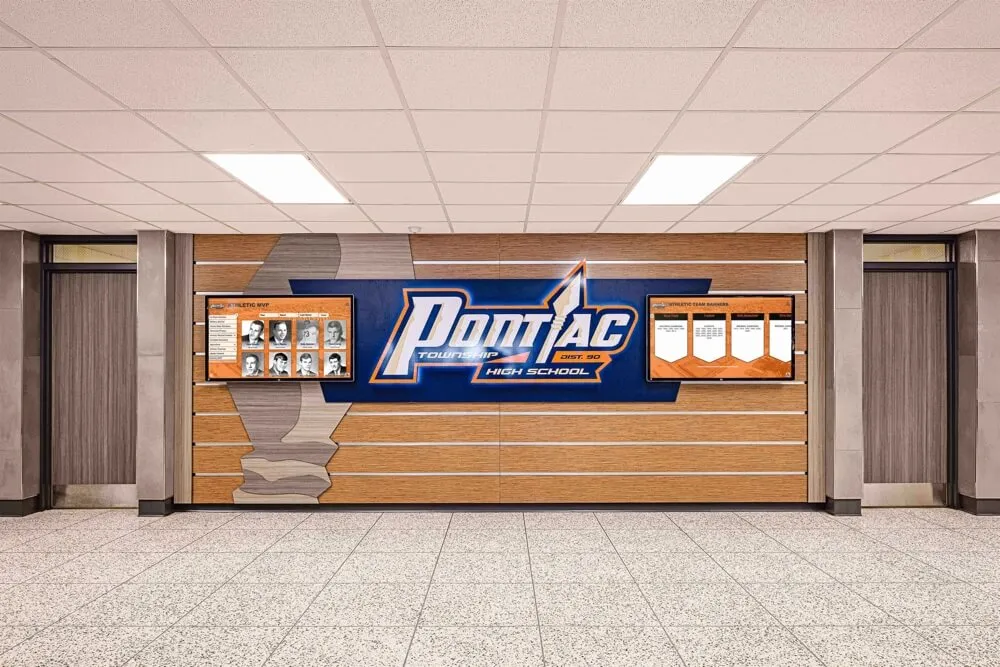
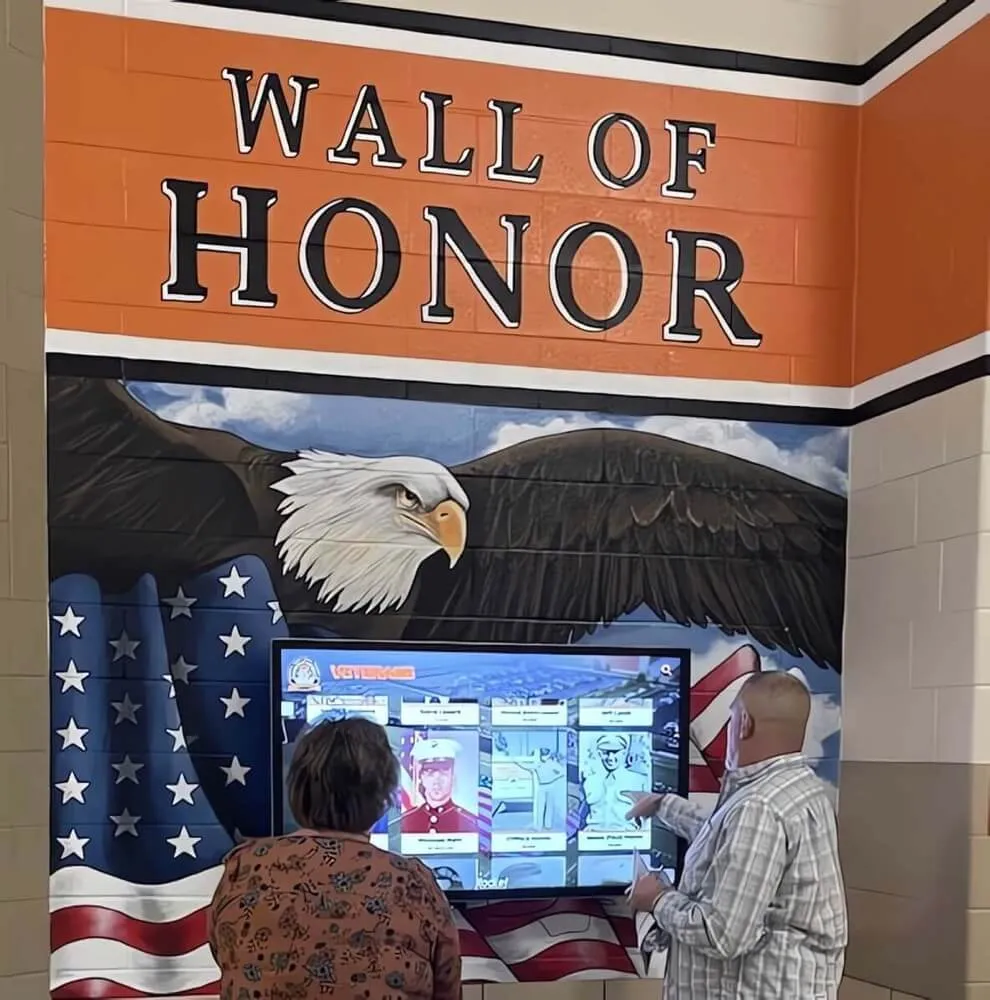
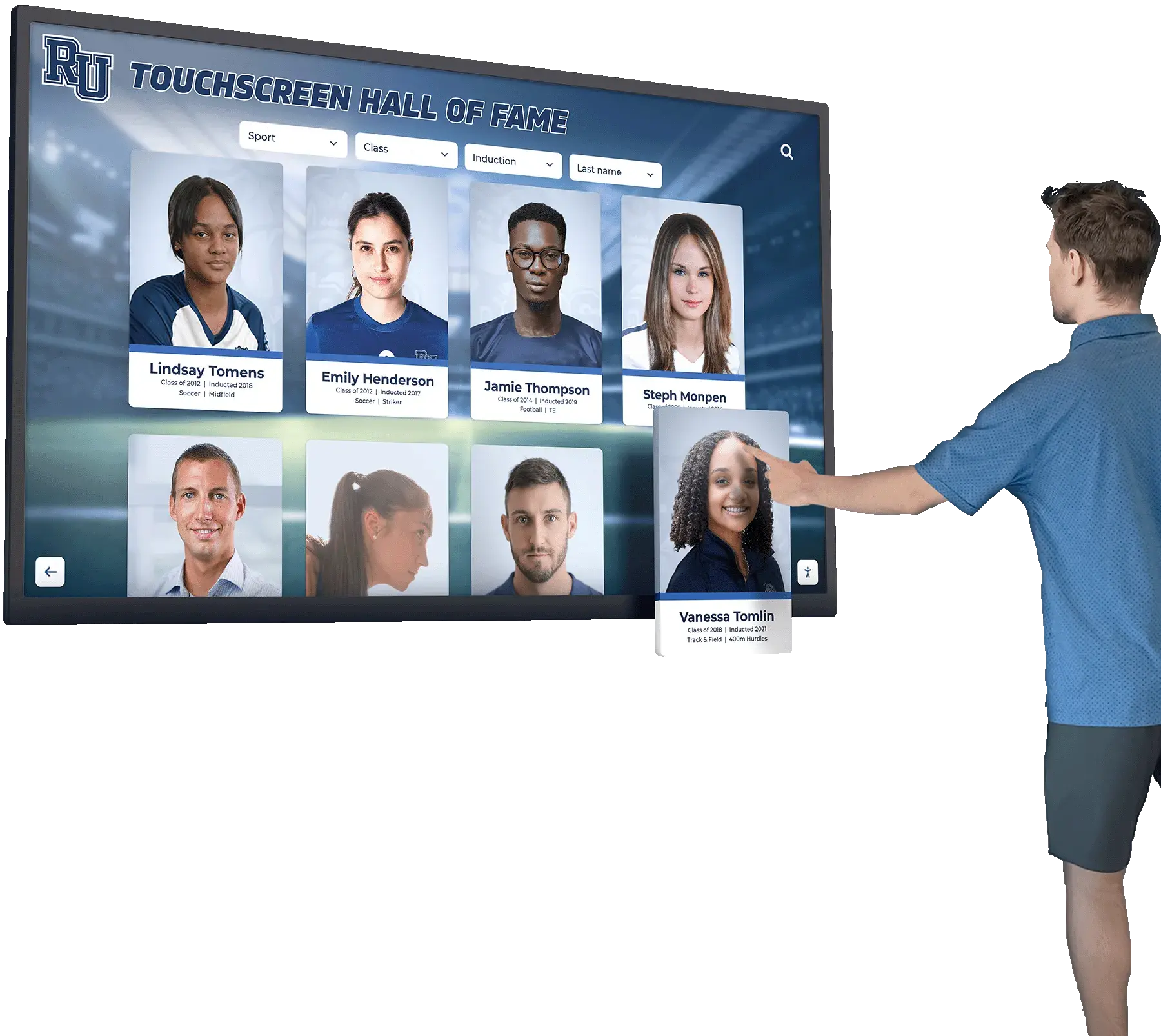

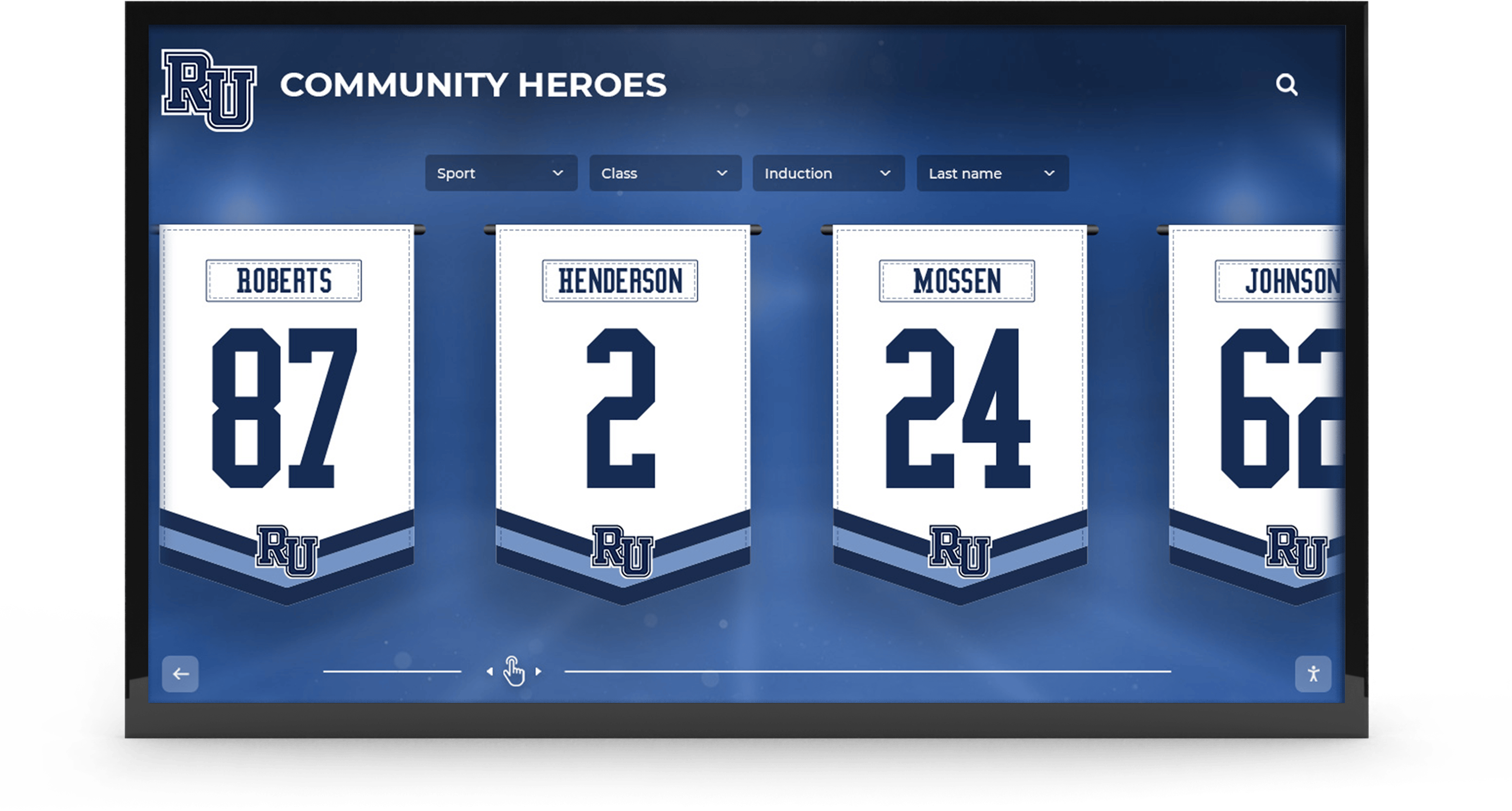
Programs increasingly use digital recognition systems to celebrate assist records, career steals achievements, turnover-to-assist ratios, and ball-handling milestones that define program excellence. Rocket Alumni Solutions provides schools with interactive touchscreen displays that permanently showcase basketball records, career statistical leaders, single-season achievements, and historic performances spanning program history.
These digital record boards automatically update as players reach new milestones, preserve complete statistical histories rather than limiting recognition to top performers only, and create accessible archives where alumni can return to see their achievements alongside current players. By documenting the offensive excellence that stems from superior ball-handling development and technical fundamentals, programs build traditions emphasizing both immediate performance and long-term skill development.
For basketball programs committed to developing elite ball-handlers while celebrating resulting achievements, explore how digital recognition solutions create permanent showcase of offensive excellence. Schedule a demonstration to see how interactive displays transform achievement recognition while preserving complete program history across generations of players.
Final Ball-Handling Development Principles
Building elite basketball ball-handling skills requires progressive practice structures, deliberate repetition, and systematic advancement from foundational control through advanced game-situation proficiency. The most effective development combines individual skill work establishing technical fundamentals with competitive, pressure-filled scenarios that build confidence and decision-making under defensive stress.
These 15 basketball dribbling drills provide comprehensive frameworks spanning every development level—from youth players establishing basic control through high school athletes refining elite handles that create offensive advantages. Consistent practice, quality coaching feedback, measurable progress tracking, and patient progression through skill levels transforms adequate ball-handlers into players whose control creates scoring opportunities others cannot generate.
Whether coaching beginning players establishing comfortable dribbling fundamentals, intermediate athletes developing change-of-direction moves and speed control, or advanced players refining game-situation handling under maximum pressure, systematic drill progression provides clear pathways from current ability to elite proficiency. Combined with deliberate practice, individualized feedback, and emphasis on both technical precision and creative expression, effective ball-handling development produces the offensive excellence, statistical achievement, and competitive advantage that define successful programs and individual careers.