



Developing arm strength and throwing accuracy represents one of the most critical skill investments for baseball players at every position. From outfielders making long throws to home plate, to infielders turning double plays with precision, to pitchers commanding the strike zone with velocity and location—the ability to throw effectively determines defensive success, player advancement opportunities, and injury prevention throughout athletic careers. Yet achieving both power and precision simultaneously requires systematic training approaches that build mechanical efficiency, strengthen supporting muscle groups, and develop neuromuscular control through progressive drill sequences.
The importance of proper throwing development extends beyond individual performance outcomes. High school and youth baseball programs recognize that comprehensive throwing programs separate competitive teams from struggling ones, championship contenders from early-season disappointments. Coaches who dedicate consistent practice time to structured throwing progressions—building from basic long toss fundamentals through position-specific accuracy drills—create athletes capable of executing under game pressure while minimizing the arm injuries that derail seasons and careers. For players committed to reaching their potential, understanding not just which drills build arm strength but how proper mechanics, recovery protocols, and progressive overload principles integrate into sustainable development creates the foundation for lasting success on the diamond.
Celebrating Excellence in Baseball Achievement
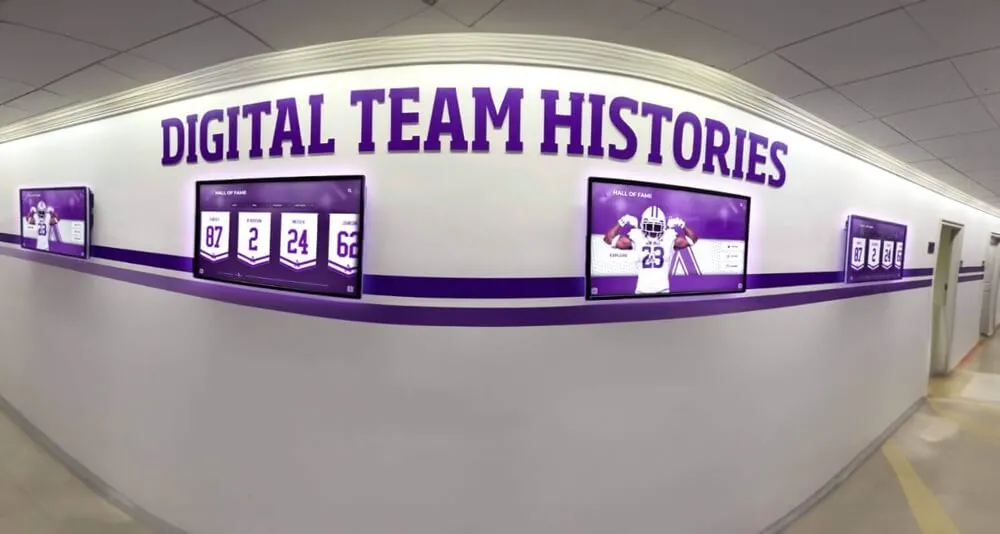
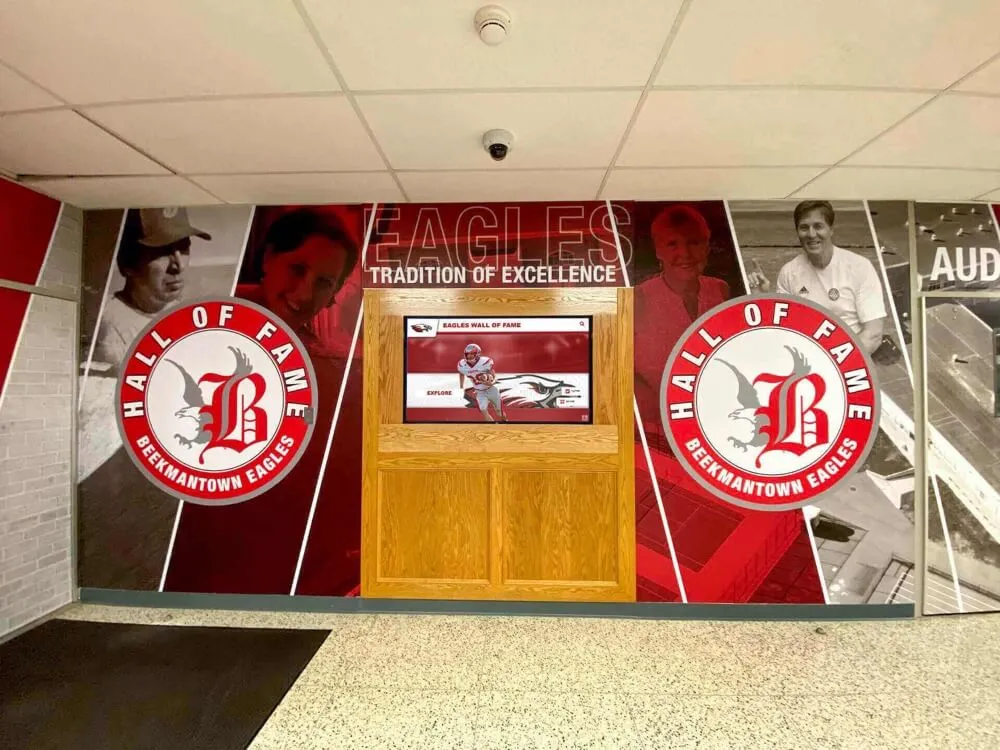
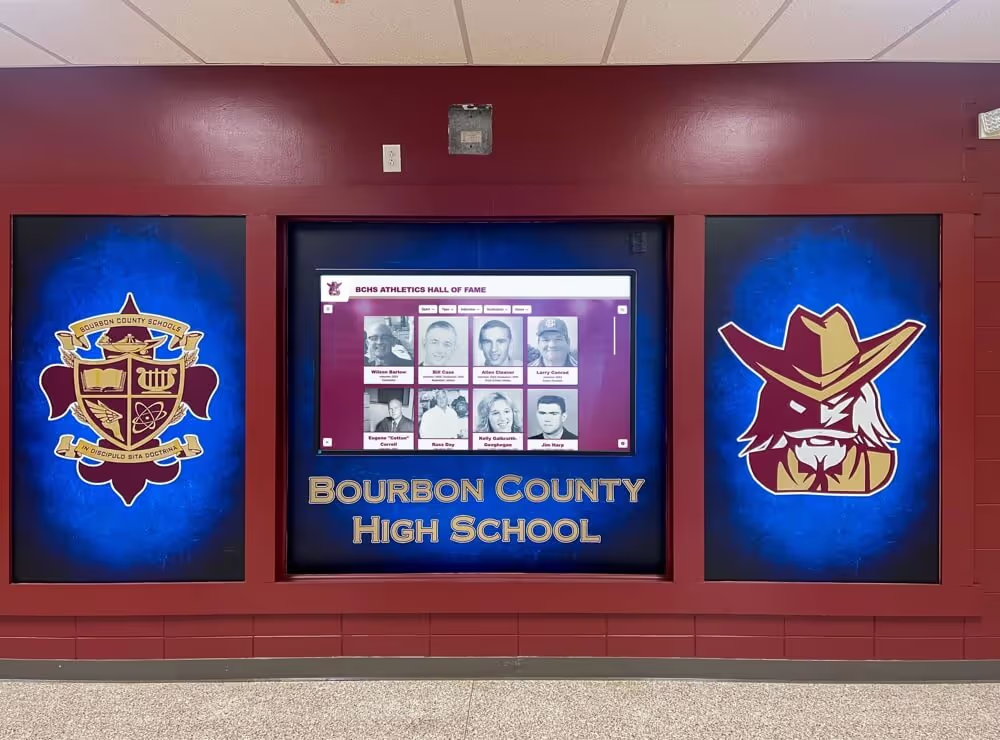
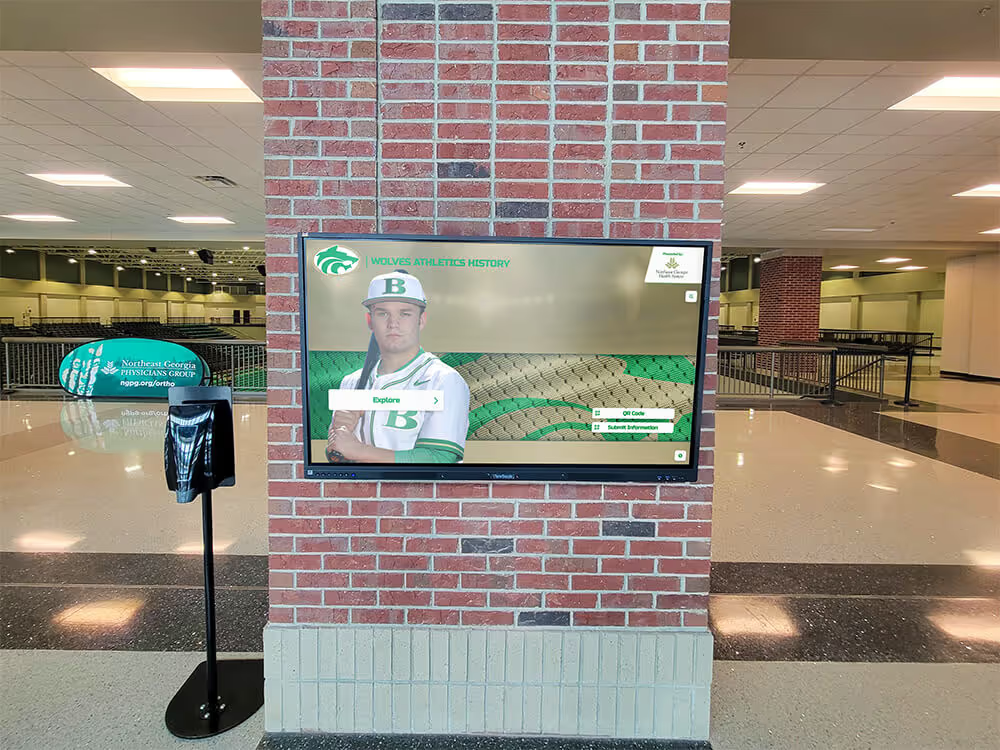
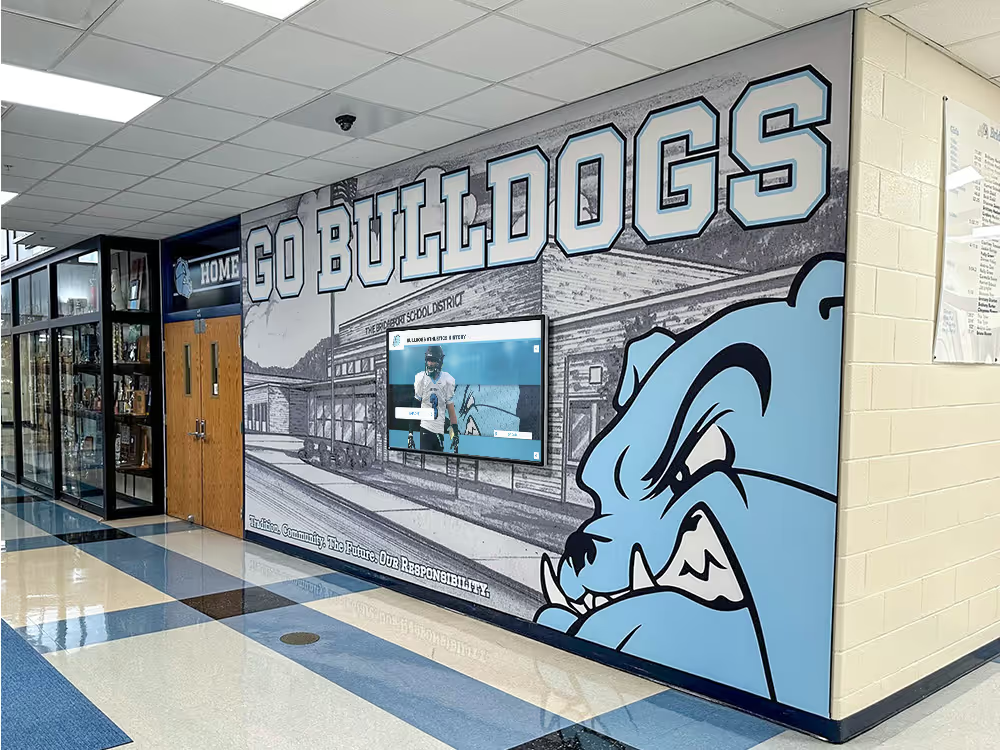
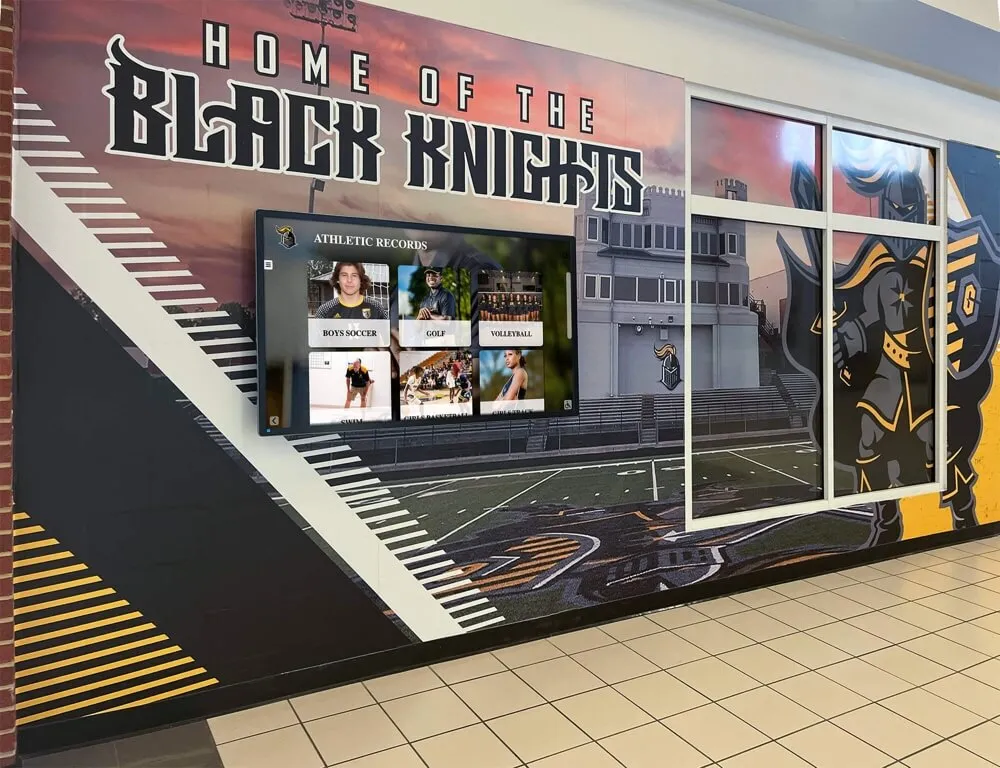
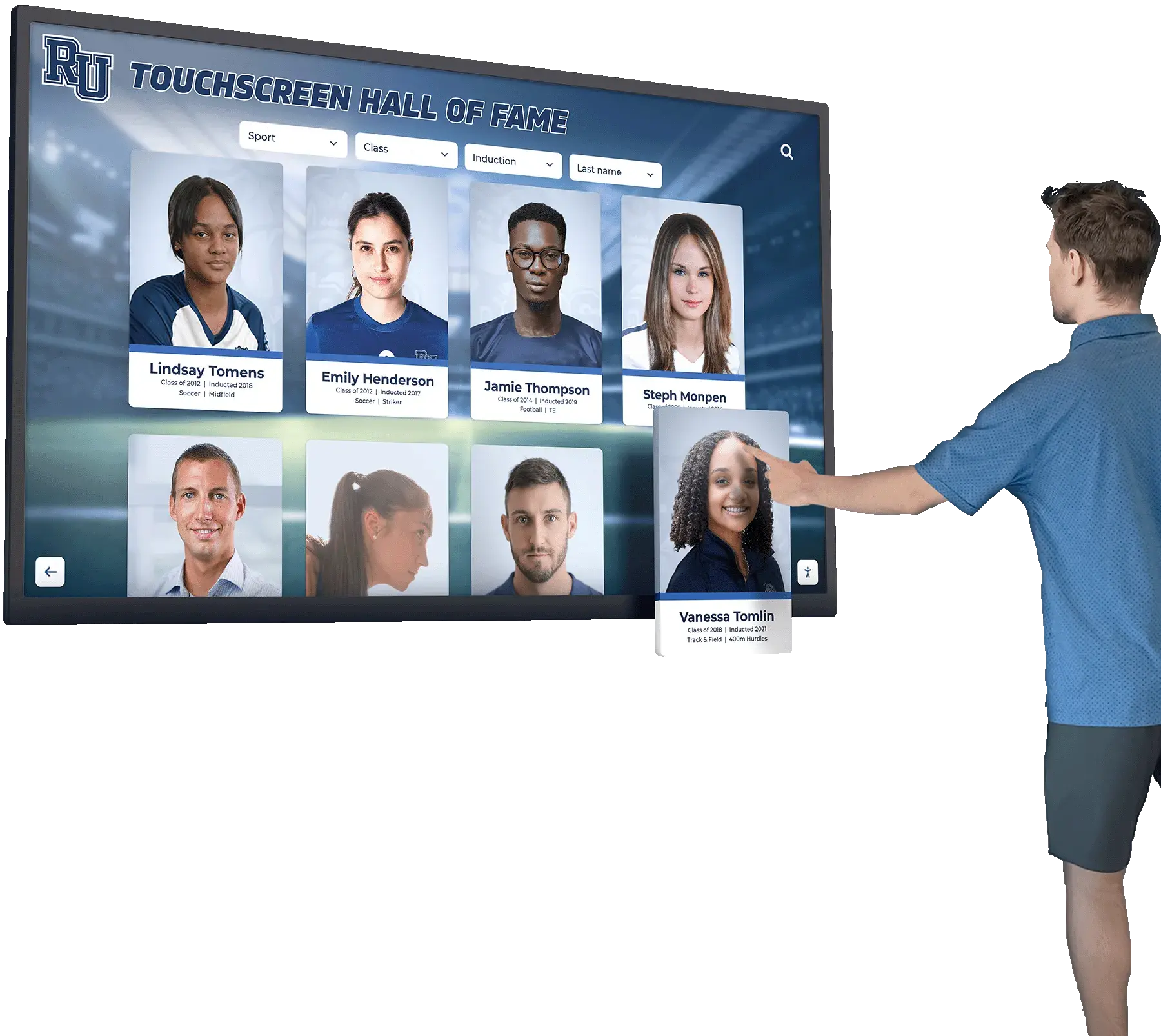
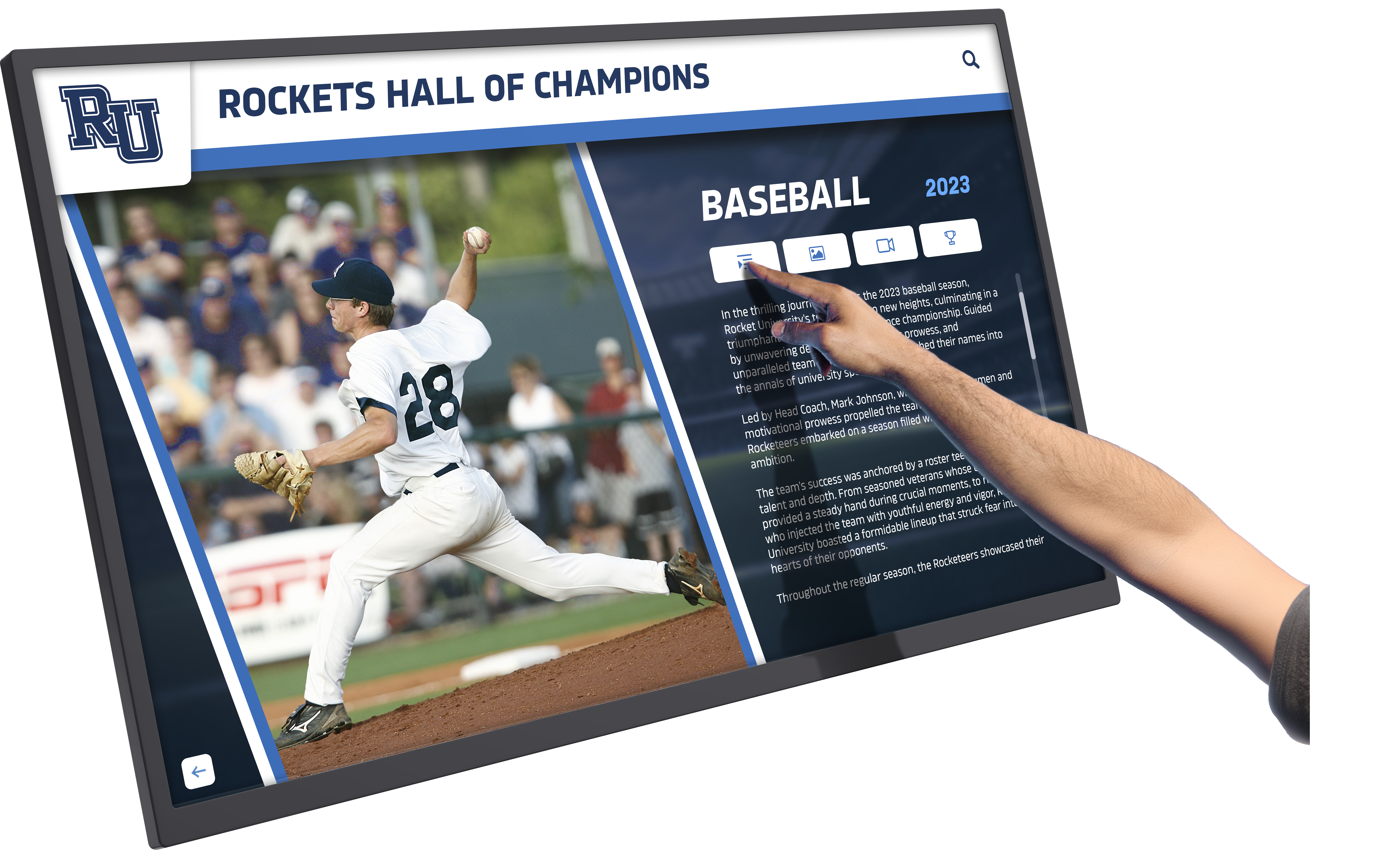
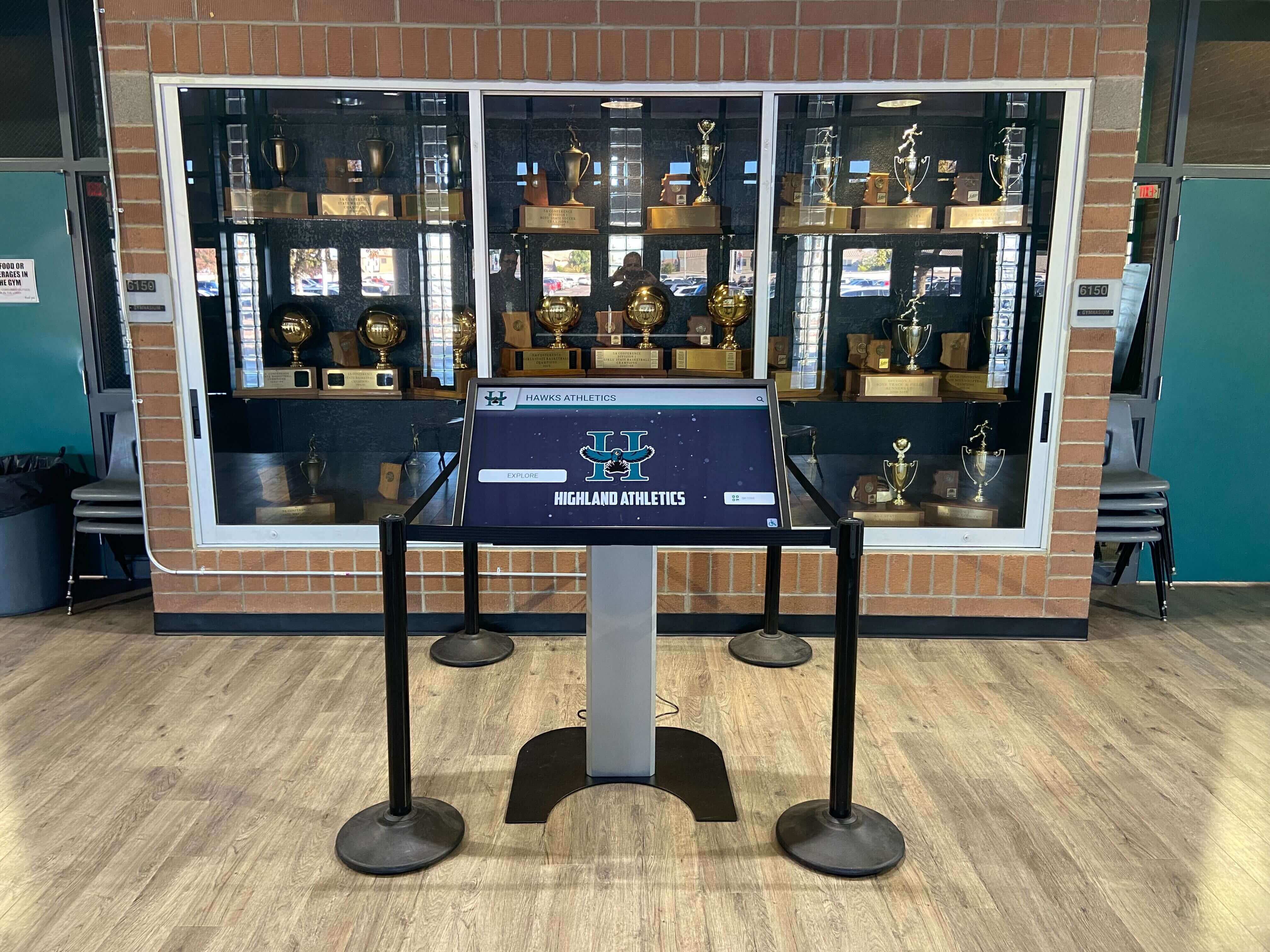
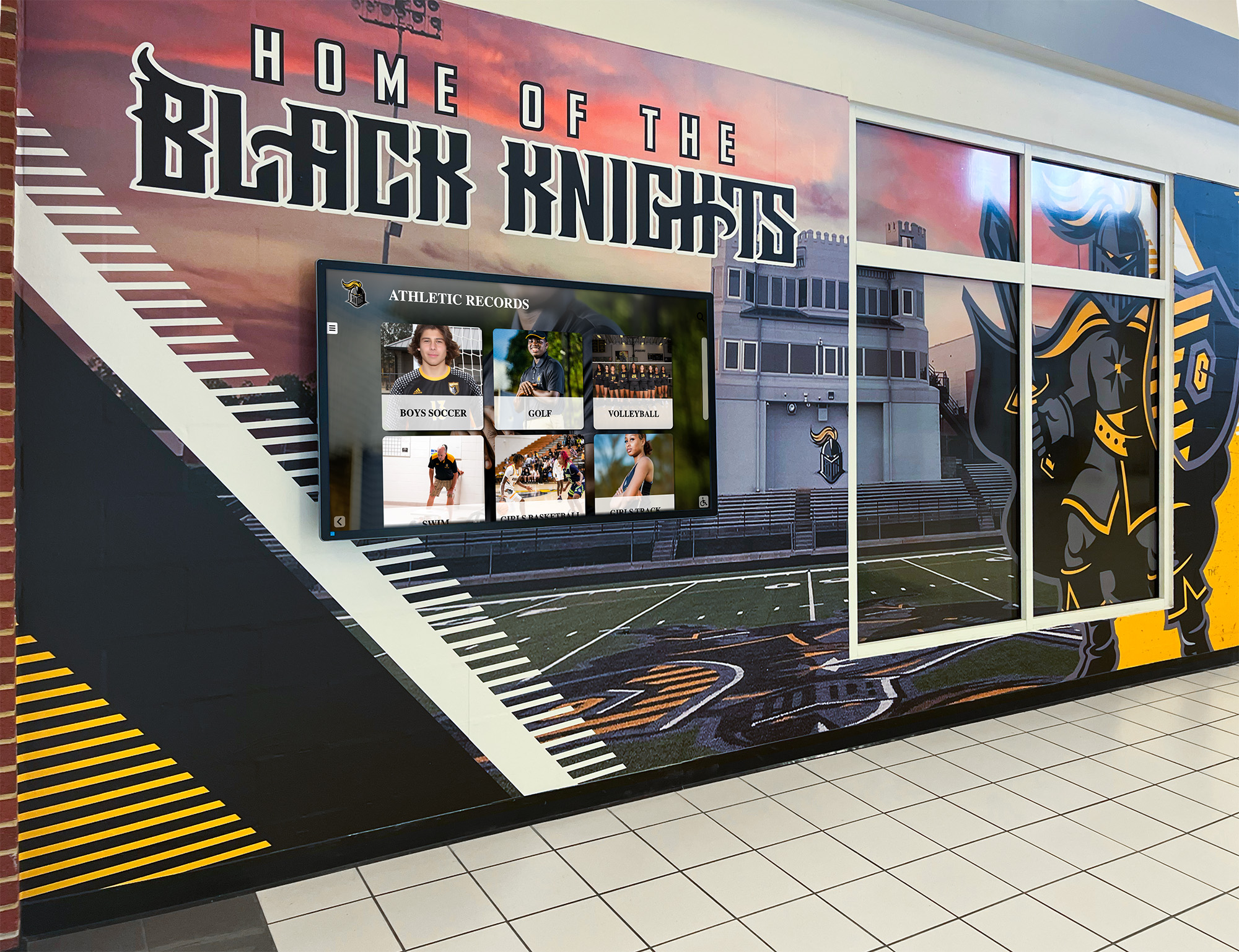
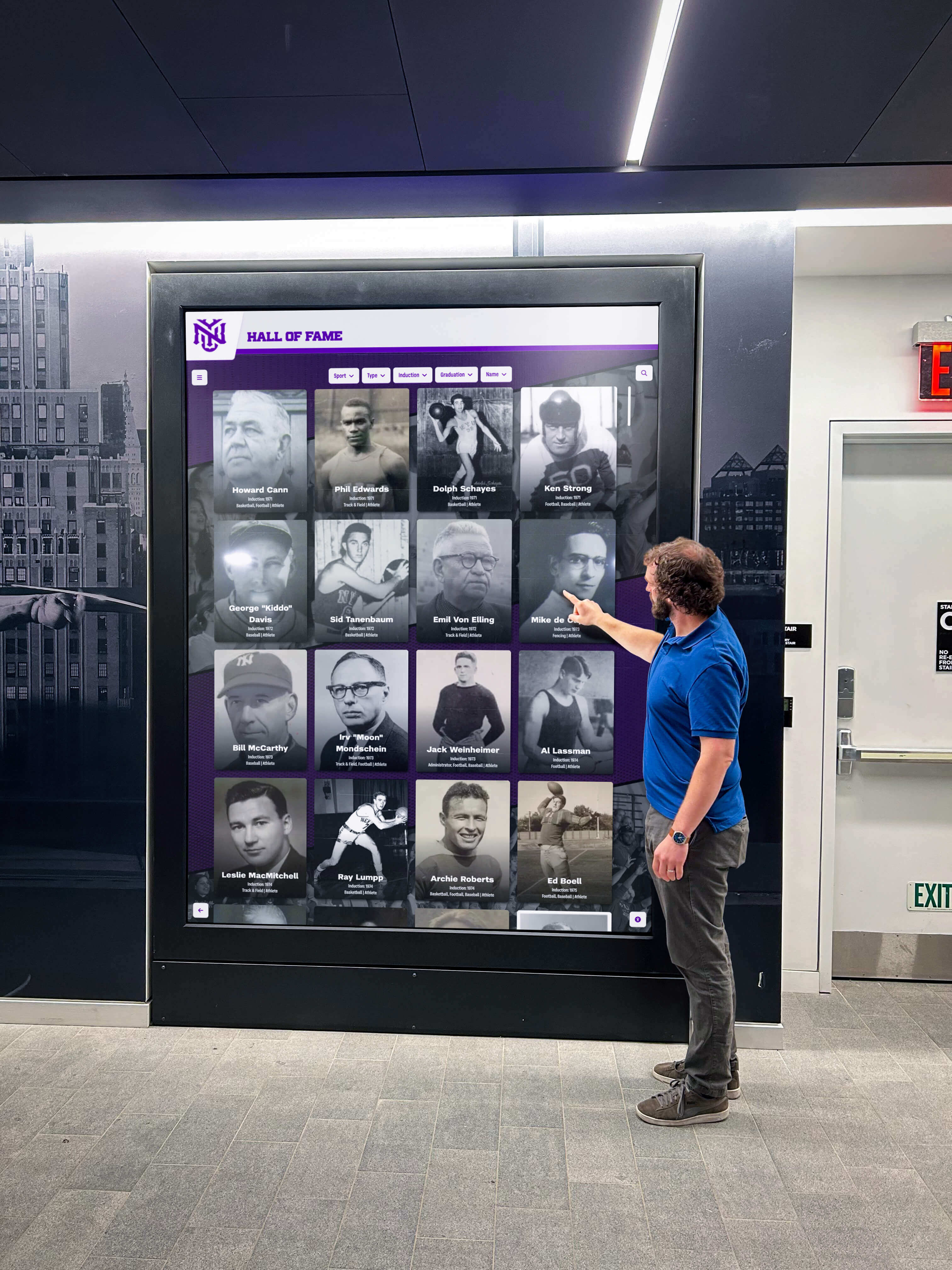
Championship baseball programs build proud traditions by recognizing players who demonstrate exceptional throwing skills, velocity milestones, and defensive excellence. Digital recognition solutions enable schools to permanently showcase pitching velocity records, outfield assist leaders, defensive specialists with cannon arms, and players who exemplify program standards for fundamental execution. Rocket Alumni Solutions provides baseball programs with interactive digital displays that highlight throwing achievements, velocity improvements, accuracy percentages, and championship performances—creating lasting tributes to athletic development while motivating current players to develop the arm strength and precision that earn permanent recognition.
Understanding Throwing Mechanics and Injury Prevention
Before implementing specific baseball throwing drills, understanding the biomechanical principles that govern effective throwing and the factors that cause arm injuries provides the foundation for safe, productive training.
The Kinetic Chain in Baseball Throwing
Effective throwing originates not from the arm alone but from a coordinated sequence of movements transferring energy from the ground through the body to the baseball—a process biomechanists call the kinetic chain.
Ground Force Generation: Power begins with the back leg driving forcefully against the ground during the stride phase, generating rotational force that transfers upward through the core. Players who throw exclusively with their arms sacrifice 30-40% of potential velocity while dramatically increasing stress on the shoulder and elbow.
Hip and Torso Rotation: As the stride foot lands, the hips rotate rapidly toward the target, followed milliseconds later by torso rotation. This sequential rotation—hips leading, shoulders following—creates the elastic “stretch-shorten cycle” that stores and releases energy efficiently. Poor sequencing where the upper body rotates simultaneously with or before the hips eliminates this power source while overloading arm structures.
Shoulder External Rotation: During the arm-cocking phase, the throwing shoulder reaches maximum external rotation (often exceeding 180 degrees in high-velocity throwers), storing elastic energy in shoulder tendons and ligaments. This extreme position requires exceptional shoulder strength, mobility, and scapular stability to execute safely.
Arm Acceleration and Follow-Through: The arm accelerates forward explosively, reaching peak velocities exceeding 7,000 degrees per second of internal rotation—among the fastest human movements ever measured. The follow-through phase decelerates this violent rotation, distributing forces across larger muscle groups to protect elbow and shoulder structures.
Understanding this sequence clarifies why comprehensive baseball throwing drills must address lower body power, core strength, shoulder stability, and mechanical sequencing—not just arm strength in isolation.
Common Throwing Injuries and Prevention Strategies
Youth baseball faces an epidemic of preventable arm injuries, with overuse injuries affecting increasingly younger athletes each season. Understanding injury mechanisms guides safer training approaches.
UCL Injuries (Tommy John Surgery): The ulnar collateral ligament on the elbow’s inside stabilizes against valgus stress during throwing. Excessive pitch counts, inadequate rest between outings, throwing breaking pitches before physical maturity, and poor mechanics all contribute to UCL damage requiring surgical reconstruction and 12-18 month recovery periods.
Rotator Cuff and Labral Injuries: The shoulder’s rotator cuff muscles and labrum stabilize the joint during throwing’s violent rotational forces. Overuse, muscular imbalances (particularly weak external rotators), and scapular dyskinesis create instability leading to tears, inflammation, and chronic pain.
Little League Shoulder: Growth plate stress injuries affect young throwers whose bones haven’t fully matured. Repetitive throwing stress to open growth plates causes inflammation, pain, and potential permanent damage if not addressed with rest and mechanical correction.
Prevention Fundamentals: Evidence-based injury prevention includes pitch count limits appropriate to age, mandatory rest days between pitching appearances, year-round arm care and strengthening programs, mechanical assessments identifying high-risk patterns, and progressive throwing programs that build workload gradually rather than sudden volume spikes.
Programs committed to player development recognize that the most talented arm serves no purpose if injured. Modern recognition platforms can celebrate not just velocity and strikeouts but also durability milestones, innings pitched across careers, and athletes who demonstrate exemplary arm care—reinforcing that longevity and health represent achievements worthy of honor alongside competitive success.
Foundation: Long Toss Development Program
Long toss represents the cornerstone throwing drill for building arm strength, improving throwing mechanics, and developing the neuromuscular patterns that translate to game performance. Yet the term “long toss” encompasses multiple training approaches with distinct purposes and progressions.
Progressive Long Toss Structure
Effective long toss programs progress systematically rather than immediately throwing maximum distance. A typical progression might include:
Phase 1: Warm-Up Distance (30-60 feet): Begin each throwing session with controlled short tosses emphasizing proper mechanics without arm stress. Focus on compact arm action, balanced finish, and four-seam grip. This phase prepares connective tissues and activates muscle groups for higher-intensity work.
Phase 2: Build-Up Distance (60-120 feet): Gradually increase throwing distance while maintaining direct line drives to the target. Each throw should reach the partner on a line or slight arc without excessive upward trajectory. This phase builds arm strength while reinforcing mechanical efficiency under moderate stress.
Phase 3: Maximum Distance (120-300+ feet): Extend to maximum distance where the thrower can still deliver the ball to the partner with reasonable arc. The goal is not wild heaves but controlled throws exploring the arm’s range of motion and force production capacity. This phase develops arm strength, improves flexibility through extended range of motion, and builds mental confidence in the arm’s capabilities.
Phase 4: Pull-Down Phase (300+ feet back to 60 feet): After reaching maximum distance, gradually work back to shorter distances while maintaining intent and arm speed developed at long distances. Many coaches consider this pull-down phase the most valuable component, as throwers apply long-distance arm speed to shorter distances approximating game throwing situations.
Duration and Frequency: Quality long toss sessions typically last 15-25 minutes total, occurring 3-5 times weekly depending on player age, throwing volume, and competitive schedule. Adequate recovery between sessions proves as important as the throwing itself for adaptation and injury prevention.
Programs building baseball throwing drills around progressive long toss principles create foundations supporting all subsequent velocity and accuracy development. The systematic approach builds not just stronger arms but smarter throwers who understand load management, mechanical efficiency, and sustainable training approaches.
Velocity Development Drills
While long toss provides foundational arm strength development, specific velocity-focused drills target the explosive power, mechanical efficiency, and intent required for maximum throwing velocity.
Rocker Drill: Lower Body Power Development
The rocker drill isolates and develops the powerful leg drive initiating the kinetic chain sequence.
Execution:
- Start in athletic stance with feet shoulder-width apart, baseball in throwing hand
- Rock backward onto back leg while raising front leg into knee lift position
- Explosively drive back leg into the ground while striding forward toward target
- Rotate hips aggressively as front foot plants, allowing upper body to follow
- Complete throw with full arm action and follow-through
Key Teaching Points: Emphasis lies in feeling explosive leg drive generate rotational power that flows upward through the core to the throwing arm. Common errors include passive leg action, striding too far or too short, and rushing the upper body instead of allowing sequential rotation.
Training Application: Execute 10-15 repetitions at moderate effort (70-80%) focusing on lower body feel and sequencing. Can progress to weighted balls (overload) or lighter balls (underload) once basic pattern is mastered.
Step-Behind Drill: Momentum and Timing
This drill develops the ability to generate and harness momentum while maintaining mechanical timing and balance.
Execution:
- Begin standing perpendicular to target, throwing-side facing away
- Step forward with lead leg, then step behind with back leg (crow hop style)
- As back leg plants, rotate hips and shoulders toward target
- Execute throw incorporating momentum generated from stepping motion
- Follow through with controlled deceleration
Key Teaching Points: The drill simulates outfield throwing situations while teaching throwers to convert linear momentum into rotational power. Focus on keeping the upper body quiet until the hips initiate rotation, maintaining balanced posture throughout the motion.
Training Application: Particularly valuable for outfielders who must generate maximum velocity on throws from the outfield. Execute 8-12 throws at high intent (85-95% effort) with adequate recovery between repetitions.
Constraint Drills: Mechanical Reinforcement
Constraint drills restrict or exaggerate specific movement components to reinforce proper sequencing and positioning.
One-Knee Drill: Throwing from a kneeling position (back knee down) eliminates lower body contribution, forcing throwers to generate power from hip and torso rotation. Emphasizes the importance of rotational power rather than relying solely on arm strength.
Pivot Drill: Thrower stands perpendicular to target, steps toward target with lead leg while keeping back leg planted as a pivot point. Reinforces hip rotation leading shoulder rotation while maintaining connection to the ground.
Wall Drill: Standing facing a wall arm’s length away, complete throwing motion without releasing the ball, stopping the arm just before it would contact the wall. Reinforces proper arm path and extension without compensation patterns that loop around the wall.
Programs implementing comprehensive velocity development recognize these drills complement rather than replace long toss and competitive throwing. Integration into weekly practice plans—typically 2-3 times per week during off-season preparation, 1-2 times weekly in-season—builds velocity capacity athletes can reliably access under game pressure.
Accuracy and Command Development Drills
Arm strength without accuracy proves largely useless in competitive baseball. Command development drills build the neuromuscular precision enabling throwers to execute specific targets consistently under various conditions.
Target Throwing Progressions
Systematic target work develops spatial awareness and fine motor control required for throwing accuracy.
Partner Target Drill: Partners stand at regulation throwing distances for their positions (60 feet for infielders, 90-120 feet for outfielders, 60 feet 6 inches for pitchers). The receiving partner holds their glove at specific locations (chest, inside, outside, high, low) and the thrower aims for the glove target. Execute 10 throws to each target location, tracking success rate.
Numbered Target System: Create targets using cones, markers, or designated areas numbered 1-9 (simulating strike zone or defensive zones). Coach calls out numbers, and throwers must execute throws to specified targets in rapid succession. Builds both accuracy and rapid target acquisition skills.
Four-Corner Drill: Establish four targets in a square pattern (4-6 feet apart). Thrower executes throws to each corner in sequence, then reverse sequence, then random sequence called by coach. Develops precision while requiring rapid target transitions similar to game defensive situations.
Building comprehensive player recognition systems includes celebrating not just power metrics but precision achievements. Modern displays can showcase career accuracy percentages, defensive plays saved through precise throws, and situational execution that defines championship baseball. Programs designing baseball awards and recognition displays benefit from highlighting these complete skill profiles that value control alongside velocity.
Position-Specific Accuracy Training
Different positions require distinct accuracy demands, suggesting position-specific drill modifications.
Infield Accuracy Work: Infielders practice throwing across the diamond to first base targets from various fielding positions. Set up multiple bases or targets at first base positions representing different runner speeds (early, on-time, late throws). Execute ground balls followed by throws to specific targets based on simulated game situations.
Outfield Relay Accuracy: Outfielders work in relay configurations practicing accurate throws to cut-off men positioned at various distances and angles. Emphasis on delivering throws chest-high to the cut-off man’s glove-side enabling quick transfers for subsequent throws home or to bases.
Pitcher Command Drills: Pitchers execute bullpen sessions with specific target sequences, aiming for precise locations within the strike zone. Track results by location (inside/outside, up/down by pitch type) to identify command strengths and weaknesses requiring additional focus.
Catcher Throwing Drills: Catchers practice quick releases to second base targets, emphasizing footwork efficiency and accuracy under time pressure. Set up timing systems to measure pop times (catch to throw arrival at second base) while maintaining throwing accuracy to the bag.
Pressure Accuracy Training
Game situations introduce pressure, fatigue, and stress that affect throwing accuracy. Drills simulating these conditions prepare athletes for competitive performance.
Competitive Target Games: Partners compete to hit specific targets, with points awarded for accuracy. Losing partner performs conditioning exercises, creating consequences that simulate competitive pressure. Progressively increase difficulty by shrinking target sizes or increasing throwing distances.
Fatigue Throwing: Execute accuracy drills following conditioning work or at the end of extended practice sessions when athletes experience physical and mental fatigue similar to late-inning game situations. Tracks how accuracy holds up under fatigue and identifies athletes who maintain precision when tired.
Simulated Game Situations: Create scenarios requiring throws under time pressure (double play feeds, outfield assists with runners advancing). Coach calls situations, and players must execute appropriate throws to correct targets with game-realistic timing and decision-making.
Programs developing comprehensive throwing skill recognize that building baseball throwing drills around both power and precision creates complete players. Recognition systems celebrating these dual achievements—longest outfield throws AND highest throwing accuracy percentages, fastest pitch velocities AND best strike percentages—reinforce that excellence requires mastering both dimensions.
Arm Care and Recovery Protocols
Sustainable throwing development requires balancing training stress with adequate recovery and targeted arm care work preventing injury while supporting adaptation.
Pre-Throwing Preparation Routines
Proper warm-up prepares tissues for throwing stress and reduces injury risk significantly.
Dynamic Warm-Up Sequence: 5-10 minutes of movement-based warm-up including jogging, arm circles, trunk rotations, leg swings, and progressive range-of-motion exercises elevate tissue temperature and activate muscles before throwing stress.
Band Work: Resistance band exercises targeting external rotators, scapular stabilizers, and decelerator muscles address the muscular imbalances common in throwers. Execute 2-3 sets of 10-15 repetitions of exercises including external rotation, scarecrows, reverse flys, and rows.
Progressive Throwing Warm-Up: Begin every throwing session with short-distance controlled throws progressively increasing distance and intensity. Never begin sessions with maximum-effort throws to cold arms.
Post-Throwing Recovery Strategies
Recovery interventions following throwing sessions reduce inflammation, remove metabolic waste products, and prepare tissues for subsequent training.
Active Cool-Down: Light jogging and dynamic stretching following throwing sessions maintain blood flow aiding recovery while preventing muscle stiffness.
Arm Icing Protocols: Application of ice to the throwing shoulder and elbow for 15-20 minutes immediately post-throwing reduces inflammation and limits secondary tissue damage. While some debate exists regarding icing effects on adaptation, most high-level programs implement post-throwing icing protocols.
Compression and Elevation: Using compression sleeves and elevating the throwing arm above heart level for 10-15 minutes post-throwing enhances fluid removal reducing swelling and accelerating recovery.
Nutrition and Hydration: Adequate protein intake (particularly within 30-60 minutes post-throwing) supports tissue repair, while consistent hydration maintains tissue quality and recovery capacity.
Strengthening and Maintenance Programs
Year-round strength training addressing throwing-specific muscular demands creates resilient athletes capable of handling competitive throwing volumes.
Shoulder Strengthening: Exercises targeting rotator cuff muscles (external/internal rotation, scaption, rows) and scapular stabilizers (serratus anterior work, scap push-ups, prone Ys/Ts/Ws) build the stability supporting healthy throwing mechanics.
Core Strength: Medicine ball throws, rotational exercises, anti-rotation holds, and compound movements (squats, deadlifts, Olympic lift variations) develop the core strength transmitting force from lower body to upper body during throwing.
Lower Body Power: Plyometric exercises, Olympic lift variations, and explosive movements build the leg drive and hip power initiating the kinetic chain sequence generating throwing velocity.
Recovery and Deload Periods: Systematic reduction in throwing volume every 4-6 weeks allows accumulated stress to dissipate while maintaining fitness, preventing the chronic fatigue states leading to injury.
Programs committed to long-term athlete development recognize that the most impressive arms belong to athletes who remain healthy across years of competition. Recognition systems can honor durability achievements—games played across careers, innings pitched without injury, consecutive healthy seasons—validating that intelligent training and recovery prove as valuable as natural talent.
Building Age-Appropriate Throwing Programs
Different developmental stages require distinct training emphases, volumes, and intensities. Understanding age-appropriate progressions prevents injury while optimizing development.
Youth Baseball (Ages 7-12)
Young players develop fundamental movement patterns and build positive associations with throwing while avoiding overuse injuries.
Focus Areas:
- Fundamental Mechanics: Proper grip, balanced follow-through, basic throwing motion emphasizing athletic movement over maximum velocity
- Fun-Based Drills: Games and competitions making throwing practice engaging rather than tedious
- Low Volume: Limited throwing days per week (2-4 days), short sessions (15-20 minutes), no maximum-effort throwing
- Multi-Sport Participation: Encouraged to prevent overuse while developing general athleticism transferring to baseball throwing
Pitch Count Guidelines: USA Baseball recommends strict limits: ages 7-8 maximum 50 pitches per game, ages 9-10 maximum 75 pitches, ages 11-12 maximum 85 pitches, with mandatory rest days based on pitch counts.
Injury Prevention Priorities: Avoid breaking pitches (curveballs, sliders) until physical maturity, monitor for growth plate symptoms, teach and enforce rest day requirements, involve parents in understanding overuse injury risks.
High School Baseball (Ages 13-18)
High school represents critical development years where increased training volume and intensity must balance with ongoing physical maturation and injury risk management.
Focus Areas:
- Mechanical Refinement: Video analysis, detailed coaching feedback, and constraint drills refining efficiency and addressing mechanical flaws limiting velocity or increasing injury risk
- Velocity Development: Structured programs incorporating weighted ball training, long toss progressions, and intent-based throwing building arm strength
- Position-Specific Skills: Specialized training for position demands (pitching command, infield quick release, outfield crow hop mechanics)
- Strength and Conditioning: Systematic weight training programs building total body strength and power supporting throwing development
Pitch Count Guidelines: High school pitchers should adhere to strict limits appropriate to age and competitive level, typically 75-105 pitches per outing with mandatory rest days, season totals monitoring, and year-round workload tracking preventing excessive accumulation.
Training Volume: In-season throwing 5-6 days per week (including games), off-season 3-4 days per week with dedicated rest days. Monitoring total throws (not just pitches) prevents overuse even among position players.
Teams developing comprehensive baseball programs understand that recognition systems celebrating both outcomes and process milestones motivate sustained development. Displays can highlight velocity improvement trajectories, accuracy advancement charts, and innings pitched across careers—showing athletes that growth receives acknowledgment alongside championship achievements. When designing functional baseball dugout spaces, programs increasingly incorporate digital displays showcasing real-time player statistics and historical achievements that inspire current athletes.
College and Advanced Baseball
College and professional levels require maximum performance while managing extreme competitive demands and year-round training calendars.
Focus Areas:
- Performance Optimization: Advanced biomechanical analysis, technology-driven assessments (motion capture, force plates, high-speed video), and data-informed training modifications maximizing efficiency
- Workload Management: Sophisticated monitoring systems tracking daily, weekly, and seasonal throwing volumes preventing overuse while maintaining competitive readiness
- Recovery Optimization: Access to advanced recovery modalities (massage therapy, contrast baths, compression systems) supporting high training volumes
- Mental Performance: Developing psychological skills managing competitive pressure, maintaining focus during long seasons, and executing under championship pressure
Training Philosophy: Progressive overload principles systematically increasing throwing stress while monitoring fatigue indicators and arm health markers. Individualized programs recognizing that optimal training varies substantially between athletes based on injury history, mechanical efficiency, and recovery capacity.
Technology Integration in Throwing Development
Modern baseball throwing drills increasingly incorporate technology providing objective feedback, tracking progress, and identifying mechanical inefficiencies invisible to naked eye observation.
Velocity Measurement and Tracking
Radar guns and velocity tracking systems measure throwing velocity providing objective feedback on training effectiveness and development trajectories.
Training Applications: Regular velocity assessments (weekly or bi-weekly) track long-term trends distinguishing effective training approaches from ineffective ones. Immediate session feedback during bullpens or throwing sessions identifies which mechanical adjustments or drill variations produce velocity increases.
Program Benefits: Data-driven approaches remove guesswork, enabling coaches to identify which athletes respond best to specific training stimuli, when athletes reach fatigue states requiring rest, and what realistic velocity goals fit individual potential.
Video Analysis Systems
High-speed video capture enables detailed mechanical analysis impossible through real-time observation, identifying subtle flaws limiting performance or increasing injury risk.
Analysis Protocols: Record throwing sessions from multiple angles (front, side, overhead) capturing full motion sequences. Review footage frame-by-frame identifying mechanical checkpoints: balance at leg lift, hip-shoulder separation, arm slot consistency, follow-through completion.
Feedback Implementation: Show athletes video comparisons between their mechanics and elite throwers or their own best performances. Concrete visual feedback proves more effective than verbal coaching alone for many athletes.
Biomechanical Assessment Tools
Advanced programs increasingly access sophisticated tools measuring forces, joint angles, and movement sequencing.
Motion Capture Systems: Three-dimensional motion capture tracks joint positions throughout throwing motion, quantifying hip-shoulder separation timing, arm acceleration rates, and kinetic chain sequencing efficiency.
Force Plate Analysis: Ground-mounted force plates measure ground reaction forces during throwing, quantifying lower body power contribution and identifying asymmetries between legs that may indicate injury risk or mechanical inefficiency.
Wearable Sensors: Arm-mounted sensors measure arm stress, workload accumulation, and fatigue indicators providing real-time feedback during training and games.
Programs investing in recognition platforms benefit from integrating technology celebrating development achievements. Displays showcasing velocity improvement charts, mechanical efficiency ratings, and objective progress metrics validate training effectiveness while motivating continued dedication. When teams capture and display team photos and achievement documentation, including performance data alongside images creates comprehensive athlete profiles celebrating complete development stories.
Building Comprehensive Program Culture
Individual throwing drills prove most effective within larger program cultures emphasizing technical development, athlete accountability, and long-term growth alongside competitive success.
Establishing Throwing Culture Standards
Championship programs define clear expectations around throwing development and arm care:
- Daily Preparation Requirements: Non-negotiable pre-throwing warm-up protocols every athlete completes before throwing a single ball
- Mechanical Standards: Documented fundamental positions and sequencing patterns coaches emphasize consistently across all positions and age groups
- Recovery Accountability: Athletes held responsible for post-throwing arm care routines, rest day compliance, and communicating arm fatigue or pain immediately
- Development Mindset: Program messaging emphasizing that throwing development continues across entire careers, not just early seasons, and that mechanical refinement never stops
Celebrating Throwing Excellence
Recognition systems motivating throwing development extend beyond traditional statistics to comprehensive skill profiles:
- Velocity Milestones: Celebrating when pitchers reach velocity benchmarks (80 mph, 85 mph, 90 mph) or when position players demonstrate arm strength improvements across seasons
- Accuracy Leaders: Recognizing infielders with highest fielding percentages (reflecting throwing accuracy), outfielders with most assists, catchers with best caught-stealing percentages
- Durability Achievements: Honoring athletes who remain healthy across careers, pitch or play extensive innings without injury, and model exemplary arm care
- Development Awards: Acknowledging players demonstrating greatest velocity improvement, mechanical refinement, or accuracy advancement regardless of absolute performance levels
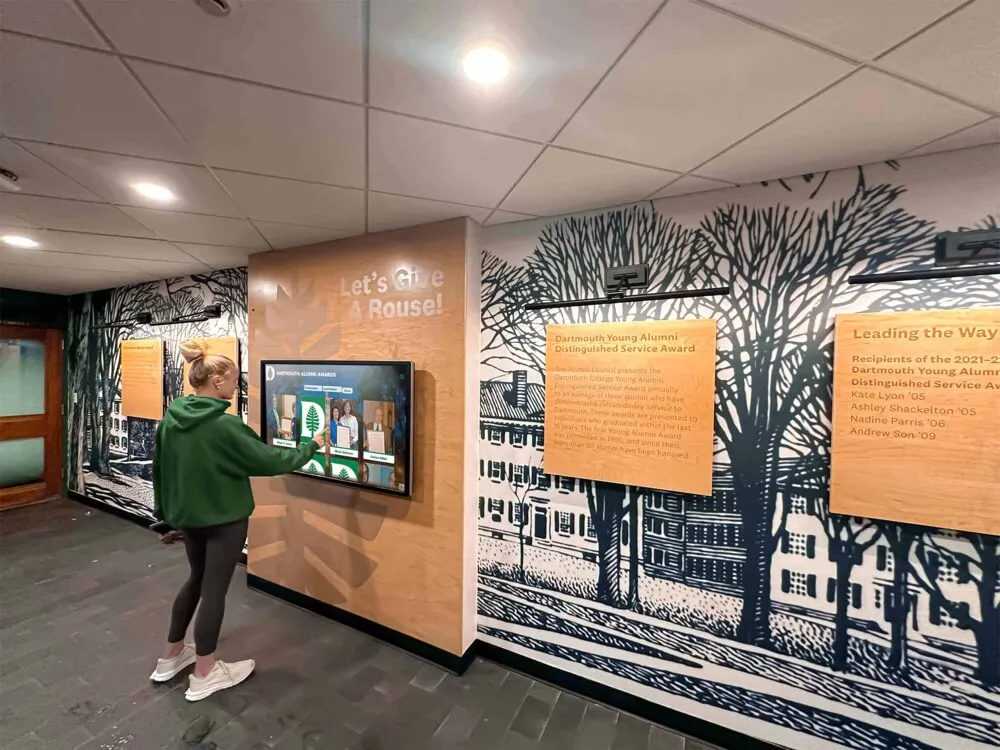
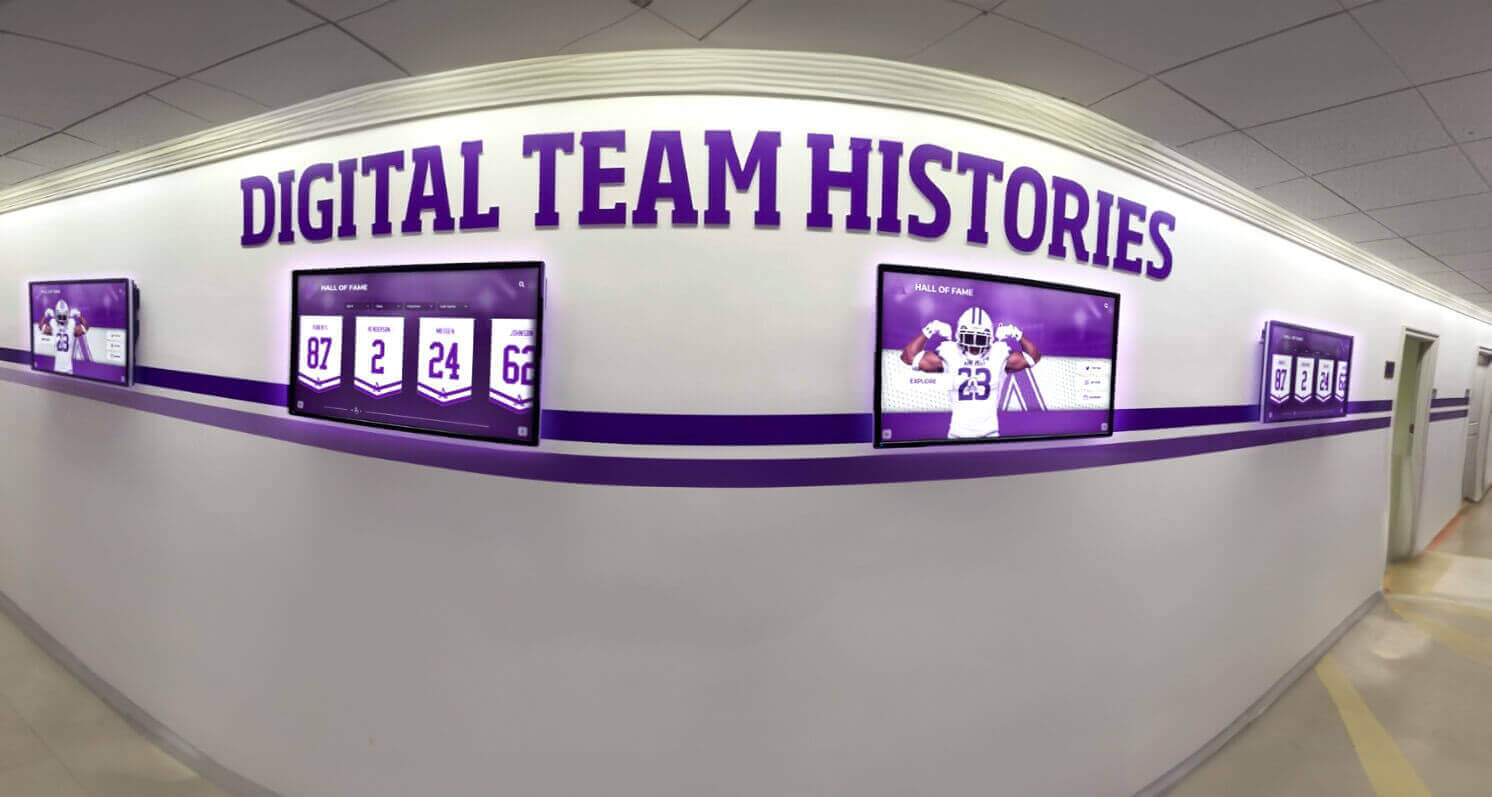
Modern recognition platforms enable comprehensive celebration impossible with static displays. Interactive systems let visitors explore throwing statistics by season, filter achievements by specific metrics, view video highlights of signature throws, and experience program history through engaging digital interfaces celebrating both outcomes and development processes.
For programs considering upgrades to traditional recognition systems, exploring how digital displays replace expensive gym banners while providing greater flexibility and engagement can transform how baseball achievements receive lasting acknowledgment.
Creating Season-Long Training Plans
Effective throwing development requires systematic planning integrating baseball throwing drills across annual training cycles that balance development, competition, and recovery.
Off-Season Development Phase (November-January)
The off-season provides dedicated time for building foundational strength, addressing mechanical limitations, and increasing arm strength without competitive demands.
Training Emphasis:
- Long toss progressions building arm strength and exploring maximum distance work
- Velocity development drills with weighted ball protocols and constraint drills refining mechanics
- Comprehensive strength training emphasizing lower body power and core rotational strength
- Mechanical assessments and corrections addressing flaws identified during previous season
Volume Guidelines: Moderate throwing volume (3-4 sessions weekly) with emphasis on quality over quantity, allowing adequate recovery supporting adaptation. Each session 20-30 minutes of throwing work plus arm care protocols.
Pre-Season Preparation Phase (February-March)
Pre-season transitions from general development toward competition preparation, increasing throwing volume and introducing game-specific demands.
Training Emphasis:
- Continued long toss with emphasis on pull-down phase building in-game velocity application
- Position-specific accuracy drills preparing for defensive situations and pitching command work
- Simulated game situations incorporating throwing under pressure, fatigue, and decision-making demands
- Progressive workload increases building tolerance for competitive season throwing volumes
Volume Guidelines: Increased frequency (4-5 sessions weekly) with longer sessions (30-40 minutes) including combination drills addressing multiple skills simultaneously. Careful monitoring preventing overuse as volume increases.
In-Season Competition Phase (March-June)
Competitive season prioritizes maintaining arm health and performance while managing game demands and practice requirements.
Training Emphasis:
- Maintenance throwing programs preventing detraining while avoiding excessive volume accumulation
- Recovery-focused protocols between competitive appearances
- Accuracy and command refinement through focused bullpen sessions and positional throwing work
- Individualized workload management based on game participation and throwing volumes
Volume Guidelines: Varies substantially by position and role. Starting pitchers require structured rest days between starts with bullpen sessions scheduled optimally in throwing cycles. Position players maintain throwing fitness through defensive work and moderate long toss sessions (3-4 weekly).
Post-Season Recovery and Assessment (June-August)
Following competitive seasons, structured recovery periods allow accumulated stress to dissipate while early off-season work begins rebuilding for subsequent seasons.
Training Emphasis:
- Extended rest periods (2-4 weeks) with minimal or no throwing allowing tissues complete recovery
- Comprehensive assessments identifying mechanical issues, strength imbalances, or injury concerns requiring off-season attention
- Return-to-throwing progressions gradually rebuilding tolerance following extended rest
- Specialized skill development work addressing individual weaknesses identified through season performance analysis
Programs implementing systematic annual training plans create sustainable development supporting multi-year improvement trajectories. Recognition platforms showcasing year-over-year improvement statistics, career development arcs, and long-term achievement accumulation validate that excellence develops through sustained commitment rather than short-term intensity.
When schools celebrate student achievement through creative display solutions, applying similar comprehensive approaches to athletic recognition ensures baseball programs receive equally sophisticated systems honoring complete athlete development stories.
Integration with Related Athletic Skills
Throwing development connects intimately with broader athletic development areas that compound training effectiveness when integrated systematically.
Mobility and Flexibility Work
Throwing requires extreme ranges of motion particularly through the shoulder complex. Systematic mobility work maintains these ranges while preventing compensatory movement patterns.
Key Areas: Thoracic spine rotation (enabling effective hip-shoulder separation), shoulder external rotation (supporting arm-cocking phase), hip mobility (facilitating powerful leg drive and rotation), ankle mobility (enabling proper stride mechanics).
Training Application: Daily mobility work (10-15 minutes) addressing these areas through dynamic stretching, foam rolling, and progressive range-of-motion exercises. Position-specific emphases based on throwing demands and individual limitations identified through assessments.
Core Stability and Rotational Power
The core transmits force from lower body to upper body during throwing while resisting unwanted compensatory movements. Dedicated core training enhances throwing performance while reducing injury risk.
Exercise Categories: Anti-rotation exercises (Pallof presses, dead bugs), rotational power work (medicine ball throws, cable chops), isometric stability (planks, side planks), compound movements engaging core (squats, deadlifts, Olympic lifts).
Training Application: Core work integrated into strength training sessions 3-4 times weekly, with throwing-specific rotational power work emphasized during off-season development phases.
Overall Athletic Development
Baseball throwing represents one component of complete baseball skill sets. Programs developing throwing alongside hitting, fielding, base running, and baseball intelligence create complete players.
Comprehensive recognition celebrating multi-dimensional excellence—players excelling defensively AND offensively, athletes demonstrating both power AND precision, careers spanning exceptional durability AND competitive achievement—reinforces that championship baseball requires complete skill development.
For programs exploring how to better showcase these comprehensive achievement profiles, examining approaches to capturing and displaying team spirit and achievement through modern platforms provides valuable insights applicable to baseball recognition systems.
Common Training Mistakes and Corrections
Understanding frequent errors in throwing development helps coaches and athletes avoid counterproductive approaches that waste training time or increase injury risk.
Mistake 1: Excessive Volume Without Progressive Buildup
The Error: Dramatic increases in throwing volume—particularly at season starts or following breaks—overwhelm tissue tolerance causing inflammation and injury before adaptation occurs.
The Correction: Implement progressive throwing programs increasing volume 10-15% weekly maximum. Following extended breaks (summer vacation, injury layoffs), structured return-to-throwing programs gradually rebuild tolerance over 4-6 weeks before resuming competitive volumes.
Evidence: Research consistently demonstrates that rapid workload spikes predict injury significantly more than absolute workload amounts. Gradual progression allows physiological adaptation while sudden increases exceed tissue capacity.
Mistake 2: Neglecting Arm Care and Recovery
The Error: Athletes throw maximally during practice and games but skip pre-throwing preparation, post-throwing recovery protocols, and arm strengthening exercises. Accumulated stress without adequate recovery creates chronic inflammation and injury.
The Correction: Non-negotiable arm care routines including pre-throwing dynamic warm-ups and band work, post-throwing icing and recovery protocols, and regular shoulder strengthening exercises (3-4 times weekly). Establish program culture where arm care receives equal emphasis to throwing drills.
Implementation: Build arm care directly into practice schedules rather than treating it as optional homework. Dedicate practice time ensuring all athletes complete protocols under coaching supervision.
Mistake 3: Focusing Exclusively on Arm Strength While Ignoring Mechanics
The Error: Emphasizing arm strengthening and velocity training while tolerating poor throwing mechanics that limit efficiency and increase injury risk. Poor mechanics create force application inefficiencies that no amount of strengthening overcomes.
The Correction: Prioritize mechanical efficiency as the foundation supporting velocity development. Video analysis, constraint drills, and focused coaching addressing mechanical flaws must precede or accompany strength development work.
Teaching Approach: When velocity plateaus appear, assess mechanics first before assuming strength limitations. Often mechanical refinements unlock velocity improvements that no amount of additional arm strengthening would achieve.
Mistake 4: One-Size-Fits-All Training Programs
The Error: Applying identical throwing programs to all athletes regardless of age, throwing history, position demands, or individual recovery capacity. What proves optimal for one athlete may prove excessive or insufficient for another.
The Correction: Individualize throwing programs based on athlete-specific factors including chronological age, training age (years throwing competitively), injury history, position demands, and competitive schedule. Monitor individual responses adjusting volumes and intensities accordingly.
Assessment Tools: Regular check-ins on arm fatigue, soreness ratings, velocity measurements, and mechanical consistency provide objective feedback guiding program adjustments for individual athletes.
Programs applying these corrections systematically create safer, more effective development environments. Recognition systems celebrating athletes who exemplify intelligent training approaches—those demonstrating exceptional arm care, mechanical discipline, and sustainable development—reinforce that process excellence proves as valuable as outcome achievement.
Advanced Considerations: Weighted Ball Training
Weighted ball programs represent one of baseball’s most discussed and debated training interventions, with advocates citing substantial velocity gains and critics warning of injury risks.
Weighted Ball Training Theory
The principle underlying weighted ball training involves overload and underload protocols challenging the neuromuscular system with modified resistance.
Overload Balls (Heavier): Throwing balls heavier than standard baseballs (typically 6-9 ounces versus standard 5-ounce balls) forces greater force production, theoretically building arm strength and power. The nervous system adapts to moving heavier loads, potentially increasing force output when returning to standard balls.
Underload Balls (Lighter): Throwing balls lighter than standard baseballs (typically 3-4 ounces) enables faster arm speeds than possible with regulation balls. The nervous system experiences and adapts to these supramaximal velocities, potentially carrying over when returning to standard balls.
Combination Protocols: Most programs combine both overload and underload training in structured sequences alternating between heavy balls, light balls, and standard baseballs within individual training sessions.
Implementation Guidelines
Weighted ball training requires careful implementation respecting injury risks while maximizing potential benefits.
Age Restrictions: Most experts recommend restricting weighted ball training to athletes age 14+ with established throwing mechanics and training foundations. Younger athletes lack physical maturity and mechanical consistency making injury risks excessive relative to potential benefits.
Progressive Introduction: Begin with minimal deviations from standard ball weight (4-ounce and 6-ounce balls), gradually increasing range as athletes demonstrate tolerance. Monitor for excessive soreness, mechanical breakdown, or decreased throwing quality indicating excessive stress.
Volume Limits: Weighted ball throws represent high-stress training requiring strict volume management. Typical protocols limit weighted ball throws to 15-30 total throws per session, 2-3 sessions weekly maximum, with standard throwing comprising majority of overall volume.
Mechanical Monitoring: Video analysis ensuring mechanics remain consistent across weighted variations. If heavier balls cause mechanical breakdown or altered sequencing, reduce weight or emphasize technical corrections before continuing weighted ball work.
Recovery Emphasis: Extended recovery following weighted ball sessions (48+ hours before subsequent high-intensity throwing) allows adaptation while preventing overuse accumulation.
Risk-Benefit Analysis
Evidence regarding weighted ball effectiveness remains mixed, with some studies demonstrating significant velocity gains while others show increased injury rates.
Potential Benefits: Well-designed studies report average velocity increases of 2-4 mph following structured 6-12 week weighted ball programs, with some athletes experiencing substantially larger gains.
Injury Concerns: Other research indicates increased injury rates among athletes using weighted balls, particularly when volume limits aren’t respected or mechanical quality deteriorates during training.
Recommendation: Weighted ball training represents an advanced intervention appropriate for mature athletes with solid mechanical foundations, excellent arm care habits, and careful coaching supervision. The intervention should never replace foundational throwing programs but rather supplement comprehensive approaches for athletes pursuing maximum velocity development.
Programs incorporating weighted ball training require sophisticated monitoring systems tracking both performance improvements and injury indicators. Recognition platforms celebrating velocity achievements should equally honor the intelligent training approaches and arm care discipline that enable sustainable development—reinforcing that chasing numbers through excessive training intensity proves counterproductive.
For programs developing comprehensive approaches to athletic development and recognition, examining how related sports handle similar challenges proves valuable. Understanding softball pitching mechanics and training progressions offers insights into sport-specific skill development applicable to baseball throwing programs.
Celebrating Complete Player Development
Championship baseball programs recognize that developing exceptional throwing skills represents just one component of complete player development requiring years of dedicated training, intelligent progression, and sustained commitment.
Beyond Individual Statistics
While velocity measurements, throwing accuracy percentages, and defensive statistics provide objective performance metrics, complete player profiles extend beyond numbers to encompass:
- Development Trajectories: Showcasing improvement arcs from freshman debuts through senior excellence, validating that growth matters as much as absolute achievement
- Leadership Contributions: Recognizing athletes who mentor younger players, demonstrate exemplary work ethic, and model the training discipline younger athletes should emulate
- Competitive Character: Honoring clutch performances, championship moments, and athletes who execute under pressure when games matter most
- Program Citizenship: Celebrating athletes who embody program values, maintain academic excellence alongside athletic achievement, and represent programs positively in broader communities
Modern recognition platforms enable these comprehensive celebration approaches through interactive displays supporting multiple data types, searchable databases enabling visitors to explore achievements by various categories, and multimedia capabilities integrating statistics with photos, videos, and narrative content creating complete achievement stories.
Building Lasting Recognition Systems
Baseball programs with rich traditions understand that recognition systems serve multiple critical purposes extending well beyond simple achievement documentation:
- Current Athlete Motivation: Displays showcasing program excellence inspire current players to pursue the achievements earning permanent recognition
- Alumni Connection: Permanent tributes to past excellence create touchpoints enabling alumni to reconnect with programs and share achievements with families
- Recruitment Tools: Prospective players and families assessing programs evaluate recognition systems as indicators of program values, traditions, and commitment to honoring achievement
- Community Engagement: Recognition displays in school facilities enable broader communities to experience program excellence, building support for athletics and pride in institutional achievement
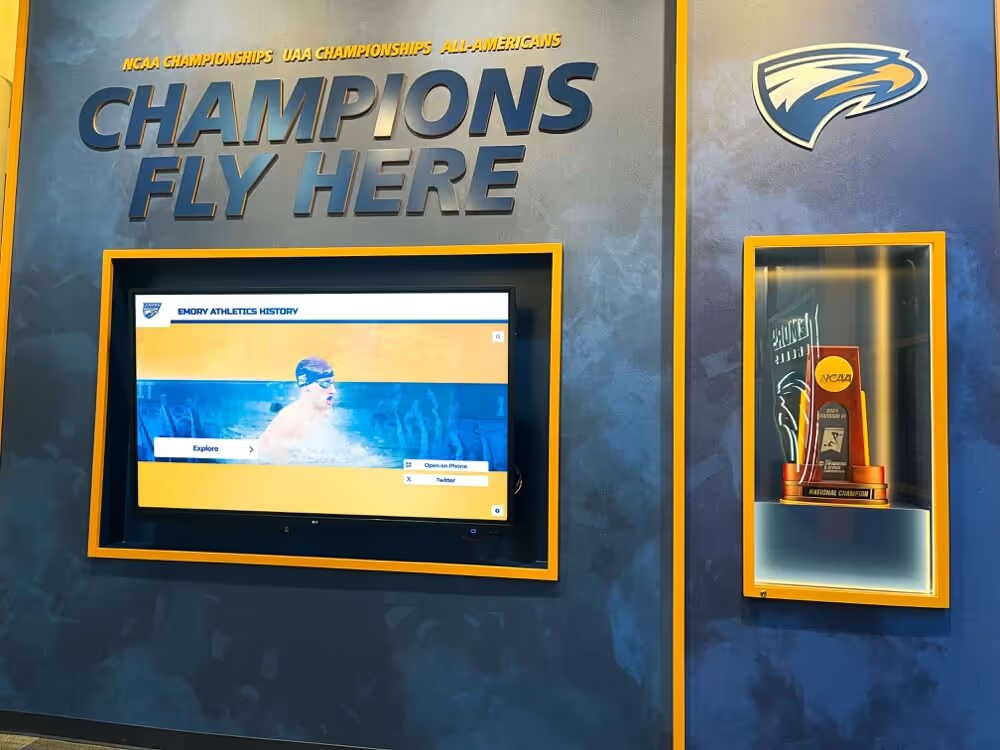
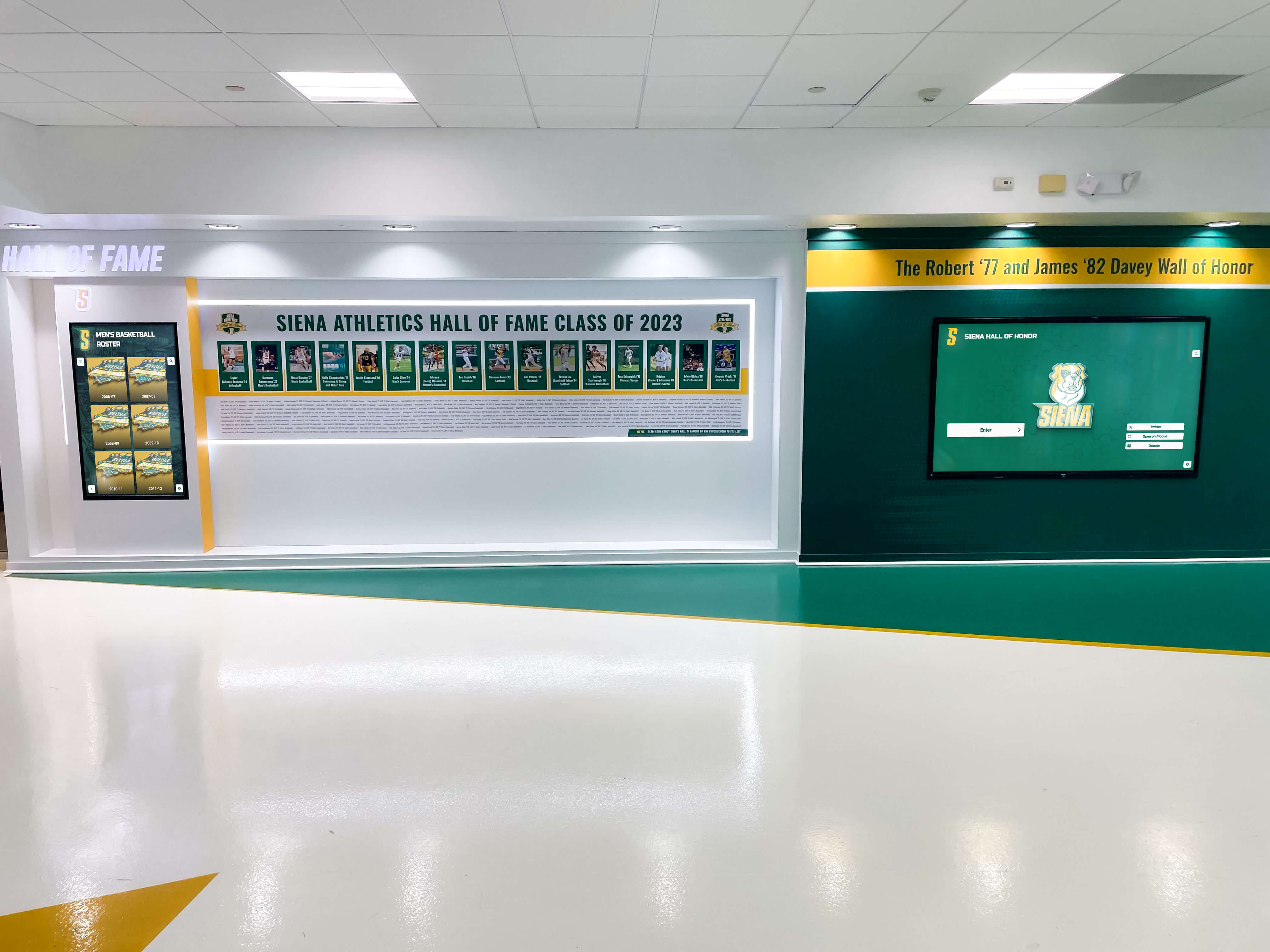
Rocket Alumni Solutions specializes in helping baseball programs create interactive digital displays that permanently showcase throwing achievements, velocity records, defensive excellence, and complete player development stories through touchscreen platforms enabling visitors to explore athlete profiles, search achievements by season and category, view photos and videos of signature plays, and experience program history through engaging formats impossible with static trophy cases or traditional plaques.
These recognition systems create lasting tributes to the countless practice hours, dedicated arm care routines, mechanical refinements, and sustained commitment transforming raw ability into exceptional throwing skills worthy of permanent celebration. They honor athletes who demonstrate that excellence develops through intelligent training, disciplined recovery, and relentless pursuit of improvement across years of competitive baseball.
Conclusion: From Fundamental Drills to Championship Arms
Developing arm strength and throwing accuracy through comprehensive baseball throwing drills creates the foundation every successful baseball player builds upon—from youth athletes learning proper mechanics through high school competitors pursuing velocity milestones to college players refining command under championship pressure. Yet throwing excellence requires far more than simply executing drills. It demands understanding biomechanical principles that govern efficient force production, respecting injury prevention protocols that protect arm health across seasons, implementing progressive training programs that build capacity systematically, and maintaining the arm care discipline enabling sustained high-level performance.
For coaches building throwing development programs, success requires systematic approaches integrating foundational long toss progressions, position-specific accuracy training, velocity development interventions, comprehensive arm care protocols, and age-appropriate volume management. These programs must balance competitive demands with recovery requirements, celebrate both process excellence and outcome achievement, and recognize that the most talented arms prove worthless if injured through excessive training or mechanical inefficiency.
Baseball programs committed to developing exceptional throwers while preserving arm health create cultures emphasizing technical mastery alongside competitive success. Modern digital recognition platforms enable permanent celebration of throwing achievements—velocity records, accuracy milestones, defensive excellence, durability achievements, and complete development stories spanning athletes’ careers. These recognition systems honor the discipline, intelligent training, and sustained commitment that transform fundamental throwing drills into championship performances worthy of lasting tribute.
Whether you’re a youth coach introducing proper throwing mechanics to beginning players, a high school athlete pursuing velocity gains through structured training programs, or an athletic director building comprehensive baseball recognition systems, understanding that throwing excellence develops through systematic skill development, injury prevention emphasis, and intelligent progression creates the foundation for success at every competitive level while building the traditions championship programs celebrate for generations.