



Baseball programs create lasting legacies through the exceptional players who lead teams to championships, establish program records, and exemplify the dedication that defines athletic excellence. Properly displaying signed jerseys represents one of baseball’s most treasured traditions, preserving game-worn memorabilia from no-hitters, championship seasons, and milestone achievements while honoring athletes whose contributions shaped program identity. Whether showcasing jerseys from state tournament MVP performers, recognizing 1000-strikeout pitchers, or commemorating players who advanced to collegiate and professional baseball, thoughtful display solutions transform cherished memorabilia into permanent recognition that inspires current players while celebrating program heritage.
The challenge facing athletic directors, coaches, and booster clubs isn’t whether to display significant baseball jerseys—it’s determining which display methods best preserve these irreplaceable artifacts while creating presentations that remain meaningful and accessible across generations. Traditional display cases protect jerseys from dust and UV damage while creating focal points in school lobbies and athletic facilities, yet modern digital alternatives offer compelling advantages including unlimited capacity, interactive storytelling capabilities, and significantly reduced long-term costs compared to purchasing additional physical cases as programs continue accumulating recognition-worthy jerseys over decades.
Elevating Baseball Recognition with Digital Innovation
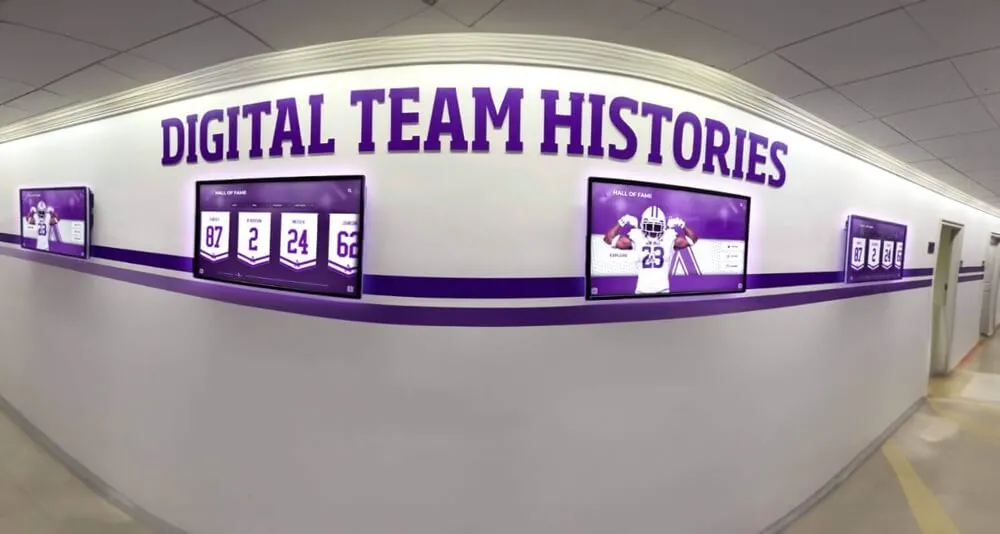
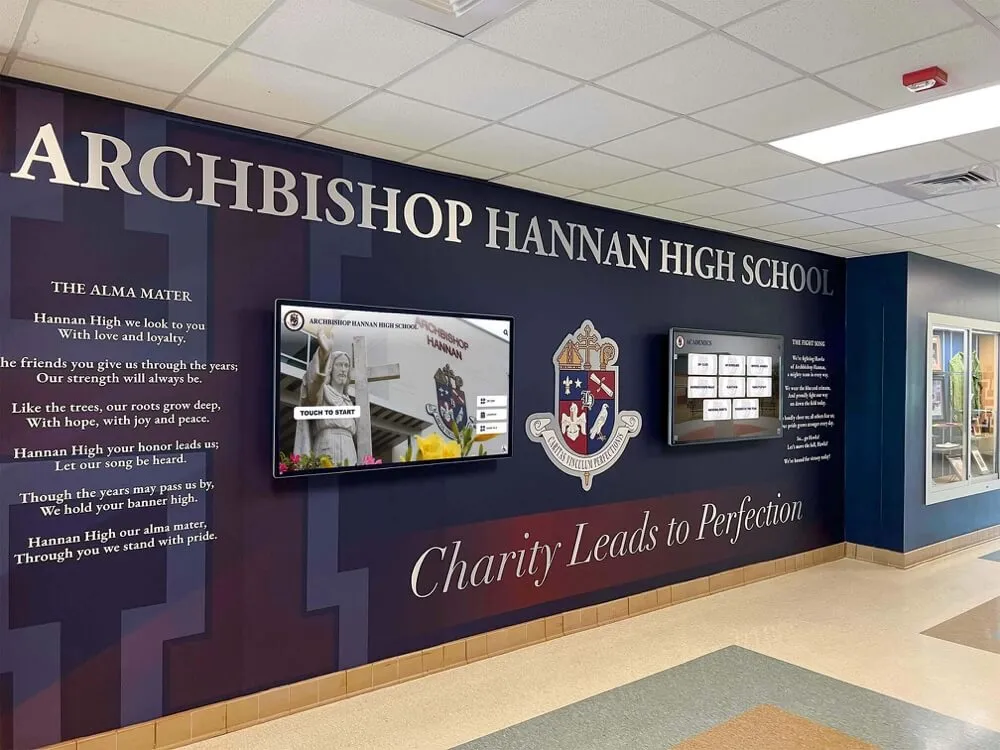
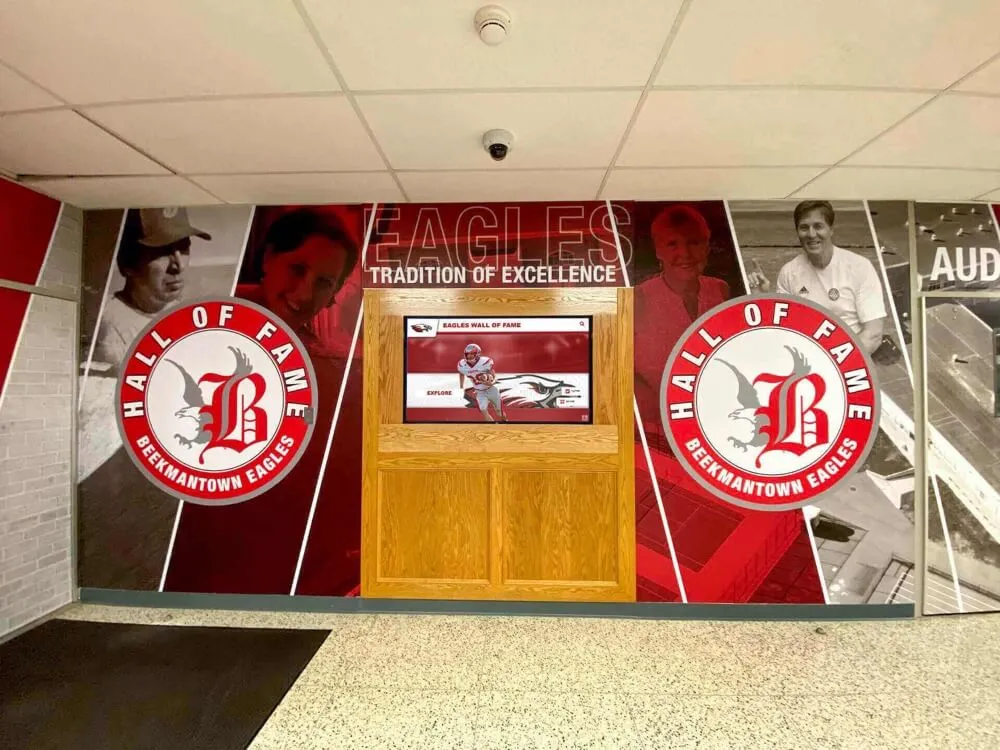
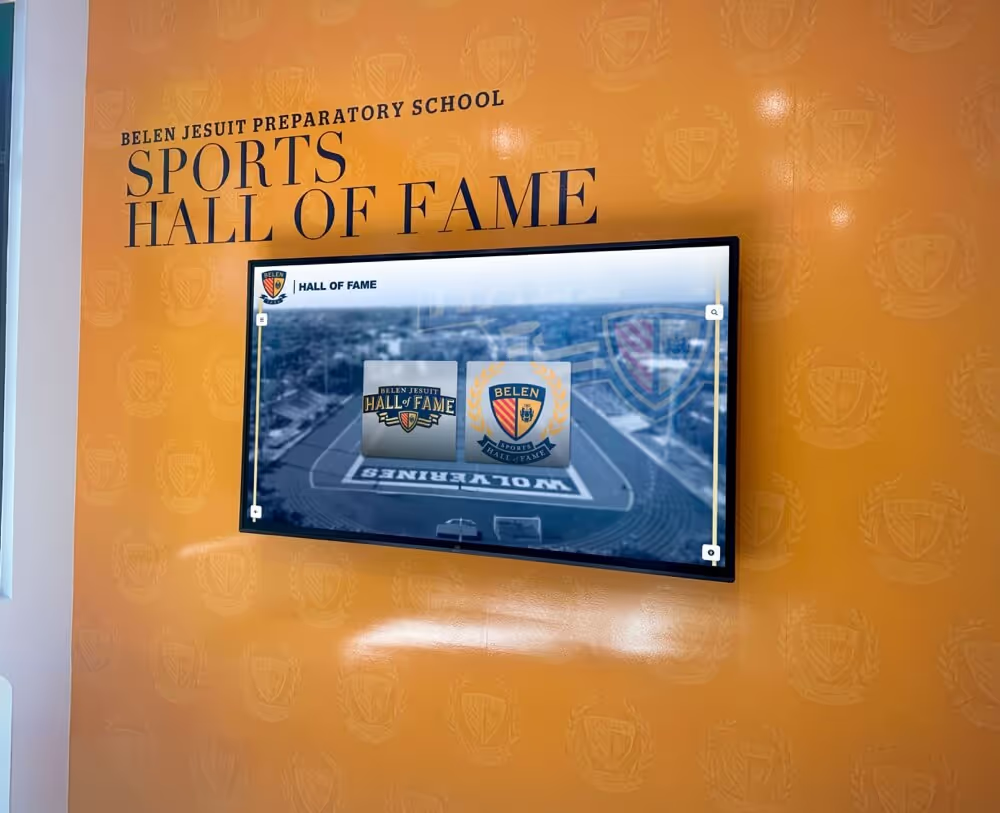
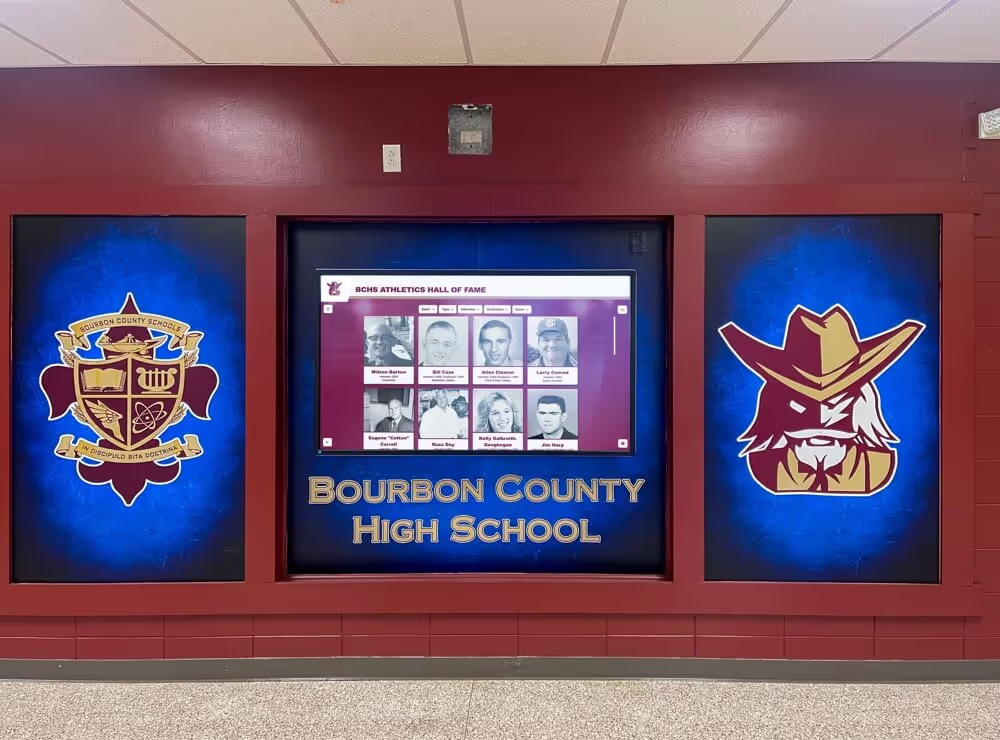
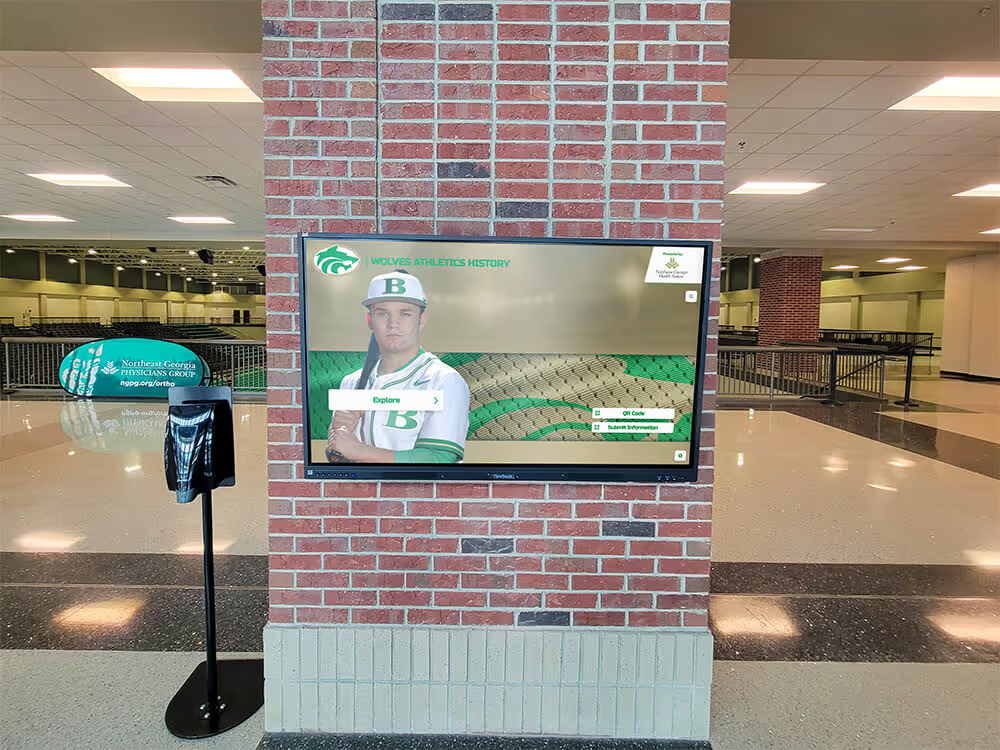
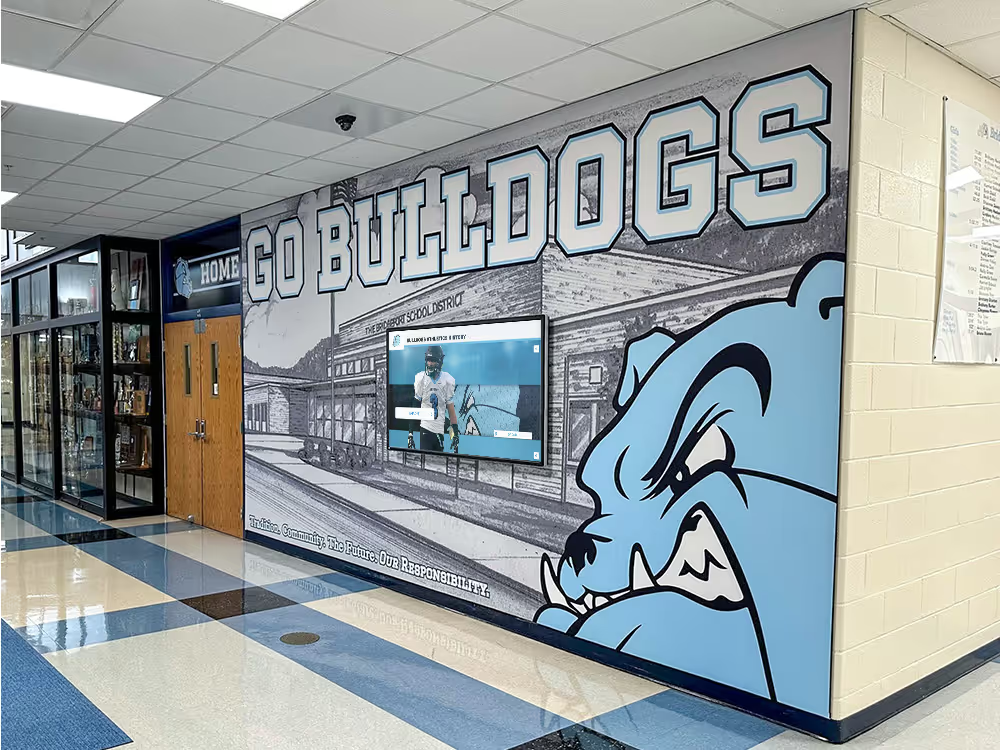
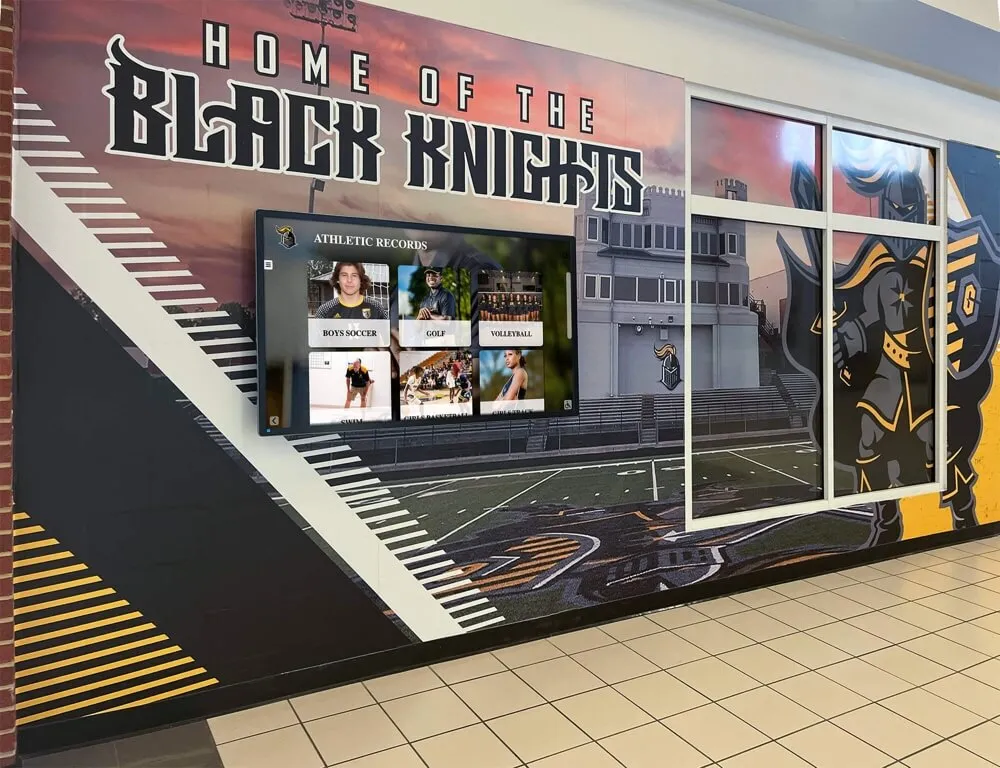
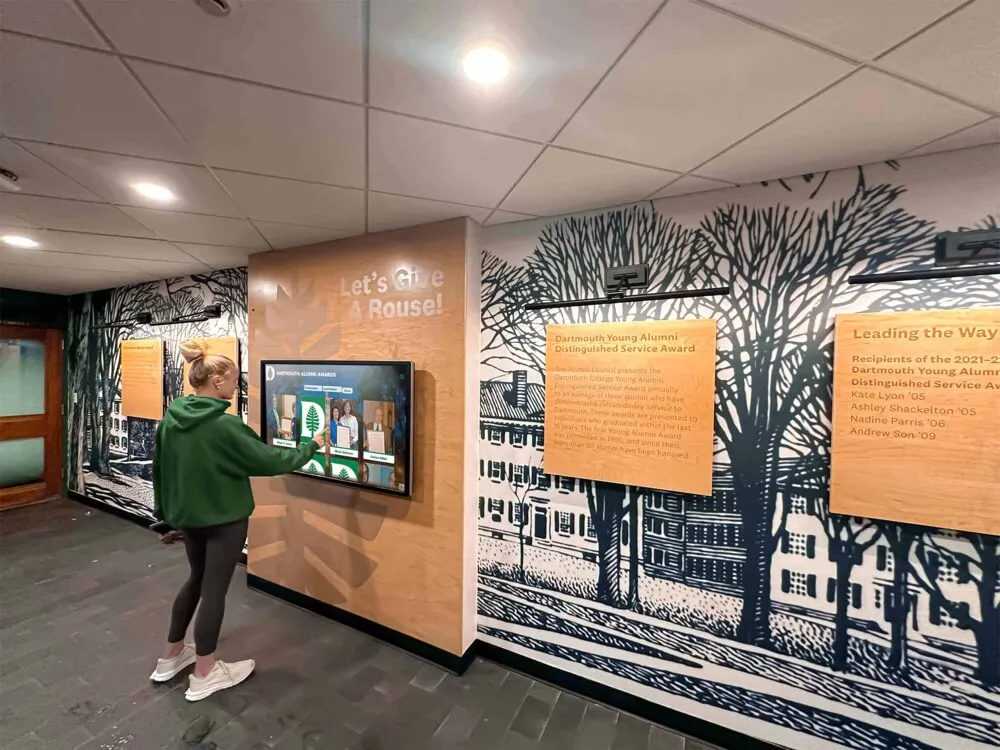
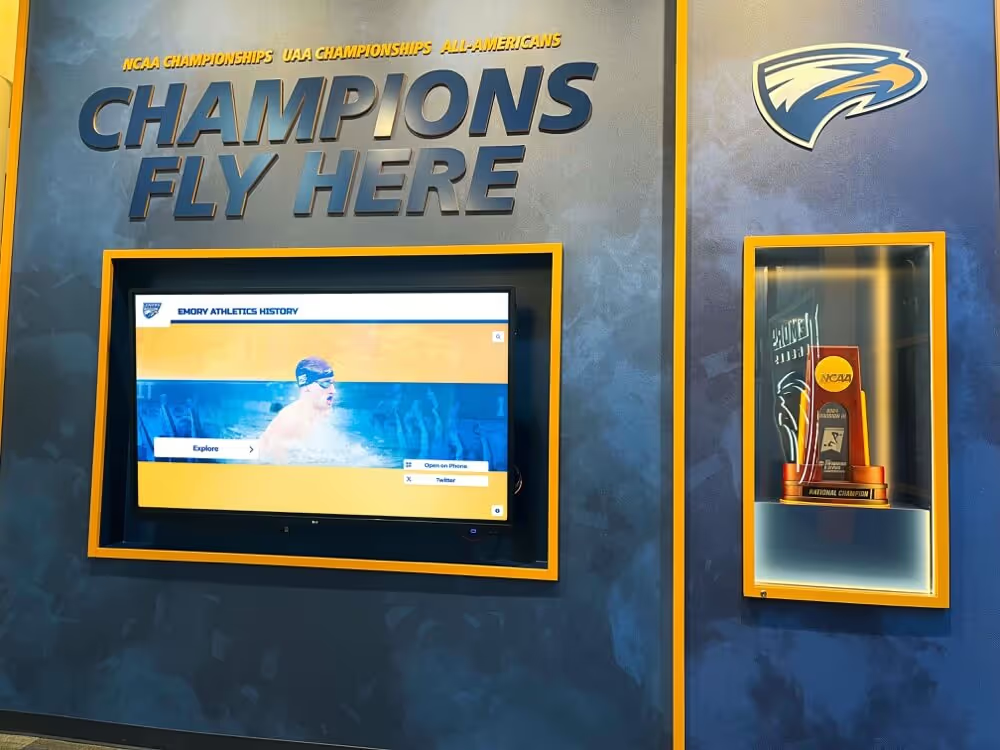
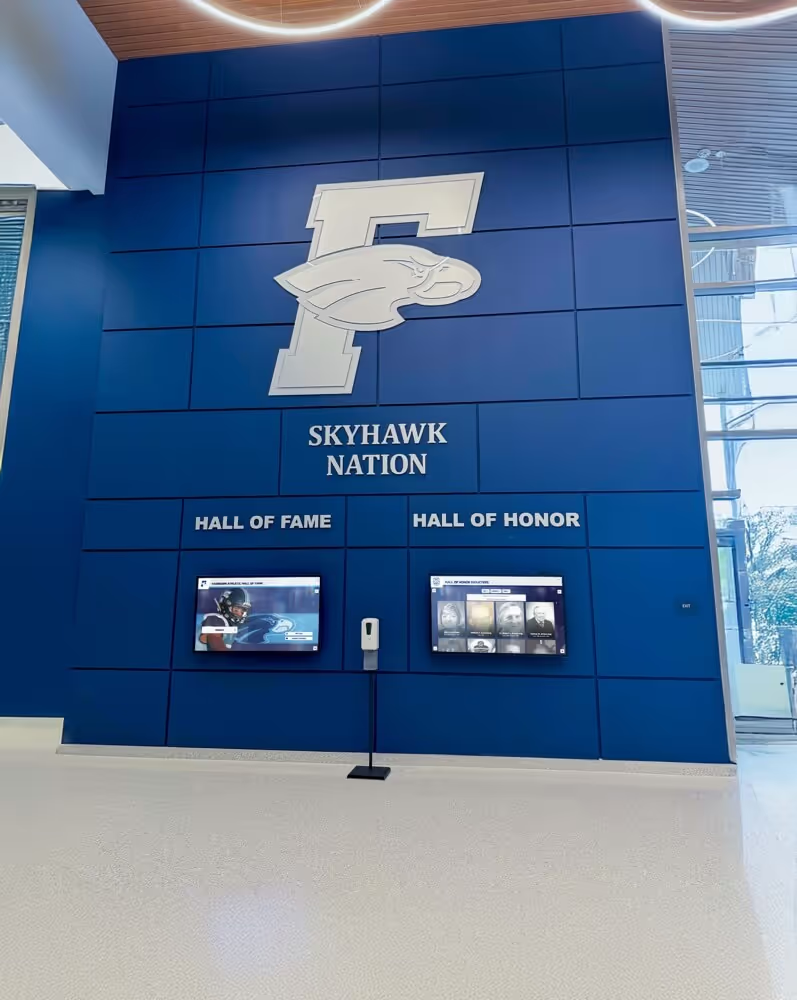
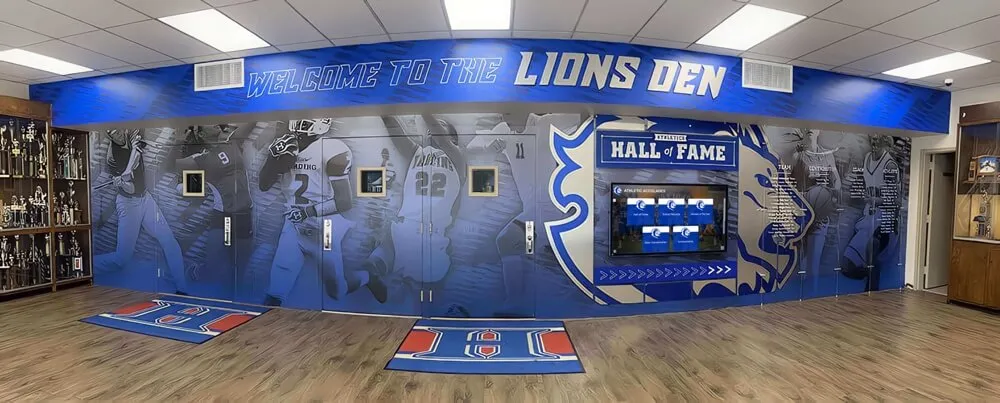
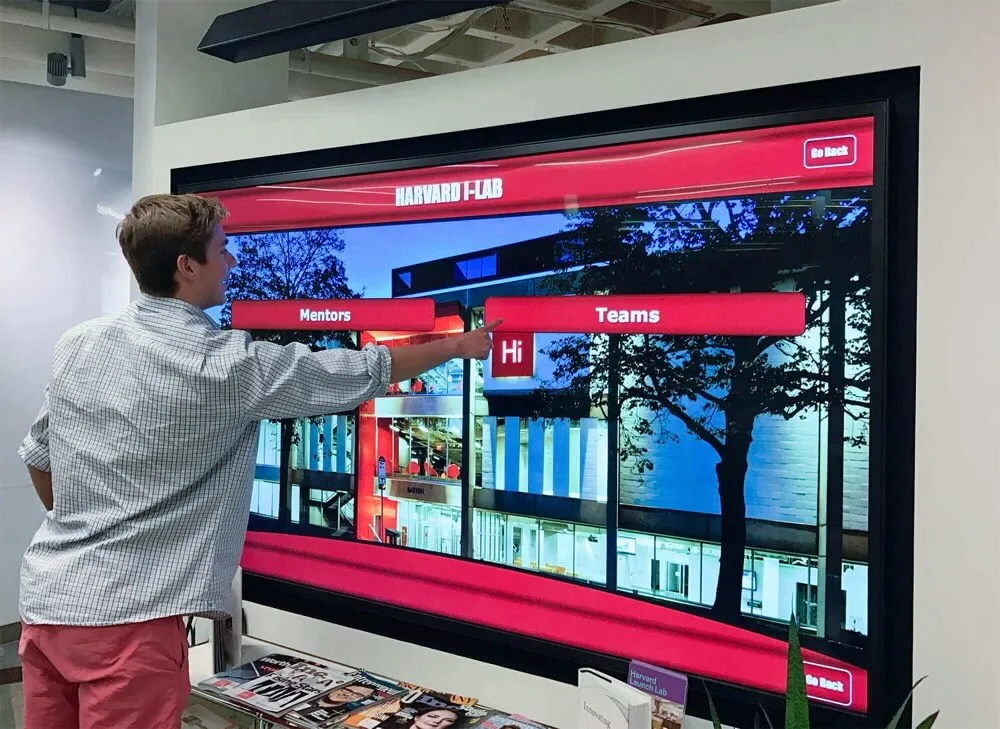
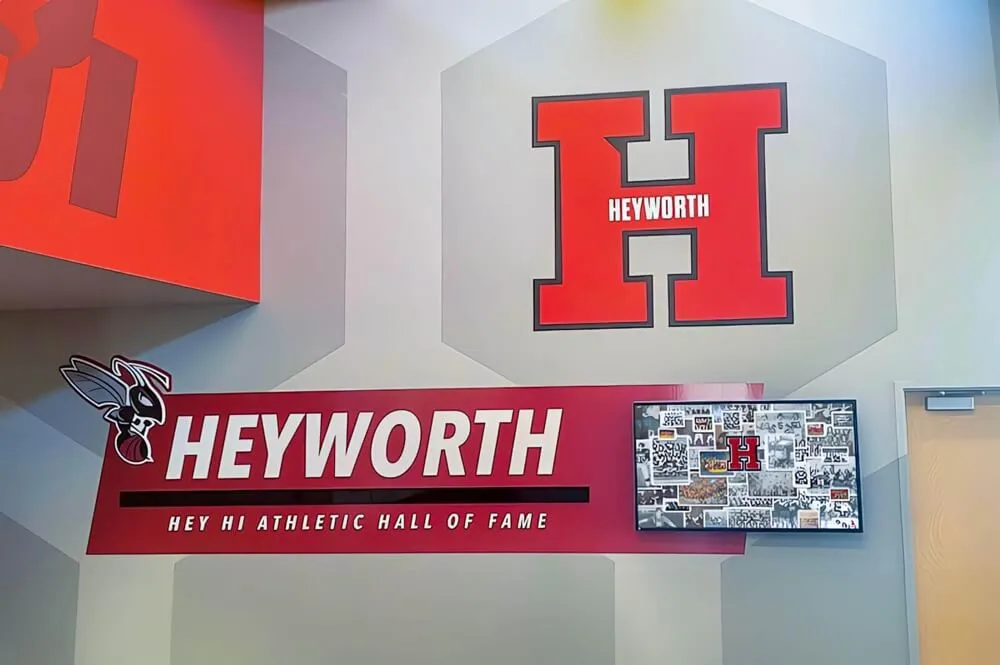
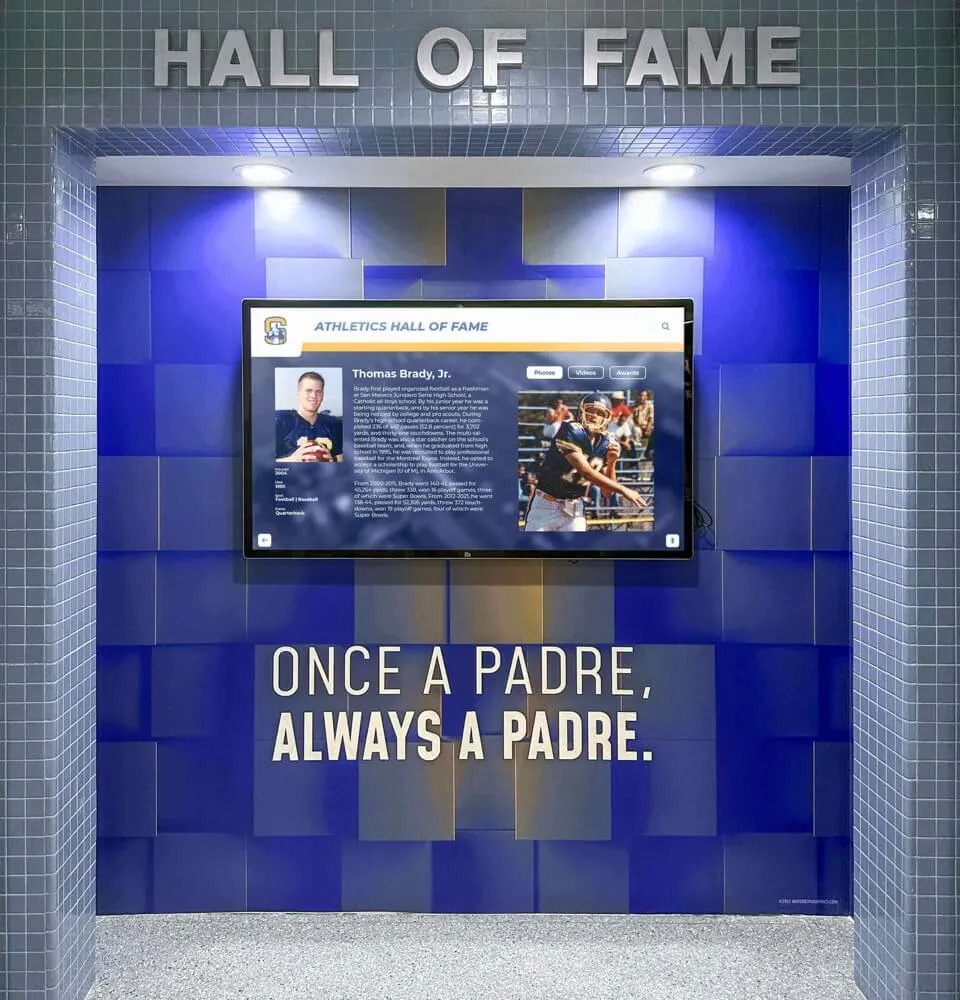
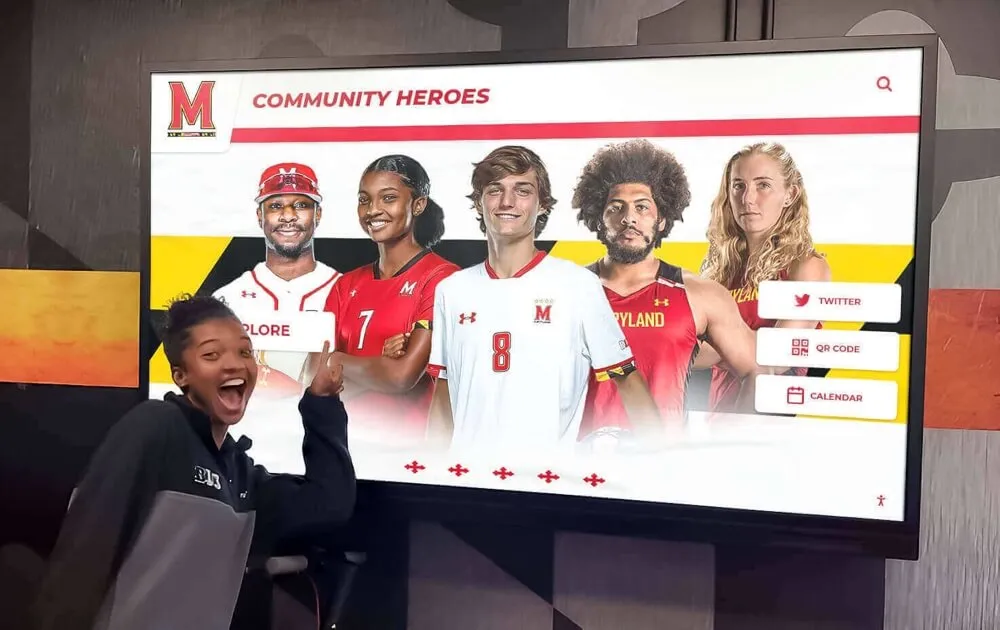
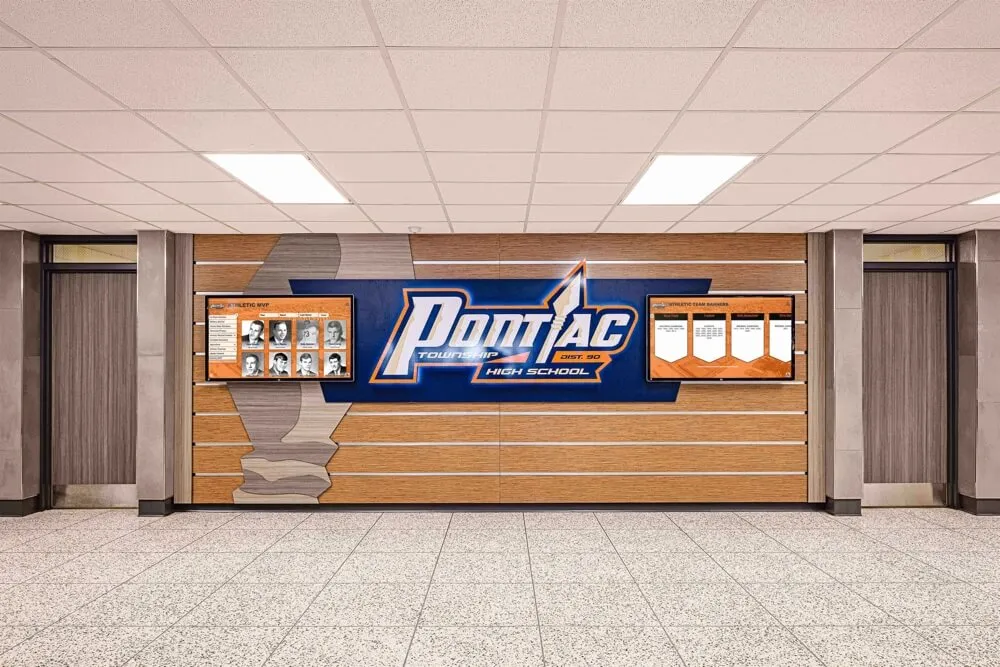
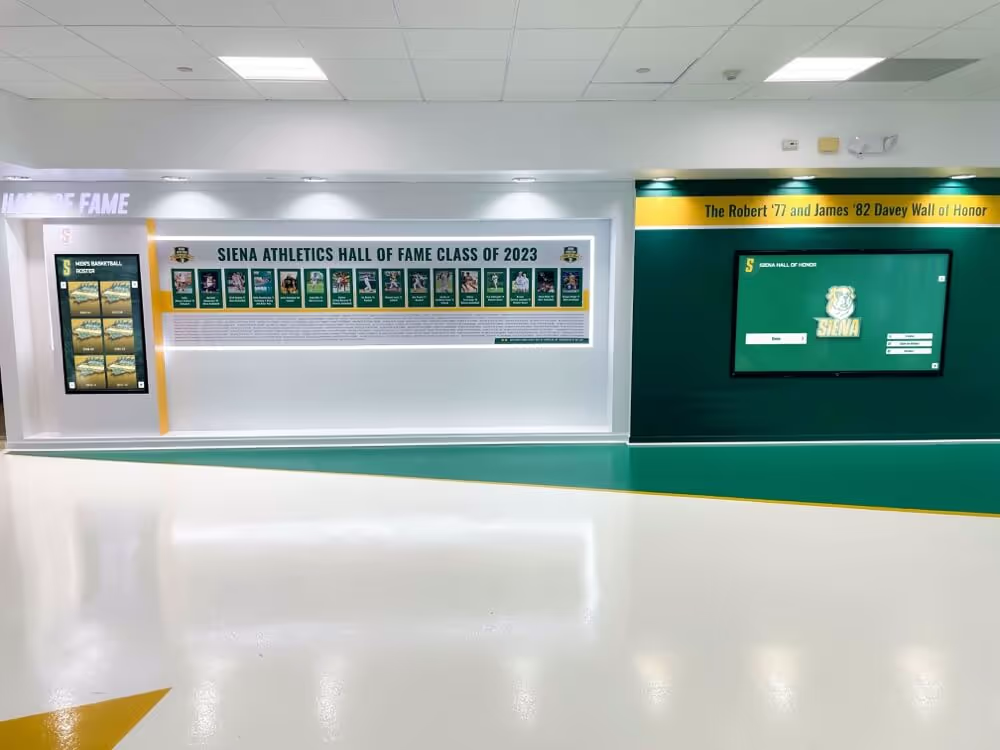
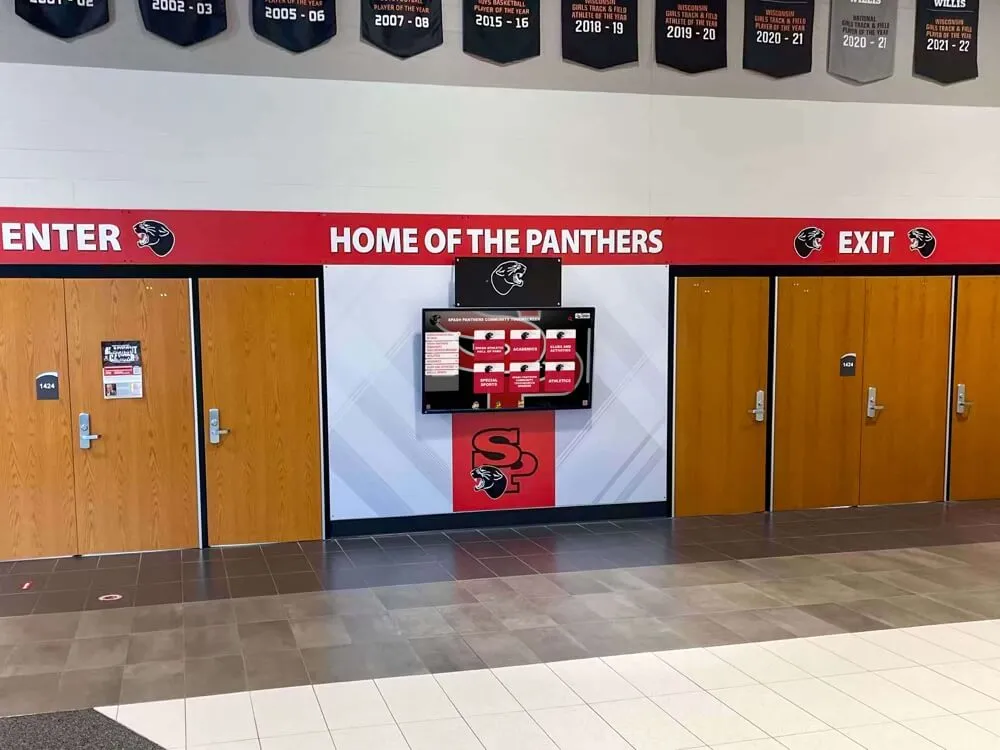
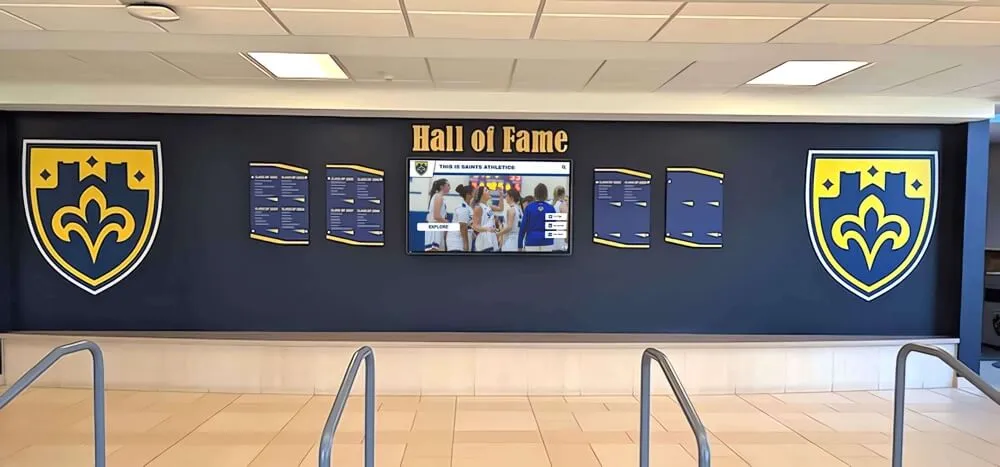
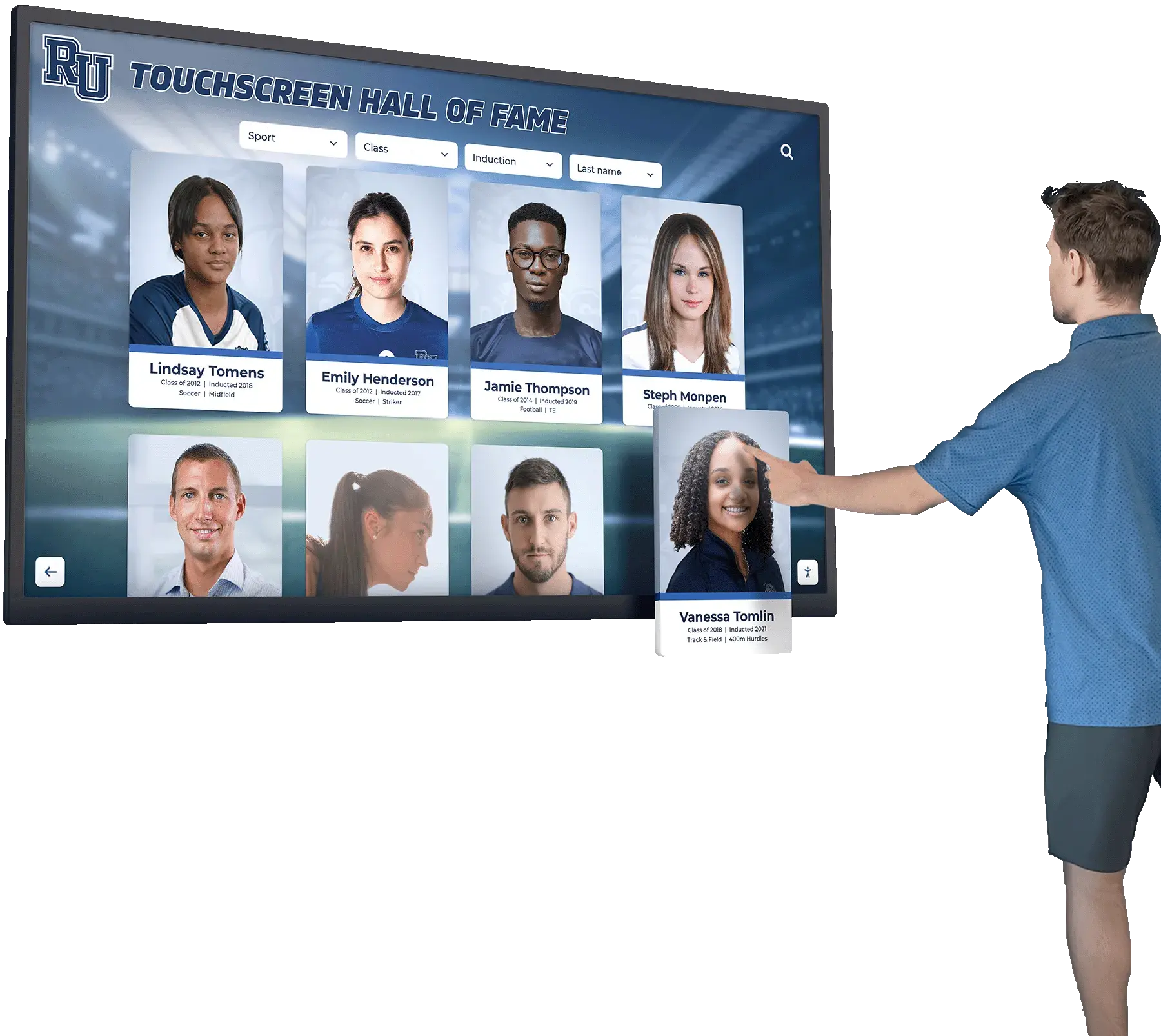
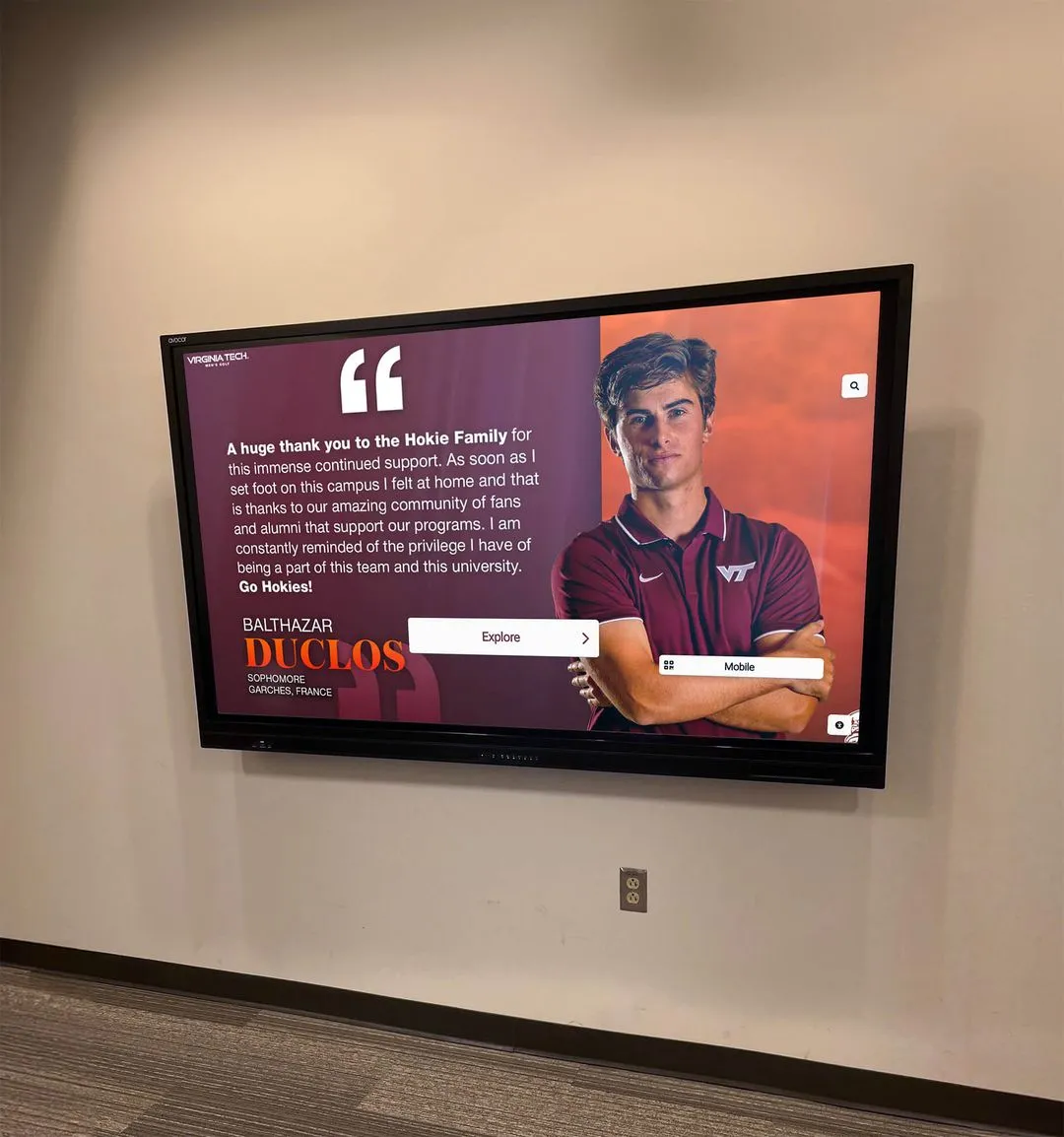
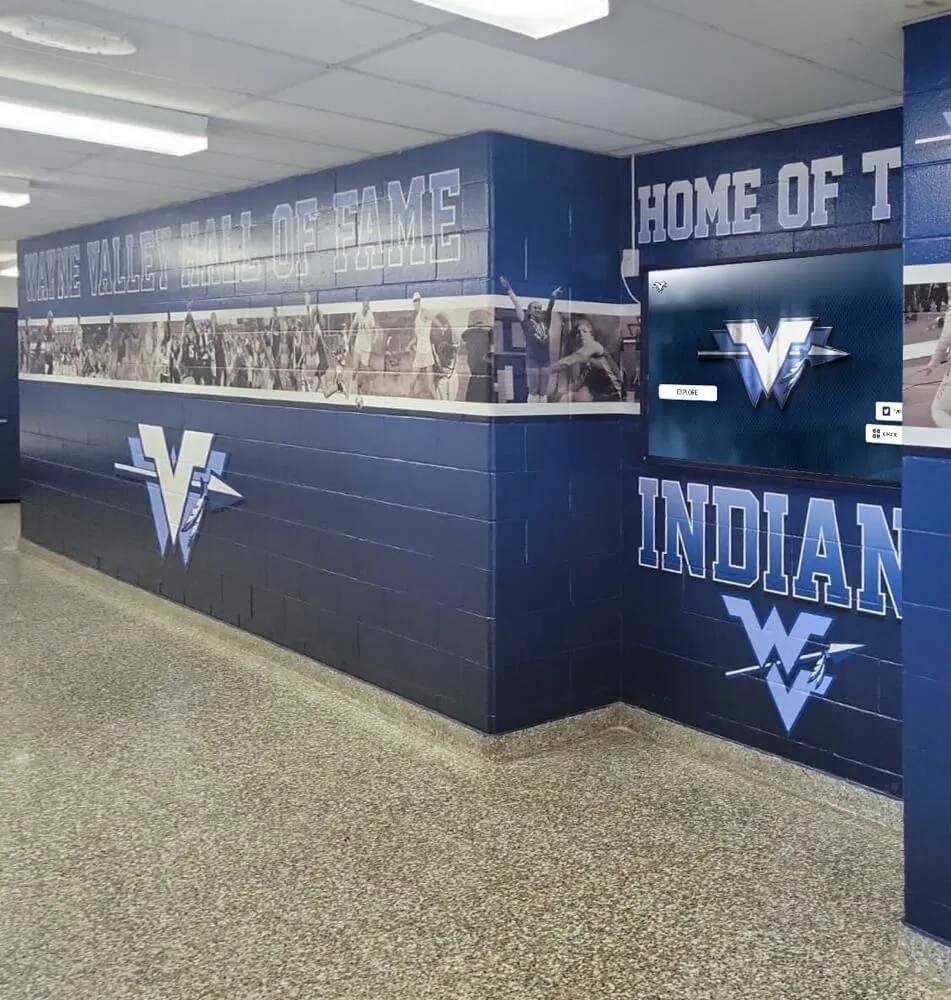
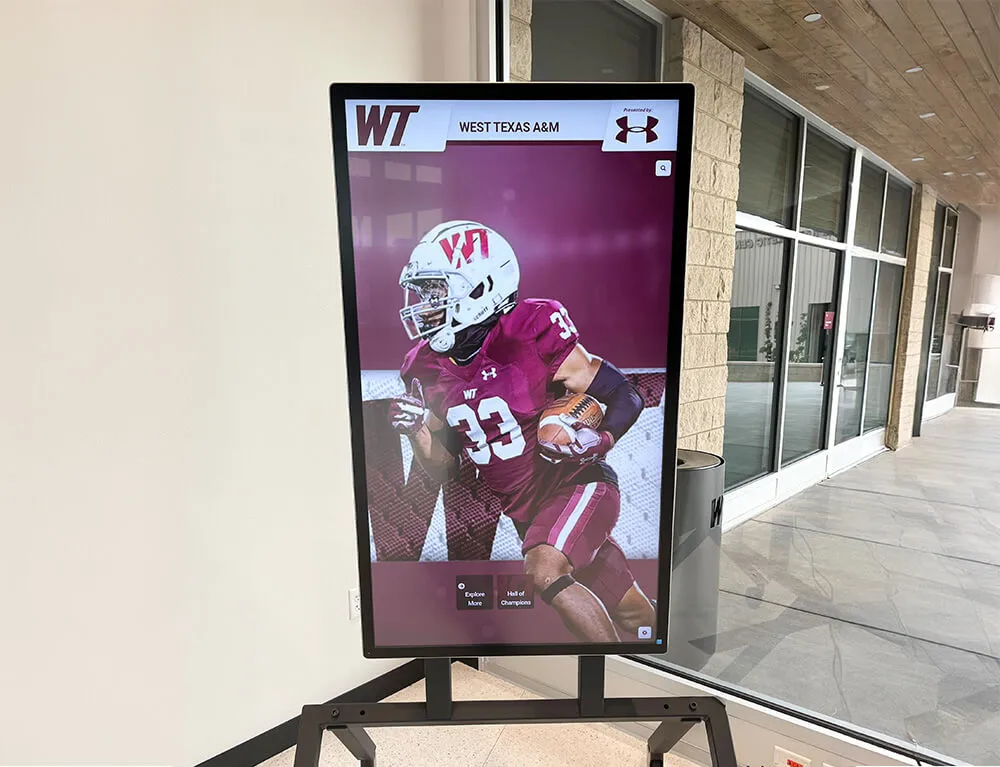
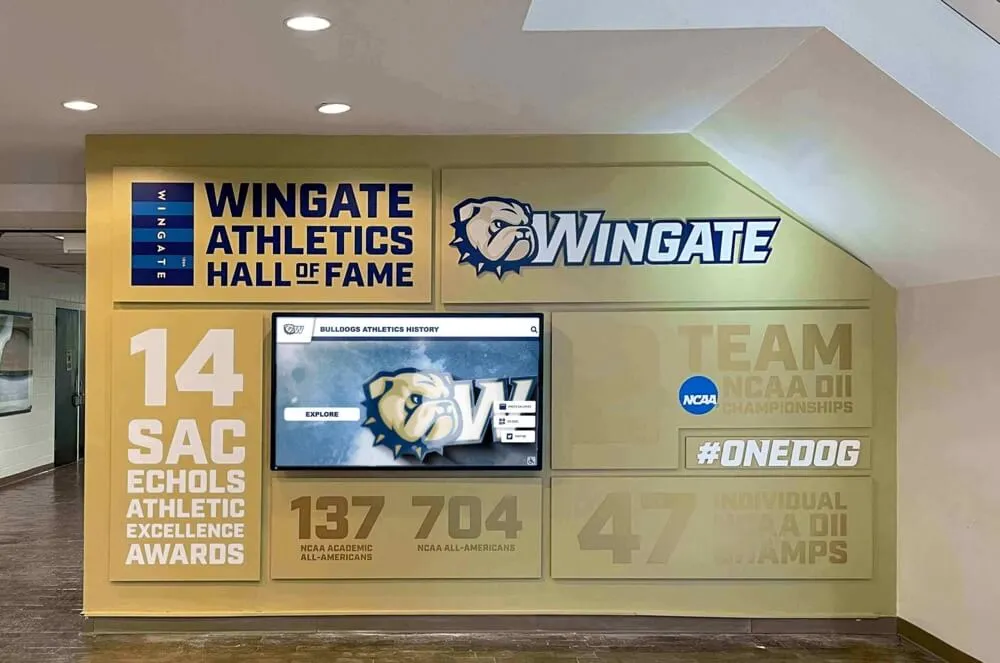
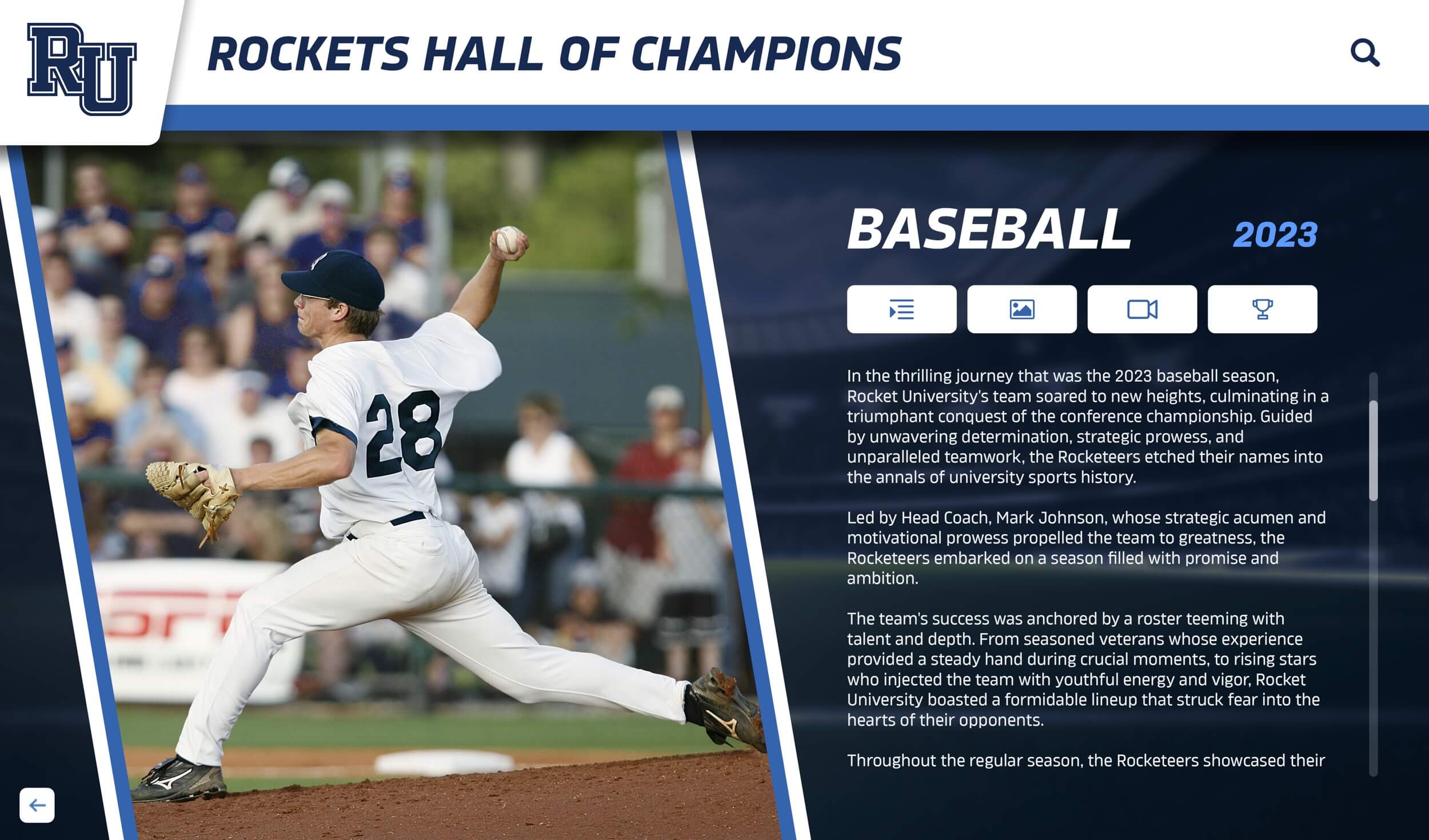
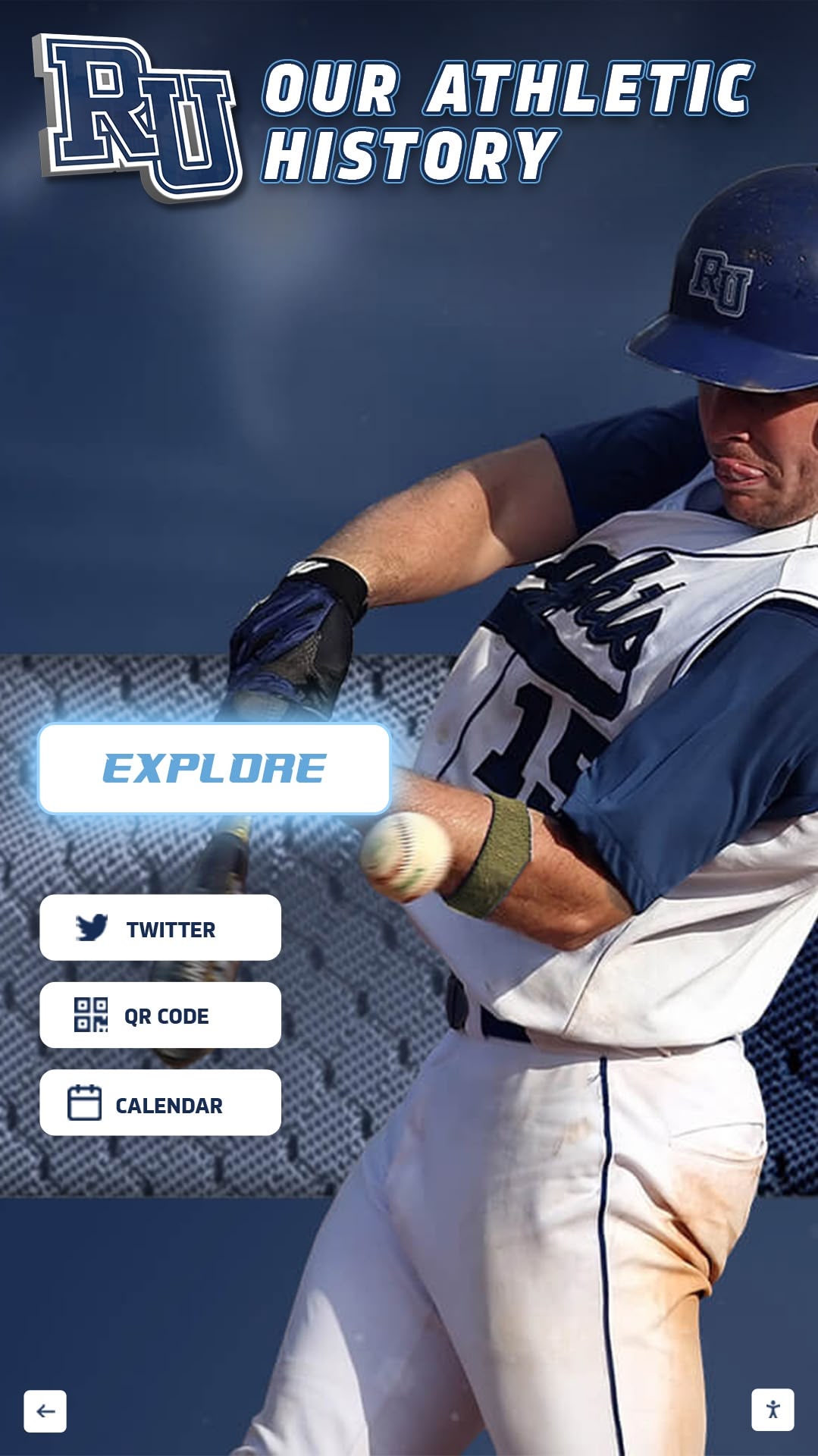
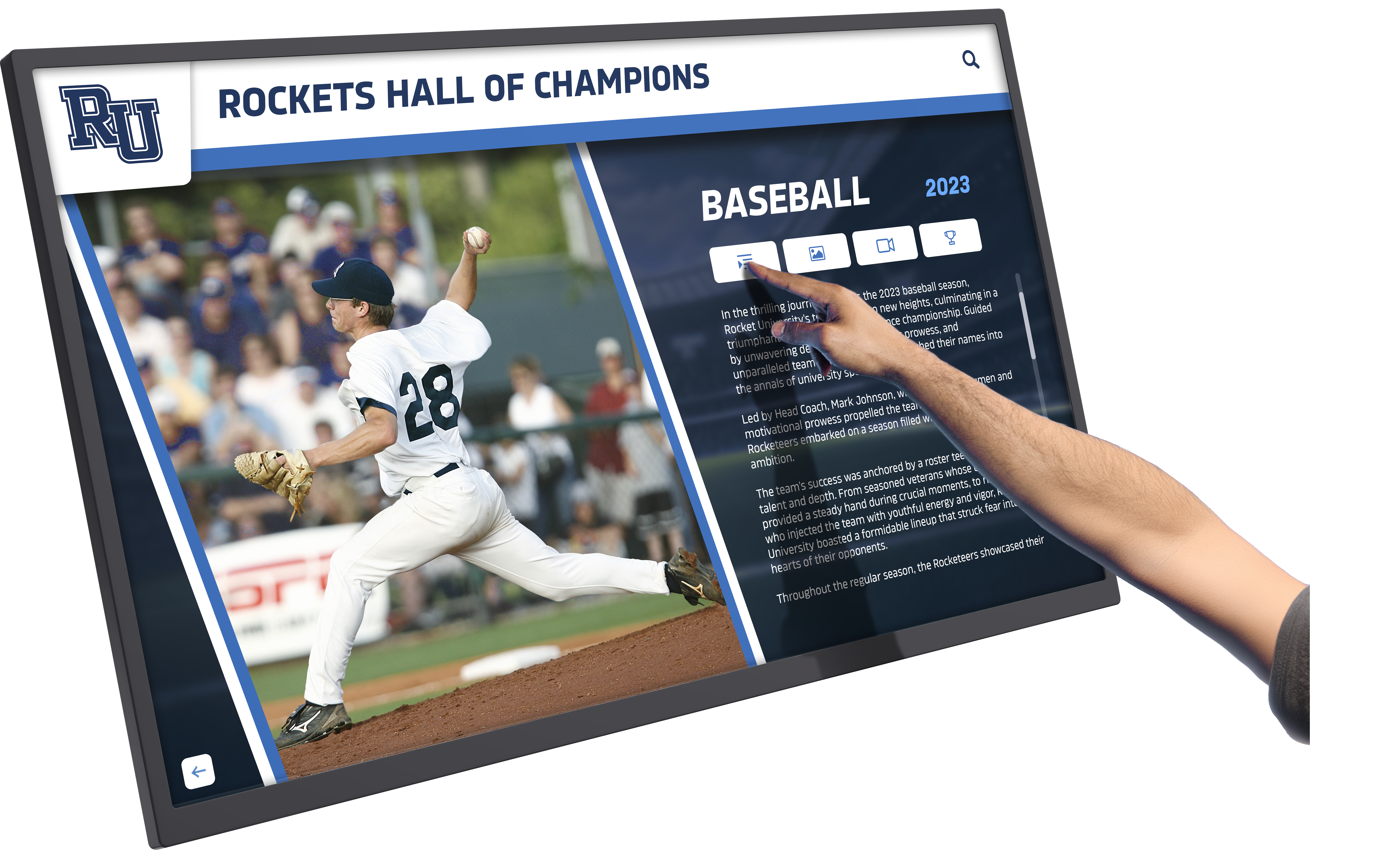
Baseball programs seeking comprehensive recognition systems that celebrate signed jerseys alongside complete team history increasingly turn to digital platforms extending beyond static display limitations. Rocket Alumni Solutions provides athletic programs with interactive digital recognition systems showcasing signed jerseys, championship rosters, statistical leaders, and season-by-season achievements in engaging formats accessible to players, families, alumni, and visitors—creating living tributes to program excellence that evolve with each season while preserving decades of baseball tradition.
Why Schools Display Signed Baseball Jerseys
Signed baseball jerseys represent tangible connections to defining program moments, exceptional individual performances, and athletes whose achievements merit permanent recognition beyond season-ending awards ceremonies.
Types of Jerseys Worth Displaying
Not every game-worn jersey merits permanent display space. Schools typically reserve display recognition for jerseys with significant historical, athletic, or sentimental value distinguishing them from standard team uniforms.
Championship Game Jerseys: Jerseys worn during state championship victories, conference tournament finals, or playoff games where exceptional performances secured program-defining victories carry inherent historical value. These jerseys document specific moments when individual excellence aligned with team success creating memories celebrated for generations.
Record-Breaking Performance Jerseys: Jerseys worn when players achieved remarkable statistical milestones—throwing no-hitters, hitting for the cycle, recording 1000th career strikeouts, or setting single-game home run records—commemorate performances distinguishing individuals within program history. These artifacts provide tangible proof of achievements that roster listings and record books alone cannot convey.
Senior Class Legacy Jerseys: Some programs display jerseys from entire senior classes, particularly when those groups achieved unprecedented success, established new competitive standards, or represented turning points in program development. These collective displays celebrate team cohesion and shared achievement rather than individual statistical dominance.
Alumni Who Advanced to Higher Levels: Jerseys from players who competed in NCAA Division I baseball, signed professional contracts, or achieved notable post-high-school success validate program quality while inspiring current players to pursue similar advancement pathways. These displays communicate that program participation can lead to opportunities extending beyond high school competition.
Memorial and Tribute Jerseys: Schools sometimes display jerseys honoring deceased players, coaches, or community members whose connections to baseball programs warrant permanent remembrance. These memorial displays serve dual purposes celebrating individuals’ contributions while preserving their memory within program culture.
Understanding what merits display helps programs make consistent decisions as they accumulate additional recognition-worthy jerseys across decades. Programs celebrating comprehensive athletic achievement often reference similar approaches used in baseball hall of fame recognition systems establishing proven standards for honoring excellence.
Display Benefits Beyond Recognition
Jersey displays provide multiple program benefits extending beyond honoring individual players.
Recruiting Appeal: Prospective players visiting campuses notice displayed jerseys communicating program prestige, competitive history, and recognition culture. These visual indicators help recruiting presentations by demonstrating that exceptional performance receives permanent acknowledgment rather than temporary celebration lasting only through season-ending banquets.
Alumni Connection: Former players visiting schools appreciate seeing their jerseys or teammates’ jerseys displayed prominently, strengthening emotional connections to programs and increasing likelihood of ongoing support through donations, volunteering, or mentoring current players. These displays create conversation starters during alumni events and reunions facilitating connections between generation of program participants.
Program Culture Development: Current players seeing displayed jerseys from championship teams or record-setting performers understand concrete examples of excellence standards and achievement levels required for permanent recognition. These displays answer the question “what does success look like here?” more effectively than verbal descriptions of program expectations.
Community Identity: In communities where baseball represents significant cultural touchstones, displayed jerseys in school lobbies or athletic facilities communicate institutional values celebrating athletic achievement. These public displays strengthen community pride while demonstrating school commitment to preserving and honoring program heritage.
Fundraising Opportunities: Jersey display dedications create specific, tangible projects that booster clubs and alumni groups can fund. Donors respond more favorably to requests supporting defined recognition initiatives compared to general athletic budget appeals lacking clear deliverables.
Schools developing comprehensive athletic recognition often discover that systematic approaches benefit all sports programs. Resources about high school walls of fame provide frameworks applicable across athletic departments establishing consistent recognition standards.
Traditional Baseball Jersey Display Case Options
Physical display cases represent the most familiar recognition solution, offering several design configurations balancing protection, presentation quality, and budget constraints.
Wall-Mounted Individual Display Cases
Single-jersey wall cases create dedicated spaces highlighting specific jerseys and allowing flexible placement across school facilities.
Standard Specifications: Quality wall-mounted jersey cases typically include:
- UV-protective acrylic fronts preventing color fading from sunlight exposure
- Backing material in school colors or neutral black enhancing jersey visibility
- Interior depth of 2-4 inches accommodating folded or mounted jersey presentation
- Integrated or optional interior LED lighting emphasizing display prominence
- Secure mounting hardware for permanent wall attachment
- Optional engraved nameplates identifying players, achievements, and dates
Presentation Methods: Jerseys can be displayed folded showing numbers and names, hung on interior hangers creating three-dimensional depth, or mounted flat displaying complete jersey design including sleeve patches and sponsor logos. Folded presentations maximize limited wall space particularly when displaying multiple jerseys in proximity, while hung jerseys create more dramatic presentations appropriate for focal point locations.
Size Requirements: Youth and high school baseball jerseys typically require smaller cases than adult sizes. Standard single-jersey cases measure approximately 24" x 30" for youth sizes, while 30" x 38" cases accommodate adult jerseys with additional space for descriptive plaques or accompanying photographs.
Cost Considerations: Quality wall-mounted cases range from $150-500 depending on materials, size, and features. Programs planning to display multiple jerseys face cumulative costs potentially reaching thousands of dollars as recognition programs expand over time.
Installation Challenges: Proper installation requires locating wall studs for secure mounting, particularly for heavier hardwood or metal-framed cases weighing 15-30 pounds when jerseys are installed. Drywall anchors alone often prove insufficient for long-term security in high-traffic areas where accidental contact might occur.
Floor-Standing Cabinet Display Cases
Larger cabinet systems accommodate multiple jerseys while creating impressive focal points in school lobbies, athletic wings, or dedicated hall of fame spaces.
Configuration Options: Cabinet cases range from simple glass-front designs displaying 3-6 jerseys to elaborate custom installations incorporating school colors, team logos, championship trophies, and integrated lighting creating gallery-quality presentations.
Material Choices: Traditional hardwood construction provides classic aesthetics matching school architecture, while contemporary metal and glass designs create modern appearances complementing renovated facilities. Custom cabinetry can integrate engraved glass panels, built-in trophy shelving, and architectural details coordinating with surrounding spaces.
Accessibility Features: Cabinet displays require regular maintenance access for cleaning, adding newly recognized jerseys, and replacing interior lighting. Lockable doors protect displayed memorabilia while allowing controlled access for updates and preservation maintenance.
Space Requirements: Floor-standing cabinets require 3-8 feet of dedicated floor space plus clearance for door opening and visitor viewing. These space demands make cabinets most suitable for lobbies, athletic hallways, or designated recognition areas rather than narrow corridors or multipurpose spaces.
Investment Range: Quality floor-standing display cabinets cost $2,000-12,000 depending on size, materials, and customization. Architecturally integrated installations featuring climate control, sophisticated lighting, and custom millwork can exceed $20,000-50,000 for comprehensive systems.
Programs seeking to coordinate jersey displays with other athletic recognition often reference proven approaches. Understanding large trophy case design strategies helps create cohesive recognition systems celebrating multiple achievement categories.
Shadow Box and Custom Frame Options
Shadow box frames provide affordable alternatives to manufactured display cases while allowing greater customization for specific jerseys and achievement stories.
Customization Advantages: Shadow boxes enable incorporating additional memorabilia alongside jerseys including:
- Game balls from no-hitters or championship victories
- Photographs from significant games or ceremonies
- Newspaper clippings documenting achievements
- Awards, medals, or all-conference certificates
- Lineup cards or scorebooks from historic games
- Autographed baseballs or equipment from professional players who once wore displayed jerseys
DIY Possibilities: Schools with woodworking programs or skilled maintenance staff can construct custom shadow boxes at reduced costs compared to purchasing manufactured cases. Student involvement in building display cases creates additional connections between current participants and honored alumni.
Design Flexibility: Shadow boxes accommodate irregular jersey arrangements, creative layouts incorporating multiple memorabilia items, and unique presentations impossible in standardized manufactured cases. This flexibility particularly benefits memorial displays or presentations telling complex achievement stories.
Cost Benefits: Custom shadow boxes constructed using quality materials typically cost $75-200 in materials, while professional framing shops charge $200-500 for similar work. These costs represent significant savings compared to manufactured cases while often producing more personalized presentations.
Durability Concerns: Shadow boxes using standard picture framing materials may not provide equivalent UV protection or structural security compared to manufactured cases specifically designed for textile preservation. Programs should ensure shadow boxes include UV-protective glazing and secure mounting appropriate for displayed jersey value.
Jersey Preservation Best Practices
Properly preserving signed baseball jerseys ensures these irreplaceable artifacts maintain their condition across decades, preventing deterioration that diminishes historical and sentimental value.
Cleaning and Preparation
Game-worn jerseys require appropriate cleaning before permanent display to prevent long-term damage from sweat, dirt, and organic materials.
Professional Textile Cleaning: Valuable signed jerseys should be cleaned by textile conservators or specialized dry cleaners experienced with sports memorabilia. Standard home washing may damage embroidered numbers, tackle twill lettering, or autograph signatures requiring gentle treatment.
Stain Assessment: Baseball jerseys typically accumulate:
- Grass and clay stains from sliding
- Sweat staining around collars and underarms
- Equipment marks from batting helmets or catcher’s gear
- Pine tar or batting glove residue on sleeves
- Dirt and dust from field conditions
Some programs prefer maintaining these authentic wear marks documenting actual game use, while others prioritize pristine presentation removing visible staining. This decision should be made before cleaning since aggressive stain removal proves irreversible.
Signature Preservation: Jerseys autographed in permanent marker generally tolerate gentle cleaning, but programs should test cleaning methods on small inconspicuous areas before treating entire jerseys. Some signatures may require protective coating preventing smudging or fading during handling and display.
Drying Requirements: Cleaned jerseys must be thoroughly air-dried flat before display mounting. Hanging wet jerseys on hangers creates shoulder distortion, while machine drying causes shrinkage potentially affecting display presentation.
Environmental Control Factors
Controlling display environment prevents common deterioration causes including fading, fabric breakdown, and pest damage.
UV Light Protection: Ultraviolet radiation causes significant fading particularly in red, blue, and gold fabrics common in baseball uniforms. UV-protective glazing blocks 99% of harmful rays while maintaining visibility. Schools should position jersey displays away from direct sunlight or install UV-filtering window films in locations with significant natural light exposure.
Temperature and Humidity Management: Ideal textile preservation maintains 65-70°F with 40-50% relative humidity. Excessive humidity promotes mold growth and fabric deterioration, while extremely dry conditions make materials brittle. Schools lacking consistent climate control should use sealed display cases with silica gel packets managing internal humidity.
Air Quality Considerations: Dust, airborne pollutants, and chemical vapors from cleaning products gradually damage textile fibers. Sealed cases provide essential protection in environments where air quality control proves difficult, particularly in older facilities or schools near industrial areas.
Pest Prevention: Moths, carpet beetles, and other fabric-damaging insects can destroy wool or cotton jersey materials if they access unsealed displays. Regular inspection and sealed display cases prevent infestations that can irreversibly damage displayed jerseys.
Proper Mounting Techniques
How jerseys attach to display backing affects both presentation quality and long-term preservation.
Museum-Quality Mounting: Professional mounting uses:
- Acid-free foam boards preventing chemical deterioration
- Stainless steel pins placed through seams rather than fabric
- Sewn supports distributing jersey weight evenly
- Archival thread matching jersey colors when sewing attachment points
- Reversible techniques allowing future removal without damage
Avoiding Damaging Methods: Programs should never use:
- Standard pins that corrode and stain fabric
- Adhesives or tapes contacting jersey material
- Mounting creating stress points where fabric tears
- Staples or tacks penetrating jersey material
- Wire hangers causing shoulder deformation
Folding vs. Hanging Decisions: Folded jerseys require fewer mounting points and minimize fabric stress from gravity, while hung presentations create more impressive three-dimensional displays but require careful weight distribution preventing distortion.
Professional vs. DIY Mounting: While professional mounting costs $50-150 per jersey, the expertise ensures appropriate preservation techniques protecting significant memorabilia. Programs should consider professional mounting for most valuable jerseys while potentially handling less significant items internally using researched archival methods.
Schools establishing comprehensive preservation standards benefit from understanding broader athletic recognition approaches. Insights about digital hall of fame systems reveal how modern platforms eliminate many preservation challenges associated with physical artifact displays.
Modern Digital Recognition Alternatives
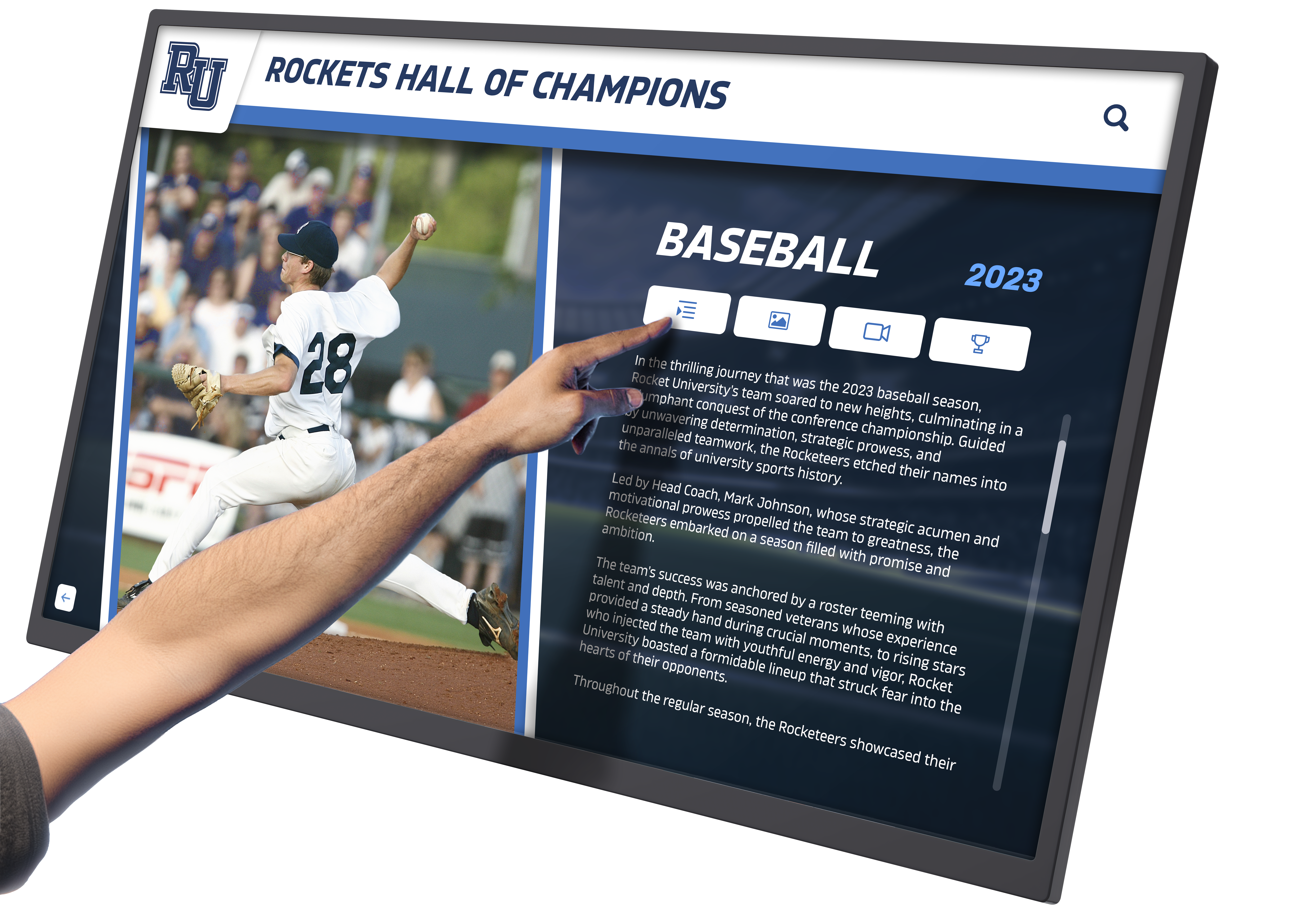
Digital platforms create jersey recognition without physical display requirements while offering significant advantages in storytelling capabilities, cost efficiency, and long-term flexibility.
Advantages of Digital Jersey Recognition
Digital systems transform jersey recognition from static displays into dynamic, information-rich presentations connecting current players and visitors to program history more effectively than physical cases alone.
Comprehensive Storytelling: Digital platforms showcase not just jersey images but complete context including:
- Detailed player biographies and career statistics
- Video highlights from significant games
- Championship team rosters and season records
- Newspaper articles and media coverage from achievement years
- Photographs showing players wearing displayed jerseys during competition
- Audio interviews with honored players or coaches describing memorable moments
This contextual information creates meaningful engagement impossible with physical jerseys displayed in cases with simple nameplates.
Unlimited Capacity: Physical display space ultimately constrains traditional recognition programs, forcing difficult decisions about which jerseys receive prominent placement as collections grow. Digital systems accommodate unlimited additions—tens or hundreds of jerseys—without additional display costs or space requirements.
Easy Updates and Maintenance: Adding newly recognized jerseys requires simple content updates rather than purchasing cases, coordinating installation, or reorganizing existing displays. Corrections to player information, updated statistics, or enhanced multimedia content incorporate seamlessly without physical modifications.
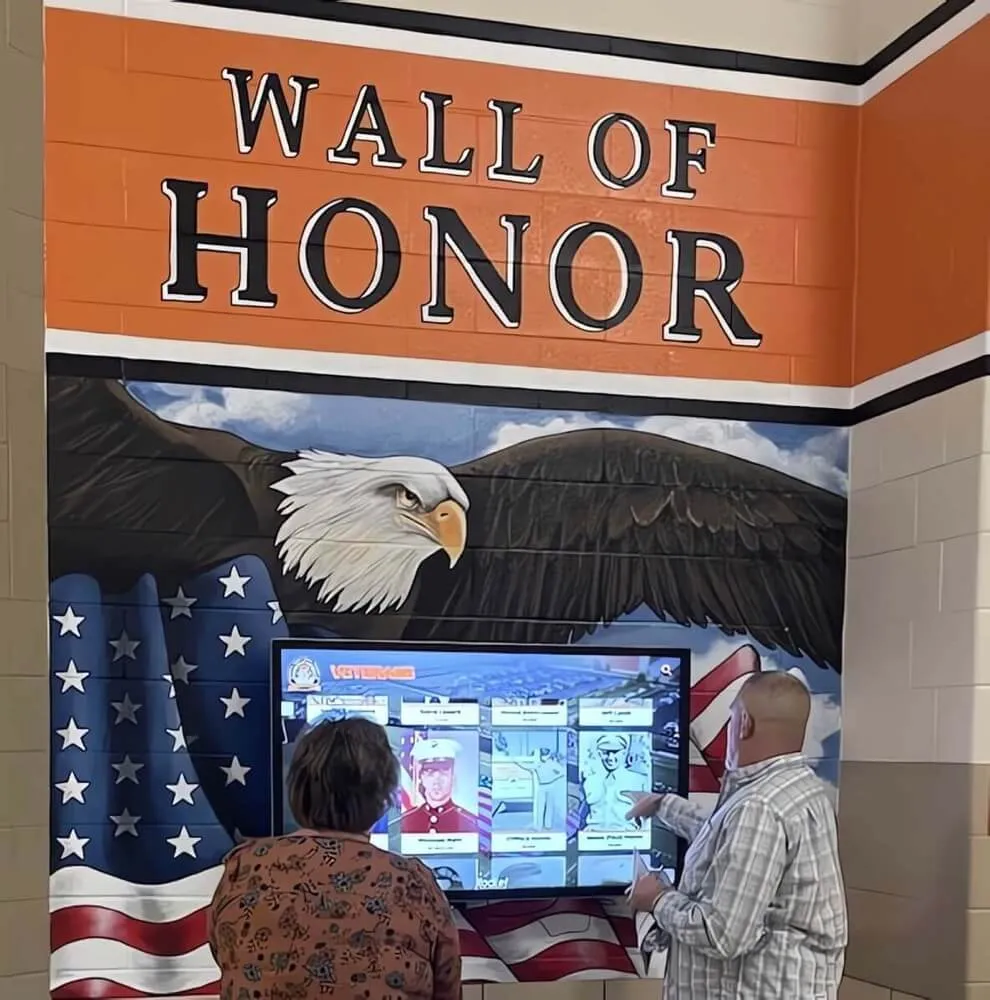
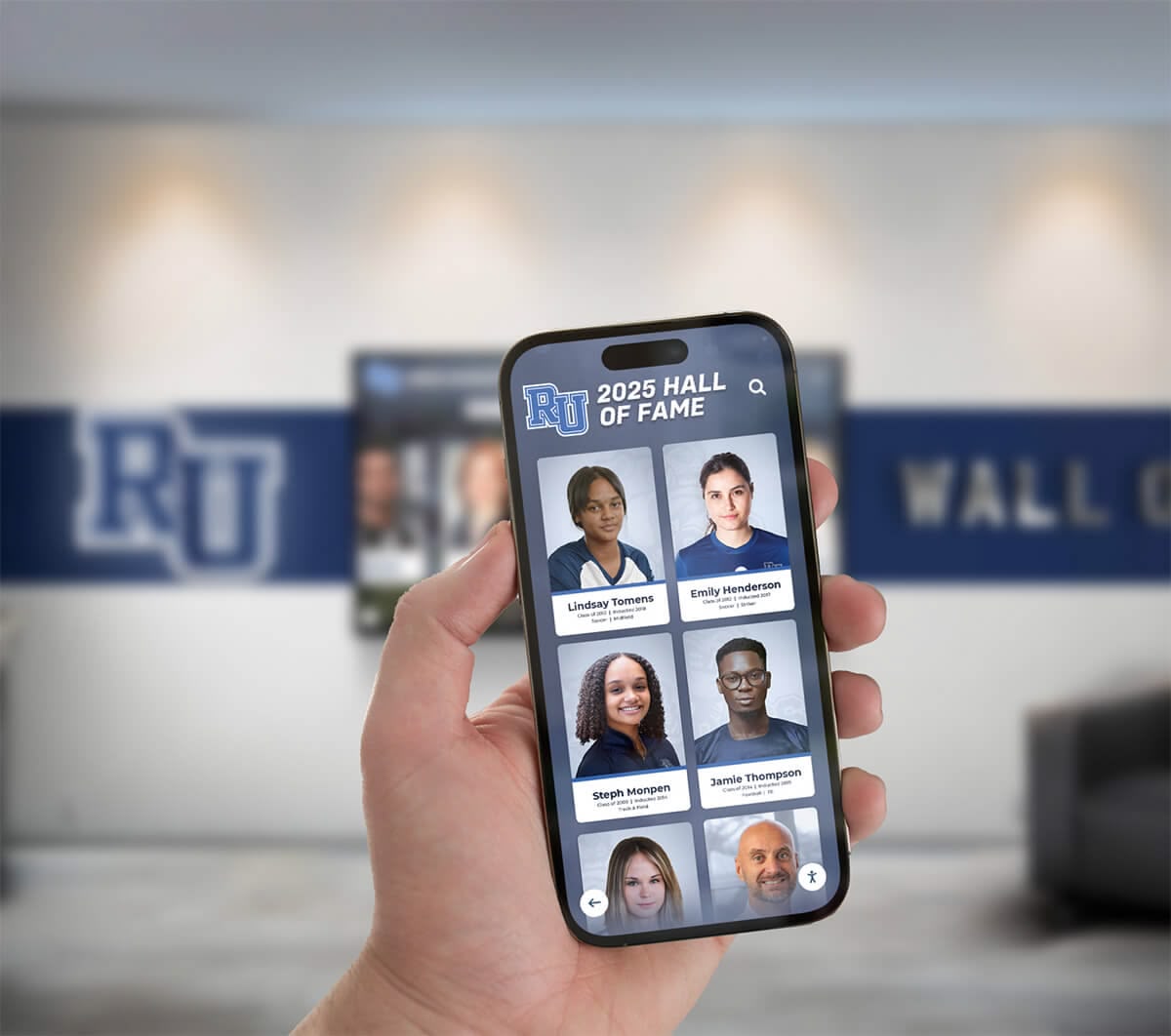
Interactive Exploration: Touchscreen displays enable visitors to search by player name, year, position, achievement type, or championship team. This personalized exploration creates deeper engagement than passive viewing of chronologically or alphabetically arranged physical displays, particularly for younger visitors accustomed to digital information access.
Cost Efficiency Over Time: While digital installations involve upfront investment, they eliminate ongoing costs for additional cases as programs recognize more jerseys. Break-even analysis typically shows digital systems achieve cost parity with traditional approaches after displaying 10-20 jerseys, after which digital platforms provide substantial cost advantages.
Accessibility Benefits: Digital systems allow multiple simultaneous viewers exploring different content, accommodate various accessibility needs including adjustable text sizes and audio descriptions, and can be accessed remotely through web-based companion platforms extending recognition beyond physical facility visitors.
Programs implementing comprehensive digital approaches often reference proven systems. Understanding leading hall of fame tools helps schools identify solutions matching their specific recognition needs and technical requirements.
Hybrid Approaches Combining Physical and Digital
Progressive programs increasingly adopt hybrid systems leveraging both physical jersey displays and digital enhancement creating comprehensive recognition exceeding what either method achieves independently.
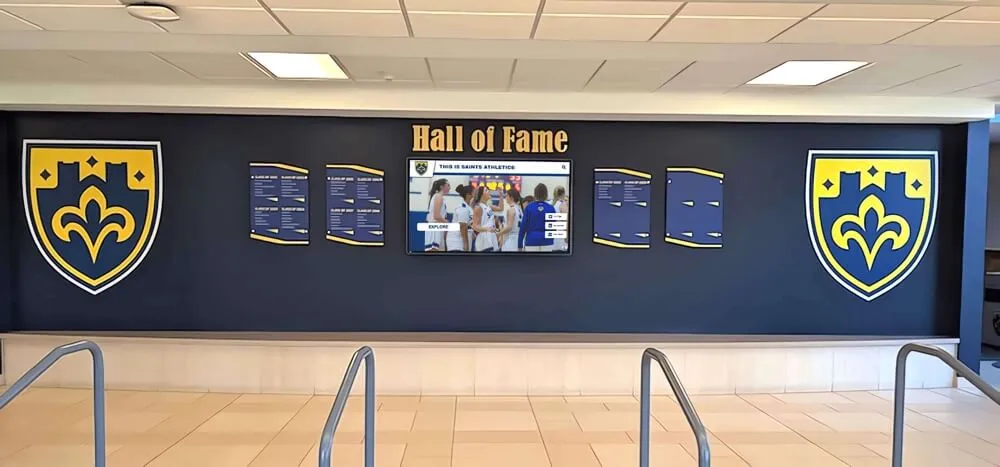
Featured Physical with Digital Archive: Schools might display 3-5 most recently recognized jerseys in premium cases while comprehensive digital systems provide access to complete program history including all honored jerseys, championship teams, and statistical records. This approach maintains visual impact of physical displays while addressing space limitations.
Rotating Physical Displays: Some programs display select jerseys on rotating schedules—perhaps featuring championship era jerseys during anniversary years or highlighting jerseys corresponding to current season milestones—while digital platforms provide permanent access regardless of which physical jerseys are currently displayed.
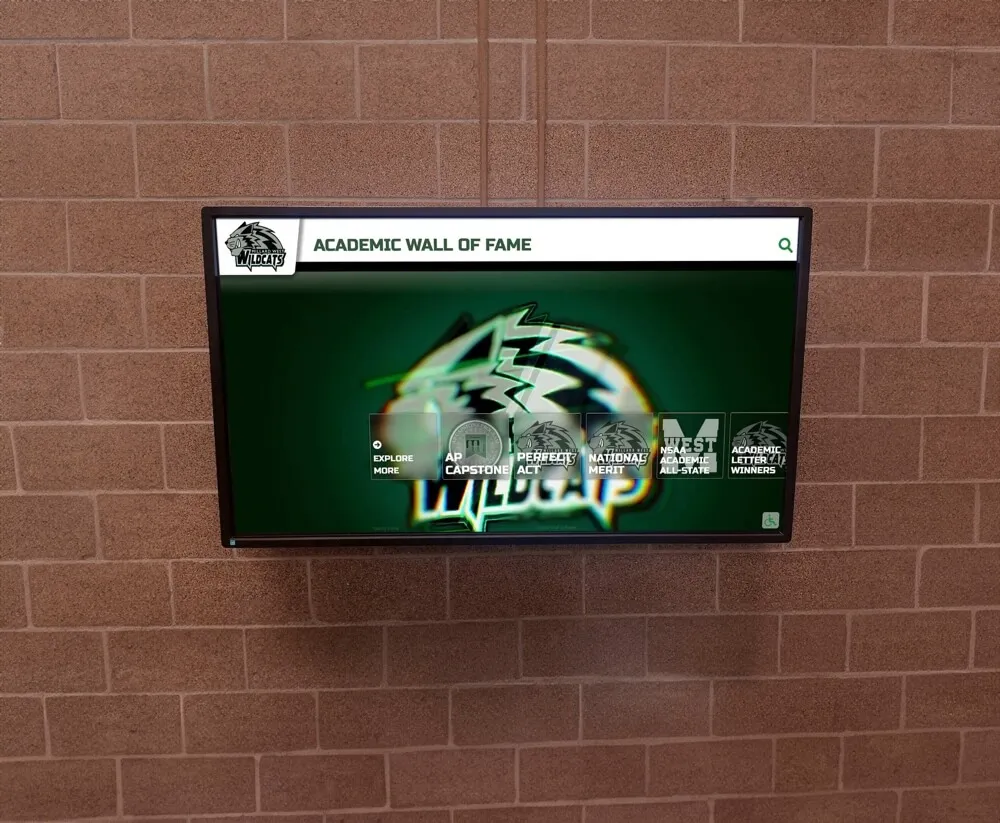
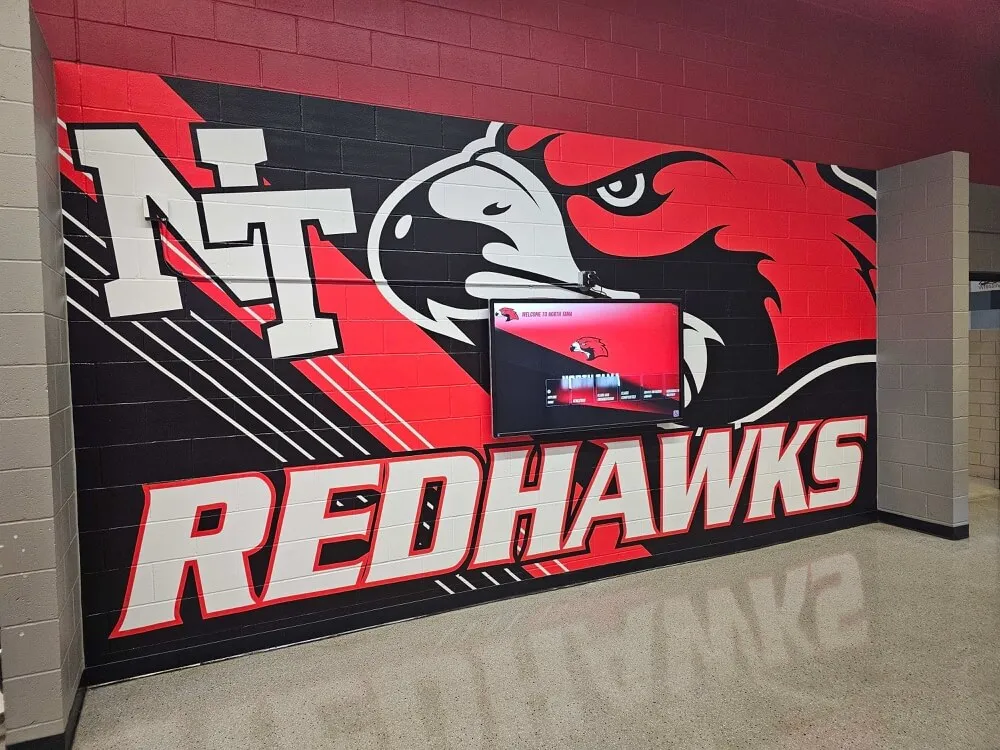
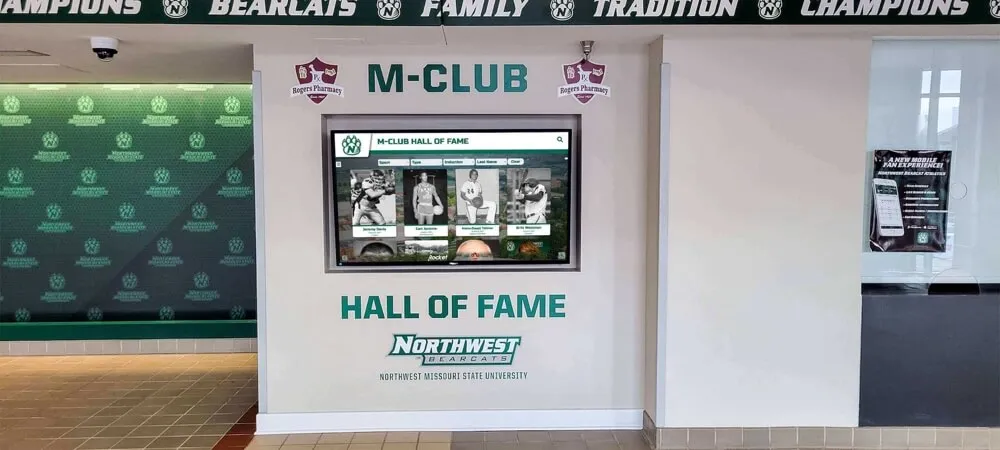
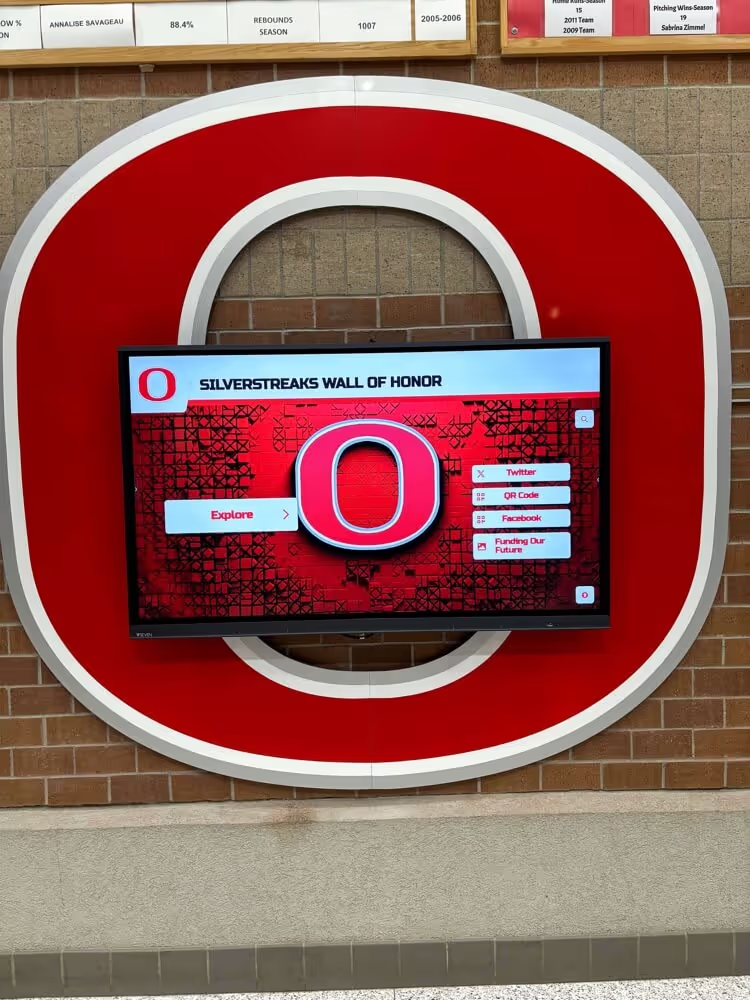
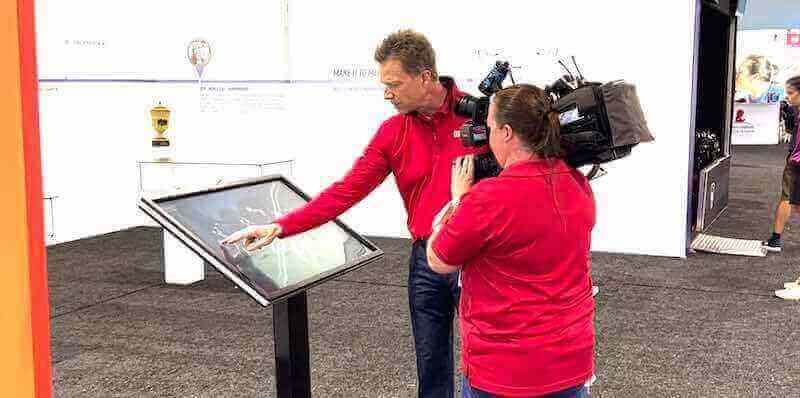
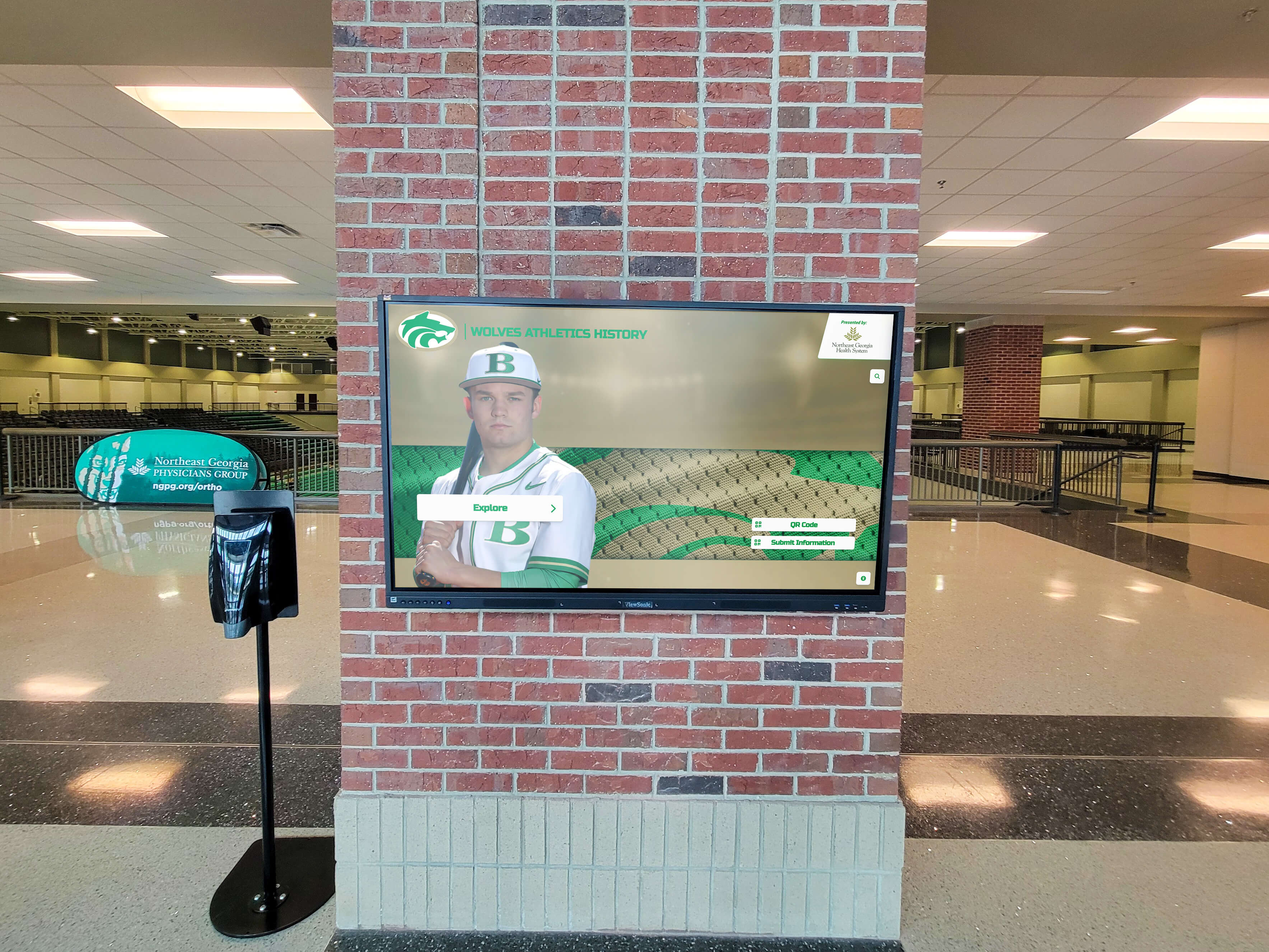
Physical Displays with Digital Enhancement: Touchscreen systems installed adjacent to jersey cases provide context impossible to include on physical nameplates. Visitors viewing physical jerseys can access detailed information, video content, and related program history through nearby digital displays creating enriched experiences.
QR Code Integration: Physical displays incorporating QR codes linking to digital content represent low-cost hybrid approaches. Visitors scan codes with smartphones accessing player biographies, career statistics, video highlights, and related information without requiring expensive touchscreen installations.
Space-Efficient Solutions: Hybrid approaches work particularly well in schools with limited physical display space. Displaying few select jerseys physically while providing digital access to comprehensive collections allows meaningful recognition without overwhelming available facilities.
Strategic Display Placement
Where schools position jersey displays significantly affects their visibility, impact on program culture, and role in facility atmosphere.
High-Traffic Visibility Locations
School Main Entrances: Displaying jerseys in main entrance lobbies ensures maximum visibility reaching students, staff, visitors, and community members daily. This placement communicates that athletic achievement represents important institutional values celebrated alongside academic and arts accomplishments.
Athletic Wing Hallways: Schools with dedicated athletic facilities can create concentrated recognition zones in hallways connecting gymnasiums, locker rooms, and athletic offices. These locations reach student-athletes across all sports while building broader athletic culture.
Gymnasium Lobbies: Positioning displays in gymnasium entrance areas ensures visibility during games, practices, and athletic events. These locations work particularly well for baseball recognition where many supporters attend basketball or volleyball games but might not regularly visit baseball facilities.
Baseball Facility Entrances: Displaying jerseys where players, families, and opponents enter baseball facilities creates immediate impressions of program prestige while establishing expectations for current team members seeing recognized excellence daily.
Commons and Cafeteria Areas: High-traffic social spaces provide opportunities for jersey displays reaching broader student populations beyond athletes. These placements work well for schools emphasizing athletic achievement as part of comprehensive school culture rather than separating athletics from academic life.
Creating Recognition Destinations
Rather than dispersing displays across multiple locations, some schools create dedicated hall of fame spaces consolidating jerseys, trophies, team photos, and program history into destinations worth visiting specifically to explore baseball legacy.
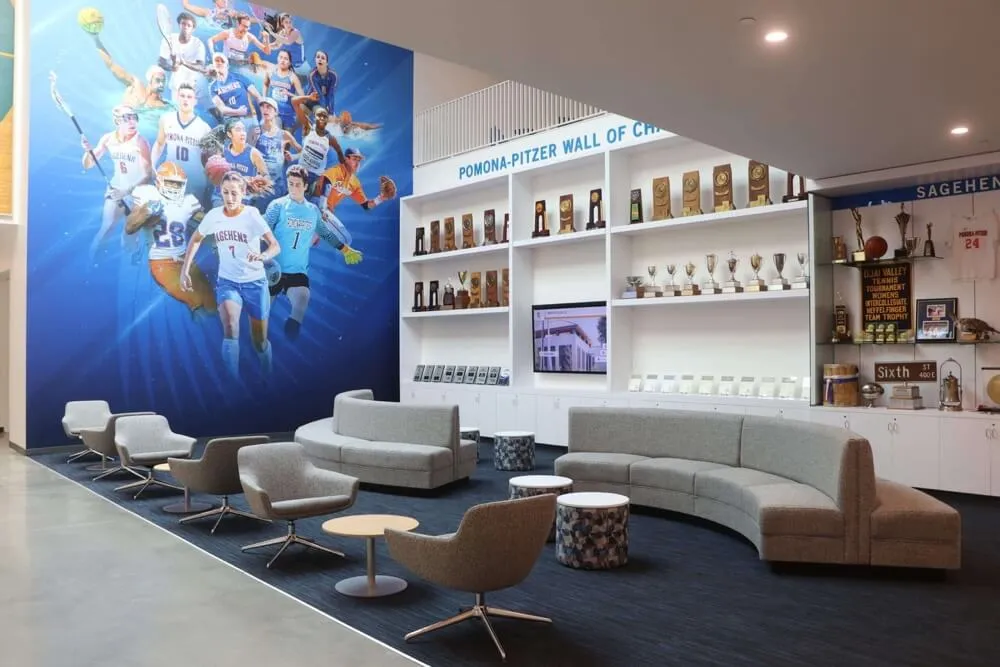
Dedicated Gallery Spaces: Converting underutilized areas into baseball recognition galleries creates destinations for alumni visits, recruiting presentations, and student orientation programs. These spaces can incorporate comfortable seating, historical timelines, and interactive elements encouraging extended engagement.
Integration with School History: Combining baseball recognition with broader institutional history shows how athletic achievements connect to school development, community evolution, and generational traditions. This integration particularly benefits schools celebrating significant anniversaries or centennial milestones.
Accessibility Compliance: Regardless of placement, displays must maintain ADA accessibility ensuring all community members can view jerseys and access information. Physical cases require positioning allowing clear wheelchair-user sightlines, while digital systems need appropriate height mounting and accessible interface design.
Lighting Considerations: Effective display lighting emphasizes jersey visibility without causing UV damage or creating glare interfering with viewing. Professional lighting design balances dramatic presentation with preservation requirements, particularly for valuable game-worn jerseys.
Schools developing facility-wide recognition systems benefit from understanding comprehensive planning approaches. Resources about modern recognition wall design provide insights applicable to athletic display planning and implementation.
Budget Planning and Funding Strategies
Creating meaningful jersey recognition requires financial planning addressing initial costs and ongoing maintenance while identifying funding sources beyond limited athletic budgets.
Cost Analysis: Traditional vs. Digital Systems
Traditional Display Investment:
- Individual wall cases: $150-500 per jersey
- Floor-standing cabinets: $2,000-12,000 for multi-jersey displays
- Shadow box frames: $75-500 per jersey depending on customization
- Professional mounting: $50-150 per jersey
- Ongoing costs: Additional cases for new honorees, maintenance, cleaning, potential replacement
For programs planning to display 20 jerseys over ten years, traditional approaches cost $8,000-15,000 minimum before considering ongoing maintenance and expansion costs.
Digital Recognition Investment:
- Basic touchscreen installation: $5,000-12,000
- Premium interactive system: $15,000-25,000
- Multi-display network: $30,000-75,000+
- Ongoing costs: Content updates (often included), occasional hardware maintenance, software licensing
Digital systems providing unlimited jersey capacity typically achieve cost parity with traditional displays after approximately 10-20 jersey additions, after which digital platforms provide substantial cost advantages.
Total Cost of Ownership: When evaluating options, programs should consider 10-15 year total costs including:
- Initial purchase and installation
- Ongoing maintenance and cleaning
- Expansion costs as additional jerseys merit recognition
- Energy costs for lighting
- Preservation materials and professional services
- Replacement of damaged or obsolete components
This long-term analysis typically reveals digital systems provide better value particularly for programs committed to sustained recognition programs spanning decades.
Funding Sources and Approaches
Booster Club Projects: Athletic booster organizations often fund recognition displays as permanent program investments. Jersey display projects work well as multi-year initiatives uniting supporters around tangible facility improvements celebrating achievements their fundraising enabled.
Alumni Contributions: Former players and their families frequently contribute toward displays honoring their achievements. Alumni campaigns can fund comprehensive systems as class gifts or reunion projects. Programs should provide specific contribution levels corresponding to recognition components—individual jersey displays, display sections, or complete systems.
Memorial Opportunities: Families seeking meaningful tributes to deceased community members or alumni sometimes fund displays as living memorials. Jersey display dedications provide tangible recognition opportunities honoring individuals’ connections to baseball programs while supporting current participants.
Corporate Sponsorships: Local businesses sponsor facility improvements receiving appropriate recognition for support. Display sponsorships might include company logos displayed respectfully alongside program content or dedication plaques acknowledging contributions without commercializing recognition systems.
Capital Campaign Integration: Schools conducting facility improvements should include baseball recognition as specific campaign components. Donors respond favorably to defined projects with clear impacts rather than general appeals. Display systems can serve as naming opportunities for major donors supporting broader athletic facility renovations.
Grant Opportunities: Some educational foundations and youth sports organizations provide grants supporting facility improvements or recognition programs. Research local community foundations, sports equipment manufacturers’ charitable programs, and educational enhancement grants potentially funding jersey display projects.
Programs developing fundraising strategies benefit from proven donor engagement approaches. Understanding comprehensive student recognition programs reveals strategies applicable to athletic recognition fundraising and donor cultivation.
Dedication Ceremonies and Unveiling Events
How programs conduct jersey display dedications significantly affects recognition meaning for honorees while establishing standards for future recognition events.
Planning Effective Dedication Events
Timing Considerations: Jersey dedications can occur as:
- Standalone ceremonies allowing extended time for comprehensive programs
- Integration into senior night celebrations connecting honored alumni with current players
- Game-day events during championship game anniversaries or significant program milestones
- Alumni weekend activities bringing multiple graduating classes together
- Facility dedication ceremonies when unveiling new recognition systems
Standalone events provide intimacy and program flexibility, while game-day dedications leverage larger audiences and energized atmospheres.
Notification Timeline: Honorees deserve substantial advance notice allowing family coordination and personal preparation. Programs should notify recipients 8-12 weeks before planned dedications, with 3-4 months preferred for events requiring extensive family travel.
Ceremony Elements: Effective dedications typically include:
- Program history contextualizing honoree’s achievements within broader program development
- Specific accomplishments, records, and defining moments explaining why recognition was earned
- Testimonials from coaches, teammates, or community members providing personal perspectives
- Video presentations incorporating game footage, photographs, and interviews
- Physical presentation of framed jersey photos, commemorative plaques, or display unveiling
- Family recognition acknowledging support systems enabling player success
- Opportunities for honorees addressing attendees sharing reflections on their experiences
Multi-Generation Inclusion: Inviting former teammates, opposing players who competed against honorees, and community members who supported players’ development creates meaningful gatherings strengthening program connections across generations.
Documentation for Future Use: Ceremony photographs, video recordings, and collected tributes should be preserved digitally for potential incorporation into recognition displays. This documentation becomes increasingly valuable decades after events as program history for future generations discovering honorees’ achievements.
Creating Lasting Ceremony Impact
Physical Keepsakes: Beyond permanent displays, providing honorees with personal mementos—framed display photos, engraved plaques, or ceremony programs—creates tangible recognition they can preserve independently of school displays.
Media Coverage: Coordinating with local newspapers, school communications offices, and community media outlets amplifies recognition beyond ceremony attendees. Published articles and broadcast coverage validate achievements while increasing program visibility.
Social Media Documentation: Sharing ceremony photos and honoree stories through school social media channels extends recognition to alumni networks, college recruiters, and broader communities. This digital sharing creates permanent public records celebrating achievements.
Post-Ceremony Engagement: Reception periods following formal ceremonies allow honorees interacting with current players, reconnecting with former teammates, and engaging with families create personal connections ceremonies alone cannot achieve. These informal gatherings often prove most meaningful to participants.
Programs implementing recognition systems benefiting entire school communities often discover unexpected advantages. Understanding alumni recognition event best practices reveals how jersey dedications can strengthen broader institutional connections and advancement efforts.
Maintaining Long-Term Display Relevance
Recognition systems created today must remain meaningful and accessible to players, families, and community members decades into the future as personnel change and facilities evolve.
Documentation and Institutional Memory
Written Standards: Programs should document jersey display criteria, selection processes, and dedication standards preventing inconsistency as coaches and administrators change. Clear documented standards ensure future decision-makers honor precedents while maintaining recognition integrity.
Historical Records Management: Comprehensive records of each displayed jersey—including selection rationale, player achievements, ceremony details, and family information—should be maintained digitally with backup systems preventing loss through personnel transitions.
Succession Planning: Designate specific responsibilities for maintaining displays, updating content, conducting periodic reviews, and coordinating future recognitions. Without clear succession planning, recognition systems deteriorate when key personnel retire or change positions.
Archive Material Collection: Gathering photographs, newspaper clippings, game programs, and other ephemera documenting displayed players’ achievements creates archives supporting future research, anniversary celebrations, or display enhancements. These materials become increasingly valuable as time distance increases from original achievements.
Periodic Maintenance and Updates
Physical Display Care: Traditional cases require:
- Annual cleaning removing dust from interior surfaces and glazing
- Lighting replacement maintaining consistent illumination
- Hardware inspection ensuring secure mounting
- Condition assessment identifying emerging preservation concerns before minor issues become significant problems
- Climate monitoring if displays lack sealed enclosures
Digital Content Enhancement: Digital platforms benefit from periodic updates incorporating:
- Newly discovered photographs or video footage
- Updated honoree biographies reflecting post-playing accomplishments
- Enhanced multimedia presentations as capabilities improve
- Expanded context about teams, eras, or program history
Facility Integration During Renovations: When schools undergo renovations, proactive planning ensures displays are preserved, relocated appropriately, or upgraded rather than removed. Recognition stakeholders should participate in renovation planning discussions from initial stages.
Technology Refresh Cycles: Digital displays require hardware updates as screens age and software evolves. Planning 7-10 year refresh cycles prevents obsolescence while spreading costs across reasonable timeframes.
Beyond Jerseys: Comprehensive Baseball Recognition
While signed jerseys represent significant honors, comprehensive recognition systems celebrate broader achievement categories motivating entire rosters rather than limiting recognition to select individuals.
Team Achievement Recognition
Championship Team Rosters: Complete team recognition including roster photos, season records, tournament results, and memorable moments celebrates collective achievement. Role players and position depth contributors receive permanent recognition alongside statistical leaders.
Record-Setting Seasons: Teams achieving program records for wins, runs scored, earned run average, or fielding percentage merit recognition even without championship trophies, documenting excellence across multiple performance dimensions.
Historic Victories: Signature wins over traditional rivals, upsets against higher-ranked opponents, or tournament performances exceeding expectations create defining moments worth preserving alongside championship celebrations.
Individual Statistical Recognition
Career Leaders: Maintaining visible recognition of career statistical leaders across categories—hits, home runs, RBIs, batting average, wins, strikeouts, earned run average, saves—motivates current players pursuing records while documenting program evolution.
Single-Season Records: Season records often prove more difficult to break than career marks, reflecting remarkable individual dominance during exceptional campaigns. These achievements merit distinct recognition.
All-Conference and All-State Selections: Recognizing players earning external validation from coaches associations or media organizations documents achievement breadth across program history rather than limiting recognition to jersey display recipients alone.
Specialty Recognition Categories
Academic Excellence: Celebrating academic all-conference selections and scholar-athletes reinforces program values extending beyond field performance.
Sportsmanship and Leadership: Recognizing team captains, sportsmanship award recipients, and players exemplifying program values communicates that character matters equally to statistics.
Coaching Excellence: Honoring coaches through win milestones, championship achievements, or career service acknowledges leadership enabling player success.
Conclusion: Preserving Baseball Legacy Through Thoughtful Display
Baseball jersey displays represent meaningful traditions connecting current programs to historical achievements while honoring players whose exceptional performances, championship contributions, and character merits permanent recognition. Whether schools choose traditional physical cases protecting treasured artifacts, modern digital platforms creating interactive program histories, or hybrid approaches combining both methods, selected recognition systems should reflect program values, available resources, and commitment to maintaining displays that inspire players while celebrating excellence across generations.
The most effective recognition extends beyond simple jersey display to tell complete stories—contextualizing achievements within program history, preserving memories through photographs and video, and creating accessible connections between current participants and alumni whose dedication built program traditions. As preservation techniques improve and digital capabilities expand, baseball programs have unprecedented opportunities to honor legacy appropriately while building recognition systems remaining relevant and inspiring for decades.
Programs investing thoughtfully in jersey recognition create tangible benefits including strengthened alumni connections, enhanced recruiting appeal demonstrating program prestige, and reinforced competitive culture where players understand excellence standards and recognition pathways. These displays become institutional assets appreciating in value as program history deepens and honored players’ achievements gain historical perspective impossible to fully appreciate during their playing careers.
Showcase Your Baseball Legacy with Modern Digital Recognition
Ready to create a comprehensive baseball recognition system celebrating signed jerseys alongside complete program history? Rocket Alumni Solutions provides interactive digital platforms designed specifically for athletic programs seeking to preserve tradition while embracing modern engagement technology. Our systems enable schools to showcase unlimited signed jerseys, championship teams, statistical leaders, and individual achievements in dynamic formats inspiring current players while connecting alumni to programs they helped build.
Discover Digital Baseball Recognition Solutions
From single-display installations to comprehensive multi-screen networks integrated with facility architecture, we provide customized solutions matching your program’s specific needs, budget, and recognition goals. Contact us today to learn how digital recognition can transform your baseball legacy presentation while creating lasting impact for generations of players, families, and community members who make your program exceptional.