



A proper baseball batting stance forms the foundation for every successful swing—determining how efficiently you transfer energy from legs through core to bat, how quickly you react to different pitch locations, and whether you generate consistent contact or sporadic power. Coaches working with hitters from Little League through high school understand that stance construction directly impacts swing path, pitch recognition, and long-term hitting development. Building an effective batting stance requires balancing comfort with biomechanical efficiency, personal style with fundamental principles, and power generation with contact consistency.
This comprehensive guide breaks down baseball batting stance fundamentals covering stance width, weight distribution, hand positioning, bat angle, alignment principles, and timing mechanisms that separate consistent hitters from those struggling at the plate. Whether coaching youth players establishing baseline mechanics, high school athletes refining advanced techniques, or developing practice frameworks that build hitting excellence, these stance principles provide the structural foundation supporting every aspect of offensive performance.
Why Batting Stance Mechanics Matter
The batting stance represents the starting point for the kinetic chain that generates bat speed, determines swing plane, and enables split-second adjustments to pitch location and movement. Small stance adjustments—moving hands two inches higher, shifting weight distribution five percent forward, or widening the base three inches—create cascading effects through the entire swing sequence. Digital record boards like those from Rocket Alumni Solutions help baseball programs track hitting milestones, batting averages, home run records, and offensive achievements that result from proper stance mechanics, creating permanent celebration of players whose technical foundations translated into statistical excellence.
Stance Width and Base Foundation
The foundation of every batting stance starts with foot positioning and base width, establishing the platform from which all rotational power and weight transfer originates.
Determining Optimal Stance Width
Stance width balances mobility with stability—too narrow creates excessive movement and balance issues, while too wide restricts weight transfer and reduces rotational speed. For most hitters, optimal stance width measures approximately shoulder-width apart, though individual variations exist based on height, leg strength, and personal comfort.
Width Guidelines by Level: Youth players (ages 8-12) often benefit from slightly wider stances promoting balance as they develop coordination. High school hitters typically adopt stances matching shoulder width or slightly narrower, favoring quick weight transfer and rotational efficiency.

Front Foot Positioning
The front foot (closest to the pitcher) determines stride direction and controls how the hitter opens toward the ball. Effective front foot positioning starts slightly open (toes pointed 10-15 degrees toward the pitcher), closed (toes pointed toward the plate), or neutral (parallel to the plate), depending on hitting approach and pitch recognition needs.
Open vs. Closed Considerations: Open stances help hitters see pitches better, particularly against same-side pitchers, while closed stances often generate more rotational torque. Most hitting coaches recommend starting neutral and adjusting based on individual pitch recognition and power generation patterns.
Back Foot Alignment
The back foot (away from the pitcher) anchors the stance and serves as the primary push-off point during weight transfer. Position the back foot perpendicular to the pitcher or slightly angled inward, creating a stable base that allows powerful hip rotation without losing balance.
Power Transfer Mechanics: The back foot drives the swing’s initial energy, pushing weight forward while the hips rotate. Proper back foot positioning ensures this energy transfers efficiently through the kinetic chain rather than dissipating through poor alignment.
Understanding comprehensive approaches to recognizing athletic excellence helps baseball programs celebrate hitting achievements built on solid stance fundamentals and technical development.
Weight Distribution and Balance
How weight distributes across the stance directly affects timing, power generation, and the ability to adjust to different pitch types and locations.
Starting Weight Distribution
Effective batting stances begin with weight distributed slightly toward the back foot (55-60% back, 40-45% front), creating the loaded position needed for explosive forward movement. This back-loaded distribution stores potential energy that releases during the swing sequence.
Balance Point: While weight favors the back side, hitters should feel balanced and athletic, capable of moving any direction. Excessive weight on the back foot creates late swings and restricts pitch coverage, while too much weight forward sacrifices power and creates vulnerability to off-speed pitches.
Weight Transfer Timing
As the pitcher delivers, effective hitters execute controlled weight transfer from back to front, synchronizing this movement with pitch recognition and swing initiation. Weight transfer timing separates good hitters from great ones—transferring too early leaves hitters vulnerable to off-speed pitches, while transferring too late produces weak contact and late swings.
Load and Stride Sequence: Most effective hitters employ subtle backward weight shift (the “load”) as the pitcher begins delivery, then transfer weight forward through a controlled stride, timing this movement to arrive at contact point with maximum energy and balance.

Knee Flex and Athletic Position
Proper knee flex creates the athletic position enabling quick adjustments and explosive movements. Hitters should maintain slight knee bend (approximately 15-20 degrees) that feels springy and dynamic rather than stiff or overly crouched.
Avoiding Common Mistakes: Standing too upright restricts hip rotation and weight transfer, while excessive crouch reduces strike zone coverage and creates longer swing paths. The ideal stance feels ready to move—similar to a defensive basketball stance or ready position in other sports.
Hand Position and Bat Angle
Where the hands start and how the bat angles in the stance influence swing path, bat speed, and the ability to cover different pitch locations.
Hand Height and Depth
Hand position relative to the shoulder and body determines the swing’s starting point and affects both power generation and swing efficiency. Most effective batting stances position hands between shoulder and chest height, approximately 4-6 inches away from the body.
Height Variations: Higher hand positions often generate more powerful swings but require longer swing paths, while lower hand positions promote quicker, more compact swings. Individual height, strength, and hitting approach should guide optimal hand positioning.
Bat Angle Fundamentals
The bat’s angle in the stance—whether upright (vertical), 45-degree angle, or laid back (more horizontal)—affects swing initiation and the natural path the bat travels to the contact zone.
Angle Impact on Swing Path: More vertical bat positions tend to produce shorter, more direct swing paths ideal for contact hitters, while laid-back bat angles often generate more bat speed through longer swing paths favored by power hitters. Modern hitting instruction increasingly favors 45-degree angles balancing these considerations.
Resources on developing comprehensive athletic recognition systems demonstrate how proper batting stance mechanics contribute to the statistical achievements and recruitment opportunities that programs celebrate through permanent displays.
Grip Pressure and Hand Separation
How tightly hitters grip the bat and whether hands touch or separate affects bat control and swing speed. Optimal grip pressure feels firm but relaxed—tight enough to control the bat but loose enough to maintain bat speed and quick wrist action.
Knuckle Alignment: Effective grips align the back hand’s “door-knocking knuckles” (middle finger knuckles) between the front hand’s door-knocking knuckles and base knuckles, creating natural wrist action and proper bat control through the zone.

Head Position and Eye Alignment
Where the head positions and how the eyes track the pitcher directly affects pitch recognition, timing, and contact consistency.
Head Still and Level
Effective batting stances maintain the head still and level, positioned over the center of the stance with both eyes facing the pitcher. Excessive head movement during the stance or swing creates inconsistent pitch tracking and reduces contact quality.
Vision Fundamentals: Both eyes should see the pitcher clearly, with the head turned slightly toward the mound. Some hitters tilt their heads slightly to improve binocular vision, though excessive tilting can restrict peripheral vision and create balance issues.
Chin Position Relative to Front Shoulder
As hitters prepare to swing, the chin should rest near or touching the front shoulder, ensuring the head stays down through contact. This position promotes keeping the eyes on the ball through the hitting zone rather than pulling the head out early—a common cause of inconsistent contact.
Contact Point Focus: Maintaining proper head position through contact ensures hitters see the ball meet the bat rather than looking up to see where it’s going before actually making contact.
Timing Mechanisms and Pre-Pitch Movement
How hitters time the pitcher’s delivery and what movements they employ before the pitch arrives significantly affect swing timing and pitch recognition.
The Load Phase
Most effective hitters employ a load mechanism—a small backward movement of weight and hands as the pitcher begins delivery—that creates timing rhythm and prepares the body for the explosive forward movement of the swing.
Load Variations: Some hitters use leg kicks, others employ toe taps, some use subtle hand movements, while others prefer minimal pre-pitch movement. The load mechanism should feel natural and repeatable, providing consistent timing without creating excessive movement that disrupts balance.
Stride Length and Direction
The stride (front foot movement toward the pitcher) completes weight transfer and positions the body for rotation through the hitting zone. Effective strides measure 2-6 inches for most hitters, though variations exist based on personal preference and hitting style.
Stride Timing Principle: The stride should complete before the swing begins, with the front foot landing softly as the hands begin moving toward the ball. Landing the stride foot simultaneously with swing initiation creates optimal energy transfer and timing consistency.
Information on celebrating athletic milestones shows how programs document the recruiting success and achievement progression that begins with fundamental stance mechanics and proper development.

Trigger Movements
Many hitters employ small trigger movements—hand pumps, bat wiggles, or slight foot movements—that create rhythm and prevent becoming static in the box. Effective triggers feel natural and help timing without creating mechanical inconsistencies.
Purpose of Trigger Movements: Triggers keep the body active and ready to move rather than frozen or tense. They should enhance timing and comfort without disrupting fundamental stance positions or balance.
Stance Adjustments for Different Situations
While maintaining core stance fundamentals, effective hitters make subtle adjustments based on count, pitcher type, and situational needs.
Adjusting for Count and Approach
With two strikes, many hitters choke up slightly on the bat, move closer to the plate, or widen the stance slightly to improve contact probability over power optimization. With favorable counts, hitters might look for specific pitch locations, adjusting stance slightly to improve coverage in anticipated zones.
Situational Awareness: Hitters seeking to hit behind runners or drive balls to specific field areas may adjust stance alignment or hand position slightly, though maintaining core fundamentals prevents over-adjusting and creating mechanical inconsistencies.
Facing Different Pitcher Types
Against hard-throwing pitchers, some hitters benefit from slightly wider stances and earlier timing mechanisms. Facing off-speed specialists, narrower stances and delayed load timing often improve. However, excessive adjustments typically hurt more than help—maintaining consistent fundamentals with minor timing tweaks usually proves more effective than wholesale stance changes.
Same-Side vs. Opposite-Side Adjustments: Facing same-side pitchers (righty vs. righty, lefty vs. lefty) often benefits from slightly more open stances improving pitch visibility, while opposite-side matchups sometimes favor neutral or slightly closed stances.
Common Stance Mistakes and Corrections
Understanding frequent stance errors helps coaches diagnose swing problems and players develop more effective hitting positions.
Standing Too Upright
Hitters standing too tall in the stance restrict hip rotation, reduce power generation, and struggle with low pitches. This error typically stems from discomfort with athletic positions or misunderstanding of proper knee flex.
Correction Approach: Focus on feeling springy and ready to move, similar to defensive positions in basketball or athletic readiness in other sports. Video analysis helps players visualize proper knee bend and compare their stance to effective models.
Excessive Movement in Stance
While pre-pitch rhythm helps timing, excessive movement—large leg kicks, dramatic weight shifts, or exaggerated hand movements—creates inconsistency and makes timing different pitch speeds difficult.
Simplification Strategy: Gradually reduce movement while maintaining timing feel. Many hitters benefit from practicing with minimal movement, then adding back only essential timing mechanisms that feel natural and promote consistency.
Resources on athletic achievement recognition systems demonstrate how programs celebrate the hitting excellence that stems from proper stance fundamentals and dedicated technical development.
Hands Too Far from Body
Positioning hands too far from the body (excessive “bar” in the back arm) creates longer swing paths, reduces bat control, and makes inside pitches difficult to handle.
Distance Guideline: Hands should rest 4-6 inches from the body—close enough for efficient swing paths but far enough to allow natural extension through the zone. The back elbow should hang comfortably rather than pointing out excessively or pinned against the body.
Weight Too Far Forward
Starting with excessive weight on the front foot eliminates the loaded position needed for power generation and makes off-speed pitches extremely difficult to handle, as hitters commit their weight before identifying pitch type.
Balance Reset: Practice drills emphasizing the loaded feeling—weight slightly back, ready to drive forward explosively. Soft-toss drills and front-toss from short distances help establish proper weight distribution feel.
Developing Your Personal Batting Stance
While fundamental principles apply universally, effective batting stances incorporate individual comfort, body type, and natural movement patterns.
Starting with Fundamentals
Begin stance development with fundamental positions—shoulder-width base, slight knee bend, weight slightly back, hands at comfortable height near shoulder level, and head still facing the pitcher. This baseline provides the foundation for individual adjustments.
Progressive Customization: Once fundamentals feel comfortable, experiment with minor variations in hand height, stance width, or bat angle, evaluating which adjustments improve contact quality, power, or pitch recognition.
Using Video Analysis
Recording batting practice sessions and at-bats provides invaluable feedback on stance positions, movement patterns, and consistency. Compare your stance to professional hitters with similar body types, looking for positions and movements that translate to your swing.
What to Evaluate: Check stance width consistency, weight distribution, hand position repeatability, head stillness, and whether your stance positions match your intentions. Video reveals discrepancies between what you think you’re doing and actual positions.
Testing Against Live Pitching
The ultimate stance evaluation occurs against live pitching—can you see pitches clearly, time different speeds effectively, cover the entire plate, and maintain balance through the swing? Effective stances feel comfortable and produce consistent results against varied pitch types and locations.
Iteration Process: Expect stance adjustments throughout a career as strength increases, pitch recognition improves, and hitting approach evolves. Maintaining core fundamentals while refining personal elements creates long-term consistency with room for development.
Practice Drills for Stance Development
Specific drills help players develop proper stance positions, improve consistency, and build muscle memory for effective hitting positions.
Mirror Work and Dry Swings
Practicing stance positions in front of mirrors allows players to see their positions, check alignment, and develop consistent muscle memory without requiring baseballs or pitching. Focus on stance width, hand position, weight distribution, and overall balance.
Repetition Value: Taking 50-100 dry swings daily from proper stance positions builds automatic positioning that transfers to games. Include stance setup, load, and stride in mirror work for complete development.
Stance Freeze Drills
Have coaches or teammates call “freeze” randomly during batting practice, stopping the hitter at various points in the stance and swing sequence. Check stance positions, weight distribution, and balance at each freeze point, ensuring positions match teaching points.
Feedback Integration: This drill creates awareness of where the body actually positions versus where players think they are, closing gaps between intention and execution.
Resources on comprehensive athletic program recognition show how schools celebrate hitting achievements and offensive records that result from proper stance development and consistent practice.
One-Legged Balance Drills
Practicing stance positions and swings while standing on the back leg only develops balance and reveals weight distribution issues. If you can’t maintain balance on the back leg in your stance, too much weight rests forward.
Balance Development: These drills strengthen the back leg, improve balance awareness, and reinforce the importance of controlled weight transfer rather than falling forward during swings.
Soft Toss with Stance Focus
During soft toss sessions, dedicate specific rounds to stance elements—one round focusing only on hand position, another on stance width, another on head stillness. This targeted practice builds awareness and consistency for specific stance components.
Progressive Complexity: Start with stationary soft toss, then add movement to simulate game timing, gradually increasing complexity while maintaining stance fundamentals.
Age-Appropriate Stance Development
Stance instruction should match developmental level, with progressively complex teaching as players mature.
Youth Baseball (Ages 8-12)
Focus on basic athletic position—comfortable stance width, slight knee bend, hands in hitting zone, and head facing the pitcher. Avoid overcoaching minor details that create confusion or tension. Prioritize comfort, balance, and seeing the ball clearly.
Simplicity Principle: Young players need simple, consistent teaching focused on fundamental positions. Complex timing mechanisms or detailed hand positioning typically overwhelms players still developing basic coordination.
Middle School (Ages 13-14)
Introduce more specific stance details—weight distribution concepts, load mechanisms, stride control, and hand positioning refinements. Players at this level can process more technical information and benefit from video analysis showing their positions compared to teaching points.
Development Focus: Emphasize consistency and repeatability over power optimization. Building reliable mechanics creates the foundation for later power development as strength increases.
High School (Ages 15-18)
Advanced stance refinement addresses individual optimization—customizing hand positions, timing mechanisms, and stance adjustments for different situations. High school hitters benefit from detailed video analysis, data tracking, and personalized adjustments based on swing characteristics and hitting approach.
Performance Optimization: At this level, stance development increasingly focuses on maximizing individual strengths—helping power hitters generate more bat speed, contact hitters improve plate coverage, or all-around hitters optimize balanced approaches.
Information on recognizing recruiting achievements demonstrates how programs celebrate the college commitments and recruitment success that often stems from developing proper hitting fundamentals from youth through high school.
Stance Consistency and Game Performance
The connection between practice stance consistency and game performance determines how effectively developed mechanics translate to competitive success.
Building Stance Repeatability
Great hitters set up identically pitch after pitch, at-bat after at-bat, creating consistent starting points that simplify timing and mechanical execution. Develop pre-pitch routines that produce identical stance positions regardless of count, score, or situation pressure.
Routine Development: Establish consistent movements approaching the box, practice swings, stance setup sequence, and mental preparation that creates automatic positioning without conscious thought about mechanics during at-bats.
Managing Stance Under Pressure
Pressure situations often cause mechanical breakdowns, with hitters abandoning practiced stances for tense, uncomfortable positions. Mental practice, visualization, and pressure simulation in practice help maintain stance fundamentals when games intensify.
Pressure Practice: Create game-like pressure during practice through competitions, consequences for performance, or simulated high-leverage situations that teach maintaining mechanics under stress.
Tracking Performance Outcomes
Monitor whether stance adjustments correlate with performance improvements. Track batting average, power numbers, strikeout rates, and contact quality before and after stance changes, using data to guide decisions about maintaining adjustments or returning to previous positions.
Objective Evaluation: While stance adjustments might feel different initially, performance results determine effectiveness. Give adjustments adequate trial periods (15-20 at-bats minimum) before judging results, as initial discomfort often precedes long-term improvement.
Celebrating Batting Excellence Through Recognition
Baseball programs that develop effective batting stances and track resulting achievements create lasting traditions that honor offensive excellence and inspire future players.
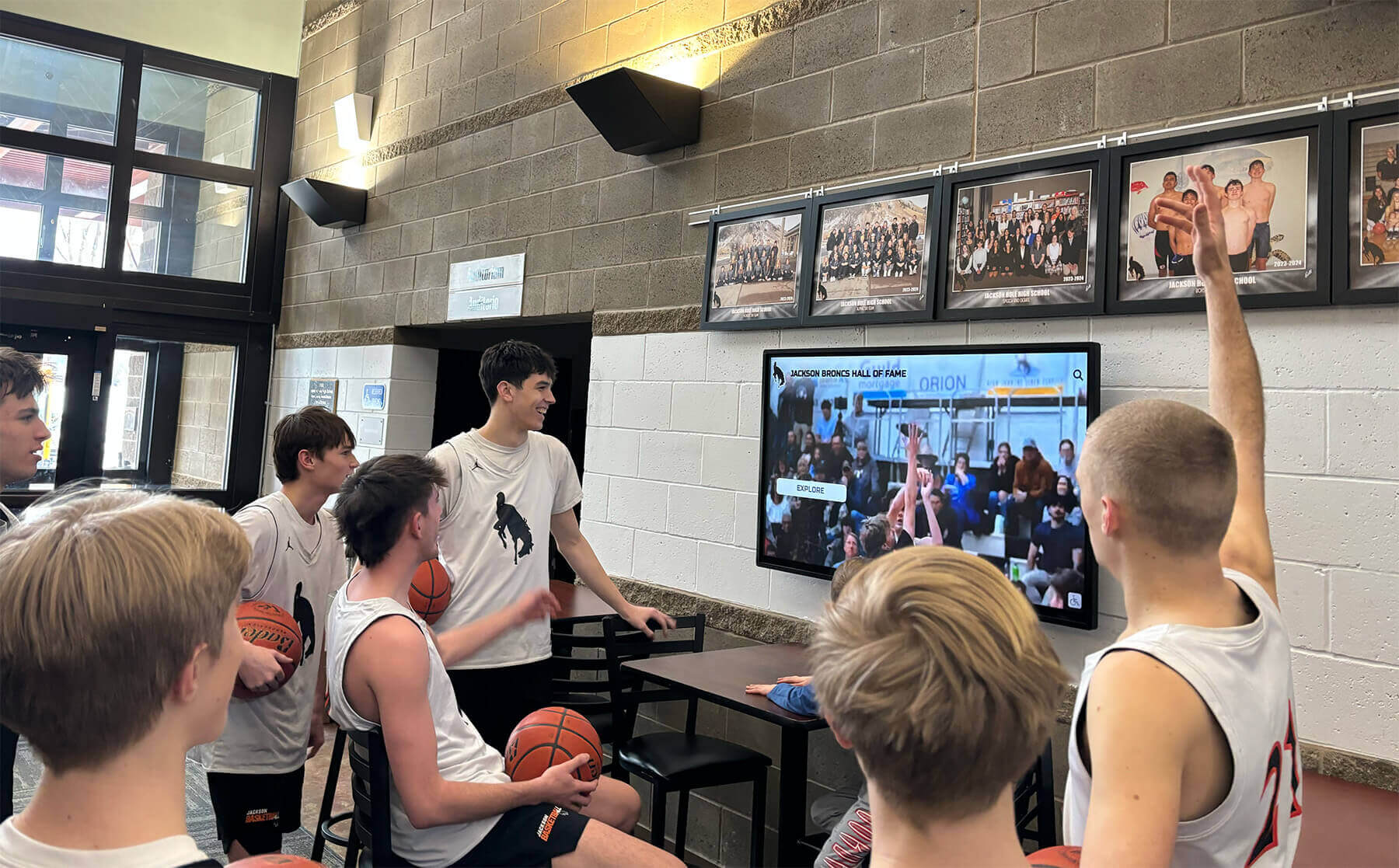
Programs increasingly use digital recognition systems to celebrate hitting milestones, career batting achievements, single-season records, and historic offensive performances that define program excellence. Rocket Alumni Solutions provides schools with interactive touchscreen displays that permanently showcase batting records, career hit leaders, home run champions, and offensive achievements spanning program history.
These digital record boards automatically update as players reach new milestones, preserve complete statistical histories rather than limiting recognition to top performers only, and create accessible archives where alumni can return to see their achievements alongside current players. By documenting the hitting excellence that stems from proper stance development and technical fundamentals, programs build traditions that emphasize both immediate performance and long-term development.
For baseball programs committed to developing hitters through proper stance mechanics while celebrating resulting achievements, explore how digital recognition solutions create permanent showcase of offensive excellence. Schedule a demonstration to see how interactive displays transform hitting achievement recognition while preserving complete program history across generations of players.
Final Stance Development Principles
Building an effective baseball batting stance combines fundamental biomechanical principles with individual comfort and natural movement patterns. The most important stance elements—balanced base, slight knee flex, proper weight distribution, comfortable hand position, and still head—create the foundation supporting every swing. From these fundamentals, individual variations emerge based on body type, hitting approach, and personal preference.
Effective stance development requires patience, consistent practice, quality feedback from coaches or video analysis, and willingness to make gradual adjustments rather than constant wholesale changes. The goal remains finding positions that feel comfortable, produce consistent results, and translate practice mechanics to game performance.
Whether coaching youth players establishing baseline fundamentals, high school athletes refining advanced techniques, or developing personal approaches that maximize individual strengths, proper batting stance construction provides the starting point for every successful swing. Combined with consistent practice, quality instruction, and commitment to fundamental principles, effective stances transform into the statistical achievements and offensive excellence that define successful programs and individual careers.