



Youth baseball season culminates in more than final scores and standings—recognition ceremonies provide opportunities to celebrate player development, acknowledge diverse contributions, and reinforce positive behaviors that extend beyond diamond boundaries. For coaches, league administrators, and athletic directors managing youth baseball programs, thoughtfully designed awards systems create environments where every player feels valued while teaching important lessons about effort, sportsmanship, teamwork, and continuous improvement.
The challenge lies in designing baseball awards for youth that appropriately match developmental stages, competitive levels, and motivational needs. Recognition systems effective for 8-year-olds learning fundamentals differ dramatically from awards motivating 14-year-olds competing at advanced levels. This comprehensive guide presents age-appropriate baseball award ideas, selection criteria, implementation strategies, and recognition approaches ensuring every young player receives meaningful acknowledgment supporting their growth as both athletes and people.
Why Age-Appropriate Baseball Recognition Matters
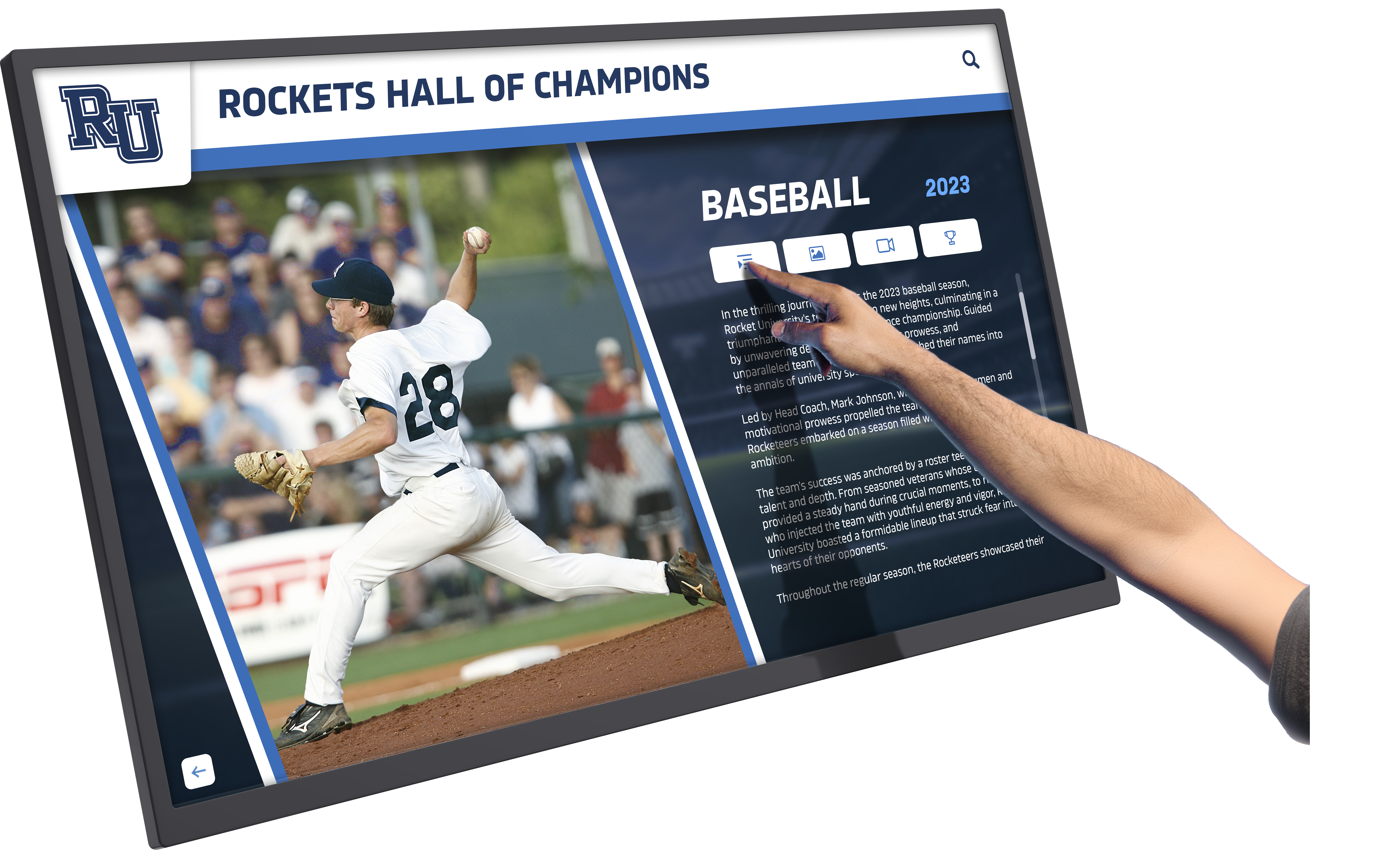
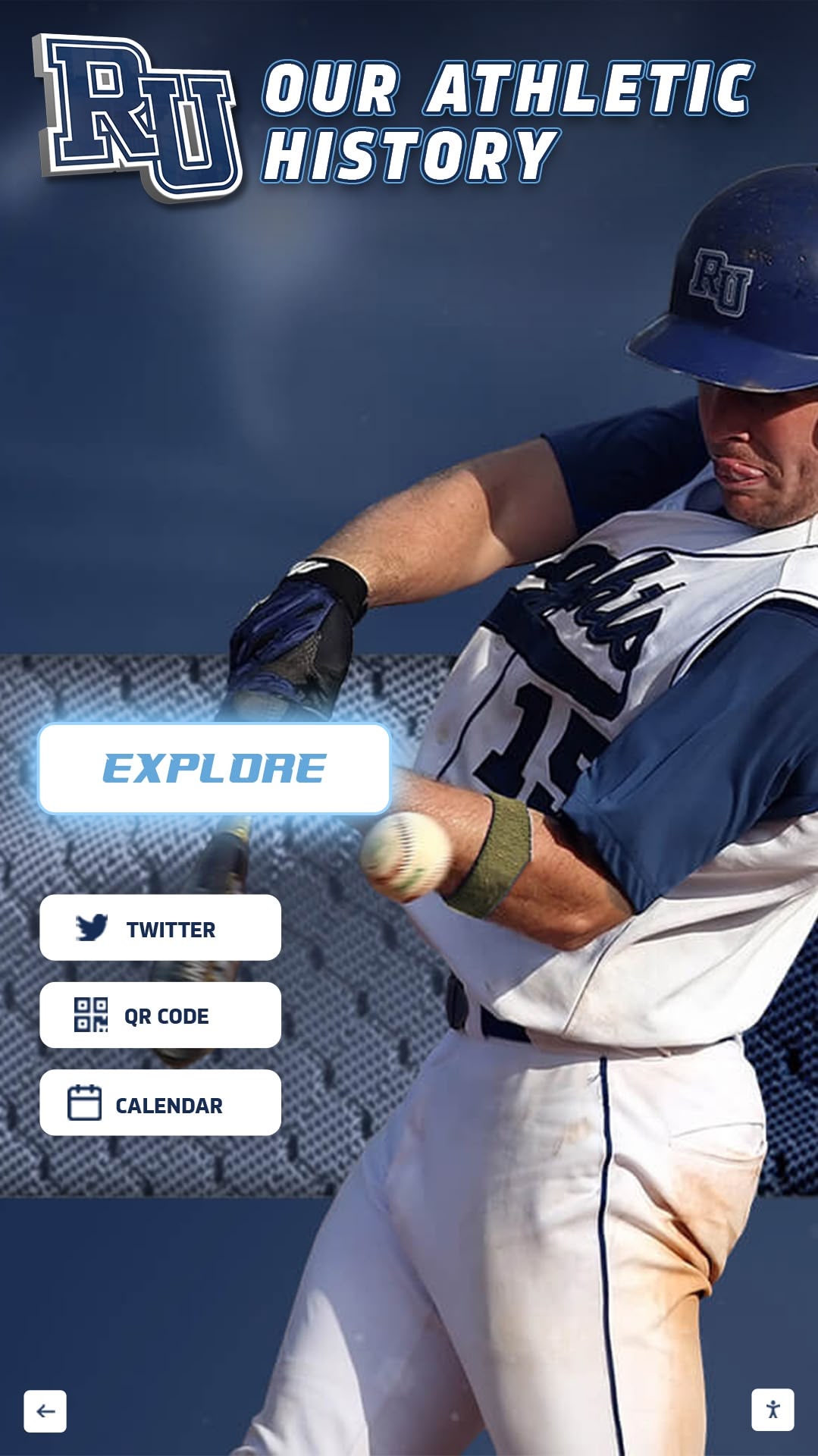
Research in youth sport psychology demonstrates that recognition significantly influences young athlete motivation, continued participation, skill development, and self-perception. However, recognition approaches must align with developmental stages—awards emphasizing competition and comparison can undermine confidence and motivation in younger players still mastering basic skills, while older competitive athletes need performance-based recognition validating their advanced abilities. Digital recognition solutions like Rocket Alumni Solutions enable youth baseball organizations to create comprehensive, permanent celebration of player accomplishments across all age groups and skill levels, ensuring recognition extends far beyond brief ceremony moments while building program history and tradition.
Understanding Developmental Stages in Youth Baseball
Effective baseball awards for youth start with understanding how young athletes develop physically, cognitively, and emotionally across different age ranges.
T-Ball and Coach Pitch (Ages 4-7)
Developmental Characteristics: Players at this stage are learning basic motor skills, developing hand-eye coordination, and building initial understanding of game concepts. Attention spans remain limited, physical abilities vary widely, and competitive comparison feels inappropriate as fundamentals take priority over outcomes.
Recognition Focus: Emphasize participation, effort, learning, and fun. All players should receive equal recognition celebrating involvement rather than performance differentiation. Awards at this level teach that showing up, trying new activities, and working with teammates matters more than winning or statistical achievement.
Appropriate Award Approaches: Participation certificates or ribbons for all players, recognition for specific skill milestones (first hit, catching the ball, running bases correctly), encouragement awards for positive attitudes, and team celebration of collective season completion.
Rookie Ball and Machine Pitch (Ages 8-9)
Developmental Characteristics: Players begin understanding game rules, developing fundamental skills with greater consistency, and showing emerging competitive awareness. Physical development continues varying widely between early and late developers, making direct performance comparison problematic.
Recognition Focus: Balance broad participation acknowledgment with emerging recognition of specific achievements and improvements. Introduce basic performance categories while maintaining heavy emphasis on effort, sportsmanship, and skill development progress.
Appropriate Award Categories: Most Improved Player, Best Sportsman, Hardest Worker, Perfect Attendance, Team Spirit Award, Hustle Award, plus position-specific skill development recognition celebrating mastery of catching, throwing, hitting fundamentals.
Minor League Baseball (Ages 10-11)
Developmental Characteristics: Players demonstrate more consistent skill execution, understand strategic game elements, and develop competitive identities. Performance differences become more apparent as natural ability and dedicated practice create skill differentiation. Social comparison increases as peer relationships deepen.
Recognition Focus: Expand performance-based recognition while maintaining strong emphasis on character, effort, and improvement. Introduce statistical achievement awards alongside continued acknowledgment of less visible contributions. Recognition systems should validate various paths to team contribution.
Appropriate Award Categories: MVP, Batting Champion, Best Defensive Player, Most Improved, Leadership Award, Sportsmanship Award, Clutch Performer, Best Teammate, Hustle Award, Coach’s Award, plus position-specific excellence recognition.
Major League Baseball (Ages 12-14)
Developmental Characteristics: Players compete with increasing intensity, demonstrate refined technical skills, and pursue specialized position development. Early adolescence brings heightened competitive awareness, stronger peer influence, and developing athletic identities. Physical maturation creates temporary performance disparities between early and late developers that require sensitive recognition approaches.
Recognition Focus: Emphasize performance excellence while ensuring diverse contribution types receive acknowledgment. Recognition should validate statistical achievement, defensive excellence, leadership development, character demonstration, and improvement trajectories. Balance individual honors with team accomplishments.
Appropriate Award Categories: Full range of performance, character, and team contribution awards appropriate for competitive youth baseball, including statistical leaders, position awards, all-star selections, tournament MVPs, character recognitions, and special achievement honors.
Understanding comprehensive youth sports recognition approaches helps baseball programs design award systems appropriately matching player developmental stages while building positive program culture.
Performance-Based Baseball Awards for Youth
Performance recognition celebrates statistical achievement and on-court excellence, validating the competitive accomplishments players work toward through dedicated practice and game execution.
Batting Achievement Awards
Batting Champion Award: Recognizes the player achieving the highest batting average across the season, celebrating consistent hitting performance and offensive production.
Home Run Leader: Honors the player hitting the most home runs, acknowledging power hitting ability and extra-base production.
Most Hits Award: Celebrates total hit accumulation, recognizing players who consistently put the ball in play and reach base through contact.
Most RBIs Recognition: Acknowledges clutch hitting and run production, honoring players who deliver in key situations with runners on base.
On-Base Percentage Leader: Recognizes players excelling at reaching base through hits, walks, and hit-by-pitches, teaching that getting on base matters regardless of method.
Highest Slugging Percentage: Celebrates power and extra-base hitting ability through slugging percentage calculations rewarding doubles, triples, and home runs.
Most Walks Award: Honors plate discipline and strike zone judgment, teaching young players that drawing walks contributes to team success.
Best Clutch Hitter: Recognizes performance in high-pressure situations—hitting with runners in scoring position or delivering in close games.
Pitching Excellence Awards
Strikeout Leader: Honors the pitcher recording the most strikeouts, celebrating dominance and ability to overpower hitters.
Lowest ERA Recognition: Acknowledges run prevention excellence, recognizing pitchers who consistently limit opponent scoring.
Most Wins Award: Celebrates pitching success and team support, honoring pitchers who most frequently earn victories.
Best Control Award: Recognizes pitchers demonstrating exceptional strike-throwing ability and walk prevention, teaching the importance of command.
Complete Game Leader: Honors pitching stamina and effectiveness, acknowledging pitchers who finish what they start.
Best Relief Pitcher: Recognizes excellence in bullpen roles, validating contributions from pitchers entering games in progress.
Most Innings Pitched: Celebrates durability and reliability, honoring pitchers who provide the most innings for their teams.
Perfect Inning Recognition: Acknowledges exceptional individual performances—three strikeouts on nine pitches or retiring side without allowing baserunners.
Defensive Excellence Awards
Golden Glove Award: Recognizes overall defensive excellence, celebrating players demonstrating superior fielding ability, positioning, and ball-handling skills at their positions.
Most Putouts Leader: Honors defensive production, acknowledging players recording the most outs through catches, force plays, and tags.
Highest Fielding Percentage: Celebrates defensive reliability and error prevention, recognizing players executing plays consistently without mistakes.
Best Catcher Award: Acknowledges excellence in baseball’s most demanding defensive position, recognizing throw accuracy, pitch framing, game management, and leadership.
Best Infielder Recognition: Honors outstanding play at infield positions, celebrating quick reflexes, strong arms, and smart positioning.
Best Outfielder Award: Recognizes excellence in outfield play, celebrating range, arm strength, catching ability, and base running prevention.
Strongest Throwing Arm: Honors players demonstrating exceptional throwing velocity and accuracy, acknowledging physical tools supporting defensive success.
Resources on basketball awards for youth teams demonstrate comprehensive performance recognition approaches adaptable to baseball programs ensuring statistical achievement receives appropriate acknowledgment.
Character and Sportsmanship Awards
Character-focused baseball awards for youth teach that how players compete matters as much as competitive results, reinforcing behaviors that create positive team cultures and develop quality people alongside skilled athletes.
Sportsmanship and Respect Awards
Sportsmanship Award: Honors the player consistently demonstrating respect for opponents, umpires, teammates, and the game itself. Great sports shake hands after tough losses, congratulate opponents on good plays, and treat everyone involved in baseball with dignity.
Best Teammate Award: Celebrates the player whose encouragement, support, and positive attitude make them ideal teammates. These athletes celebrate others’ success, provide genuine encouragement during struggles, and prioritize team welfare over personal statistics.
Respect for Umpires Recognition: Acknowledges players consistently treating officials with appropriate respect, understanding that disagreeing respectfully differs from showing disrespect or arguing calls.
Positive Attitude Award: Recognizes players maintaining optimism, enthusiasm, and constructive outlook regardless of game outcomes, playing time, or personal performance.
Fair Play Award: Honors players competing with integrity, following rules even when umpires aren’t watching, and refusing to gain unfair advantages through deception.
Most Encouraging Player: Celebrates athletes whose verbal support lifts teammates, providing encouragement during strikeouts, errors, or difficult games.
Leadership and Team Contribution
Captain’s Leadership Award: Recognizes formal or informal leaders whose influence guides teams through vocal communication, lead-by-example behavior, and positive influence on team culture.
Coach’s Award: Acknowledges the player coaches select for embodying program values and demonstrating qualities that transcend specific achievement categories—a flexible recognition honoring unique contributions.
Best Team Player: Celebrates athletes accepting any role coaches assign, whether starting pitcher, defensive replacement, or pinch runner, without complaint and with full commitment.
Hustle Award: Recognizes players who sprint to first base on walks, chase down foul balls in dugouts, back up bases defensively, and compete with maximum effort regardless of score or situation.
Mental Toughness Recognition: Honors players who bounce back from adversity—responding to errors with defensive stops, hitting after strikeouts, or pitching effectively following difficult innings.
Culture Builder Award: Celebrates players whose influence creates positive team environments where teammates support each other, celebrate collective success, and maintain enthusiasm through wins and losses.
Information on soccer awards emphasizing character provides frameworks baseball programs can adapt for recognizing sportsmanship and leadership alongside competitive achievement.
Effort and Improvement Awards
Effort-based recognition ensures players demonstrating exceptional dedication, work ethic, and development receive acknowledgment regardless of natural ability levels or current performance outcomes.
Dedication and Commitment Awards
Perfect Attendance Recognition: Honors players attending every practice, game, and team function throughout seasons, demonstrating commitment and reliability coaches value.
Hardest Worker Award: Recognizes the player consistently demonstrating maximum effort in practices, training sessions, and games, setting team standards through relentless work ethic.
First to Arrive, Last to Leave: Celebrates players consistently arriving early for extra practice and staying late for additional skill work, demonstrating passion for development.
Off-Season Training Award: Acknowledges players maintaining skill development through winter training, fall leagues, or private instruction, showing commitment extending beyond regular seasons.
Extra Practice Hours Recognition: Honors players investing additional time beyond required practice for batting cage work, pitching development, or defensive drills.
Gym Rat Award: Celebrates players who seem to live at baseball facilities, arriving early, staying late, and voluntarily working on skills beyond team requirements.
Improvement and Development Recognition
Most Improved Player Award: Recognizes the player demonstrating the greatest overall skill development across seasons, validating growth and progress through dedicated effort.
Breakthrough Performance Recognition: Honors a player whose performance exceeded expectations through dramatic improvement, perhaps transitioning from bench player to contributor or mastering previously challenging skills.
Skills Progress Award: Celebrates measurable advancement in specific technical skills—batting average increases, fielding percentage improvements, or pitching velocity gains.
Fastest Learner Recognition: Acknowledges players quickly mastering new concepts, positions, plays, or techniques, demonstrating coachability and baseball intelligence development.
Confidence Builder Award: Honors players whose competitive confidence and self-belief grew significantly throughout seasons, perhaps overcoming earlier struggles through perseverance.
Guidance on comprehensive athletic recognition programs demonstrates how baseball programs can track and celebrate player improvement across seasons and developmental stages.
Position-Specific Recognition
Position-focused awards ensure players excelling at specialized roles receive acknowledgment for contributions unique to their defensive responsibilities and technical requirements.
Infield Position Awards
Best First Baseman: Recognizes excellence at first base, celebrating scooping ability, stretch flexibility, footwork around the bag, and ability to handle difficult throws.
Best Second Baseman: Honors middle infield play on the right side, acknowledging quick hands, pivot ability on double plays, range on ground balls, and throwing accuracy.
Best Shortstop Award: Celebrates premier defensive position excellence, recognizing exceptional range, strong arm, leadership on infield, and ability to make difficult plays.
Best Third Baseman: Acknowledges hot corner excellence, honoring quick reflexes on hard hit balls, strong accurate throws across diamond, and positioning intelligence.
Best Middle Infielder: Recognizes combined excellence between shortstop and second base, celebrating double play partnership and defensive communication.
Outfield and Battery Recognition
Best Outfielder Award: Honors outfield excellence, celebrating range, ability to track fly balls, throwing arm strength preventing extra bases, and baseball instincts.
Best Center Fielder: Recognizes premier outfield position leadership, acknowledging range, speed, ball-tracking ability, and communication directing other outfielders.
Best Catcher Recognition: Celebrates excellence at baseball’s most demanding position, honoring throwing accuracy preventing stolen bases, game management, pitch framing, and leadership.
Best Pitcher Award: Recognizes overall pitching excellence, considering statistics, effectiveness, leadership on mound, and competitive performance across season.
Battery Excellence Award: Honors the best pitcher-catcher combination, celebrating communication, strategy execution, and defensive partnership.
Team Achievement Awards
Baseball remains a team sport despite individual statistics, and team awards celebrate collective accomplishments requiring unified effort across entire rosters.
Championship and Success Recognition
Championship Team Award: Honors all team members contributing to league championships, tournament victories, or playoff success, ensuring every roster player receives acknowledgment for team accomplishment.
Tournament MVP Recognition: Celebrates exceptional performance during specific tournament or playoff competition, acknowledging the player whose contributions proved most valuable during championship runs.
Best Season Record: Recognizes teams achieving the best regular season or overall record, celebrating consistency and sustained excellence throughout long seasons.
Undefeated Season Recognition: Honors the rare team accomplishment of completing perfect seasons without losses, acknowledging exceptional collective performance.
Best Defensive Team Award: Celebrates units excelling at run prevention, recording low opponent batting averages, and executing defensive plays with minimal errors.
Most Runs Scored Team: Recognizes offensive production excellence, honoring teams generating consistent run production through disciplined hitting approaches.
Special Team Recognition
Best Comeback Team: Honors teams overcoming significant deficits—whether season-long improvement from previous years or dramatic individual game comebacks.
Heart and Soul Team Award: Recognizes teams demonstrating exceptional competitiveness, unity, and passion regardless of win-loss records, celebrating the intangible qualities defining memorable seasons.
Sportsmanship Team Recognition: Acknowledges teams consistently demonstrating class, respect, and positive conduct, setting standards for how youth baseball should be played.
Resources on comprehensive recognition for youth athletes demonstrate how baseball programs can celebrate team accomplishments alongside individual honors.
Creative and Fun Baseball Awards
Creative awards add entertainment to recognition ceremonies while acknowledging unique contributions and personality traits making teams memorable beyond statistics and standings.
Skill-Specific Fun Awards
Best Dugout Dancer: Recognizes players whose enthusiasm and celebration energy keep teammates engaged and having fun throughout games.
Best Walk-Up Song: Celebrates creative music selection adding personality to at-bat approaches, making recognition fun while acknowledging individual expression.
Most Likely to Argue a Call: Presented humorously to the player most passionate about umpire decisions, teaching that competitive fire has its place while maintaining respect.
Dirt Dog Award: Honors players whose uniforms show the most evidence of hustle—diving catches, sliding into bases, taking charges—visual proof of maximum effort.
Best Baseball Hair: Lighthearted recognition of players with memorable hairstyles or pre-game hair routines, adding fun to ceremonies.
Iron Player Award: Recognizes durability and availability, honoring athletes who played the most innings, rarely missing games through injury or absence.
Best Pre-Game Ritual: Celebrates players with memorable preparation routines, superstitions, or warm-up approaches providing entertainment and personality.
Most Likely to Go Pro: Looking ahead with humor, this lighthearted category recognizes the player with greatest professional potential—whether MLB, beer league softball, or professional fan in the stands.
Personality and Character Fun Recognition
Best Celebration Award: Recognizes players with creative home run celebrations, dugout handshakes, or victory rituals adding energy and personality to team culture.
Team Comedian: Celebrates the player who keeps teammates laughing, provides levity during tense moments, and makes practices and bus rides more enjoyable.
Most Superstitious Player: Acknowledges elaborate pre-game routines, lucky socks, specific batting glove rituals, or other superstitions providing team entertainment.
Best Chatter Award: Recognizes the player providing constant verbal encouragement, chatter from dugout, or infield communication keeping energy levels high.
Always Hungry Recognition: Humorously honors the player first to the snack bar, bringing the most food to games, or constantly asking about post-game meal plans.
Information on creative sports awards approaches provides frameworks for incorporating fun recognition maintaining meaningfulness while adding entertainment value to ceremonies.
Implementing Effective Baseball Awards Programs
Creating meaningful recognition requires more than selecting award categories—effective programs need thoughtful design, clear criteria, transparent selection processes, and appropriate presentation approaches.
Establishing Award Selection Criteria
Define Clear Standards: Establish specific, measurable criteria for awards when possible. Statistical awards should have transparent calculations—batting average, ERA, fielding percentage. Subjective awards need clear evaluation frameworks considering observable behaviors and contributions.
Balance Objectivity and Judgment: Some awards rely entirely on statistics providing objective measures. Others require coach observation, peer input, or parent feedback. Quality programs include both types ensuring diverse contribution forms receive recognition.
Age-Appropriate Categories: Younger players benefit from broader recognition acknowledging participation, effort, and basic skill development. Older competitive athletes appreciate performance-based awards validating their advanced abilities and competitive accomplishments.
Avoid Overrecognition: While comprehensive recognition matters, creating excessive awards or recognizing minimal accomplishment dilutes meaning. Balance inclusive participation recognition with selective achievement awards requiring genuine accomplishment.
Maintain Transparency: Share award criteria with players and families at season start, enabling everyone to understand recognition standards and how recipients are selected. Transparency builds credibility and prevents award selection questions.
Award Selection Process Best Practices
Coaching Staff Collaboration: Gather input from all coaches rather than single coach decisions for subjective awards. Head coaches, assistant coaches, and parent volunteers who attend practices and games provide comprehensive perspectives reducing bias while ensuring thorough player evaluation.
Statistical Verification: For performance-based awards, maintain accurate statistics throughout seasons ensuring recognition reflects actual achievement rather than perception or memory. Designate someone—official scorekeeper, parent volunteer, or league statistician—to track numbers consistently.
Player Input Consideration: Consider team voting for peer-selected awards like Best Teammate or Most Encouraging Player. Peer recognition often holds special meaning for young athletes because teammates understand daily contributions best.
Distribution Review: Before finalizing selections, review whether recognition distributes appropriately across roster. If awards concentrate on few star players, consider whether evaluation captured full range of contributions including defense, effort, improvement, and character.
Parent Communication: Inform parents about award process, selection timing, and ceremony details. Transparent communication prevents misunderstandings while enabling families to appropriately celebrate their children’s recognition.
Resources on effective recognition program implementation provide comprehensive frameworks youth baseball organizations can adapt for fair, meaningful player acknowledgment systems.
Award Presentation Strategies
Season-Ending Ceremonies: Traditional team banquets provide formal settings for major award presentation. These events celebrate seasons while enabling families to participate in recognition moments, creating memories beyond brief games or practices.
Certificate and Trophy Quality: Invest in quality physical recognition items players can keep. Well-designed certificates, medals, or trophies communicate that recognition matters and achievements deserve permanent celebration.
Personalized Award Descriptions: When presenting awards, provide specific examples explaining why recipients earned recognition rather than generic praise. Detail about diving catches, clutch hits, encouragement after errors, or practice dedication increases meaning and demonstrates thoughtful selection.
Photo Documentation: Photograph all award presentations, providing families with lasting memories while creating content for league websites, social media promotion, and future recognition displays.
Multiple Recognition Opportunities: Consider combining season-end banquets with regular-season recognition—Player of the Game awards, weekly practice awards, mid-season achievement acknowledgments—creating multiple celebration moments throughout seasons.
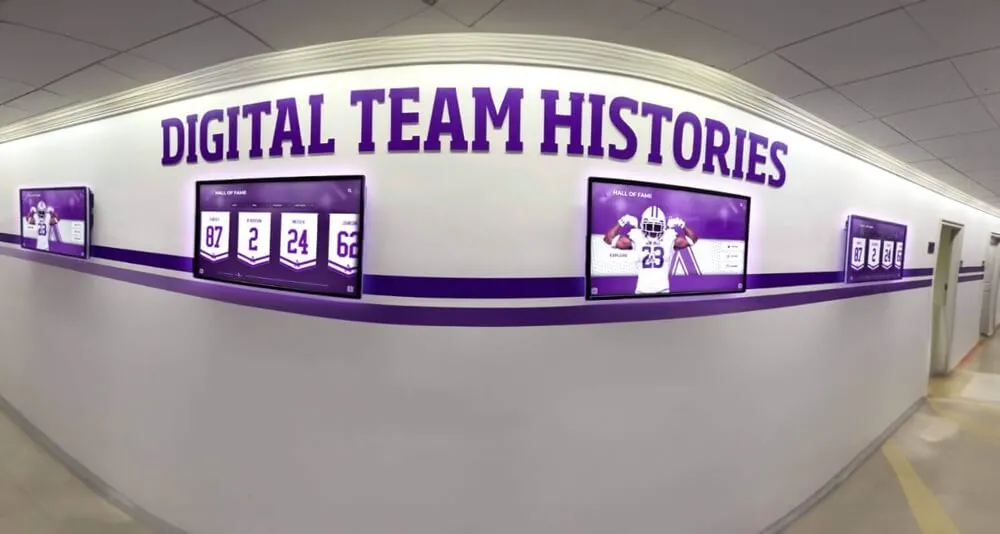
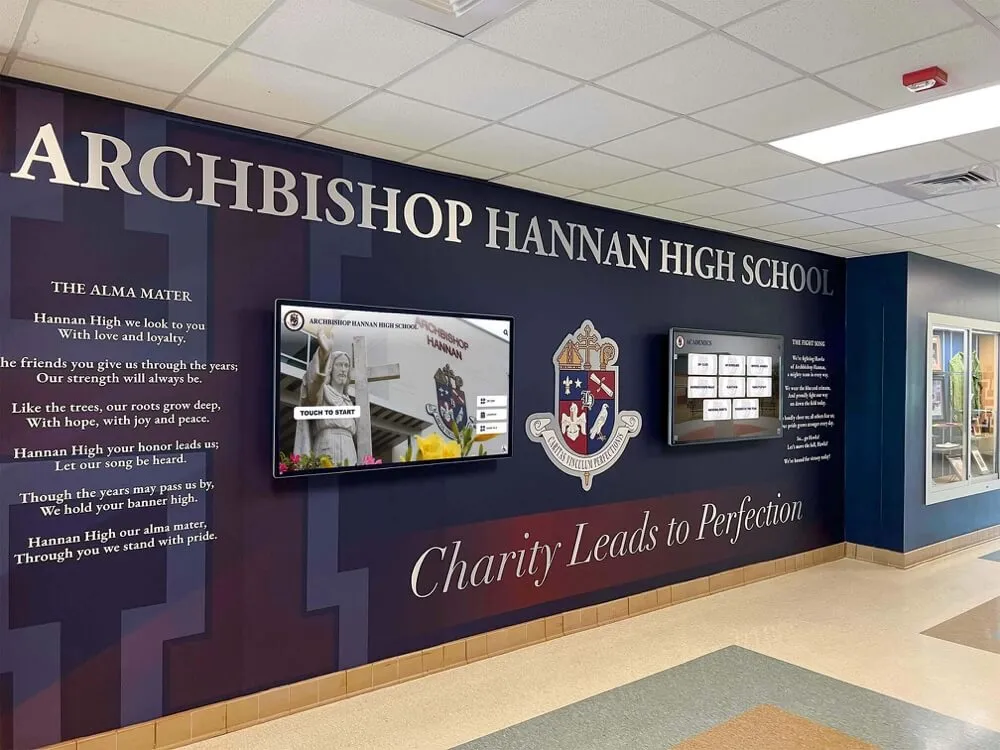
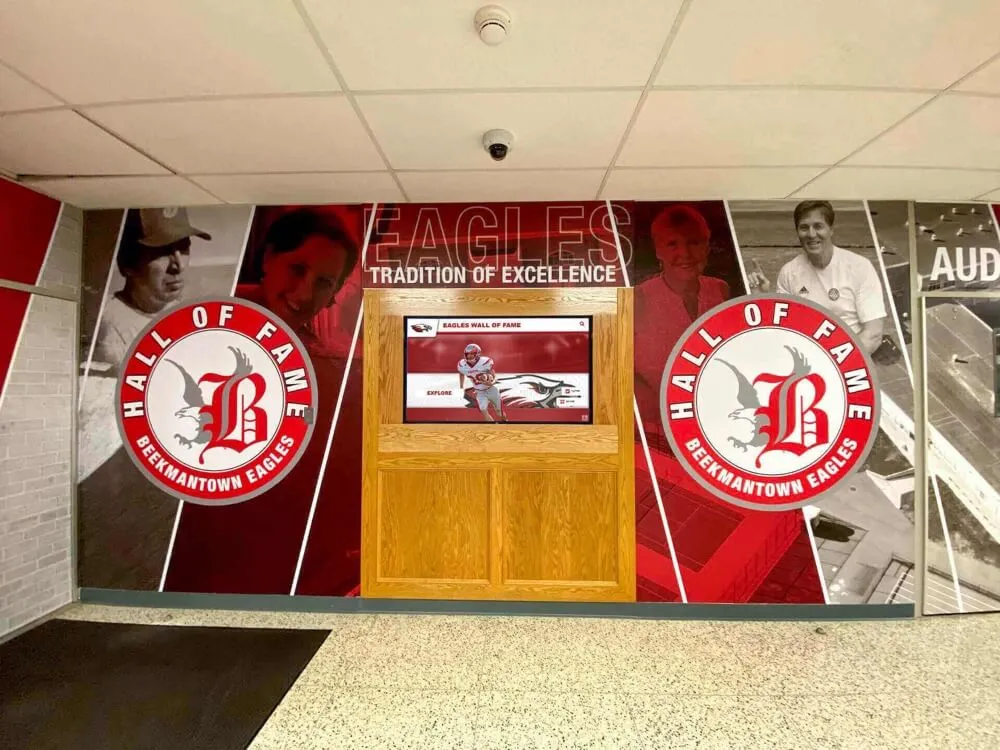
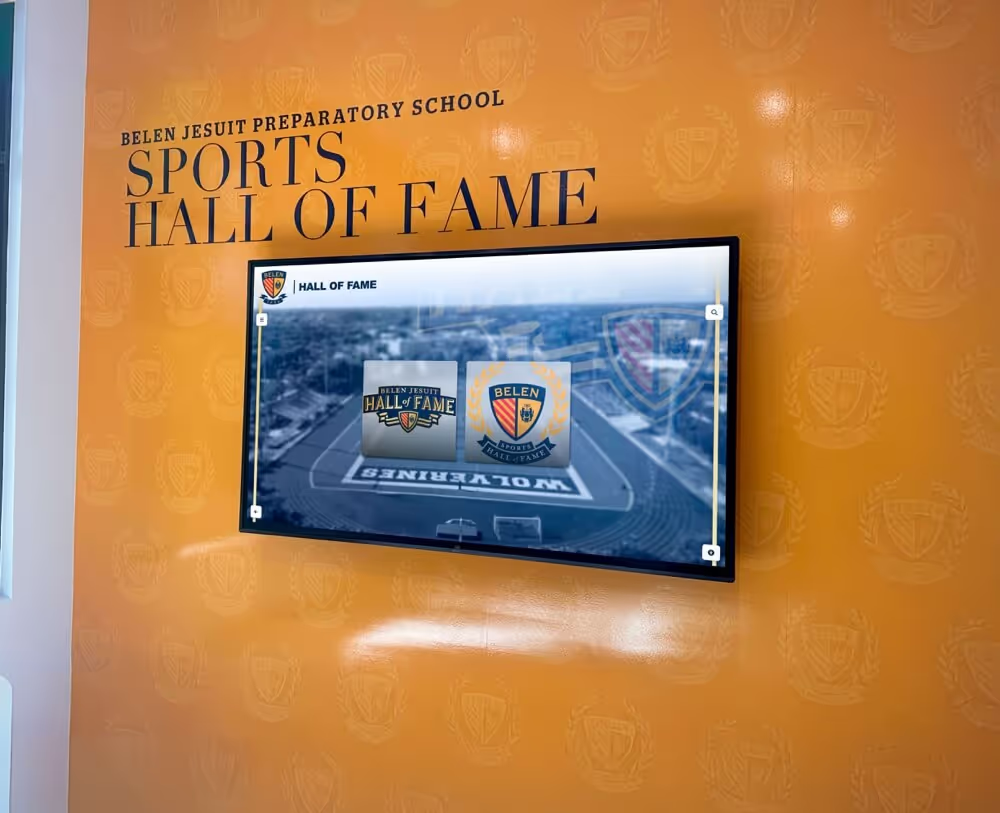
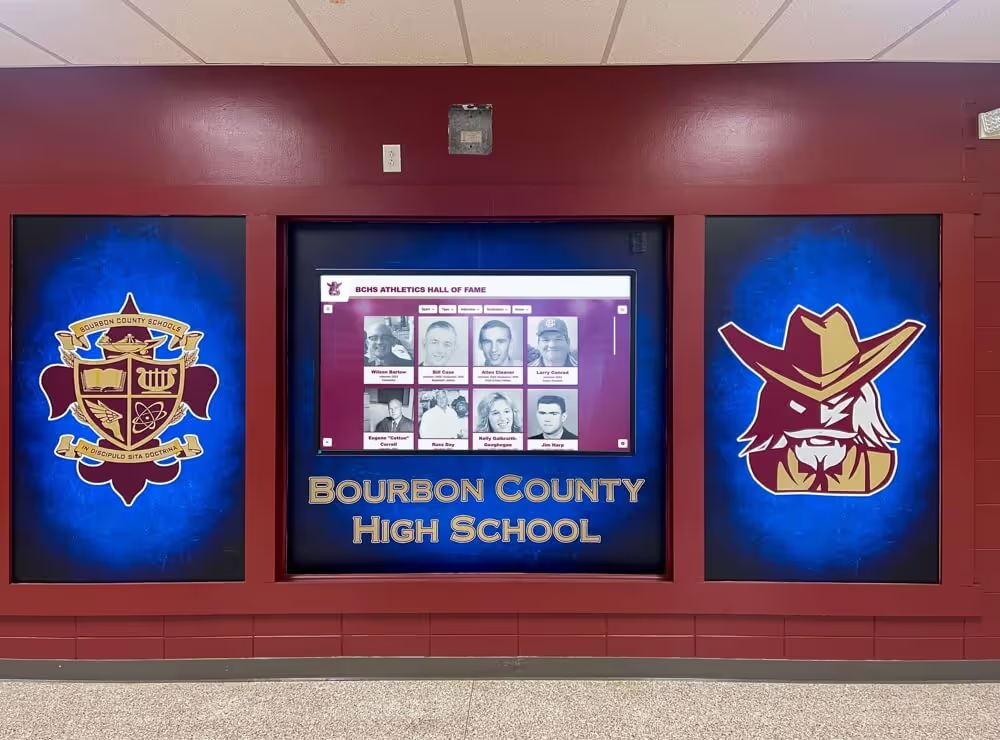
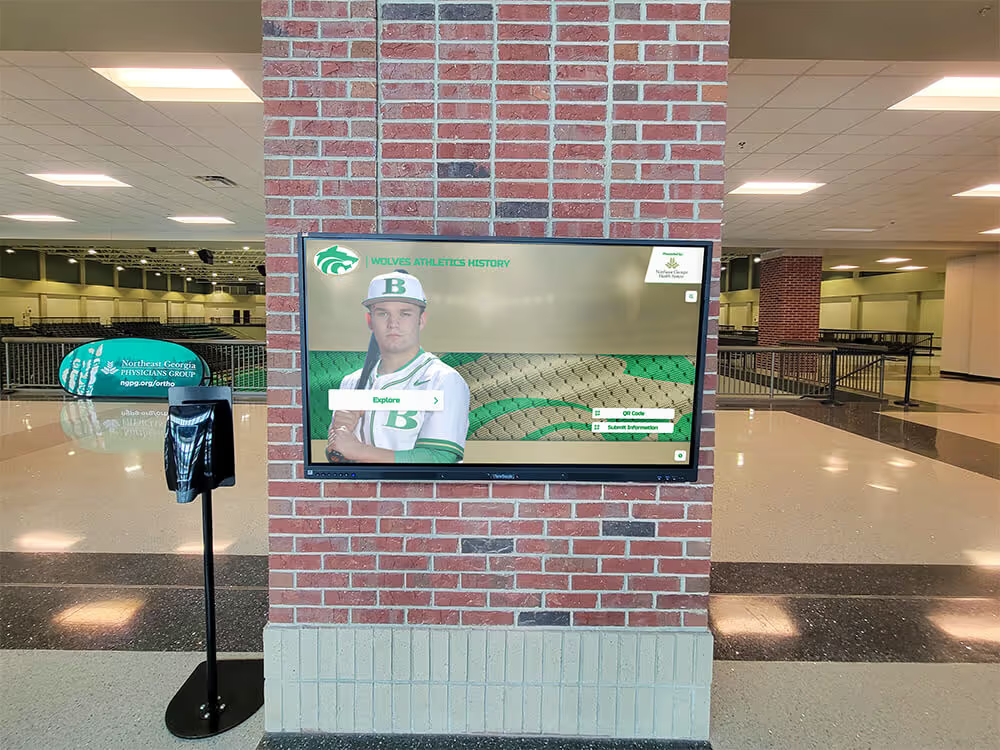
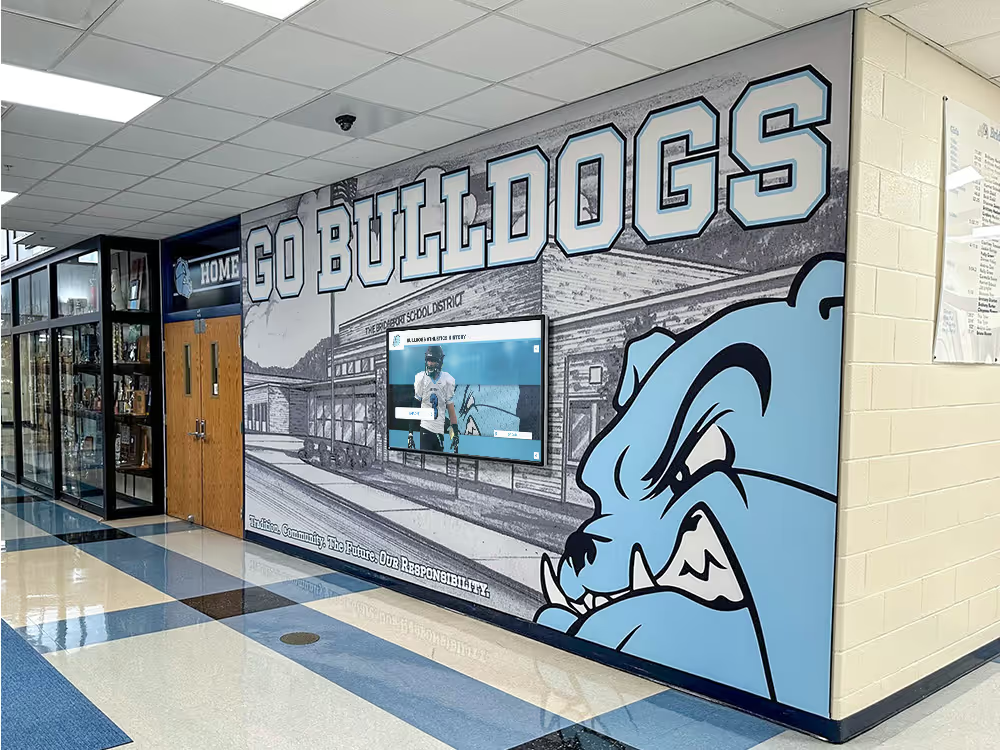
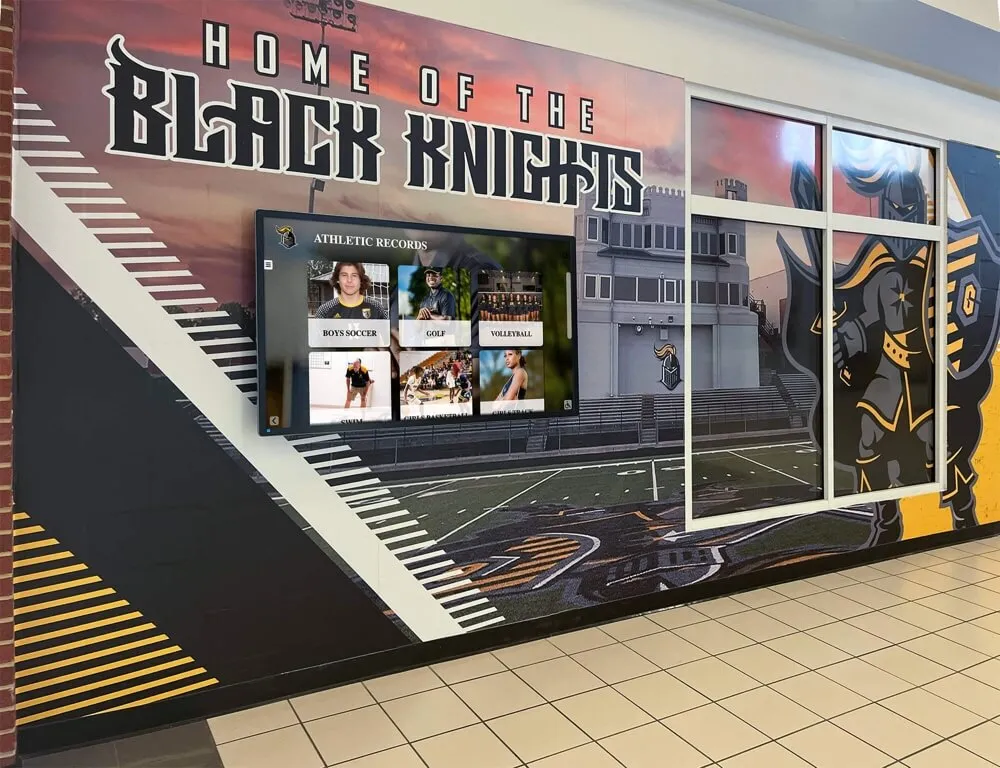
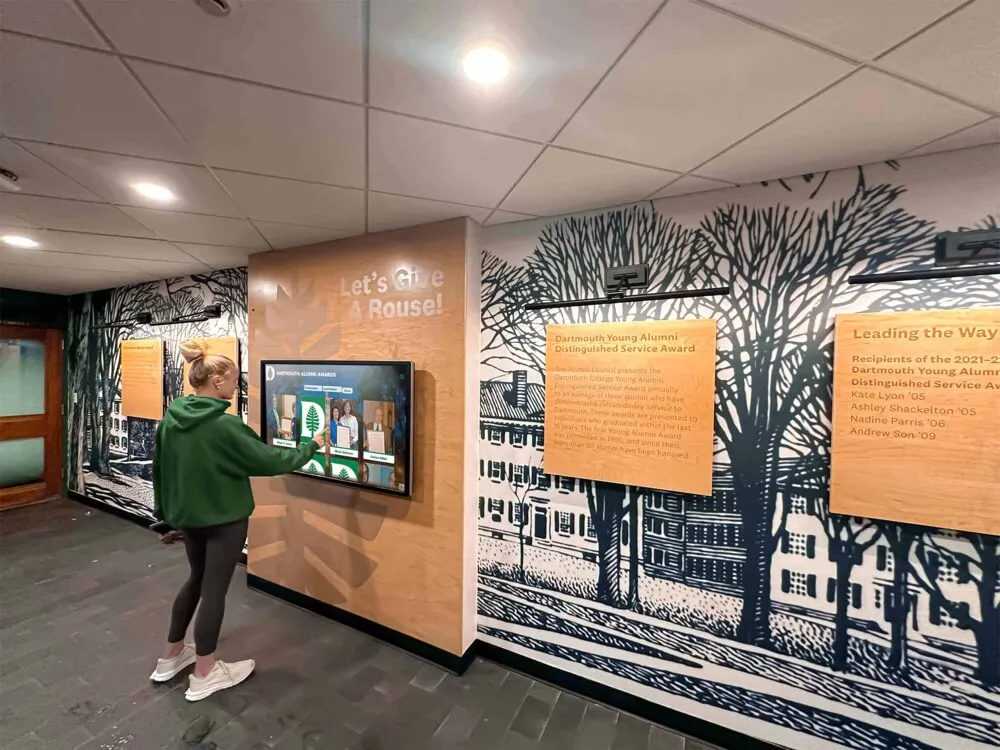
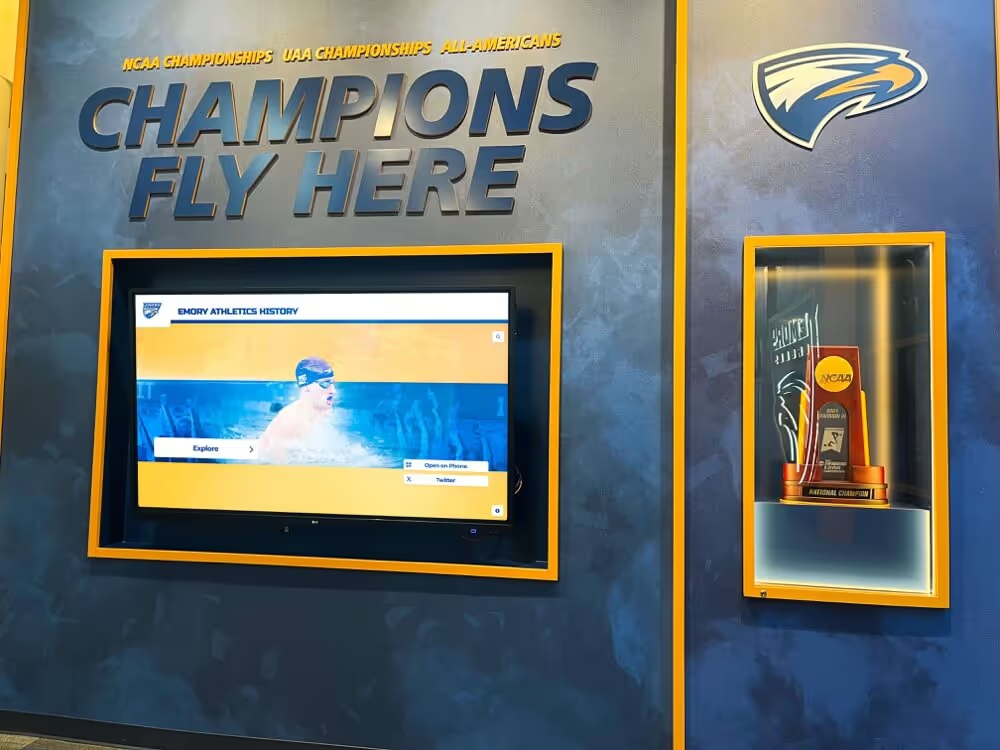
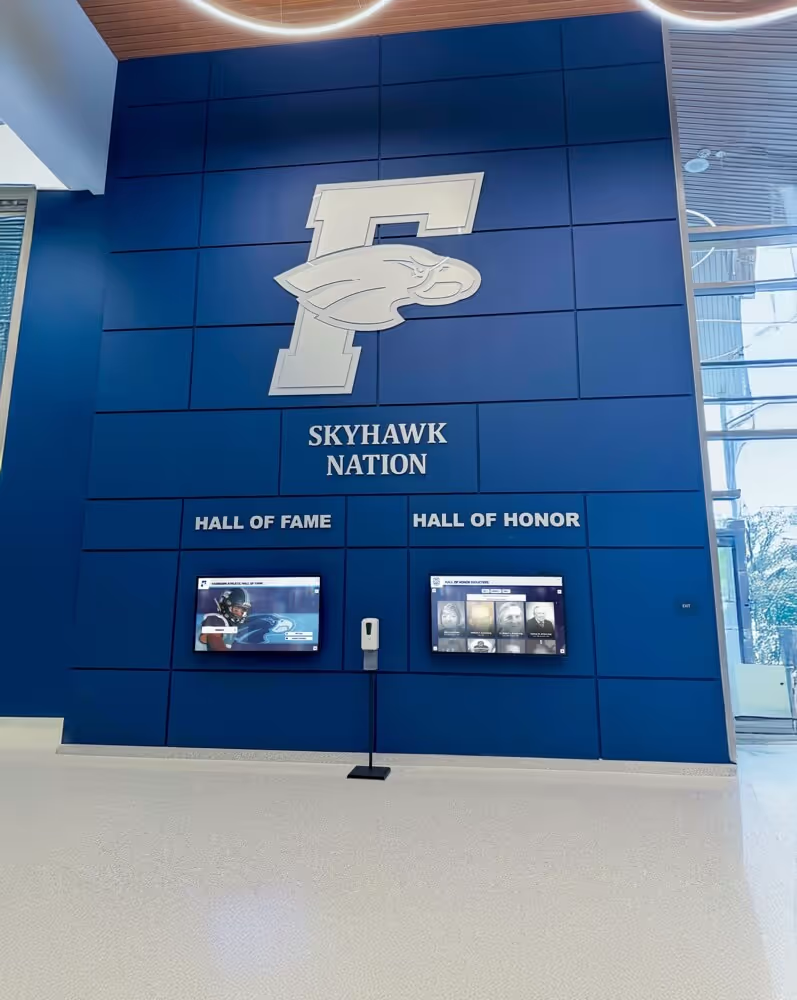
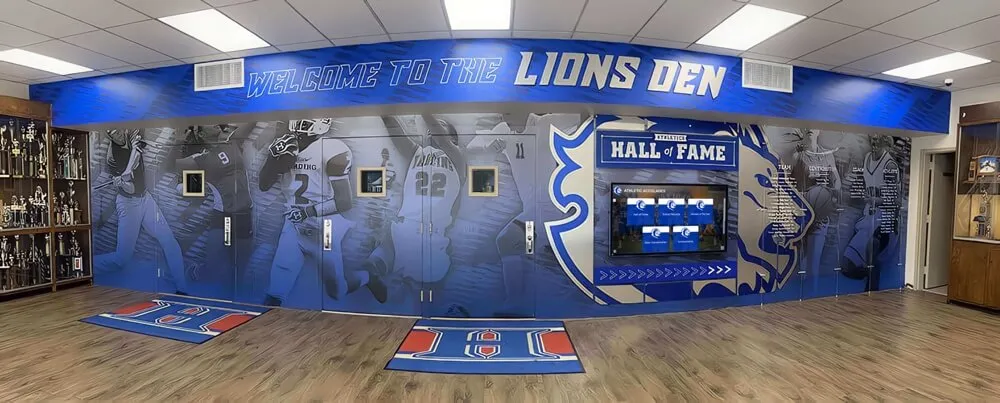
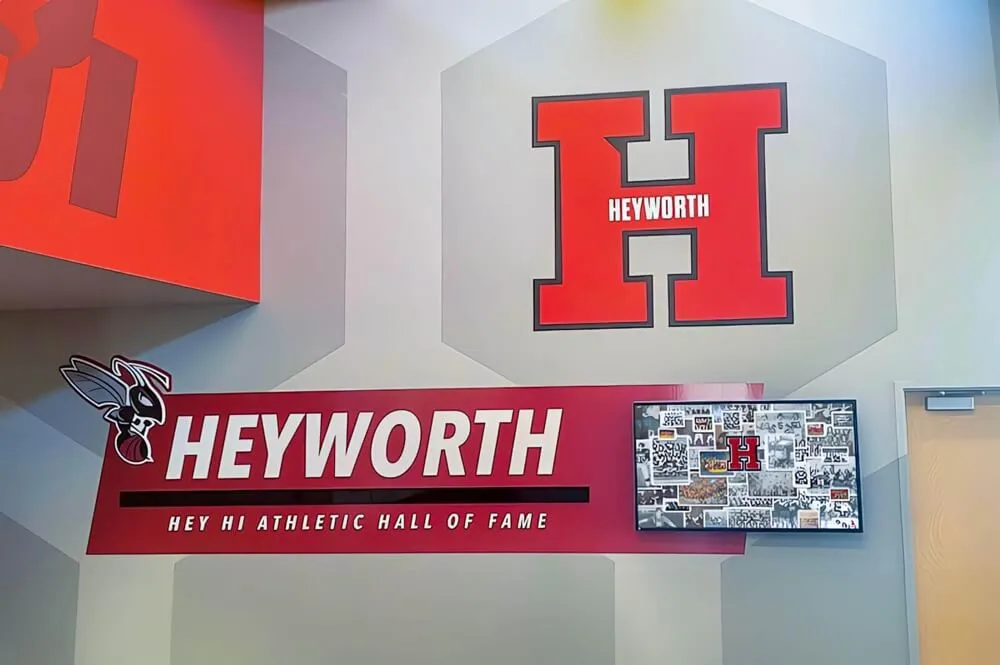
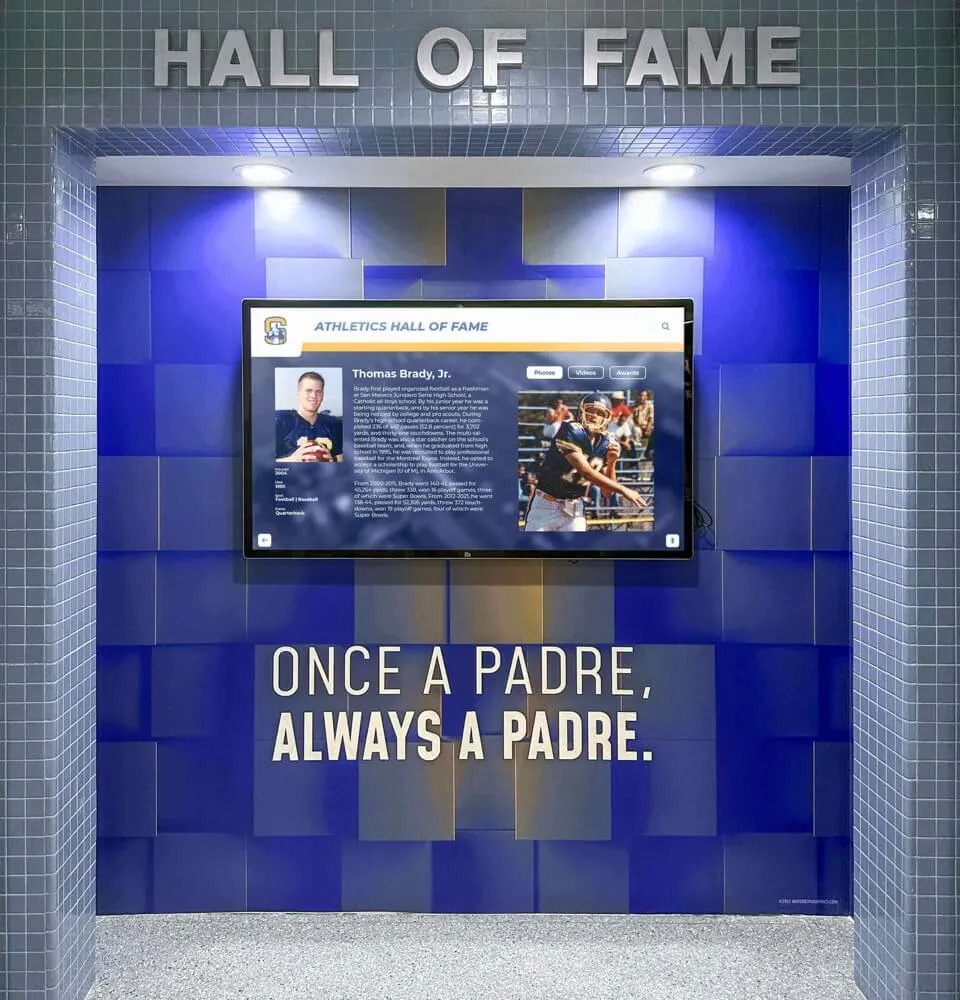
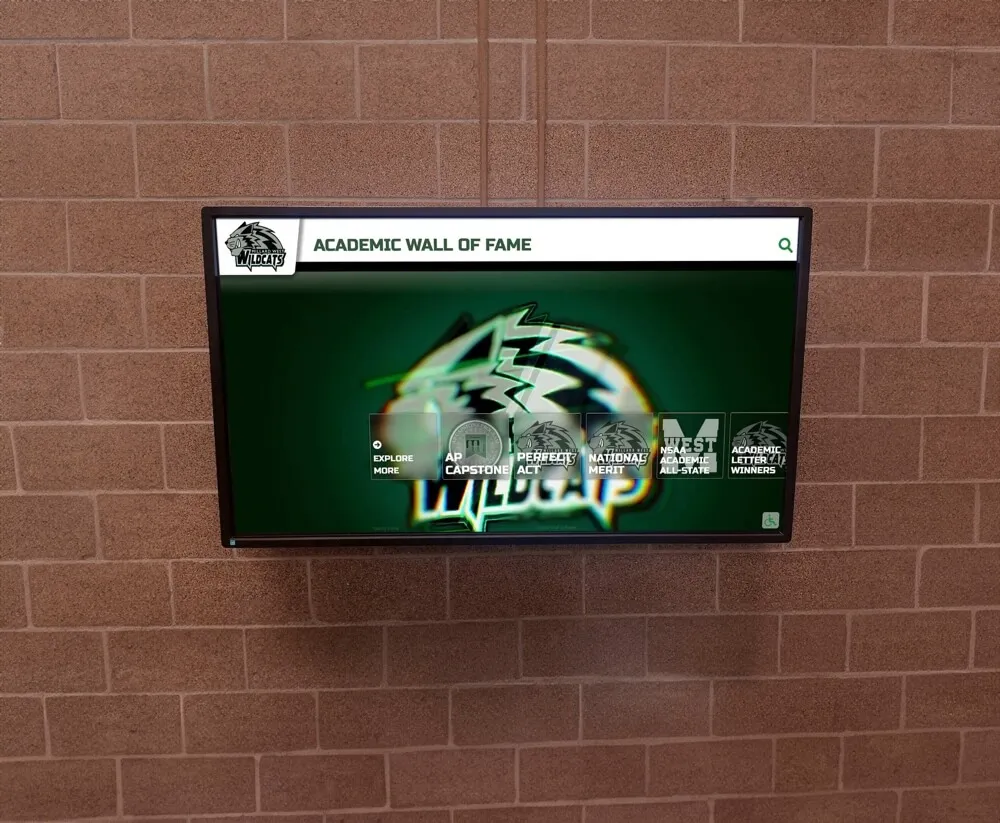
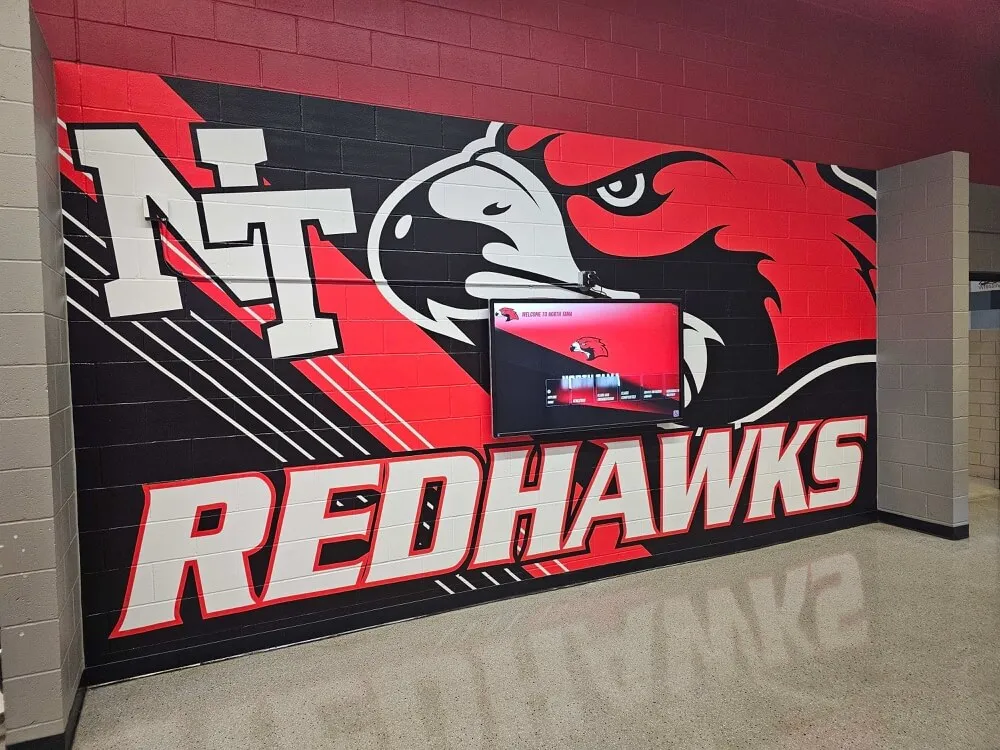
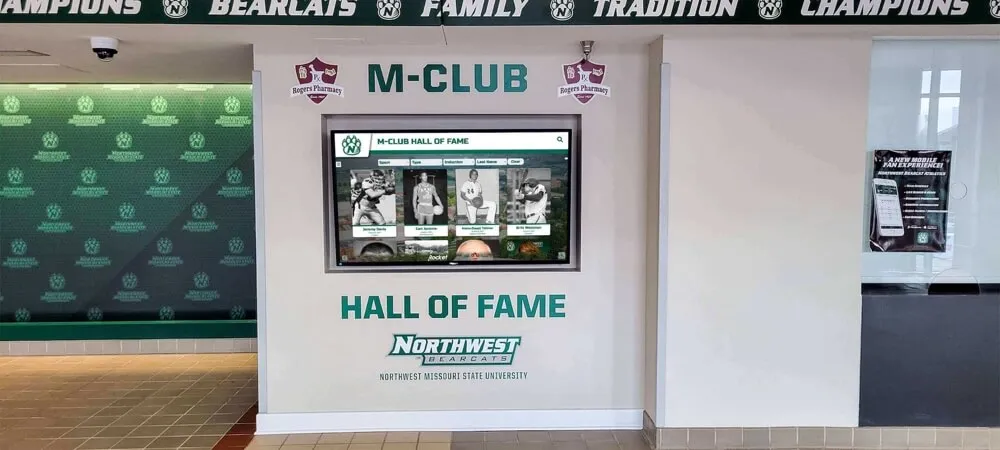
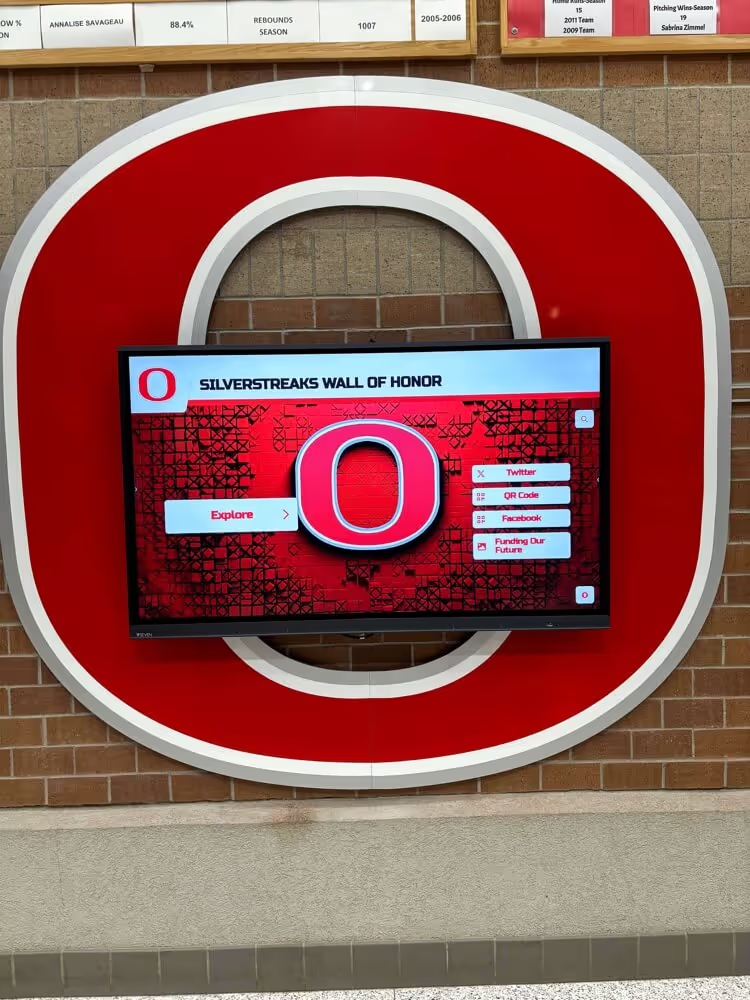
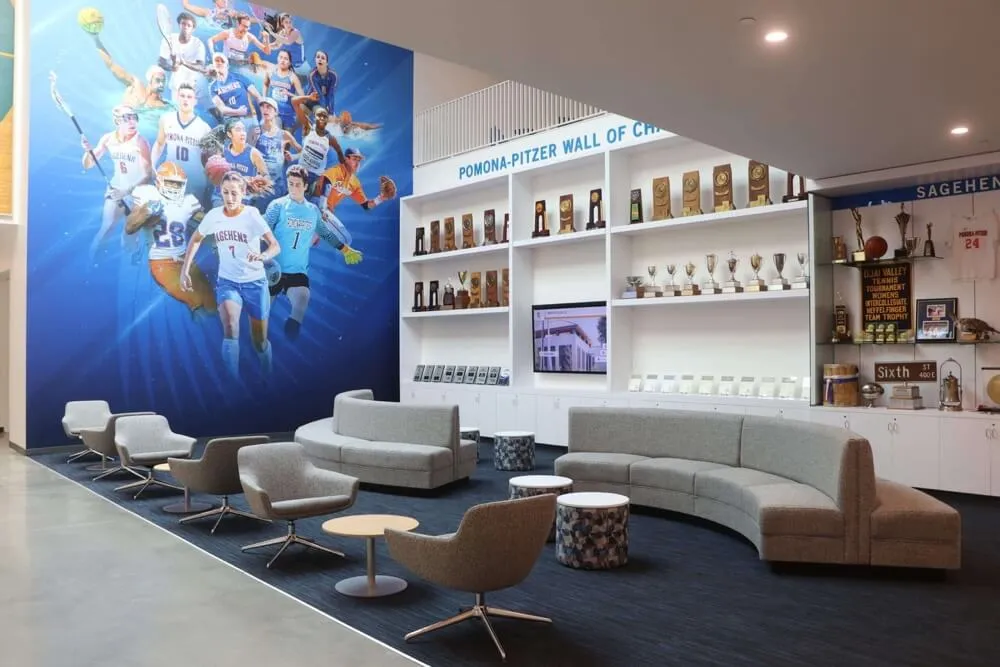
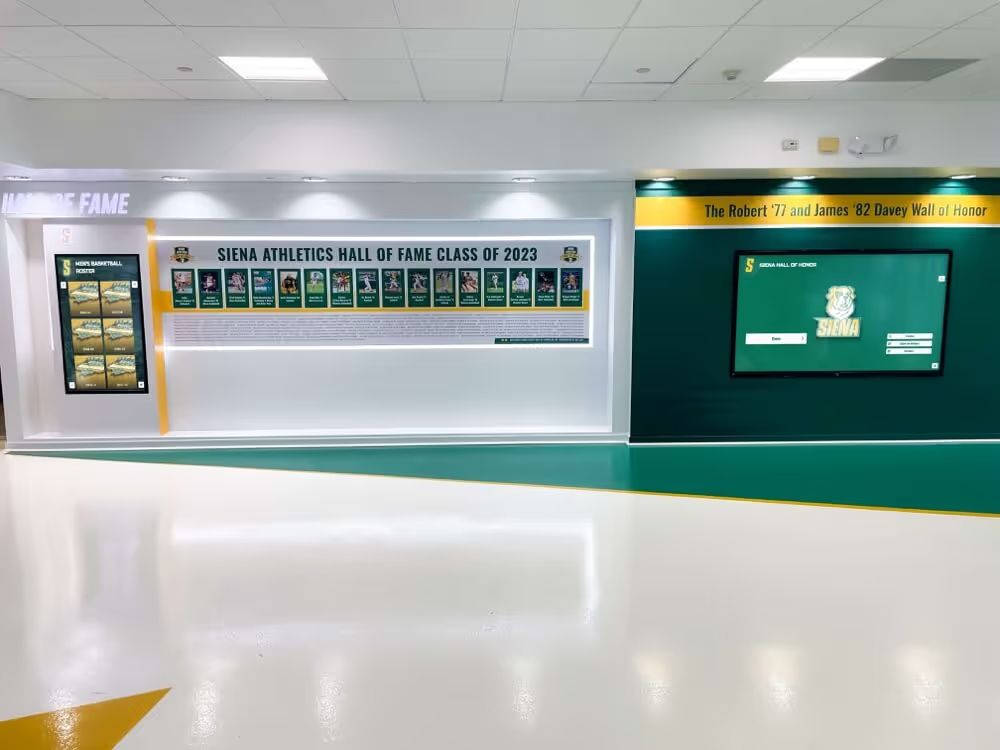
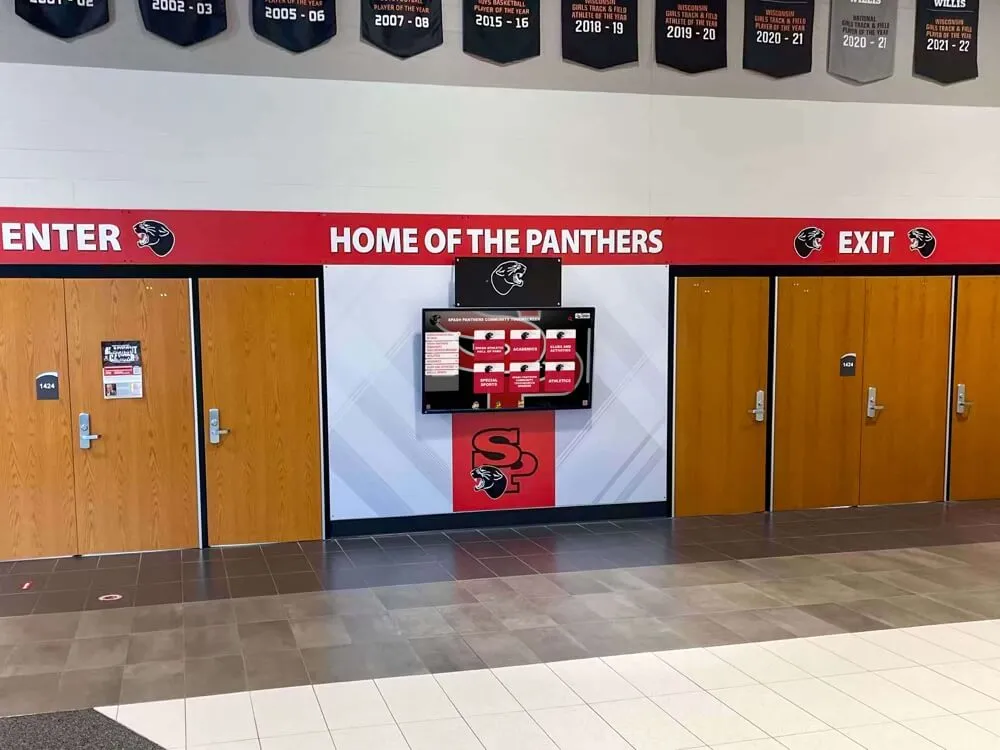
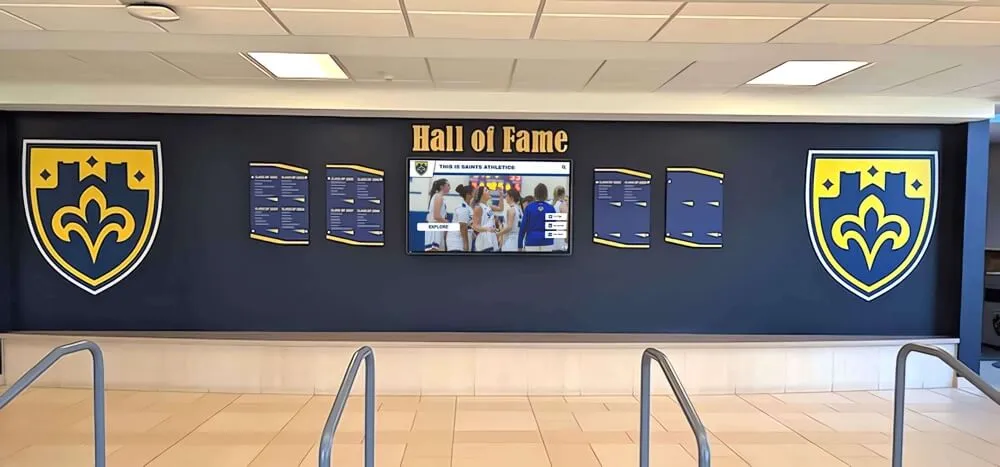
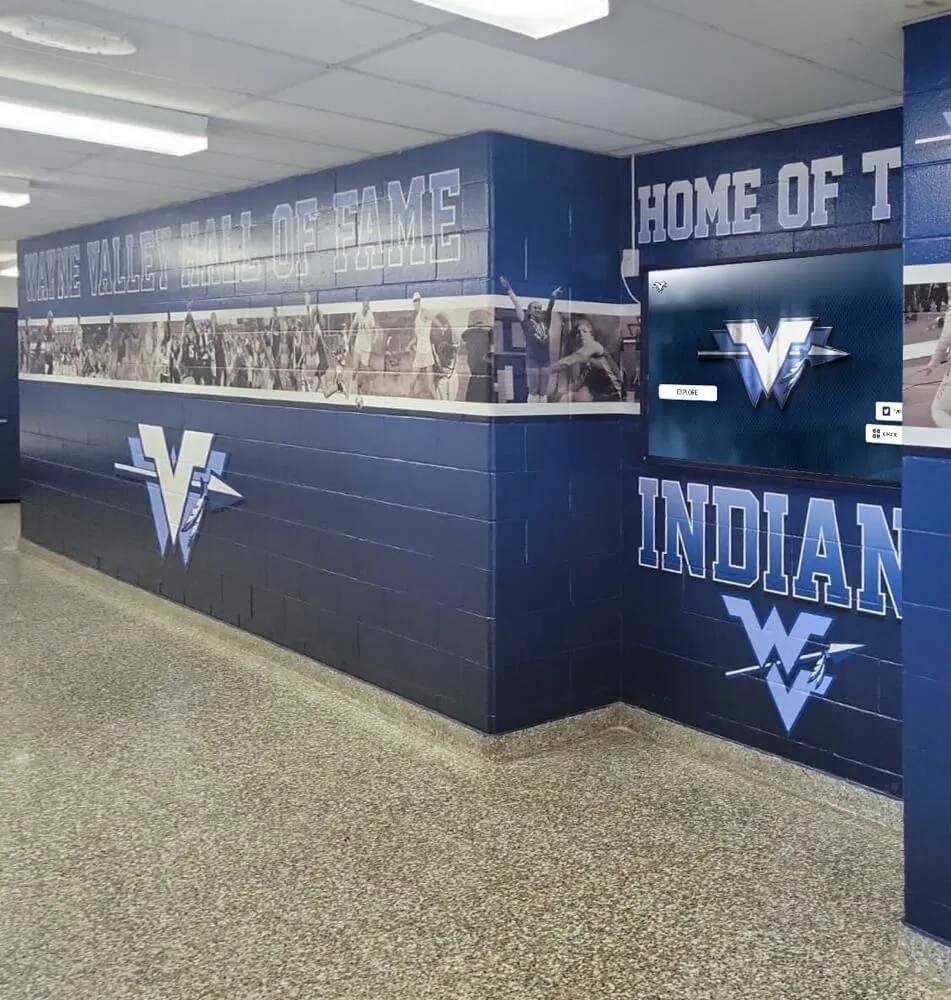
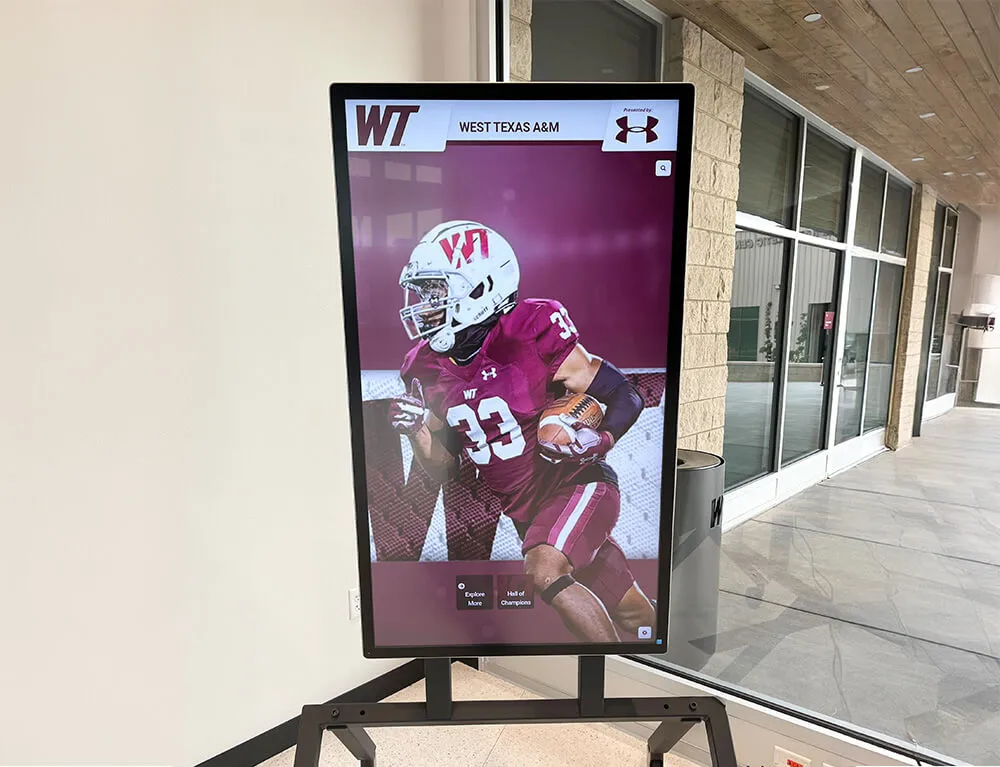
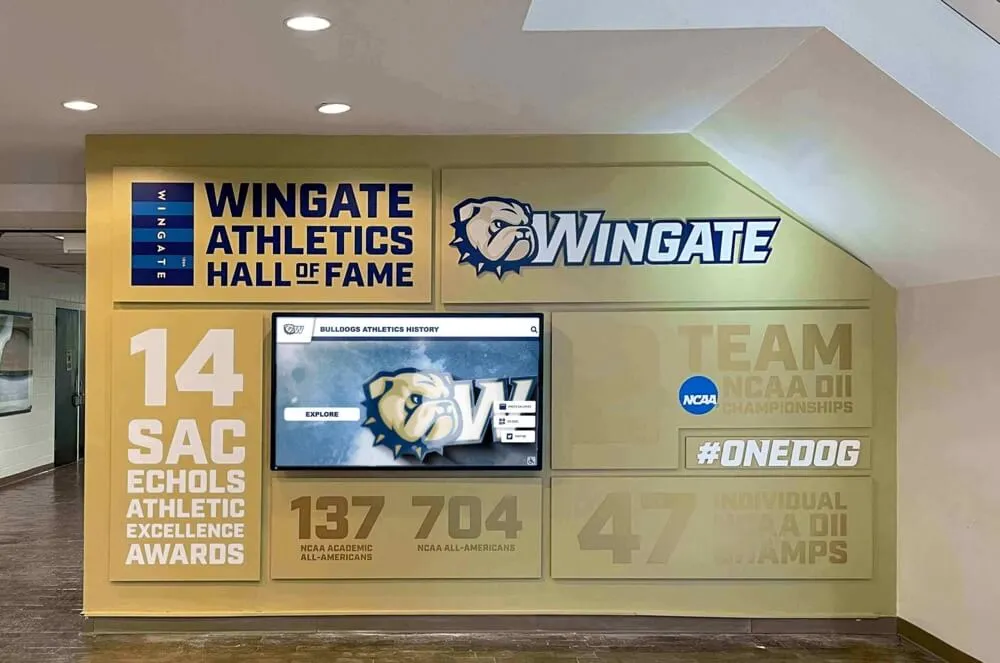
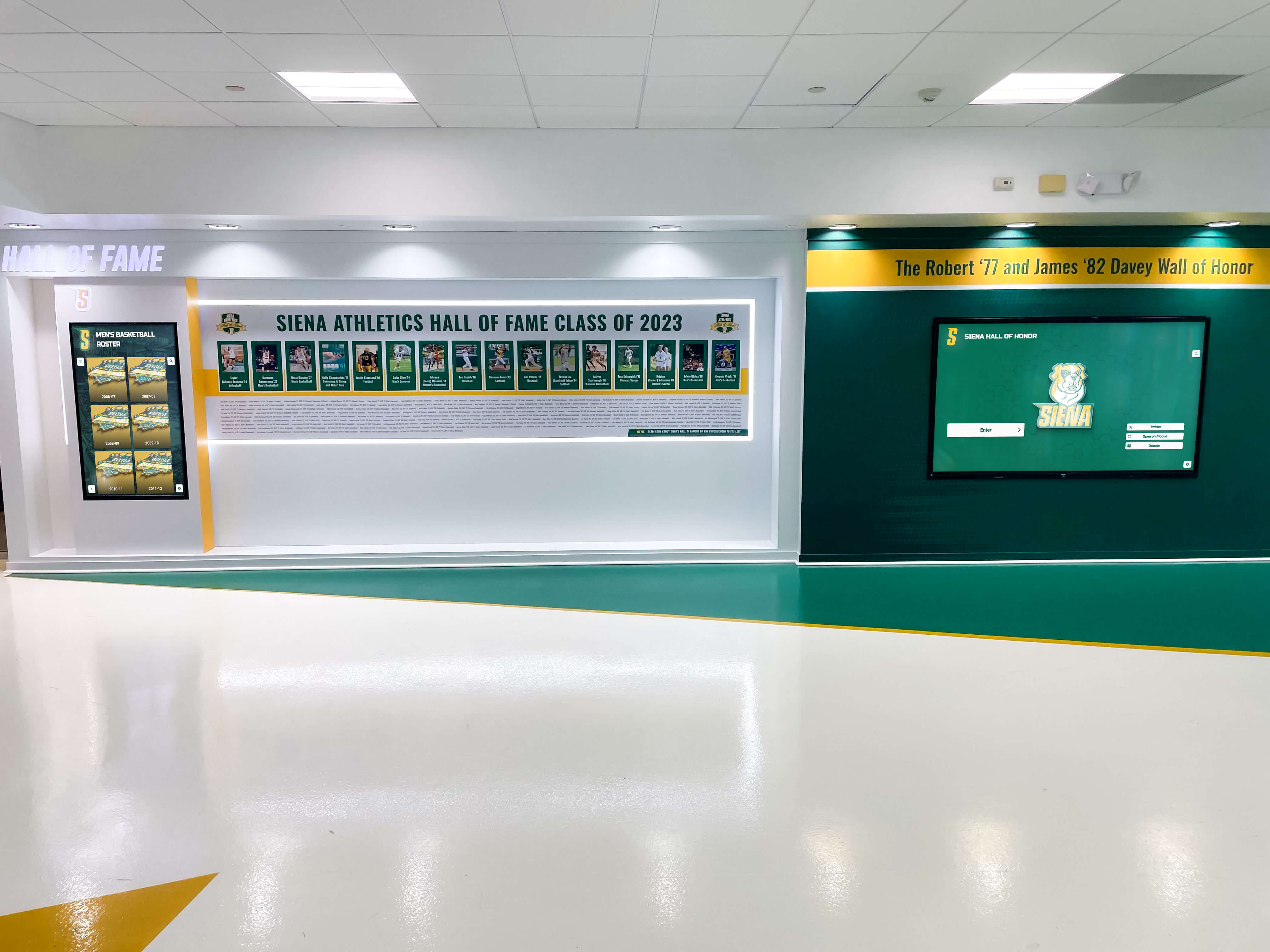
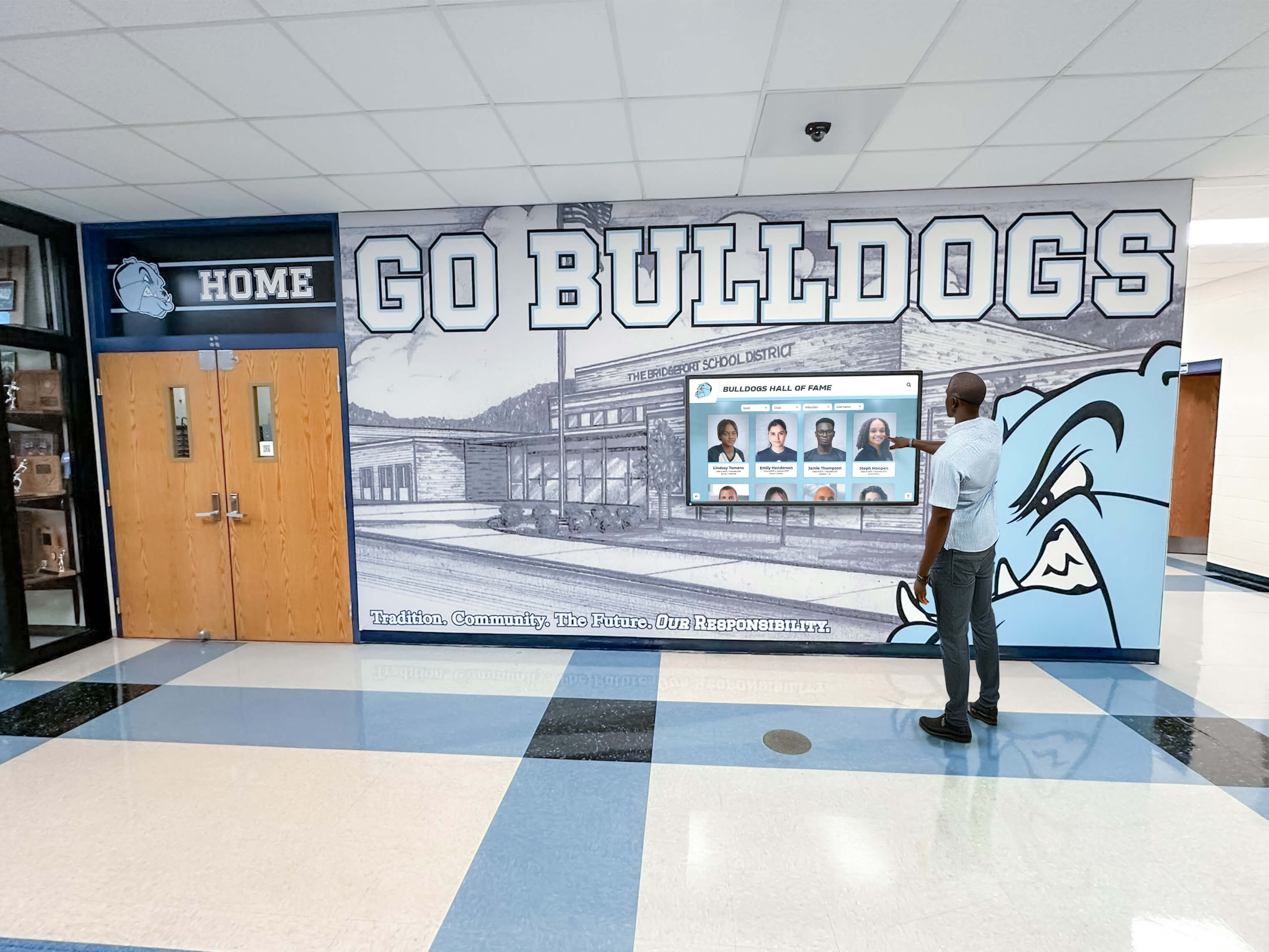
Digital Recognition Archives: Create permanent recognition through digital display systems featuring current award winners while maintaining historical records celebrating past recipients, ensuring accomplishments receive visibility extending beyond brief ceremony moments.
Create Lasting Recognition for Your Youth Baseball Players
Transform how your baseball program celebrates young athletes by implementing digital recognition that permanently honors season awards, statistical achievements, and player development. Rocket Alumni Solutions enables youth baseball organizations to create comprehensive player profiles featuring awards, statistics, photos, and accomplishments that remain accessible for decades—ensuring recognition extends far beyond brief banquet moments while building program tradition and history.
Digital Recognition Systems for Youth Baseball
Technology enables youth baseball organizations to create comprehensive, permanent recognition extending far beyond traditional trophy shelves and brief season-ending ceremonies, building program archives that celebrate player development across years and generations.
Benefits of Digital Baseball Recognition
Unlimited Recognition Capacity: Digital platforms accommodate awards for unlimited players across unlimited seasons without physical space constraints limiting who receives acknowledgment. Every player who earns recognition—whether league MVP or Most Improved—maintains permanent place in program history.
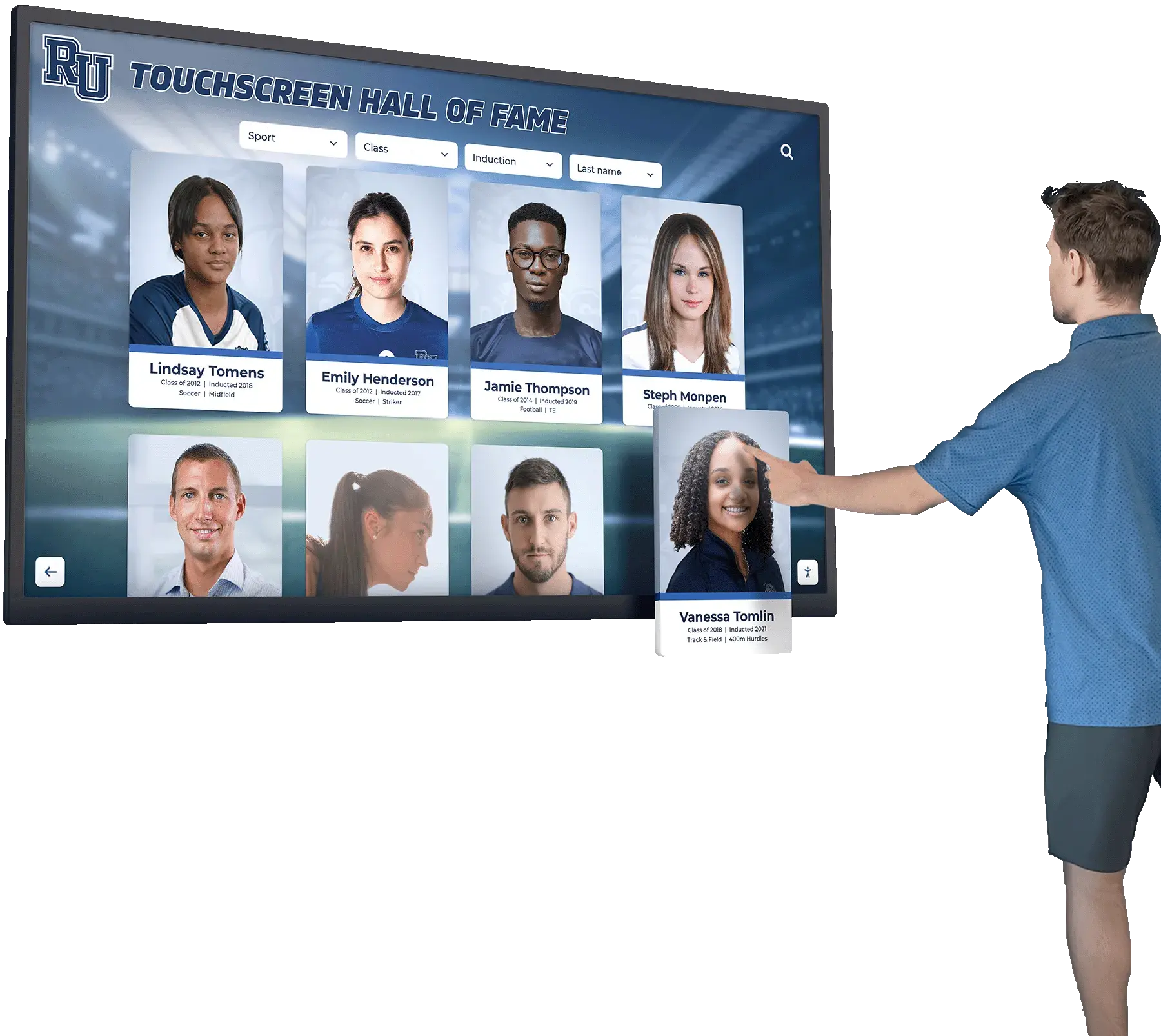
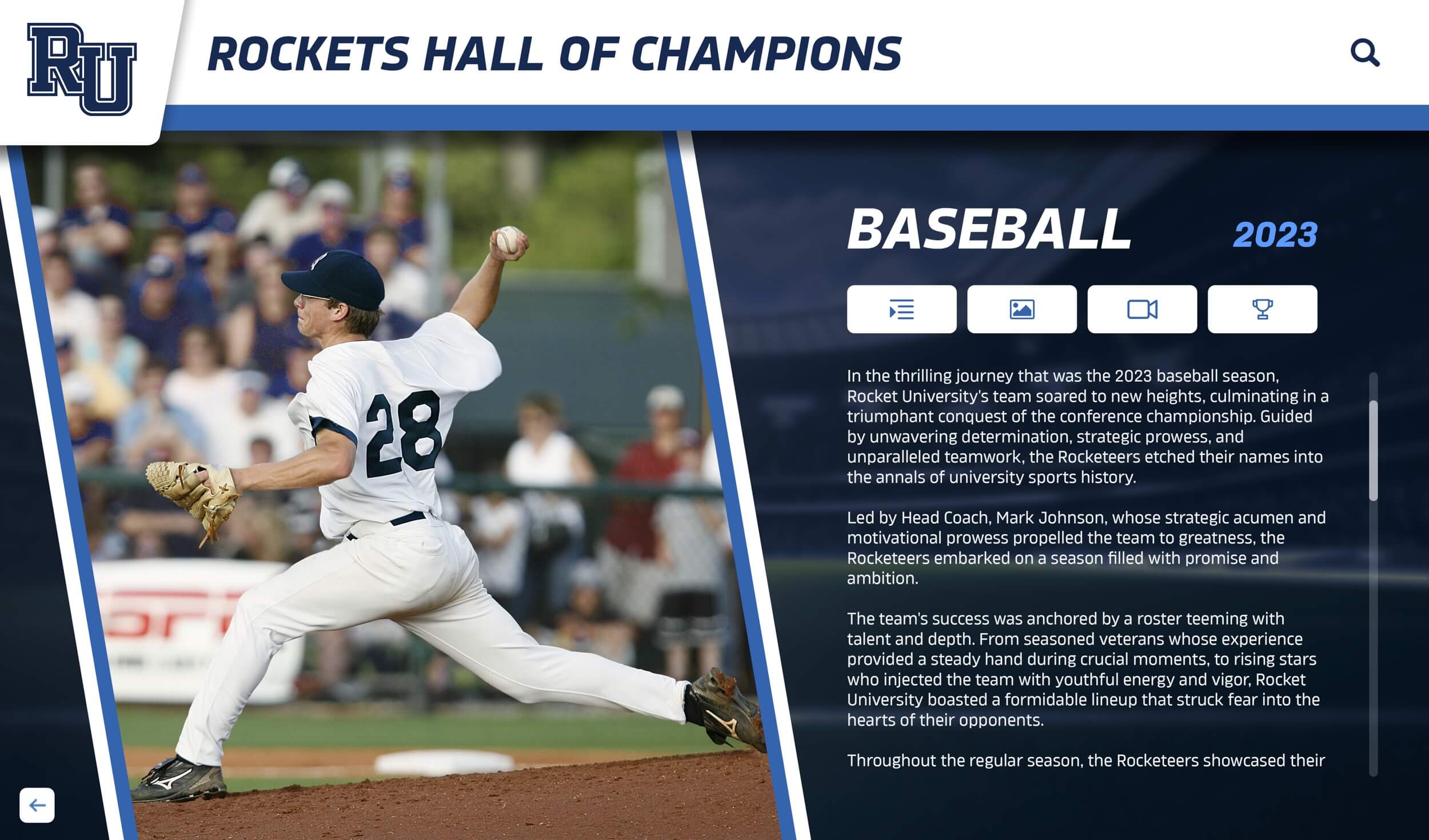
Comprehensive Player Profiles: Beyond simple name listings, digital recognition creates detailed athlete profiles including photos, award information, season statistics, position details, team rosters, and personal accomplishments. Rich profiles tell complete stories about young players’ baseball journeys.
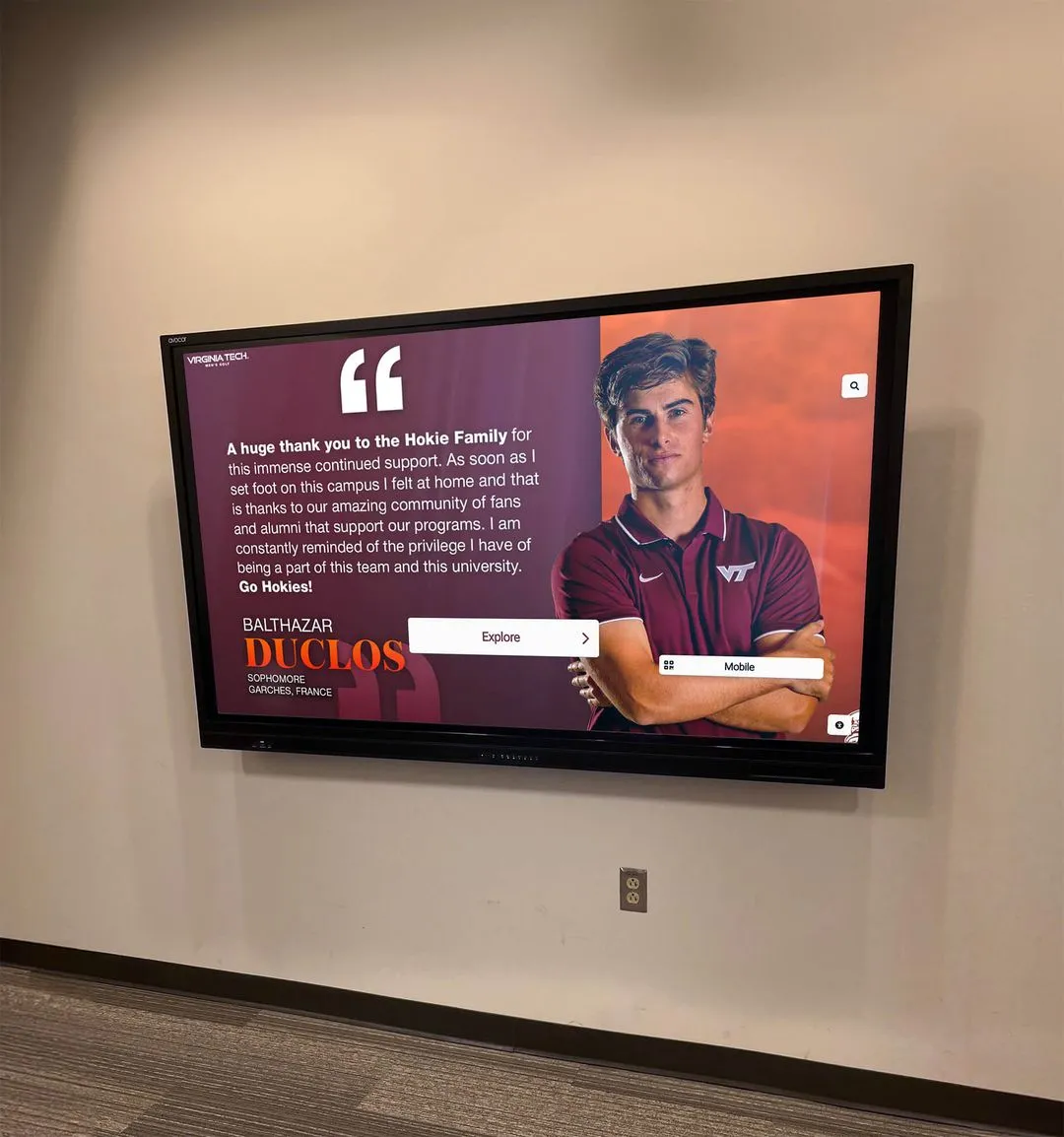
Multimedia Storytelling: Digital systems incorporate game action photos, defensive highlight descriptions, batting stance images, team pictures, and season narratives bringing achievements to life beyond dry statistics.
Easy Content Updates: Web-based management systems enable quick updates adding new award recipients, updating player profiles, and maintaining current recognition content as seasons progress. Authorized administrators make changes in minutes rather than ordering new physical plaques.
Historical Archives: Digital systems preserve complete program history, enabling future players and families to explore past award winners while connecting current recognition to decades of tradition. Young players see their names alongside older siblings, parents, or community legends who played before them.
Family Accessibility: Online extensions enable remote access by grandparents, extended family members, alumni, and community supporters who cannot attend banquets but want to celebrate player achievements. Recognition reaches audiences far beyond ceremony attendees.
Recruiting and Program Promotion: Digital archives documenting comprehensive player recognition demonstrate program commitment to acknowledging achievements, helping recruit new families while building community support.
Solutions like Rocket Alumni Solutions provide purpose-built platforms designed specifically for athletic recognition, offering functionality traditional approaches cannot match while creating permanent celebration of youth baseball accomplishments.
Implementing Digital Recognition Systems
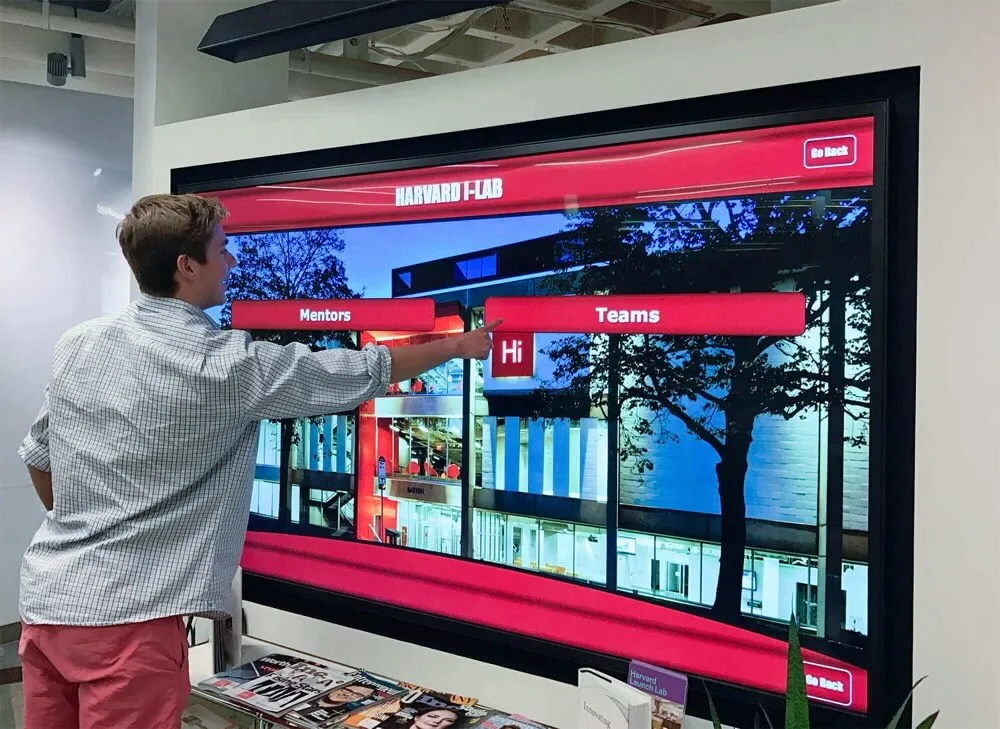
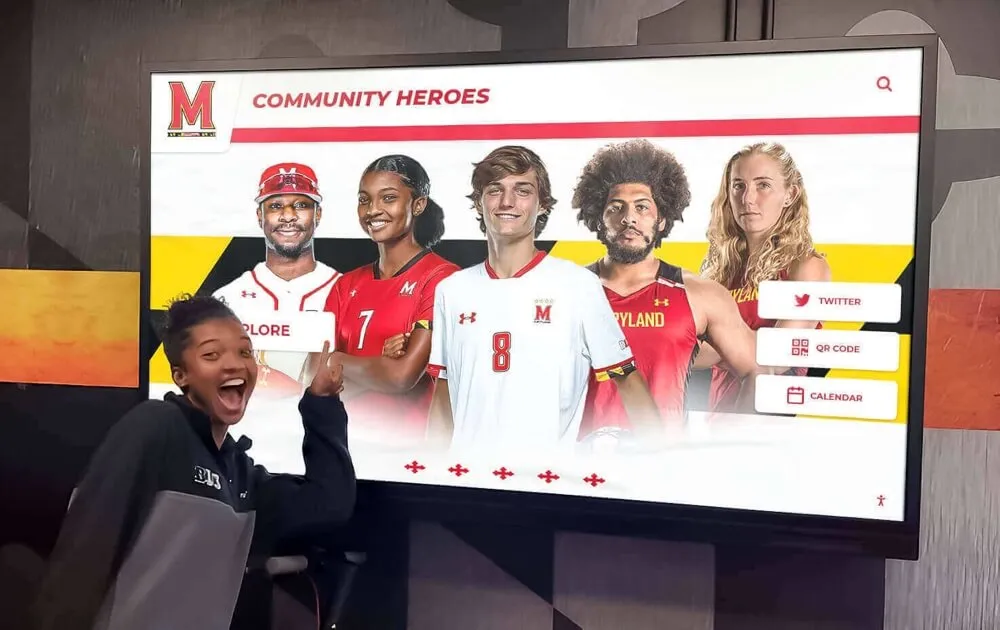
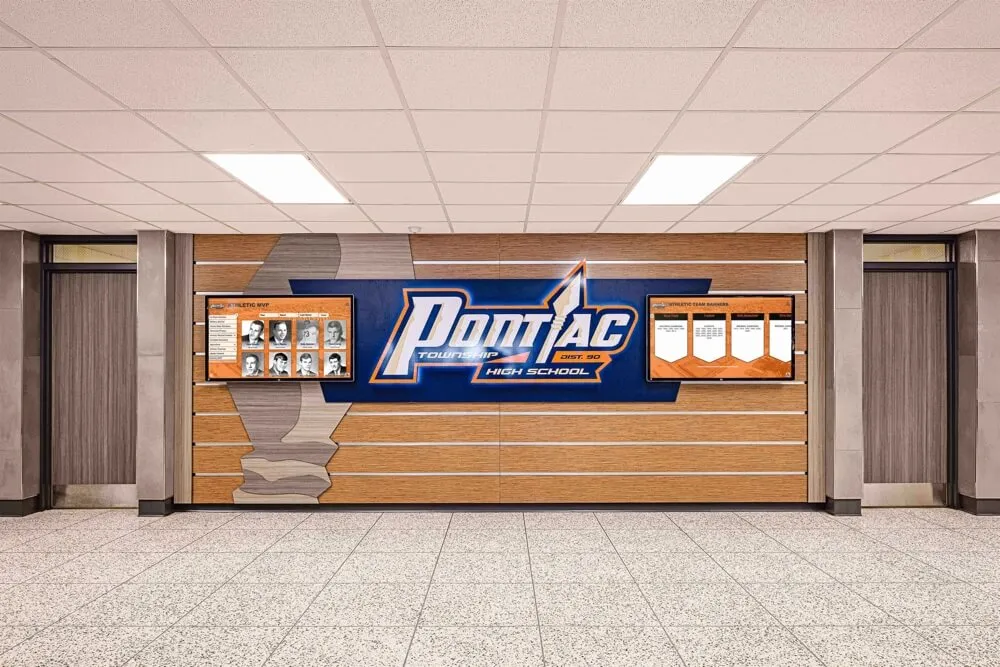
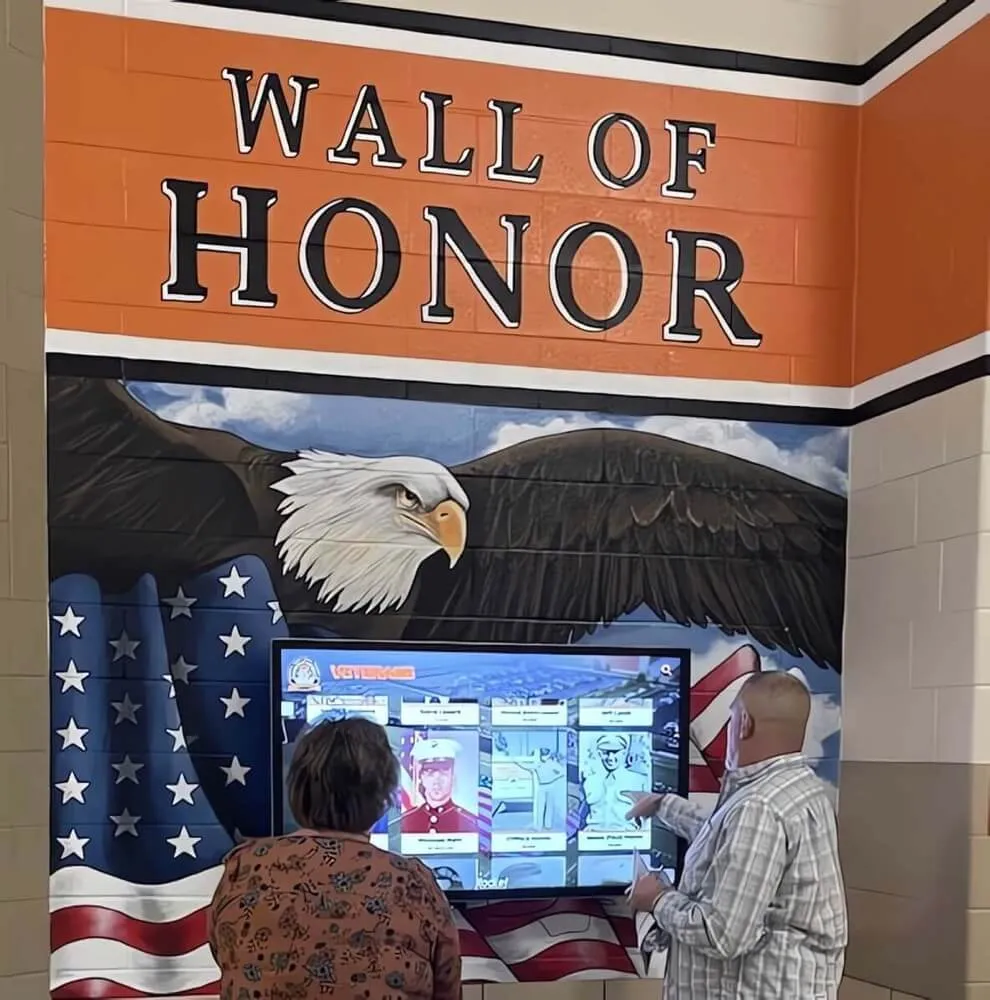
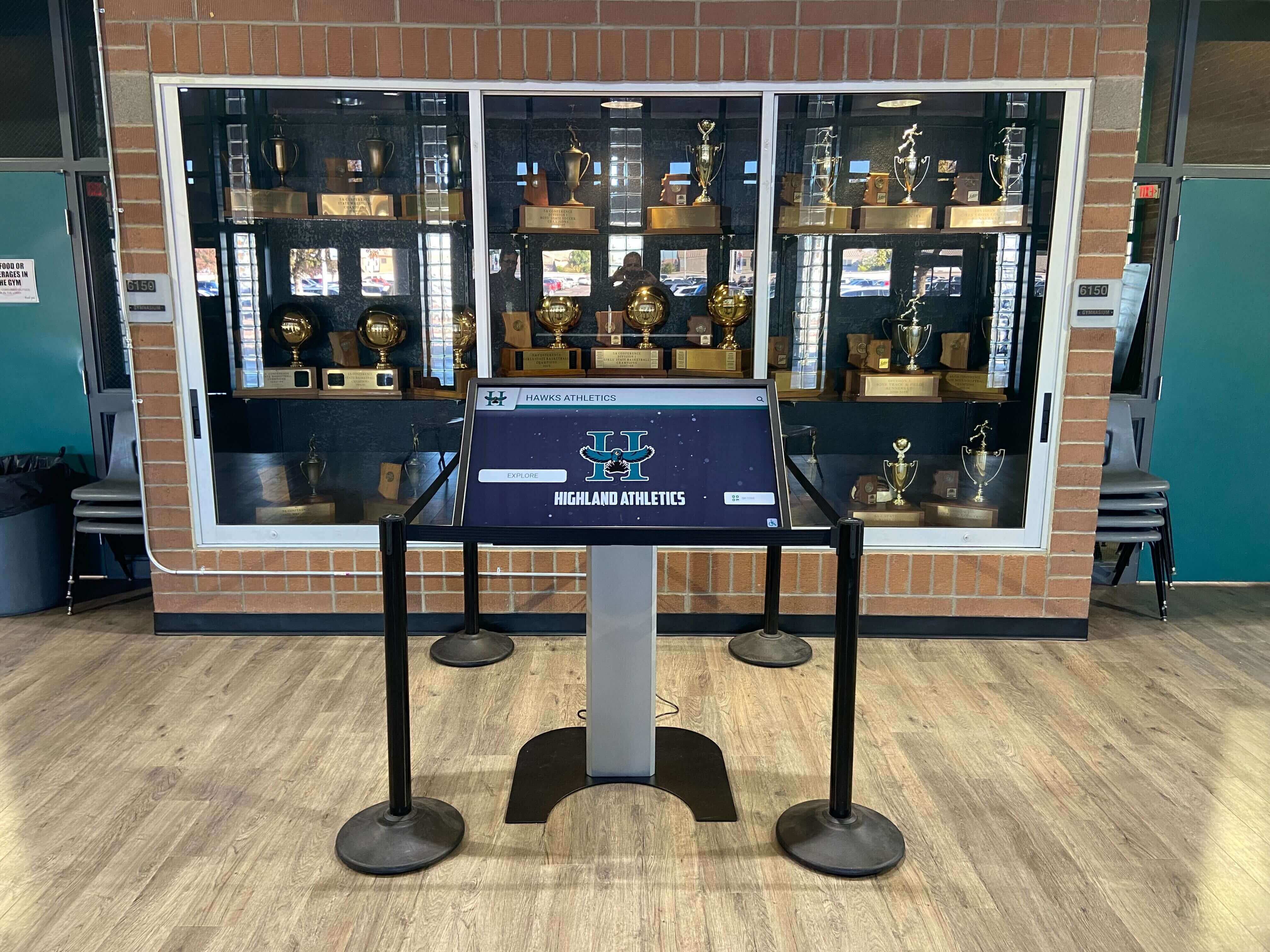
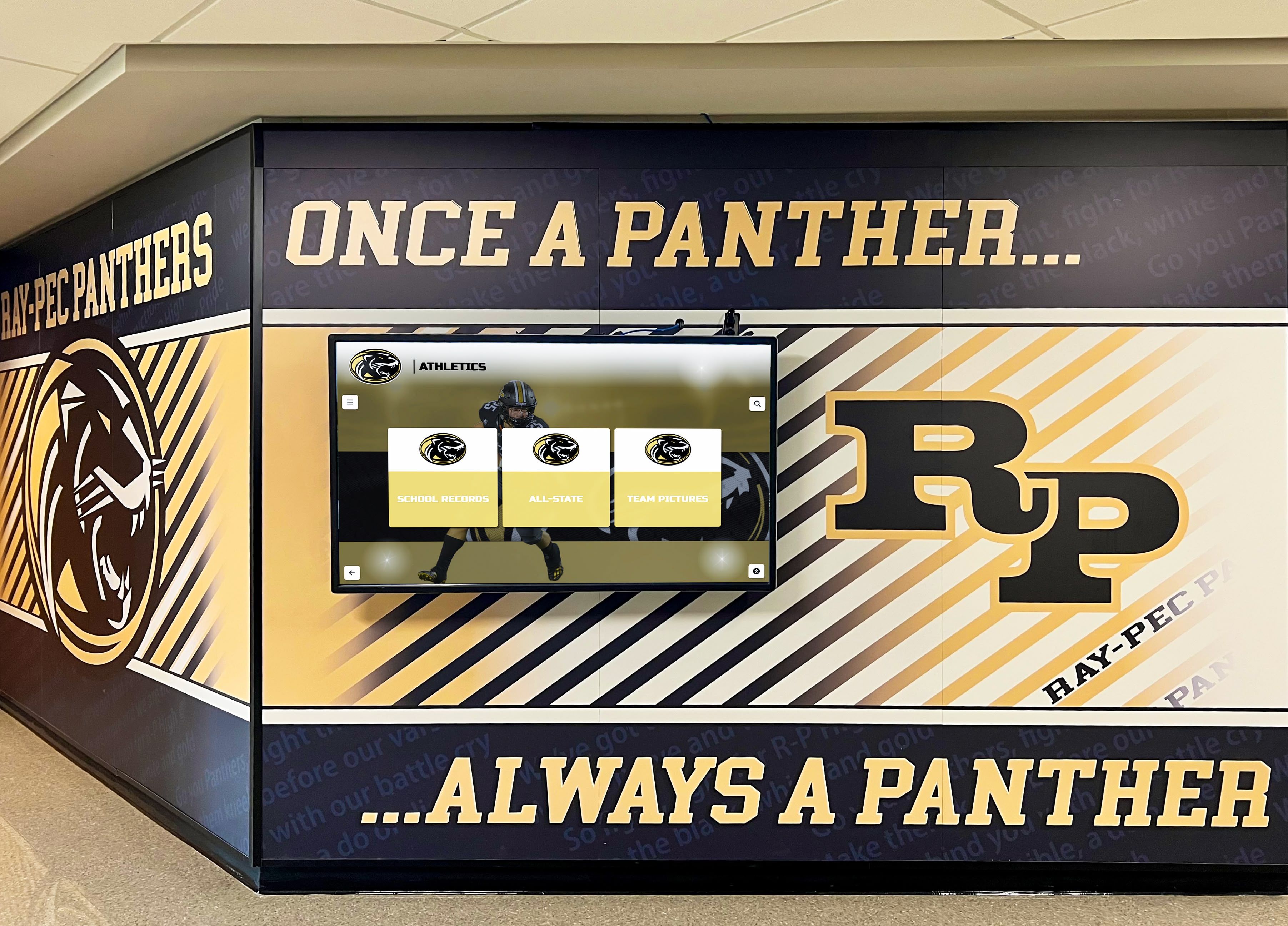
Strategic Display Placement: Position touchscreen displays in facility entrances, concession stand areas, dugout hallways, or community center locations ensuring regular player, family, and visitor engagement with recognition content. Prominent placement communicates that player acknowledgment matters to the organization.
Comprehensive Profile Development: Create detailed player profiles including multiple photos, complete award information, season-by-season statistics, position details, memorable play descriptions, and personal statements rather than basic name-and-award listings. Rich content creates engaging experiences encouraging exploration.
Regular Content Updates: Establish administrative processes for consistently adding new award recipients, updating player information, and maintaining recognition relevance ensuring content remains current throughout and after seasons. Assign specific league administrators or volunteer coordinators to manage updates.
Integration with Physical Awards: Use digital systems to complement rather than replace physical trophies and certificates players take home. Physical items provide tangible recognition while digital displays create ongoing public visibility extending beyond items stored in bedrooms.
Season Highlight Integration: Link award recognition to baseball record board displays tracking all-time statistical achievements, connecting individual awards to broader program performance history and creating comprehensive athletic archives.
Community Engagement: Enable community members, youth baseball alumni, and families to explore recognition content online through mobile-responsive websites, building program support while celebrating player accomplishments publicly beyond facility walls.
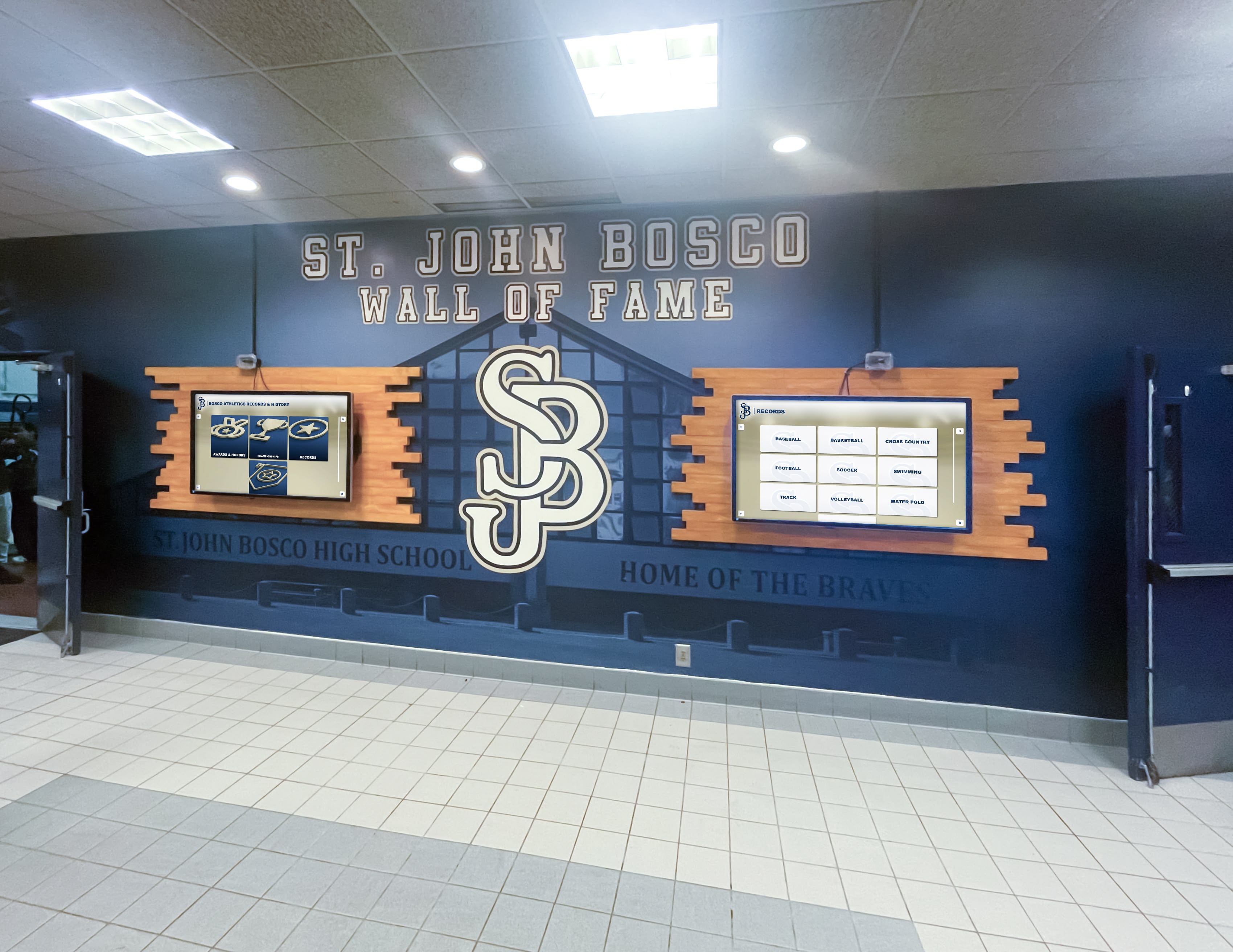
Resources on touchscreen recognition displays demonstrate how youth baseball organizations can implement modern technology creating engaging, permanent player recognition accessible to current participants and future generations.
Budget Planning for Baseball Award Programs
Understanding financial requirements helps youth baseball organizations create sustainable recognition programs delivering maximum impact within available resources, ensuring awards remain affordable while maintaining quality and meaningfulness.
Award Program Cost Components
Physical Award Items: Trophies, medals, plaques, certificates, ribbons, and other tangible recognition items players receive. Costs vary significantly based on quality, quantity, customization level, and award types selected. Basic participation certificates cost under one dollar each, while custom trophies range from $5-50+ depending on size and features.
Ceremony and Event Expenses: Venue rental for banquet facilities, catering or refreshment costs, decoration expenses, printed programs, and other event-related expenditures. Team gatherings at parks or dugouts cost little, while restaurant banquets or rented facility events require substantial budgets.
Digital Recognition Investment: Initial costs for display hardware (touchscreen monitors, mounting systems), software platform subscriptions, installation labor, and content development plus ongoing annual subscription fees for maintenance, updates, and technical support. Digital systems require higher initial investment but provide long-term value through unlimited recognition capacity.
Communication Materials: Printing costs for programs, promotional materials, invitations, and recognition documentation plus digital content creation expenses for photos, graphics, or video production.
Administrative Time: Staff or volunteer hours for award selection, statistical tracking, event planning, content development, and program coordination. While not direct cash expenses, time investments represent real costs requiring consideration.
Cost-Effective Award Program Strategies
Tiered Recognition Approach: Provide elaborate trophies for major awards (MVP, Championship, All-Star selections) while using quality certificates or medals for broader recognition categories (participation, effort awards, improvement), balancing impact with budget constraints.
Bulk Purchasing and Supplier Relationships: Order awards in larger quantities or establish relationships with trophy suppliers securing volume discounts reducing per-item costs. Many suppliers offer tiered pricing with significant savings at higher quantities.
Sponsor Partnerships: Seek local business sponsors covering award costs in exchange for recognition at banquets, on certificates, in programs, and through digital displays. Community businesses often support youth sports through sponsorships generating goodwill while helping programs afford quality recognition.
League-Funded Recognition Budgets: Incorporate award program costs into league registration fees or team budgets ensuring adequate funding for recognition across all teams. Centralized purchasing may reduce costs while maintaining consistency.
Parent Organization Support: Engage parent associations, booster clubs, or youth sports foundations in funding recognition programs through direct financial support, fundraiser proceeds, or volunteer coordination reducing paid staff requirements.
Digital Investment Value Analysis: While digital recognition requires higher initial investment ($3,000-10,000+ depending on hardware and software selections), elimination of recurring physical plaque production costs, unlimited player capacity, and decades-long utility provide strong long-term value compared to annual trophy expenses.
Volunteer Coordination Maximization: Utilize parent volunteers for banquet planning, setup, coordination, decoration, photography, and execution reducing paid staff requirements while building community engagement. Many parents eagerly contribute when given specific, manageable responsibilities.
Guidance on booster club recognition funding provides strategies baseball programs can use for securing financial support ensuring sustainable, quality player recognition.
Common Baseball Awards Program Challenges
Understanding frequent challenges helps youth baseball organizations avoid problems undermining recognition effectiveness, player motivation, and program culture.
Challenge: Awards Concentrating on Star Players
Recognition programs sometimes shower top performers with multiple awards while overlooking defensive specialists, bench players, improvement stories, and character contributors, creating perception that only offensive statistics and elite talent matters.
Solution: Implement diverse award categories ensuring various contribution types receive recognition beyond batting average and home runs. Track recipient distribution ensuring awards reach players across rosters rather than clustering on few standouts. Expand categories celebrating defense, character, effort, improvement, and leadership ensuring every player type has acknowledgment pathway.
Challenge: Age-Inappropriate Competitive Emphasis
Programs sometimes apply competitive, comparison-based recognition to young players still learning fundamentals, undermining confidence and motivation when public comparison highlights skill gaps rather than celebrating participation and development.
Solution: Match recognition approaches to developmental stages. Younger players (under 10) benefit from participation-focused acknowledgment emphasizing effort, learning, and fun over comparative performance. Reserve competitive, differentiated awards for older players (12+) with developed skills where performance comparison feels appropriate and motivating.
Challenge: Subjective Award Selection Bias
When subjective awards like Most Valuable Player, Best Teammate, or Hustle Award lack clear criteria or consistent evaluation, selection appears based on coach favorites, parent pressure, or playing time rather than genuine merit.
Solution: Establish evaluation rubrics for subjective awards considering multiple observable criteria. Gather input from all coaches, appropriate officials, and potentially peers rather than single coach decisions. Document reasoning for selections enabling explanation if questioned. Maintain transparency about selection processes from season start.
Challenge: Limited Parent Attendance at Ceremonies
Poorly scheduled or communicated award ceremonies result in minimal family attendance, diminishing recognition impact as young players receive acknowledgment without support systems present to celebrate accomplishments.
Solution: Schedule ceremonies at times maximizing attendance—weekend afternoons, early weeknight evenings—avoiding conflicts with major holidays, school breaks, or competing youth activities. Communicate ceremony details multiple times through multiple channels (email, text, team apps) ensuring families have adequate notice and understand importance of attending.
Challenge: Forgotten Recognition After Brief Ceremonies
Awards presented during brief ceremonies without lasting documentation or ongoing visibility lose impact as accomplishments fade from memory within months, failing to provide enduring validation of player achievements.
Solution: Create permanent recognition through digital platforms, physical displays, or program archives ensuring achievements receive ongoing visibility extending beyond brief ceremony moments. Document all awards in league records and player profiles preserving recognition history accessible to families, players, and community long after seasons end.
Conclusion: Building Baseball Awards That Make a Difference
Effective baseball awards for youth transcend ceremonial formalities to become meaningful experiences validating young player effort, celebrating diverse accomplishments, reinforcing positive behaviors, and teaching important lessons about excellence, teamwork, sportsmanship, and personal growth extending far beyond diamond boundaries. When thoughtfully designed with age-appropriate criteria, diverse categories, fair selection processes, and appropriate presentation, recognition programs profoundly influence player motivation, continued participation, skill development, and character formation.
The most successful youth baseball recognition shares several key characteristics: matching award approaches to developmental stages ensuring recognition feels appropriate rather than premature or belated; celebrating diverse achievement ensuring batting prowess isn’t the only path to acknowledgment; establishing transparent criteria maintaining credibility and fairness preventing perception of favoritism; balancing performance recognition with character and effort acknowledgment teaching that how players compete matters as much as results; providing meaningful presentation experiences honoring recipients appropriately with family support; and creating permanent documentation ensuring accomplishments receive lasting visibility rather than brief ceremonial mentions.
Digital recognition solutions like Rocket Alumni Solutions enable youth baseball organizations to create comprehensive, permanent celebration of player accomplishments extending recognition beyond traditional trophy cases and annual banquets. These platforms provide unlimited capacity for honoring athletes across all skill levels and age groups, enable rich multimedia storytelling bringing achievements to life through photos and narratives, facilitate easy updates keeping recognition current as players develop, and create engaging experiences encouraging exploration of program history connecting current participants to decades of tradition.
Whether organizations manage recreational t-ball leagues emphasizing fun and fundamentals or competitive travel baseball programs pursuing championships, commitment to comprehensive, fair, age-appropriate recognition creates positive cultures where young players feel valued, motivated to improve, and connected to programs supporting their growth as both athletes and people. By implementing thoughtful baseball awards for youth using the ideas, strategies, and frameworks presented in this guide, baseball programs demonstrate that effort matters, achievement deserves celebration, character counts alongside statistics, and every player’s contribution to team success has genuine value—lessons extending far beyond youth baseball into lifelong attitudes about excellence, teamwork, perseverance, and personal development that serve young people throughout their lives.