



Elementary school awards represent far more than certificates and stickers—they’re foundational experiences shaping how young children perceive achievement, develop intrinsic motivation, and build academic self-concept. Between kindergarten and fifth grade, students form critical beliefs about their capabilities, establish learning identities, and develop attitudes toward effort and accomplishment that influence educational trajectories throughout their lives. Recognition programs carefully designed for elementary-aged children validate diverse strengths, celebrate growth alongside absolute achievement, and create inclusive classroom cultures where every student experiences meaningful acknowledgment.
This comprehensive guide explores effective recognition approaches specifically tailored for elementary students ages 5-11, examining developmental considerations, diverse award categories, implementation strategies, and common pitfalls administrators and teachers should avoid. Whether you’re a principal planning school-wide recognition, a teacher designing classroom awards, or a PTA member coordinating student celebrations, this guide provides practical frameworks for creating meaningful recognition that genuinely motivates young learners while supporting healthy development.
Why Elementary Recognition Requires Special Approaches
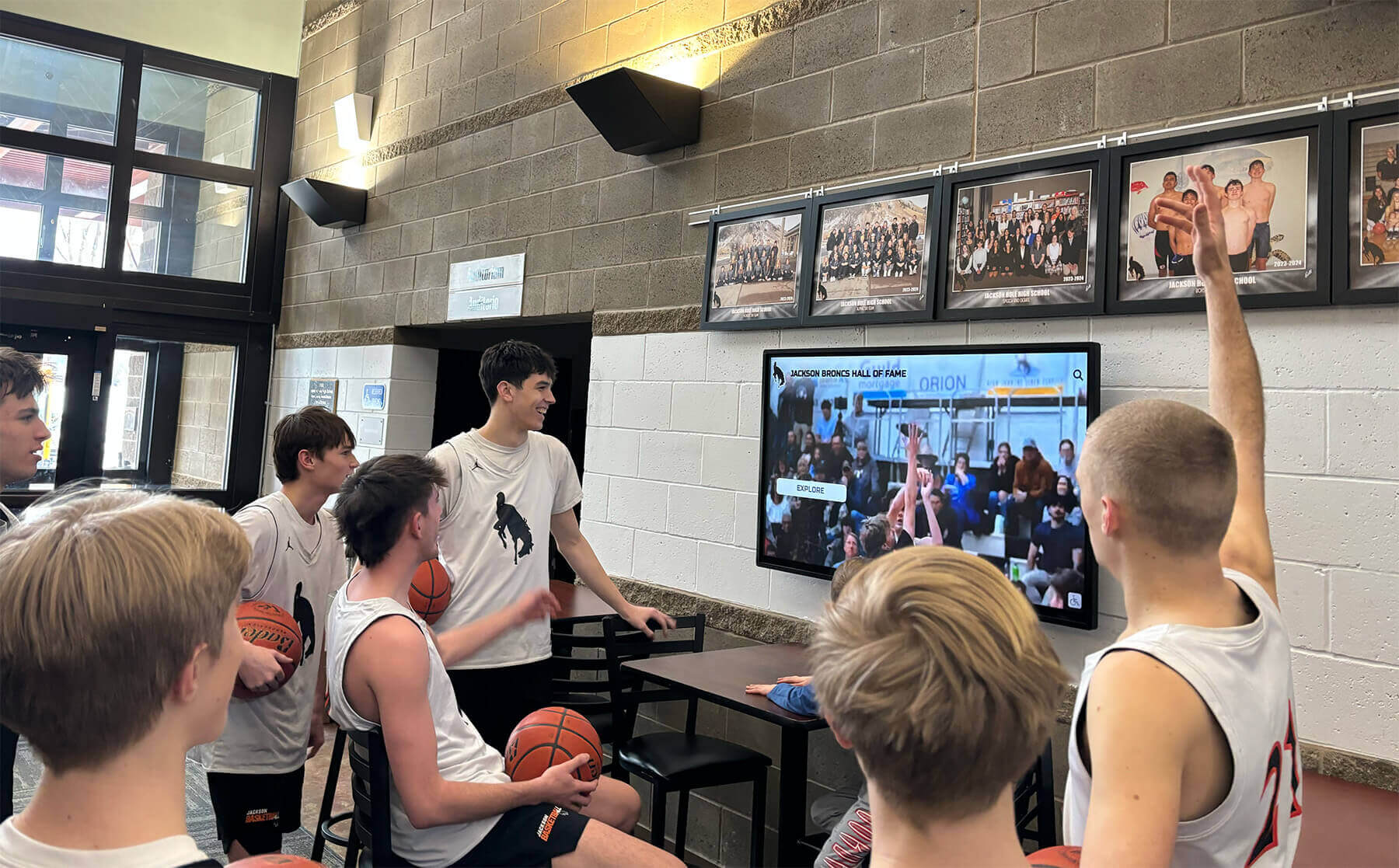
Elementary students differ fundamentally from middle and high school students in cognitive development, emotional maturity, and motivational psychology. Effective recognition for young learners emphasizes participation over competition, celebrates effort as much as outcome, acknowledges diverse strengths beyond academics, and creates frequent positive experiences rather than rare recognition events. Digital recognition solutions like Rocket Alumni Solutions enable elementary schools to create engaging displays celebrating student accomplishments in developmentally appropriate ways that build confidence and school pride from the earliest grades.
Understanding Elementary Students’ Developmental Needs
Elementary-aged children experience rapid cognitive, social, and emotional development requiring recognition approaches matched to their evolving capabilities and psychological needs. What motivates third graders differs substantially from what resonates with first graders—even within elementary school, developmental variation demands thoughtful age-appropriate differentiation.

Early Elementary (Kindergarten-2nd Grade)
Young elementary students ages 5-7 operate within what developmental psychologist Jean Piaget termed the “preoperational stage,” characterized by concrete thinking, emerging self-awareness, and limited ability to understand abstract concepts like delayed gratification or long-term achievement.
Recognition Considerations for Early Elementary:
- Immediate acknowledgment matters most: Young children struggle connecting recognition to achievements that occurred days or weeks earlier. Effective recognition happens immediately following accomplishment.
- Concrete, visible rewards resonate: Physical items—stickers, certificates, stamps—provide tangible validation young children can see, touch, and show families.
- Universal participation creates inclusion: At this age, comparisons between students often prove harmful rather than motivating. Recognition emphasizing individual accomplishment rather than competitive ranking supports healthier development.
- Effort deserves equal recognition as outcome: Young children develop either growth mindsets believing effort leads to improvement or fixed mindsets believing ability remains unchangeable. Recognition that celebrates student achievement through effort-focused acknowledgment builds healthier beliefs about learning.
- Frequent small recognition exceeds rare big events: Weekly or daily acknowledgment generates sustained motivation more effectively than quarterly assemblies alone.
According to research from Stanford University’s Carol Dweck, students praised for effort (“You worked really hard on that!”) rather than innate ability (“You’re so smart!”) demonstrate greater persistence, resilience, and willingness to tackle challenging tasks. This finding proves particularly important during early elementary years when foundational beliefs about learning take shape.
Upper Elementary (3rd-5th Grade)
Students ages 8-11 enter Piaget’s “concrete operational stage,” developing logical thinking abilities, understanding cause-and-effect relationships, and beginning to form peer comparison awareness influencing self-perception.
Recognition Considerations for Upper Elementary:
- Balance individual and comparative recognition: While younger students benefit from purely individual acknowledgment, upper elementary students begin understanding rankings and comparisons. Thoughtfully designed recognition can leverage healthy competition without creating harmful dynamics.
- Peer recognition gains importance: As social awareness develops, acknowledgment from classmates carries increasing weight alongside adult recognition.
- Subject-specific achievement becomes meaningful: Upper elementary students develop distinct academic identities in different subjects. A student might identify as “good at math” but “not a reader”—subject-specific recognition validates diverse strength areas.
- Longer-term goals become comprehensible: Upper elementary students can work toward quarterly or semester-end recognition, understanding delayed gratification better than younger peers.
- Character and contribution matter equally to academics: Students this age develop strong senses of fairness, justice, and community contribution. Recognition celebrating character strengths creates inclusive programs acknowledging varied student gifts.
Resources on academic recognition programs demonstrate how schools can implement age-appropriate systems celebrating achievement at all elementary levels.
Comprehensive Elementary Award Categories
Effective recognition programs celebrate multiple dimensions of elementary achievement ensuring diverse students experience meaningful acknowledgment for genuine accomplishment.
Academic Achievement Awards
Academic recognition for elementary students should emphasize growth, effort, and subject-specific excellence rather than purely comparative metrics that exclude most students.
Academic Award Ideas:
1. Honor Roll Recognition: Age-appropriate honor roll programs acknowledge strong overall academic performance through grade-based achievement. Consider tiered systems—Highest Honors, Honors, Honorable Mention—creating accessible pathways at various performance levels.
2. Subject Excellence Awards: Math Superstar, Reading Champion, Science Explorer, Social Studies Scholar, Writing Wizard—subject-specific awards validate students excelling in particular academic areas while recognizing that elementary students develop unevenly across subjects.
3. Academic Improvement Recognition: “Most Improved” awards celebrate students demonstrating significant growth from baseline performance. These awards prove particularly meaningful for students who may never achieve highest absolute performance but demonstrate remarkable effort-driven progress.
4. Perfect Attendance Awards: While somewhat controversial (illness shouldn’t be stigmatized), attendance recognition acknowledges commitment and reliability when applied thoughtfully with exemptions for documented medical absences.
5. Homework Completion Recognition: Consistent homework completion demonstrates responsibility and follow-through. Weekly or monthly acknowledgment reinforces these essential habits.
6. Test Performance Excellence: Recognition for strong standardized test performance or achievement on grade-level assessments, balanced with acknowledgment that single test scores don’t define student worth.
7. Reading Achievement Recognition: Number of books read, reading level advancement, participation in reading challenges, or achievement of grade-level reading benchmarks.
8. Math Fact Mastery: Recognition for students mastering addition, subtraction, multiplication, or division facts—concrete, measurable elementary math milestones.
9. Spelling Success: Spelling bee participation, weekly spelling test consistency, or advancement through spelling curriculum levels.
10. Handwriting Excellence: For early elementary students developing fine motor skills, exceptional handwriting improvement or consistent legibility deserves acknowledgment.
According to the National Association of Elementary School Principals, effective academic recognition programs celebrate both absolute achievement and individual growth, ensuring various students can experience success rather than creating systems where identical high achievers receive all recognition.
Effort and Persistence Awards
Effort-based recognition proves particularly valuable at the elementary level, building growth mindset beliefs and validating that trying hard matters regardless of natural ability.
Effort Award Ideas:
11. Hard Worker Award: Recognizes students consistently demonstrating maximum effort across subjects and activities.
12. Never Give Up Recognition: Acknowledges students persevering through challenging work without quitting when tasks feel difficult.
13. Best Attitude Award: Celebrates students maintaining positive, optimistic attitudes toward learning even when facing frustration.
14. Always Prepared Recognition: Honors students consistently arriving with completed homework, necessary materials, and readiness to learn.
15. Participation Champion: Acknowledges enthusiastic classroom participation, engagement in discussions, and willingness to answer questions.

16. Growth Mindset Award: Specifically recognizes students demonstrating growth mindset language and beliefs—“I can’t do this yet” rather than “I can’t do this.”
17. Practice Makes Progress: Celebrates visible improvement through dedicated practice in reading, math, or other skill areas.
18. Assignment Revision Recognition: For upper elementary, acknowledges students who revise work after feedback rather than submitting first drafts.
19. Focus and Concentration Award: Recognizes students demonstrating improved attention, reduced distractibility, or enhanced work completion.
20. Questions and Curiosity Recognition: Celebrates students asking thoughtful questions, seeking deeper understanding, and demonstrating intellectual curiosity.
Guidance on end-of-year awards for students provides frameworks for comprehensive recognition celebrating effort alongside achievement at year-end celebrations.
Character and Citizenship Awards
Character recognition teaches elementary students that how they treat others and contribute to communities matters as much as academic performance.
Character Award Ideas:
21. Kindness Award: Recognizes students consistently demonstrating kindness toward classmates through words and actions.
22. Good Friend Recognition: Acknowledges students who are loyal, supportive, inclusive friends making classmates feel valued.
23. Helper of the Week/Month: Celebrates students who proactively assist teachers, classmates, and school staff.
24. Respectful Student Award: Honors consistent respectful behavior toward adults and peers demonstrated through words, tone, and actions.
25. Responsible Citizen Recognition: Acknowledges students following rules, making good choices, and demonstrating trustworthiness.
26. Conflict Resolution Award: For upper elementary, recognizes students who handle disagreements maturely and help resolve peer conflicts peacefully.
27. Inclusive Behavior Recognition: Celebrates students who include peers who might otherwise be left out or overlooked.
28. Honesty Award: Acknowledges students demonstrating truthfulness and integrity even when honesty feels difficult.
29. Lunch/Recess Role Model: Recognizes positive behavior during less structured times when character shows most clearly.
30. Classroom Community Builder: Honors students whose presence strengthens class community through positive influence and encouraging attitudes.
Resources on volunteer appreciation programs demonstrate how schools can celebrate helpfulness and community contribution—values that transfer well to student recognition programs.
Creativity and Special Talents
Elementary students possess diverse gifts beyond traditional academics deserving equal recognition and celebration.
Creative Recognition Ideas:
31. Art Excellence Award: Celebrates exceptional visual art creation, technique development, or artistic creativity.
32. Music Recognition: Acknowledges progress in instrumental or vocal music, performance excellence, or musical knowledge.
33. Drama and Performance Award: Recognizes students excelling in dramatic performances, school plays, or creative expression.
34. Creative Writing Recognition: Celebrates exceptional storytelling, poetry, imaginative writing, or journaling.
35. Problem-Solving Award: Acknowledges innovative approaches to challenges or exceptional critical thinking demonstration.
36. Technology Skills Recognition: For schools with technology programs, celebrates coding achievement, digital creation skills, or responsible technology use.
37. Athletic Achievement: Sports skill development, team participation, sportsmanship in physical education, or recess leadership.
38. STEM Excellence: Recognition for science fair participation, engineering challenges, robotics involvement, or exceptional STEM thinking.
39. Public Speaking Award: Acknowledges students overcoming presentation anxiety or demonstrating exceptional communication skills.
40. Library Leadership: Celebrates passionate reading, library assistance, book recommendations to peers, or literacy promotion.
According to research from Harvard’s Project Zero, recognizing multiple intelligence types—linguistic, logical-mathematical, spatial, bodily-kinesthetic, musical, interpersonal, intrapersonal, naturalistic—ensures various students experience validation for genuine strengths rather than creating narrow definitions of “smart” that exclude most children.
Improvement-Specific Recognition
Growth-focused recognition creates accessible pathways for students who may never achieve highest absolute performance but demonstrate remarkable development.
Improvement Award Ideas:
41. Academic Comeback Recognition: Celebrates students who recovered from academic struggles and rebuilt performance.
42. Behavior Improvement Award: Acknowledges students demonstrating significant behavior improvement through sustained effort.
43. Reading Level Advancement: Recognizes students advancing multiple reading levels through dedication and practice.
44. Math Progress Recognition: Celebrates measurable improvement in math skills, fact fluency, or problem-solving ability.
45. Writing Development Award: Acknowledges visible improvement in writing organization, grammar, creativity, or mechanics.
46. Social Skills Growth: For students working on social-emotional development, recognizes measurable progress in peer interactions.
47. Self-Regulation Improvement: Celebrates students developing better emotional control, reduced outbursts, or improved self-management.
48. Confidence Building Award: Recognizes students overcoming shyness, participating more actively, or taking academic risks they previously avoided.
49. Organization Development: Acknowledges students developing better organizational systems for materials, assignments, or time management.
50. Independence Growth: Celebrates increasing self-reliance, reduced help-seeking for tasks students can handle independently, or growing confidence.
Information on employee recognition programs offers best practices that translate effectively to elementary student recognition—transparency, consistency, diverse categories, and meaningful criteria.
Creating Effective Elementary Recognition Programs
Beyond selecting award categories, implementation strategies dramatically affect whether recognition programs genuinely motivate students or become empty rituals generating minimal impact.
Balancing Frequency and Meaning
Recognition loses impact when it becomes either too rare or too frequent and indiscriminate. Elementary programs should establish rhythms creating regular positive experiences without devaluing acknowledgment through overuse.
Recommended Recognition Frequency:
- Daily/Weekly Recognition: Brief, simple acknowledgment during class—verbal praise, stickers, stamps, classroom display additions. This frequent reinforcement keeps motivation high.
- Monthly Recognition: More substantial acknowledgment through certificates, classroom celebrations, or special privileges. Monthly awards create achievable goals young students can work toward.
- Quarterly Recognition: Formal awards during parent-attended events acknowledging sustained achievement or significant accomplishments.
- Annual Recognition: Year-end comprehensive celebration reviewing students’ full academic year growth and achievements.
Multiple recognition tiers ensure students experience frequent positive reinforcement while preserving meaning for more selective honors requiring exceptional accomplishment. According to educational psychology research published in the Journal of Educational Psychology, recognition delivered within one week of achievement generates significantly stronger motivational impact than identical acknowledgment delayed by months.
Clear, Transparent Criteria
Even elementary students benefit from understanding how recognition gets earned, enabling them to work intentionally toward achievable goals.
Criteria Best Practices:
- Age-Appropriate Language: Explain criteria using vocabulary elementary students understand. “You can earn Math Superstar by getting 90% or higher on four weekly math tests” proves clearer than abstract explanations.
- Measurable When Possible: Quantitative criteria (number of books read, percentage of homework completed, days of perfect behavior) provide clear targets and reduce perceived favoritism.
- Multiple Pathways: Ensure various students can earn recognition through different strengths. Some students earn academic awards, others character recognition, others improvement acknowledgment—diverse categories create inclusive programs.
- Posted Visibly: Display award criteria in classrooms, school newsletters, and student handbooks ensuring families understand recognition systems.
- Consistent Application: Apply criteria identically across students regardless of popularity, prior behavior, or family background—consistency builds trust in recognition fairness.
Resources on academic distinction programs emphasize transparent criteria as foundational to credible recognition at all educational levels.
Recognition Presentation Strategies
How recognition gets presented dramatically affects student and family experience regardless of award significance.
Effective Presentation Approaches:
Classroom Celebrations: Small-scale classroom recognition during instructional time creates positive peer acknowledgment without formal ceremony pressure. Teachers might dedicate Friday afternoons to celebrating week’s achievements through certificate distribution, special privileges, or class applause.
School-Wide Assemblies: Monthly or quarterly assemblies create community-wide celebration where all students observe peers receiving recognition. Balance assembly time between various award types ensuring diverse students receive spotlight moments.
Individual Student Conferences: Private conversations allow teachers to explain specifically why students earned recognition, providing personal detail and reinforcement that group presentations cannot accommodate.
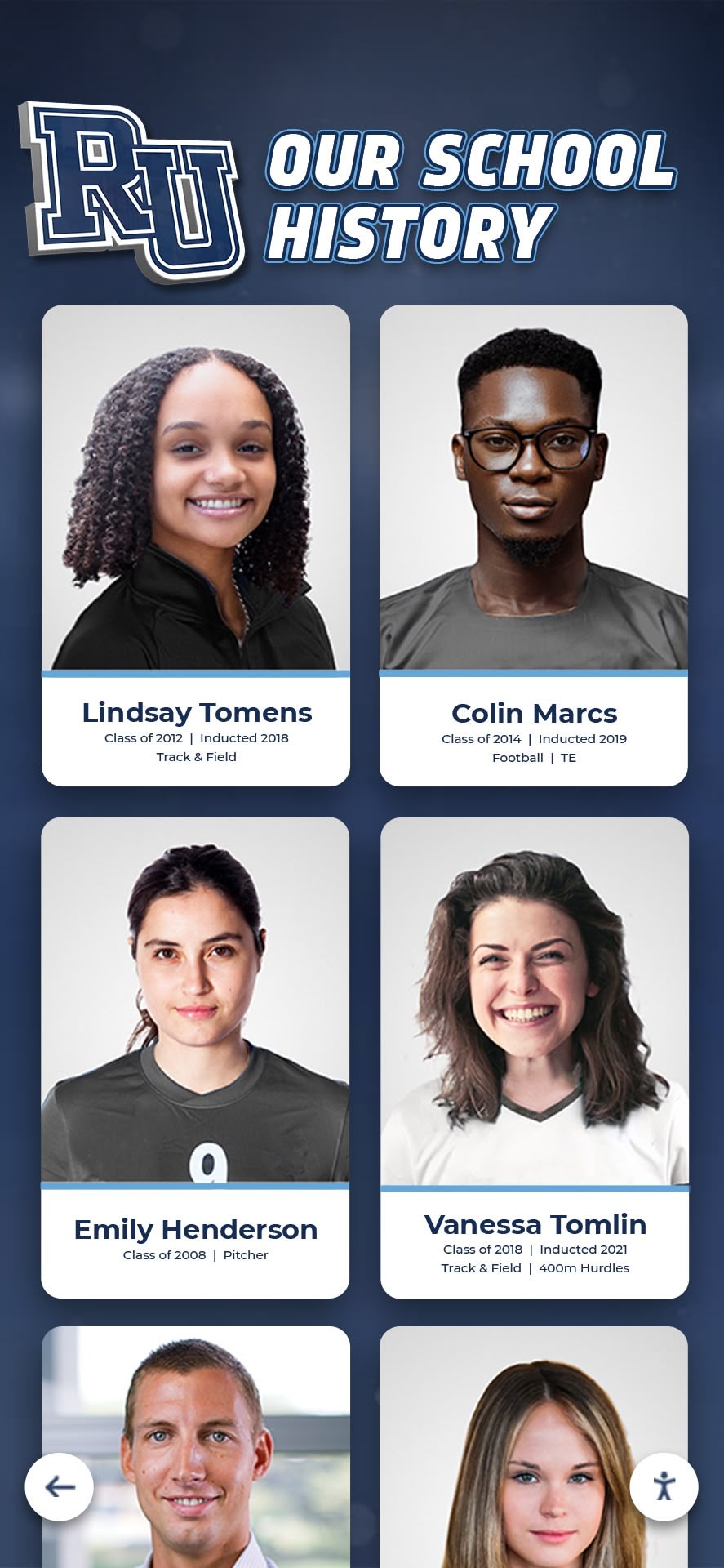
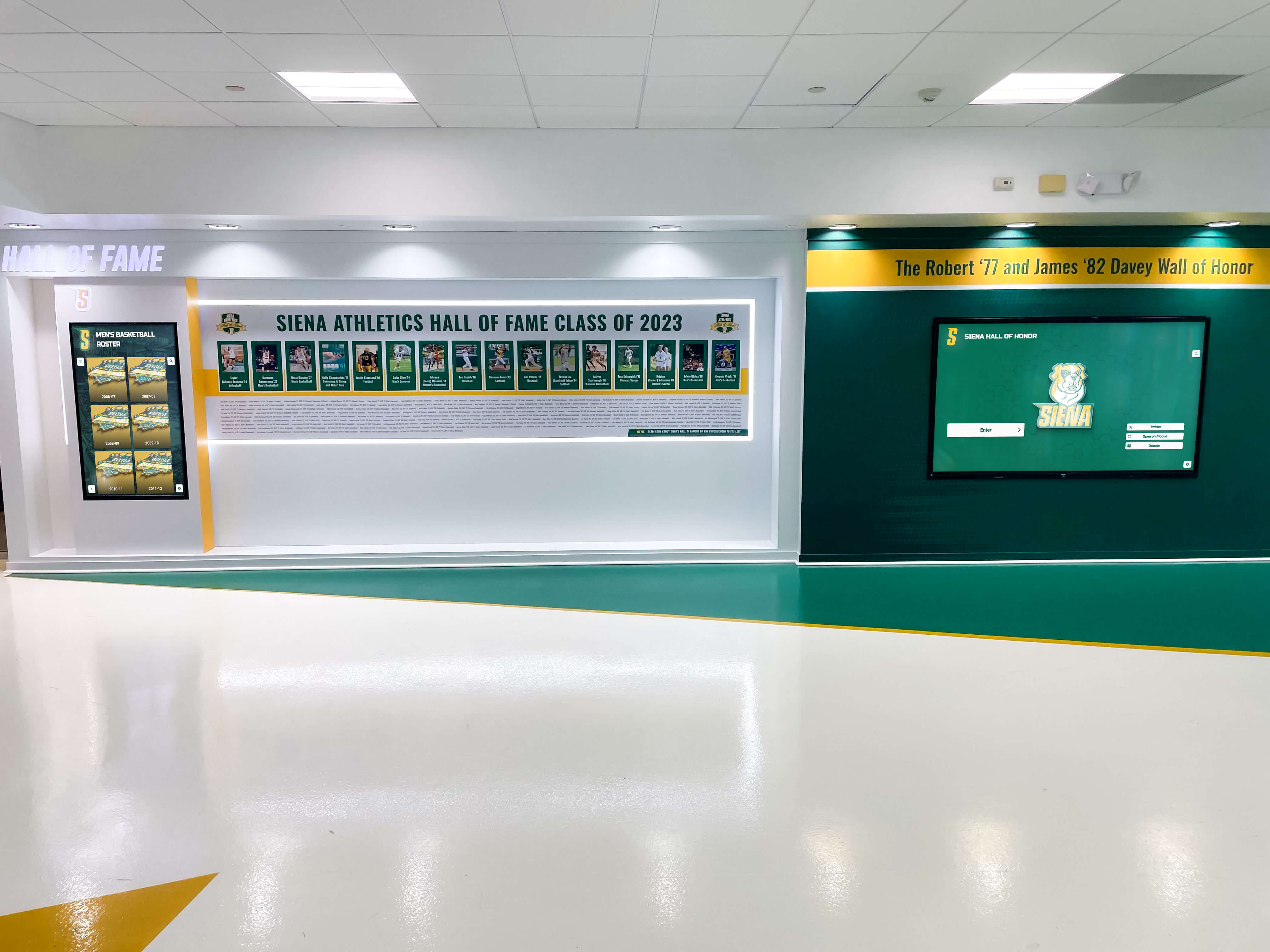
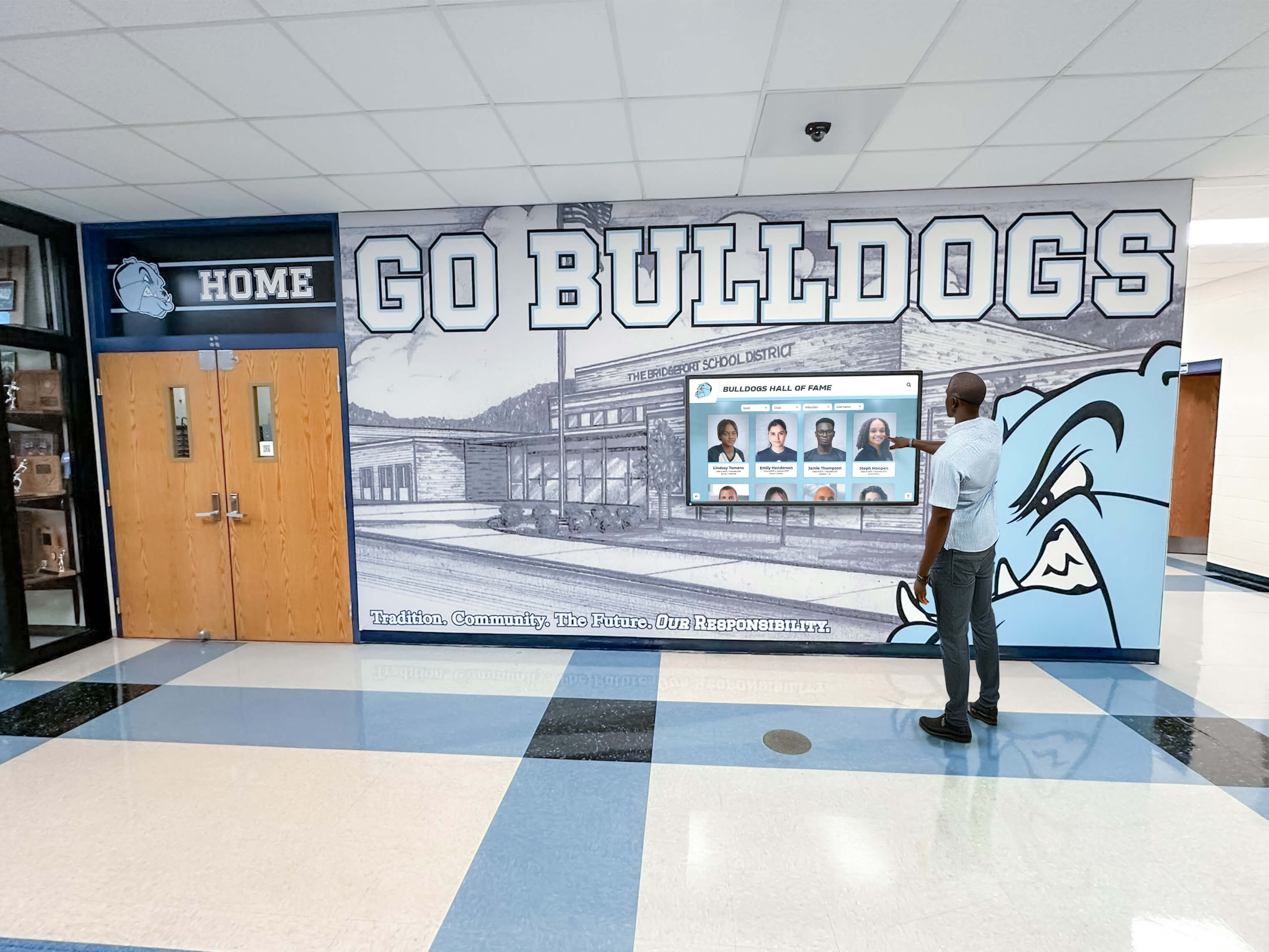
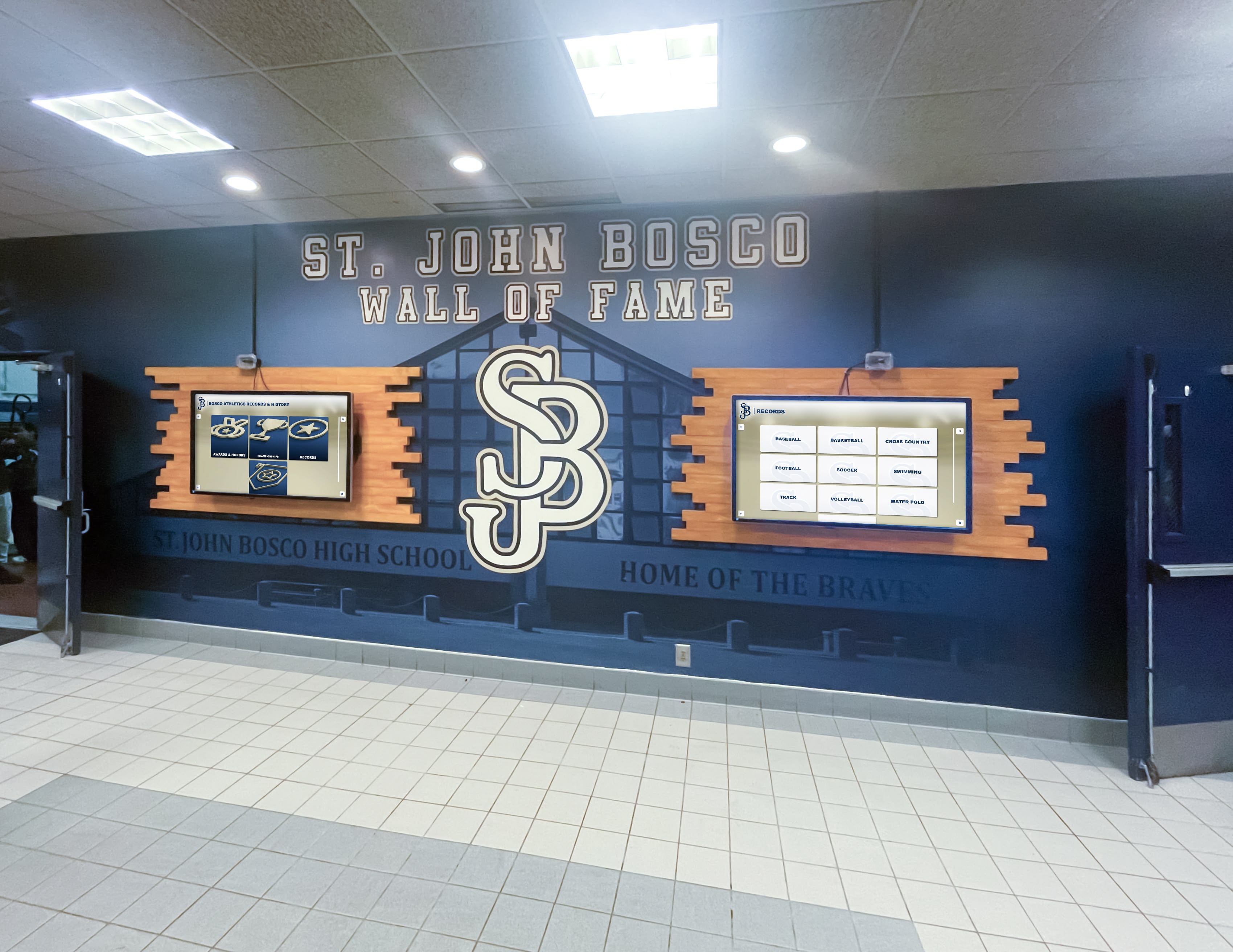
Digital Recognition Displays: Interactive displays throughout school buildings showcase current award recipients through photos, achievement descriptions, and searchable databases. Solutions like Rocket Alumni Solutions enable elementary schools to create engaging recognition visible to students, families, and visitors daily.
Parent Communication: Send recognition home through certificates families can display, email notifications explaining awards earned, or photo sharing to family communication platforms enabling extended family celebration.
Classroom Display Boards: Maintain visible recognition boards displaying current month’s award recipients, student work samples, achievement tracking, and celebration of diverse accomplishments.
According to the Association for Supervision and Curriculum Development, recognition that includes specific detail about what students accomplished proves significantly more meaningful than generic praise. “You earned this reading award by completing 25 books this semester, improving your comprehension, and always participating thoughtfully in book discussions” carries more impact than simply “Good job reading.”
Age-Appropriate Recognition Formats
Physical recognition format should match elementary students’ developmental stages and what young learners find meaningful.
Early Elementary Formats (K-2)
Stickers and Stamps: Young children love collecting stickers and stamps. Create sticker charts tracking progress toward small weekly goals or use special stamps acknowledging daily efforts.
Certificates: Simple, colorful certificates with student names and specific achievement descriptions. Younger students often display these certificates proudly at home creating family celebration opportunities.
Treasure Box Privileges: Allow students earning recognition to select items from treasure boxes containing small toys, school supplies, or privileges—special desk location, extra recess time, lunch with teacher.
Classroom Job Opportunities: Recognition might include opportunity to perform coveted classroom jobs—line leader, paper passer, teacher helper—creating meaningful responsibility and visible acknowledgment.
Public Praise: Verbal recognition during morning meetings, class circle time, or announcements carries weight with young students seeking adult approval and peer acknowledgment.

Upper Elementary Formats (3-5)
Formal Certificates: More sophisticated certificates acknowledging specific achievements with detailed descriptions. Upper elementary students take pride in collecting impressive-looking recognition.
Award Presentations: Brief presentation during assemblies or class meetings explaining what students accomplished. Upper elementary students increasingly value peer recognition alongside adult acknowledgment.
Special Privileges: Meaningful privileges—extra technology time, special lunch locations, reading choice, leadership responsibilities—prove motivating for older elementary students.
Public Recognition Displays: Photos and achievement descriptions on hallway bulletin boards, school websites, digital displays, or newsletters generate visible acknowledgment upper elementary students notice and appreciate.
Written Recognition: Personalized notes from principals or teachers explaining specifically what students accomplished and why it matters. Upper elementary students often save meaningful written recognition for years.
Small Rewards: While intrinsic motivation matters most, modest tangible items—school spirit gear, books, gift cards—occasionally supplement recognition without making external rewards primary focus.
Guidance on athletic banquet planning provides frameworks for formal recognition ceremonies that translate effectively to elementary student award presentations.
Implementing Digital Recognition for Elementary Schools
Modern technology enables elementary schools to create engaging, comprehensive recognition extending beyond traditional paper certificates and temporary bulletin boards.
Benefits of Digital Elementary Recognition
Unlimited Capacity: Digital platforms accommodate recognition for unlimited students across unlimited categories without physical space constraints. Every deserving elementary student can receive acknowledgment rather than space limitations forcing impossible choices.
Continuous Visibility: Unlike certificates stored in backpacks or temporary bulletin boards, digital displays provide ongoing visibility ensuring recognition remains accessible throughout school years and beyond.
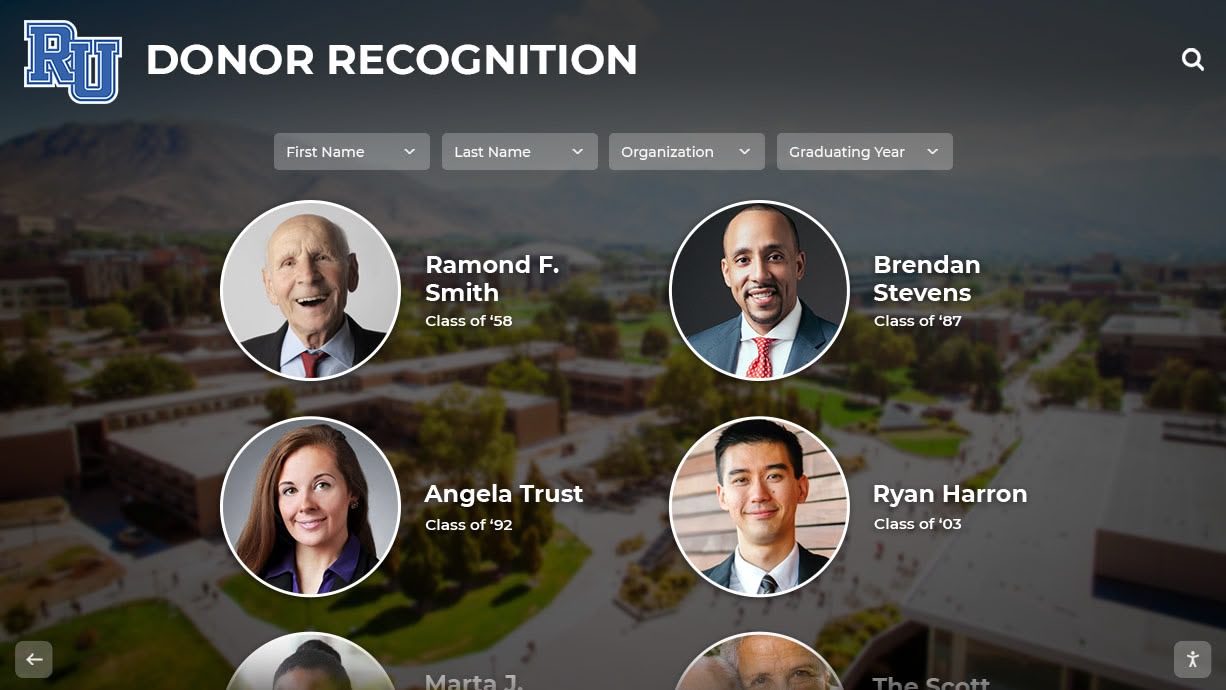
Multimedia Storytelling: Beyond simple name lists, digital platforms include student photos, achievement details, video content, and searchable databases creating engaging narratives around accomplishments.
Family Accessibility: Web-based platforms extend recognition access to families regardless of geographic location, particularly valuable for military families, grandparents, or extended family unable to attend school events.
Easy Updates: Adding new recognition content requires minutes rather than physical display redesign, enabling immediate acknowledgment following achievement.
Historical Archives: Digital systems preserve complete recognition history, allowing schools to celebrate elementary achievements across decades while building institutional tradition and school identity.
Solutions like Rocket Alumni Solutions provide purpose-built platforms specifically designed for educational recognition, combining touchscreen displays for high-visibility school locations with web accessibility ensuring comprehensive reach.
Strategic Elementary Display Placement
Recognition display location affects student and family engagement significantly. Elementary schools should consider natural traffic patterns and student congregation areas.
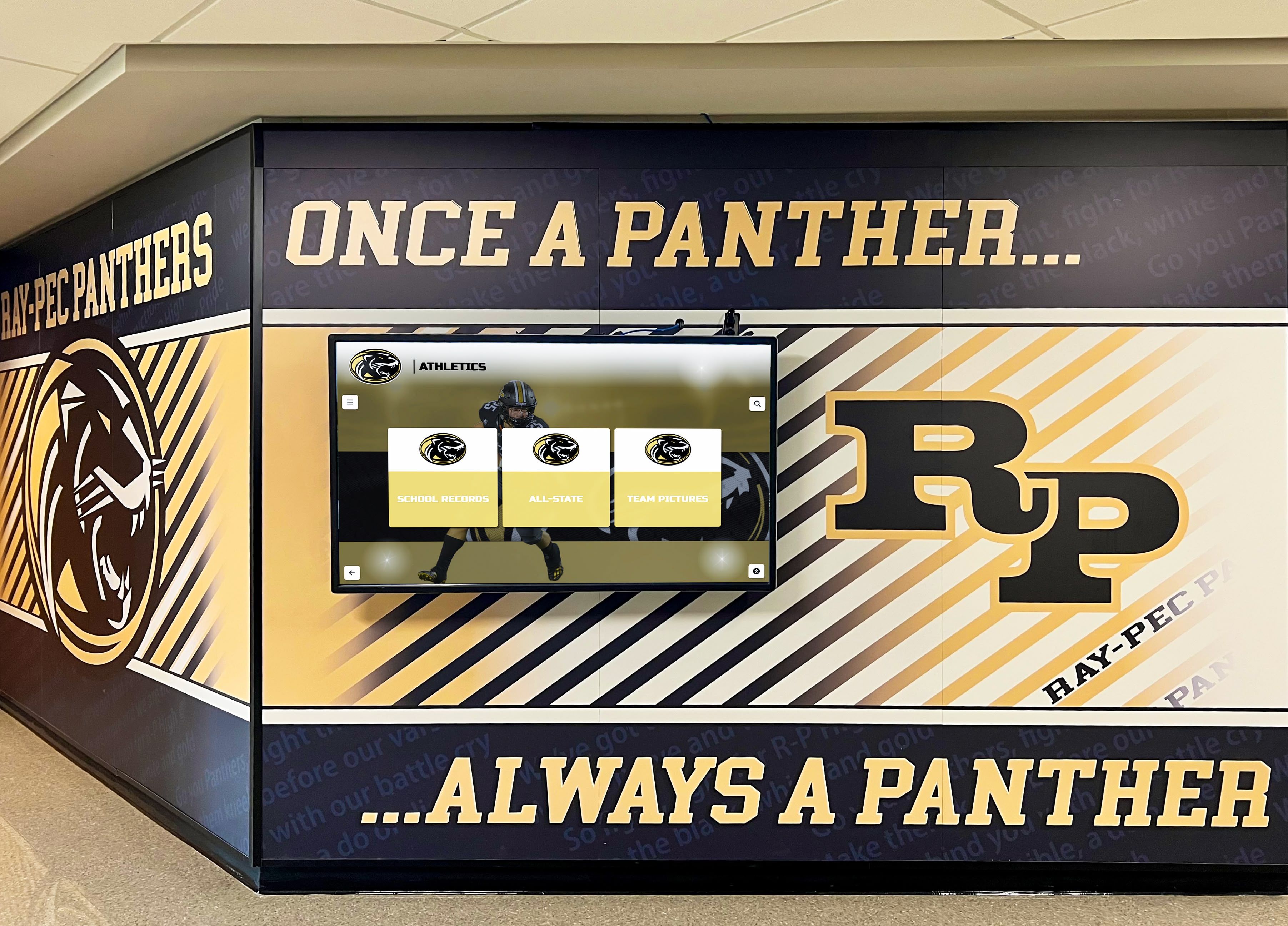
High-Impact Elementary Locations:
- Main School Entrance: Entry locations capture all daily student and family traffic while establishing recognition as prominent school priority from the moment visitors arrive.
- Cafeteria Areas: Lunchtime provides extended viewing opportunities as students spend relaxed time in cafeteria spaces.
- Library Media Centers: Natural learning locations where students already congregate for positive academic activities, reinforcing learning culture.
- Main Office Reception: Highly visible to all school visitors—prospective families, community members, district administrators—communicating institutional values.
- Primary Hallway Intersections: Central locations ensuring maximum student exposure during daily movement throughout buildings.
Multiple distributed displays often prove more effective than single concentrated installations, ensuring recognition maintains high visibility across entire elementary campus.
Resources on touchscreen display installation provide guidance on optimal timing and placement for schools implementing digital recognition systems.
Common Elementary Recognition Mistakes to Avoid
Well-intentioned recognition programs sometimes inadvertently create negative effects through common implementation errors.
Mistake: Exclusive Recognition Limited to Top Performers
When identical students receive all recognition quarter after quarter while most students never experience acknowledgment, programs become discouraging rather than motivating for broader populations.
Solution: Implement diverse award categories across achievement types—academic, effort, character, improvement, creativity—ensuring various students experience meaningful recognition. Track distribution patterns identifying whether recognition reaches appropriately across student body rather than clustering on few individuals.
Mistake: Overemphasis on Innate Ability Rather Than Effort
Recognition emphasizing natural talent or intelligence—“You’re so smart!"—paradoxically undermines motivation by suggesting success depends on gifts students cannot control.
Solution: Focus recognition language on effort, strategies, persistence, and improvement—controllable factors students can influence through choices and behavior. “You worked really hard on multiplication facts and your practice paid off!” proves more effective than “You’re naturally good at math!”
According to research from Stanford’s Carol Dweck, ability praise creates students who avoid challenges protecting “smart” identity, while effort praise creates students seeking challenges as opportunities to grow through hard work.
Mistake: Recognition Delays Undermining Motivational Impact
When recognition appears months after achievements occur, young students struggle connecting acknowledgment to accomplishments—delay diminishes motivation dramatically.
Solution: Establish workflows enabling recognition within one week of achievement whenever possible. Digital platforms facilitate immediate updates impossible with traditional physical production requiring weeks of processing time.
Mistake: Insufficient Family Communication
Recognition delivered only at school misses opportunities for family celebration amplifying impact and building home-school partnerships.
Solution: Send recognition notifications home through multiple channels—certificates students carry physically, email messages to families, mobile app notifications, or newsletter inclusions ensuring parents learn about and can celebrate achievements.
Mistake: Overly Generic Recognition Lacking Specific Detail
Generic praise—“Good job!” or “Great work!"—carries minimal meaning compared to specific acknowledgment explaining exactly what students accomplished and why it matters.
Solution: Provide detailed recognition explaining specifically what was achieved. “You earned the Math Superstar award by scoring 95% or higher on all four weekly assessments this month, showing you’ve really mastered multiplication facts” proves significantly more meaningful than “Math Superstar Award.”
Information on back to school night presentations emphasizes family communication importance—principles that extend directly to recognition program communication.
Recognition Across Elementary Grade Levels
While general principles apply across elementary education, specific approaches should adapt to different grade bands’ developmental stages.
Kindergarten Recognition
Kindergarten students experience their first formal school recognition, establishing foundational attitudes about achievement, effort, and self-concept.
Kindergarten-Specific Approaches:
- Universal Participation: Ensure all kindergarten students receive some form of recognition regularly—rotating “Star Student” designation, weekly positive notes home, or class celebration acknowledgment.
- Simple Categories: Reading readiness, math understanding, following directions, making friends, trying hard—straightforward achievements kindergarteners comprehend.
- Concrete Rewards: Physical items kindergarteners can see and touch—stickers, stamps, certificates with their names, special classroom privileges.
- Immediate Acknowledgment: Same-day recognition proving most effective with youngest students who struggle connecting delayed acknowledgment to earlier behavior.
- Parent Involvement: Frequent communication ensuring families celebrate kindergarten achievements builds home-school partnership from the start.
First and Second Grade Recognition
Primary students develop reading, writing, and mathematical foundations while forming academic self-concepts profoundly influenced by recognition experiences.
Primary Grade Approaches:
- Reading Emphasis: Heavy recognition focus on reading progress—books completed, reading level advancement, comprehension development—as literacy foundations take shape.
- Academic and Behavioral Balance: Equal recognition for academic achievement and positive behavioral choices as students learn classroom expectations.
- Peer Recognition Introduction: Beginning to acknowledge positive peer interactions and friendship skills as social development accelerates.
- Weekly Recognition Rhythms: Predictable Friday or Monday recognition establishing reliable acknowledgment patterns students anticipate.
Third Through Fifth Grade Recognition
Upper elementary students develop abstract thinking, stronger social awareness, and capacity for longer-term goal pursuit requiring adjusted recognition approaches.
Upper Elementary Approaches:
- Subject-Specific Recognition: Acknowledging distinct achievement across math, reading, writing, science, social studies as students develop subject-specific academic identities.
- Meaningful Competition: Appropriately structured competitions—spelling bees, math challenges, science fairs—begin proving motivating rather than harmful.
- Leadership Opportunities: Recognition through meaningful school leadership roles—safety patrol, tech helpers, library assistants—valued by upper elementary students.
- Peer-Voted Awards: Classmate-selected recognition for friendship, helpfulness, kindness, or good sportsmanship carries increasing weight.
- Digital Profiles: Comprehensive achievement profiles students can explore, building pride in accumulated recognition across elementary years.
Building Sustainable Elementary Recognition Culture
Long-term recognition program success requires systematic approaches ensuring programs remain active and effective across staff changes and competing priorities.
Staff Training and Buy-In
Recognition programs succeed when all staff members understand implementation, believe in value, and execute consistently.
Training Components:
- Purpose and Research: Share research on recognition’s motivational impact and developmental appropriateness ensuring staff understand why thoughtful recognition matters.
- Criteria and Procedures: Provide clear guidance on award criteria, selection processes, presentation expectations, and documentation requirements.
- Equity Emphasis: Train staff to monitor distribution patterns ensuring recognition reaches diverse students equitably rather than clustering on few high achievers.
- Recognition Language: Teach effective recognition language emphasizing effort and growth rather than innate ability.
- Technology Systems: When using digital recognition, train all staff on content management, photo standards, and update procedures.
Clear Ownership and Accountability
Designate specific staff members responsible for recognition program coordination rather than treating it as additional duty without formal assignment.
Coordination Responsibilities:
- Overall program management and calendar maintenance
- Staff reminder distribution about nomination deadlines
- Award selection coordination ensuring criteria application
- Presentation planning for assemblies or ceremonies
- Digital content updates adding new recognition
- Distribution tracking monitoring equity
- Family communication about recognition programs
Resources on academic excellence programs demonstrate systematic approaches schools use to maintain comprehensive recognition across years.
Continuous Improvement Based on Evidence
Effective programs evolve based on data and feedback rather than continuing unchanged year after year.
Assessment Methods:
- Distribution Analysis: Review who receives recognition quarterly. If patterns show substantial populations never acknowledged, investigate whether additional categories or criteria adjustments would create more inclusive outcomes.
- Student Surveys: Age-appropriate feedback from students about whether recognition feels fair, motivating, and meaningful. Simple surveys asking “Do you think our school does a good job recognizing students for different things?” provide valuable perspective.
- Family Feedback: Parent surveys assessing satisfaction with recognition frequency, communication quality, and perceived impact on student motivation.
- Teacher Input: Regular faculty discussion about what recognition approaches work effectively versus which generate minimal impact or administrative burden.
- Achievement Trend Analysis: Monitor whether academic engagement indicators show improvement following enhanced recognition implementation, potentially reflecting program motivational impact.
According to the National Association of Elementary School Principals, schools that systematically assess and refine recognition programs maintain higher effectiveness and staff engagement compared to programs that operate unchanged across years.
Creating Elementary Recognition That Truly Motivates
The most effective elementary recognition programs share fundamental characteristics: celebrating diverse achievement types ensuring all students experience acknowledgment, providing age-appropriate recognition formats matching developmental stages, delivering timely acknowledgment maintaining connections between achievement and recognition, communicating clearly with families building home-school partnerships, emphasizing effort and growth alongside absolute achievement, applying criteria consistently ensuring perceived fairness, offering regular acknowledgment creating sustained positive experiences, and building cumulative recognition creating comprehensive achievement histories students can view with pride.
When elementary schools invest in thoughtfully designed recognition programs matched to young learners’ developmental needs, the benefits prove substantial. Students develop positive academic identities understanding their capabilities and potential. Growth mindsets take root through recognition emphasizing effort and improvement. Diverse students feel valued for varied strengths beyond narrow academic definitions. School cultures shift toward celebration and acknowledgment rather than criticism and correction. Family engagement strengthens through shared celebration of student achievements. Most importantly, young learners establish beliefs about achievement, effort, and self-efficacy influencing educational trajectories throughout their lives.
Modern recognition technology enables elementary schools to create comprehensive, engaging acknowledgment impossible through traditional approaches. Solutions like Rocket Alumni Solutions provide purpose-built platforms specifically designed for educational institutions, offering intuitive content management, unlimited recognition capacity, engaging interactive displays, proven developmental appropriateness, and ongoing support ensuring successful implementation. These systems transform how elementary schools celebrate student accomplishments—creating visible, permanent recognition that builds confidence, motivates continued effort, and establishes positive school cultures where every child feels valued for genuine achievements across diverse domains.
Your elementary students accomplish remarkable things daily across academic learning, character development, creative expression, social growth, and personal challenges overcome through determination. Recognition programs tailored to young learners’ developmental needs ensure these achievements receive celebration that validates effort, builds confidence, honors diverse strengths, creates inclusive school cultures, and establishes foundational beliefs that hard work leads to growth—lessons extending far beyond elementary years into lifelong attitudes about learning, achievement, and personal potential.































