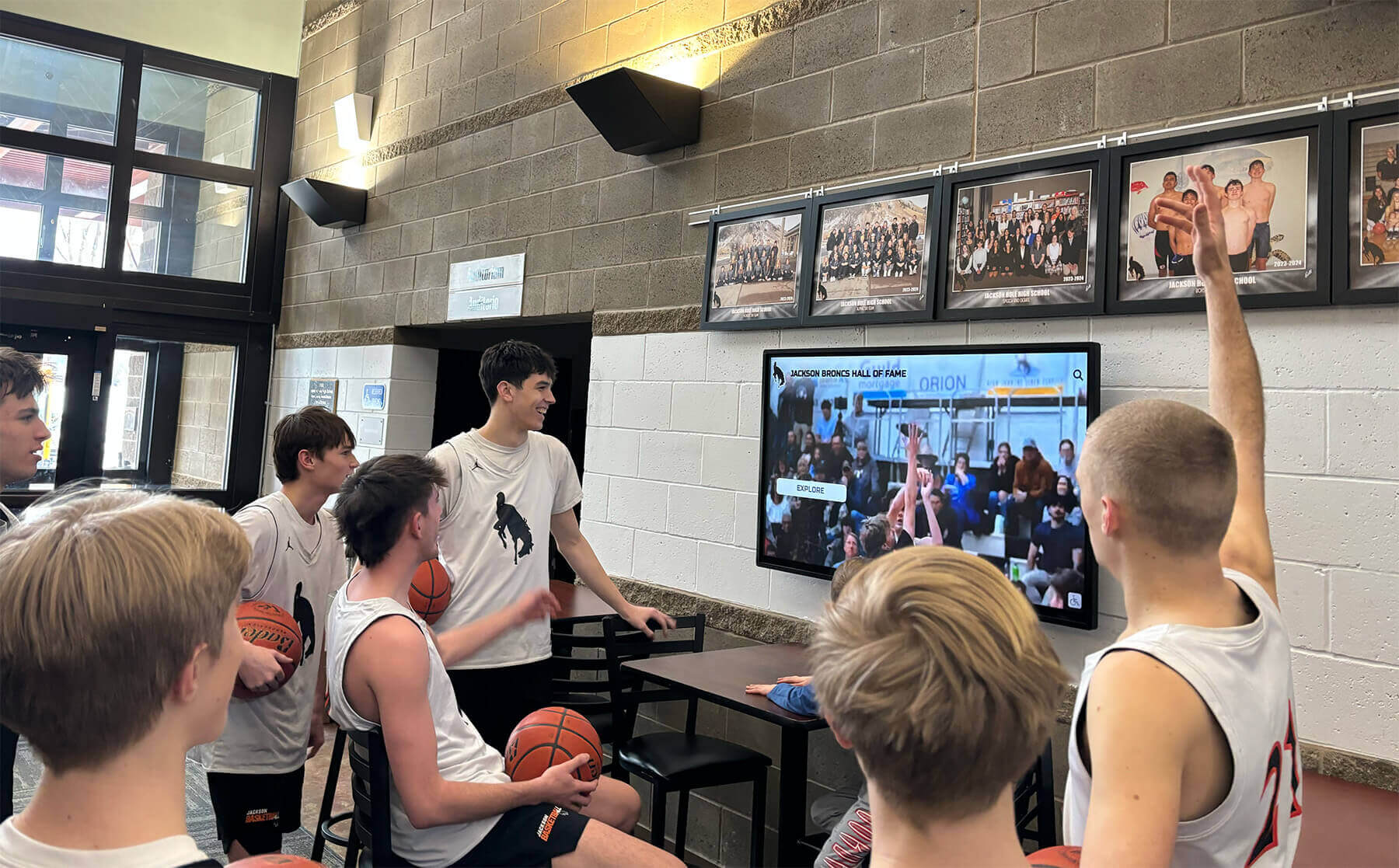




Award ceremonies represent defining moments when organizations pause from daily operations to celebrate achievement, honor dedication, and recognize individuals whose contributions exemplify excellence. Whether honoring athletic accomplishments, academic achievements, employee milestones, volunteer service, or artistic excellence, well-executed recognition events create emotional experiences that motivate participants, strengthen organizational culture, and build traditions connecting past accomplishments to future aspirations. For schools, athletic departments, businesses, nonprofits, and community organizations, effective award ceremony planning transforms routine recognition into memorable celebrations that participants remember for years.
Organizations hosting award ceremonies face numerous planning considerations requiring thoughtful decisions: What venue creates appropriate atmosphere while accommodating attendance? How do programs balance honoring individuals without creating excessively lengthy events? What presentation approaches make recognition meaningful rather than perfunctory? How can organizations extend recognition impact beyond brief ceremony moments through permanent displays or ongoing visibility? What logistical details—invitations, seating, audio-visual needs, reception planning—require advance coordination ensuring smooth execution?
Modern Recognition That Extends Beyond Ceremony Moments
Traditional award ceremonies create meaningful moments but temporal experiences—recognition happens during events lasting hours, after which accomplishments often fade from visibility except in personal memory and physical trophies stored at homes. Digital recognition platforms enable organizations to extend award ceremony impact indefinitely by creating permanent, accessible displays celebrating honorees through rich multimedia profiles viewable anytime by community members, families, and future generations. Solutions like Rocket Alumni Solutions provide purpose-built systems designed for educational institutions, athletic programs, and organizations needing comprehensive recognition displays that preserve achievement visibility long after ceremonies conclude—ensuring honored individuals receive ongoing acknowledgment their accomplishments genuinely deserve.
Understanding Award Ceremony Purpose and Goals
Effective ceremony planning begins with clarity about why recognition events matter and what organizations hope to accomplish beyond distributing plaques or trophies.
Core Recognition Objectives
Honoring Individual Achievement: The primary purpose of any award ceremony involves acknowledging specific individuals whose accomplishments, contributions, or characteristics merit special recognition. Honorees should feel their efforts receive genuine appreciation and that organizations value their specific achievements rather than providing generic participation acknowledgment.
Inspiring Future Excellence: Recognition events demonstrate tangible outcomes of exceptional effort, creating clear models showing others what achievement looks like. When current students witness alumni inducted into athletic halls of fame, when employees see colleagues honored for outstanding performance, when community members observe volunteer recognition—audiences internalize concrete examples of excellence worth pursuing.
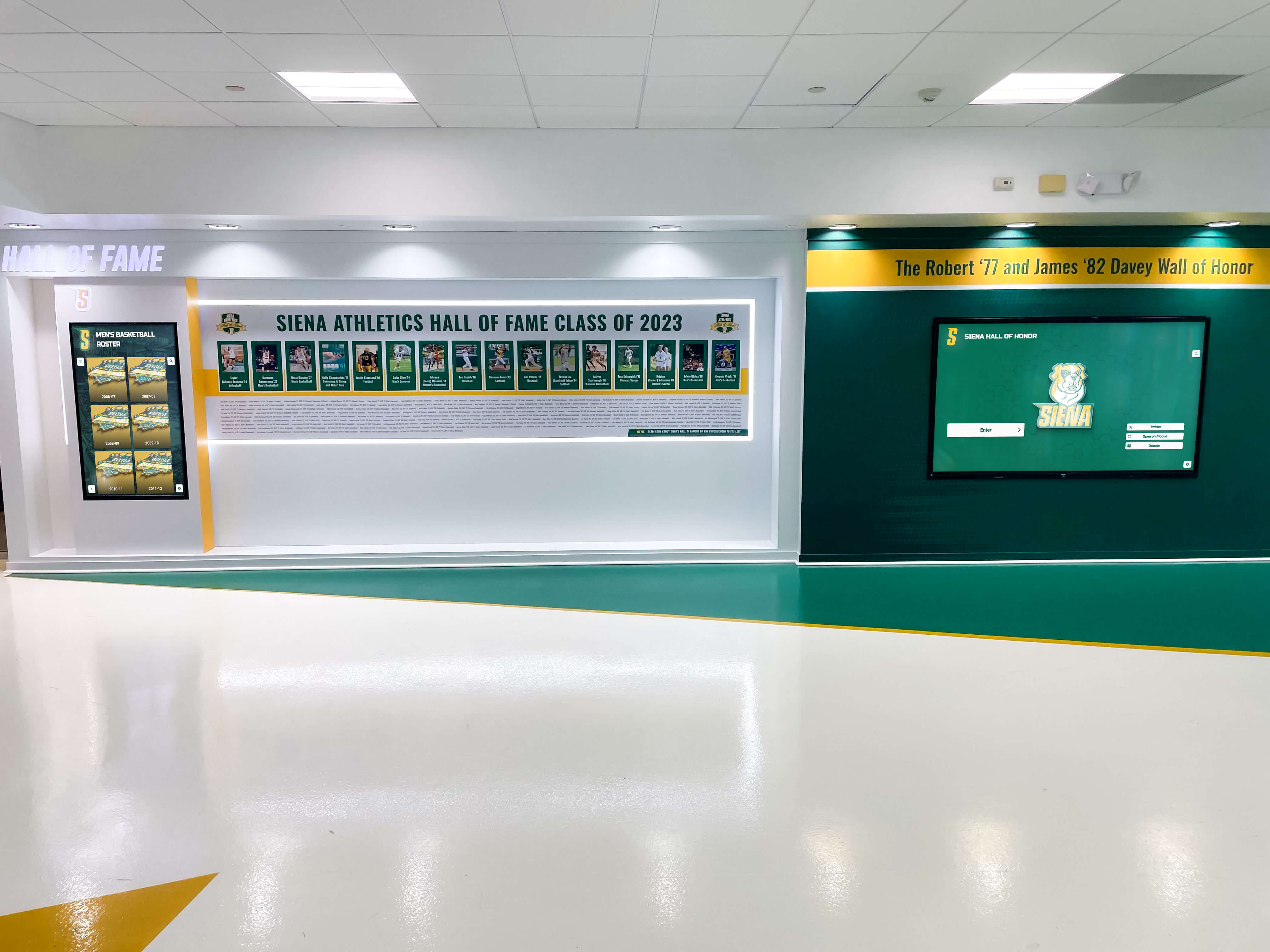
Building Organizational Culture: Ceremonies create cultural moments reinforcing values organizations prioritize. Recognition for academic achievement emphasizes learning importance. Athletic awards highlight competitive excellence and sportsmanship. Employee recognition demonstrates organizational appreciation for dedication and contribution. These ceremonial moments shape culture by making abstract values concrete through celebrating individuals embodying them.
Creating Community Connection: Recognition events bring together diverse community members—families, colleagues, alumni, supporters—creating shared experiences around celebration. These gatherings strengthen social bonds, generate positive emotions associated with organizations, and build community identity through collective acknowledgment of achievements.
Documenting Organizational History: Award ceremonies establish historical markers identifying who accomplished what and when, creating institutional memory that would otherwise dissipate across time. Systematic recognition documents organizational history showing evolution of achievement, creating records valuable for future reference and tradition building.
Defining Ceremony Success Metrics
Organizations should establish clear criteria for evaluating whether ceremonies achieve intended purposes:
- Honoree Satisfaction: Do recipients feel genuinely honored and appropriately celebrated through recognition received?
- Attendance and Engagement: Do target audiences attend and remain engaged throughout programs?
- Emotional Impact: Do ceremonies create meaningful emotional experiences participants remember positively?
- Logistical Execution: Do events run smoothly without technical problems, timing issues, or organizational failures?
- Extended Impact: Does recognition extend beyond ceremony moments through ongoing visibility and community awareness?
- Cultural Reinforcement: Do ceremonies effectively communicate organizational values and priorities?
Understanding both objectives and evaluation criteria enables planners to make strategic decisions throughout planning processes ensuring ceremonies deliver intended outcomes.
Selecting Venues and Timing for Maximum Impact
Venue and scheduling decisions significantly affect attendance, atmosphere, and overall ceremony success.
Venue Selection Considerations
Capacity and Layout: Venues must comfortably accommodate expected attendance including honorees, families, colleagues, and organizational members. Rooms feeling half-empty diminish ceremony significance while overcrowded spaces create discomfort. Consider seating arrangements—theater style, banquet rounds, classroom setup—that support program format and facilitate desired interaction levels.
Atmosphere Appropriateness: Physical environment should align with recognition formality and organizational character. Ceremonies honoring athletic achievement feel natural in gymnasiums or field houses connecting to competitive spaces. Academic recognition may suit auditoriums or formal halls conveying scholarly gravity. Employee awards might work in corporate conference centers or upscale reception venues. Community organization ceremonies may benefit from cultural centers or civic buildings.
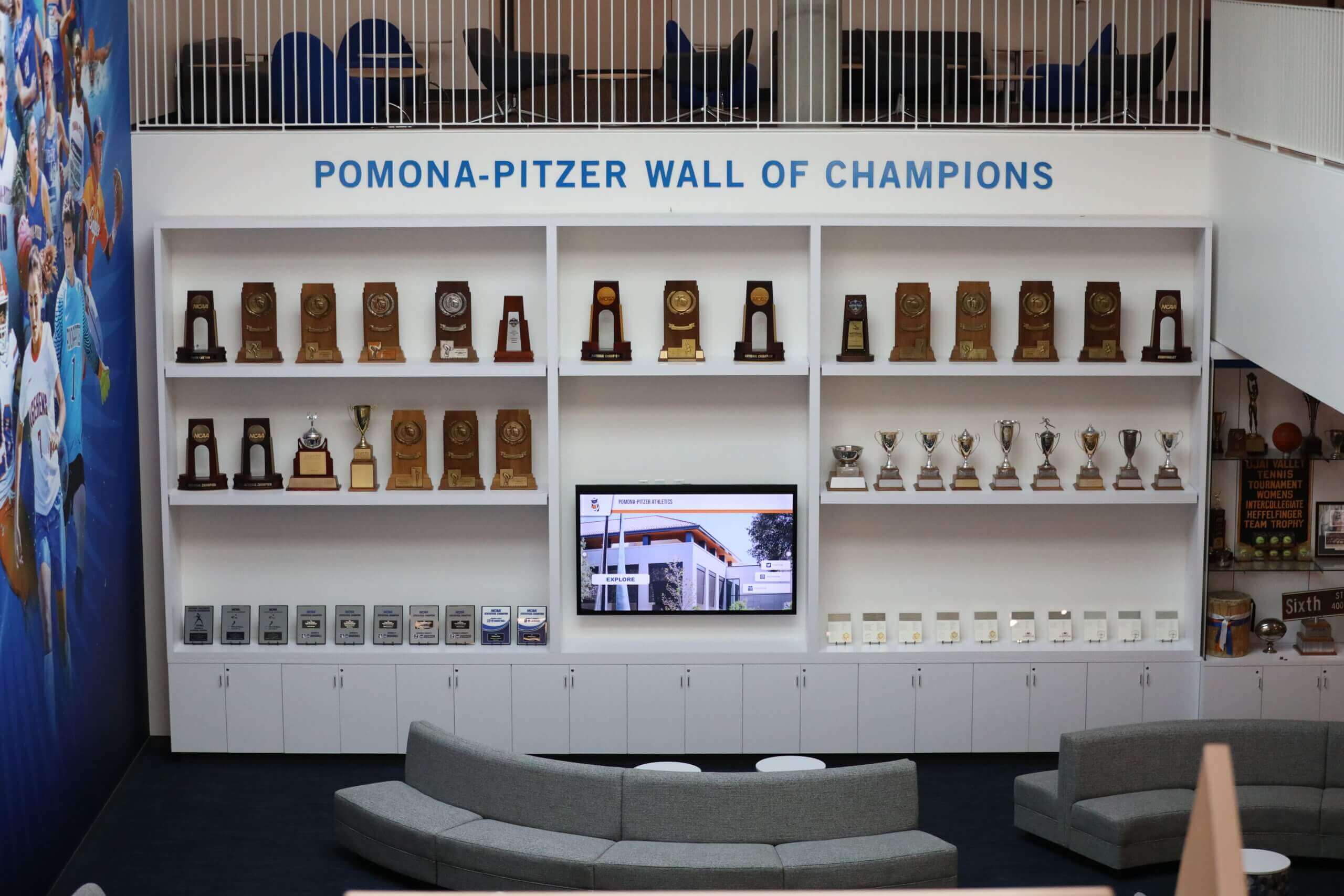
Technical Capabilities: Modern ceremonies typically require audio-visual support—microphones, projection systems, lighting control, sound amplification. Evaluate venue technical infrastructure ensuring capability to support planned presentations, video content, music, or multimedia elements without requiring extensive rental equipment. Built-in technical systems reduce setup complexity and cost while improving reliability.
Accessibility Requirements: Venues must accommodate all attendees regardless of physical abilities. Evaluate wheelchair access, elevator availability, accessible restroom facilities, and hearing assistance systems ensuring inclusive participation. Organizations planning recognition ceremonies should prioritize accessibility as fundamental requirement rather than optional consideration.
Parking and Logistics: Adequate convenient parking affects attendance, particularly for evening events when attendees travel specifically for ceremonies. Consider proximity to major roads, parking capacity, public transportation access, and whether parking costs create attendance barriers. Clear directional signage from parking to ceremony spaces prevents confusion and late arrivals.
Cost Factors: Venue rental represents significant ceremony expense. Evaluate whether in-house facilities (school auditoriums, corporate conference rooms) provide adequate space and atmosphere avoiding rental costs, or whether external venues justify expense through superior environment. Consider hidden costs like required insurance, security deposits, setup/cleanup fees, or mandatory catering when comparing options.
Strategic Ceremony Timing
Seasonal Considerations: Time of year affects attendance and atmosphere. Spring ceremonies celebrating athletic seasons just concluded maintain momentum and emotional connection to accomplishments. Fall events honoring previous year’s achievements may lose immediacy but avoid summer vacation scheduling conflicts. Winter ceremonies create cozy formal atmosphere but face weather cancellation risks in certain regions.
Day of Week Optimization: Evening weeknight ceremonies allow working attendees to participate after business hours but compete with family commitments, youth activities, and general fatigue. Weekend events reduce scheduling conflicts but may interfere with family plans or travel. Consider organizational demographics when selecting days—school communities may prefer weeknights while corporate environments might favor weekend receptions.
Integration with Existing Events: Organizations can enhance ceremony attendance by coordinating with existing high-attendance events. Athletic awards presented during homecoming weekends capitalize on alumni returns. Employee recognition incorporated into annual meetings ensures leadership and staff participation. Alumni event planning resources demonstrate how recognition ceremonies fit into broader engagement strategies maximizing impact and attendance efficiency.
Time of Day Strategy: Early evening start times (5:30-6:30 PM) balance work schedule accommodation with avoiding late-night conclusions. Consider meal timing—ceremonies beginning before dinner may require substantial reception food, while post-dinner starts reduce catering needs but may decrease attendance from families with young children.
Advance Notice Requirements: Distribute invitations or announcements at least 4-6 weeks before ceremonies enabling honorees and families to arrange schedules. Complex events requiring travel may warrant 2-3 month advance notice. Consider competing community events, school calendars, holiday periods, and organizational rhythms when selecting dates.
Resources on recognition program implementation provide frameworks for strategic planning ensuring ceremonies achieve maximum participation and impact.
Designing Ceremony Programs That Engage and Inspire
Program structure determines whether ceremonies feel meaningful and appropriately paced or tedious and excessively long regardless of honoree worthiness.
Program Component Sequencing
Effective ceremonies follow logical flow creating engaging narrative arcs:
1. Opening and Welcome (5-10 minutes): Organizational leaders or ceremony hosts welcome attendees, acknowledge special guests, explain ceremony purpose and significance, and set appropriate tone. Opening remarks should balance formality with warmth, creating atmosphere that honors achievers without feeling stuffy or inaccessible.
2. Context Setting (5-10 minutes): Provide background explaining award categories, selection processes, criteria for recognition, or historical context connecting current honorees to organizational traditions. This element helps audiences understand what honorees accomplished and why achievements merit celebration.
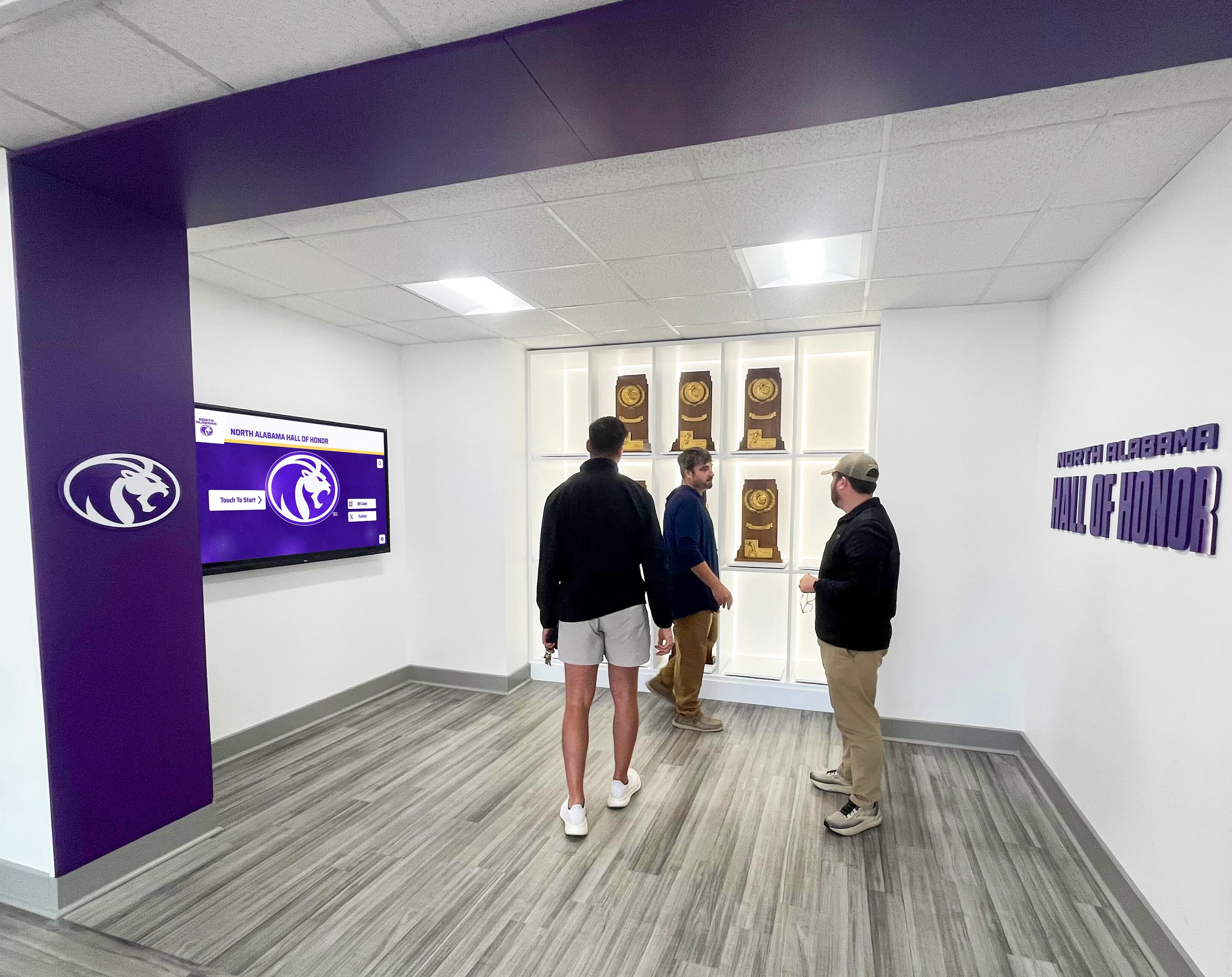
3. Individual Award Presentations (Core Program): This primary segment presents specific awards to honorees. Structure varies based on award quantity and ceremony scale, but generally includes:
- Honoree Introduction: Brief biographical background, accomplishment summary, or achievement highlights (1-3 minutes per recipient)
- Citation Reading: Formal statement explaining specific reasons for recognition
- Award Presentation: Physical award delivery (plaque, trophy, certificate) with photo opportunity
- Recipient Remarks: Optional opportunity for honorees to address audiences and share brief reflections
4. Keynote or Special Address (10-20 minutes, optional): Some ceremonies include featured speakers whose accomplishments, positions, or perspectives add value. Effective keynote speakers inspire audiences, connect to ceremony themes, and share insights relevant to honorees and attendees. However, poorly chosen or overly lengthy speakers detract from honoring individuals who should remain program focus.
5. Closing Acknowledgments (5 minutes): Thank committee members, volunteers, sponsors, or others enabling ceremony execution. Announce any related events or initiatives. Provide closing remarks reinforcing ceremony significance and thanking attendees for participation.
6. Reception and Networking (30-90 minutes): Informal gathering following formal program enables personal congratulations, photography, networking, and celebration. Receptions convert ceremonial moments into social experiences strengthening community bonds.
Timing and Pacing Guidelines
Total Duration Target: Research on event engagement suggests optimal ceremony length runs 60-90 minutes for formal programs before transitioning to receptions. Ceremonies exceeding two hours risk audience fatigue regardless of content quality. Programs with extensive honoree lists should streamline individual presentations maintaining reasonable total duration.
Individual Recognition Time: Allocate 3-5 minutes per honoree including introduction, award presentation, and brief recipient remarks. For ceremonies honoring many individuals, reduce per-person time to 2-3 minutes using efficient presentation formats. Consider having honorees remain on stage as group after individual recognition rather than repeated stage transitions consuming time.
Strategic Breaks: For ceremonies exceeding 90 minutes, consider 5-10 minute intermissions allowing restroom visits and preventing sustained attention fatigue. Position breaks strategically—midway through programs or between major award categories.
Multimedia Integration: Video presentations, photo montages, or multimedia profiles enrich recognition but consume time. Limit videos to 2-4 minutes each ensuring production quality justifies duration. Poorly executed or overly lengthy videos undermine rather than enhance recognition.
Making Individual Recognition Meaningful
Personalized Introductions: Generic award presentations diminish recognition meaning. Effective introductions include specific accomplishments, personal anecdotes, unique characteristics, or memorable moments differentiating individuals. Research honoree backgrounds thoroughly, interview colleagues or coaches, and craft introductions celebrating unique contributions rather than recycling template language.
Multimedia Honoree Profiles: Visual elements bring achievements to life for audiences unfamiliar with honorees or accomplishments. Display photo montages, career highlight videos, statistical graphics, or accomplishment timelines during introductions. Digital platforms enable rich multimedia presentations impossible with printed programs alone.
Peer or Colleague Testimonials: Recognition delivered by people who worked alongside honorees carries special authenticity and emotional weight. Consider having coaches introduce athletes, colleagues recognize coworkers, or community members present volunteer awards. These presentations often feel more genuine than leadership-delivered recognition alone.
Honoree Participation Opportunities: Allow recipients to speak briefly if comfortable, sharing reflections on what recognition means, thanking supporters, or offering perspective on their achievements. Keep remarks brief (1-2 minutes) maintaining program flow while giving honorees voice in their own celebration.
Understanding how organizations create academic recognition programs or employee recognition initiatives provides models for designing meaningful individual acknowledgment within ceremony contexts.
Managing Award Ceremony Logistics and Execution
Behind successful ceremonies lie careful logistical planning ensuring smooth execution without technical failures or organizational breakdowns.
Invitation and Communication Management
Honoree Notification: Contact award recipients well in advance providing ceremony details, explaining recognition significance, confirming attendance, and requesting information needed for programs (biographical details, photo submissions, guest counts). Early notification enables honorees to arrange schedules and ensures program accuracy.
Invitation Design and Distribution: Create professional invitations communicating event formality and importance. Include essential information—date, time, location, parking details, dress code, RSVP requirements, and contact information for questions. Distribute through appropriate channels (email, postal mail, organization websites) reaching target audiences effectively.
RSVP Management: Collect attendance confirmations enabling accurate venue sizing, catering quantities, and seating arrangements. Follow up with non-respondents preventing no-show honorees or accommodation shortfalls. Consider online RSVP systems simplifying collection and tracking.
Program Material Development: Design printed programs listing honorees, providing biographical information, recognizing sponsors or supporters, and explaining award categories. Quality programs become keepsakes families treasure, serving as tangible ceremony documentation.
Audio-Visual and Technical Preparation
Equipment Testing: Test all technical systems days before events rather than hours before start times. Verify microphone functionality, projection visibility from all seating areas, lighting controls, music playback systems, and video presentation capabilities. Technical failures during ceremonies undermine professional execution and distract from recognition.
Presentation Materials Preparation: Compile all visual content—slides, videos, photos, graphics—into organized files ready for seamless presentation. Create backup copies on multiple media preventing loss from technical failures. Assign technical operators ensuring smooth transitions between presentation elements.
Sound System Setup: Verify adequate microphone coverage for all speakers, appropriate amplification levels, and speaker positioning enabling clear audio throughout venues. Poor sound frustrates audiences and diminishes ceremony quality regardless of content excellence.
Lighting Considerations: Appropriate lighting creates atmosphere while ensuring visibility. Stage lighting should illuminate speakers and honorees clearly for photography. House lighting should enable audiences to see programs and navigate safely while focusing attention on presentations.
Ceremony Day Coordination
Setup Timeline: Arrive early completing venue setup, technical testing, seating arrangement, registration table organization, and material distribution well before guest arrivals. Rushed last-minute preparations create chaos visible to early arrivals undermining ceremony professionalism.
Registration and Greeting: Establish clear registration processes as attendees arrive. Distribute programs, direct guests to seating, provide nametags if appropriate, and create welcoming atmosphere. Designate greeters or volunteers handling logistical questions freeing ceremony coordinators for final preparations.
Honoree Coordination: Designate staff or volunteers as honoree liaisons ensuring recipients know when to arrive, where to sit, when awards will be presented, and ceremony logistics. Nervous honorees benefit from clear guidance reducing confusion and supporting positive experiences.
Photography and Documentation: Arrange professional photography capturing individual award presentations, honoree groups, audience moments, and overall ceremony atmosphere. Quality photos become important for organizational communications, social media, historical archives, and digital recognition displays preserving ceremony memories.
Reception Management: Coordinate reception setup timing completion as formal program concludes. Arrange food and beverage service, establish honoree receiving lines or photo areas, manage crowd flow, and create welcoming social environment. Well-executed receptions extend ceremony impact through personal connections and celebration.
Extending Recognition Beyond Ceremony Moments
The most effective recognition programs ensure that award ceremony impact continues long after events conclude through permanent displays, ongoing visibility, and systematic documentation.
Creating Permanent Recognition Displays
Physical Display Options: Traditional approaches include trophy cases, plaque walls, honor roll boards, or dedicated recognition areas in organizational facilities. Physical displays provide tangible presence reminding community members of honored individuals and organizational values recognition represents. However, physical approaches face space limitations, update difficulties, and accessibility constraints restricting visibility to facility visitors.
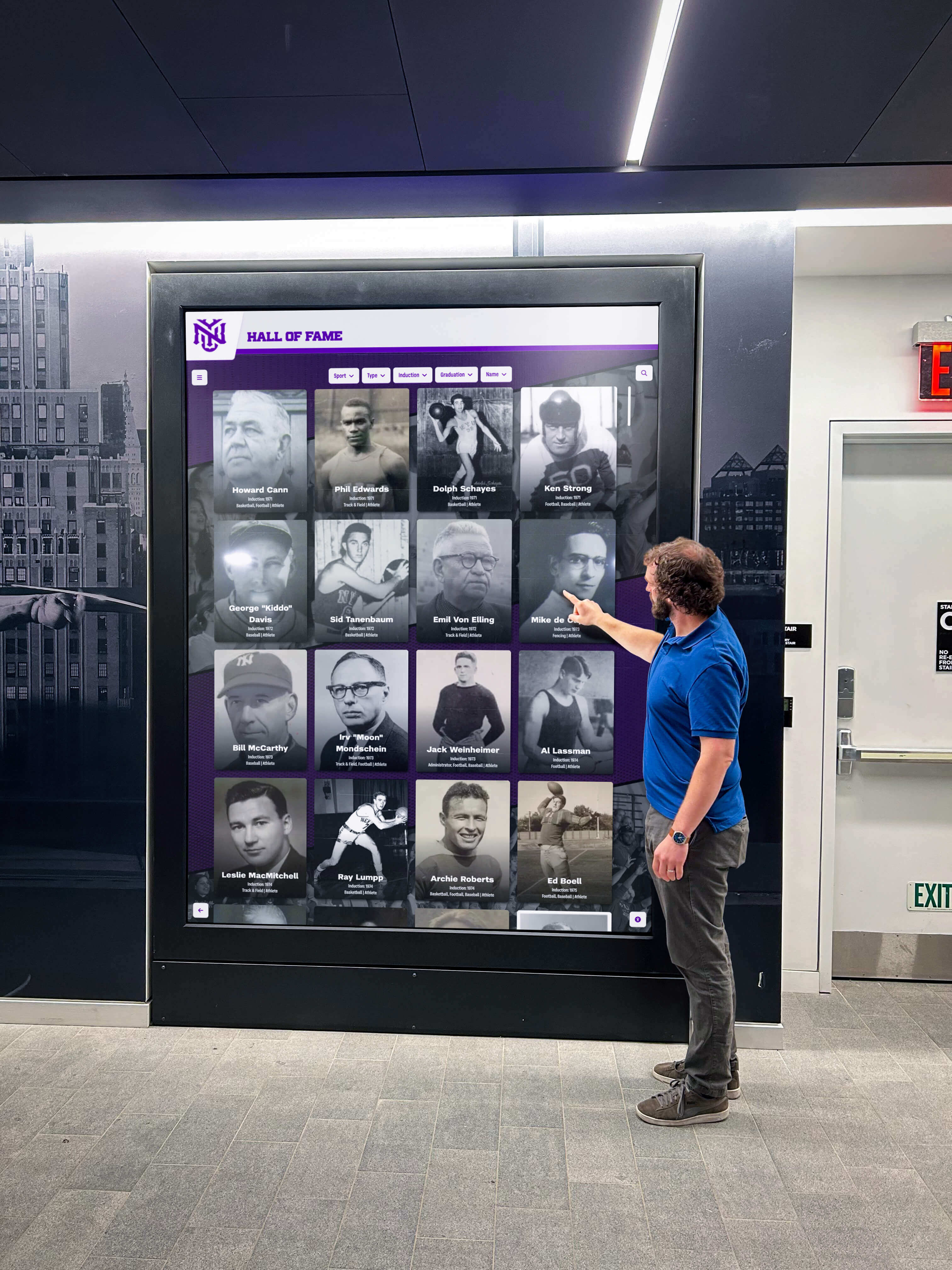
Digital Recognition Platforms: Modern technology enables comprehensive permanent recognition overcoming traditional display limitations. Digital recognition walls display unlimited honorees through interactive touchscreen systems featuring rich multimedia profiles, searchable databases, and engaging presentations impossible with physical plaques. Digital platforms enable:
- Unlimited Capacity: Recognize all deserving individuals without space constraints forcing selective limitation
- Rich Content: Display photos, videos, biographical narratives, achievement details, and comprehensive profiles
- Easy Updates: Add new honorees instantly through web-based management requiring no physical installation
- Searchability: Enable exploration by name, year, category, achievement type, or other criteria
- Global Access: Provide web-based viewing allowing worldwide audiences to explore recognition content
- Multimedia Storytelling: Create engaging experiences celebrating accomplishments through varied content types
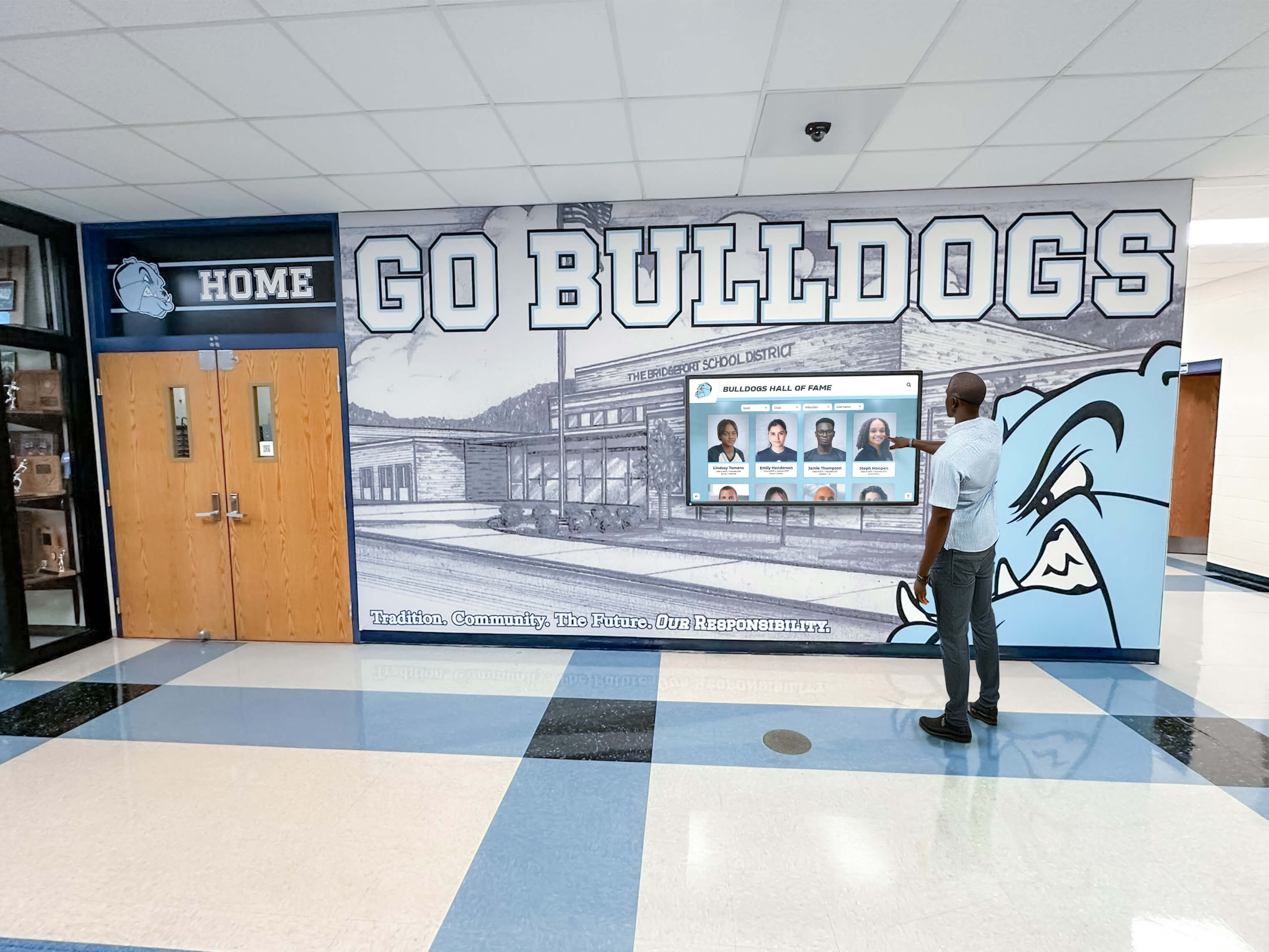
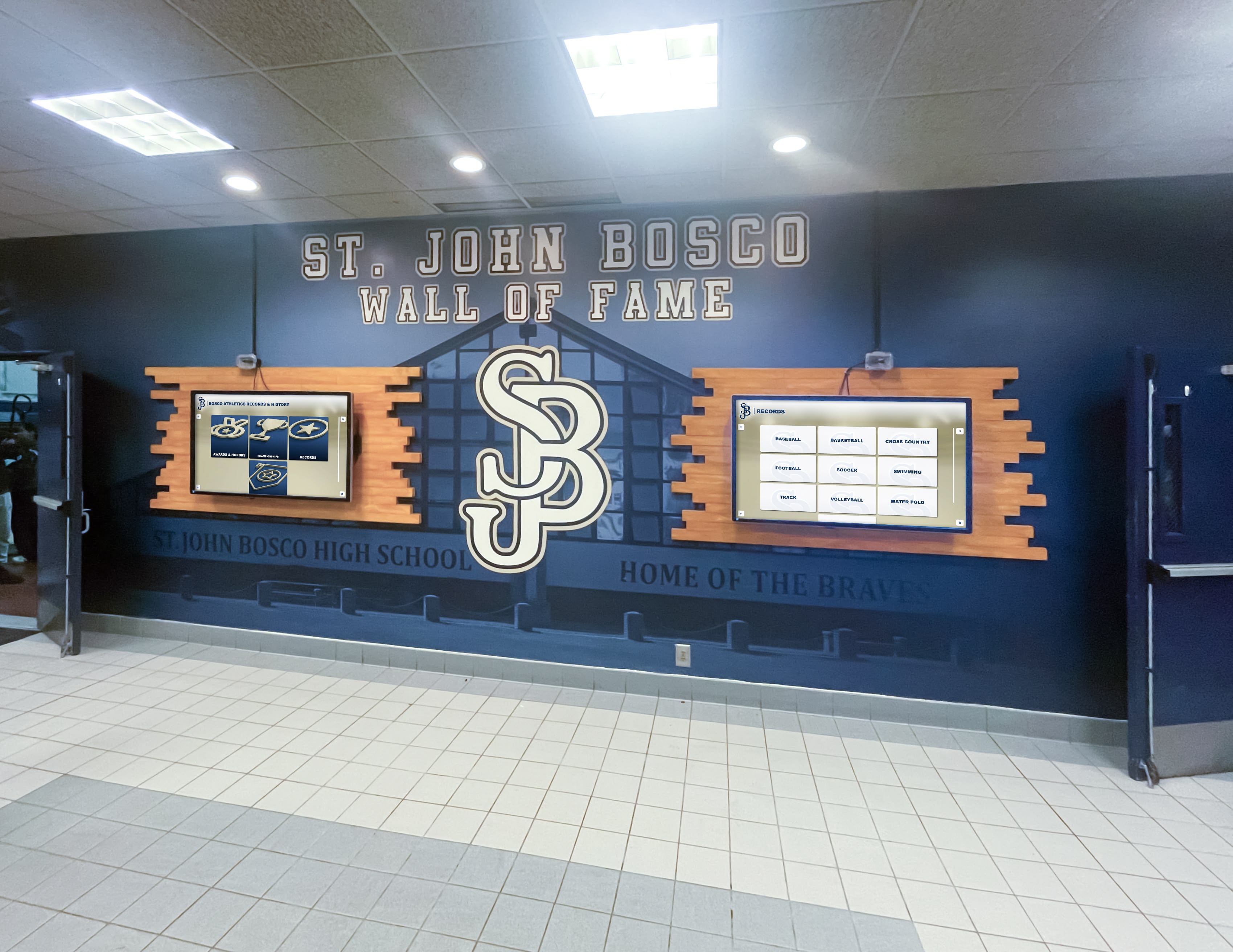
Hybrid Approaches: Many organizations implement combined systems using physical elements providing tangible presence while digital platforms deliver comprehensive content. For example, traditional plaques list honoree names while adjacent touchscreens enable detailed profile exploration, or recognition walls feature nameplate grids with QR codes linking to digital content.
Solutions like Rocket Alumni Solutions provide purpose-built platforms designed specifically for organizational recognition needs, enabling systematic documentation of award ceremonies across years while creating engaging displays celebrating honorees permanently.
Post-Ceremony Communication and Promotion
Social Media Sharing: Publish ceremony highlights, honoree photos, award announcements, and recognition content across organizational social media channels. Tag honorees when appropriate enabling sharing within their networks generating broader visibility. Digital signage content strategies demonstrate how organizations maximize recognition content across multiple platforms.
Organizational Communications: Feature ceremony highlights in newsletters, annual reports, websites, or other regular communications ensuring broader audiences beyond ceremony attendees become aware of honored individuals and their accomplishments.
Media Outreach: Distribute press releases to local media outlets announcing major award recipients, particularly for community-wide recognition or notable accomplishments. Media coverage extends recognition visibility while generating positive organizational publicity.
Honoree Follow-Up: Send personalized thank-you communications to honorees after ceremonies, include professional photographs from events, provide links to online recognition content, and maintain ongoing relationship with recognized individuals who often become organizational ambassadors and supporters.
Building Historical Archives and Traditions
Systematic Documentation: Maintain comprehensive records of all award ceremonies including honoree lists, award categories, selection criteria, ceremony programs, photos, videos, and related materials. Systematic archives preserve organizational history and enable future program improvements based on past experience.
Tradition Development: Consistent annual ceremonies repeated across time build organizational traditions connecting past excellence to current achievement and future aspirations. Consider distinctive ceremony elements—special music, ritual components, symbolic items, unique presentation formats—creating recognizable tradition markers that strengthen organizational identity.
Honoree Networks: Connect current honorees with past recipients through alumni groups, recognition society memberships, or exclusive events. These networks create ongoing engagement while building communities of excellence strengthening organizational culture.
Understanding approaches for high school end-of-year awards or senior night celebrations demonstrates how systematic recognition programs build traditions while celebrating individual accomplishments.
Award Category Design and Selection Criteria
Thoughtful award categories ensure recognition acknowledges diverse contributions and accomplishments rather than narrow achievement definitions excluding worthy individuals.
Balancing Performance and Character Recognition
Achievement-Based Awards: Performance categories recognize measurable accomplishments—statistical excellence, competitive success, academic achievement, productivity metrics, or quantifiable contributions. Achievement awards provide objective recognition based on documented outcomes creating clear standards and reducing selection subjectivity.
Character and Contribution Awards: Qualitative categories acknowledge characteristics like leadership, sportsmanship, dedication, improvement, service, teamwork, or positive attitude. Character recognition ensures individuals demonstrating organizational values receive acknowledgment even when quantitative achievements prove modest compared to peak performers.
Balanced Category Mix: Effective programs include both performance and character awards ensuring recognition celebrates diverse excellence forms. Pure achievement focus excludes worthy contributors whose value manifests through qualities beyond statistics. Exclusively character-based recognition may feel insufficiently selective if all participants receive acknowledgment regardless of effort or accomplishment.
Creating Inclusive Recognition Opportunities
Multiple Winner Categories: Design programs enabling numerous individuals to earn recognition across different categories rather than limiting awards to single “most valuable” selections. When only one person receives acknowledgment, others’ contributions feel diminished regardless of genuine accomplishment.
Improvement and Growth Recognition: Include categories honoring significant progress, skill development, or overcoming challenges. Improvement awards ensure individuals at all starting skill levels can earn recognition through demonstrated growth rather than limiting acknowledgment to those beginning with superior natural ability or advantages.
Role-Specific Awards: Create categories recognizing contributions unique to different roles, positions, or participation types. Athletic programs might honor offensive and defensive specialists separately. Organizations may recognize leadership, support, and front-line contributions distinctly. Role-specific categories prevent single positions from dominating recognition.
Peer-Selected Recognition: Consider awards determined through voting by colleagues, teammates, or organizational members. Peer recognition often carries special meaning since those working directly with honorees chose to acknowledge their contributions.
Resources on most improved player awards demonstrate how improvement-based recognition creates meaningful acknowledgment opportunities for diverse contributors.
Establishing Clear Selection Criteria
Transparent Standards: Document specific criteria for each award category enabling nominators, selection committees, and broader communities to understand recognition requirements. Transparency reduces perceptions of favoritism while helping individuals understand pathways to earning acknowledgment.
Objective Measures When Possible: Use quantifiable data—statistics, attendance records, grade point averages, sales figures—for categories where objective measurement applies. Data-driven selection reduces bias while creating defensible recognition decisions.
Subjective Evaluation Frameworks: For qualitative awards, establish evaluation rubrics or criteria lists guiding selection committee deliberations. Even when final decisions involve judgment, structured evaluation reduces arbitrary choices while documenting selection reasoning.
Eligibility Requirements: Define who qualifies for consideration including minimum participation requirements, tenure thresholds, or other baseline standards. Clear eligibility prevents inappropriate nominations while ensuring recognized individuals genuinely meet category intentions.
Selection Committee Composition: Designate diverse committees including multiple perspectives reducing individual bias. Establish recusal policies requiring members to abstain from voting on relatives, close friends, or others with significant personal relationships.
Addressing Common Award Ceremony Challenges
Understanding frequent planning difficulties enables proactive solutions preventing problems that undermine ceremony effectiveness.
Challenge: Excessive Program Length
Recognition events frequently run substantially longer than planned, testing audience patience and diminishing later honorees’ recognition impact.
Solutions: Establish and enforce strict time limits for each program component. Rehearse programs with timers ensuring segments fit within allocations. Streamline individual presentations when honoring many recipients. Consider splitting extensive recognition across multiple events rather than creating excessively lengthy single ceremonies. Eliminate unnecessary elements like prolonged opening remarks or excessive acknowledgments that consume time without adding honoree value.
Challenge: Low Attendance and Engagement
Poor turnout diminishes ceremony significance making events feel perfunctory rather than celebratory.
Solutions: Schedule strategically avoiding conflicts with major competing events or organizational commitments. Distribute invitations well in advance enabling attendees to reserve dates. Integrate recognition with high-attendance existing events rather than creating standalone ceremonies requiring dedicated travel. Market ceremonies effectively communicating significance and celebrating specific honorees generating interest. Make attendance appealing through quality venues, engaging programs, and valuable receptions justifying time investment. Understanding alumni gathering strategies provides frameworks for maximizing event participation.
Challenge: Technical Failures
Audio-visual problems, presentation failures, or technical difficulties create embarrassing disruptions undermining professional ceremony execution.
Solutions: Test all equipment thoroughly days before events allowing time for problem resolution. Create backup plans for critical technical elements—printed slides if projection fails, backup microphones, alternative music playback sources. Assign experienced technical operators rather than assuming planners can simultaneously coordinate programs and manage equipment. Consider venues with professional technical support reducing reliance on volunteer operation.
Challenge: Generic or Meaningless Recognition
Awards presented without specific accomplishment acknowledgment or personal recognition feel perfunctory rather than genuinely honoring individuals.
Solutions: Research honorees thoroughly developing personalized introductions highlighting specific achievements, unique characteristics, or memorable contributions. Include anecdotes or stories making recognition feel personal rather than template-driven. Use multimedia elements—photos, videos, testimonials—bringing accomplishments to life. Train presenters to deliver recognition with genuine enthusiasm rather than reading scripts mechanically.
Challenge: Limited Post-Ceremony Impact
Recognition limited to brief ceremony moments without ongoing visibility loses impact as accomplishments fade from community memory.
Solutions: Implement digital recognition systems creating permanent accessible displays celebrating honorees beyond events. Publish ceremony highlights across organizational communications ensuring broader awareness. Distribute professional photos and videos providing lasting documentation. Create recognition society networks maintaining ongoing honoree engagement. Establish systematic historical archives documenting recognition programs across years building organizational tradition.
Specialized Award Ceremony Contexts
Different organizational settings require adapted approaches addressing unique characteristics and participant expectations.
Athletic Award Ceremonies
Sport-Specific Recognition: Honor achievements within individual sports acknowledging different contribution types across diverse athletic programs. Consider statistical awards, position-specific recognition, team honors, and character acknowledgments appropriate to each sport’s nature. Resources on athletic hall of fame programs demonstrate comprehensive athletic recognition approaches.
Season Integration: Coordinate award timing with competitive seasons—immediately following season conclusions maintaining emotional connection to accomplishments, or before subsequent seasons begin motivating returning athletes. Consider whether recognizing all sports simultaneously or hosting sport-specific ceremonies better serves program goals.
Family Engagement: Athletic recognition particularly benefits from family participation since parents, siblings, and extended families often invest substantially supporting young athletes. Create environments welcoming family celebration through reception planning, photo opportunities, and inclusive ceremony atmosphere.
Permanent Recognition: Athletic accomplishments deserve ongoing visibility inspiring current athletes toward excellence. Implement digital record boards displaying career achievements, statistical leaders, championship teams, and award recipients permanently rather than limiting recognition to brief ceremony moments.
Academic Recognition Events
Scholarship and Achievement Focus: Academic ceremonies naturally emphasize intellectual accomplishment, scholarly excellence, research contributions, or educational advancement. Balance traditional academic honors (valedictorian recognition, honor society inductions, scholarship awards) with broader acknowledgment celebrating diverse academic strengths.
Ceremony Formality: Academic recognition often warrants more formal presentation reflecting scholarly tradition. Consider processionals, academic regalia, traditional ceremony elements, or distinguished speaker inclusion appropriate to educational contexts. Understanding cum laude recognition systems demonstrates how academic institutions create meaningful achievement acknowledgment.
Faculty Participation: Include teachers, advisors, or academic mentors in recognition presentations acknowledging their roles supporting student success. Faculty involvement adds credibility while honoring educational relationships enabling achievement.
Employee Recognition Programs
Professional Environment: Workplace recognition ceremonies balance celebration with professional appropriateness. Create programs feeling festive and appreciative without excessive informality undermining organizational culture. Consider whether receptions, dinners, or reception formats best suit organizational character.
Peer and Leadership Involvement: Effective employee recognition includes both peer acknowledgment and leadership presentation. Colleagues working directly with honorees provide authentic appreciation while executive presentation demonstrates organizational appreciation at highest levels. Resources on employee recognition best practices offer frameworks for workplace ceremony design.
Career Impact Consideration: Employee awards often carry professional significance beyond ceremonial acknowledgment. Recognition may influence promotion decisions, career trajectories, or professional reputations. Maintain selection fairness and transparency ensuring recognition processes remain credible and equitable.
Community and Volunteer Recognition
Service Emphasis: Community recognition celebrates volunteer contributions, civic engagement, nonprofit support, or public service deserving acknowledgment but rarely receiving commercial reward. These ceremonies particularly require heartfelt sincerity since honorees often contributed substantial personal time and resources without compensation.
Inclusive Participation: Community events benefit from broad invitation lists welcoming diverse stakeholders. Recognition ceremonies become community-building events strengthening social connections while honoring specific contributors.
Partnership Acknowledgment: Community recognition often involves multiple organizations, sponsors, or partners enabling award programs. Appropriately acknowledge supporting entities while maintaining primary focus on individual honorees deserving celebration.
Creating Award Ceremony Traditions That Endure
The most successful recognition programs build traditions that strengthen organizational identity, connect past accomplishments to current achievement, and create anticipated annual events community members value.
Tradition Development Strategies
Consistent Annual Scheduling: Establish predictable timing—same month each year, consistent day of week, integration with specific organizational events—creating anticipated rhythm. Consistency enables planning, builds expectations, and establishes recognition as permanent organizational fixture rather than occasional occurrence.
Distinctive Ceremony Elements: Create unique components differentiating your recognition from generic award presentations. Consider special music selections, symbolic items presented to honorees, distinctive award designs, ritual elements, or presentation formats becoming signature aspects associated with your program specifically.
Historical Connection: Reference past honorees, acknowledge program founders or significant contributors, display historical photos or retrospectives, and explicitly connect current recognition to organizational legacy. These connections demonstrate that ceremonies represent ongoing traditions rather than isolated events.
Alumni or Previous Honoree Involvement: Include past award recipients in ceremonies as presenters, speakers, or special guests. Their participation creates continuity across honoree generations while demonstrating ongoing organizational connection beyond initial recognition.
Documentation and Archives: Maintain comprehensive ceremony records creating historical resources demonstrating program evolution. Annual program books, photo albums, video recordings, or digital historical archives preserve ceremony history enabling future reference and tradition appreciation.
Ensuring Long-Term Program Sustainability
Designated Leadership: Assign specific individuals—committee chairs, administrators, volunteer coordinators—with clear responsibility for ceremony planning and execution. Defined accountability prevents diffused responsibility where everyone assumes someone else handles critical tasks resulting in program neglect.
Succession Planning: Document processes, maintain detailed planning guides, and create institutional knowledge ensuring program continuation during leadership transitions. Overdependence on single passionate individuals creates vulnerability when they move to other roles.
Financial Sustainability: Secure reliable funding through budget allocations, endowments, sponsorships, or sustainable revenue sources avoiding year-to-year fundraising uncertainty that threatens program consistency. Consider whether ceremony costs represent appropriate organizational investments or require external support.
Continuous Improvement: Evaluate each ceremony gathering participant feedback, assessing what worked well and identifying improvement opportunities. Implement incremental enhancements over time ensuring programs evolve while maintaining core traditional elements.
Technology Integration for Modern Award Ceremonies
Contemporary recognition benefits from thoughtful technology integration enhancing ceremony quality, extending impact, and creating engaging experiences.
Live Streaming and Remote Participation
Virtual Attendance Options: Enable remote viewing for family members unable to attend physically, distant alumni or colleagues, or individuals with travel limitations. Live streaming expands ceremony reach while creating accessible archives for future viewing. Understanding touchscreen display applications demonstrates how technology enhances recognition event experiences.
Hybrid Event Design: Create experiences integrating in-person and virtual participation enabling interaction between physical attendees and remote viewers. Consider how remote participants can submit questions, share congratulations, or engage with ceremony content beyond passive viewing.
Digital Program Materials
Mobile-Accessible Programs: Provide ceremony programs through mobile apps or web pages rather than only printed materials. Digital programs enable multimedia integration—honoree photos, video profiles, hyperlinked biographical information—impossible with paper alone while reducing printing costs and supporting environmental sustainability.
Real-Time Updates: Digital programs can reflect last-minute changes, correct errors, or add content impossible with pre-printed materials locked weeks before events.
Social Media Integration
Live Social Sharing: Encourage ceremony attendees to share highlights, photos, and recognition moments through organizational social media hashtags. Real-time sharing extends ceremony visibility beyond physical venue generating broader community awareness.
Official Content Distribution: Publish professional ceremony photos, video highlights, award announcements, and honoree profiles across social platforms immediately following or during events maximizing engagement while interest peaks.
Interactive Engagement: Enable remote audiences to submit congratulations, share memories, or interact with ceremony content through social media creating participatory experiences beyond one-way broadcasting.
Permanent Digital Recognition
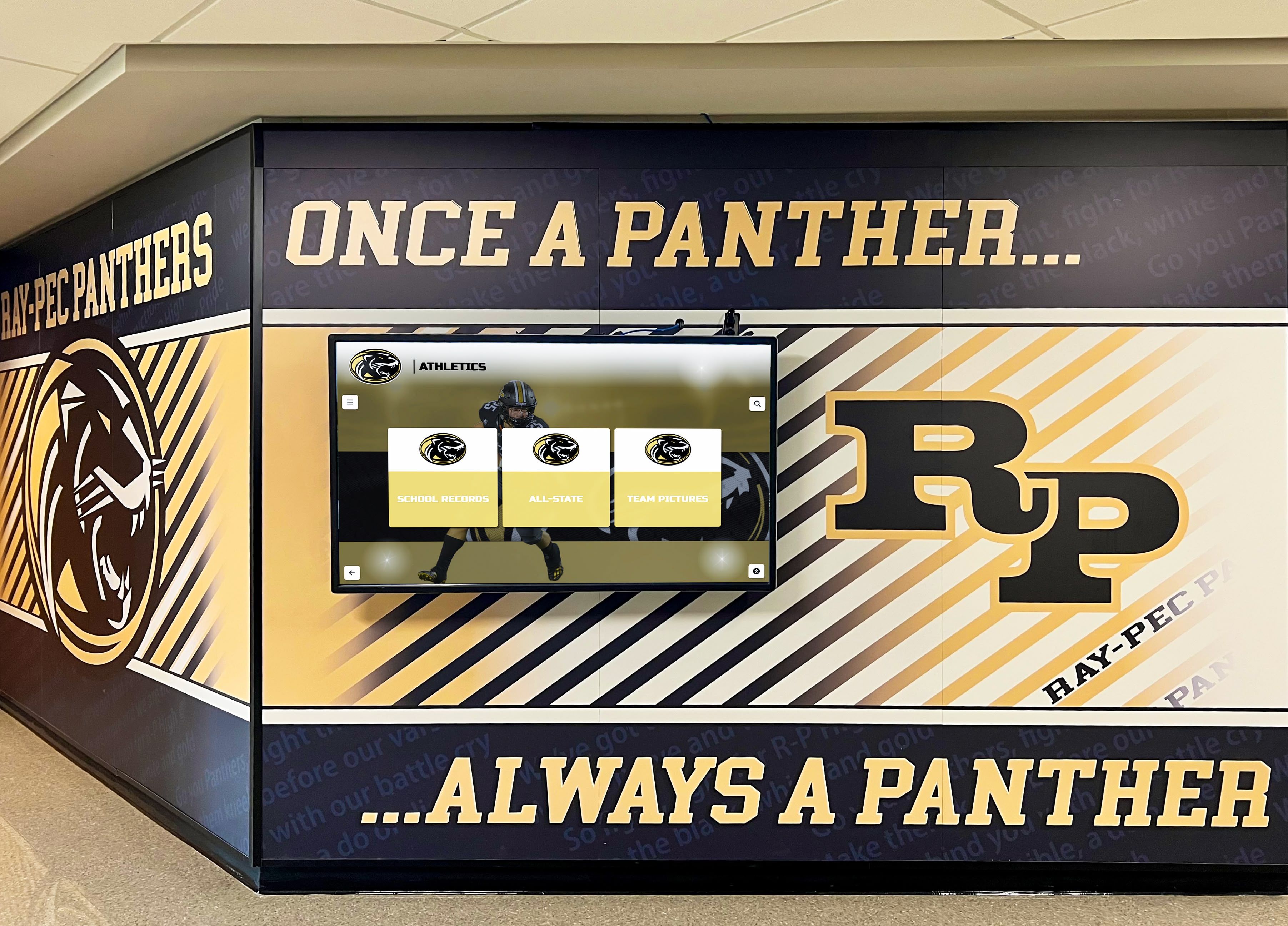
Touchscreen Display Systems: Install interactive displays in organizational facilities enabling ongoing exploration of award history, honoree profiles, and recognition content. Physical touchscreen presence creates engaging experiences while demonstrating organizational commitment to celebrating excellence. Solutions like Rocket Alumni Solutions provide comprehensive platforms designed specifically for recognition display needs.
Web-Based Recognition Portals: Create online destinations where anyone worldwide can explore award history, search honoree databases, view profiles, or learn about recognition programs. Web access extends recognition beyond physical venue boundaries enabling global visibility.
Multimedia Storytelling: Digital platforms enable rich content integration—photos, videos, audio recordings, document archives, statistical displays—creating engaging narratives celebrating accomplishments far beyond name lists possible with traditional approaches.
Measuring Award Ceremony Success and Impact
Systematic evaluation enables program improvement while demonstrating recognition value to organizational stakeholders.
Quantitative Success Metrics
Attendance Tracking: Monitor ceremony attendance across time identifying trends, measuring marketing effectiveness, and assessing whether scheduling changes affect participation. Compare actual attendance to invitations distributed calculating response rates.
Engagement Analytics: For digital recognition systems, track profile views, search queries, content interactions, and access patterns measuring ongoing engagement beyond ceremony moments. Analytics demonstrate recognition extending to broader audiences across sustained periods.
Cost Analysis: Calculate per-honoree recognition costs enabling budget efficiency evaluation. Compare expenditures across different ceremony elements identifying where investments generate most value and where efficiencies might reduce costs without diminishing impact.
Social Media Metrics: Measure social sharing volume, reach, engagement, and sentiment around ceremony content assessing public awareness and response. Digital analytics quantify recognition visibility impossible to measure with traditional approaches.
Qualitative Impact Assessment
Honoree Satisfaction: Survey award recipients gathering feedback about ceremony experiences, recognition meaning, and suggestions for improvement. Honoree perspectives provide invaluable insight since their satisfaction represents primary program purpose.
Attendee Feedback: Collect responses from ceremony participants regarding program quality, venue appropriateness, presentation effectiveness, and overall experience. Identify consistent patterns across responses distinguishing idiosyncratic preferences from broadly shared opinions.
Cultural Impact Observation: Assess whether recognition programs influence organizational culture, inspire excellence pursuit, strengthen community bonds, or achieve intended objectives beyond individual honoree satisfaction. Cultural impact proves harder to measure than attendance but represents recognition’s ultimate value.
Longitudinal Tracking: Monitor program evolution across years identifying improvement trajectories, changing participation patterns, or shifting community responses informing strategic adjustments.
Conclusion: Recognition That Honors Achievement and Inspires Excellence
Award ceremonies represent more than perfunctory acknowledgment or trophy distribution—when thoughtfully planned and professionally executed, recognition events create meaningful experiences that validate accomplishment, strengthen organizational culture, build community connections, and inspire future excellence. Whether honoring athletic achievement, academic accomplishment, employee contribution, volunteer service, or artistic excellence, effective ceremonies demonstrate that organizations genuinely value individual effort and that exceptional performance merits special acknowledgment.
The most successful award ceremonies share common characteristics: clear purpose and objectives guiding planning decisions, appropriate venues and timing maximizing attendance and engagement, well-designed programs balancing comprehensive recognition with reasonable duration, meaningful individual acknowledgment personalizing rather than genericizing honorees, smooth logistical execution preventing technical failures or organizational chaos, and extended impact through permanent recognition displays and ongoing visibility ensuring accomplishments receive lasting celebration beyond brief ceremonial moments.
Modern recognition benefits substantially from digital display technology enabling organizations to create comprehensive, permanent, accessible celebration of honored individuals through rich multimedia profiles, unlimited capacity without space constraints, easy content management supporting consistent updates, and global accessibility extending recognition beyond physical facility boundaries. These platforms ensure that award ceremony impact continues long after events conclude—enabling families to share recognition with distant relatives, allowing future community members to explore organizational history, and creating engaging experiences inspiring current participants toward excellence.
Organizations hosting recognition events demonstrate institutional values through celebration—showing that achievement matters, effort receives acknowledgment, character counts alongside performance, and diverse contributions merit acknowledgment. When ceremonies feel genuine, professional, and appropriately celebratory rather than perfunctory or excessive, participants remember recognition experiences positively while understanding clearly what excellence looks like and that their organizations genuinely appreciate exceptional contribution.
Ready to transform your award ceremonies from one-time events into permanent recognition that inspires excellence and preserves organizational history? Explore how digital recognition solutions can extend ceremony impact far beyond brief acknowledgment moments—creating engaging, accessible, comprehensive celebration of achievement that honors individuals appropriately while building organizational traditions that strengthen community and culture for years to come.































