



Athletic signing day ceremonies represent pivotal moments in high school athletics when student-athletes officially commit to continuing their competitive careers at the collegiate level. These celebrations honor years of dedication, recognize family sacrifices, acknowledge coaching contributions, and inspire younger athletes witnessing the tangible results of sustained athletic excellence. For athletic directors, creating meaningful signing day experiences requires strategic planning that balances ceremonial tradition with genuine personal recognition while managing logistics, coordinating multiple stakeholders, and creating lasting documentation of these milestone achievements.
The significance of signing day extends beyond individual athletes. Well-executed ceremonies strengthen program culture, demonstrate institutional commitment to supporting student-athlete development, provide recruitment marketing showcasing your program’s success placing athletes in college programs, and create community pride celebrating local athletic talent. Yet many athletic directors inherit signing day traditions lacking systematic structure or struggle with balancing multiple sport commitments, varying family expectations, and limited resources for creating memorable experiences worthy of the achievement being celebrated.
Modern Signing Day Recognition Systems
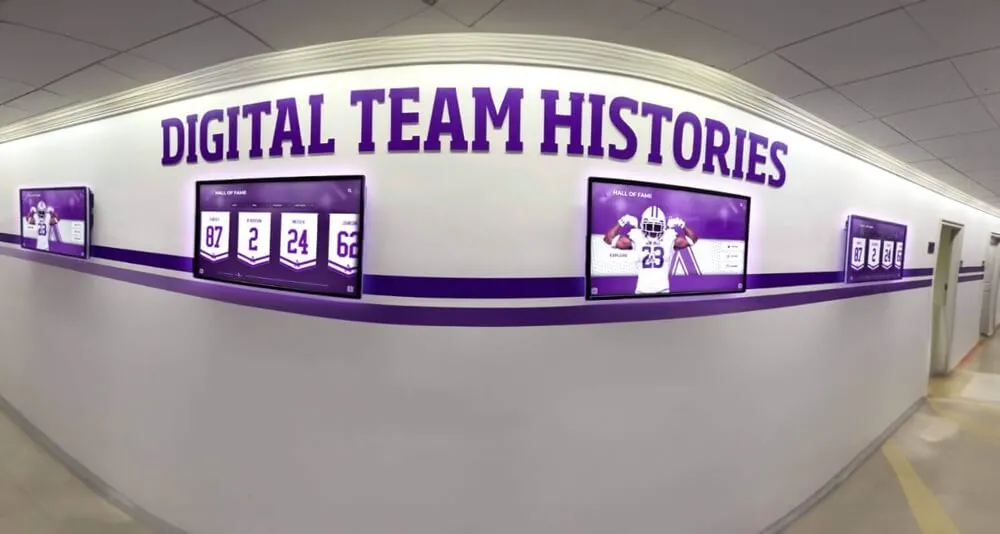
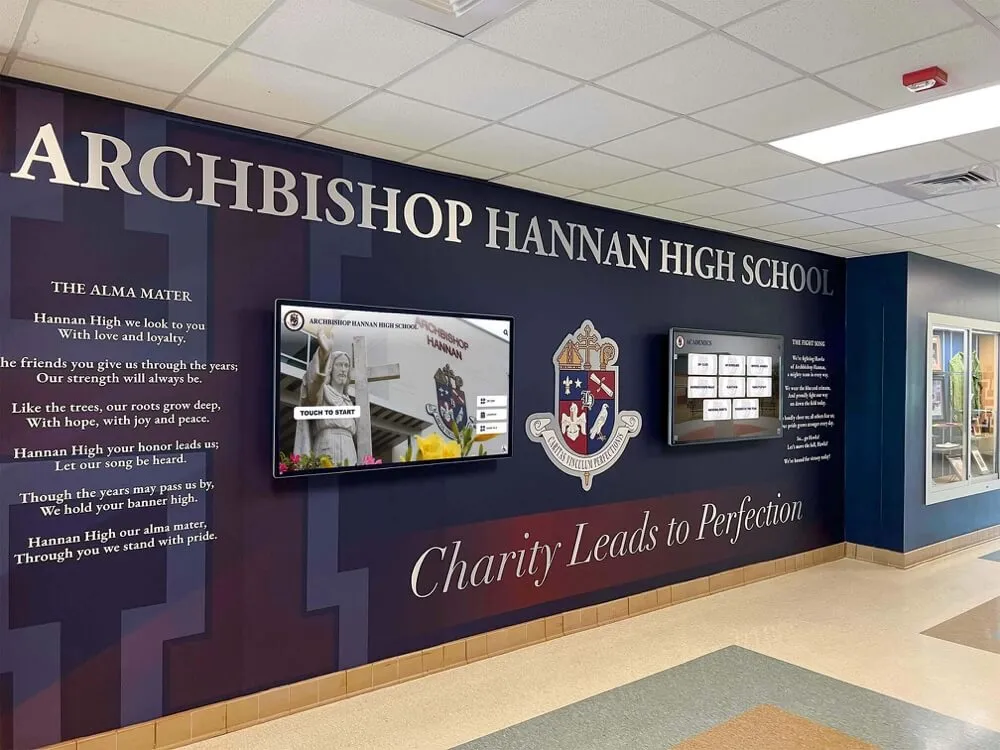
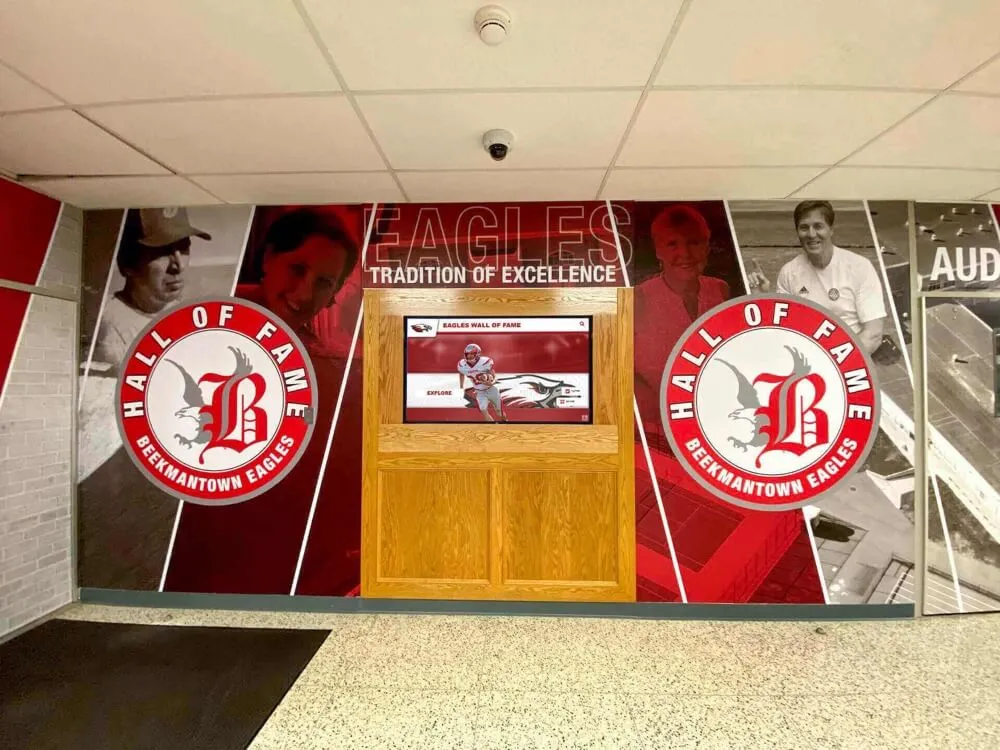
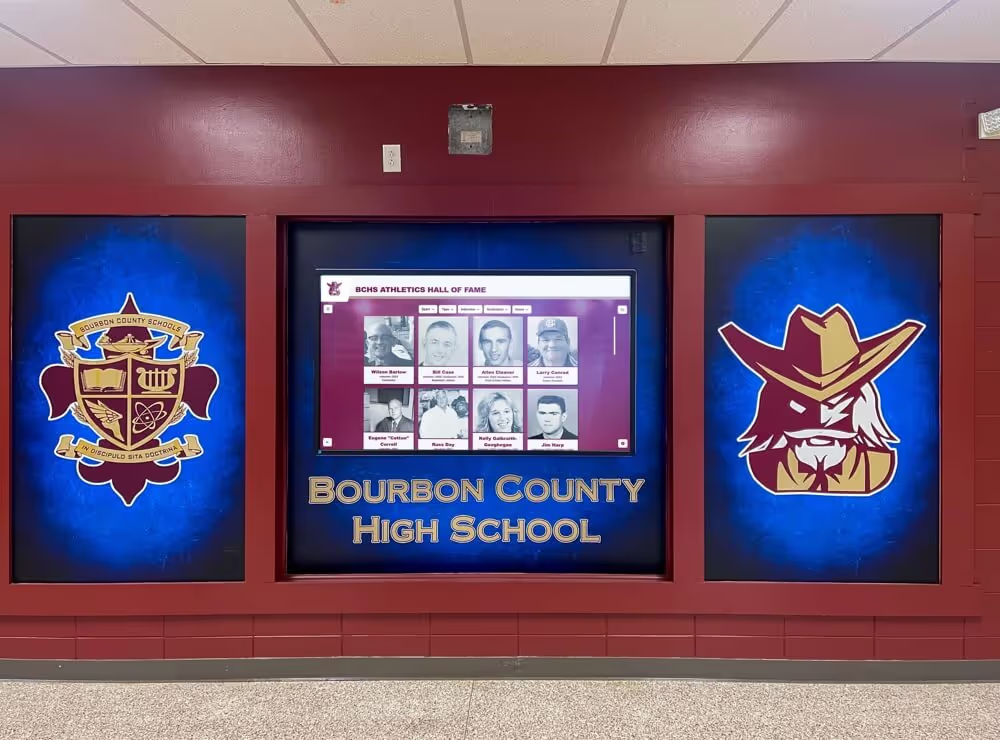
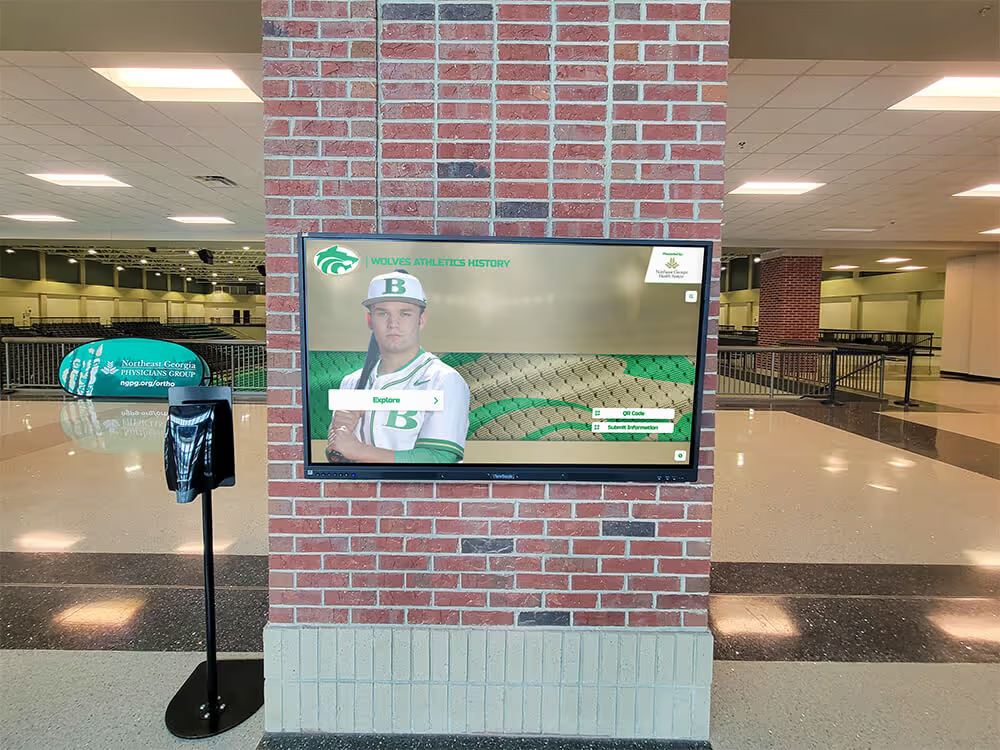
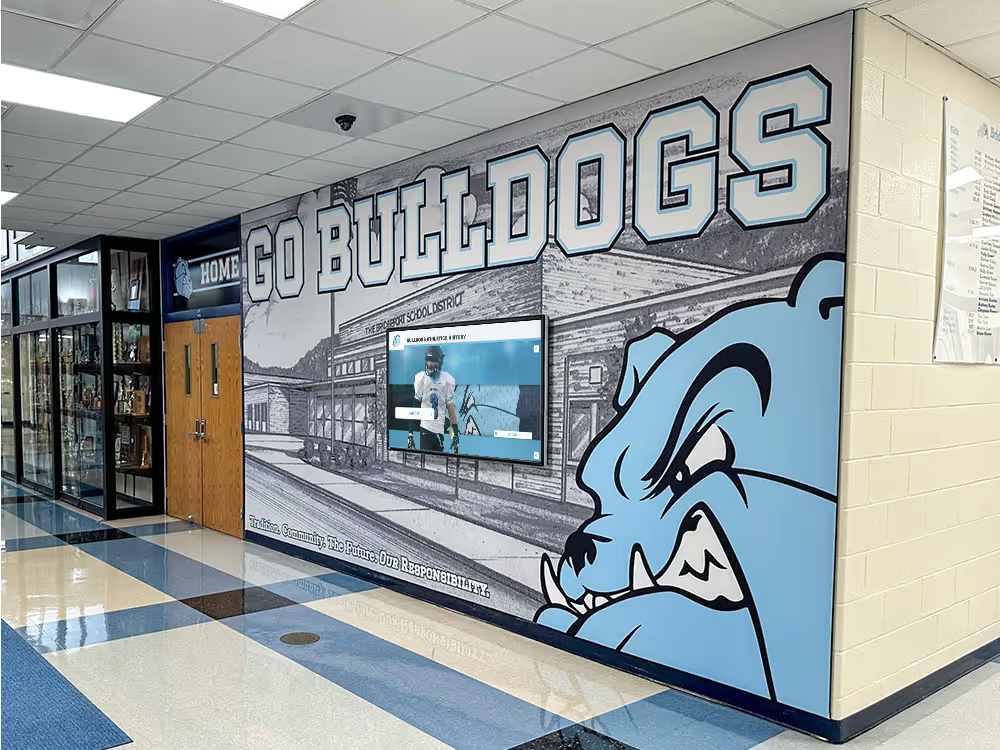
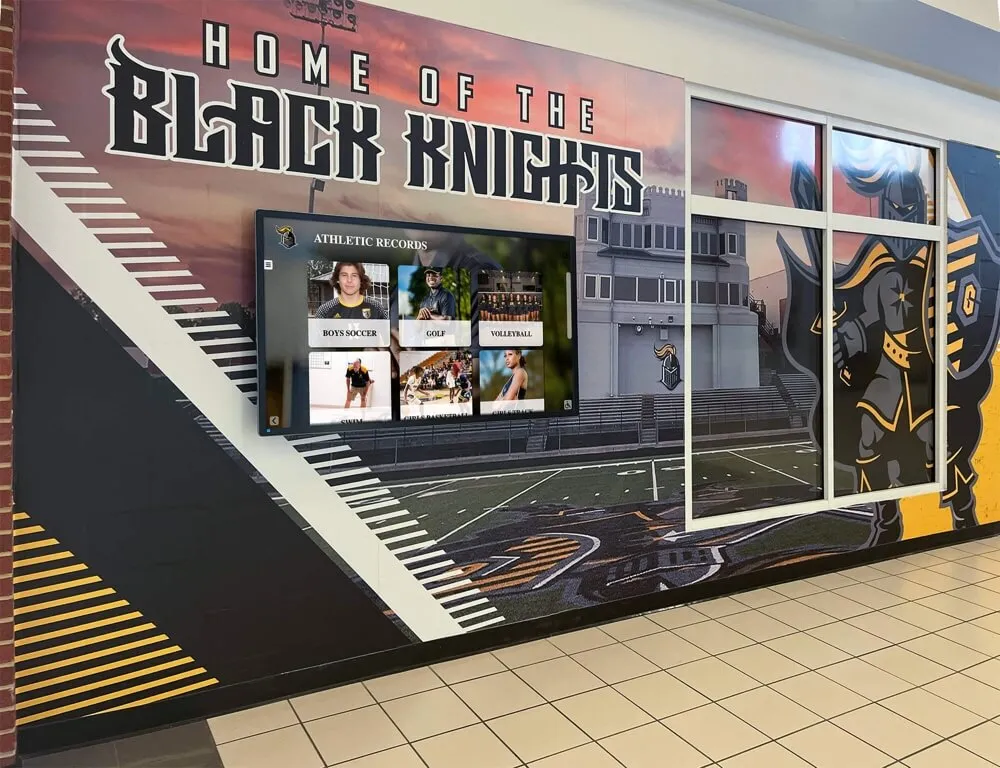
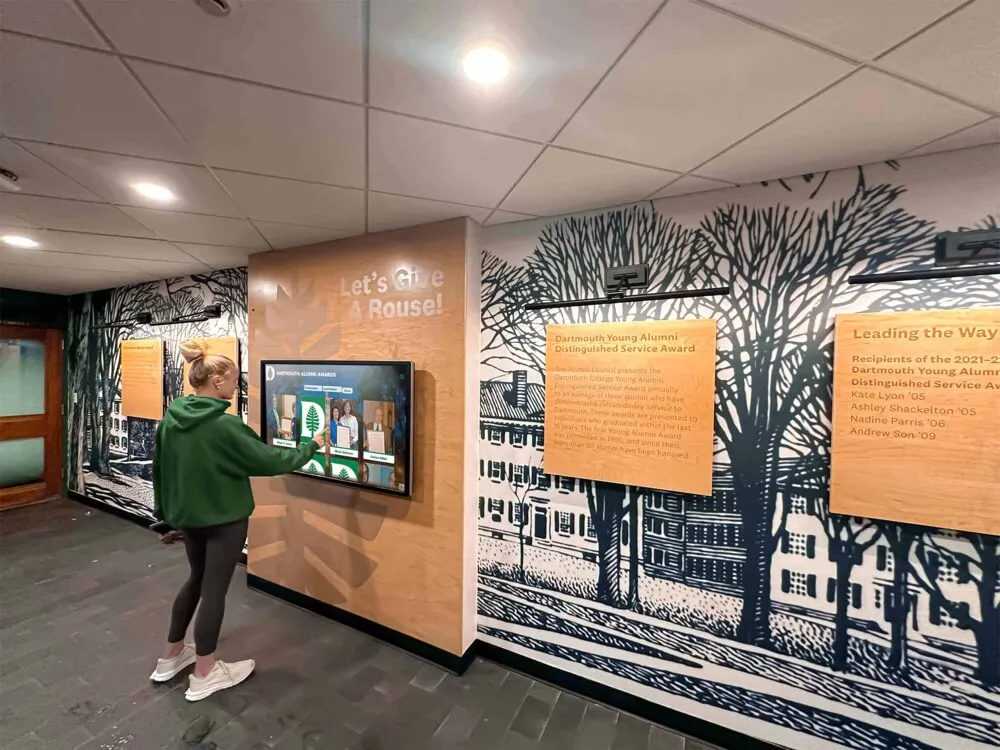
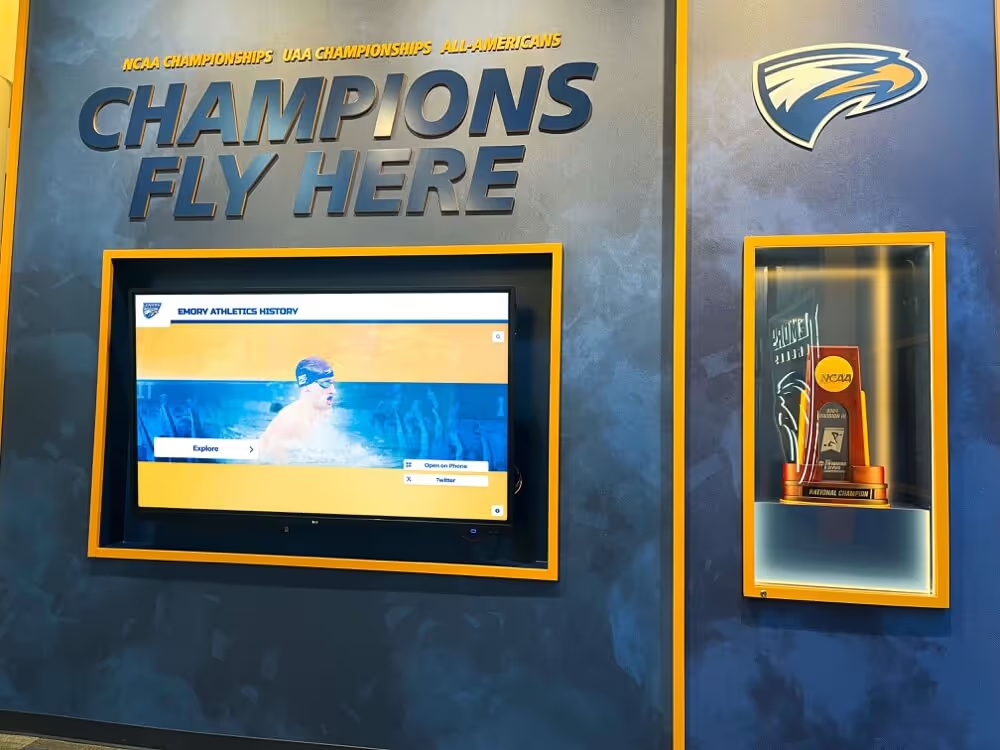
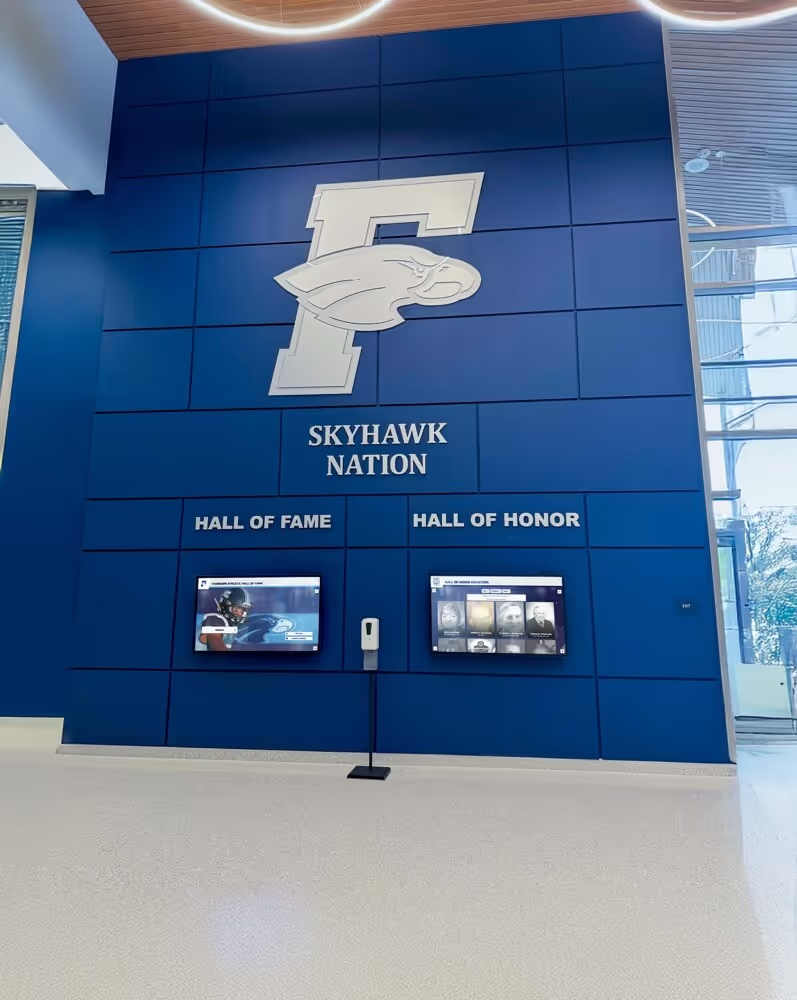
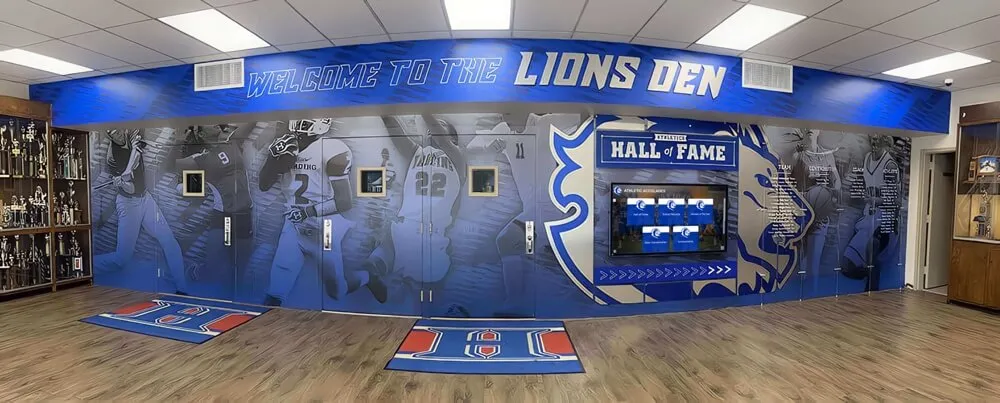
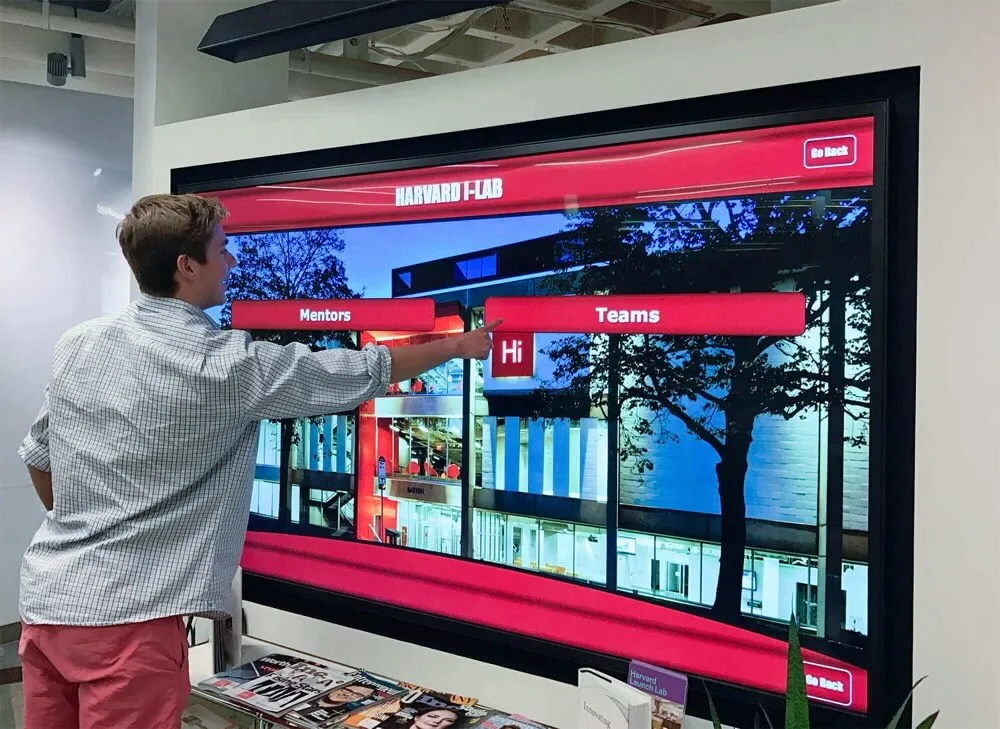
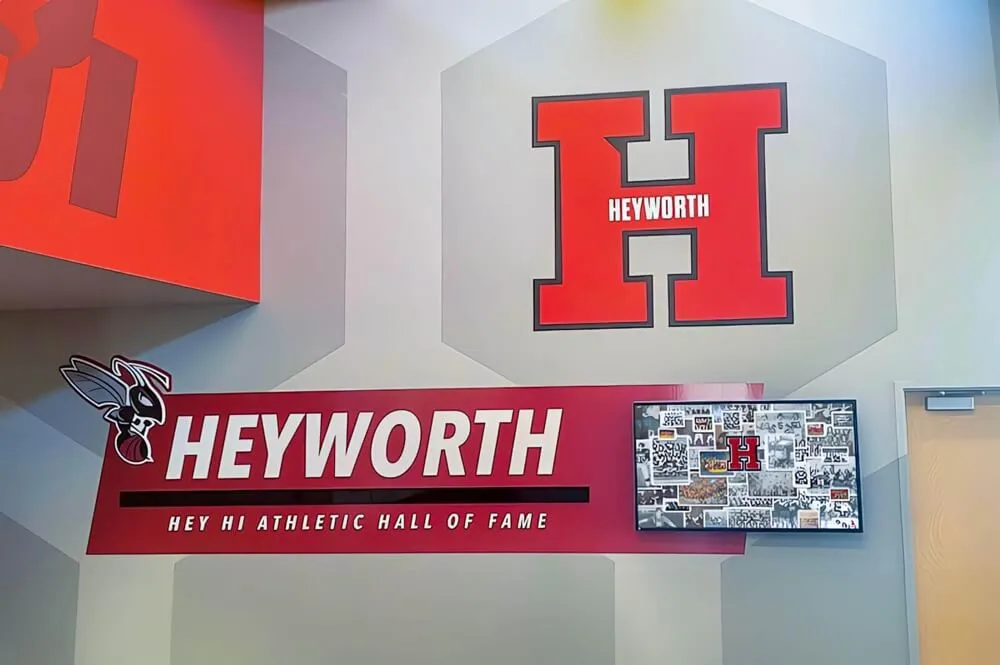
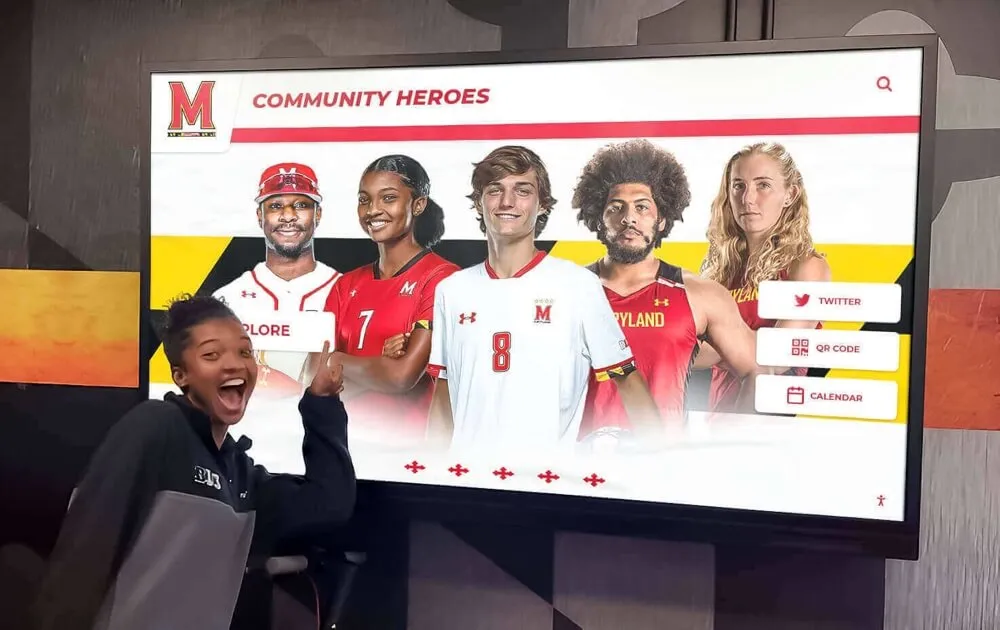
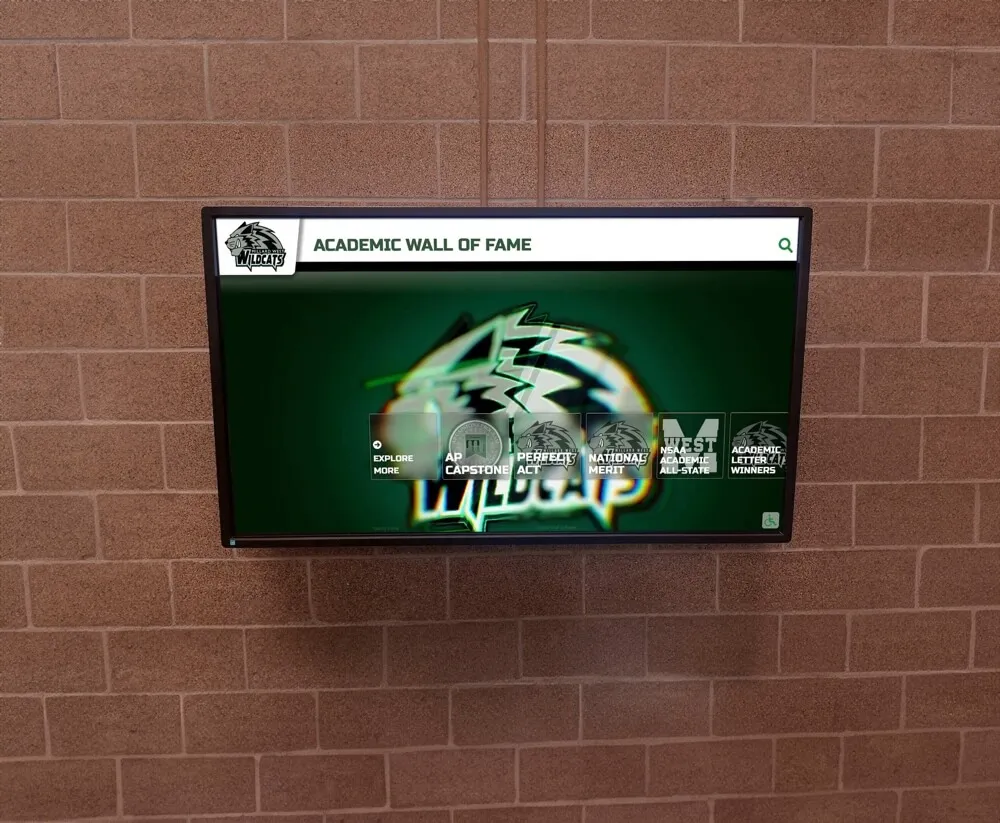
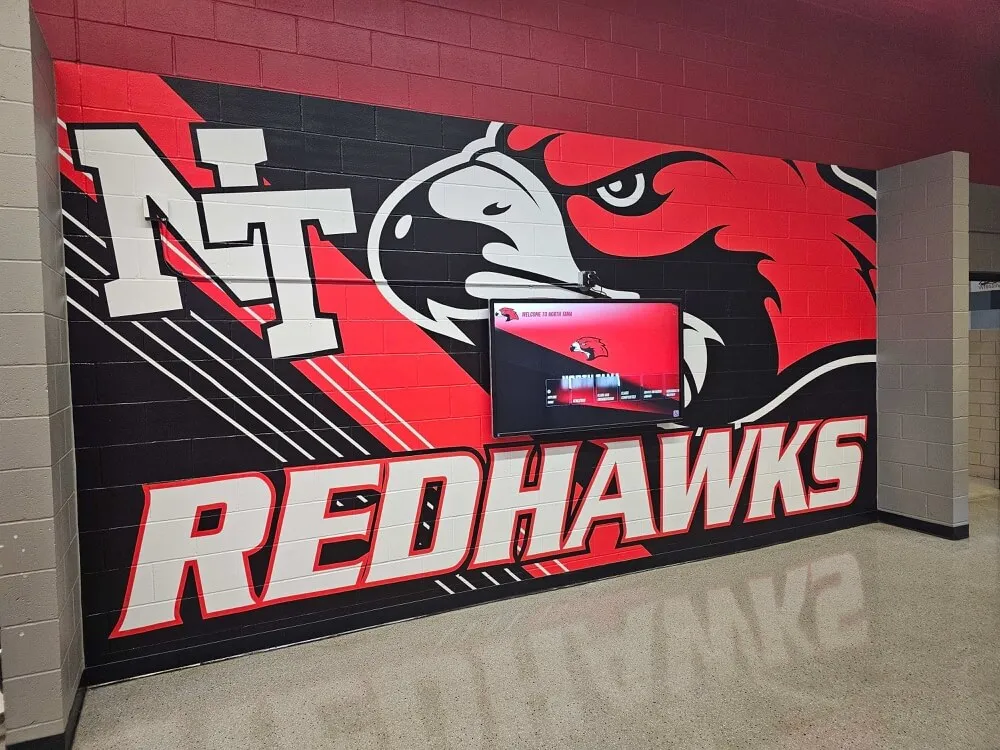
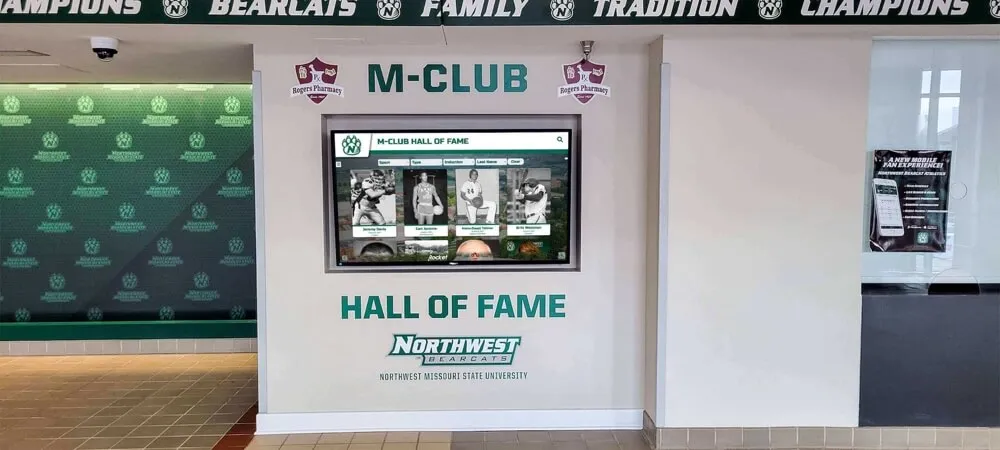
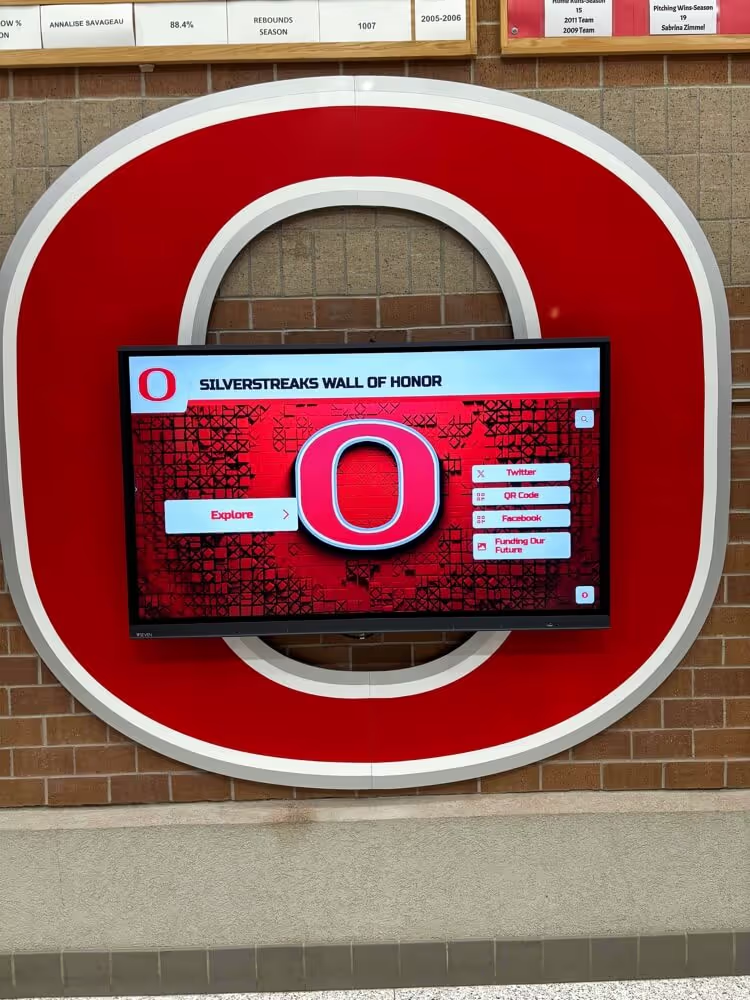
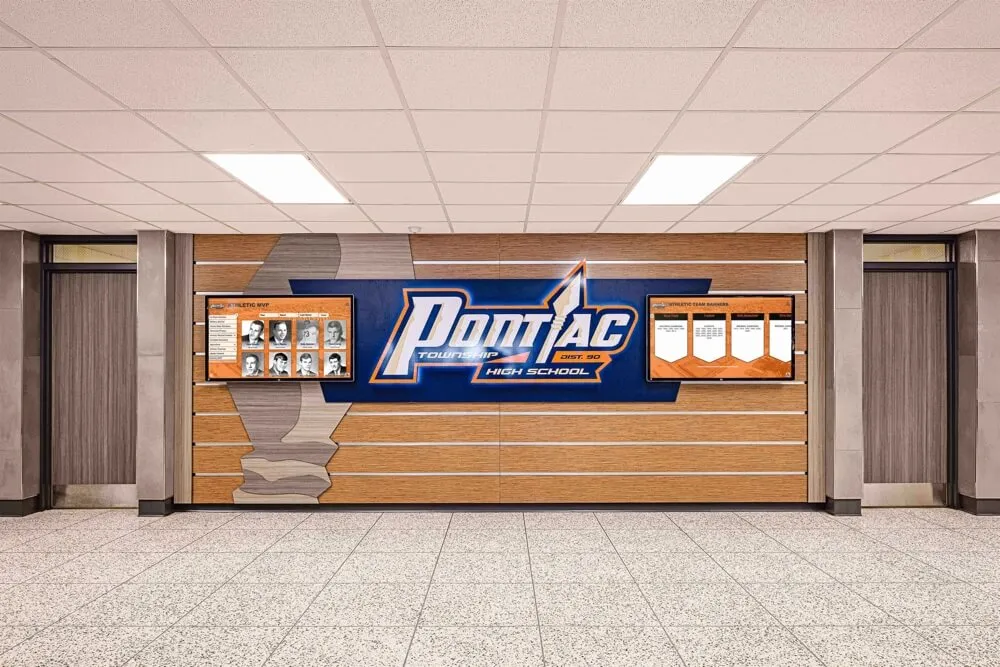
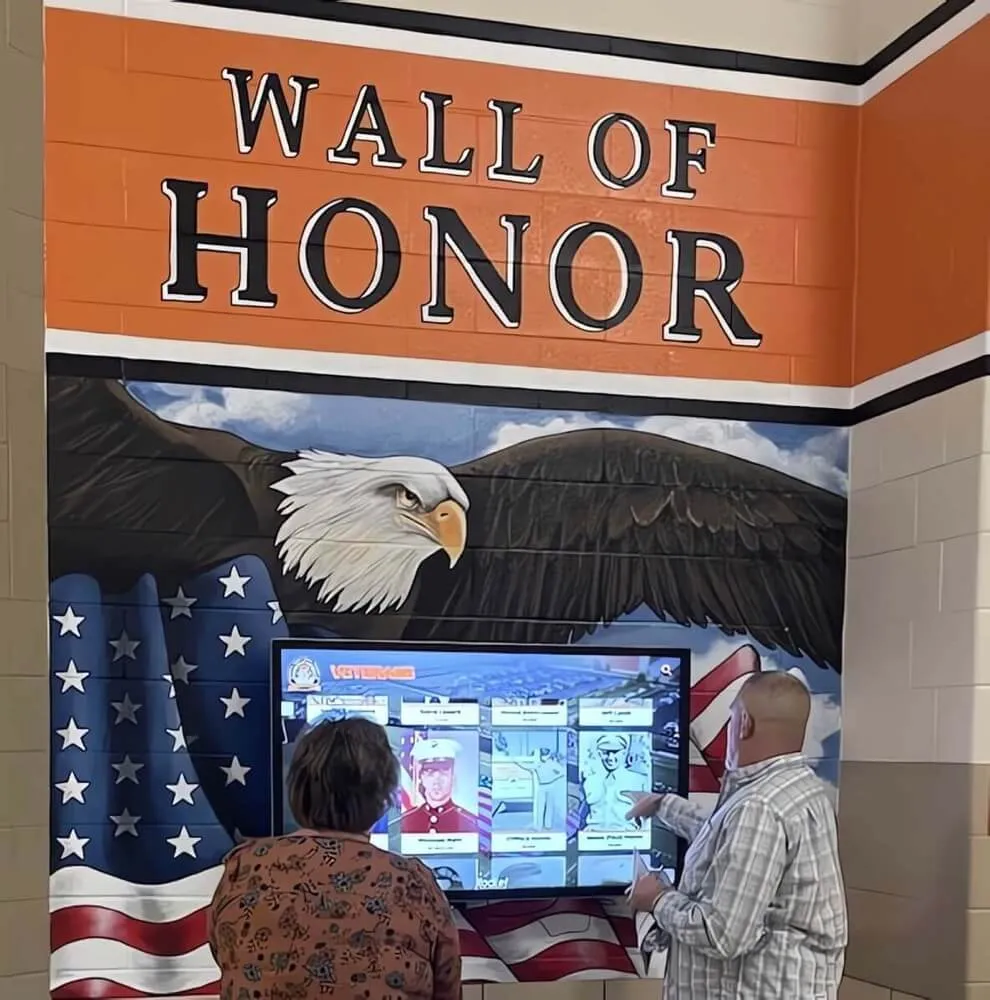
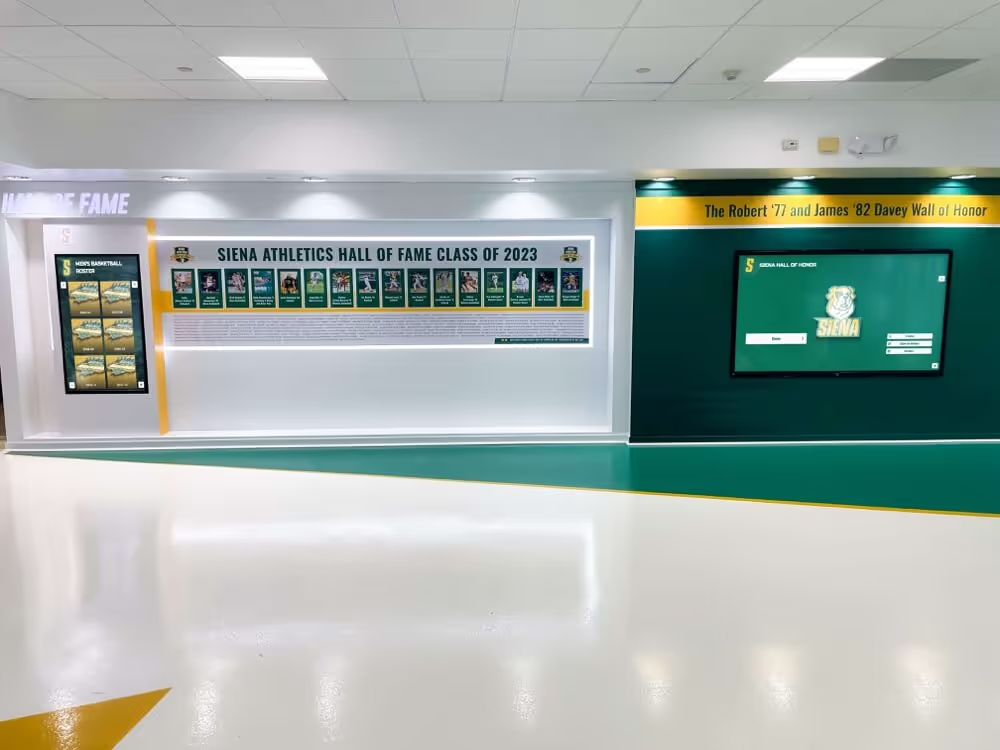
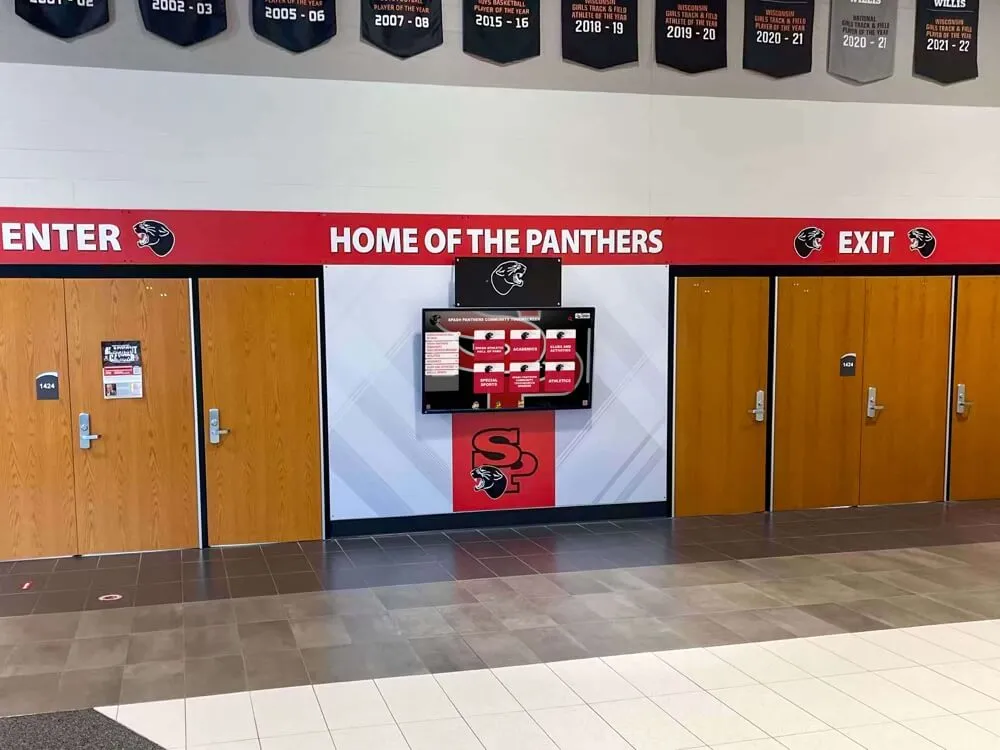
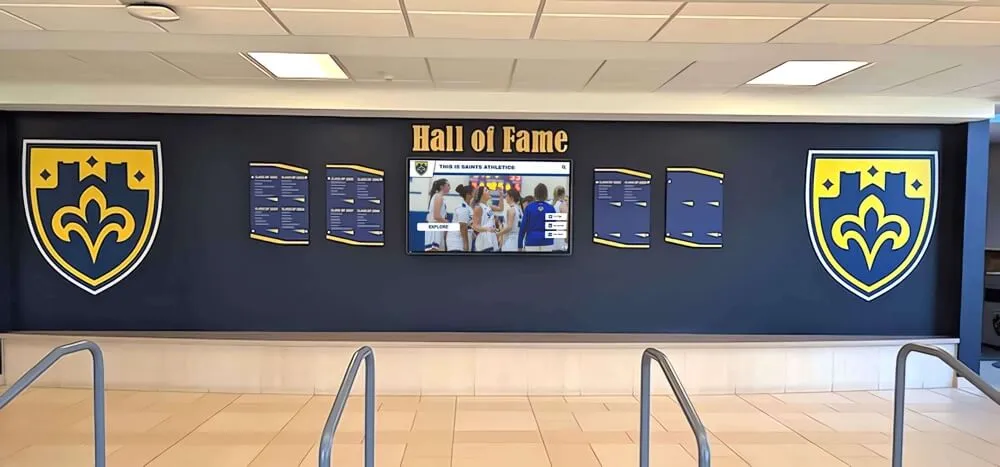
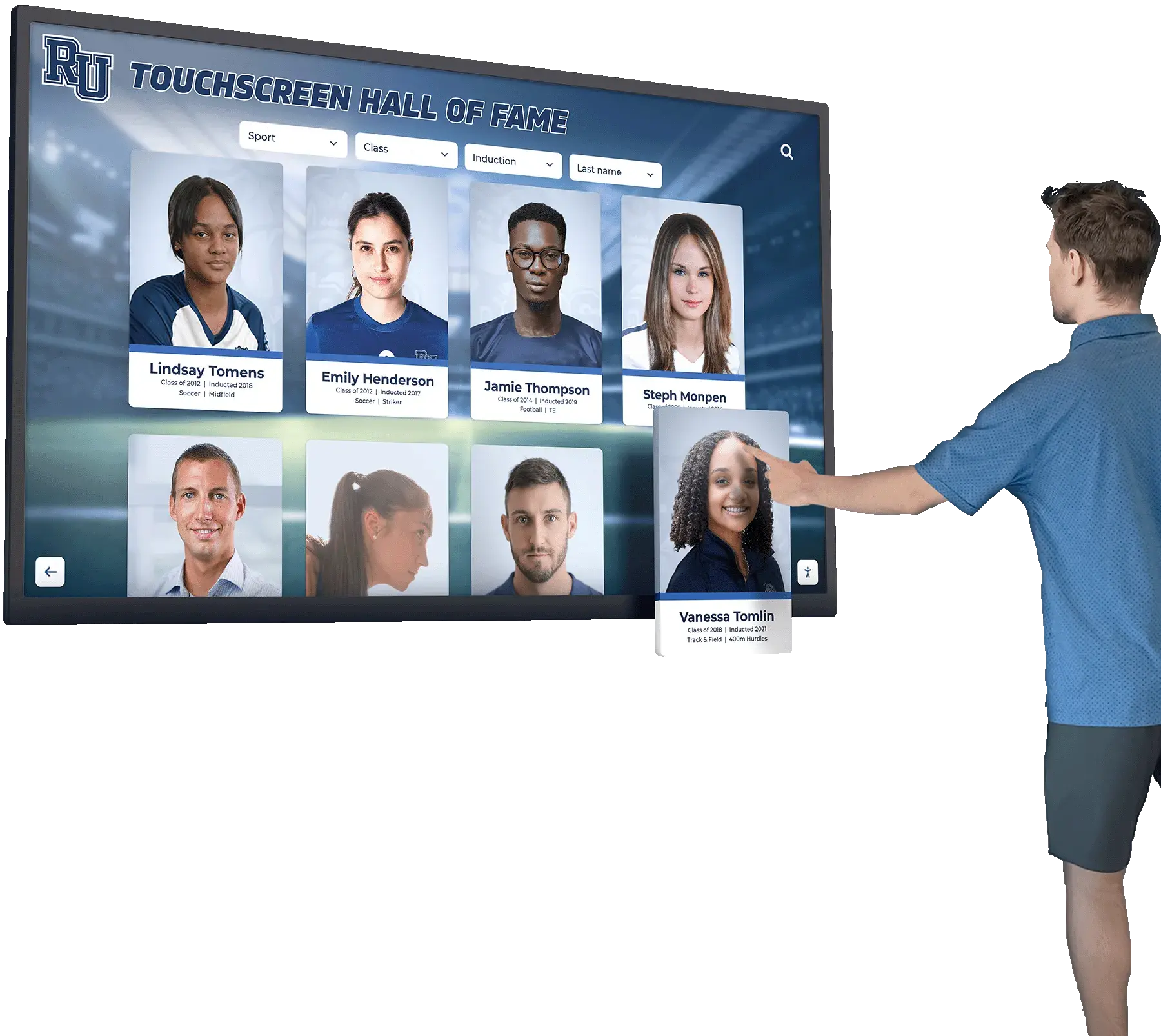
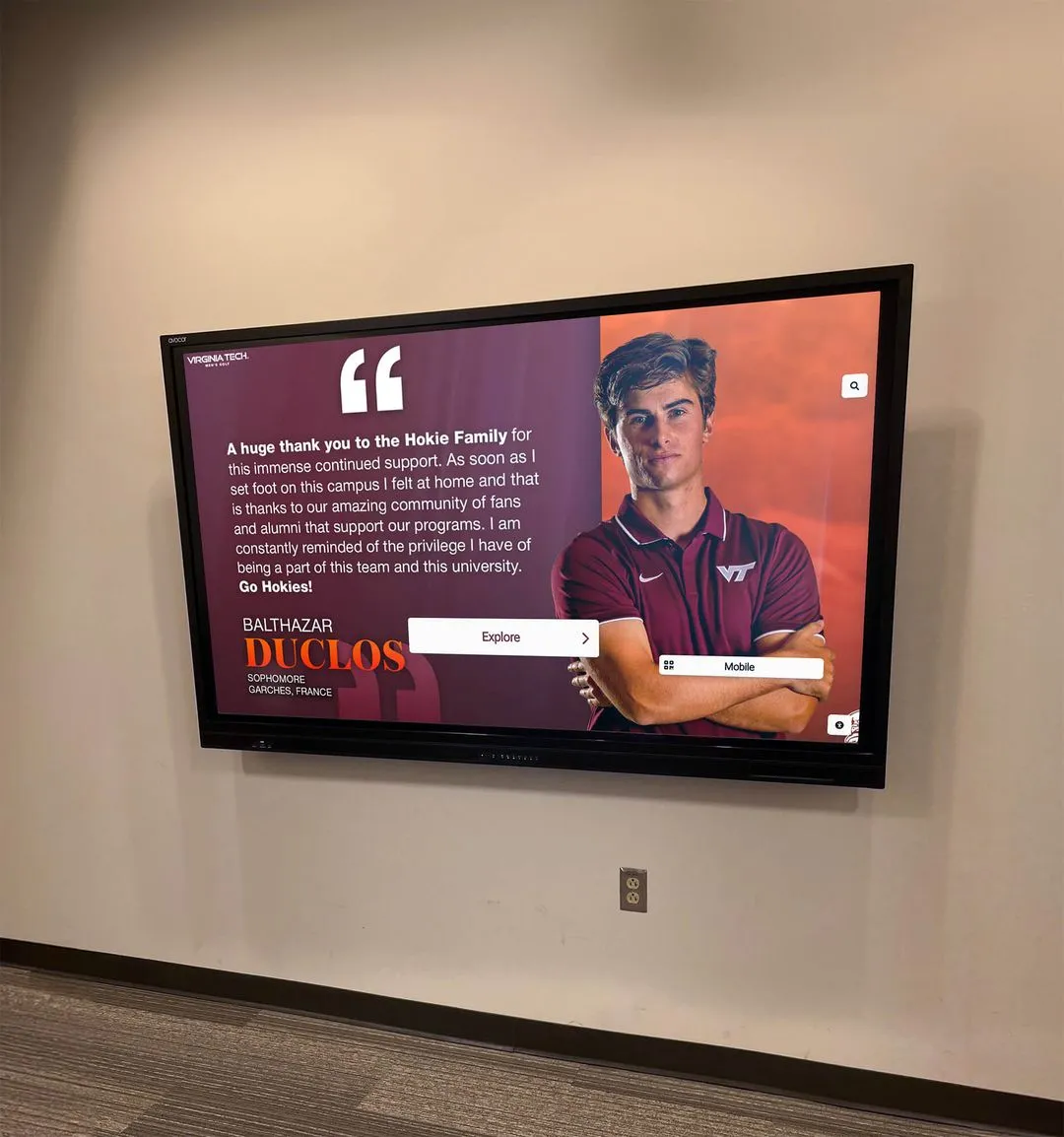
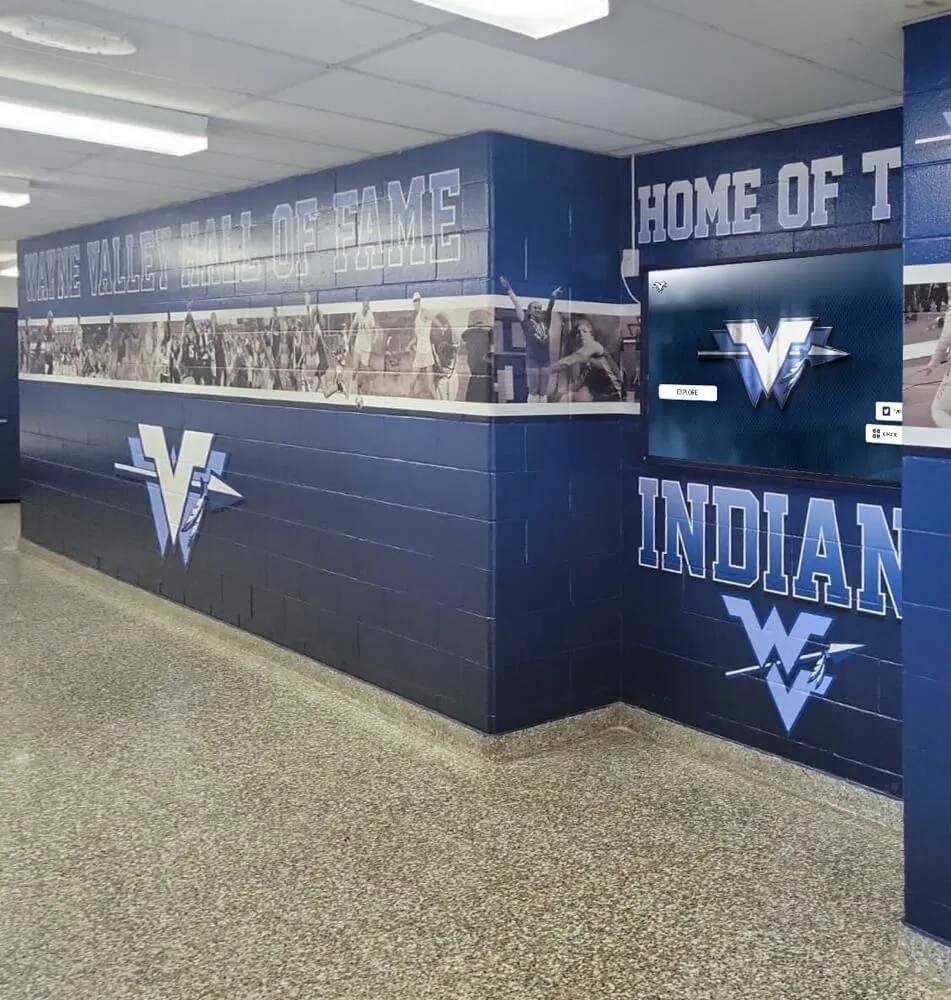
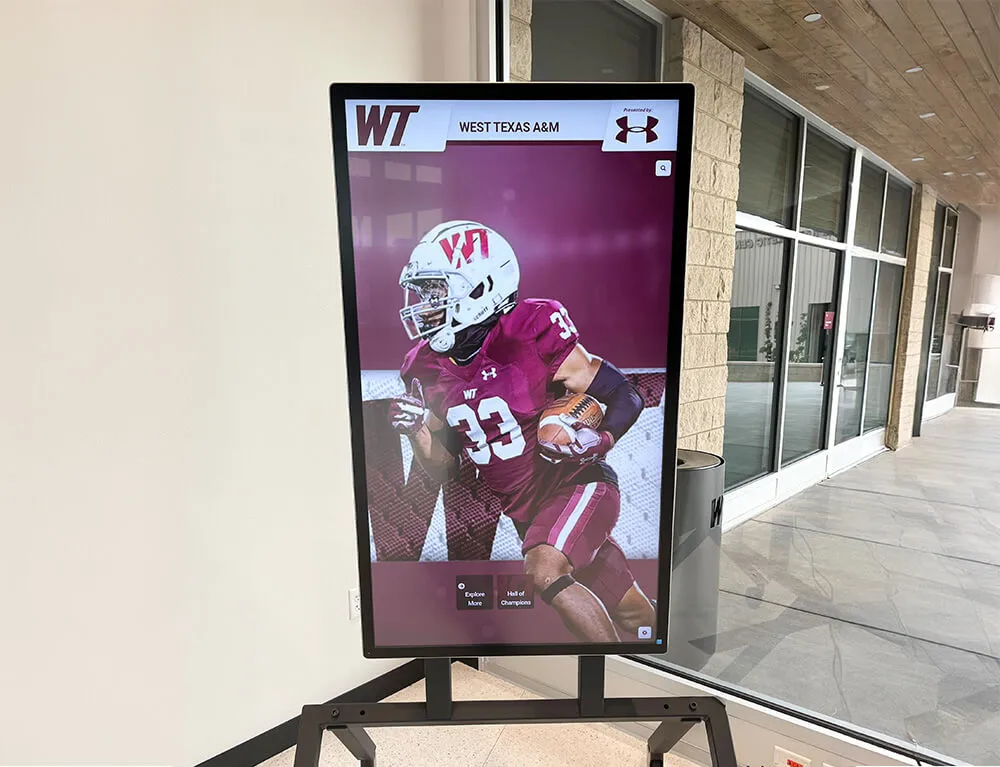
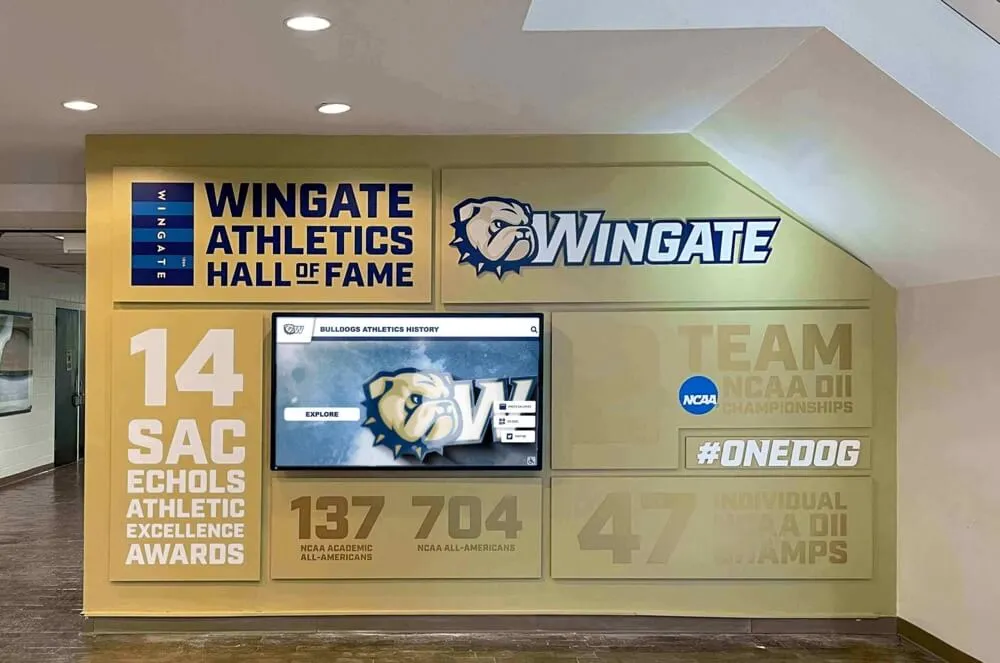
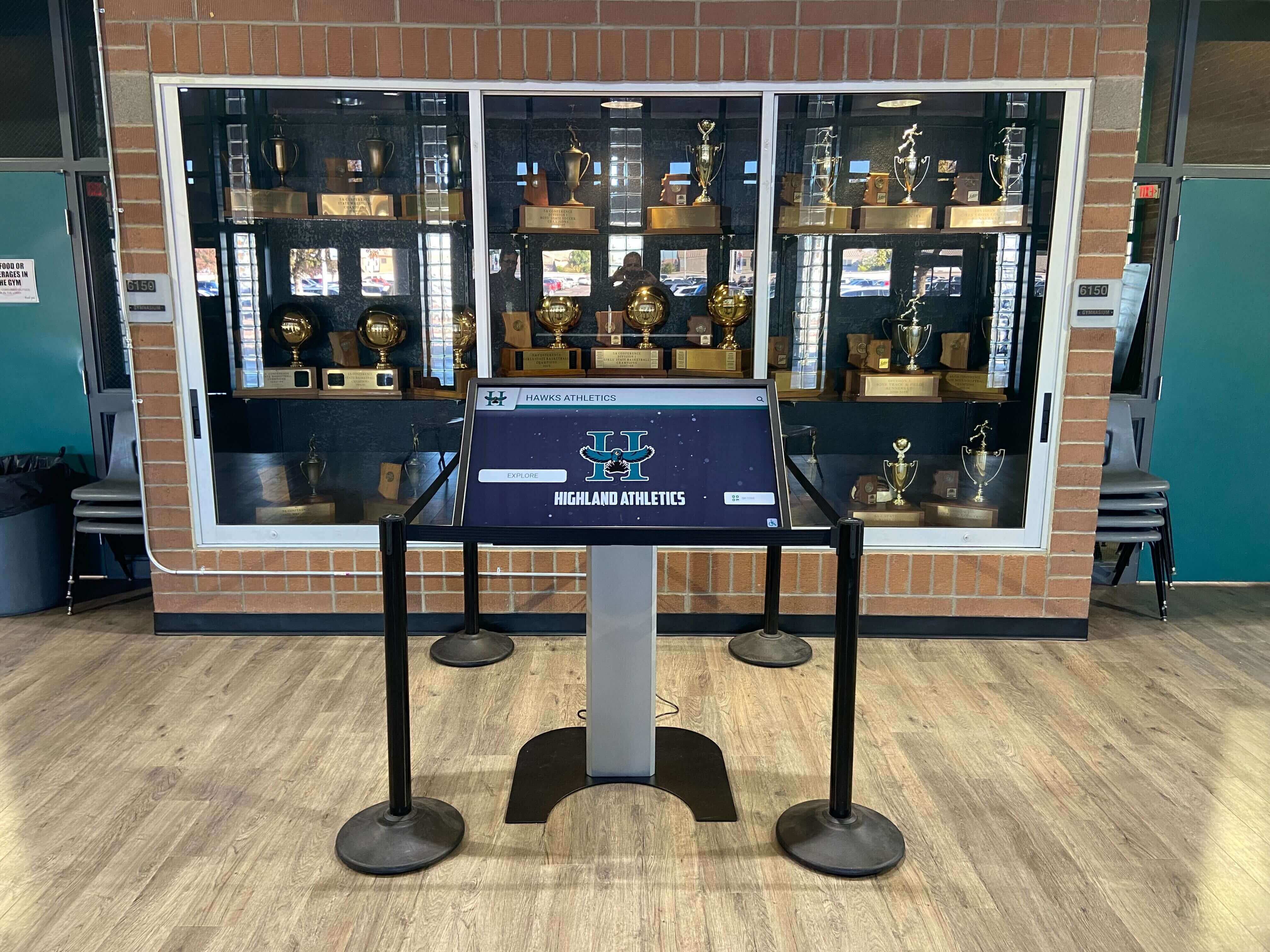
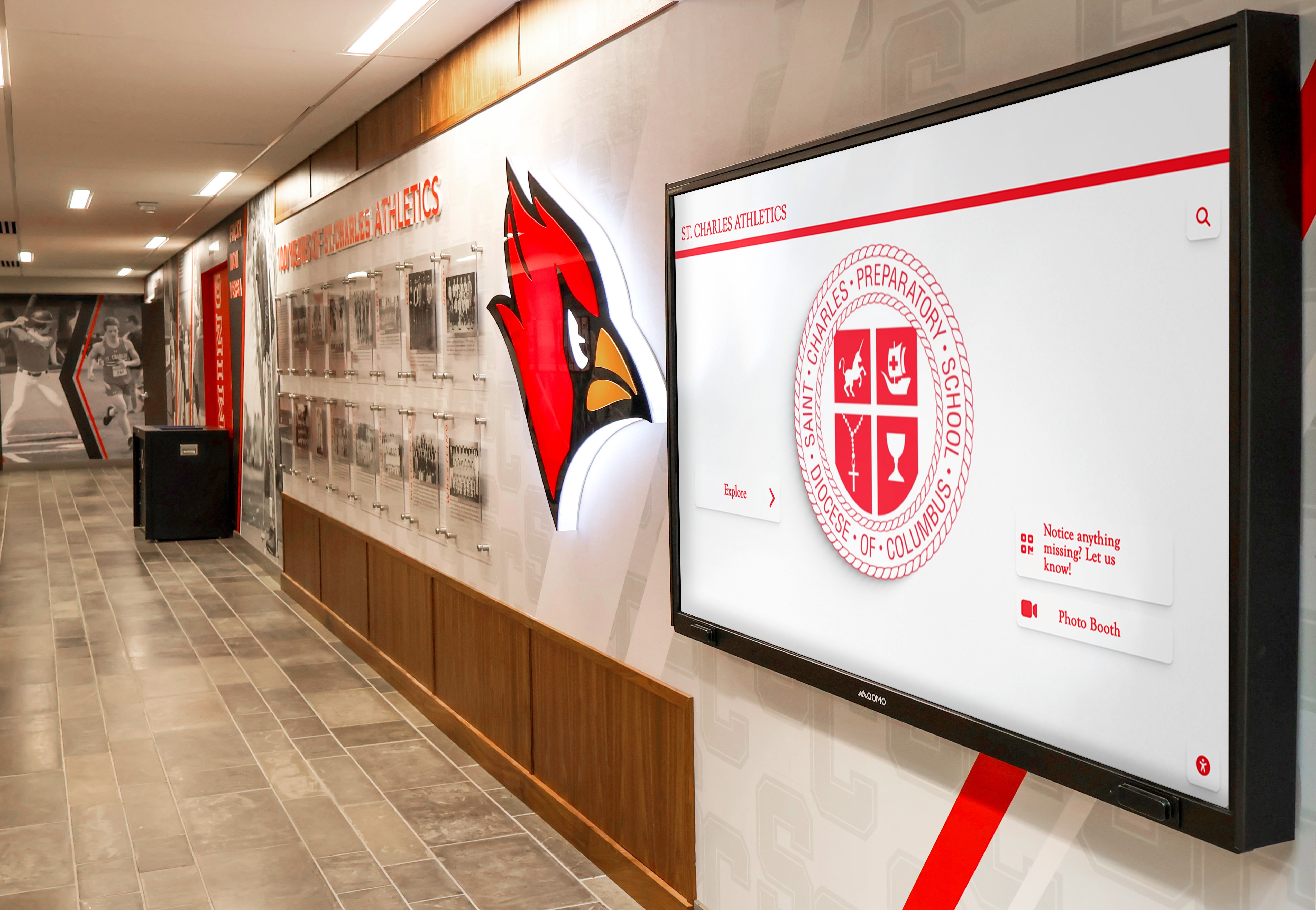
Traditional signing day approaches—brief announcements, temporary banners, or one-time social media posts—fail to capture the full significance of college athletic commitments or create lasting institutional recognition. Digital recognition platforms enable athletic departments to permanently showcase every student-athlete who signs to compete collegiately, building comprehensive historical records of program success while providing ongoing recruitment marketing demonstrating your track record developing college-level talent. Modern solutions integrate college signing displays with broader athletic recognition systems, ensuring these achievements receive permanent visibility alongside hall of fame inductees, record holders, and championship teams.
Understanding Athletic Signing Day Types and Timing
Different sports conduct signing ceremonies according to NCAA-established signing periods, requiring athletic directors to understand timing variations and coordinate appropriately.
National Signing Day vs. National Letter of Intent Day
The terms “signing day” and “National Letter of Intent (NLI) Day” are often used interchangeably, but understanding the distinction helps with proper planning:
National Letter of Intent (NLI): A voluntary binding agreement between prospective student-athletes and NLI member institutions (primarily NCAA Division I and II schools). When athletes sign an NLI, they commit to attending that institution for one academic year in exchange for the institution providing athletics financial aid for that period.
The NLI program establishes specific signing periods:
- Early Signing Period: Varies by sport but typically occurs in November for most sports (February for football)
- Regular Signing Period: Generally begins in April and extends through August 1
- Late Signing Period: Available after regular period concludes
Non-NLI Commitments: NCAA Division III schools and some other institutions don’t participate in the NLI program. Athletes committing to these programs make verbal commitments followed by formal acceptance letters but don’t sign National Letters of Intent. These commitments still warrant full ceremonial recognition despite lacking official NLI documentation.
Sport-Specific Signing Periods
Different sports have established signing periods that athletic directors must track:
Fall Sports
- Football: Early period (typically December), regular period (February - April)
- Soccer, Volleyball, Cross Country: Early period (November), regular period (April - August)
Winter Sports
- Basketball: Early period (November), regular period (April - August)
- Wrestling, Swimming, Ice Hockey: Early period (November), regular period (April - August)
Spring Sports
- Baseball, Softball: Early period (November), regular period (April - August)
- Track & Field, Lacrosse, Tennis: Early period (November), regular period (April - August)
Understanding these periods helps athletic directors coordinate scheduling, particularly when multiple athletes across different sports sign during the same window.
Pre-Ceremony Planning and Preparation
Effective signing day ceremonies require weeks of advance preparation addressing venue selection, stakeholder coordination, and logistical details.
Establishing Ceremony Format and Philosophy
Athletic directors should establish consistent signing day philosophies determining ceremony character:
Individual Sport-Specific Ceremonies vs. Combined Multi-Sport Events
- Sport-Specific Approach: Separate ceremonies for each sport allow deeper focus on that program’s culture, enable sport-specific attendance (teammates, position coaches), and create intimate settings reflecting individual program traditions
- Combined Multi-Sport Format: Single ceremonies featuring multiple sports create efficiency when numerous athletes sign simultaneously, generate broader community attendance, and establish unified athletic department identity
Many programs adopt hybrid approaches—major sports with multiple signings receive dedicated ceremonies while individual signings from multiple smaller sports combine into unified recognition events.
School-Day Assembly vs. Evening Community Event
Timing decisions affect who can attend and ceremony atmosphere:
- School Day Assemblies: Enable full student body attendance inspiring younger athletes, create energetic peer support environments, and demonstrate institutional pride celebrating athletic achievement during academic time
- Evening Community Events: Accommodate working family members, allow more elaborate ceremonies without academic schedule constraints, and create formal atmospheres emphasizing significance
Consider athletes’ preferences, family work schedules, and institutional culture when selecting timing. Some programs offer athletes choice between formats based on individual circumstances.
Coordinating with Athletes and Families
Early communication with signing athletes and their families ensures ceremonies meet expectations while gathering necessary information.
Pre-Ceremony Communication Checklist
Contact families 3-4 weeks before anticipated signing dates to gather:
- Confirmed signing date and time (if athlete has received specific college instructions)
- College/university name, location, and program details
- Major or academic program of study (if determined)
- Specific family members planning to attend
- Preferred guest seating arrangements
- Special accommodation needs (accessibility, dietary restrictions if reception planned)
- Photo preferences (family photos, coach photos, team photos)
- Preferred announcement language or talking points
- Social media sharing preferences
Some families prefer private intimate ceremonies while others embrace public celebrations. Explicit conversations about expectations prevent misunderstandings and ensure ceremonies align with individual athlete and family preferences.
Managing Family Expectations
Families may have varying expectations based on limited signing day experience. Provide clarity about:
- Ceremony structure and approximate duration
- Speaking opportunities (if any) for athletes or family members
- Photography/videography arrangements (who provides official documentation)
- Guest limitations if space is constrained
- Reception details (if applicable)
- Media attendance and coverage plans
Written ceremony guidelines distributed in advance prevent awkward situations and ensure everyone understands format before arrival.
Venue Selection and Setup
Appropriate venue selection significantly impacts ceremony quality and attendee experience.
Common Venue Options
- School Gymnasium: Large capacity accommodating substantial crowds, natural athletic setting, accessible location familiar to school community
- School Library or Media Center: More intimate professional setting, better acoustics than gyms, appropriate for smaller gatherings
- Athletic Facilities: Weight rooms, team rooms, or field houses create authentic athletic program environments
- School Auditorium: Formal setting with theatrical staging, built-in sound systems, elevated visibility for attendees
- Off-Campus Venues: Restaurants, country clubs, or community centers for highly personalized private ceremonies (less common for school-organized events)
Consider acoustic quality, sight lines, climate control, accessibility, parking availability, and technical capabilities when selecting venues.
Ceremony Staging Elements
Professional staging demonstrates the significance you place on these achievements:
- Signing Table: Dedicated table with school tablecloth, appropriate seating for athlete and family members, flowers or decorative elements
- Backdrop: School banners, sport-specific signage, or professional backdrop creating clean background for photos
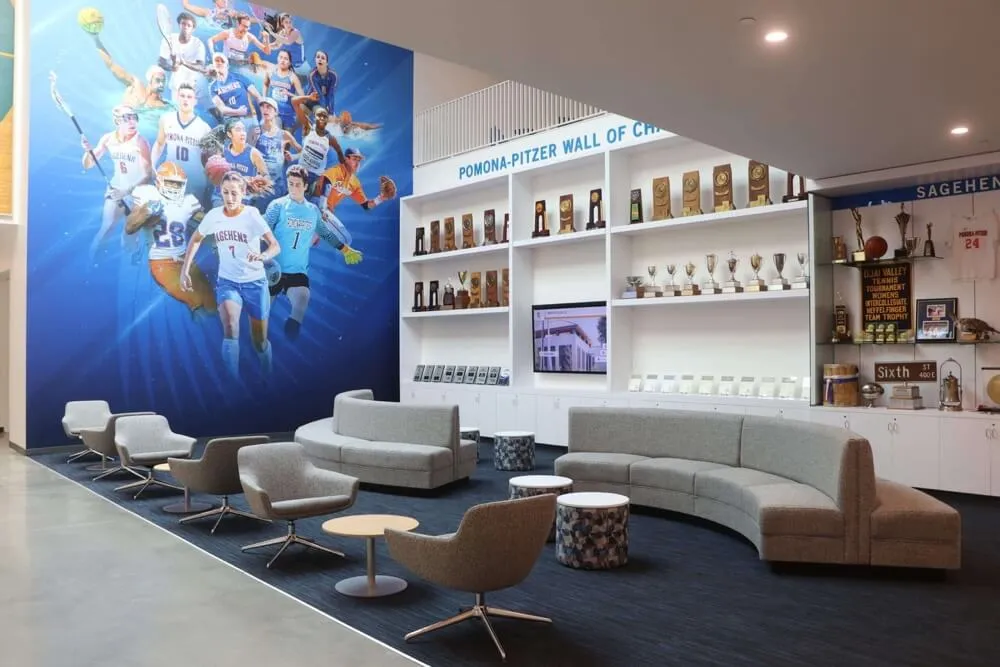
- Display Elements: Jerseys, helmets, program memorabilia, or digital recognition displays showcasing athlete’s high school career
- College Gear: Coordinate display of college apparel, pennants, or promotional materials provided by recruiting institutions
- Seating Arrangements: Reserved front-row seating for family, designated teammate sections, general attendee areas
Photography considerations matter tremendously. Ensure adequate lighting, clean backgrounds free from visual distractions, and angles allowing clear photos of signing moments and group shots.
Ceremony Execution and Program Elements
Well-structured ceremony programs create meaningful experiences while maintaining appropriate pacing and engagement.
Essential Ceremony Components
Comprehensive signing day ceremonies typically include these core elements:
Opening Remarks and Context Setting
Athletic director or principal opening remarks should:
- Welcome attendees and acknowledge ceremony significance
- Provide context about the achievement (percentage of high school athletes competing collegiately, dedication required)
- Thank coaches, families, and supporters who contributed to athlete development
- Set tone balancing celebration with appropriate formality
Keep opening remarks brief (2-3 minutes maximum) to maintain focus on athletes rather than administrators.
Individual Athlete Recognition
The ceremony centerpiece focuses on each signing athlete individually:
- Biographical Introduction: Academic achievements, athletic accomplishments, leadership roles, community involvement
- Athletic Career Highlights: Significant statistics, awards, memorable moments, team contributions
- College Program Details: Institution name, location, program information, coach name when appropriate
- Coach Remarks: Head coach or position coach comments about athlete’s development, character, and projected college success
- Athlete Statement (optional): Brief prepared remarks or extemporaneous comments from athlete thanking supporters
- Signing Moment: Formal signing of letter of intent or commitment documentation with photo opportunities
- Gift Presentation (optional): School gifts such as framed jerseys, commemorative plaques, or program memorabilia
Family and Supporter Acknowledgment
Explicit recognition of family sacrifices and supporter contributions:
- Parents/guardians named and thanked for years of support, transportation, encouragement
- Individual coaches who developed athlete’s skills acknowledged
- Club or travel coaches who contributed to development recognized when appropriate
- Teammates whose competition elevated performance thanked
- Athletic trainers, strength coaches, and support staff acknowledged
This recognition validates the collaborative nature of athletic development while ensuring credit extends beyond individual achievement.
Closing and Reception
Conclude ceremonies with:
- Final congratulations and well wishes for college success
- Instructions for photo opportunities, reception logistics, or media availability
- Invitation to view permanent recognition displays or other athletic recognition features
- Reminder about upcoming athletic events or program activities
Creating Engaging Program Flow
Ceremony pacing significantly affects attendee engagement and overall experience quality.
Optimal Ceremony Length by Signing Athlete Count
- Single Athlete: 15-20 minutes total
- 2-3 Athletes: 25-35 minutes total
- 4-6 Athletes: 40-50 minutes total
- 7-10 Athletes: 50-70 minutes total
- 10+ Athletes: Consider splitting into multiple ceremonies or streamlining individual recognition to maintain engagement
Beyond 60 minutes, ceremonies risk losing attendee attention and diminishing individual athlete recognition impact.
Maintaining Energy and Engagement
Strategies for keeping ceremonies dynamic:
- Video Elements: Highlight videos, recruiting journey footage, or career retrospectives create visual interest
- Music Transitions: Appropriate background music or athlete-selected entrance music adds energy
- Audience Participation: Invited applause moments, coordinated cheers from teammates
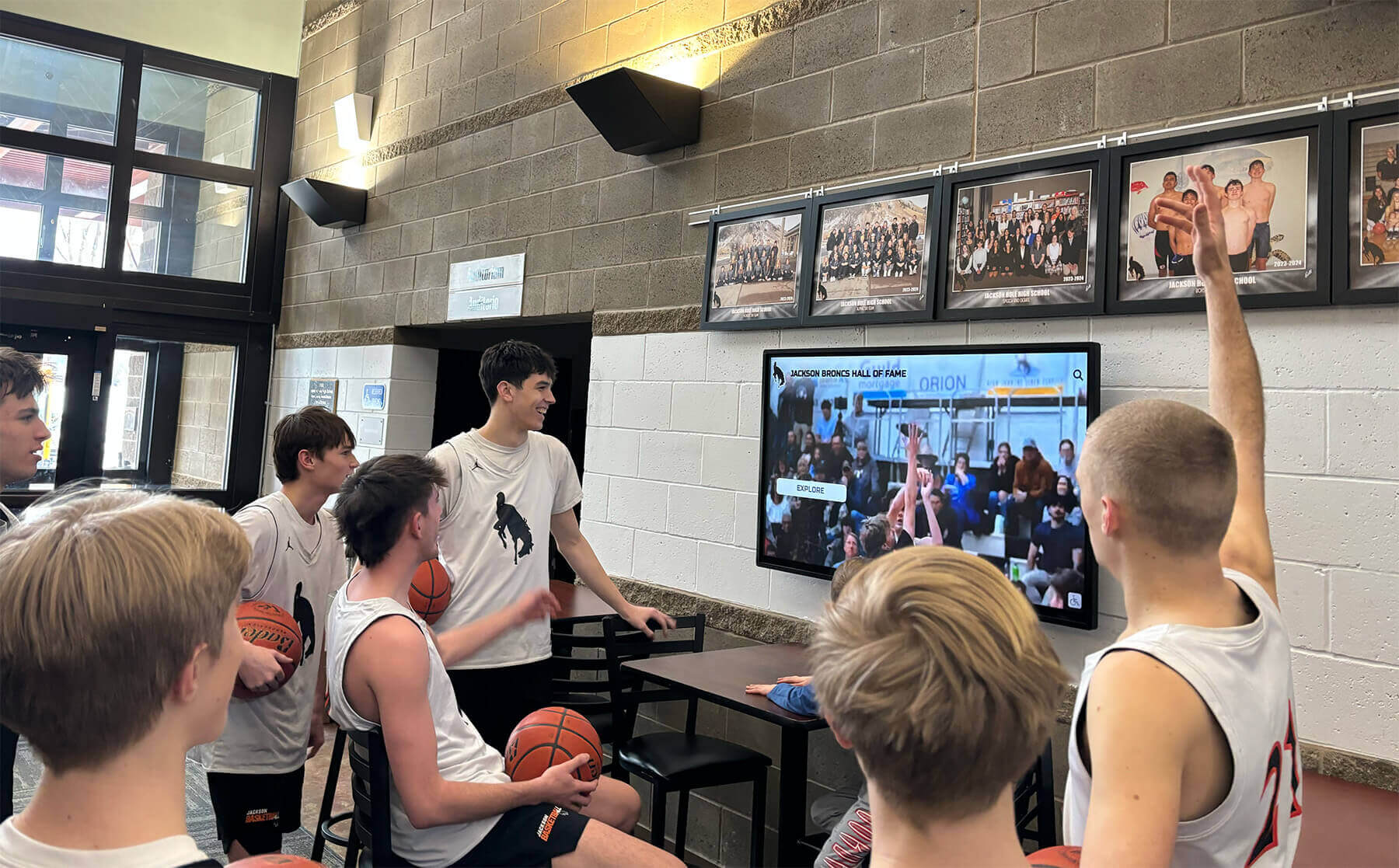
- Visual Displays: Rotating slideshows of athlete photos, statistics displays, digital recognition boards showing program history
- Varied Speakers: Multiple voices (athletic director, coaches, sometimes athletes themselves) prevent monotony
Managing Special Circumstances
Athletic directors must navigate various special situations with sensitivity and professionalism.
Multiple Athletes from Same Team
When several teammates sign simultaneously:
- Consider whether individual recognition or combined team approach better serves athletes
- Ensure each athlete receives equivalent attention and ceremony time
- Acknowledge team chemistry and mutual support that elevated everyone’s performance
- Be sensitive to different destination prestige levels—avoid creating implicit ranking through ceremony structure
Non-Traditional Commitments
Some athletes follow paths different from conventional NLI signing:
- Division III Commitments: Full ceremonial recognition despite absence of NLI
- NAIA or Junior College: Equal ceremony treatment honoring the achievement
- Preferred Walk-On Opportunities: Recognition for athletes earning roster spots without athletic scholarships
- Military Academy Appointments: Enhanced recognition acknowledging academic and service commitment dimensions
The significance lies in continuing athletic careers at collegiate level, regardless of division, scholarship status, or institution type.
Late or Unexpected Commitments
Athletes sometimes commit outside traditional signing windows:
- Establish processes for recognizing late signings (summer commitments, spring football signings)
- Consider end-of-year recognition assemblies capturing athletes who committed throughout the year
- Ensure late commitments receive equivalent recognition despite timing inconvenience
- Update permanent recognition displays promptly regardless of when commitment occurs
Decommitments or Transfers
Occasionally athletes decommit from initial choices or signed institutions release them from NLIs:
- Handle situations with discretion and sensitivity to athlete circumstances
- Avoid public discussion of decommitment situations
- Update permanent displays appropriately when final destinations confirm
- Recognize final destination with same enthusiasm despite changed path
Documentation and Marketing Benefits
Strategic documentation of signing day ceremonies creates lasting value beyond immediate celebration.
Professional Photography and Videography
High-quality visual documentation serves multiple purposes:
Essential Photo Shots
- Athlete signing at table (signature moment)
- Athlete with family members
- Athlete with coaching staff
- Athlete with teammates
- Group shots of all signing athletes (multi-athlete ceremonies)
- Detail shots of signed documents, college gear, gifts presented
- Audience celebration moments
- Facility and setup overview establishing setting
Designate specific photographers (student media, hired professionals, or trained volunteers) with shot list ensuring comprehensive coverage. Casual attendee phone photos supplement but don’t replace systematic professional documentation.
Video Content Applications
Professional video footage enables:
- Social media highlight reels showcasing ceremony best moments
- Website recruitment marketing demonstrating program success
- Archival documentation preserving complete ceremonies
- Individual athlete keepsake videos providing lasting memories
- Promotional materials for program fundraising or community engagement
Even simple smartphone video provides valuable documentation when professional videography isn’t available.
Social Media Strategy
Coordinated social media amplification extends ceremony reach and impact:
Platform-Specific Approaches
- Instagram: Photo carousels of ceremony highlights, athlete signing moments, family photos with congratulatory captions
- Twitter/X: Real-time ceremony updates, athlete quotes, commitment announcements with college program tags
- Facebook: Longer-form posts with athlete stories, ceremony photos, and community engagement
- YouTube: Full ceremony recordings or edited highlight packages
Tagging and Engagement Strategy
Maximize reach through strategic tagging:
- Tag college athletic programs and coaches receiving athletes
- Tag athlete and family accounts (with permission)
- Tag local media outlets covering high school athletics
- Use relevant hashtags (#SigningDay, school-specific hashtags, sport-specific tags)
- Tag athletic equipment providers or sponsors if appropriate
This exposure benefits both individual athletes (college program integration) and your program (recruitment marketing demonstrating college placement success).
Content Timing
- Pre-Ceremony: Announcement posts building anticipation, athlete feature stories
- During Ceremony: Live updates, real-time photos, immediate announcements
- Post-Ceremony: Comprehensive recaps, individual athlete spotlights, full photo galleries
- Ongoing: Periodic follow-ups on athlete college careers, season updates, continued connections
Recruitment Marketing Applications
Signing day documentation provides powerful recruitment tools demonstrating program success developing college-level talent.
Creating College Placement Resources
Maintain comprehensive records:
- Complete lists of all athletes who signed to compete collegiately (by sport, by year, by institution)
- Statistical tracking of college placement rates (percentage of participants continuing athletics)
- Visual displays showing geographic distribution of college destinations
- Institution type breakdown (Division I, II, III, NAIA, JUCO)
- Notable college career achievements of program alumni
This data informs prospective athletes and families evaluating program quality while providing talking points for coaches recruiting middle school athletes.
Integrating into Program Marketing Materials
Leverage signing day success in:
- Athletic program website content featuring college signing recognition
- Recruiting packets for prospective athletes
- Booster club fundraising materials demonstrating program success
- Community presentations about athletic program value
- Budget justification documents for administrators
College Coach Relationships
Systematic documentation facilitates:
- Updated information for college coaches tracking program talent pipeline
- Portfolio materials when recommending current athletes to college programs
- Relationship building with college programs consistently recruiting from your school
- Alumni network development maintaining connections with graduated athletes
Permanent Recognition and Historical Preservation
Beyond ceremony-day celebration, establishing lasting recognition preserves achievements and inspires future athletes.
Creating Permanent Recognition Displays
While signing ceremonies provide moment-in-time celebration, permanent displays create enduring institutional memory.
Traditional Display Approaches
Conventional recognition methods include:
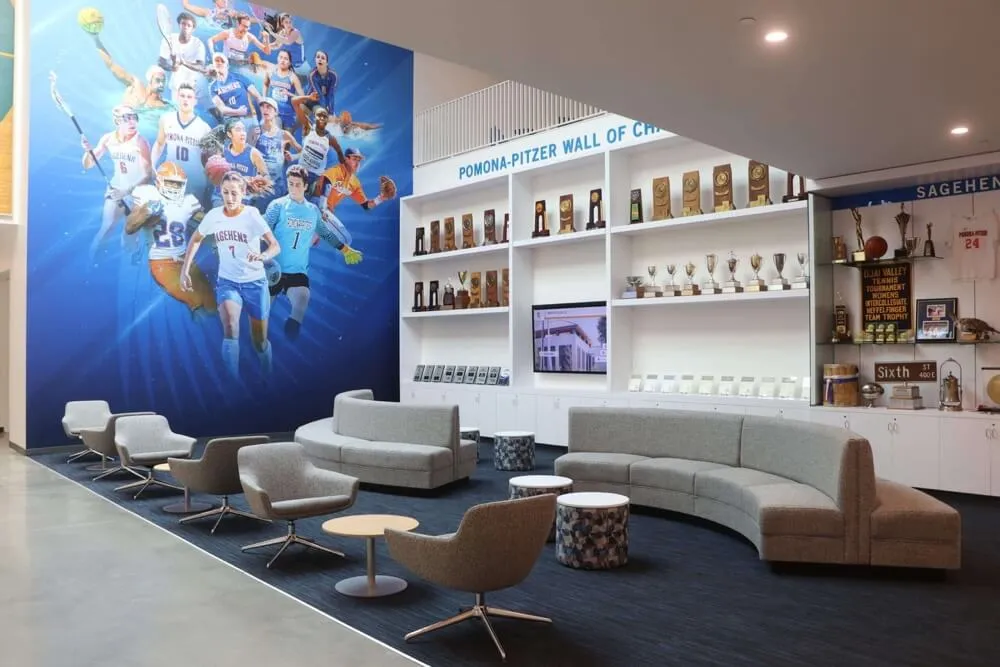
- Physical Plaques: Individual or composite plaques mounted in athletic facilities listing college signees
- Photo Displays: Framed photos of signing ceremonies or college action shots
- Banners: Vinyl or fabric banners hanging in gymnasiums acknowledging college-bound athletes
- Trophy Cases: Dedicated sections showcasing college commitment letters, gear, or memorabilia
These approaches face inherent limitations—finite physical space restricting capacity, manual update requirements consuming time, inability to display comprehensive information, and static presentation lacking engagement.
Digital Recognition Advantages
Modern digital recognition systems overcome traditional limitations:
- Unlimited Capacity: Recognition for every single athlete regardless of overall numbers

- Comprehensive Profiles: Full biographical information, statistics, photos, videos, college details
- Instant Remote Updates: No physical access required for adding new signees or updating information
- Search and Filter Capability: Visitors can locate specific athletes, search by college destination, filter by sport or year
- Multimedia Integration: Video highlights, ceremony footage, college career updates
- Web Access: Global visibility for alumni, families, and community members unable to visit physical locations
Platforms like Rocket Alumni Solutions provide purpose-built systems specifically designed for educational athletic recognition, offering intuitive management requiring no technical expertise while creating engaging visual displays worthy of athlete achievements.
Building Comprehensive Historical Records
Systematic preservation of signing day history creates valuable institutional knowledge:
Essential Information to Document
Maintain databases tracking:
- Athlete name and graduation year
- Sport(s) played
- College/university destination
- Division level and conference
- Scholarship status (if publicly disclosed)
- Major/academic program
- Signing date
- High school achievements (records, awards, statistics)
- College career updates (championships, honors, statistics, post-eligibility paths)
Organizational Systems
Establish consistent organizational approaches:
- Chronological Archives: Year-by-year documentation showing program evolution
- Sport-Specific Records: Individual sport tracking facilitating program-specific analysis
- College Destination Tracking: Which institutions consistently recruit from your program
- Statistical Analysis: Trends in college placement rates, division distribution, geographic patterns
This historical data informs program evaluation, assists future college placement efforts, and demonstrates long-term athletic department success.
Budget-Conscious Signing Day Strategies
Creating meaningful signing day experiences doesn’t require substantial financial resources.
Low-Cost High-Impact Elements
Effective ceremonies can be created with minimal budgets:
DIY Decoration and Staging
- Student-created banners and signs
- Borrowed tablecloths and decorative elements
- Digital presentation slides instead of printed programs
- Student photographers and videographers from media programs
- Volunteer coordination by booster clubs or parent organizations
Free or Minimal-Cost Recognition Options
- Social media celebration requires only time and coordination
- School website features cost nothing beyond existing infrastructure
- Email announcements to school community distribute widely at no cost
- School assembly presentations utilize existing facilities and schedules
- Certificates or letters of commendation cost pennies to produce
Community Partnership Opportunities
Local businesses often provide support:
- Restaurant reception space donations
- Florist donations of table arrangements
- Printing company donations of ceremony programs or signage
- Photography businesses offering discounted or donated services
- Trophy/awards shops providing special pricing for commemorative items
These partnerships simultaneously reduce costs while engaging community businesses in celebrating local athletic talent.
Scaling Ceremonies to Available Resources
Ceremony sophistication should match available resources rather than creating unsustainable financial or time burdens.
Essential vs. Optional Elements
Must-Have Core Components:
- Public recognition of athlete and commitment
- Family acknowledgment and inclusion
- Basic photo documentation
- Coach or administrator remarks
- Some form of lasting recognition
Nice-to-Have Optional Additions:
- Professional videography
- Elaborate receptions with catered food
- Expensive commemorative gifts
- Professional backdrops or staging
- Hired audio/visual production
Focus resources on meaningful recognition elements rather than elaborate production values that don’t enhance athlete experience.
Athletic Director Implementation Checklist
Systematic implementation ensures consistent quality across signing day ceremonies:
6-8 Weeks Before Signing
- Identify all athletes planning to sign during upcoming period
- Contact families to gather preferences and information
- Reserve venue and coordinate facility setup
- Arrange photography/videography coverage
- Plan social media strategy and designate responsible parties
3-4 Weeks Before Signing
- Finalize ceremony program and order of events
- Prepare biographical information for each athlete
- Coordinate with coaches for their remarks
- Arrange necessary audio/visual equipment
- Invite administration, school board members, local media
1-2 Weeks Before Signing
- Confirm all logistics with families
- Prepare presentation materials (slides, videos, scripts)
- Test technical setup (sound, video displays, lighting)
- Distribute ceremony programs to speakers
- Finalize reception details if applicable
Ceremony Day
- Arrive early for setup and technical testing
- Conduct brief walkthrough with participants
- Designate someone to manage timing and transitions
- Ensure all photo/video personnel are coordinated
- Have contingency plans for technical difficulties
Post-Ceremony
- Distribute photos/videos to families and athletes
- Post social media content across all platforms
- Update permanent recognition displays
- Thank volunteers, photographers, and supporters
- Document lessons learned for future ceremonies
Building consistent processes ensures each signing ceremony receives appropriate planning regardless of scheduling pressure or administrative workload.
Connecting Signing Day to Broader Recognition Culture
Signing day ceremonies represent individual moments within comprehensive athletic recognition cultures.
Year-Round Athlete Development Recognition
Effective programs celebrate athletic development milestones throughout careers:
- Freshman Welcome Recognition: Introducing new athletes to programs and facilities
- Academic Achievement: Regular acknowledgment of scholar-athletes maintaining excellence
- Season Awards and Honors: End-of-season recognition banquets celebrating individual and team success
- Record-Breaking Performances: Immediate recognition when athletes establish new school records
- Leadership Development: Acknowledging captains, team leaders, and character development
- Senior Night Celebrations: Final home competition recognition preceding graduation
- College Signing: Formal recognition of collegiate commitment
- Post-Graduate Success: Continued connection celebrating college and professional achievements
This progression demonstrates sustained commitment to recognizing athletes throughout their complete developmental journeys rather than isolated moments.
Inspiring Younger Athletes
Signing day visibility creates powerful aspirational motivation:
Making College Athletics Tangible
Many middle school and early high school athletes view college athletics as abstract distant possibilities. Signing day ceremonies make these opportunities concrete and achievable by showcasing:
- Athletes they know personally who earned college opportunities
- Diversity of destination institutions (various division levels, school types)
- Different paths to college athletics (scholarship vs. walk-on, various achievement levels)
- Realistic timelines showing development from freshman to college-bound senior
Connecting Recognition to Required Work
Effective signing day recognition explicitly connects achievement to preparation:
- Coach remarks highlighting off-season training dedication
- Academic achievement acknowledgment demonstrating scholar-athlete balance
- Character development recognition emphasizing leadership and sportsmanship
- Long-term commitment validation (athletes who participated all four years vs. brief participation)
This messaging helps younger athletes understand college opportunities require sustained commitment rather than brief talent demonstrations.
Building Program Legacy and Tradition
Systematic signing day recognition contributes to broader program identity:
Creating Institutional Memory
Comprehensive documentation of college signings builds narrative of program excellence:
- Historical perspective showing decades of college athlete development
- Tradition establishment creating expectations that athletes can achieve college opportunities
- Coaching credential enhancement demonstrating ability to develop college-level talent
- Program prestige building attracting higher-caliber incoming athletes
Connecting Alumni Networks
College signings create natural alumni connection points:
- Current athletes joining alumni networks of program graduates at their destination colleges
- Former college athletes mentoring current high school athletes about college transition
- Alumni engagement in signing ceremonies sharing their college experiences
- Ongoing relationships as coaches track alumni college careers
These connections strengthen overall program culture while providing valuable resources for athlete development.
Conclusion: Celebrating Achievement While Inspiring Excellence
Athletic signing day ceremonies serve dual purposes—honoring individual achievement while inspiring collective excellence. The athlete signing their letter of intent represents the culmination of years of dedication, sacrifice, and growth. The ceremony validates that commitment while demonstrating to younger athletes, families, and communities that your program successfully develops talent reaching collegiate levels.
Effective athletic directors approach signing days strategically, creating systematic processes ensuring every college-bound athlete receives recognition worthy of their achievement. Whether through elaborate multi-sport ceremonies or intimate individual celebrations, the fundamental goal remains constant—making athletes feel genuinely valued while preserving their accomplishments within institutional memory.
Modern recognition systems enable athletic departments to extend signing day celebration beyond single ceremonies. Digital platforms provide permanent visibility, comprehensive historical records, and powerful recruitment marketing demonstrating program success. These tools transform signing recognition from isolated events into components of comprehensive athletic recognition cultures celebrating excellence across all achievement dimensions.
As you plan your next athletic signing day ceremony, focus on the fundamental elements that matter most: genuine personal recognition, family inclusion, systematic documentation, and lasting preservation. The specific ceremony format matters far less than ensuring each athlete understands the significance of their achievement and feels authentic pride in representing your program as they continue their athletic journey at the collegiate level.
Ready to create a permanent recognition system showcasing your program’s college signing success? Rocket Alumni Solutions provides intuitive digital platforms designed specifically for athletic directors, enabling you to build comprehensive college signing displays, maintain searchable historical databases, and create engaging recognition experiences requiring no technical expertise. Discover how modern recognition technology helps you celebrate every athlete who earns the privilege of continuing their athletic career at the next level.