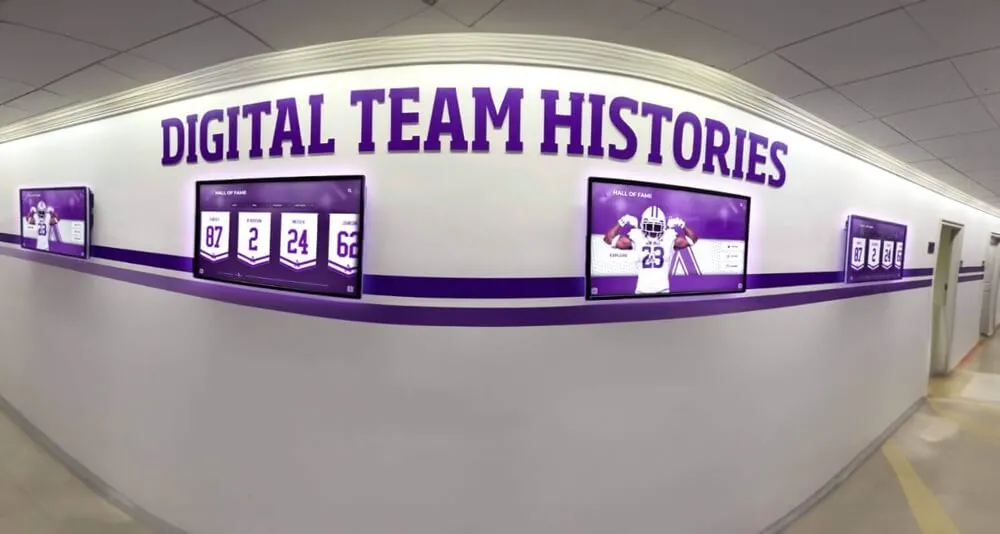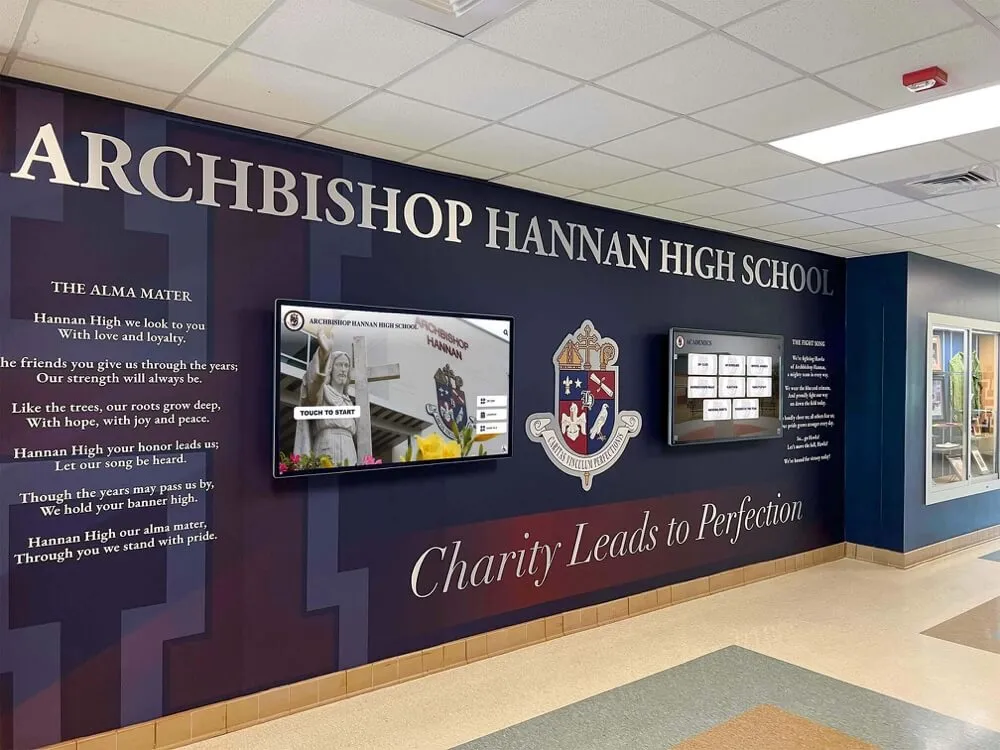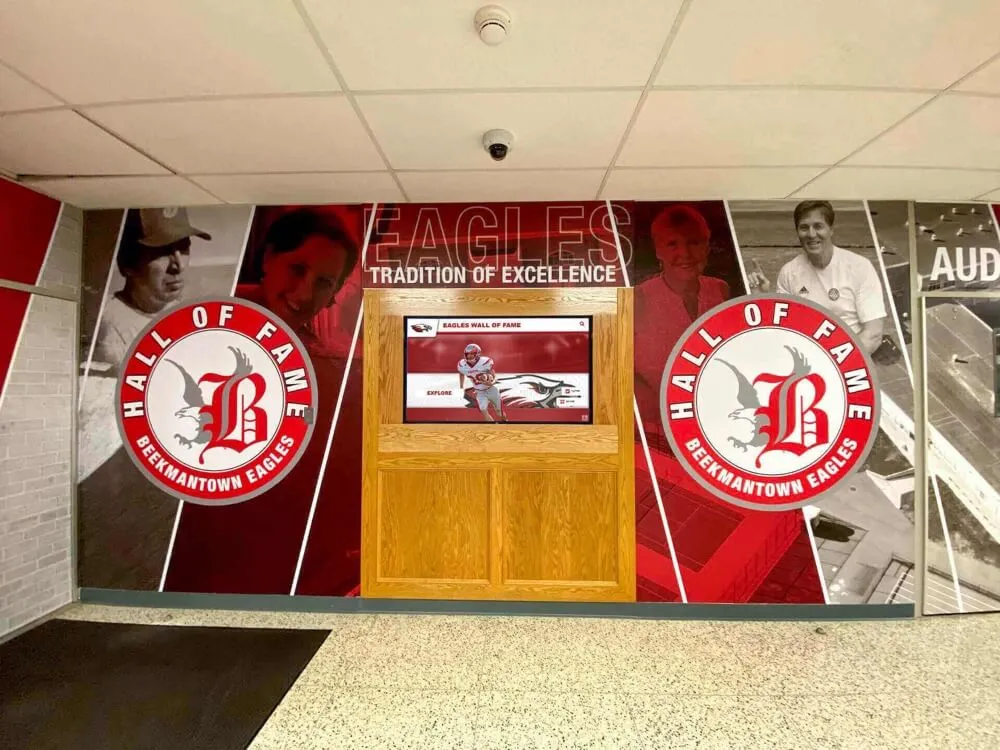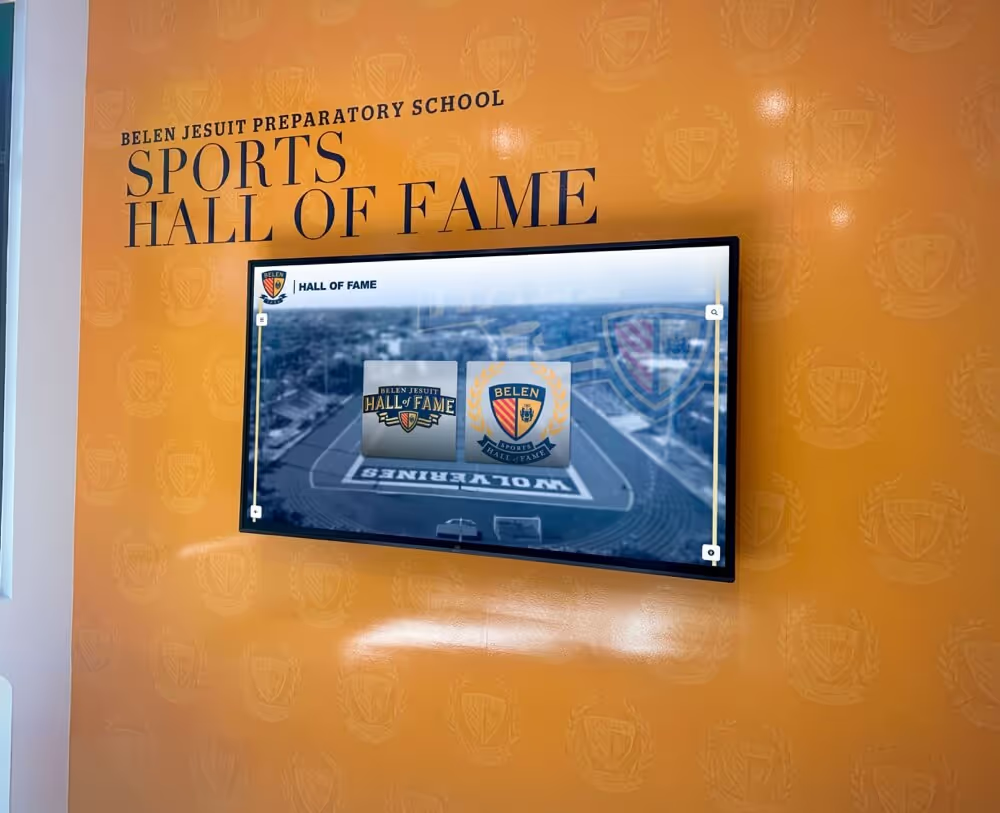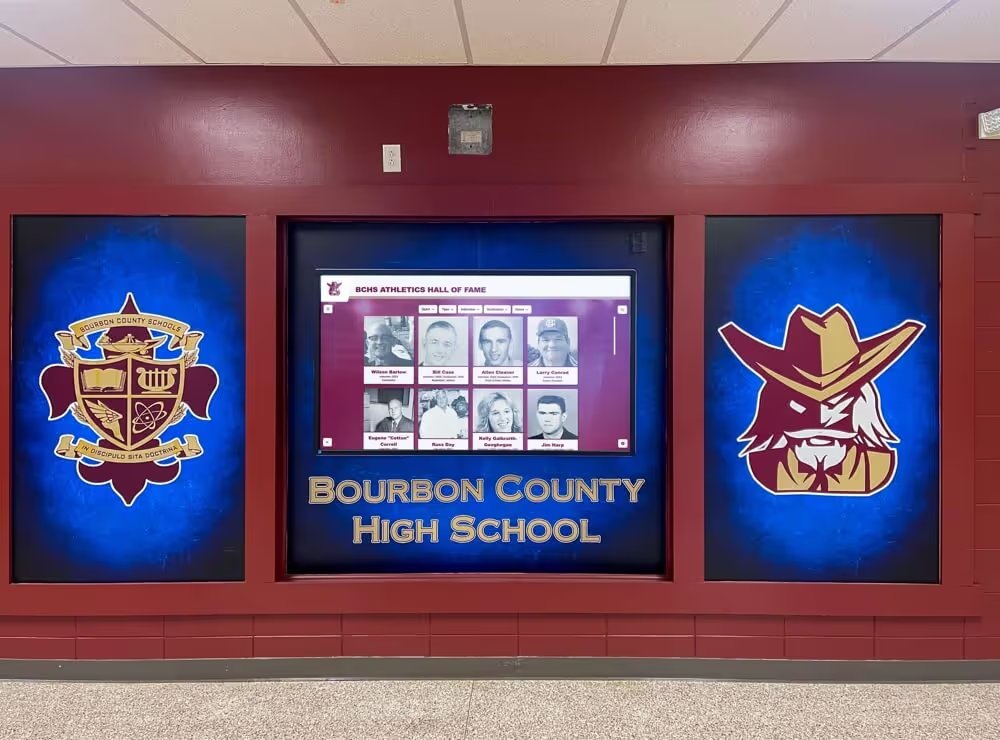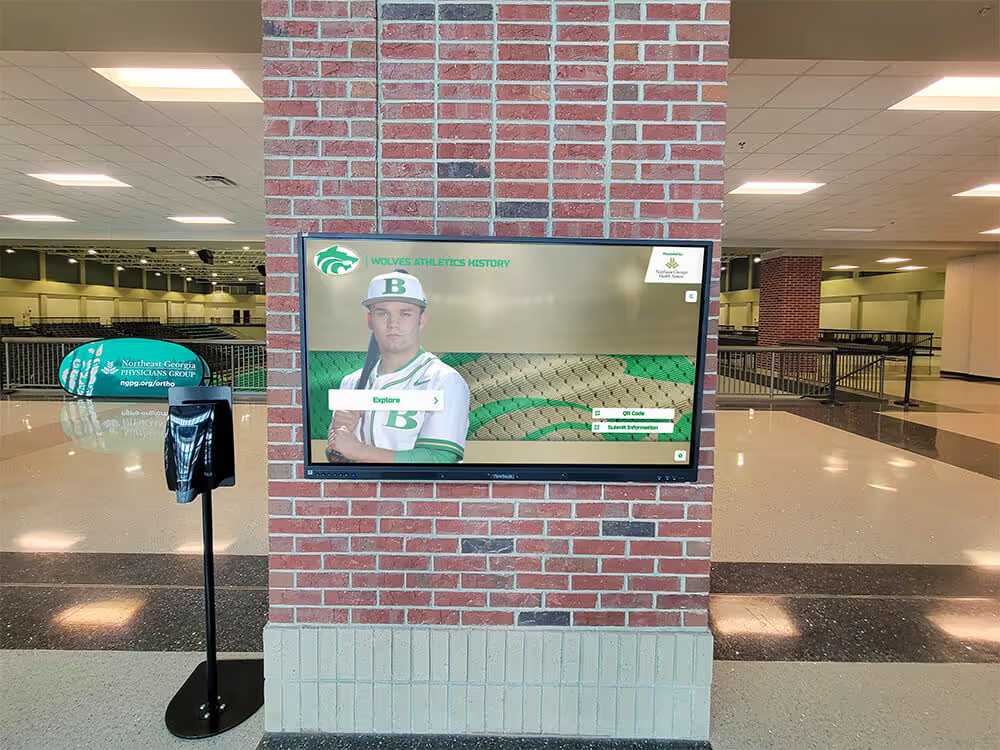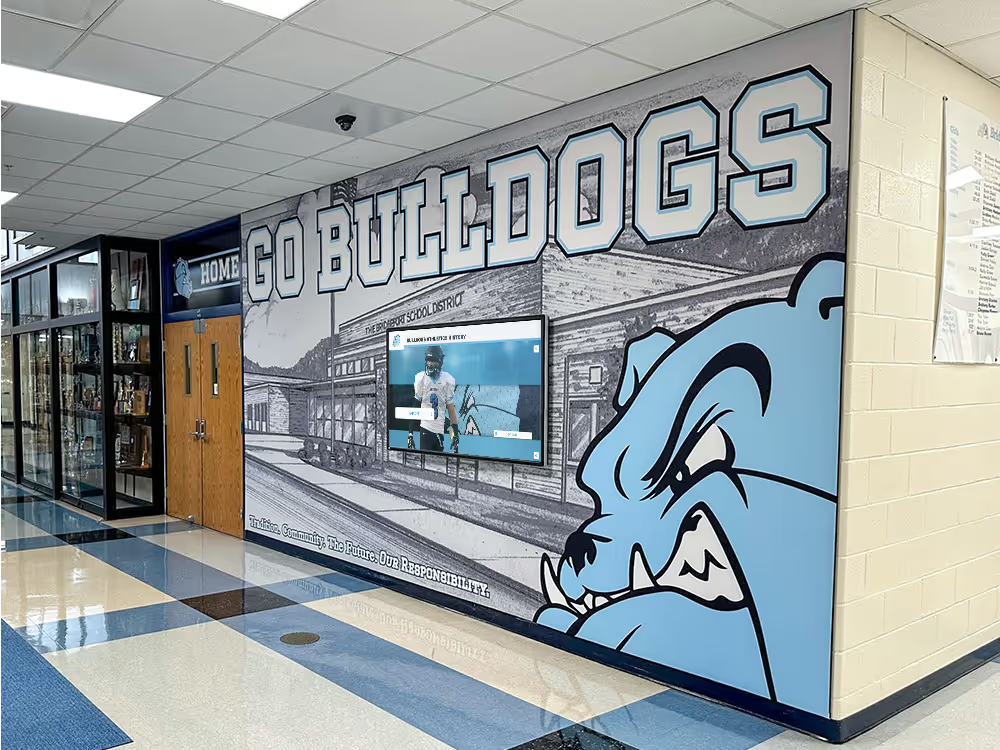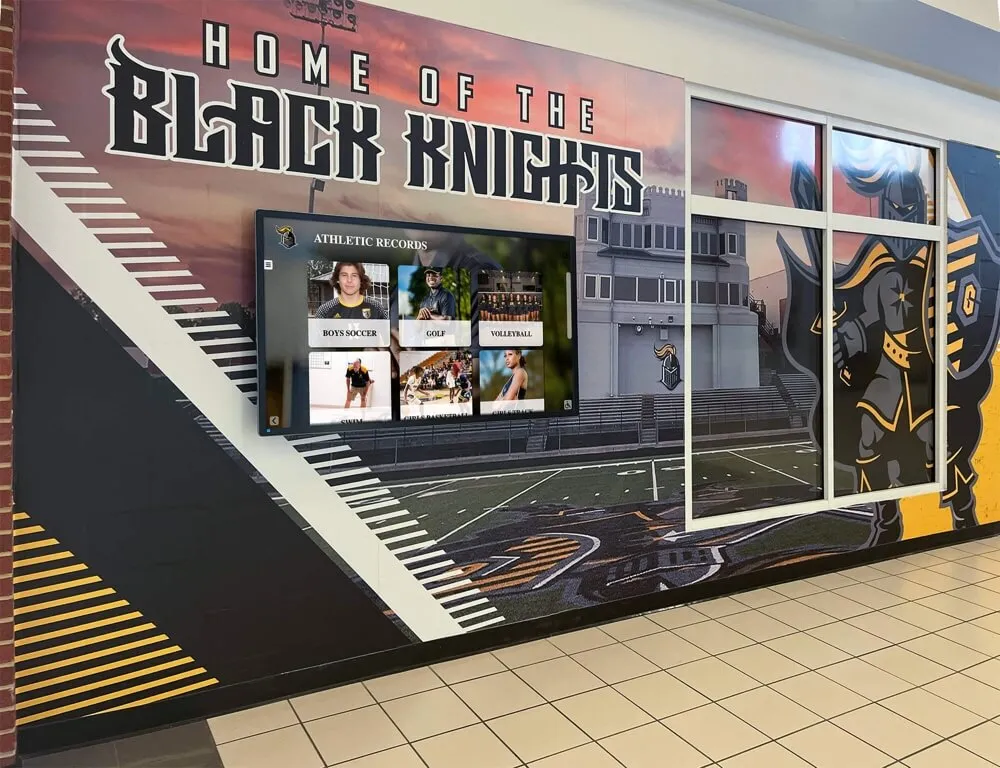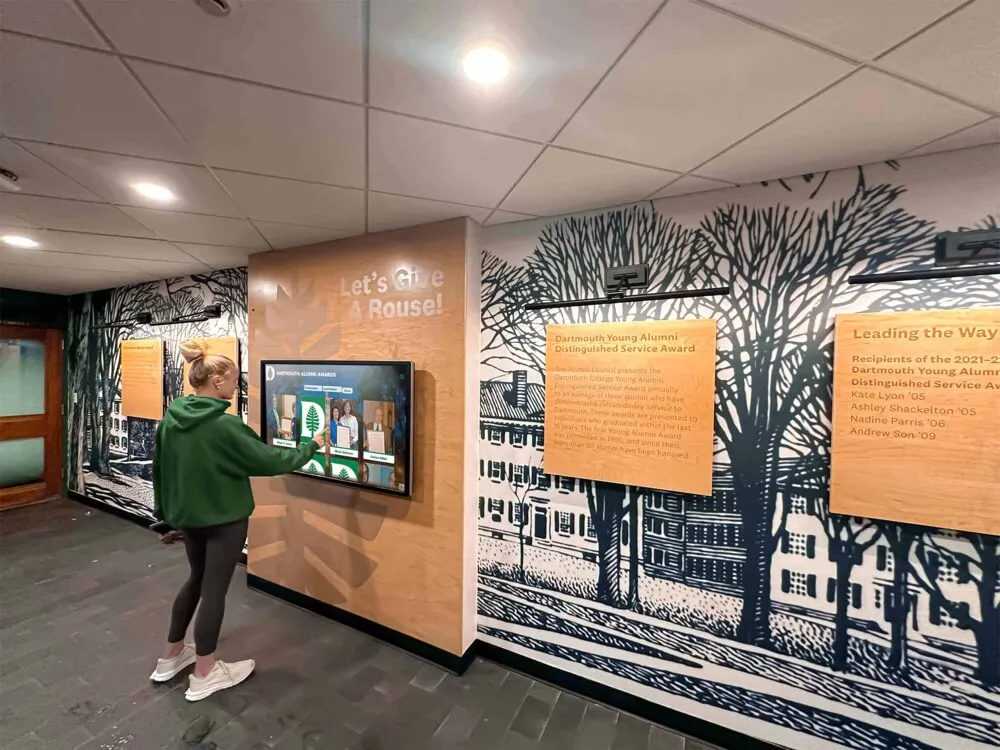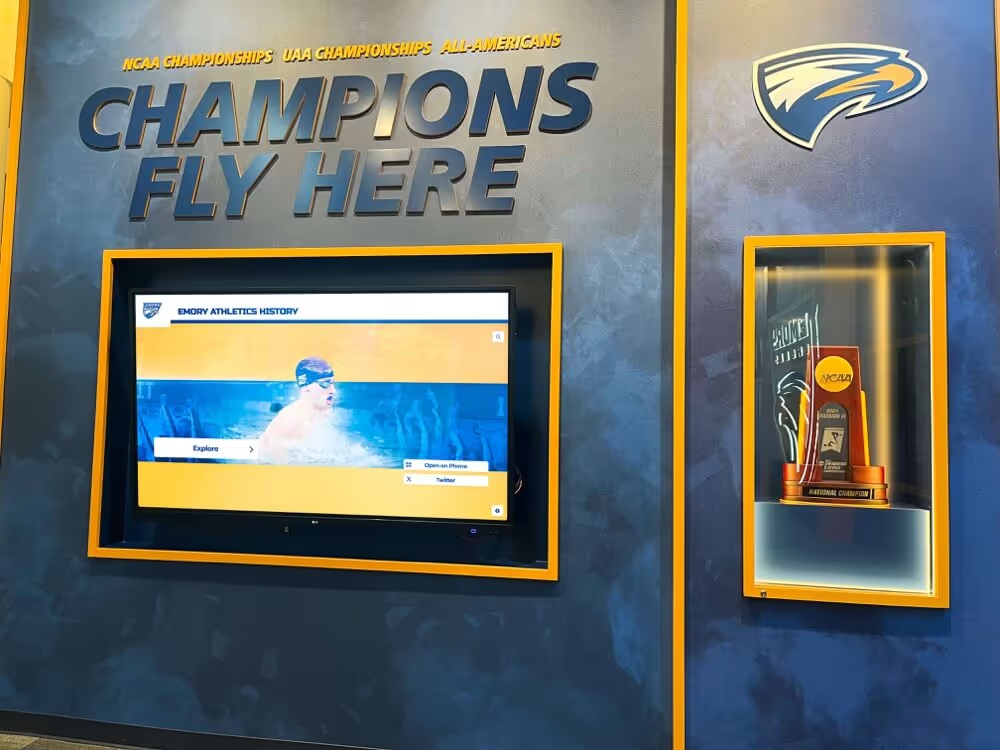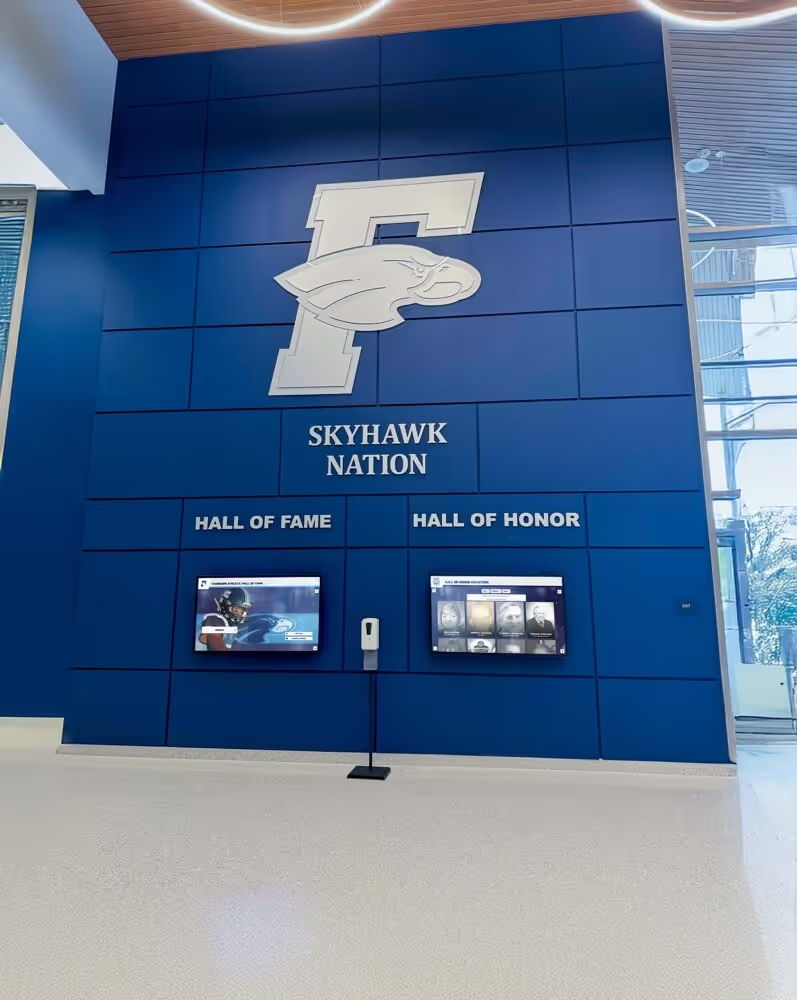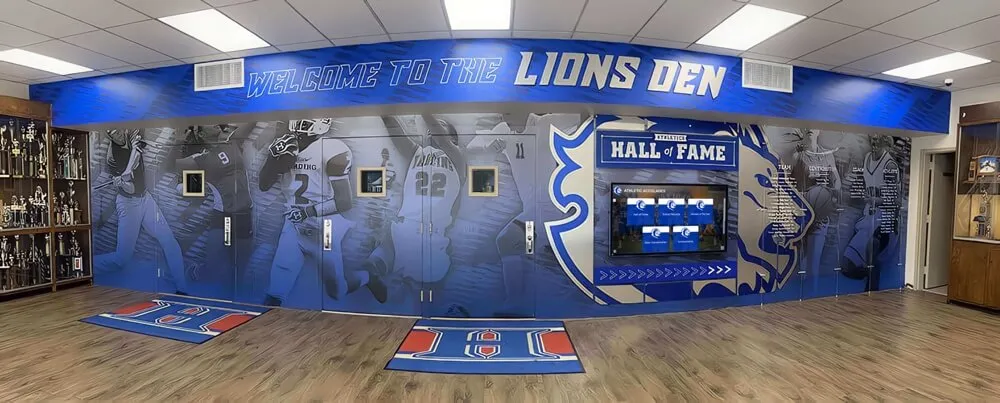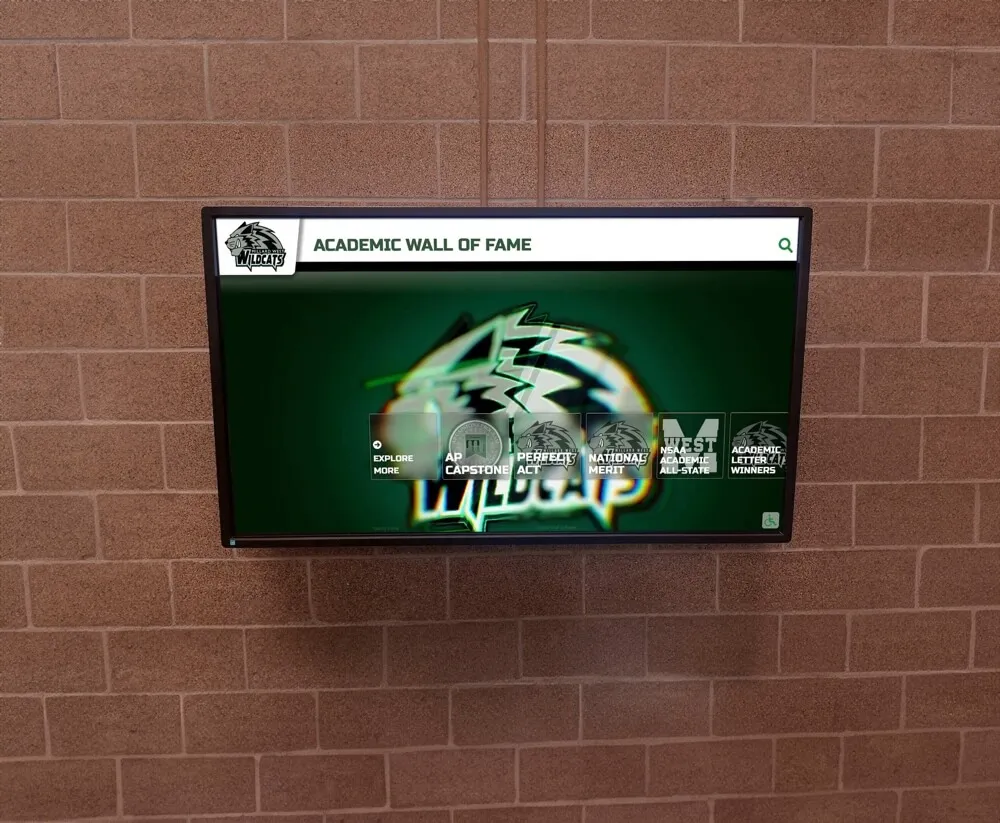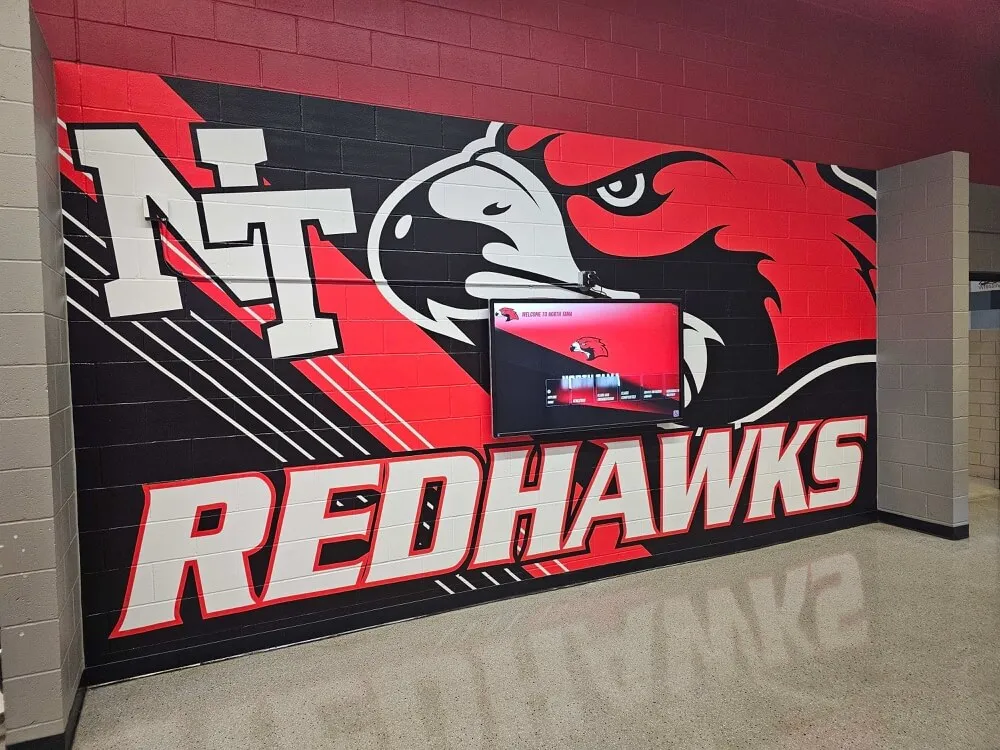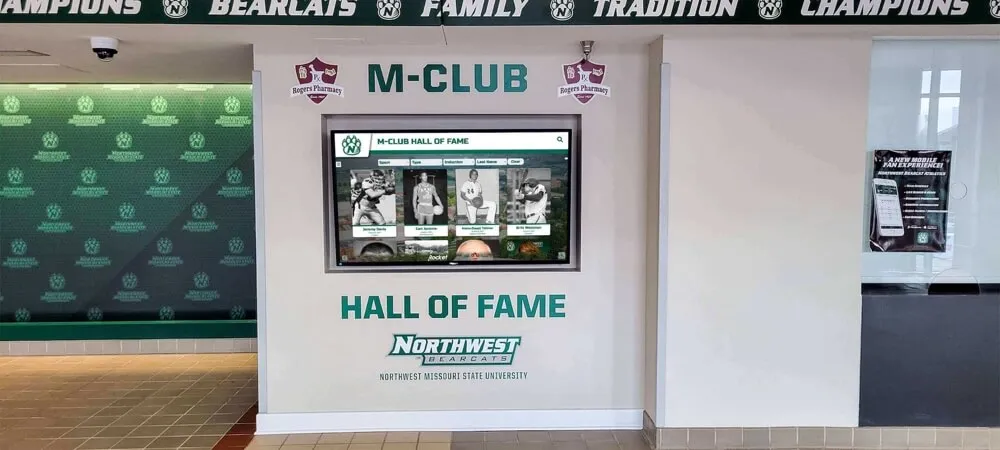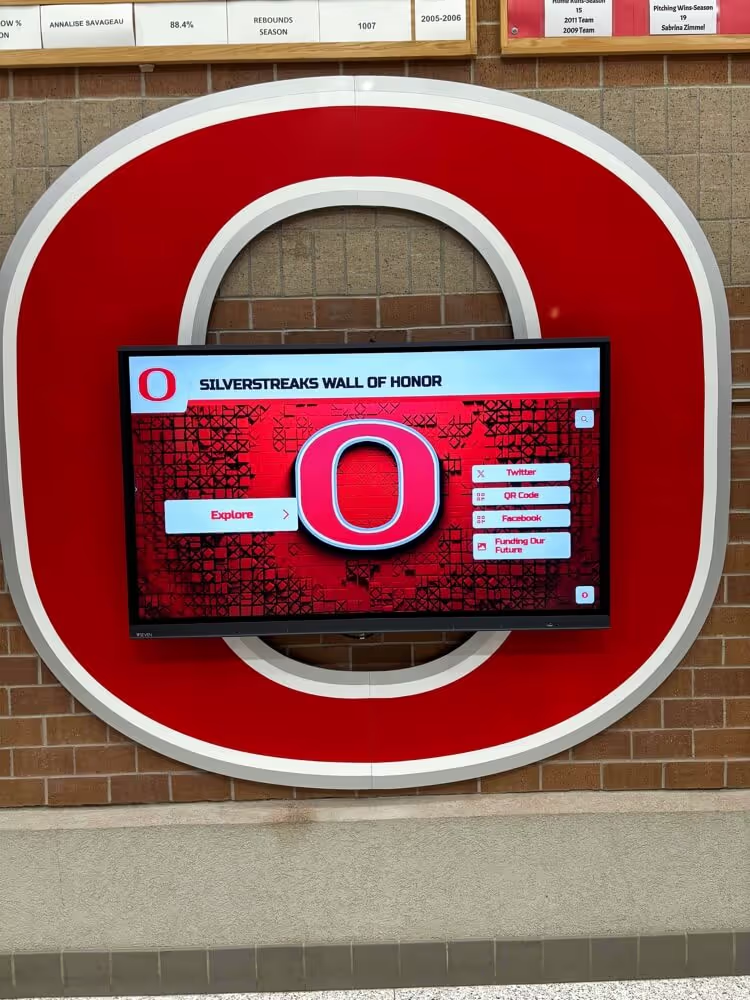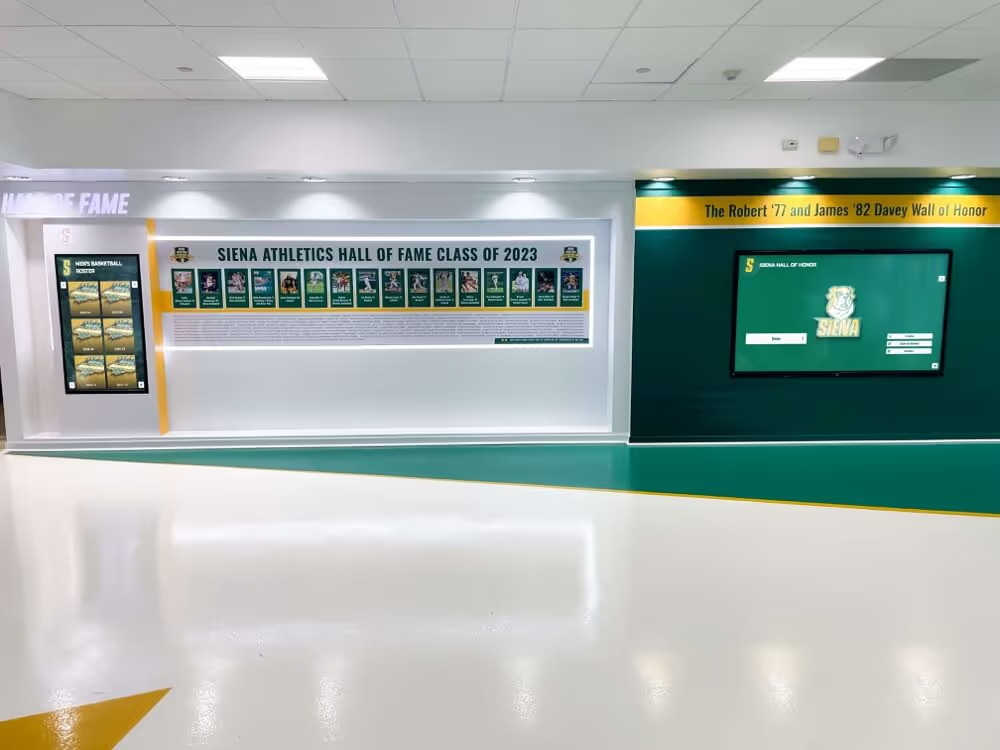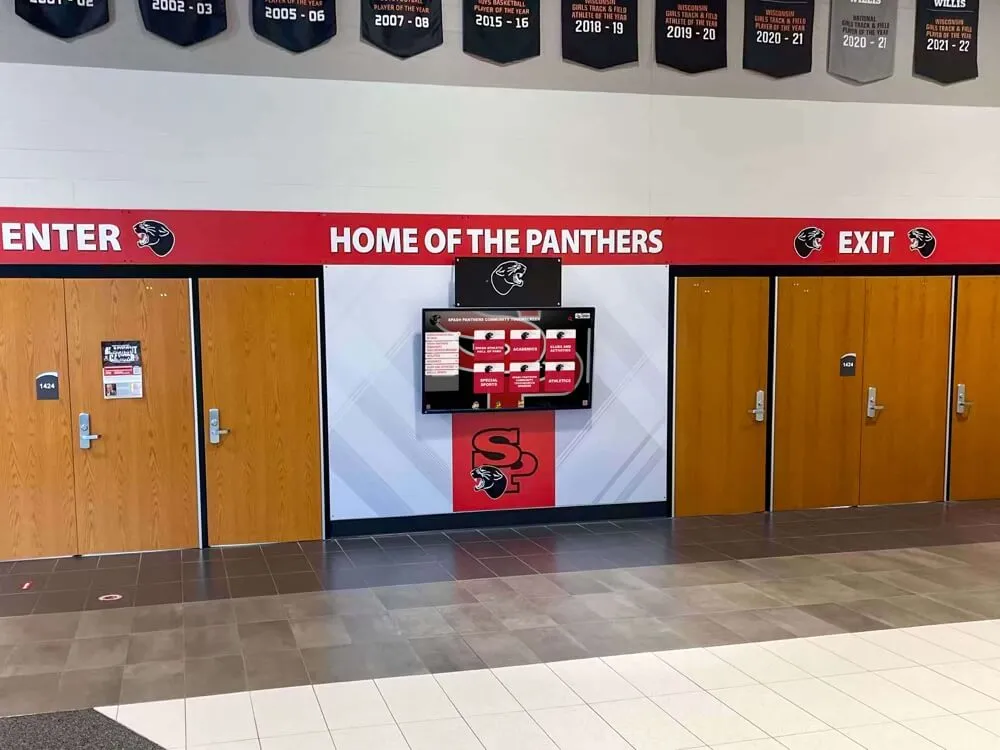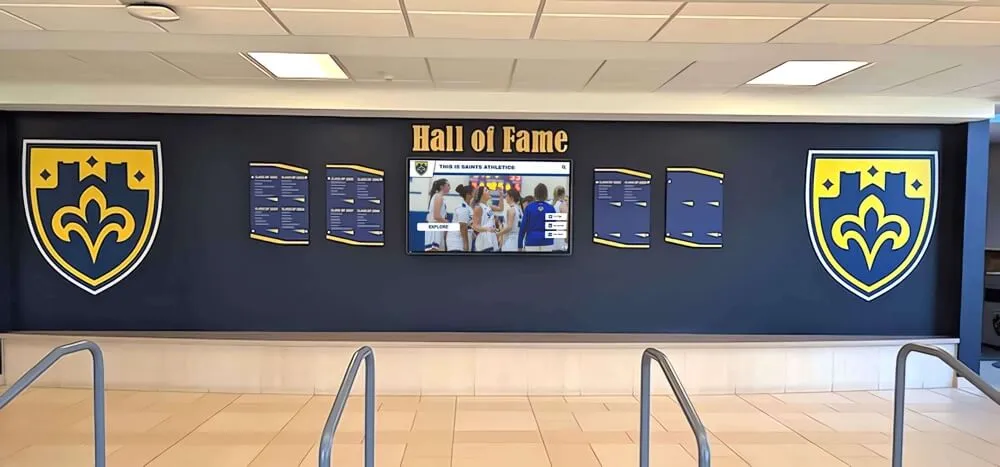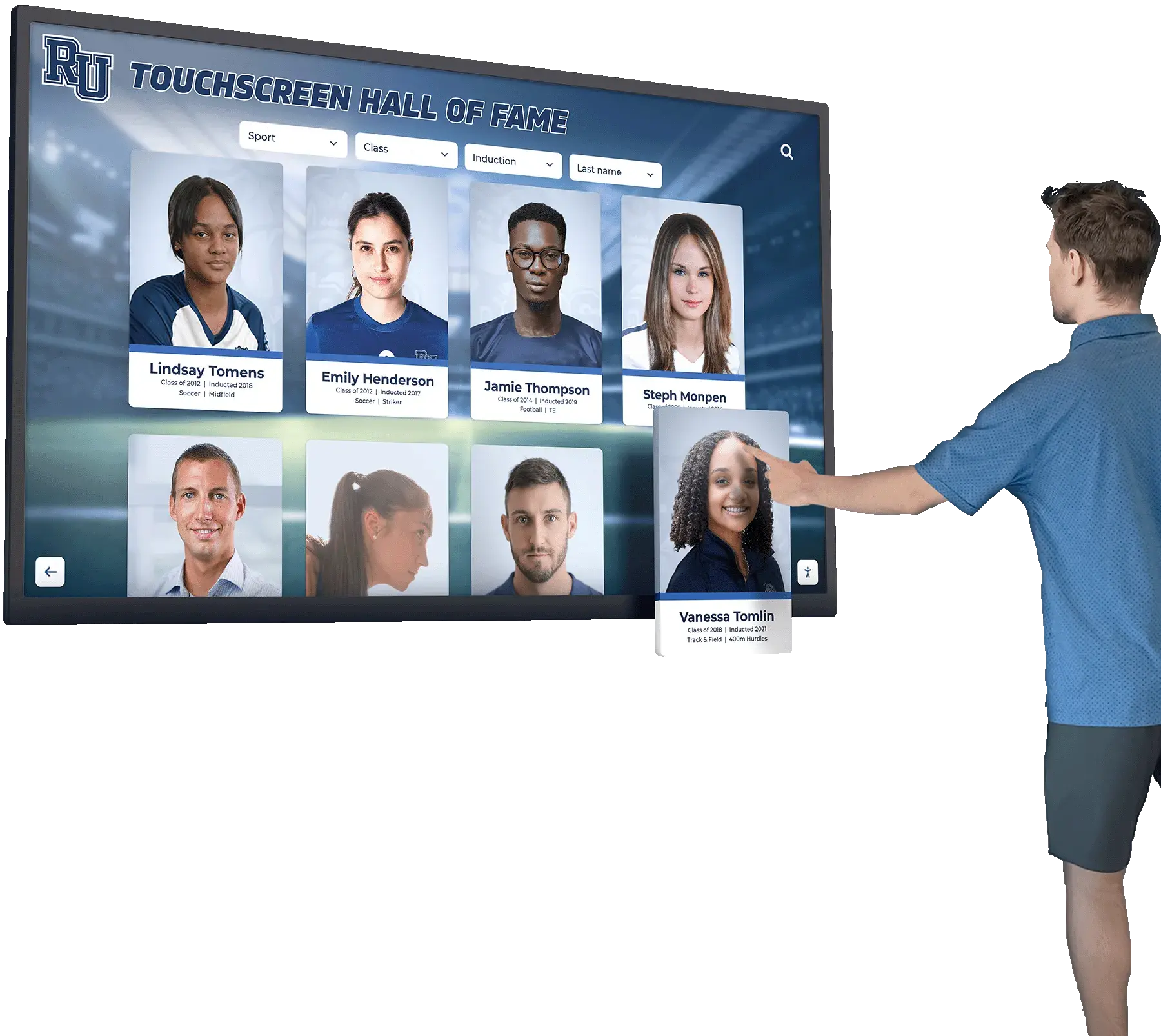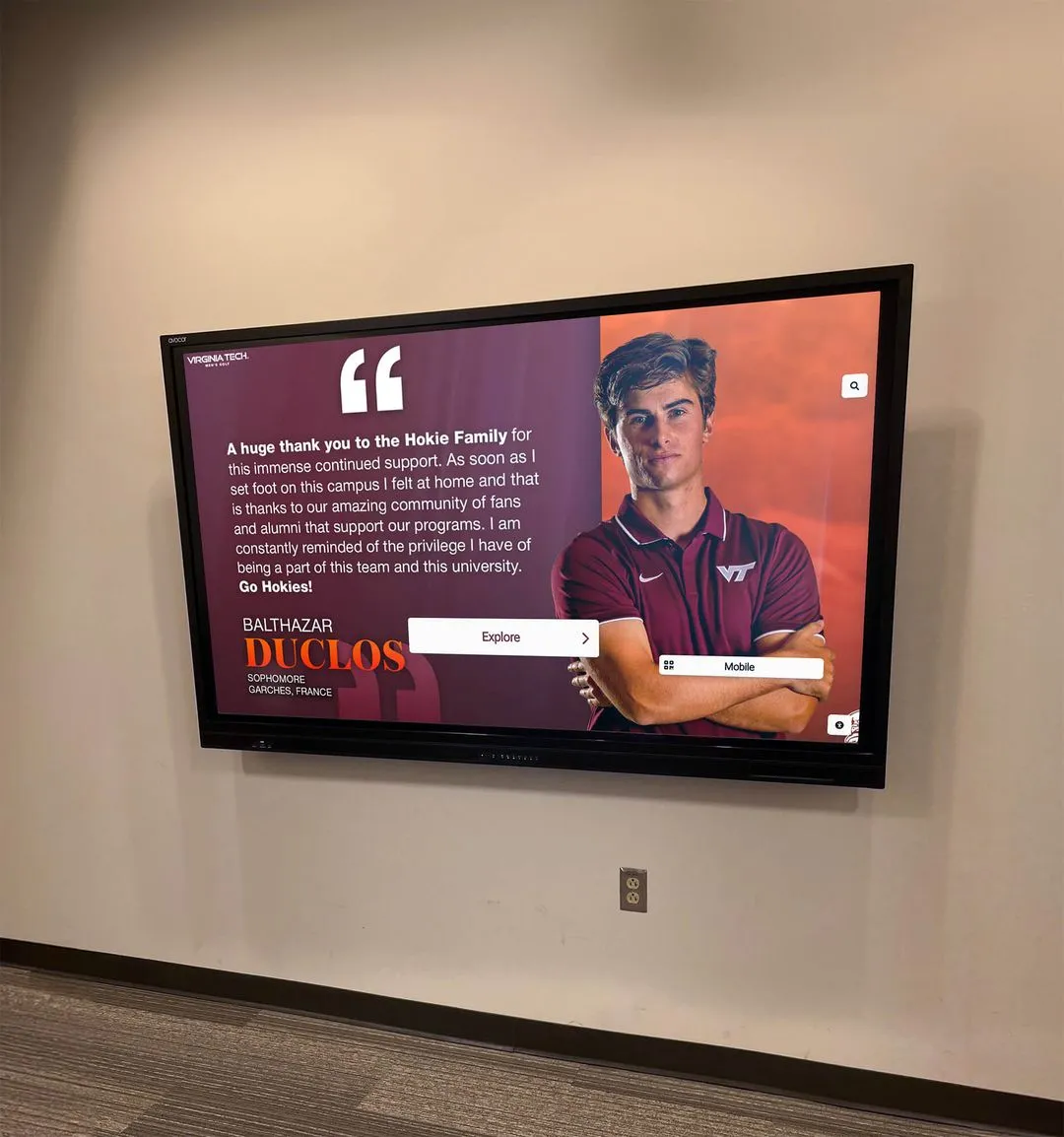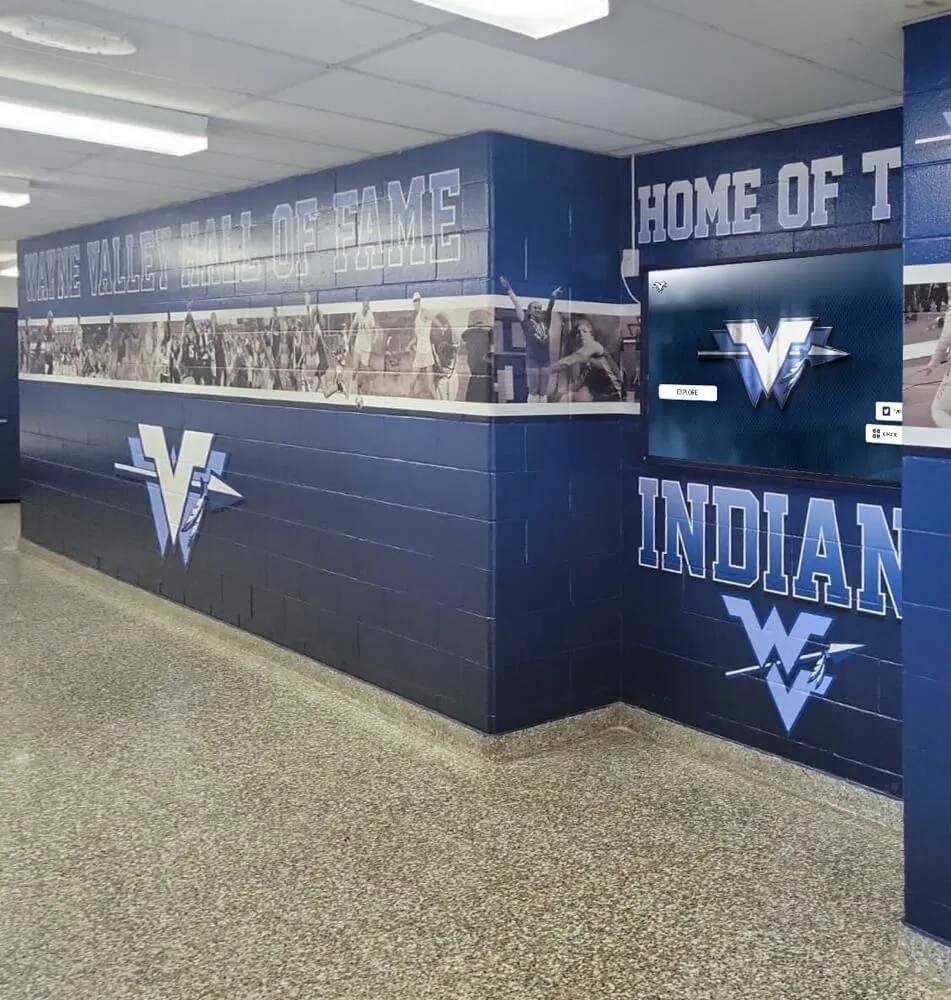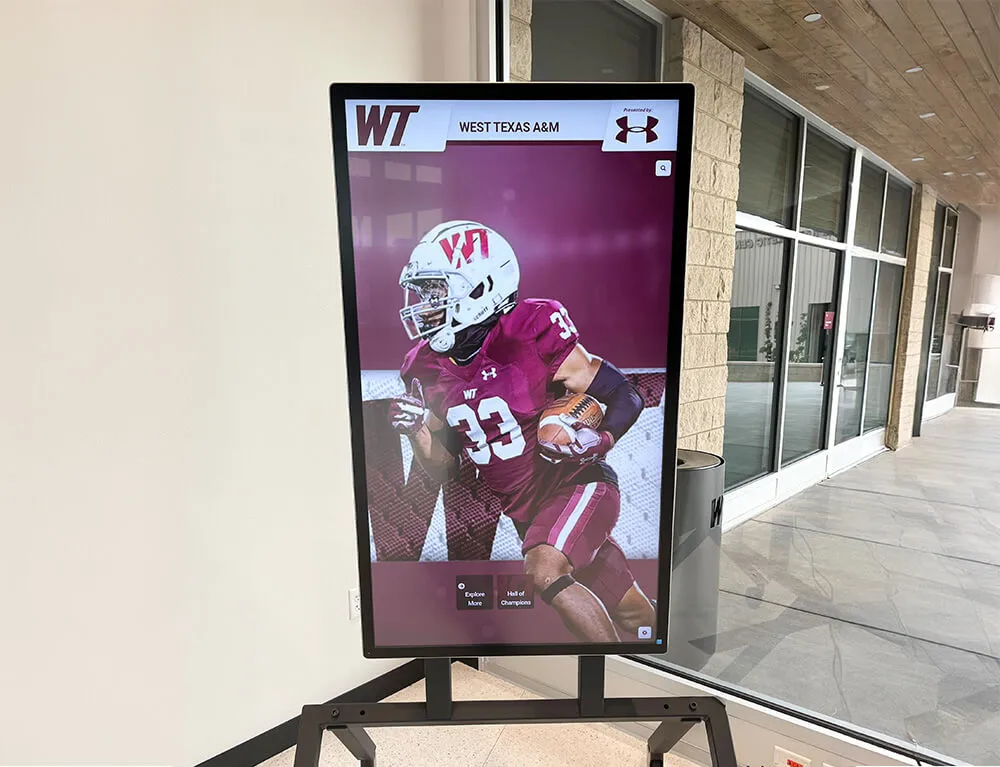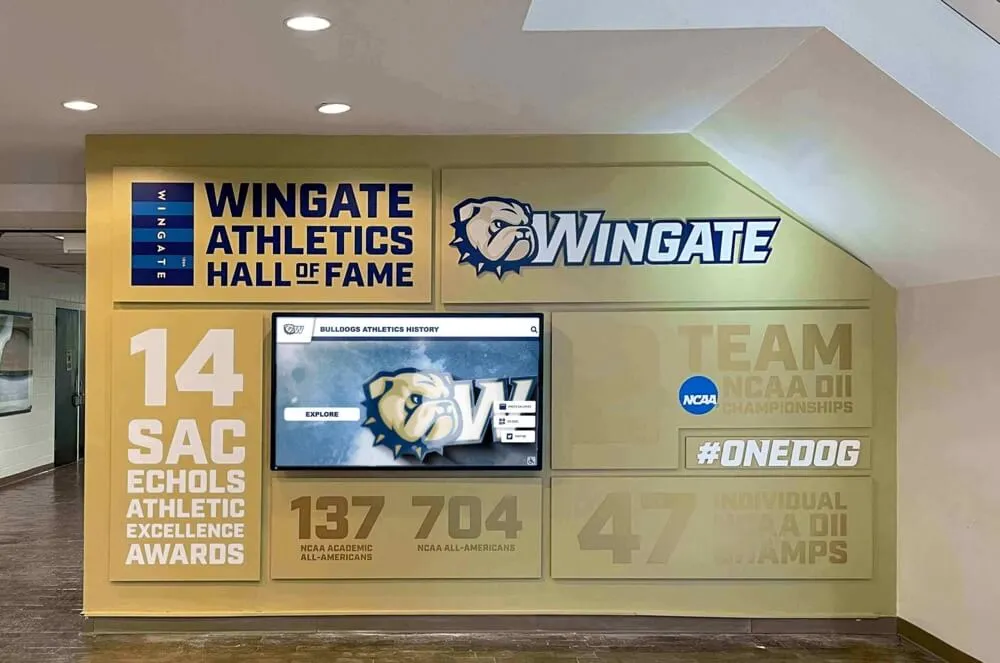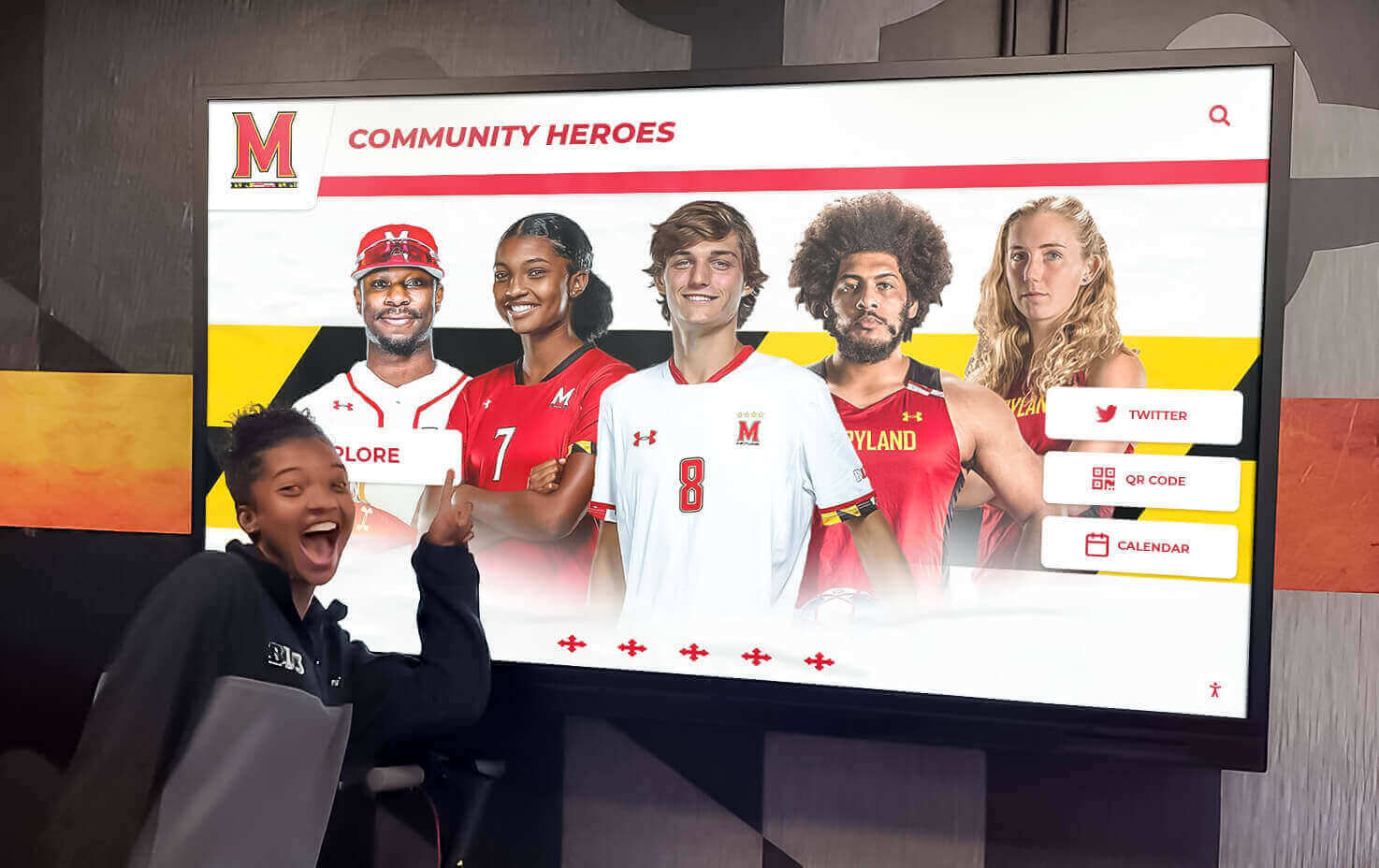




Athletic recruiting boards serve a critical yet often overlooked function in high school athletic programs—creating visibility that helps student athletes connect with college scouts, coaches, and recruiting coordinators seeking talent for their programs. While exceptional athletic performance remains the foundation of college recruitment, visibility challenges frequently prevent qualified student athletes from gaining attention they deserve, particularly at schools outside major metropolitan areas or programs without extensive recruiting pipelines.
Athletic directors and coaches understand the recruiting landscape reality: thousands of talented high school athletes compete for limited college roster spots and scholarship opportunities. College coaches cannot personally attend every high school competition or identify every qualified prospect through traditional scouting alone. Creating strategic visibility through well-designed recruiting boards, comprehensive athlete profiles, and accessible achievement documentation helps bridge this gap—ensuring that student athletes who have earned college opportunities gain the exposure needed to connect with programs seeking their specific talents and academic profiles.
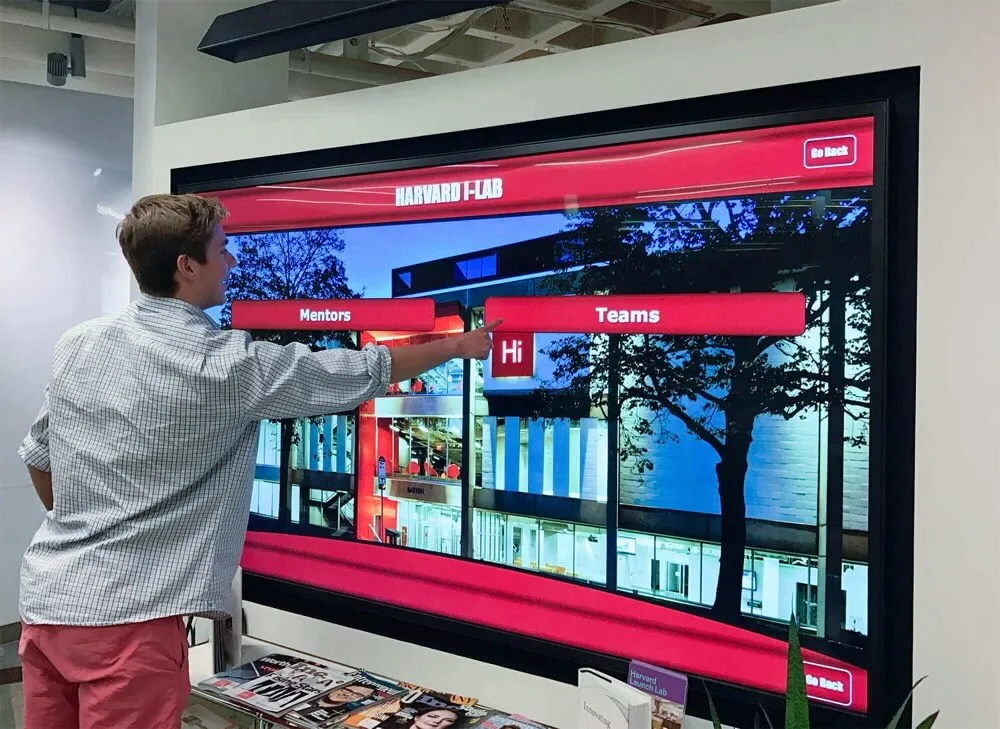
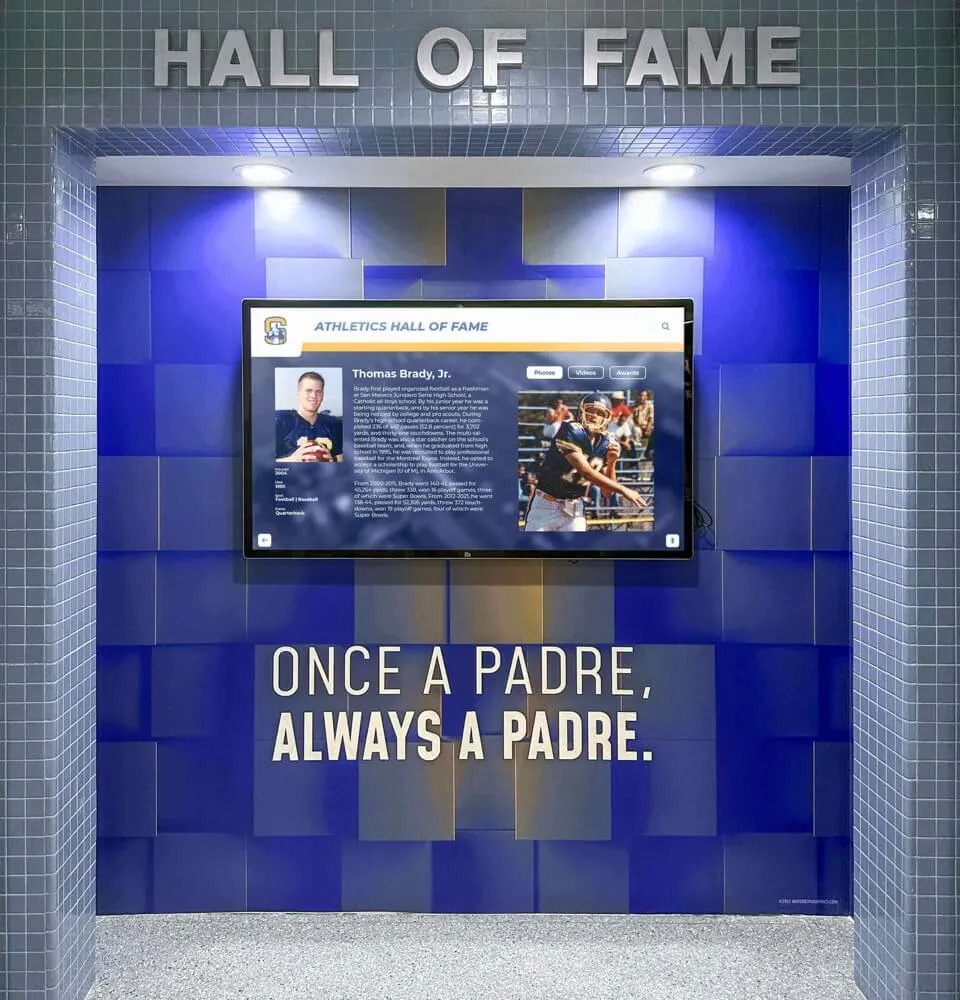
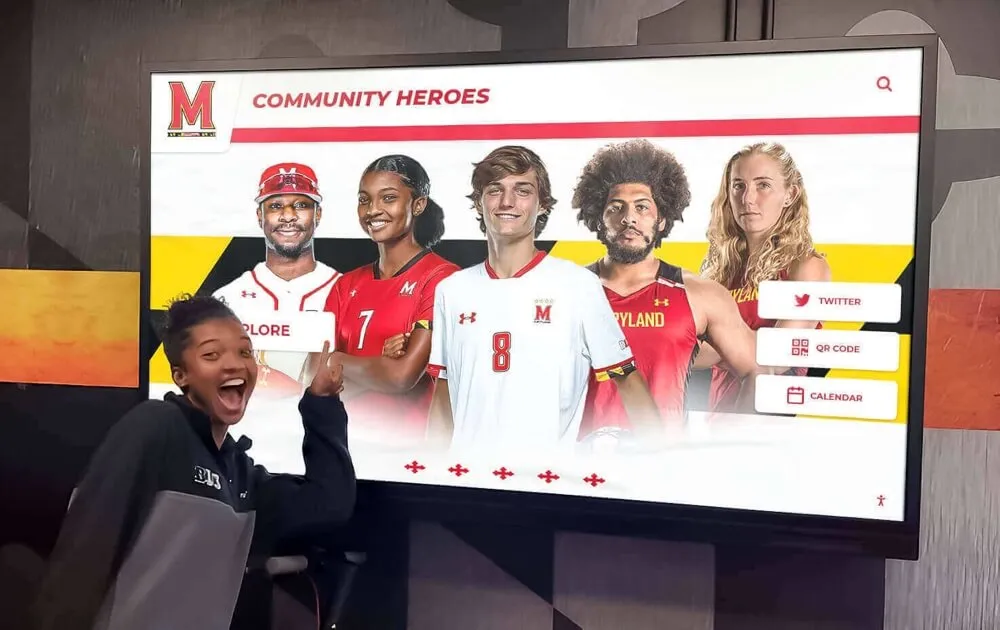
The most effective recruiting support systems combine physical displays creating awareness within school communities with digital platforms extending visibility to college coaches, recruiting coordinators, and scouts evaluating talent nationally. Schools implementing comprehensive approaches see measurable results: increased college interest in their athletes, more official visit invitations, improved scholarship offers, and enhanced program reputations that attract stronger athletic talent creating positive recruitment cycles benefiting future generations of student athletes.
The Recruiting Visibility Challenge
NCAA data indicates that fewer than 7% of high school athletes compete at the collegiate level, and less than 2% receive athletic scholarship support. This competitive landscape means qualified athletes must actively create visibility rather than waiting to be discovered. Athletic recruiting boards serve as foundational tools in this visibility strategy—showcasing achievements, documenting capabilities, highlighting academic qualifications, and creating talking points that initiate recruiting conversations. Modern digital solutions extend this visibility beyond school hallways to online platforms college coaches access when building recruiting lists and evaluating prospects across geographic regions and competitive levels.
Understanding the College Athletic Recruiting Process
Effective recruiting boards must align with how college coaches actually identify and evaluate prospects throughout recruiting cycles.
How College Coaches Discover High School Athletes
College recruiting operates through multiple discovery channels, each requiring different visibility strategies.
Recruiting Services and Showcases
Many college coaches rely on recruiting services that evaluate, rank, and profile high school athletes across sports and regions. Athletes participate in showcase events, camps, and combines where recruiting services assess performance, create profiles, and distribute information to college programs. While valuable, these services typically focus on highly ranked prospects and require substantial family investment.
Recruiting boards complement these services by documenting achievements for athletes who may not participate in expensive showcases but possess college-level talent and academic credentials that match specific programs’ needs.
High School Coach Networks
Experienced high school coaches develop relationships with college coaching staffs through years of placing athletes in collegiate programs. These networks create recruitment pipelines where college coaches contact trusted high school coaches seeking recommendations for athletes matching program needs.
Recruiting boards strengthen these networks by providing high school coaches with comprehensive documentation supporting their recommendations. When college coaches inquire about prospects, recruiting boards offer immediate access to statistics, achievements, academic information, and contact details enabling quick, professional responses that advance recruiting conversations.
Game Film and Video Platforms
Video has become central to recruiting evaluation. College coaches review game film to assess technical skills, tactical understanding, physical attributes, and competitive performance under game conditions. Most college coaches begin serious prospect evaluation only after reviewing substantial video documentation.
Athletic recruiting boards increasingly incorporate video links, highlight reels, and performance footage alongside traditional statistics and achievements, creating comprehensive athlete profiles matching how college coaches conduct modern evaluations.
Recruiting Timeline Considerations
Recruiting processes vary significantly by sport, division level, and individual athlete circumstances, but understanding general timelines helps schools create strategic visibility at appropriate moments.
Early Recruiting Sports
Sports like basketball, football, soccer, and volleyball often see recruiting activity begin during athletes’ sophomore years or earlier, particularly for Division I programs. Top prospects may receive scholarship offers before junior seasons, though NCAA rules govern official communication timing by sport.
Recruiting boards for early recruiting sports should begin showcasing talented underclassmen once they demonstrate college potential, creating awareness early in recruiting windows when college coaches build initial prospect lists.
Later Recruiting Sports
Sports like baseball, lacrosse, and many Olympic sports follow later recruiting timelines, with most serious recruiting activity occurring during junior and senior years. Athletes in these sports benefit from recruiting boards emphasizing steady development, recent performance improvements, and late-blooming talent that might mature perfectly for college competition.
Academic Qualifications Matter
College athletic recruitment increasingly emphasizes academic qualifications. NCAA eligibility requirements, institutional academic standards, and Academic Progress Rate (APR) pressures mean college coaches prioritize prospects who combine athletic talent with solid academic profiles that ensure college success and program compliance.
Effective recruiting boards prominently display academic achievements alongside athletic accomplishments—GPAs, standardized test scores, academic honors, AP coursework—demonstrating that athletes meet both athletic and academic standards for college programs. Schools implementing comprehensive recognition systems often find value in approaches used for academic recognition programs that can integrate with athletic displays.
Essential Components of Effective Athletic Recruiting Boards
Comprehensive recruiting boards include specific information categories that college coaches need when evaluating prospects and initiating recruiting contact.
Athlete Profile Information
Complete athlete profiles provide college coaches with comprehensive snapshots enabling quick preliminary evaluations.
Basic Identification and Contact
- Full name and graduation year
- Position(s) played and jersey number
- Height, weight, and physical measurements relevant to sport
- Contact information including athlete email, phone, and guardian contact
- High school name, location, and coach contact information
- Club or travel team affiliations if applicable
Athletic Statistics and Achievements
- Career and seasonal statistics for relevant performance metrics
- Records held at school, conference, or state levels
- All-conference, all-region, and all-state honors
- Championship appearances and team success
- Leadership roles including team captain designations
- Participation in elite competitions, showcases, or national events
Academic Qualifications
- Current GPA and class rank if available
- Standardized test scores (SAT/ACT) once available
- Academic honors including honor roll, National Honor Society
- Advanced coursework (AP, IB, honors classes)
- Academic awards and recognitions
- Intended college major or academic interests
Video and Additional Resources
- Links to highlight videos and game film
- Athletic profile links on recruiting platforms
- References to recruiting service rankings if applicable
- Social media handles used for athletic purposes
- Additional documentation supporting recruitment
This comprehensive approach mirrors strategies used in senior college decision displays that celebrate athlete commitments while creating pipeline visibility for underclassmen.
Sport-Specific Performance Metrics
Different sports require different performance documentation. Recruiting boards should emphasize metrics most relevant to each sport’s evaluation criteria.
Football Position-Specific Metrics
- Quarterbacks: completion percentage, yards per attempt, touchdown-to-interception ratio, mobility metrics
- Running backs: yards per carry, total yards, touchdowns, receiving capabilities
- Receivers: receptions, yards per catch, touchdown catches, route-running evaluation
- Linemen: size measurements, weight room maxes, agility times, technique ratings
- Defensive players: tackles, tackles for loss, sacks, interceptions, defensive assignments handled
Basketball Evaluation Statistics
- Points per game, field goal percentages, three-point shooting percentage
- Rebounds, assists, steals, blocks per game
- Player efficiency ratings and advanced metrics if tracked
- Free throw percentage demonstrating clutch performance
- Performance against ranked opponents or in championship games
- Positions played and versatility demonstrated
Track and Field Measurables
- Personal records in each event with dates achieved
- State rankings in events if available
- Times, distances, or heights with specific event conditions
- Relay team contributions and positions
- Indoor versus outdoor distinctions where relevant
- Performance progression showing improvement trajectory
Baseball and Softball Recruiting Stats
- Batting average, on-base percentage, slugging percentage
- Pitching stats: ERA, strikeouts per inning, WHIP, pitch velocity
- Fielding percentage and defensive metrics
- Exit velocity, 60-yard dash times for position players
- Pitching repertoire and velocity ranges by pitch type
Soccer Recruiting Information
- Goals, assists, and minutes played
- Position specifics and tactical roles
- Technical skill ratings if assessed
- Physical testing: sprint times, endurance benchmarks
- Club team level and competitive experience
- International or national team experience if applicable
Schools seeking to create cohesive athletic recognition often benefit from understanding approaches used in comprehensive programs. Resources on digital school signage demonstrate how integrated systems can support multiple communication goals including recruiting visibility.
Physical Recruiting Board Design and Placement
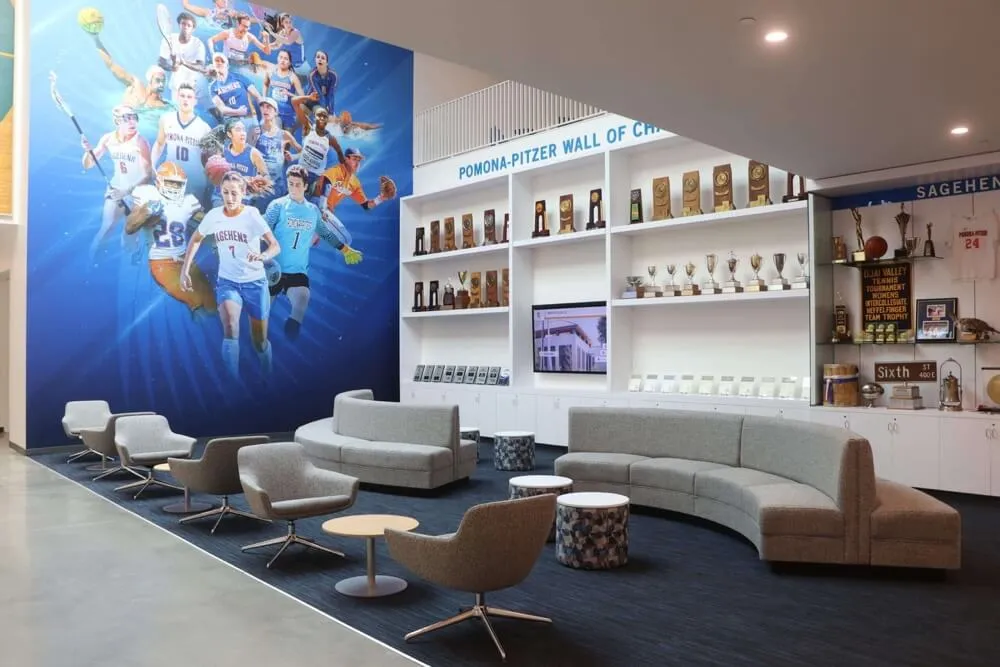
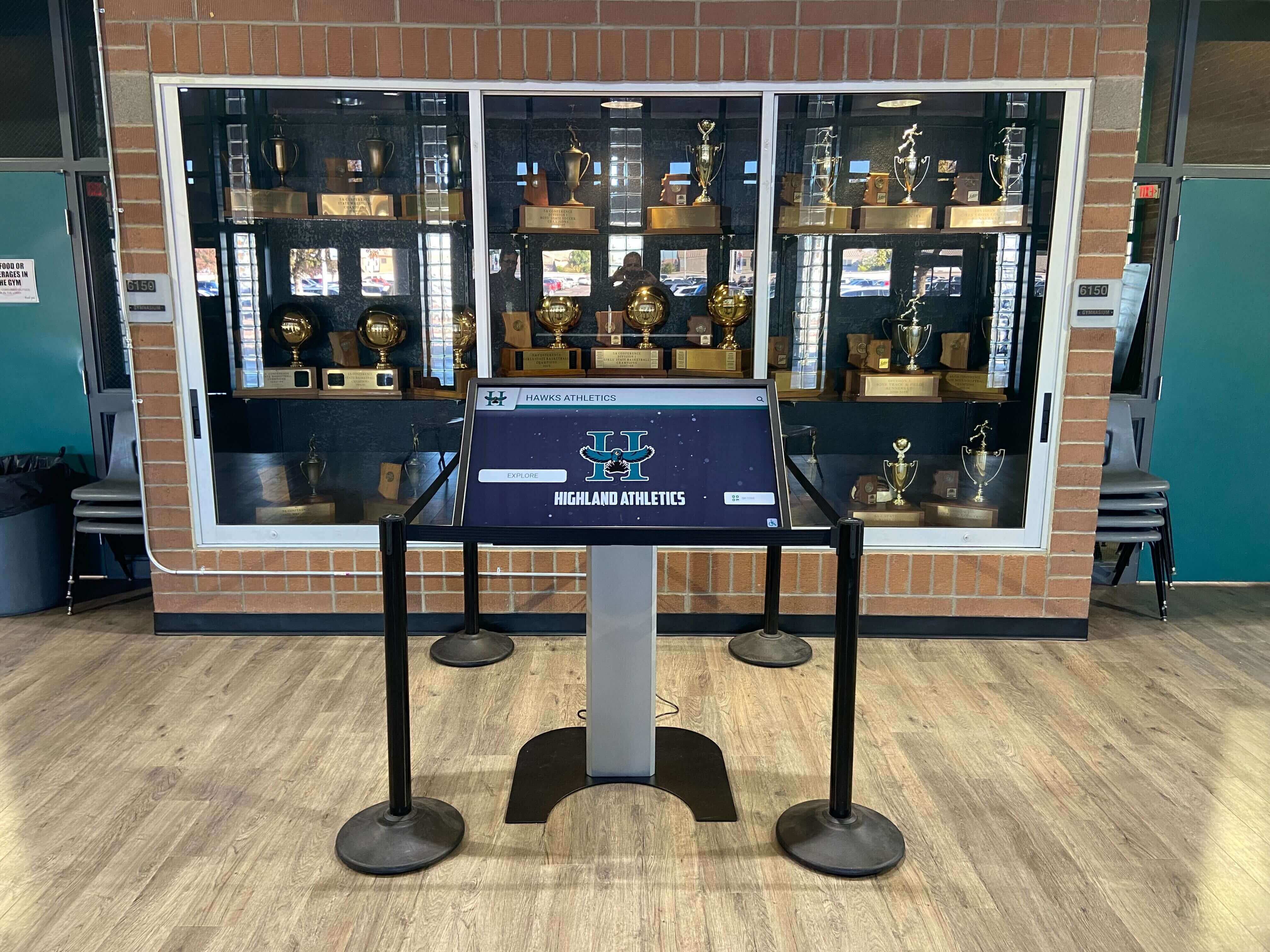
Strategic physical recruiting boards create awareness within school communities while establishing program cultures that prioritize helping athletes achieve college opportunities.
High-Visibility Location Selection
Recruiting boards function most effectively when positioned where students, families, visitors, and potential college scouts naturally spend time.
Athletic Facility Priority Locations
- Main gymnasium lobbies and entrance areas
- Hallways connecting to locker rooms and practice facilities
- Weight room and training facility areas
- Stadium or field house entrance concourses
- Areas adjacent to athletic director and coaching offices
Academic Building Strategic Placement
- Main school entrance lobbies where all visitors pass
- Guidance and counseling office areas where college planning occurs
- Cafeterias and student commons areas with high student traffic
- Hallways near college and career resource centers
- Administrative office areas where visiting coaches might wait
Event-Based Temporary Displays
- Portable recruiting boards positioned at home competitions
- Materials available during athletic recognition events
- Displays at college fair nights and signing day ceremonies
- Information stations during campus tours for prospective families
- Recruiting showcases or camps hosted at school facilities
Strategic placement ensures maximum exposure while signaling to student athletes that the school invests in supporting their college recruitment aspirations.
Design Elements That Attract Attention
Effective recruiting board design balances comprehensive information with visual appeal that draws viewers and facilitates quick information scanning.
Professional Visual Presentation
- High-quality action photos showing athletes in competition
- School colors and athletic branding creating visual consistency
- Clear typography ensuring readability from various distances
- Organized layouts grouping related information logically
- Consistent formatting across different athlete profiles
Hierarchy and Information Architecture
- Prominent display of athlete names and graduation years
- Sport and position information immediately visible
- Key statistics and achievements highlighted
- Academic information clearly separated from athletic data
- Contact information accessible but not visually overwhelming
Update Flexibility
- Modular designs allowing individual athlete profile updates
- Seasonal statistics can be refreshed without complete redesign
- Space for adding new athletes as recruiting prospects emerge
- Accommodation for athletes who commit to colleges
- Flexibility for showcasing different sports throughout seasons
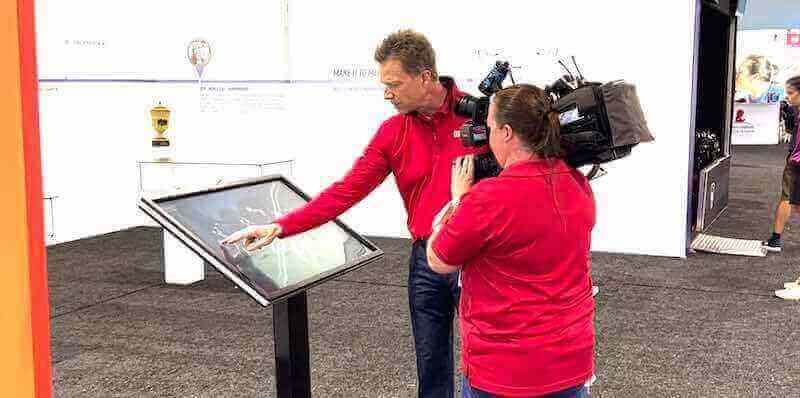
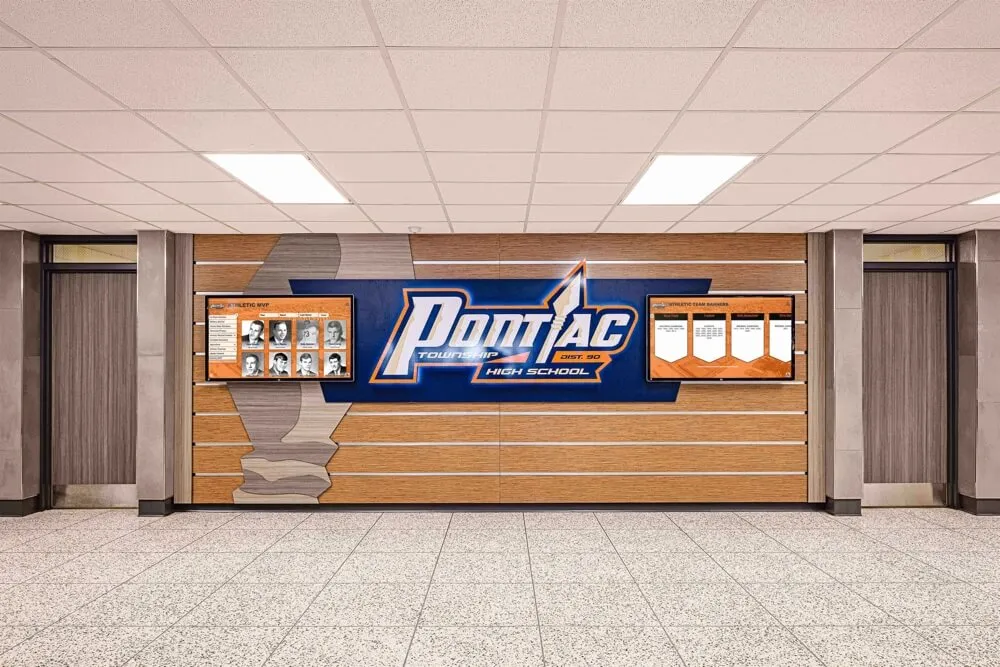
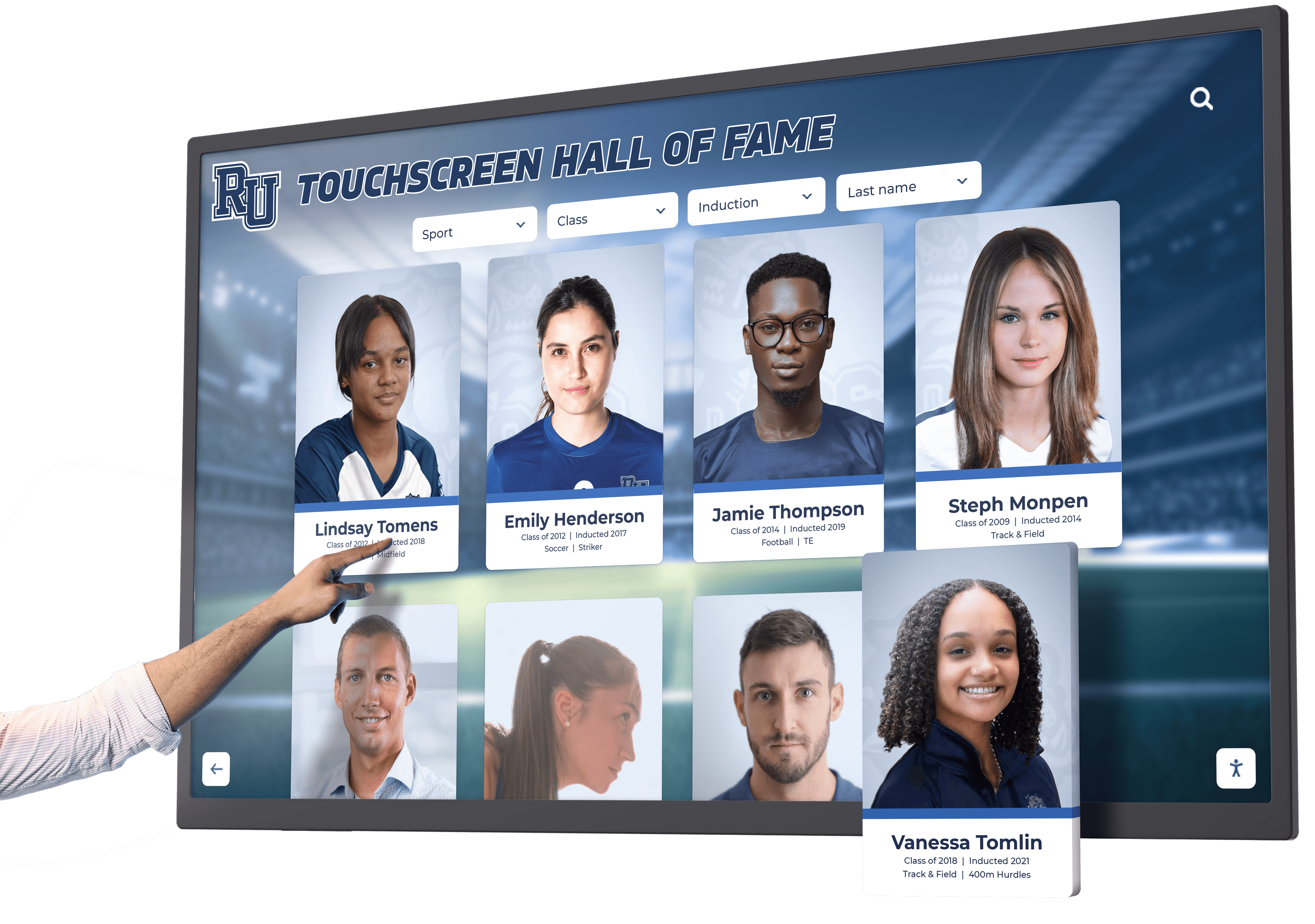
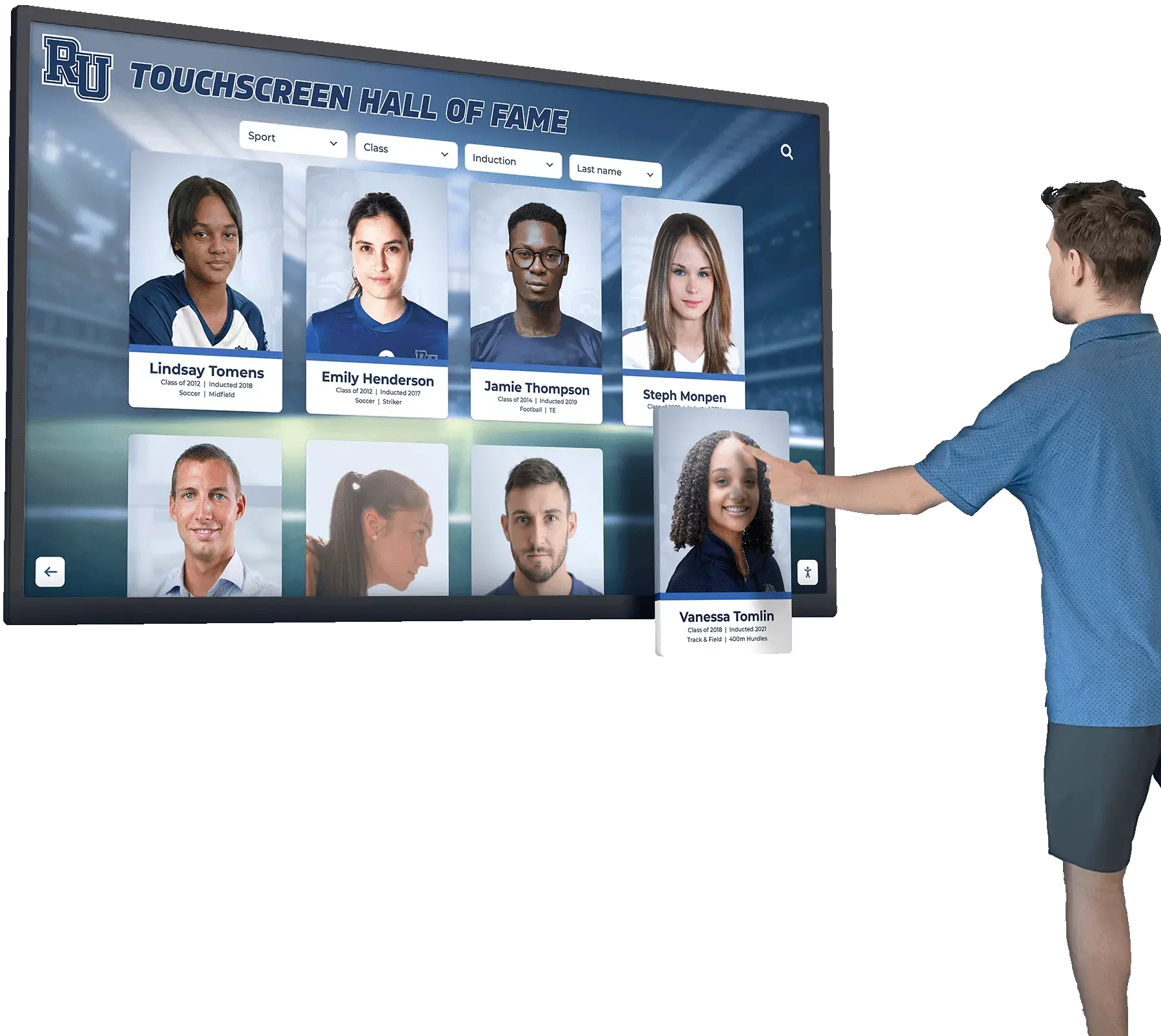
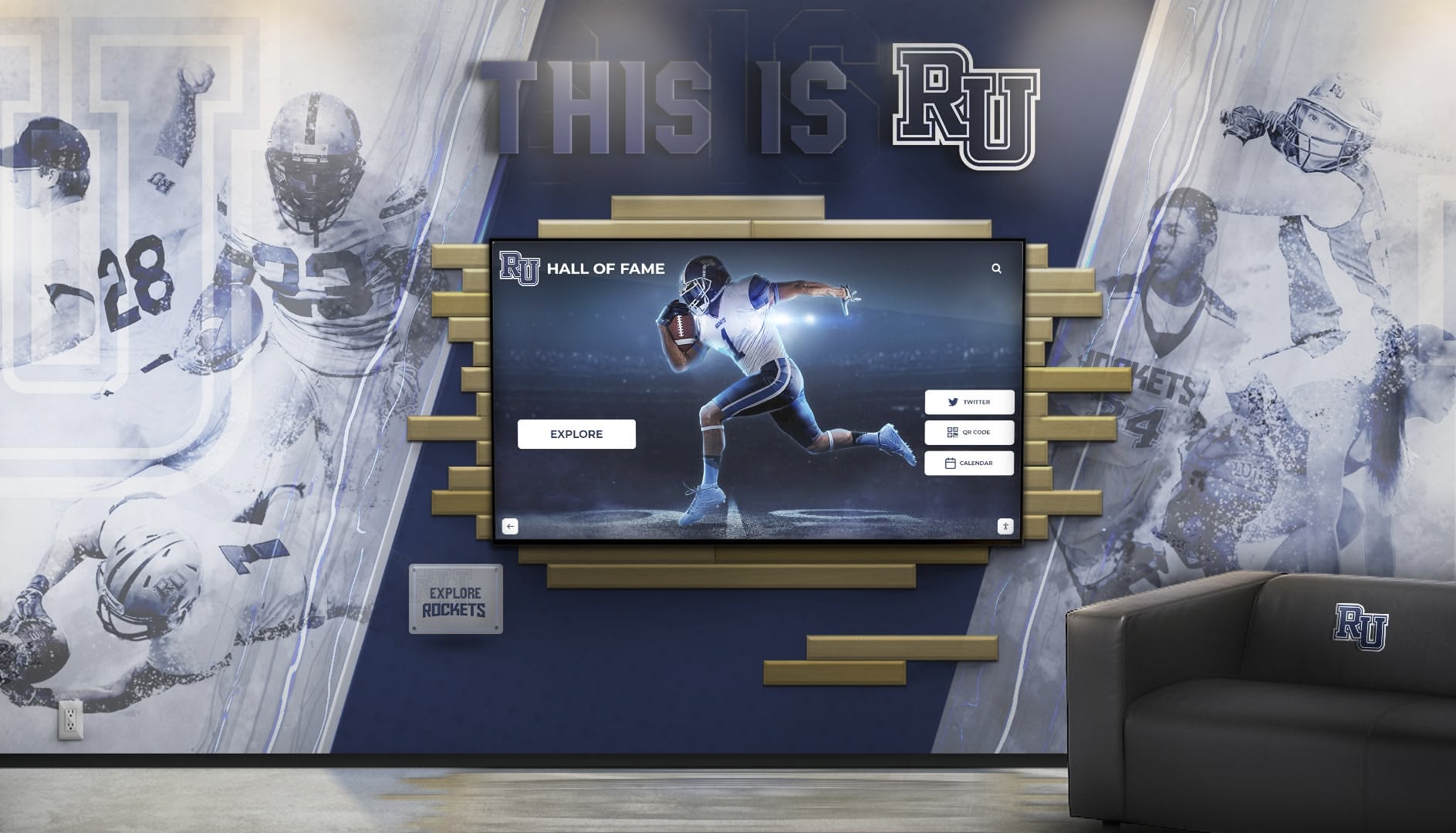
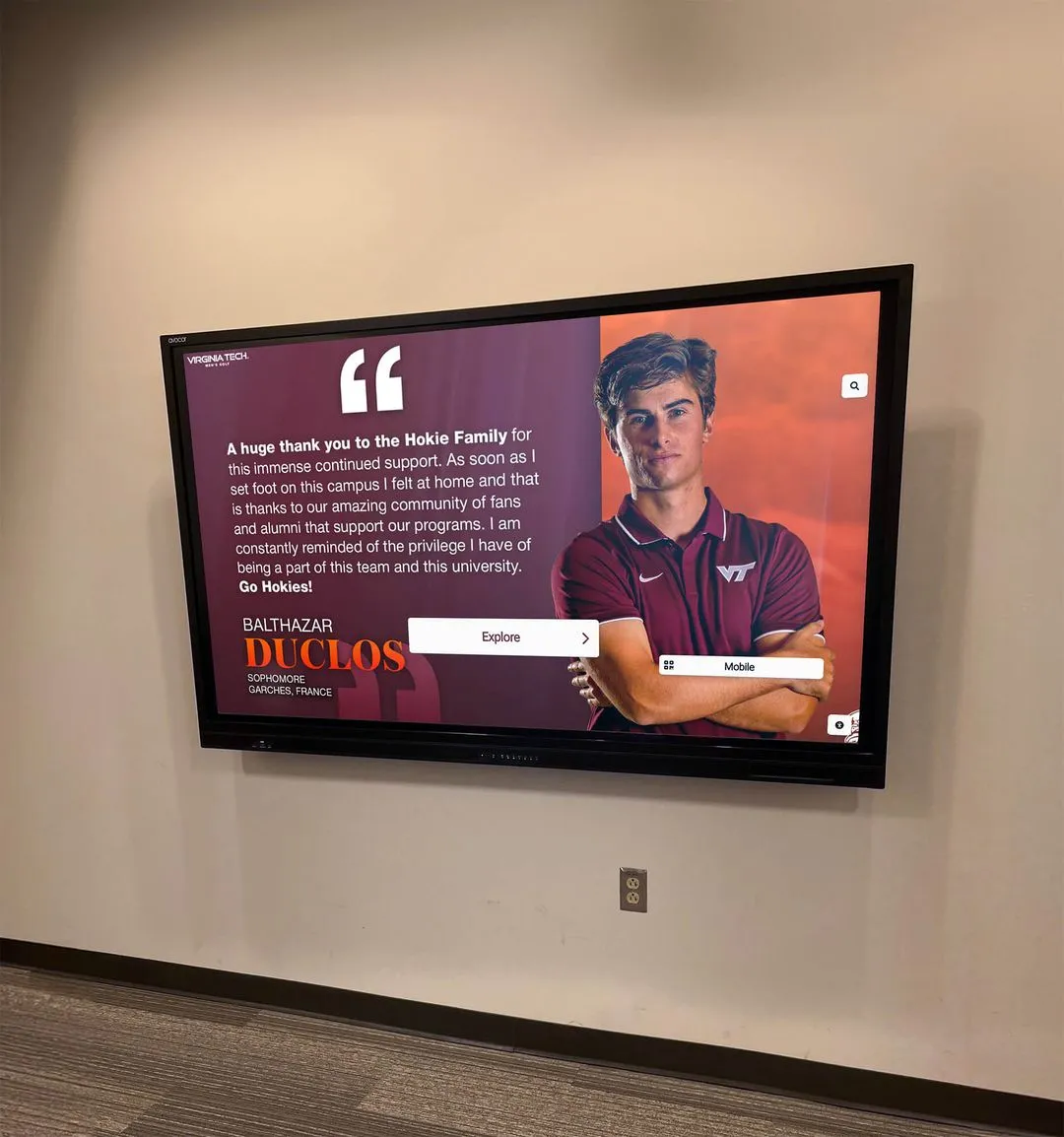
Traditional physical boards face inherent update challenges. Digital recruiting boards solve these limitations through easy content updates, unlimited profile capacity, multimedia integration, and remote access for college coaches. Schools exploring modern approaches can learn from interactive digital display implementations across various organizational contexts.
Digital Recruiting Platforms: Extending Visibility Online
Physical recruiting boards create local awareness, but digital platforms extend visibility to college coaches recruiting nationally, enabling 24/7 access to athlete information from any location.
Online Athletic Profiles and Websites
Dedicated online recruiting platforms enable comprehensive athlete profiles with capabilities impossible through physical displays alone.
Website-Based Athlete Profiles
Schools can create recruiting sections within athletic department websites featuring:
- Individual athlete profile pages with complete information
- Searchable databases enabling coaches to filter by sport, position, graduation year
- Direct links college coaches can bookmark or share internally
- Embedded video highlights and game film
- PDF downloads of athletic resumes and statistics
- Contact forms enabling direct coach-to-athlete communication
- Integration with social media and recruiting platform profiles
Content Management for Easy Updates
Modern content management systems enable athletic directors, coaches, or designated staff to update athlete profiles without technical expertise:
- Simple forms for entering statistics and achievements
- Photo upload interfaces maintaining consistent formatting
- Video embedding from YouTube, Vimeo, or Hudl platforms
- Quick updates after competitions adding recent performances
- Graduation or commitment status changes reflecting current situations
Search Engine Optimization for Discovery
Strategic website optimization helps college coaches discover athlete profiles through search engines:
- Athlete pages optimized for names, sports, positions, locations
- Content structured helping search engines understand page purposes
- Regular updates signaling active maintenance to search algorithms
- Connection to broader athletic department content and school information
- Mobile optimization ensuring profiles display properly on all devices
Integration with Recruiting Service Platforms
Most serious college athletic recruitment now involves online recruiting platforms where athletes create profiles, upload videos, and connect with college coaches.
Major Recruiting Platform Presence
Athletes benefit from profiles on established recruiting platforms:
- NCSA (National Collegiate Scouting Association)
- BeRecruited
- CaptainU
- Sport-specific platforms (PrepHoops for basketball, Perfect Game for baseball, etc.)
- Hudl for video management and sharing
- LinkedIn for highlighting academic and athletic achievements
School recruiting boards should direct college coaches to these platforms where athletes maintain detailed, regularly updated information using systems designed specifically for college recruiting workflows.
Consistent Information Across Platforms
Athletes should maintain consistent information across school recruiting boards, personal recruiting platform profiles, and social media:
- Statistics and achievements matching across all platforms
- Contact information current and monitored regularly
- Video content consistent and highlighting similar performances
- Academic information accurate and updated as improvements occur
- Professional presentation appropriate for college coach audiences
Understanding how recognition systems work in various contexts provides valuable insights. Schools can learn from employee recognition program approaches that emphasize clear documentation and strategic visibility—principles equally applicable to athletic recruiting.
Supporting Athletes Throughout the Recruiting Process
Effective recruiting support extends beyond static information displays to active guidance helping athletes navigate complex recruiting landscapes.
Guidance Department and Coaching Collaboration
Successful college athletic recruitment requires coordination between coaching staffs who understand athletic evaluation and guidance departments managing college application processes and academic qualifications.
Integrated Support Systems
Schools should create collaborative structures:
- Regular meetings between coaches and guidance counselors discussing prospects
- Shared documentation tracking recruiting progress for each athlete
- Coordinated communication with college coaches providing both athletic and academic information
- Unified approach to NCAA eligibility requirements and recruiting rule compliance
- Combined advocacy when connecting athletes with appropriate college programs
NCAA Eligibility Center Navigation
Student athletes competing at NCAA schools must register with the NCAA Eligibility Center and meet academic and amateurism requirements. Support systems should help athletes:
- Understand registration requirements and deadlines
- Ensure coursework meets NCAA core course requirements
- Submit transcripts and test scores at appropriate times
- Maintain amateur status while exploring college opportunities
- Understand division-specific academic standards
Financial Aid and Scholarship Education
Many families lack familiarity with athletic scholarship structures and financial aid processes. Comprehensive support includes:
- Education about scholarship types: full, partial, equivalency sports
- Understanding that many college athletes receive need-based aid rather than athletic scholarships
- Financial aid form completion supporting both athletic and academic aid applications
- Guidance evaluating total financial packages from different schools
- Realistic expectations about scholarship availability by sport and division
Recruiting Timeline Education and Milestones
Athletes and families benefit from understanding sport-specific recruiting timelines and key decision milestones throughout high school careers.
Freshman and Sophomore Year Foundation
- Focus on athletic skill development and competitive experience
- Begin establishing strong academic records for future eligibility
- Attend college camps and showcases building initial visibility
- Create initial recruiting platform profiles if appropriate for sport
- Understand general recruiting process and what to expect
Junior Year Acceleration
- Actively update recruiting profiles with improved statistics
- Communicate with college coaches showing genuine program interest
- Attend targeted college camps and recruiting events
- Take standardized tests ensuring scores available for recruiting conversations
- Schedule unofficial college visits exploring program fits
- Begin narrowing college lists to realistic and desirable options
Senior Year Decisions
- Respond to official visit invitations if offered
- Navigate signing periods understanding commitment timelines
- Evaluate scholarship or roster position offers from interested programs
- Make commitment decisions balancing athletic, academic, financial, and personal factors
- Complete application and enrollment processes at chosen schools
- Maintain athletic and academic performance through graduation
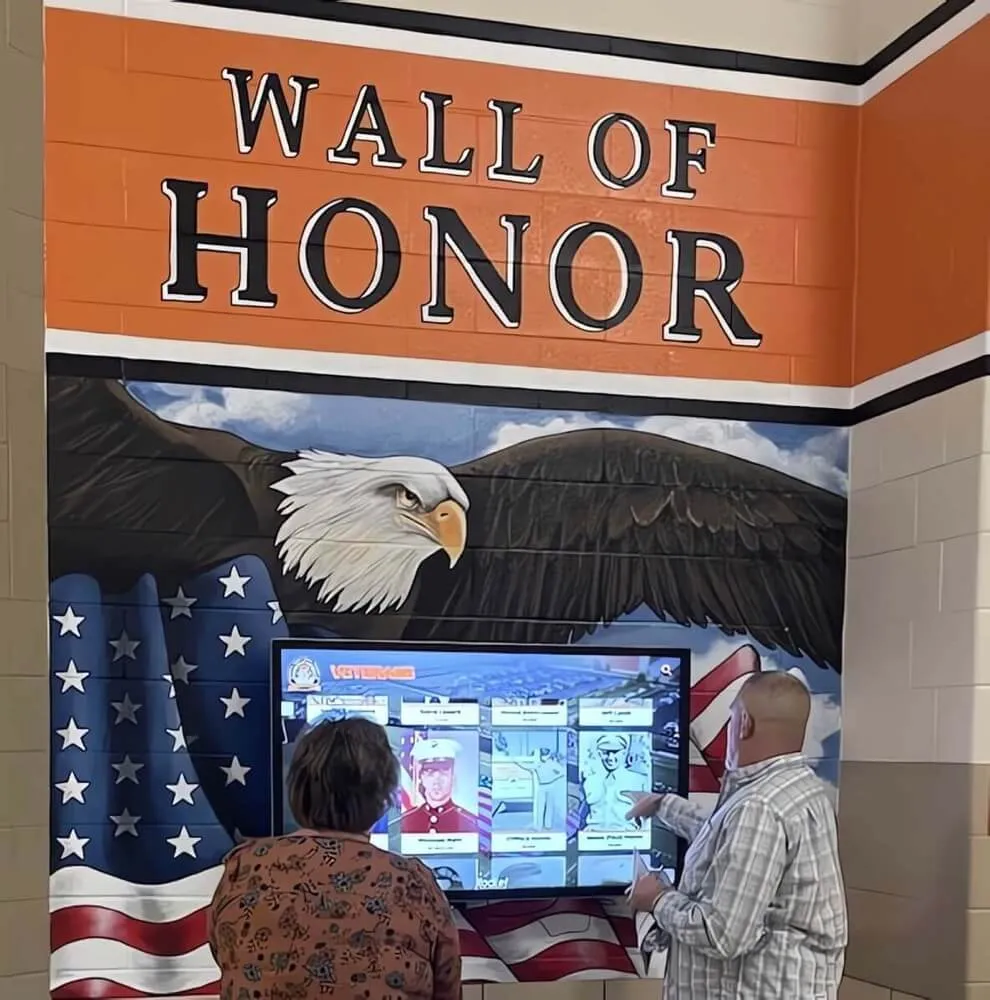
Schools celebrating athlete commitments create visibility that benefits future prospects. Resources on high school walls of fame demonstrate how recognition of committed athletes inspires underclassmen while communicating program success to the broader community.
Creating Recruiting-Friendly Team Culture
Beyond individual athlete support, schools benefit from building program cultures that prioritize college recruitment preparation and position all athletes for post-secondary opportunities.
Emphasizing Academics Alongside Athletics
The most successful recruiting support systems never separate athletic achievement from academic excellence.
Student-Athlete Mentality
Programs should consistently emphasize:
- Academic performance as non-negotiable regardless of athletic talent
- College as student-athlete destination, not just athletic opportunity
- Time management and organizational skills necessary for balancing commitments
- Academic resources and support services available to athletes
- Value of education extending beyond athletic career timelines
Academic Recognition Integration
Recruiting boards should celebrate academic achievements as prominently as athletic accomplishments:
- Honor roll and GPA recognition alongside statistics
- Academic award highlighting demonstrating well-rounded excellence
- College acceptance and scholarship offers including academic awards
- Graduation destination information showing four-year degree pursuits
- Alumni success stories emphasizing post-athletic career achievements
Many schools find success integrating athletic and academic recognition. National Merit Scholar recognition approaches demonstrate sophisticated academic recognition systems that can coexist with athletic displays in comprehensive school recognition programs.
Developing Self-Advocacy Skills
College recruiting increasingly requires athletes to advocate for themselves, communicate professionally with college coaches, and market their capabilities effectively.
Communication Skills Development
Athletes need guidance developing:
- Professional email writing for college coach communication
- Phone conversation skills for recruiting calls
- Appropriate social media presence and digital citizenship
- Elevator pitch abilities summarizing capabilities concisely
- Interview skills for college visits and coach meetings
- Thank-you note writing and follow-up communication
Recruiting Material Preparation
Athletes should develop professional recruiting materials:
- Athletic resumes highlighting achievements and capabilities
- Highlight videos showcasing skills and performance moments
- Academic transcripts and test score documentation
- References from coaches who can advocate effectively
- Personal statements explaining college goals and program interests
Proactive Recruiting Approach
Rather than waiting to be discovered, successful prospects:
- Research colleges matching athletic and academic profiles
- Initiate contact with coaching staffs showing genuine interest
- Follow up consistently without becoming overbearing
- Attend camps and showcases at target schools
- Visit campuses demonstrating serious consideration
- Ask informed questions showing program understanding
Measuring Recruiting Board Effectiveness
Schools investing in recruiting visibility should track outcomes evaluating whether these efforts produce meaningful results for student athletes.
Tracking Metrics and Outcomes
Quantitative tracking helps assess recruiting support program effectiveness:
College Recruiting Interest
- Number of college coach inquiries received about athletes
- Official and unofficial visit invitations extended
- Scholarship offers received across all sports
- Recruiting platform profile views and coach contacts
- Camp and showcase attendance by prospects
College Athletic Placement
- Percentage of athletes continuing athletic careers in college
- Distribution across division levels (D-I, D-II, D-III, NAIA, JUCO)
- Athletic scholarship dollars awarded to athletes
- Academic scholarship awards supplementing athletic aid
- Athlete placement at target institutions matching their profiles
Program Reputation Development
- College coach relationships and recruiting pipeline establishment
- Reputation among college programs in specific sports
- Return rates of college coaches attending competitions
- Athlete transfers from other schools seeking recruiting support
- Parent and community perception of college placement support
Continuous Improvement Based on Results
Effective programs regularly evaluate results and adjust strategies:
Annual Recruiting Review Process
- Analyze placement outcomes identifying successful approaches
- Survey graduating athletes about recruiting support effectiveness
- Solicit feedback from college coaches who recruited athletes
- Identify gaps in support or information provided
- Benchmark against comparable programs’ recruiting success
Strategy Refinement
- Adjust recruiting board content based on college coach feedback
- Enhance athlete profile components that prove most valuable
- Improve timeline guidance based on sport-specific experiences
- Strengthen college coach relationships in productive pipeline sports
- Invest additional resources in approaches yielding best results
Implementing Comprehensive Digital Recruiting Solutions
Modern digital platforms offer integrated recruiting support solutions combining physical displays, online platforms, and management tools supporting comprehensive athlete development.
Benefits of Integrated Digital Systems
Digital recruiting platforms provide capabilities impossible with traditional static displays:
Always Current Information
- Update athlete profiles instantly as achievements occur
- Add new statistics after each competition without production delays
- Modify contact information immediately if changes occur
- Reflect commitment status when athletes sign with colleges
- Remove graduated athletes while preserving historical records
Multimedia Integration
- Embed video highlights directly in athlete profiles
- Include action photography showcasing competitive performance
- Link to external recruiting platform profiles
- Connect to social media accounts highlighting achievements
- Provide PDF downloads of athletic resumes
Remote Access for College Coaches
- College coaches access athlete information 24/7 from any location
- Share profile links internally among coaching staffs
- Bookmark athletes for continued monitoring throughout recruiting cycles
- Access historical information about program’s recruiting track record
- View multiple sports’ prospects through unified platform
Analytics and Engagement Tracking
- Monitor profile views understanding which athletes attract attention
- Track college coach engagement with recruiting information
- Identify most-viewed statistics and content types
- Understand geographic sources of recruiting interest
- Evaluate recruiting board effectiveness through data
Schools can learn from successful recognition systems in related contexts. Team building program approaches emphasize visibility and clear communication—principles that translate effectively to recruiting support systems.
Implementation Timeline and Process
Schools can implement comprehensive digital recruiting solutions systematically:
Phase 1: Planning and Content Gathering (1-2 months)
- Define which sports and athletes will be featured initially
- Gather existing athlete information, statistics, and achievements
- Collect high-quality photos and video content
- Determine physical display locations and technical requirements
- Identify staff responsible for content management and updates
Phase 2: Platform Selection and Setup (1 month)
- Evaluate digital recruiting board solutions matching needs and budget
- Configure systems with school branding and athletic program identity
- Create template structures for athlete profiles ensuring consistency
- Establish user accounts and permissions for content managers
- Integrate with existing athletic department websites if applicable
Phase 3: Content Population (1-2 months)
- Create initial athlete profiles with comprehensive information
- Upload photos, videos, and supporting documentation
- Review all content for accuracy and professional presentation
- Test functionality ensuring systems operate as intended
- Prepare training materials for staff managing ongoing updates
Phase 4: Launch and Promotion (1 month)
- Install physical displays if hardware component exists
- Announce recruiting board availability to school community
- Promote to college coaches in relevant sports
- Train athletes on leveraging recruiting boards in their recruitment
- Create usage guidance for families supporting recruitment process
Phase 5: Ongoing Management and Optimization
- Update athlete profiles regularly with new achievements
- Add new athletes as they emerge as college prospects
- Respond to college coach inquiries promptly
- Track engagement and effectiveness metrics
- Refine content and presentation based on results
Conclusion
Athletic recruiting boards represent strategic investments in student athlete success, creating visibility that helps qualified prospects connect with college programs seeking their talents and academic profiles. The recruiting landscape’s competitive nature means athletic achievement alone often proves insufficient—athletes need strategic visibility, professional presentation, comprehensive documentation, and active institutional support navigating complex recruiting processes toward successful college athletic placements.
Modern digital recruiting solutions address traditional physical board limitations while adding capabilities that match how college coaches actually conduct recruiting evaluations. Immediate updates, multimedia integration, remote access, and comprehensive athlete profiles create recruiting support infrastructure that serves multiple constituencies: student athletes seeking college opportunities, families navigating unfamiliar processes, high school coaches advocating for prospects, and college coaches identifying talent matching program needs.
Schools implementing effective recruiting boards develop reputations as institutions that prioritize student athlete development beyond competition outcomes, attracting families who value comprehensive college preparation support. This reputation enhances athletic program appeal, strengthens recruiting pipelines, and creates positive cycles where increased college placement success attracts stronger athletic talent to programs.
The investment extends beyond individual athlete benefit. Schools celebrating college athletic commitments inspire younger athletes while demonstrating institutional values emphasizing education, development, and student success beyond high school athletics. Recruiting boards become visible manifestations of these values, communicating to entire school communities that athletic programs serve educational missions preparing students for meaningful post-secondary opportunities.
Ready to transform how your school supports student athlete recruitment and college placement? Rocket Alumni Solutions offers comprehensive digital recruiting board systems that showcase athlete achievements, integrate multimedia content, update instantly as athletes accomplish new milestones, and provide college coaches with 24/7 access to prospect information. Discover how modern digital platforms can help your student athletes gain the visibility they deserve while building your program’s reputation as a destination for athletes seeking excellent college preparation and placement support.