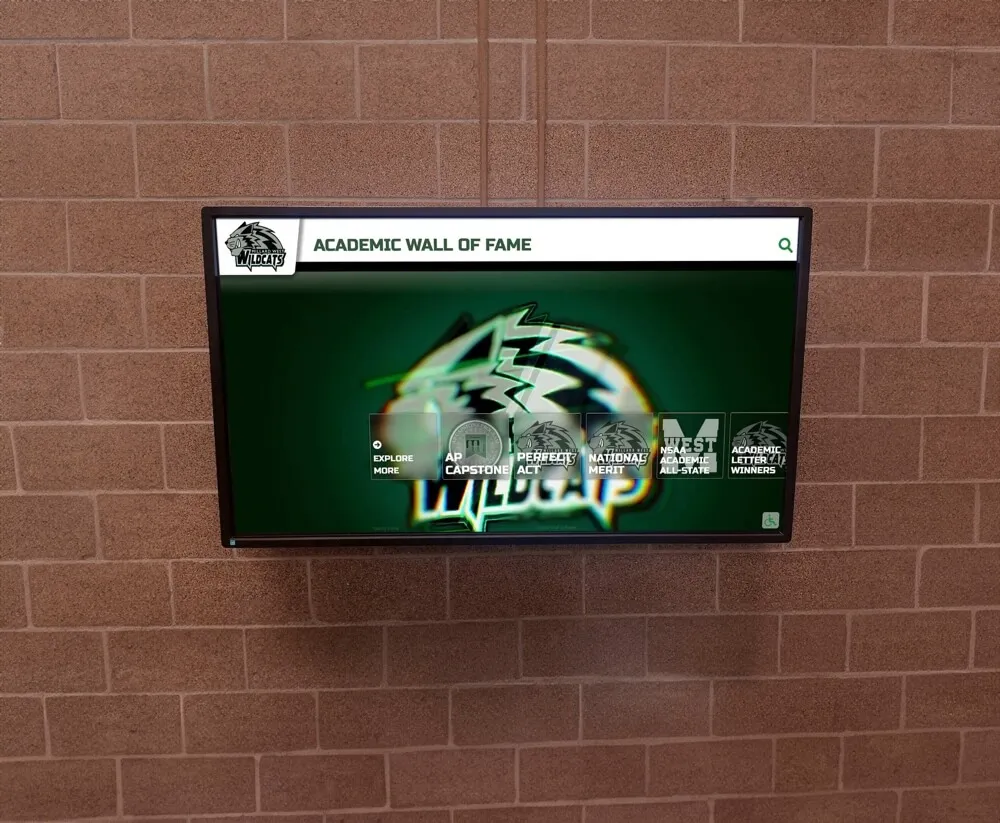




When a governing body vacates a performance — a state-meet result stripped due to eligibility, a weight room record set during a sanctioned period later overturned — the instinct is to delete the mark from the record board. That instinct creates two problems. It erases auditable program history. And it silently elevates the next mark on the list to record status without any process review. An athletic record vacated performance policy prevents both outcomes by assigning status labels, defining the evidence required to change a status, and specifying exactly what any display or archive shows for each status code.

What This Policy Covers
Intent: govern
This document provides a model policy framework for athletic directors, records committees, school administrators, and hall-of-fame staff who need a written, auditable method for handling vacated, invalidated, or disputed performances in school athletic records. It covers status-label definitions, the evidence required to assign each status, display rules for each label, the committee workflow, and how digital record boards operationalize these rules without manual workarounds. Consult legal counsel and your governing association’s bylaws before finalizing any policy that affects eligibility findings or disciplinary outcomes.
Part 1 — The Problem With Deletion
Deleting a vacated mark from a record board resolves the display problem on day one. By year three, it creates a different one: no one on staff remembers why the record shows a particular athlete as the record holder, the gap in the performance history looks like a data entry error, and any audit request — from a parent, a booster, a board member — requires reconstructing decisions from memory rather than documentation.
Silent deletion also signals institutional practice to coaches, athletes, and families watching closely. When an athlete’s name disappears without explanation, the school appears to be rewriting history rather than correcting it. A properly labeled vacated entry, visible to authorized staff even if not shown publicly, communicates that the program manages its records by process — not by convenience.
The coach hall of fame display community has long recognized this principle: recognition systems gain credibility not from what they show but from the rules they apply consistently. The same applies to performance records. A school record board governed by a written policy earns trust from alumni, families, and governing bodies in a way that an informally managed spreadsheet cannot.
Part 2 — Five Status Labels and Their Definitions
A model athletic record vacated performance policy uses five status codes. Every performance in the database carries exactly one status at any time.
Status Code Reference Table
| Status Code | Label | Visible on Public Display | Eligible as Current Record |
|---|---|---|---|
ACTIVE | Active Record | Yes | Yes |
SUPERSEDED | Superseded | Optional (historical) | No — beaten by ACTIVE mark |
VACATED | Vacated | Label shown; mark shown | No |
INVALIDATED | Invalidated | No | No |
DISPUTED | Under Review | Optional per policy | Held — no change during review |
ACTIVE — The current standing record. Has passed all verification steps and no challenge or finding is open.
SUPERSEDED — A historically valid mark that was beaten by a faster, longer, or higher ACTIVE mark. The athlete’s achievement stands; it is simply no longer the record. Many programs choose to display superseded marks in a “Record History” view so alumni can see where their performance ranked.
VACATED — A mark that was once official but has been voided by a governing body ruling, eligibility finding, or institutional decision with documented basis. The performance happened. The record status has been removed. The mark remains in the database with its vacated label and the date and reason for the change.
INVALIDATED — A mark that was entered in error: wrong athlete identity, incorrect event, timing equipment failure documented at the time, or a data entry mistake discovered during audit. The mark is retained in the database for audit purposes but is not shown on any public display.
DISPUTED — A mark where a formal challenge has been submitted but not yet resolved. Status is frozen: no new ACTIVE record is elevated in that category until the dispute is closed or the challenge is withdrawn.
Part 3 — Evidence Requirements by Status Change
Every status transition requires written documentation filed with the athletic department before the records system reflects the change. The following rules define what documentation is required for each transition type.
Evidence Rules Table
| Status Transition | Who Can Initiate | Required Documentation |
|---|---|---|
| Any → VACATED | Athletic director, governing body, school administration | Written finding from the initiating authority: governing body ruling, eligibility determination, or signed administrative memo. Date of finding. Event and athlete affected. |
| Any → INVALIDATED | Records committee chair | Documented basis for error: timing certification records, results sheet showing wrong event, written correction from the meet host, or internal audit memo. Two committee members must sign. |
| Any → DISPUTED | Any interested party with standing | Written challenge specifying the basis: timing equipment concern, identity discrepancy, result document conflict. Submitted to records committee chair within 60 days of original posting. |
| DISPUTED → ACTIVE or VACATED | Records committee | Majority vote of records committee with written decision memo. Decision memo is retained permanently. |
| VACATED → ACTIVE (reinstatement) | Athletic director with governing body clearance | Written clearance from the original vacating authority plus committee confirmation of valid performance basis. |
| SUPERSEDED (archiving) | Automatic or records committee | No separate action required — status changes to SUPERSEDED automatically when a faster/longer/higher ACTIVE mark is confirmed in the same category. |
No status transition is final until the supporting documentation is filed in the program’s records archive. A verbal decision by an athletic director or principal does not change a mark’s status. The committee chair confirms documentation is complete before updating the system.
Part 4 — Display Rules for Each Status
How a record board displays each status code is as important as the code itself. The following display rules define what any public-facing display — wall-mounted board, digital interactive screen, website, or printed program — shows for each status.
ACTIVE
Show the athlete name, performance mark, event, season year, and any relevant meet or competition name. No qualifier is needed. This is the standing record.
SUPERSEDED
Show in a “Record History” or “Past Champions” view if your platform supports it. The mark is historically valid. Displaying superseded marks alongside the current ACTIVE record gives alumni a way to see where their performance ranked in program history. Alumni spotlight display programs consistently find that this kind of layered historical context increases alumni engagement and return visits — people want to see their mark relative to what came before and after.
VACATED
On a public display, show the mark with the label [VACATED — [Year]] or [Vacated per [Authority] — [Year]]. Do not show the athlete’s name on public displays unless the vacating authority’s finding is itself public record. The position in the rankings remains empty — the next ACTIVE mark is not automatically elevated until the committee confirms eligibility.
Example display entry:
100m Dash — Girls Varsity
[VACATED — 2023]   12.04     —
Current Record:   12.18   A. Torres   2024
This format communicates to any viewer — athlete, parent, alumni — that the record position was held but has been voided, and the current standing record is the 12.18 mark.
INVALIDATED
Do not display on any public-facing surface. The mark exists in the database for audit purposes only. Administrative views accessible to the records committee and athletic director show the full entry with its INVALIDATED status and the supporting documentation.
DISPUTED
On public displays, show the current ACTIVE record without change. Do not show the disputed mark or indicate that a challenge is open — this prevents speculation and protects the challenging party’s standing while the review is underway. Internal committee views show the full disputed entry and the open challenge documentation.

Part 5 — The Records Committee Workflow
A written policy is only as reliable as the process that implements it. This five-step workflow gives any athletic department a repeatable, documented path for handling every status change.
Step 1 — Notification
A coach, athletic director, administrator, governing body, or authorized challenger submits a written notification to the records committee chair. The notification names the athlete, event, season, and the basis for the status change request.
Step 2 — Documentation Review
The committee chair confirms that required documentation is present and complete within five business days. Incomplete submissions are returned with a checklist of missing items. The clock on the review period does not start until documentation is complete.
Step 3 — Status Freeze
While under formal review, the committee chair marks the performance as DISPUTED in the records system. No other change is made in that category until the review closes.
Step 4 — Committee Decision
The records committee reviews the documentation and votes. Majority vote determines the outcome. The committee chair drafts a written decision memo within ten business days of the vote. The memo states the finding, the new status, and the effective date.
Step 5 — System Update and Archive
The records system is updated to reflect the new status. The decision memo and all supporting documentation are filed in the records archive — physical or digital. If the status change is VACATED, the athletic director confirms notification requirements with legal or governing-body counsel before any public communication.
For programs that display records on interactive touchscreen systems, the committee chair submits the status update directly to the platform administrator with the decision memo attached. No platform change is made without the filed memo.
Part 6 — How Digital Record Boards Operationalize This Policy
A paper policy executed through a spreadsheet creates compliance risk at every transition. Records committees working in spreadsheets must manually track status codes, remember display rules for each status, and ensure that the public-facing display never shows an INVALIDATED or incorrectly elevated mark. One undetected copy-paste error can silently violate the policy for months before anyone notices.
Purpose-built digital record board platforms handle the mechanics the policy requires:
Status-aware entry management — Each performance entry carries a status field. The platform enforces display rules automatically: INVALIDATED entries never appear in public views regardless of what the committee does to other fields.
Audit log — Every status change is timestamped with the user who made it. This creates an automatic chain of custody that satisfies governing body audit requests without staff needing to reconstruct decisions from memory.
Vacated-label display — The platform shows the vacated label and year in the exact position the mark occupied — it does not collapse the list or silently elevate the next mark. Staff can configure whether the athlete’s name appears based on the public-record status of the finding.
Next-mark elevation control — When a mark is vacated, the next-ranked ACTIVE mark does not automatically become the official record. It remains in its ranked position until the committee explicitly confirms and posts it. This prevents the display from implying a new record has been set before a review is complete.
Historical view — Alumni and families browsing the record board can access a “Record History” view showing SUPERSEDED marks alongside the current record, giving context that printed boards and static displays cannot provide. This is the kind of feature that turns a record board into a program asset — bleacher and facility upgrade decisions increasingly factor in the adjacent digital recognition systems because families and recruits notice both.
For schools that publish record data to award and recognition websites, a platform-managed status system ensures that only ACTIVE marks are syndicated to external displays, while the full historical record — including VACATED and SUPERSEDED marks — remains accessible in the administrative view.
Part 7 — Spirit Events and Hall-of-Fame Implications
Vacated athletic records create a specific complication for hall-of-fame committees and recognition events. If an athlete was inducted into a hall of fame on the basis of a record that is later vacated, the hall-of-fame committee faces a separate governance question — one that the records policy should explicitly address.
The recommended practice: the records policy covers performance marks only. Hall-of-fame membership requires a separate governance document with its own criteria, review process, and appeal rights. A vacated performance does not automatically require a hall-of-fame review, nor does a hall-of-fame standing protect a performance mark from vacated status. The two systems operate independently, governed by separate documents, and any intersection is handled by the joint decision of both committees with written documentation.
For programs planning school spirit and recognition events where record holders are publicly acknowledged, the athletic department should confirm which marks carry ACTIVE status before any public mention. Reading a vacated record aloud at an athletic banquet creates an uncomfortable public correction. A pre-event status check against the records system — five minutes against a purpose-built platform — prevents it.
Digital trophy case and hall-of-fame displays that are integrated with the records system surface only ACTIVE marks in recognition contexts automatically, removing the pre-event manual check entirely.

Part 8 — Sample Policy Language
The following sample language can be adapted for a school’s formal records governance document. It is provided as a model only. Have your legal counsel, governing association, and administrative team review any finalized version.
Section X.X — Vacated and Invalidated Performance Records
All athletic performance records of [School Name] are governed by a five-status classification system: ACTIVE, SUPERSEDED, VACATED, INVALIDATED, and DISPUTED. Each record entry carries exactly one status code at any time.
Status changes require written documentation as defined in the Evidence Requirements schedule attached to this policy. No status change takes effect without filed documentation reviewed by the records committee chair.
VACATED records are retained permanently in the athletic records database. They are displayed on public-facing record boards with a vacated label and the year of the finding. The athlete’s name is displayed only if the finding that prompted the vacated status is itself a matter of public record.
INVALIDATED records are retained in the database for audit purposes and are not shown on any public-facing display.
No mark is automatically elevated to record status following a VACATED or DISPUTED finding. Committee confirmation is required before any position change is reflected on the display.
This policy applies to all sports and record categories maintained by the athletic department, including records displayed on physical boards, digital interactive displays, printed programs, and school website publications.
See how Rocket’s digital record board platform enforces status labels automatically, logs every change with a timestamp, and keeps vacated marks in the audit trail without exposing them on your public display — so your records committee spends time on decisions, not on spreadsheet maintenance.
Frequently Asked Questions
What is an athletic record vacated performance policy?
An athletic record vacated performance policy is a written governance document that defines how a school handles performances that have been officially voided — by a governing body ruling, eligibility finding, or administrative decision. It assigns status codes to each type of record entry, specifies what evidence is required to change a status, and defines exactly what any public or administrative display shows for each code. The goal is to preserve auditable history while ensuring that invalidated results are never displayed as active records.
Should vacated records be deleted from the system?
No. Deleting a vacated record removes the audit trail and creates a gap in program history that staff will be unable to explain during future reviews or parent inquiries. The correct approach is to label the entry with VACATED status, retain it in the database, and configure the display system to show the label without presenting the mark as a current record. This approach satisfies transparency expectations while keeping the record board accurate.
Who has authority to vacate an athletic record?
Typically: the relevant governing association (state athletic association, conference, or national body) through its formal eligibility and compliance processes; the school’s administration acting on a documented finding; or the records committee acting on documented evidence of a rules violation. The policy should specify who can initiate a vacated status request and who has final authority — usually the athletic director with administrative approval for institutional decisions, or the governing body for external compliance findings.
How should a vacated record be displayed on a digital board?
Show the vacated label — such as [VACATED — Year] — in the position the mark occupied. Do not show the athlete’s name on public displays unless the underlying finding is a matter of public record. Do not silently elevate the next-ranked mark to record status — leave the position labeled as vacated until the committee formally confirms the new record. This display approach communicates institutional process without creating new public record implications before a committee review is complete.
How does the DISPUTED status protect ongoing review?
The DISPUTED status freezes the record category during a formal challenge review. No marks are elevated or changed while a challenge is open. This prevents the record board from implying a new record has been set before the committee has evaluated the challenge. The current ACTIVE record remains on public display without any indication that a challenge is in progress — protecting both the challenging party’s standing and the current record holder from premature public speculation.
What documentation should be retained for a vacated performance?
Retain the original governing body ruling or administrative finding, the date of the finding, the name of the event and athlete affected, the decision memo from the records committee, and any communications to stakeholders (athletes, families, coaches) related to the change. This documentation set should be stored in a permanent records archive — physical or digital — where it is accessible to authorized staff but not to the general public. If a future audit, inquiry, or legal review arises, this documentation is the evidence that the program acted by process rather than by convenience.
Can a vacated record be reinstated?
Yes, if the authority that issued the original finding provides written clearance and the records committee confirms the basis for reinstatement. The reinstatement requires the same documentation standard as the original vacated finding — written clearance from the initiating authority, a committee decision memo, and a filing in the records archive. Reinstatement changes the status from VACATED back to ACTIVE (or SUPERSEDED, if a faster or longer mark now stands above it). The vacated period remains in the audit log; it is not erased even after reinstatement.
How does this policy interact with a school’s hall-of-fame governance?
The records policy governs performance marks only. Hall-of-fame membership requires a separate governance document with independent criteria. A vacated performance does not automatically trigger a hall-of-fame review, and hall-of-fame standing does not protect a performance mark from vacated status. If a situation arises where both committees need to act, their processes run independently and any joint decision is documented by both bodies. This separation keeps each governance document clean and prevents one process from inadvertently constraining the other.
A written athletic record vacated performance policy is the difference between a record board that communicates institutional integrity and one that communicates institutional convenience. The status labels, evidence rules, and display examples in this framework give any athletic department a starting point that is auditable, defensible, and operational — whether your records live in a spreadsheet today or in a purpose-built digital platform. Start with the five status codes, define the evidence requirements for your program, and adopt the display rules before the next time a governing body ruling or eligibility finding lands on the athletic director’s desk.