



When a former athlete notices her school record still shows the old mark she broke three years ago, she does not know whom to call, what to submit, or whether anyone will act on the information. When a coach discovers that a field event record from a 2019 dual meet was never entered, he sends an email to the athletic office and hears nothing back. When a parent spots a misspelled name on a long-standing record, the family has no idea whether to contact the school or simply accept that the error will stand permanently. In each case, the problem is not a lack of goodwill — it is the absence of a defined athletic record correction form and the structured verification workflow that gives it teeth.

Why Correction Workflows Fail Without a Formal Process
Most athletic departments handle record corrections informally. A coach mentions something to the athletic director in the hallway. A parent sends an email that gets forwarded to three people and then quietly dropped. An alumnus posts on social media that the listed record is wrong, generating community confusion that the department scrambles to address without any documentation of what actually happened.
Informal correction handling produces two failure modes that compound over time. The first is errors that never get fixed because the submission path is too vague. The second is errors that get “fixed” based on a single person’s recollection without any verification — creating new inaccuracies in place of old ones. Both failure modes undermine the credibility of the record board, and credibility is the entire point. A record board that community members cannot trust is not a recognition asset; it is a liability.
A formal athletic record correction form paired with a documented verification workflow solves both problems simultaneously. It creates a consistent submission path so corrections actually reach the right people. It establishes an evidence standard so corrections are only applied when they can be verified. And it produces an audit trail that protects the department if a correction is disputed after the fact.
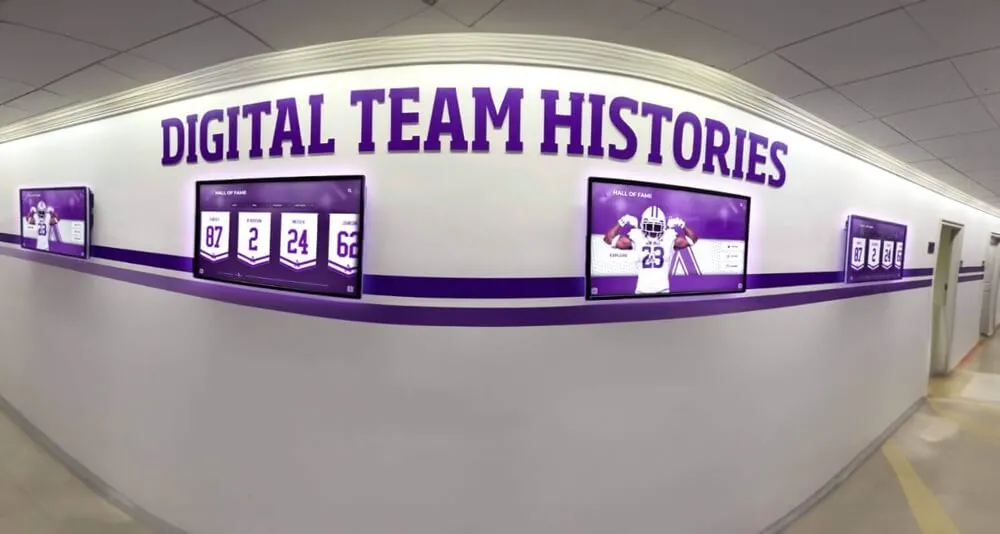
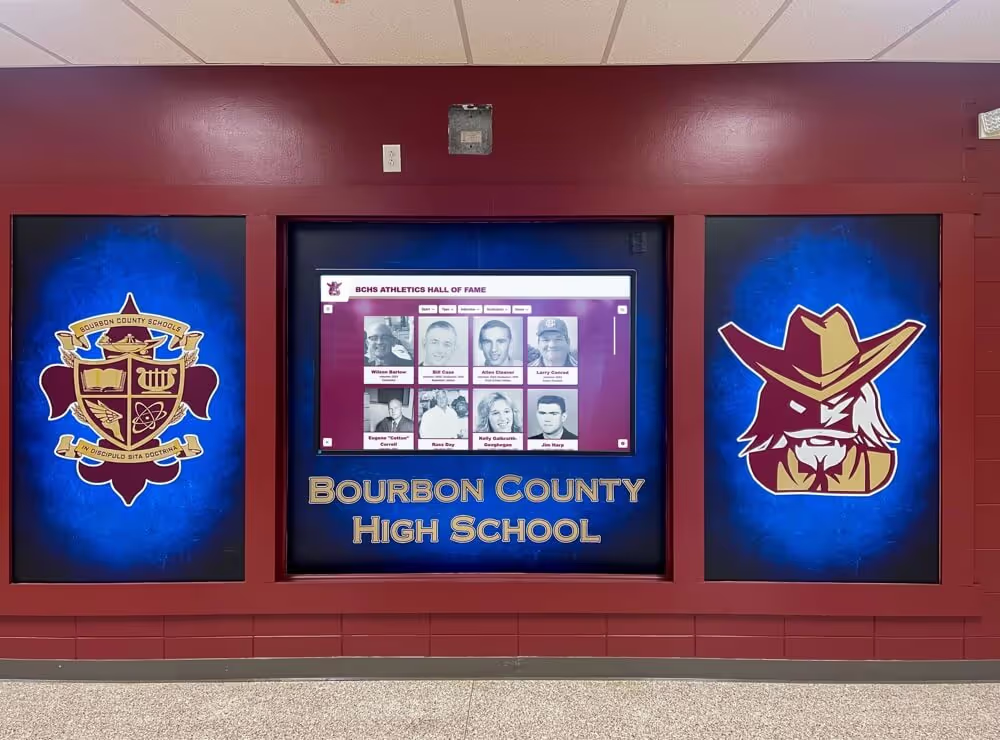
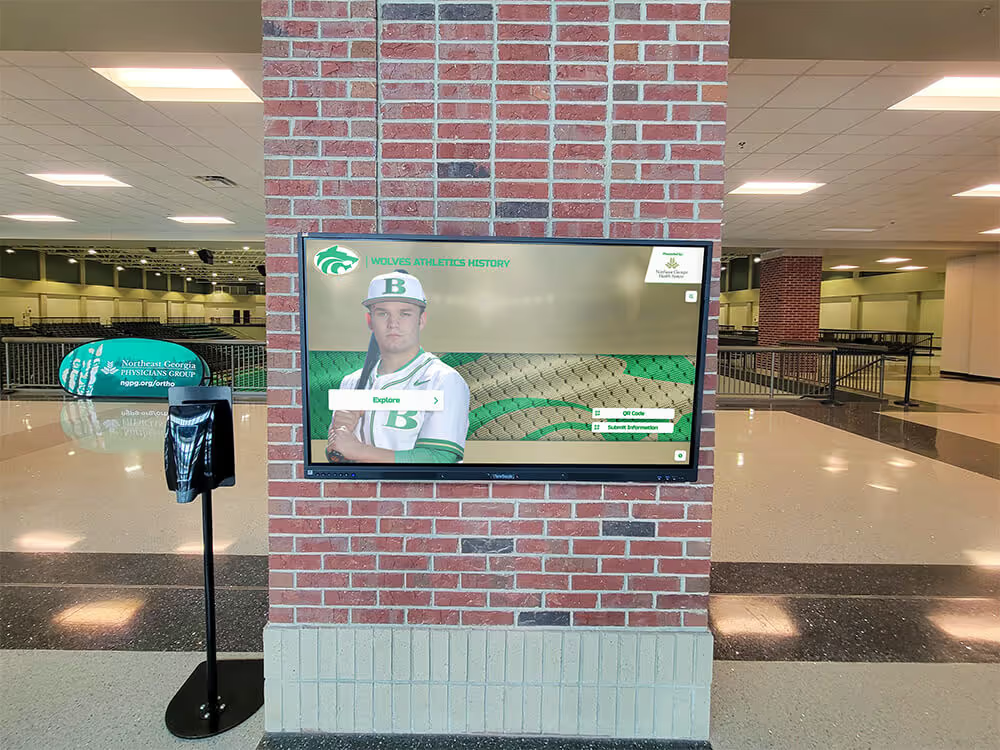
Tools designed to support digital athletic recognition displays increasingly build correction and update workflows directly into the platform — but the underlying workflow logic needs to exist in policy before it can be operationalized in any system.
The Four Categories of Record Corrections Schools Receive
Before designing a correction form, it helps to map the types of corrections athletic departments actually receive. Each category carries different verification requirements and different risks if handled incorrectly.
Category 1: Data Entry Errors
The most common correction category involves marks or names that were recorded correctly at the time of the performance but entered onto the record board with a transcription error. A 1:58.4 becomes a 1:58.04. A swimmer’s last name is misspelled. An event is listed under the wrong classification year. These errors are typically easy to verify because the correct data exists in meet results, scorebooks, or timing system exports — the discrepancy is between the source document and the displayed record.
Category 2: Missing Records
Missing records occur when a mark that qualified as a school record at the time of performance was never added to the board. This happens when coaches forget to submit, when digital transitions leave historical data behind, or when a performance in a non-marquee event is simply overlooked. Missing records are more complex to verify than data entry errors because the corrector must establish both that the performance occurred and that it was the school record at the time.
Category 3: Outdated Records
Outdated records are cases where a current display still shows a mark that has since been broken, but the update was never made. The correct current record exists in documentation; the display simply was not updated. These are operationally straightforward once identified — the evidence standard is the same as for any new record submission — but they are embarrassing for the department because they suggest the display is not maintained.
Category 4: Historical Record Claims
The most verification-intensive category involves alumni or families who surface previously unknown historical records — performances from the 1970s, 1980s, or 1990s that were either never recorded or were lost in a facilities transition. Documentation for historical records may include newspaper clippings, yearbook entries, state association archives, or personal records maintained by retired coaches. Each piece of evidence requires evaluation, and the standard for acceptance should be clearly defined in policy before any claim is submitted.
The Athletic Record Correction Form: Required Fields
A well-designed athletic record correction form collects enough information to initiate verification without requiring the submitter to do the department’s investigative work. The form should be available through the athletic department website or office and should collect the following:
Submitter Information
- Full name
- Relationship to the school (current student-athlete, alumnus, coach, parent, community member)
- Contact email and phone number
- Graduation year (if alumnus) or current enrollment status
Record Identification
- Sport
- Event or category (e.g., 400-meter dash, career scoring, single-season rebounds)
- Gender classification (if applicable)
- School classification (varsity, junior varsity, freshman — or grade level for middle schools)
Current Displayed Record
- Name currently shown on the record board
- Mark or achievement currently displayed
- Where the submitter observed this record (physical board, digital display, school website, printed program)
Proposed Correction
- The corrected name, mark, or achievement
- Date of the corrected performance
- Meet, game, or event where the performance occurred
- Season year
Supporting Evidence
- Description of available documentation (meet results, scorebook, newspaper article, state association record, timing printout)
- Offer to provide copies of documentation (with a clear upload path or mailing address)
Acknowledgment
- Submitter signature (or digital checkbox) confirming the information is accurate to the best of their knowledge
- Date of submission
The acknowledgment step matters. It signals to submitters that the form is a formal document, not a casual complaint channel — and it gives the department a record that the submitter affirmed accuracy, which is relevant if the correction is later found to be incorrect.

The Verification Workflow: Step by Step
Collecting a correction form is only the beginning. The workflow that follows — the steps the athletic department takes to evaluate, verify, and act on the submission — determines whether the process produces accurate outcomes consistently. Here is a documented workflow that works for programs of most sizes.
Step 1: Receipt Acknowledgment (within 2 business days)
When a correction form is received — whether through an online form, email, or physical submission — the athletic office sends a receipt acknowledgment to the submitter. The acknowledgment includes:
- Confirmation that the form was received
- A reference number for the submission (even a simple sequential number works)
- An estimated timeline for review (10–15 business days is realistic for most corrections)
- Contact information for the staff member managing the review
Receipt acknowledgment is often skipped in informal processes, but it serves two functions. It confirms to the submitter that the submission did not disappear into a void. And it creates a documented start point for the workflow, so the department can track response time against its own standards.
Step 2: Initial Triage (within 3 business days of receipt)
The staff member responsible for record management reviews the submission and assigns it to one of the four correction categories described above. Triage determines what evidence standard applies and who needs to be involved in verification.
For data entry errors, the triage reviewer may be able to resolve the correction independently using existing records — the meet results file, the digital platform export, or the sport-specific scorebook. If the documentation is immediately available and clearly supports the correction, the reviewer can proceed directly to Step 4.
For missing records, outdated records, and historical claims, the reviewer identifies what documentation exists in the department’s files and what additional evidence the submitter or coaching staff may need to provide. The reviewer documents this assessment and contacts the relevant head coach.
Step 3: Evidence Collection and Verification (5–10 business days)
This step involves gathering and evaluating the documentation that supports or refutes the proposed correction. The evidence standard varies by category:
| Correction Category | Minimum Evidence Required | Secondary Verification |
|---|---|---|
| Data entry error | Original source document (meet results, scorebook) | Cross-reference one additional source if available |
| Missing record | Official meet results or certified scorebook | Coach confirmation and comparison to current record |
| Outdated record | Current record documentation | Confirm no intervening marks exist |
| Historical record claim | Two independent primary sources | Research verification by athletic director or designee |
For historical claims involving performances from before digital record-keeping, two independent primary sources is a reasonable minimum — for example, a newspaper account of the meet plus the state association’s archived results. Single-source historical claims may be accepted on a case-by-case basis if the evidence is contemporaneous and the source is authoritative (a state championship results document, an official school yearbook entry), but the bar for single-source acceptance should be high and documented.
When evidence cannot be located or is insufficient to verify the claimed correction, the athletic director follows up with the submitter to explain what additional documentation would be needed. The process does not proceed on an inconclusive evidence basis.
Step 4: Coaching Staff Review (2–3 business days)
Before any correction is applied, the head coach of the relevant sport reviews the finding. This step catches two things: errors in the department’s own evidence gathering, and corrections that coaches know to be problematic from direct knowledge of the program.
Coaching staff review is particularly important for missing records from recent seasons. A coach may know that a particular performance occurred at a non-sanctioned event that the department does not count for record purposes, or that the athlete’s eligibility status at the time of performance is a complicating factor. The coach’s sign-off confirms that the sport-specific context has been considered.
Document the coaching staff review: who reviewed, on what date, and whether the reviewer approved or flagged concerns. This documentation becomes part of the correction record.
Step 5: Decision and Notification (within 15 business days of receipt)
The athletic director makes the final decision on whether to apply the correction, reject it, or hold it pending additional evidence. The decision is documented with:
- The correction submission reference number
- The decision (apply, reject, or hold)
- The basis for the decision (evidence reviewed and conclusion reached)
- If rejected: a clear explanation of why the evidence was insufficient and what, if anything, would change the outcome
- If held: what additional evidence is needed and by what date
The submitter receives written notification of the decision within the stated timeline. For rejections, the notification should be respectful and specific — explaining what evidence was missing rather than simply stating that the correction was denied. Submitters who understand the evidence standard are more likely to come back with documentation rather than escalating the dispute through other channels.
Step 6: Implementation and Display Update (within 5 business days of decision)
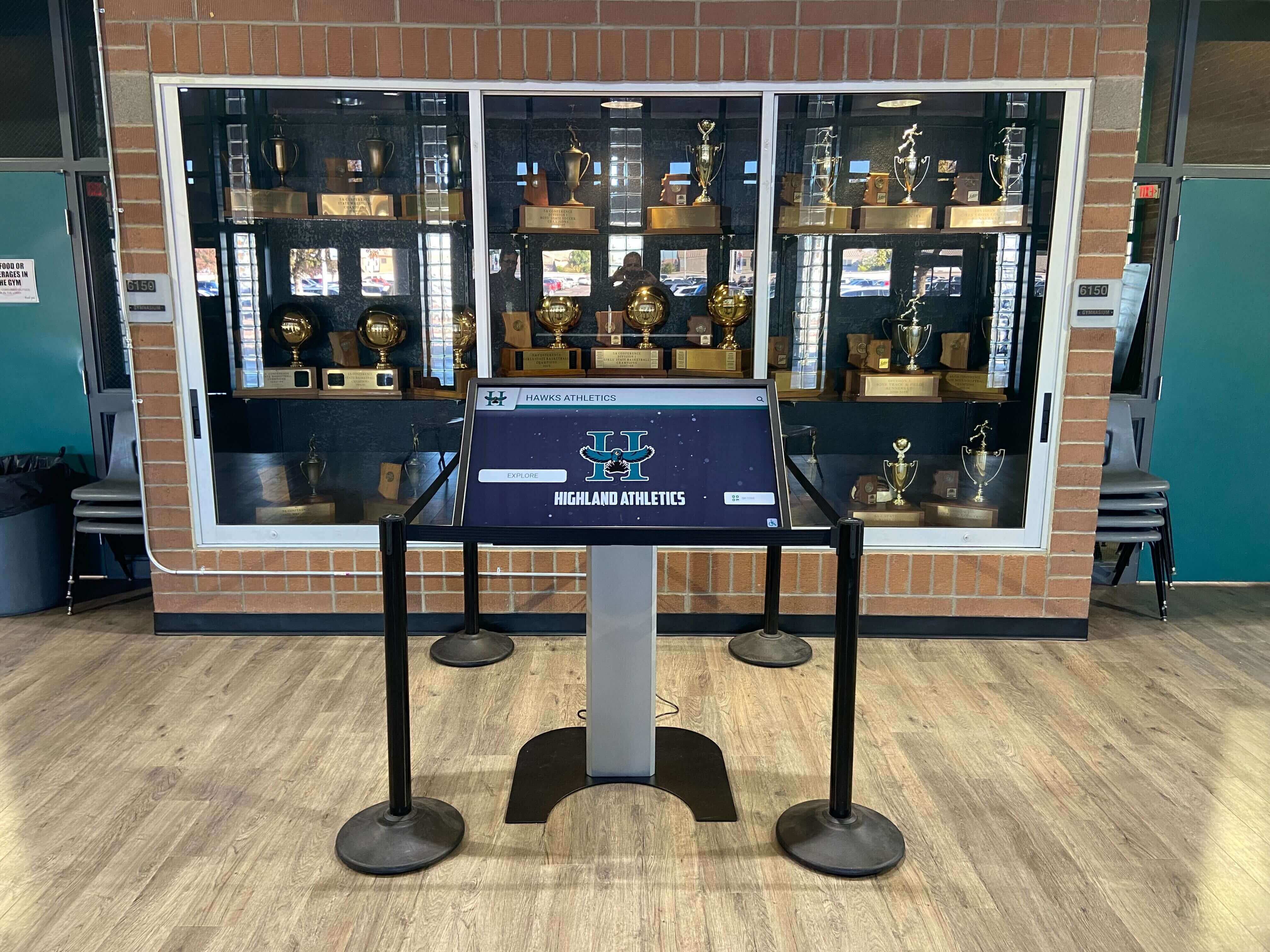
Approved corrections are applied to the record board within 5 business days of the decision. For departments using digital record boards, this update takes minutes — the authorized staff member logs into the platform, adjusts the entry, and the change propagates to every display location simultaneously.
The correction record is archived: the original form, all evidence reviewed, coaching staff sign-off, and the decision. The submitter receives a final confirmation that the correction has been applied, including what the record board now shows.
Common Verification Challenges and How to Handle Them
Even a well-designed workflow encounters situations that do not fit neatly into the standard steps. Documenting how to handle these edge cases prevents ad hoc decisions that set inconsistent precedents.
Conflicting evidence. Occasionally two sources disagree on a mark. A meet results printout shows one time; the state association’s archived results show a different time. Policy should specify which source takes precedence (state association results typically trump local meet printouts for sanctioned events) and require the athletic director to document the rationale when making an exception.
Statute of limitations for historical claims. Some departments establish that historical corrections will only be considered for performances within a specific window — for example, the past 20 years. Beyond that window, the evidence standard becomes impractical for most programs to meet. If a statute of limitations applies, it should be stated explicitly in the correction policy so submitters know before they invest time in a claim.
Corrections that would displace a current record holder. When a historical correction would change who holds a school record, the current record holder (if still living and affiliated with the school) should be notified before the correction is applied. This is a courtesy step, not a veto — if the evidence supports the correction, it is applied — but notification prevents the awkward situation where a current record holder learns their mark was quietly removed from the board.
Alumni corrections from other schools. Occasionally, someone submits a correction on behalf of an athlete who transferred mid-career, and the question arises of whether records from the previous school count. Policy should state explicitly that the department maintains records only for performances achieved while the athlete was enrolled at this school, and that records from other programs are not incorporated regardless of transfer circumstances.
Posthumous corrections. When the athlete whose record is in question is deceased, the department should designate who may submit on the athlete’s behalf (typically immediate family) and should apply the same evidence standard without exception. Posthumous corrections deserve the same rigor as active-athlete corrections — sentiment is not a substitute for documentation.
AI and data integrity advisory frameworks for digital hall of fame systems increasingly address exactly these verification challenges at scale, offering decision trees and evidence scoring models that athletic departments can adapt for their own correction workflows.
Building the Paper Trail: Documentation Standards for Every Correction
The correction record — the file documenting each submission from receipt to resolution — is what makes the workflow auditable. Without documentation standards, the workflow produces decisions without evidence; with them, it produces a complete account that any administrator, board member, or state association official can review.
Each correction record should contain, in a single accessible location:
- The original completed correction form
- Date received and reference number assigned
- Triage category assigned
- Copies of all evidence reviewed (not just a summary — the actual documents)
- Notes from the coaching staff review, including reviewer name and date
- The final decision document signed by the athletic director
- Confirmation of display update (screenshot for digital boards, photo for physical)
- Final notification sent to the submitter
Retention for correction records should match the retention standard for the records themselves. If athletic records are considered permanent records under the school’s document retention policy, correction records should also be retained permanently. A historical correction that changes a school record creates a permanent change to the program’s official history — the documentation that supported that change should last just as long.
Programs building this documentation infrastructure alongside hall of fame and recognition tools find that the correction workflow integrates naturally with the same recordkeeping practices that govern inductee profiles and award archives. The disciplines overlap: evidence standards, authority chains, display governance, and retention policy apply equally to first-time entries and corrections alike.
Communicating the Process to Athletes, Coaches, and Alumni
A correction workflow that exists in a policy document but is unknown to the community it serves does not work. Coaches who do not know the form exists cannot submit corrections they identify. Alumni who have no idea a process exists assume the error will stand forever. The workflow gains its value only when stakeholders know it is available and know how to use it.
Coaching staff orientation. At the start of each season, include a five-minute overview of the correction process in the athletic staff meeting. Provide the form link and the submission contact. Coaches are the most likely source of near-term corrections — they review performance data regularly and are positioned to notice when a record board entry does not match a recent result.
Student-athlete handbook reference. The student-athlete handbook is the right place for a one-paragraph summary of the correction process, including the submission path and a realistic timeline expectation. Athletes who set records should know that if there is ever a discrepancy, there is a documented process to resolve it.
Alumni communication. Annual alumni communications — whether through a newsletter, social media, or a direct email to known alumni contacts — can include a brief note about the correction process. Language like “If you notice a discrepancy in our record boards, we want to hear from you — here’s how to submit a correction” invites the community into the verification process without implying the records are unreliable.
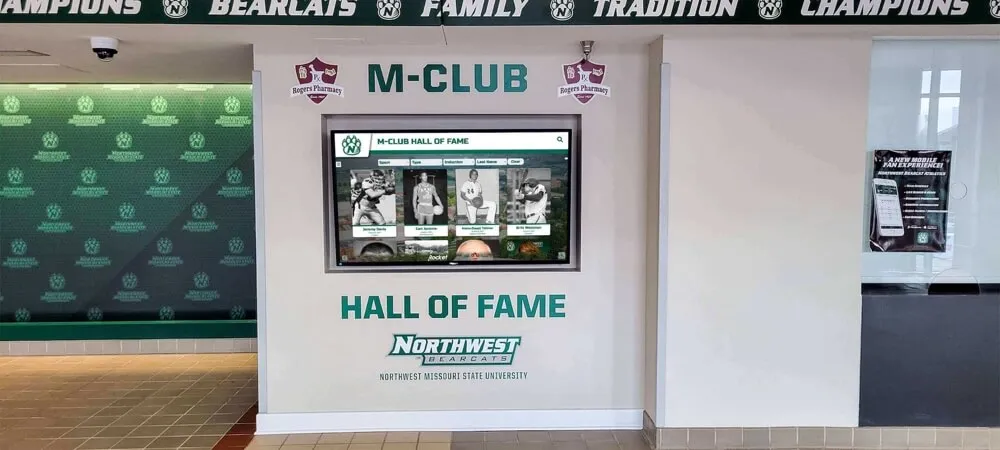
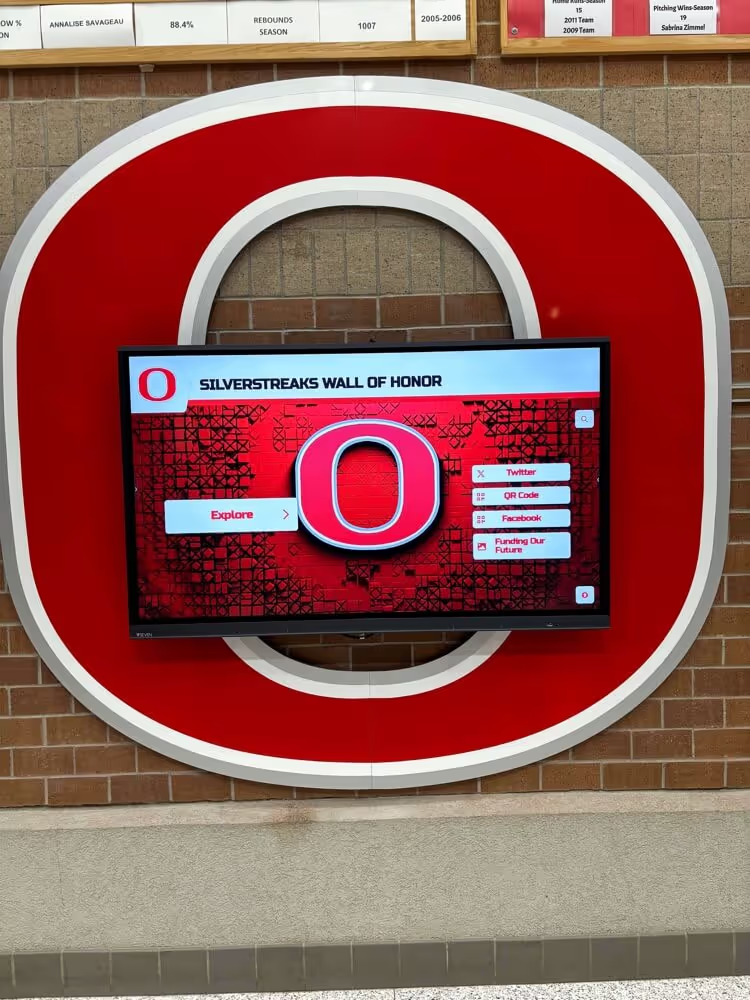
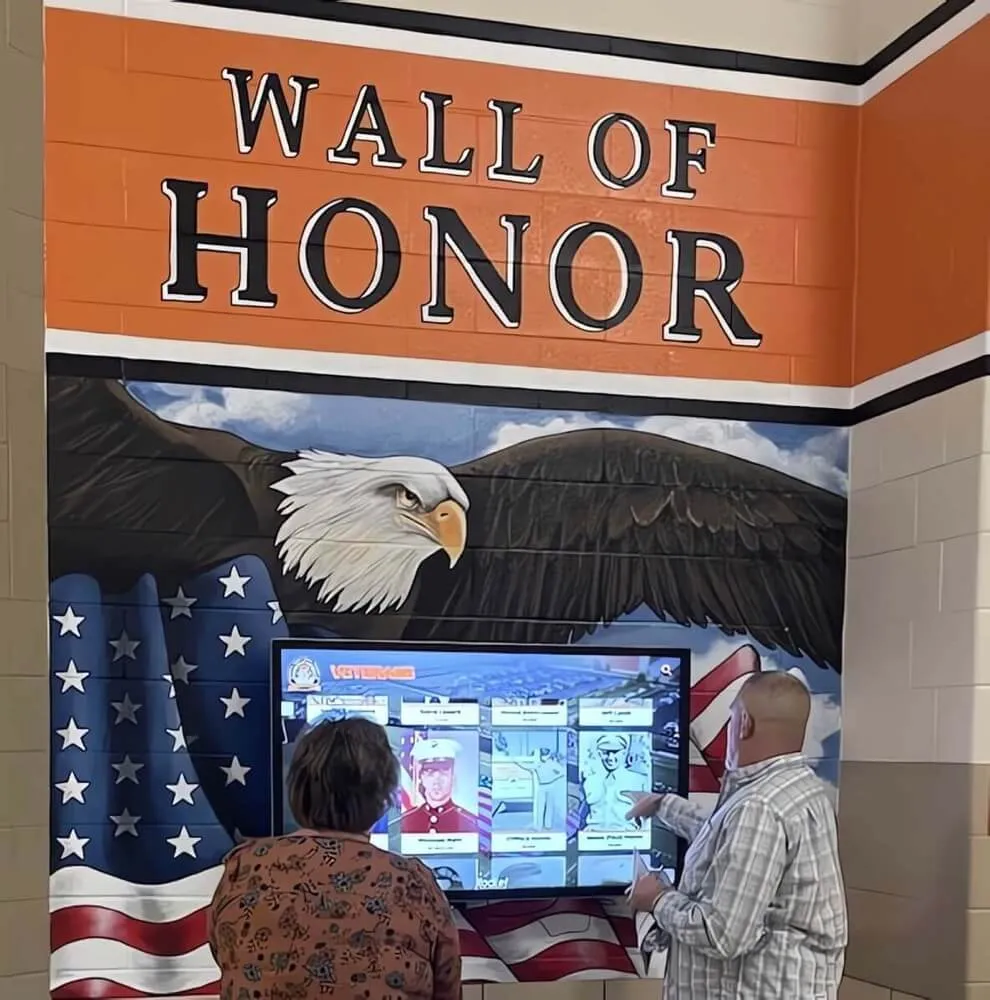
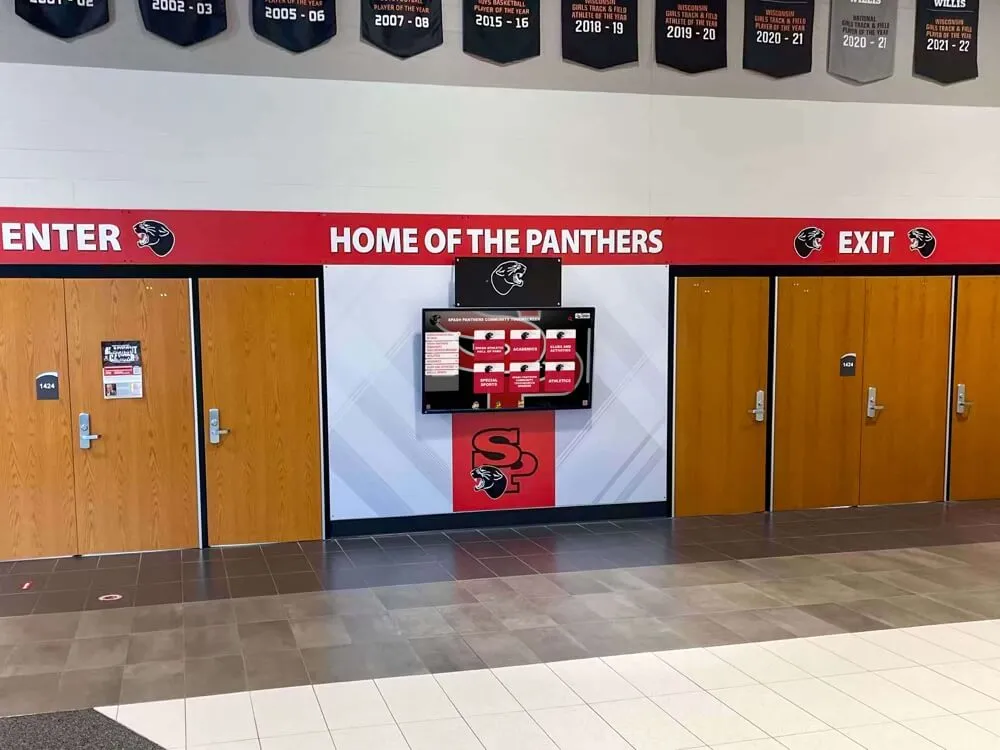
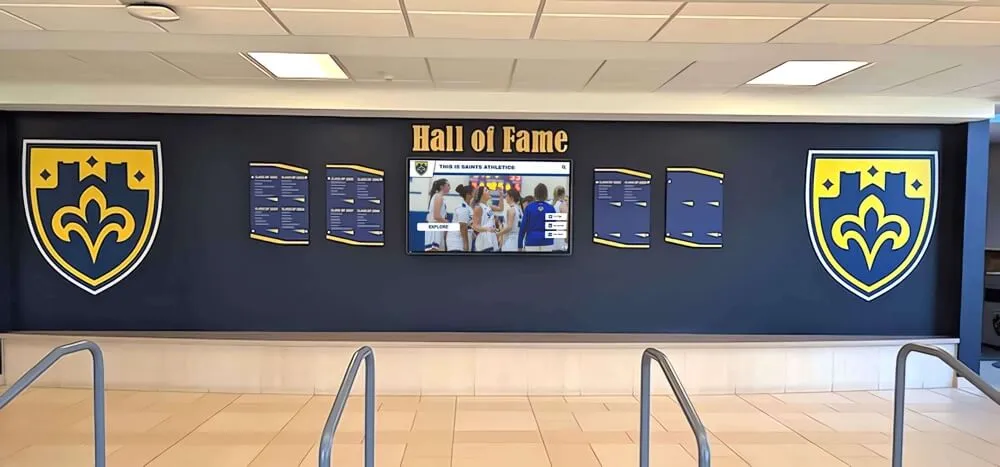
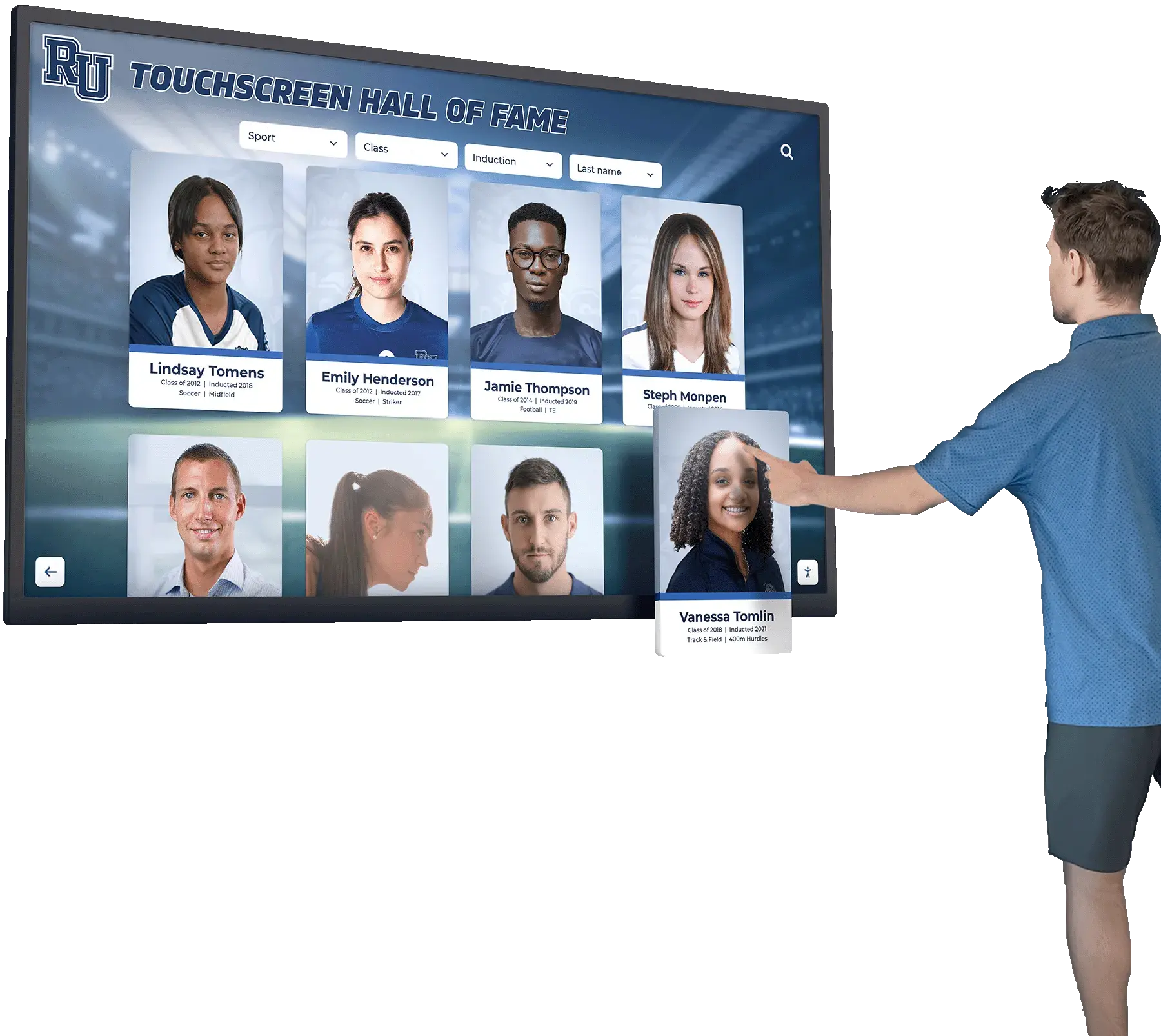
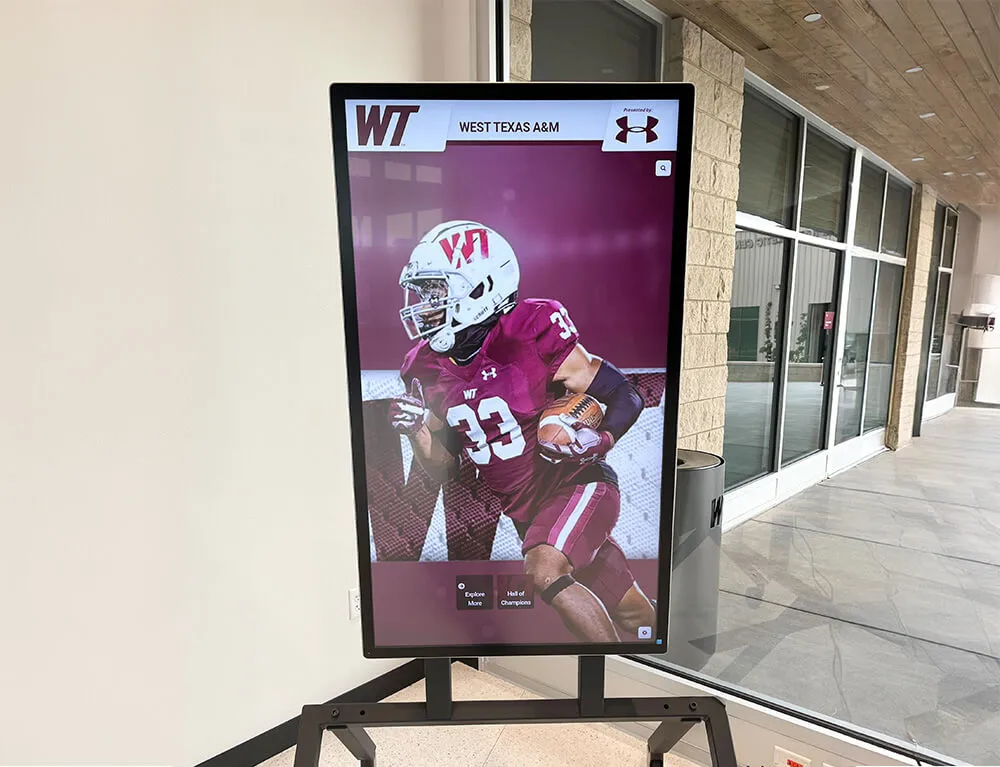
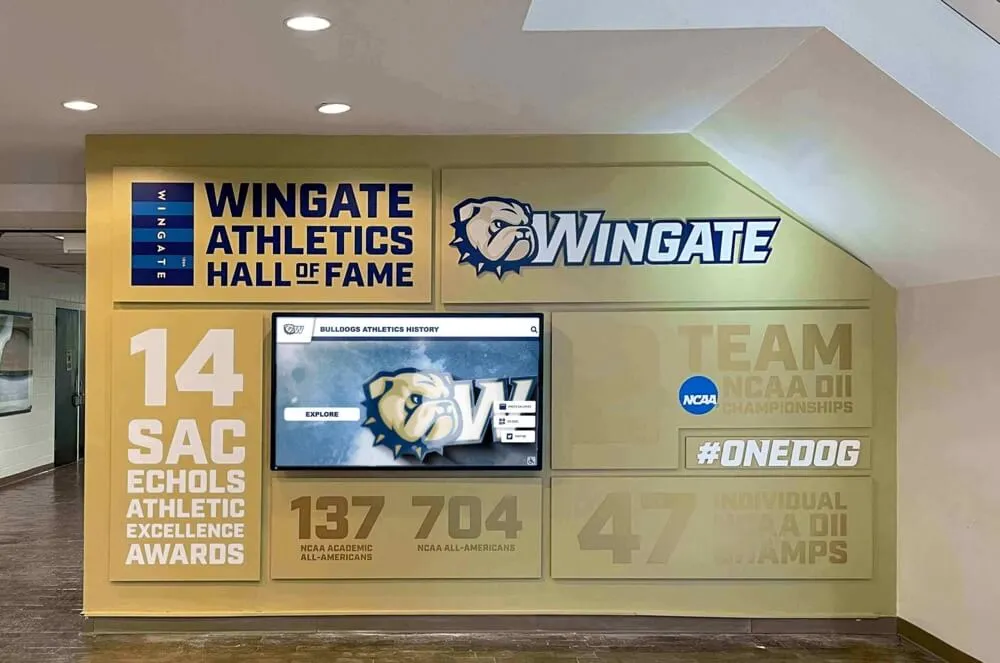
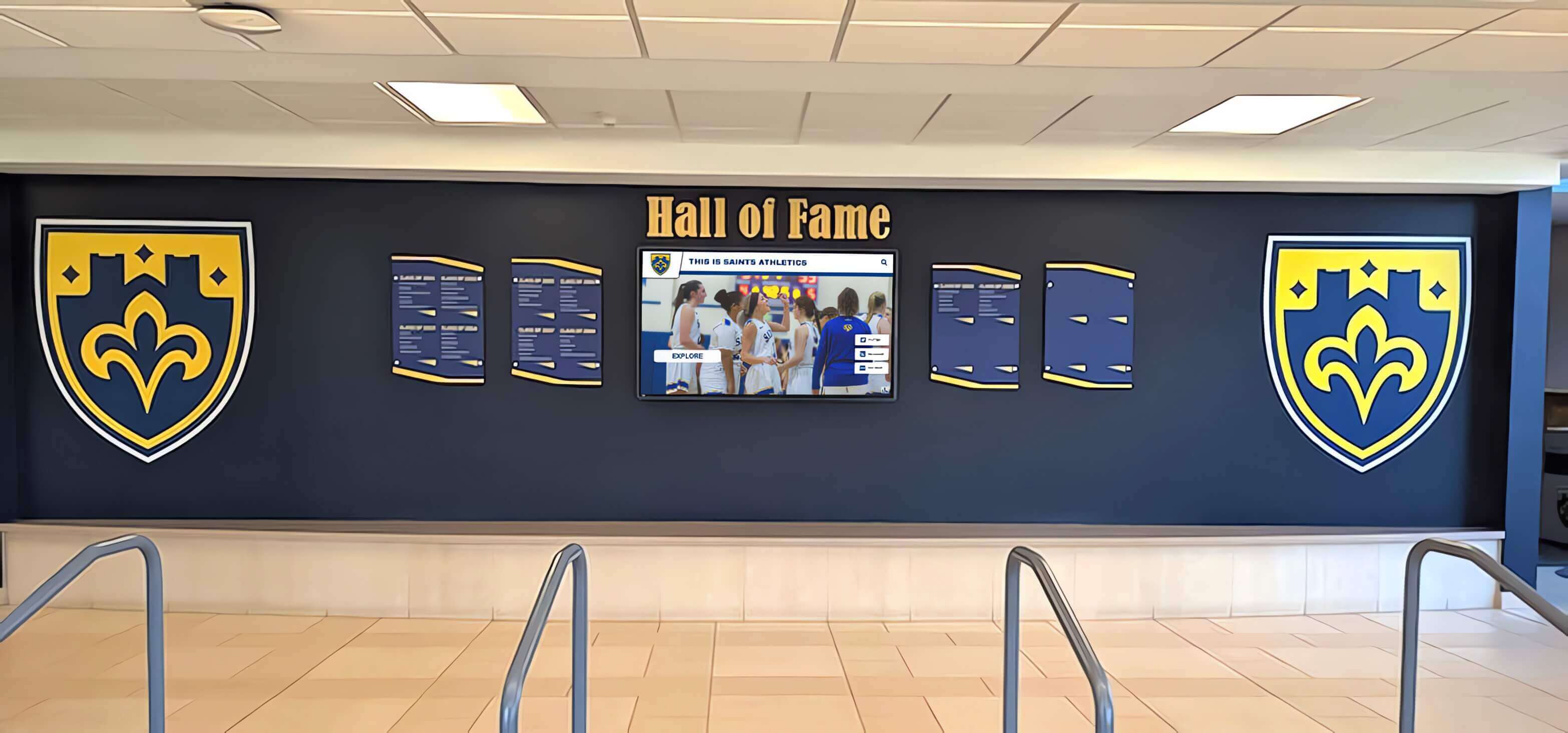
School website visibility. The correction form and a summary of the workflow should live on the athletic department’s website, linked from the same page that displays or describes the record board. Someone who is looking at the records and notices a discrepancy should be able to find the correction process in one click, not after navigating through multiple pages. Programs using interactive touchscreen display tools for school recognition can integrate a correction submission link directly into the display interface — so a visitor who notices an error at the board can submit immediately rather than trying to remember to contact the office later.
The Role of Digital Record Board Infrastructure
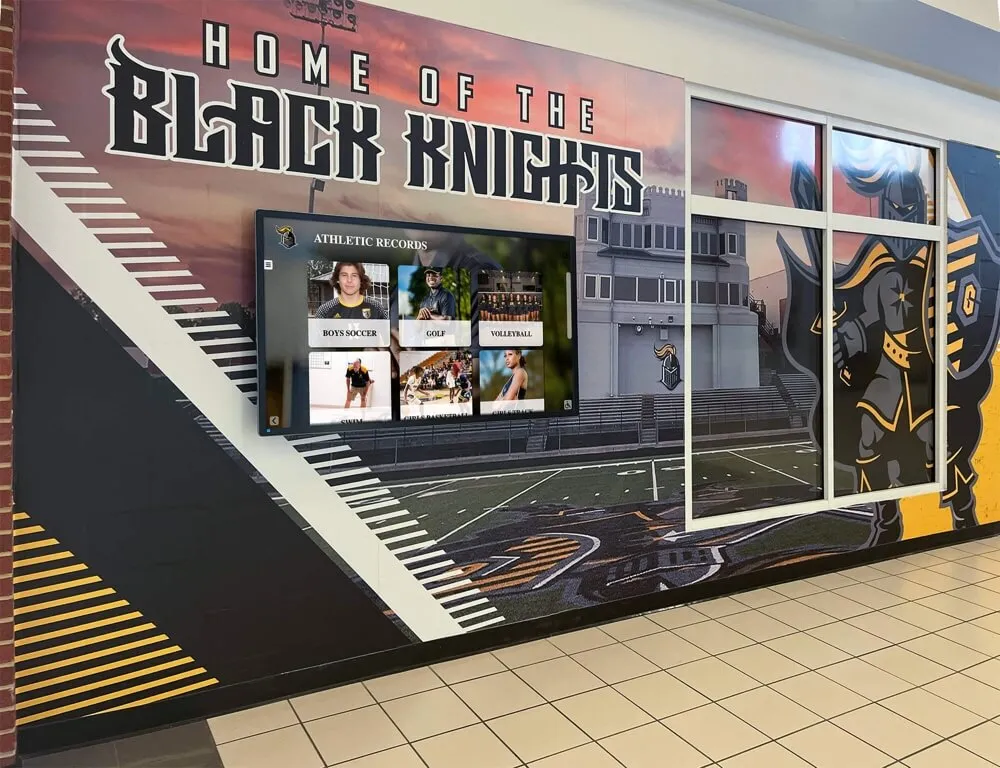
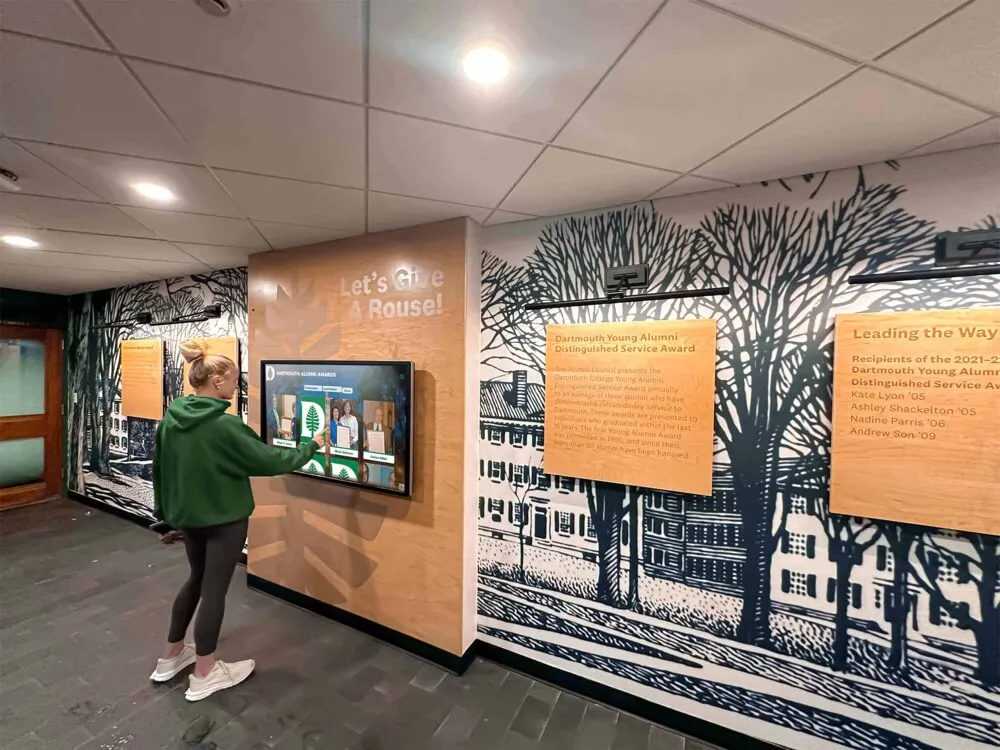
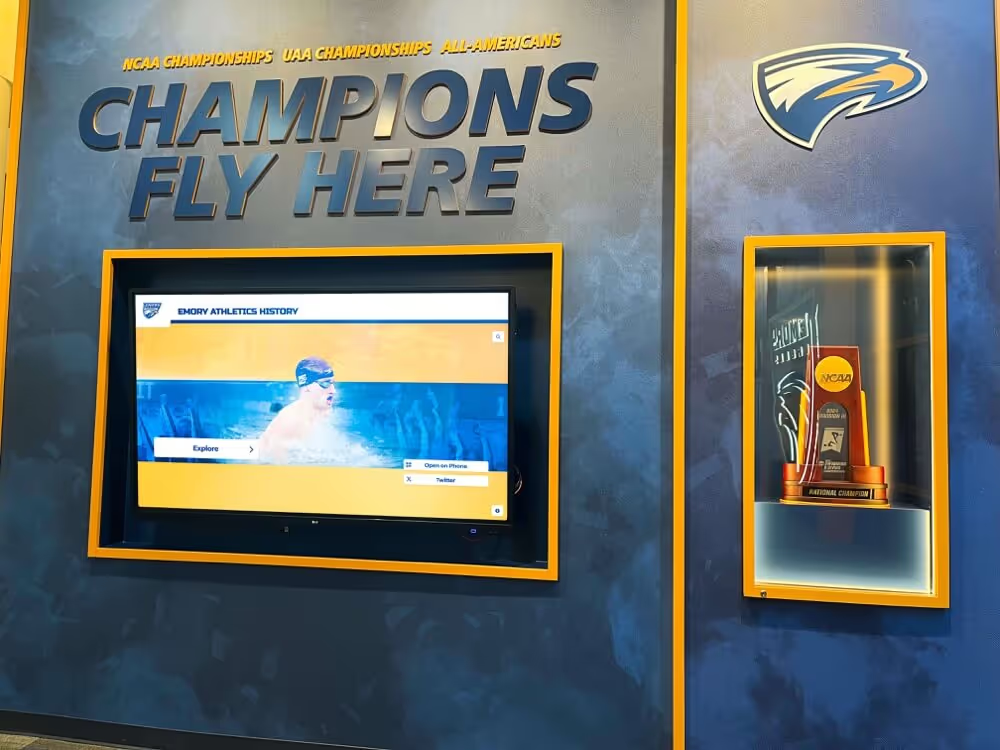
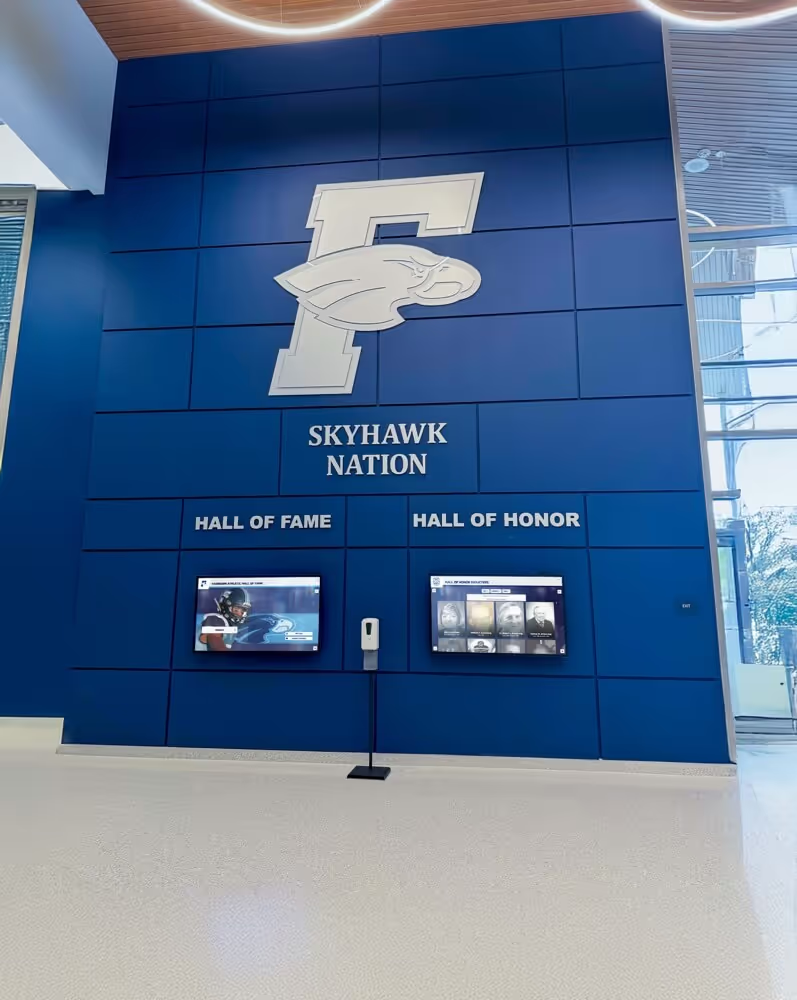
Paper-based correction workflows are manageable for programs with limited record volumes. As programs grow — more sports, more years of history, more record categories — the administrative burden of a paper process scales proportionally. Digital record board infrastructure changes the operational math.
When records live in a purpose-built digital platform, several steps in the correction workflow become dramatically faster. The initial triage step — checking what the current record shows and comparing it against available source data — can be done in the platform rather than hunting through filing cabinets. For data entry errors and outdated records, the correction itself takes minutes once approved. Auto-ranking ensures that when a historical record is added or a current mark corrected, every related record adjusts automatically — no manual reordering of all-time lists.
The archiving dimension is where digital infrastructure pays the biggest long-term dividend. When a correction is applied to a digital record board, the previous entry can be retained in the historical data rather than deleted. The display shows the current correct mark; the database preserves what was there before and why it changed. This is exactly the kind of audit trail that protects athletic departments when decisions are questioned years later.
School reunion and legacy recognition programs often surface historical correction needs as alumni return and compare memories to what appears on the board. Digital infrastructure that preserves complete histories — including corrected entries — handles these situations far more gracefully than a physical board that shows only the current mark with no indication of what came before.
For programs evaluating display infrastructure in the context of record management, academic achievement award and recognition display tools and athletic record systems increasingly share common infrastructure — the same governance principles, the same archiving functions, and the same correction workflow logic serve both academic and athletic recognition needs under one platform.
Choosing infrastructure that integrates correction handling alongside initial entry, auto-ranking, and archiving reduces the administrative overhead of maintaining record accuracy to a fraction of what paper-based systems require.
Connecting Recognition Governance to Community Trust
Athletic record boards carry implicit authority. Community members — athletes, families, alumni, coaches — interact with them as an institutional statement of fact. When that statement is wrong and there is no process to correct it, the institution’s credibility suffers. When that statement is wrong and there is a transparent, responsive process to correct it, the institution’s credibility is actually strengthened — it demonstrates that accuracy matters enough to be defended through a deliberate process.
The athletic record correction form and its accompanying workflow are not administrative overhead. They are the mechanism through which the athletic department shows the community that the records on the wall are worth caring about.
Programs that operate digital yearbook and history archives alongside athletic records find that a shared correction workflow creates a consistent experience across all recognition channels — a single submission form, a single evidence standard, and a single response timeline regardless of whether the discrepancy involves a track record, a hall of fame inductee, or an award recipient. Consolidation reduces confusion for submitters and reduces administrative complexity for the department.
The end result is a record board that the community trusts enough to check, to reference, and to care about when something looks wrong — which is exactly the standard an athletic recognition program should aim to meet.
Ready to pair your correction workflow with a record board platform that makes verification, updating, and archiving faster at every step? Book a live demo with Rocket Alumni Solutions to see how digital record boards support auditable governance from first entry to historical correction.