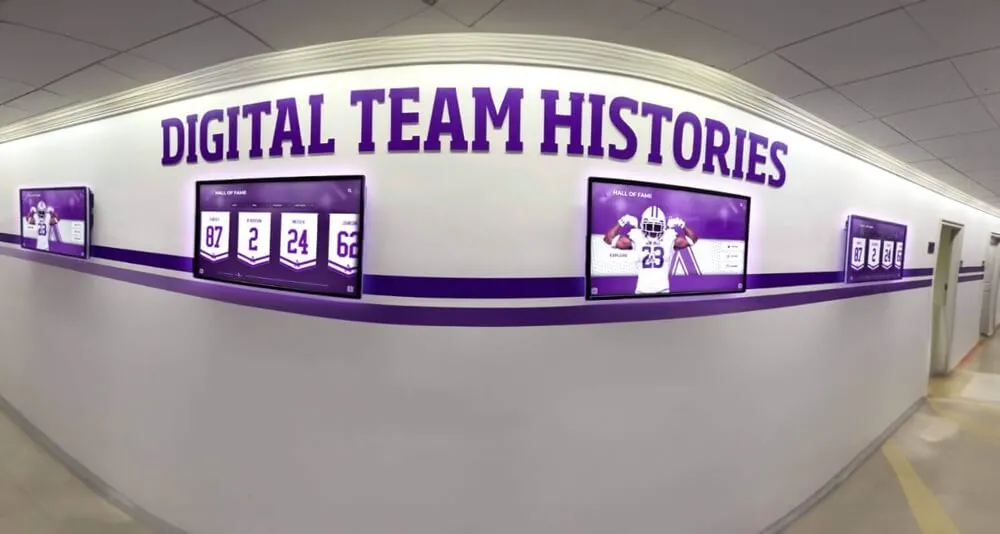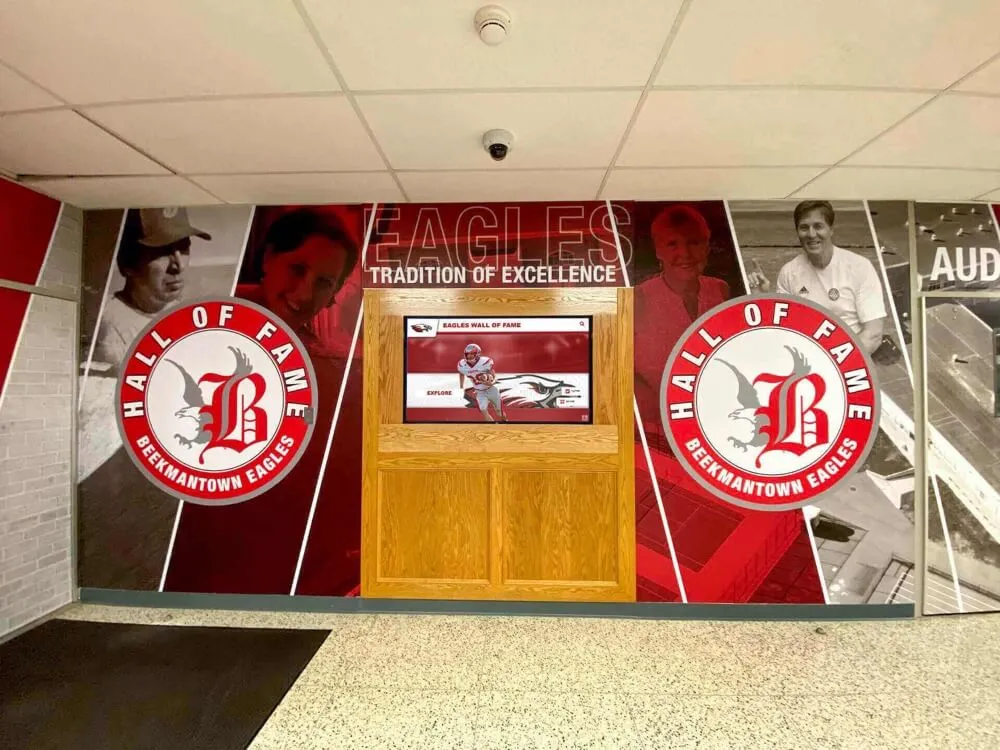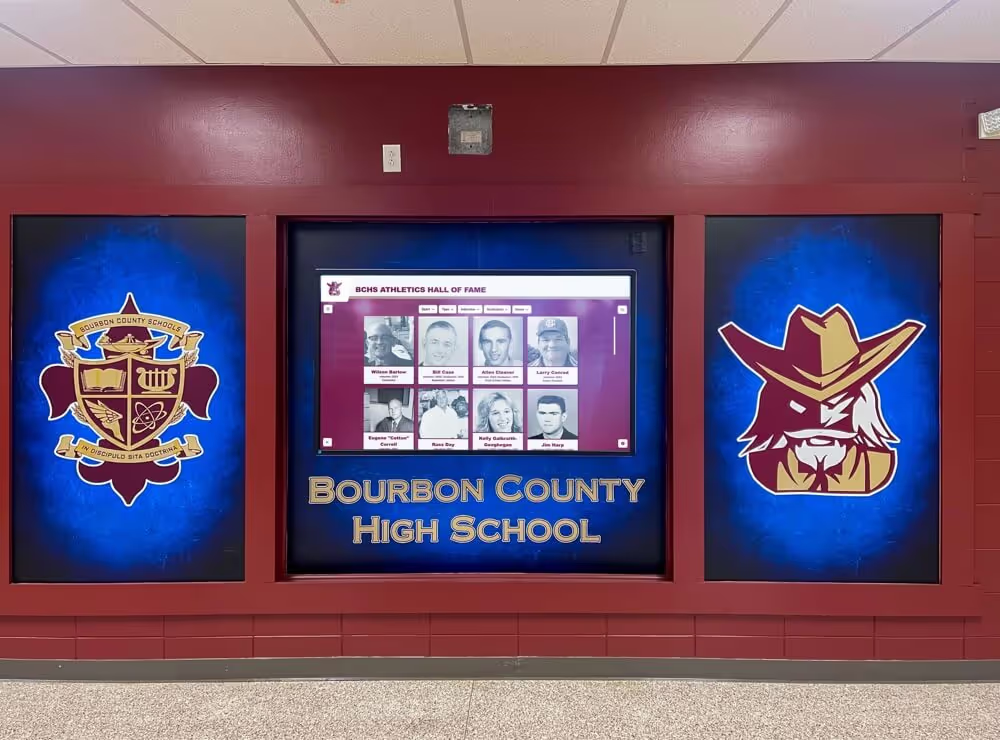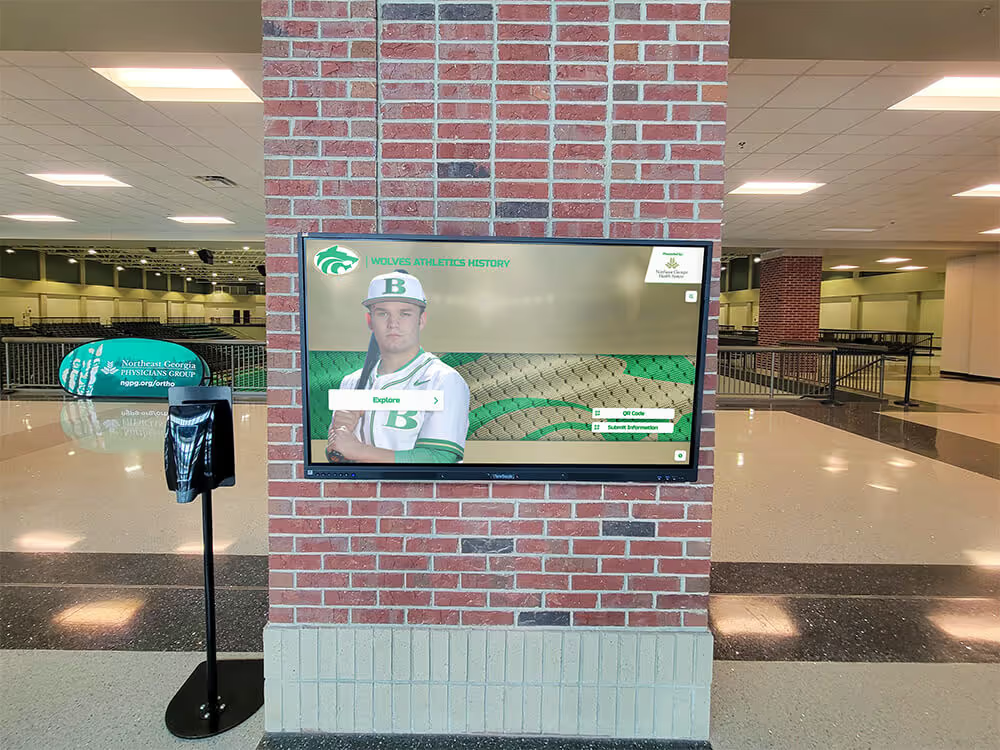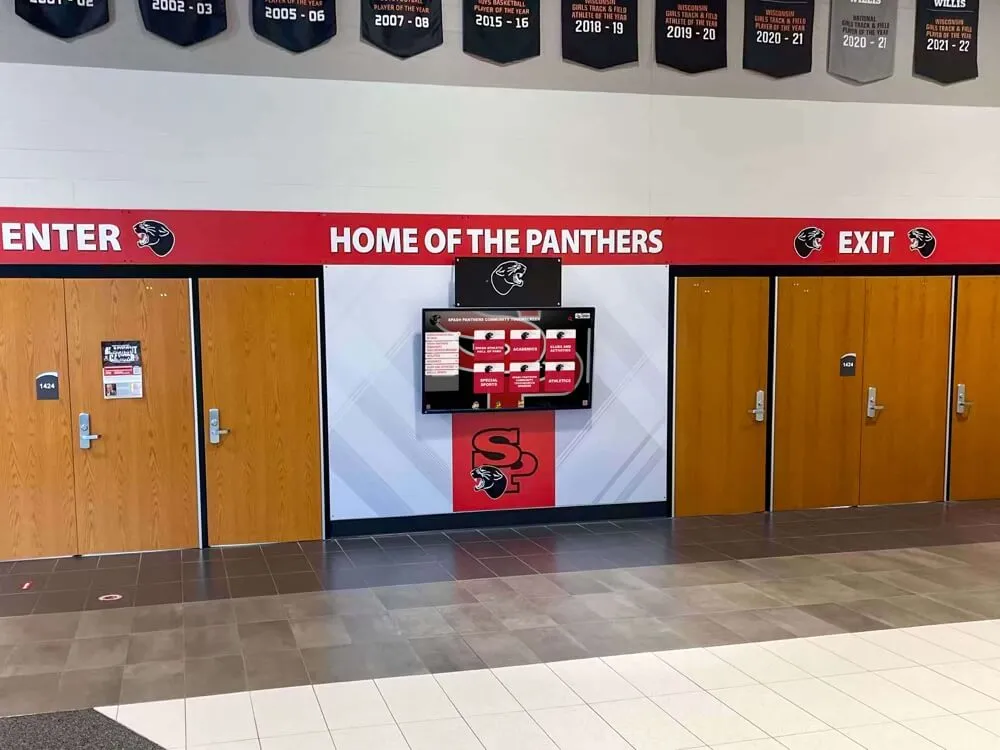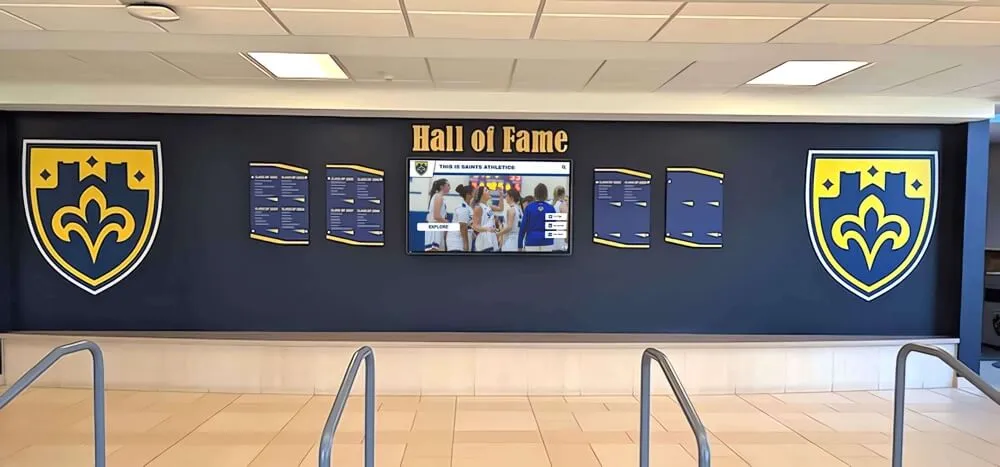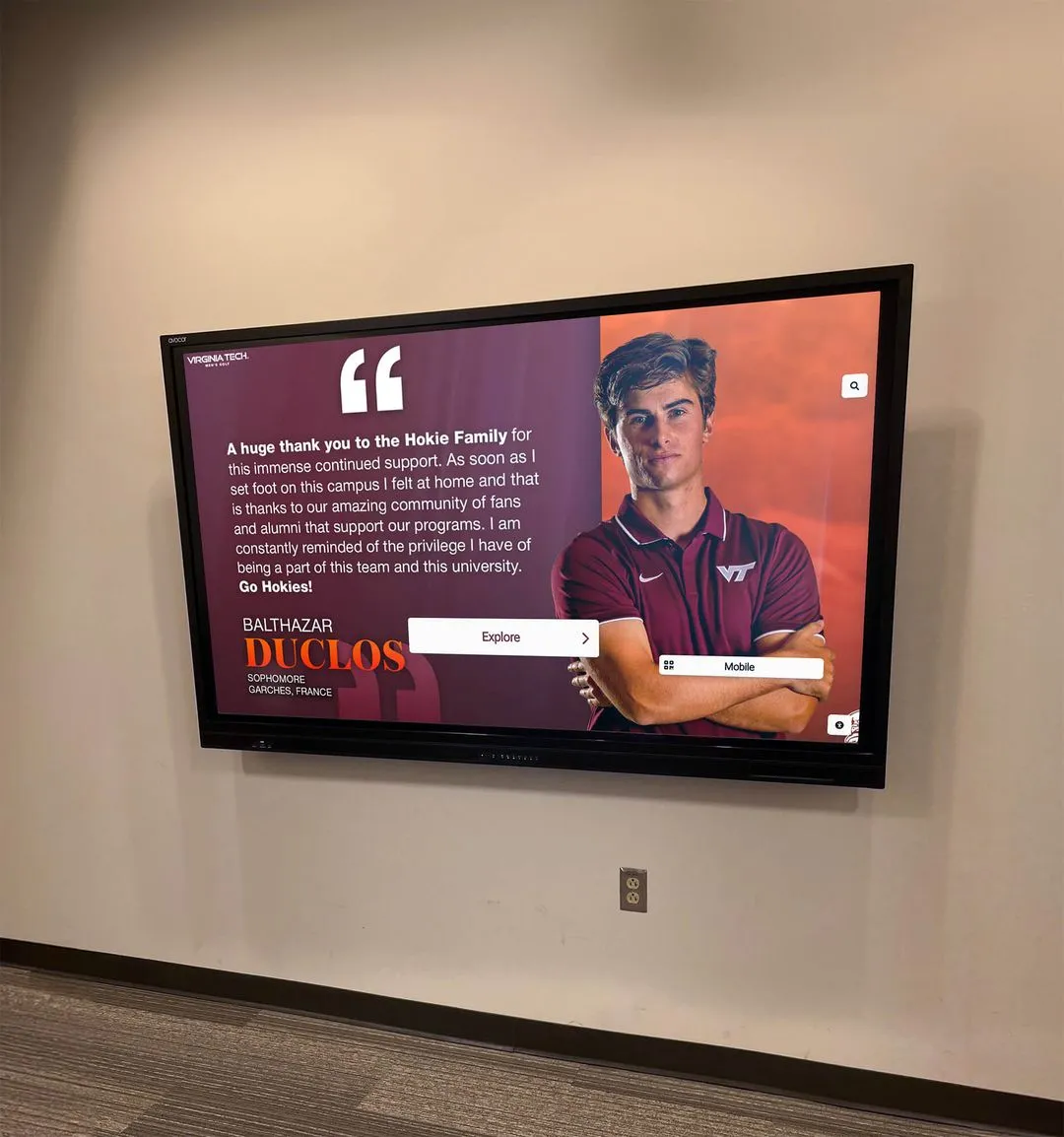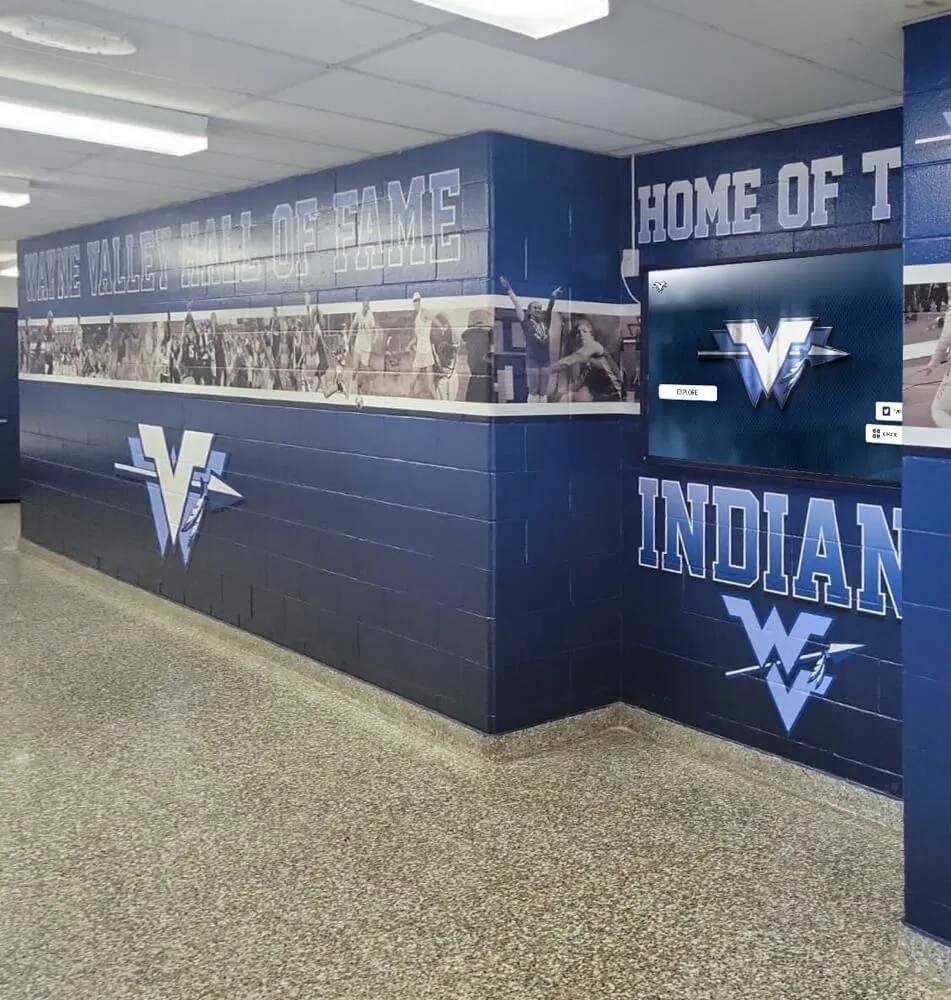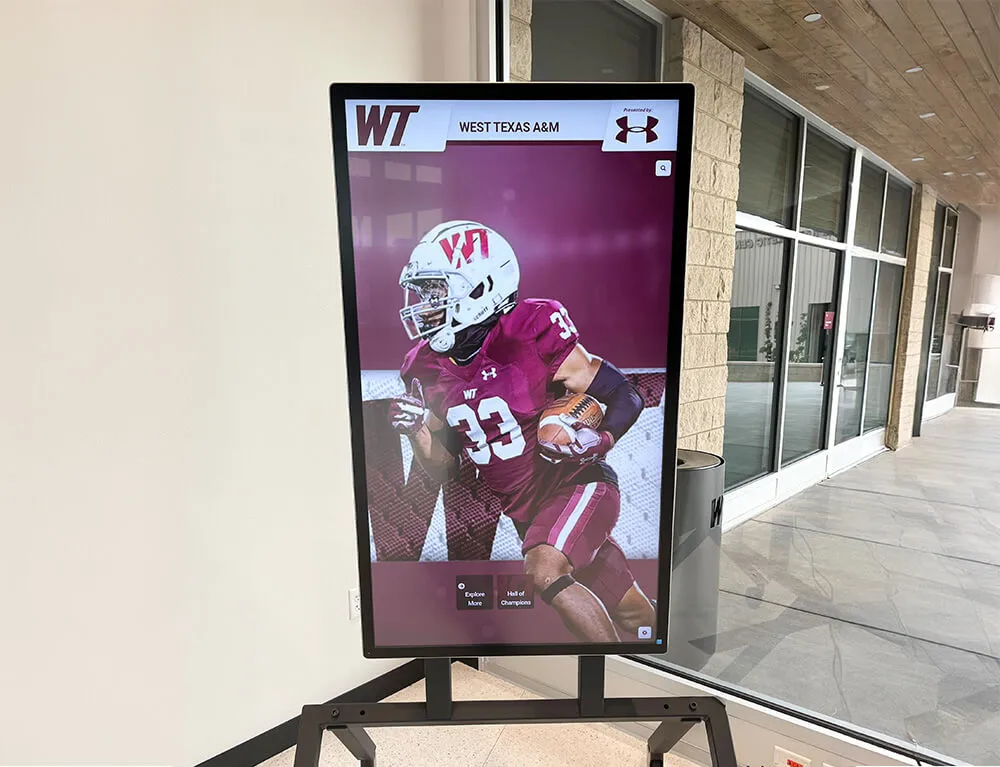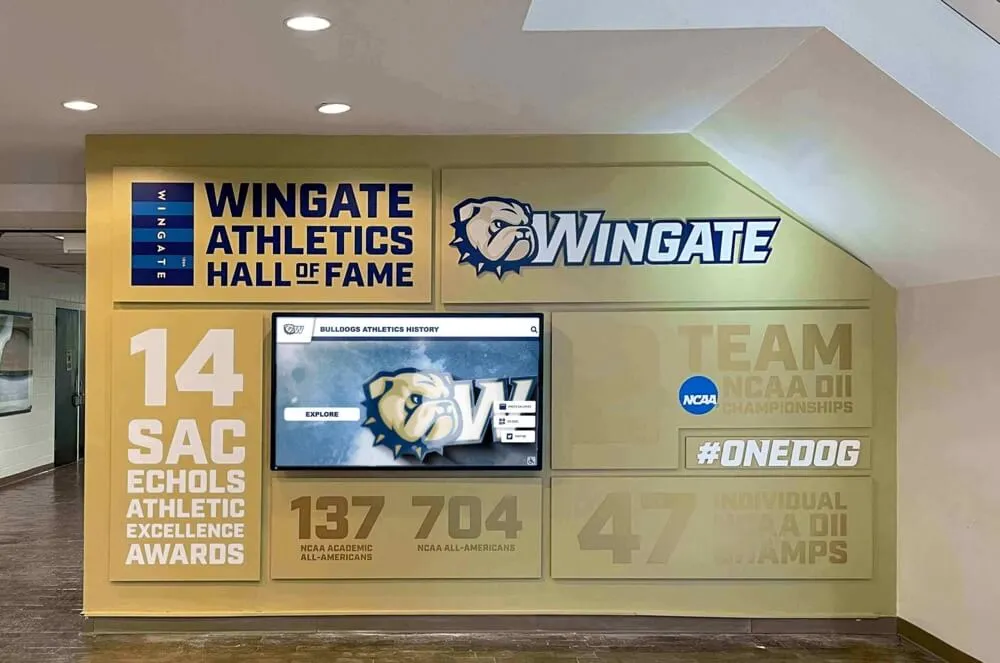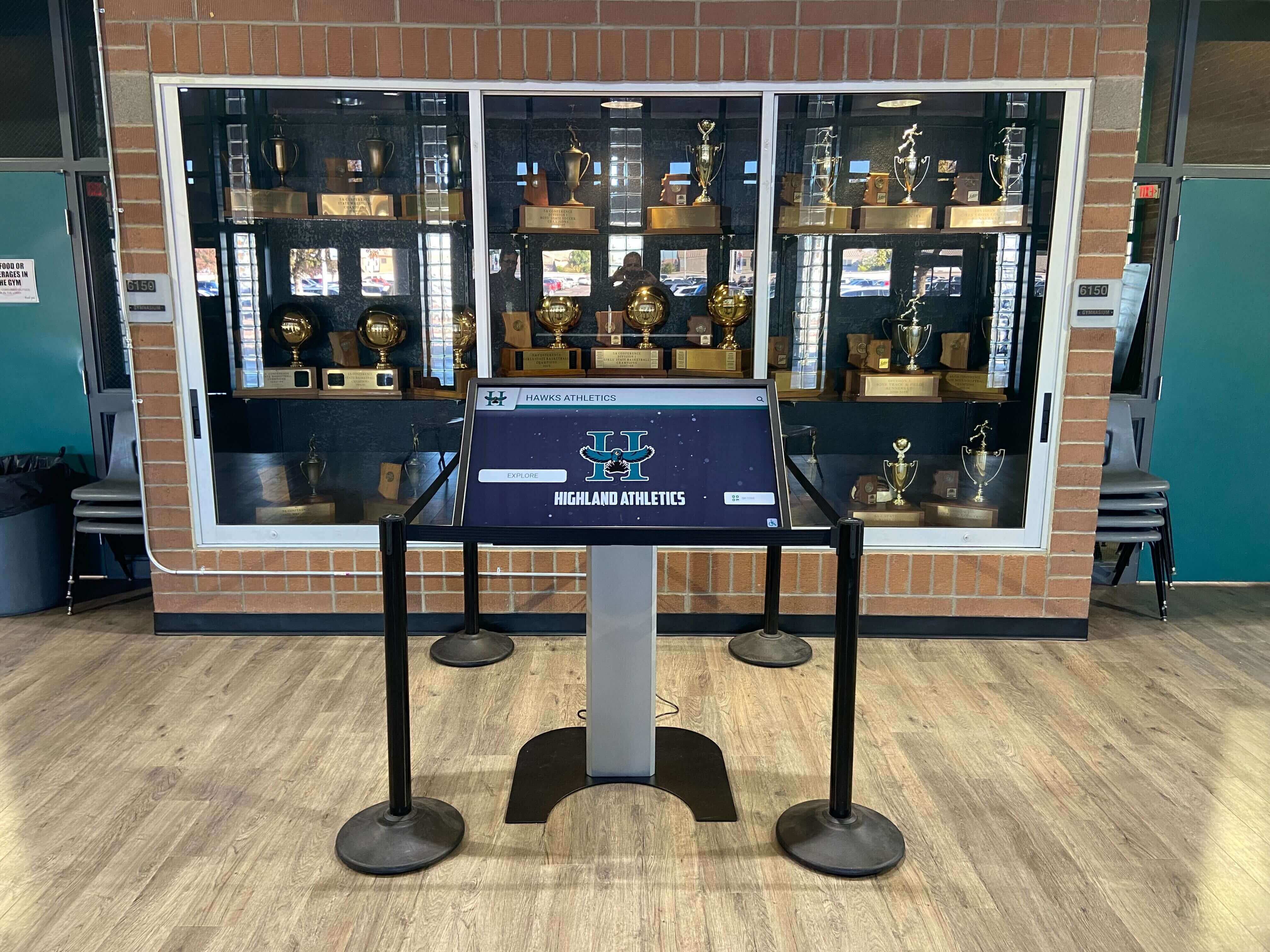




Athletic record boards serve as permanent monuments to exceptional performance, preserving decades of competitive excellence while inspiring current athletes to reach new heights. Schools invest significant resources tracking athlete achievements—season records, career milestones, relay teams, championship performances—yet many struggle with outdated display methods that fail to communicate this rich competitive history effectively. Athletic directors, coaches, and administrators increasingly seek modern solutions that showcase records comprehensively while remaining manageable as new achievements emerge season after season.
The challenge extends beyond simple documentation. Effective record boards must balance comprehensive historical preservation with visual accessibility, accommodate diverse sports with varying record categories, update efficiently when records fall, and create physical presence that commands attention in gymnasiums, field houses, and athletic facilities. Traditional approaches—painted wall boards, engraved plaques, printed banners—present maintenance burdens and space limitations that compromise their long-term viability as programs grow and records accumulate.
The Evolution of Athletic Record Keeping
Athletic programs have documented exceptional performances for generations, but display technology has transformed dramatically. Early programs relied on hand-painted boards requiring complete repainting when records changed. Later approaches used vinyl lettering, engraved plates, or printed banners—each presenting update challenges and eventual replacement costs. Modern digital record boards enable schools to preserve unlimited records, update instantly when achievements occur, showcase multimedia content including photos and videos, and create engaging displays that bring athletic history to life for students, families, and visitors exploring program traditions.
Why Athletic Record Boards Matter
Record boards fulfill multiple essential functions within school athletic programs beyond simple documentation of top performances.
Motivation and Performance Standards
Visible record boards establish concrete performance targets that motivate athletes throughout training and competition. When athletes see exactly what times, distances, or statistics define program excellence, they gain specific goals rather than abstract improvement aspirations. Coaches reference record boards when discussing performance expectations, helping athletes understand where current abilities stand relative to program standards and what improvement margins separate them from record consideration.
The psychological impact proves substantial—athletes train differently when they know precisely what performance level earns permanent recognition. Track athletes push for that final tenth of a second knowing it might claim a record. Throwers extend training sessions targeting specific distance marks. Team sport athletes understand what scoring, rebounding, or assist totals separate good seasons from record-breaking campaigns.
Program Pride and Athletic Culture
Record boards communicate athletic program values and priorities to everyone entering sports facilities. The records displayed signal what achievements matter most—individual excellence, team success, sustained performance, or specific competitive categories. Schools emphasizing sportsmanship might include character awards alongside performance records. Programs prioritizing team achievement over individual stats structure record boards accordingly.
Physical presence matters significantly. Well-maintained, prominent record boards demonstrate that the school values athletic achievement enough to invest in proper recognition infrastructure. Conversely, neglected or outdated record displays suggest programs that don’t prioritize celebrating excellence, potentially impacting athlete motivation and parent perception.
Historical Preservation and Institutional Memory
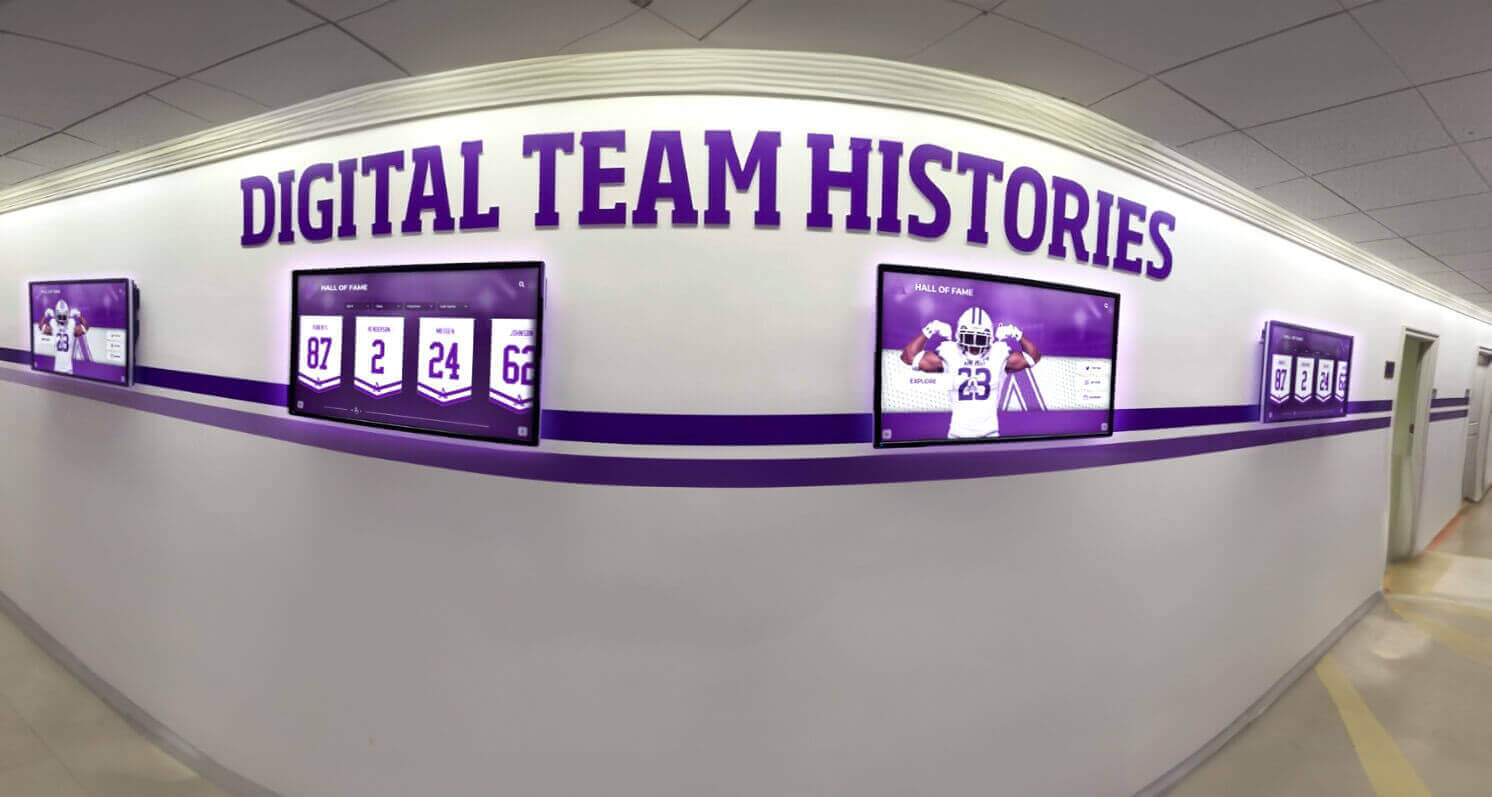
Athletic programs develop rich competitive histories across decades—championship teams, record-breaking individuals, dominant eras, and transformational coaching tenures. Record boards serve as institutional memory, preserving achievements that might otherwise fade from collective awareness as athletes graduate, coaches retire, and administrative leadership changes.
This historical function proves particularly valuable during milestone celebrations. Anniversary events, hall of fame ceremonies, and reunion gatherings gain context from comprehensive record preservation. Alumni reconnecting with programs appreciate seeing their achievements or their era’s records still prominently displayed decades later, validating their contributions to program tradition.
Understanding how schools recognize multiple achievement types helps create comprehensive recognition systems. Athletic director digital displays enable programs to showcase records alongside other forms of achievement including championships, awards, and player honors in integrated systems.
Types of Athletic Records Schools Track
Comprehensive record boards accommodate diverse achievement categories reflecting different competitive dimensions and sports-specific accomplishments.
Individual Performance Records
Individual records document exceptional single-athlete achievements across various competitive contexts and timeframes.
Single-Game/Meet Records
These capture peak performances within individual competitions—highest point totals in basketball games, most yards in football games, fastest times in track meets, or best performances in field events. Single-game records highlight exceptional individual moments when athletes performed at absolute peak levels, often during championship competitions or rivalry contests.
Season Records
Season records recognize sustained excellence across entire competitive campaigns—total points scored, goals netted, batting averages, goals against averages, or cumulative statistics across all contests. Season records require consistent high-level performance rather than isolated exceptional moments, demonstrating sustained competitive excellence.
Career Records
Career records celebrate cumulative achievement across athletes’ entire tenure in programs—total points scored across four varsity seasons, career batting records, lifetime wins for wrestlers, or aggregate statistics spanning multiple years. Career records honor athletes who combined longevity with sustained excellence, often representing program legends whose names become synonymous with athletic tradition.
Team Performance Records
Team records document collective achievements requiring coordinated excellence across entire rosters.
Win Totals and Championship Seasons
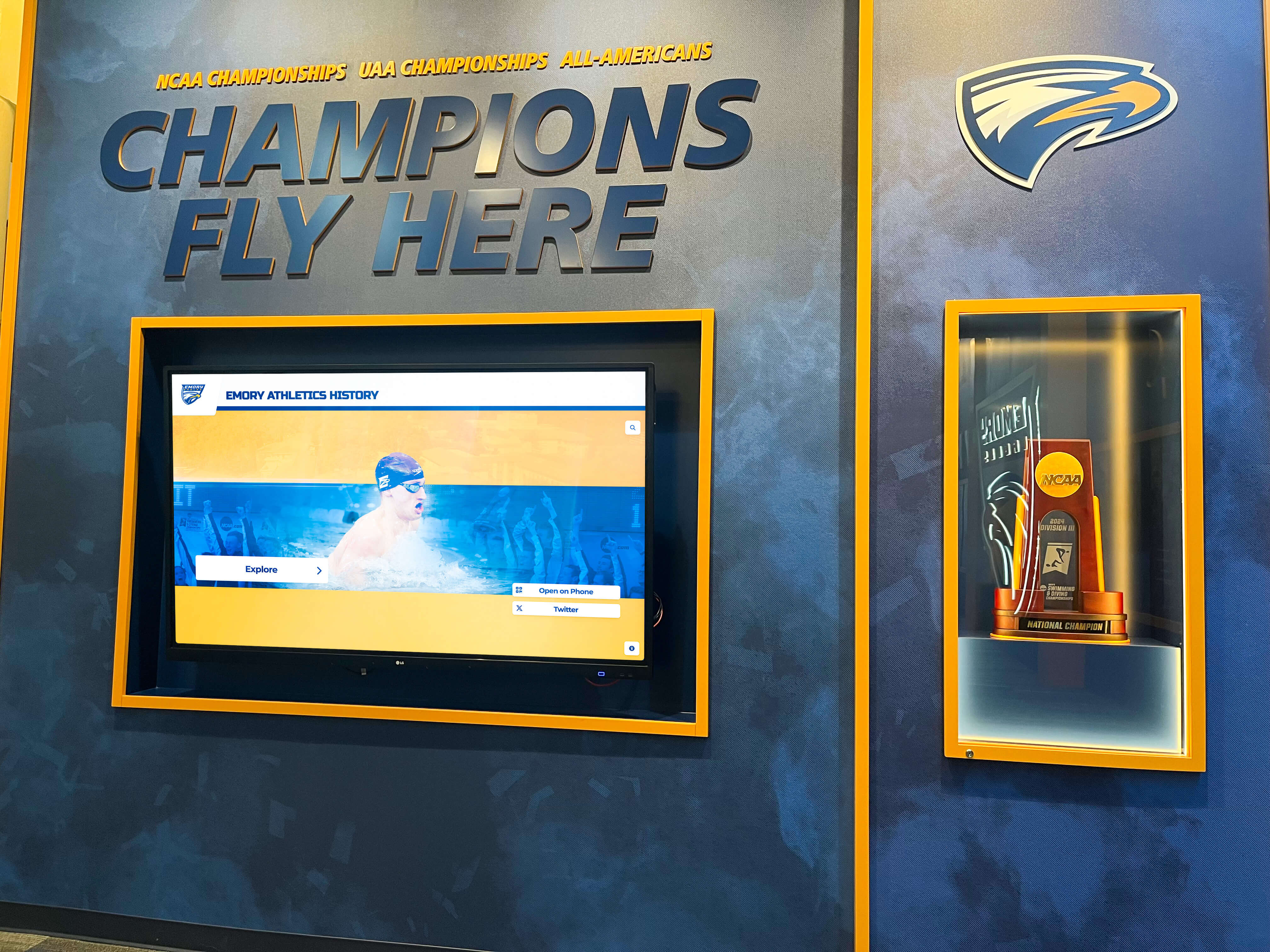
Team records preserve seasons when programs achieved exceptional win-loss records, conference championship performances, or playoff advancement milestones. Recording championship team rosters alongside season records connects individual athletes to collective achievements, creating shared ownership of program success.
Relay and Team Event Records
Sports featuring relay races or team competitions track specific group achievements—4x100 relay records in track, medley relay times in swimming, team pursuit times in cycling. These records honor athletes whose contributions to collective performances created record-breaking results requiring coordination and synchronized excellence.
Sport-Specific Record Categories
Different sports require specialized record categories reflecting their unique competitive dimensions.
Track and Field Record Complexity
Track programs manage extensive record matrices—separate records for outdoor versus indoor seasons, different distance events, field event categories, relay configurations, and potentially boys’ and girls’ records across all categories. Comprehensive track record boards might display dozens of individual record categories requiring organized presentation preventing visual overwhelm.
Swimming Record Specifications
Swimming programs track records across stroke types, distance variations, relay configurations, and pool length variations (short course versus long course). Diving records operate separately with different competitive event structures. Swimming record boards must accommodate this complexity while remaining navigable.
Team Sport Statistical Records
Basketball, football, soccer, and other team sports feature diverse statistical categories beyond simple scoring—assists, rebounds, steals, tackles, interceptions, saves, shutouts. Comprehensive team sport record boards balance multiple statistical dimensions while highlighting records most meaningful to each sport’s competitive values.
Modern approaches to all-state athlete recognition demonstrate how programs can integrate individual honors with record achievements, creating comprehensive displays celebrating multiple forms of athletic excellence.
Traditional Record Board Formats
Schools have employed various physical formats for displaying athletic records, each presenting distinct advantages and limitations.
Painted Wall Boards
Hand-painted record boards represent the oldest display format, featuring records painted directly on gymnasium or field house walls. These create permanent, large-scale visual statements that command attention in athletic facilities.
Advantages: Wall boards provide maximum visibility, demonstrate institutional commitment through permanent installation, and create impressive visual impact that defines facility character. Well-executed painted boards become iconic facility features athletes, students, and communities associate with program identity.
Limitations: Updates require repainting when records change—time-consuming, expensive, and often delayed leading to outdated information. Format constraints limit record quantity as wall space fills. Aesthetic styles age, creating dated appearances. Removal or modification proves difficult if programs want to change record categories or display approaches.
Engraved Plaques and Metal Boards
Engraved metal plaques or boards mounted in athletic facilities offer professional appearances with perceived permanence and prestige.
Advantages: Engraved materials convey quality and institutional seriousness about athletic achievement. Metal boards withstand facility wear better than paper or vinyl materials. Professional appearance impresses visitors and creates formal recognition atmosphere.
Limitations: Updating requires ordering new plates or complete board replacement—expensive and time-consuming. Fixed layouts limit flexibility as record categories change. Installation permanence makes relocation difficult if facility renovations require moving recognition displays. Cost considerations often limit the number of records displayed.
Printed Banners and Vinyl Graphics
Many programs use printed banners or vinyl decals applied to walls, offering colorful designs and relatively affordable production.
Advantages: Banners and vinyl graphics enable custom designs incorporating school colors, logos, and athletic branding. Production costs remain moderate compared to permanent materials. Replacement proves simpler than painted or engraved options when records change.
Limitations: Materials deteriorate over time—fading from sunlight exposure, peeling from temperature fluctuations, or damage from facility activity. Professional appearance diminishes as materials age. Complete replacement becomes necessary periodically, creating recurring costs. Updates still require ordering new materials rather than simple modifications.
Static Digital Displays
Basic digital displays showing static record information represent early technology adoption, essentially replacing physical boards with digital screens displaying fixed content.
Advantages: Digital screens appear modern compared to traditional materials. Content updates don’t require physical material replacement. Multiple screens can display consistent information across facilities.
Limitations: Static displays underutilize digital technology capabilities, essentially functioning as electronic versions of printed boards. Limited interactivity means students can’t explore records beyond what’s continuously displayed. Simple displays may not justify investment compared to traditional materials if functionality remains limited.
Modern Interactive Digital Record Boards
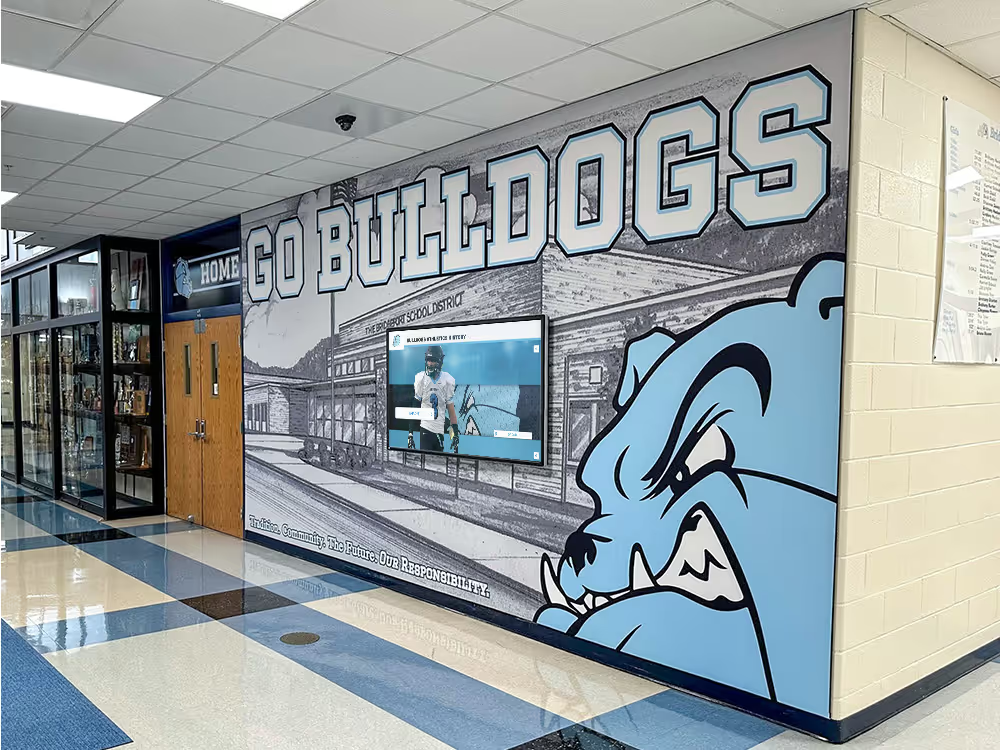
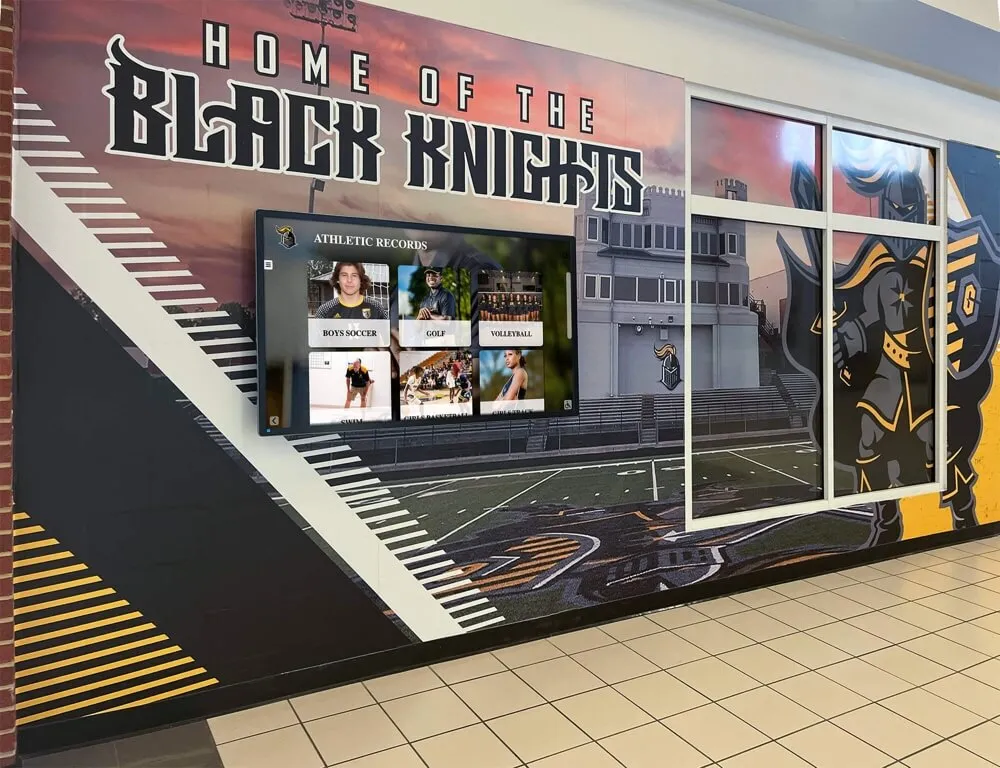
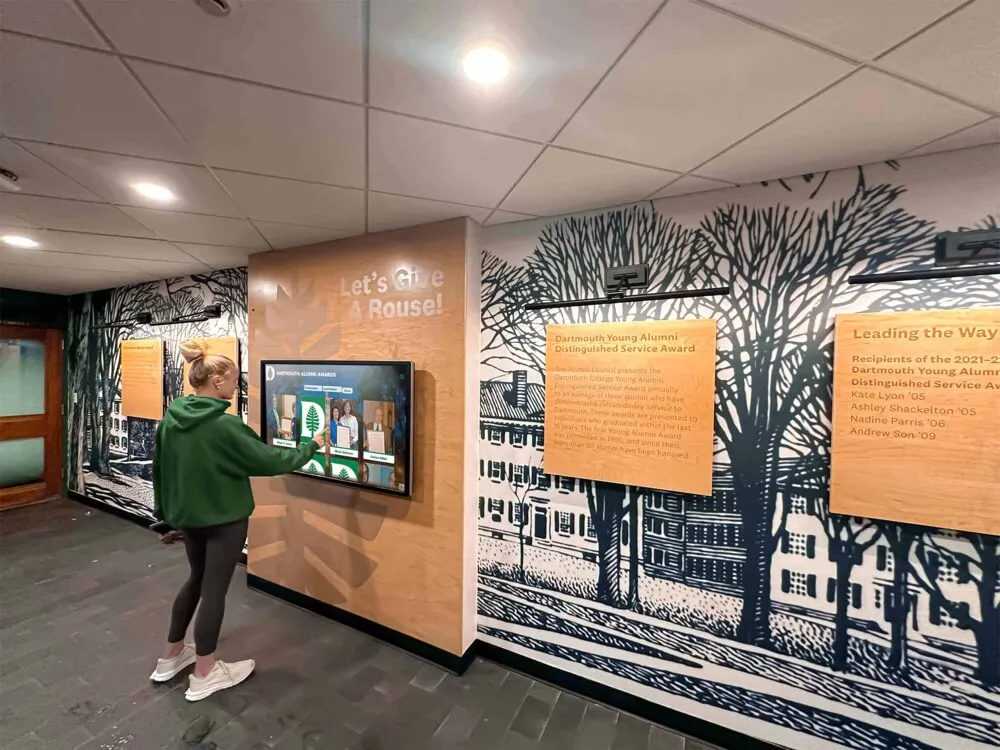
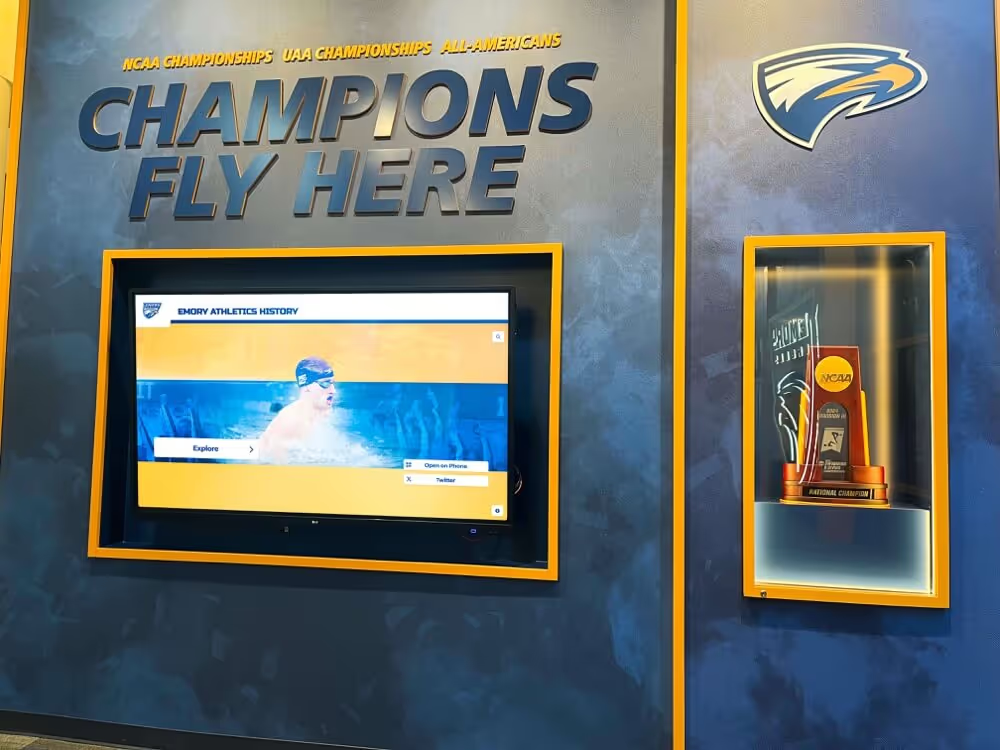
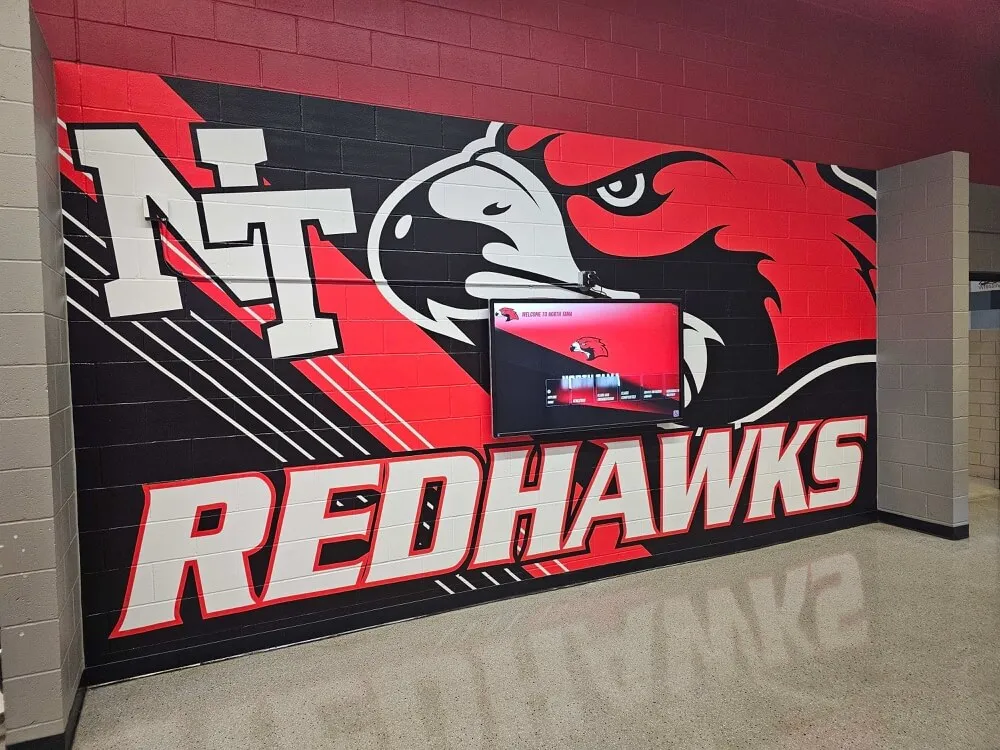
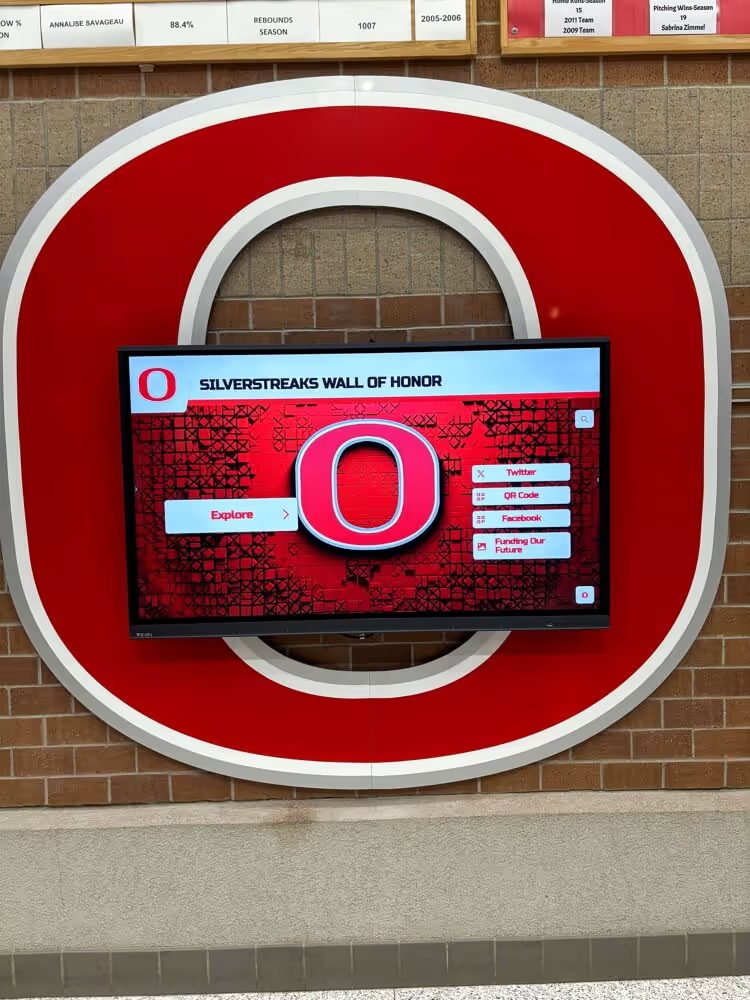
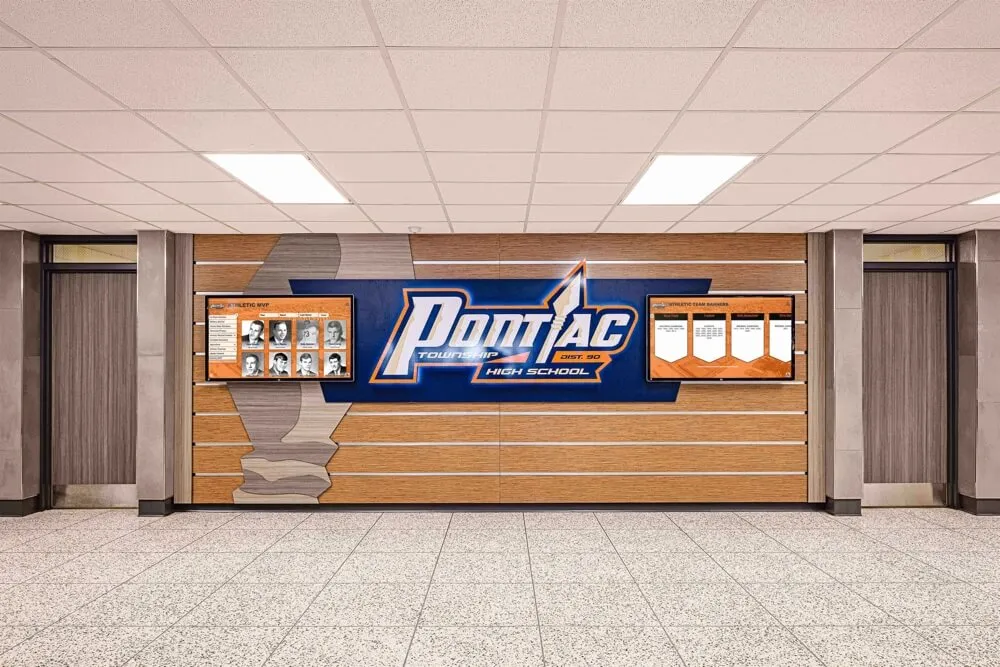
Interactive digital record boards represent the current evolution in athletic achievement display, leveraging technology to address traditional format limitations while adding capabilities impossible with static materials.
Comprehensive Record Storage and Display
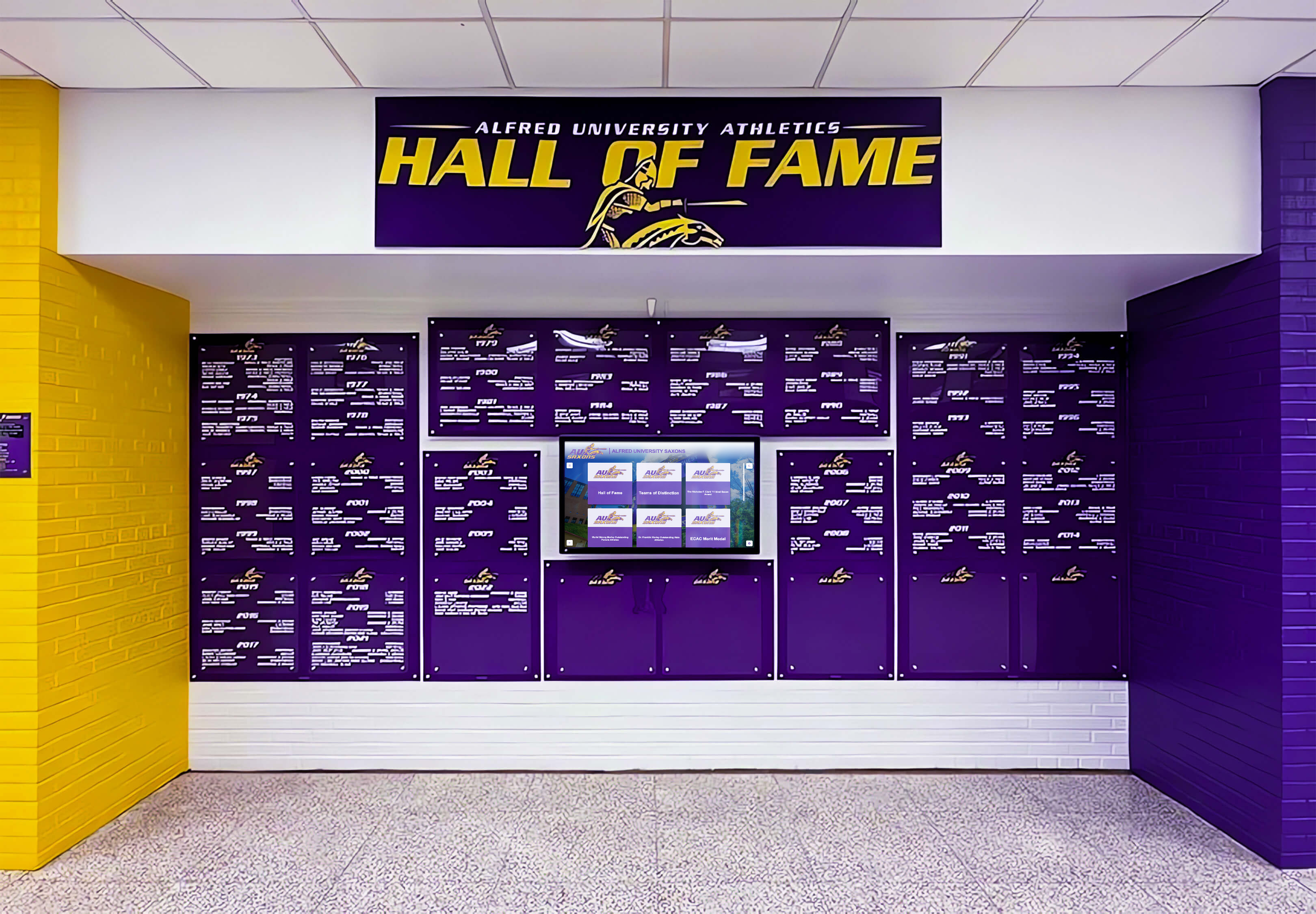
Digital systems eliminate space constraints that limit traditional record boards. Instead of displaying only current records due to wall space limitations, digital platforms store complete historical records—every record holder across program history, not just current record holders. Athletes and visitors can explore who held records previously, when records changed, and how current standards compare to historical benchmarks.
This comprehensive approach proves valuable for programs with long competitive histories where current records might have changed hands multiple times across decades. Digital systems preserve this full record evolution rather than only showing final results.
Multimedia Record Enhancement
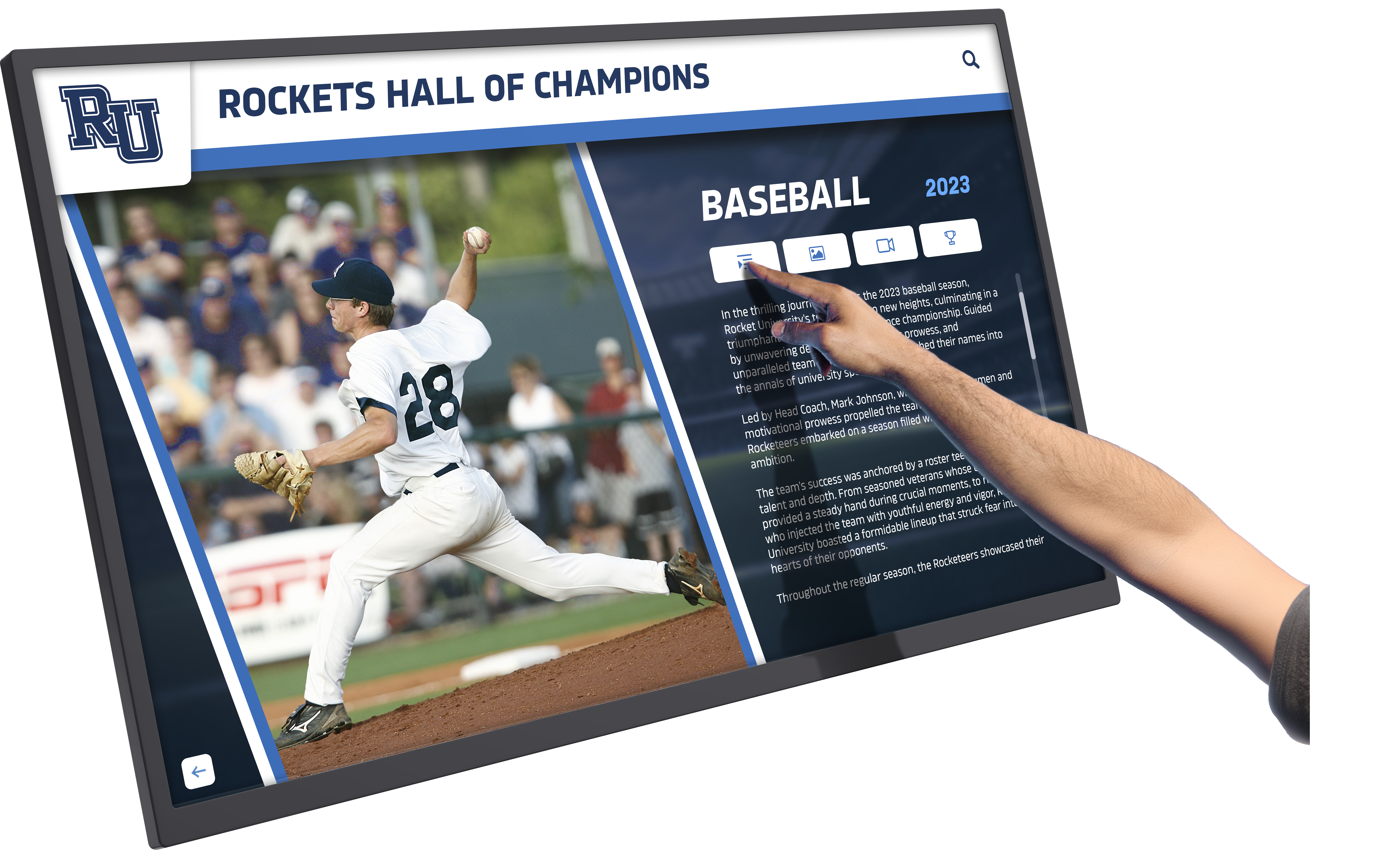
Digital record boards integrate photos, videos, and contextual information impossible with traditional formats. Record displays can include:
- Action photos of athletes achieving record performances
- Video highlights showing record-breaking moments
- Competition context explaining where and when records occurred
- Athlete profiles sharing background about record holders
- Statistical comparisons showing margins between current records and historical standards
Multimedia enhancement transforms records from simple numbers into compelling stories about exceptional performances, creating emotional connections between current students and program history.

Instant Updates When Records Fall
Perhaps the most significant practical advantage involves update efficiency. When athletes break records, administrators simply update digital systems through content management interfaces—no ordering materials, waiting for production, scheduling installation, or incurring recurring costs. Records update instantly, ensuring displays always show current information.
This update simplicity encourages comprehensive record tracking. Programs might hesitate adding record categories when each addition requires ordering new plaques or repainting boards. Digital systems eliminate this barrier—adding new record categories costs nothing beyond initial content entry time.
Interactive Exploration and Engagement
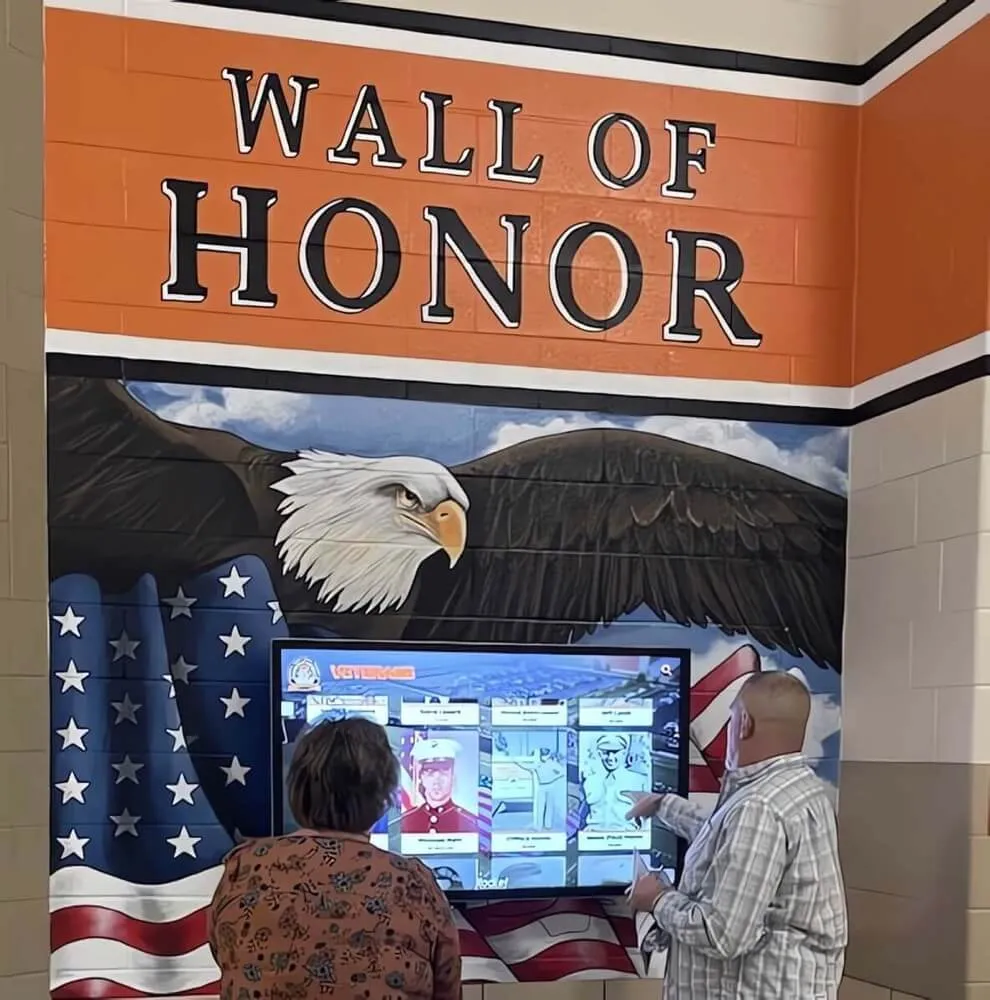
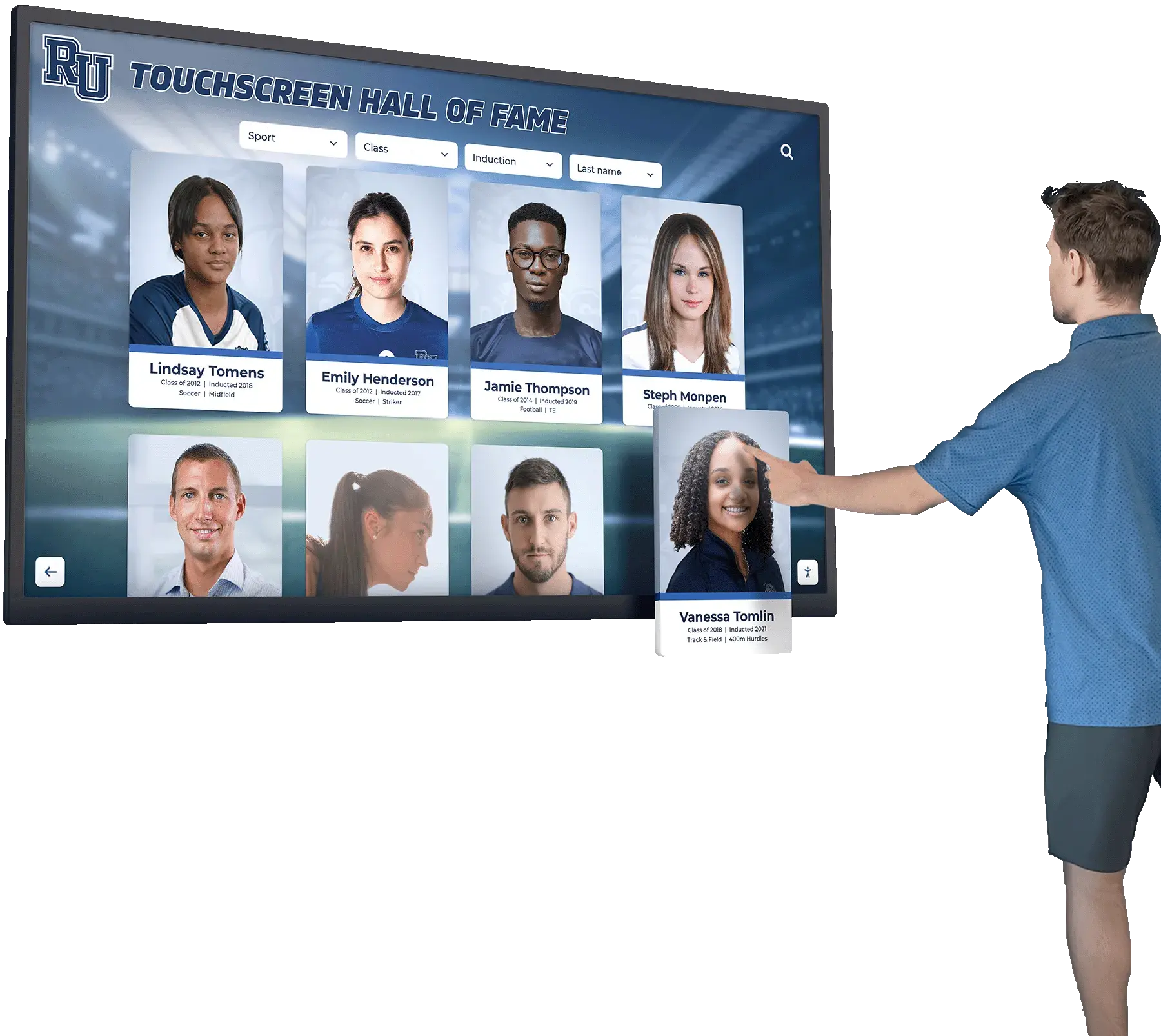
Touchscreen interfaces enable students, athletes, families, and visitors to explore records interactively rather than passively viewing fixed displays. Users can:
- Filter records by sport, year, or athlete
- Search for specific athletes to view all their records
- Compare records across different eras
- View complete statistical breakdowns beyond top records
- Access related content like championship teams or hall of fame inductees
This interactivity increases engagement significantly. Students spend meaningful time exploring records rather than glancing at static boards, deepening their connection to athletic program history and tradition.
Programs implementing comprehensive recognition systems often integrate record boards with broader initiatives. High school alumni hall of fame displays demonstrate how schools combine athletic records with other recognition categories, creating unified systems celebrating achievement across multiple dimensions.
Best Practices for Managing Athletic Record Boards
Regardless of format selection, certain management practices ensure record boards fulfill their intended purposes effectively.
Establish Clear Record Criteria and Categories
Define precisely which records receive tracking and display. Attempting to track every possible statistical category creates management burdens and cluttered displays. Focus on records most meaningful to each sport’s competitive nature and program values.
Consider whether records differentiate by:
- Gender (separate boys’ and girls’ records)
- Competition level (varsity versus junior varsity)
- Season type (regular season versus playoffs)
- Venue (home versus away for applicable sports)
- Conditions (outdoor versus indoor for track, short course versus long course for swimming)
Documented criteria prevent confusion when evaluating whether new performances qualify as records. Clear standards ensure consistent application across coaching changes and administrative transitions.
Verify Records Before Official Recognition
Implement verification procedures confirming that performances actually occurred as reported before updating record boards. This includes:
- Confirming official meet or game results
- Verifying timing or measurement systems met standards
- Checking that competitions followed proper rules and conditions
- Documenting verification sources for future reference
Removing incorrectly posted records creates embarrassment and undermines record board credibility. Verification processes prevent these situations while ensuring record boards maintain integrity.
Maintain Historical Documentation
Preserve records of all record changes including dates when records occurred, athletes who achieved them, competition locations, and conditions. This historical documentation supports future questions about record accuracy, provides context for anniversary celebrations, and ensures institutional knowledge persists through personnel changes.
Digital systems facilitate this documentation through automatic historical tracking. Programs using traditional displays should maintain separate written or digital archives preserving complete record histories.
Create Accessible Record Resources
Beyond facility displays, make records accessible through multiple channels:
- Athletic program websites with searchable record databases
- Printed media guides for coaches and media
- Social media highlights when records fall
- Mobile apps enabling anytime access
Multi-channel accessibility ensures that records reach broader audiences beyond those physically visiting athletic facilities. Parents can reference records when discussing college recruitment, media can access information for coverage, and athletes can research program standards from anywhere.
Schools seeking to create cohesive recognition ecosystems often combine record boards with related display systems. Donor display walls and donation wall concepts demonstrate parallel approaches to recognition that can integrate with athletic achievement displays.
Regular Maintenance and Updates
Schedule regular record board maintenance ensuring displays remain current, functional, and visually appealing:
- Review records each season verifying accuracy
- Update immediately when records change
- Clean physical displays or digital screens regularly
- Test digital system functionality preventing technical failures
- Refresh designs periodically maintaining contemporary appearance
Neglected record boards communicate that programs don’t value recognition seriously. Consistent maintenance demonstrates ongoing commitment to celebrating athletic excellence properly.
Integrating Record Boards with Broader Recognition Systems
The most effective athletic recognition approaches integrate record boards within comprehensive systems celebrating multiple achievement dimensions.
Connecting Records to Hall of Fame Programs
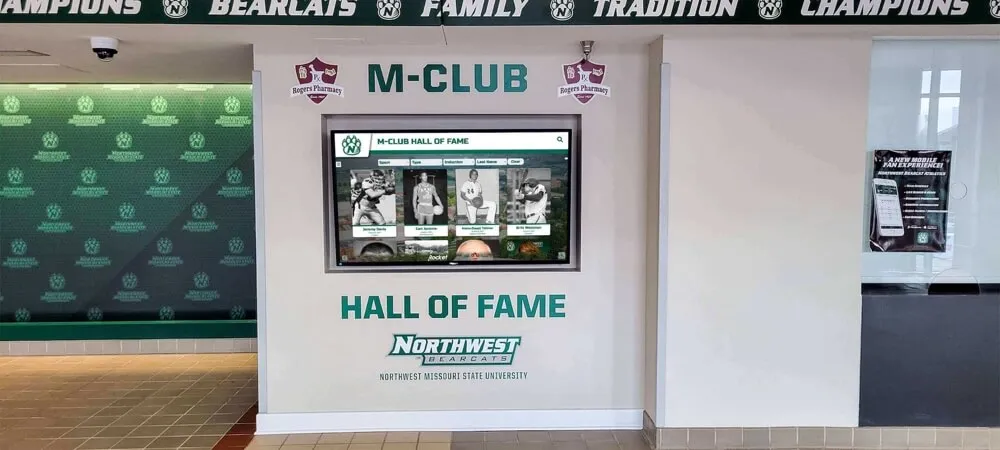
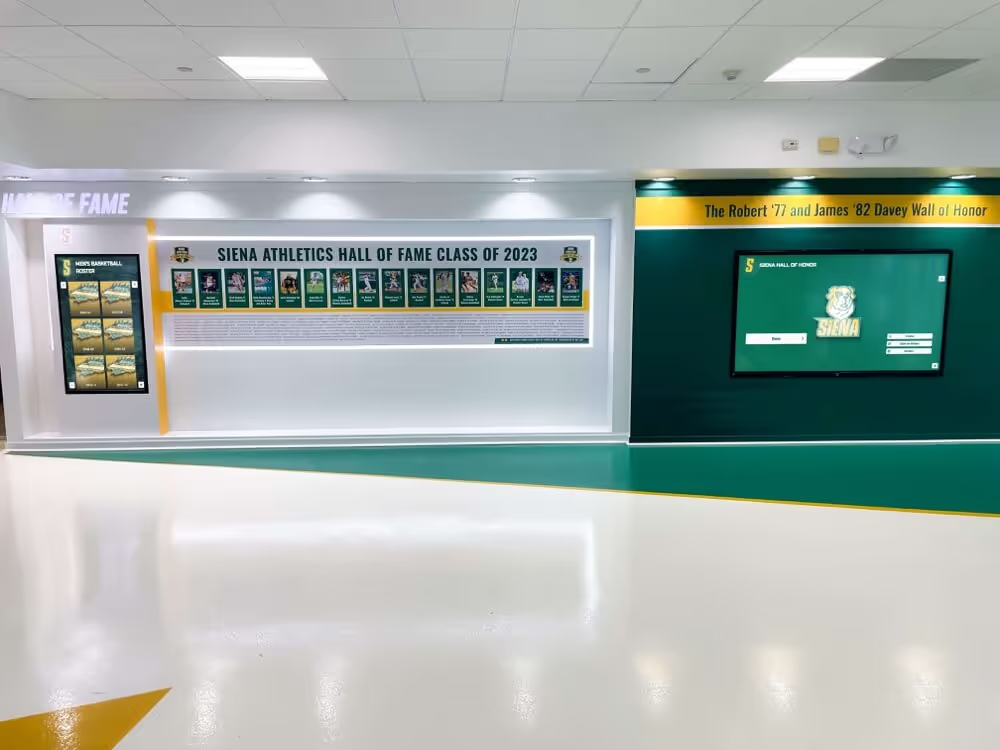
Many schools link record boards with athletic hall of fame programs, creating natural connections between statistical excellence and formal induction. Athletes holding multiple records often become hall of fame candidates, while inductee profiles can reference records they held during competitive careers.
Digital platforms enable seamless integration between these recognition types. Users exploring record boards can navigate to related hall of fame profiles, while hall of fame displays can highlight records held by inductees, creating interconnected recognition narratives.
Championship and Award Recognition Integration
Beyond individual records, comprehensive displays celebrate team championships, conference titles, state qualifications, and special awards. Integrated systems allow users to explore complete pictures of program achievement—not just who holds records, but which teams won championships, who earned all-conference honors, and which athletes received special recognition.
This comprehensive approach validates diverse contribution types. Not every exceptional athlete breaks records, but team leaders, clutch performers, and athletes demonstrating exemplary character deserve recognition alongside statistical standouts.
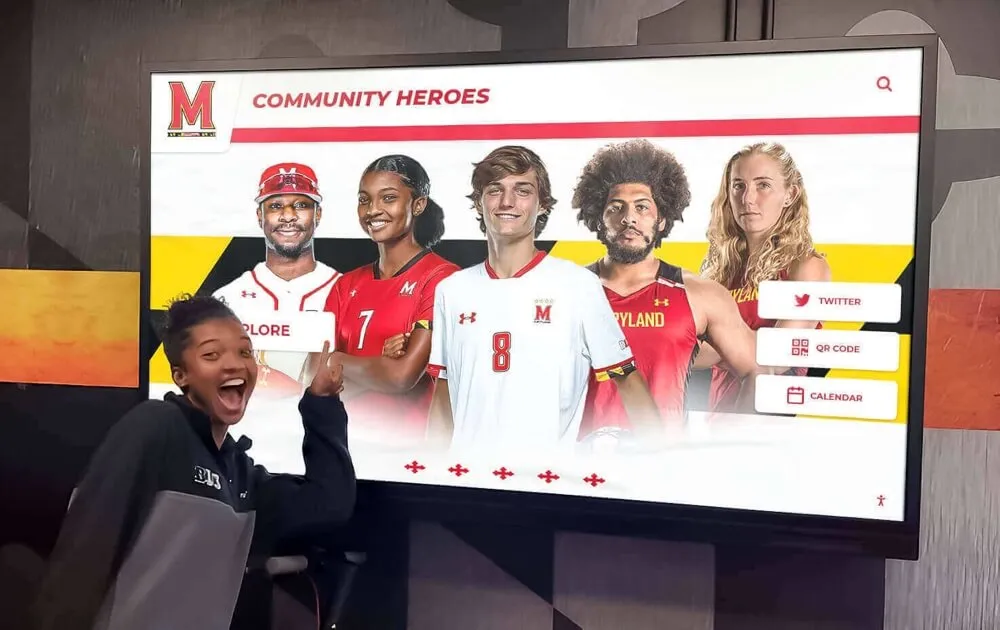
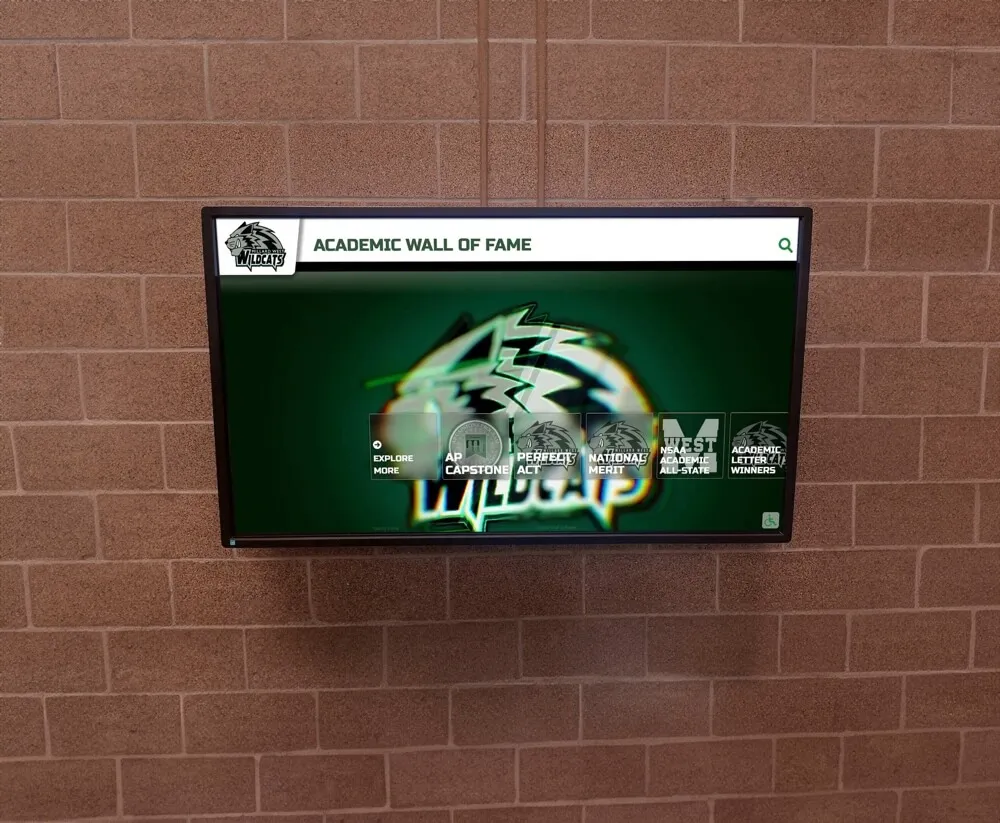
Programs implementing integrated approaches to student recognition find applications beyond athletics. Outstanding student honor walls demonstrate parallel recognition principles for academic achievement, while community hero walls show how recognition extends beyond school communities.
Alumni Engagement Through Record History
Record boards create natural alumni engagement opportunities. Former athletes enjoy reconnecting with their achievements, sharing record board photos on social media, and introducing their own children to their names on permanent displays. Schools can leverage this connection for:
- Alumni reunion activities centered on athletic facility tours
- Social media campaigns highlighting historical records and record holders
- Fundraising initiatives connecting facility improvements to proper achievement recognition
- Mentorship programs pairing current athletes with record-holding alumni
Digital record systems enhance these engagement opportunities by enabling remote access. Alumni anywhere can explore current records, see if their achievements still stand, and share memories about competitive experiences—maintaining connections long after graduation.
Schools exploring broader recognition strategies can learn from approaches in different contexts. Employee recognition walls and remembrance day programs demonstrate recognition principles applicable across different organizational contexts.
Making the Transition to Digital Record Boards
Schools considering transitions from traditional record displays to digital systems should approach implementation strategically.
Content Migration and Historical Research
Transitioning requires gathering existing records from current displays and historical sources:
- Photograph and document all current record board information
- Review historical athletic archives for additional records not currently displayed
- Interview long-tenured coaches who remember historical achievements
- Research old yearbooks, media guides, and newspaper archives
- Verify historical information through multiple sources when possible
This content migration effort often reveals forgotten achievements or corrects long-standing inaccuracies. The research process itself creates valuable opportunities for celebrating program history while ensuring digital systems launch with comprehensive, accurate content.
Strategic Placement and Installation
Digital record boards function optimally when positioned in high-traffic athletic facility locations where students, athletes, families, and visitors naturally gather. Ideal locations include:
- Main gymnasium lobbies and entrances
- Hallways connecting locker rooms to competition venues
- Athletic training facility common areas
- Field house entrances and concourse areas
- Areas near trophy cases and other recognition displays
Placement should encourage casual exploration while avoiding locations where interactive use might create traffic flow issues during events.
Training and Launch Communication
Successful implementations include training for administrators who will manage content updates and communication strategies introducing digital record boards to school communities:
- Train athletic directors, coaches, and designated administrators on content management systems
- Create launch events introducing digital displays to students and families
- Develop social media campaigns highlighting new record board capabilities
- Encourage athletes to explore records and share discoveries
- Solicit feedback identifying additional records or features communities value
Launch periods create enthusiasm around athletic recognition while demonstrating institutional investment in celebrating achievement properly.
Understanding how other schools approach athletic recognition provides valuable context. College football awards and national student athlete day celebrations show how recognition extends beyond local records to broader athletic honor systems.
Celebrating Records When They Fall
Record-breaking performances deserve special recognition creating memorable moments for athletes, teams, and communities.
Immediate Acknowledgment Systems
Digital record boards enable immediate recognition when records fall. During competitions, announcements can highlight new records as they occur, and digital displays can update in real-time showing new record holders. This immediate acknowledgment validates exceptional performances while they’re happening rather than waiting for post-season updates.
Schools can enhance these moments through:
- Public address announcements during competitions
- Social media posts highlighting new records
- Certificate presentations to record-breaking athletes
- Photos capturing moments of achievement
- Video documentation of record performances
Sustained Recognition Throughout Seasons
Beyond immediate acknowledgment, schools should celebrate record achievements throughout seasons and school years:
- Feature record-breakers in school announcements and publications
- Display record-breaking athletes in showcase positions on digital boards
- Include record achievements in athletic award ceremonies
- Share record stories through athletic program social media accounts
- Document record performances in yearbooks and media guides
Sustained recognition ensures that record-breaking performances receive appropriate celebration extending beyond brief initial acknowledgment.
Conclusion
Athletic record boards serve essential functions in school sports programs—motivating current athletes, preserving competitive history, building program pride, and celebrating exceptional achievement. While traditional display formats have served programs for generations, modern digital solutions address longstanding limitations while adding capabilities that transform how schools track and celebrate athletic excellence.
The evolution from painted boards to interactive digital displays reflects broader changes in how schools approach recognition, engagement, and community building. Programs investing in comprehensive digital record systems position themselves to celebrate athletic achievement more effectively while creating resources that serve multiple constituencies—current athletes seeking motivation, alumni maintaining connections, families exploring program traditions, and communities understanding what makes athletic programs special.
Selecting appropriate record board approaches requires understanding program needs, facility contexts, budgetary realities, and long-term vision for athletic recognition. Whether maintaining traditional displays or transitioning to digital platforms, commitment to accurate record keeping, regular maintenance, and meaningful celebration ensures that record boards fulfill their purpose: honoring athletic excellence while inspiring future generations to reach new heights.
Ready to transform how your school tracks and displays athletic records? Rocket Alumni Solutions offers interactive digital record board systems that preserve unlimited records, update instantly, engage students through touchscreen exploration, and integrate athletic achievement recognition within comprehensive platforms celebrating school excellence across all dimensions. Discover how modern digital displays can honor your program’s competitive tradition while inspiring tomorrow’s record breakers.